When my wife and I were in California a few months ago, I rented a VW Jetta from Enterprise. We didn’t use the car a lot, but I was interested in seeing how much (or how little) the Jetta had changed since I leased a 2014 model from my local dealer. (I’ve owned my share of VWs: my first new car was a ’77 Rabbit, and when I was done with that one, I bought a new ’82 Scirocco.) I could have rented a CUV, but my personal preferences lean more toward cars anyway. I was a contrarian as I navigated the streets of L.A. in something as old-fashioned as a four-door sedan.
According to Wikipedia, current model year Jettas are the seventh generation of the nameplate, which means that this platform extends back to the 2019 model year, with a styling refresh in 2021 and again in 2024. A 2026 Jetta is in its eighth model year. Given the focus on SUVs, I don’t blame VW for somewhat ignoring the Jetta. At least they are keeping it in the lineup, compared to the way that Chevrolet and Ford have abandoned four-door sedans.
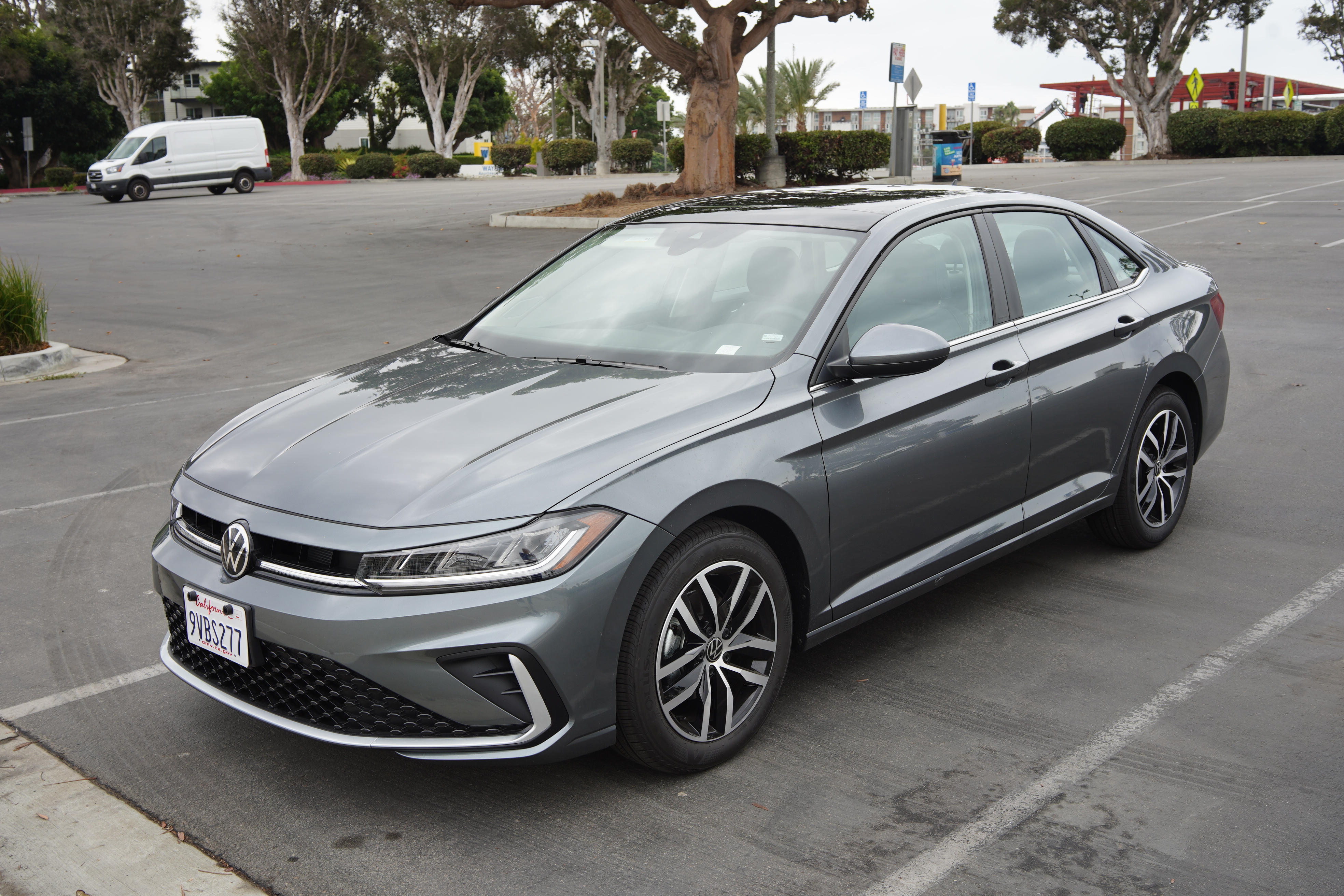
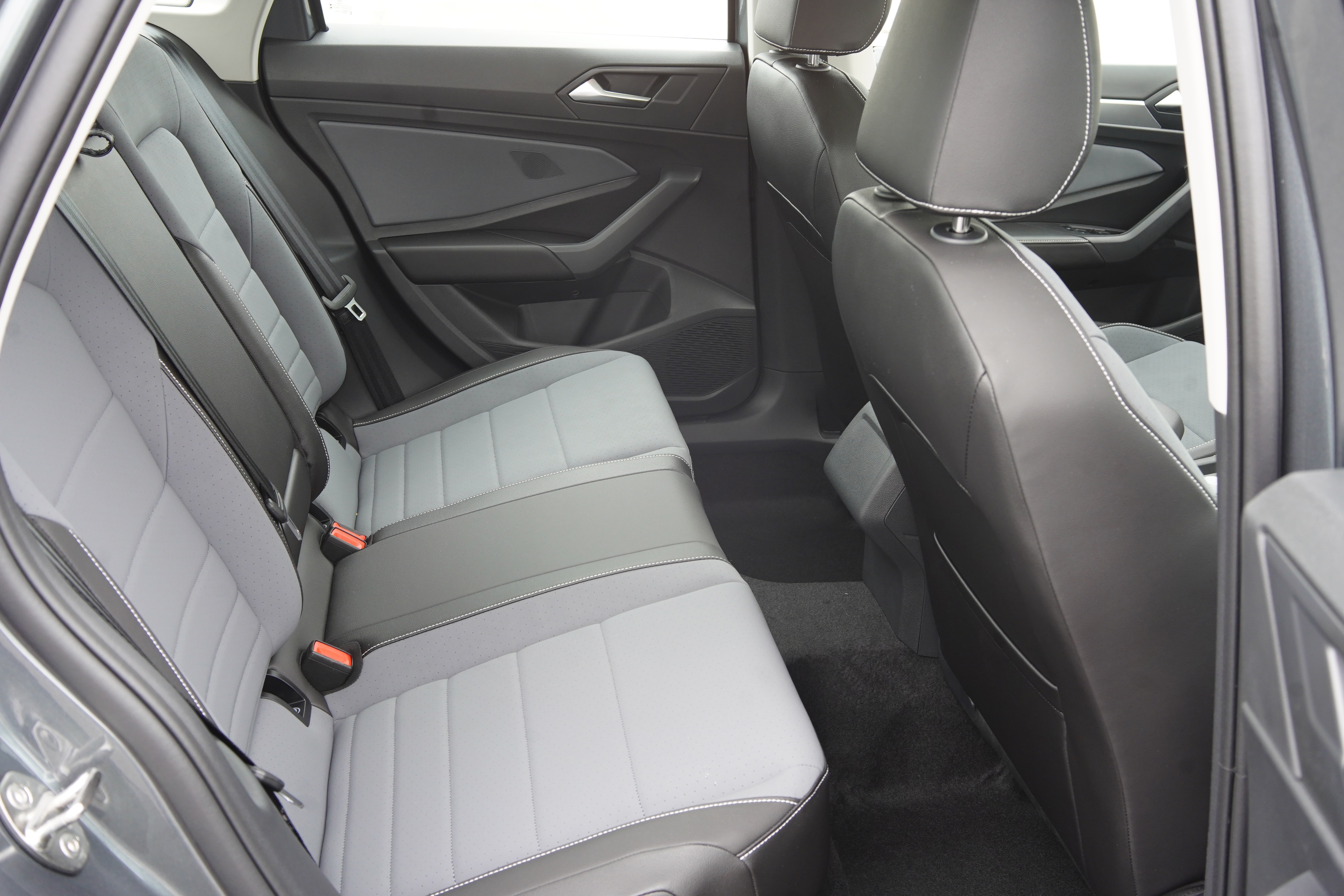
Overall, the Jetta was comfortable, spacious, and easy to drive. My rental, in gray over gray, could be described as bland, but I found the exterior design to be handsome while avoiding the styling cliches I see on other vehicles. Upon first opening the driver’s door, that “handsome but nothing extraordinary” reaction repeated itself. VWs (and their Audi and Porsche stablemates) have been praised in recent years for high-quality interiors, and the Jetta’s interior deserves that recognition too. The seat upholstery drew special kudos from me. Instead of vinyl or leather, the synthetic cloth-like material was comfortable, grippy, and gave the impression that it would be comfortable in all temperatures. The front seats, rear seats, and trunk all looked spacious for a car of this size.
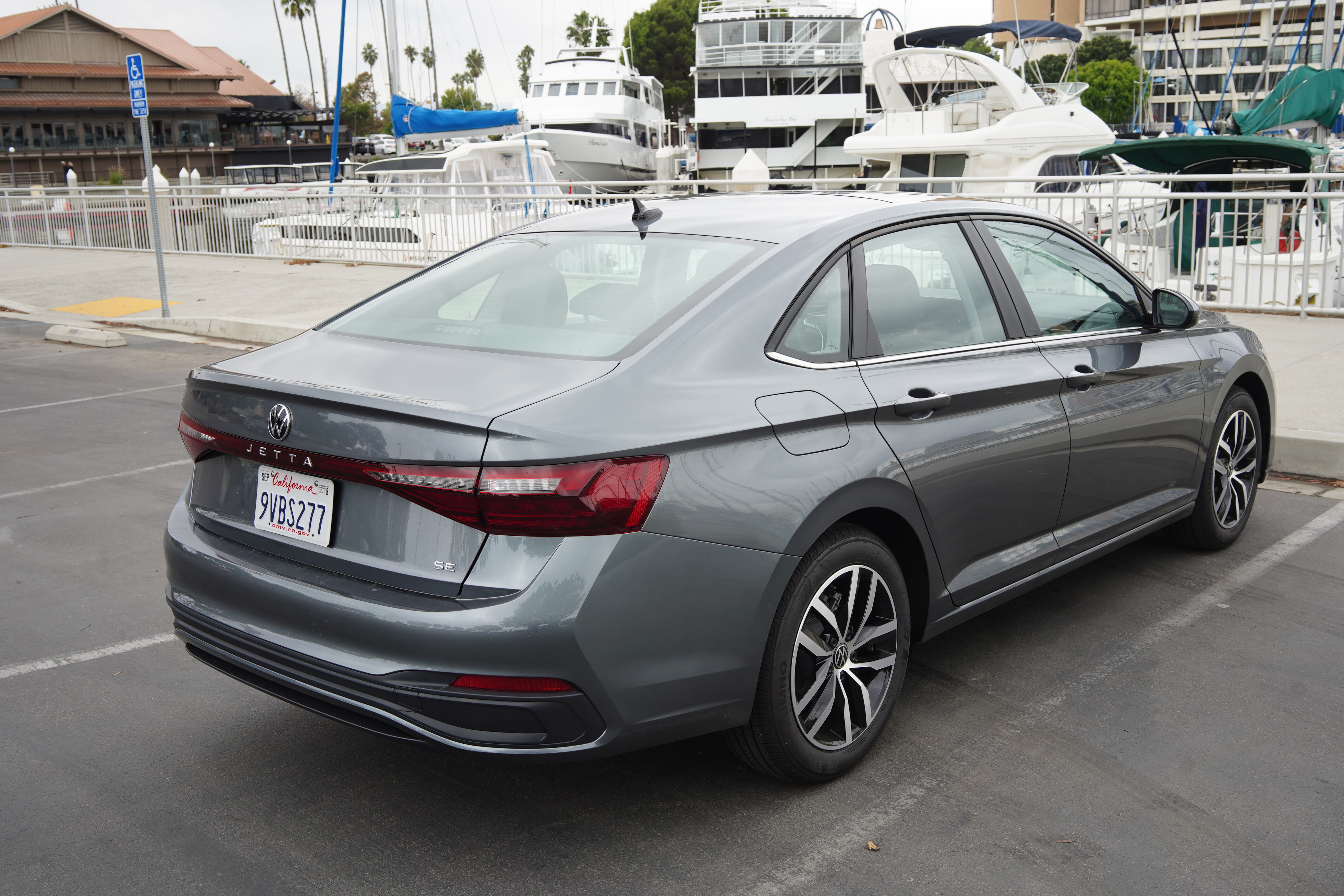
It was once I started driving the car that several flaws revealed themselves. I was interested to learn how many miles were on the rental. Like so many cars today, the all-electronic instrument cluster is festooned with changeable screens, controlled by various buttons on the steering wheel. In the four days that I had that Jetta, I never found its odometer or trip odometer. At every stop light, I would scroll through all the available menus, but never saw it. It is in situations like this that you wonder if some sort of standardization should be applied across the industry.
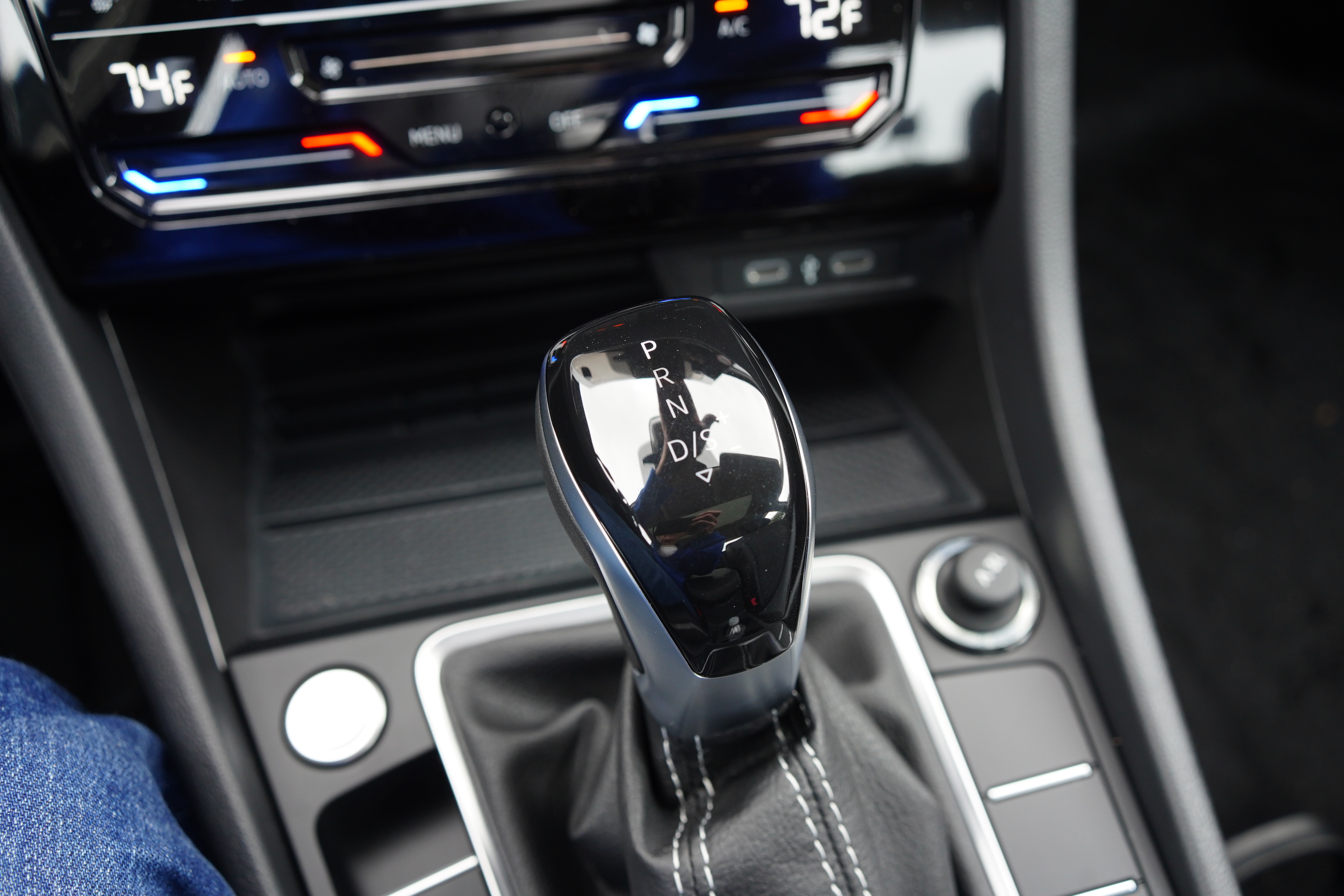
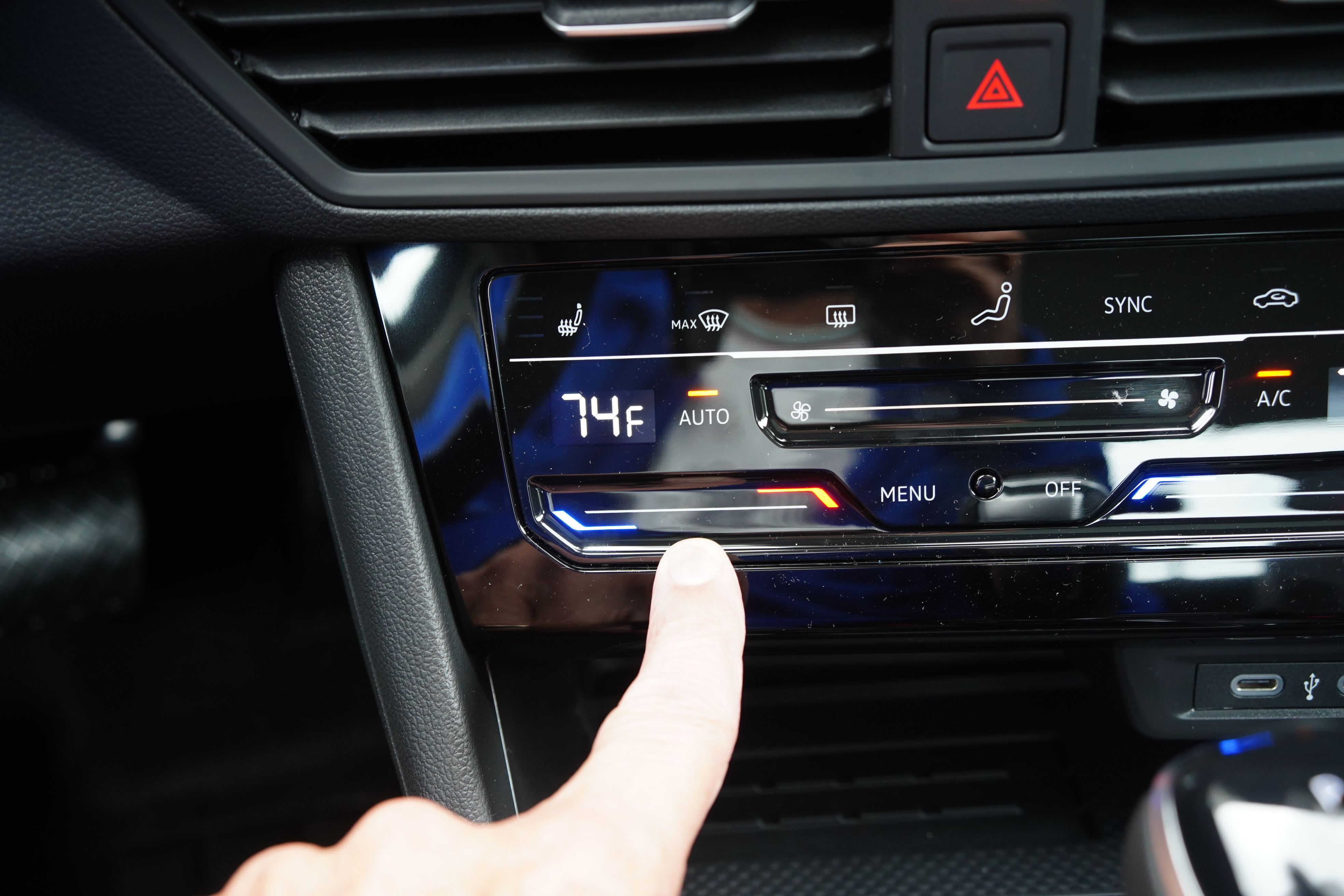
The car had automatic climate control, and raising or lowering the temperature was done via haptic slide controls, one each for driver and passenger. It was not easy to make small adjustments, especially while driving, as the mere touch of a finger would tend to make a larger change than intended. (I commented on these controls as far back as 2021 when I test drove a VW ID.4 EV.) I recall reading that VW was going to go back to more conventional knobs or buttons, but this 2026 had not yet seen that change, if in fact it was still coming.
The floor-mounted shifter, complete with a PRNDL, worked perfectly fine. I call it out only because when I got my first “modern” Volvo in 2022, it took me a few weeks to adapt to its electronic shifter (push FORWARD for reverse, push REARWARD for drive, press the “P” button for Park). Driving the Jetta with its old-school shifter was a constant reminder of this platform’s age.
The biggest fault with the car was its turbo lag. I have been driving turbos since Volvo first introduced its Turbo model in 1981. At that time, turbo lag was an industry-wide problem that eventually was solved through various means. I don’t think I’ve experienced a new car with turbo lag in many years, so finding a 2026 VW with it was a shock. It was most noticeable when starting from a standstill; once I reached 30 MPH, it essentially disappeared. Was it only this car, or is it across all the 2026 models? I don’t know. But if this car were mine, I’d take it right back to the dealer for investigation.
Compared to the 2014 Jetta I leased, the 2026 model has many more standard features. My 2014 was a six-speed manual, so it was sportier to drive. (A stick is available in a select few Jetta trims levels only.) Would I recommend a VW Jetta to someone looking for a mid-sized sedan, who might also be shopping Honda, Toyota, or Hyundai? My response would be a qualified “yes.” Take a test drive first to see if turbo lag exists, and spend at least a few minutes with the various controls to assure yourself that you would be willing to accept a learning curve to operate the vehicle (which you would likely need to do with almost any other new car). I think that there is good value in the Jetta at this price point, and compared to its Asian competition, the German driving experience (minus that turbo issue) might win some people over. And how many new four-door sedans do you have to choose from anyway?
2026 Volkswagen Jetta four-door sedan, “SE” model.
MSRP: Starting at $26,985 for the SE; lower- and higher-priced models available.
Engine: Inline four-cylinder gas engine, 1.5 liters, turbocharged, 158 horsepower.
Transmission: Eight-speed automatic.
Pros: Inoffensive styling, good interior and trunk room, supportive bucket seats with grippy fabric, smooth-shifting automatic transmission.
Cons: Turbo lag at lower speeds, non-intuitive steering wheel buttons, haptic slide controls take focus away from driving.


Entire blog post content copyright © 2025 Richard A. Reina. Text and photos may not be copied or reproduced without express written permission.
 richardscarblog
Nice car agreed, shame about the engine. That car needs a 2 litre in my opinion. Good review thanks!!
LikeLike
Hi Simon, thanks for your comments, which are always appreciated. I agree with you about the 2L engine being a better choice, although I would guess that VW is also trying to eke out the best fuel economy they can. Best, Richard
LikeLike