According to their website, Allentown, PA’s “Auto Mania” has been held since 1990. My earliest recollection of attending was in 1997, and I’ve gone back sporadically since then. As classic auto flea markets go, this may be the smallest one out there. (It is worth noting that a few years ago, Carlisle Events purchased Auto Mania, although to my eye, the only thing it changed was adding the Carlisle name to the signage.) Its primary function has been to serve as an excuse to get to a show during the winter. And that was the rationale for three of my besties and me to head there on Friday, January 16.
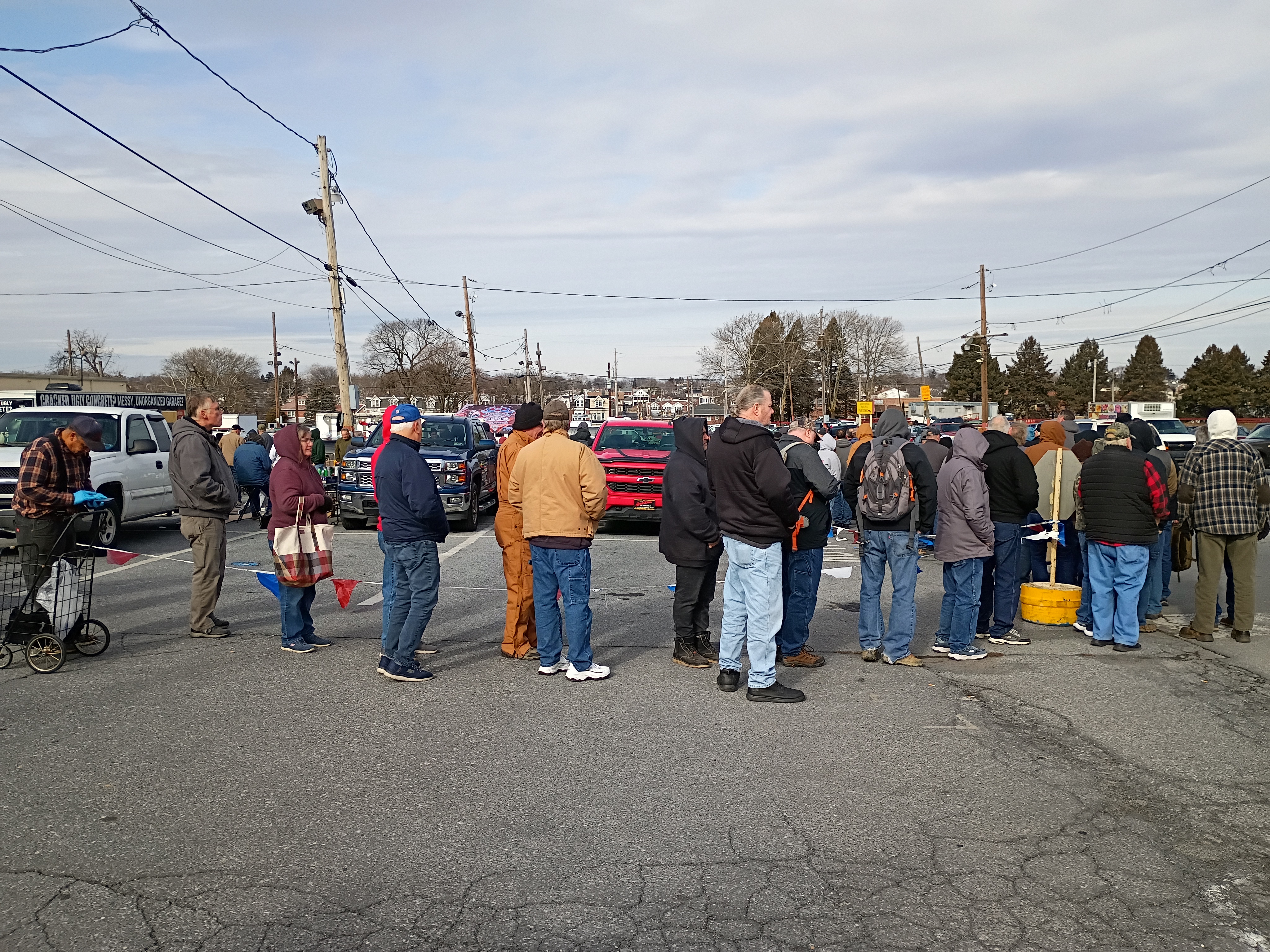
Thankfully, Larry noticed that the doors didn’t unlock until noon on Friday, so we met for a mid-morning breakfast, filled our bellies, and arrived at the Agri-Plex Expo Center around 12:15. We should not have been shocked at the sight, but we were: the line to get into the place snaked up and down in front of the building, so much so that we stood in the windy and chilly air for thirty minutes before setting foot inside. The place was packed with both vendors and spectators, and so our wandering along the aisles began.
This was only a small part of the entrance queue
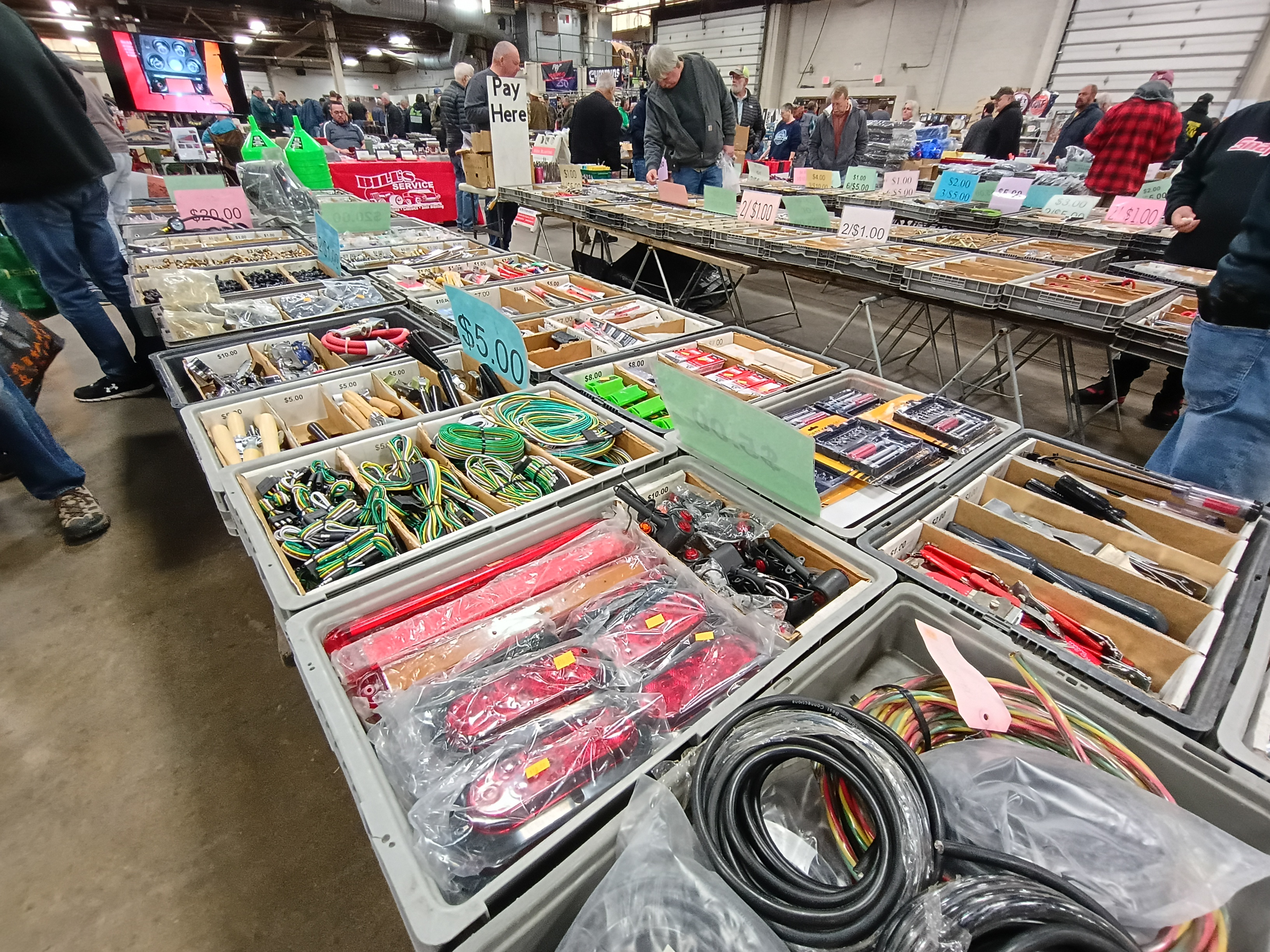
This is billed as an indoor-only, all weather event, and 99% of the vendors are selling parts, not cars. Anticipating that I would find the typical piles of stuff that would not interest me, I was pleasantly surprised at the variety. Old books and maps, two of my weaknesses, were easily found. Although I didn’t make any purchases in these categories, it wasn’t for lack of trying. A map vendor had some very interesting NYC maps dating back to the 1940s, and I spent more than a few minutes poring over the choices, ultimately deciding that there weren’t any maps I desperately needed. My favorite vendor was the one who had many tables meticulously arranged with various tools, supplies, and hardware, and he ended his day $15 richer thanks to me.
This vendor, from whom I bought a few things, was busy all day
My three compatriots wandered the building on their own, while I took to strolling solo. I ran into five fellow AACA members, all doing the same thing I was: getting out of the house for a chance to enjoy the hobby inside a heated building. My travel companions and I reconvened around 3 p.m., and headed next door to the Allentown Farmer’s Market, where we found an open counter at a country-style luncheonette, and enjoyed a late afternoon meal. Having driven my own car there, we bid our farewells, and I was home before dark.
The show was mainly populated by older white men with gray hair
It’s nice to know that there is a January car show within an hour’s drive. Would I go every year? Not necessarily. A lot would depend on the weather, and my own level of desire to make the effort. But I enjoyed the day, and now I am even more anxious for April to arrive, so that I can welcome the unofficial start of the car show season.
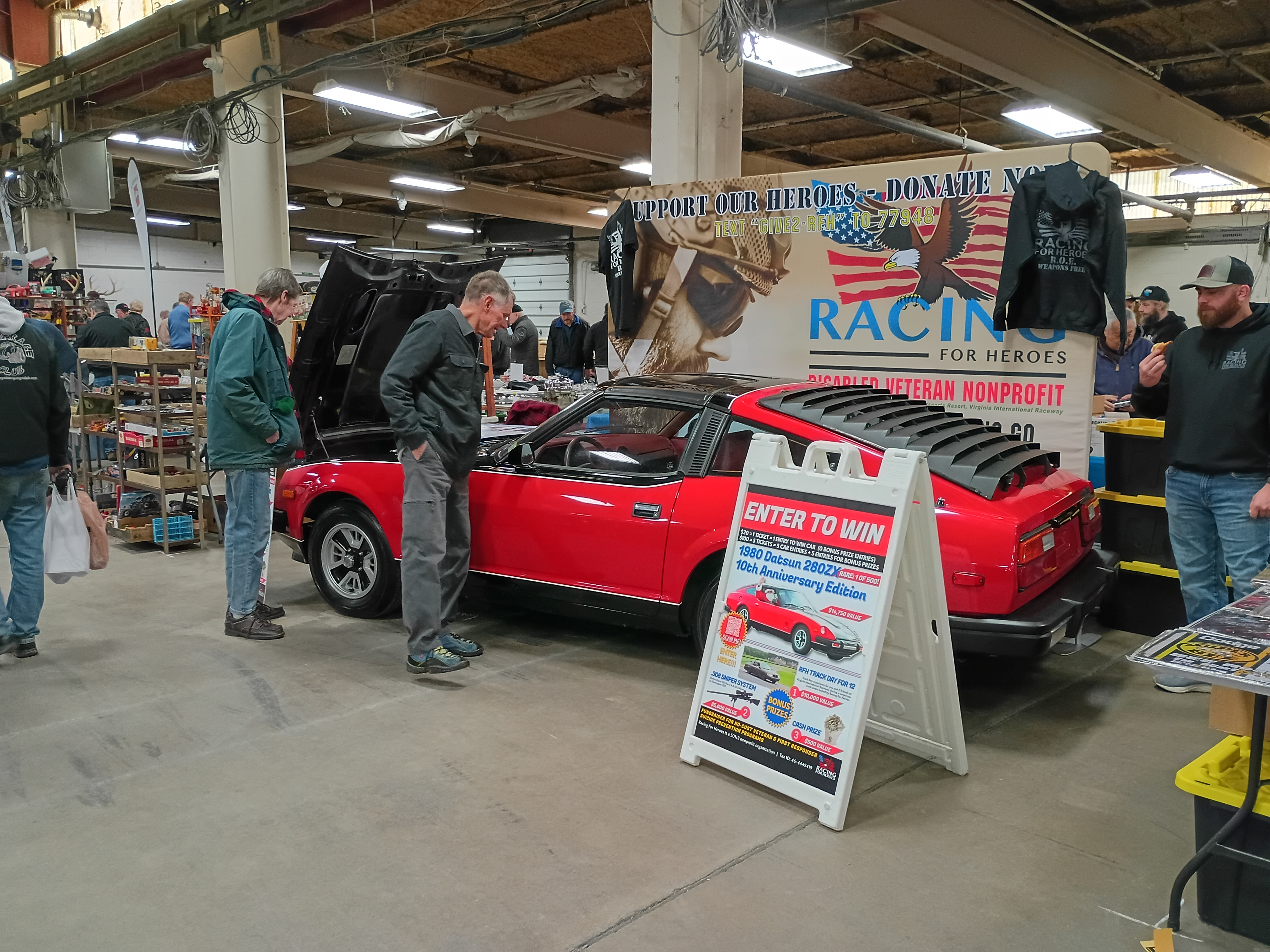
One of the few cars there was this Datsun 280ZX being raffled off
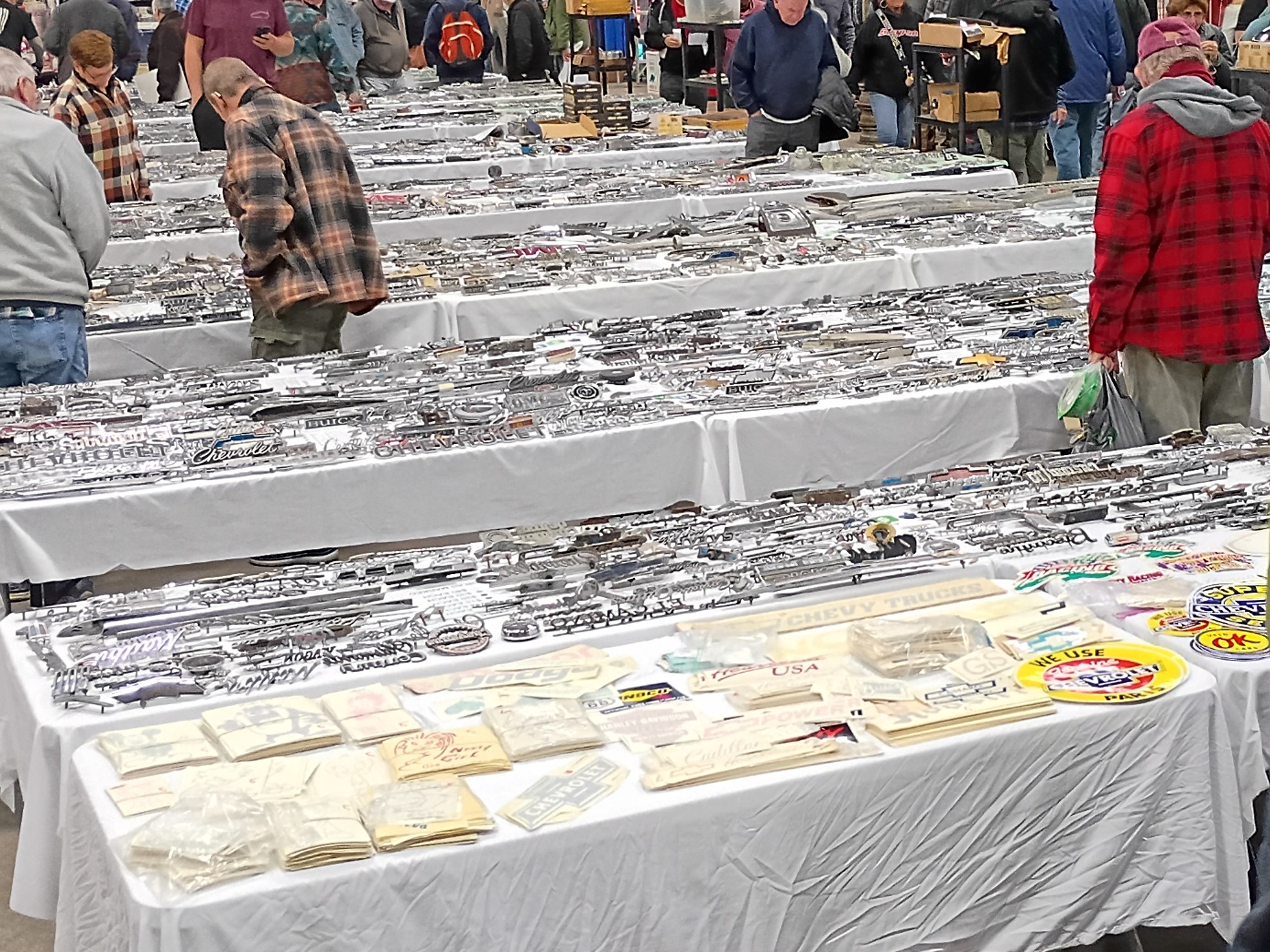
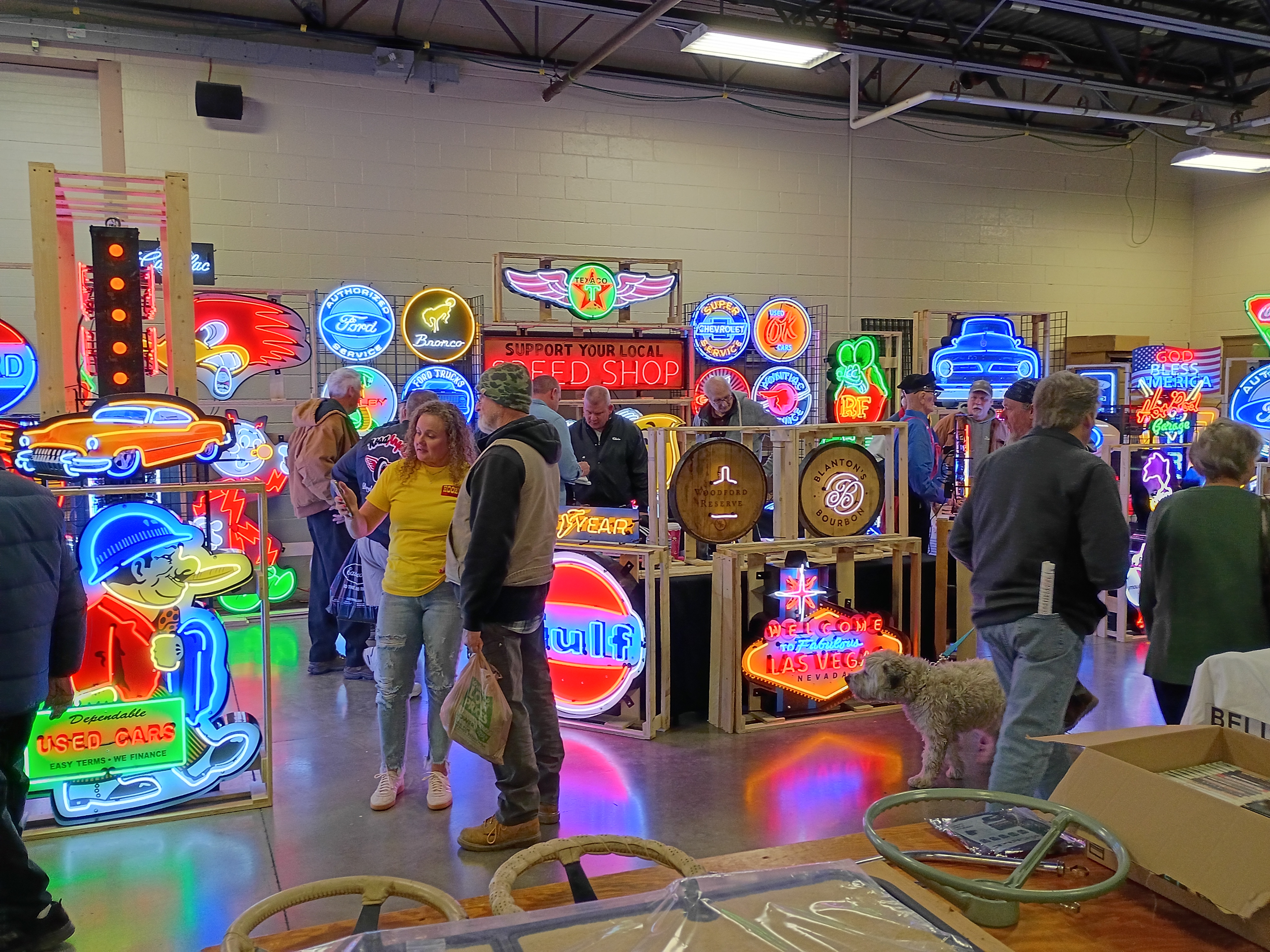
This vendor had a make or model nameplate for almost every domestic vehicle made
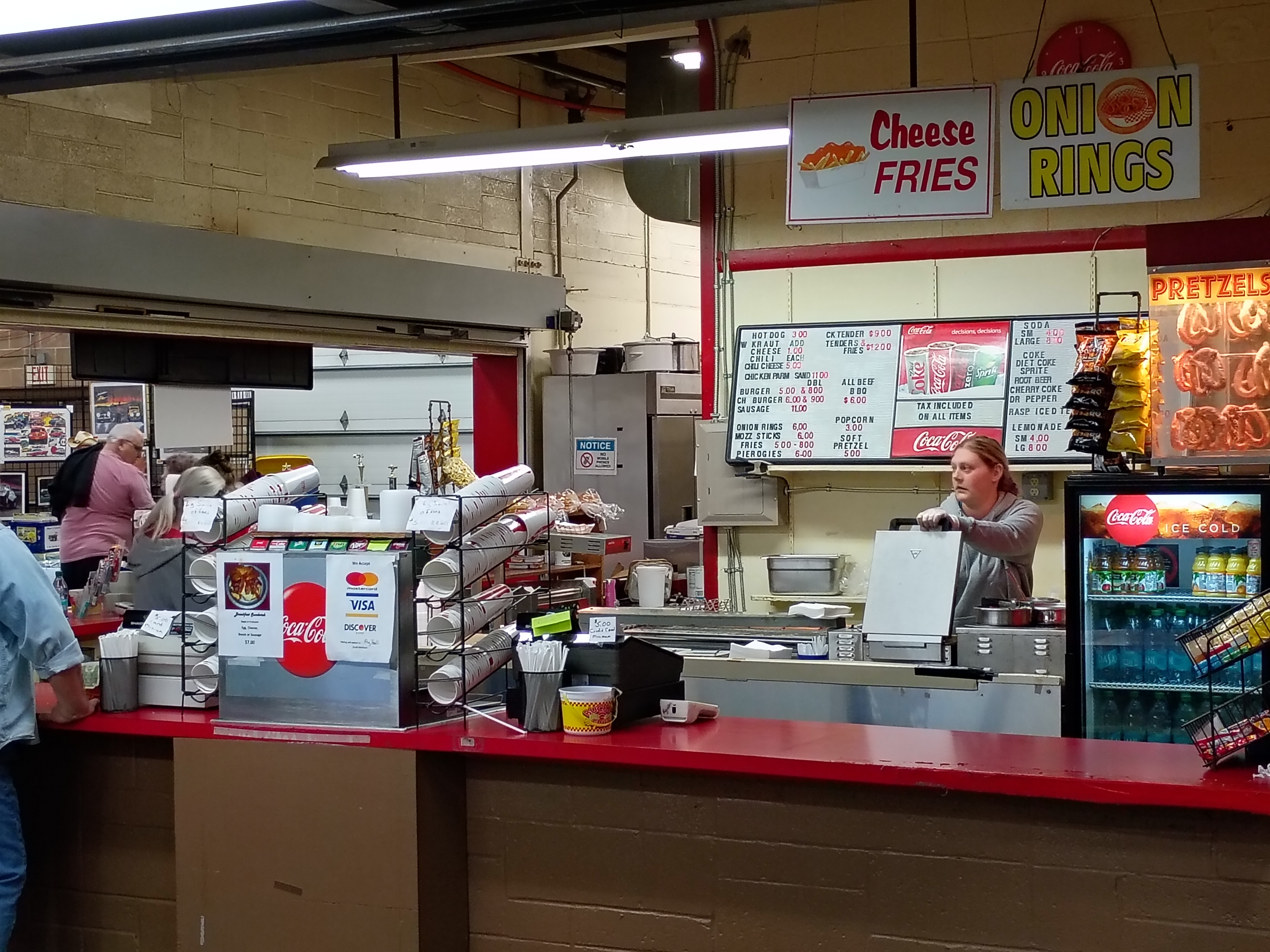
Typical car show food was available, but we waited for better choices at the farmer’s market
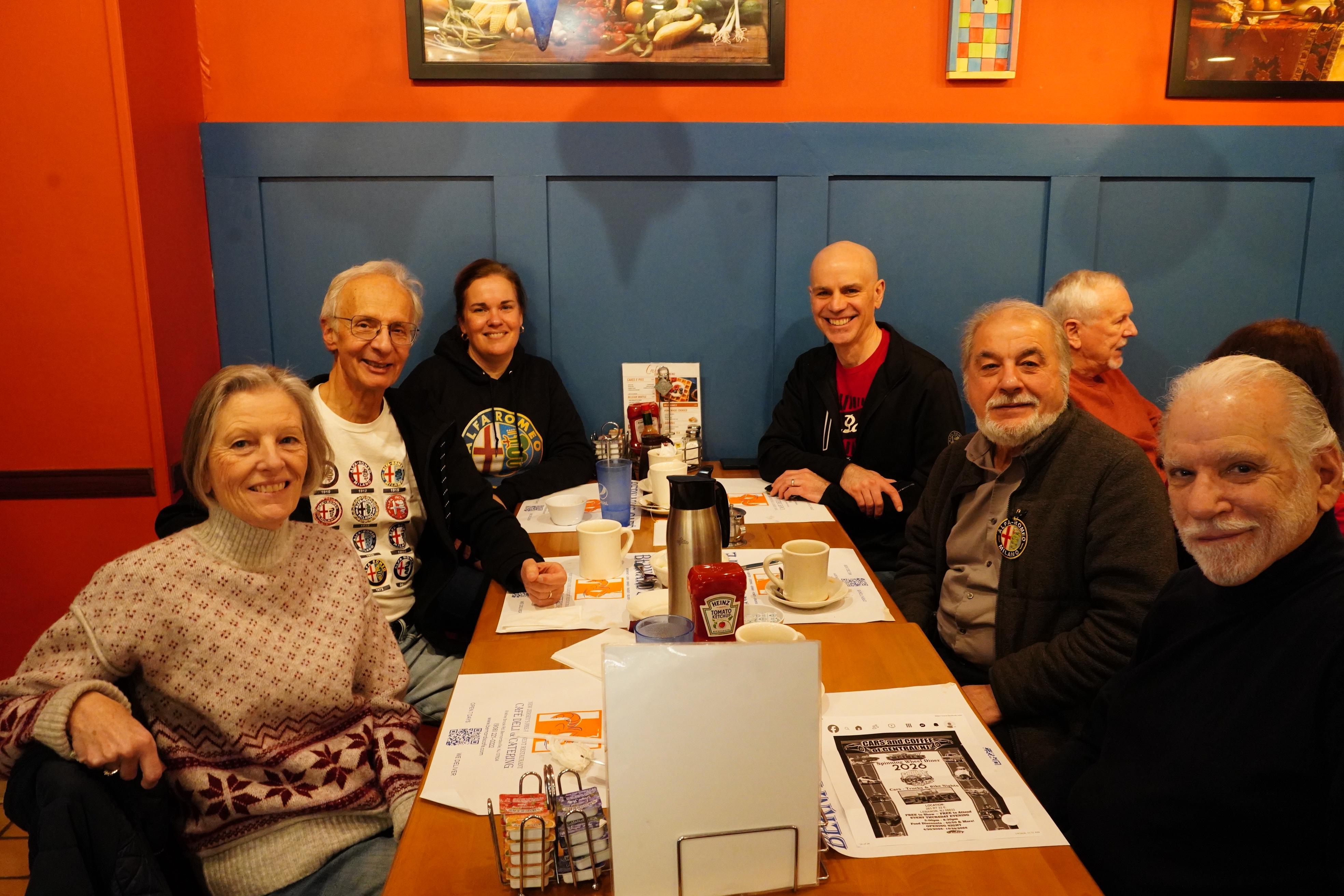
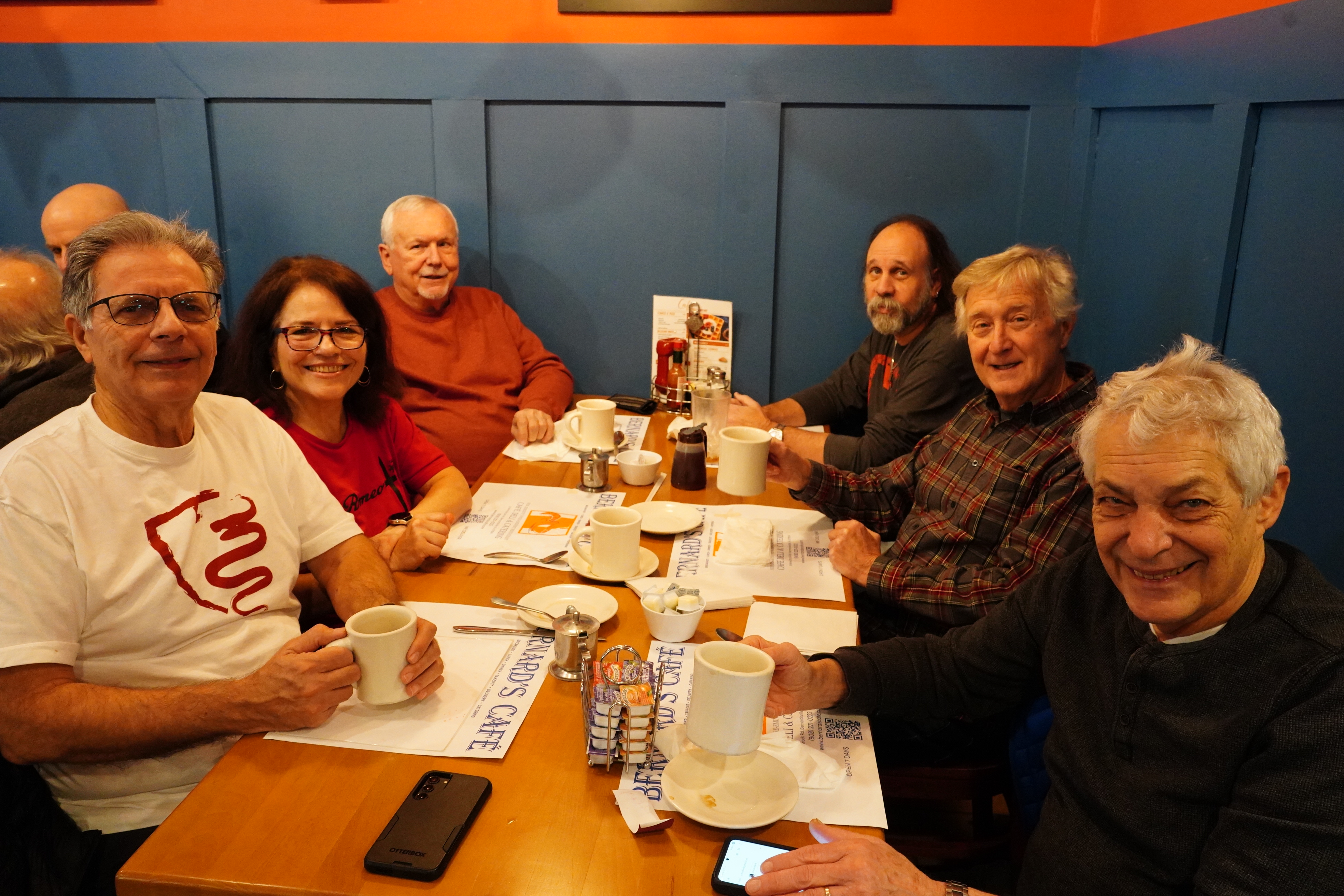
The cold January air did nothing to dissuade twelve Alfisti from meeting up at The Bernards Café in Bernardsville, NJ, for the New Jersey Alfa Club’s monthly breakfast meeting, held on Sunday, January 11, 2026. It was especially nice to see three spouses join the ranks, so a hearty Ciao to Denise, Margaretanne, and Suzanne. You are always welcome to join us!
I’ve always enjoyed this particular eatery, and the food and drink did not disappoint. In addition to the typical breakfast fare, there are interesting specials on the menu, and several of us took advantage of those choices. Because of the Café’s table arrangements, we were seated in two groups of six, and while we chitchatted about our favorite marque, my table also had an interesting and enlightening conversation about our numerous Italian ancestors.
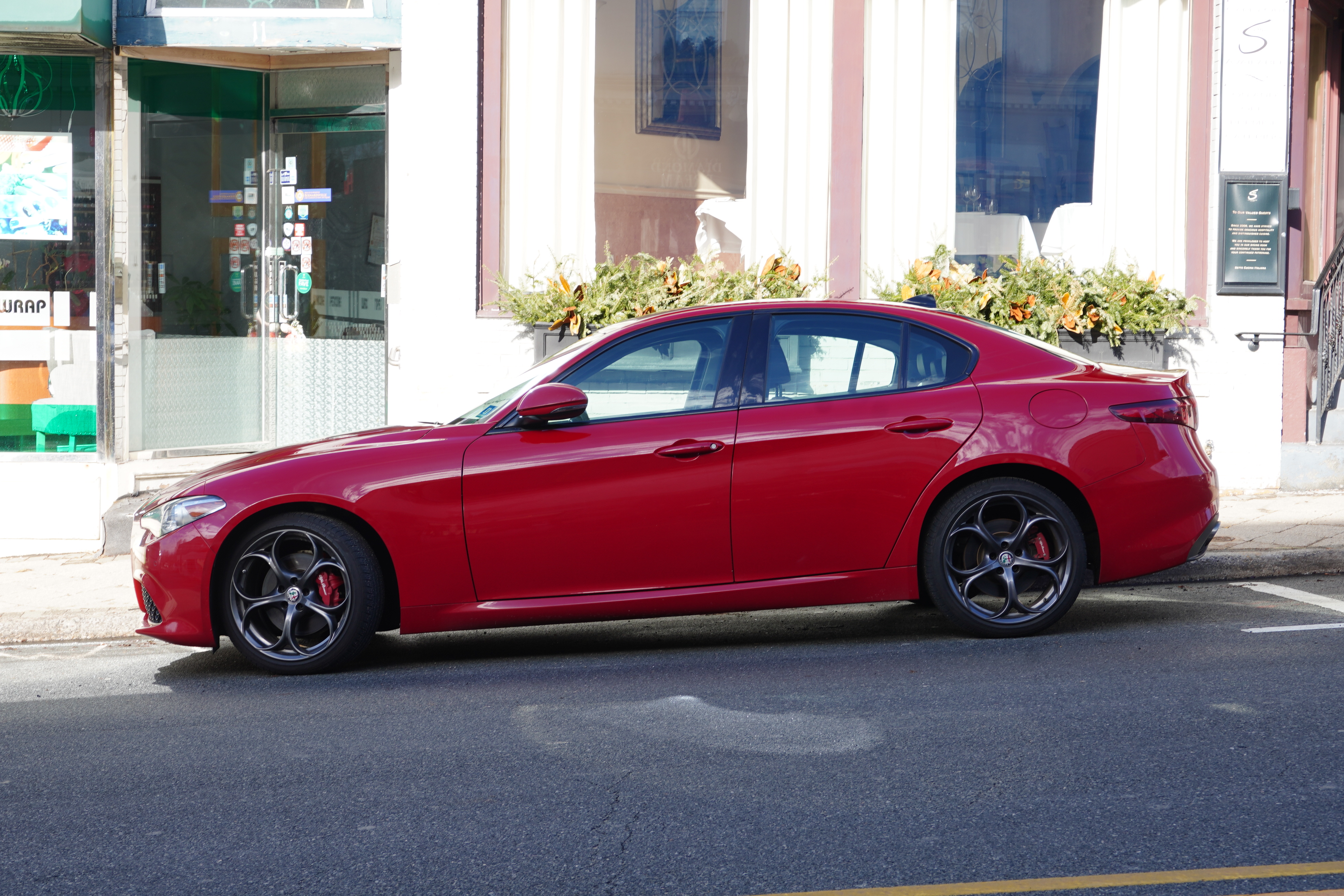
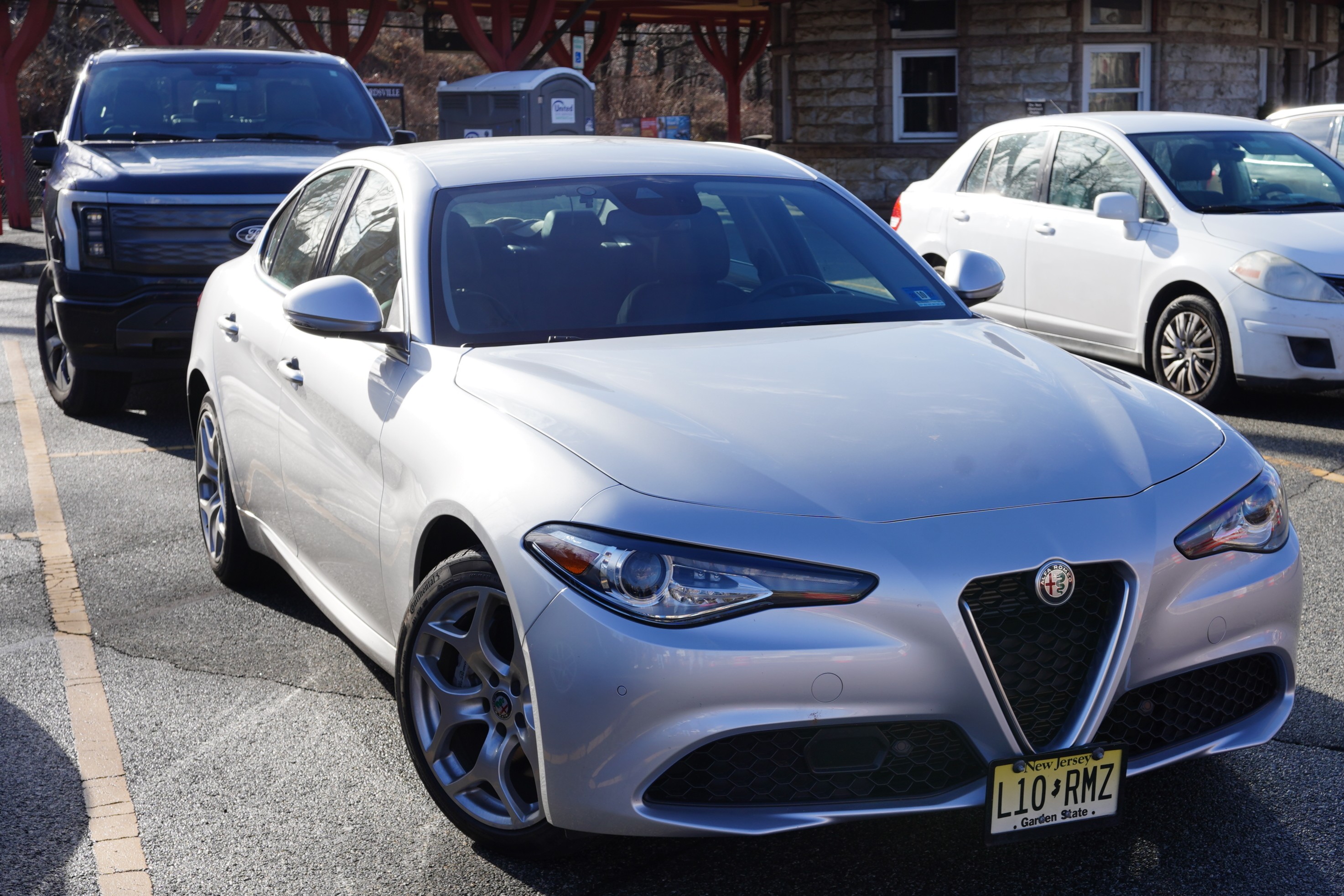
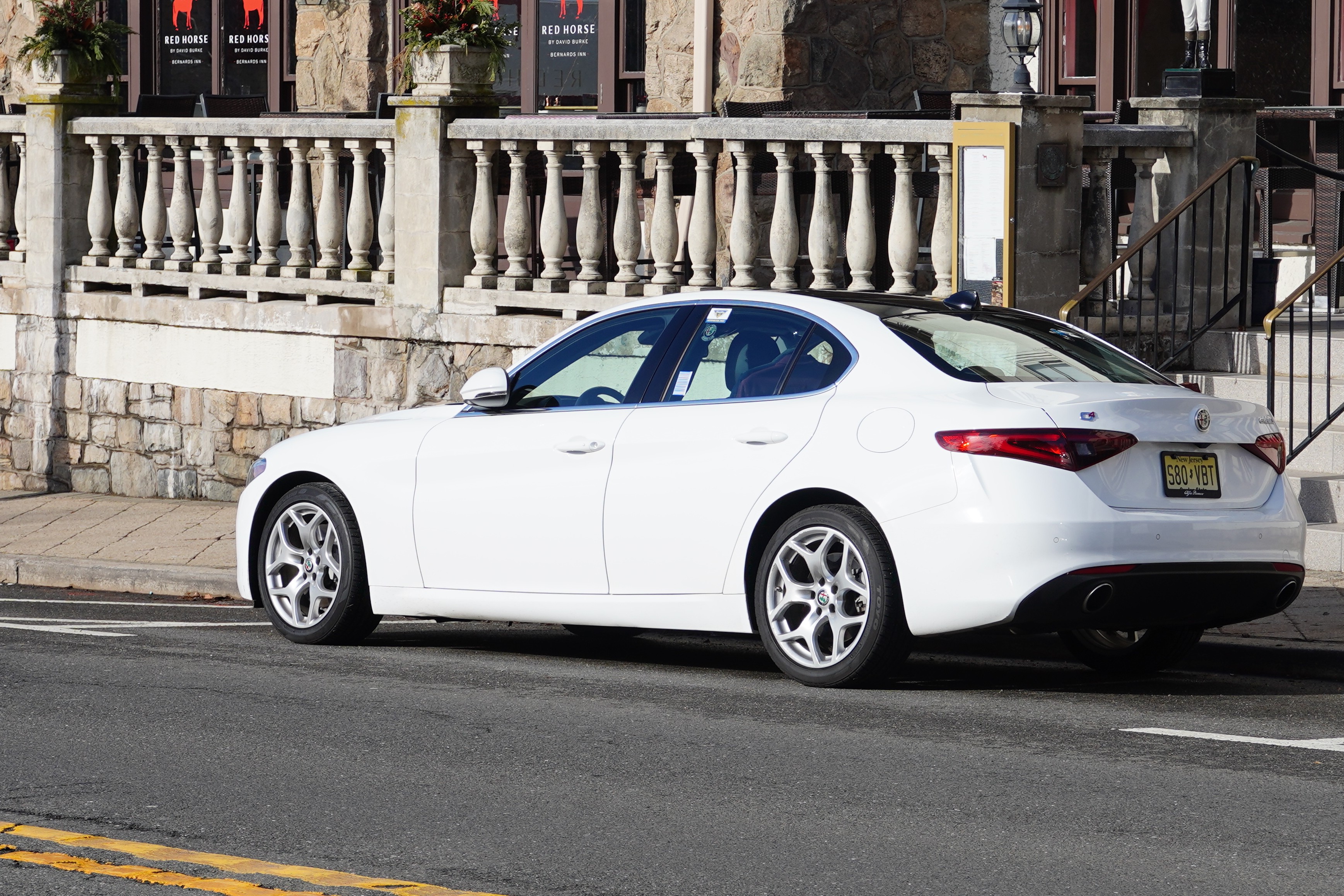
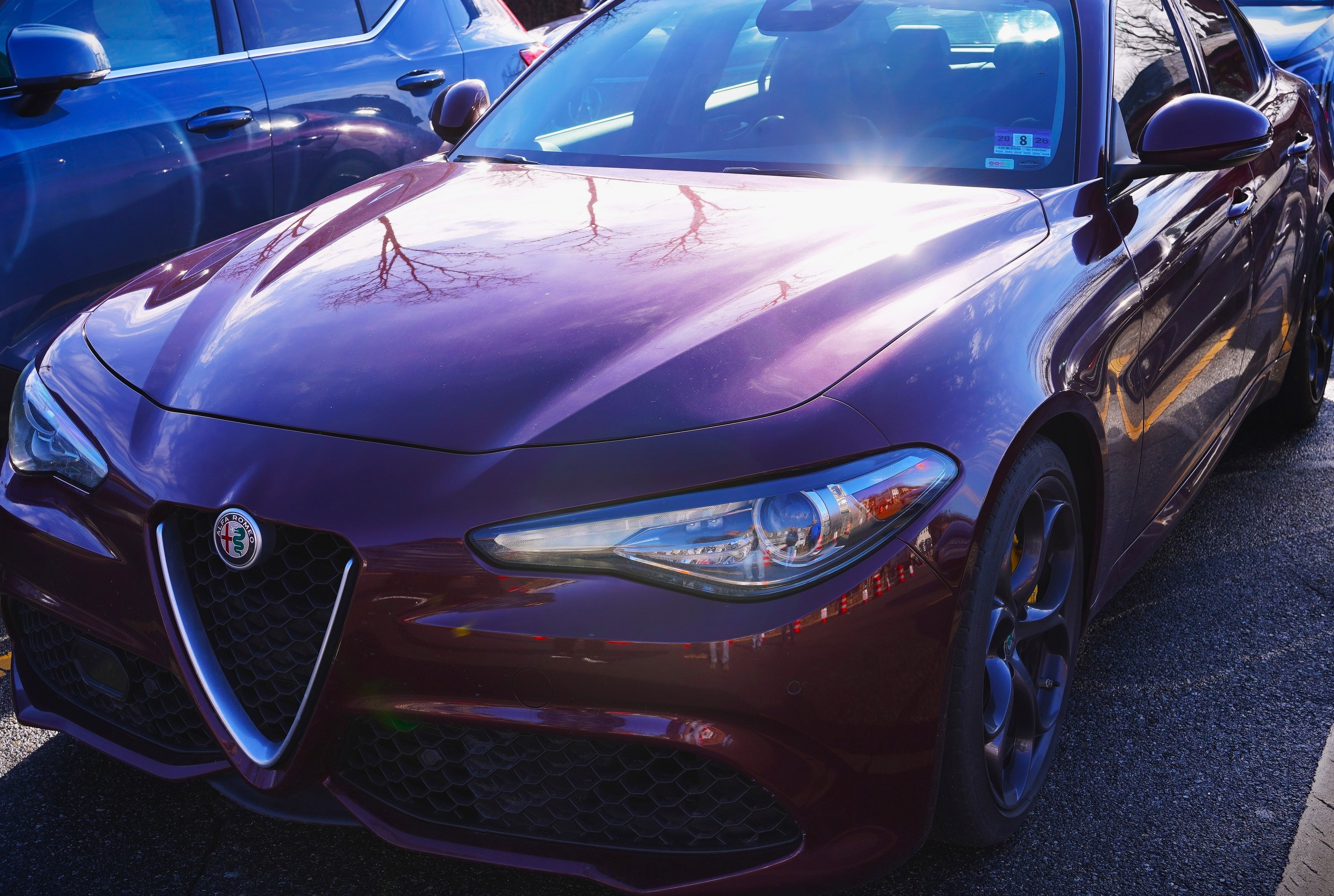
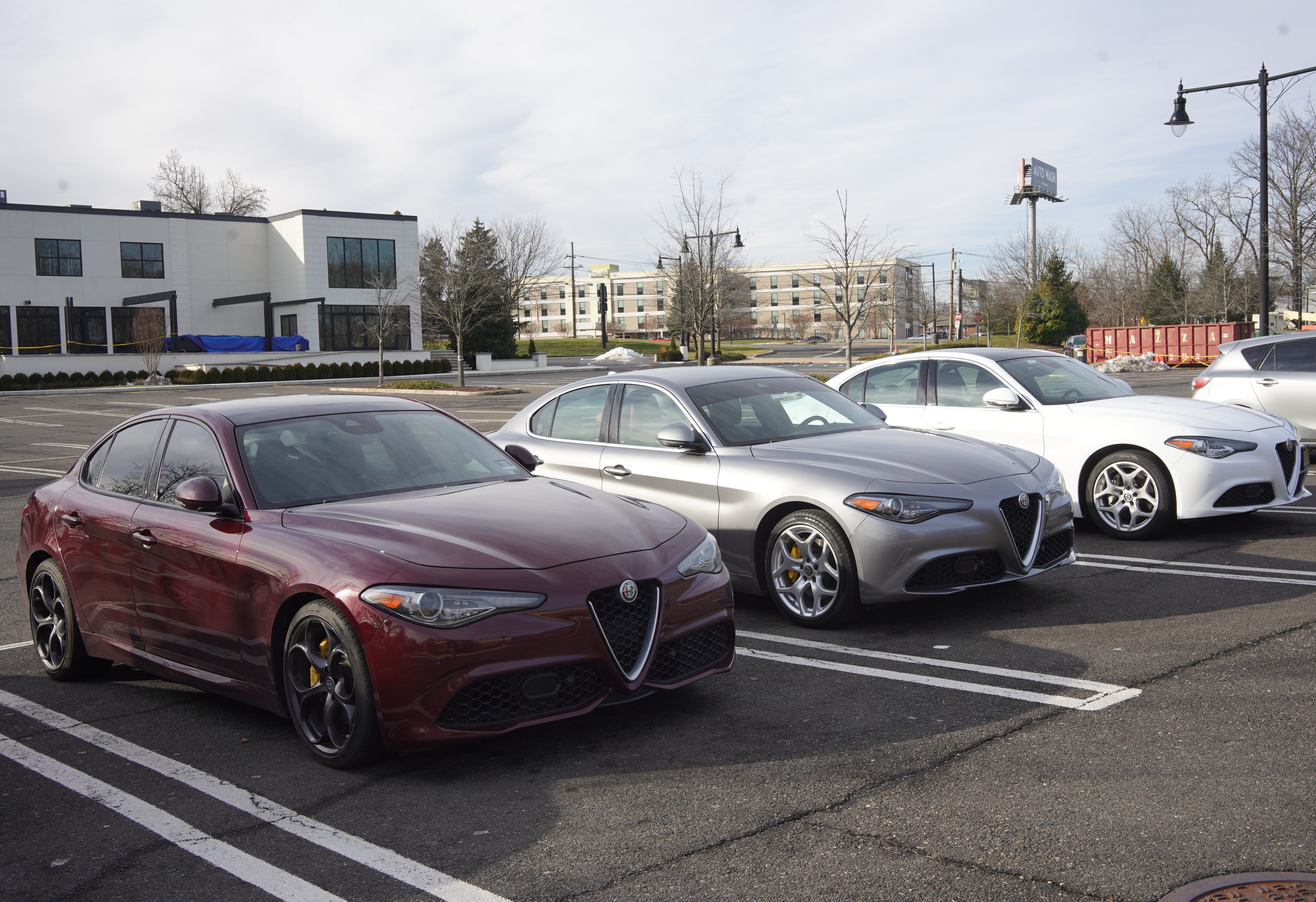
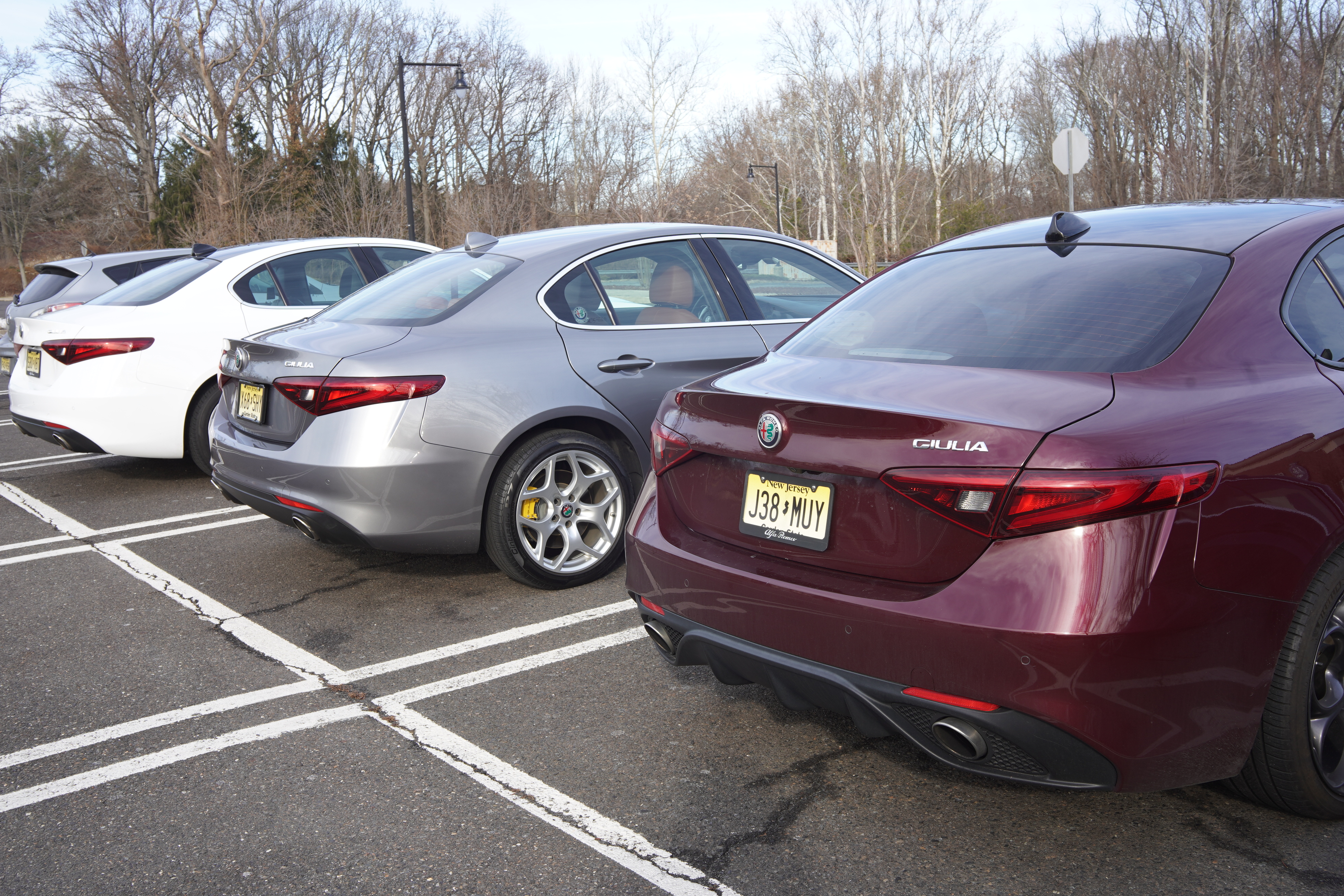
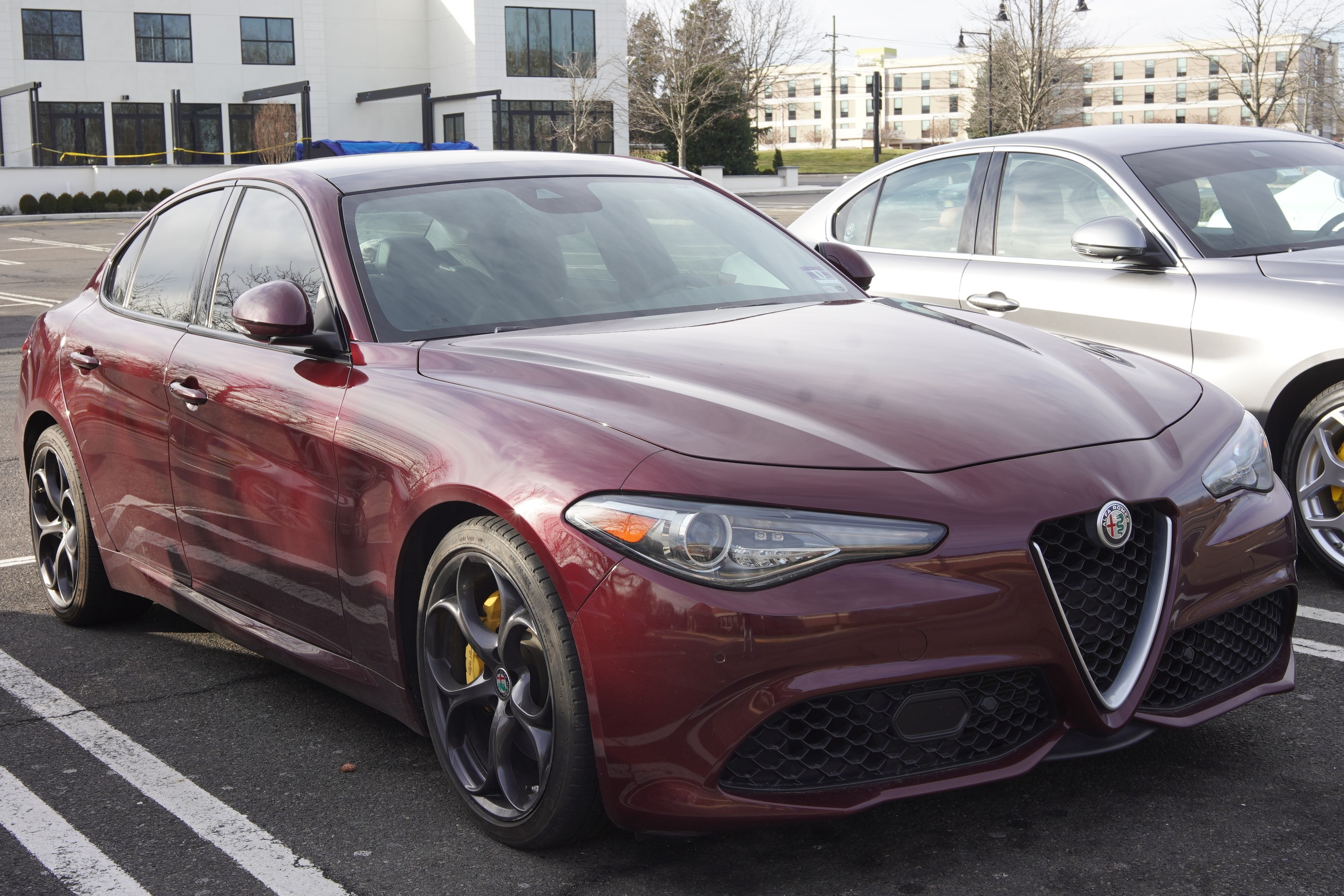
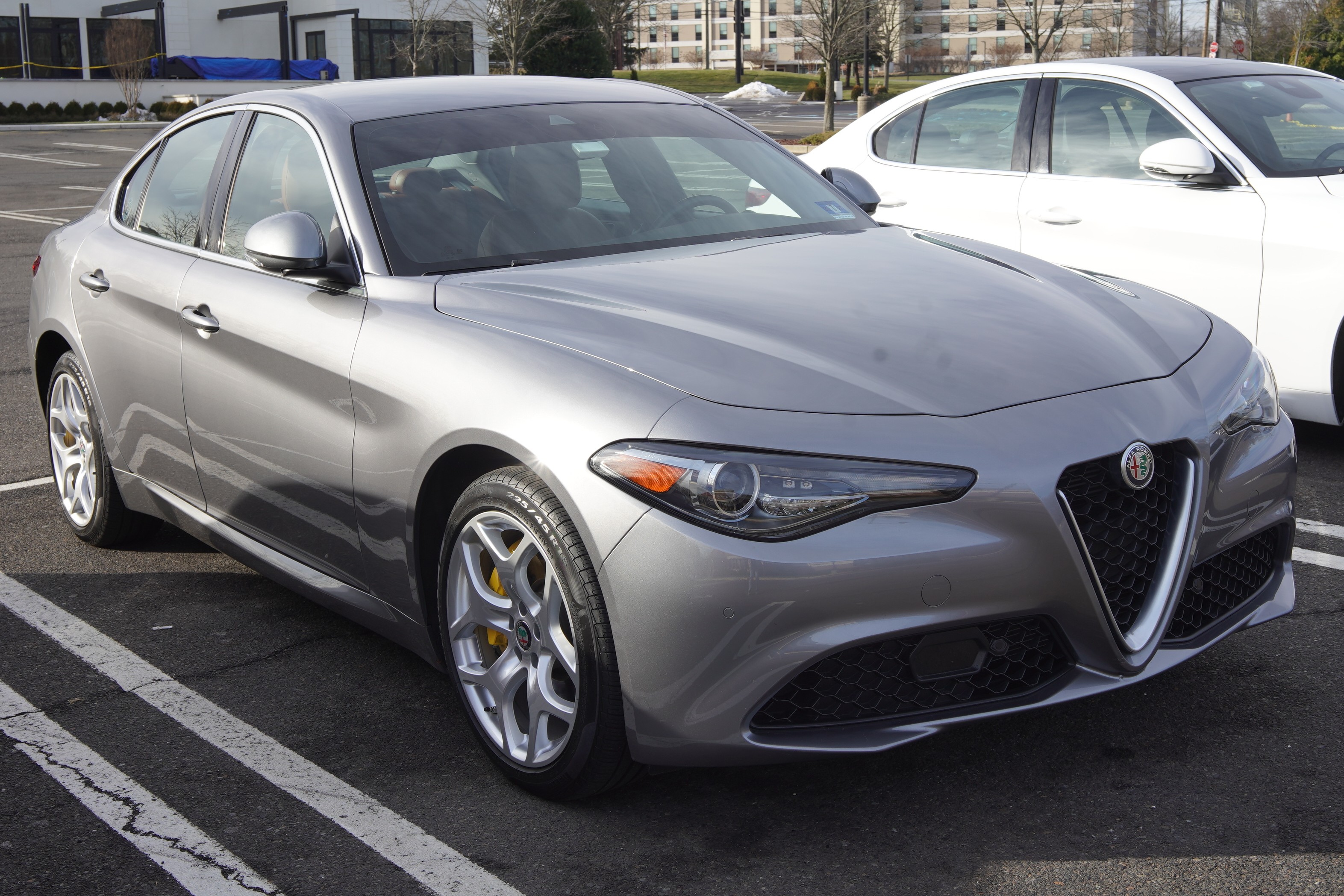
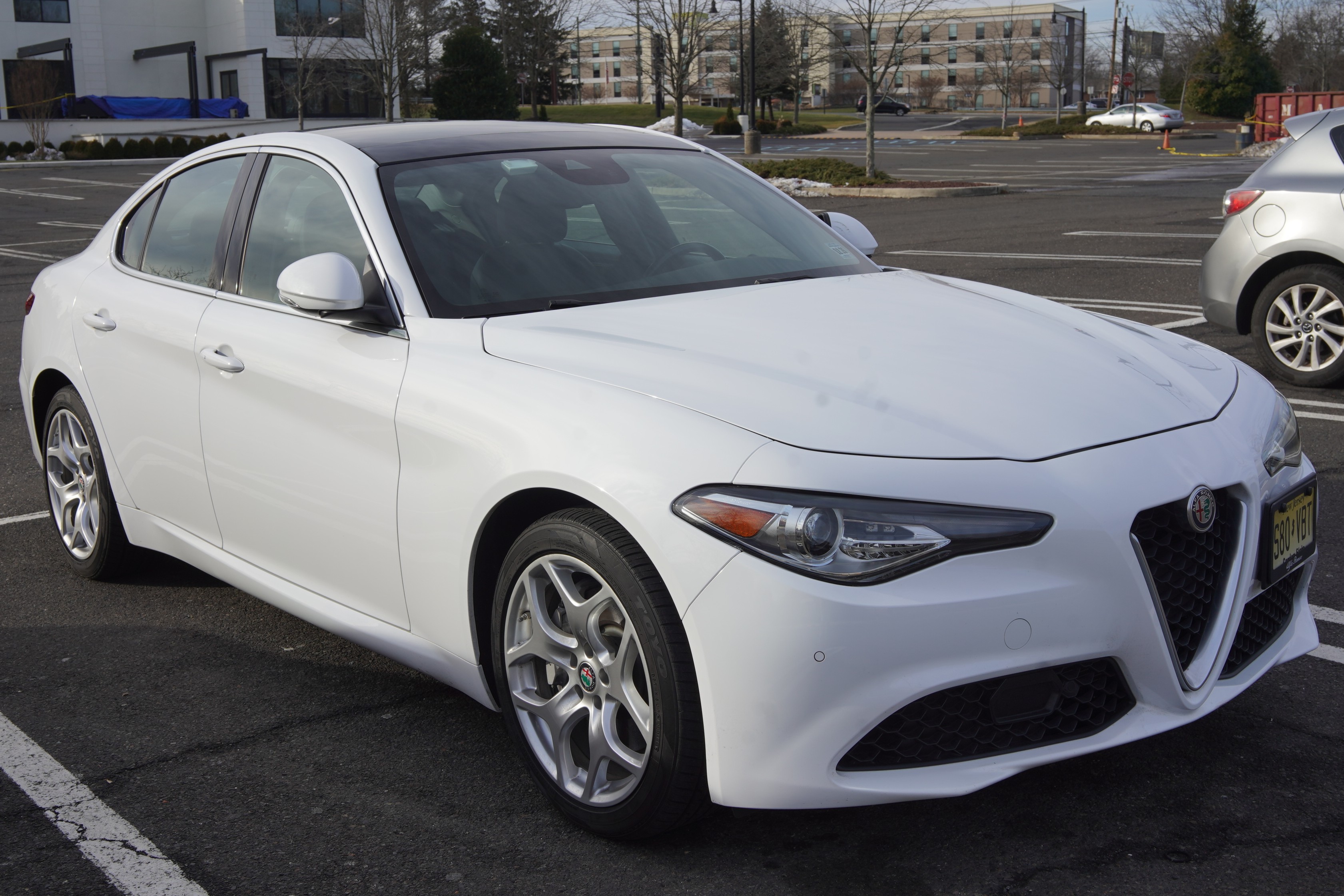
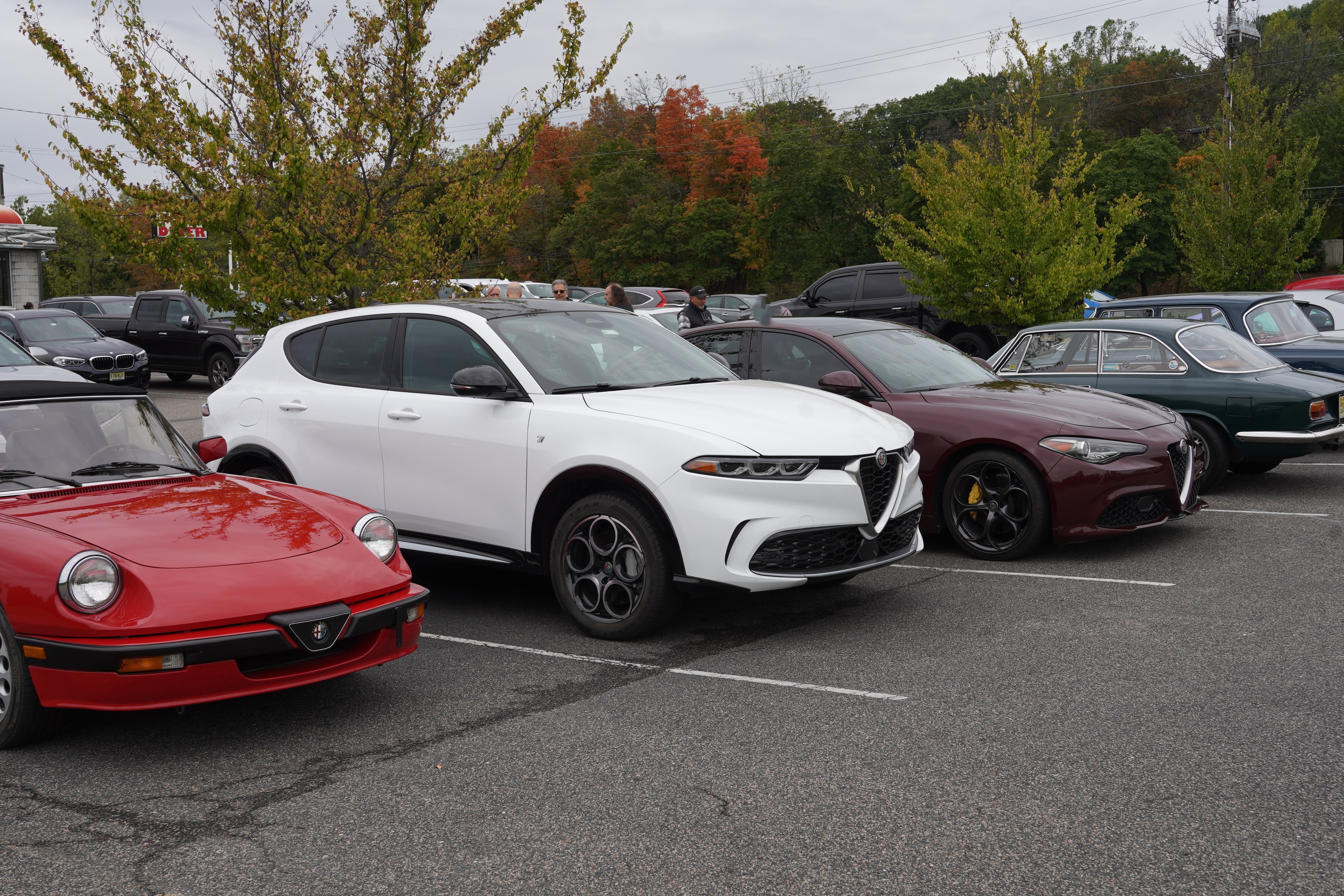
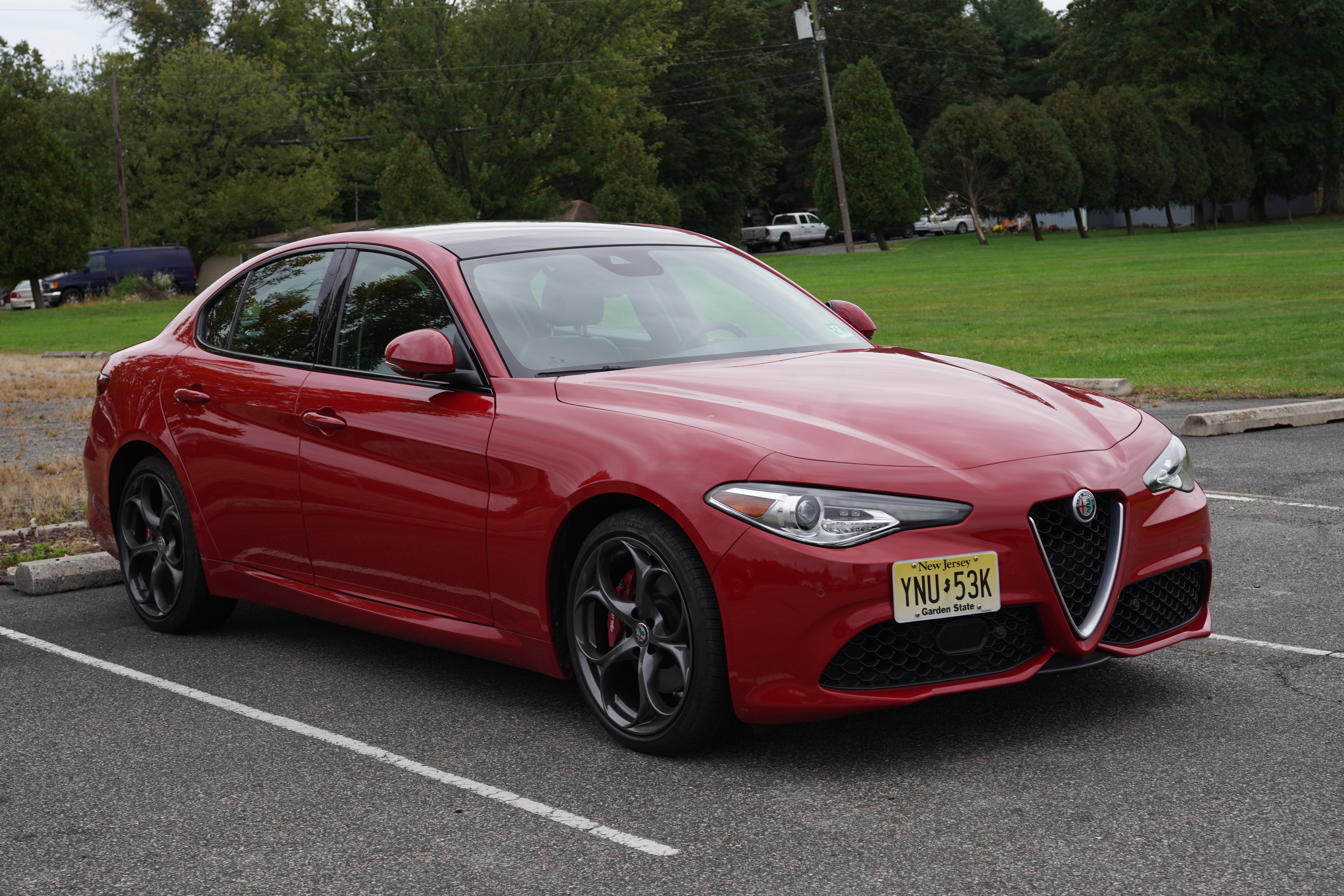
We had four Alfa Romeos parked outside, and all four were modern Giulias, each one in a different color. To my eye, the car’s styling which debuted in this market in 2017 has remained fresh. (I write this while we anxiously await the next generation Giulia, due perhaps as soon as later this year.) We parted company around 11 a.m., already looking forward to next month’s breakfast meet.
Why do I belong to a car club? (I actually belong to five at the moment.) It has its disadvantages. There are dues to pay. Meetings to attend. Activities for which one is “volunteered.” Internal squabbles to irritate one’s nerves. I admit that there are times when some of these rear their ugly heads and make me think twice about my commitment. However, like many relationships, the pros can, and do, outweigh the cons. There are the events spent with like-minded people. The camaraderie. The availability of technical help. The feelings of accomplishment. The NJ Region of the AACA (Antique Automobile Club of America) had been a regular part of my life for over fifteen years, and overall, it’s been a great ride.
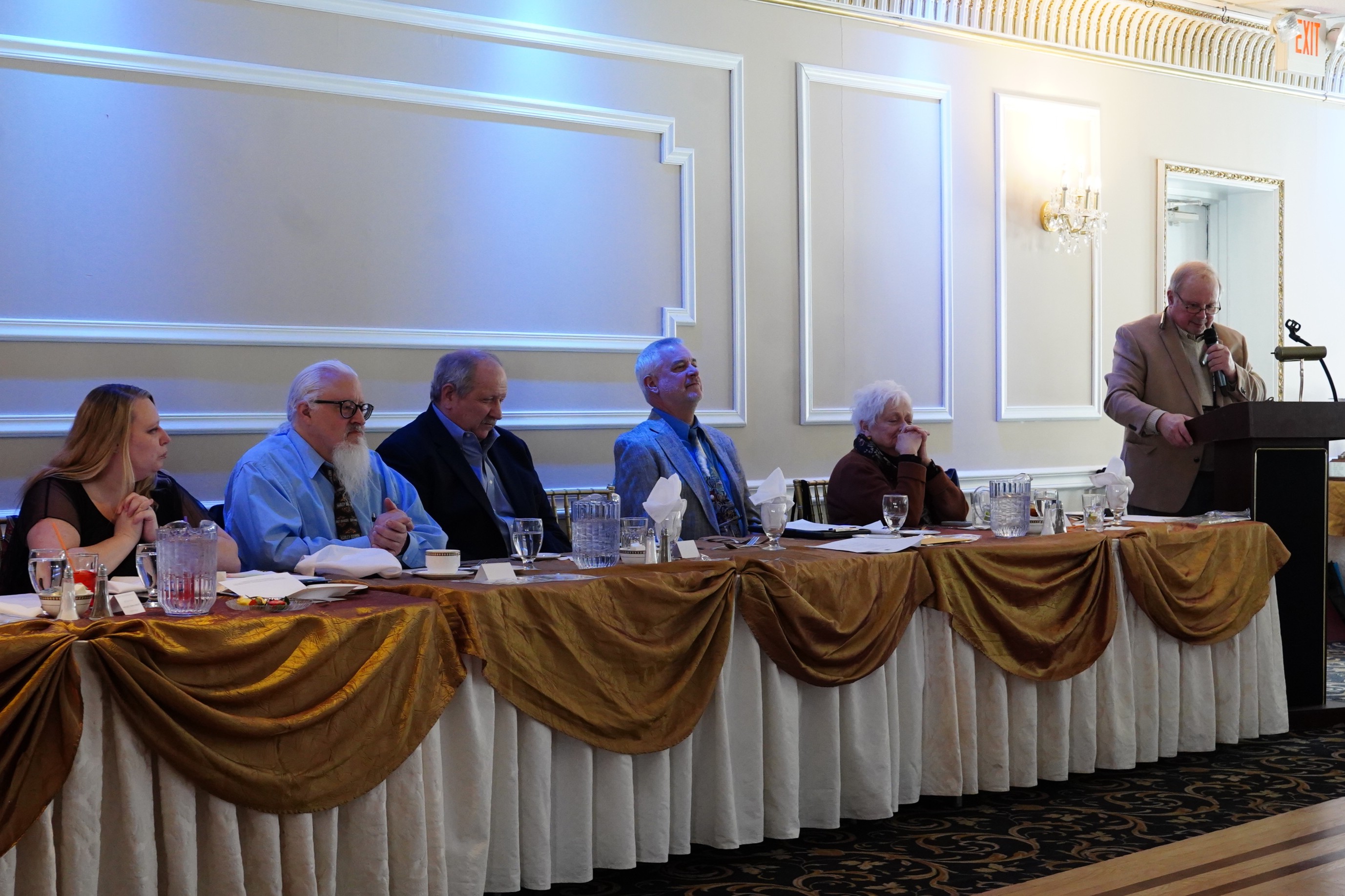
In addition to its monthly meetings, the Region has an annual banquet, held every January. Two major business items are on the agenda: the swearing in of our new officers (President, Vice President, Secretary, Treasurer, and Membership Secretary), and the awarding of various trophies, certificates, and similar awards. Our 2026 banquet was held this past Sunday, January 4, at The Chandelier at Flanders Valley, a restaurant/catering hall that has been hosting us on a regular basis. A crowd of perhaps 70-80 members and guests enjoyed cocktails, appetizers, dinner, and dessert for a reduced price (the Region covered a percentage of the cost). Awards were handed out based on a member’s level of participation. For example, attending an activity results in earning points, and the top twelve earners are given a brass plaque.
Our 2026 officers (seated) are sworn in by our President Emeritus
Other awards are up to the discretion of a Board member or committee chairperson. Dick Bettle, who is editor-in-chief of The Road Map, our Region’s monthly newsletter, selects a person each year that he feels has made the largest contribution to the newsletter. I’m proud to say that for 2025, Dick chose me, because of my monthly column, “Rich’s Ramblings,” which I’ve been submitting to him for the past five plus years. I was given a trophy, and I was truly honored.
More importantly: the conclusion of awards meant that we could enjoy dessert and coffee! Seriously, I do enjoy my time with this bunch, even if I am one of the only members without an American car. (My Alfa has won its share of AACA trophies as well.) I wasn’t sure how to end this post, so, for the first time, and maybe the last time, I asked AI to write me a summary, and here it is:
Joining a classic car club can significantly enhance your enjoyment and understanding of vintage automobiles, while providing access to a vibrant community and valuable resources. However, it’s important to weigh the associated costs, commitments, and potential drawbacks to ensure the club aligns with your interests and lifestyle.
Yesterday was spent rummaging through several plastic containers full of my parents’ “stuff,” as I pondered (and ultimately postponed) the idea of organizing hundreds and hundreds of my mother’s photographs (which go back to the 1940s) and arranging them in something close to chronological order. The real goal is to get them into photo albums so that my family can enjoy leafing through them.
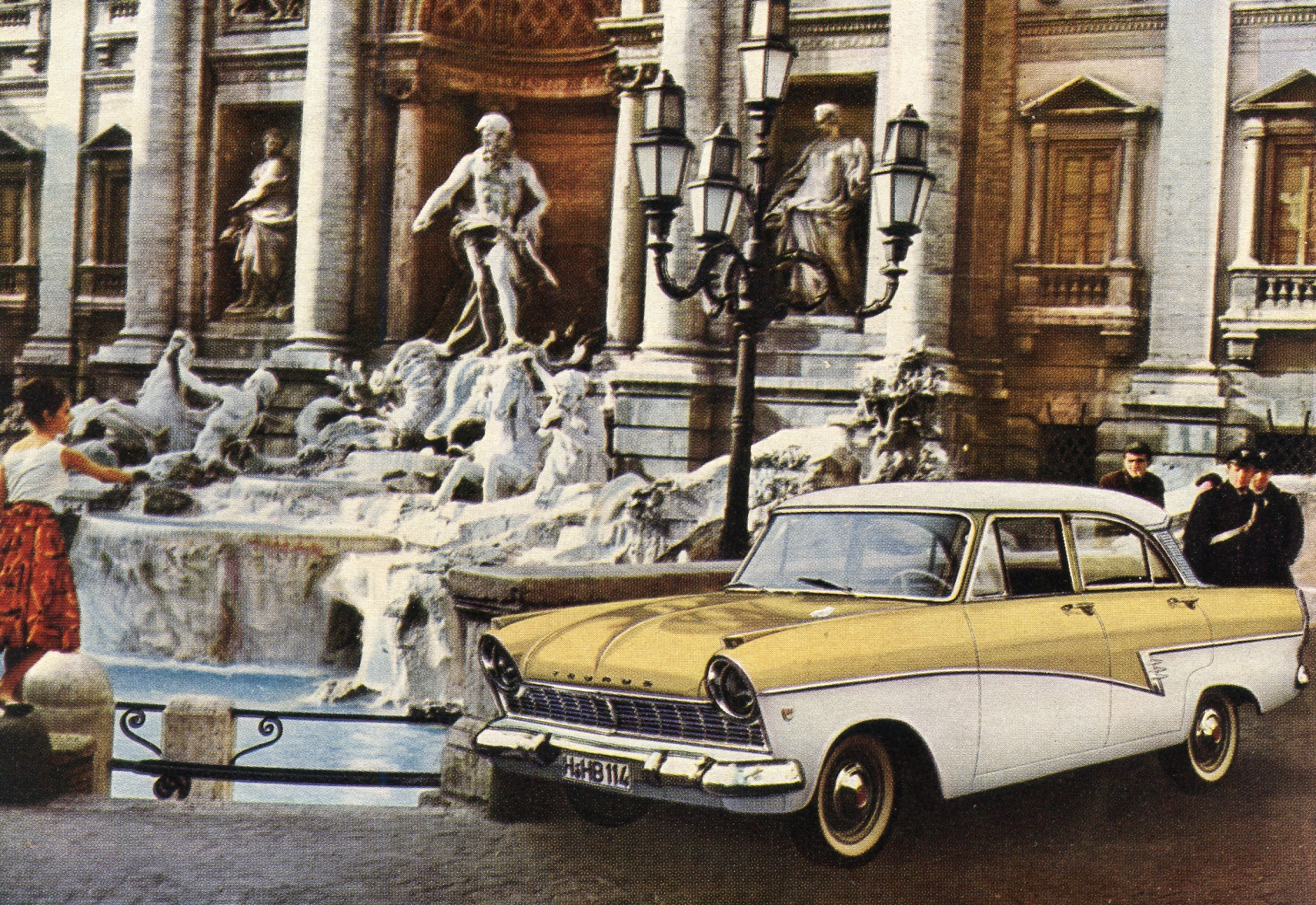
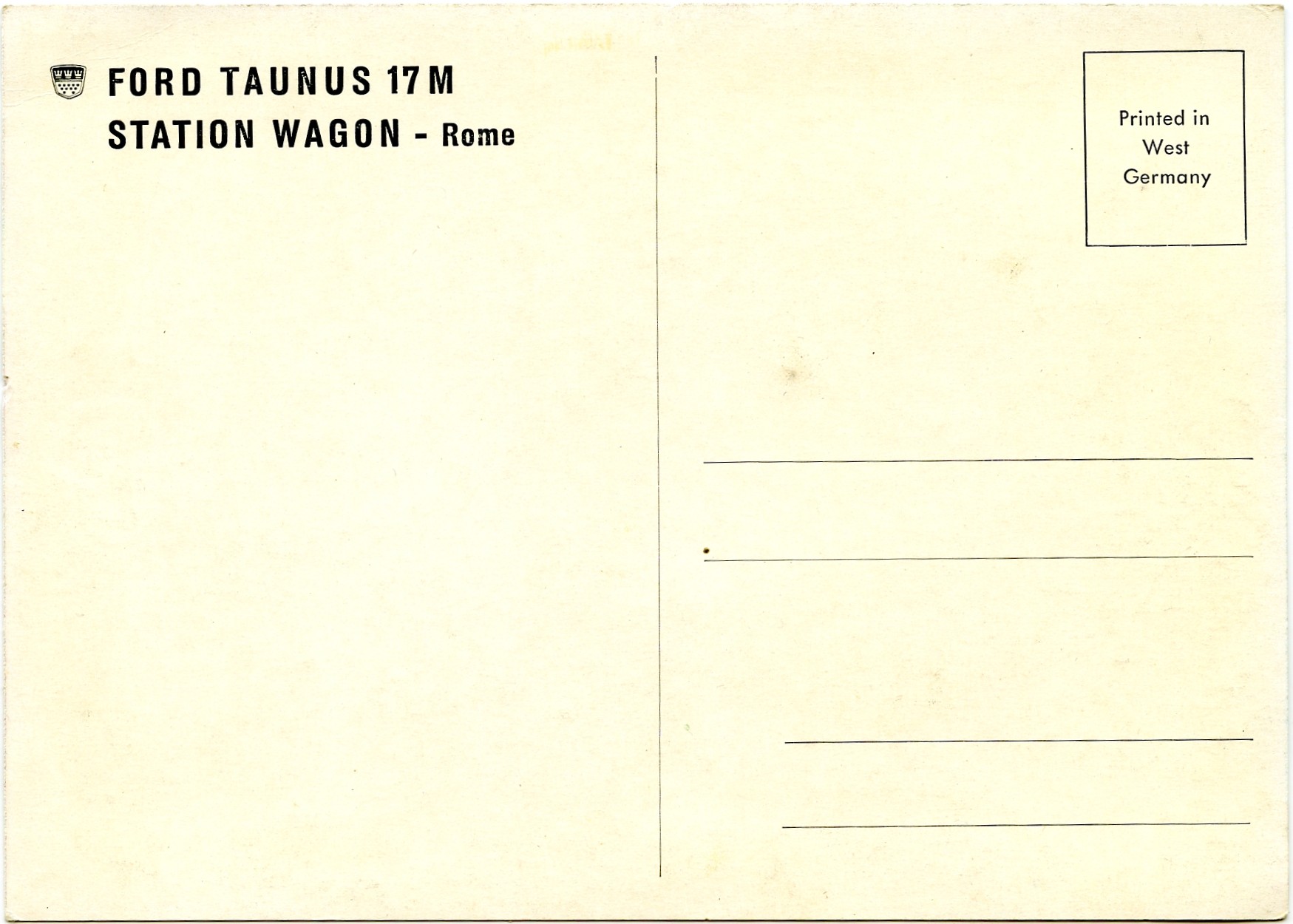
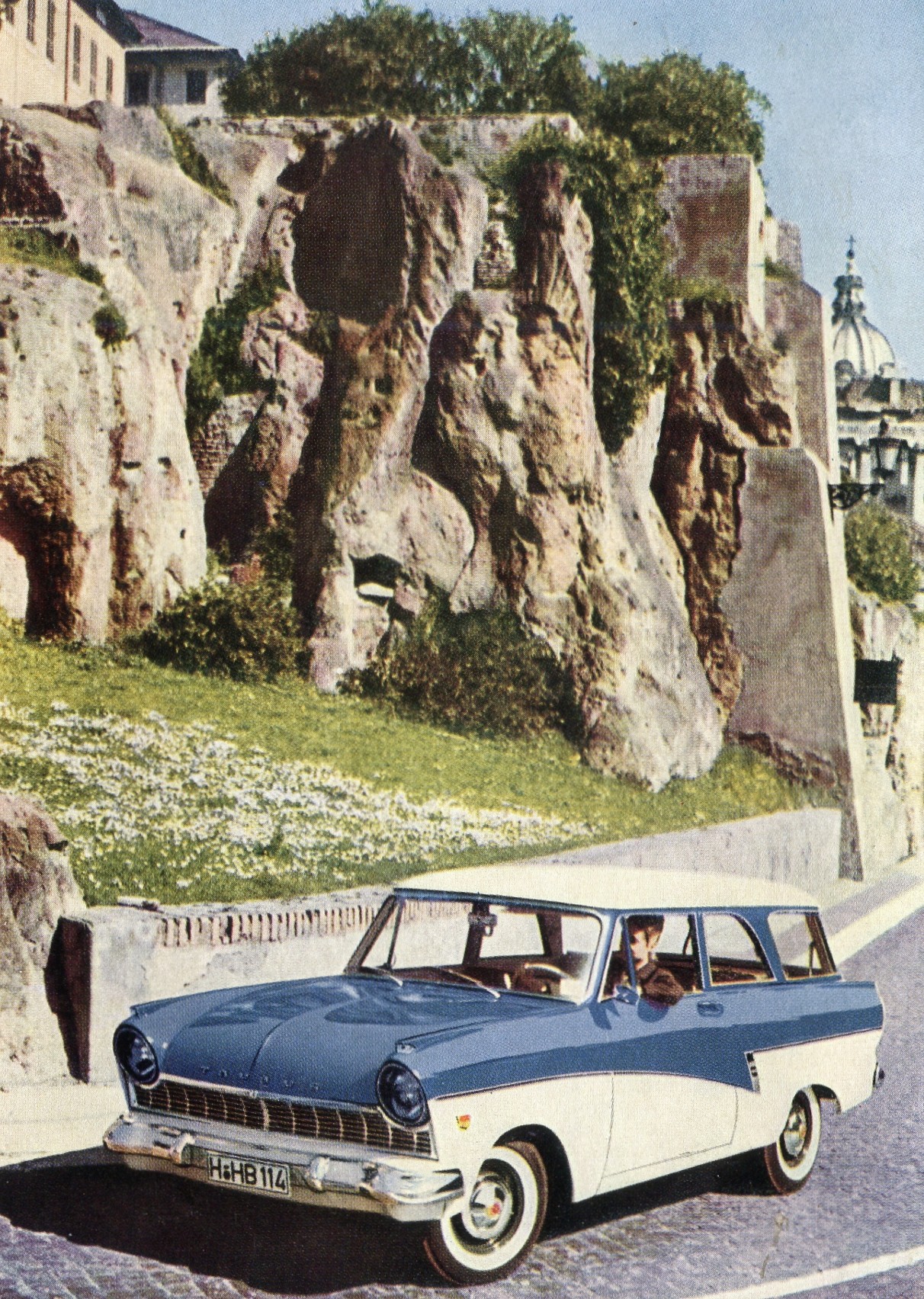
But I did (re)discover several old postcards which brought back a rush of memories. I am in possession of two of my father’s postcards, both with images of Ford’s German Taunus 17M, one car a four-door sedan, the other a two-door wagon, both cars in a very ‘50s two-tone paint scheme. (The car was named after a German mountain range. Is it a coincidence that “Taurus” differs by only one letter?) I clearly recall my dad showing these to me when I was a mere pup. Both postcards are in pristine shape, and what’s especially intriguing is the setting, as noted on the back: “Rome”. Why would Ford produce postcards of its German-built cars with images taken in Italy? Given the use of English on them, I can only presume that these were produced for U.S. dealers.
Since I know next-to-nothing about the Taunus, the reference books came out. My copy of the Standard Catalog of Imported Cars, 1946-1990 tells me that after several years of building Taunus 12M and 15M models, in 1958 the 17M model was introduced, with a larger engine and all-new styling reminiscent of American cars of that time. Out of a total of 67,772 units produced for global sales in 1958, 1,627 (2.4% of the total volume) were sold in the U.S. The 17M engine displaced 1698cc, and churned out 67 horsepower and 98 lb. ft. of torque. There were three body styles, two-door sedan, four-door sedan, and two-door wagon, each available in base or deluxe trim. Retail prices ranged from $2,017 to $2,311. The only options were overdrive or a Saxomat automatic clutch. These cars still used six-volt electrics, even though American Fords had already switched to twelve volts. The styling as illustrated in my photos remained through 1960, at which time the 17M was substantially redesigned.
As a final note, the book states that by 1961, “exports to the U.S. had diminished and Taunus was no longer listed as an official import. Not until the Capri of the 1970s and then the subcompact Fiesta did substantial numbers of Fords again arrive in America from Germany.” Of course, in model year 1960, Ford fielded its own home-grown compact in the form of the Falcon, as a two-door sedan, four-door sedan, two-door wagon, and four-door wagon. With a more powerful six-cylinder engine, and factory prices ranging from $1,974 to $2,225, the Taunus didn’t stand a chance against its domestic cousin.
Ford’s attempt to sell its European Taunus compact in the States is a long-forgotten memory for most. But as noted above, Ford would not stop trying, and General Motors (with its Opel) and Chrysler (with its rebadged Mitsubishis) would join the fray. The repeated attempts by U.S. auto manufacturers to sell imports in domestic showrooms is a convoluted story which continues to this day!
For the first time in my memory, a monthly breakfast gathering of the NJ Chapter of our Alfa Romeo Club was postponed due to weather. Sunday December 14 saw all of us awaken to the sight of around a half-dozen inches of snow, and the club wisely decided it prudent to wait a week. But the wait was worth it when ten NJ-AROC members made it to the B2Bistro Bar & Grill in Bordentown, NJ for our December meet and eat.
The Bistro doesn’t open until 9 a.m., and its menu is more of a brunch than a traditional diner type breakfast, but everyone found something satisfactory to order (the four-egg omelet was a popular choice). We had a nice mix of folks we see quite regularly combined with those who make the journey only occasionally, which is why we rotate the breakfast location.
My ’67 is in hibernation, as are some other members’ cars, so the only three Alfas in the parking lot were modern ones, but what a lovely lineup they made! Three Giulia sedans, each in a different color, were parked side-by-side. I may not be objective, but for a vehicle which debuted in 2017 and has not seen any significant design changes since, the Giulia shape has aged very well indeed. To my eye, Alfa got it correct right out of the box.
With Christmas and New Years on their way, the Alfa women and men bid arrivederci to 2025, as we anxiously await for the 2026 car show season to begin.
Yes, there are eight here, the final twosome showed up later….
Book Review: Fins – Harley Earl, the Rise of General Motors, and the Glory Days of Detroit, by William Knoedelseder
From the publisher:
The New York Times bestselling author of Bitter Brew chronicles the birth and rise to greatness of the American auto industry through the remarkable life of Harley Earl, an eccentric six-foot-five, stuttering visionary who dropped out of college and went on to invent the profession of automobile styling, thereby revolutionized the way cars were made, marketed, and even imagined.
Knoedelseder tells the story in ways both large and small, weaving the history of the company with the history of Detroit and the Earl family as Fins examines the effect of the automobile on America’s economy, culture, and national psyche.
I came across this book in my local library and decided I had to read it. If you already have the slightest interest in the history of American automobiles of the twentieth century, the name Harley Earl will be familiar to you. His thirty-year career with General Motors, from the late twenties through the late fifties, was instrumental in GM’s sales dominance at that time. With chapter titles like “The Cadillac Kid,” “The Birth of Fins,” and “The Great American Sports Car Race,” the author’s deep dive into Earl’s role within the General’s hierarchy is thorough, and keeps the reader’s interest throughout. Although I thought I knew much about the man, I discovered many interesting details about Earl’s life after reading this book.
For example, he grew up not in Detroit but near Hollywood, before that town became home to wealthy movie stars. From a young age, he did design work in his father’s carriage shop, and that expanded to sleek, one-off custom bodies for Hollywood’s new elite class. When a local Cadillac dealer sought to purchase 100 bare chassis for Earl to customize, the sales order got the attention of G.M. brass, some of whom flew to California to investigate. Once they saw what was going on, they asked Earl to create new designs for Cadillac and LaSalle. In 1926, new Cadillacs were available in three different body colors. In 1927, under Earl, there were 500 color and upholstery combinations. The newly launched LaSalle is cited as being the first car that was “styled,” thanks to Harley Earl.
Harley pioneered the use of modeling clay in the studio, saving much time in creating mockups. In short order, he was promoted to become the company’s first V.P. of Styling, and he is credited with inventing the concept of annual model year design changes. Harley was not an easy man to work for, and the book retells many stories about rank-and-file designers who were sometimes required to work seven days a week, even through holidays like Christmas. He was not beyond reducing grown men to tears, and more than one designer quit or was fired if the slightest infraction incensed Mr. Earl. Some of them outright hated their boss, but hung on because of the success of their work.
One of my favorite stories as told in this book concerns the design work for the 1958 Buicks (the ’58 GM lineup is considered a low point against what was otherwise a long series of successes for Mr. Earl). The stylists were torn between a large trim piece for the rear fender (what the book calls a “thick, five-foot long oblong configuration of chrome and stainless steel”), or a simple sweep spear, similar to what previous Buicks had used. About to break for lunch, the designers, as a matter of expediency, attached both ideas to the side of the full-size mockup. Harley happened to walk through the studio while the staff was dining. When they returned, he excitedly said to them, “Boys, you’ve done it! This rear quarter trim on the Buick is perfect. Let’s do it just like this!” To their utter horror, their boss wanted BOTH trim considerations used, and that’s what went into production.
This factory photo of a 1958 Buick highlights its rear quarter trim
Harley’s Y-Job and LeSabre custom cars were outstanding visions of what the future of car design could look like, and even better, they were fully operational. Earl regularly commuted to work in one or the other, to the delight of fellow motorists who were lucky enough to catch a glimpse.
The book does an admirable job covering the state of the industry in parallel with Earl’s history. His main competitor at the time, Henry Ford, is also written about extensively, but I found some of this coverage to be the biggest fault of the book. While it is understandable that the author would be a fan of his subject, and find ways to praise him despite his shortcomings, Henry Ford gets no such slack. Ford’s personal faults are well known: his antisemitism (the New York Times is quoted as calling Ford “… an industrial Fascist…. The Mussolini of Detroit”), his battles with his son Edsel, and his stubborn refusal to adapt new engineering, but Knoedelseder included these without offering corresponding praise for Ford’s many great achievements, giving the book a one-sided flavor. He even credits Earl with the invention of the tail fin, although the book’s text makes it clear that another designer, Frank Hershey, deserves that credit. (Hershey, fed up with working for Earl, moved to Ford, where he designed the new two-seat Thunderbird.)
Despite these criticisms, overall, I greatly enjoyed the book, and I highly recommend it, not only for fans of General Motors cars, but for anyone who desires to learn more about the history of American automobiles.
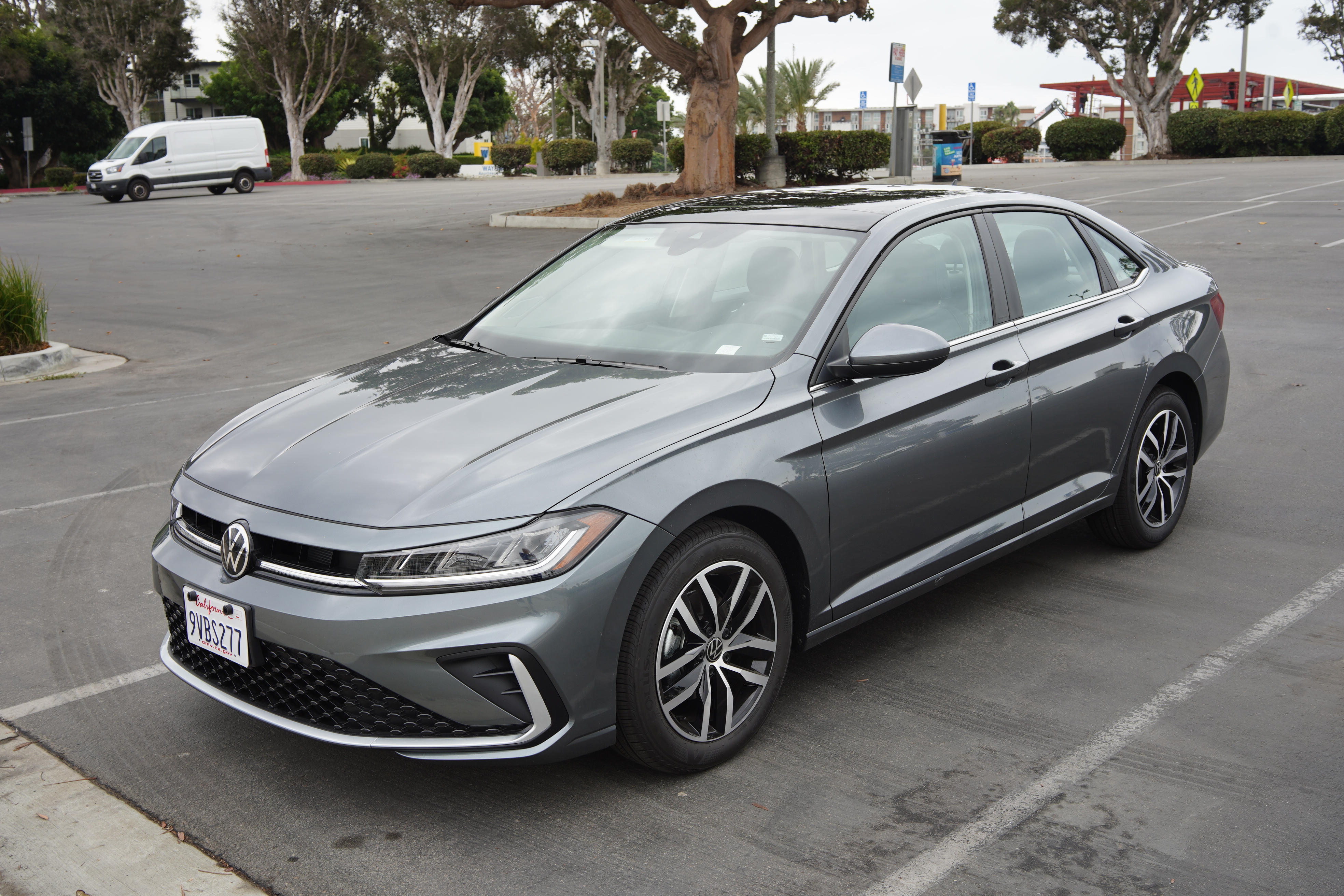
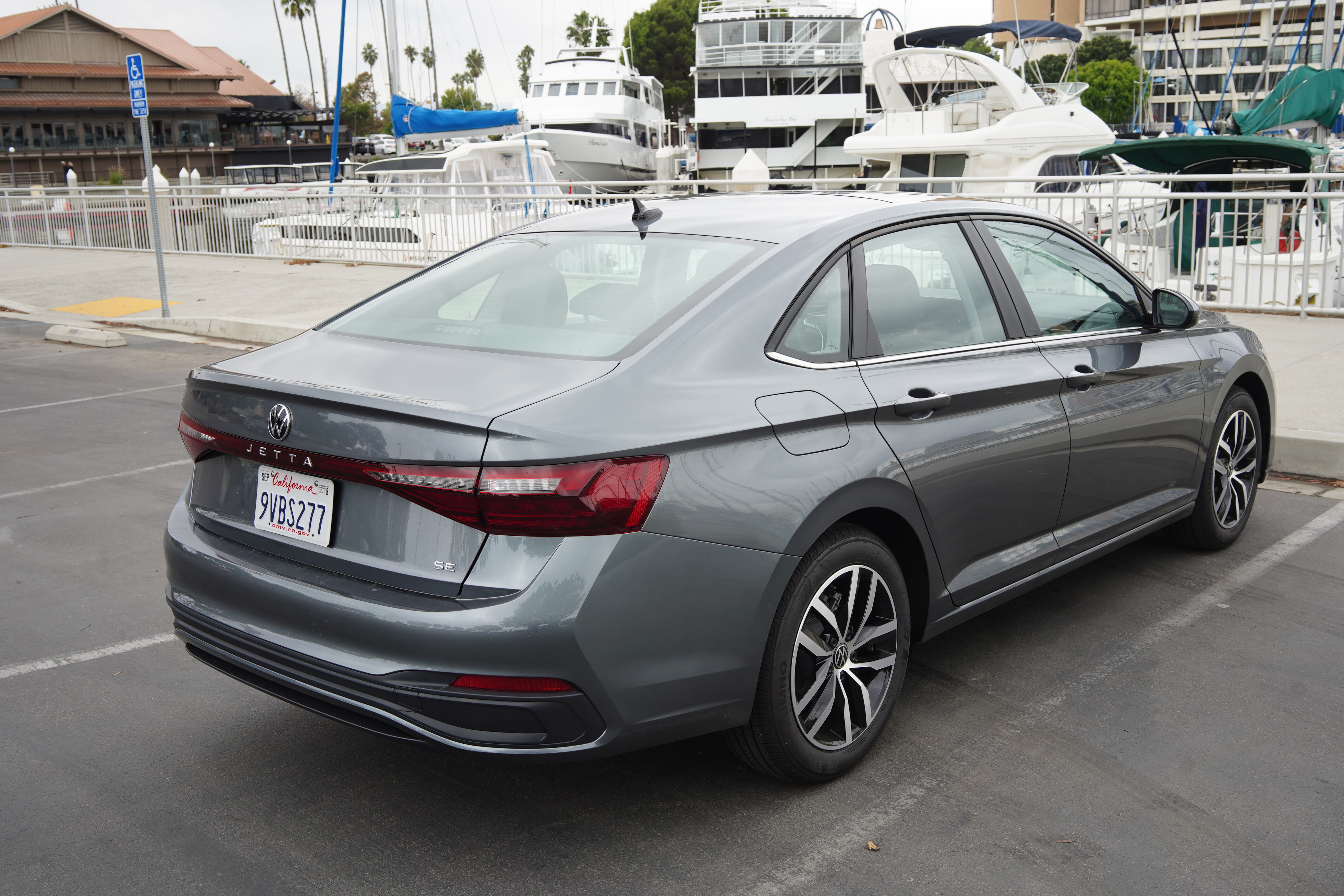
When my wife and I were in California a few months ago, I rented a VW Jetta from Enterprise. We didn’t use the car a lot, but I was interested in seeing how much (or how little) the Jetta had changed since I leased a 2014 model from my local dealer. (I’ve owned my share of VWs: my first new car was a ’77 Rabbit, and when I was done with that one, I bought a new ’82 Scirocco.) I could have rented a CUV, but my personal preferences lean more toward cars anyway. I was a contrarian as I navigated the streets of L.A. in something as old-fashioned as a four-door sedan.
According to Wikipedia, current model year Jettas are the seventh generation of the nameplate, which means that this platform extends back to the 2019 model year, with a styling refresh in 2021 and again in 2024. A 2026 Jetta is in its eighth model year. Given the focus on SUVs, I don’t blame VW for somewhat ignoring the Jetta. At least they are keeping it in the lineup, compared to the way that Chevrolet and Ford have abandoned four-door sedans.
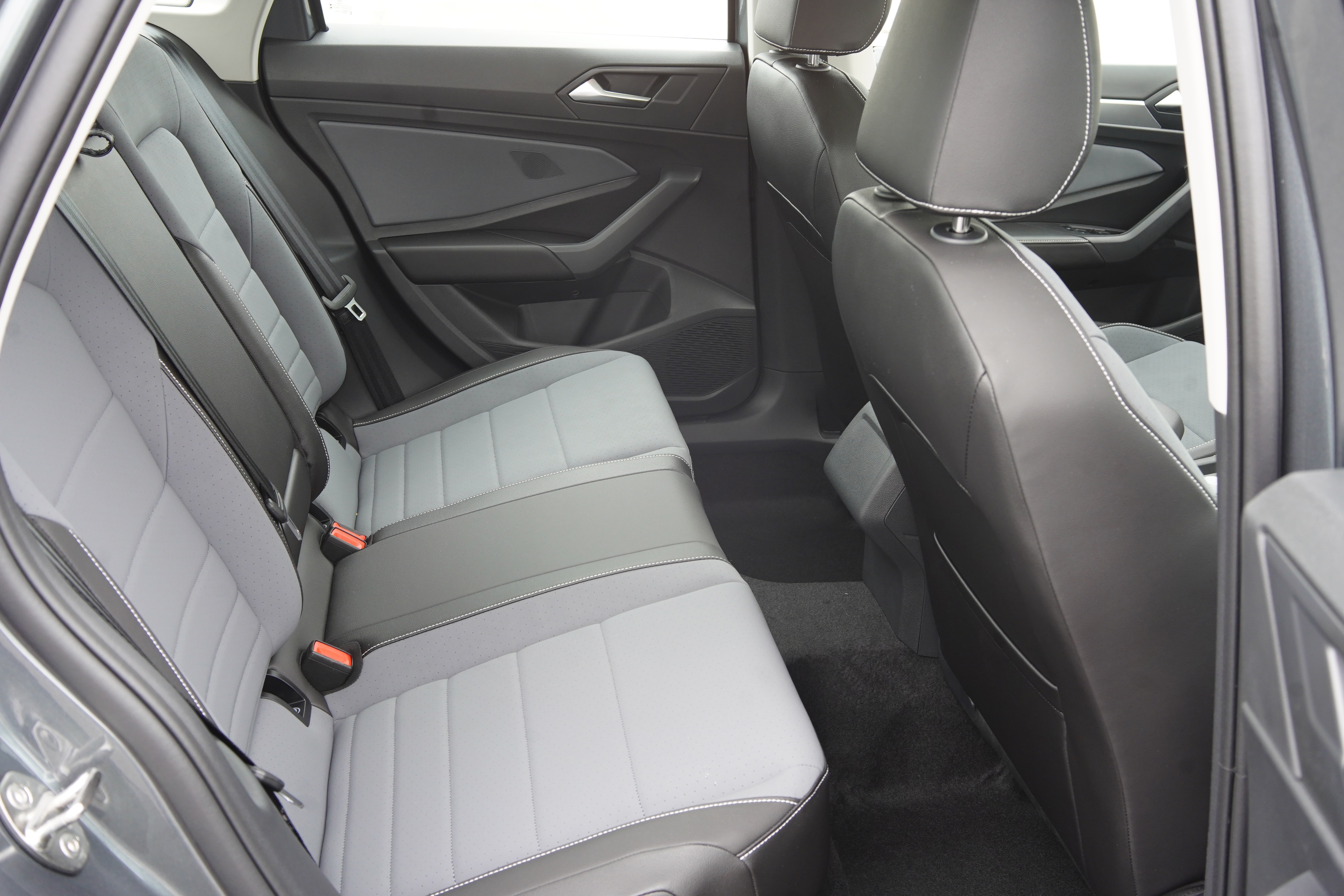
Overall, the Jetta was comfortable, spacious, and easy to drive. My rental, in gray over gray, could be described as bland, but I found the exterior design to be handsome while avoiding the styling cliches I see on other vehicles. Upon first opening the driver’s door, that “handsome but nothing extraordinary” reaction repeated itself. VWs (and their Audi and Porsche stablemates) have been praised in recent years for high-quality interiors, and the Jetta’s interior deserves that recognition too. The seat upholstery drew special kudos from me. Instead of vinyl or leather, the synthetic cloth-like material was comfortable, grippy, and gave the impression that it would be comfortable in all temperatures. The front seats, rear seats, and trunk all looked spacious for a car of this size.
It was once I started driving the car that several flaws revealed themselves. I was interested to learn how many miles were on the rental. Like so many cars today, the all-electronic instrument cluster is festooned with changeable screens, controlled by various buttons on the steering wheel. In the four days that I had that Jetta, I never found its odometer or trip odometer. At every stop light, I would scroll through all the available menus, but never saw it. It is in situations like this that you wonder if some sort of standardization should be applied across the industry.
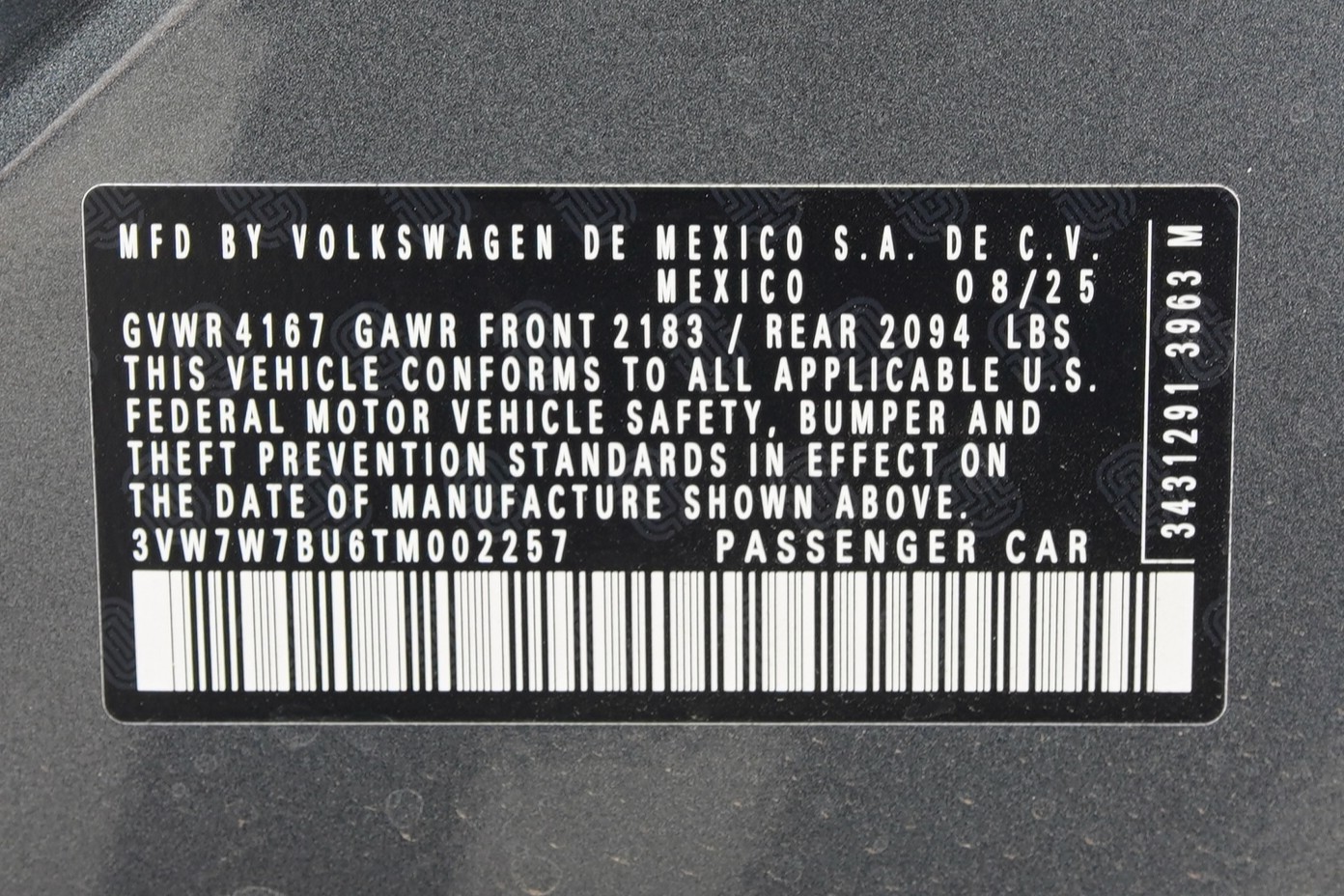
This car was built in Mexico, where VW has had a plant for many years
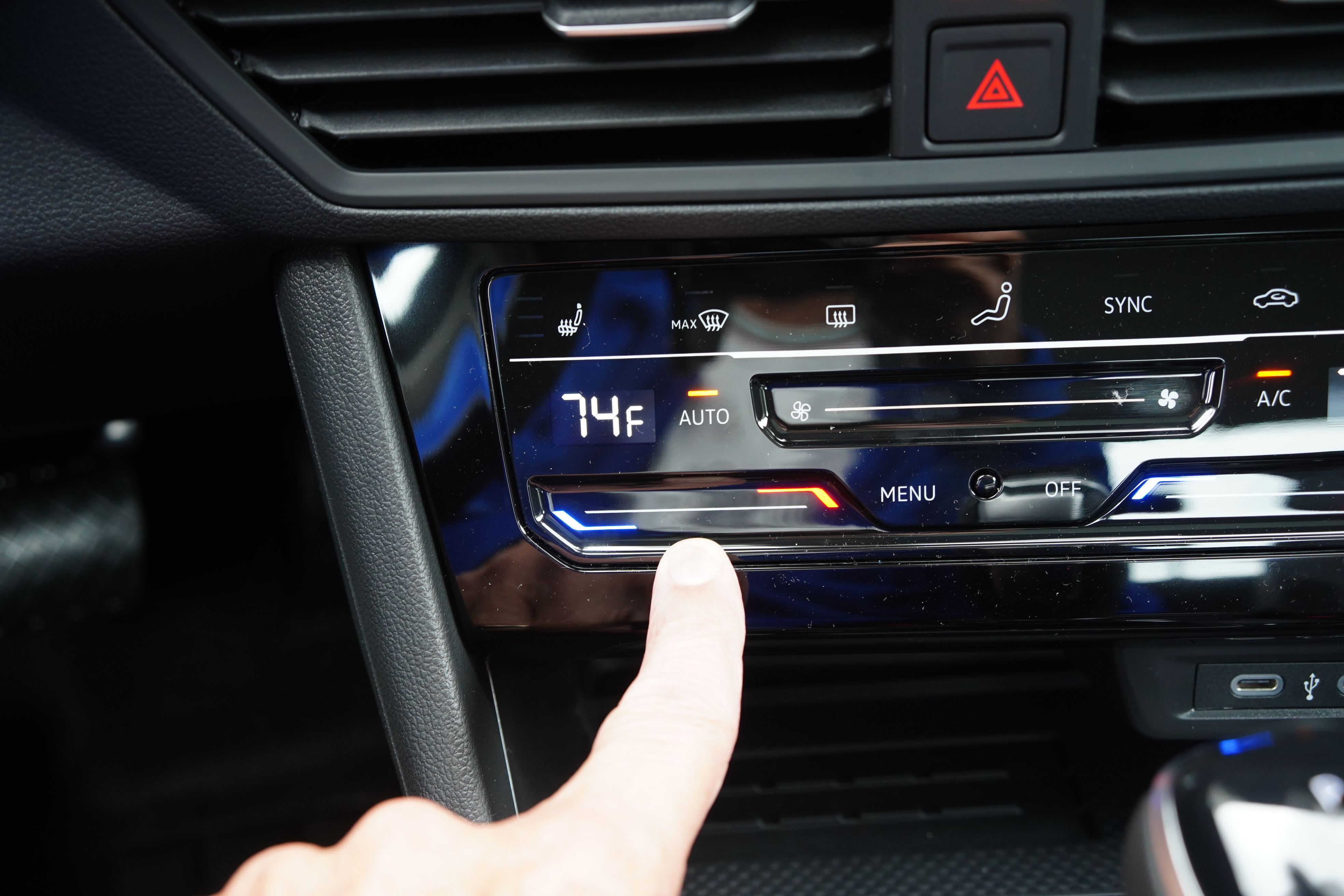
The car had automatic climate control, and raising or lowering the temperature was done via haptic slide controls, one each for driver and passenger. It was not easy to make small adjustments, especially while driving, as the mere touch of a finger would tend to make a larger change than intended. (I commented on these controls as far back as 2021 when I test drove a VW ID.4 EV.) I recall reading that VW was going to go back to more conventional knobs or buttons, but this 2026 had not yet seen that change, if in fact it was still coming.
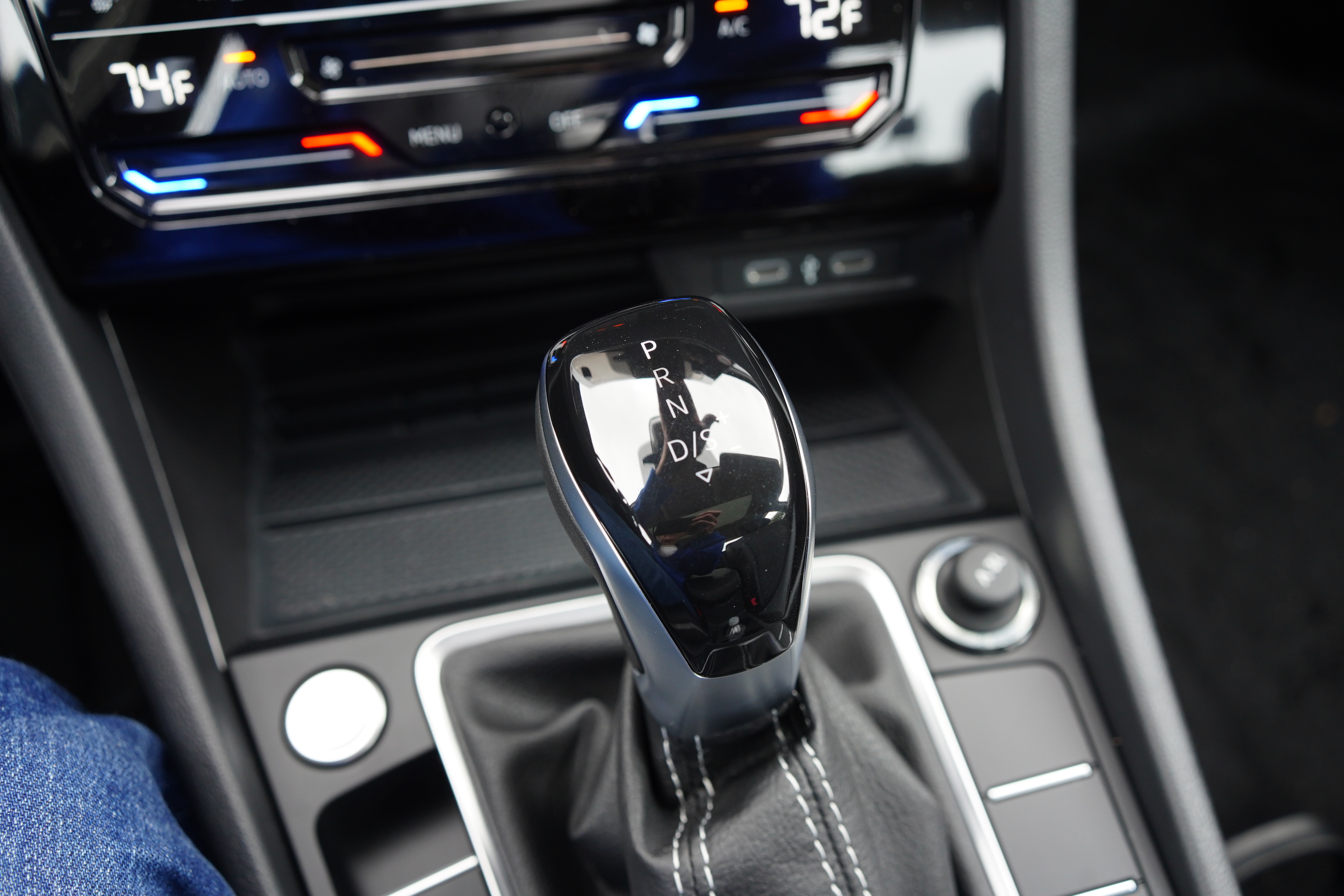
The floor-mounted shifter, complete with a PRNDL, worked perfectly fine. I call it out only because when I got my first “modern” Volvo in 2022, it took me a few weeks to adapt to its electronic shifter (push FORWARD for reverse, push REARWARD for drive, press the “P” button for Park). Driving the Jetta with its old-school shifter was a constant reminder of this platform’s age.
The biggest fault with the car was its turbo lag. I have been driving turbos since Volvo first introduced its Turbo model in 1981. At that time, turbo lag was an industry-wide problem that eventually was solved through various means. I don’t think I’ve experienced a new car with turbo lag in many years, so finding a 2026 VW with it was a shock. It was most noticeable when starting from a standstill; once I reached 30 MPH, it essentially disappeared. Was it only this car, or is it across all the 2026 models? I don’t know. But if this car were mine, I’d take it right back to the dealer for investigation.
Compared to the 2014 Jetta I leased, the 2026 model has many more standard features. My 2014 was a six-speed manual, so it was sportier to drive. (A stick is available in a select few Jetta trims levels only.) Would I recommend a VW Jetta to someone looking for a mid-sized sedan, who might also be shopping Honda, Toyota, or Hyundai? My response would be a qualified “yes.” Take a test drive first to see if turbo lag exists, and spend at least a few minutes with the various controls to assure yourself that you would be willing to accept a learning curve to operate the vehicle (which you would likely need to do with almost any other new car). I think that there is good value in the Jetta at this price point, and compared to its Asian competition, the German driving experience (minus that turbo issue) might win some people over. And how many new four-door sedans do you have to choose from anyway?
When we were in Italy last month for the Auto e Moto d’Epoca, Bologna was not the only city we visited. We started our trip in Torino (Turin to you Americans), specifically because my brother-in-law and I have an old mutual friend, John, who has lived full-time in Torino for the past nine years or so. It was great having a local to show us the sights, and one of those sights was the Museo Nazionale Dell’Automobile (The National Automobile Museum). Before venturing over, John made a point of stating that the museum had enough history in it that he expected my wife and brother-in-law would still enjoy it, even though they are not exactly fanatical about automobiles, and I believe that they did.
When purchasing our tickets, a museum employee informed us that some sections of the place were temporarily closed for a changeover of exhibits. We agreed to enter anyway, and it was worth it. There was still plenty to see, and I was particularly taken with the effort made to display vehicles from a variety of countries, not just Italy. Signage was in Italian and English, which helped keep our interest.
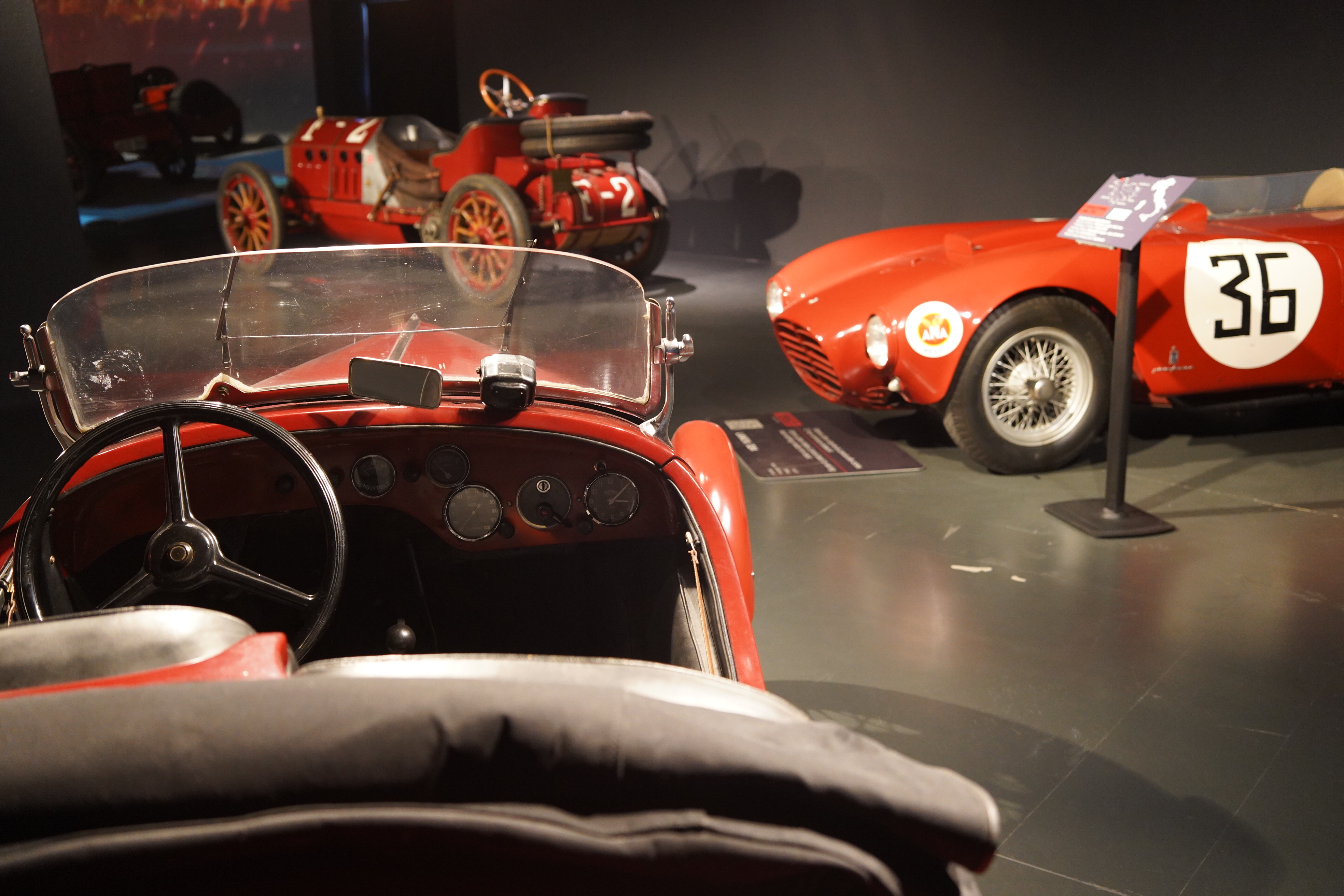
Below are photos of some of the highlights of this museum. My belated thanks to John for directing us here, because I had never heard of this place before he suggested it!
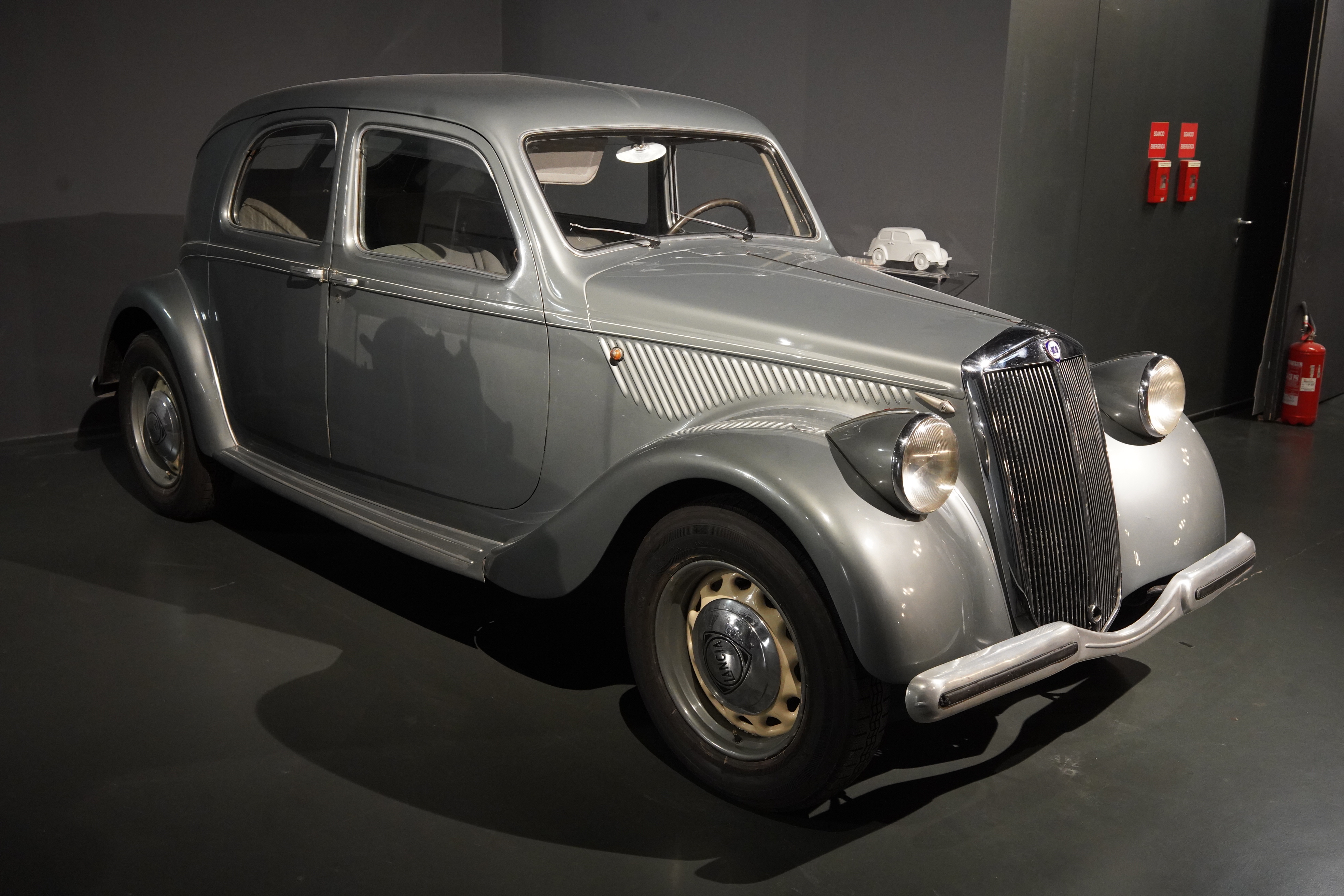
1948 Lancia Aprilia
1936 Fiat 500, better known as the Topolino
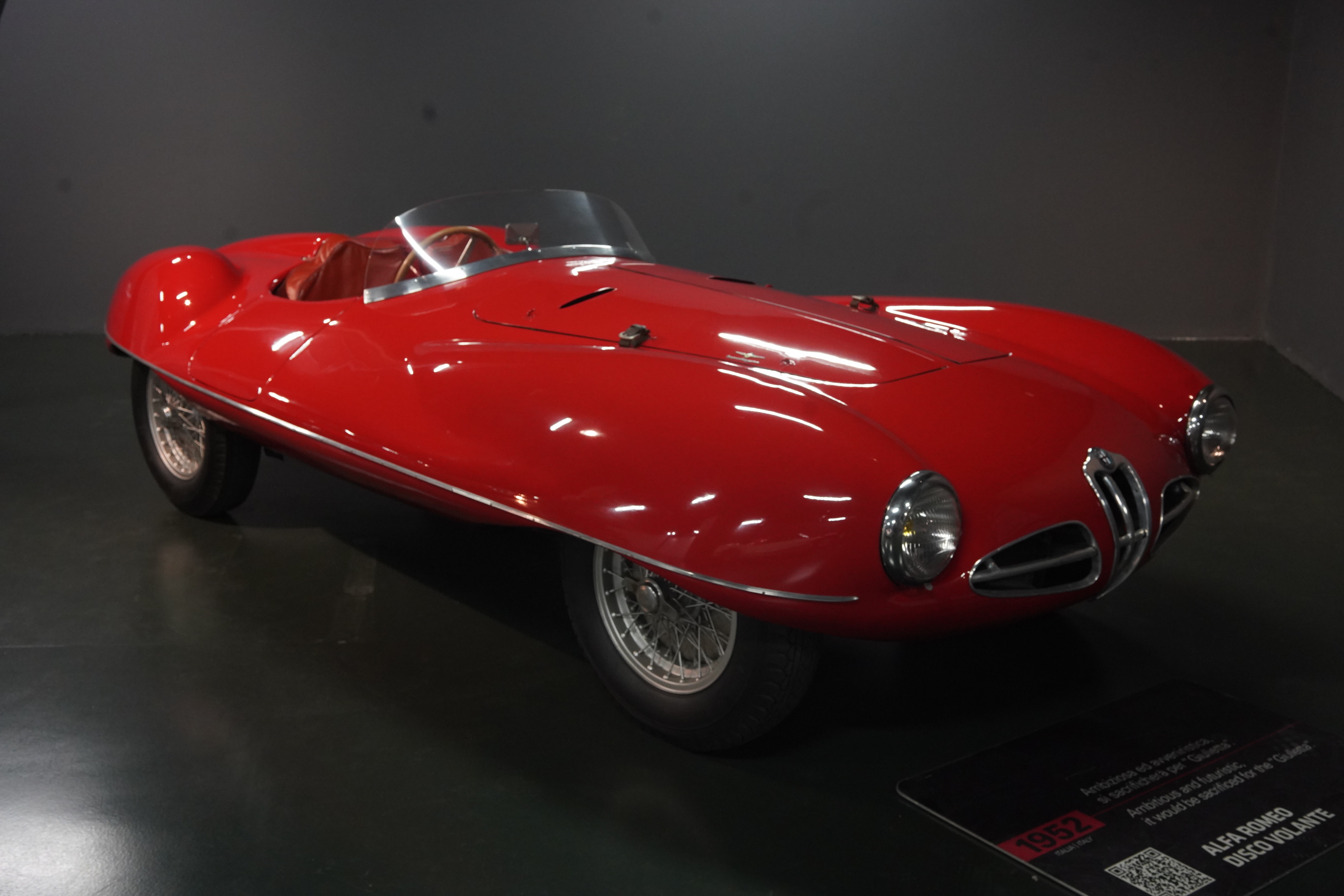
The Alfa Romeo with my all-time favorite model name, “Disco Volante” (flying saucer)
1948 Cisitalia, which was on display at the Museum of Modern Art in NY
The heft of this Buick wagon stood out against the European machines
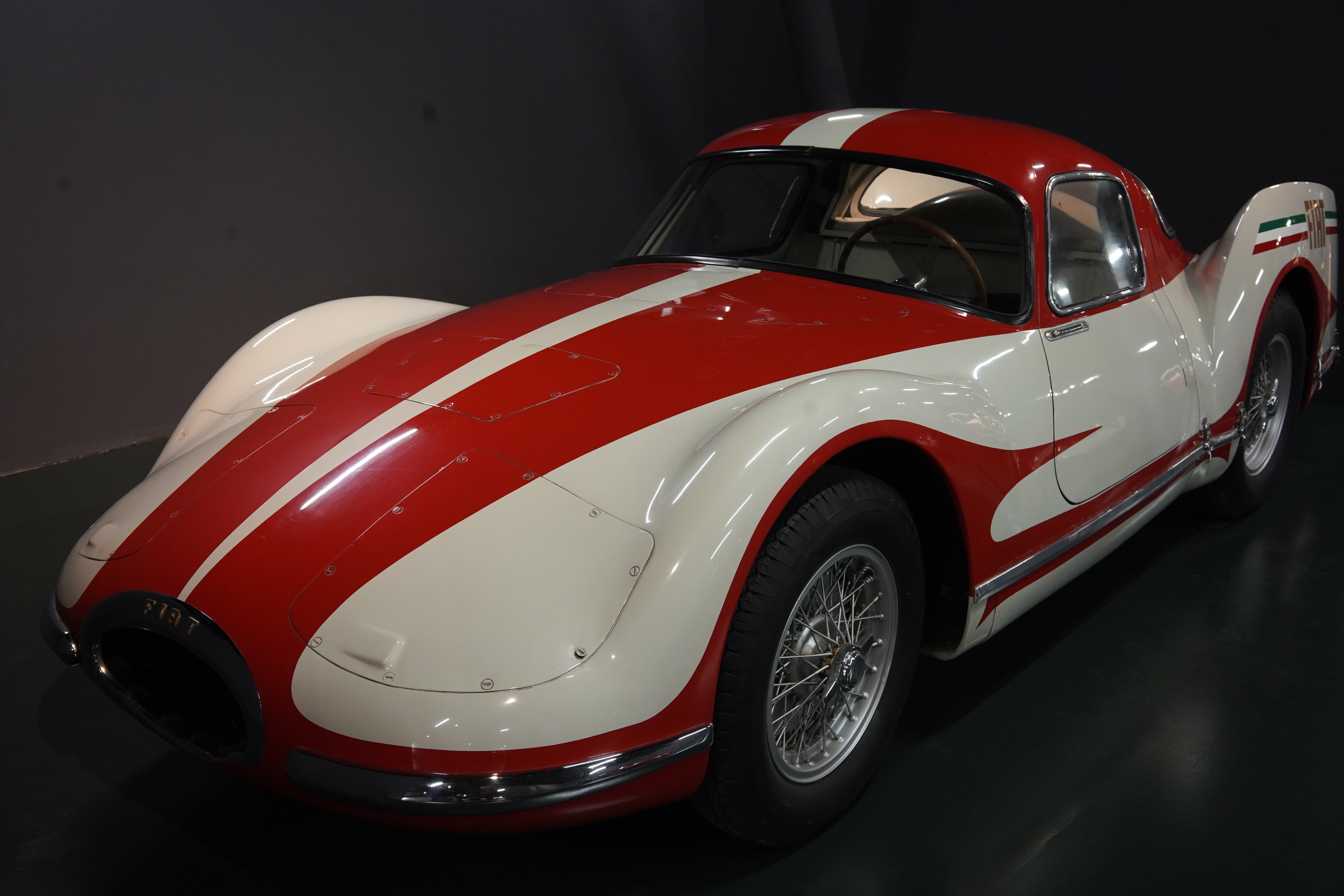
A fanciful Fiat design studyEven the Italians added fins
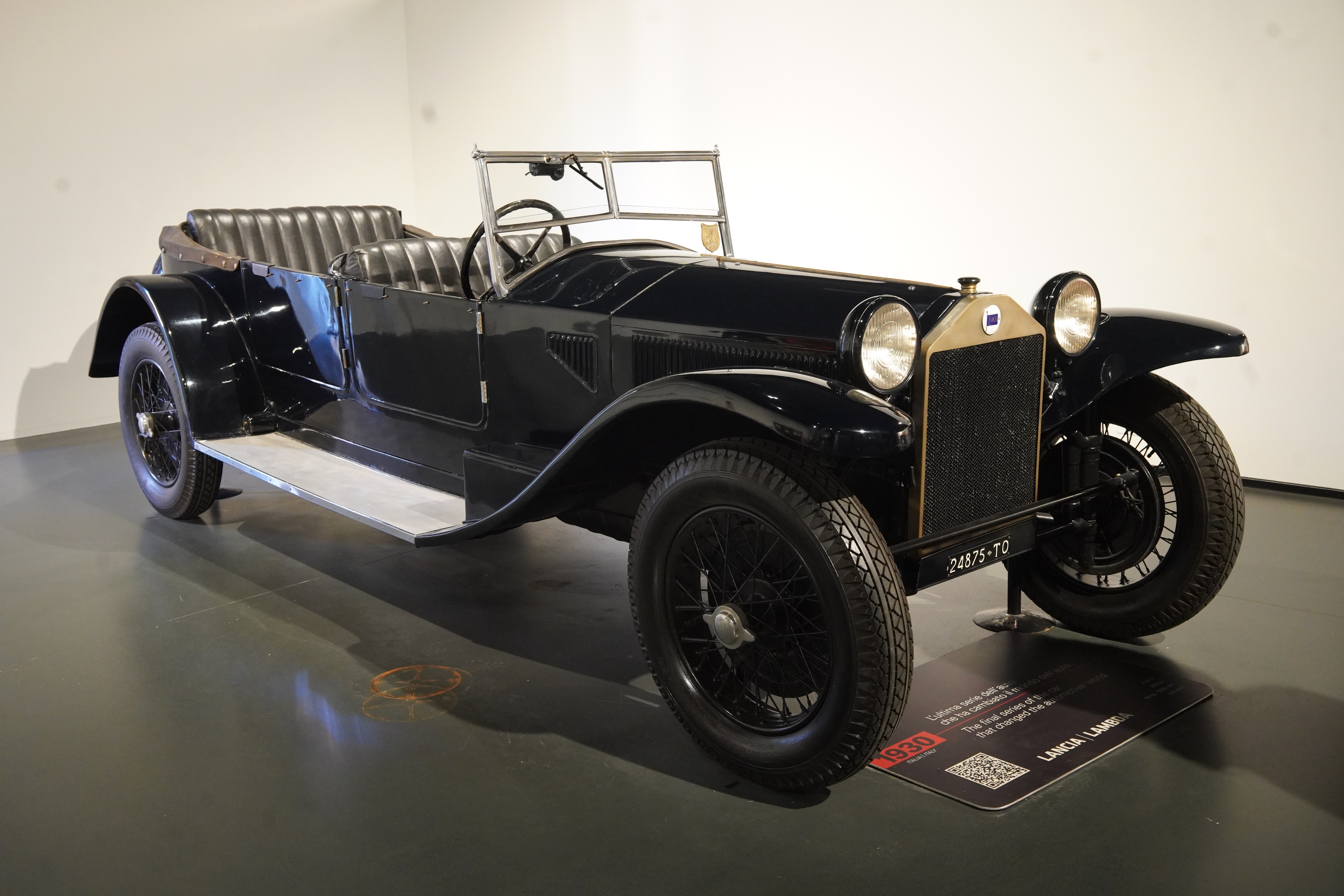
1930 Lancia Lambda
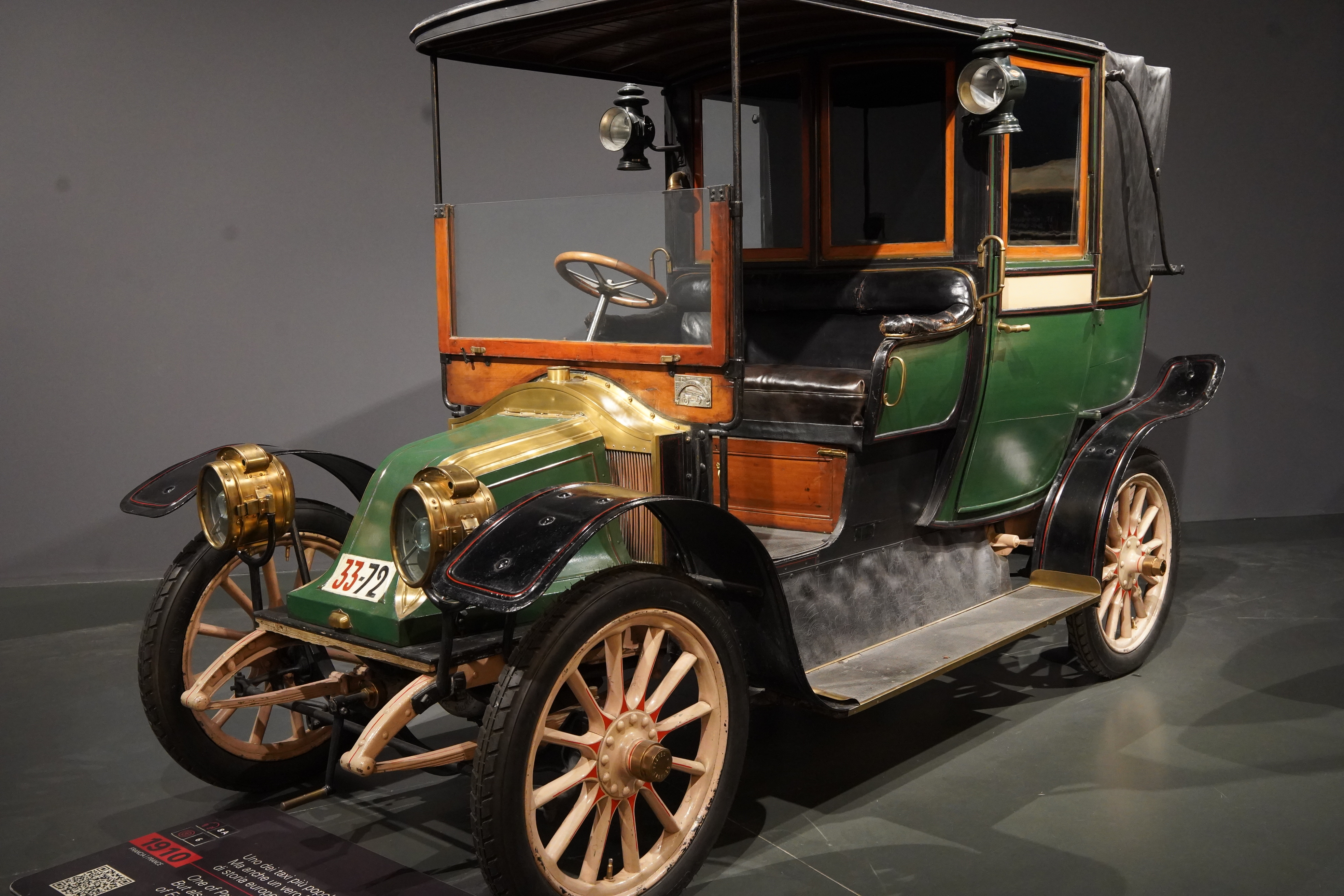
This 1910 Renault was labeled “one of Paris’s most popular taxis”
I loved the sportiness of this 1908 REO Gentleman’s Roadster
The infamous DeLorean
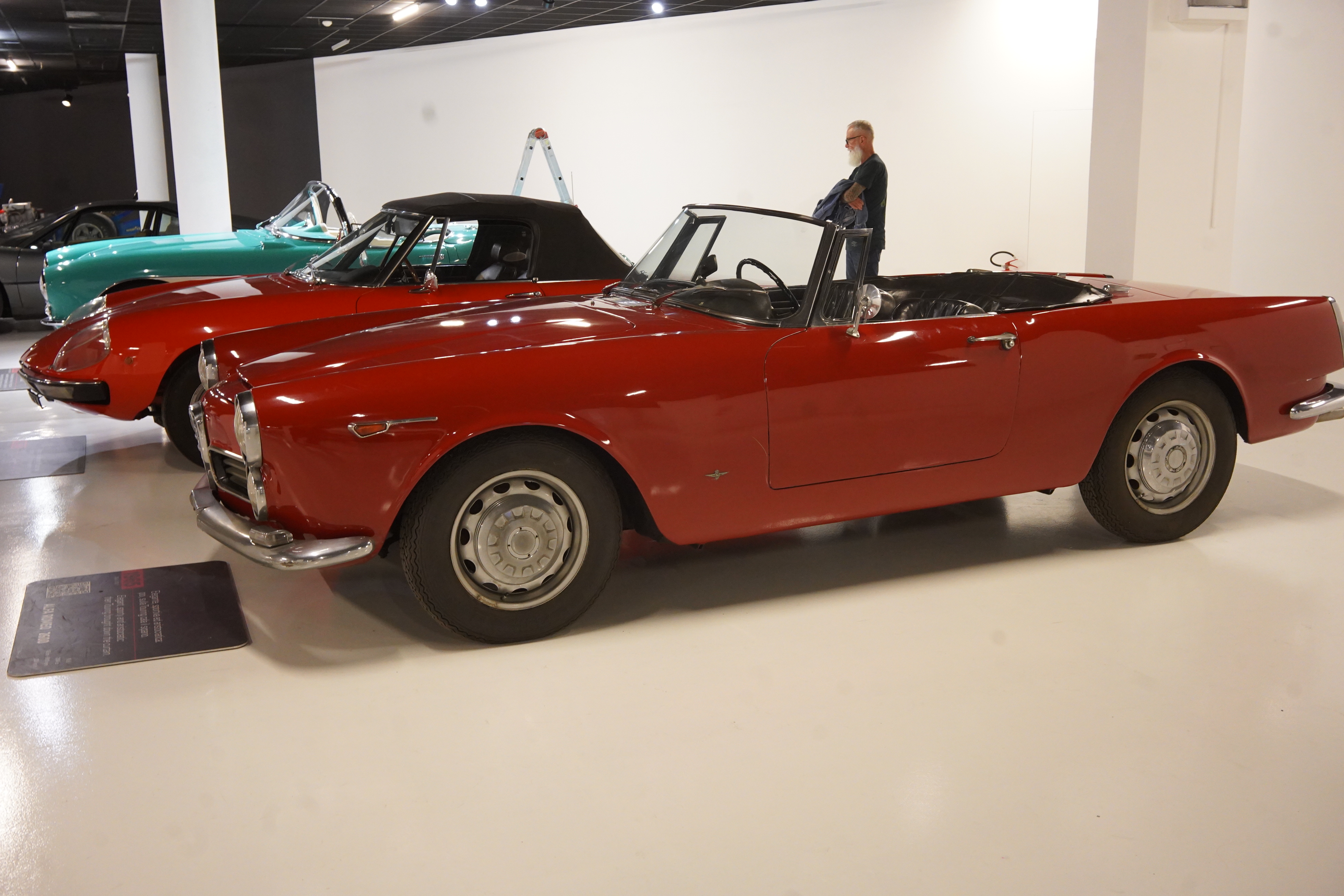
1965 Alfa Romeo 2600 Spider, with a Duetto behind it
1934 Fiat 508 S
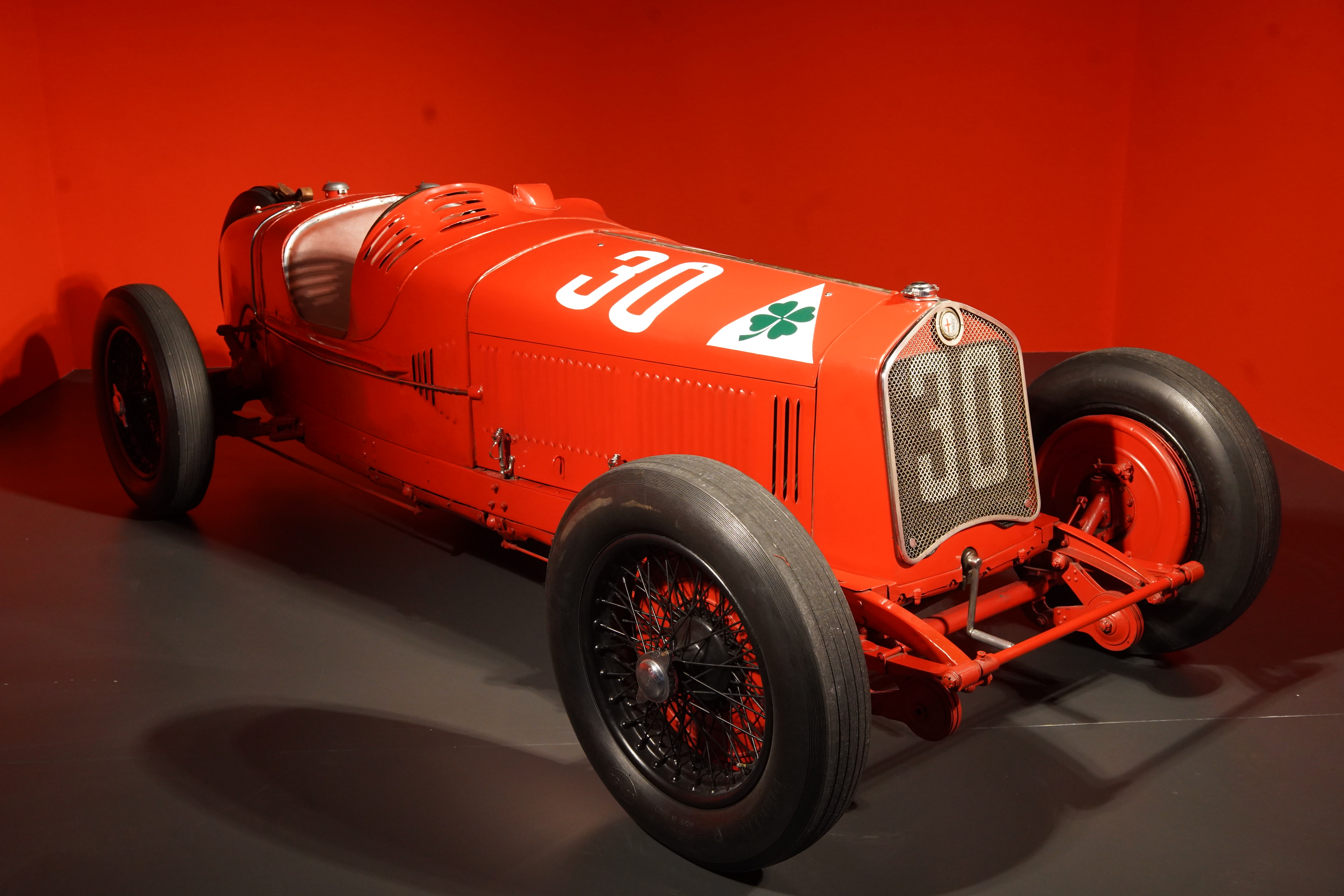
1930 Alfa Romeo P2
Fiat Abarth 500
The BMW Isetta. Sharp-eyed readers will notice this is the European version, with different bumpers
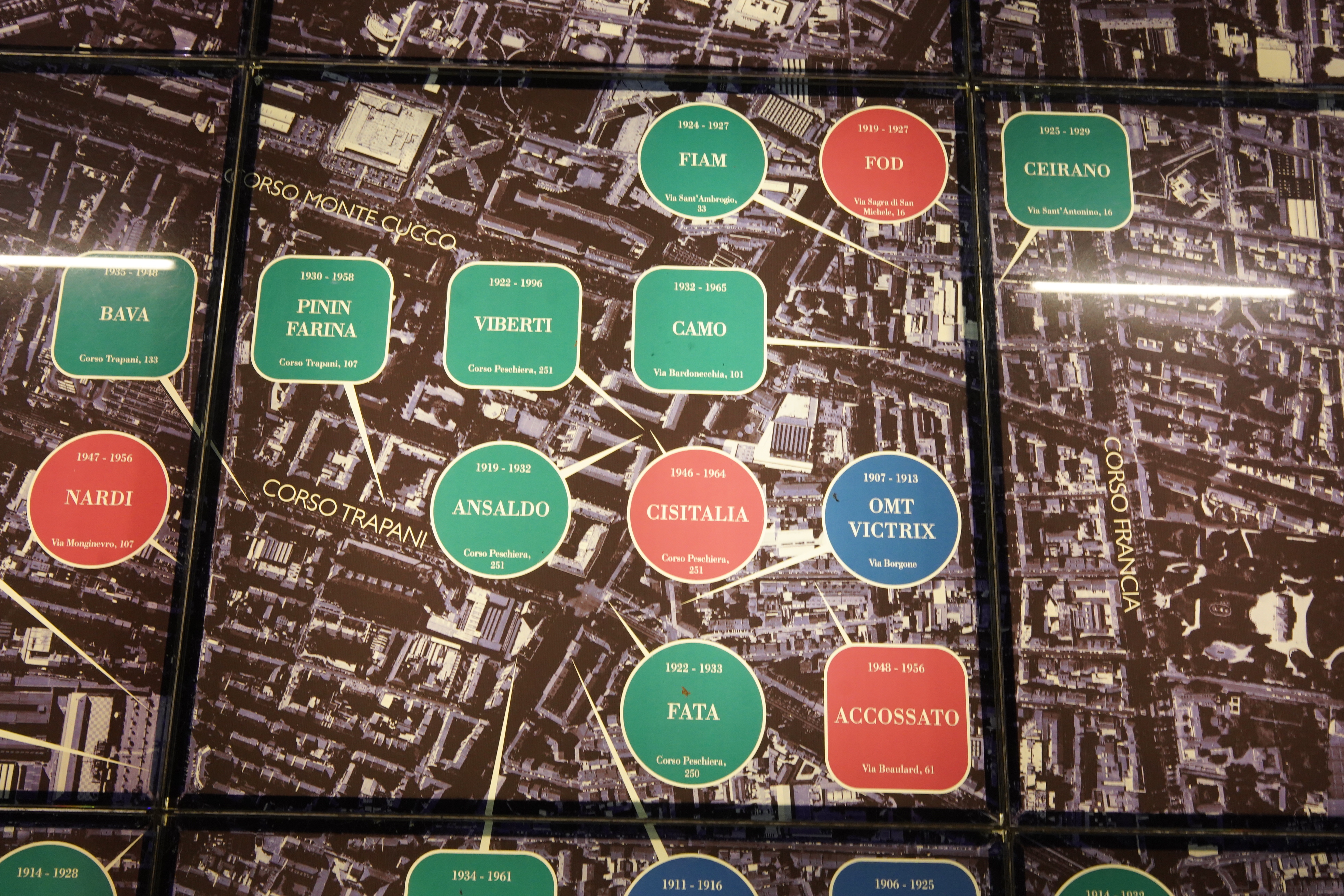
Near the end of our visit, John delighted in showing me a large room where the entire floor was a map of the city of Torino. On the map were signs pinpointing the location of every automotive business concern that once was located in this city. You will undoubtedly recognize some of these famous firms, as I did, but I also admitted to John that there were many I had not heard of as well.
Last month, between my trip to Hershey in early October and jetting off to Italy in mid October, there was an Alfa Romeo Club breakfast that fell through the cracks! However, better late than never, so here is the post about the NJ-AROC monthly breakfast from Sunday, October 12, 2025.
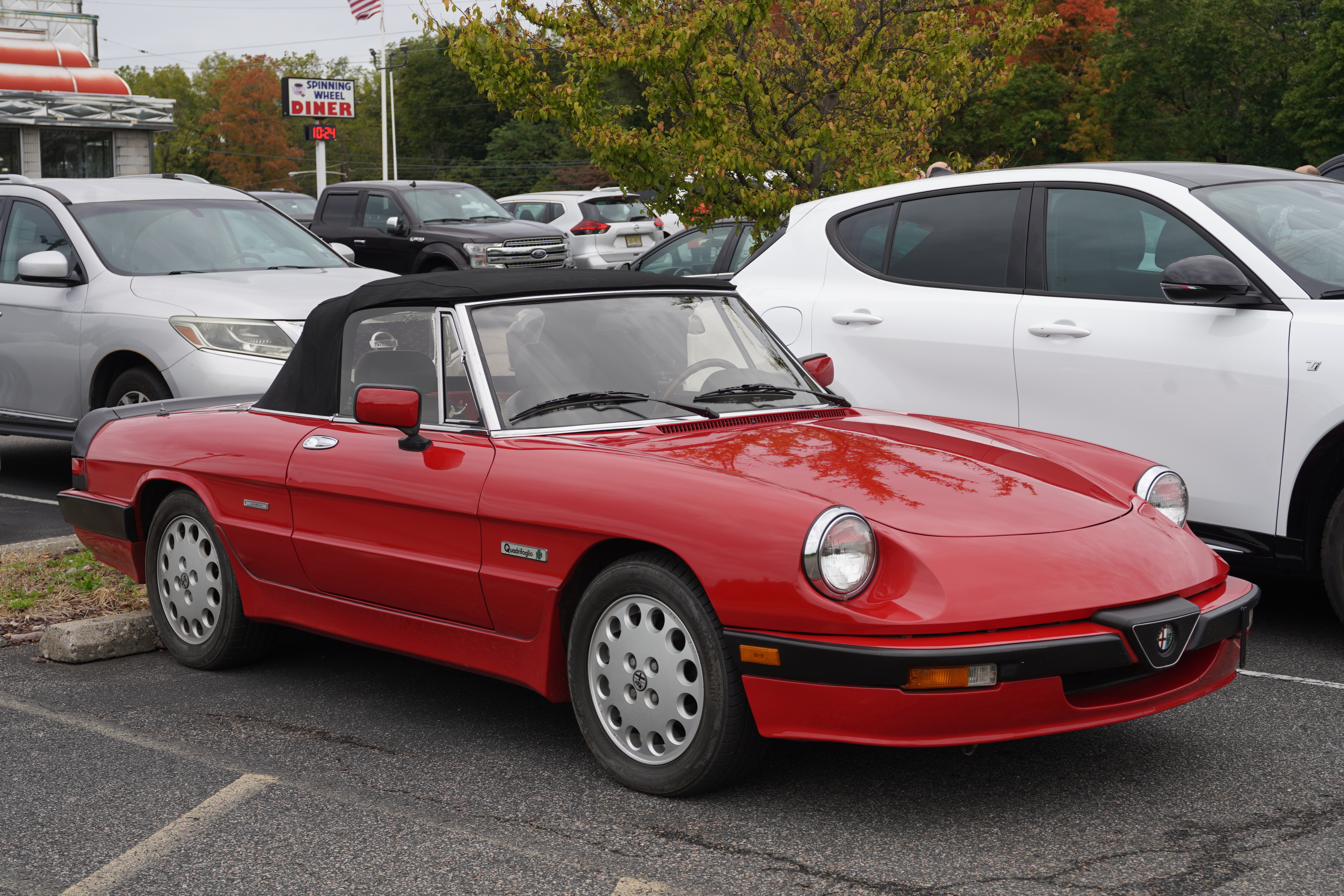
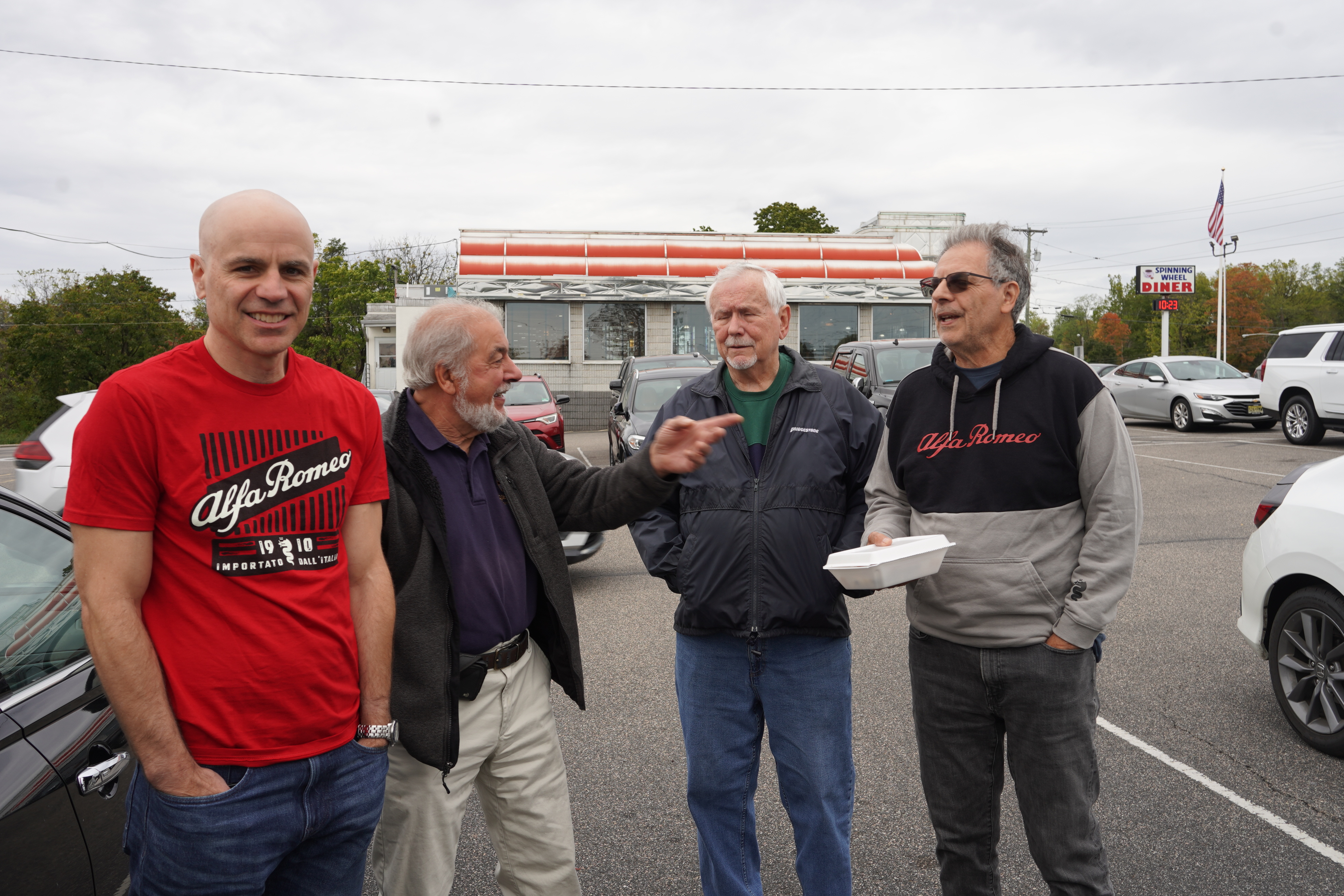
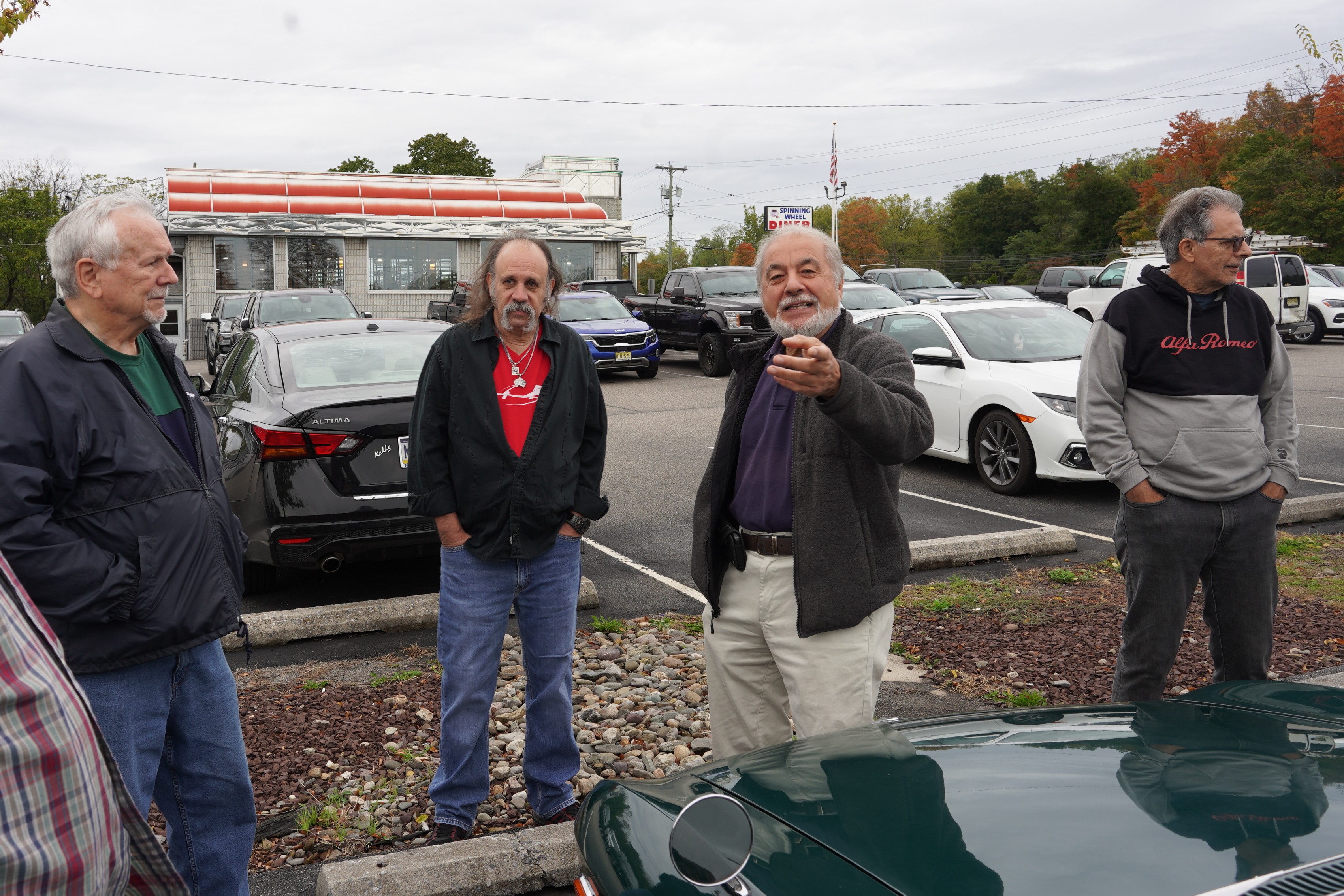
We met at one of our regular haunts, the Spinning Wheel Diner on Route 22 in Lebanon, NJ. I didn’t even get a table shot, which always helps me obtain an accurate head count, but from the photos I have, it looks like we had seven Alfisti plus one guest, my friend Doug from the NJ-AACA. He had been expressing interest in Alfa Spiders to me, so I invited him to join us for the morning, which he gladly did.
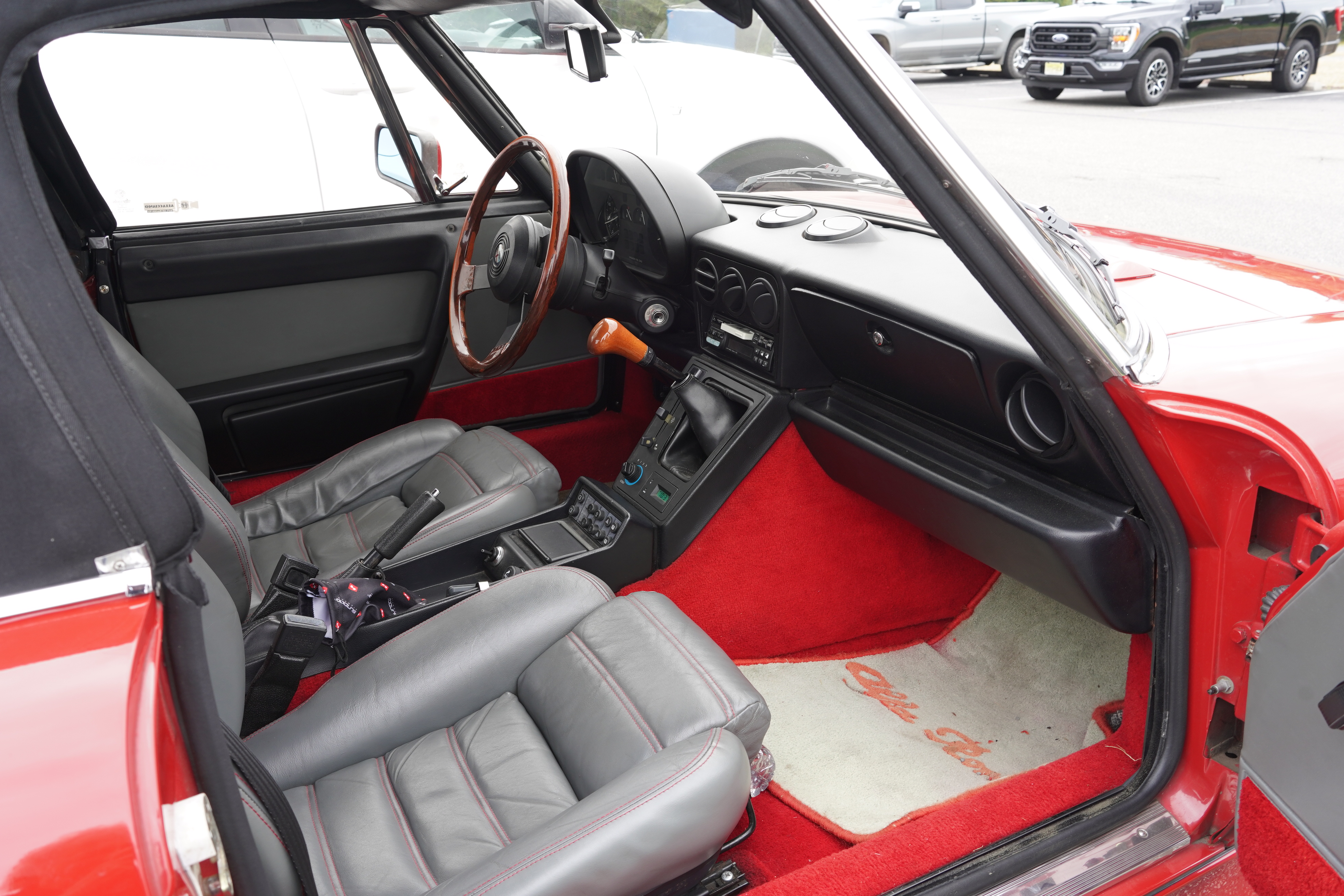
After breakfast, we did our usual hanging around in the parking lot. Jeff’s Spider was the only one there, so with Doug, that’s the car that got our attention. I sat in it and marveled at the seats, much more supportive with their more aggressive side bolsters than in an earlier car like mine. This group of Jersey guys are always great to spend time with, which makes me doubly glad that as a club, we have been able to keep to our monthly breakfast meets.
Members of the New Jersey Chapter of the Alfa Romeo Owners Club got together on Sunday November 9th, 2025, for our monthly breakfast meetup. The Americana Diner in Shrewsbury, NJ again played host for the thirteen intrepid Alfisti who braved changeable skies and the ever-present threat of rain. But the promise of fresh griddle cakes, hot coffee, and conversation about Italian cars will get us up and out of the house, no matter the time or temperature.
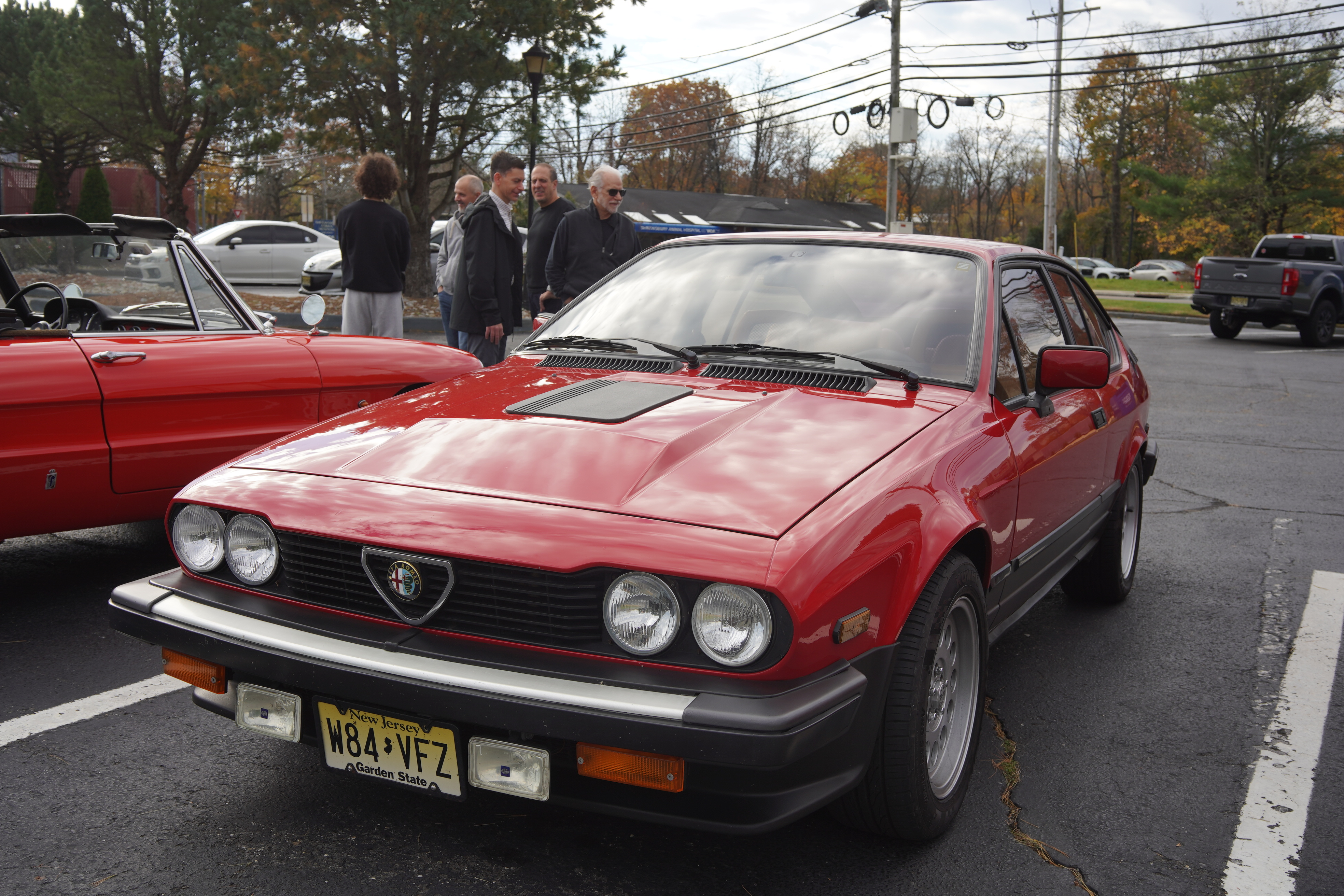
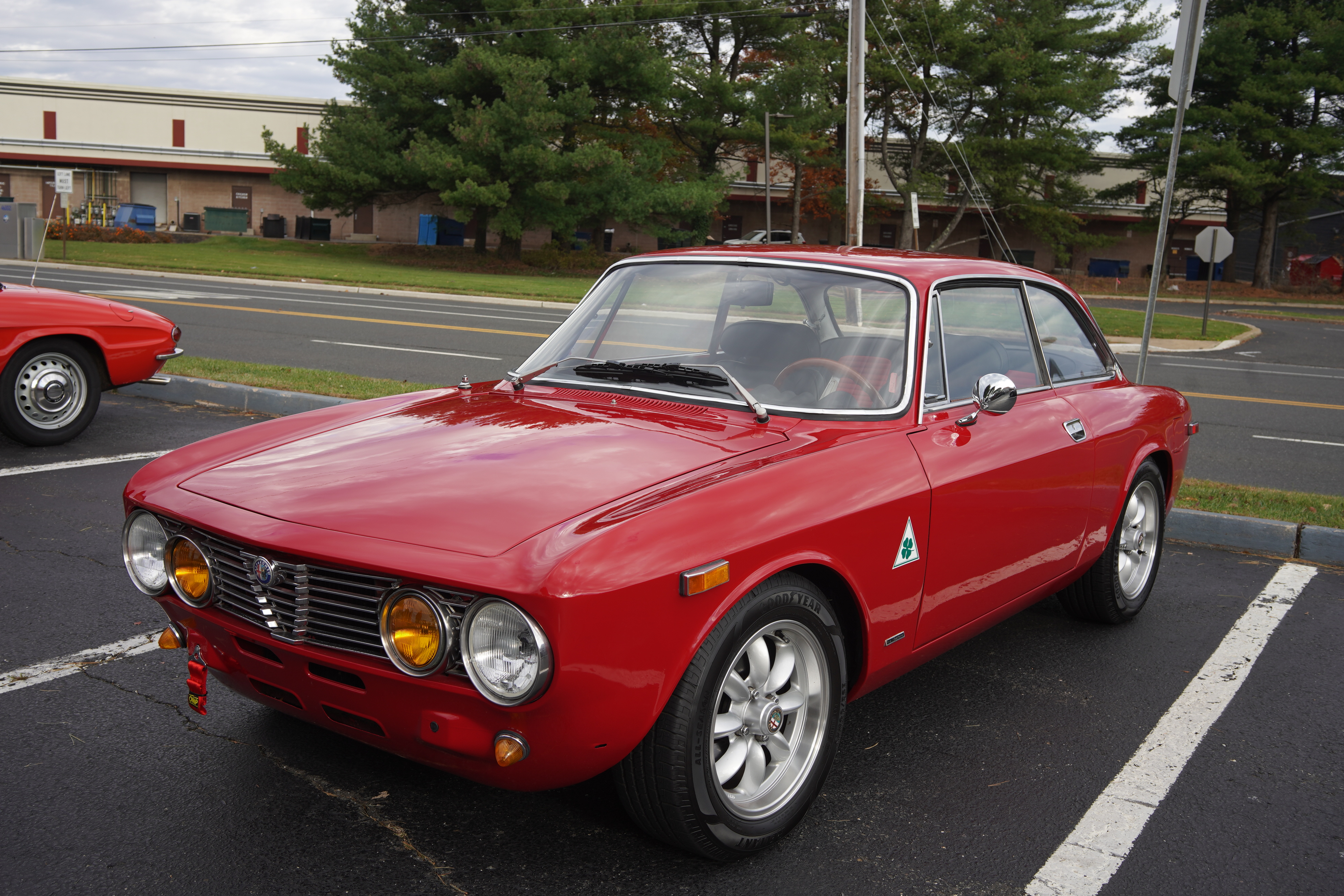
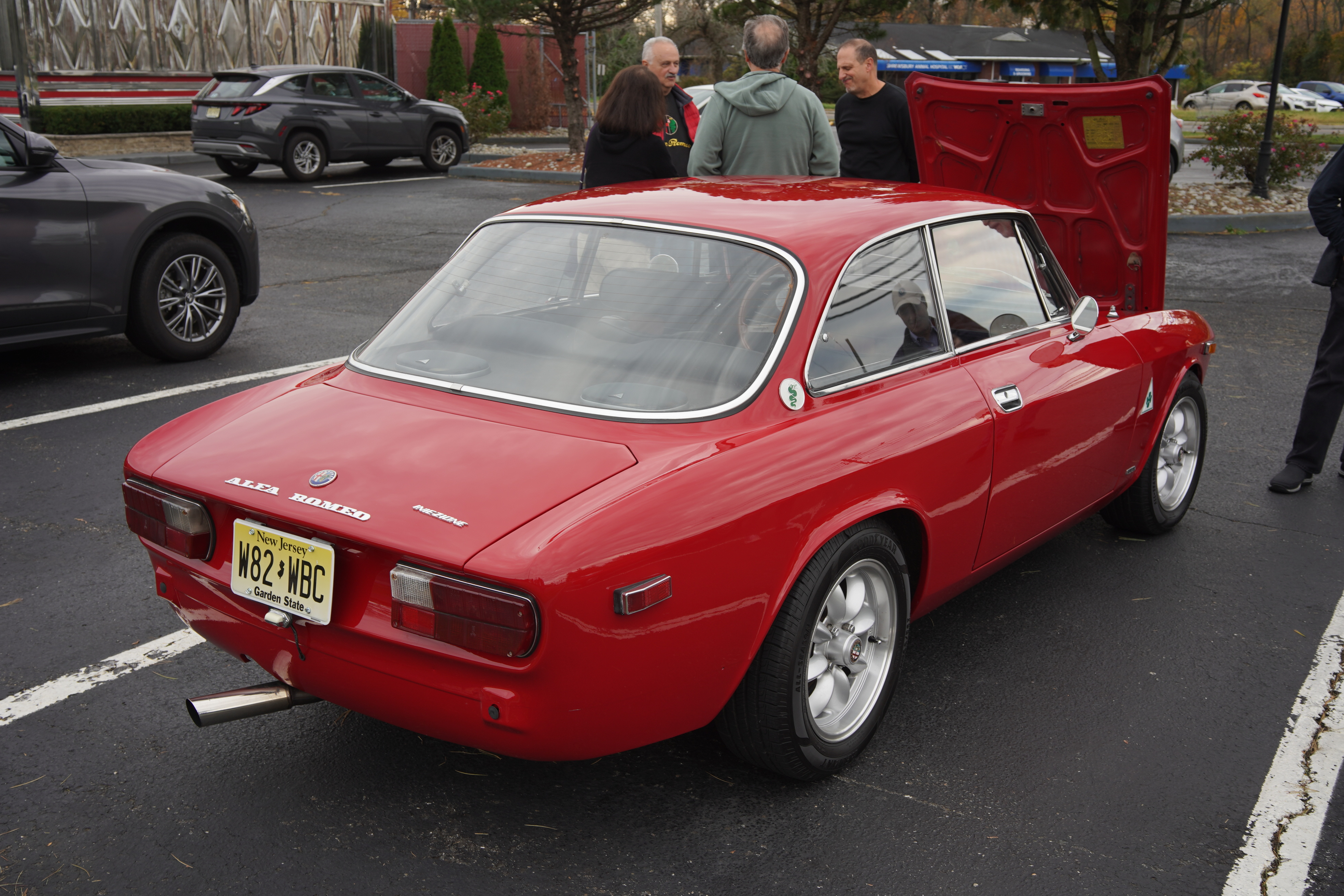
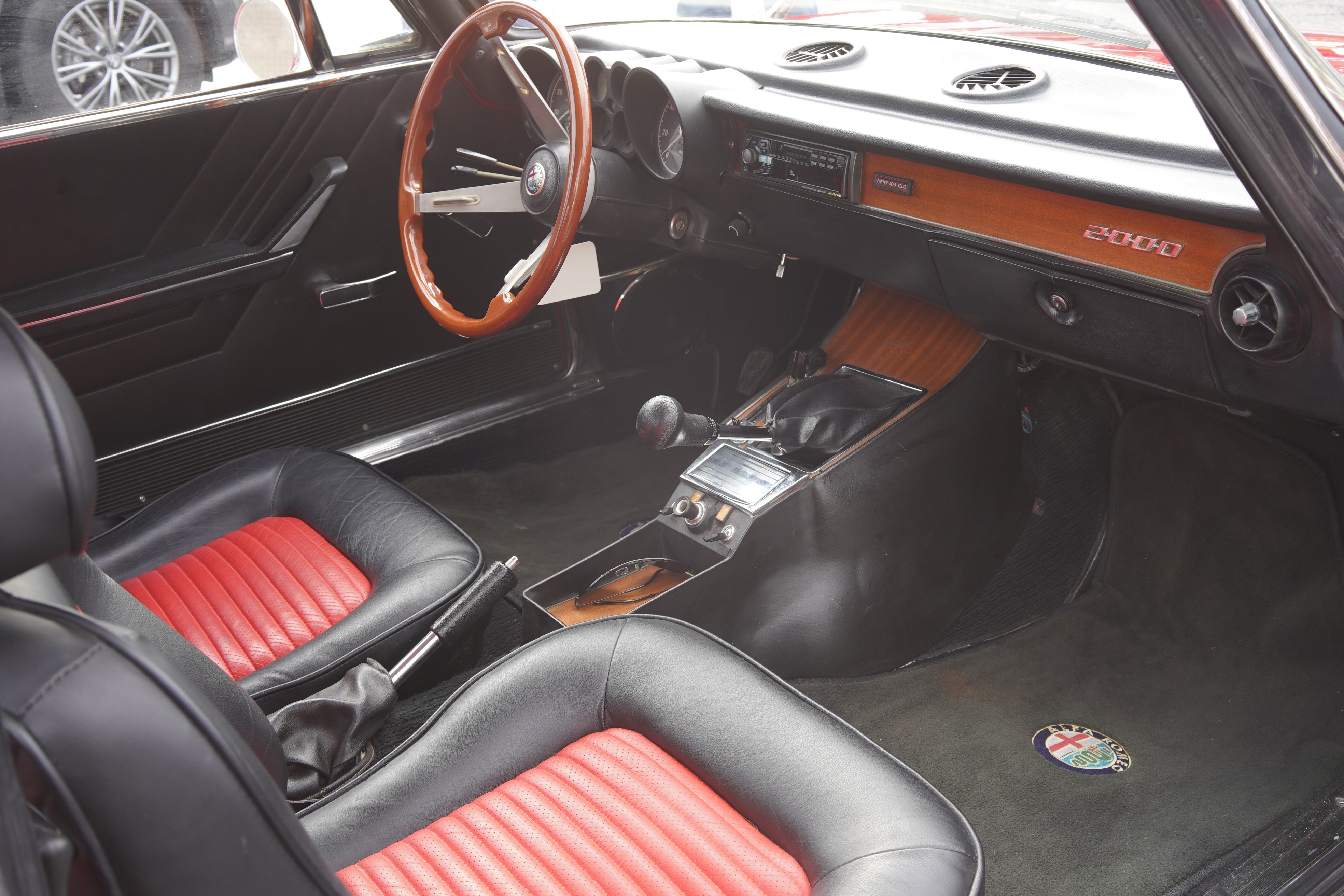
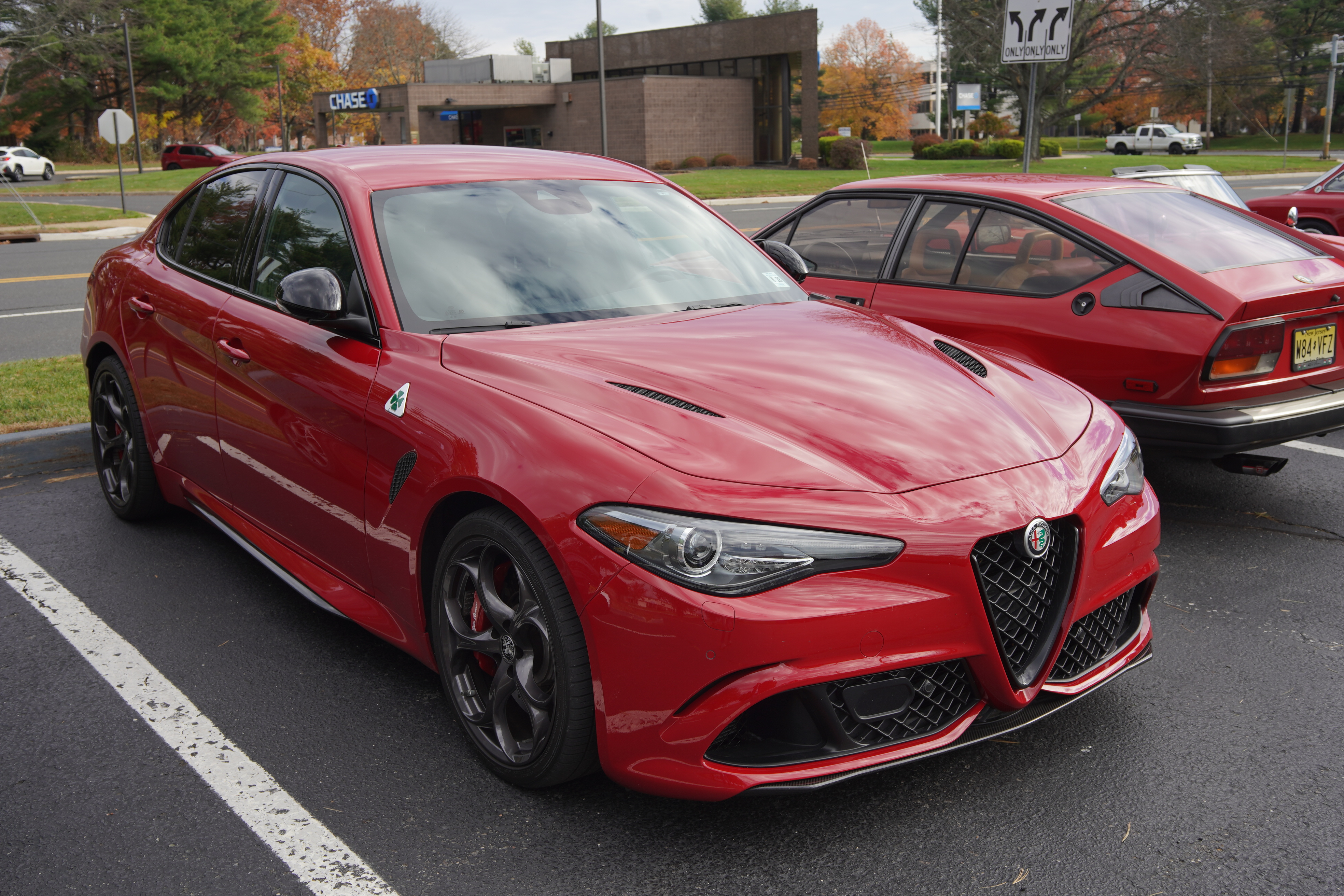
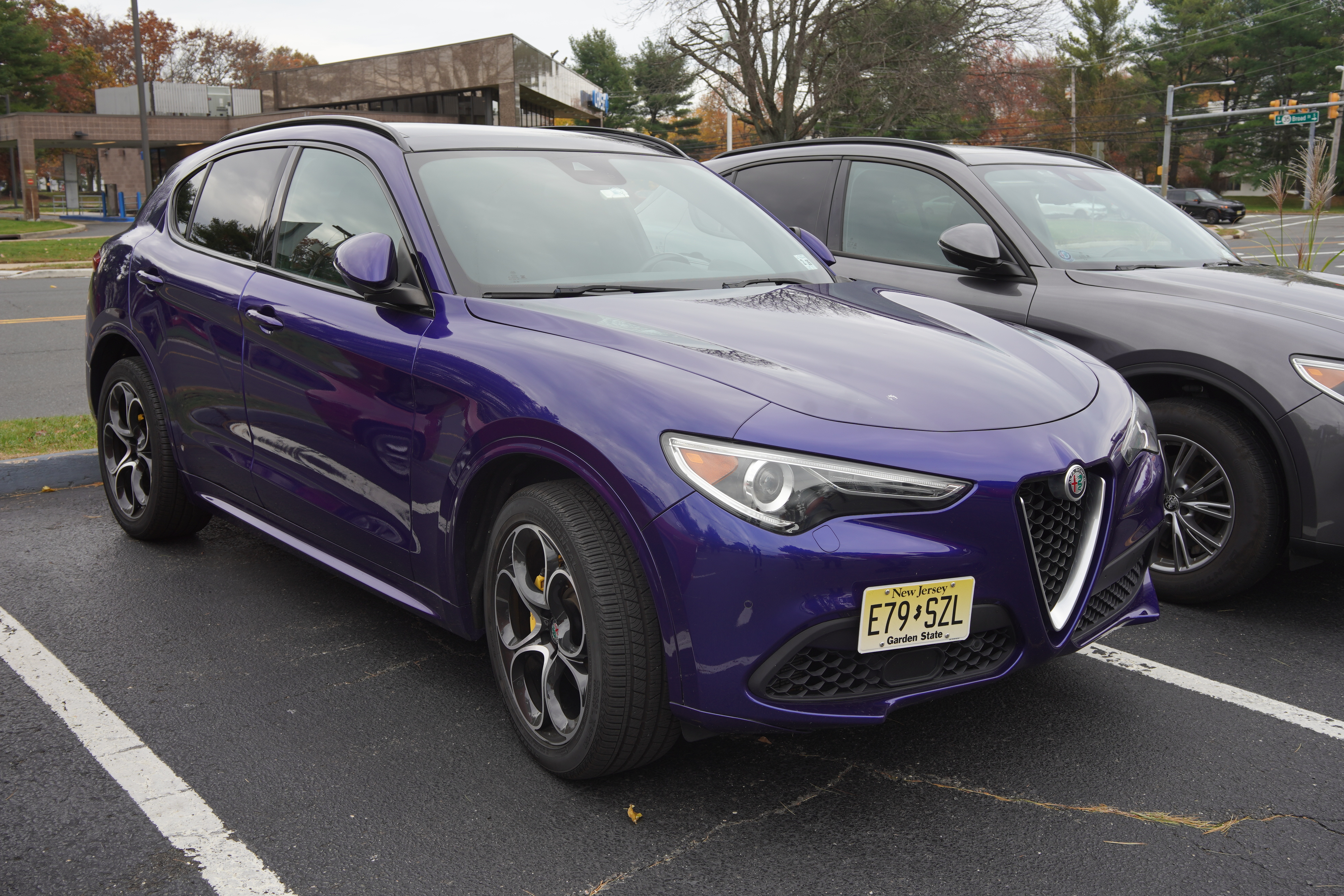
We had a particularly nice variety of Milanese macchine this time around, with Lee’s GTV6 (a model we seem to rarely see), Dave’s new-to-him ’71 GTV, Alex’s always-impressive Duetto (on which he bravely kept the top down through breakfast) and several moderns, including three Stelvios and a Guilia Quadrifoglio. The thirteen of us were crammed around a table for ten, but we made it work. Our waitress did an exemplary job keeping us plied with food and drink, and as is the custom, after breakfast we spilled out into the parking lot where we continued the conversations.
Yes, there’s 12 here; Frank stepped away.
We finally bid ciao around 11 a.m. and headed home. Our Chapter has, in my humble opinion, done an outstanding job keeping the monthly breakfast tradition alive, and rotating the location among several diners throughout the state also helps bring out members who might not otherwise be able to make a longer drive. With the holiday season approaching, I’m certain that we’ll still find the time (and the room in our bellies) for a December breakfast.


























 richardscarblog