The 1999 New England 1000 Rally

It bears repeating: the 1998 New England 1000 event, my first participation in classic car rallying, forever changed the way I would look at the old car hobby. We were back for 1999. (I had mentioned that rally brother Steve handed over a deposit check for the following year’s rally during the final dinner of the 1998 event. This was done in exchange for the promise that we would be given Plate #01, and we were.)

A tradition begins: documenting the installation of the rally plate

Steve’s Tiger was in such great shape that there was little to do to it during the wait for the next rally to start. There was a distinct change in our automotive-themed discussions, though: any talk about purchasing collector-type cars was immediately challenged with the question: “can it be driven in the rally?” Talk about a paradigm shift.

The host hotel this year was the Sagamore Resort, located on Lake George NY. Now, before you Yankees get your windjammers in a knot, I know darn well that “New York” is not “New England”. Hey, it’s not my event to plan. But the Sagamore proved to be a wonderful starting and ending location, and, most of the driving was in fact done in various “authentic” New England States.

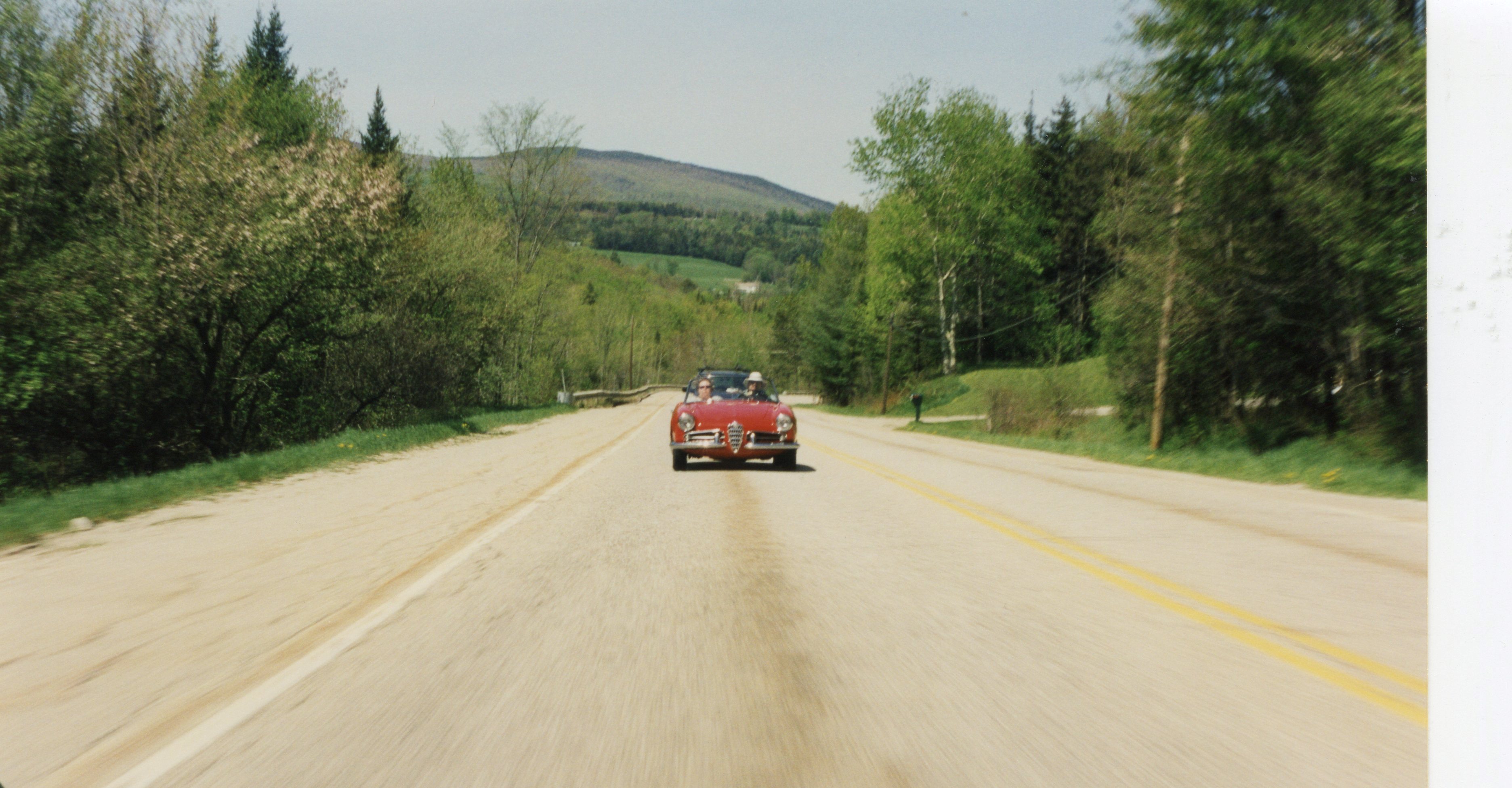
The 1999 rally was much like the 1998 rally, but on different roads. We saw several of the same couples, and our camaraderie grew, as we now had common experiences. One couple in particular, Dave and Deb Allison from North Carolina, became good friends. They had attended the ’98 rally driving a Lotus Elise. This year, they were back with a gorgeous Alfa Giulietta spider.

Deb Allison suns herself in the Allison Alfa
Deb Allison suns herself (and studies the nav book) in the Allison Alfa

Not only were the roads different, most of the participating cars were as well. Word must have gotten out to one of the Mercedes clubs (at this point, Mercedes Benz USA was the official sponsor of the rally), as there were no fewer than NINE 300SL Gullwing coupes and roadsters registered.
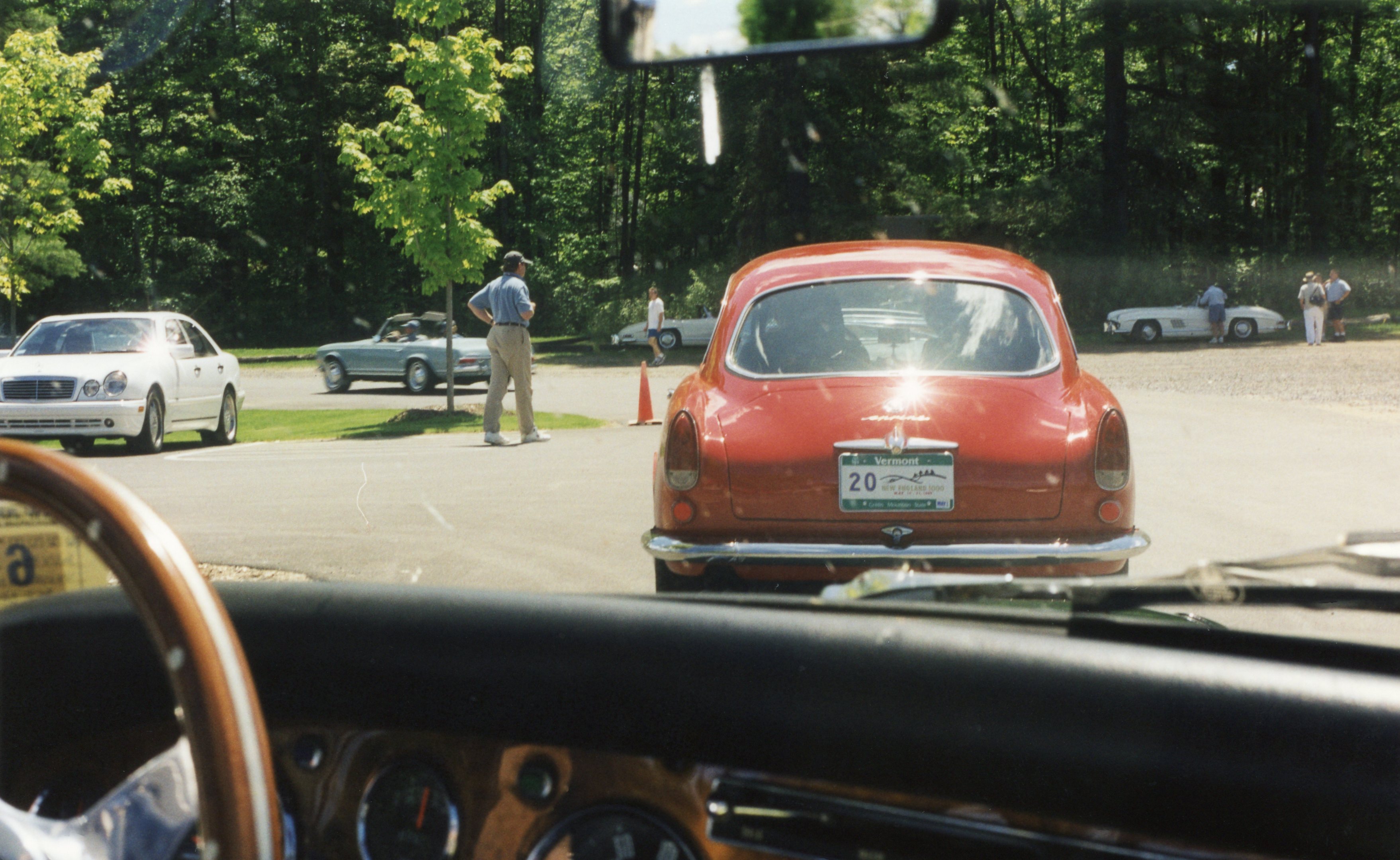
Several of the participating 300SLs are visible in the background

We were also getting used to the navigation directions. “Top of the notch”, “Axle breaker”, “Easy to miss” and “Moose alert” entered the vocabulary after the rally too.
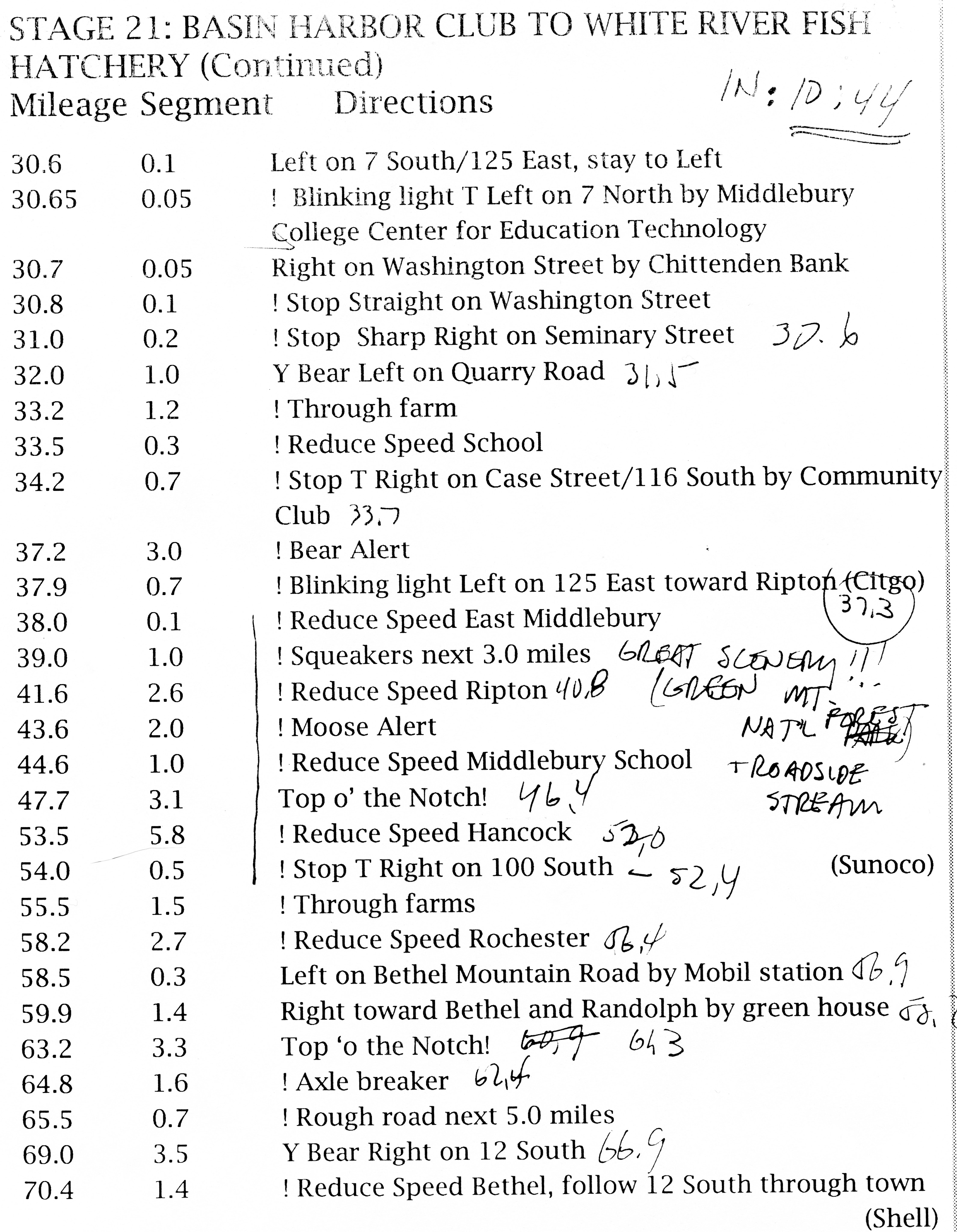
 

A page from the rally book complete with navigator's notes
A page from the rally book complete with navigator’s notes


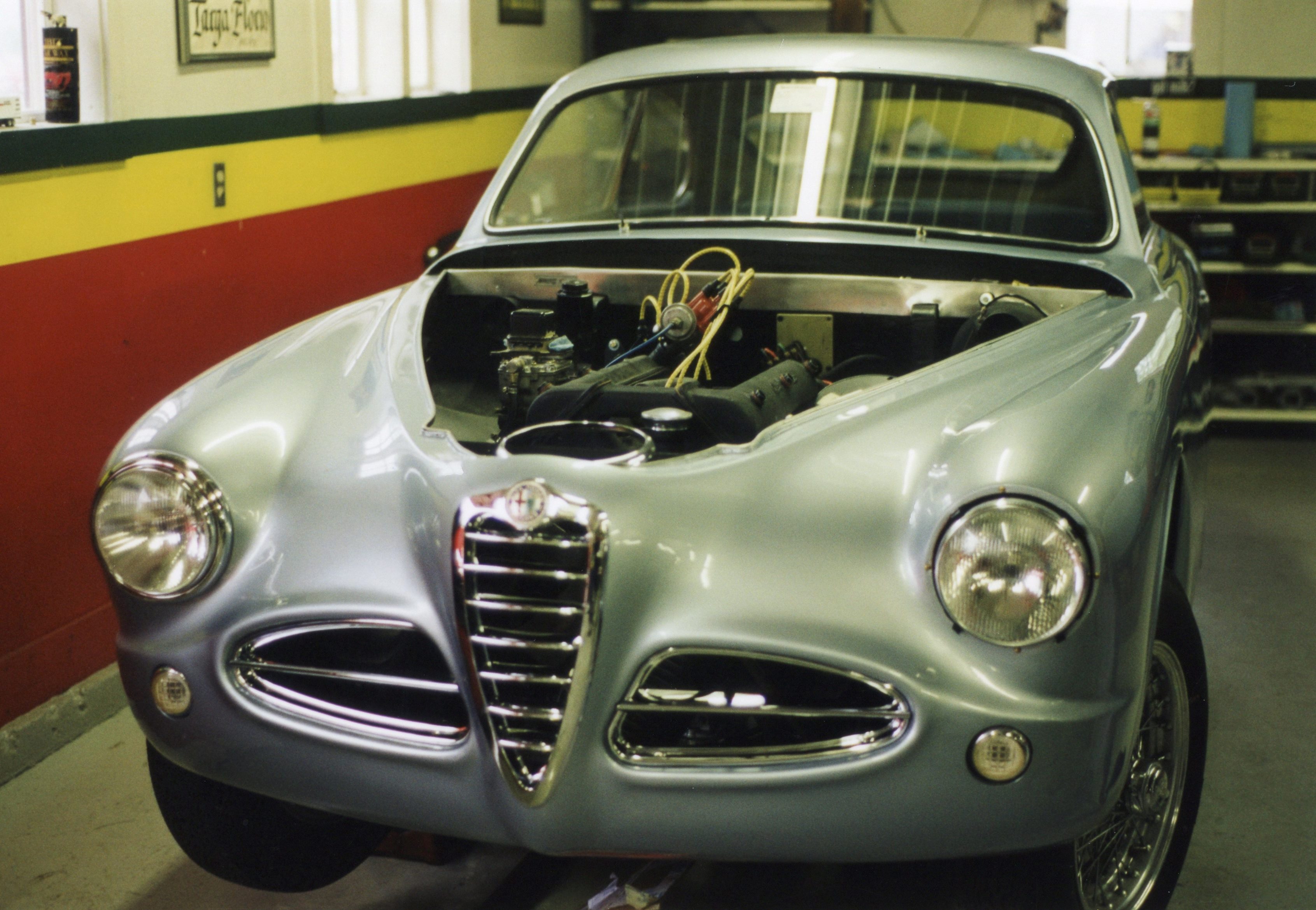
The year 1999 would mark the first time (and far from the last) that we would visit the RPM (Restoration & Performance Motorcars) shop in Vergennes VT. Ably run by Peter Markowski, his son Stephen, and a talented crew, RPM specializes in restoring high-end European sports cars, but will perform the most basic maintenance jobs also. The gearhead in me got a kick out of seeing Ferrari 12-cylinder engines in various states of disassembly.
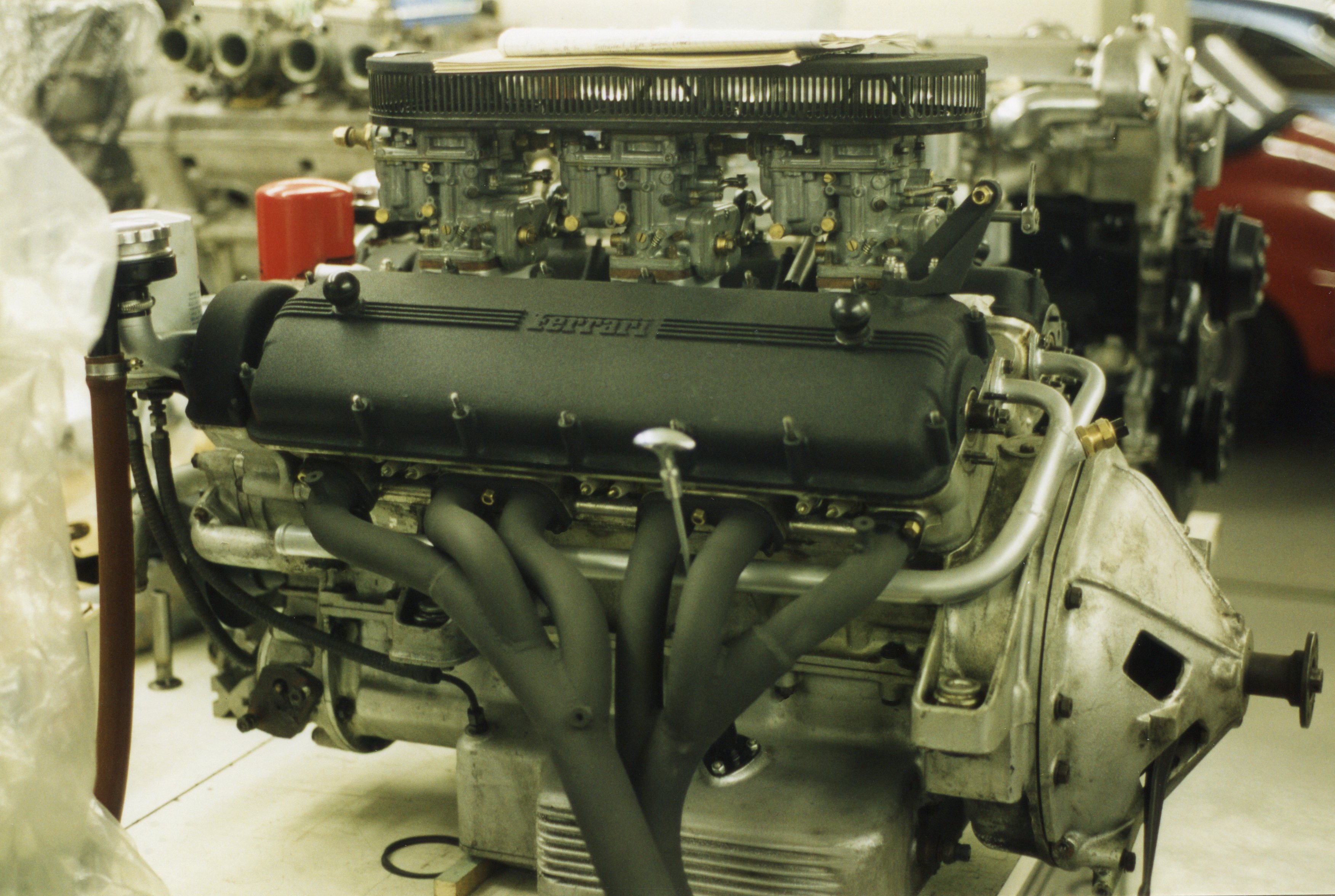
A Ferrari V12 engine at the RPM shop


This rare Alfa Romeo 1900 looked close to being completed


All too soon, it was over. The Tiger again proved to be a dependable rally champ. A new addiction had taken hold. We learned that next year’s rally, in honor of Y2K, would be 2,000 kilometers. We and the Tiger would be back.
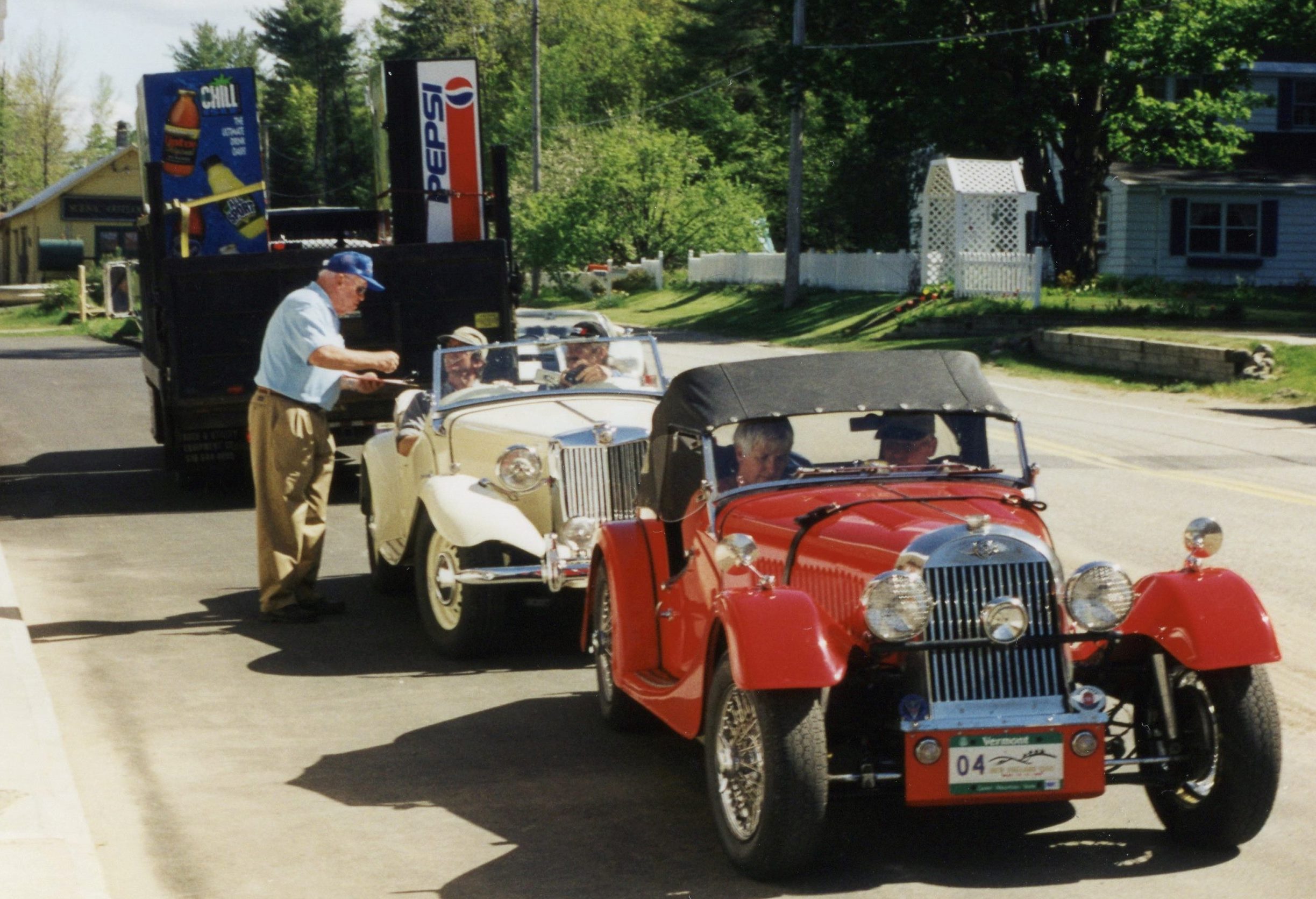
 

A Morgan Plus 4 followed by an MG-TD
A Morgan Plus 4 & MG-TD (followed by the soda truck, with driver asking for directions)


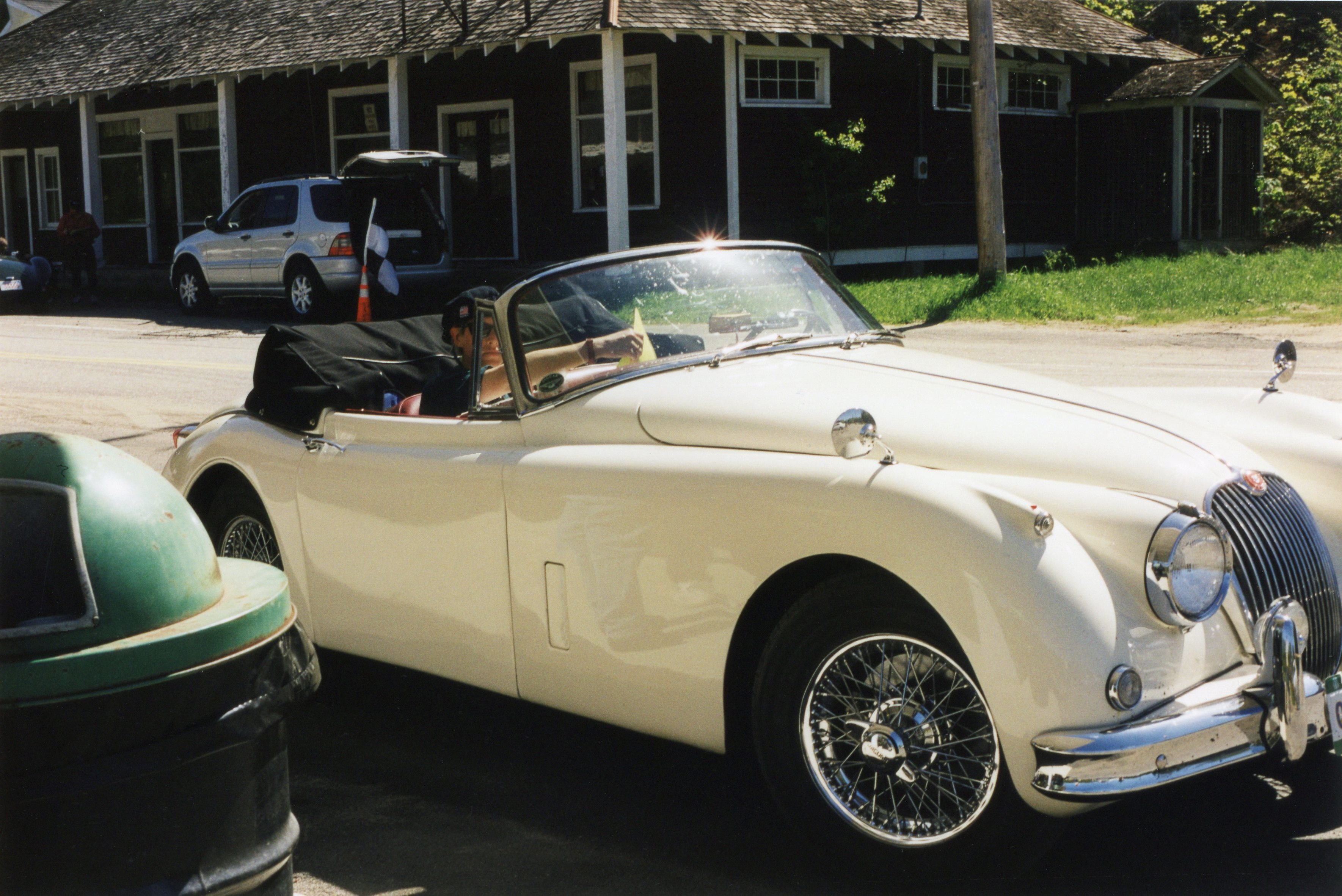
Jaguar XK-150 convertible
Jaguar XK-150 roadster

Alfa Giulietta Sprint Coupe


The Tiger at the end of the queue


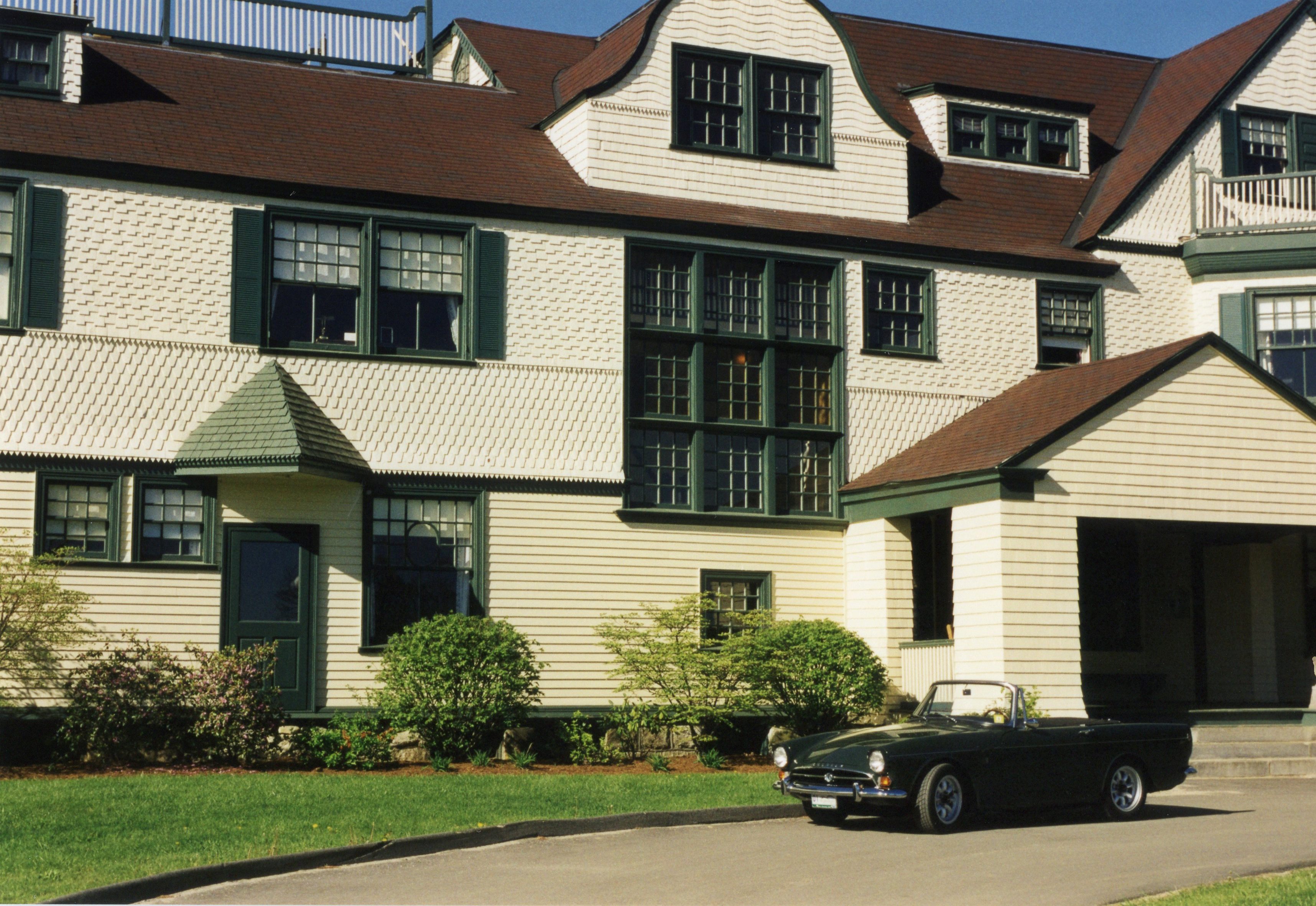
The Tiger looks at home in front of this New England lodge


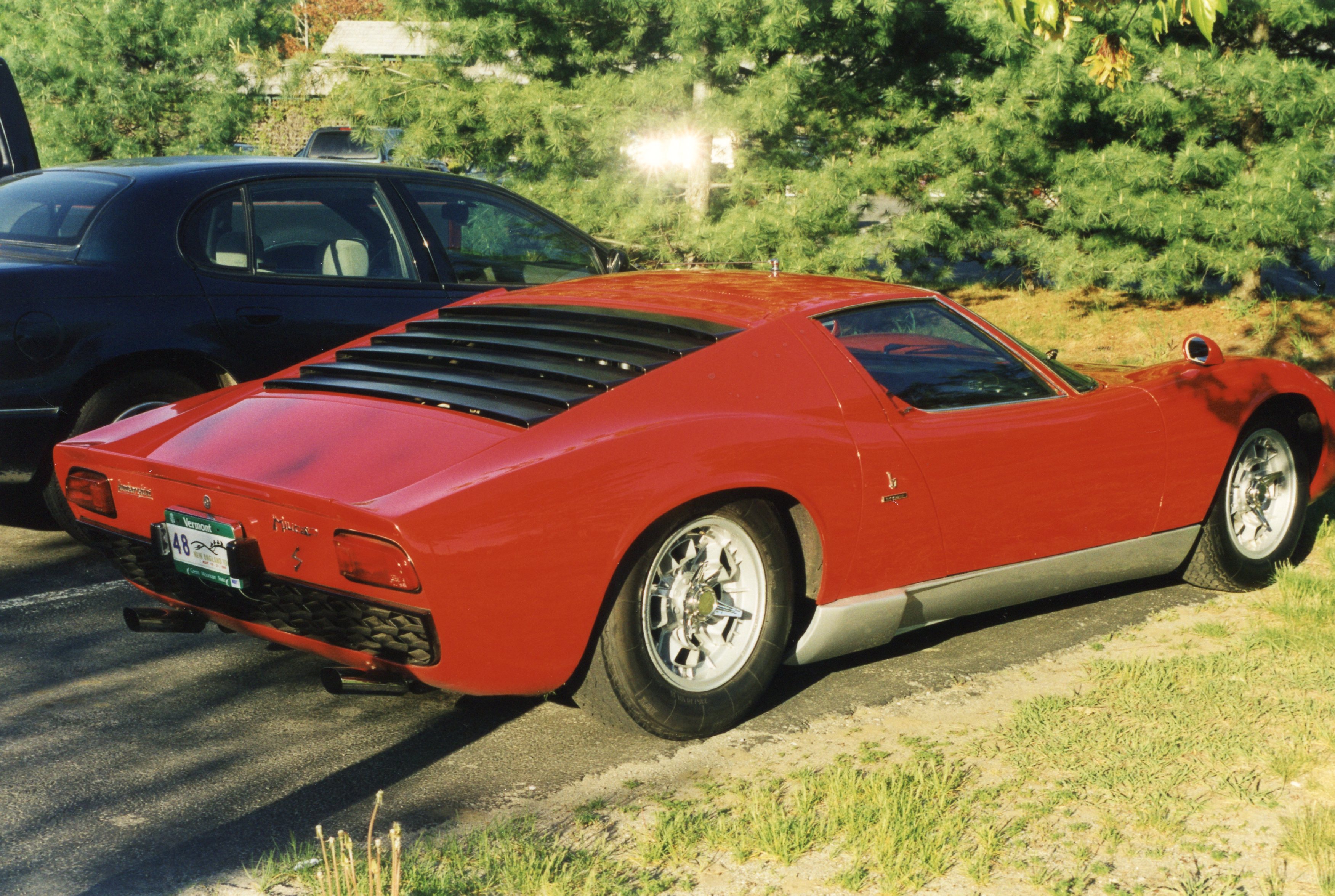
Lamborghini Miura
Lamborghini Miura


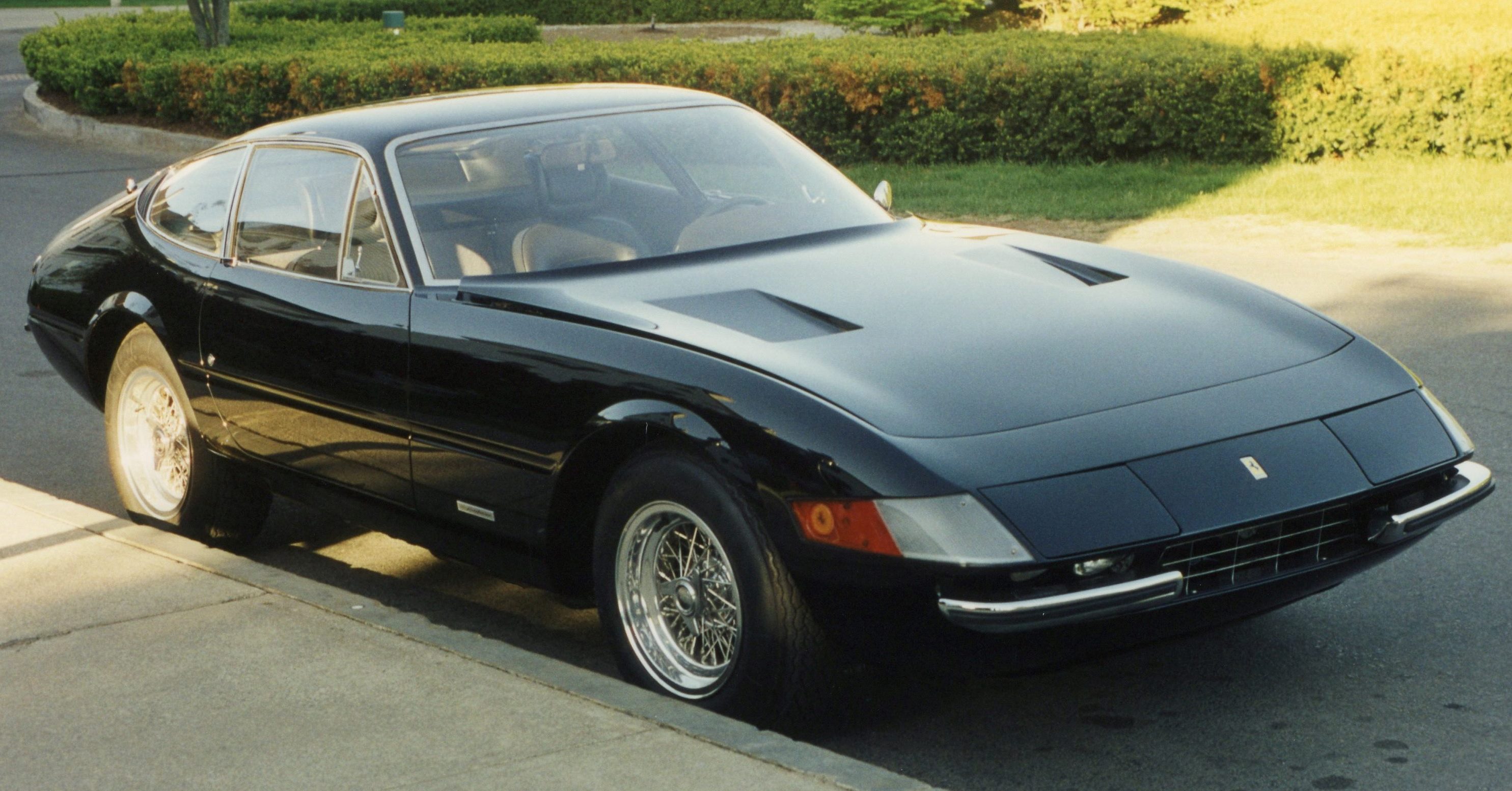
Ferrari 365 GTB/4, aka Daytona


Lancia Fulvia Zagato rests between stages; drivers break too


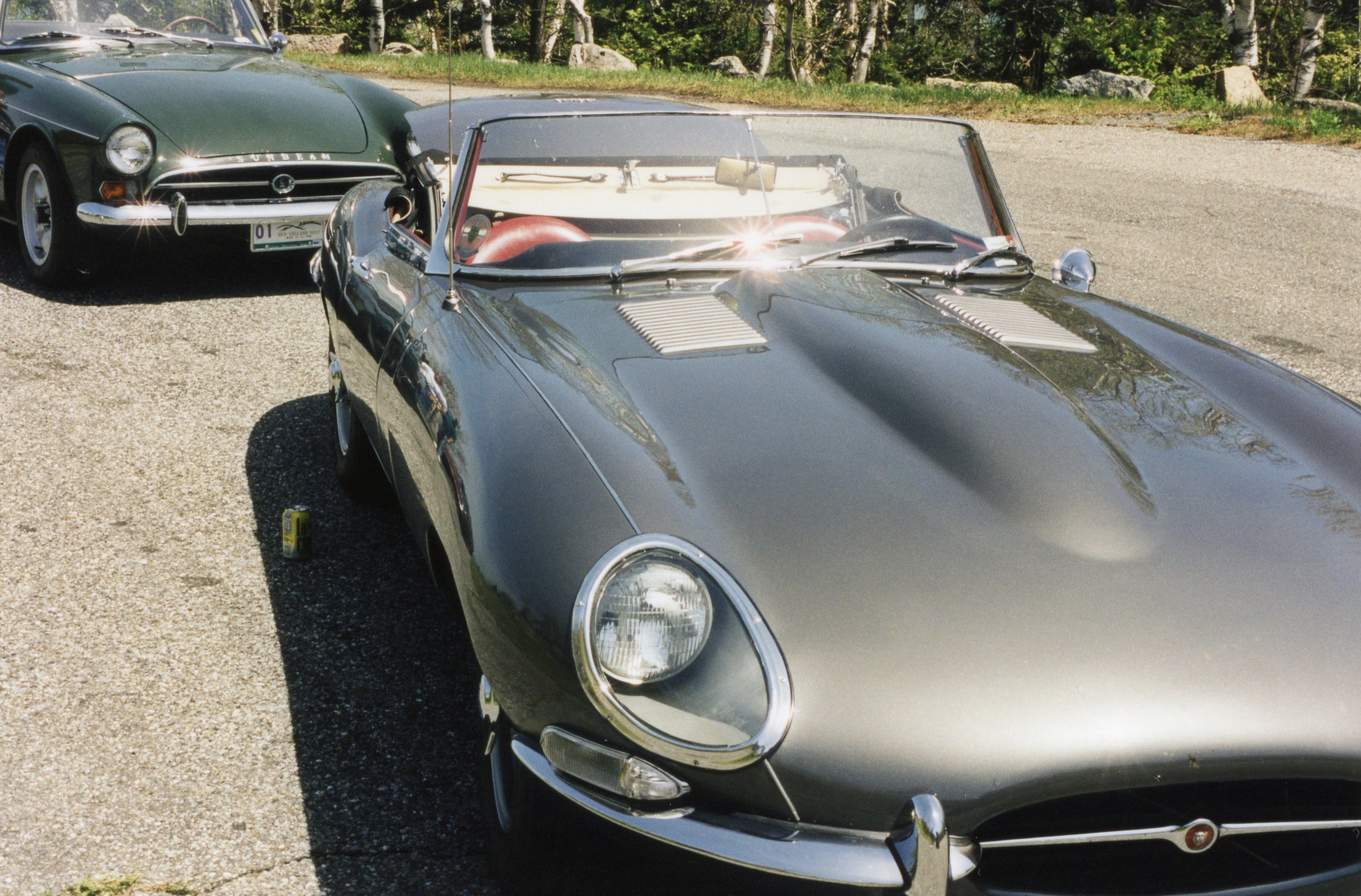
Jaguar E-Type Series 1 OTS


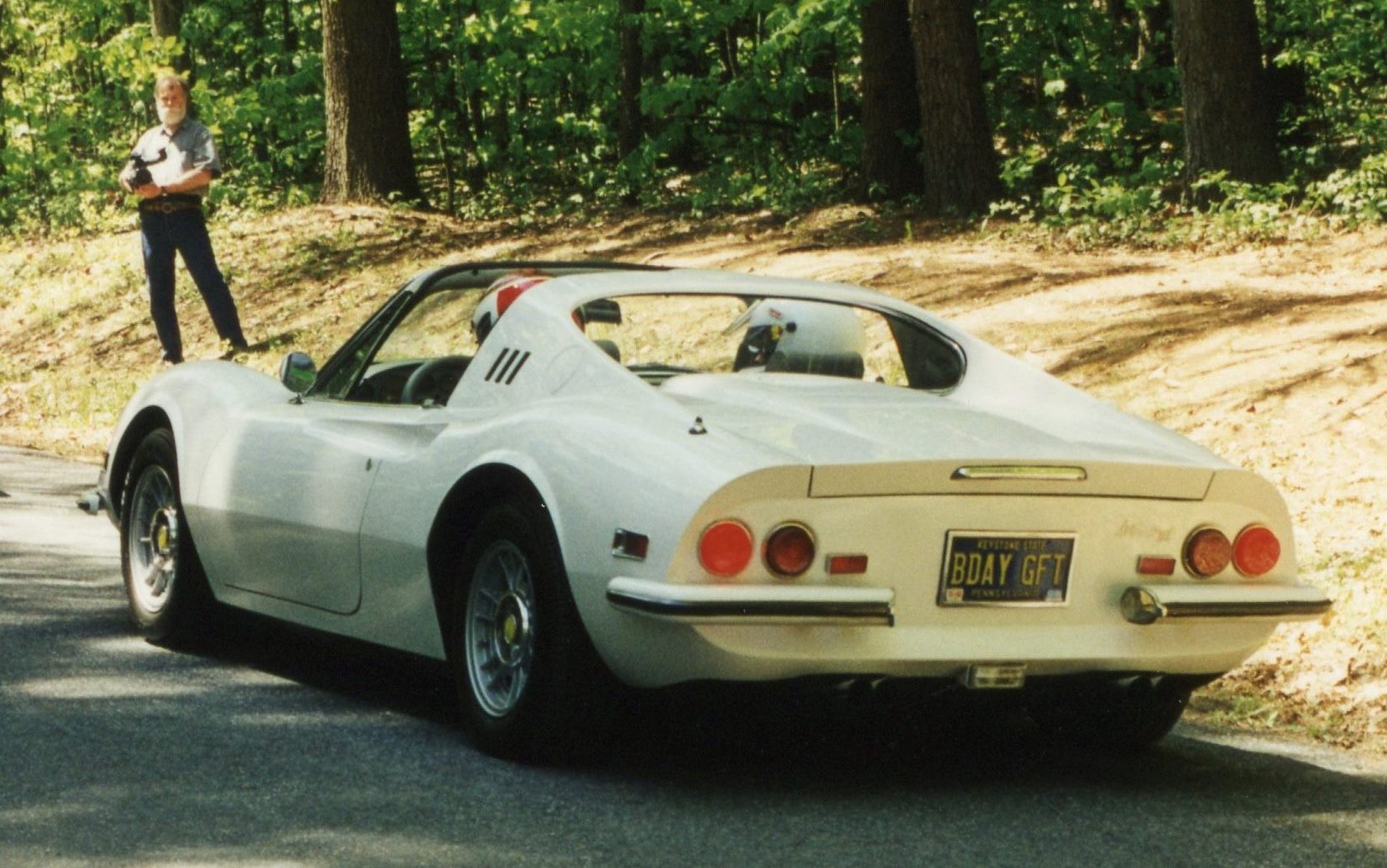
License plate reveals one way to get your Dino 246 GTS


Stingray, MB 280SL, Volvo 142
Sting Ray, MB 280SL, Volvo 142


Morgan, Alfa, Volvo, Stingray, MG in front of us
Morgan, Alfa, Volvo, Sting Ray, MG in front of us


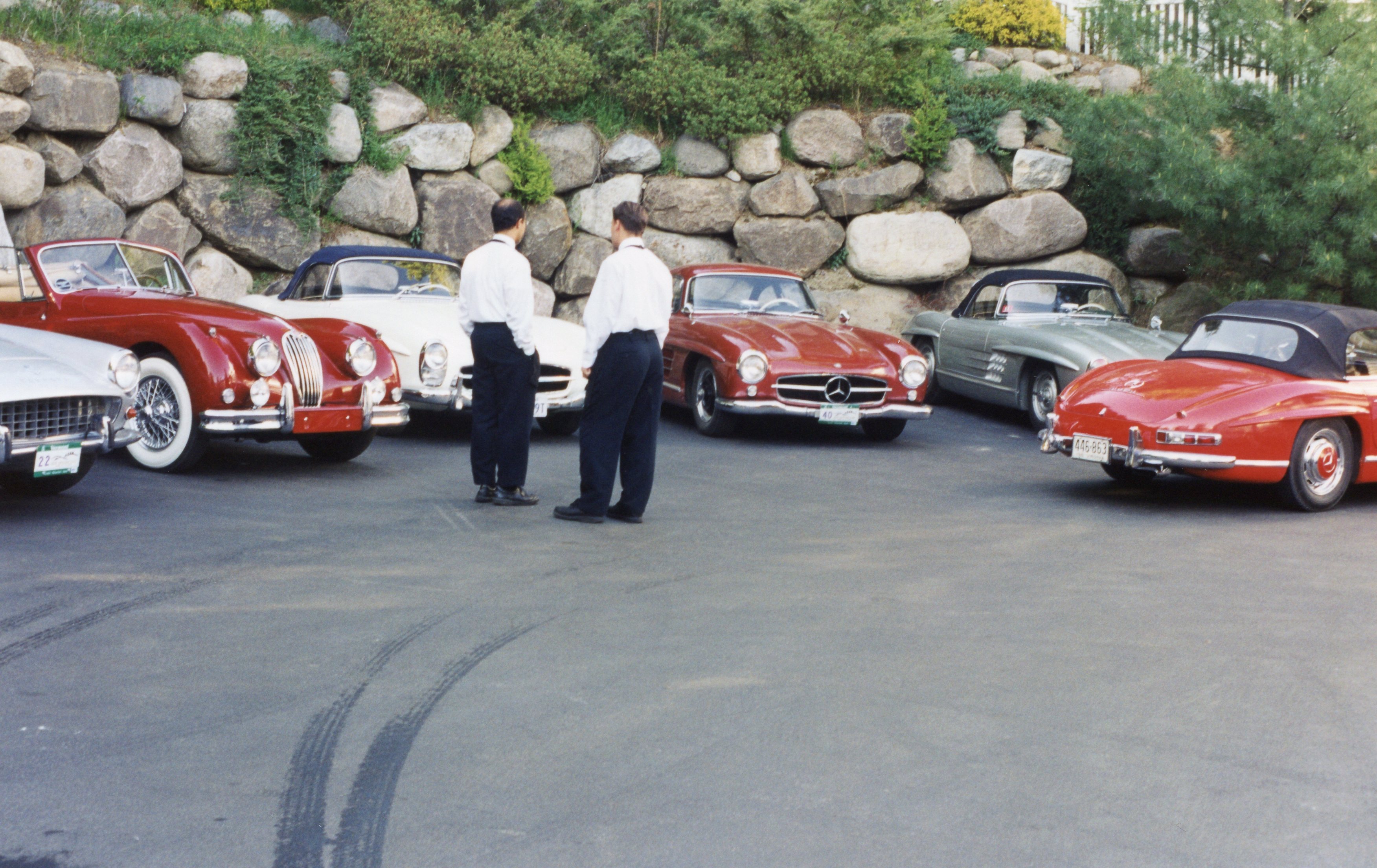
Parking lot valets debate which one to joy ride


This photo sums up all that is joyous about classic car rallying
This photo sums up all that is wonderful about classic car rallying


All photographs copyright © 2017 Richard A. Reina. Photos may not be copied or reproduced without express written permission.
 

Turning Japanese: The 1982 Plymouth Champ

After two years of nursing along a badly wounded Audi Fox wagon (the gory details can be found here), it was time to find something else to drive. The Fox was my third consecutive VW-based product (it was a rebadged VW Dasher), and I was ready to consider another marque.

At the start of the 1980s, Japanese nameplates were firmly ensconced in the American automotive landscape. A combination of excellent fuel economy and great reliability drew a growing stream of customers into showrooms. At the dealerships where I worked, one friend drove a Toyota Corolla SR-5, and another an AWD Subaru. A girlfriend bought a new Mazda GLC. I had ridden in or driven each of these cars. The owners had zero complaints about their cars; in fact, each of them praised the low maintenance and repair costs.

It was early 1986 when I narrowed my replacement search to a Mitsubishi product. The Chrysler Corporation had been selling their Dodge Colt since the early ‘70s. These Colts were all rebadged variants of various Mitsubishi Mirage/Galant models. (I don’t know who Chrysler thought they were fooling. It had always struck me as ironic how Lee Iacocca implored U.S. citizens to “buy American” with these Japanese-designed and –built vehicles in his showrooms.)

The generation of Colts introduced for the 1979 model year switched from a RWD to a FWD platform. The new body style, a practical 3-door hatchback, reminded me of a 7/8 scale VW Rabbit. Checking the Want-Ad Press, I found one locally, an ’82 with reasonable miles on it, stick shift of course. Memory says I paid $1,300 for it. Mine was badged “Plymouth Champ”, but was otherwise identical to its sister Colt.

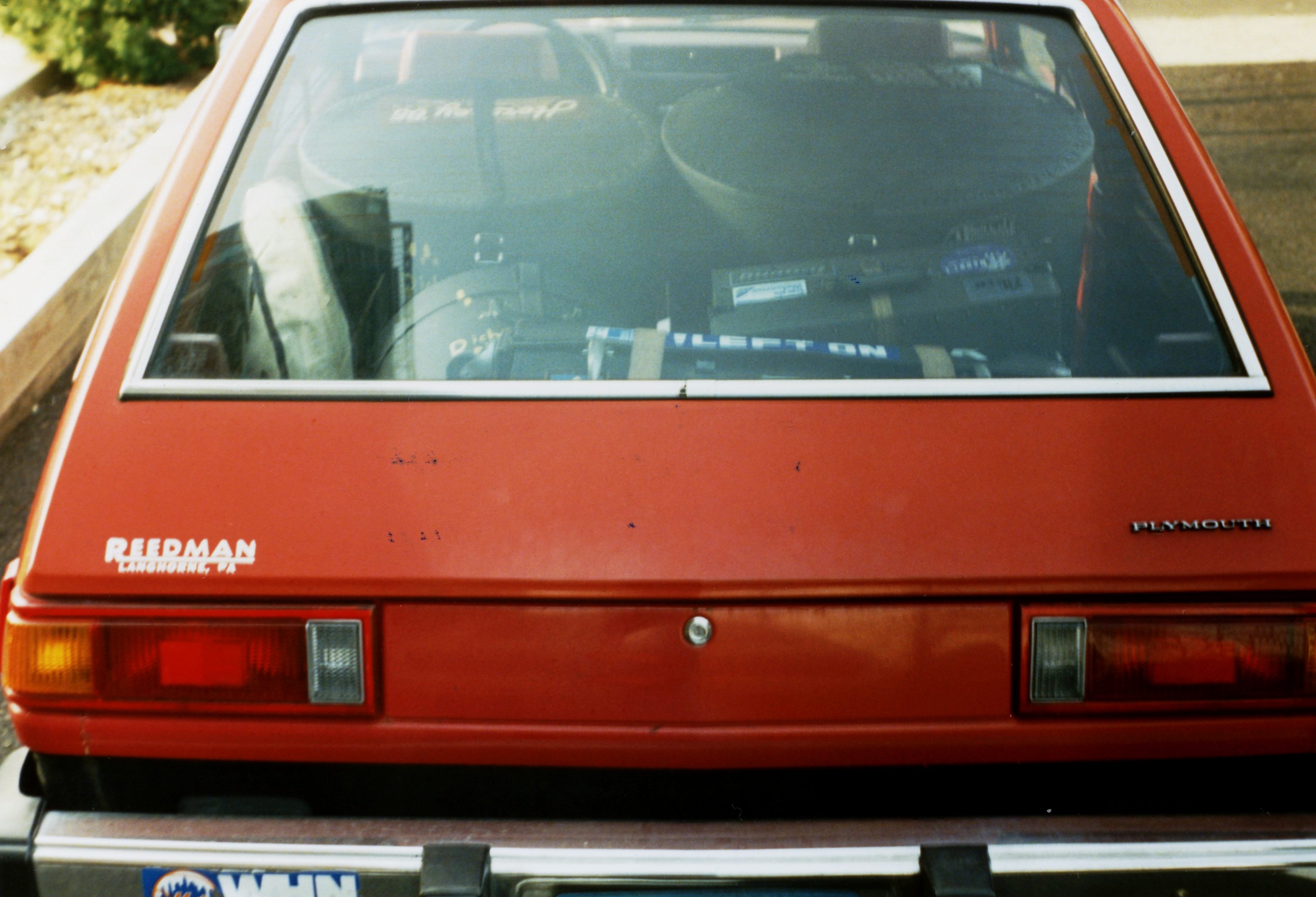
Simply put, the car was a blast to drive. And simple it was. No power anything, no A/C, a frugal 4-cylinder engine, and most fun of all, the “Twin Stick” transmission which provided EIGHT forward speeds (if I wanted to shift every 3 seconds). I replaced the tires with something decent, changed the oil, and did precious little else to it but add fuel every few weeks. It was a great city car: at 145 inches long, 10 inches shorter than my Rabbit, I could squeeze it into the tiniest of Manhattan parking spots. (And no worries about someone stealing it.) It even held my drumset, and so became my transportation to and from gigs.

With back seat folded, full 4-piece drum kit fits. Note Mets bumper sticker!

Thirty years’ hindsight reveals something else about my first Japanese car. I didn’t take it as seriously as anything in my possession before (or after) it. I have no envelope full of receipts from my time with it, as I have with almost every other car I’ve ever owned. It was a challenge to find any photos of it. It’s obvious to me now that I may have considered it to be disposable transportation, though to be fair to the car, that was based in part by how little nurturing it needed.

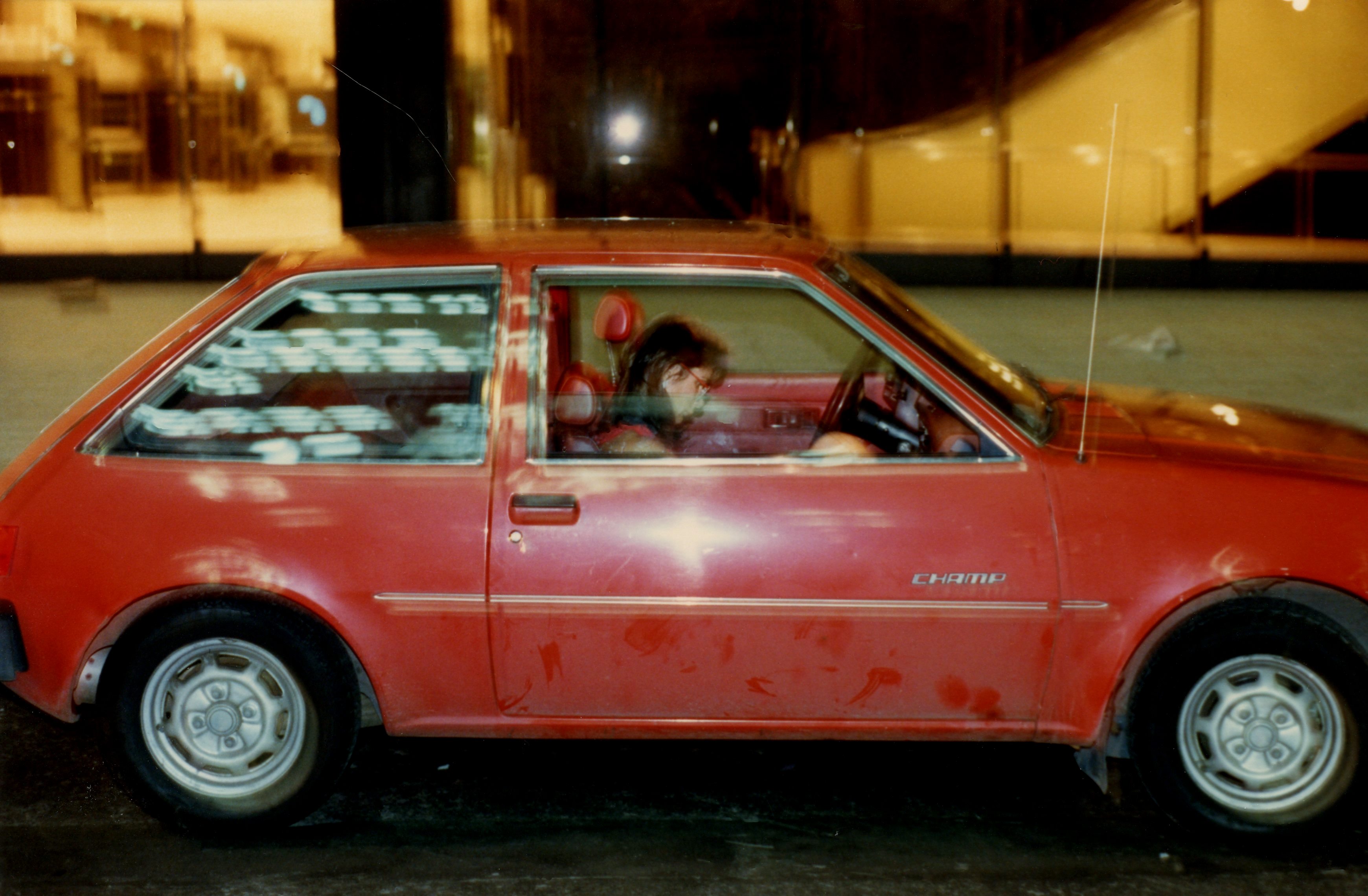
Among other things the car didn't get done to it was washing.
Among other things the car didn’t get done to it was washing.

Within a few months of buying it, I changed jobs and got my first dealer demo. I kept the Champ; it was useful backup transportation. Sometimes, I loaned it out to friends. By 1989, there were other, newer vehicles in the household. The Champ was not being driven. I sold it to a friend of a friend for a pittance; last I had heard about it, years later, he was still driving it. I was not surprised.


All photographs copyright © 2016 Richard A. Reina. Photos may not be copied or reproduced without express written permission.