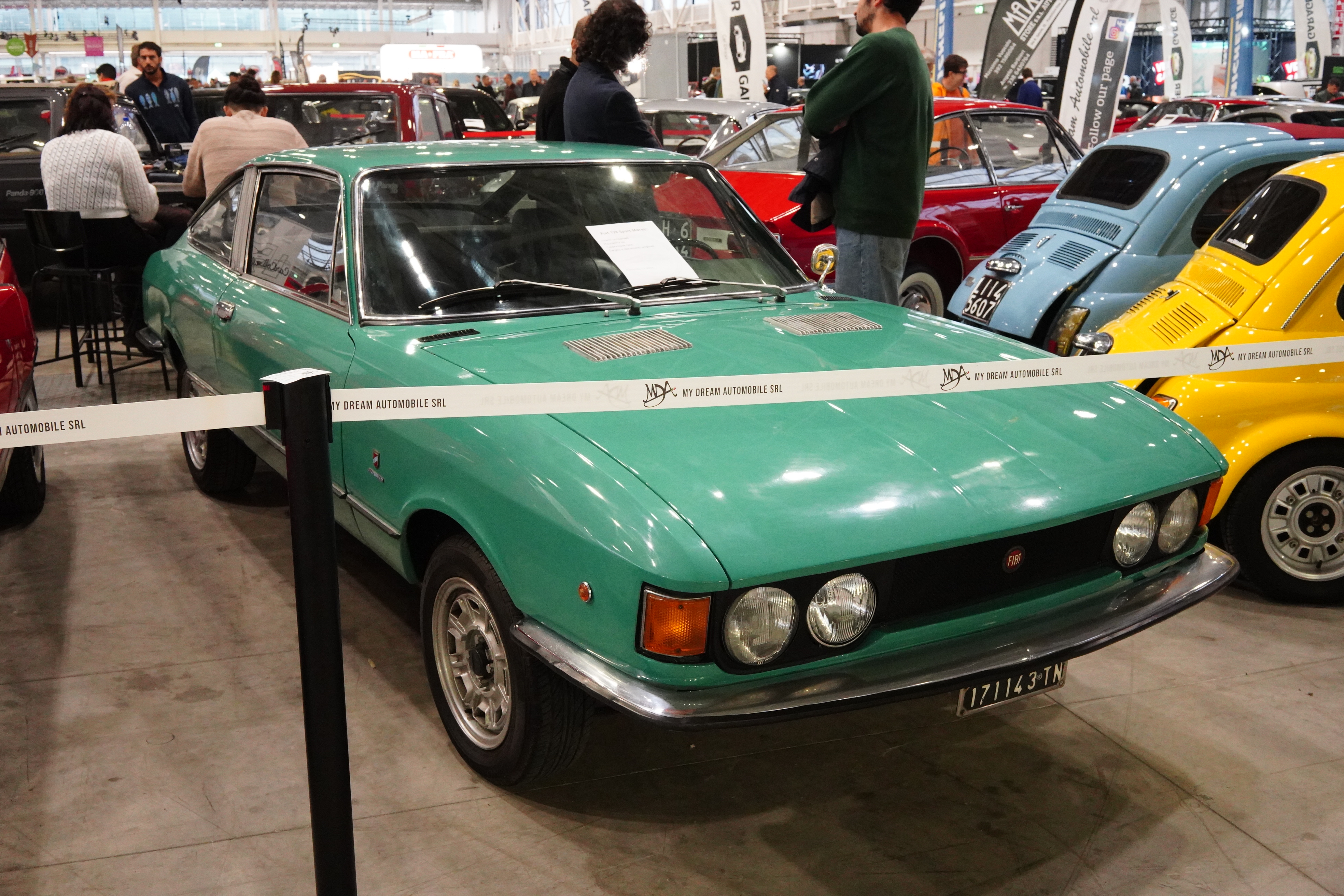
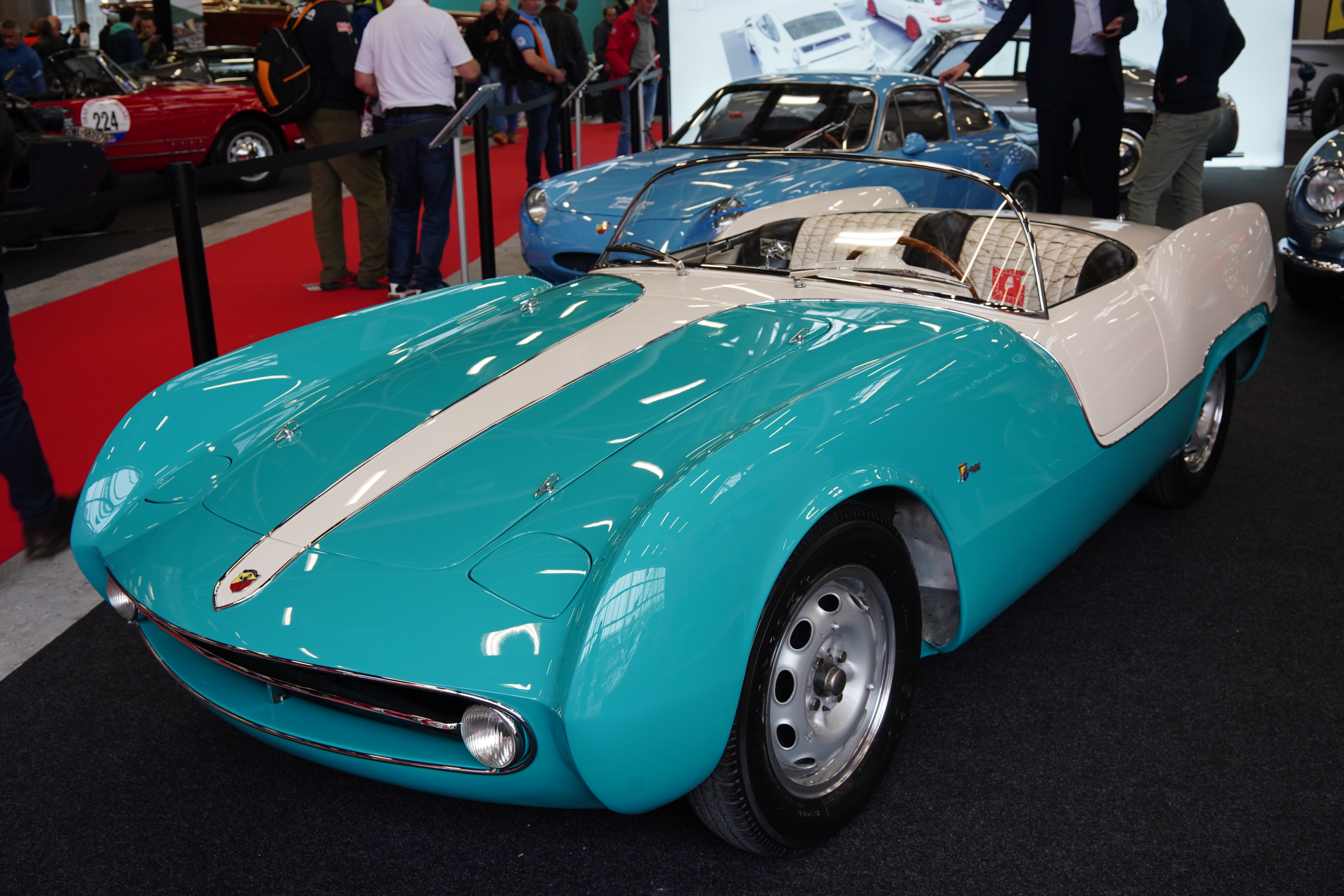
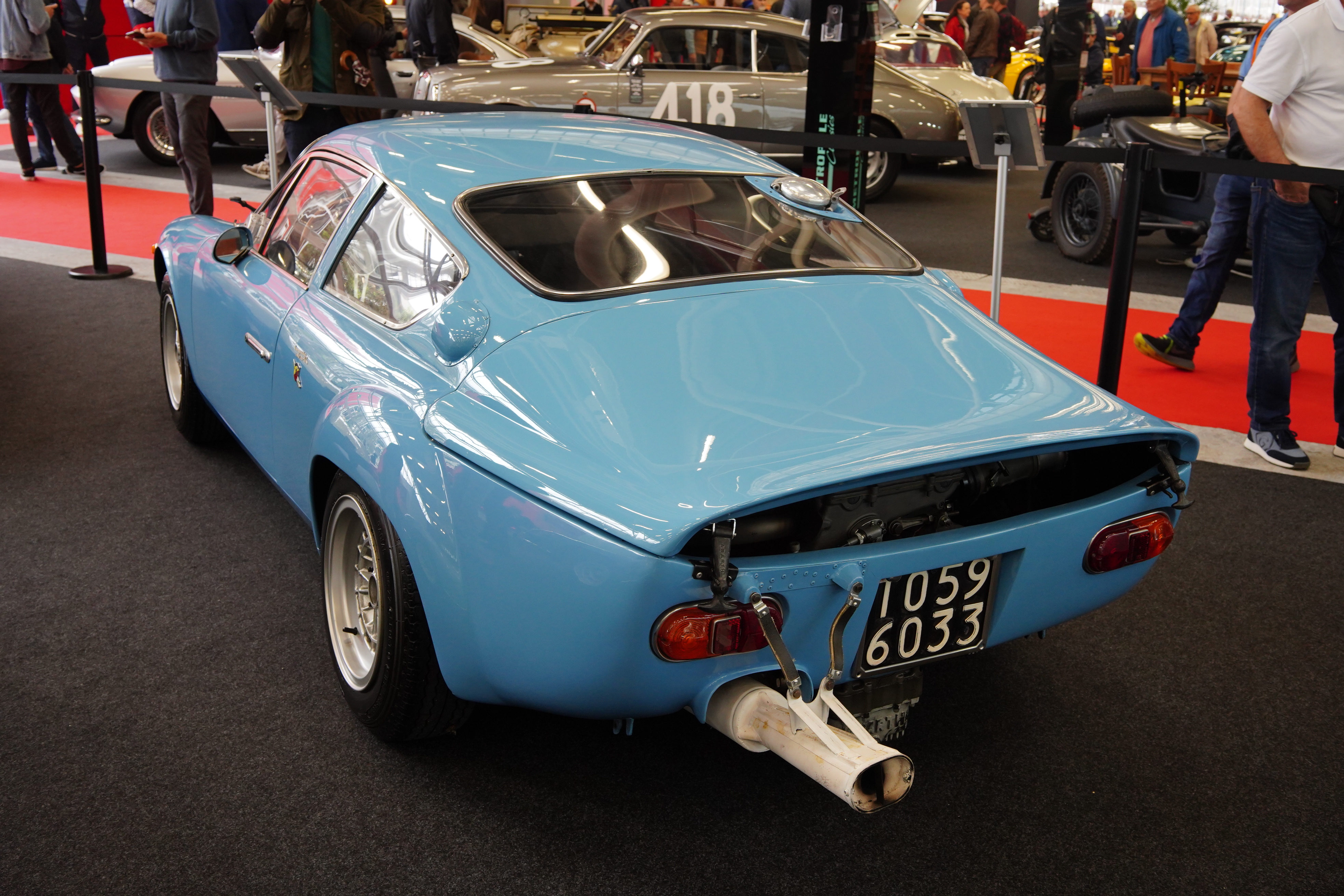
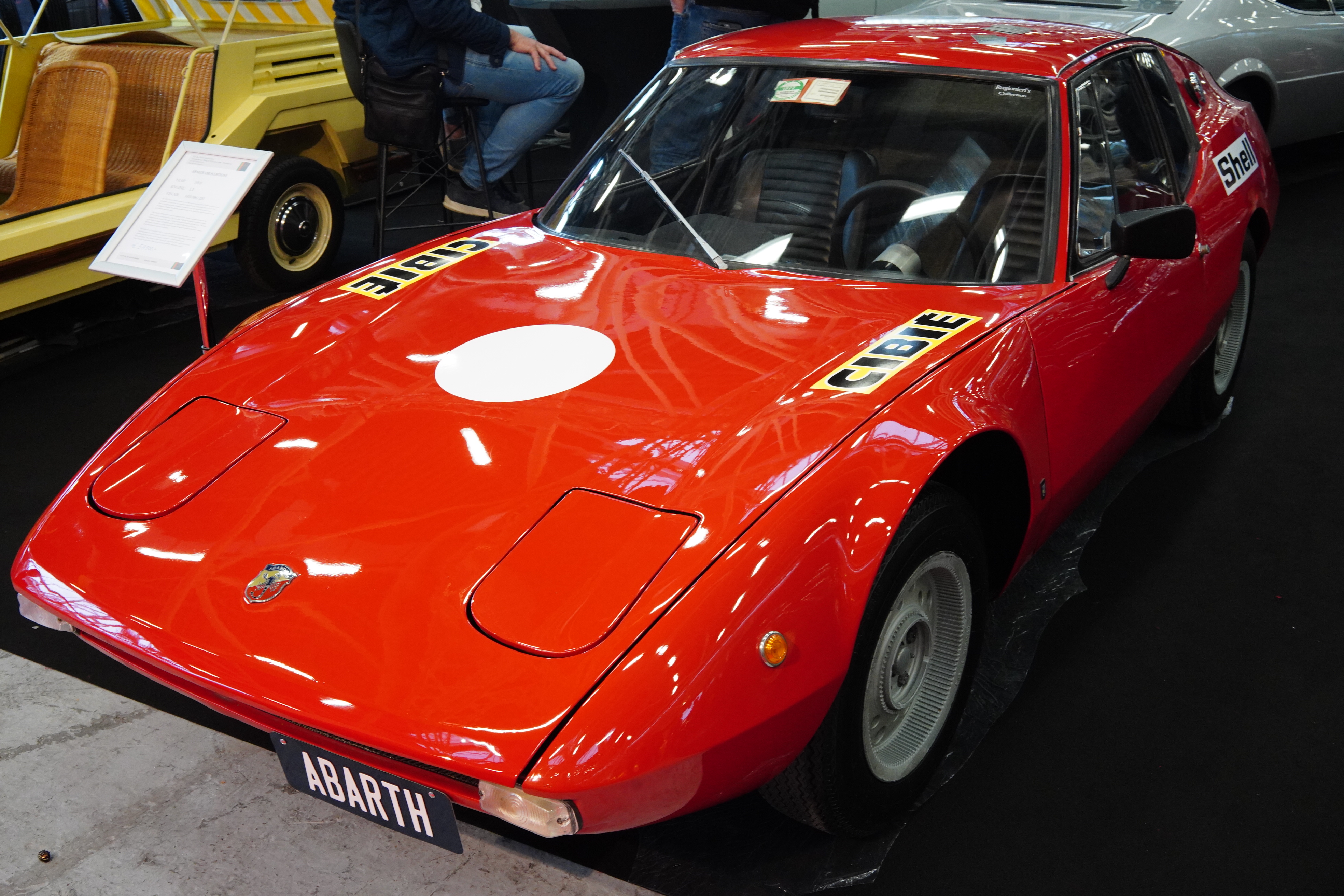
NJ Alfa Club Breakfast Meet, Nov. 17, 2024

For the 11th month in a row, the New Jersey Chapter of the Alfa Romeo Owner’s Club (AROC-NJ) held its monthly breakfast meet, returning to a favorite eatery, the Americana Diner in Shrewsbury, NJ. Our autumnal weather continues to grace us with sunshine and warm temperatures, and this past Sunday the 17th of November was no exception.

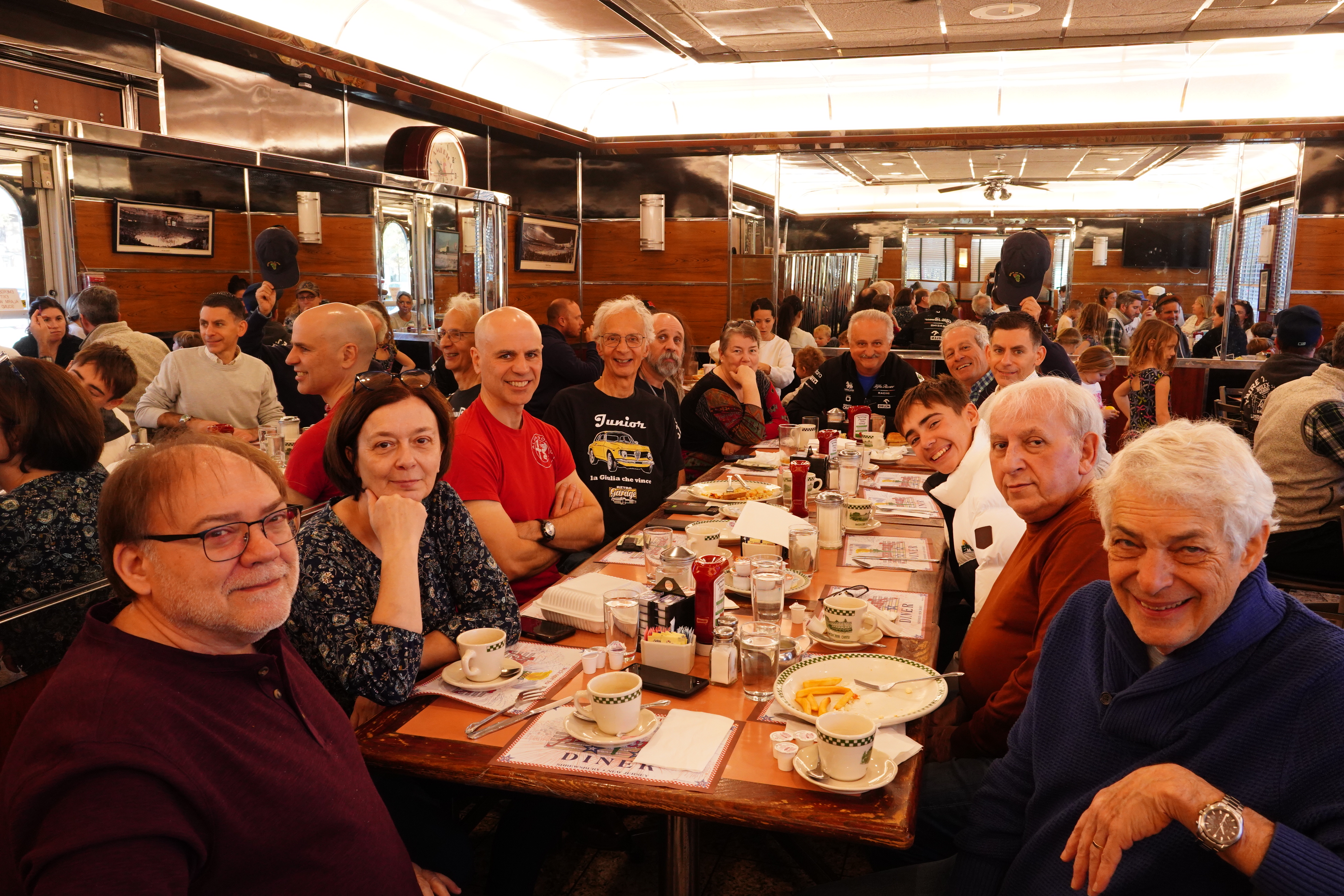
We made our way into the diner a little bit after 9 a.m., but we were far short of the expected headcount. That was soon remedied when the remainder of those who had registered for breakfast arrived to fill out our reserved table. The food and drink were greatly enjoyed, and although the diner was getting crowded, the wait staff didn’t act as though they were in any hurry to shoo us out the door. One waitress, obliging my request, was only too happy to take my camera and snap the obligatory group photo.
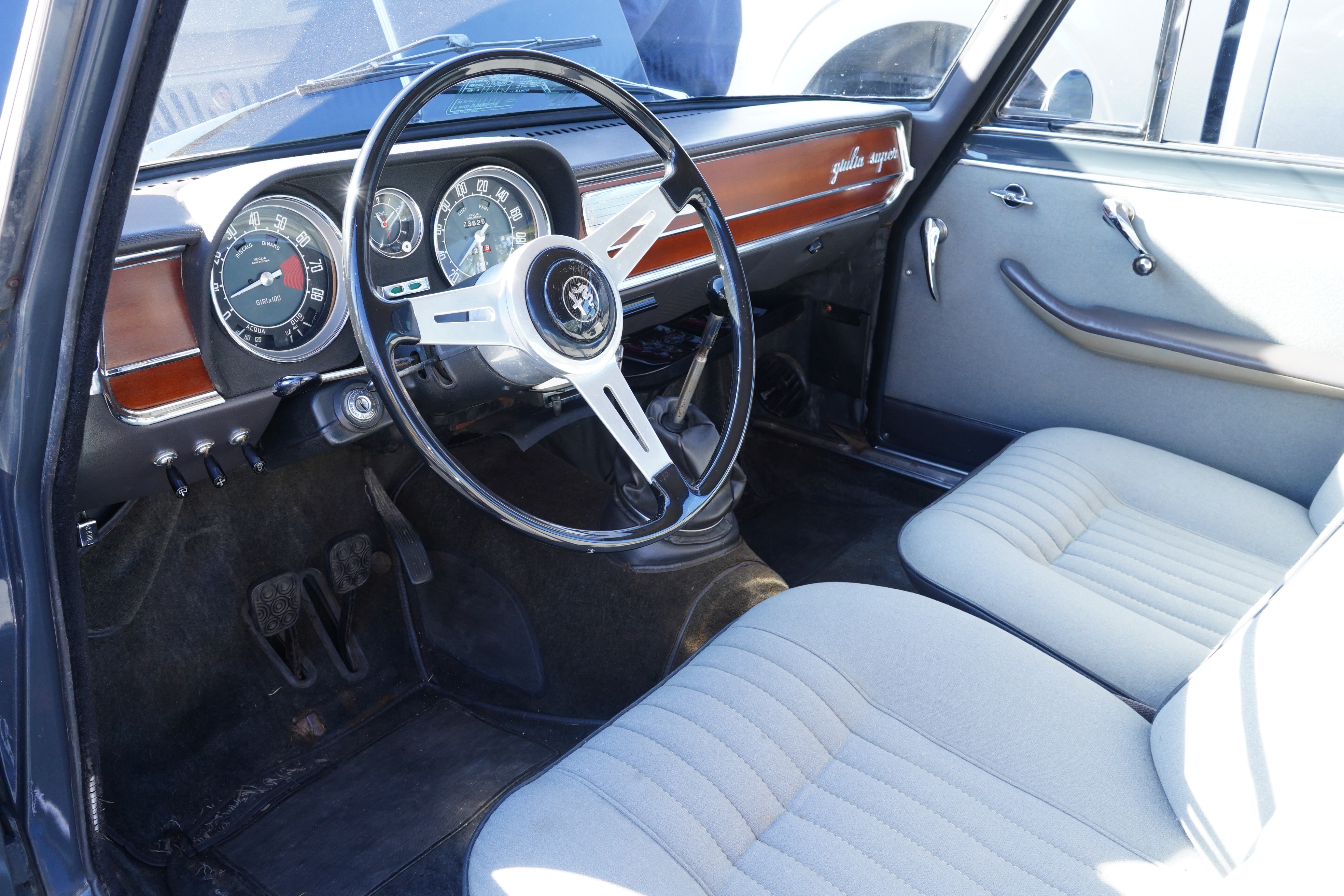
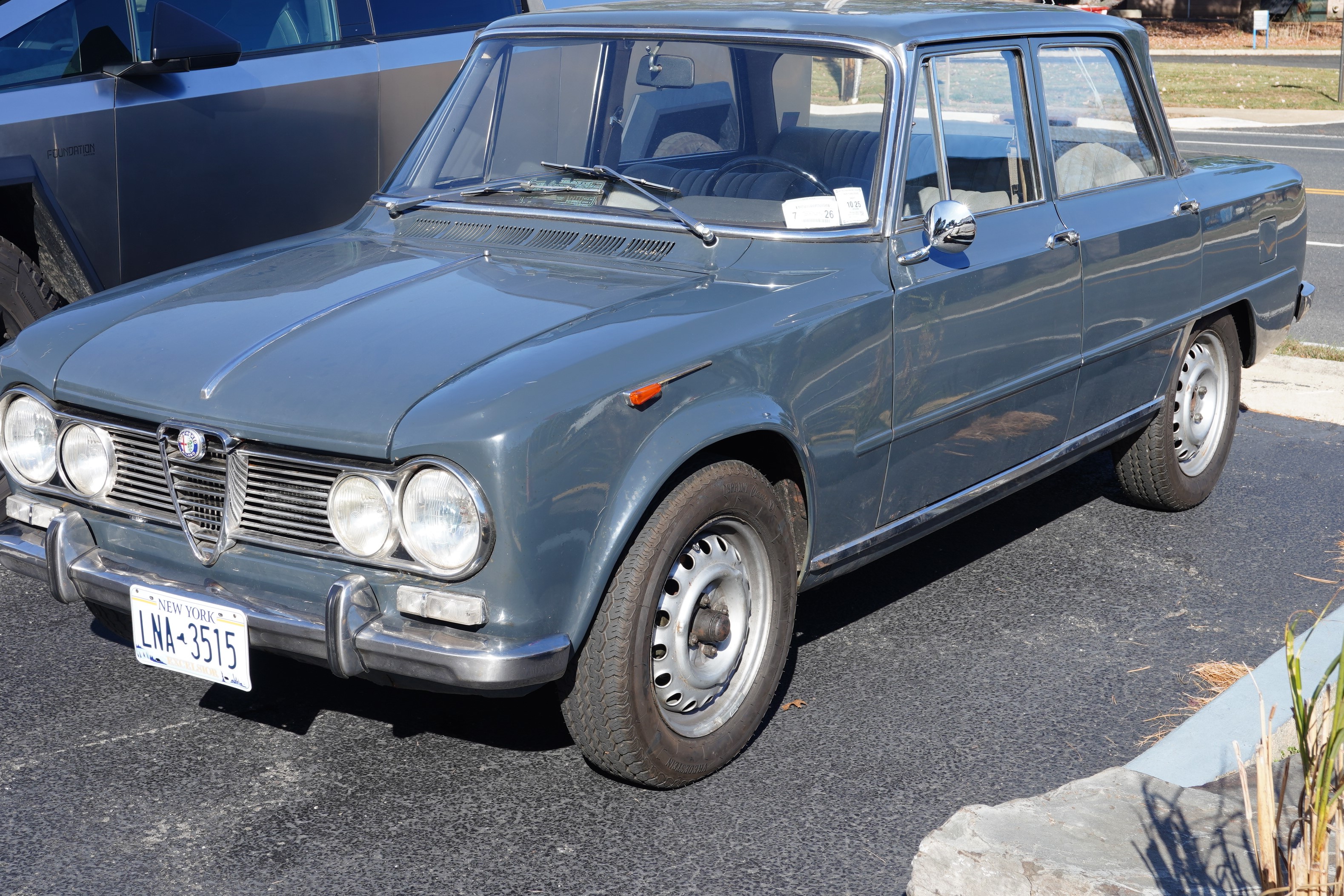
The fun continued after we exited the building. We hung around our Alfas, old and new, and continued our conversations. Vic delighted us by showing his new-to-him 1966 Giulia Super sedan, an amazingly original car. The cloth interior was nicely preserved, and the engine compartment looked like it had not been tampered with, down to the fuses which Vic claimed were original. At some time in its past, the car had been repainted, and top coat did not adhere well, perhaps due to poor prep work. We debated the pros and cons of a repaint, with the consensus agreeing that the car probably should be brought back down to bare metal and treated to a quality respray.
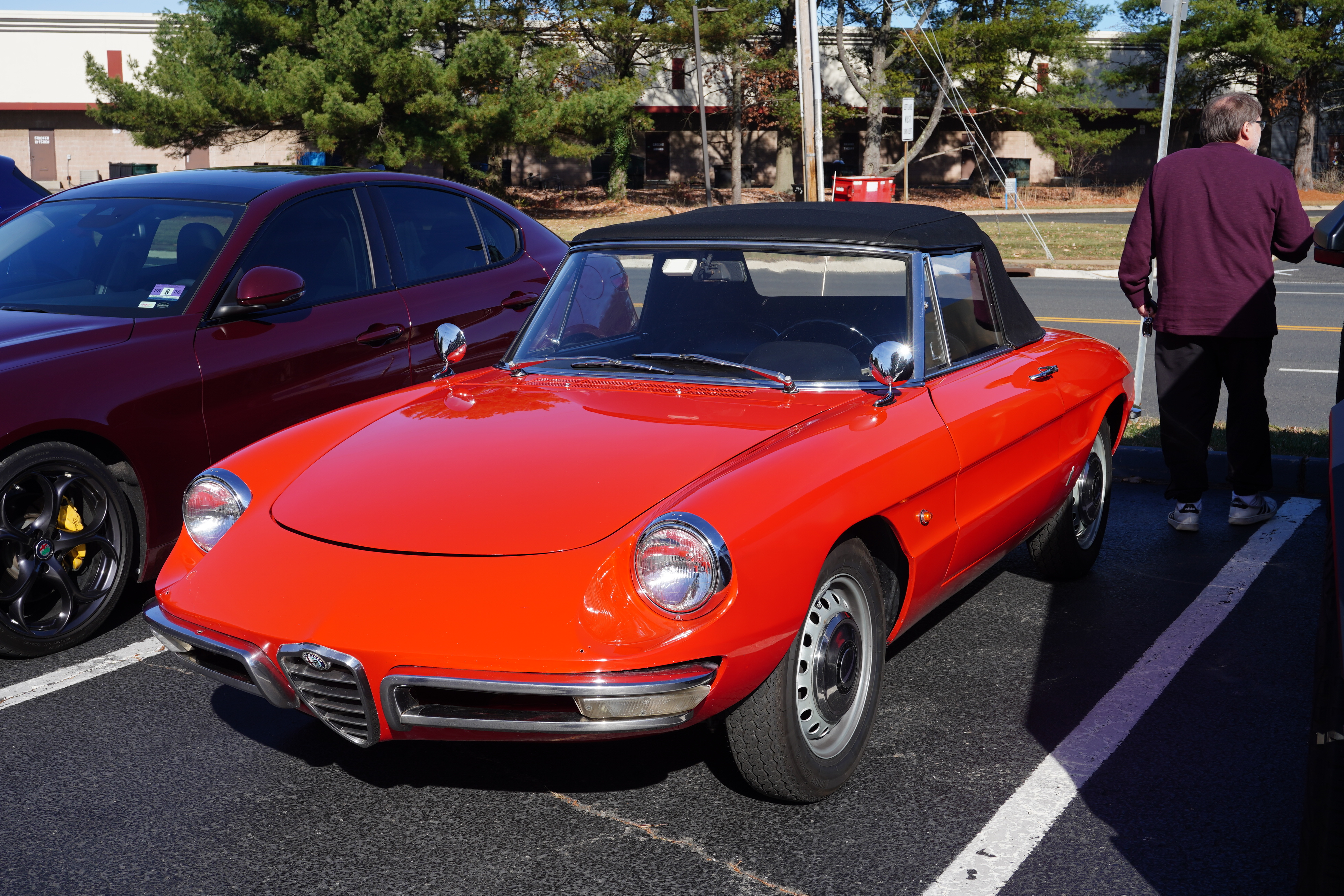
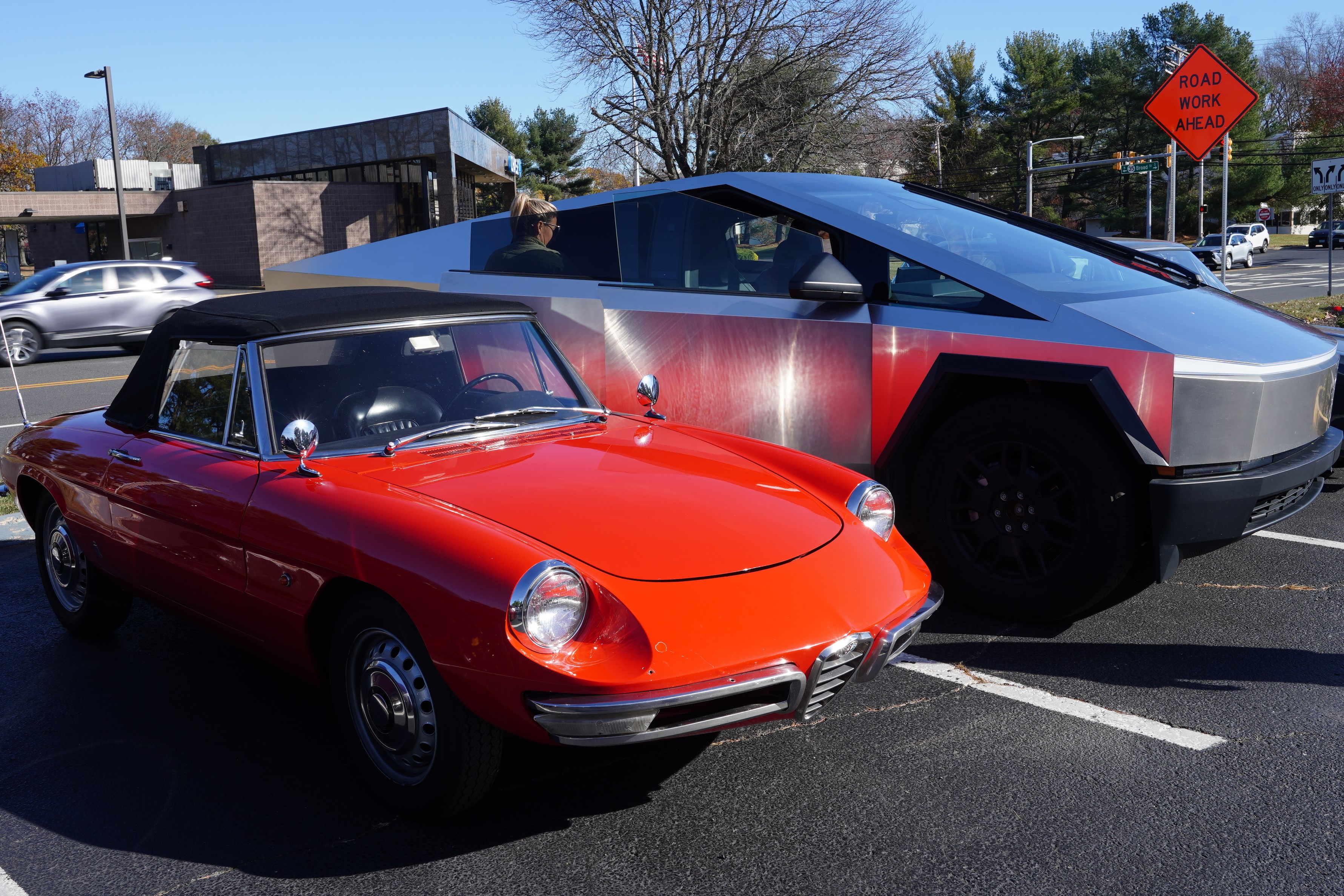
Parked next to Alex’s red Duetto was a very rare Alfa Romeo prototype. A club member who prefers to remain anonymous said that he was given the chance to drive Alfa’s new electric SUV. In order to disguise the beautiful Italian styling, the engineers hung sheets of flat steel roofing they bought at Home Depot over the entire car. Their intent was to use the camouflage to create “the ugliest car on the road” as a way to deceive the public. We unanimously agreed that they had succeeded.
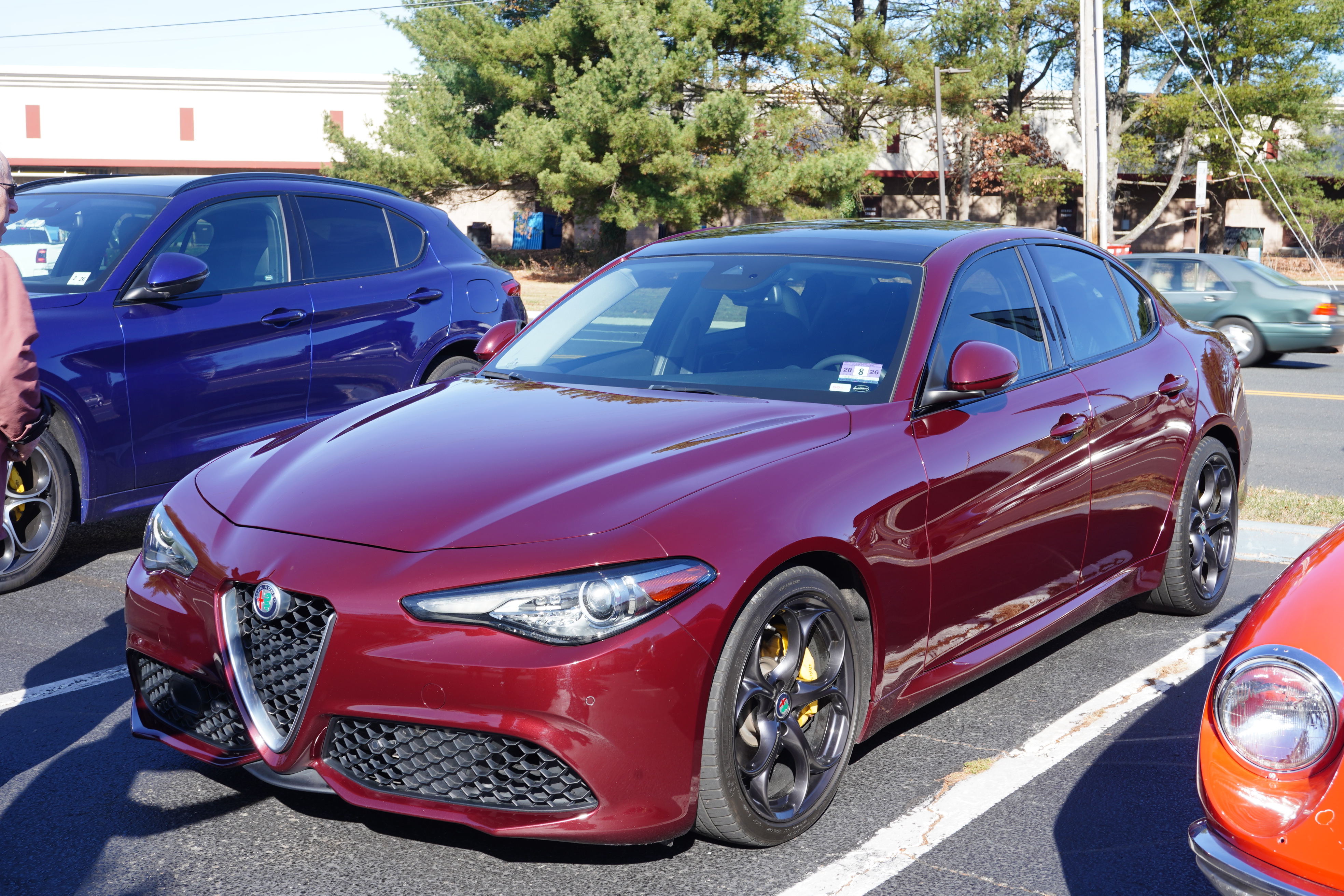
The Americana parking lot is small, and cars kept pouring into the lot looking for spots, of which there were none. We finally decided that we needed to get out of the way, so our chit-chat was over for the day. The NJ Chapter meets next month in December, which will make it 12 consecutive monthly breakfast meets.
 

Entire blog post content copyright © 2024 Richard A. Reina. Text and photos may not be copied or reproduced without express written permission.
 

Auto e Moto d’Epoca Summary Part 4

This 4th and final installment includes the cars which didn’t fit into any of my previous categories.


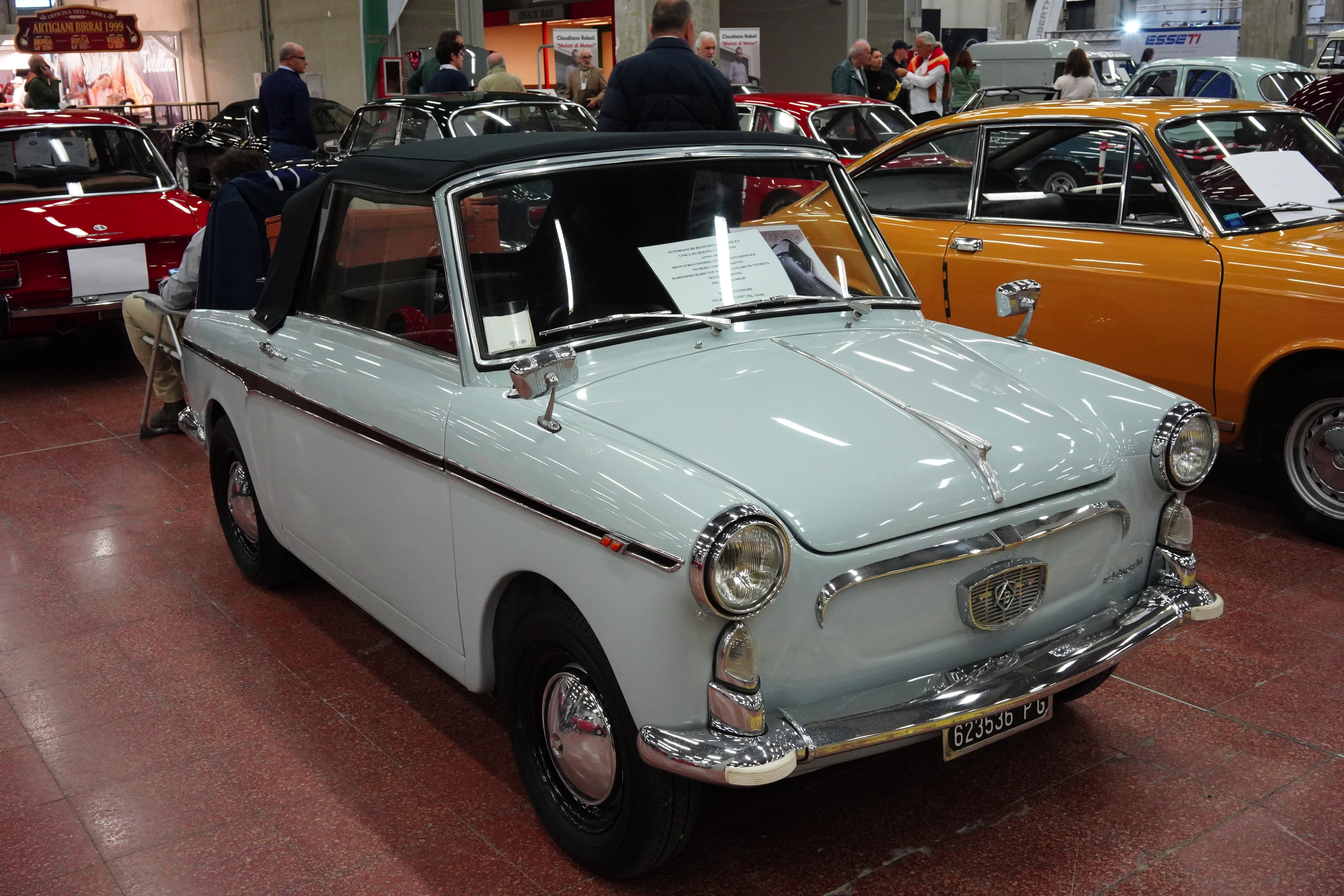
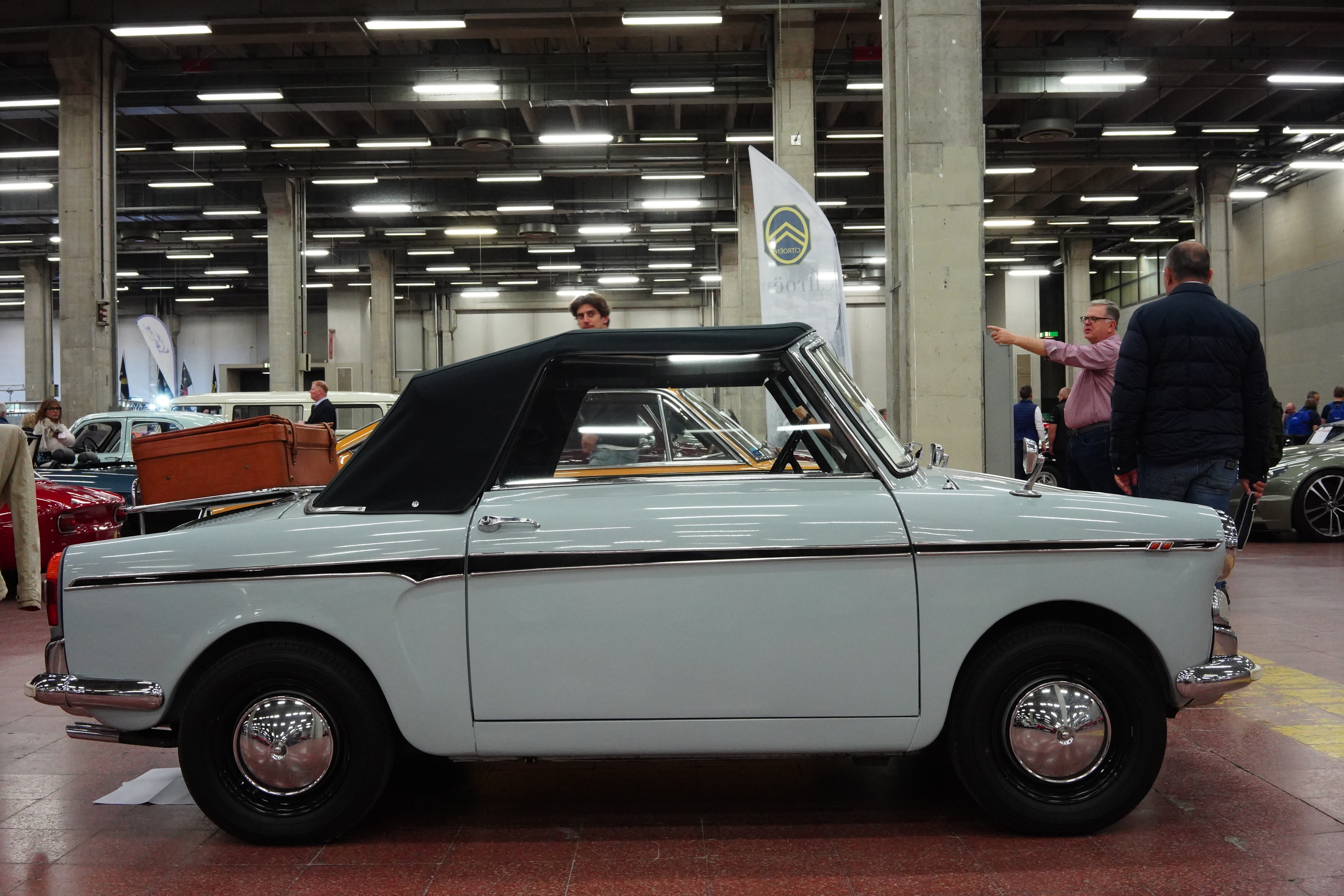
This 1966 Autobianchi Bianchina convertible was for sale for €26,900.

FERRARI

There were not many Ferraris here, certainly not compared to other Italian makes.

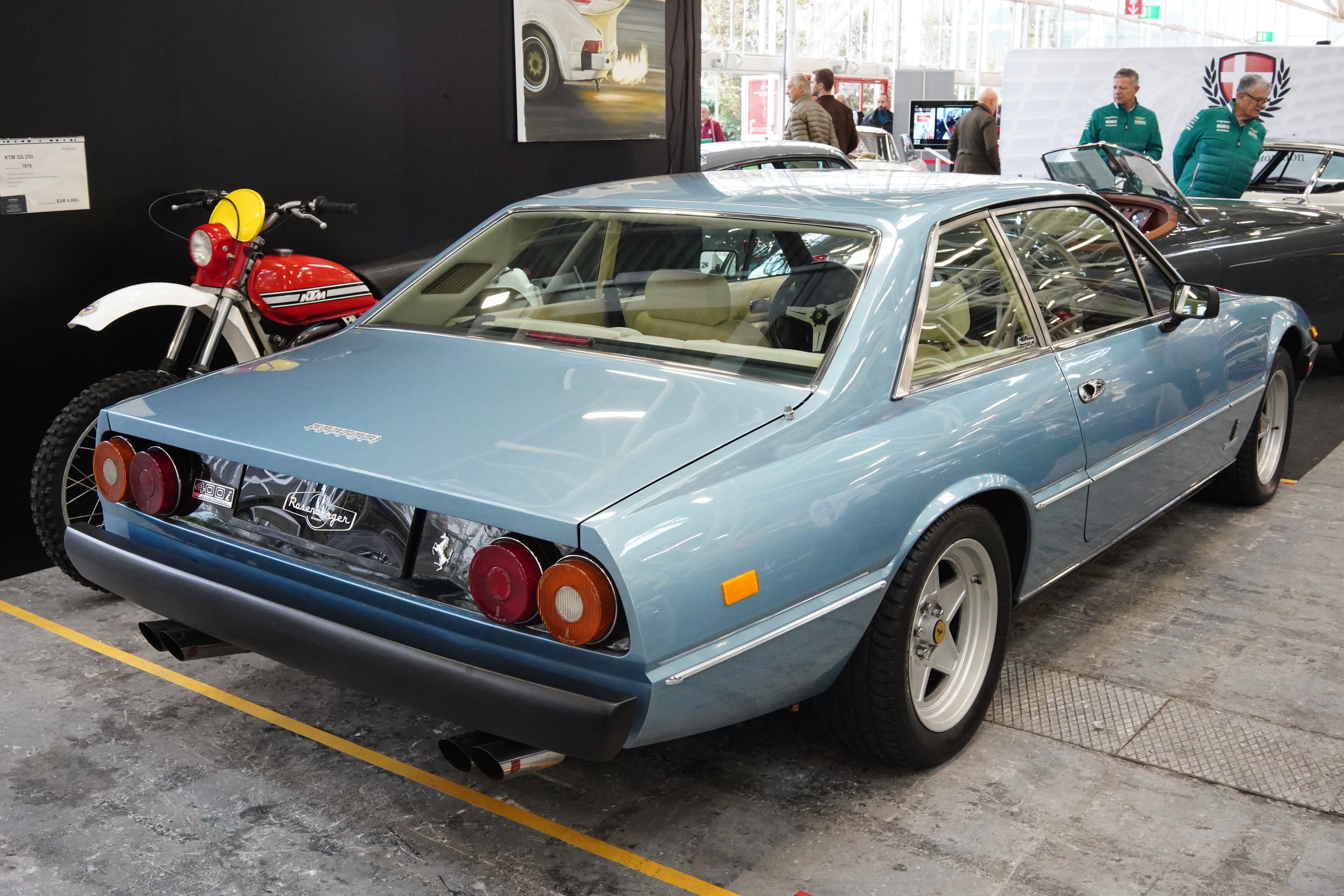
This 400i Automatic was for sale for  €58,700.

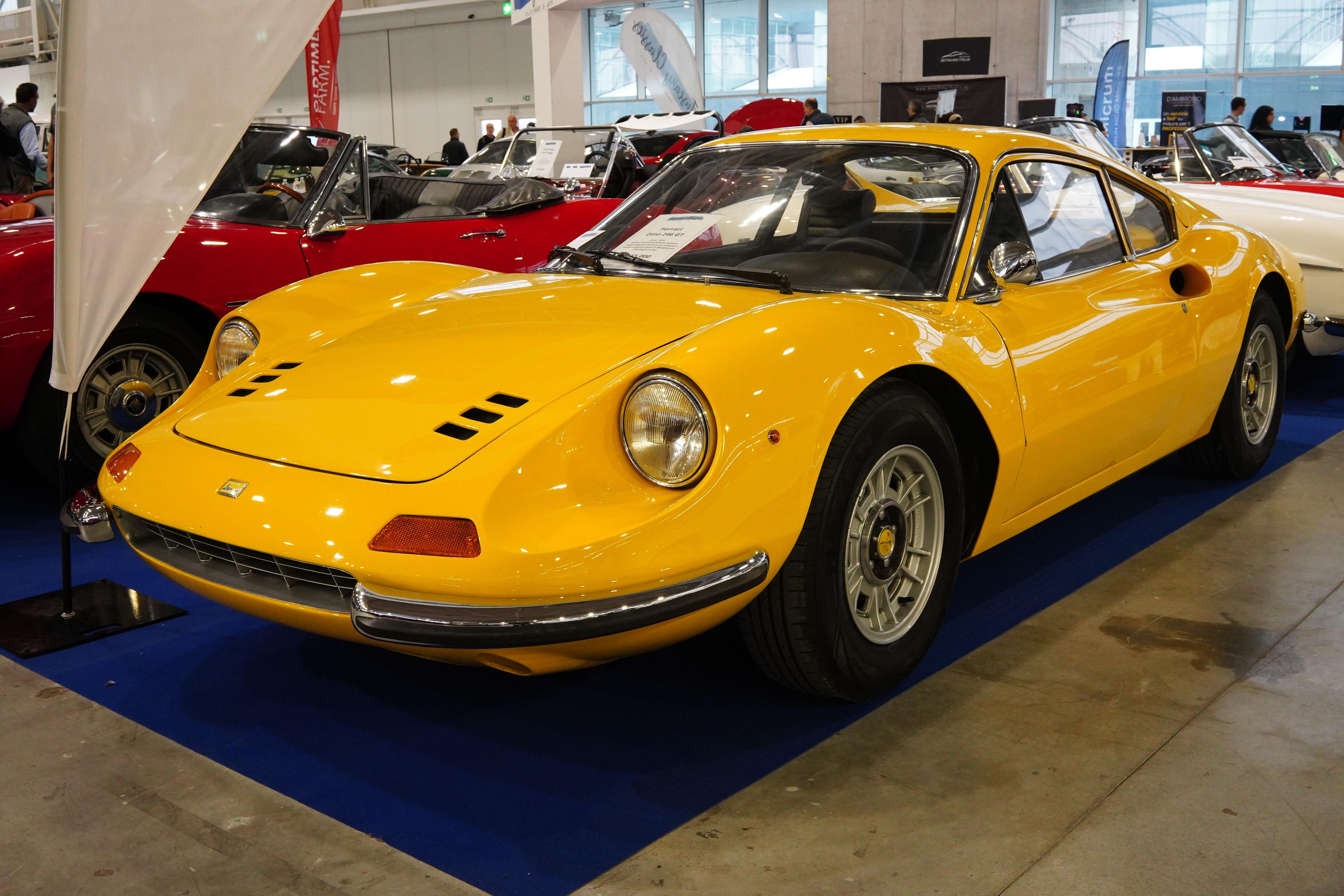
A Dino 246GT in yellow for €355,000

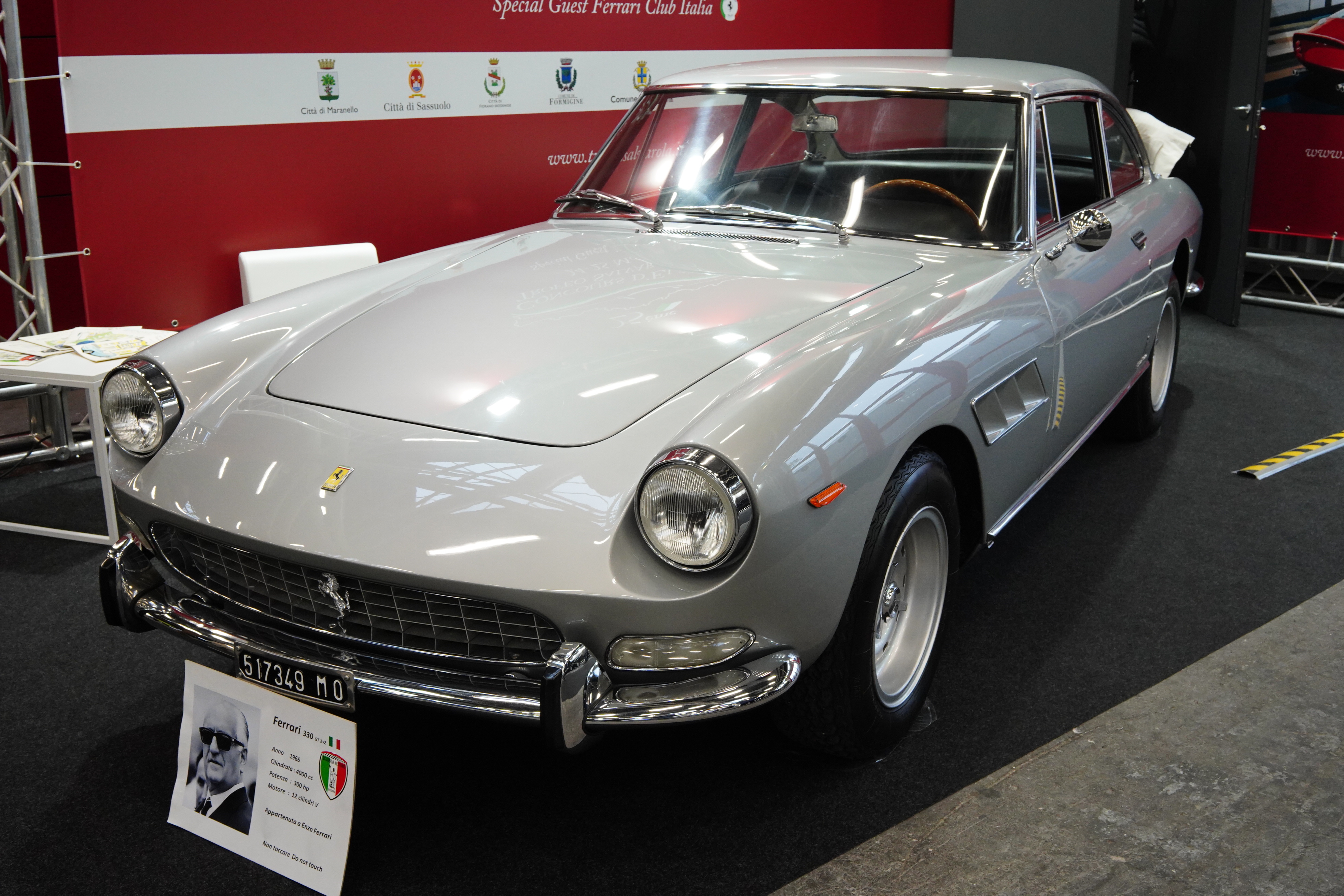
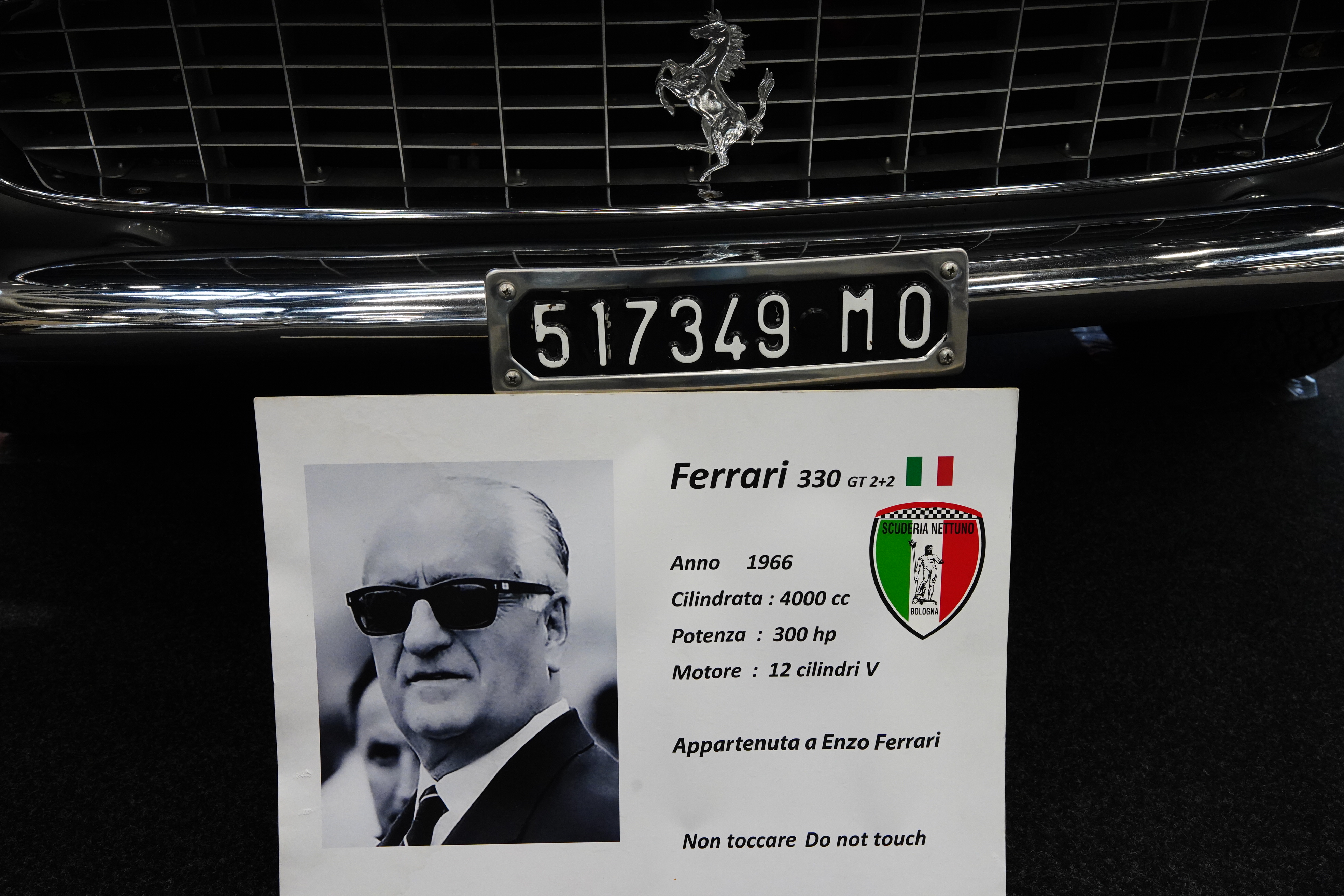
According to the sign, this 330 GT was Enzo’s personal car.


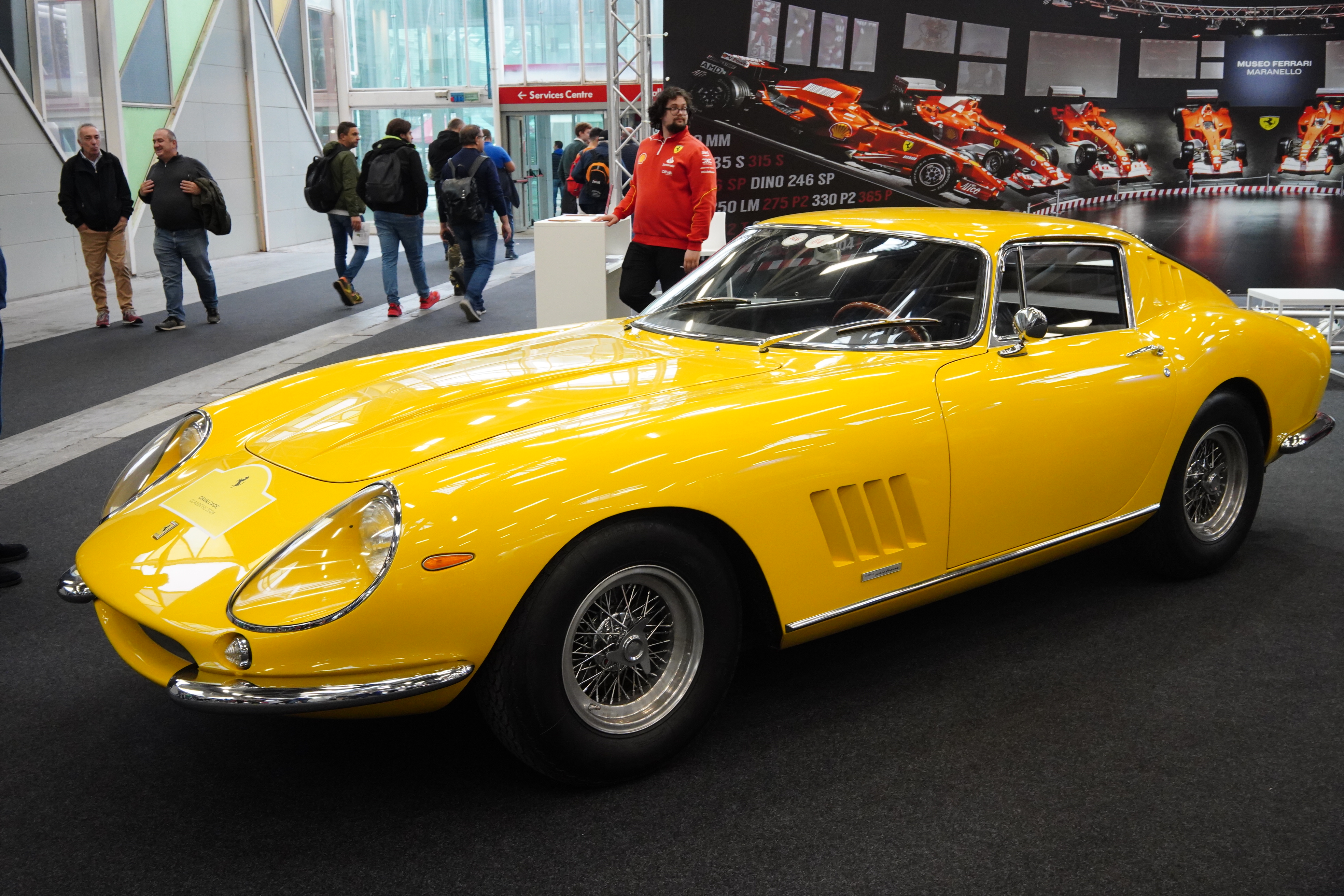
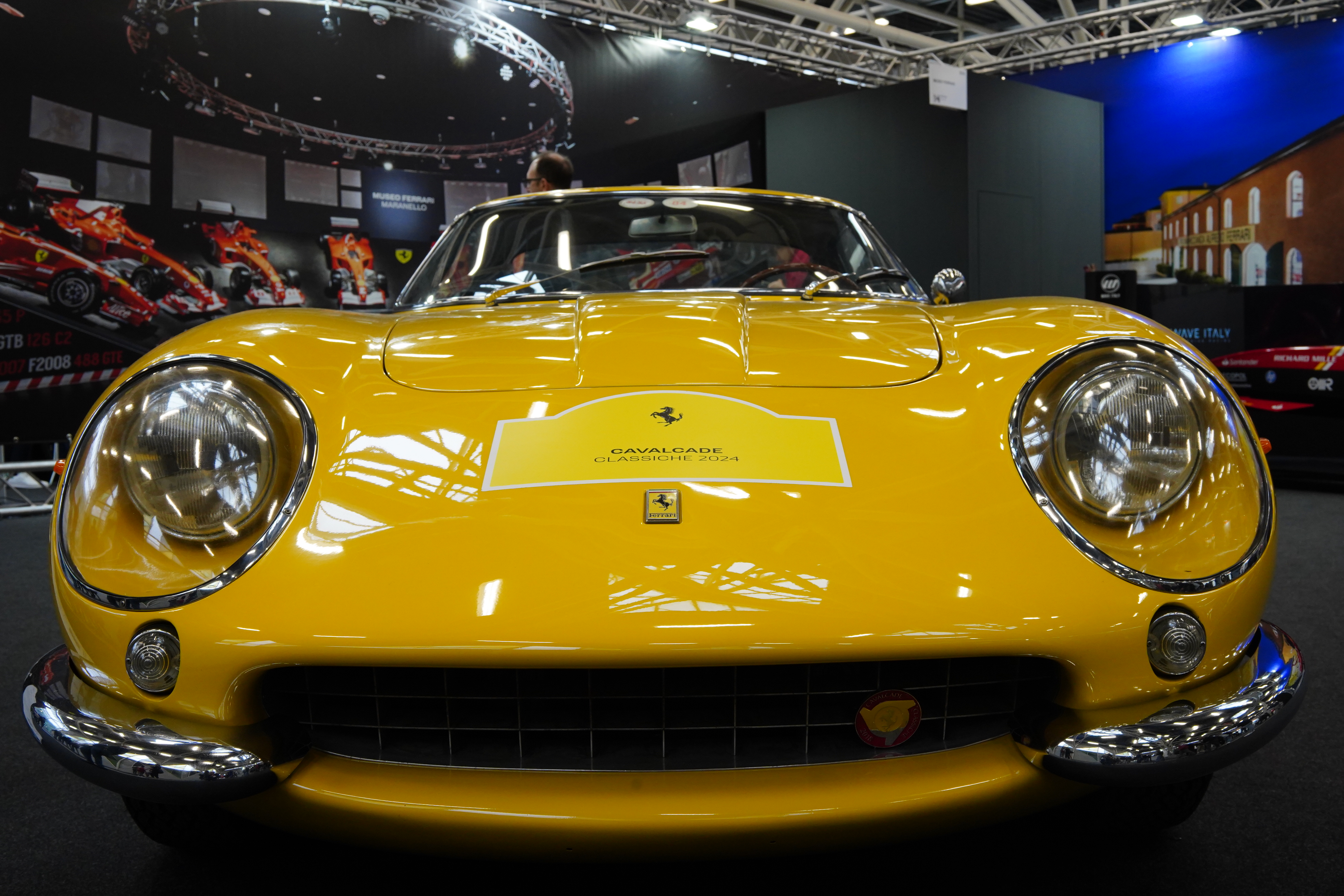
A stunning 275GTB in yellow.

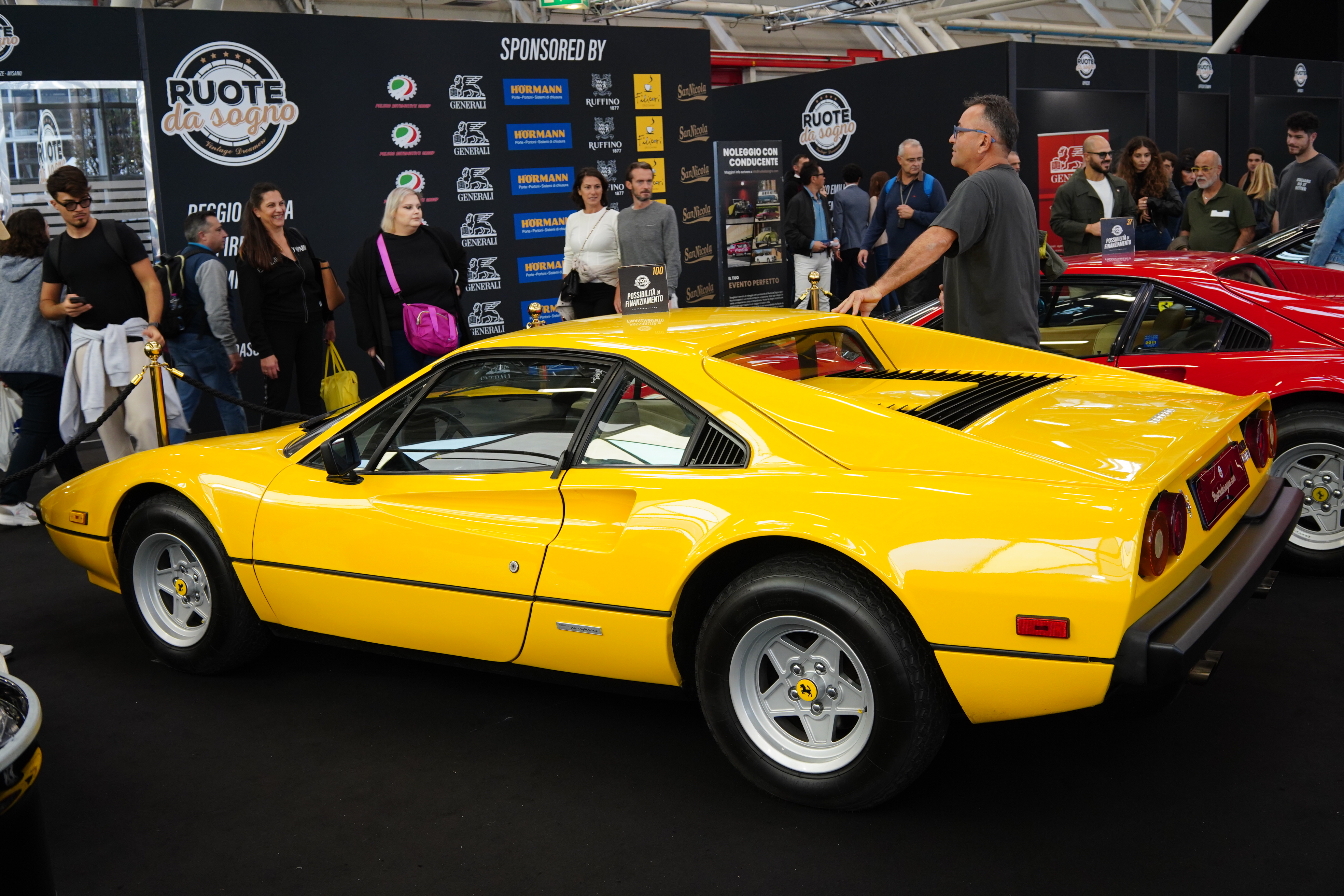
Another yellow Ferrari, this time a 308GTB.

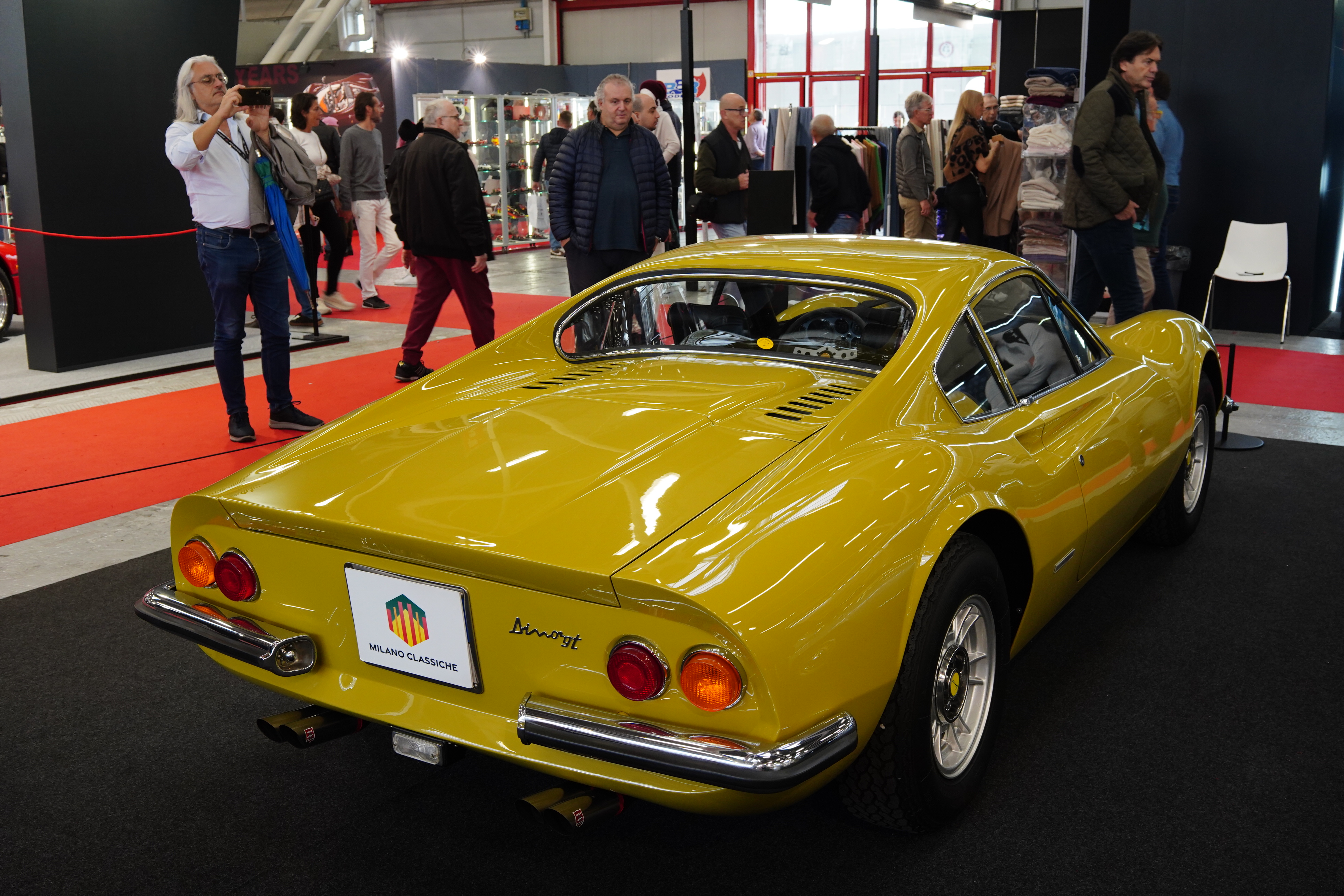
And yet another yellow Dino.

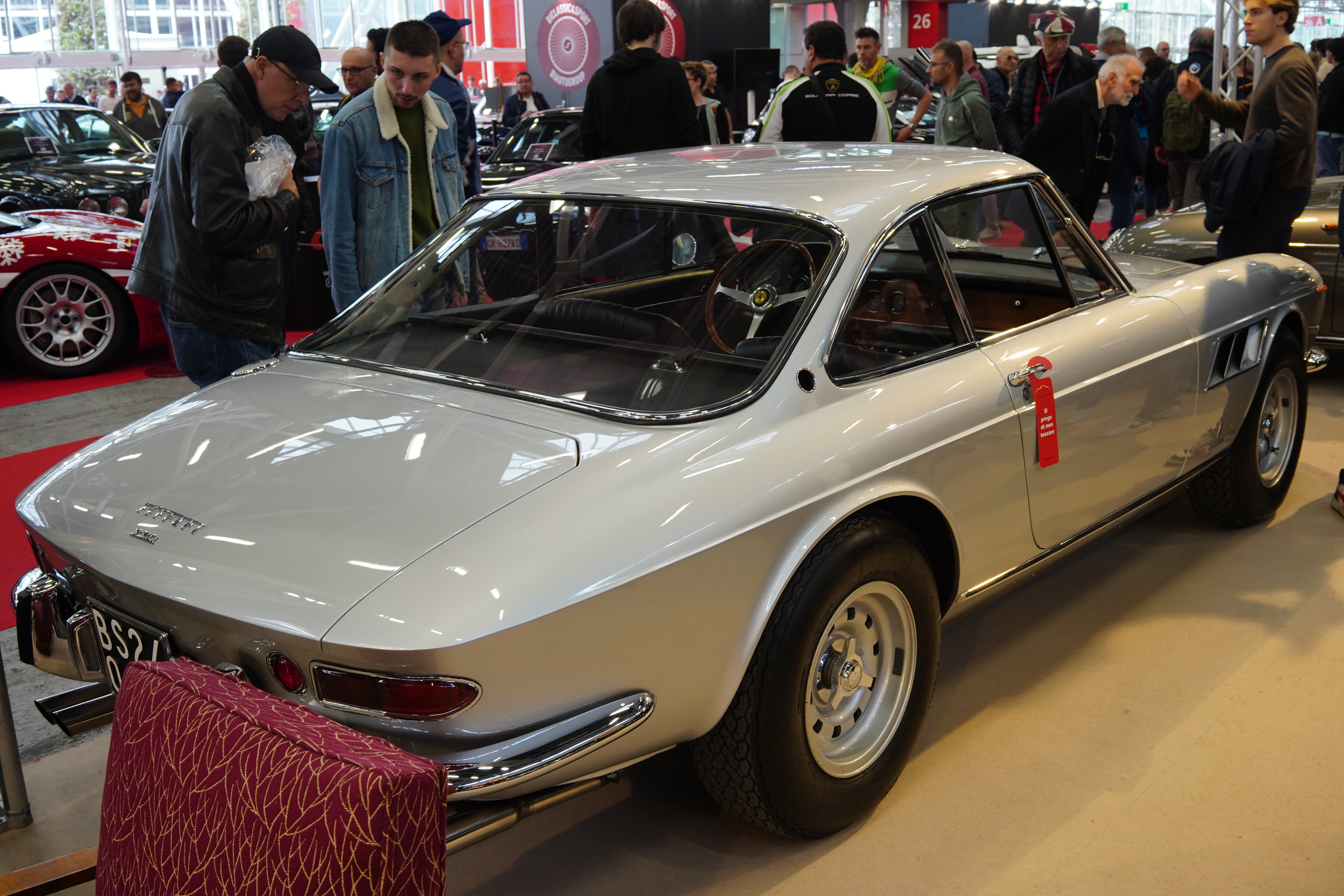
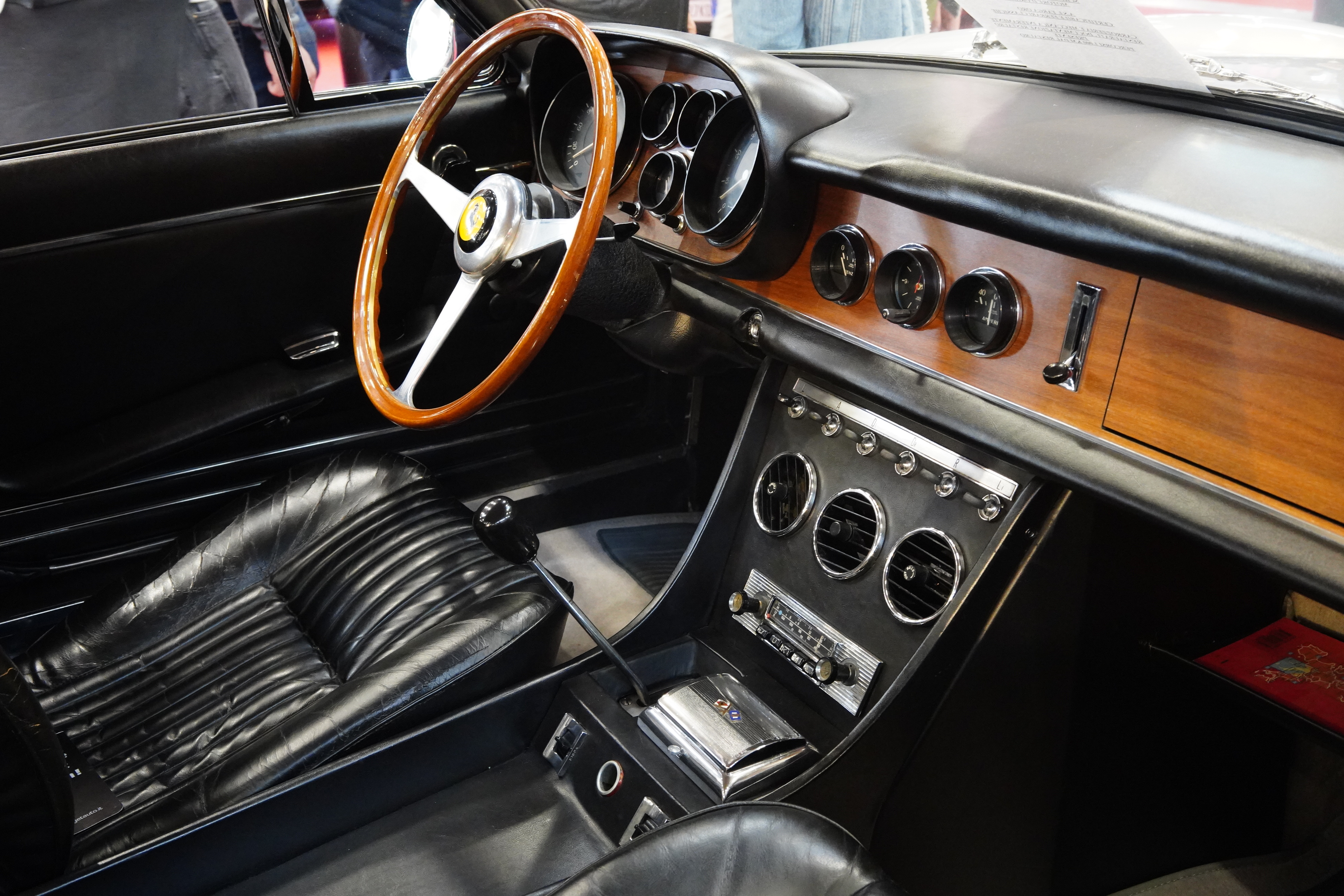
My all-time personal favorite, the 330GTC. Vendor was asking €650,000.

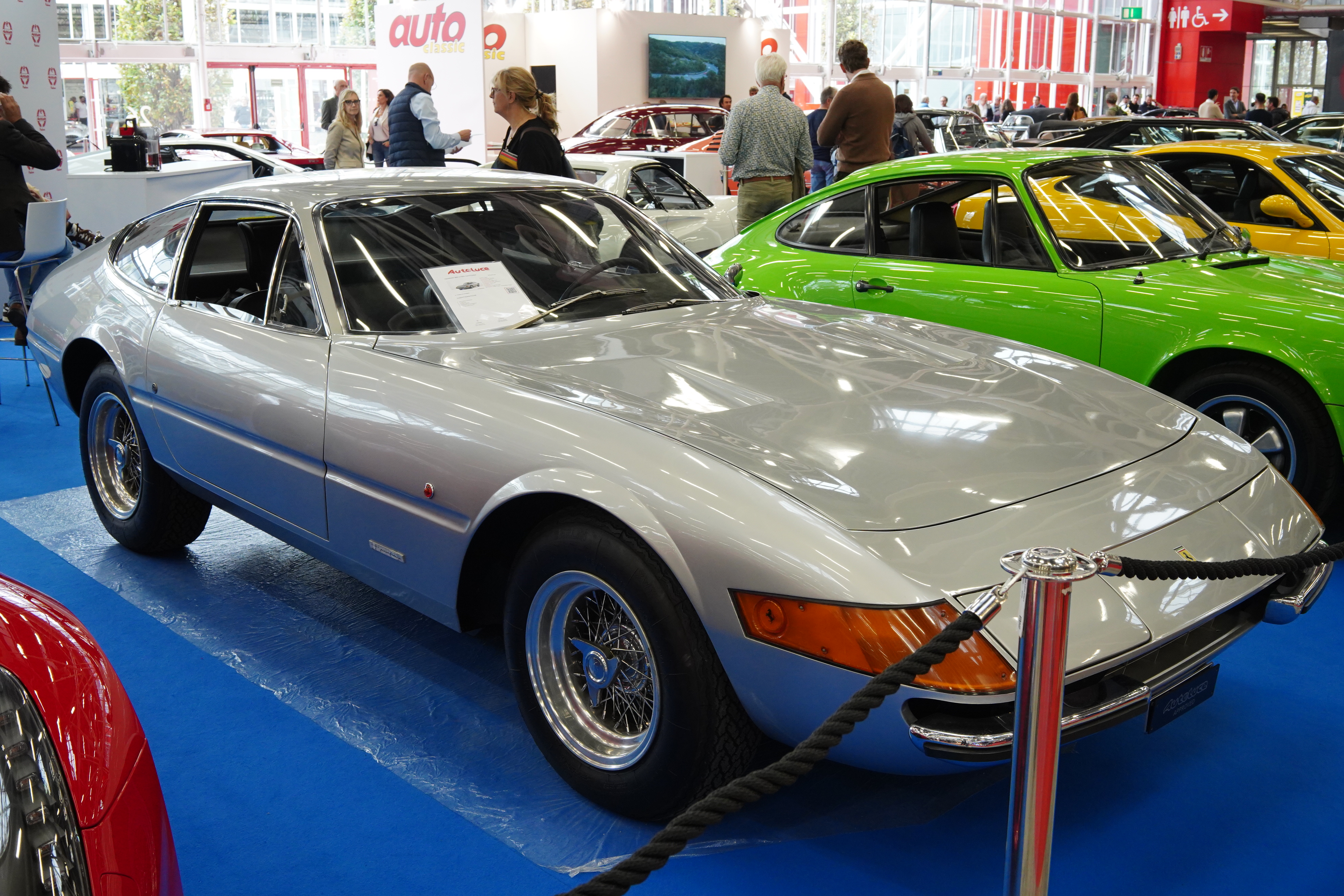
A Daytona.

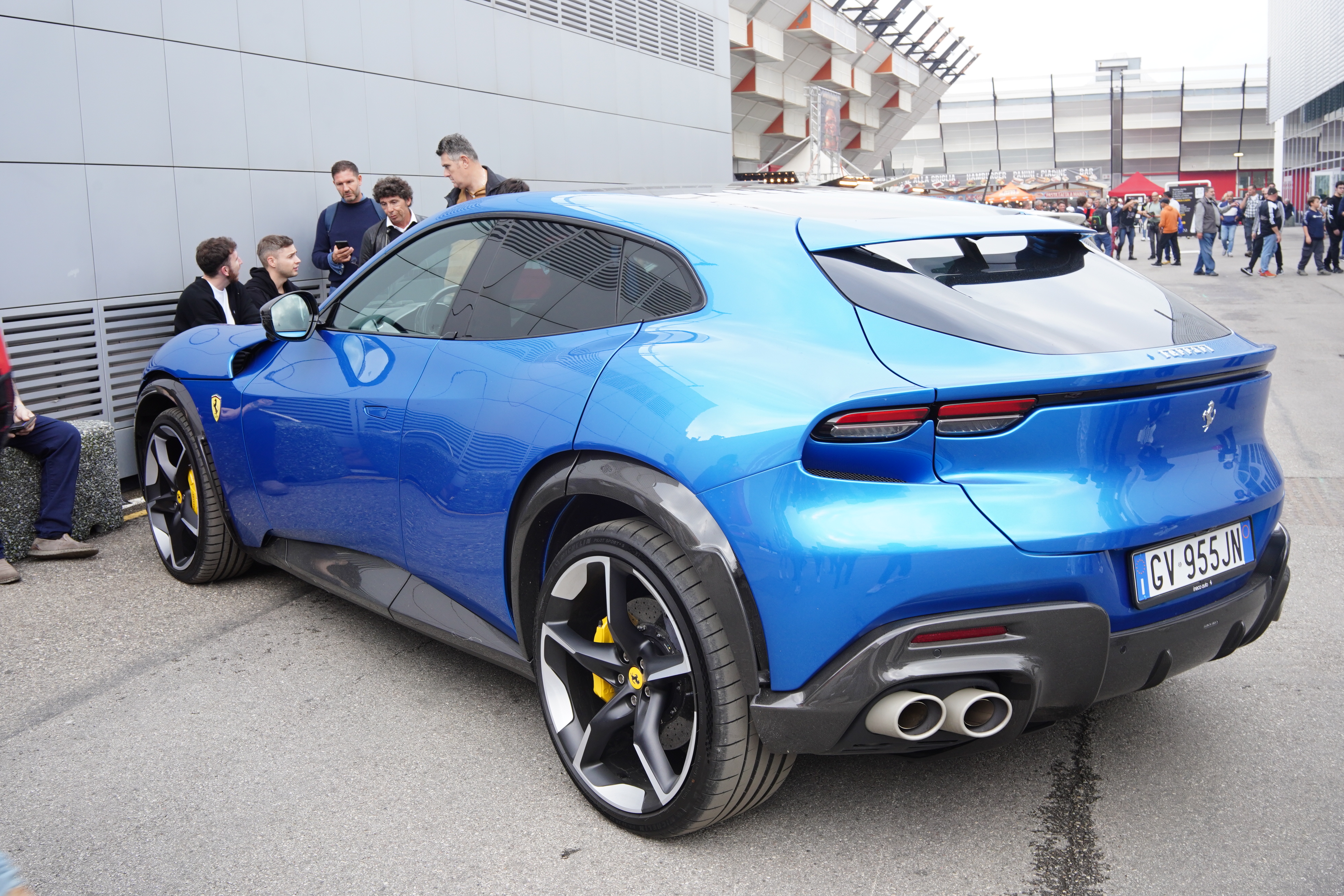
Parked outside, and looking like it belonged to an attendee, the world’s first 4-door Ferrari, the Purosangue.


ISETTAS

This BMW Isetta in blue/green had an asking price of €33,900.

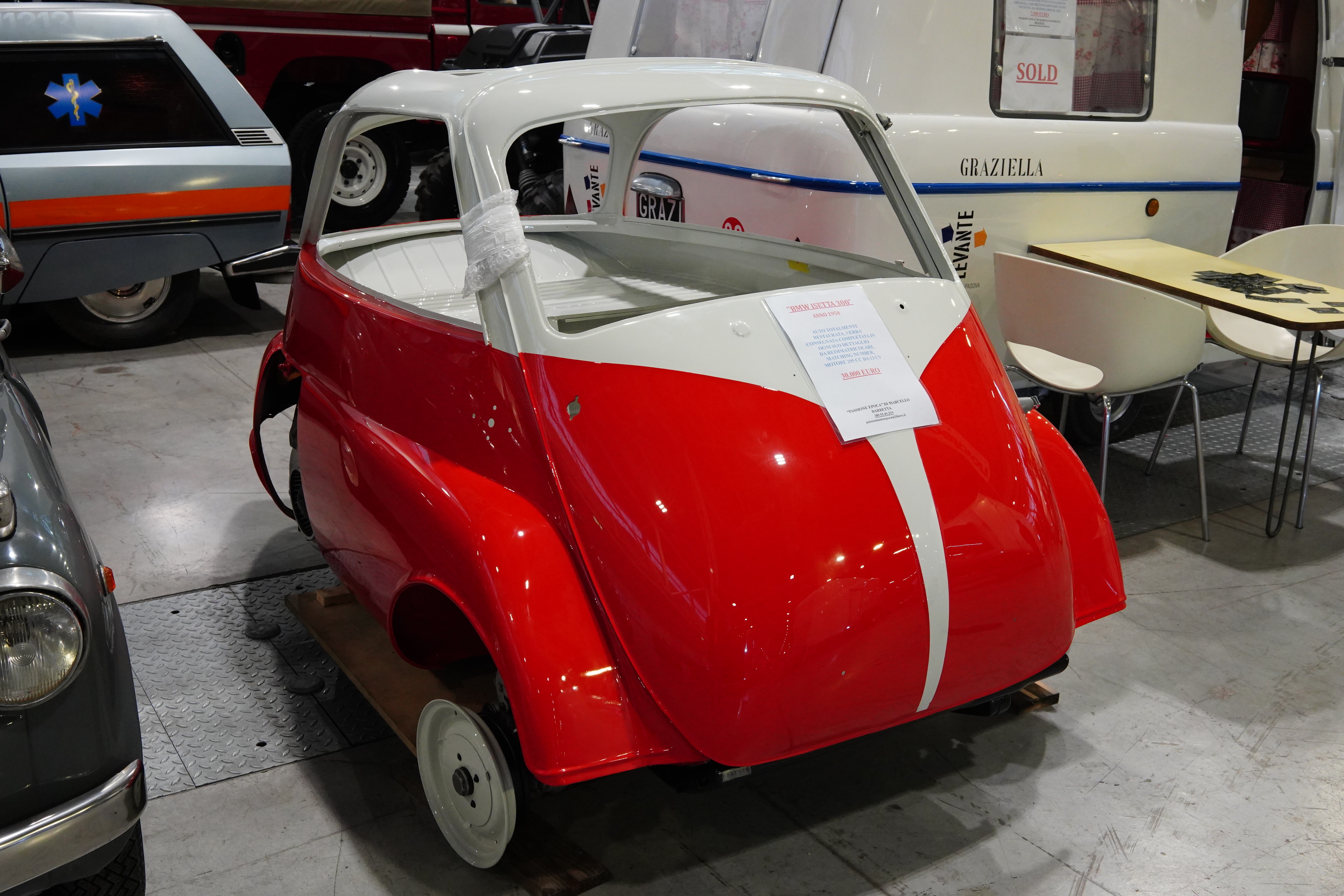
A painted Isetta body shell.

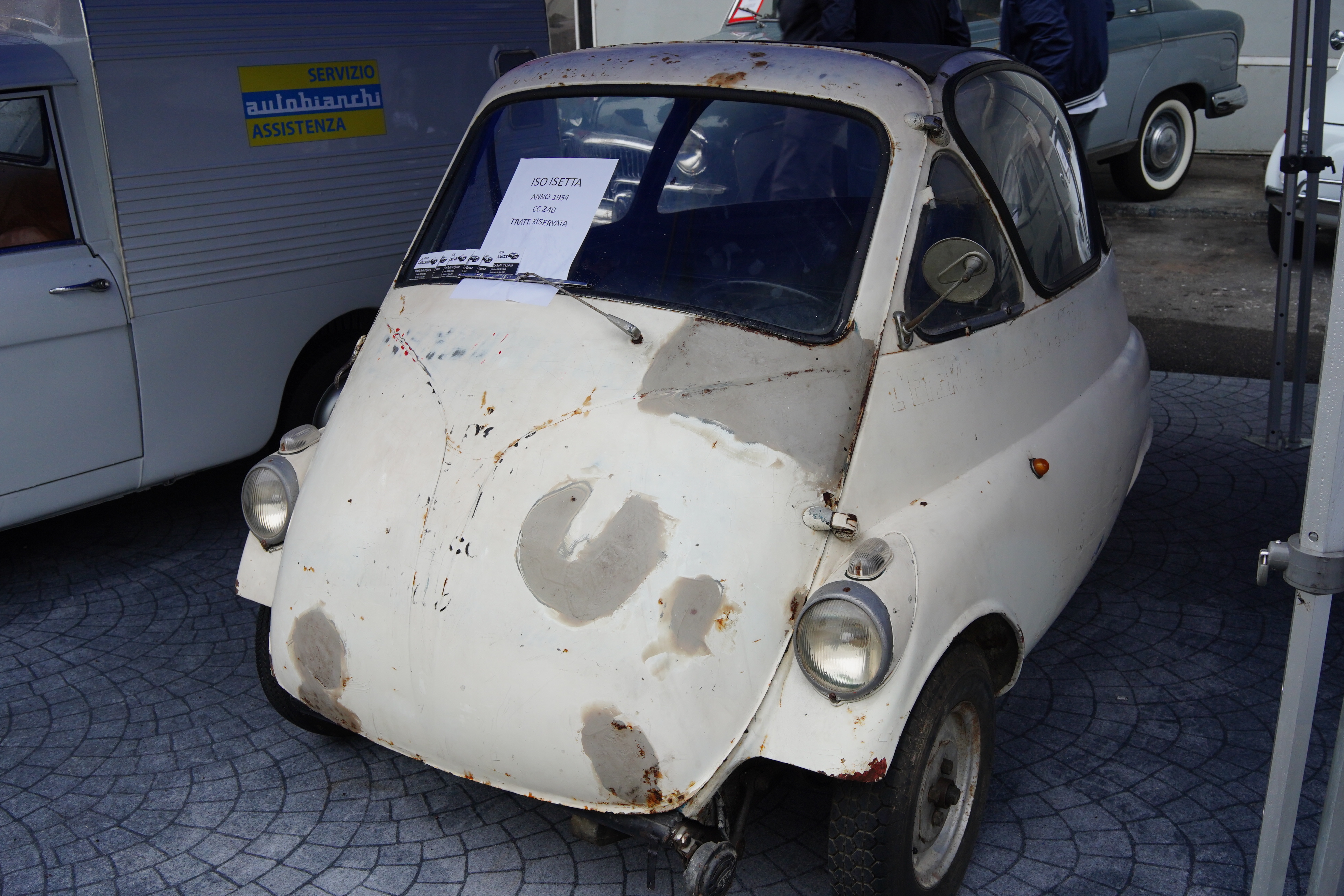
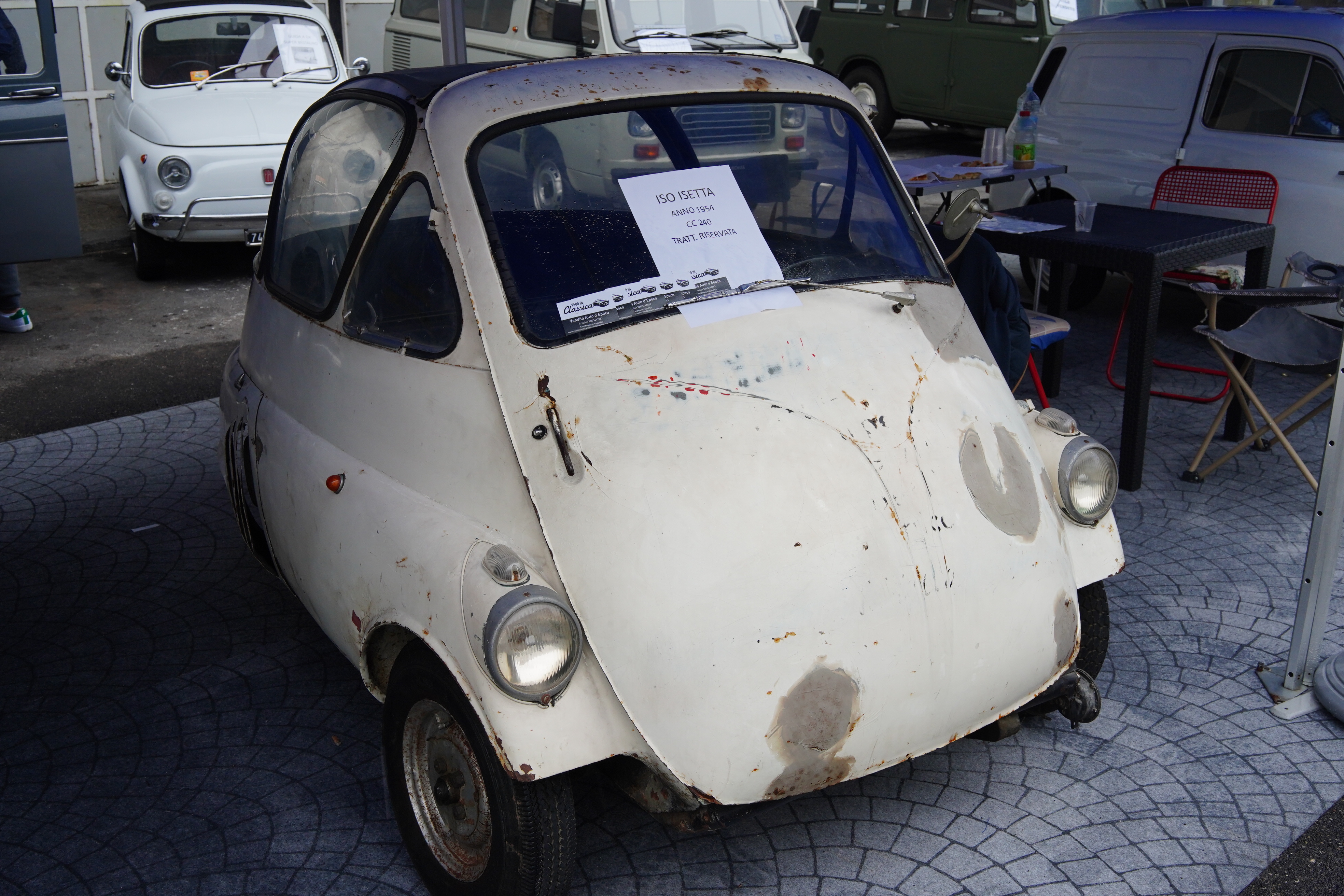
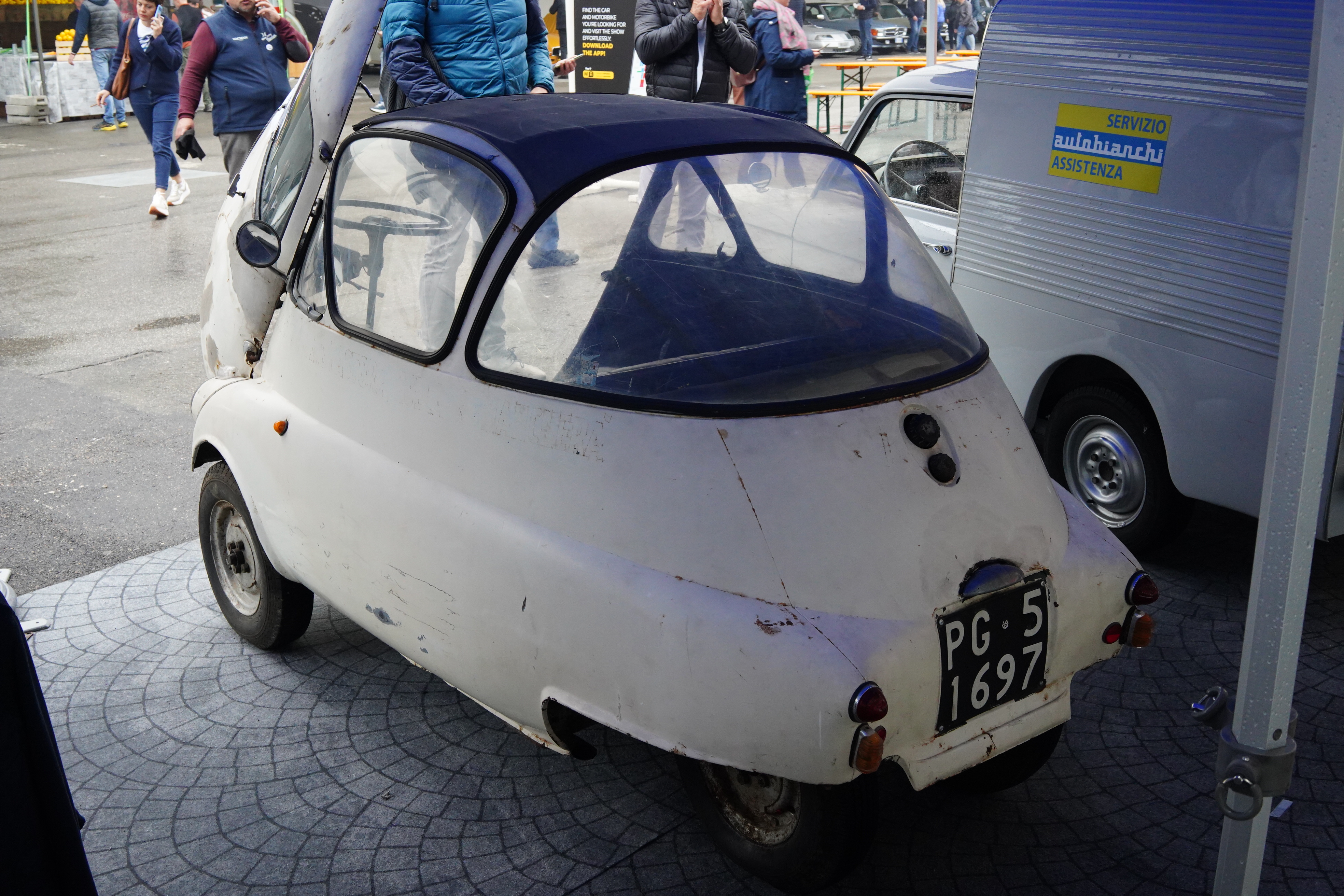
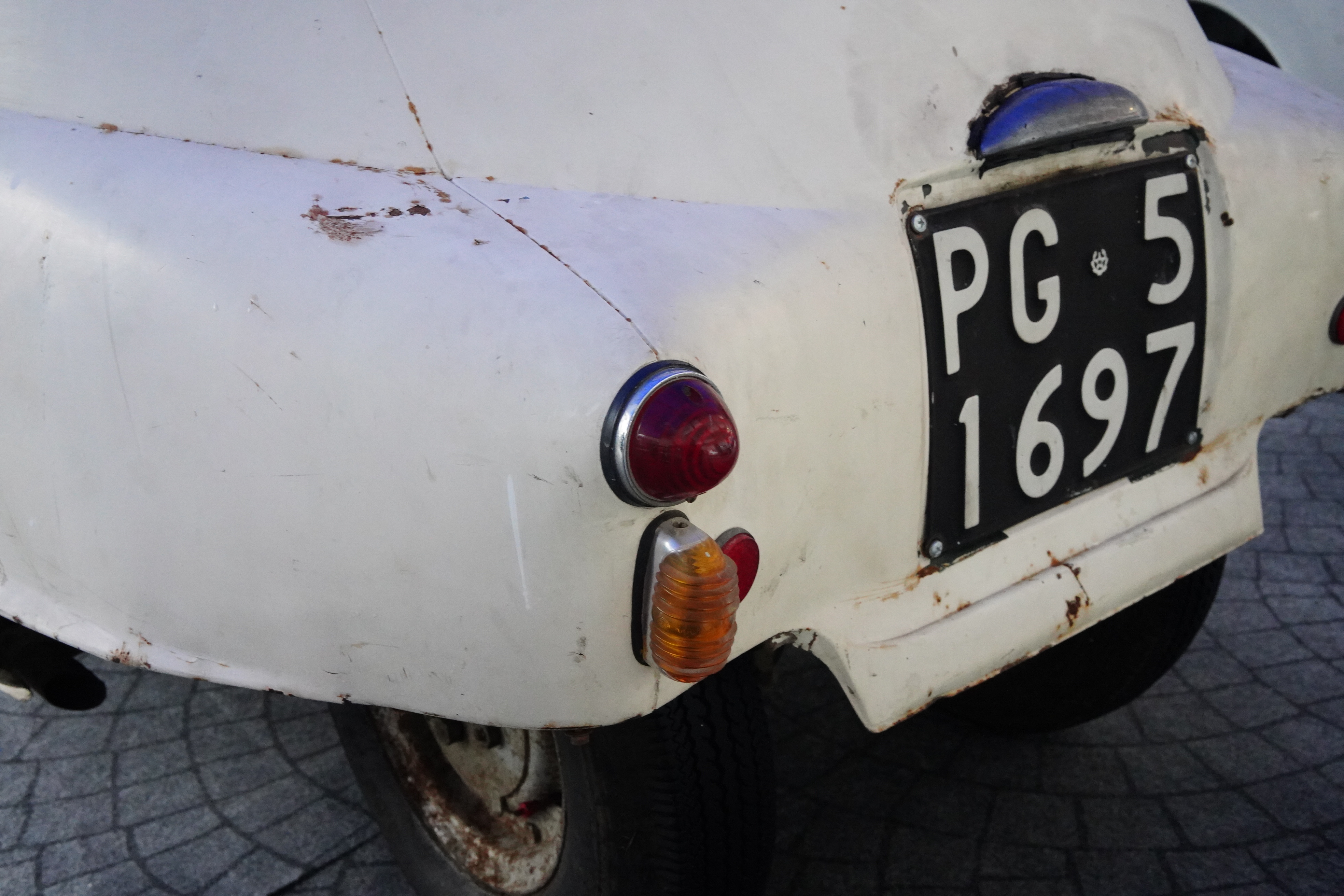
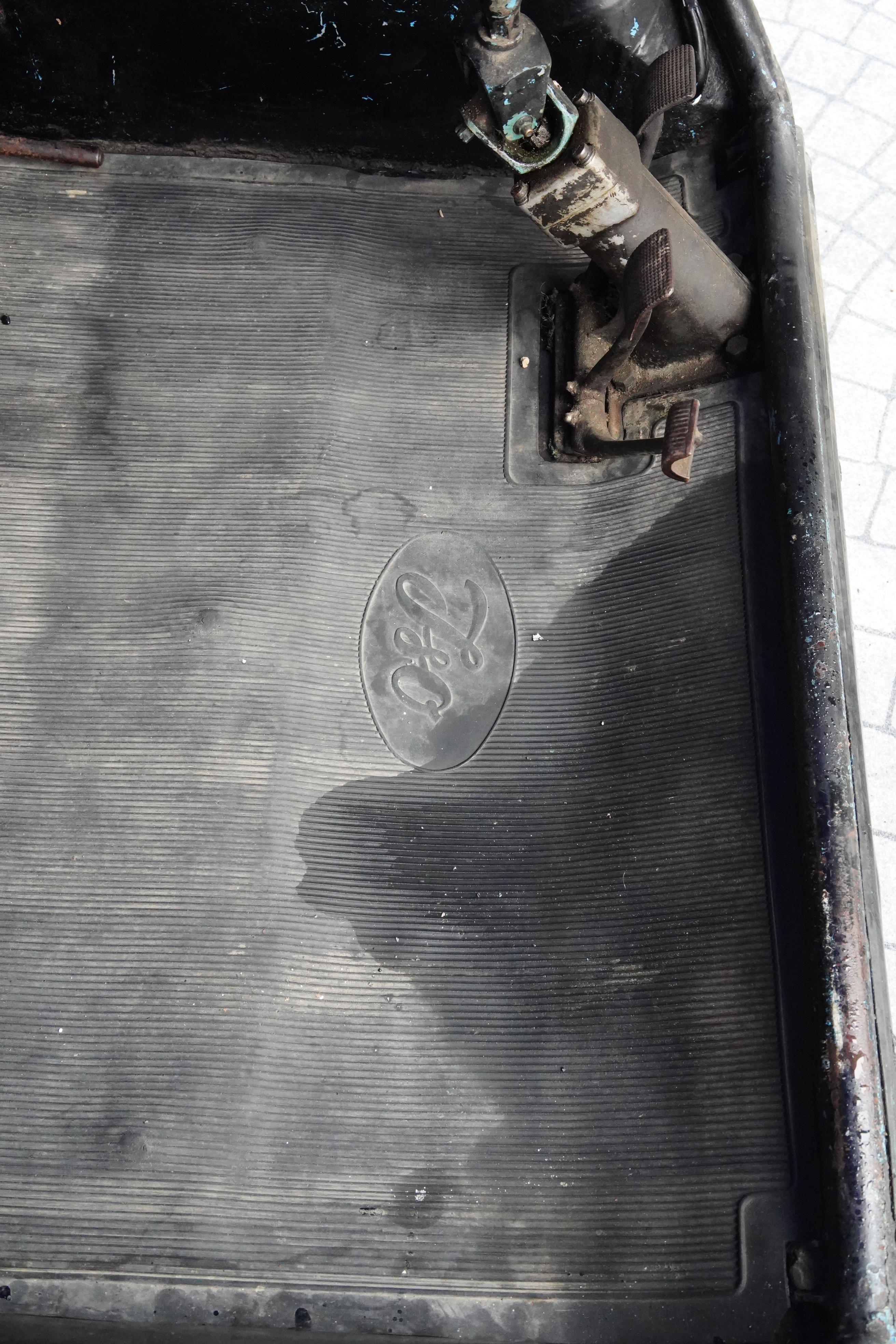
No, this is NOT a BMW Isetta. This is a car I’ve never seen before: an Iso Isetta, from 1954. Iso was the company which originally designed and manufactured the Isetta. It was Iso which sold the licensing rights to BMW so that they could produce their own version. When I belonged to the Isetta Club in the U.S., there was only one known Iso Isetta in the entire country. The detail differences between the ISO and BMW are significant.


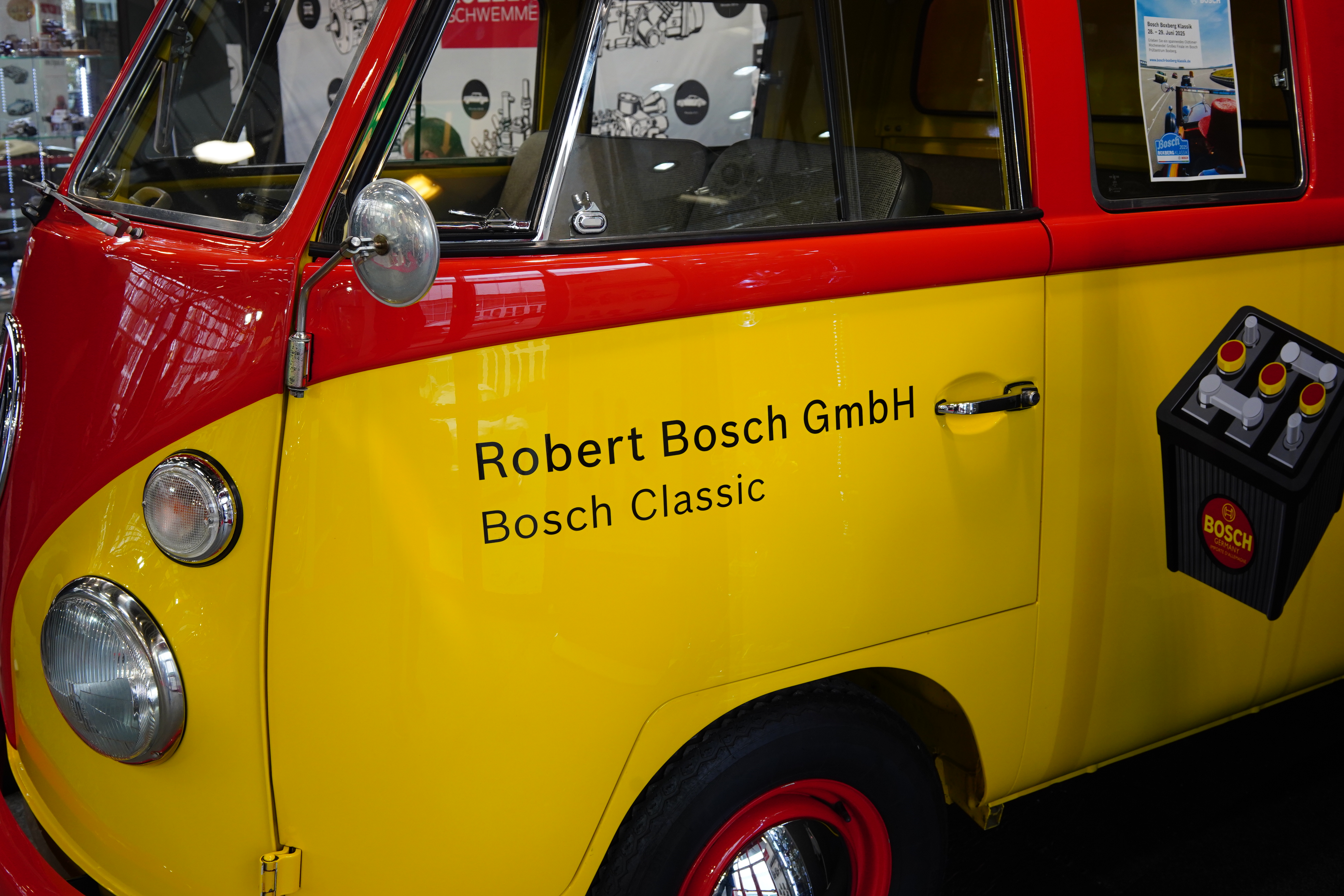
Bosch was there to sell spare parts. Note how the emblem on the front of this VW Bus has been changed to the Bosch emblem.


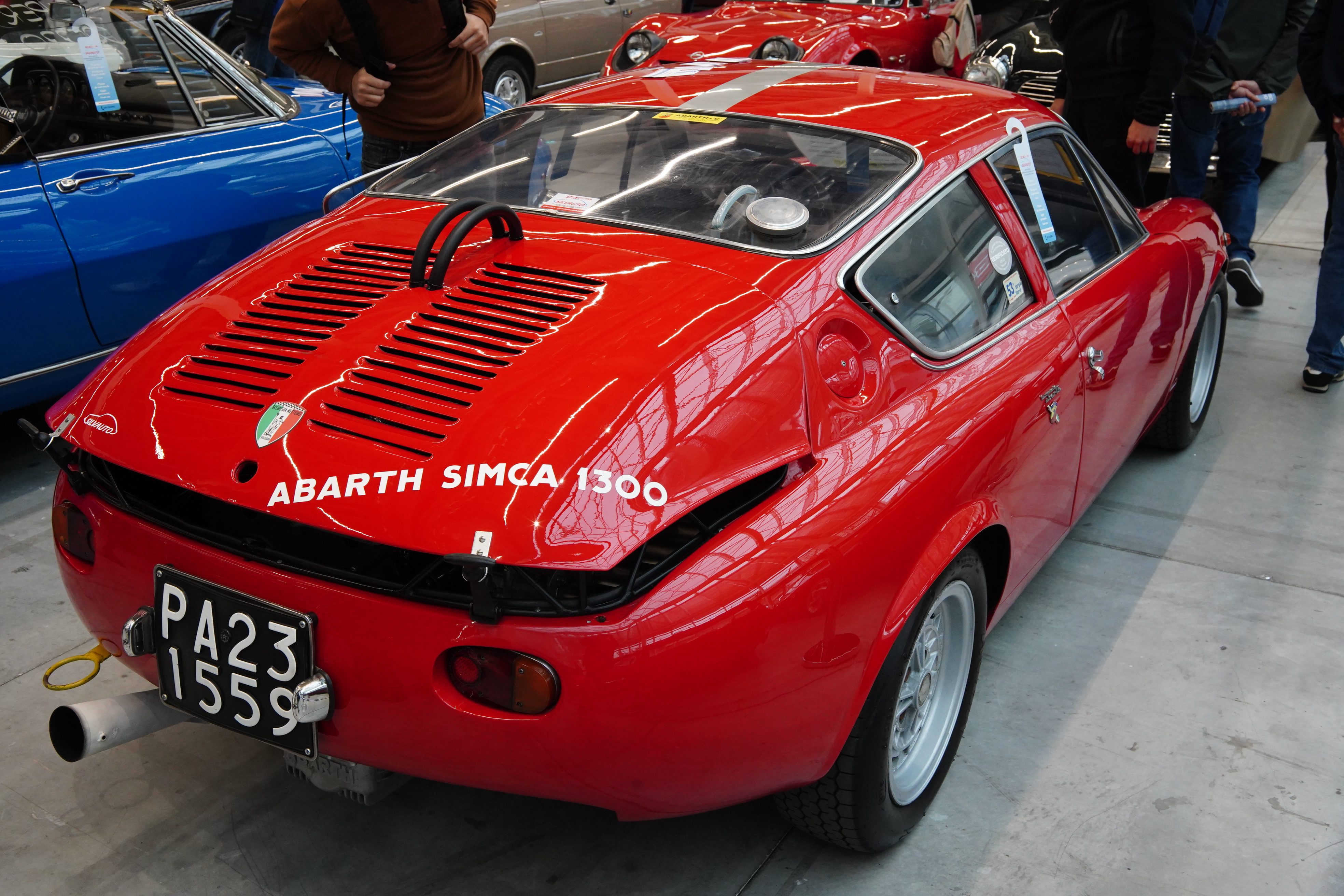
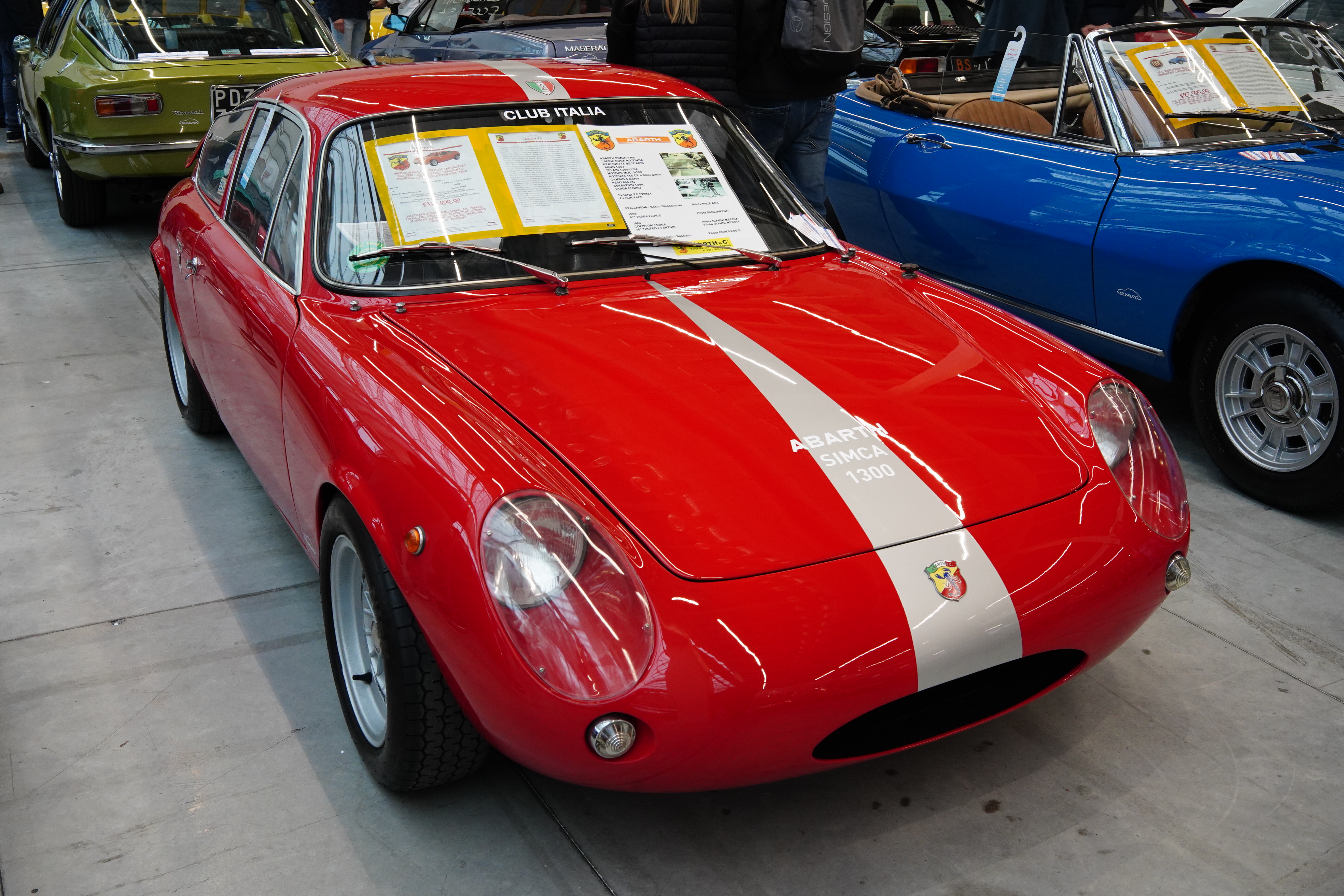
This Abarth Simca was for sale for €310,000!


VIGNALE

Although based on Fiat mechanicals, I’ve listed the Vignale-bodied cars separately because of their uniqueness.

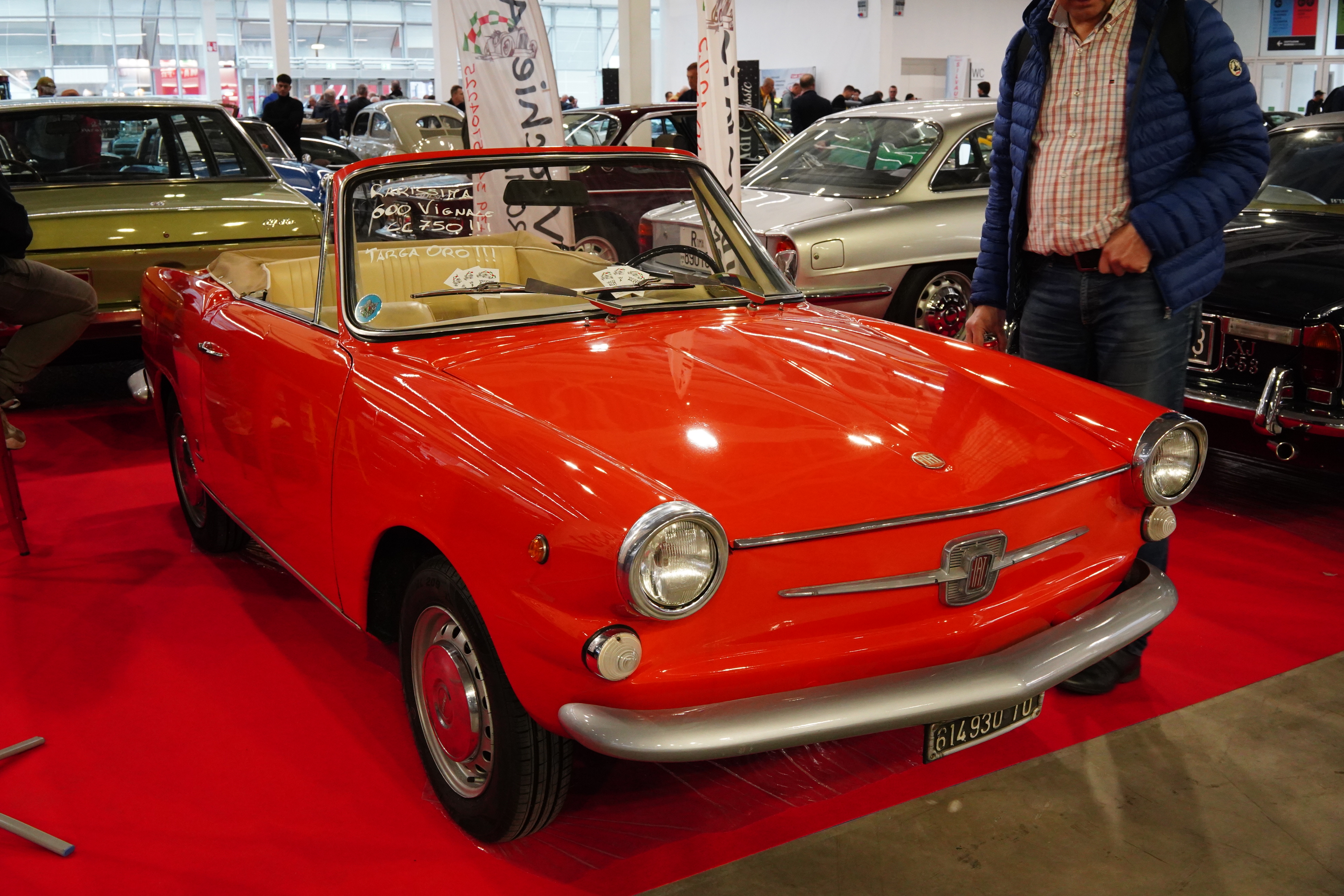
This is a Vignale 600 convertible.

Another Vignale convertible, asking €28,900.

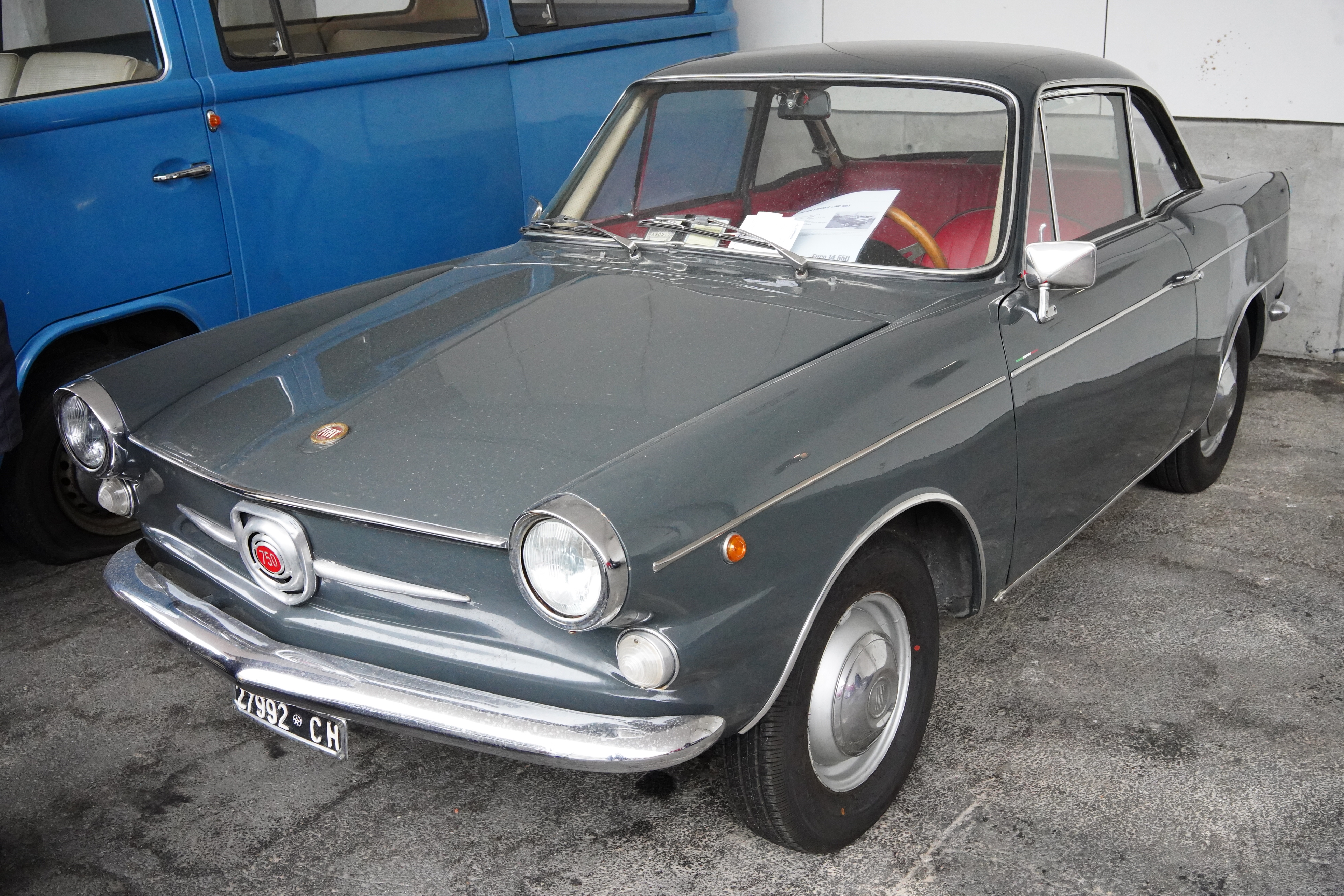
A Vignale coupe in grey, asking €14,550.

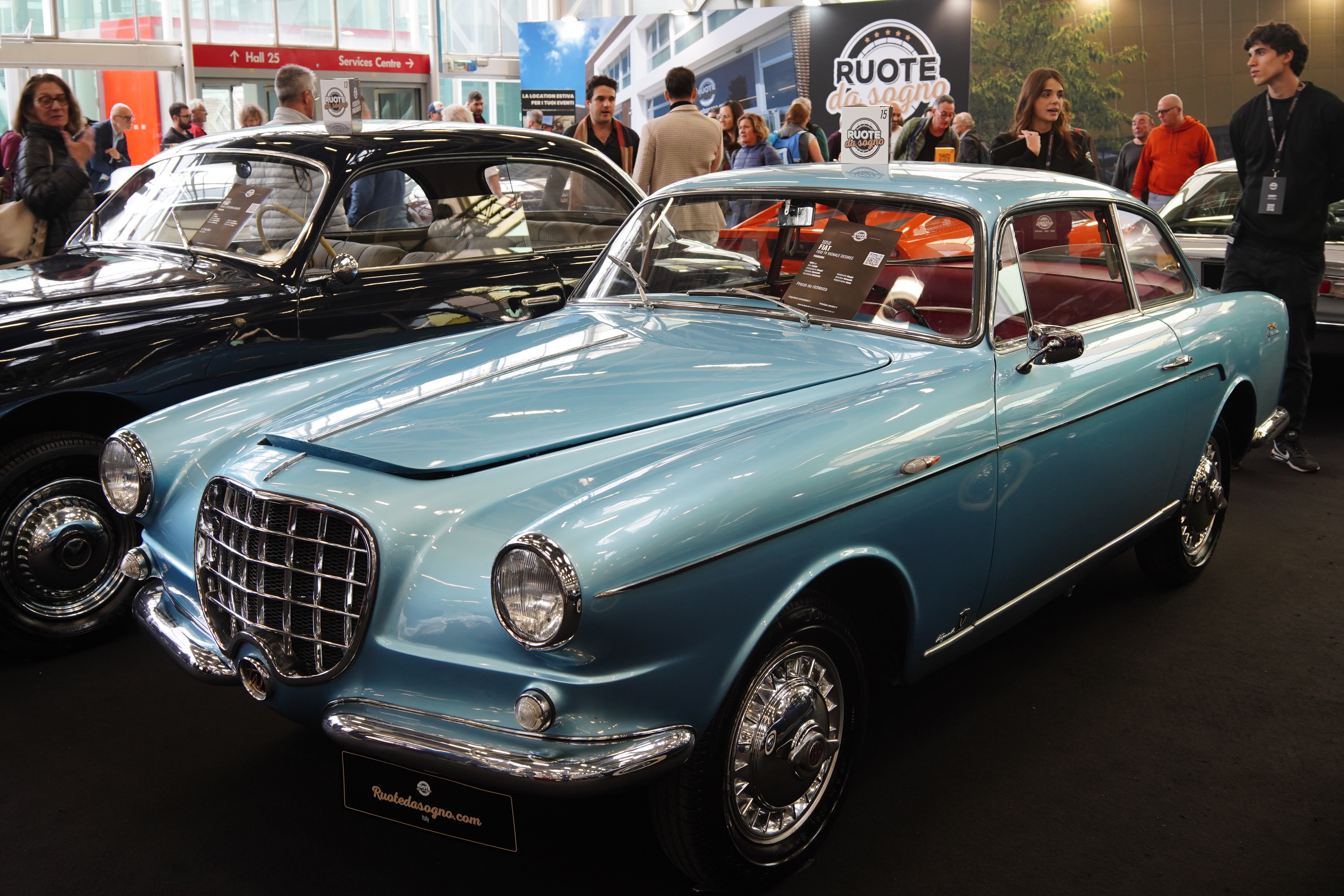
A 1958 Vignale based on a Fiat 1100TV.


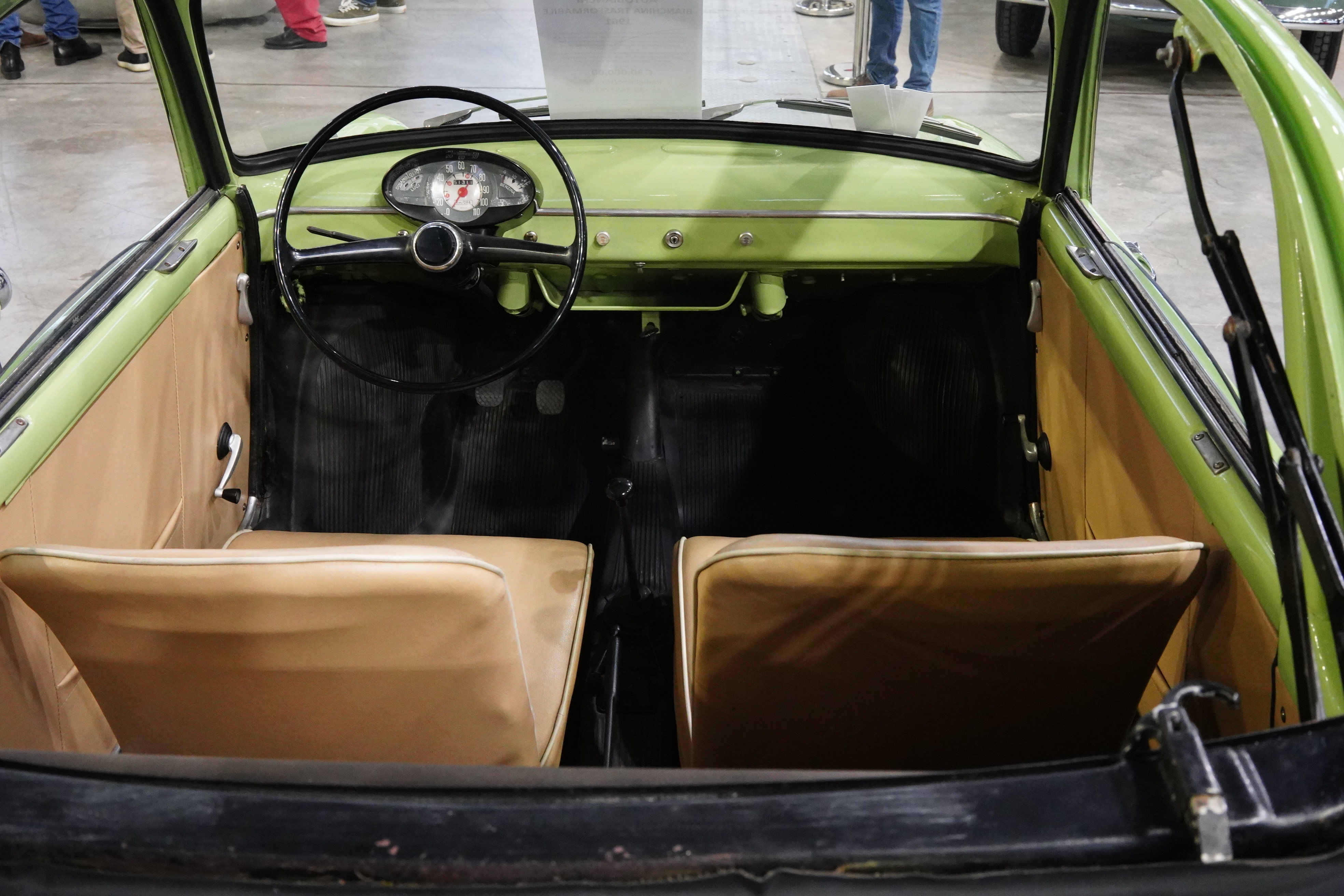
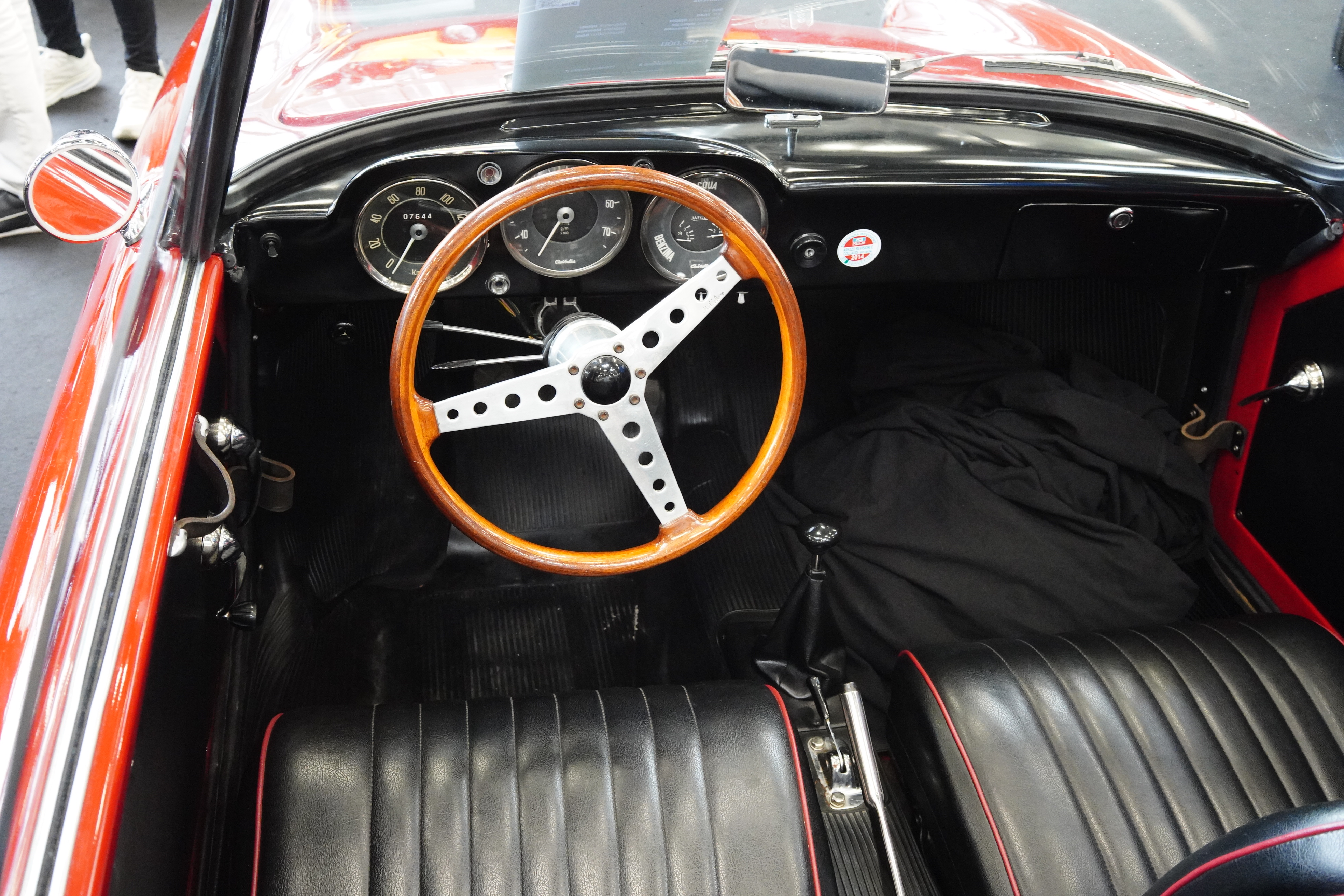
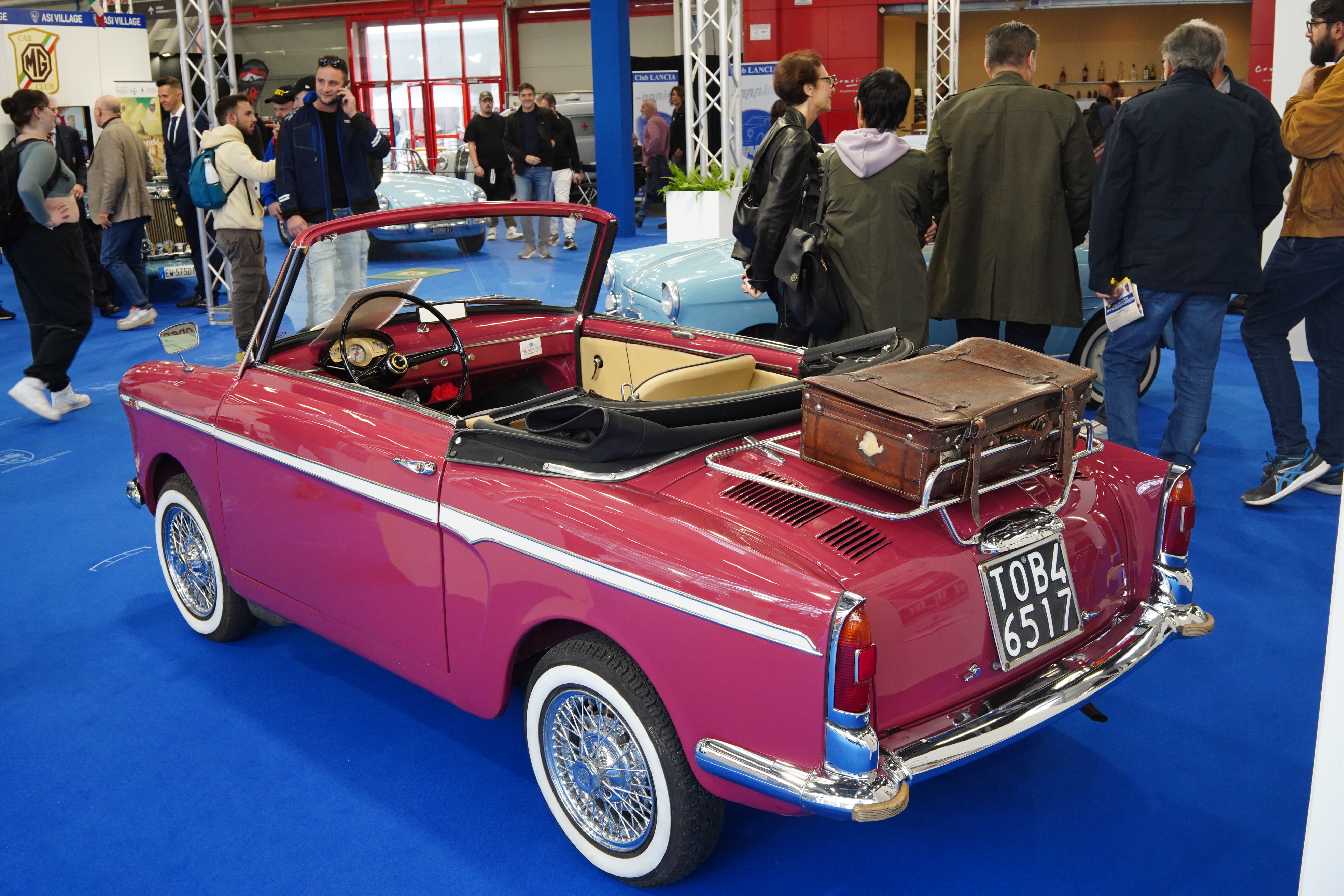
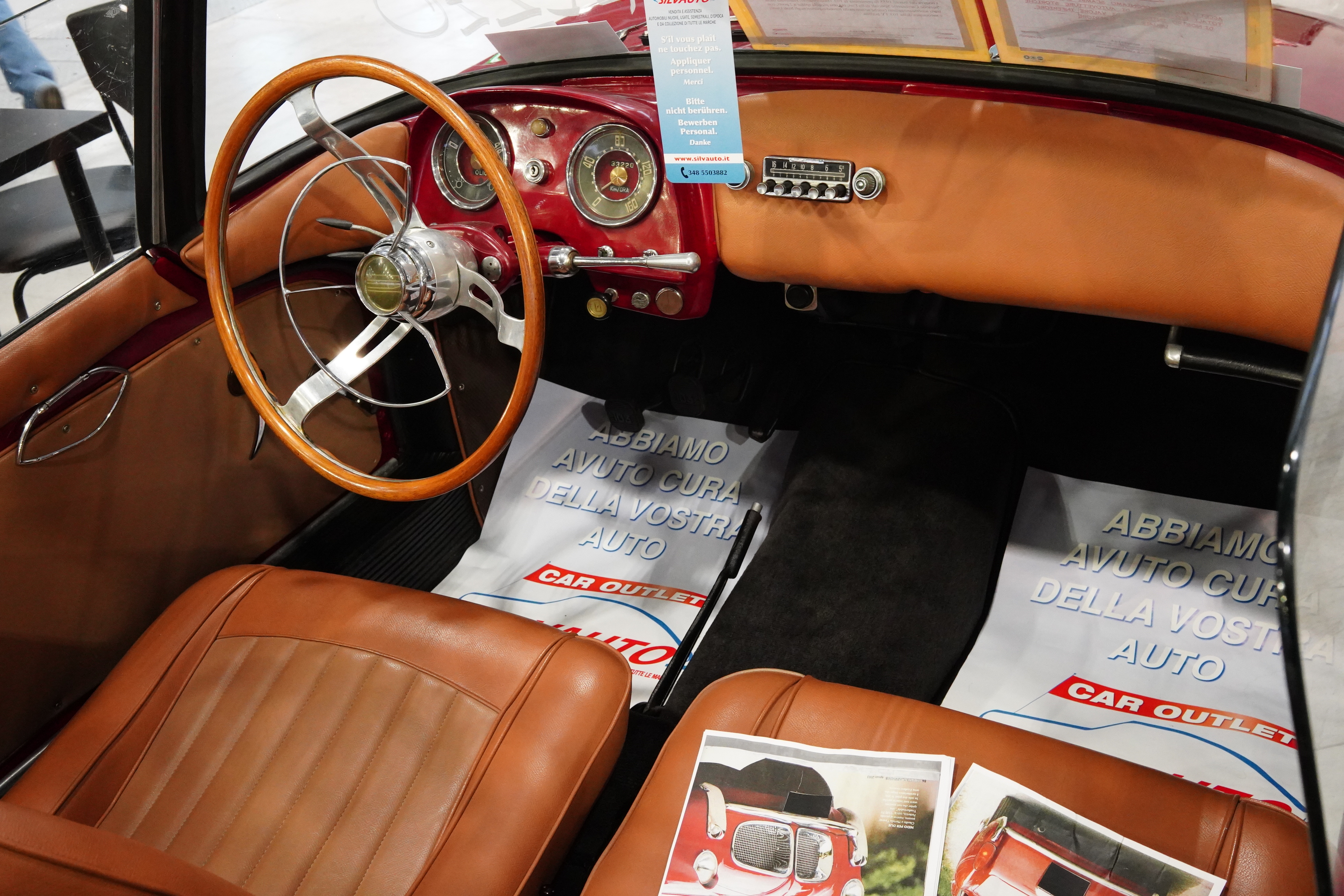
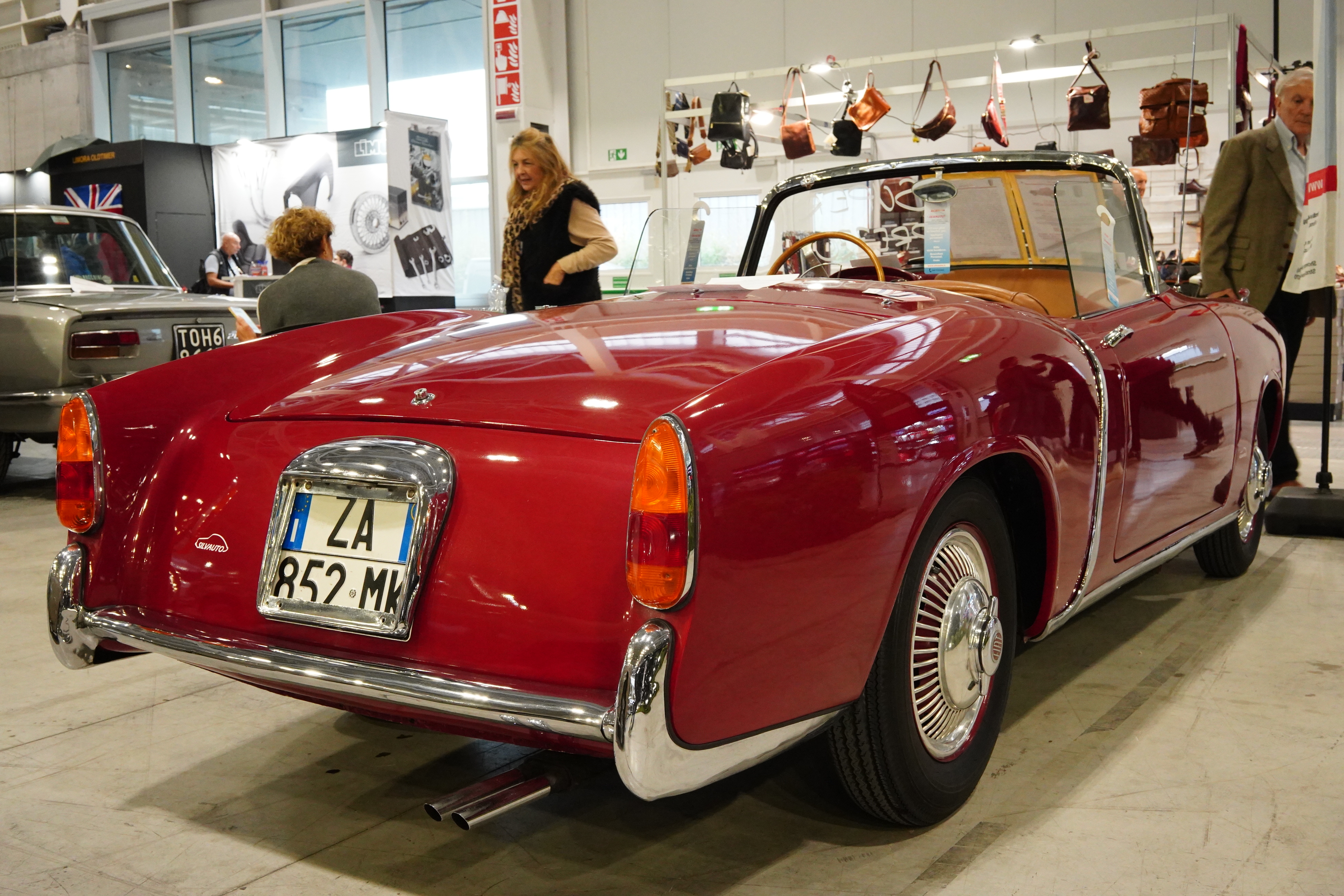
This Autobianchi Bianchina Transformabile convertible could be yours for €30,000.


This Fiat 128-based Moretti looked like a downsized Fiat Dino Coupe, and was only €17,000.

The beer truck lady flashed me the Victory sign. She was doing a brisk business all weekend. “Long Island” made it onto the menu.

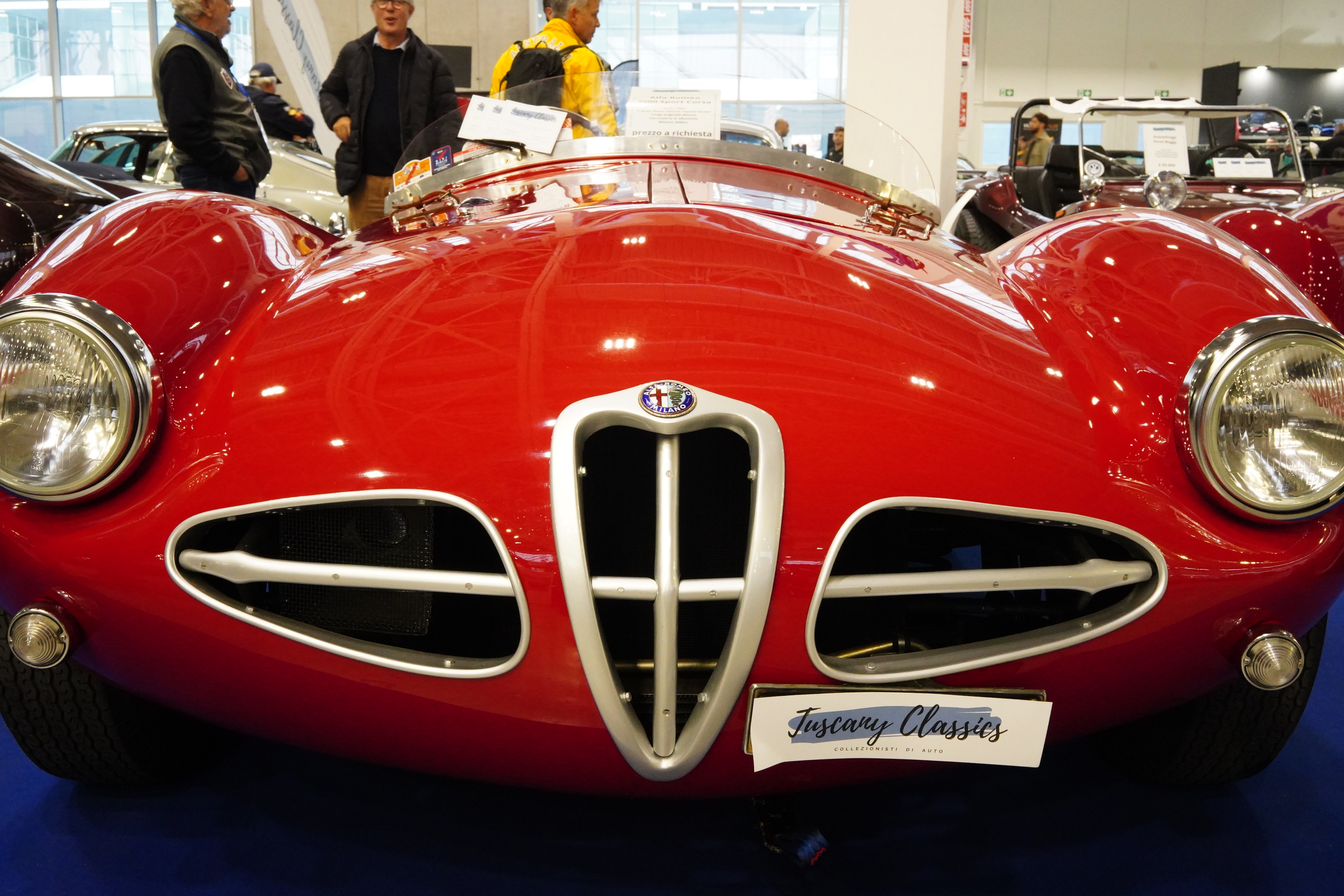
RM Sotheby’s Auction company had its own display which included these two Abarths. I’m sorry that I did not record details about either of these cars.


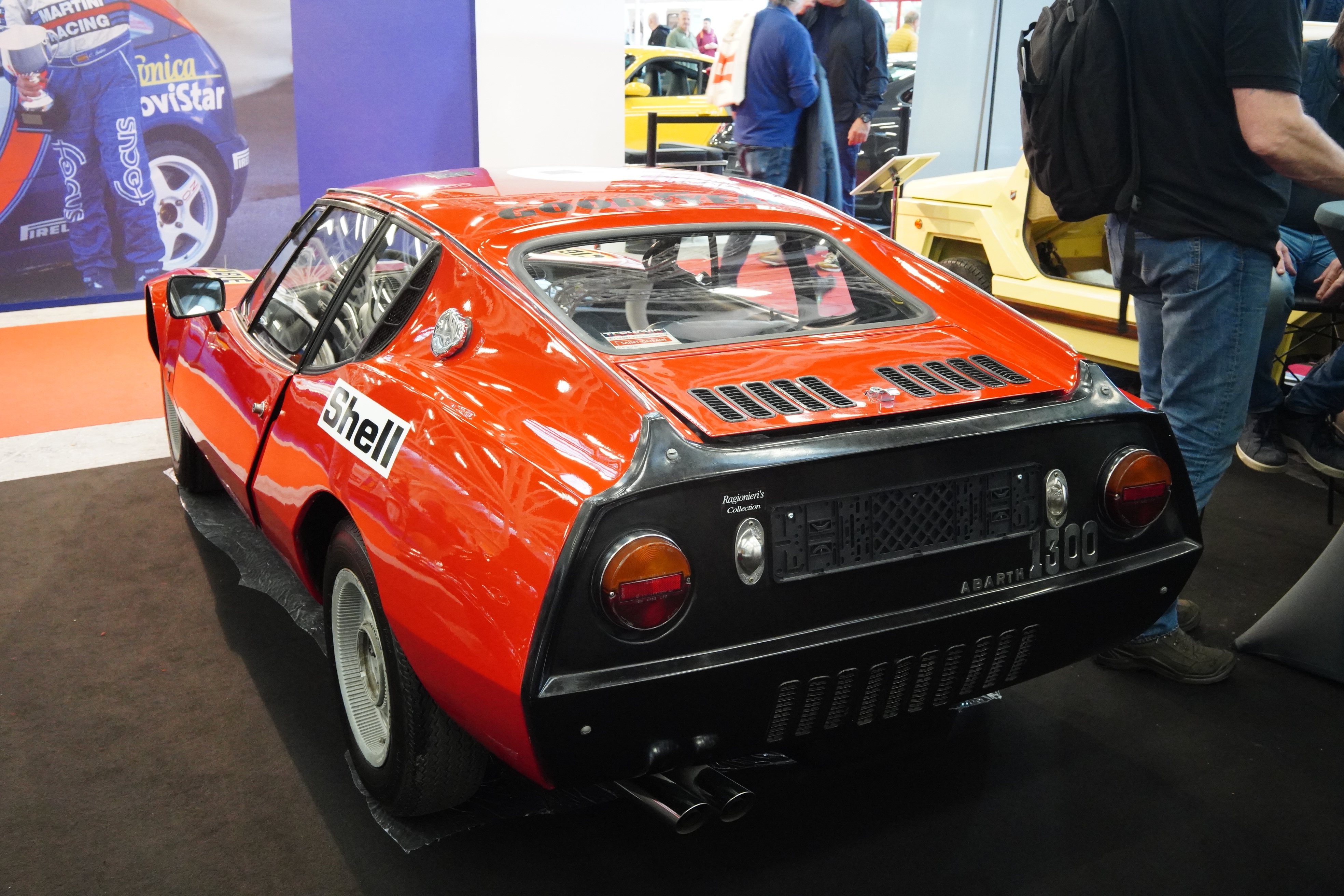
This Abarth 1300 Scorpione had an asking price of €58,500.

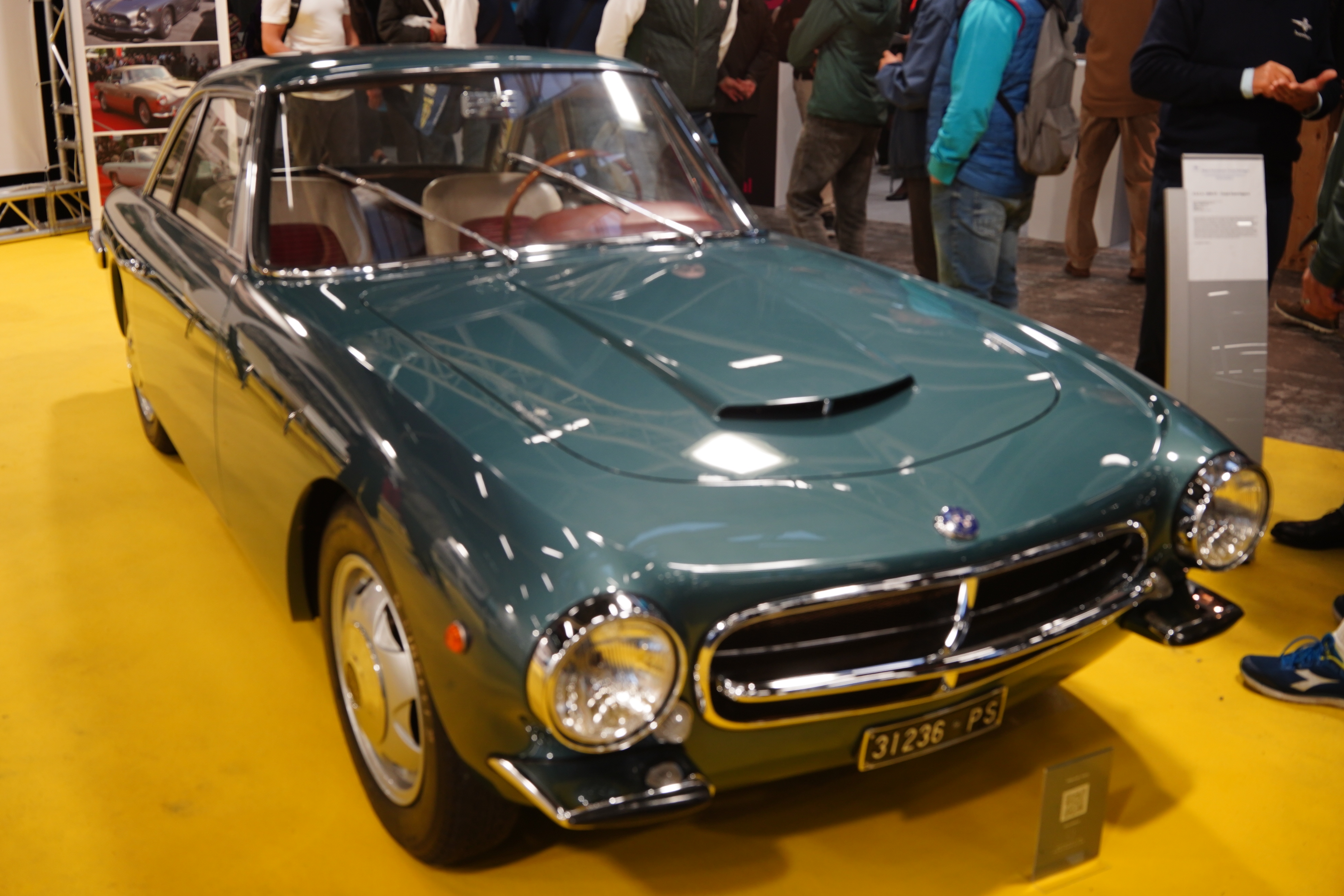
A pair of OSCAs, made by the Maserati brothers.


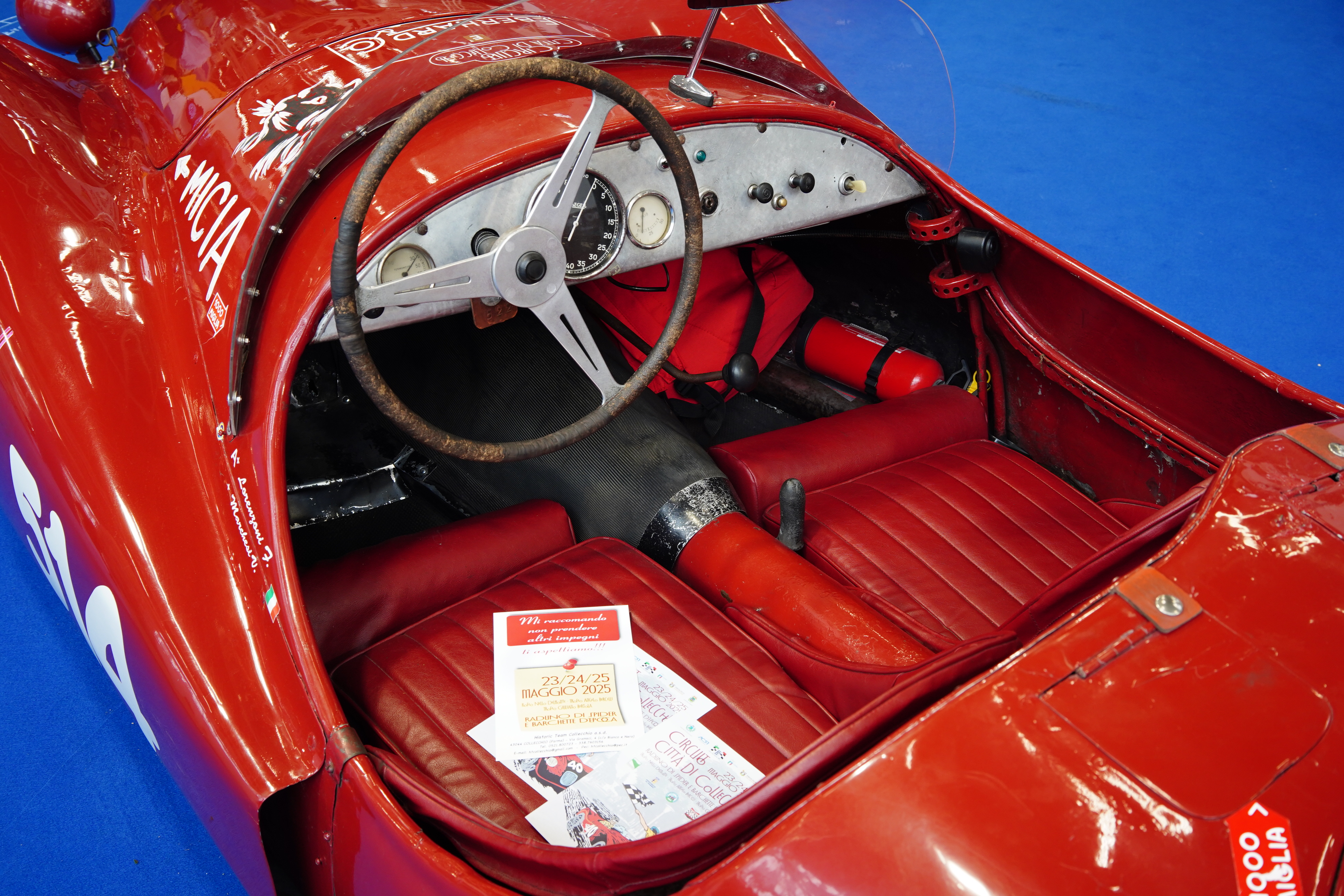
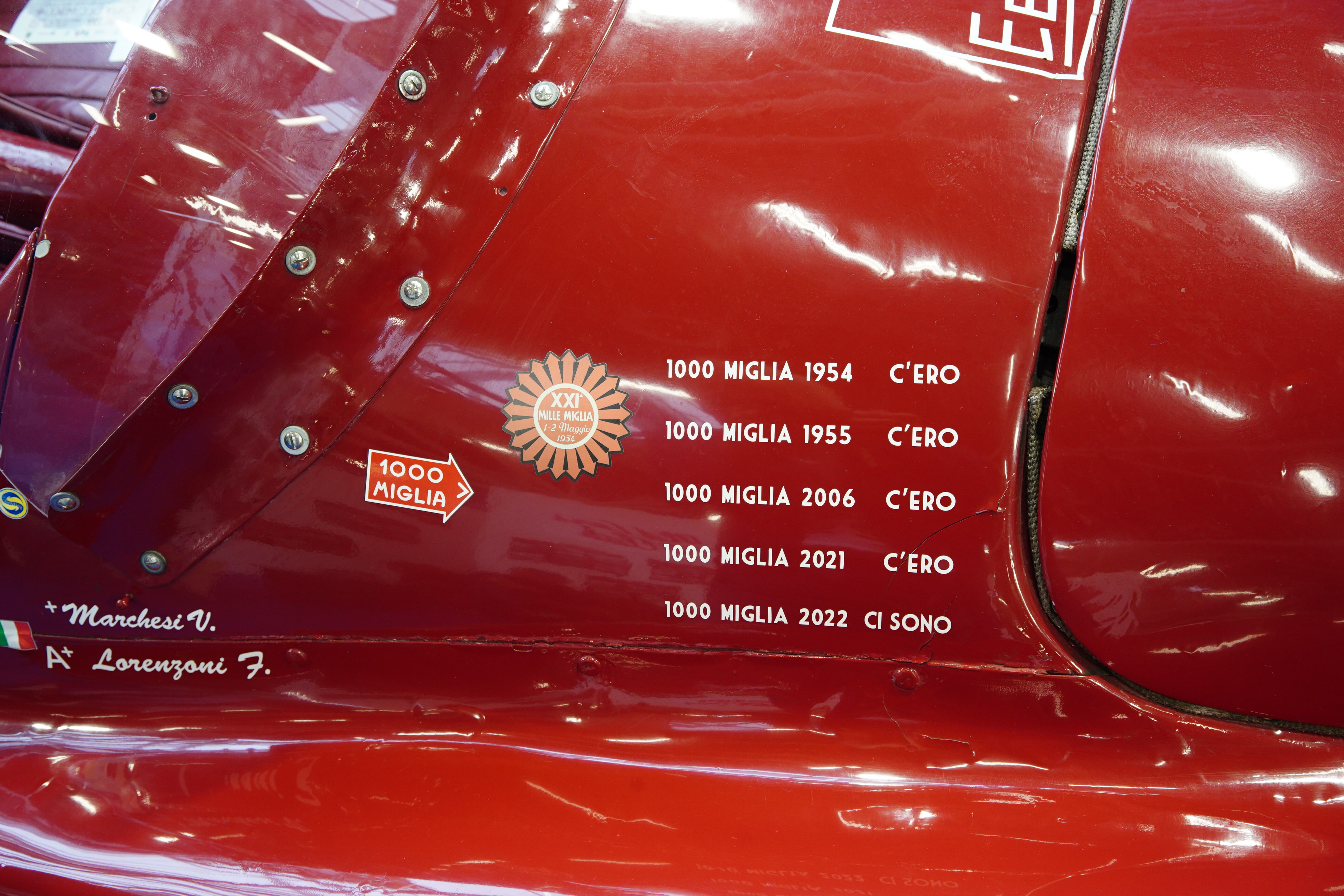
A Stanguelli, with racing history going back to 1948.

A Moretti-Fiat 1500.

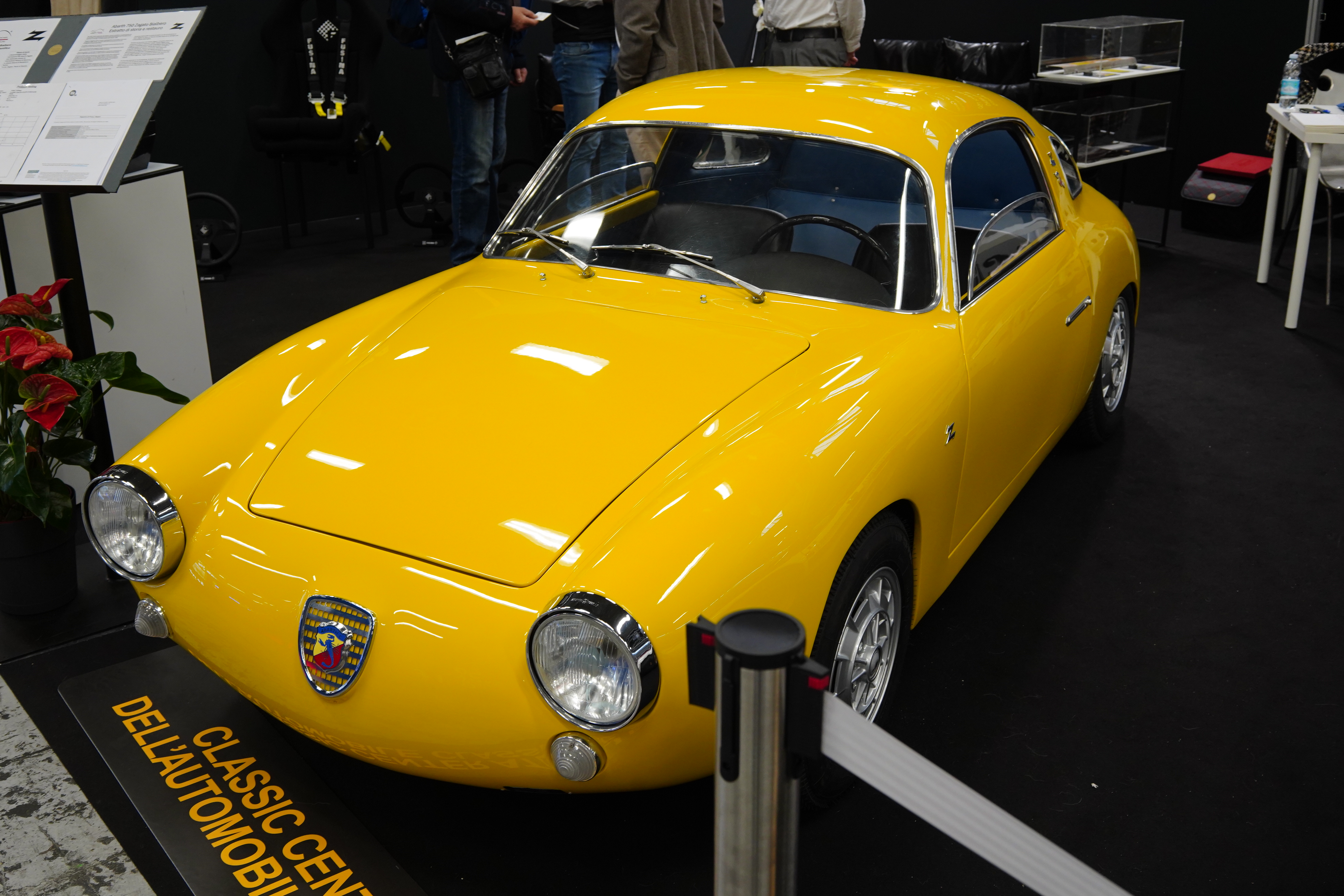
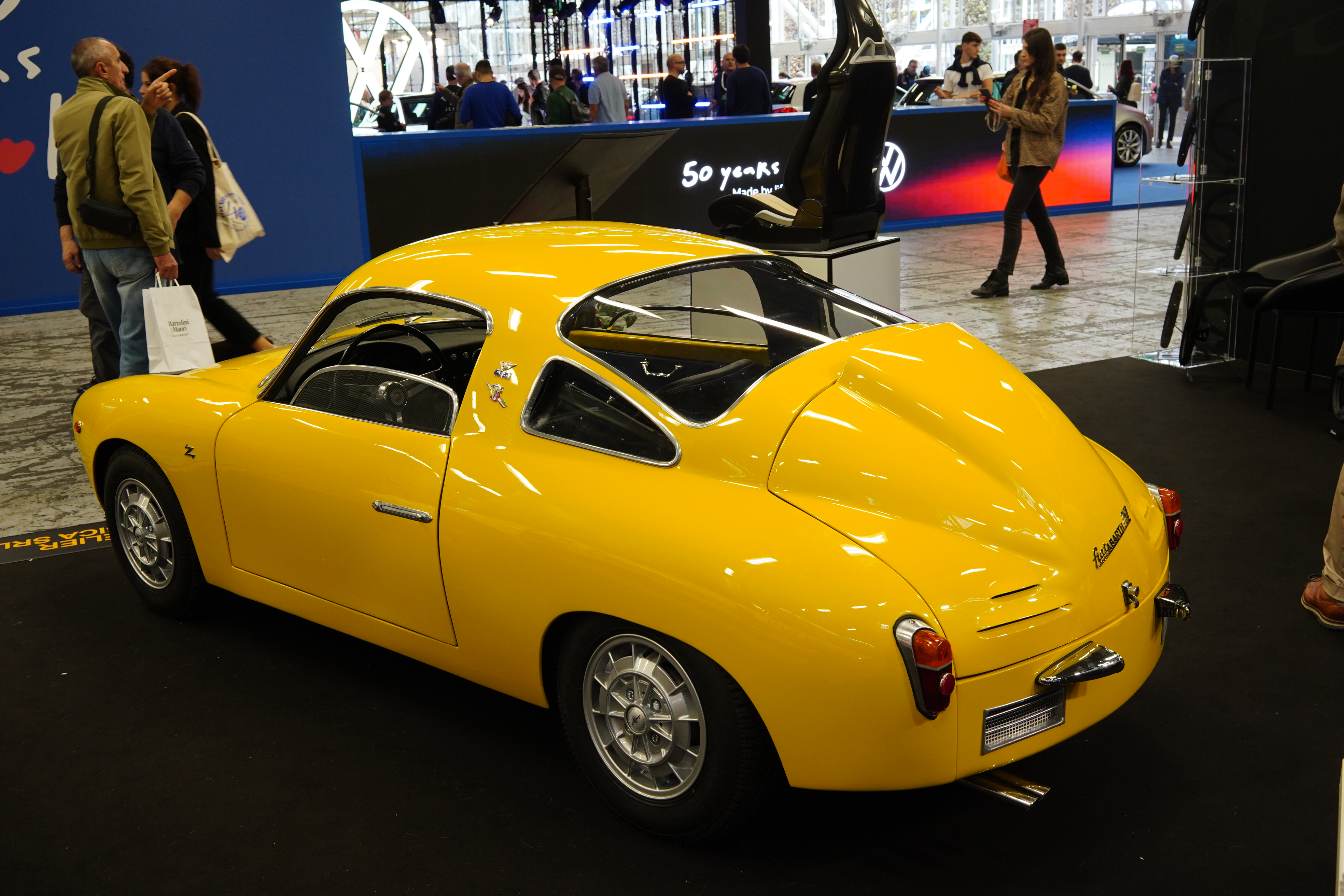
A tiny Abarth (is that redundant?).

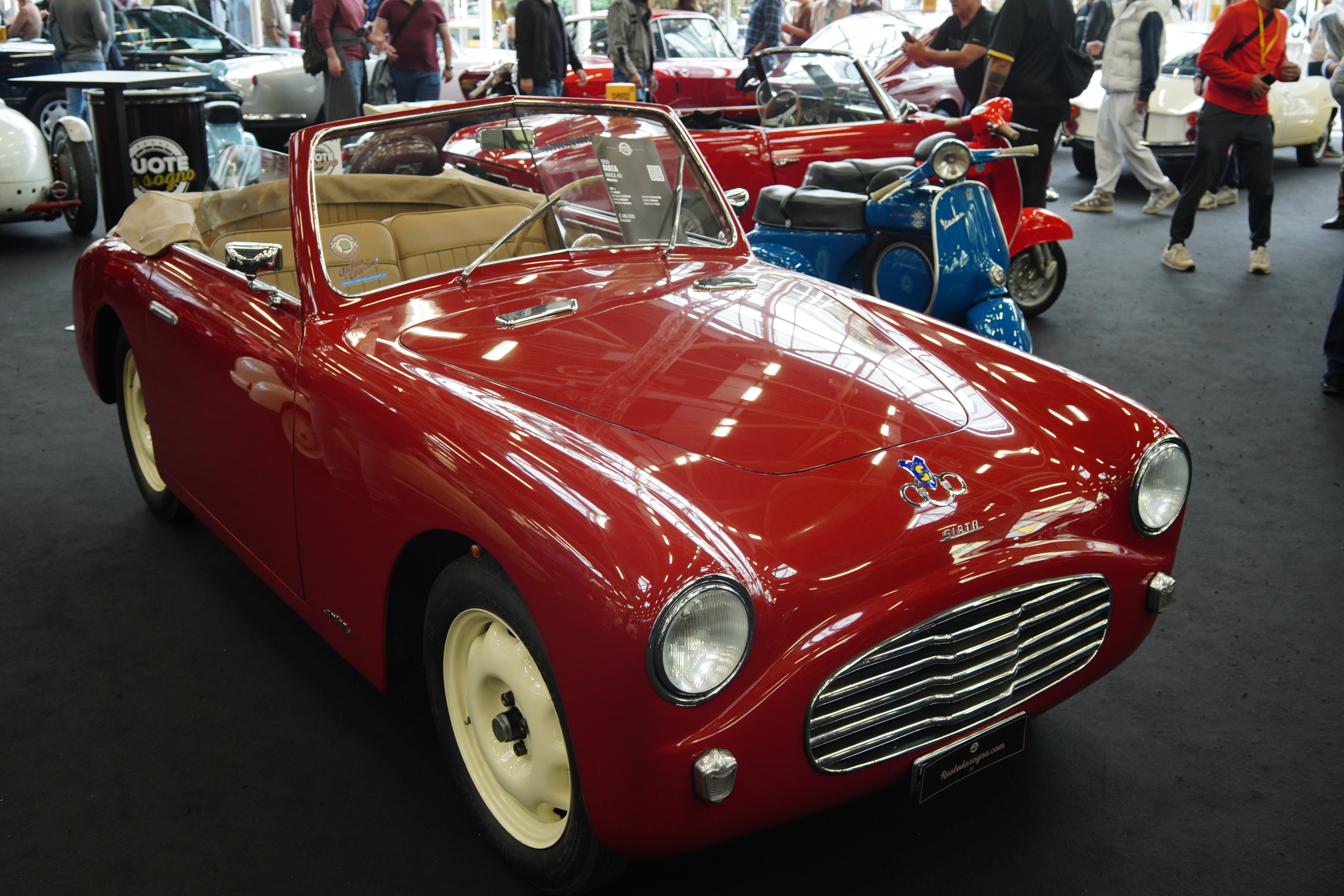
A 1950 Siata, asking €145,000.

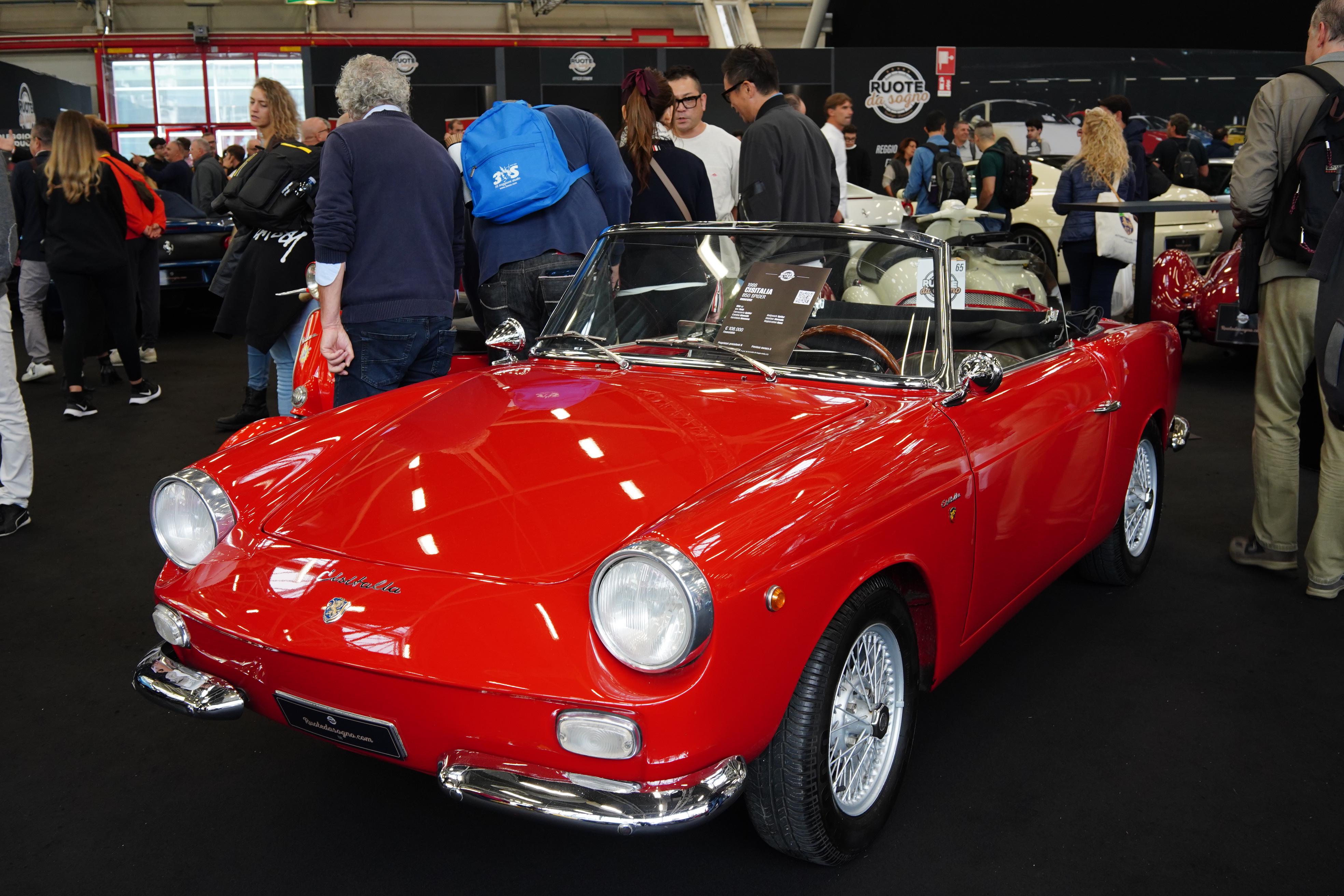
A 1966 Cisitalia 850 Spider, asking €108,000.

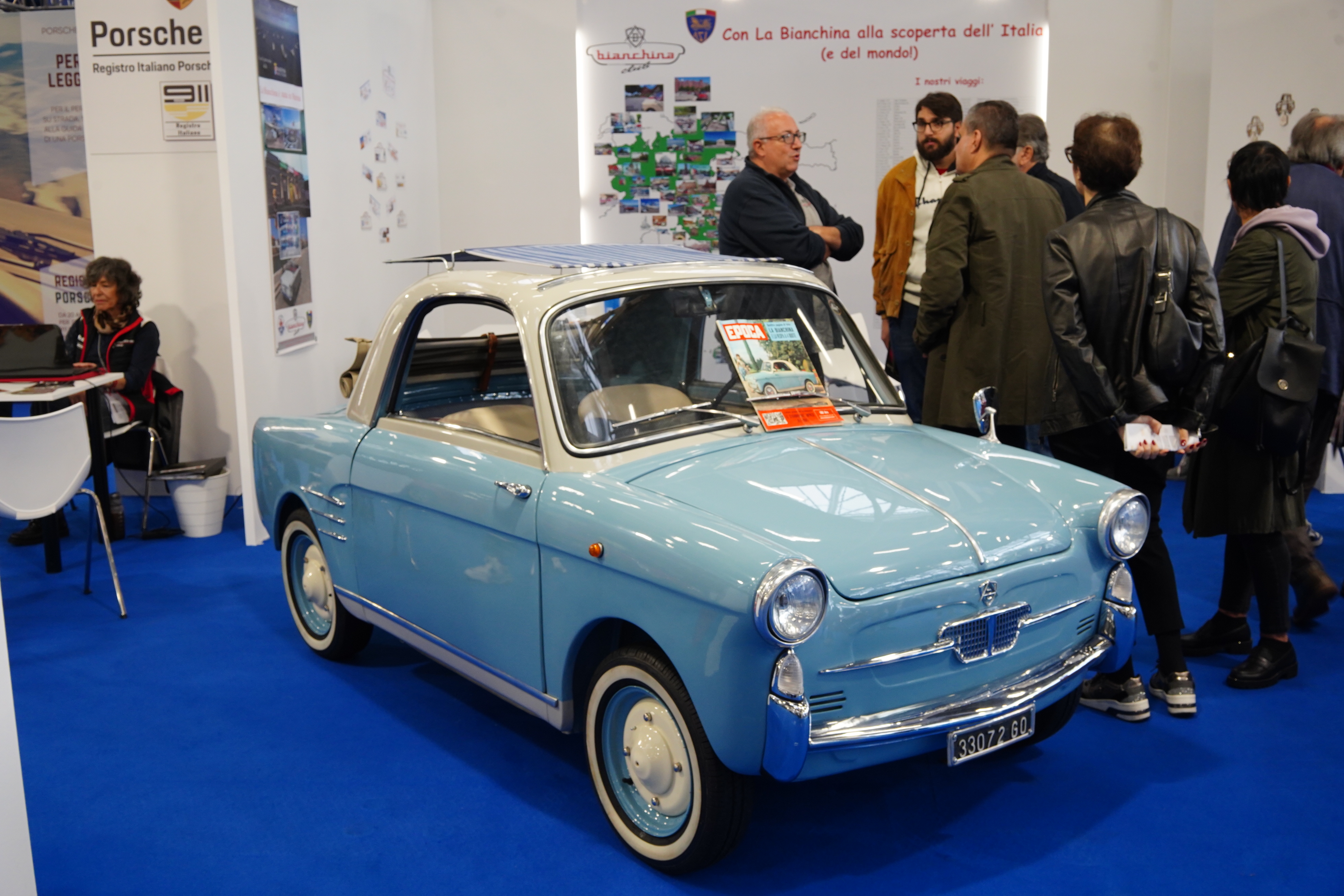
The Bianchina Club had these two adorable examples on display.

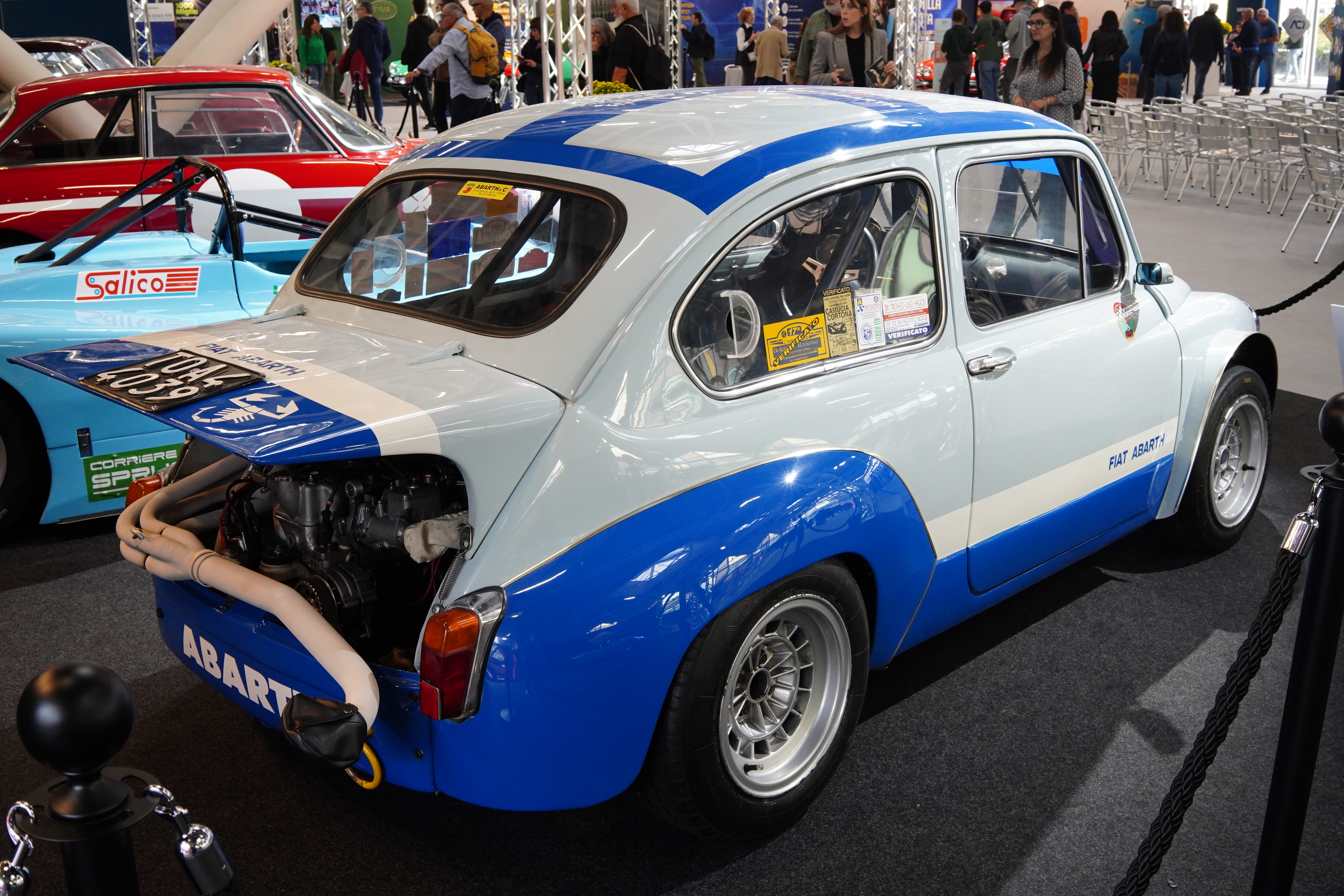
This blue and white Abarth was ready to rip.


Entire blog post content copyright © 2024 Richard A. Reina. Text and photos may not be copied or reproduced without express written permission.
 

Auto e Moto d’Epoca Summary Part 3

Days 3 and 4 in the BolognaFiere were spent making sure that I walked at least once through every one of the 13 halls. The show category called “The World of Classics” did not contain vehicles for sale; instead, it consisted of display cars which were brought in by manufacturers, car clubs, and organizations. Non-Italian brands were well represented. Clubs for Alpine, BMW, Volvo, MG, Jaguar, Land Rover, Mercedes Benz, Mini, Mustang, Porsche, Triumph, Toyota, and Volkswagen had vehicles there. ASI, which stands for “Automotoclub Storico Italiano” (Historic Italian Automobile Club) had a huge presence, taking up most of one hall.

By Sunday afternoon, the final day of the show, I made one last walk through the cars for sale sections, this time paying more attention to the asking prices. After being on my feet for 6 hours a day for 4 days, it was time to quit.

While I like all cars, I especially like Italian cars. And while I like all Italian cars, it’s my ownership of an Alfa Romeo which puts that brand at the top of the mucchio (heap). The below photos reflect just a sample of the many Alfas at this show.


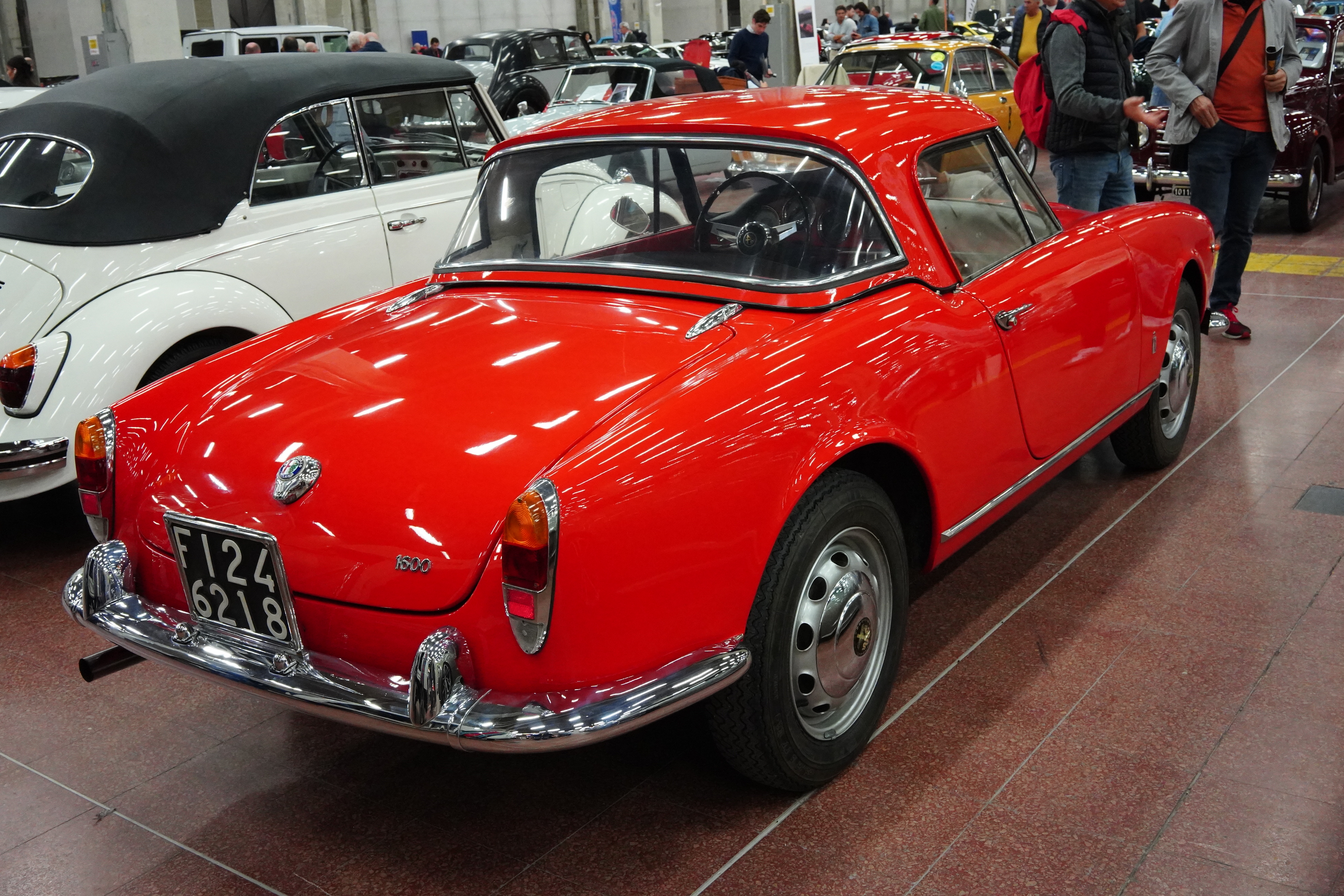
This 1963 Giulia Spider was for sale for €78,000, presumably including the hardtop.

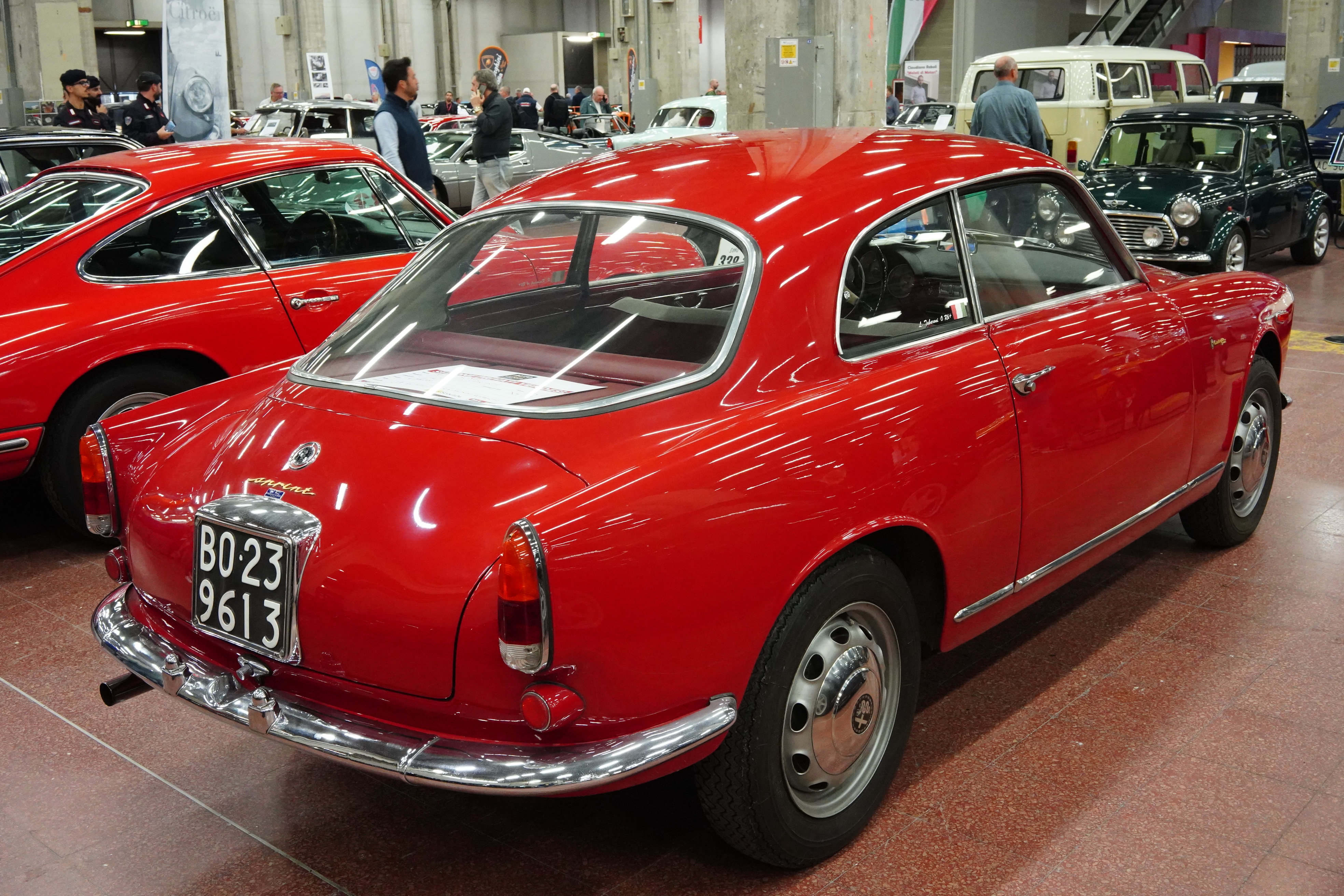
This 1961 Giulietta Sprint could be yours for €55,000. It would make a nice bookend with the Giulia Spider above.

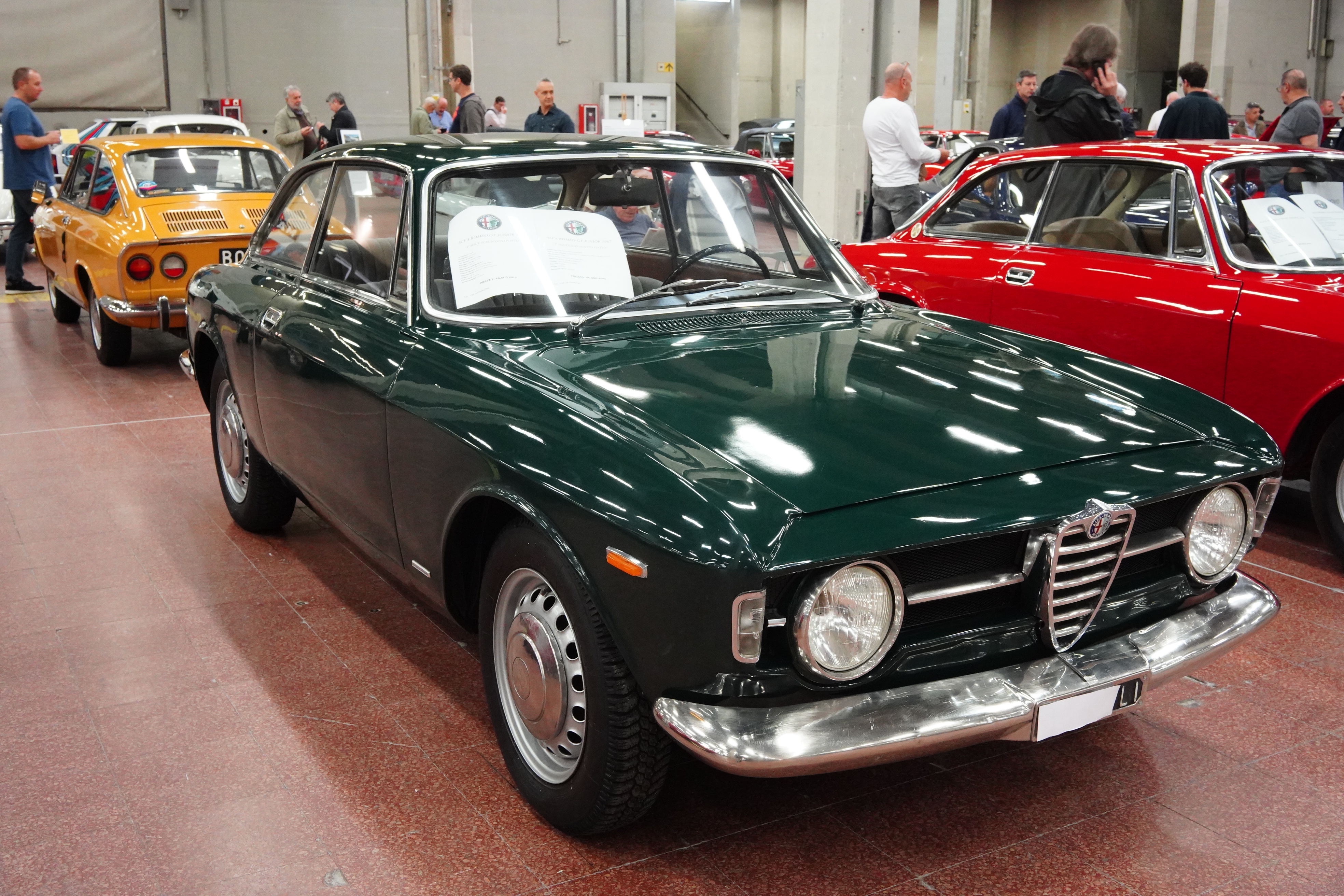
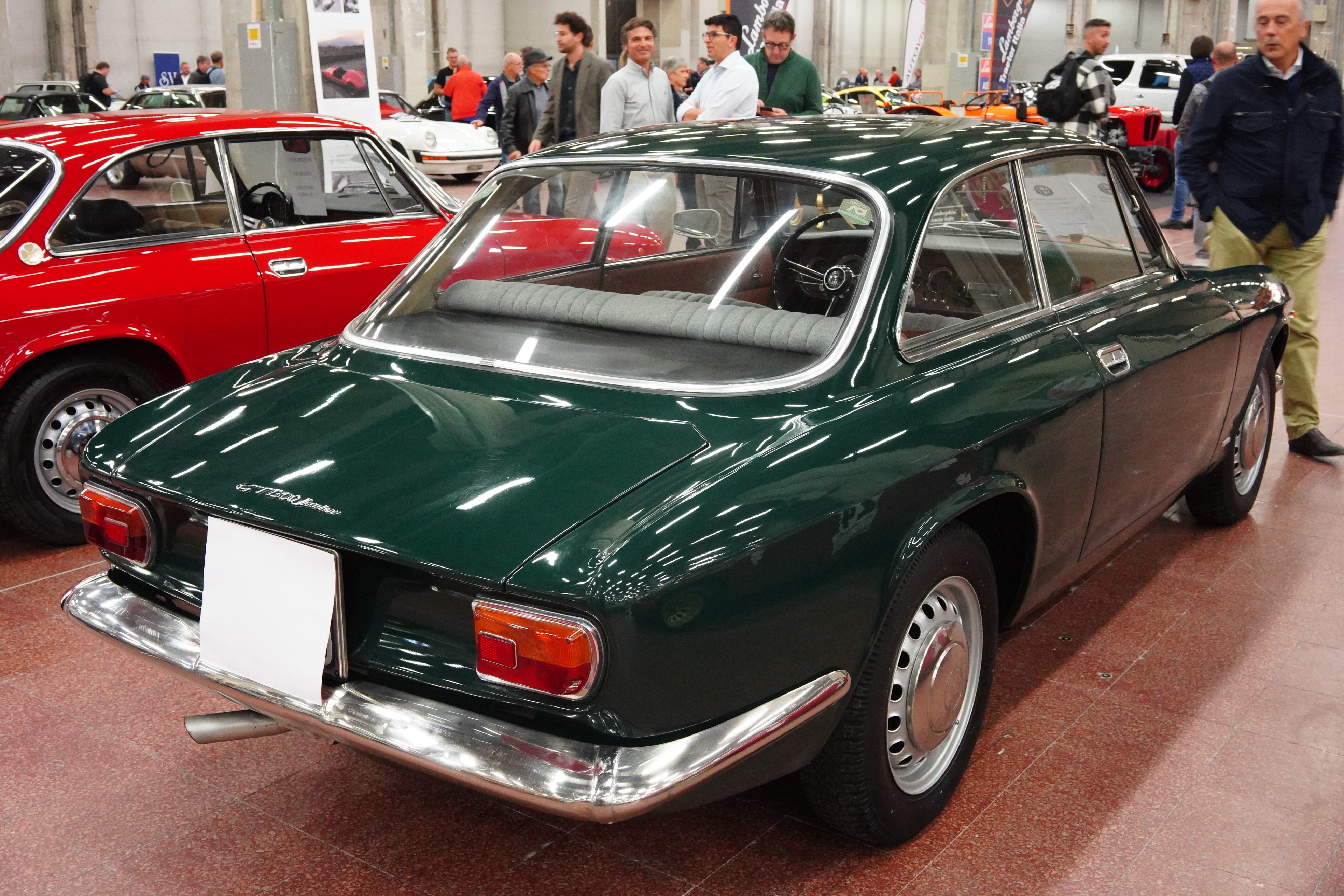
I was smitten with this ’67 GT 1300 Junior because it was an almost exact duplicate of my car. The owner was asking €46,000.

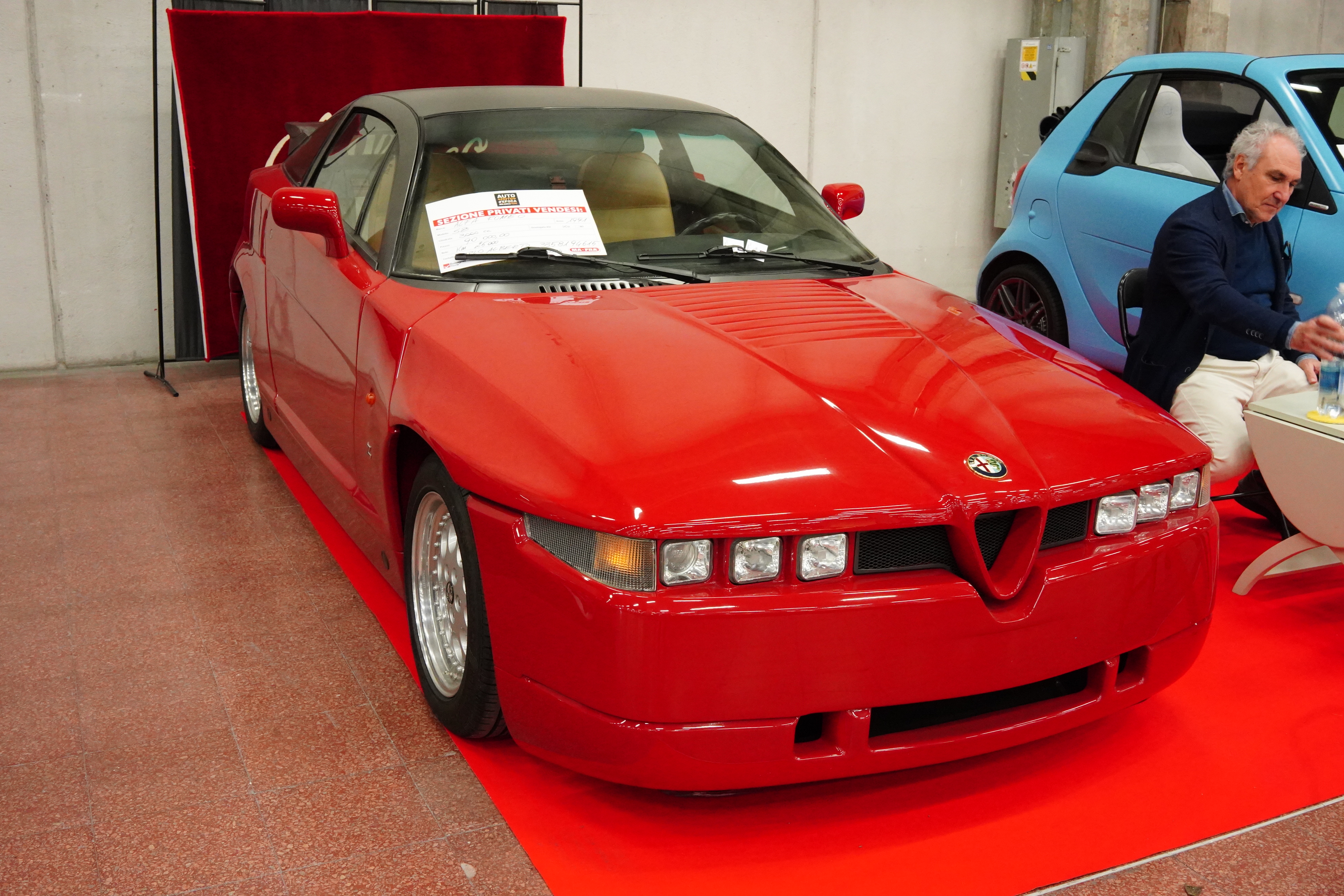
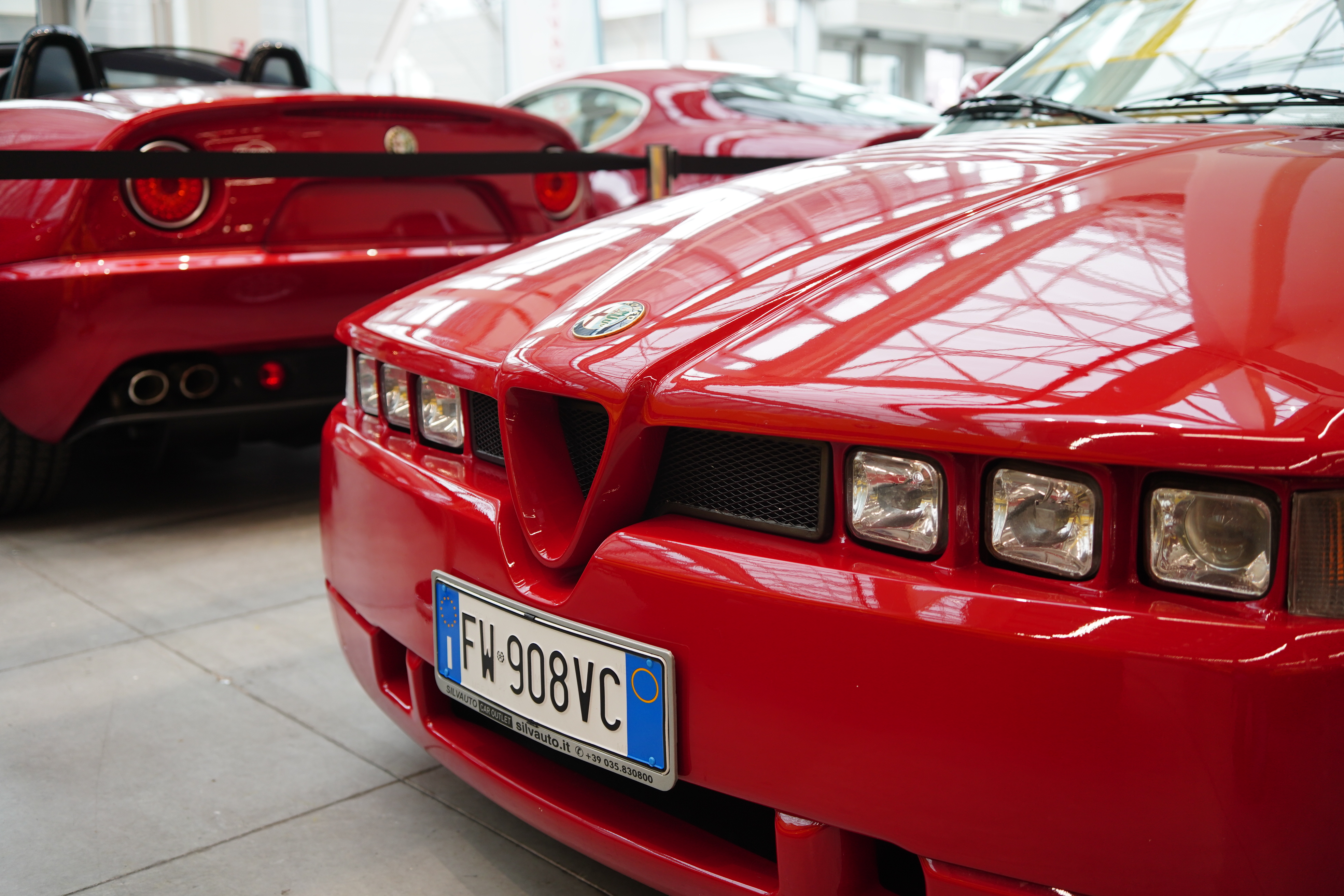
This 1991 SZ had an ask of €90,000.

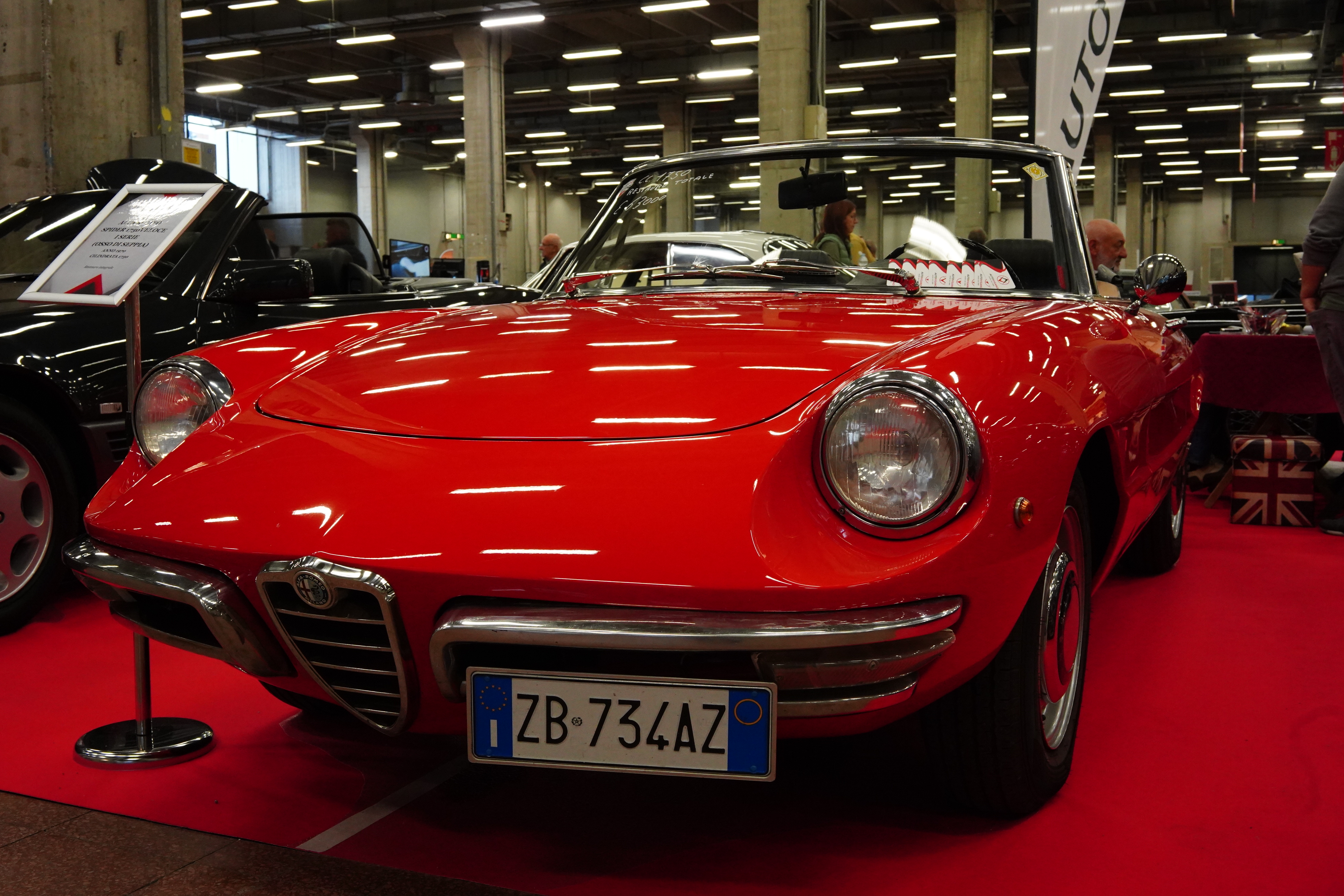
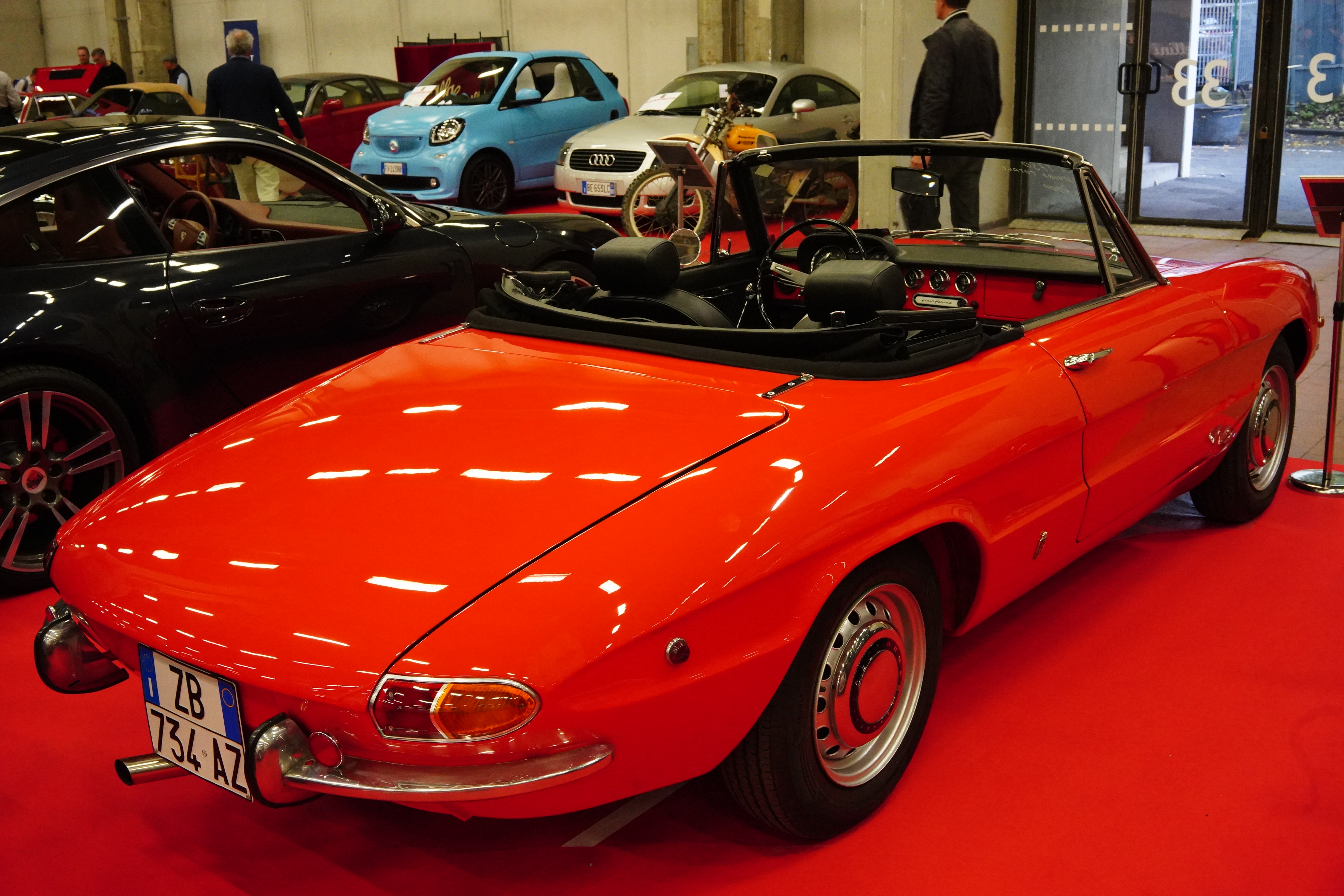
This 1970 Spider looked to be cosmetically near perfect, and it stood out for me compared to almost every other Spider at the show. The vendor was asking €63,000.

A 1973 GT 1300 Junior in white. Note the 2nd series front end styling.

An Alfetta GT coupe in black. This was one of only a few at the show.

This blue GTA “tributo” was only €39,000.

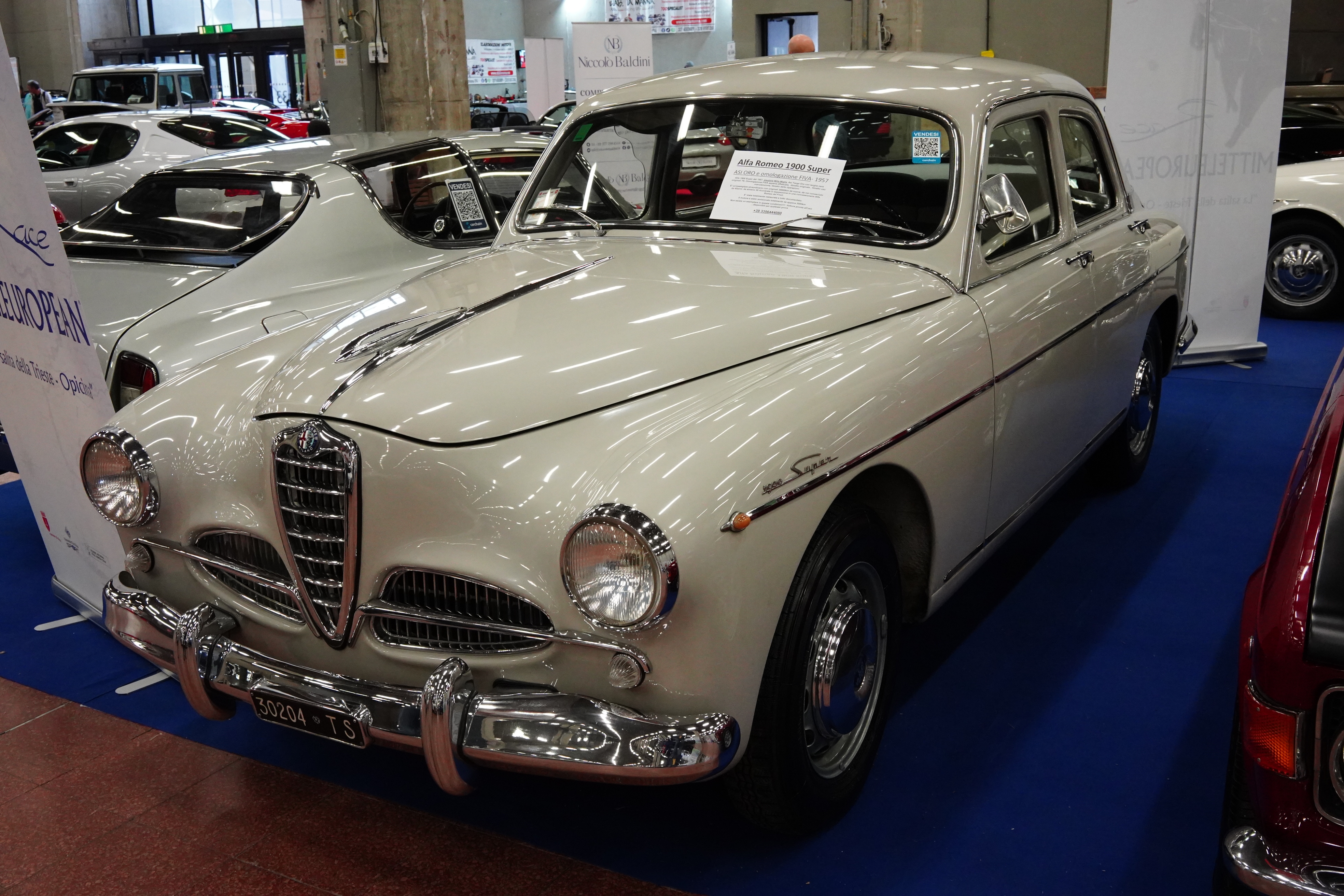
A 1957 1900 Super sedan.

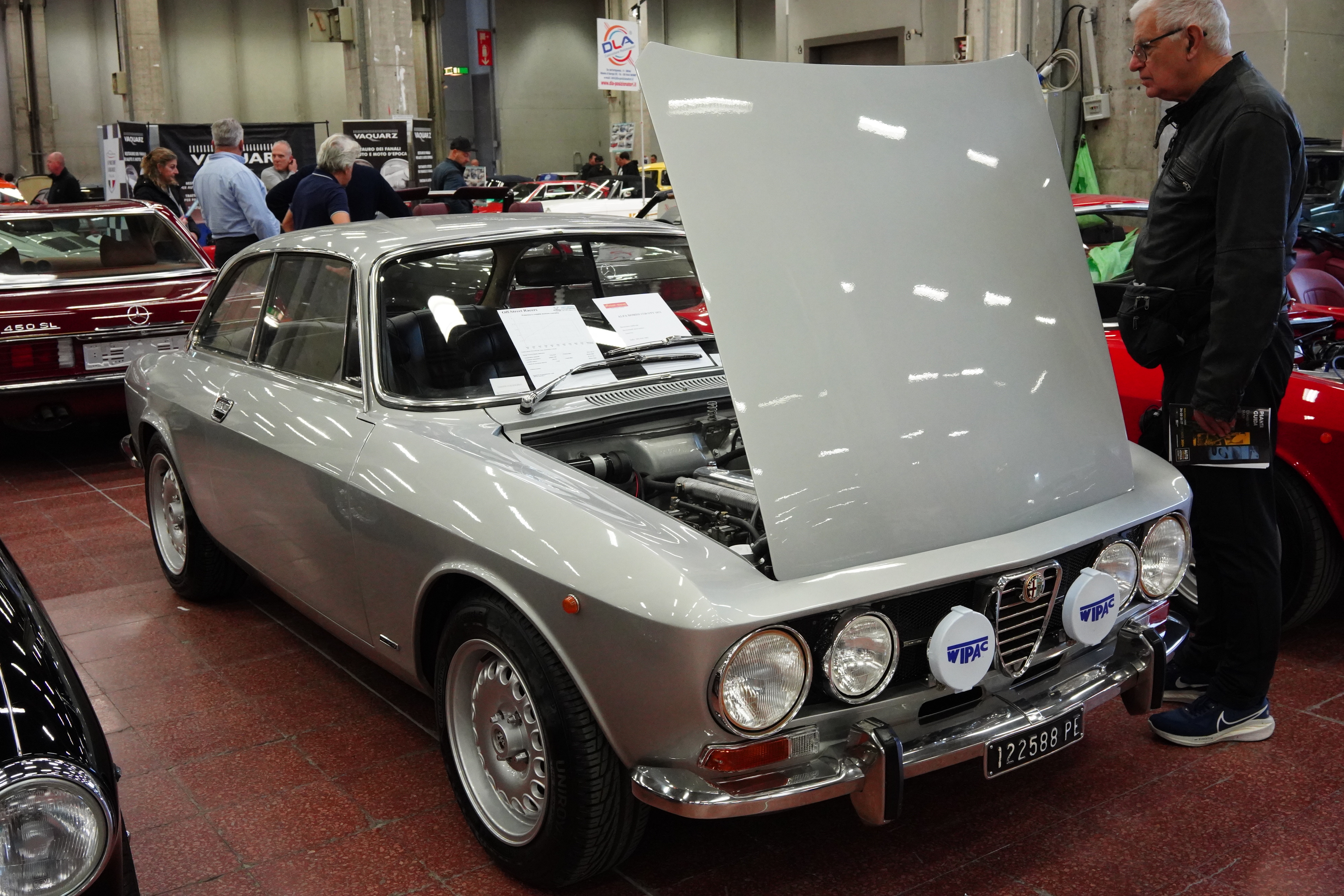
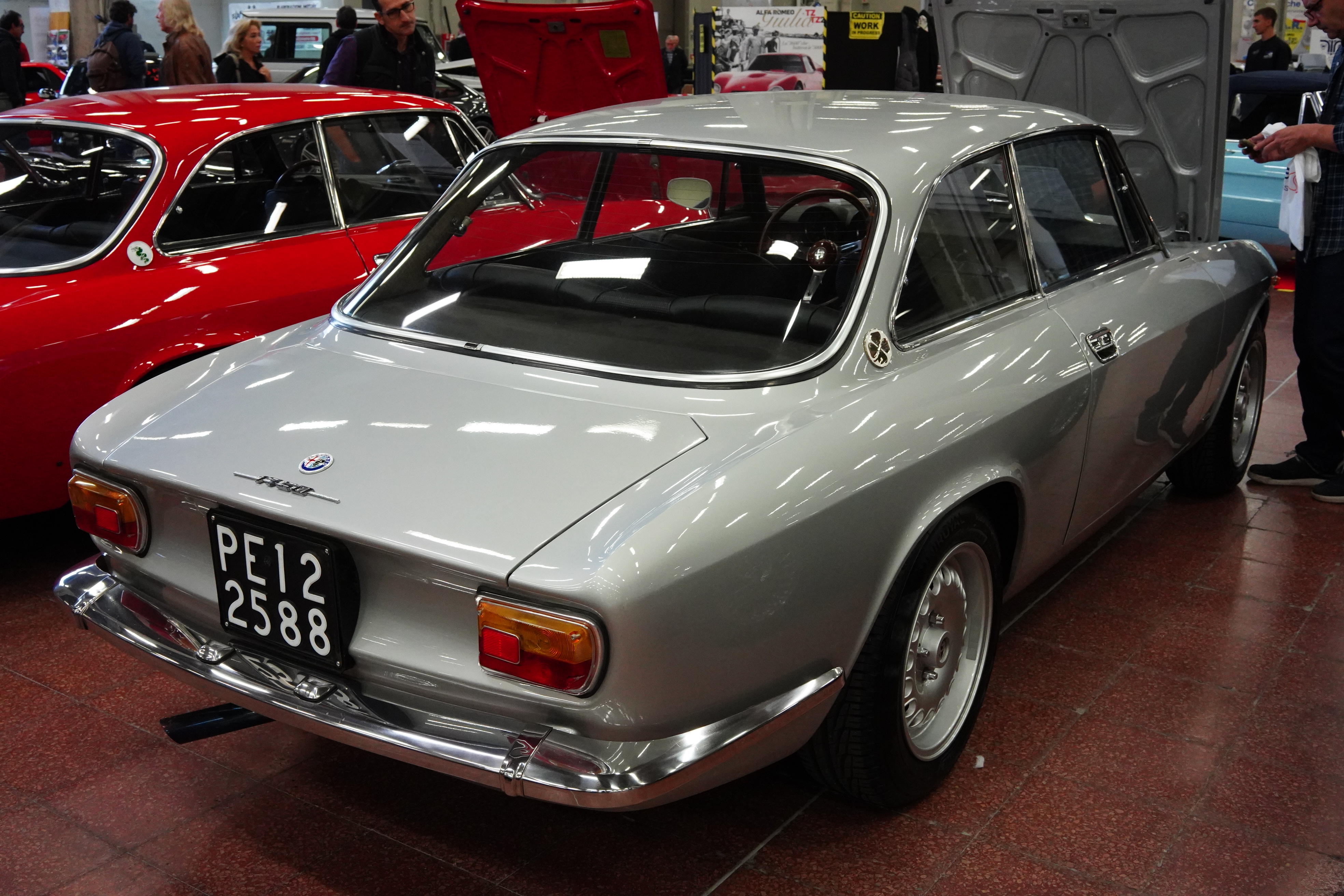
I thought this GTV looked sharp in silver with the silver wheels.

One of the better priced Alfas here was this 1976 Spider 2000 for €26,500. The sign on it seemed to claim that it had only 9,000 original kilometers on it.

A beautiful blue 2600 Sprint.

A beautiful silver Giulietta Sprint.

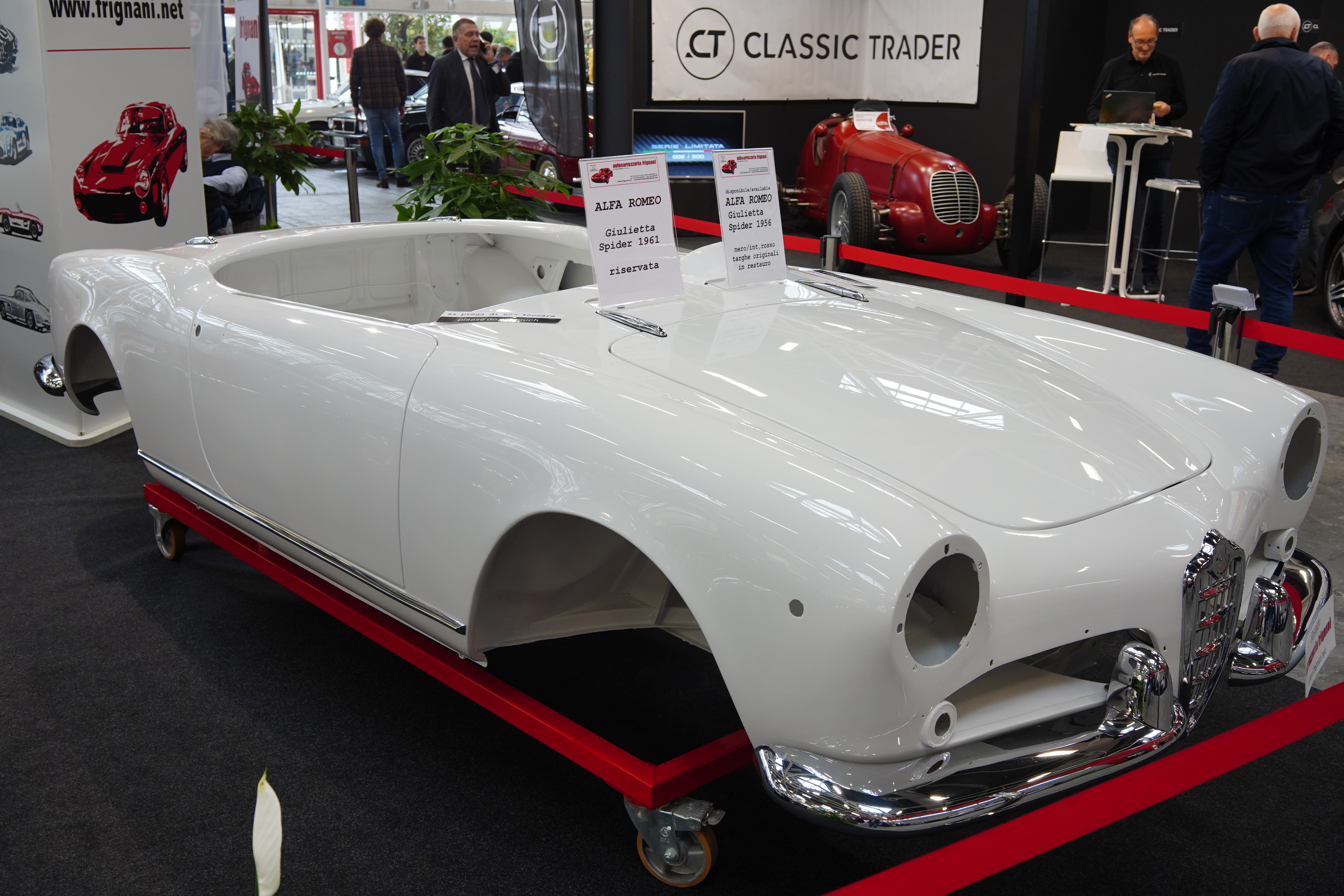
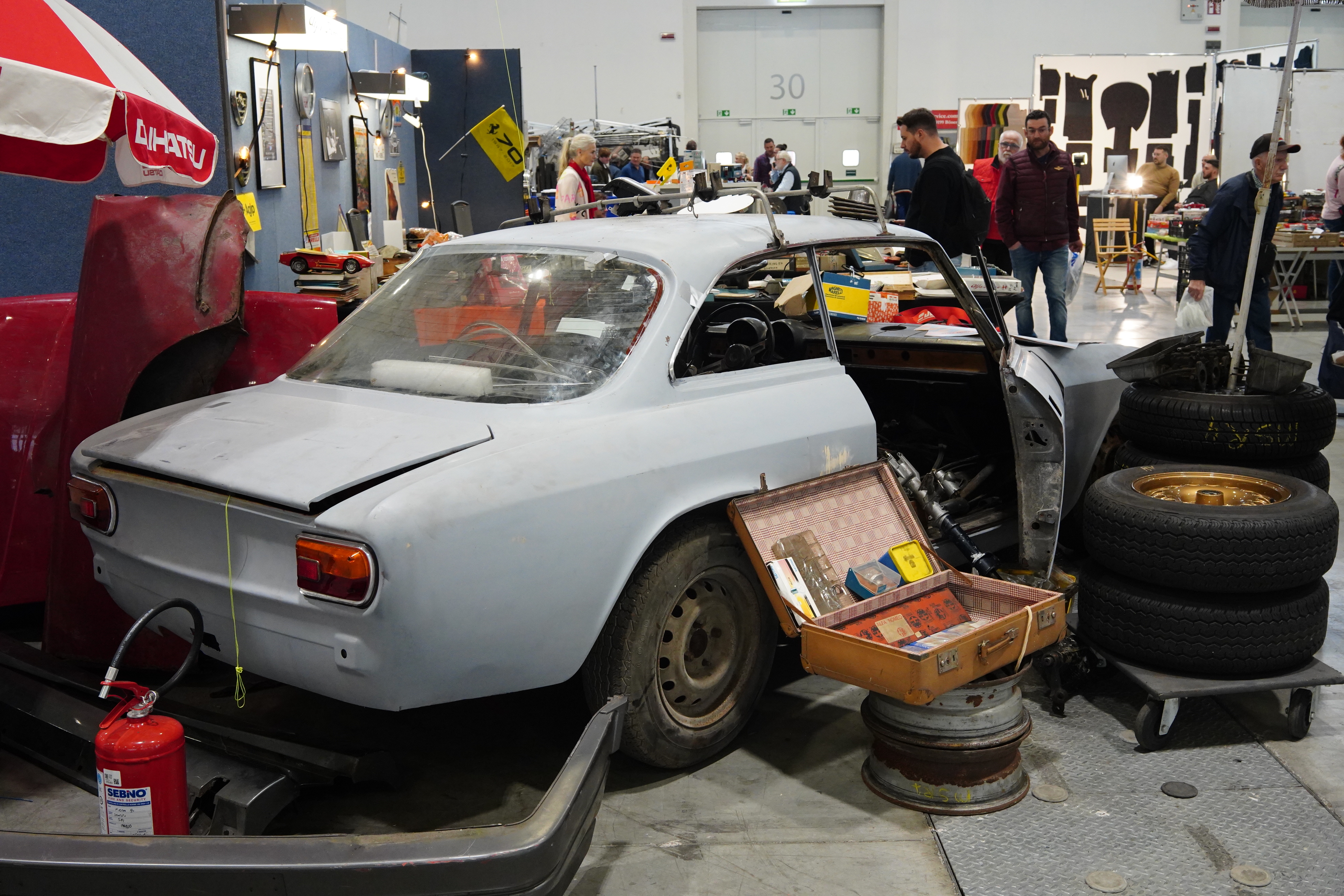
If you’re looking for a starting point, this restored shell was for sale.

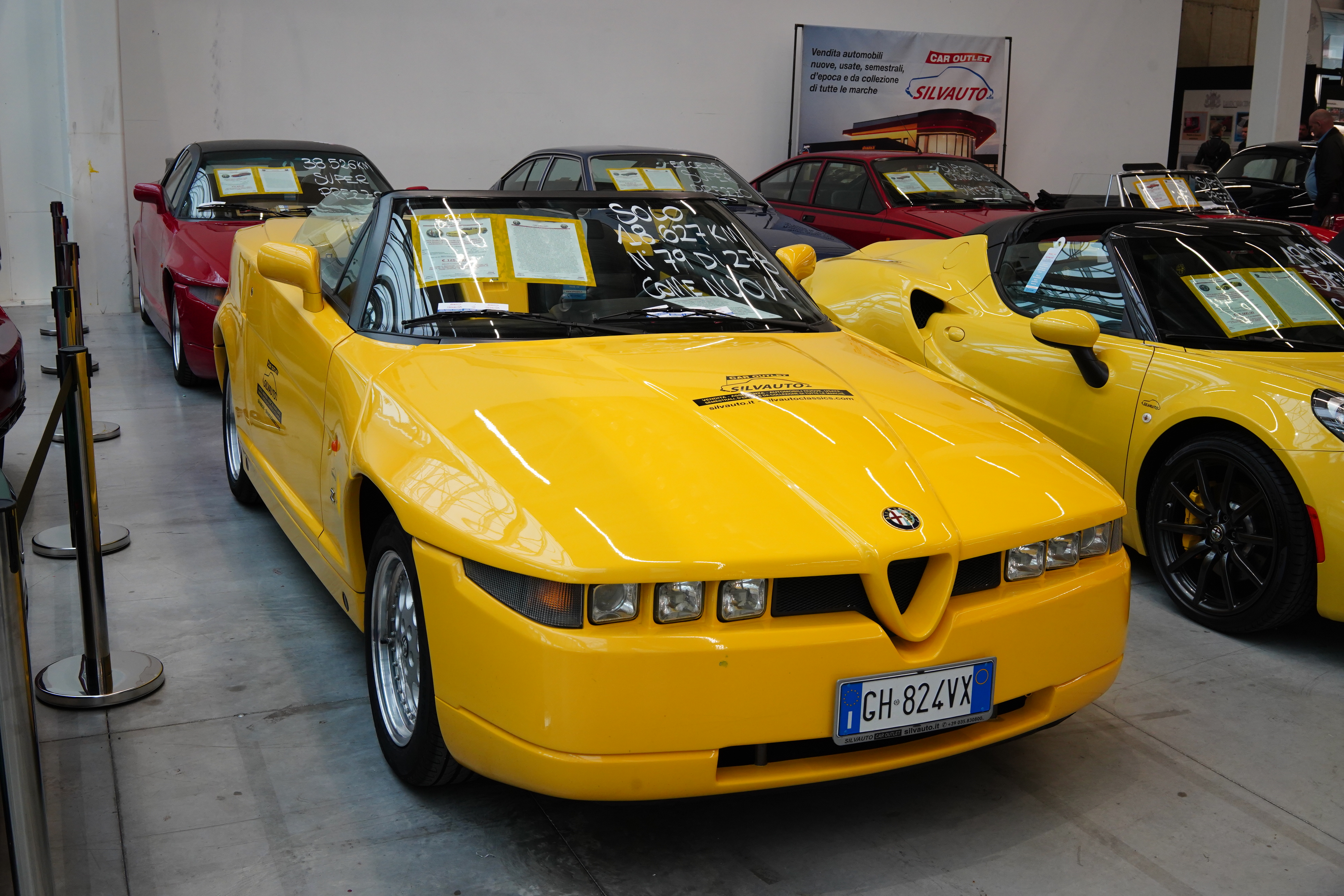
This yellow RZ Spider was for sale for €125,000.

There weren’t too many 4Cs there either; this one had a sale price of €85,000.

SZ in the front; 8C Spider in the rear.

A 1982 Alfetta GTV with a 2.0L in it, for €25,000.

A white 1968 Super for €27,800.

Another Super, looking sharp in grey.

I loved this Disco Volante, even though (or maybe because) it’s a replica.

A rare (only 1,000 made?) GTC. Asking price of €120,000 makes me wonder what else I could get for that amount of money.

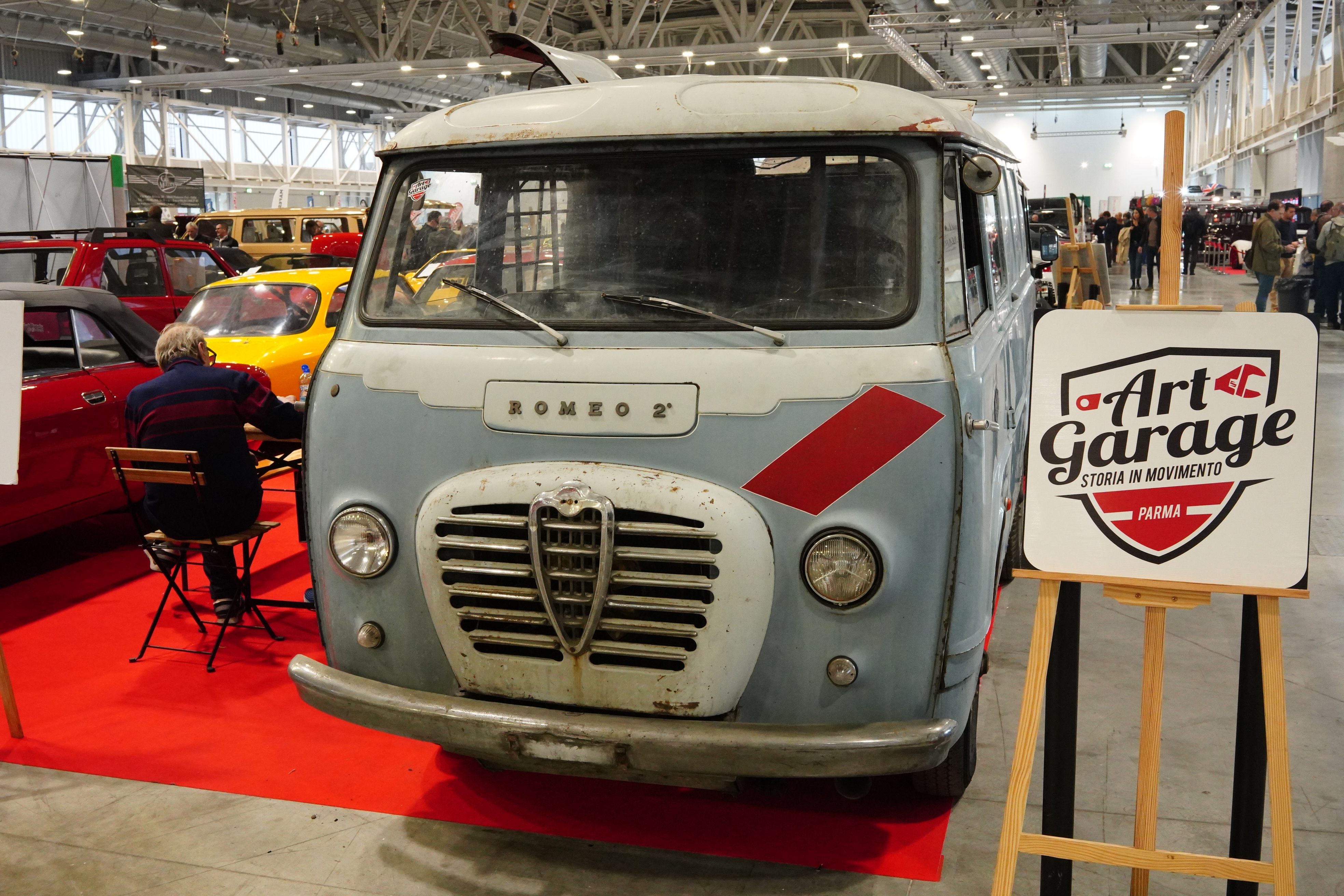
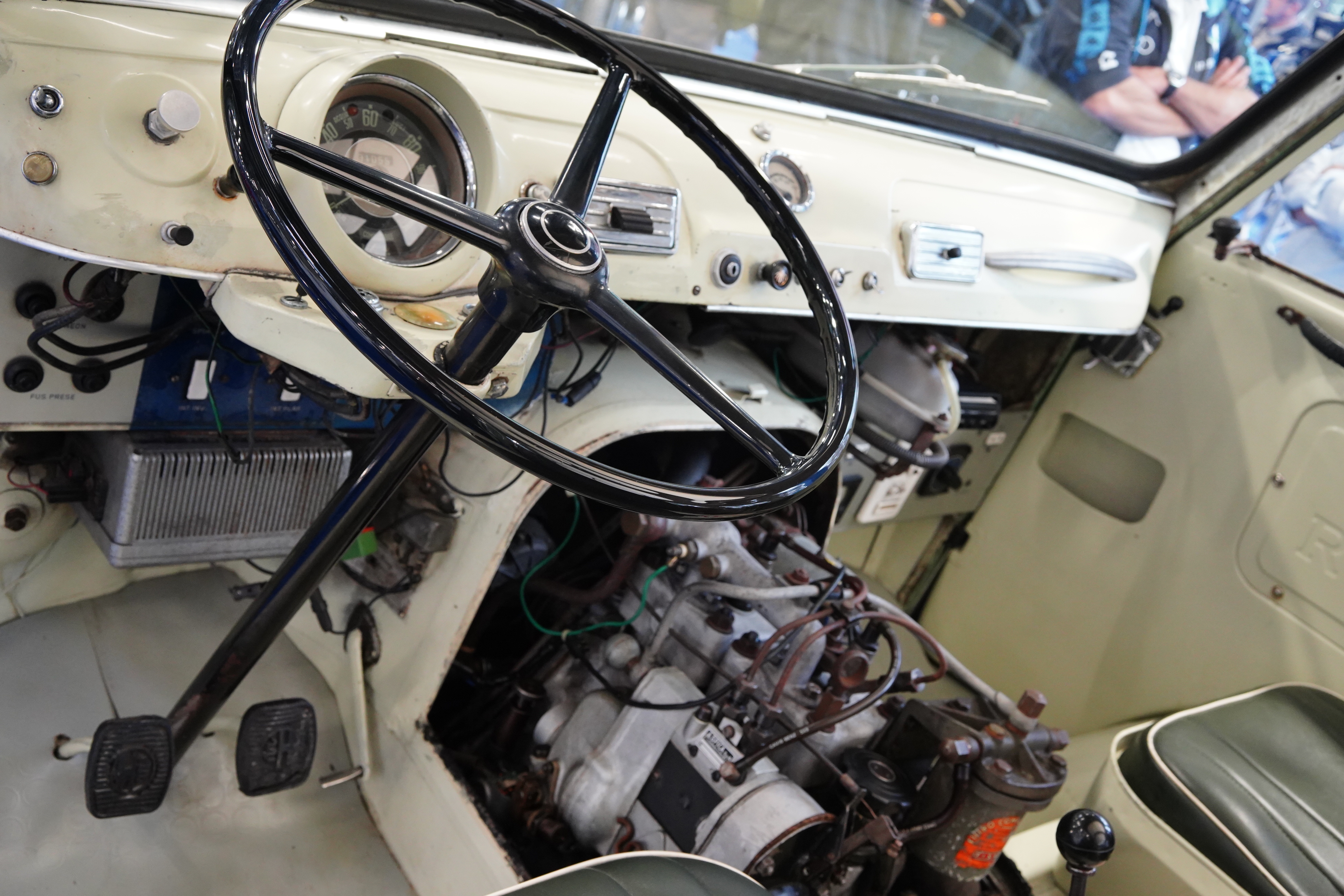
An unrestored Romeo truck.


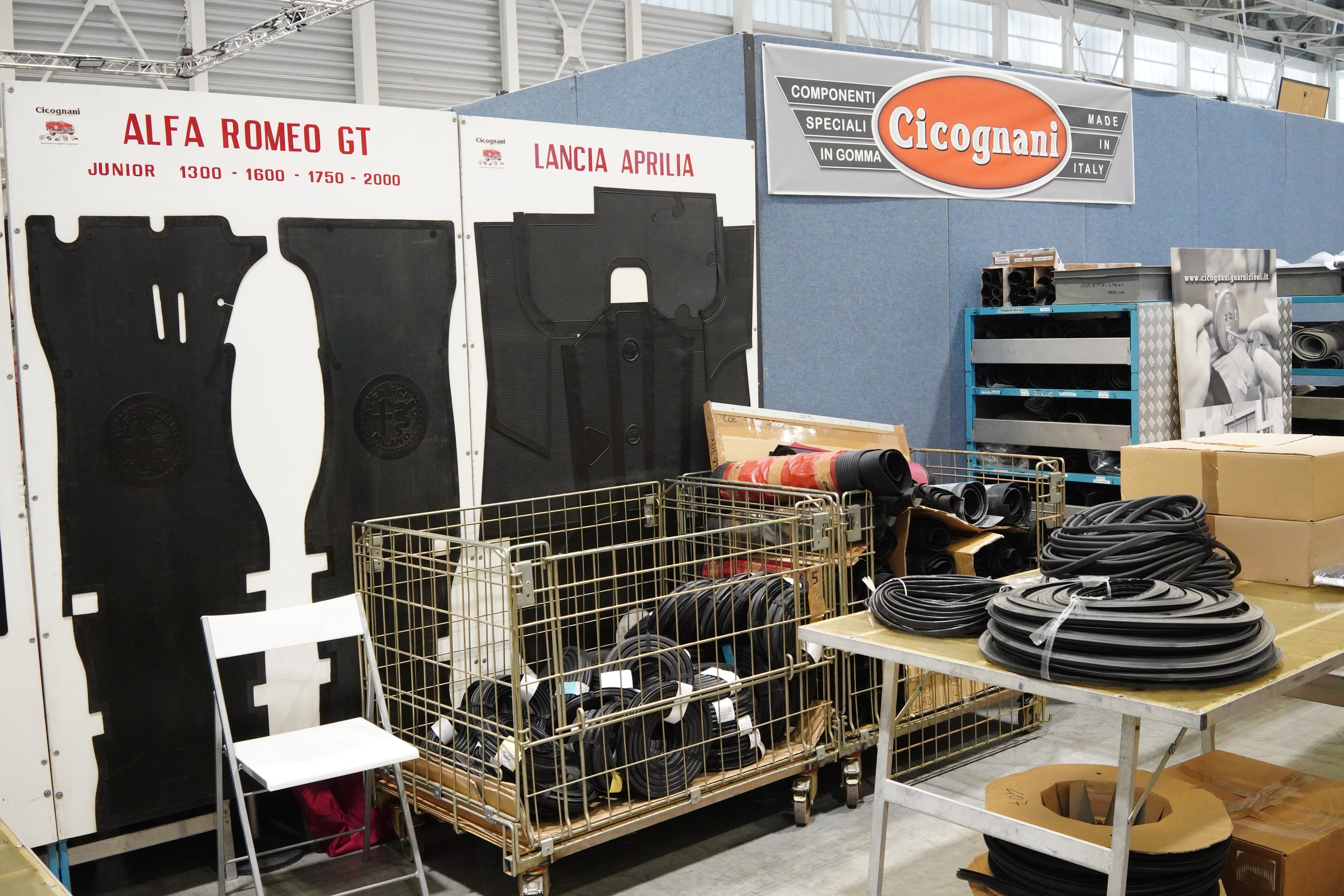
The Alfa parts vendors were out in full force. Cicognani is a well-known supplier for rubber, upholstery, and other soft goods parts.

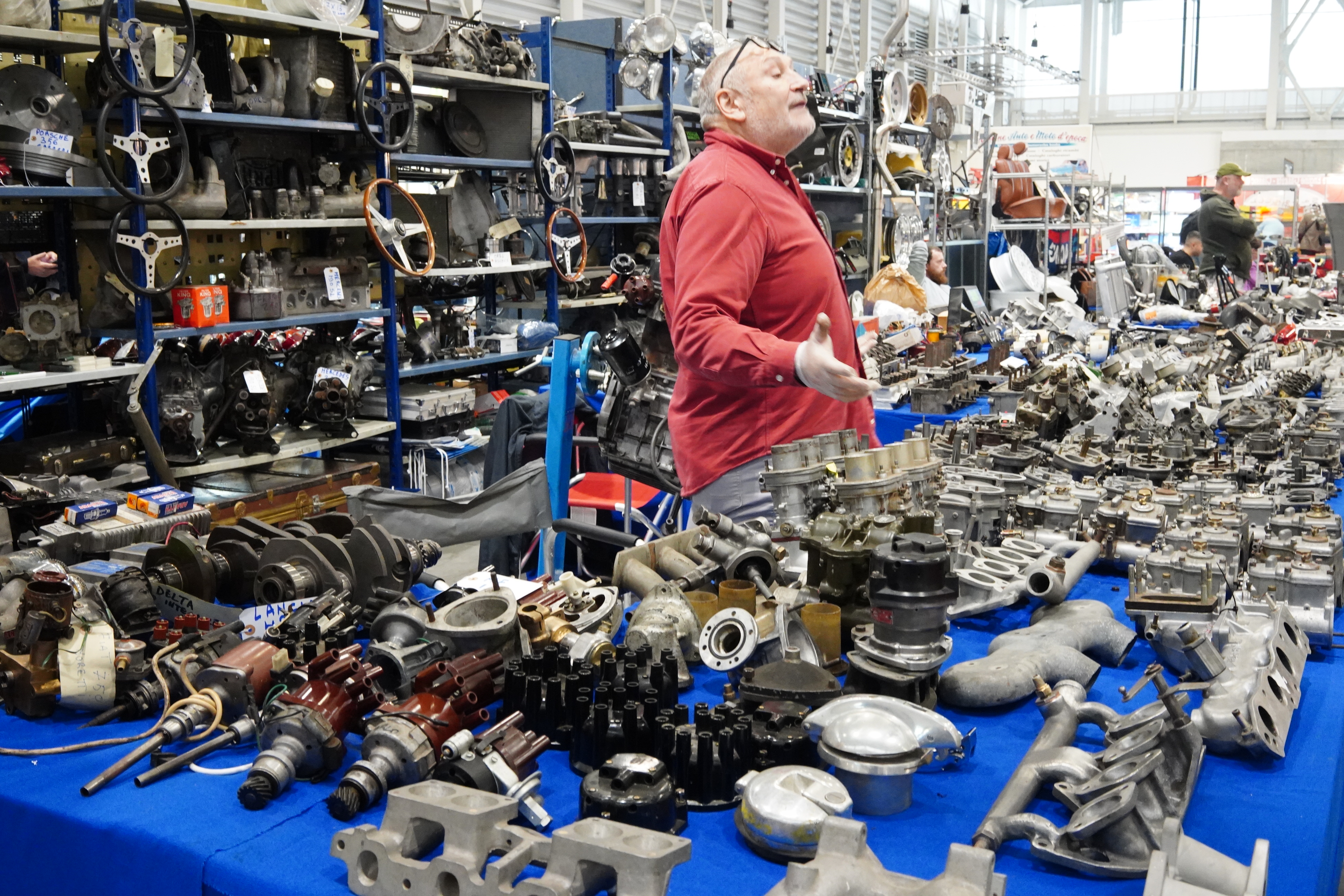
Who said Italians don’t talk with their hands? I think he was saying “your offer is an insult!”

Looking for those hard-to-find Lodge plugs? Here they are.

Label on the starter on the right: Alfa Romeo Giulia, 8 teeth, pre-’68. Hey, that’s my car!

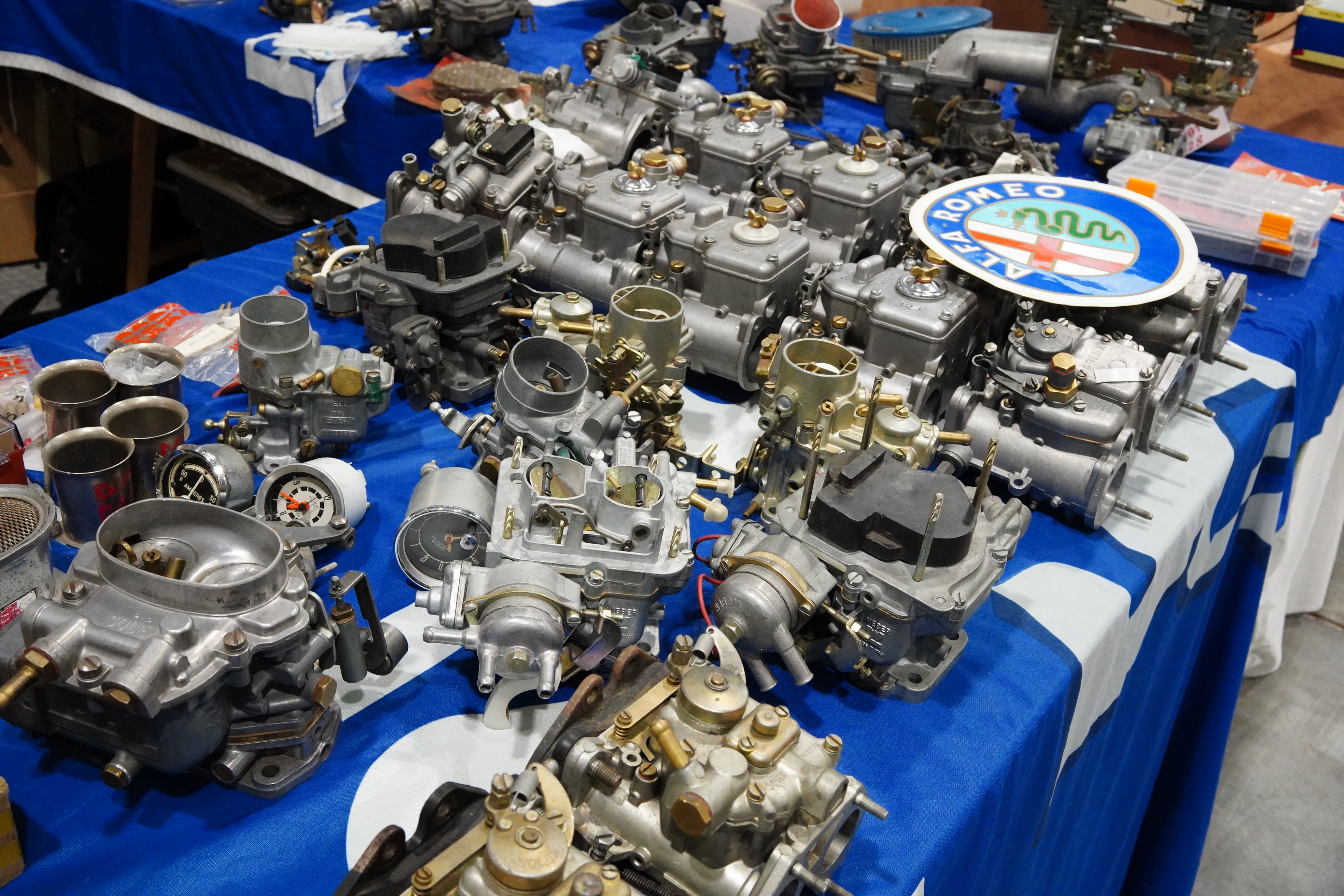
Carburetors? We have carburetors.

Wheels in many sizes, designs, and colors.

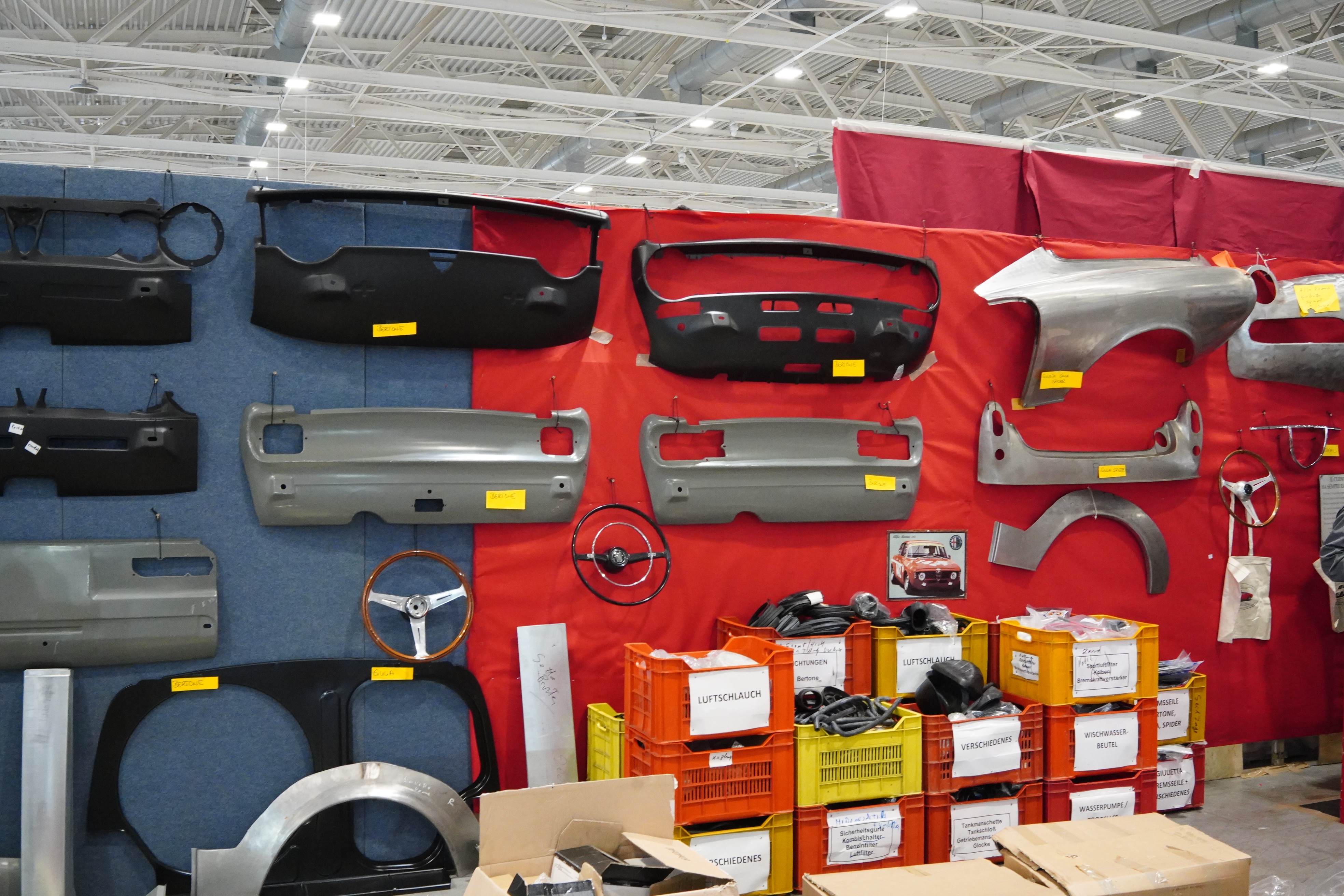
Sheetmetal too.

Project cars are still out there.

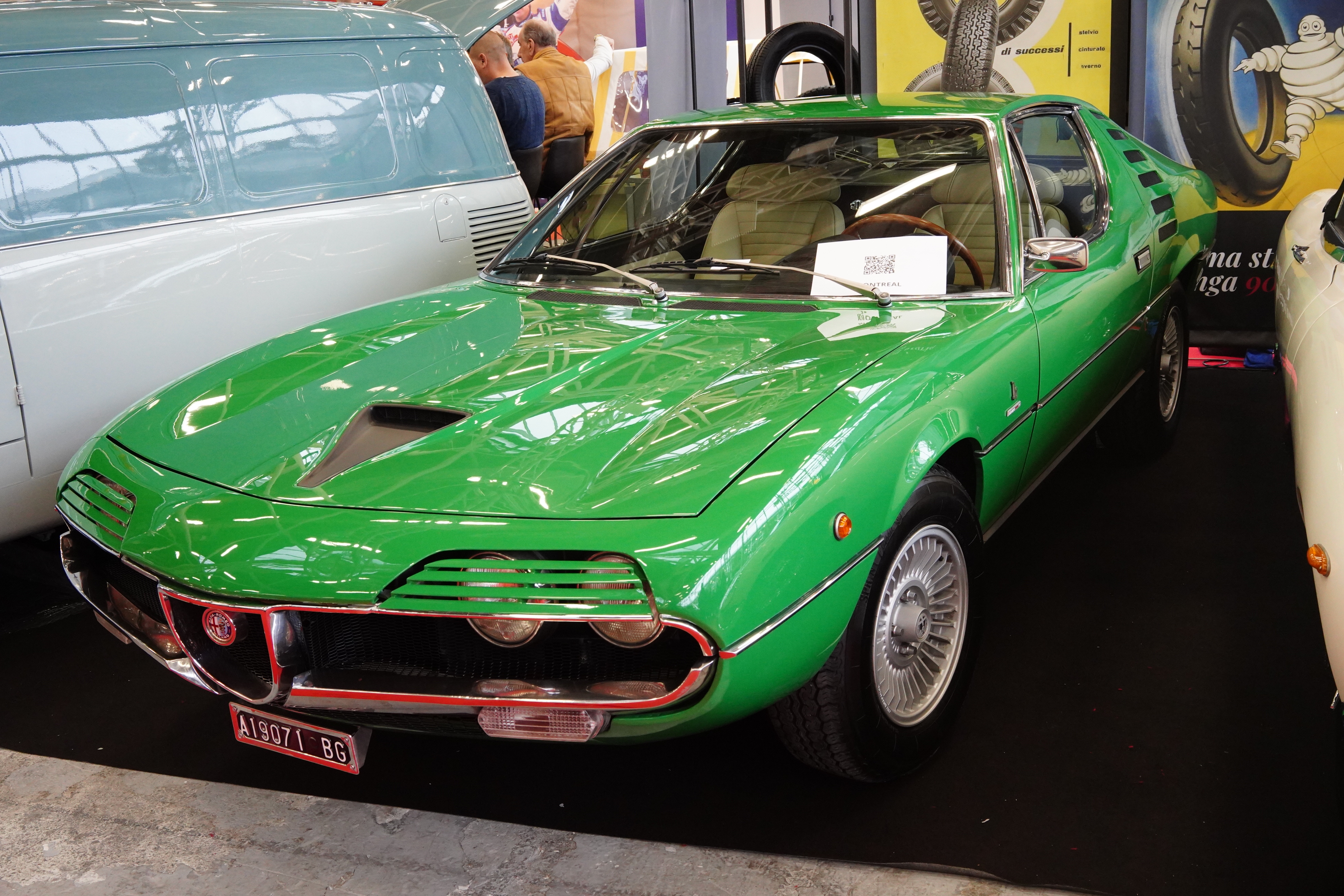
One of the few Montreals at the show.

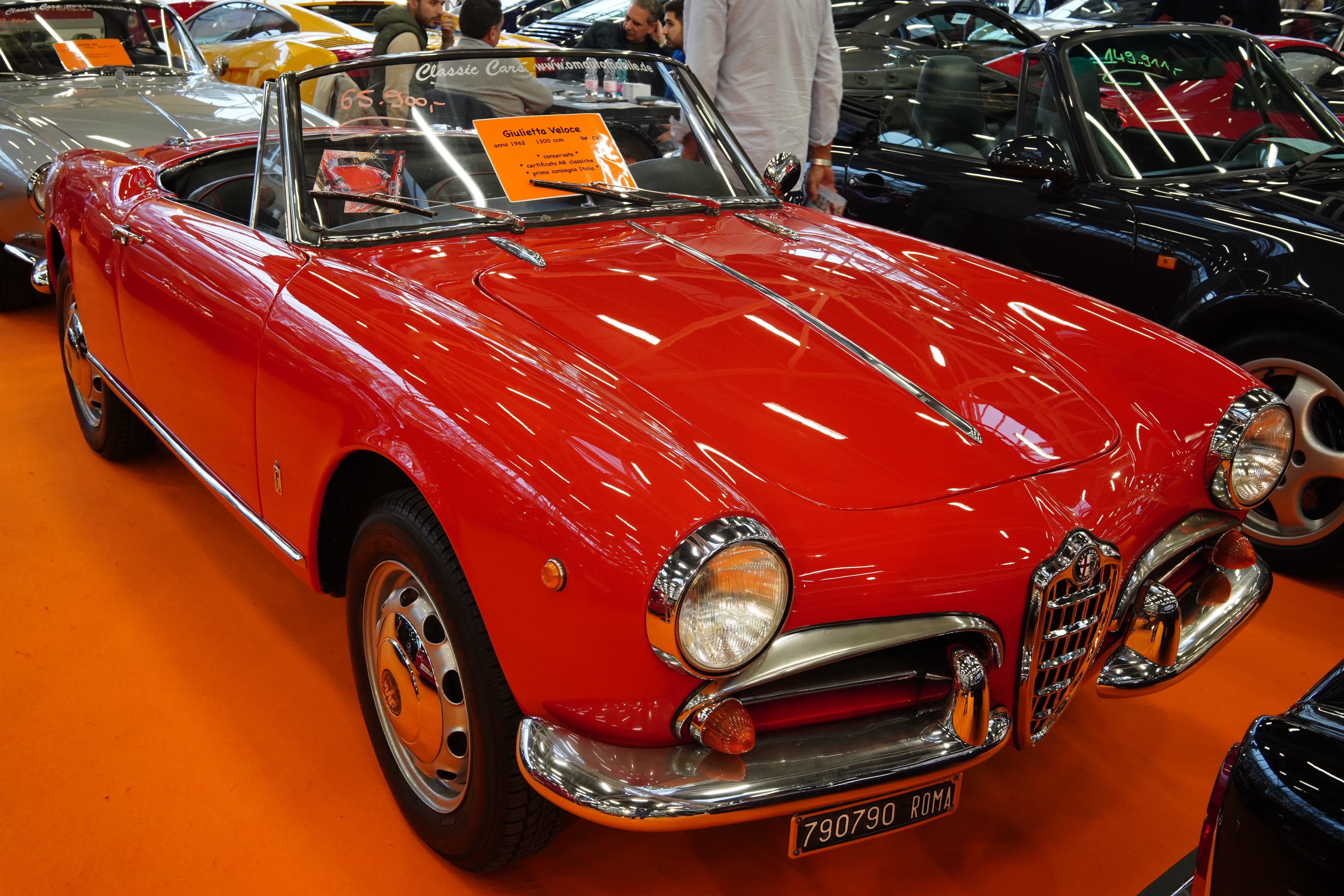
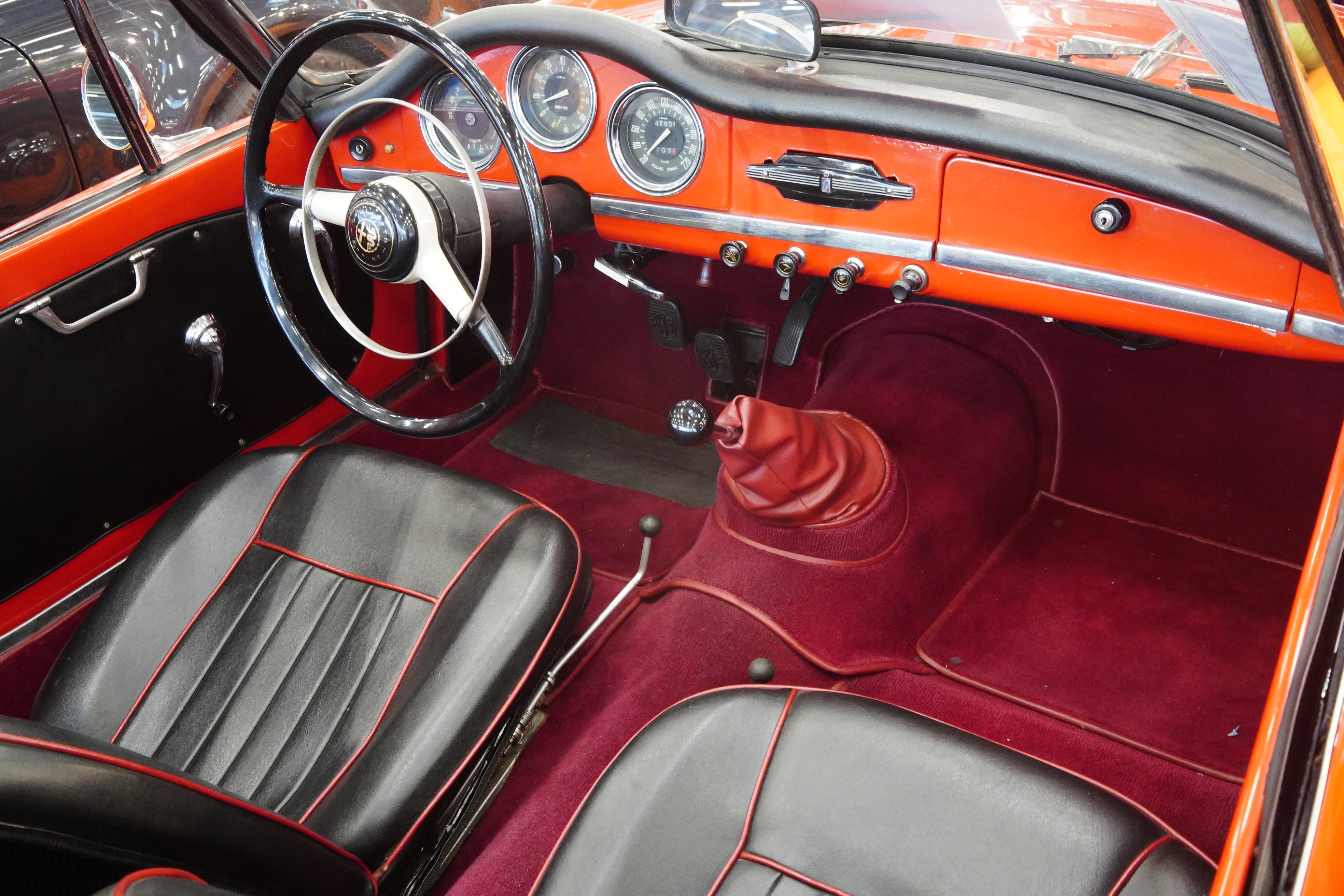
This red ’62 Giulietta Veloce had an asking price of €65,900.

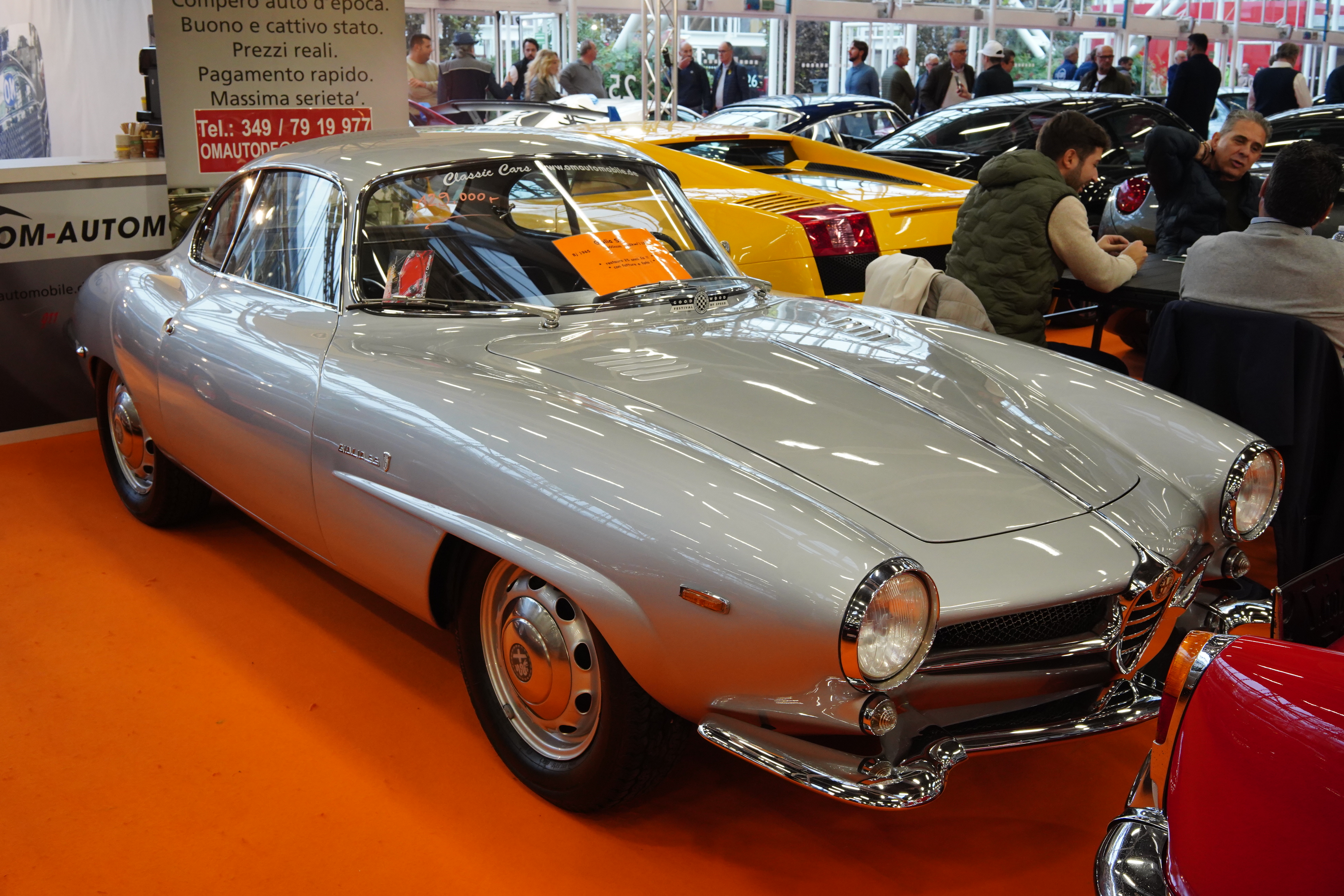
Or, this silver Giulia Sprint Speciale for €129,000.

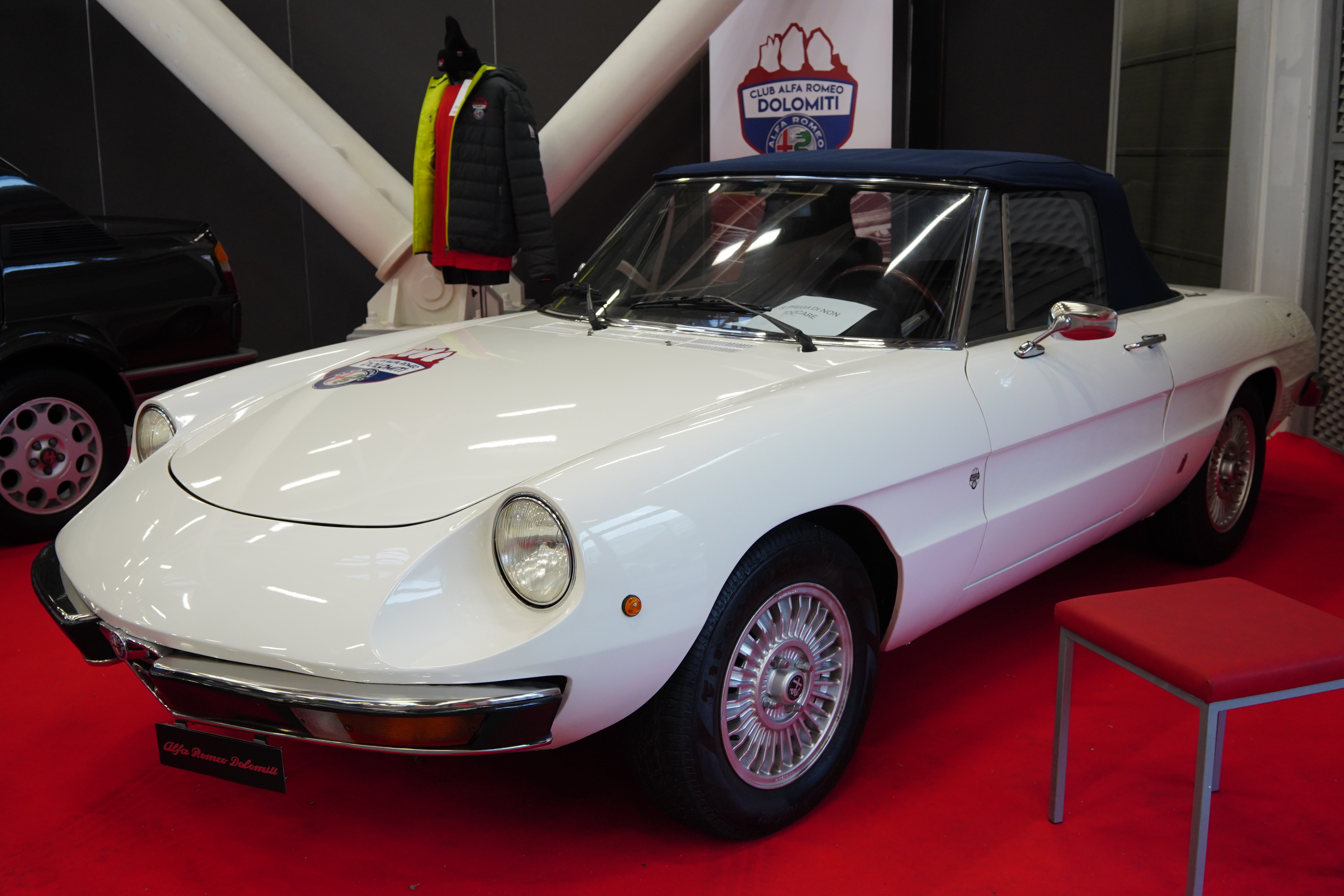
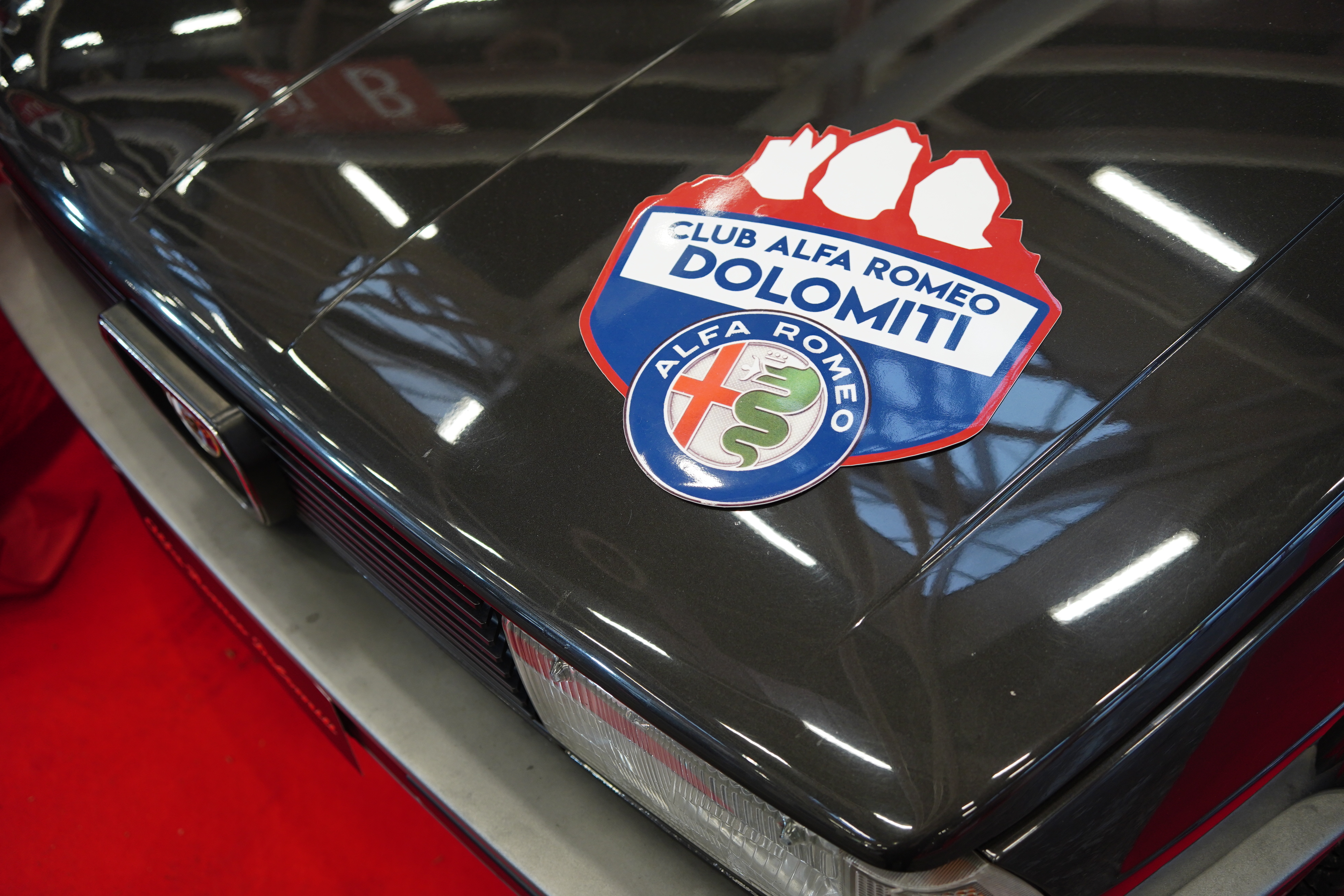
Club Alfa Romeo Dolomiti had a nice display.

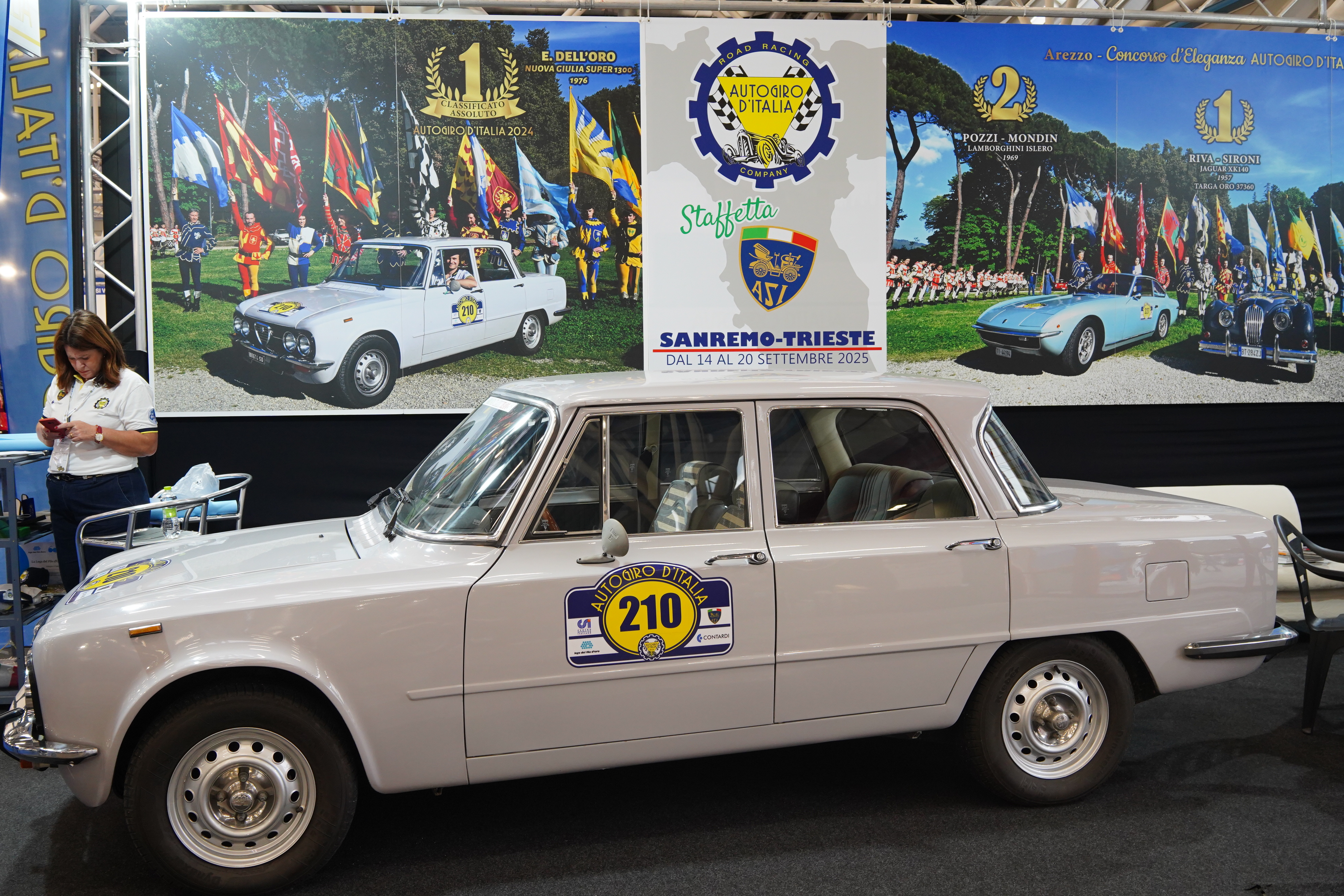
AutoGiro d’Italia was here to advertise a rally to be held in September of 2025.

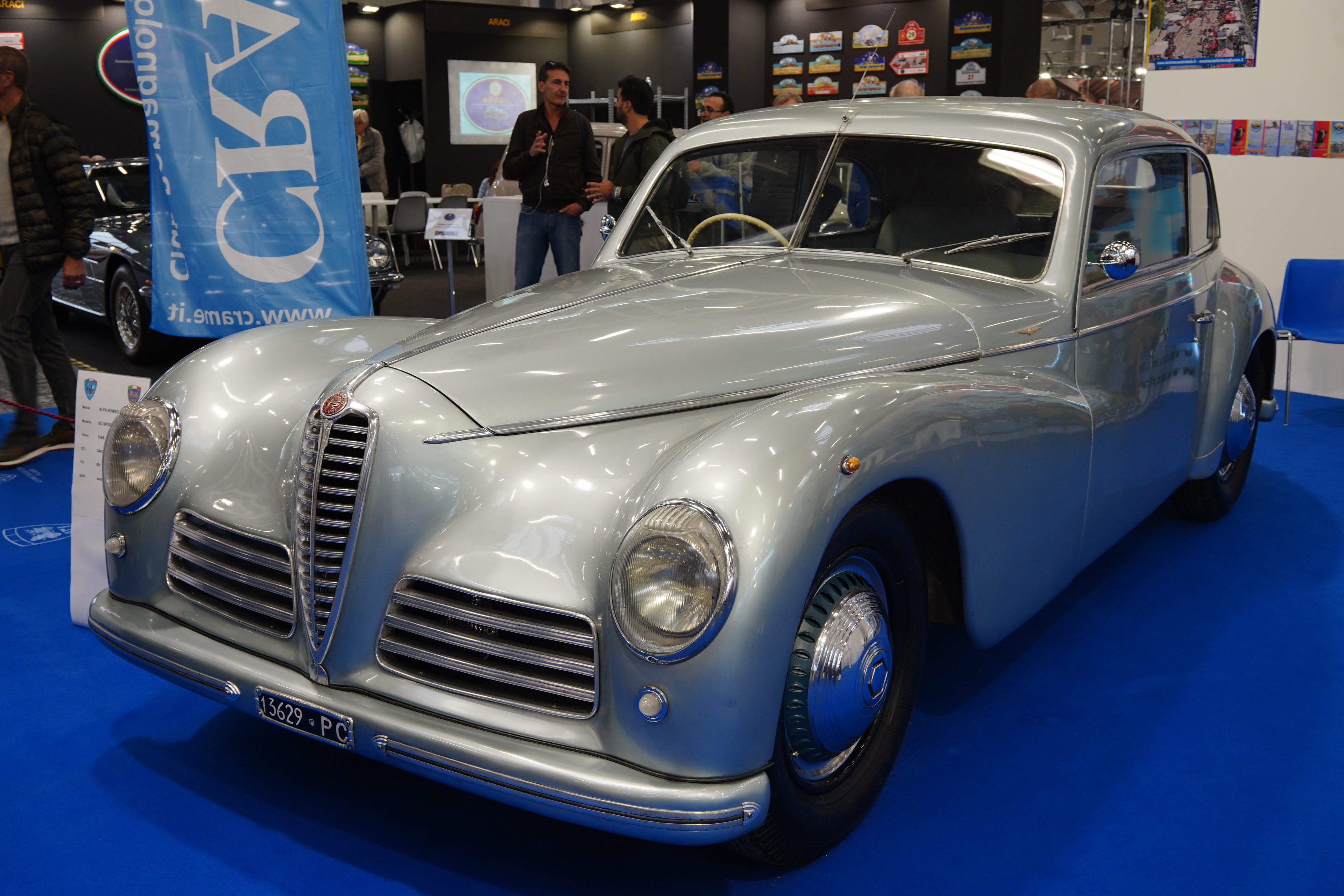
1948 Alfa Romeo 6C Sport.

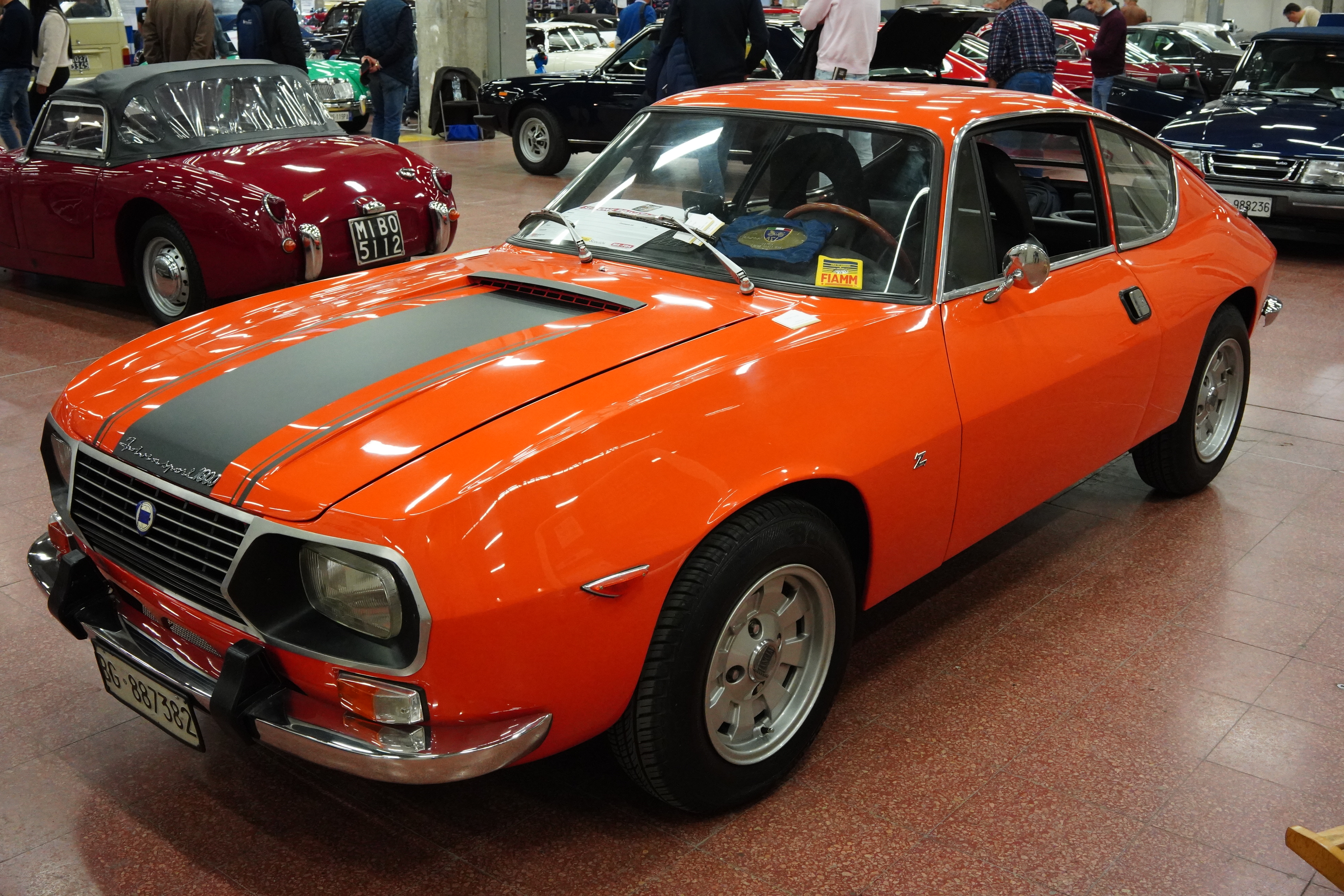
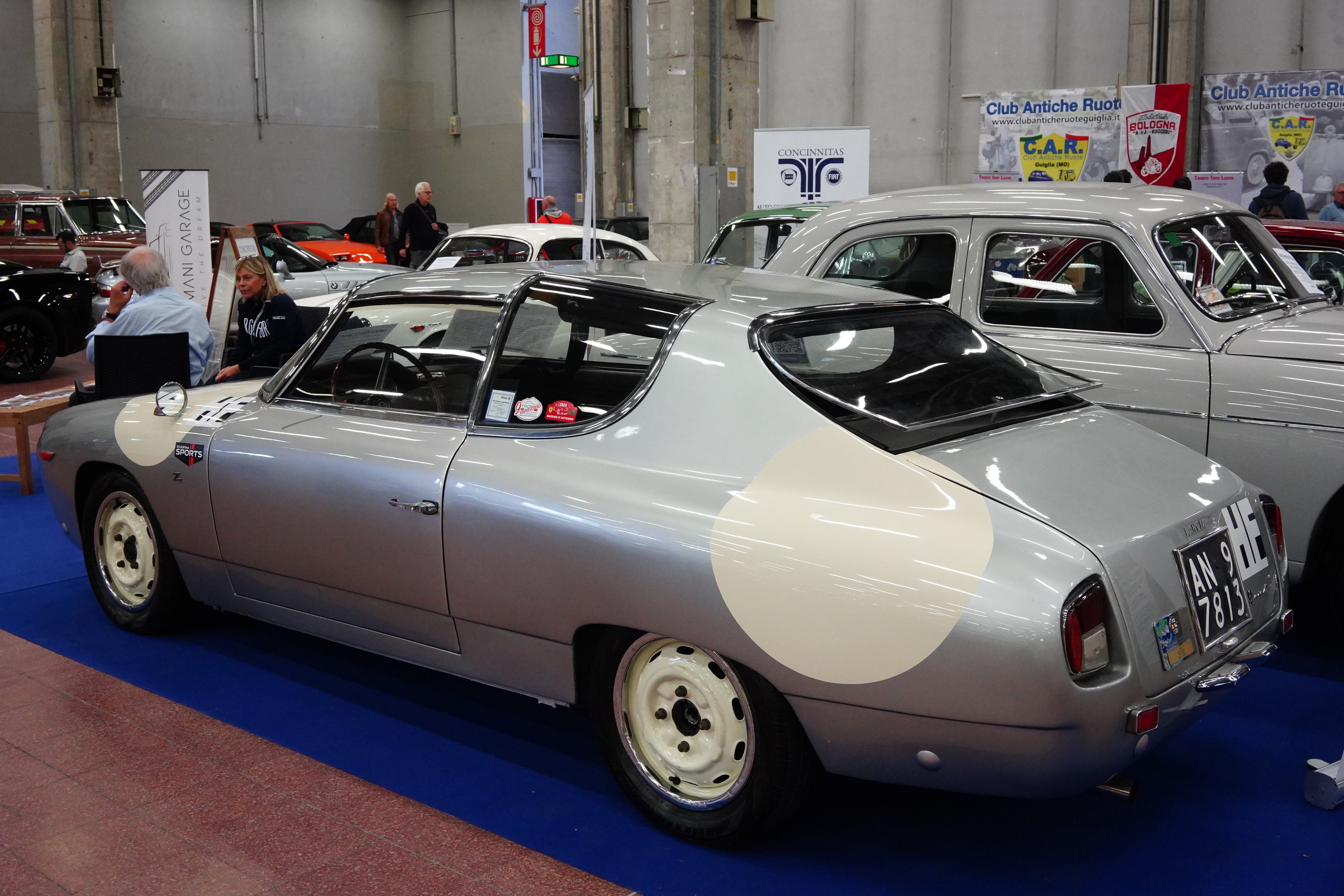
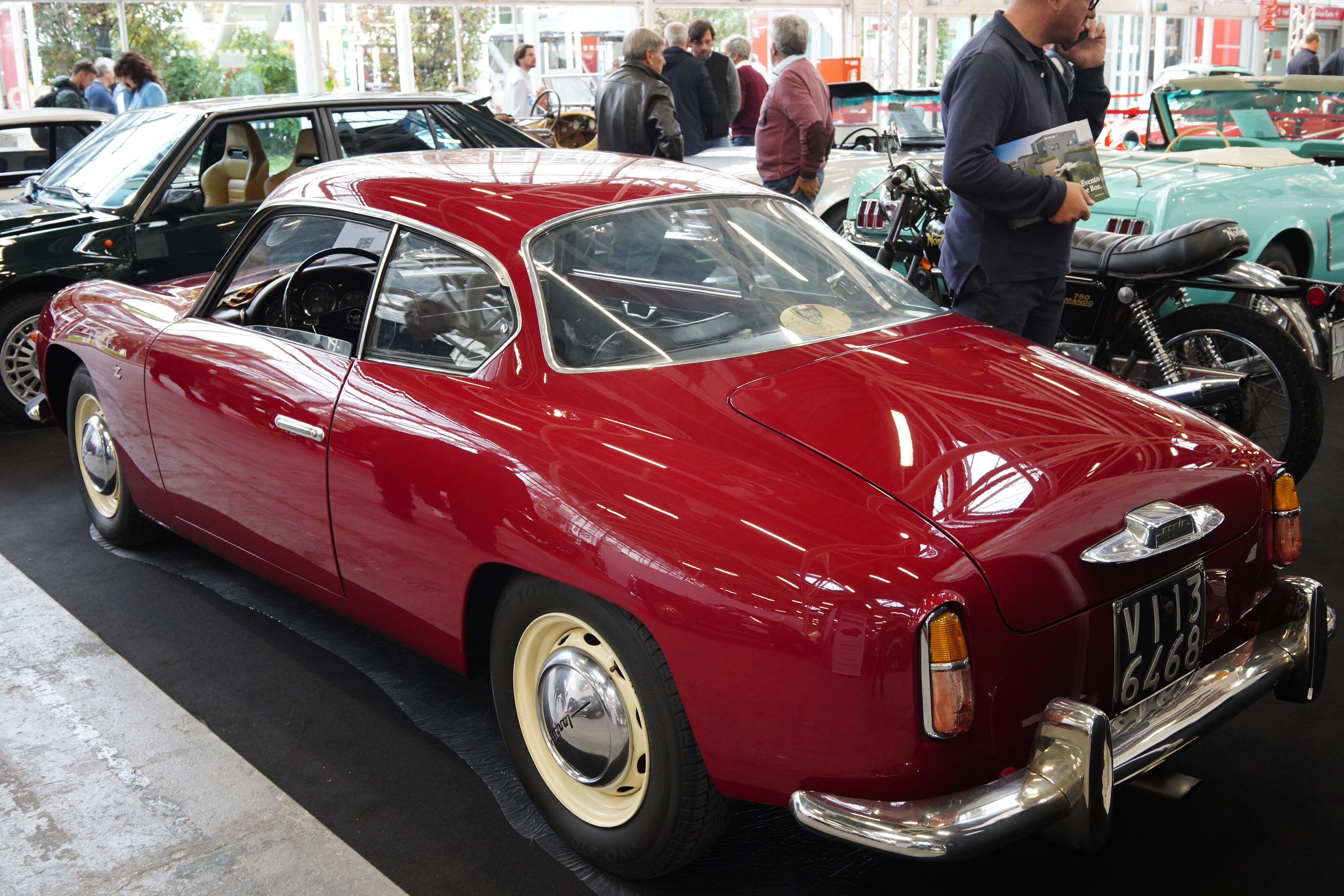
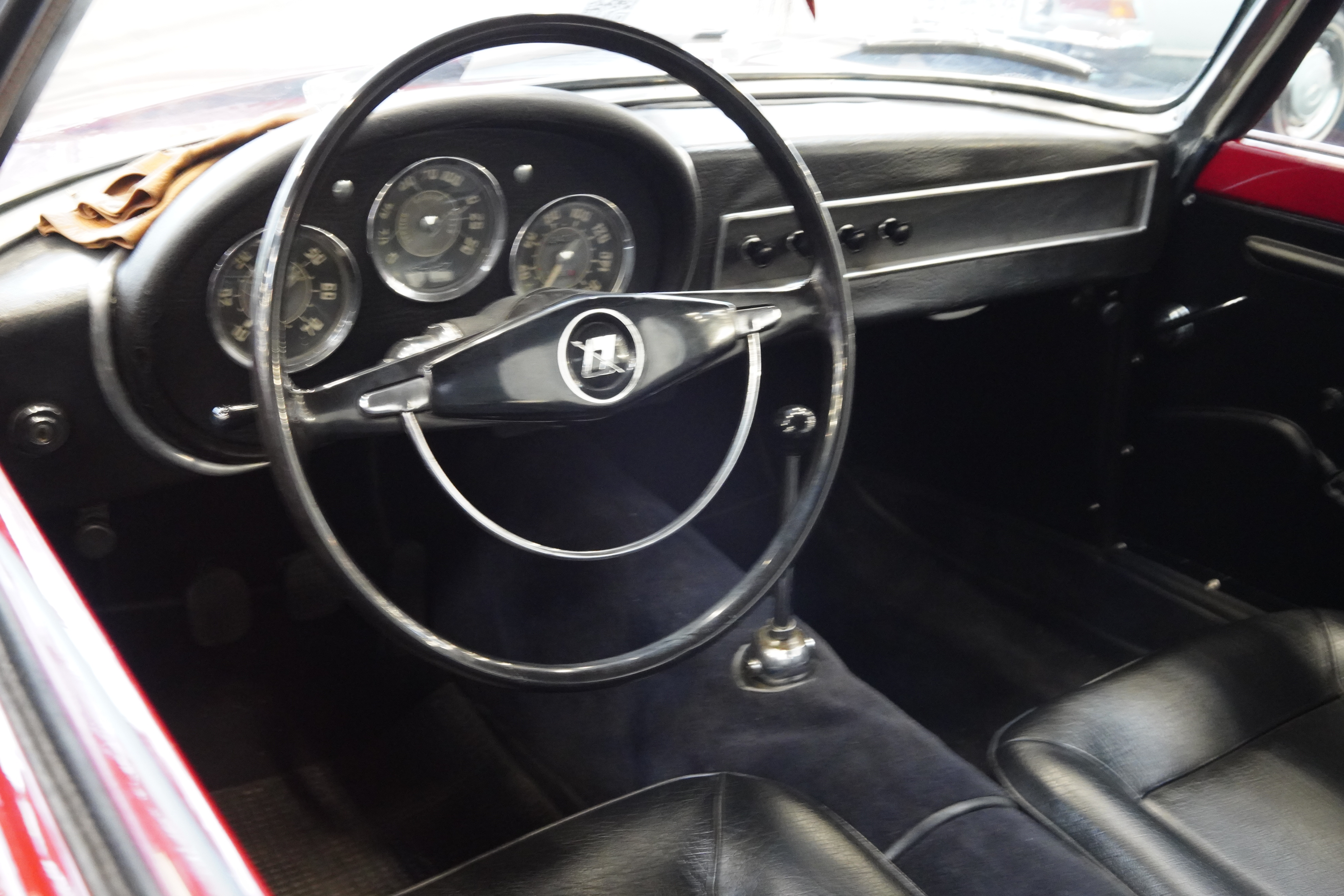
A personal favorite was this 1961 Giulietta Sprint Zagato.

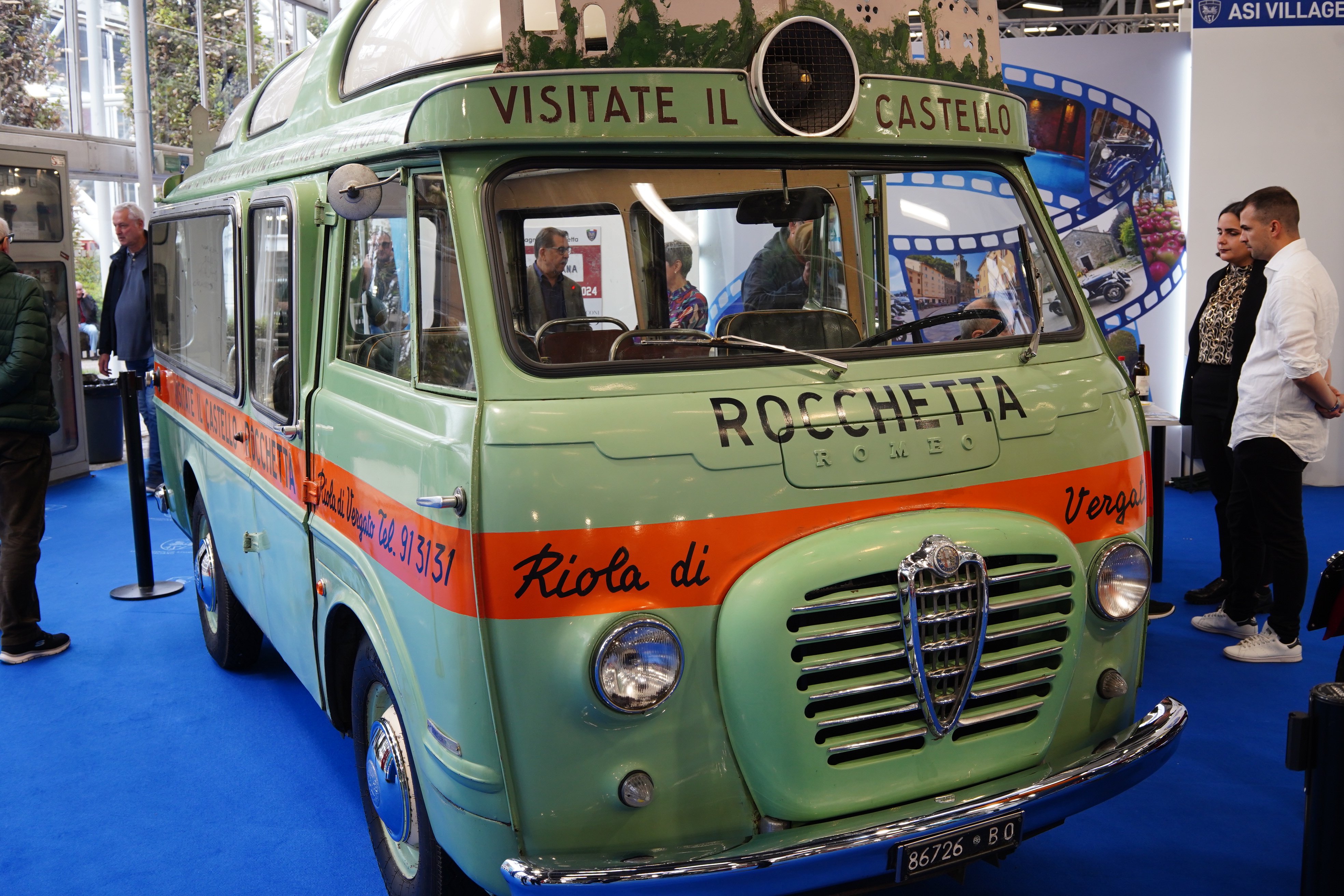
Another Romeo truck, this one done up as a tour bus.

This ’73 Berlina looked very clean for €20,500.

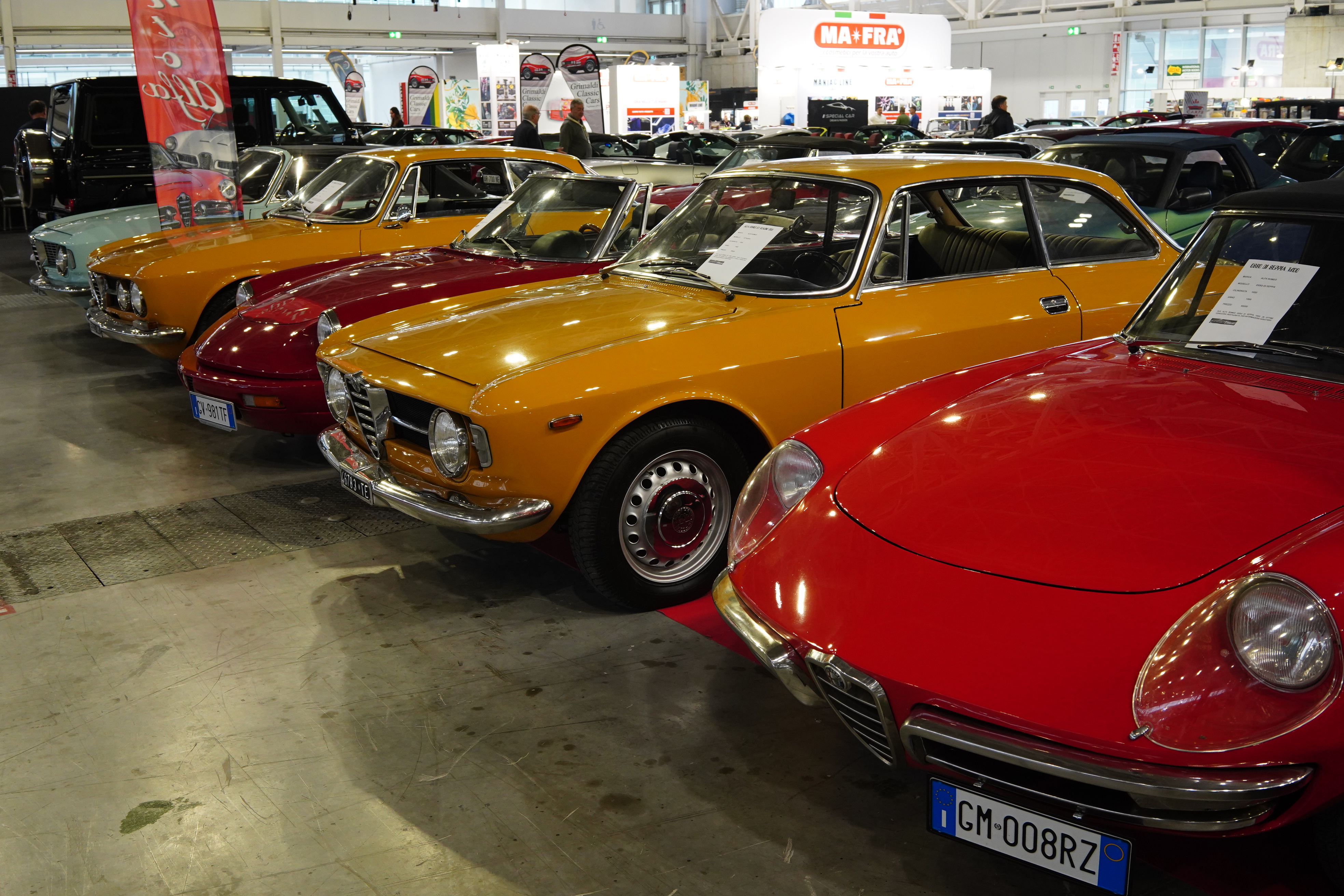
A vendor who specializes in Alfas brought this impressive lineup.

Older and newer Alfas side by side, in red of course.

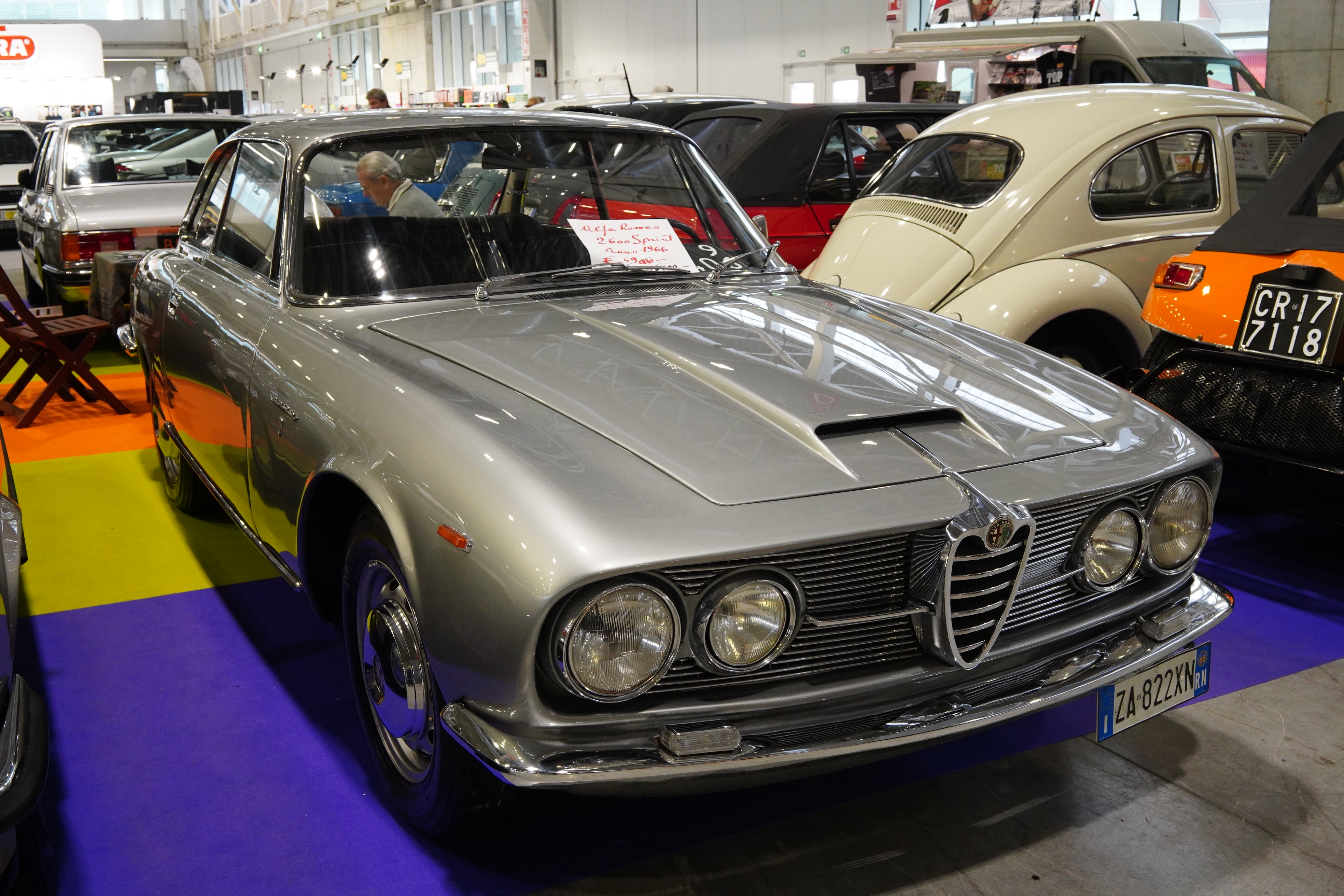
By Day 3, the asking price on this ’66 2600 Sprint was reduced from €49,000 to €46,000.

A trio of Alfa Type 916 2-doors.

This SS was nicely staged outside in front of a filling station display.


The next and final post from this show: the rest of the cars.


Entire blog post content copyright © 2024 Richard A. Reina. Text and photos may not be copied or reproduced without express written permission.

Auto e Moto d’Epoca Summary Part 2

My Day 2 stroll through the BolognaFiere began by tackling the huge hall filled with vendors who were selling parts, accessories, books, and clothing. My personal goal was to find sales or marketing literature specifically for my ’67 GT 1300 Junior, and while I did find a maintenance manual (I passed at the asking price of €125), and while there were sale brochures for newer Alfas, I struck out on my search. So I turned my attention to the numerous parts suppliers, most of whom I had not heard of. I was pleasantly surprised to find that they sold repair parts of interest to me, and I collected their contact info for future reference.

Although I have close to zero interest in motorcycles, I did wander through the single motorcycle hall just to be able to say that I saw it. I concluded the day’s tour by taking in the sixth of the six buildings with cars for sale. Like Thursday, Friday was 6 hours on my feet, so I headed back to the hotel for the day.

Among the many surprises waiting for me at the Auto e Moto d’Epoca were the large number of Lancia automobiles. Compared to Fiat and Alfa Romeo, Lancia never gained a strong sales following in the United States. Lancia’s reputation in Europe was due in great part to its huge rallying success. Perhaps the most popular Lancia models for us were the FWD Beta coupes and sedans which were launched in the mid-1970s. Like other European makes, though, lack of a strong dealer network was the most likely cause of the brand’s failure in America, in spite of attempts by others to blame the quality of the automobiles. Today, my photos will feature Lancias. Note the asking prices here, as many of them seemed relatively affordable.


This Lancia Fulvia Zagato was the very first car I saw upon entering the show on Thursday.

This ’67 Fulvia Coupe in white had a For Sale sign which read: “Published book value €22,000, price negotiable”.

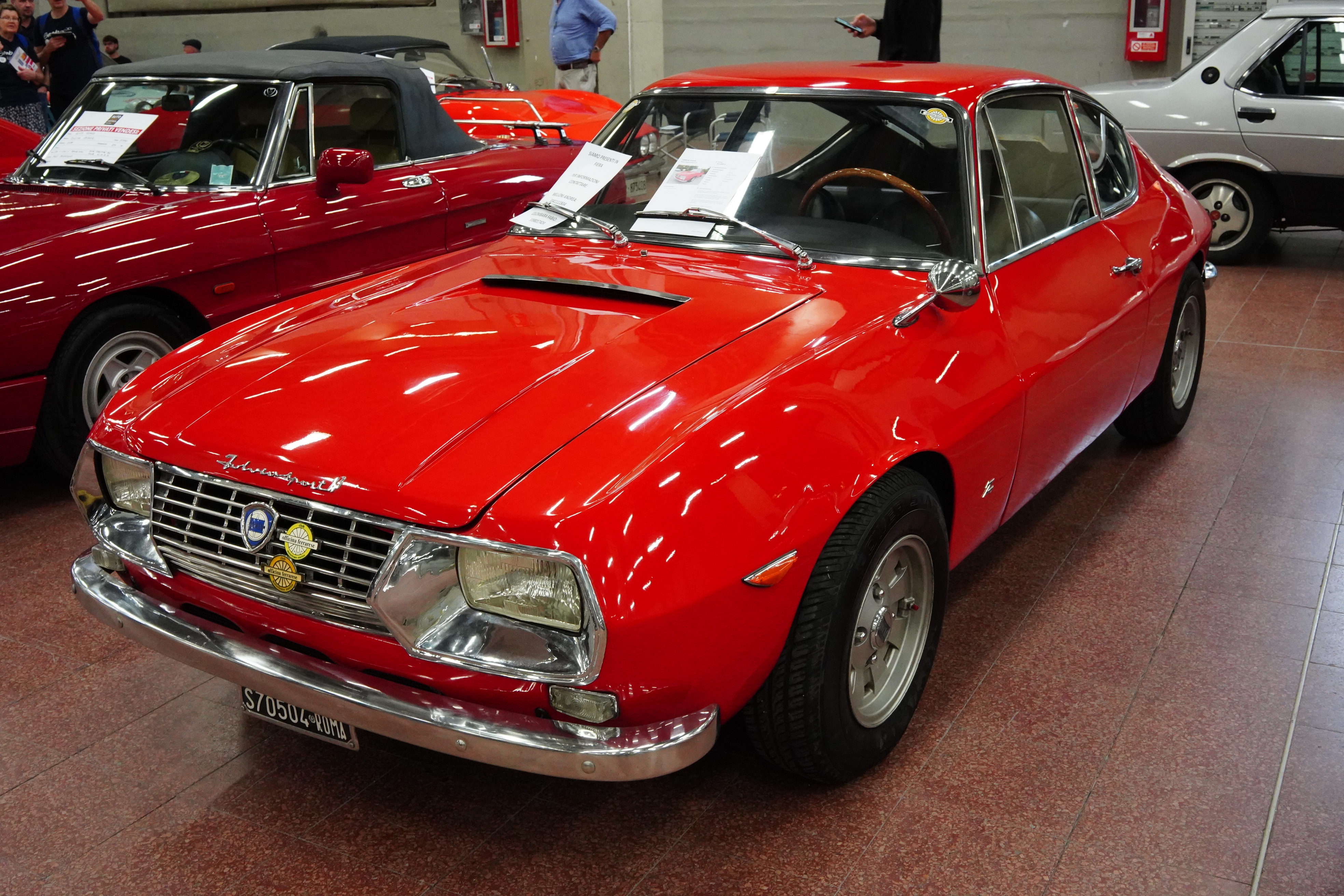
Another Fulvia Zagato, this time in red.

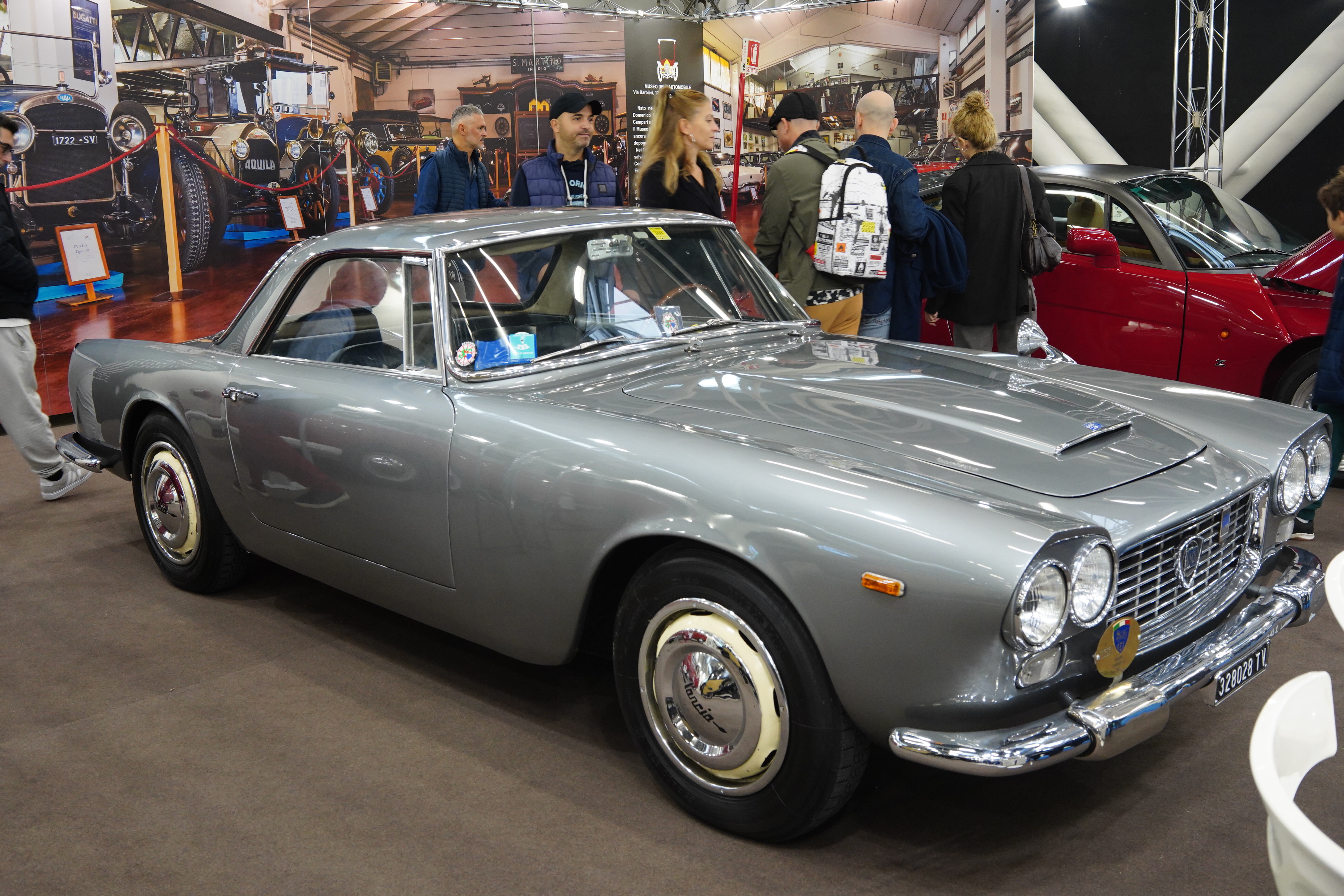
A handsome Flaminia convertible in silver.

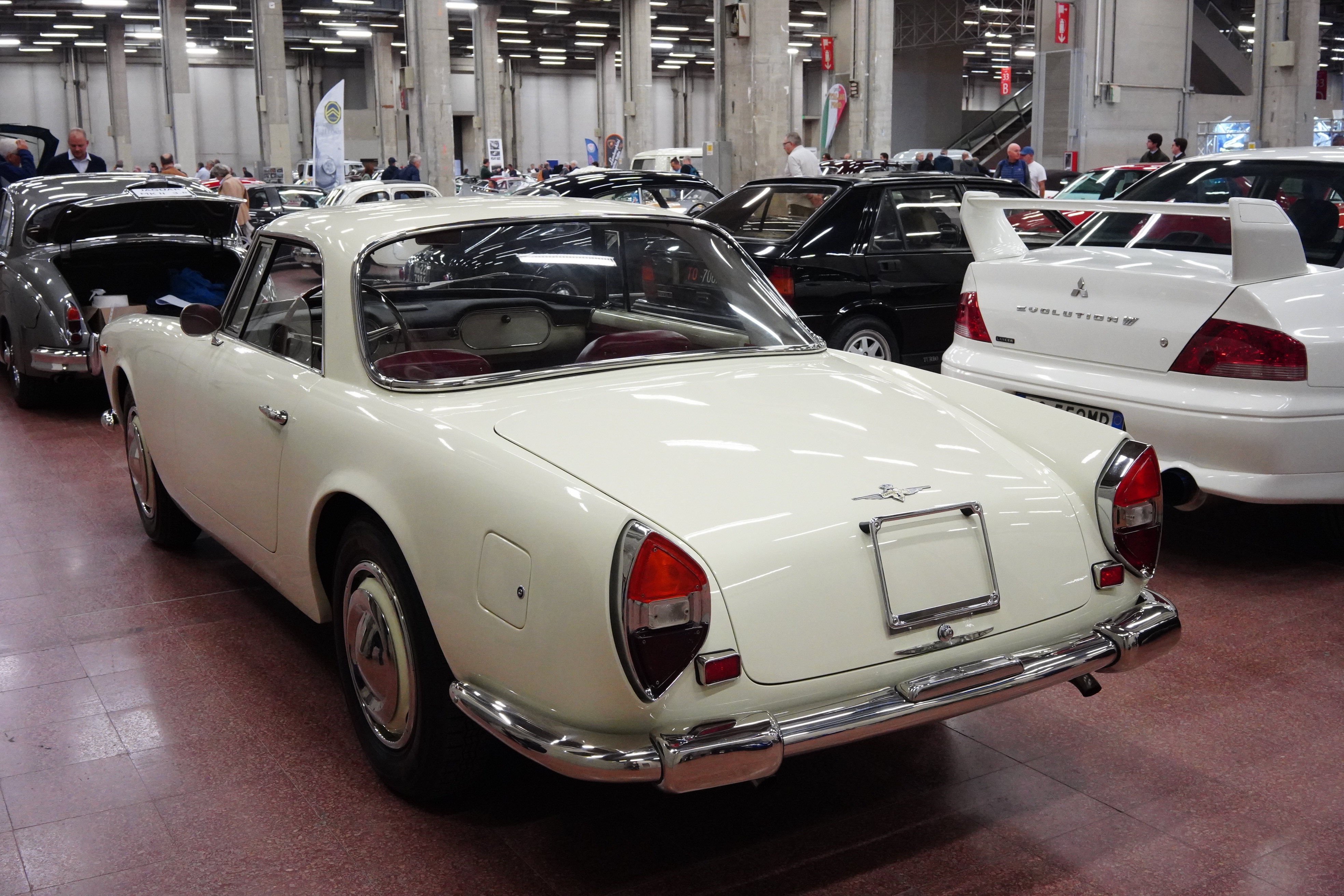
A white Flaminia, this time a coupe.


A Lancia Flavia Sport. Get a load of that quarter window treatment!

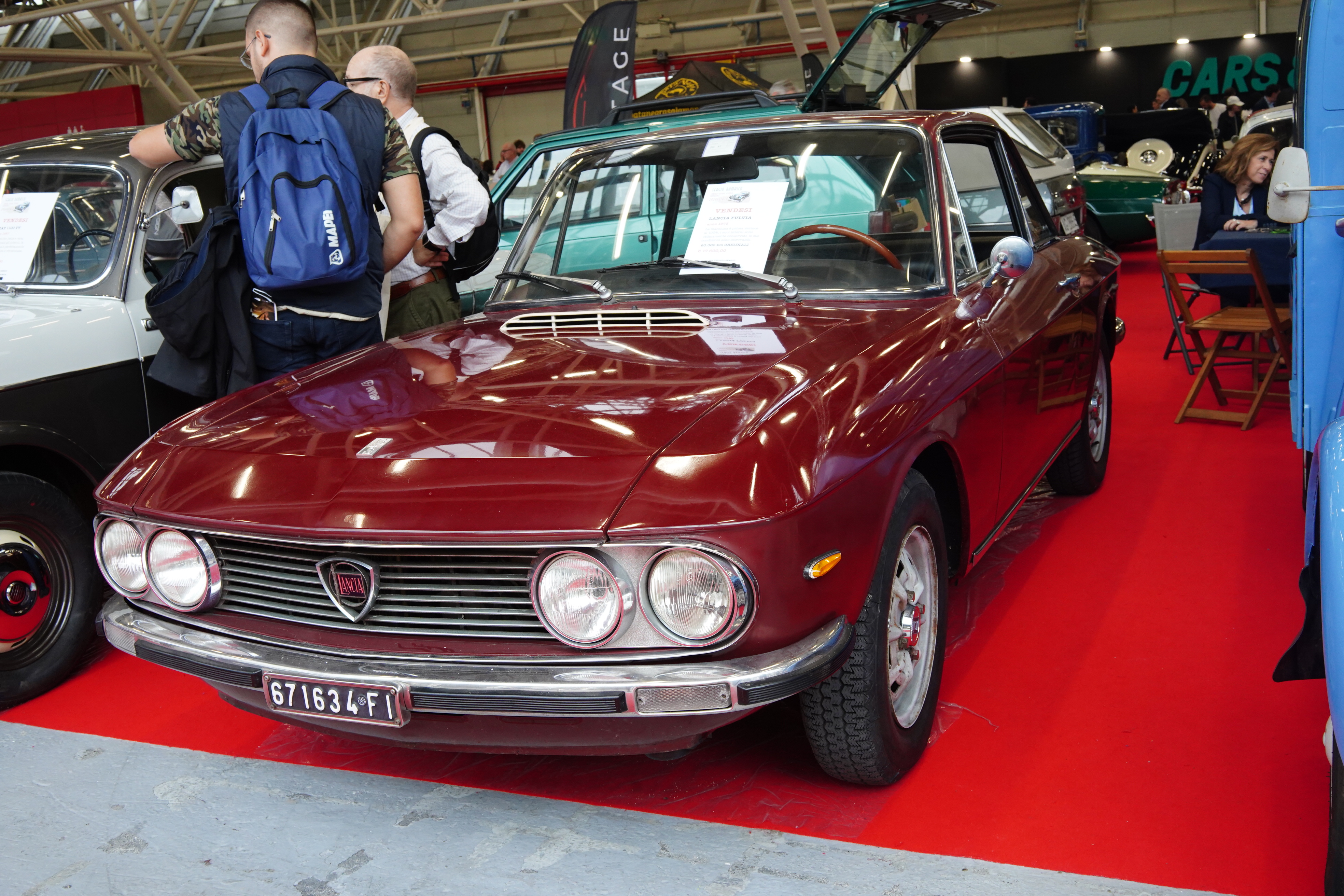
This white Fulvia coupe had an asking price of €21,000.

A Lancia Appia Zagato for sale, at €115,000.

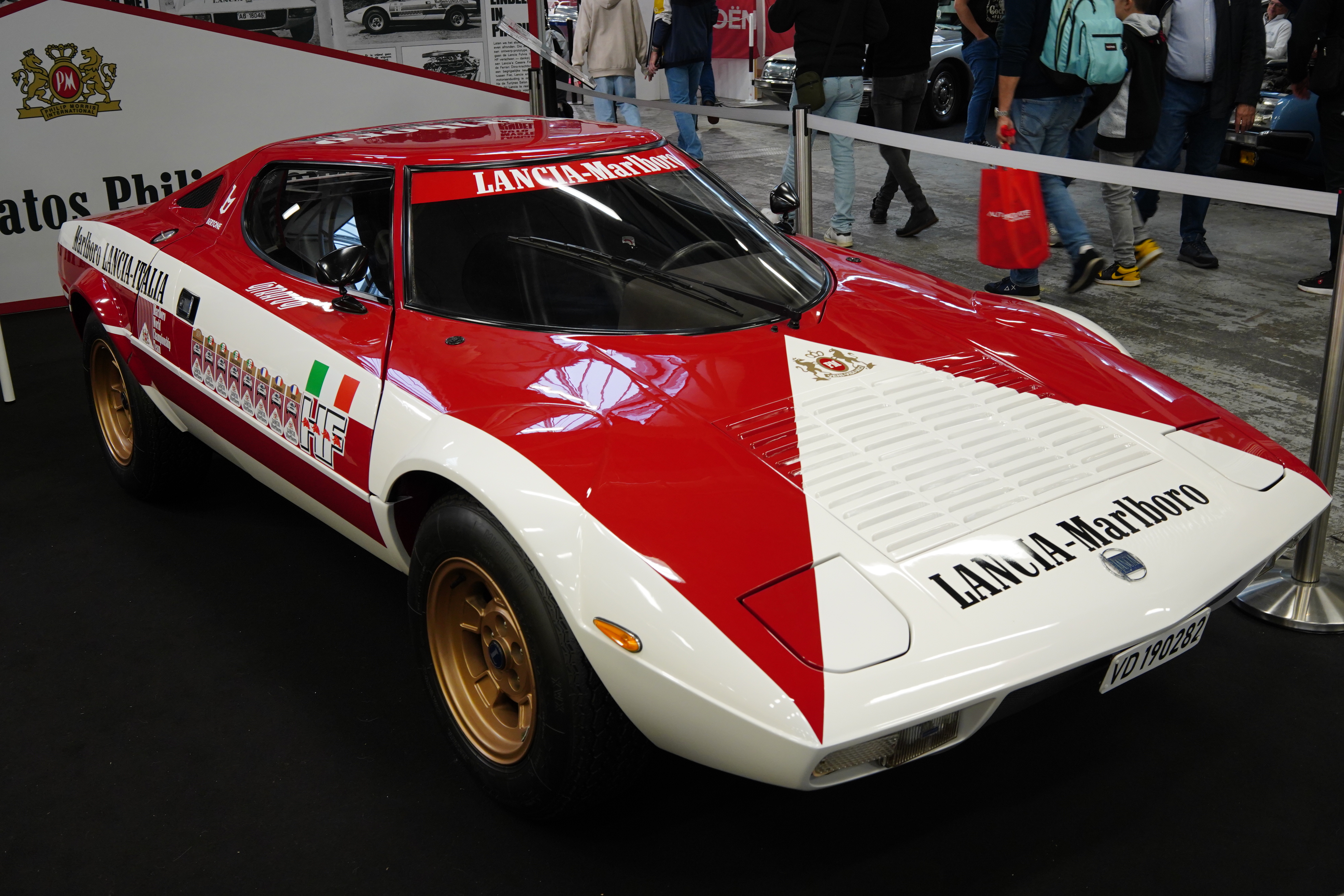
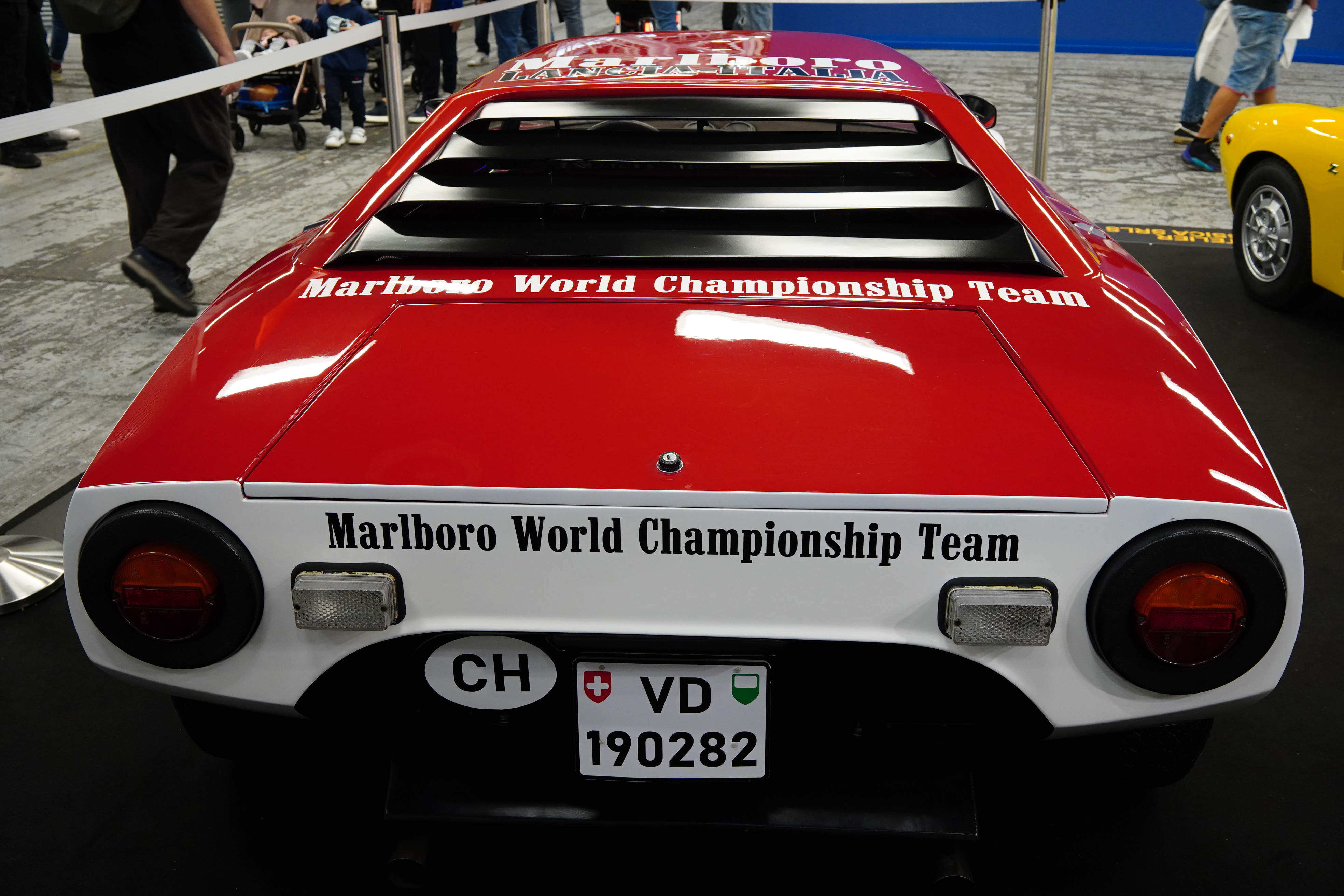
The ultimate rally car? A Lancia Stratos, a car that I’ve read about for decades and have seen maybe once in my life. “Confidential negotiation” said the price sign, but these sell in the States for around a half million.

The Lancia Beta Montecarlo was sold in the U.S. as the Scorpion, to avoid conflict with Chevy’s Monte Carlo. These are mid-engined cars with terrific handling.

A Fulvia HF “Fanalone” (large lights), asking €93,500.


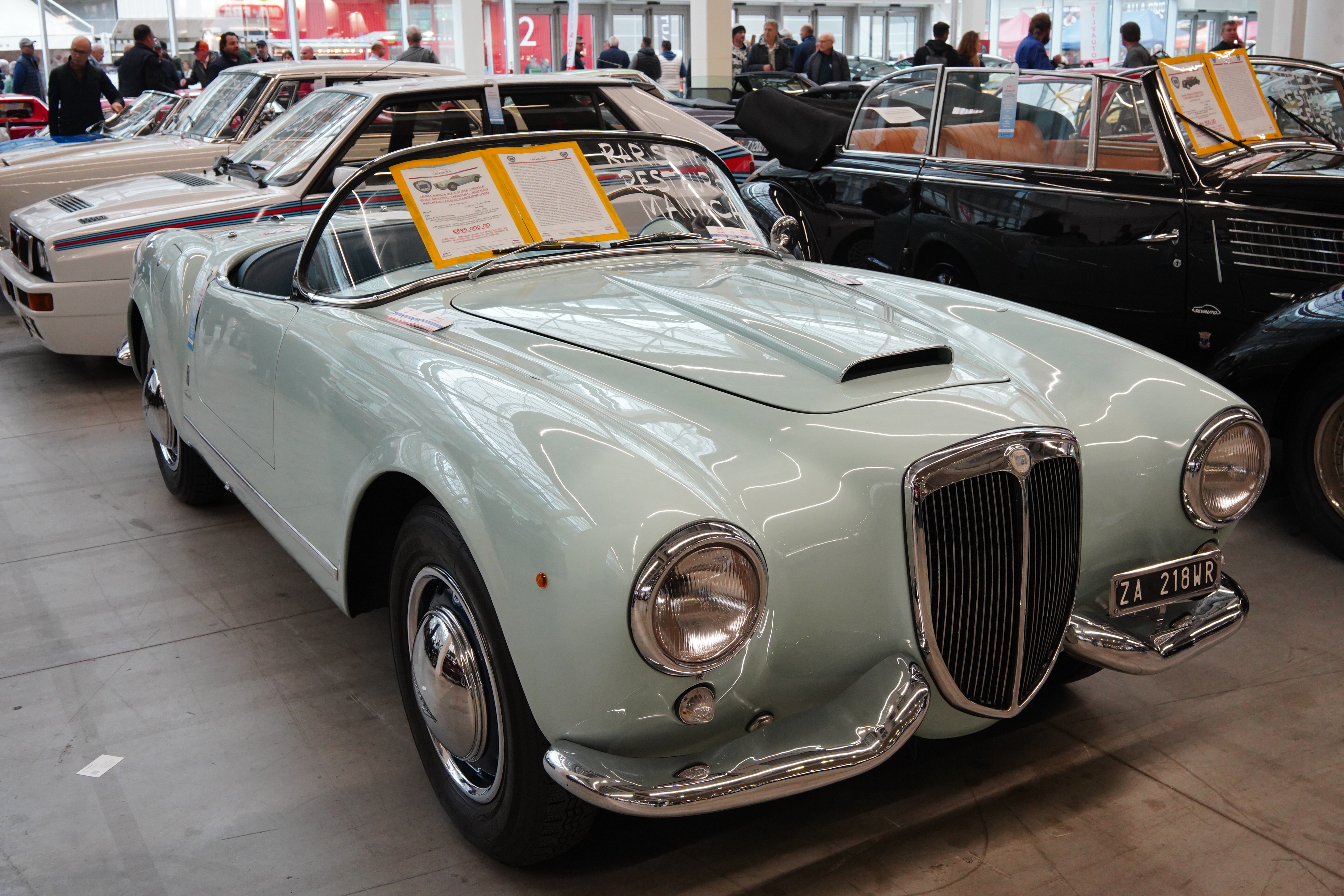
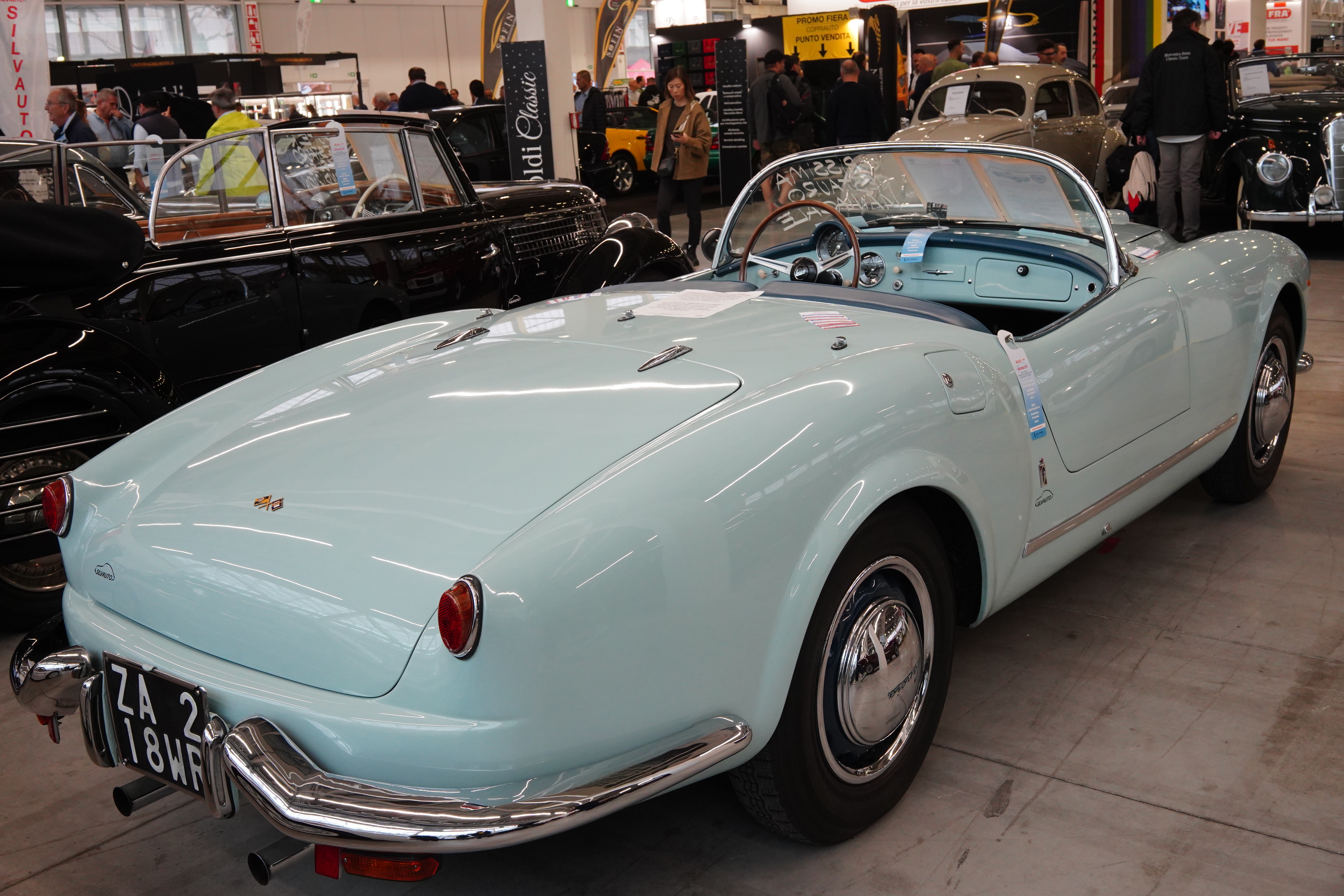
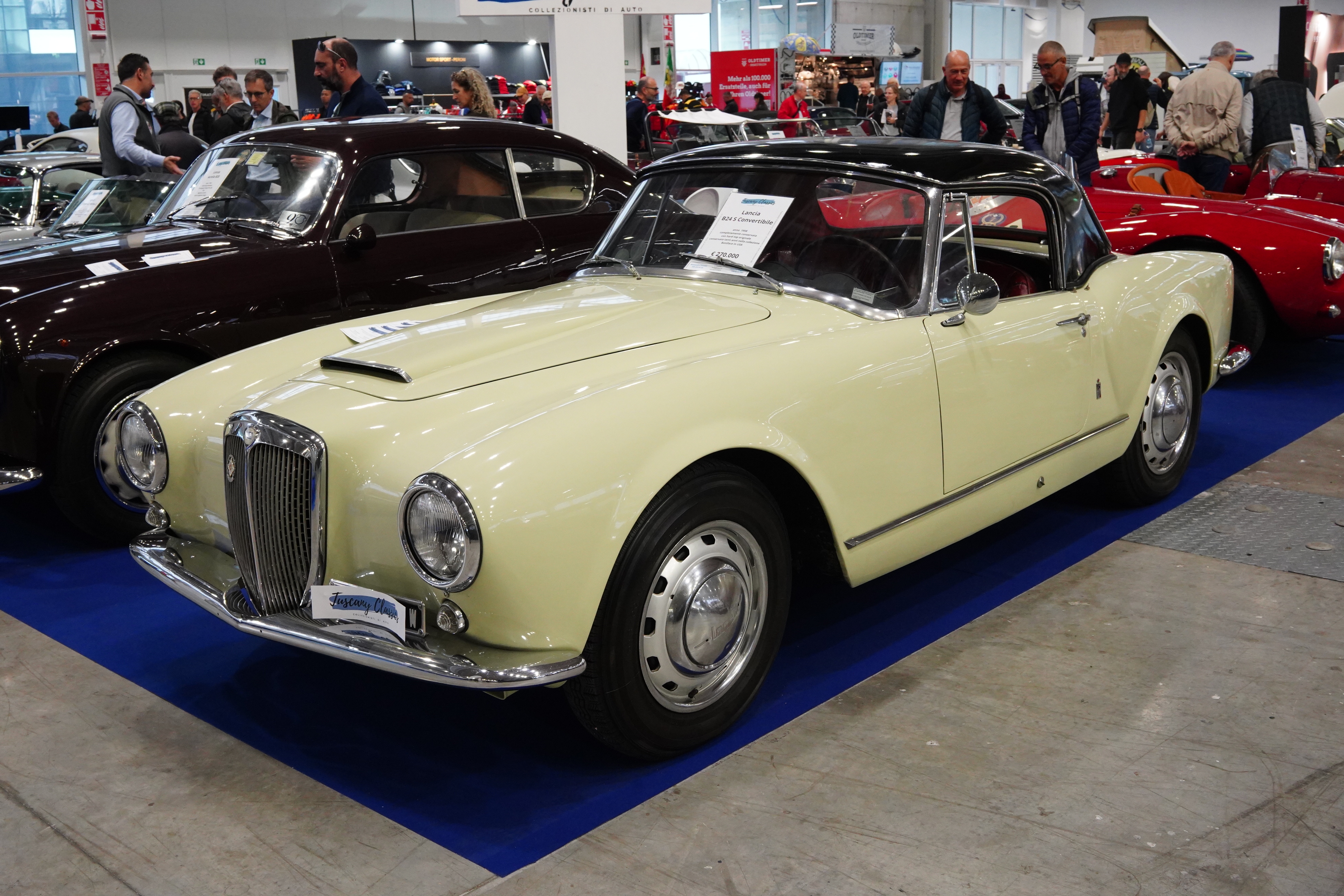
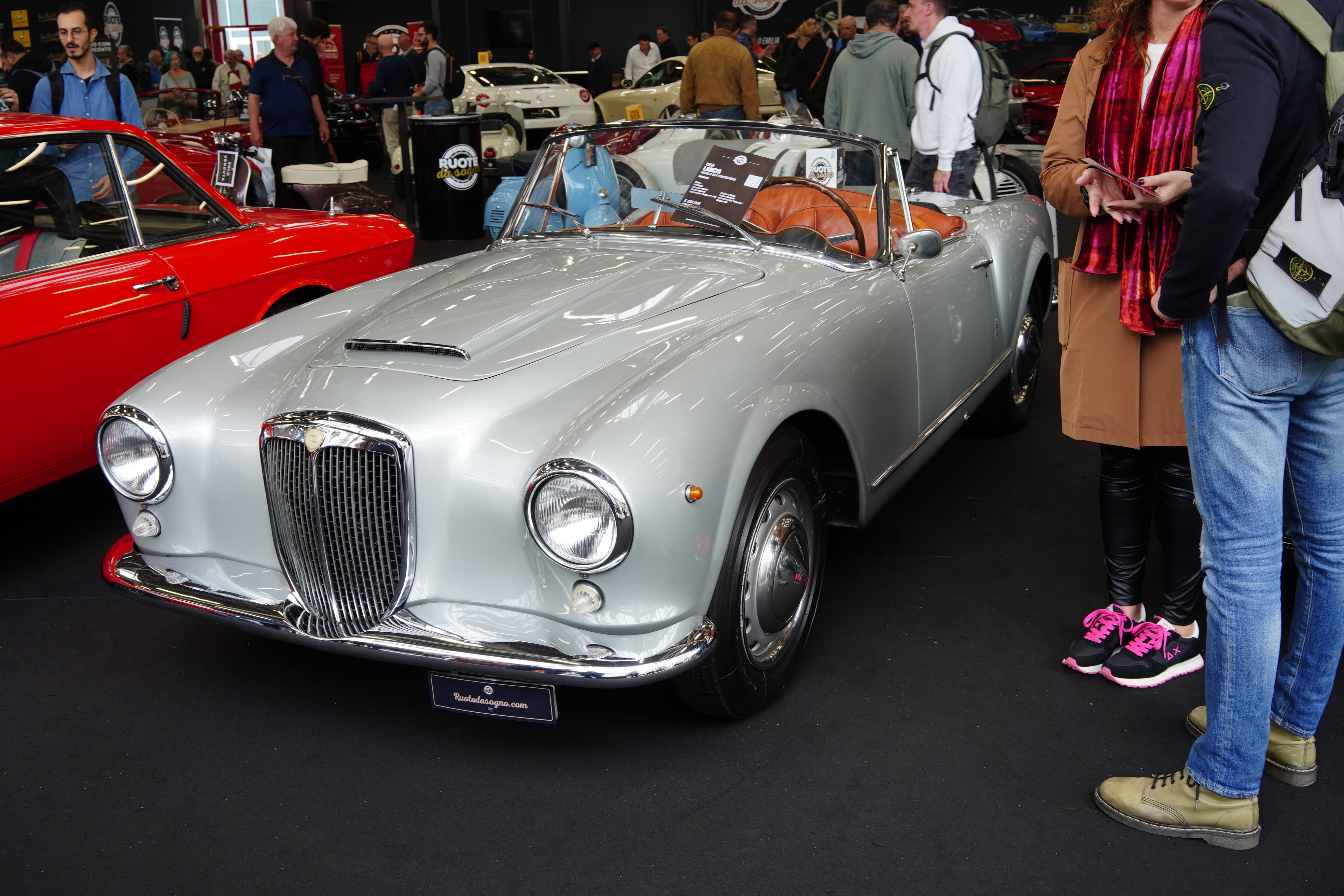
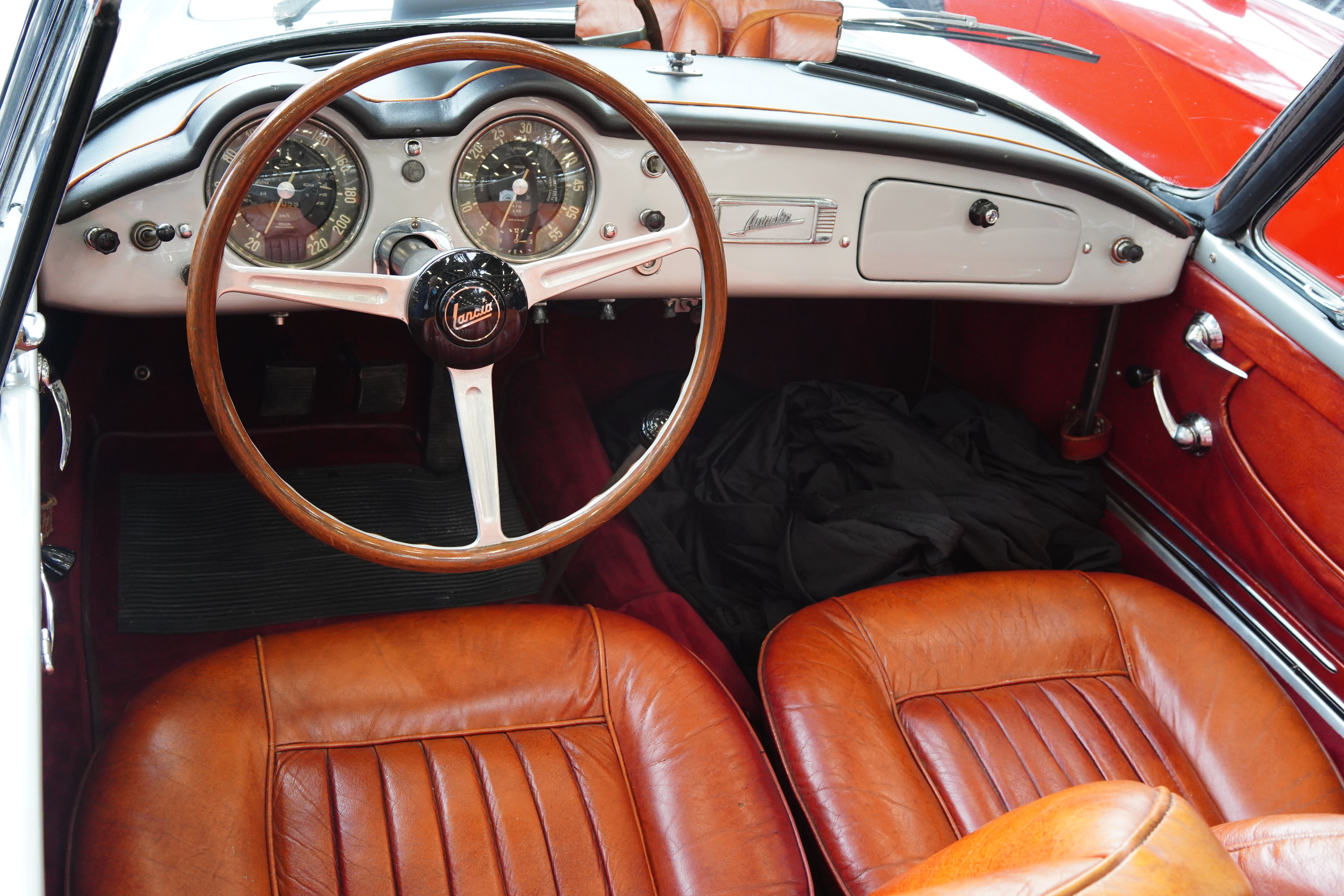
There were two versions of the Lancia Aurelia B24 convertible. The 1st version, the “America”, had a split front bumper, wraparound windshield, side curtains, and lacked outside door handles. Only 240 were manufactured, and they command a premium price. The 2nd version had a one-piece front bumper, vent windows, external door handles, and wind-up windows.

This Lancia B24 Spider is the “America” model, with an asking price of €895,000.

This yellow B24S is the second series convertible, so its asking price is only €270,000.

This second-series Aurelia Spider had an asking price of €298,000.


A grey Flavia 2-door for sale for €29,000.

Here is a Montecarlo in red. Note the transverse engine placement. The vendor was asking €25,500.

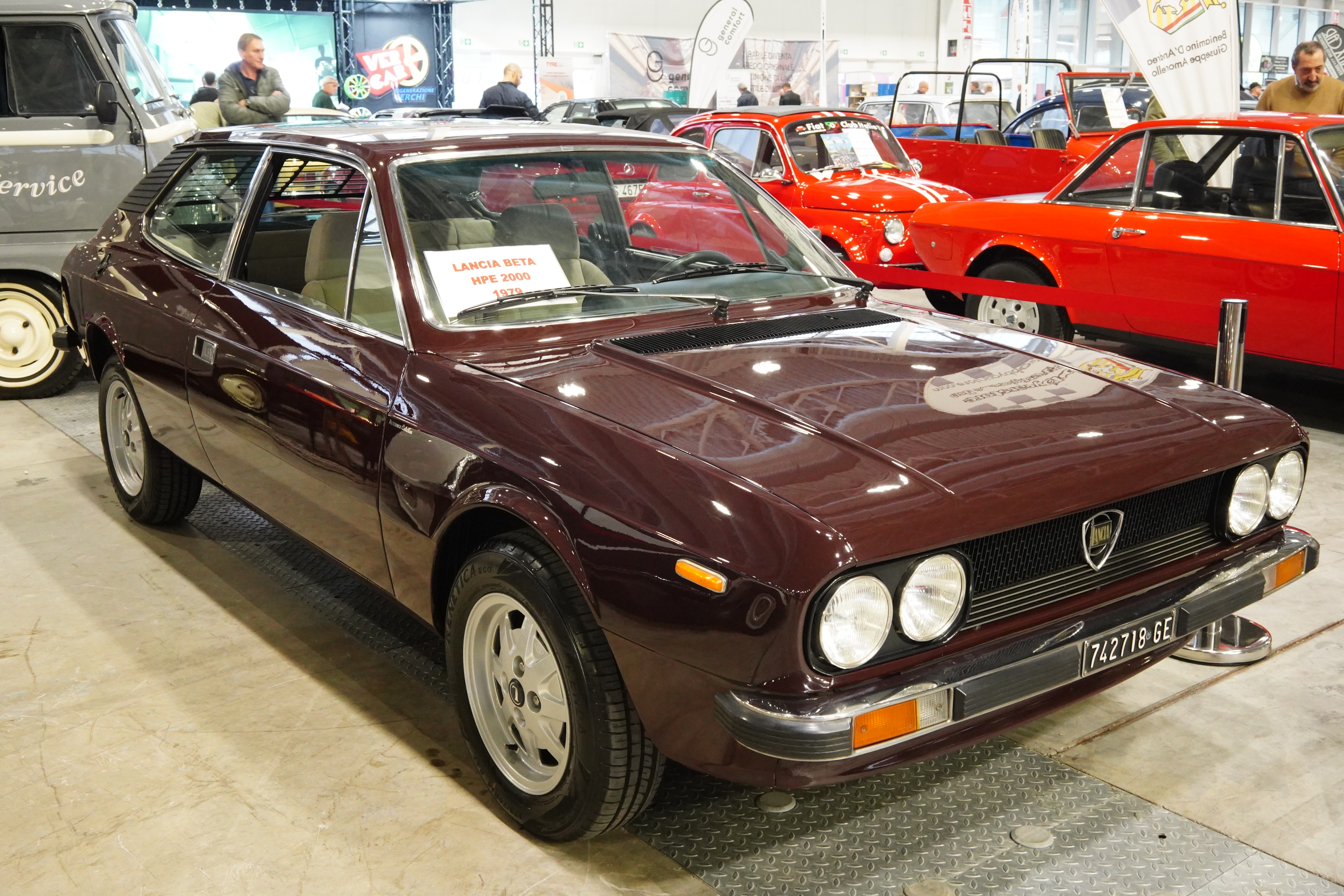
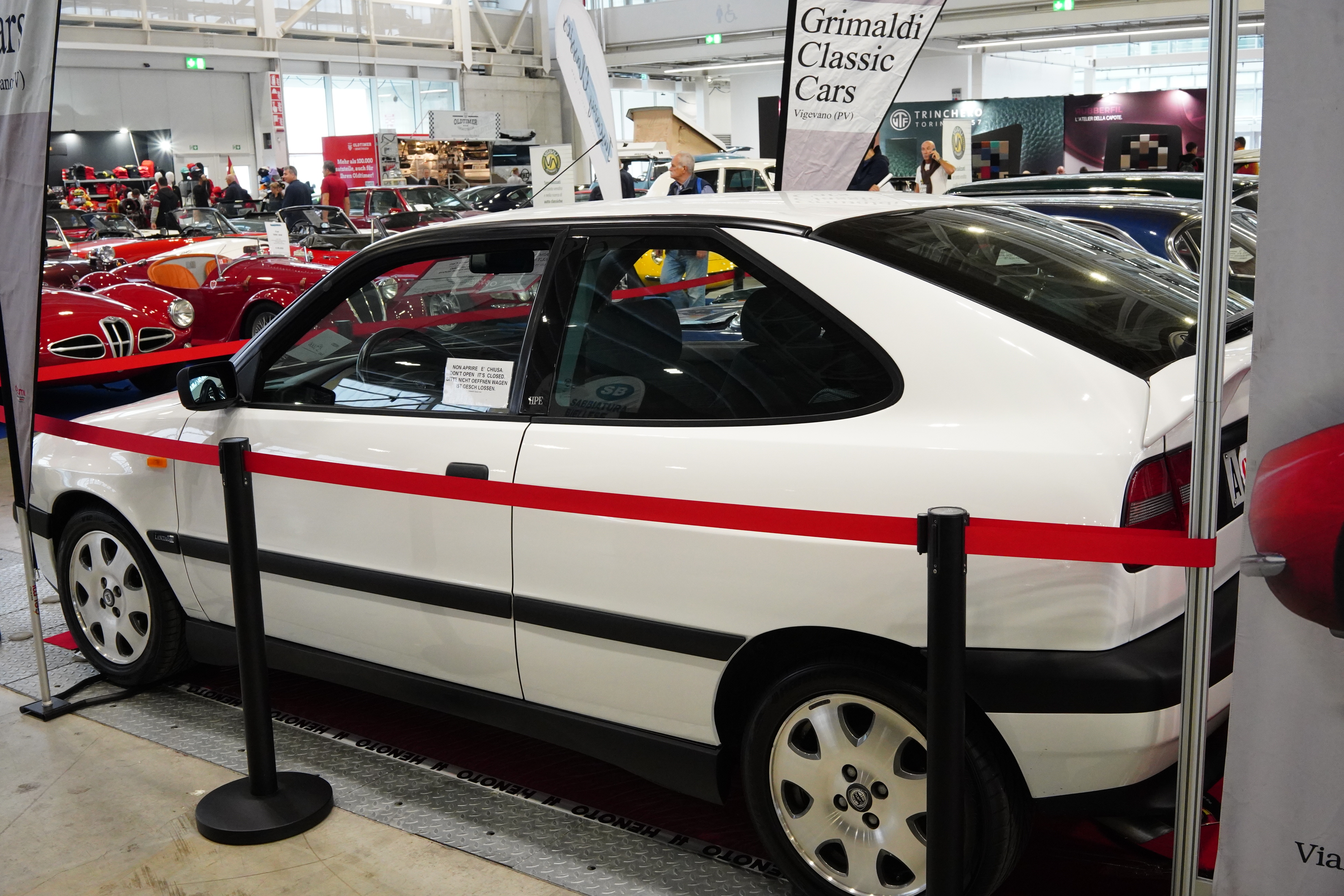
A rare body style: the Beta HPE hatchback.

A Lancia Beta Zagato in silver, with a removable targa top and fold-down rear window, for only €15,900.

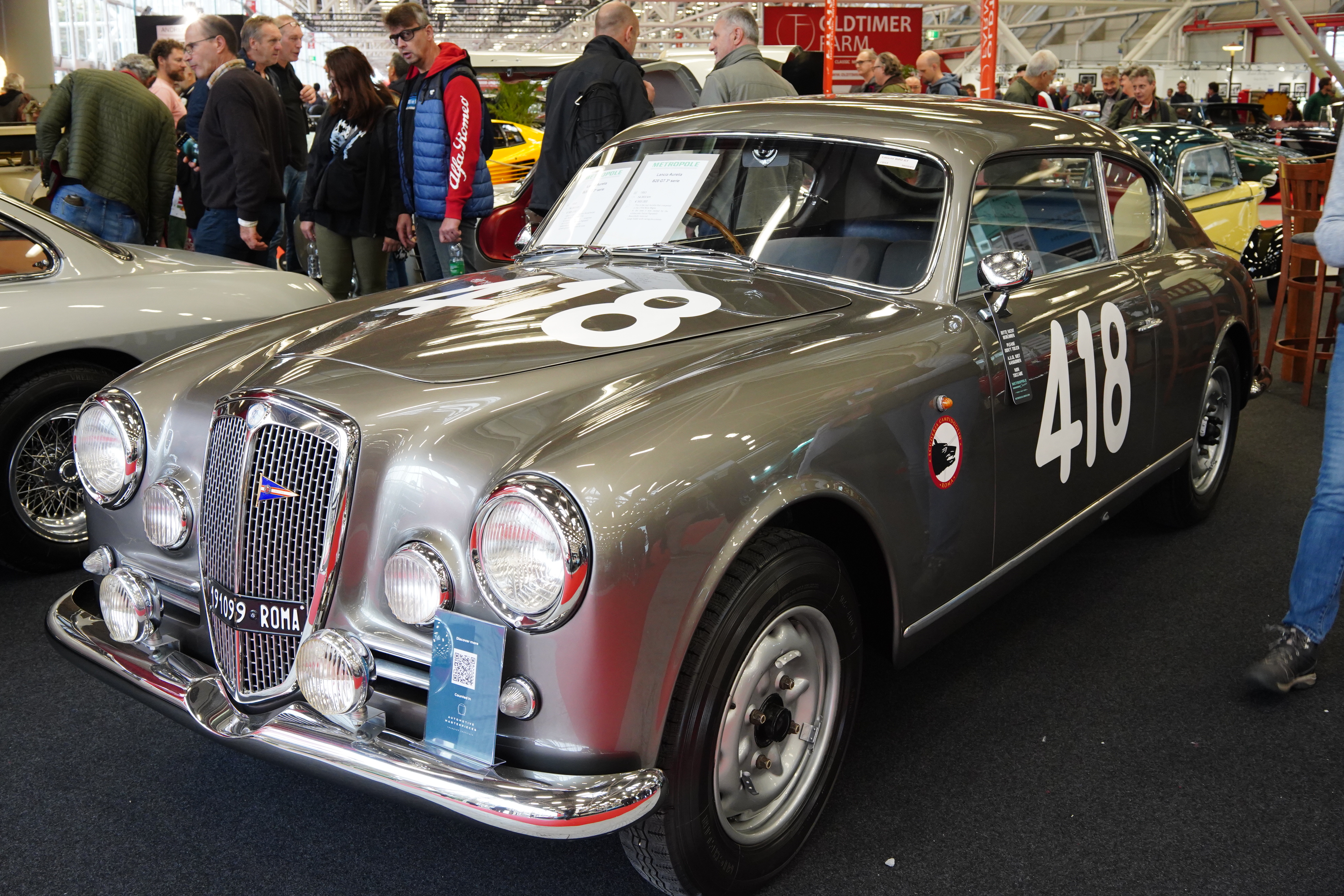
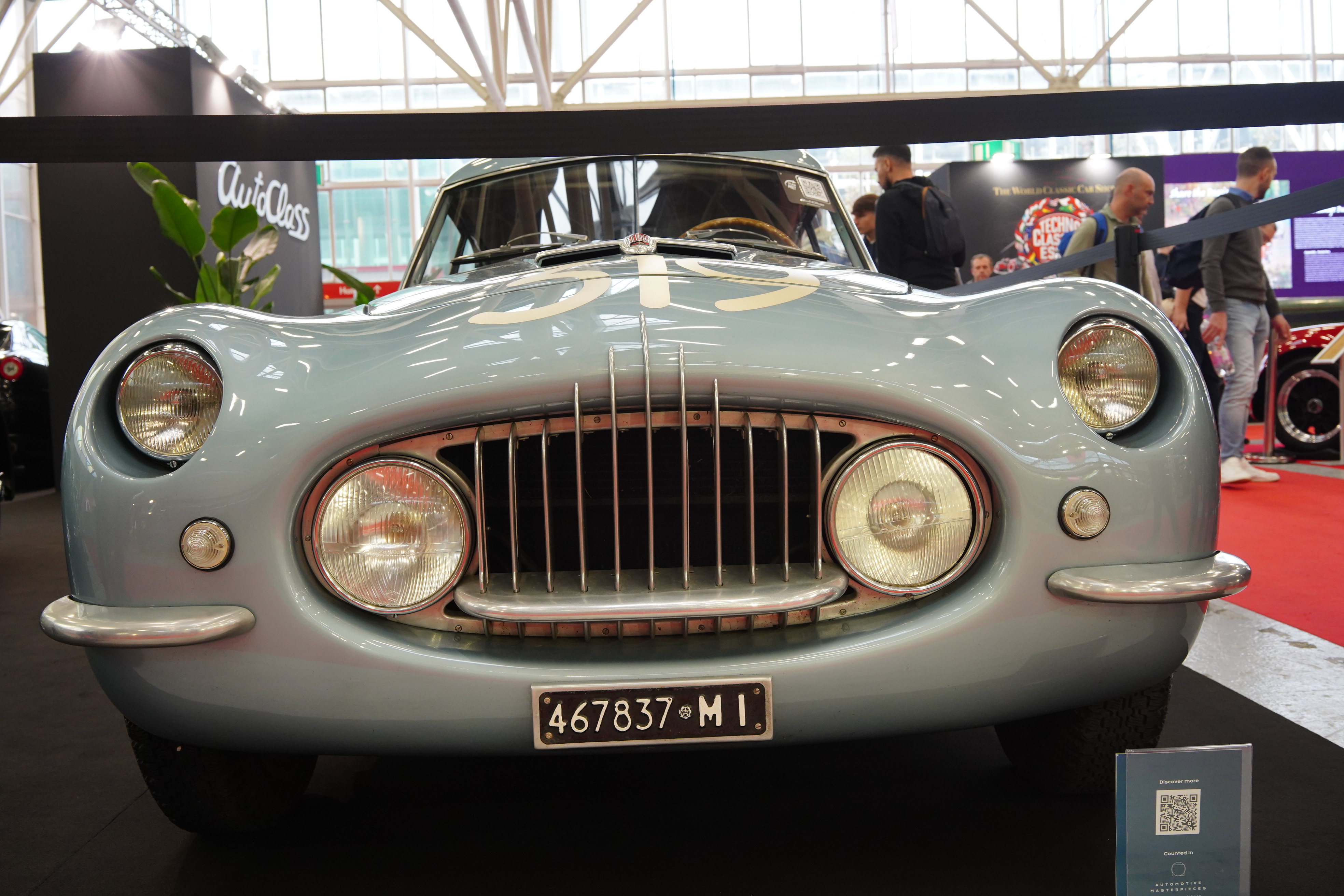
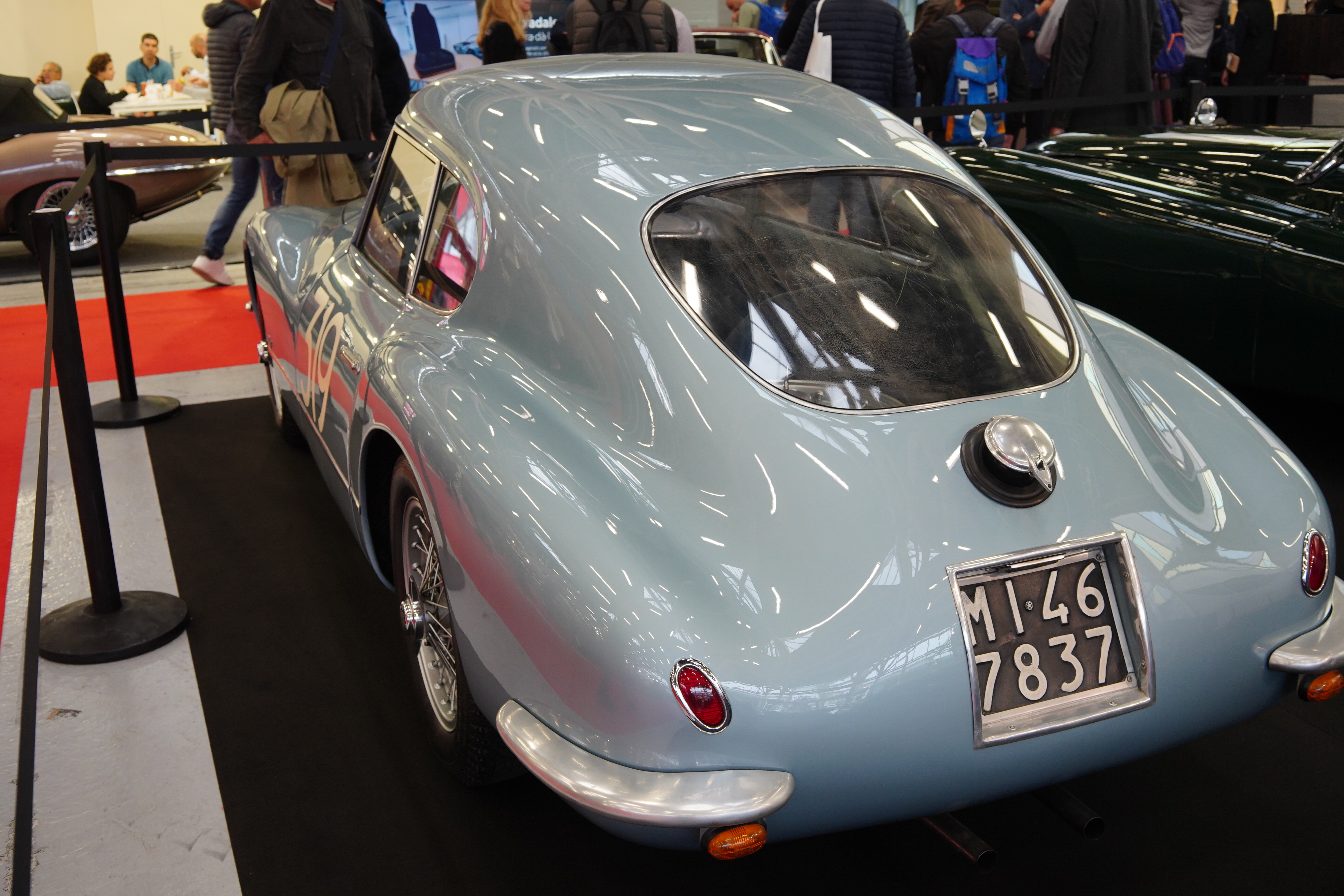
An Aurelia B20 coupe which competed in the 1954 Mille Miglia, with an ask of €585,000.

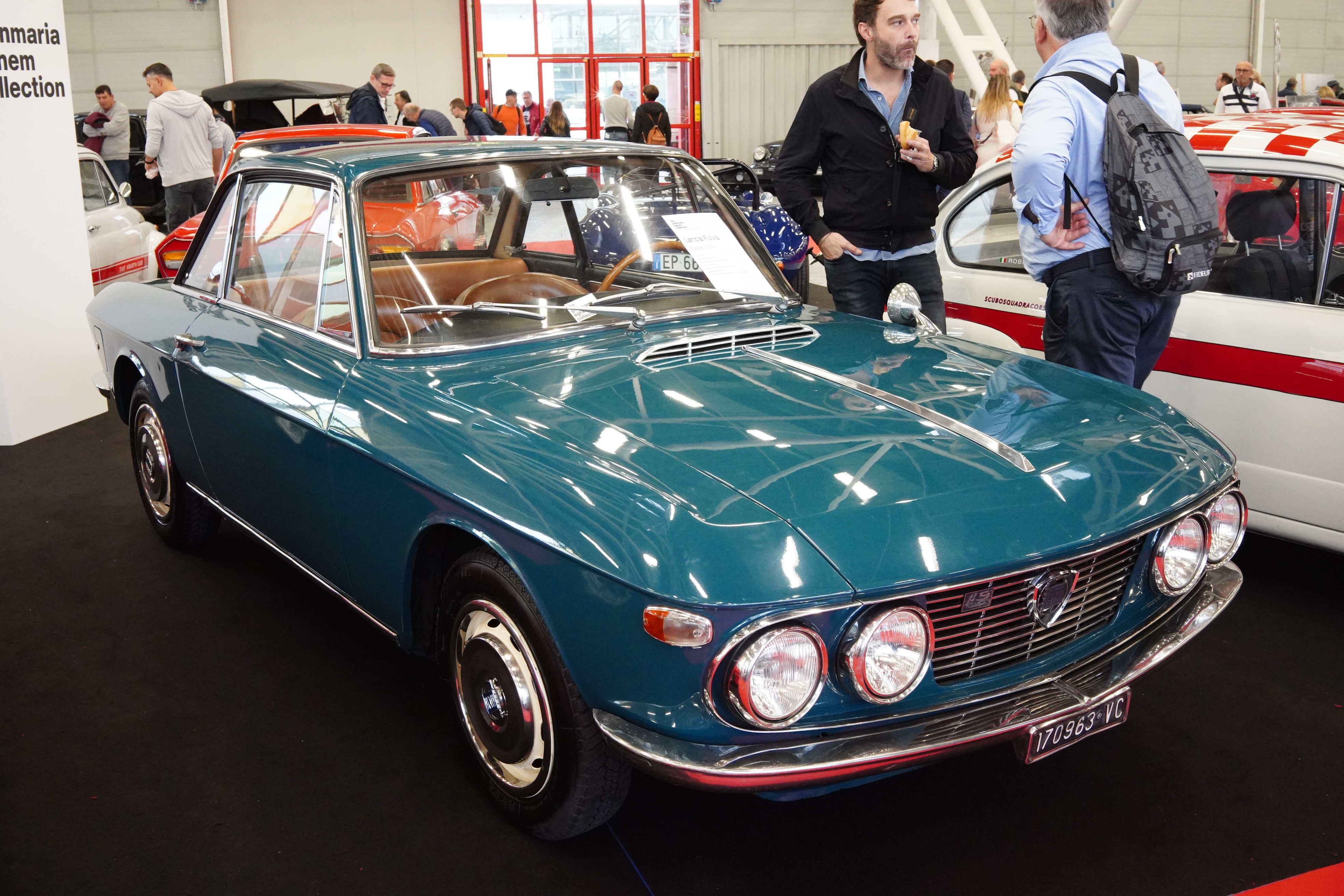
I loved the color combo on this Fulvia coupe. At €25,000, I thought about bringing it home.

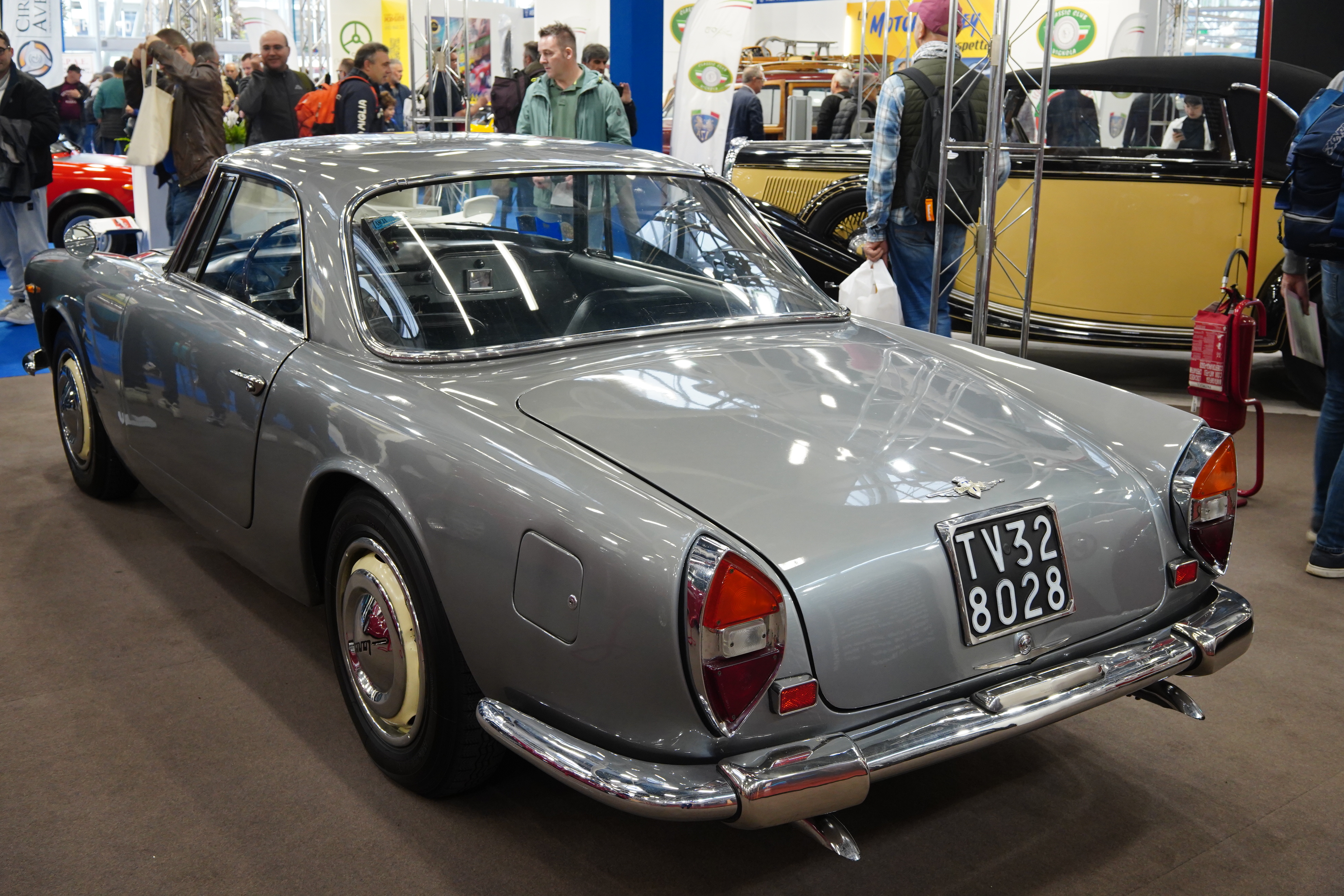
Another Flaminia coupe, this one in grey. Note the off-white wheels, seen on many Lancias.

Possibly the oldest Lancia at the show, this 1947 Aprilla Berlinetta Pinin Farina looked resplendent in green over tan. Note the RHD.

Strong club support brought out this impressive row of Lancia Delta models.

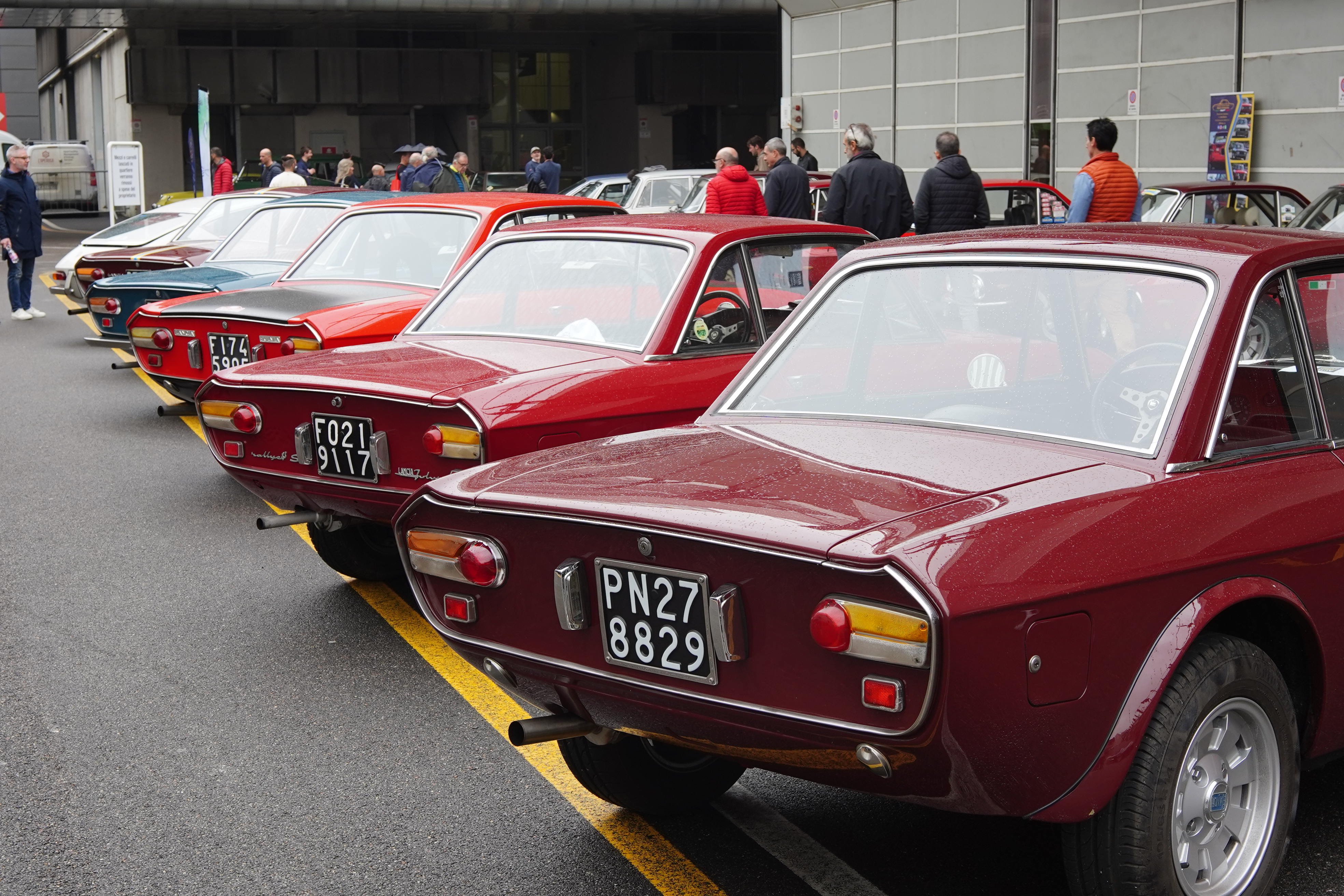
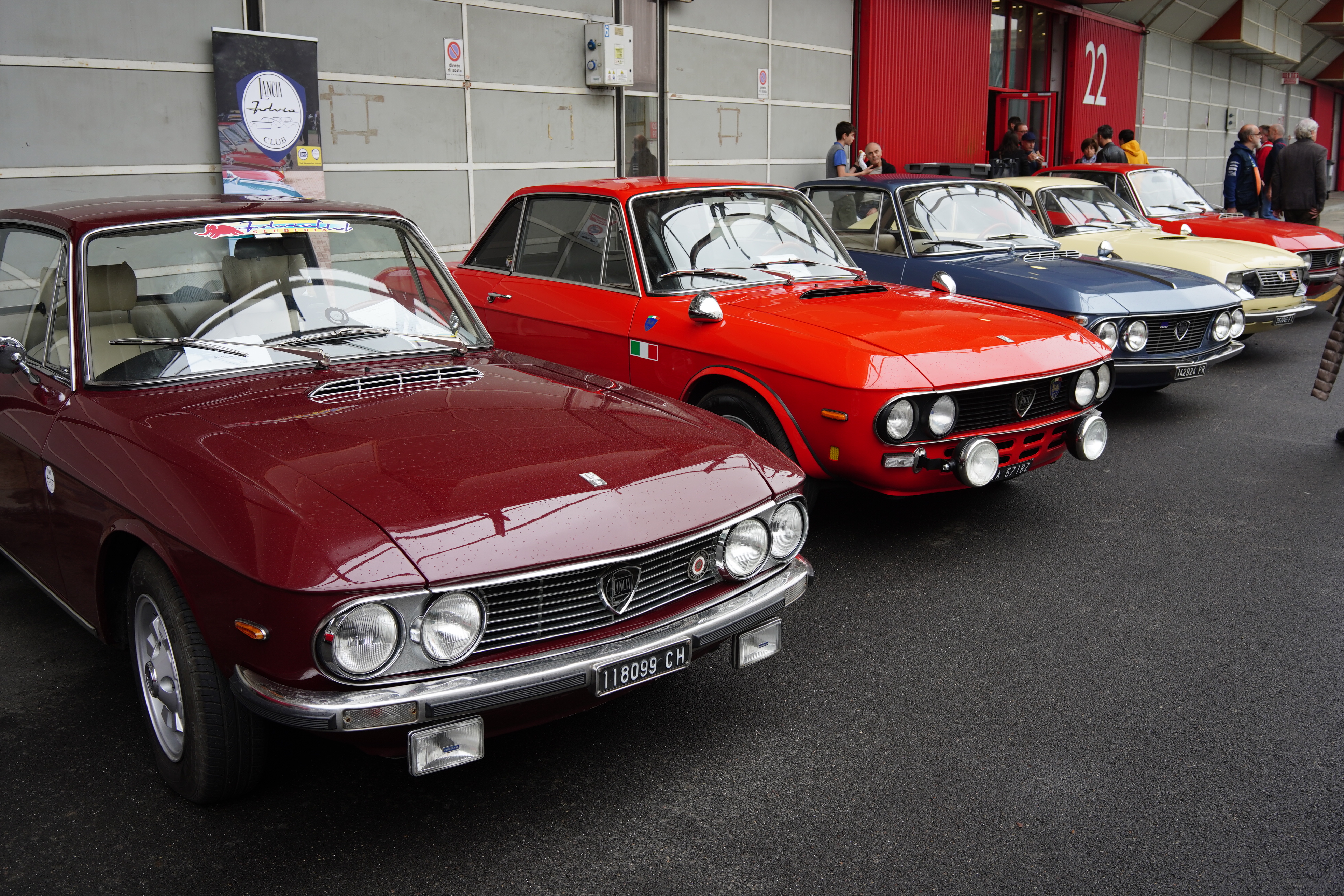
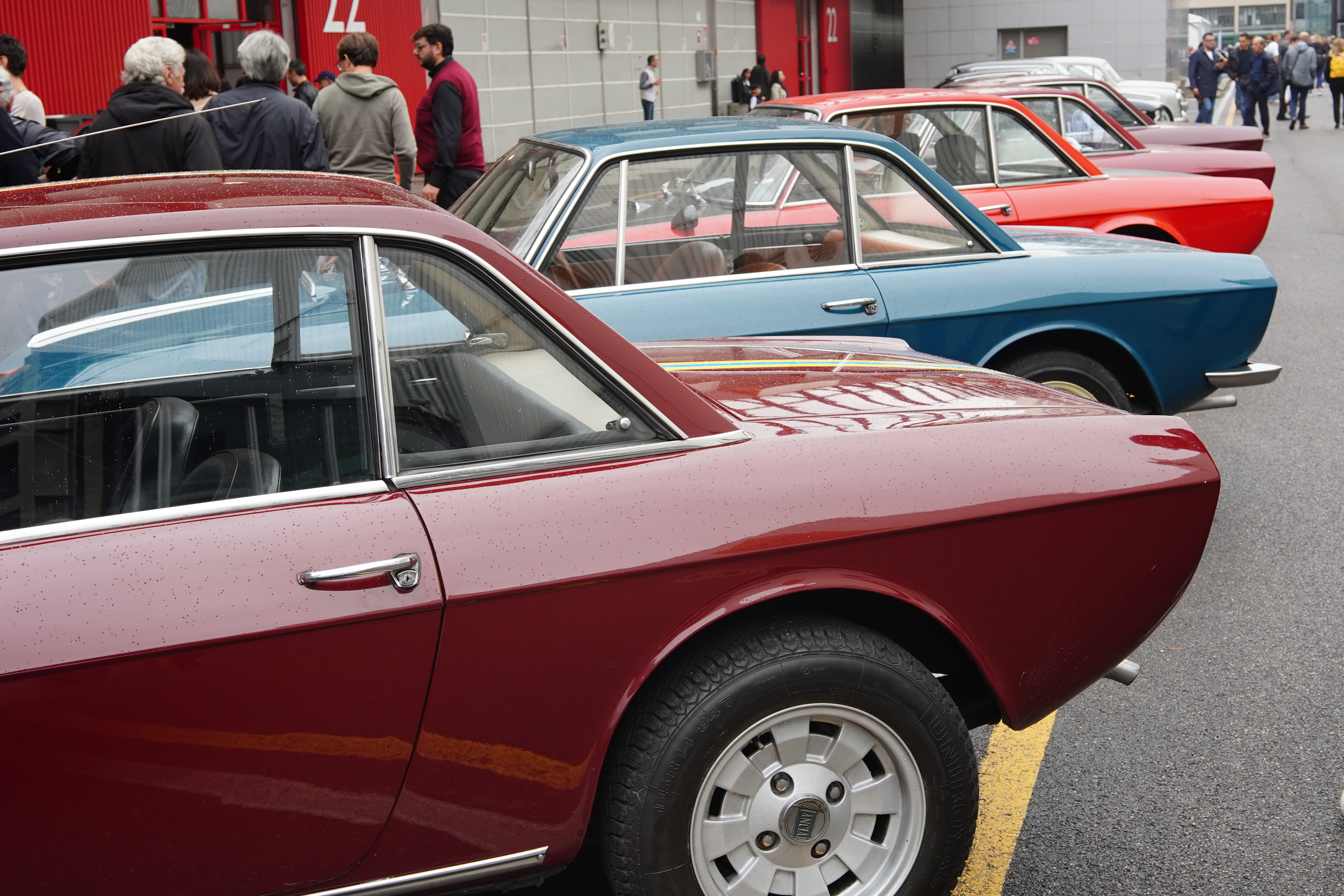
Likewise, the Lancia club showed up with more Fulvias than I could count.

Another day, another Lancia Stratos, this one in rally livery.


This one got my attention: I’ve never heard of nor seen a Lancia Kappa, also simply called “K”. It’s a 1999, FWD with a 5-cylinder turbo engine putting out 220 HP. Styling was a bit bland but inoffensive. The ask? €10,000, not negotiable.

And yet another one new to me: a 1997 Delta 2-door, 2.0L turbo making 193 HP, 51,000 kilometers (about 32,000 miles). The vendor was asking €19,000.

Was this the least expensive Fulvia coupe at the show? This 1973 with 60,000 original km (37,000 miles) had an asking price of €17,500.


Entire blog post content copyright © 2024 Richard A. Reina. Text and photos may not be copied or reproduced without express written permission.
Auto e Moto d’Epoca Summary Part 1

The “Auto e Moto d’Epoca” (Autos and Motorbikes of the Period, referring to vintage and classic items) is an annual motor vehicle show held in Italy. The 2024 event was its 41st edition, and substantial growth forced it to move from Padova to a larger venue in Bologna. I first became aware of this show in 2023 and had hoped to attend but was unable to. However, I made the journey in October 2024 and attended all four days. I’ve experienced all types of car shows over the decades, but this was easily one of the best shows of my life (it helps that I love not only Alfa Romeos, but all Italian motor vehicles).

The 2024 show dates were from Thursday Oct. 24 through Sunday Oct. 27. I arrived in Bologna on Tuesday the 22nd so I could adjust to the 6-hour time difference. Once I got off the plane in Bologna, a 15-minute taxi ride got me to my Marriott hotel. The show was held at the BolognaFiere, a huge exhibition complex which was an easy 15-minute walk from the hotel. The Auto e Moto d’Epoca occupied 13 of its buildings, or halls, with the halls organized into 4 categories: vehicles for sale; vehicles displayed by car clubs, manufacturers, and other organizations; motorcycles; and spare parts & automobilia.

Thursday was billed as preview day, and I had pre-purchased a combo ticket for all 4 days. I arrived shortly after the doors opened at 9 a.m., and as I walked into the hall and got my first glance of the cars on the floor, I knew that my expectations were about to be greatly exceeded.  As it happened, the first of the 13 buildings I entered featured cars for sale by private individuals. Italian cars included various Fiat models such has 124 Sport Coupes, 130 Coupes, Dino Coupes and Spiders, and 500 sedans. Lancias were plentiful and included various Fulvias and Flaminias. Of course, there were many Alfa Romeos, mostly GT Coupes and Spiders, but a fair number of sedans too. Non-Italian cars included various Jaguars, Mercedes-Benzes, Volkswagens, and even some American cars. And this was just the first building!

On Thursday, I only visited the halls which contained cars for sale. Aside from cars offered by private individuals, many of the remaining vehicles for sale had been brought in by specialty auto dealers, of which there seem to be a great number in Italy. Asking prices were listed in Euros, and with the dollar almost at 1:1 parity (actually the Euro is worth a little more), there were no complicated calculations to make regarding pricing. I spent about 6 hours on Day 1 wandering through 5 of the 6 buildings with cars for sale.

I’ve decided that the most organized way to share my photos is to break up the blog posts into segments based on vehicle marques, starting with Fiat.

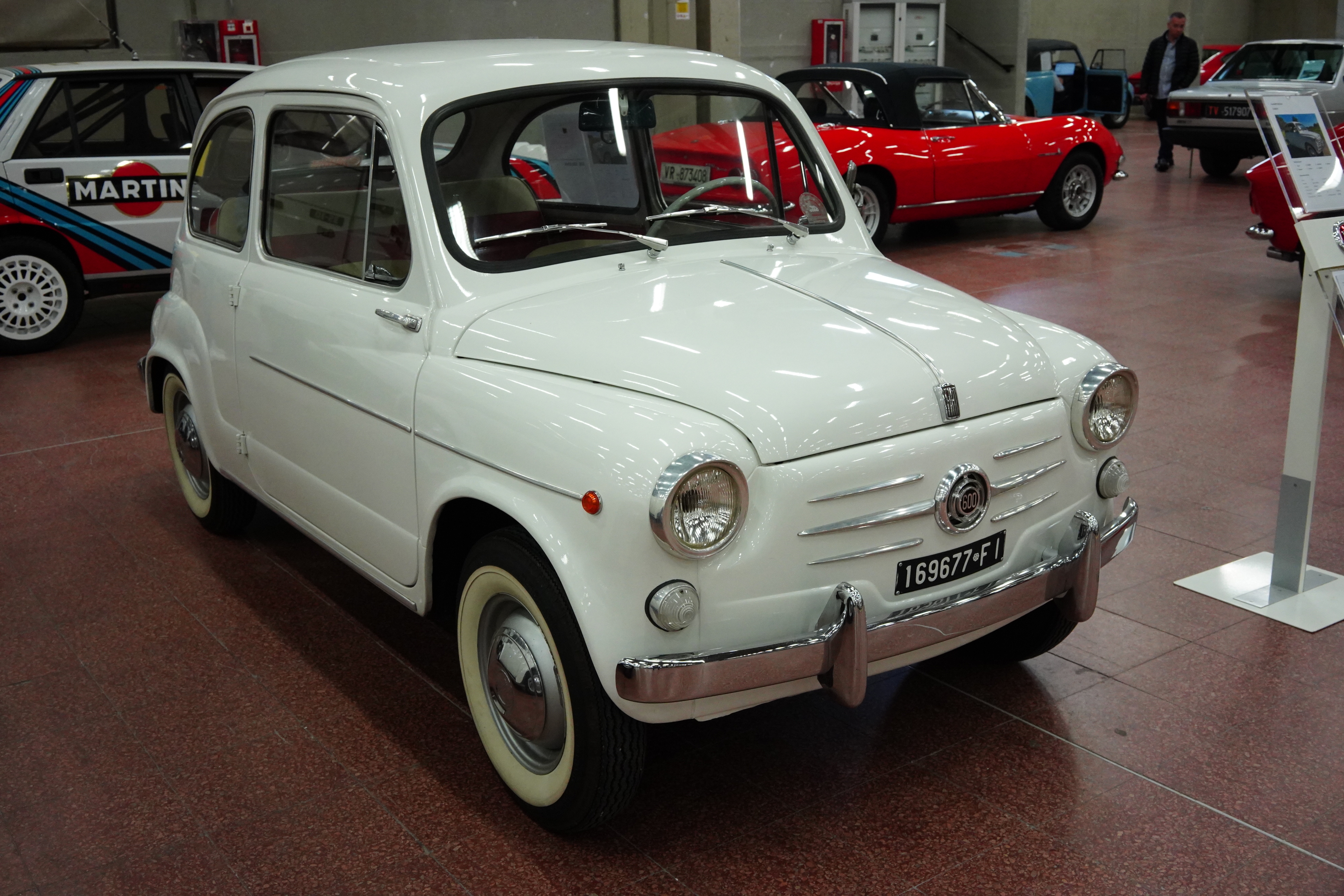
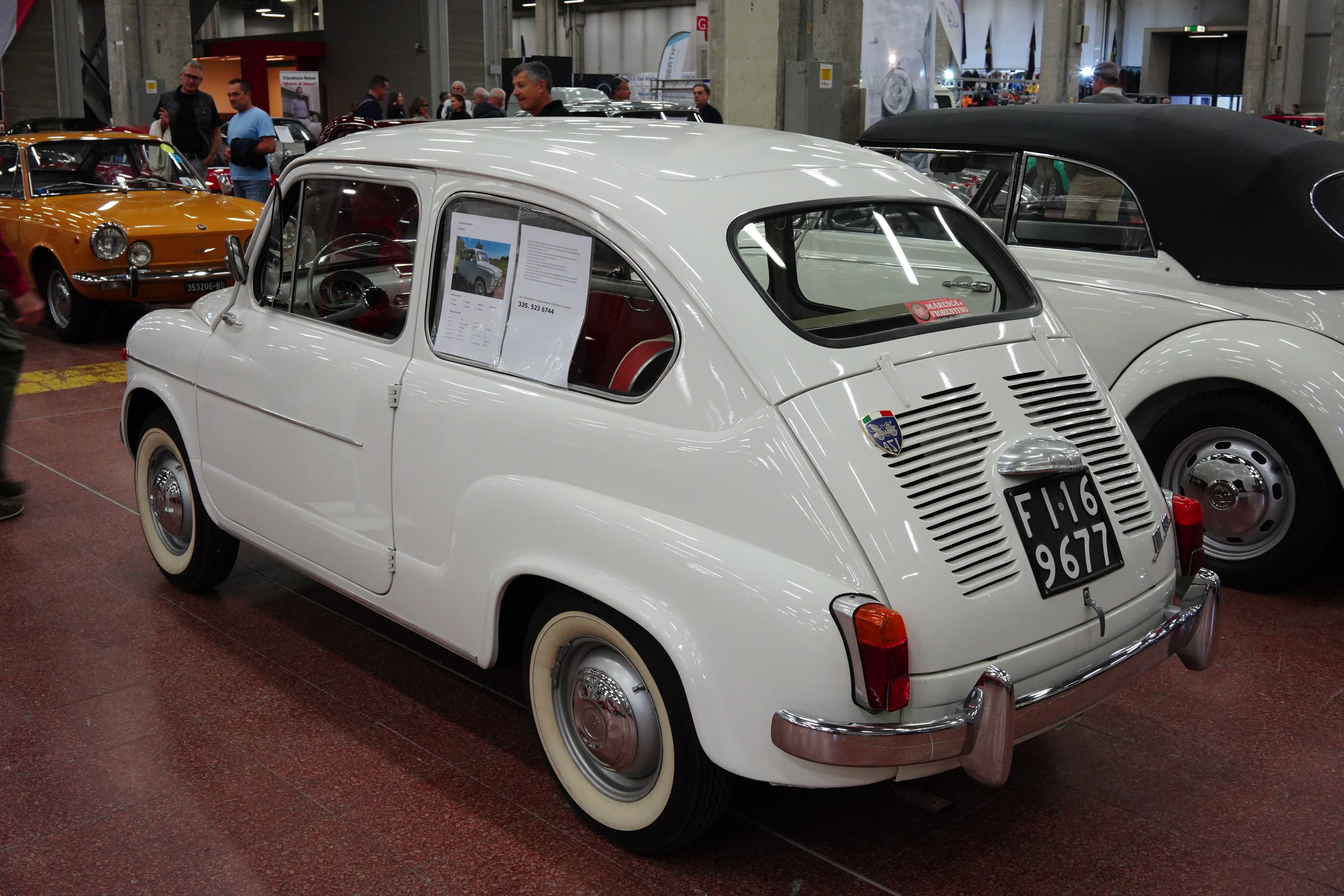
This 1962 Fiat 600D had an asking price of €8200
Fiat Dino Coupes and Spiders

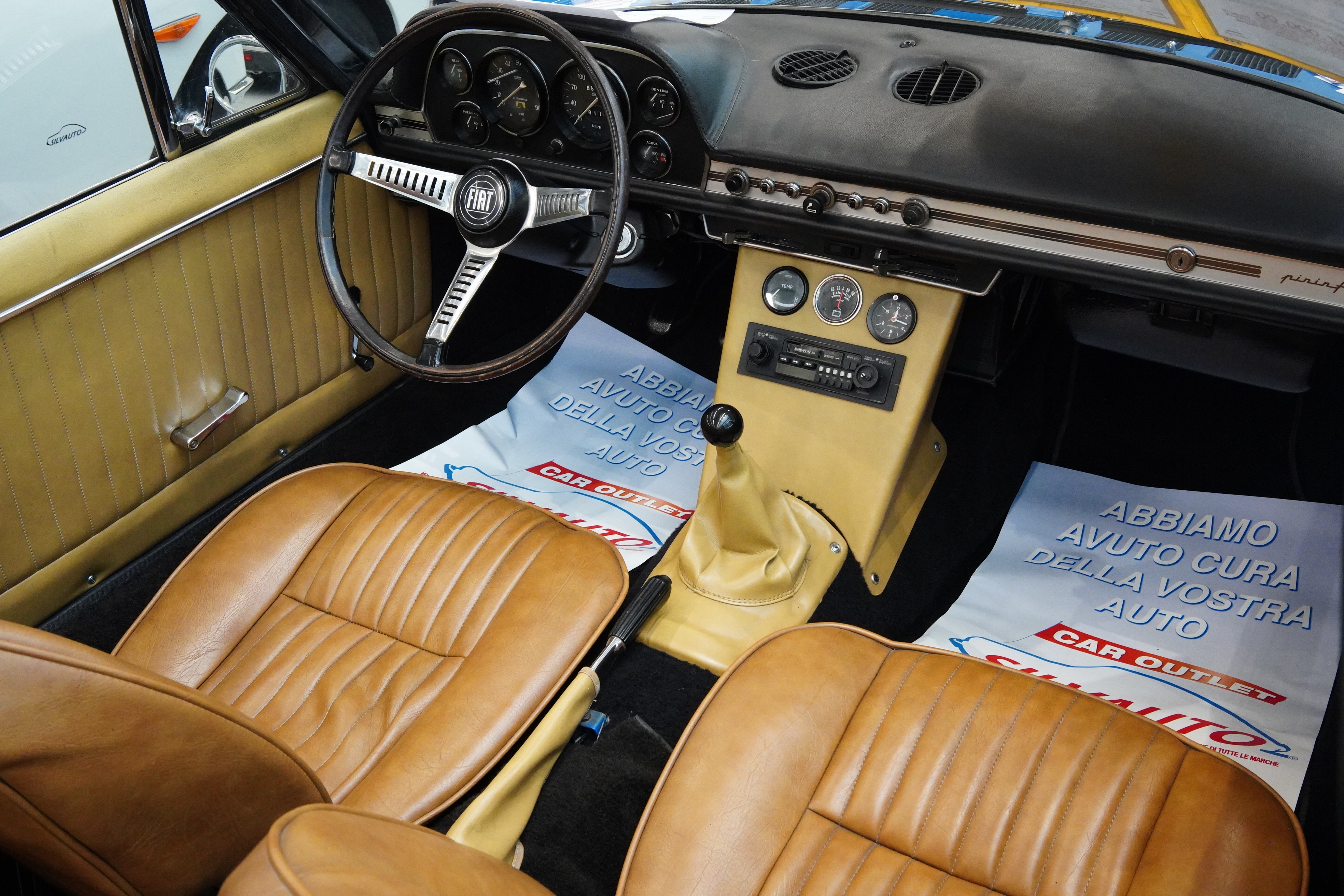
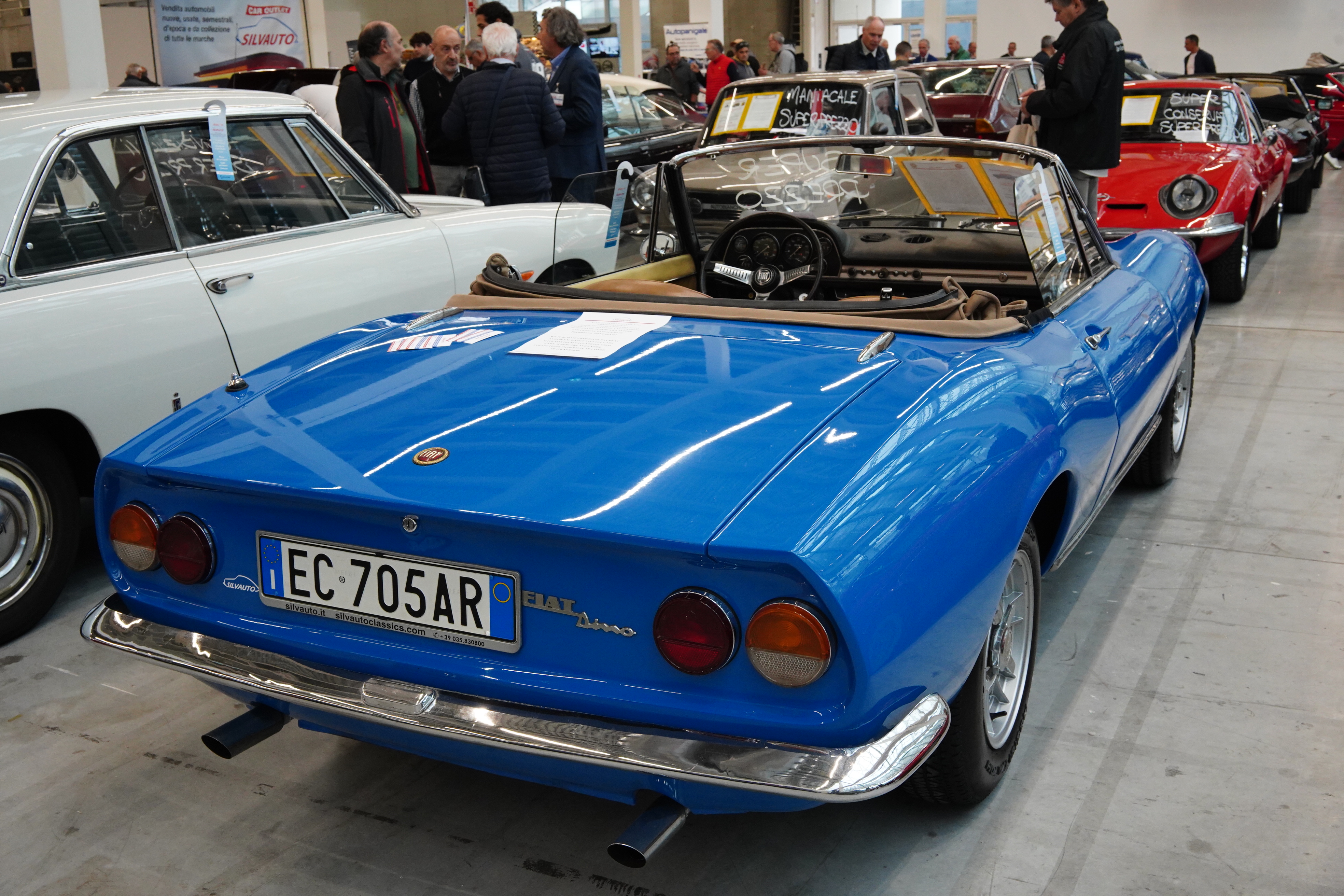
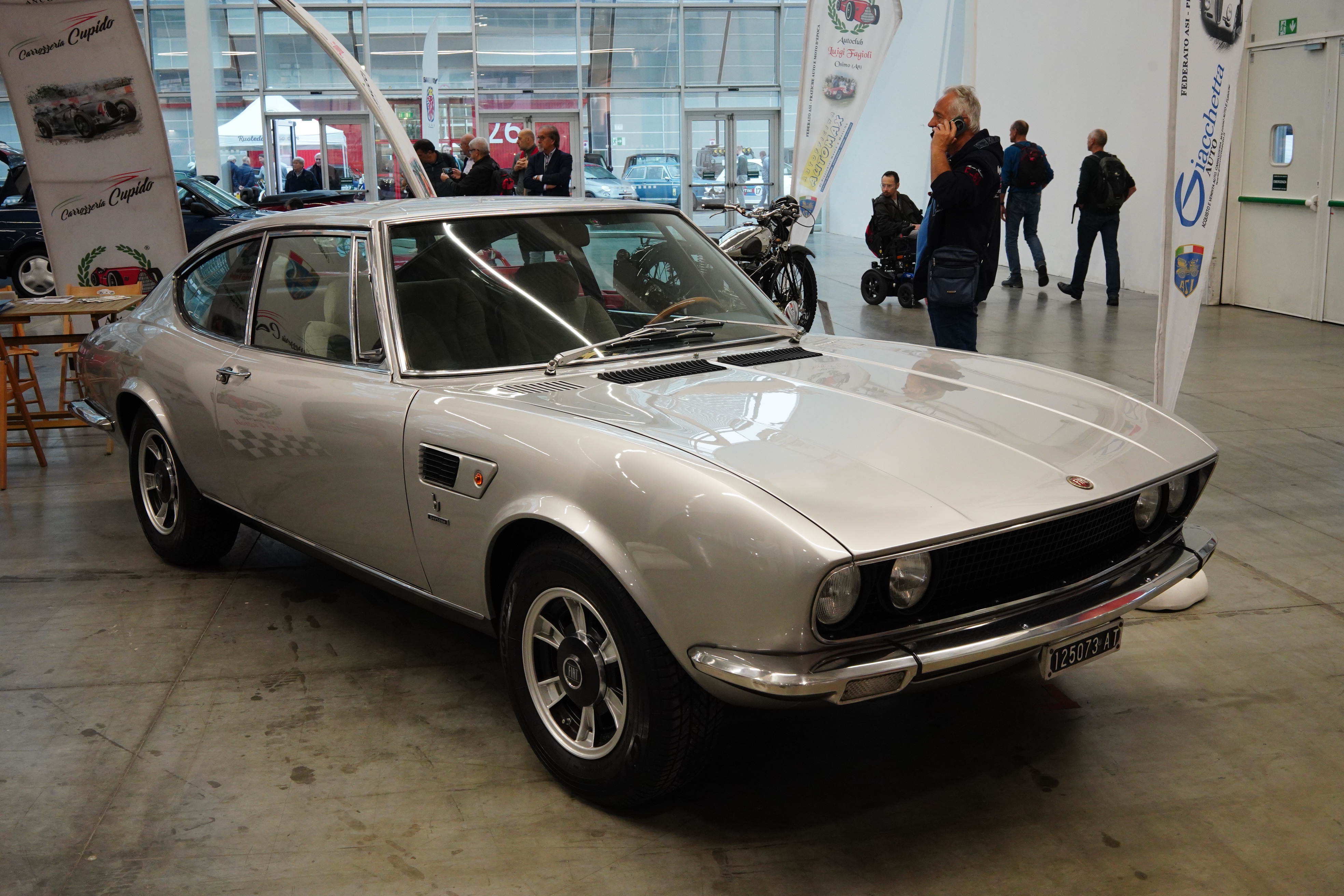
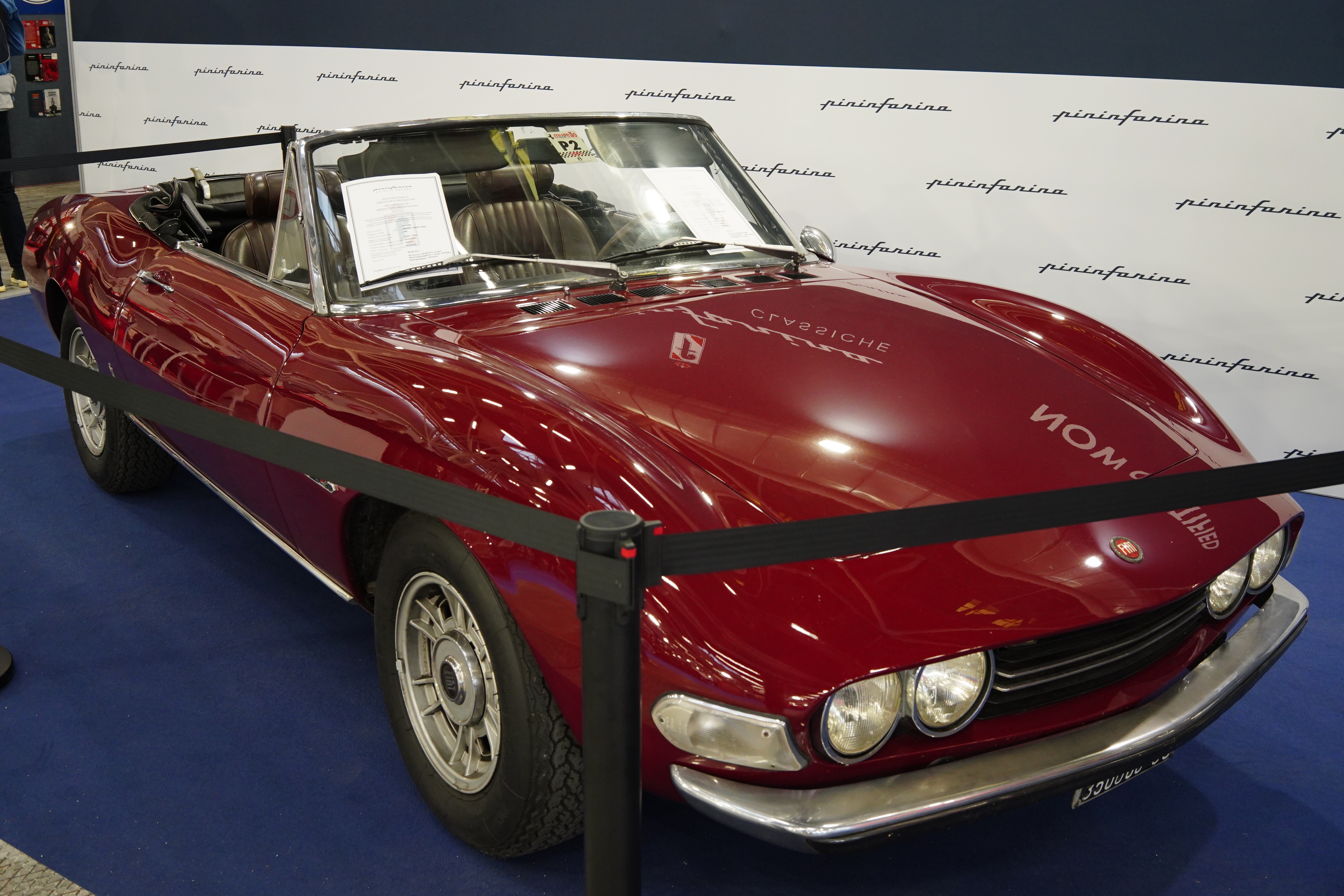
Fiat, in collaboration with Ferrari, agreed to build a certain number of “Dino” Coupes and Spiders with the Ferrari V6 engine for homologation purposes. Never officially imported into the U.S., they were built in limited numbers during the late ‘60s-early ‘70s. They have always been a favorite of mine, and I’m lucky if I see one a year in the States. Here, I saw EIGHT.

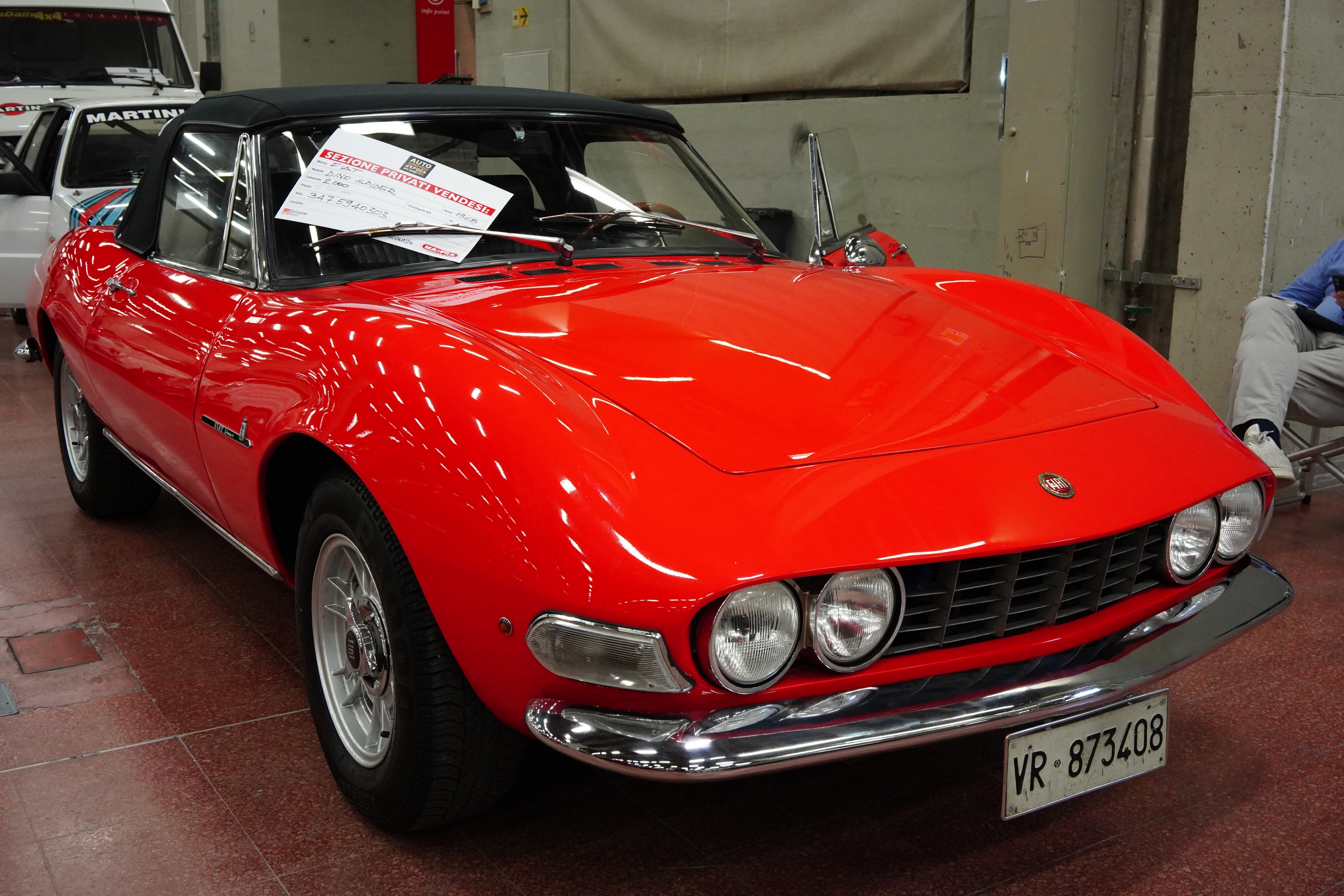
1968 Dino Spider in red
1968 Dino Coupe in red, paint was bad, asking €23,000
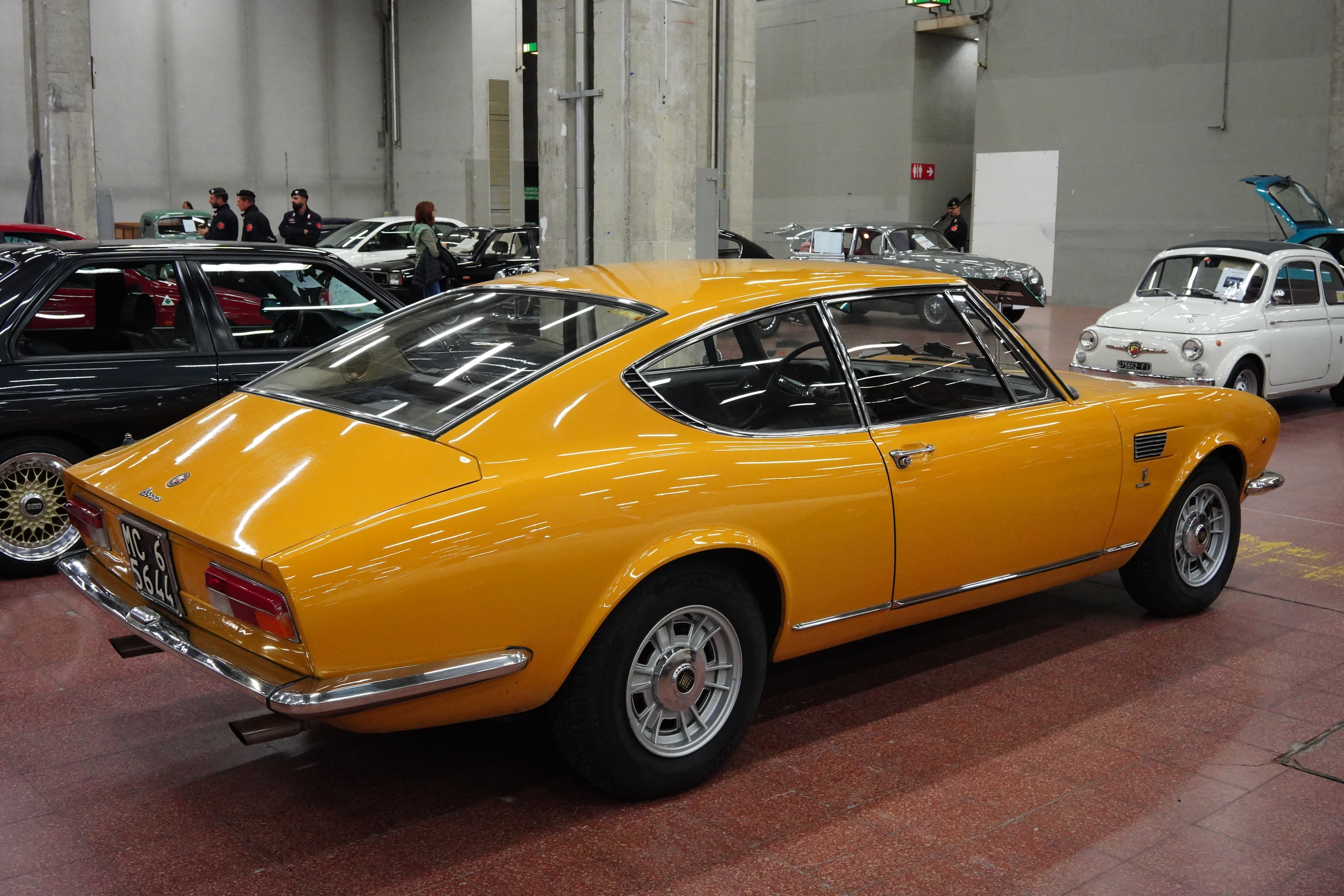
Yellow Dino Coupe
Blue Dino Spider, asking €97,000

1967 Dino Spider in red, asking €115,000
Yellow Dino Coupe, asking €57,000
Silver Dino Coupe
Dark red Dino Spider with a brown interior
Fiat 124 Sport Coupes

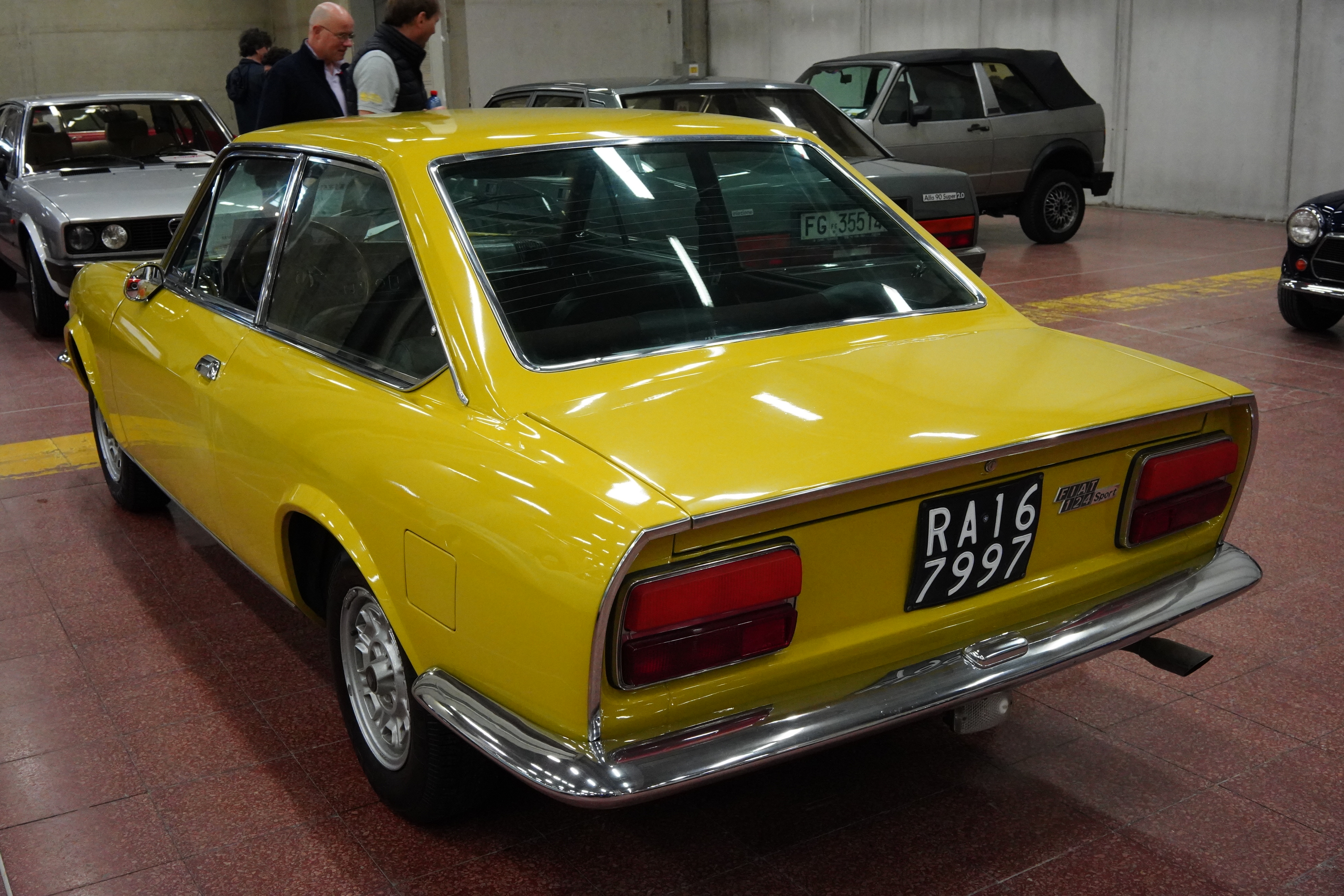
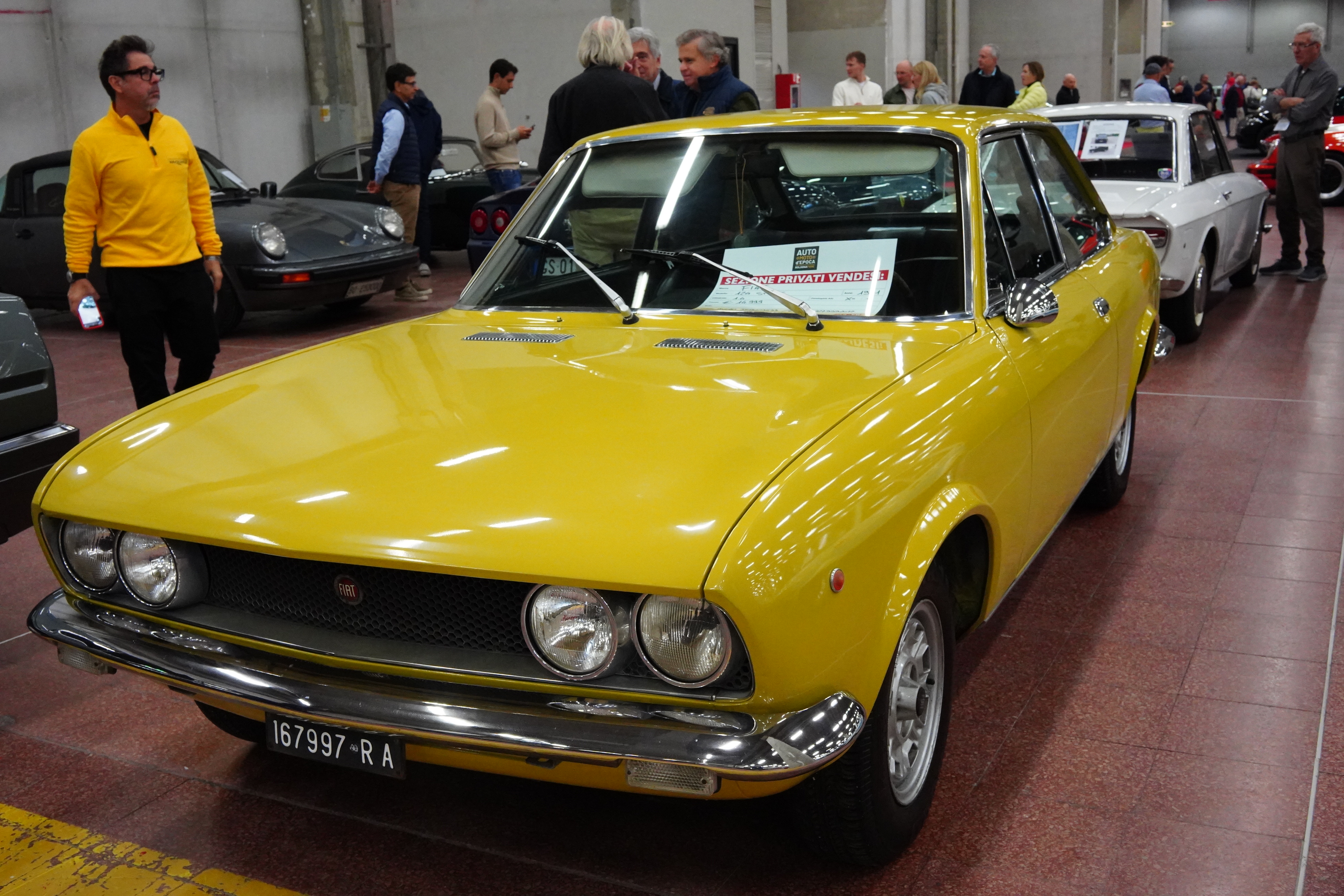
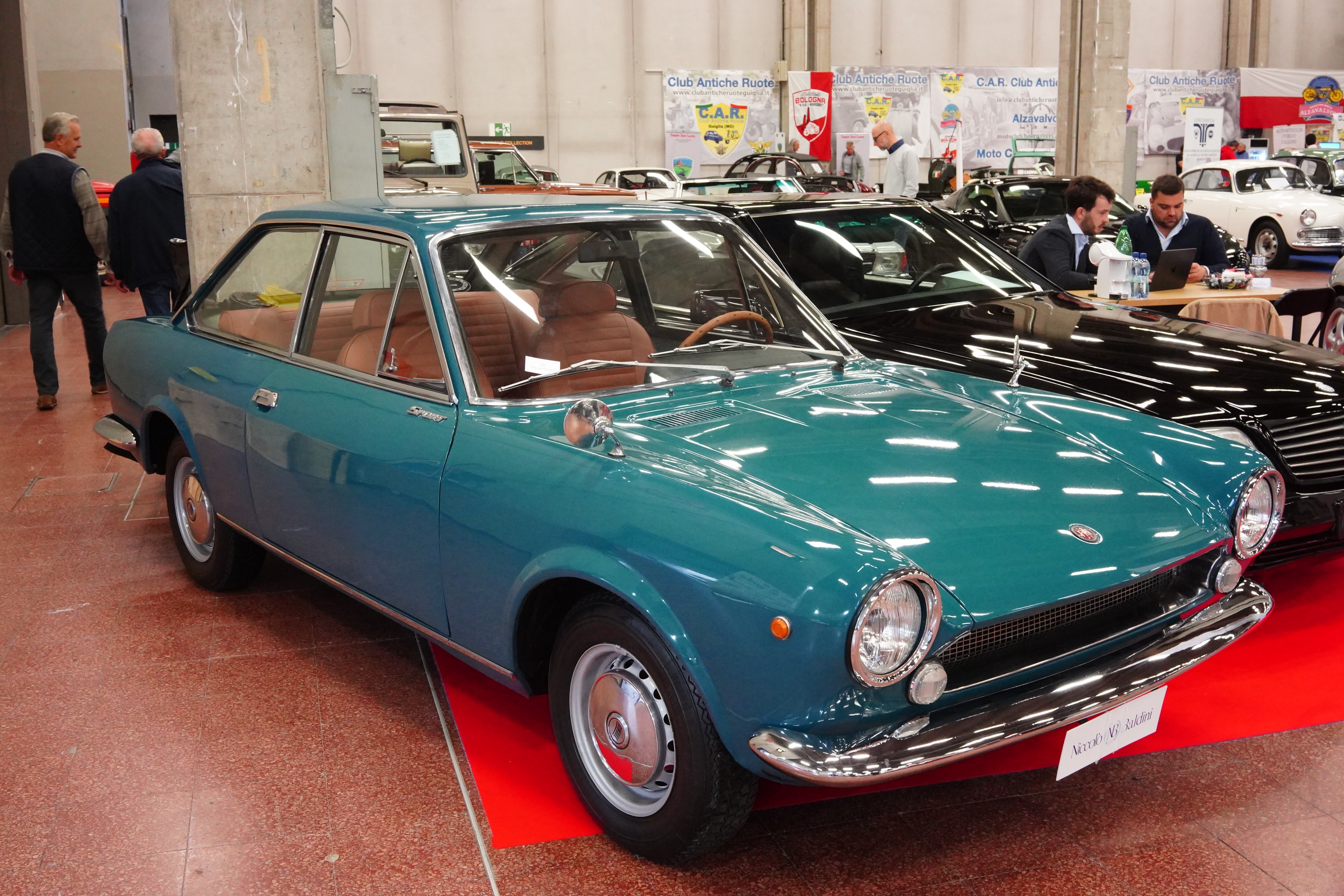
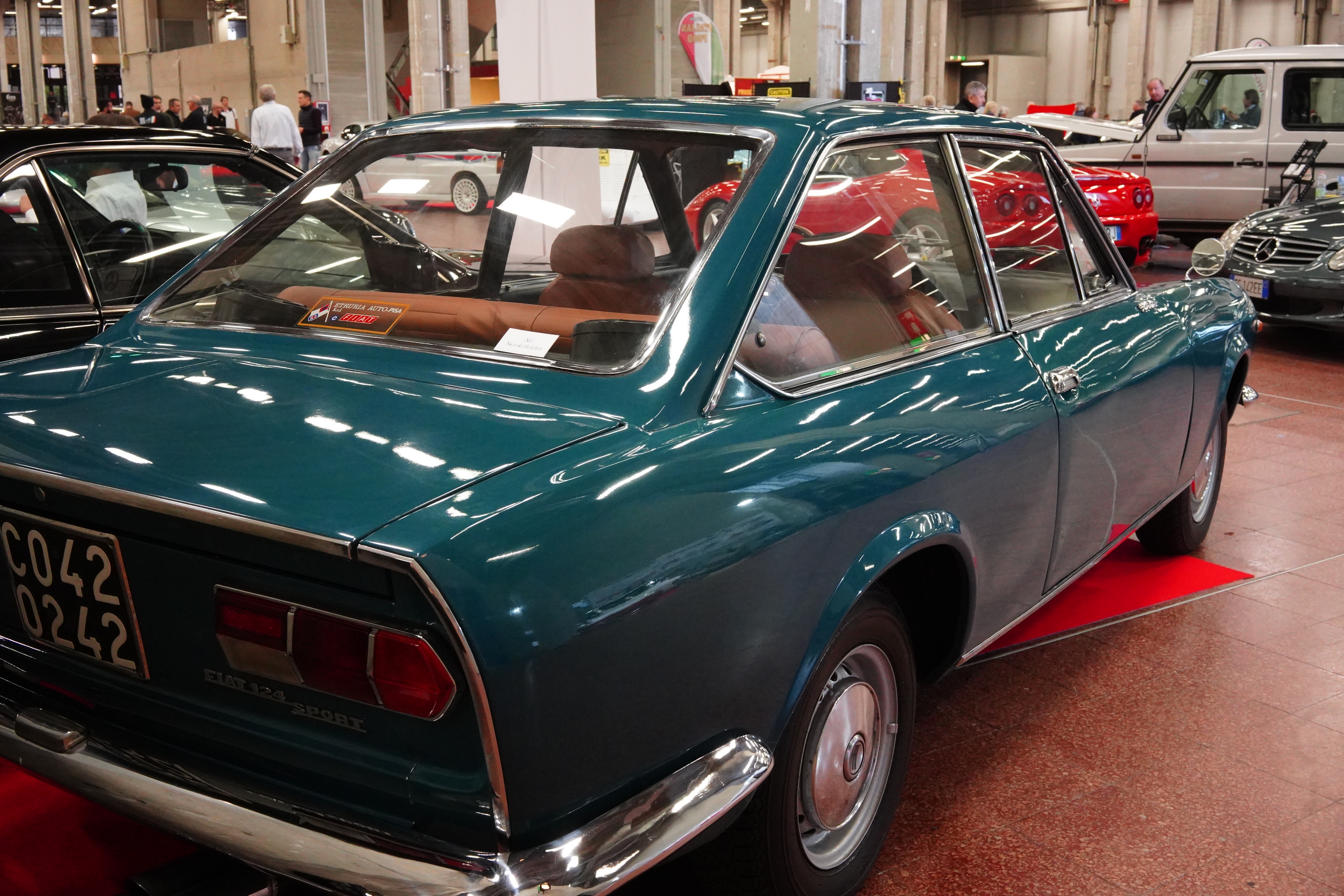
Long a favorite, as I had one in college, which ignited this Italian love affair. They have all but disappeared from the roads here, but there were 3 at the show, and two were for sale at seemingly fair prices.

This 2nd-generation 1971 Coupe had an asking price of €16,999. It looked sharp in yellow over black with its alloy wheels, but with the hood up, the yellow in the engine compartment didn’t match the exterior paint. The car was still for sale when I walked past it on Sunday.
This 1968 Coupe (1st gen car, note the single headlamp per side compared to the yellow one) had what looked like a restored interior, with headrests on the front seats. The owner was asking €13,900, a bit less than the yellow car.
This 2nd-gen silver car was displayed outside, and I presume that it was there as part of a Fiat club.
Fiat 130 Coupes
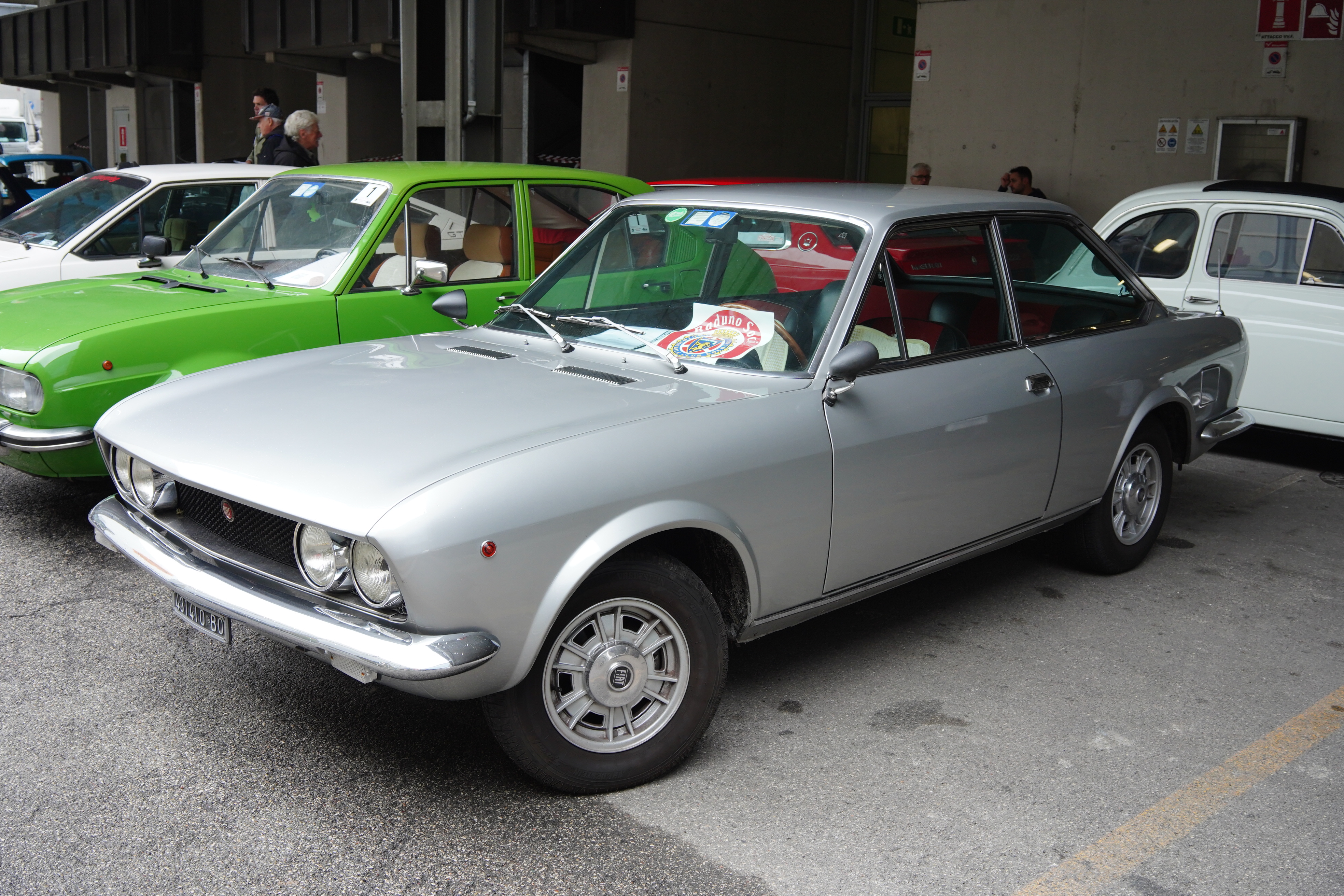
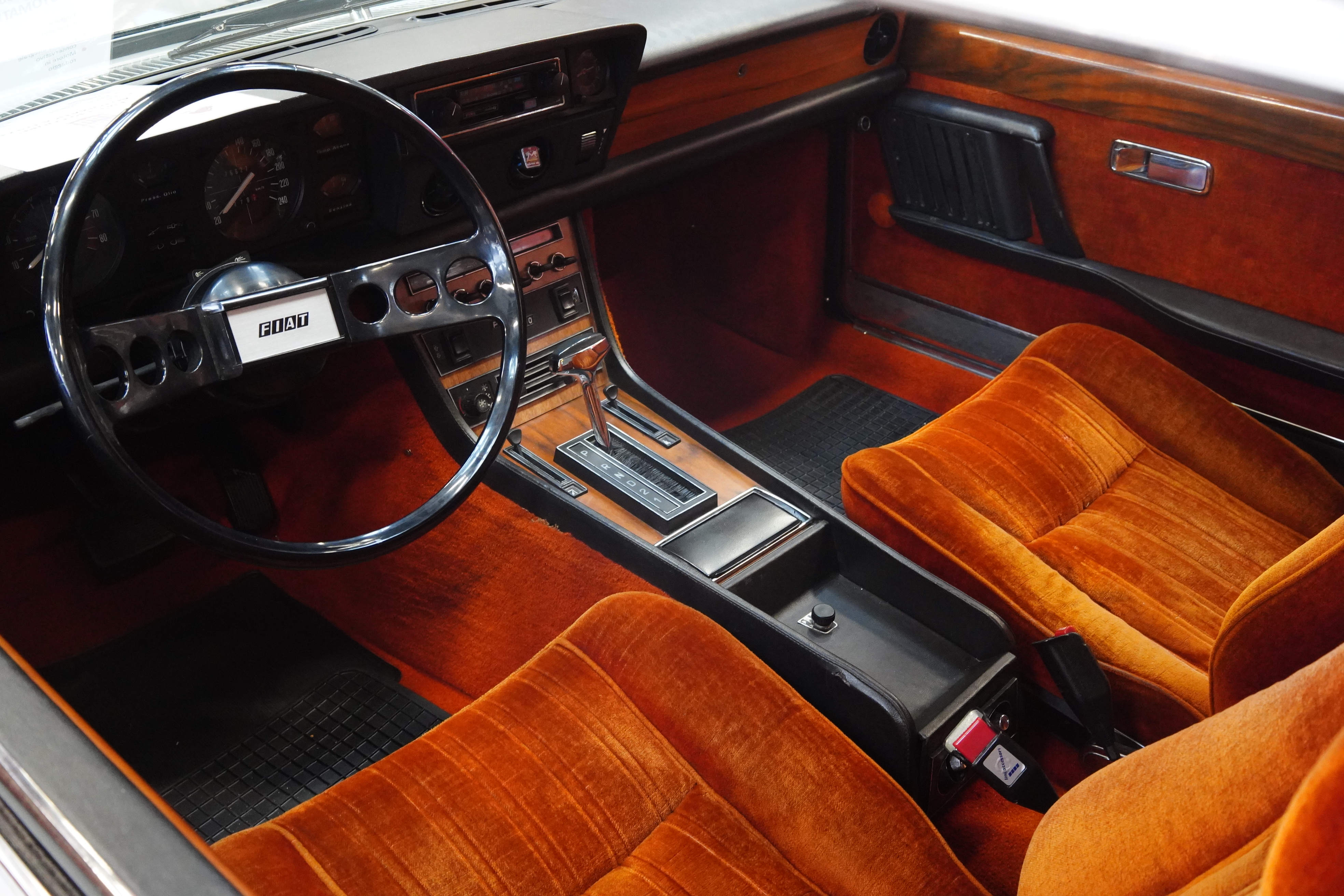
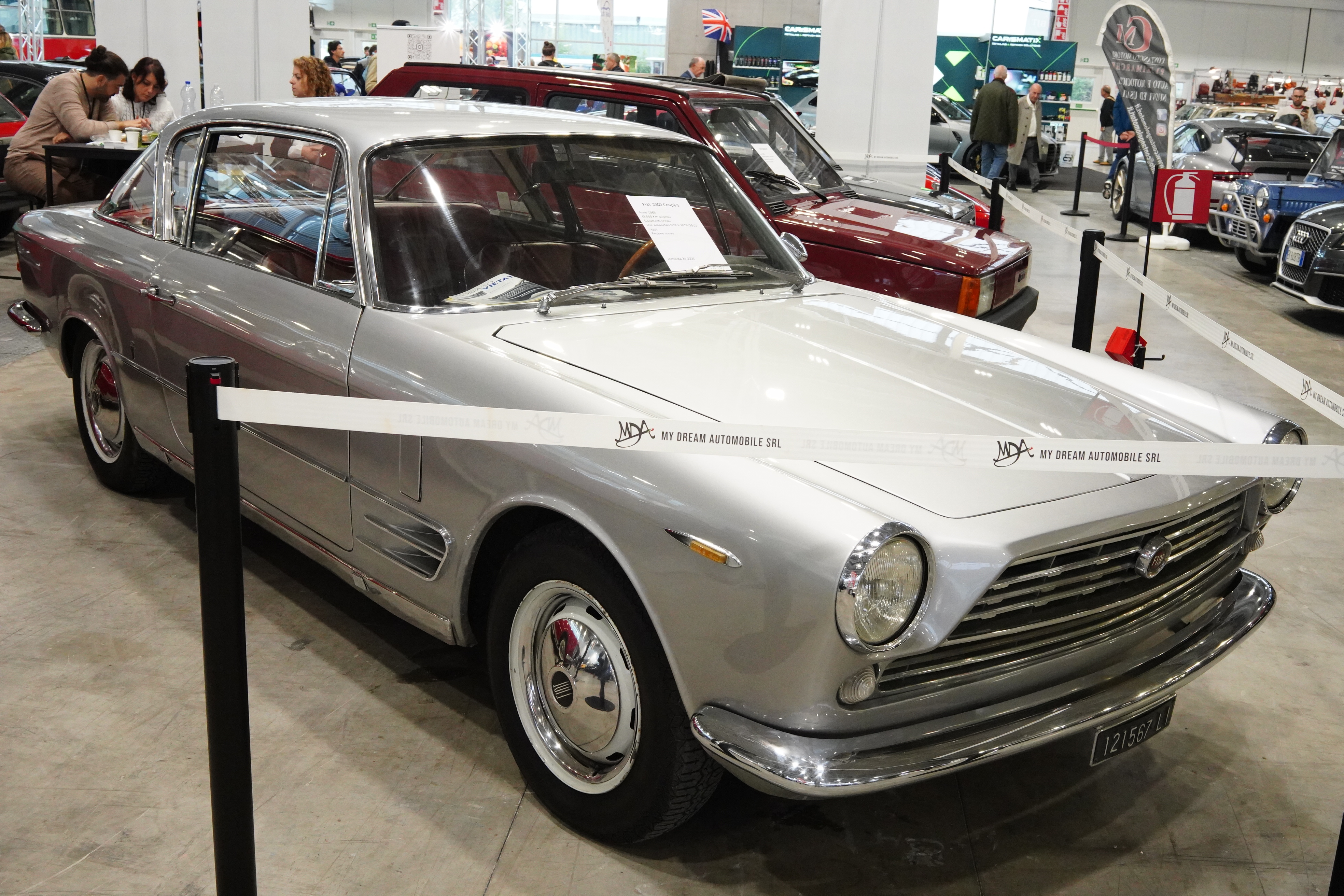
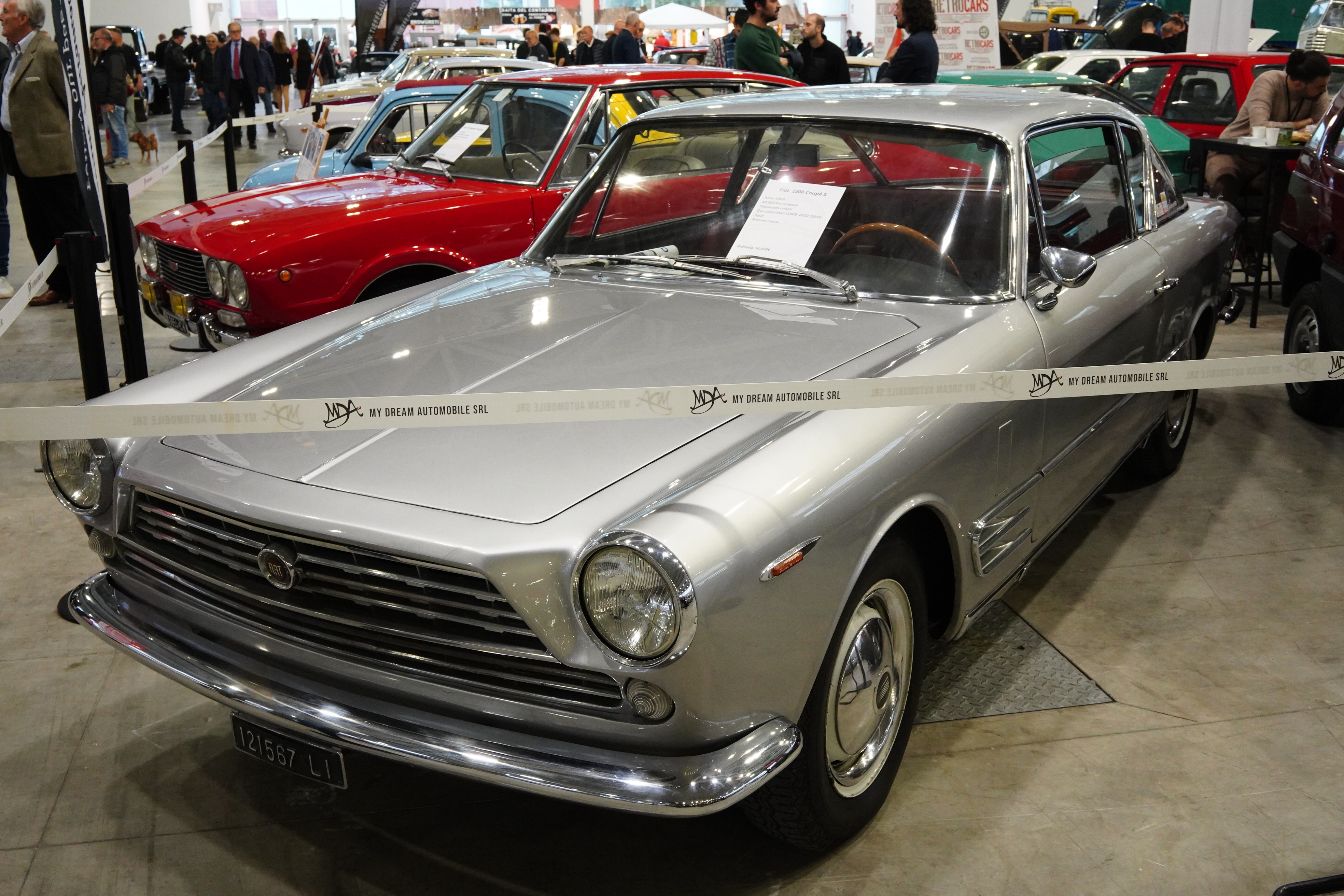
Looking somewhat like the 124 Coupe’s big brother, these V6-powered cruisers pop up once in a while on Bring a Trailer. There were two at the show.


This 1969 Fiat 2300 Coupe had an asking price of €34,000
I call this 1955 Fiat 1100 “Transformabile” the ‘Eleanor Roosevelt car’, because there is a photo of her in the driver’s seat of one. The vendor was asking €57,500 for this one.

Fiat 124 Spiders were thin on the ground at this show, and understandably so, since out of a total production of 197,913 vehicles (1966-1985), 170,720 were imported into the U.S.! Still, a few interesting examples were there.

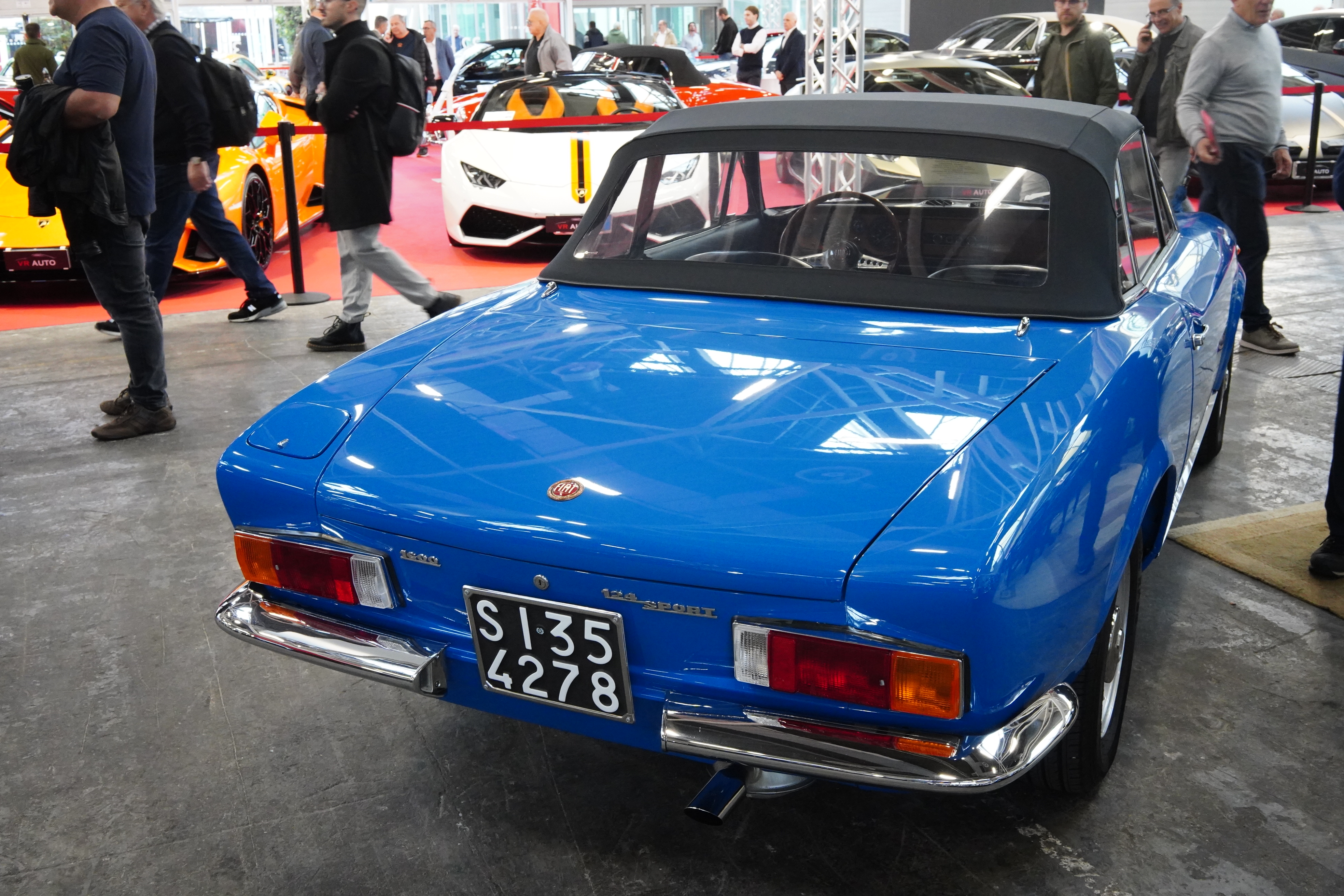
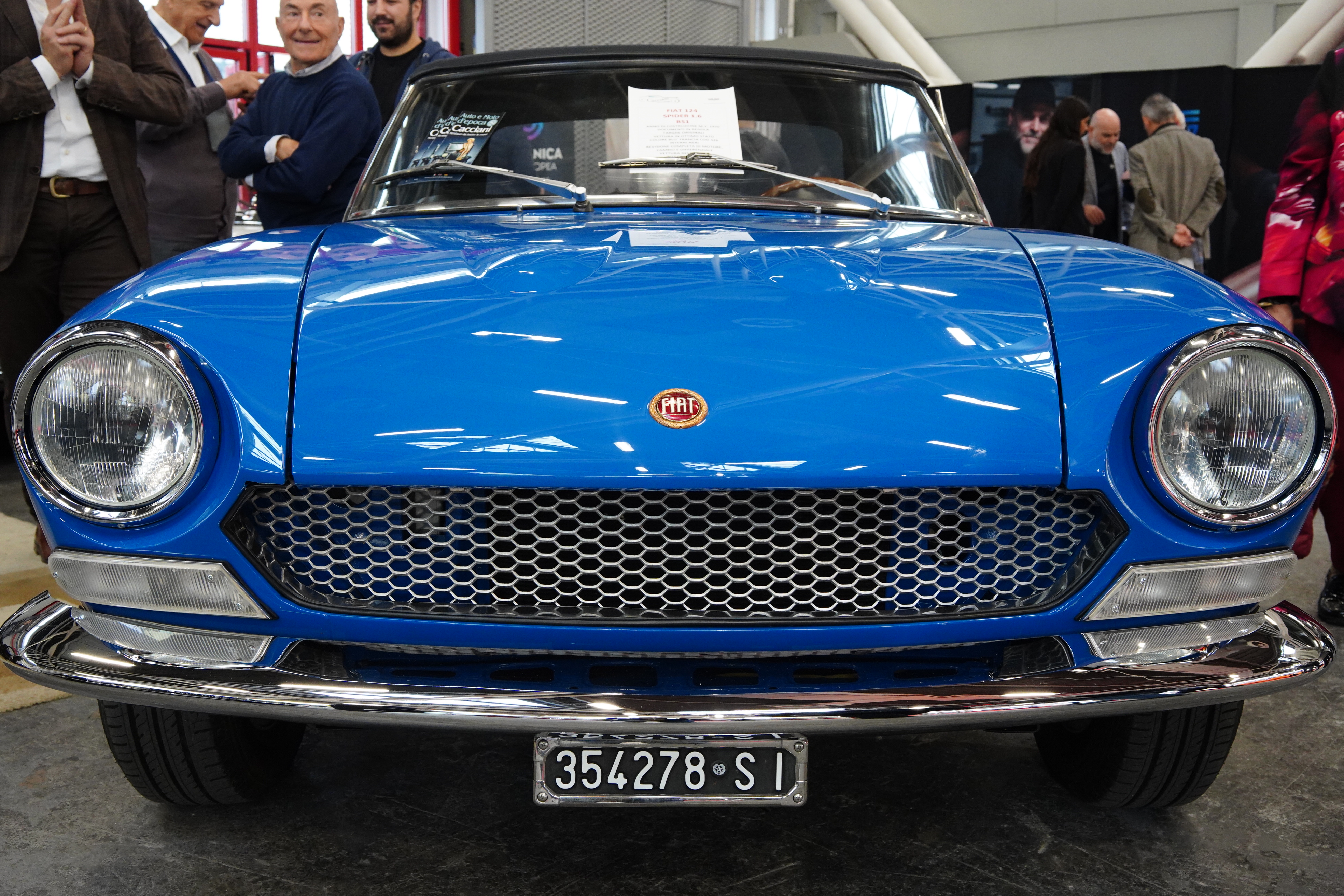
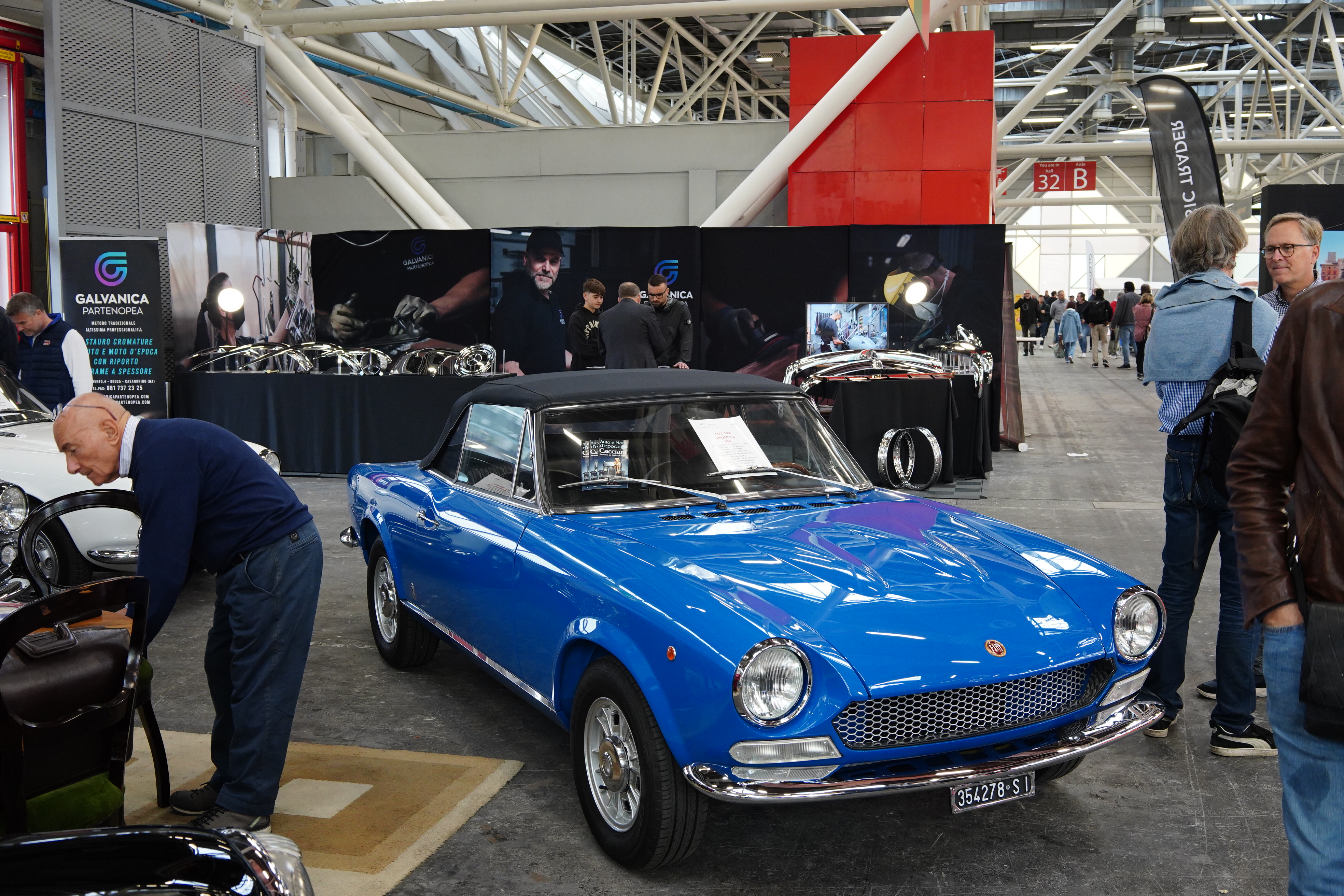
This blue Spider looked impeccably restored, and featured the dual carbs under the so-called ‘turtleback’ air cleaner.
This presumably authentic Abarth 124 Rally car had an asking price of €105,000.
This ’69 Spider was claimed to be one of only 4 prepped by the factory for competition.
A ’68 Spider in yellow. Note the original style grille with horizontal bars.

I’ve read about Fiat 8Vs, but had never seen one in the metal before this show. Interestingly, Fiat gave it that name under the mistaken impression that “V8” had been trademarked by the Ford Motor Company.

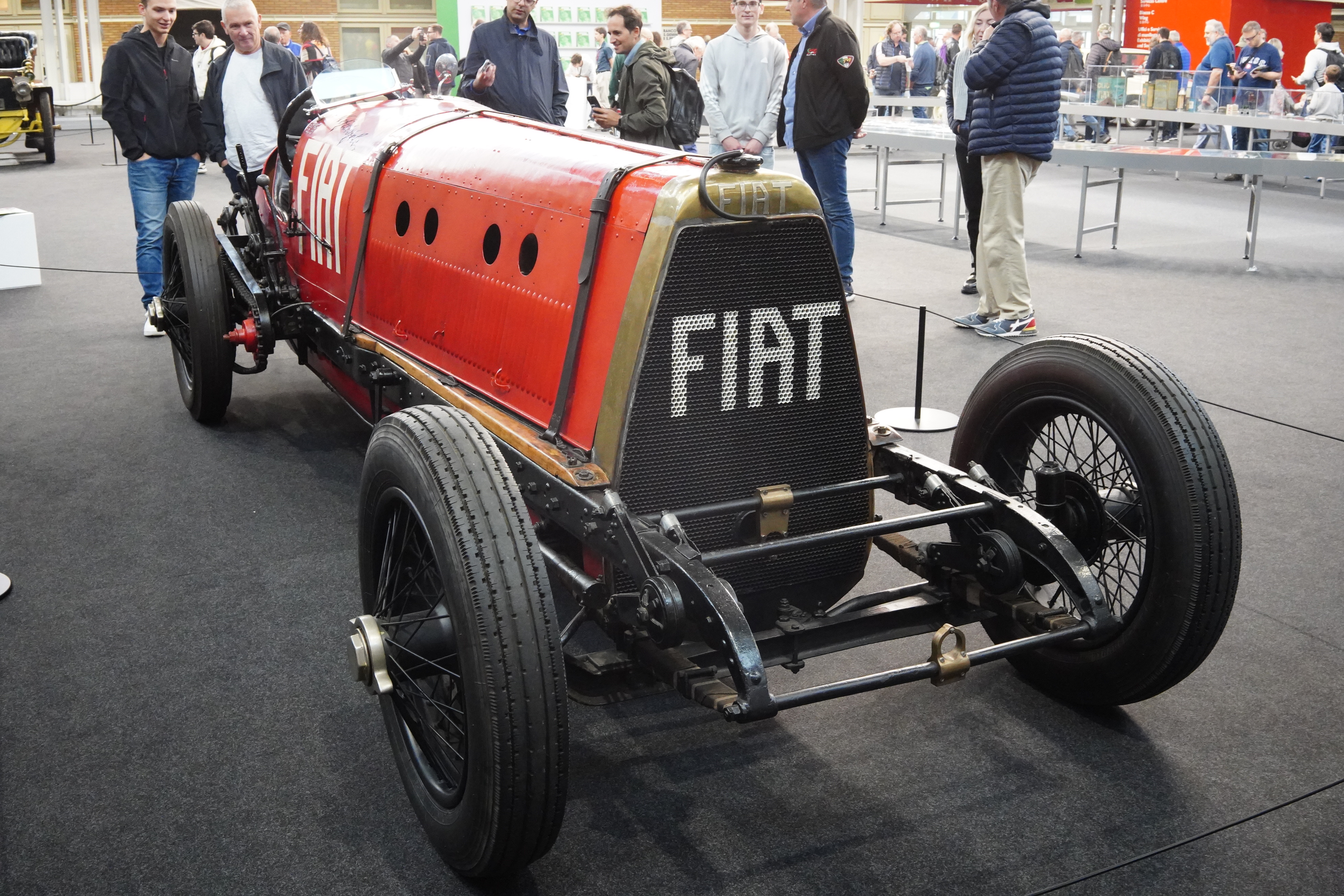
This early 20th century Fiat racer was on display in the Center Hall.
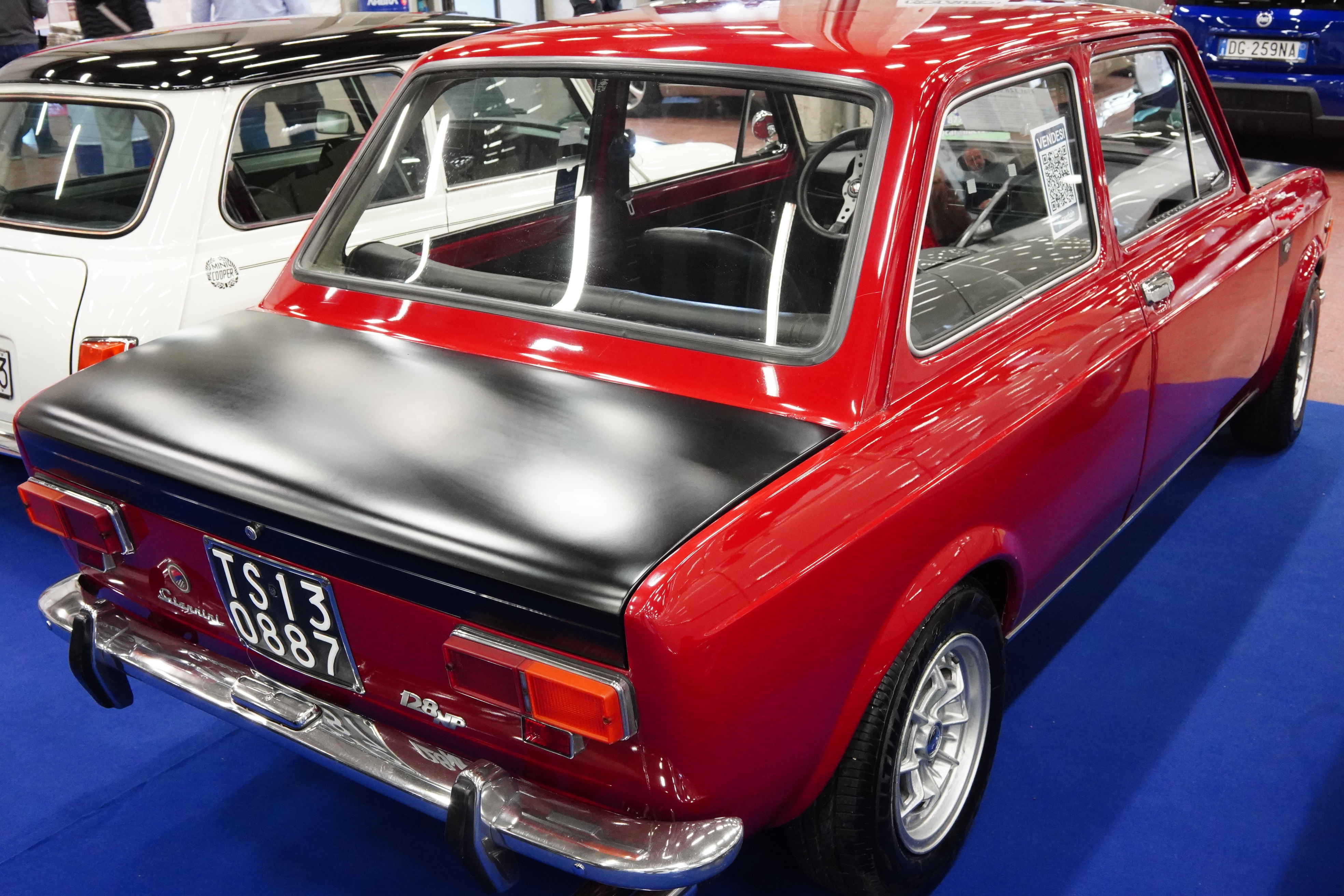
This Fiat 128 2-door sedan looked racy with its blacked-out panels. It sold in 2 days.

The Fiat Multipla is considered by some to be the first “minivan”.

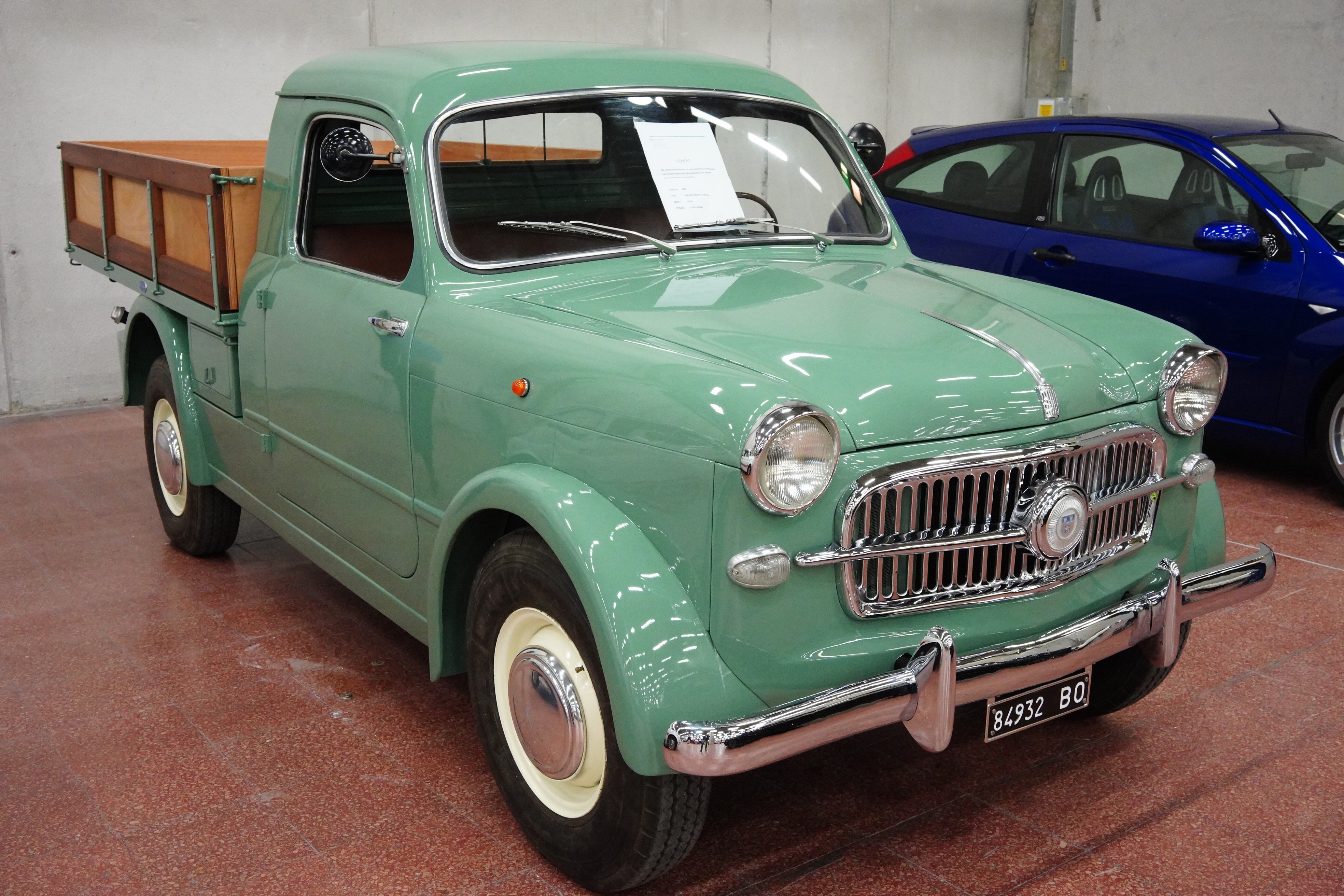
This Fiat pickup looked like a conversion job, although I’m not sure.

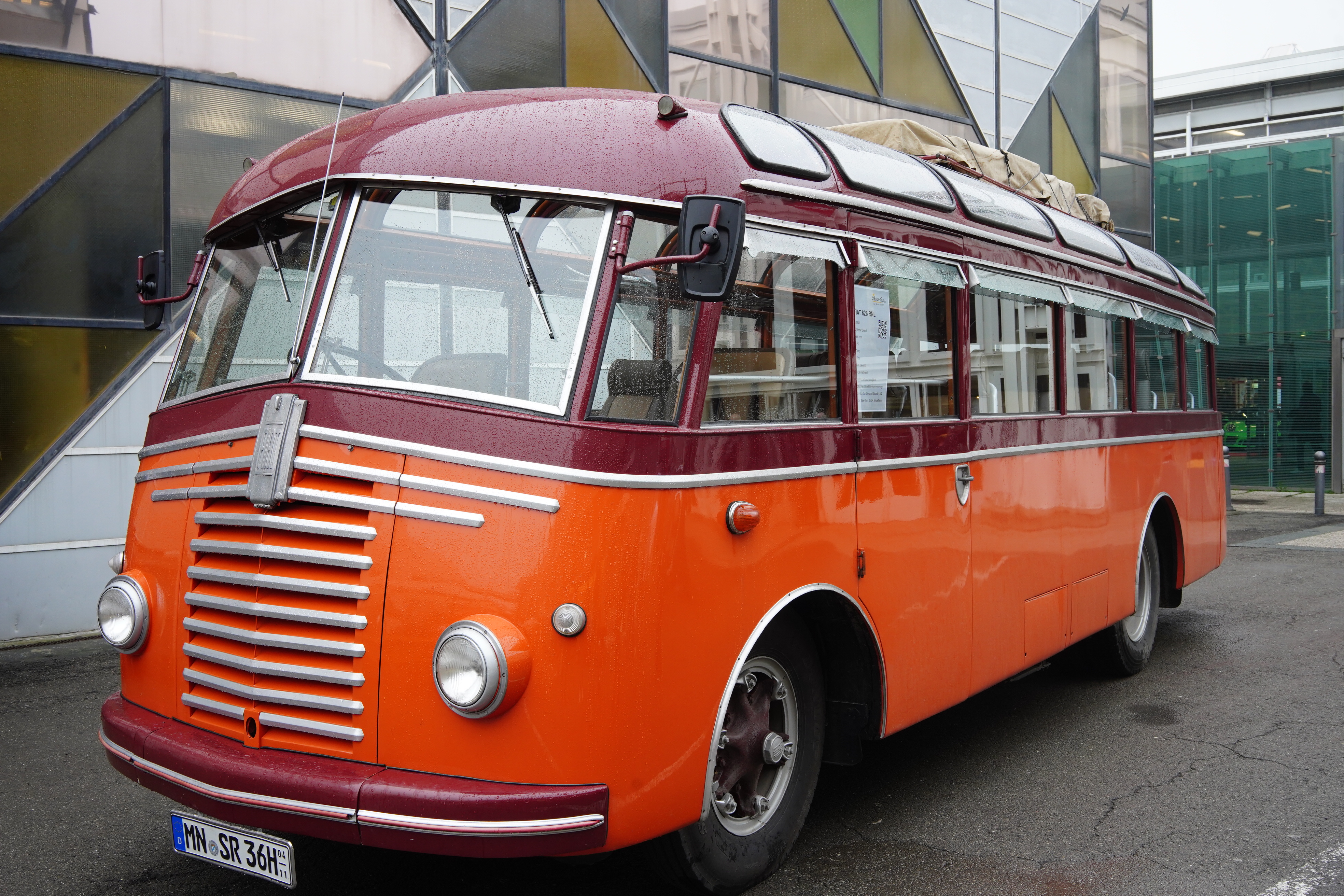
And you thought that Fiat only made small vehicles? This bus was plenty big. It had a 6-cylinder diesel engine.
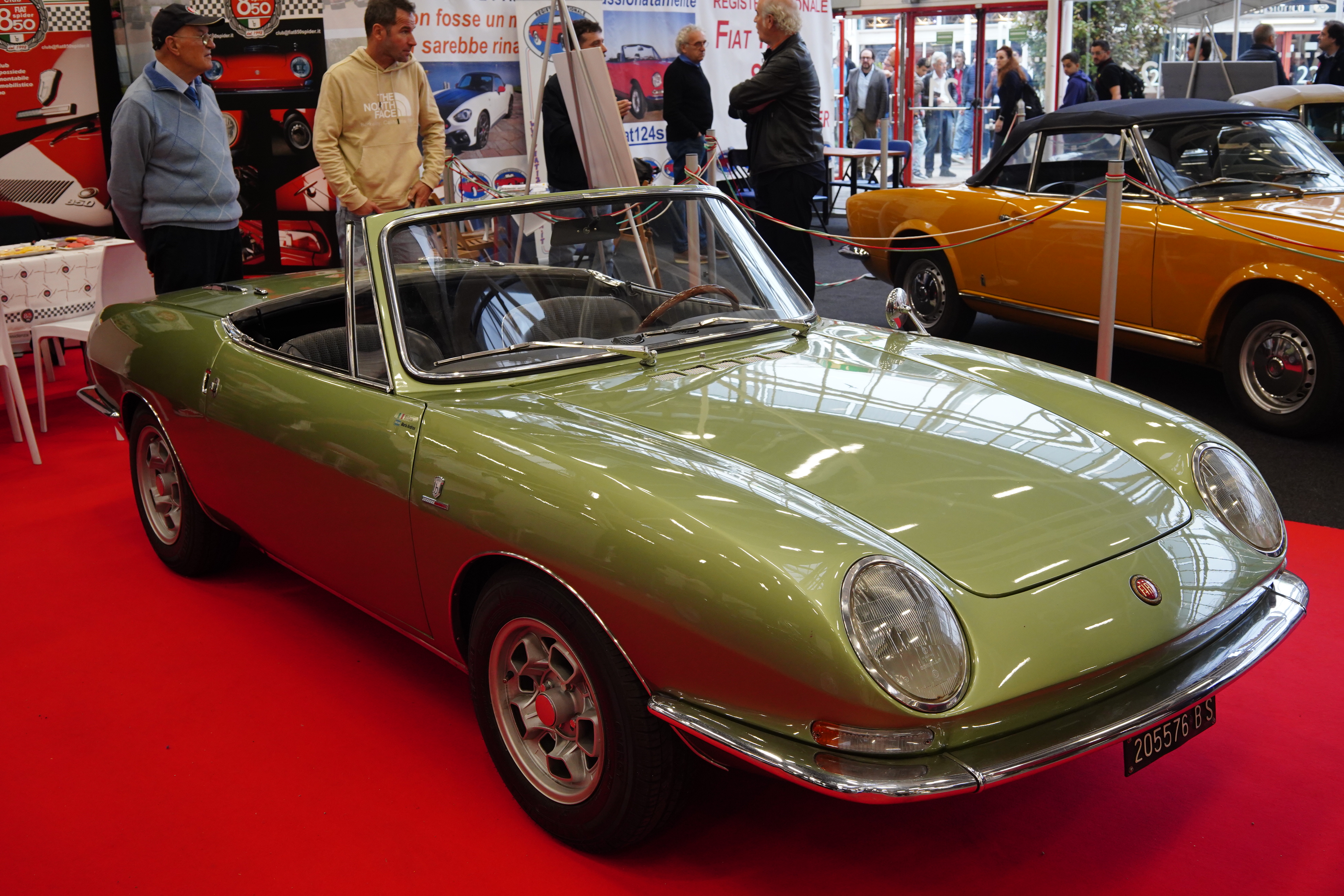
This Fiat 850 Spider was likely the nicest one I’ve ever seen. It was an early model as noted by its flush headlights.
A Fiat Ritmo Abarth. The Ritmo was Fiat’s answer to the successful VW Golf (Rabbit in the U.S.).
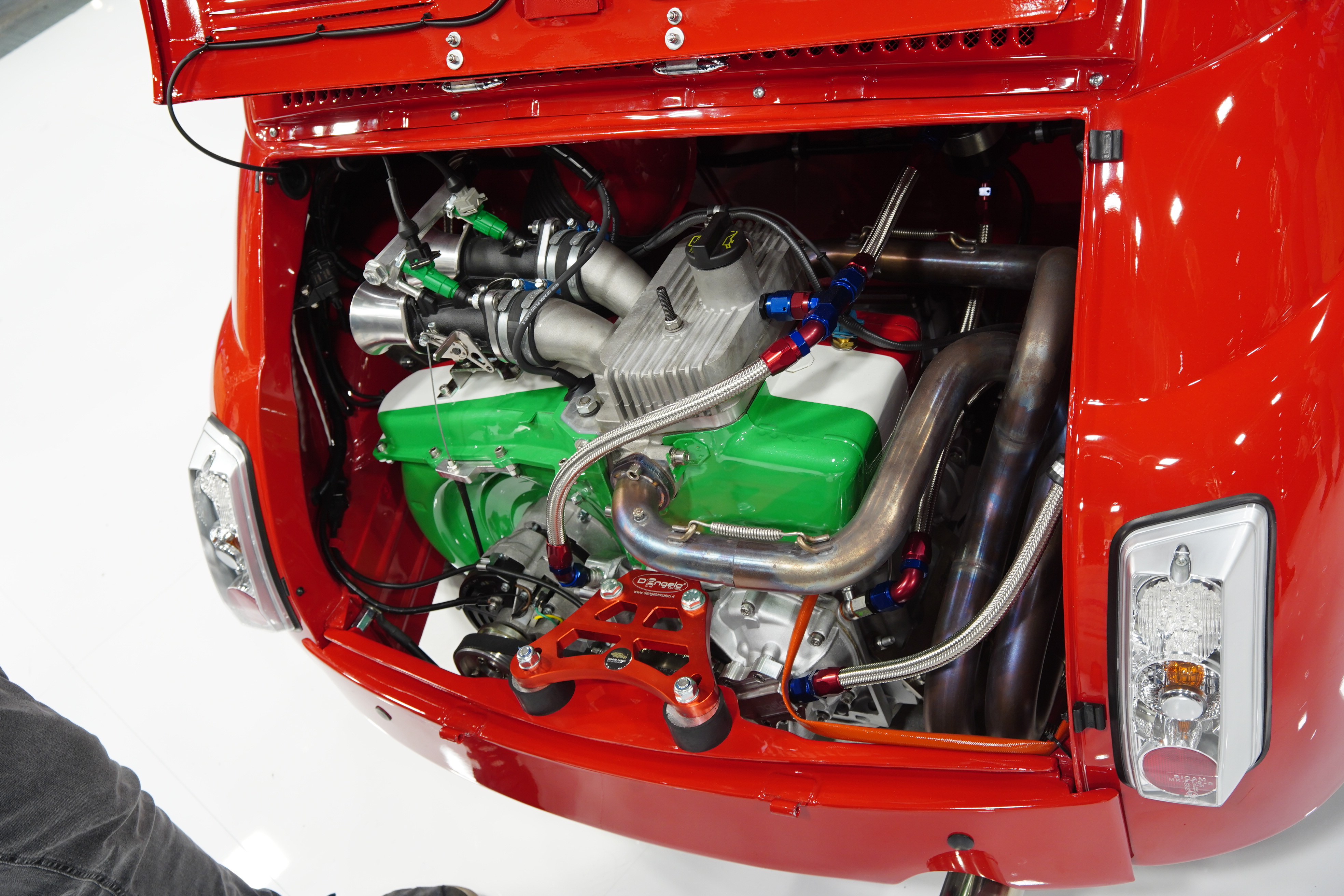
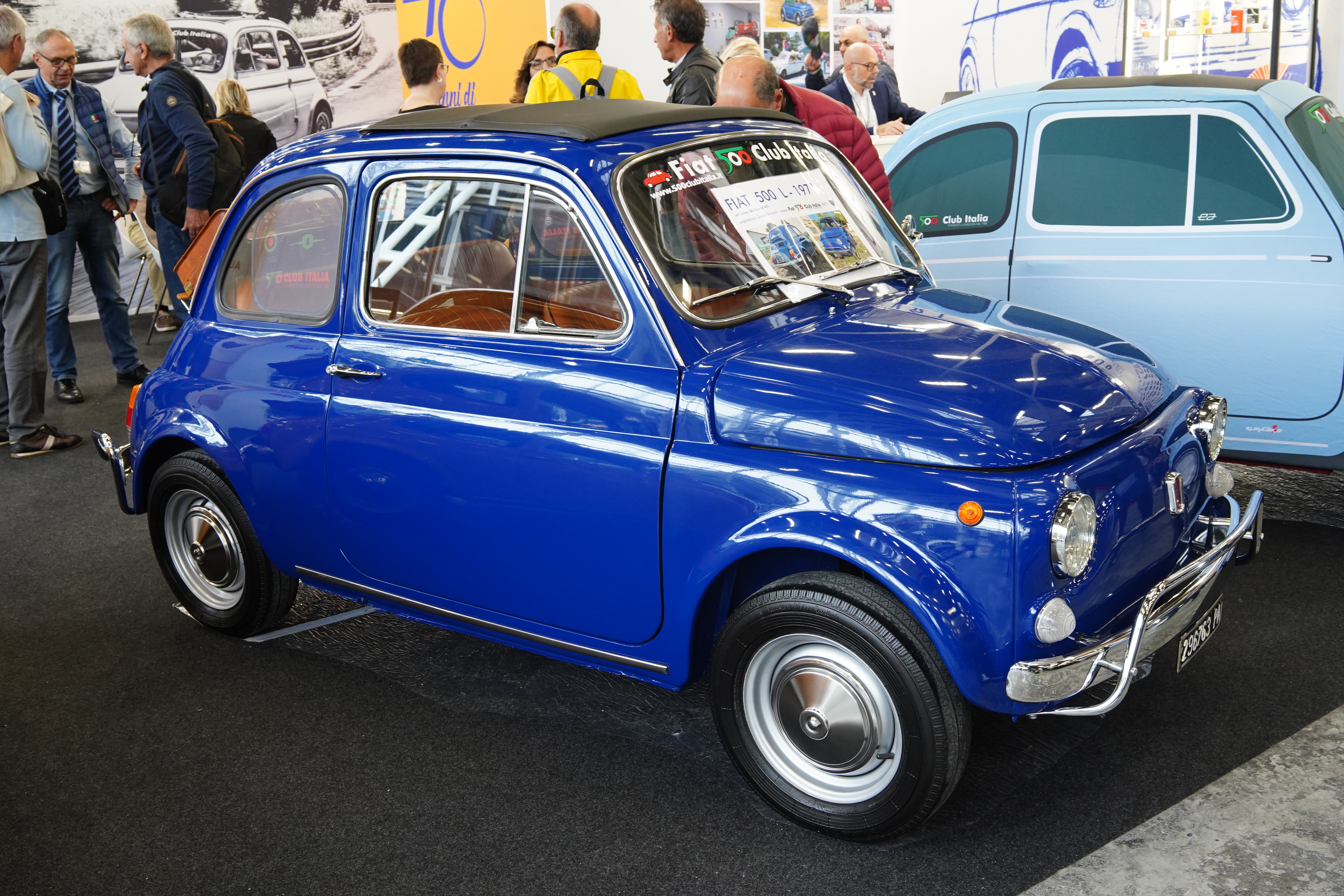
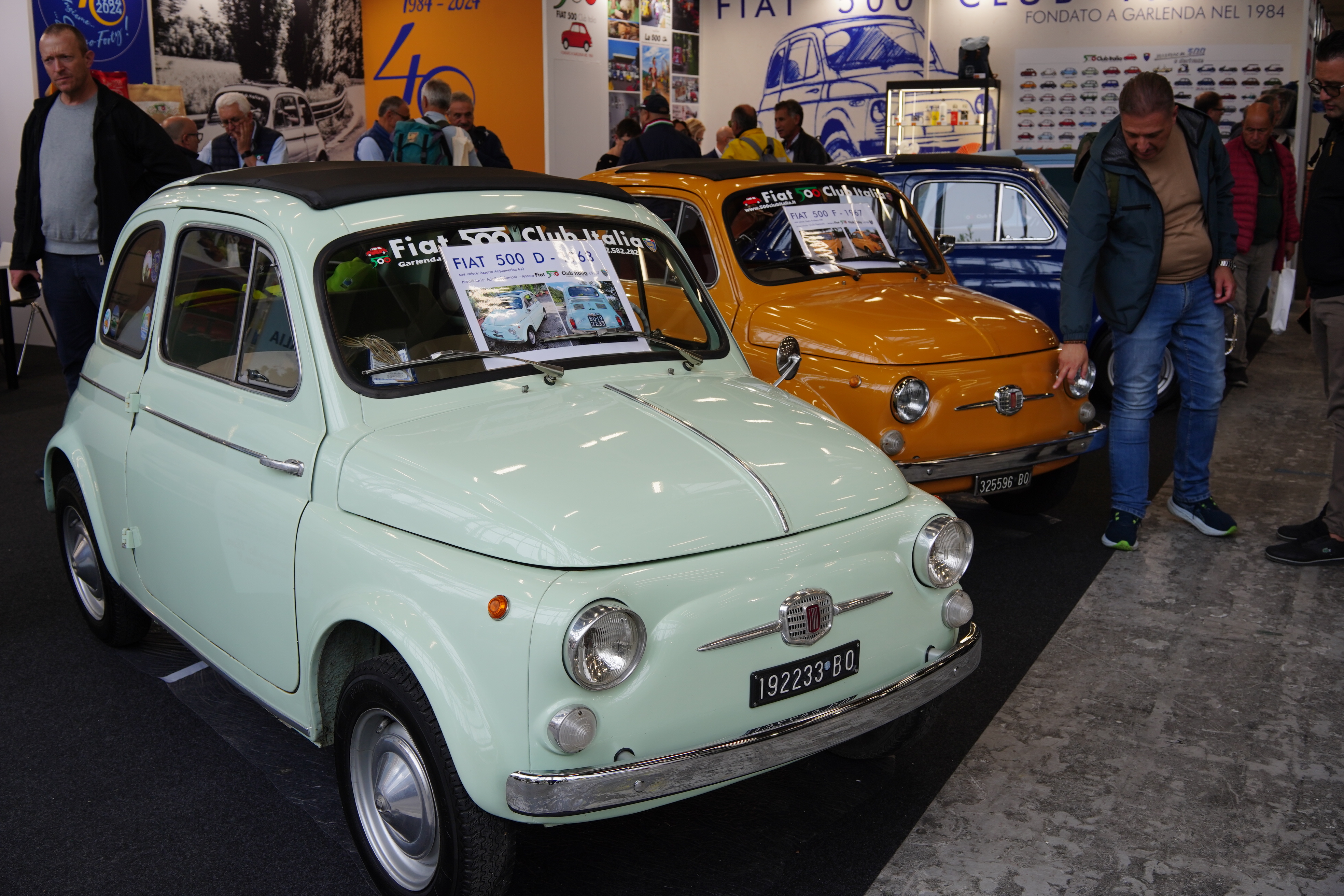
The hit of the show among the Fiats were the diminutive 500 models. They were out in great numbers, in stock and modified versions. In fact, there were plenty of vendors at the show selling all kinds of performance upgrades for these air-cooled 2-cylinder pocket rockets.


Next up will the Lancia (say “Lon-sha”, NOT “Lan-see-ya”)

Entire blog post content copyright © 2024 Richard A. Reina. Text and photos may not be copied or reproduced without express written permission.