The Carlisle Auction, April 2026

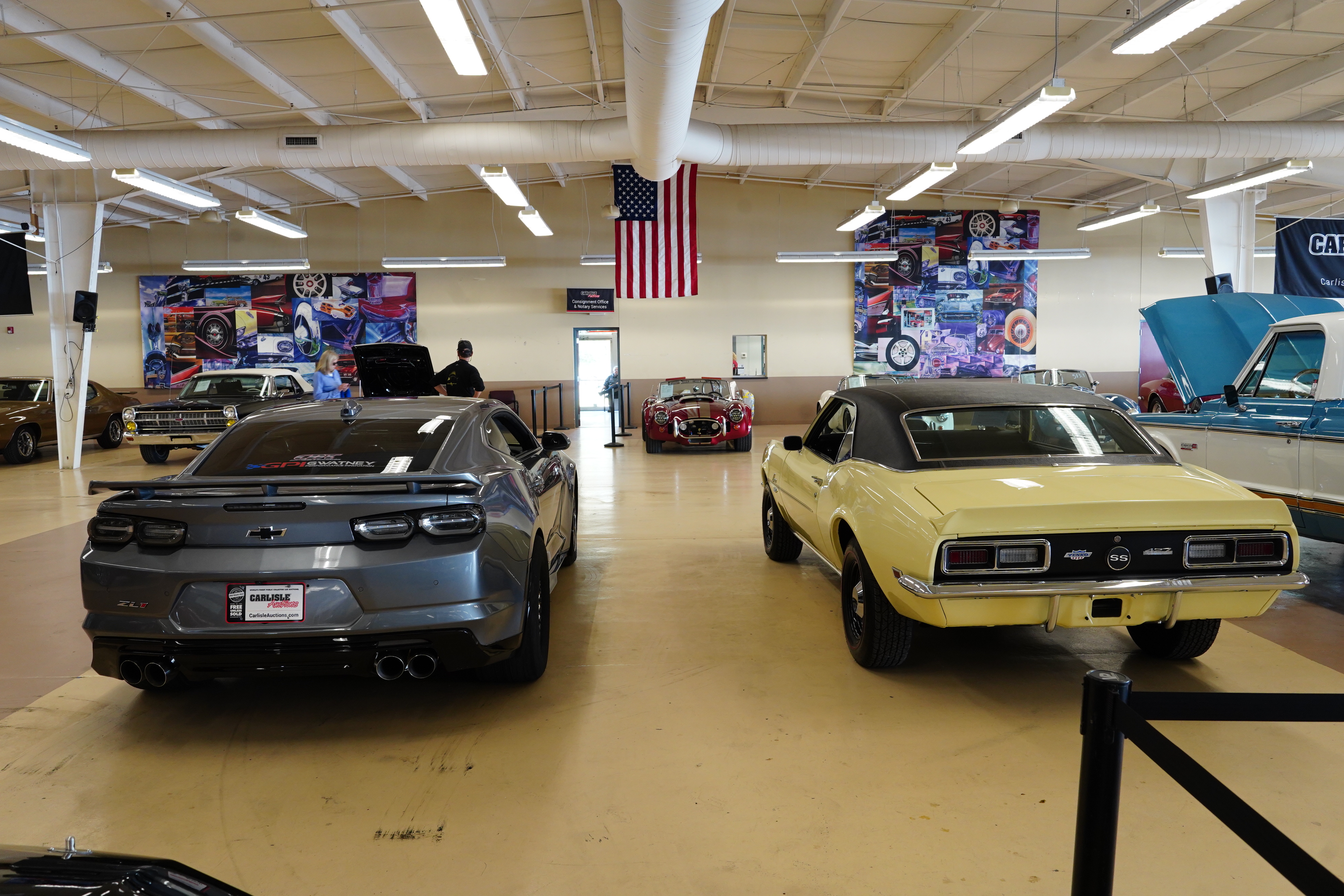
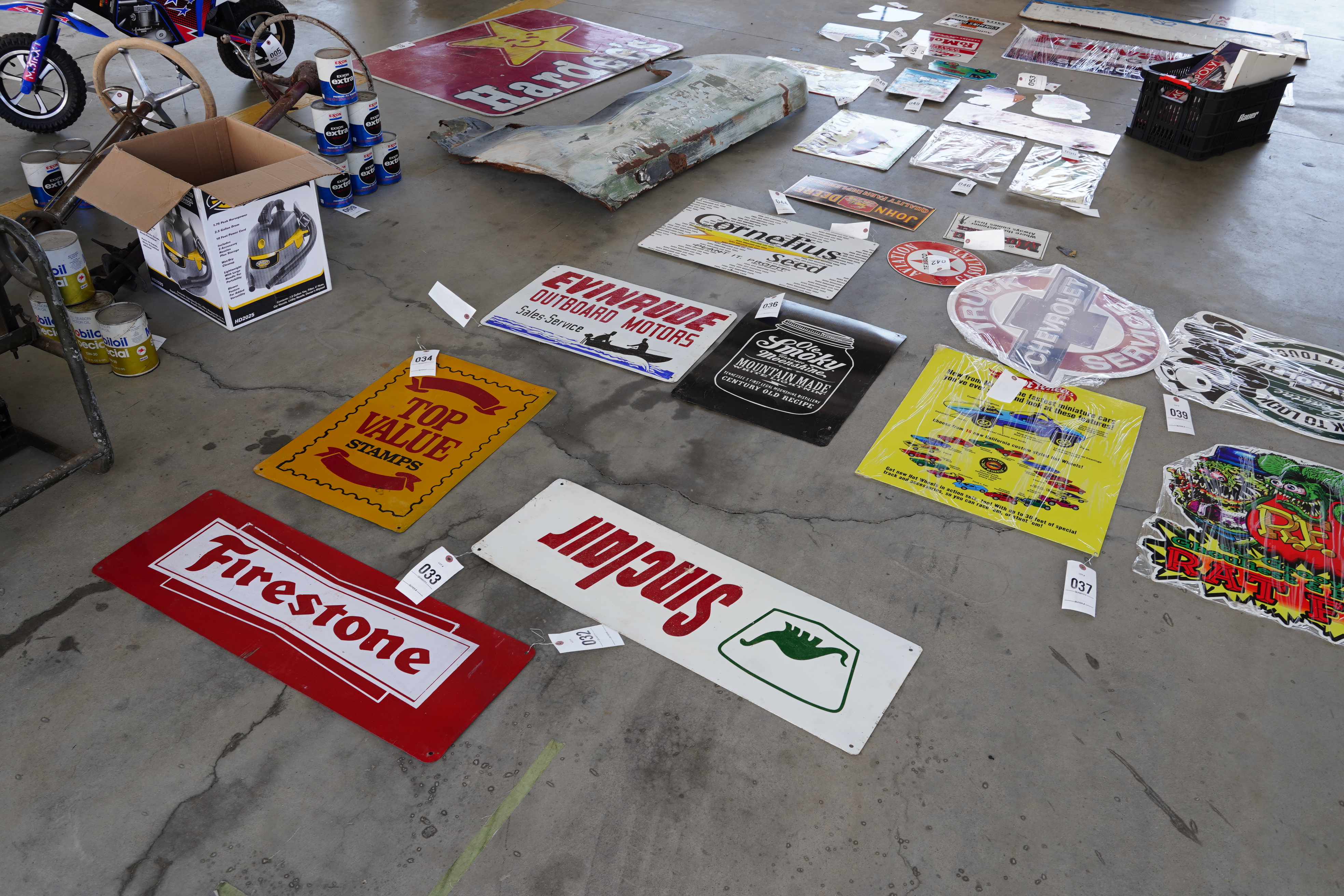
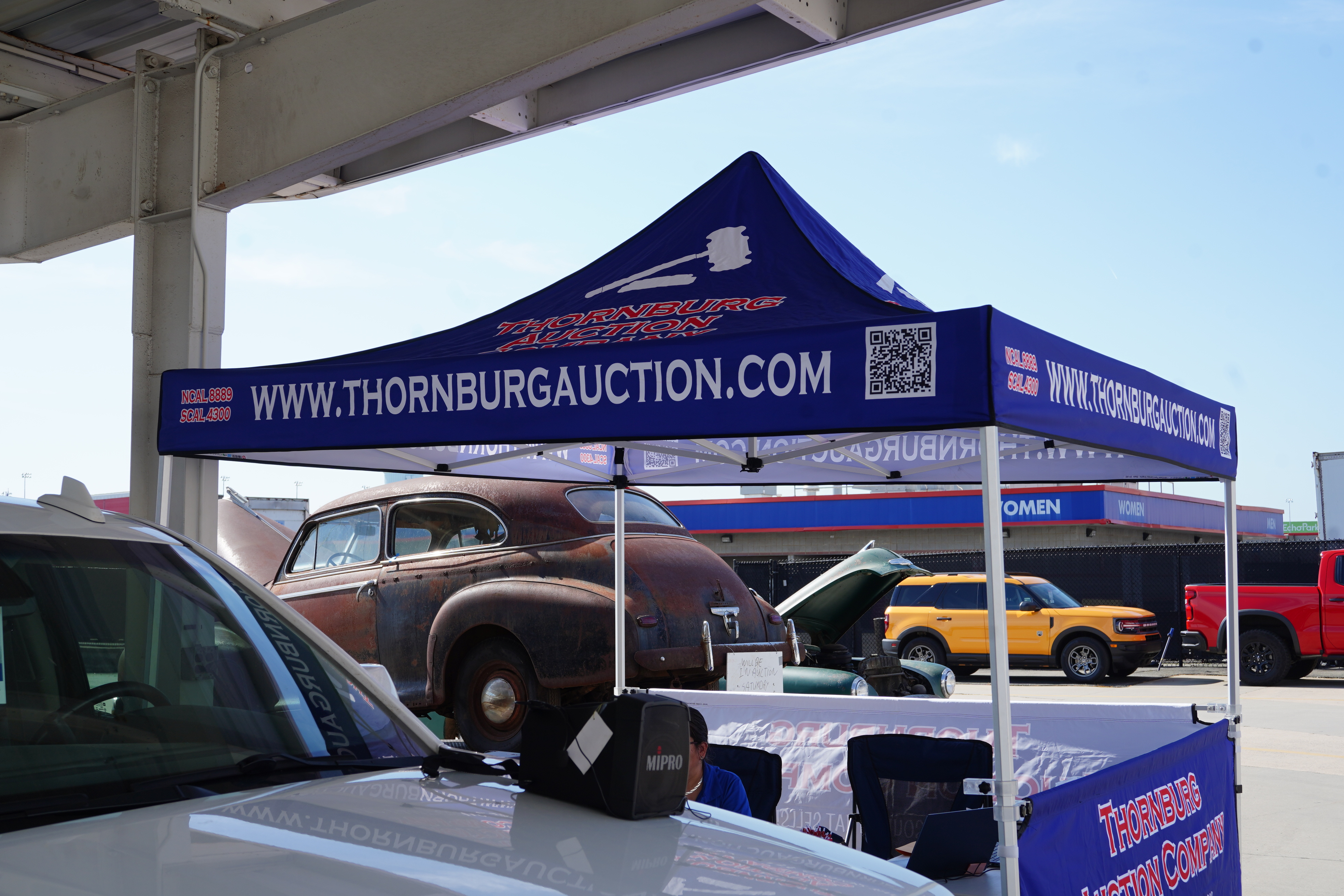
Carlisle Productions held its 2026 Spring Auction across two days, Thursday April 23 and Friday April 24, at their Expo Center in Carlisle, PA. As always, the auction was conducted in parallel with Spring Carlisle at the Fairgrounds across the street. I long ago stopped wandering the Fairground aisles, but I drove out a day early in order to preview the auction cars, and I personally observed 270 cars cross the block.
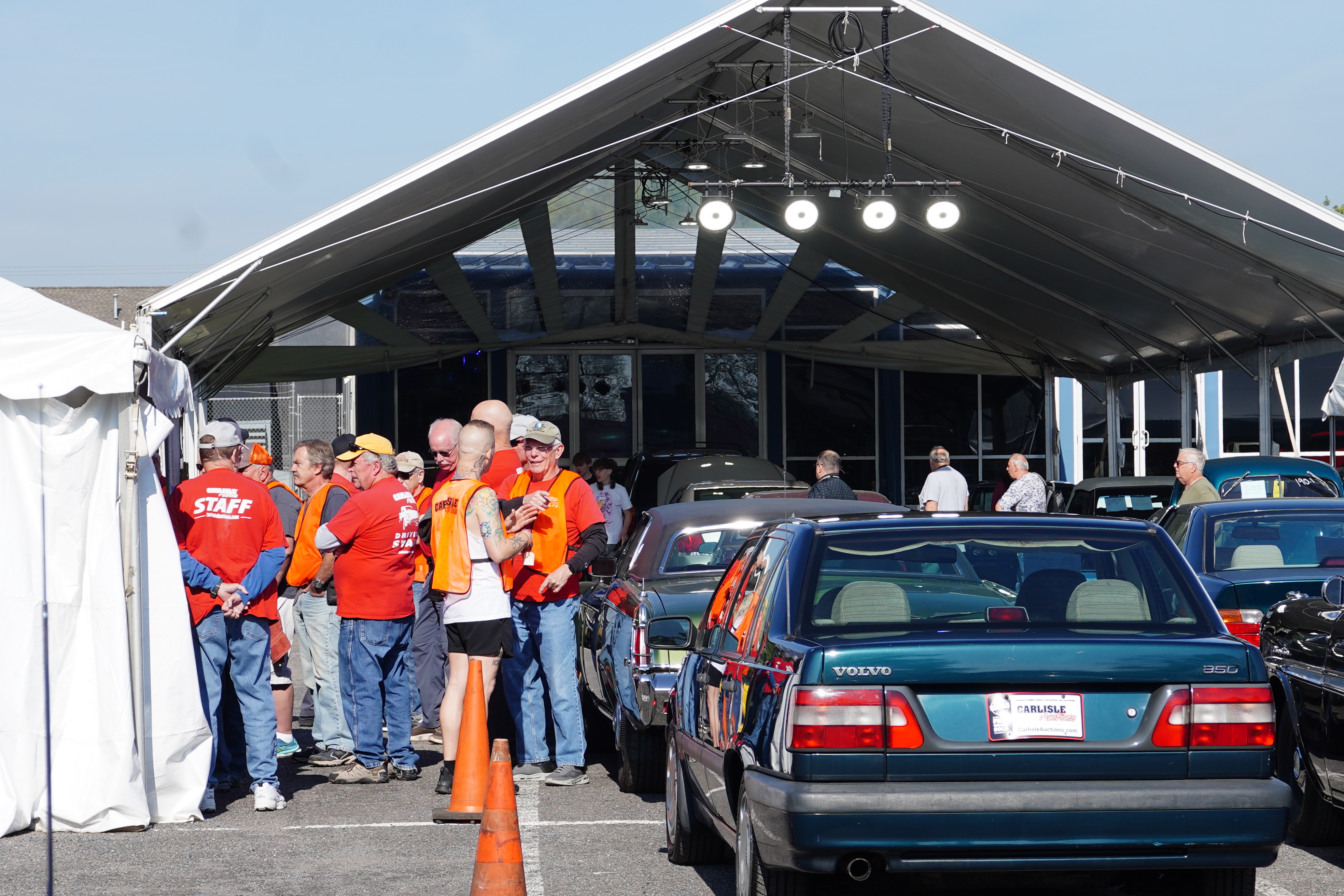
Volunteer drivers await their assignment

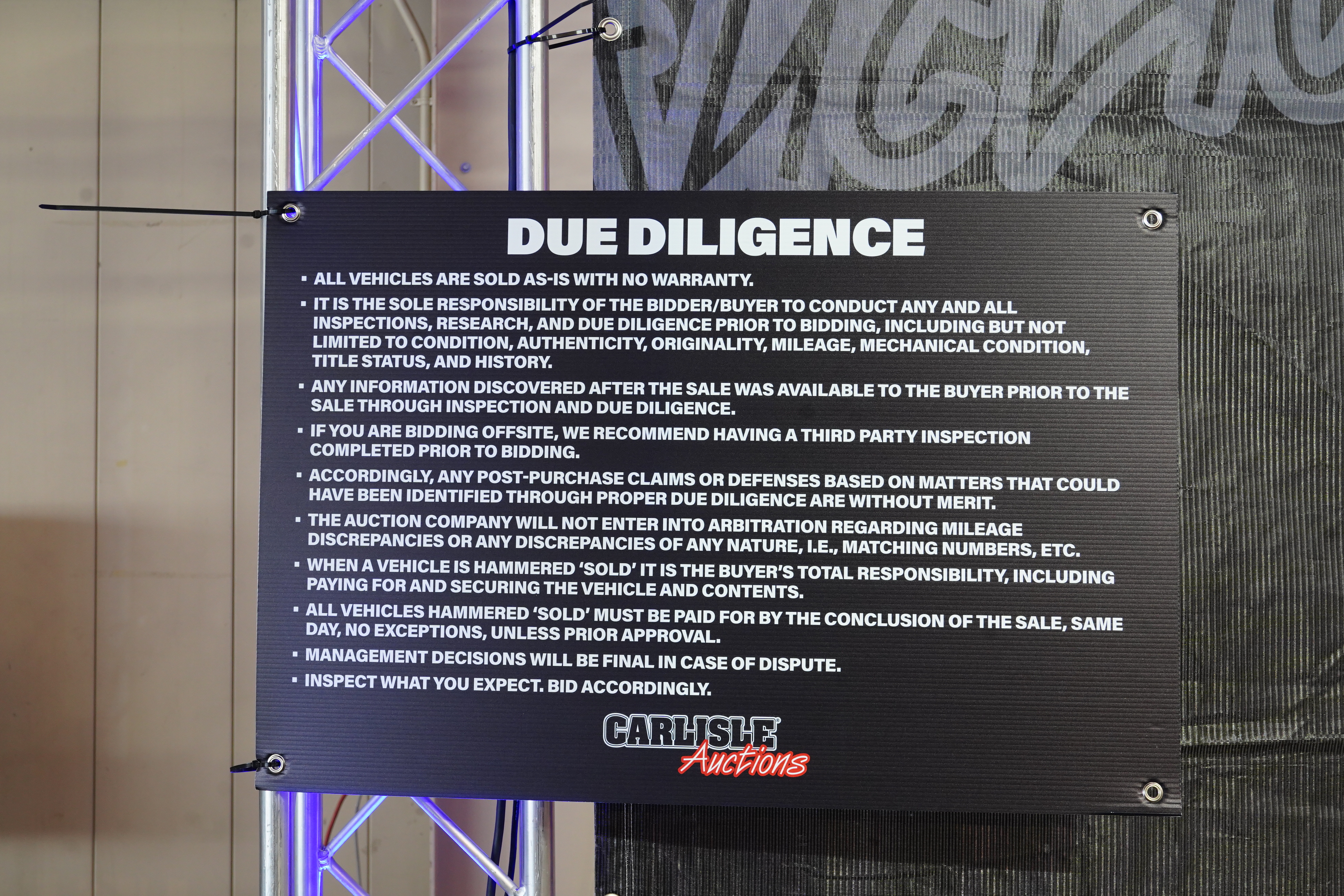
Any auction is a hit-or-miss affair, and this year, there were fewer cars that garnered my interest compared to the past several years. As has happened at previous Carlisle Auctions, some cars did not show up until the day they were scheduled to run, which limited the time for prospective bidders to perform their due diligence. Speaking of, this year Carlisle saw it necessary to hand out “due diligence” sheets as well as hang signs with the same message. The bottom line: the complete burden for verifying the condition of any car lies with the bidder and not the auction house. They’re not wrong, but this year they went further to ensure that you got the message.
 

I’ve previously written about the improvements these fine folks have implemented to improve the overall experience for consignors, bidders, and spectators. (My blog posts covering Carlisle Auctions goes back eleven years, to 2015.) However, stuff still happens. Friday especially was fraught with mishaps, miscues, and some general mayhem that made the show feel like Amateur Hour. At least four if not five times, a car arrived on the block with a Lot Number that did not match the run sheet nor the info on the large screens. It does happen that a consignor substitutes a different car than the one he registered; however, in these cases, the auctioneer and others on the block were caught completely unaware of the substitution. One time the auctioneer intoned, “the reserve has been met!” only to quickly retract his claim after being corrected by the owner. Another time, the auctioneer declared the lot “sold, for $6,000!” only to realize that he had accepted $6,000 bids from two different bidders, necessitating a rewind. Silly things like these usually don’t happen at Mecum, much less RM/Sotheby’s.

As I mentioned, I recorded the results for 270 cars, 170 of which sold, and 100 which did not meet reserve. This resulted in a 63% sell-through rate, decent, but not great, and about average for Carlisle. Their after-sale desk looked busy for the entire two days I was there. As of this writing, Carlisle’s website is showing about 150 vehicles still for sale (and helpfully, the high bid is shown as well, giving you a starting point for negotiations).

The sold lots listed below are the cars which I found interesting. As always on Richard’s Car Blog, they are listed in “hammer price” order, so that you can gauge the relative value of these cars compared to one another.


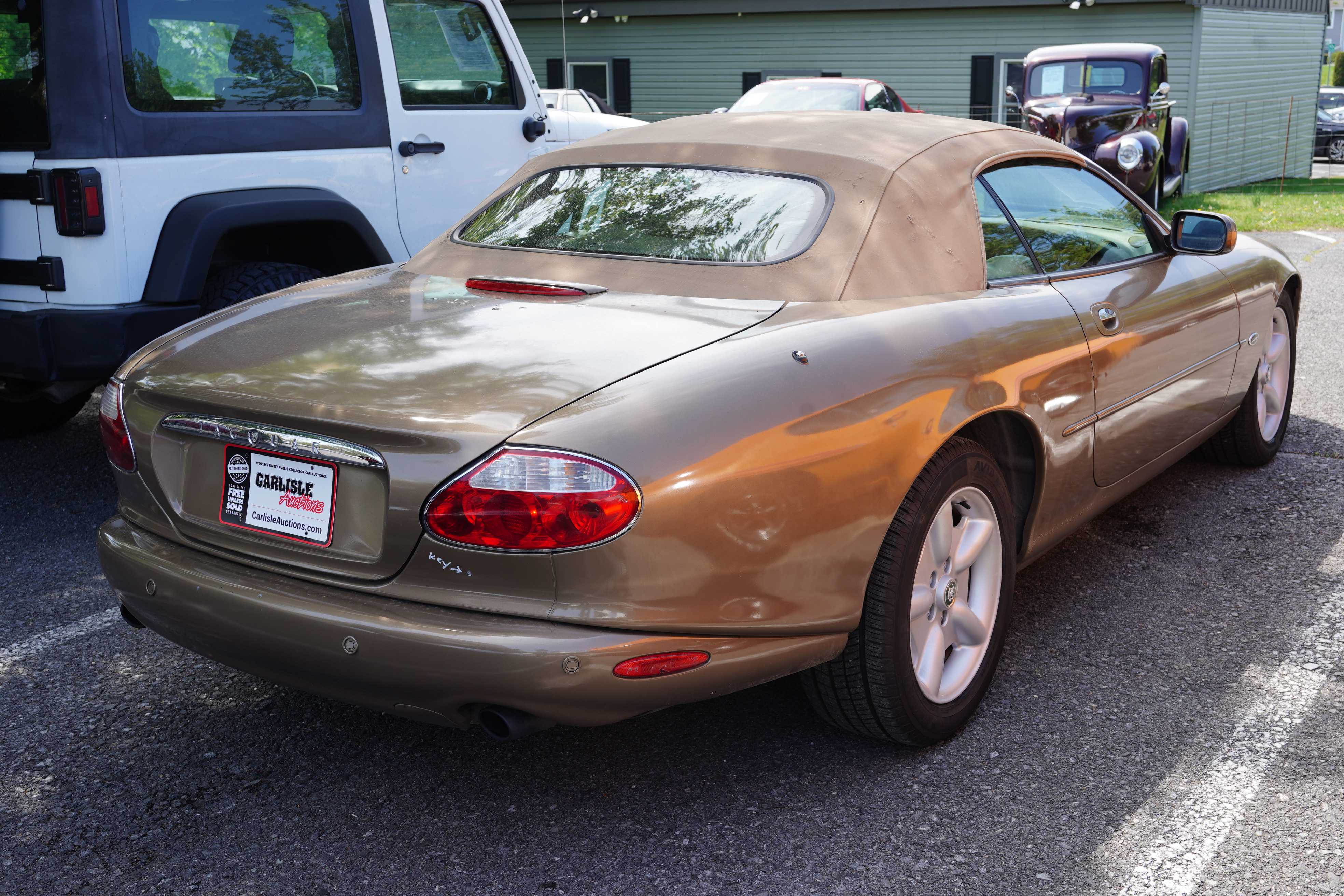
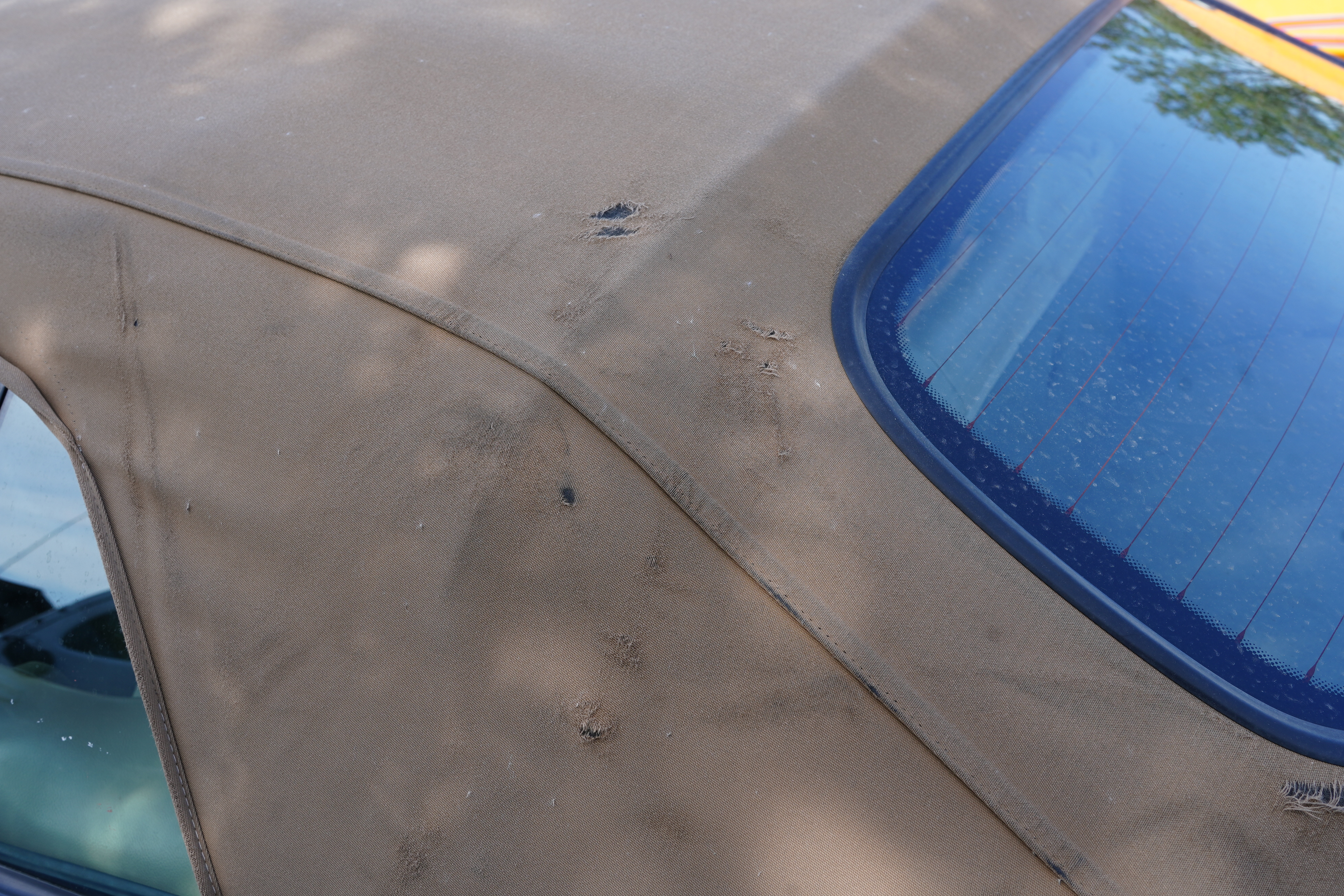
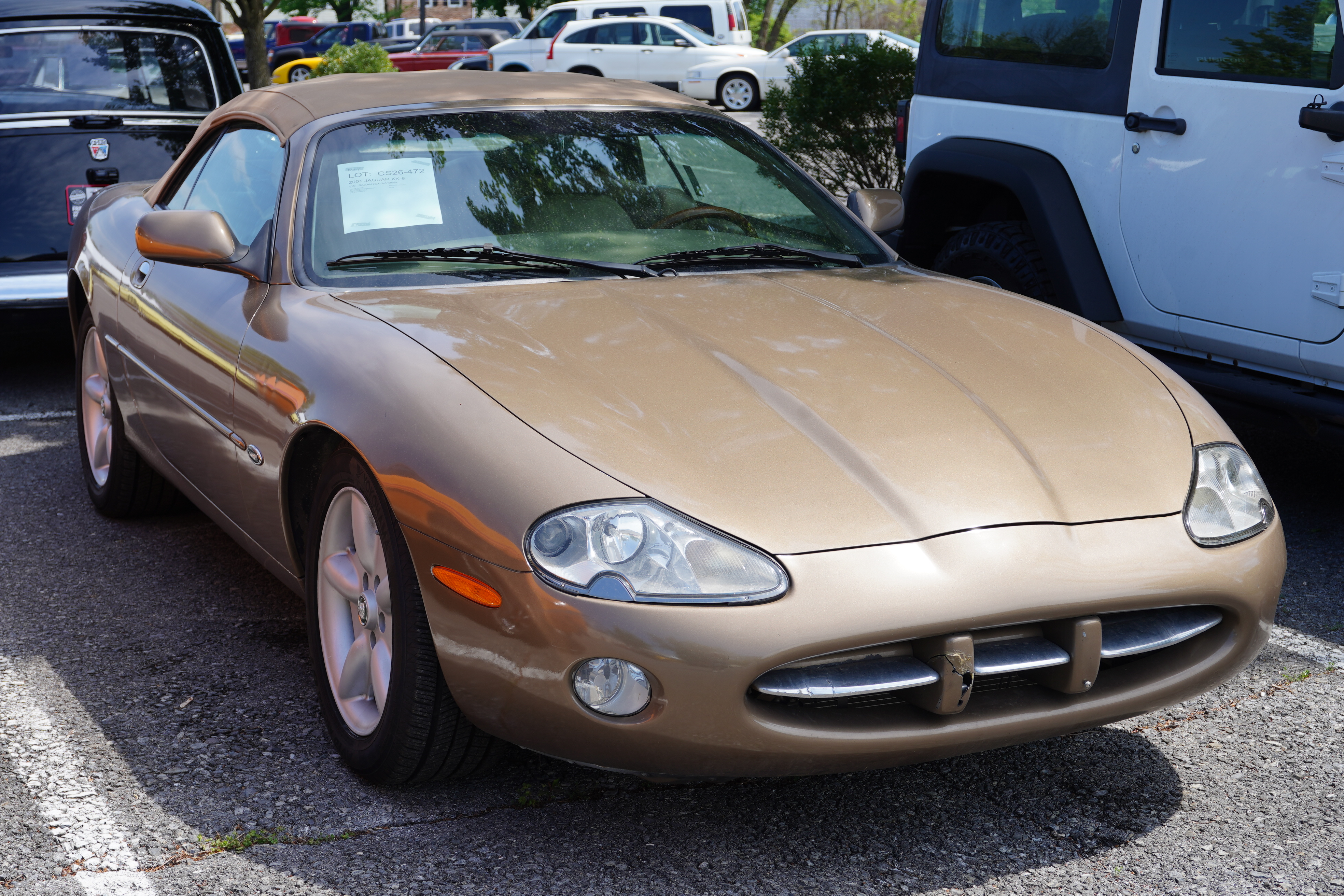
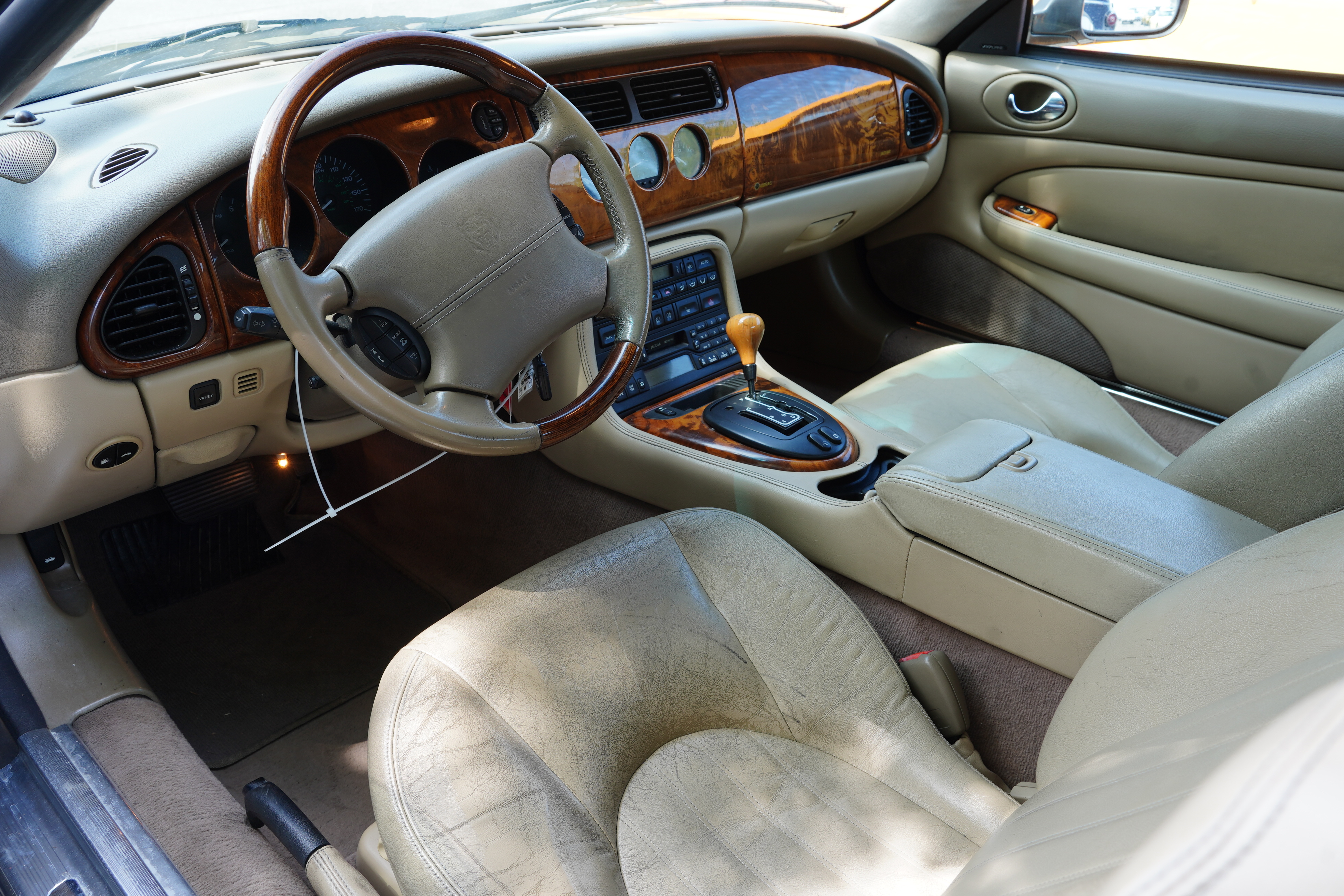
Lot 472, 2001 Jaguar XK8 convertible, 88,694 miles, V8, automatic, brown paint, tan top and interior, factory alloy wheels.

SOLD for $2,250. I see many first generation XK8 convertibles at auction. From recent memory, most of them have around this mileage, and most of them sell in the $7,500 to $9,500 range. Why was this car so cheap? It looked terrible. The cloth convertible top was worn through in various spots, the interior was filthy, and the driver’s seat leather was shot, none of which gave any confidence in the car’s overall condition.
 

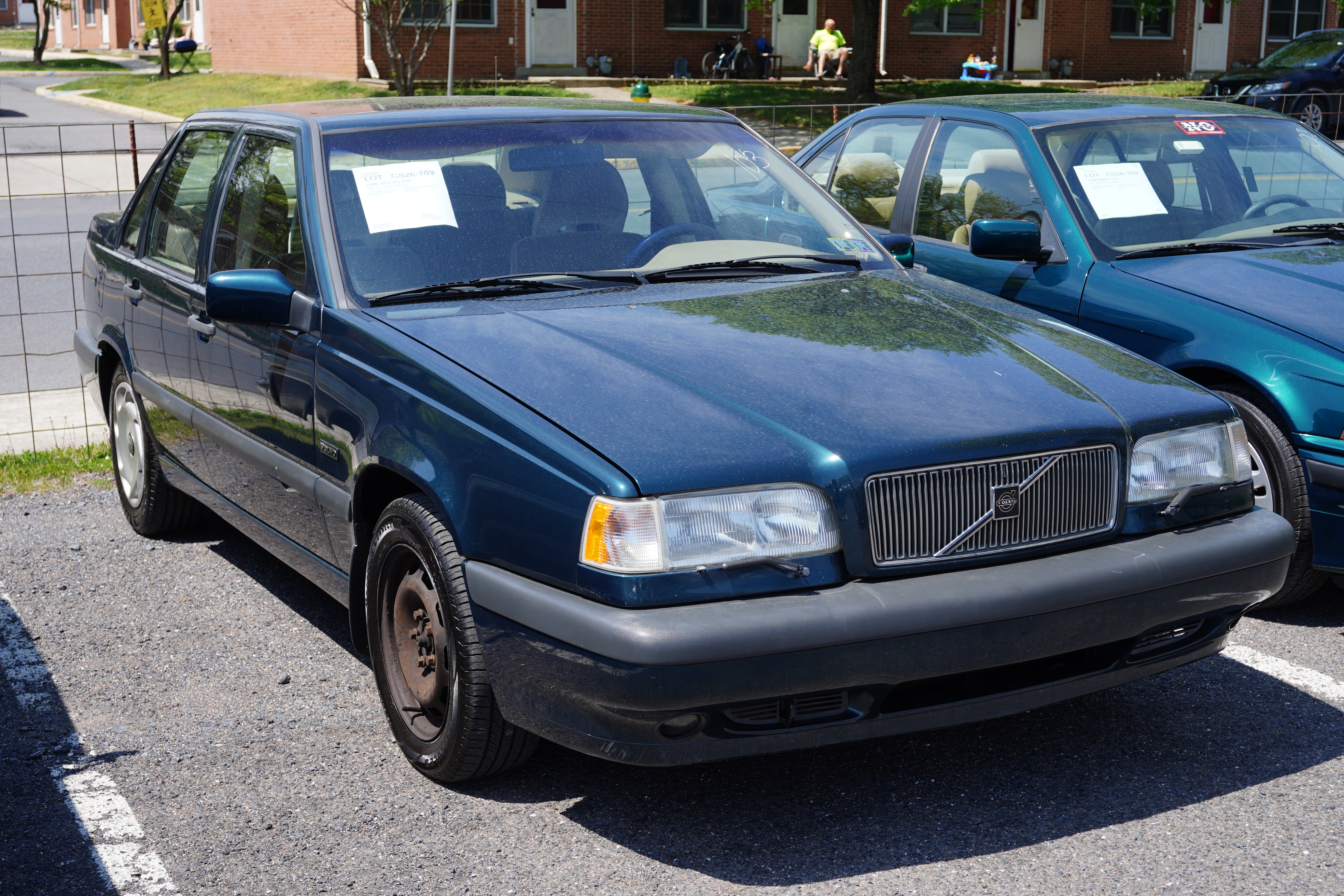
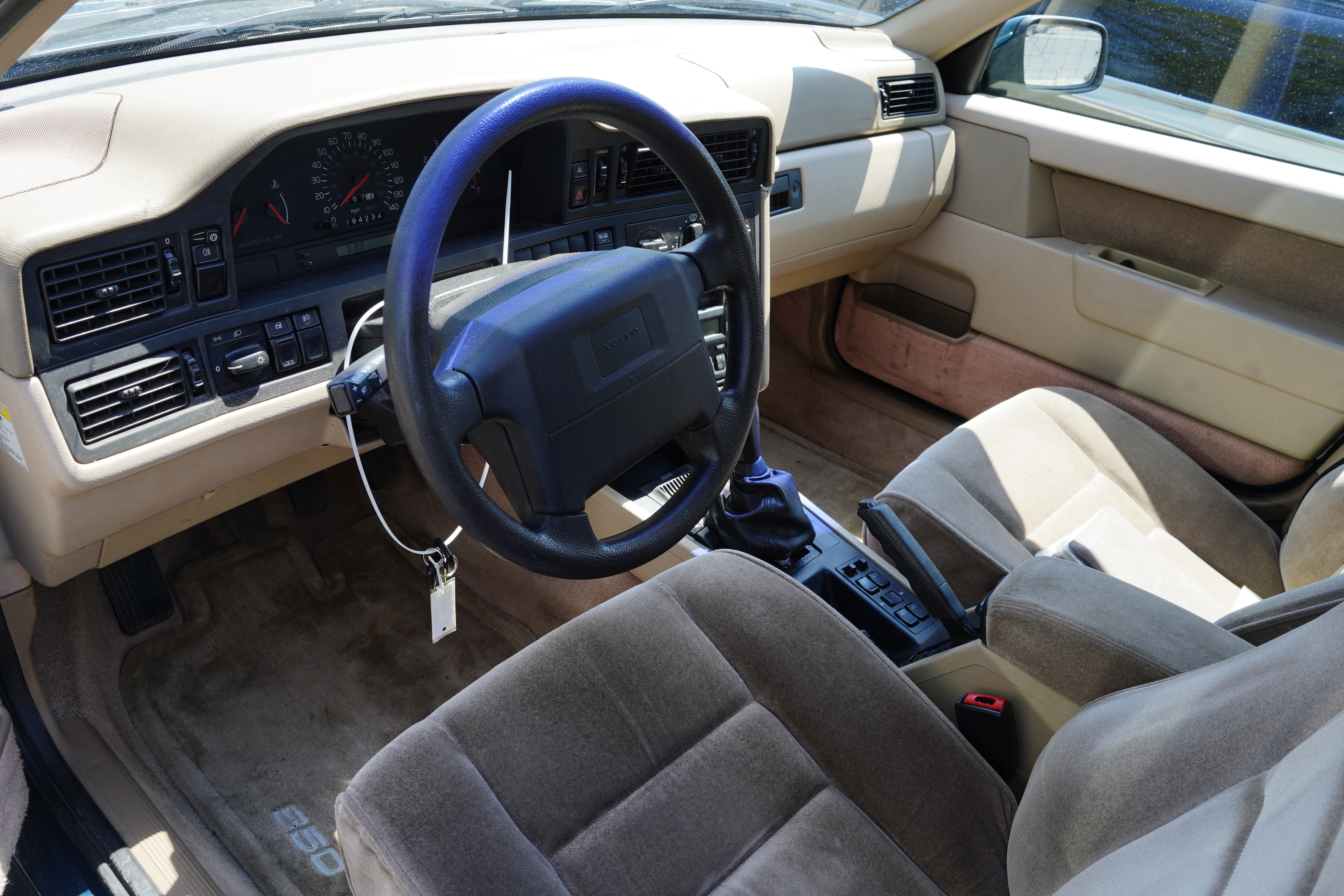
Lot 103, 1996 Volvo 850 sedan, five-speed manual, 184,234 miles, blue/green paint, brown velour interior.

SOLD for $3,250. Car showed poorly, looked like it had been used and abused. At this price, choices are to just drive it until something breaks, or part it out.
 

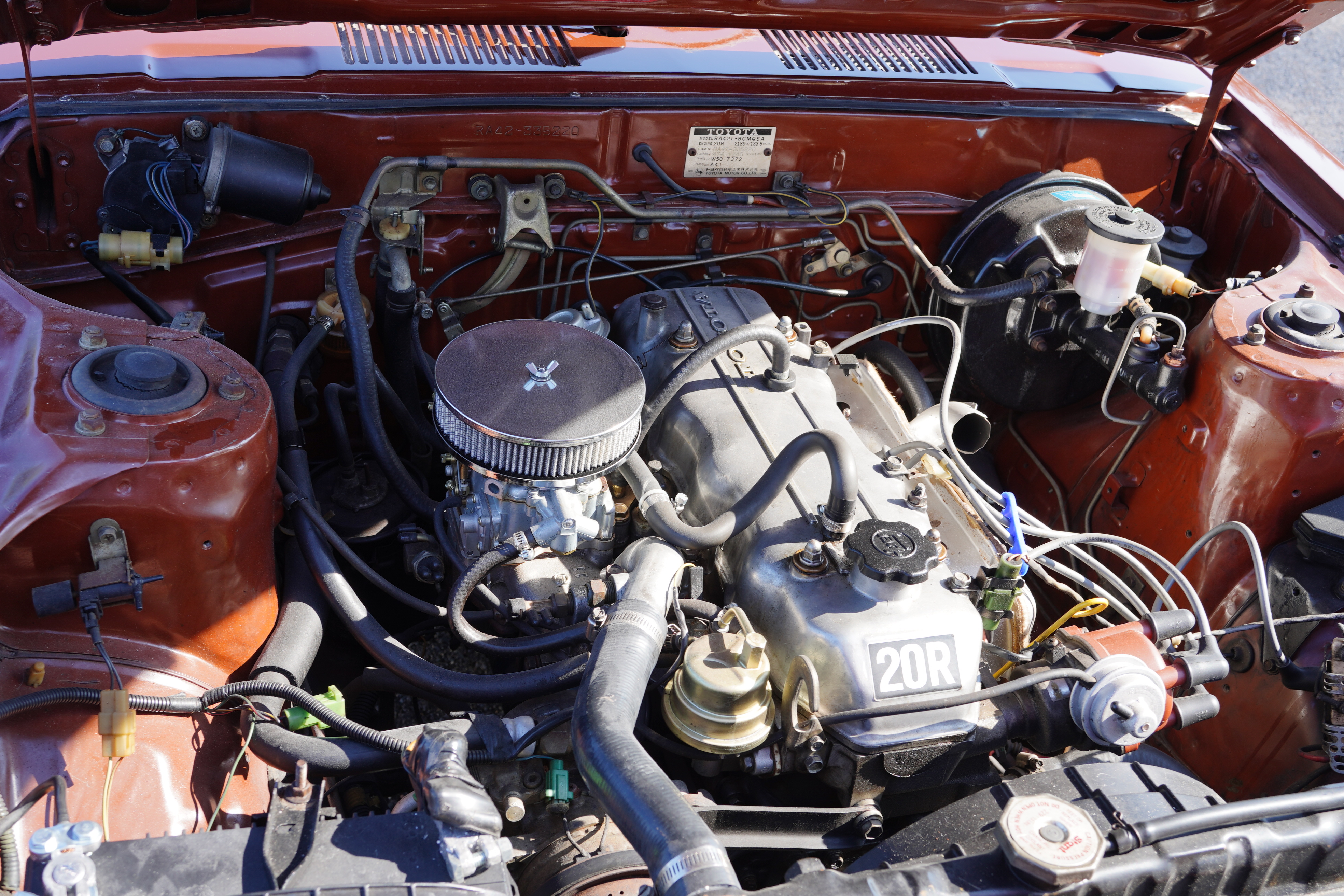
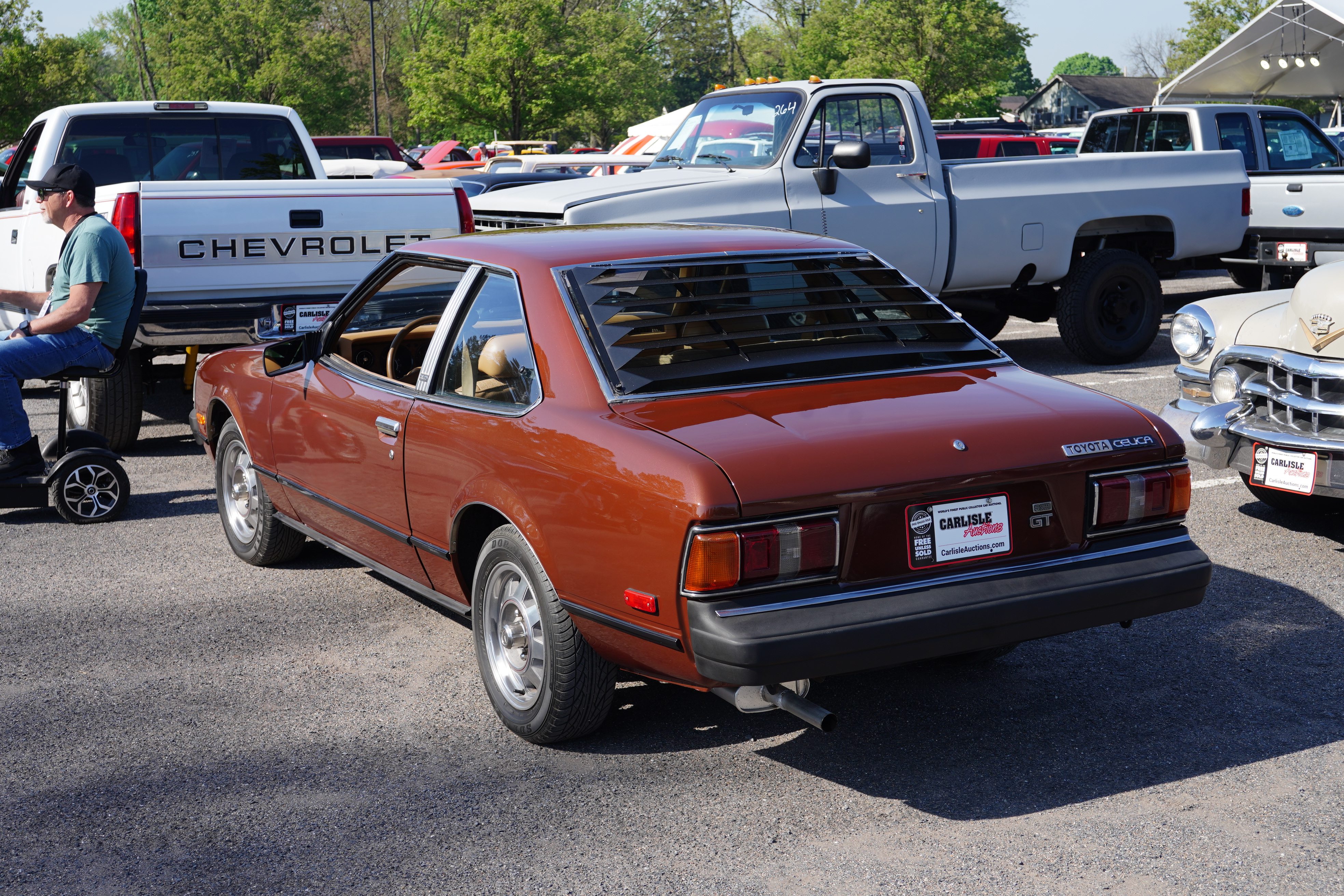
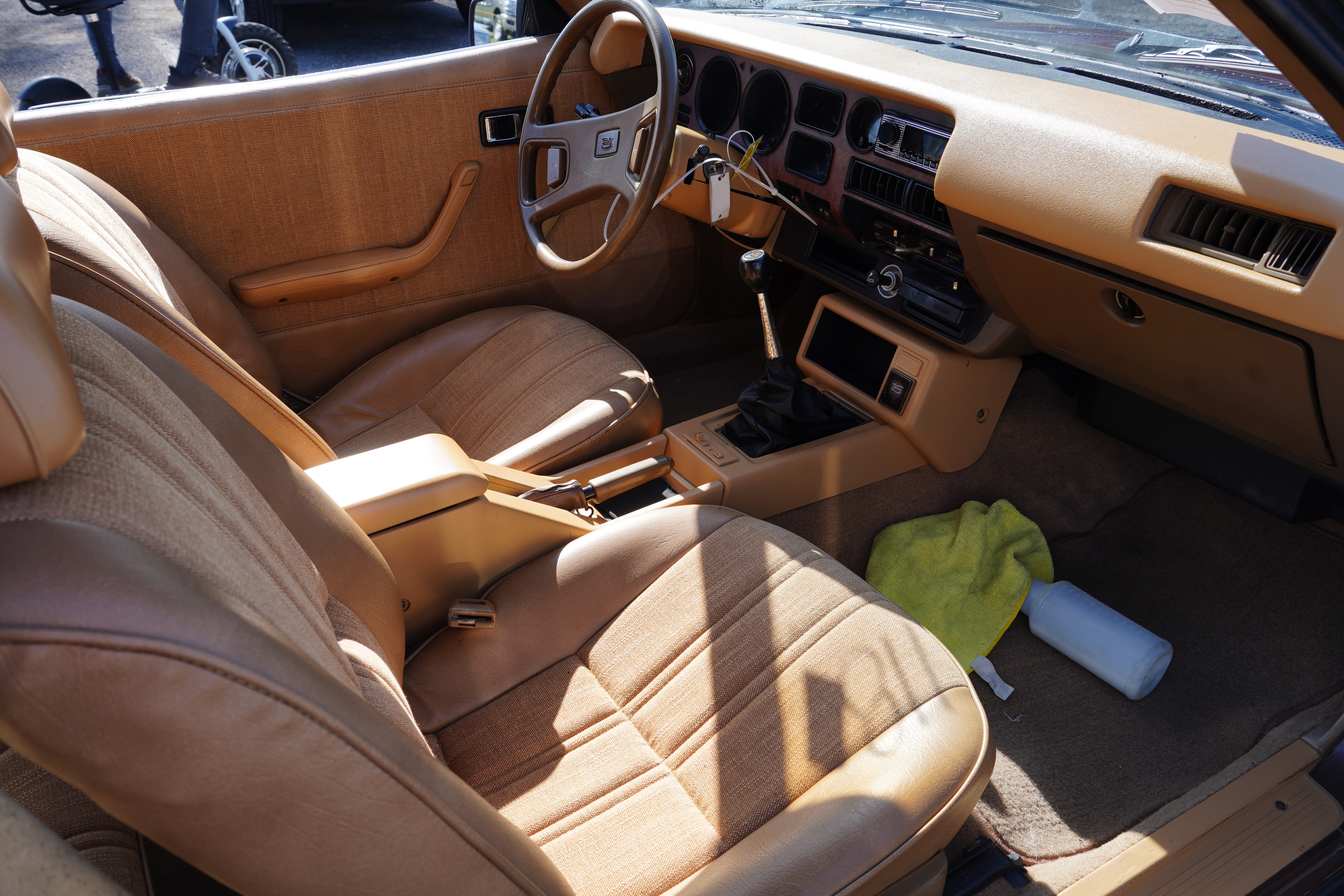
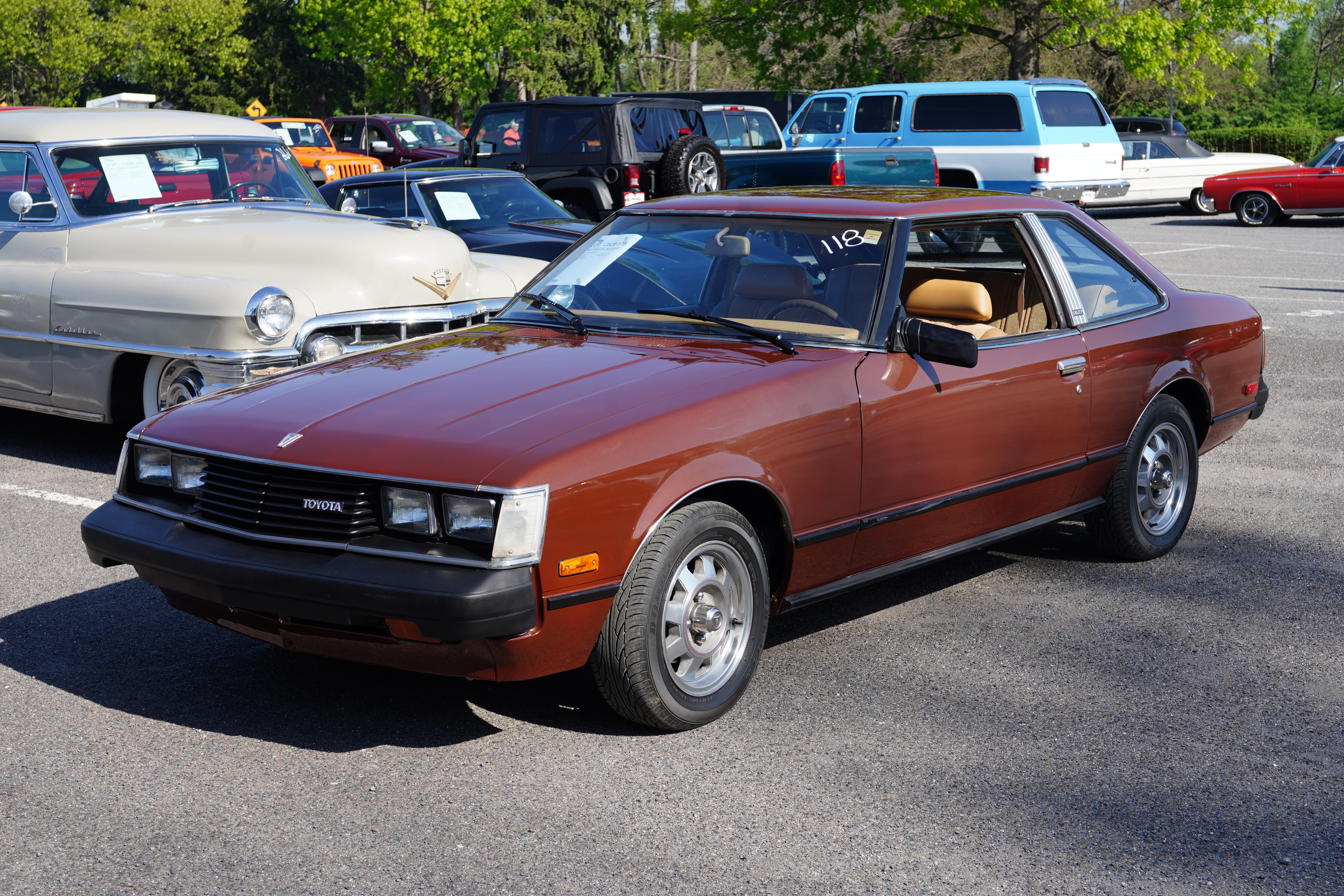
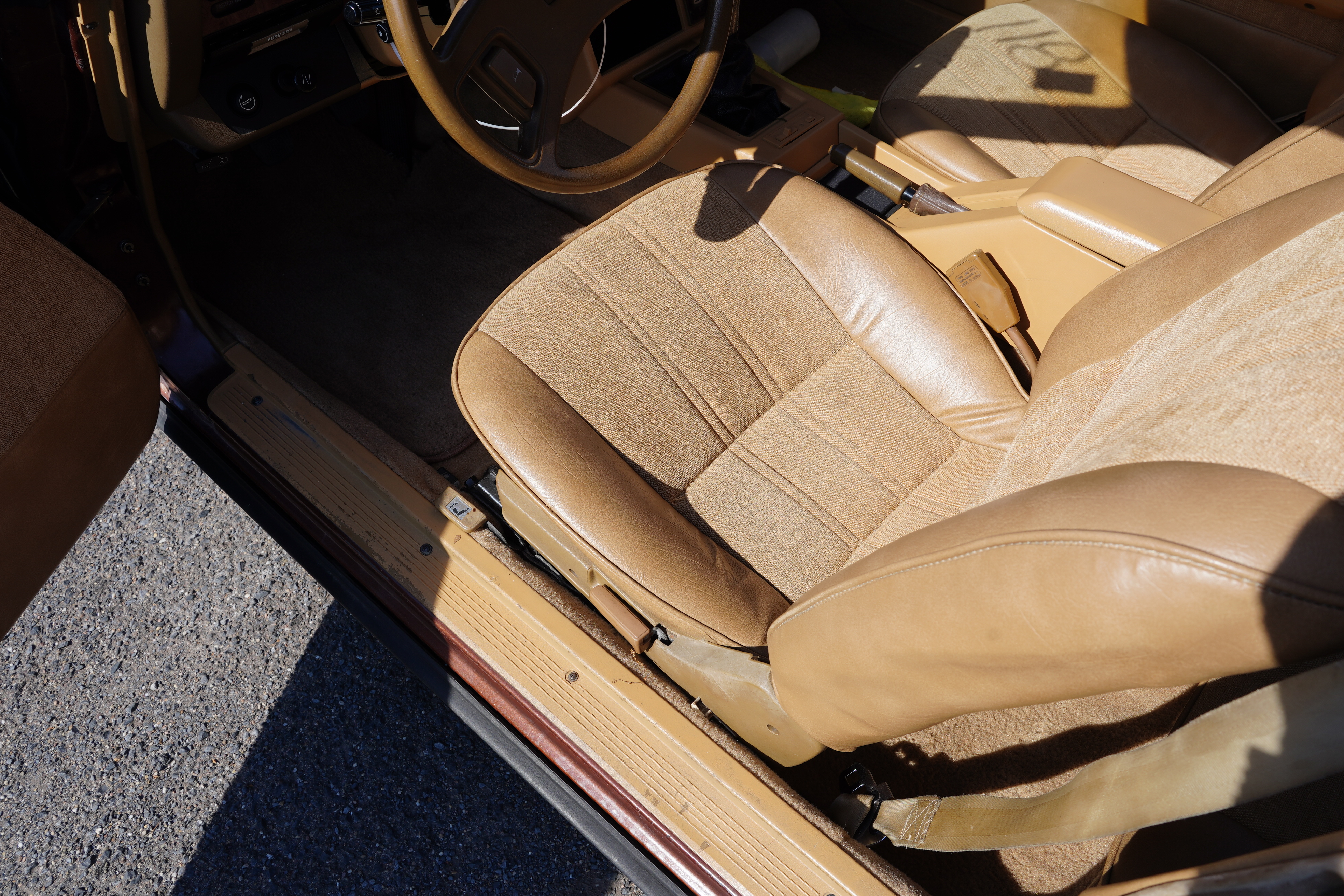
Lot 118, 1980 Toyota Celica coupe, five-digit odometer shows 63,310, brown metallic with beige cloth interior. Four cylinder, five-speed manual, factory A/C converted to R134a. Alloy wheels, blackwall tires.

SOLD for $7,250. This car looked completely unrestored, and was in amazing condition for a survivor. Paint and interior looked original, interior wear was commensurate with shown miles. Tires were 13 years old, and some interior plastics no longer fit well, but those were the only issues I spotted. I had a long talk with the owner, an elderly man who had recently acquired the car from a neighbor. He claimed that he had driven it two hours from his home with no issues. Despite all this, Carlisle is not an auction that draws much interest in imports. I expected a hammer price closer to $6,000, so seller did well.
 

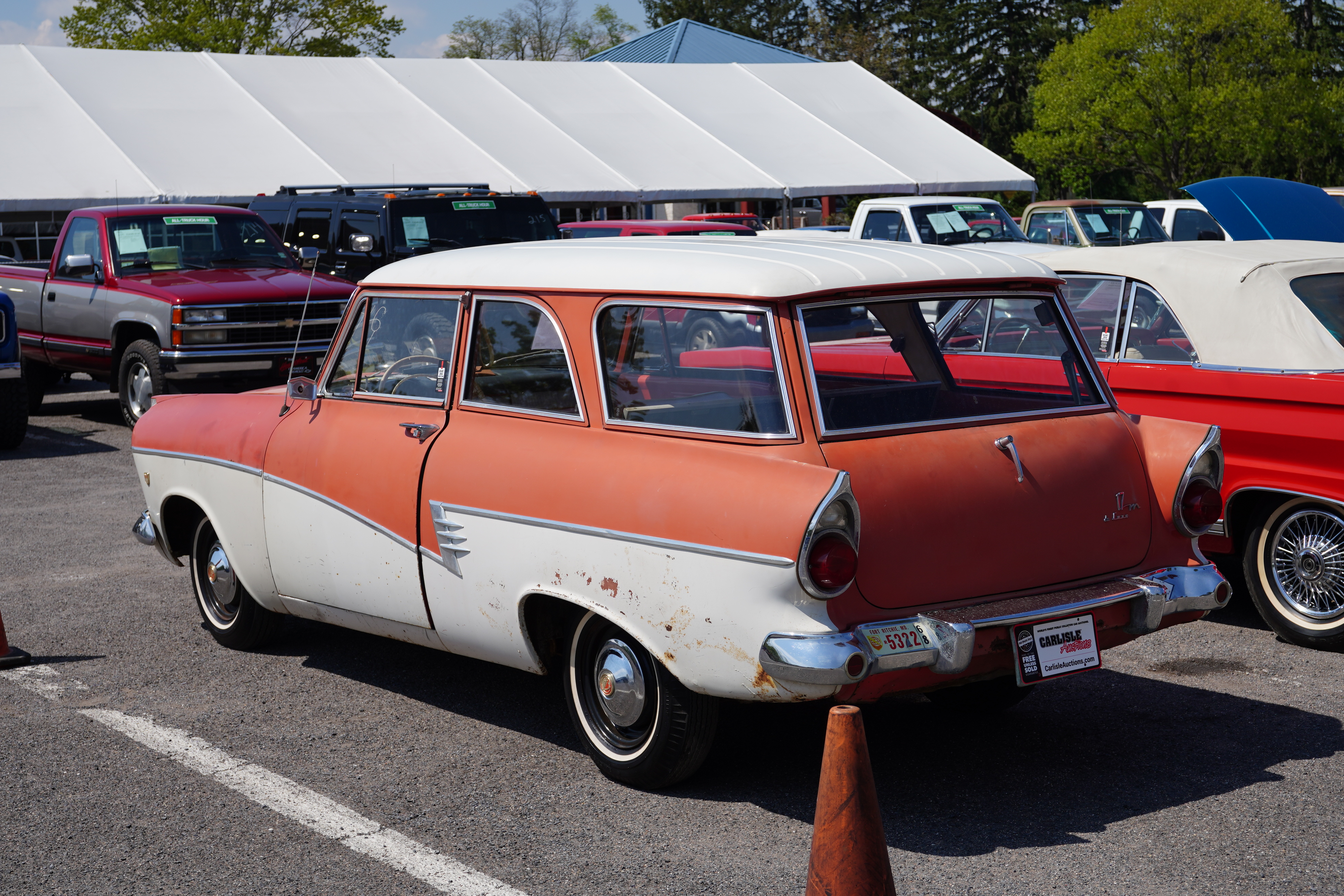
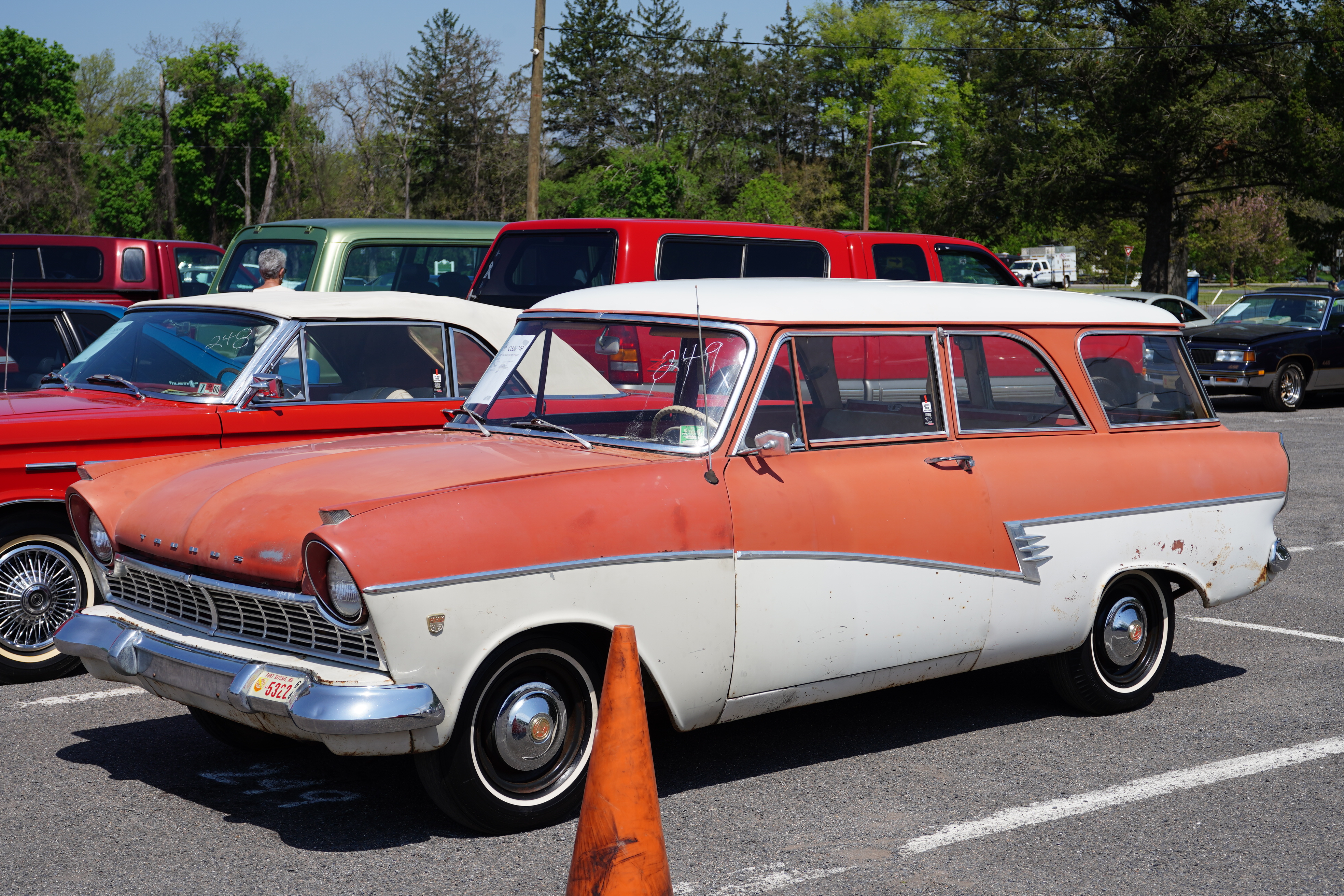
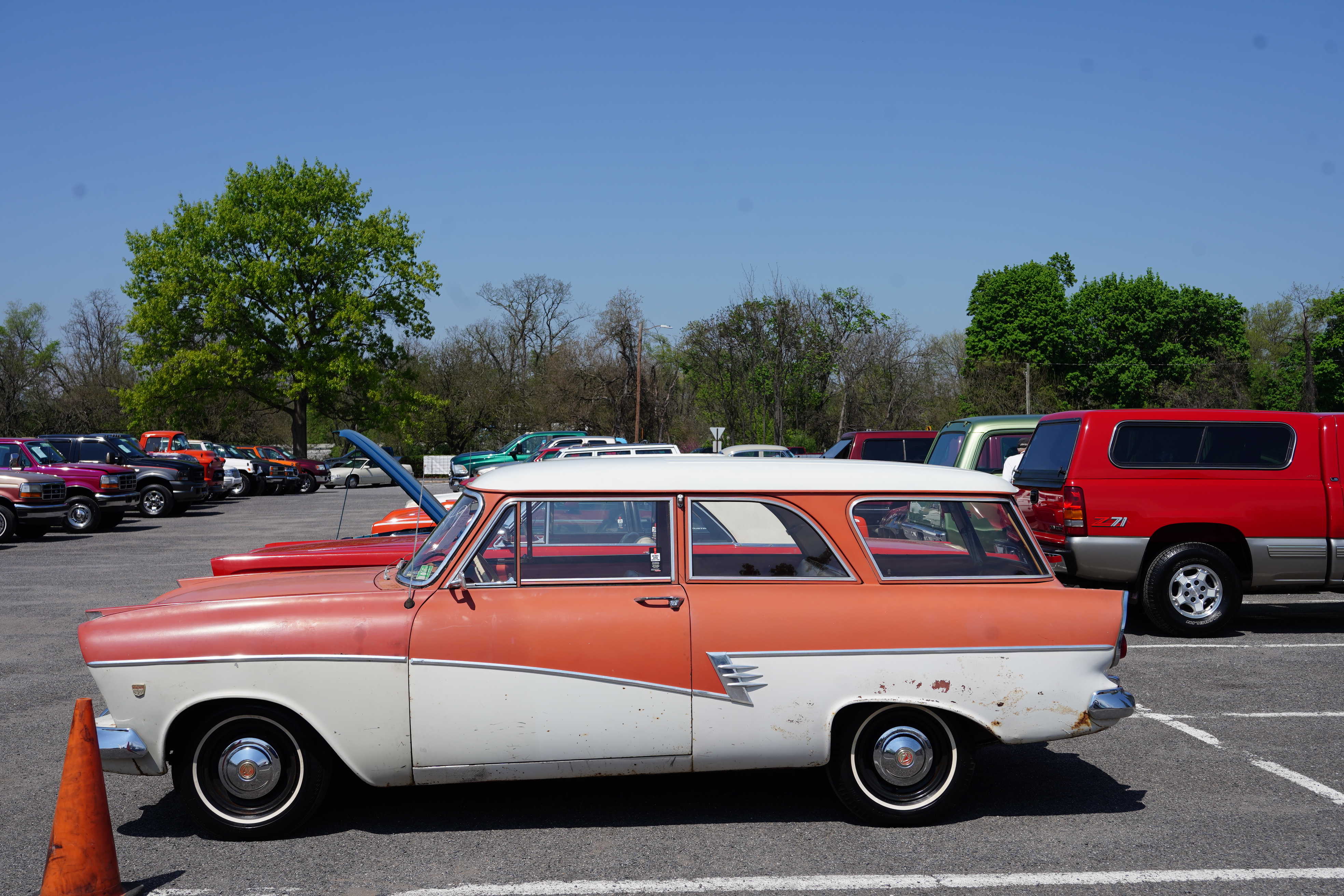
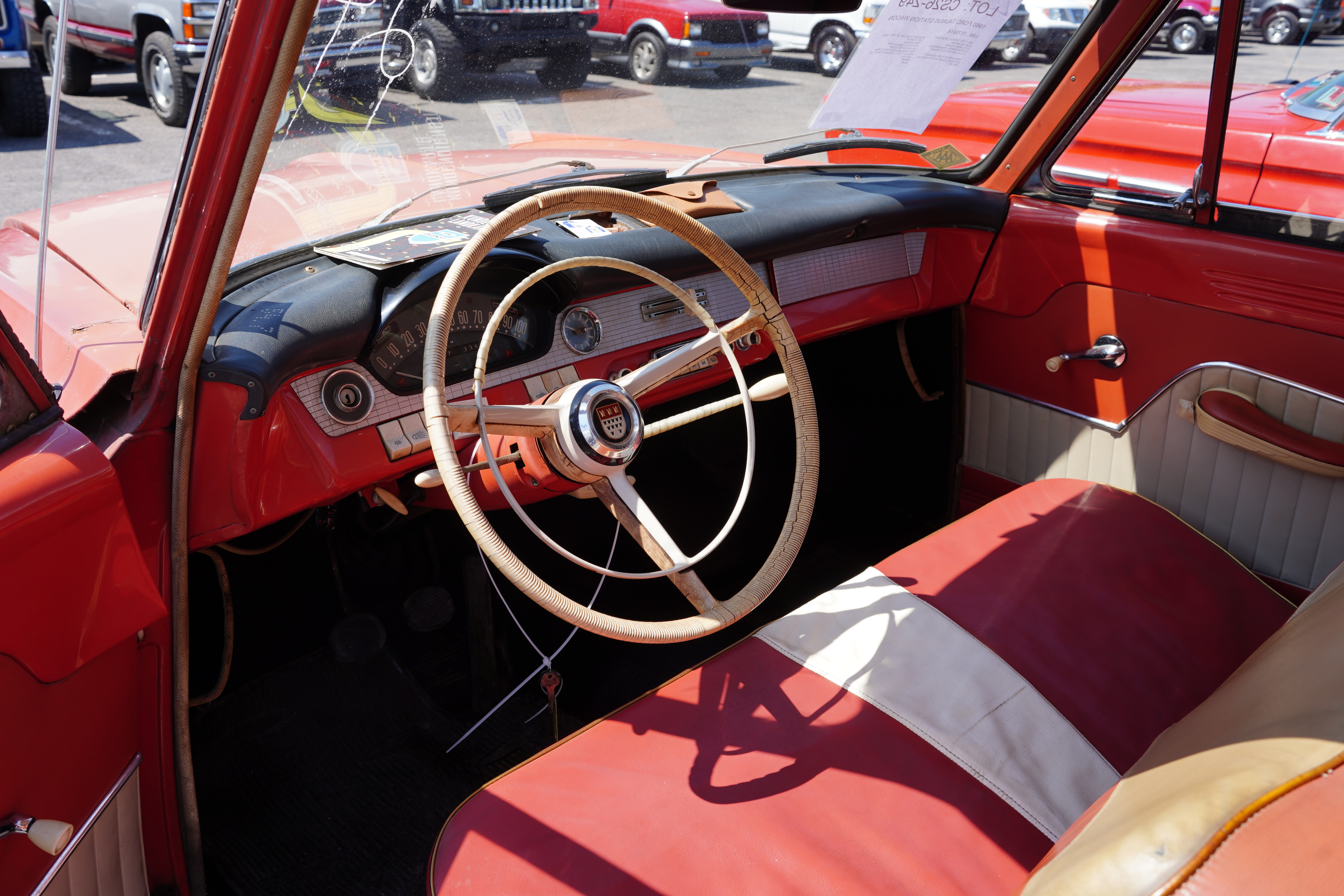
Lot 249, 1960 Ford Taunus two-door station-wagon, two-tone coral and white paint, color scheme carried over to interior. Four cylinder engine, three-speed manual. Dog dish hubcaps on black wheels with whitewall tires.

SOLD for $7,500. Ironic, just weeks after posting an article about my father’s Taunus postcards, I see one in the metal for the first time in my life. This German-built Ford was sold in the U.S. in very limited numbers. There are no price comps, so this under-ten grand result seems reasonable for a car which appeared to be surprisingly complete and unmolested.
 

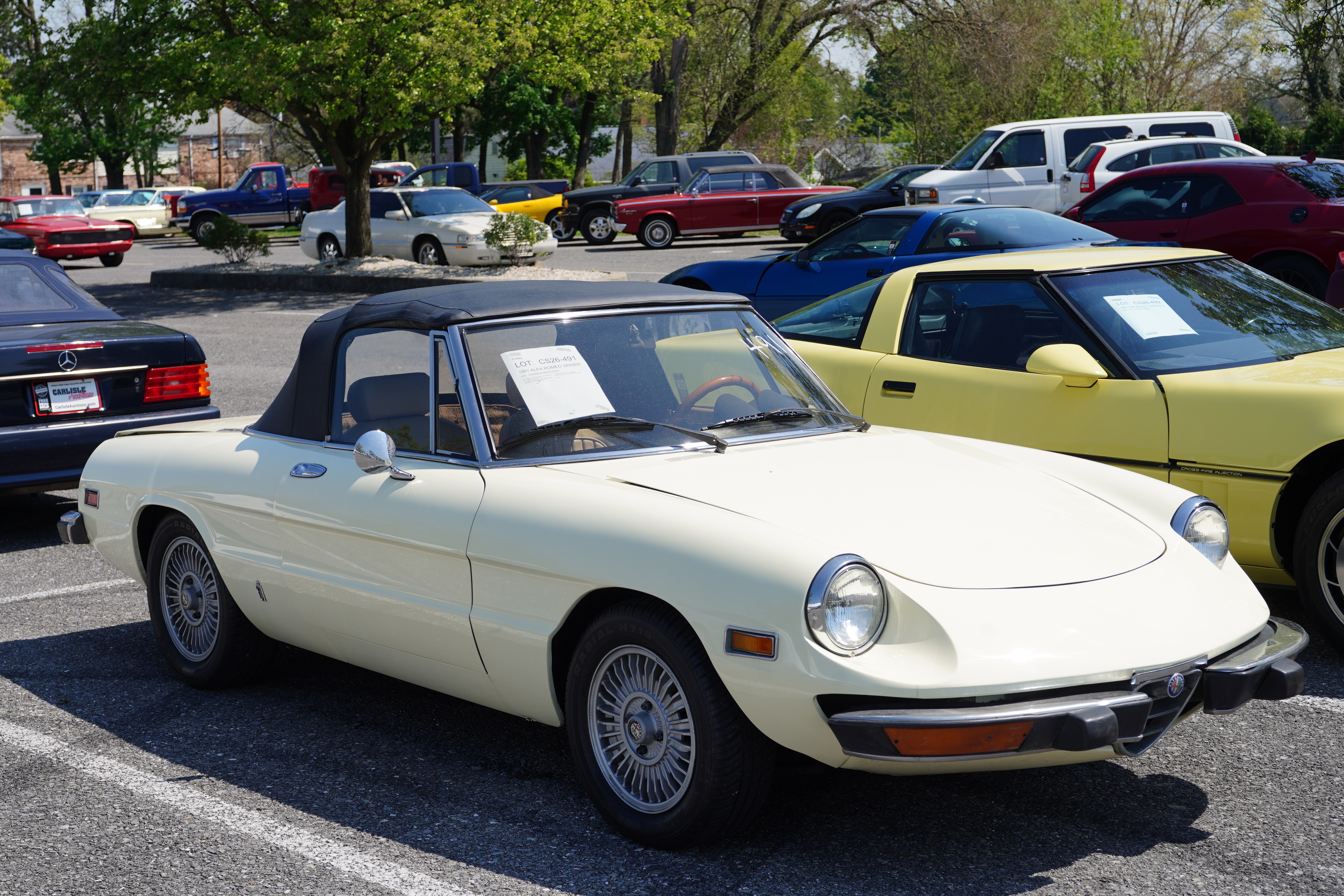
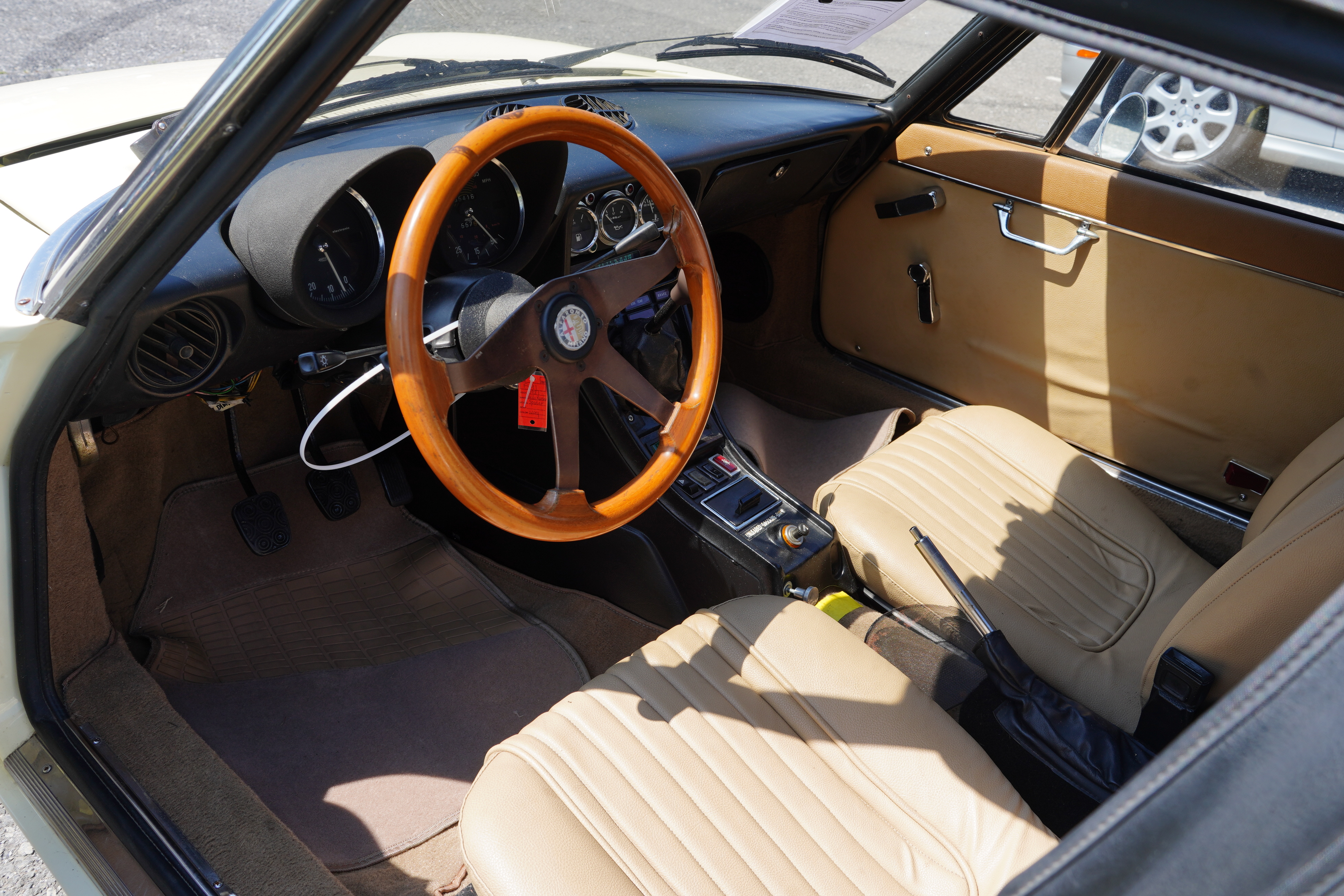
Lot 491, 1981 Alfa Romeo Spider, 95,416 miles, cream paint, black top, beige interior. Four-cylinder, five-speed manual, factory alloys, aftermarket wood steering wheel.

SOLD for $8,000. It’s around this mileage that I see many Spiders go up for sale. Various loose and broken interior bits didn’t give me confidence in the car, and frankly, I expected it to sell for less. Eight grand should buy you a nicer Spider.
 

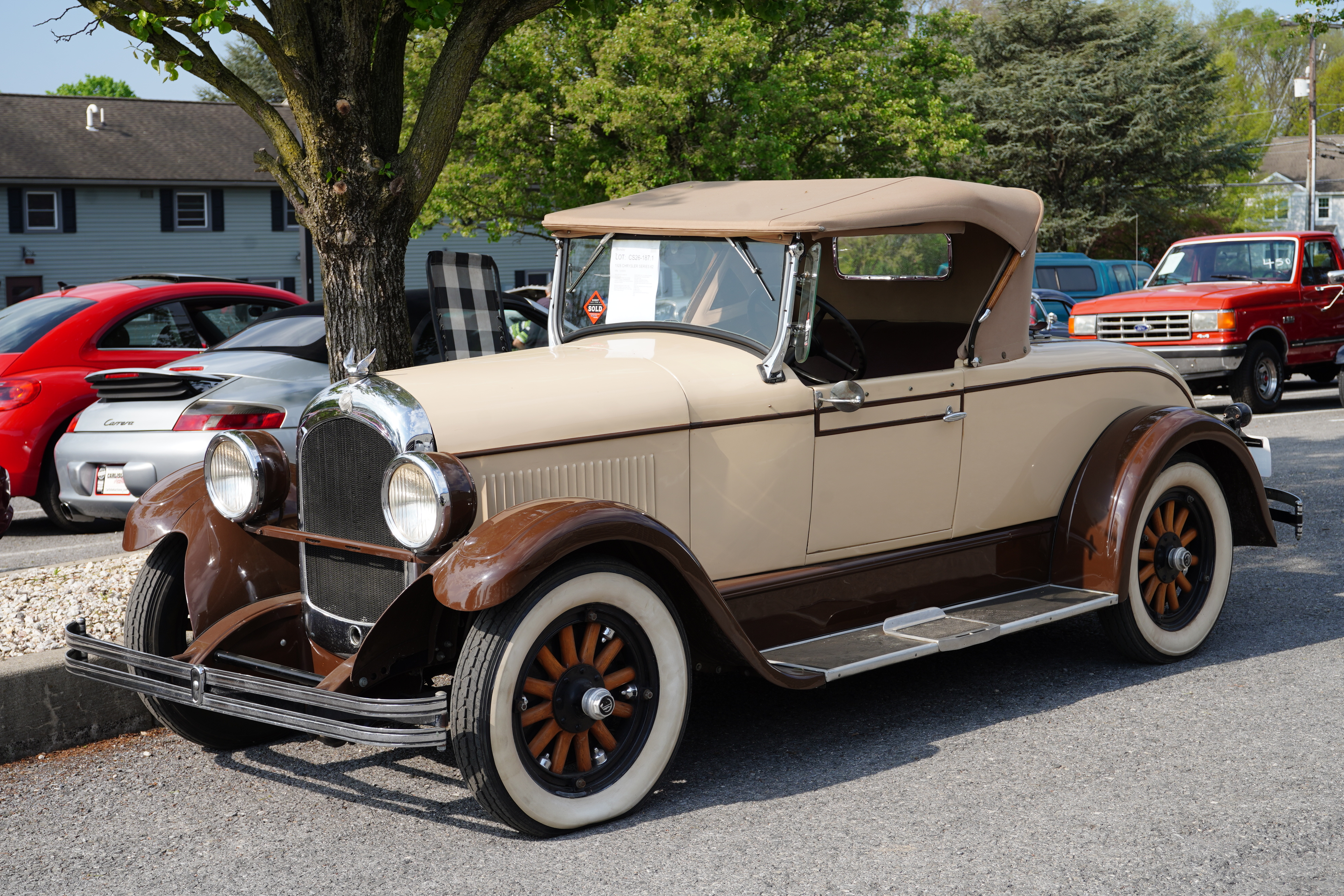
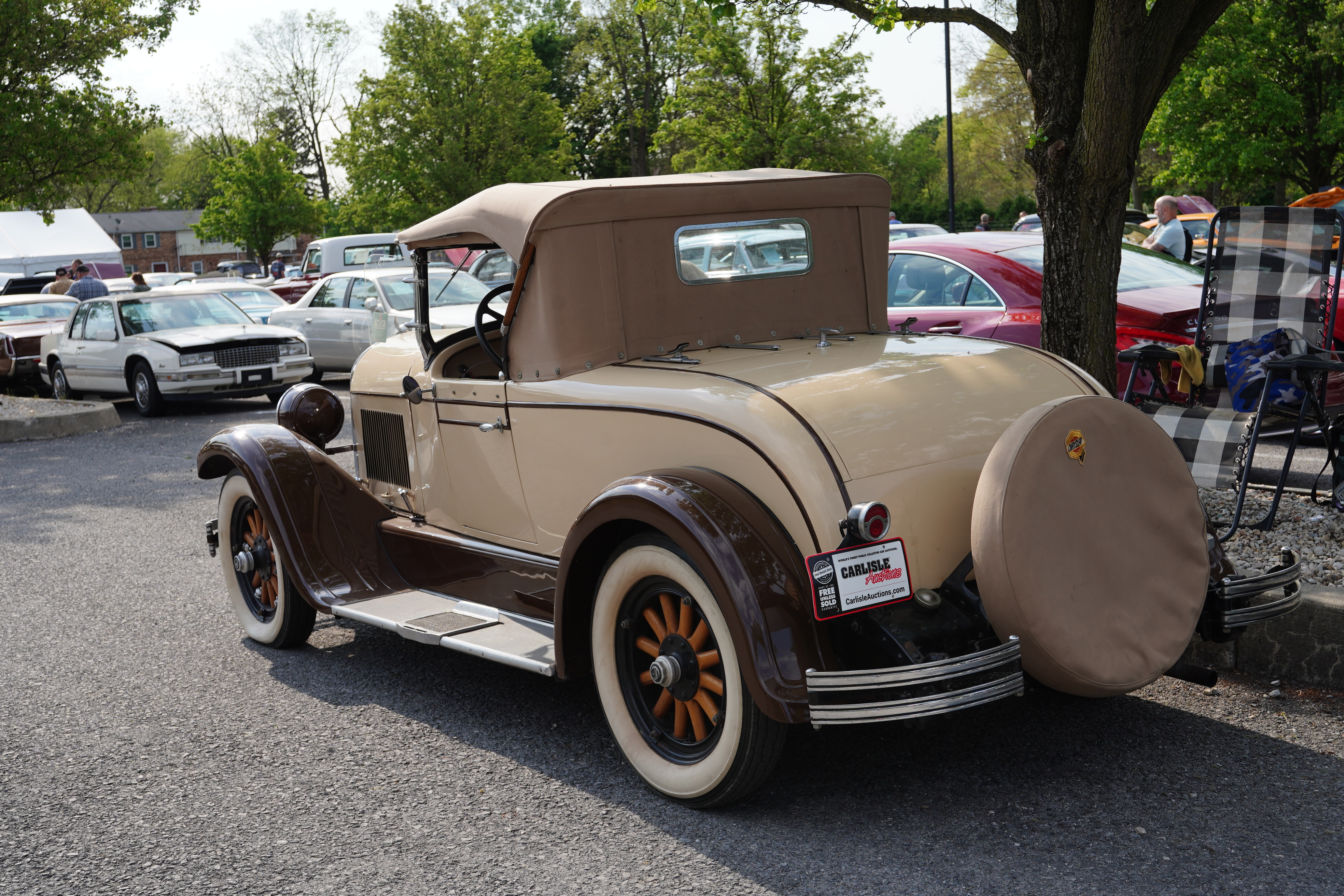
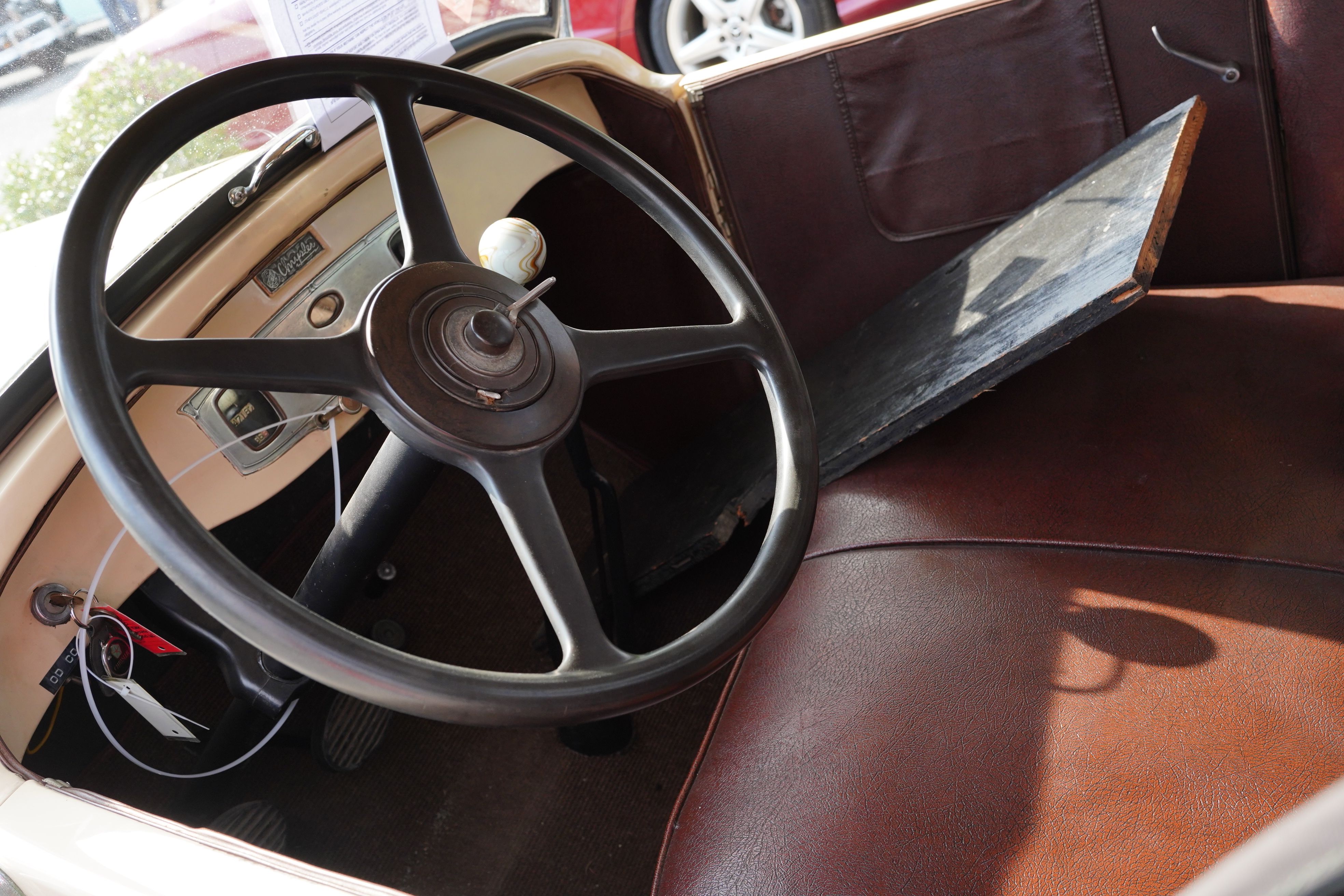
Lot 187.1, 1928 Chrysler Series 62 two-door convertible, light beige body, brown fenders, tan top, brown interior, rumble seat. Wood spoke wheels with whitewall tires. Inline six, three-speed manual.

SOLD for $12,500. I believe that this was the oldest car to sell at this auction. I know very little about pre-war Chryslers except that, as a convertible with a six-cylinder engine (instead of a four) and a rumble seat, $25,000 would not have been a surprise. Then again, how limited is the audience for pre-war cars like this?
 

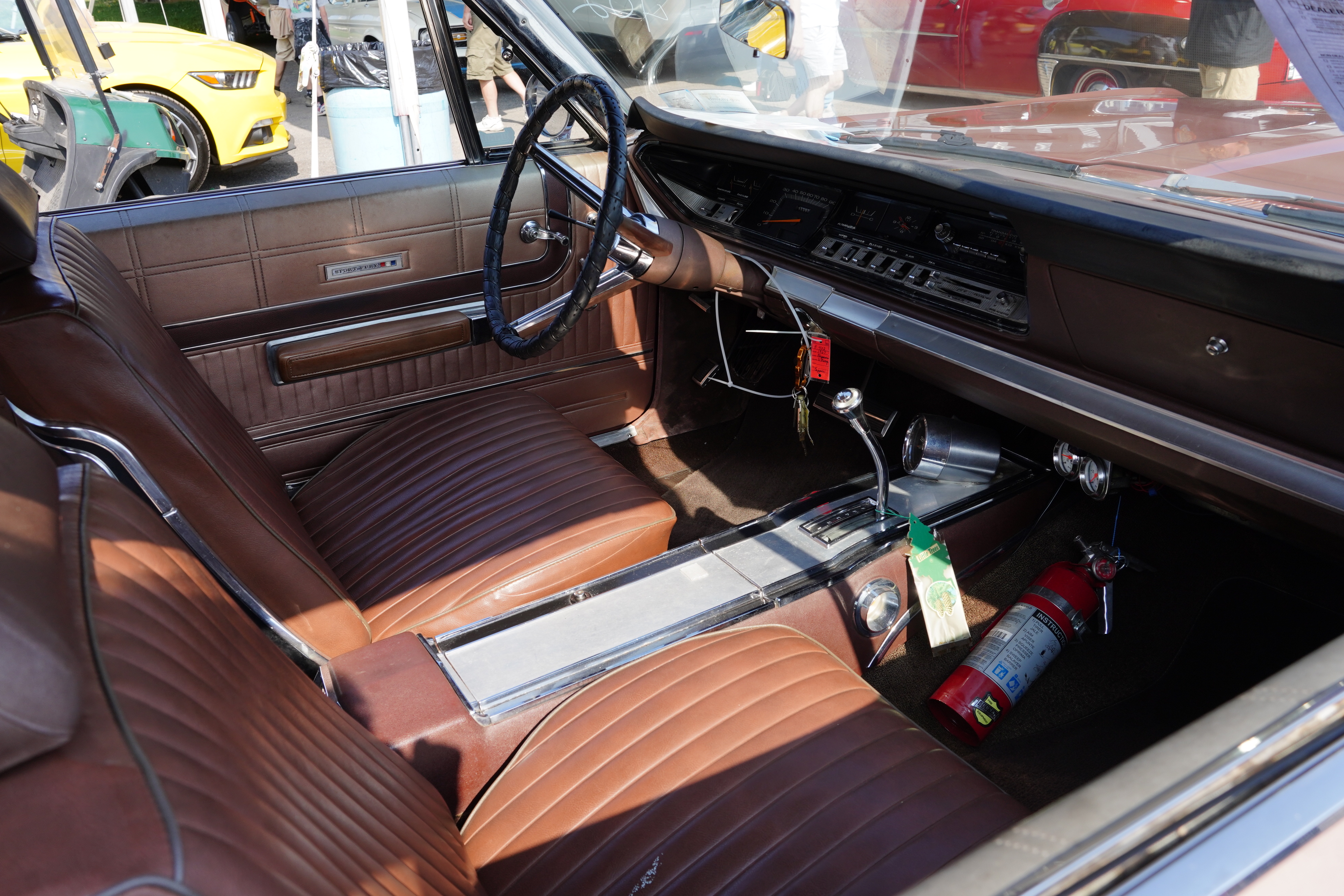
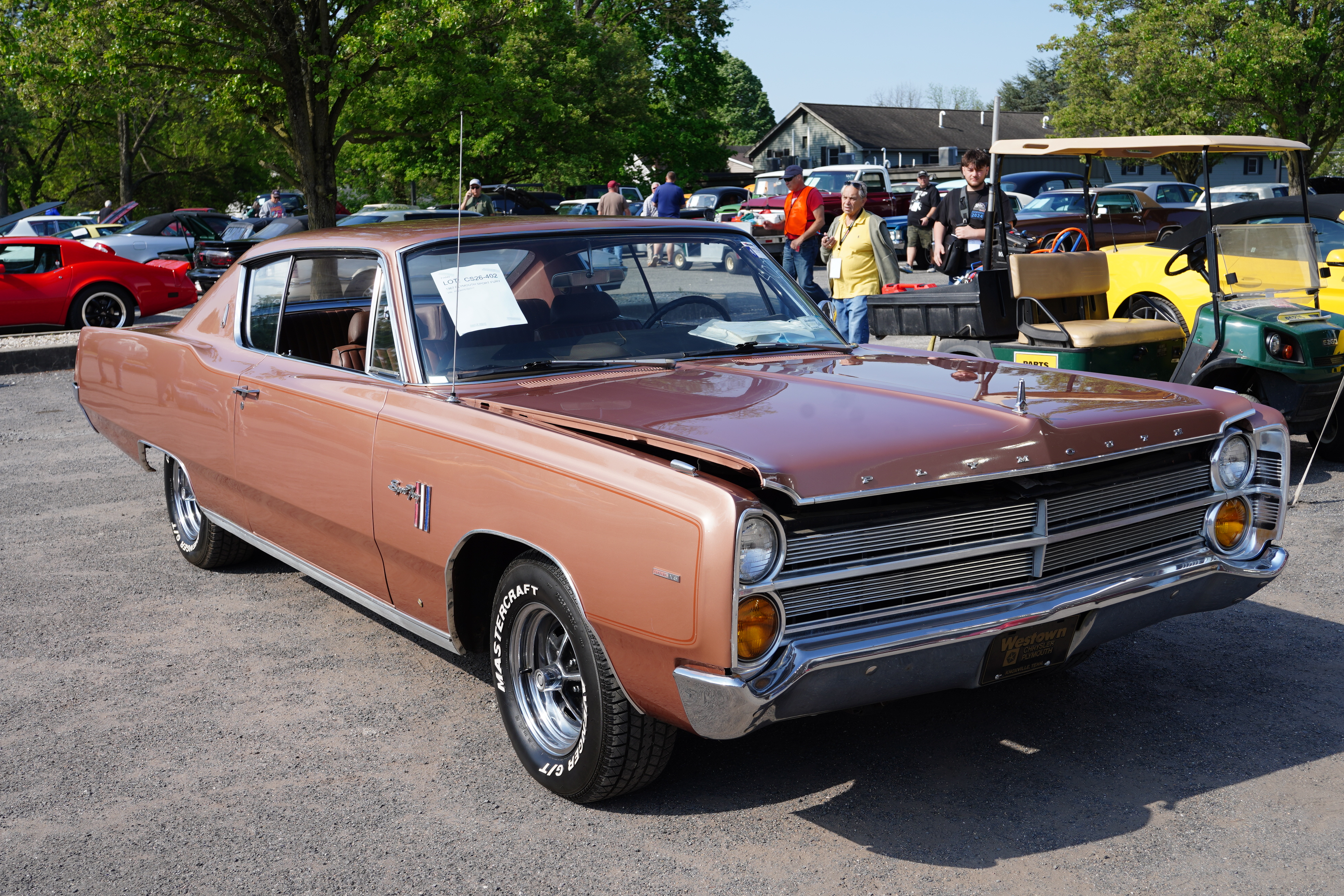
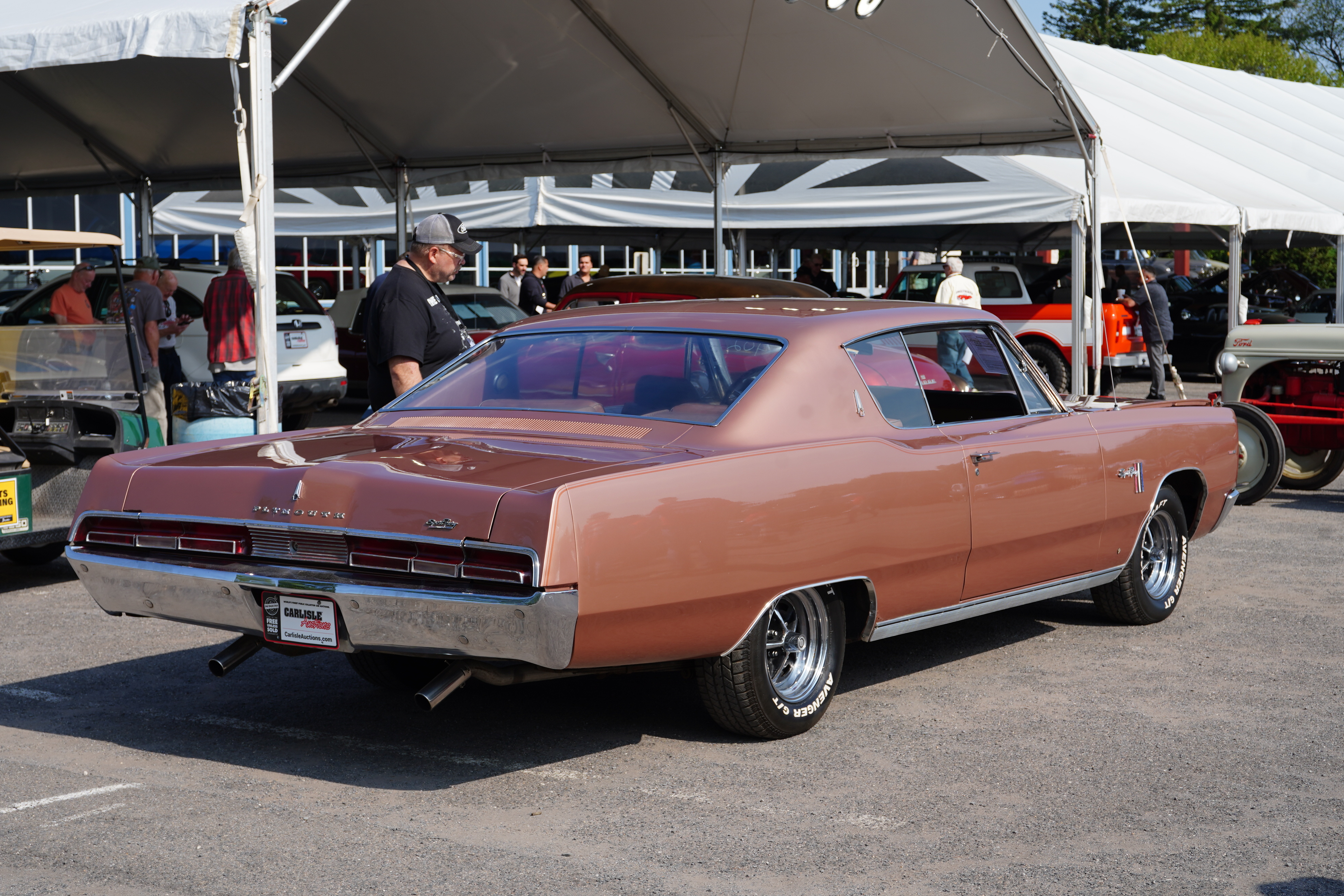
Lot 402, 1967 Plymouth Sport Fury two-door hardtop, bronze paint, matching interior with bucket seats and center console, alloy wheels, raised white letter tires, 383 V8, automatic.

SOLD for $13,000. This car rolled over the block relatively early on Friday morning, and I spotted it for the first time about thirty minutes prior, so this was another case of a car showing up almost literally at the last minute, leaving no time for an inspection. 1967 was a big year for Plymouth as this was an all-new body, and a real looker, especially in comparison to some of the ugly ducklings of just a few years prior. The Sport Fury package lived up to its name. This was a very good buy. I need a bigger garage (I’m referring to the length, as this thing would not fit).
 

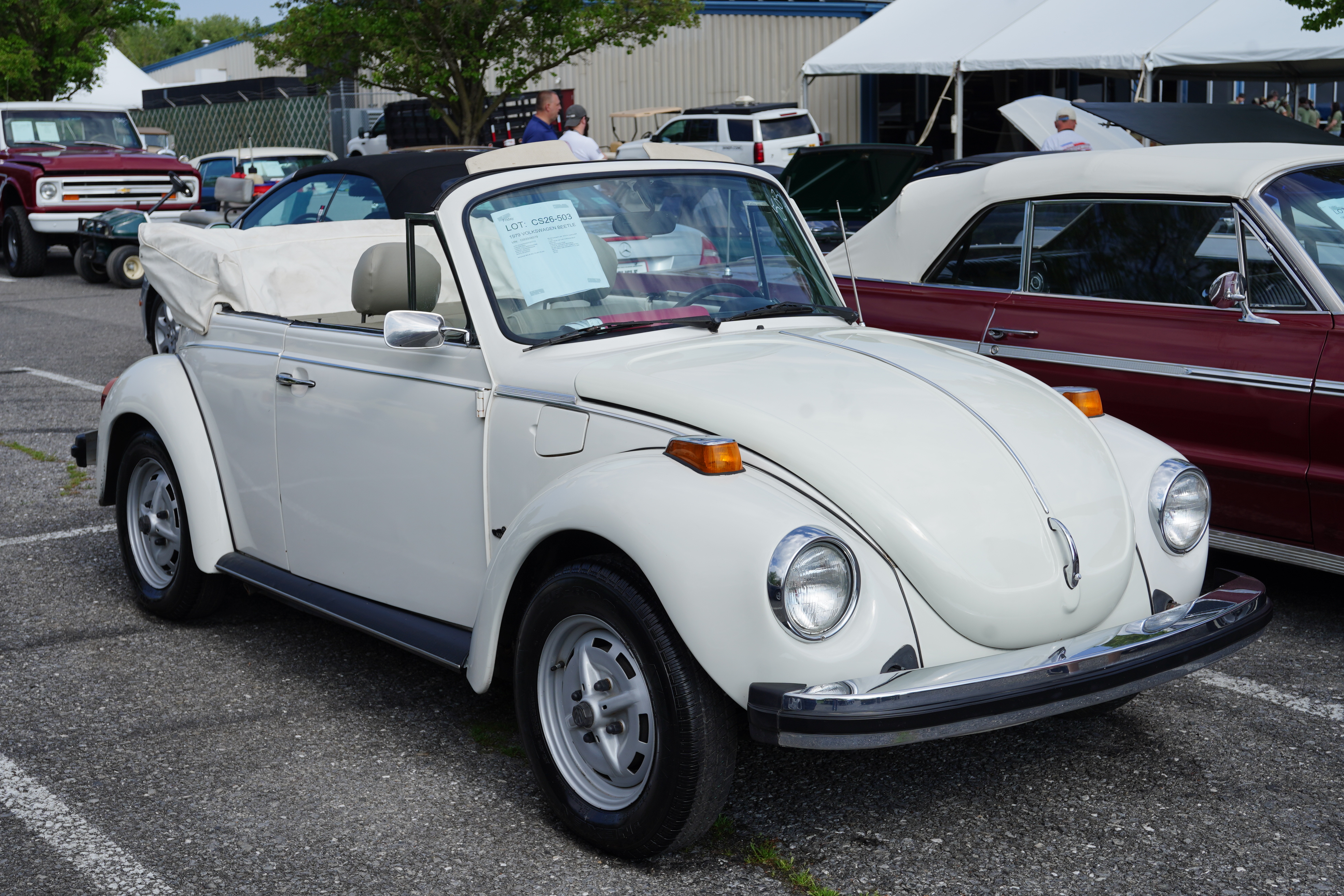
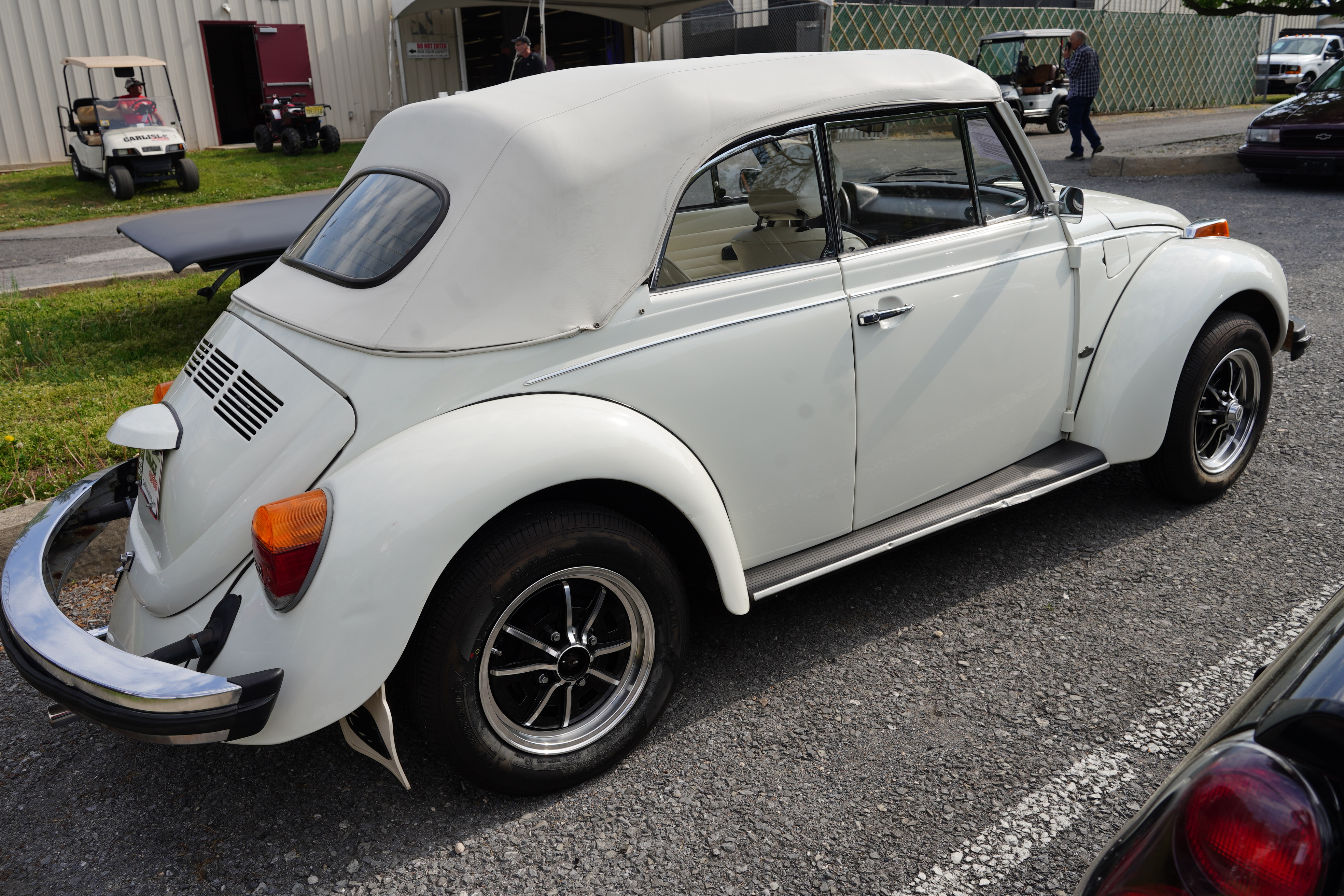
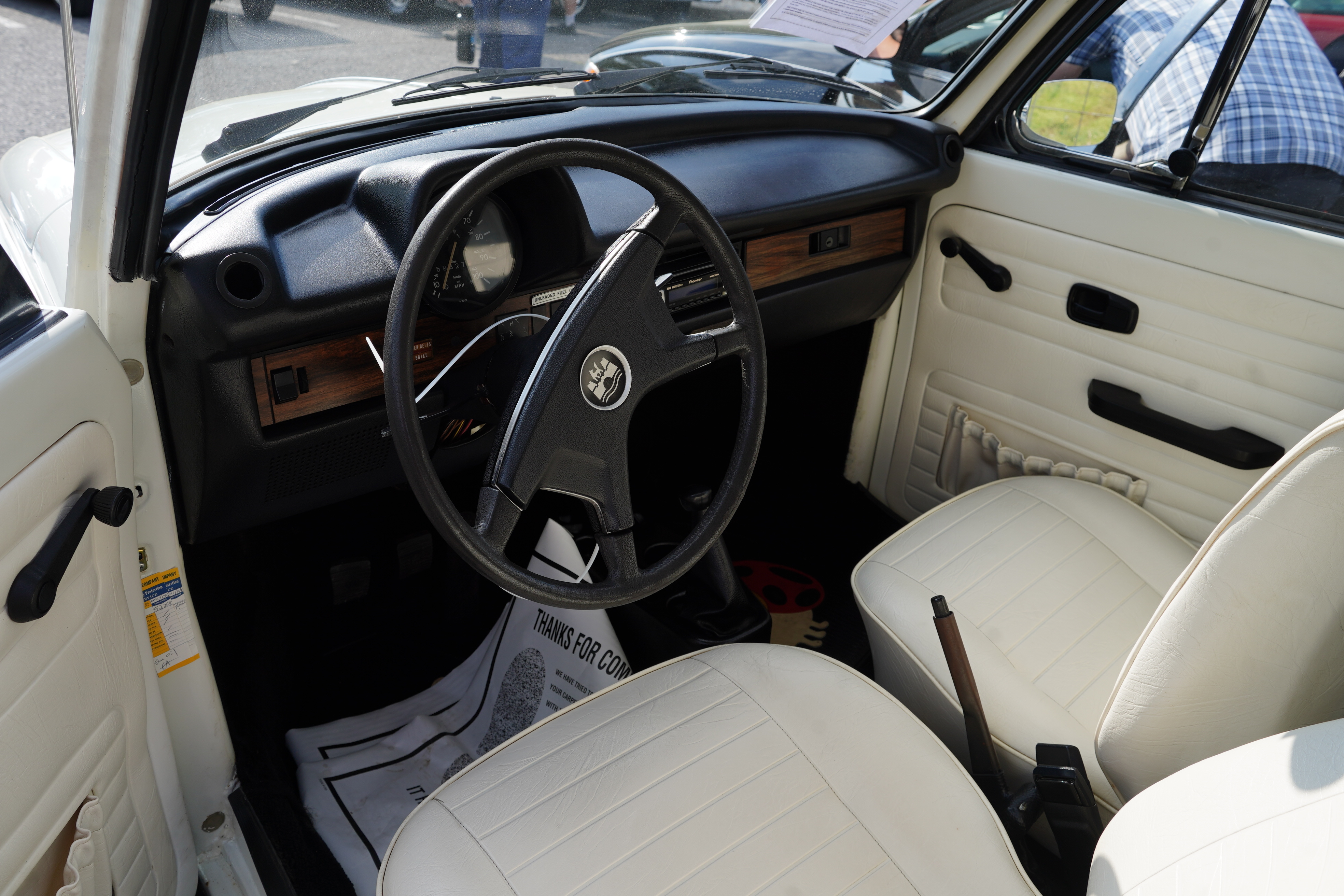
Lot 503, 1979 VW Beetle convertible, white paint and top, taupe interior. I did not record mileage, but Carlisle’s website states 45,000. Factory alloys.

SOLD for $13,000. This was the final year for the famed Beetle drop-top. Sold for almost identical money compared to ’76 Beetle convertible below, so “last year of production” did not bring a price premium.
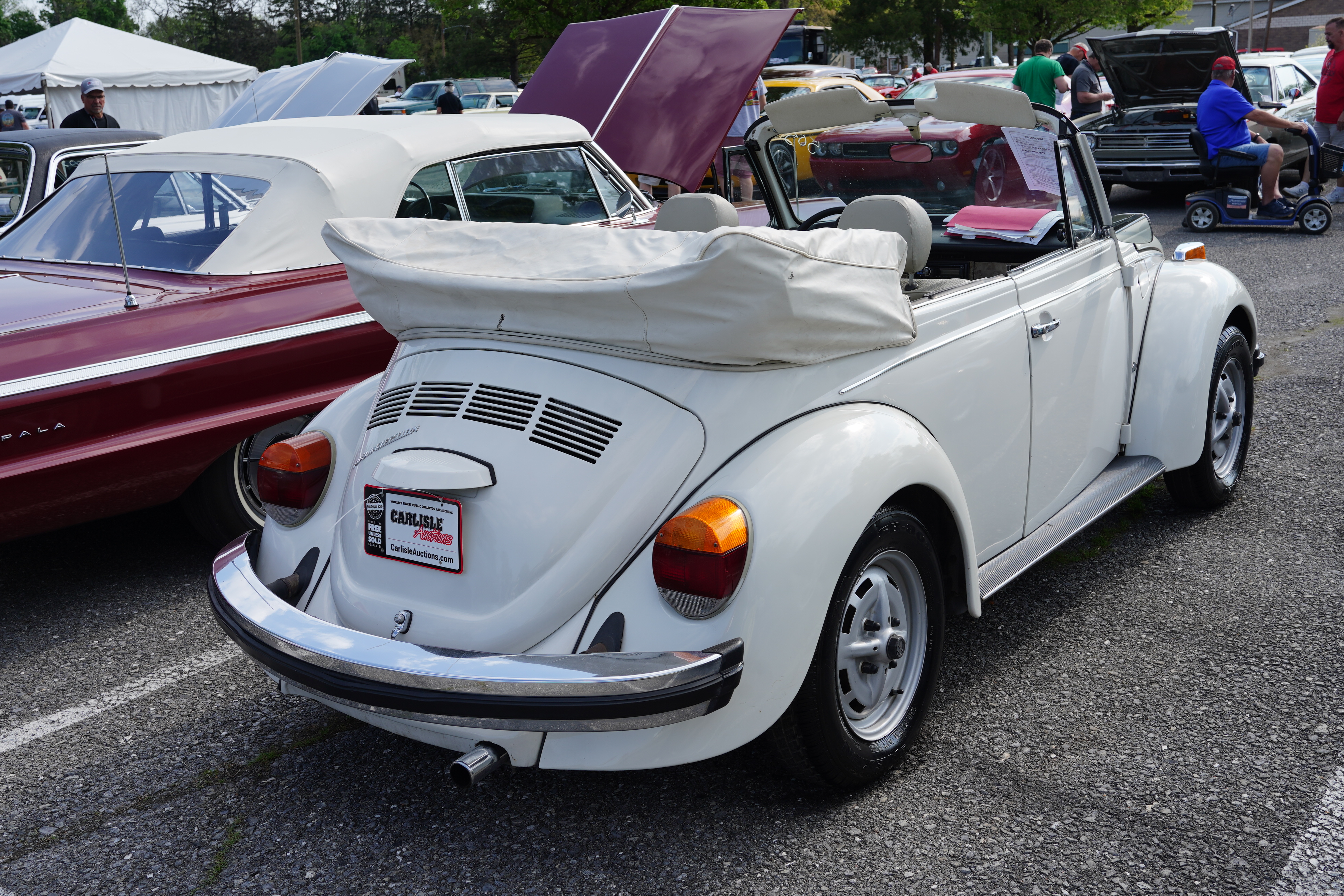
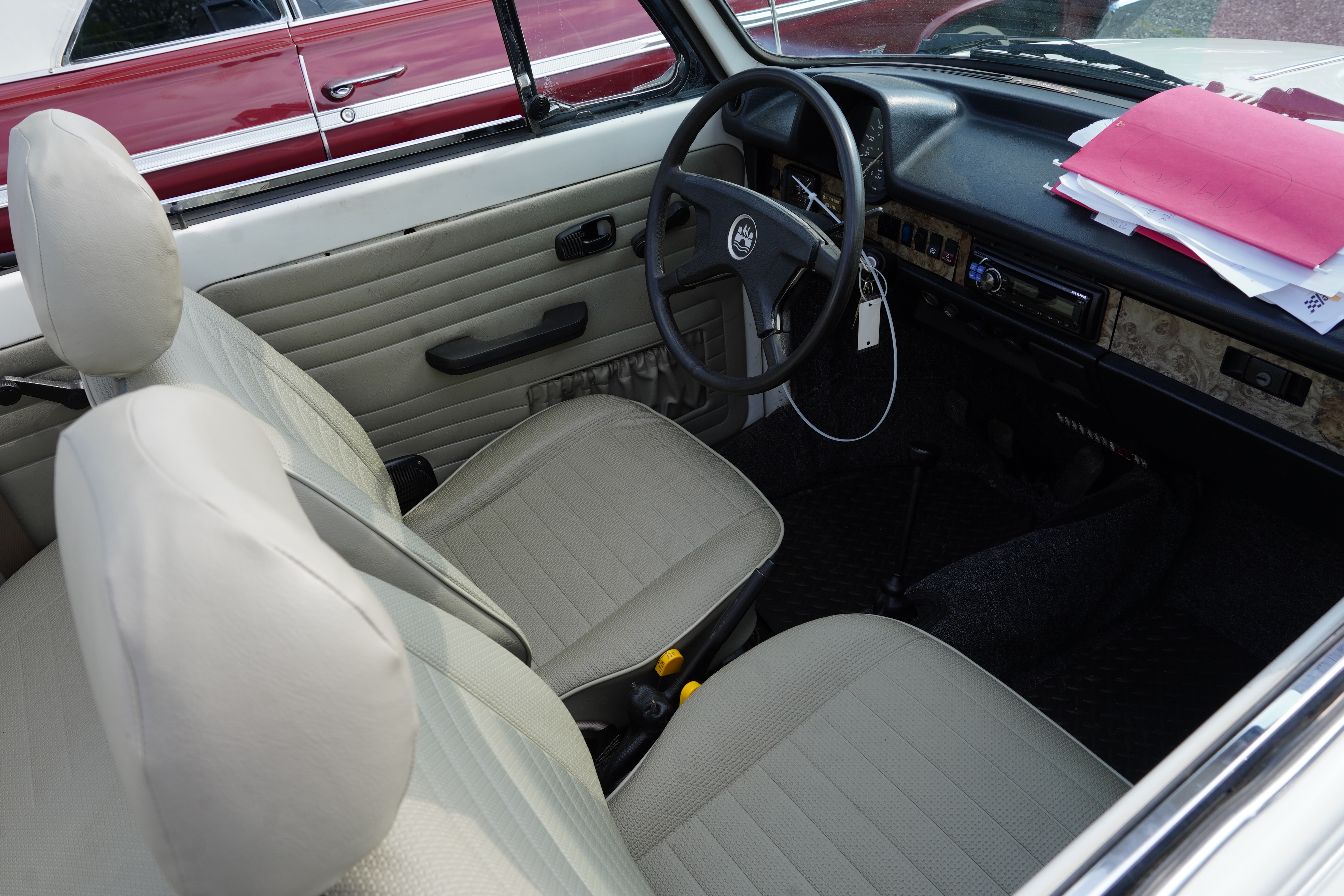
 

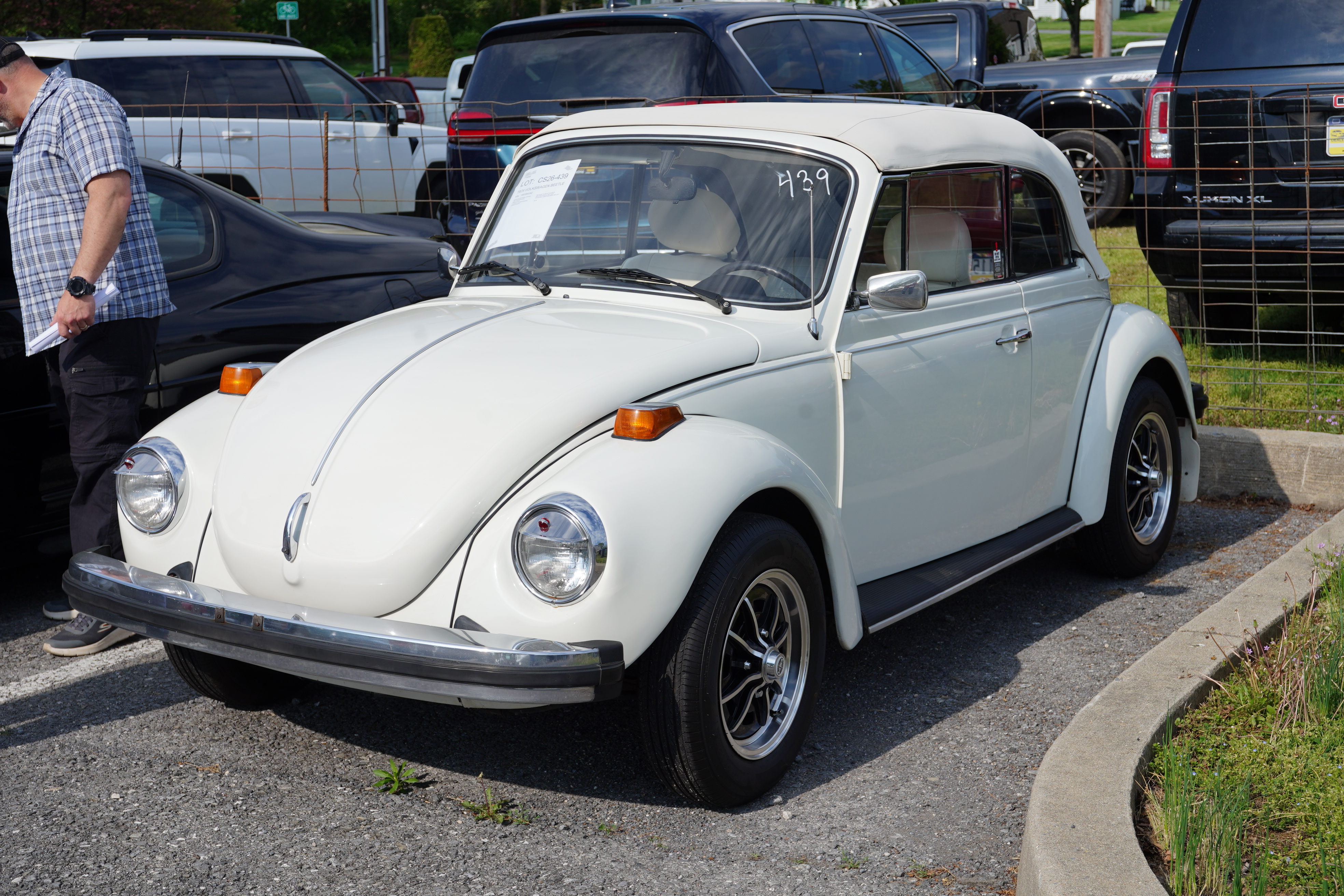
Lot 439, 1976 VW Beetle convertible, four-speed manual, 59,827 miles, white paint, top, and interior, aftermarket wheels.

SOLD for $13,750. Car appeared to be in well-maintained original condition. Lots of top-down fun, just don’t be in a hurry to get anywhere.
 

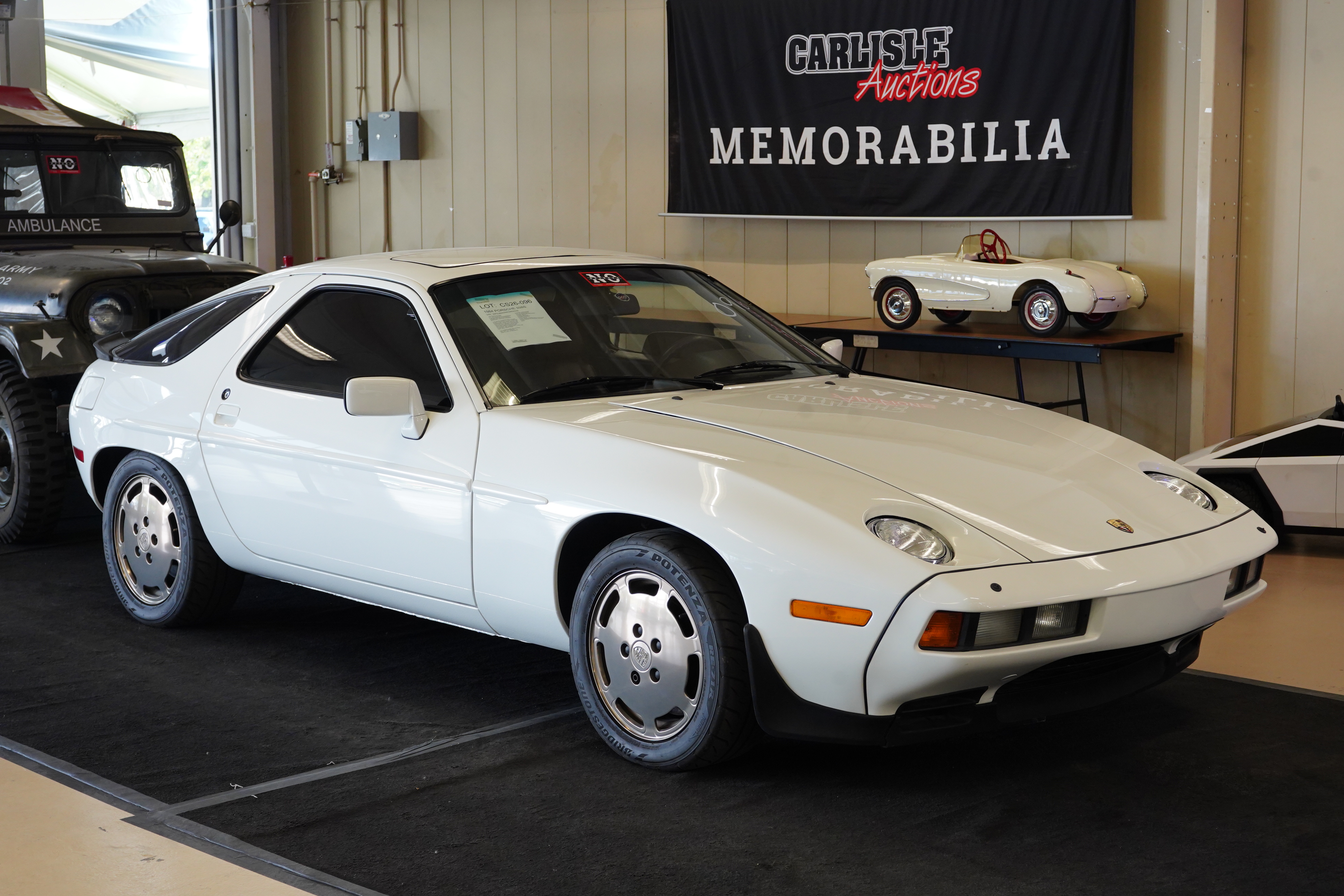
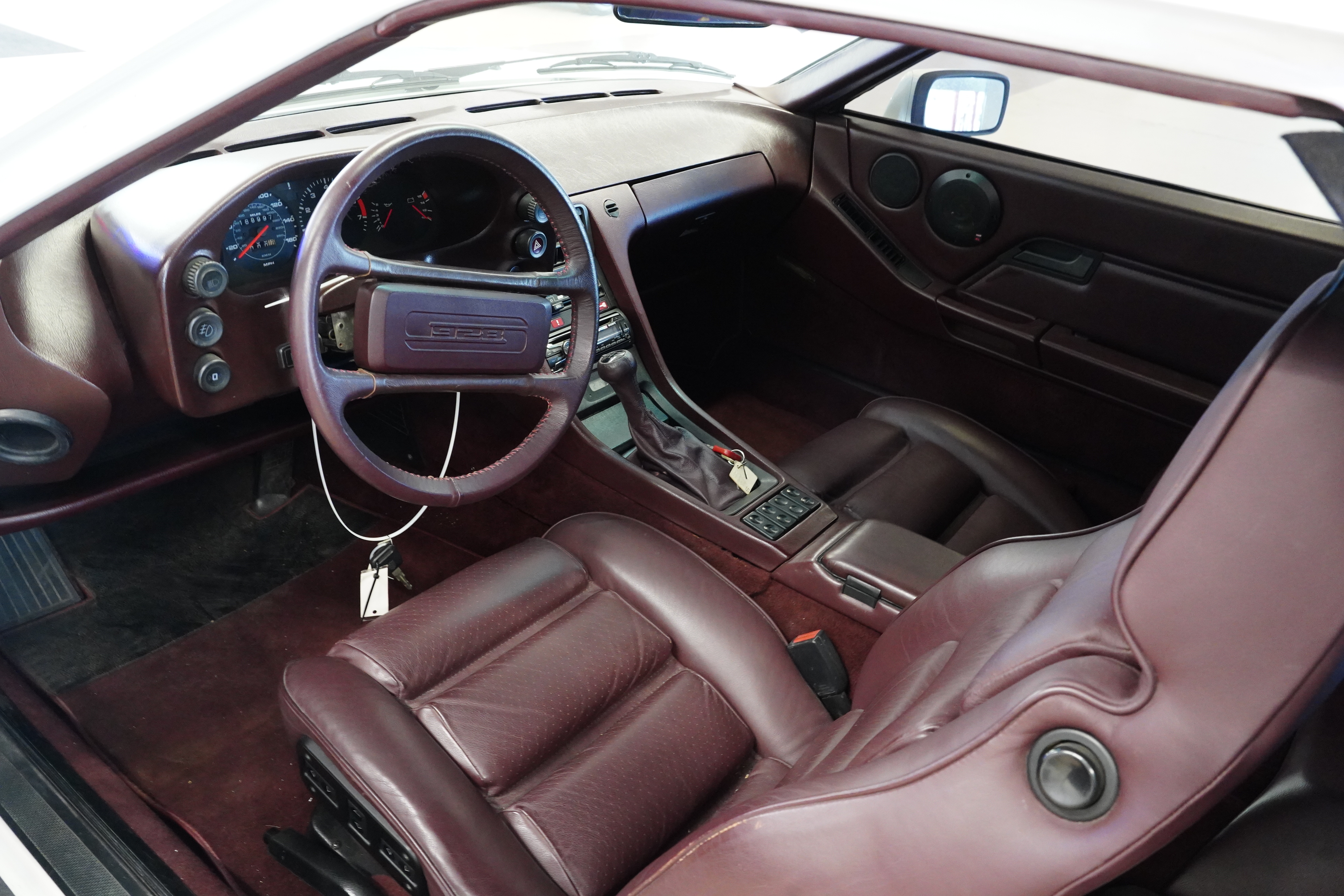
Lot 096, 1984 Porsche 928S, 168,987 miles, white with dark red interior. V8, five-speed manual. Factory alloy wheels.

SOLD for $17,000. This was the very first automotive lot of the auction, and it was a charity sale with proceeds going to a local firehouse. Car appeared OK, but, not sure if odometer still worked as trip odo was stuck at 000.0 (common 928 problem). These cars are robust enough that they can reach this mileage, but staying on top of maintenance is a necessity. Manual is a plus, as most U.S. 928s were automatics.
 

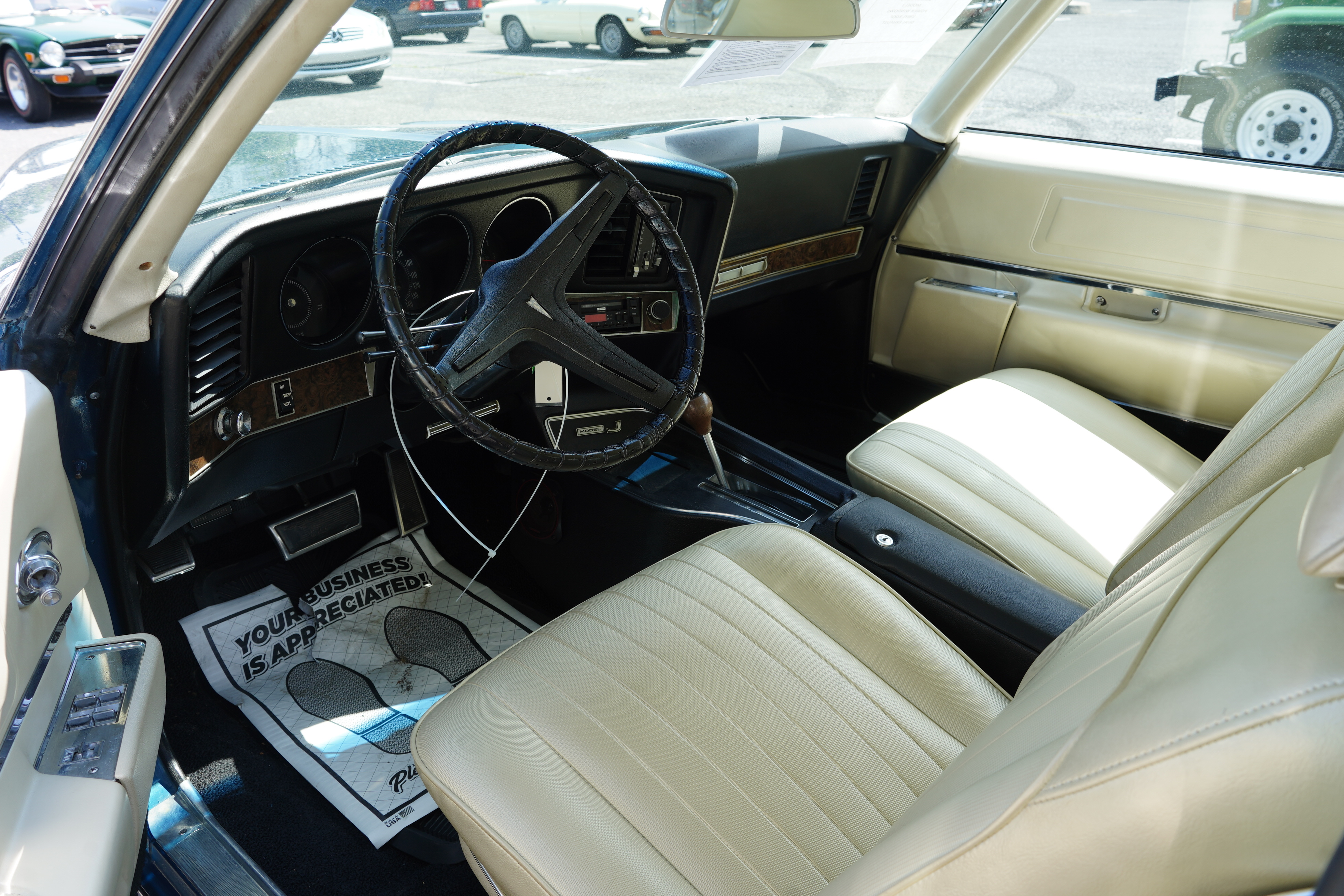
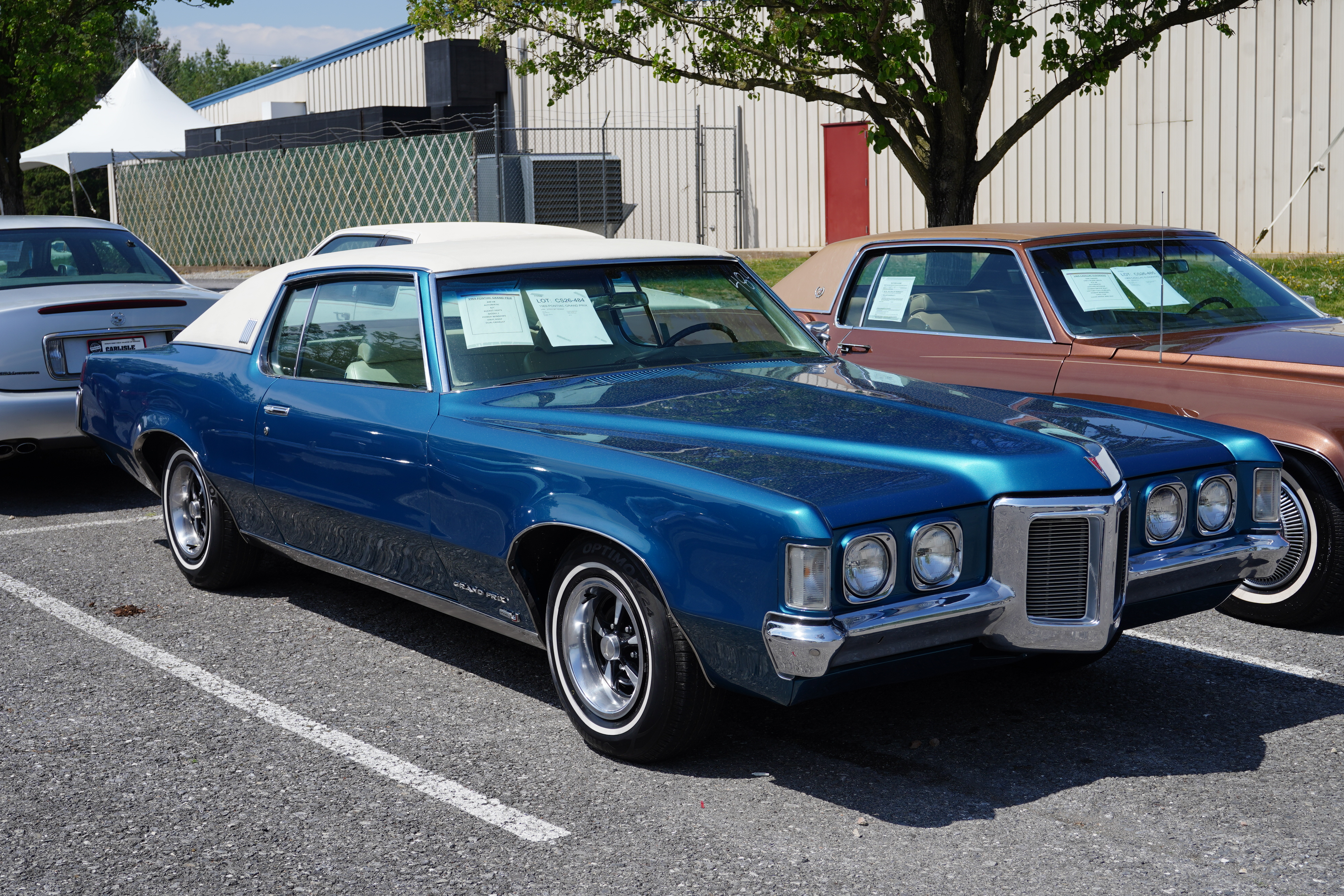
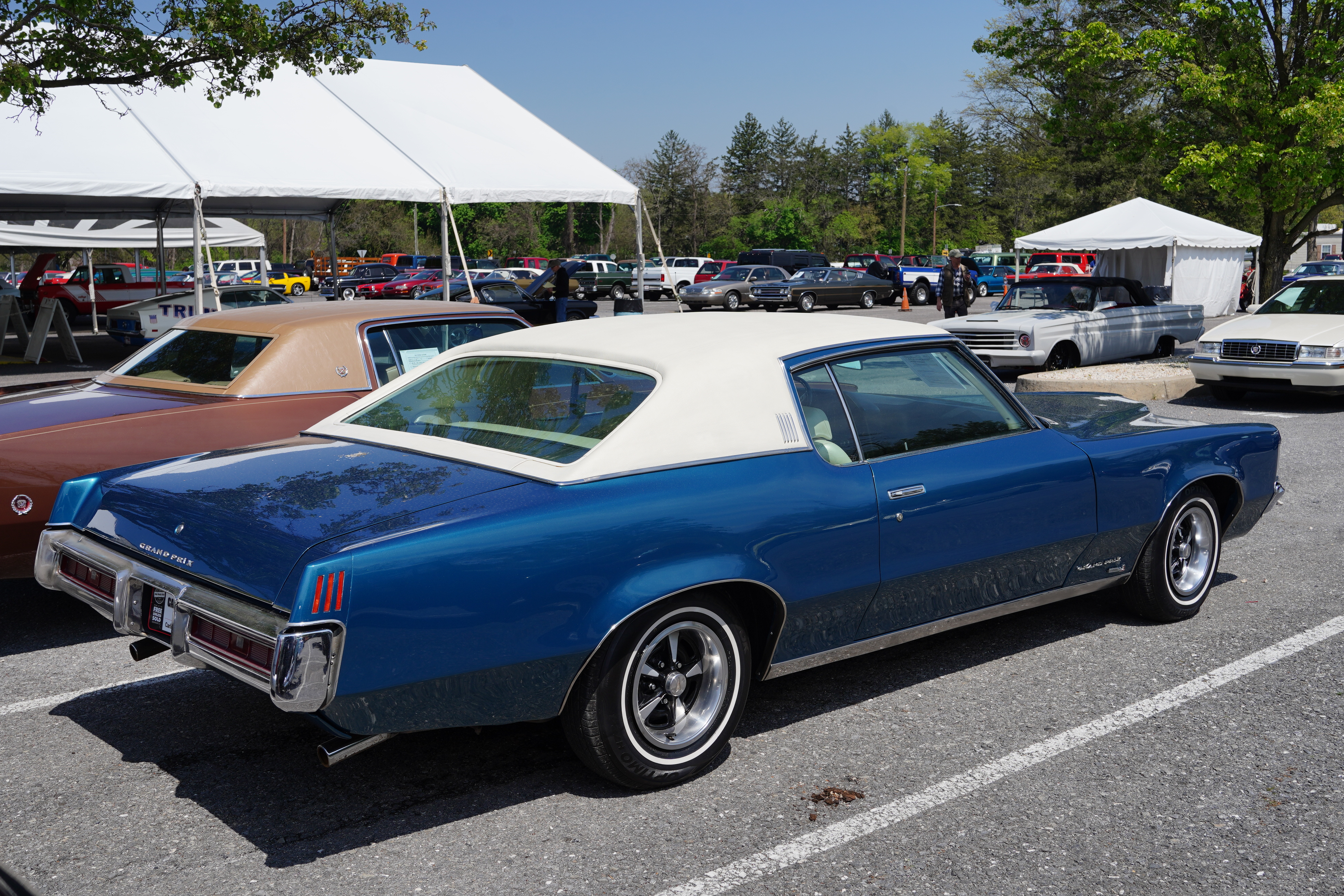
Lot 484, 1969 Pontiac Grand Prix, five-digit odometer shows 18,352. Bright blue metallic paint, white vinyl top, white interior with buckets, center console, floor shift. Factory alloys with whitewall tires.

SOLD for $21,500. This was the first year of the downsized “personal luxury” Grand Prix with the six-foot-long hood. This car was in decent shape, and price seemed fair for the condition.
 

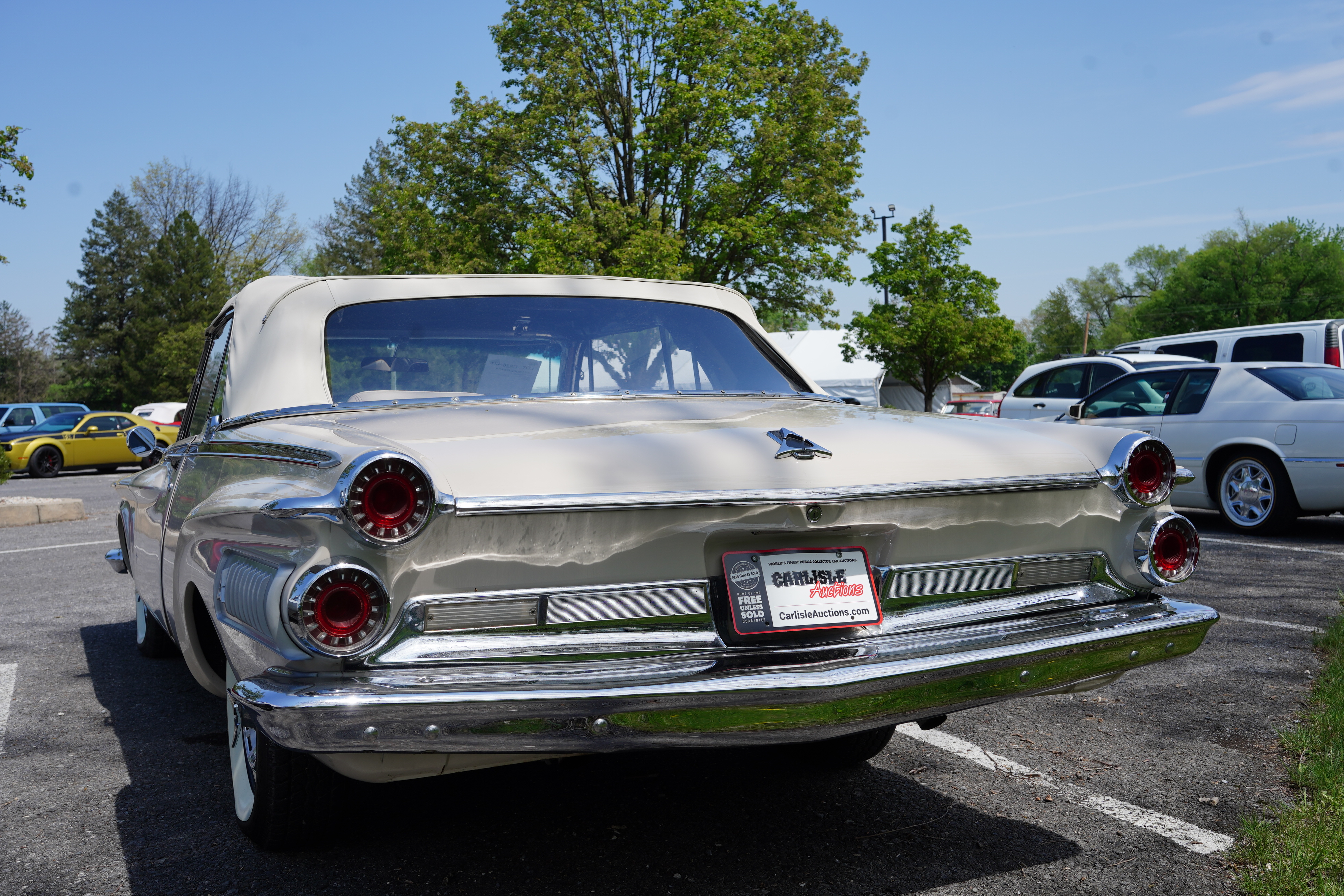
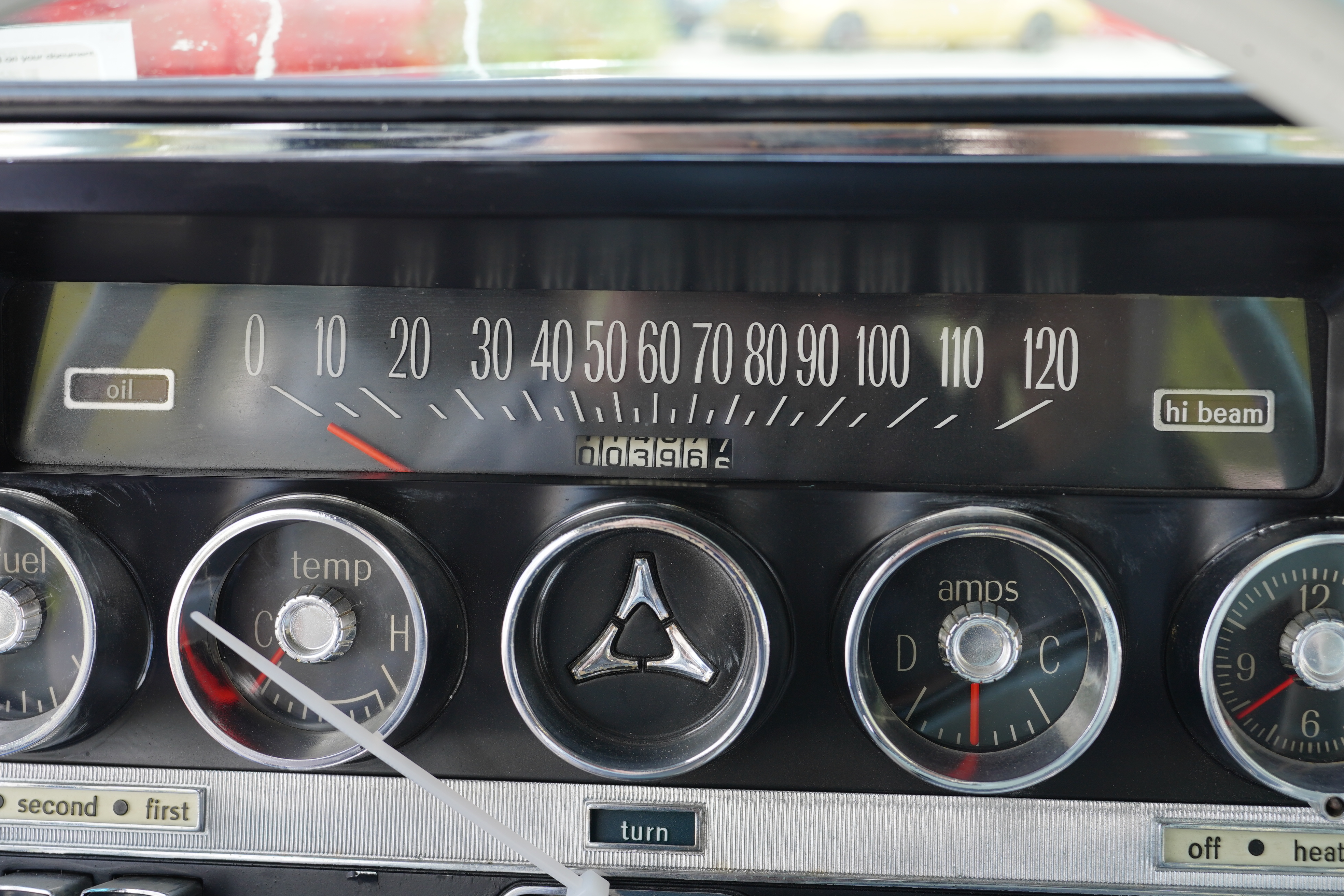
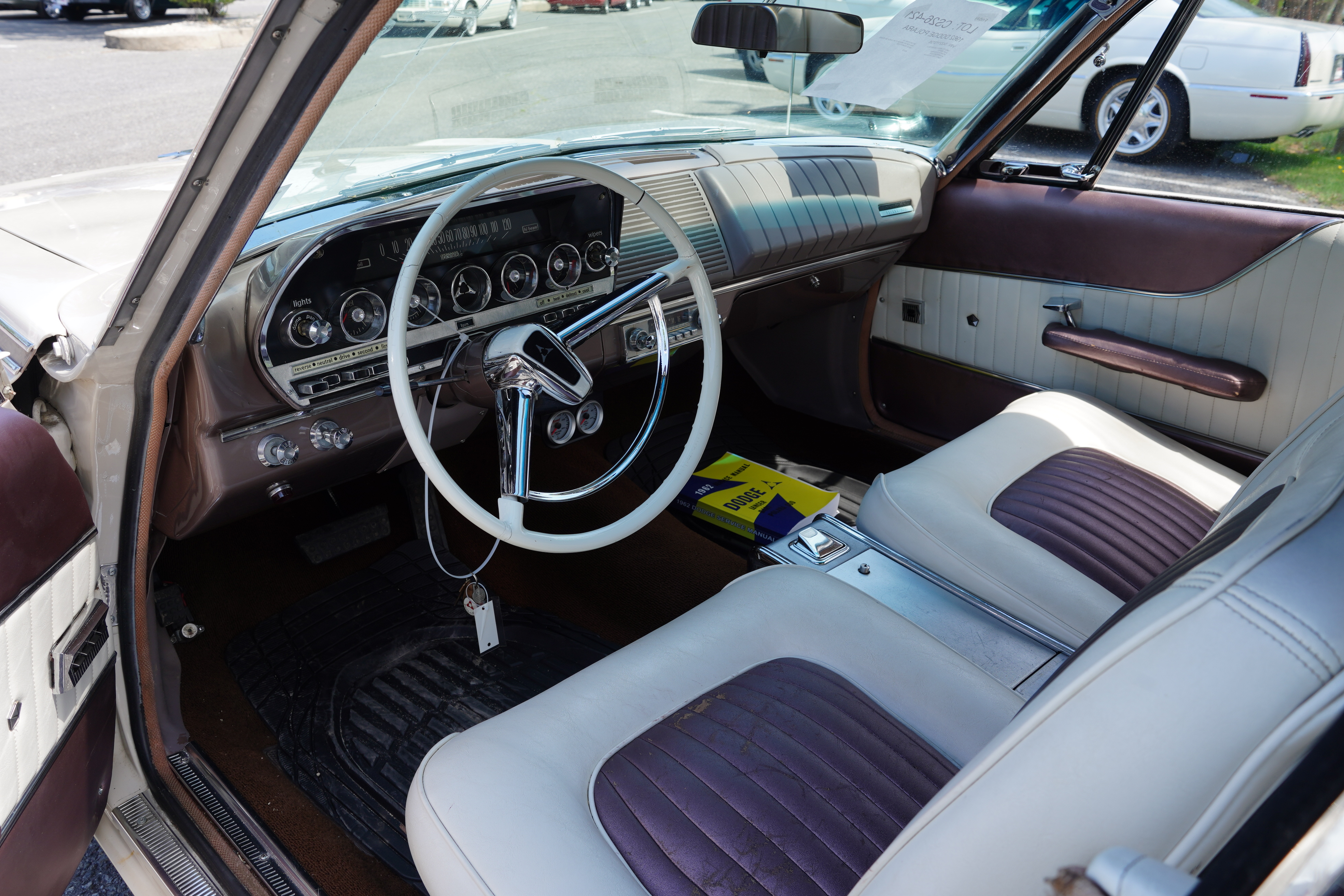
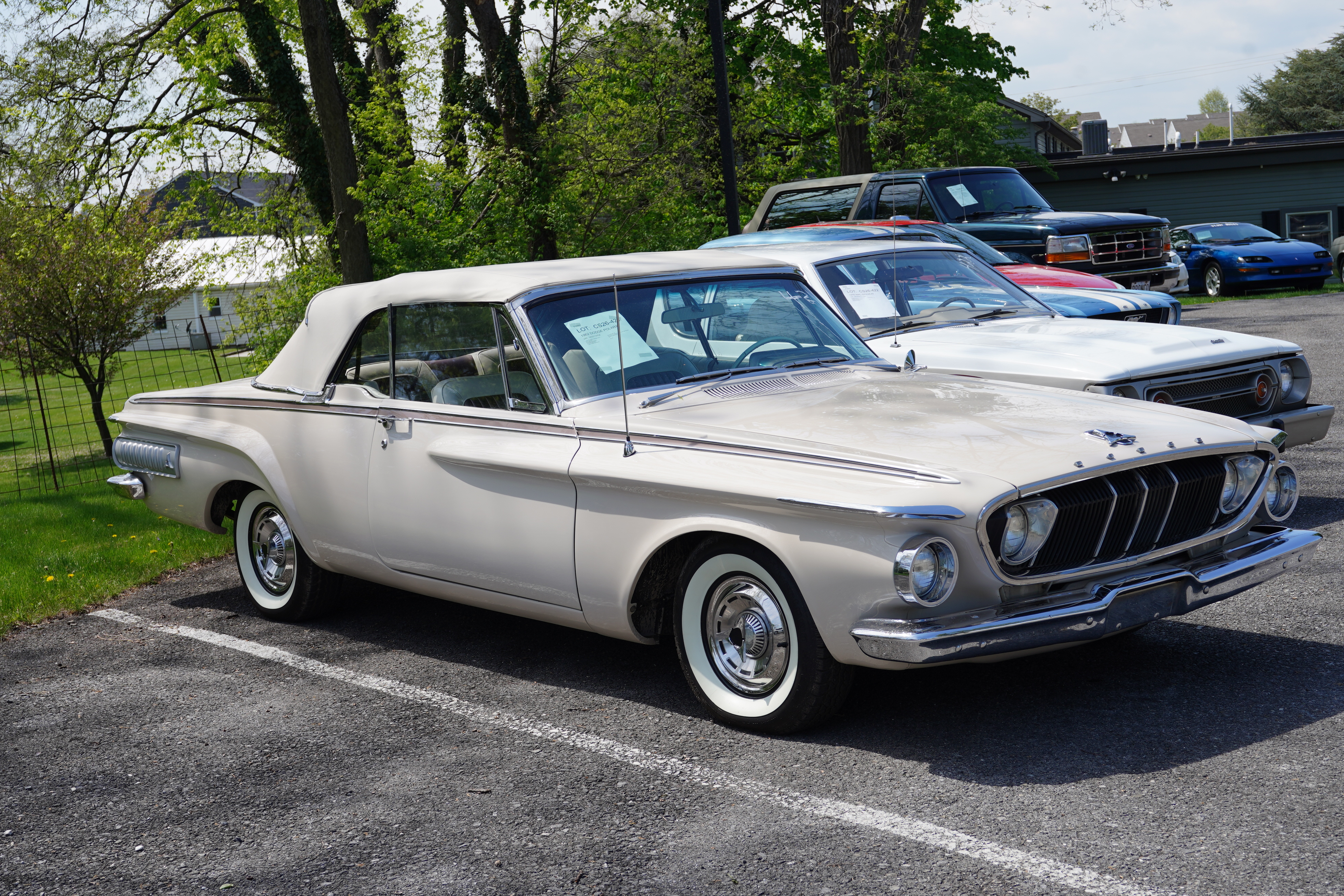
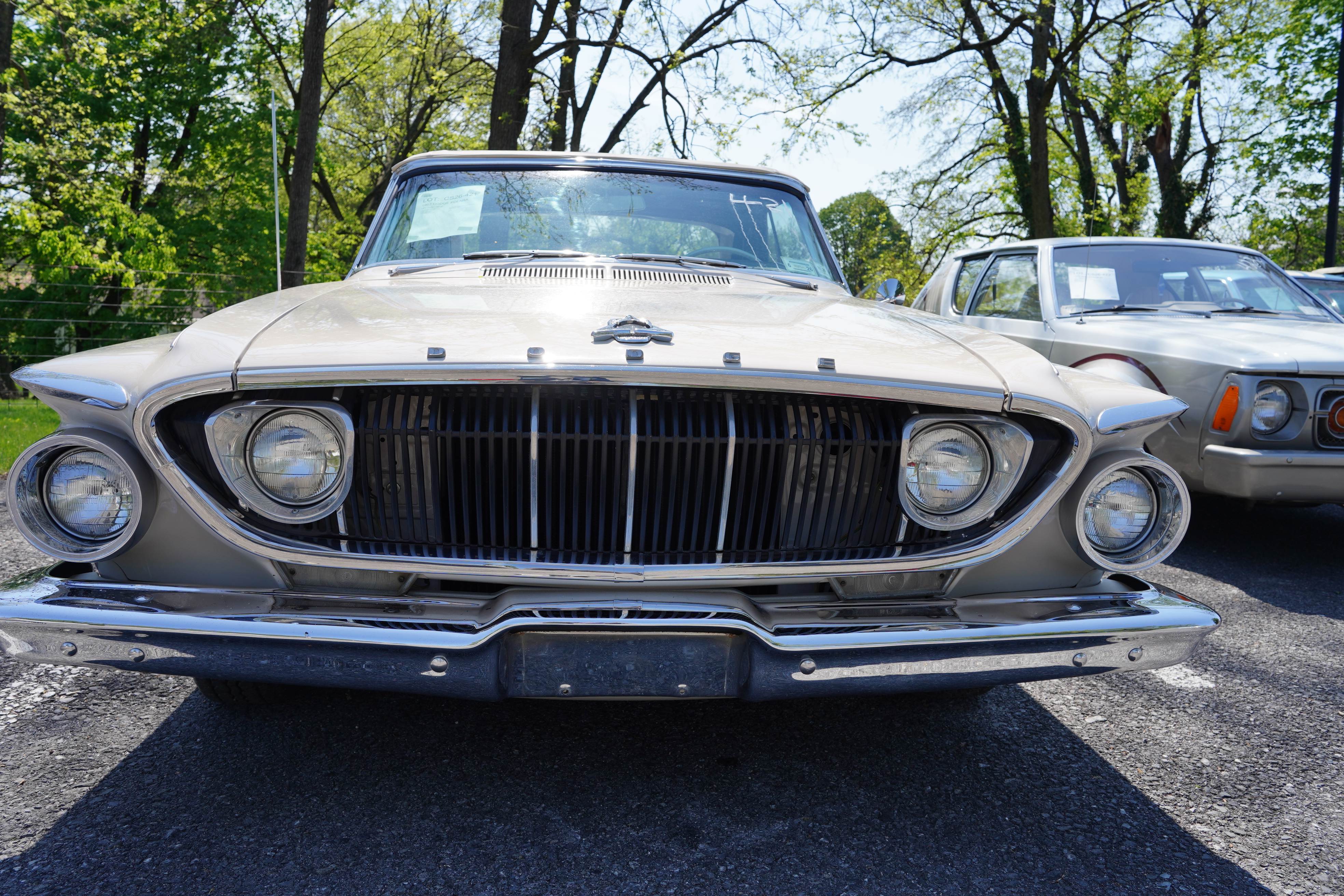
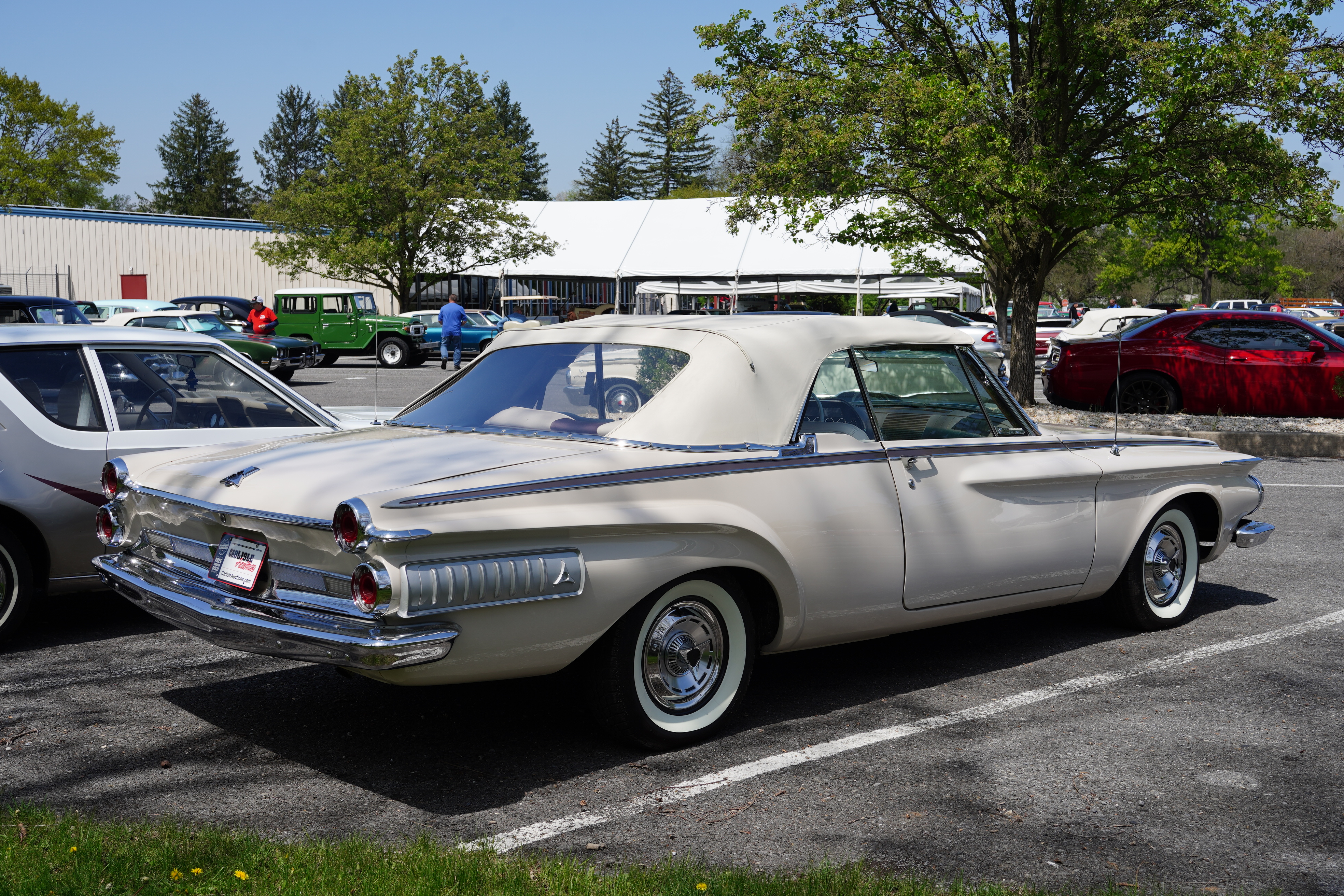
Lot 421, 1962 Dodge Polara convertible, five-digit odometer shows 00396. Cream paint, white top, two-tone white and violet interior with power windows. 361 V8, push button automatic.

SOLD for $23,000. When I was a kid, I thought that the ’62 Dodges were ugly, and in the ensuing decades, that opinion has not changed much. However, this car’s outstanding condition made up somewhat for its unfortunate styling. Rare, and worth it for the diehard Mopar fan.
 

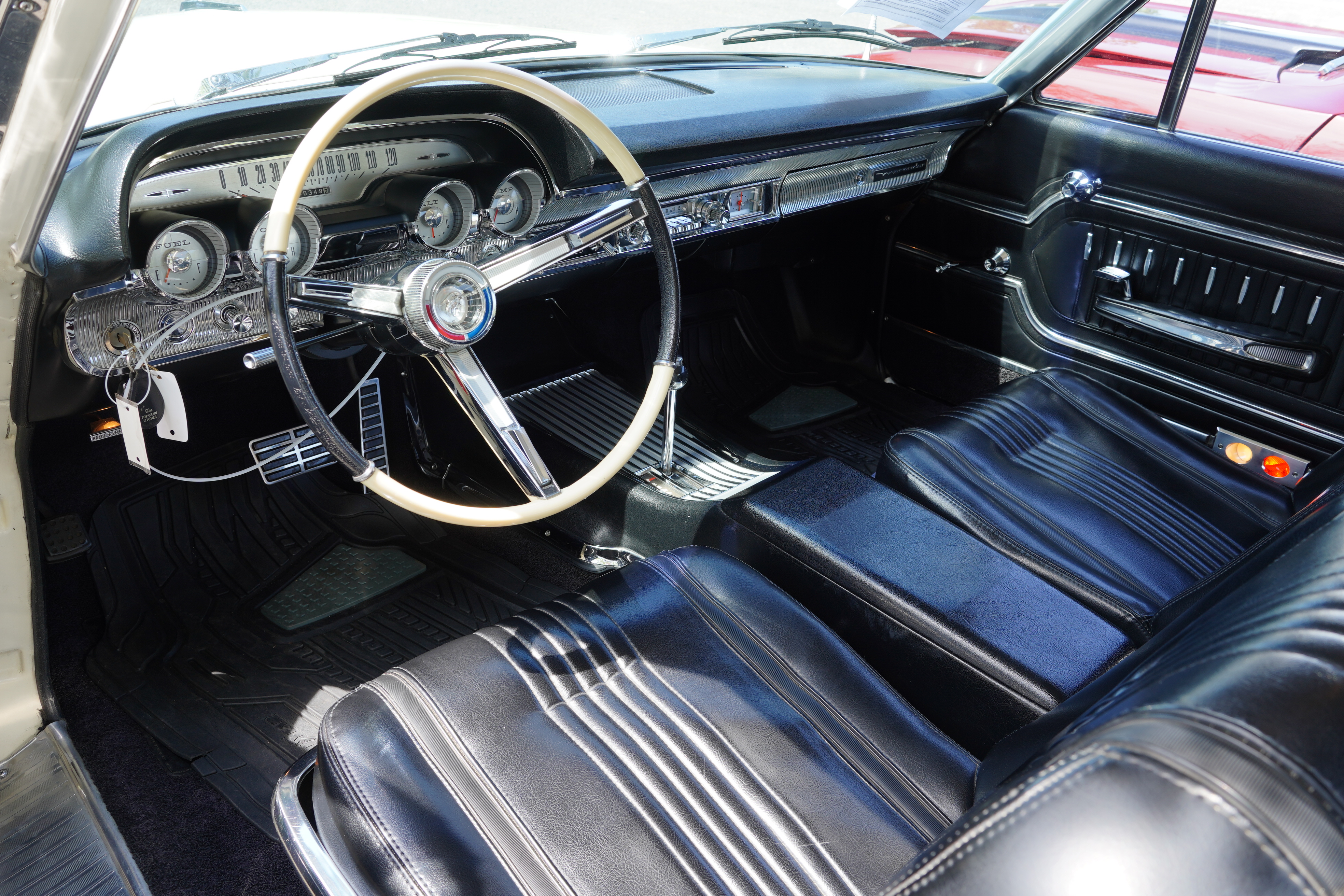
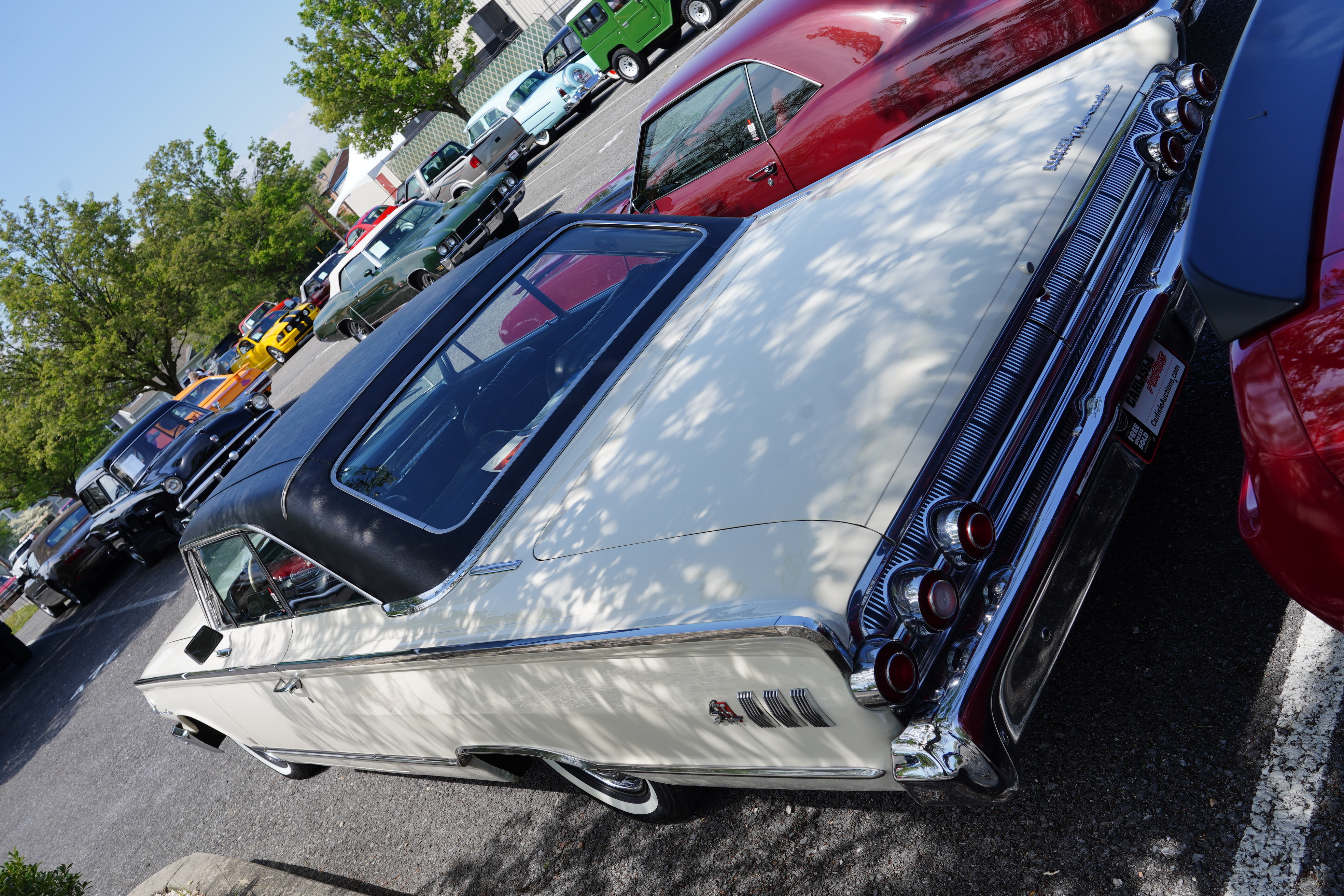
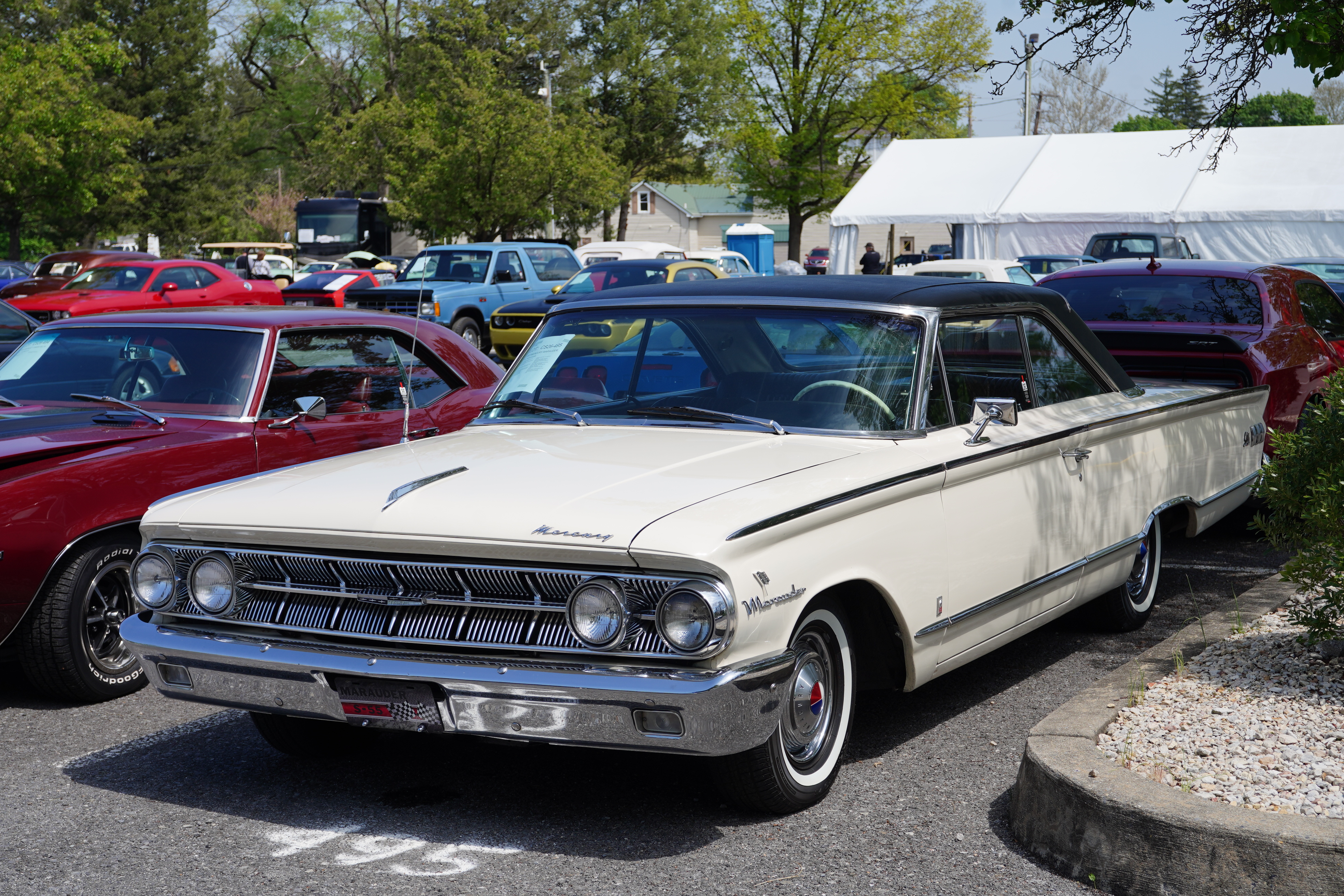
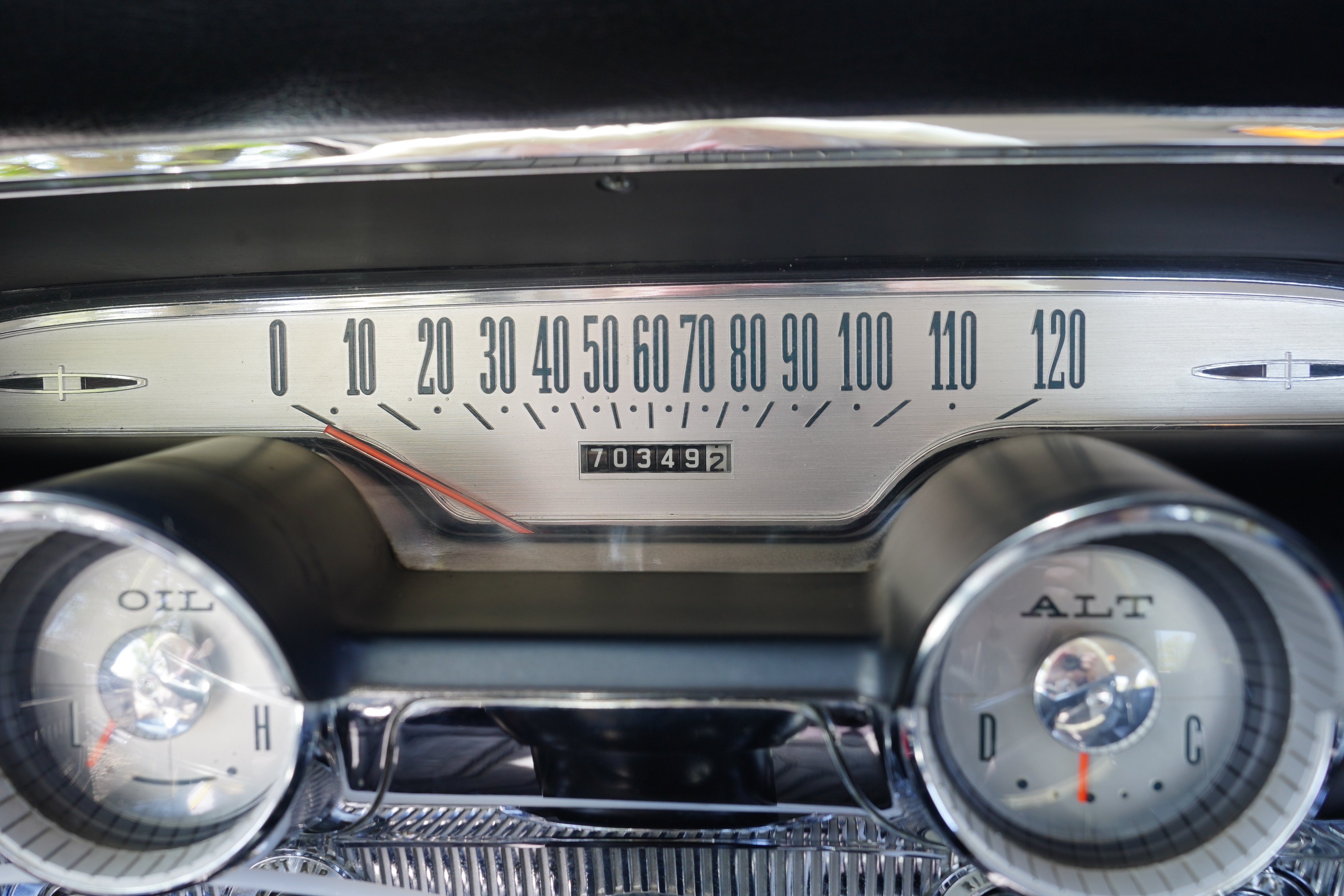
Lot 495, 1963 Mercury Marauder two-door hardtop, 390 V8, automatic, white with black vinyl top and black interior, factory wheel covers, whitewall tires. Five-digit odometer showed 70,349 miles.

SOLD for $23,500. I thought this was one of the nicest cars at the auction. May have been restored, or may have been a well-preserved original. Rare full-size performance car, sure to be a hit at any car show.
 

PARTING THOUGHTS
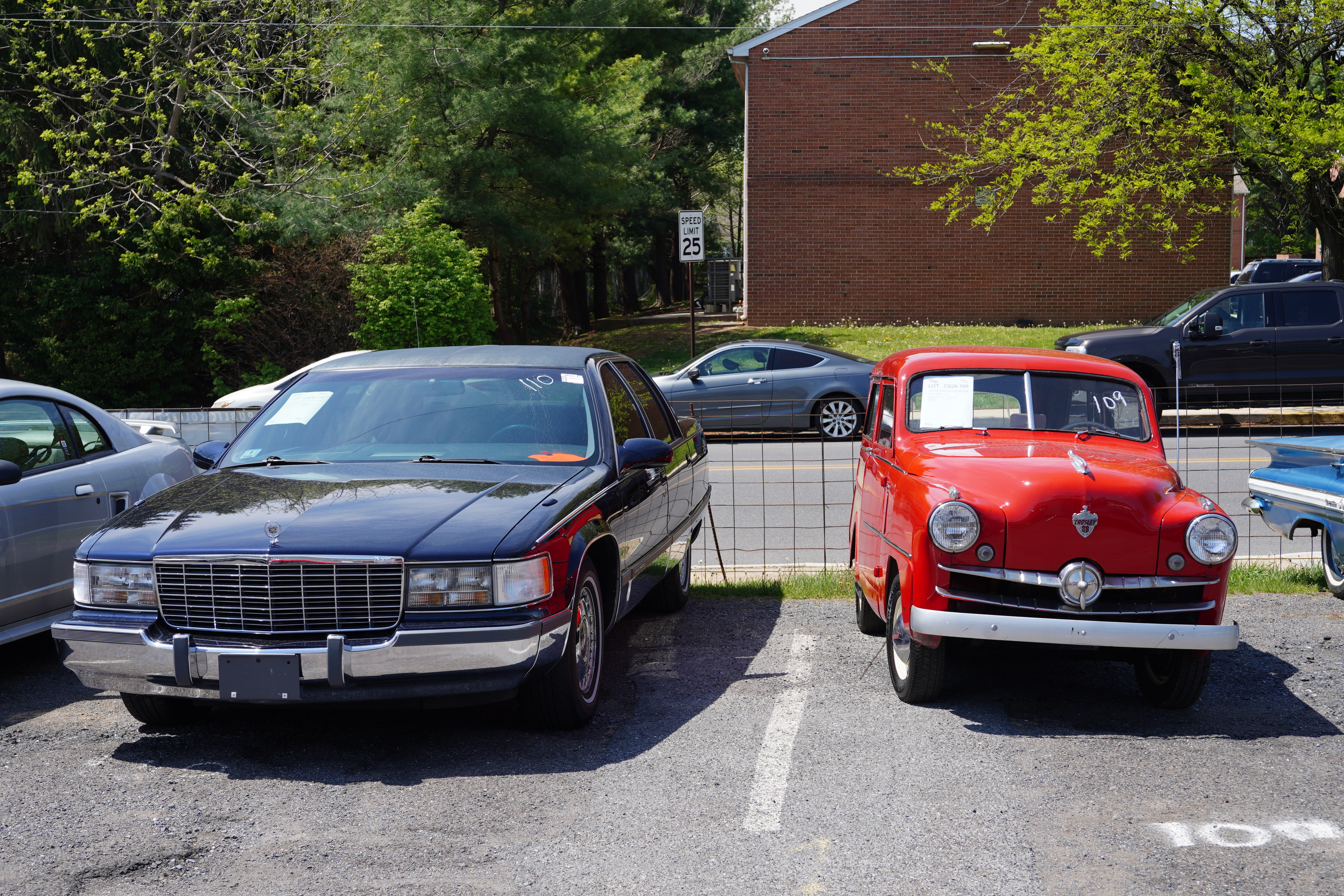
Old & new, big & small
 

How could they??


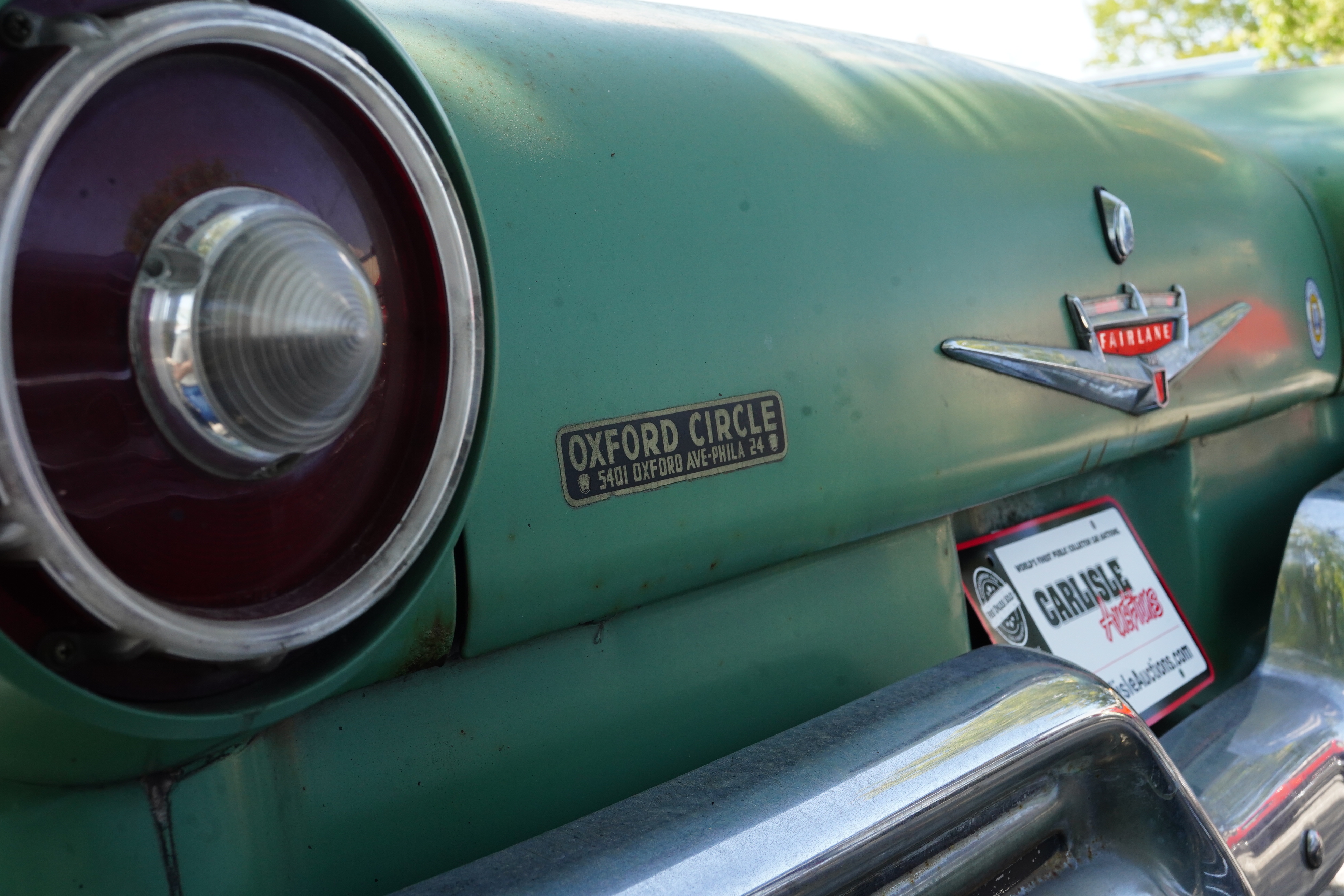
Original paint on a ’57 Ford
 

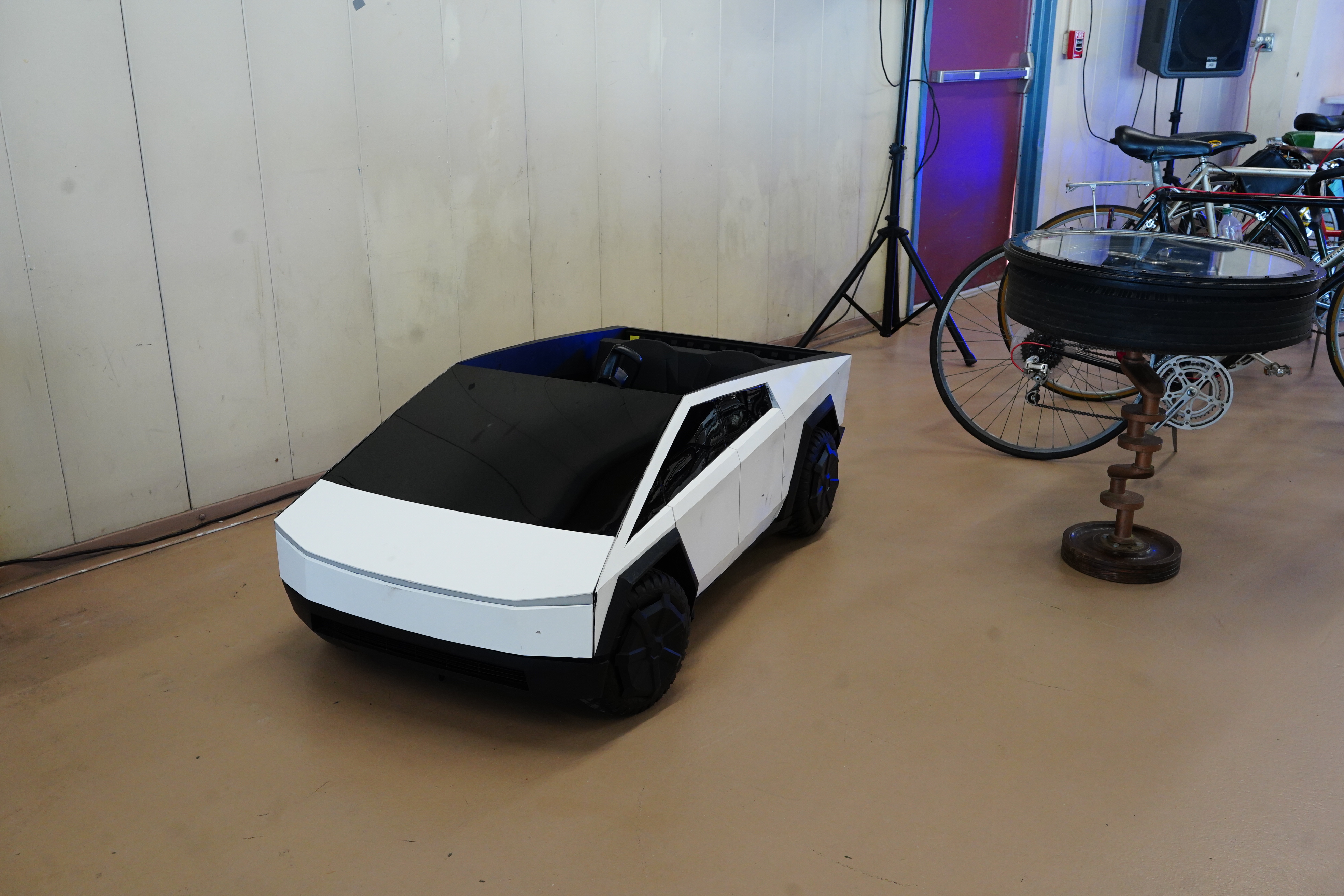
Kiddie-sized CyberTruck
 

Entire blog post content copyright © 2026 Richard A. Reina. Text and photos may not be copied or reproduced without express written permission.
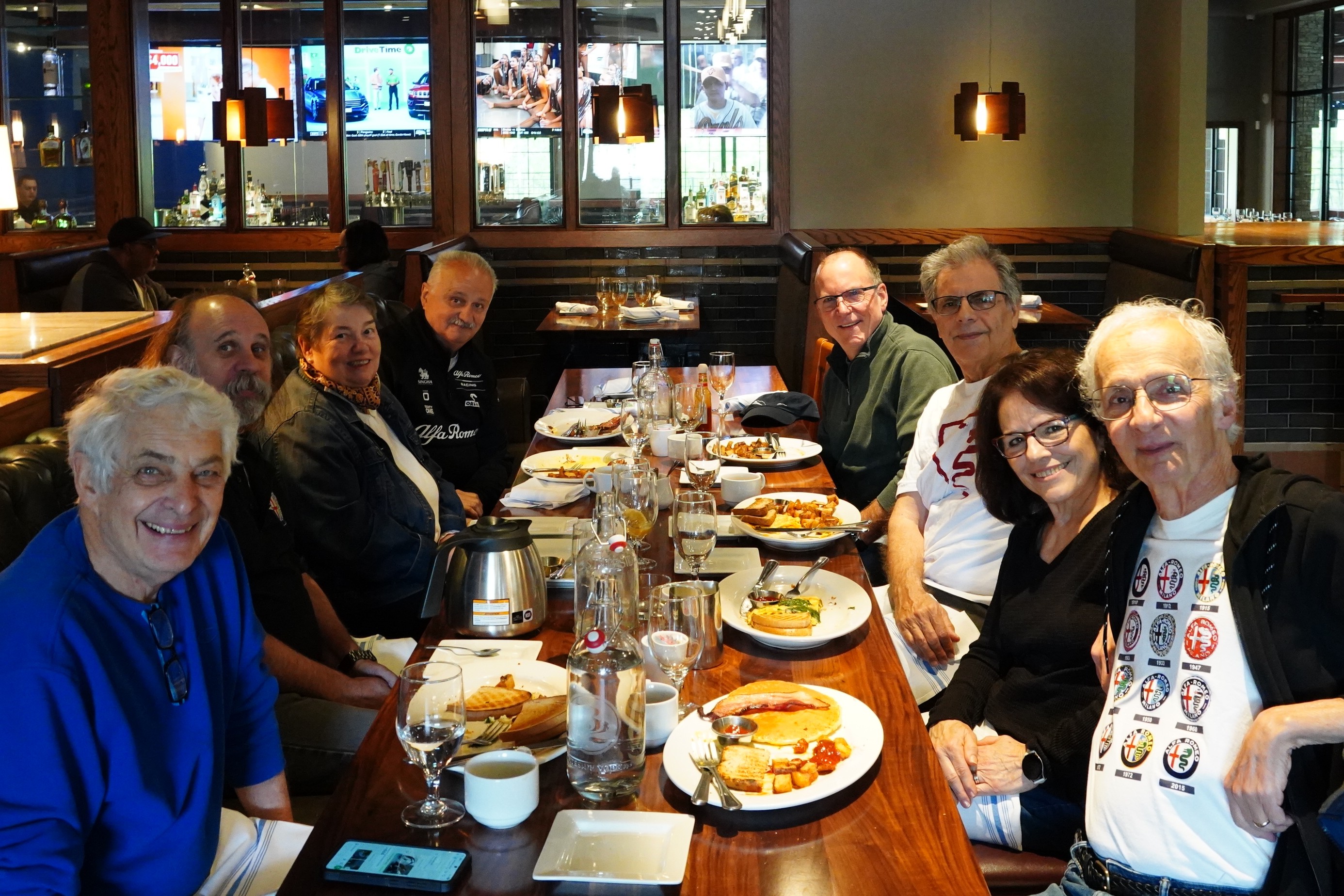


NJ Alfa Romeo Club Breakfast Meet, April 19, 2026

We can schedule the dates, but we can’t schedule the weather. The NJ Chapter of the Alfa Romeo Owners Club (NJ-AROC) has consistently arranged and held monthly breakfast meetings for the past several years. Although never a requirement, those of us who own cars from our favorite make will drive them to these diner meet-ups, giving us an excuse to hang out around the vehicles before and/or after we’ve enjoyed our meal. A major factor in deciding whether or not to take our classics is the weather.

April’s weather in NJ has been up and down, and as recently as late last week, we enjoyed several days of summer-like temperatures. On Saturday, although the air temp had cooled off, it was nice enough for me to take my ’67 Junior for a fifteen-mile maintenance run, during which the car performed flawlessly. Alas, I awoke Sunday morning to a heavily grey and overcast sky, with an early morning temperature in the low 40s, and a 90% chance of precipitation. The Alfa stayed in the garage as I departed my house for breakfast on Sunday morning.

Arriving at the B2Bistro in Bordentown, a regular joint on rotation for this crew, I quickly learned that I was not alone in my decision. The others in attendance who own older Alfas all uttered the same refrain: “I would have driven my car if the forecast had been better.” Nevertheless, the eight hardy souls who made the jaunt proceeded inside, where our waitress took our food orders and kept a pot on the table filled with our favorite hot caffeinated beverage. The tableside discussions were lively, as the topics bounced from driving skills to EVs, trips to Italy, cameras, winter car storage, and performance modifications.

Once the bill was paid, we made our way back outside to our cars to enjoy the remainder of our Sunday, and to hope for better weather ahead.


Entire blog post content copyright © 2026 Richard A. Reina. Text and photos may not be copied or reproduced without express written permission.


The 2026 AACA Southeastern Spring National, Charlotte, NC

As I expressed in my previous post about my first-ever visit to Charlotte’s AutoFair, Thursday’s and Friday’s visits disappointed me. The Car Corral was a complete letdown, the Flea Market held nothing of interest, the Car Club area was sparsely populated, and not one person working at the show knew the first thing about the on-site auction.

Saturday mostly made up for all of these issues. As it is officially named, the AACA Southeastern Spring National took place as scheduled, with show cars streaming into Charlotte Motor Speedway starting at 7 a.m. But there was this inaccurate statement in the show handout: “AACA Nationals Field: The show field is inside the Speedway in the Xfinity Garage and it’s totally paved.” Am I the only one who interprets this to mean that the entire show will be in the Xfinity Garage? Because that was not the case. The garage was utilized to hold the pre-war and immediate post-war vehicles, of which there were about fifty. But the remainder (another 100-150 cars) were outside, which was fine; I just wish the show organizers had been more honest.

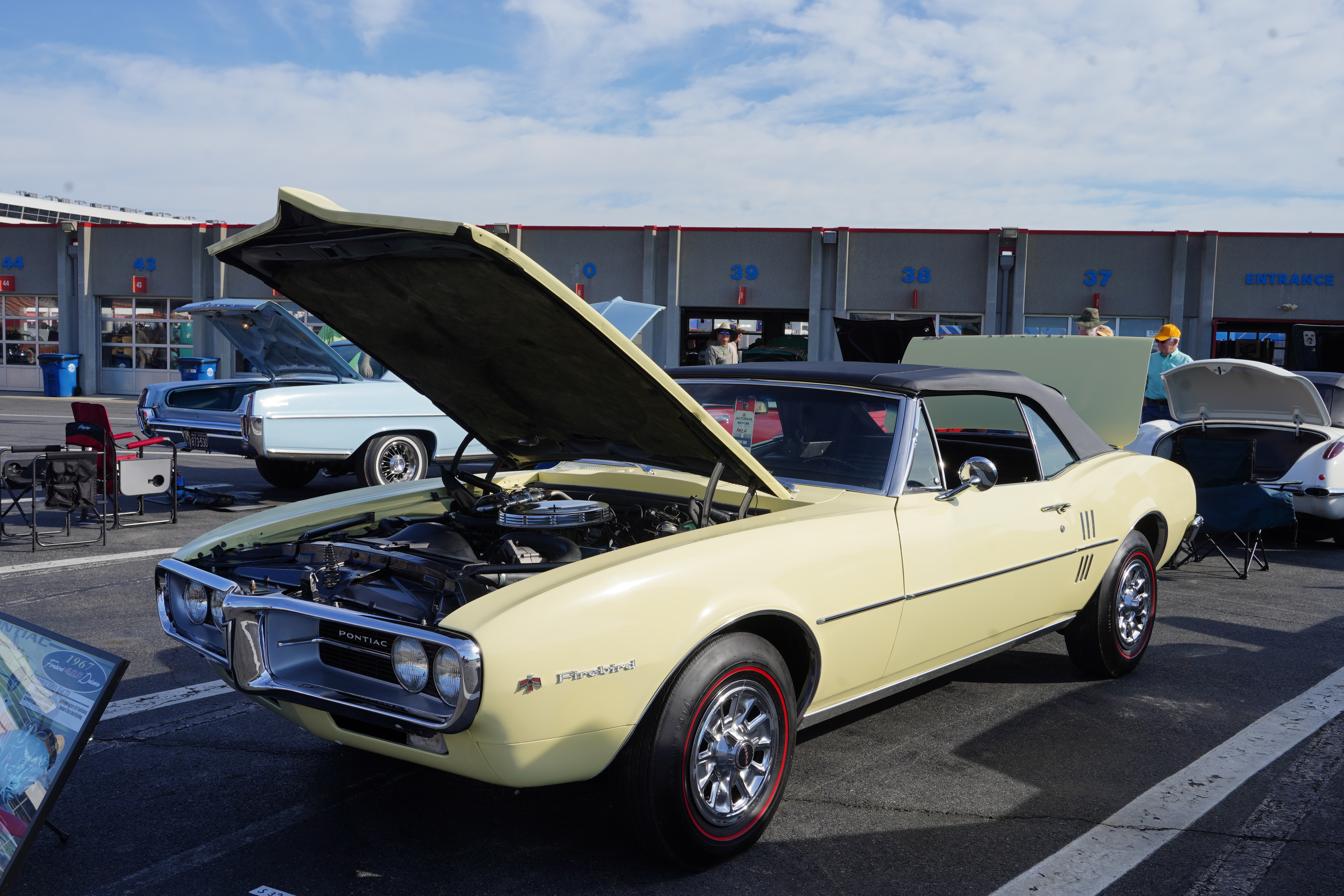
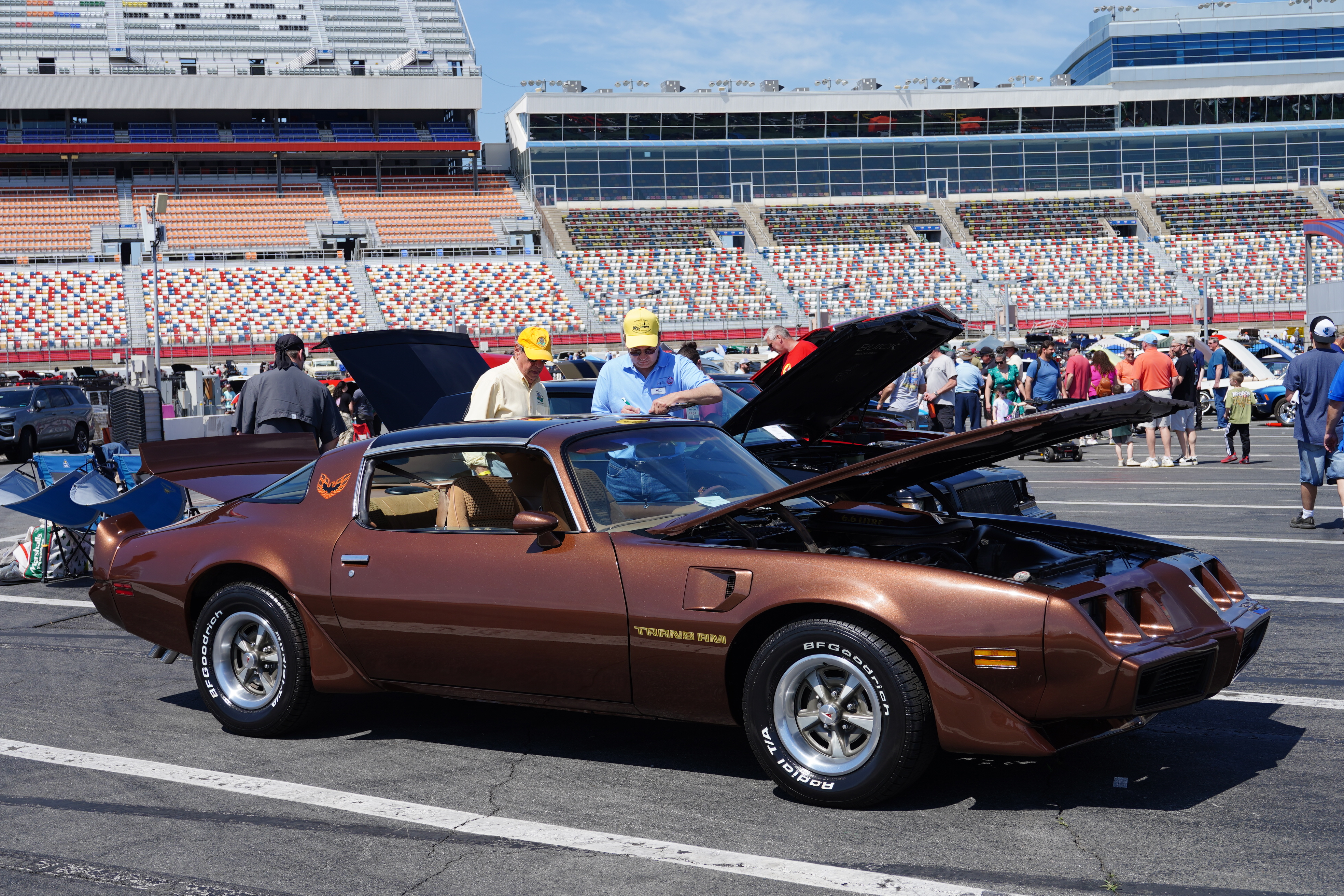
AACA judges give this Firebird the once over

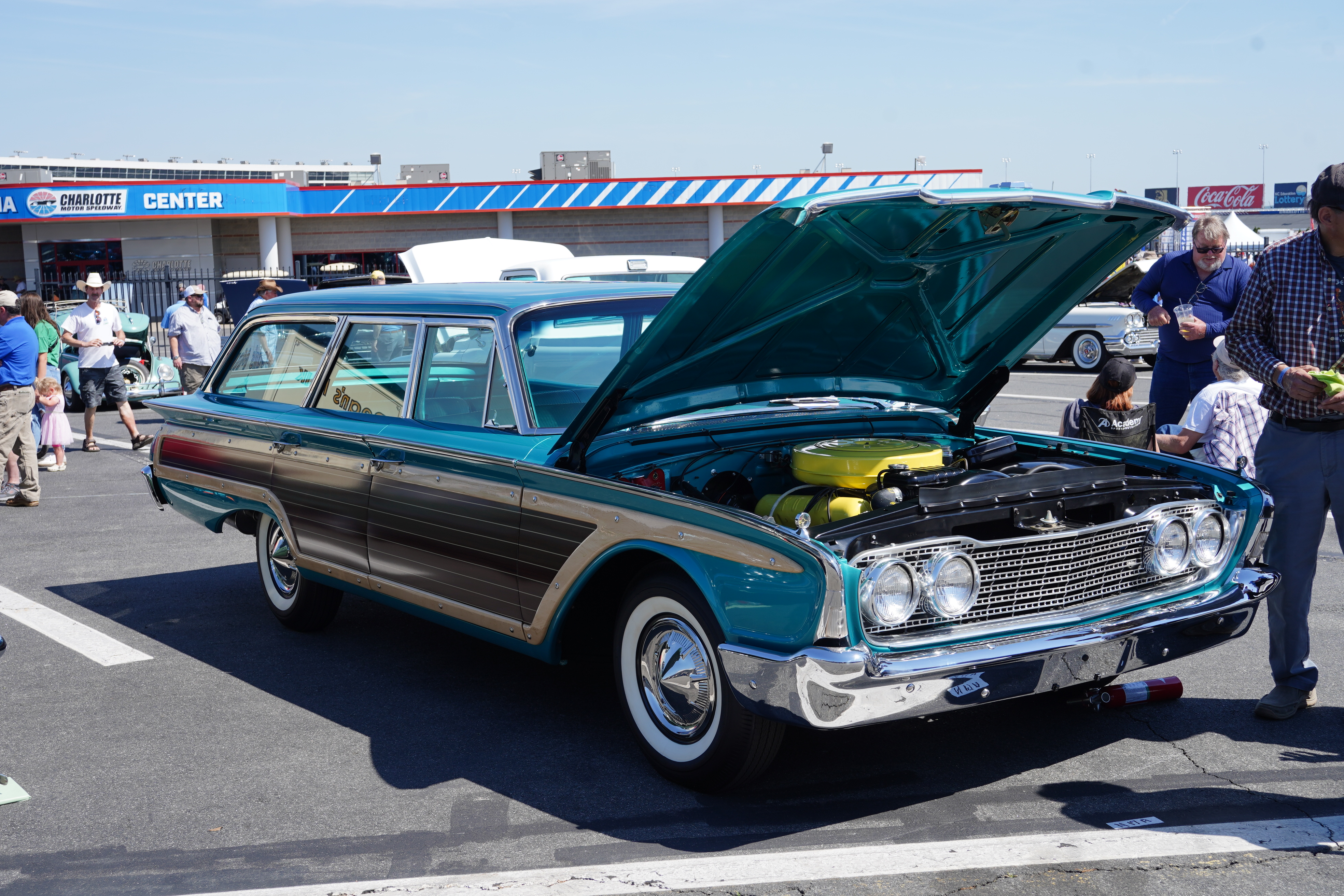
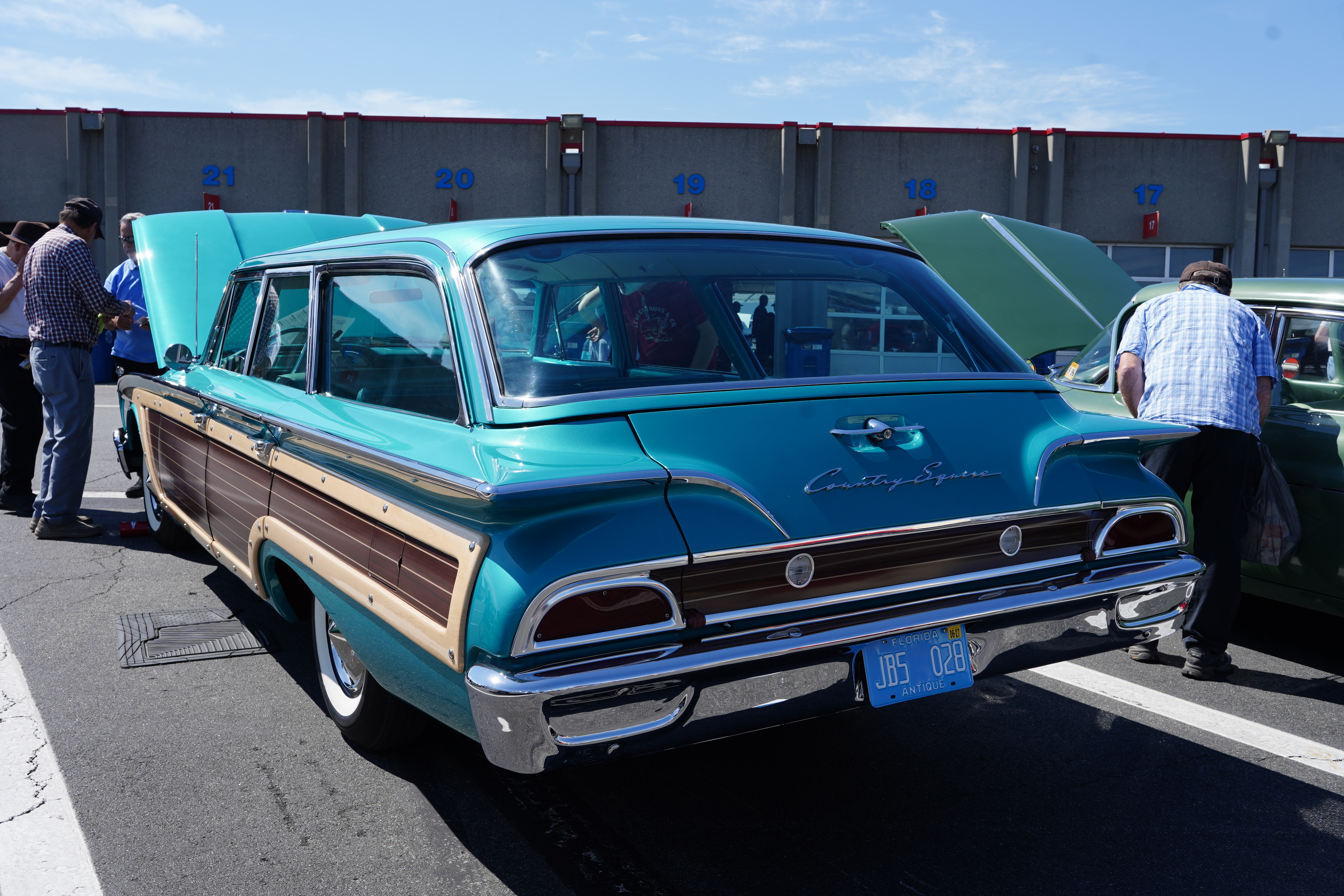
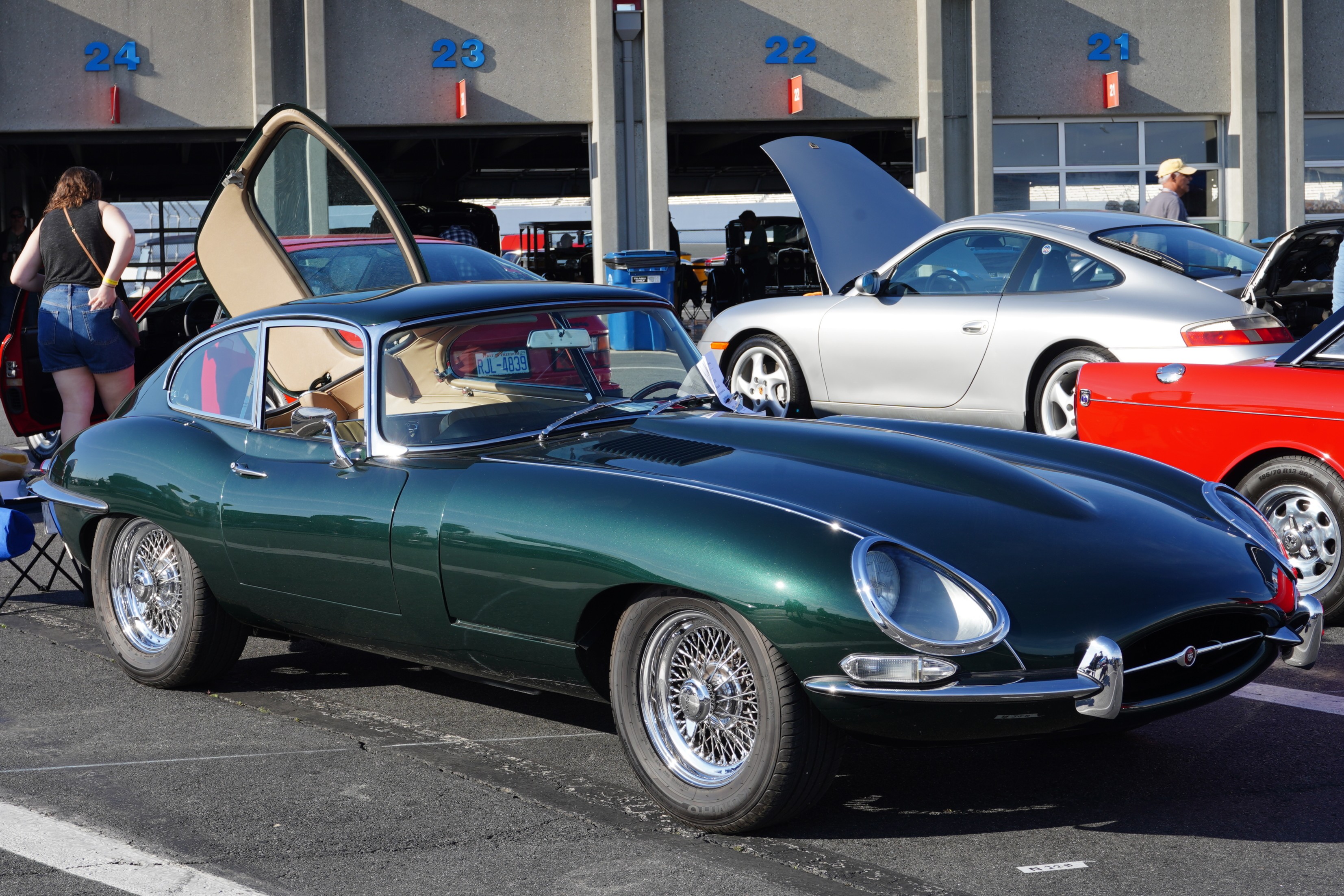
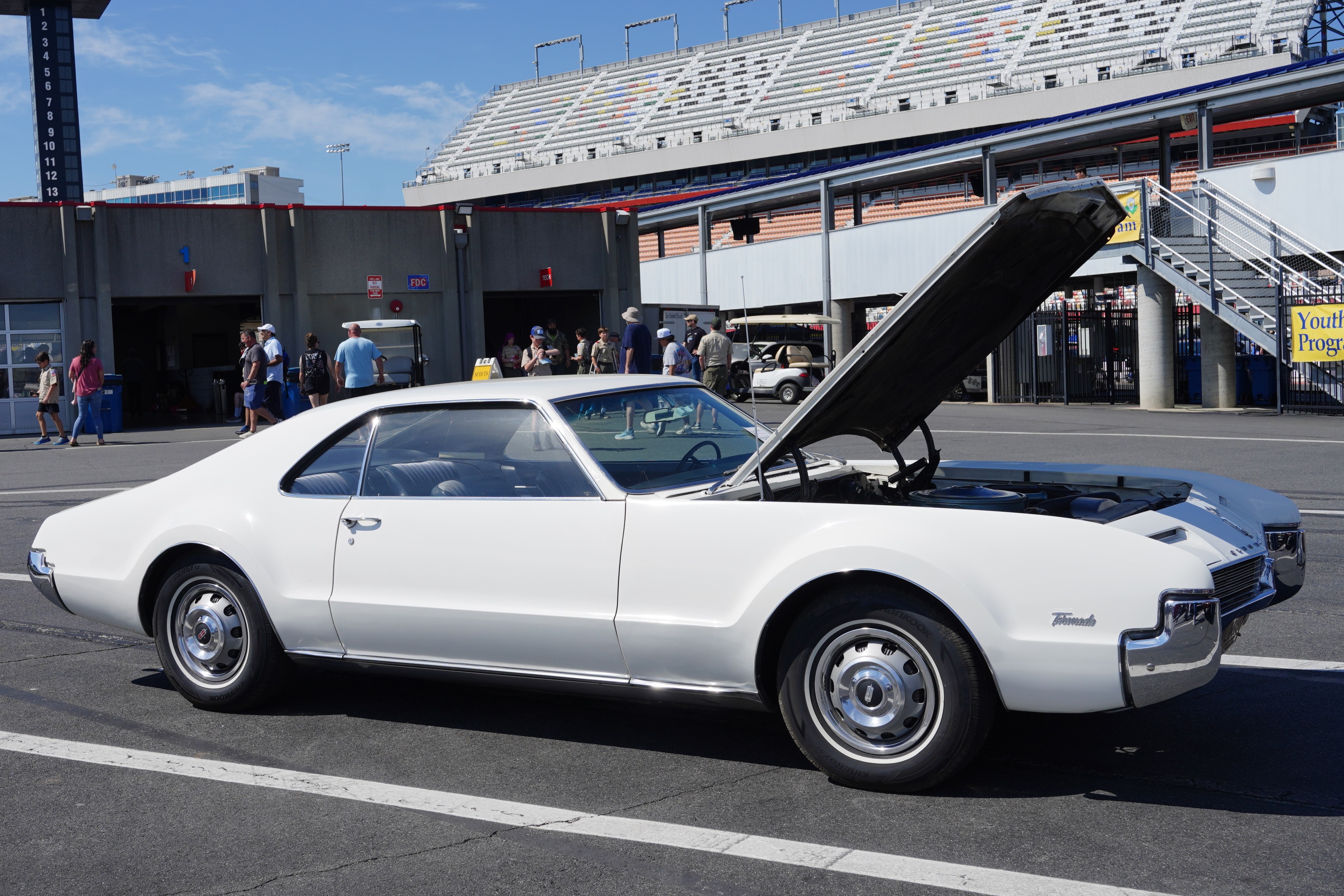
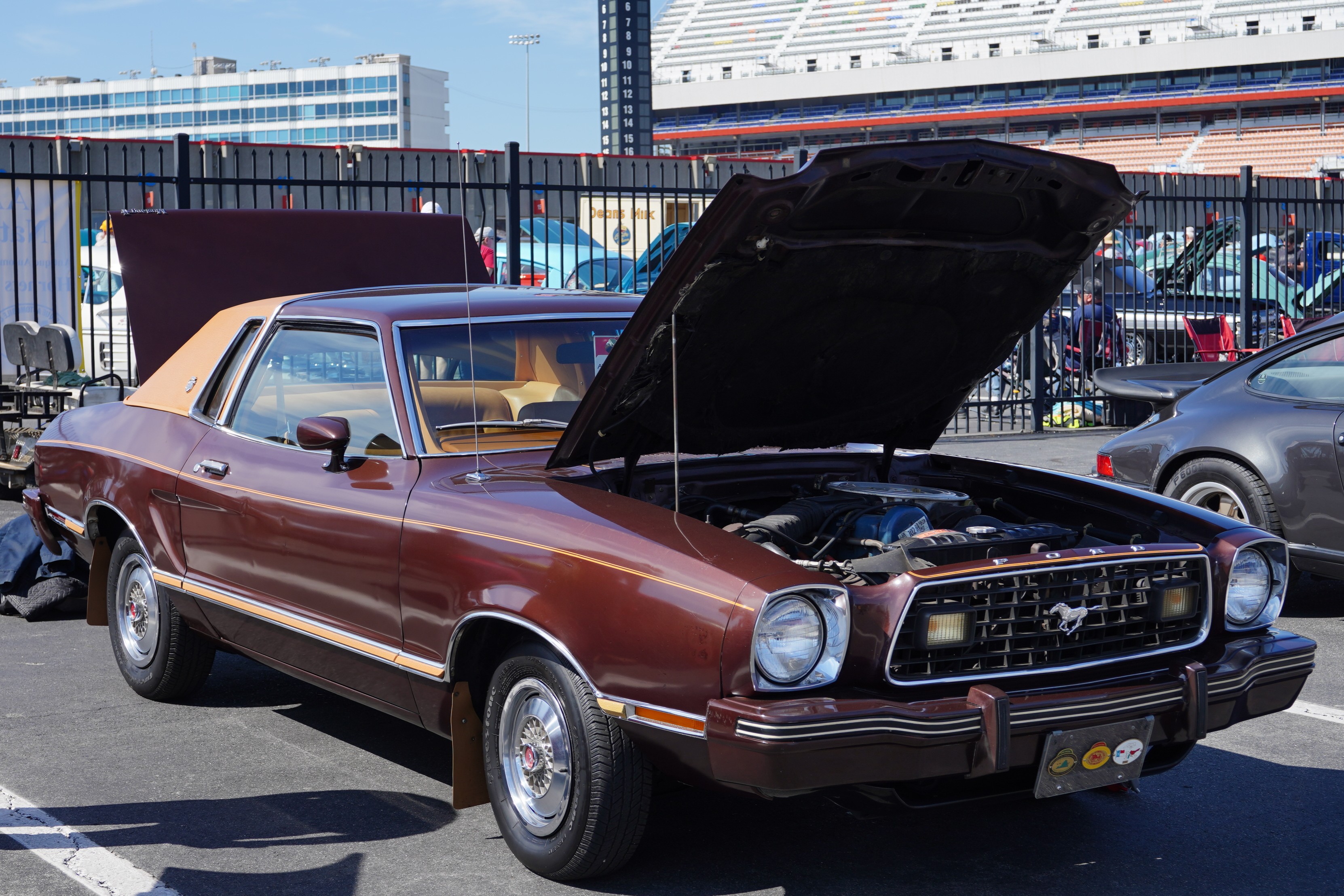
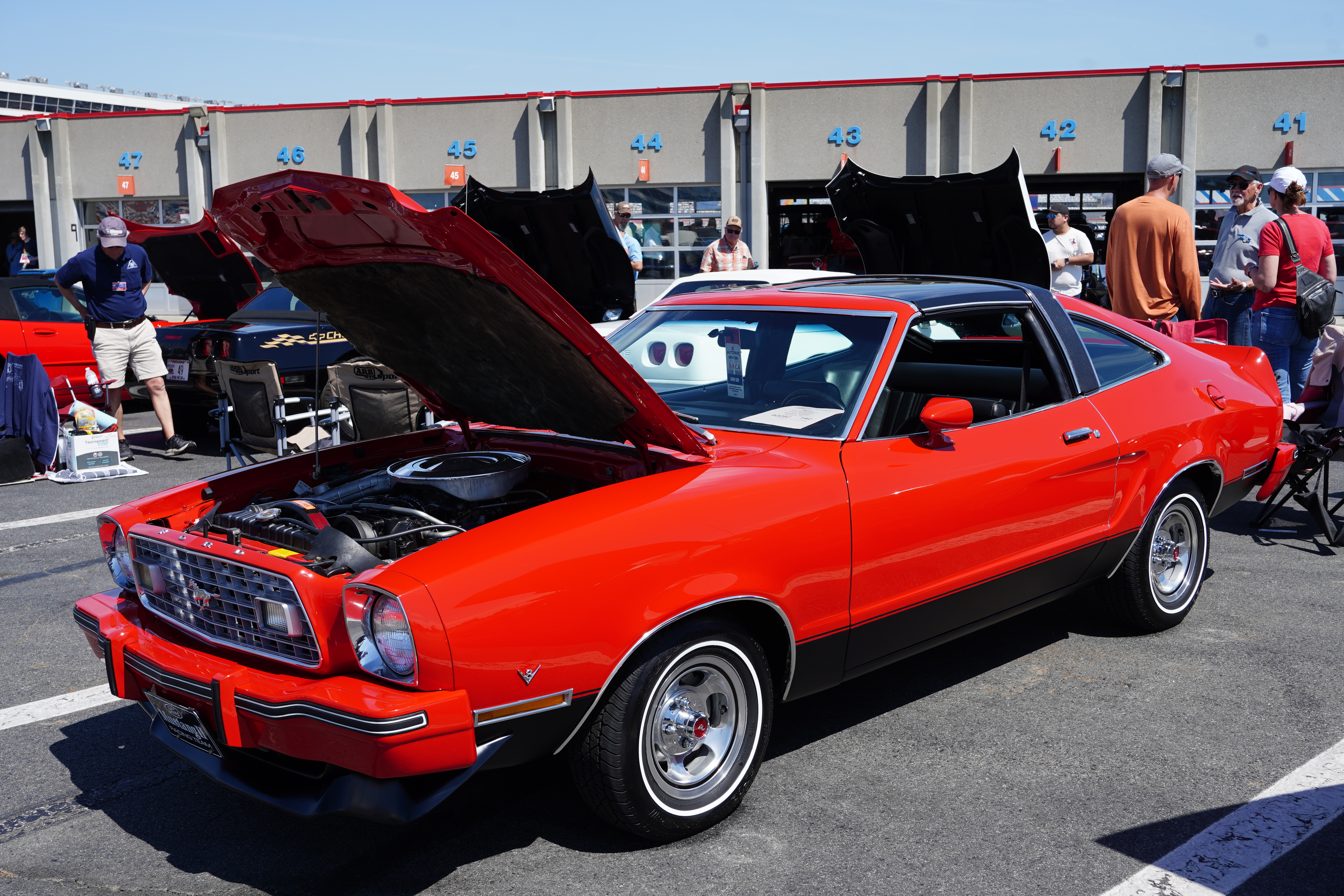
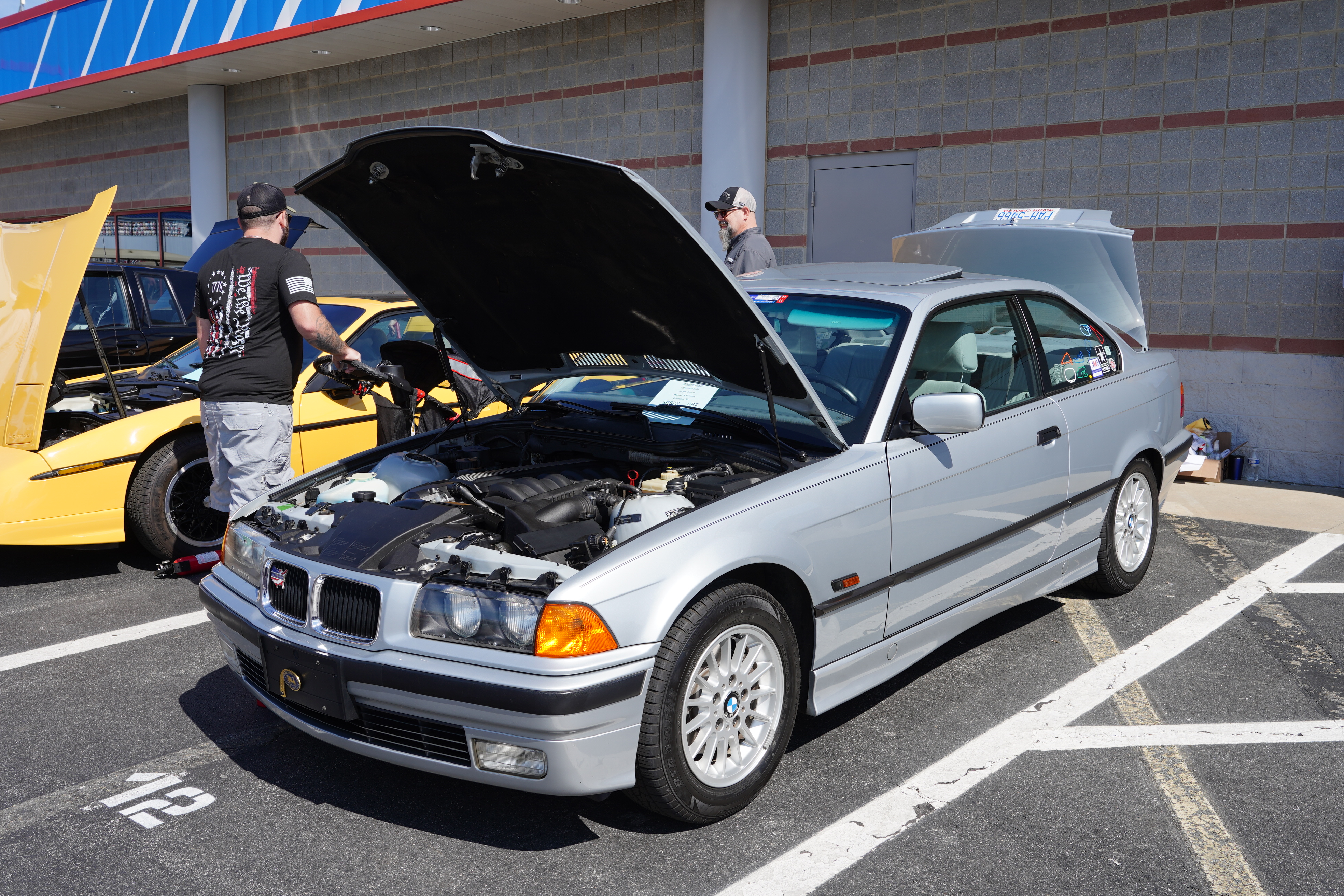
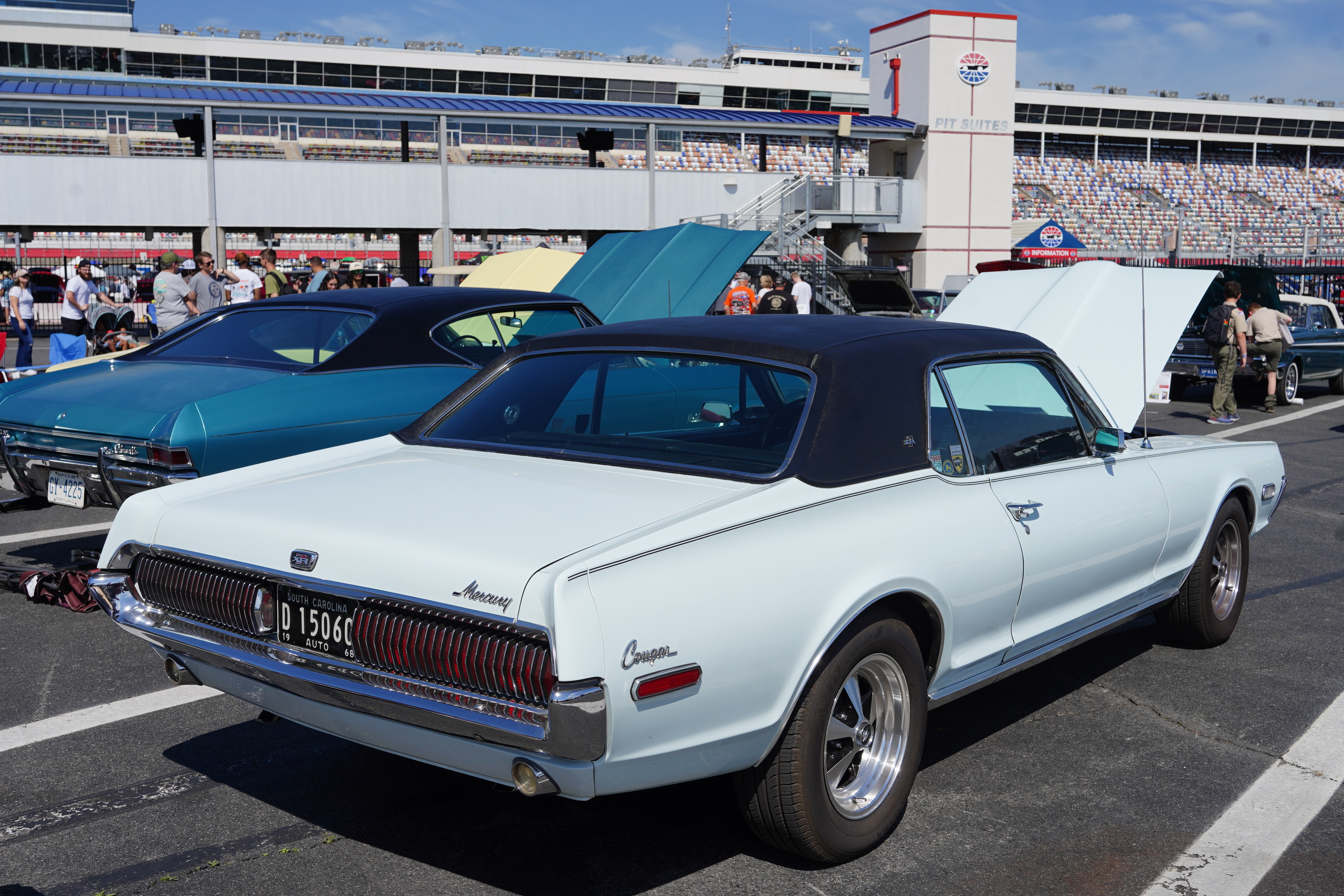
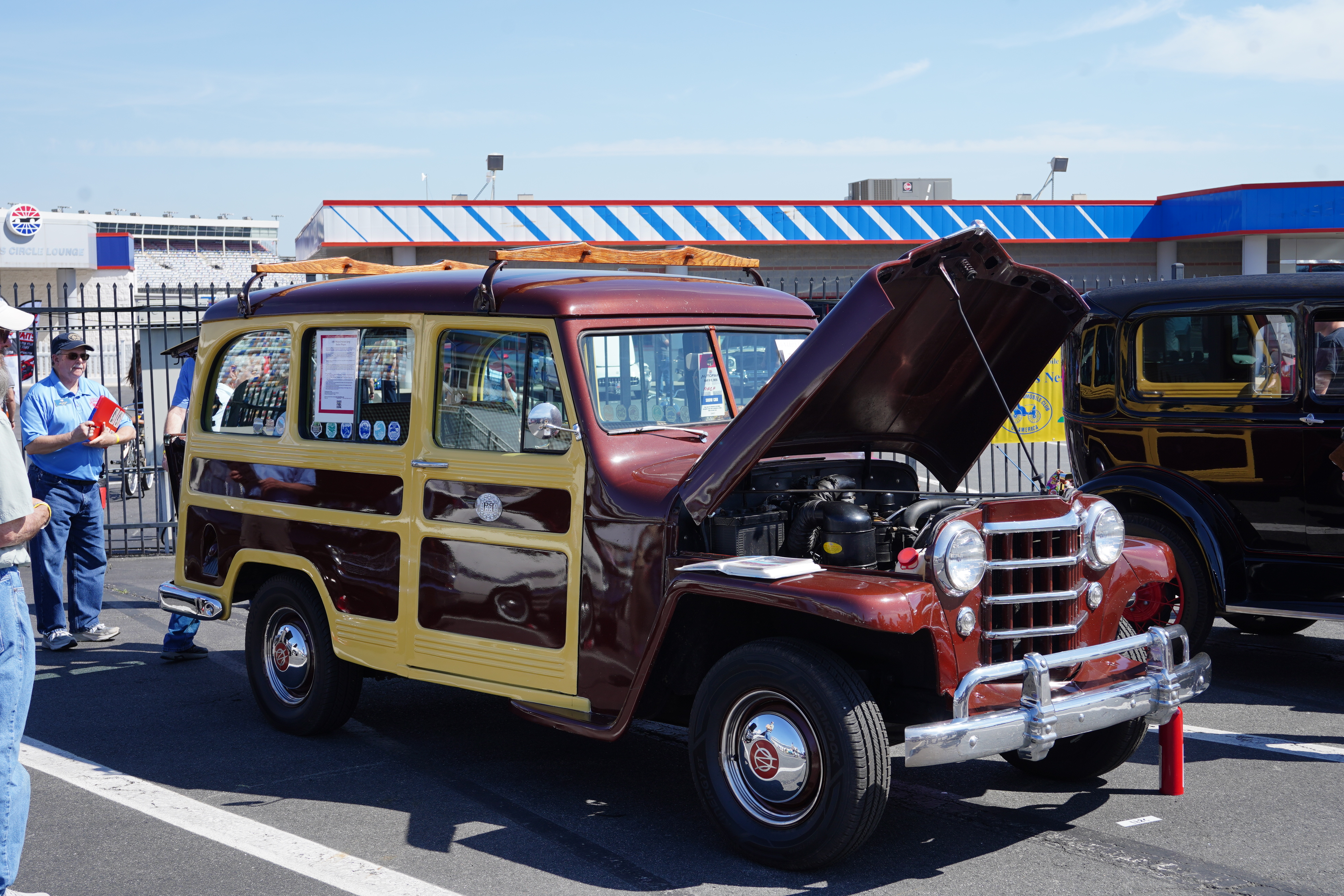
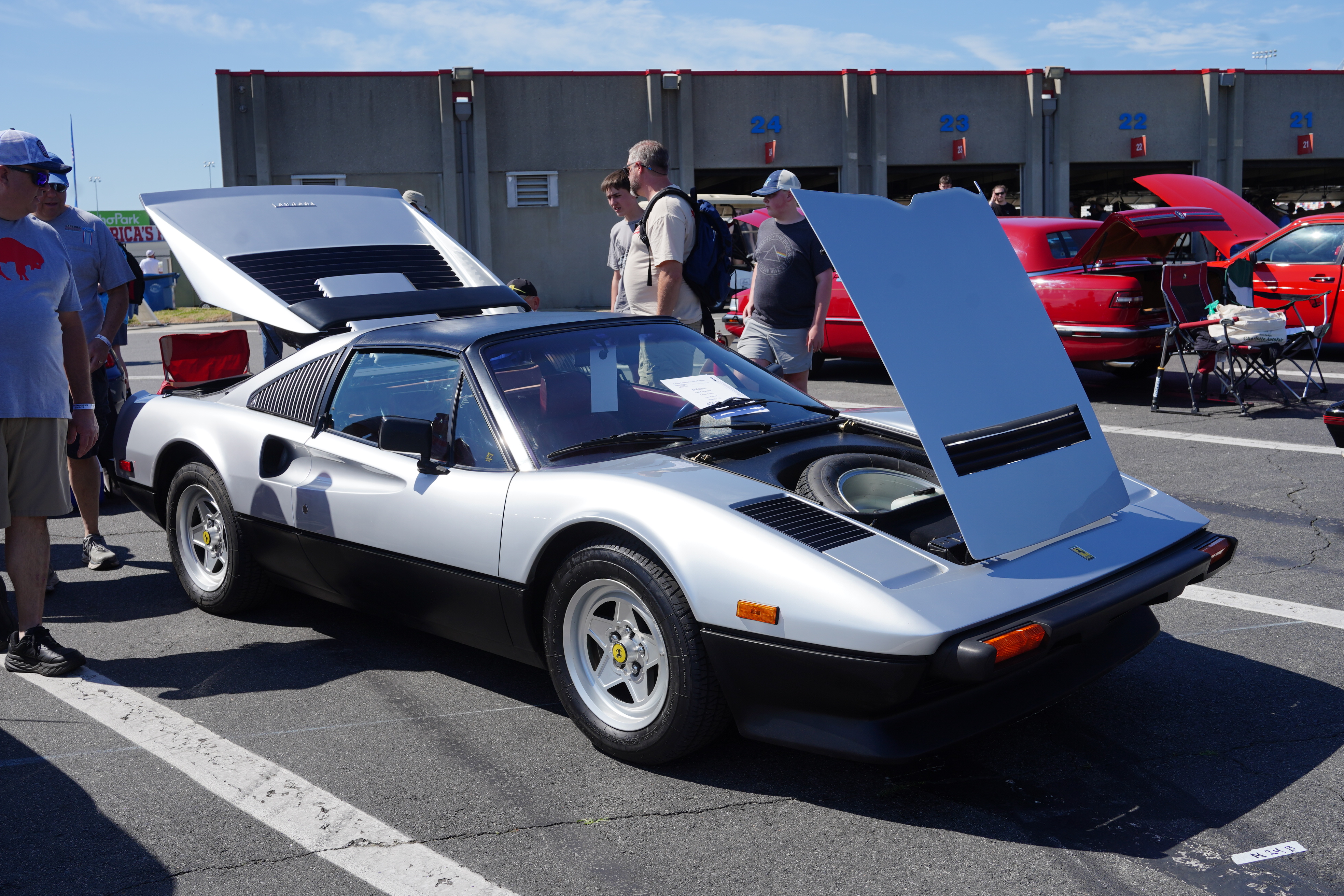
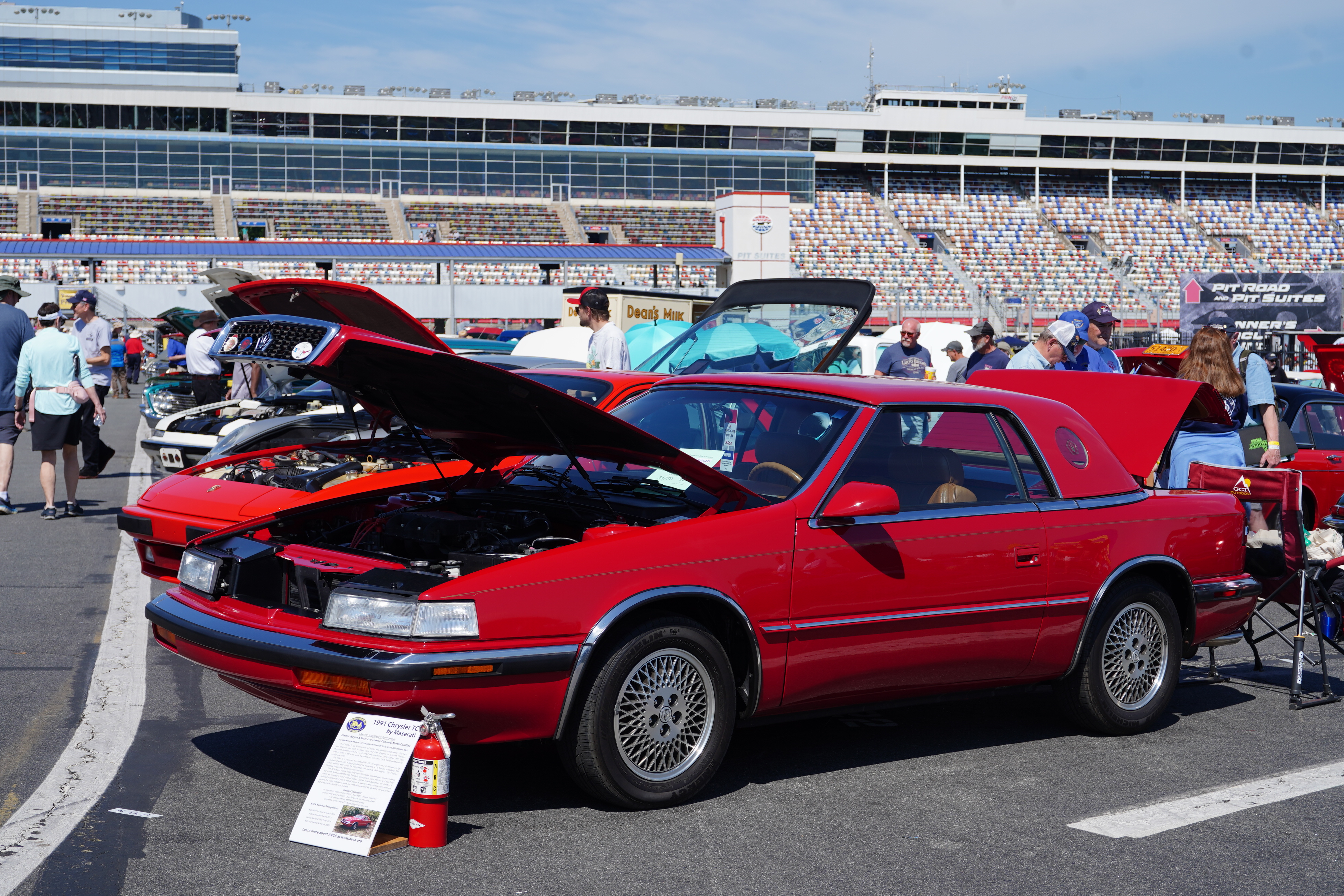
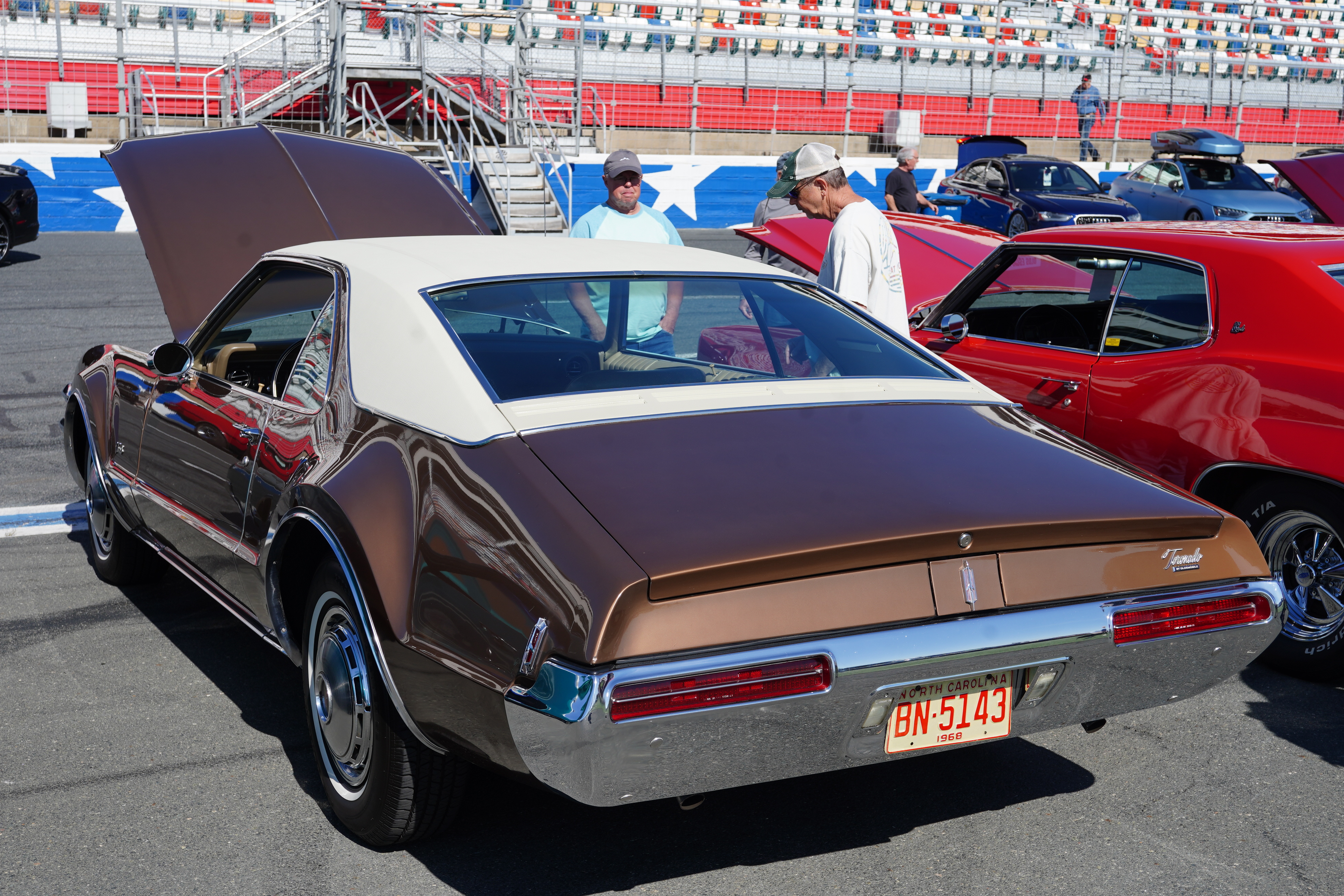
Let’s put my quibbling aside and talk about the vehicles which were there. As expected, most cars were assigned a Class based on model year and/or make and model. There were also Driver Participation Class (DPC) and Original (formerly HPOF, Historical Preservation of Original Features) Class cars. Domestic vehicles from the 1960s and 1970s dominated, and I saw cars that are infrequently spotted in the Northeast. Examples included a Chrysler TC by Maserati, a 1960 Ford Country Squire wagon, not one but two Mustang IIs, a Willys station wagon, several Toronados, and several Eldorados. Import cars were limited to a late 1990s BMW 3-series, a Ferrari 308 GTS, and a Jaguar E-Type coupe.

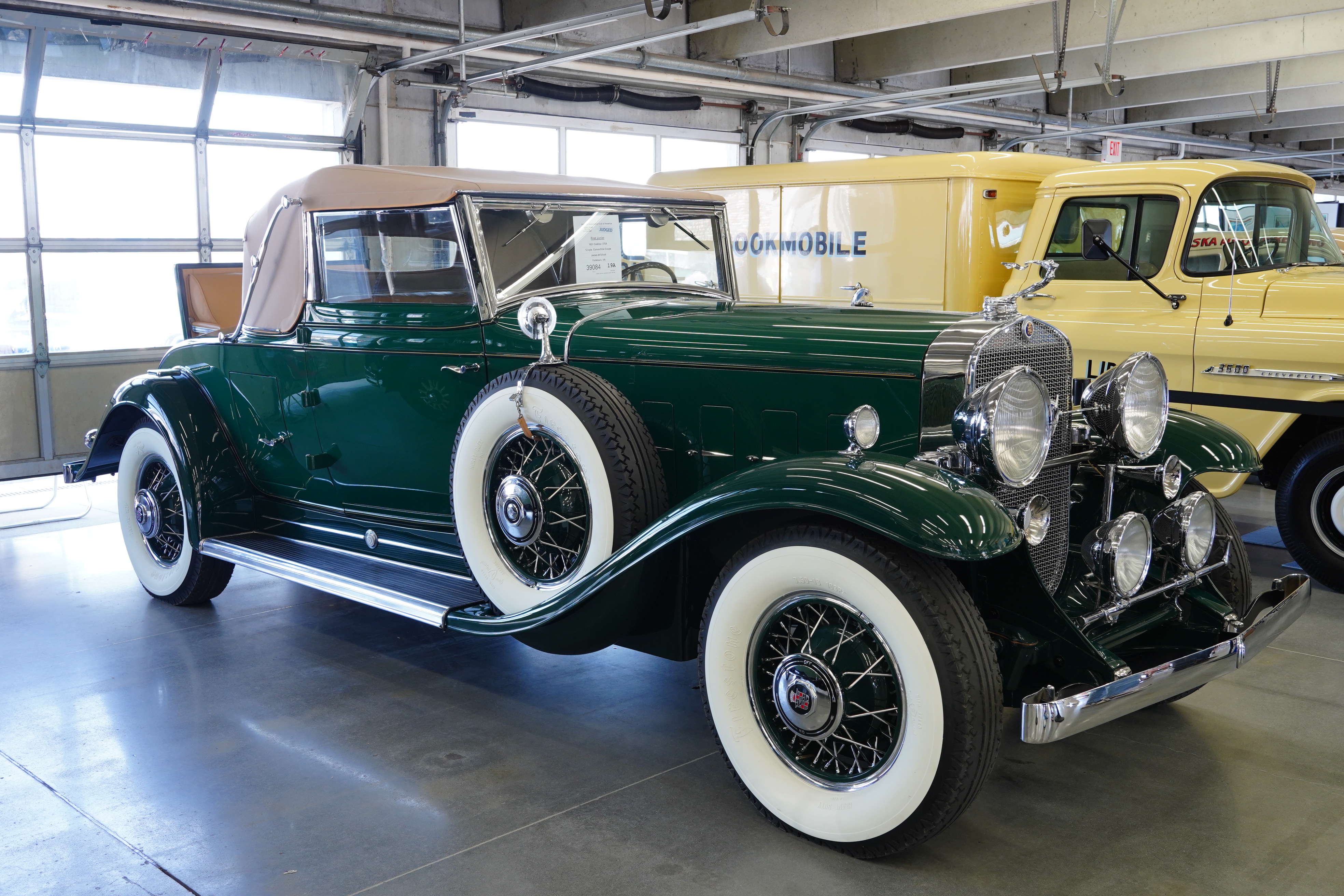
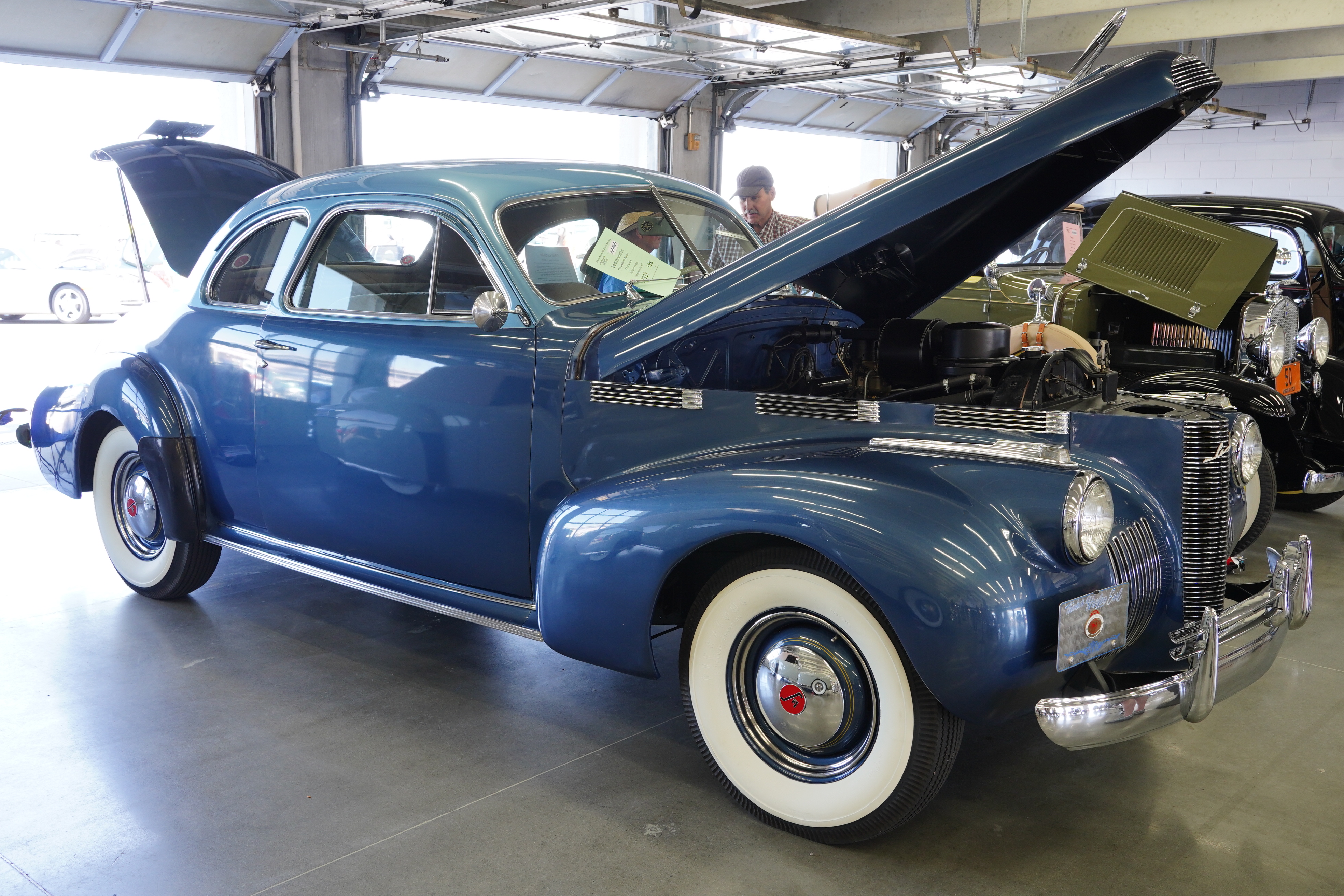
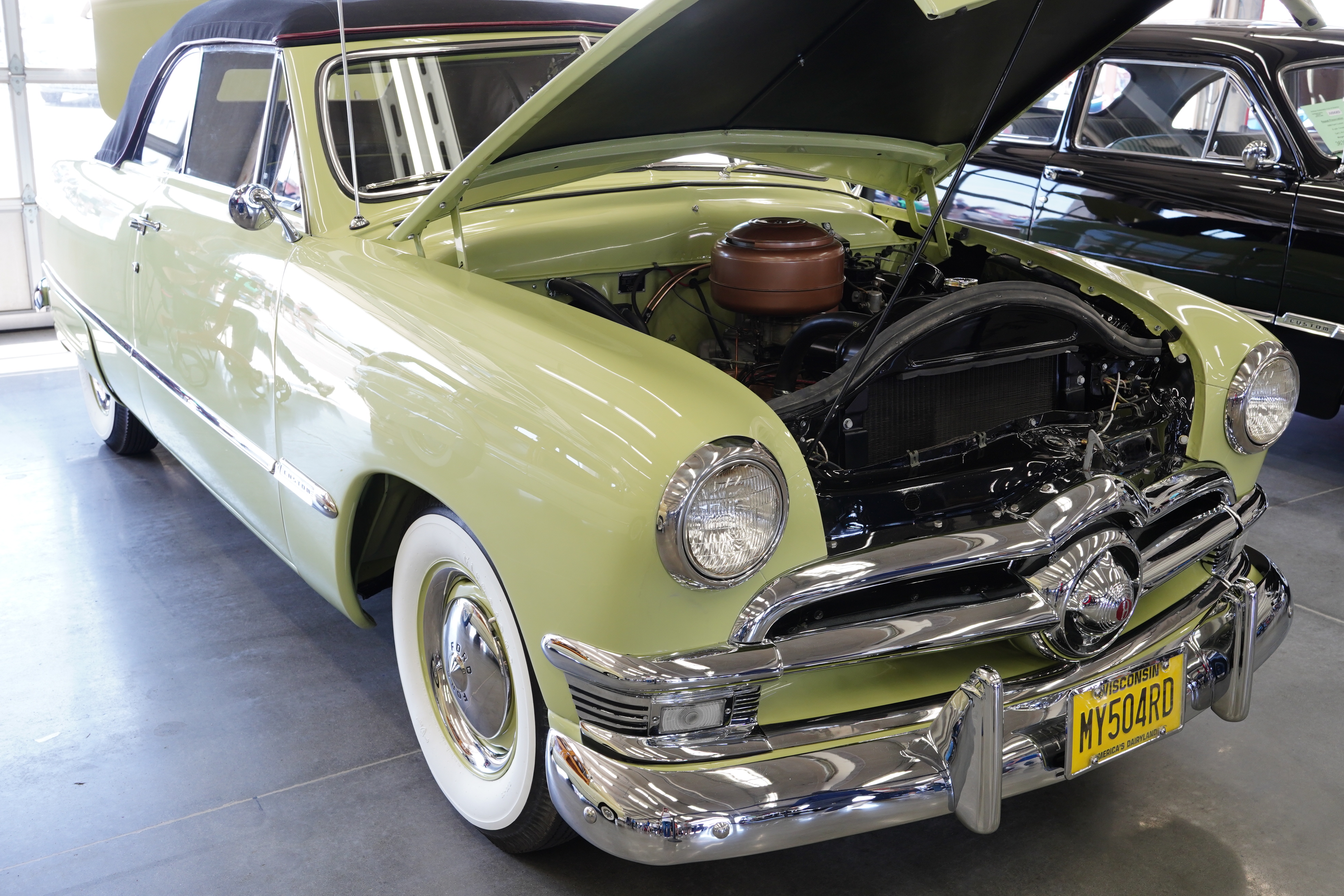
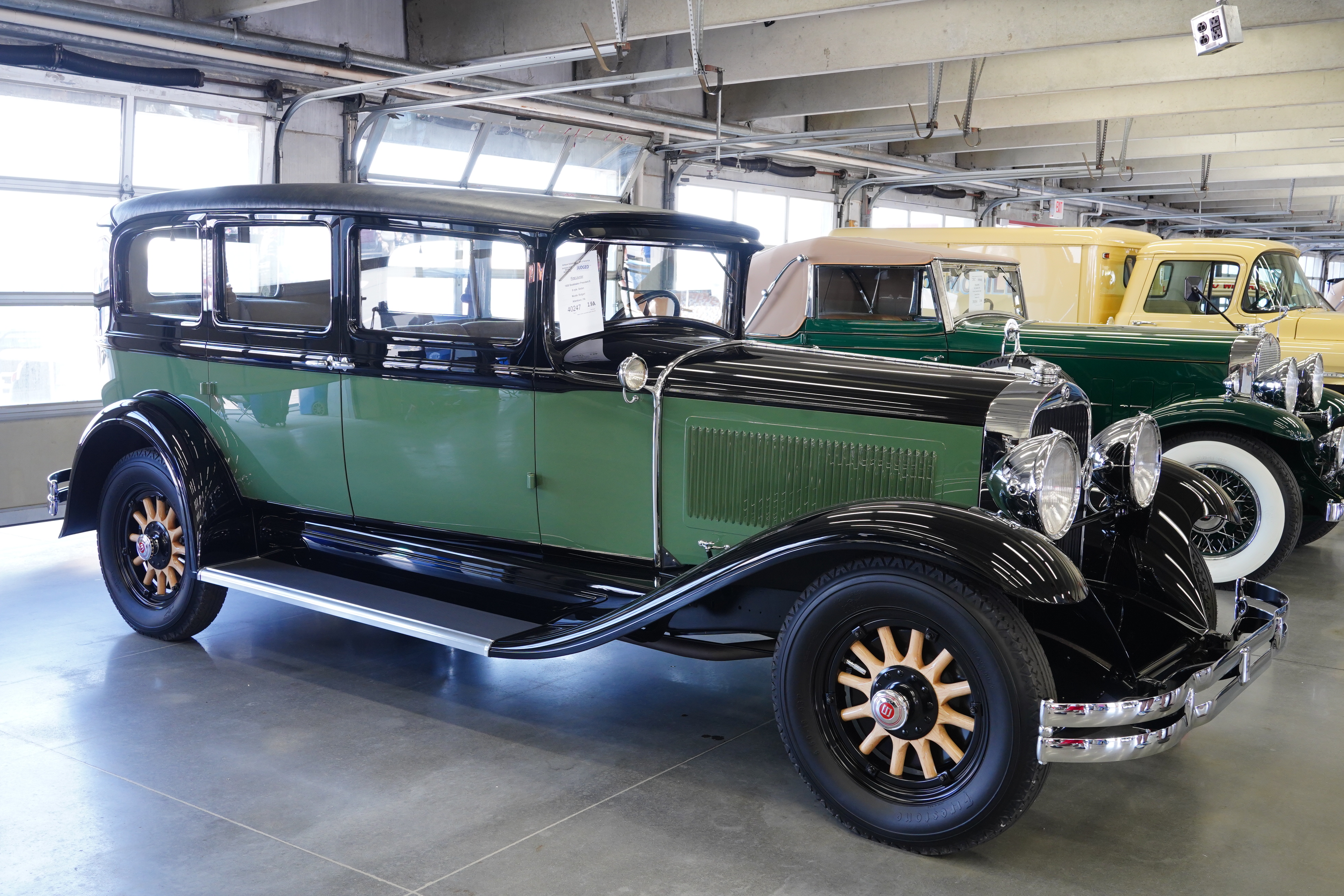
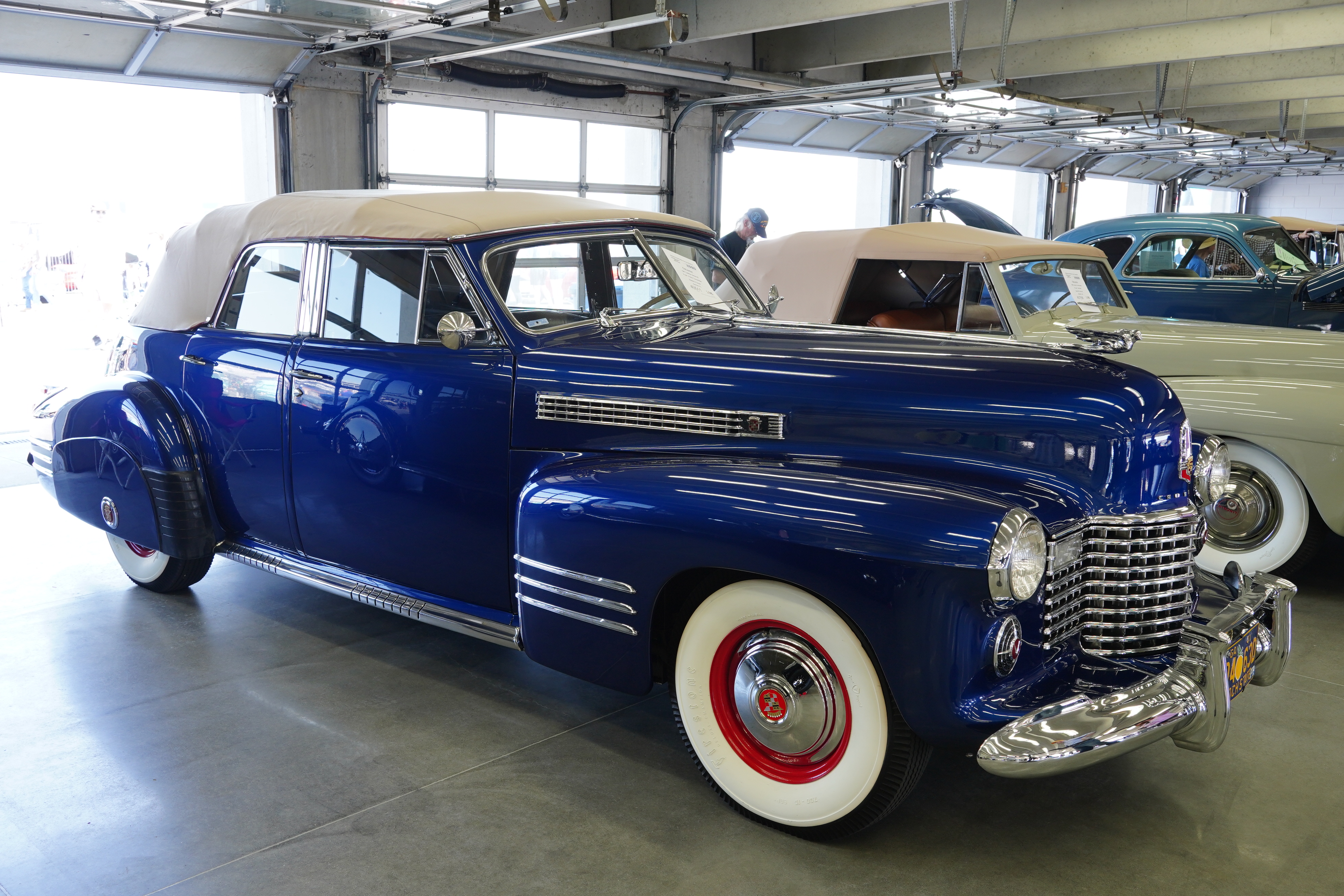
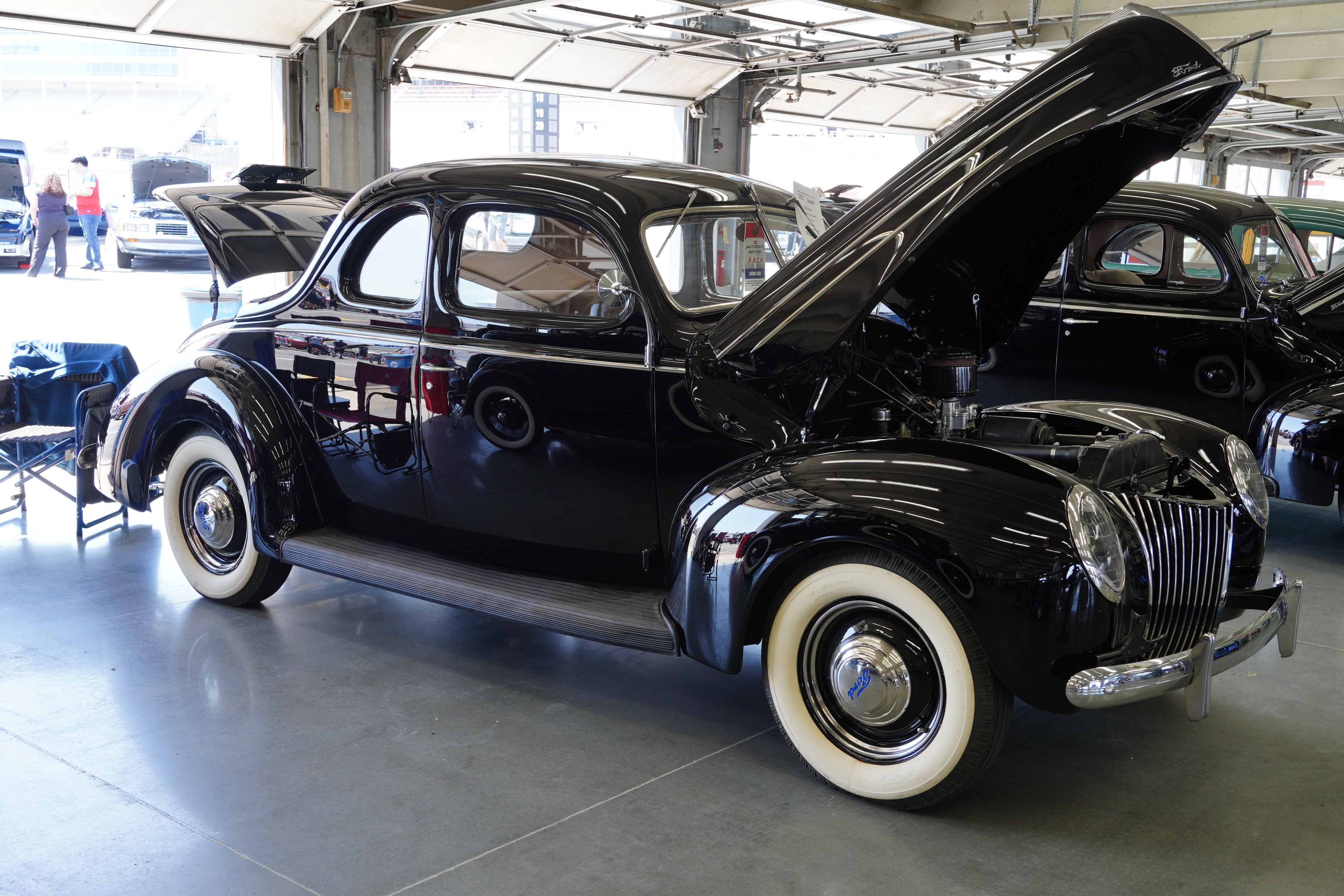
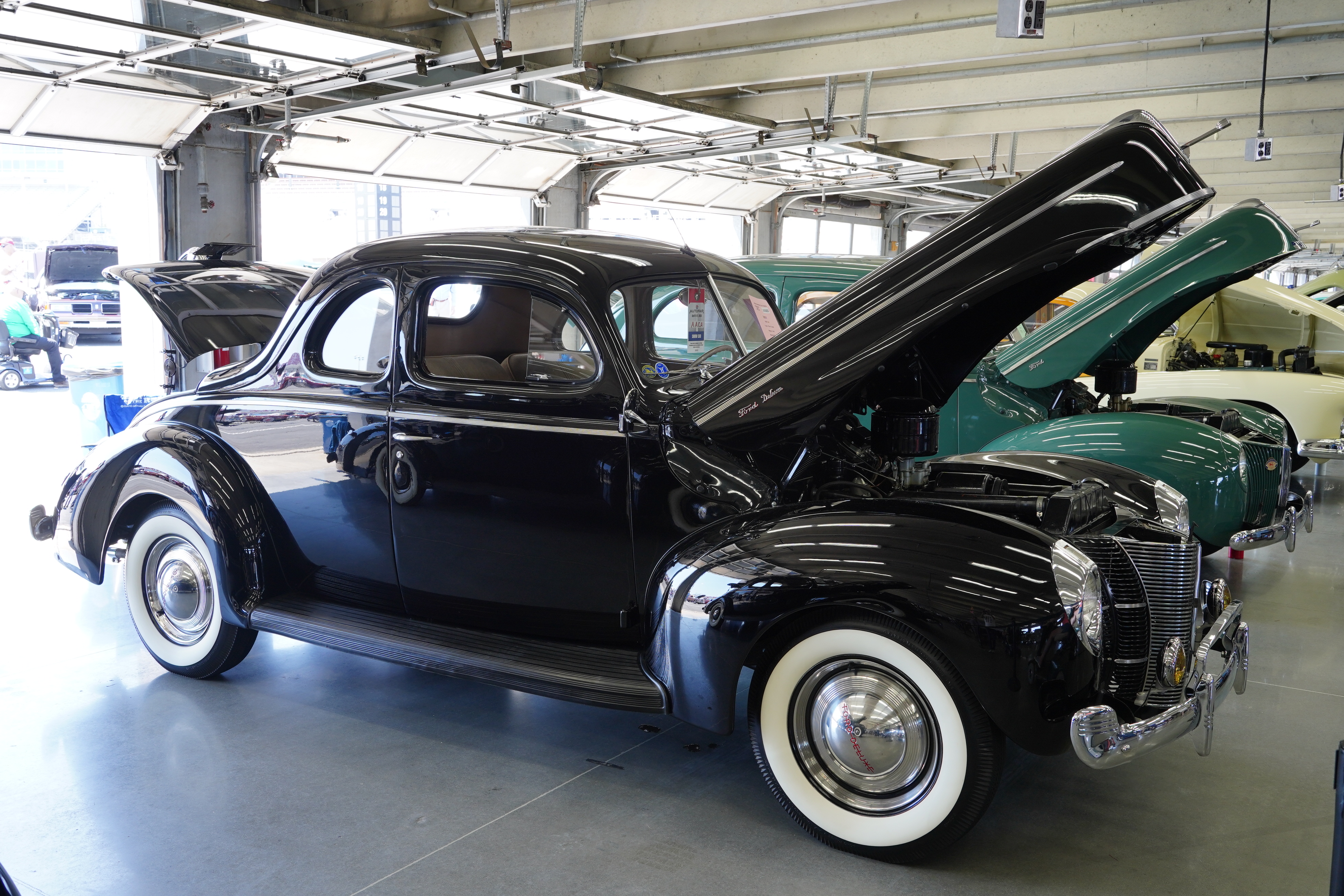
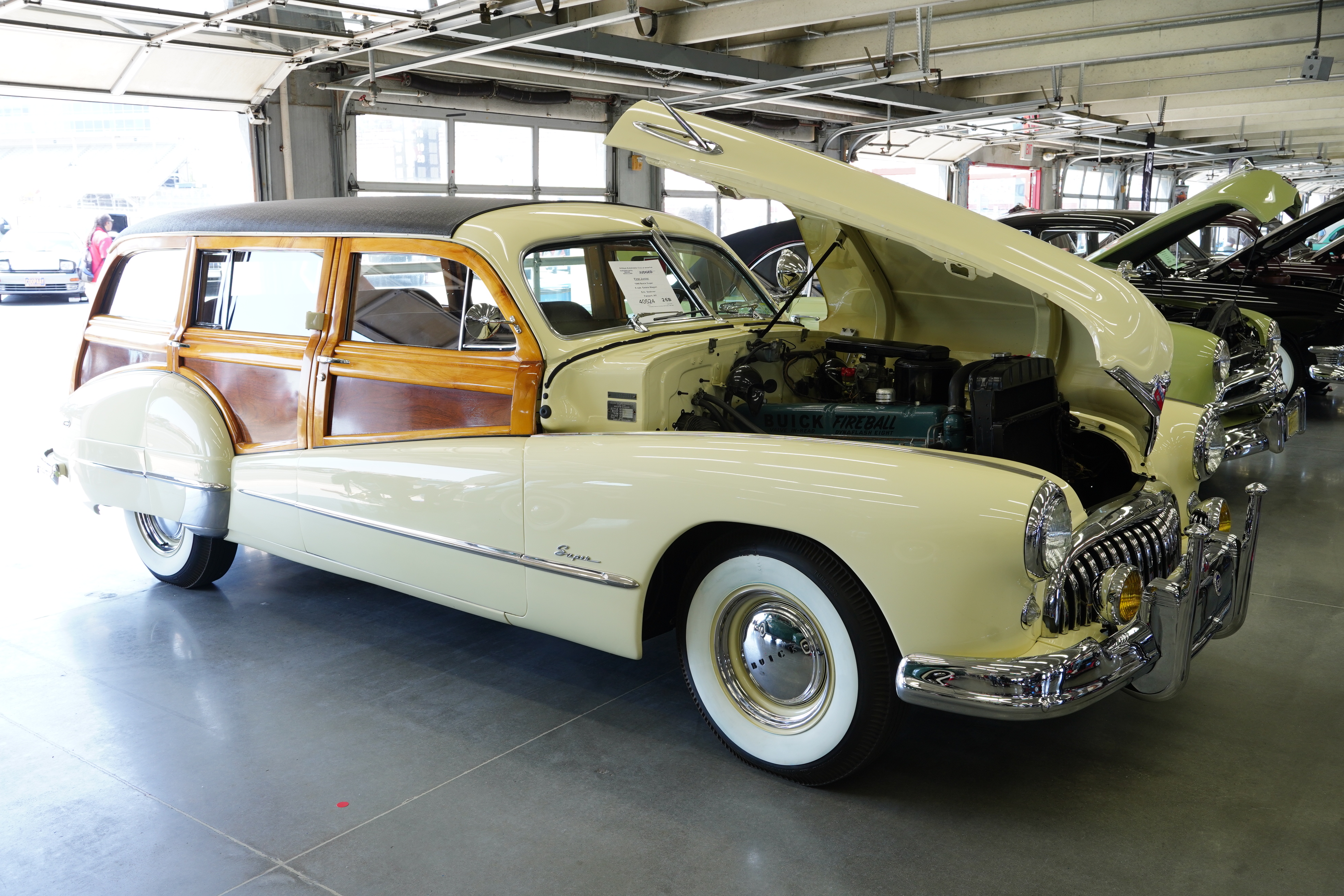
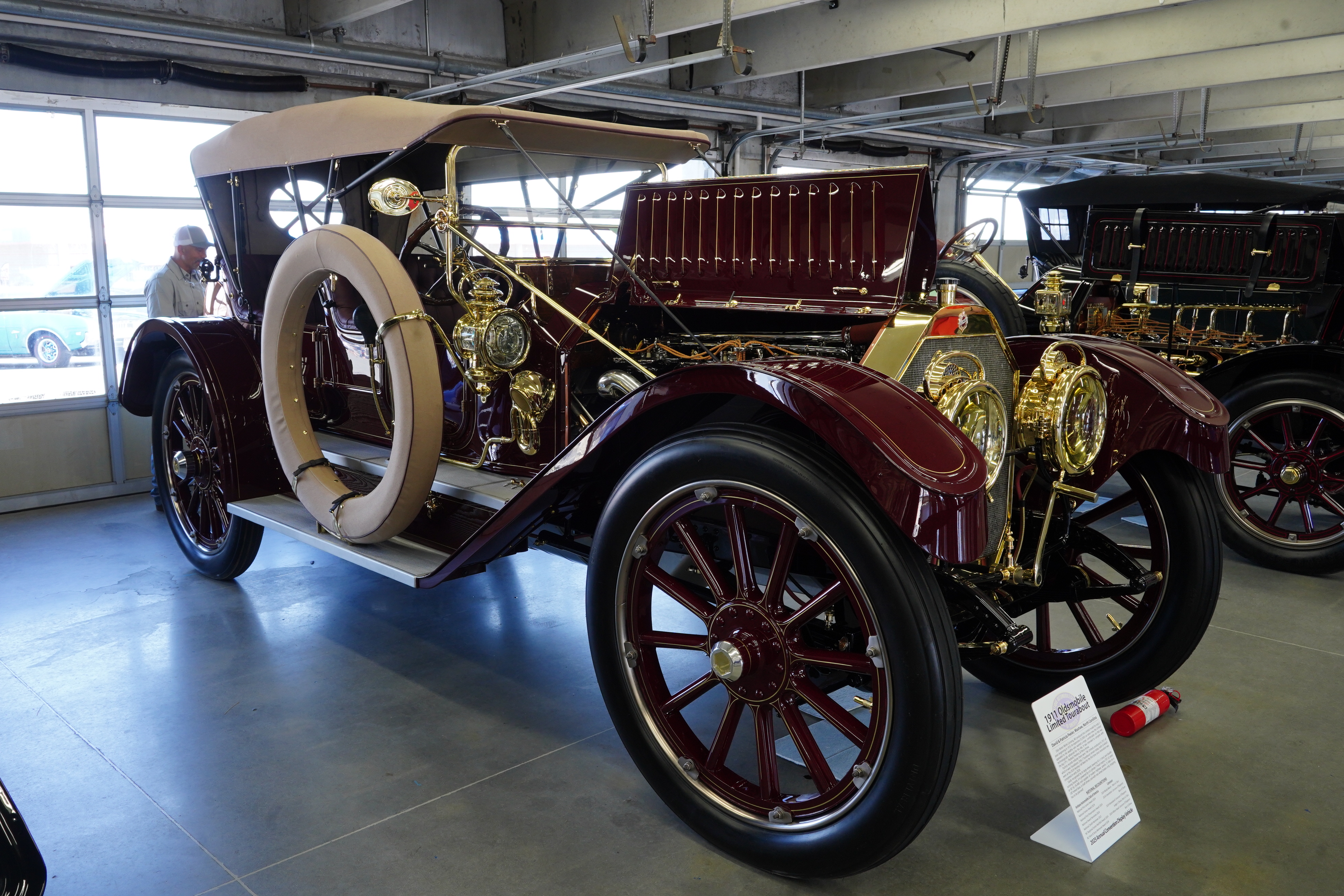
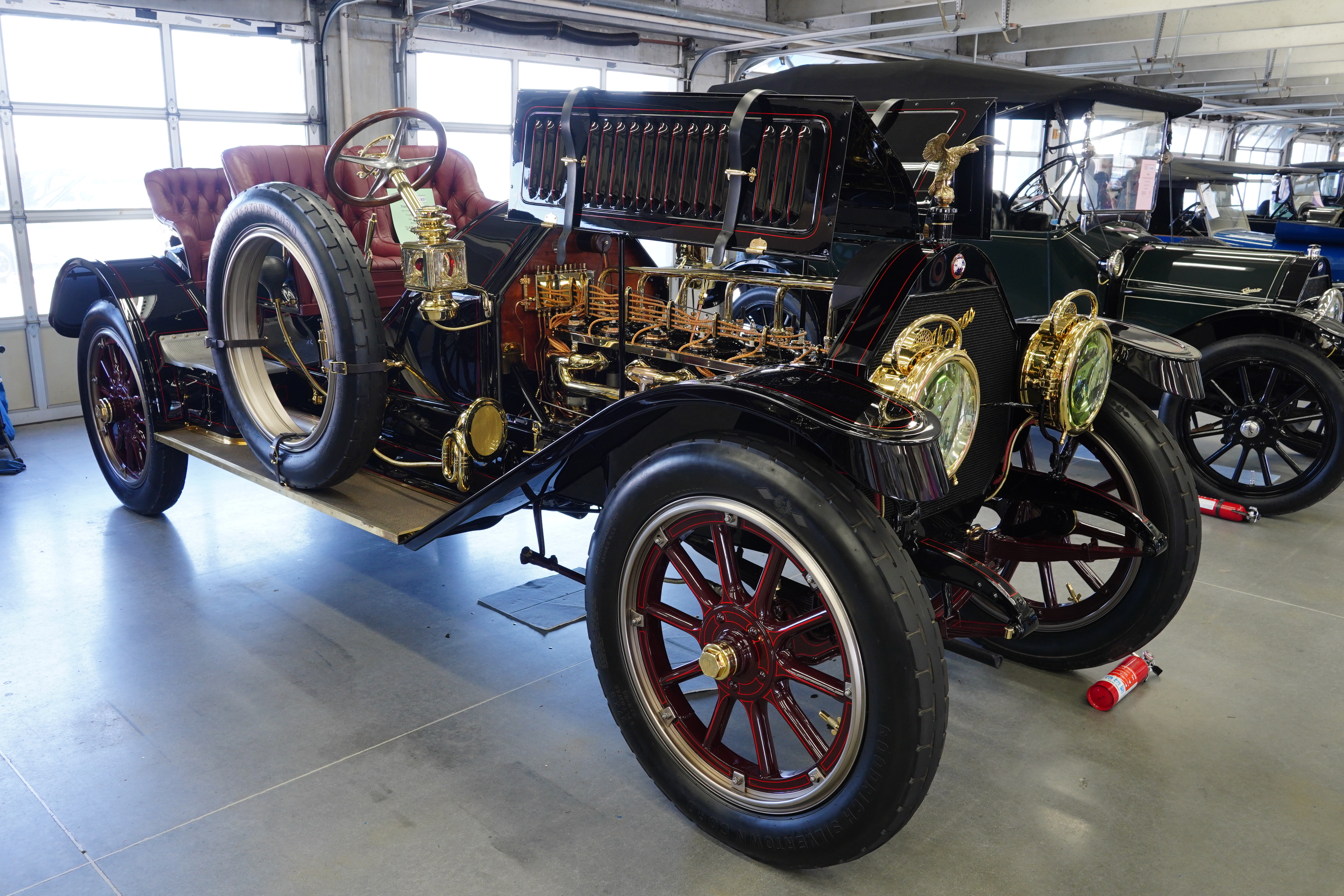
The charmers were inside the garage. Two 1911 cars, an Oldsmobile and a Thomas Flyer, both had brass polished to an impossible shine. Several 1930s Cadillacs and a 1940 LaSalle looked great. And there were a number of ’40s and early ‘50s Fords, each one nicer than the next.

The day started with beautiful weather, and as it got warmer, the garage provided some respite from the heat. By 3 p.m., I had taken in all that I could, and my visit to the AutoFair was done. Saturday was an early night because I intended to drive home in one day. Departing the hotel at 6:30 a.m. Sunday morning, I arrived home eleven hours later. I allowed myself plenty of stops, and traffic wasn’t bad, but I was beat, and was glad to be home.

1911 Oldsmobile
1911 Thomas Flyer
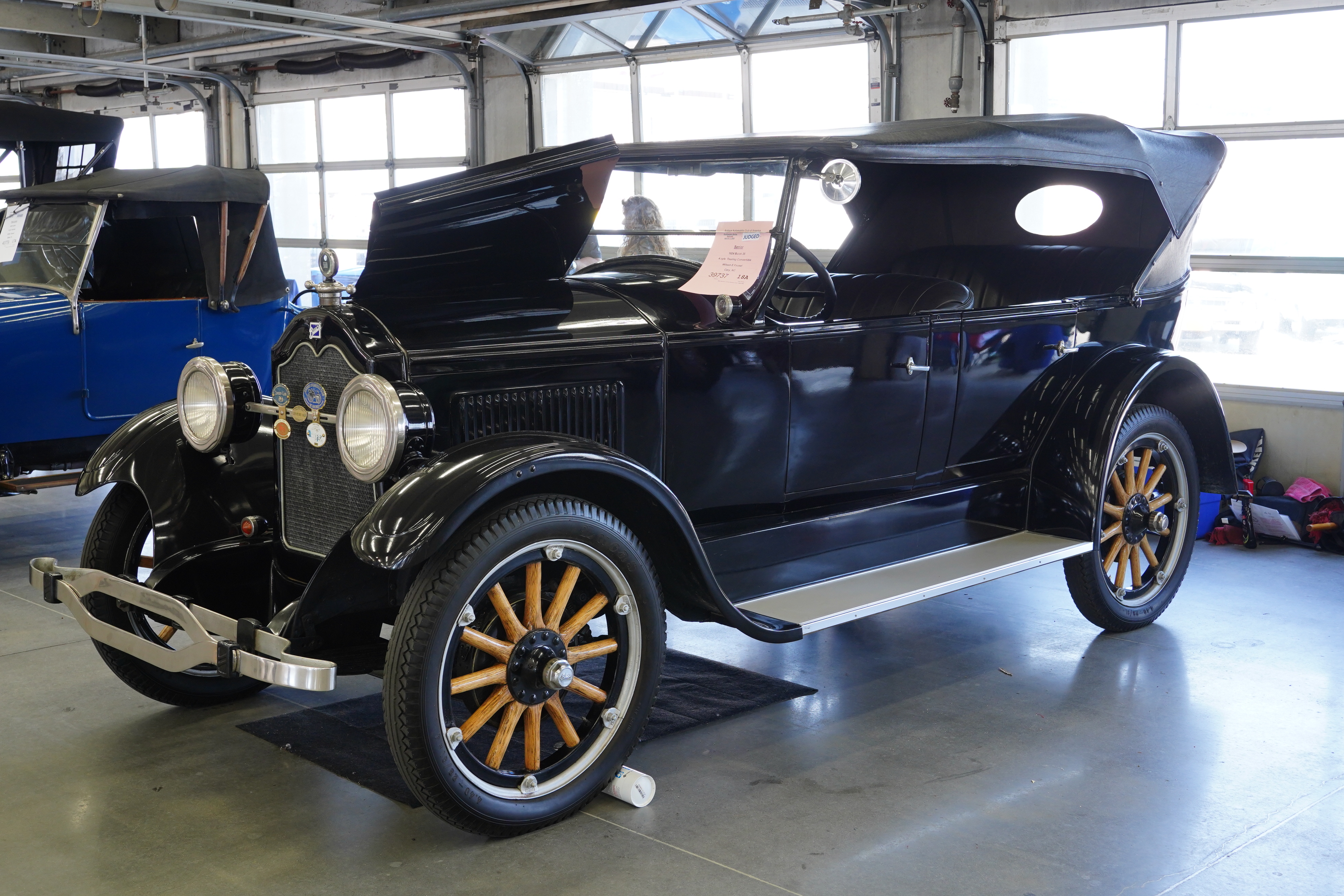
1924 Buick
1931 Cadillac
1940 LaSalle
1950 Ford
1930 Studebaker
1941 Cadillac
1939 Ford
1940 Ford
1948 Buick
1960 Ford front
1960 Ford rear
1966 Jaguar XKE coupe
1966 Olds Toronado
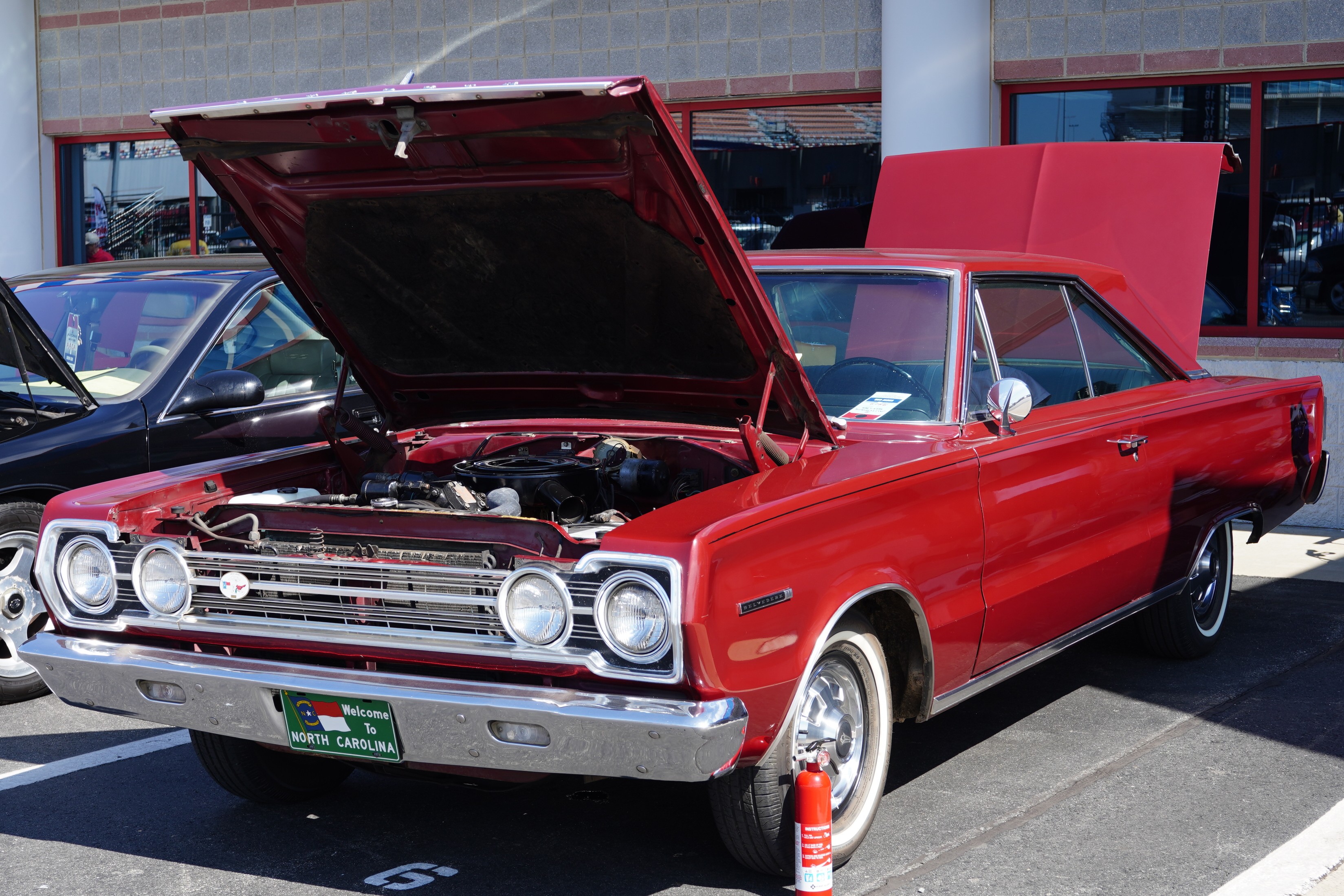
1967 Plymouth Belvedere
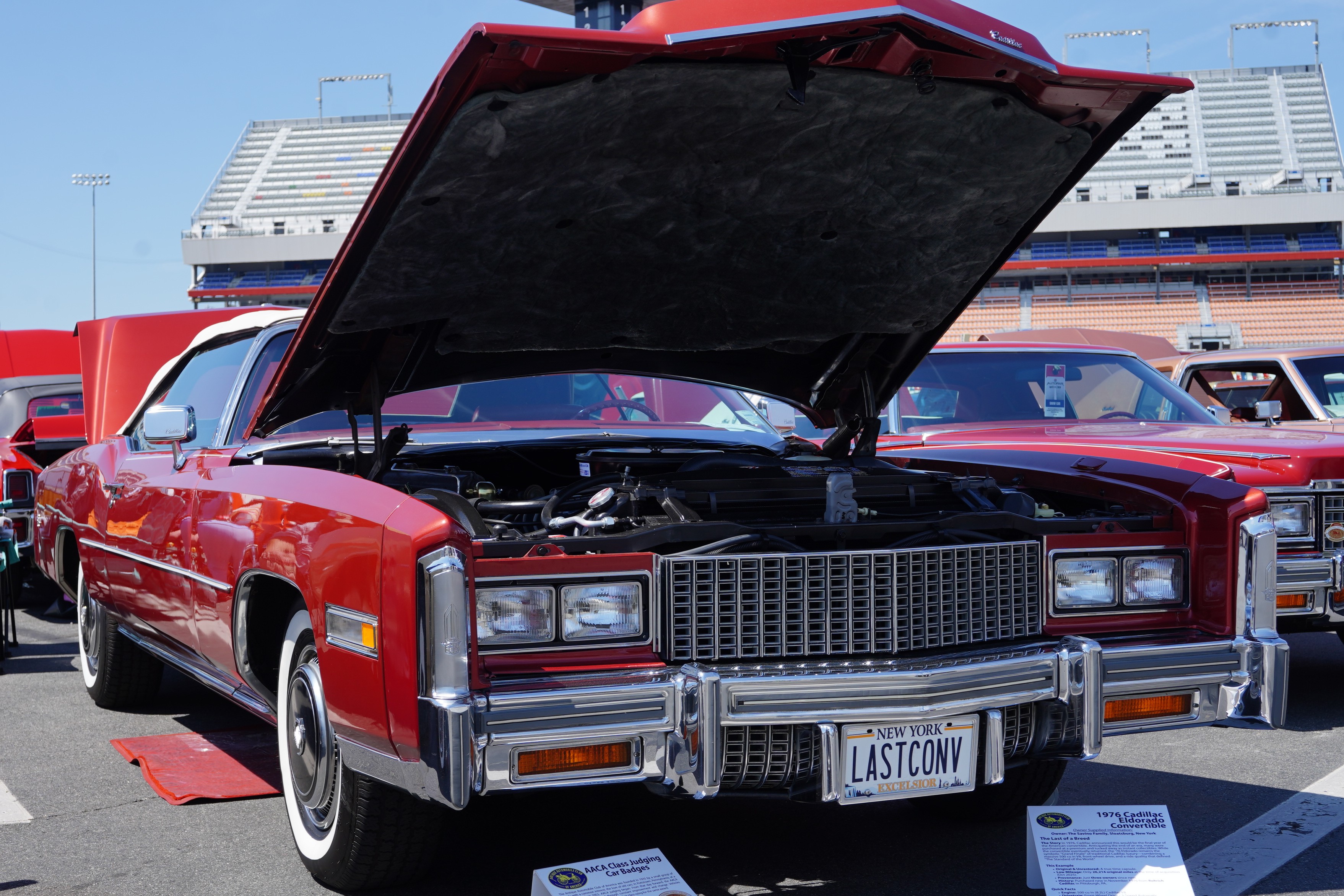
1976 Cadillac Eldorado
Mustang II
Mustang II
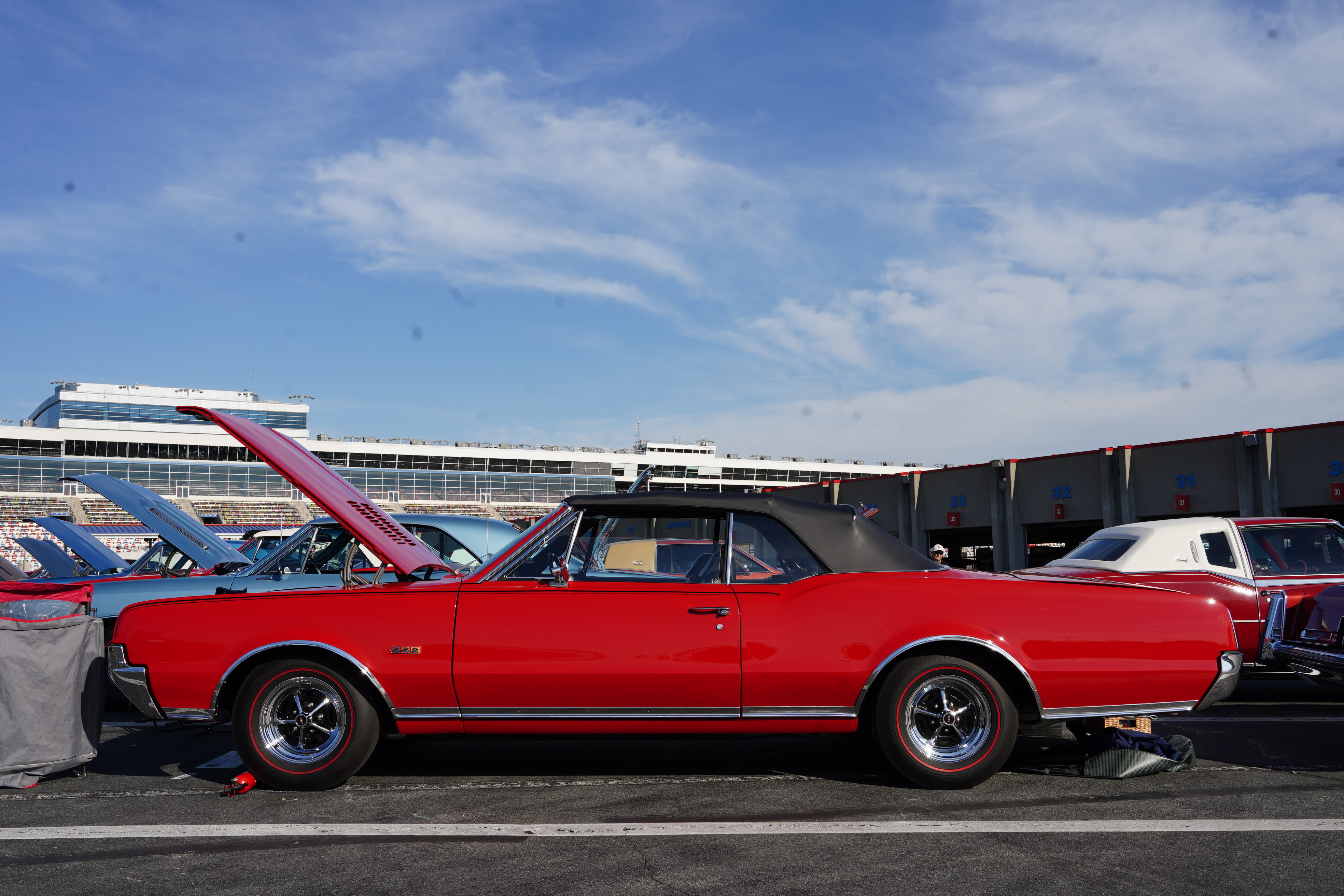
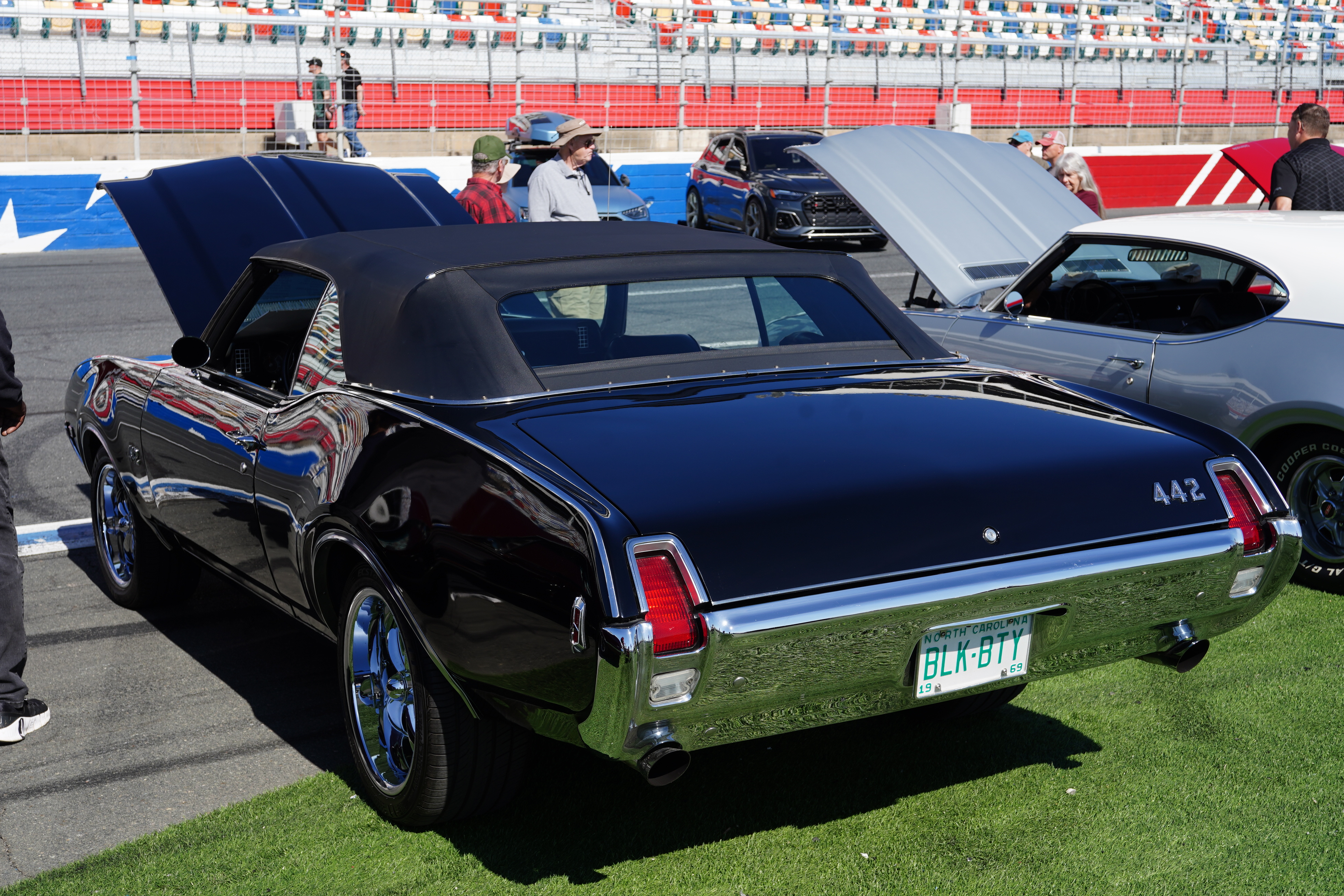
Olds 442
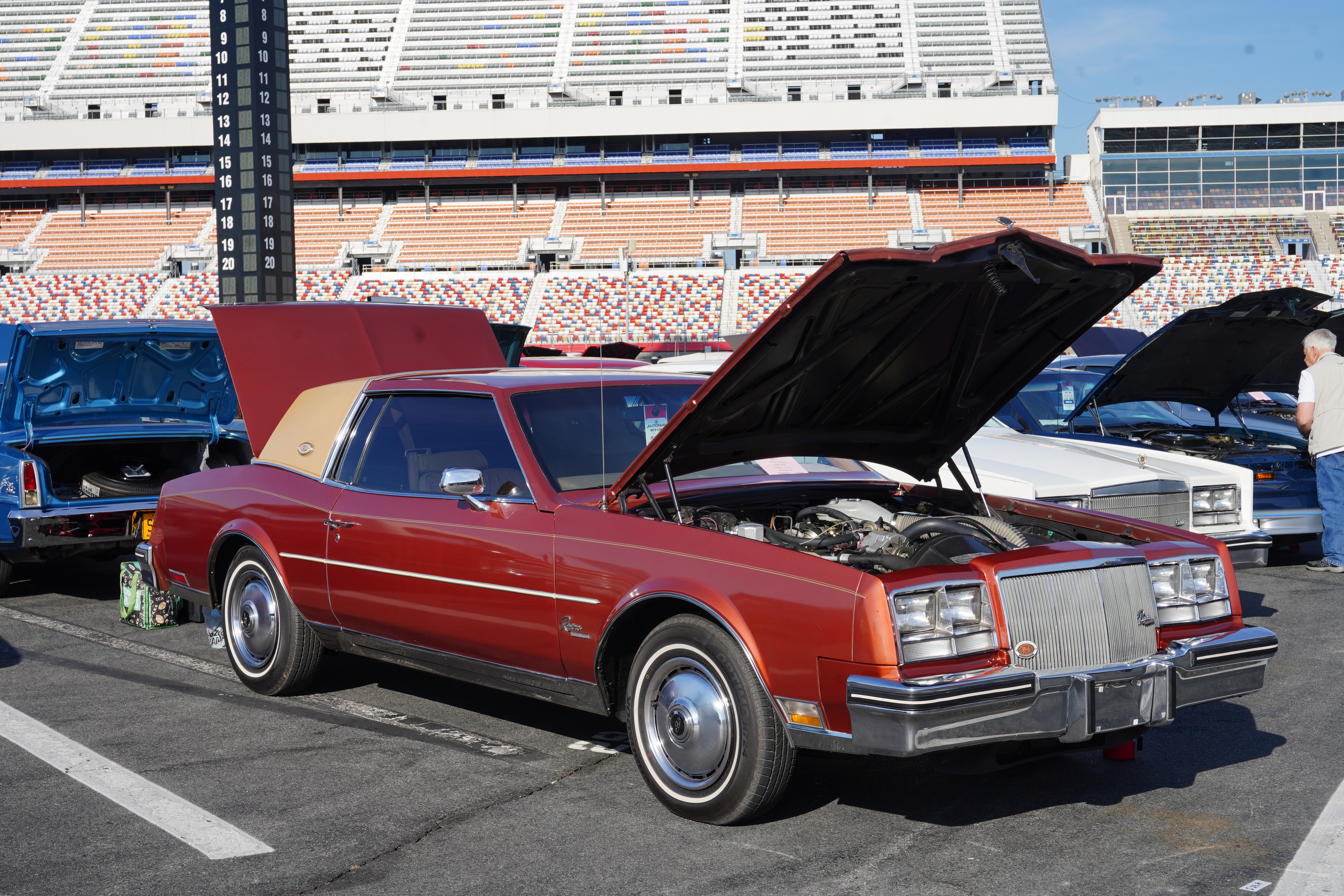
1979 Buick Riviera
1967 Pontiac Firebird
1996 BMW 3-series
1968 Mercury Cougar
1950 Willys station wagon
1983 Ferrari 308 GTS
1991 Chrysler TC by Maserati
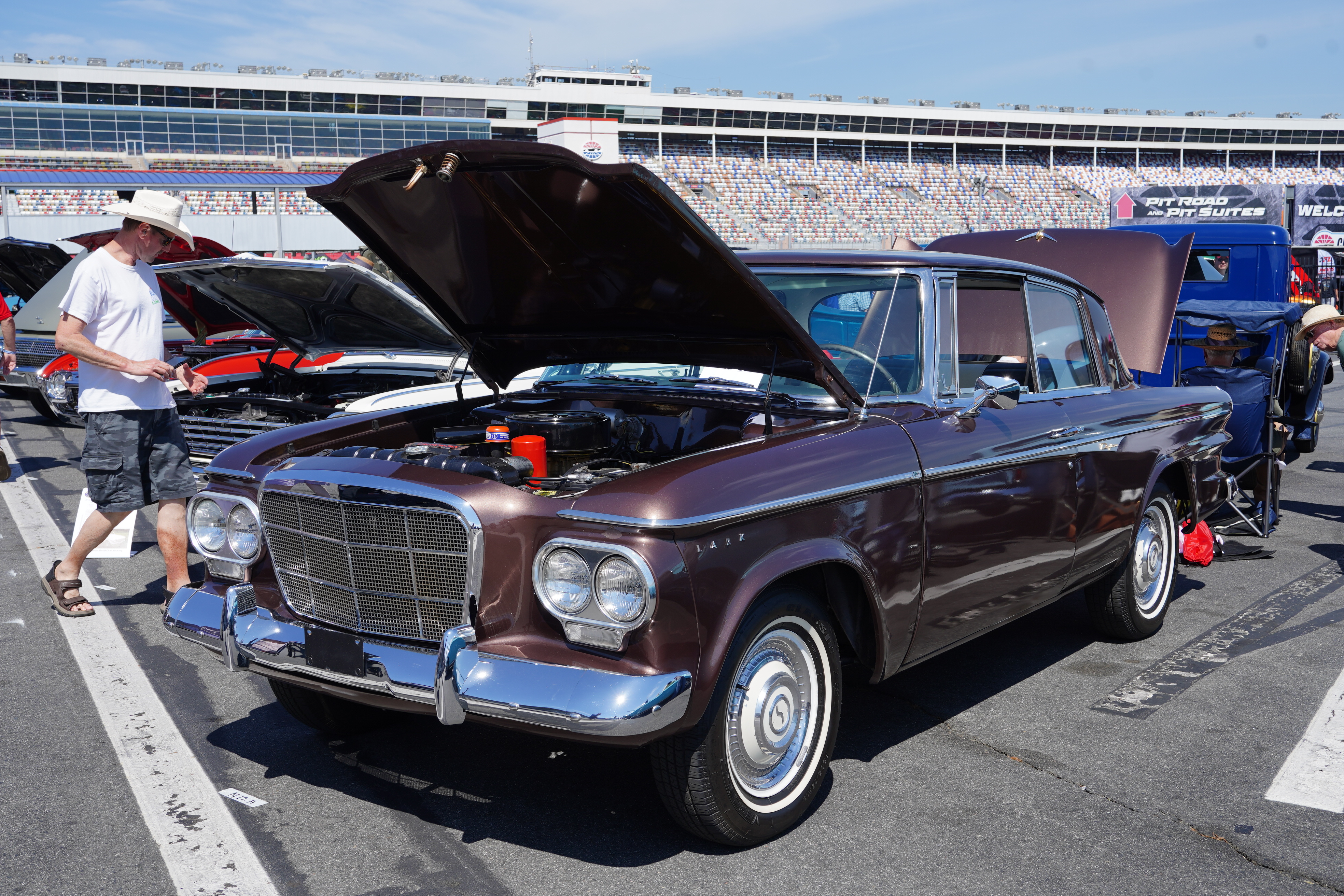
1962 Studebaker Lark Daytona
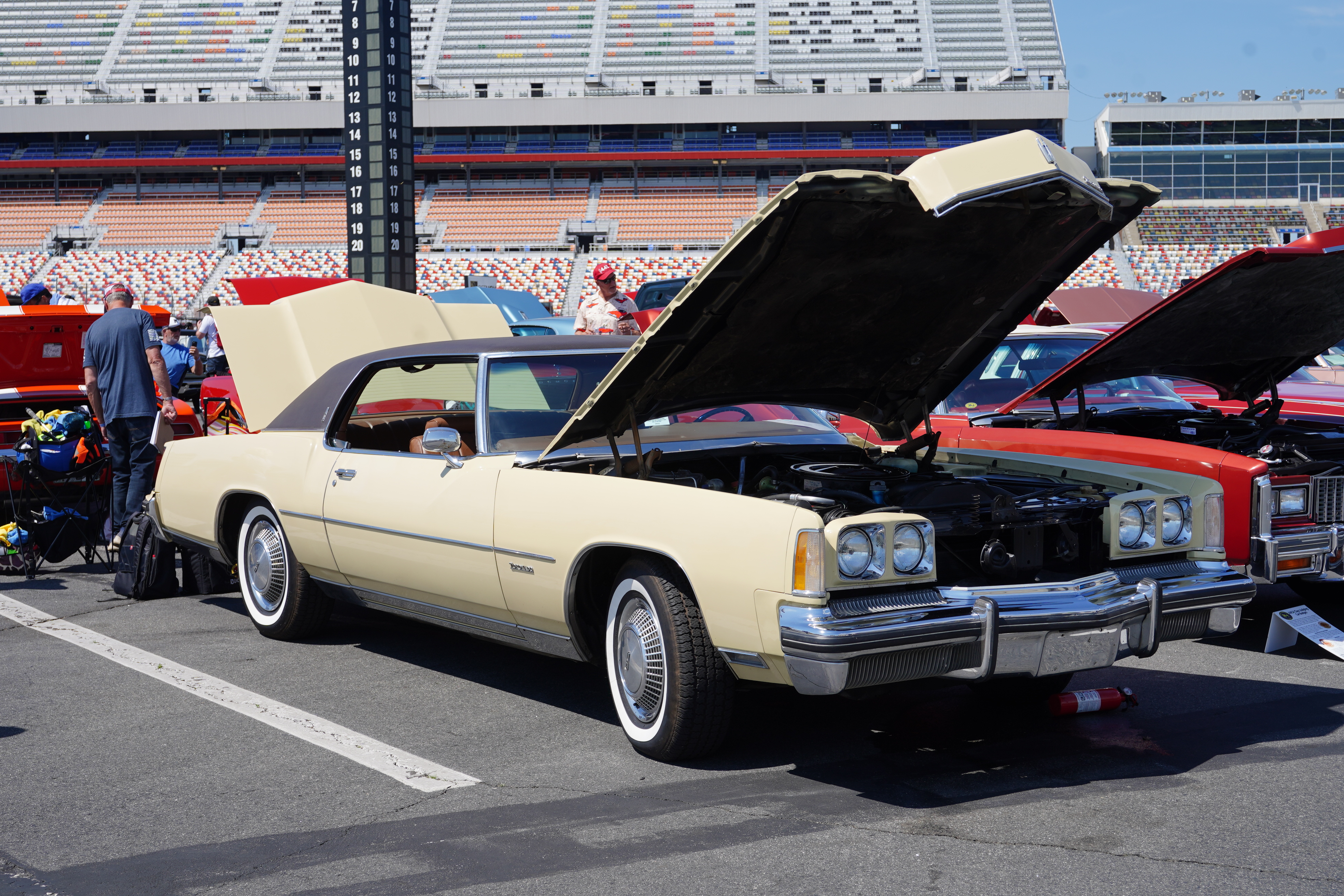
1973 Olds Toronado


Entire blog post content copyright © 2026 Richard A. Reina. Text and photos may not be copied or reproduced without express written permission.


The 2026 Charlotte Auto Fair

Long before the Internet was a thing, I recall reading about the Charlotte Auto Fair in Hemmings Motor News. It sounded like the South’s version of Hershey, with a flea market, car corral, and car show all rolled into one. I’ve often thought about attending, so earlier this year, when my AACA magazine advertised that a National Judged Show would be part of this year’s Auto Fair, I decided to make the drive. I headed out on Wednesday morning, April 8, and overnighted in Roanoke, VA, to break up the trip. Early Thursday morning, I was back on the road, and arrived at Charlotte Motor Speedway at 10 a.m. Finding the place was easy, there was no wait to get in, and once I forked over my $10 for parking, I was inside the Speedway.

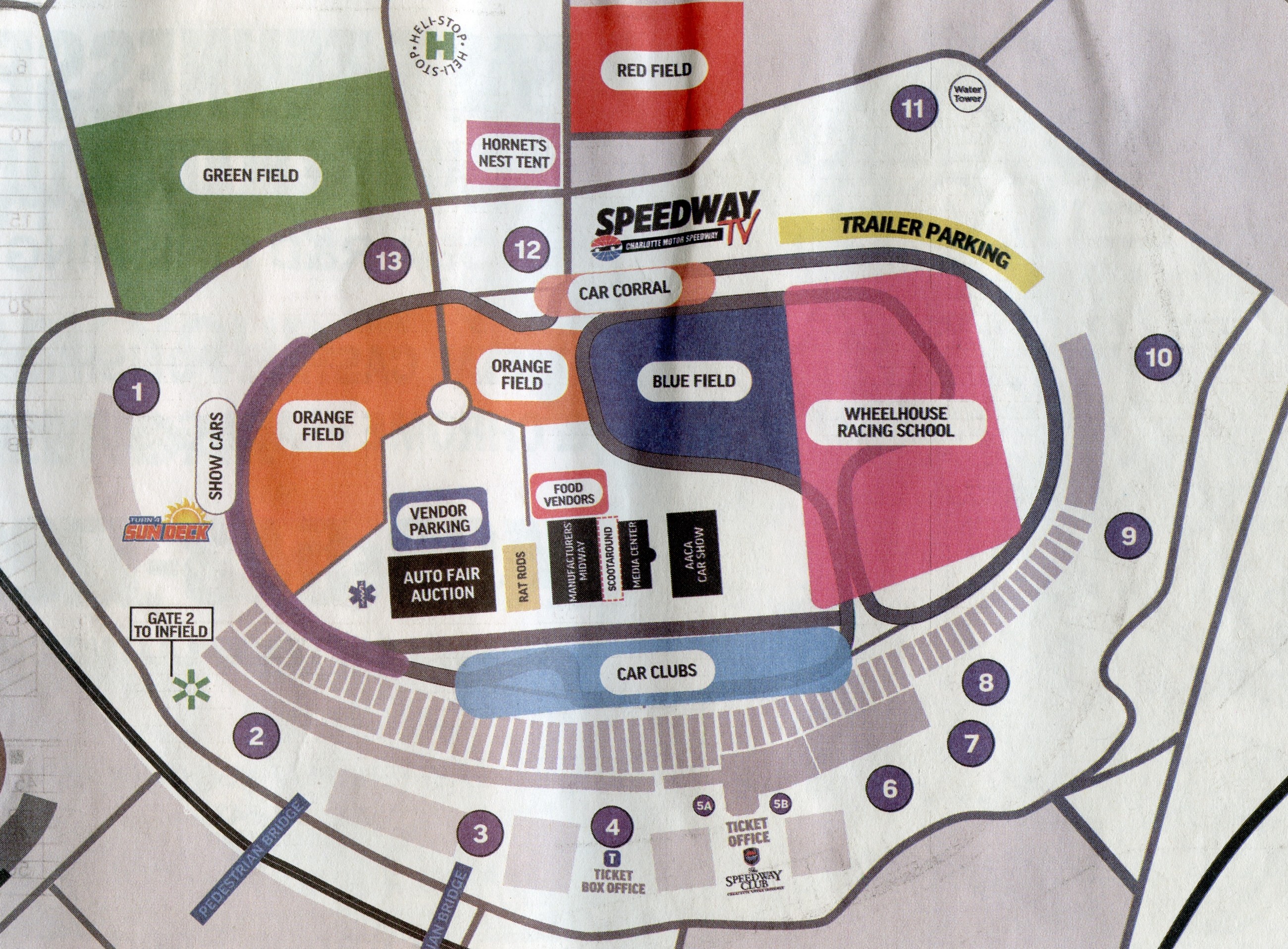
Although I’ve never been a racing fan, I’ve always understood that NASCAR is a really big deal in the south, and stepping onto the actual track at the Speedway was awe-inspiring. The place is huge. When infield seating and standing room accommodations are included, total audience capacity is 95,000. That’s big. The map I was handed as I walked in showed me that the track’s entire infield oval, plus several fields beyond the oval, were taken up by the show.

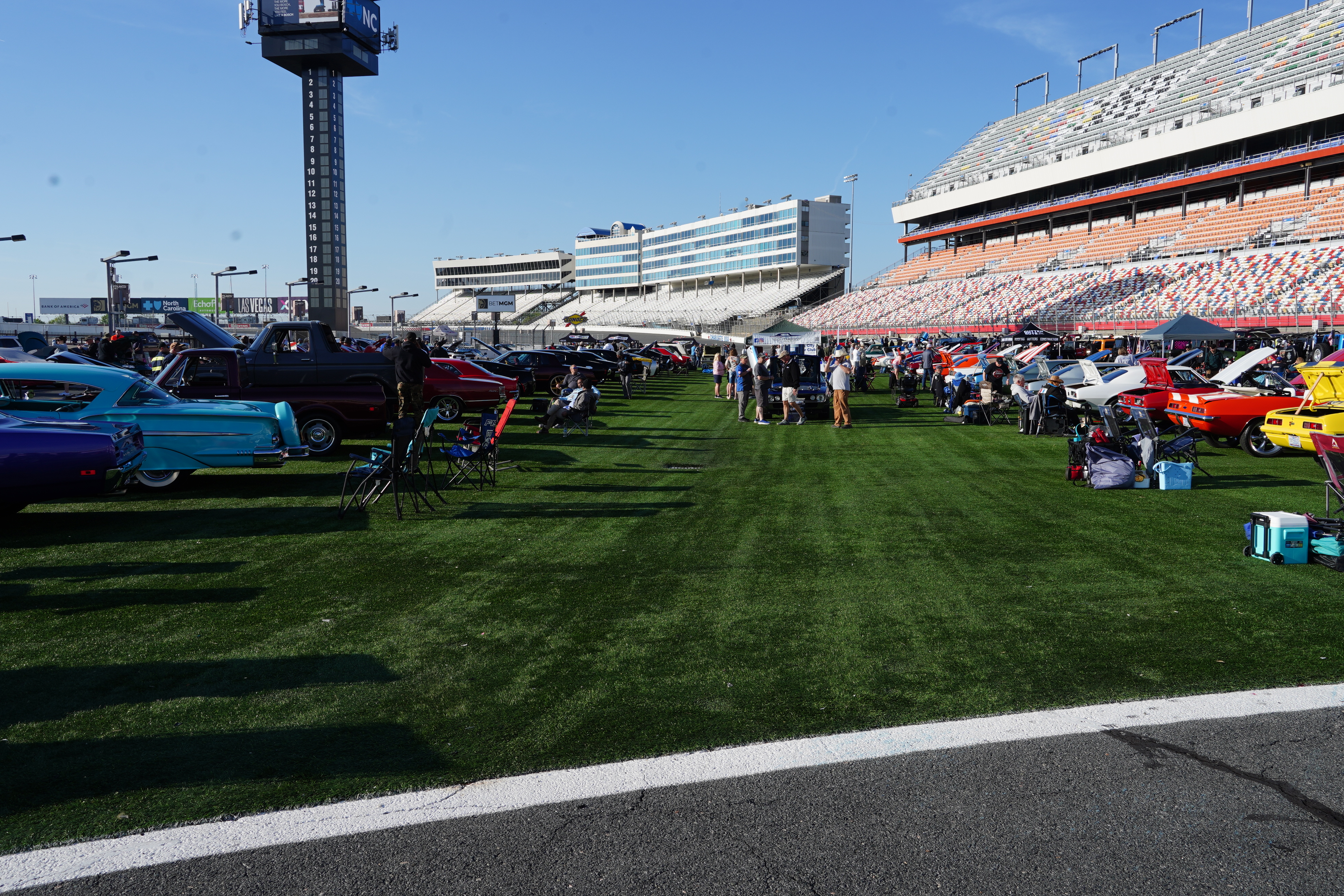
While the flea market fields were filled to capacity with vendors on Thursday, the same could not be said for the area set aside for car clubs. There were very few cars on Thursday, and just a few more on Friday. The car club area did not completely fill up until Saturday. I wandered through the car corral both Thursday and Friday, but it was less than half full both days, and many of the cars there were late model, heavily modified, or both. (The “Hershey rule” that only AACA-eligible cars are allowed in the car corral was not in force in Charlotte.) Many asking prices were astronomically beyond reasonableness.

The infield “grass” is artificial turf

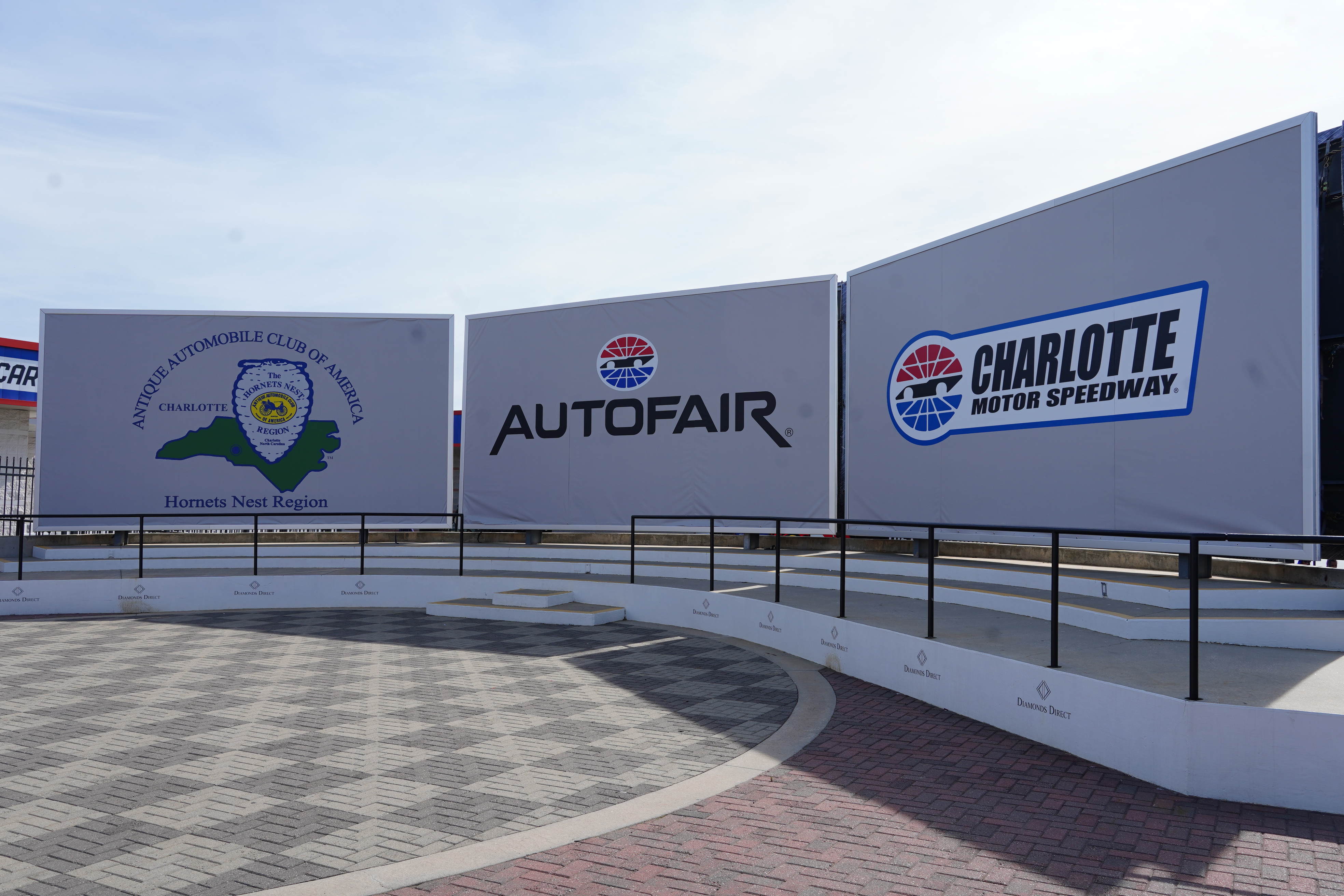
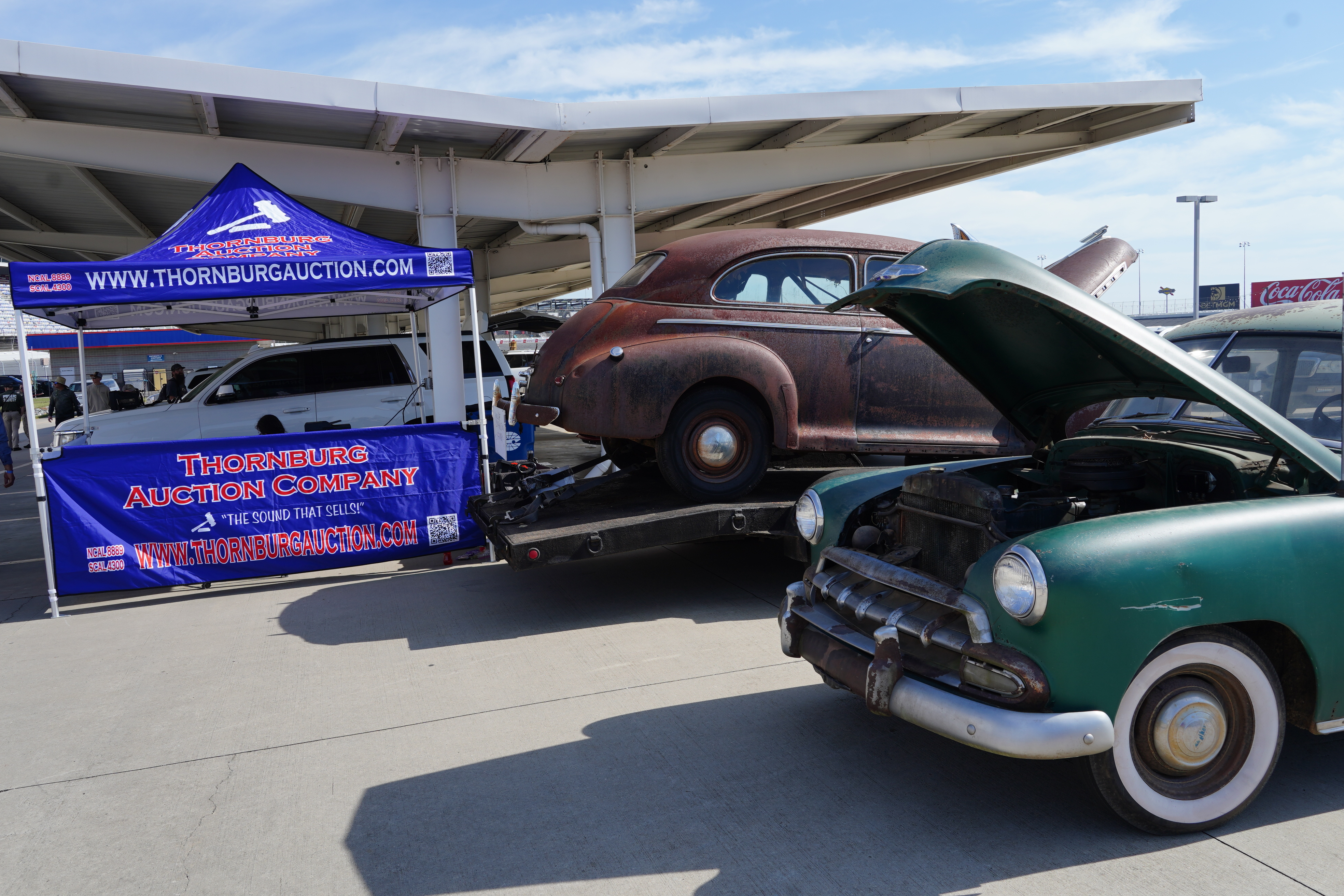
My map showed one building marked “Auto Fair Auction,” but when I wandered over to it, there was nothing to see: no auction cars on preview, no signage, nada. I stopped at two different information booths run by AACA’s Hornet’s Nest Region, the club responsible for the entire show, and no one knew anything about an auction. Saturday morning, I gave it one more shot, and was extremely disappointed by my findings: two old project cars, plus a small smattering of garage “junk,” and that was the totality of the items for the auction. It was not advertised, it was not promoted, and it held zero interest for me, and probably for the majority of show-goers.

Saturday’s AACA judged National Show was worth it, as there were many fine cars on display. (The write-up and photos for that show will be covered in a separate blog post.) In retrospect, attending the Charlotte Auto Fair all three days was excessive. I could have seen everything I wanted to see on Saturday. But not all was lost. I got to spend time with two long-term friends, both of whom retired to North Carolina, and that made the extra days I spent there worthwhile. Would I attend the Auto Fair again? Probably not. We will file this in the “one and done” category.

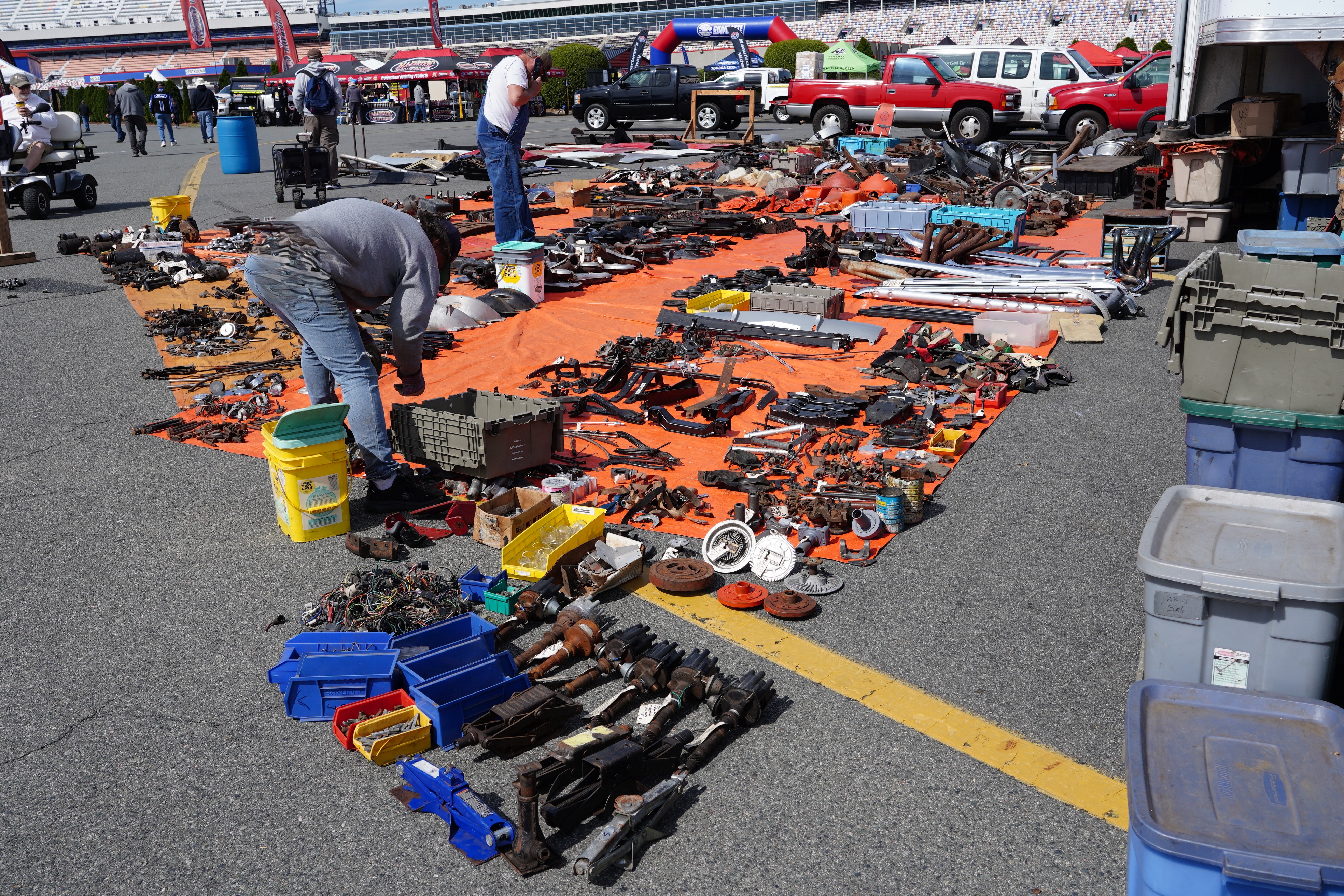
FLEA MARKET
Old car parts the way we used to search for them
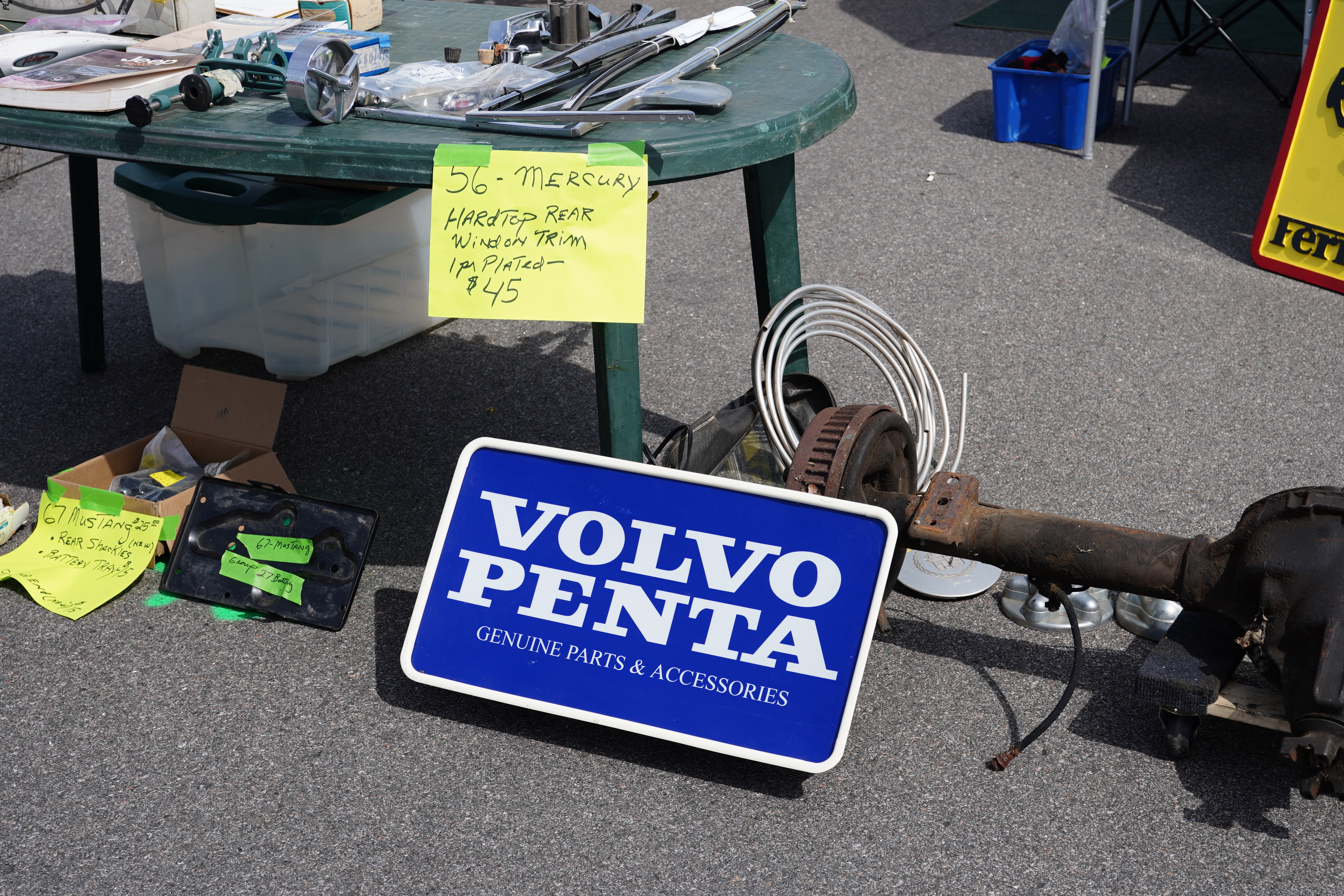
I don’t think I’ve ever seen a Volvo Penta sign at the flea market before


CAR CORRAL


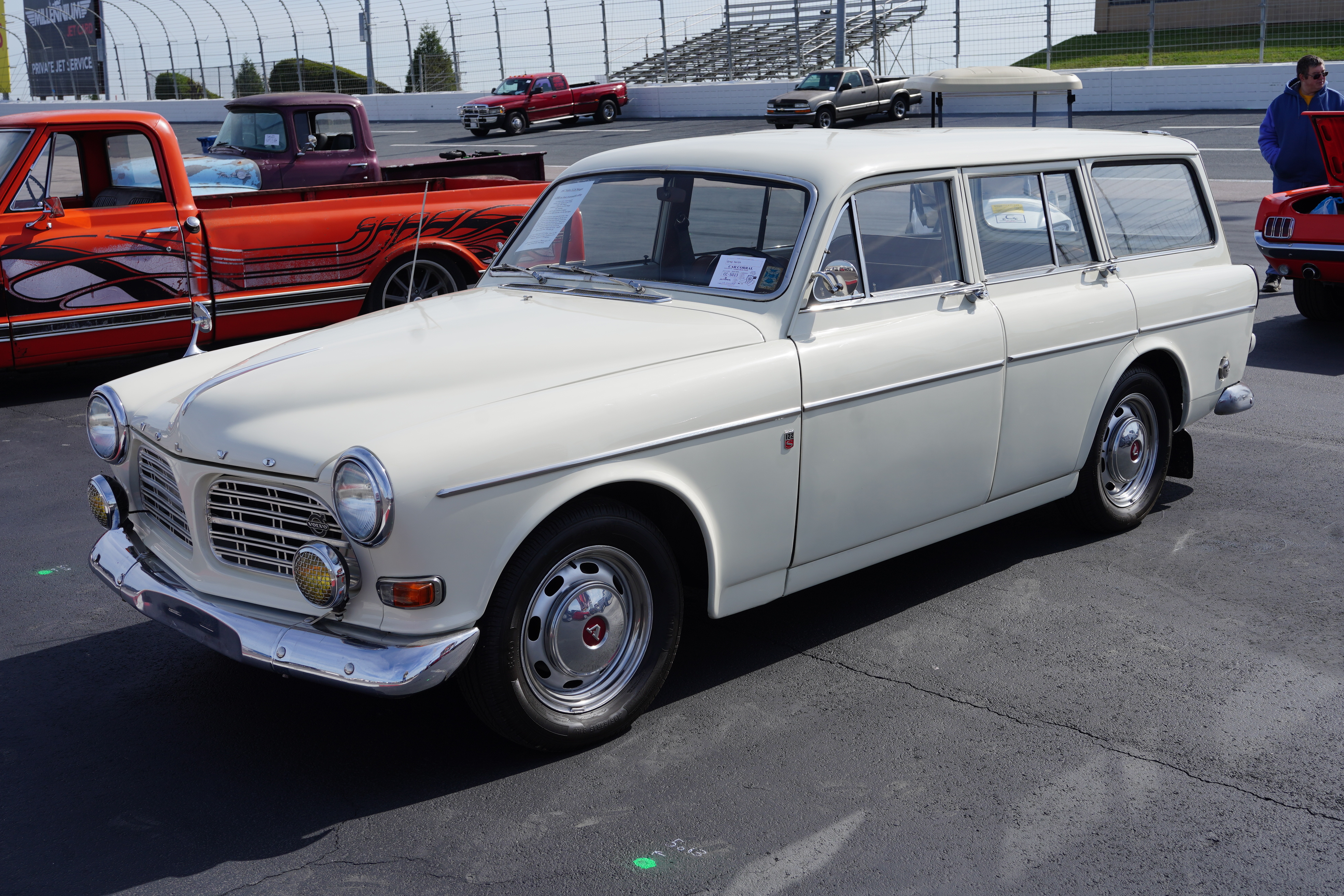
1967 Volvo 122 wagon, asking $18,000. Weber carburetor, claimed original interior.
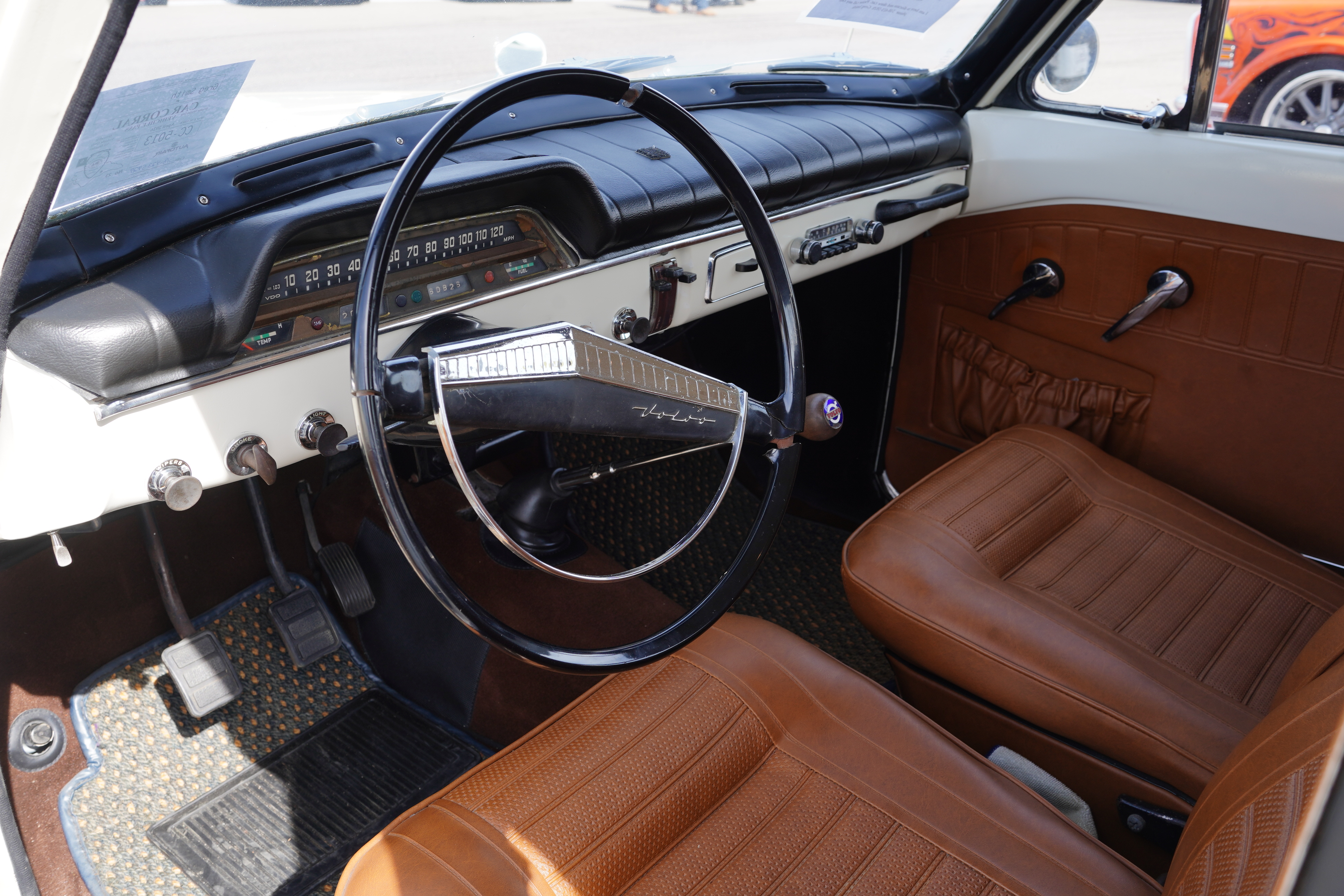
Volvo interior was hard to fault


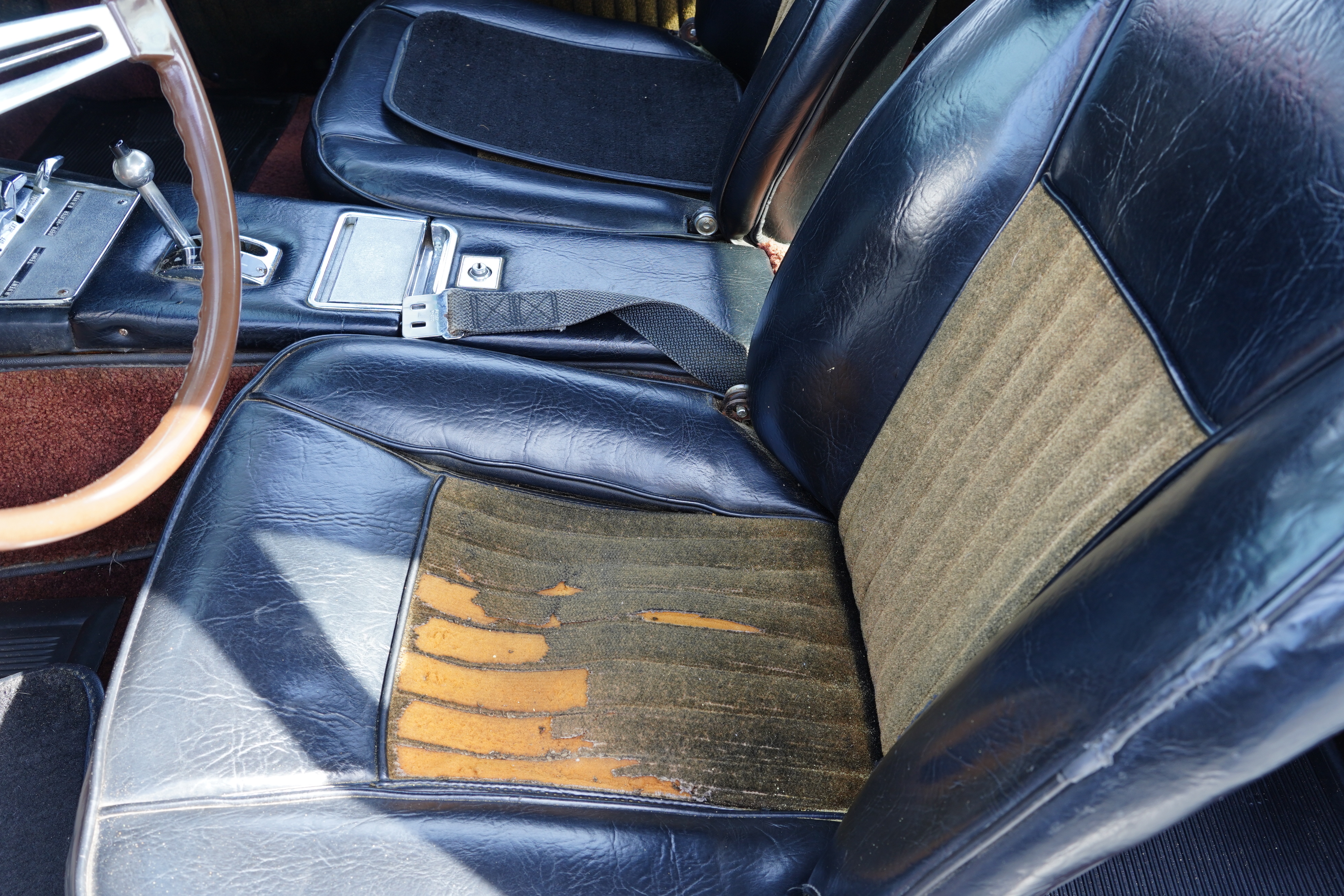
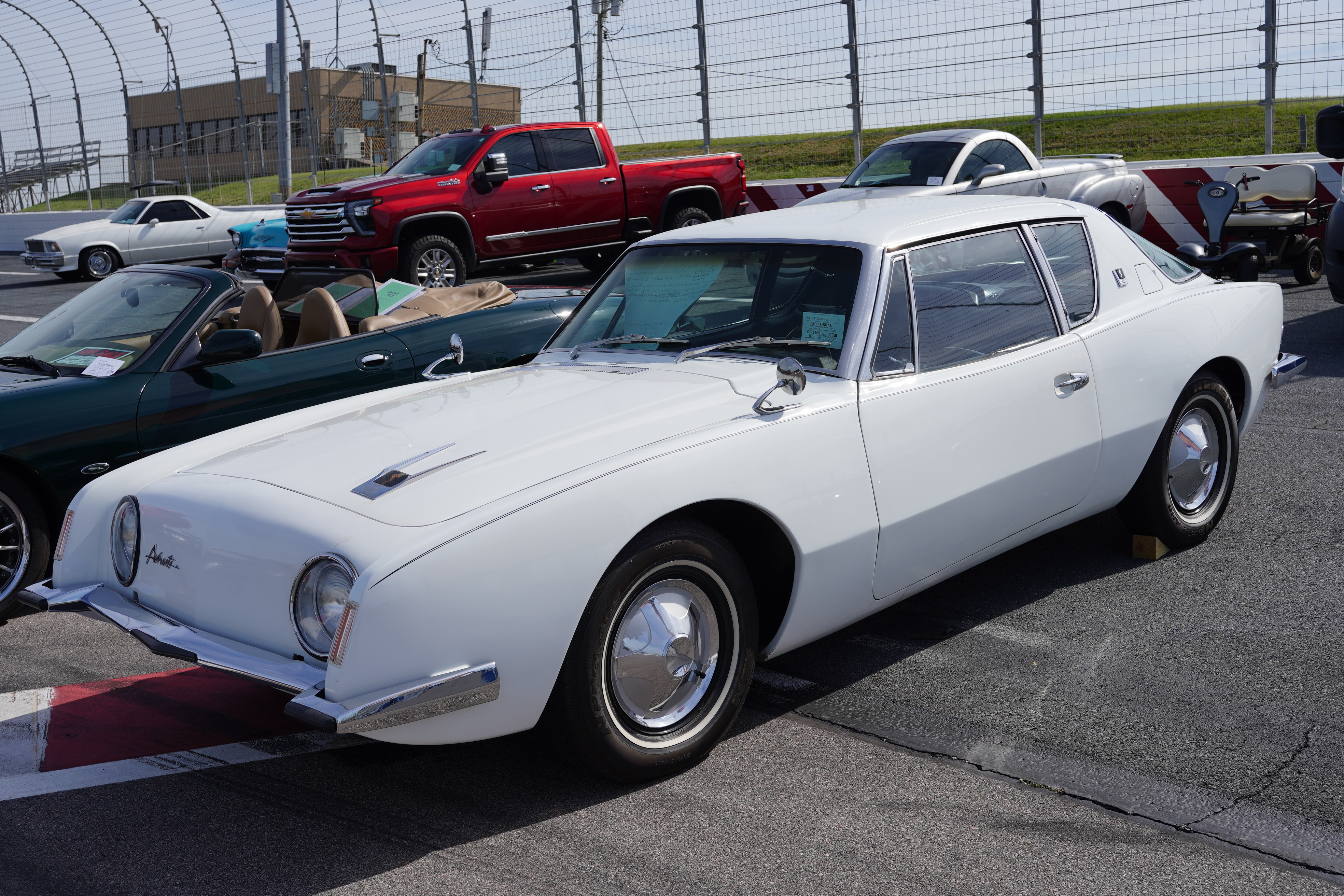
1963 Studebaker Avanti, asking $32,500. 289 V8, auto.
Avanti interior was very rough


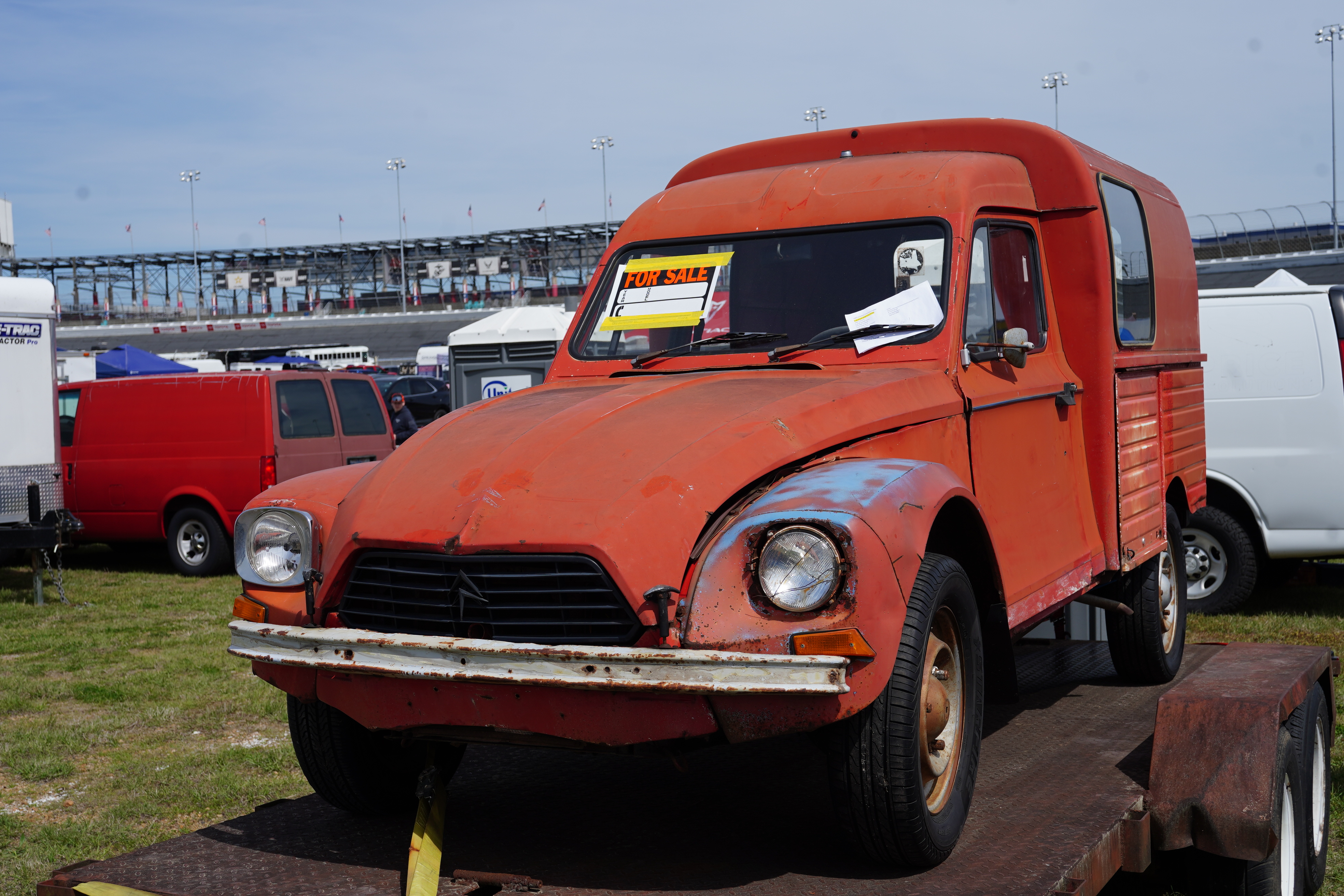
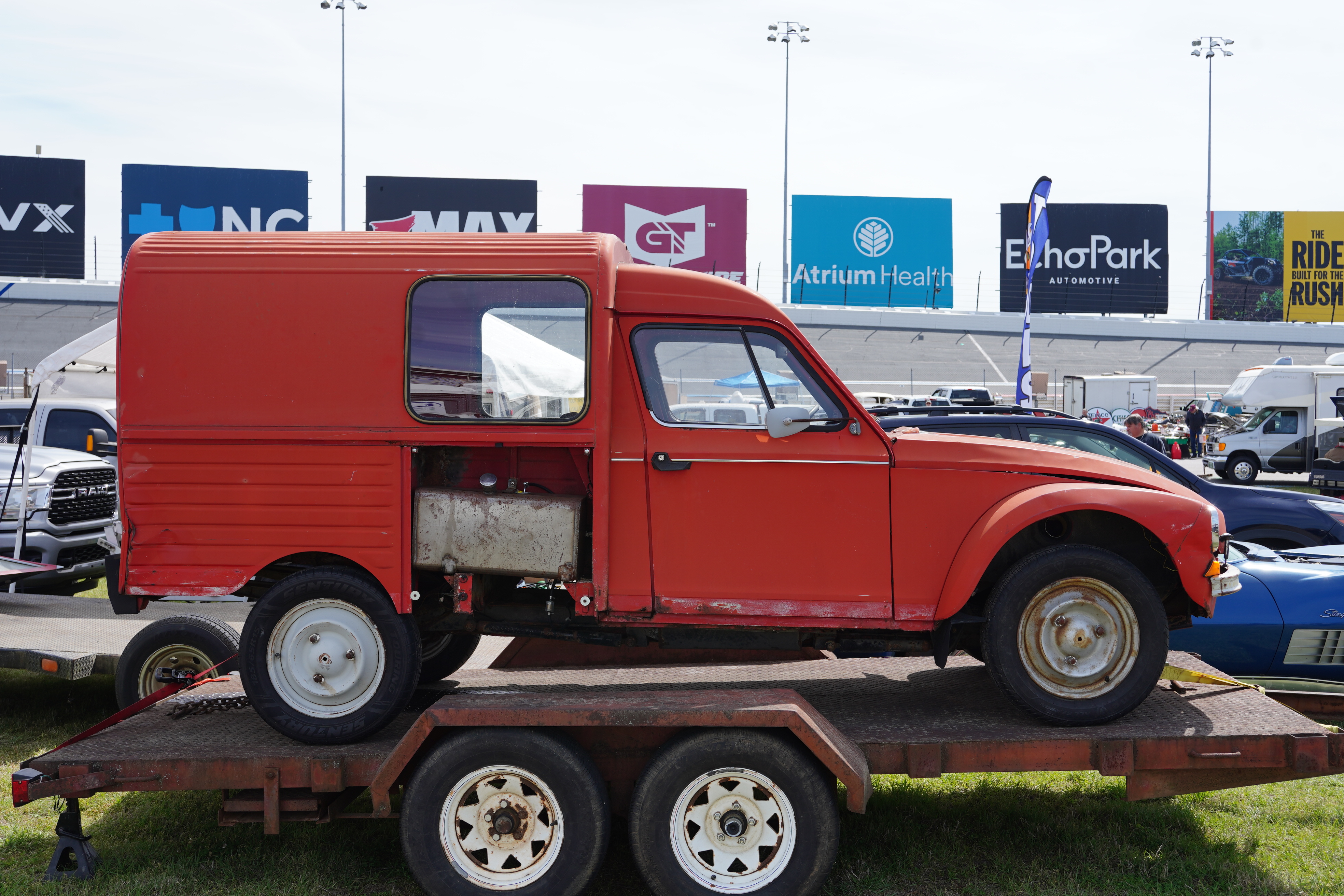
1963 Citroen Camionnette, two-cylinder air-cooled engine, four-speed, FWD, many new parts, needs brake work. Sign says MAKE ME AN OFFER!


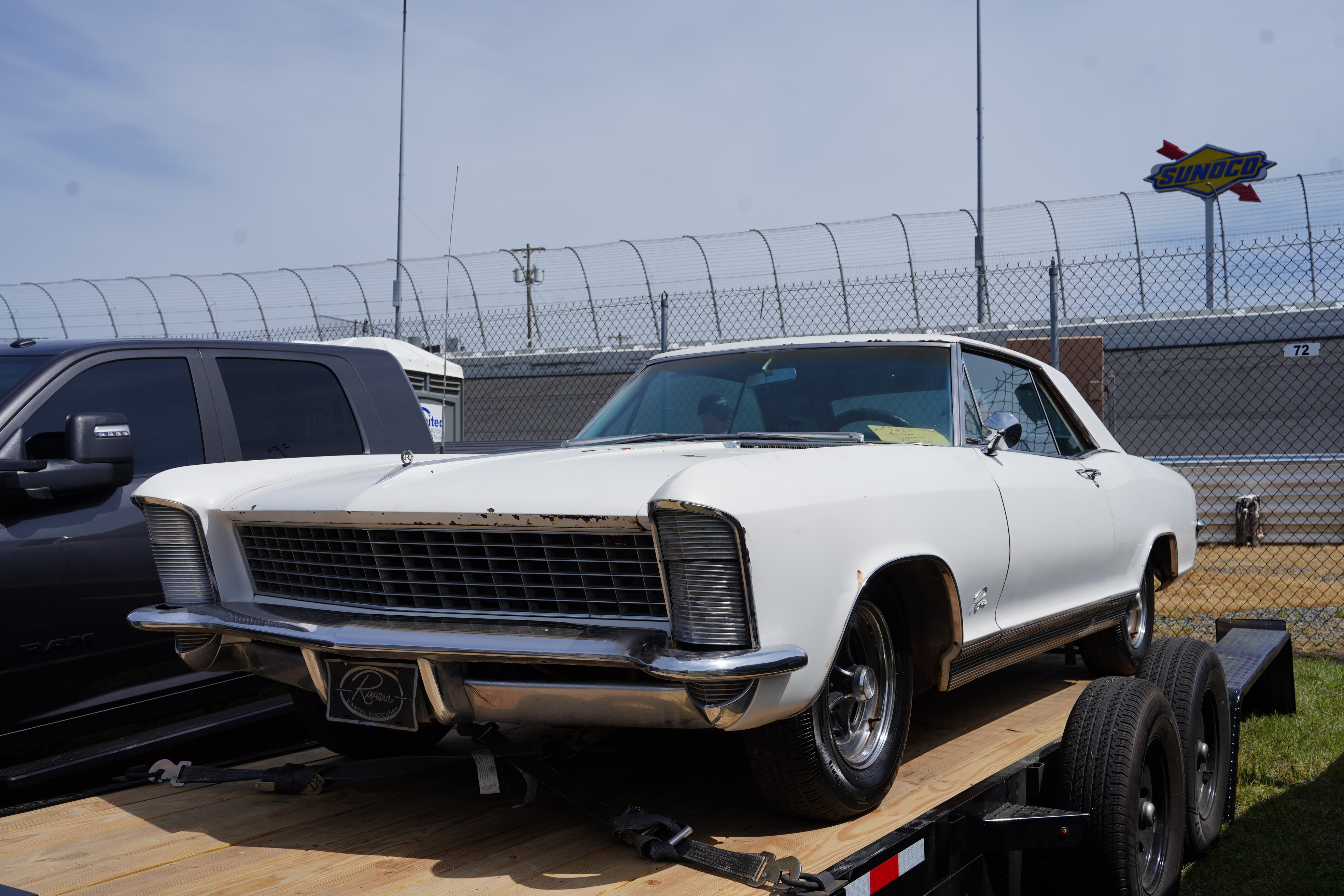
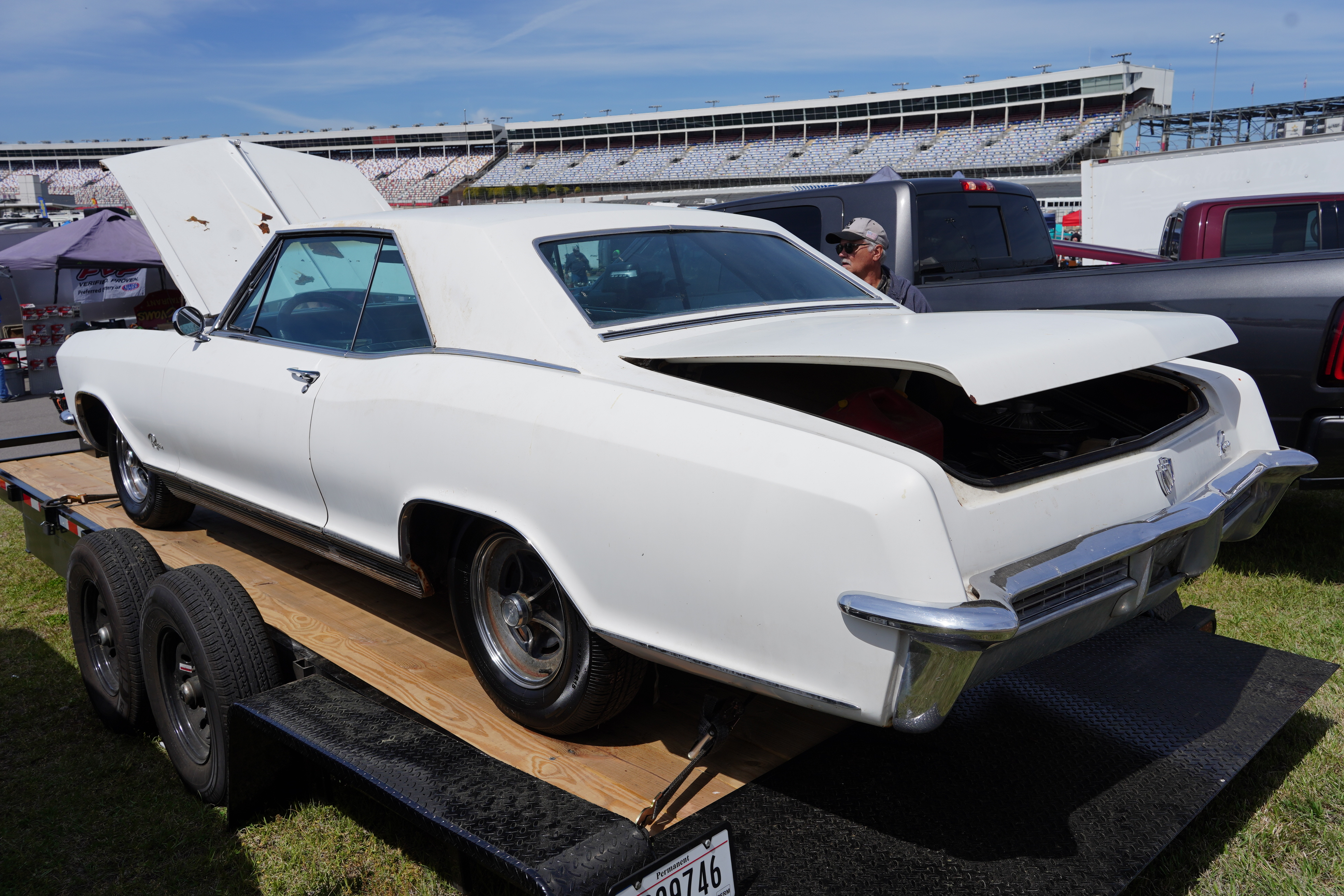
1965 Buick Riviera, rebuilt nailhead engine, $9,500 OBO


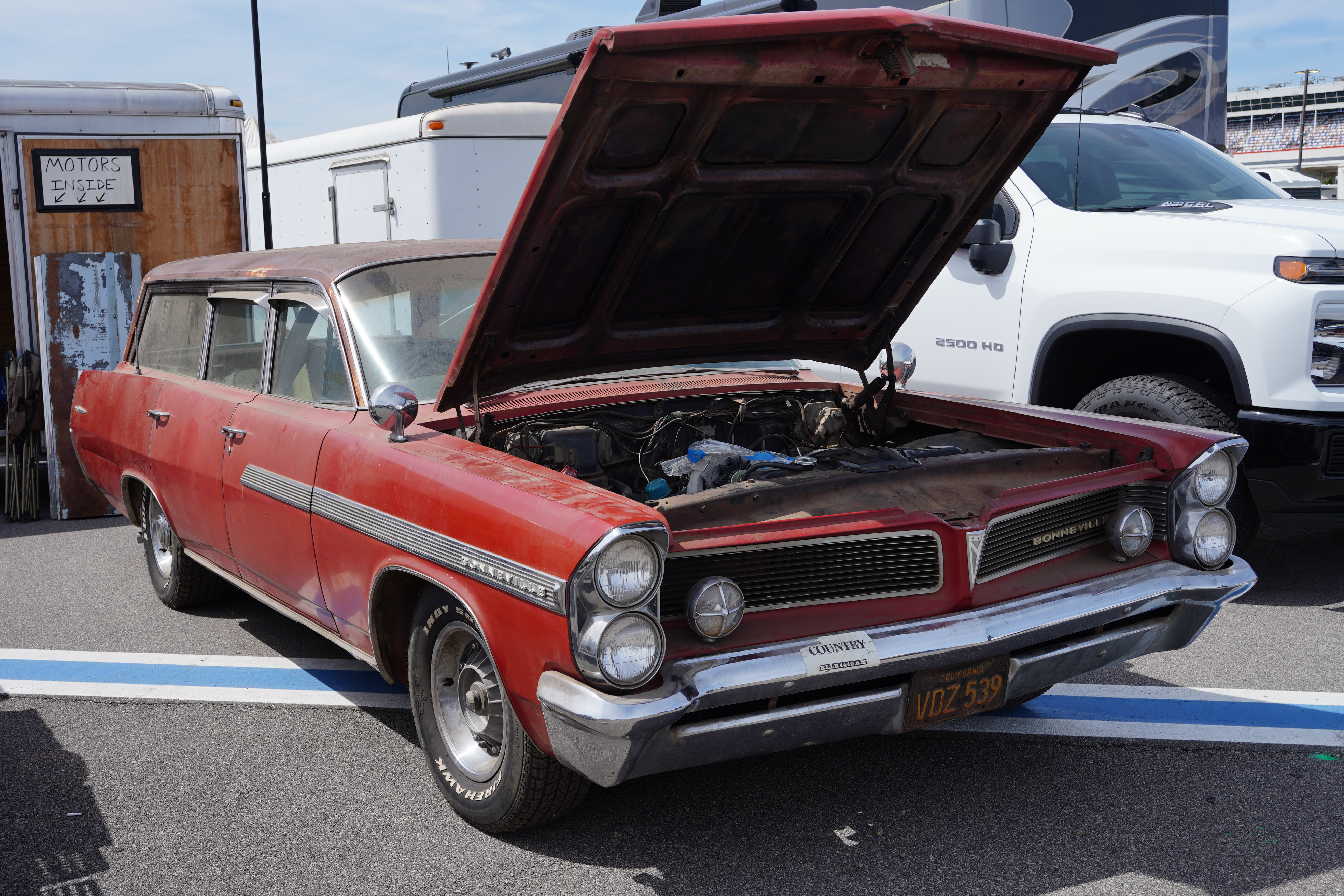
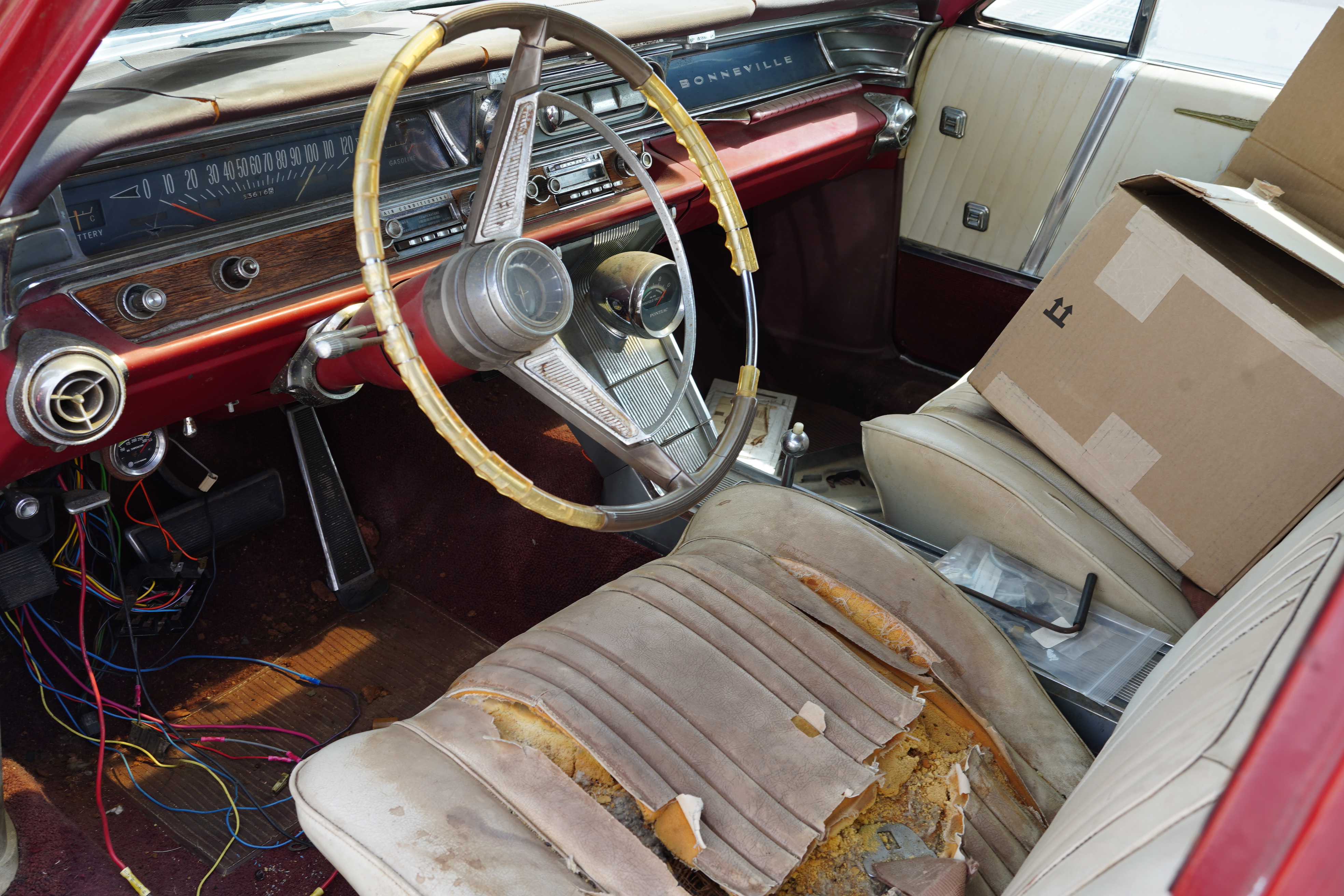
1963 Pontiac Bonneville Safari, 389 tri-power, buckets/console. No asking price shown.


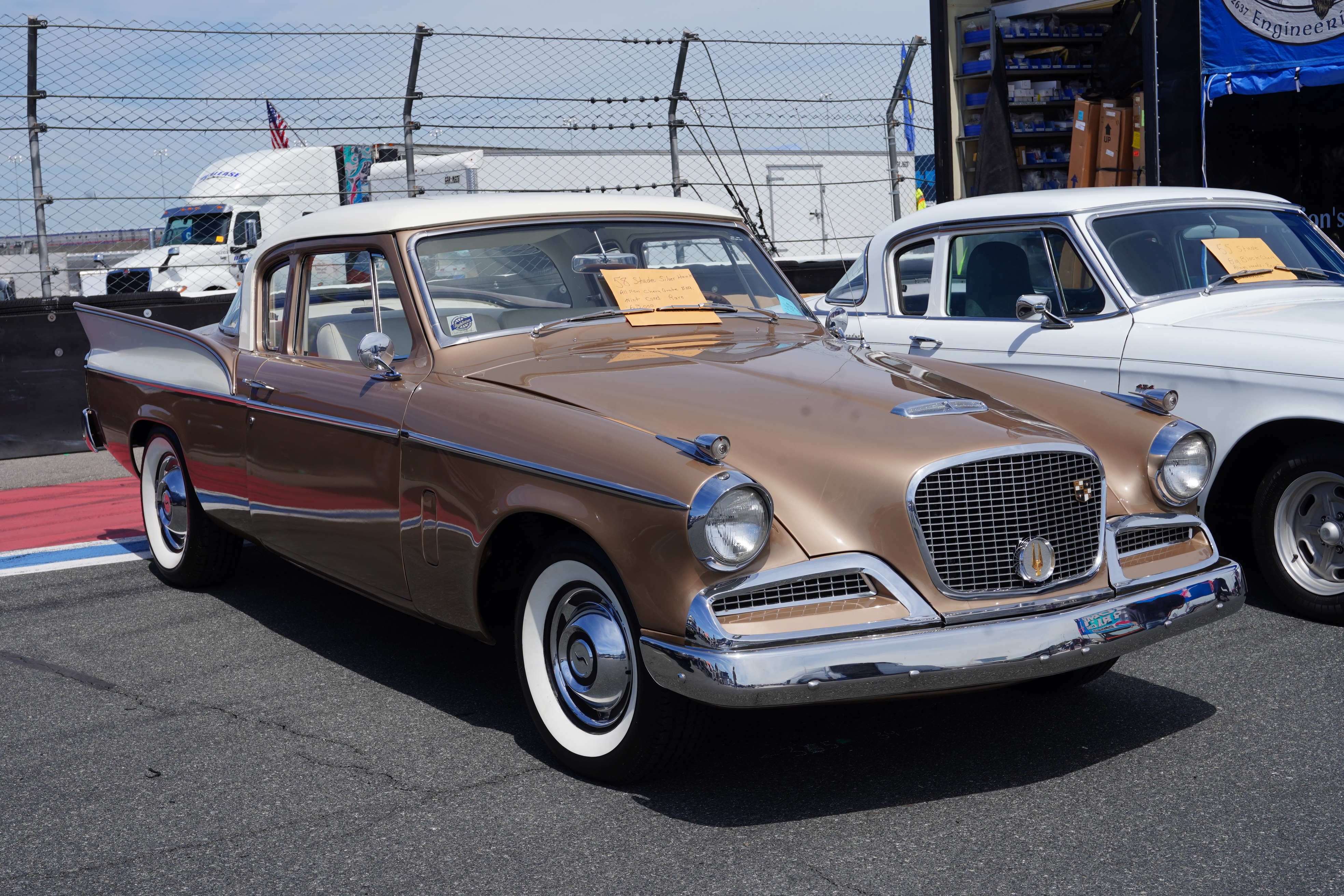
Sign: “1958 Studebaker Silver Hawk. All new Chevy crate engine. Mint condition. Rare. $63,000.”


CAR CLUBS


CORVAIR
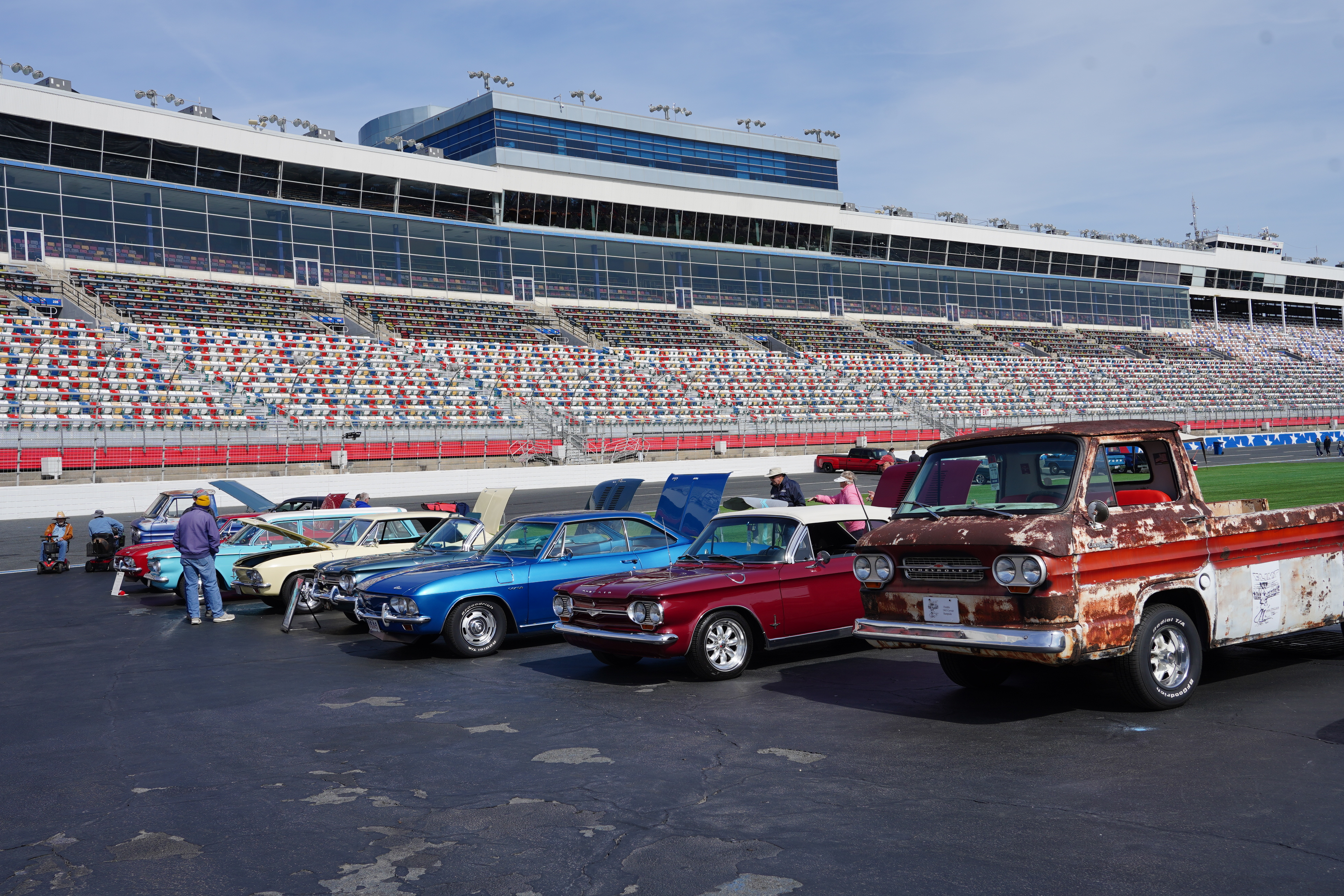
The Corvair Club made a strong showing all three days
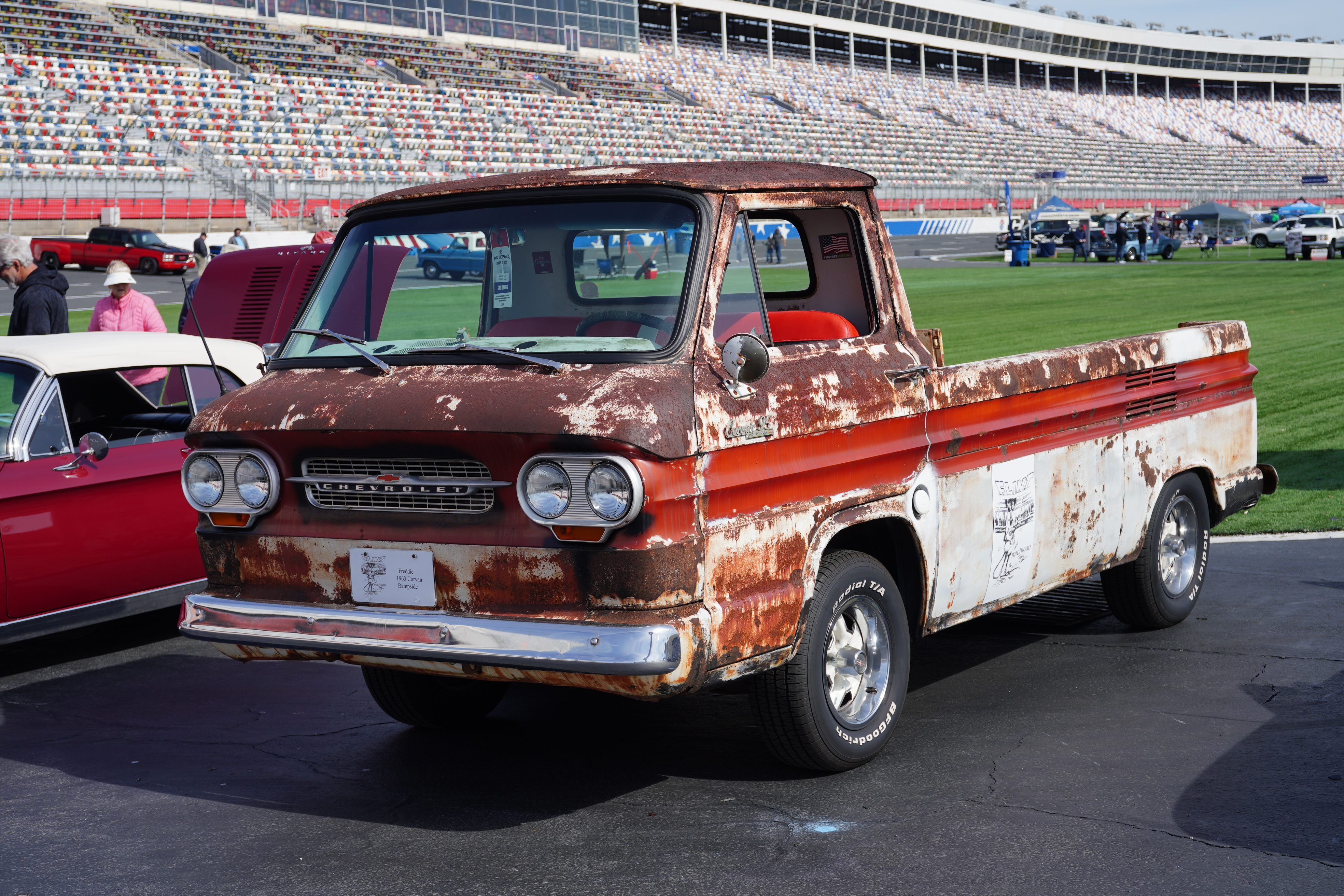
Corvair pickup
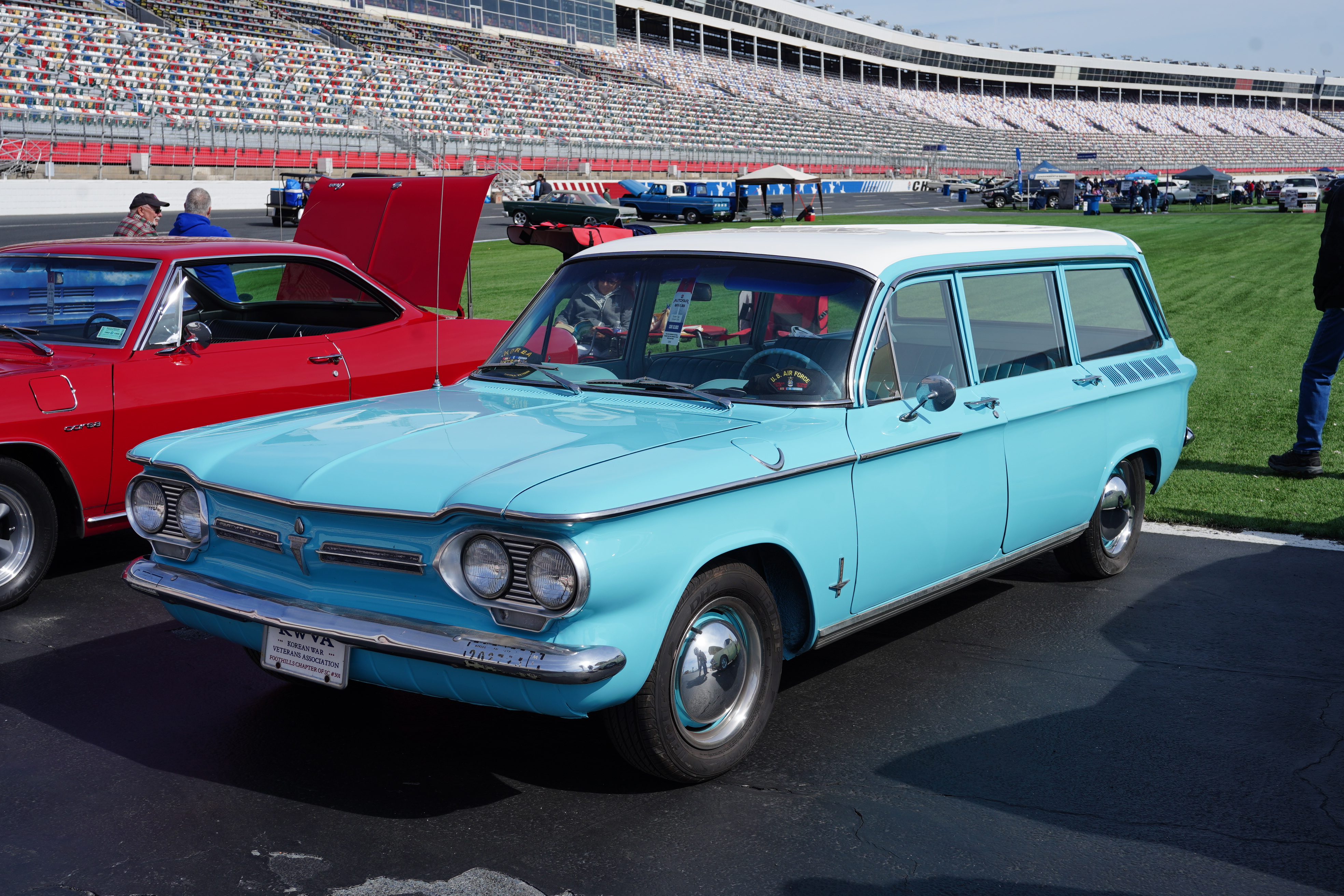
1962 station wagon
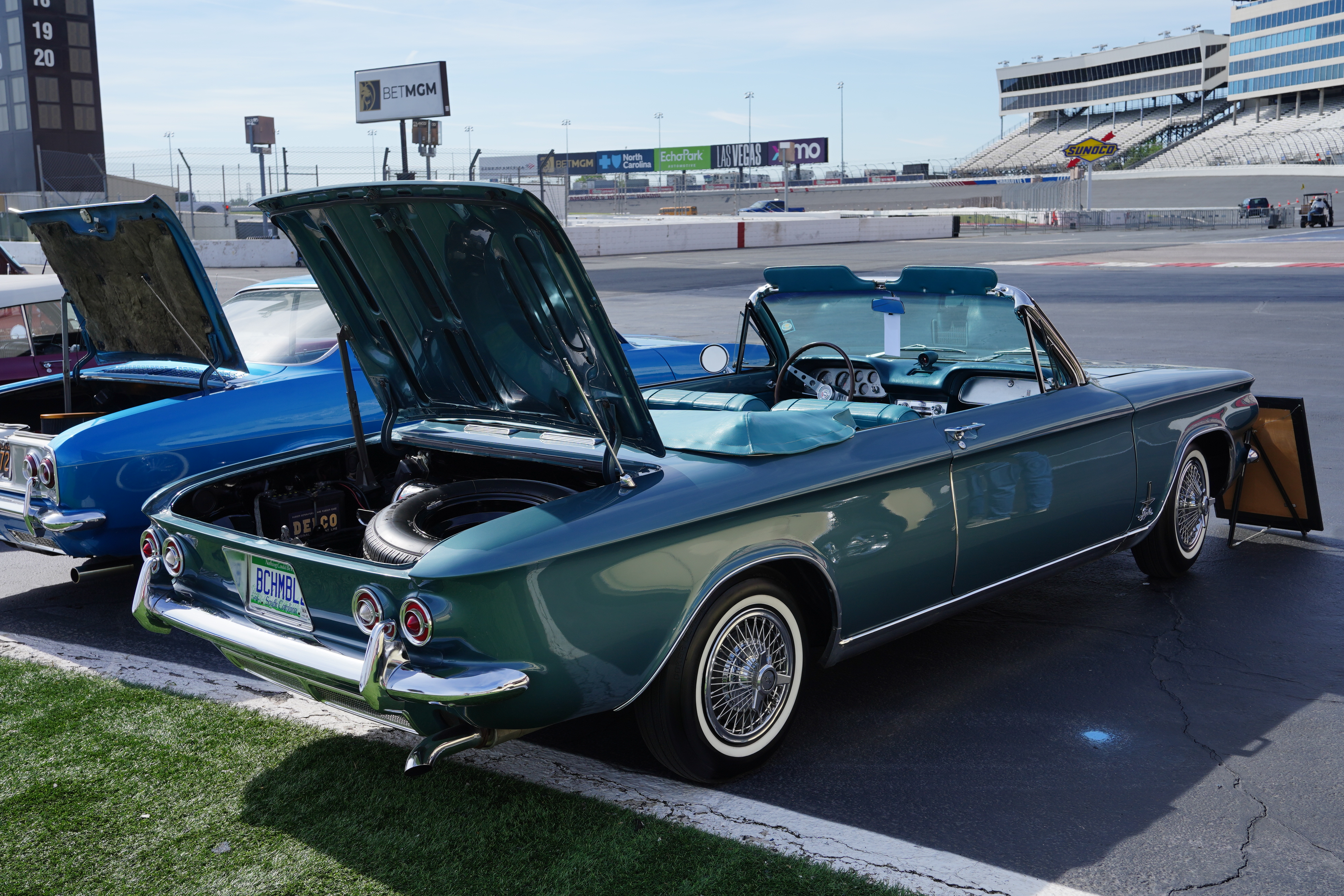
First-gen convertible


MOPAR
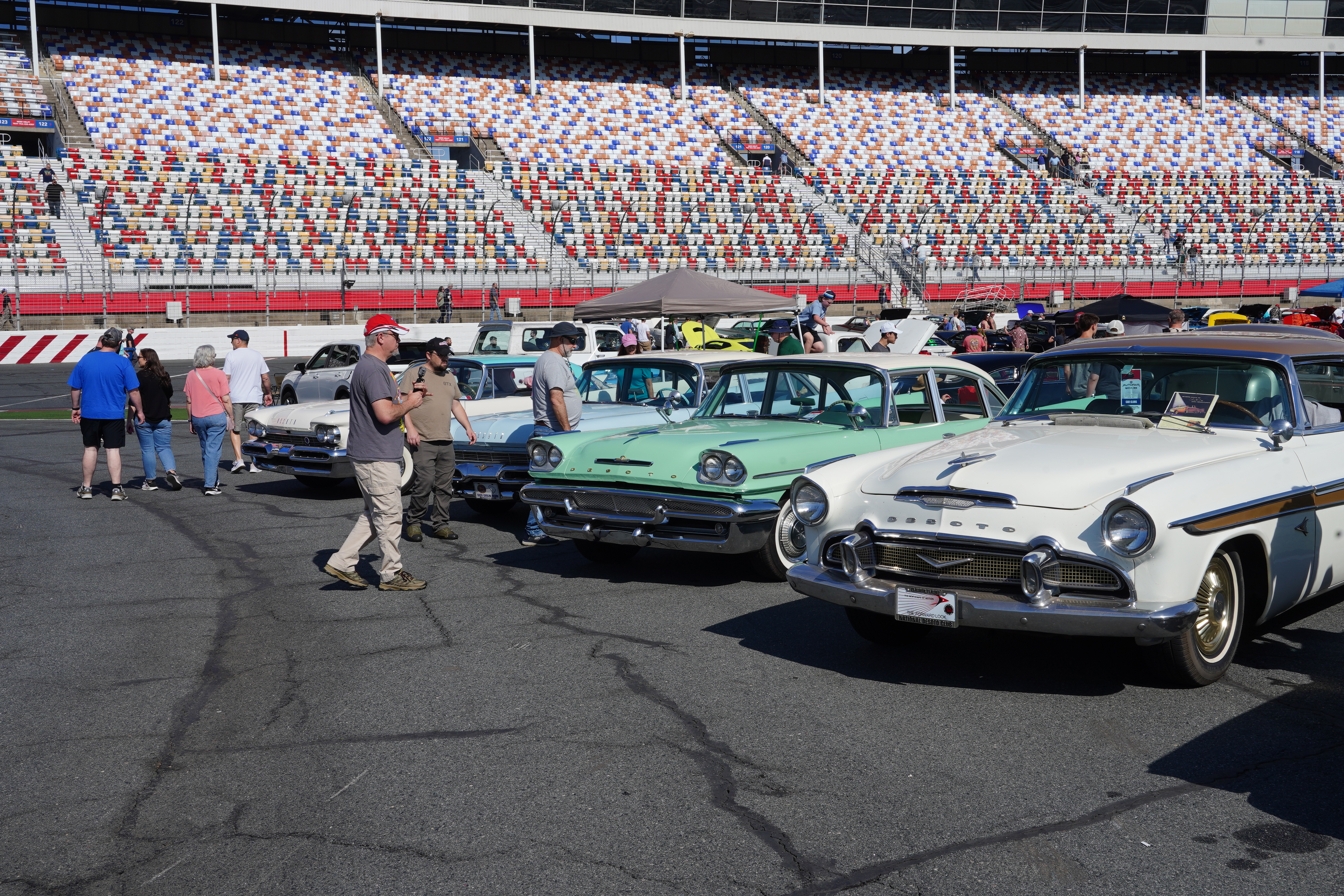
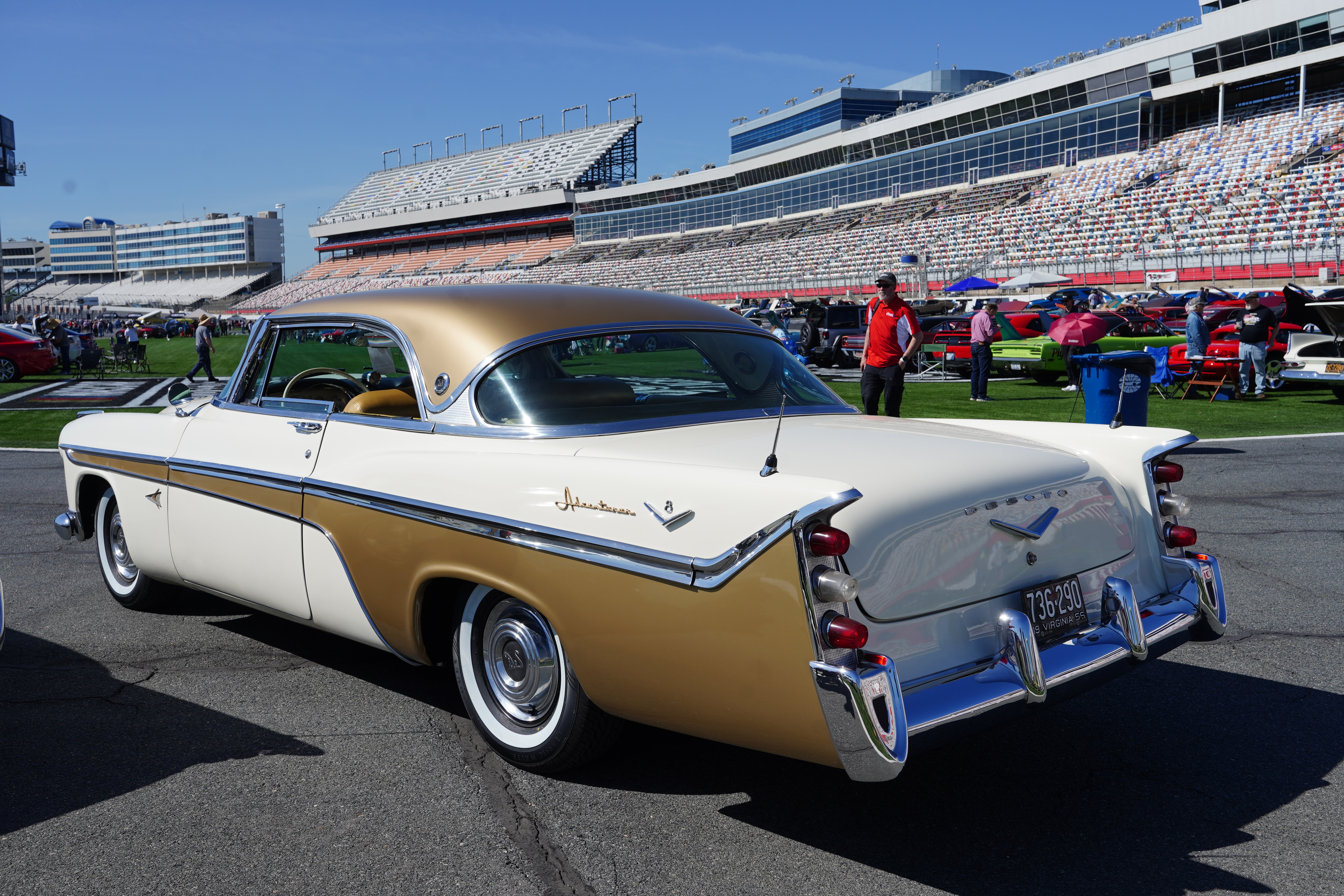
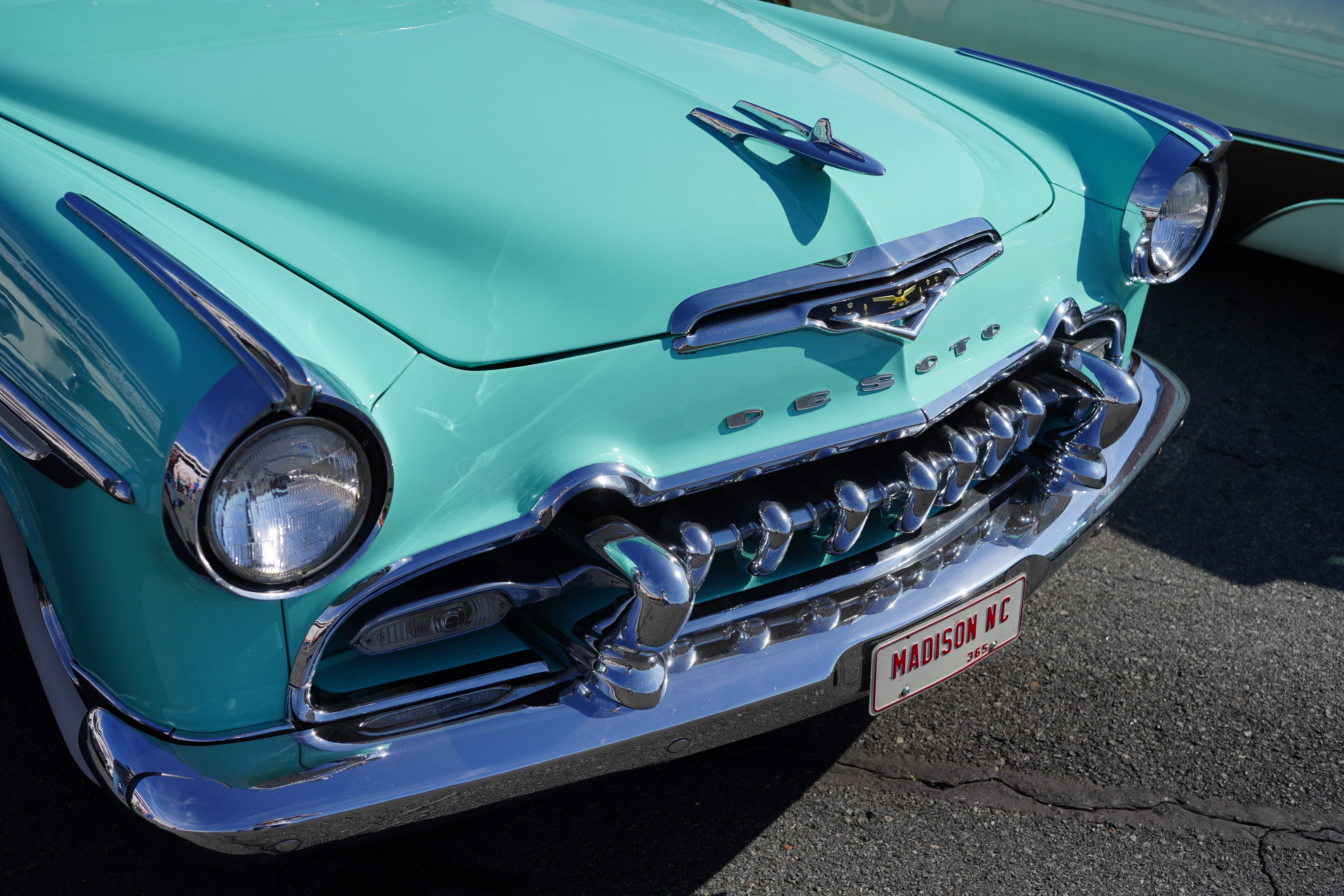
DeSotos were aplenty

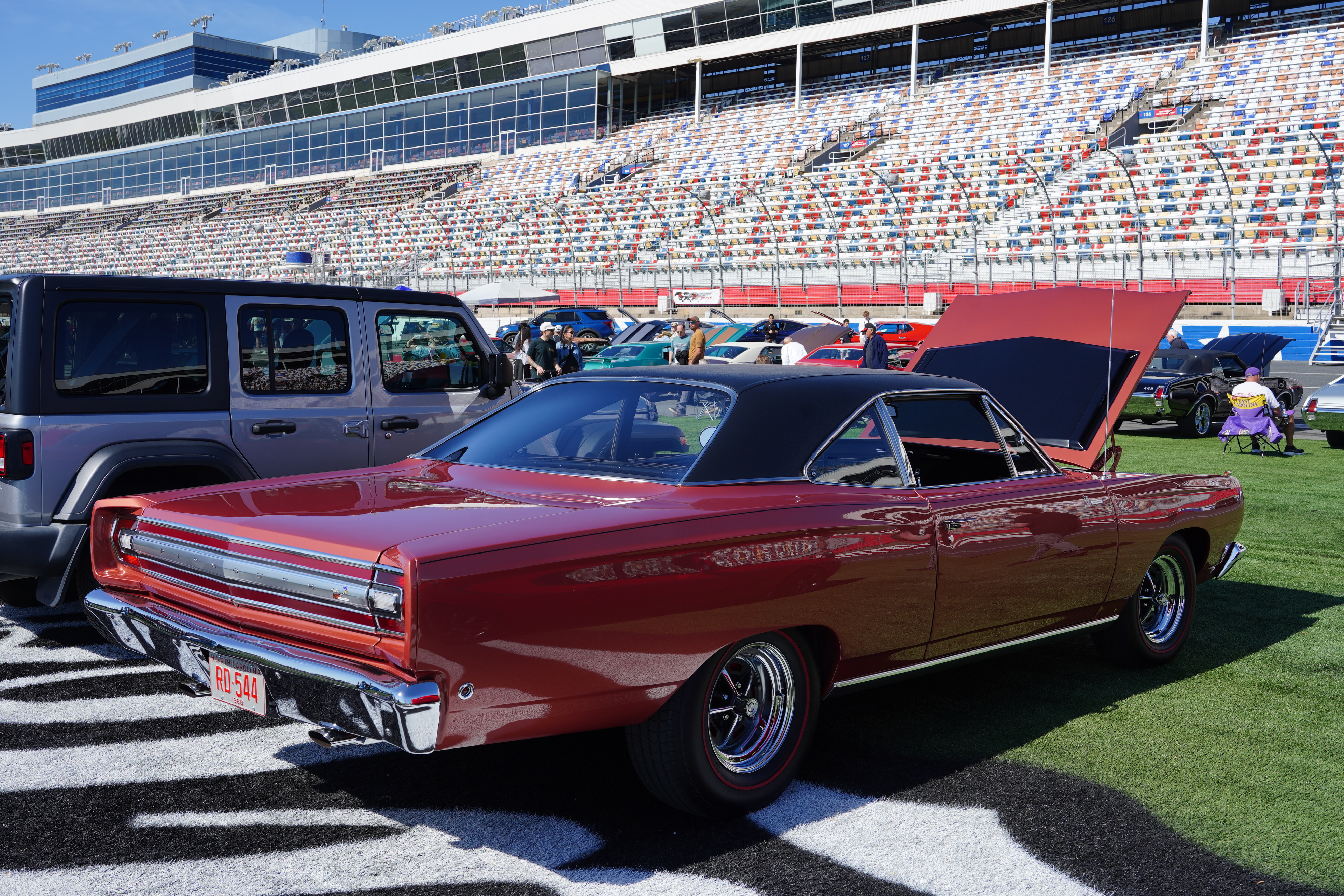
Road Runner
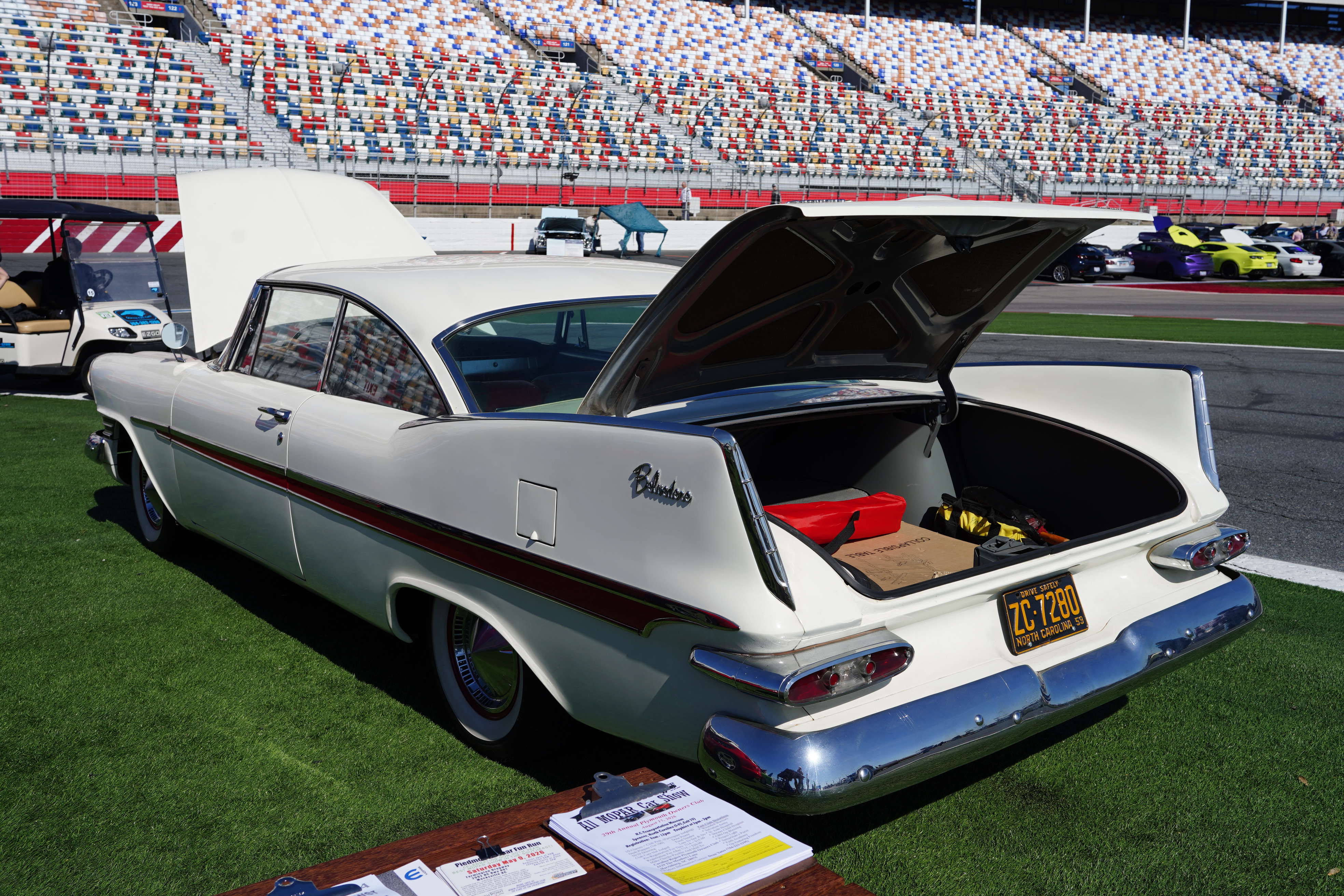
Plymouth Belvedere
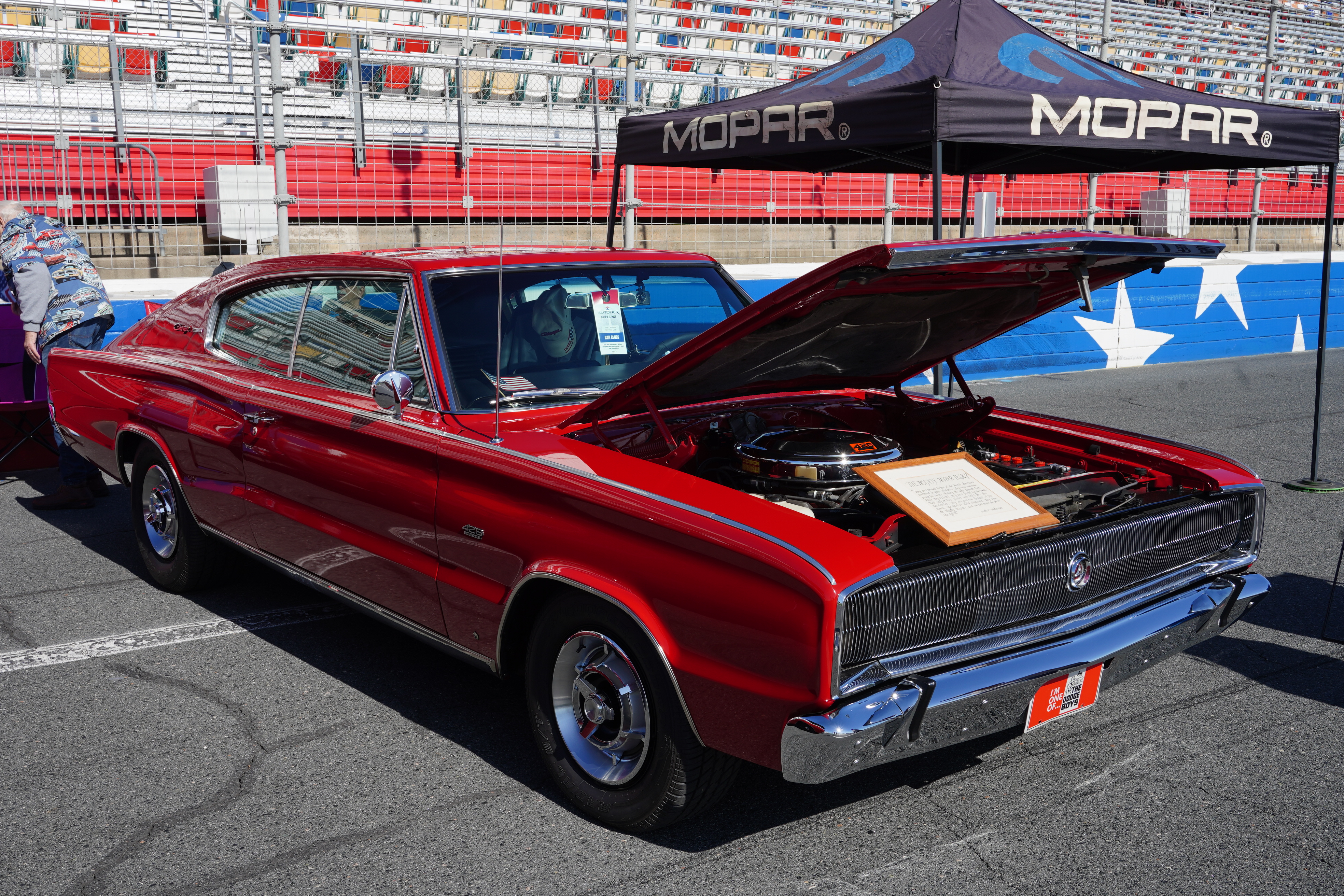
First-gen Charger
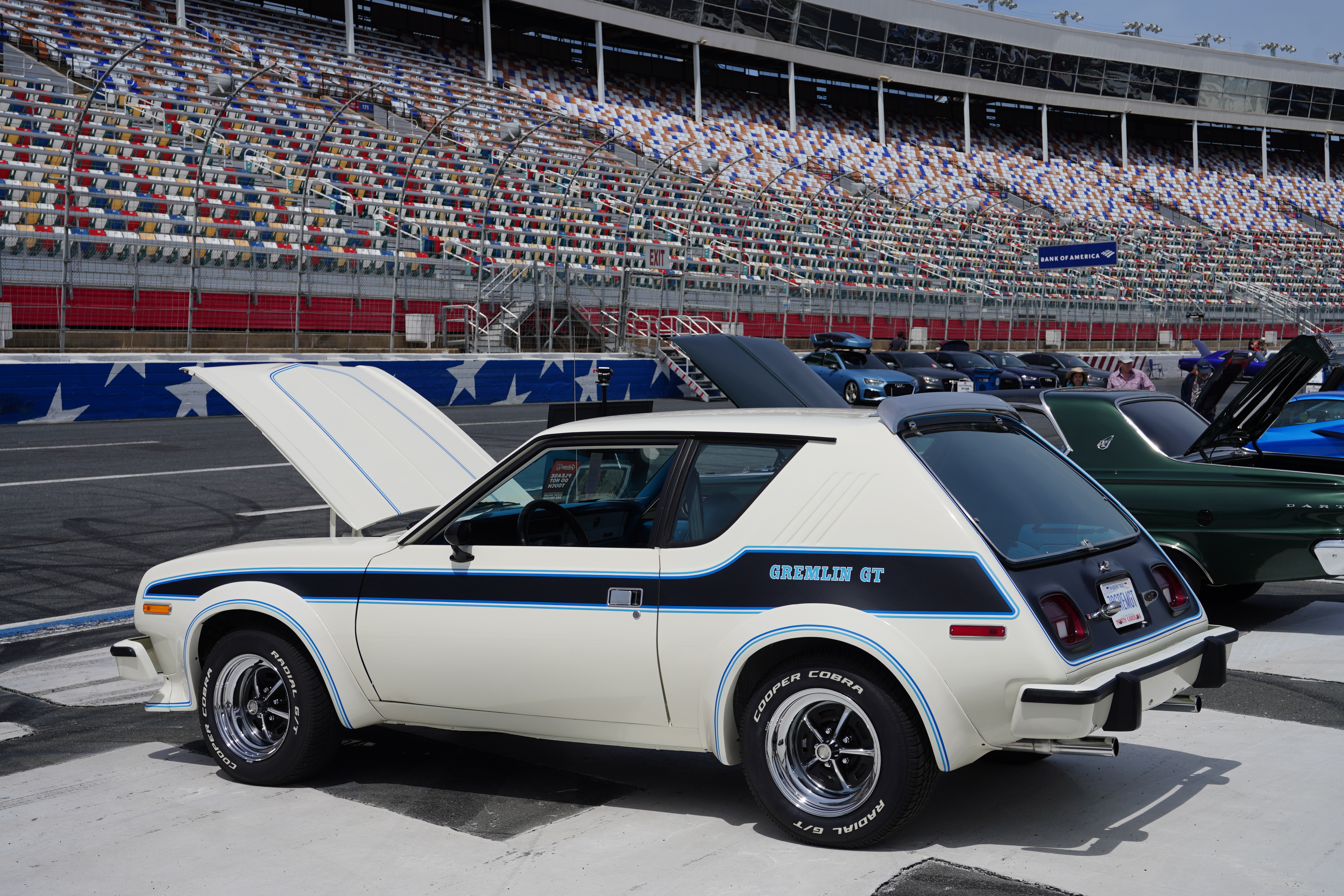
AMC Gremlin GT
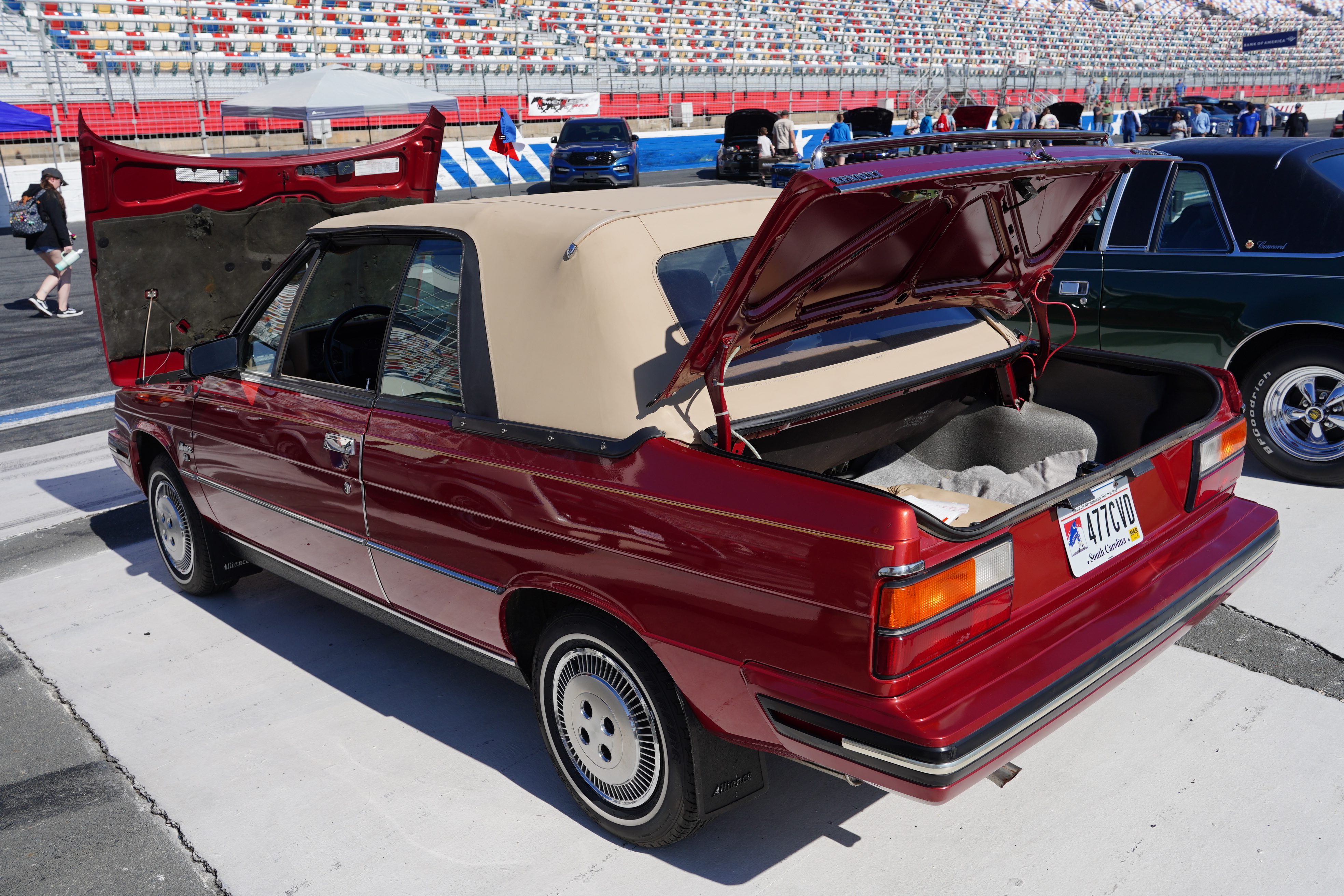
Renault Alliance convertible
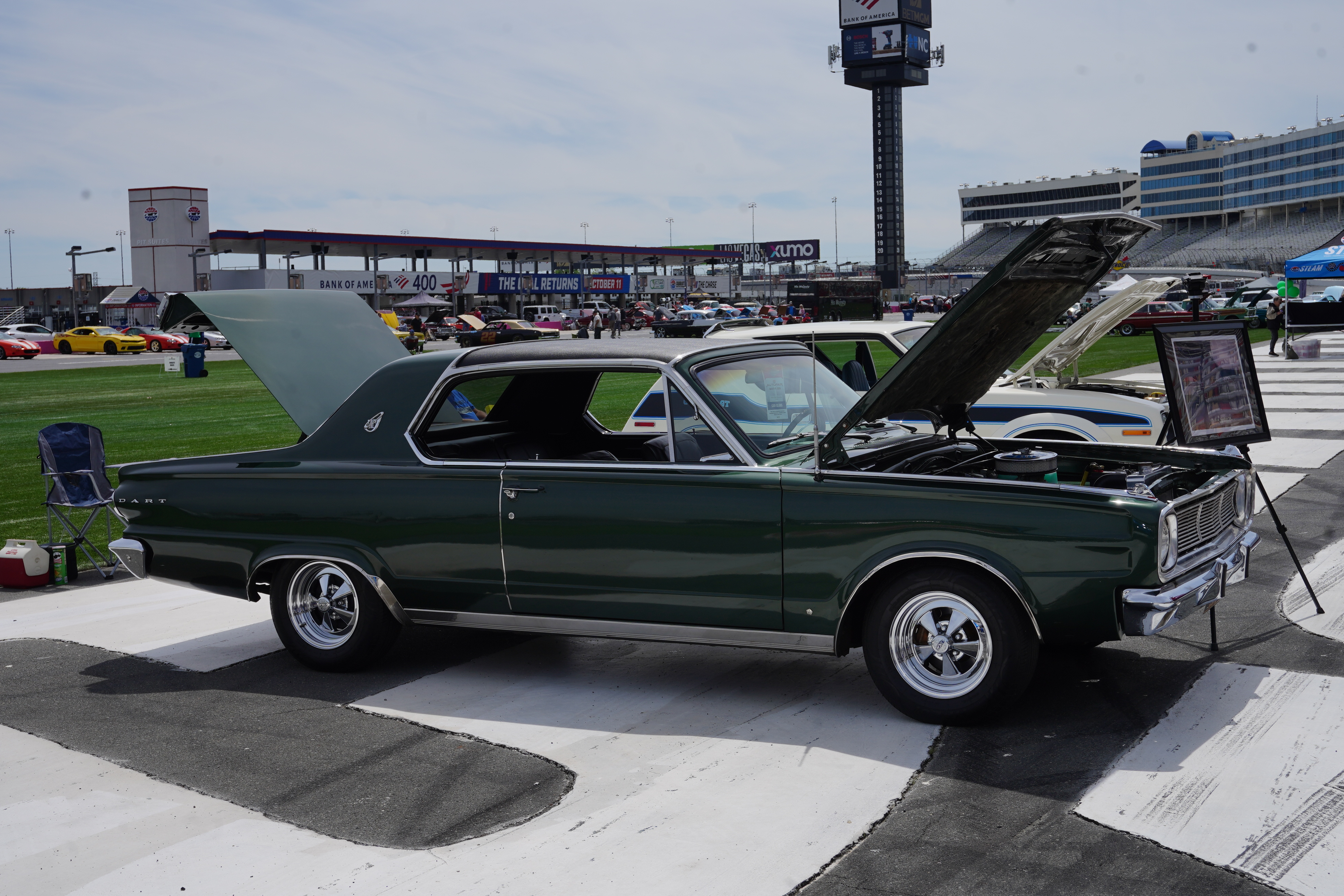
Dodge Dart
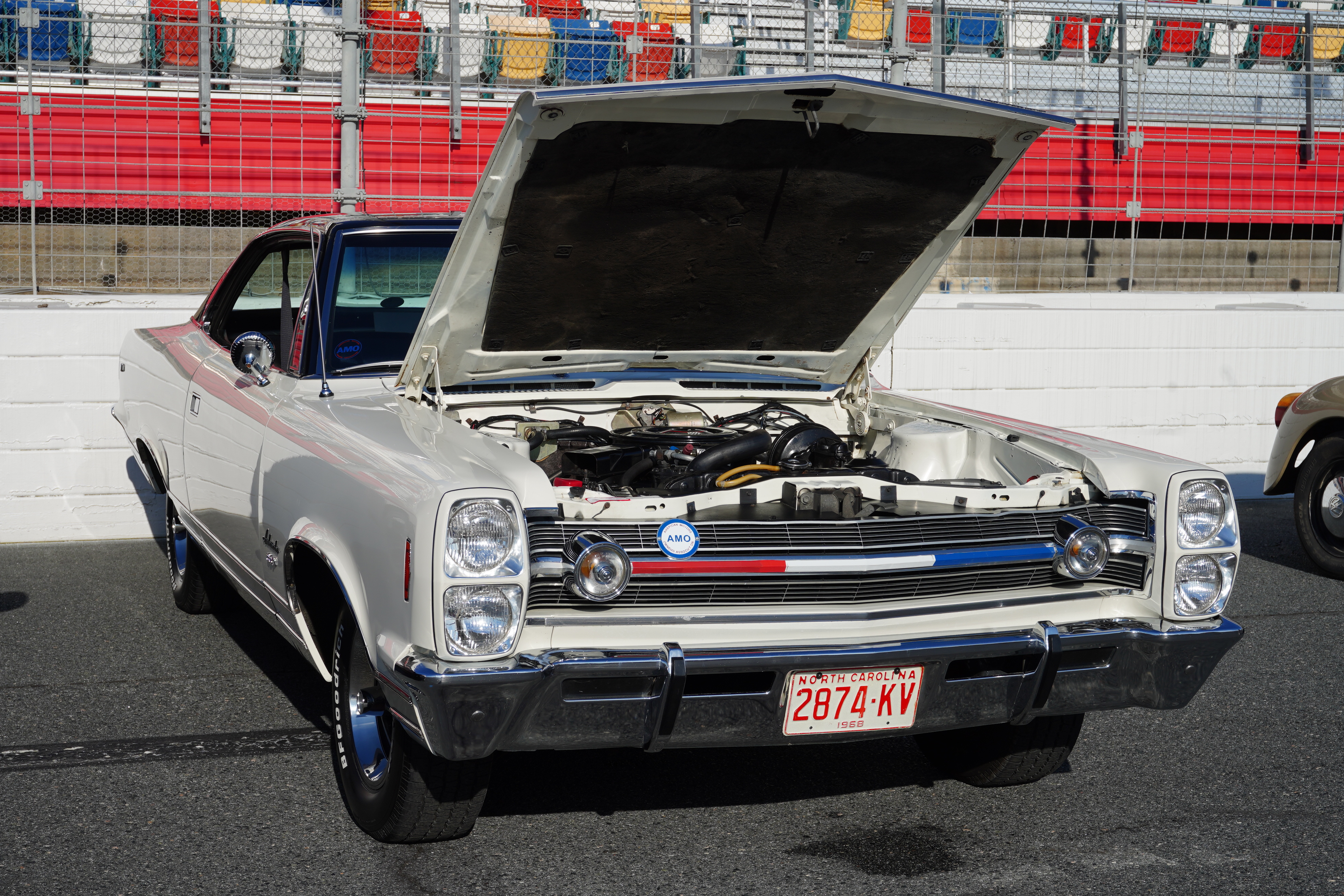
AMC Ambassador


FORD
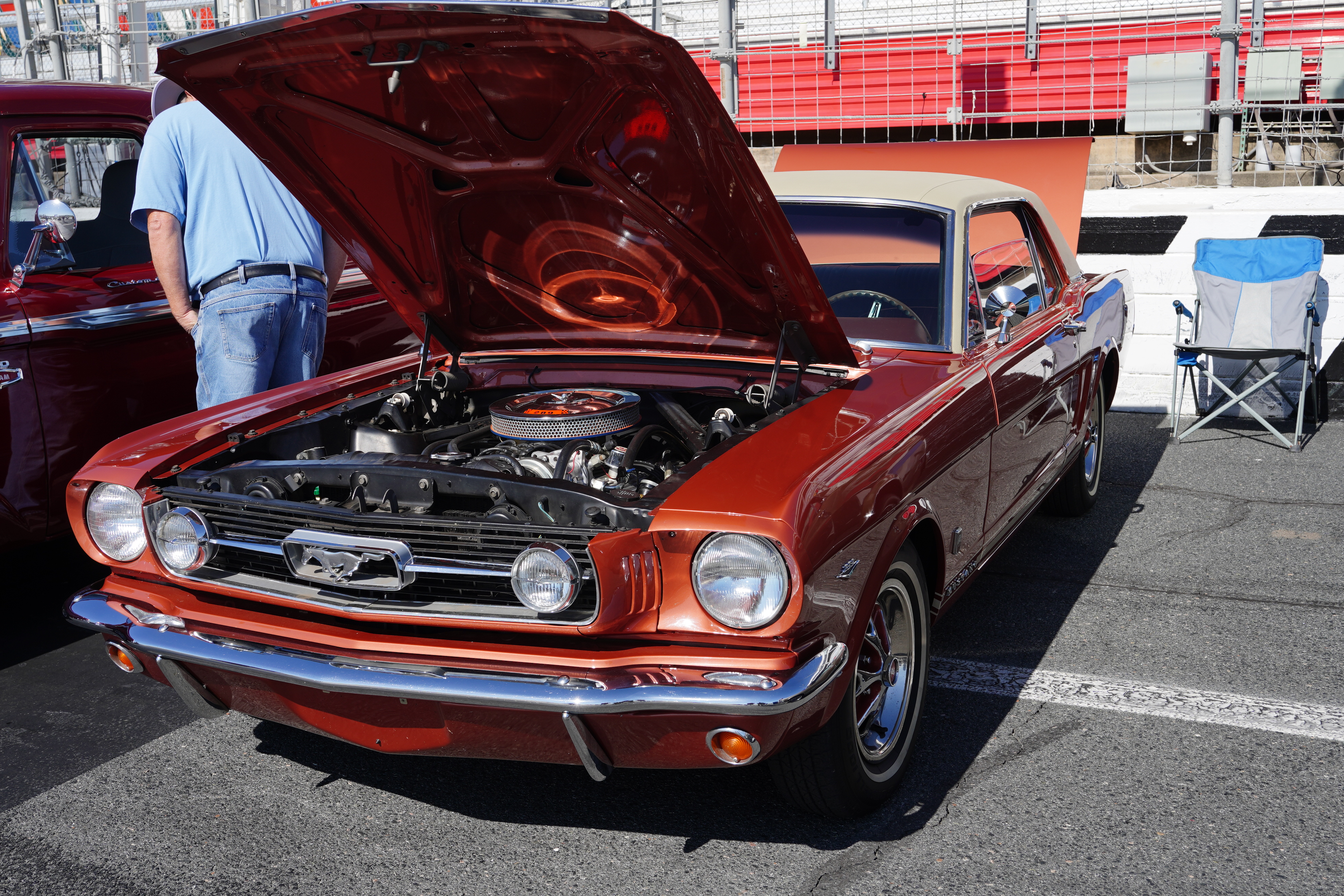
First-gen Mustang
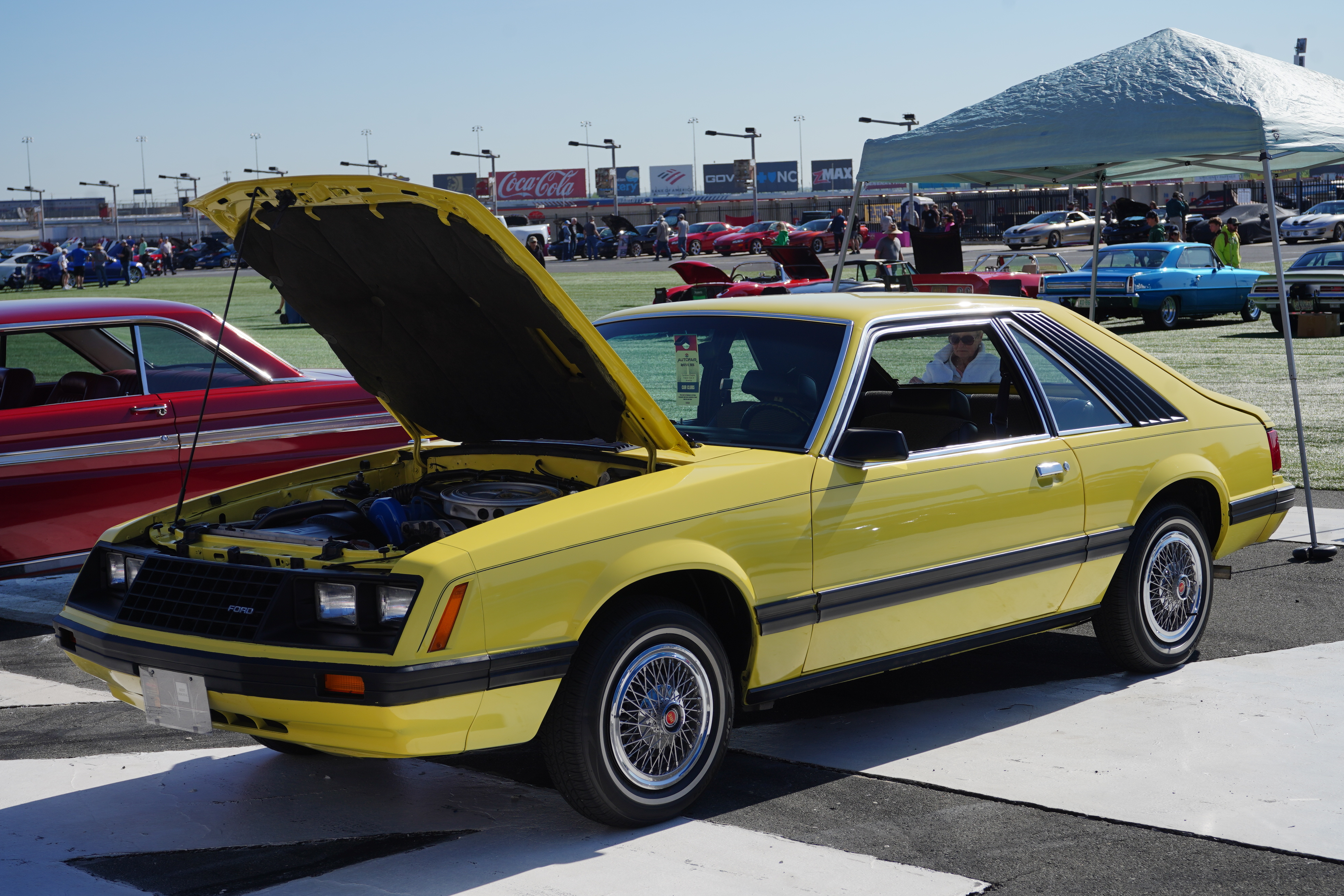
One-owner early Fox-body Mustang


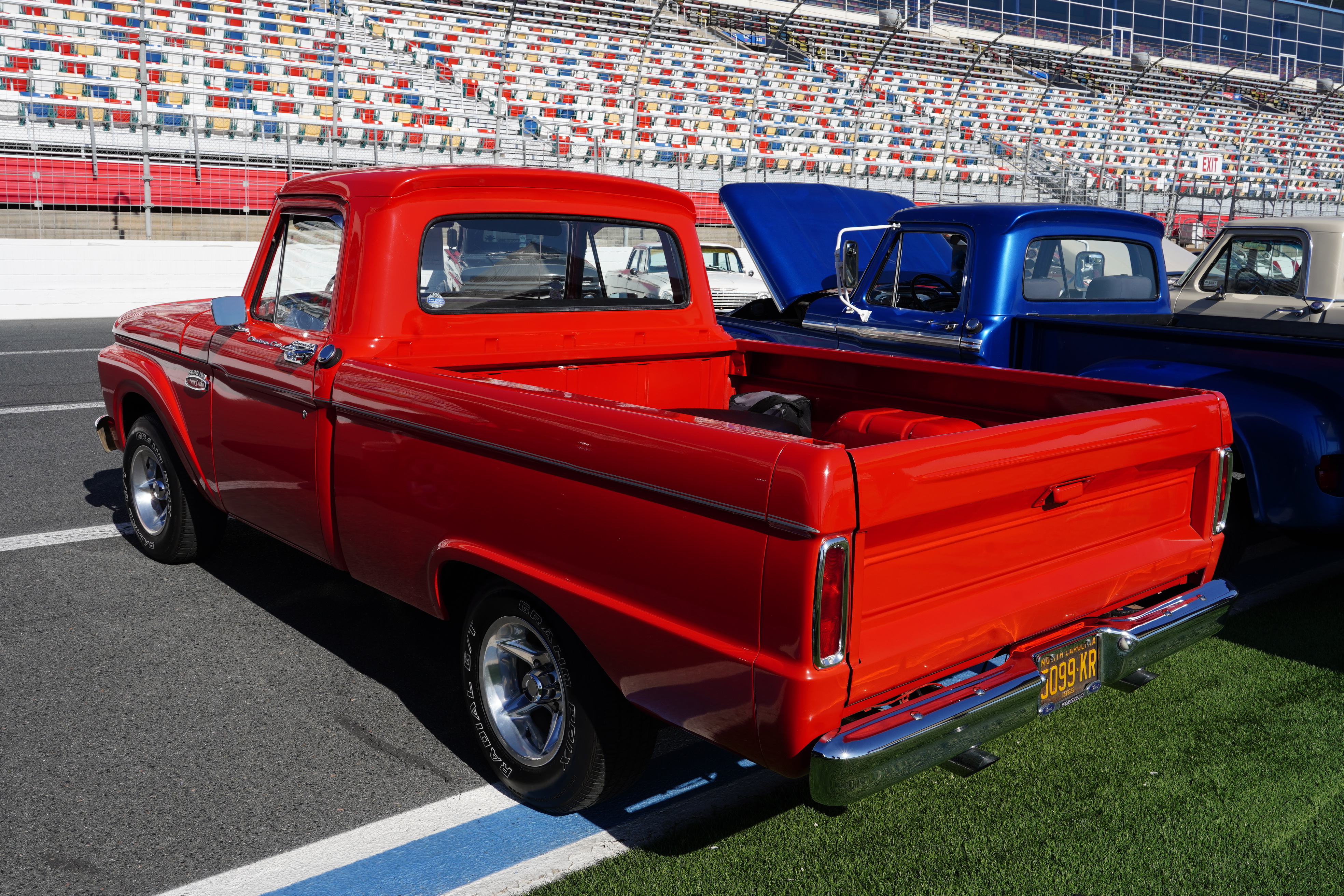
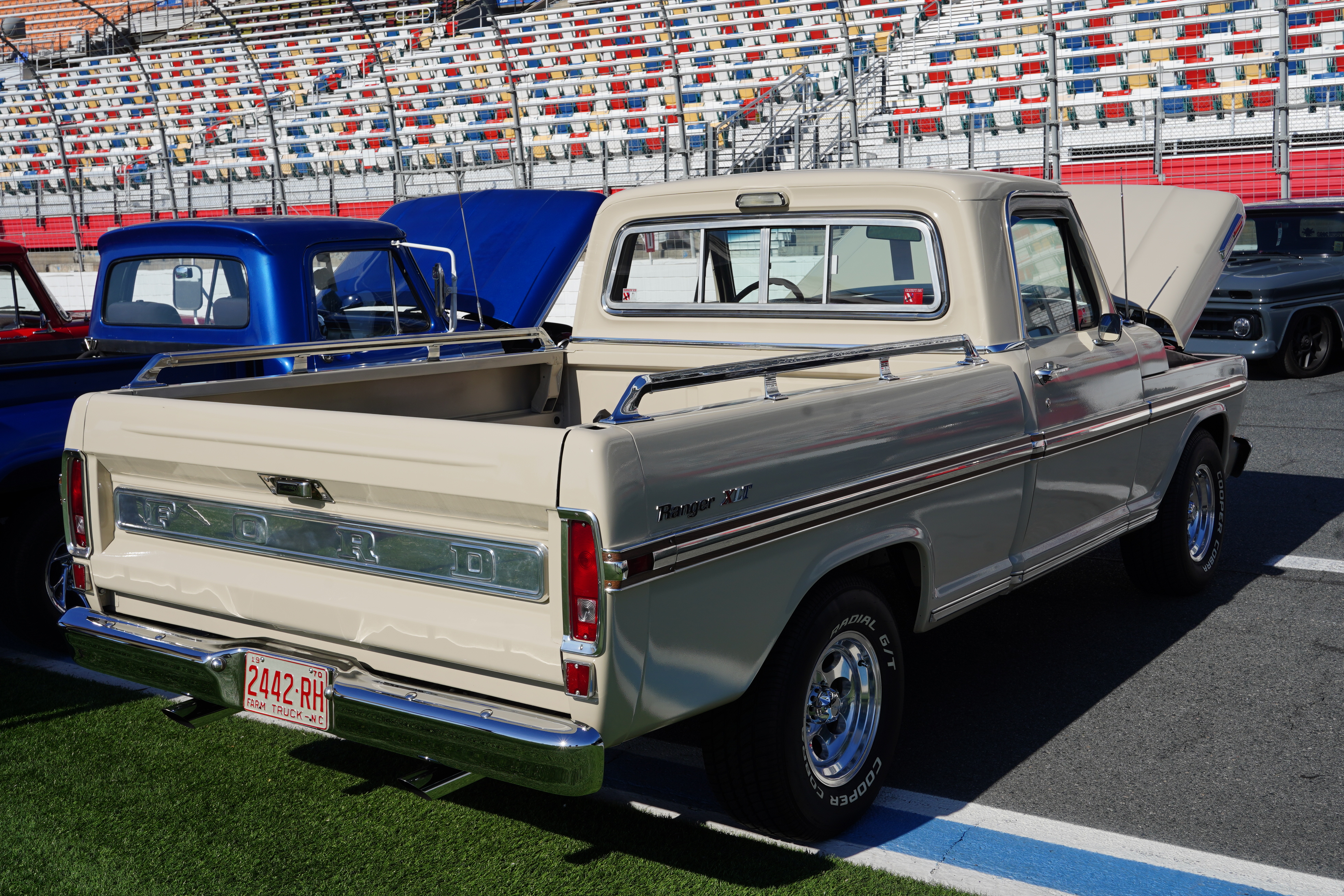
Plenty of full-size Ford pickups

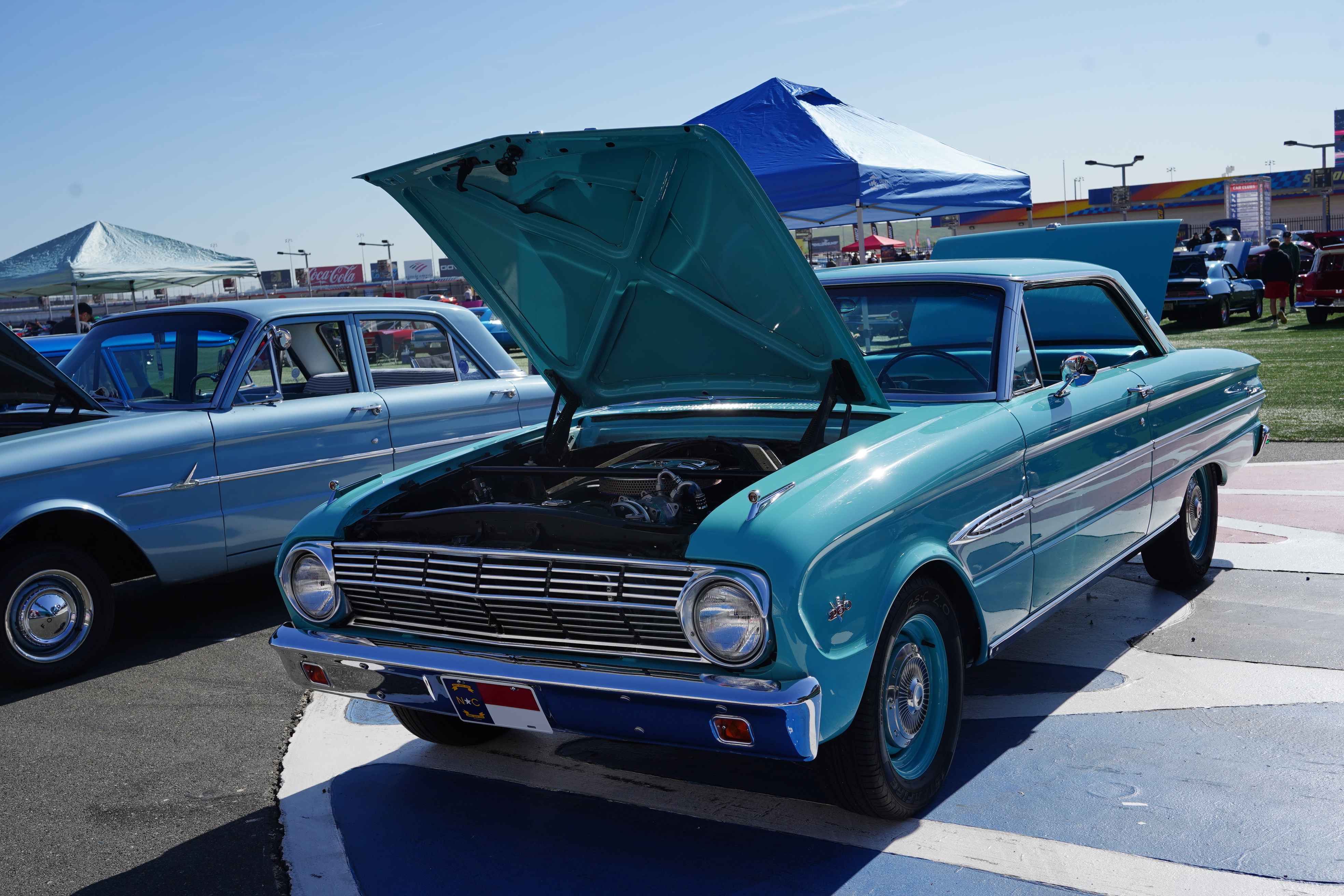
Falcon
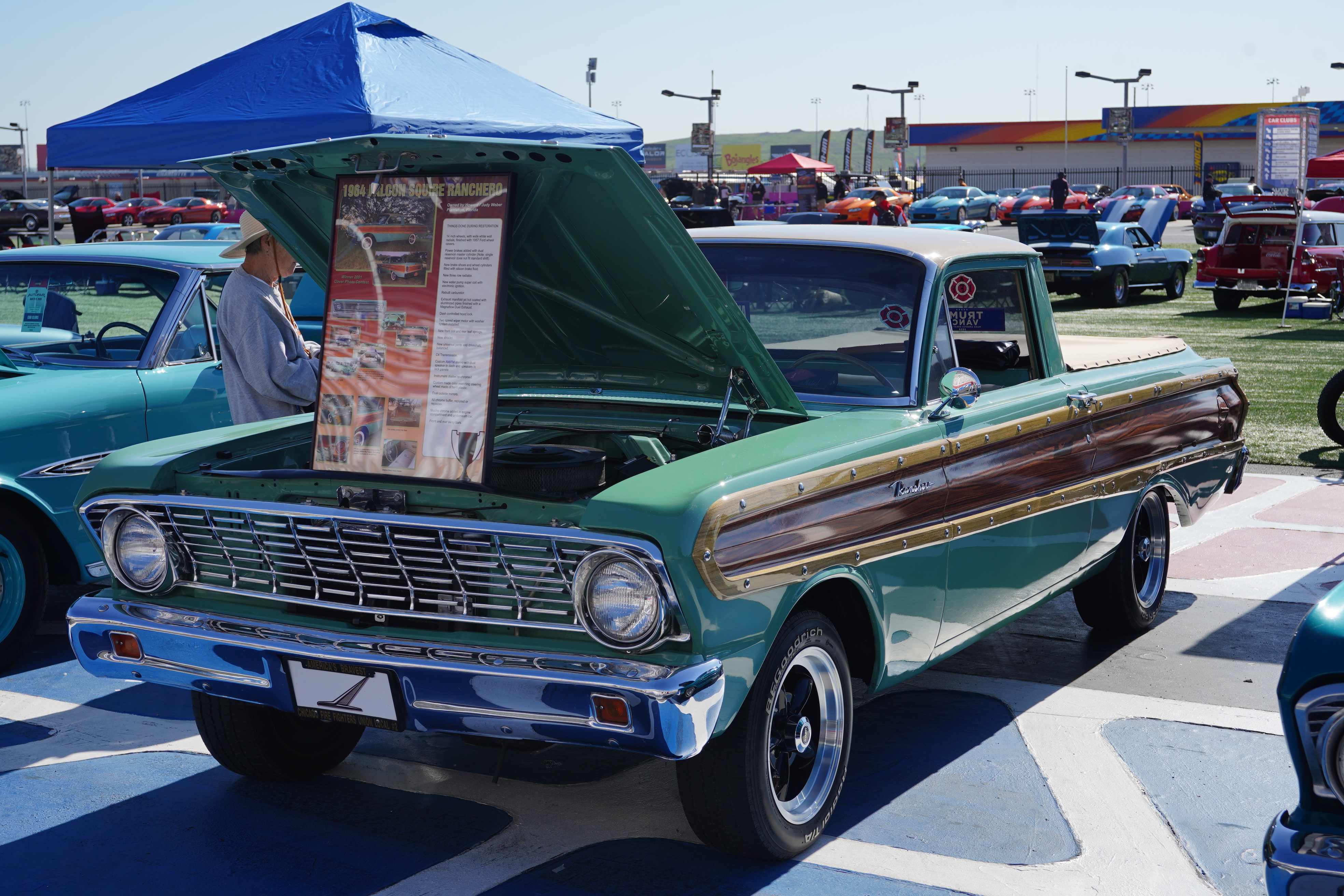
Falcon Ranchero (wood was added by owner, not available from the factory that year
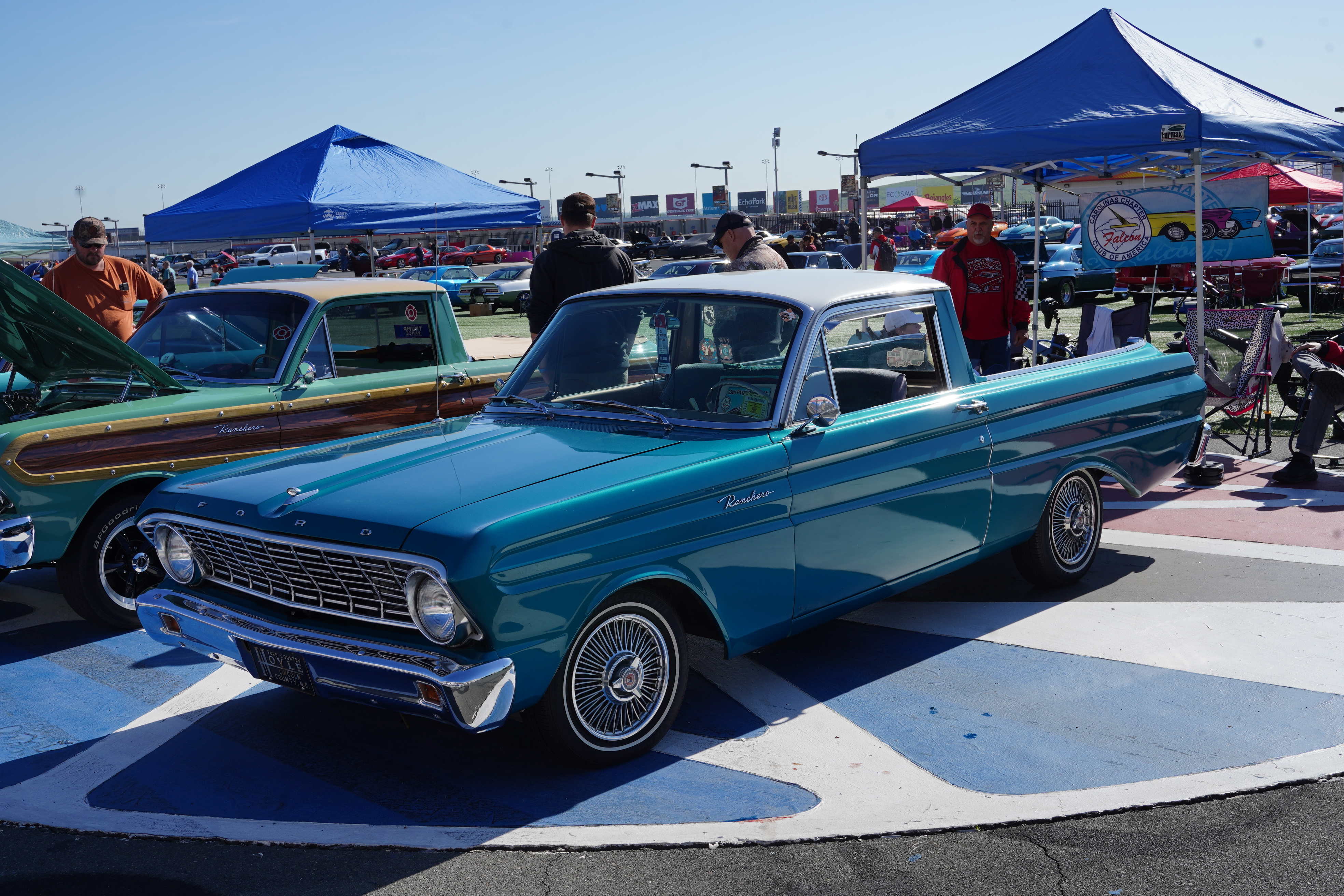
Another Falcon Ranchero


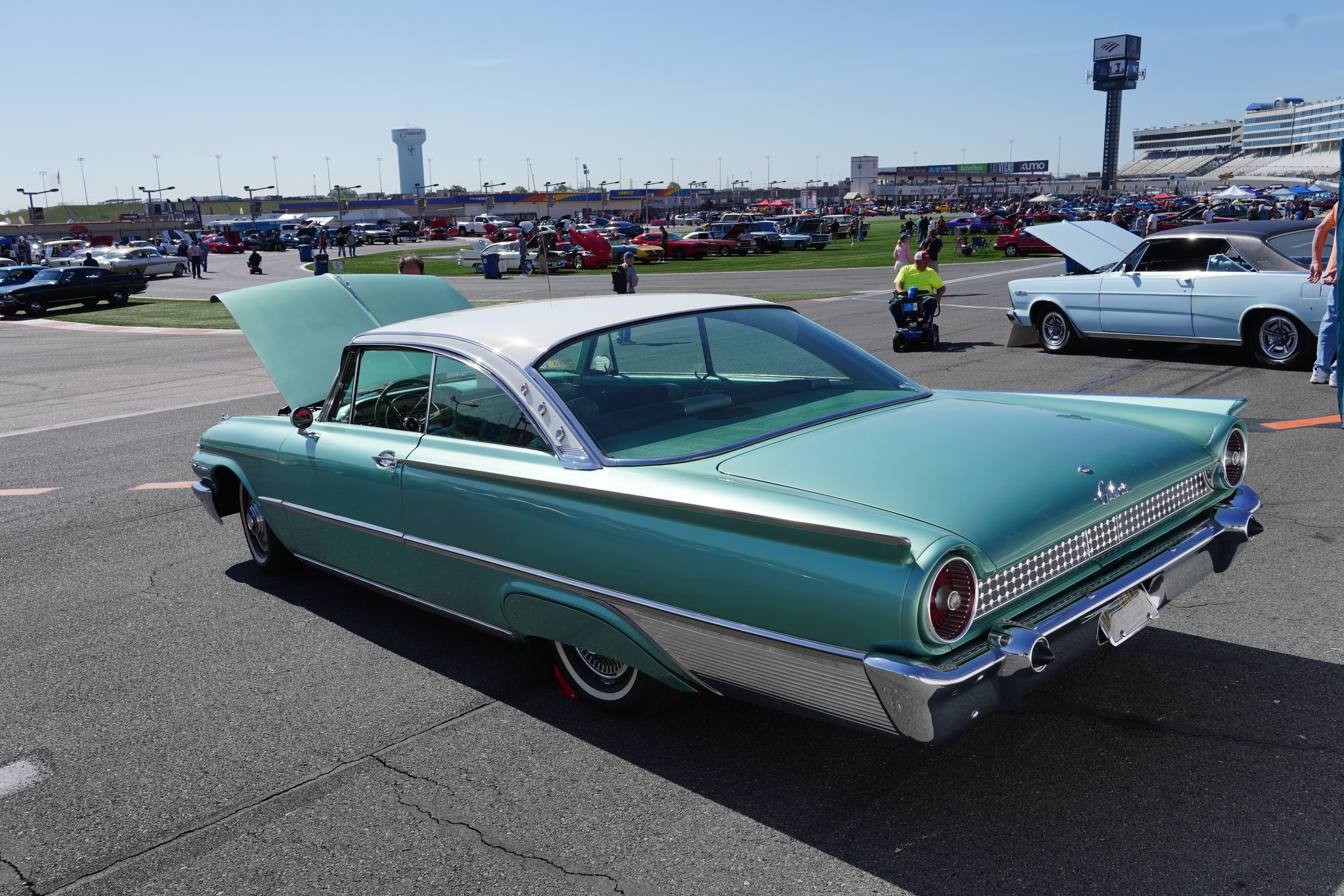
1961 Starliner
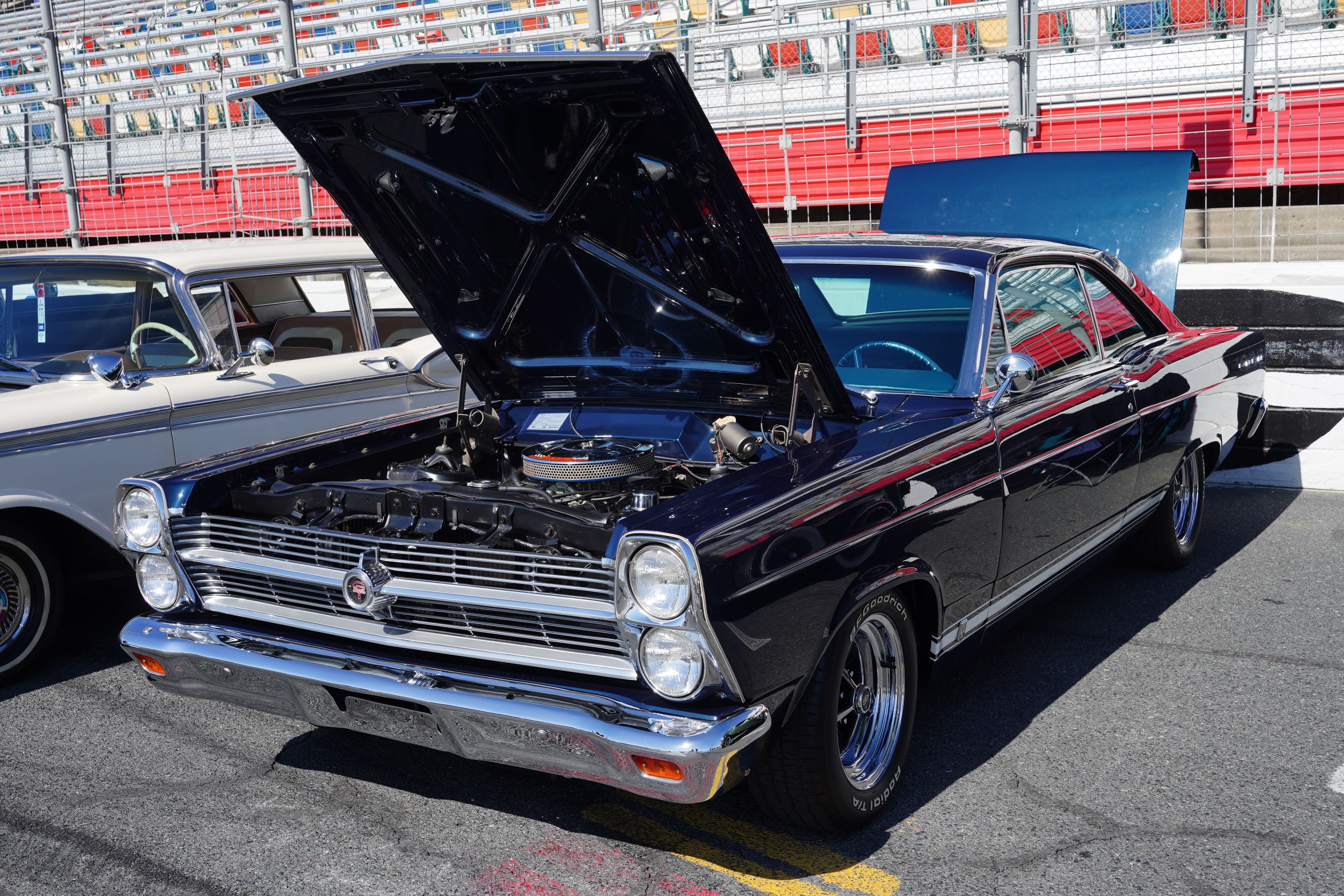
Fairlane
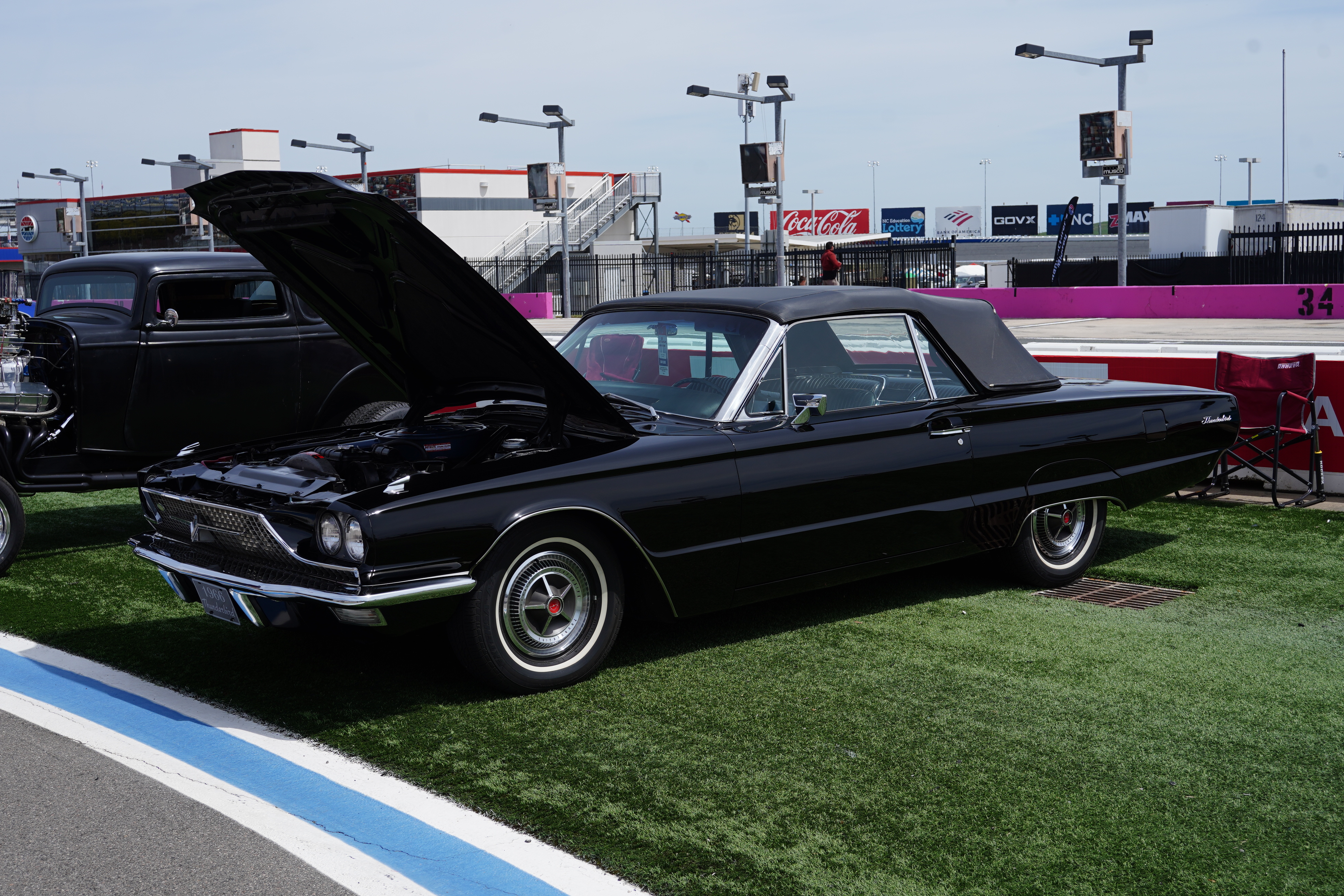
1966 Thunderbird


OLDSMOBILE
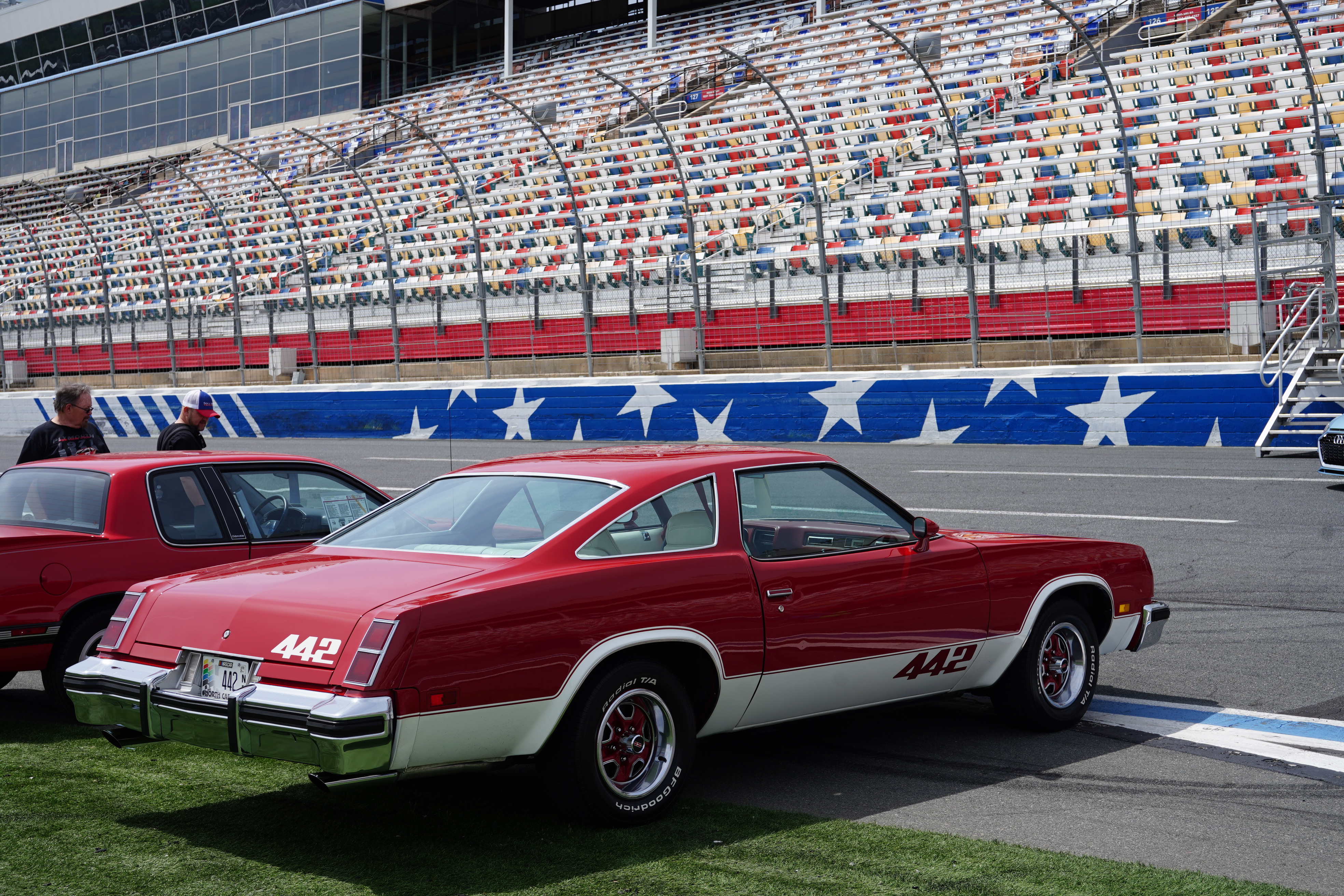
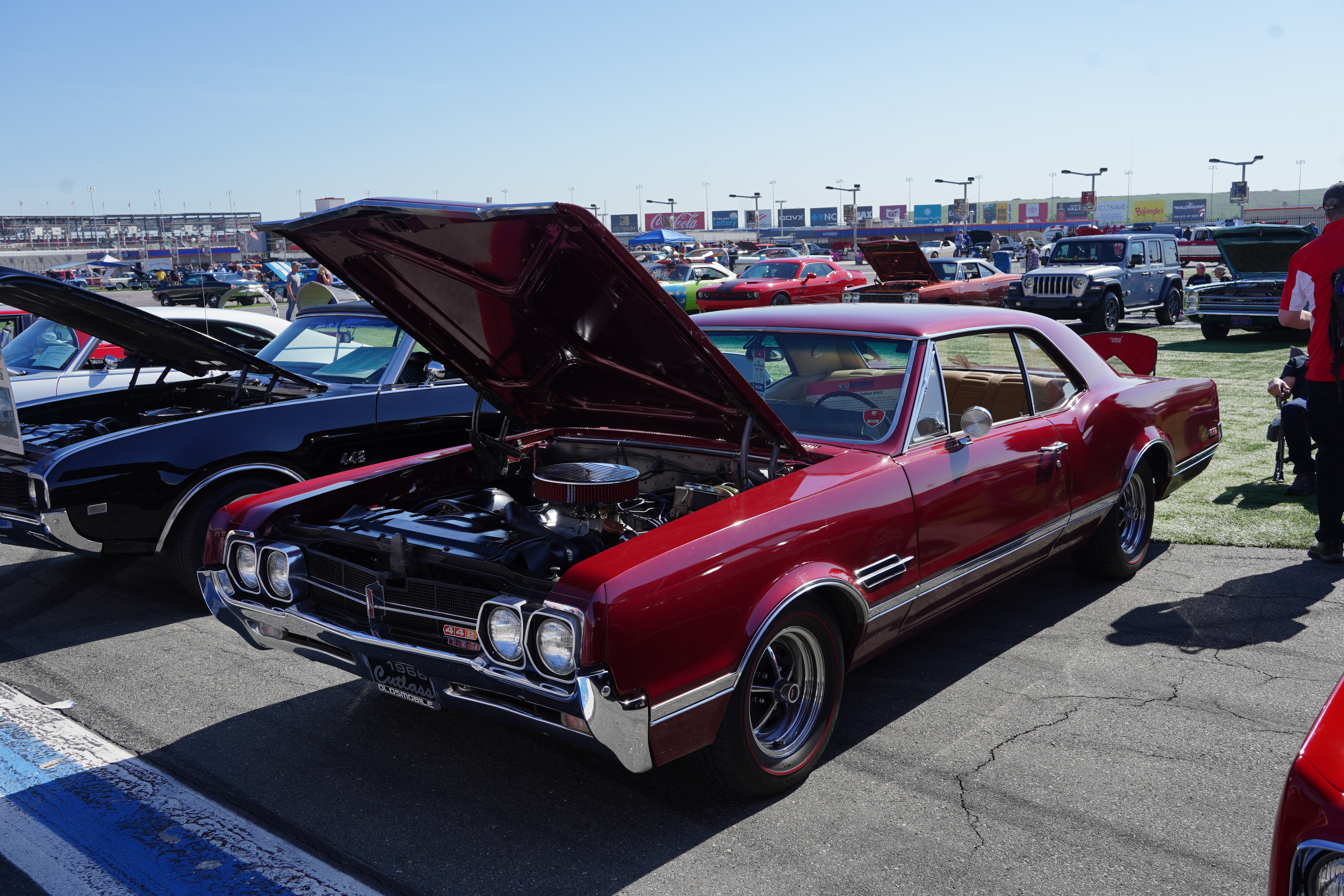
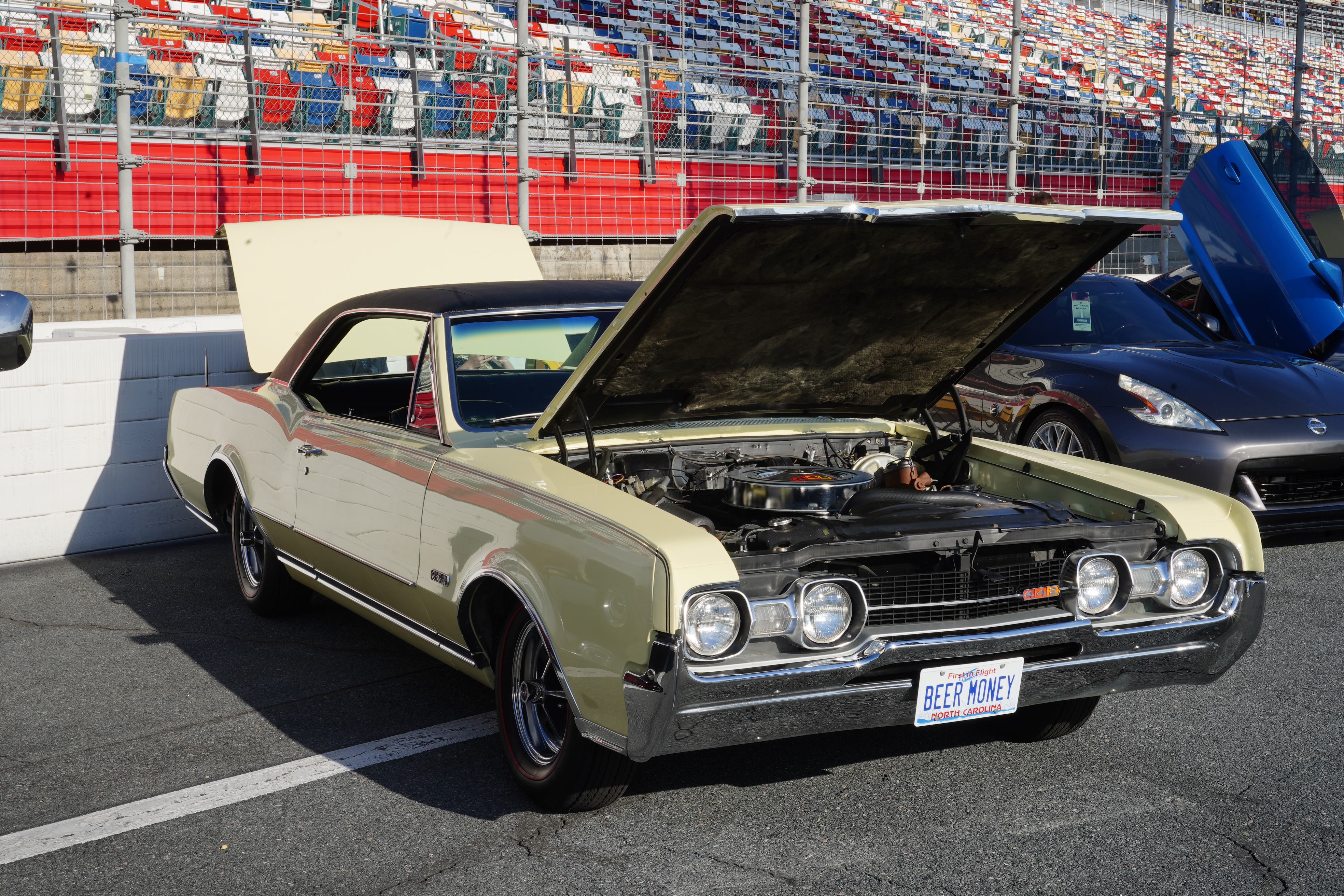
442
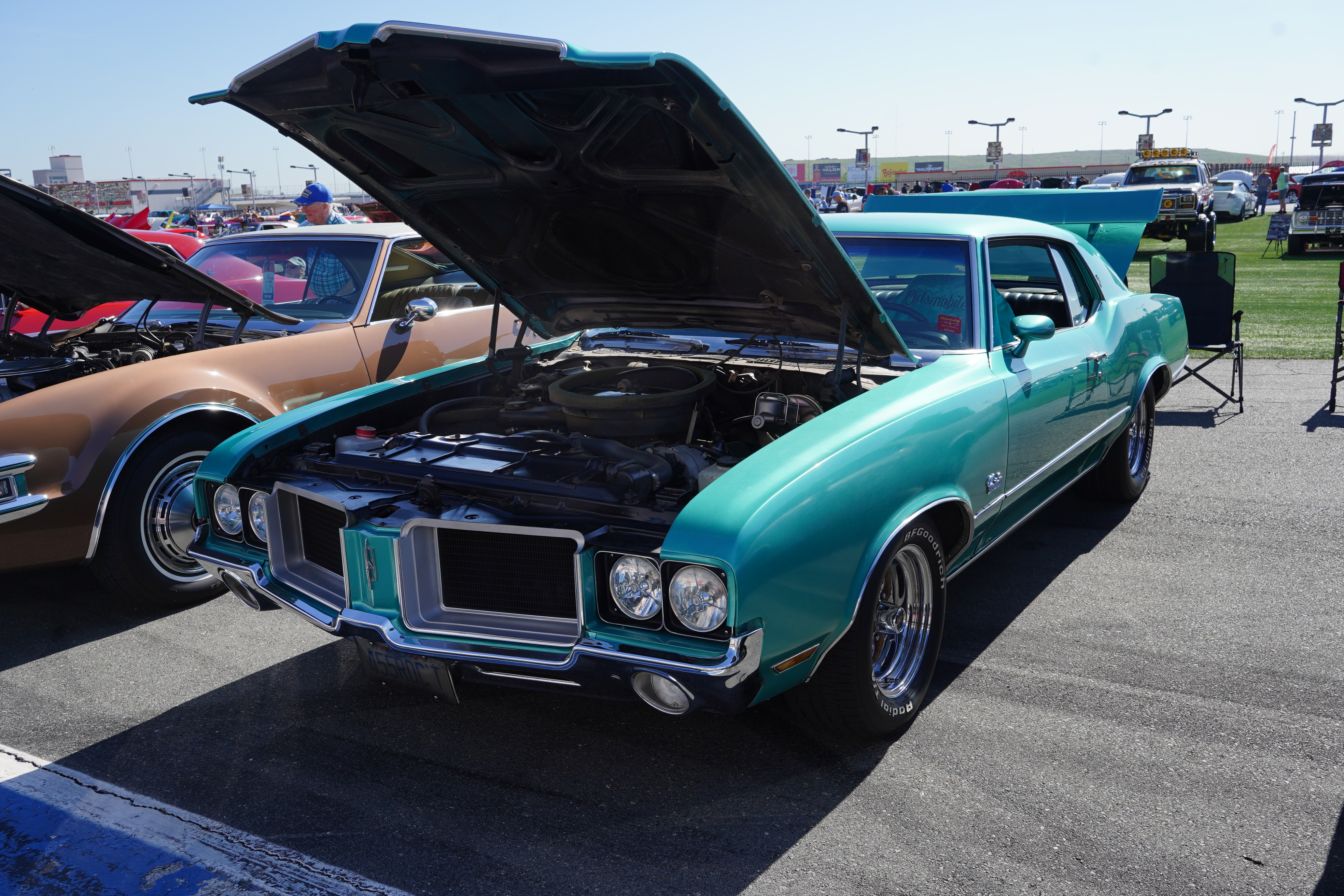
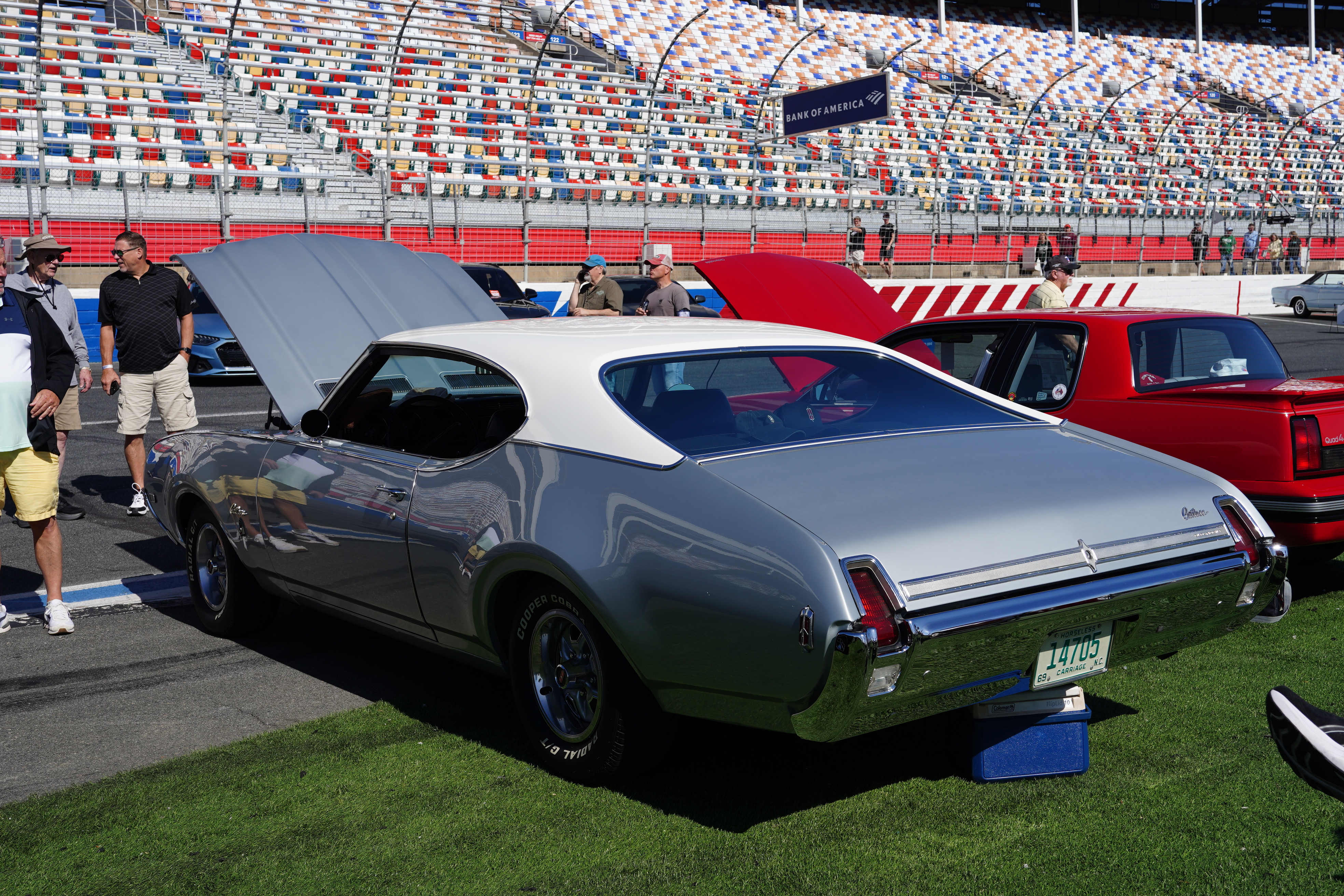
Cutlass
Toronado
442
442
Cutlass S
442


HOLDEN

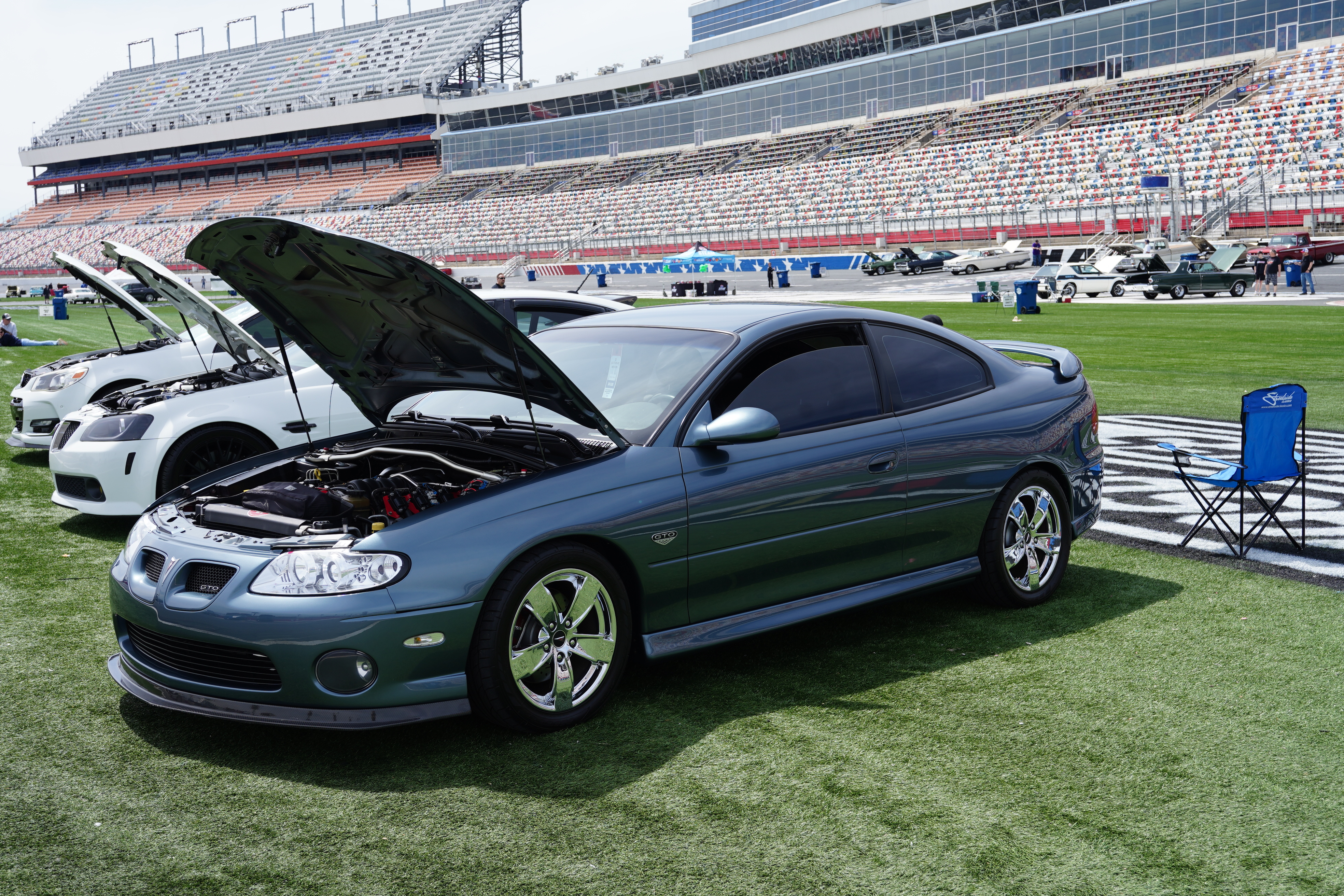
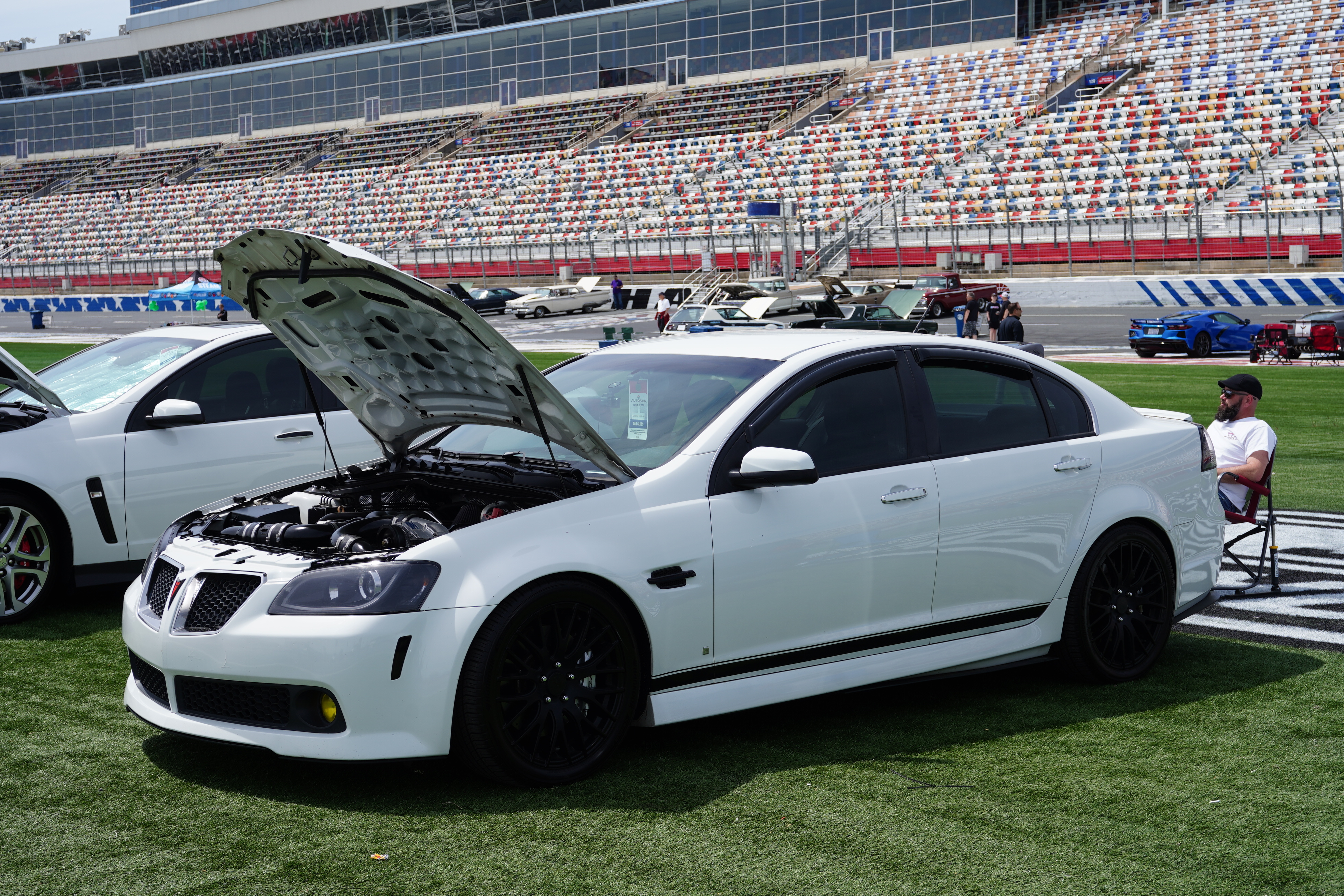
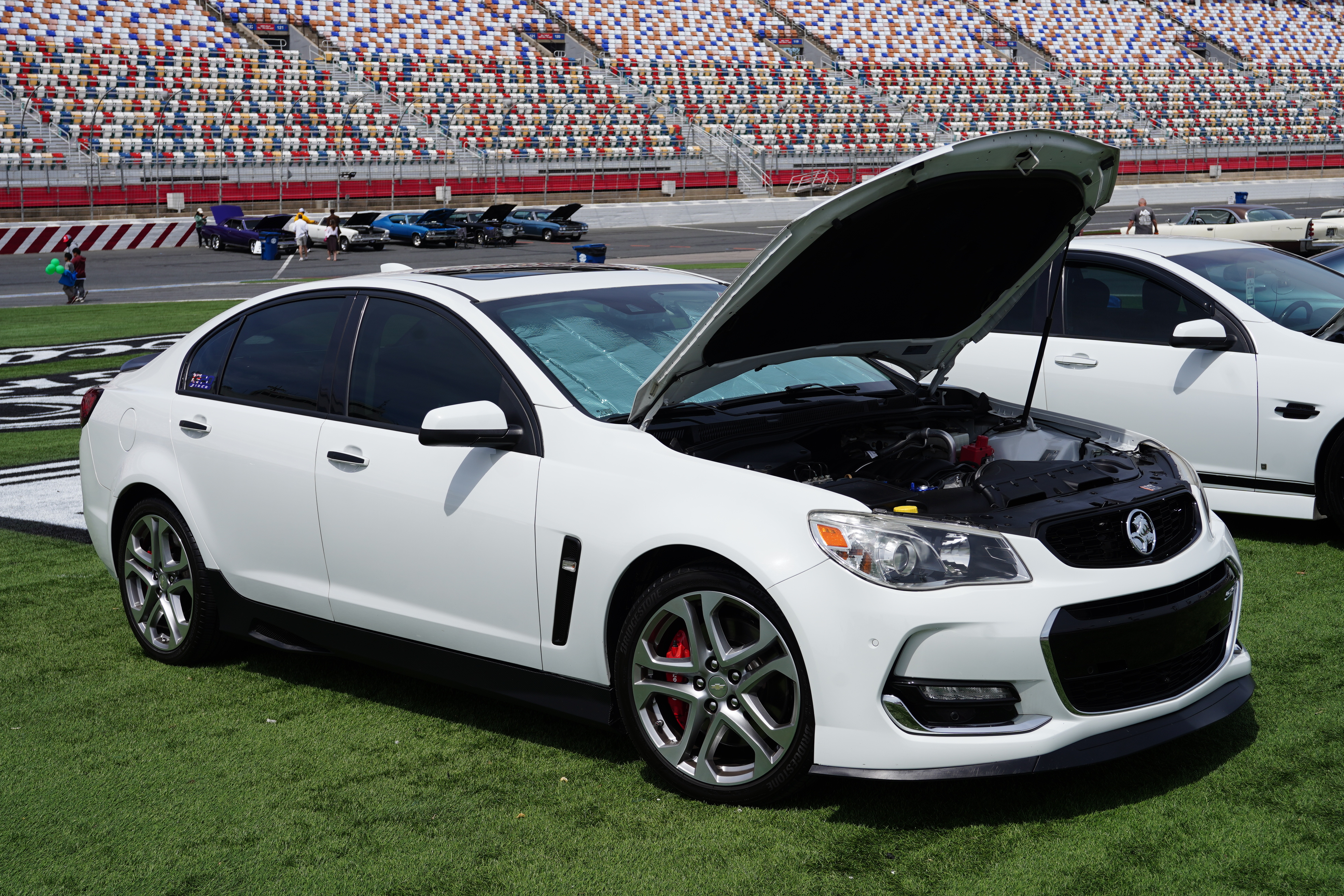
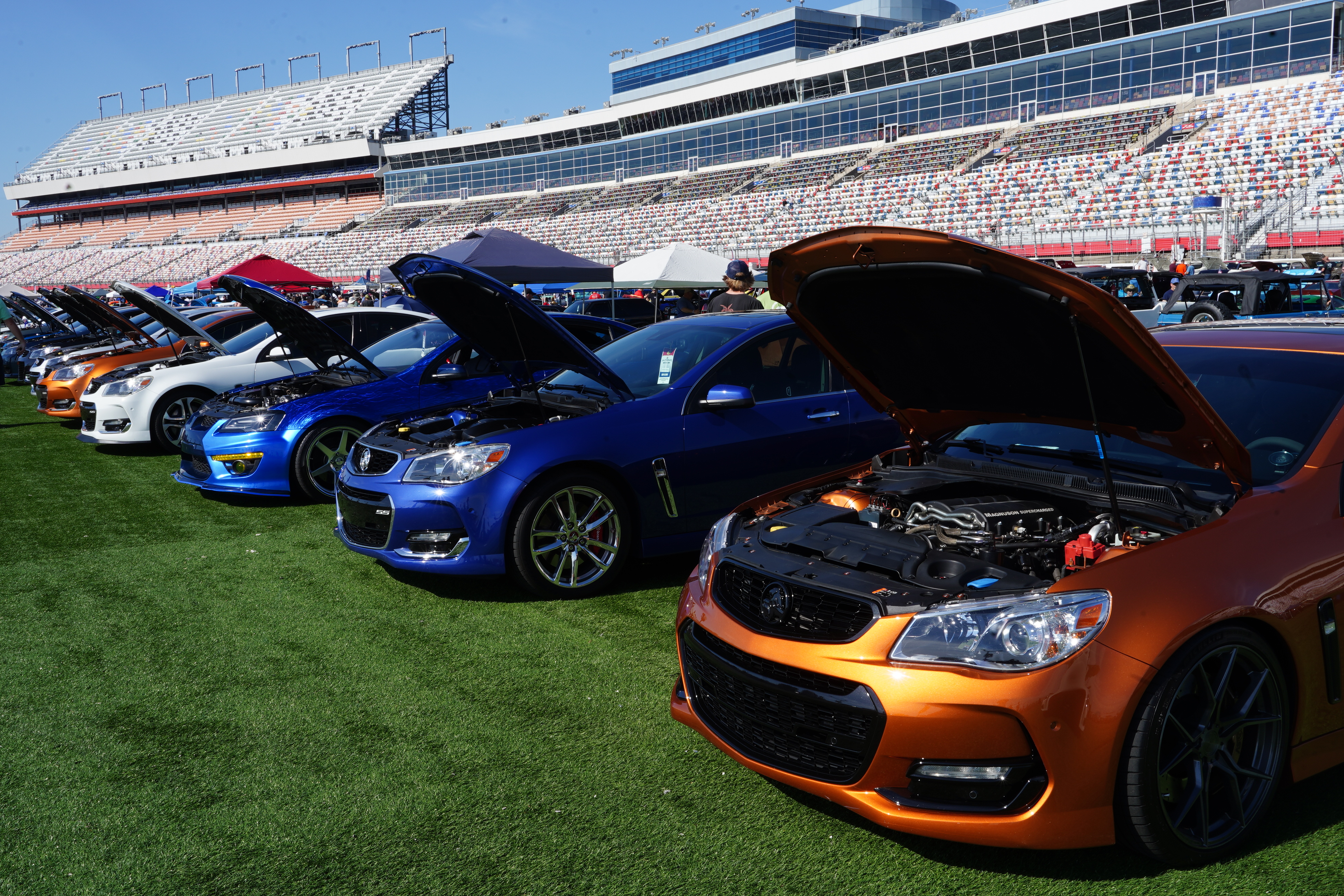
Impressively, the Holden Club brought many cars. I didn’t know there were this many Holdens in North Carolina, much less America! There were Chevy SSs, Pontiac GTOs and G8s, and actual Holdens (or at least converted to Holdens).


AUDI
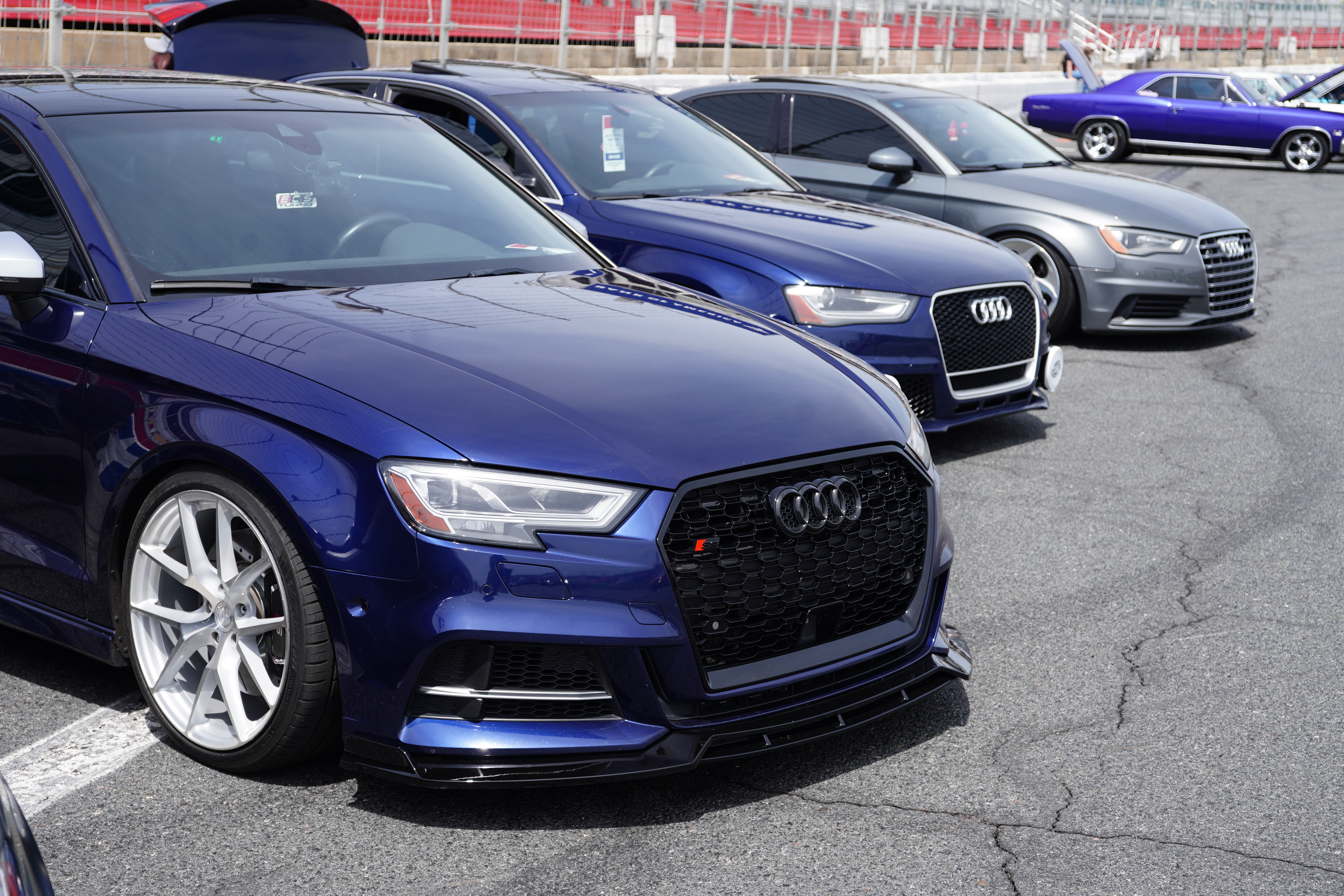
One of the few import brands in the Car Club area, all the Audis were late-model


AUCTION
These were the only two cars in the auction
Aside from the cars, these were the only other items in the auction. I’m not sure why they bothered.


Entire blog post content copyright © 2026 Richard A. Reina. Text and photos may not be copied or reproduced without express written permission.


The 2026 New York Auto Show

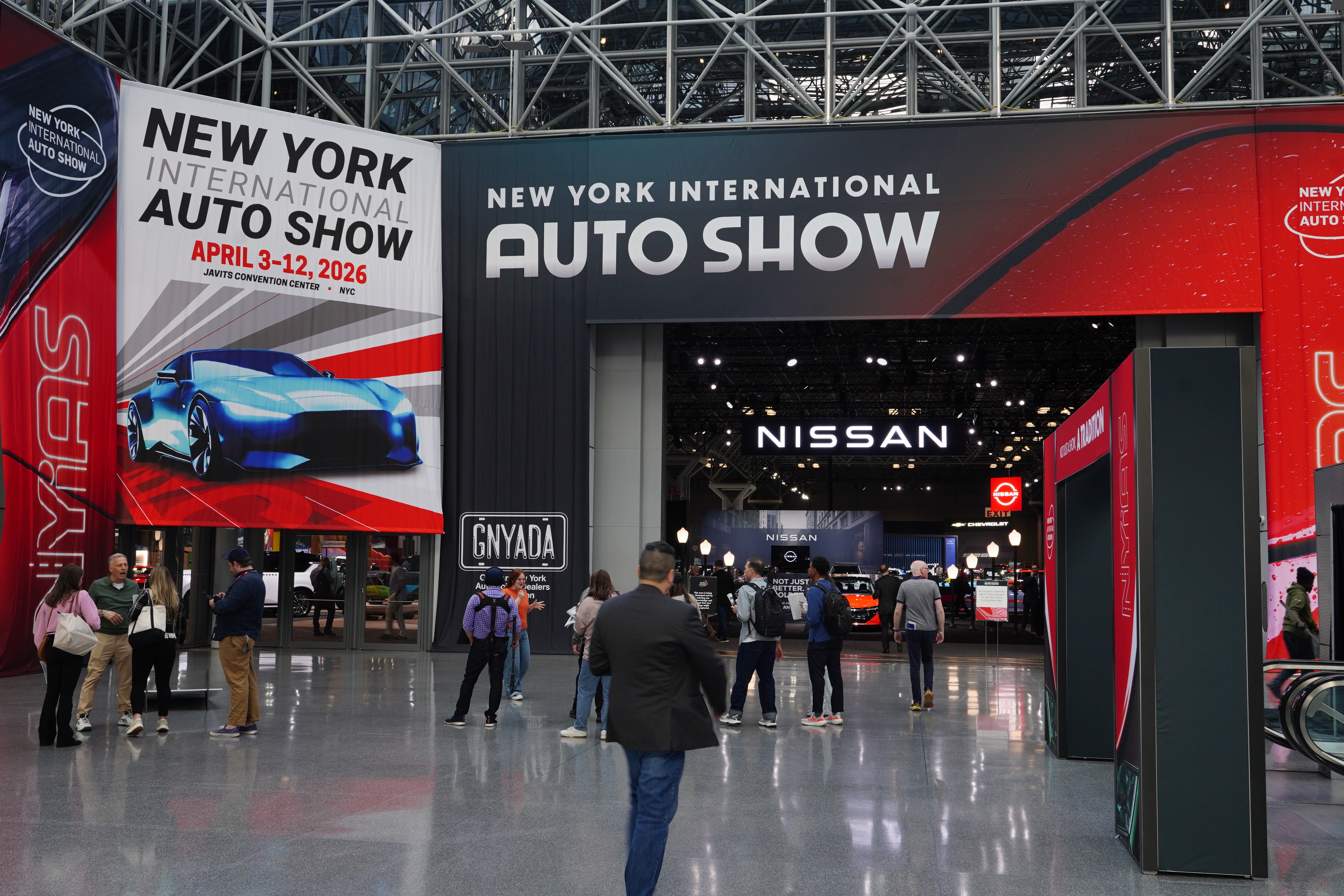
The 2026 edition of the New York International Auto Show (NYIAS) held its press days on Wednesday and Thursday April 1 and 2, with the show opening to the public on Friday April 3, and closing on Sunday April 12. I again was able to convince the show organizers to provide me a press pass, and I made my way to the Jacob Javits Center on Wednesday the first.

The main floor was almost completely full this year, with a mix of displays hosted by manufacturers and dealers. As has been the case in recent years, Chevrolet, Ford, Toyota, Nissan, Subaru, Hyundai, and Kia were the dominant brands with factory support. Local dealers brought in vehicles representing BMW, Mercedes-Benz, Audi, and Volvo. Wednesday’s event was well-attended, as there were press conferences running almost continuously throughout the day.

The lower level was again primarily converted to a large EV test track, where one could sign up for a test ride (not drive) in the EV brand of your choice. Given the recent industry upheavals regarding electric cars, one might presume that EVs would be ignored at a show like this. But such a presumption would be incorrect. There were so many EVs at the show that I’ve broken out coverage of them as a separate section in this blog report.

CHEVROLET

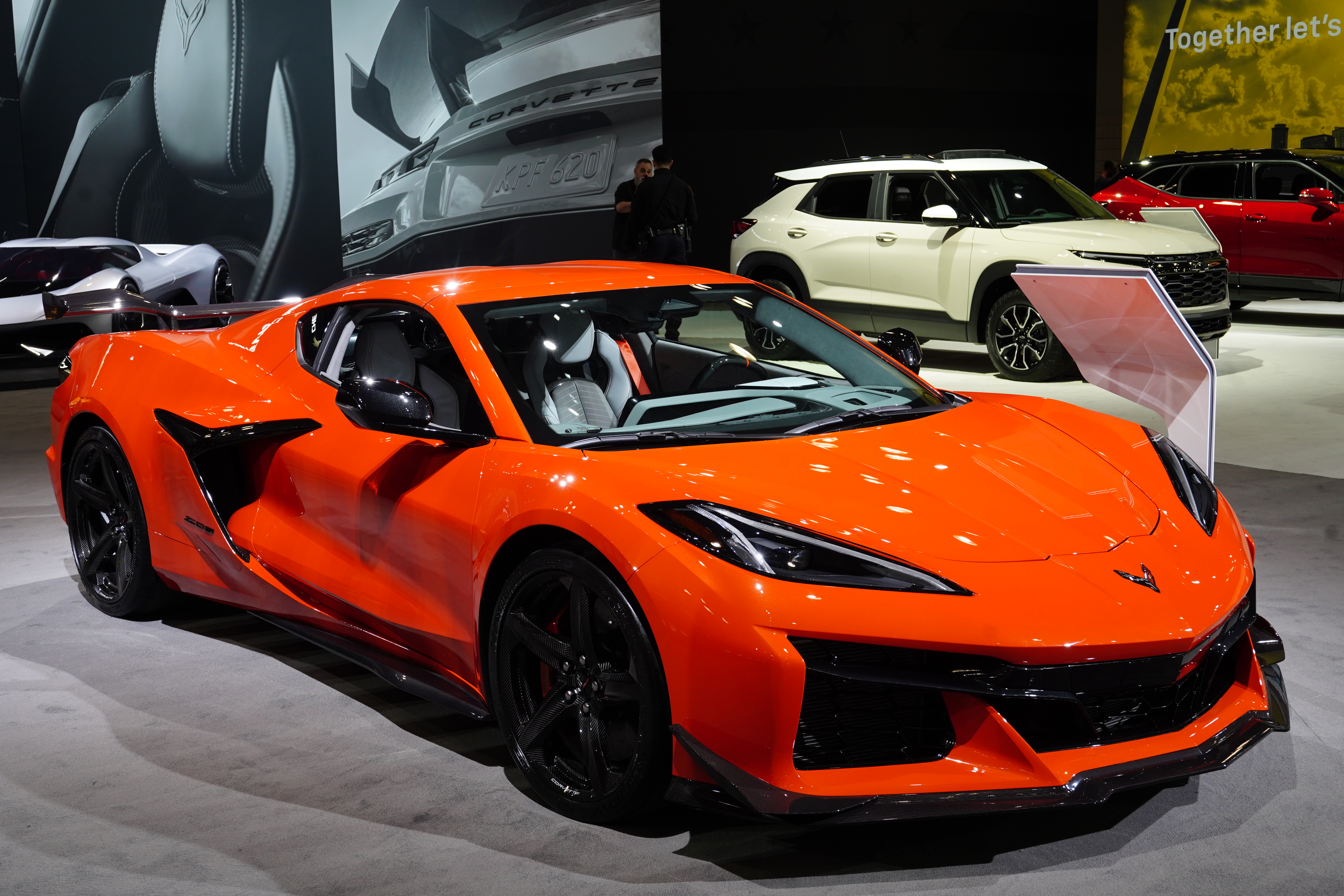
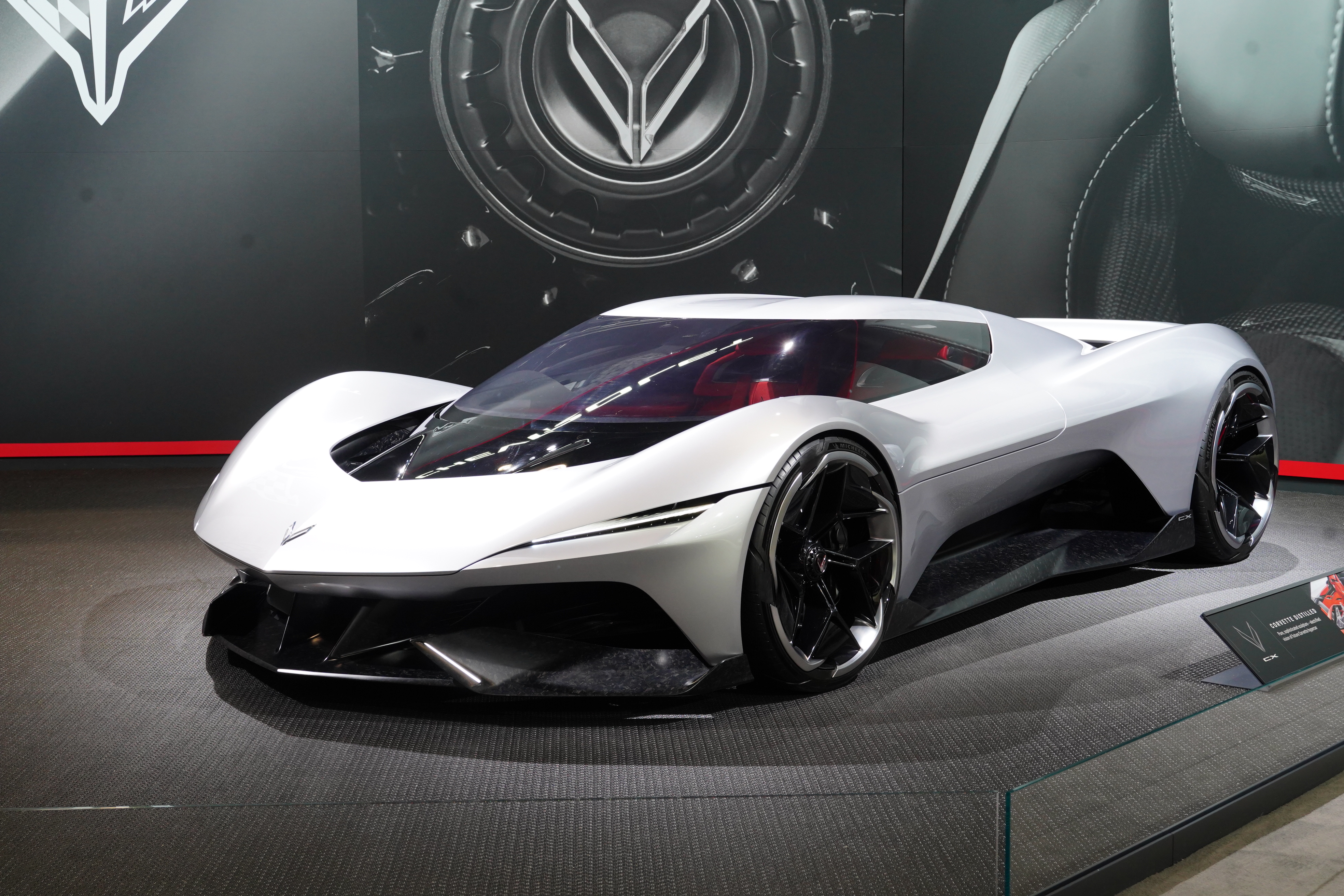
General Motor’s most affordable brand was also the only GM make in attendance at the show. Chevy displayed a complete lineup of cars, trucks, and SUV’s, including a significant number of EVs (covered separately). A highlight was coming across a genuine “concept car,” which for many years had been a frequent auto show feature and has all but disappeared in recent times.


Corvette coupe
The placard read: “Corvette distilled: Pure, sophisticated sculpture- electrified vision of future Corvette hypercar.”
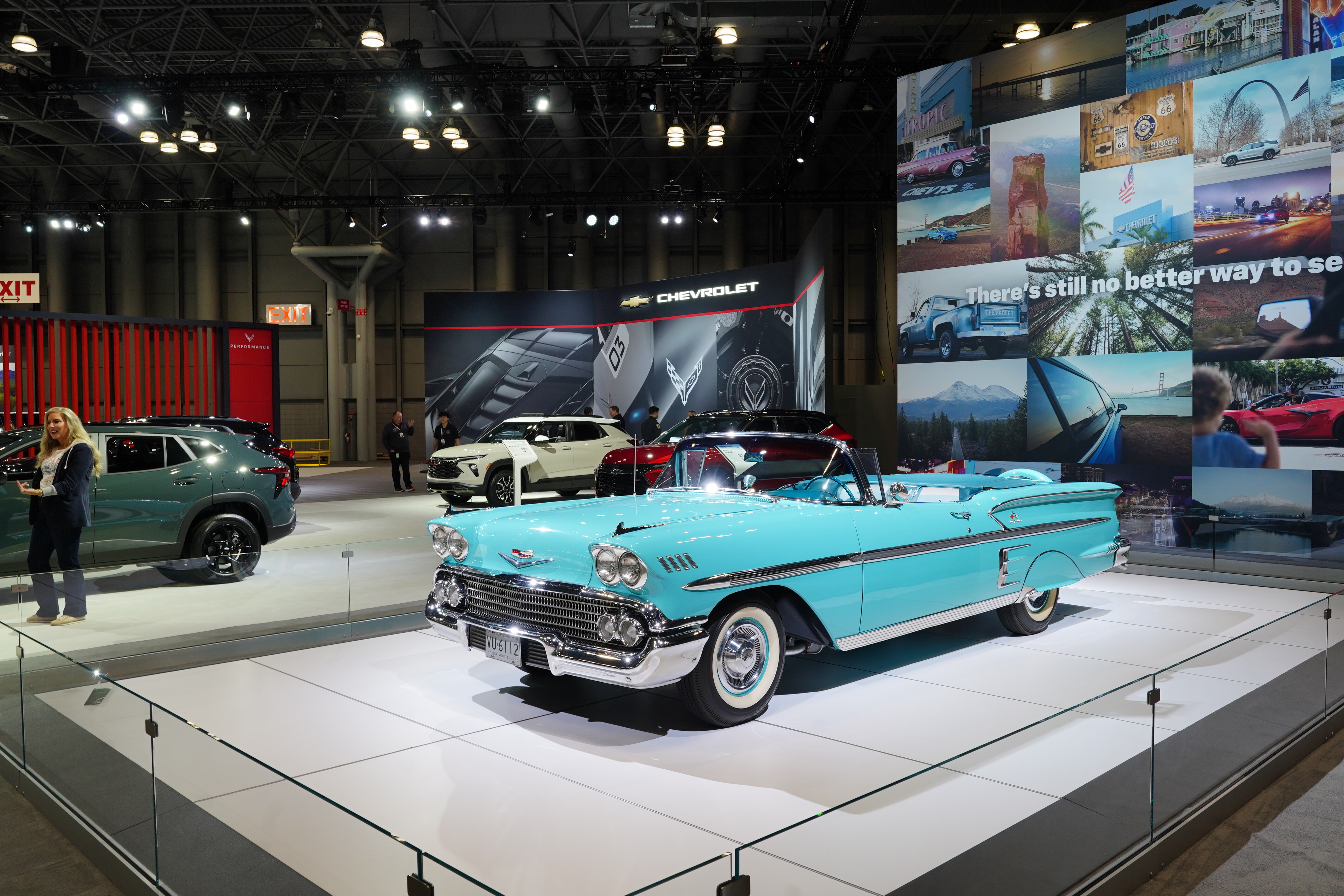
A 1958 Impala provided a blast from the past. “There’s still no better way to see the USA.”
FORD

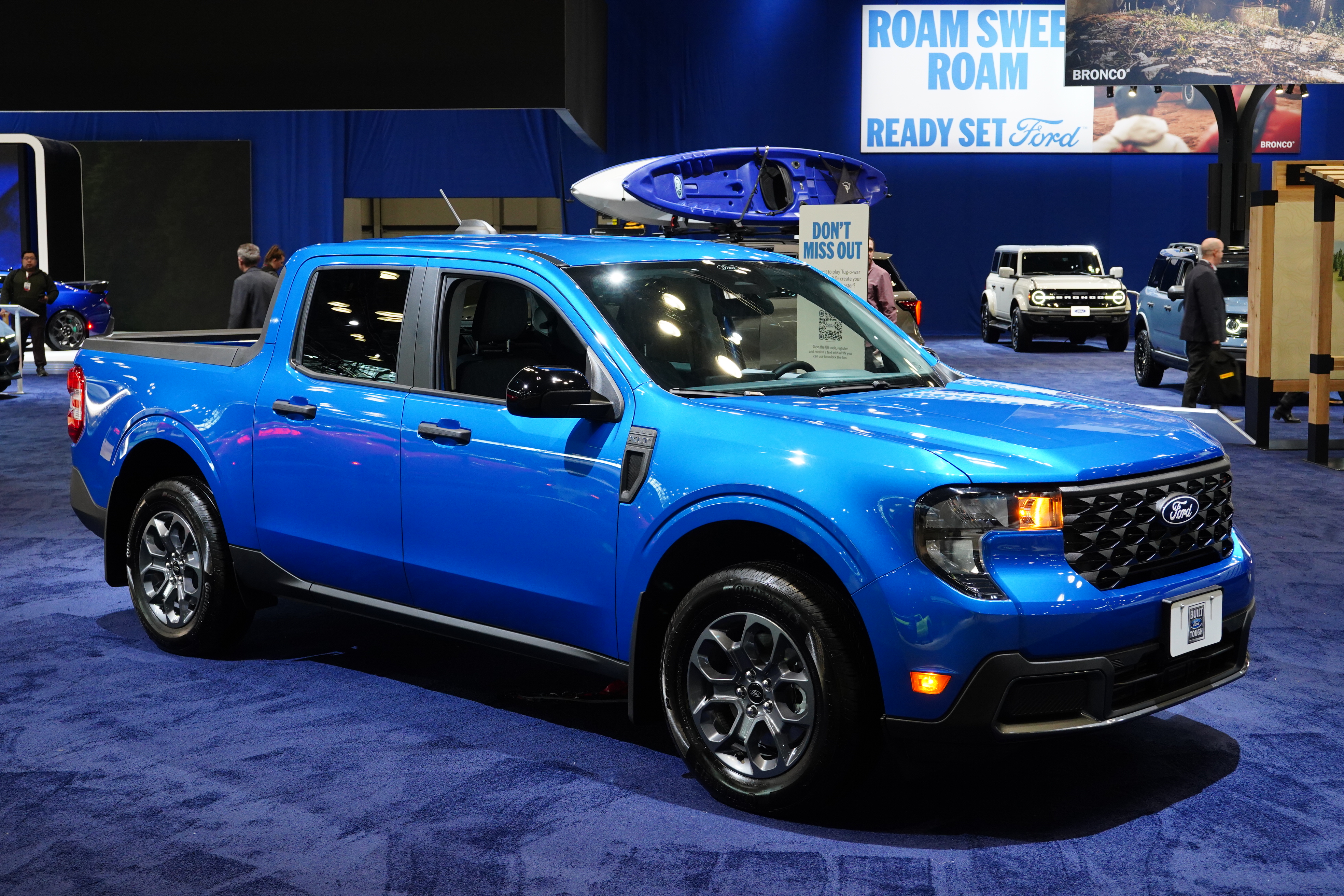
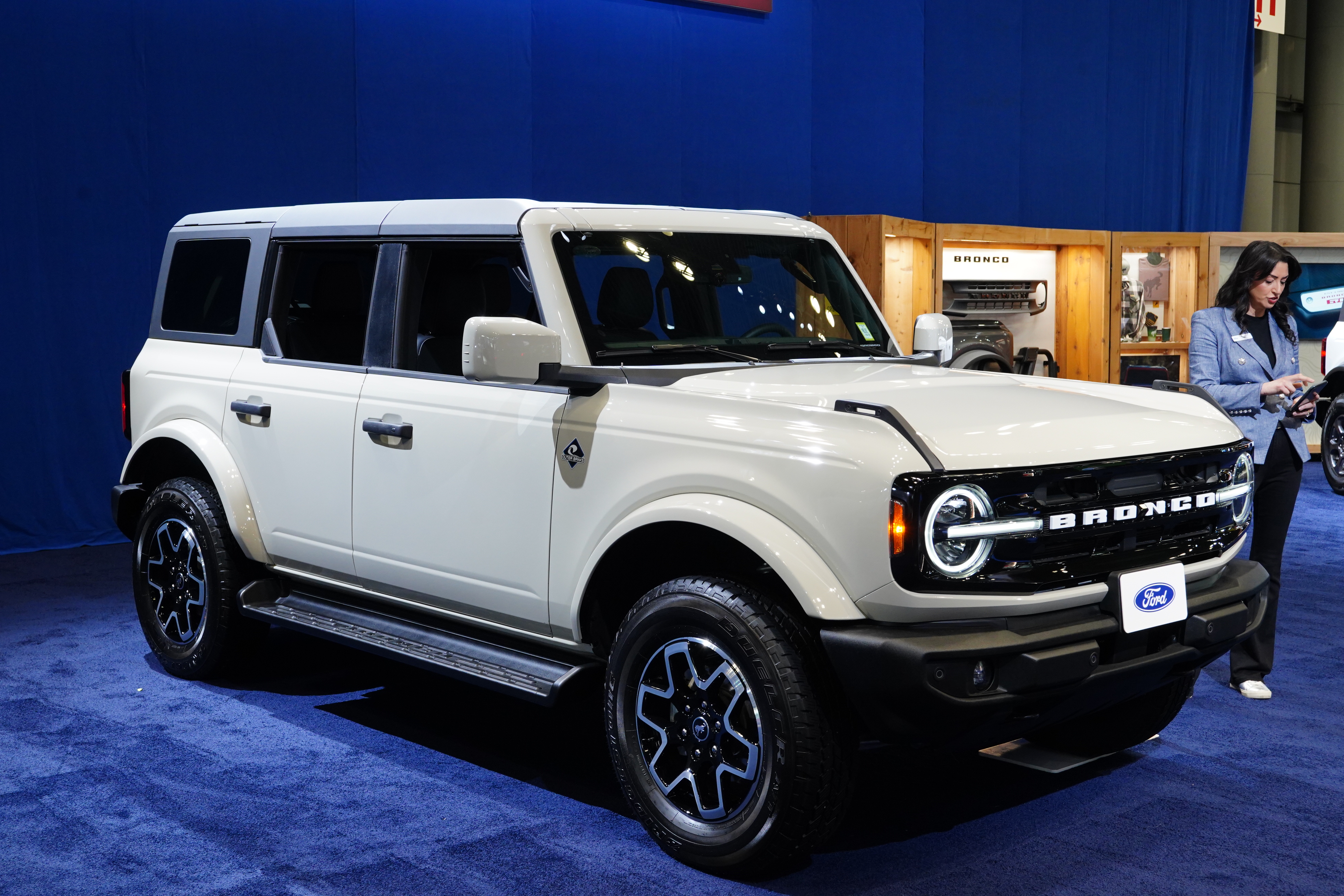
Like its crosstown rival Chevrolet, Ford brought “one of each” from its vehicle lineup, with a focus on the Mustang, Bronco, and pickup trucks. The Mach-E Mustang EV is covered separately below.

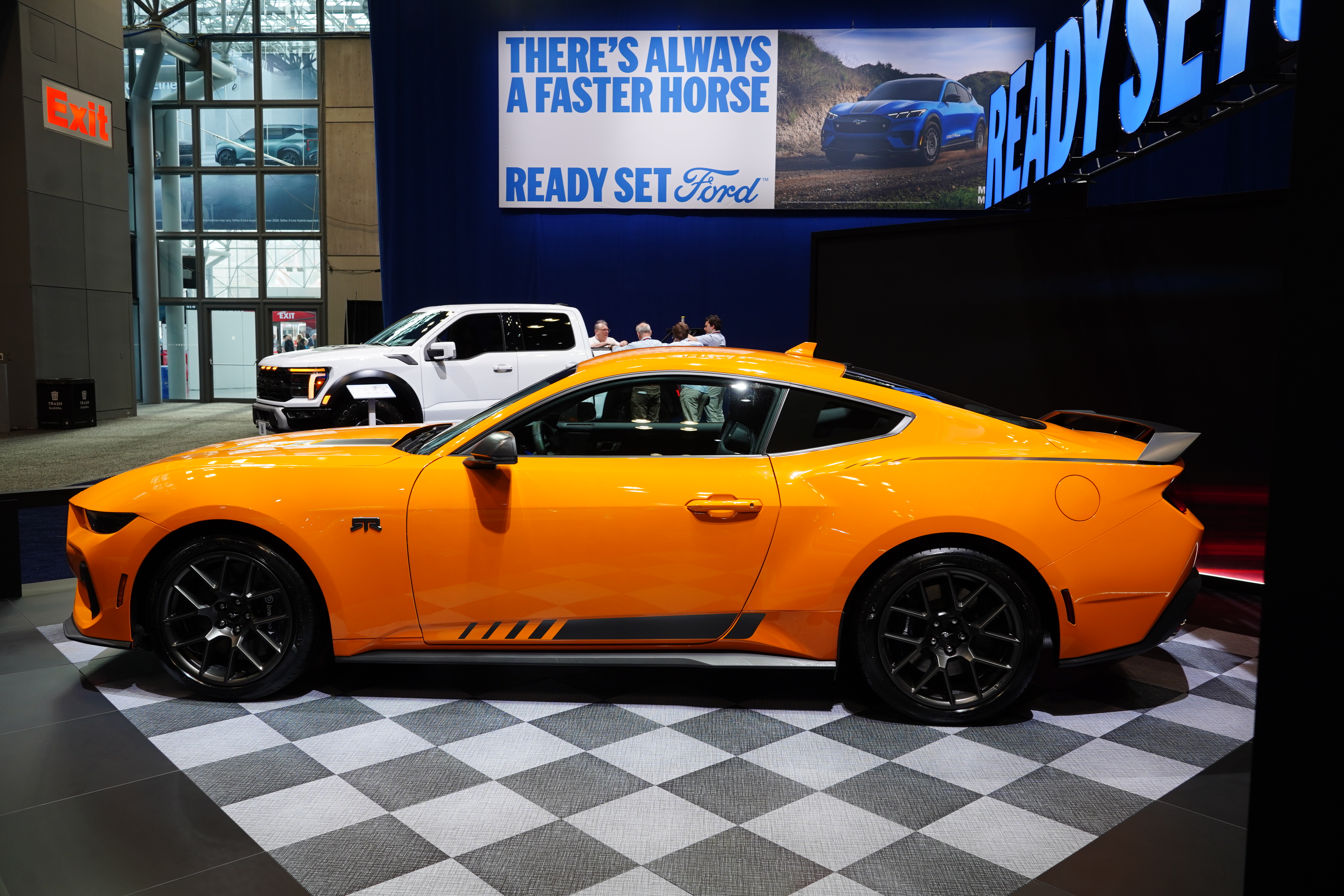
Mustang RTR
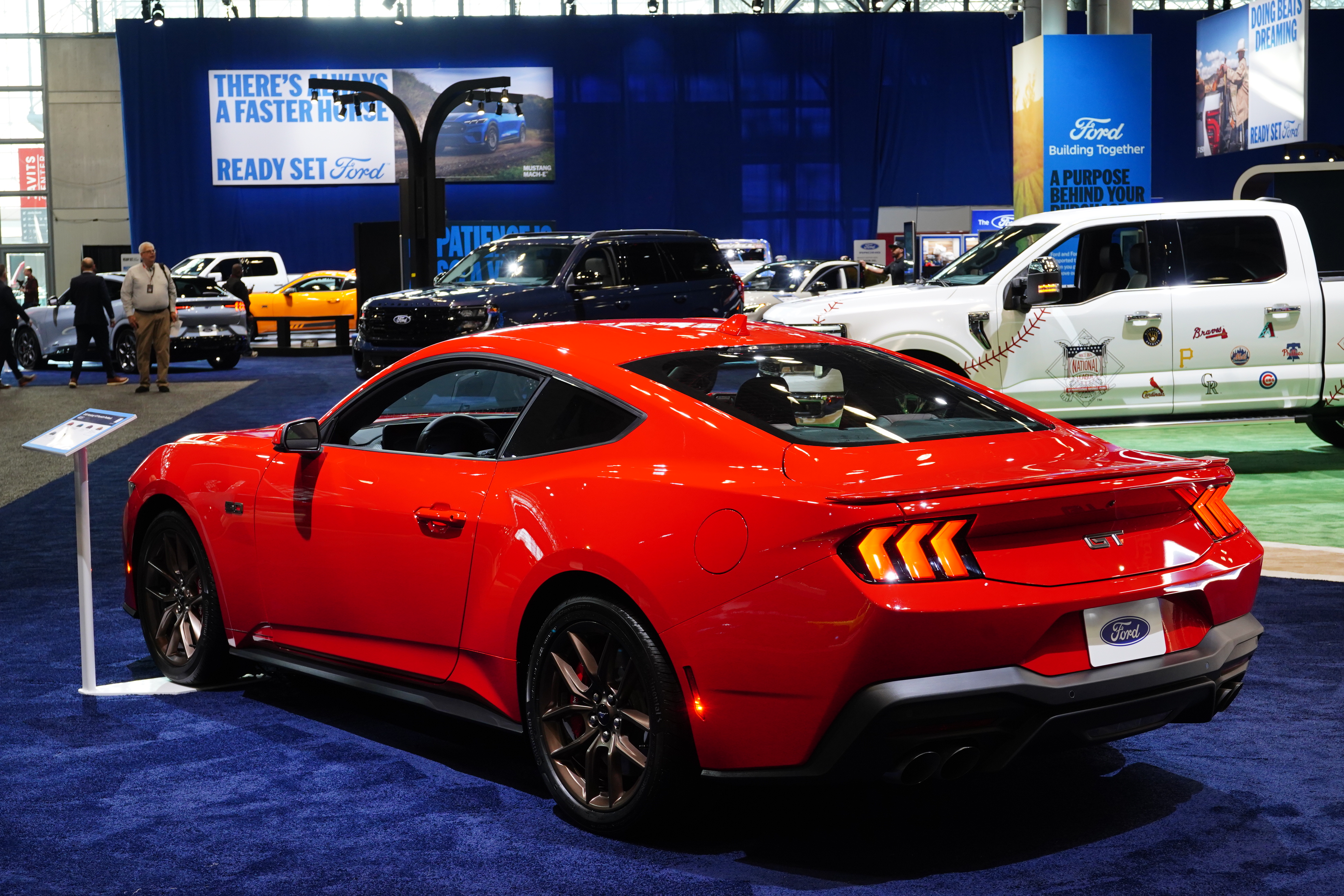
Mustang coupe
Maverick pickup
Bronco


NISSAN

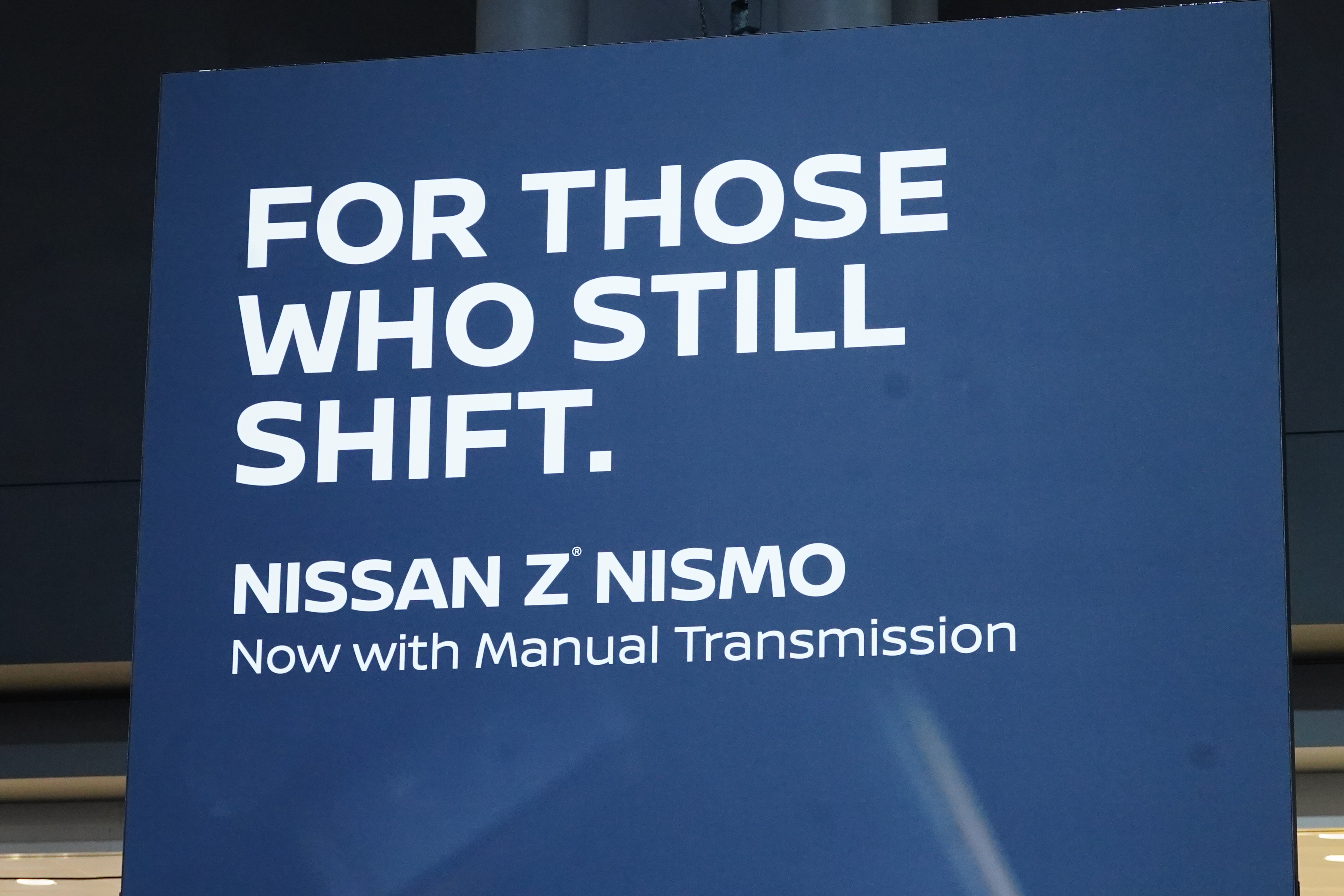
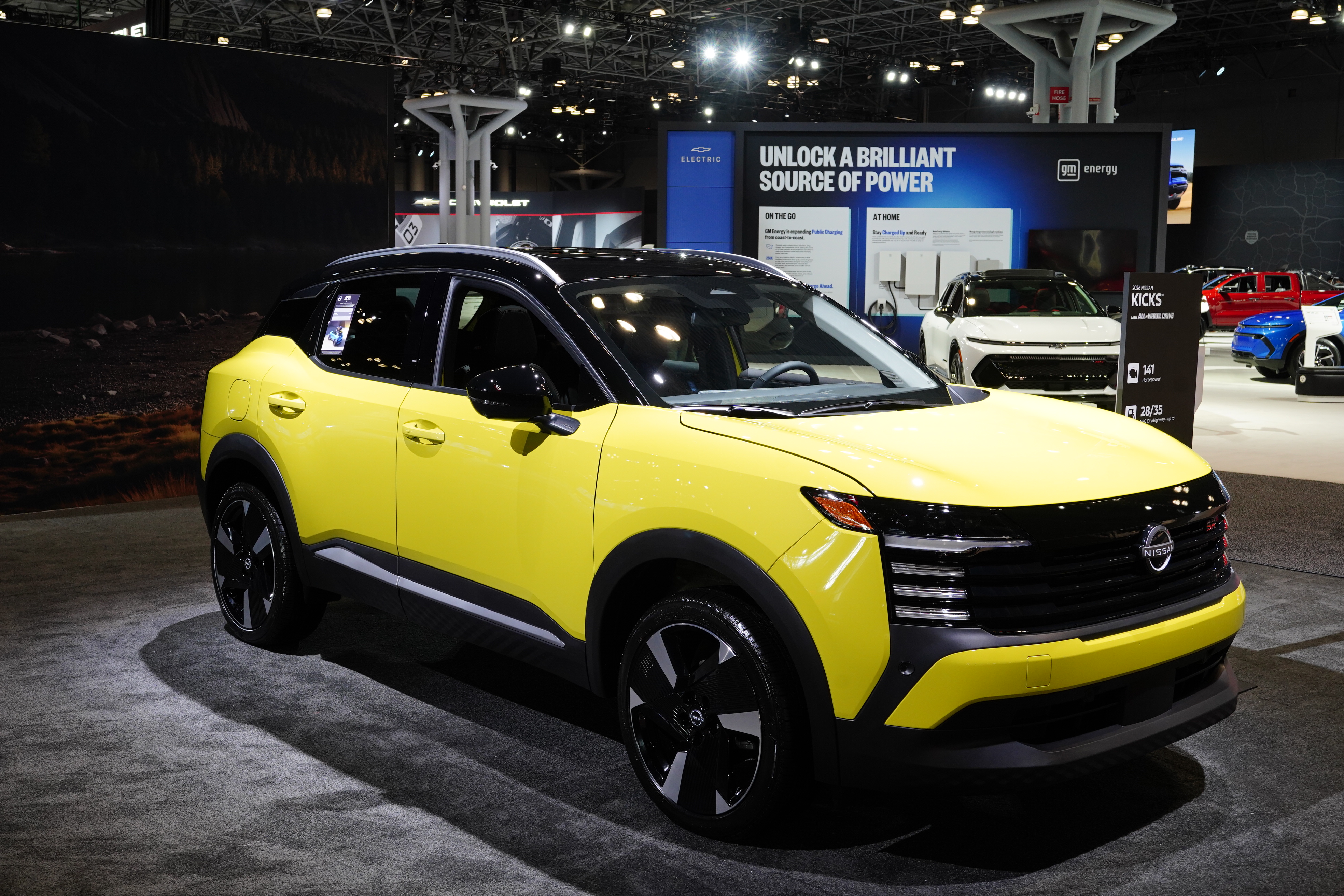
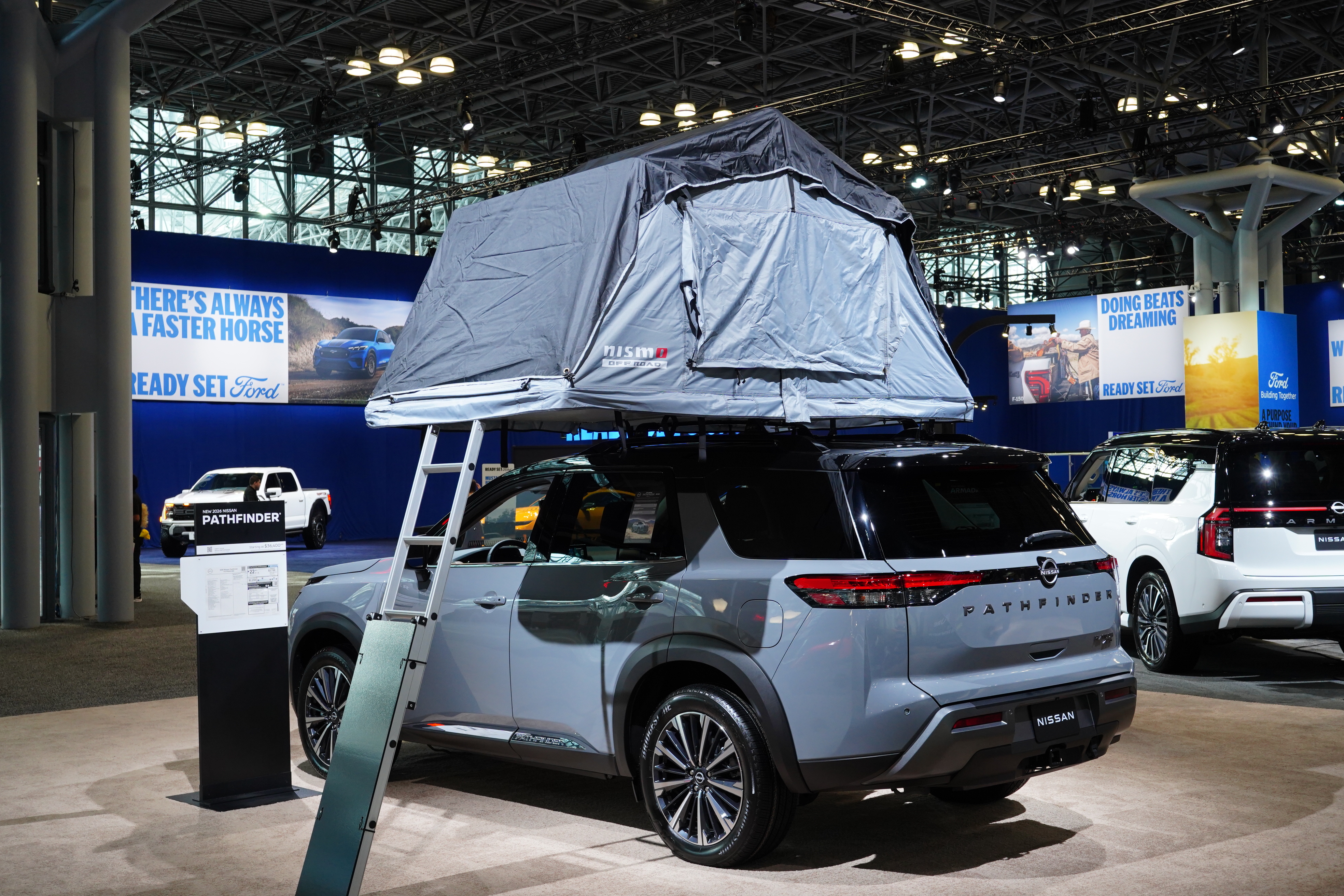
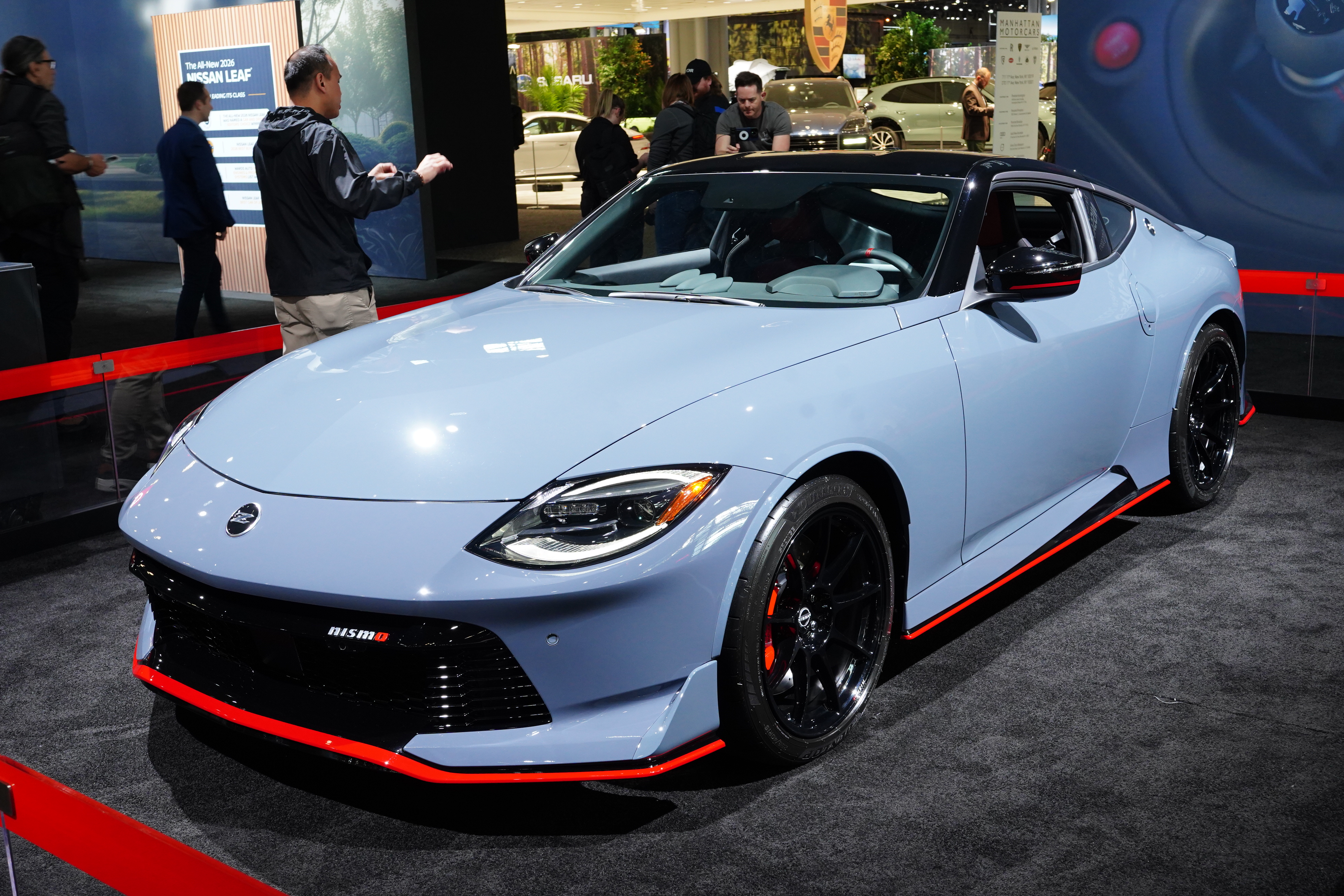
In addition to its wide range of crossovers, Nissan showed the Z Nismo, now available with a stick shift! I do wonder if that will enhance sales of this slow-selling sports car.

Kicks
Pathfinder with overlanding equipment
The sign made me wonder, how many people in attendance know how to shift for themselves?
The Z Nismo


TOYOTA
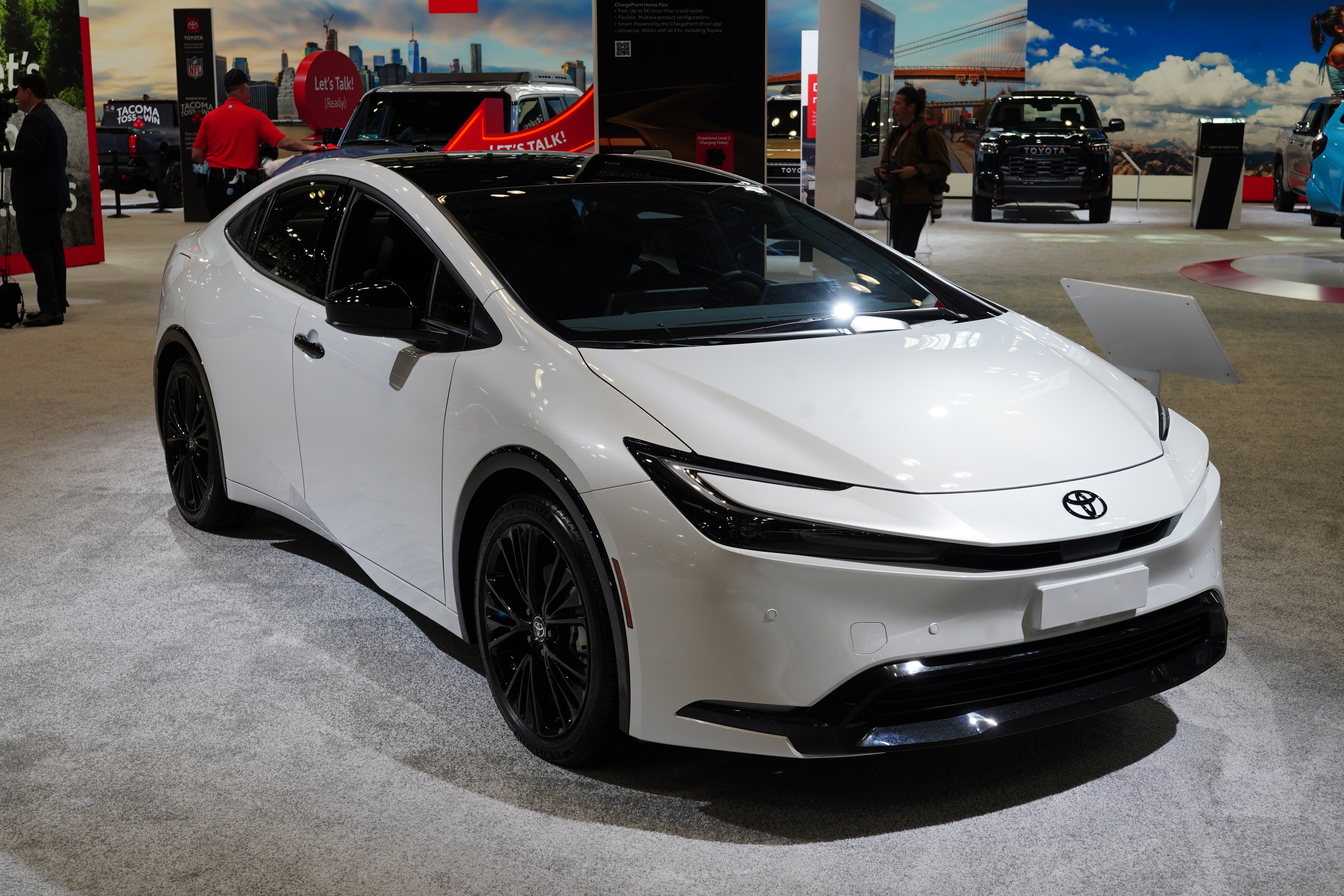
Prius (which is still a hybrid, not an EV)
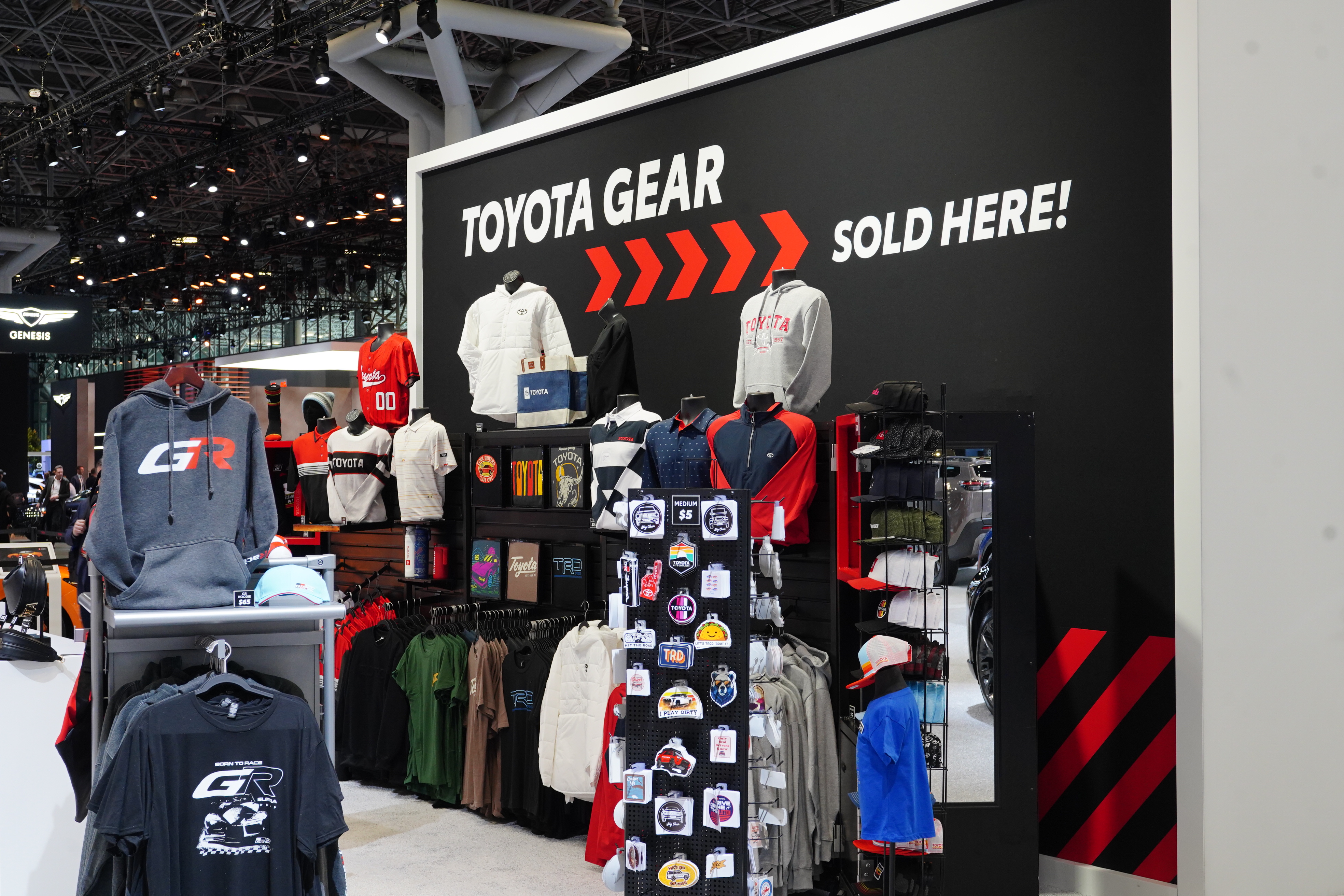
Toyota was one of many manufacturers hawking personal accessories.
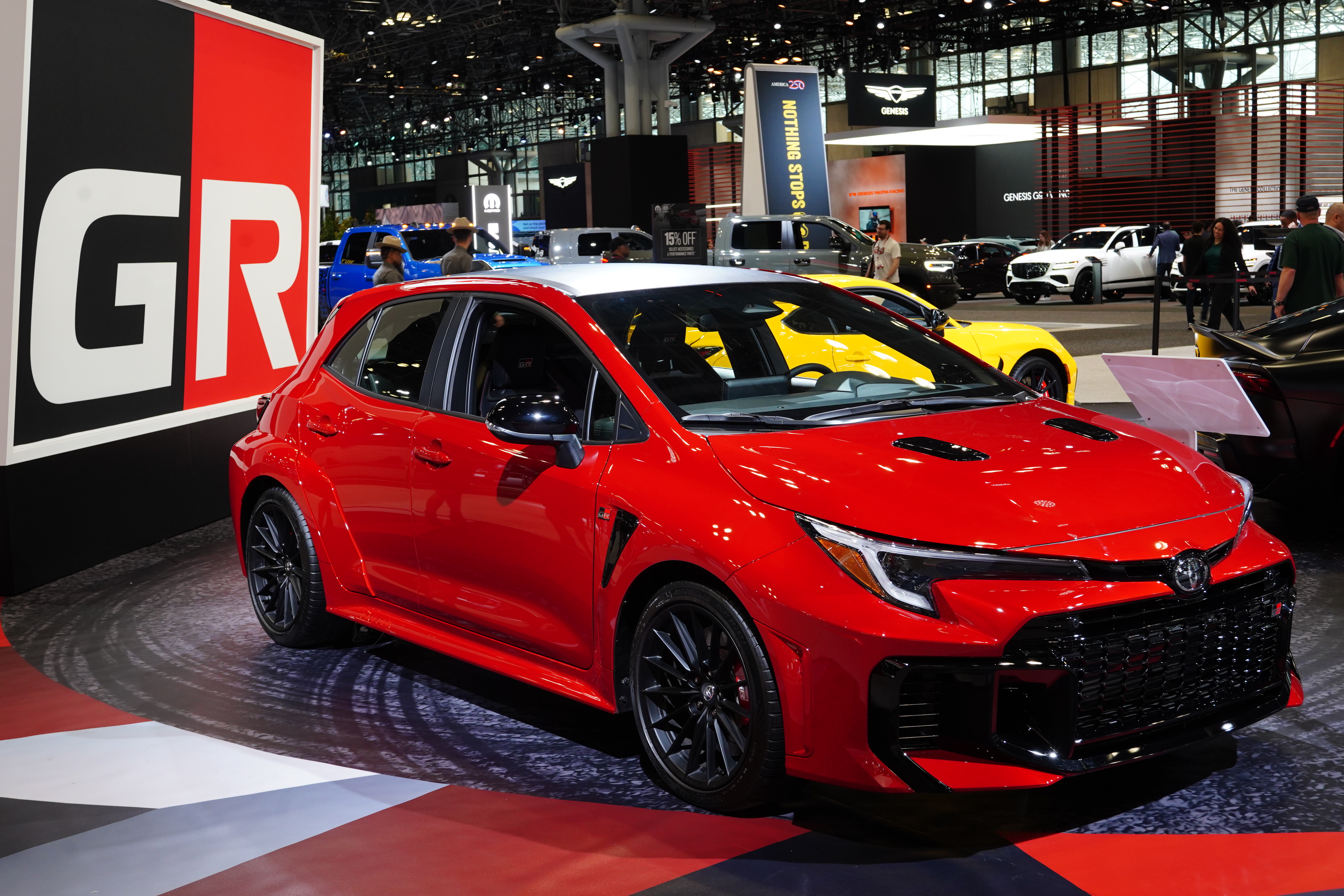
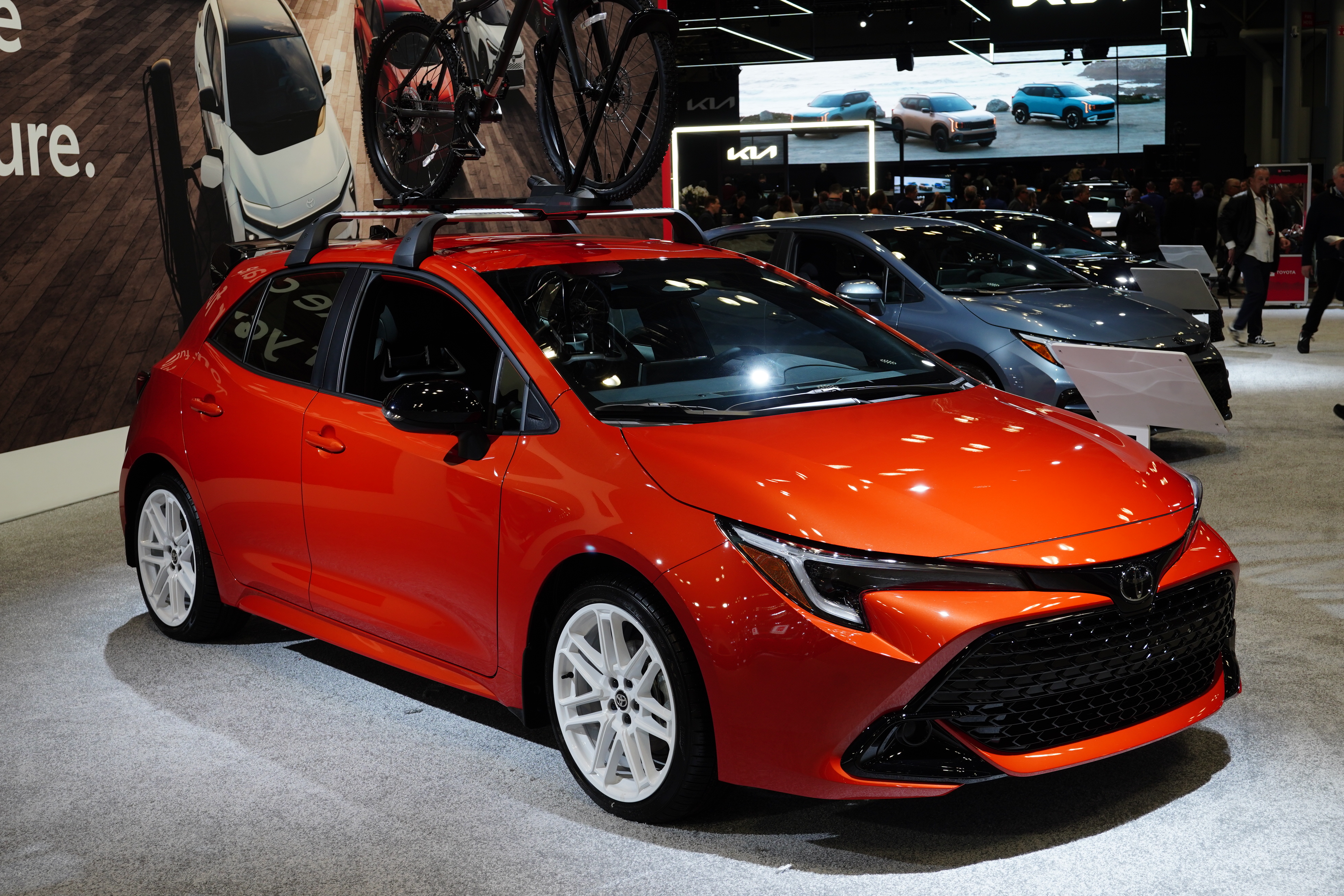
The Corolla GR (for Gazoo Racing)
This car impressed me. This is the Corolla hatchback in its mid-level FX trim. Standard equipment includes the white wheels, a rear sport wing, Apple CarPlay and AndroidAuto compatibility, automatic climate control, power driver’s seat, and heated front seats. Including an $1,195 delivery charge, this car’s bottom line price came to $29,229. I thought this was a lot of car for the money.


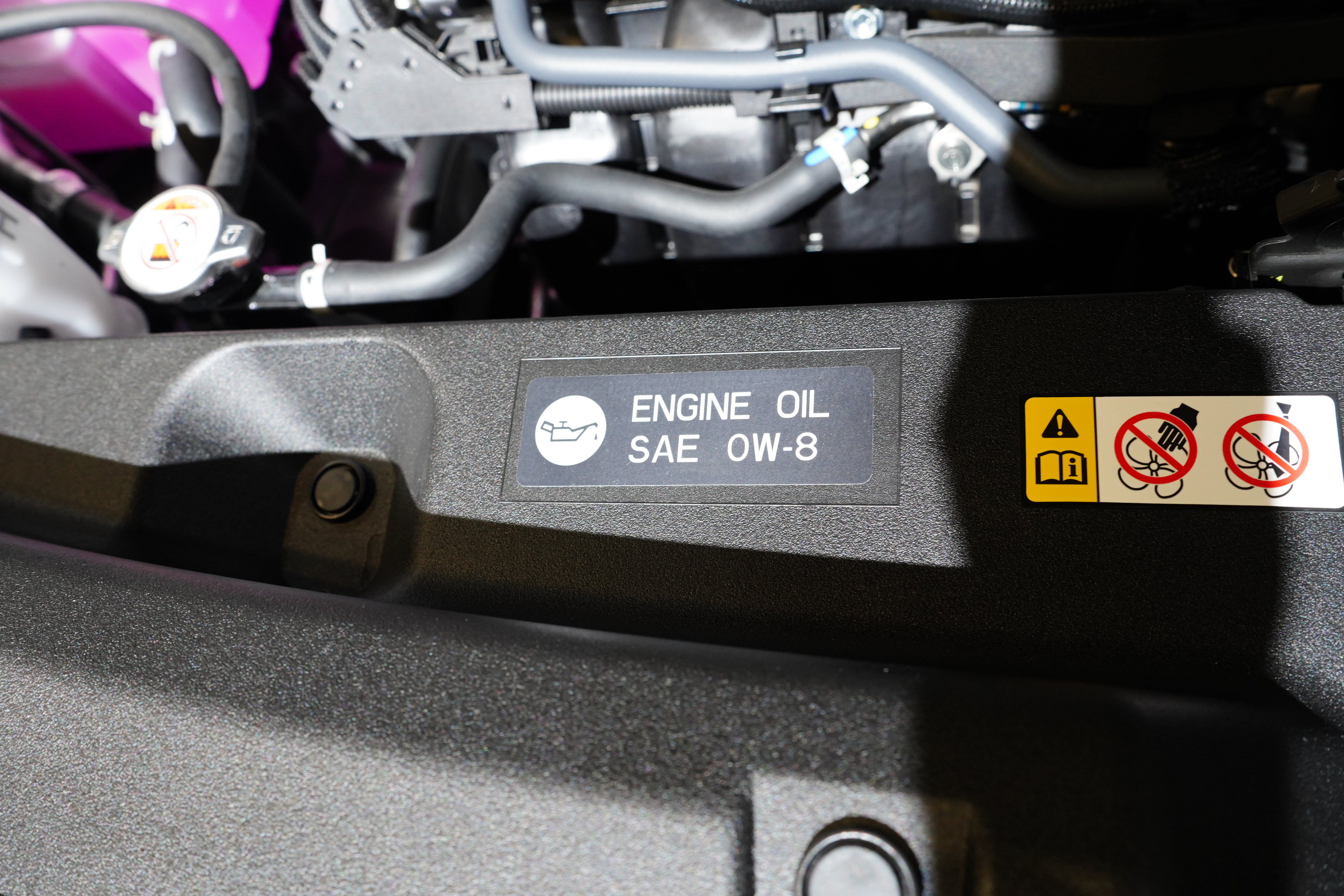
I found this under the hood of the RAV4. SAE 0W-8 oil? I need to look that up.


SUBARU

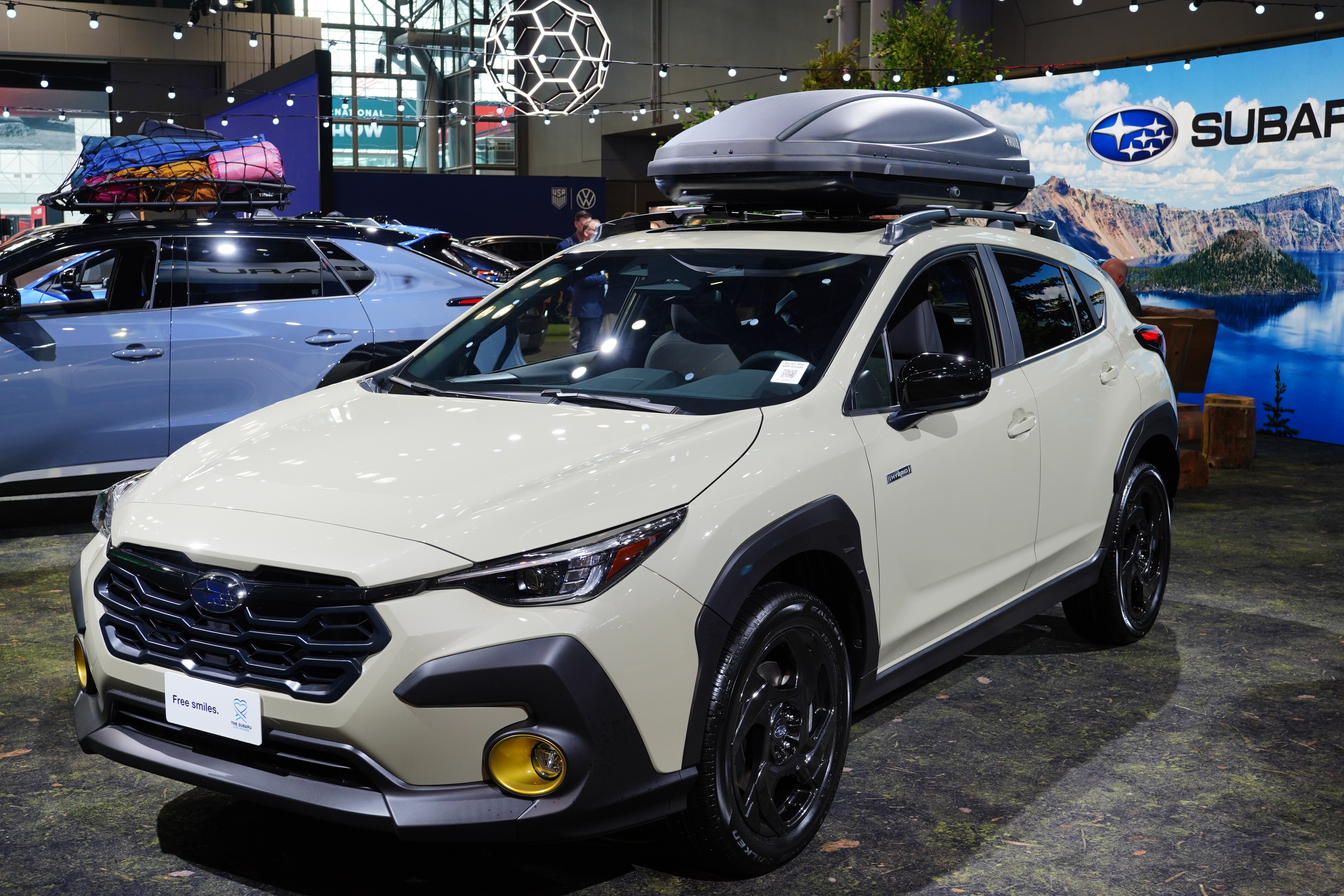
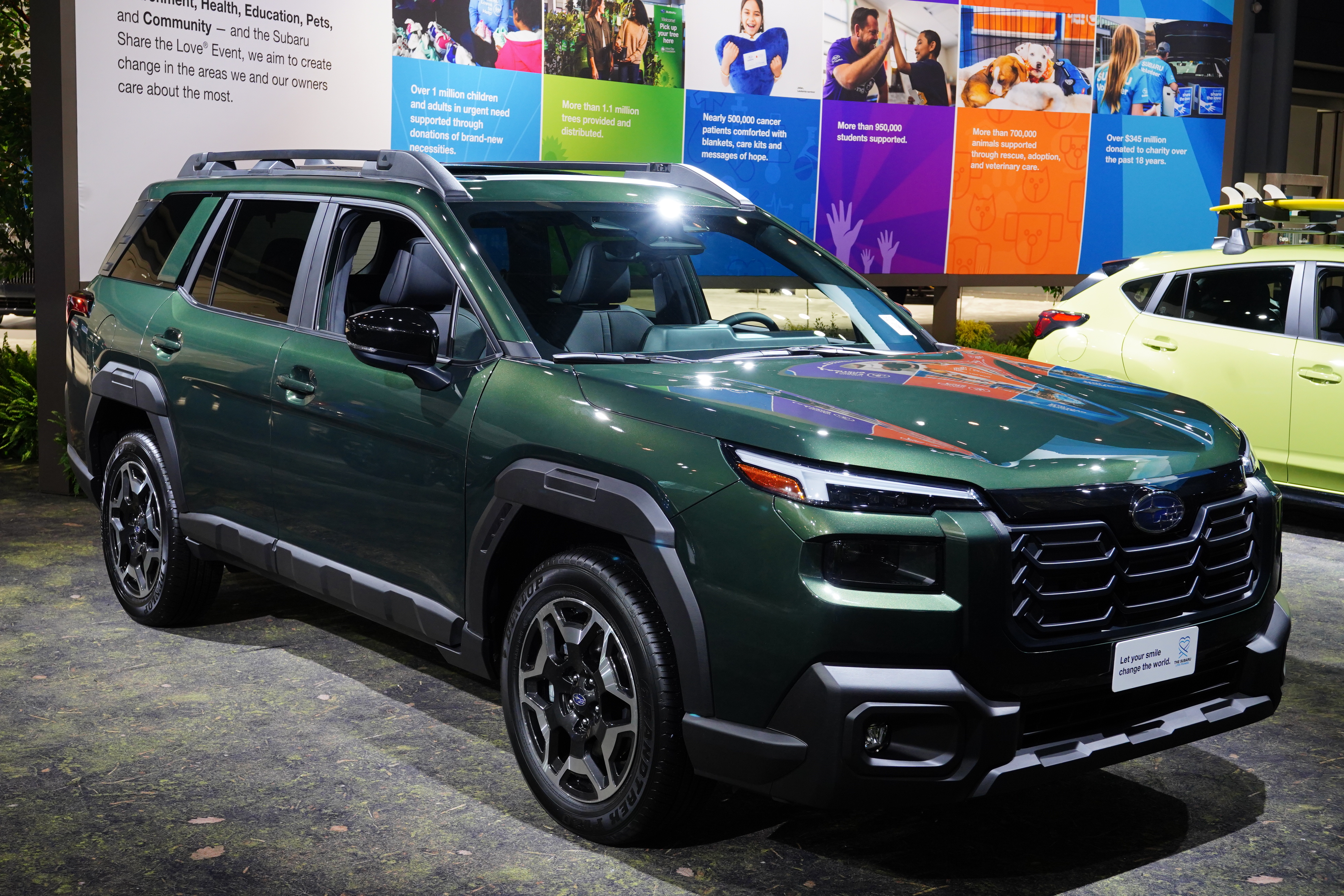
Again occupying a significant amount of floor space, Subaru was out to highlight its many new and restyled models. But in my opinion, these new designs have crossed the line from “different” to “unattractive.” I doubt that will hurt sales, though, because the people I know who drive Subarus swear by them.


Impreza Crosstrek
The new Outback


STELLANTIS

Globally, no automakers carries more brands in its portfolio, even if most of them are not sold in the U.S. Still, the domestic Stellantis lineup includes Chrysler, Dodge, Jeep, Ram, Fiat, and Alfa Romeo. Their display focused on a tie-in with our country’s 250th anniversary, but of course, that only applies to the domestic makes.

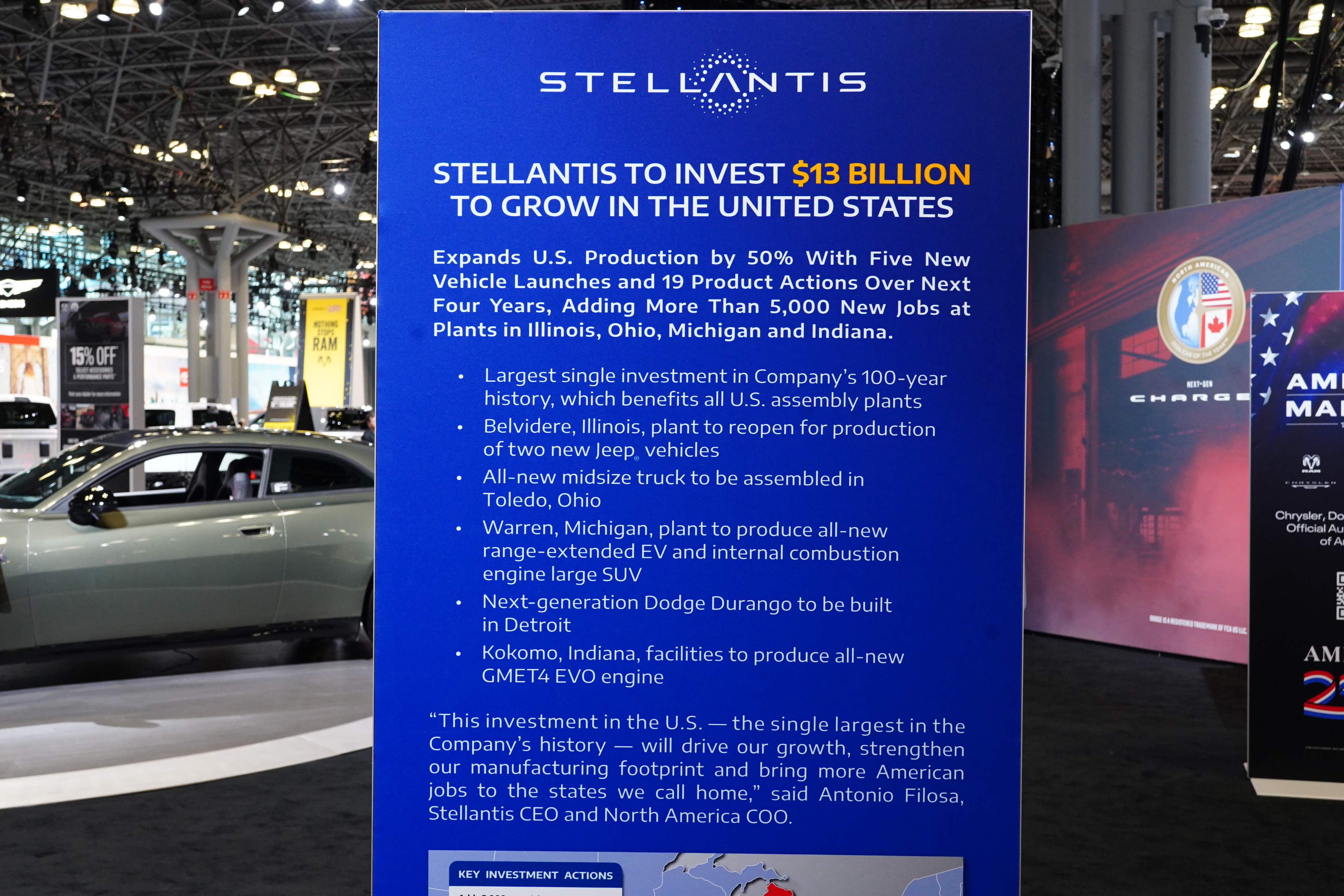
A brag board about its investment in America


DODGE

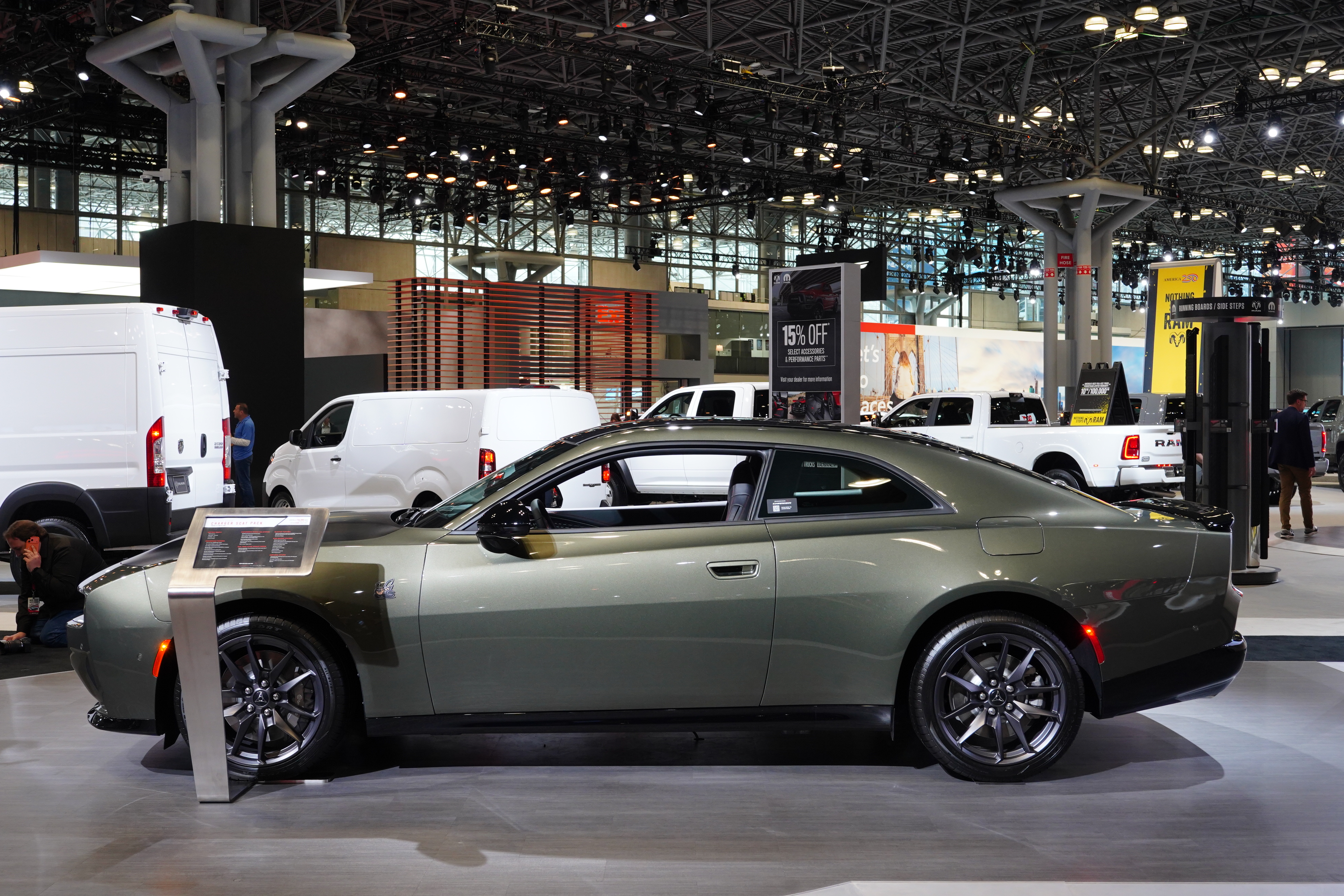
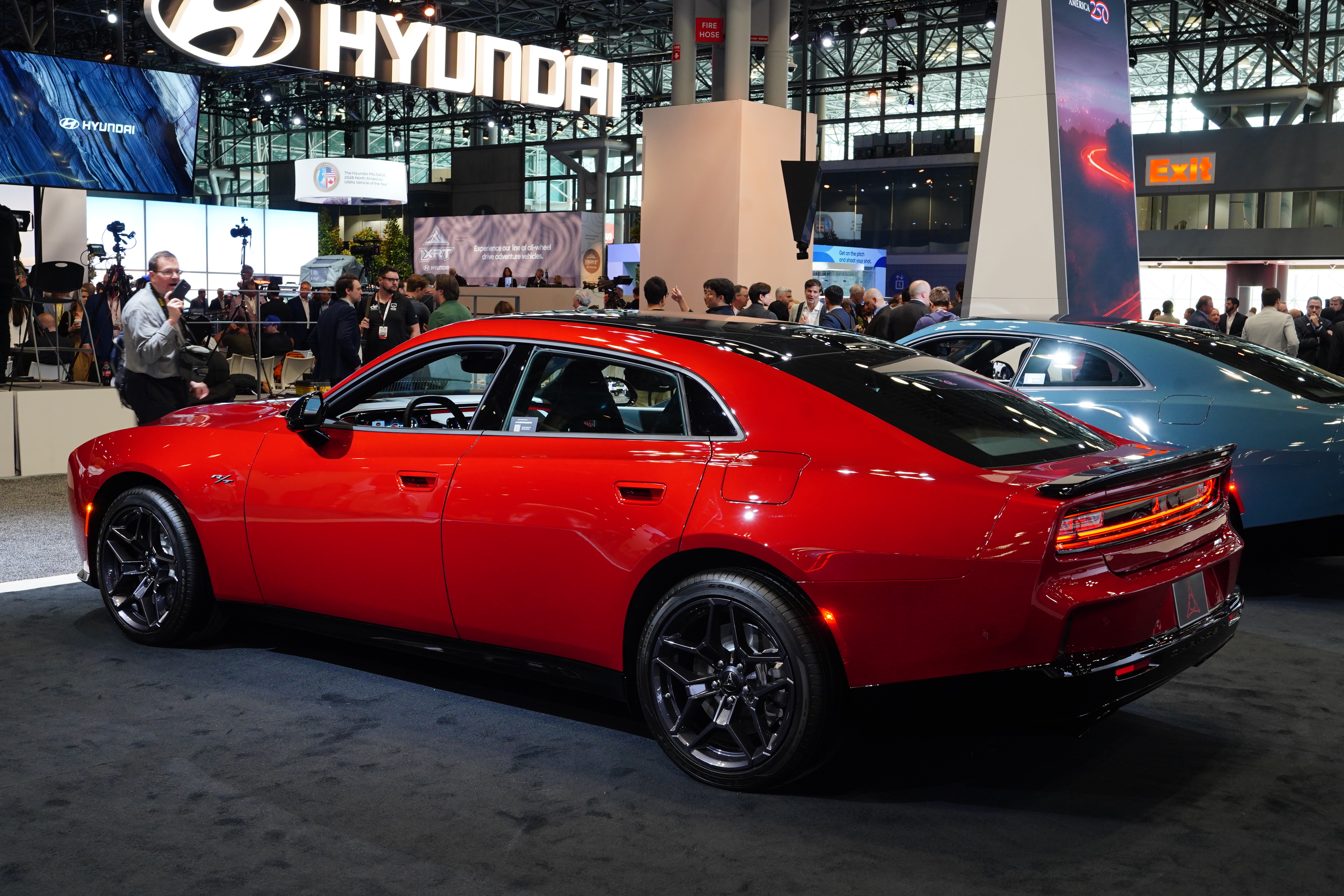
The focus here was the Charger, available as a two-door, four-door, gas, or electric.

Charger two-door
Charger four-door


JEEP

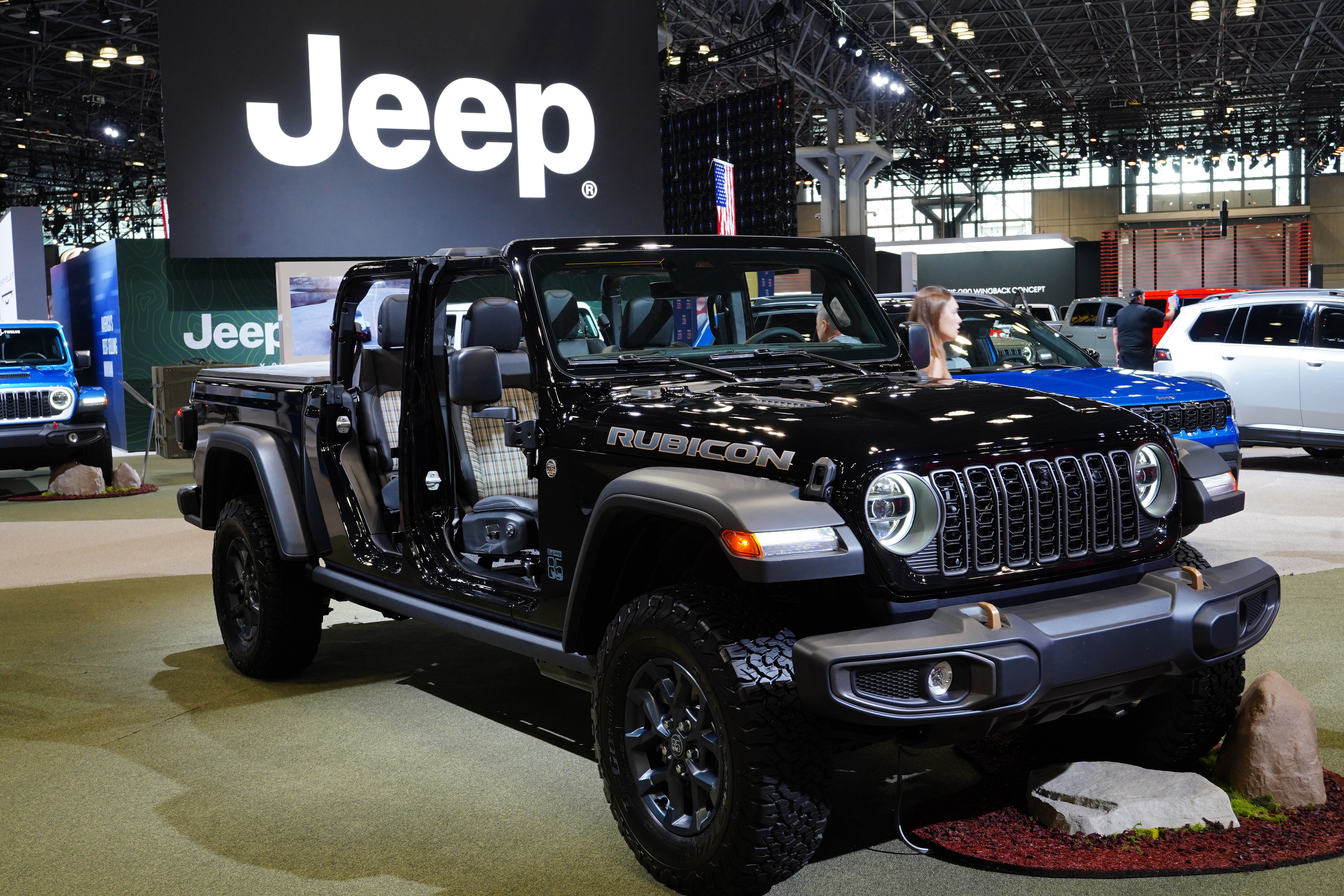
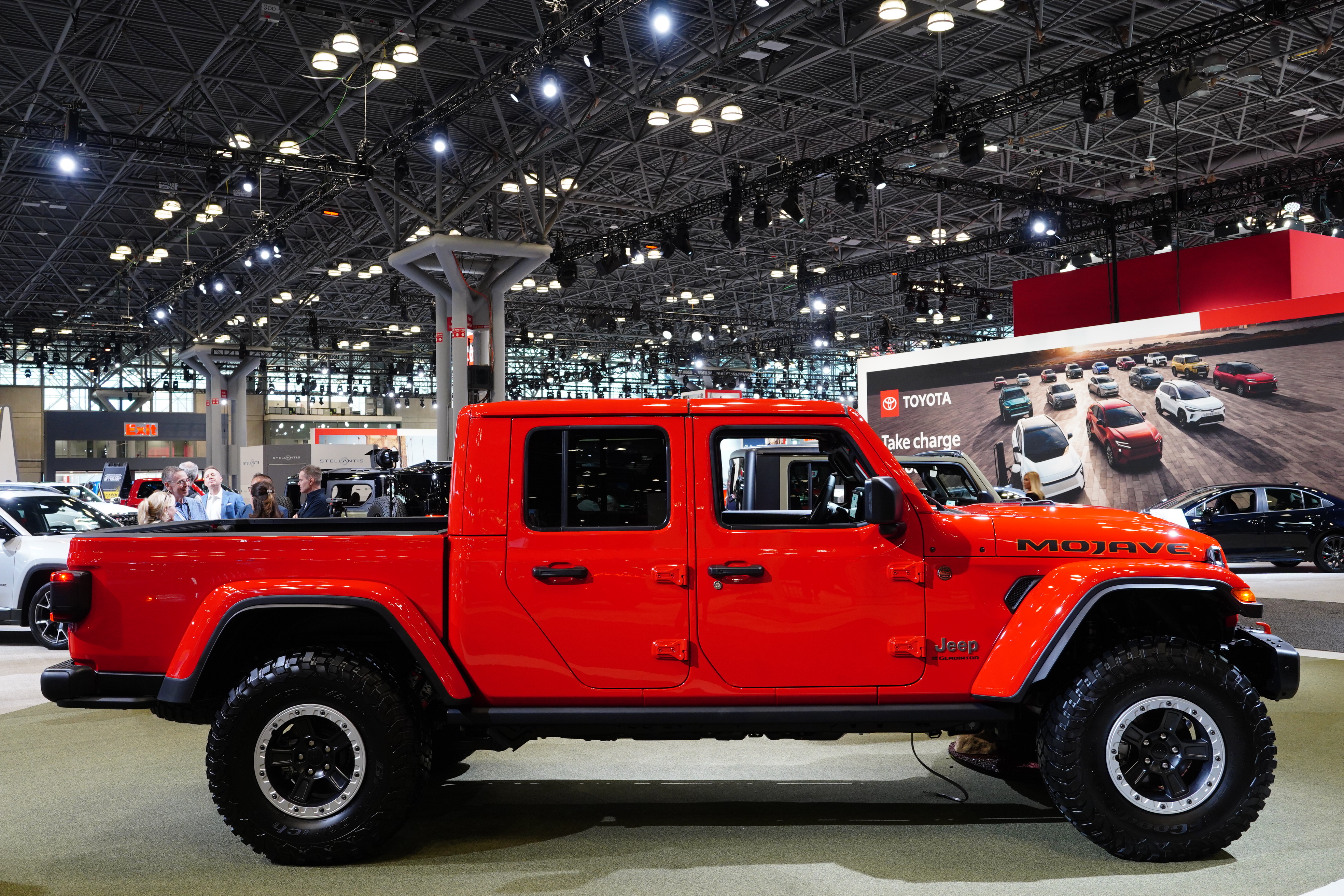
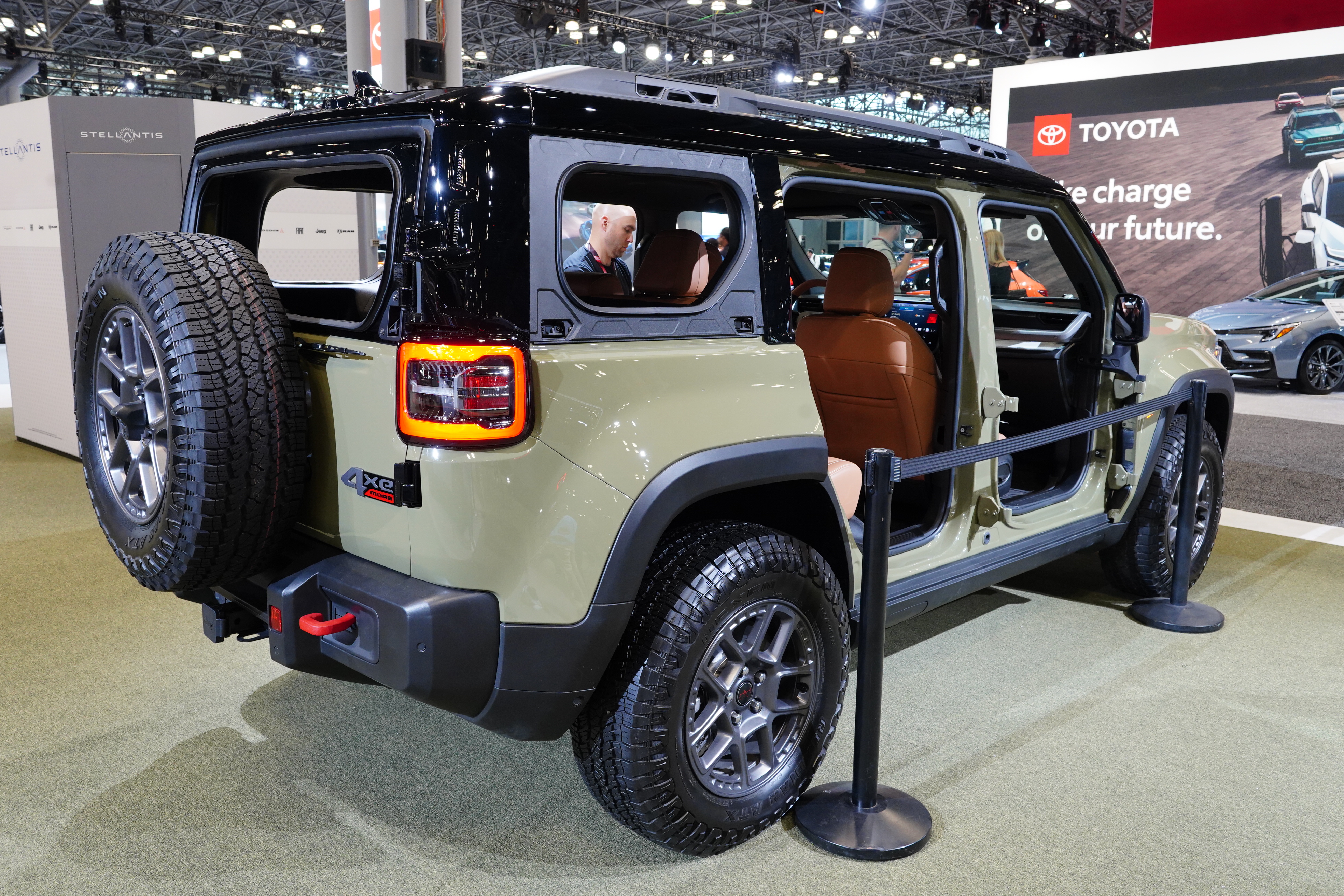
The Jeep display highlighted the Wrangler and its many variations. The new Recon Moab EV is covered separately below.


RAM

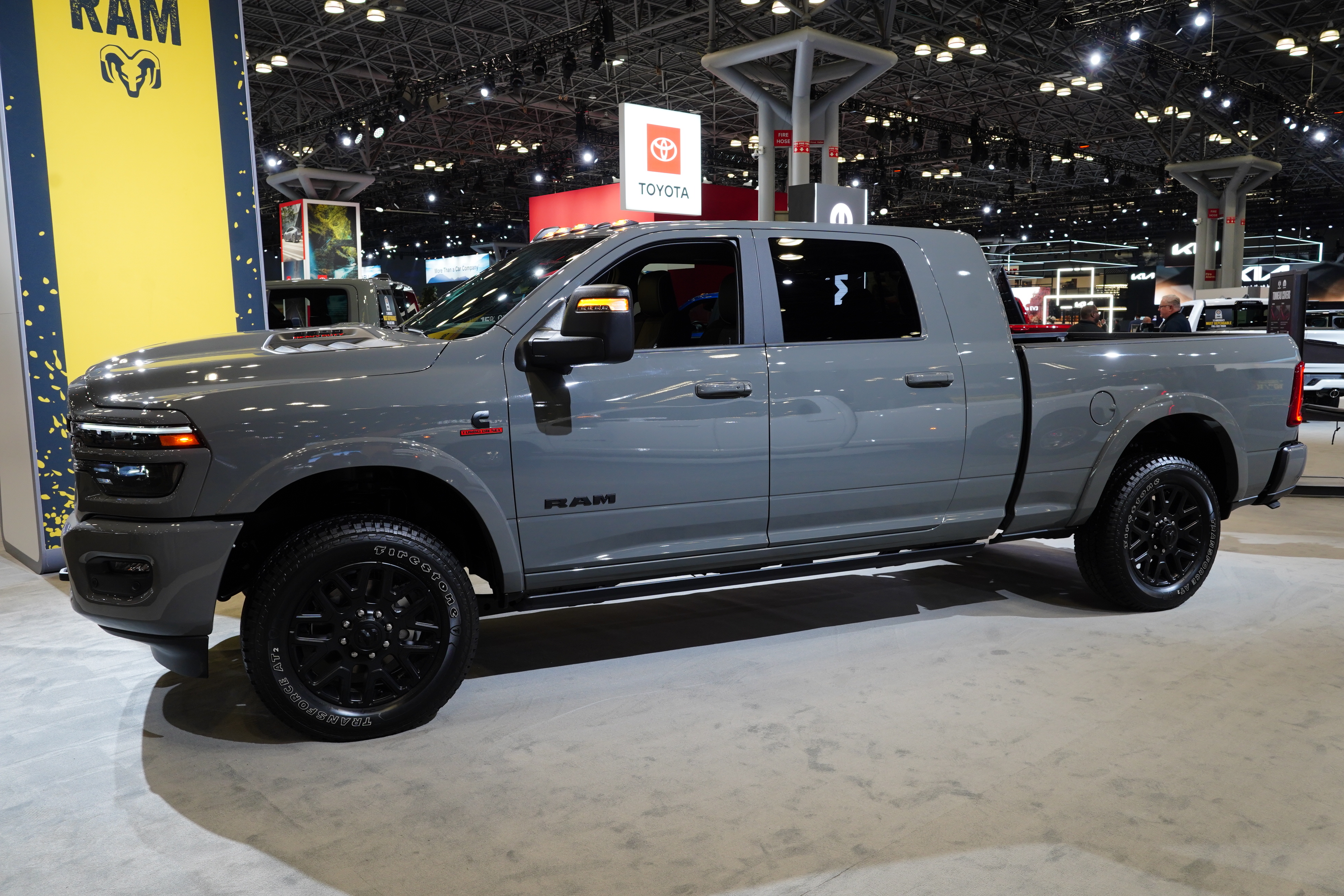
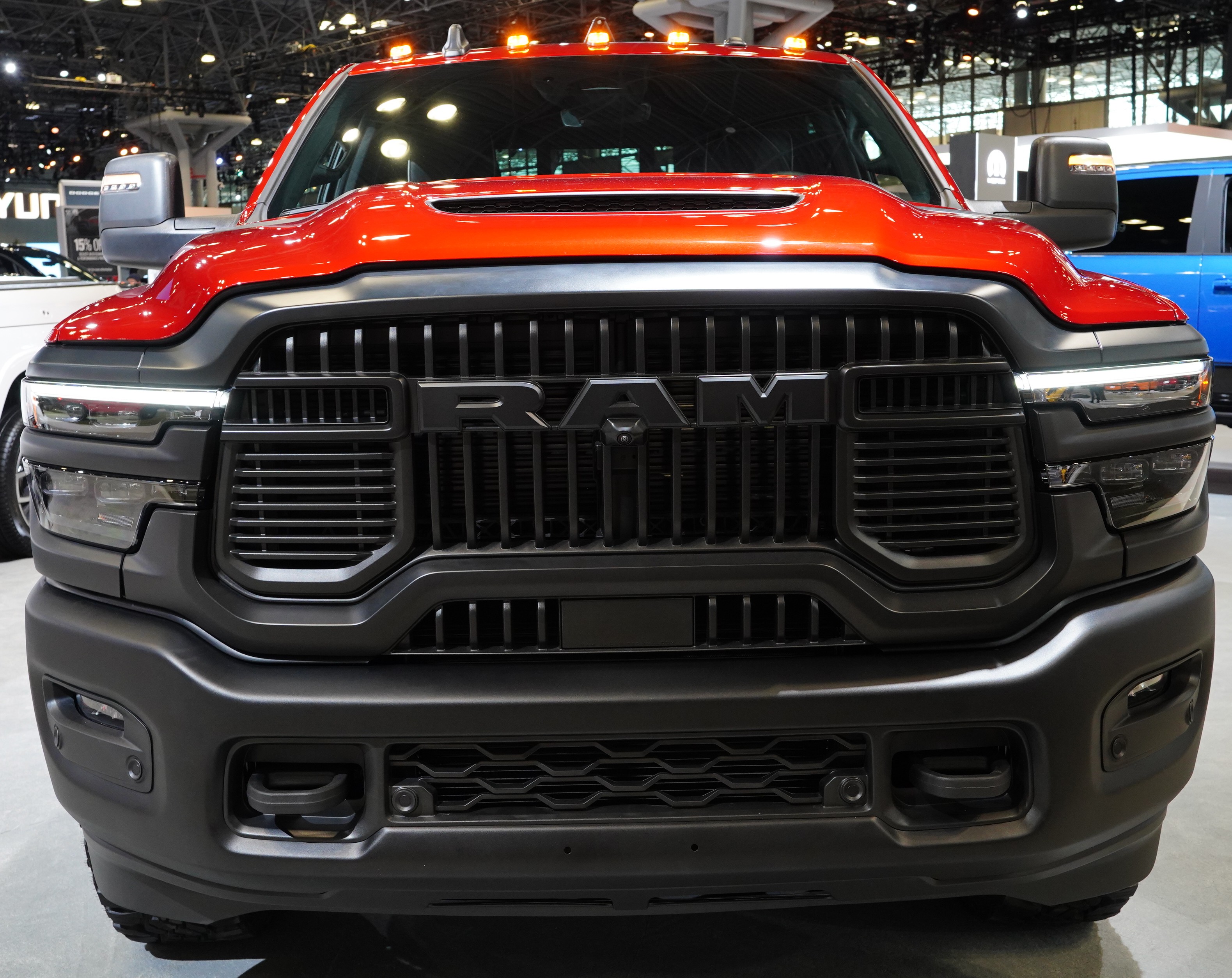
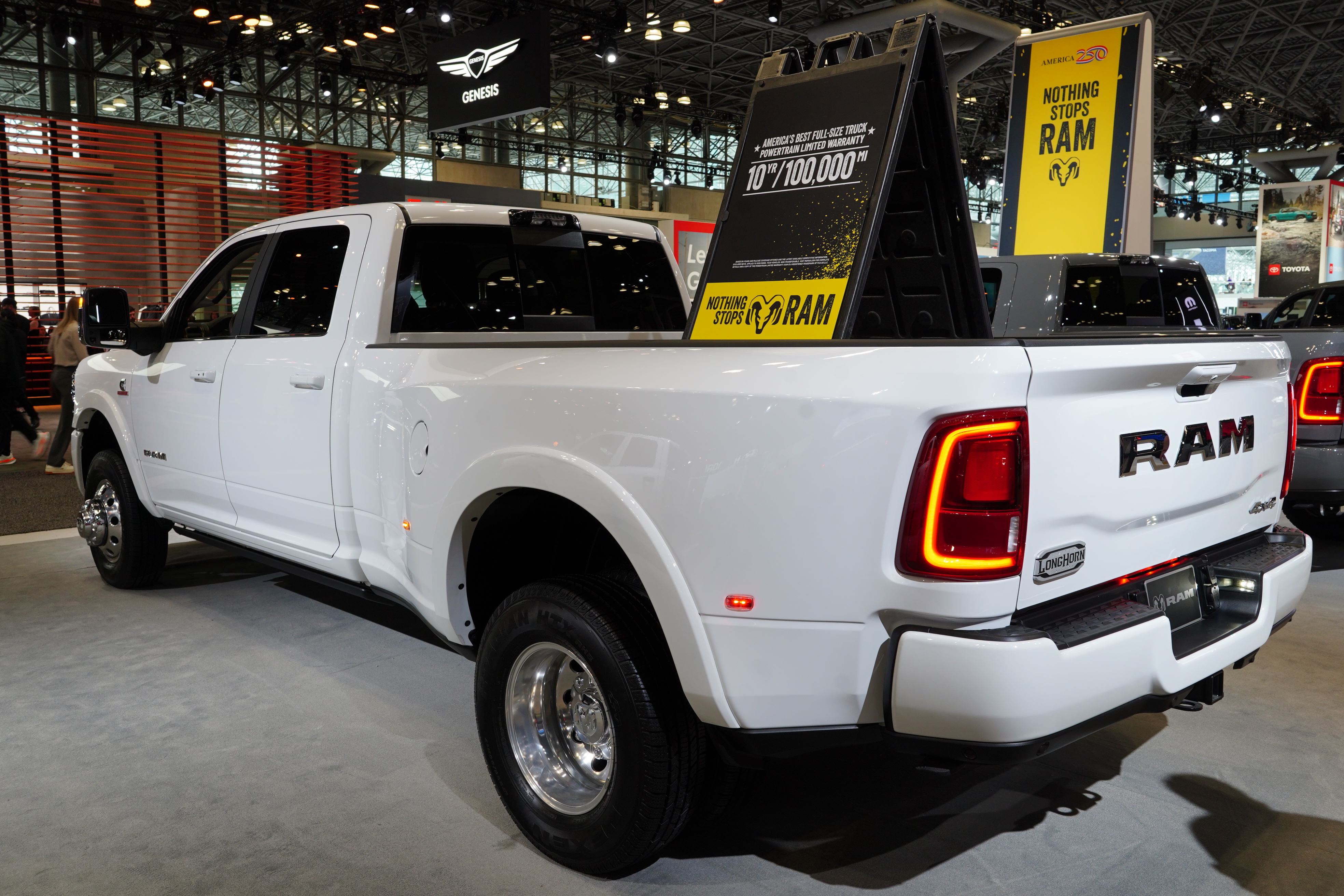
Mega cabs and dualies serve to overemphasize the enormity of these trucks.


FIAT

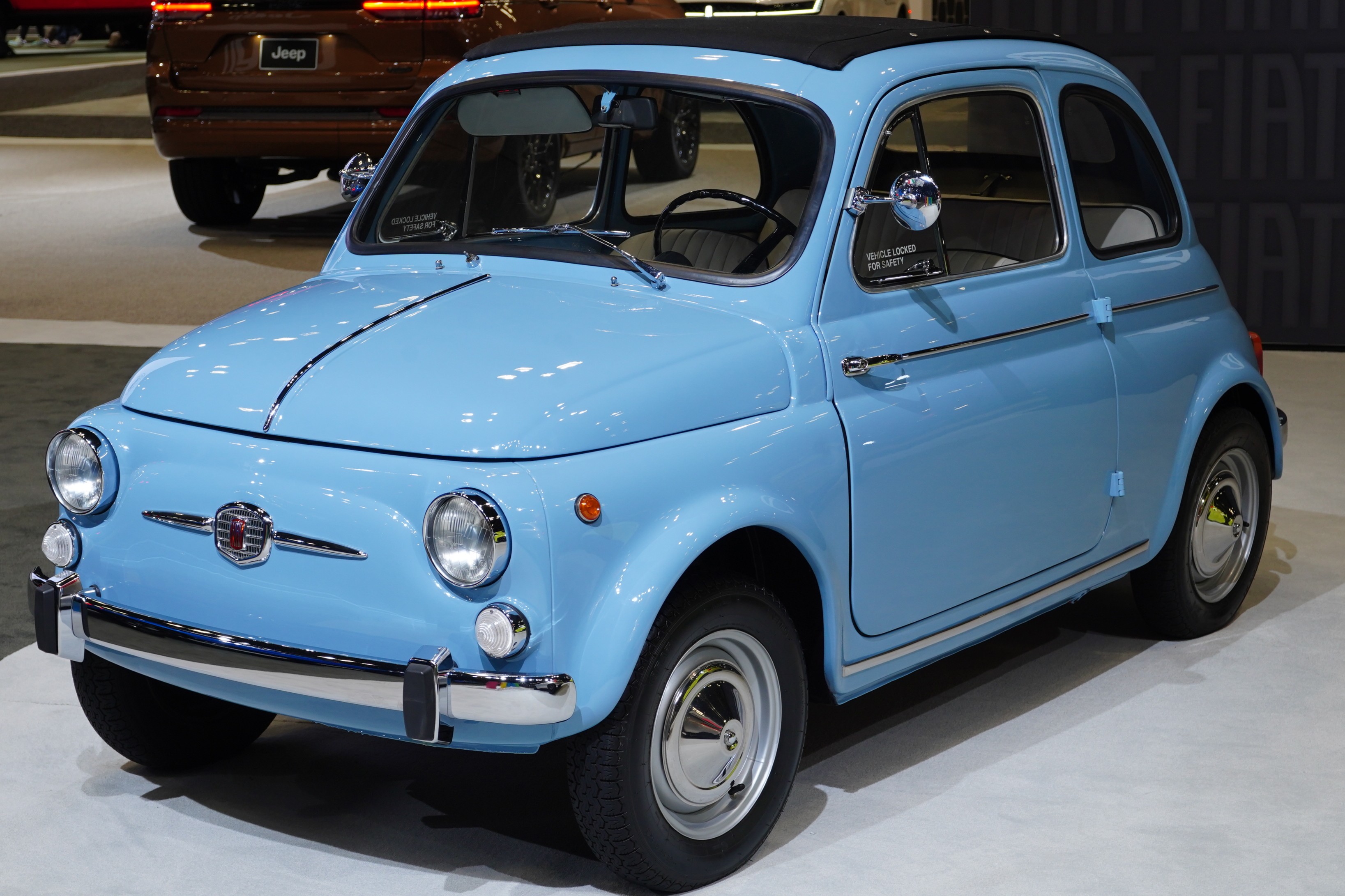
Fiat sells one model in the U.S., the 500-e EV. But for some reason, they also decided to display an old 500, which looked like you could pick it up and place it in the bed of one of the Ram trucks.


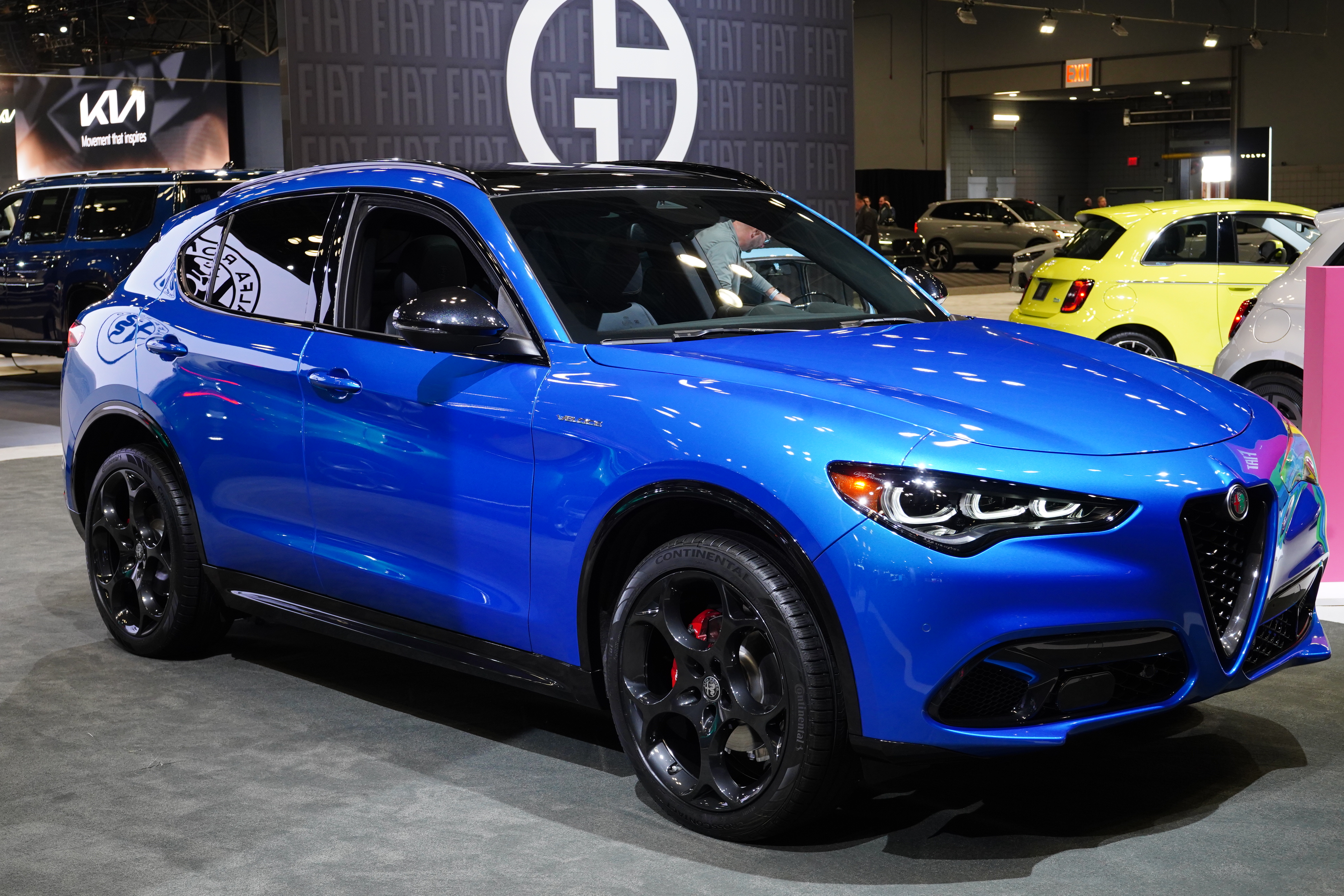
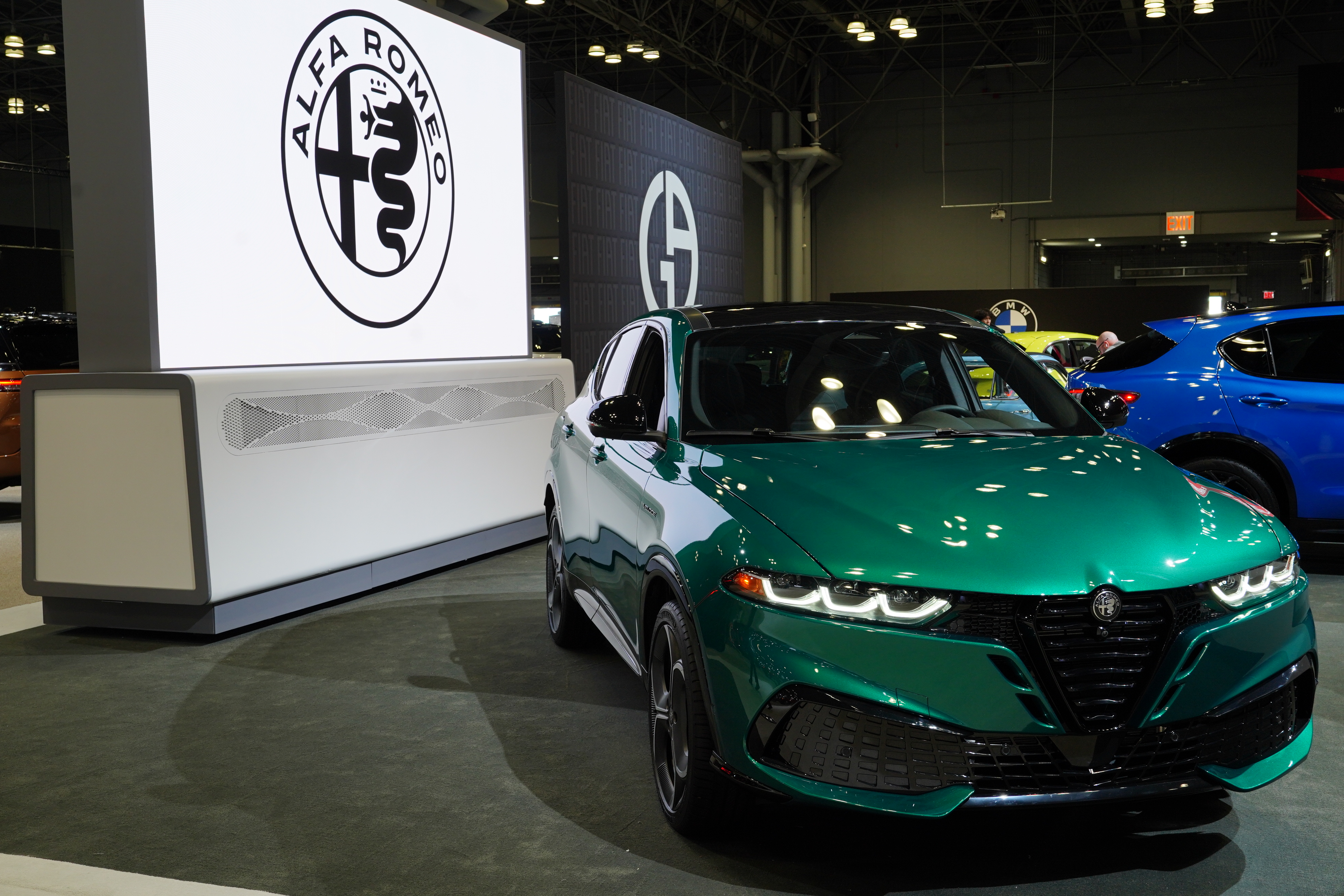
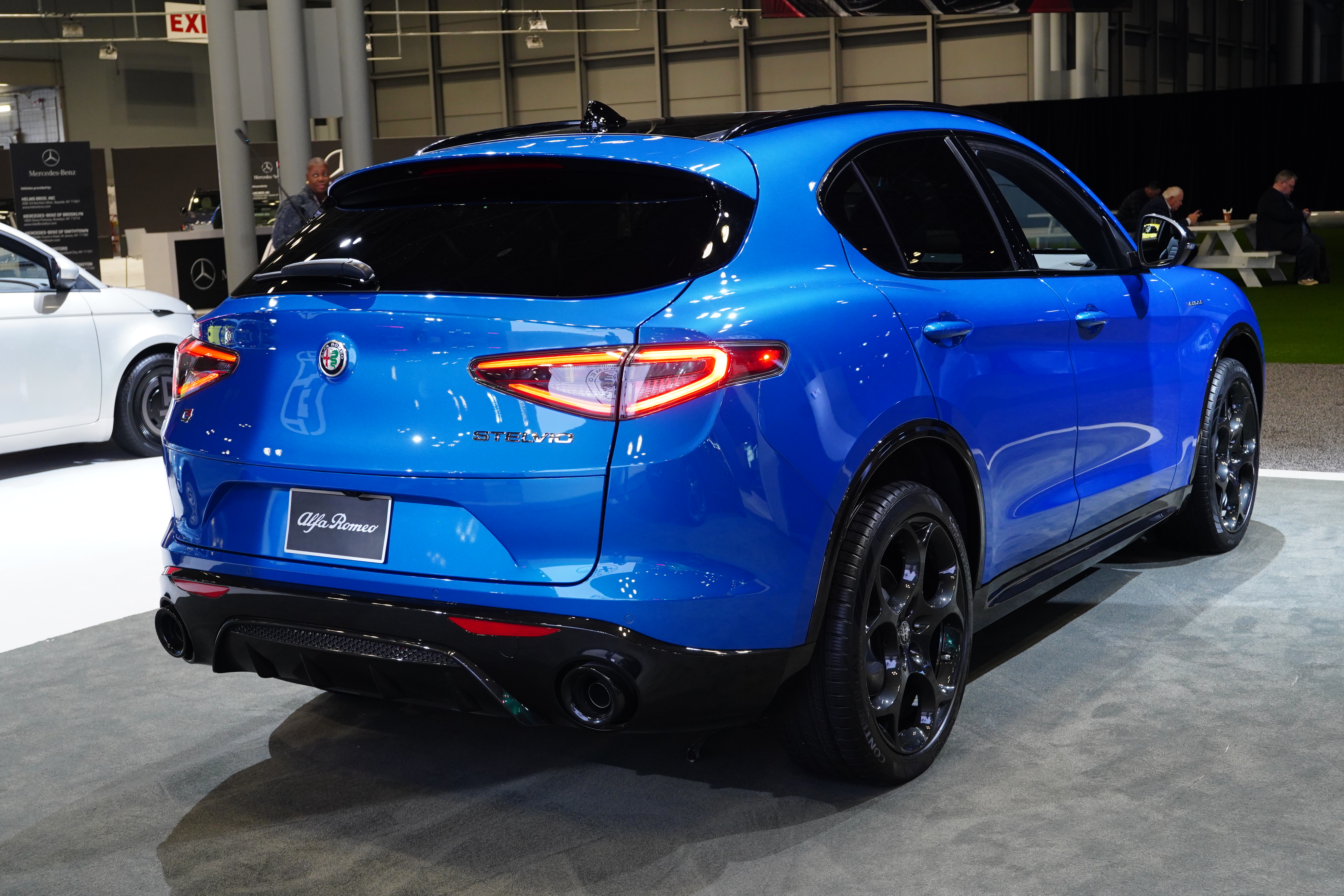
ALFA ROMEO

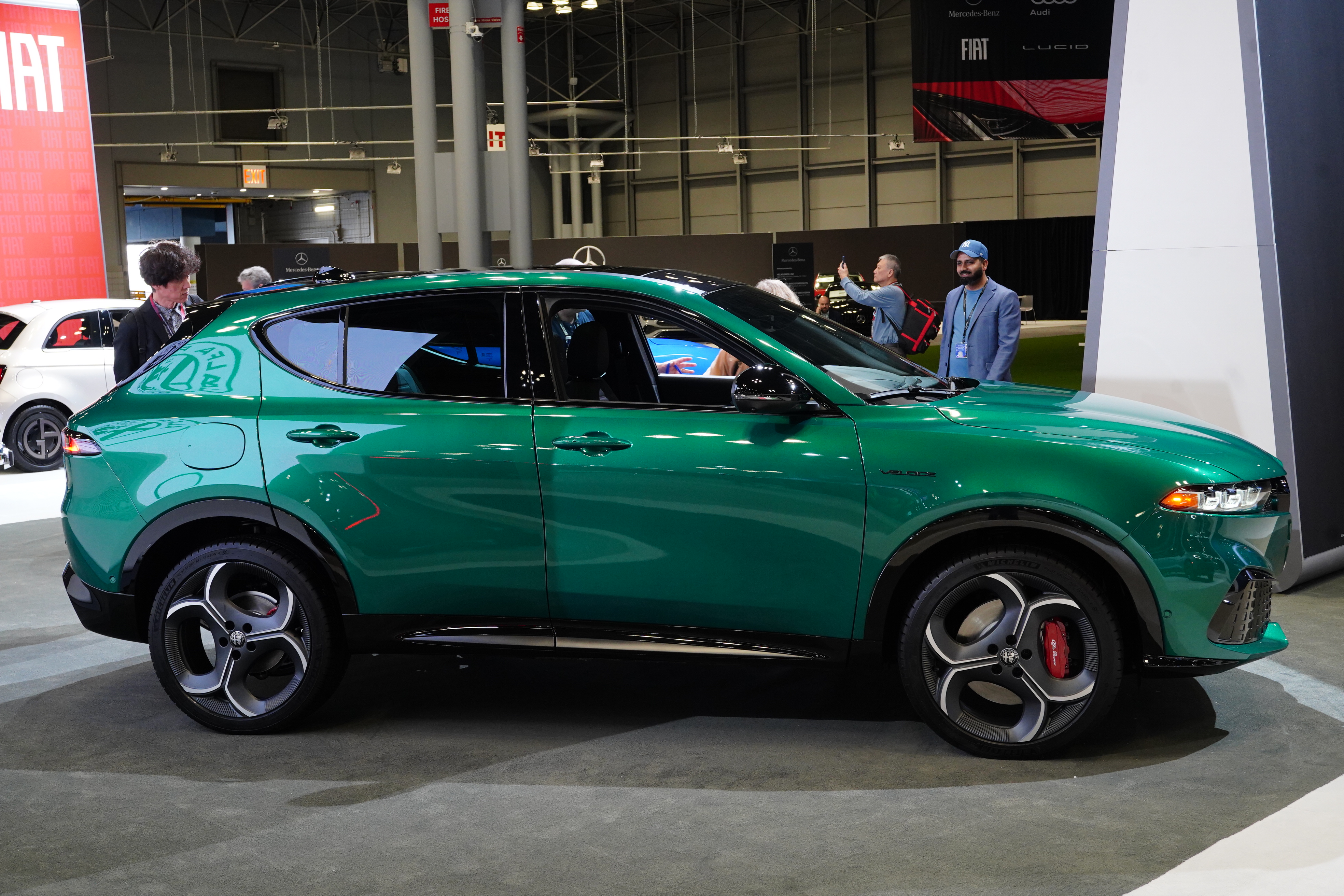
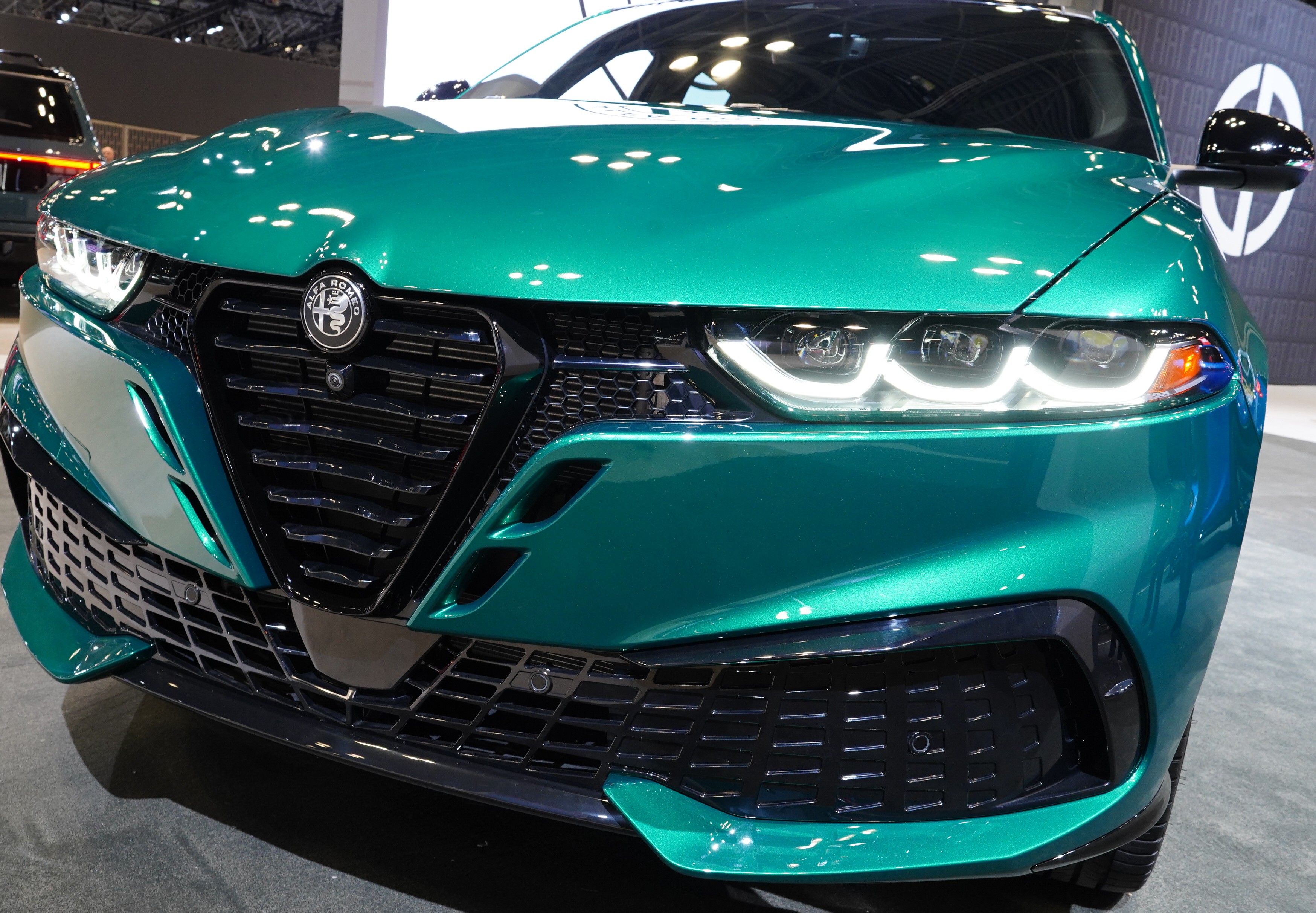
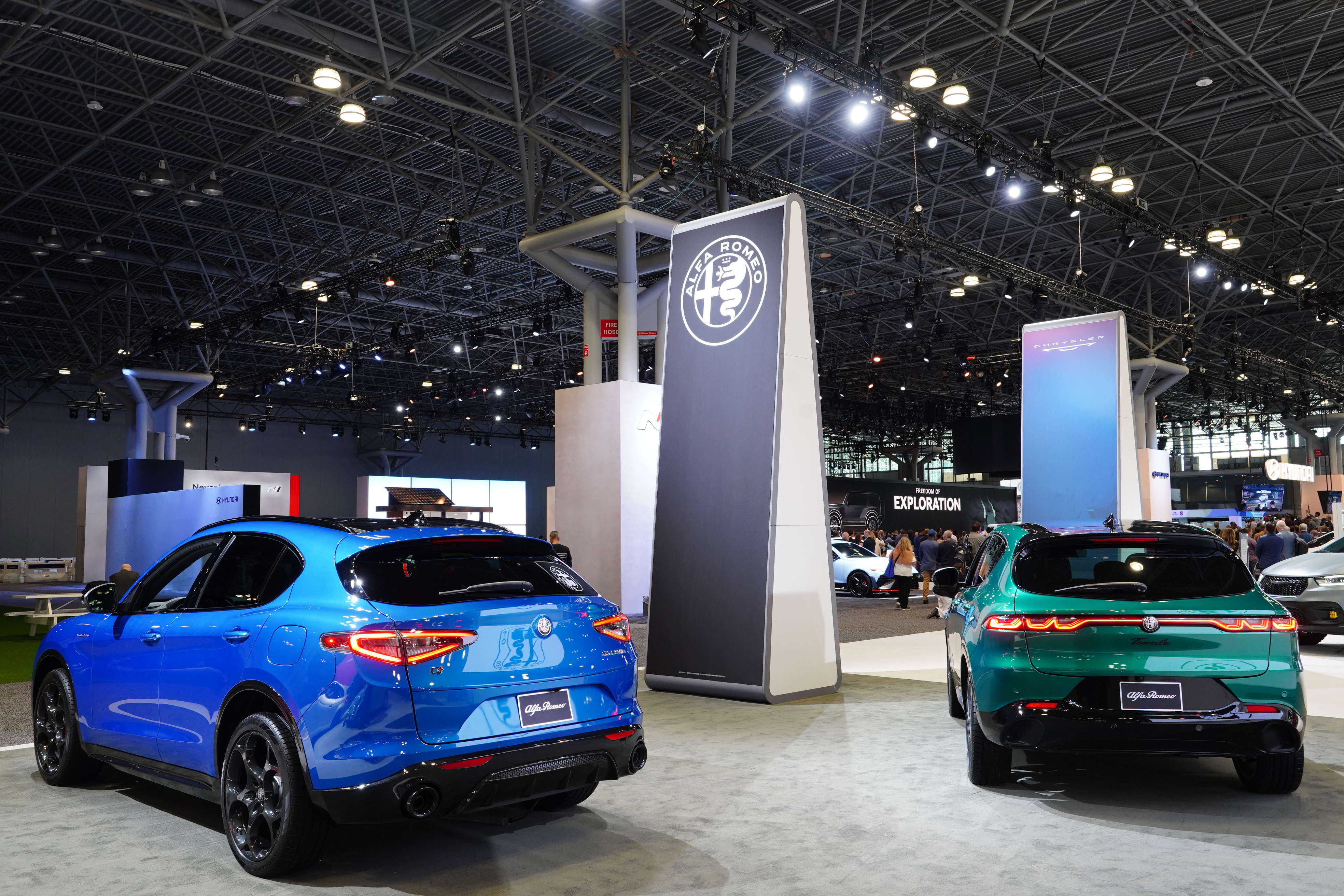
While I was very happy to find my favorite brand included, I was equally disappointed at the paucity of the display. There was one Tonale, one Stelvio, and no Giulia. There also was no signage to explain features, options, or pricing, although to be fair, none of the Stellantis brands exhibited explanatory signage. For a brand that is seemingly on life support, the sales and marketing effort made by the company was a big disappointment. Who’s running the show? Are they trying to sell cars? Are Alfa’s dealers up in arms about this?

Tonale
Stelvio


HYUNDAI

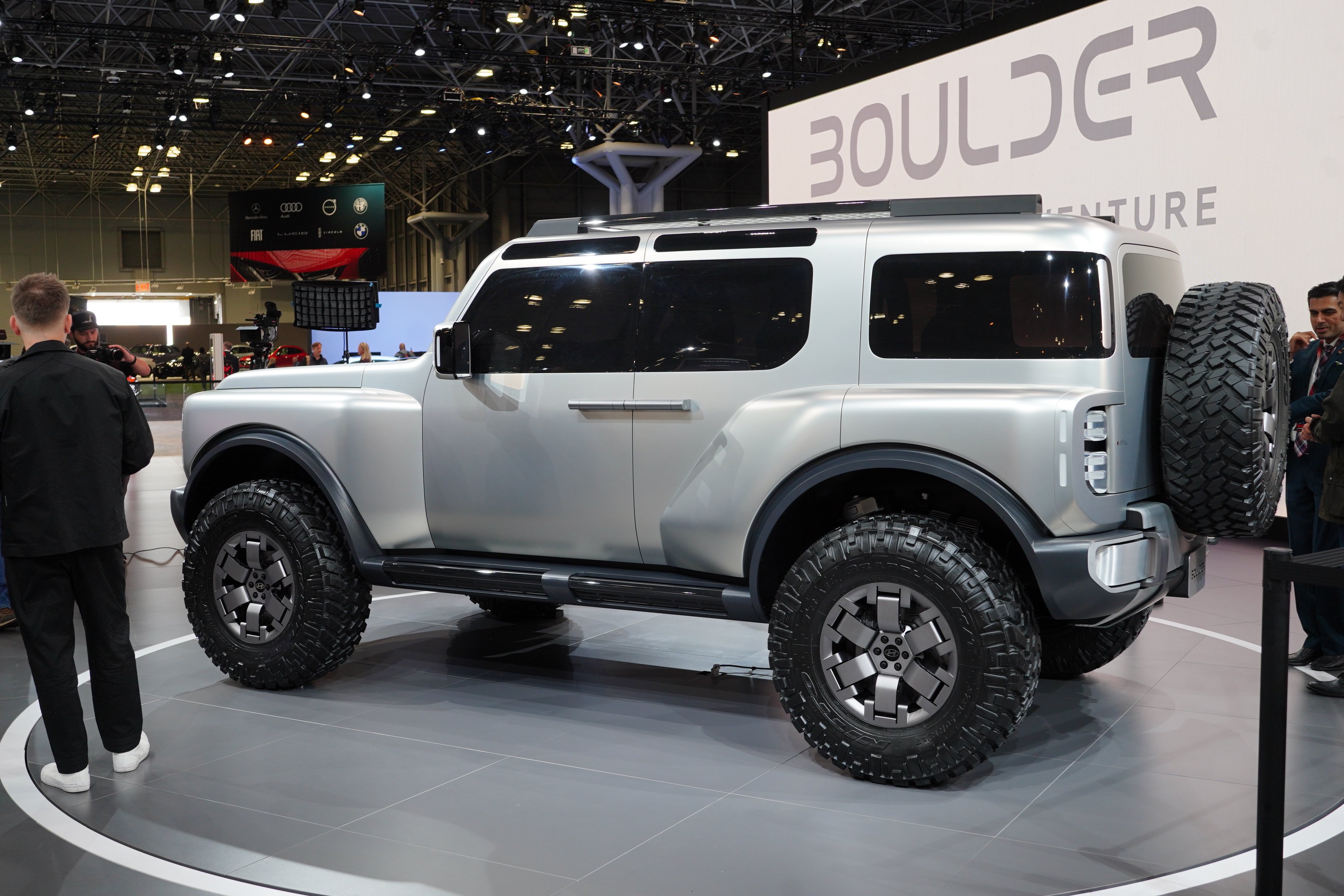
I was in attendance for their press conference, where Hyundai seemingly took the industry by surprise by announcing plans to build a body-on-frame truck (“built in the U.S., using U.S. steel”). The concept, named the Boulder (note the spelling) is planned for a 2030 debut. That is a long way off, and I am left pondering how much the world can (and undoubtedly will) change between now and then. Obviously going after Jeep and Ford, I think that those customers have traditionally stuck with domestic brands. Will the typical Wrangler or Bronco shopper stop in at the local Hyundai dealer?


CLASSIC CARS

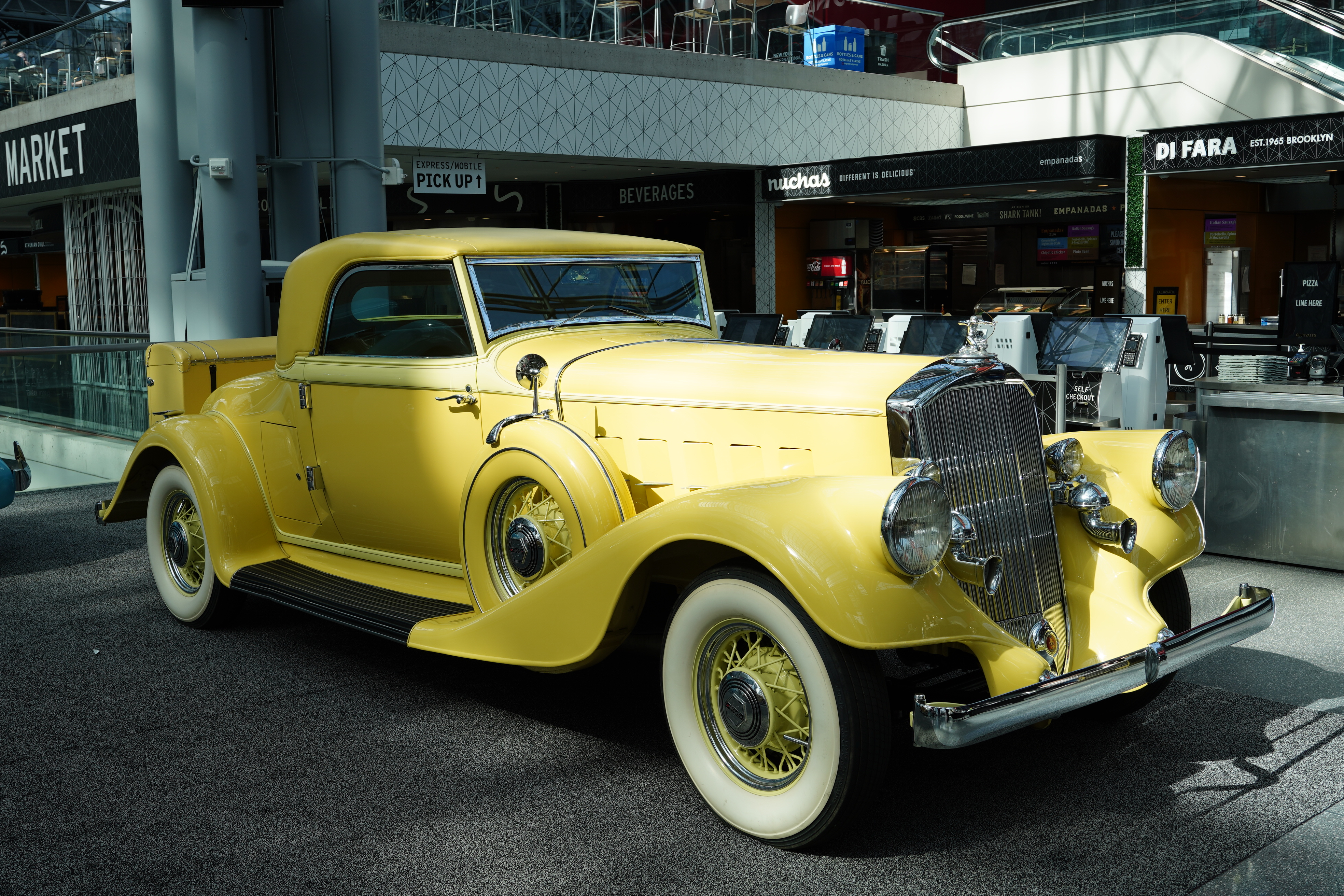
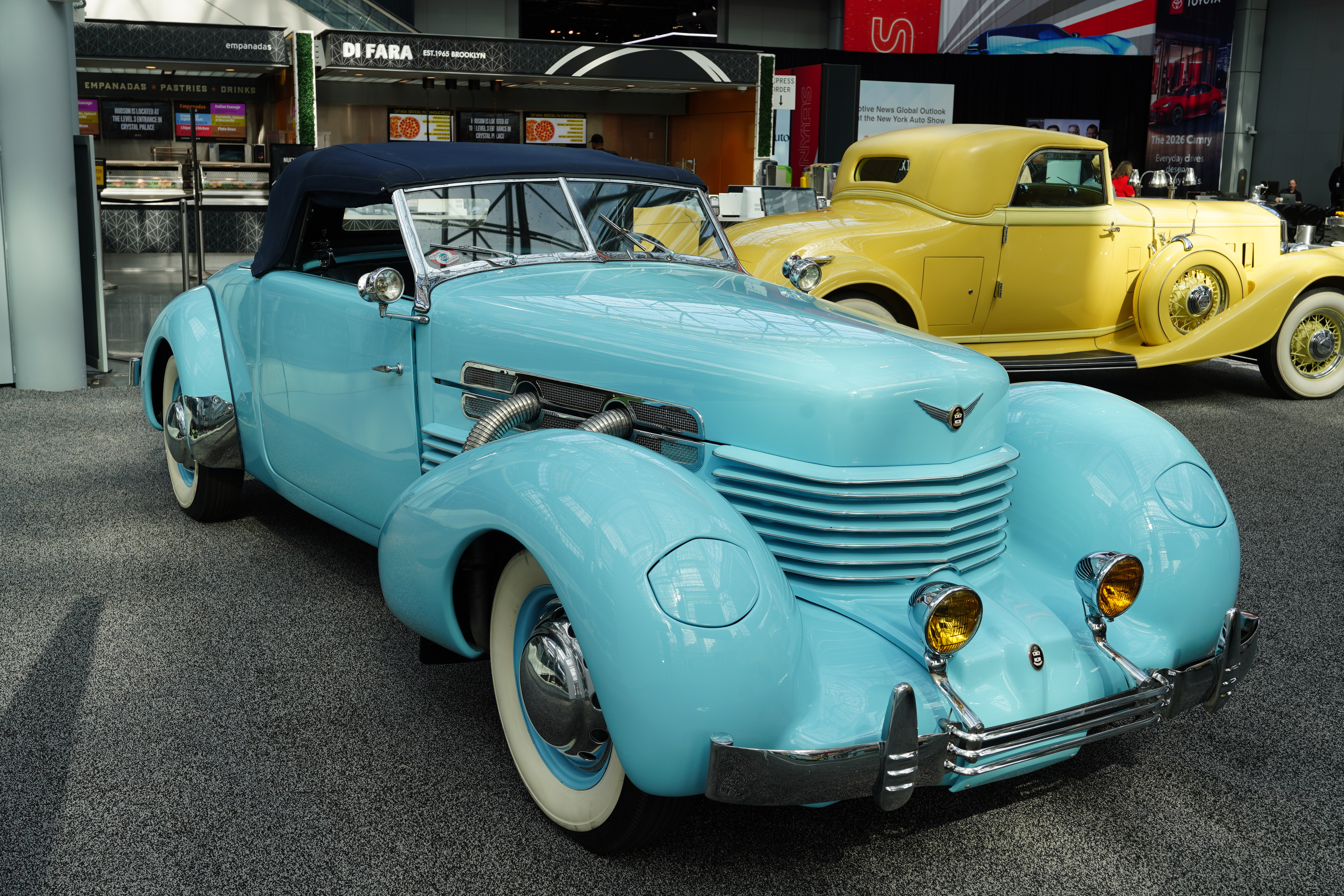
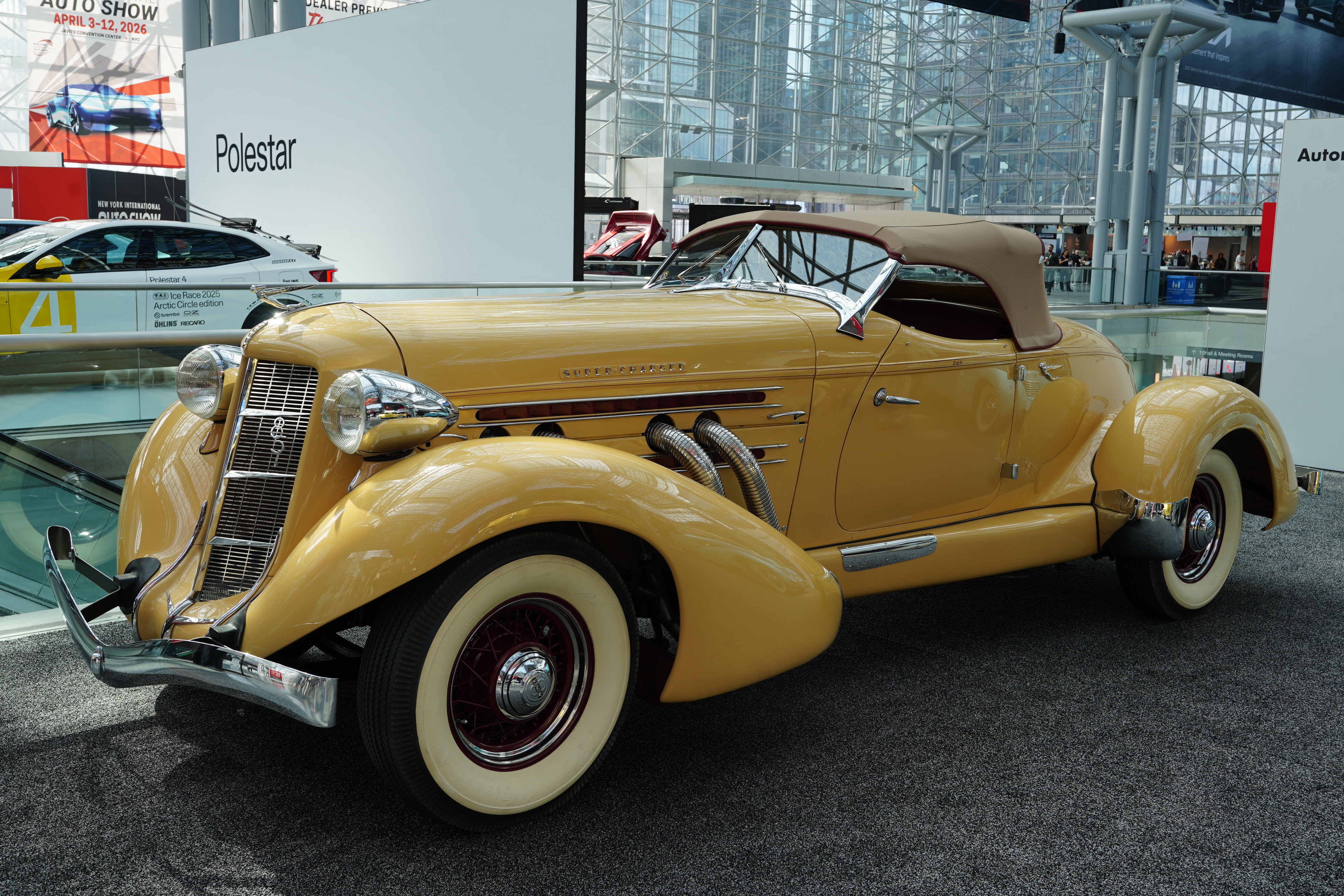
It’s become tradition in NY to set aside a small area for several classics to be displayed from someone’s personal collection. This year, the theme was Automobiles of the Great Depression, and included a 1933 Pierce Arrow, a 1935 Auburn, and a 1937 Cord.
Pierce Arrow
Cord
Auburn


ELECTRIC VEHICLES

Have you heard these numbers? GM: $7.9 billion. Ford: $19.5 billion. Stellantis: $26.2 billion. No, these are not their net profits for 2025. These are the various write-down and restructuring charges (totaling over $53 billion) each of the Big Three lost during 2025, as they turned away from EV investments due to loss of tax credits and a public still reluctant to embrace a pivot toward EVs.
Yet: GM and Stellantis had a significant focus on new and upcoming EVs at the NY show (Ford, less so). Subaru, Hyundai, Kia, Lucid, Volvo, Nissan, and Polestar also had EVs on display. Recent news stories have indicated that Americans, facing rising gasoline prices, are again shopping for alternatives, including EVs, so for those in the market, the NYIAS had vehicles for their consideration. EV manufacturers who were absent included Tesla, Rivian, and VinFast.
The two major bugaboos for consumers, range anxiety and price parity, are slowly but certainly being tackled by the industry. More efficient batteries, continued investment in public charging stations, and lower priced EVs are here or coming soon. But in the short term, it remains to be seen if Americans can be weaned away from their internal combustion engine machines.
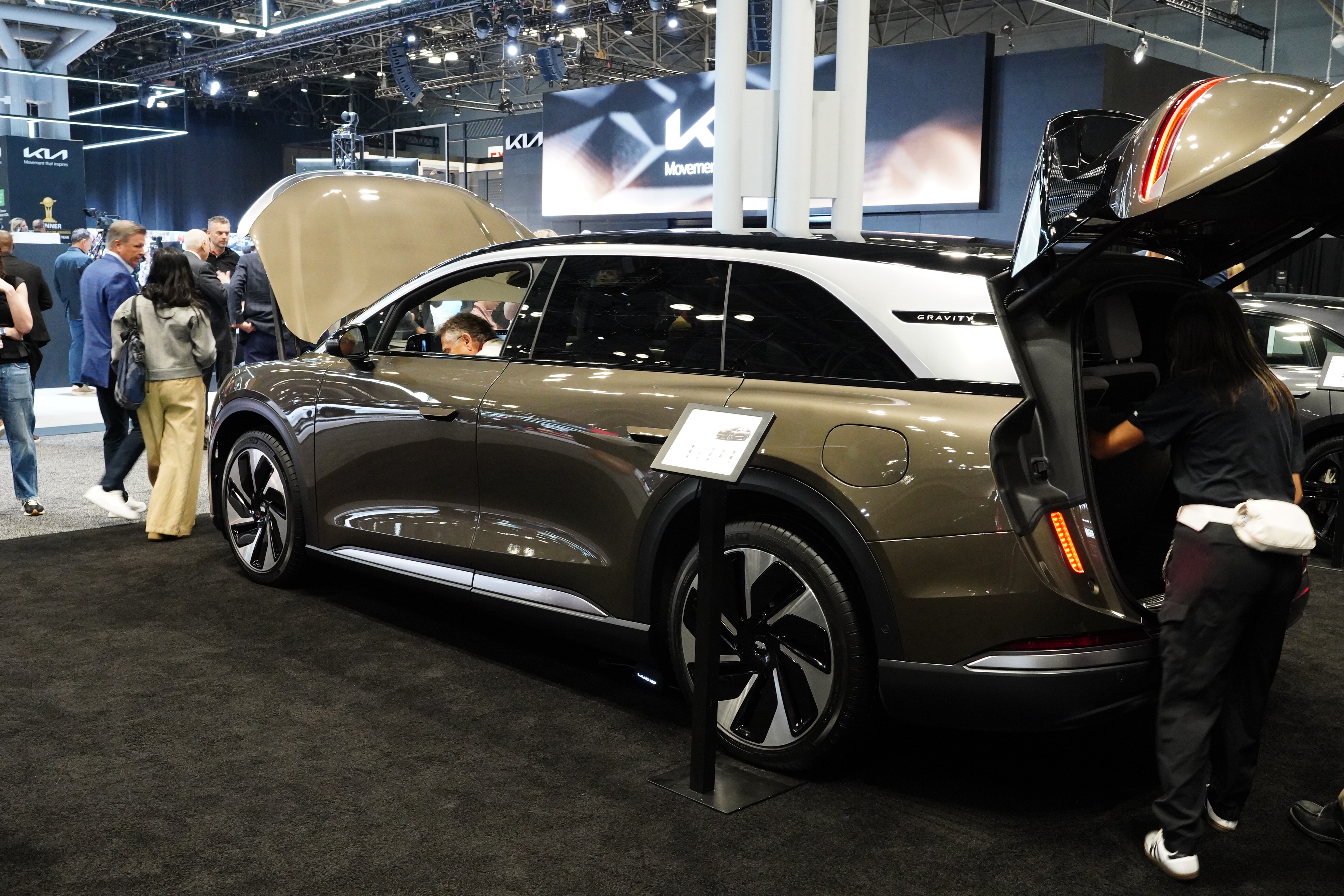
I took two test rides on the EV track downstairs. First was a ride in a Lucid Gravity, a large $80,000 SUV. I followed that with a ride in the new Chevy Bolt, a $30,000 compact SUV.  Aside from faster acceleration in the Lucid, there was no other discernible difference from the passenger seat, an interesting tidbit for those who might be considering one of the more affordable EVs coming to market.


CHEVROLET

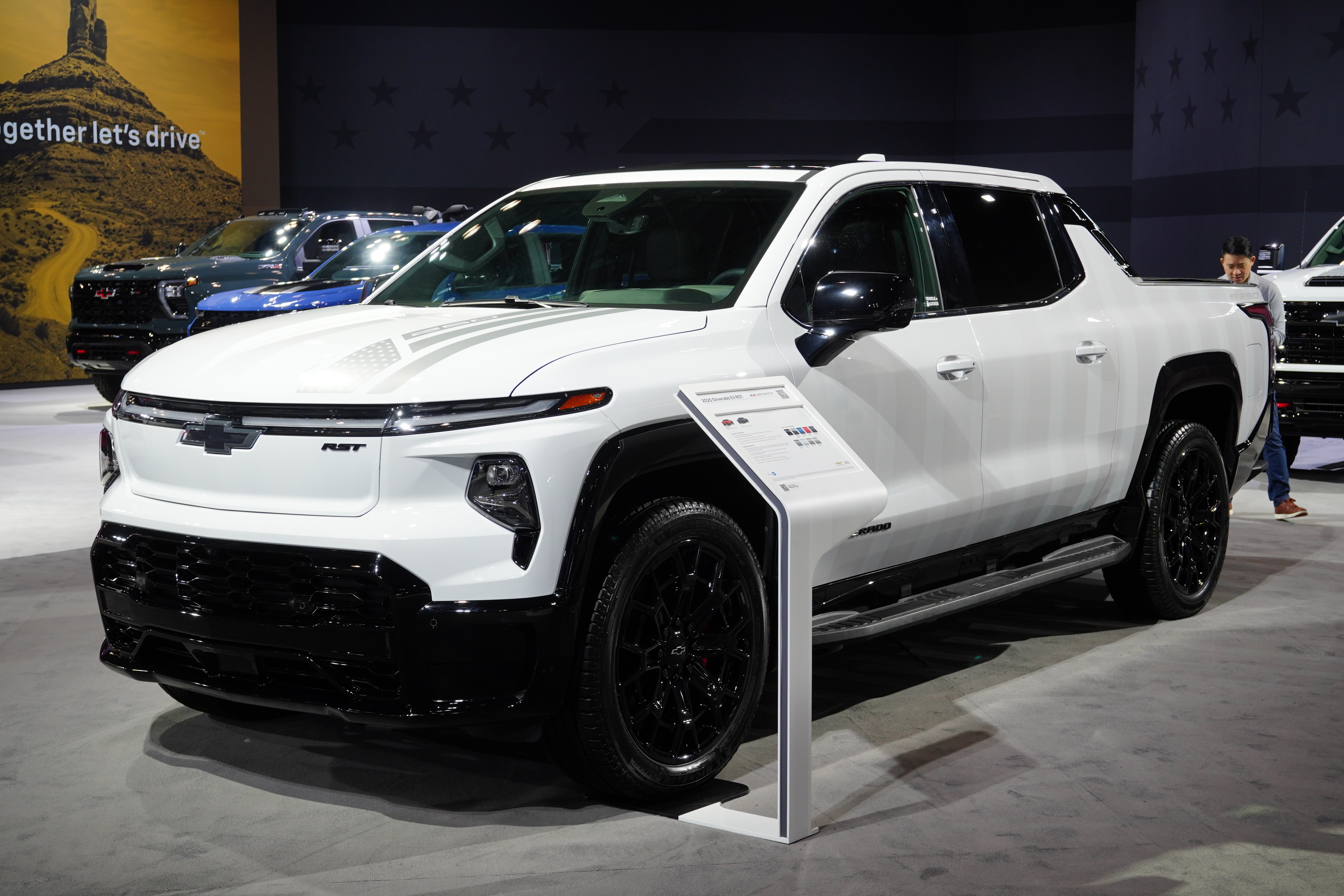
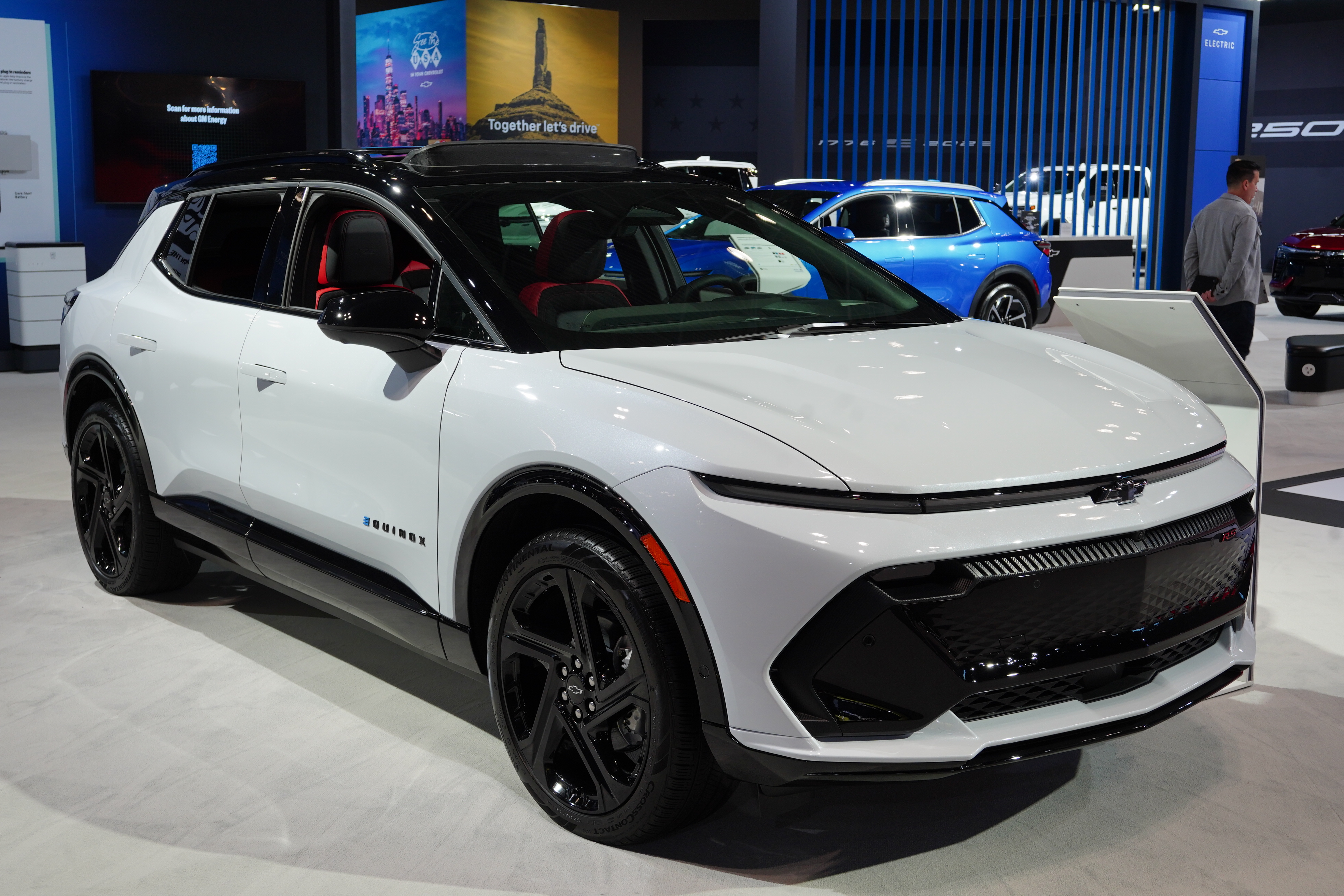
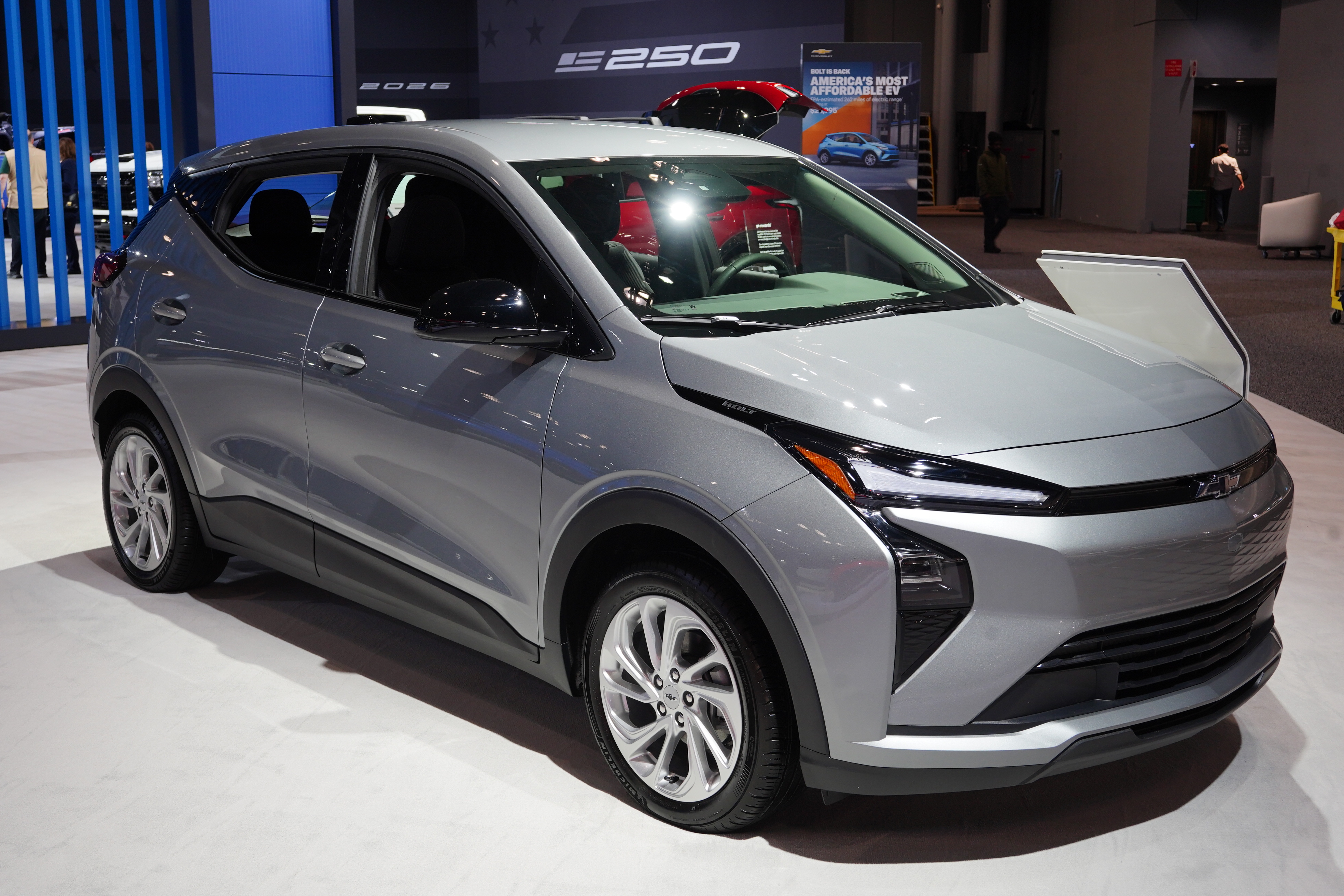
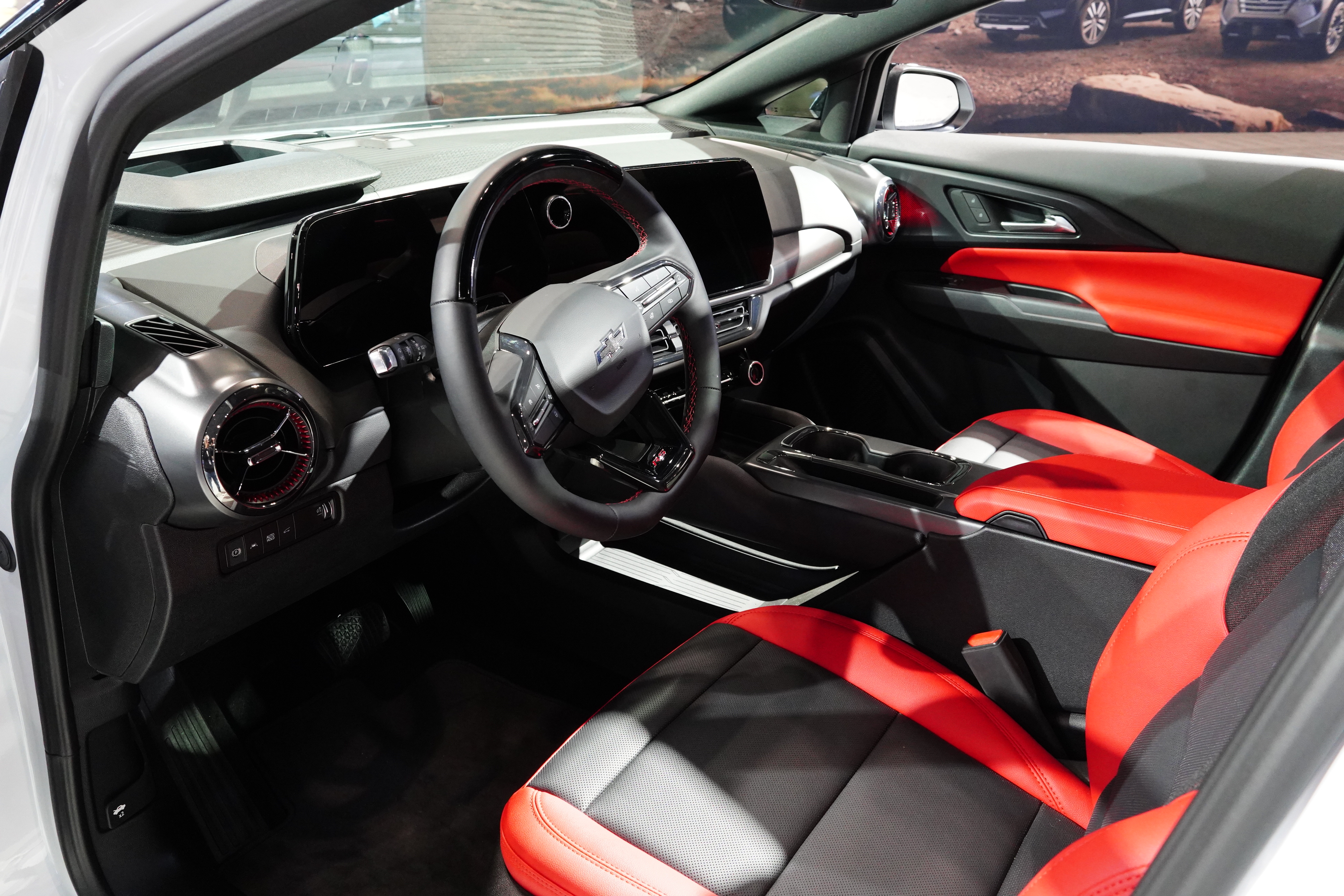
Chevy’s EV focus was mainly on the trucks: Silverado, Equinox, and Blazer. The new Bolt was there as well. The vehicles are good-looking, and pricing seems to be moving toward price-parity with the gas-engine equivalents. I’m just surprised that Chevrolet continues to style the EV versions to look different than their gas counterparts. They are holding onto the idea that an EV should not look like the gas engine vehicle of the same name.

Silverado EV
Equinox EV
Bolt EV
Bolt interior (the higher trim level car)
FORD

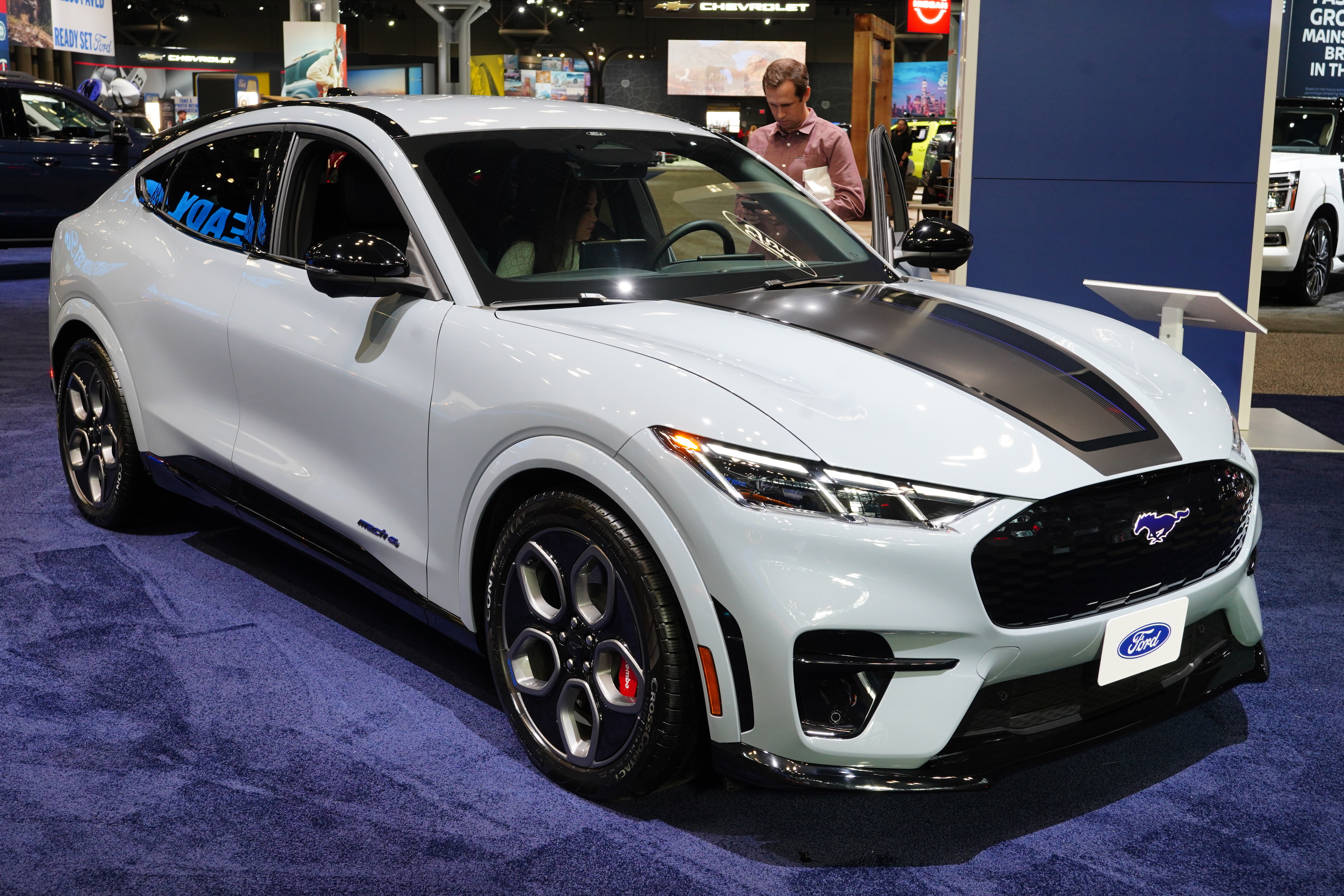
With the demise of the F-150 Lightning, Ford’s current EV offerings come down to the Mach-E Mustang, of which there were several on display. There was absolutely no mention of the upcoming “affordable” EV pickup truck.

Mustang Mach-E


JEEP

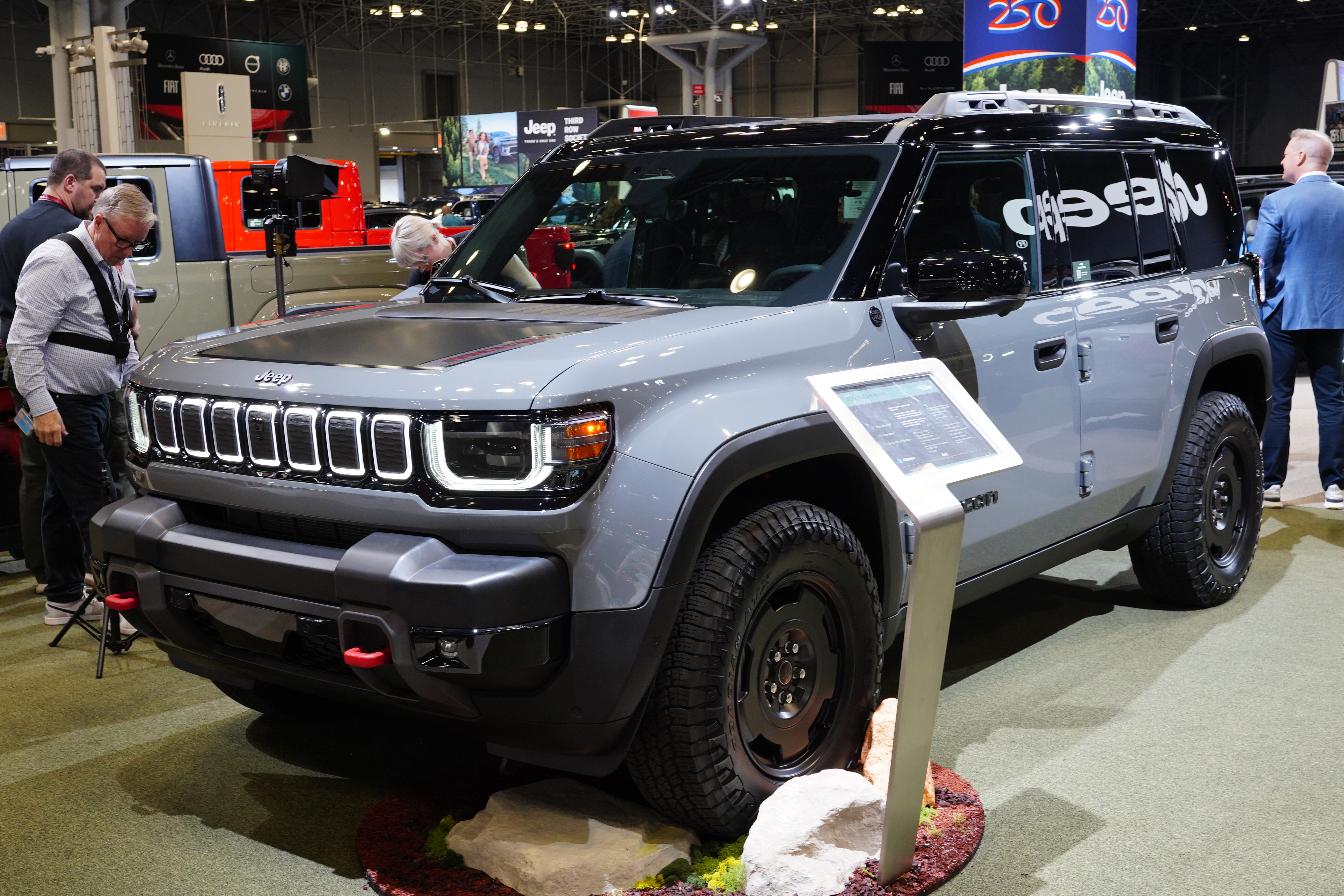
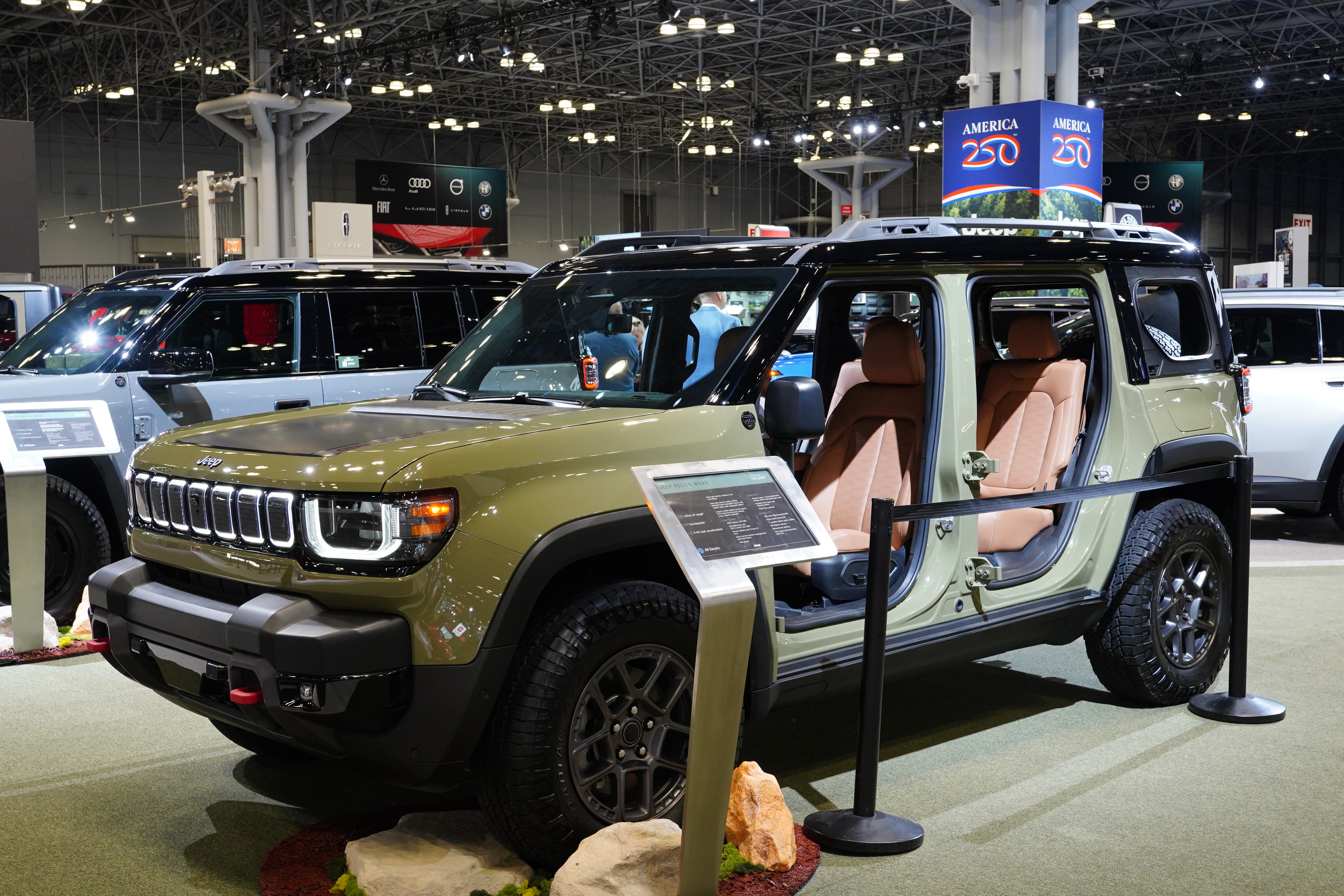
The big EV news at Stellantis was the unveiling of the new Jeep Recon Moab, the “only fully electric vehicle to be Trail Rated.” The published range is 260 miles, so if you’re really going into the wilderness with this, make sure you have the juice to get back home. The starting MSRP is $65,000.


LUCID

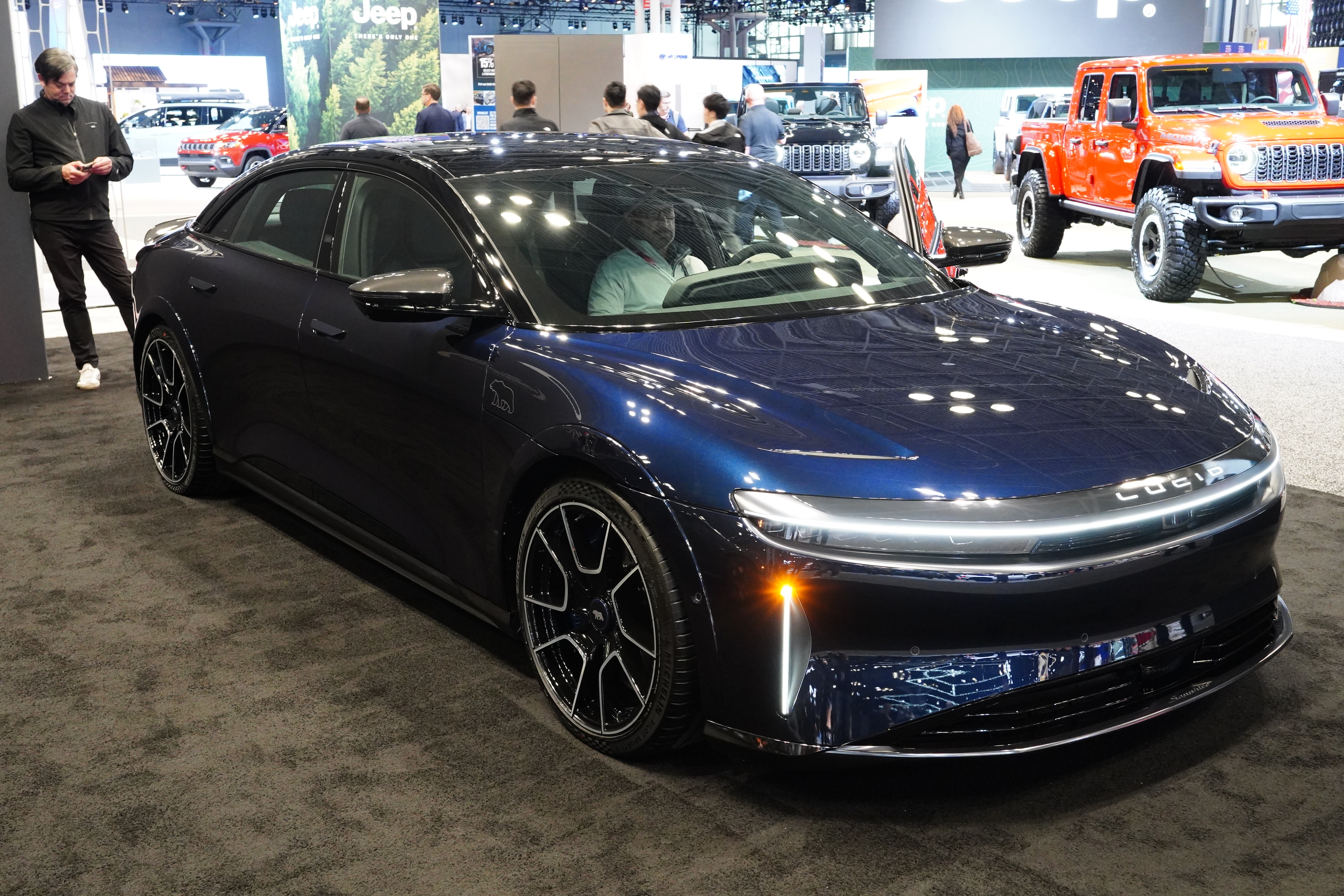
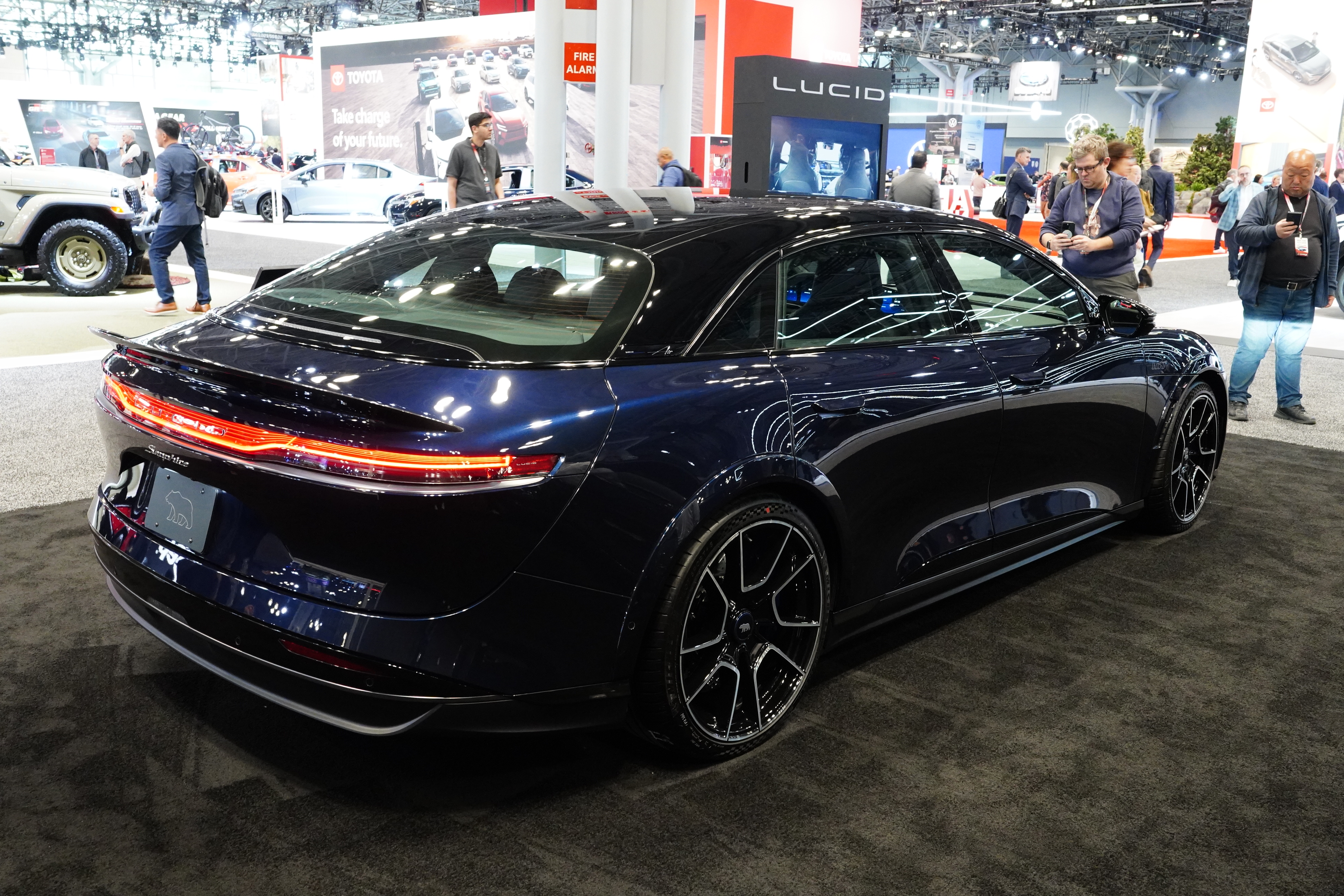
The Lucid display was packed all day. They had the four-door Air, the Gravity SUV, and a model called the Sapphire. I had to ask a Lucid rep about the Sapphire. “Oh, that is not a separate model. That is the Air but with every single available option we could possibly add. The price on the Sapphire is $249,000, but of course, you can get an Air starting around $80,000.” This is the kind of vehicle that, right or wrong, causes Americans to think that EVs are out of their price range.


Gravity
Air Sapphire
Air Sapphire


SUBARU

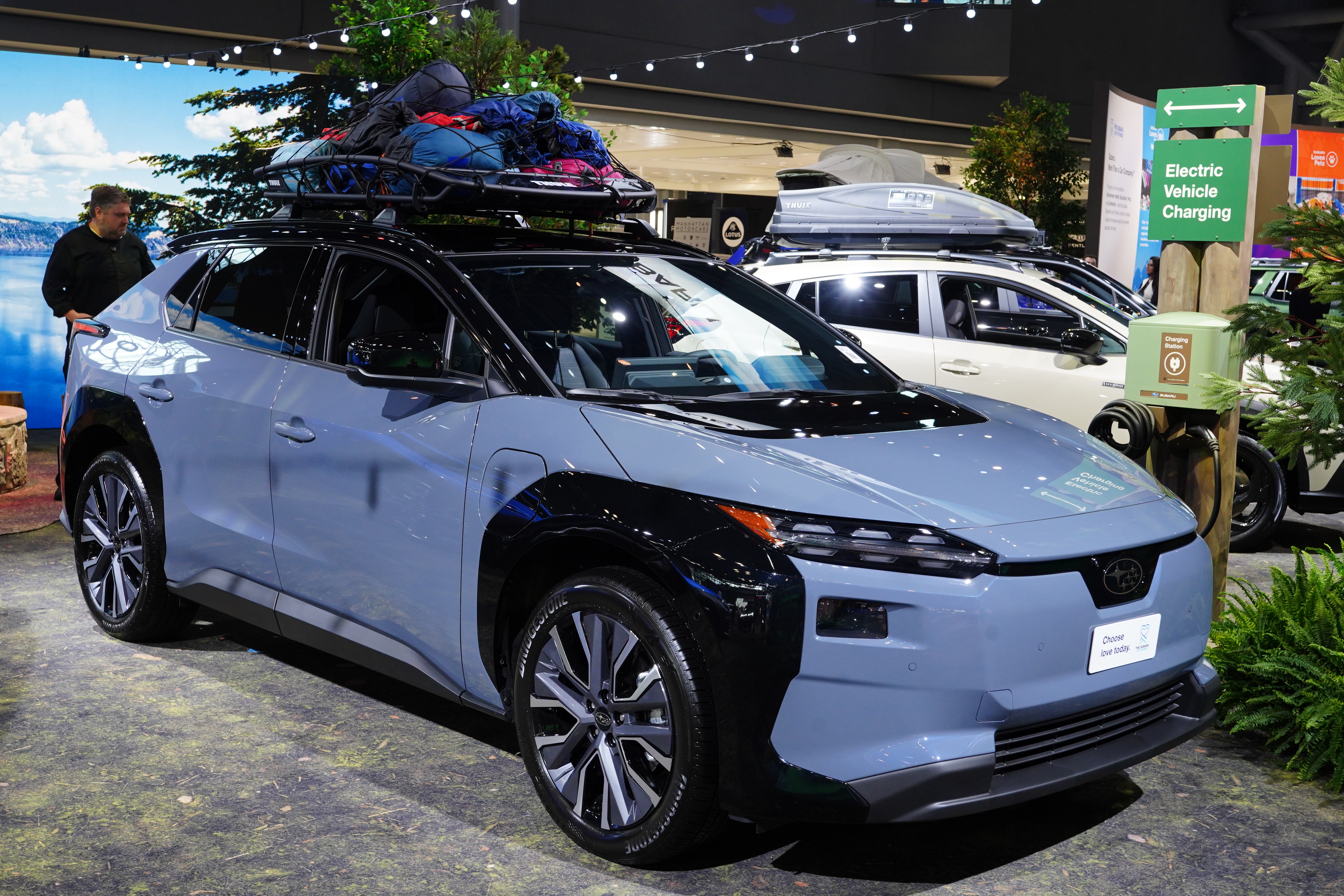
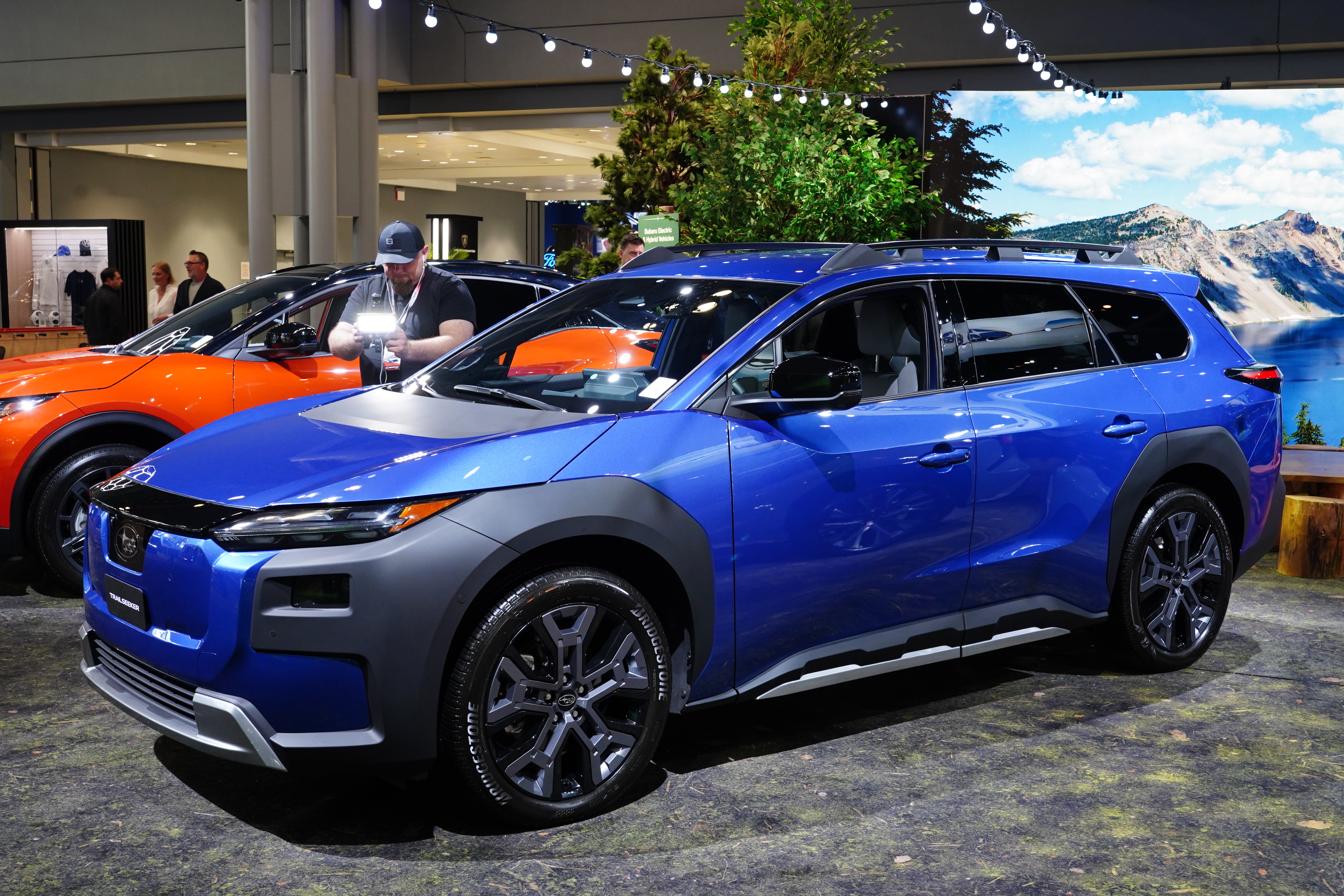
Subaru showed a refreshed Solterra, and a new EV called the Trailseeker. Subaru is going overboard with the black body cladding, painted and unpainted.


Solterra
Trailseeker


VW

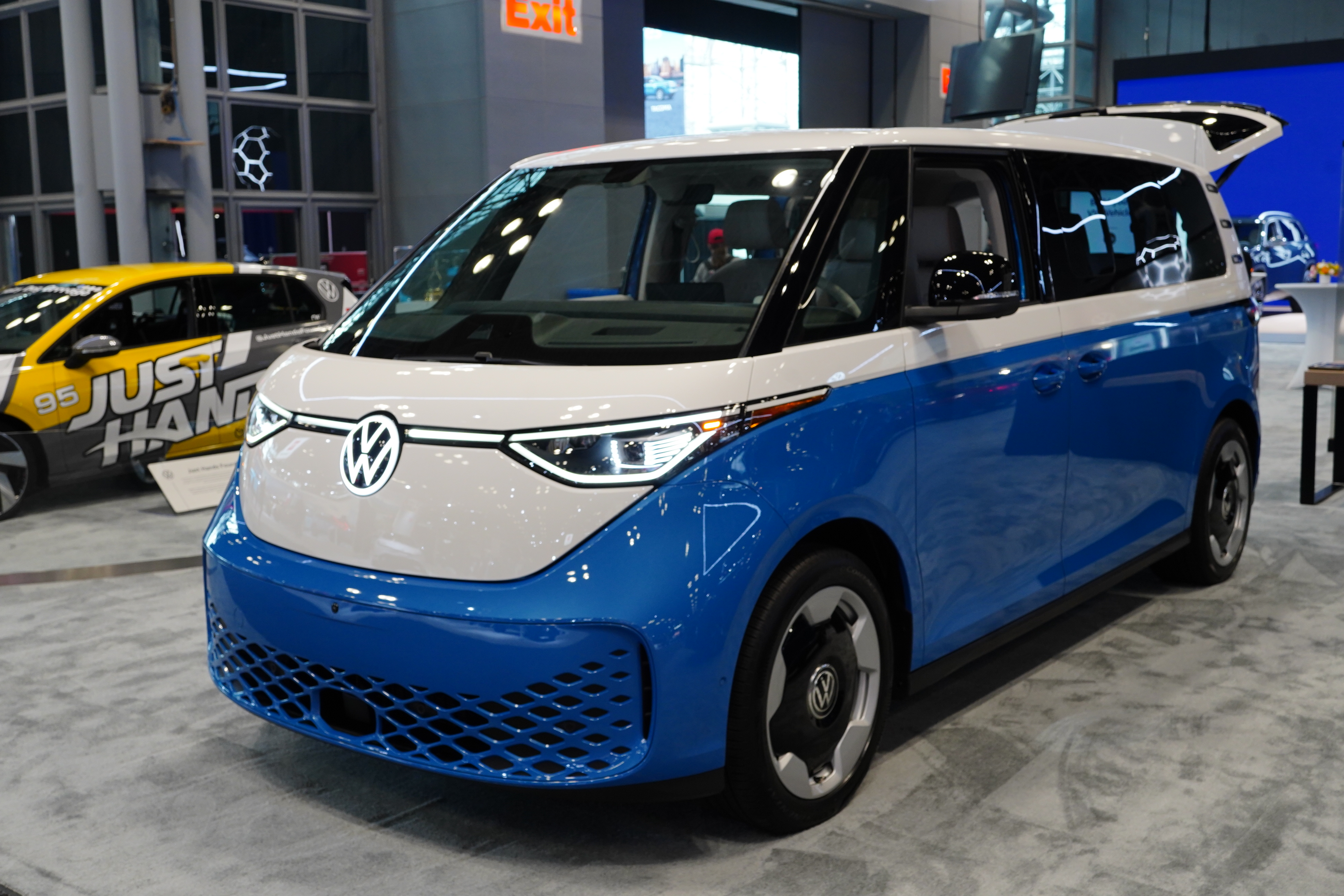
The ID Buzz was on display, but the VW stand had nothing else regarding their EV lineup. I was hoping for a sneak preview of the Scout, but there was no mention of it.


HYUNDAI

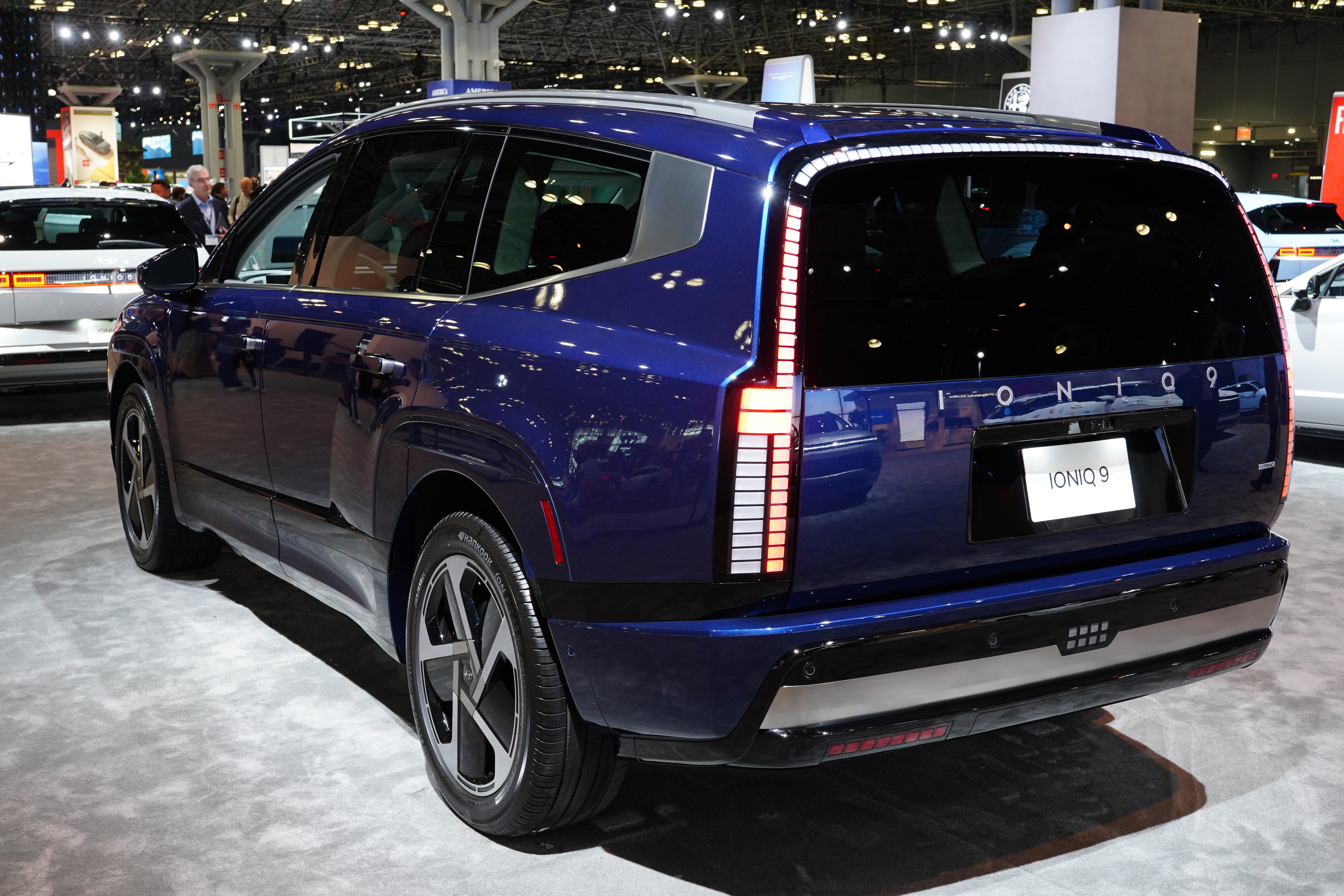
Based on the vehicles I see on the road, Hyundai has been doing well with the Ioniq lineup of EVs. The Ioniq 9 was on display, as Hyundai smartly starts to offer the larger SUVs that Americans crave.

Ioniq 9
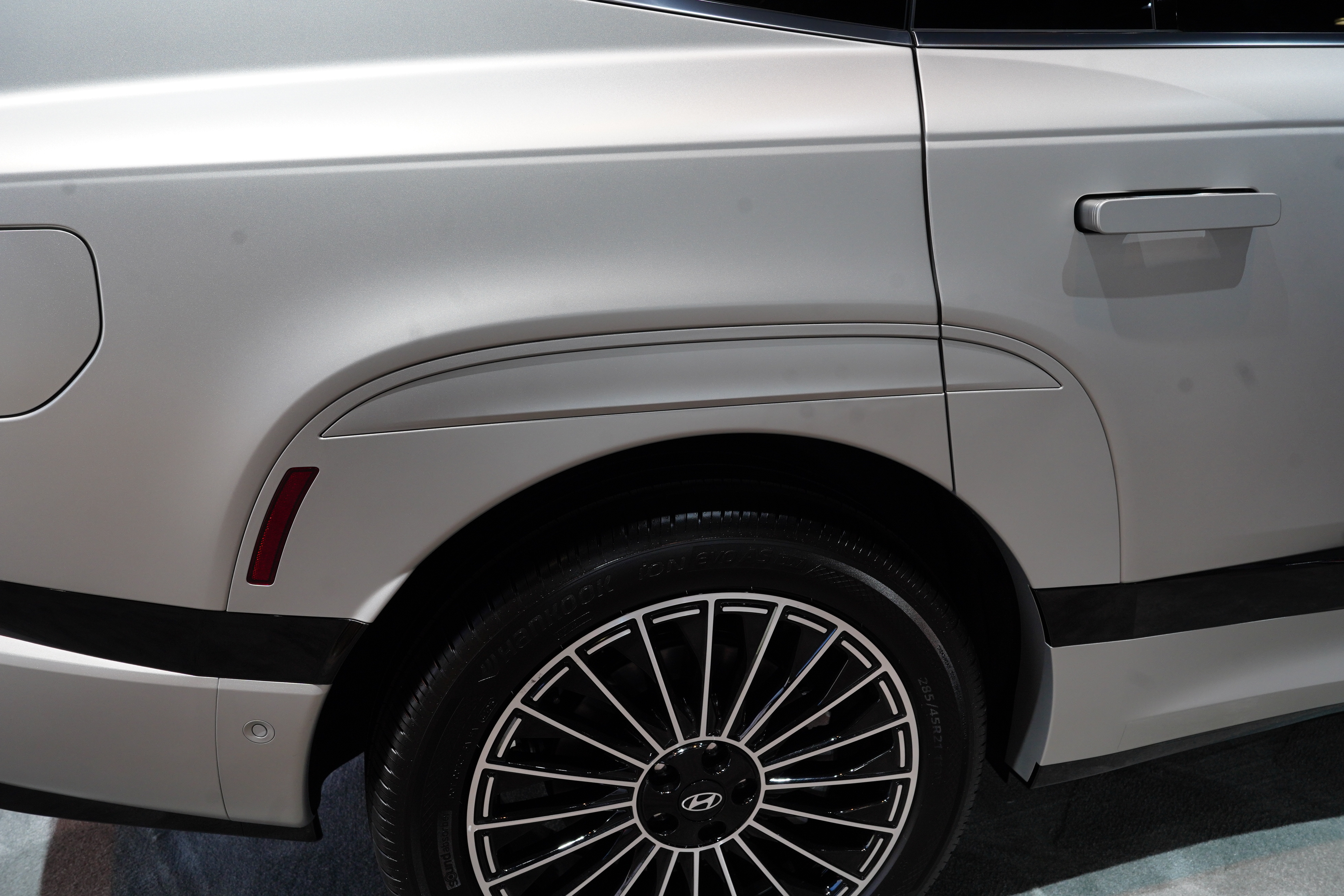
This styling quirk on the Ioniq 9 caught my eye. Is this a faux fender skirt??


VOLVO

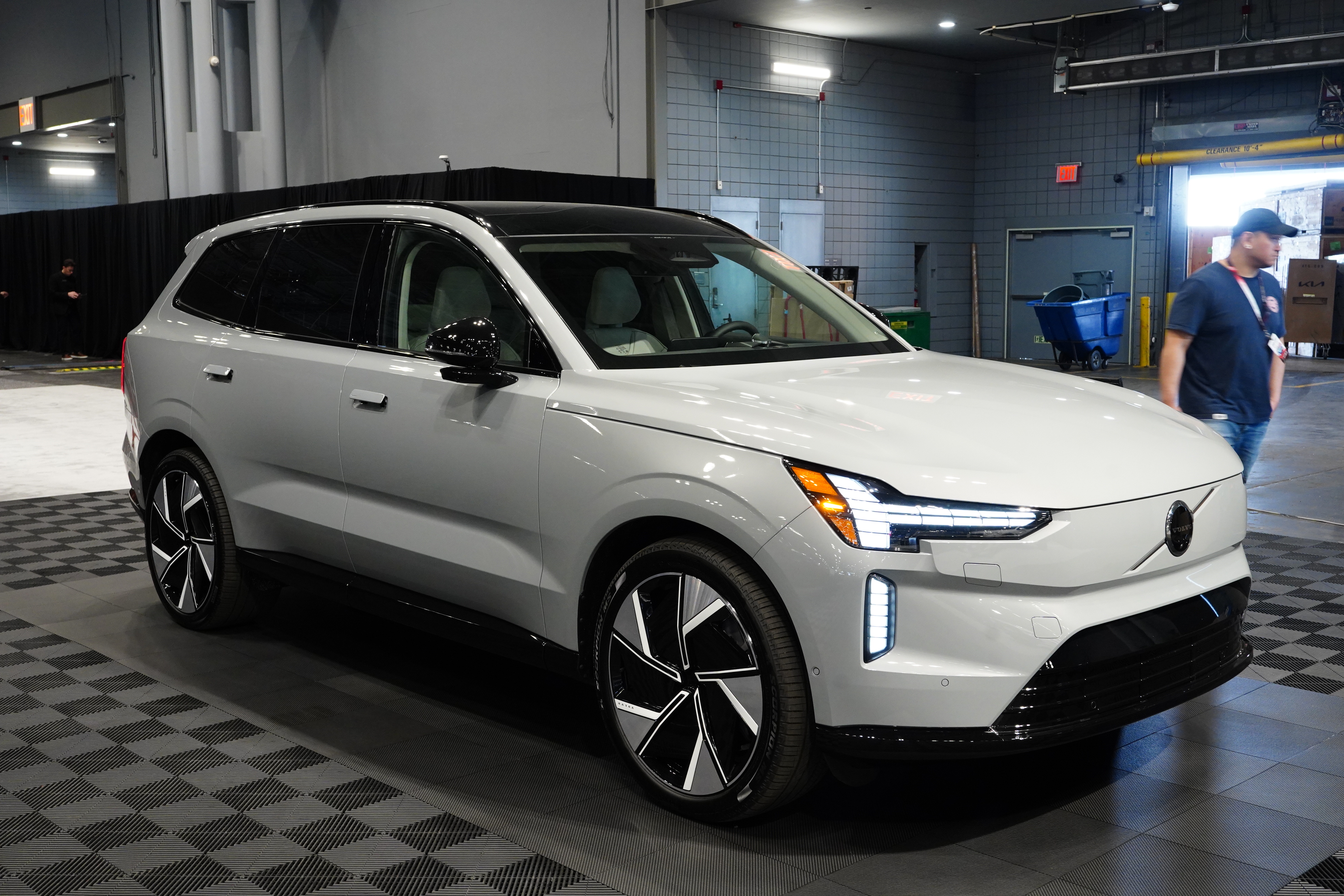
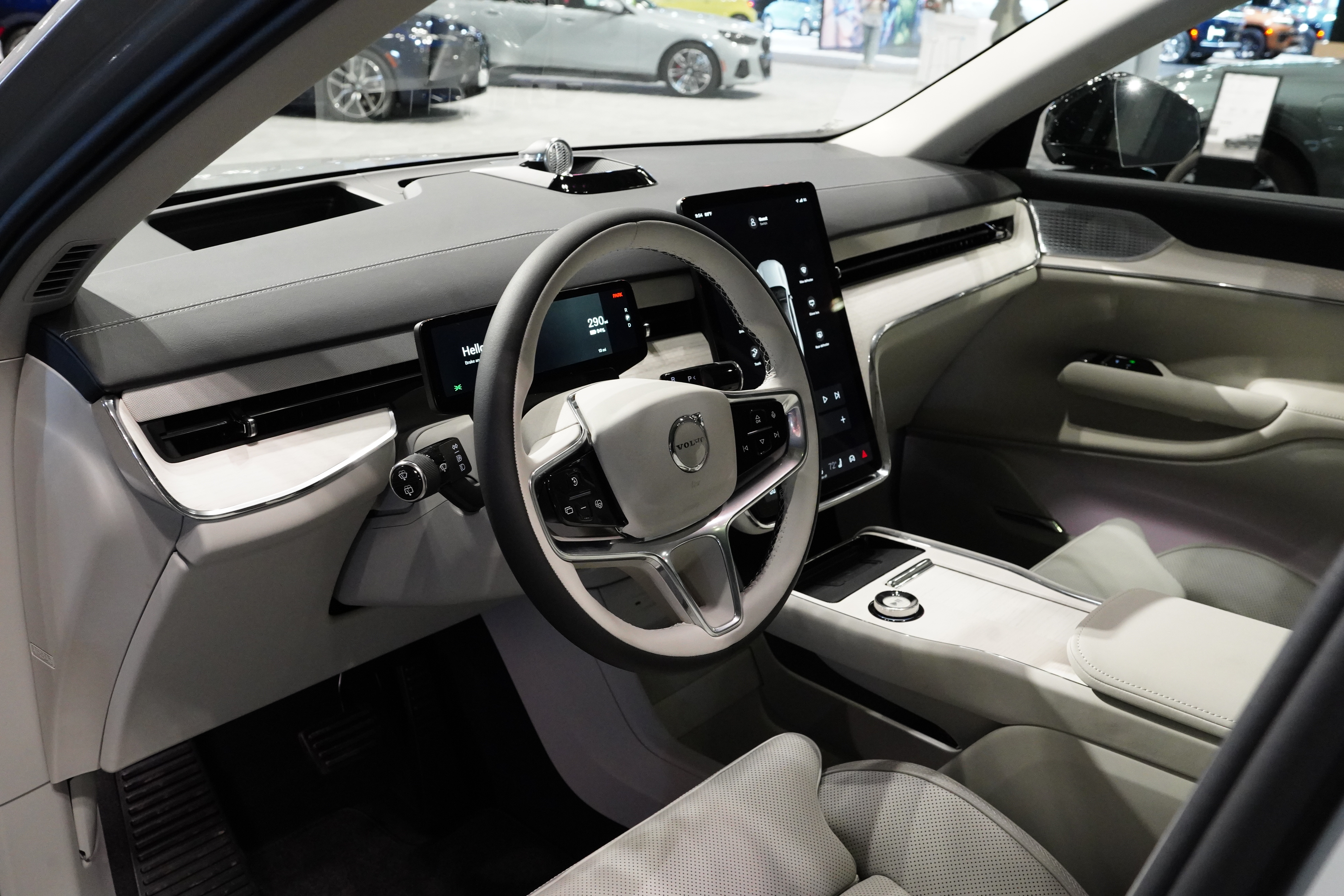
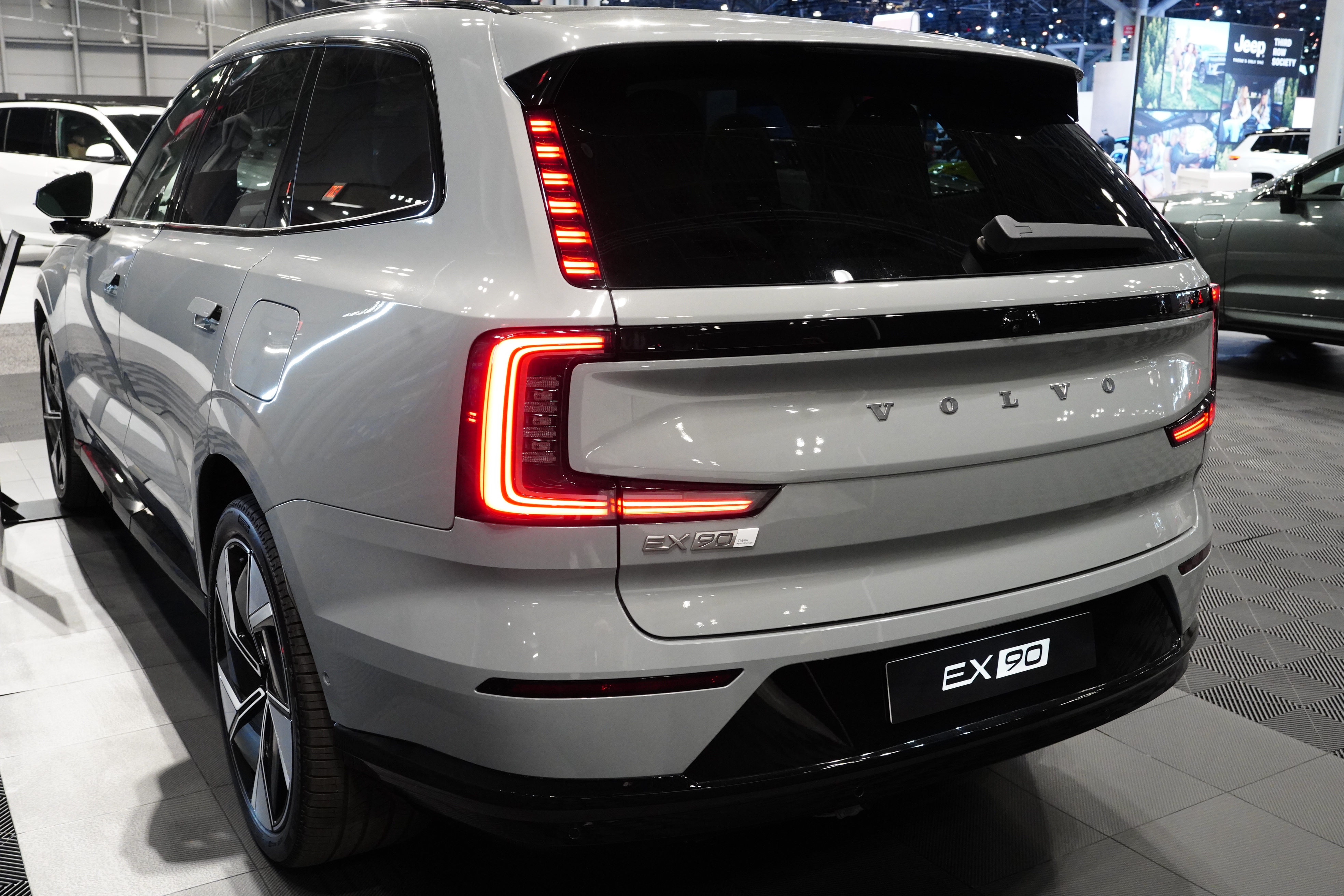
This was my first look at the EX90. From twenty paces, many will mistake it for the XC90, which is the idea. I found the interior a bit too spartan, as is the case with many EVs from other manufacturers as well.

EX90
EX90
EX90


POLESTAR

I couldn’t tell if Polestar was represented by the manufacturer or by a local dealer, but looking at my photos of the display, I would guess the latter.


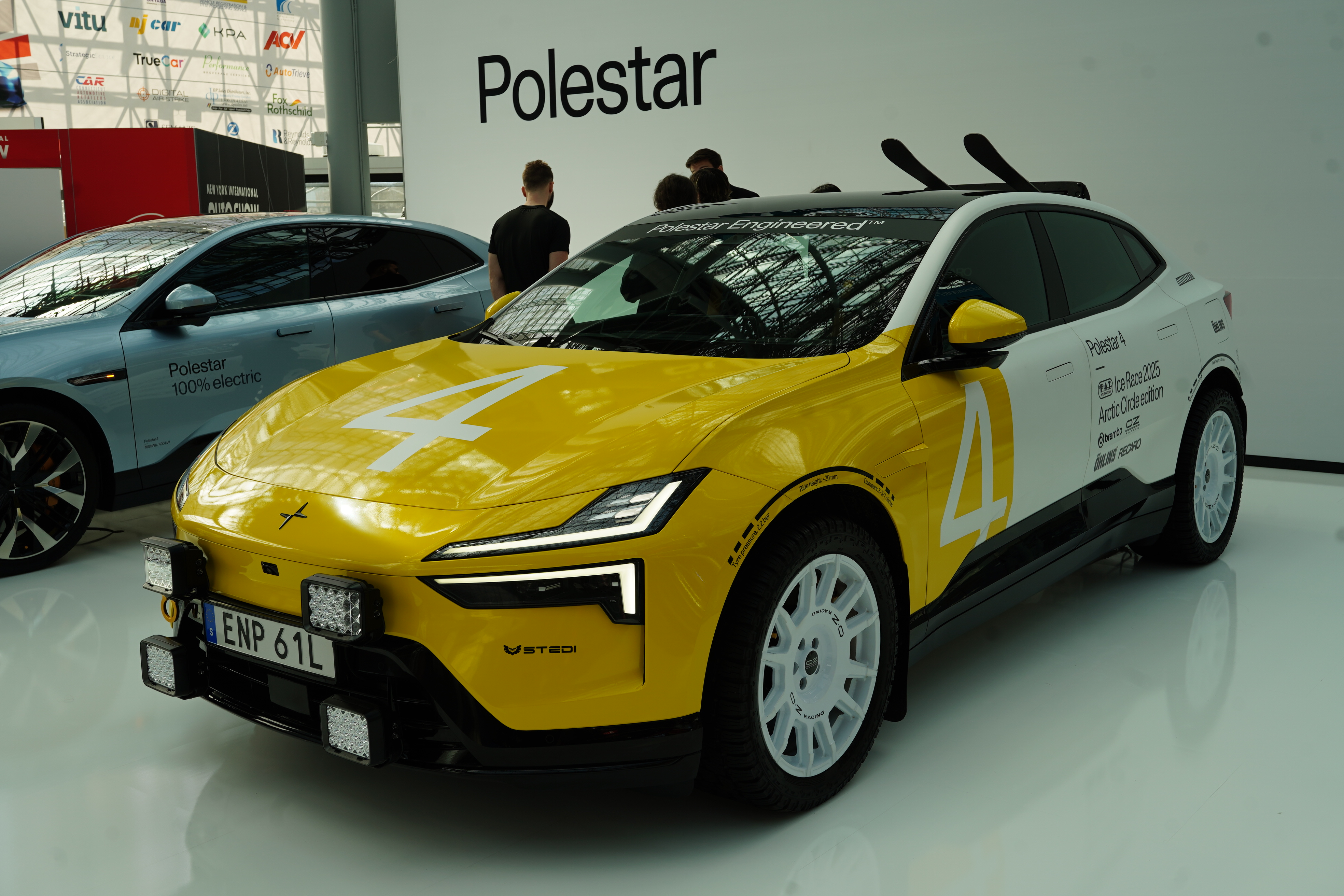
This Polestar 4 was labeled “Ice Race 2025 Arctic Circle Edition.” Were they trying to test battery longevity in cold conditions?
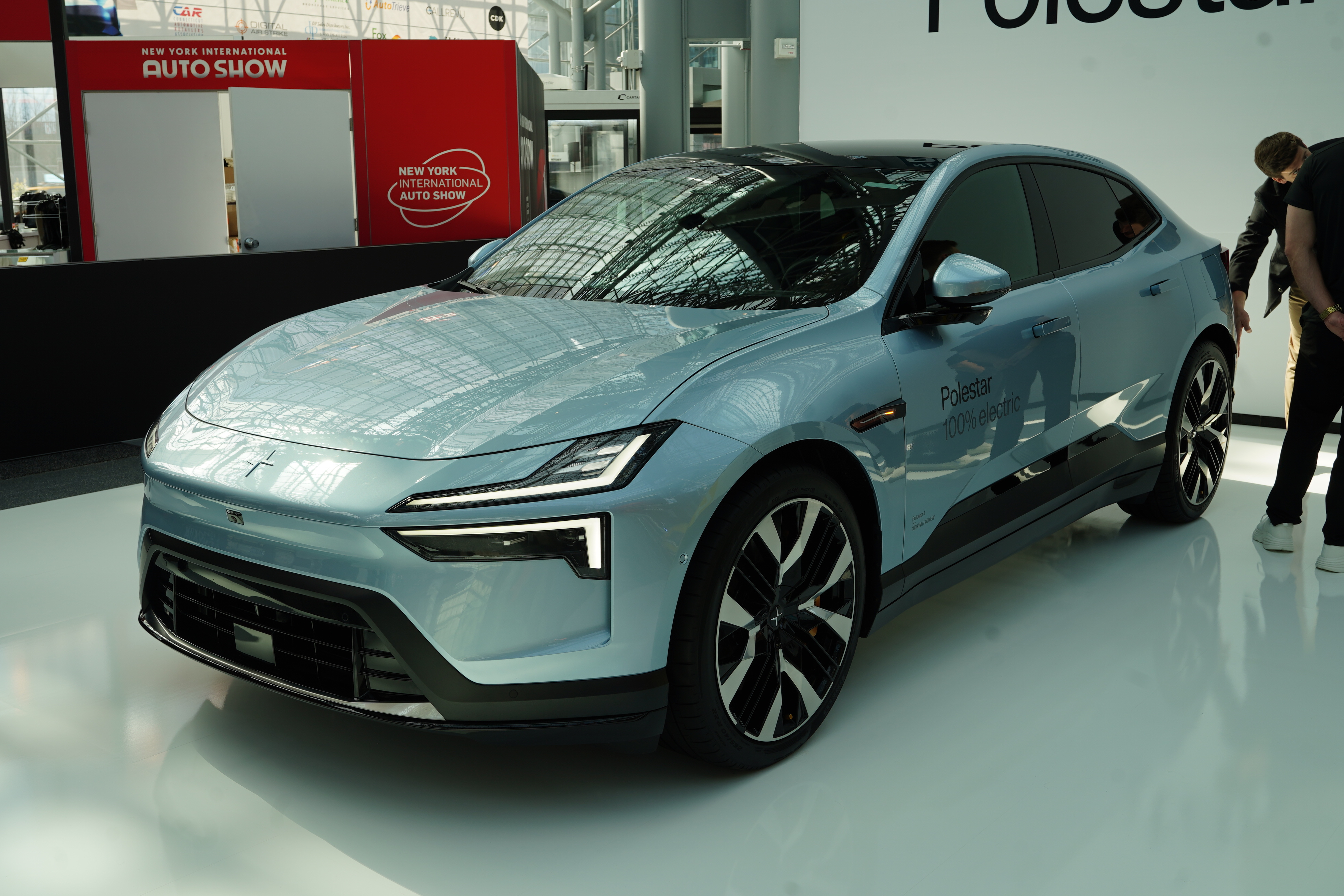
The Polestar 4 is the car without a rear window. The inside rearview mirror is a camera, which has drawn some controversy in road tests and reviews. Apparently, snow will block the camera lens, leaving the driver with only the outside mirrors for the view to the rear.


Entire blog post content copyright © 2026 Richard A. Reina. Text and photos may not be copied or reproduced without express written permission.