I made my way to Center City Philadelphia this week to attend the annual new car show, held as always in the Pennsylvania Convention Center. Fortunately, it’s only an hour’s drive (if traffic is behaving), and there are plenty of parking lots and garages in the immediate vicinity. The Philly show is on a much smaller scale than the NY show (which will be in April this year), and tends to be less crowded and more laid back than NY, and therefore more enjoyable. It’s been at least five or six years since I made my way to Philly for this one, and I’m glad I went. (I wrote a blog post about my 2012 visit to this show, which you can read here.)
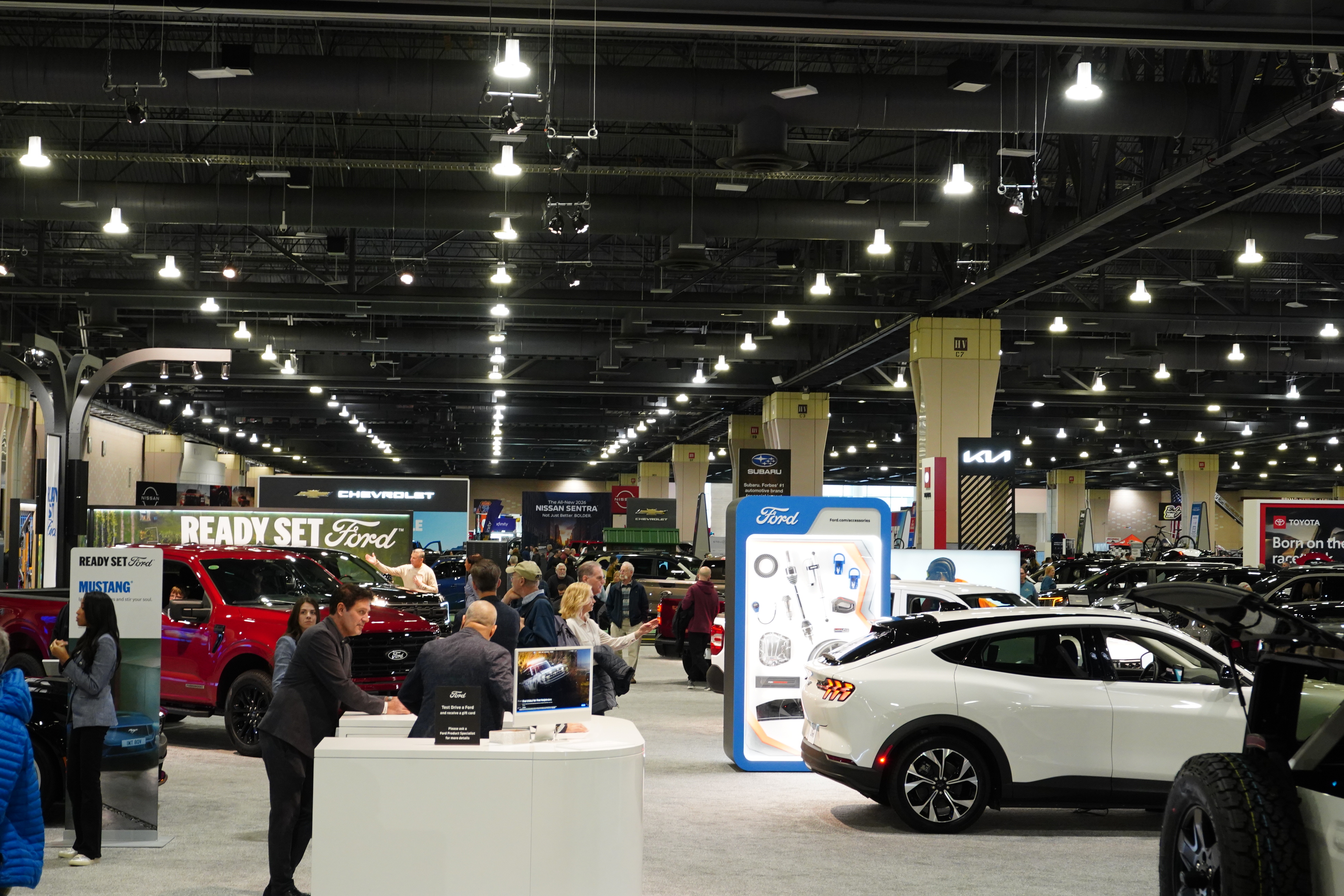
There was a surprisingly good array of both domestic and import brands represented, but that observation deserves an asterisk. As I came to realize during my stroll, more than a few of these brands were supported not by the manufacturer, but by a local dealer. I cannot tell you with a high degree of certainly which were which, but if the size of the display were an indicator, I would conclude that Chevrolet, Ford, Toyota, Hyundai, Kia, Honda, and maybe Stellantis (Chrysler/Dodge/Jeep/Ram/Fiat/Alfa Romeo) were manufacturer-sponsored, and Subaru, Nissan, Volkswagen, Cadillac, Tesla, and maybe Lincoln were dealer-sponsored. The two brands which I am 100% certain were dealer-sponsored, both because of the signage and my engagement with a salesperson, were Volvo and Polestar, with vehicles on site courtesy of Volvo/Polestar of Princeton, owned by the Long family.
Despite the turmoil in the news about electric vehicles and the loss of government incentives, consumer reluctance, and factory pullbacks, every brand at the show included EVs, some more prominently than others. First, you had pure EV makes like Polestar, Tesla, Fiat, and Lucid. Cadillac shocked me (no pun intended) when I learned that except for the CT5 sedan, every other vehicle they had on display was a pure EV (NOT hybrid). Obviously, the EV push is not going away.
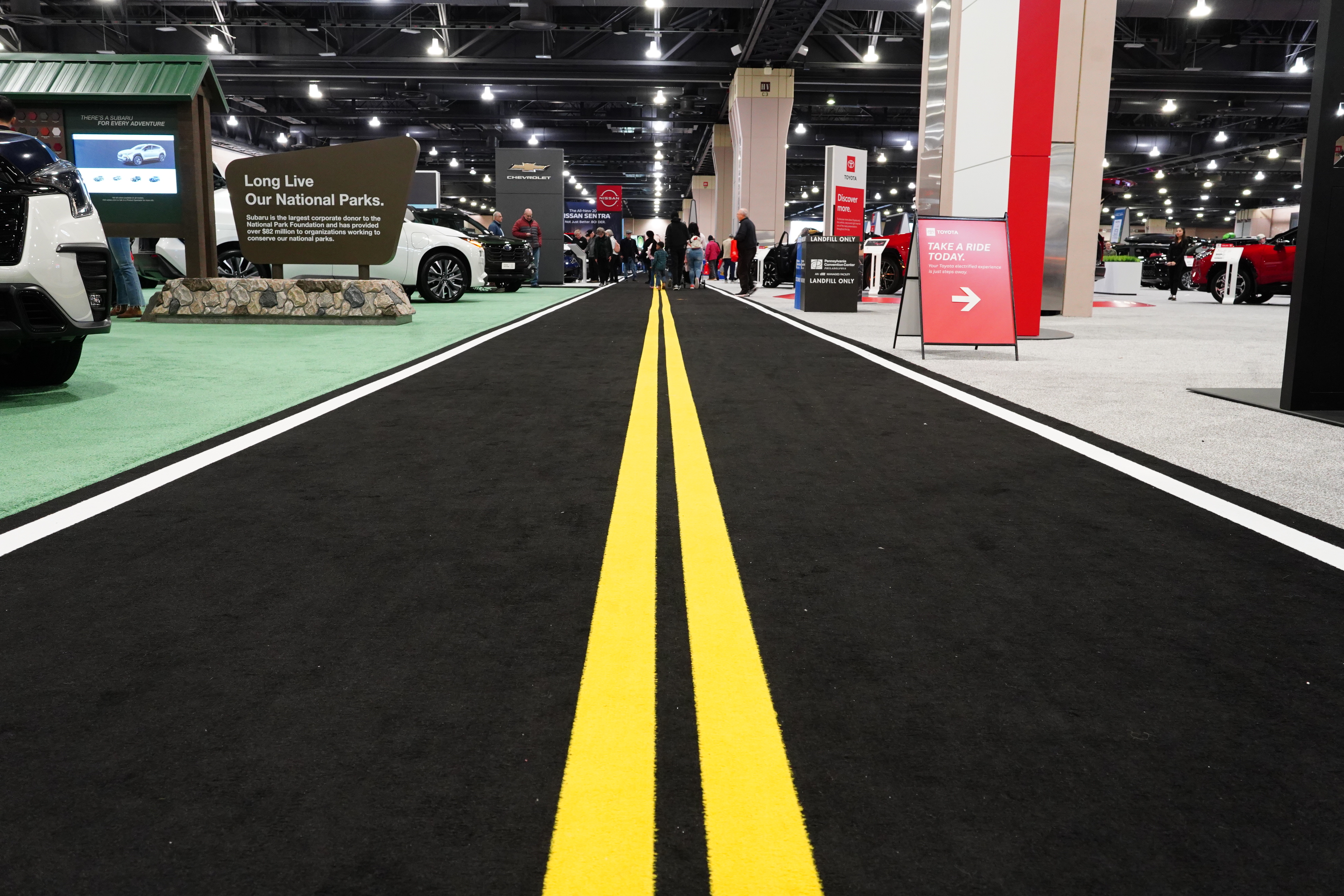
Just as NY has done for the past several years, the main floor in the Convention Center included an EV test track, and show-goers could ride in the EV of their choice. While I didn’t take advantage of the opportunity, whenever someone mentions to me that they would “never” own an EV, my first question in response is, “but have you driven one?” Almost always, the answer is “no,” and it becomes difficult to reconcile the “never” answer when one hasn’t at least tried it. Shows like NY and Philly give you a free, no pressure chance to have the experience.
General and specific observations continue below, accompanied by photographs.
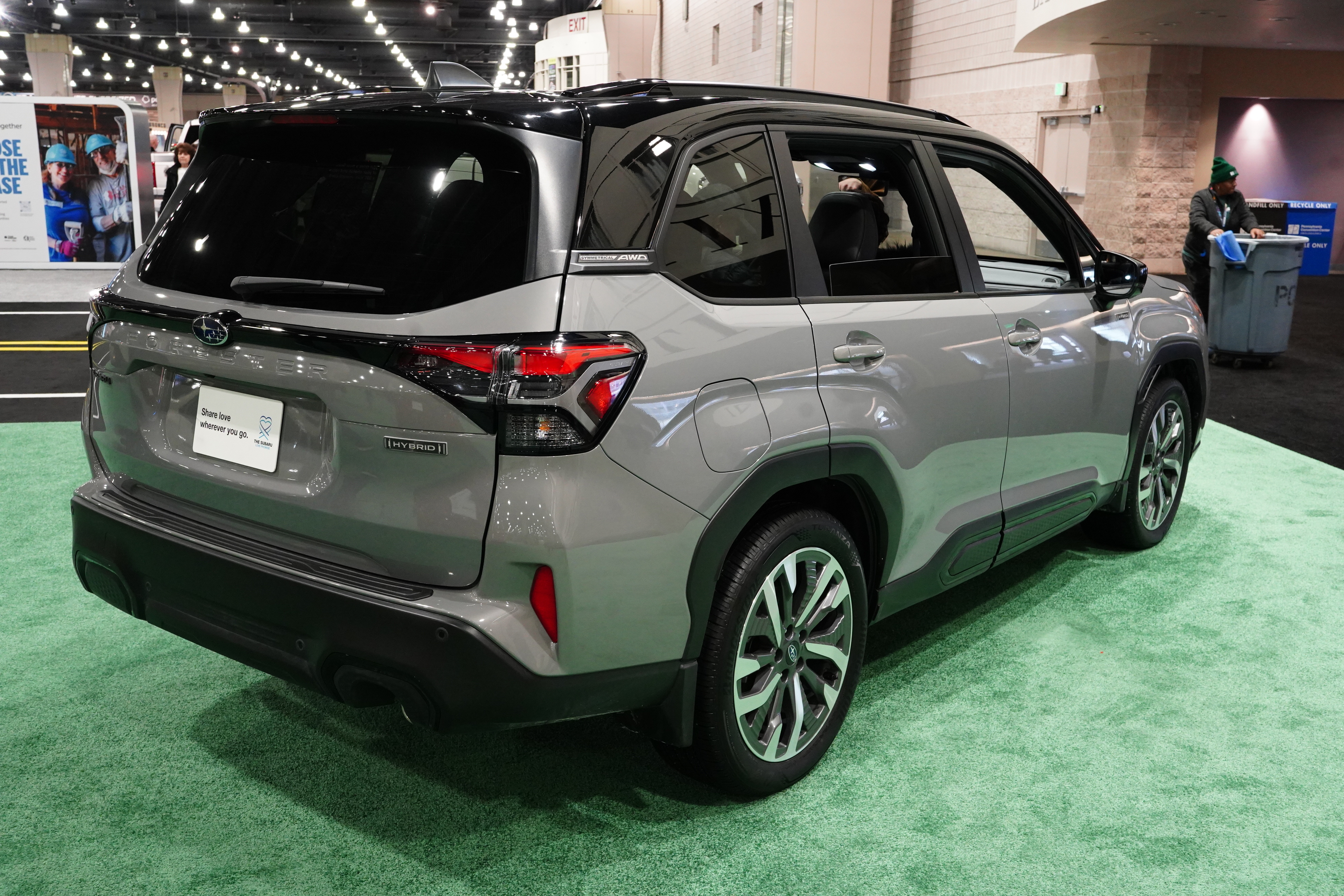
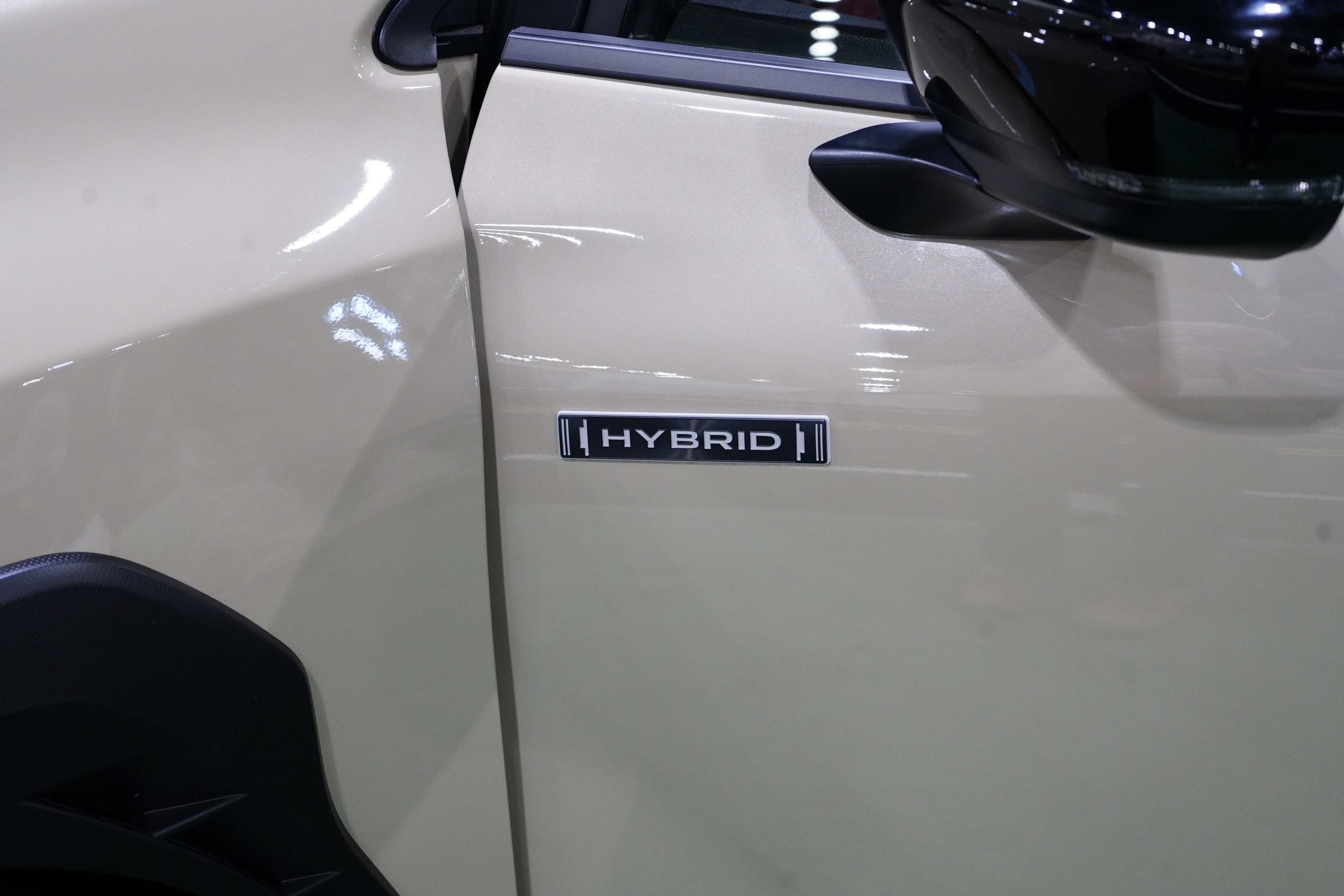
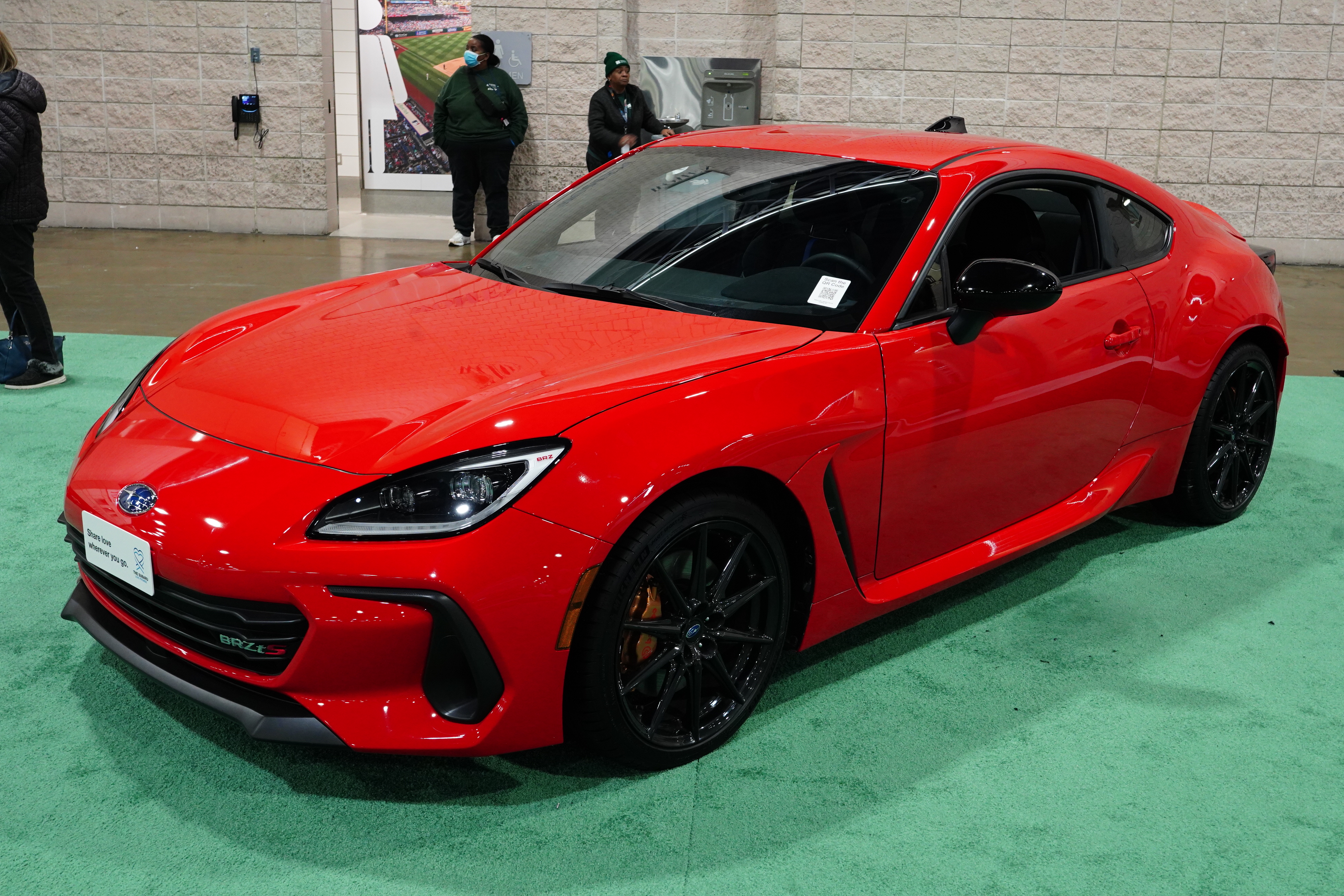
SUBARU
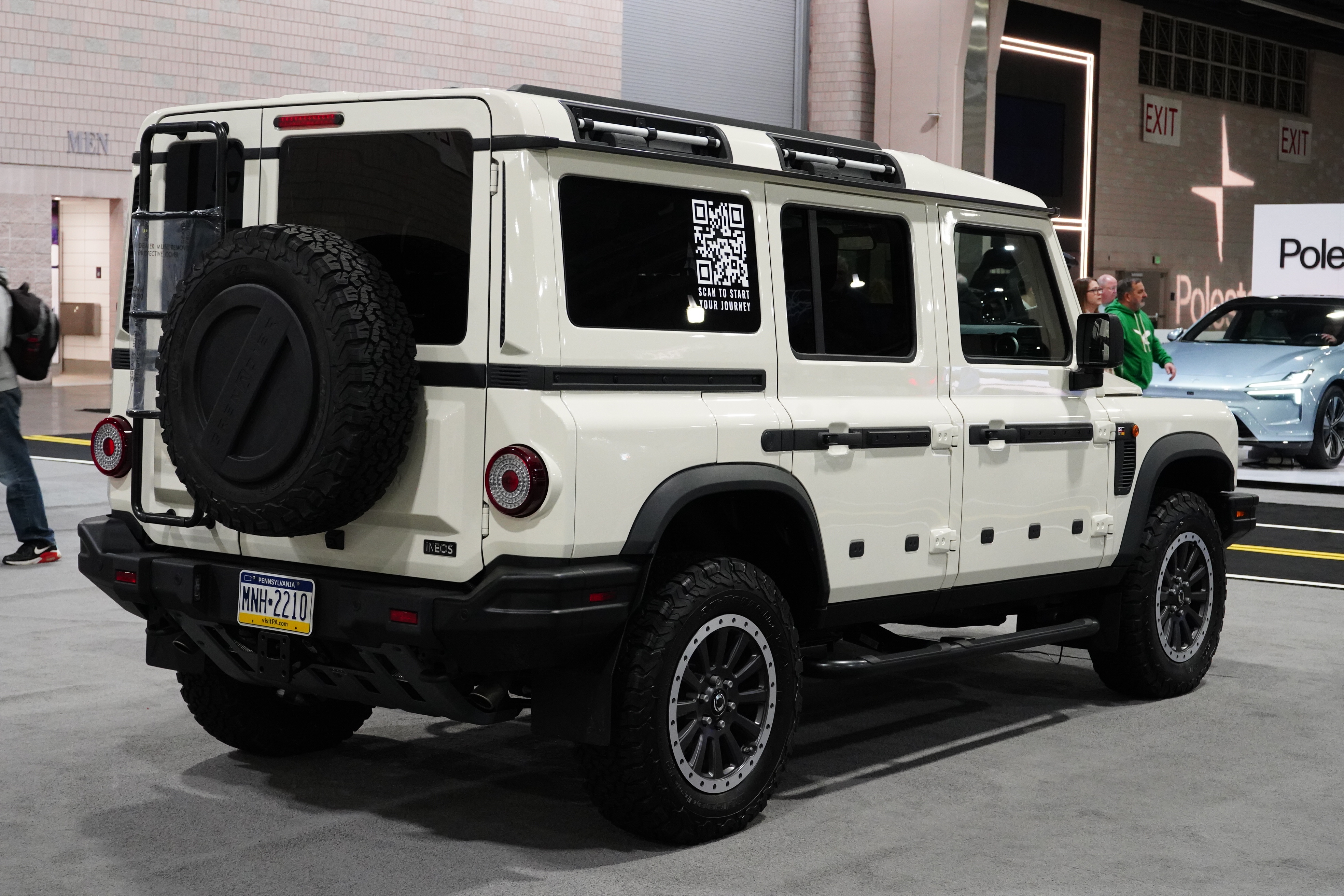
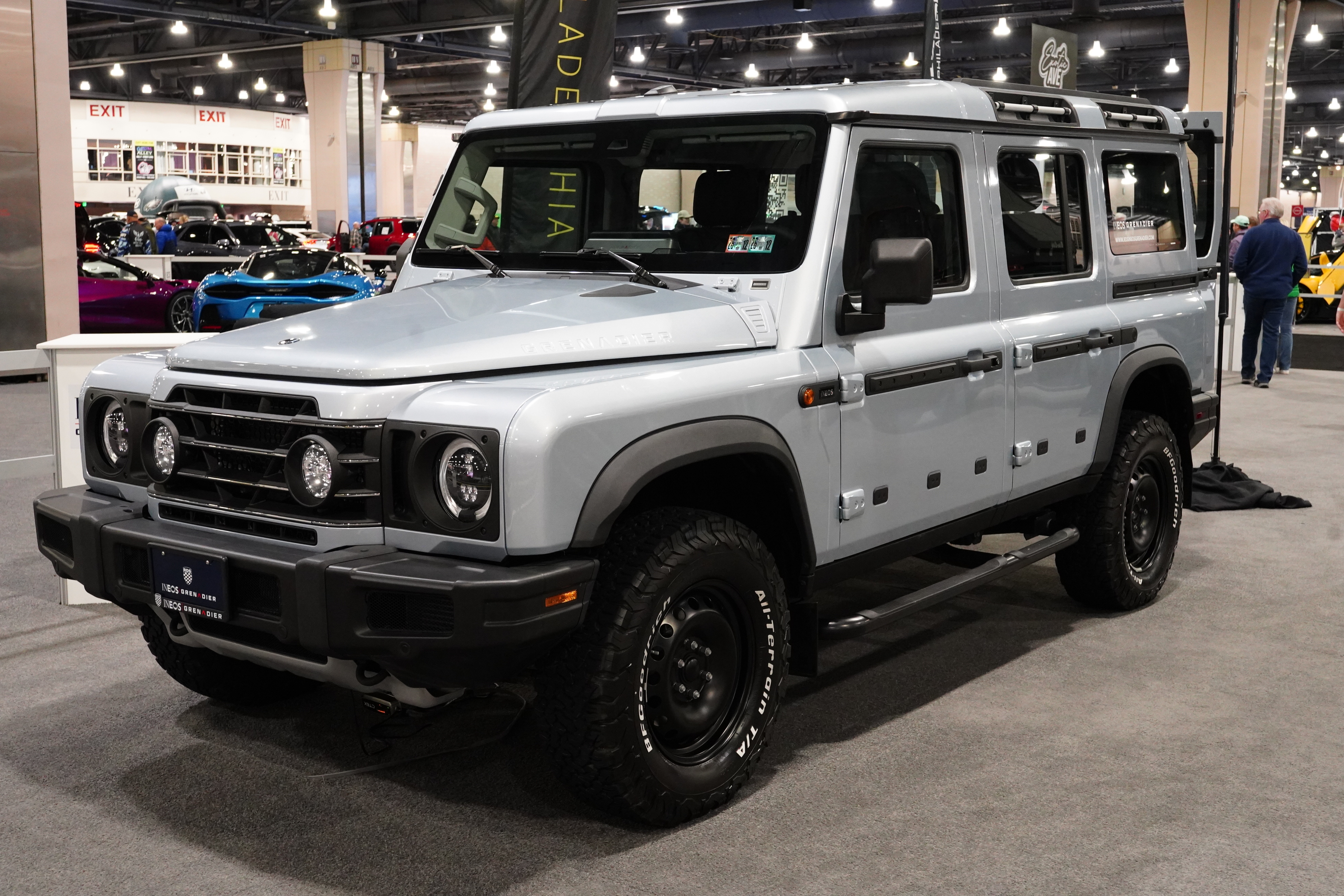
INEOS GRENADIER
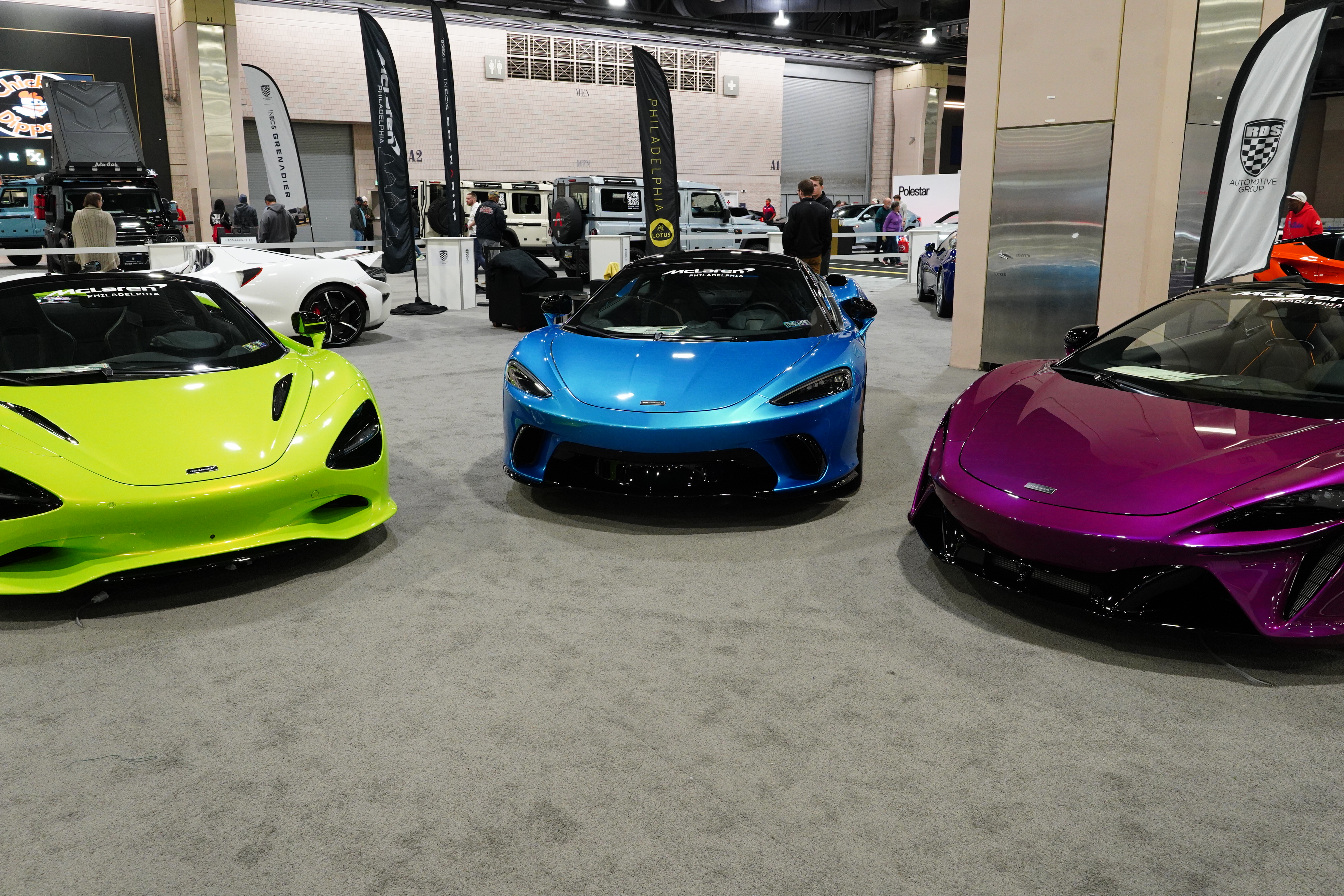
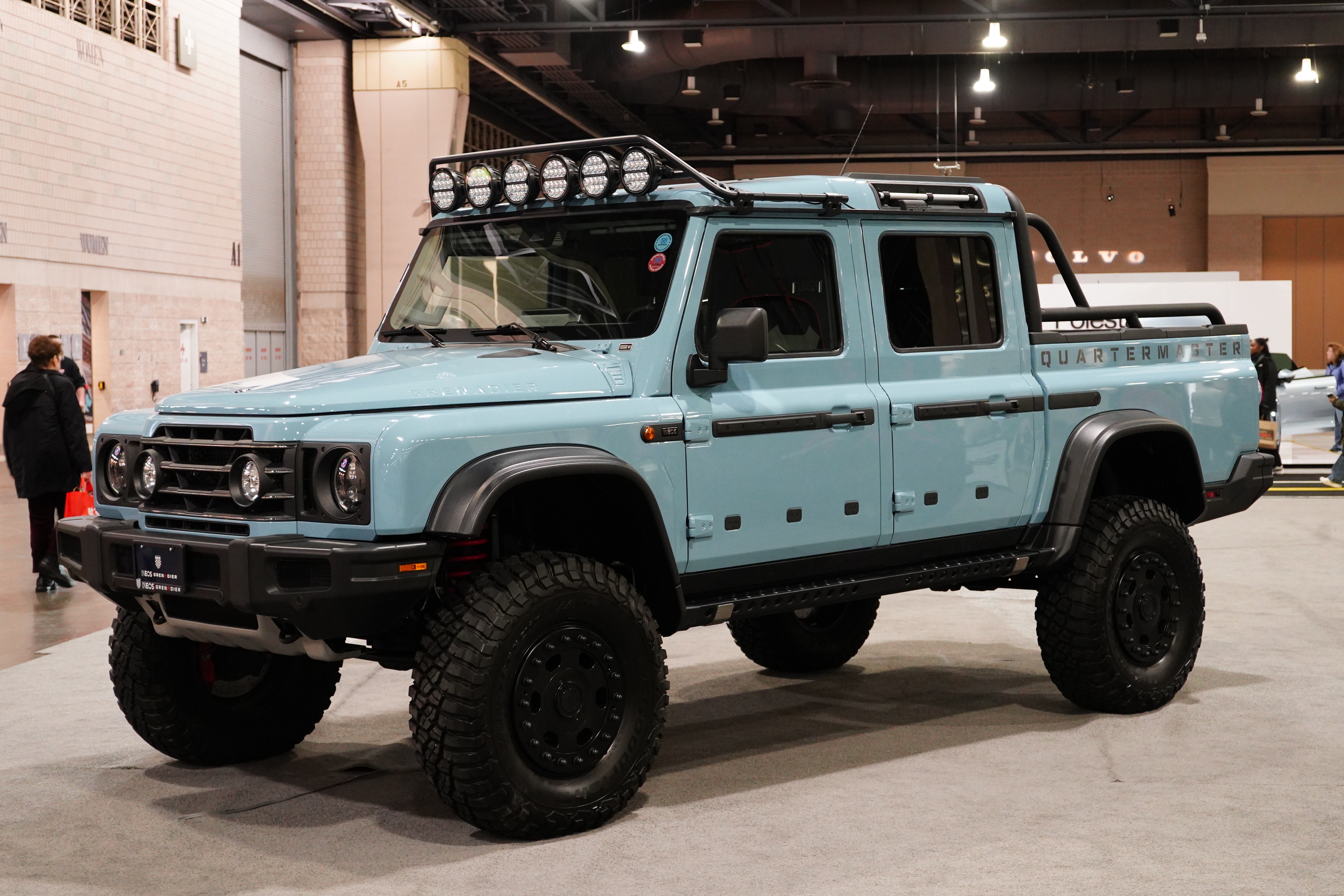
These high-end SUVs and trucks have been advertised on TV, but aside from that, I know very little about them. This show was the first opportunity I’ve had to see them in person, and while I’m not a “truck guy” by any means, I could relate to their attractiveness for a certain clientele. Looking at the manufacturer’s website, the starting prices are lower than I expected, $62,995, which is competitive with many similar vehicles.
CADILLAC
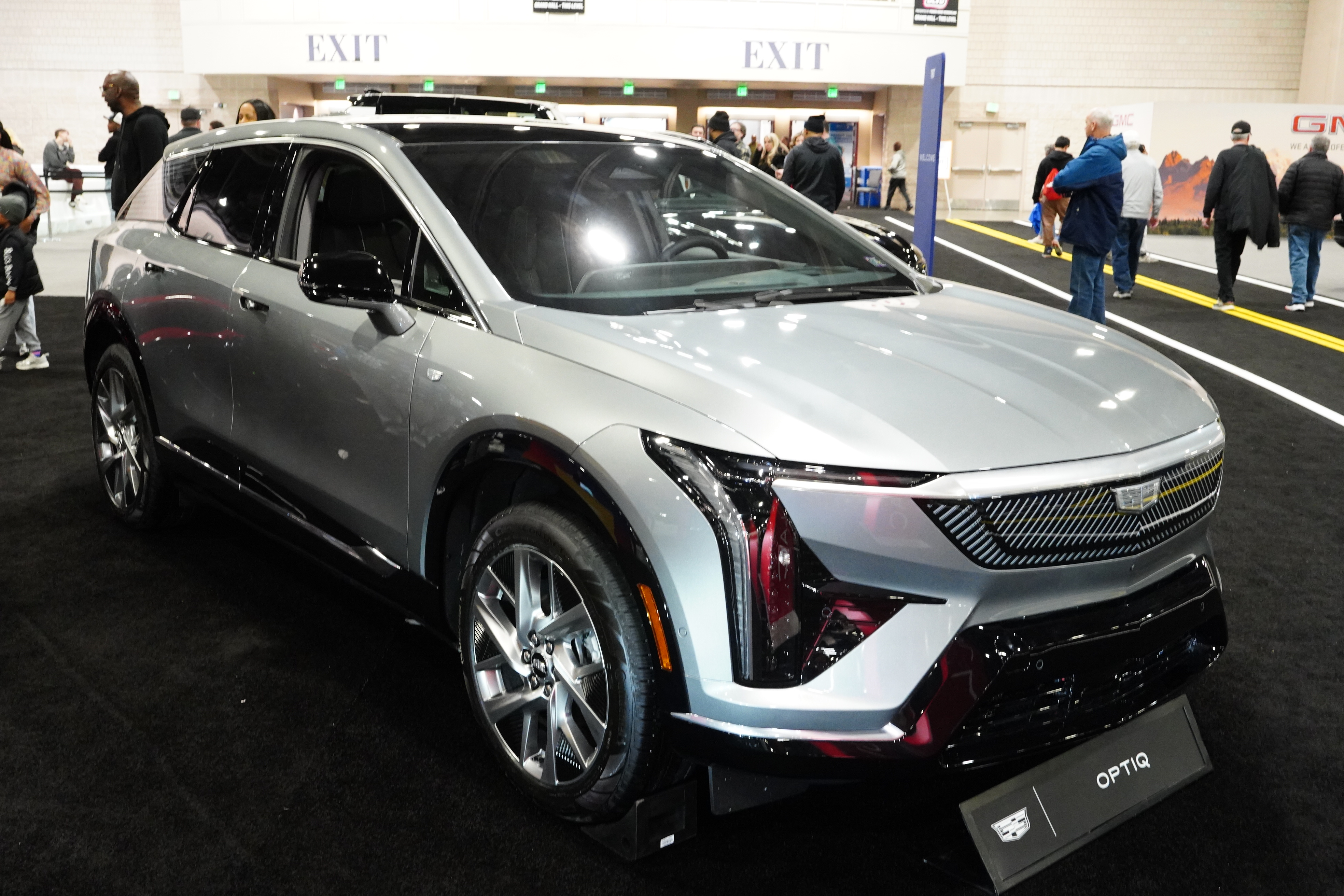
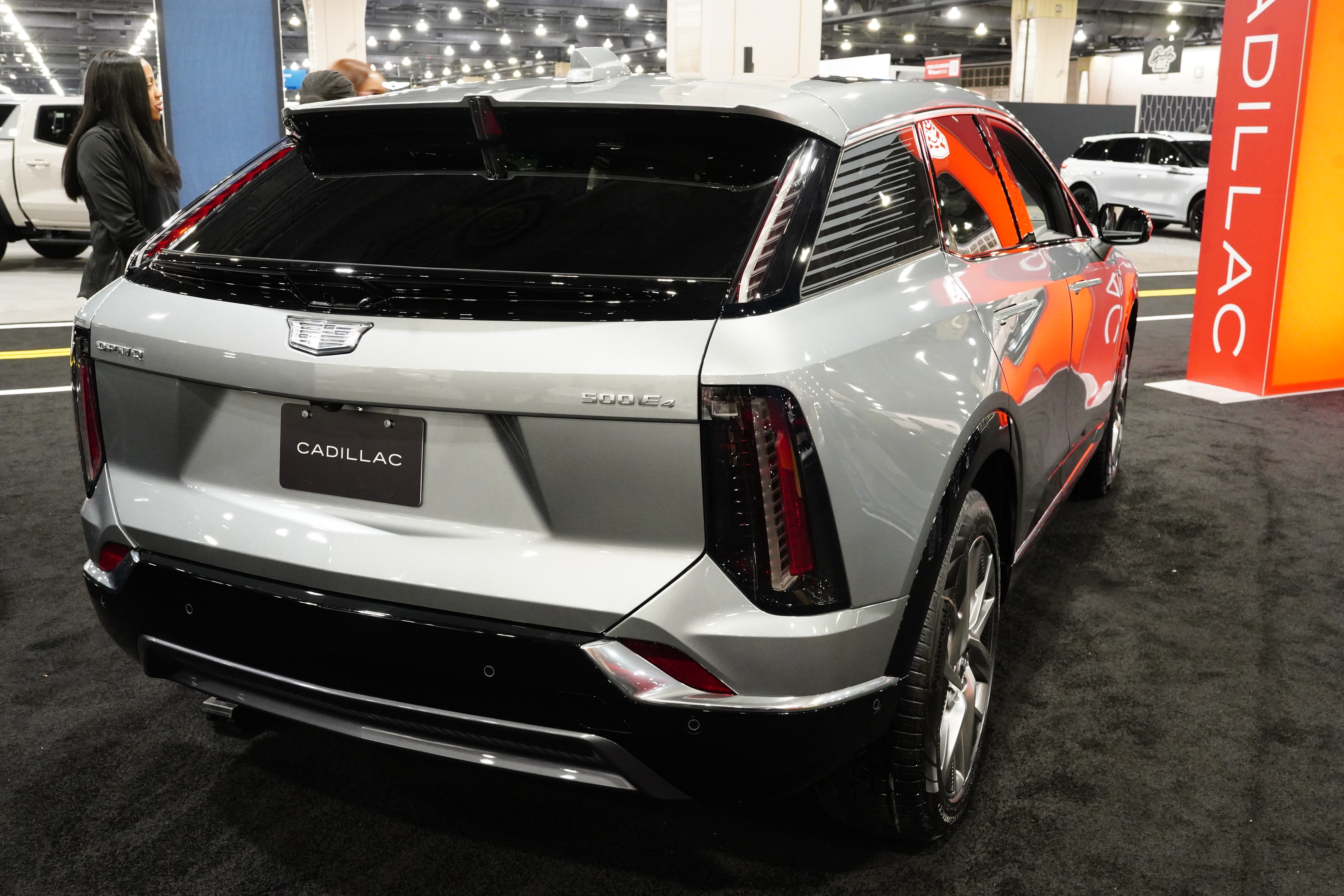
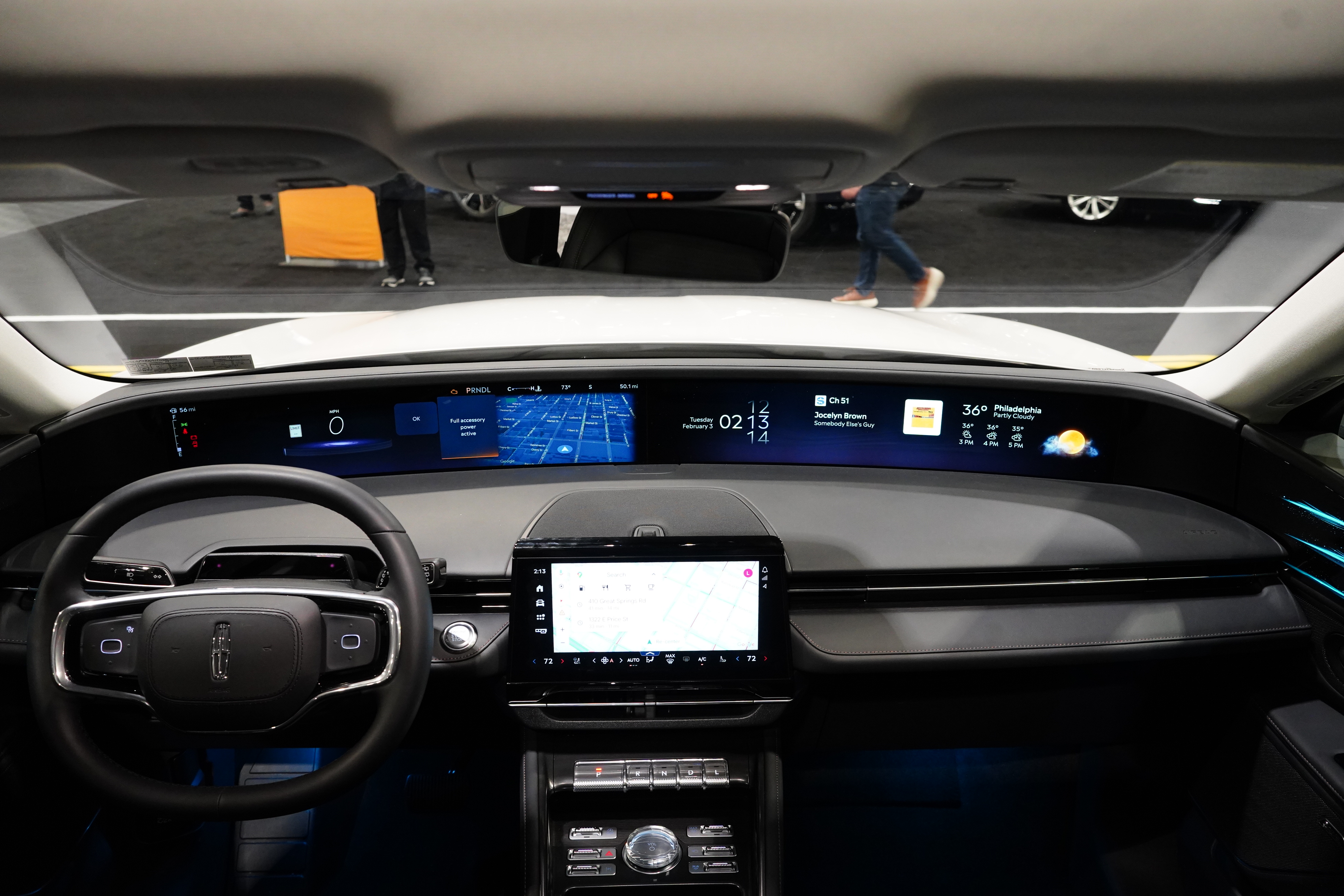
The Optiq is the smallest of Cadillac’s EV SUV lineup (followed by the Lyriq, Vistiq, and Escalade IQ), and I found the exterior to be quite attractive. I especially liked the low height, giving it more of a station wagon profile. The AWD model starts at $56,195.
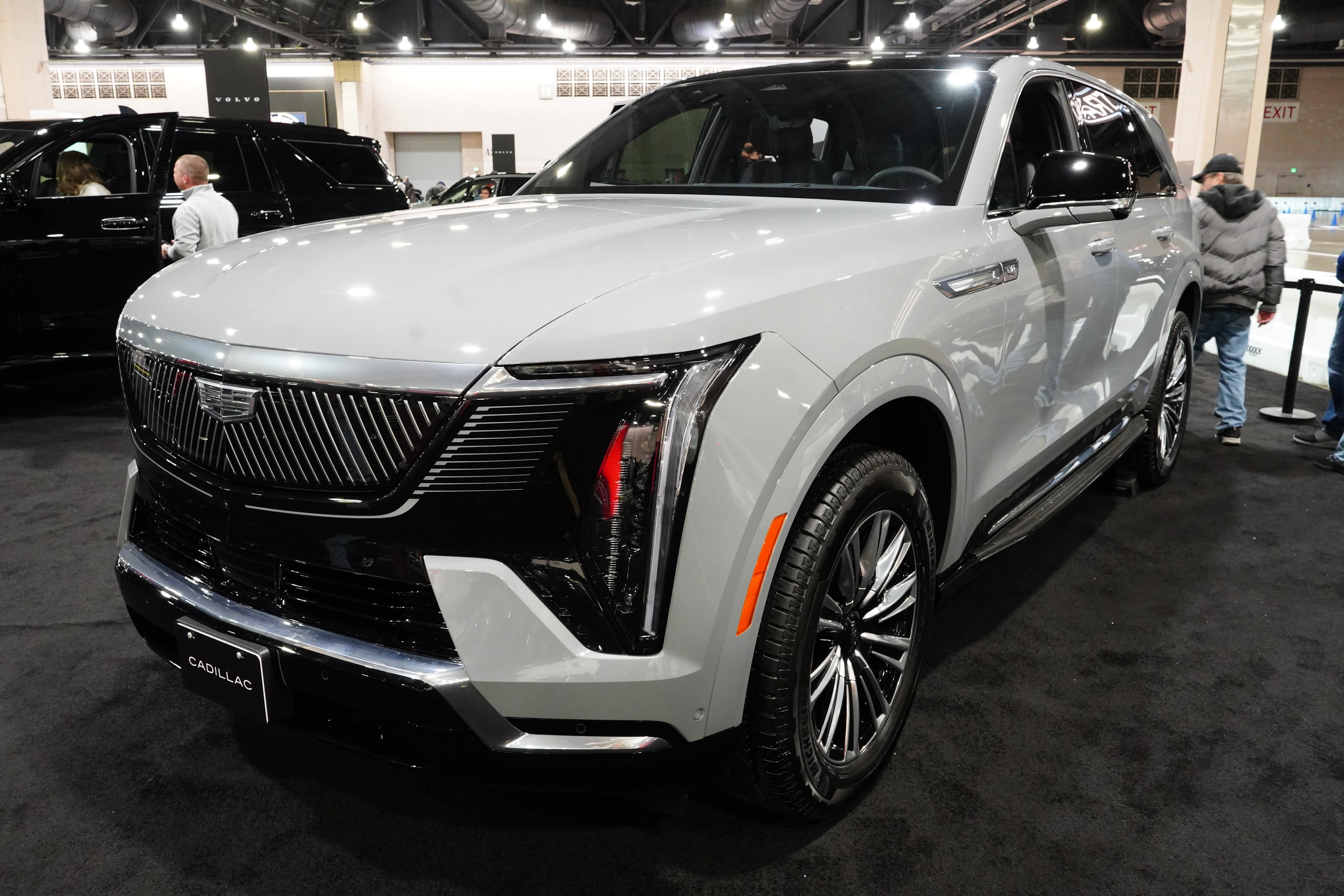
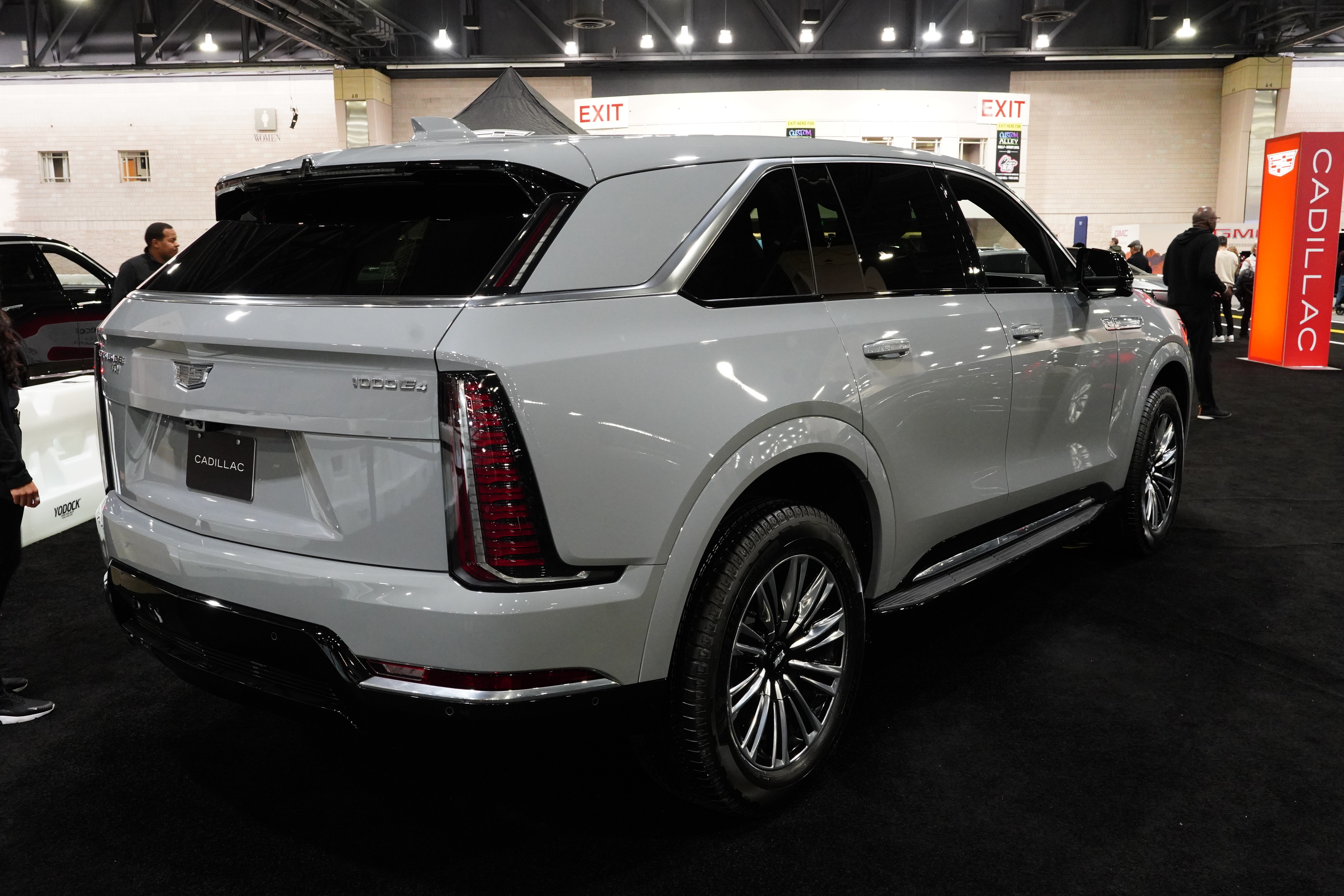
The Escalade IQ, by comparison, is grotesquely obscene. Photos do not adequately portray the gargantuan, gluttonous proportions of its hideousness. The only purpose this vehicle has in the marketplace is to call attention to itself and its ostentatious owner about its ability to cast its dark shadow onto every other vehicle on the road.
BUICK
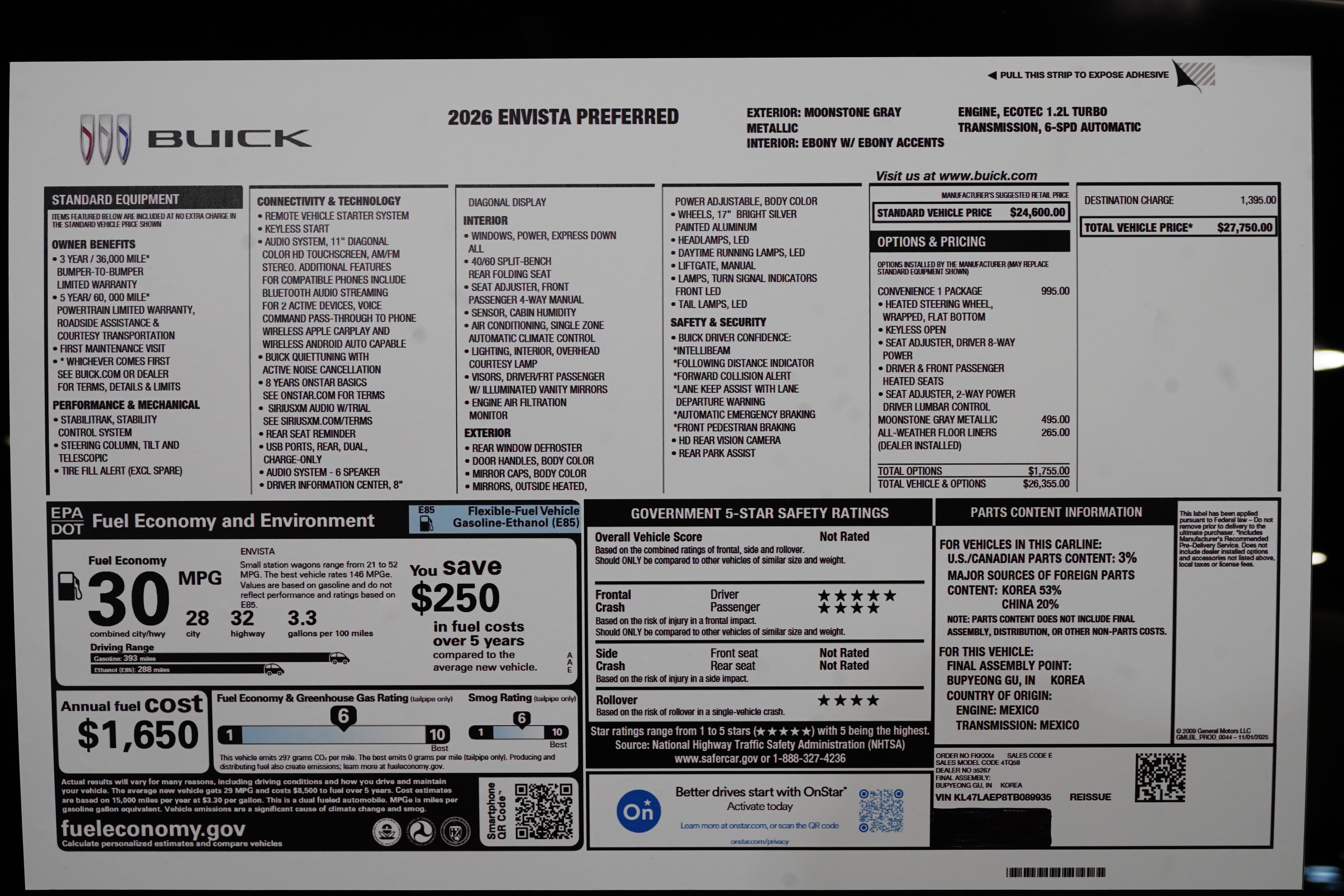
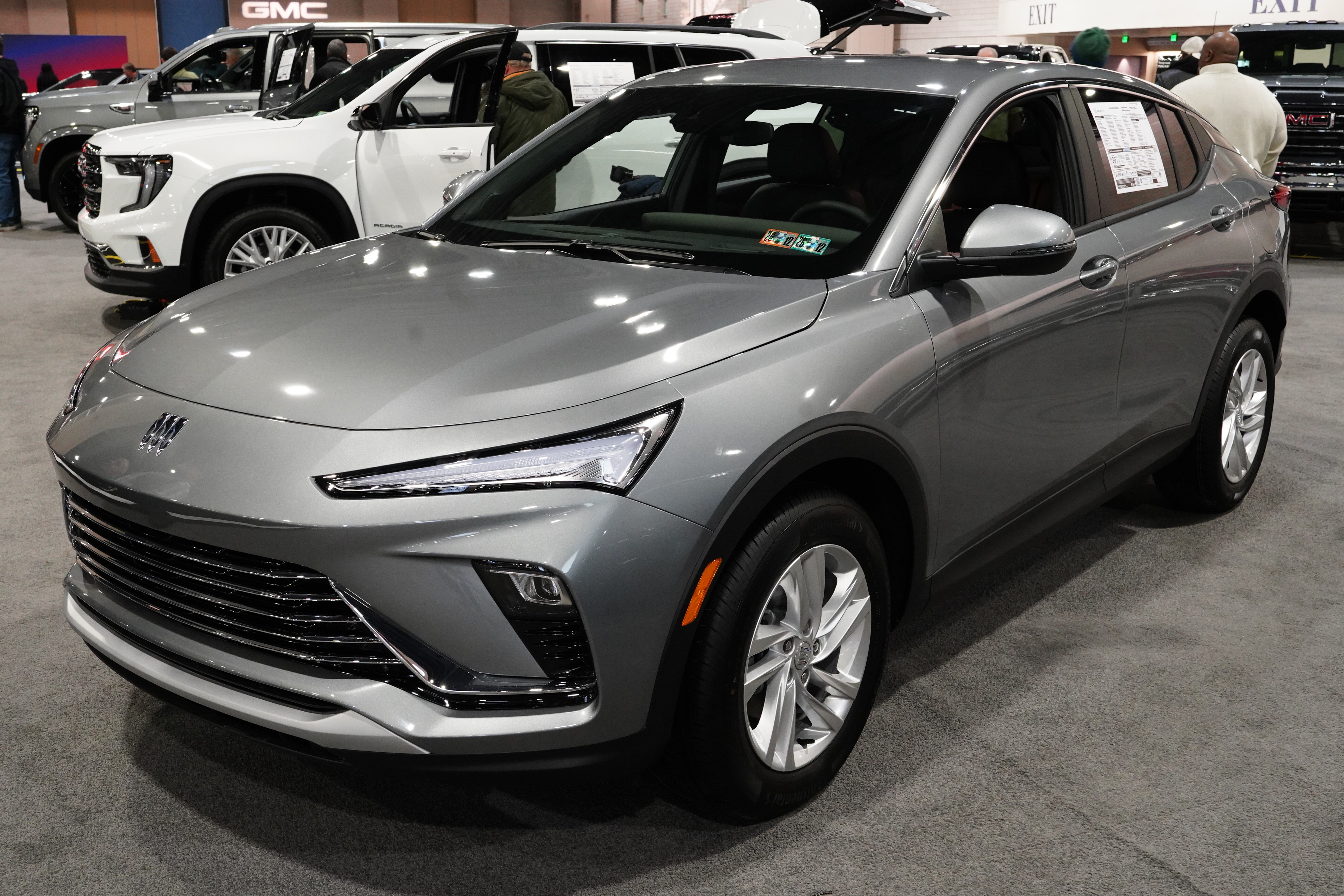
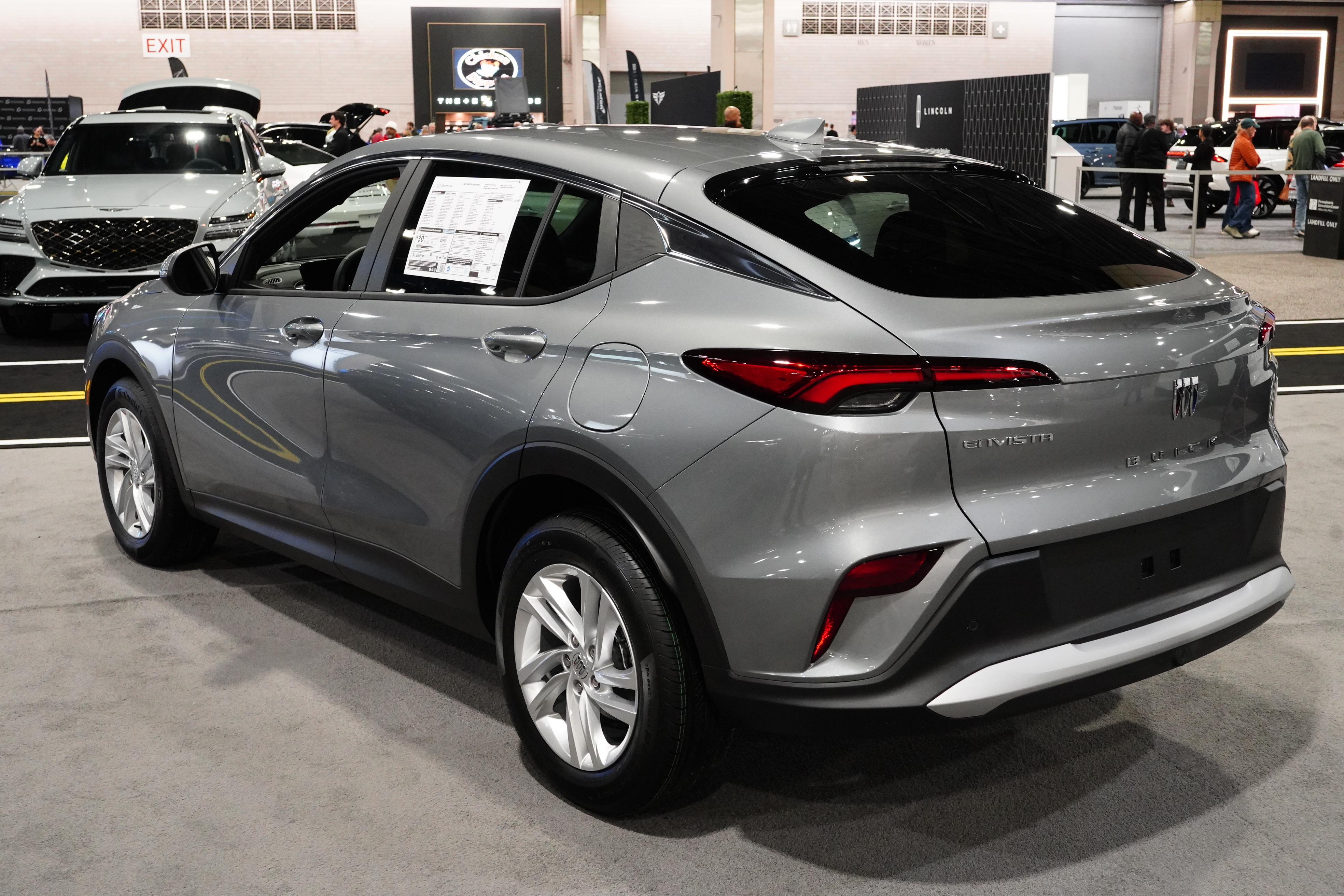
With an MSRP starting under $25,000, the appeal of this good-looking Envista is easily understood. It looks to me like a well-designed cross between a car and a crossover. Take a look at that Monroney label as well: the engine and transmission are sourced from Mexico, 73% of its foreign parts come from Korea and China, and its final assembly point is in Korea, which help hold down the price.
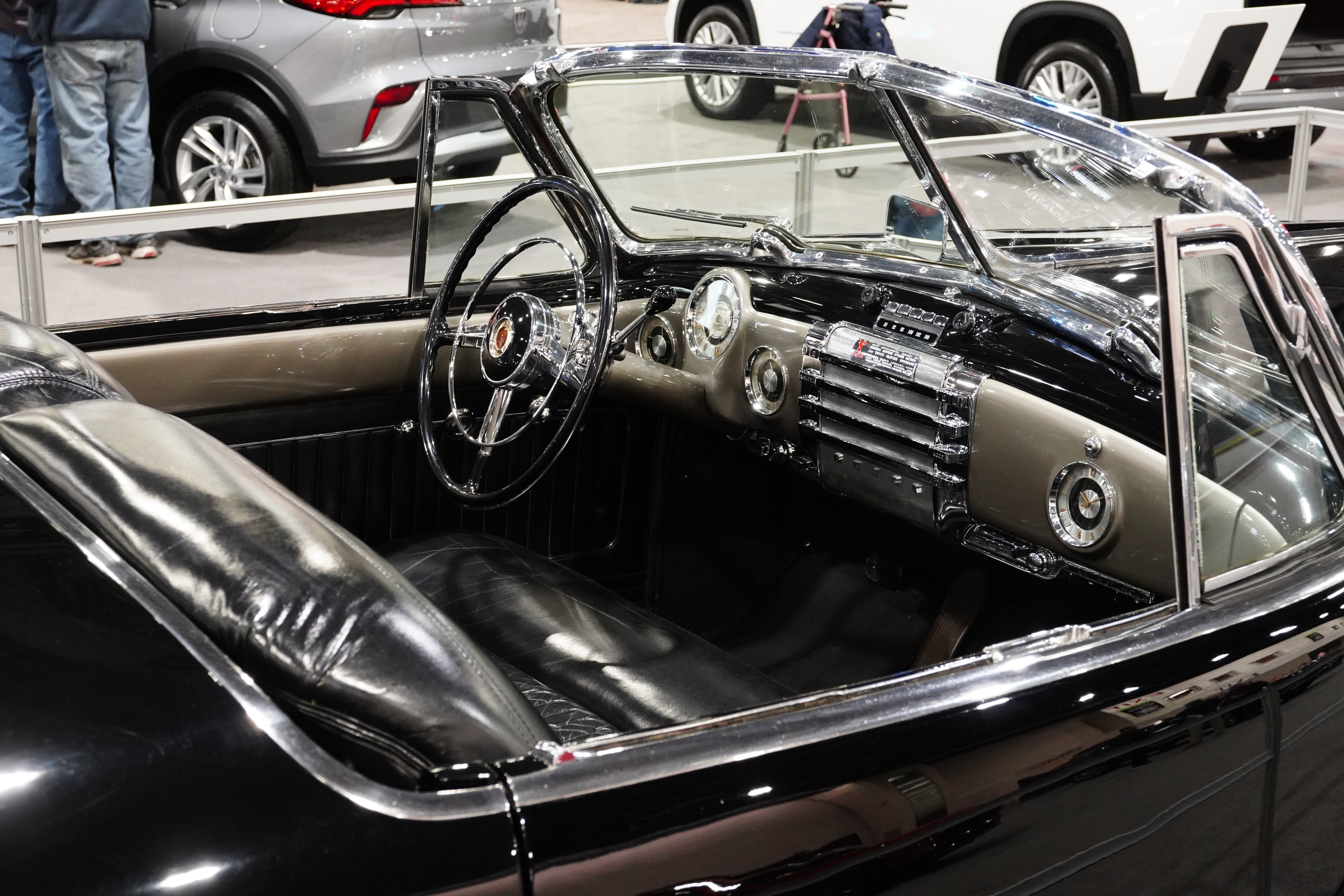
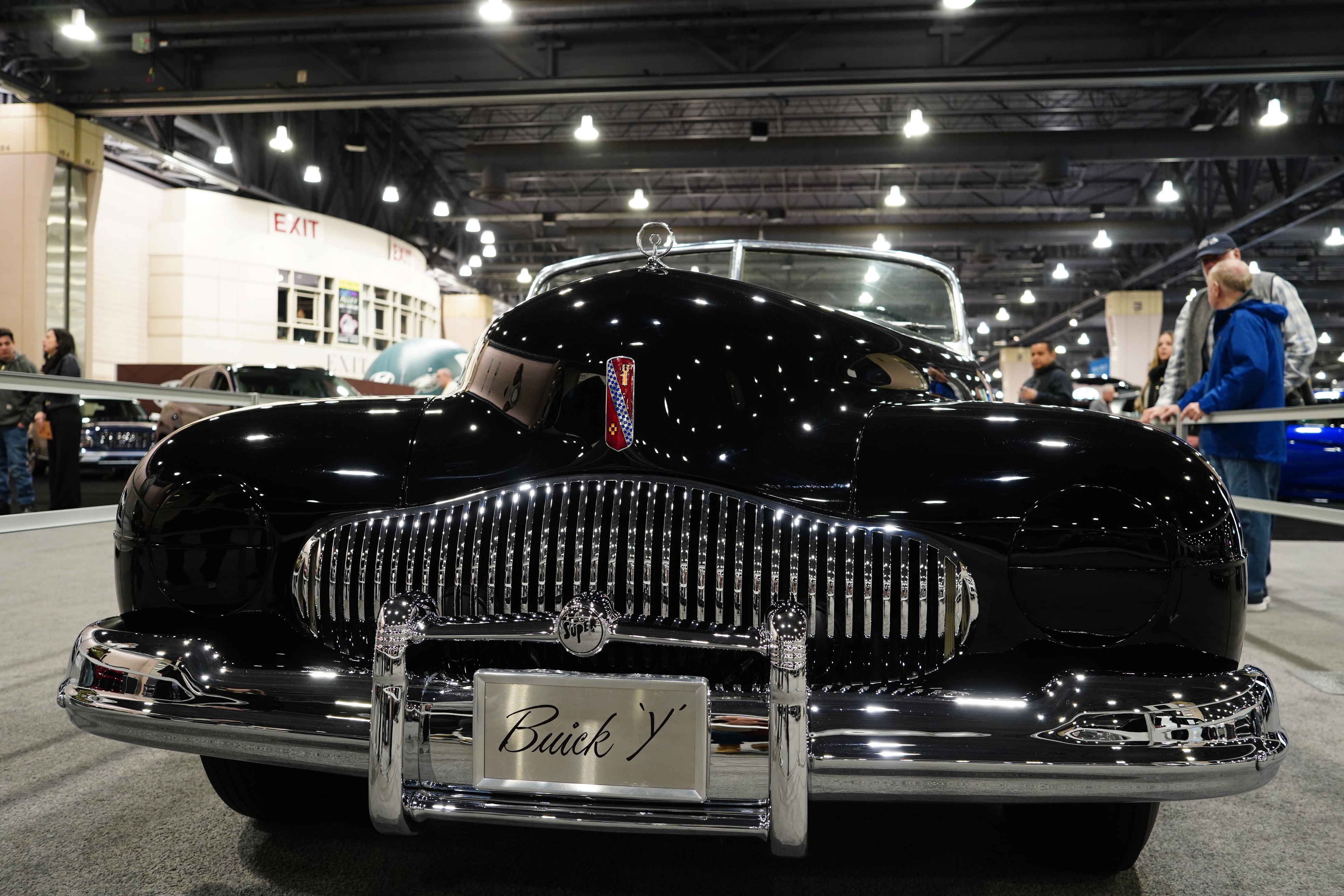
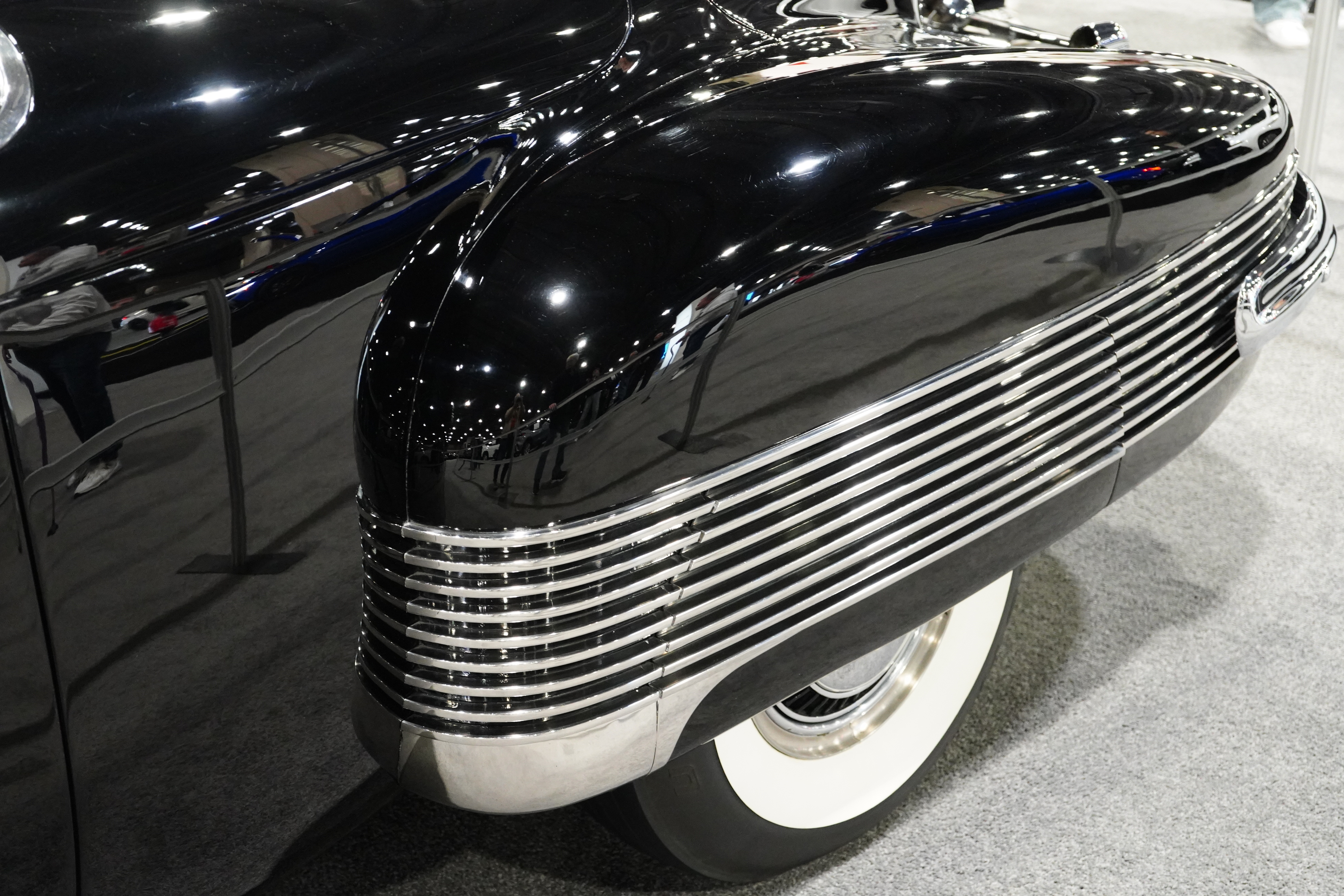
THE Y-JOB
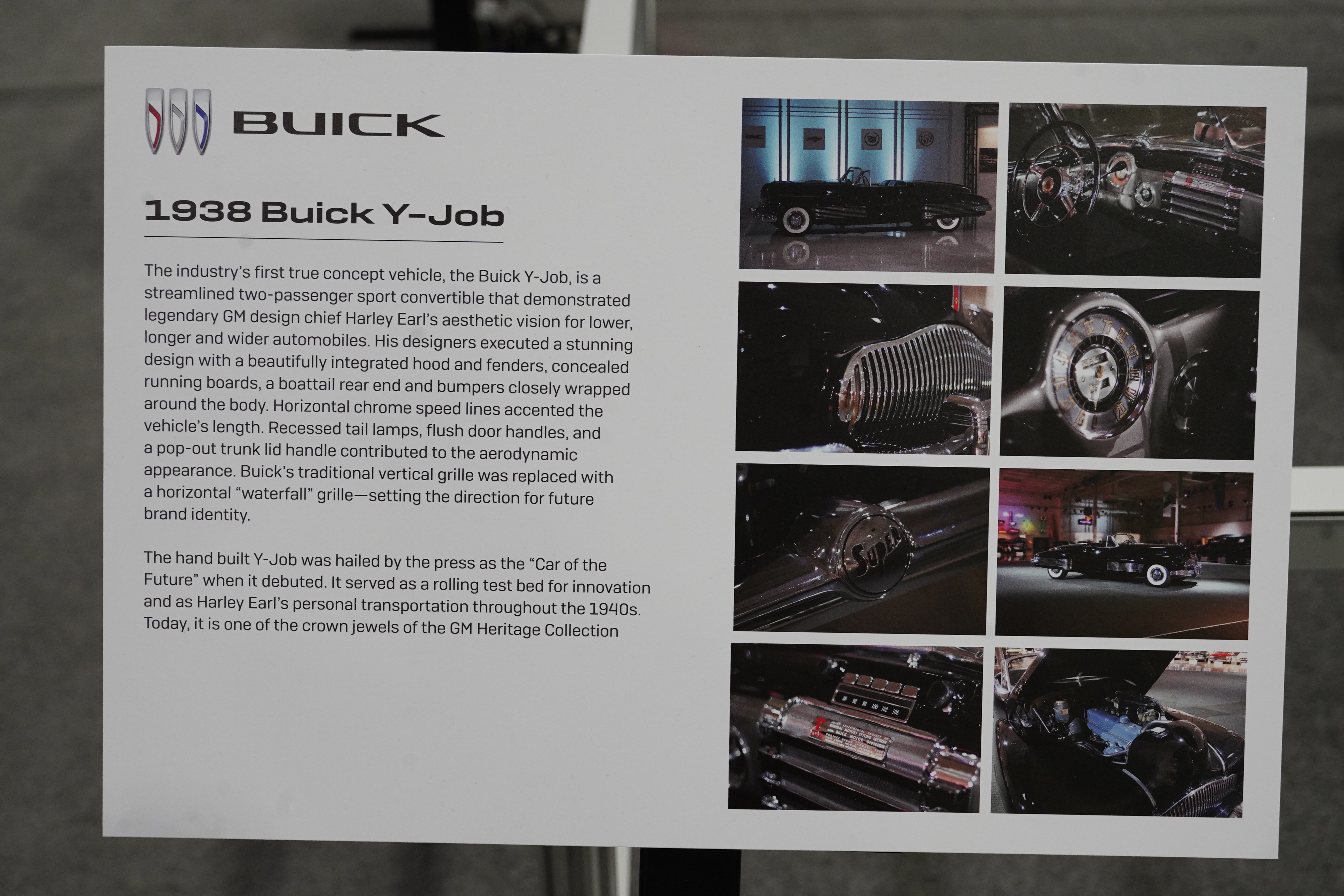
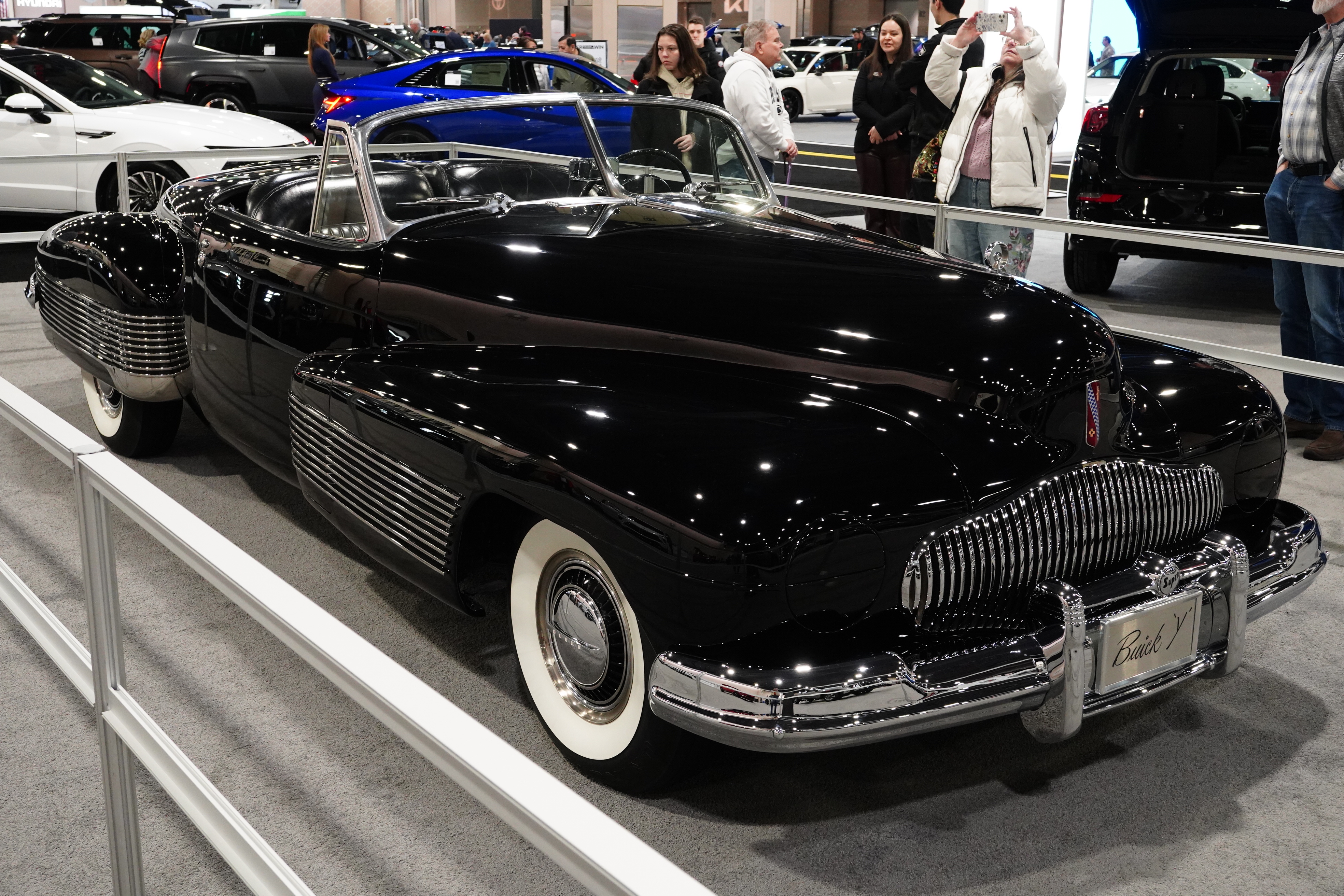
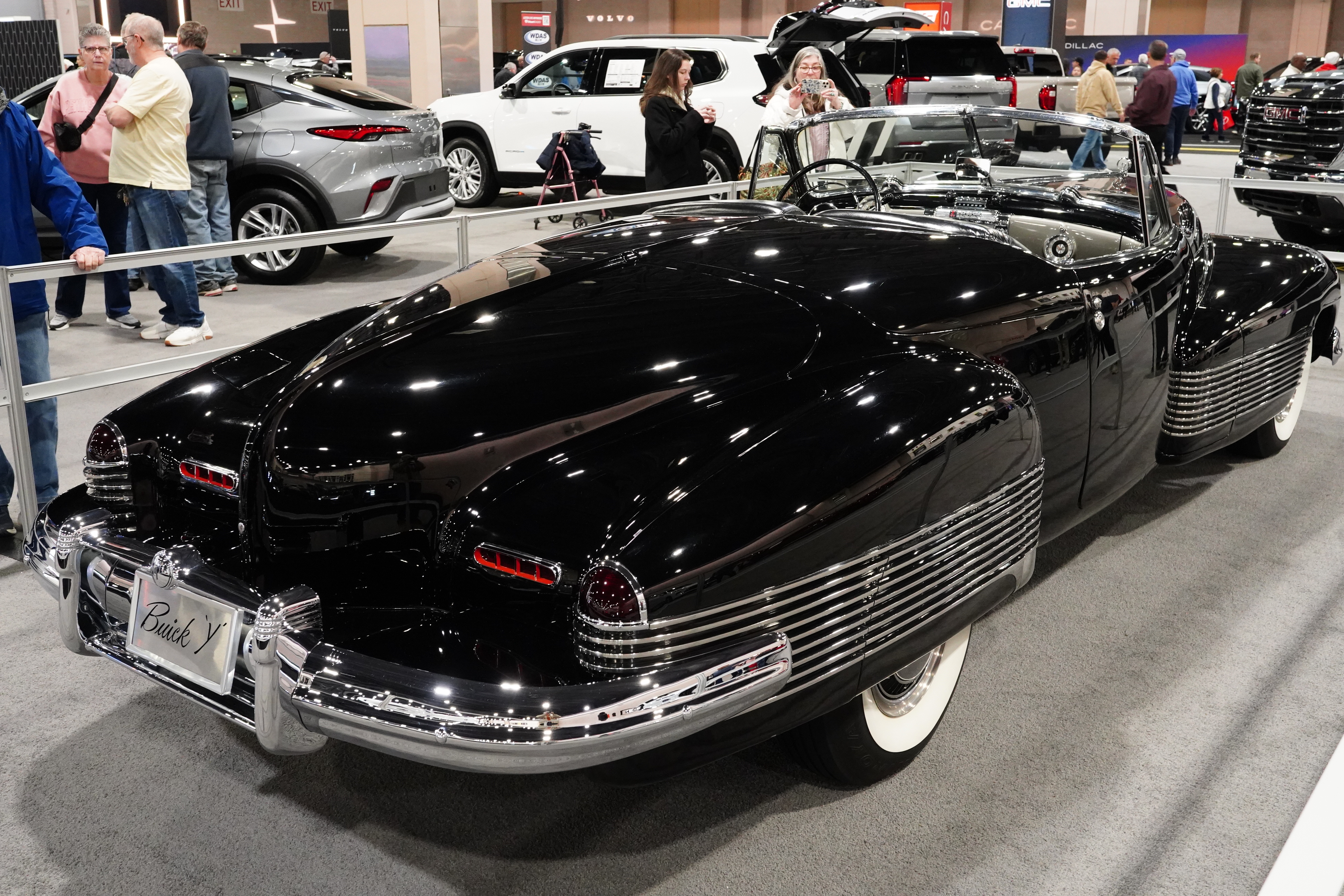
What an incredible surprise to see Harley Earl’s Y-Job in the metal. He unveiled it in 1938, and the public must have thought they were looking at a space ship. It still looks revolutionary today. Yet, it was mostly ignored by the show attendees.
ALFA ROMEO
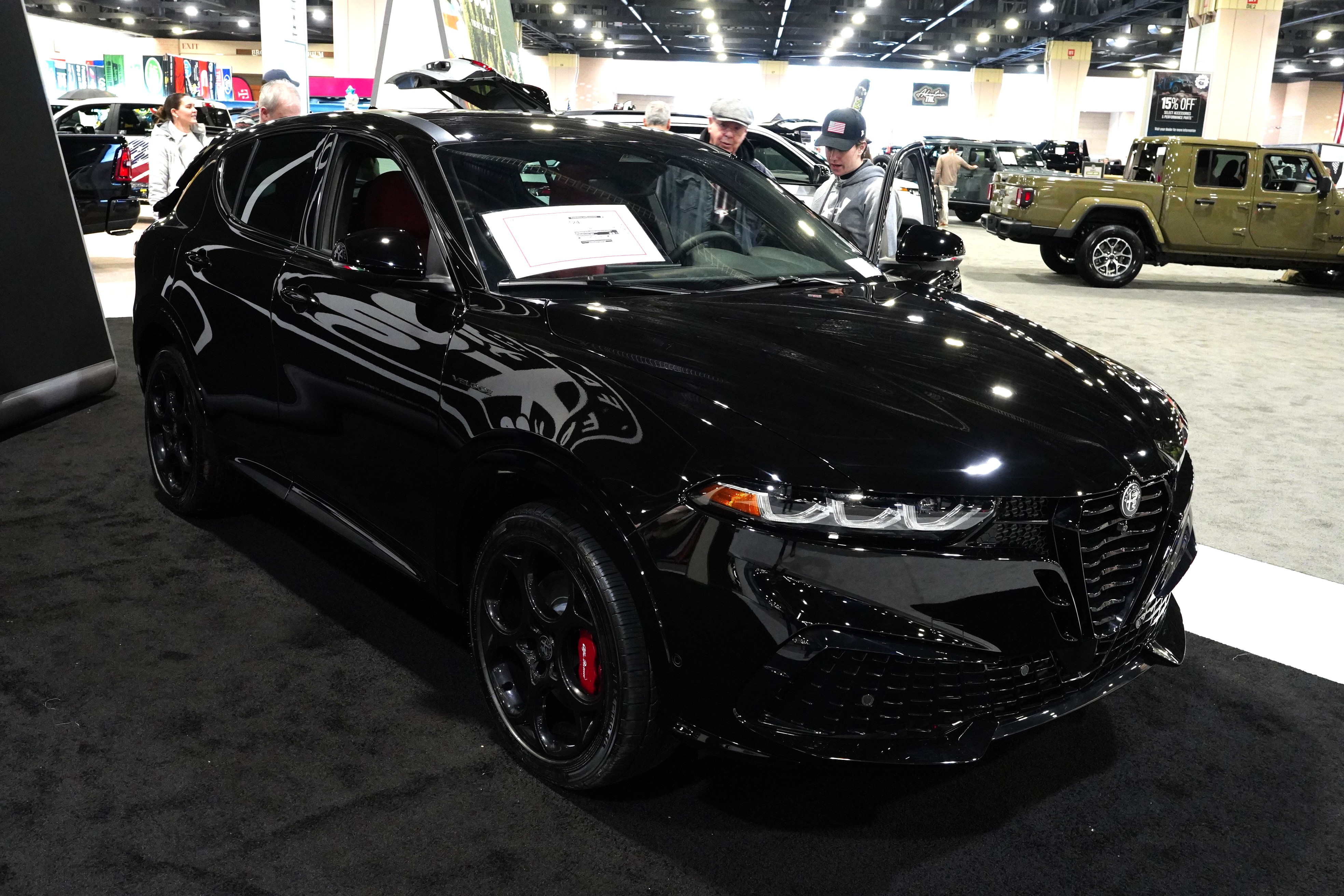
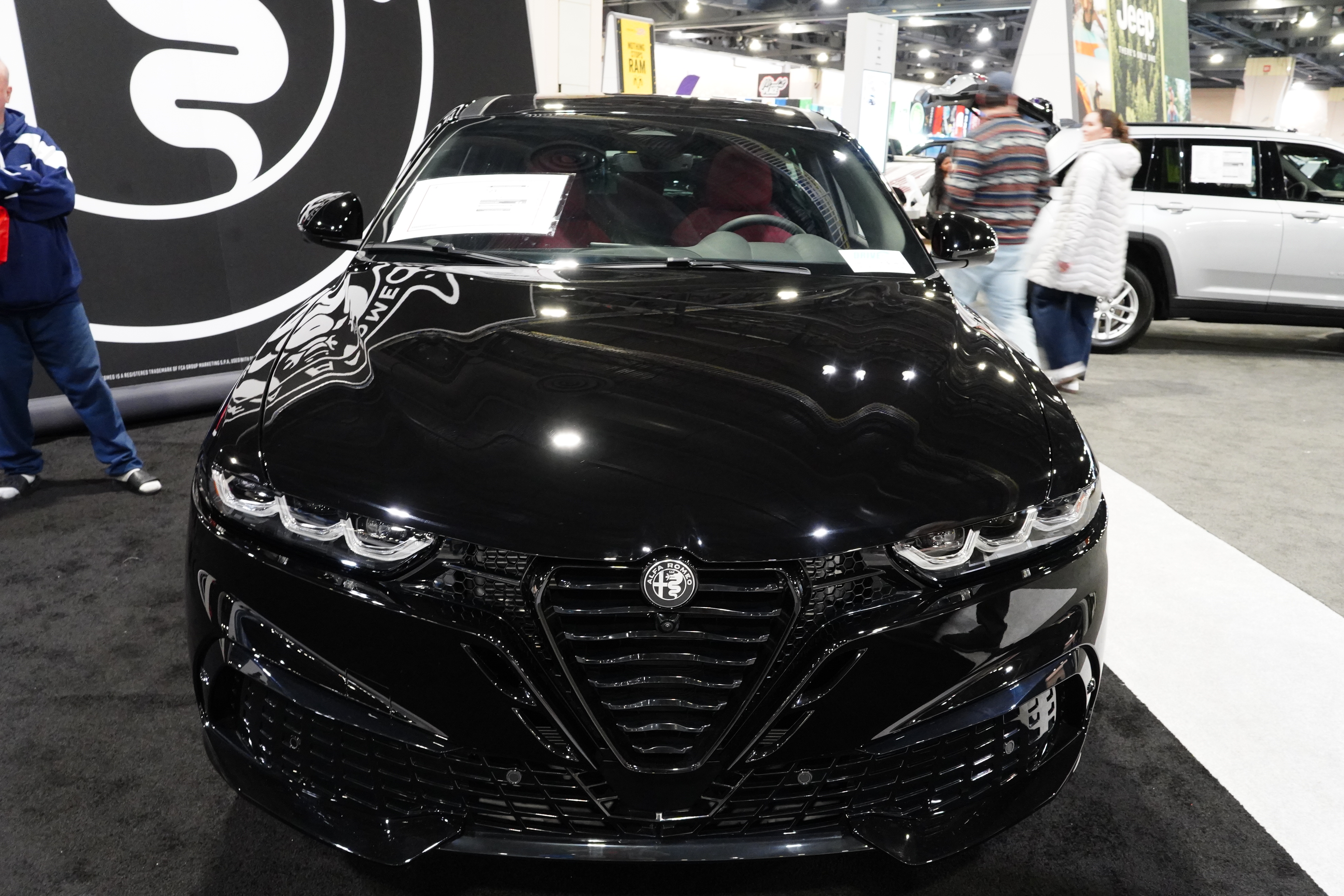
Situated among its Stellantis cousins was a Tonale SUV, the only Alfa at the show. (Alfa showrooms also include the Giulia sedan and the larger SUV, the Stelvio.) The black paint did it no favors, as I find black cars at indoor car shows to mute the styling (as well as being a challenge to photograph). Still, at least Alfa was here.

FORD
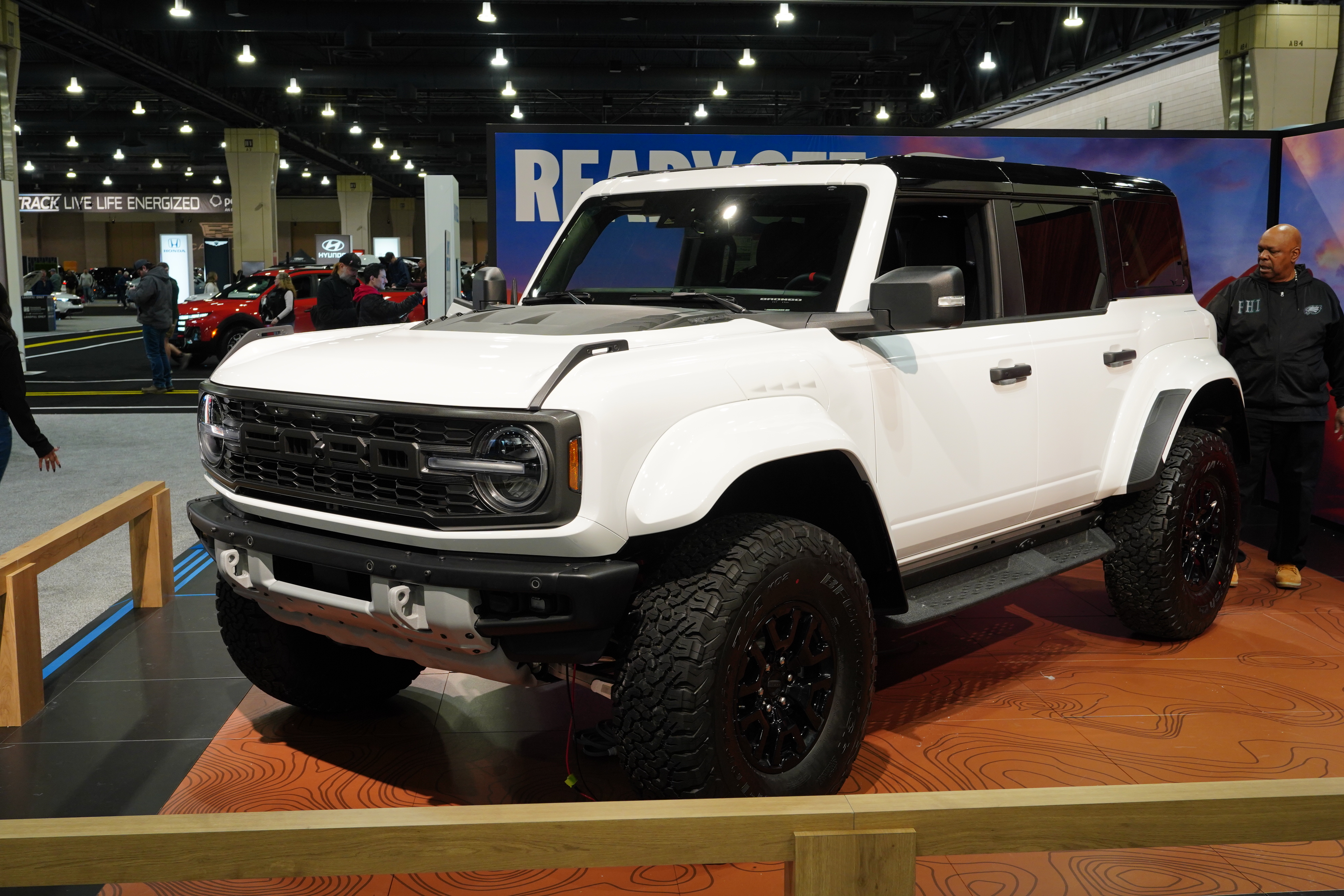
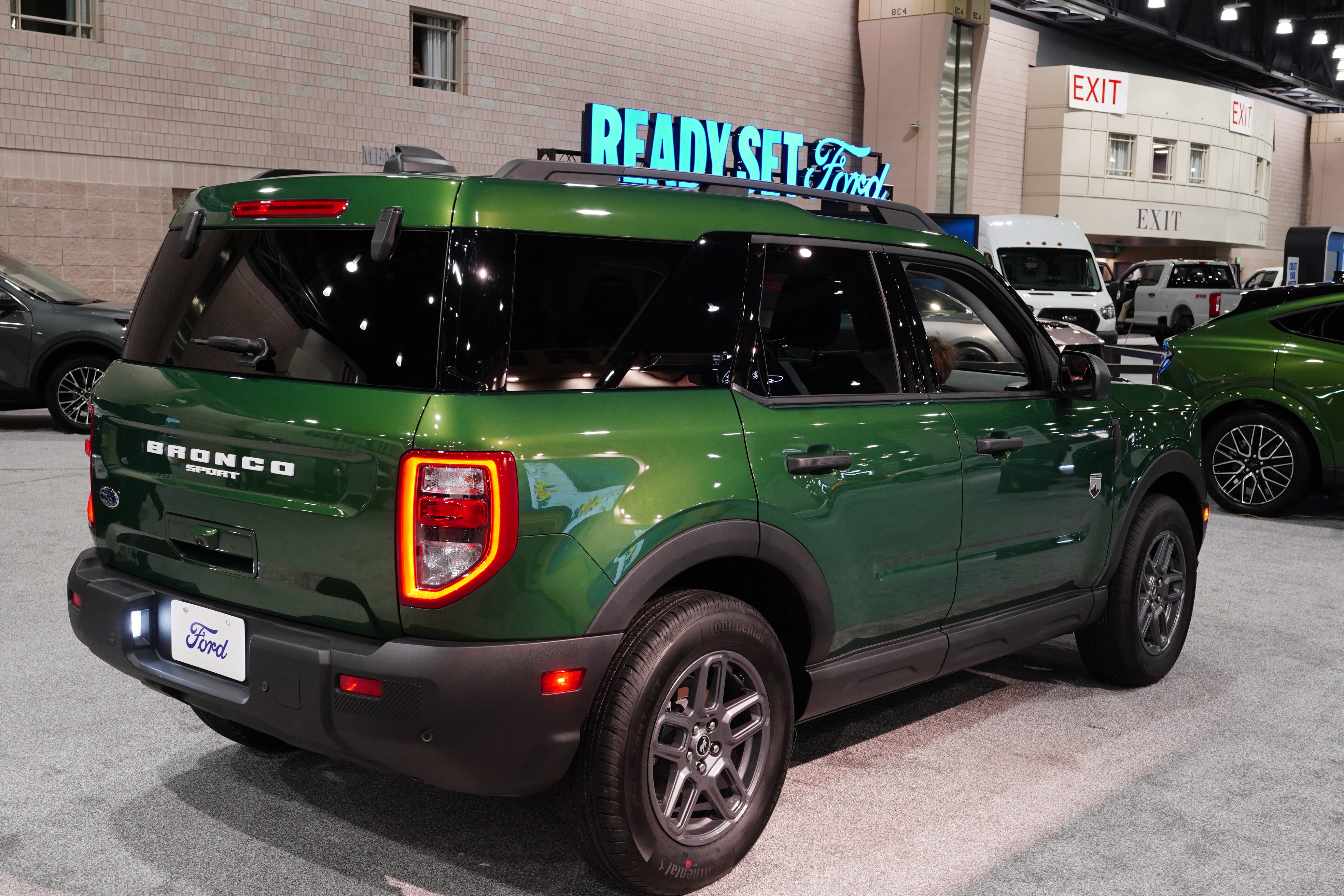
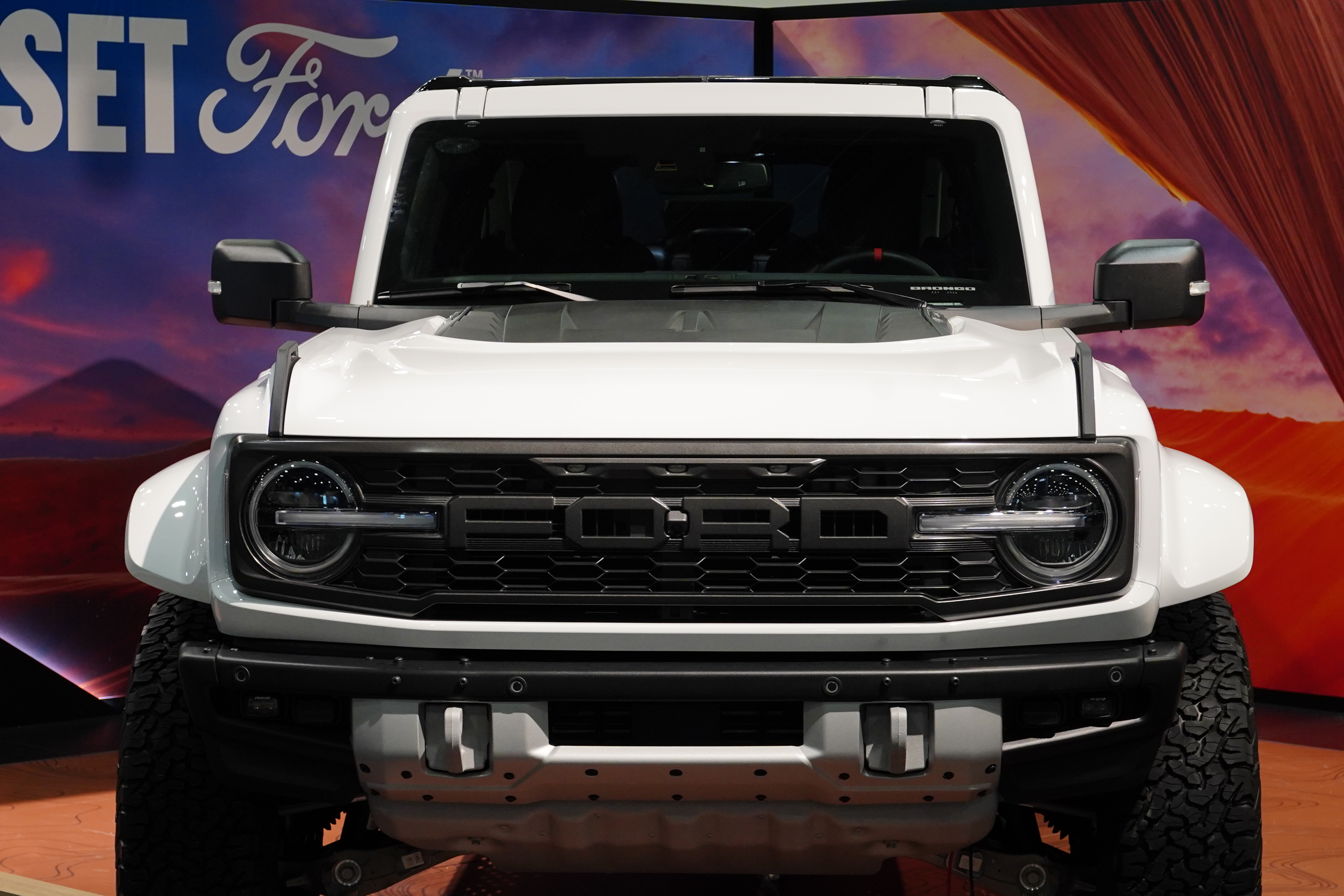
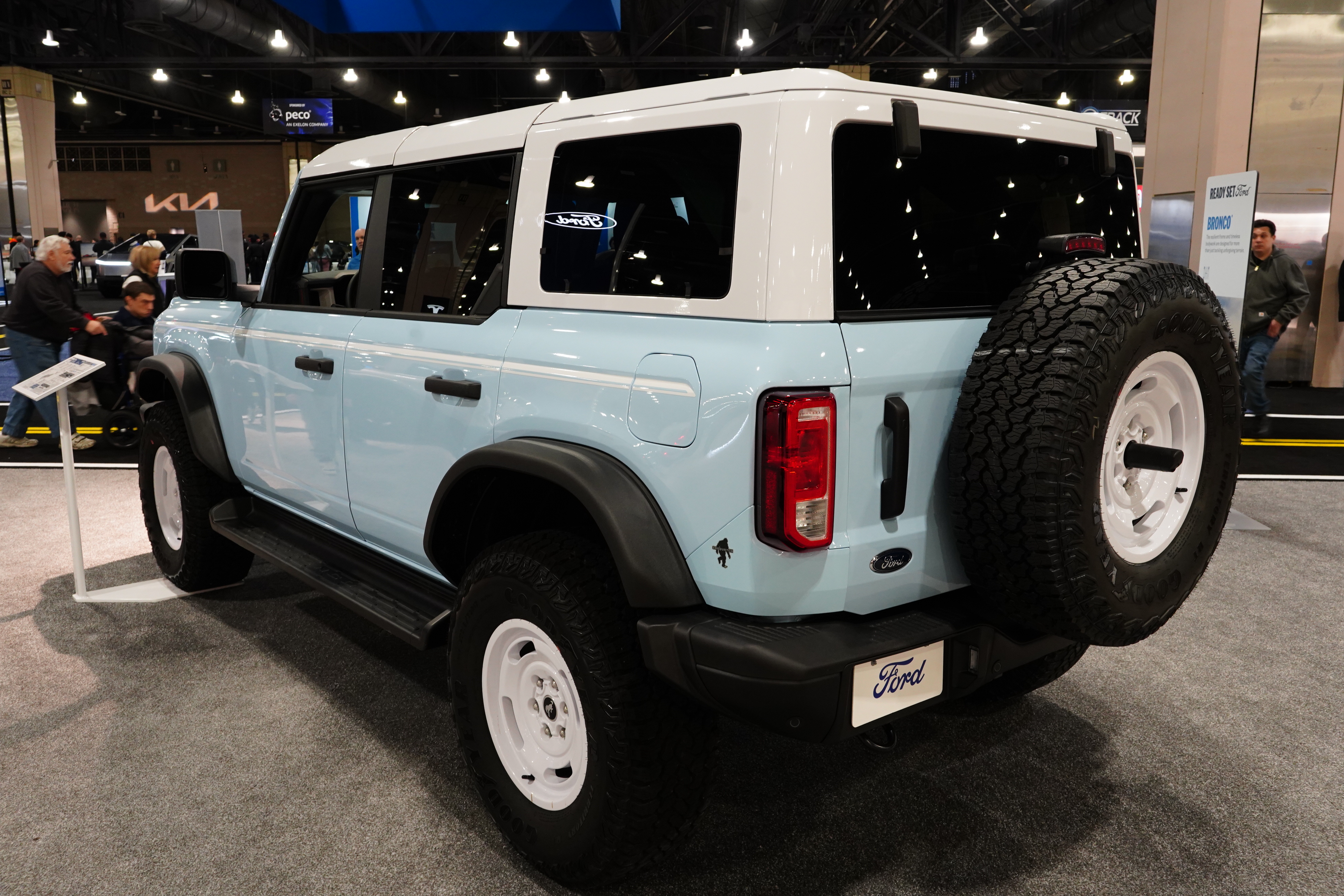
The Bronco and Bronco Sport were the big story, highlighting some different color choices too.
POLESTAR
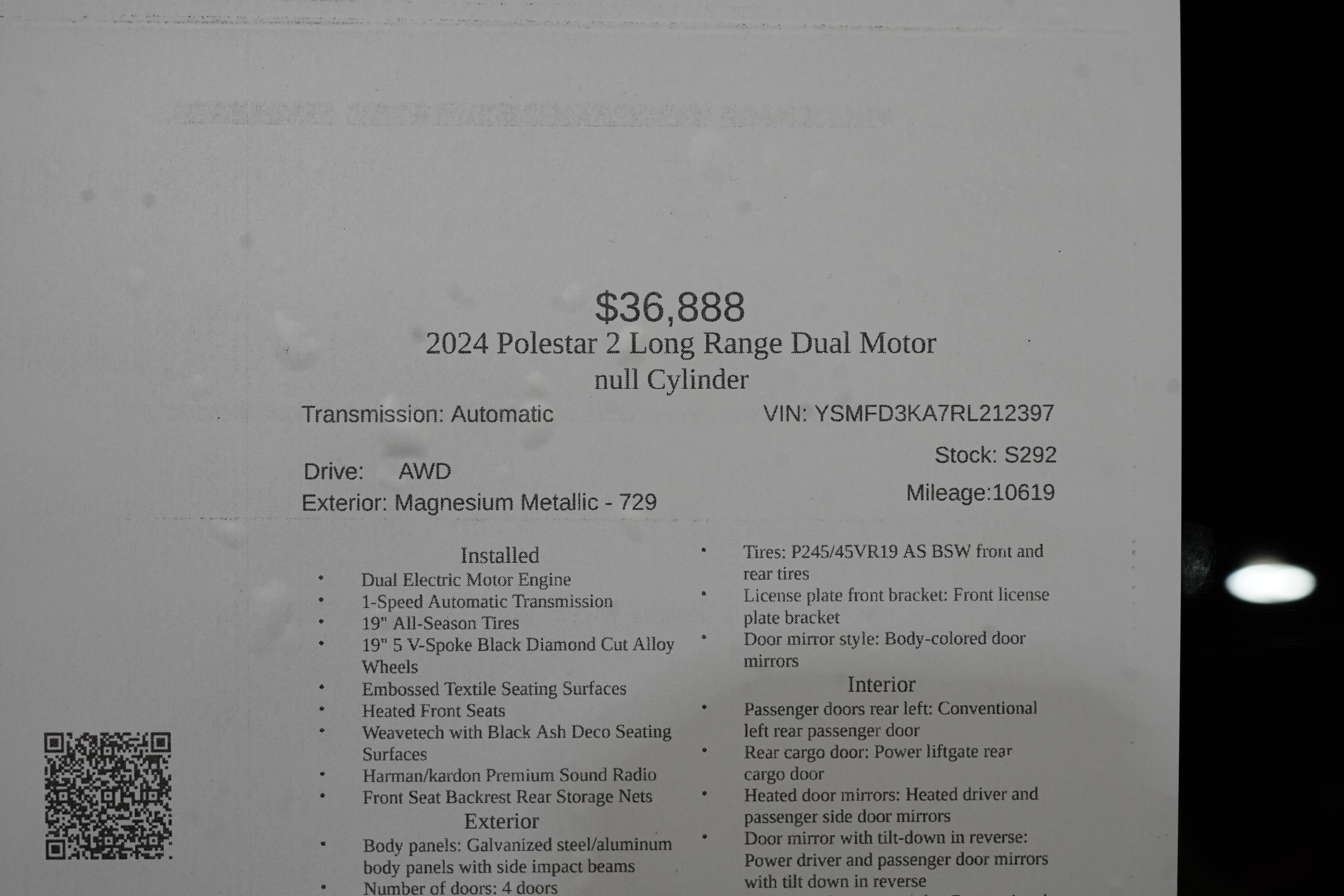
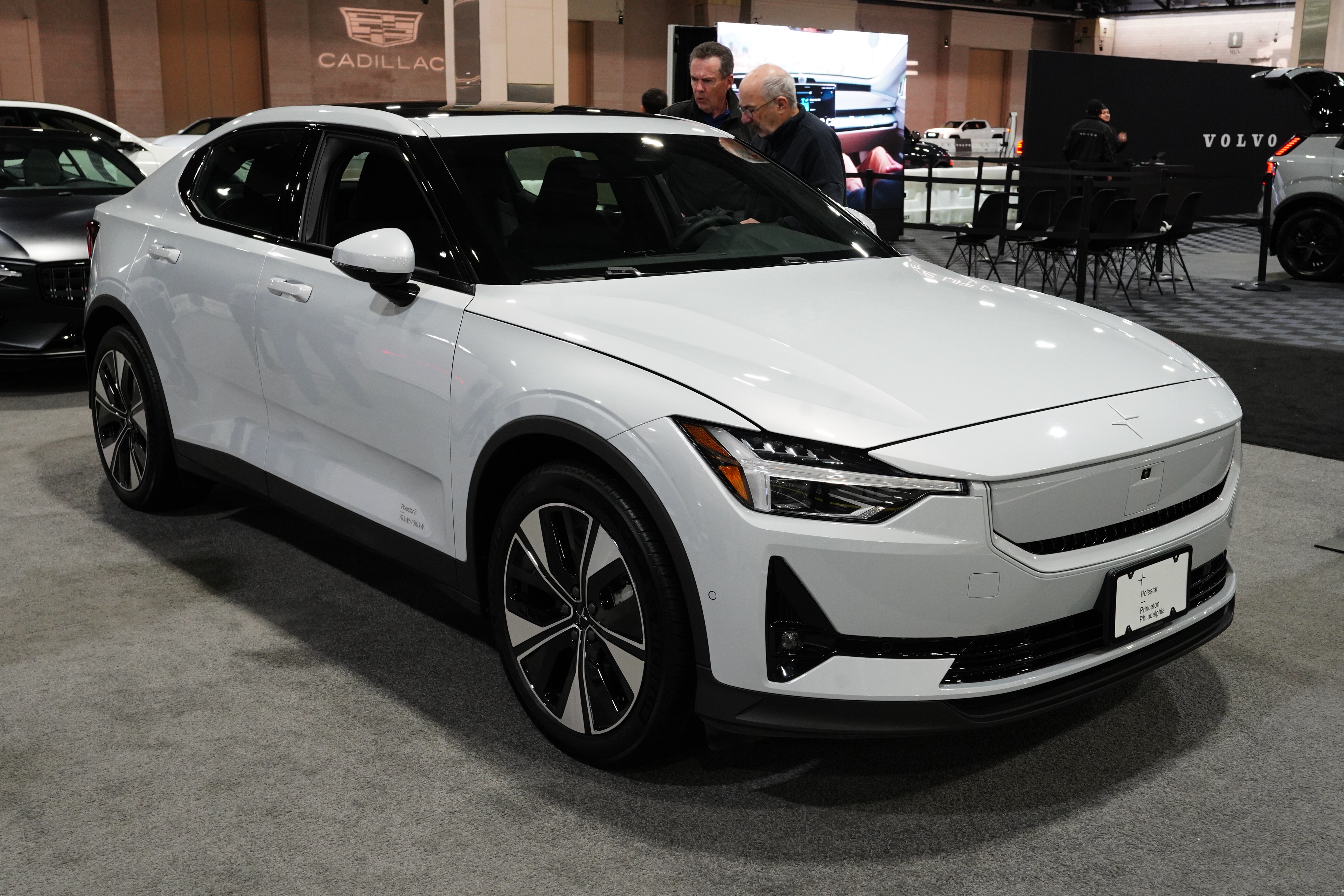
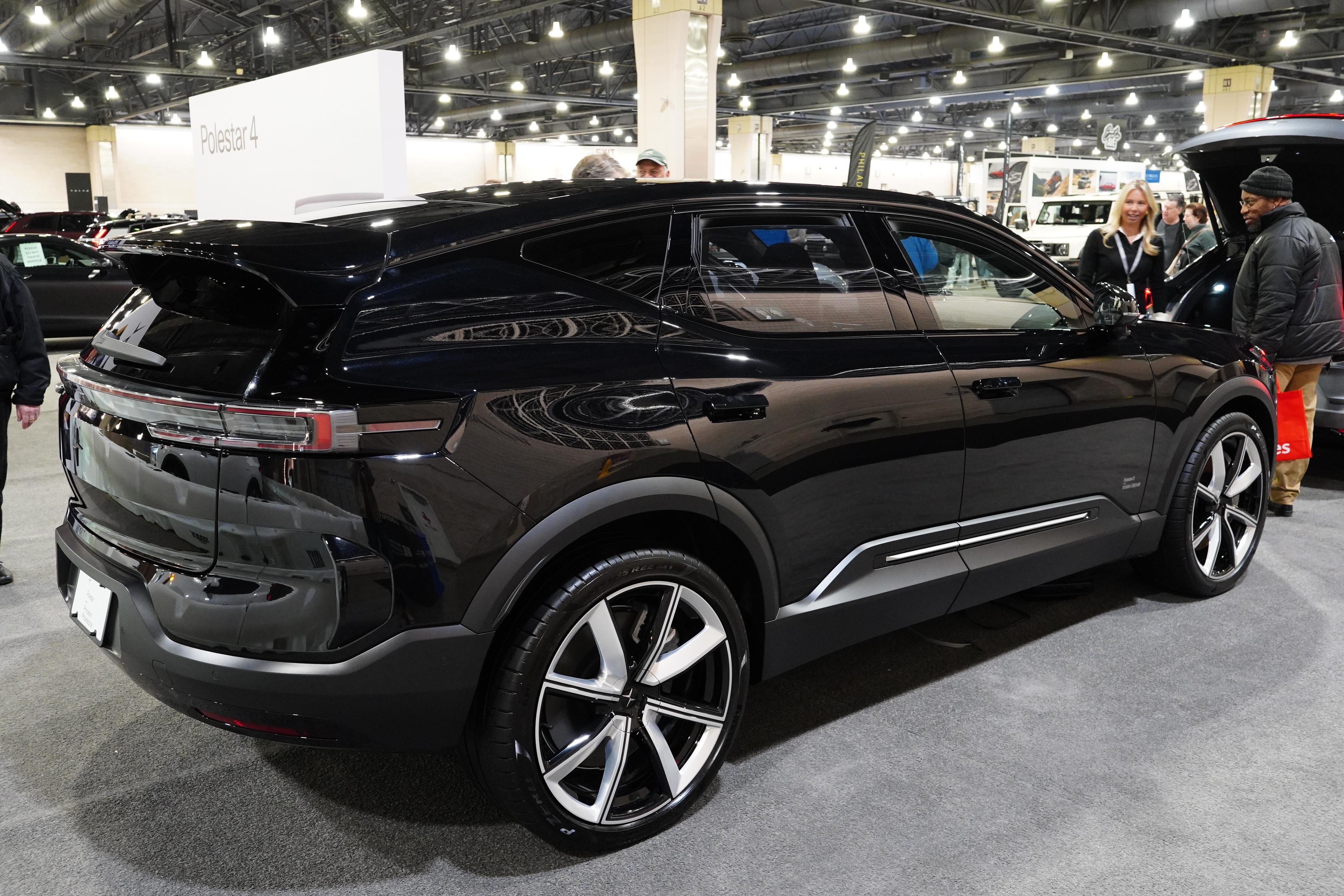
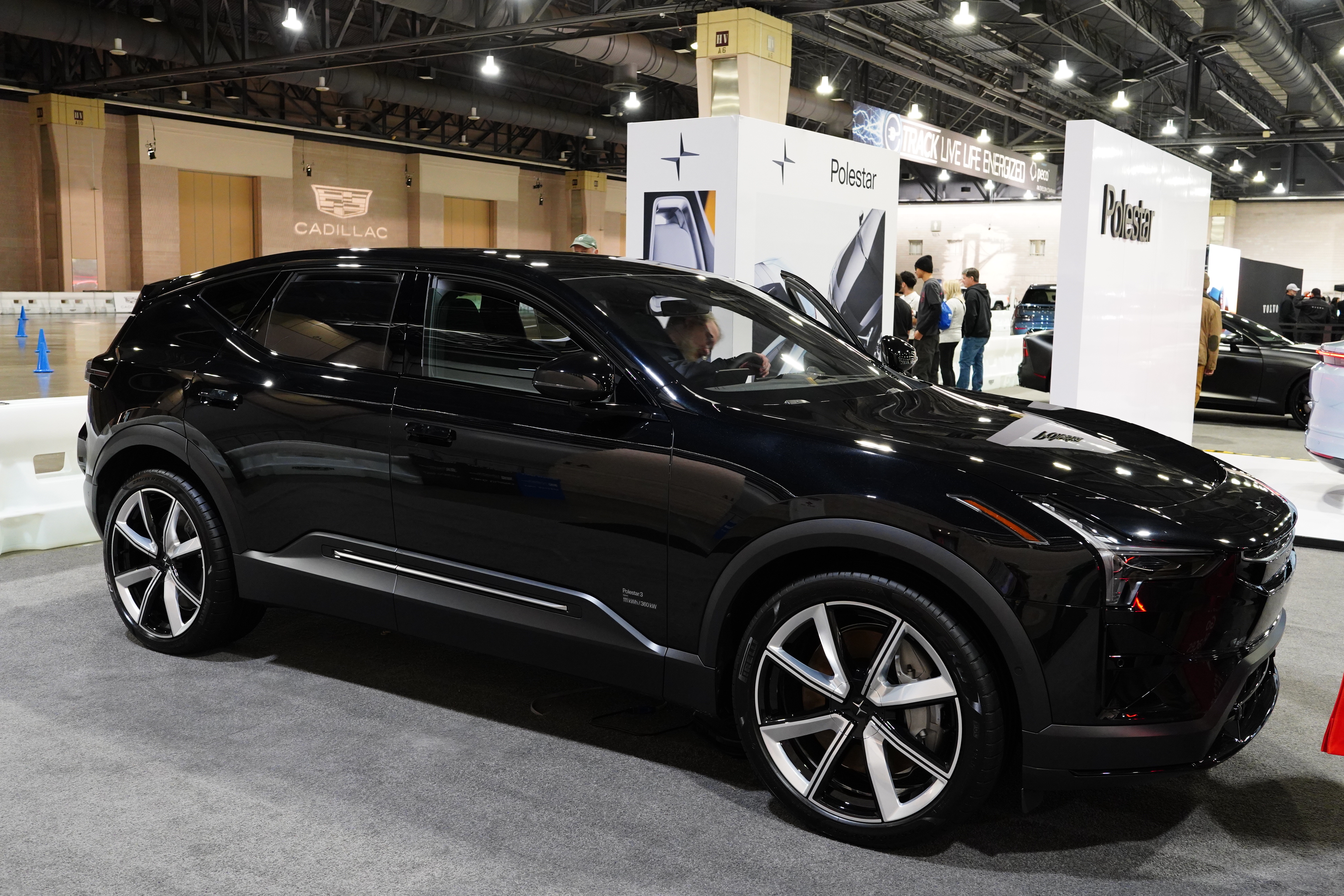
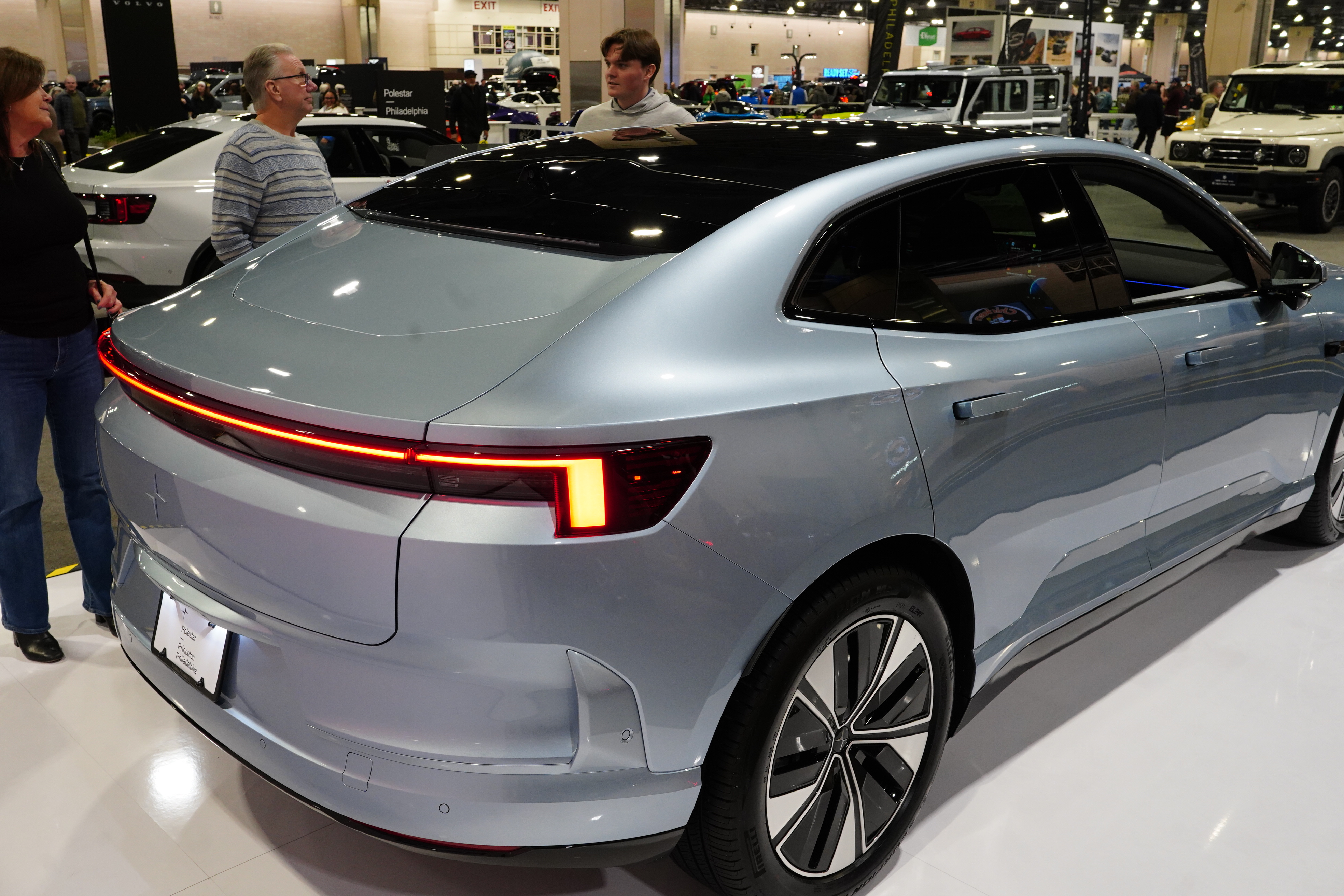
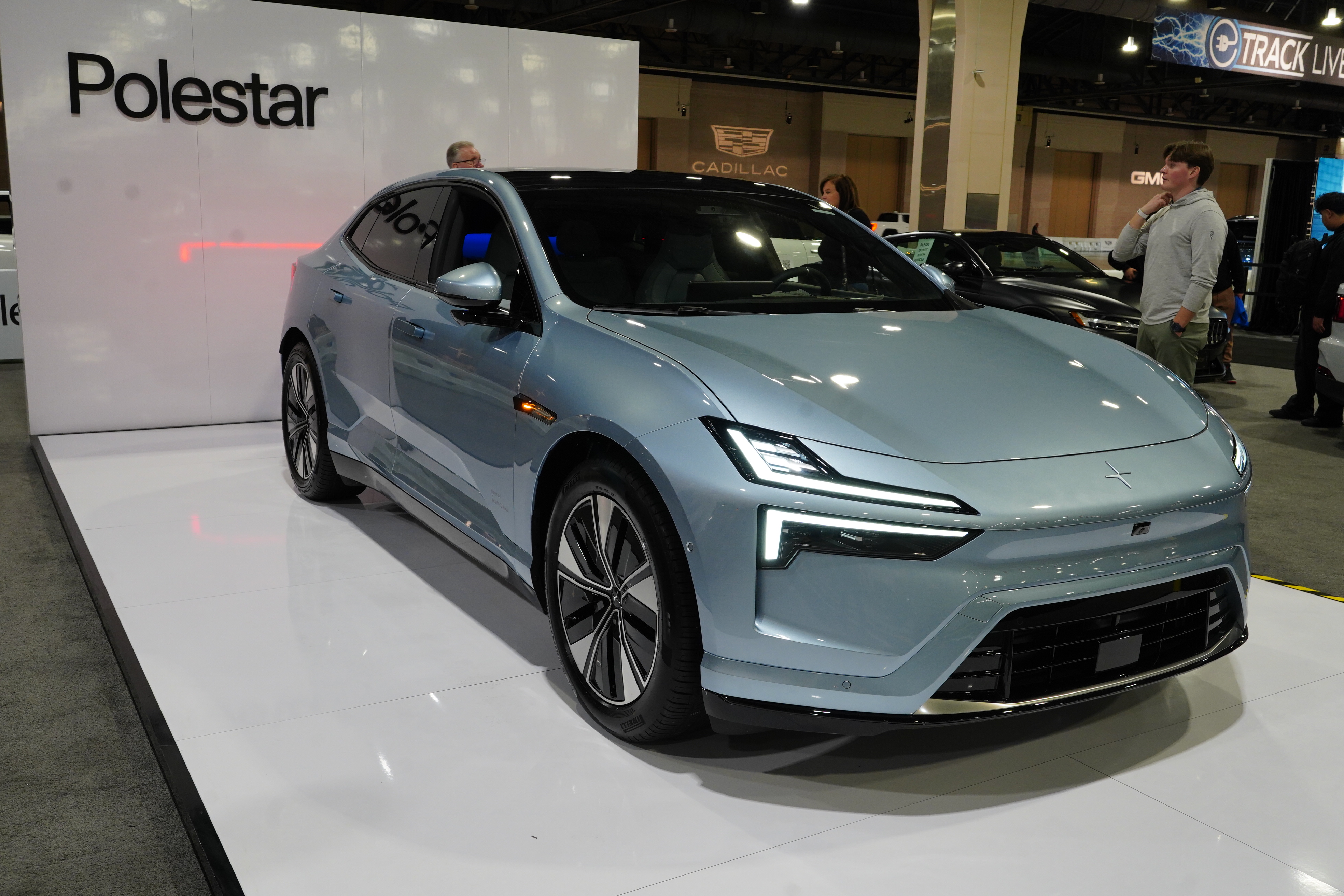
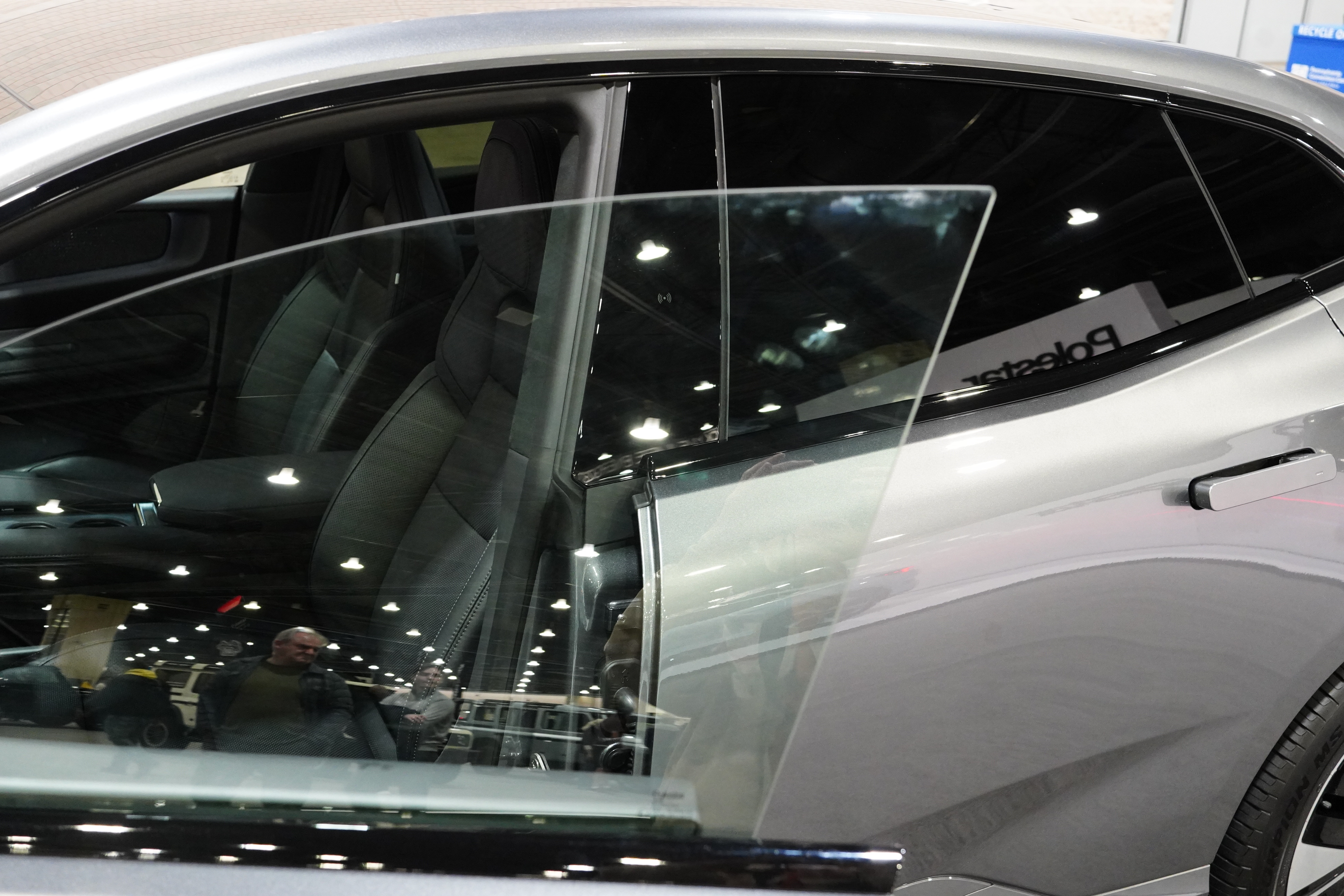
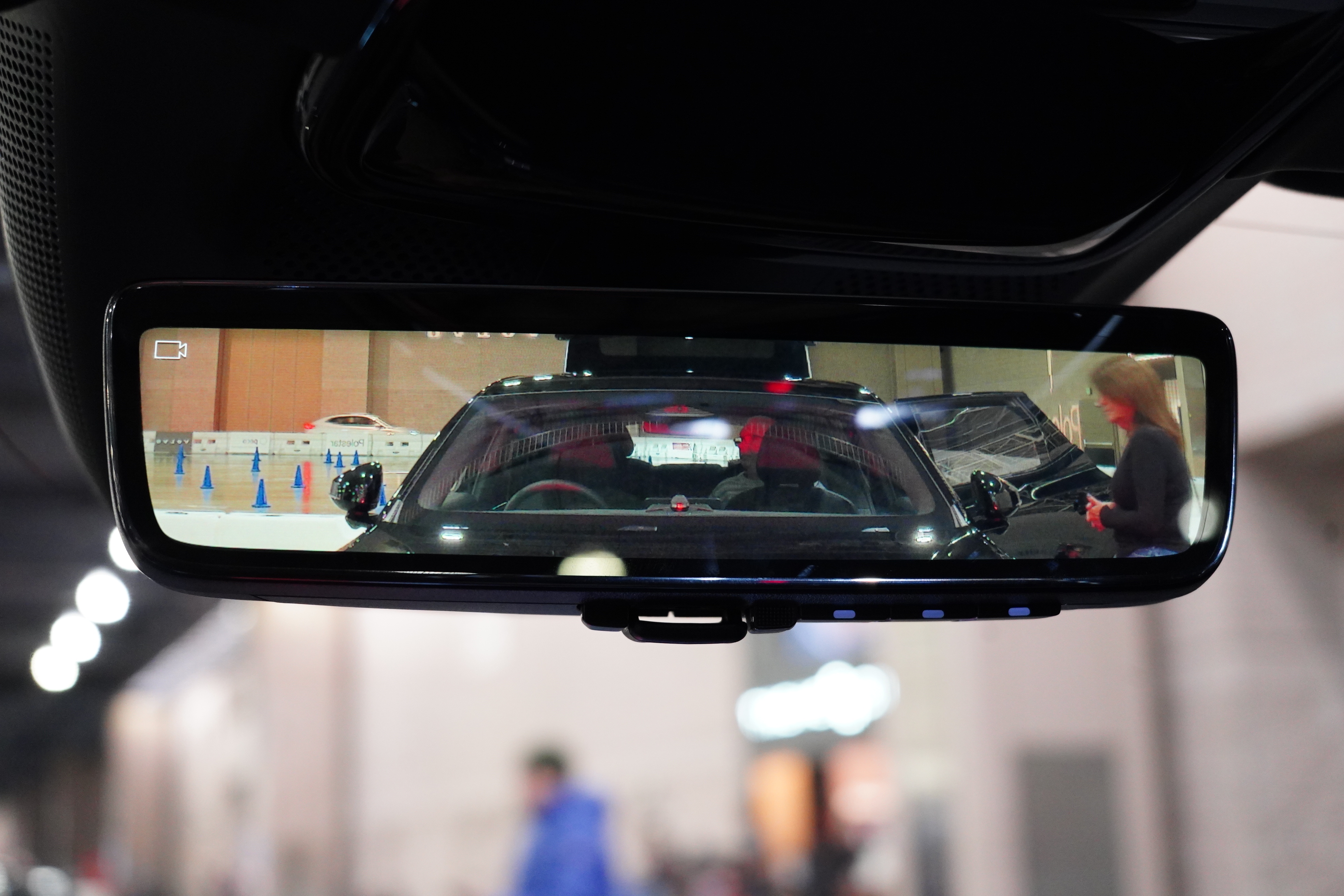
As mentioned above, it was the local dealer which populated the Polestar display, and it included the cleverly-named Polestar 1, 2, 3, and 4 models. All kidding aside, the 1 and 2 are out of production, and the cars on the floor were used cars for sale. (I thought the 2024 Polestar 2 with an asking price of $36,888 to be a bit of a bargain. I had one for a weekend, which you can read about here.) The new Polestars were the 3 and the 4. The 3 is the large SUV, but again, the black paint did nothing to accentuate its rather nice lines. The 4 is the controversial one, as it has no rear window, and the inside rear view mirror is a camera. From what I’ve read, drivers who wear glasses might struggle with a poorly defined depth of field. I must also ask: what happens when (sad to say, not “if,” but “when”) the mirror/camera goes on the blink and you no longer have any vision of what’s directly behind you?
THE AACA EXHIBIT
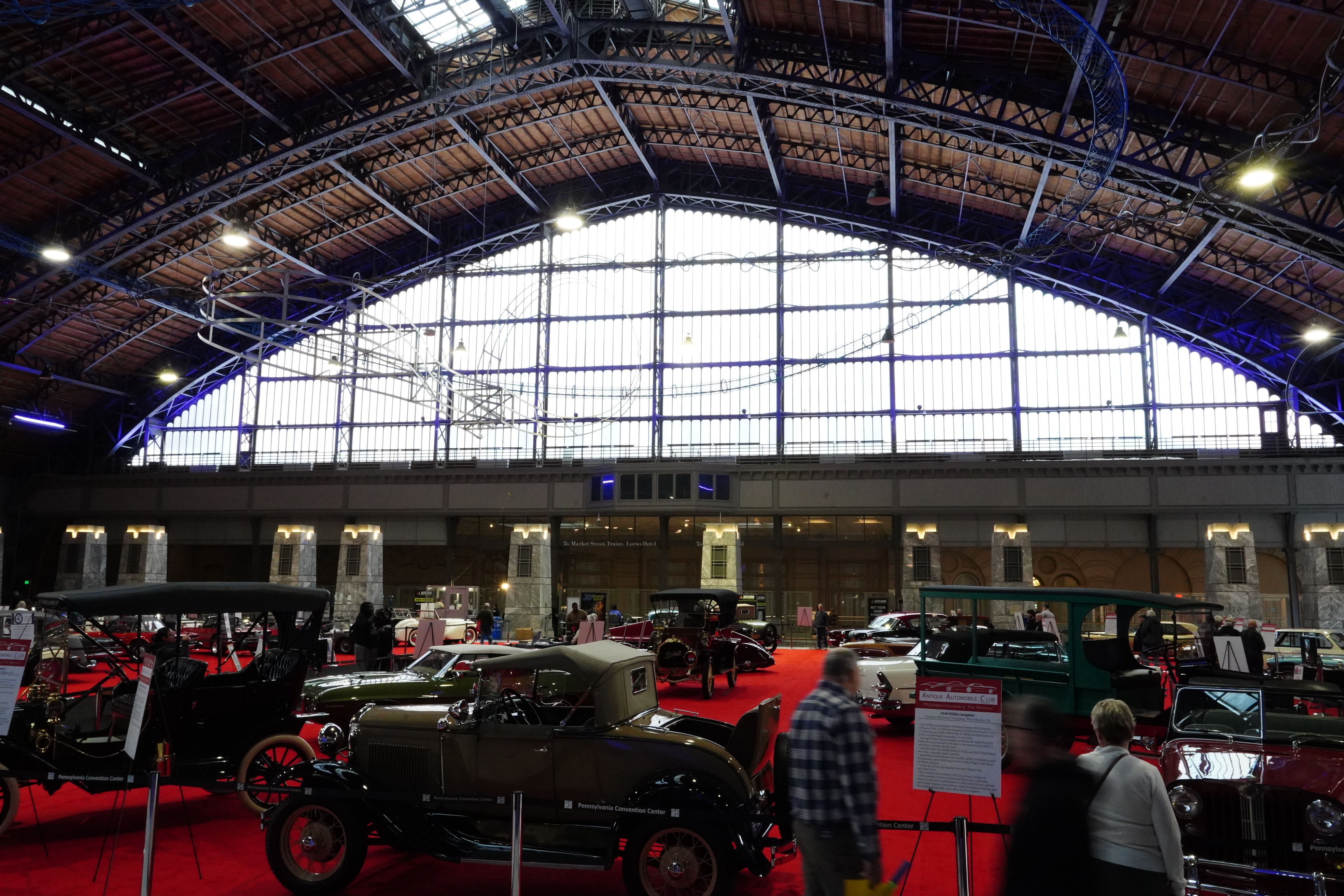
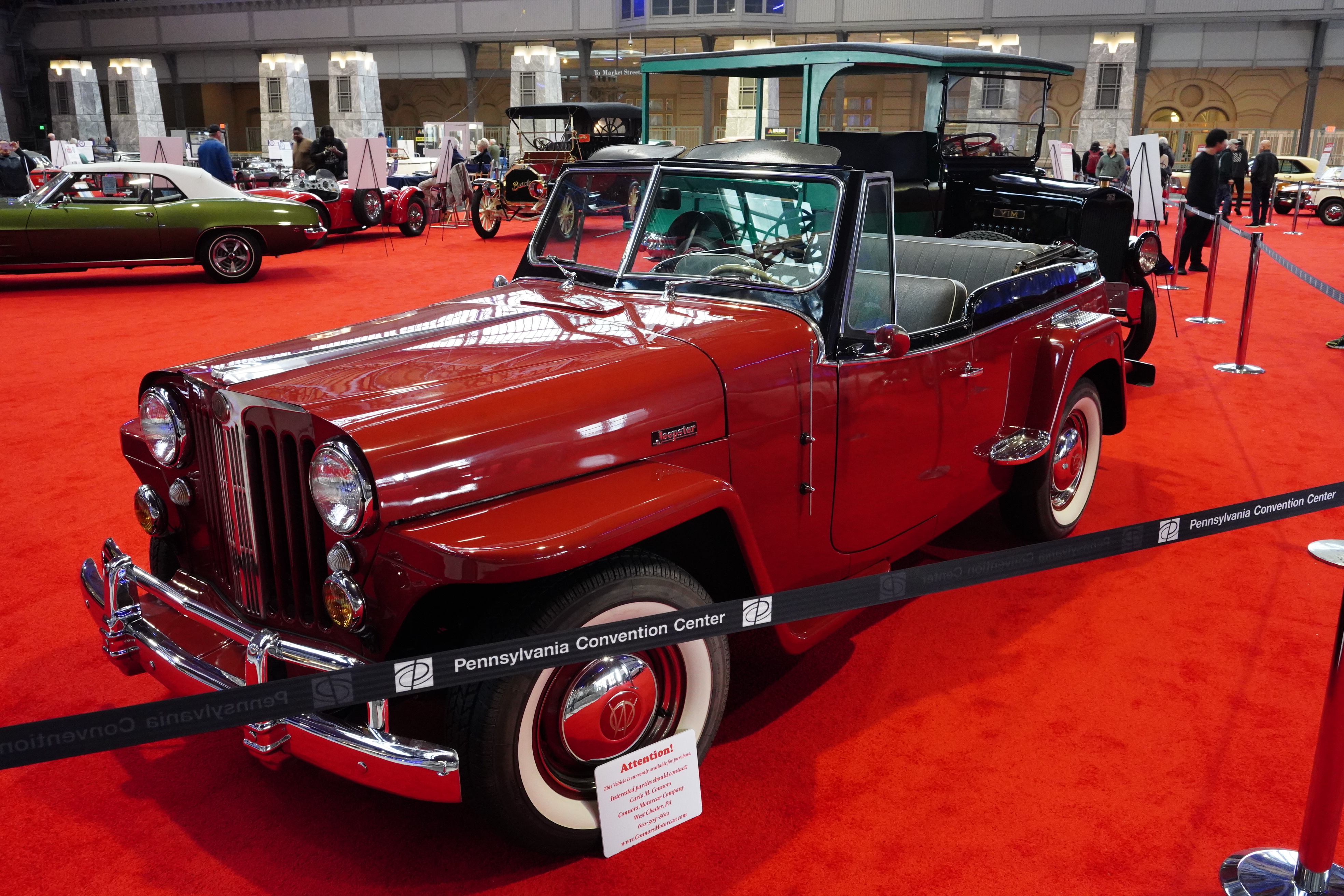
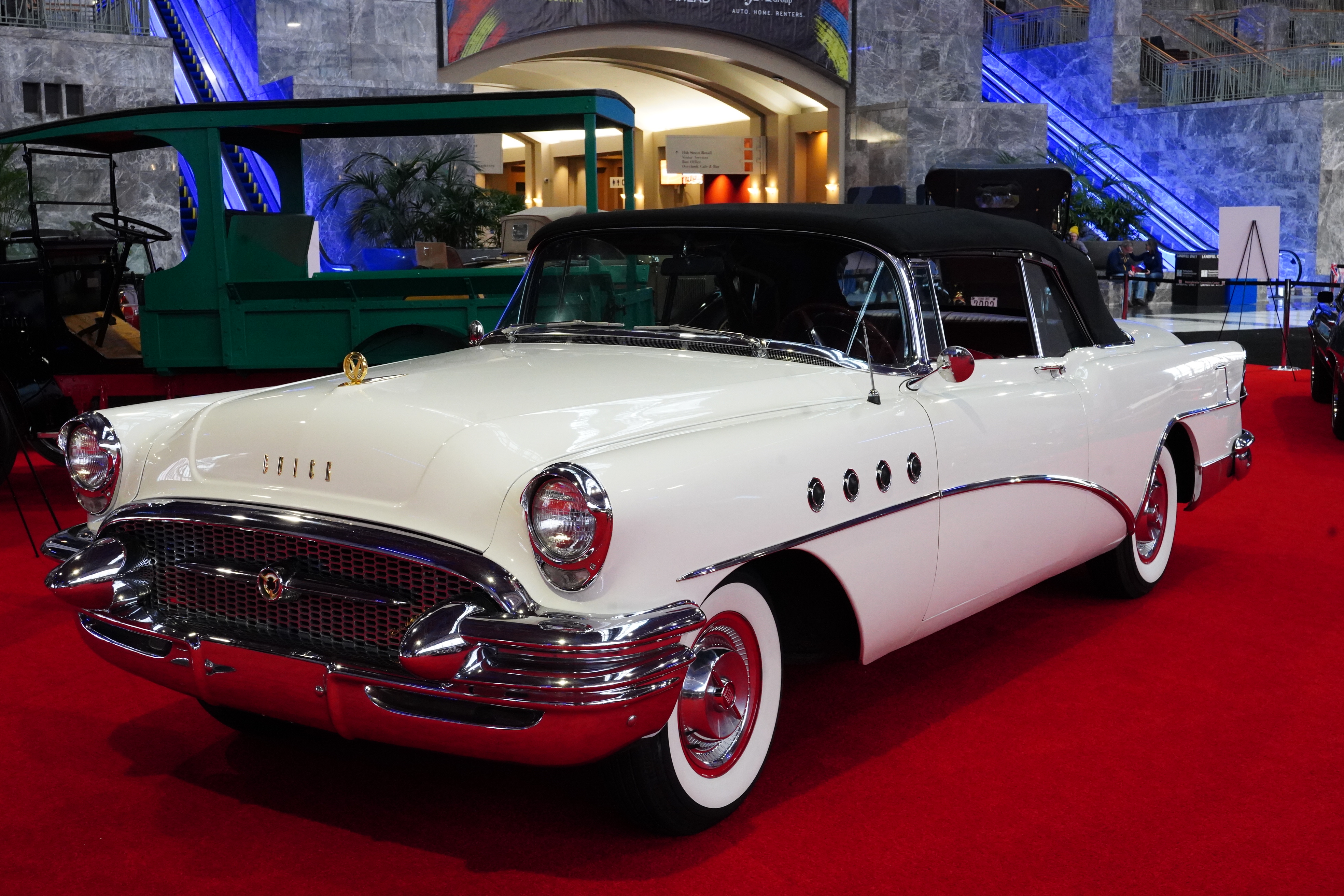
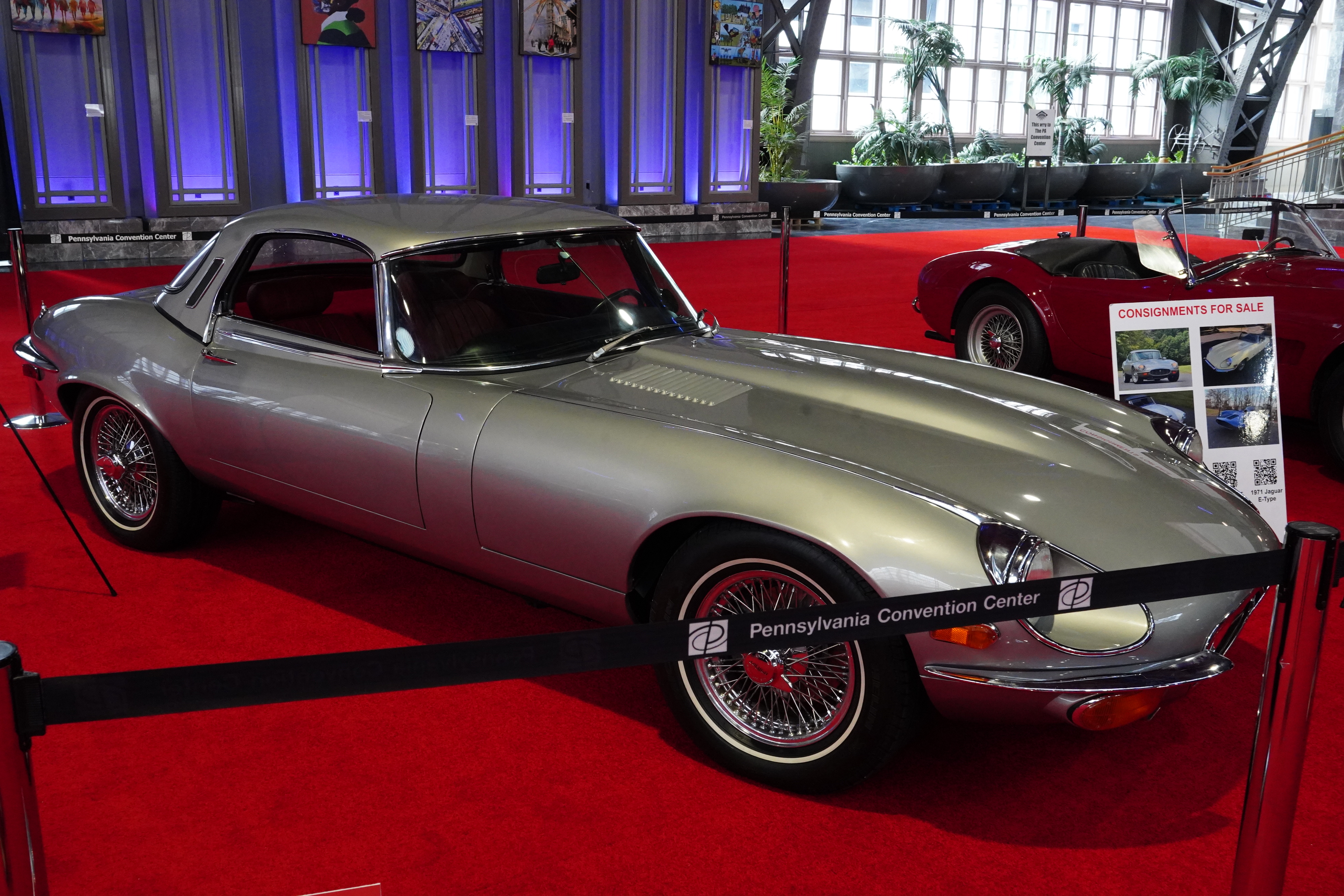
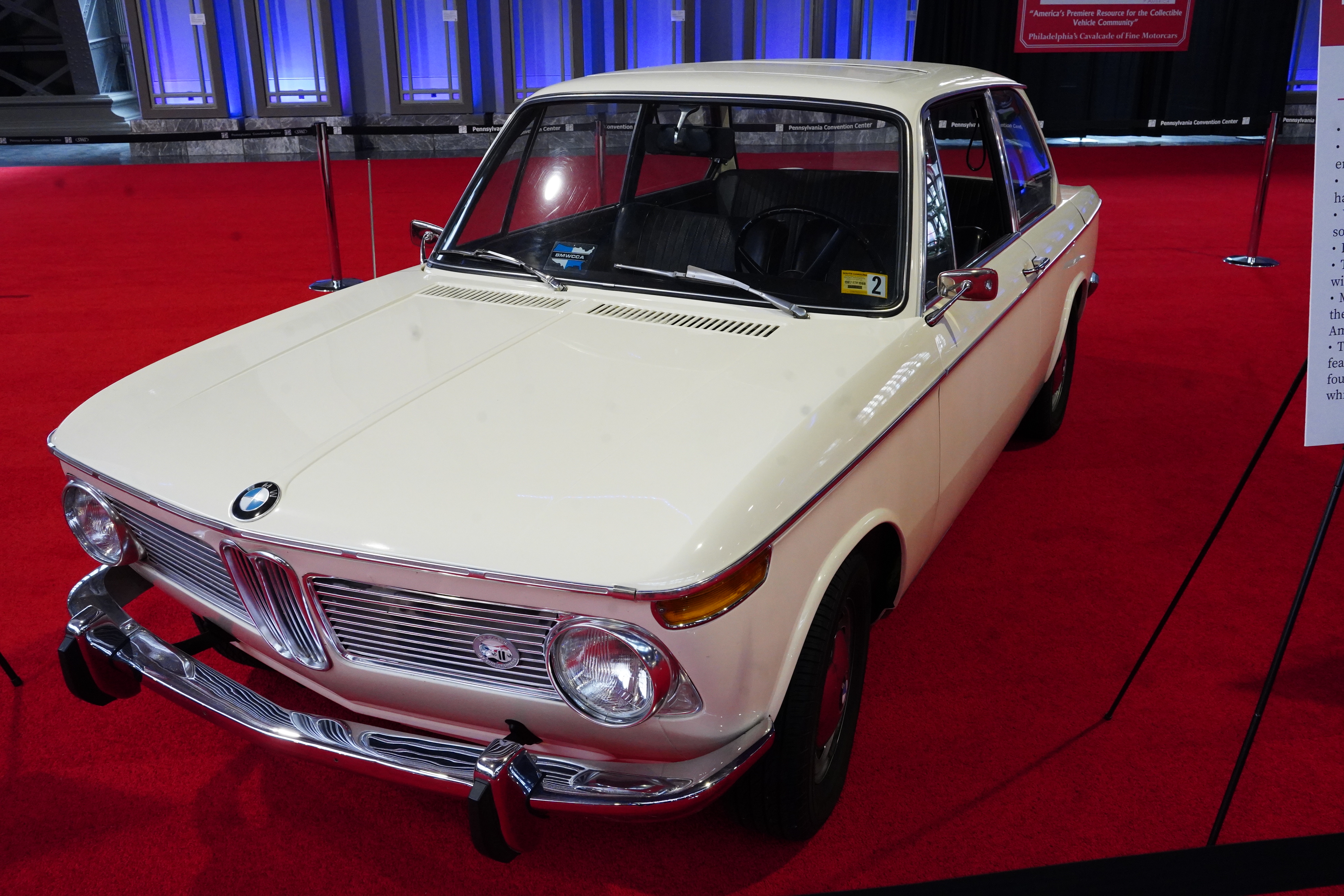
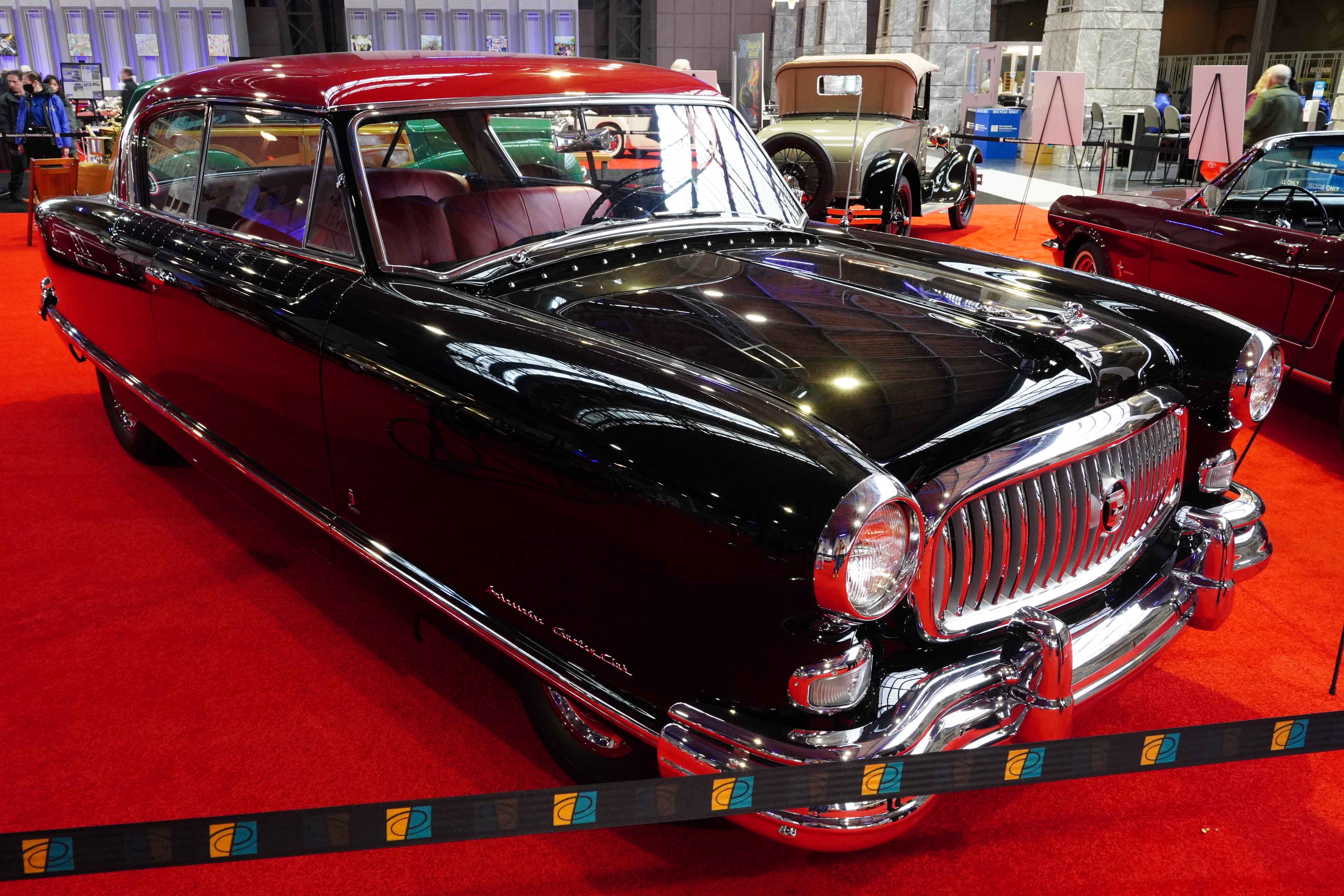
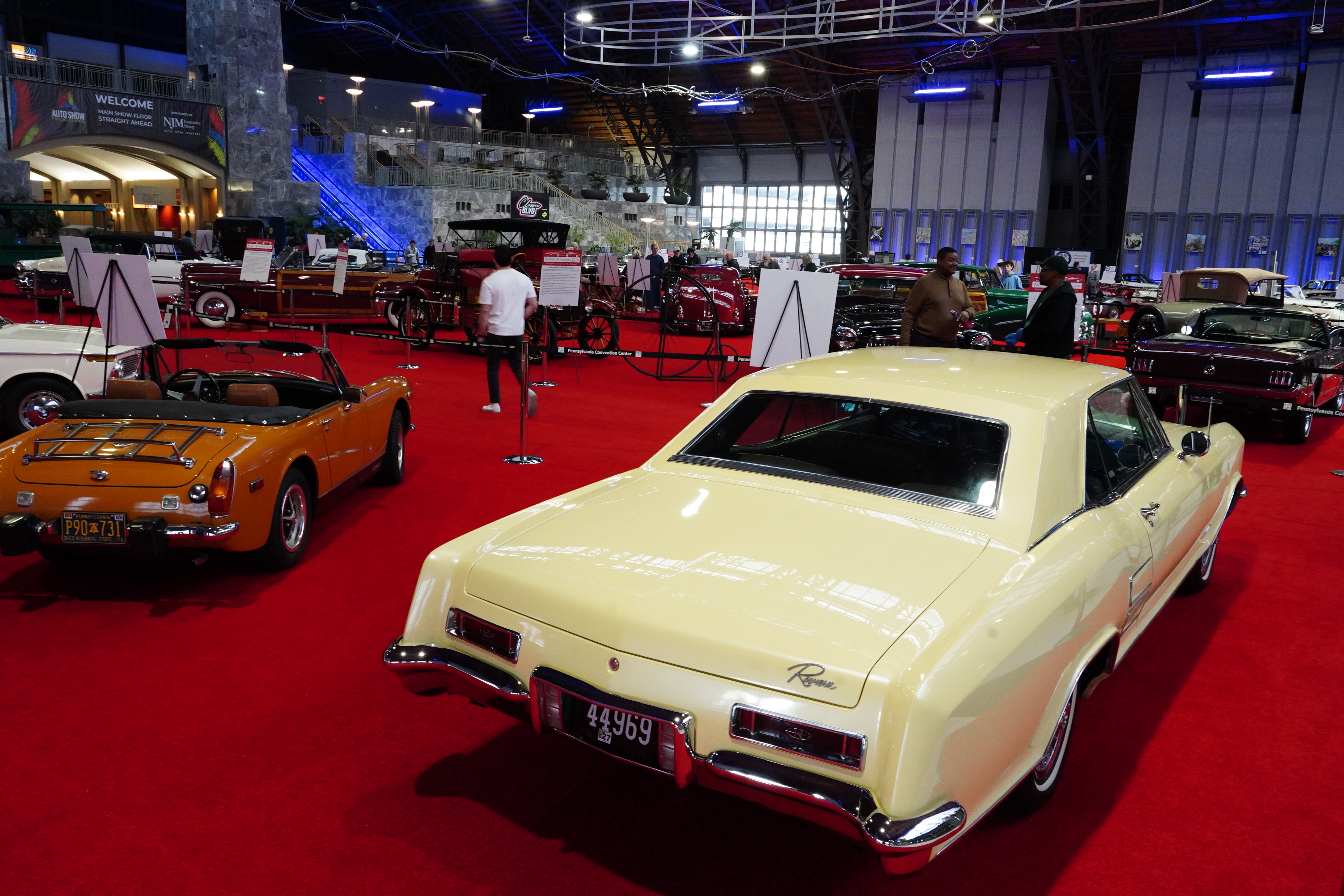
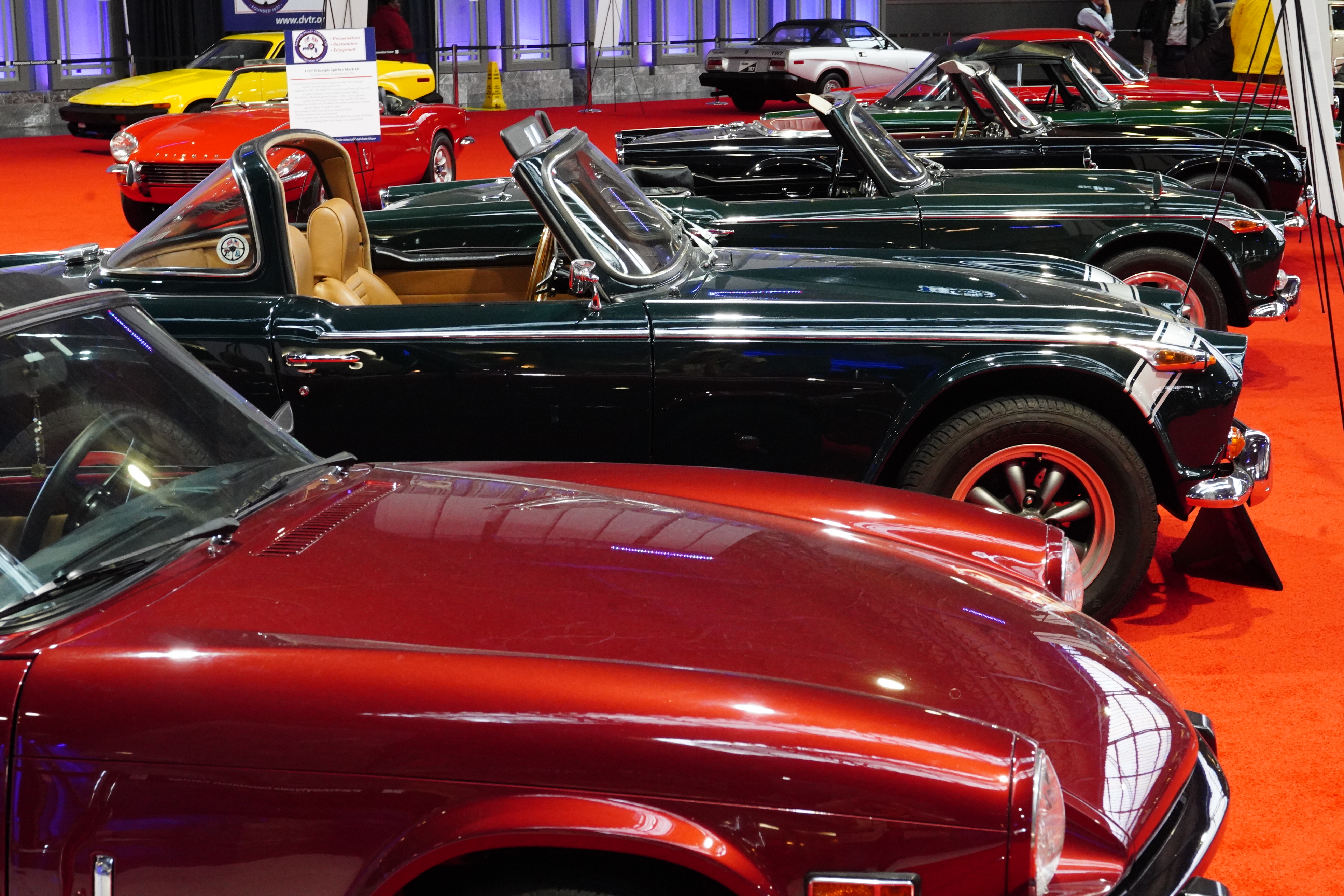
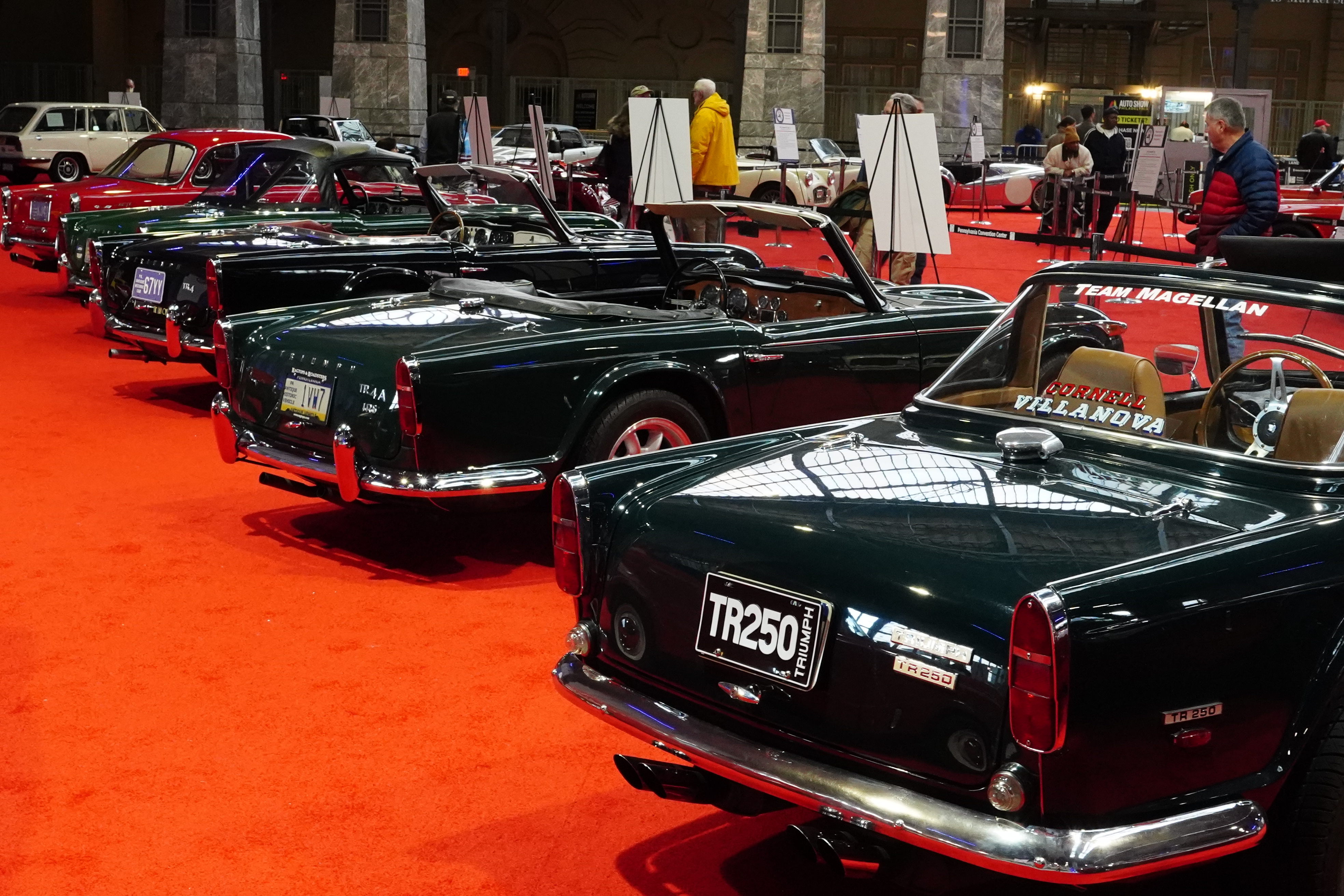
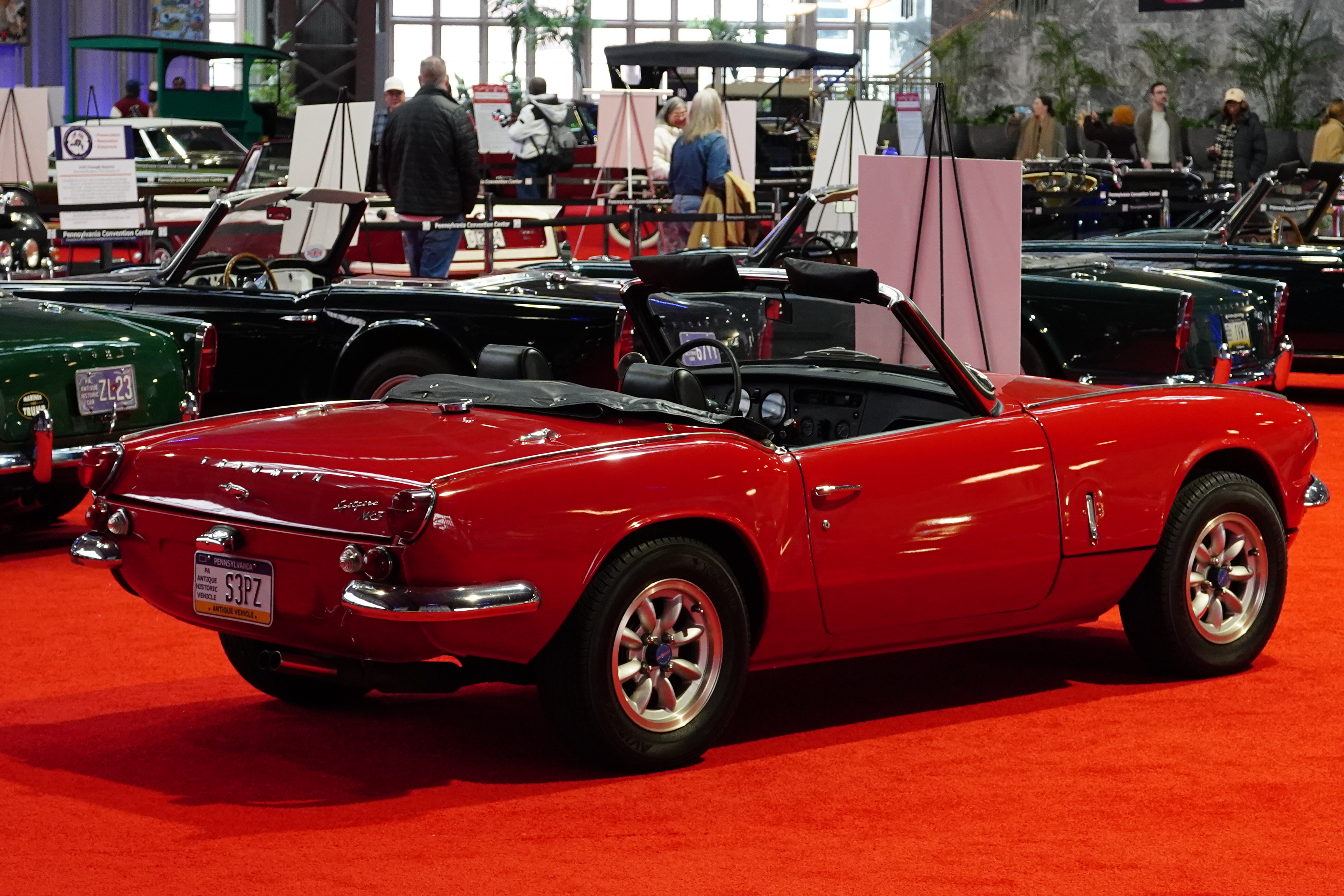
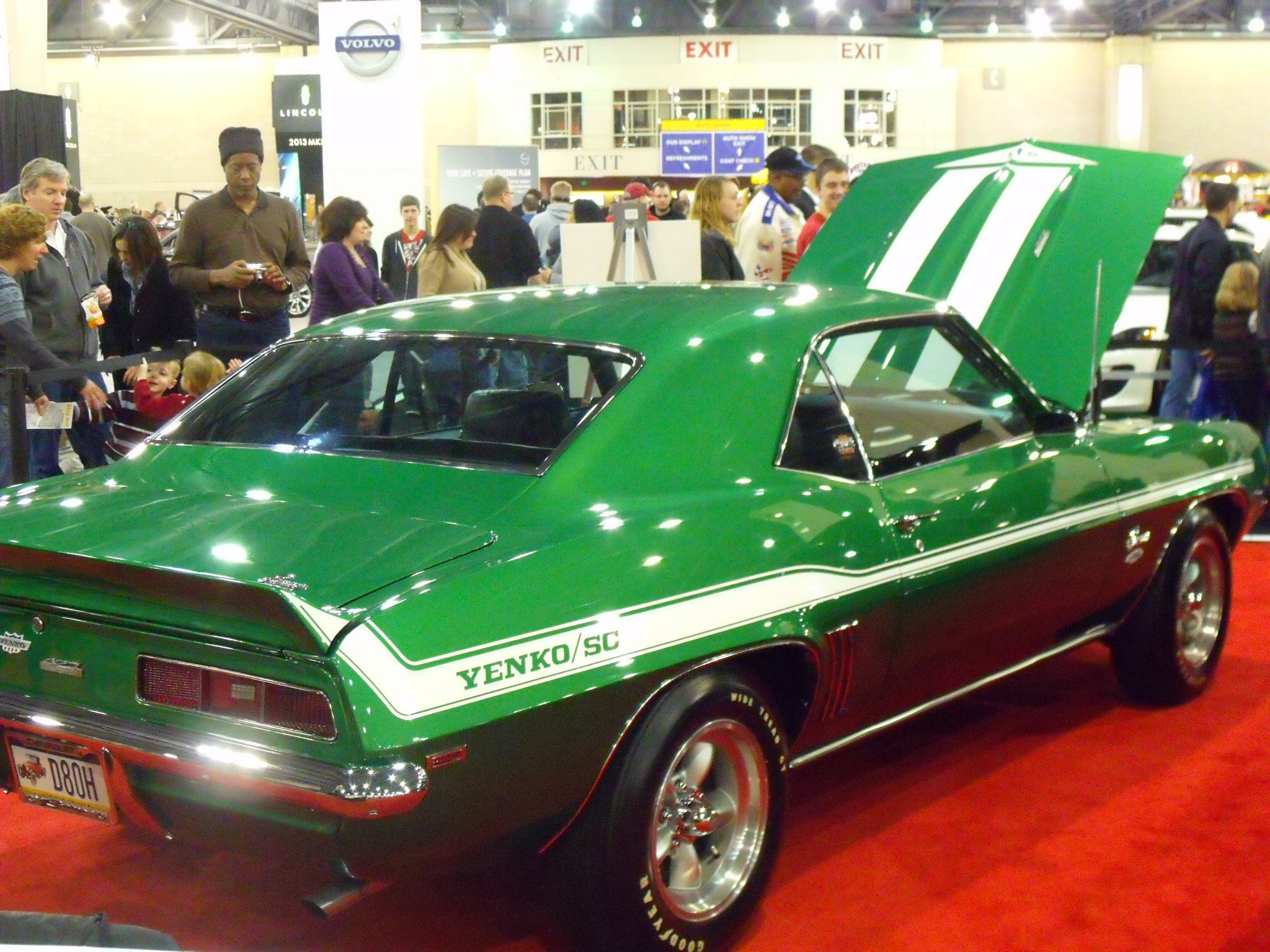
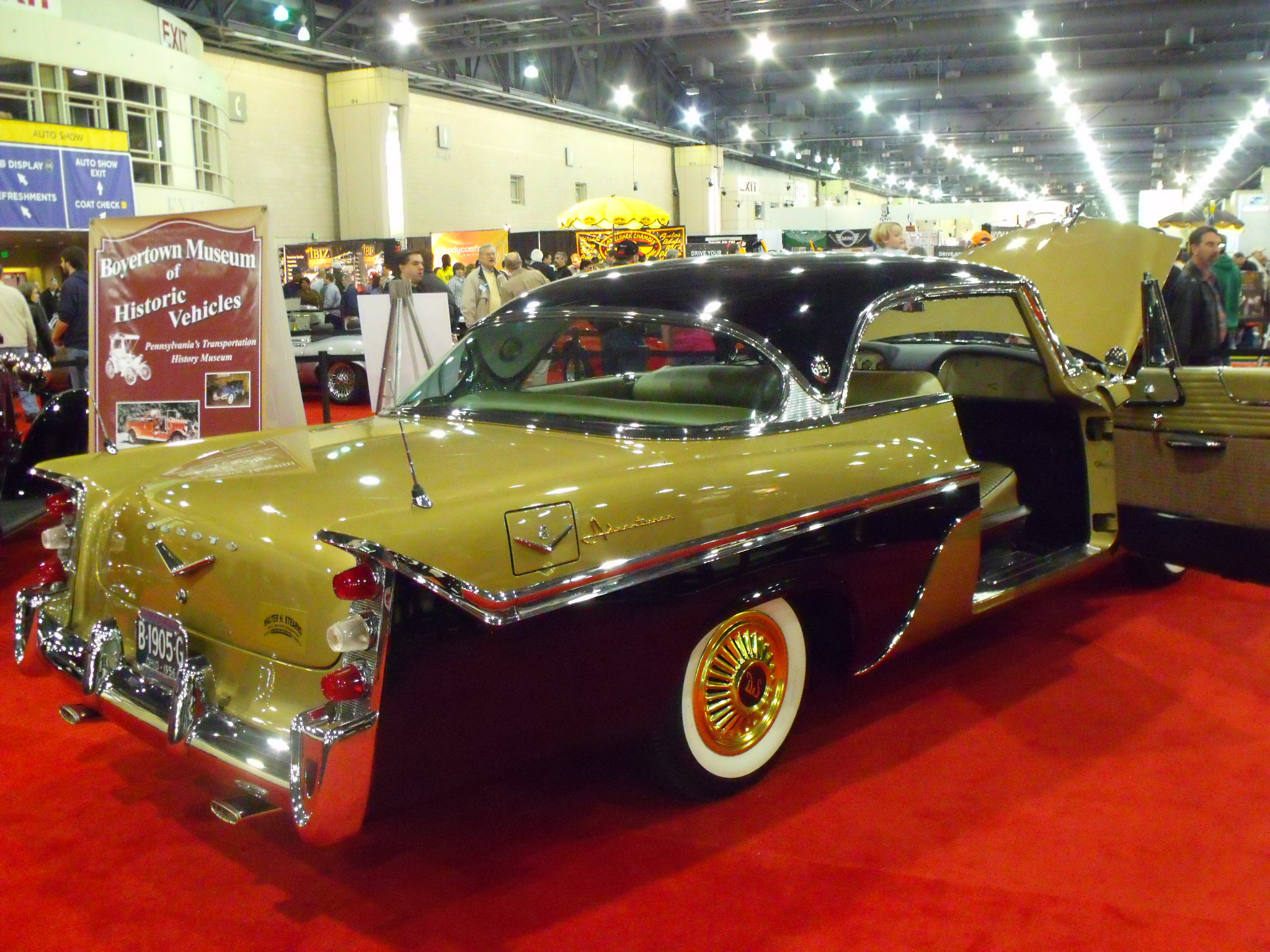
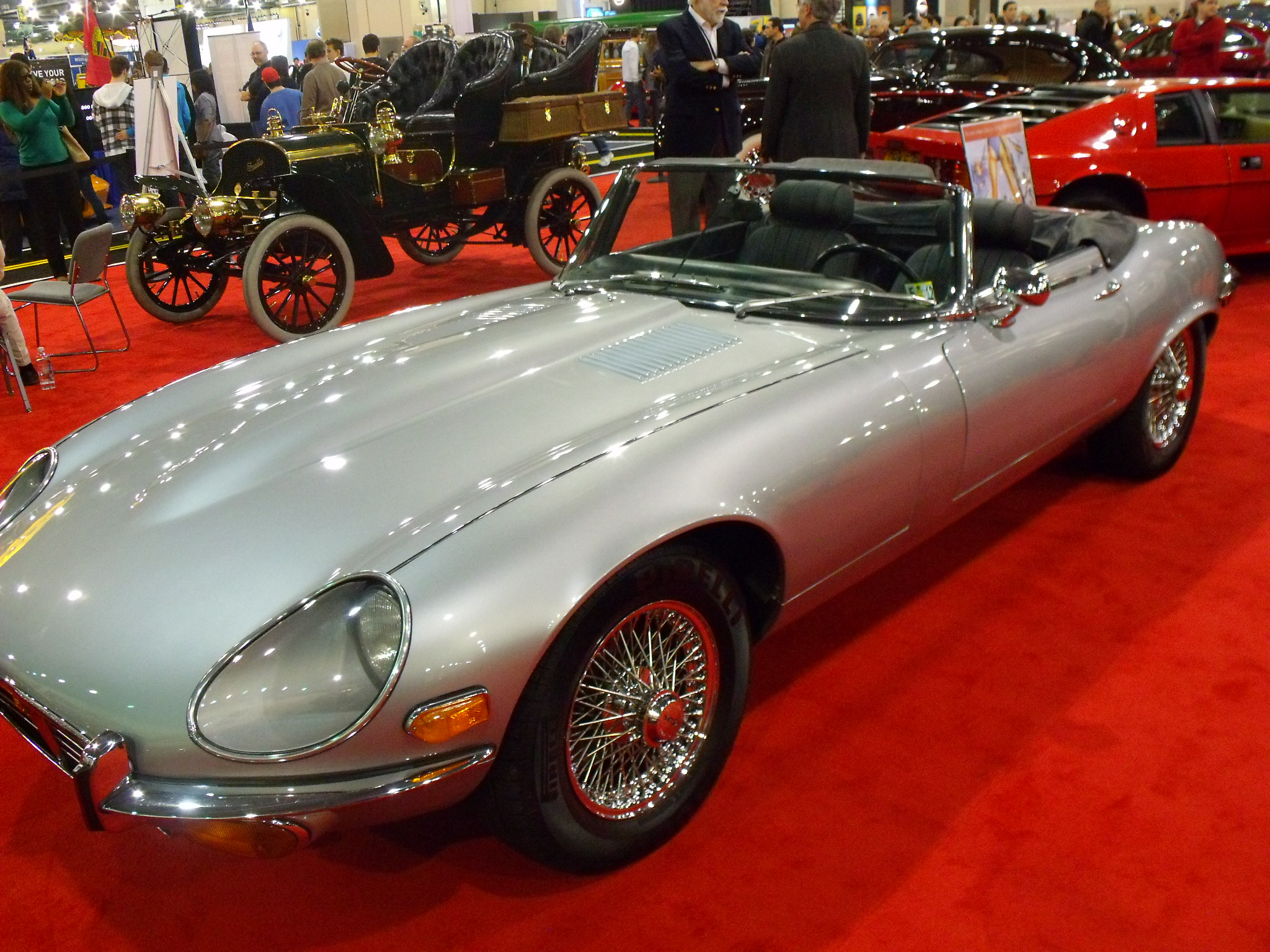
If tradition is any guide, I was expecting a display of classic cars at the Philly show, because they have been there during my previous visits. This year, with the AACA sponsoring what was billed as “Classic Blvd.,” it took over an entire hall separate from the new cars. I will guess that there were 40 to 50 classics on display, and about a third of those were Triumphs, sponsored by the Delaware Valley Triumph Club.
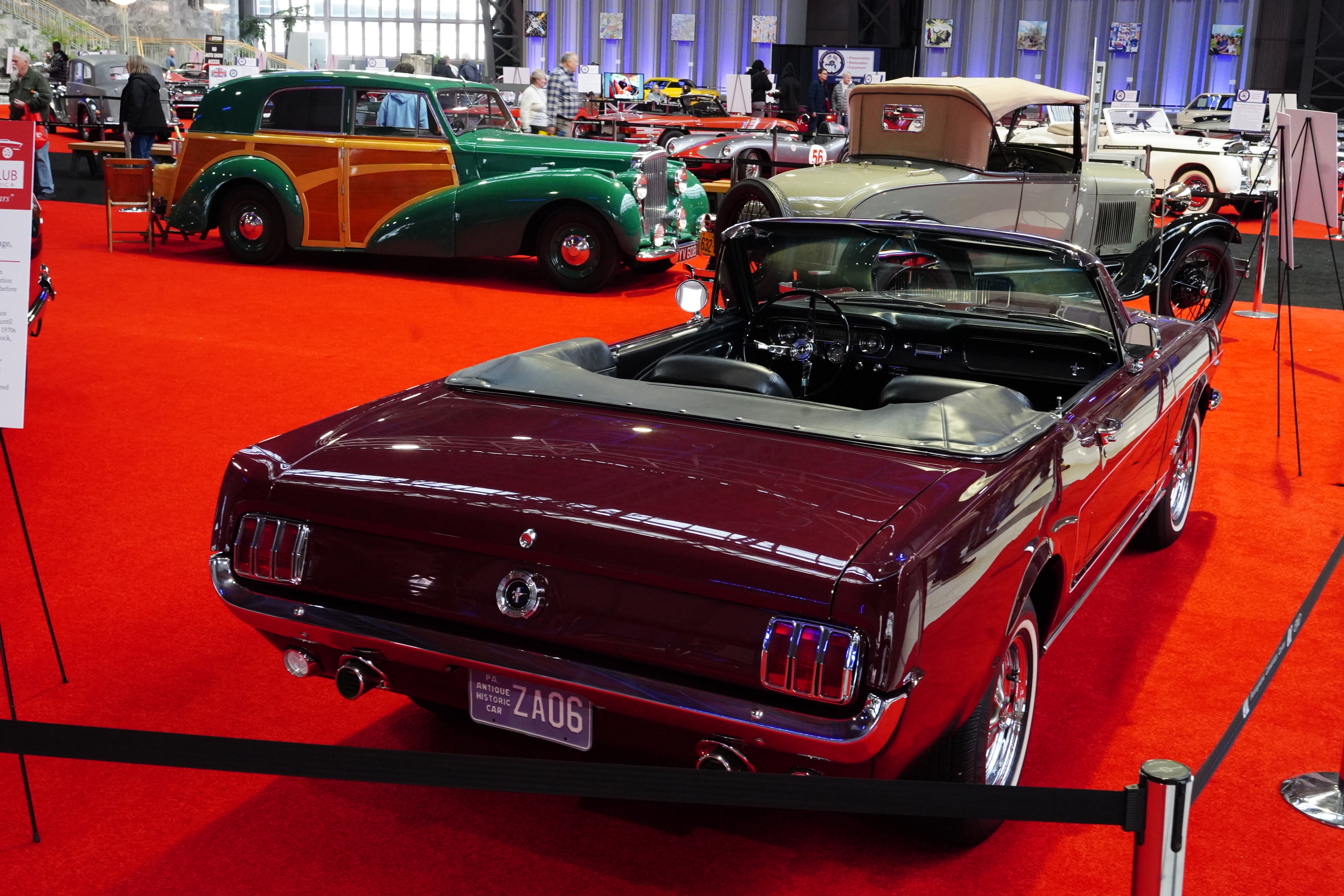
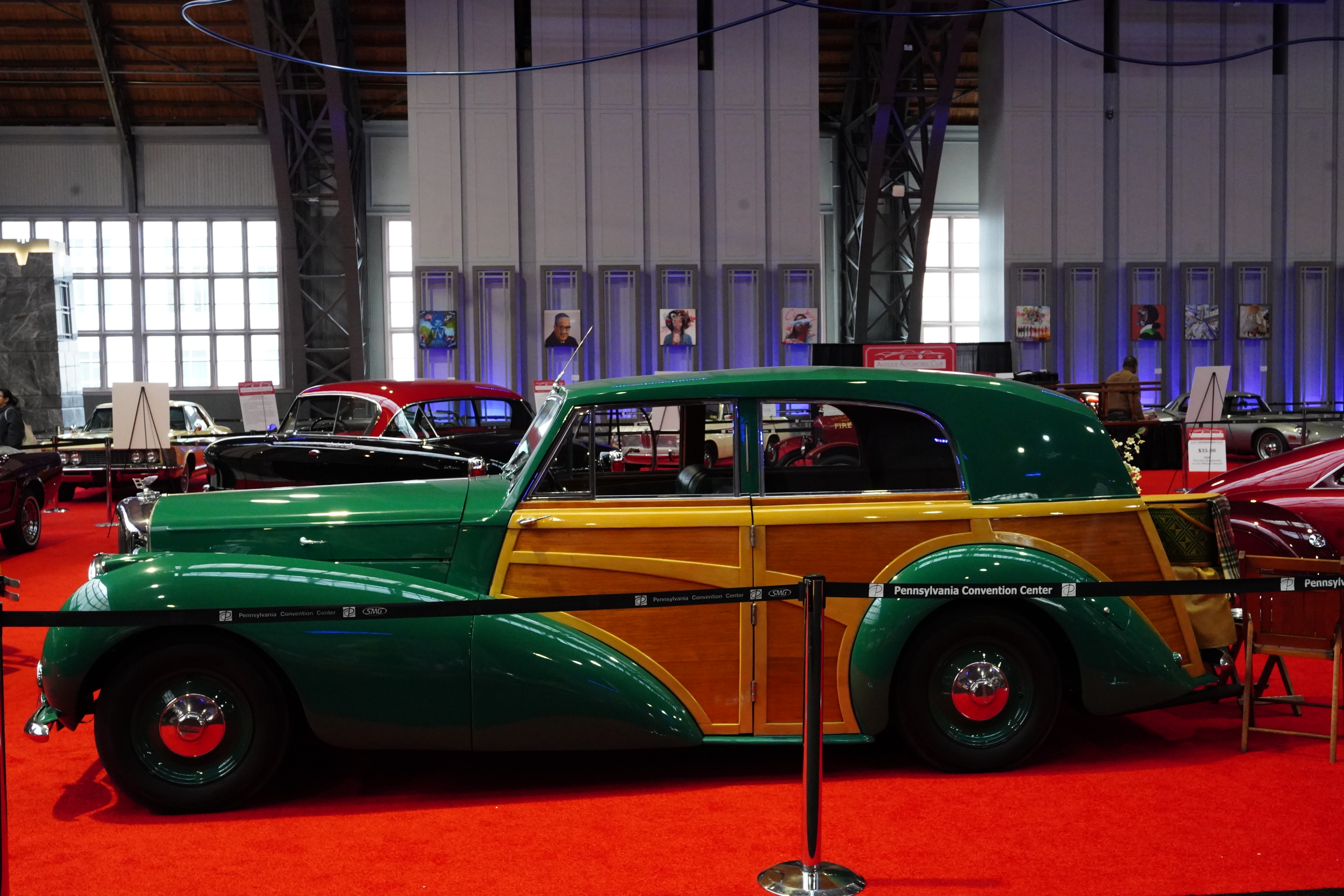
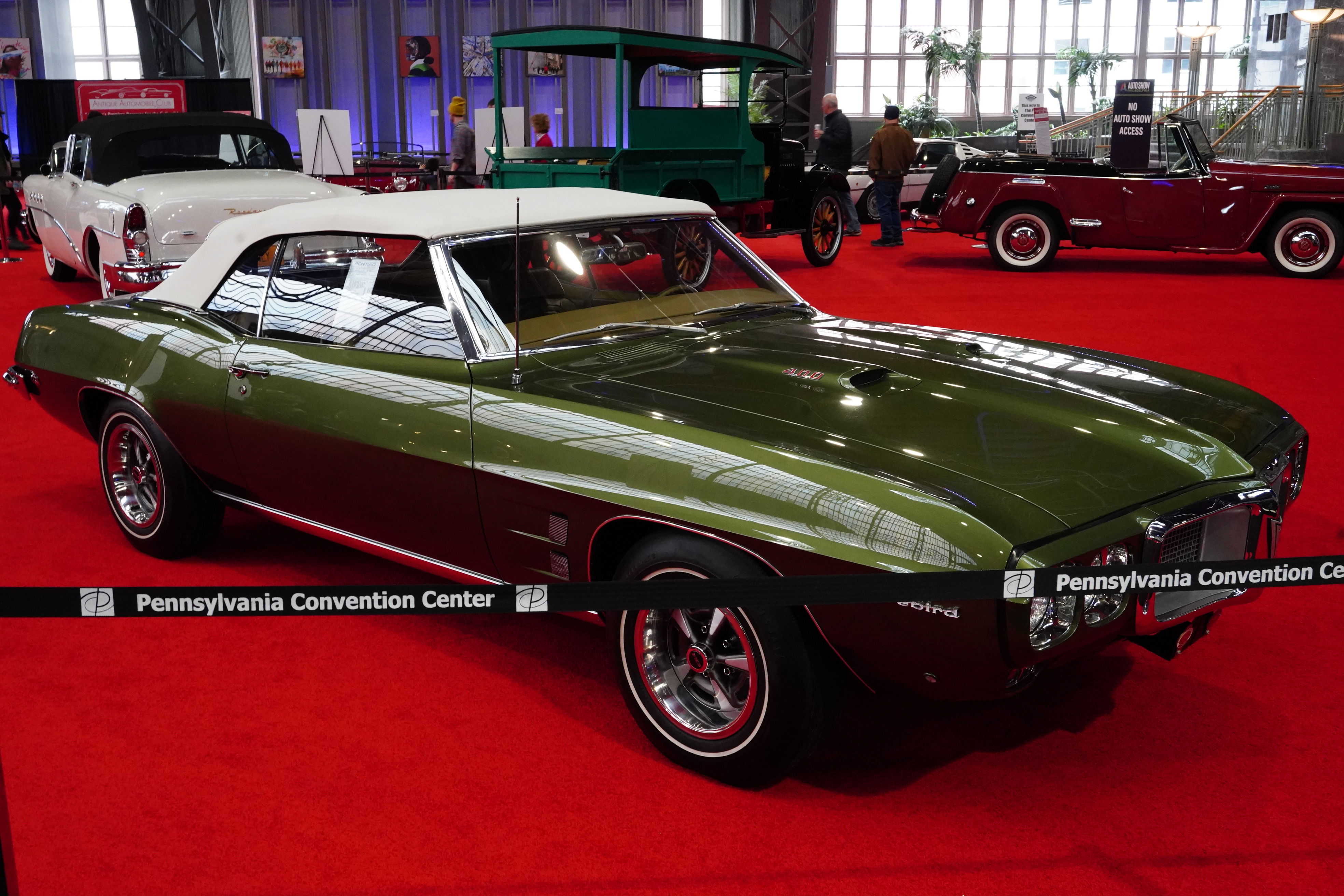
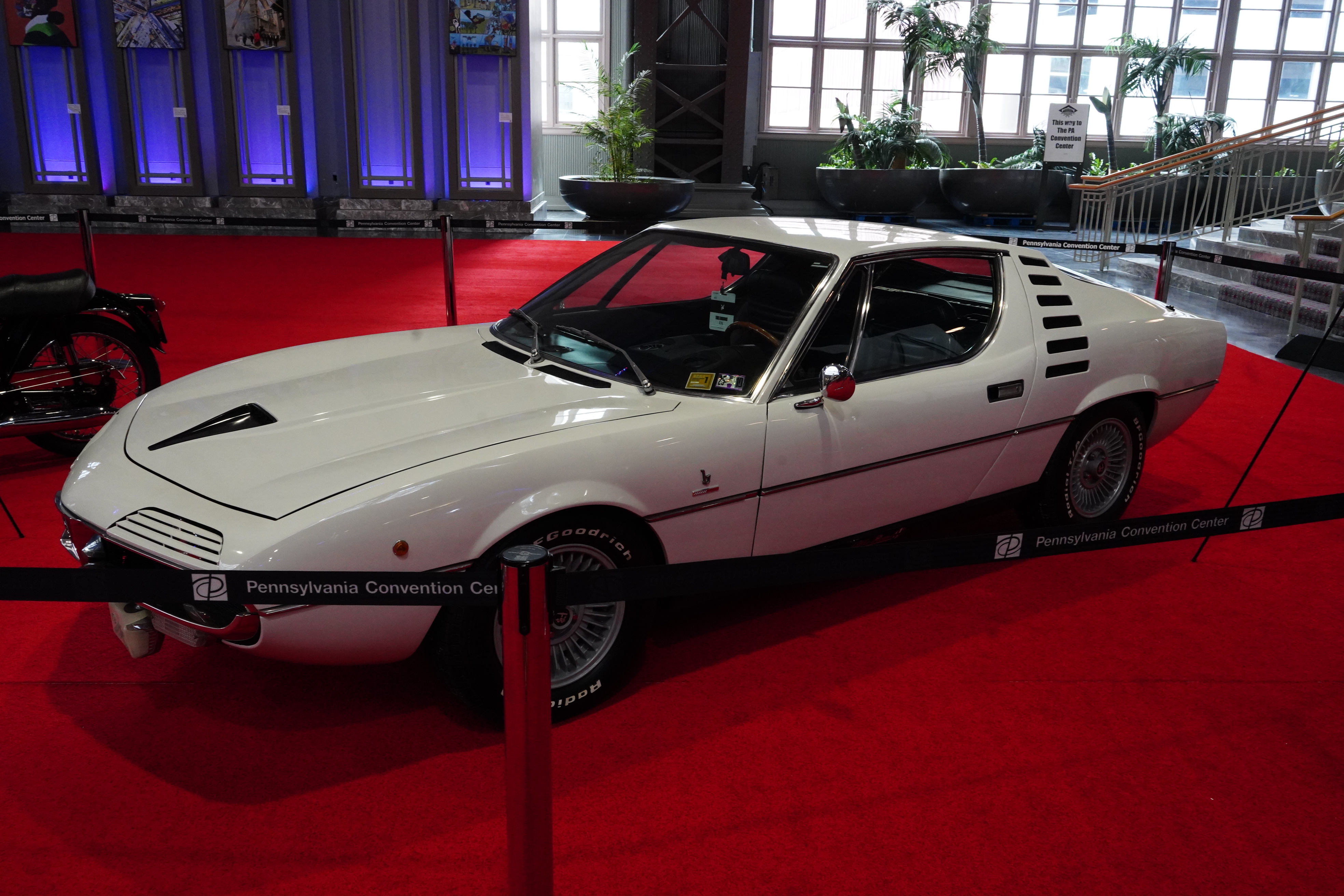
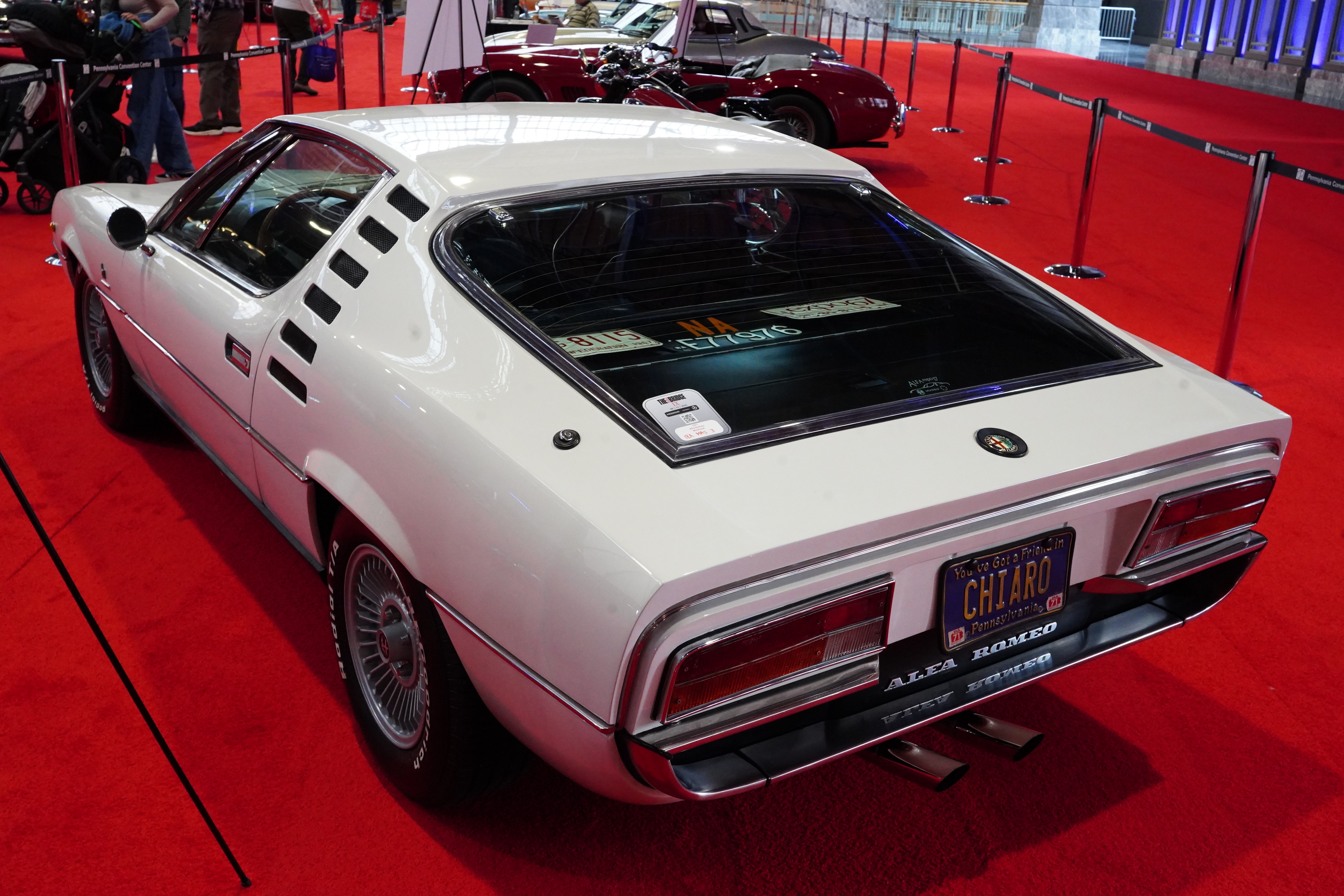
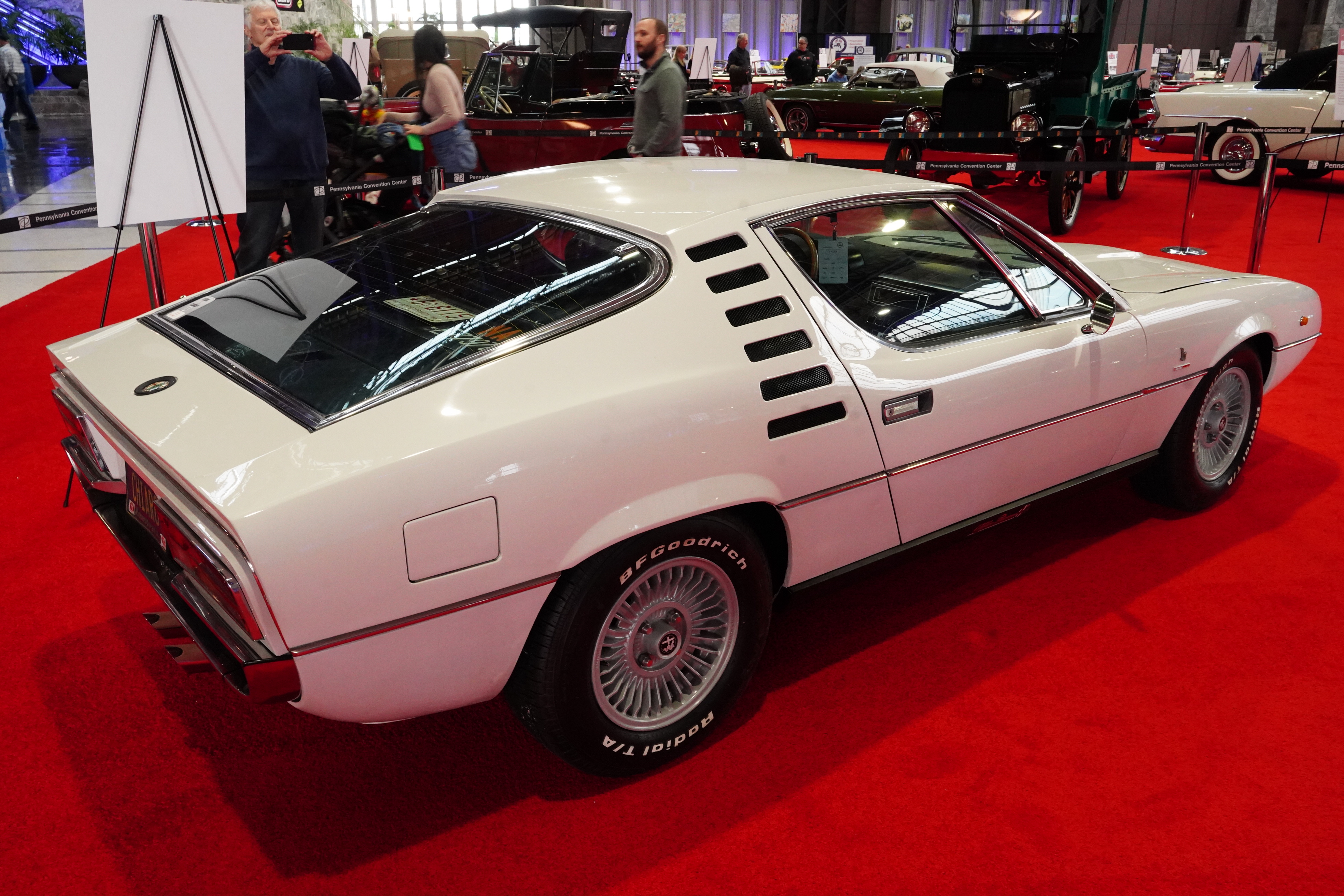
This Alfa Romeo Montreal was a special surprise:
The Triumphs:
Entire blog post content copyright © 2026 Richard A. Reina. Text and photos may not be copied or reproduced without express written permission.




 richardscarblog