Drop-top Mopar: the 1967 Dodge Dart GT Convertible

Sometime in the late 1980s, someone told me about Lime Rock, that is, Lime Rock Park, which isn’t really a park, but a race track, tucked into a valley in the rolling hills of north east Connecticut.

Automobile races are held there all season long, but racing holds little attraction for me. However, every Labor Day Weekend, Lime Rock Park hosts what they now call the “Historic Festival” and what used to be called the “Fall Vintage Festival”. The three-day weekend features historic race cars on the track (on Friday and Monday). Because racing is banned there on Sundays, they’ve taken advantage of that restriction by hosting a vintage car show on that day. I began attending the Fall Vintage Festival on an annual basis.

Visiting the track on Labor Day Weekend in 1991, I spied a car in the parking lot with a For Sale sign on it. Normally, I would not have found myself attracted to this type of automobile. It was the combination of asking price combined with some its technical features which drew me closer.

The car was a 1967 Dodge Dart GT convertible, dark blue with a blue interior, and an unattractive (not to mention worn and dirty) tan convertible top. Popping the hood, I saw that the Dart had a V8, not the slant six I was expecting. Inside were buckets, floor shifter, and center console, with the desired three-pedal setup. The asking price was $1,500, and the sign directed me to the guards’ booth for further information.

I tracked down the owner, a young man who indeed was working as a guard at the track. He told me he had owned the car for about a year and just didn’t want it anymore. We went for a test drive, and I was impressed by how well the car drove. Although I certainly hadn’t visited Lime Rock with the intention of bringing home a car, I quickly agreed to pay the ask (concerned that someone else might snap it up), gave him some sort of deposit, and headed home on the promise that I would be back the following weekend with the balance.

Next weekend, I made the 3-hour trip back, and we again met at the track. The payment and paperwork exchange went smoothly enough. But it was then that the young fellow told me “Uh, the car isn’t running so well right now. I don’t know what it is, maybe the carburetor”. (Note: anyone with car troubles who doesn’t know the diagnosis always blames the carburetor.) Sure enough, the engine had a miss, although it was there at all engine speeds, and I suspected ignition.

I now owned the car. Under the circumstances, I had little choice but to get in the car, point it south, and hope that I would make it home. With my heart in my stomach for the entire ride, I did make it, and was so relieved that I put the car in the garage, deciding to deal with the problem sometime later.


Home (thankfully) after drive from CT
Still time to take a drive in the autumn of ’91


The following weekend, I popped the hood and began to go through the basics: plugs, wires, points, condenser, cap and rotor…. As soon as the distributor cap came off, I saw the crack. This was an easy fix, and given that none of the aforementioned parts looked like they had been replaced in a while, I gave the car a full tune up. It ran spectacularly after that.


Ratty but serviceable. Funny, I don't recall the manual brakes.
Ratty but serviceable. Funny that I don’t recall the manual brakes.


There was one administrative issue that needed attention: insurance. At the time I bought the Dart, my daily driver was a company lease car. The lease generously included insurance. As I owned no other automobiles, I didn’t even have an automobile insurance policy in my name. This was when I discovered collector car insurance. The Condon & Skelly Insurance Company wrote me a policy, and as a side note, I’ve had collector car insurance with them ever since.

I enjoyed top-down motoring for the little time I had left in the autumn of ’91, then tucked the car away for the winter.

When spring of ’92 broke, the Dart came out of hibernation. Truthfully, the car needed a complete restoration to be any kind of show car, but that’s not why I bought it. It was nothing more than a toy to cruise in during nice weather.

Removing the front tires to perform a routine brake check, I was aghast at what I found: both front brake hoses had been wrapped with duct tape, then clamped with small hose clamps. The rubber hoses were cracked, and it is a miracle that I didn’t lose hydraulic pressure. The temptation to contact and berate the previous owner was overwhelming, but 1) I had no proof that he even knew about it, and 2) many months had passed since buying the car, so I decided to let it go. New brake hoses were purchased, and were easy enough to install. Whew! Glad I caught that when I did.

The next order of business was carpeting, as in, the car had none, and I wanted it to have some. Lack of carpet at time of purchase was an advantage, because that allowed me to see the condition of the floor. Someone had welded in a totally new floor before my purchase. Except for some surface corrosion, it was solid. Removing the seats, I gave the floor a coat of Bill Hirsch Miracle Paint (similar, but in my opinion better than, POR-15). With the floor so sealed, in went a new piece of carpet. The sound level reduction transformed the driving experience.


Seats about to be removed for carpet install.


Bill Hirsch Miracle Paint going down before carpeting.


The blackwall tires were serviceable but old, and I thought that narrow whitewalls would look sharp against the dark blue paint. I got the least-expensive tires I could at the local STS (Somerset Tire Service). Reinstalling the factory wheel covers also brightened the look. The car really needed a new top, but rather than spend the money, I hid it by driving with the top down.

I took the car to the office several times that summer, and let colleagues drive it. They agreed that it was a fun car to drive. The torque from the 273 c.i. V8 was impressive, as was the smoothness of the gearbox and clutch.
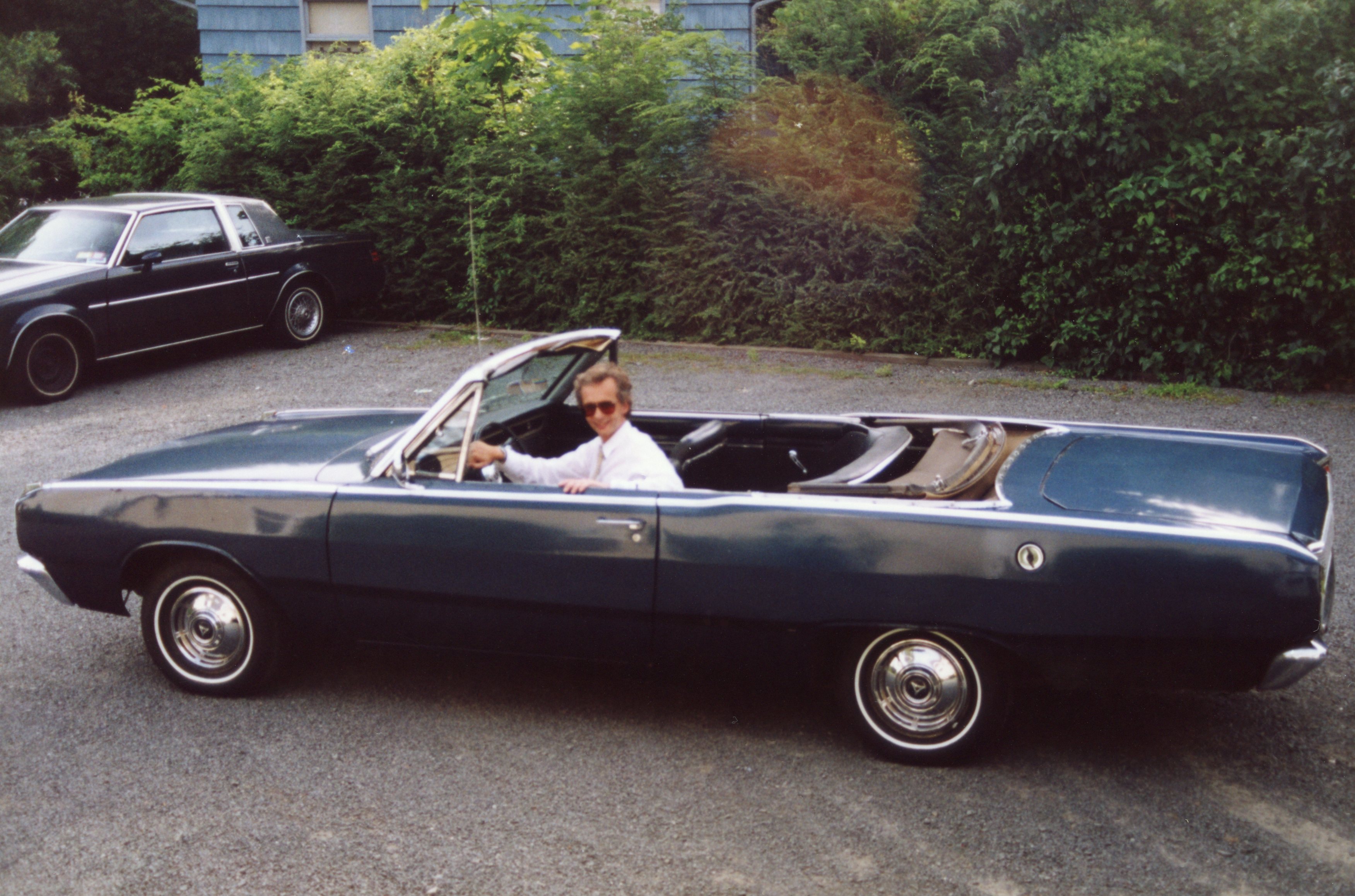
It was really fun to drive.
Summer of ’92, this was as good as the Dart looked under my ownership.


Working for the Swedish company Volvo, there were Swedes on location who would make comments about my “big American car”. “Big?” I’d reply. “The Dart was the compact car in a Dodge model lineup that included an intermediate-sized car and a full-size car!” It’s all relative. Yes, the Dart, with an overall length of 195”, was five inches longer than the contemporary Volvo 240 at 190”. Good thing I hadn’t bought a Coronet (203”) or Polara (220”)!


The final photo, taken just before selling it.


By 1993, I had a problem. Time spent with the Dart was taking time away from the restoration work on my BMW Isetta, which had been underway for three years. The decision was made to sell the Dodge. By late in the summer of ’93, it was gone.

All my friends in the hobby talk about the cars we’ve owned, and a frequently visited theme is “the ones that got away”. Of all the cars I’ve owned and sold, it’s this Dart that I wish I still had. It had good bones, was fun to drive, simple to wrench on, and had a drop top. Had I had a little more free time (and spare cash) it would have been a straight-forward restoration. But I was determined to finish the Isetta, and with the Dart out of the way, I did. THAT’S a story for another time.


THE 1967 DODGE FULL-LINE SALES BROCHURE

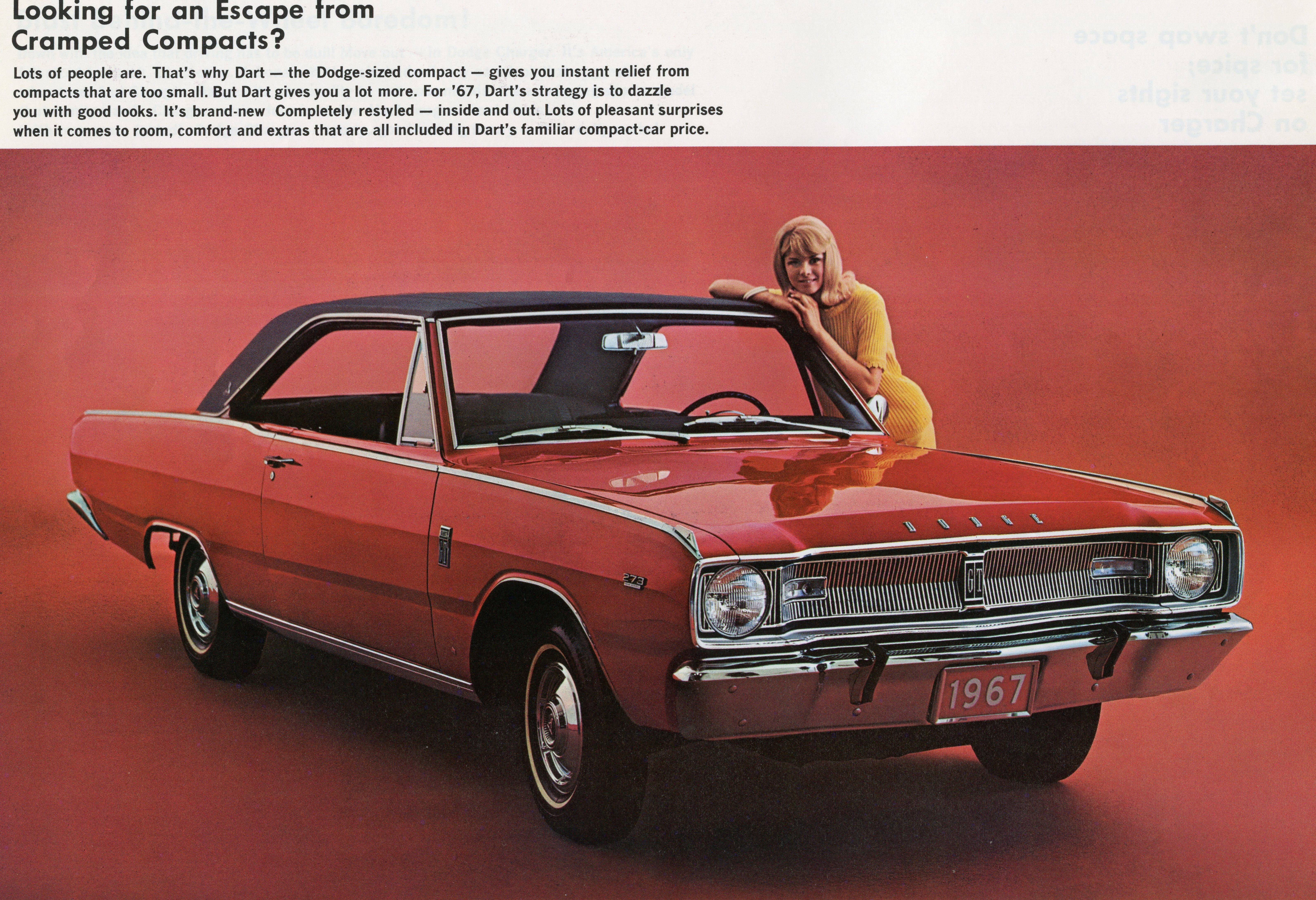
This brochure, from my collection, includes all of Dodge’s models from that year.


Brochure cover - polka dots and white boots were "it" in '67
Brochure cover – polka dots and white boots were “it” in ’67


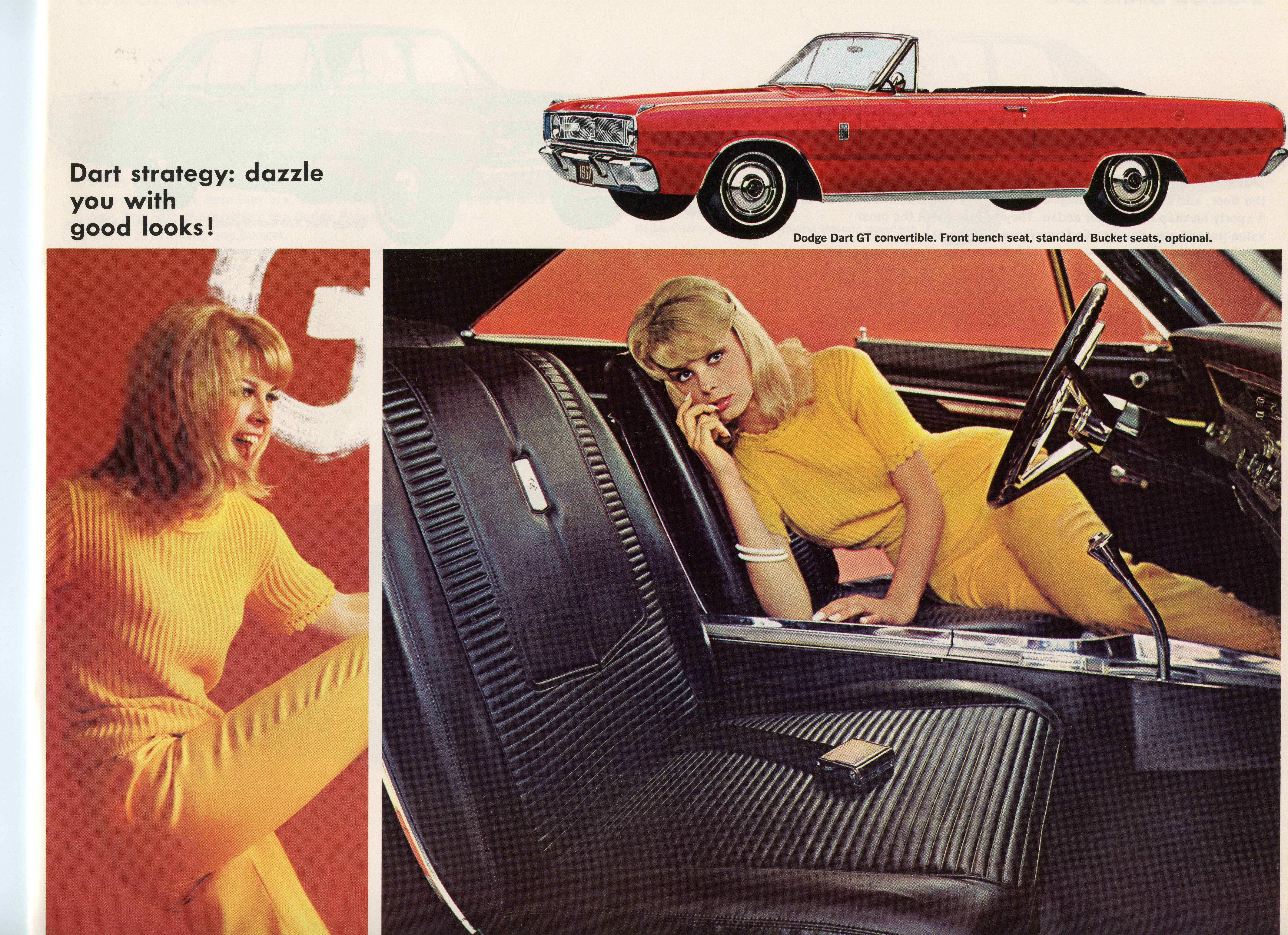
The Dart GT could be ordered with any engine, 6 or 8.
The Dart GT could be ordered with either 6 or 8 cylinder engine.


Note that convertible had bench seat standard, with buckets optional.


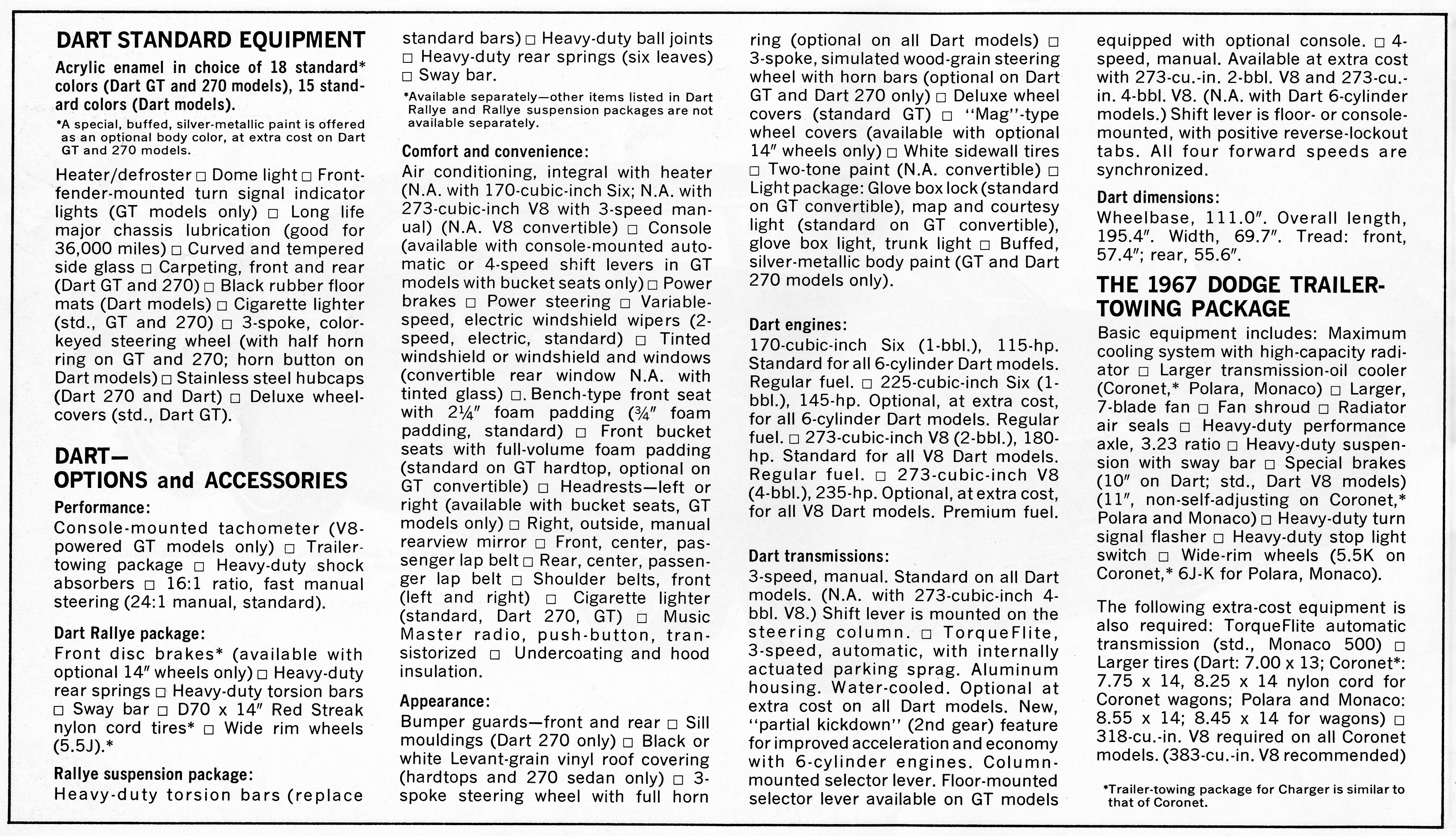
Dart specifications page


Back cover; note "safety equipment" and also note shorter warranty for Hemi engines!
Back cover; note “safety equipment” and also note shorter warranty for Hemi engines!


All photographs copyright © 2017 Richard A. Reina. Photos may not be copied or reproduced without express written permission.
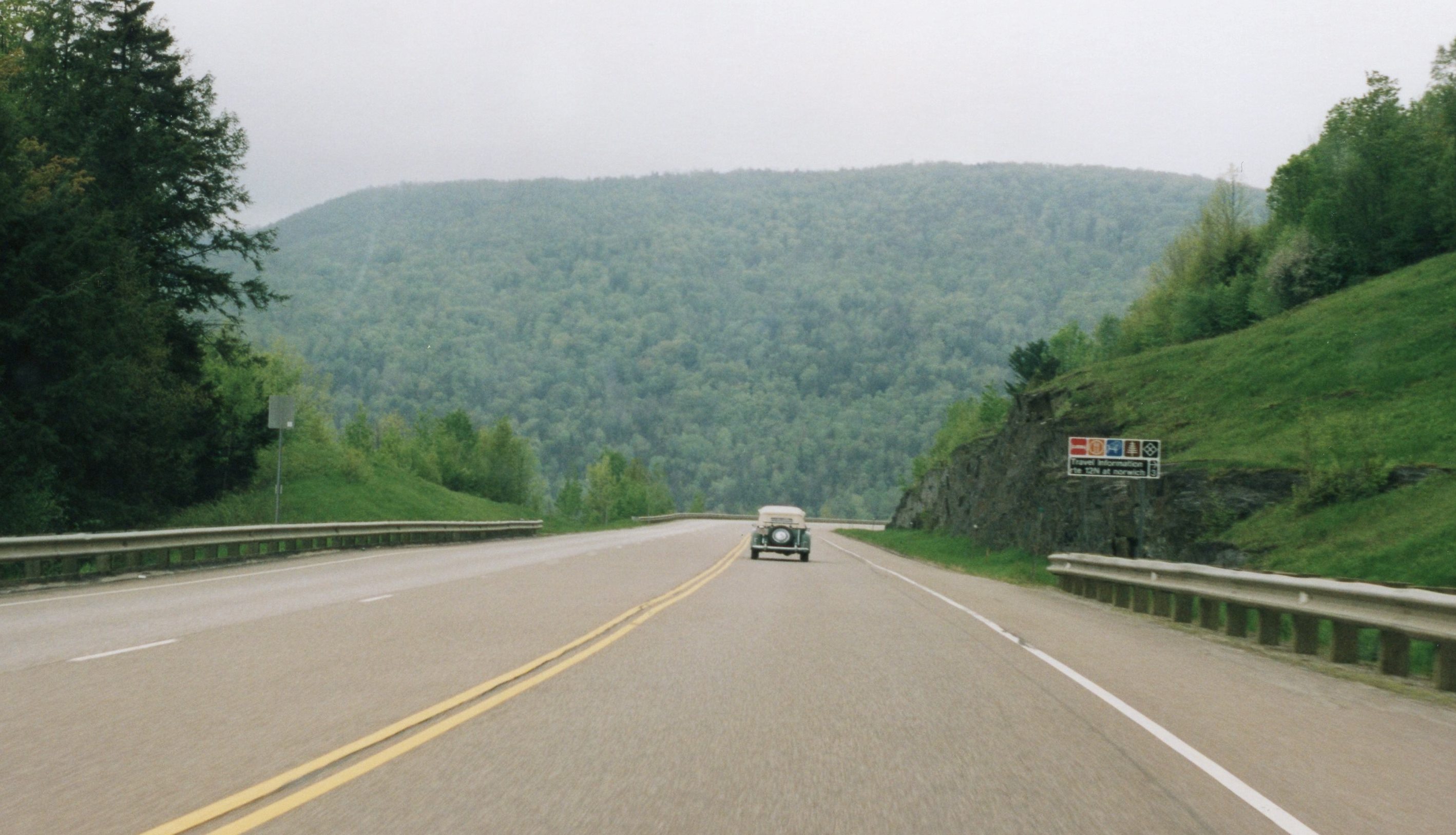
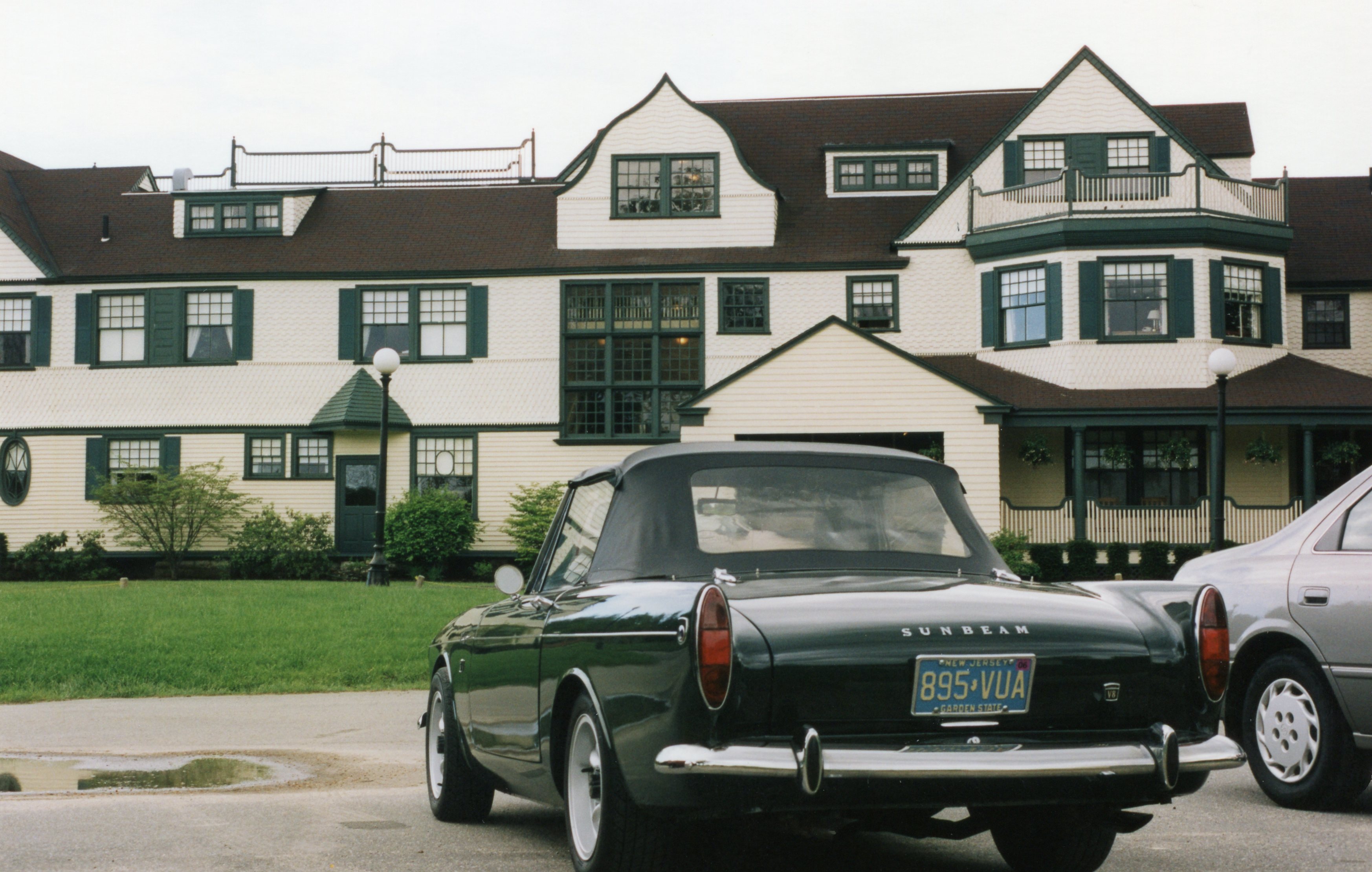


The 2000 New England 2000 Rally

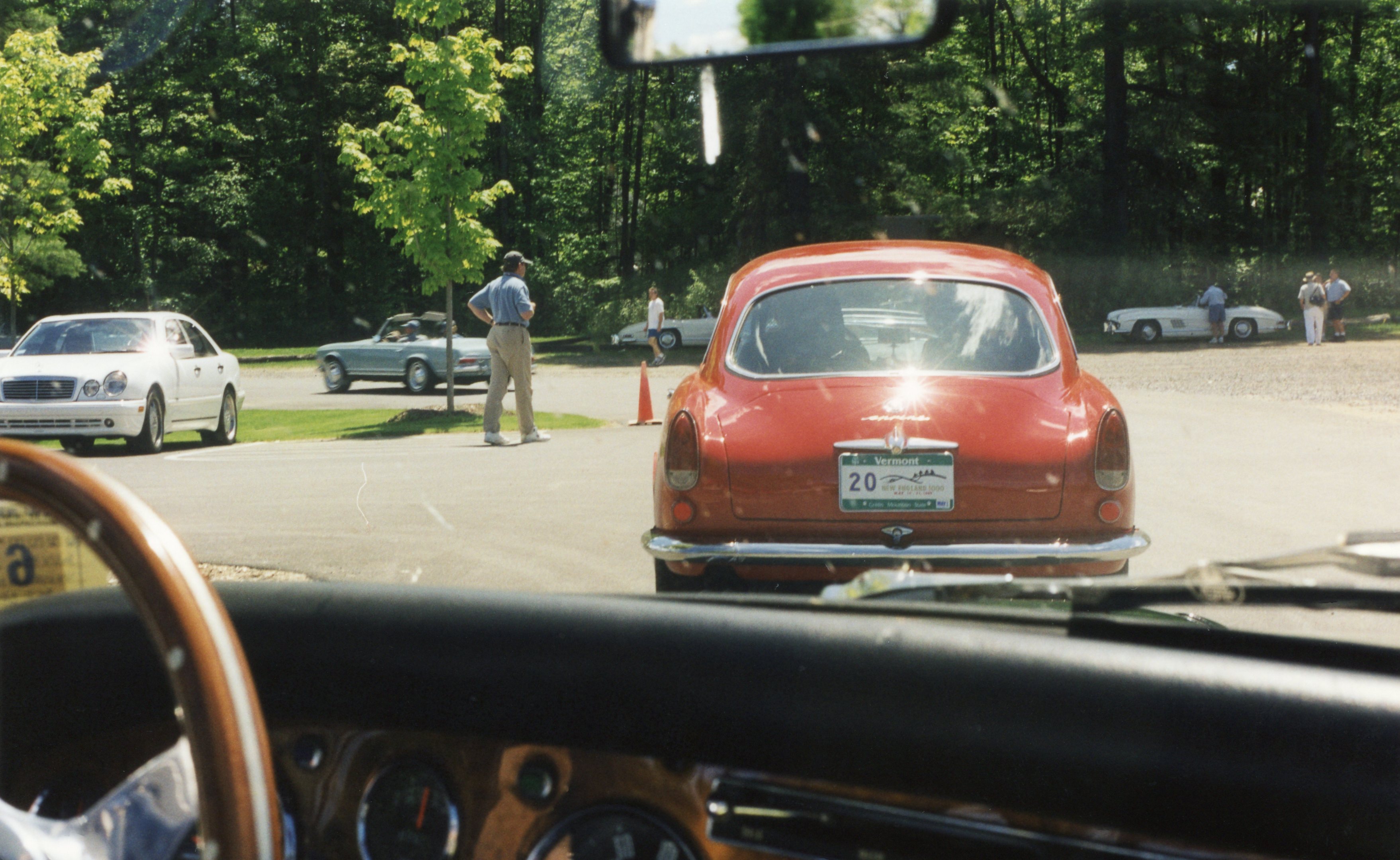
The view from the road

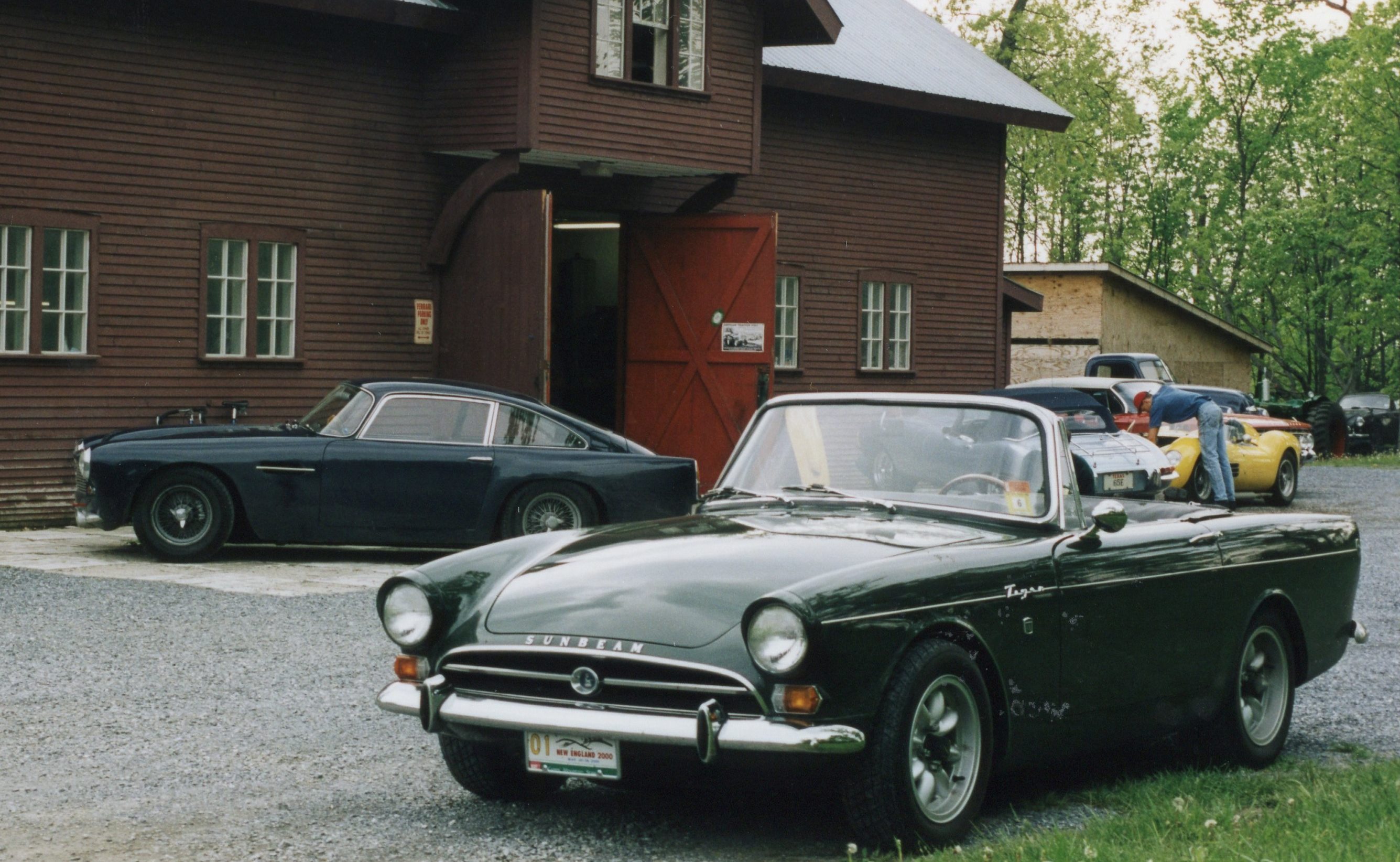
For the third consecutive year, my rally brother Steve and I entered the New England-based vintage car rally hosted by our friends Rich and Jean Taylor. While Steve’s Sunbeam Tiger was the steed of choice yet again, a few details were different. For one, Steve’s job had temporarily relocated him to Sweden, so participation required a flight across the big pond. (Care and feeding of the Tiger was left to me, which I recollect involved filling it with fuel.)

Second, in honor of Y2K, the rally was renamed The New England 2000, with a promise that the driving would encompass 2,000 kilometers (or about 1250 miles). Really not a large change from years past, until you factor in the drive we made from central Jersey to the rally and back. Our total round-trip mileage in the year 2000 was closer to 2,000.

Perhaps most interestingly to Steve and me, the breadth and variety of automotive entries exceeded what we had witnessed in ’98 and ’99. The official route book showed 65 vehicles registered! (Rich and Jean advertise that the field is capped at 50.) No doubt, not all them showed up, as the book must go to print several weeks before the event, and we’ve seen how peoples’ plans change. But the magnificence of the cars in attendance was akin to my favorite automotive picture book coming to life.

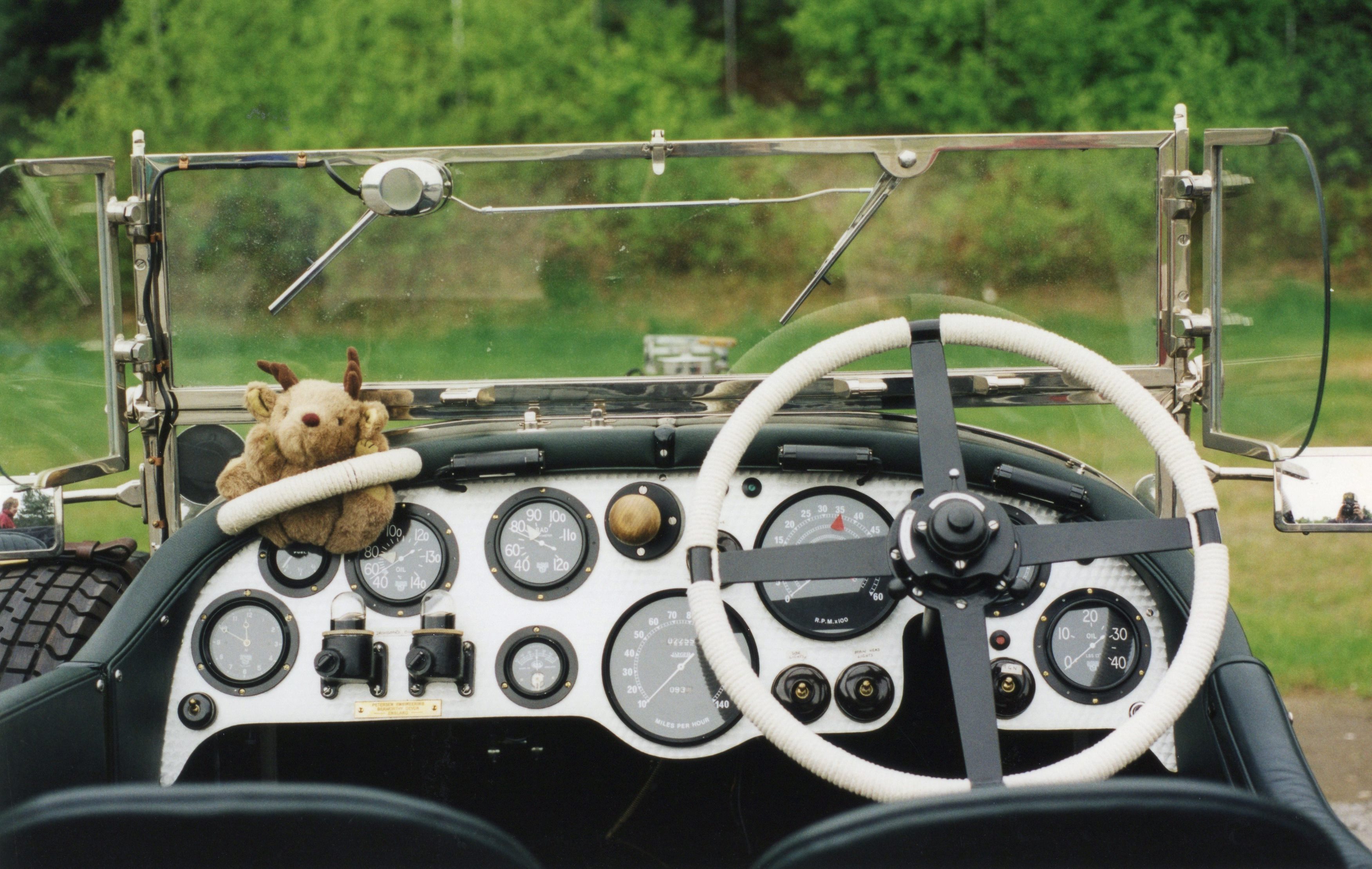
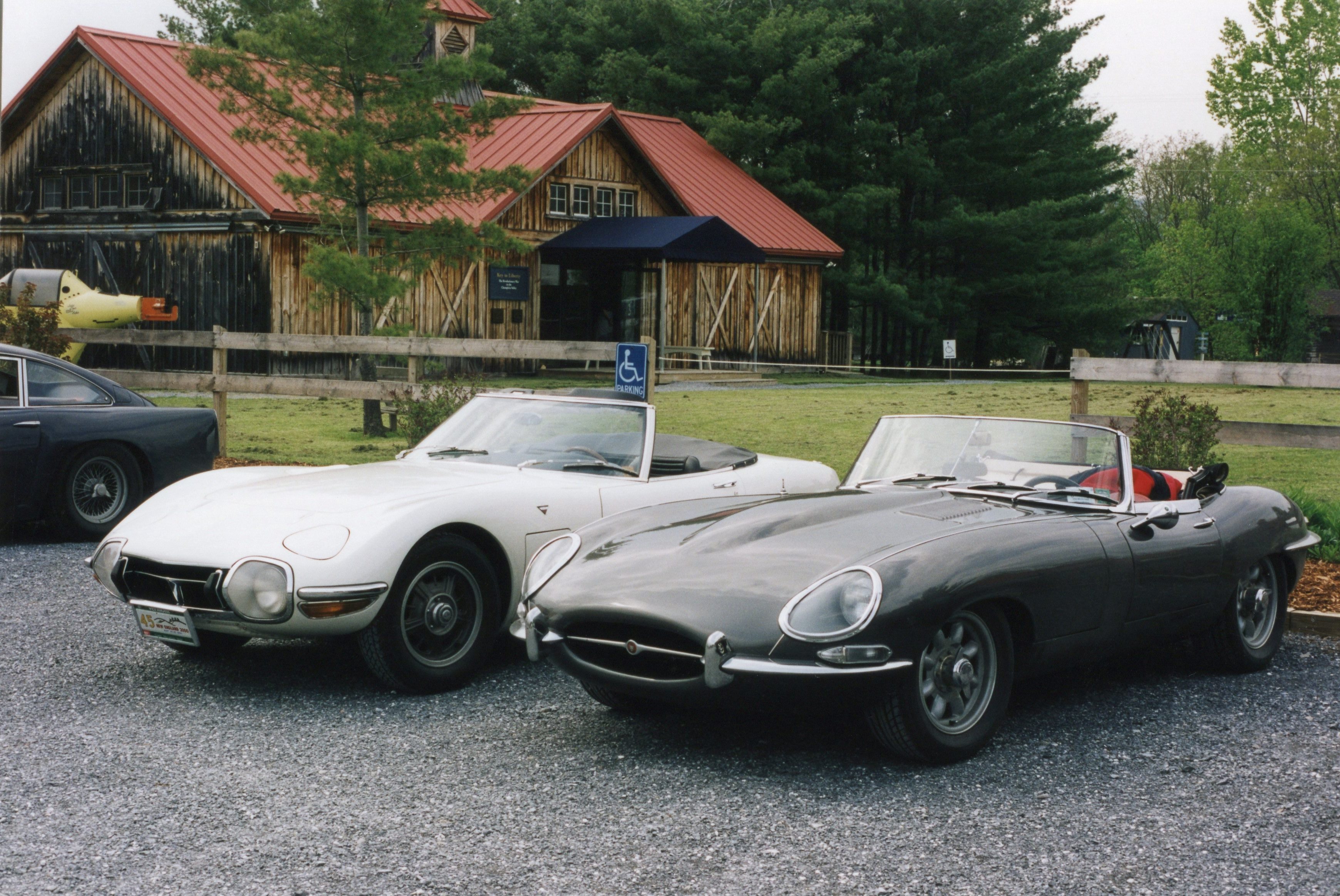
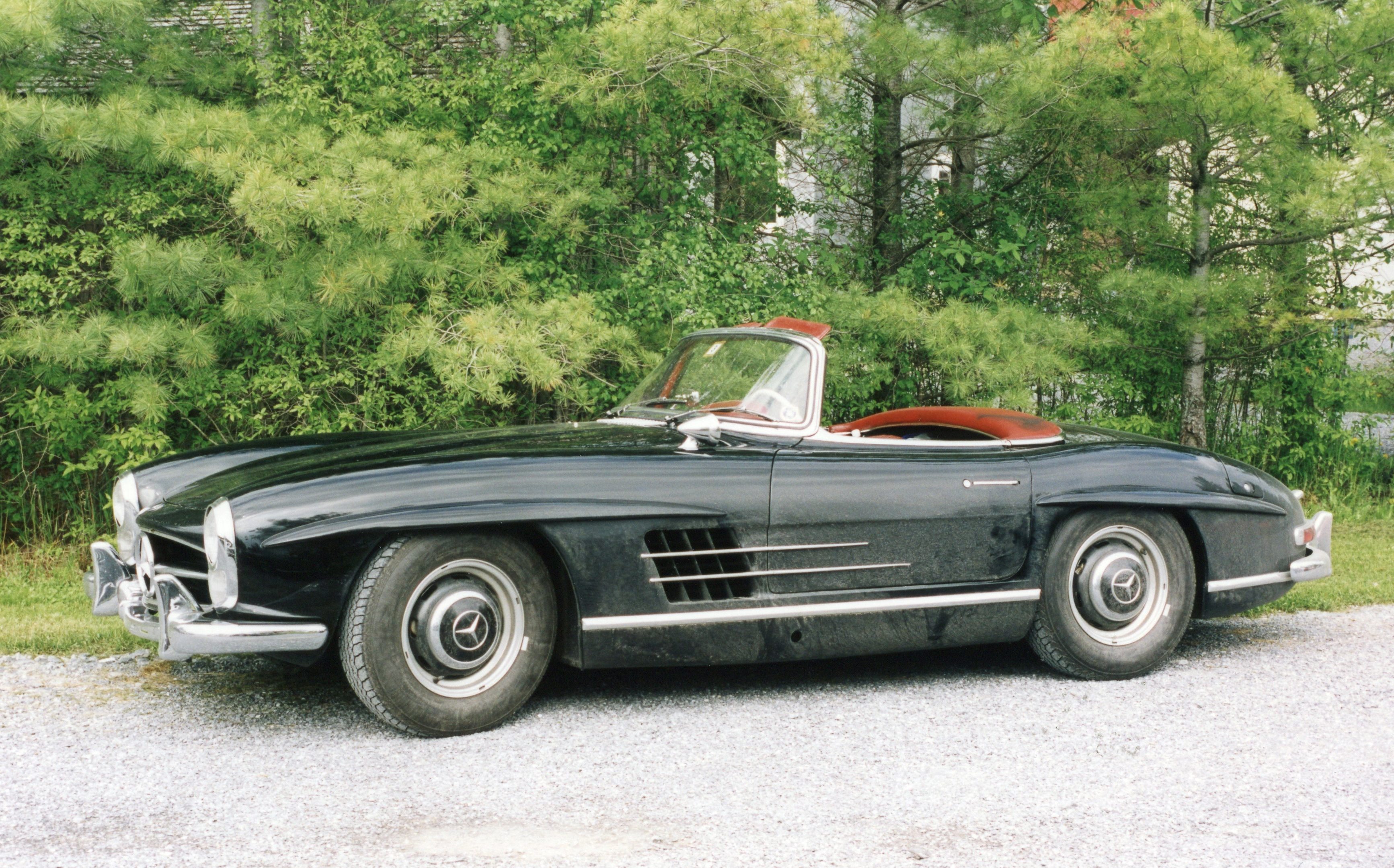
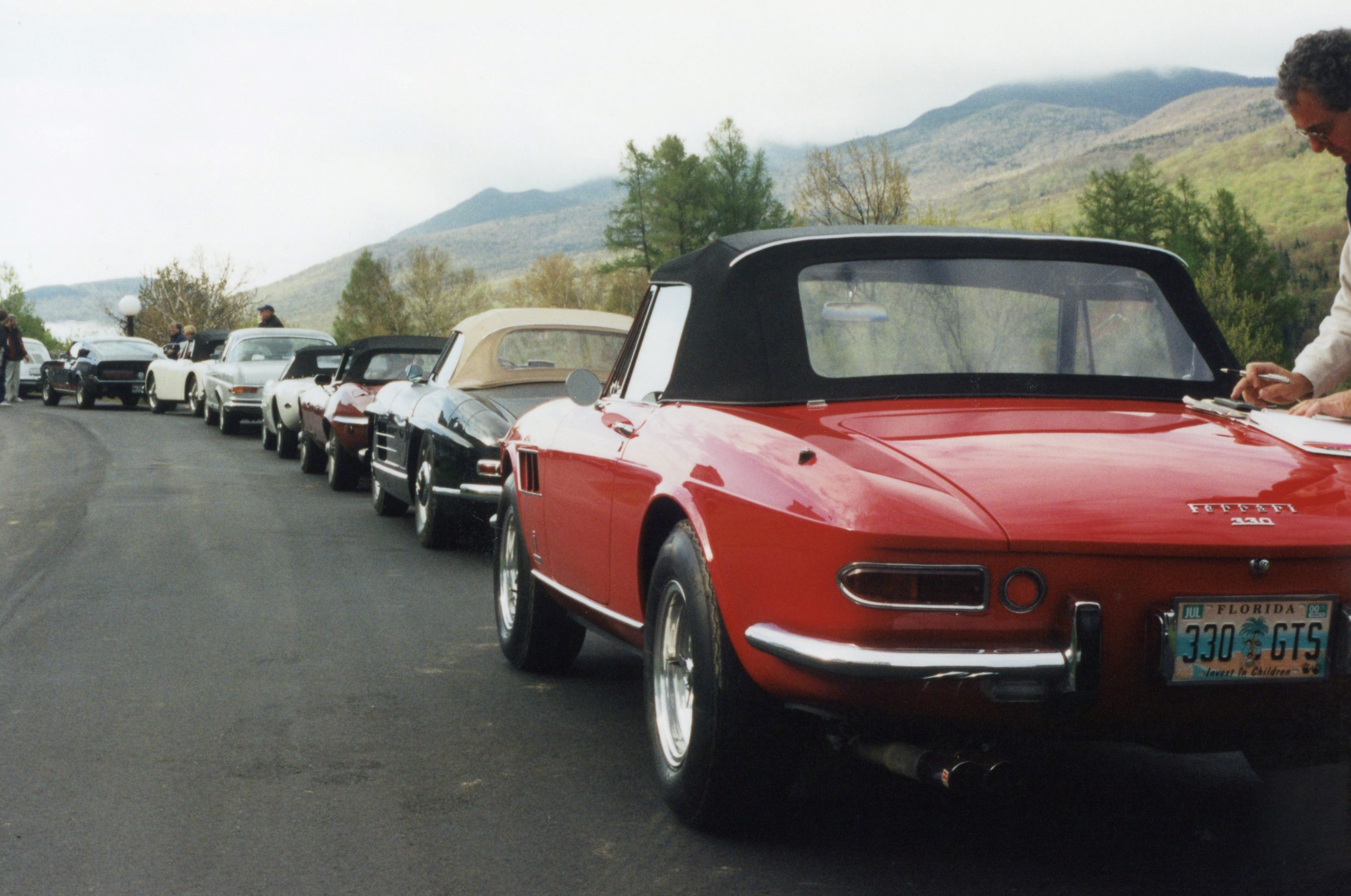
This volume allowed the Mercedes Benz 300SLs (10) to have their own class, as did the Porsche 356s (6). Cars that I saw in the metal for the first time included a Toyota 2000GT convertible and a BMW 507 (piloted by an all-female team). A pre-war supercharged Bentley, several Jaguar E-Types, a Shelby Mustang, and a to-die-for Ferrari 330 GTS were other favorites. Well-known drivers included Miles Collier of the Revs Institute and AutoWeek publisher Leon Mandel, who spoke at one of the week’s dinners. Sadly, he passed away just two years later.

The photos show more rainy days than we were forced to tolerate the previous two years, but hearing these classic cars run and watching them move in all kinds of conditions only served to reinforce why we were doing this. Speaking of photos, I’ll let them tell the rest of this story.

There are plenty more rally stories to come. Stay tuned.


The Tiger looks at home in front of one of the resorts on this year's rally
The Tiger looks at home in front of one of the resorts on this year’s rally


Ferrari 275 GTS
Ferrari 330 GTS


Austin Mini Cooper (this is the original one, folks)


Porsche 356
Porsche 356


The best "rear end" in all of automotivedom
The best “rear end” in all of automotivedom


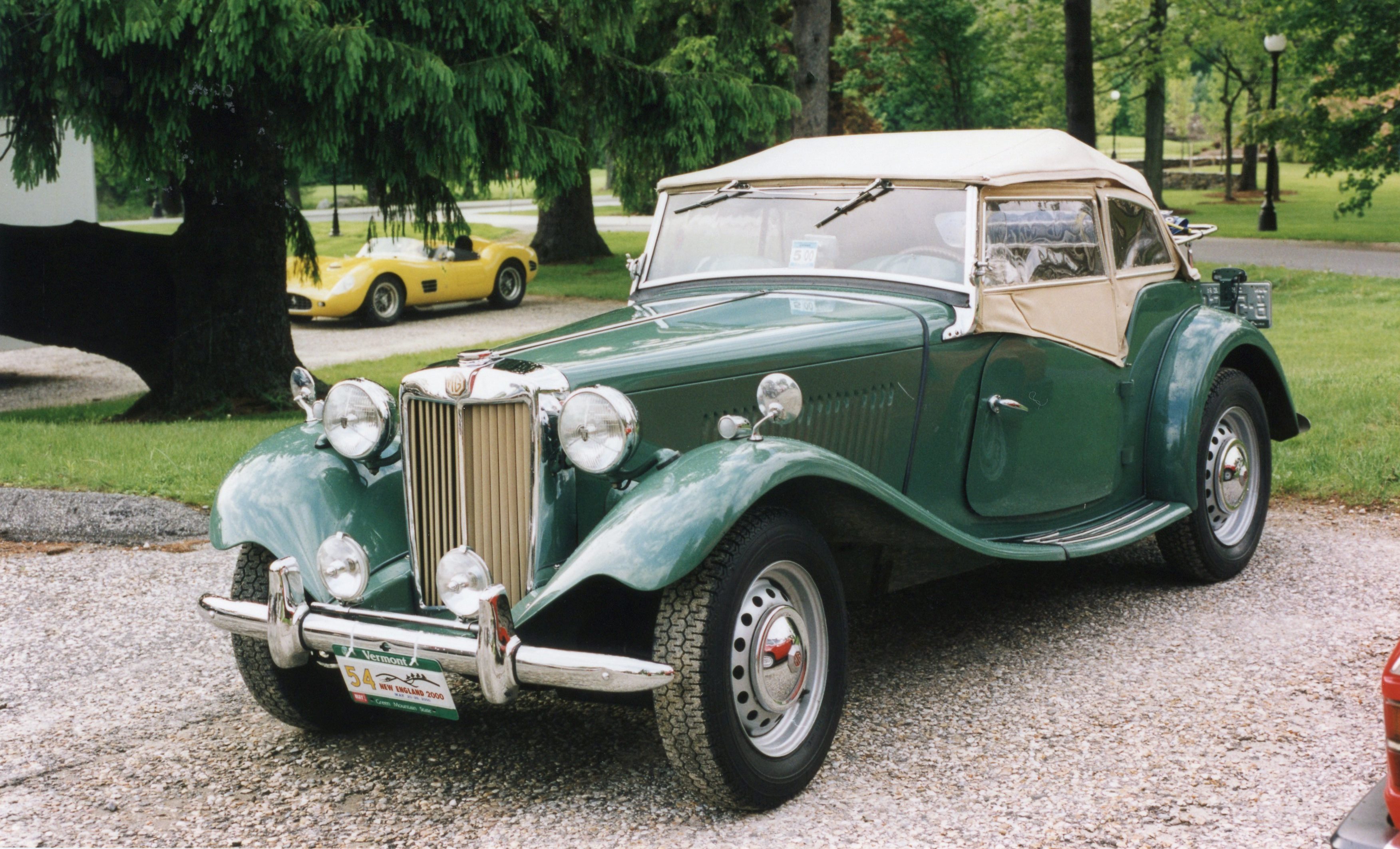
MG-TD held its own against pricier competitors
MG-TD held its own against pricier competitors…


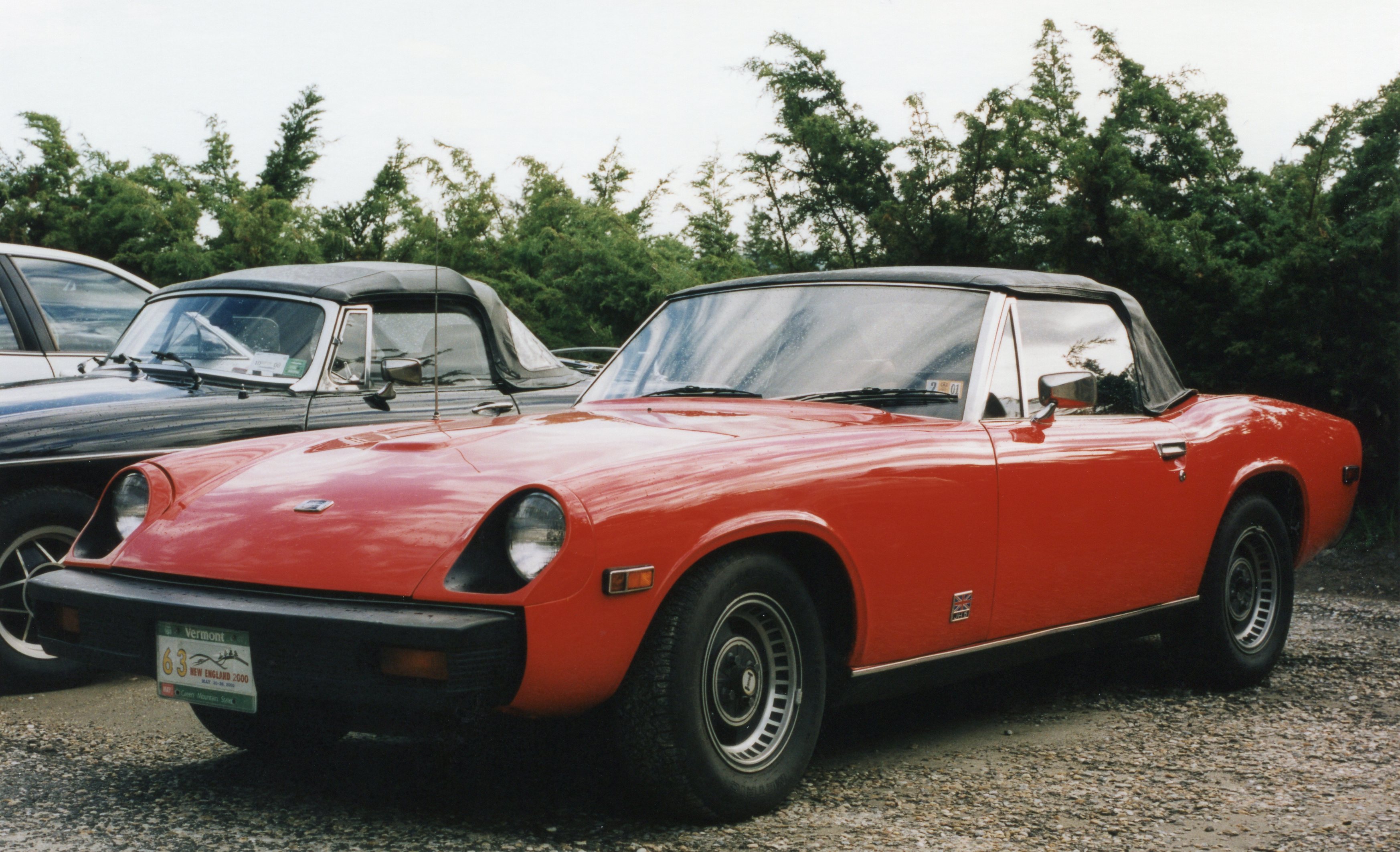
... as did this Jensen-Healey
… as did this Jensen-Healey (note plate #63)


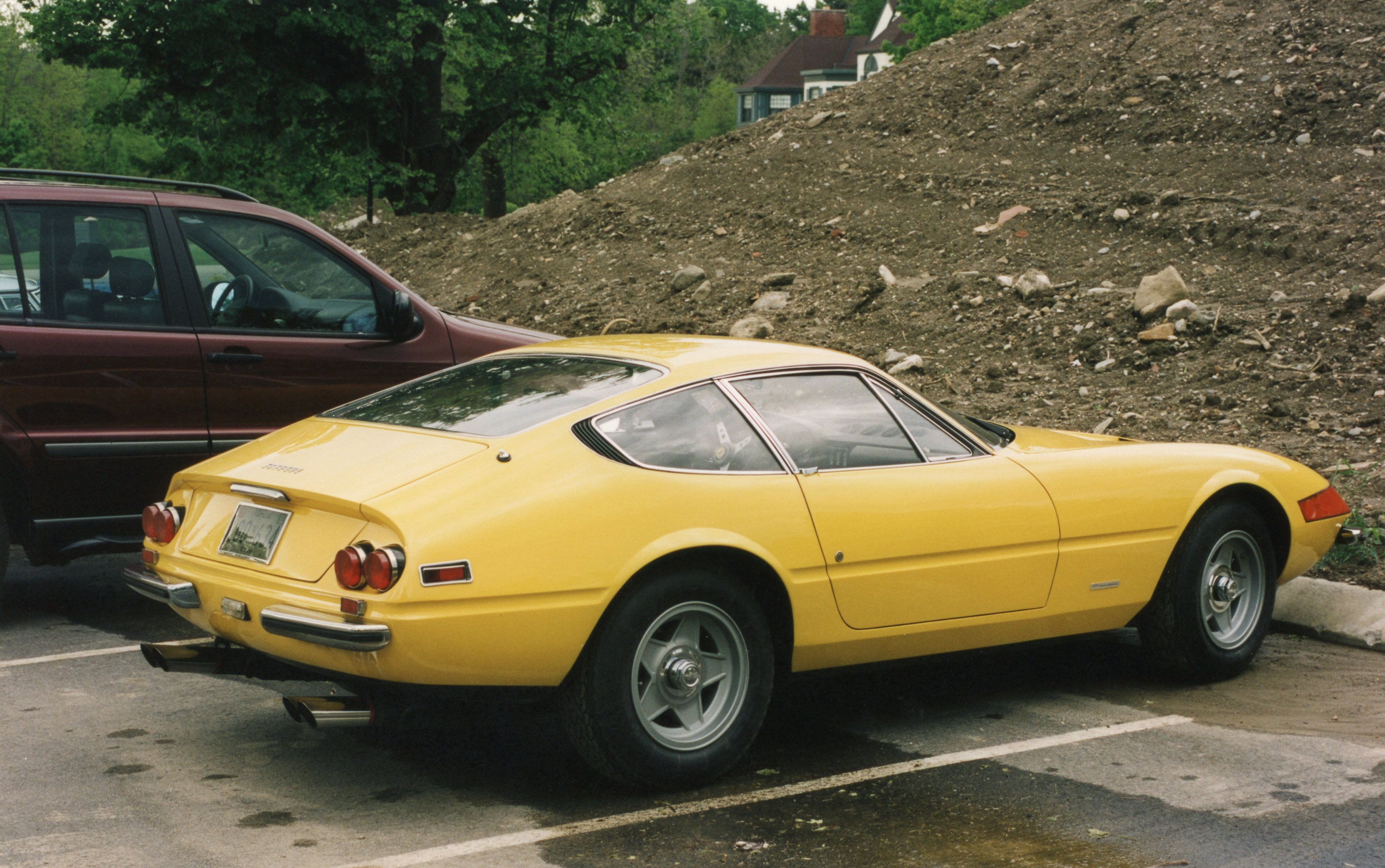
Ferrari Daytona
Ferrari Daytona


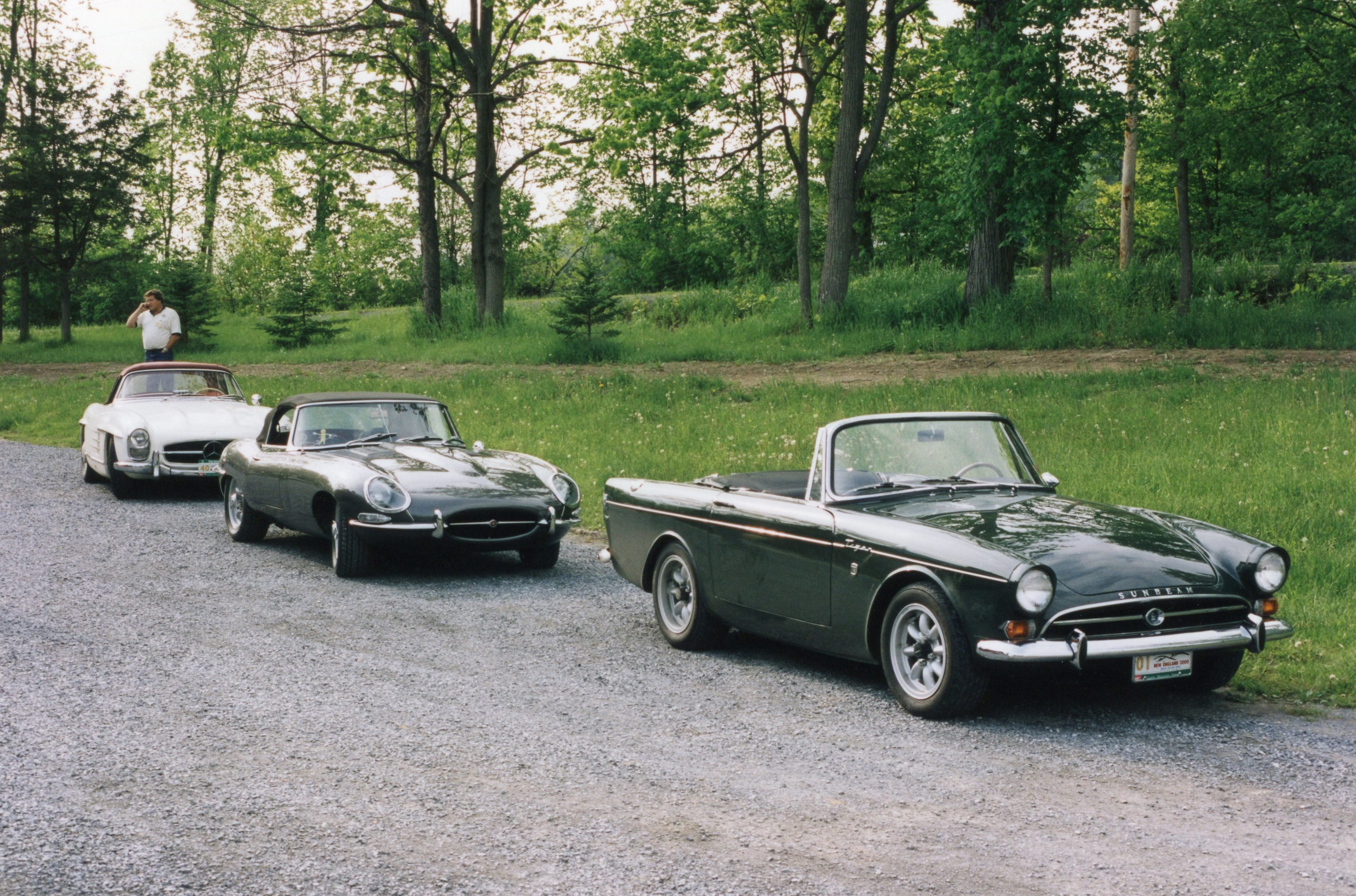
Take away the guy on the phone, and this photo could have been taken in 1966


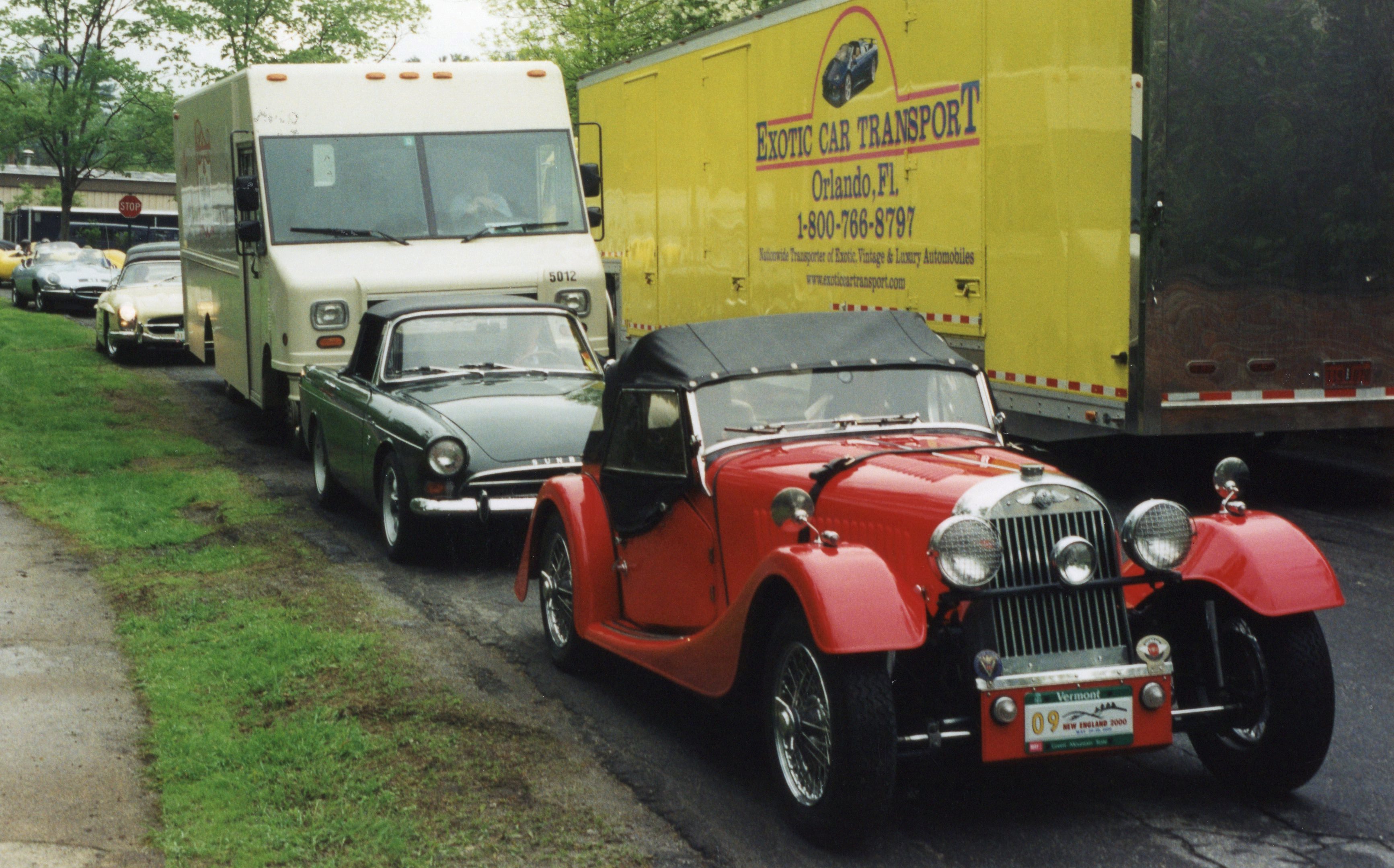
Morgan Plus 4, which we presume was flat-towed to the rally


One of many M-B 300SLs


Toyota 2000GT and Jaguar E-Type - which do you prefer?
Toyota 2000GT and Jaguar E-Type – which do you prefer?


The Toyota 2000GT at one of the timed trials


You had your pick of 300SLs this year
You had your pick of 300SLs again this year


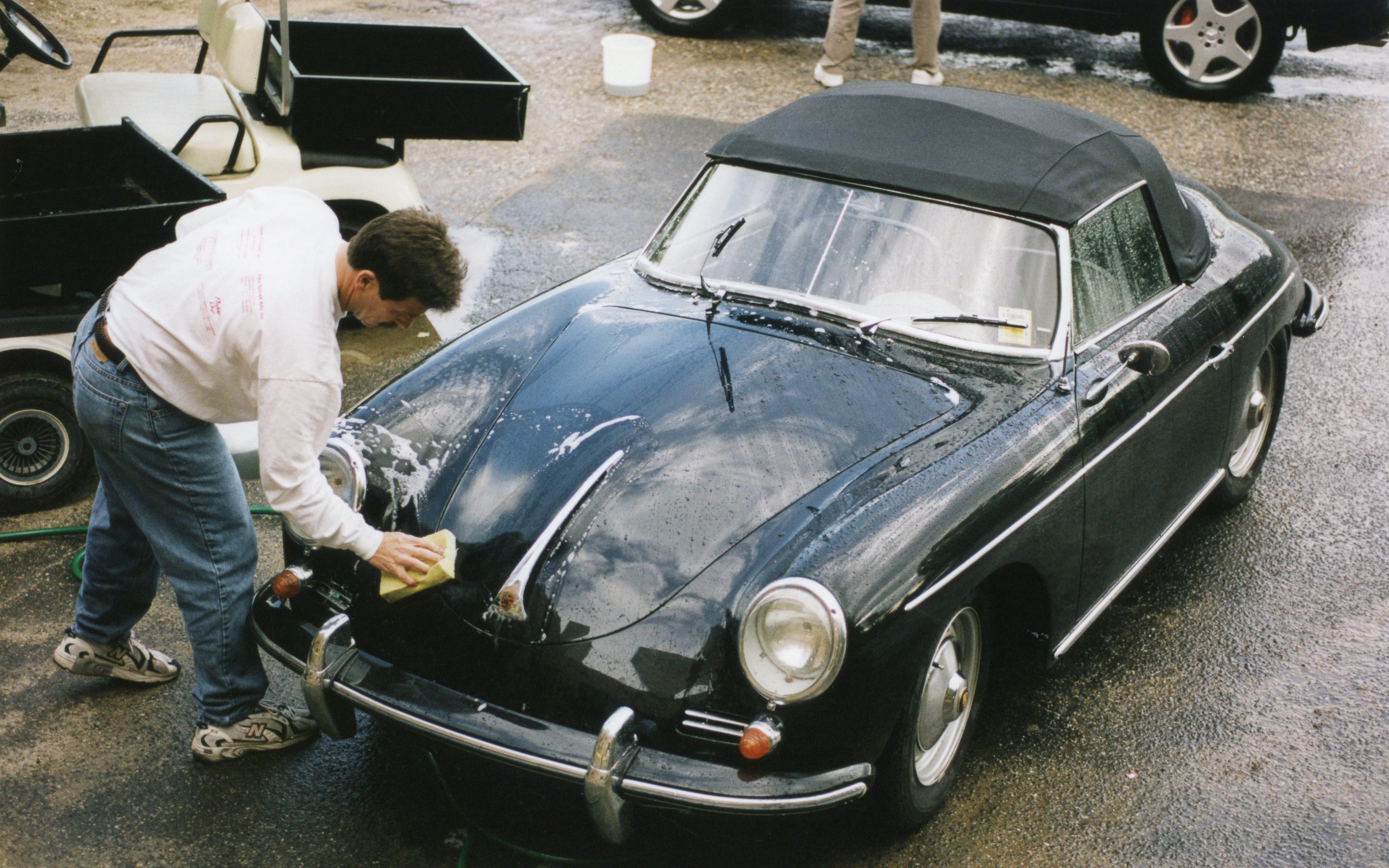
As in previous years, most hotels provided car wash stations


This owner is not afraid to get the car dirty
The owner is not afraid to get the car dirty!


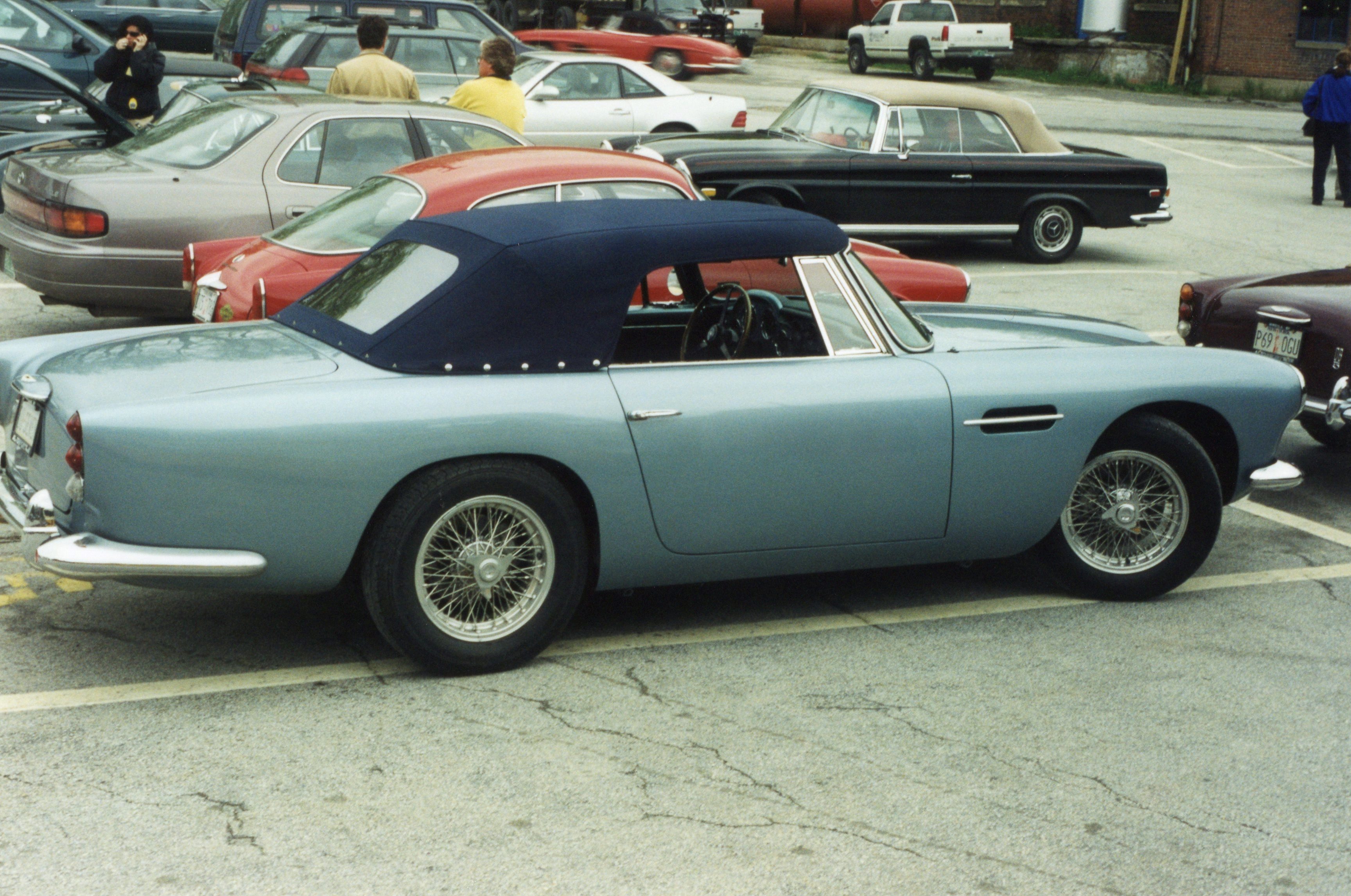
Aston Martin DB-4
Aston Martin DB-4


Ferrari owner reads ahead
Ferrari owner reads ahead (what, no blanket on the trunk lid?)


Bread van attempts to join queue for morning check-out
Bread van gets behind Tiger, attempts to join queue for morning check-out


Jaguar C-Type replica


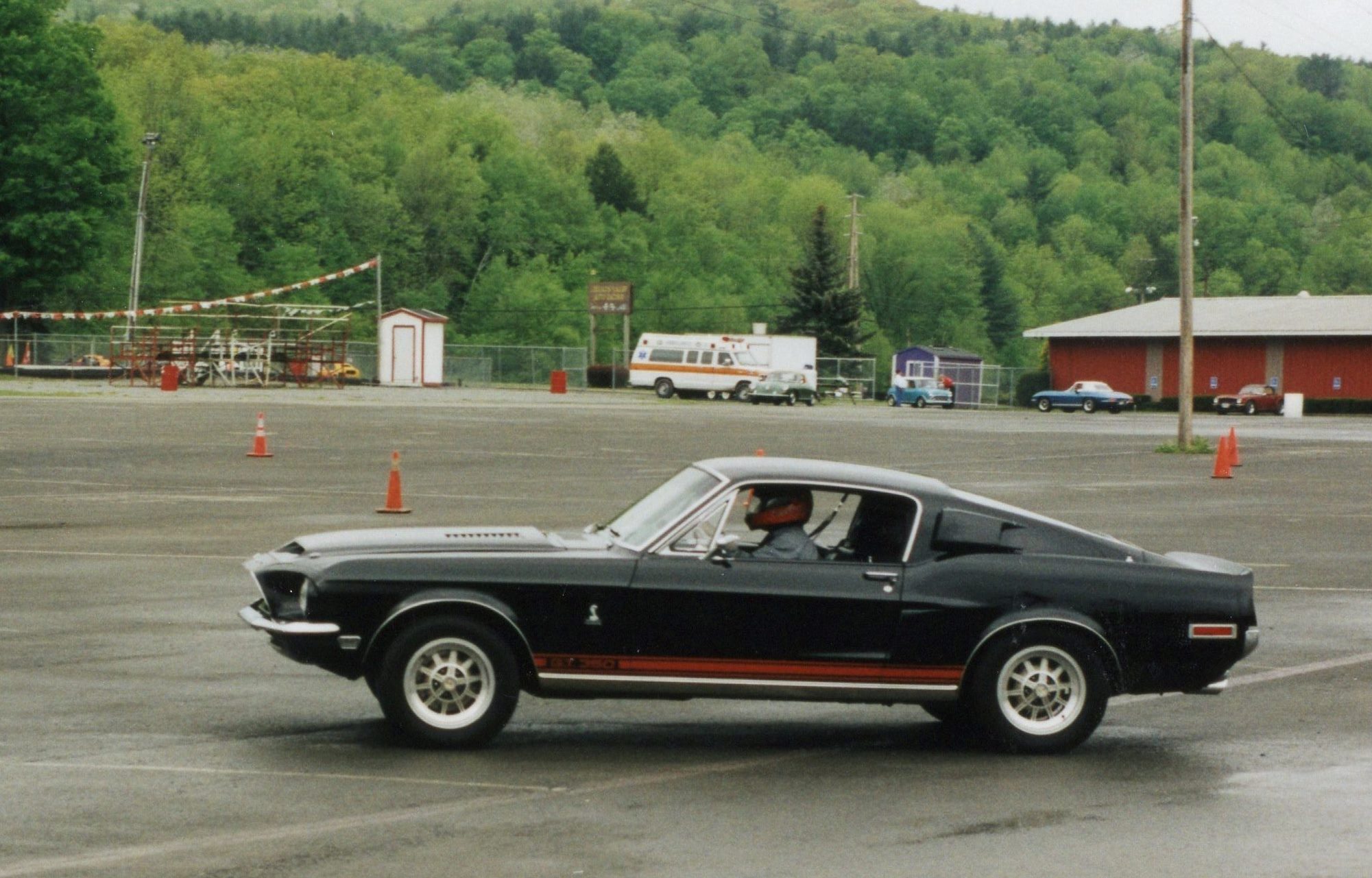
1968 Shelby Mustang
1968 Shelby Mustang


BMW 507, being used as Albrecht von Goertz intended


This gorgeous Ferrari was trailered to the rally but not driven
This gorgeous Ferrari was trailered to the rally but not driven, possibly due to mechanical issues


The Tiger poses in front of RPM in Vergennes VT


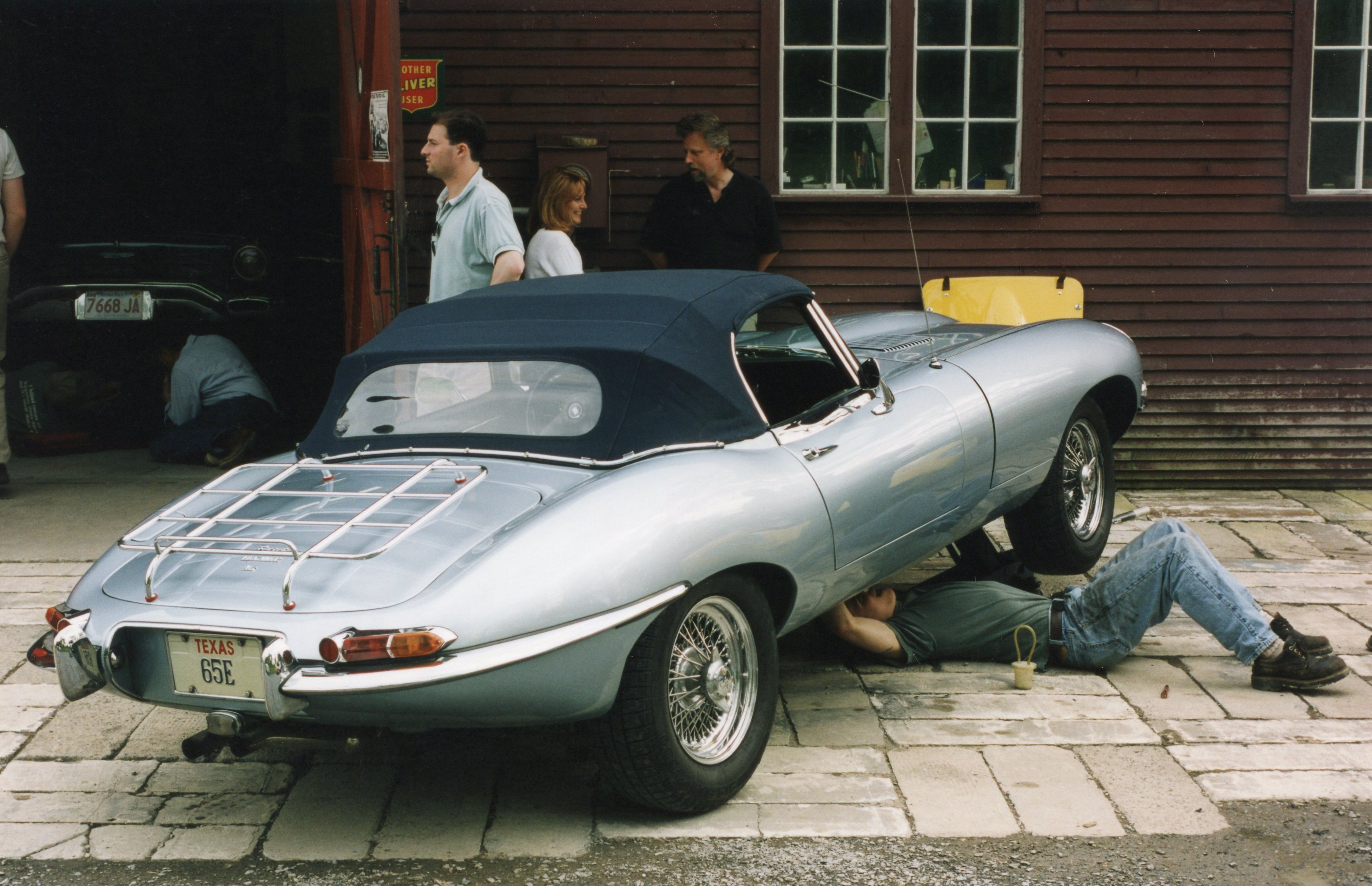
RPM was a convenient place for the Goolsbee E-Type to need some mechanical attention
RPM was a convenient place for the Goolsbee family E-Type to need some mechanical attention


The week's driving on one page
The week’s driving on one page


All photographs copyright © 2017 Richard A. Reina. Photos may not be copied or reproduced without express written permission.


1986: Employment at the first Acura dealer in New Jersey

In March of 1986, after five and a half years working as a Service Advisor at Smythe Volvo in Summit NJ, it was time to make a move. This was not an easy decision. My fellow employees at Smythe had become more than co-workers; we spent significant time together outside the shop too. The dealer management on the whole was very supportive, business was good, and I could have easily stayed right where I was.

That was the problem. I was restless. There was no possibility for any upward movement, at least in the short term. I felt ready to go into management, and when I saw the ad for Service Manager at what promised to be New Jersey’s first Acura dealer, I jumped at the opportunity.


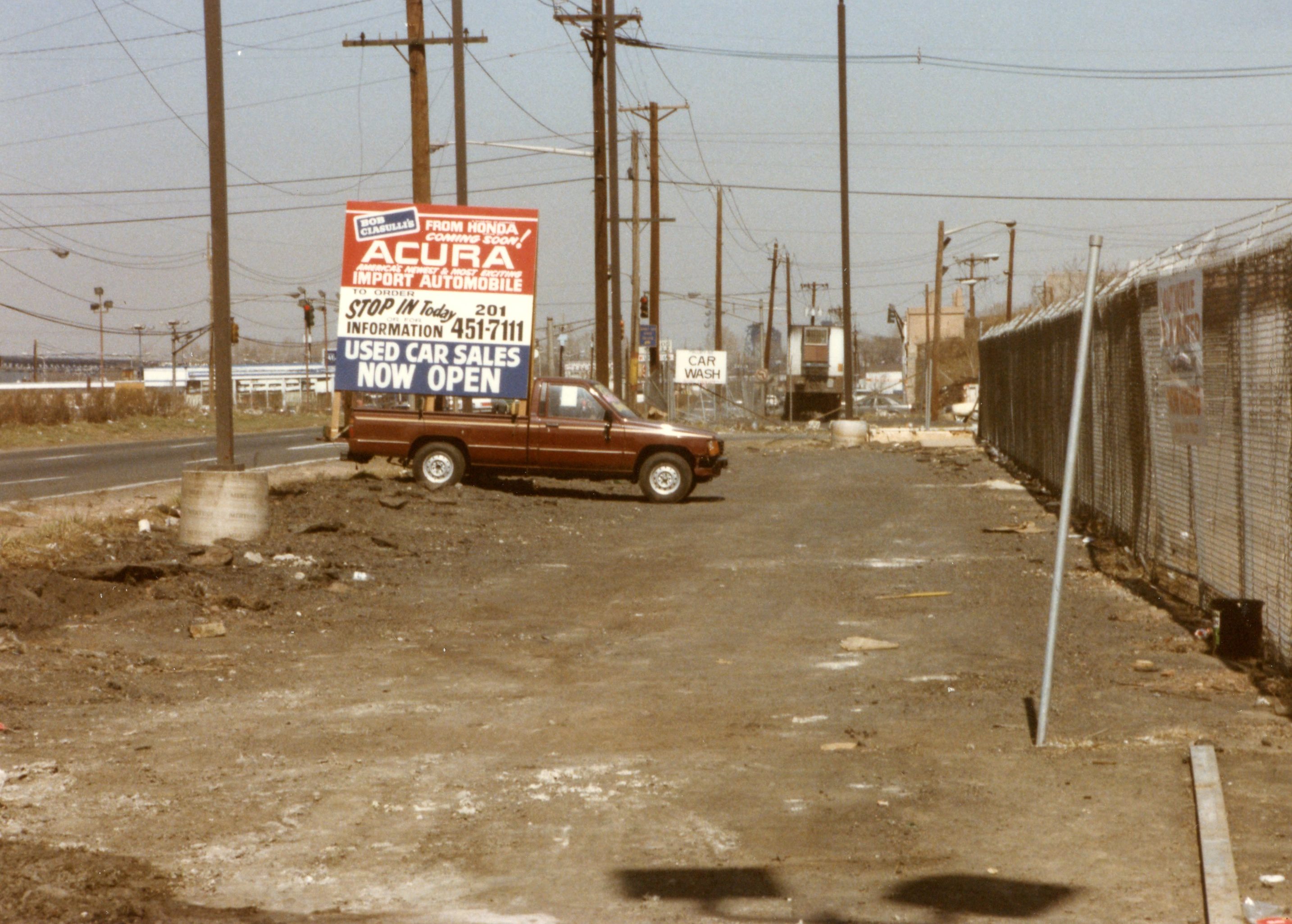
Early in the construction phase, this sign informed those driving by of what was to come

Acura was a name known only to industry insiders in early 1986. Parent company Honda had announced a plan to move upmarket by introducing a new line of automobiles, the first Japanese carmaker to do so.  Today, we take Acura (and Lexus and Infiniti) for granted. But this was a bold move on Honda’s part, and not a guaranteed success.

The job interview went well, and I was offered the position at a slightly higher salary than my current one, with the typical veiled promises of “more money for you if we do well”. With great reluctance and more than a slight foreboding, I gave my notice to Smythe. When I told them what I was going to do, they congratulated me. When I told them for whom I would be working, they cautioned me.

The less said about my new employer Bob Ciasulli, the better. Suffice to say that if Google had existed in 1986 and I had checked (try it), I might not have taken the job. But, I did, and as difficult as it was, it was worth it.

There were positive aspects to my time there. It was exciting to get in on the ground floor of a new car brand, an opportunity that rarely comes along. The first Acura models, the 3- and 5-door Integra hatch, and the 4-door Legend sedan, were remarkably good cars. For the first time in my automotive career, I had a demonstrator car, an Integra LS with a 5-speed, which was an absolute blast to drive. I learned a lot about management and about dealer operations.

I began the job in mid-March, about three weeks before the cars officially went on sale. The building was still under construction, with makeshift sales and service areas. Meanwhile, cars started to arrive, and it was part of my responsibility to make sure that they stayed safe and secure, stored as they were in a construction zone.  It would be many months before the building was finished.


The original building had filling pumps, which needed to be removed


Some of the initial inventory, parked in the (unpaved) rear lot


The first load of Integras, only available in silver, red, and blue.

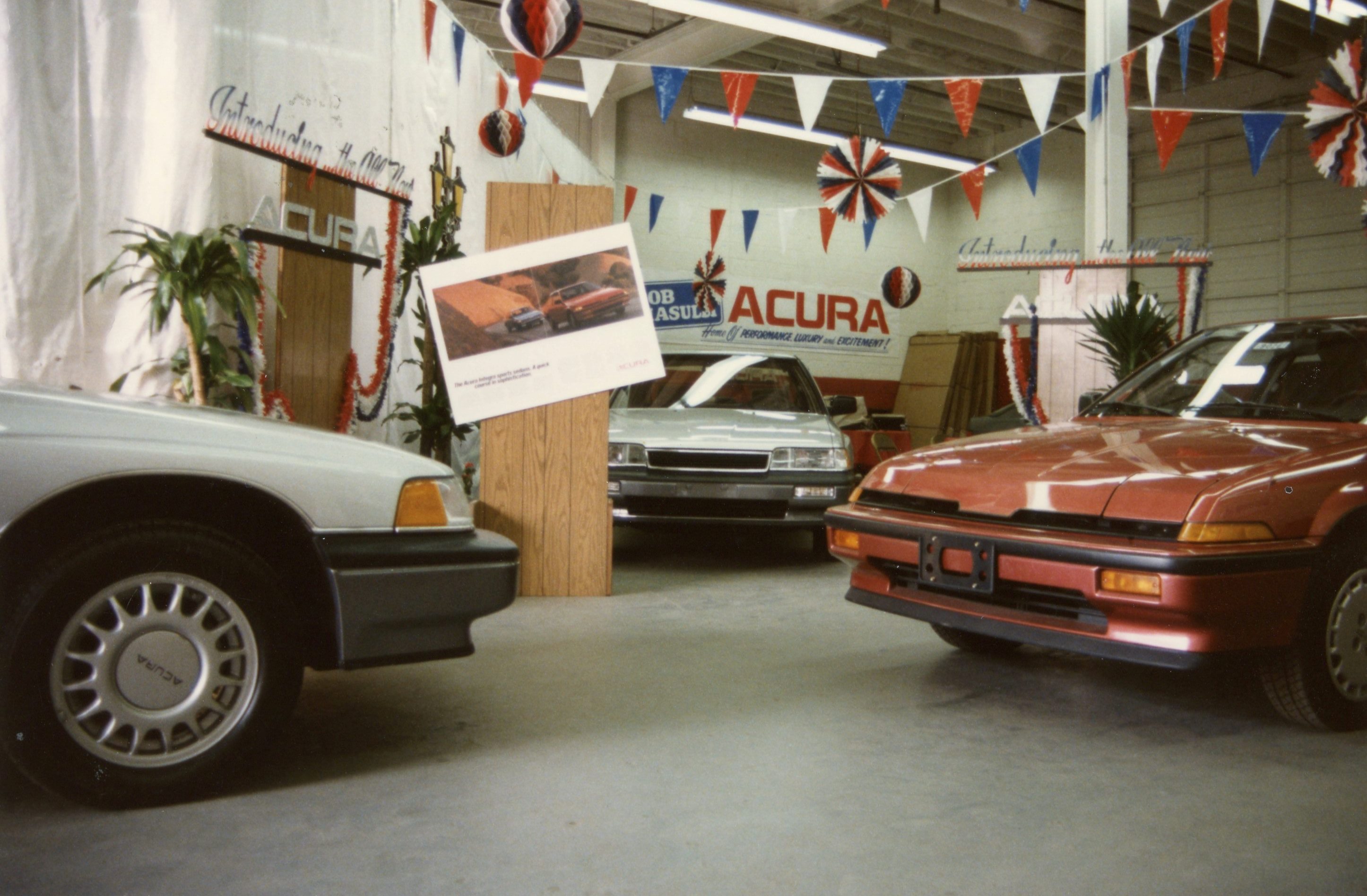
Once sales began in early April, it was presumed that I would work Saturdays in the temporary showroom, as not enough sales staff had been hired. So I did, finding myself faced with many who were curious about the cars. (Typical questions: “How do you pronounce A-C-U-R-A?” “What does it mean?” “Why do the engines say ‘HONDA’ on top of them?”)


Opening Day. The "showroom" was in a cinder-block storage area.
Opening Day. The temporary showroom was in a cinder-block storage area.

The Integra was well-received, at a starting price around $10,000. The Legend was more of a challenge. Prospects did not like the limited color choices (typical Honda) nor the mandatory two-tone. There was also incredulousness that leather was not even an option, at least on those first cars. Finally, a $20,000 Japanese car gave many customers pause. (For comparison, $20,000 would get you a Volvo 760 sedan.)


Sales negotiations were to take place at what looked like picnic tables
Sales negotiations were to take place at what looked like picnic tables. Note the ashtrays!


One of the first Acura Legends in the country

I learned the hard way that taking a new job with higher salary was not always the smartest choice. The support I had at Smythe looked like a Caribbean holiday compared to the management style at the Acura store. Within months of starting work at this Jersey City location, I was poring through the classifieds again.

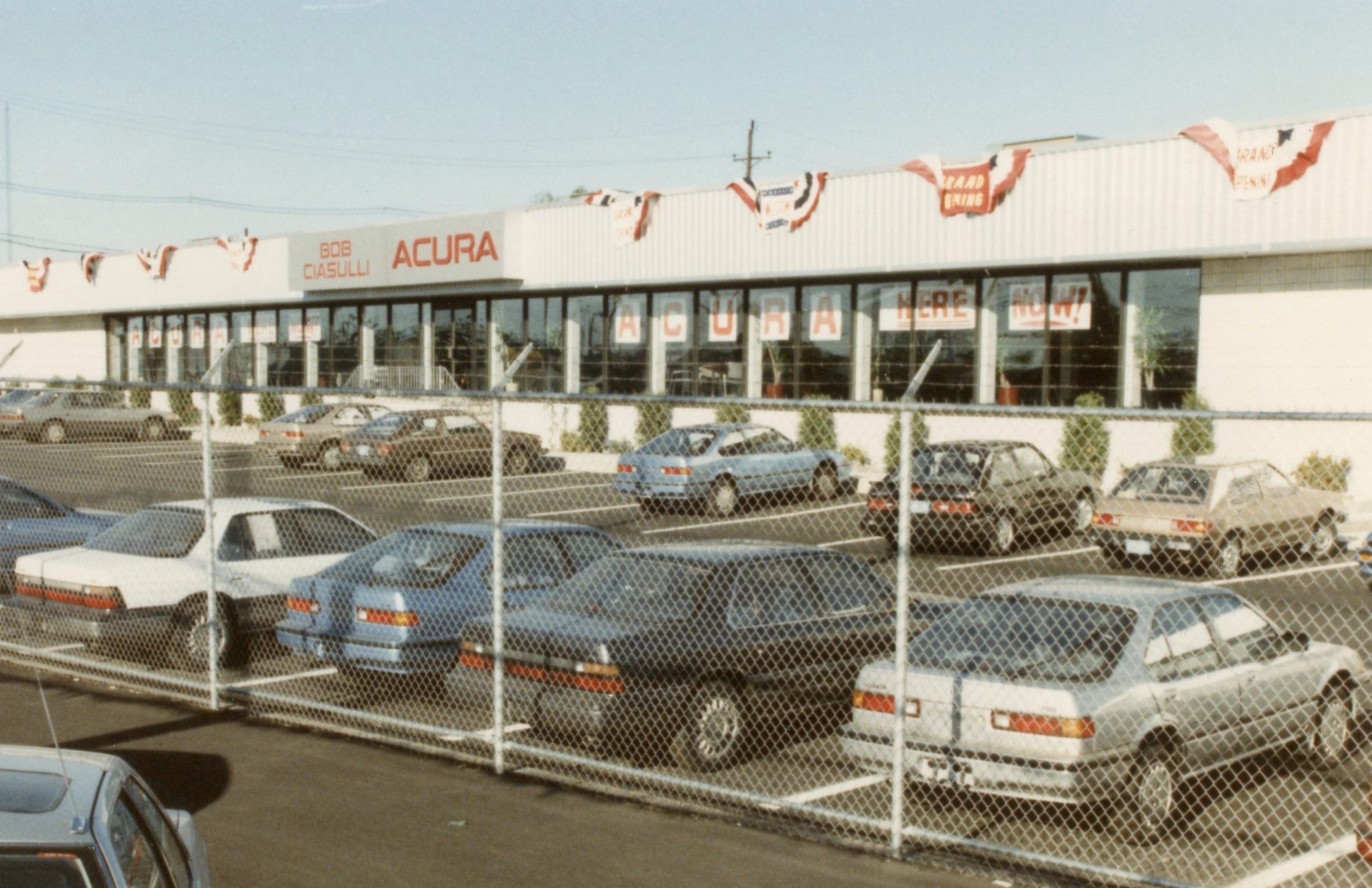
By the summer of '86, the showroom was done. The entire lot was fenced.
By the summer of ’86, the showroom was done. The entire lot was fenced.

In August, I found it in the classified section of Automotive News. Answering the ad for a “technical Customer Service adviser” at Volvo of America, I had a clear advantage: seven years Volvo retail service experience, while not currently employed by a Volvo dealer. (At that time, Volvo corporate policy forbade the hiring of persons working at Volvo dealers unless the interviewee first obtained written permission from dealer management for an interview to take place.)

The first demo, an Integra LS

In September of 1986, Volvo of America offered me the job. To this day, that phone call stands out as a professional highlight. I still did the honorable thing by giving my manager at the Acura store two weeks’ notice. The only regretful part of leaving was saying goodbye to that demo (and perhaps some regret at not sticking around for the NSX).

Several years after I left, the Acura store at that location failed, for reasons unknown. Today, it’s Bob Ciasulli Honda. As rare as it is to see a first-generation Integra or Legend, when I do spot one, I think back to my not-brief-enough six months there.

 
All photographs copyright © 2017 Richard A. Reina. Photos may not be copied or reproduced without express written permission.


The 1999 New England 1000 Rally

It bears repeating: the 1998 New England 1000 event, my first participation in classic car rallying, forever changed the way I would look at the old car hobby. We were back for 1999. (I had mentioned that rally brother Steve handed over a deposit check for the following year’s rally during the final dinner of the 1998 event. This was done in exchange for the promise that we would be given Plate #01, and we were.)

A tradition begins: documenting the installation of the rally plate

Steve’s Tiger was in such great shape that there was little to do to it during the wait for the next rally to start. There was a distinct change in our automotive-themed discussions, though: any talk about purchasing collector-type cars was immediately challenged with the question: “can it be driven in the rally?” Talk about a paradigm shift.

The host hotel this year was the Sagamore Resort, located on Lake George NY. Now, before you Yankees get your windjammers in a knot, I know darn well that “New York” is not “New England”. Hey, it’s not my event to plan. But the Sagamore proved to be a wonderful starting and ending location, and, most of the driving was in fact done in various “authentic” New England States.

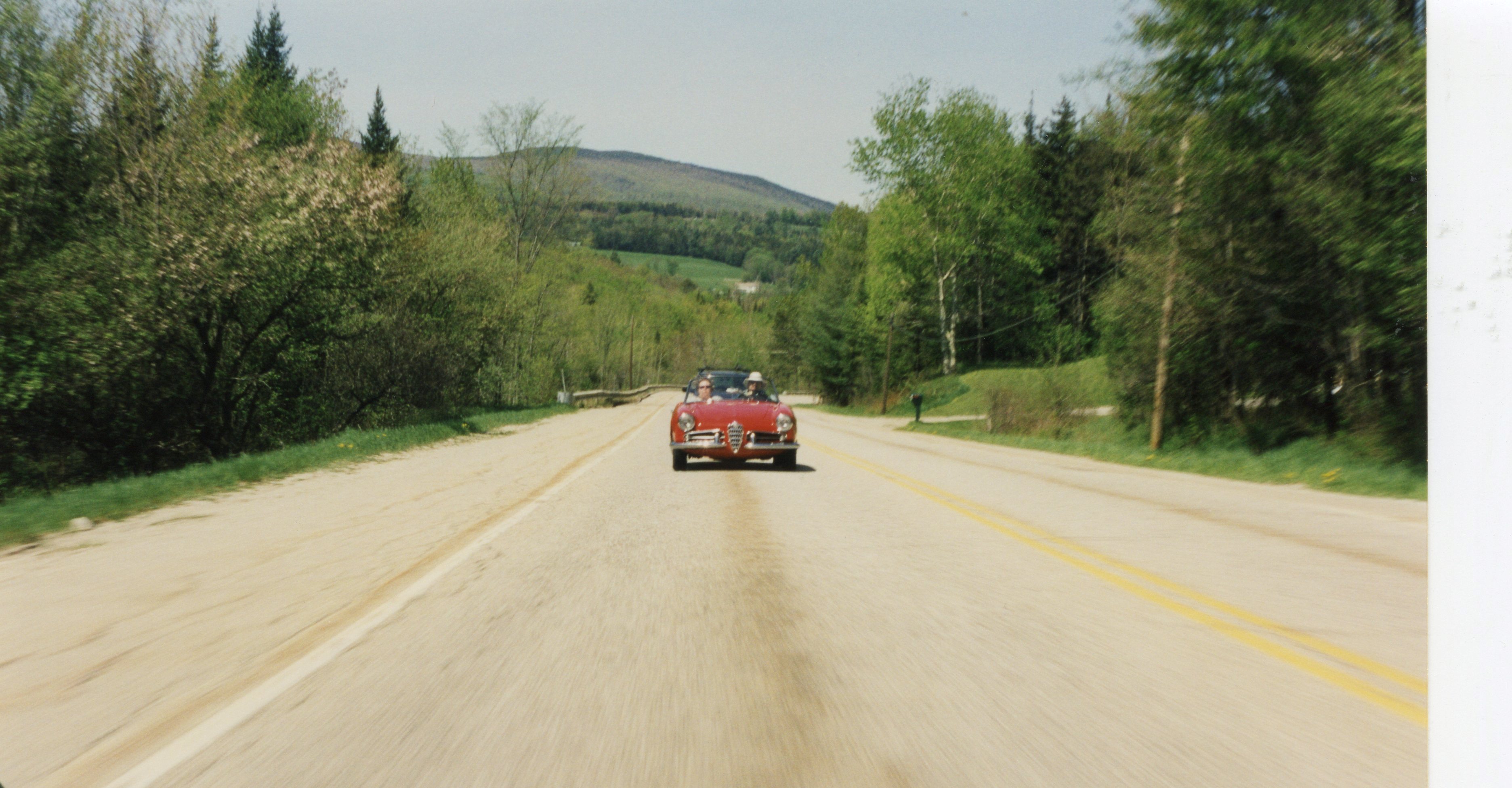
The 1999 rally was much like the 1998 rally, but on different roads. We saw several of the same couples, and our camaraderie grew, as we now had common experiences. One couple in particular, Dave and Deb Allison from North Carolina, became good friends. They had attended the ’98 rally driving a Lotus Elise. This year, they were back with a gorgeous Alfa Giulietta spider.

Deb Allison suns herself in the Allison Alfa
Deb Allison suns herself (and studies the nav book) in the Allison Alfa

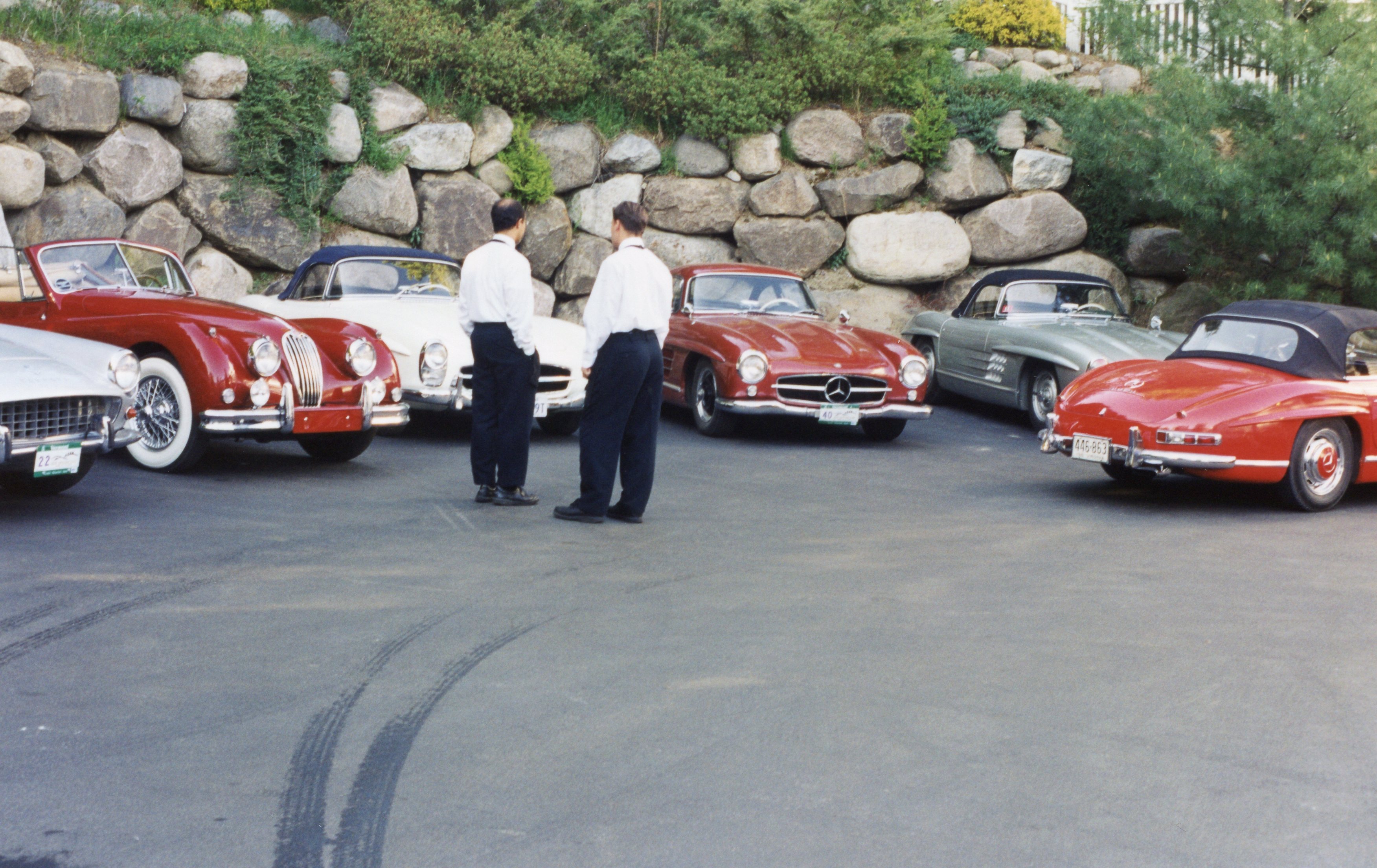
Not only were the roads different, most of the participating cars were as well. Word must have gotten out to one of the Mercedes clubs (at this point, Mercedes Benz USA was the official sponsor of the rally), as there were no fewer than NINE 300SL Gullwing coupes and roadsters registered.

Several of the participating 300SLs are visible in the background

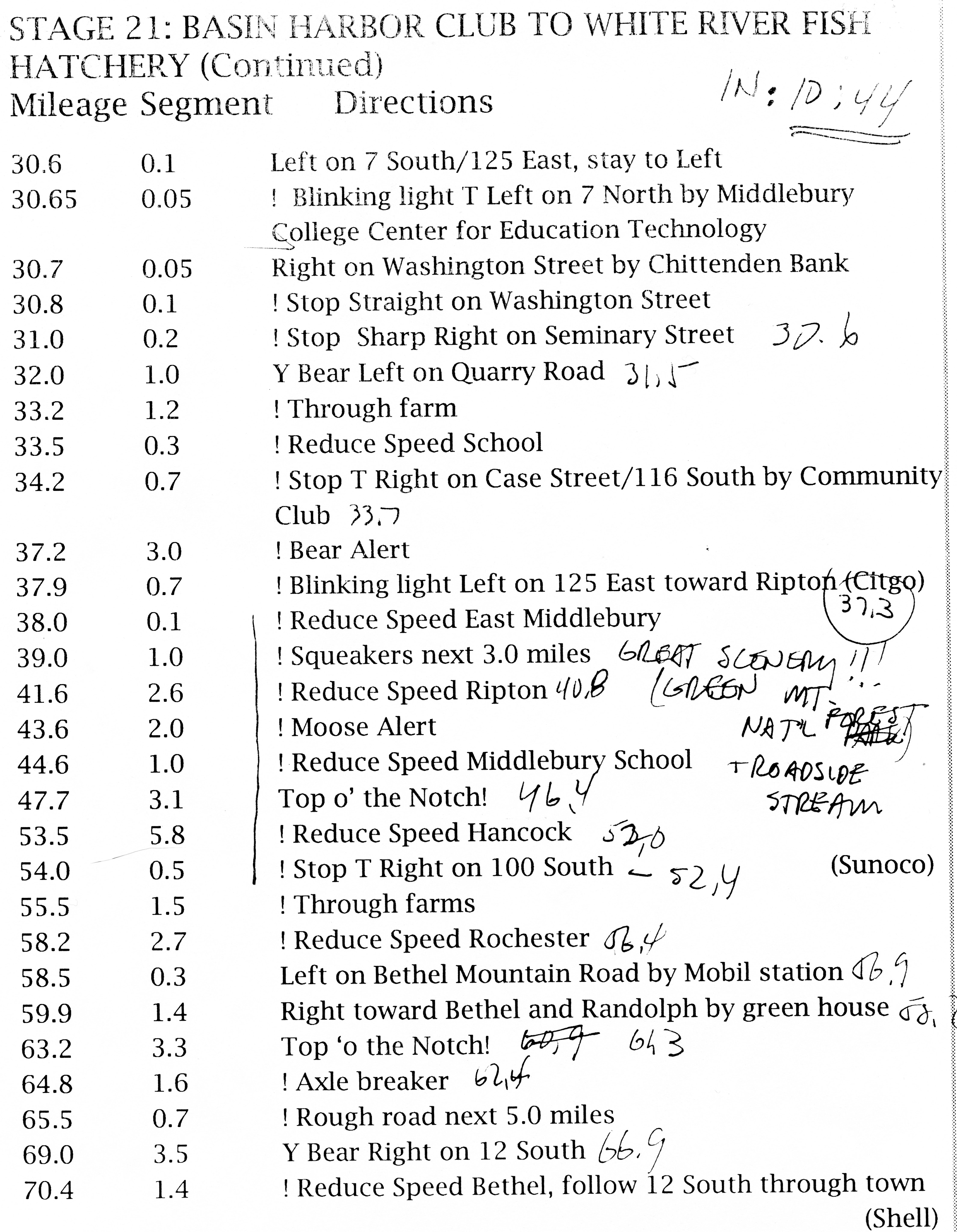
We were also getting used to the navigation directions. “Top of the notch”, “Axle breaker”, “Easy to miss” and “Moose alert” entered the vocabulary after the rally too.


A page from the rally book complete with navigator's notes
A page from the rally book complete with navigator’s notes


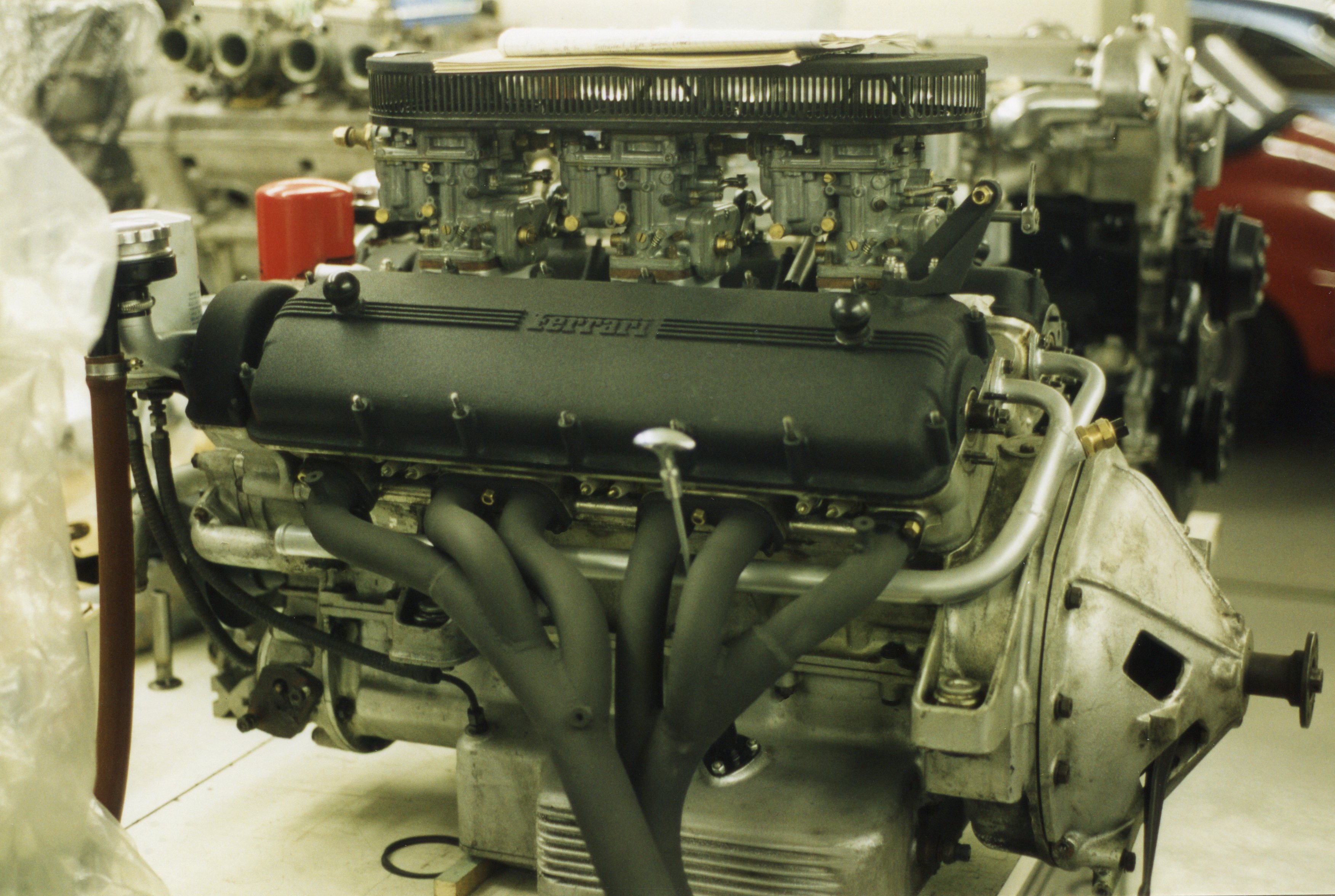
The year 1999 would mark the first time (and far from the last) that we would visit the RPM (Restoration & Performance Motorcars) shop in Vergennes VT. Ably run by Peter Markowski, his son Stephen, and a talented crew, RPM specializes in restoring high-end European sports cars, but will perform the most basic maintenance jobs also. The gearhead in me got a kick out of seeing Ferrari 12-cylinder engines in various states of disassembly.

A Ferrari V12 engine at the RPM shop


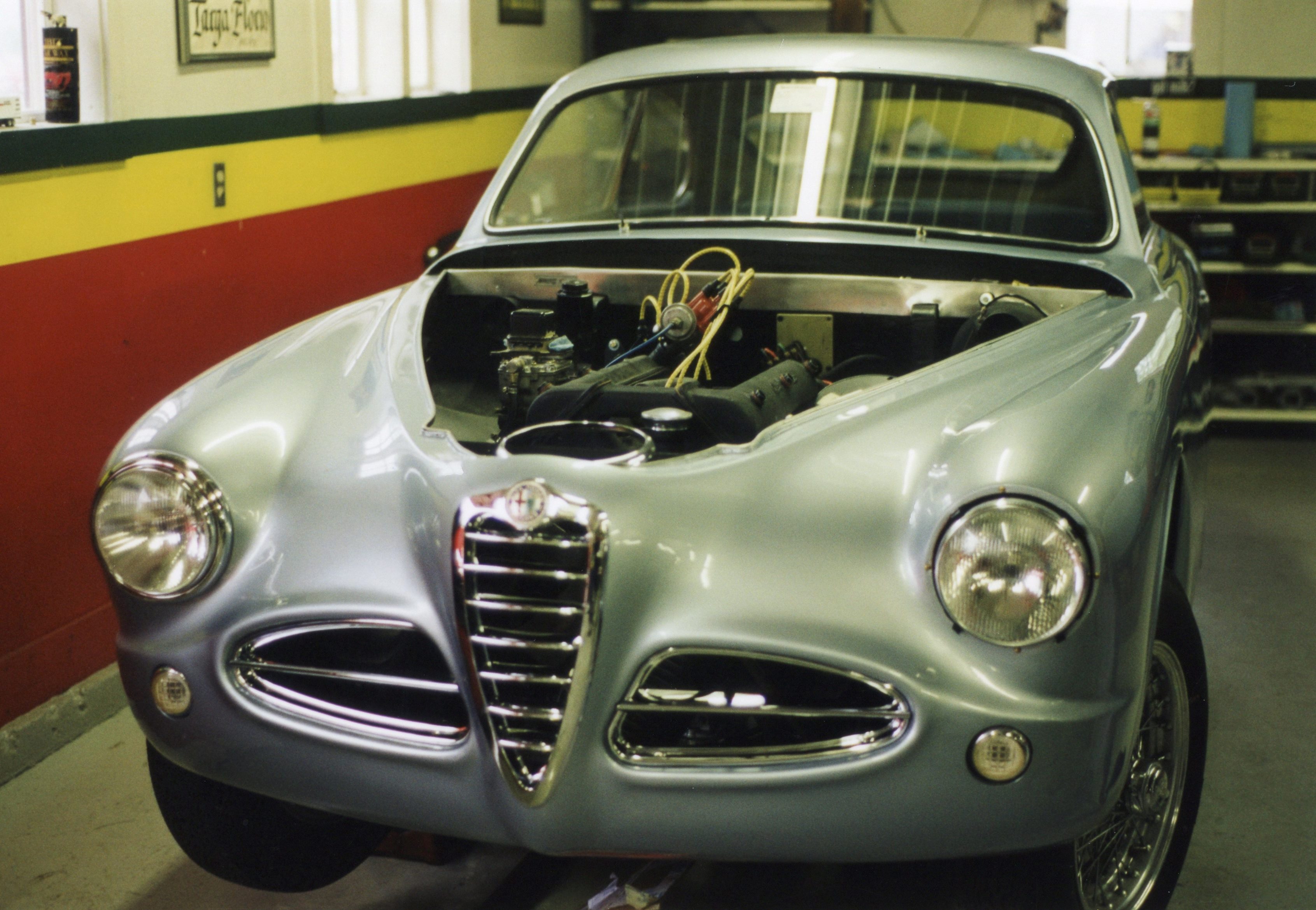
This rare Alfa Romeo 1900 looked close to being completed


All too soon, it was over. The Tiger again proved to be a dependable rally champ. A new addiction had taken hold. We learned that next year’s rally, in honor of Y2K, would be 2,000 kilometers. We and the Tiger would be back.


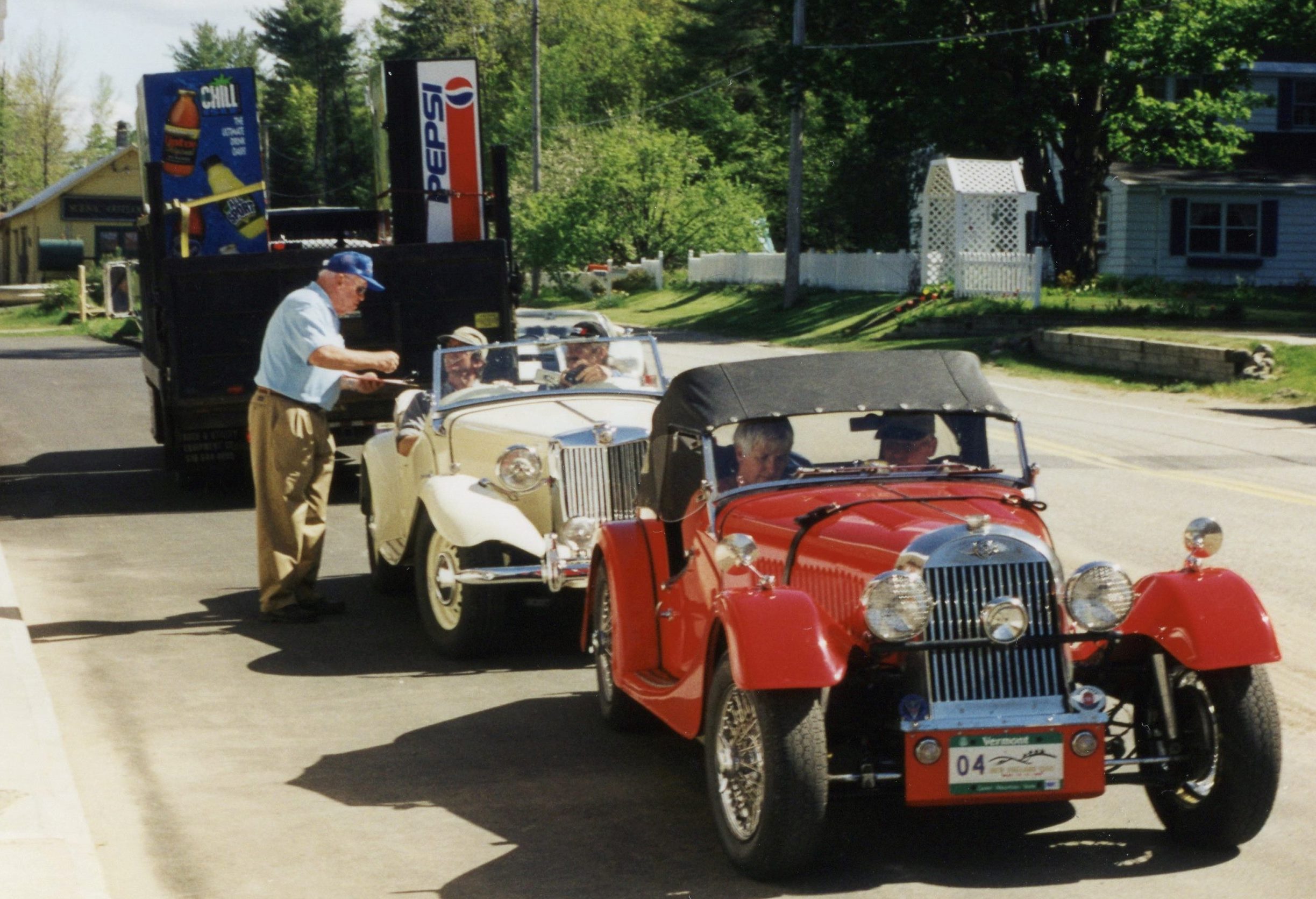
A Morgan Plus 4 followed by an MG-TD
A Morgan Plus 4 & MG-TD (followed by the soda truck, with driver asking for directions)


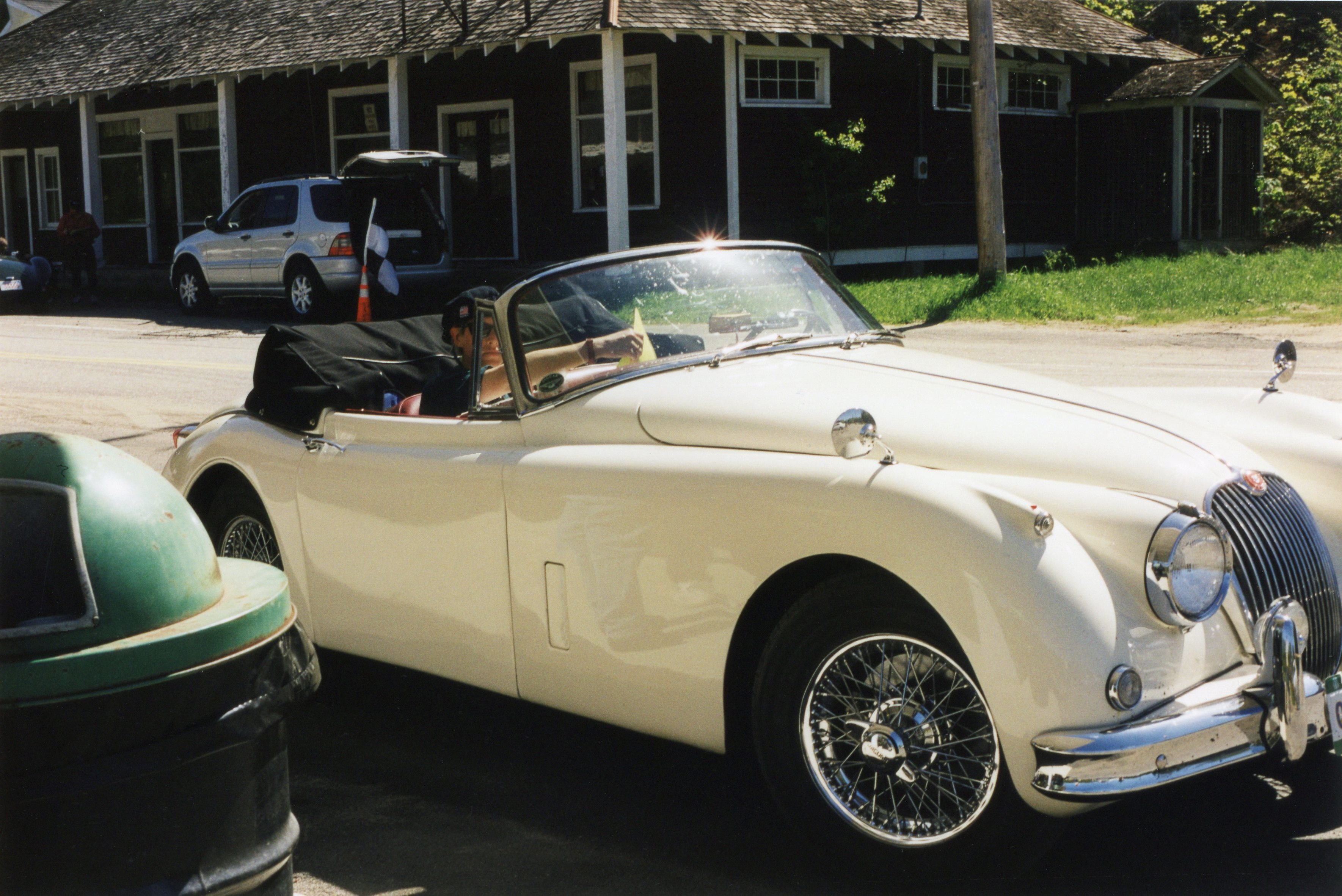
Jaguar XK-150 convertible
Jaguar XK-150 roadster

Alfa Giulietta Sprint Coupe


The Tiger at the end of the queue


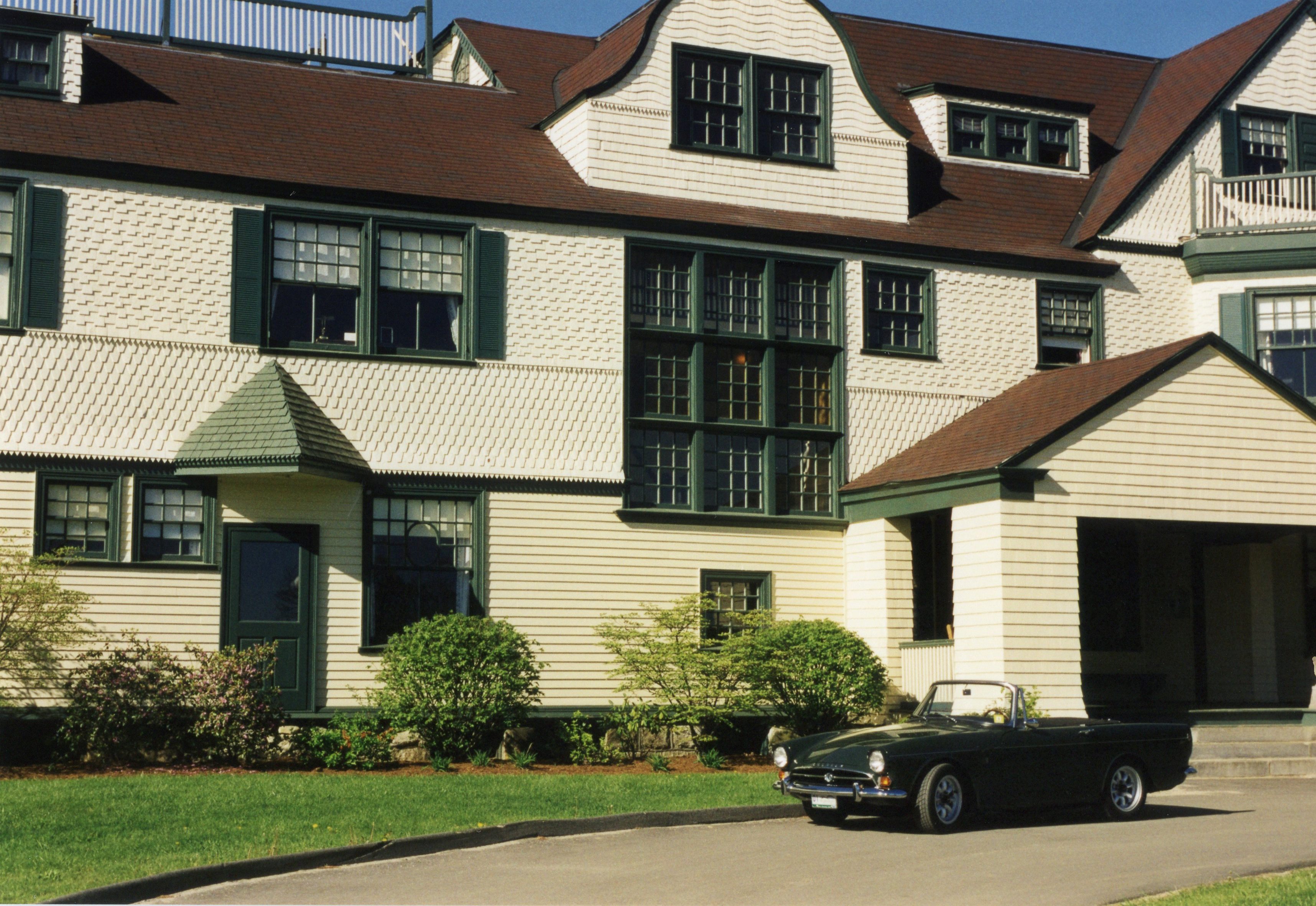
The Tiger looks at home in front of this New England lodge


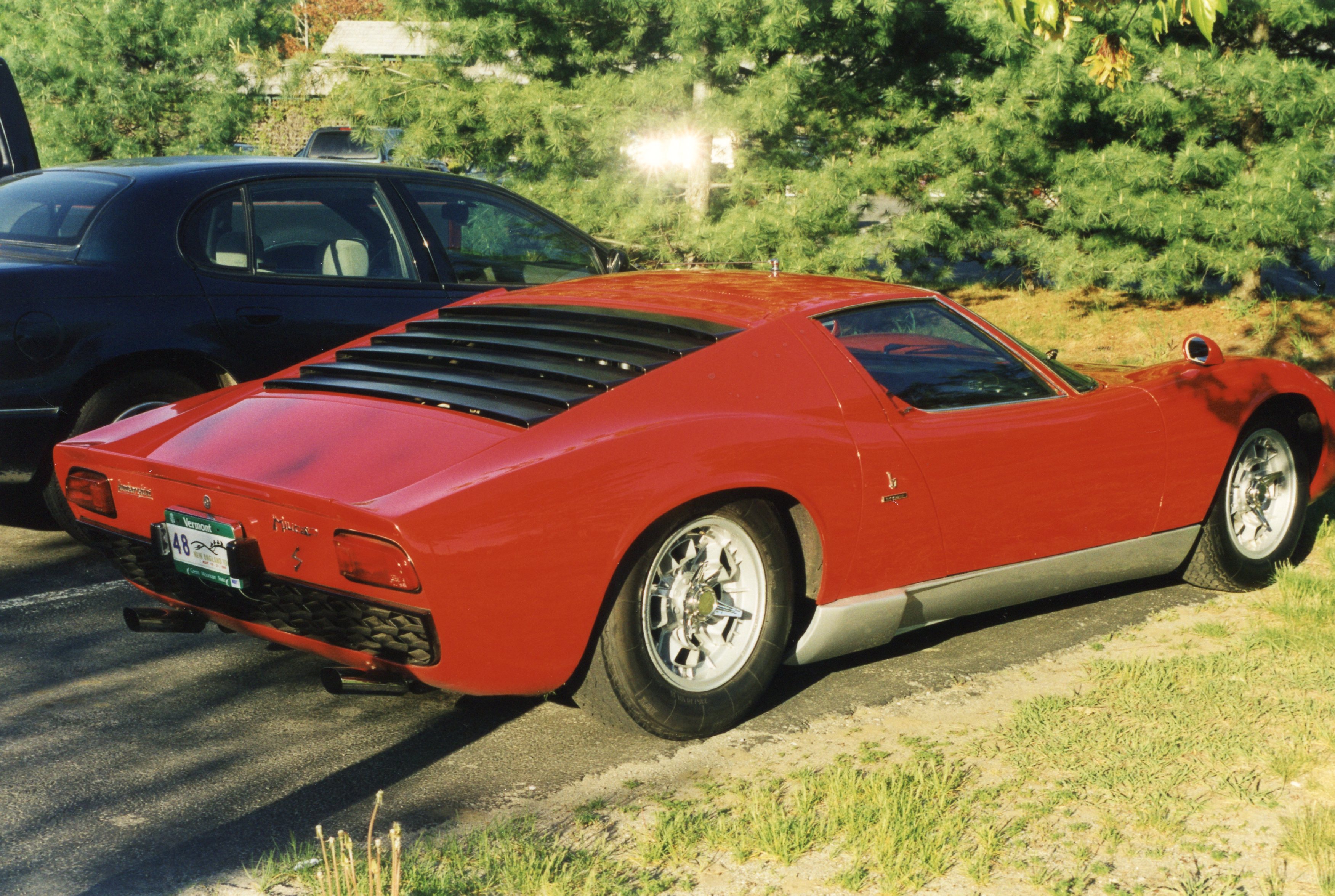
Lamborghini Miura
Lamborghini Miura


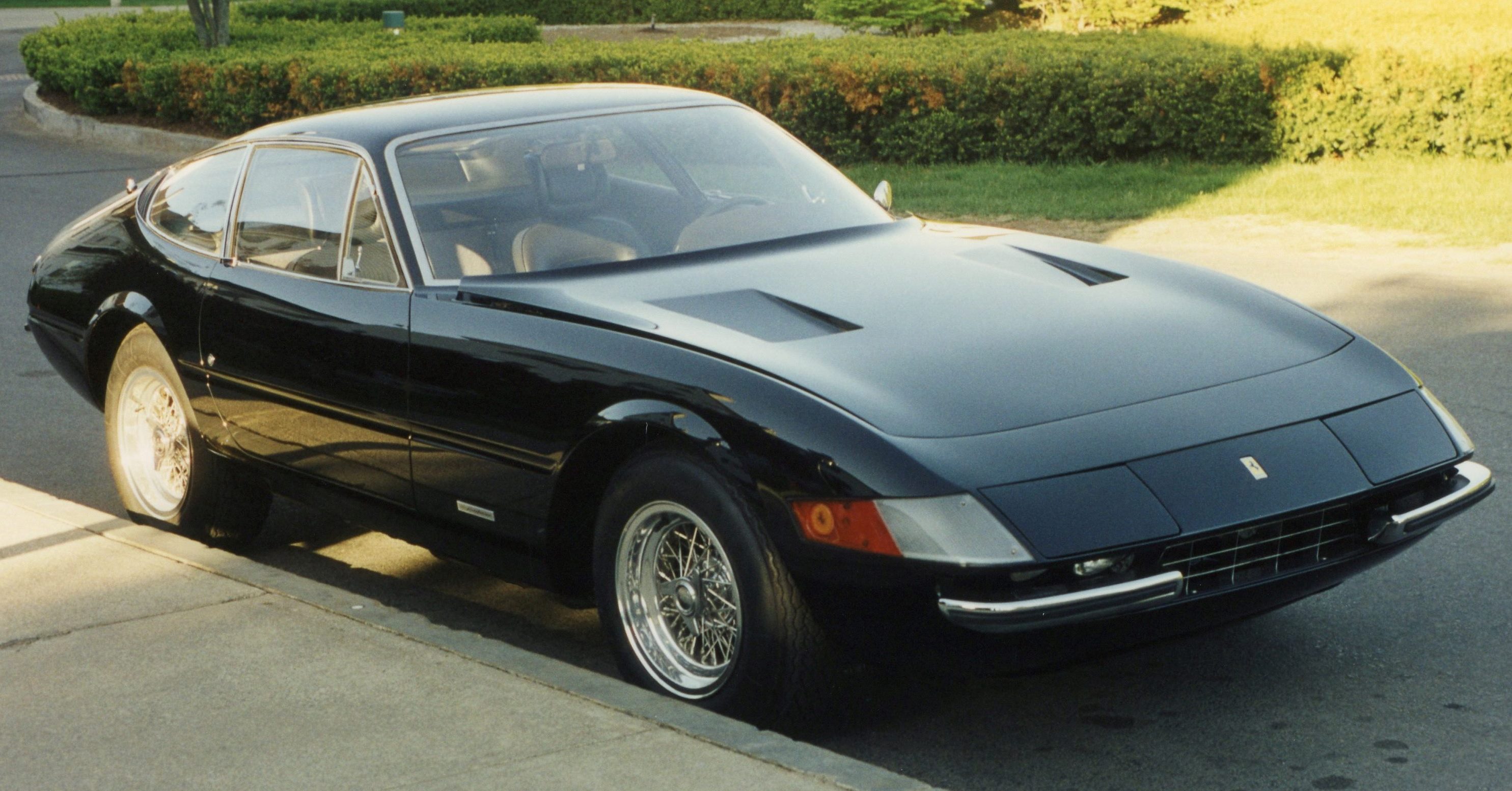
Ferrari 365 GTB/4, aka Daytona


Lancia Fulvia Zagato rests between stages; drivers break too


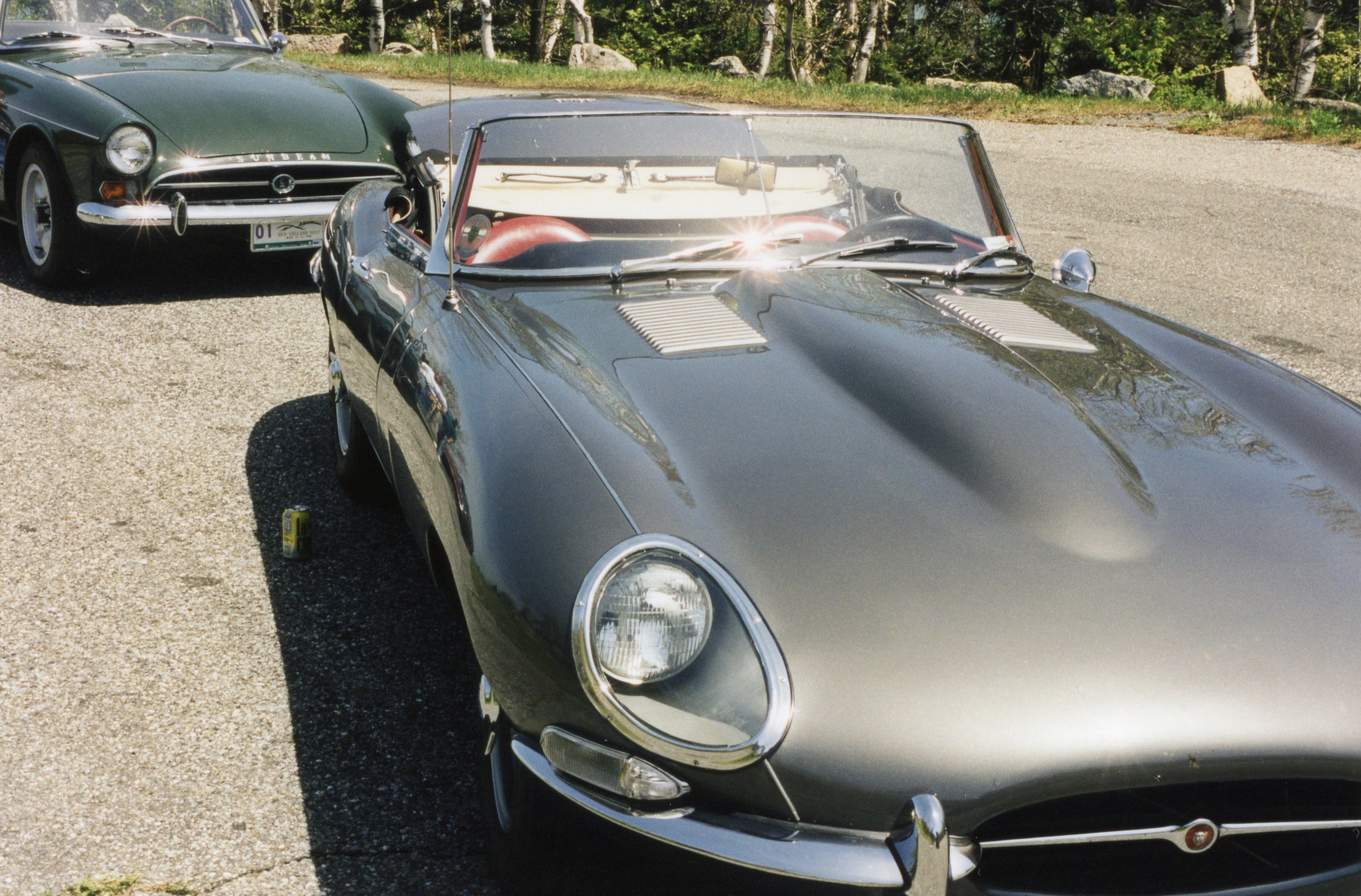
Jaguar E-Type Series 1 OTS


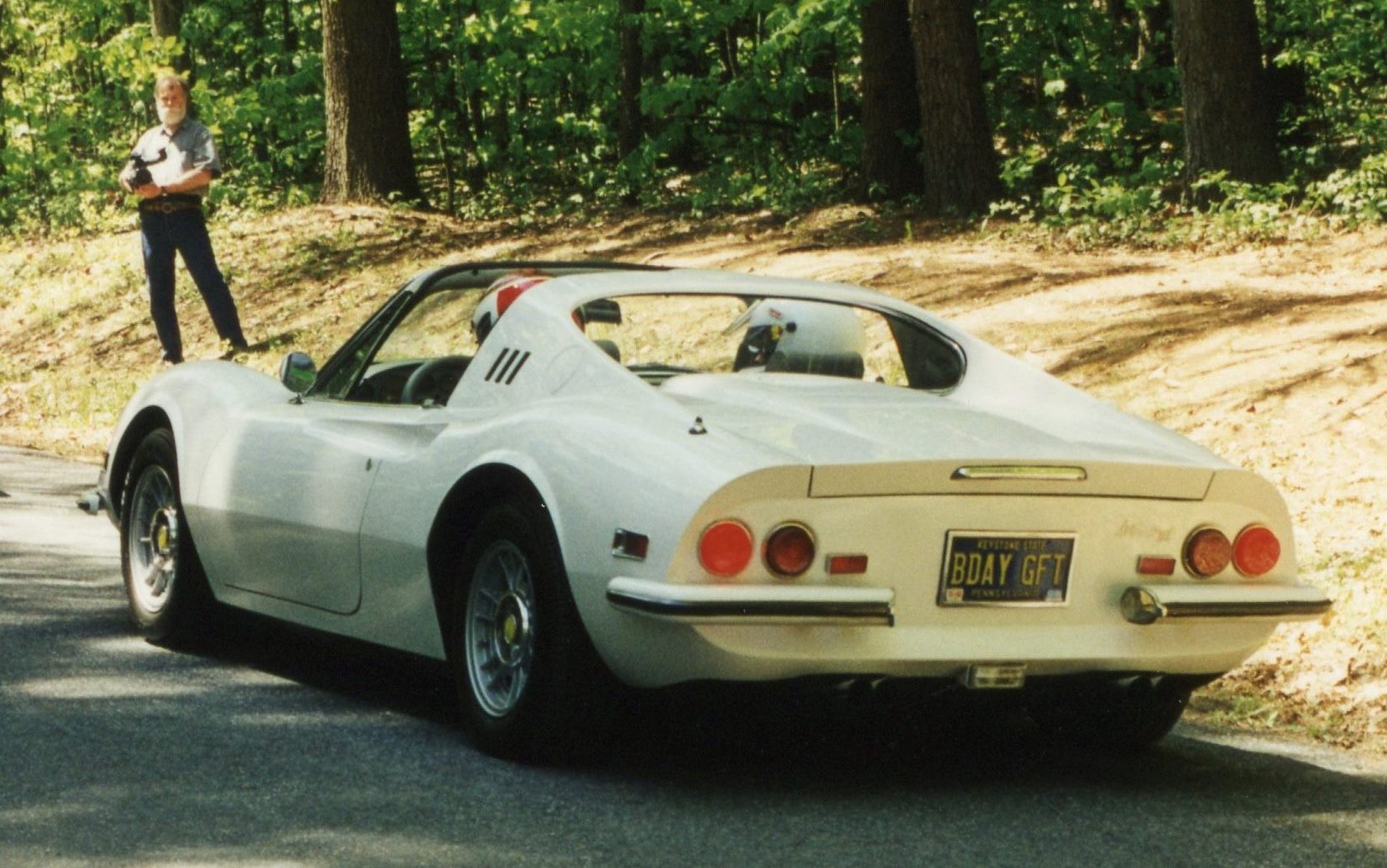
License plate reveals one way to get your Dino 246 GTS


Stingray, MB 280SL, Volvo 142
Sting Ray, MB 280SL, Volvo 142


Morgan, Alfa, Volvo, Stingray, MG in front of us
Morgan, Alfa, Volvo, Sting Ray, MG in front of us


Parking lot valets debate which one to joy ride


This photo sums up all that is joyous about classic car rallying
This photo sums up all that is wonderful about classic car rallying


All photographs copyright © 2017 Richard A. Reina. Photos may not be copied or reproduced without express written permission.


Turning Japanese: The 1982 Plymouth Champ

After two years of nursing along a badly wounded Audi Fox wagon (the gory details can be found here), it was time to find something else to drive. The Fox was my third consecutive VW-based product (it was a rebadged VW Dasher), and I was ready to consider another marque.

At the start of the 1980s, Japanese nameplates were firmly ensconced in the American automotive landscape. A combination of excellent fuel economy and great reliability drew a growing stream of customers into showrooms. At the dealerships where I worked, one friend drove a Toyota Corolla SR-5, and another an AWD Subaru. A girlfriend bought a new Mazda GLC. I had ridden in or driven each of these cars. The owners had zero complaints about their cars; in fact, each of them praised the low maintenance and repair costs.

It was early 1986 when I narrowed my replacement search to a Mitsubishi product. The Chrysler Corporation had been selling their Dodge Colt since the early ‘70s. These Colts were all rebadged variants of various Mitsubishi Mirage/Galant models. (I don’t know who Chrysler thought they were fooling. It had always struck me as ironic how Lee Iacocca implored U.S. citizens to “buy American” with these Japanese-designed and –built vehicles in his showrooms.)

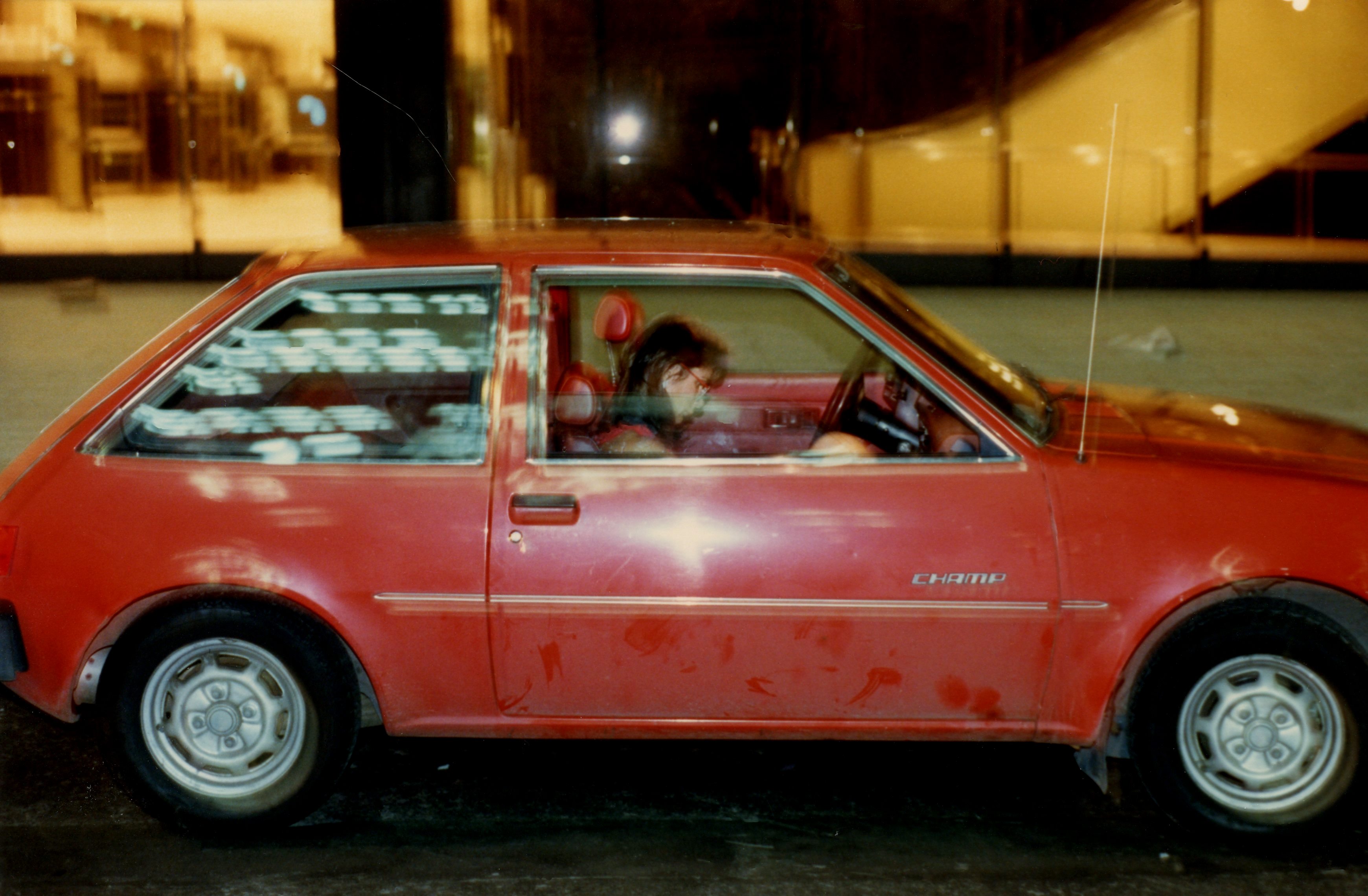
The generation of Colts introduced for the 1979 model year switched from a RWD to a FWD platform. The new body style, a practical 3-door hatchback, reminded me of a 7/8 scale VW Rabbit. Checking the Want-Ad Press, I found one locally, an ’82 with reasonable miles on it, stick shift of course. Memory says I paid $1,300 for it. Mine was badged “Plymouth Champ”, but was otherwise identical to its sister Colt.

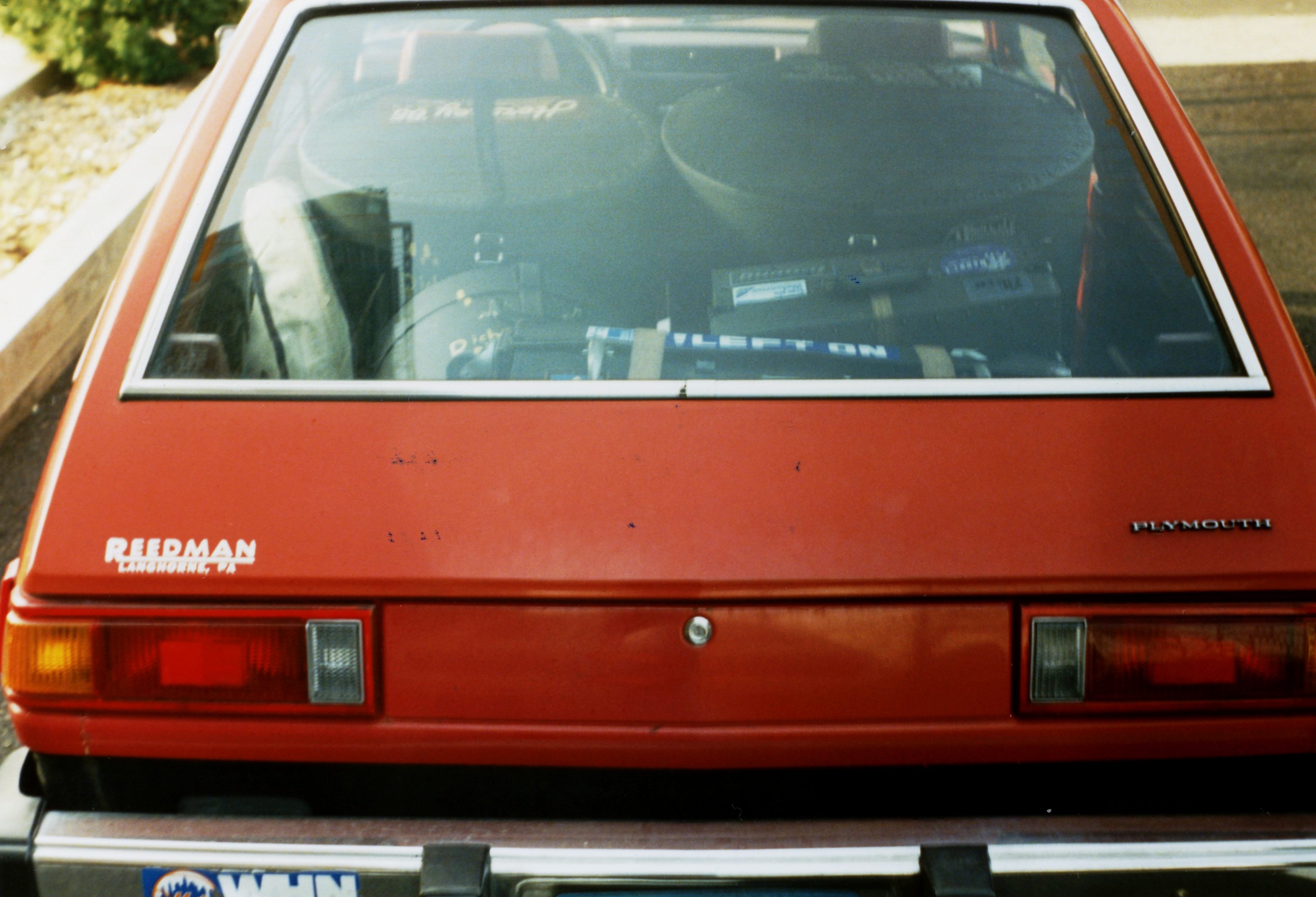
Simply put, the car was a blast to drive. And simple it was. No power anything, no A/C, a frugal 4-cylinder engine, and most fun of all, the “Twin Stick” transmission which provided EIGHT forward speeds (if I wanted to shift every 3 seconds). I replaced the tires with something decent, changed the oil, and did precious little else to it but add fuel every few weeks. It was a great city car: at 145 inches long, 10 inches shorter than my Rabbit, I could squeeze it into the tiniest of Manhattan parking spots. (And no worries about someone stealing it.) It even held my drumset, and so became my transportation to and from gigs.

With back seat folded, full 4-piece drum kit fits. Note Mets bumper sticker!

Thirty years’ hindsight reveals something else about my first Japanese car. I didn’t take it as seriously as anything in my possession before (or after) it. I have no envelope full of receipts from my time with it, as I have with almost every other car I’ve ever owned. It was a challenge to find any photos of it. It’s obvious to me now that I may have considered it to be disposable transportation, though to be fair to the car, that was based in part by how little nurturing it needed.

Among other things the car didn't get done to it was washing.
Among other things the car didn’t get done to it was washing.

Within a few months of buying it, I changed jobs and got my first dealer demo. I kept the Champ; it was useful backup transportation. Sometimes, I loaned it out to friends. By 1989, there were other, newer vehicles in the household. The Champ was not being driven. I sold it to a friend of a friend for a pittance; last I had heard about it, years later, he was still driving it. I was not surprised.


All photographs copyright © 2016 Richard A. Reina. Photos may not be copied or reproduced without express written permission.