Car Spotting: Winter 2020/2021 Edition

Just because a global pandemic has shut down almost all our car hobby-related group activities doesn’t mean that car owners aren’t taking their prized possessions out for solo spins. Shutdown or not, while many of us (your humble author included) salt away the collector machines every winter, there are many others who continue to pilot their cars during the colder months, as long as the roads are dry and the skies are clear.

Below are snaps of a few of the older vehicles I’ve spotted out and about these last few months, at least before the Northeast snows descended upon us. One car was spotted in a hardware store parking lot; another was dropping off an offspring at a sporting event; and a few were seen in the relatively balmy climate of Cape May NJ. In all cases, the vehicles were either moving under their own power or were legally parked, with license plates attached – these were not project-cars-in-waiting.

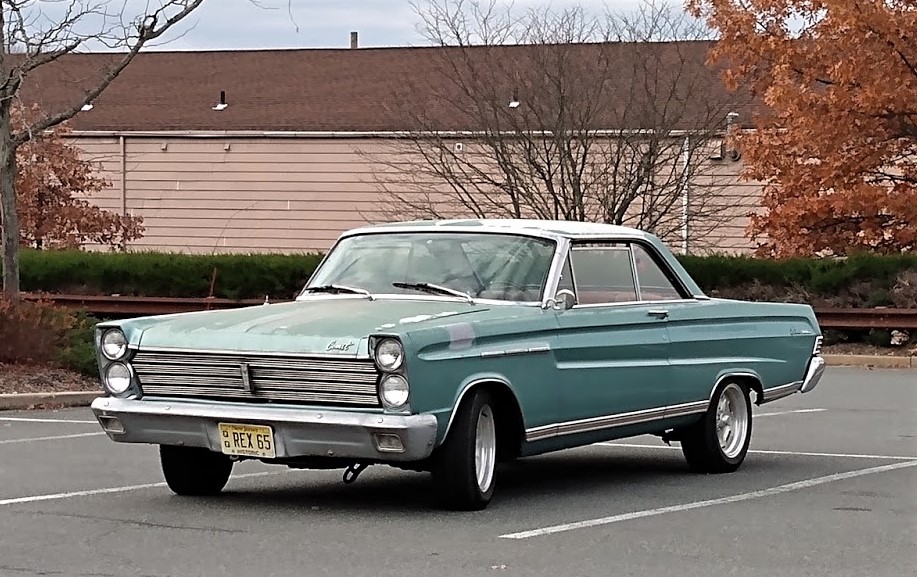
1965 MERCURY COMET

This 2-door hardtop was in the parking lot of my local Home Depot on a Sunday afternoon. While far from a show car (note the heavily worn paint on hood and roof), it’s obviously owned by an enthusiast, based on the wheels and the license plate. I trust that his planned hardware purchase will fit in the trunk or back seat. This is what you drive to the store when the ’49 woodie wagon is in the shop.

1965 Mercury Comet

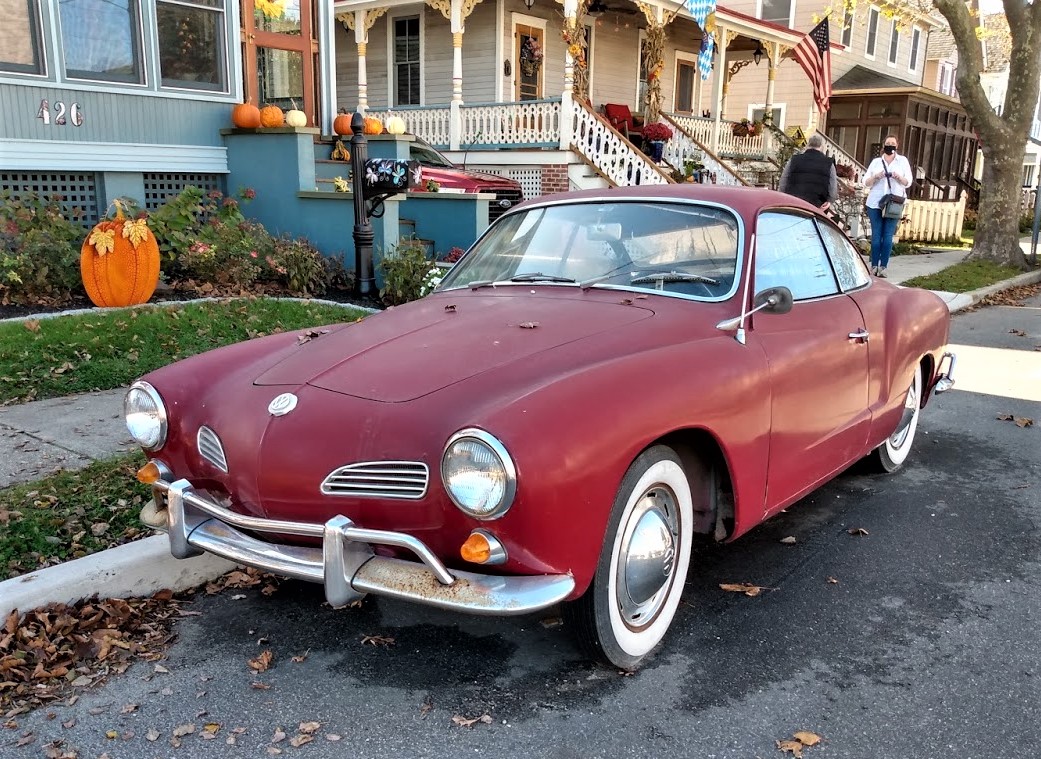
‘60s VW KARMANN GHIA

An end-of-year visit to Cape May rewarded me with a VW two-fer. This Karmann Ghia was parked downtown and gave the impression that it had recently been driven. While the paint was dull and the bumpers were rusty, there were no body issues from corrosion or collision, and with bumper overriders, wheel covers, lights, mirror, and antenna all accounted for, this Ghia was reasonably complete! Make special note of the undented NOSE. It fit the casual funky vibe of Cape May perfectly.

VW Karmann Ghia

‘60s VW BUG

A few miles away from downtown Cape May is a United States Coast Guard Receiving Station, complete with barracks. Parked in front of one of the housing units was this Bug, with Texas plates if I recall correctly. The driver’s side running board was missing, and the bumpers didn’t look original, but like the Ghia, it looked like you could hop in it and take it for a day-long ride if you so desired. Was it driven up from Texas? I for one would not wager that it didn’t make its way up here in that manner.

VW Beetle

1966 FORD MUSTANG

This Mustang was parked at my local gas station. The paint looked recent, and aside from what appear to be incorrect wheel covers, it looked bone stock. Maybe it had been dropped off for some service work. I think that these first-generation hardtops have aged well, and compared to the more expensive Mustang convertibles and fastbacks, continue to be affordable collector cars that make for an ideal way to enter the hobby.

1966 Ford Mustang

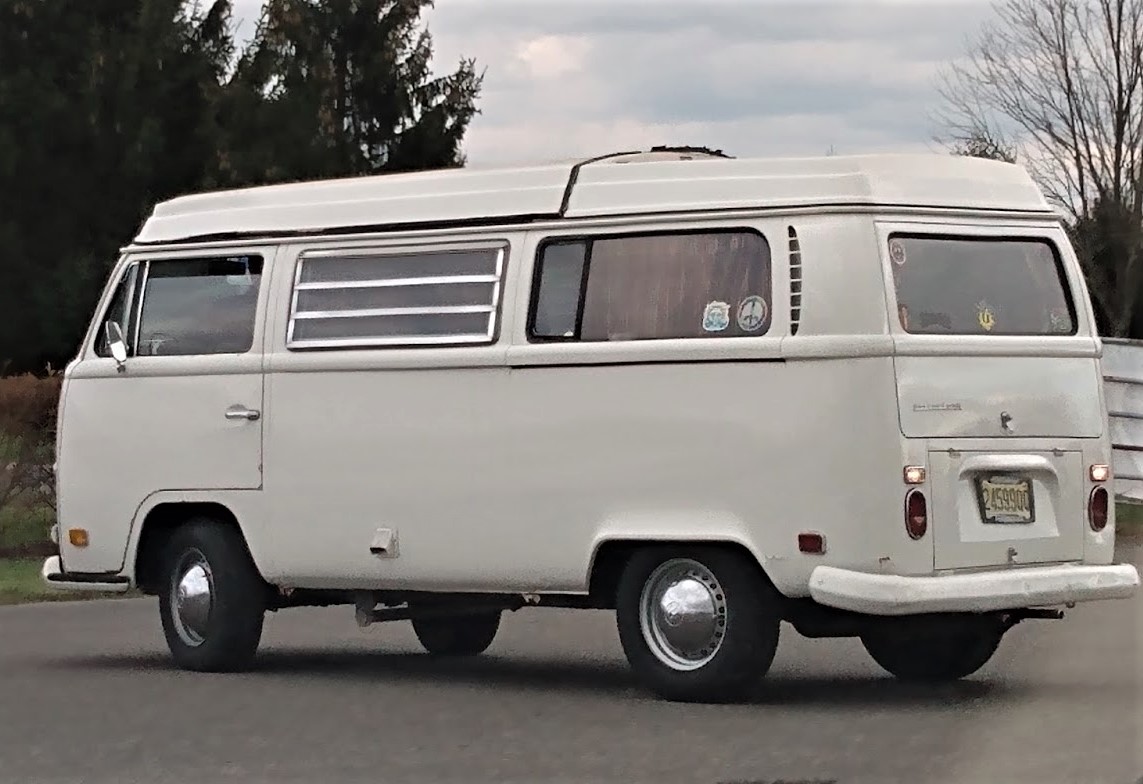
‘70s VW TRANSPORTER

I’m no VW expert, but I believe that this vehicle is a 2nd-generation Transporter (T2), produced from 1968 to 1979 (and if I’m wrong, the Vee-Dub air-cooled authorities will be sure to respond). I spotted this “bus” in the parking lot of a local playing field, as a parent was dropping off a child for sports practice. What a cool way to get shuttled to soccer! This one must be a camper; note the pop-up roof and the duct vent just aft of the driver’s door. It’s also wearing the ultimate VW bus accessory, a peace sign decal.

VW Transporter T2

Three of the five vehicles I spotted were air-cooled Volkswagens. Are these cars, which lack liquid cooling systems, the ultimate winter collector car because they can’t freeze? What if you need heat inside? They’re notorious for lacking good interior heating systems (my dad’s ’57 Bug had no heater installed, and he kept blankets inside it for passengers). Perhaps it’s coincidence to see three of the same make, but it’s still a treat to stumble across the occasional old car on the road, especially in a season that has been devoid of normal car shows.

All photographs copyright © 2021 Richard A. Reina. Photos may not be copied or reproduced without express written permission.

The 1977 NY “Auto Expo” at the Coliseum

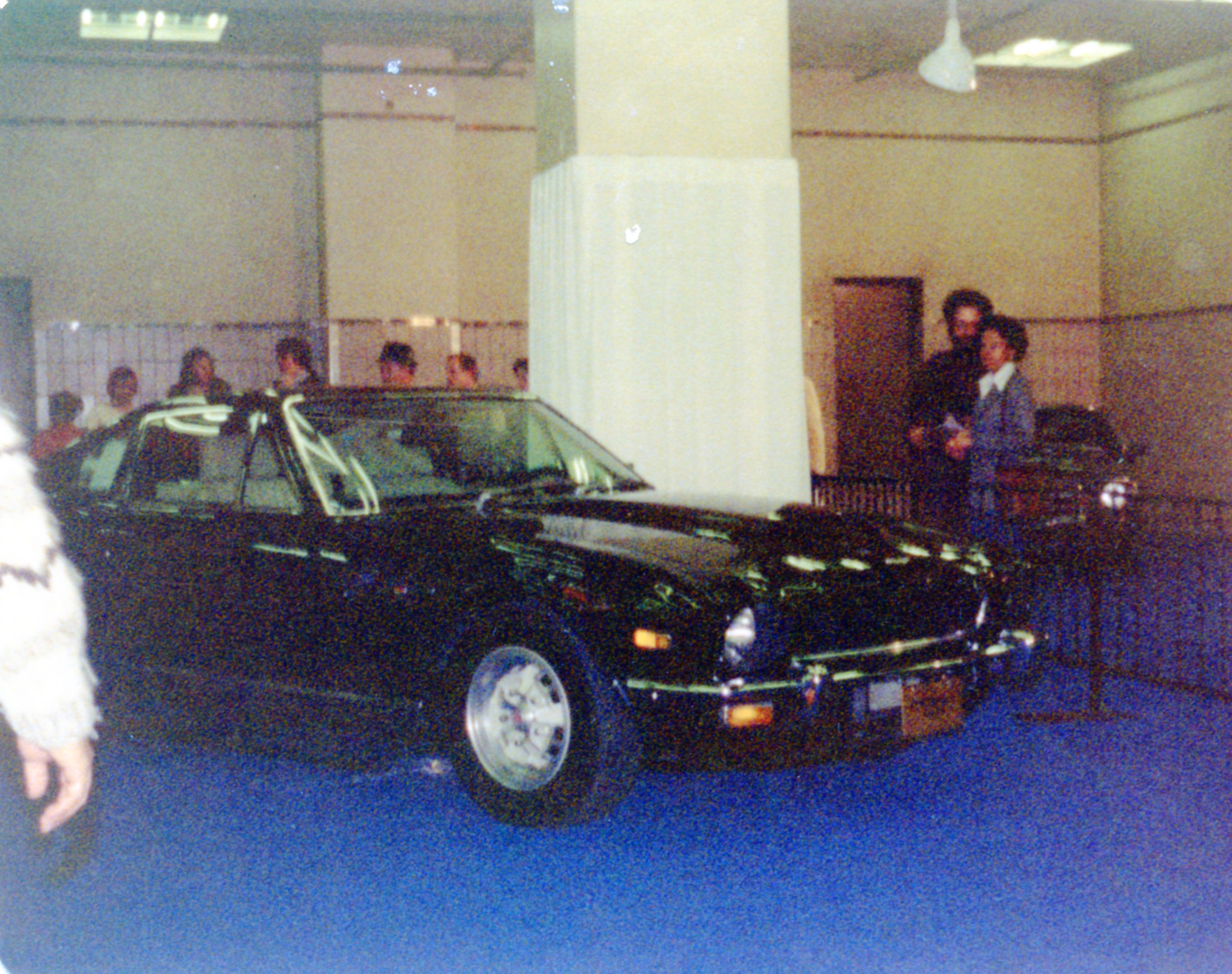
Scanning and posting my photos from the 1969 New York Auto Show resulted in my flipping through other photographs of mine from the ‘60s and ‘70s. To my surprise, I rediscovered photos that I had frankly forgotten about: pictures from the 1977 New York Auto Show (or so I thought). One reason that these pictures hadn’t resonated with me was their poor quality. Taken with a Kodak 110 Instamatic camera, the flash was barely powerful enough to illuminate the subjects. Thankfully, digital photo-editing software goes a long way toward making them halfway presentable. These photos also verify what was seen in my 1969 event pictures: the claustrophobic nature of the Coliseum’s exhibit halls.

As I did some Googling about the show, I came across a 2nd surprise: these pictures were in fact NOT taken at the “official” NY show, but at an event held a few months later called “Auto Expo”. Still held in the Coliseum, Auto Expo was all imported cars. I’m not sure if that’s because the funny furrin’ ones didn’t get enough exposure at the main event, or if promoters/dealers wanted to give the imports a chance to shine on their own.

One website I stumbled across lists the details of every NY Auto Show from 1900 to 2020, by date, sponsor, official title, and location. Presuming that this data is accurate, I note that I was incorrect in my earlier post when I stated that the NY Show has been held “continuously” since 1900; the show was on hiatus during the war years 1941-1947. The new Coliseum first hosted in 1956, and that show carried the title of New York’s “1st International Automobile Show”. The next year was the “2nd” and so on. This title structure remained until the GNYADA (Greater New York Automobile Dealers Association) assumed sponsorship in 1972.

In 1977, the GNYADA show ran from January 29 through February 6. But two men, Robert Topaz and Raymond Geddes, sponsored the first all-import Auto Expo, held that year from April 3 to April 10. I’m certain that’s the show I attended, as I was in college in ’77, way out in eastern Long Island, and would not have traveled into Manhattan in January. But I would have been home on Staten Island for Easter break, when Auto Expo was held, and it would have been a breeze to take public transport up to the Coliseum.

Auto Expo lasted all of three years; perhaps Gotham City couldn’t generate enough traffic to viably support two new car shows spaced just a few months apart. After 1979, the only NY auto show was hosted by the GNYADA, and that continues to this day.

This NY Times article points out some attractions my camera missed, and also helpfully advises that “free parking (is) nonexistent within three blocks before 6 P.M on weekdays”. I only took five photographs, and they are arranged below in alphabetical order by manufacturer. I’ve compiled some basic engine and price data sourced from The Standard Catalog of Imported Cars 1946-1990, published by Krause Publications. Some of these prices shock me, even today. For comparison, five months after attending this show, I bought my first new car, a 1977 VW Rabbit, for $3,599. And to think I could have had a Le Car.

1977 Alfa Romeo 2000 Spider Veloce

Alfa Romeo introduced a new 2-seat convertible, the Duetto, to the world in 1966. Although the little roadster got semi-frequent styling and engine upgrades, the same basic shell was still on offer 11 years later as the 2000 Spider Veloce. Let’s break that down: 2000 as in engine size (2.0L); Spider as in Italian for “convertible”; and Veloce as in “fast” (a relative term). The 1977 version of the fabled Alfa twin-cam four-cylinder put out 110 HP; entry into the topless Alfa club started at $8,795 in ’77.

In 1977, could Alfa have imagined that this Spider would last another 17 years?

1977 Aston Martin V-8

An Aston Martin showroom in 1977 presented two choices: the 4-door Lagonda, and the 2-door V-8. The car pictured, the V-8, was also available in Vantage (high-performance) and Volante (drop-top) versions. The base non-Vantage V-8, with 4 dual-choke Webers, pushed out 350 horsepower and started at $33,950. Can you put a price on exclusivity? The company built a total of 262 V-8 models in 1977.

The great DB4, DB5, and DB6 behind them, this was brutish British performance

1977 BMW 630CSi

BMW introduced its new 6-series coupes to the world halfway through the 1976 model year, but didn’t bring this 630CSi stateside until 1977. BMW didn’t have a large presence in the U.S. yet: showrooms held this car, the 2-door 320i, and the 4-door 530i, and that was it. (But the front plate already proclaims “The Ultimate Driving Machine”.) The 630CSi’s 3L inline-six churned out 176 HP, and its starting price of $23,600 was $9,000 higher than the 1976 3.0Si coupe it replaced! 

BMW’s version of long-legged luxury and performance

1977 Porsche Turbo Carrera Coupe

For a photo that only captures one hind quarter, the details are telling: the wide flared rear fenders and whale-tail spoiler are dead giveaways that this is the Porsche 911 Turbo, officially known as the Turbo Carrera Coupe. Introduced to the U.S. market the year before, Porsche brought it back in ’77 with almost no changes for its sophomore year. The 3-liter engine produced 234 HP in Federal trim, with a list price of $28,000. (By comparison, a 1977 Porsche 911S Coupe started at $13,845, a 50% discount.)

The Turbo looks mighty menacing, even in ’70’s brown.

1977 Renault Le Car

Like the Porsche Turbo Carrera, Renault’s two-door microcar was in its 2nd model year in the states. That’s about where the similarities end. Starting price was $3,345 for the 58-horsepower 2-door. A fact of which I was unaware: when introduced here in 1976, the vehicle was called the “R-5”; the name change to “Le Car” happened in in ’77. The Le Car hung around in the U.S. market through the 1983 model year, by which time its base price had risen to $4,795 (that’s a lot of French bread).

In case you missed the car’s name, it’s on the front AND the side.

All photographs copyright © 2021 Richard A. Reina. Photos may not be copied or reproduced without express written permission.

My Dream Car: Seven Essential Elements

My recent piece on EVs and the introduction of a number of EV pickup trucks within the next 6 to 18 months drew more comments than almost any blog post I’ve previously written! Actually, all the comments were sincere, insightful, and worthy of entering into the dialogue. I intend to write an EV follow-up piece later in the year, specifically waiting for the production version of the Tesla CyberTruck to hit the market….

That EV piece was written while wearing my daytime hat. As part of that gig, I’ve also contributed several articles to the website medium.com, and in scrolling through that content over the weekend, I found another piece that might generate some feedback, if not quite as controversial as the gas-vs-electric situation. I had been challenged by a colleague to write a piece on my “dream vehicle”; if money were no object, what would I drive? I quickly realized that there is no one all-around best car, and instead, I tackled the assignment by thinking about which automotive attributes are most important to me, and then selecting the cars which fulfilled those attributes.

You can read my selections below, and feel free to let the rest of us know which vehicular features are most important to you and which cars or trucks satisfy them. You can find the original article here: My Dream Car: Seven Essential Elements.

My Dream Car: Seven Essential Elements

Do you have a “dream car?” Is there one vehicle that is your dream machine? With an unlimited budget, which singular vehicle would you make your own? It’s fun to fantasize about such a choice. It’s likely that you’ve seen a car parked on the street, or in a new car showroom, and said to yourself, “if only I had the funds!” Or maybe it’s a car you’ve only gazed at in a photograph, some valuable classic from many years ago.

Even if finances allowed it, that dream car would probably not suffice for everyday use. It might be too cramped, too noisy, or too fuel-inefficient to drive regularly. This is why each of us drives a (insert your make and model here) for commuting to work, dragging home supplies from the home improvement center, and taking the family on vacation.

In spite of those necessities, it’s fun to think about that dream car. For me, a Ferrari from the 1960s with a big V12 engine in the front driving the rear wheels has been a dream for decades. But drive such a beast all the time? It would have no traction in the snow, would get about 9 miles per gallon, and where do I put the 2x4s from Home Depot?
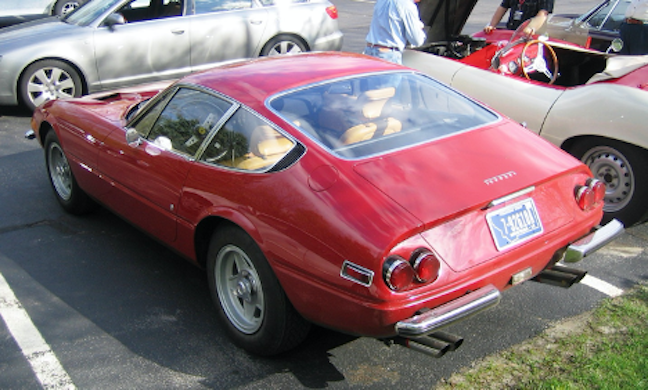
Image for post

(Above: Ferrari Daytona)

What if I could build a fantasy car, taking all the best attributes from all my favorite vehicles, and combine them into one super-duper dream machine? Now that’s what dreams are made of! The best way to start is with a list of the features most important to me. Here are my top seven attributes, ranked in order. If I can identify a vehicle that embodies the attribute, I’ll include it in the description.

#1: Driver positioning. I love to drive, and typically put over 20,000 miles a year on my vehicles. I know what it’s like to be behind the wheel for an entire day, sometimes over multiple days. Nothing is more important to me than feeling both comfortable and in control. The seat must be supportive without being too hard; the steering wheel, pedals, and shifter must all be within comfortable reach; and the instrument panel must be legible without taking my eyes off the road but for a nanosecond.

For seat comfort, every Volvo I’ve owned, including my current 2016 V60, has excelled in this area. For overall positioning, a Mazda Miata comes close to perfection, provided you can fit in its rather tight passenger compartment.

Image for post

(Above: Mazda Miata)

#2: Outward visibility. Driving involves all kinds of lighting conditions in all kinds of weather, so I need to be able to see out of the car. Too many cars fail in this regard. Narrow windows, wide roof pillars, and thick rear quarter panels create blind spots. I think stylists sometimes forget that function must take precedence over form.

Admittedly, safety comes into play here, as a car that has an airy “greenhouse” (the term for all the glass) may not offer great crash protection. But to me, a Fiat 124 Sport Coupe (which I once owned) has a greenhouse that is aesthetically pleasing while providing expansive outward vision.

Image for post

(Above: Fiat 124 Sport Coupe)

#3: Vehicle responsiveness. Being in control when driving extends to knowing that the vehicle will respond to driver inputs in an expected way, while also providing a level of sportiness. Steering should be precise, with no freeplay. Braking should be firm and easily modulated. The car should ‘hold the road’ and take curves with no body lean or tire squeal, yet without harshness delivered through the suspension and into the passenger compartment.

Since their introduction, the Porsche Boxster/Cayman twins have gotten consistently rave reviews from the automotive press for their responsiveness on the road. I got the chance to drive a Cayman a few years back and I would concur!
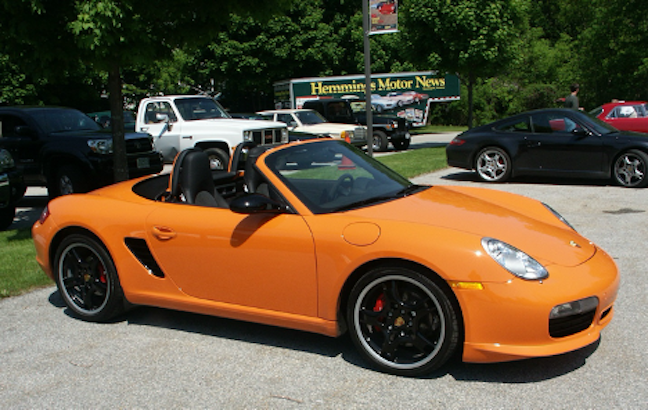
Image for post

(Above: Porsche Boxster)

#4: Comfort and convenience features. I may be showing my age, but after years of only affording no-frills cars, then tolerating noisy, drafty, bare-bones sports cars because “that’s how sports cars are,” I can’t live without certain creature comforts. At a minimum, air conditioning, cruise control, heated seats, and a basic stereo must be in the dream car. At best, climate control, adaptive cruise, a heated steering wheel, and SiriusXM (along with a backup camera) will all add to my ability to remain comfortably ensconced all day long.

My boss’s Mercedes-Benz S65 AMG, which I got to ride in once, fit the bill nicely and then some!

#5: Powerplant (type, placement, and power output). The gearheads among you are rejoicing because I’m finally getting to the heart of the matter: the motor that provides the “go” to the dream. The recent surge in hybrids and pure electric vehicles means I should at least consider those powerplant options. If I really want to be all-inclusive, I should include diesel and even steam as considerations.

While hybrids have advantages, and EVs are definitely the future, my dream car will stick to good old gasoline. That’s based on both the type of power delivery I desire, as well as the availability and convenience of replenishment (pumping gas versus finding a recharging station).

The dream machine should be a mid-engine design, and that’s very related to my desire for responsiveness. It’s been proven that the best handling car is a mid-engine car. Be sure to make the distinction between “mid” (like Porsche Boxster) and “rear” (like Porsche 911). Rear engine cars, with the weight behind the rear axle, are too tail-heavy. A mid-engine placement puts that weight behind the front seats, but ahead of the rear axle, for near perfect weight distribution. Look no further than the new mid-engine C8 Corvette to see the latest embracement of this feature.

Modern engineering has given us four-cylinder turbocharged engines that kick out copious amounts of horsepower yet still enable us to whiz past gas stations. My favorite engine currently fitted to a new car is the 2.0-liter inline-four in the Alfa Romeo Giulia sedan. This engine makes 280 horsepower and 306 pound-feet of torque, yet delivers a combined EPA rating of 28 mpg (33 mpg highway). This fuel economy rating is especially impressive given the Giulia’s curb weight of 3,500 pounds. This Alfa’s engine outshines almost all the competition in its specs when compared to similar engines.
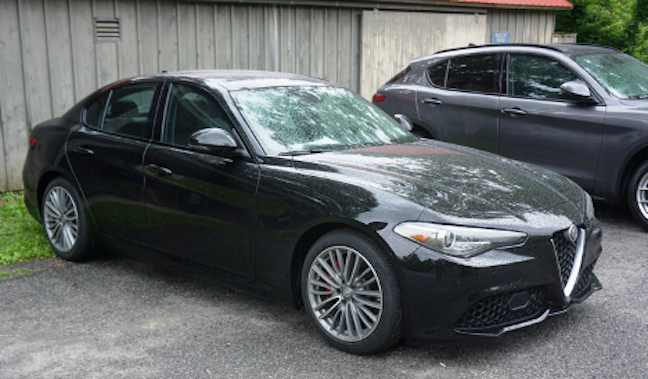
Image for post

(Above: Alfa Romeo Giulia sedan)

#6: Carrying capacity. This one is simple. I need two seats, one for me and one for my passenger. And I need room for the occasional hauling job. The simple answer is your basic, regular cab full-size American pickup truck. Is it any wonder that the pickup is the #1-selling body style in the country today? A lot of guys and gals will tell you that they’re already driving their dream machine when pointing to their Ford F-150, Chevrolet Silverado, or Ram 1500.

#7: Exterior design. I’ve ranked this attribute last but still felt it important to include, because my dream car’s design should be something that stirs my emotions and gives me pride of ownership. Although I can’t see the car’s styling from the driver’s seat, others can, and who doesn’t enjoy admiring glances!

There have been many beautifully-designed cars through the decades, and everyone has their favorite. From a pure design standpoint, I think the Jaguar E-Type, also known as the XKE, is the most beautiful car ever built. And while I didn’t pick a Ferrari, you should know that Enzo Ferrari himself said the same thing about that Jaguar!
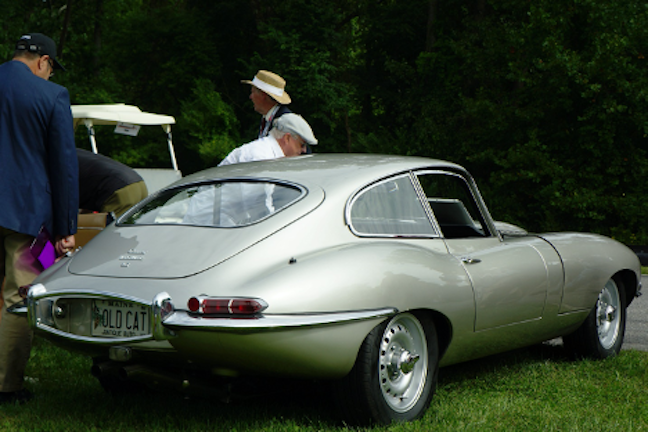
Image for post

(Above: Jaguar E-Type)

The car aficionados among you may be shocked that I did not mention the dream car’s transmission, to wit, “you didn’t say it should have a six-speed manual.” You are correct in your observation. While I own two older vehicles with stick shifts, my daily driver has an automatic, and I’ve discovered that I’m less fussy about transmission choice. To me, the attributes I have chosen all override the choice of a gearbox.

Is there a vehicle available today that encompasses all of my dream car’s features? I want a command cockpit with excellent outward visibility. The car should have a mid-mounted gas engine that makes around 250–300 horsepower yet still delivers fuel economy in the 25–30 mpg range. Steering, braking, and handling should all provide precise control, good feedback, sticky handling, and on-road comfort. Speaking of comfort, my interior must have AC, cruise, and a decent sound system to blast the tunes. It’s got to look great on the outside, and be able to make those hardware store runs….

If not for that last point, a car like the Porsche Boxster comes close to fulfilling my dream car fantasy. For visibility, I’d need to drop the top, which I’d do whenever weather allows anyway. Could I attach a hitch and pull a trailer to the store? It’s worth a try! This was a fun exercise, and I hope that this encourages you to assemble your own “dream car,” if only in your dreams.

All photographs copyright © 2021 Richard A. Reina. Photos may not be copied or reproduced without express written permission.
The 1969 New York Auto Show

The New York Auto Show is the longest continually-running automobile show in the United States. New York was the first city in the country to host such a show, which it did in 1900. The show has been an annual tradition ever since, the only exception being the 2020 pandemic cancellation.

During the first half of the 20th century, the show was held within various exhibition halls throughout Manhattan. When the New York Coliseum at Columbus Circle (W 59th St.) opened in 1956, the show was moved there and remained until 1987 when the brand new Jacob Javits Convention Center took over host duties. The Javits Center continues to be the show’s location.

In 1969, as a car-crazed teen, my father took me to the Coliseum to see the show for the first time. He wanted to see the show too, but it wasn’t his first visit, as he had brought home show programs from previous years (which I wish I still had). I grabbed my camera and off we went. It’s likely we drove into the city; both of us at that time were commuting into Manhattan from our Staten Island home, he for work, and I for high school, so perhaps we wanted a break from the subway.

The exact day of our attendance is lost to history, but it must have been a weekend. The internet informs me that the 1969 show was held from Saturday April 5 through Sunday April 13. Easter was Sunday April 6 that year, and amazingly, this plan of holding the public show during Easter week is still the plan today.

Here’s a brief video overview of that 1969 show, and you can see a few of the vehicles that are among the photos below.

I took 12 photographs at the show, which means I shot an entire roll of film with my Kodak 127 Brownie. My photographic skills in 1969 needed a lot of work, and to be fair, the photos document how crowded it was, so getting a clear line of sight to any vehicle was a challenge. Looking at these pictures 51 years later provides some insight into my young automotive mind. In general, the production cars I chose to snap are still of interest today. The concept cars I chose are quite humorous in retrospect, and maybe not surprisingly what a young boy would find funny.

Here are the 12, with a brief blurb under each.

PRODUCTION CARS
Chevrolet Corvette

I liked all of the C2 Corvettes (of course, we didn’t call them that in the ‘60s), and liked the new-for-’68 C3 Corvette even more (not an opinion I still hold). The Mako Shark-inspired styling, with its incredibly low front end, peaked front fenders, pinched waist, and flying buttress rear pillars on the coupe was so racy to me. There was a crowd around this car all day, and I felt lucky to capture the left front fender and hood.

Dodge Super Bee

I don’t recall being a big fan of this styling (and am still not), but it was probably  the blacked-out hood, hood scoop, factory ‘mags’, and redline tires that appealed to me.

Oldsmobile Toronado

By 1969, the big front-driver from Olds was in its 4th model year, and although the overall body shape hadn’t changed, the front and rear ends had a heavier look, losing some of initial lightness of the ’66. I’m struck by this typical late ‘60s color combo: a dark metallic hue with white vinyl roof, white pinstripe, white wall tires, and white interior! Note the F-85 sign in the background, which seems odd now because I would have expected Olds to more likely market the Cutlass nameplate.

Cadillac Eldorado

General Motors’ other FWD luxury car was in its 3rd year, with exposed headlights (after two years of concealed ones) as one of the few styling changes. This paint color looks identical to the Olds! Note the Mercury/Lincoln sign and the very low ceiling.

Avanti II

It’s interesting to me that I would even be aware of this car. I doubt I saw any on the streets of Staten Island. In case you don’t know it, the brief backstory is that the original Avanti was a model produced by Studebaker for only two years, 1963 and 1964. When Studebaker ended production, the car’s tooling was purchased by two men who ran Studebaker dealerships. They reintroduced the car as the “Avanti II” in 1965, so this little-changed 1969 version was in its 5th model year. I wish my photo had captured more of the sign to the right.

Jeep Wagoneer

My father, who rarely expressed his opinion about anything out loud, let it be known to me that he liked the Jeep Wagoneer. There’s no doubt that his admiration for it extended back to the Jeep Station Wagon he owned when he first married my mom. Something this large and truck-like held no interest for me, although this photo reveals that Jeep did its best to market this to the masses, with chrome bumpers, a full-width bright grille, roof rack, full wheel covers, white wall tires, and exterior wood-grain applique. Yet you can see the front leaf springs (!) peeking out below the bumper.

Pontiac Firebird

I loved the ’69 Firebirds when they were introduced, and I still find them among the best-looking Firebirds ever. I’m including this under “Production Cars” even though this one appears to be slightly customized. The yellow-and-white seats and door panels, along with the yellow color-keyed wheels, don’t look factory, yet on the other hand, are probably slight cosmetic changes, possibly done by a local dealer. And can someone tell me why the three people behind the passenger-side A-pillar are all wearing sunglasses?

CONCEPT CARS
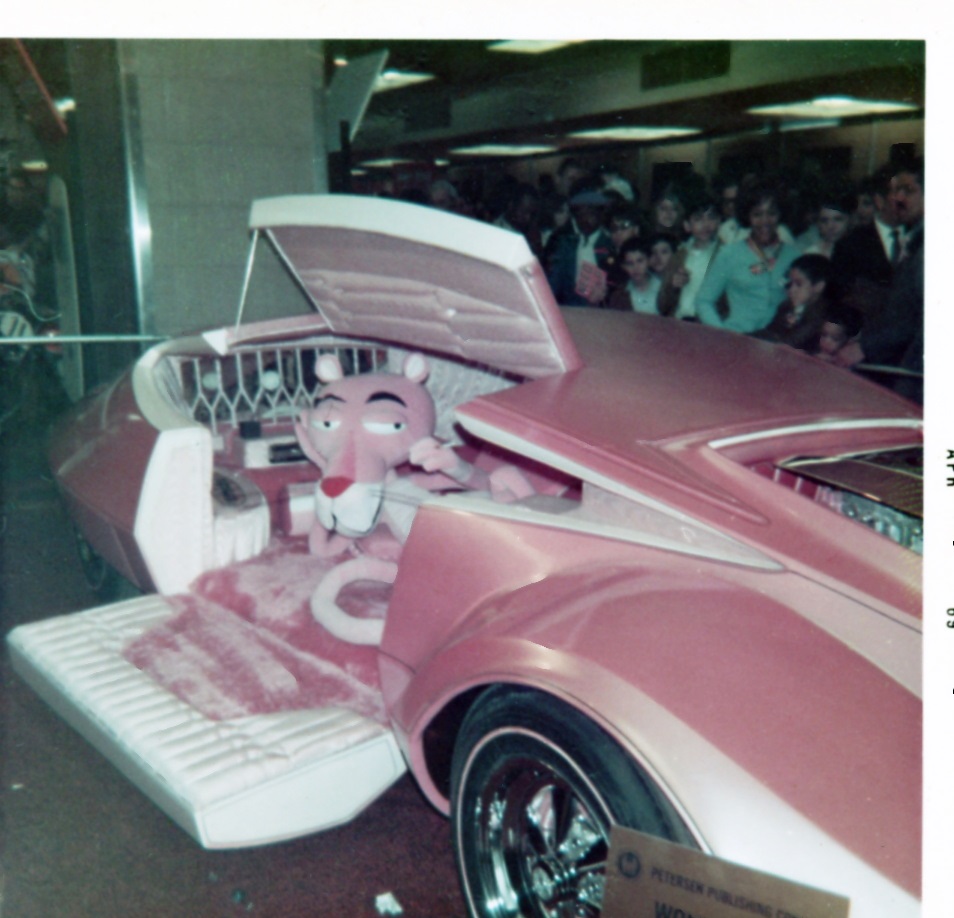
The Pink Panther mobile

There’s nothing I can say in my defense, except, I wasn’t alone in wanting to see this car – look at the crowd behind it! Also note the sign in the lower right, which reads “Petersen Publishing”. What was their involvement? Where is this car today?

Plymouth Road Runner X-1

With help from the Internet, I identified this car as the X-1. The euro headlights, hood pins, cut-down windshield, and rear roll hoop were undoubtedly attractive to me. Look at the mob behind it, as well as the Pirelli sign.

Model T-Bucket Outhouse

Bathroom humor was still funny to me. Just watch out for that hot exhaust when entering and exiting.

The Bob Reisner Bathtub

Speaking of bathroom humor, it doesn’t get crazier than this (or if it does, I don’t want to see it). Like the X-1, I only know this builder’s name thanks to Google.

Buick Century Cruiser Concept

This is one of the vehicles featured in the short video clip; yet in the movie, the car is blue, and here it’s white. An internet search for photos shows the car in both colors, as well as gold. Perhaps Buick was trying out different colors to gauge audience reaction, or borrowing a trick from ol’ Shelby, they wanted to give the impression that there was more than one Cruiser Concept. Note the Ford Cortina sign and British flag in the background.


All photographs copyright © 2021 Richard A. Reina. Photos may not be copied or reproduced without express written permission.

Back to Print: 1990 AutoWeek issue predicts the collector car future

It’s obvious from all my blog posts covering automotive auctions from Mecum, Carlisle, RM Sotheby’s, and others, that I enjoy the collector car auction experience. Unlike classified ads, auction results provide an in-the-moment, real-world snapshot of what cars sell for. Part of the auction education is to learn about values. Price guides are great, but they’re numbers on a page or a screen. One can argue that a car at auction sold for too much or too little, but one can’t argue that a seller was willing to let it go at a certain price, or that a buyer was willing to pay a certain price.

Several friends of mine who are interested in the old car hobby have asked me about values rising over time, or put another way, “what can I buy today that I’ll make money on tomorrow?” They expect me to gaze into my crystal ball and spit out an answer. It might be possible to make the general statement that “all special interest cars appreciate over time”. However, it you’ve been at this long enough, and I know that many of my readers have, we’ve learned some hard lessons about vehicles and values.

Values of cars from the decade of the 1950s have peaked and have slid back, because the generation which grew up with them is dying off. Cars which are purchased as 100-point show cars and are then driven or allowed to deteriorate will decline in value. Sometimes, what’s hot today has simply cooled off by next month.

Conversely, we baby boomers have watched in amazement as cars from the ‘80s and ‘90s (which to us are “just used cars”) are being snapped up, some at surprisingly high prices, by the next generation of collectors. One famous scribe, who shall not be cited by name, proclaimed 20 years ago that “Japanese cars will NEVER become collectible!” He’s eating his words today as 1st gen Datsun Z cars, 4th gen Toyota Supras, and Acura NSXs trade for prices approaching or exceeding six figures.

My answer to my colleagues about my crystal ball? I tell them that my crystal ball shattered when the Ouija board fell off its shelf and knocked it to the ground.

Instead of a crystal ball, it’s more fun to travel back in time and see what was predicted about collector car values. I have the May 21, 1990 issue of AutoWeek magazine, its headline blaring “1990 Old Car Issue: Bring ‘em Back To Drive; A users’ guide to finding, buying and enjoying collectible cars”. I believe this 1990 edition was the first in what would become an annual series for AutoWeek, at least for most of the rest of the decade (I have two later examples in my collection). Let peruse the pages and see how right and how wrong they were.

The lead article, “Get ‘Em While They’re Cold”, suggests taking a long hard look at cars from the 1980s, buying them while they’re cheap, and then riding the wave of escalating values. By the way, this concept of buying cars which are 10 to 20 years old, at the bottom of their depreciation cycle, and then (hopefully) watching their values rise has really grown legs in recent decades.

A sample of the featured cars and their 1990 values, include:

  • 1986 Corvette Roadster, for about $25,000
  • 1982-1985 Buick Riviera convertible, many at less than $10,000
  • 1985-1988 Fiero, at anywhere from $6,000 to $16,000 depending on equipment
  • 1981-1983 Imperial, and I quote: “Current prices are in the $4,000 to $6,000 range, so it doesn’t take a Donald Trump to see the profit potential….”
  • 1984-1986 Mustang SVO, with “prices all over the map”

The featured story and cover car, about one man’s obsession with obtaining and restoring the 1938 BMW328 which won the 1940 Mille Miglia, is a delightful human interest tale of overcoming many setbacks before eventually triumphing. But there’s no mention of actual dollars spent. To his credit, even with the article implying that this BMW might be worth $2 million (remember, this was written in 1990), the owner said “Of course I’ll drive it, ‘cause that’s what it is – a car…. I just can’t understand the way some people think. The thought of turning a car into a $2-million floor lamp makes me sick”.

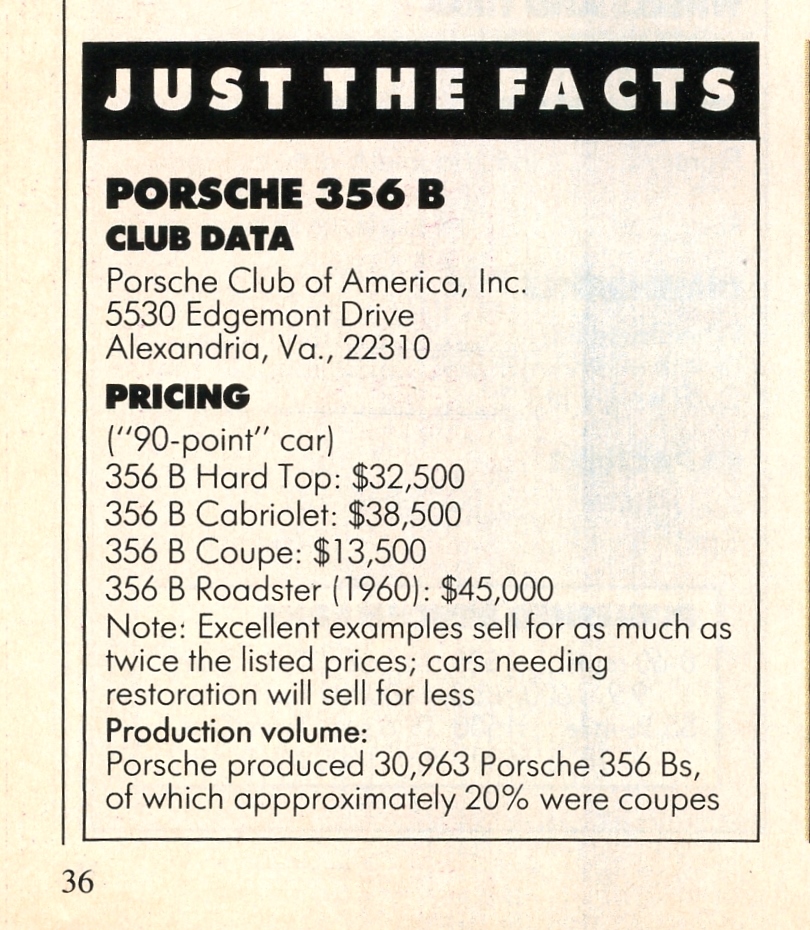
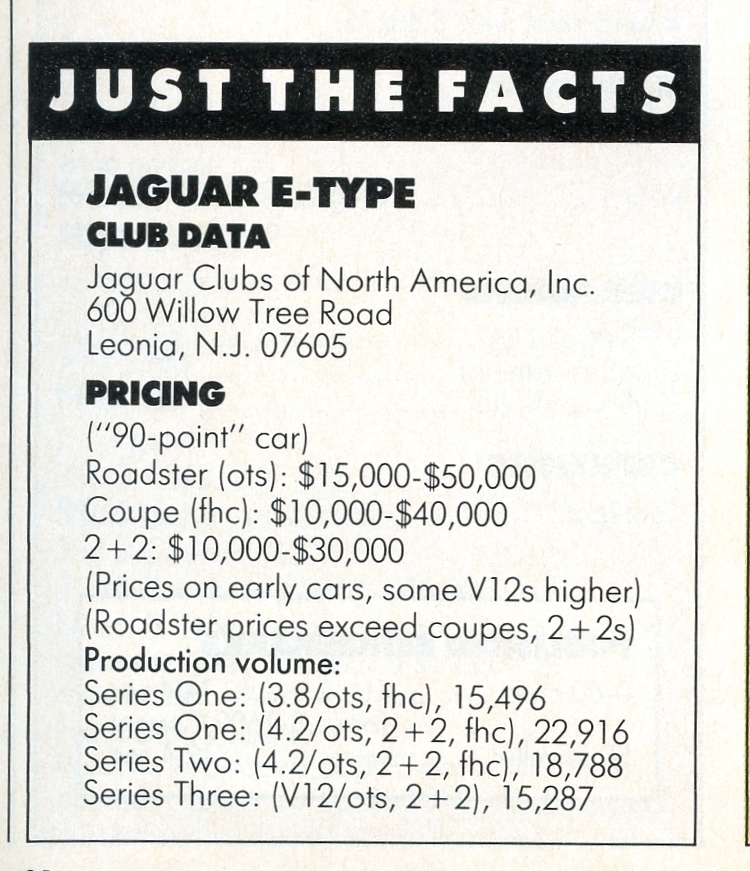
The final series of articles in this issue highlight 3 popular collectibles: the MGA, the Porsche 356, and the Jaguar XKE, also known as the E-Type. For two of these, I’ve captured AutoWeek’s pricing for a 90-point car. Just to keep things in perspective, Google reports that the 1990 average new-car price was $15,500, and the median household income was $35,400.


My January 2021 edition of CPI (Cars of Particular Interest) Price Guide shows a 1960 Porsche 356B S-90 Roadster worth $198,000 in excellent condition, and a 1967 Jaguar XKE roadster (OTS) worth $302,000 in excellent condition. Now that’s what I call appreciation!

Will 2021 be the Year of the Electric Pickup Truck?

Happy 2021! After a longer-than-expected break from blogging during this holiday season, I’m back! It’s too obvious to state that my fellow car hobbyists and I are all hoping for better things this year, but I’ll say it anyway. With fingers crossed (and with planned vaccines in my arm), I’ve begun to make plans to attend various shows and events in the next few months, provided that they’re still on the calendar. These events include:

If even just two out of five of these events manage to happen AND if I feel safe enough to attend, it will be a win. Right now, I’m practicing patience and hoping for the best, as it’s all I can do.

In the meantime, I’m going to use this blog in a way that I haven’t done before, which is to promote some of the ‘professional’ writing that I’ve been doing these past few years. A current auto industry topic which I’ve been closely following and which I personally find fascinating is electric vehicles (EVs). I published a blog post a few months back about my in-person experiences with the Ford Mustang Mach-E. Since then, the Ford Motor Company has revealed that their annual production supply of 50,000 is “spoken for”. That doesn’t mean that there’s a retail name attached to every unit, as many may have been ordered by dealers for stock. Still, this is a tremendous achievement, given how reluctant the American public has been to embrace EVs (except for Tesla).

The year 2021 may be “the year of the electric pickup truck”. Most folks know how popular full-size pickups are in the U.S., with the Ford, Chevrolet, and Ram trucks occupying the #1, #2, and #3 sales slots for years now. With only months to go before the Tesla CyberTruck, Rivian R1T pickup, and GMC Hummer EV pickup are launched, the perfect storm may be brewing as traditional truck buyers check out the EV competition. (And don’t downplay the competition: the Launch Editions of both the Rivian and the Hummer are sold out.)

This article below was penned by me on behalf of my employer, and was published on the excellent website www.automoblog.net. Give it a read-through, and add a comment. I’d be more than happy to entertain your opinion, even if (especially if) you completely disagree.

https://www.automoblog.net/2021/01/22/will-2021-be-the-year-of-the-ev/

New Truck Launches & Big Business Partnerships Indicate a Strong Year Ahead for EV Adoption

According to Allied Market Research, the global vehicle electrification market is projected to reach $140.29 billion by 2027. Consumer interest in electric vehicles (EVs) has grown steadily since the Nissan Leaf, the longest-selling EV nameplate still available today (the Leaf was launched just over 10 years ago). The current EV market is much more diverse, with offerings available from legacy manufacturers, industry disruptors (like Tesla), and start-ups.

Flashy new model launches have sent pre-sale orders through the roof. Transportation and utility companies that own thousands of fleet vehicles have begun shifting to electrified platforms. Governments worldwide have engaged in legislative and regulatory actions that could boost EV manufacturing and clean transportation infrastructure. With all this activity, how does widespread EV adoption look in 2021? Let’s take a closer look.

Table of Contents

Trucks & SUVs: The Exciting & Unexpected

Will Fuel Prices Impact EV Sales?

Commercial & Industrial Adoption

Shifting Political Factors

Looking Ahead

Trucks & SUVs: The Exciting & Unexpected

In the United States currently, 22 out of 38 major auto brands offer at least one EV model. Up to 50 new models are anticipated to enter the market in the next two to three years. In recent months, EV launches have generated big headlines, particularly truck and SUV models based on ground-up designs. These launches have broken the mold of compact EVs based on existing internal combustion engine (ICE) platforms.

Pickups will see a lot of attention this year. While met with mockery upon launch, Tesla’s CyberTruck is set to begin production in late 2021. Rivian, which has received investment from Ford and Amazon, is showcasing its R1T EV pickup, including a sold-out Launch Edition due in June. And GMC made a splash with the Hummer’s return as an EV. The Edition 1 (starting at a whopping $112,595!) has sold out of its first-year production run of 10,000, although lower-priced models will be introduced from now through spring 2024.

In a turn of events that shocked many car enthusiasts, Ford’s Mustang Mach-E, an all-electric SUV that’s giving Tesla a run for its money, was awarded the North American Utility Vehicle of the Year for 2021. What’s more, the New York Times recently reported that Ford has already taken orders for all 50,000 of the Mach-Es it plans to produce in 2021. Another notable mention: the pre-orders for the launch edition of Volkswagen’s ID.4 electric SUV have already sold out.

Will Fuel Prices Impact EV Sales?

Even with popular models generating buzz and selling out quickly, a few things need to change to tip the EV sales scale more significantly in the coming years, starting with fuel prices.

Since 2014, fuel prices have been on a gradual decline, averaging between $2.00 and 2.50 per gallon between 2016 and 2019. They are presently at a 30-year national low, meaning buyers don’t necessarily have to consider fuel economy a top factor when shopping for a new vehicle. Nothing illustrates this point better than how full-size trucks from the domestic Big Three continue to hold the first, second, and third positions in the sales race. Mid- and full-size SUVs, many with large six- and eight-cylinder engines, are also selling well.

Battery technology has improved by leaps and bounds, with many newer EVs boasting 200- and 300-mile driving ranges. But for drivers unfamiliar with EVs, the concept of “range anxiety” weighs heavily on any purchase decision. Yes, your vehicle will be able to support your daily commute with its battery capacity and an overnight recharge at home. But will you have adequate access to charging stations during a multi-state road trip? In many parts of the country, the lack of charging infrastructure poses a significant challenge that might push consumers away from fully electric models.

Commercial & Industrial Adoption

Regardless of how many consumers are willing to take their own EV on a family road trip, many of the world’s largest companies are already integrating EVs into their business models. Unsurprisingly, Amazon is among the first to make moves in this direction. Amazon announced a plan to bring custom electric delivery vehicles, manufactured by Rivian, to the roads by the thousands over the next decade. The first of these are expected to roll out this year.

Everyone shops for everything online these days. This became even more true when COVID-19 cut off access to brick-and-mortar retail for many. So, it should come as no surprise that major automakers, including GM and Ford, are looking to expand their commercial delivery solutions. Potential partners, such as FedEx, have expressed a desire to migrate to electric fleets for moving consumer goods. As of this writing, GM is working on a pilot program with FedEX to introduce lightweight, electric vans complete with the latest safety, diagnostics, and route optimization technology.

Moving away from fleet management and the supply chain, a new commercial market for EVs has emerged that could tip the scales in favor of these technologies. That new and emerging market is utility and construction management. For instance, Lordstown Motors, an EV startup, recently announced it has more than 100,000 orders for its Endurance electric truck. Lordstown is targeting utility companies and other commercial entities, rather than individual consumers, with this rollout.

With more companies and municipalities working toward ambitious emissions goals, we can expect to see more EV vans, trucks, and SUVs pop up for commercial use in the coming years.

Shifting Political Factors

We can’t have a discussion of EVs or any clean energy technologies in 2021 without mentioning the changing political landscape. President Joe Biden entered office with an ambitious climate plan that could enable broader adoption of EVs in the coming years. It’s still far too early to tell how these actions will play out but there are already a few notable storylines the automotive industry has its eye on.

This includes a plan to install 50,000 EV charging stations, capable of covering an estimated 57 percent of charging needs by 2030. Additionally, Jennifer Granholm, President Biden’s nominee for Energy Secretary who secured $1.35 billion in federal funding for EV and battery development as governor of Michigan, is expected to help lead U.S. efforts to compete with China in the EV sector.

Looking Ahead

Following the unpredictability of 2020, many have started 2021 with high hopes. Even without knowing how the political and economic landscape might boost these technologies, there’s no doubt that EVs have gained serious momentum. More models are available than ever before and manufacturers are working hard to expand the market into the lucrative pickup and SUV categories, making it possible to find an EV that suits any lifestyle.

Elsewhere, corporations and commercial entities recognize that pivoting to electric transportation solutions is a crucial piece in broader clean energy and low-emissions initiatives. Of course, other factors and market forces could change things at the drop of a hat. While it’s too soon to declare 2021 a breakout year for EVs, there will be plenty for consumers and industry experts to keep an eye on in the coming months!