The 1990 Carlisle Import Car Show

It was shortly after entering the automobile industry in 1978 that I learned about “Carlisle”. It’s the name of a town in Pennsylvania, but to car buffs, “Carlisle” more specifically refers to the hobbyist flea market/car corral events which have been conducted at the Carlisle Fairgrounds since 1974.

At first there was Fall Carlisle in October, followed shortly by Spring Carlisle in April. Then came the additions: GM, Ford, Chrysler, Corvette, Import/Tuner, Truck. Auctions were added, as were winter shows held in Florida but still under the Carlisle name. You can read about Carlisle’s beginnings at this link here.

I attended my first Carlisle event in 1979, observing that the flea market offerings were about 90% in support of domestic cars, understandably so. When the Import Show was added sometime in the late 1980s, I was excited at the prospect of what might be there. Some photos from the 1990 Carlisle Import Show were included in my blog post about attending the 2008 Carlisle Import Show with my Isetta, the one and only time I brought the Isetta there. Going through my pictures, I decided that the 1990 show deserved a post of its own.

These snaps are of a decidedly different quality, and my faint recollection is that they were taken with a Kodak disposable camera, which were in vogue at that time. A deluxe version had a switch allowing panoramic photos, which was put to good use here as a way to capture a vehicular lineup. Note how spread out the cars are parked, and how much empty space is behind them. Compared to Spring or Fall Carlisle, this Import show was a much more lightly-attended event.


Those of you who think that my Alfa obsession is a recent phenomenon would be mistaken; here is a photo of a late ‘50s/early ‘60s Alfa Giulietta Spider, taken as it sat in a row of Italian cars. Note the Fiat 124 Spider on the right, and note all the empty rows in the background! I believe that hill is the beginning of what is known as the North Field.

What have we here, an Isetta?? In 1990, I had not yet begun my restoration in earnest, so I’m sure that I was thrilled to stumble across this. From this photo the car appears to be all there, although the red engine paint is incorrect. The sign in the window reads “Warning Health Hazard”.

A large part of the success of these early Import shows must be credited to club support, as this photo of Volvo P1800/1800S models makes clear. I count 8 of them here, but am unsure if Irv Gordon’s car was among them.

A potpourri of German and British cars, including Mercedes-Benz, BMW, Porsche, Morris, and Jaguar.
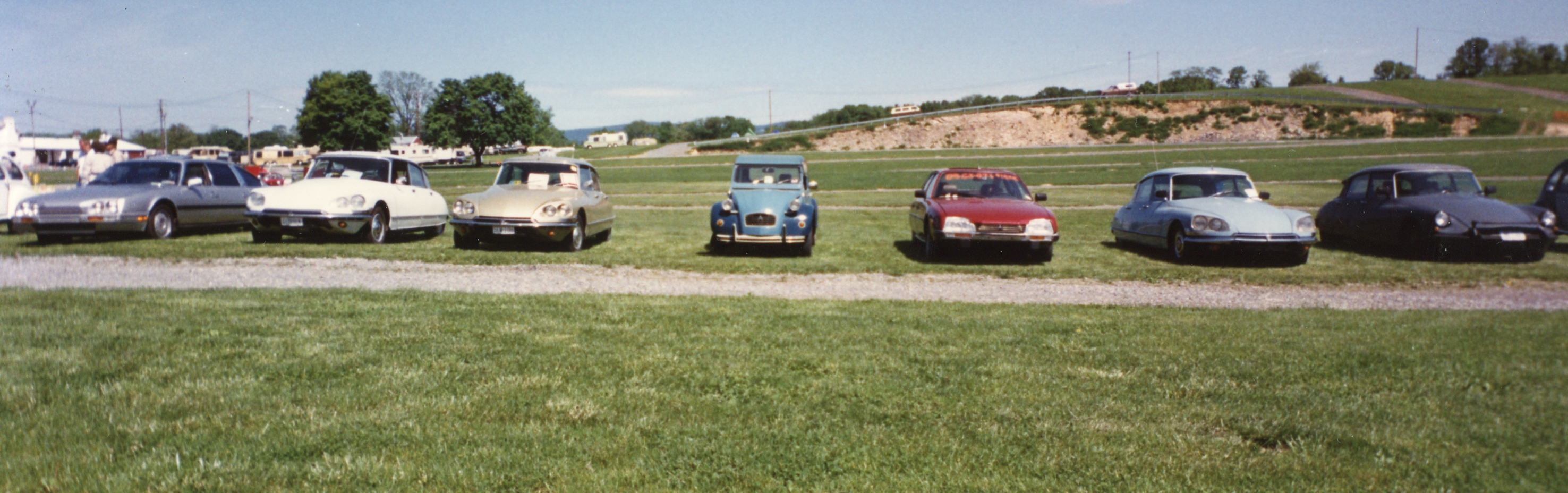
Qu’avons-nous ici, des voitures françaises, toutes des Citroën

More Volvos, this time, mostly 122s.

This is the only known photo in my collection of a Volvo 1800 convertible. It’s a bit ungainly with the top up. As you may know, this is not a factory convertible. Most, perhaps all, such conversions were done by a Long Island dealer, Volvoville. They ran ads for the cars in the back of many of the car magazines of the day. It is also interesting to note the 700-series wagons in the back, which in 1990 would have been no more than about 5 years old.

Three very different Triumph sports cars, from left to right: TR4, TR3, and Spitfire.

Jaguar E-Types (also known as XKEs) have always been desirable and worth preserving, going back to their launch in 1961. This is a Series I model (1961-1967), as evidenced by its covered headlights and above-bumper front turn signals. Note the VW bus lacking side windows behind it, most likely originally intended for commercial use.

It looks like a downsized two-seat Thunderbird, but its official name is DKW Auto Union 1000 Special Coupe. My copy of the Standard Catalog of Imported Cars 1946-1990 states that this model DKW (Das Kleine Wagen, German for The Little Car) was introduced on our shores in 1958, with a 2-stroke 3-cylinder engine, displacing 980 cc and producing 50 HP. List price was $2,495, which may sound pricey when many full-size American cars were starting around the $2,000 mark. However, if one wanted something with sporting pretensions, T-Birds and Corvettes were $1,000 more. Perhaps the closest competitor to this car would have been the VW Karmann Ghia coupe, priced at $2,445. DKW and Auto Union eventually became Audi.

All photographs copyright © 2022 Richard A. Reina. Photos may not be copied or reproduced without express written permission.
 

My Grandfather’s First Car

Angelo DiLella was my maternal grandfather, and I knew him well, at least as well as one could know a grandparent who spoke almost no English and didn’t talk much anyway. From researching my ancestral history, this I do know: he was born in Italy in 1894 and immigrated to the U.S. in 1911. Consider the timeframe for a moment: There were no automobiles in 1894, and when he arrived here at the age of 17, self-propelled cars and trucks were just starting to take over from the horse (possibly to his detriment at first, as upon arrival, he was employed as a blacksmith making horseshoes!).

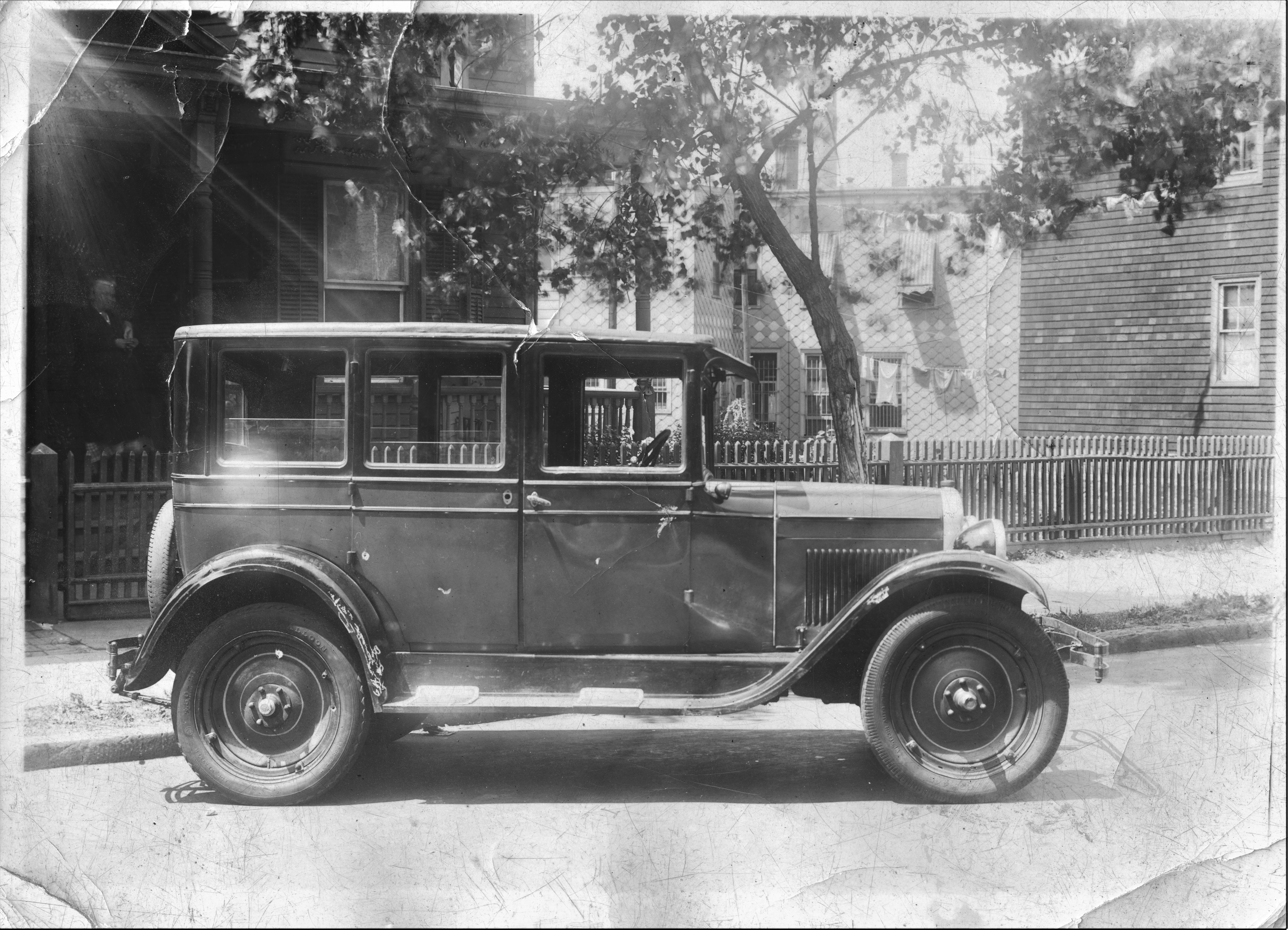
He got married in 1921, and by 1930, was living with his wife and four children in Hoboken, N.J. Whatever the public transportation options, at some point he decided that the family needed its own set of wheels. And so he became owner of the 4-door sedan pictured here, a fact passed on to me by my Aunt Rita who gifted me this photograph a few years ago.

My grandfather died in 1969 when I was 15; I never spoke to him about this car, or any car. I never saw him drive. By this time, my Aunt Rita did all the driving for her parents (my grandmother never had a driver’s license). Had I the opportunity, I would have loved to know where he got it, what he paid for it, and what it was like to drive. Of course, that imagined conversation would have started with: “hey Grandpa, what year, make, and model was it?”

Today, I’m left to my own devices to find the answer. After several hours of working the Google machine, here is my overarching conclusion: most 4-door sedans of the 1920s look remarkably similar. The upright grille, separate headlights, double-level bumpers, louvered hood, running boards with step plates, and suicide-hinged rear doors are features of almost every car I found. The decade of the ‘20’s was a transition from 4-doors with folding tops to metal tops; from wooden spoke wheels to metal disc wheels; and from rectangular side glass to the introduction of some curvature to the forms.

This last point brings me to the D-pillar on Grandpa’s car: note how thin it appears from the side, and how that rear quarter-glass has square corners. By the late ‘20s, many sedans incorporated a slope where the roof came down to meet the top of the D-pillar. The one other distinguishing characteristic on this car is the 2nd (lower) horizontal side molding, below the door handle. In the online photos I found, very few cars had two moldings like this one does. Finally, an extreme blowup of the photo, focused on that rear tire, shows what looks like the Chevrolet bow tie on the wheel hub. I think this car is a 1927 Chevrolet, and if anyone has supporting or contradicting evidence, I’d love to hear from you.

What else can we see in this photo? The car is not in great shape. Both front and rear fenders show body damage; the right rear outer door handle is missing; and if these are 6-bolt wheels, each wheel has a lug missing. It amuses me to imagine my mother as a 10-year-old girl riding in this ‘jalopy’ with her parents, quite likely her first-ever automotive experience.

How long did my grandfather keep this car, and did he replace it with something else? My Aunt Rita lived with her parents her entire life; if she got her license at the age of 18, she would have started driving in 1946. Around 1950, the family moved from Union City, N.J. to Staten Island, N.Y. I was born in 1954, and I have good memories of my Aunt’s Ford sedan, a ’52-’54 vintage she bought used. Maybe the old Chevy lasted until she got that Ford. It’s all speculation from here, as we lost Aunt Rita in 2015. But she was the ‘car enthusiast’ in the family, owning a succession of Oldsmobiles and then Volvos. I have a few photos of her and her cars, so I think I will write an article about her in a future post.


All photographs copyright © 2022 Richard A. Reina. Photos may not be copied or reproduced without express written permission.

Alfa Romeo Club Dealer Visit & Tour, Oct. 30, 2022

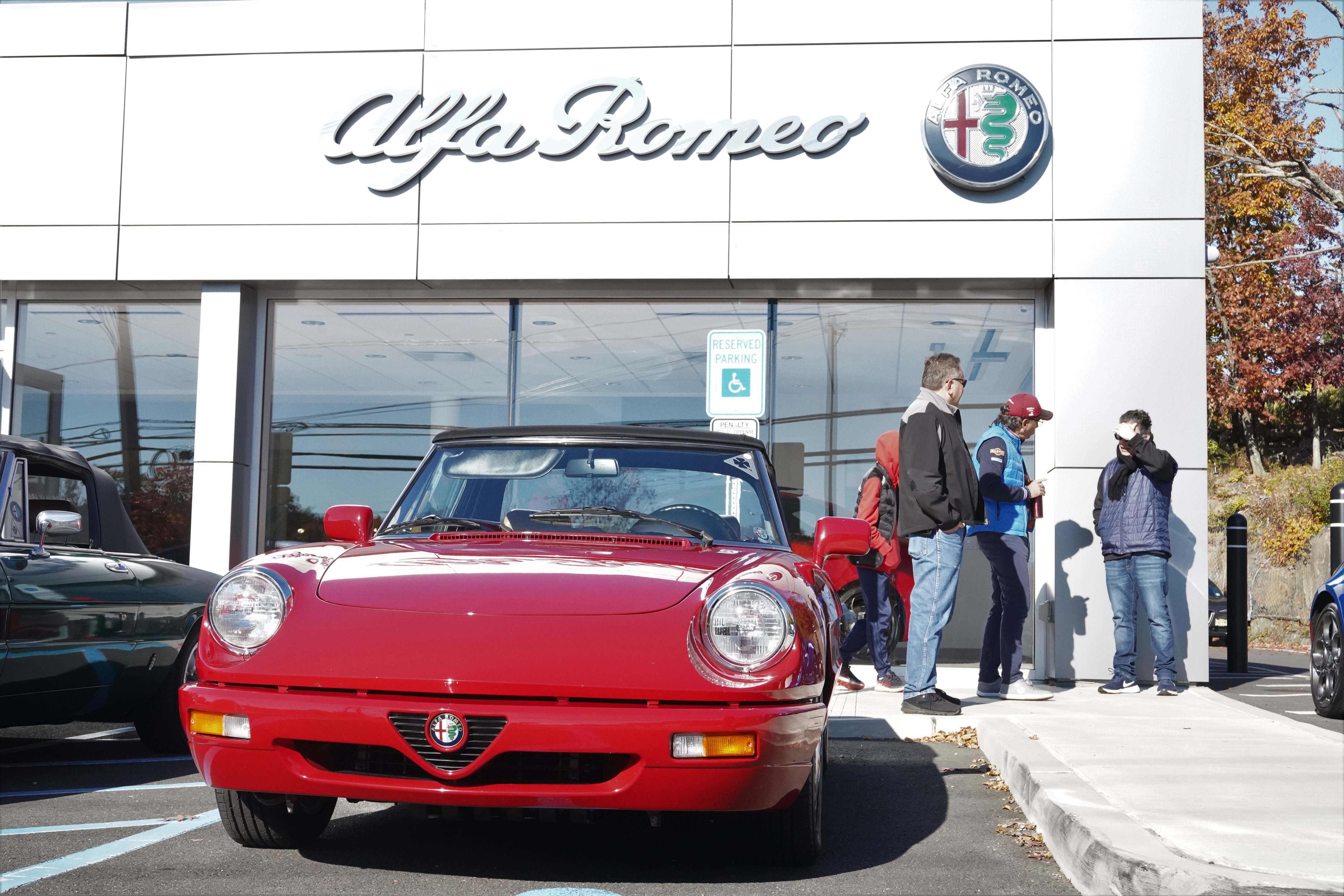
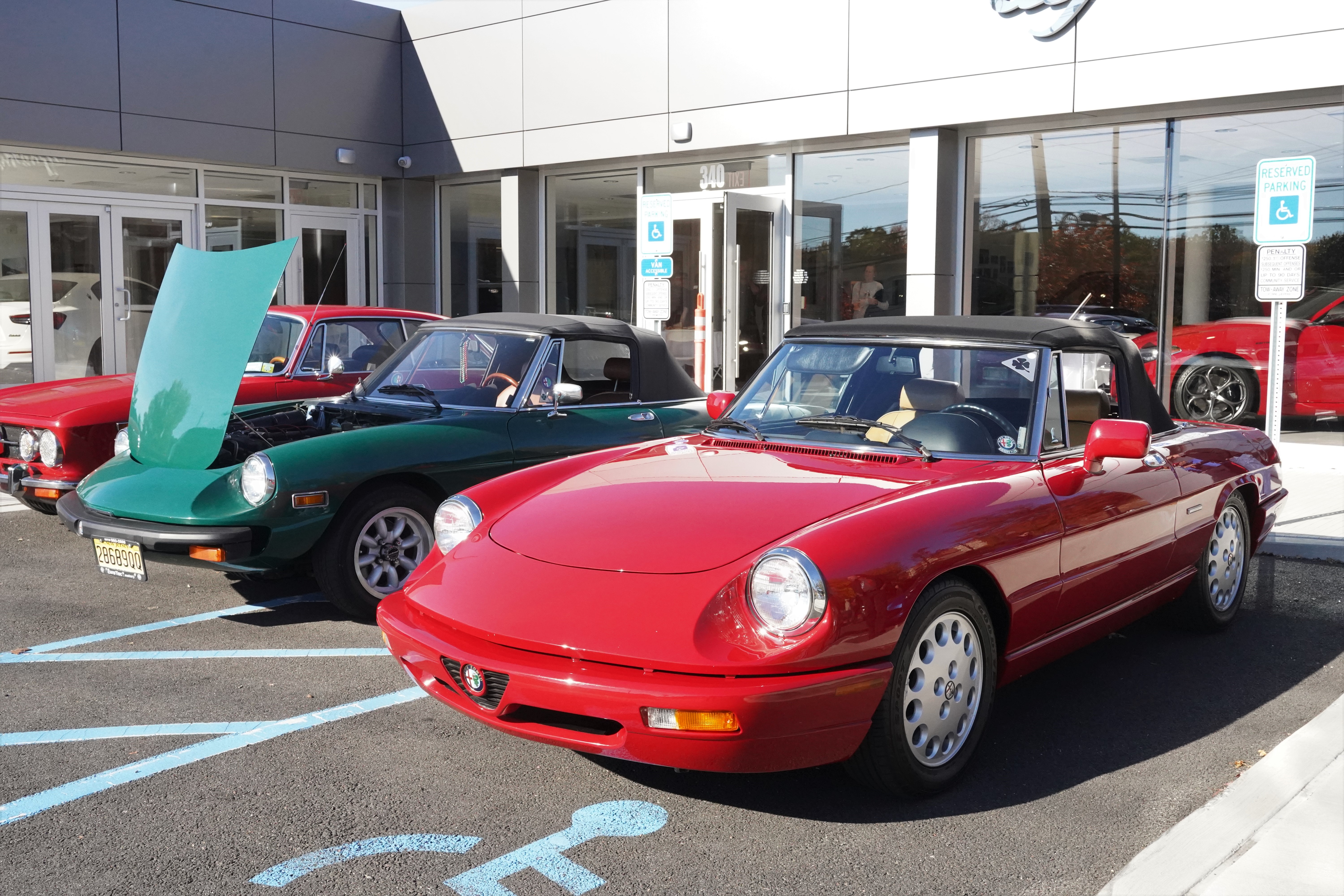
The New Jersey Chapter of the Alfa Romeo Owners Club (AROC) sponsored a combination dealer visit/drive event on Sunday October 30, 2022, which saw a significant turnout of older Alfas along with some newer vehicles. The dealership, Alfa Romeo of Englewood Cliffs (NJ), located on Route 9W, graciously opened its doors to us on a Sunday morning, providing coffee and breakfast treats while we owners took advantage of the opportunity to mingle under sunny and unusually warm late October skies.


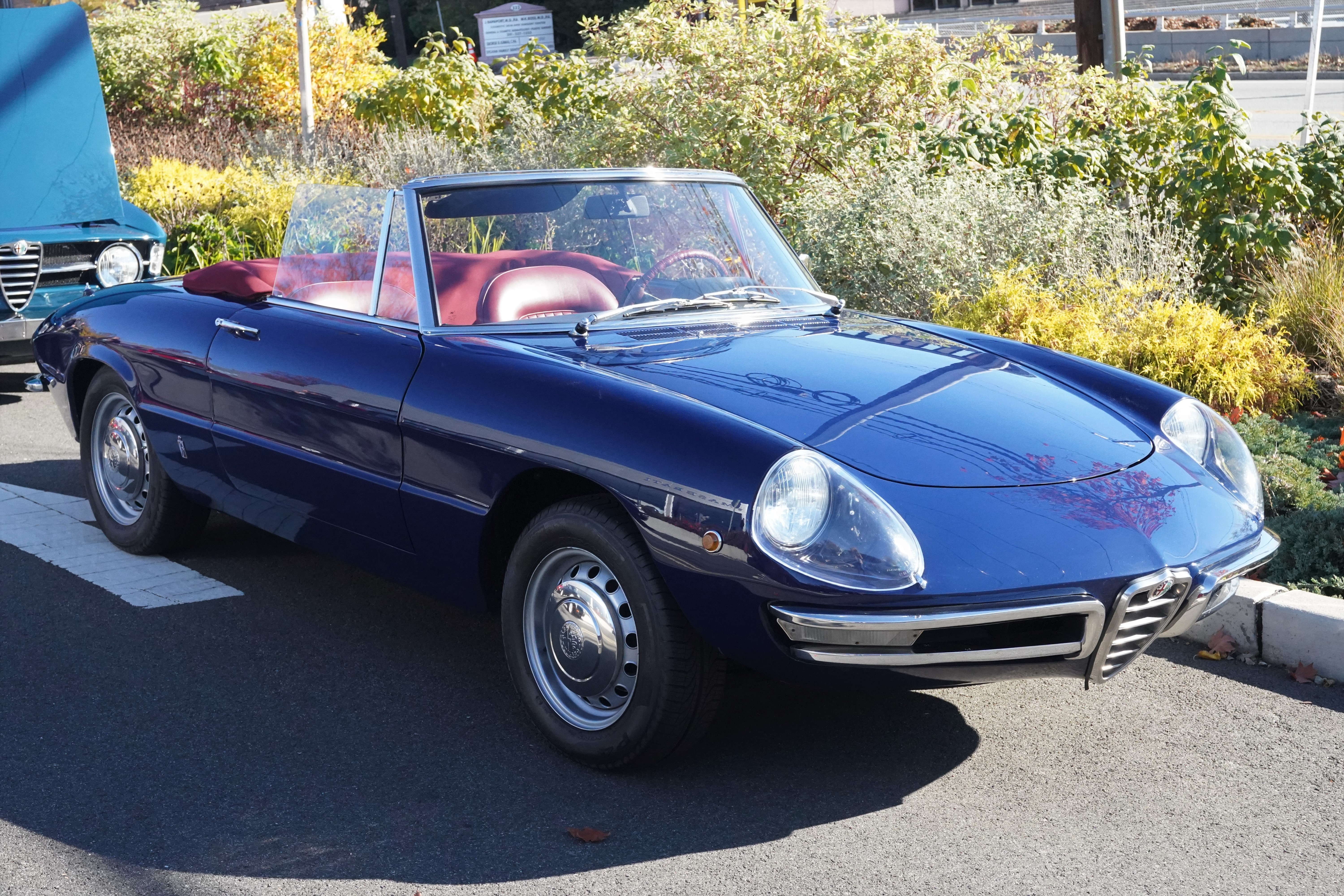
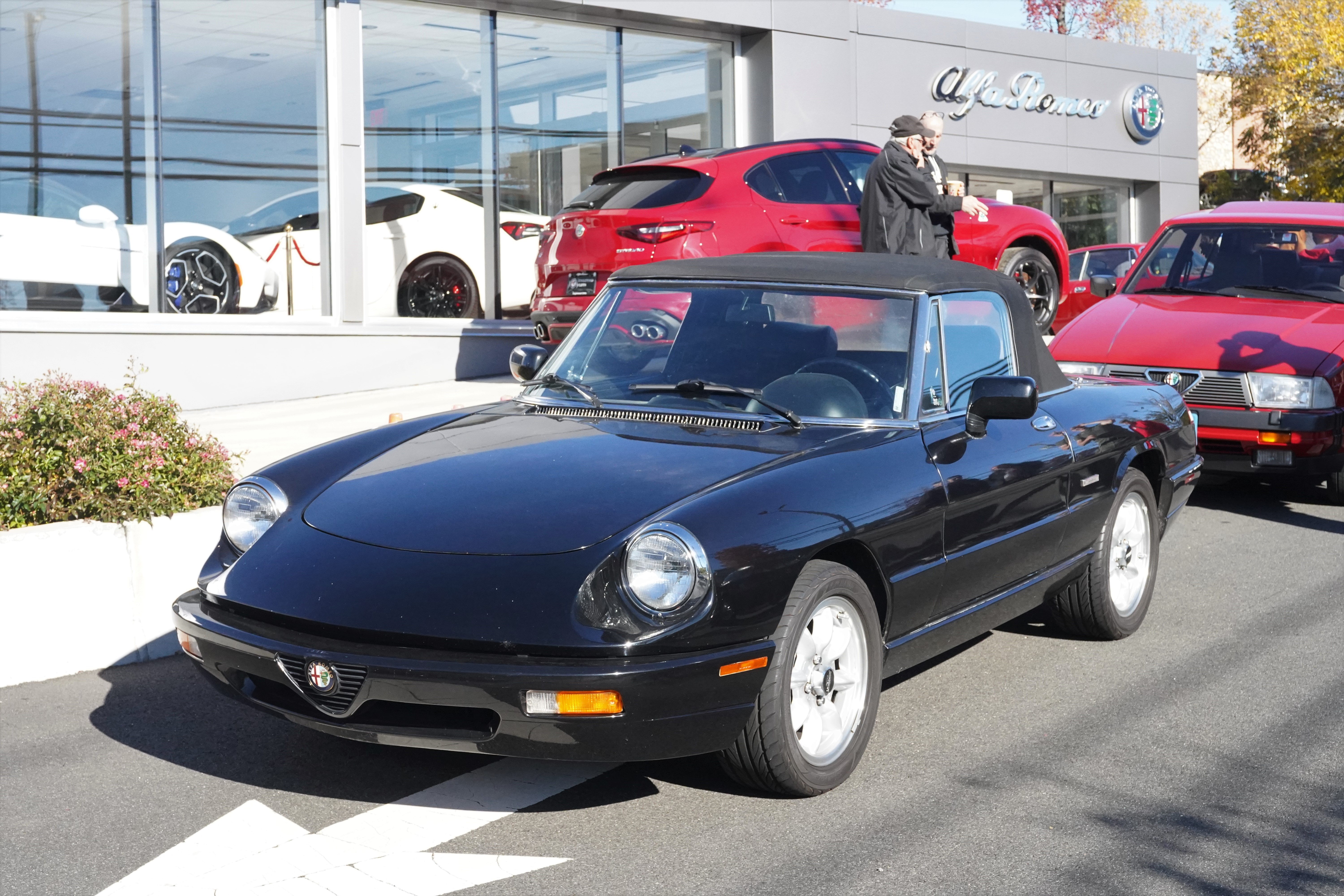
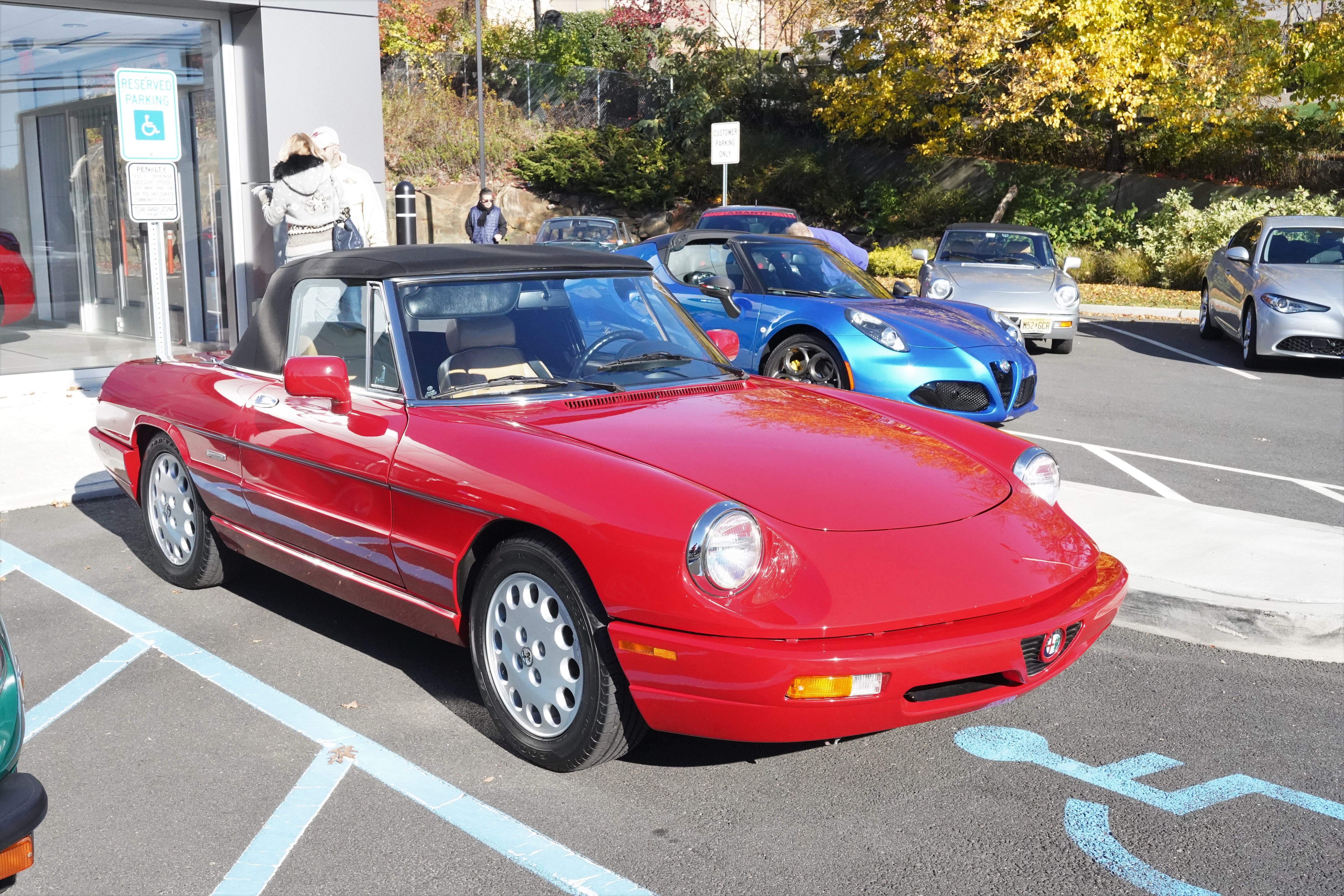
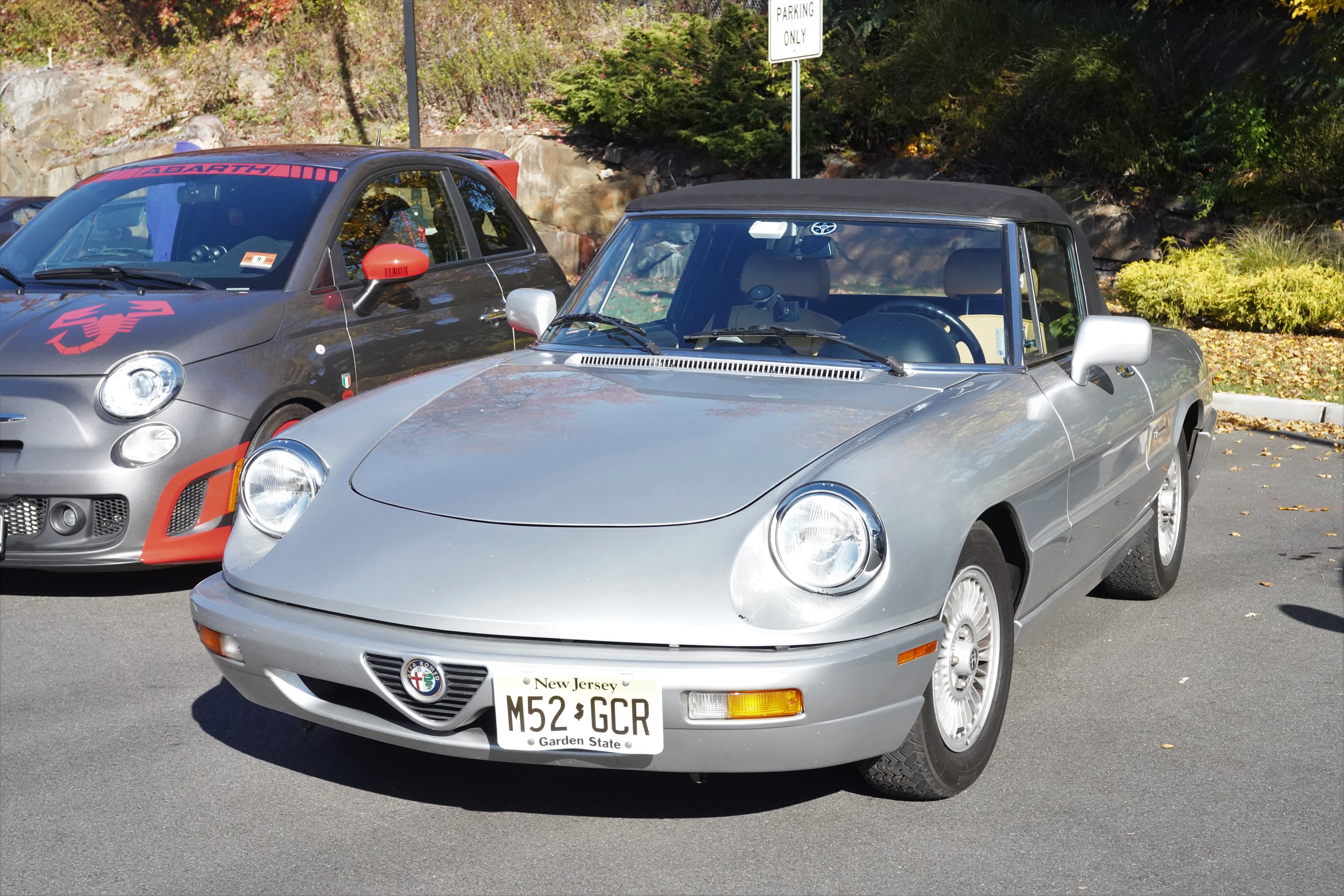
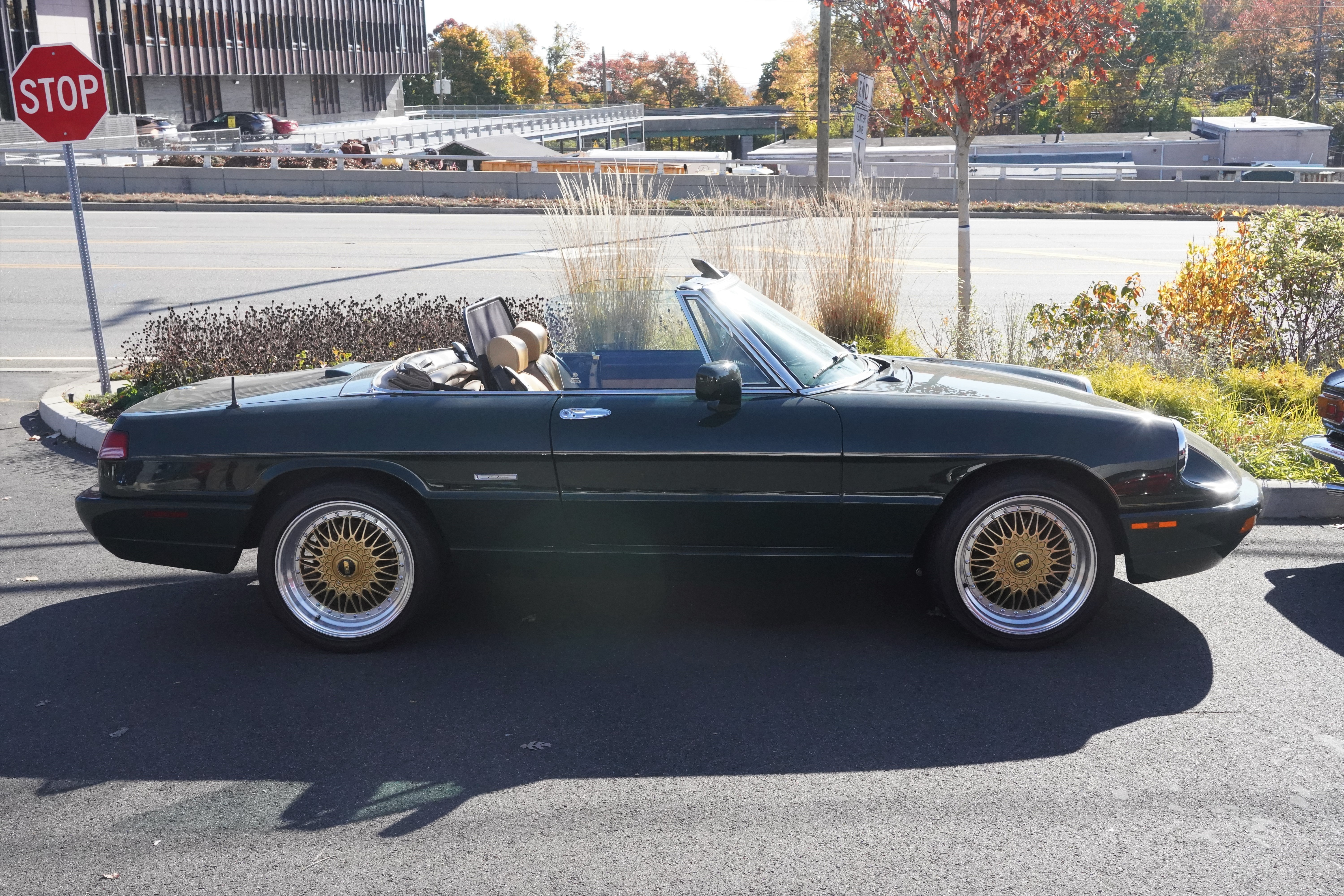
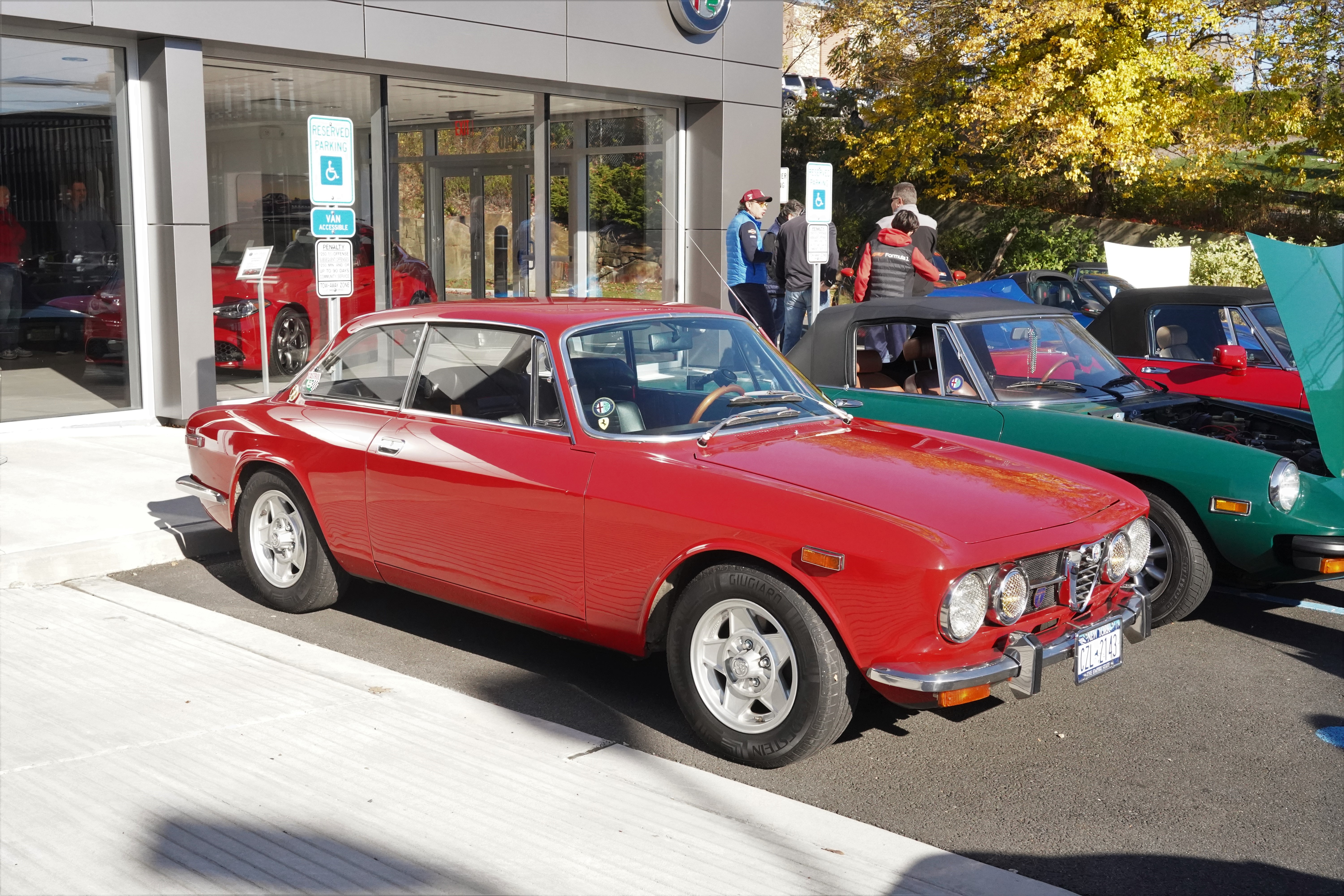
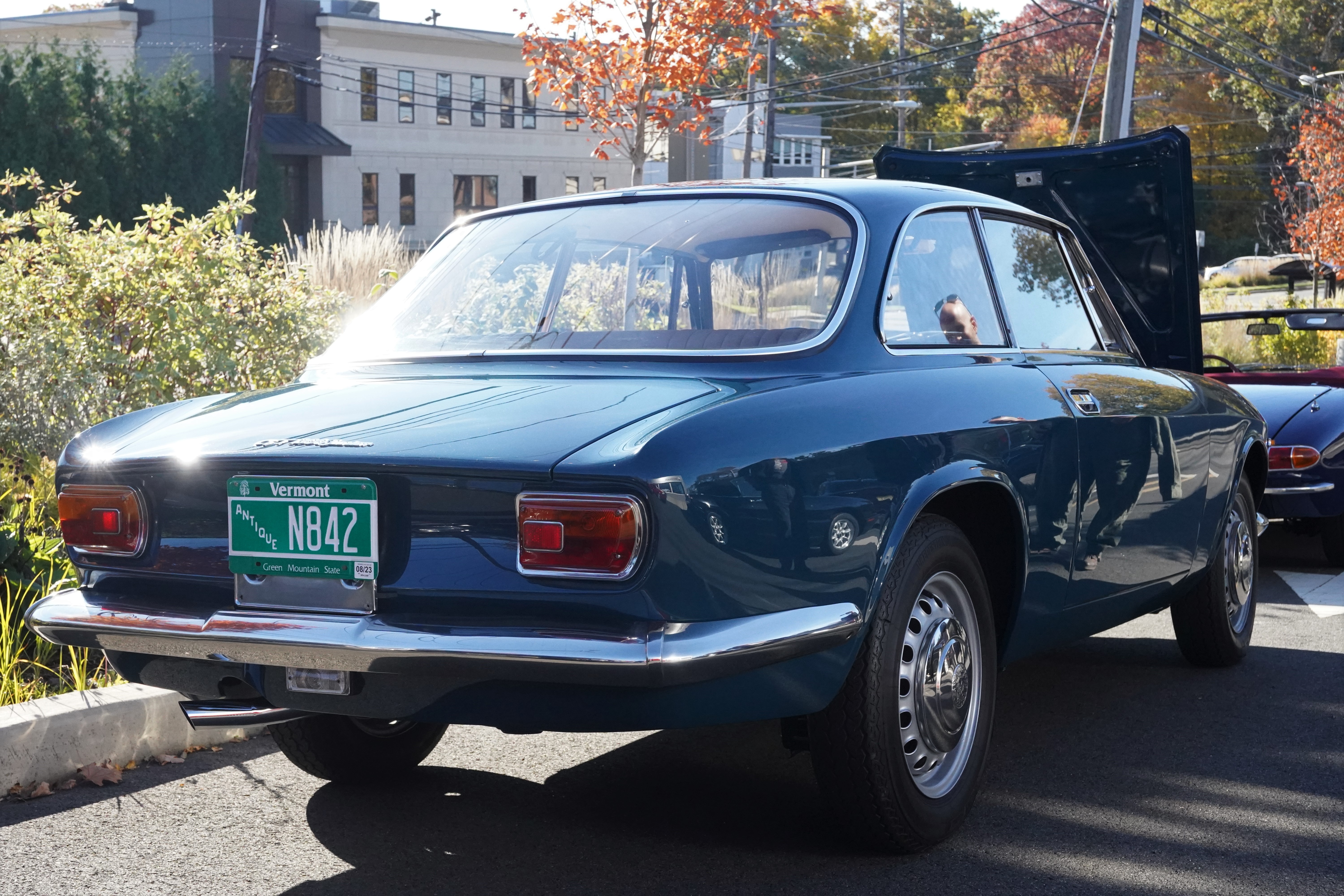
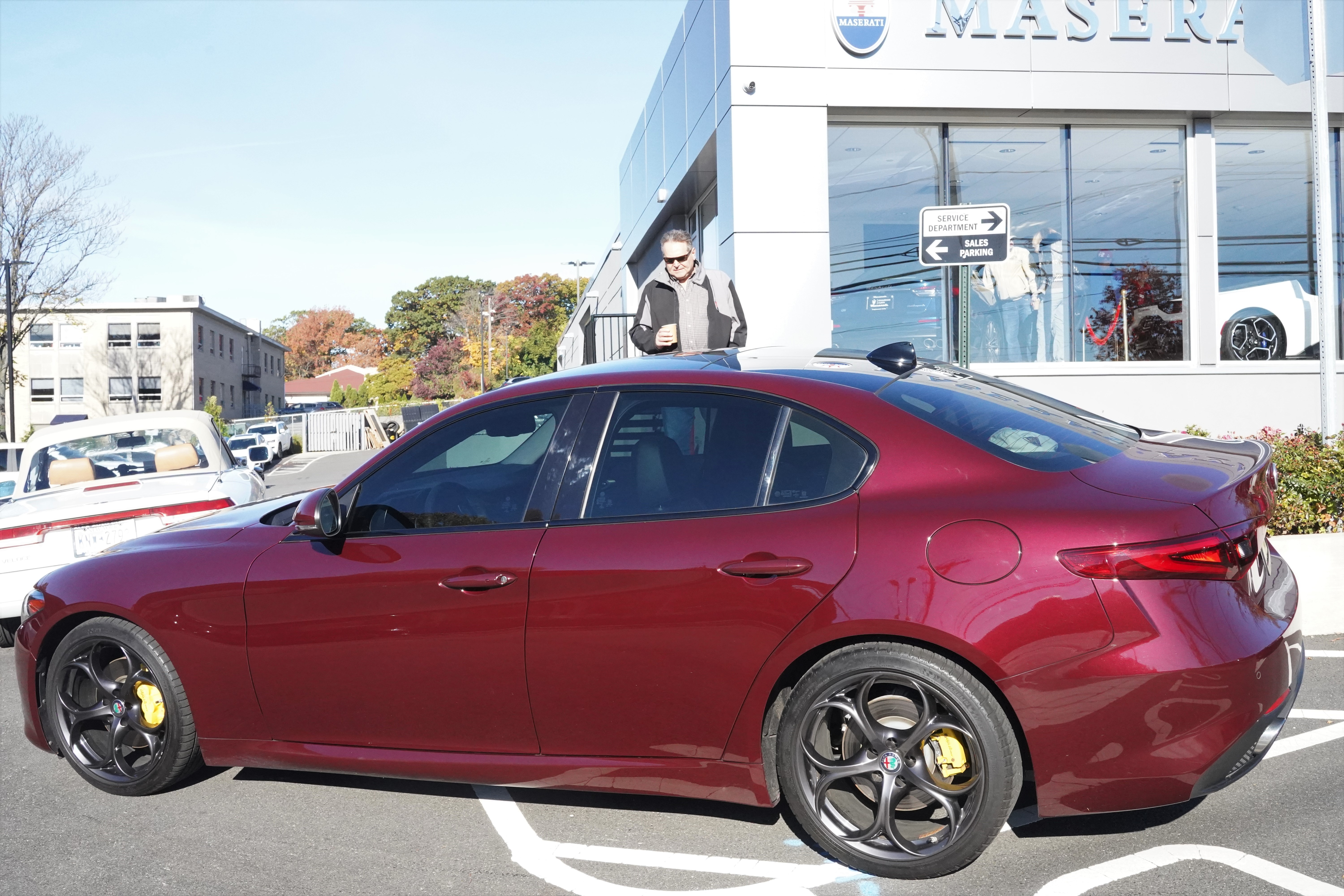
The size of the group was impressive; aside from six Spiders, there were five Bertone Giulia Coupes, a Milano, a 4C, and modern Giulias and Stelvios. A Fiat 500 Abarth rounded out the Italian entries. As the owner of a GT 1300 Junior, it was most interesting to me that there were four 1300 Juniors present, 3 Coupes and a Spider, incredible given that the model was never officially imported to the U.S.


After our morning soiree, some of us joined our tour leader Scott Klion and followed him in his red Giulia on a scenic ride up the Palisades Parkway and around Storm King Highway in NY, ending with a lunch at the charming Painter’s Tavern in Cornwall-on-Hudson. I’ve always admired how Alfa owners love to drive their cars in a spirited fashion, even if I in my 90-HP Junior struggled to keep up! My wife and I had a long ride back home from the restaurant, but it was good to get out, put some miles on ‘Junior’, and see some of my old Alfa friends again.


1300 Junior Spider


Spider in nero


Series 4 Spider in rosso


Argento Spider


Spider in Inglese Verde


Hard to tell, but this Spider is dark green


’73 GTV, with GT 1300 Junior in nero behind it


GTV in rosso


Your scribe’s GT 1300 Junior in Muschio Verde (musk green) next to a Spider


This ’68 GT 1300 Junior in Bluette was recently restored


Rosso Milano, the only Busso V6 there


A 4C in a shade of blue I’ve not seen before


A current-generation Giulia


Fiat Abarth


All photographs copyright © 2022 Richard A. Reina. Photos may not be copied or reproduced without express written permission.


Sunday Morning Cars & Coffee, Oct. 23, 2022

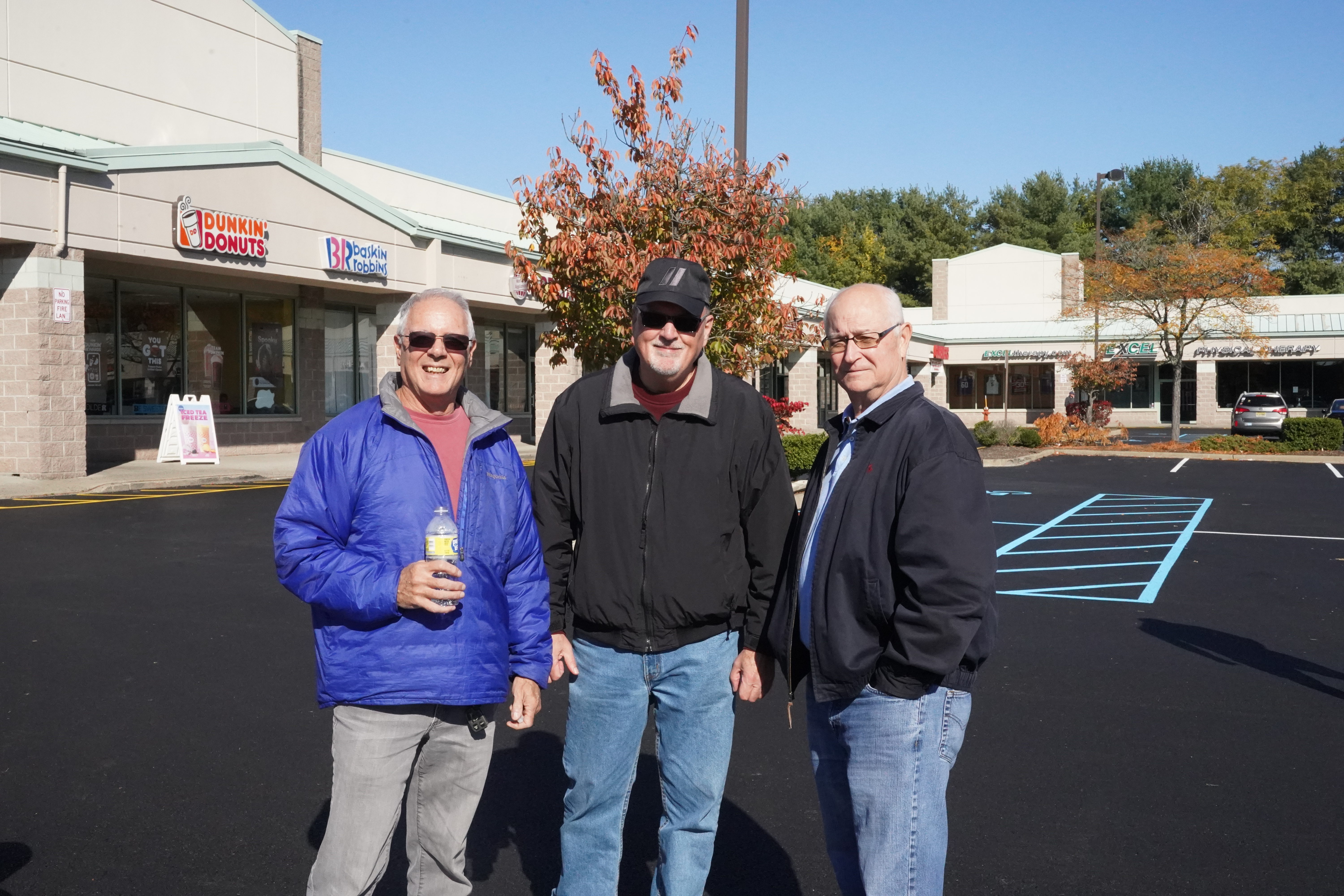
On Sunday, October 23, 2022, we once again took advantage of a spacious parking lot adjacent to a Dunkin’ Donuts facility to host our own Cars & Coffee event. No driving was included in the plans, and we had a small but enthusiastic group of eight people (plus two VCNA retirees who were surprise guests) willing to mill about on what turned out to be a beautiful autumn morning.

The Dunkin’ Donuts on MacArthur Blvd. in Mahwah did its usual fine job in serving us bagels and coffee, and plenty of Sunday morning visitors were distracted enough by our vehicular lineup to break their routines and come over for a chat.

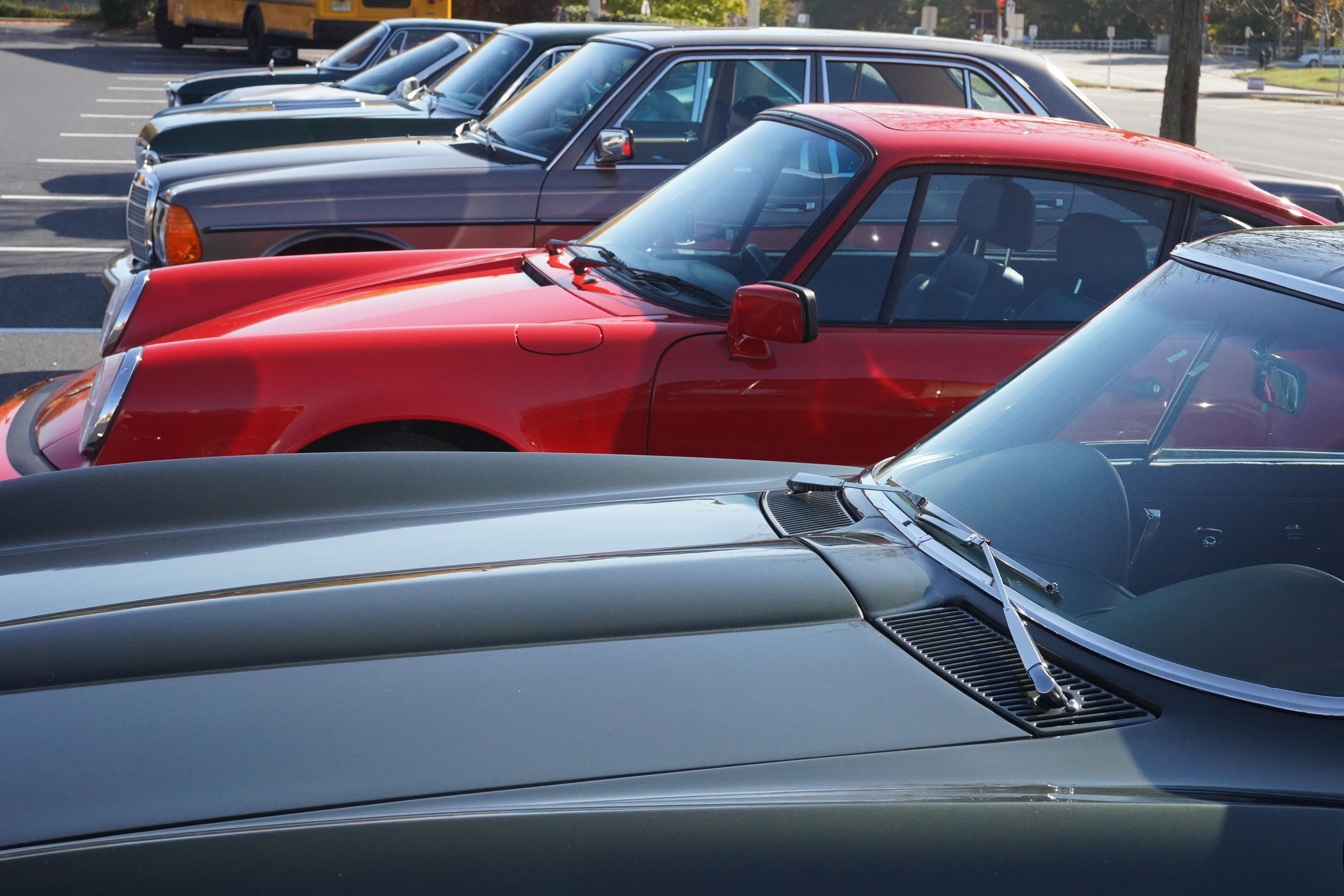
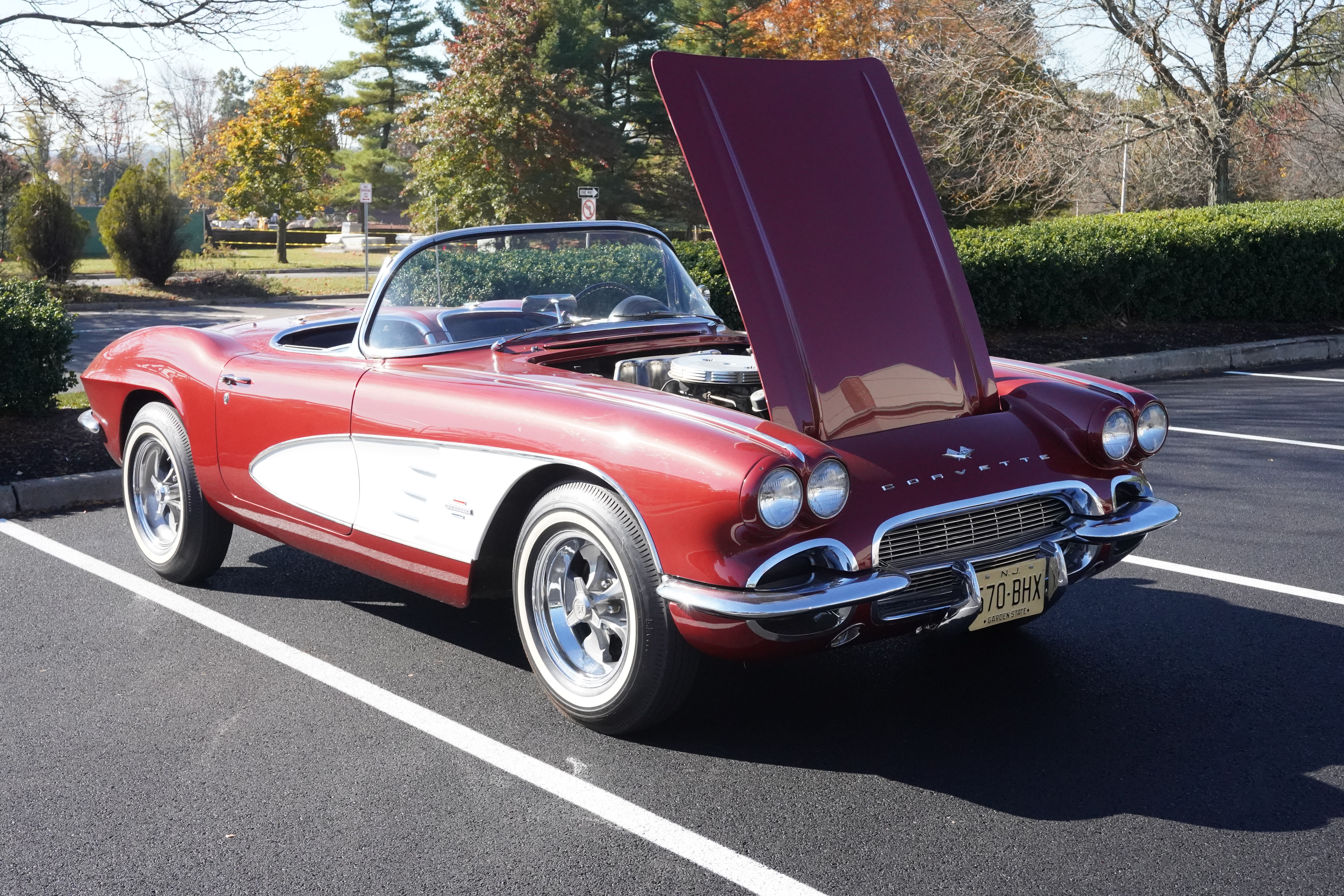
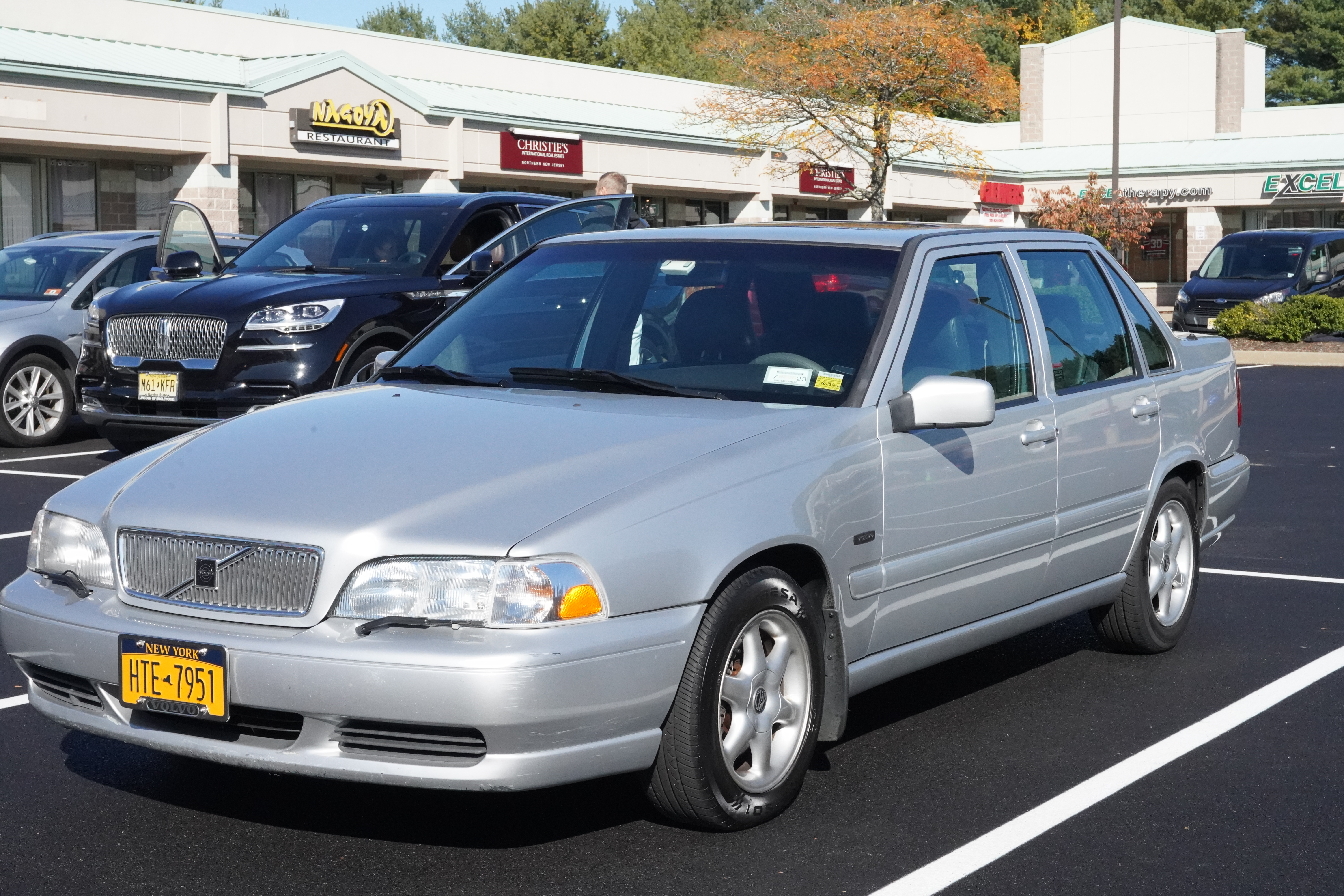
Cars in attendance included two Corvettes, a Chevy Nova, two Porsche 911s, a Mercedes-Benz turbodiesel, a well-preserved and rarely-seen Volvo S70, and your author’s Alfa Romeo. Interestingly, the imports outnumbered the domestic entries (3 Chevys versus 3 Germans, 1 Swedish, and 1 Italian), something we normally don’t see at our gatherings.

We may try to squeeze in one more driving event before the weather turns inhospitable for the winter. If not, we shall see what 2023 will bring!

1961 Corvette (C1)


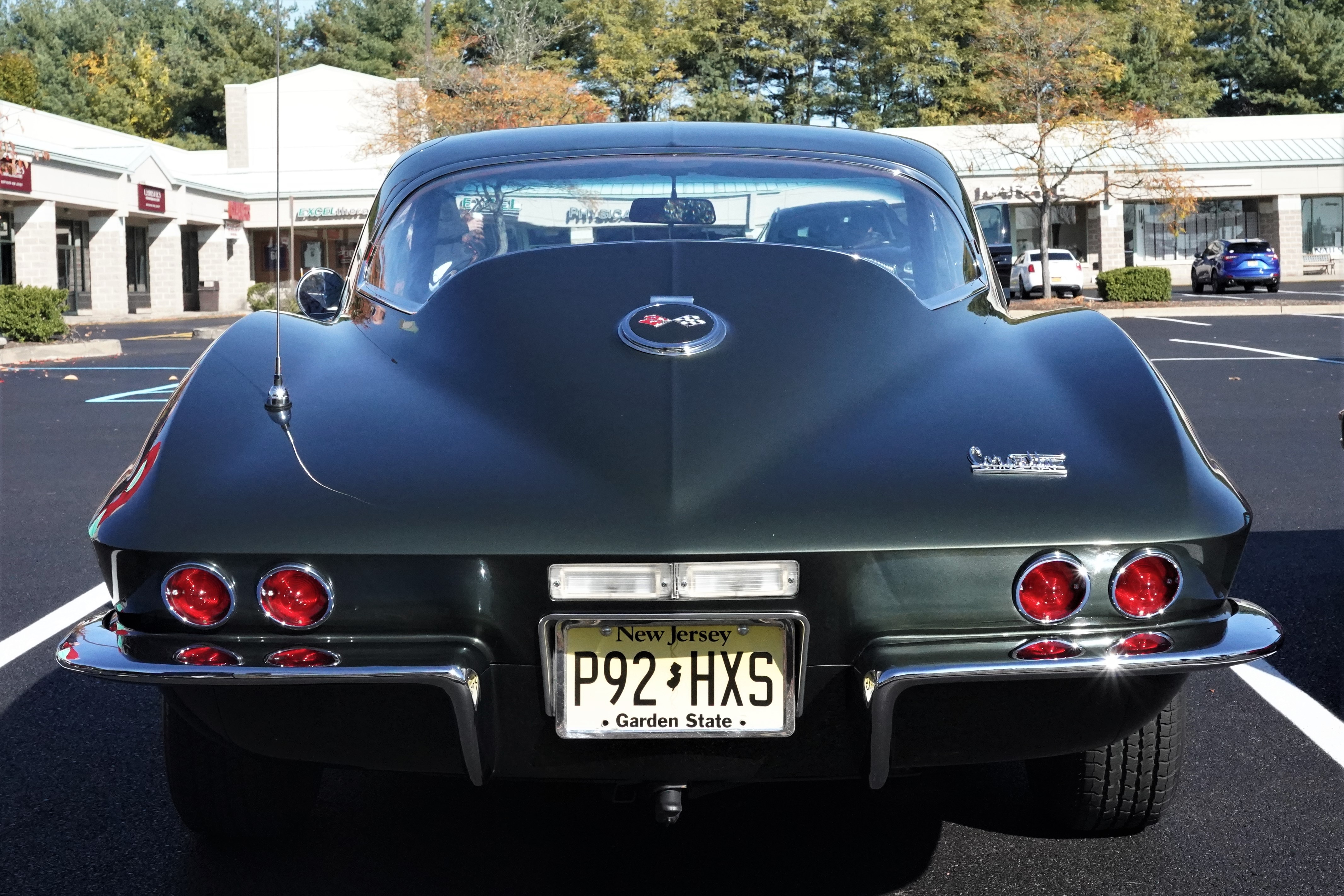
1967 Corvette (C2)


1967 Alfa Romeo


1972 Nova


’80s Mercedes-Benz 300D


’80s Porsche 911


21st century 911


Volvo S70 sedan


Nothing but nothing looks like the back end of a C2 coupe


All photographs copyright © 2022 Richard A. Reina. Photos may not be copied or reproduced without express written permission.