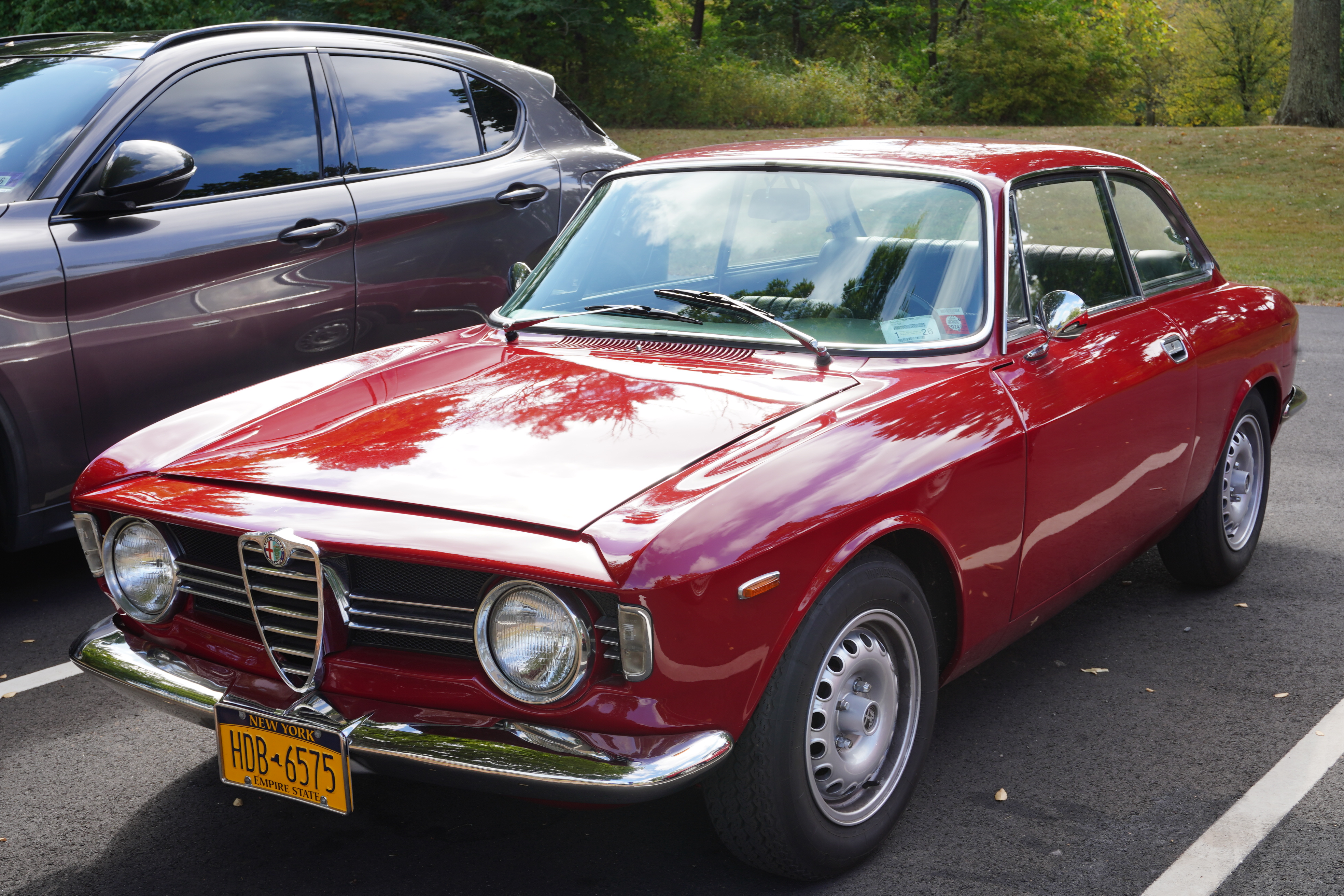
NJ AROC, Breakfast & Bocce, Sep. 22, 2024

The NJ Chapter of the Alfa Romeo Owners Club is on a roll! September marks nine consecutive months of monthly breakfast meets. For this month’s meet-up, we skipped the Jersey diner experience and ate alfresco, combining our bagels and coffee with several games of bocce (for the uninitiated, it’s the Italian version of lawn bowls. You can read Wikipedia’s page on bocce here).

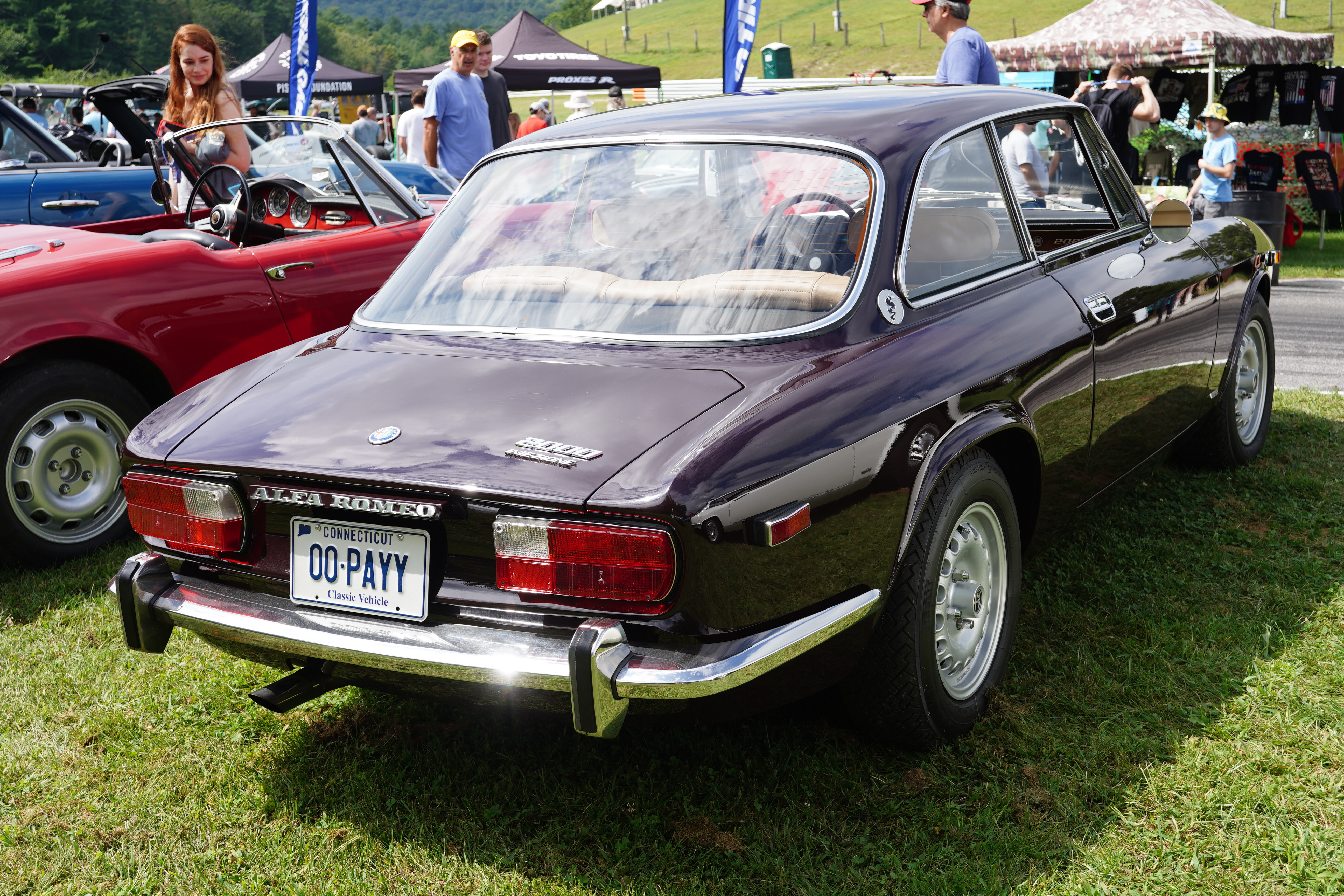
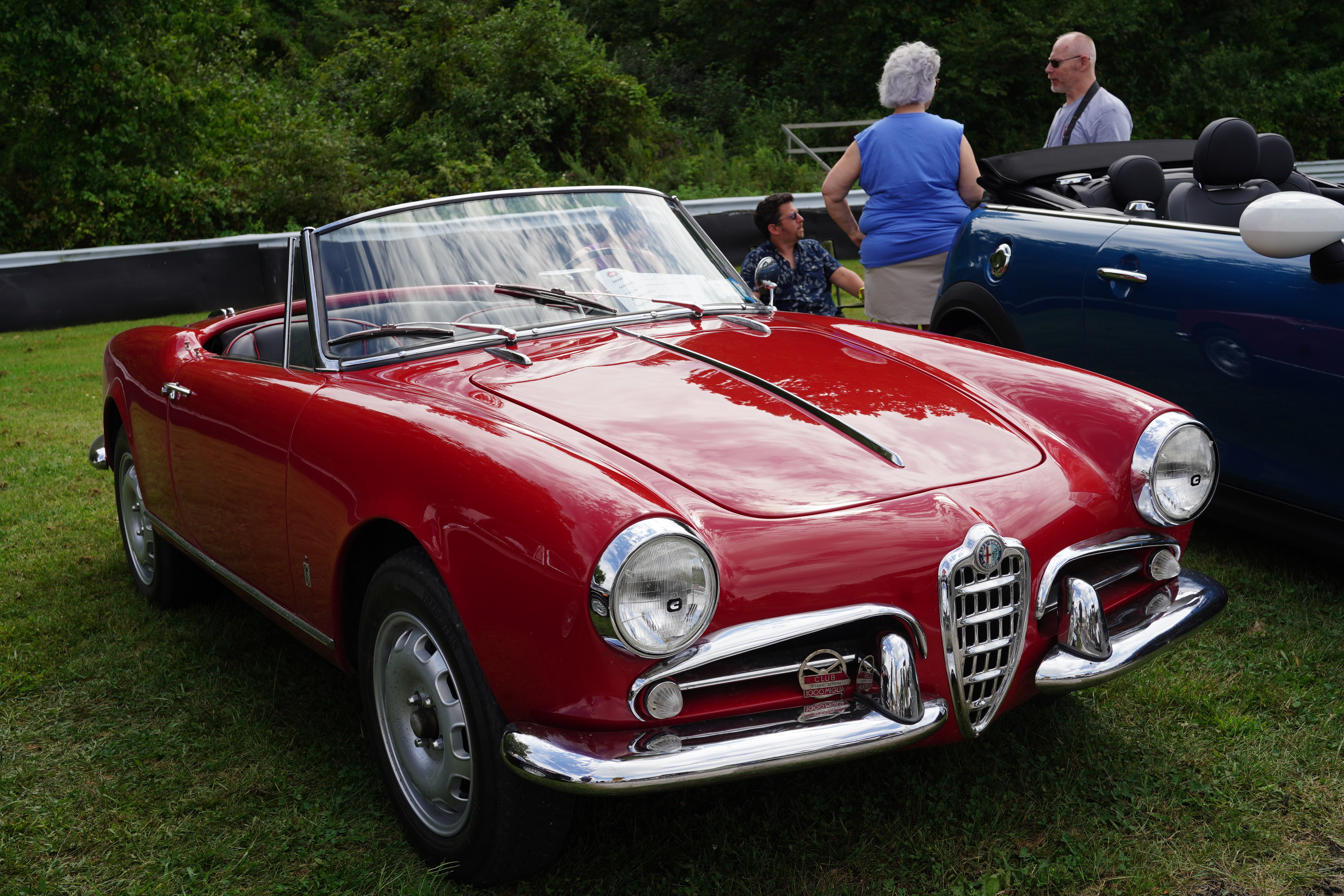
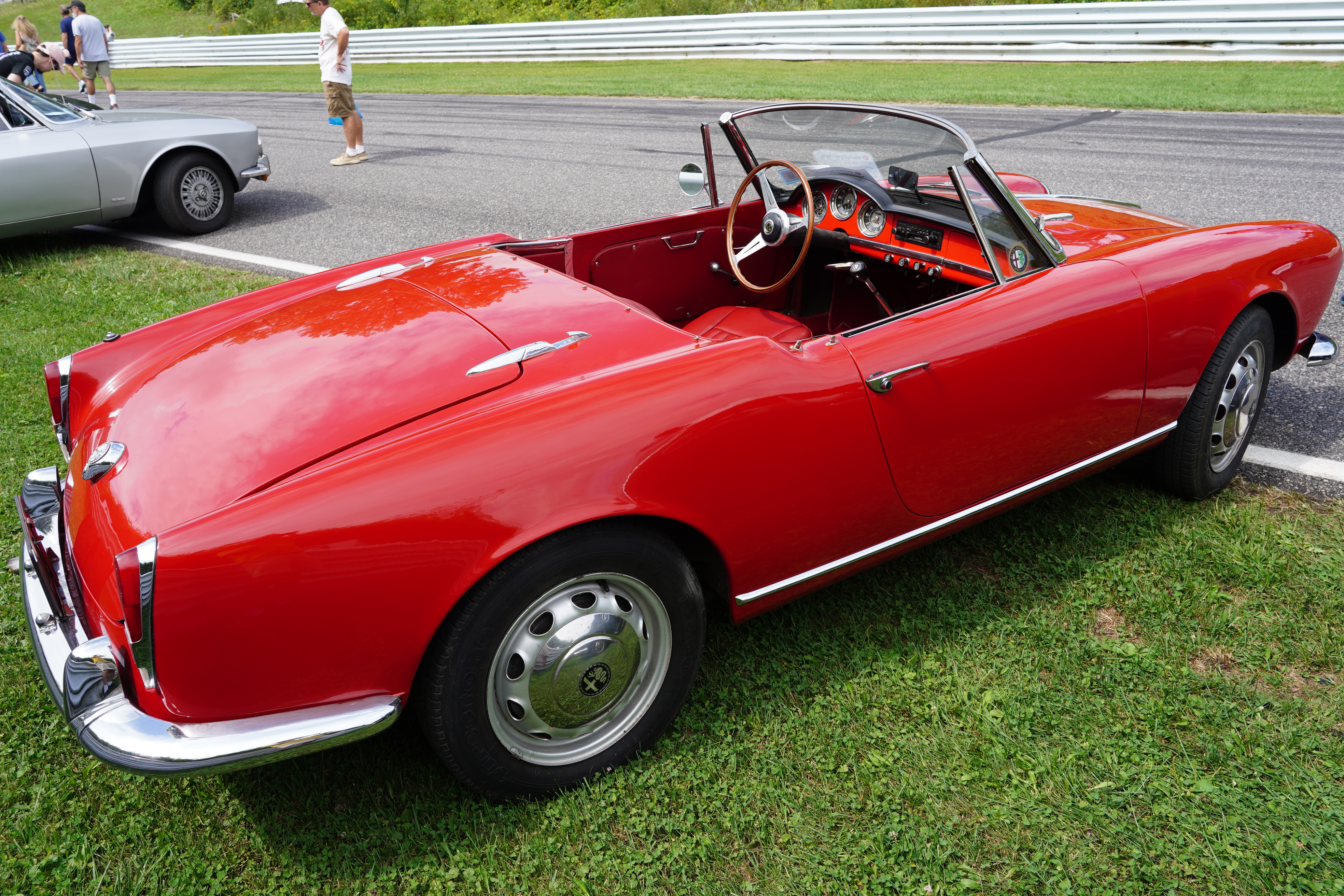
We had an excellent turnout, with 13 Alfas, one other Italian car of some other brand, and close to 20 participants. Colonial Park in Somerset County hosted us, and NJ AROC member Bill DiPrima, our Event Coordinator, did an outstanding job of organizing the entire festa. Beautiful first-day-of-autumn weather kept us outside until noon when we finally packed it in, but not before a group photo was taken (thanks to me finally remembering to bring a tripod). I was particularly pleased with the turnout, given that the changing weather will likely make next month the last chance for the classic Alfas to make an appearance at a Chapter event.

In addition to the photos below, you can watch our expert bocce players in action on these two videos:

https://www.youtube.com/watch?v=aNaetr2mVY4

https://www.youtube.com/watch?v=KNcbjCa33Do

THE CARS
Milano


1967 GTV


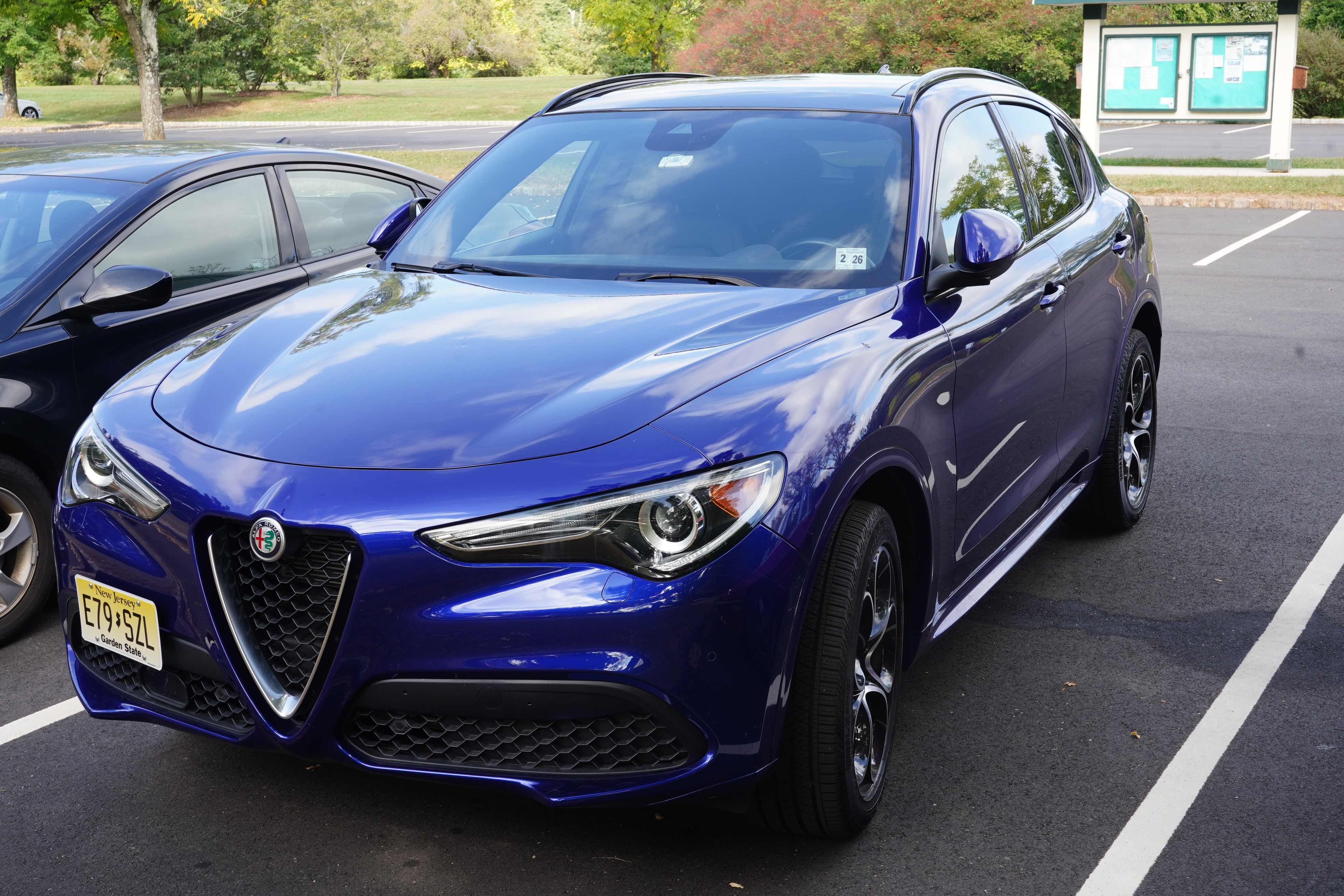
Stelvio


1991 Spider


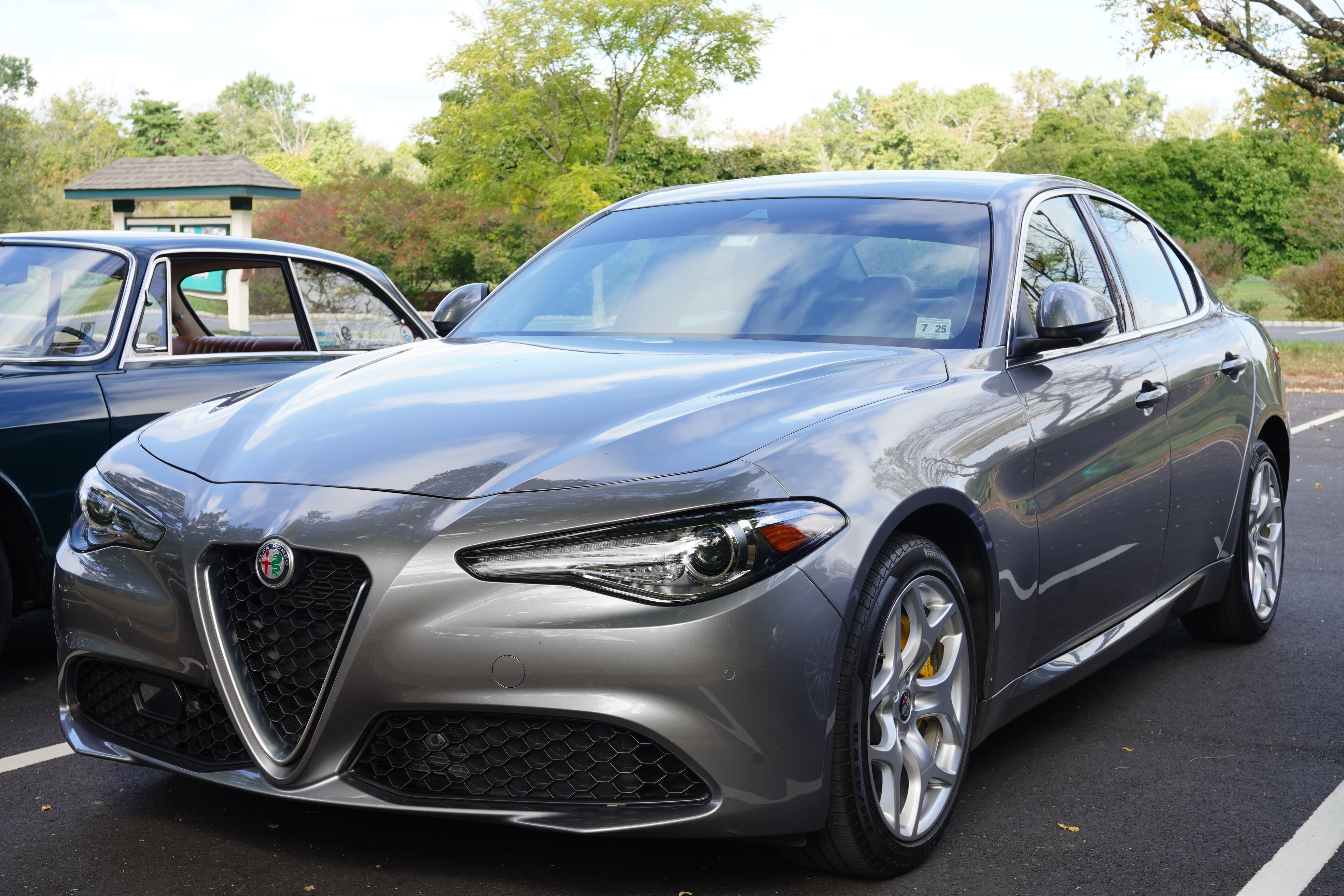
Giulia sedan


Giulia sedan


Giulia sedan


1967 GT 1300 Jr.


1979 Spider


1967 Duetto


1991 Spider


Stelvio


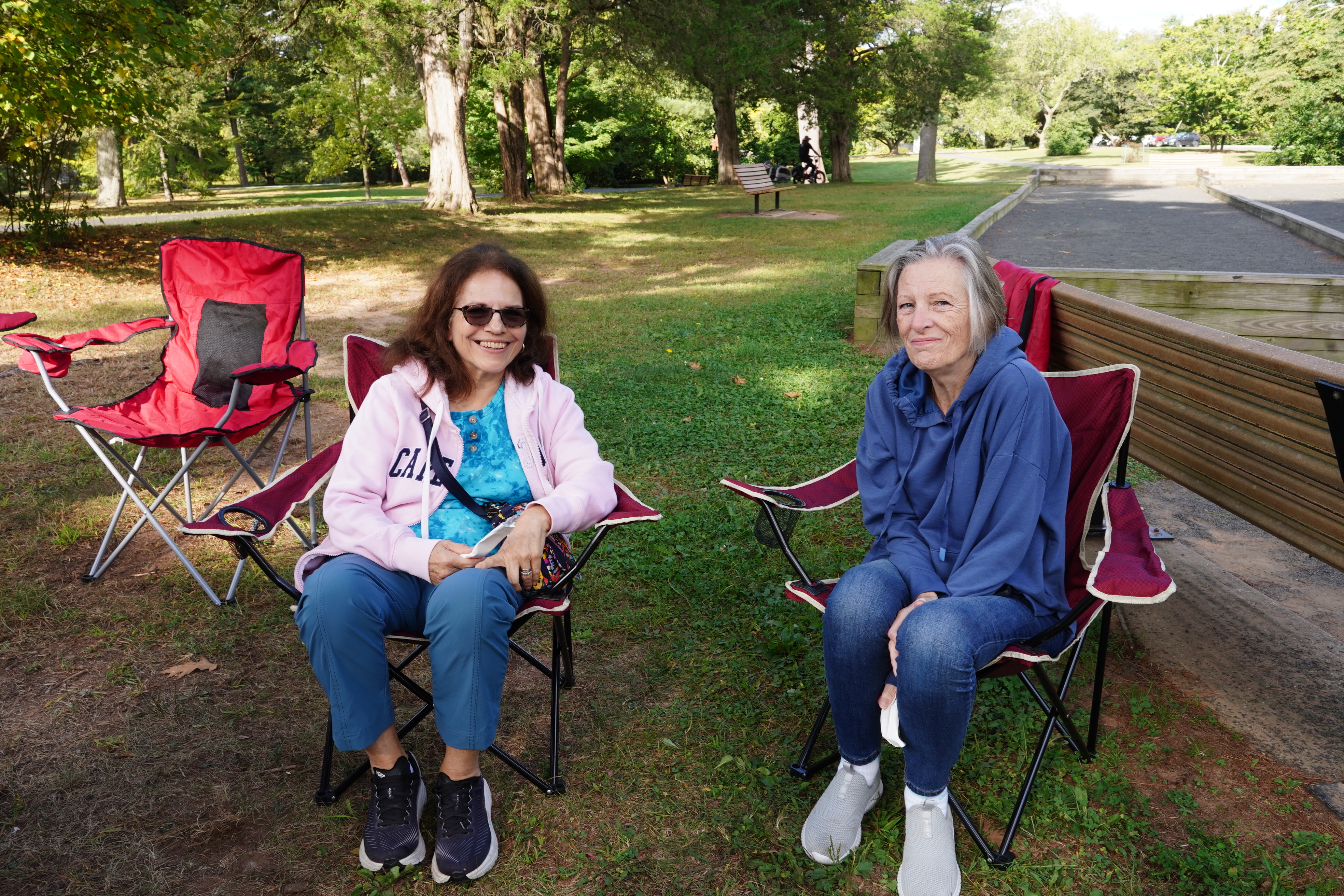
THE PEOPLE


ADDENDA

A day trip on Friday to the town of Jim Thorpe, PA yielded this find: a 1949 Packard for sale, only $4,995! A cursory glance revealed a car that looked mostly original, save for a very bad black repaint likely done decades ago. The front seat was hidden by a seat cover, with original upholstery (matching the back) underneath. Sign claimed it ran well, but didn’t say if it would continue to do so for 5 blocks or 5 hours.


Entire blog post content copyright © 2024 Richard A. Reina. Text and photos may not be copied or reproduced without express written permission.

Depreciation, 1950s Style

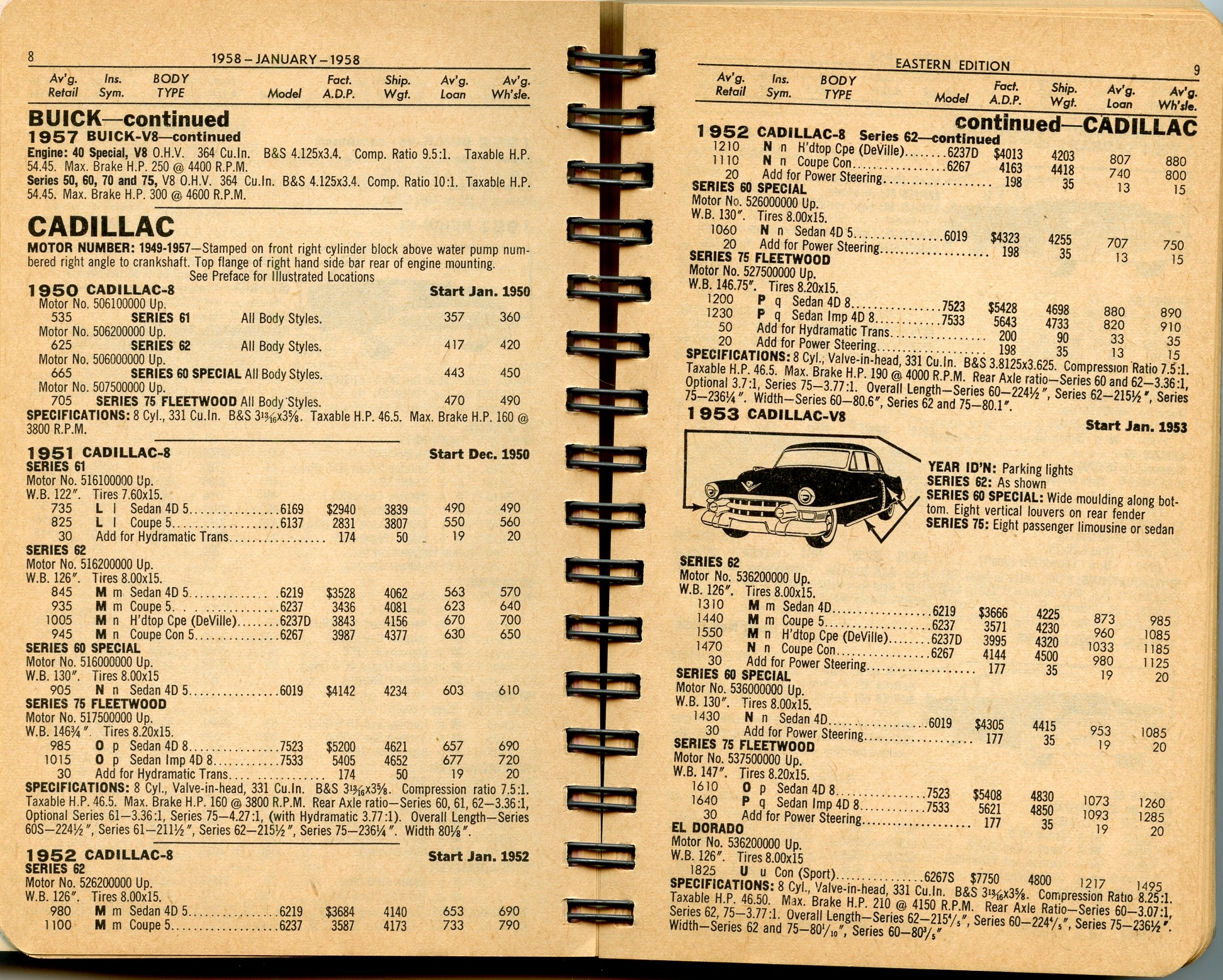
In 1953, three of General Motors’ five divisions launched exclusive, high-end convertibles: the Buick Skylark, Oldsmobile Fiesta, and Cadillac Eldorado. All three cars featured futuristic styling trends including dipped beltlines, wraparound windshields, and custom interiors. These halos cars were in addition to, and not replacements for, the divisions’ other convertibles. The look was sky-high and so was the pricing. While a Buick Roadmaster convertible cost $3,506, moving up to the Skylark would set you back an even $5,000 (43% more). Over at Olds, a 98 convertible listed at $3,229 while the Fiesta started at $5,715, a 77% jump. But the big money was at Cadillac. A “regular” Series 62 convertible was pricey enough at $4,144. You needed really deep pockets for the Eldorado, which cost $7,750 (an increase of 87%). At these prices, it’s no surprise that all three of these dreamboat models sold in very low numbers.

Then as now, depreciation takes a big chunk out of a car’s value, especially during the first few years. I happen to have a copy of the January 1958 edition of the NADA (National Automobile Dealers Association) Official Used Car Guide, and seeing the retail values of the Skylark, Fiesta, and Eldorado at five years of age may bring a tear to your eye. Starting with our $5,000 Skylark, its value after five years was $945, a drop of 81%! The story at Olds is similar. The $ 5,715 Fiesta was now worth $1,075, the same 81% loss of value. The Eldorado actually fared a little better, losing “only” 76.5% of its value with a retail worth of $1,825. (In the pages reprinted here, you’ll find the new car prices in the column marked “Fact. A.D.P.”, which stands for “Factory As Delivered Price”.)

Not surprisingly, all the other models in the lineups also suffered significant depreciation, although the three regular convertibles (Roadmaster, 98, and Series 62) kept a higher percentage of value. Here, the Cadillac again came out on top. The 1953 Caddy Series 62 convertible was worth $1470 retail in 1958, losing 65% of its value.

Imagine that it’s 1958, and your ’53 Eldorado, now five years old with about 50,000 miles on it, is looking a bit shabby, but worse, its styling looks downright outdated compared to the chrome-laden ‘58s which have just been introduced. You drive it down to your local Caddy dealer and check out your choices. There’s the beautiful Series 62 convertible starting at $5,454. But what really catches your eye is the Eldorado Biarritz convertible, at $7,500 (actually less than you paid for your ’53!). While you prefer the Series 62, your wife is smitten with the Biarritz. During the test drive, the dealer appraises your car, and upon your return, offers you $1,500 for your ’53. Your choices are, cough up $4,000 for the Series 62, or $6,000 for the Biarritz (which also keeps the spouse happy). If you did spring for the Biarritz, you were one of only 815 people who did! Which would you choose?
ADDENDA

My automotive literature collection includes a wide range of price guide books. For many years I subscribed to CPI (Cars of Particular Interest), and it is often enlightening as well as entertaining to go back in time and revisit the value of collector cars. For instance, 30 years ago, in 1994, CPI listed the “average” value of a Mercedes-Benz 300 SL Roadster as $165,000. To purchase such a car today, you would need to add a zero to the end of that number. That’s an investment! And while most collector cars have appreciated over the last 3 decades (driven by inflation along with a general across-the-board rise in the hobby), not every car has appreciated. In 1994, CPI stated that a late 1940’s Studebaker convertible was worth $13,500. A 2023 edition listed the same vehicle at $16,300, making it not the best place to have parked one’s money.

Entire blog post content copyright © 2024 Richard A. Reina. Text and photos may not be copied or reproduced without express written permission.

My first-ever bid on Bring a Trailer

While I cannot recall the exact date that I was introduced to the Bring a Trailer website (www.bringatrailer, from hereon referred to as BaT), I can recall the person and the setting. I had been transferred back into HQ at Volvo Cars North America (VCNA), where I finished my career, working there from 2006 to 2009. My boss’s boss, Chris Dauerer, asked me if I had heard of BaT and when I replied in the negative, he suggested that I needed to visit their site immediately. At that time, BaT did nothing more than republish links to interesting cars found for sale on other sites, like eBay and Craigslist. Since then, BaT has grown into one of the largest online collector car auctions, with gross sales numbers placing it at or near the top among competing auctions.

Since that introduction by Mr. Dauerer, I’ve had a daily addiction to the site, and have used it as a barometer of car values. (Compared to “for sale” ads which only tell you asking prices, completed BaT sales give you up-to-date transaction prices.) But BaT has perhaps become too big: the website now closes between 100 and 150 auctions a day! So I’ve pulled back, and have chosen to follow only a handful of makes and models which interest me.

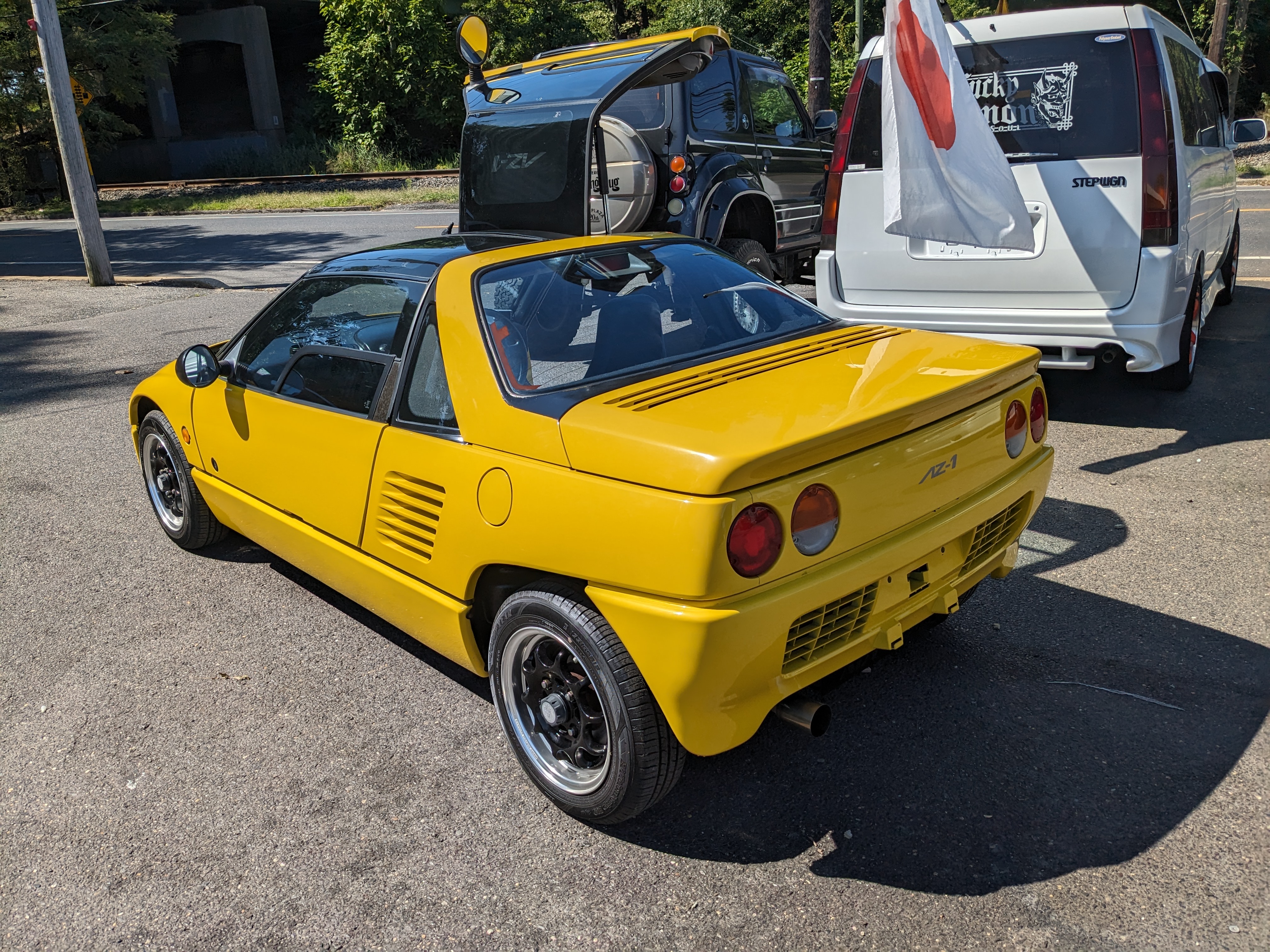
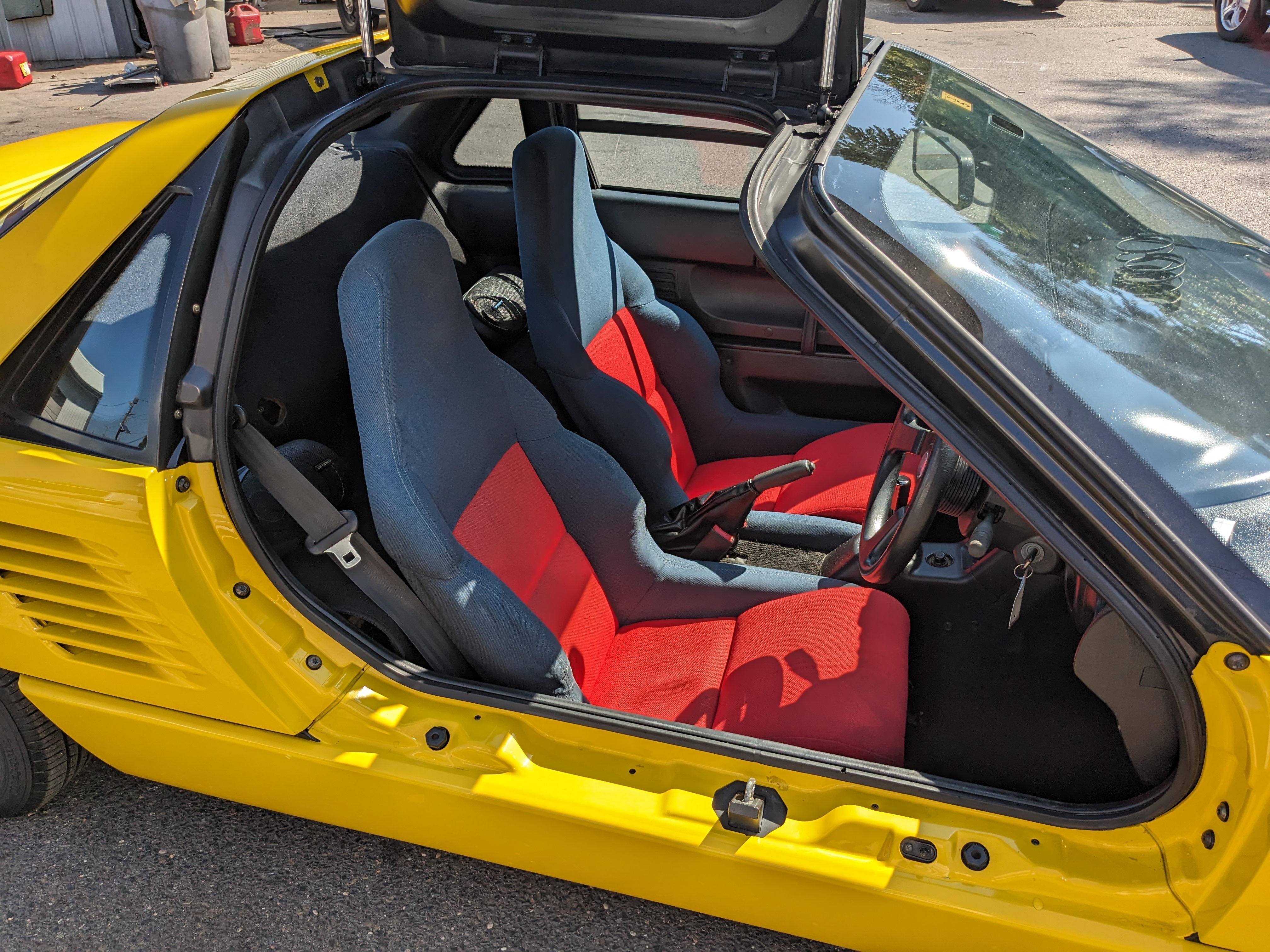
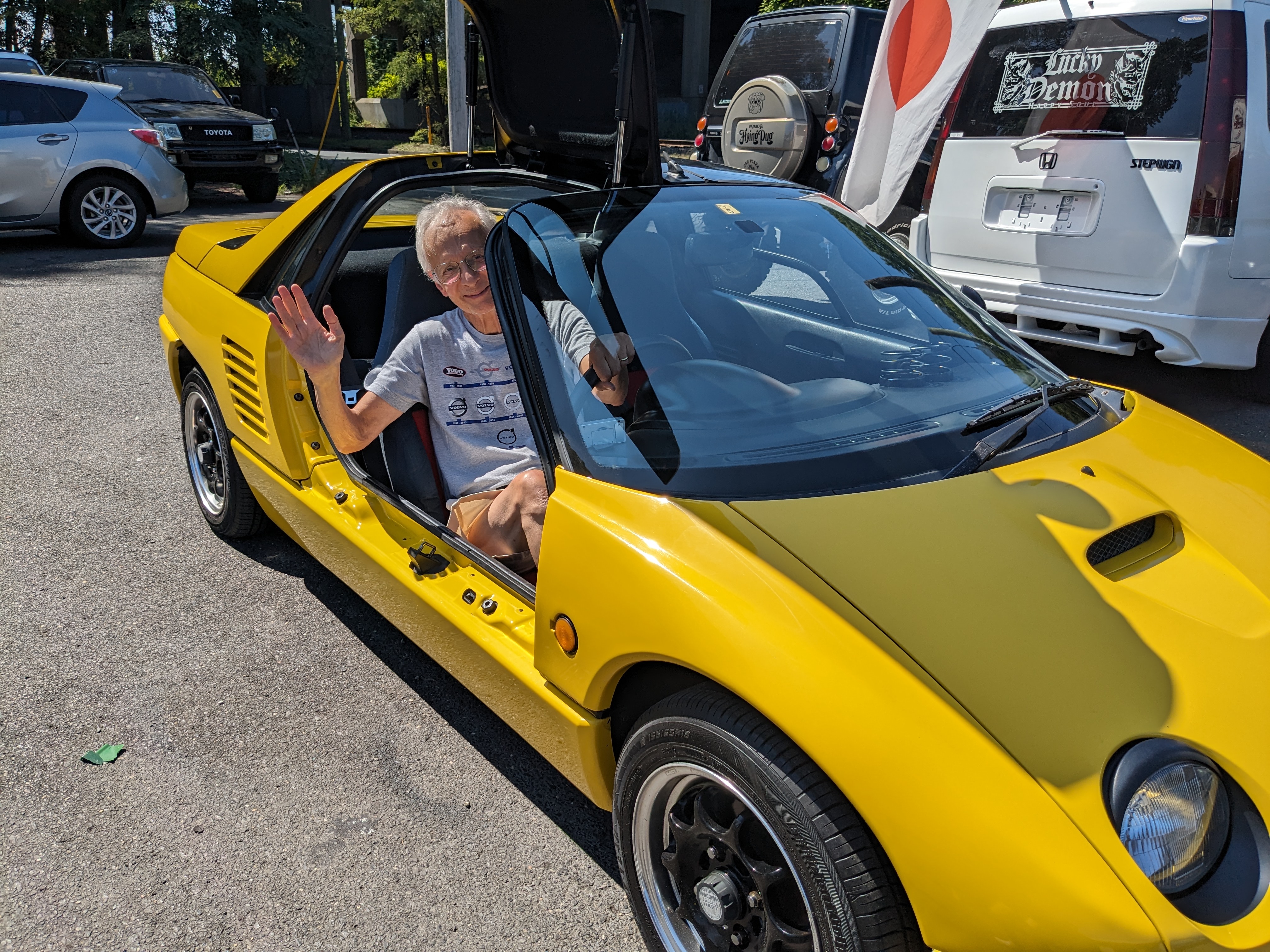
One of those cars I follow is quite unique: the Autozam AZ-1, a Japanese kei car (limited in size and engine displacement by national regulation). While there are other kei cars and trucks, the AZ-1 distinguishes itself further with its mid-engine placement and gullwing doors. These turbocharged 3-cylinder marvels show up on BaT several times a year, and when one appeared a few weeks ago located in NJ, I decided to join the fun. Previous auction results pinned these Autozams in the low-to-mid 20s, but the NJ car had been repainted a non-factory yellow, which I thought might hold the price back. With the current market a little soft, I fantasized that this one might sell in the mid-teens. So now it can be told: for the first time ever, I placed a bid on BaT, throwing my hat into the ring at $7,500. I was quickly outbid, and I raised my bid to $8,100. When that bid held for over 24 hours, a minor panic came over me, as I wondered if I’d remain the high bidder! It was time to see the car in person.

Luck was on my side here. The family was vacationing in Cape May, and I was headed home for several days just to check into things at home. The car was located near Cherry Hill, about halfway between Cape May and home. I made an appointment with the dealer, and arrived at his place about 11 a.m. on a Friday. There was the car, even smaller than I imagined. The dealer, a friendly and accommodating young man named Eli, invited me to look over the car. The size was not an issue (you’re looking at a guy who used to drive a BMW Isetta on the street), but the gullwing doors were something else. While incredible to look at, the high sills made ingress and egress most awkward. Once in the car, room was limited. From the driver’s seat (RHD), the non-adjustable steering wheel was offset to the left. The seats slid back and forth but the seat backs were fixed.

Eli offered to let me drive, but I demurred, and suggested that I would ride while he drove. He had many JDM (Japanese Domestic Market) vehicles on his lot and seemed completely at ease with the RHD. Off we sent, with the cold A/C cranking the entire time. We went onto the highway where I saw 120 kph (75 mph). The car ran well, but there was a loud clunk with every shift, possibly normal for a remote shifter. Aside from the interior access (my wife would never put up with it!), the biggest issue was the driver-quality paint job. I liked the yellow, but didn’t care for the application of it.

I thanked Eli for his time, and concluded that my automotive lust for an Autozam AZ-1 had now been satisfied. I had no reason to worry about the bidding as the car sold for $20,151, five grand higher than I predicted but five grand below other recent sales. It was fun to be a bidder on BaT, as they make the process almost too easy. For me, the real bottom line is that online auctions give you great exposure to a wide variety of vehicles, but I would still greatly hesitate to purchase any vehicle sight unseen.


ADDENDUM

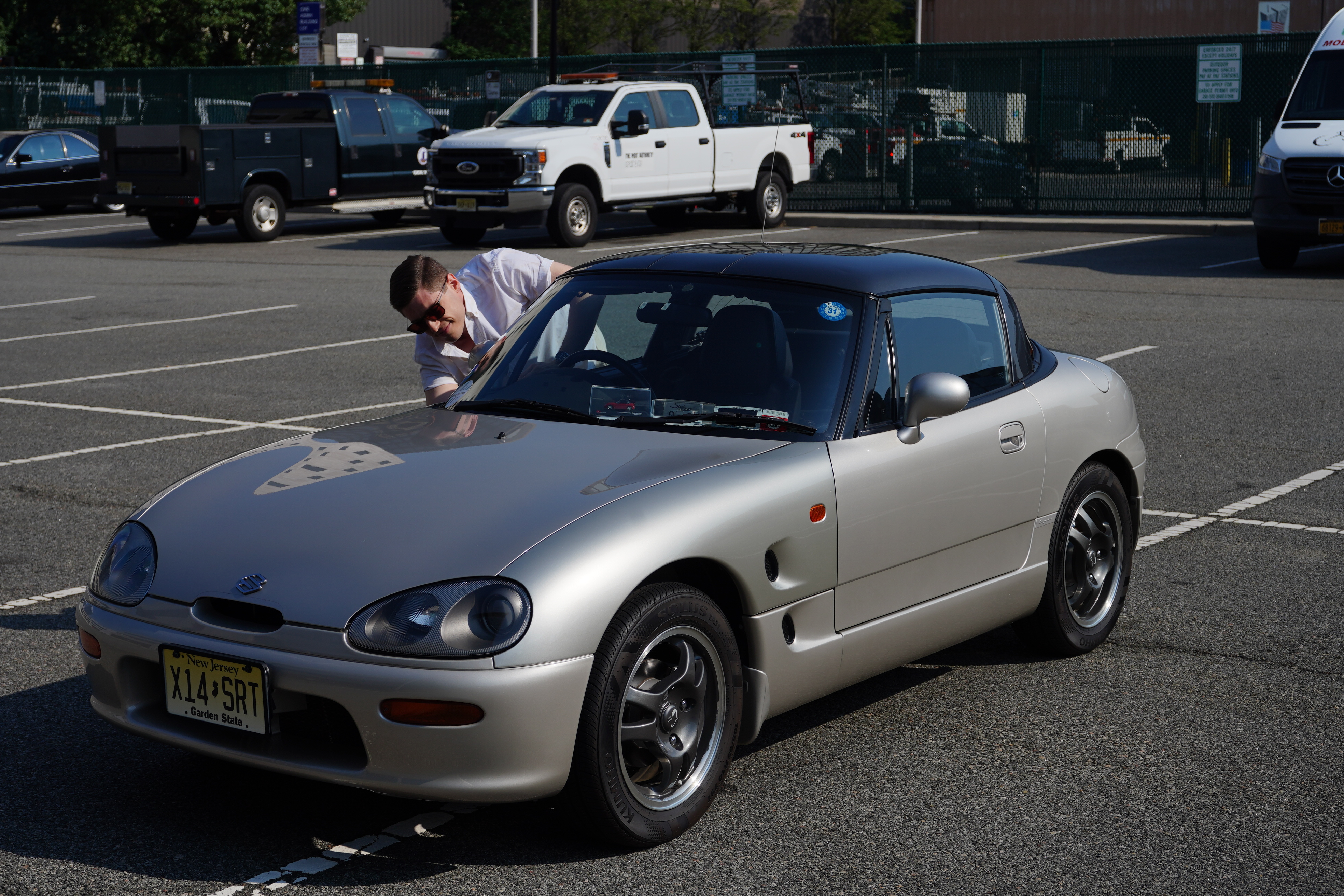
Although I didn’t identify it by make, model, or size class, I did include a different kei car in my blog post from July of this year about the Concours on the Palisades in Fort Lee, NJ. In the Japanese class was a Suzuki Cappuccino, a kei car which happens to use the same 3-cylinder engine as the Autozam.

Entire blog post content copyright © 2024 Richard A. Reina. Text and photos may not be copied or reproduced without express written permission.


The Lime Rock “Sunday in the Park” Car Show, Sep. 2024

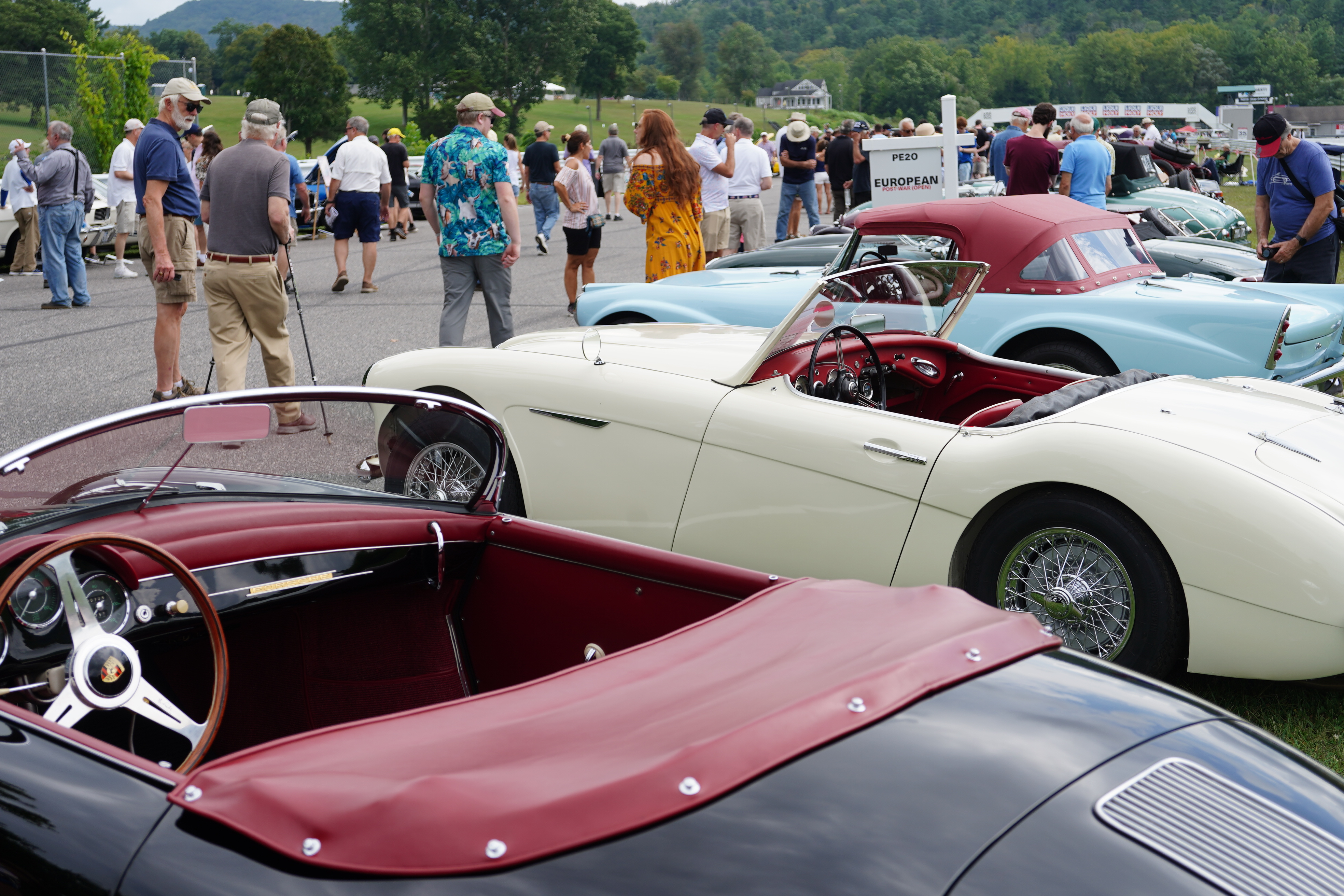
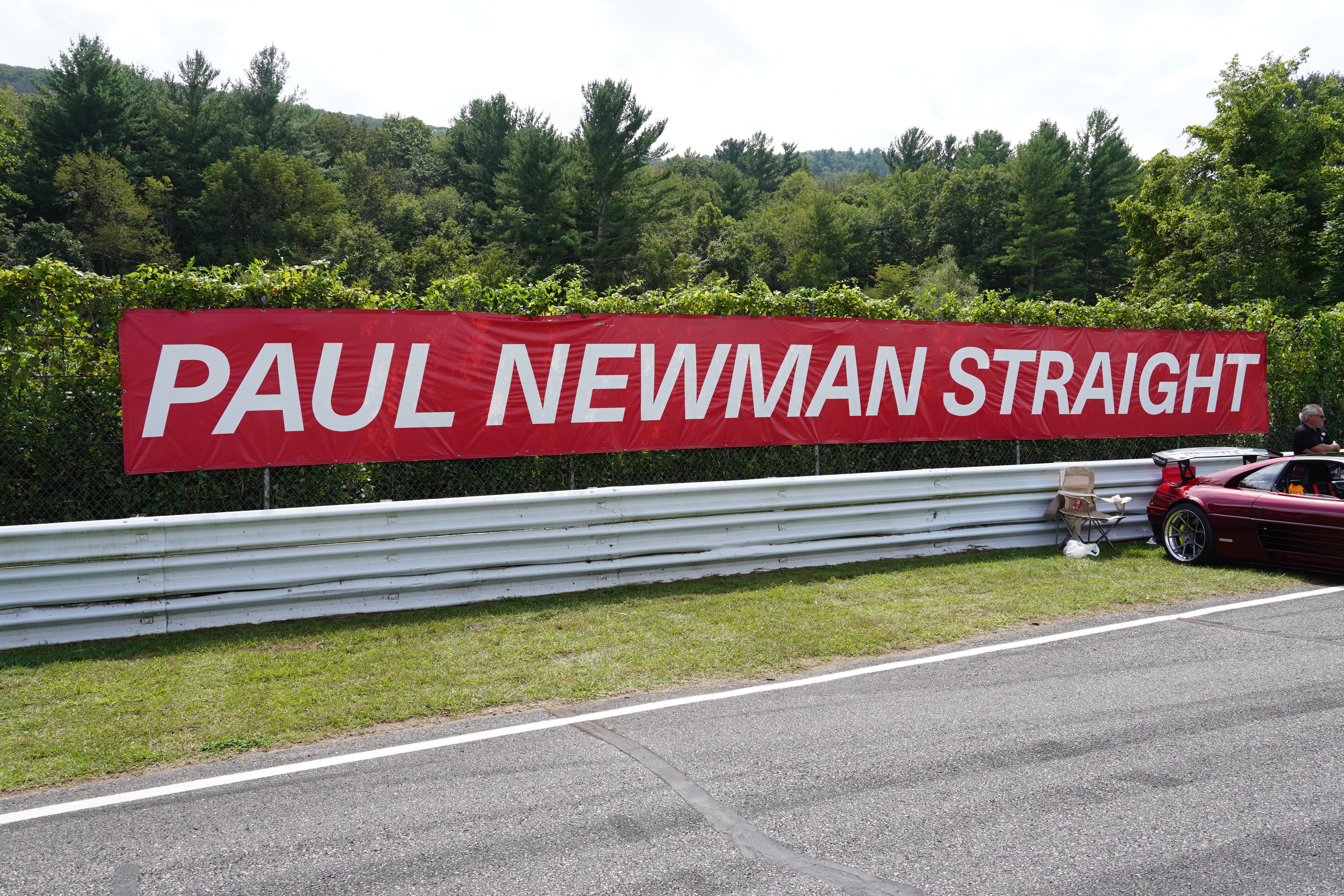
While Labor Day weekend marks the unofficial end to the summer season, there are still plenty of classic car shows to attend before things shut down for the winter. And what better way to kick off this segment of the year than by attending Lime Rock Park and its Historic Festival 42 (as in “now in its 42nd year”). As I did last year, I rode up to the event with my friend and fellow Alfa-owner Tony, and we were rewarded with great weather and a great display of cars. To my eyes, compared to last year’s slightly disappointing turnout, this year’s vehicles were more numerous and more varied.

As always, the vehicles arranged on the track can be broken into two large groups: the Featured Classes, and the Gathering of the Marques. The Featured Classes are pre-arranged, and one must apply to have one’s vehicle accepted. The Gathering of the Marques is open to any spectator with paid admission, provided that their car’s marque is one on display.

No one featured class stood out for me; rather, it was a nice assortment of pre-war, post-war, domestic, and import vehicles. For the Gathering of the Marques, I found the Italian brands, especially Fiat and Alfa Romeo, to exhibit stronger than usual showings.


AMERICAN
Pre-war Cadillac
1940 LaSalle
1964.5 Mustang, claimed to be wearing all-original paint

1935 Chrysler Airflow

A ONE-OWNER ’67 GTO

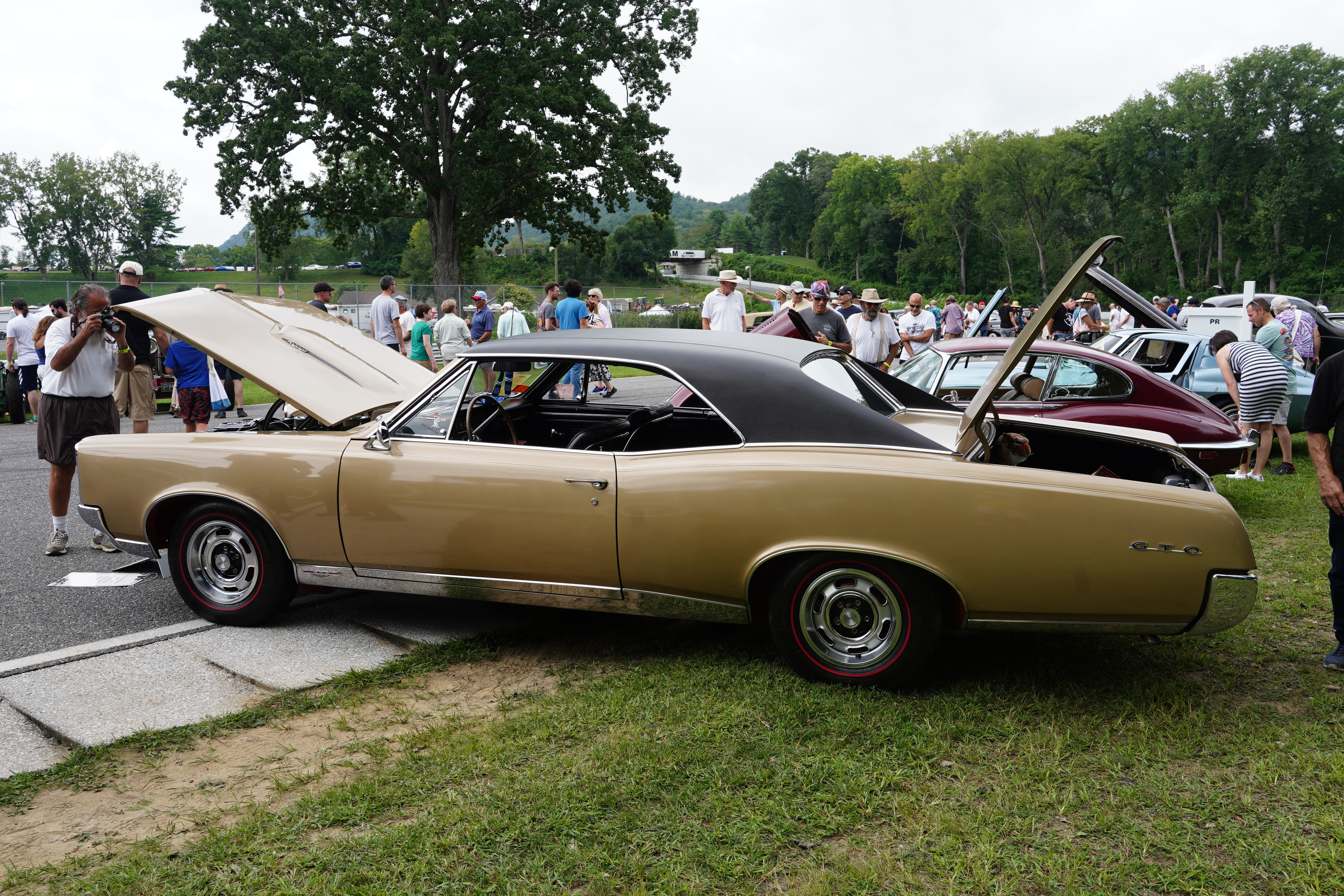
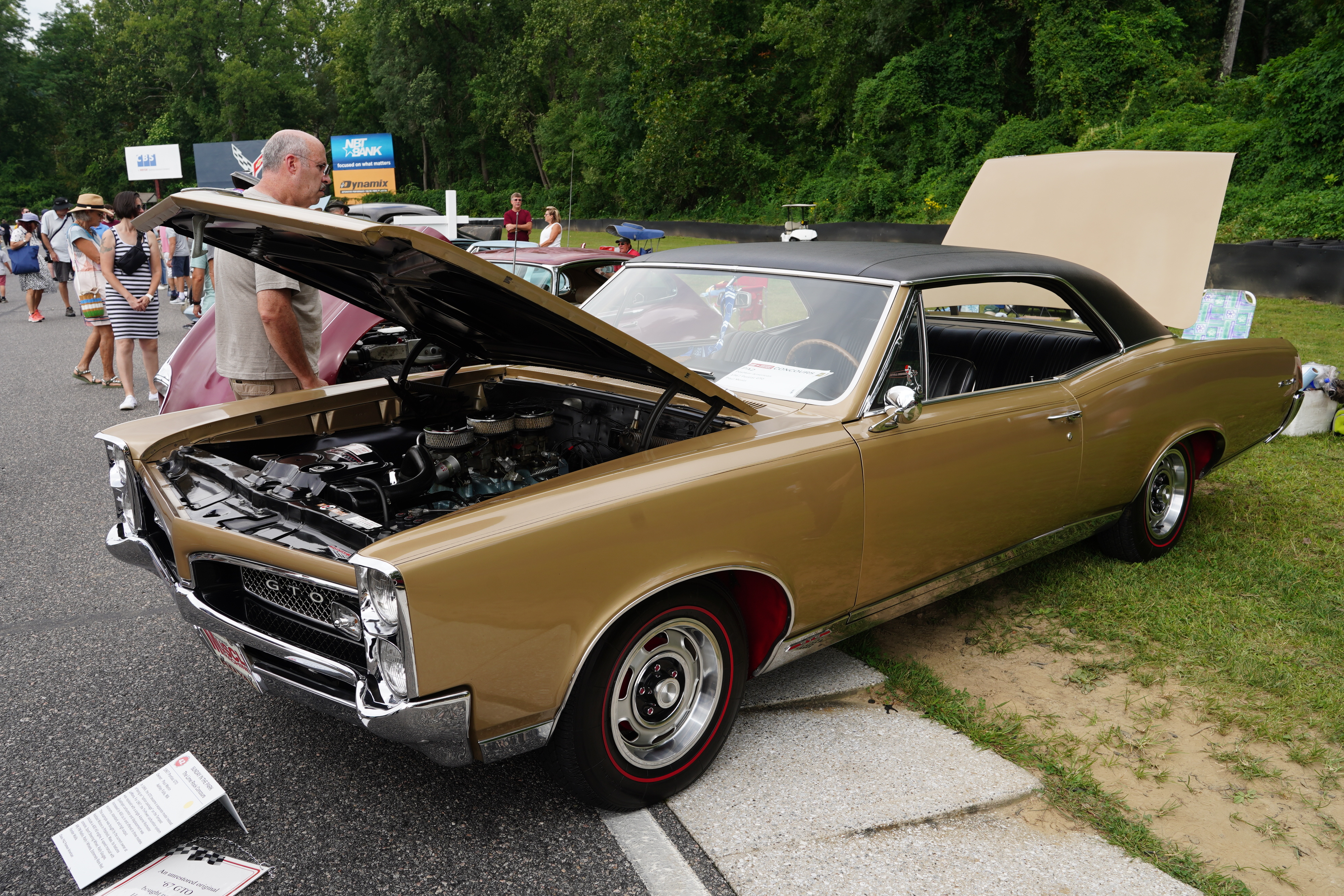
The gentleman representing this car claimed that he bought it brand new in 1967 when he was 22 years old. The car has 7x,000 miles on it, and he further claimed that it was 100% original: paint, chrome, upholstery. The car looked stunning. He special ordered it with Tri-Power and without PS, PB, or A/C. On top of all this, he owns 15 other GTOs!


BRITISH


1930 MG


GERMAN


FRENCH
If this French Simca looks Italian, it’s because it was designed by Bertone

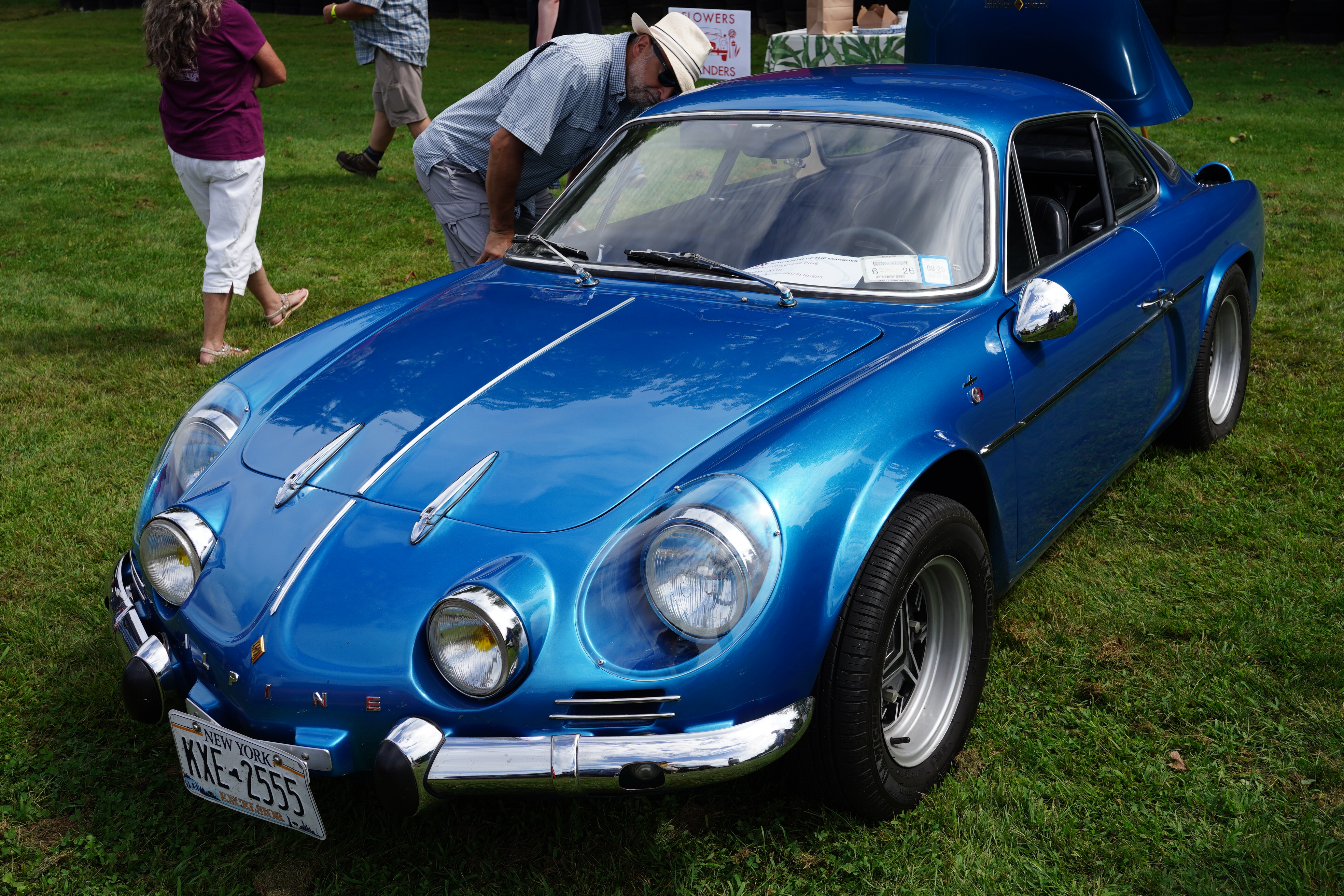
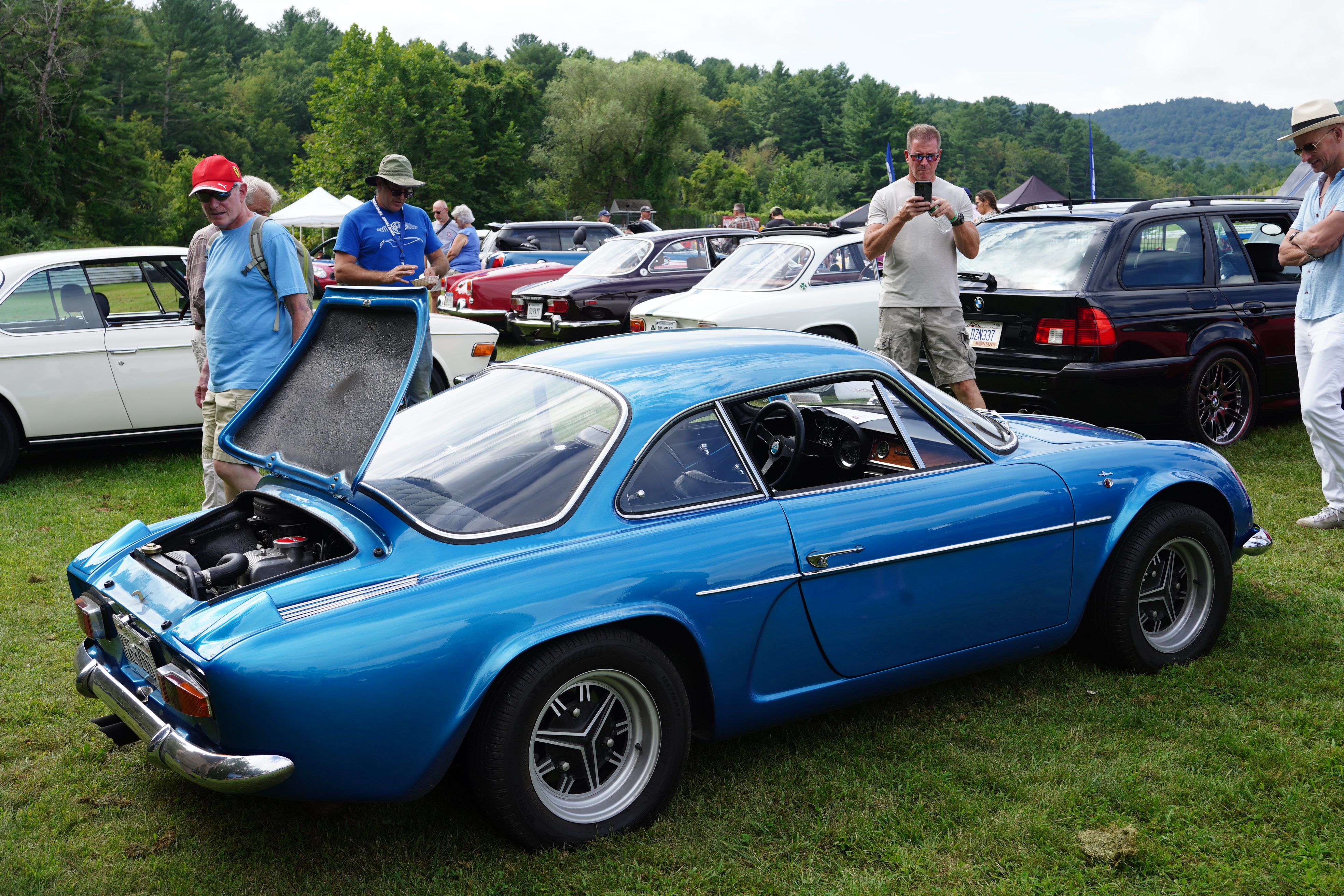
Renault Alpine


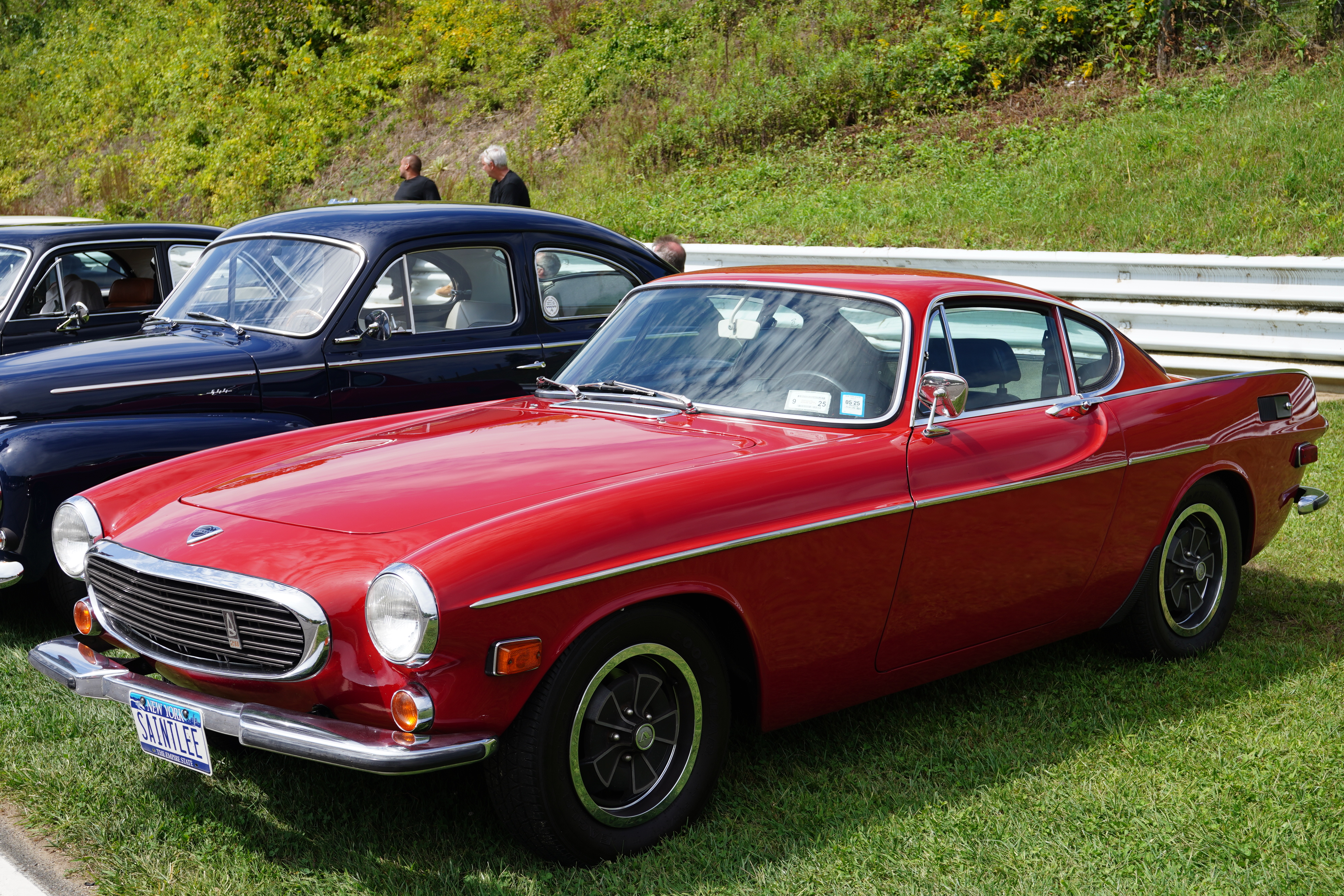
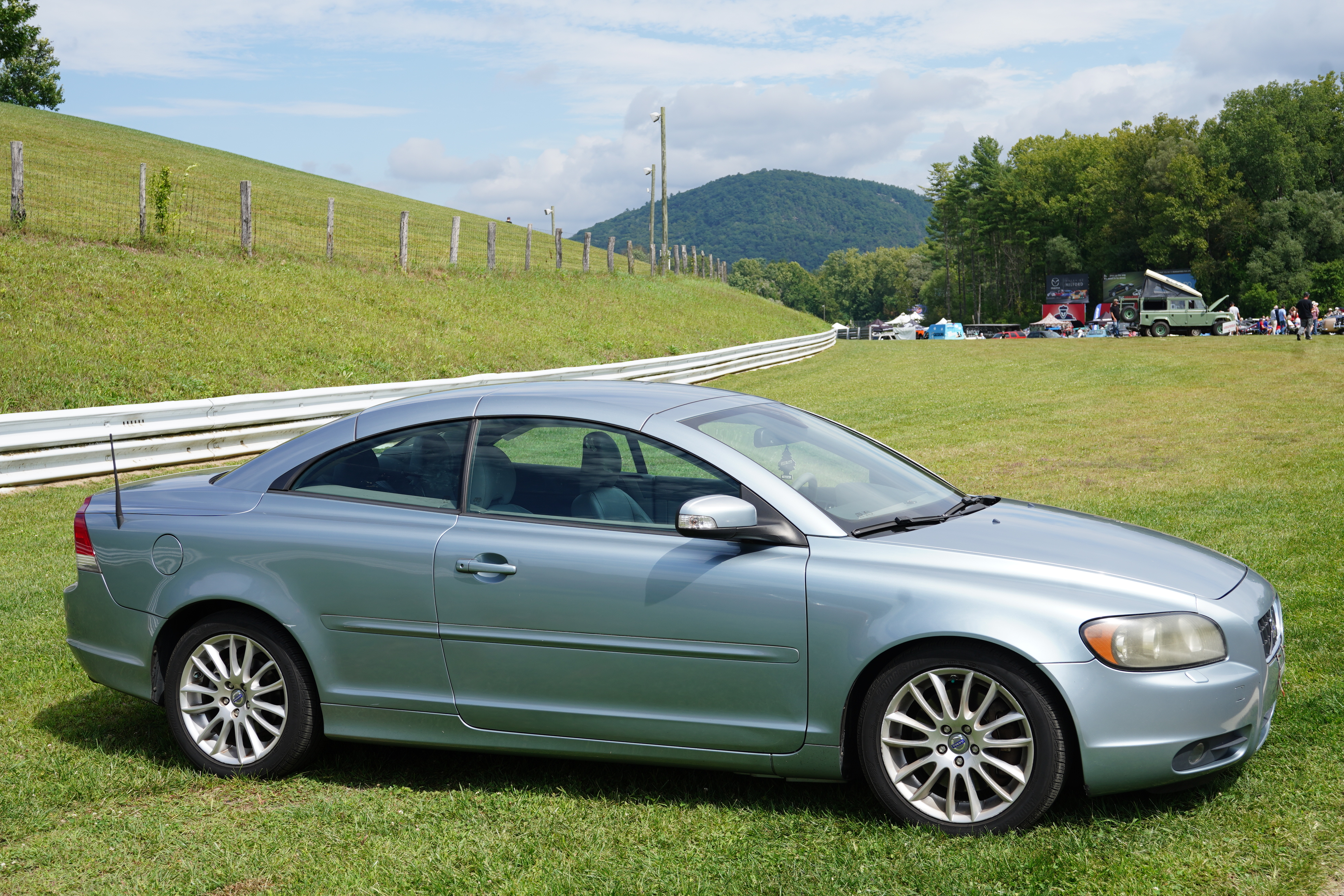
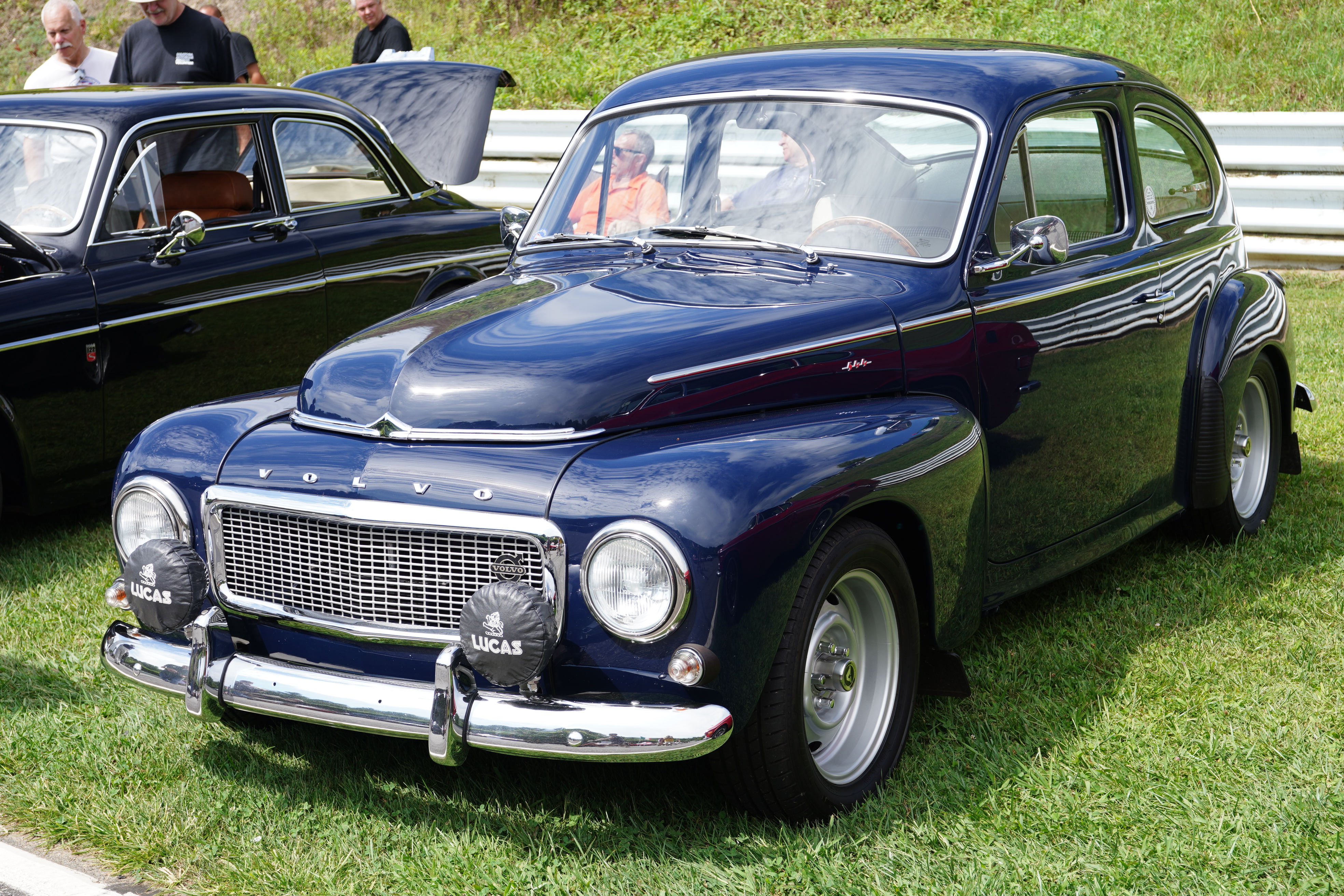
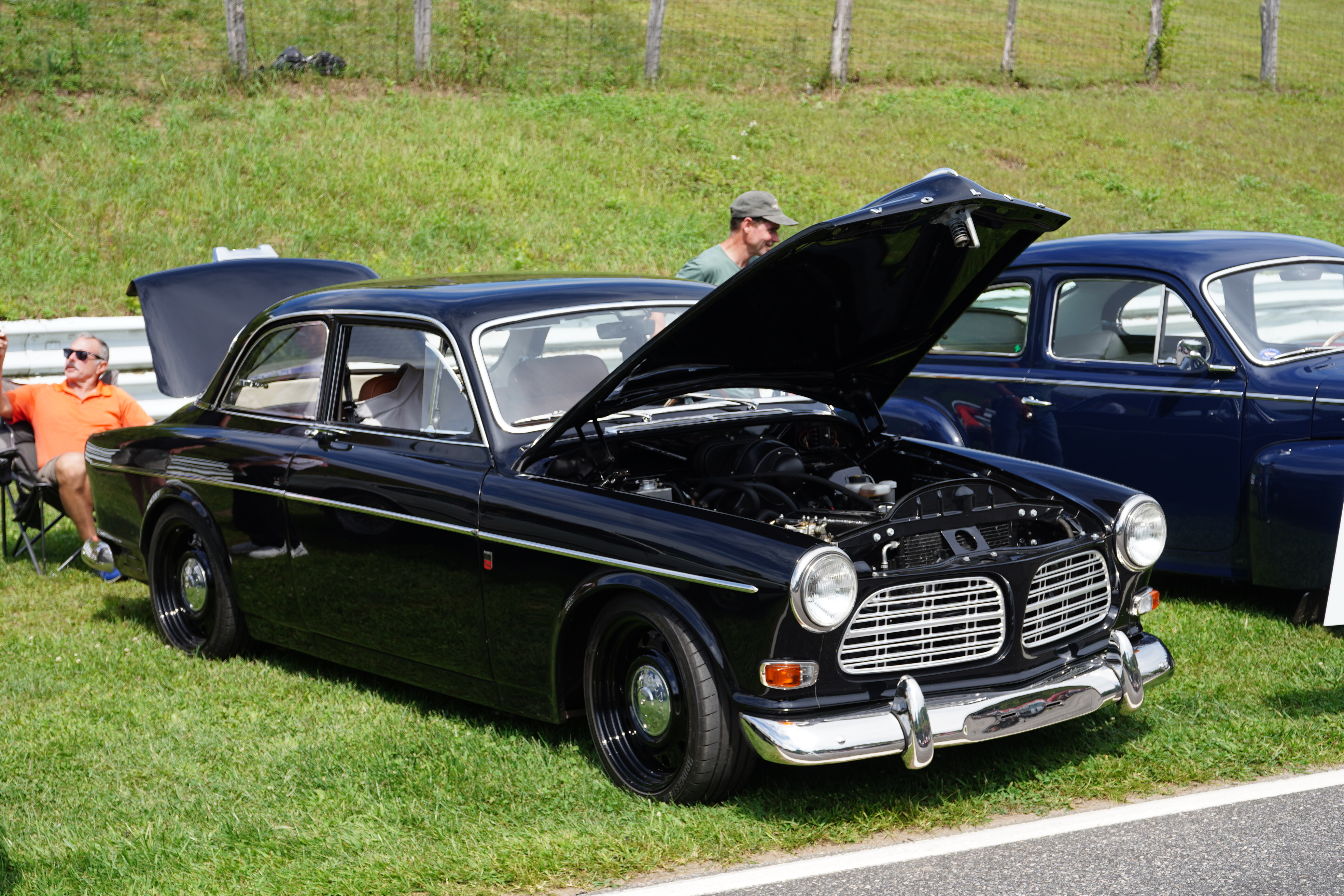
VOLVO


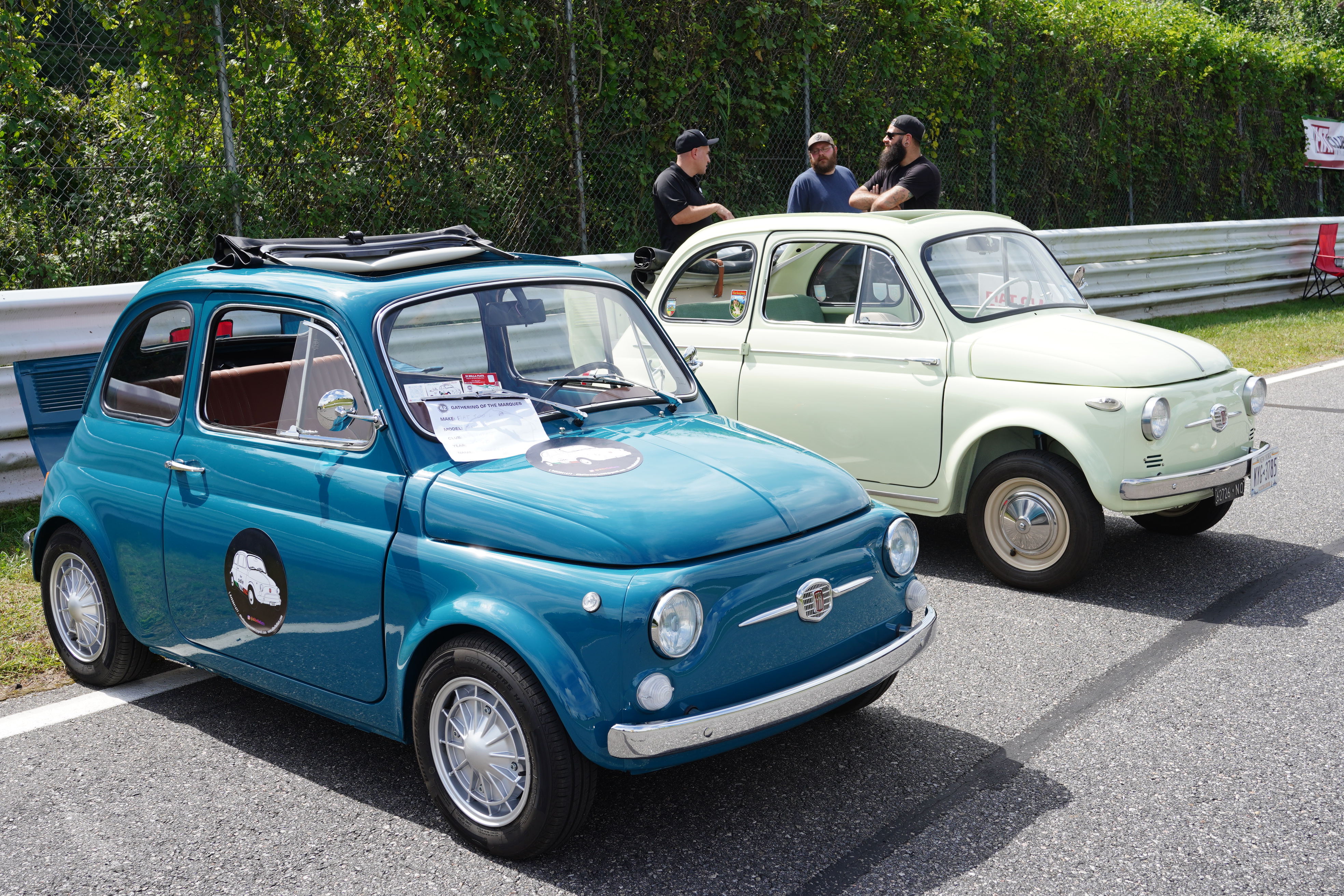
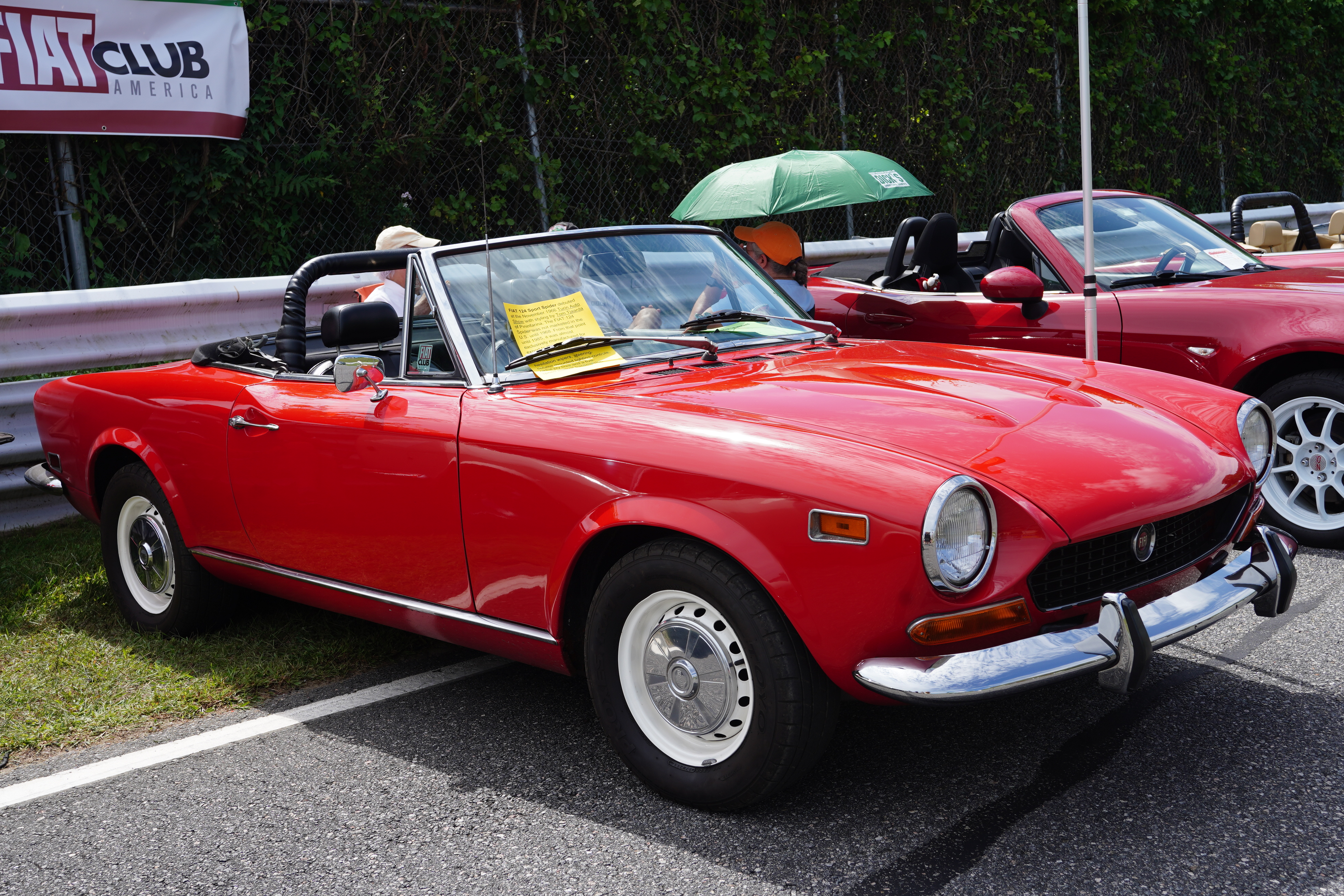
FIAT

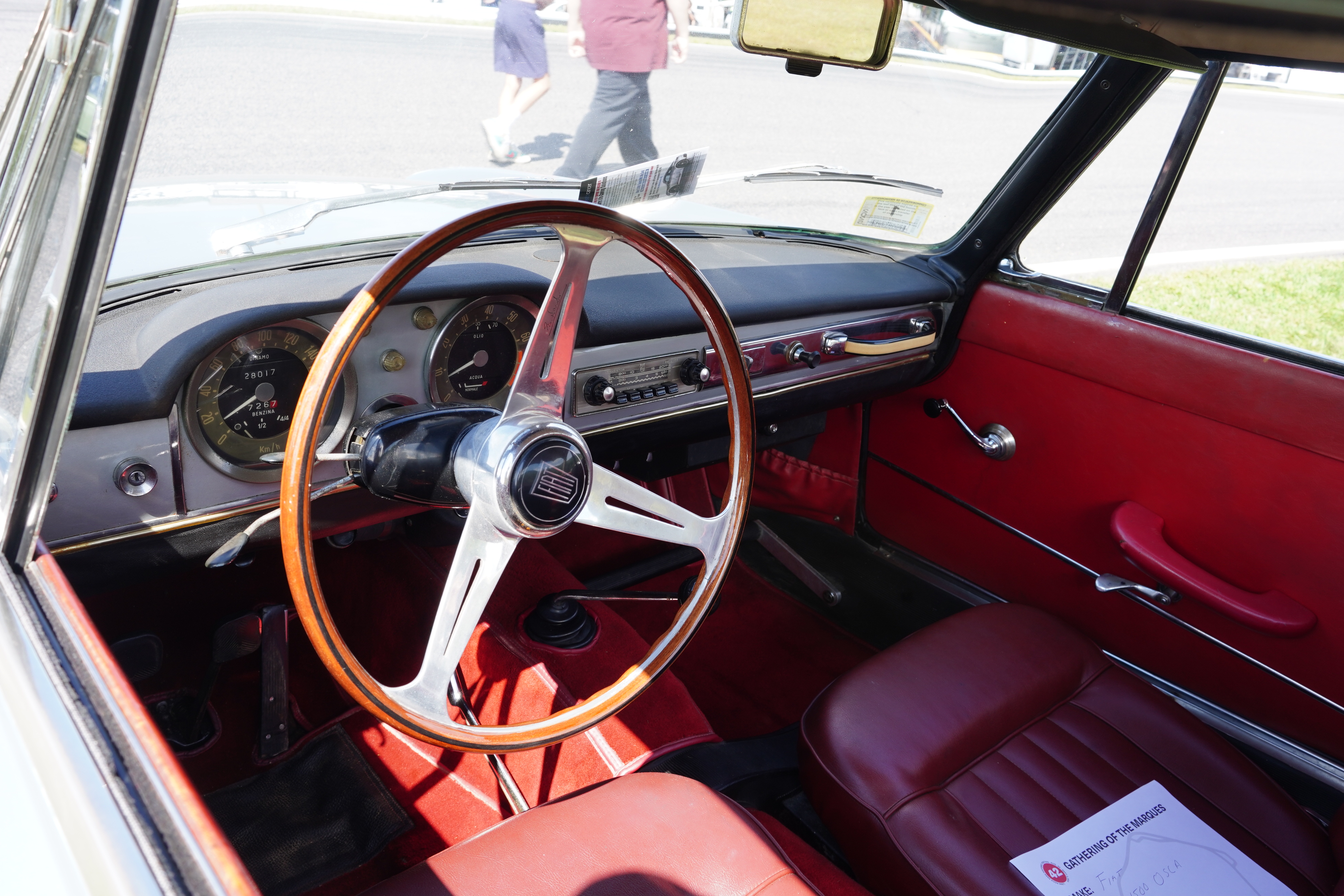
Fiat 1500 OCSA

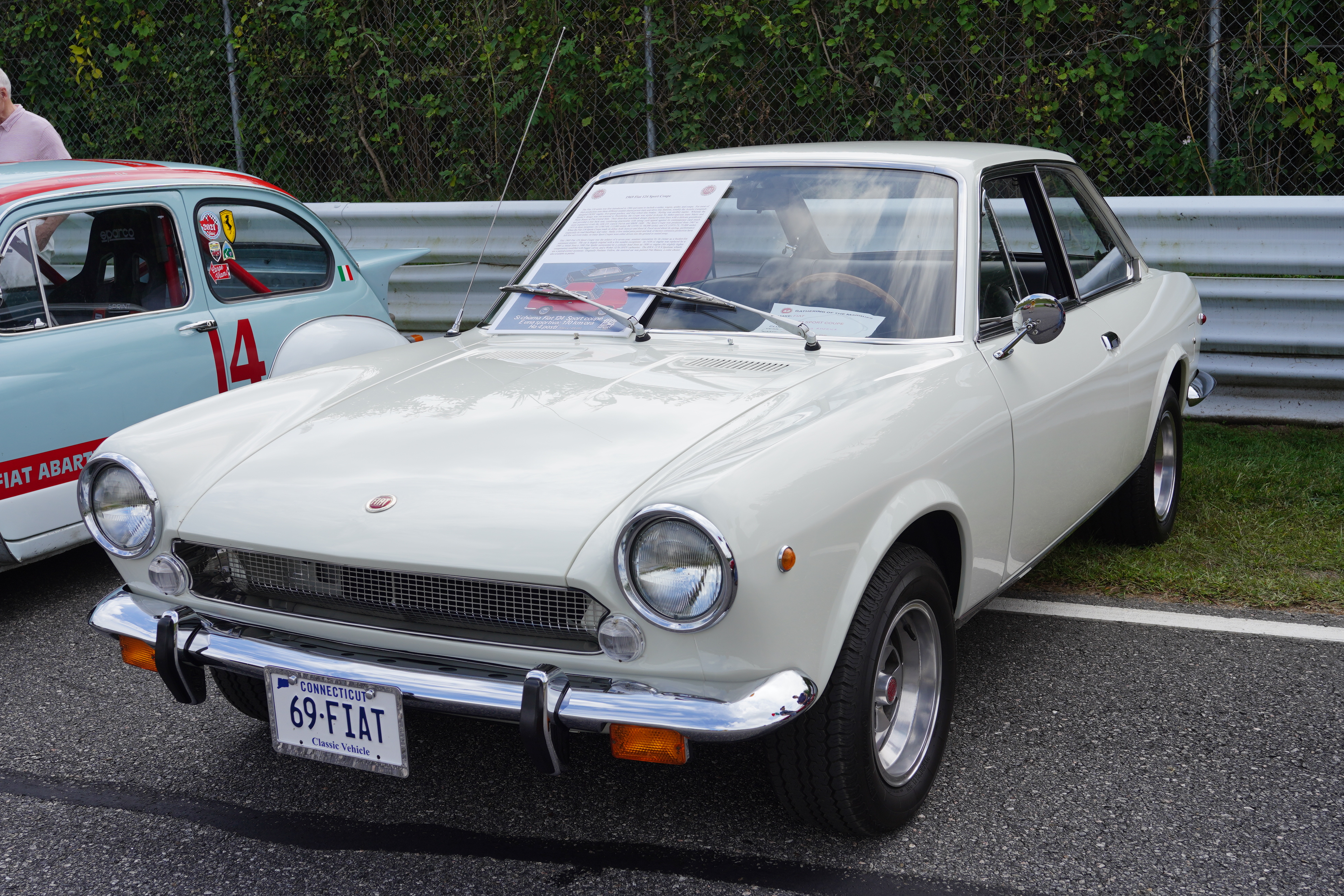
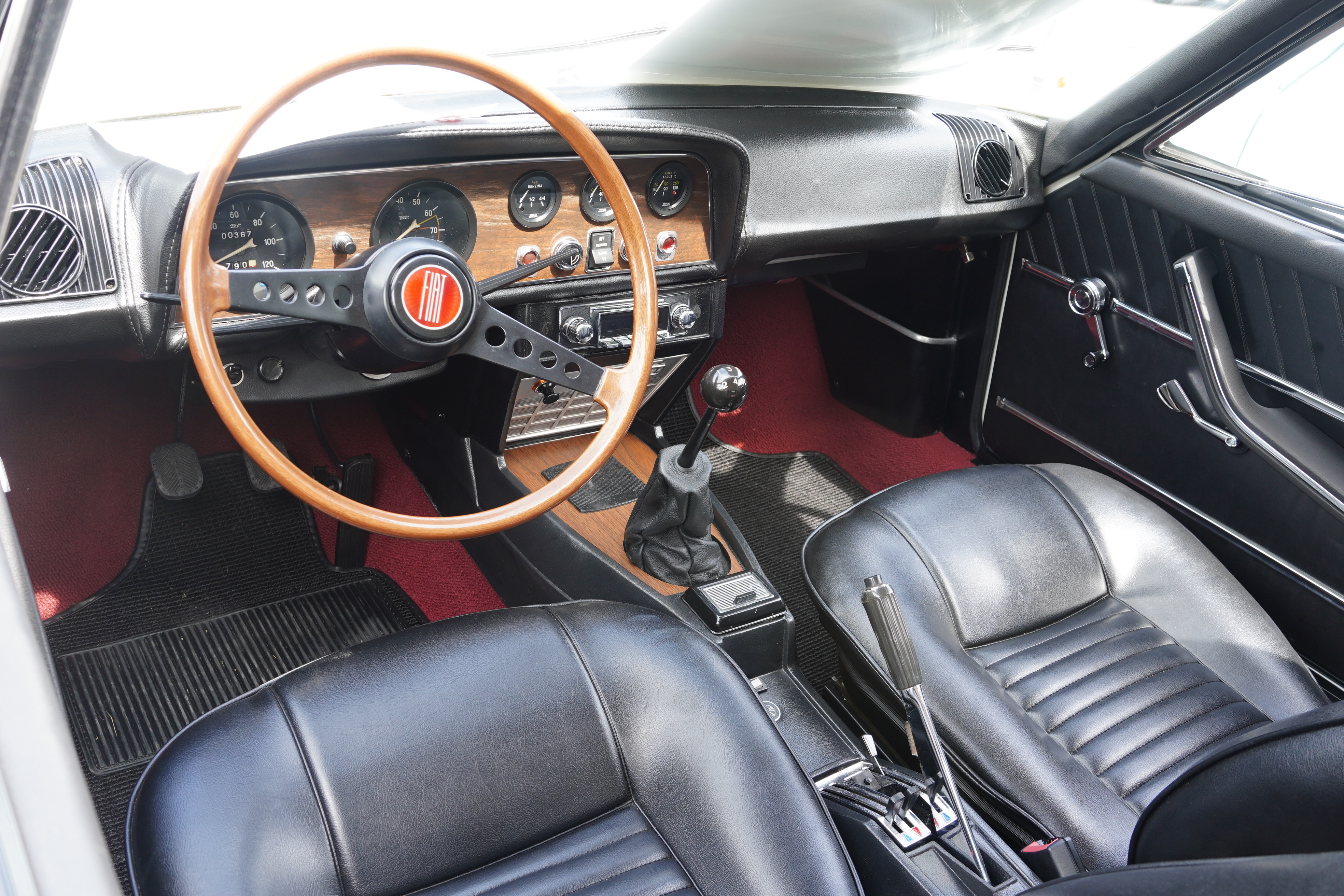
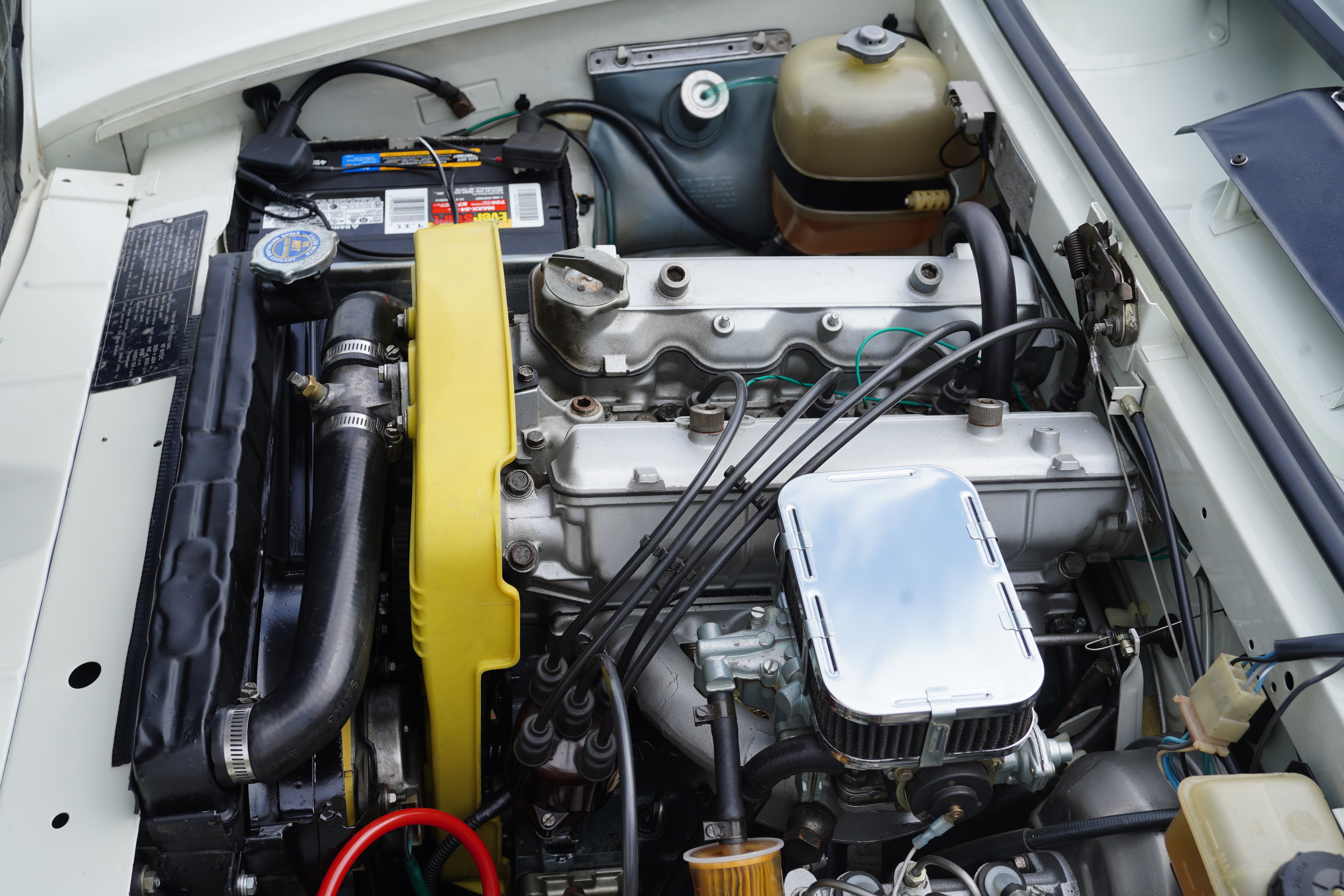
A BEAUTIFULLY RESTORED ’69 FIAT 124 SPORT COUPE

Ever since buying one as a 20-year-old, I have had a soft spot for the Fiat 124 Sport Coupe. Terminal rust has killed 90%+ of them, and it’s an incredible treat when one pops up at a show. This ’69 (first-gen car with the single headlamps) stopped me in my tracks, as it looked almost perfect. I spoke at length with the owner who told me he bought it 8 years ago, then spent 7 years restoring it, so it’s been finished for only about a year. He had two cars and took the best parts of each to create one car. All mechanical work was performed by him, with only the body and paint work farmed out, although the body shop had the shell for 3 years. I asked about sheet metal availability, and he said that this car needed a complete floorpan. Doing some research, he discovered that the 124 4-door sedan and the 124 coupe had the same wheelbase. The 124 sedan was built in large numbers under license as a Lada in both Poland and Russia, so parts availability in these former Soviet-bloc countries was good. He found an aftermarket floorpan for the sedan offered by a Ukrainian company, and with some trepidation, ordered it. It arrived, and to everyone’s glorious surprise and relief, it dropped right into place!
 

ALFA ROMEO

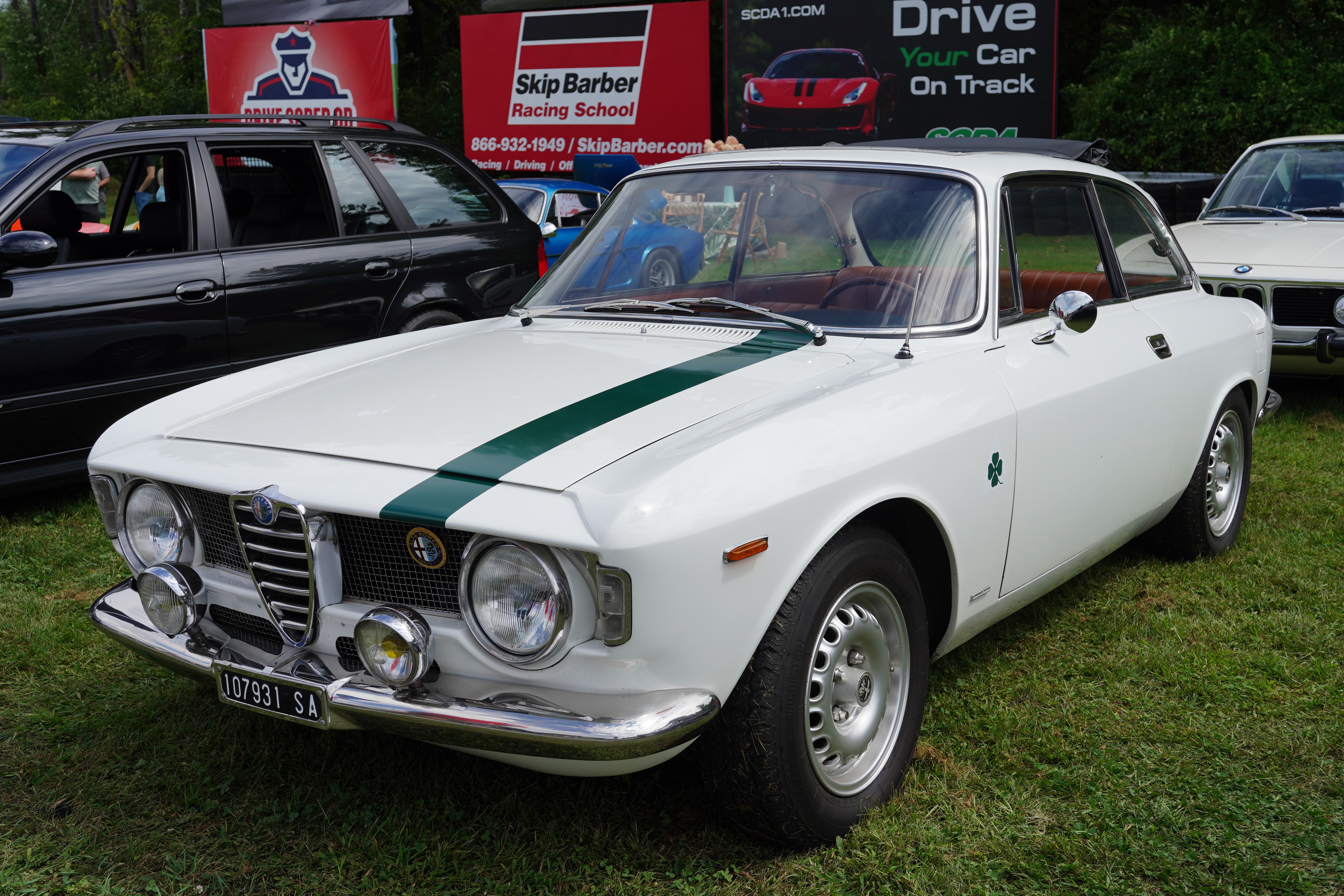
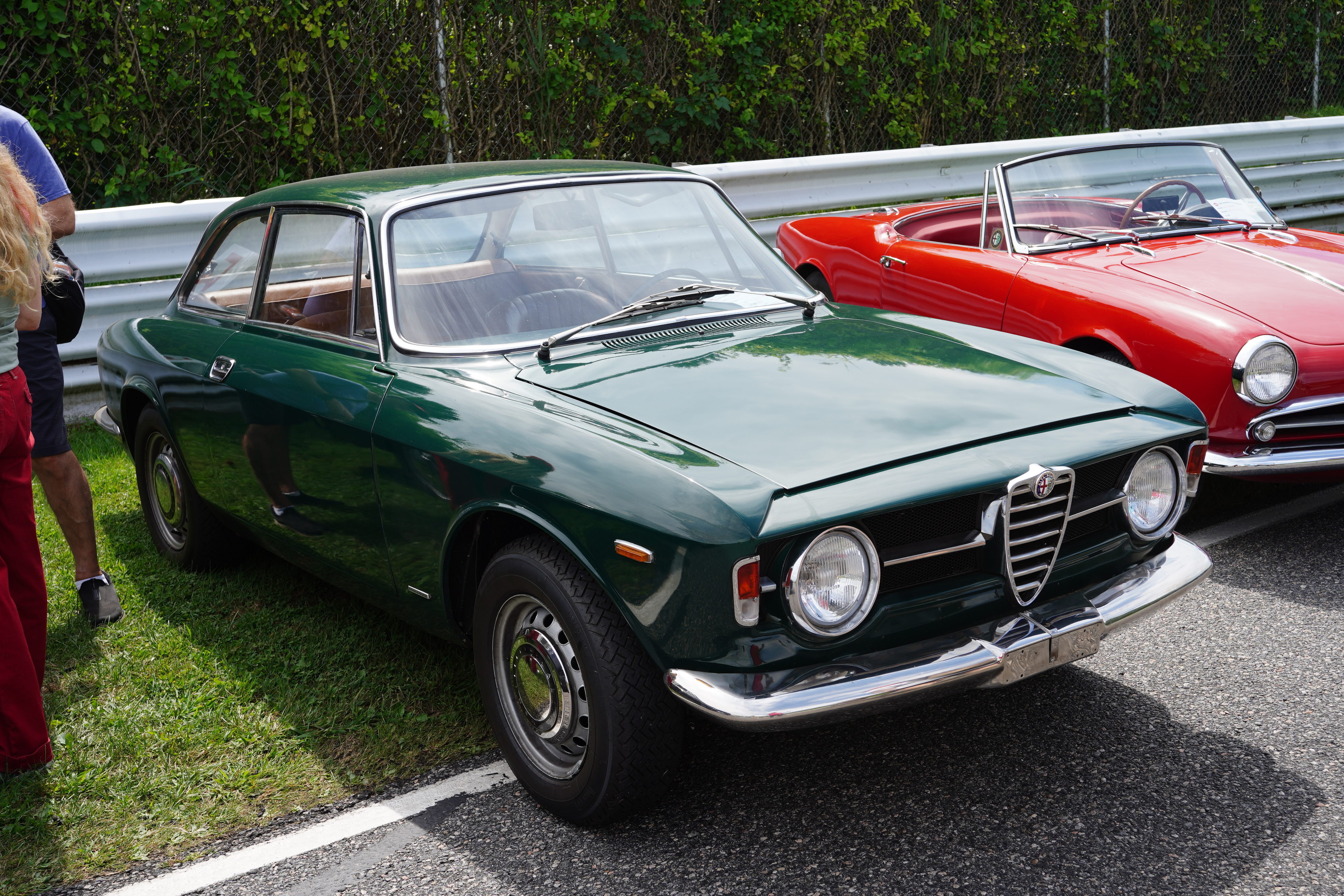
The “Juniors” (smaller engines, fewer features) were never officially imported into the U.S., so seeing one is a rare treat, although they are around. My ‘67 of course, is a Junior, privately imported in 1967. While I’ve seen a small handful of other Juniors at Alfa shows, I’ve never seen one in the same colors as mine, that is until I saw this 1968 model, one year newer. Other Junior owners have challenged certain features on my car, claiming that all Juniors have two-spoke wheels (mine is a three-spoke), and only one “Designed by Bertone” badge on the front fenders (I have two, one on each side). This Lime Rock Junior had the same steering wheel as my car but only one “Bertone” badge. Most interestingly, it had a grey dash without the vinyl “wood” applique which my car has. I’ve only seen the grey dash on pre-1967 coupes. I think, as others have hinted at, that the factory assembly process was simply not always that precise.


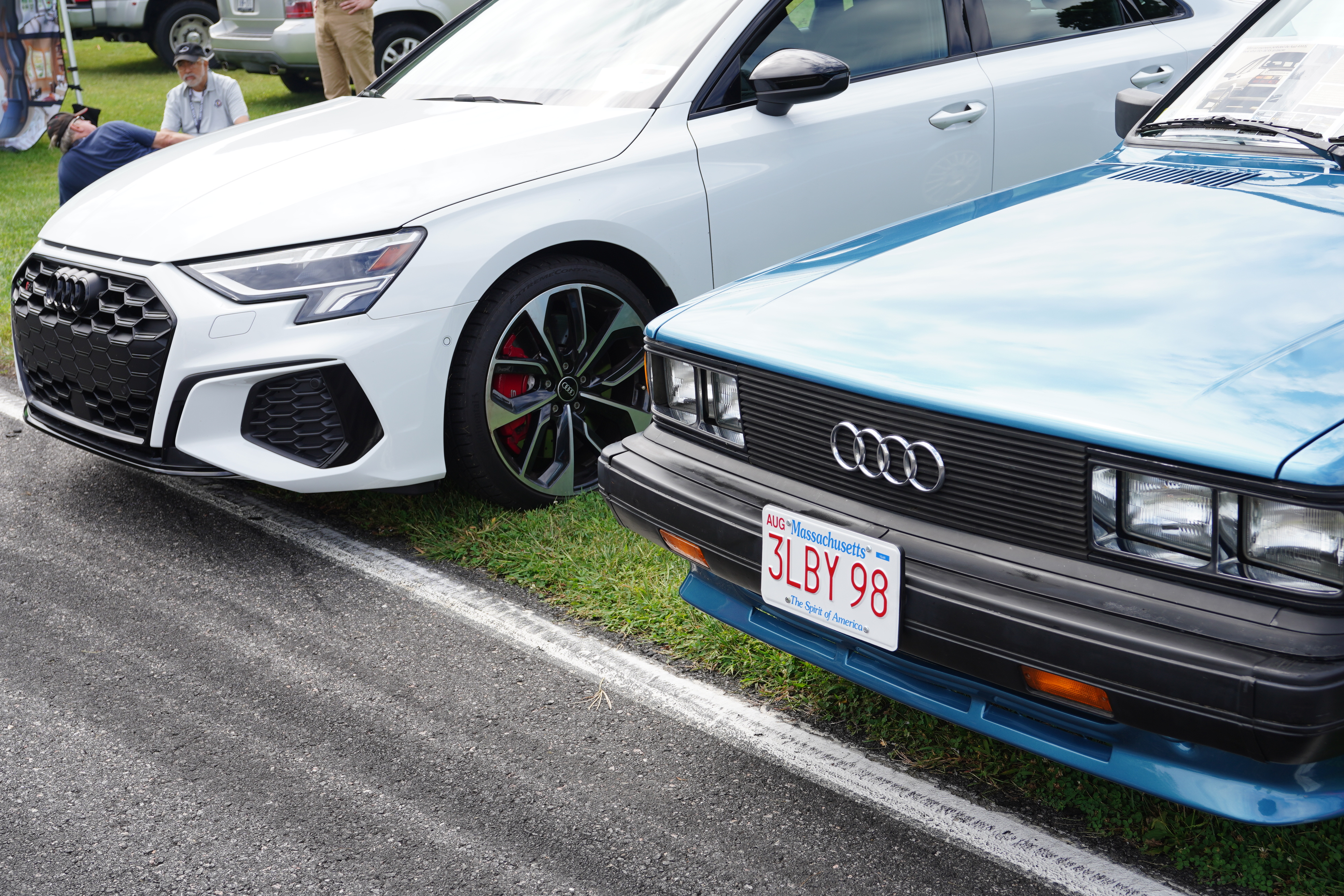
GRILLE EVOLUTION


ADDENDA

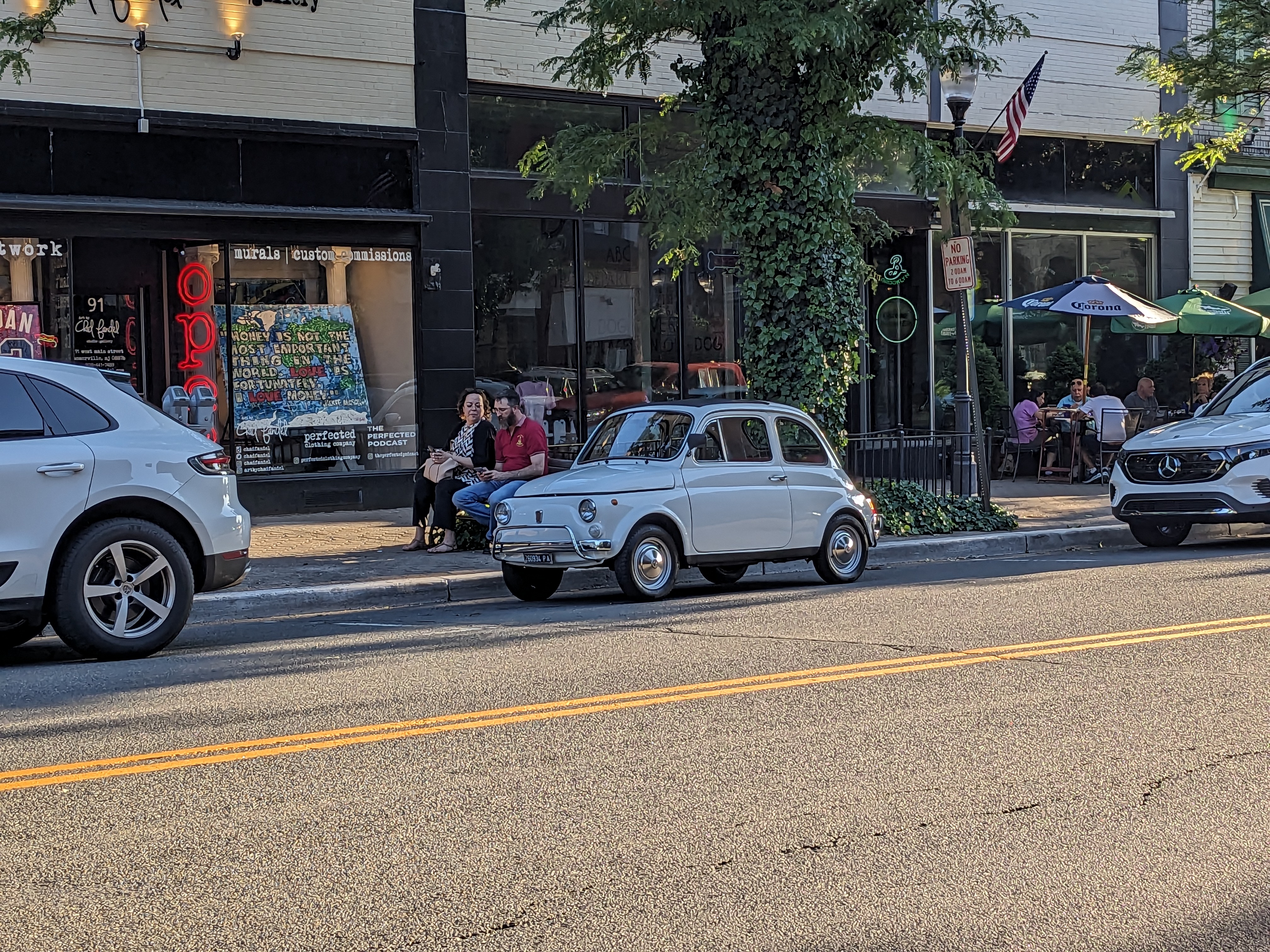
This Fiat 500 was spotted on Main St. in Somerville NJ parked between a Porsche and a Mercedes-Benz. You could fit THREE 500s into that parking spot!


Entire blog post content copyright © 2024 Richard A. Reina. Text and photos may not be copied or reproduced without express written permission.