My Day 2 stroll through the BolognaFiere began by tackling the huge hall filled with vendors who were selling parts, accessories, books, and clothing. My personal goal was to find sales or marketing literature specifically for my ’67 GT 1300 Junior, and while I did find a maintenance manual (I passed at the asking price of €125), and while there were sale brochures for newer Alfas, I struck out on my search. So I turned my attention to the numerous parts suppliers, most of whom I had not heard of. I was pleasantly surprised to find that they sold repair parts of interest to me, and I collected their contact info for future reference.
Although I have close to zero interest in motorcycles, I did wander through the single motorcycle hall just to be able to say that I saw it. I concluded the day’s tour by taking in the sixth of the six buildings with cars for sale. Like Thursday, Friday was 6 hours on my feet, so I headed back to the hotel for the day.
Among the many surprises waiting for me at the Auto e Moto d’Epoca were the large number of Lancia automobiles. Compared to Fiat and Alfa Romeo, Lancia never gained a strong sales following in the United States. Lancia’s reputation in Europe was due in great part to its huge rallying success. Perhaps the most popular Lancia models for us were the FWD Beta coupes and sedans which were launched in the mid-1970s. Like other European makes, though, lack of a strong dealer network was the most likely cause of the brand’s failure in America, in spite of attempts by others to blame the quality of the automobiles. Today, my photos will feature Lancias. Note the asking prices here, as many of them seemed relatively affordable.
This Lancia Fulvia Zagato was the very first car I saw upon entering the show on Thursday.

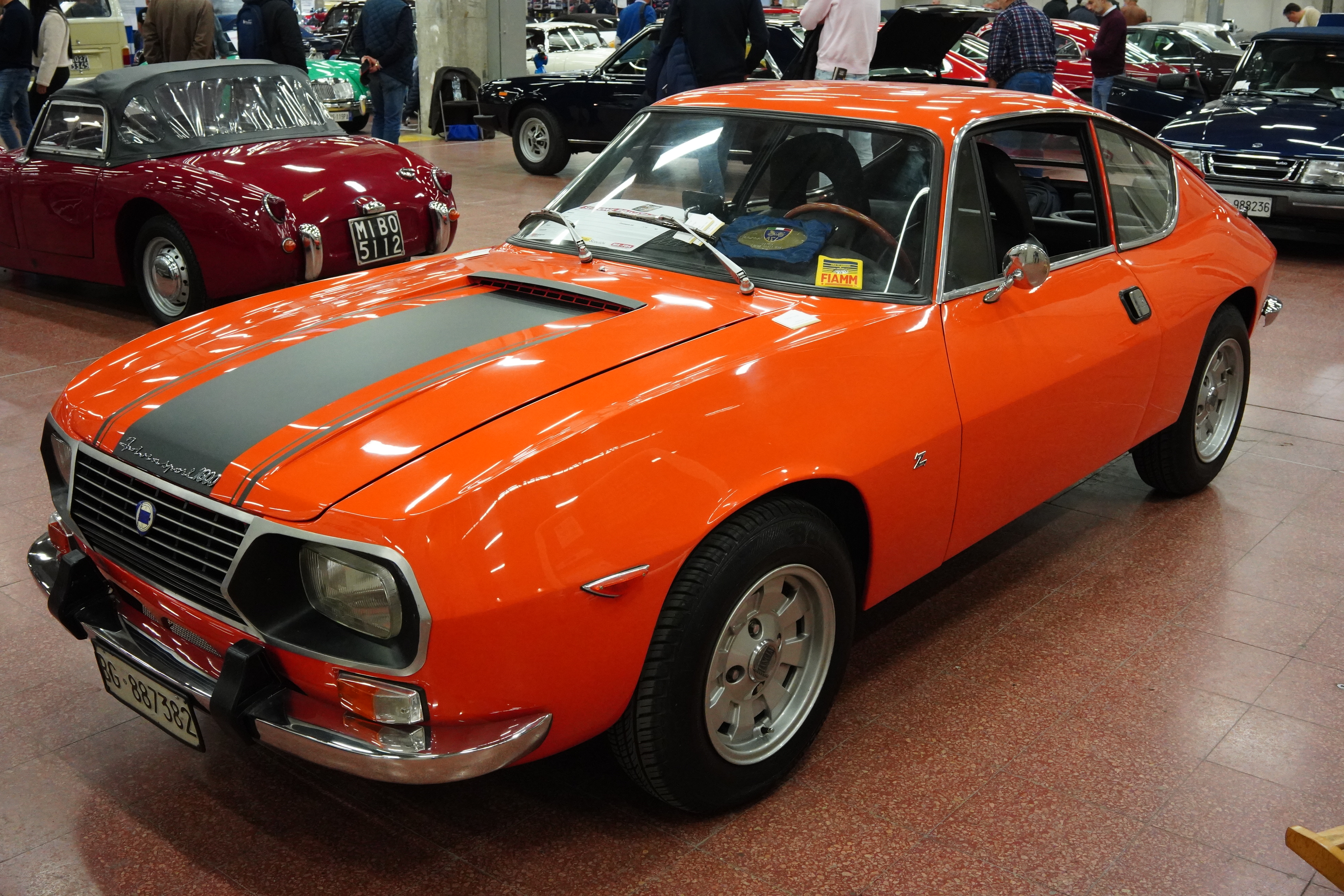
This ’67 Fulvia Coupe in white had a For Sale sign which read: “Published book value €22,000, price negotiable”.


Another Fulvia Zagato, this time in red.
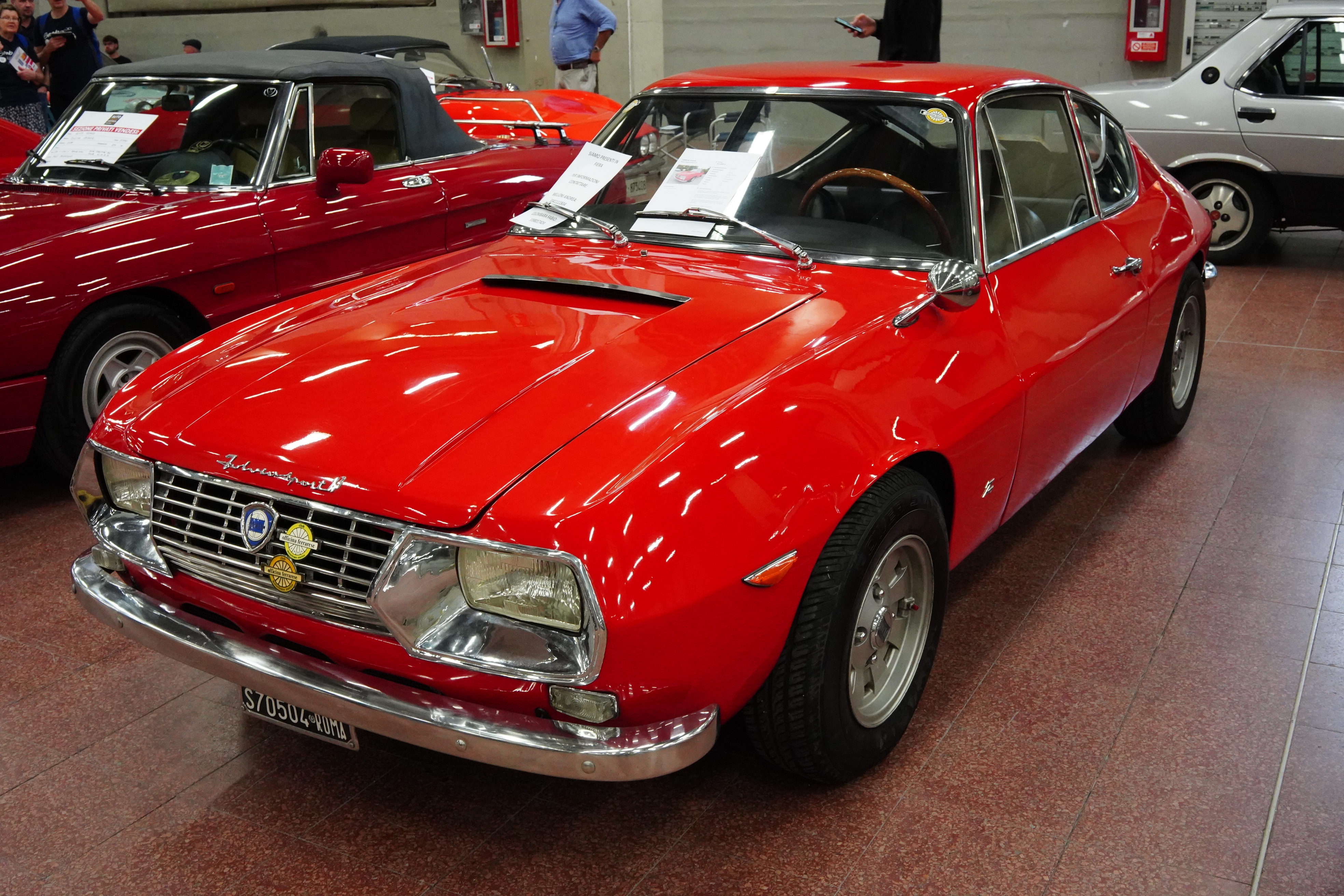
A handsome Flaminia convertible in silver.


A white Flaminia, this time a coupe.

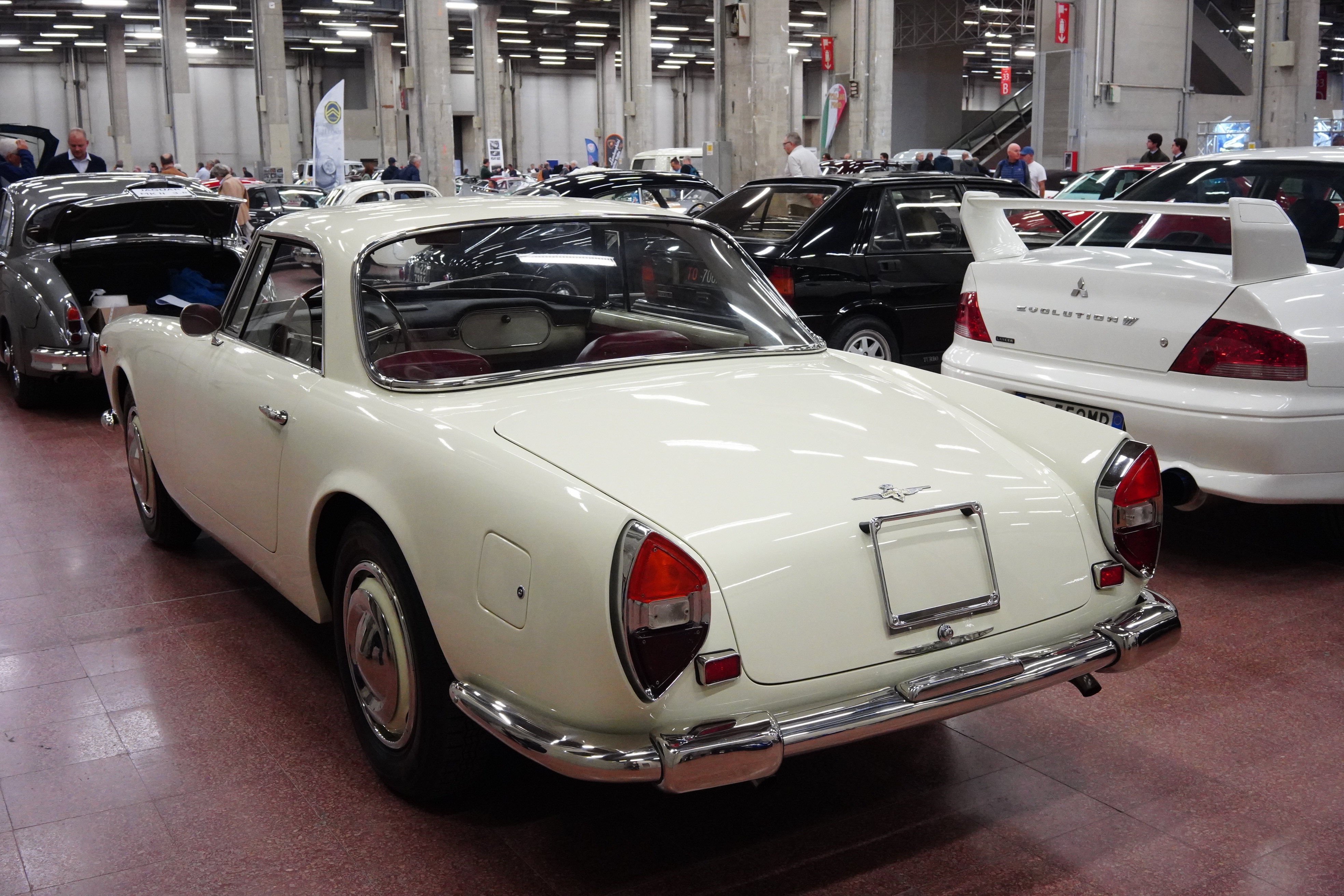
A Lancia Flavia Sport. Get a load of that quarter window treatment!

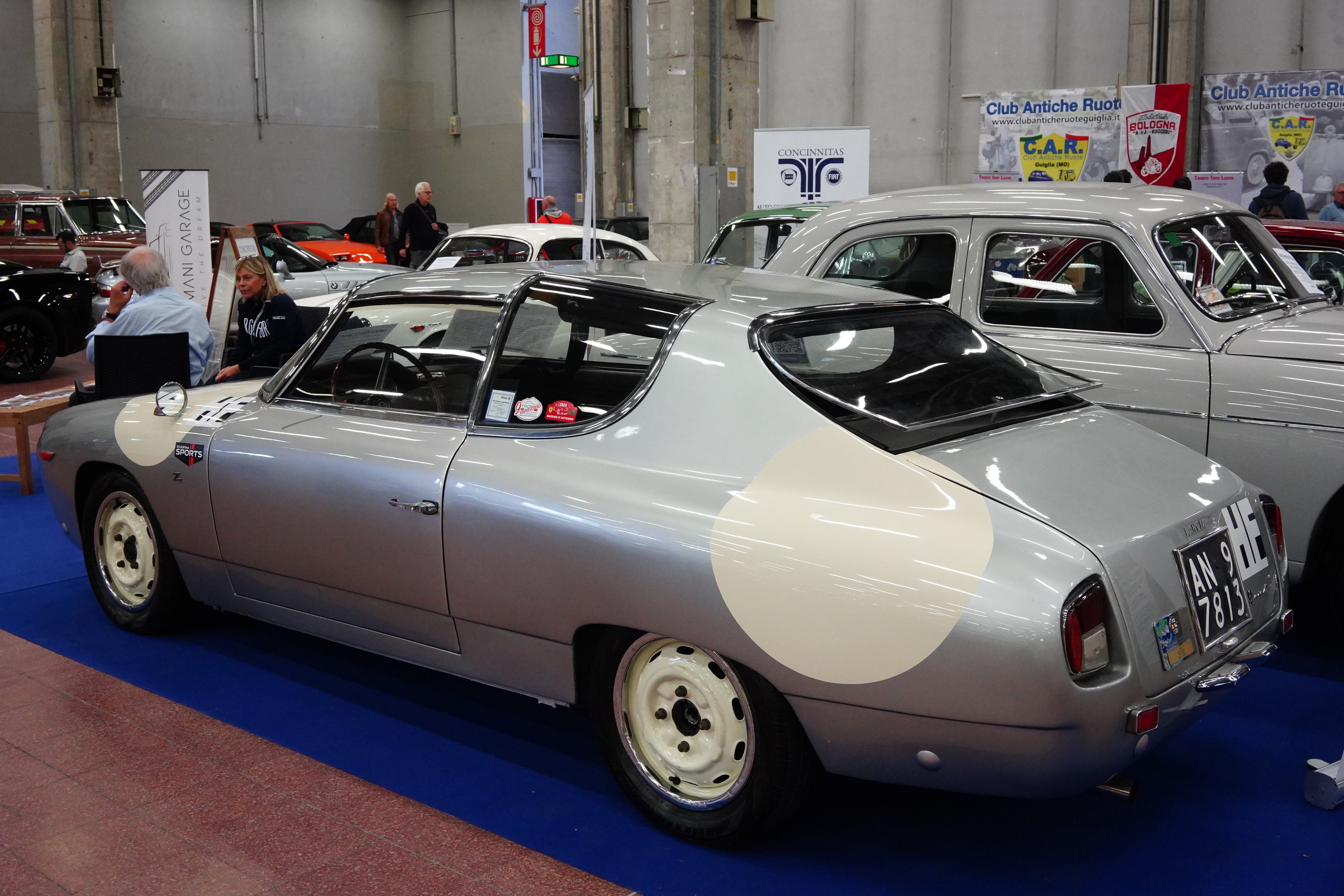
This white Fulvia coupe had an asking price of €21,000.

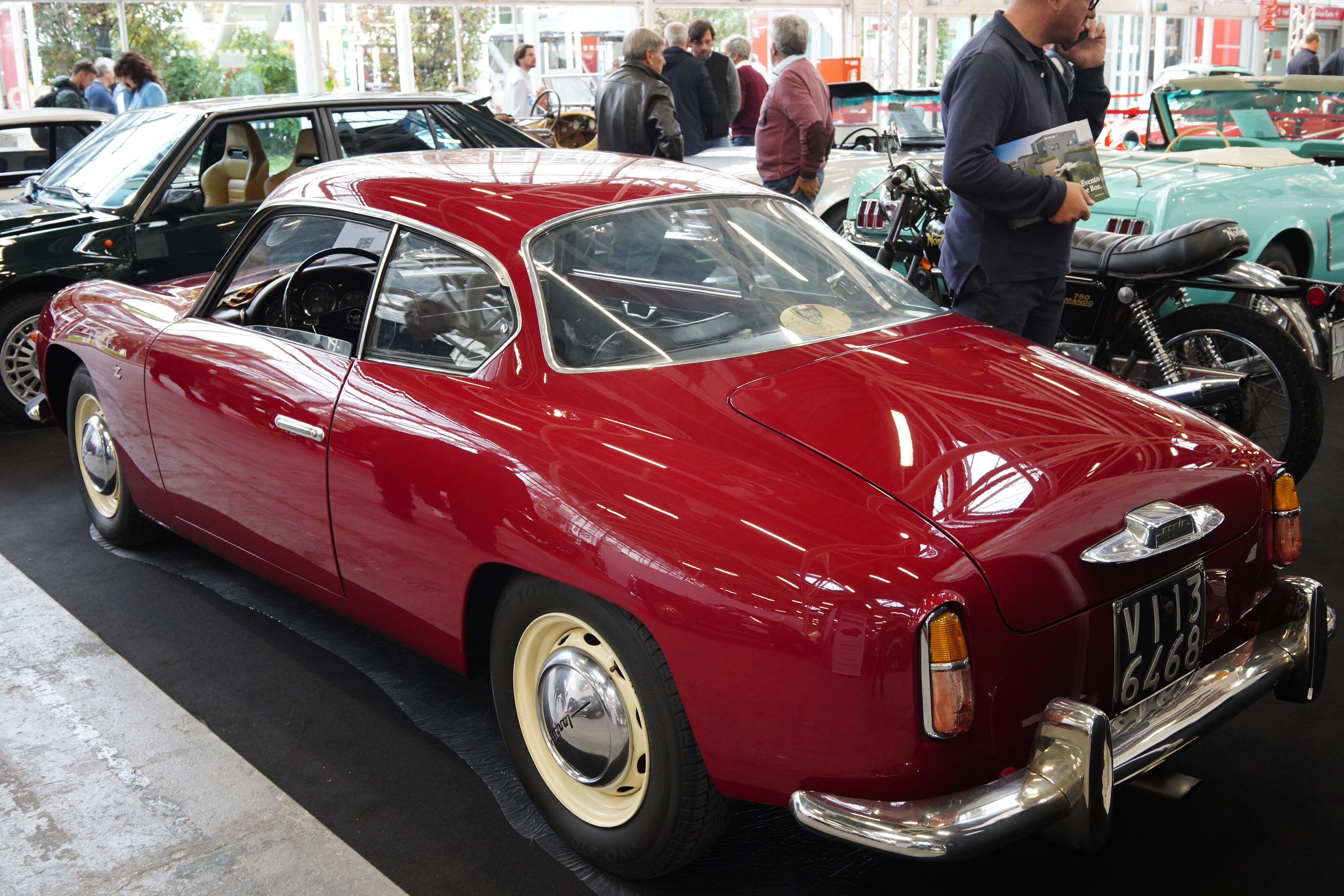
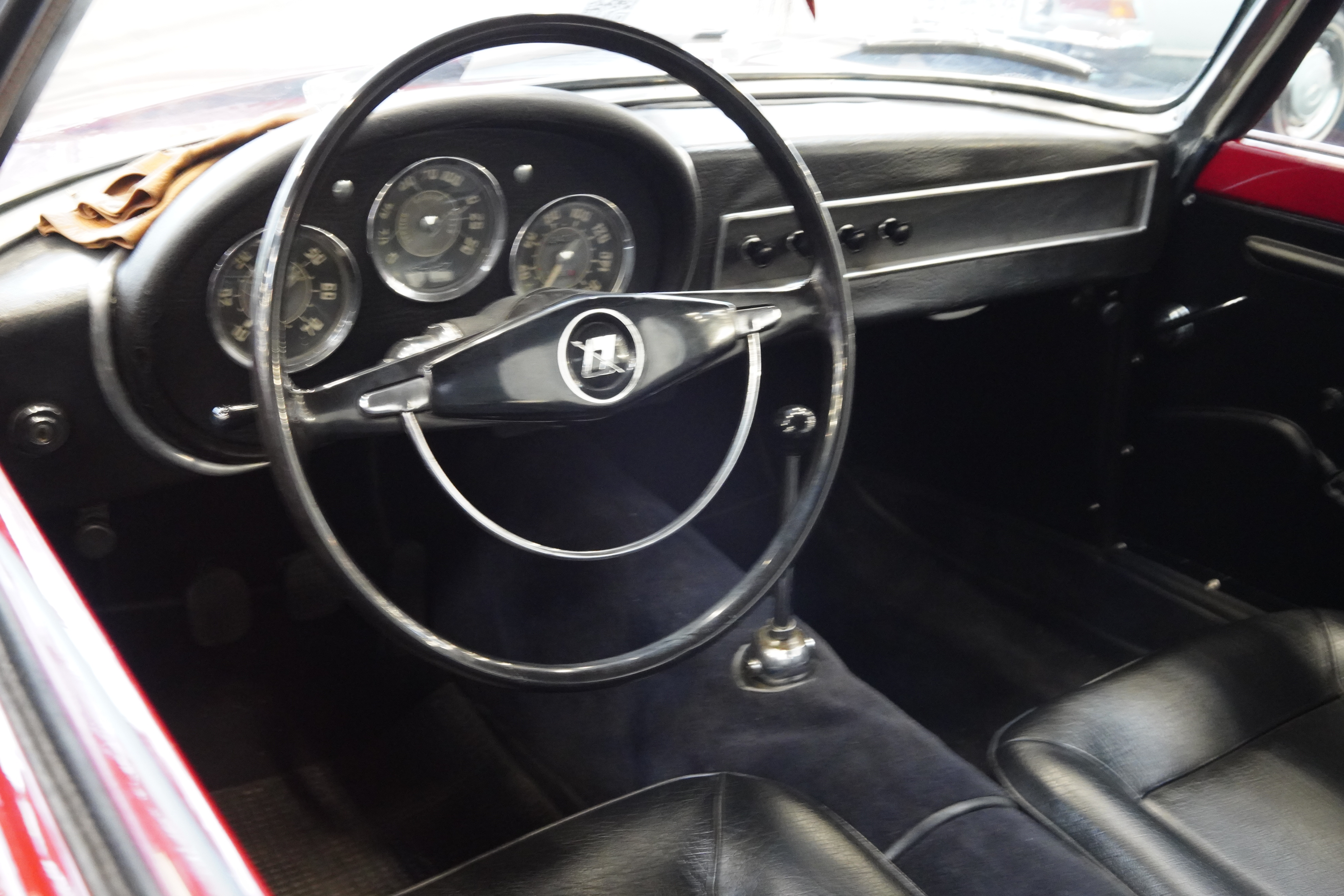
A Lancia Appia Zagato for sale, at €115,000.

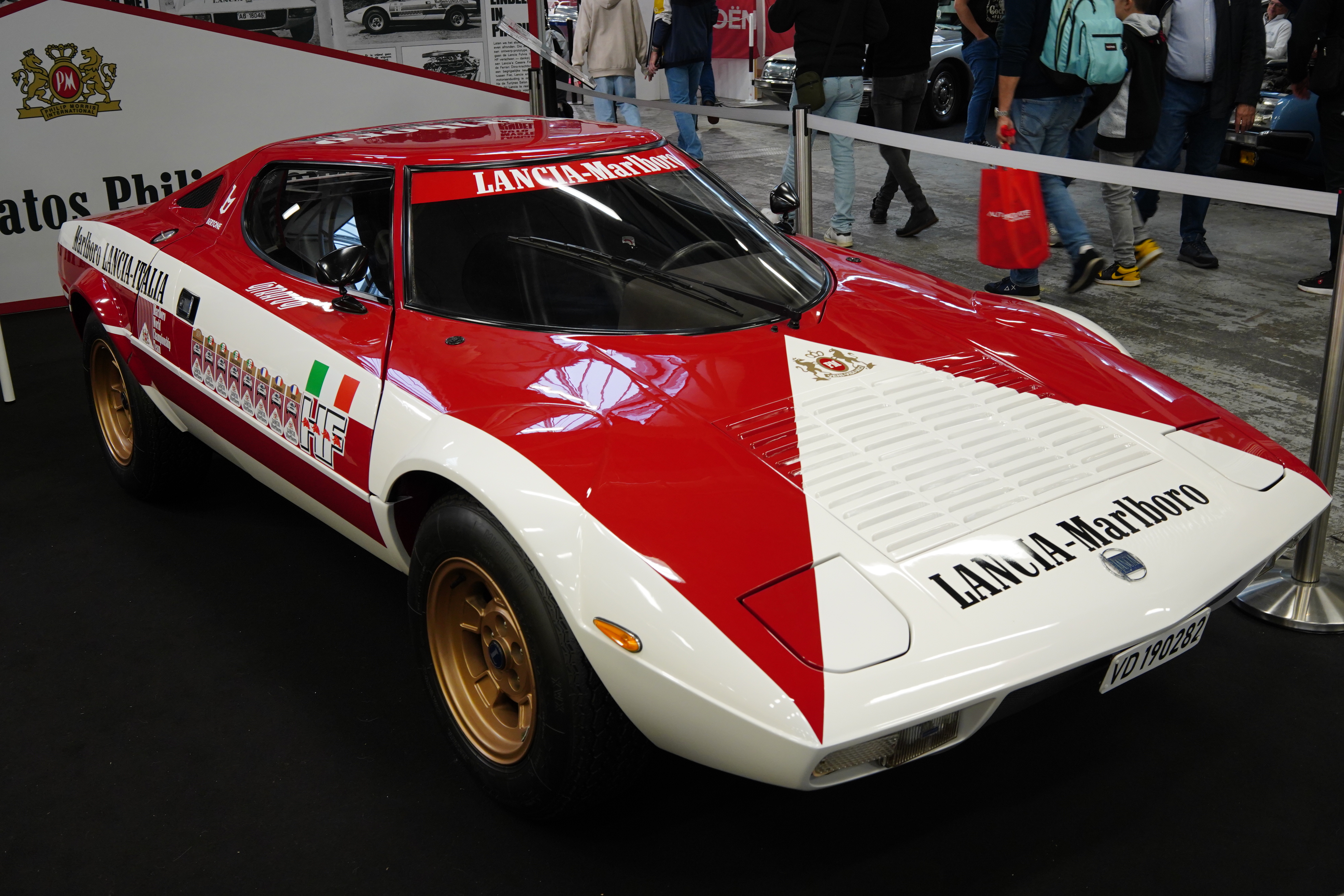
The ultimate rally car? A Lancia Stratos, a car that I’ve read about for decades and have seen maybe once in my life. “Confidential negotiation” said the price sign, but these sell in the States for around a half million.


The Lancia Beta Montecarlo was sold in the U.S. as the Scorpion, to avoid conflict with Chevy’s Monte Carlo. These are mid-engined cars with terrific handling.


A Fulvia HF “Fanalone” (large lights), asking €93,500.


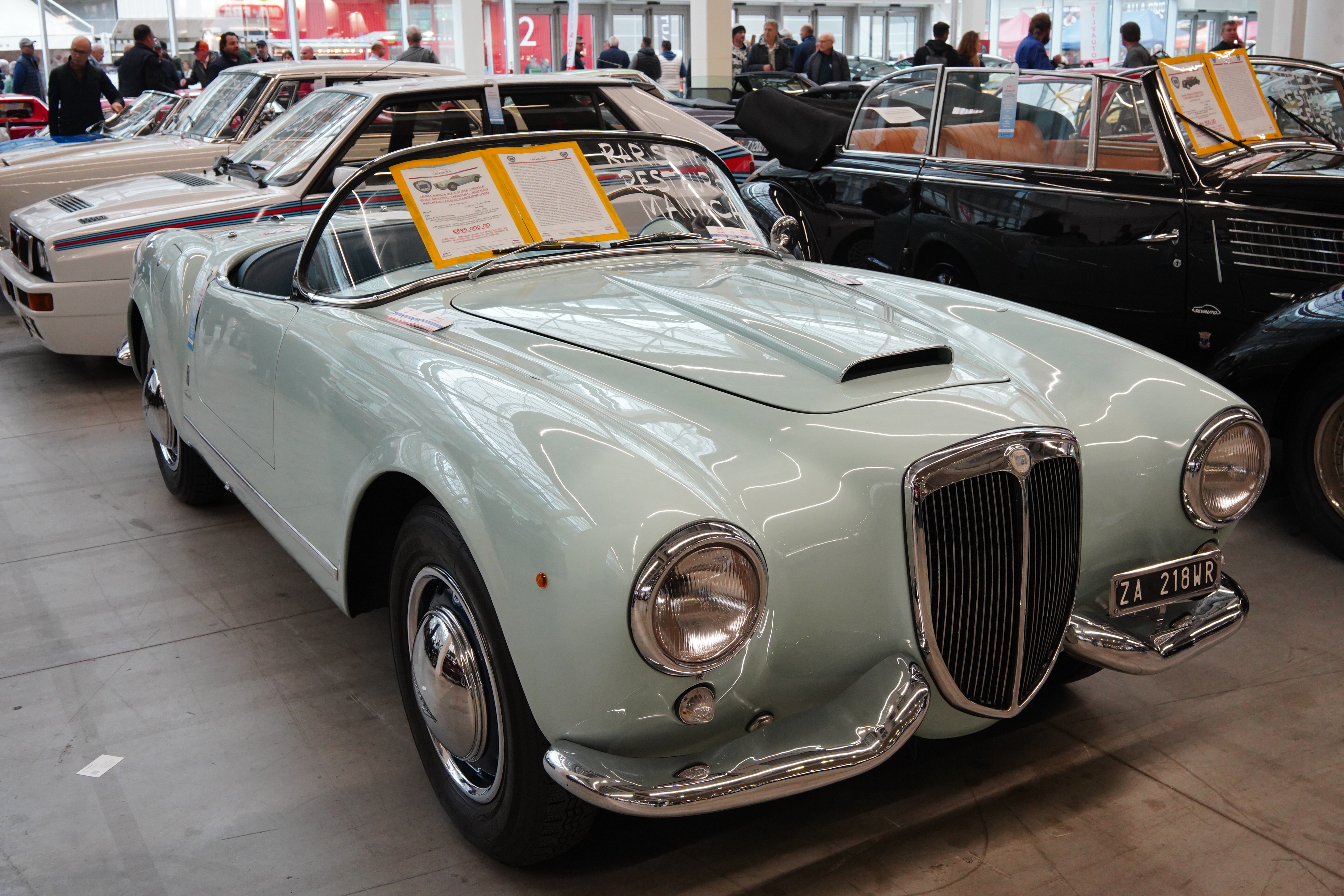
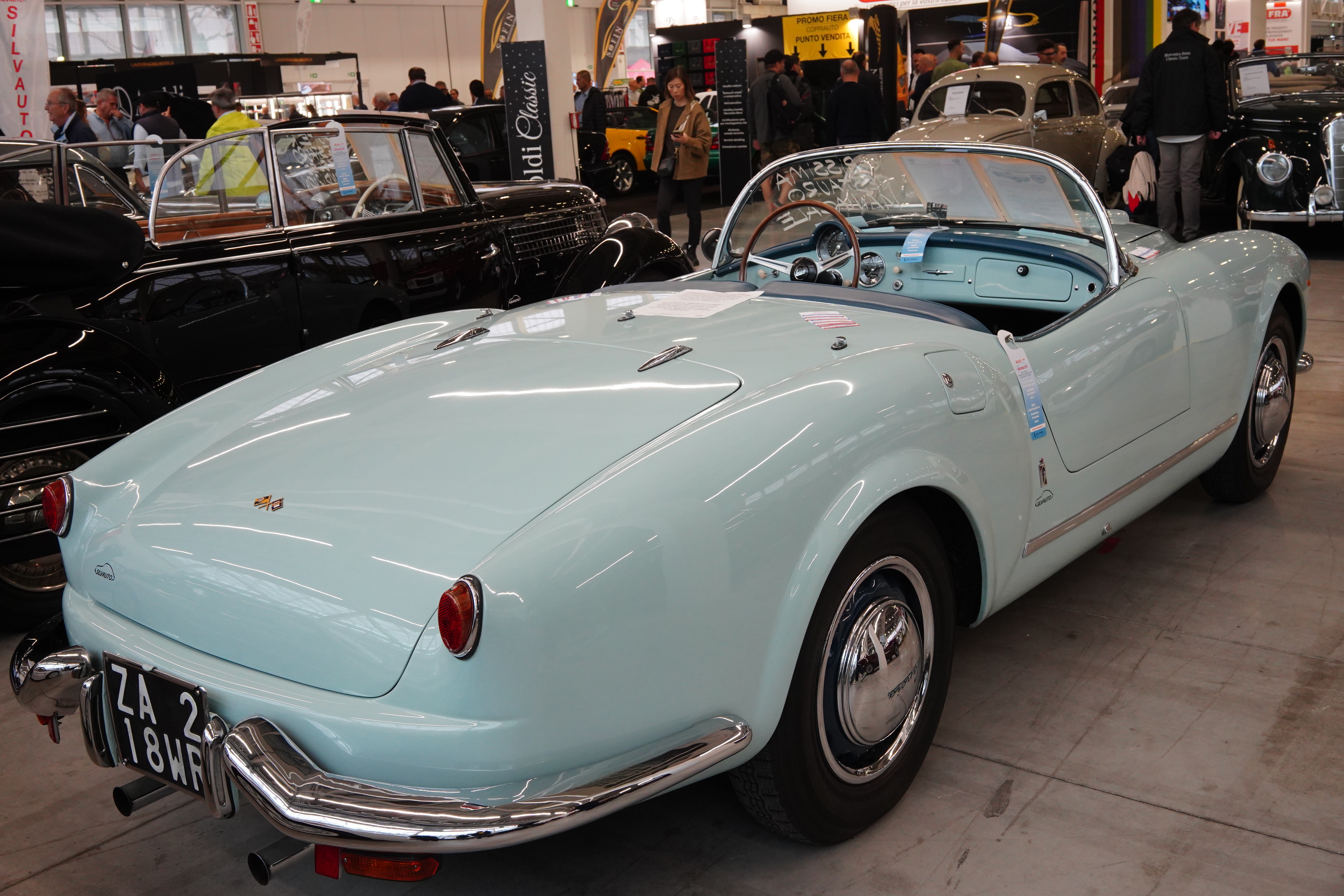
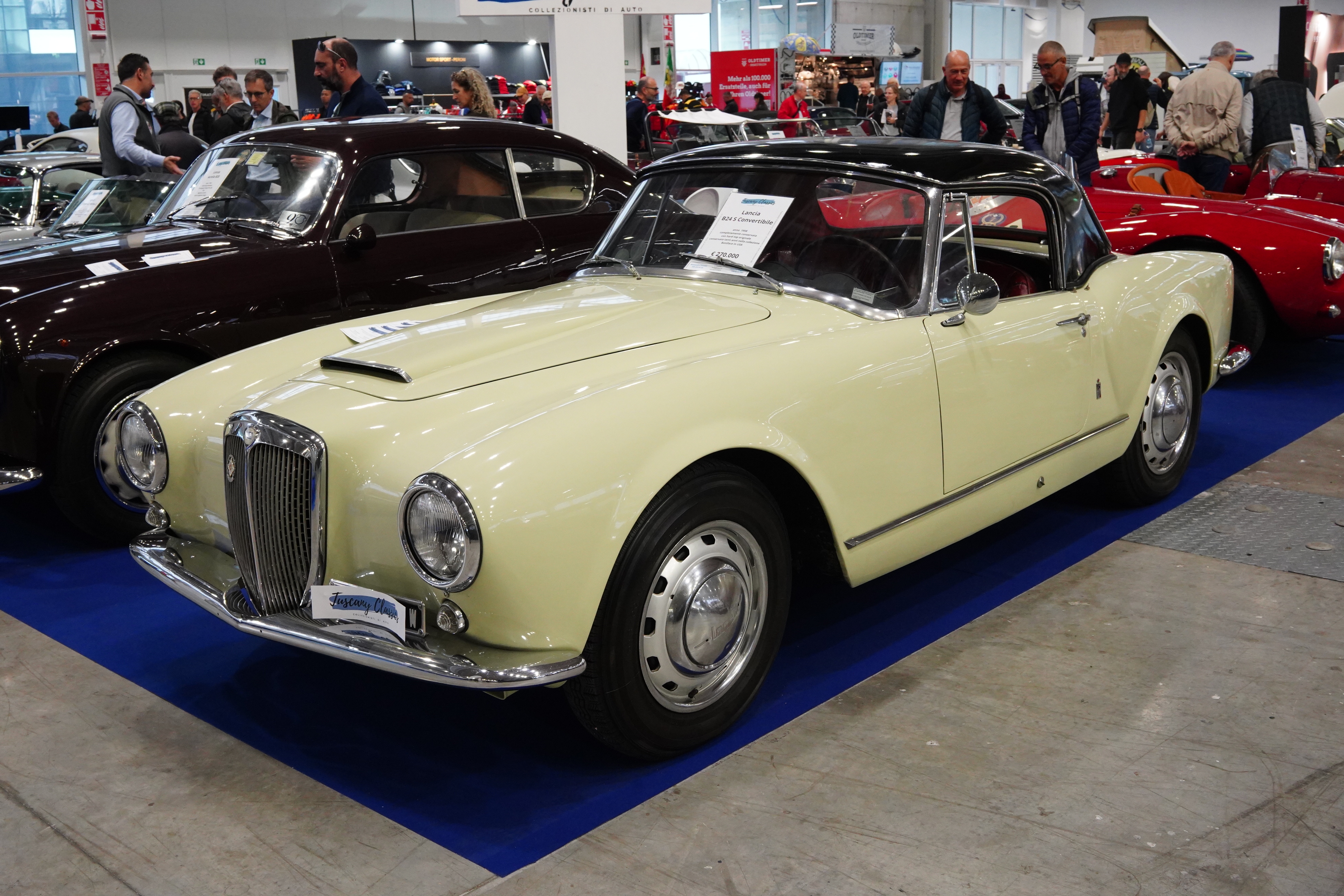
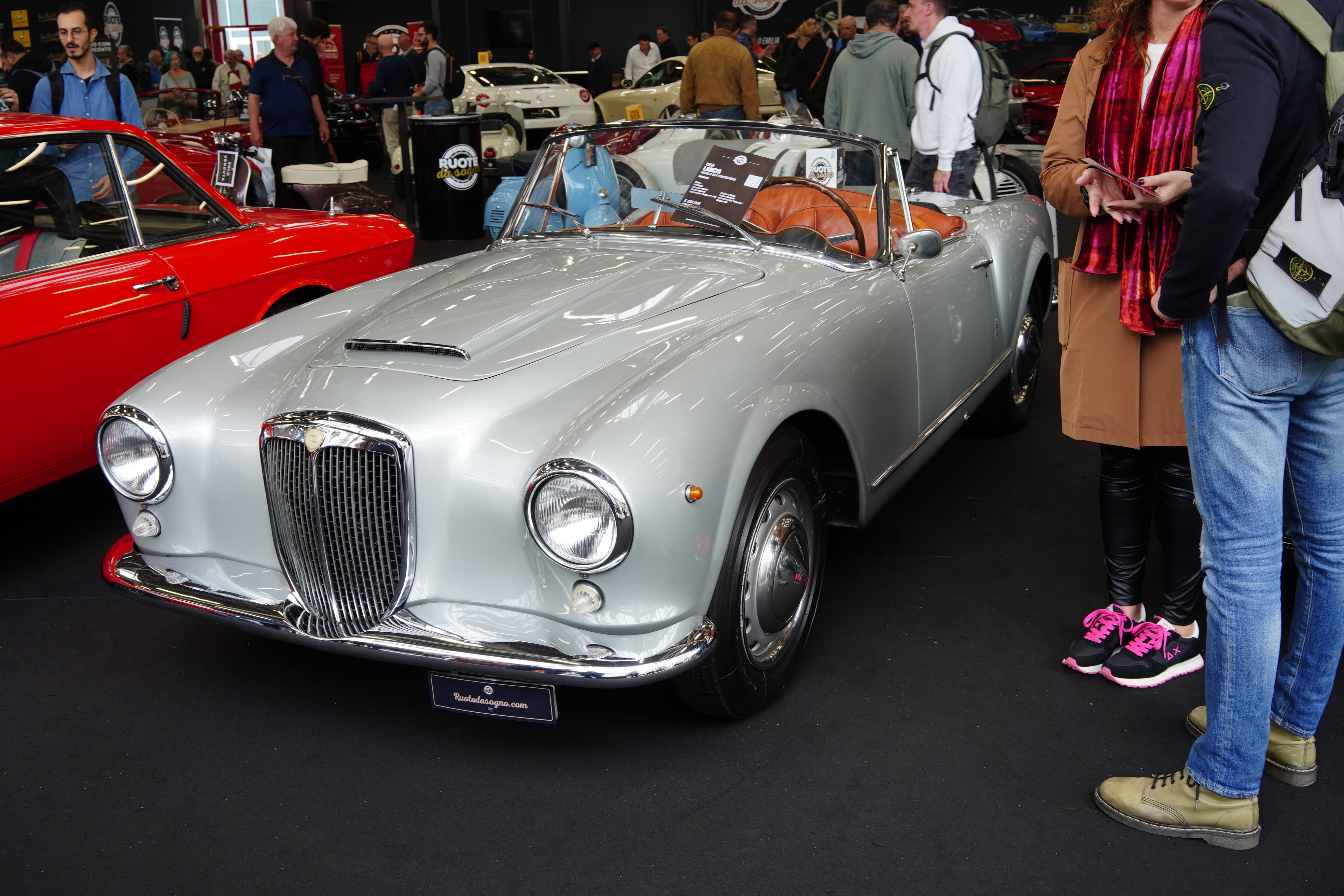
There were two versions of the Lancia Aurelia B24 convertible. The 1st version, the “America”, had a split front bumper, wraparound windshield, side curtains, and lacked outside door handles. Only 240 were manufactured, and they command a premium price. The 2nd version had a one-piece front bumper, vent windows, external door handles, and wind-up windows.
This Lancia B24 Spider is the “America” model, with an asking price of €895,000.

This yellow B24S is the second series convertible, so its asking price is only €270,000.
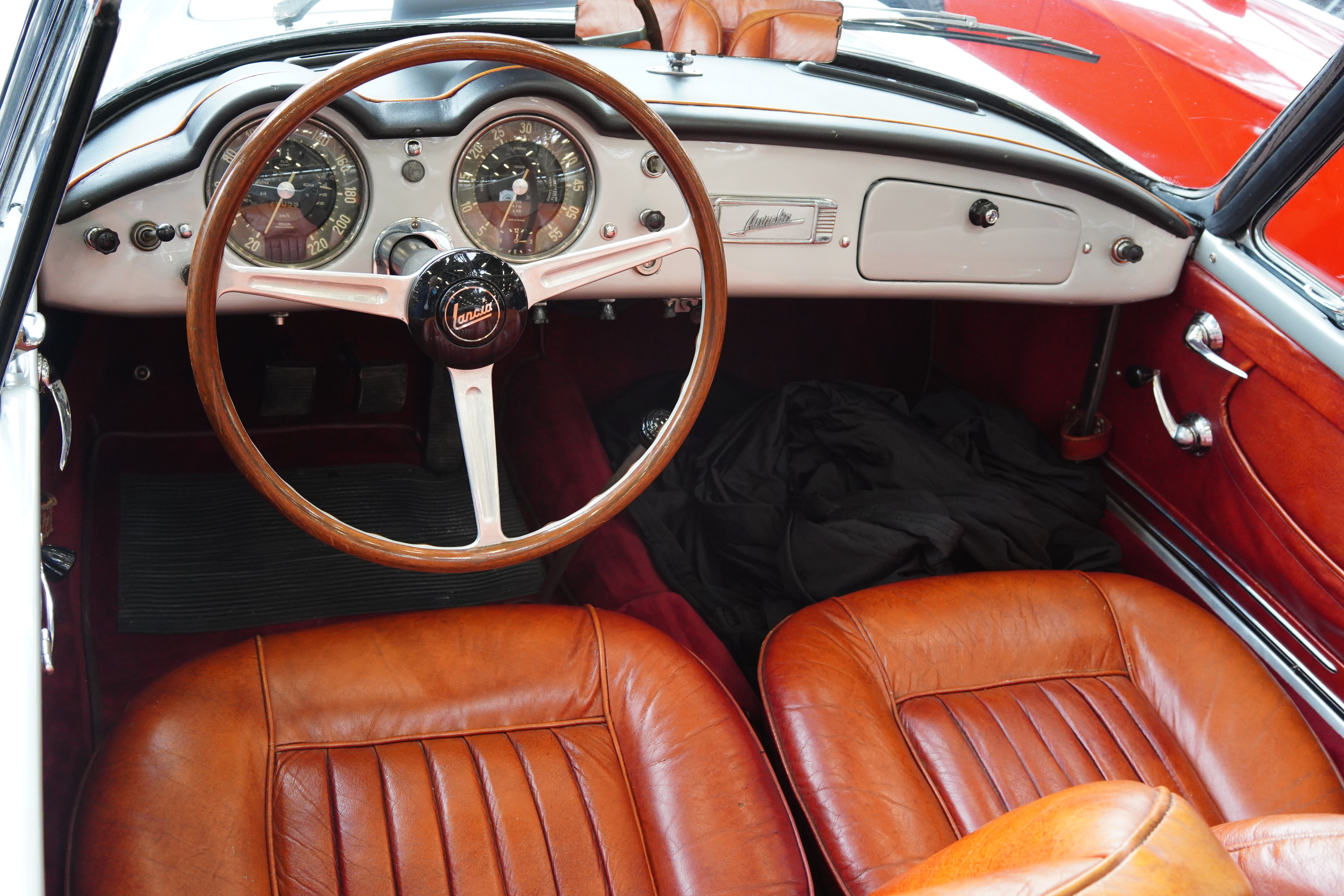
This second-series Aurelia Spider had an asking price of €298,000.
A grey Flavia 2-door for sale for €29,000.

Here is a Montecarlo in red. Note the transverse engine placement. The vendor was asking €25,500.


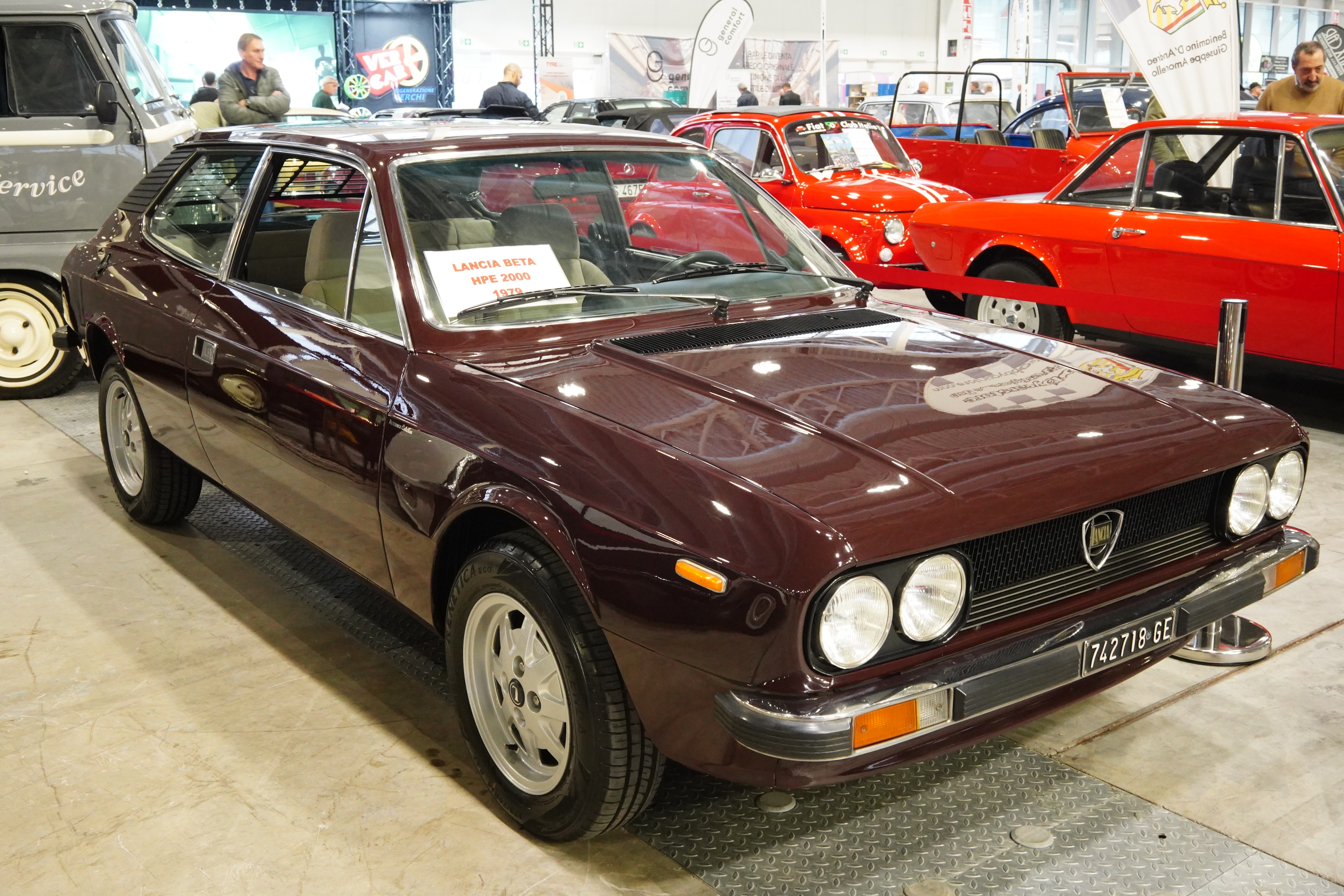
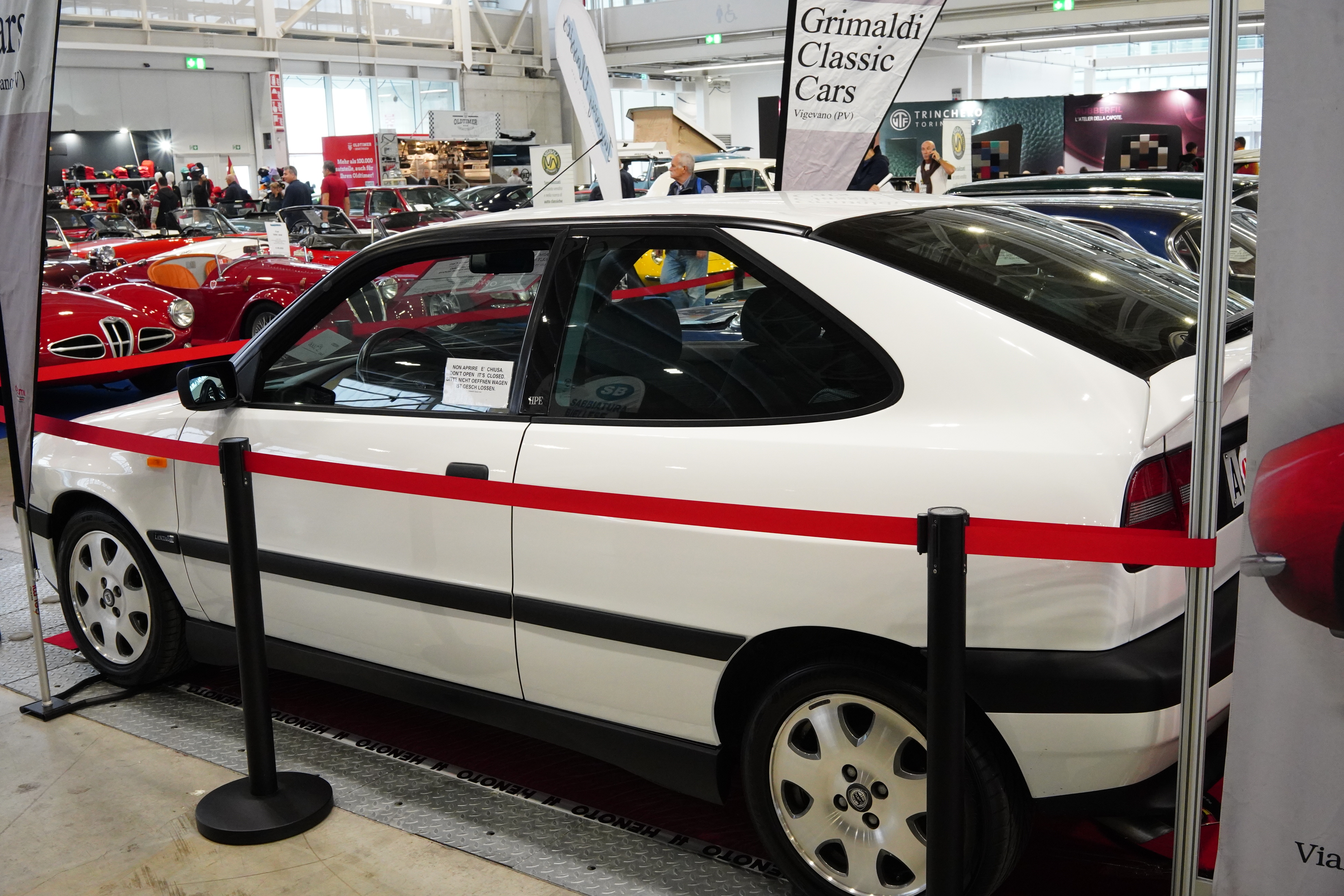
A rare body style: the Beta HPE hatchback.
A Lancia Beta Zagato in silver, with a removable targa top and fold-down rear window, for only €15,900.


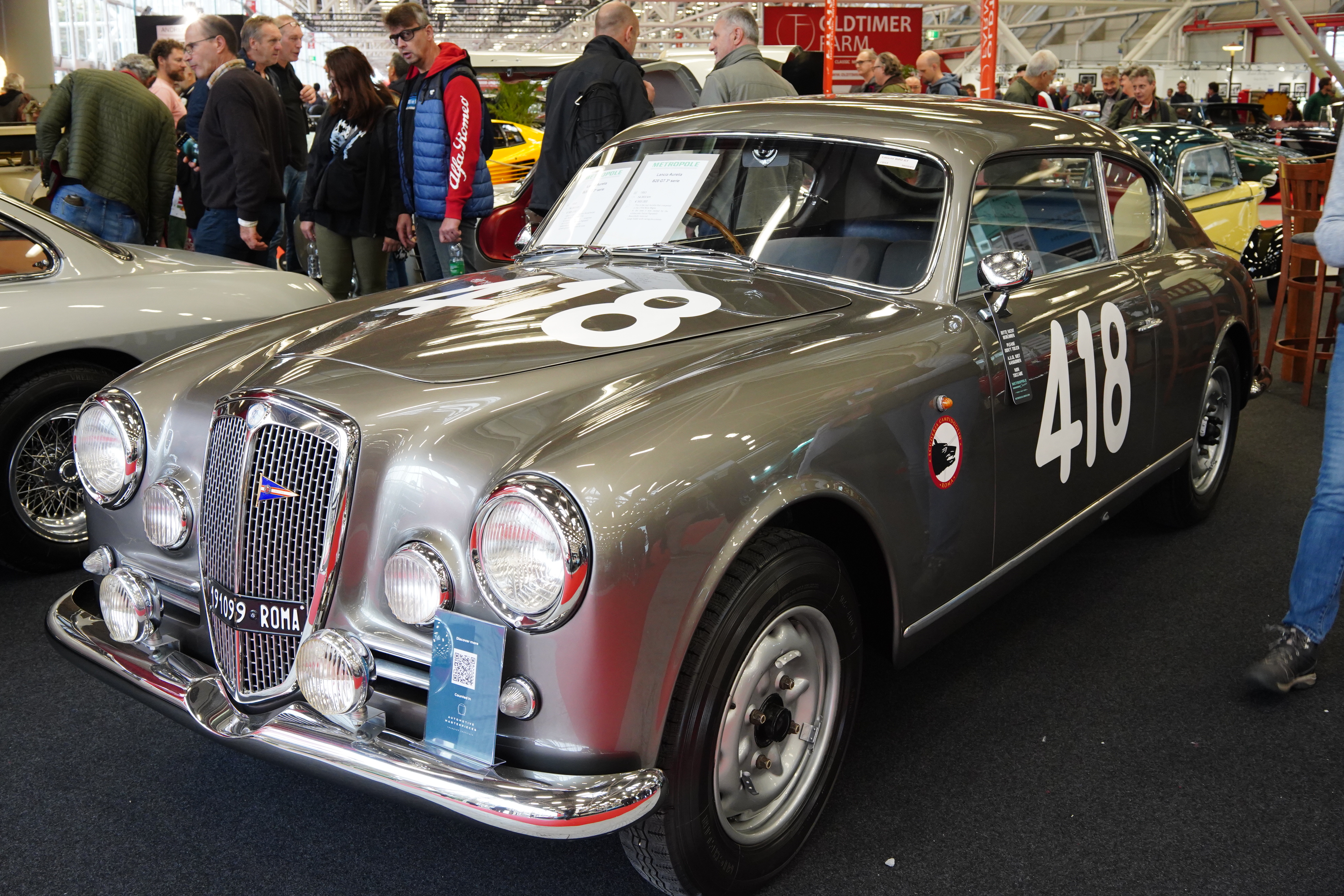
An Aurelia B20 coupe which competed in the 1954 Mille Miglia, with an ask of €585,000.

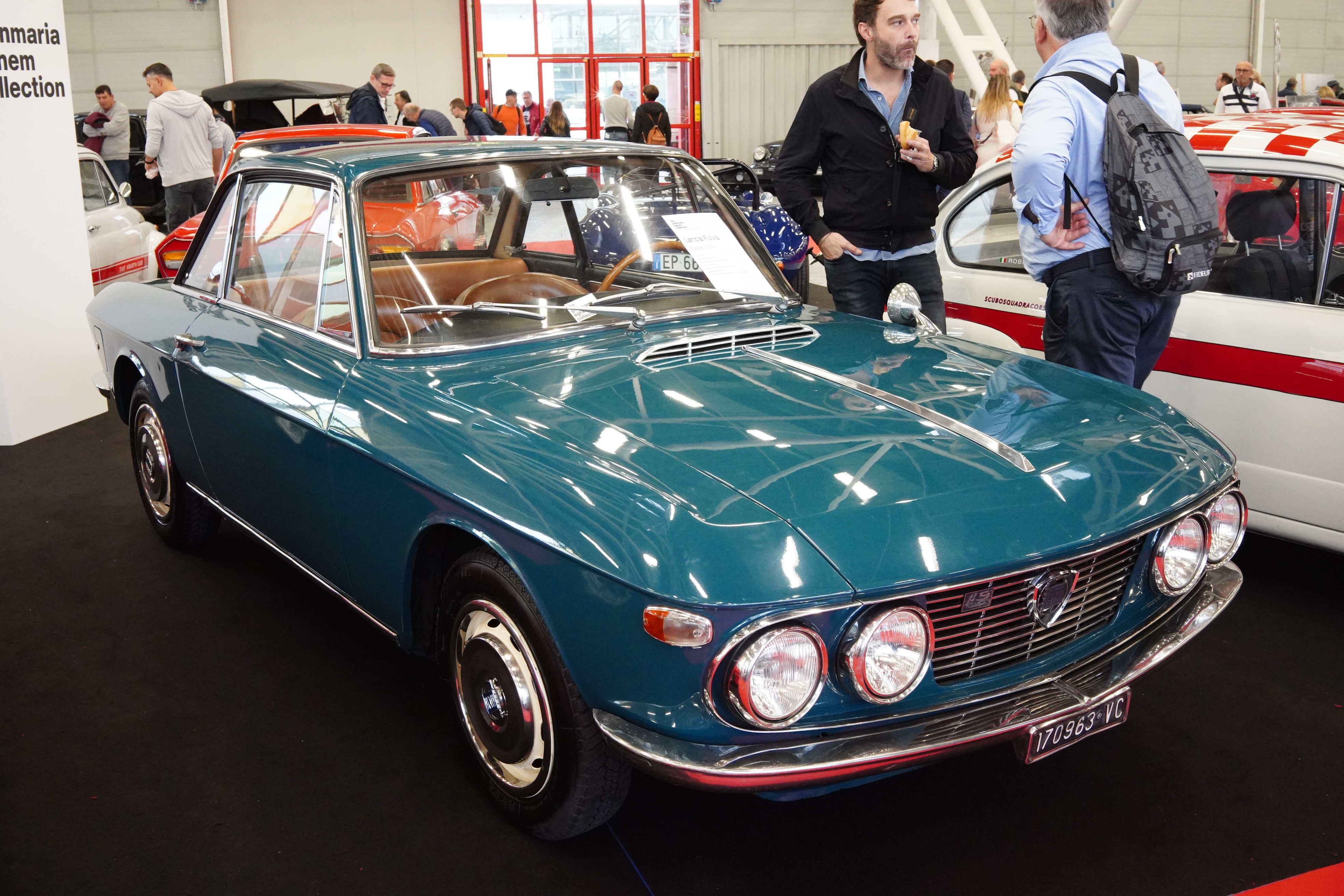
I loved the color combo on this Fulvia coupe. At €25,000, I thought about bringing it home.
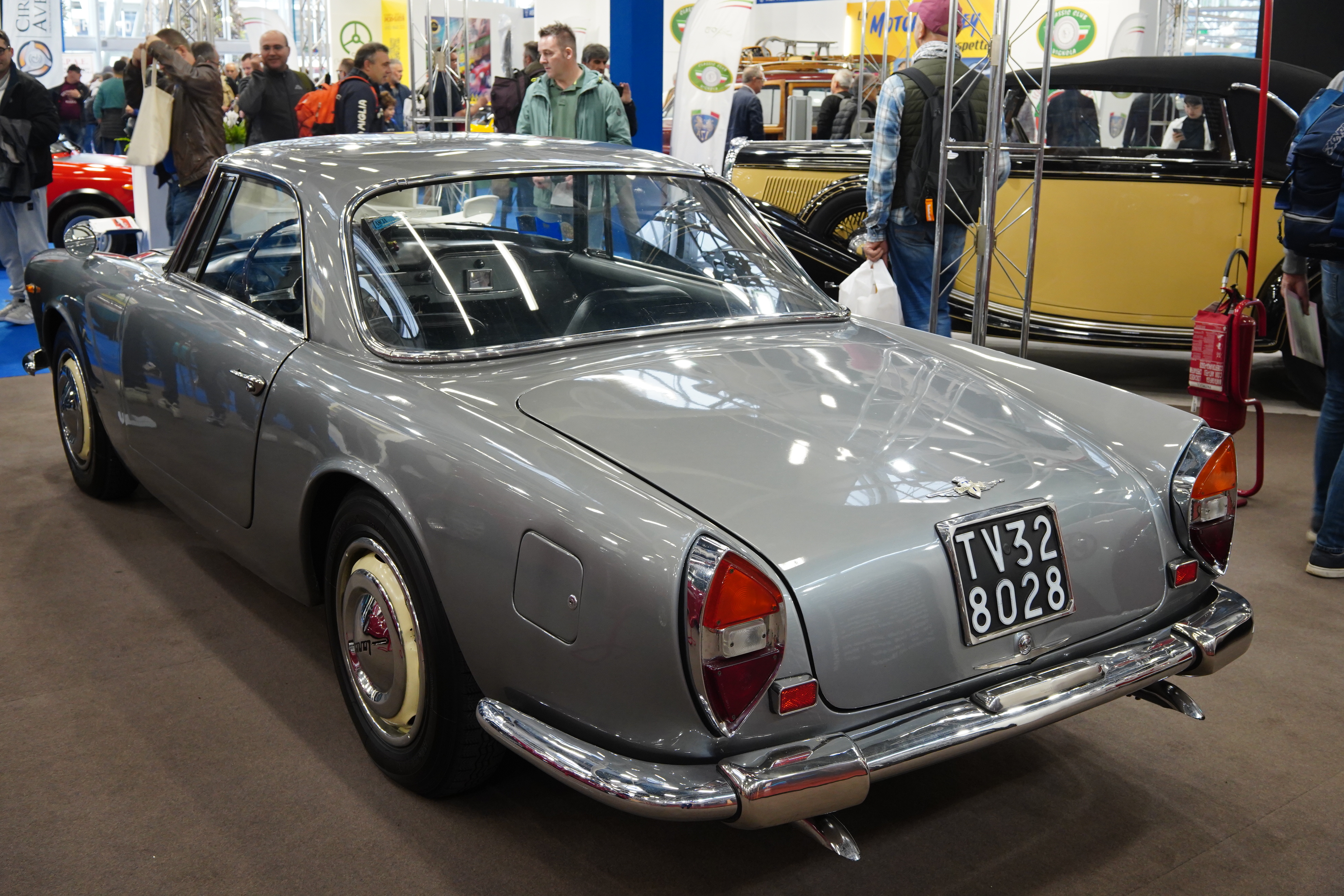
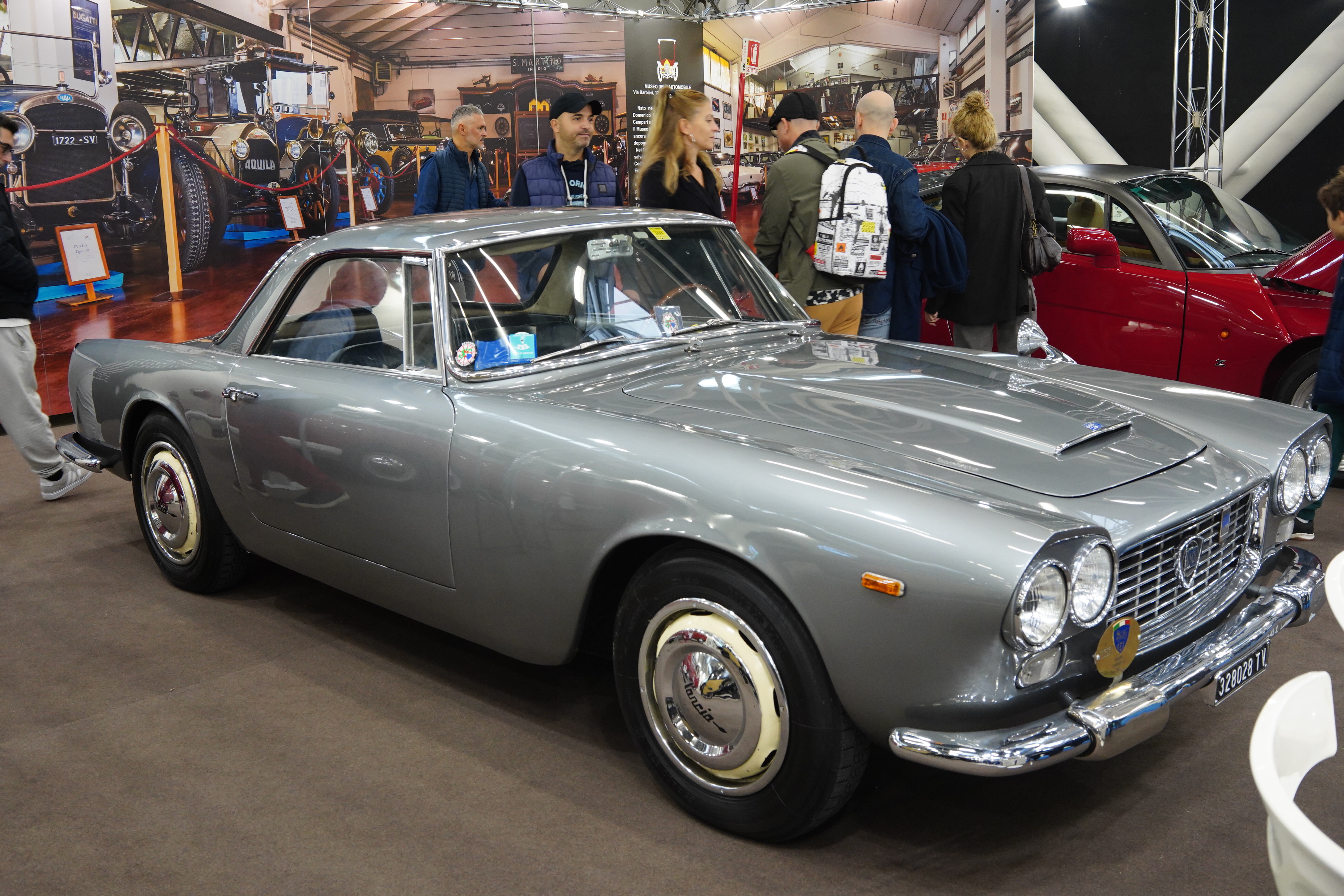
Another Flaminia coupe, this one in grey. Note the off-white wheels, seen on many Lancias.
Possibly the oldest Lancia at the show, this 1947 Aprilla Berlinetta Pinin Farina looked resplendent in green over tan. Note the RHD.


Strong club support brought out this impressive row of Lancia Delta models.

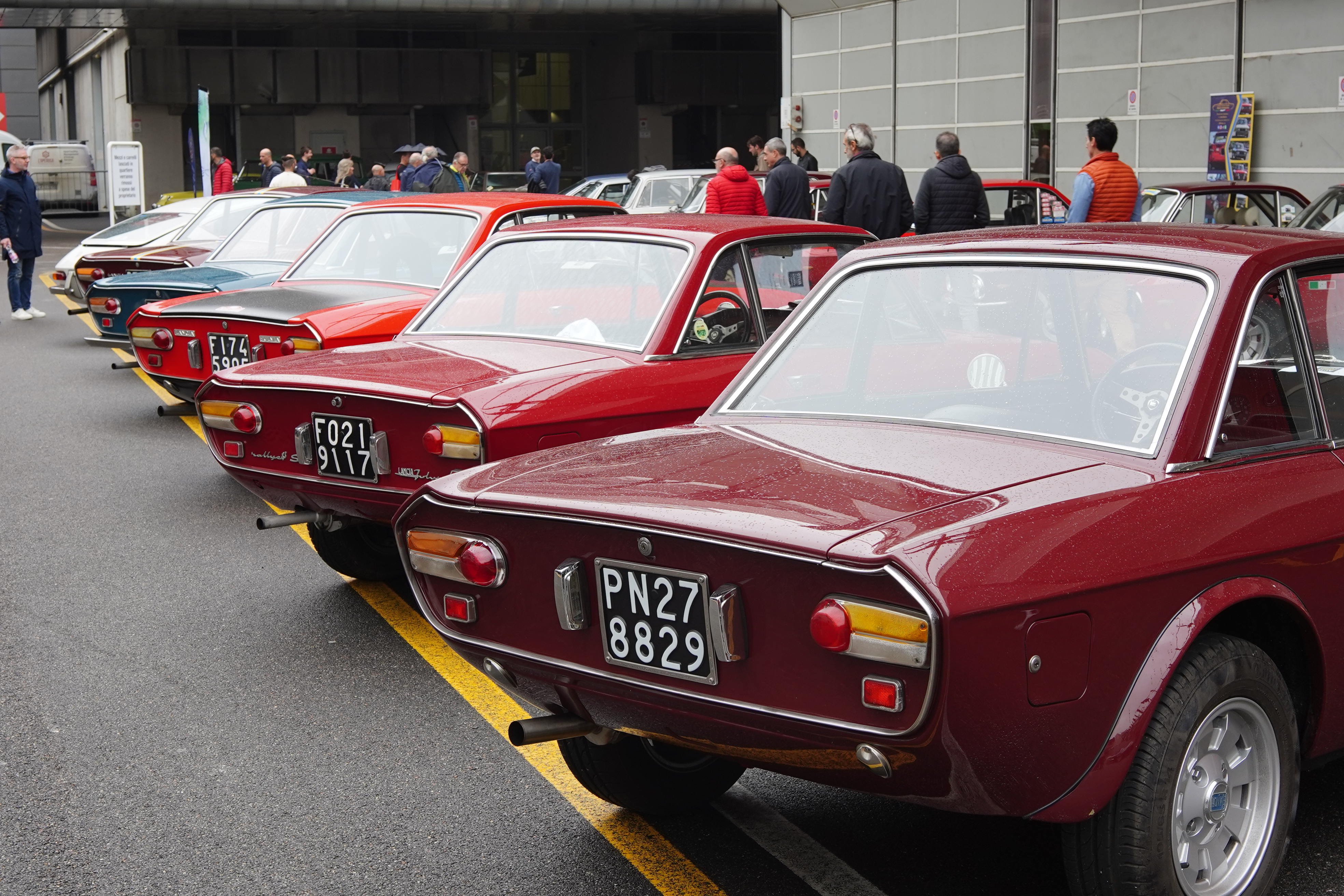
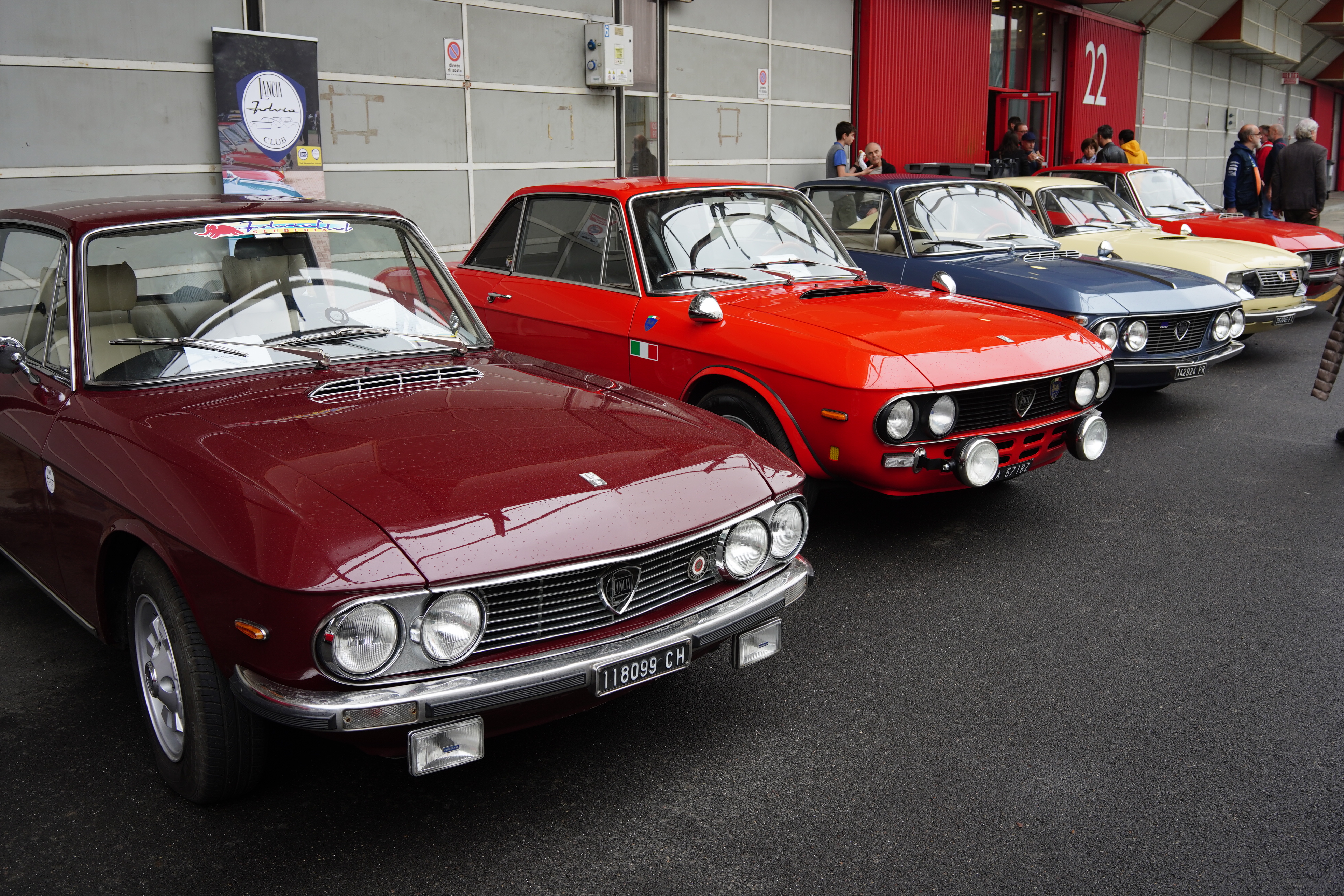
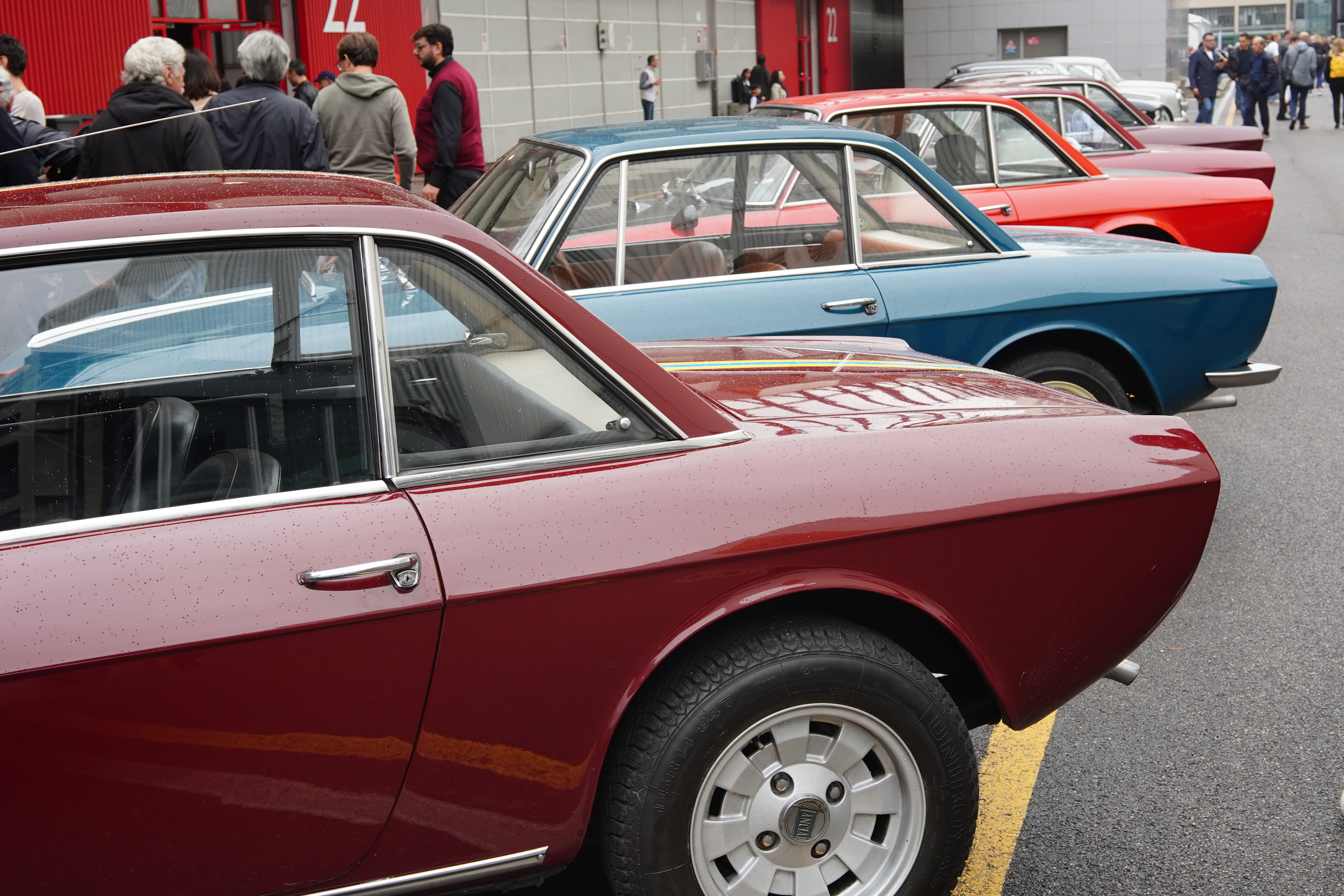
Likewise, the Lancia club showed up with more Fulvias than I could count.

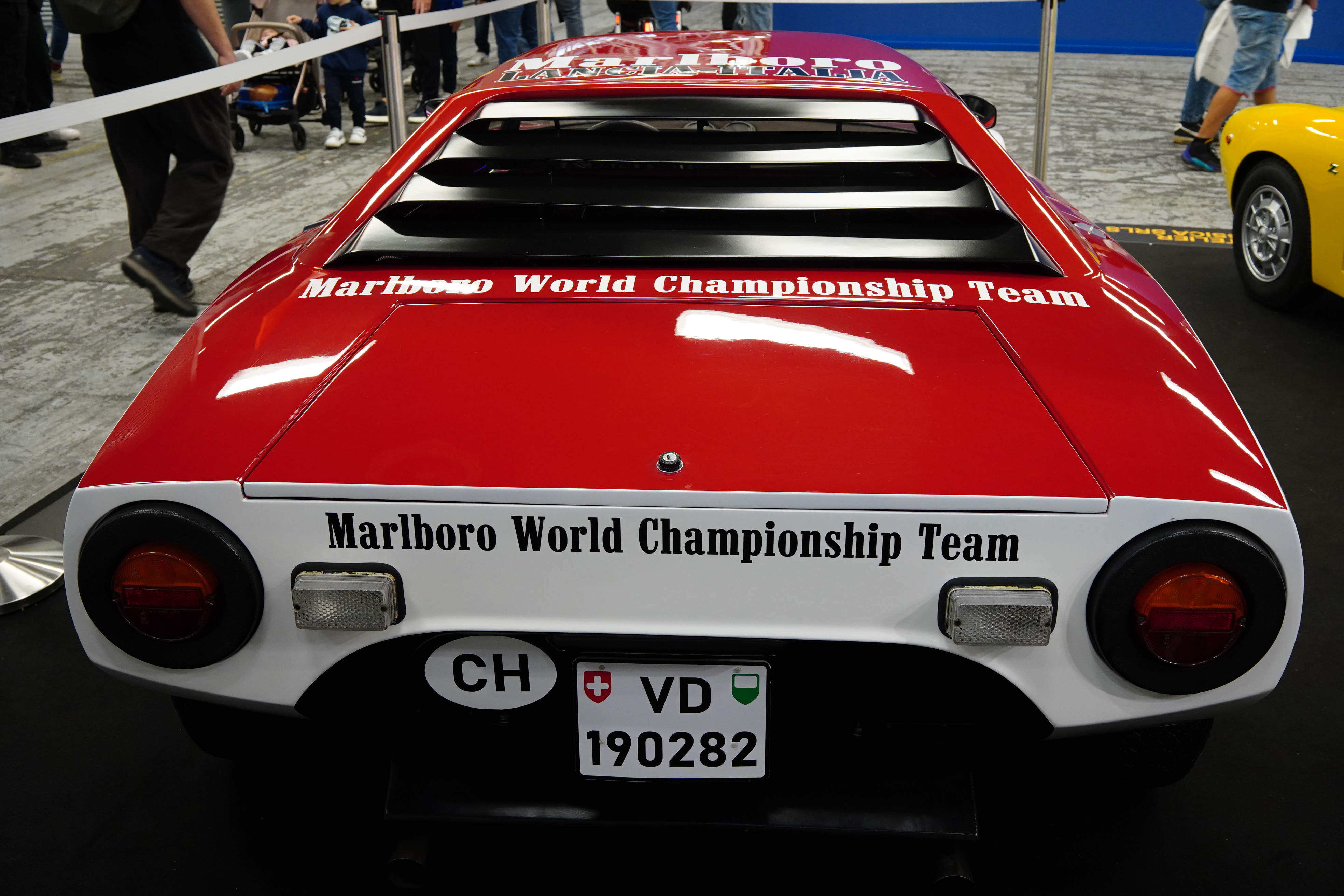
Another day, another Lancia Stratos, this one in rally livery.
This one got my attention: I’ve never heard of nor seen a Lancia Kappa, also simply called “K”. It’s a 1999, FWD with a 5-cylinder turbo engine putting out 220 HP. Styling was a bit bland but inoffensive. The ask? €10,000, not negotiable.


And yet another one new to me: a 1997 Delta 2-door, 2.0L turbo making 193 HP, 51,000 kilometers (about 32,000 miles). The vendor was asking €19,000.

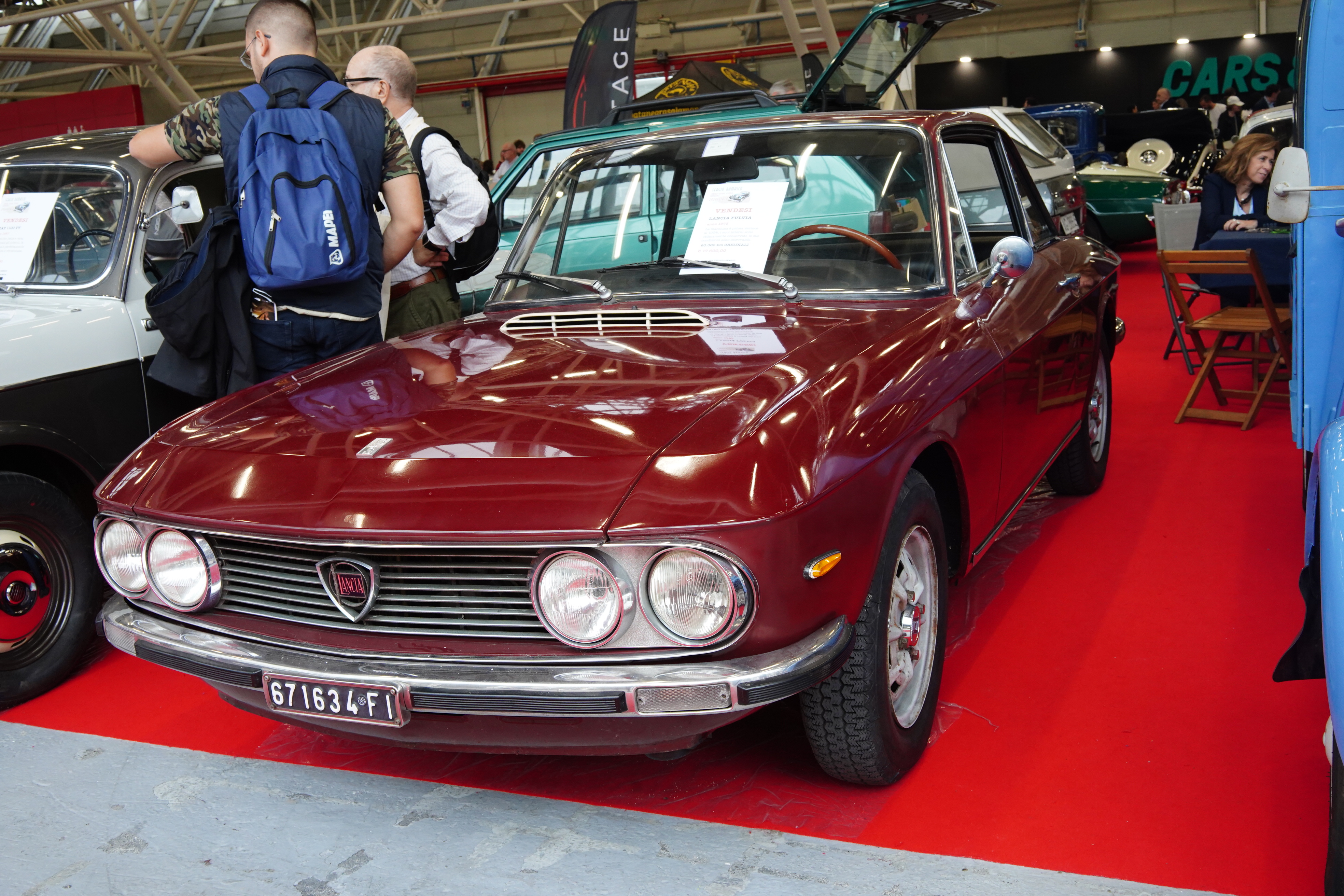
Was this the least expensive Fulvia coupe at the show? This 1973 with 60,000 original km (37,000 miles) had an asking price of €17,500.
Entire blog post content copyright © 2024 Richard A. Reina. Text and photos may not be copied or reproduced without express written permission.
 richardscarblog
Excellent reporting & journalism Richard. Thank you. Im headed to Gbrg
LikeLike
Hi Brad, nice to hear from you and thanks for the kind comments! I’ve not been to G-borg since before the pandemic, but maybe next year! Best, Richard
LikeLike
Jaw-dropping! Italian Car Nirvana! It’s great fun spotting the different cars in the background of your photos. Oddly, the one that has me baffled is the light colored sedan behind the silver Flavia Sport. From the rear 3/4 view it looks like a cross between a Peugeot 403 and a Volvo Amazon but it’s not either one. Do you have any idea??
Looking forward to more wonderful eye candy as you take us through the rest of the show.
LikeLike
Thanks Bob! I sent you photos of the car, an Alfa Romeo 1900 Super sedan, separately. More to come! Best, Richard
LikeLike
Holy moly, what a collection. The varieties of Fulvie i(sp?) is truly staggering.
LikeLike
Hi Steve, thanks for signing up for my blog, and special thanks for your comments! Yes, the variety of Lancias can be staggering. Fulvias were available as four door sedans, two door coupes, and Zagato-bodied coupes. But think of it this way: this strongly parallels what Alfa was doing. For example, around 1970, your had Bertone Giulia coupes like my car, Giulia sedans like Tony’s and Vic’s cars, and the Zagato Junior which was a Zagato-styled body on the Giulia mechanicals. Italian design is fun! Thanks again for your comments. Best, Richard
LikeLike
Wonderful pics and description thanks!
LikeLike
Hi Simon, thanks for reading my blog, and thanks for your comments! Best, Richard
LikeLiked by 1 person