In the late 1990’s, it was my job as Product Training Specialist for Volvo Cars of North America to work the Volvo display at the New York Auto Show in the Jacob Javits Center. At that time, Volvo was relegated to the basement, along with Isuzu, Subaru, and the trucks, as trucks had not become a big deal yet. When I asked my superiors why Volvo was not on the main floor, I was told that there was no room, occupied as it was by the domestic Big Three (GM, Ford, and Chrysler), the Germain Big Three (VW/Audi/Porsche, BMW, and Mercedes-Benz), and the Japanese Big Three (Honda, Toyota, and Nissan).
My, how things have changed.
At this year’s NYIAS, celebrating its 125th anniversary by the way, there was enough room on the main level for Hyundai to set up their own EV test track (in addition to a larger EV test track taking up most of the lower level). Now let’s name many of the vehicle manufacturers who were not in attendance: BMW; Mercedes-Benz; Jaguar; Land Rover; Mazda; Mini; Mitsubishi; Volvo; and Polestar. Interestingly, GM brought Chevrolet, but kept Buick, Cadillac, and GMC home. FoMoCo brought Ford but not Lincoln. Toyota and Nissan were both there, but without their Lexus and Infiniti counterparts. The VW group showed the People’s Cars but not Audi or Porsche. Stellantis, surprisingly, displayed their full lineup of Chrysler, Dodge, Jeep, Ram, Fiat, Alfa Romeo, and Maserati. And Honda and Acura were side-by-side.
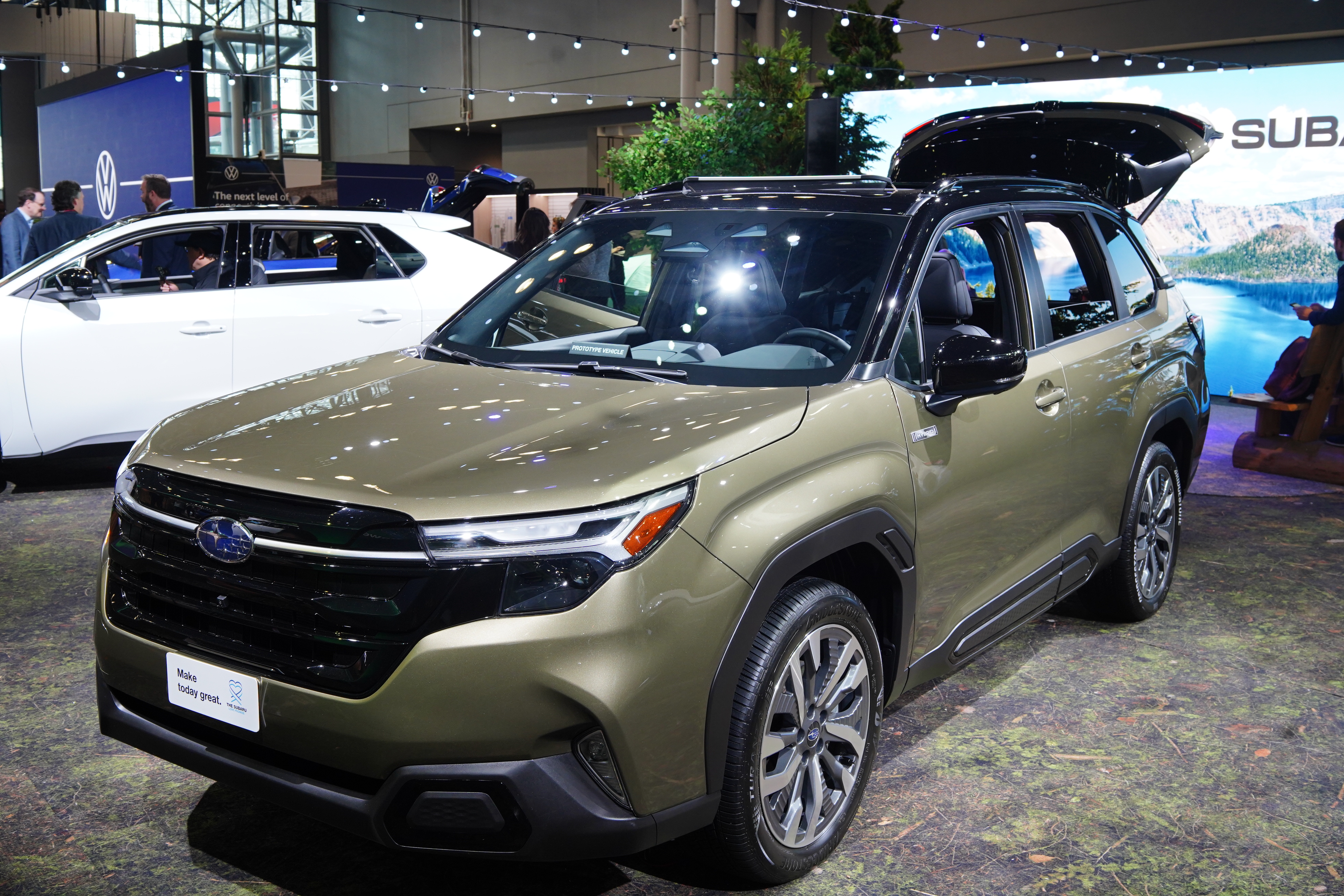
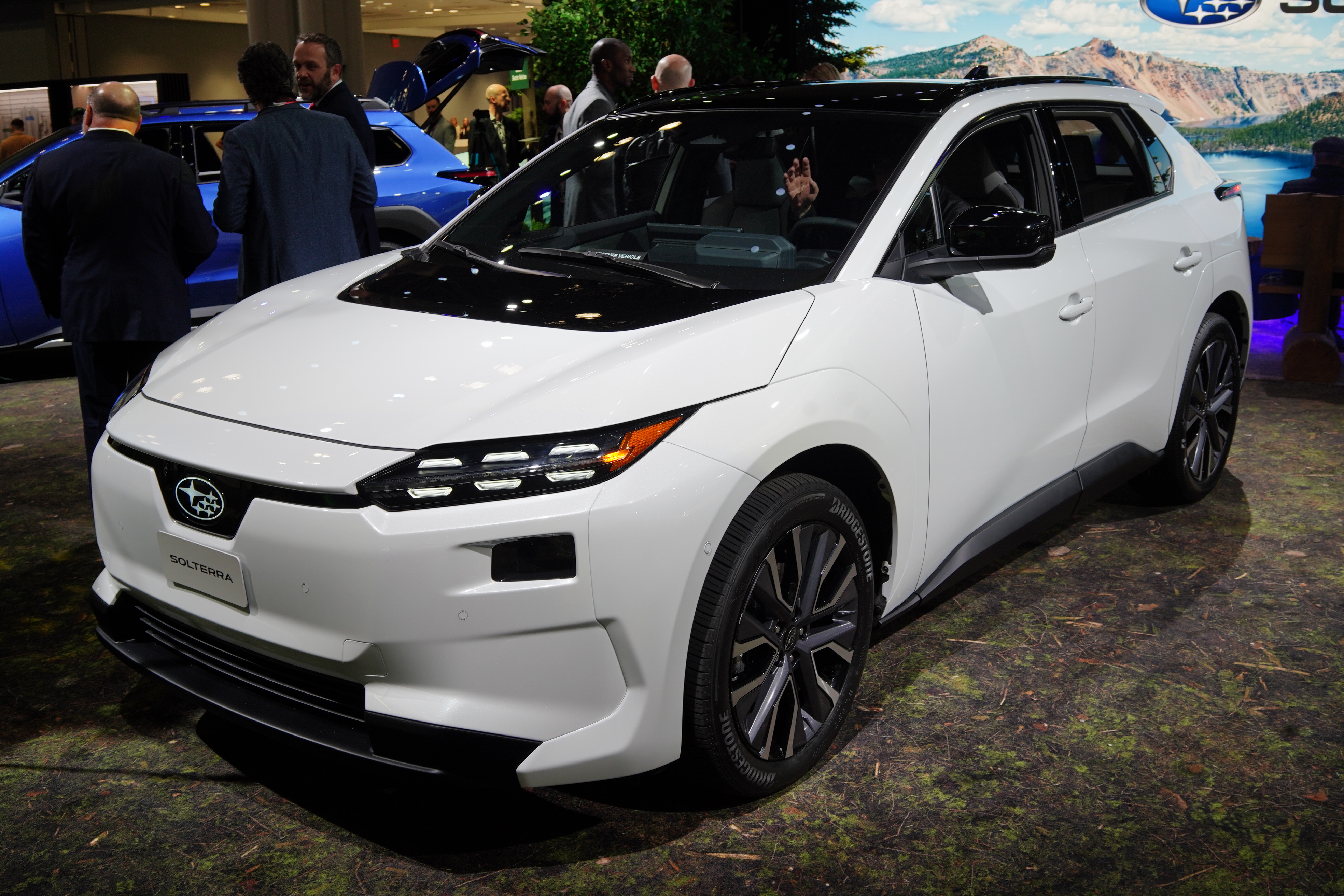
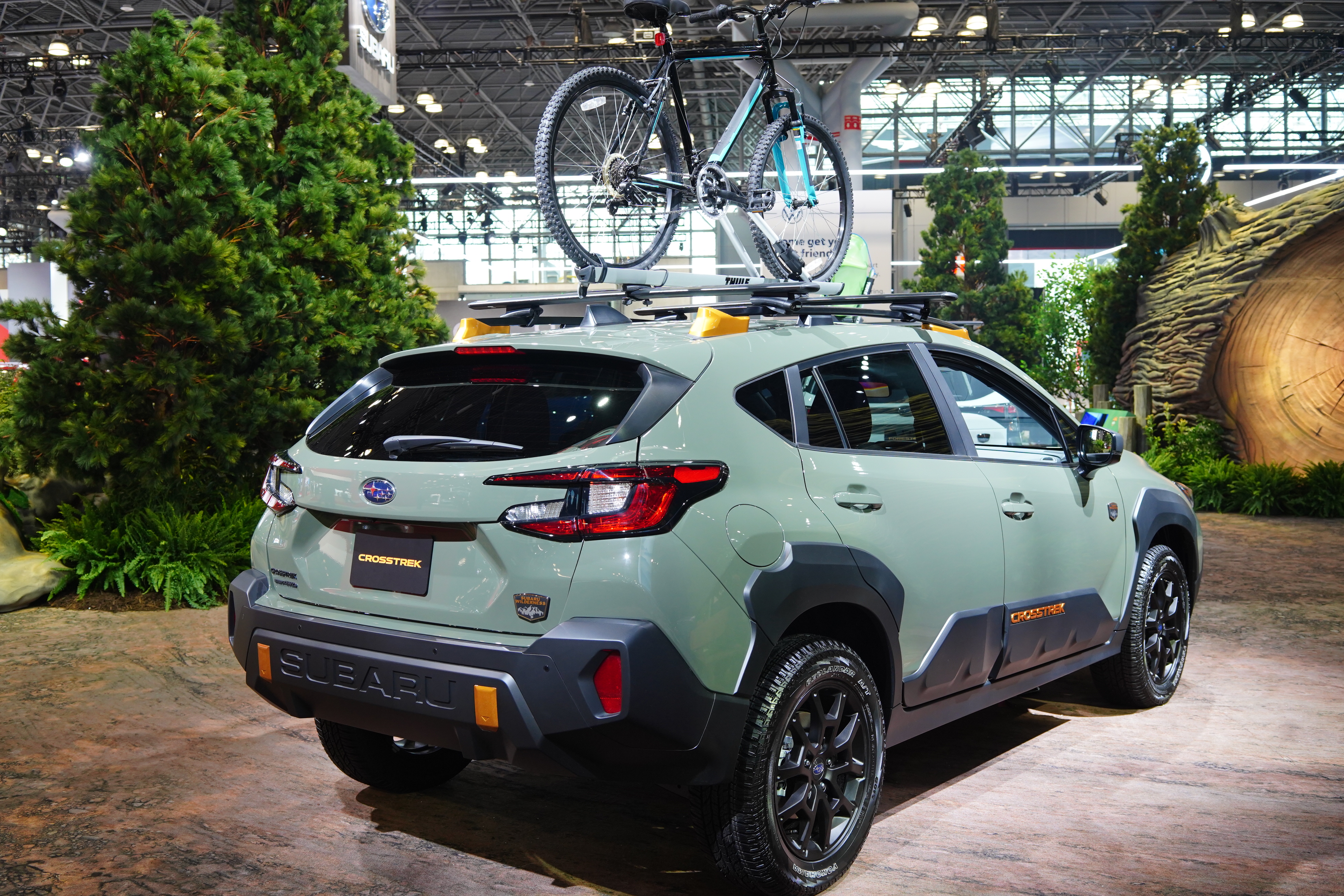
With all that floor space available, Subaru, Hyundai, and Kia took the most advantage of it, setting up lavish and expansive displays. Subaru in particular went all out, building an on-site jungle and playing up the rugged outdoor appeal of their products. The Chevrolet and Ford displays also consumed significant real estate, leaving a lot of room between products.
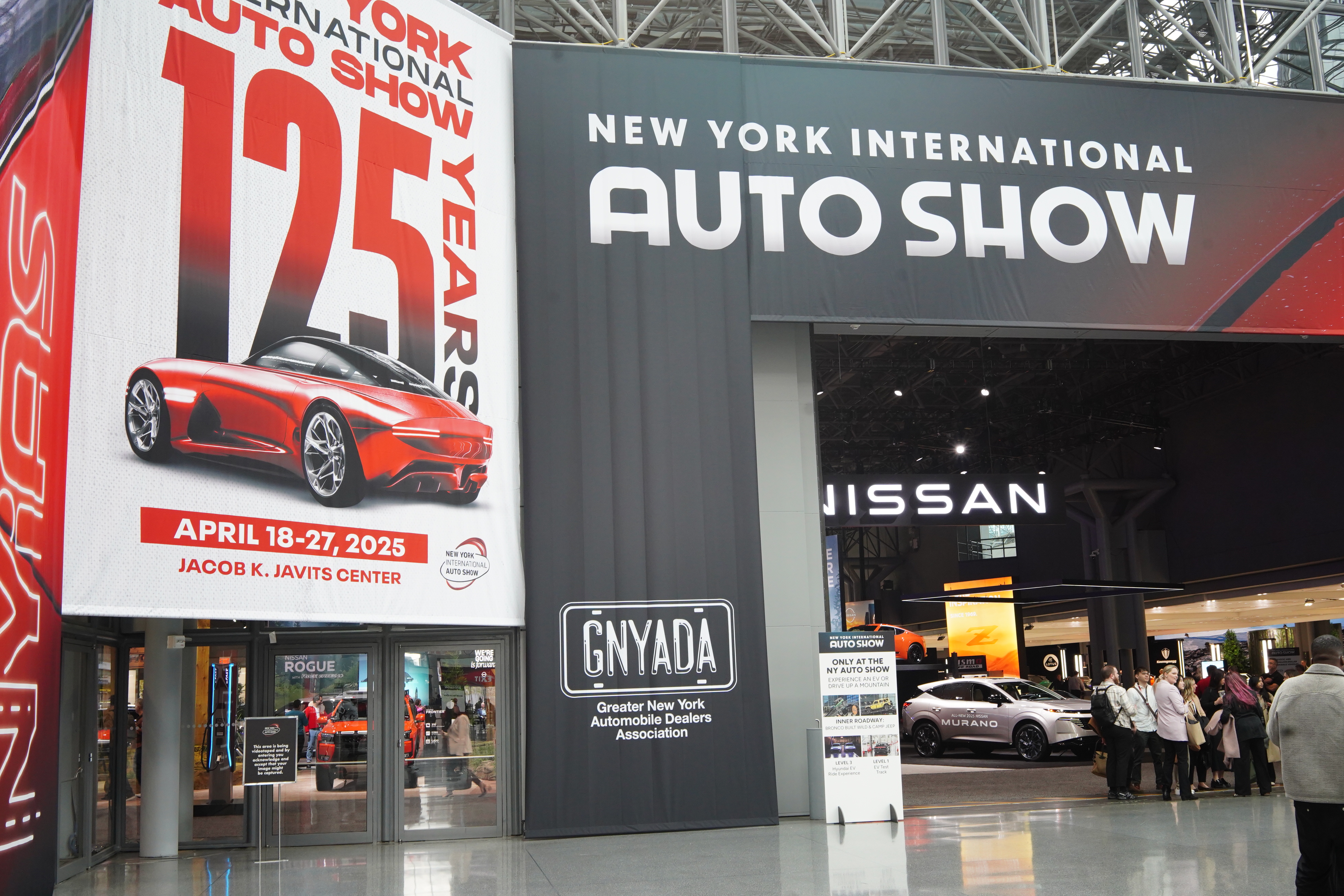
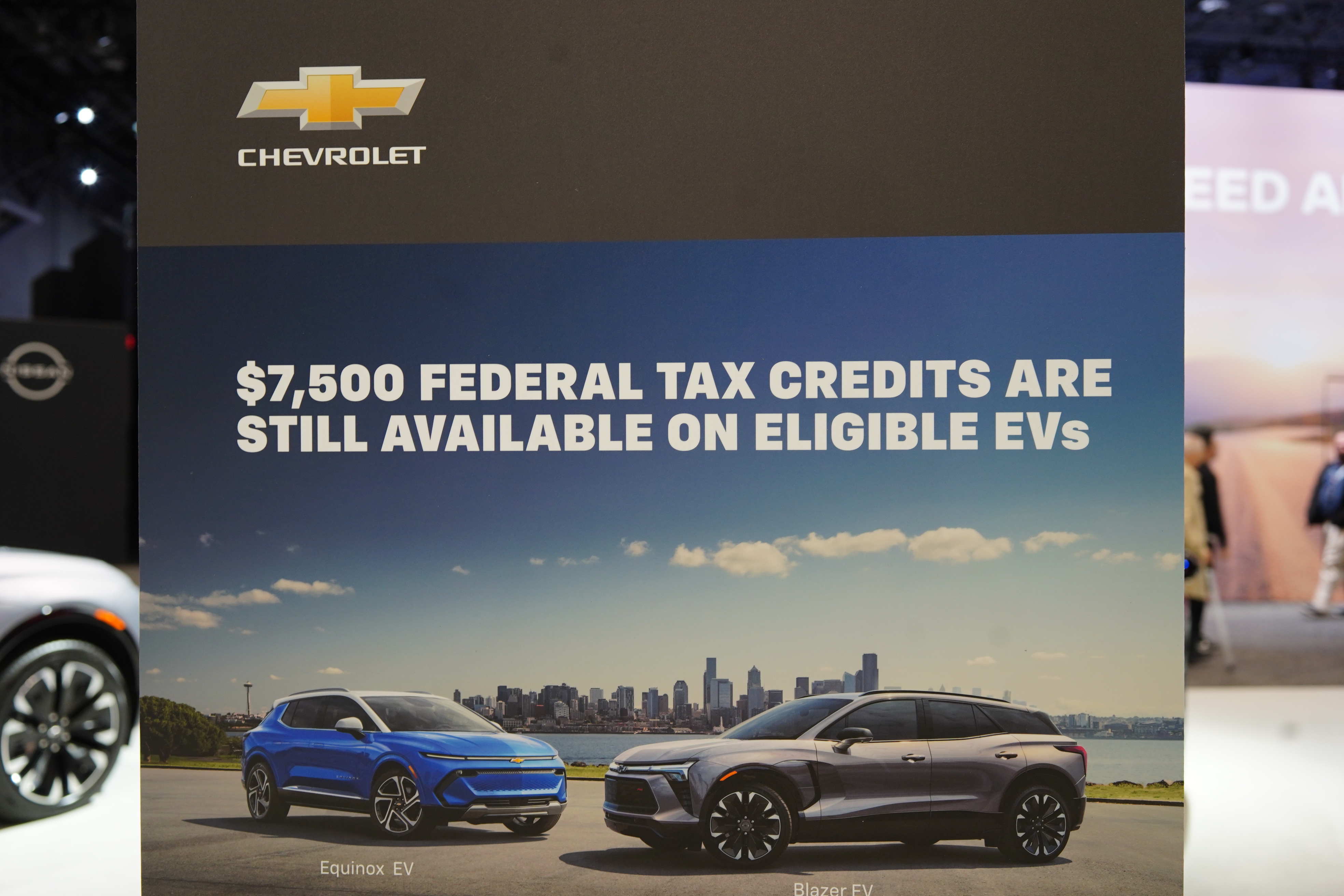
EVs were on display, but I can’t say that there was any aggressive marketing alongside them. Of course, the public is likely confused about whether to buy an EV and whether there are still any governmental incentives to do so. I didn’t sense any overriding theme to the show. Trucks, especially crossover-type SUVs, continued to dominate. Sedans continued to dwindle. Powertrain choices continued to proliferate. And while not directly addressed during my Press Day visit, looming tariffs may delay purchase decisions. It should be an interesting year for automobile manufacturers navigating the American landscape in 2025.
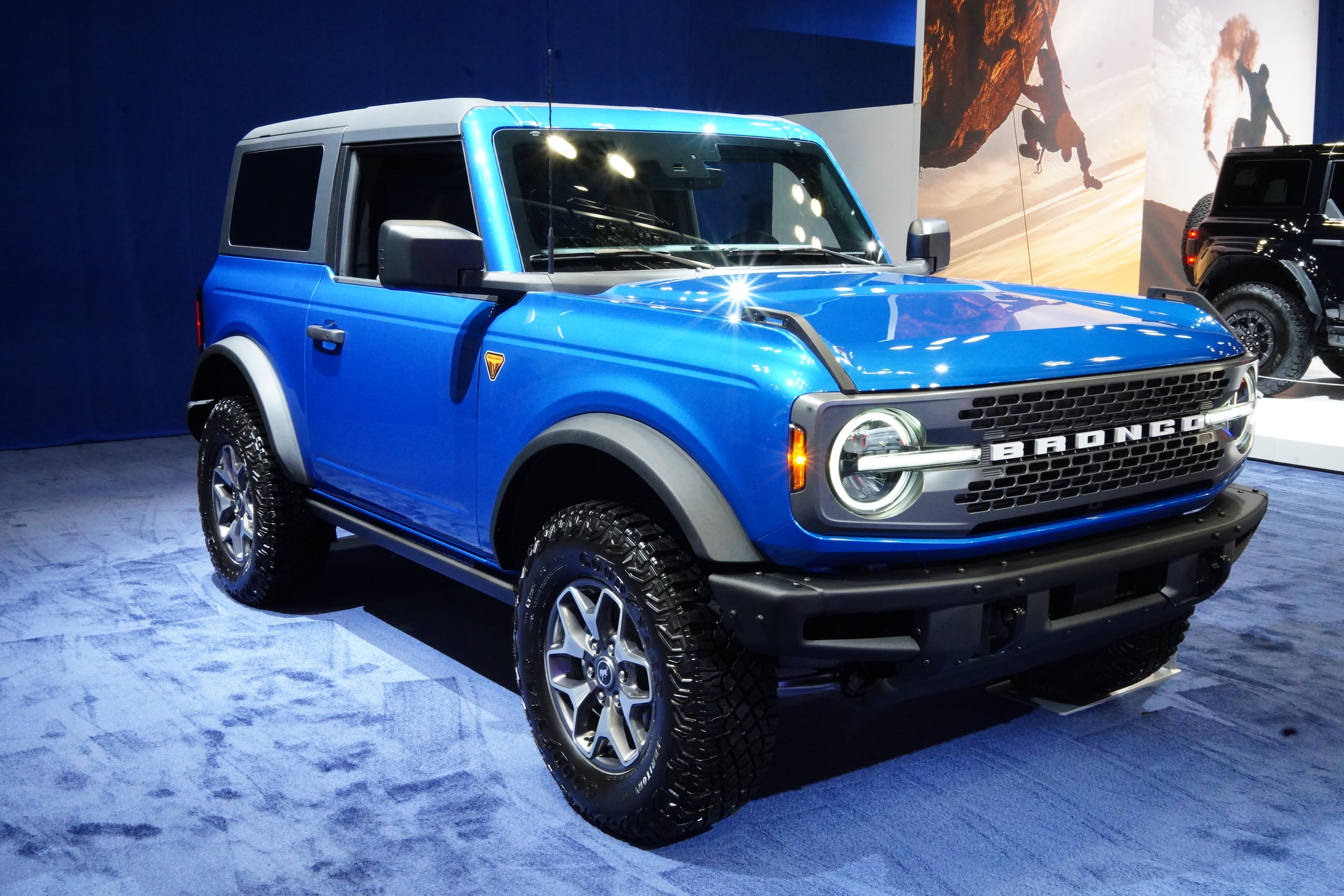
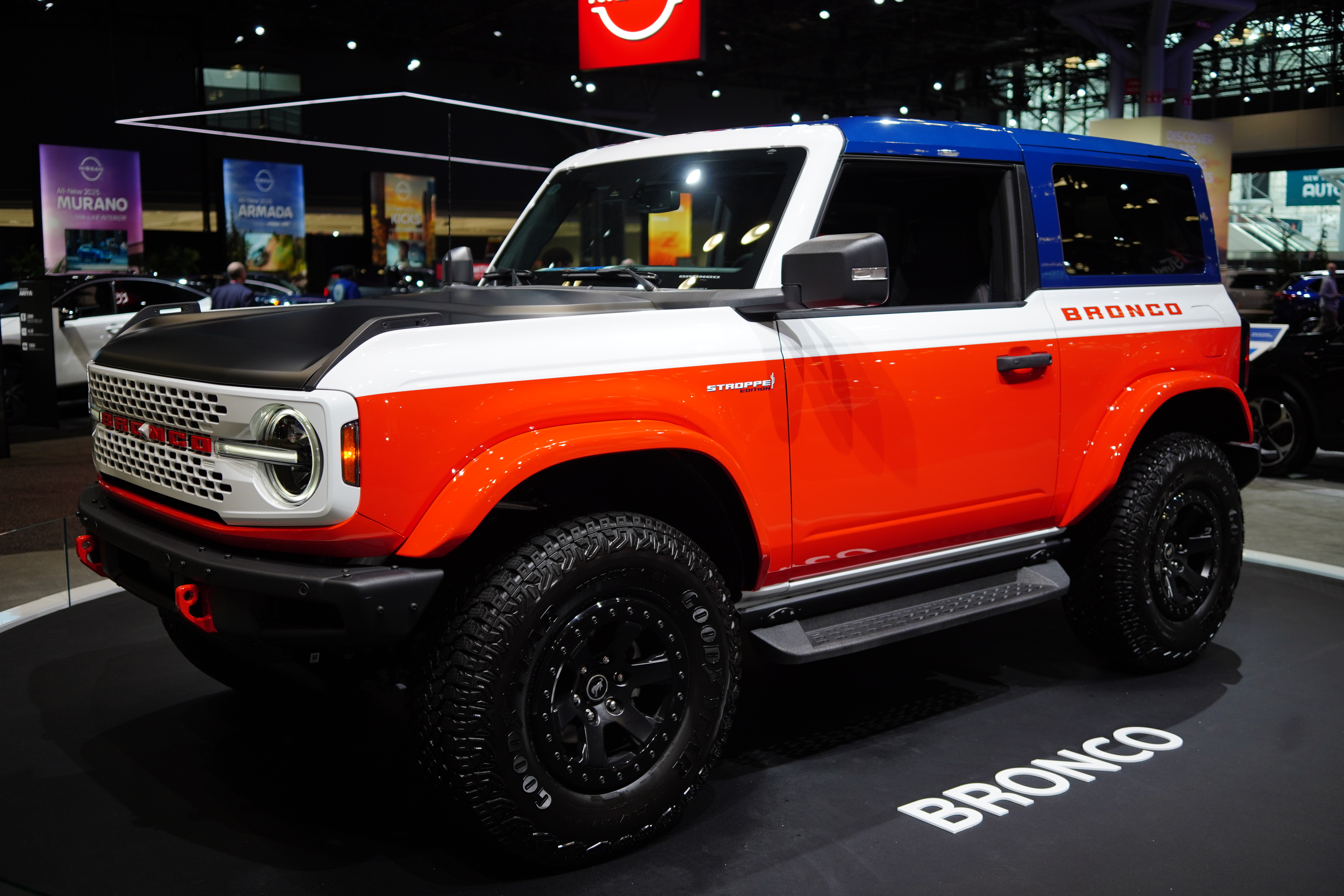
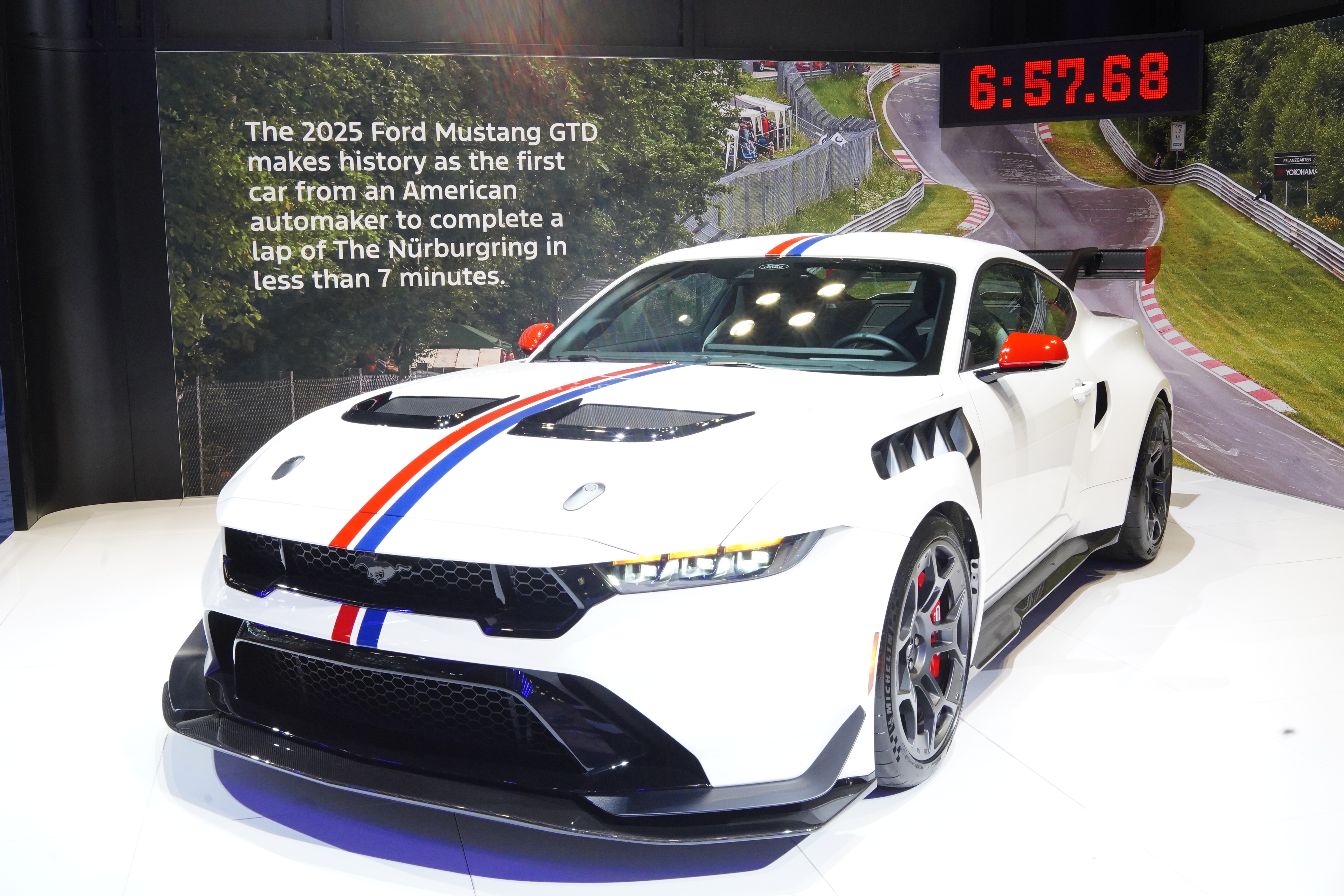
FORD



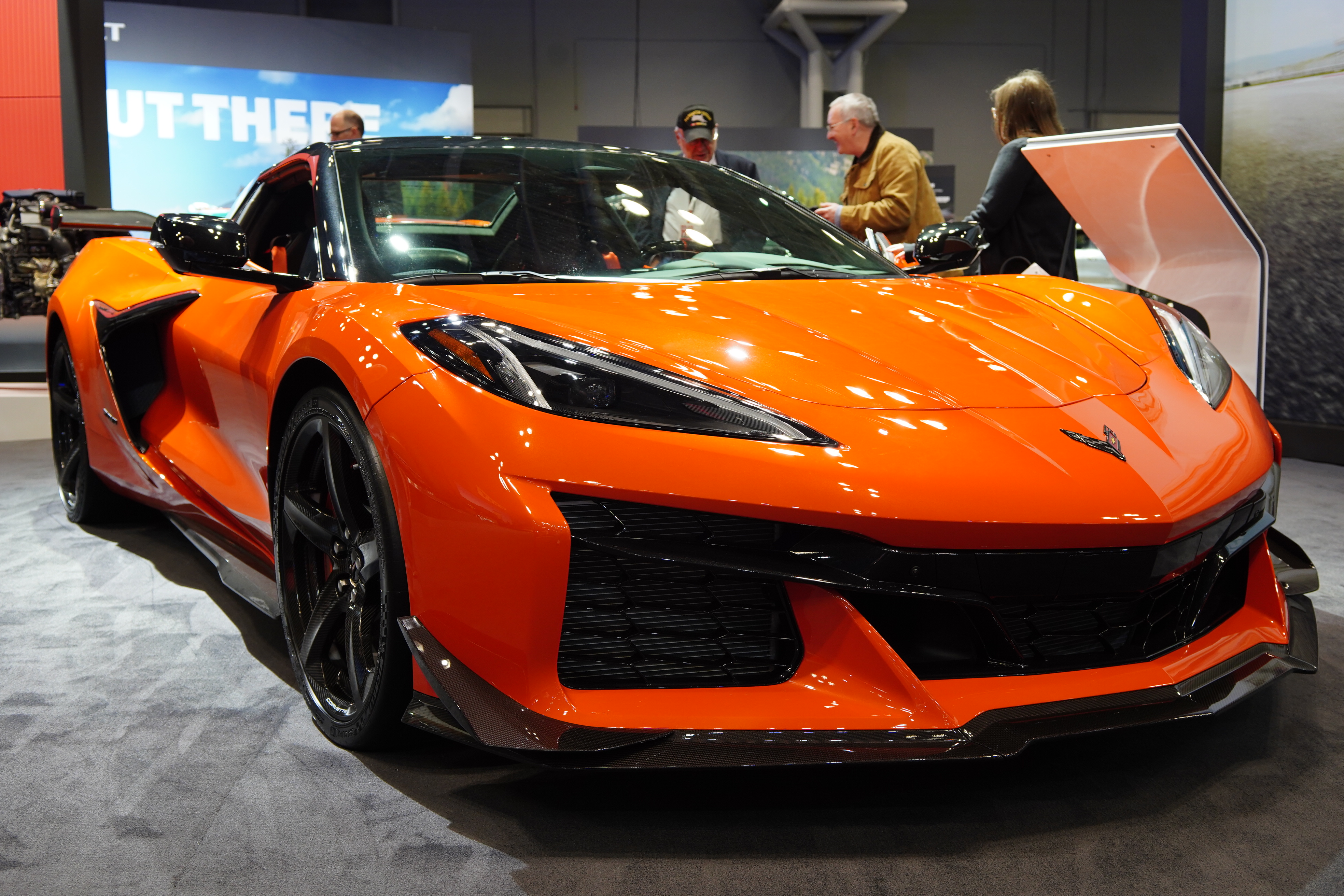
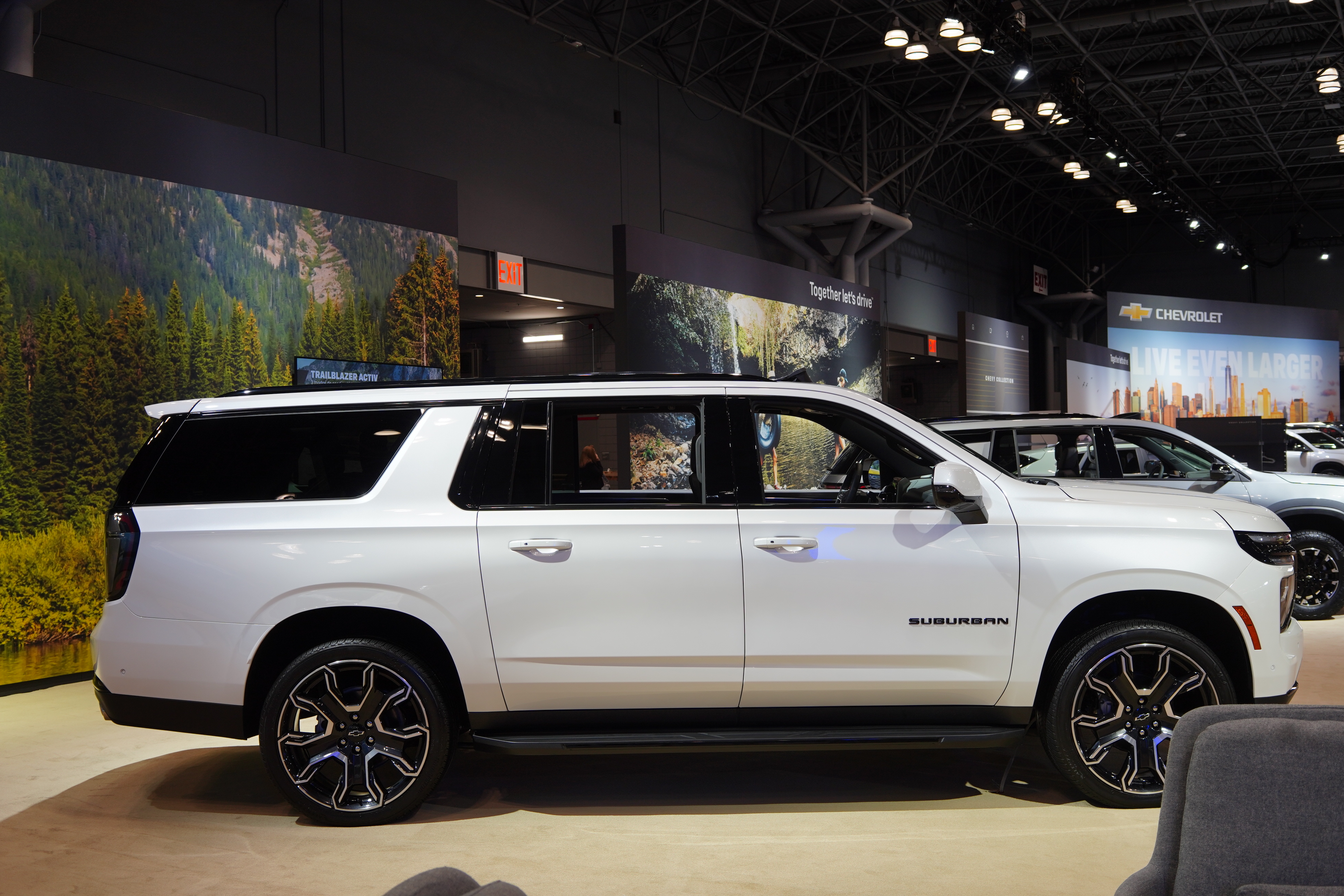
CHEVROLET



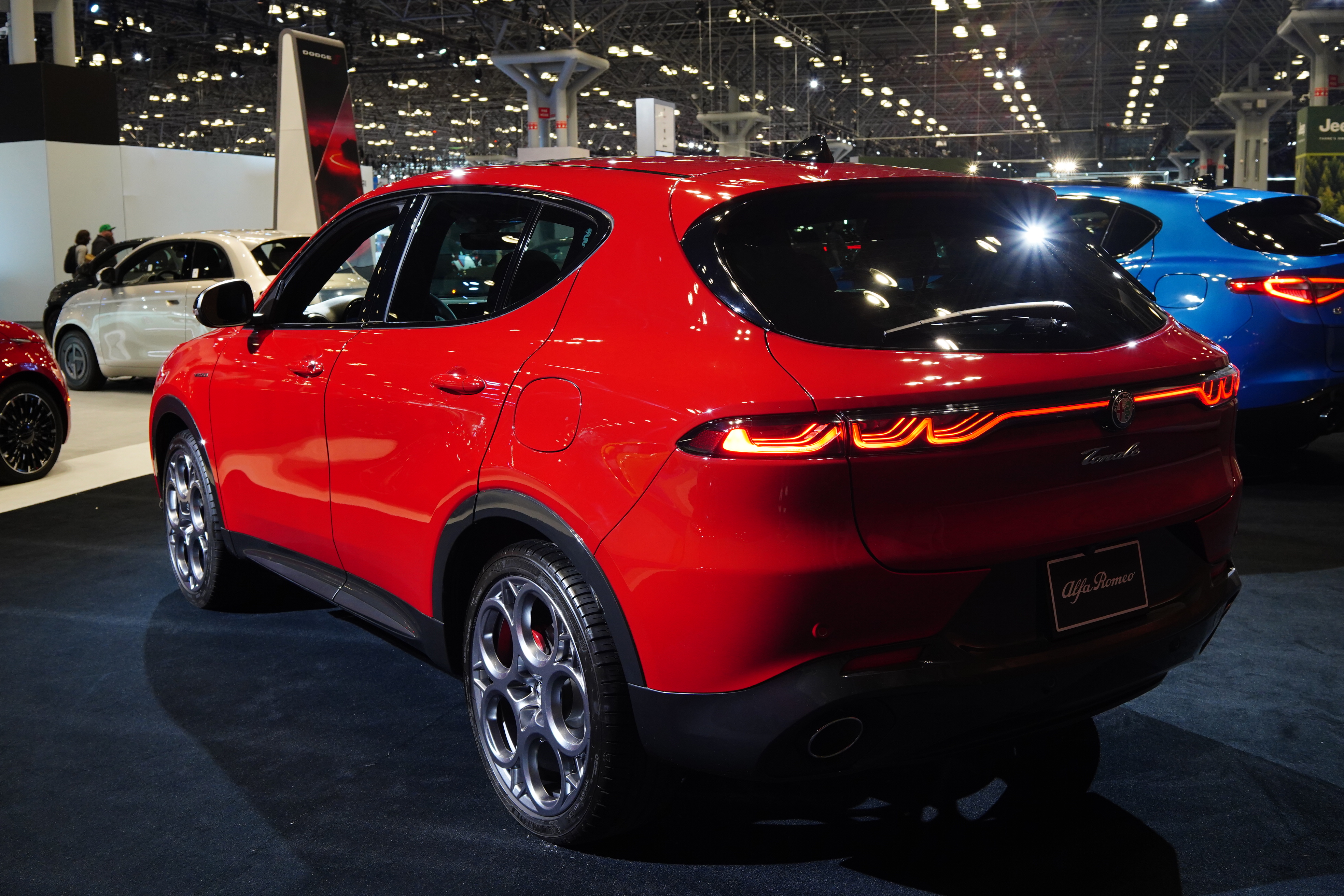
ALFA ROMEO

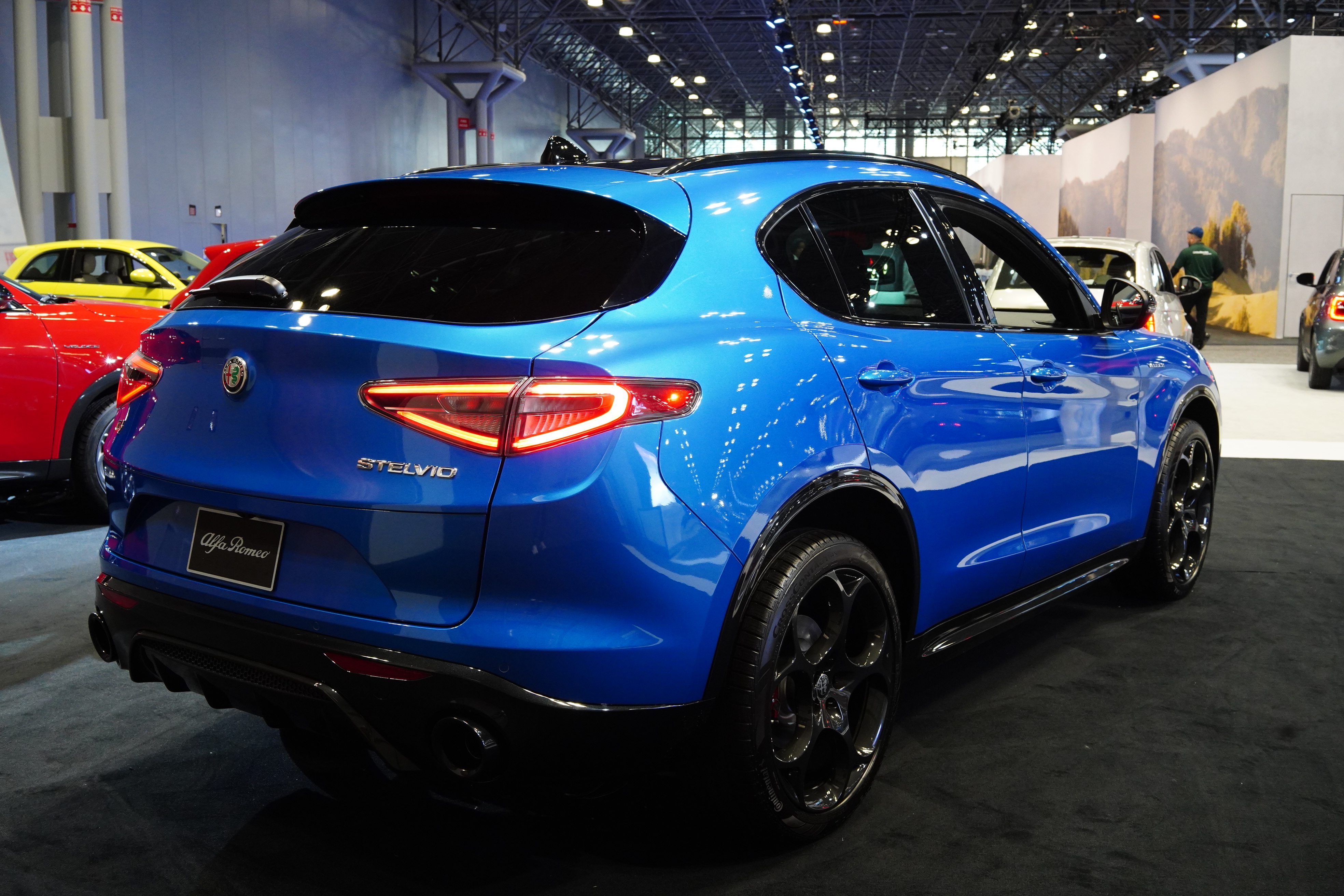
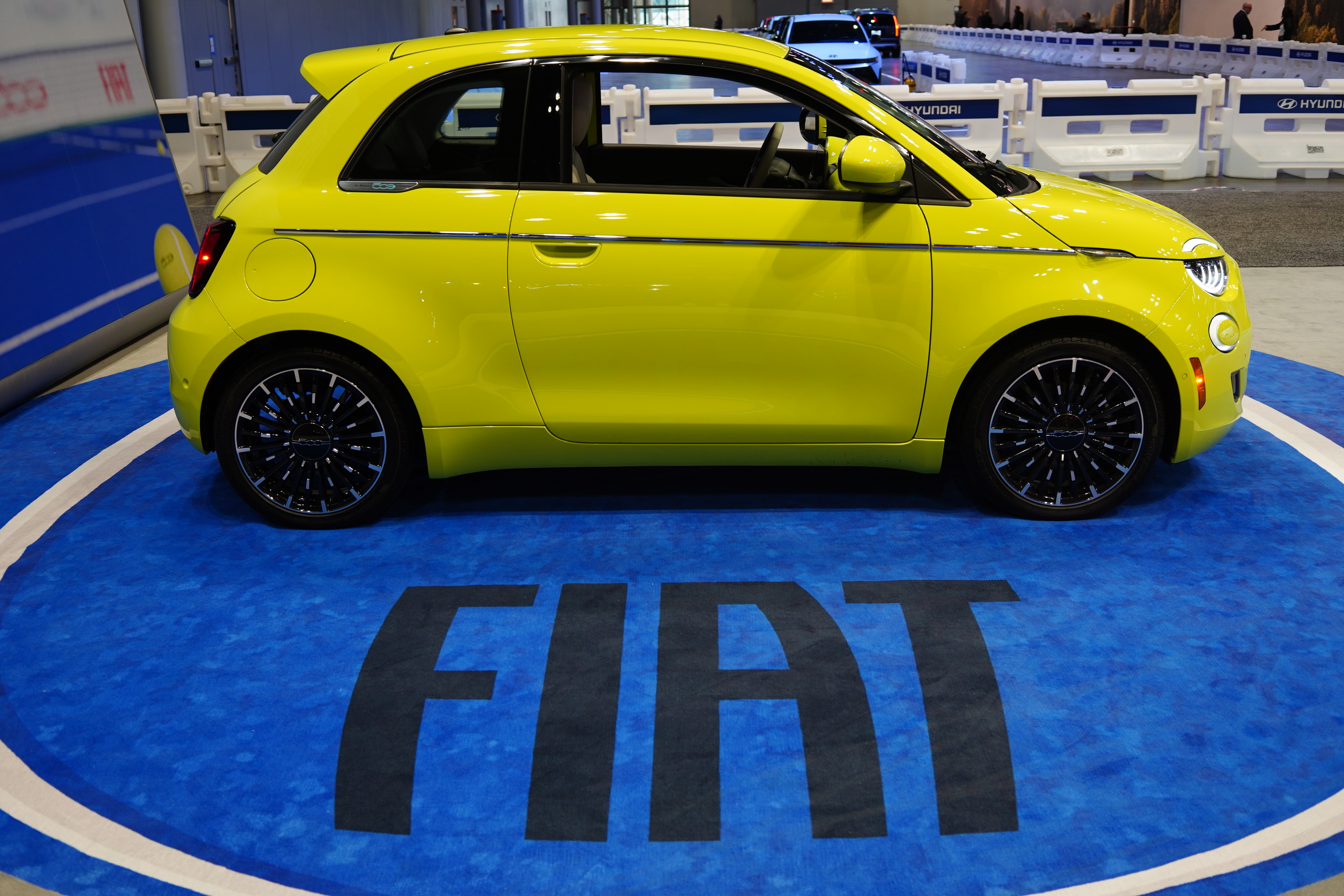
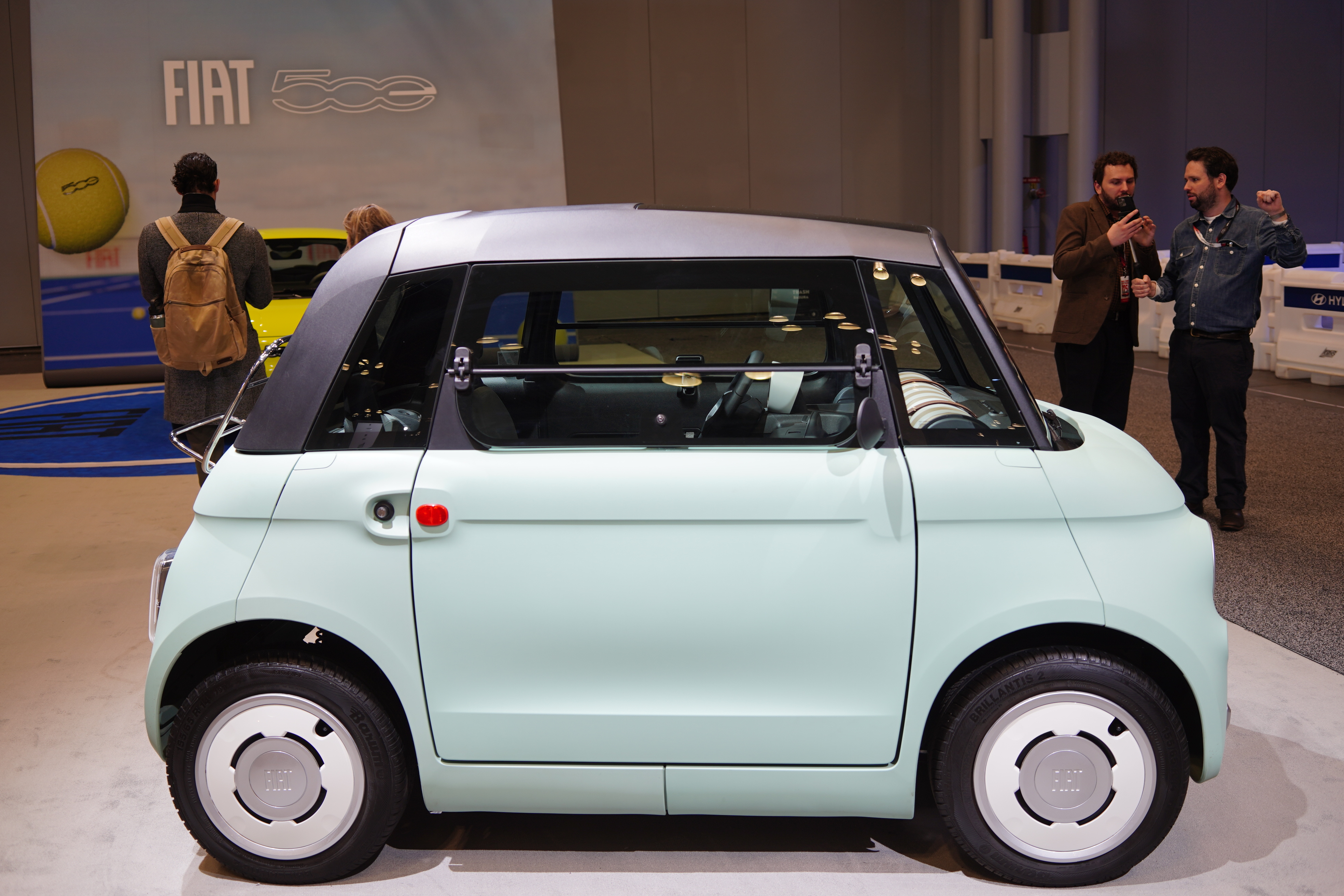
FIAT
DODGE
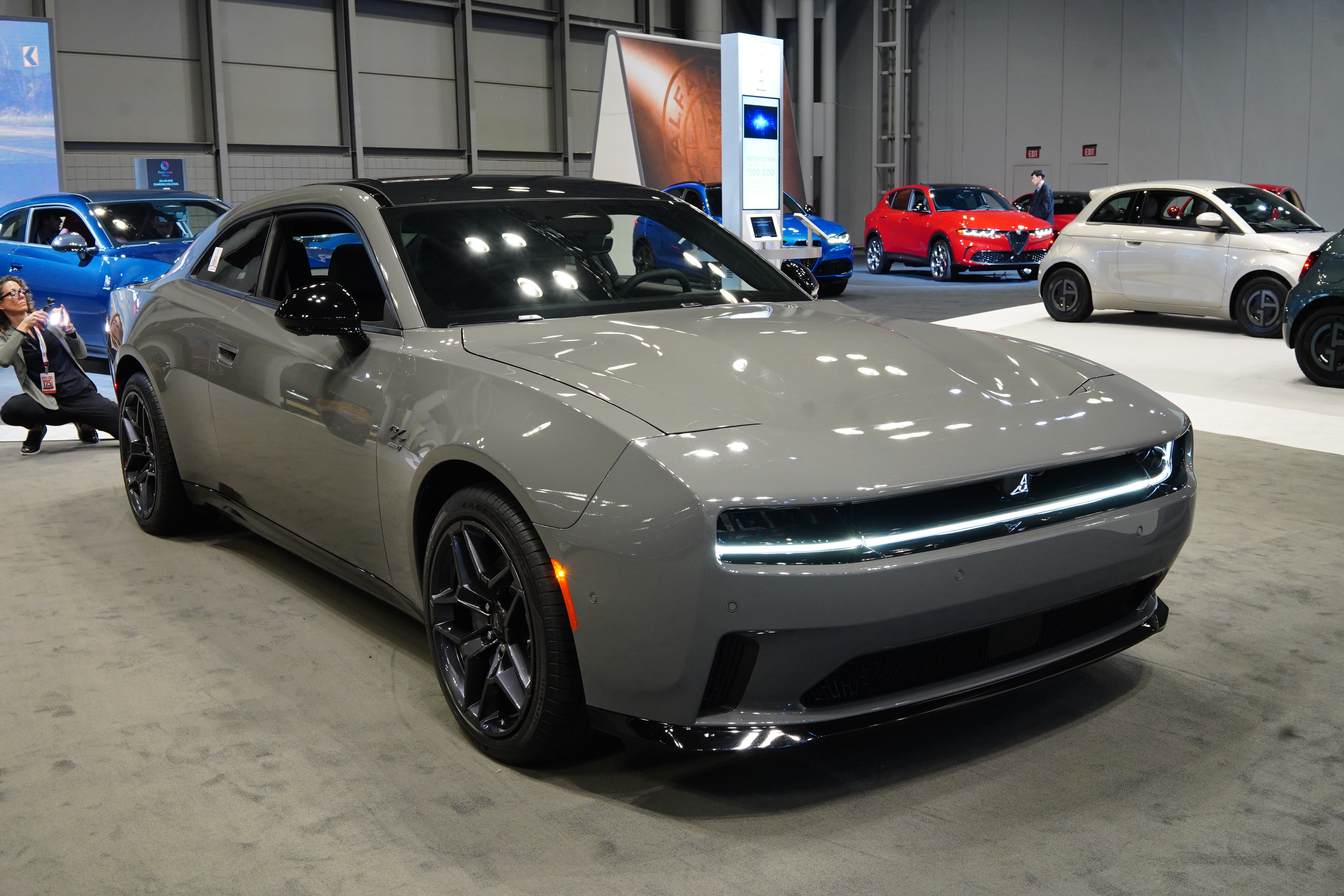
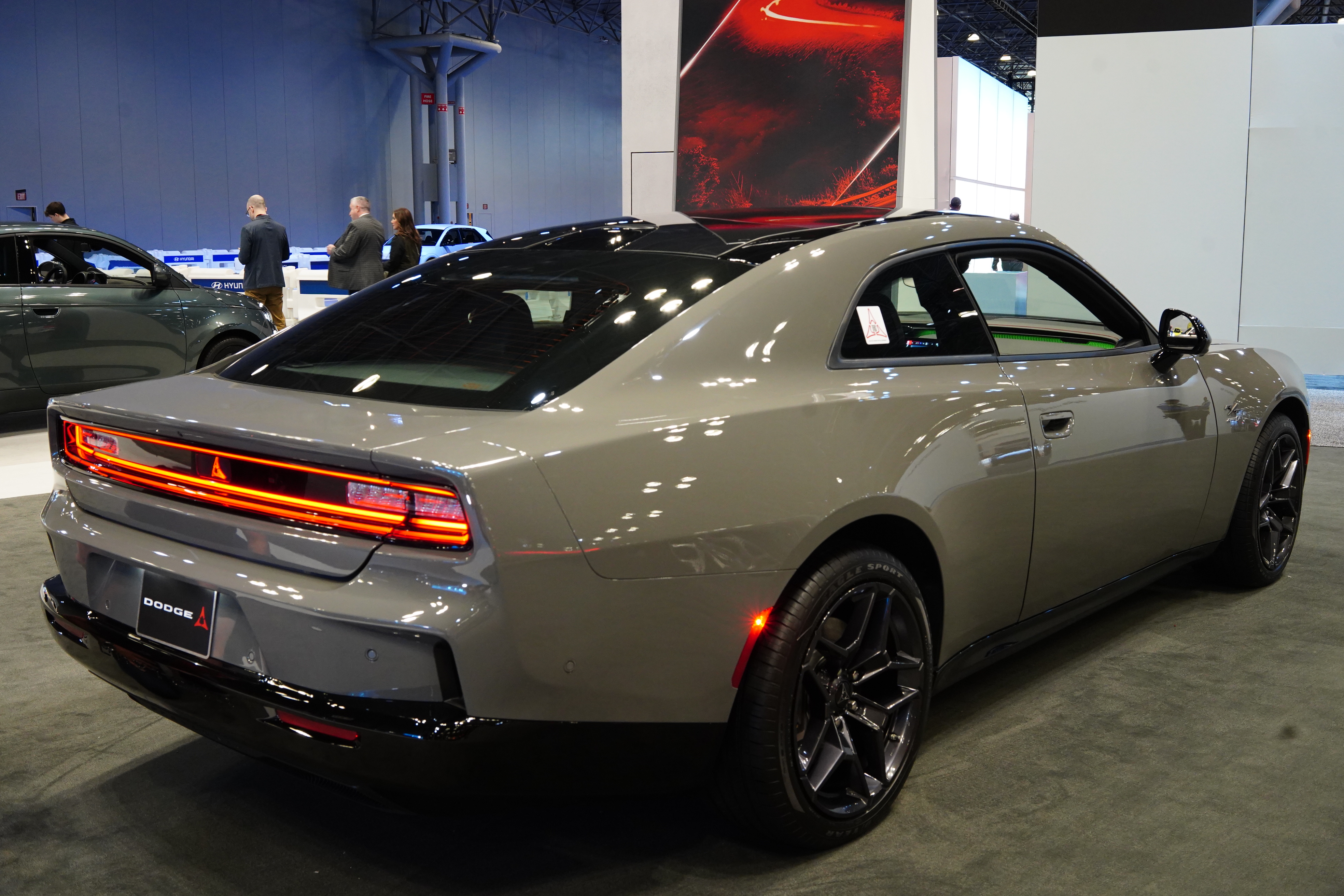
The production Charger, a true two-door, is a stunning retro version of the ’68-’70 model
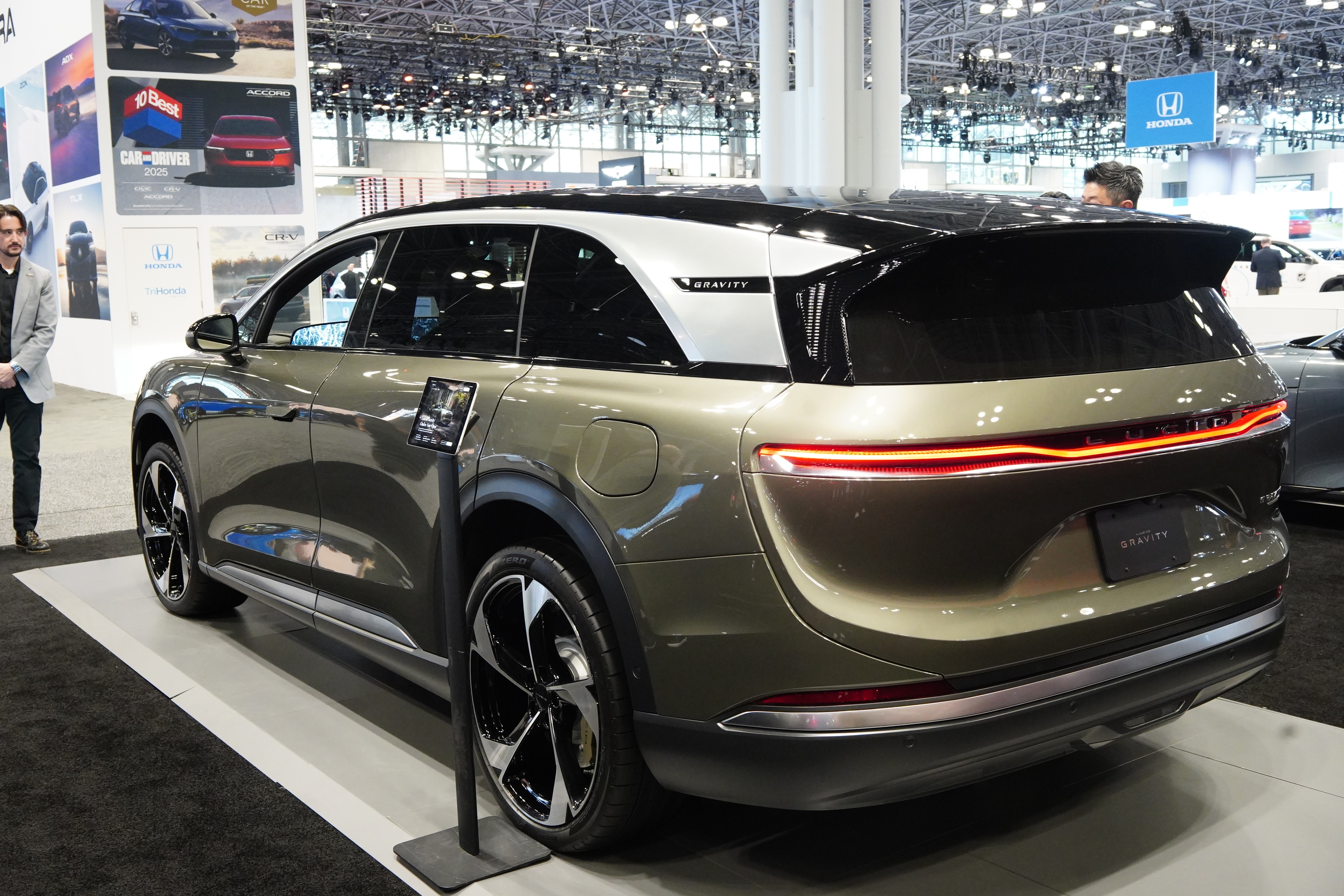
LUCID
Lucid brought their new SUV, named “Gravity”, which will accompany the “Air” sedan. An upcoming convertible model is rumored to be named “Weightless.”
SUBARU

VW

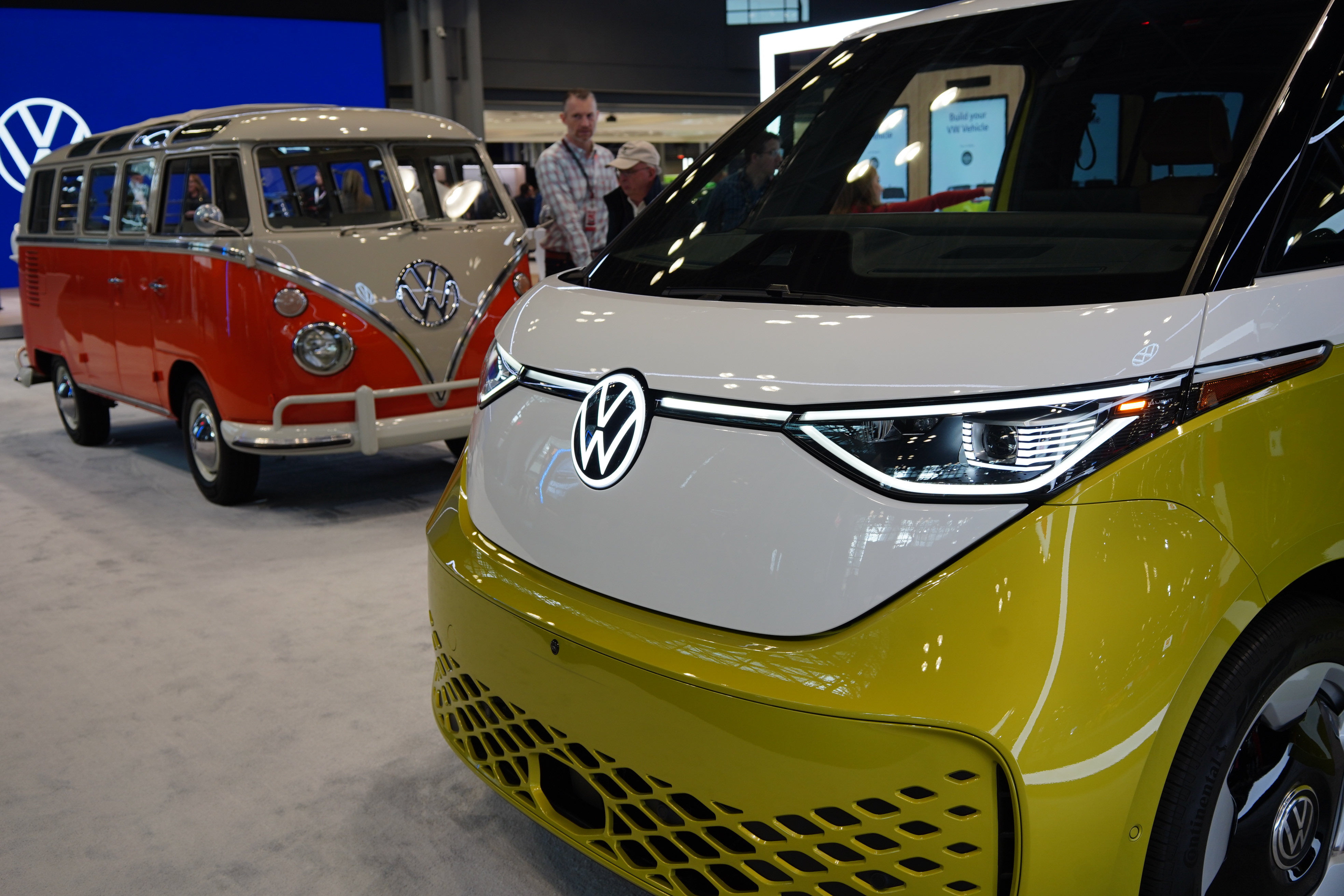
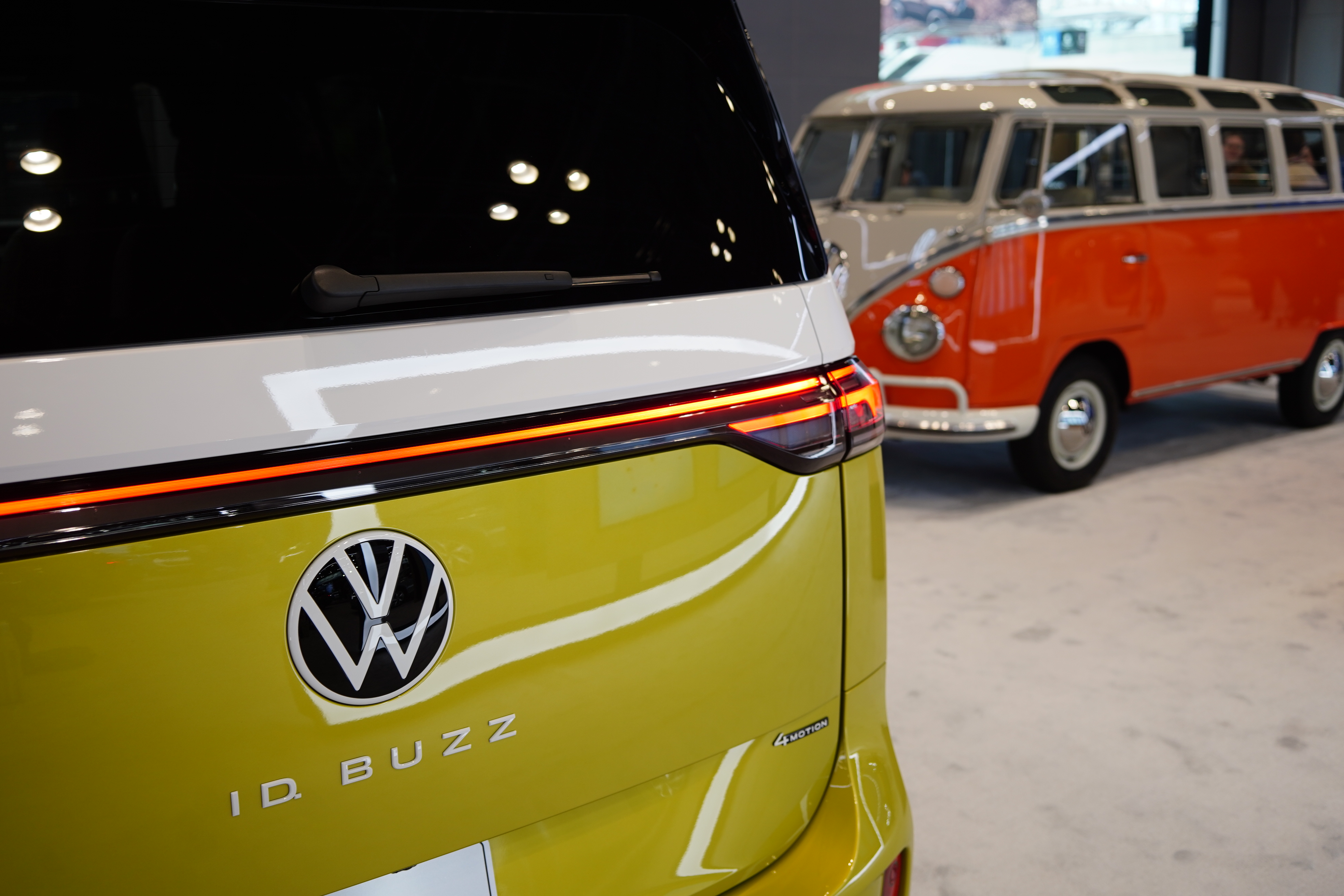
VW brought a Microbus to display alongside its spiritual successor
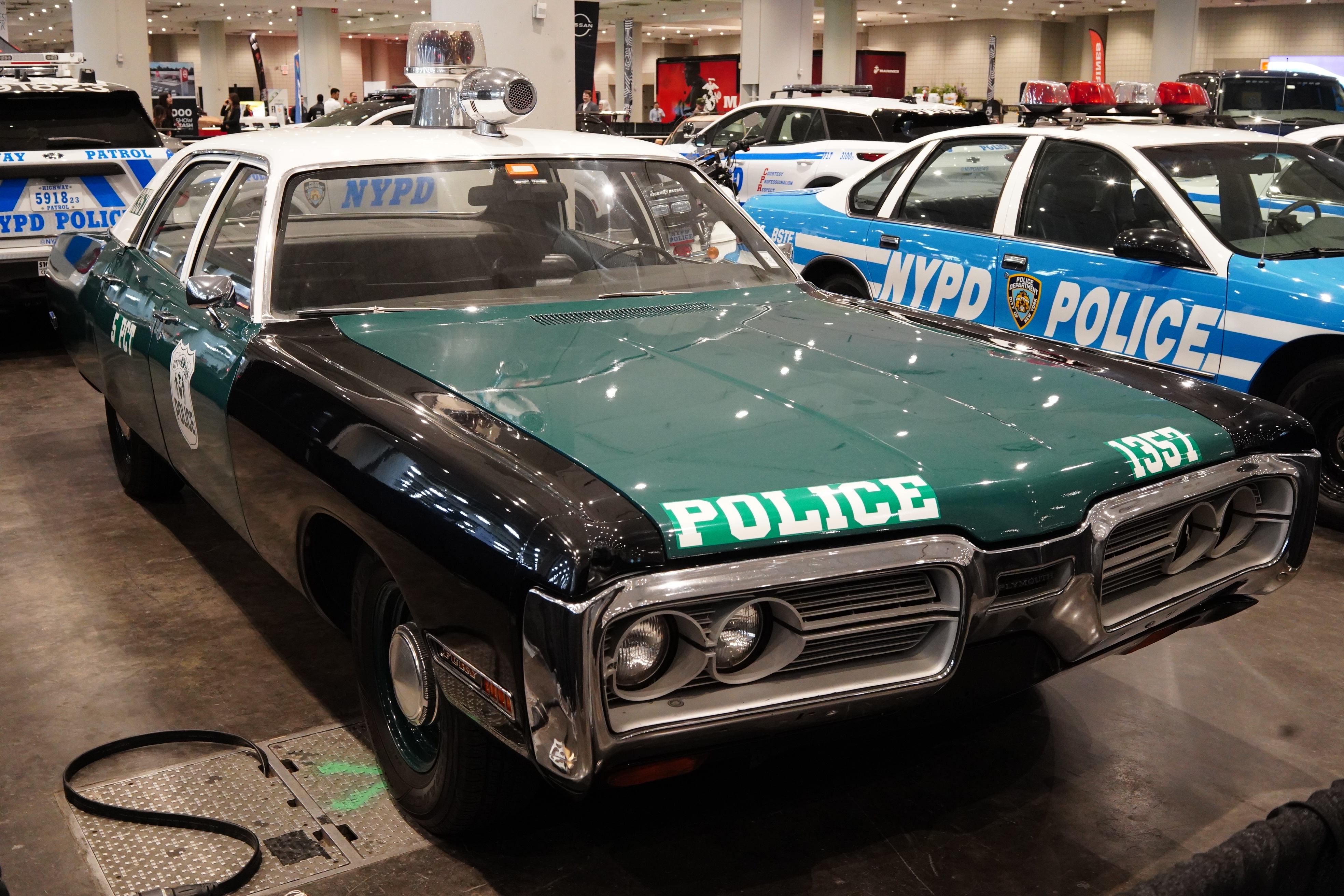
HISTORIC
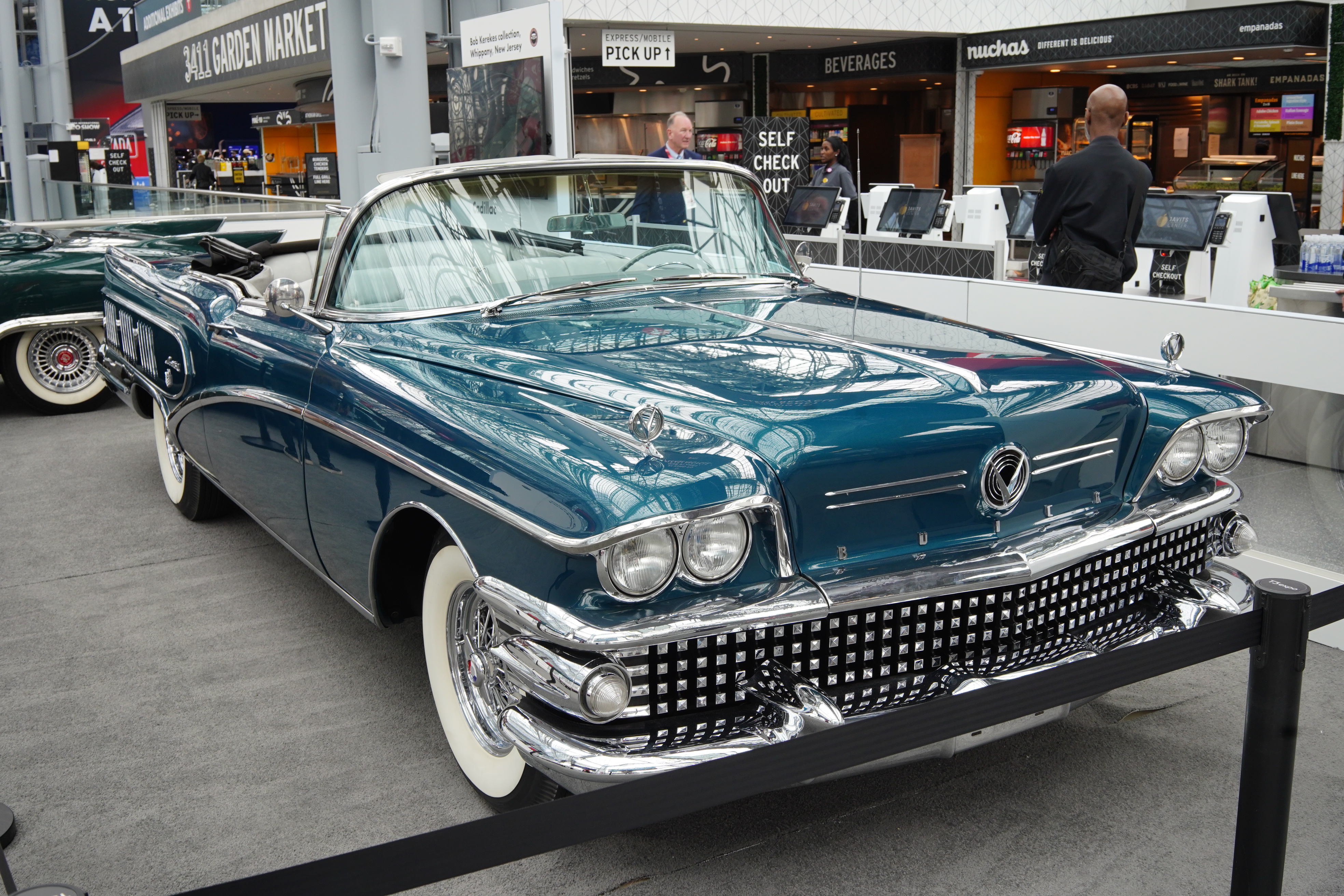
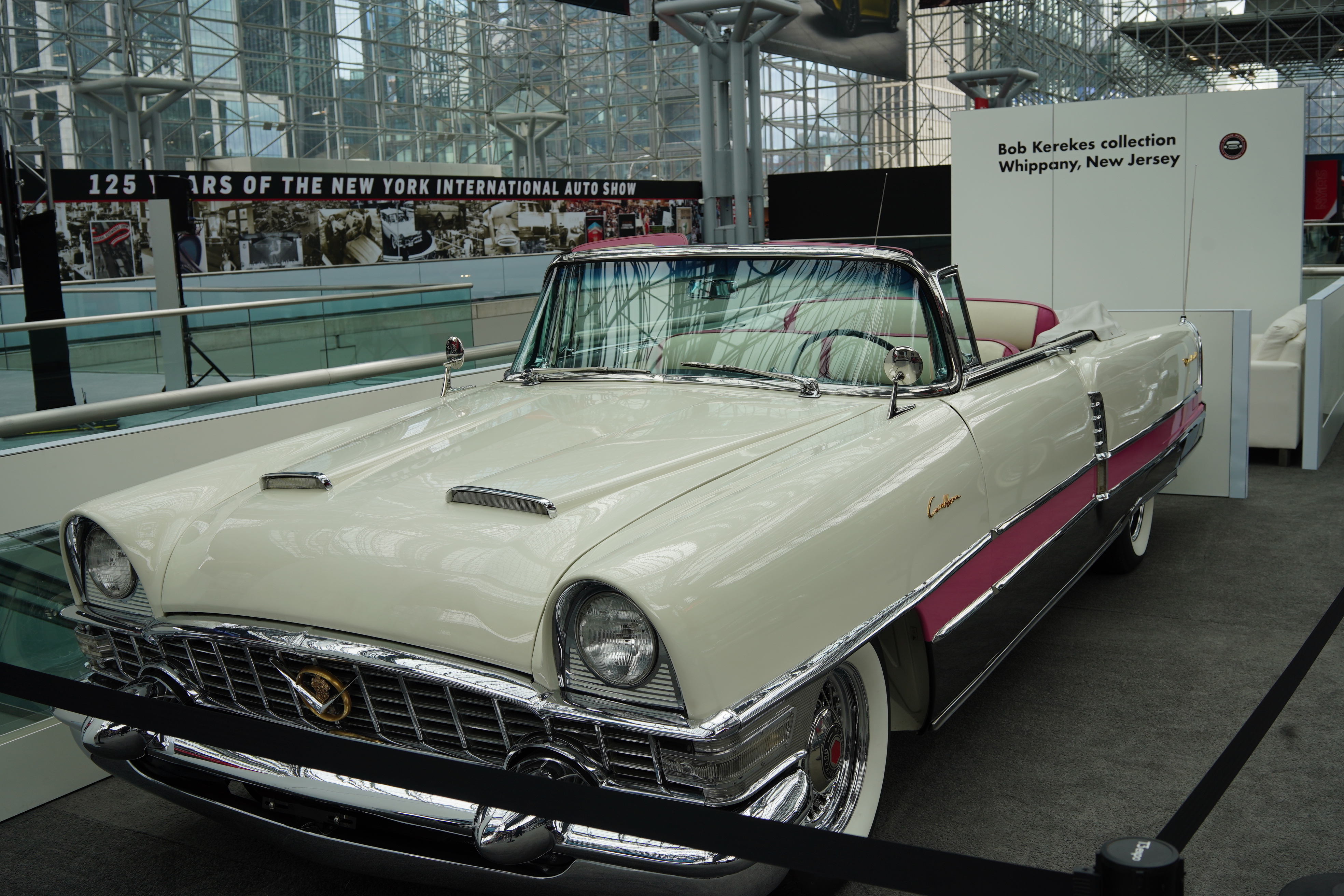
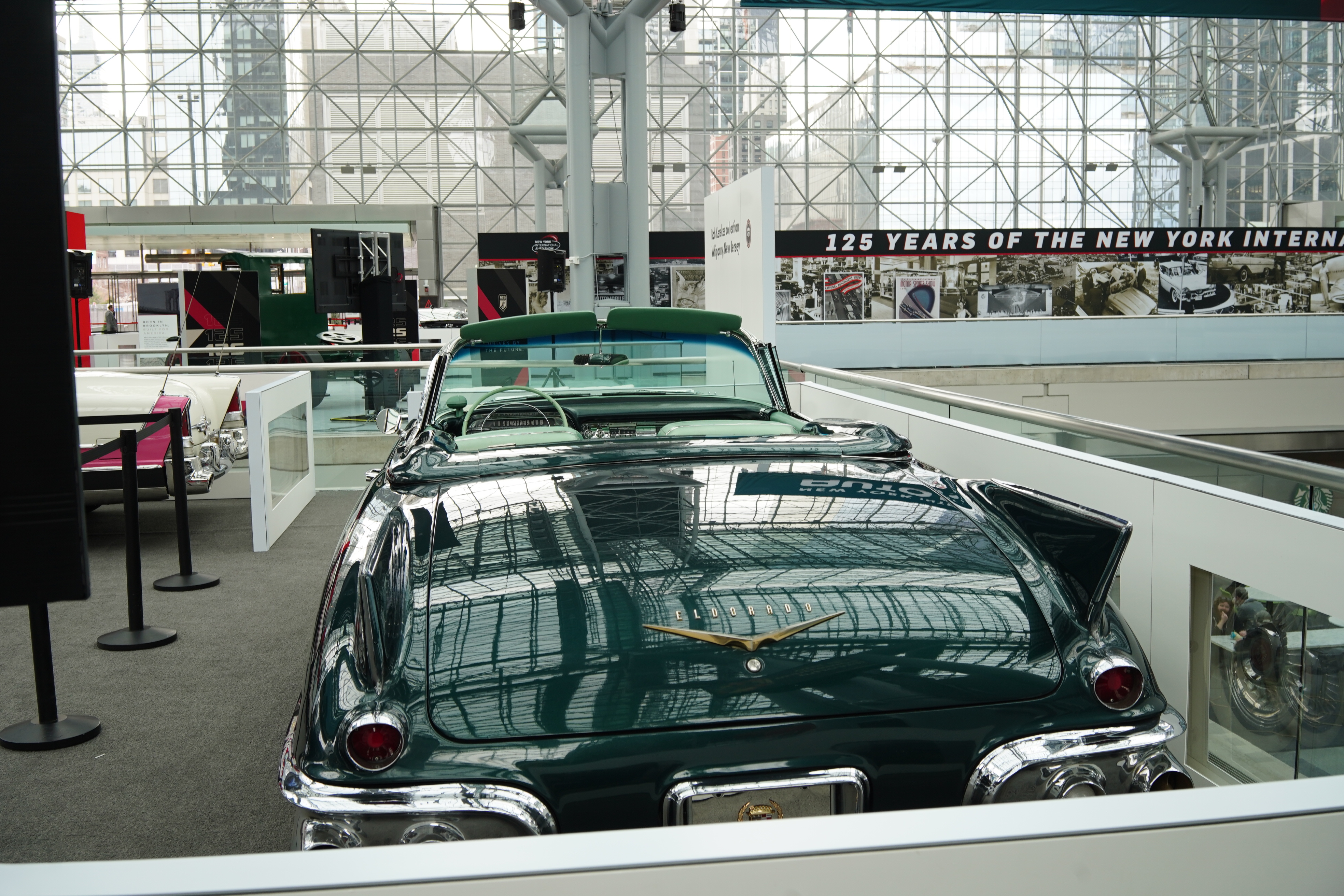

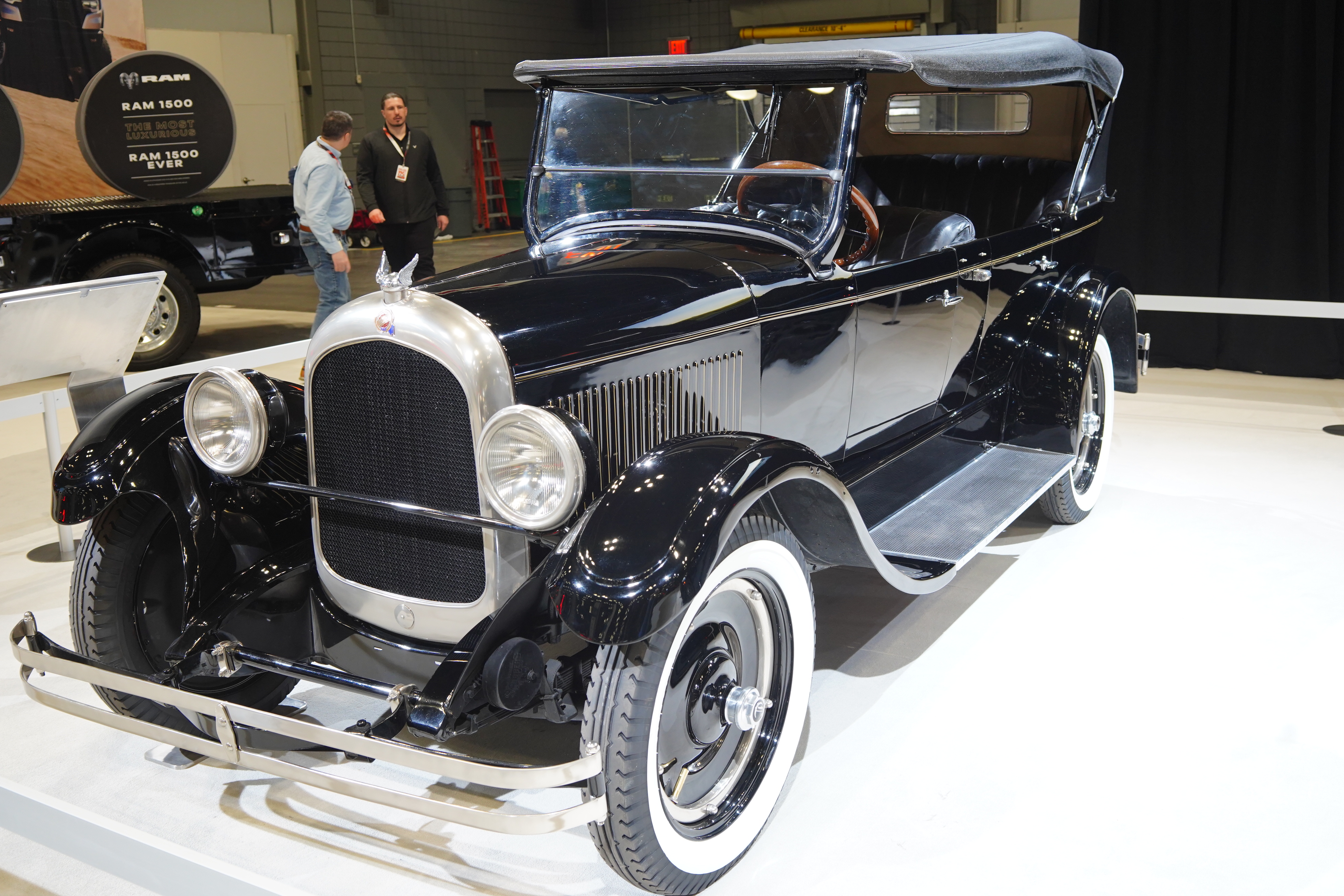
1924 Chrysler, first year for the make


Entire blog post content copyright © 2025 Richard A. Reina. Text and photos may not be copied or reproduced without express written permission.
 richardscarblog
Great post! Really appreciated the insights you shared—clear, helpful, and informative. Looking forward to more content like this.
LikeLike
Hi, and thanks for reading my blog. I appreciate your comments! Best, Richard
LikeLike