The NJ Region of the Antique Automobile Club of America (AACA) holds an annual car show on the first Sunday of May. This tradition dates back to the Region’s founding in 1951 (and this year marks our 75th anniversary). Because the show is judged, we require judges to inspect each of the 150 to 250 vehicles that participate. It’s a big task, and since judging is done by volunteers, the Region is constantly seeking additional volunteers.
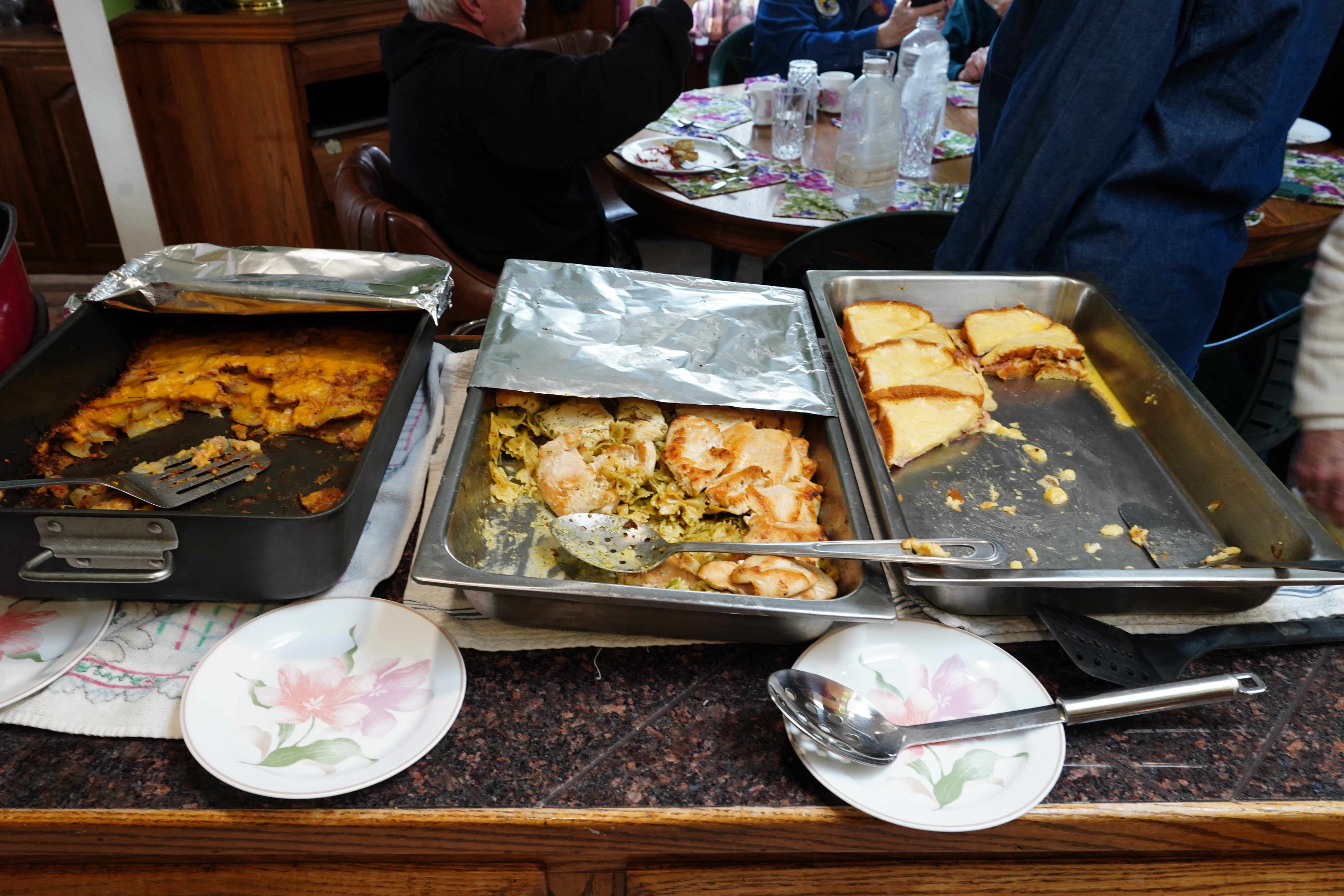
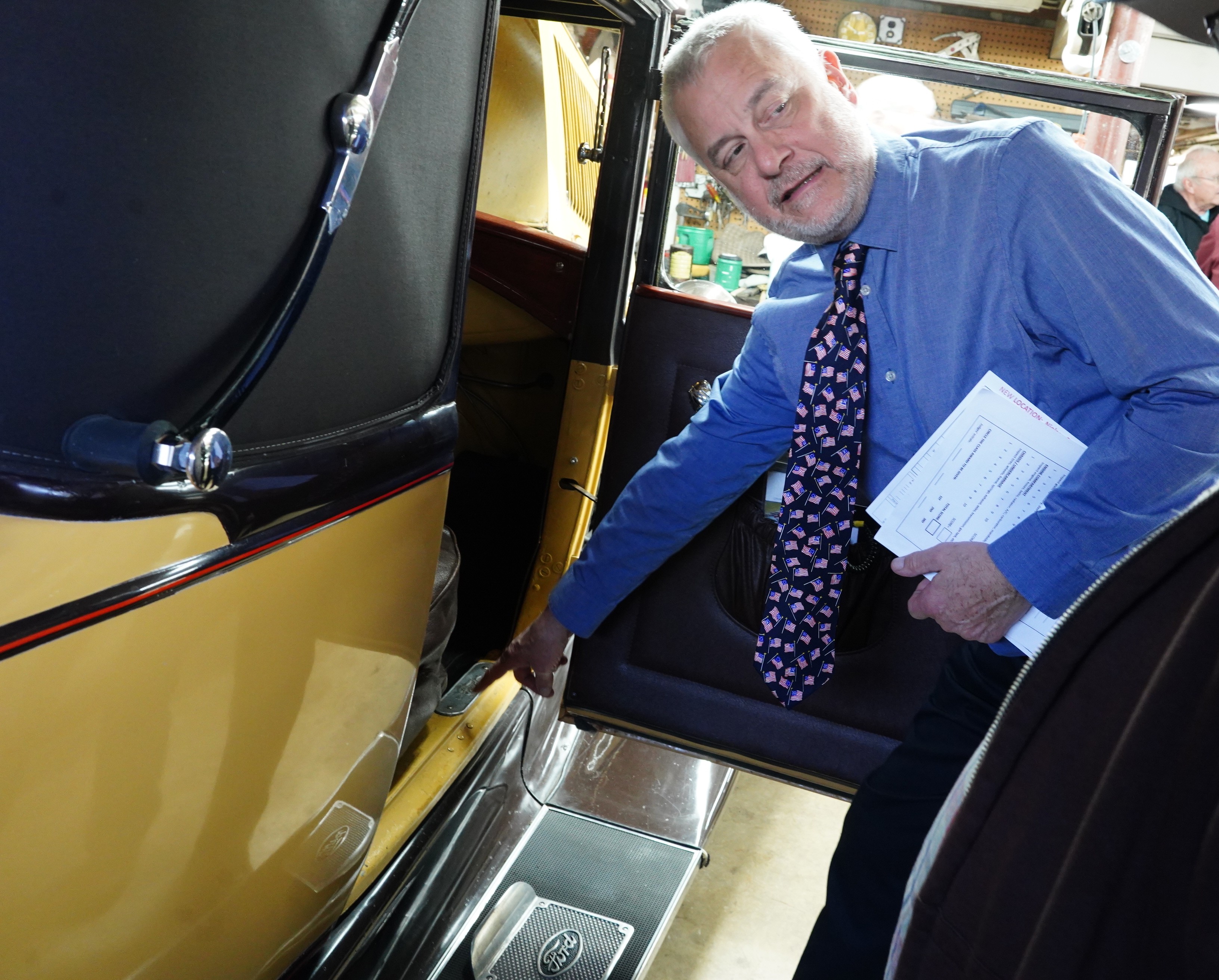
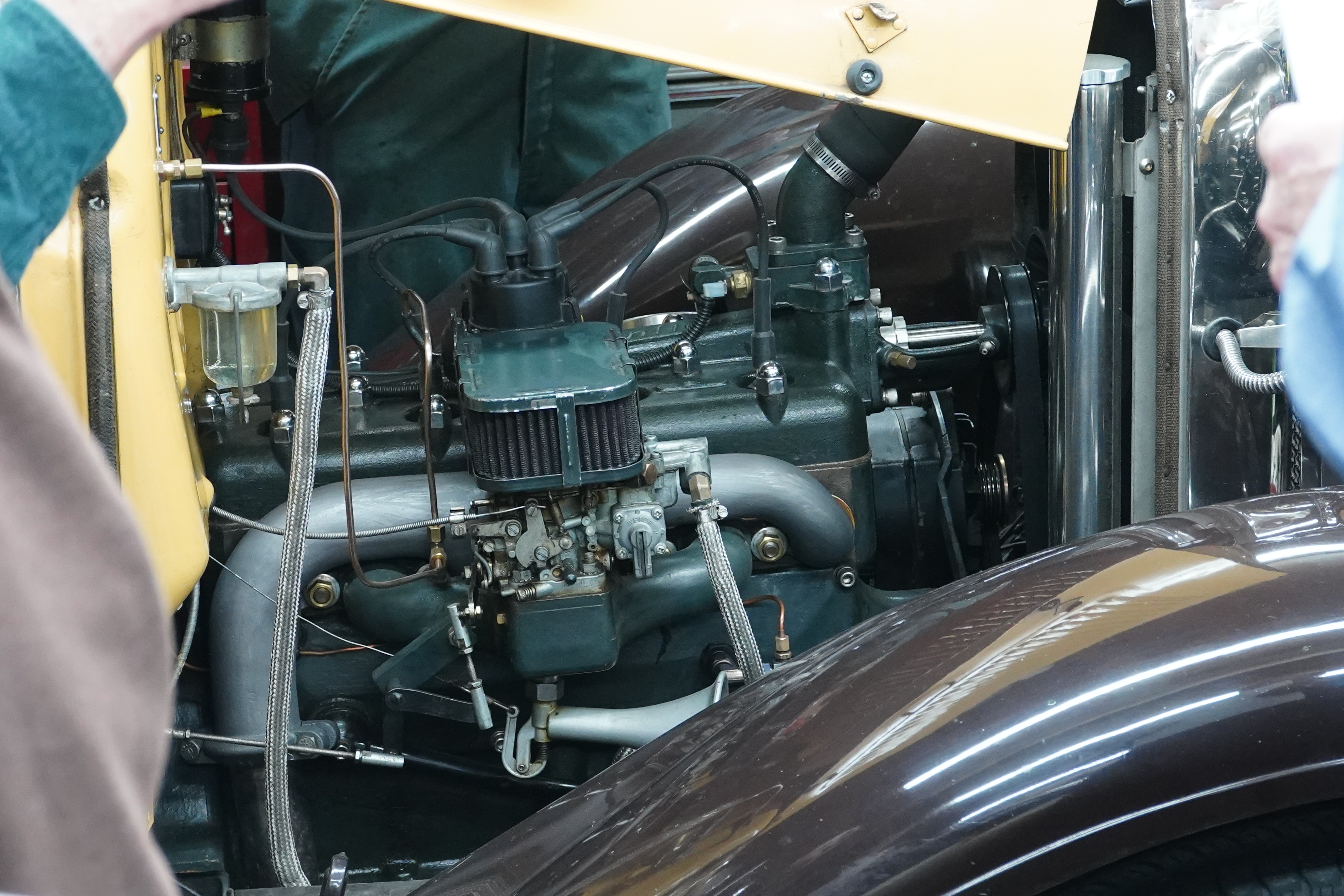
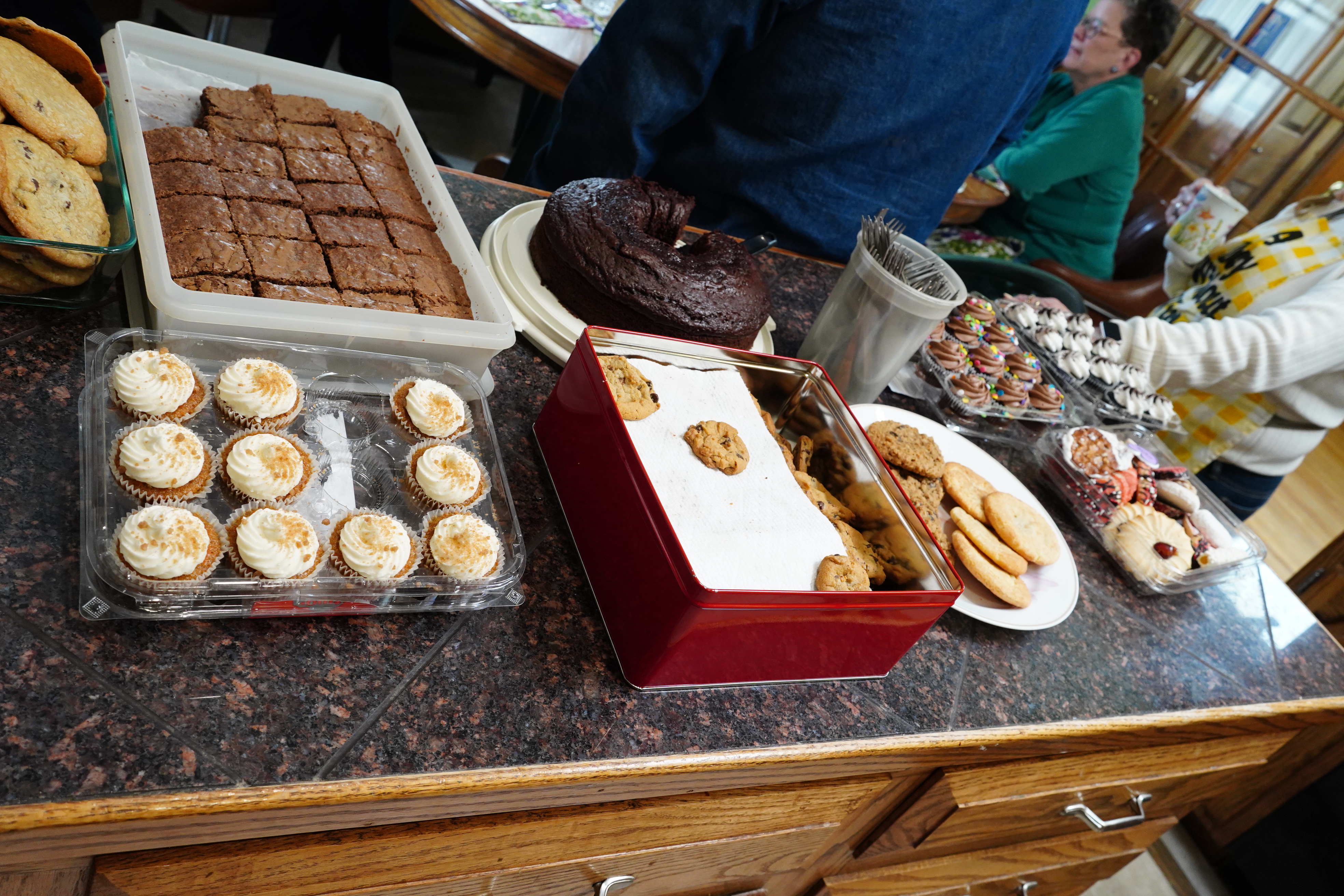
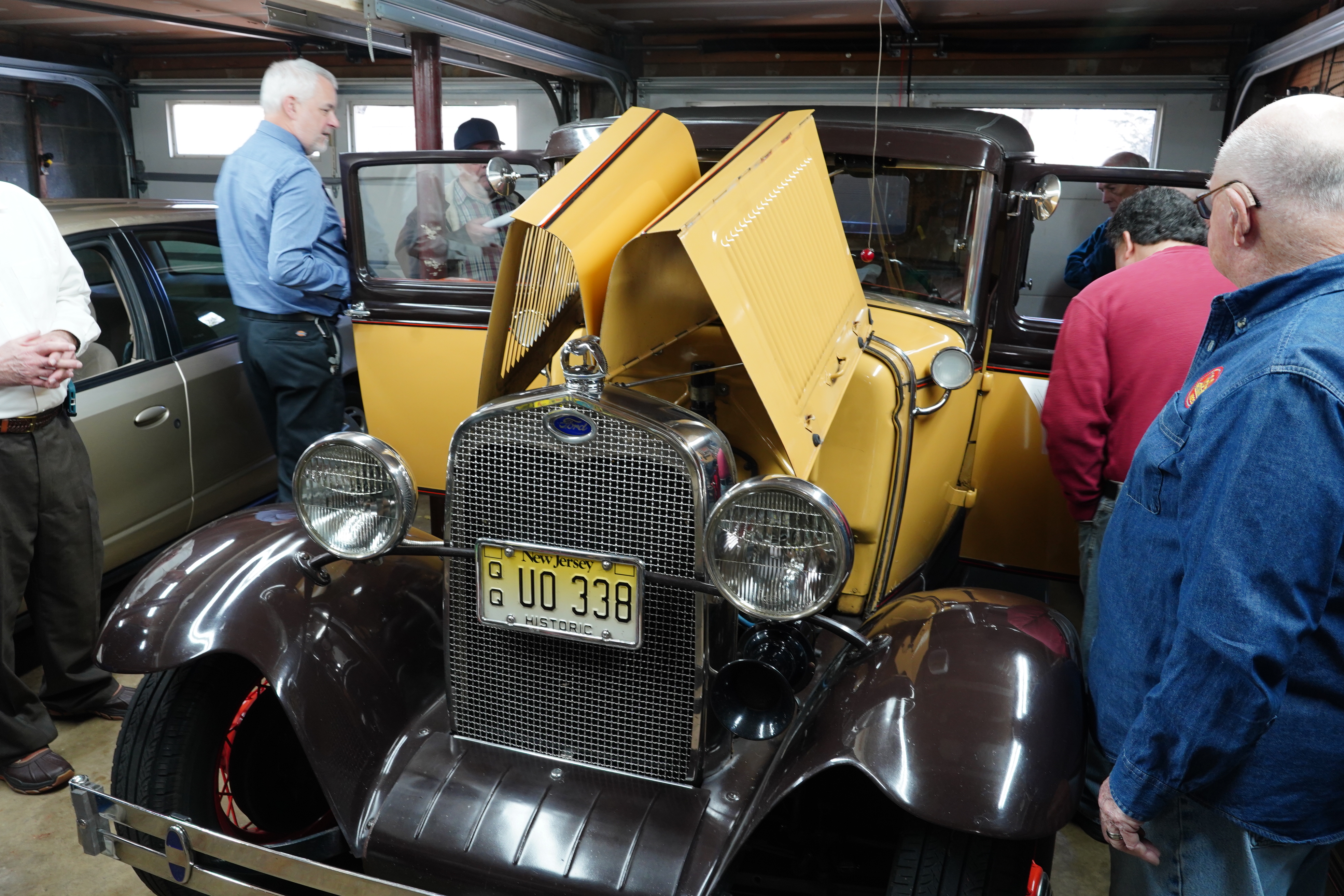
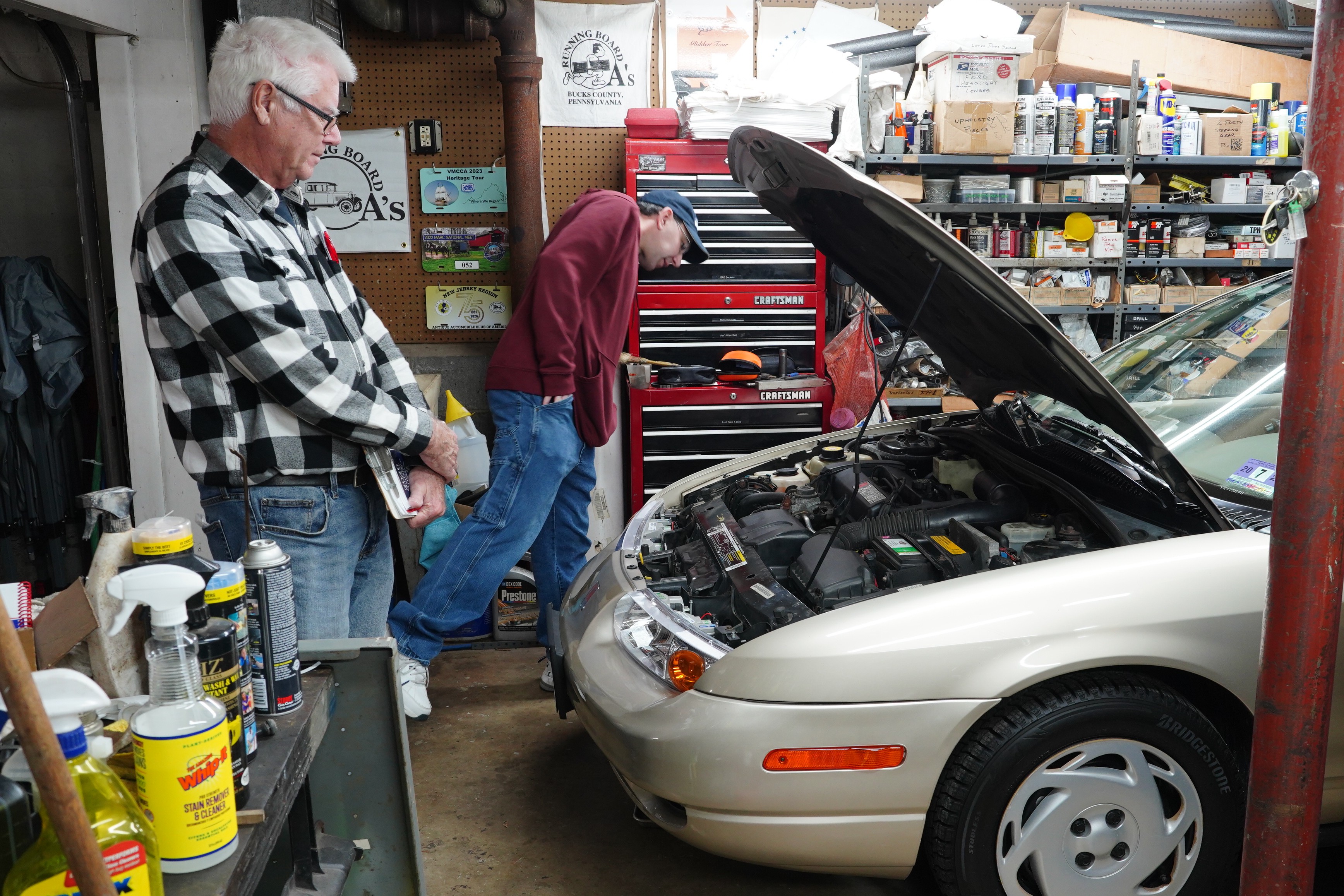
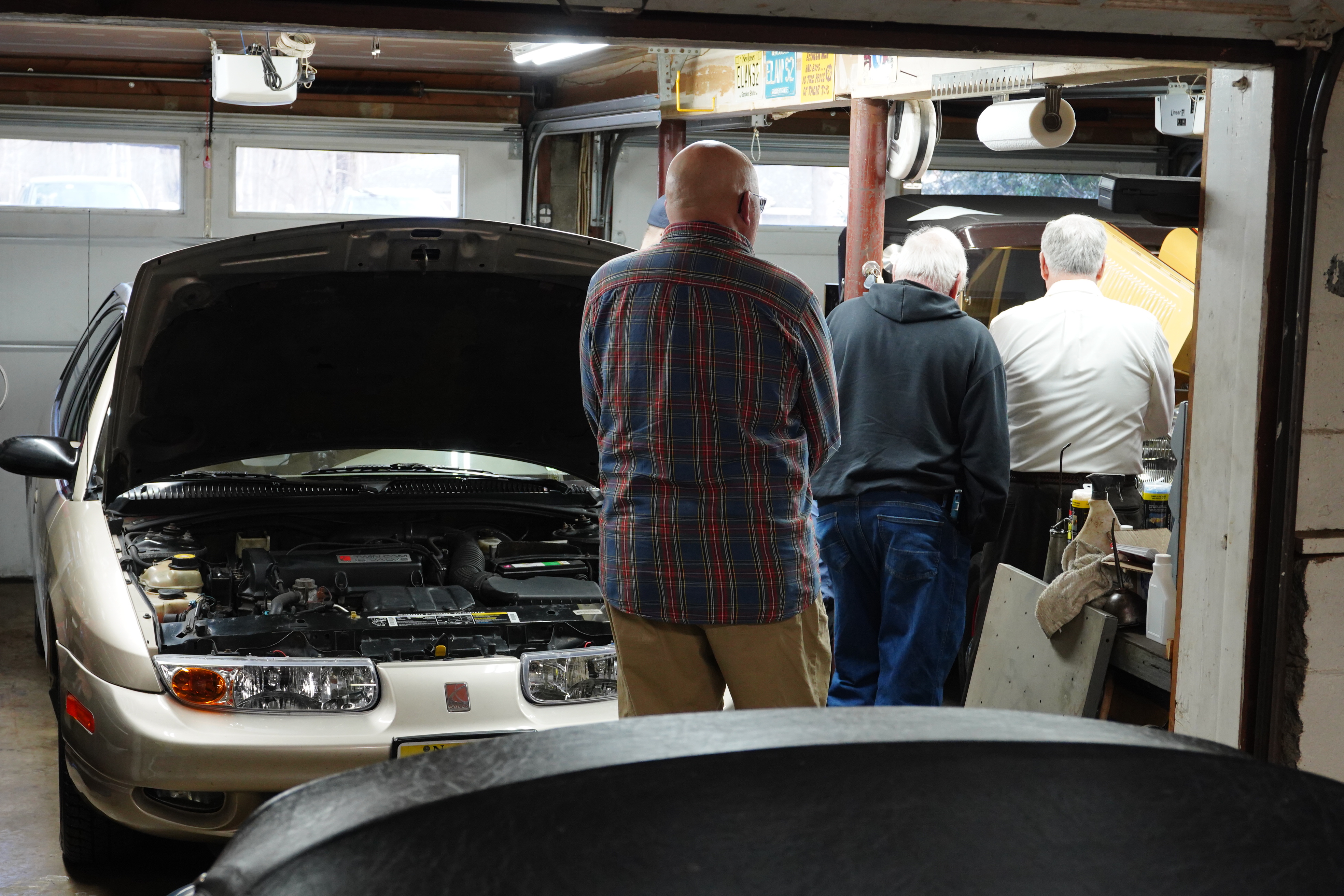
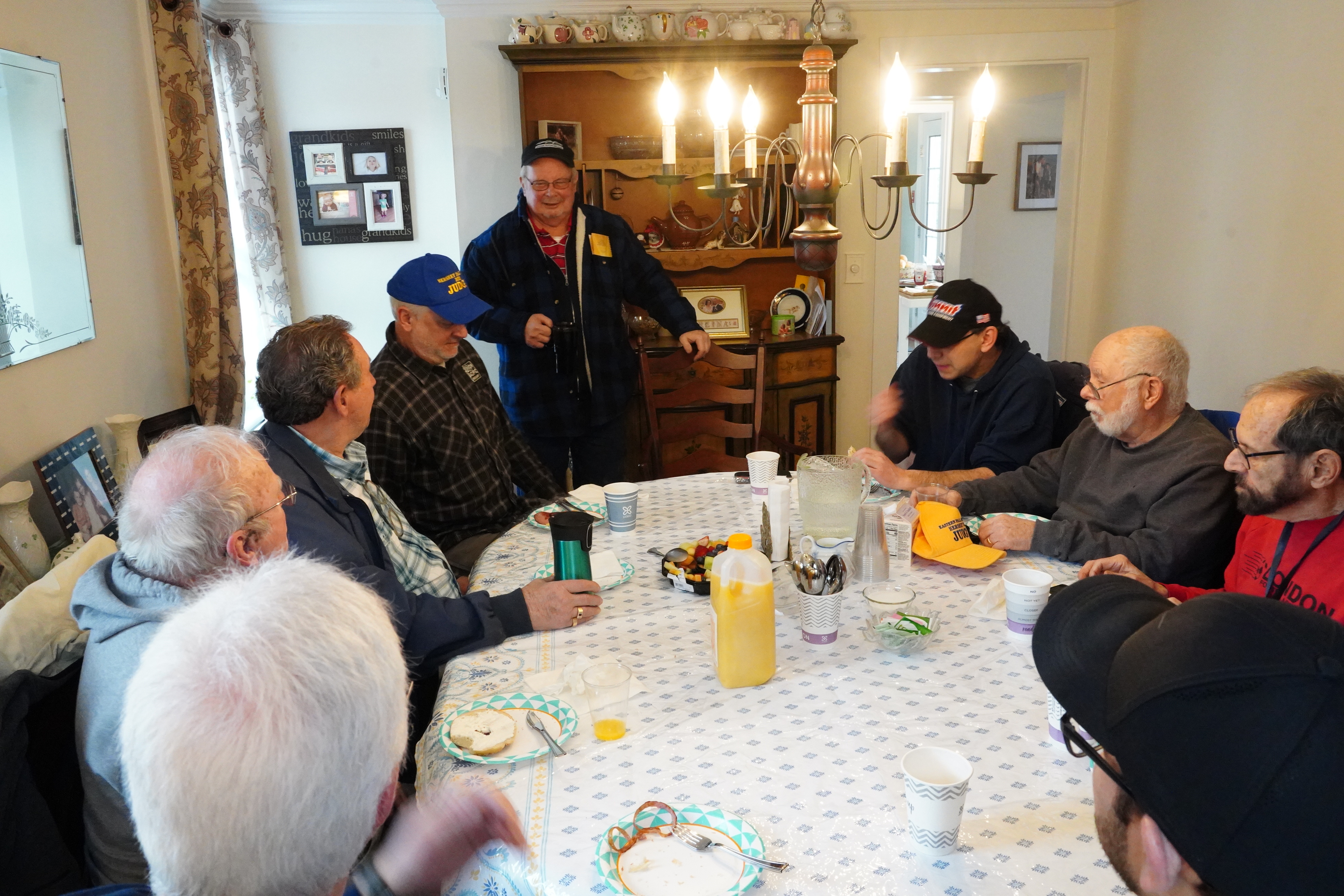
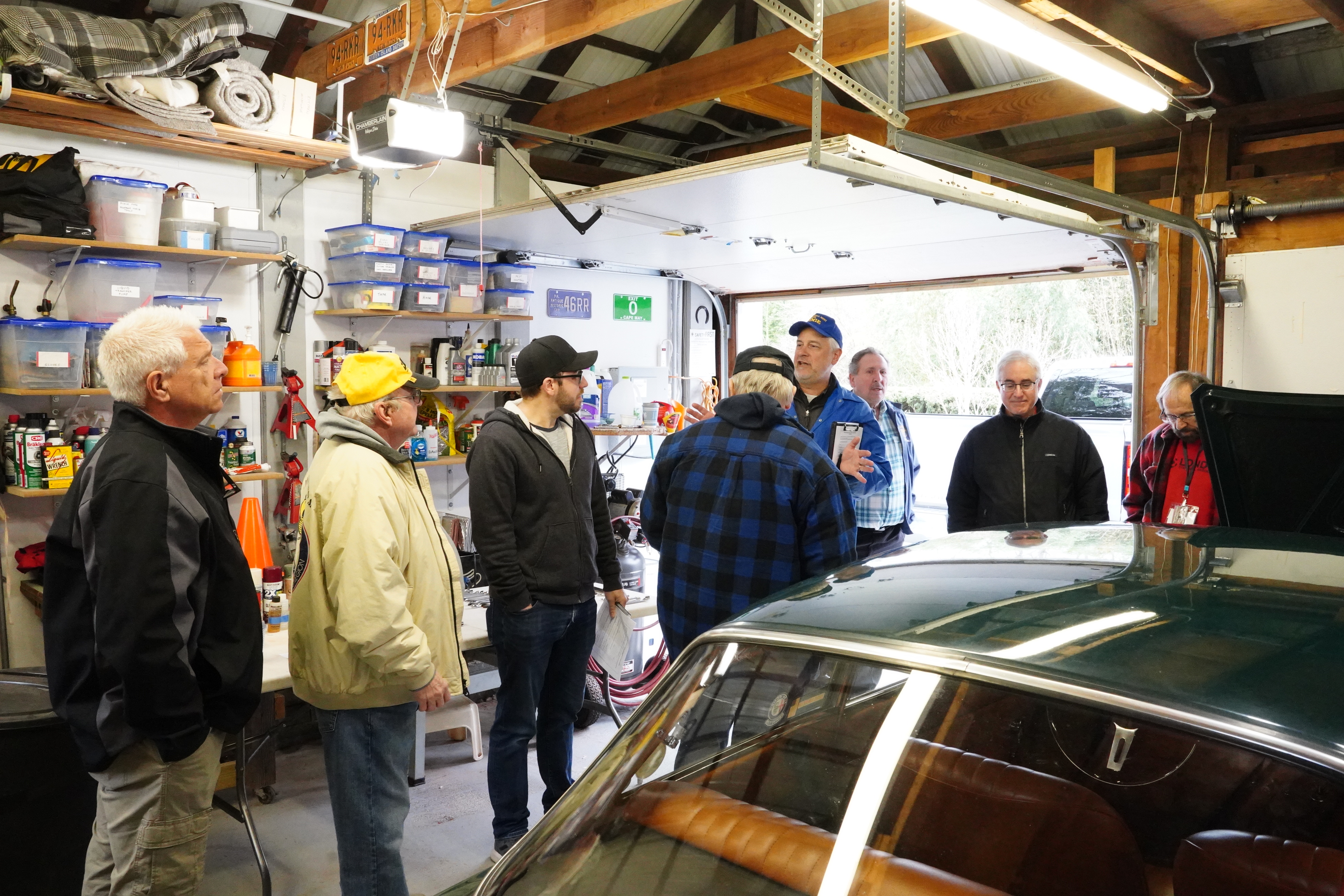
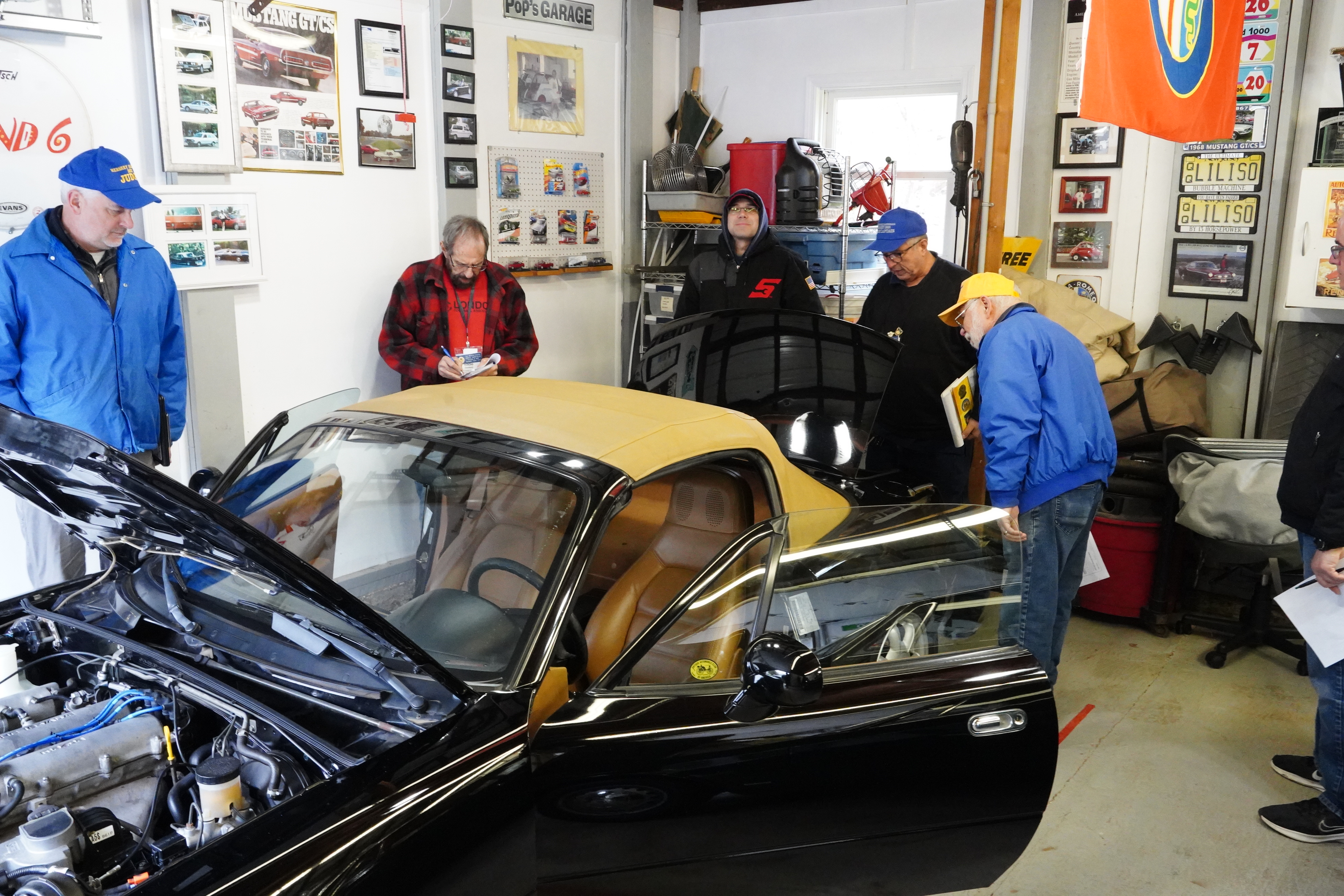
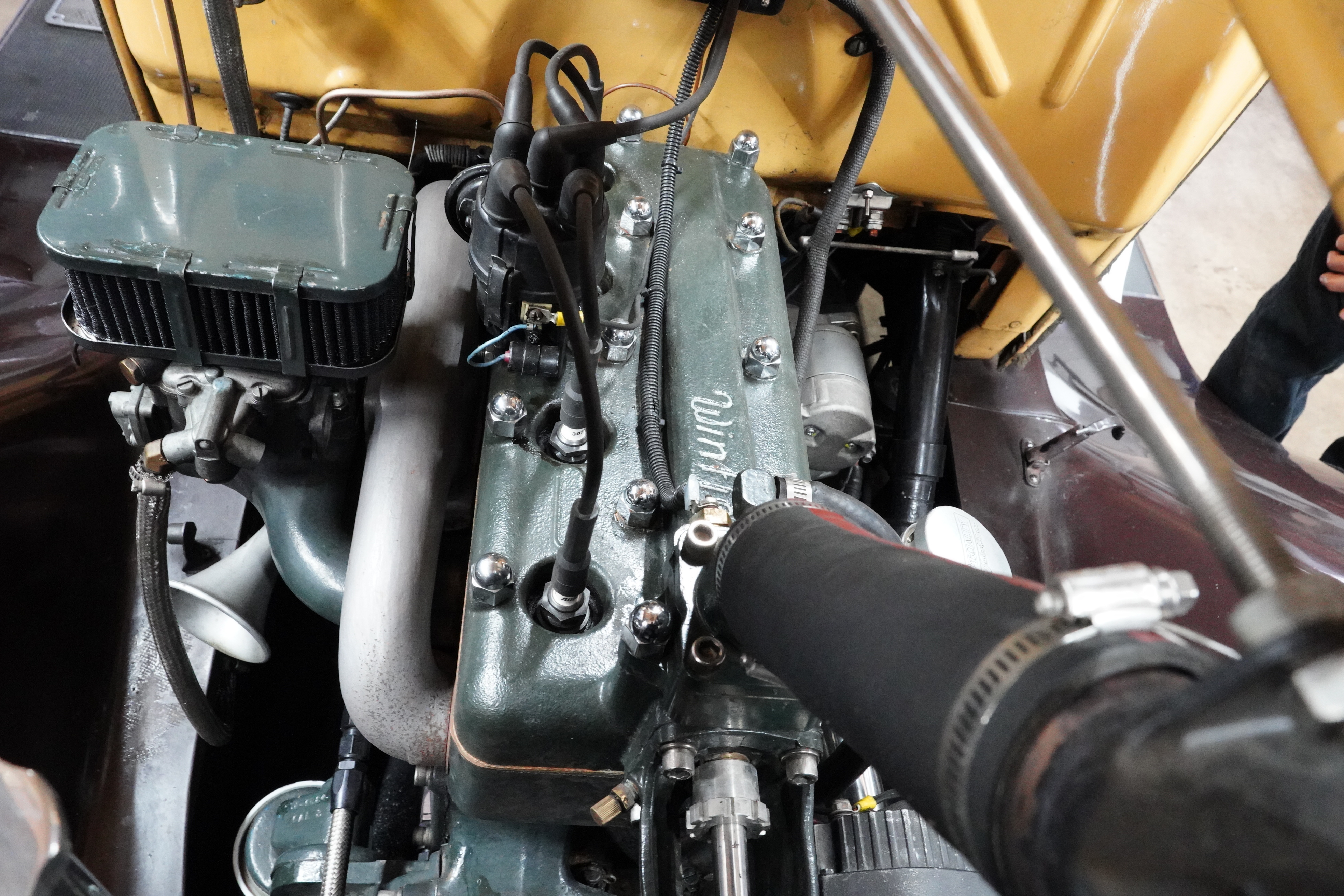
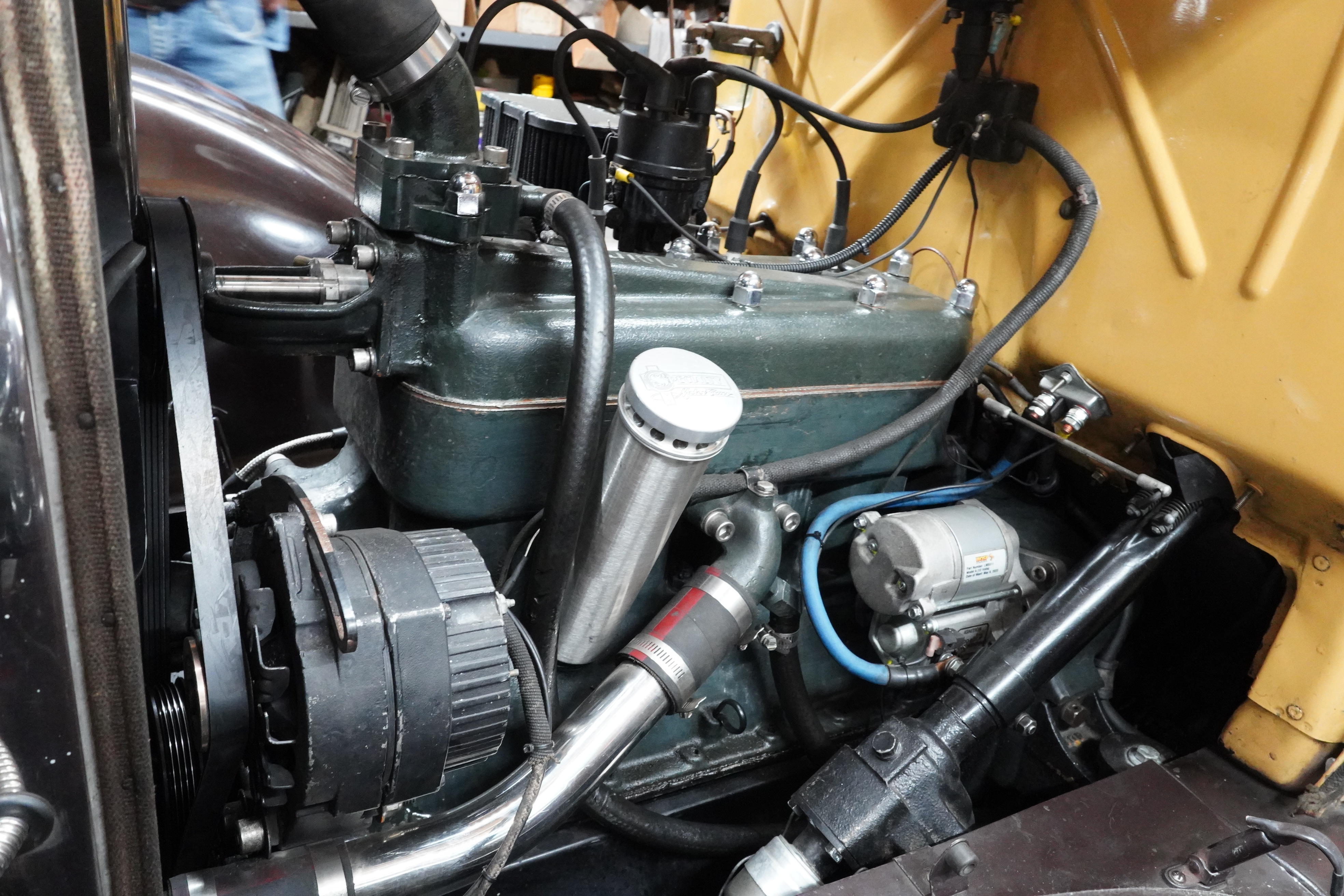
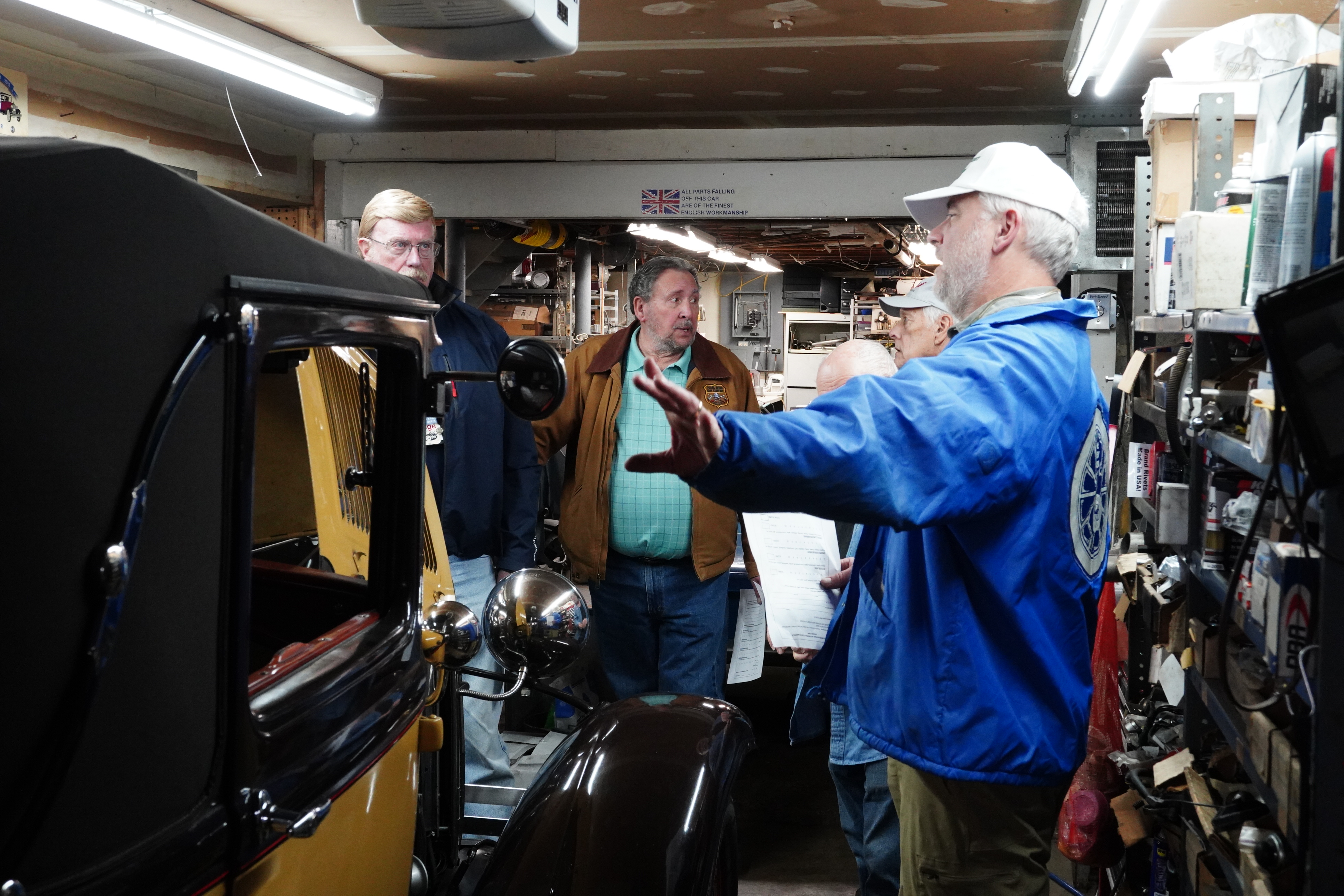
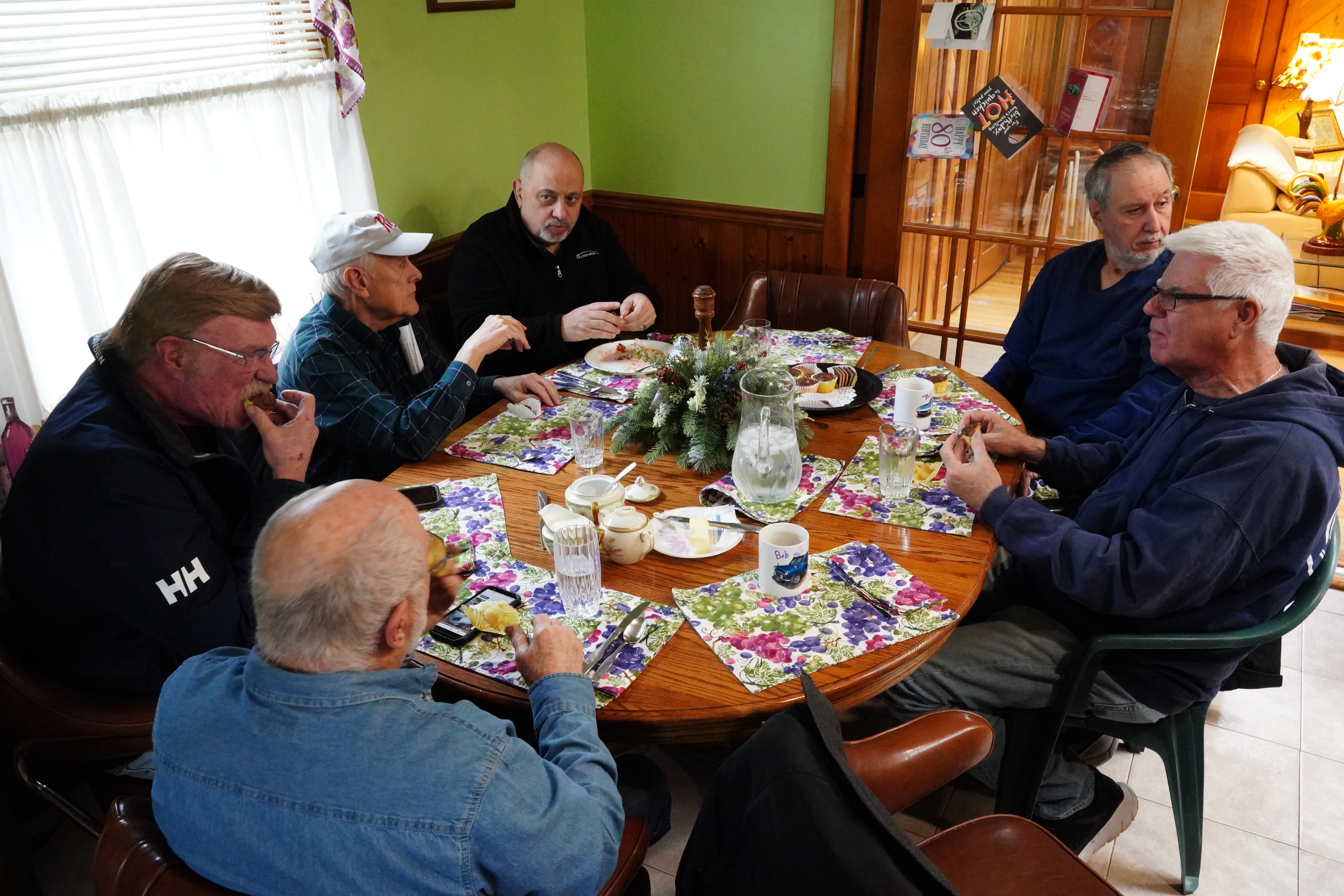
Two years ago, the Region decided to offer more extensive judges training in hopes of attracting a larger audience for the task, and so far, those efforts have been successful. For the third consecutive year, Dick and Bobbi Bettle invited us to use their home, garage, and automobiles for judging school. On Saturday, February 21, several dozen AACA members gathered there, and the proceedings opened with lunch! (What better way to entice a bunch of car guys and gals to give up part of their Saturday.) Once we had our fill, the tribe marched downstairs, where current Regional President Craig Kunz, who also continues to serve as Chief Judge, ran a judging seminar using Dick’s heavily modified Ford Model A along with his unmodified 2000 Saturn.
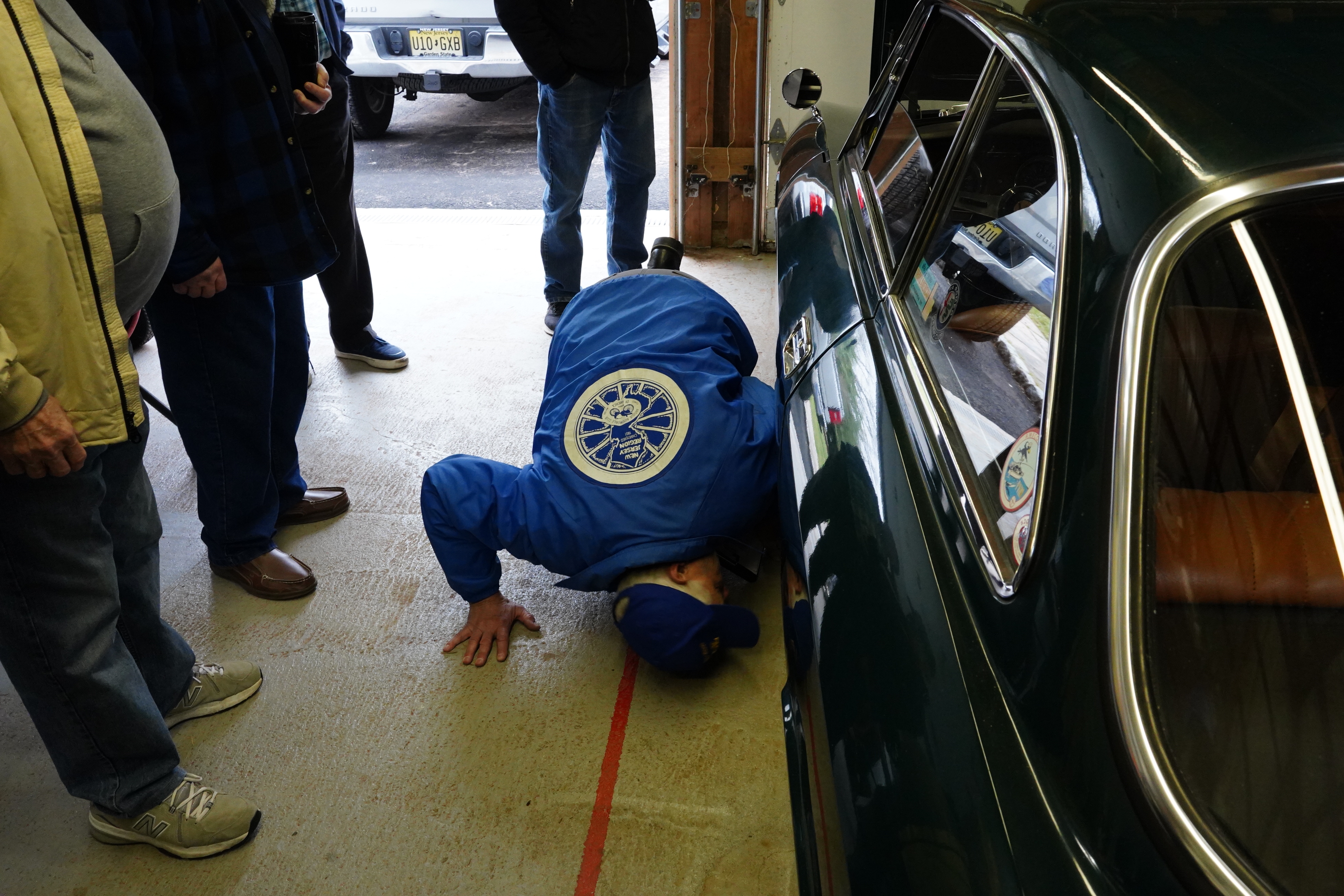
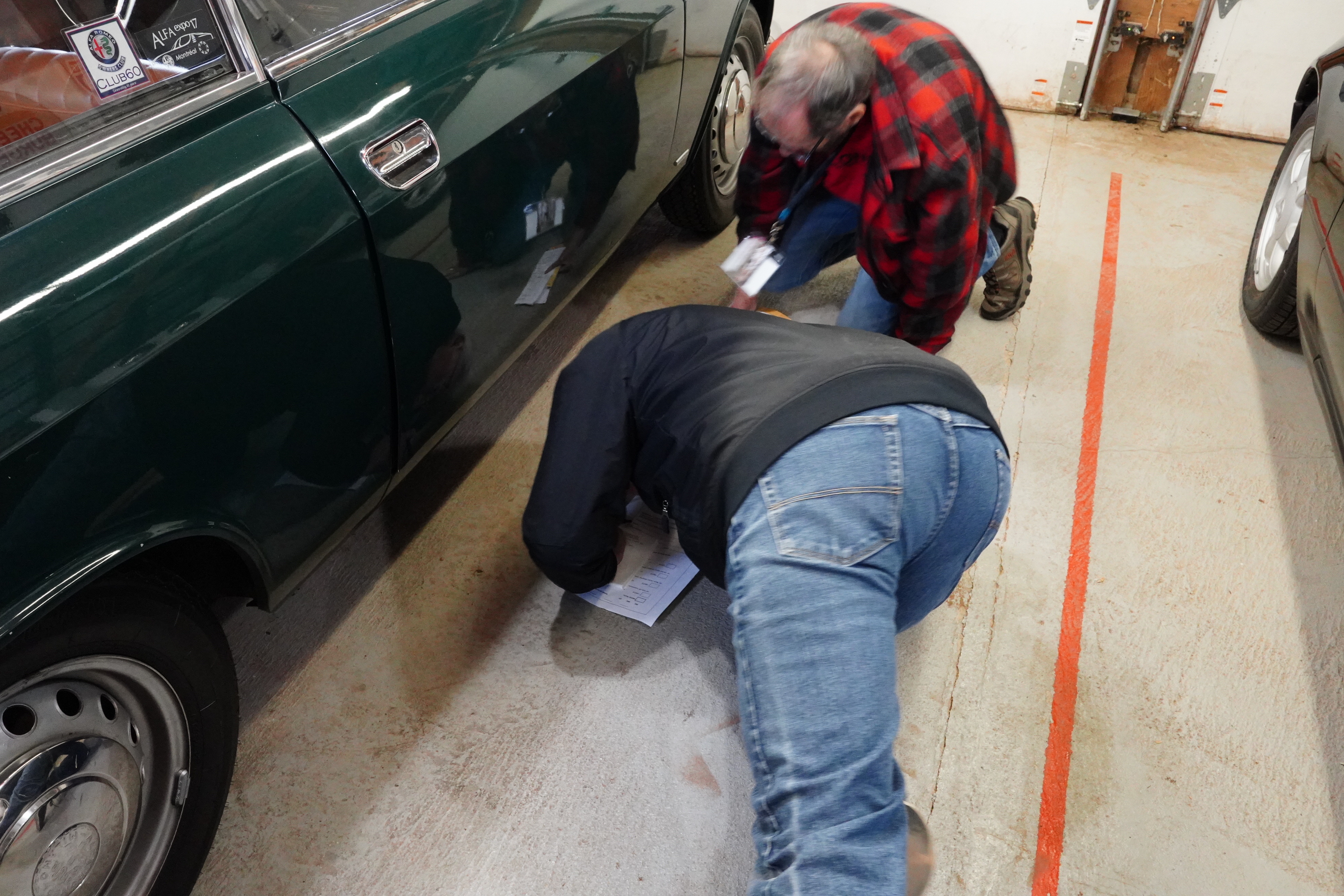
As has been covered in previous posts, AACA judging evaluates automobiles on a point scale, deciding to what extent an automobile meets the criteria of “appearing as if it were a new car in a dealer’s showroom”. The two major qualities judges look for are “authenticity” and “condition”. While the National club uses a judging sheet based on a 400-point scale, the Region simplifies that with a 40-point scale, awarding a maximum of 10 points each in the categories of exterior, interior, engine, and chassis.
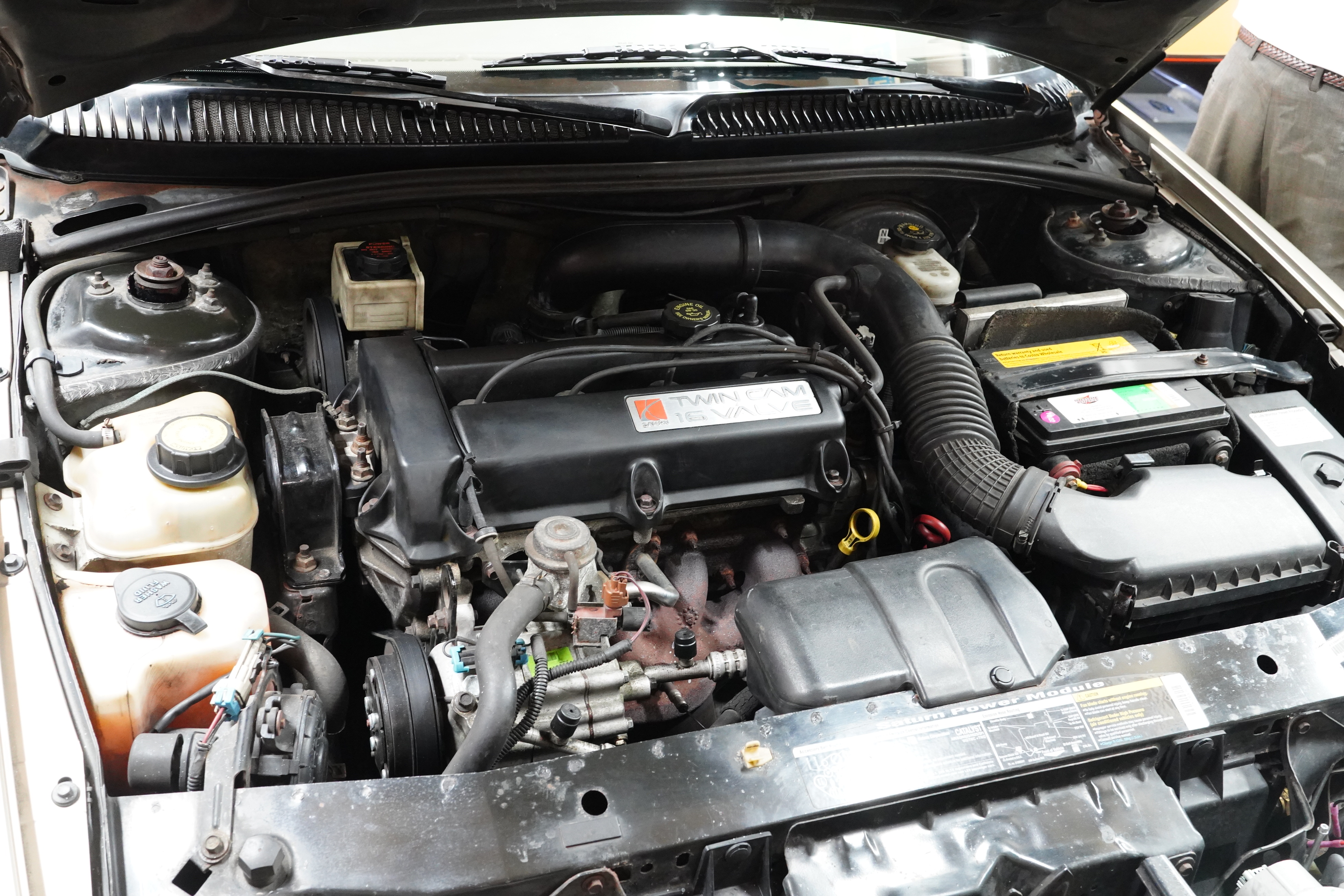
Having a 2000 model-year car was important for this session, because AACA eligibility is based on a twenty-five-year rolling basis. Once a car becomes twenty-five years old, it is eligible for an AACA show. This year, “the class of 2001” will be newly allowed to attend. Dick’s Saturn was an excellent car for training because most of the car nuts in attendance were not used to peering under the hood and seeing a transversely-mounted front wheel drive powertrain, and an engine compartment filled with lots of plastic covers and black boxes.
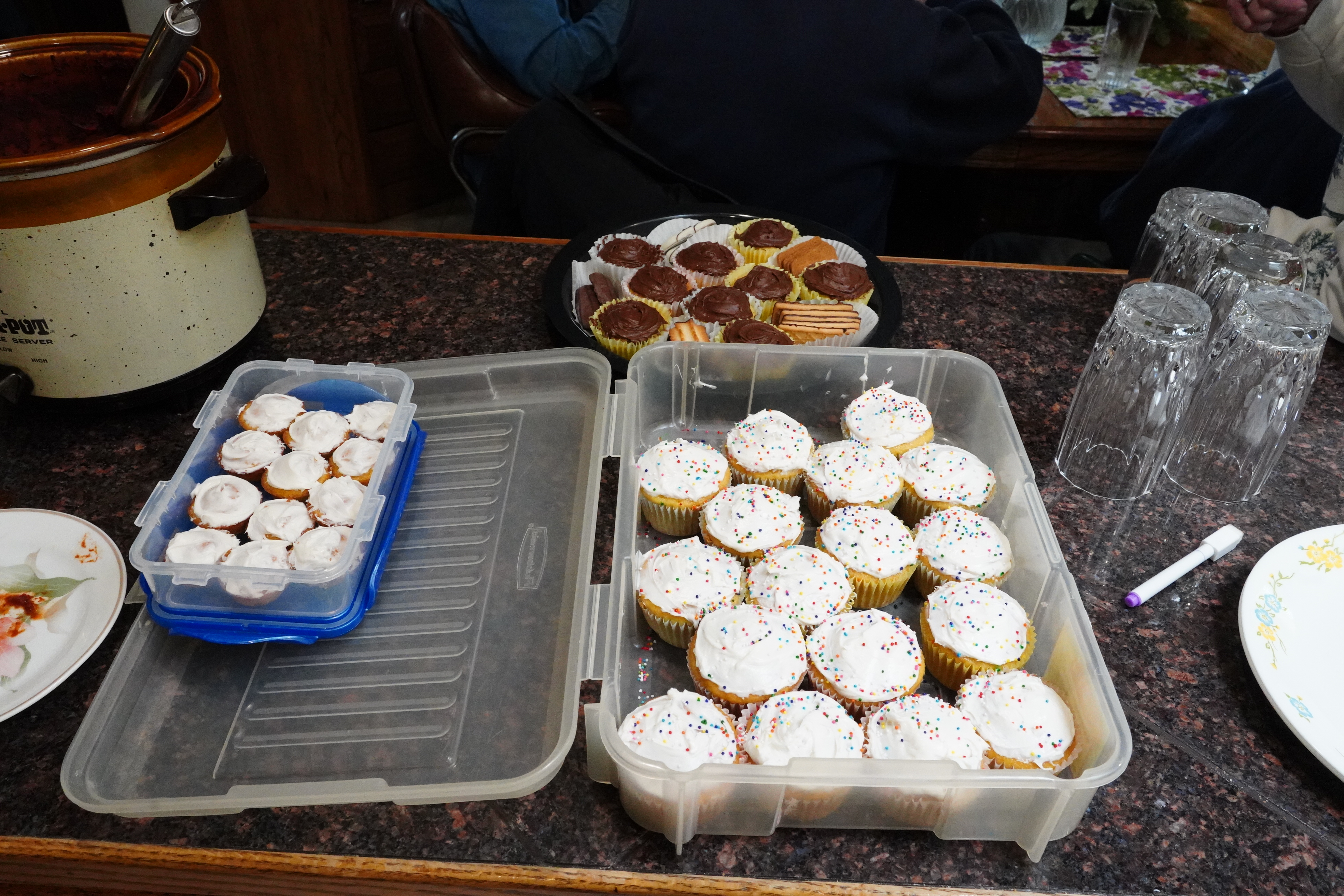
As soon as judges training was over, we marched back upstairs for dessert and coffee. This was another well-run judging school, and the Region hopes that the day’s efforts will be rewarded on Show Day, when we expect a sufficient number of judges to raise their hands when asked to volunteer!
Entire blog post content copyright © 2026 Richard A. Reina. Text and photos may not be copied or reproduced without express written permission.









 richardscarblog