Enzo Acquires an Alfa

Proud new owner with his 1991 Alfa Romeo spider

My friend Enzo (he signs his emails as “EC”, so that shall be his nom de plume) is a former colleague of mine from Volvo corporate. We’ve known each other for over 25 years. After I retired from Volvo in 2009, I didn’t see him again until he retired this past December, when we reconnected. Since then, he’s joined us for several of our weekend breakfast runs, but always riding shotgun.
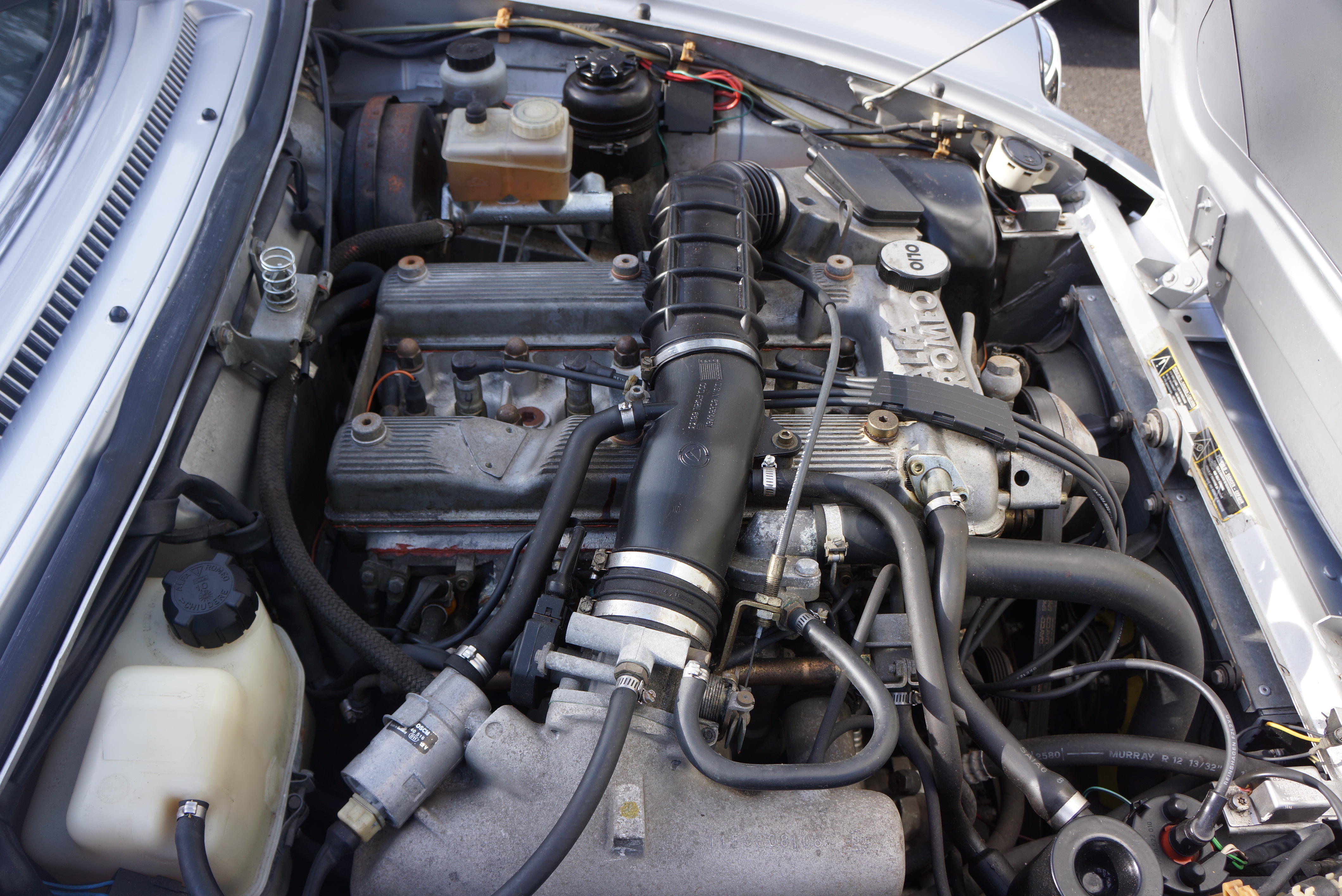
Note valve cover indentation for previous version air intake

Since his retirement, he’s talked about acquiring a toy car, preferably an Alfa Romeo. He informed me that as a younger man, he owned a Fiat 124 spider and several water-cooled 4-cylinder Porsches, and had no desire to repeat those experiences. He TRIED to buy my Alfa from me, but alas, it’s not for sale. The only Alfa GTVs in his price range are project cars, which are not where his interest lies.
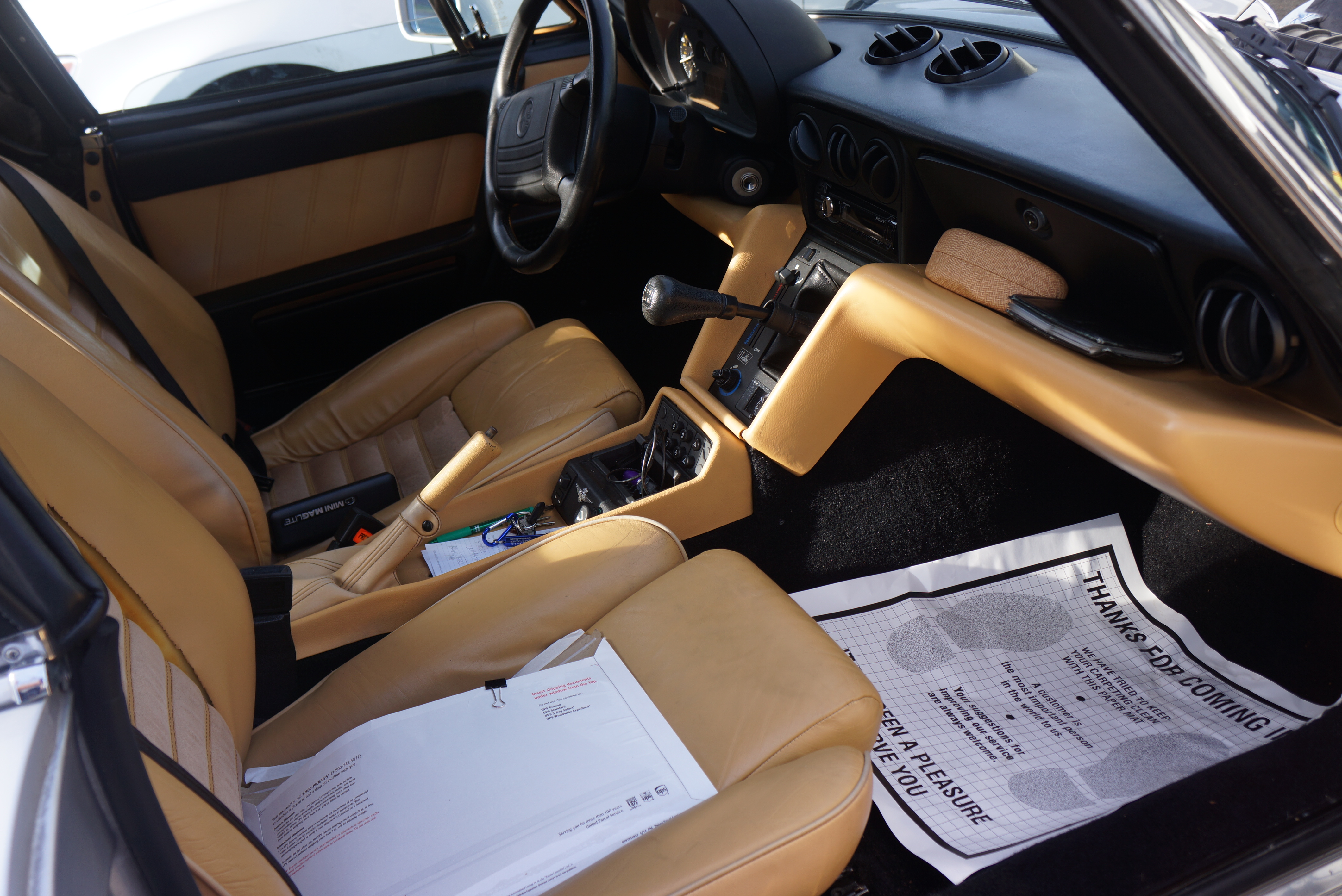
Clean interior features Alcantara seat inserts

EC put considerable effort during 2015 into searching for the “right” car. He and I talked at length about an Alfa spider. Although a convertible was not his first choice, he did finally recognize that at the present time, almost all of the “Duetto” shaped spiders, built for over 25 years without significant change, represent a good value in the collector car marketplace. Only the original dove-tail spiders, sold in the U.S. from 1966-1969 (MIA in 1968 and again in 1970 for failing to meet emission standards), were out of his price range.

VIN plate verifies that in 1991, official company name was "Alfa Lancia"
VIN plate verifies that in 1991, official company name was “Alfa Lancia”

The so-called Series 2, 3, and 4 spiders, which differ mainly by fuel delivery systems and nose-and-tail styling enhancements, are available in the high 4-figure range in reasonably good condition. They also were built in sufficient quantity that dozens are on the market at any given time. As with any Italian car, rust is public enemy #1. A former Alfa corporate field rep once cautioned me: “these cars are pre-rusted from the factory”.

Company symbol "f", company name "pininfarina". Anyone know why?
Company symbol “f”, company name “pininfarina”. Anyone know why? Add a comment.

Earlier this month, EC found the right car. A classic used-car dealer in Queens, NY had a 1991 spider, with a purported 43,000 original miles. Attractive in silver with a black cloth top and tan interior, there was a stack of recent maintenance and repair records, including but not limited to new Pirelli tires, new brake calipers, rotors, pads and hoses at all 4 corners, and a front suspension rebuild. The car was put on a lift and verified to be solid. EC’s assessment after several test drives was that the mileage was believable, the condition was excellent, and the price was fair. A deal was struck, and EC picked up his new toy and first-ever Alfa Romeo several weeks ago.

Washer motor and A/C accumulator only accessible from under front bumper

On the day after Thanksgiving, by mutual arrangement, EC drove the car to my house so that we could give it a more thorough going-over. While much work had indeed just been completed, there were still items requiring attention, truthfully not unusual for a 21-year-old used (Italian) car. This GT 1300 Junior owner took the spider for a spin, and overall, completely agreed with the new owner’s assessment: the car was solid, drove well, and gave us no reason to think that it couldn’t be taken for a long weekend trip right now. The few minor mechanical and cosmetic issues were not deal-breakers, and most could be tackled while continuing to enjoy the car, at least until the first snow flies.

Spider at rest
Spider at rest

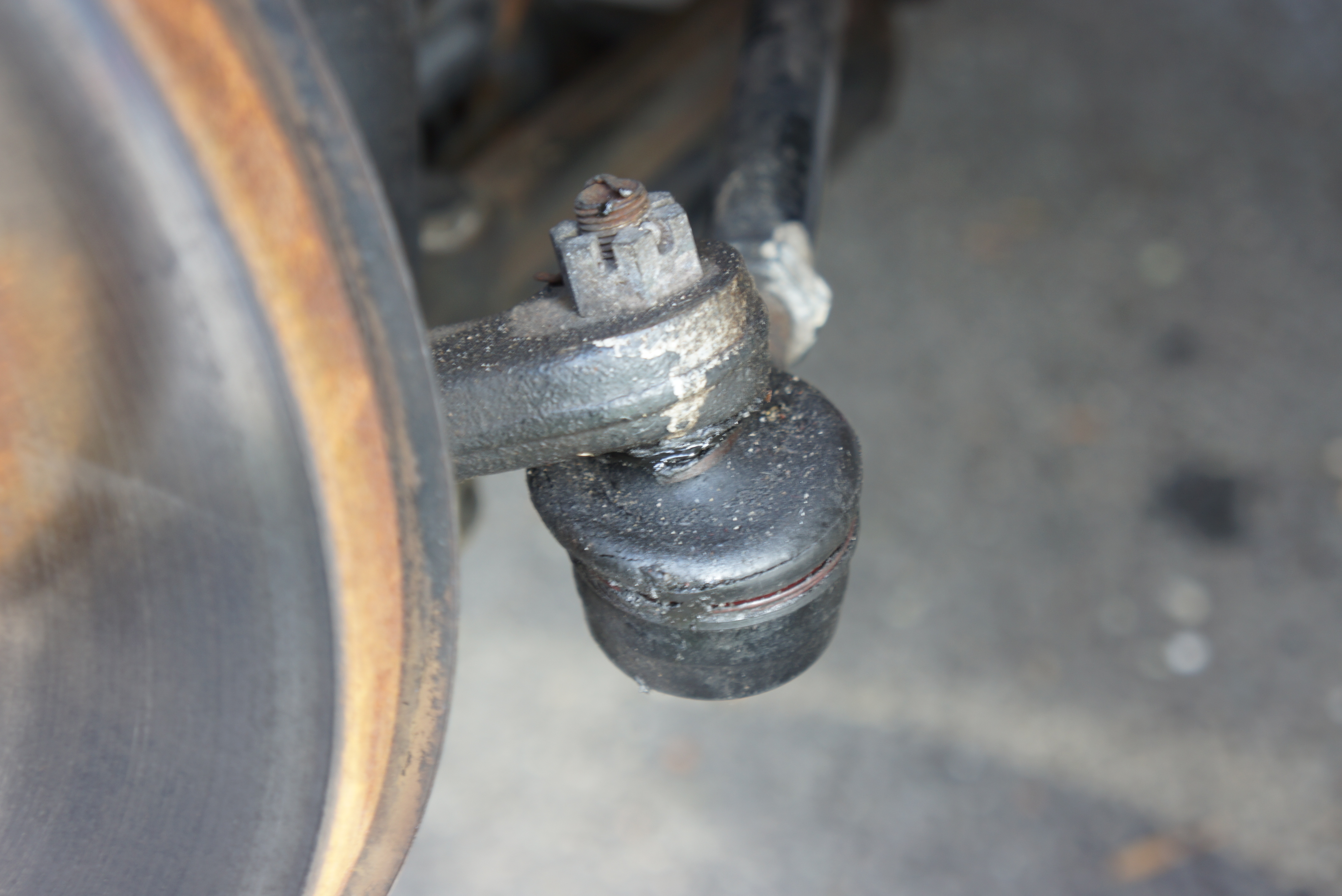
We rotated the tires, and while doing so, verified the date stamps on all the tires (good) as well as the brake and suspension work (also good). Several torn boots on steering tie-rods were noted, as well as one incorrect wheel lug nut, so a list was begun of needed parts. Just before he was about to head home, I asked EC to drive my ’93 Miata. He had never driven an MX-5, and found it enjoyable, if a bit rough-riding with 98k on the clock (the original shocks are shot and will be replaced this winter).

Tire rotation aided by fire-truck-sized wheel chocks


All 4 wheels have right-hand threaded nuts; author's '67 has left-hand threads on 2 left wheels
All 4 wheels have right-hand threaded nuts; author’s ’67 has left-hand threads on 2 left wheels


Steering tie rod end boot is torn but still holds grease

So, to my friend Enzo, I offer heartfelt congratulations on behalf of myself and the rest of our group! As you yourself would say, you finally pulled the gun. When we schedule our first breakfast run of 2016, you no longer need to hitch a ride – we look forward to seeing you there with YOUR OWN Alfa Romeo.


All photographs copyright © 2015 Richard A. Reina. Photos may not be copied or reproduced without express written permission.

Sunday Morning Breakfast Drive, Nov. 15 2015

DSC02313

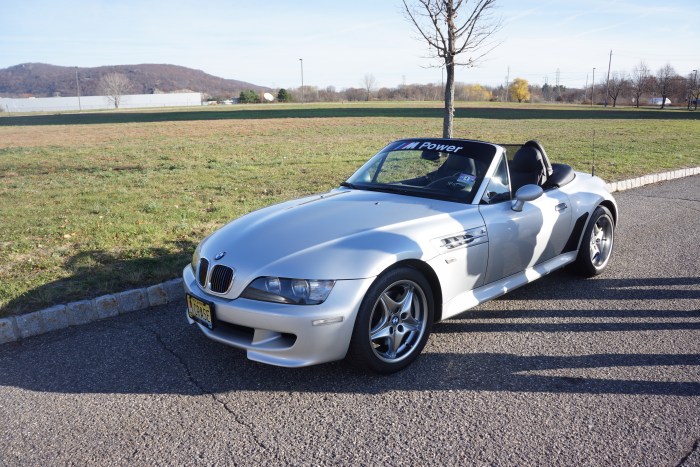
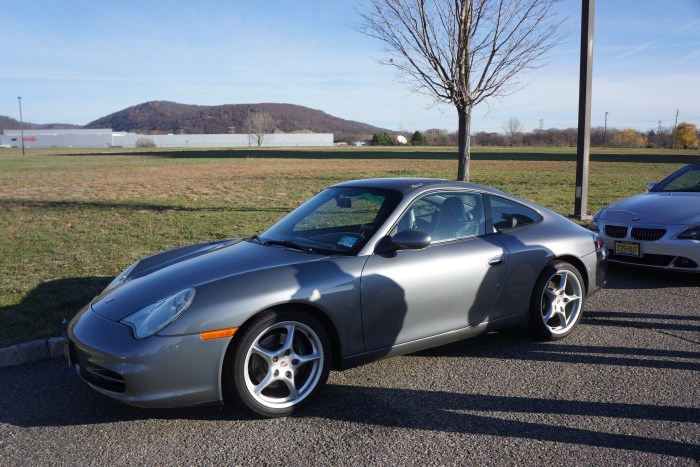
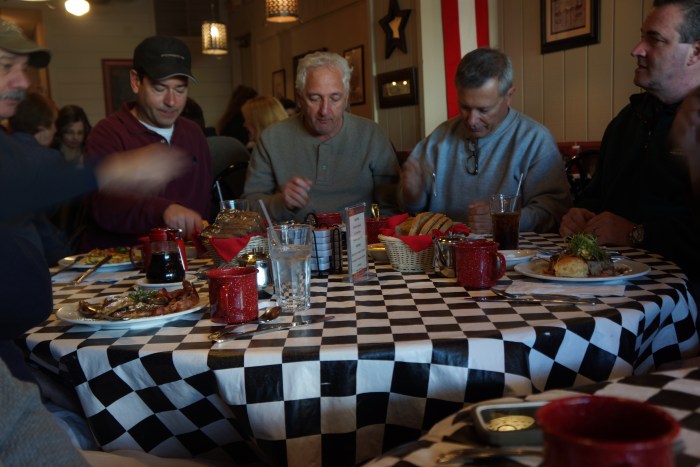
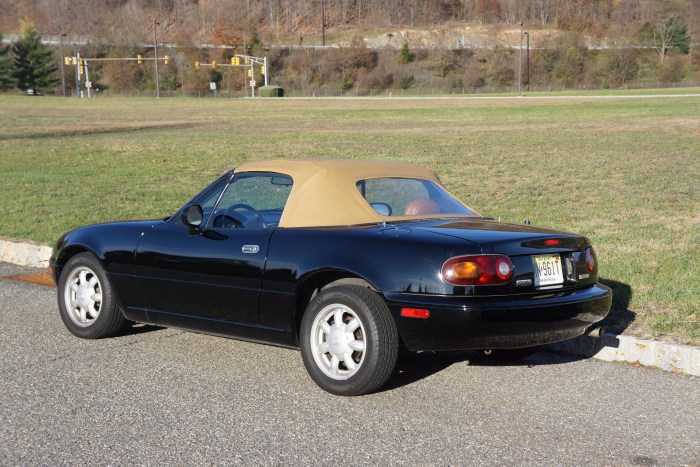
Our final drive of the 2015 season took place on Sunday, November 15. The day dawned sunny, dry, and as the weatherman might say, “seasonably warm”, with midday temps approaching 60 degrees. The emails with regrets I had received during the week led me to believe that we would have a light turnout. This was incorrect, as we had 11 cars and 15 guys, not too shabby! As has been the tradition this year, two gents new to the group joined us for the first time. We must be doing something right.

We pushed off from our usual Mahwah Sheraton Crossroads departure point at 9 a.m., one hour later than usual, in deference to the shorter November days. Heading down Route 287 South, yours truly was all too happy to cruise in the Miata with the top down, but not too many other convertibles took advantage of the sunshine, at least not at first.

Beautiful day for a cruise (photo courtesy Rich S.)

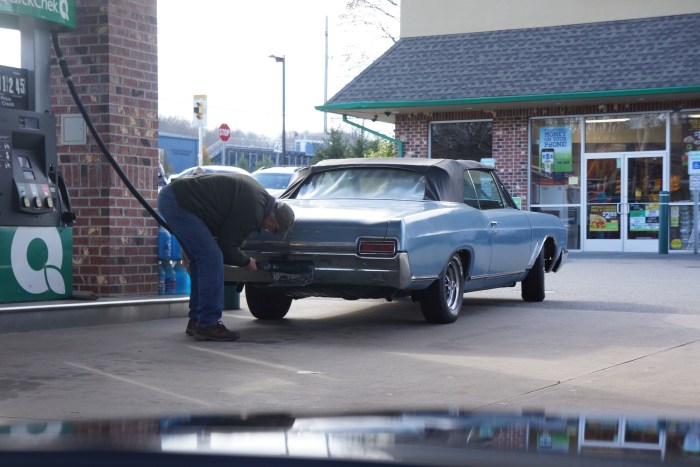
Our destination for the morning was Stella G’s, an excellent breakfast joint in Hackettstown, NJ. We’ve been there before, but not this year. The drive consisted of three roads: Route 287 South to Route 23 North to Route 517 South. A new tradition is the now-obligatory pit-stop, christened the “Bill Whited fuel and bathroom break”. This time it was a Quick Chek. Your scribe observed that once we stop and let everyone start yapping again, it can be problematic to get the boys back into their cars.

The others follow the Corvette (as they should)

After a beautiful cruise down Route 517 (we will NOT mention that the chase car made a wrong turn and ended up on Route 80), we were at Stella G’s at exactly 11 a.m. Customer Service in the state of NJ can indeed be spoken about in the present tense, as proven today. We called Stella G’s twice to ask them about seating 15 arrivals, and even though they do not take reservations on the weekend, we walked in at 11 a.m. sharp to find tables reserved and set for our large crowd. The food, coffee, and service were excellent as they always are at Stella G’s (thank you Kate!).

We were having too good a time. It was difficult for the group to leave the restaurant, and leave Hackettstown, knowing that we would not have the opportunity to do this again until the spring of 2016. Since time moves faster the older we get, it remains an unspoken truth that our first drive of the New Year will be here soon enough. To a man, we can’t wait.


All photographs (except as noted) copyright © 2015 Richard A. Reina. Photos may not be copied or reproduced without express written permission.


Larry and Rich Tackle John’s 1963 Buick Wildcat

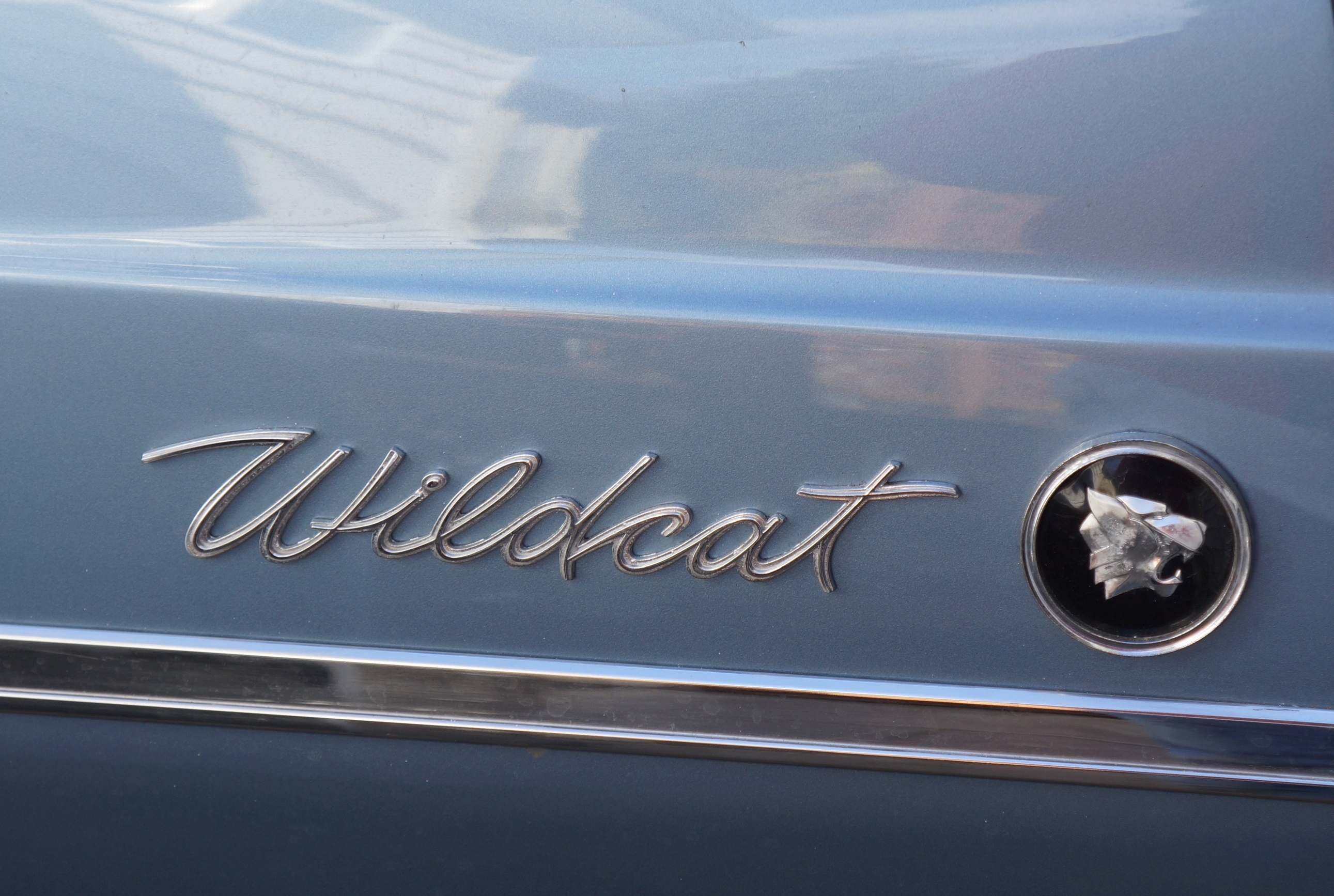
The Wildcat trim on the rear quater
The Wildcat trim on the rear quarter

My good friend John M. owns a 1963 Buick Wildcat convertible, which he bought in 1992. Yours truly accompanied John on the trip to Staunton VA when he purchased the car, which is a whole ‘nother story (which will someday be told in a blog post, as I have PHOTOS). Fast forward to 2015: John has been slowly but steadily bringing the Buick back from the brink, and requested that Larry and I assist him in diagnosing some troublesome overheating issues, plus a rough idle/rough running complaint.

Let's start under the hood...
Let’s start under the hood…

We had not seen the car since John had the body and paint work completed, and overall, the exterior looked stunning. The car had also just come back from Montclair Auto Top where a new convertible top was installed, and that was looking fine. Regarding the overheating, John told us that it took a few miles of driving before the red dash light would come on (no temp gauge), yet the water pump, thermostat, and hoses were new.

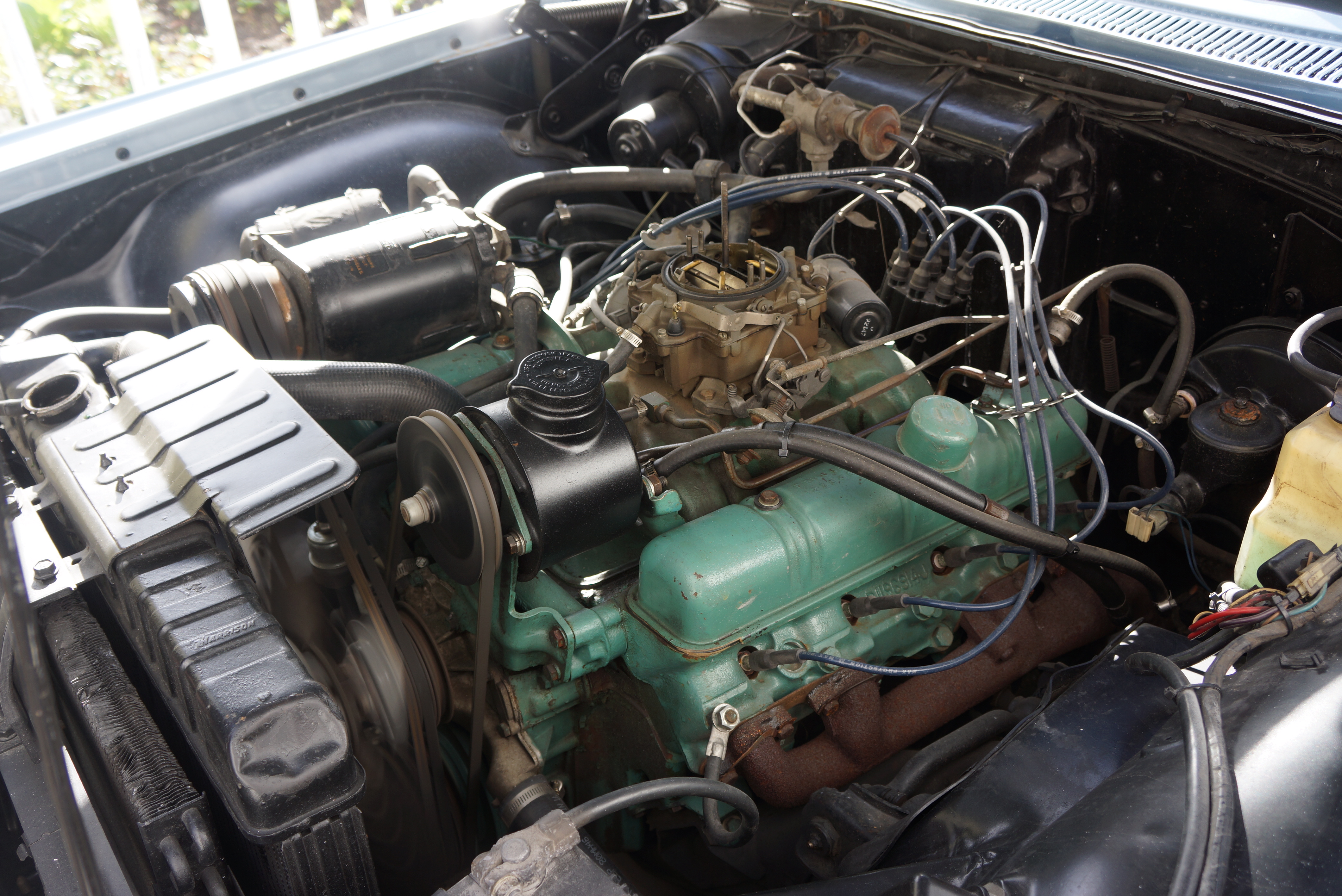
Buick 401 nailhead, WITH factory air
Buick 401 nailhead, with 4 barrel carb, power steering, and factory air

Examining the radiator, it seemed obvious to all that it had either never been out of the car, or, if it had been removed, it was sometime during the Carter Administration. The coolant itself looked suspect, and a hydrometer check revealed it to have minimal temperature protection. Leaving the radiator cap off, John started the car and let it warm up so that we could continue our checks.

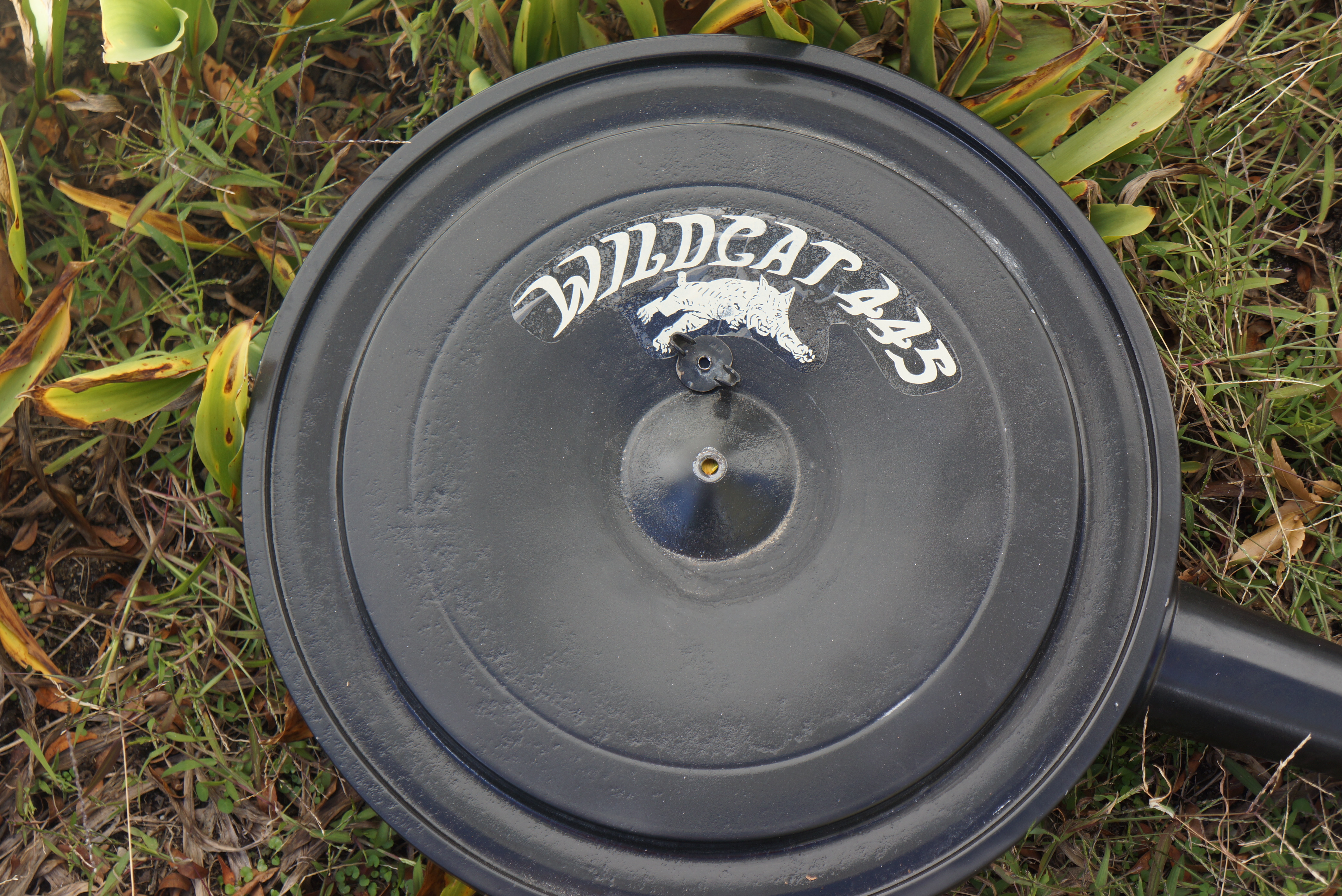
The "445" is the engine's torque in ft. lb.
The “445” is the engine’s torque in ft. lb.

With the engine idling, Larry the Carburetor Expert began to apply his touch. First he checked the dwell and found that needed adjustment. The ignition timing was spot on at 12 degrees BTDC. But the 4V carb was running quite rich. Larry leaned out the carb mix and reset the idle to spec. John pronounced that the resulting smooth idle was the best he had experienced with the car in a long time.

In 1963, dwell and idle speed were adjustable

Back to our cooling system, we observed good flow past the cap opening, and a digital temperature gauge recorded a coolant temp of about 185 degrees, well below boiling (but keep in mind that the system was not pressurized). It took a long time for the bottom (return) radiator hose to feel warm. We still suspected slow flow through the radiator core.

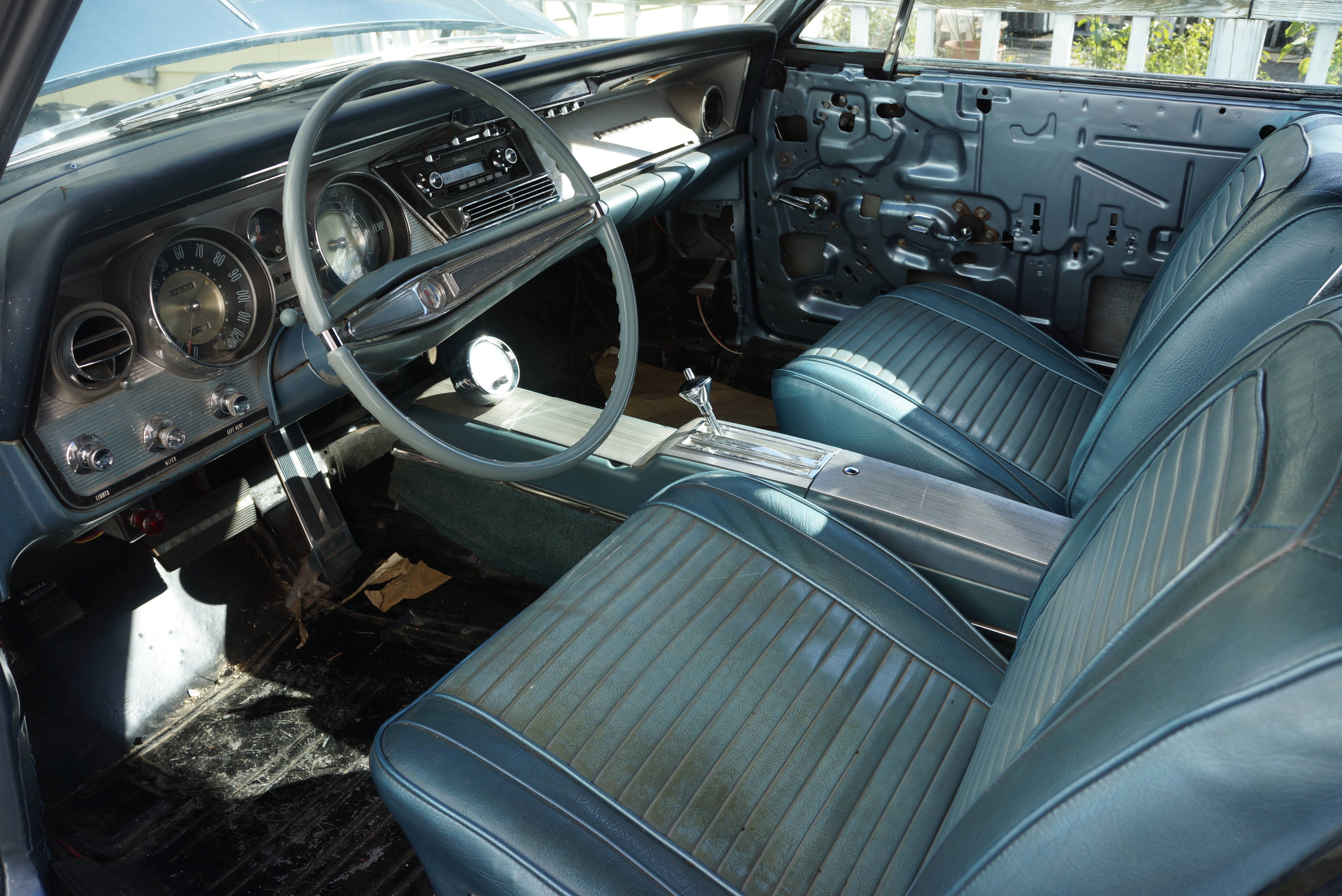
Interior is final step to be tackled; John has all the parts

Time for a test drive; with the owner piloting, the two visitors climbed in for a tour of downtown Glen Ridge. John said that the car ran stronger, and the slight hesitation/surge he felt when he put his foot into it was almost, but not completely, gone. After about a 10 minute ride, we were back at John’s house, and leaving the car to idle, we never saw the temp light come on. The daytime temperature was around 50 degrees, so to be fair, we were not duplicating the outside temps John experienced in August.

Car looks as distinctive from the rear

Our wrench work finished for the day, John treated us to bagels and coffee while we searched for Buick parts on our phones (could not have written that sentence during the Carter Administration). With driving season almost completed for the year, John said his next step may be replacing the coolant with fresh mixture. He will consider pulling the radiator, but perhaps not until first thaw of next year. As we departed, Larry and I both told him we’d be thrilled to see that big ol’ Buick on the road in 2016.

All photographs copyright © 2015 Richard A. Reina. Photos may not be copied or reproduced without express written permission.
The Alfa Goes To Sleep For The Winter

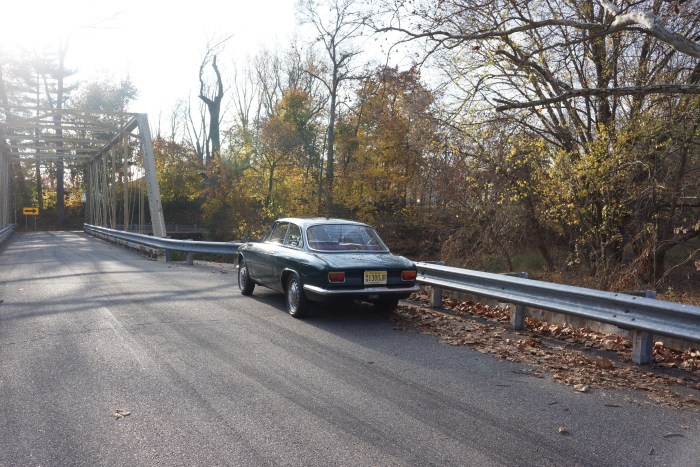
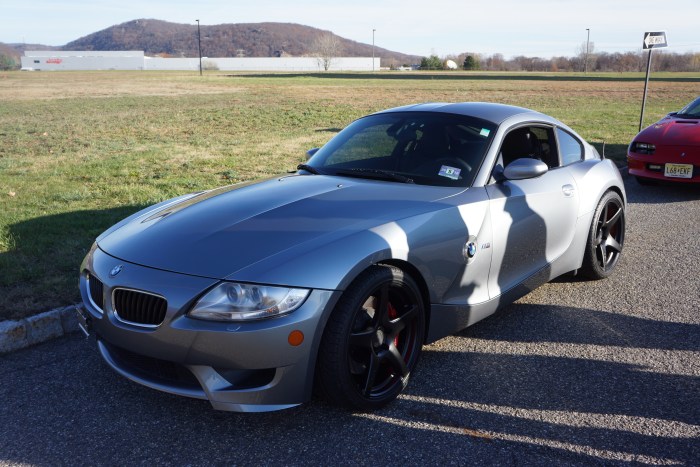
The 1967 Alfa before the slumber


An annual ritual was completed today, when I put my 1967 Alfa Romeo away for the winter. I’ve followed the same basic checklist for a number of years, on this car as well as on my previously owned collectibles. The success rate has been very good, with all the cars eagerly starting up on first try once the spring weather returns. I’ve been spared any issues with dead batteries, flat-spotted tires, or gummy fuel systems, by completing a few steps which are quite simple to do.

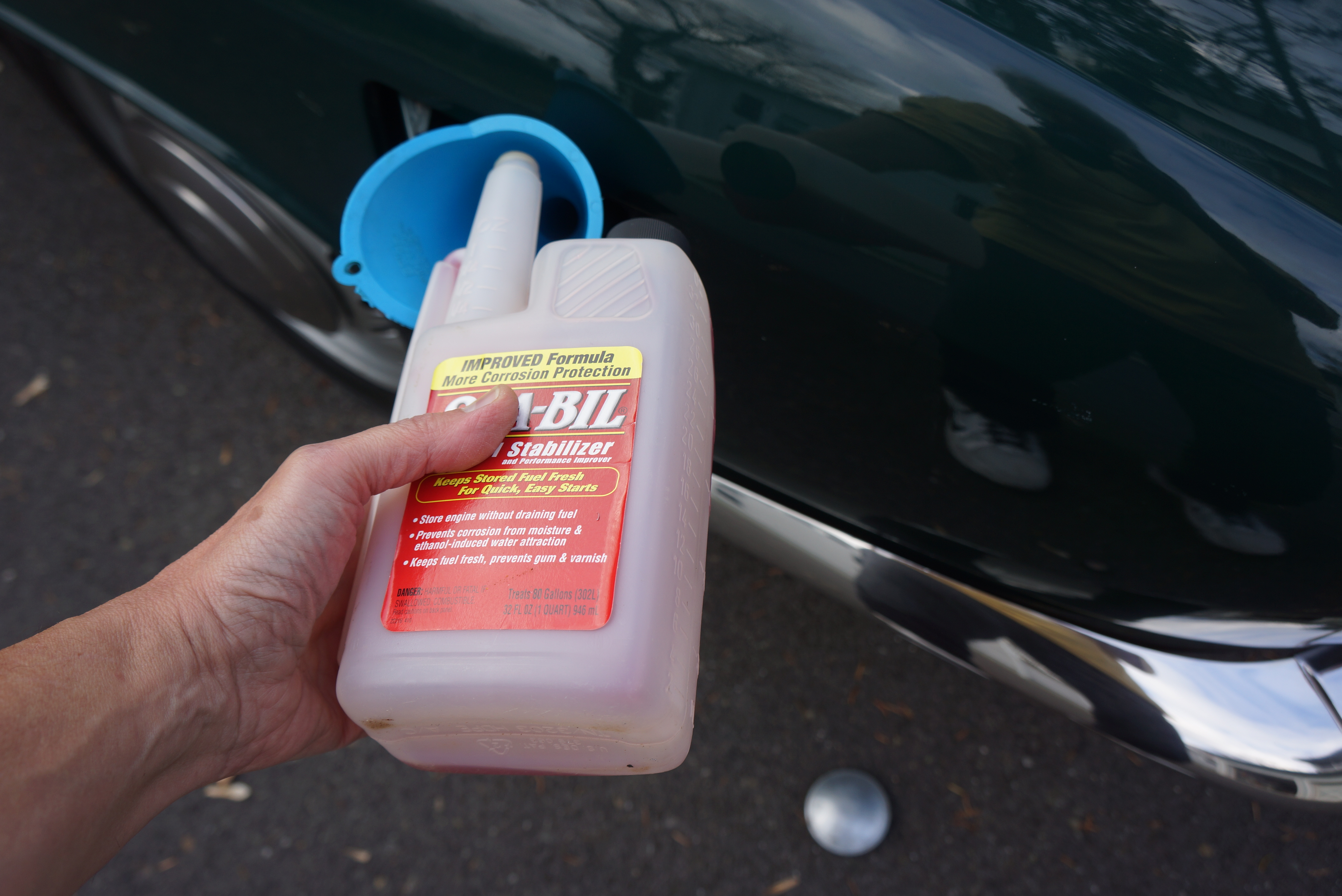
Friday, November 6, 2015, was unusually warm in New Jersey, so it was a good day to take the Alfa for one more brief maintenance run before beginning the winterization process. The car ran superbly, as it has since I bought it in the spring of 2013. Once back home, I added about 4 ounces of Sta-Bil fuel stabilizer, then headed to my local Shell station to top off the tank.

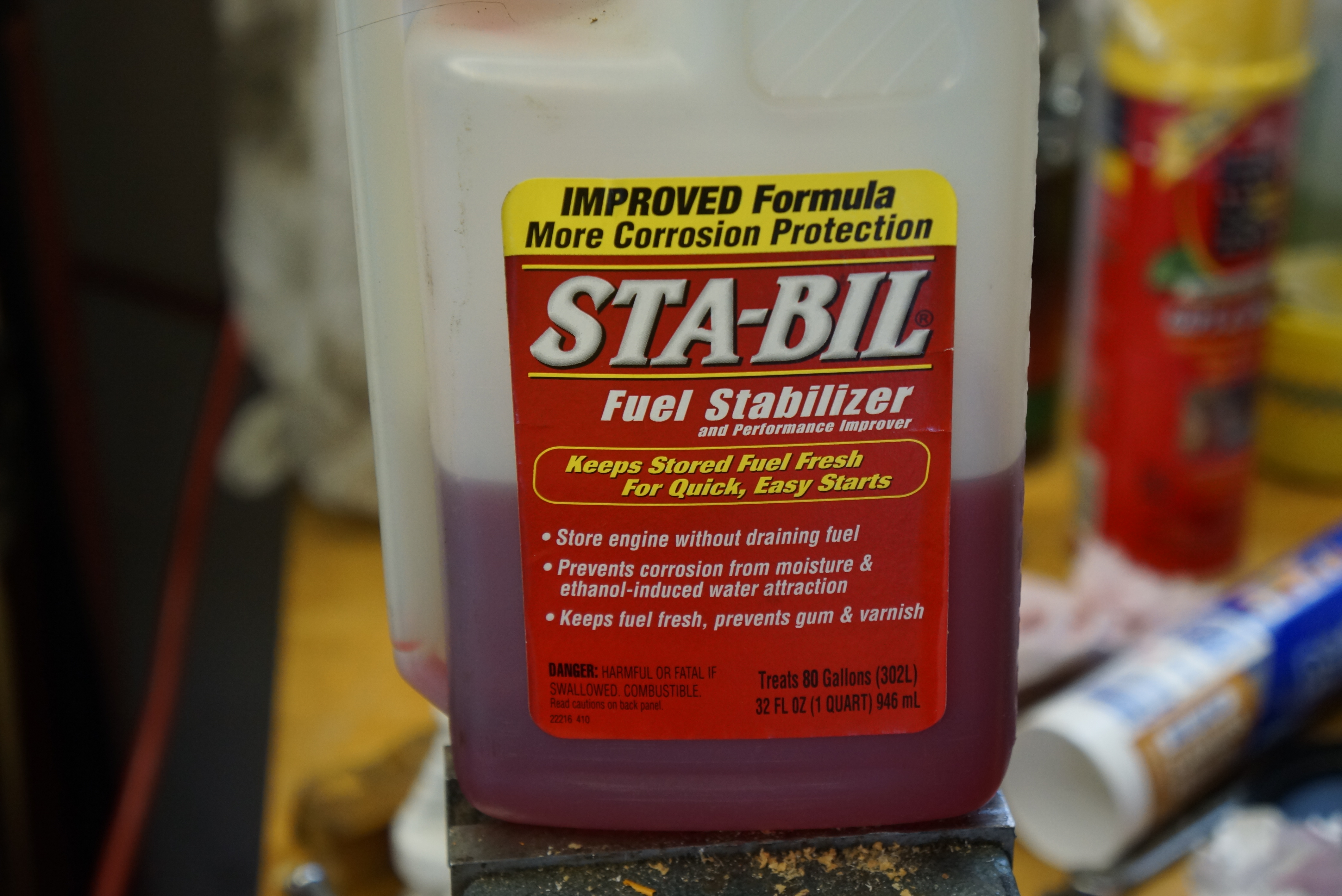
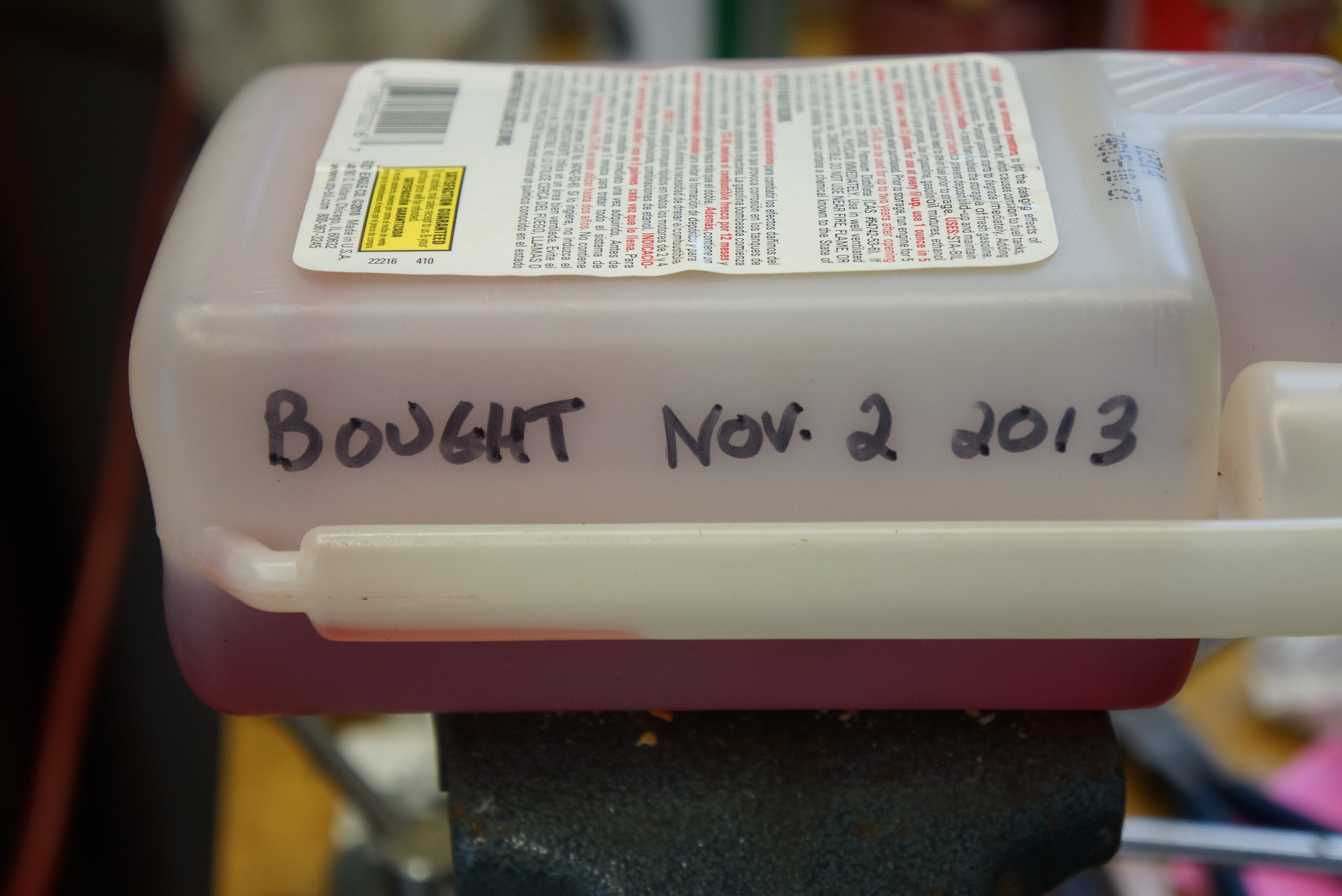
Sta-Bil is my friend. Have used it for years

The Sta-Bil was added first in order to better blend it with the fuel. Purchasing the 6 gallons I need to fill the tank ensured that the stabilizer would be more thoroughly blended. If I had added the Sta-Bil after the fill-up, it would be less likely to completely mix with the fuel in the tank. I always store the car with a completely full fuel tank, as this minimizes the chance of condensation on the inside of the tank walls. I let the car idle for 5 minutes or so, in order for the gasoline/Sta-Bil combination to circulate through the carburetors.

Pouring the Sta-Bil left-handed

The Sta-Bil label recommends that the product be used within two years of opening it, and since I use it in the Mazda Miata, the lawn mower, weed trimmer, and snow thrower, I don’t have too much of an issue consuming a 32 oz. bottle within that time frame.

My German side makes me do these things

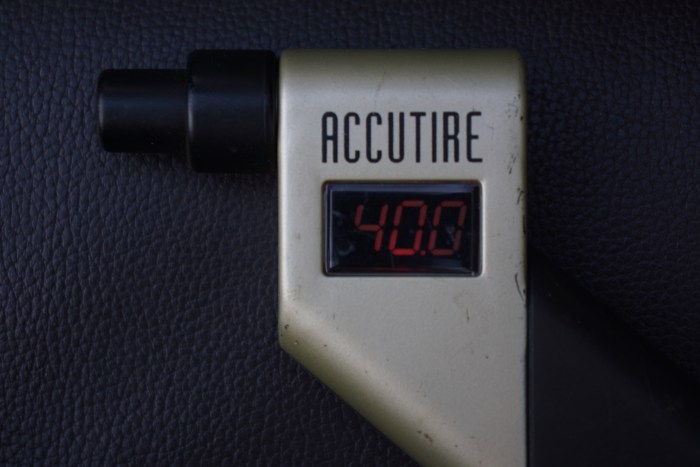
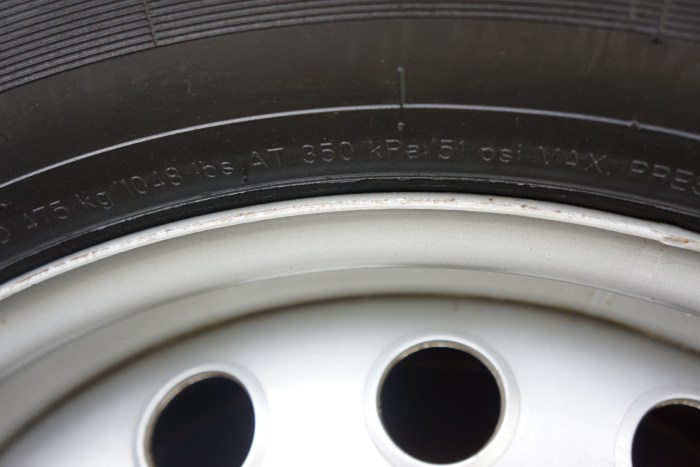
Next on the list were the tires, specifically, resetting the pressures. Because I let my cars sit on the garage floor during the winter, the car’s weight continues to bear down on the tires. It would be better to get the car up on 4 jack stands, remove the tires, and store them horizontally, but I have found this method avoids all that. I overinflate the tires, being careful to stay within the maximum pressure on the tire’s sidewall. The 155-15 Vredesteins on the Alfa indicate a maximum pressure of 51 psi, significantly above my driving pressure of around 26-28 psi. I decided on 40 psi, and all tires were pumped up to that.

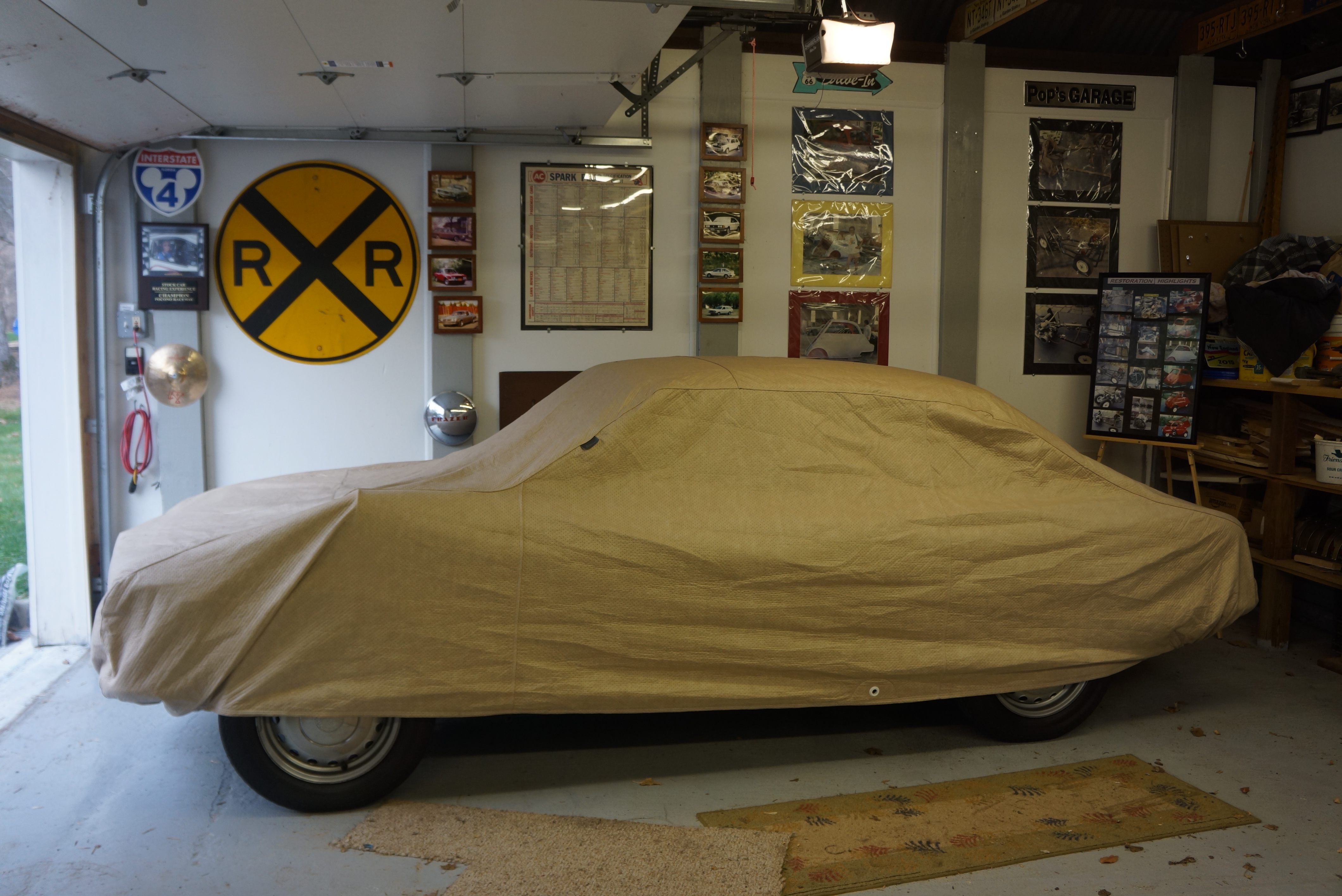
Part of the winter ritual is a fresh oil and filter change. However, given that the Alfa got that done just several hundred miles ago, I didn’t do that today. Instead, the car was backed into its garage bay, all windows were rolled up, and the battery kill switch was turned to “off”. The car was once again cocooned under its cover, and except for attaching a Battery Tender, which will be done later in the weekend, the task was finished.

Done. Hoping for an early spring!

Last year, the car was up on four jack stands, as I spent much of the winter, and a good part of early spring, rebuilding the front suspension. There are no winter projects for the Alfa this year. Come spring, I will tune it up and change some filters, as I haven’t done that since first acquiring the car, when it had 54,000 miles. Hard to believe I’ve driven it 7,000 miles over three driving seasons. The car’s reliability all that time has been remarkable. Yes, there have been some hiccups, but it has never failed to get me where I was going, or get me back home. The plan is to continue that for 2016!


Only 2,333 miles per year


All photographs copyright © 2015 Richard A. Reina. Photos may not be copied or reproduced without express written permission.
Dad’s 1966 Buick Sportwagon

My father was always a GM guy, at least through most of my boyhood. Later on he moved away from General Motors products, first with a Mustang, and then some Japanese cars. But during most of the time I lived with my family, my dad’s daily driver was either a new Chevrolet or a used Pontiac or Buick.

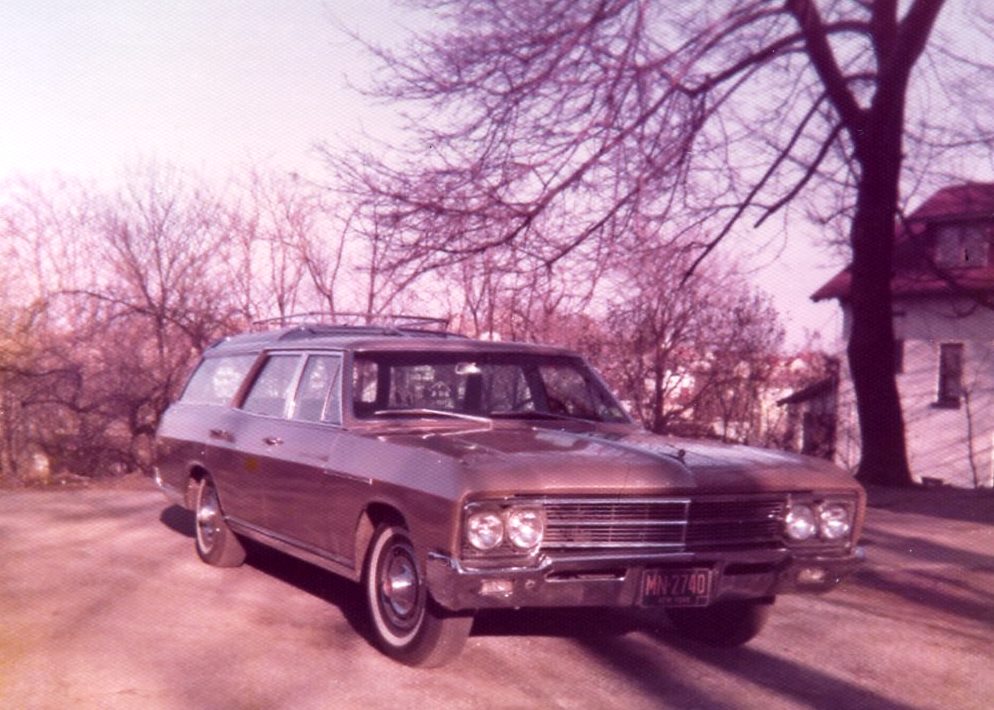
It was probably 1969 when, while perusing the Sunday classifieds, he mentioned to me that Reedman’s in PA had a used Buick in which he was interested. At that time, Reedman’s Auto Mall had a reputation as one of the largest used car dealers in the Northeast. While they did sell new cars, they never seemed to advertise them. Years before the advent of the automotive superstore, they regularly ran newspaper ads which featured their gigantic pre-owned inventory. Located in Langhorne, PA (and still in existence today as Reedman-Toll), it was an hour ride from our house on Staten Island. Dad invited me to accompany him to check out the car, a 1966 Buick Sportwagon. He had never before involved me in any aspect of a vehicle purchase, and I was utterly thrilled.
scan299c
We arrived and found the car. The concept of a gold station wagon did nothing to excite me. But its list of comfort and convenience features did. This car had factory a/c, power windows and seat, AM/FM radio, and cruise control. NO vehicle in the Reina family fleet up until now had ANY ONE of these, much less all of them in one automobile. A second glance at the body style made me realize that this “Sportwagon” had the second windshield above the rear seat, as did the more aptly named Olds Vista-Cruiser. So this was something cool, at least as station wagons go.

scan298c

The passage of time has caused me to completely forget the dealer’s asking price. A check of my Encyclopedia of American Cars tells me that a 1966 Buick 2-row custom Sportwagon carried a base MSRP of $3,155. What could the price have been on a 3-year-old example, $1,900? Whatever it was, I begged my father to buy the car. He did. We traded in the Corvair; I think we actually drove the Corvair there and drove home in the Buick, the deal done in one day.

 
The Buick became mom’s car; dad was still driving the ’63 Pontiac Catalina (of which I have no photos). (Writing that previous sentence brought out a chuckle in me; in the 1960s, wives had no input in the selection of their cars – their husbands just bought them and brought them home.) He was soon about to get his Mustang, which is a story for another time. I got my driver’s license in 1971, and by 1973, mom was ready for a new car. The Buick became mine. The FM radio, along with its ability to swallow my drum set, were its best features. By far its worst feature was the 8 miles-per-gallon I was achieving in local Staten Island driving. By 1974, when the first gas crisis hit, the fillup costs were crushing my meager budget. The Buick was also using a quart of oil about every 500 miles. It was sold for $400. I bought a Fiat 124 Sport Coupe, which could get an amazing-for-its-time TWENTY miles per gallon!

 
Buick Sportwagons never appear at any of the various car shows and auctions I attend. Hagerty’s Classic Car Price Guide pins the value of one today (Nov. 2015) at $9,850. Gee, if I had only held onto it….

All photographs copyright © 2015 Richard A. Reina. Photos may not be copied or reproduced without express written permission.