(My Take is a new blog category which will publish on a non-regular basis. It is here where I will put forth ‘my take’ on some automotive trend of the past, present or future. These posts will be primarily text and will feature few or no photographs. Your comments are invited!)
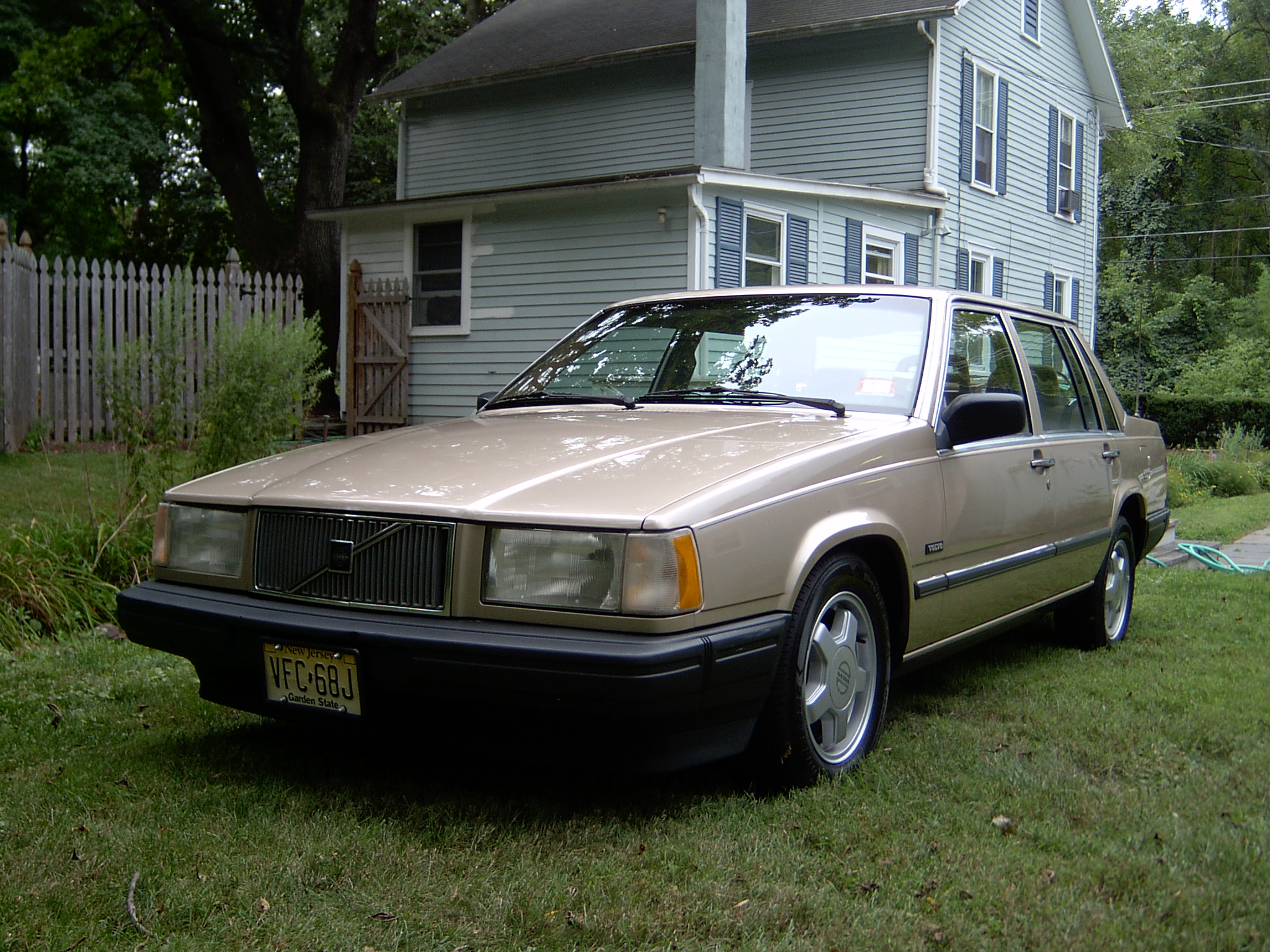
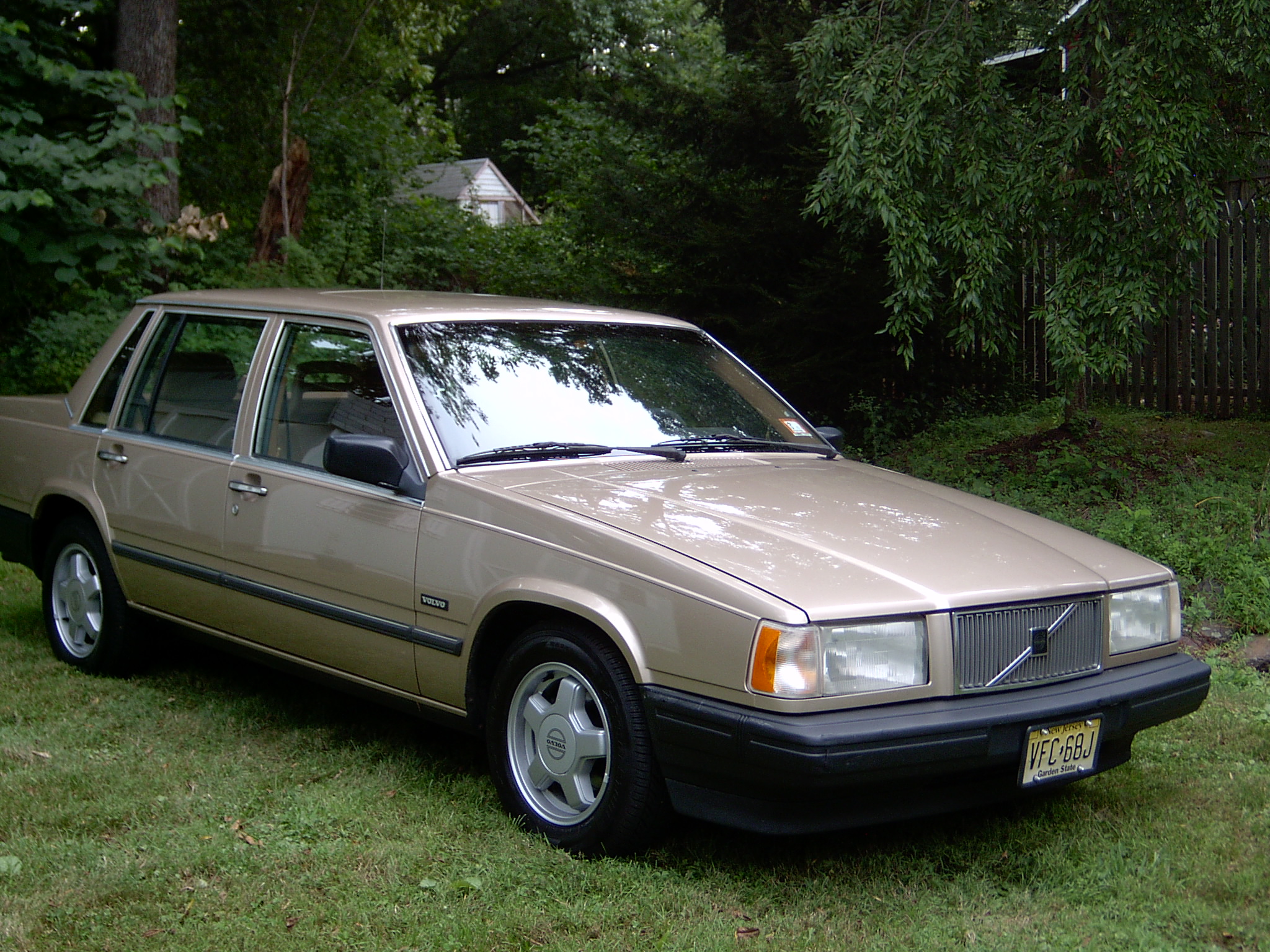
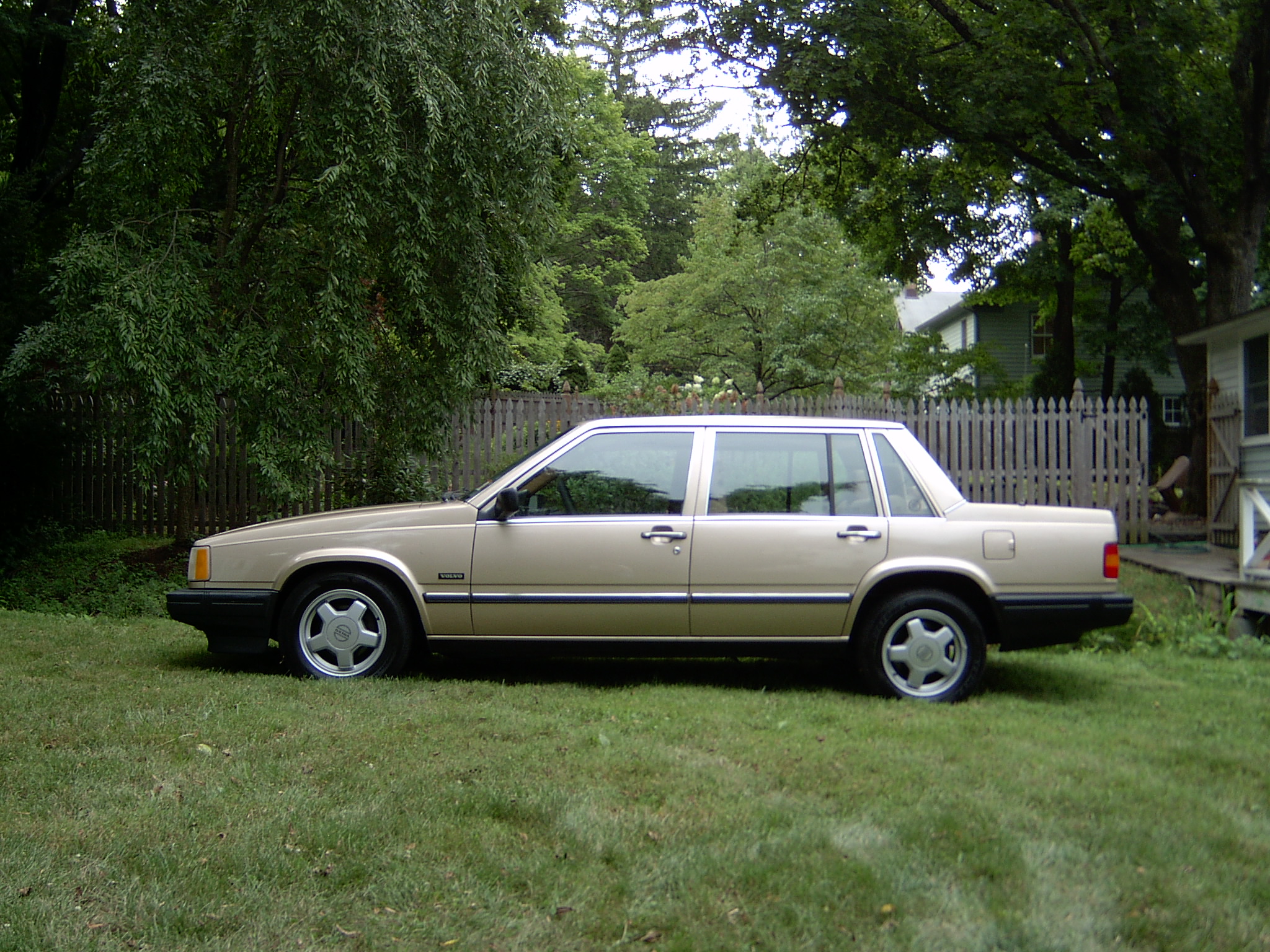
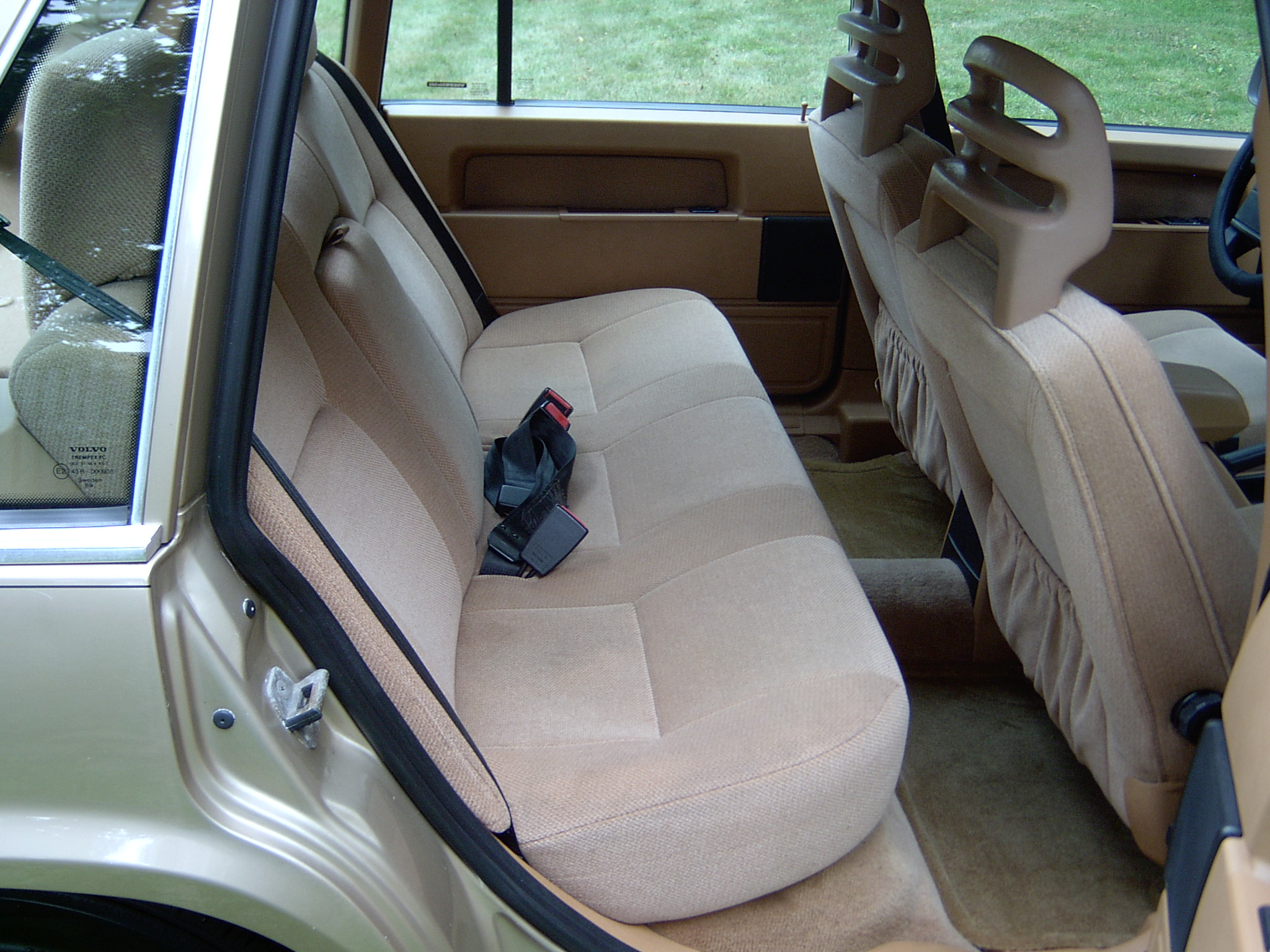
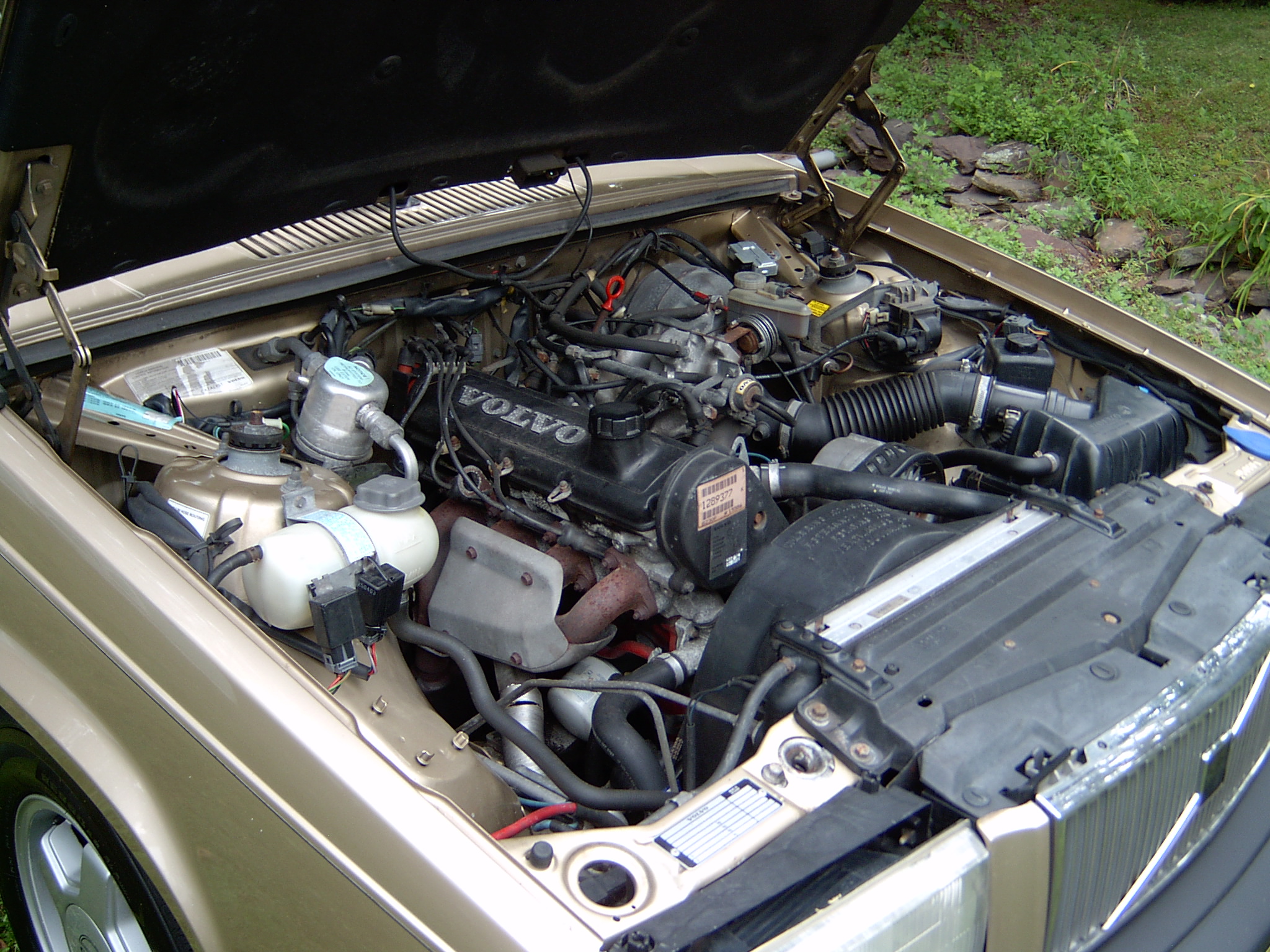
I’m a fan of many different brands of automobiles. Volvo comes to my mind first, largely because I worked for the brand for 30 years. While I would not consider myself a Volvophile in the sense that I think every Volvo ever made is wonderful (I know better than to think that), there are certain standout models to me. Chief among them is the somewhat rare 1971 142E, a 2-door sedan only available in a limited choice of metallic paints, with a leather interior and most importantly, the first fuel-injected engine in a 140-series. I’ve driven a number of them and I would choose one of these over an 1800 sports coupe without hesitation. Similar to this 142E are the first batch of 242 Turbos from the early ‘80s, which drove unlike their more pedestrian non-turbo brethren. Those original turbos had good acceleration, fine handling, and were comfortable to boot. I was very smitten with the 2003 V70 I had for about eight years; it was a non-turbo stick shift car, which made it somewhat unusual. I bought it with around 50,000 miles on it and sold it with 200k on the clock. The moment the new owner drove it out of my driveway I had seller’s remorse. The 2016 V60 AWD I have now helps alleviate that remorse.
I like Ford Mustangs a lot, although now I’m commenting about a make AND model. Having owned both a ’67 and a ’68, those are the ones I prefer, and recently I have found the Fox-body cars from the 1980s to have strong appeal. I’ve never owned one, but I could see that changing during the next few years, especially if it’s the SVO model of ’84-’86 with its European-inspired styling and 4-cylinder turbo engine.
Hondas are great, and that opinion goes back to the 1977 Accord 3-door hatchback which my mom bought new. Although equipped with the somewhat dreadful 2-speed semi-automatic “Hondamatic” transmission, driving that car was my first large-scale exposure to Asian vehicles and it was a revelation. Looking back, it is no surprise that Americans, when faced with the choice of a malaise-era domestic product or this $3,995 wonder from Honda chose the latter in droves. About 20 years ago, my wife bought a new ’99 Civic stick shift which she had for years; aside from routine oil changes, that car went 80,000 miles with repairs limited to a set of tires and front brake pads. Nothing else broke. At present, she drives an Odyssey and while she despises the sheer bulk of it, it has been as dependable as her Civic was.
Mazda is yet another brand of which I’m very fond, and with which I’ve had a lot of seat time. Regular readers of my blog know that I’ve owned my 1993 Miata for over 25 years, plus there have been other Mazdas in the family. We have had both a Mazda3 and a Mazda5, and both were fun to drive. My stepson had a Mazda3 he bought new, and is still driving the CX-9 he bought over 10 years ago and which has served him well. Ages ago, a good friend bought a new first-generation RX-7 with its novel rotary engine, and as soon as I drove his, I understood what all the hoopla was about. Other Mazda models within my circle of infatuation include the second and third generations of the rotary RX-7, the RX-2, RX-3 and RX-4 rotary cars of my teenage years, and even the CX-7 SUV, which I thought was one of the better-looking crossovers of its time.
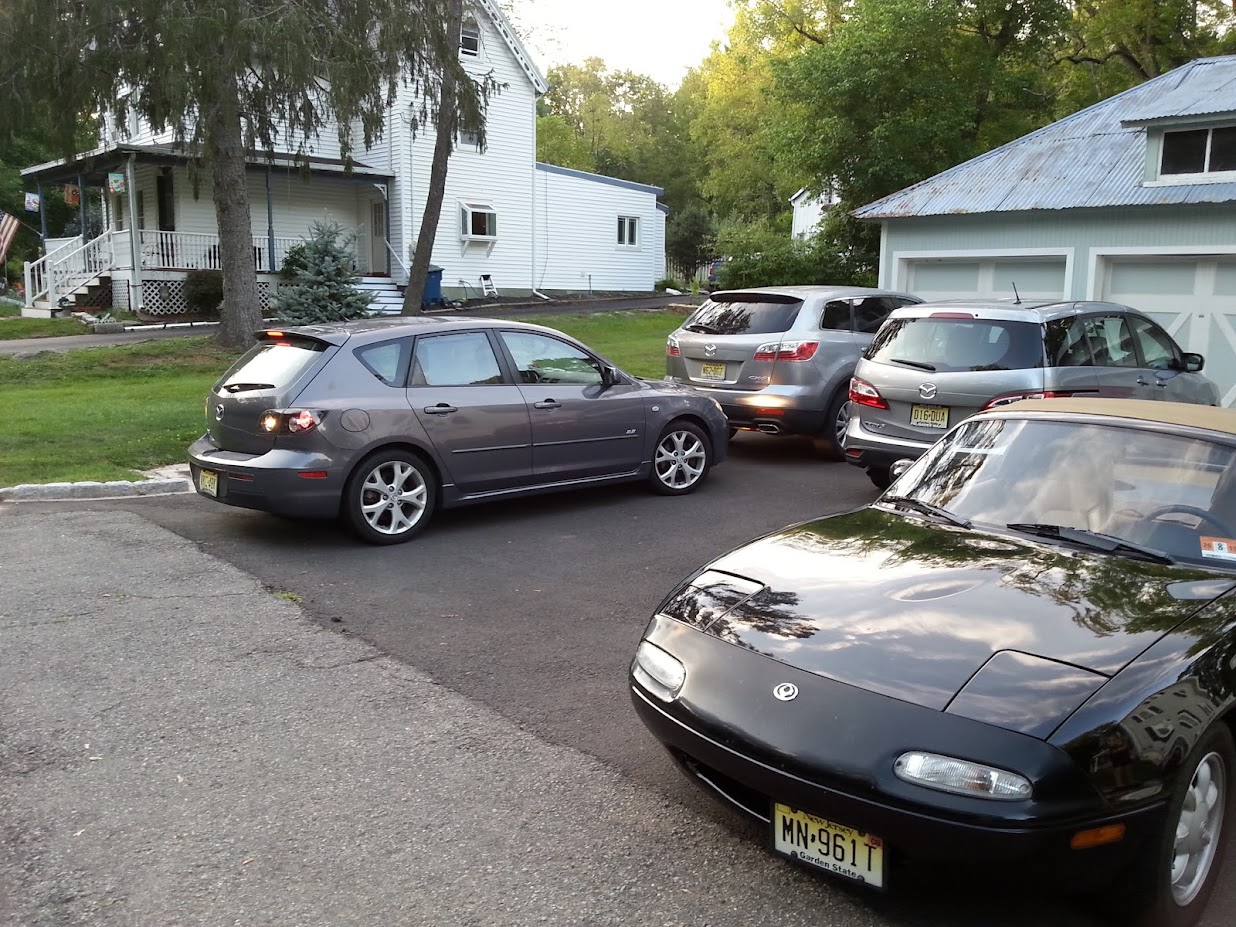
I want to explore Mazda as a brand a bit more, mainly because compared to Toyota, Nissan, and Honda, Mazda has not launched an upmarket luxury brand, although they have considered the concept. Most car enthusiasts know that Honda began this trend with their launch of the Acura nameplate in 1986. It took a few years, but in 1990, Toyota followed suit with the Lexus brand, and Nissan did likewise with Infiniti. There was a major engineering difference, though, between Acura and the two other luxury upstarts from Japan. The initial Acura models, the Integra and Legend, continued with FWD as had all recent Honda models. The Integra, built on a Civic platform, used only 4-cylinder engines, while the Legend debuted Honda’s first V6 for road cars. (The Accord would not get this V6 until 1995.) Infiniti and Lexus also introduced several models at launch, however, their largest models, the Lexus LS400 and the Infiniti Q45 were both built on RWD platforms and were powered by V8 engines, the better to compete with their targeted rivals from BMW and Mercedes-Benz. Both these German marques had based their entire success on big engine rear-wheel-drive cars to deliver power, comfort, and control. Acuras drove like, well, the FWD Hondas upon which they were based.
While this was going on, Mazda toyed with the idea of following a similar path, and went so far as to introduce a new nameplate, Amati, as their upscale brand. The plug was pulled on Amati for reasons too involved to relate here, but one vehicle originally intended for the Amati franchise was eventually sold in the U.S. as the Mazda Millenia. Like the Acura Legend, the Millenia had a V6 engine sending power to the front wheels, so it would not have been a direct competitor to the LS400 and Q45. With the exception of the sporty Miata, RX-7, and RX-8, all recent Mazda car models have been FWD with AWD an option on some.
News broke in 2020 that Mazda was developing a new platform for its aging Mazda6 mid-size car, and for the first time, this model would be switching to a RWD platform. Possibly even more shocking was the accompanying news that the new platform would include a longitudinally mounted inline-6 engine. On the whole, most cars and smaller SUVs use transversely-mounted engines both to save space and to make it easier to deliver power to the front wheels. Mazda’s new platform is certainly bucking the trend, and I would argue that the inline-6 is just as ground-breaking as the change to RWD. At present, very few engines in new vehicles are inline sixes. BMW never stopped building them, and Mercedes-Benz recently switched away from V6 engines and back to straight sixes.
Why the change? There are many good reasons. One is manufacturing logistics. Companies building inline-4 and inline-6, and in some cases inline-5 engines, can find economies of scale if these engines share cylinder displacement, bore spacing, pistons, con rods, and other parts. Inline engines use fewer parts than V-shaped engines, that is to say, fewer cylinder heads, camshafts, and exhaust manifolds to name some obvious examples. Another is the realization that an inline-six is inherently more balanced than a V6, and provides a smoother power delivery. Another factor, and a big reason why Benz switched, is adaptation of hybrid technology. An electric motor can more easily be accommodated, and that motor provides both a propulsive boost and acts as a combined starter/alternator. The upgraded electrics, at least in the Benz, also eliminate belt-driven power steering pumps, water pumps, and A/C compressors, which are therefore electrically operated.
One would easily presume that this new Mazda platform is a signal that they are finally entering the market with a new luxury marque, but the home office is indicating otherwise. Mazda, it seems, will be trying to straddle the line by moving some of its brand upmarket, while still selling “economy cars” like the Mazda3. By the way, although I mentioned the Mazda6 car, this new platform may see greater use under the next generation of Mazda SUVs, to be precise, the replacement for the CX-9, and possibly the return of the CX-7. Mazda hopes that these new RWD-based sport utilities will prove to be competitive with the ever-expanding field of near-luxury SUVs, meaning everything from the Subaru Ascent and VW Atlas to the Acura MDX and Volvo XC60, not to mention the plethora of German SUVs from Audi, BMW, and Mercedes.
Will it succeed? My built-in favoritism for Mazda makes it difficult for me to answer objectively. Of course I hope they succeed. One way in which this might happen is by establishing the uniqueness of this architecture within the competitive set. Doing so will require educating the average customer as to the advantages of a longitudinally-mounted inline engine driving the rear wheels. I know from owning FWD, RWD, and AWD cars that the rear-drive cars offer the best ride, as long as one doesn’t need the traction advantages of FWD. Customers should also be made aware that the inline-six-cylinder engine is one of the great underappreciated motor configurations. Finally, depending on pricing, which we obviously won’t know for a long time, the value-for-the-money equation should help drive home the advantages of a near-luxury Mazda which is still labeled a Mazda.
Mazda may be taking what seems like a cautious approach, but they know the costs and risks of investing in an entirely new brand. A new marque’s necessity for a ground-up dealer network is a financial trap of particular concern from which it may be difficult to recover. I am hopeful that future Mazda models which share engineering features with luxury makes but which are priced to the consumers’ advantage makes for a winning formula for them.
All photographs copyright © 2021 Richard A. Reina. Photos may not be copied or reproduced without express written permission.







 richardscarblog