Are These the Auction Cars That Got Away?

It can be entertaining to reminisce about “the one that got away”. Whether it’s the big fish that broke loose from your hook, or the college flame you think you should have married (and admit it, it wouldn’t have worked out), we occasionally think about the “almost” events from our past.

Those of us in the collector car hobby are particularly expert at this game. I haven’t met a single classic car fan who hasn’t cried on my shoulder about the one that should never have left the garage. A variation of that theme are the cars we could have purchased at auction and didn’t.

The recent release of Hagerty’s Bull Market List for 2022 provided something of a prompt for this post. I have no beef with their choices and have no plans to rebut them or offer my own. However, the list implies if not outright claims that certain cars will increase in value, some more quickly than others. We therefore swing back to the question of whether one can buy cars, especially at an auction, enjoy them for a while, and then sell them for a profit.

I decided to revisit my blog posts of five years ago, 2016, a year in which I attended auctions in Atlantic City, Carlisle, Harrisburg, and Hershey. Scanning the results, I spotted a few cars which seemed to sell on the low end of pricing compared to what they might bring today. (Let’s temper all this talk about “making a profit” by pointing out that the buyer must cover overhead such as auction fees, taxes, registration, shipping, insurance, maintenance, repair, and storage. Ownership of a car is not “free”.)

Below is my one pick from each of the five auctions I attended that year. The text and photo are carried over from my initial post, and I’ve added comments along with book values and an example of a recent sale.

FROM THE G. POTTER KING AUCTION IN ATLANTIC CITY NJ FEB 2016:

Here’s what I posted:

Lot #1542, 1995 Jaguar XJS convertible, champagne, brown cloth top, glass rear window, tan interior, 86,900 miles. Car looks very nice from the outside. Some driver’s seat bolster wear, otherwise clean interior. 6 cylinder, automatic, nice alloy wheels, paint looks great except for repainted passenger door (but it’s hardly noticeable). Sign on the dash said “not sold on Friday, but for sale at asking price of $9,500”. Online, the car was reported sold for $8,000. CPI values the car between $10,250 (#3) and $17,425 (#2). We would rate is at 3+ and call it very well bought.

Feb. 2016, G. Potter King Auction: 1995 Jaguar XJS
Here are my thoughts in 2021:

I remember this car well, thought it was very attractive, and thought it was a steal in 2016. That steal looks even better in 2021. CPI values the car in Dec. ’21 between $12,400 (#3) and $22,800 (#2). Bring a Trailer (BaT) sold a very similar one in October ’21 for $23,050. That eight grand sale is looking good.


FROM THE CARLISLE SPRING AUCTION IN APR 2016:

Here’s what I posted:

F464 1991 Chevy Corvette coupe, VIN 1G1YY2386M5104468, white, smoke glass top, 5.7L V8, automatic, 24,000 original miles, just serviced. Corvette alloy wheels are unmarked. Nose shows no paint chips or scrapes. Door seals in good shape. Interior is blue/gray, automatic, with slight carpet wear. Interior supports mileage claim. Paint looks original, all looks presentable. Glass OK. This car was very late in crossing the block, but bidder interest was high, possibly because of the low miles. Car was still sold within the CPI “good” range, so we’ll call this one well-bought.

CONDITION: 2-

HIGH BID: $9,200 SOLD!

CPI: $9,000-15,000
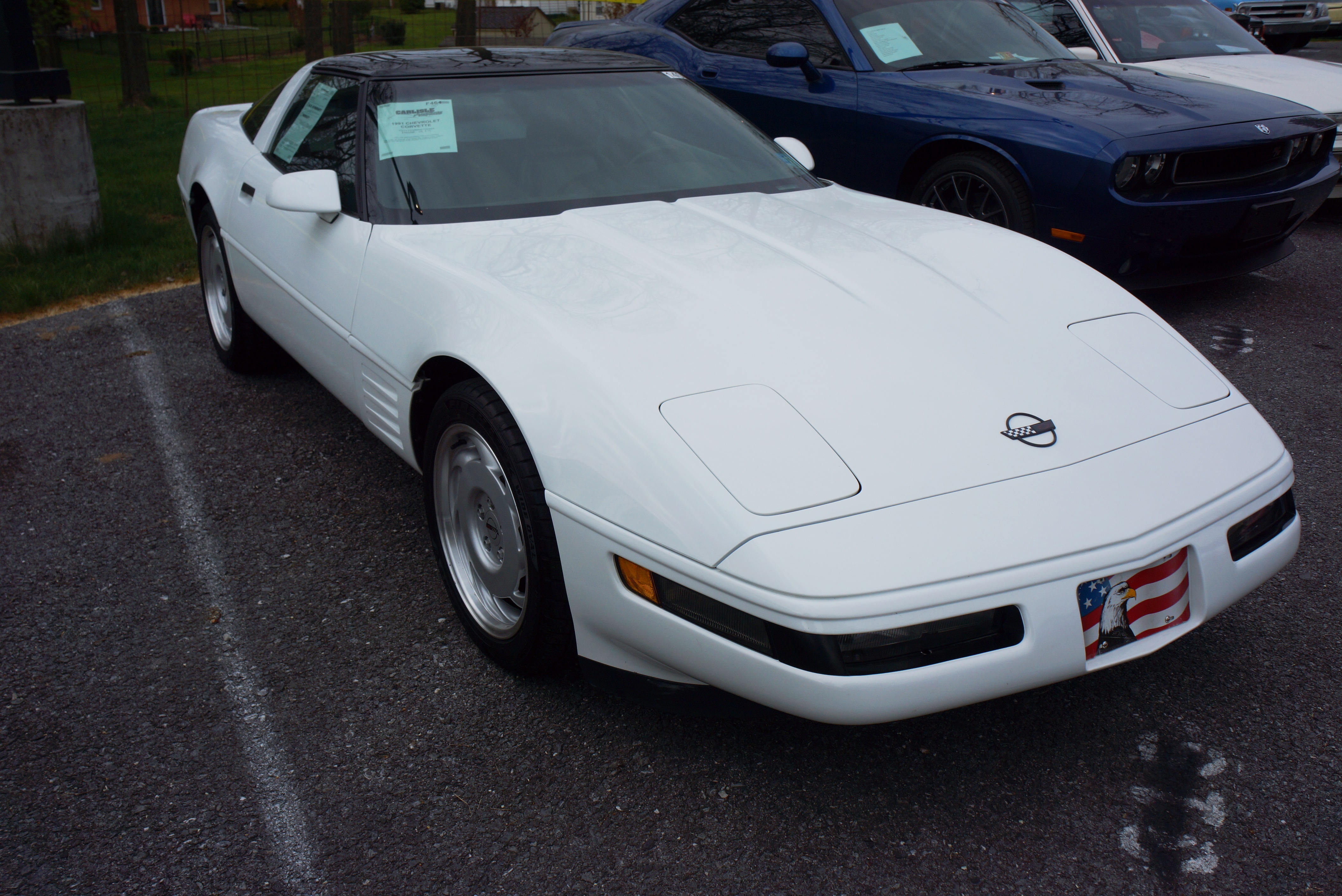
Apr. 2016, Spring Carlisle Auction: 1991 Corvette
Here are my thoughts in 2021:

This was when I started noticing how inexpensive C4 Corvettes were. To me, this car was a trade-off between the low miles and the auto gearbox. Since then, I’ve noticed that C4 values have been flat, as evidenced by the CPI numbers in the Dec. ’21 book: good-to-excellent values are between $7,000 and $13,500, meaning they’ve actually dropped in the last five years. On BaT, almost all the C4s are either ZR-1s or convertibles, and all have low mileage. The closest comp is this ’91 with 16k on it which sold for $15,000. The buyer of this white car would only be ahead if the car remained parked, and what’s the point of that?

FROM THE MECUM HARRISBURG AUCTION, JUL 2016:

Here’s what I posted:

LOT T41, 1977 MERCEDES BENZ 450-SL

Condition estimate: 2+

SOLD for $15,500

This generation SL is hot right now, especially the 450-SLs from the late ‘70s like this one, and the final 560-SLs. Many of the ones we see at auction are dogs; this one was decidedly not. Price was not a bargain, but fair for a very presentable Benz. This car can likely be enjoyed and then sold in several years for the same or a little more.

Jul. 2016, Mecum Harrisburg auction: 1977 MB 450SL
Here are my thoughts in 2021:

Awfully cheeky of me to write that, eh? Actually, R107 (platform name) Benzes have stayed hot, but particularly the final iteration, the 560SL models which were offered through 1989. Values of older ones like this 450SL are highly dependent on condition. I rated this car as a 2+. The current CPI values these between $12,800 and $28,000 for a good-to-excellent car. So I’ll stand behind my words from April 2016 and state that you could sell this car in this condition today for “a little more” than you paid for it in 2016. Here’s a recent sale of a ’78 450SL for $20,500 on BaT which supports the value range.


FROM THE CARLISLE FALL AUCTION IN SEP 2016:

Here’s what I posted:

Lot #T131, 1978 VW Beetle convertible, orange, white top, white painted alloy wheels, black vinyl seats. Sold for $5,750. While I did not examine this car closely, it appeared to be solid, with good paint and a good top. The white painted wheels must go, but that’s an easy fix. Sold for about half book price, perhaps because this audience wants muscle cars.
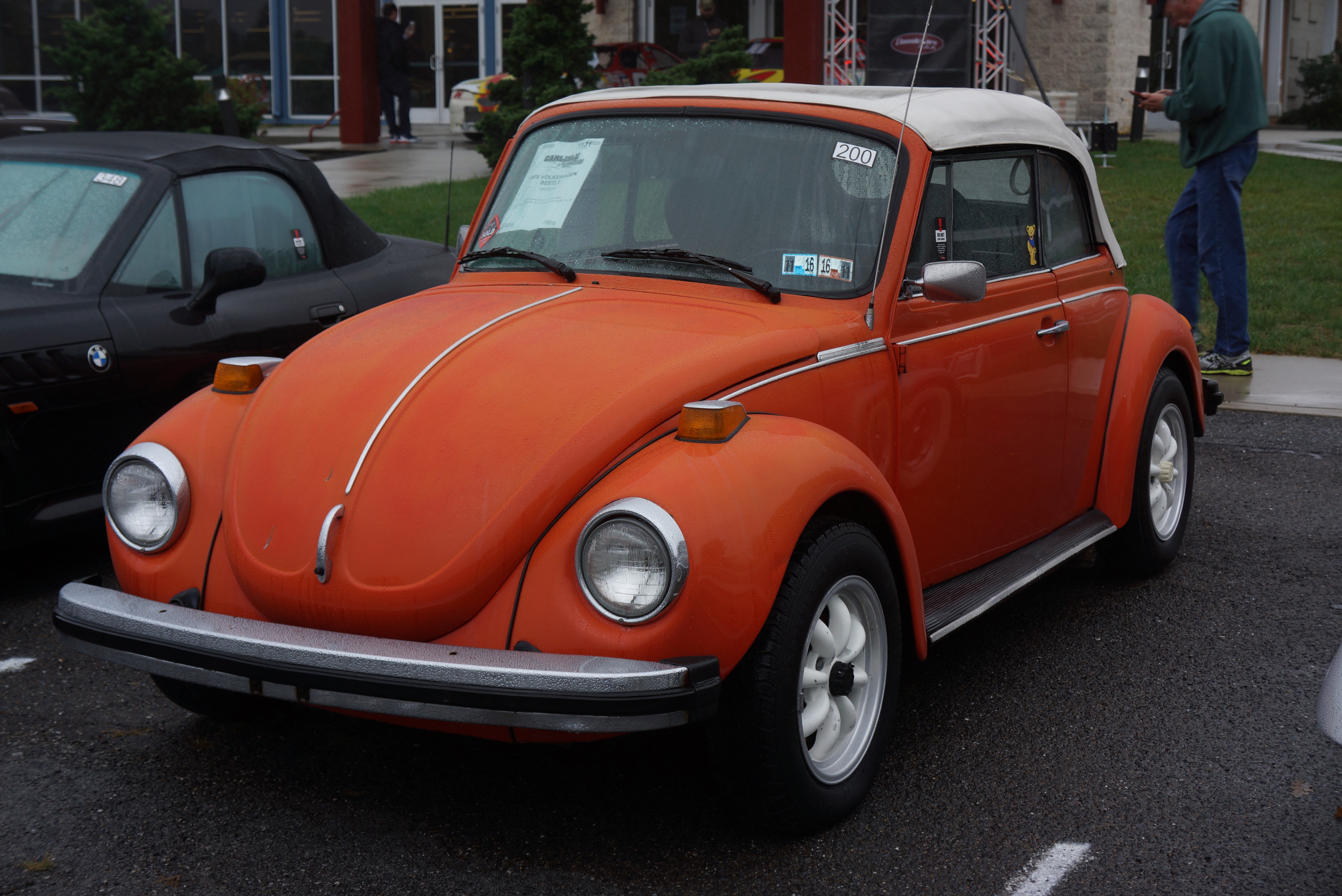
Oct. 2016, Fall Carlisle Auction: 1977 VW Beetle convertible
Here are my thoughts in 2021:

Of all the cars from my youth, I confess that air-cooled VW Bugs were my guess for cars to least likely appreciate and become collector-car-worthy. Of course, I was wrong. Exhibit A as represented here are the final run of Beetle convertibles, especially the 1979 final-year ones. This ’78 is close enough to that. I did note that at $5,750, this car sold “for about half book price” making book price back then about $12,000. The Dec. ’21 CPI puts these drop-tops between $15,000 for “good” to $32,000 for “excellent”. Earlier this month, BaT sold a black-on-black ’79 for $15,000, so our orange Beetle owner would do ok if they sold it today.


FROM THE RM HERSHEY AUCTION, OCT 2016:

Here’s what I posted:

Lot #142, 1957 Mercedes-Benz 300SL roadster, red with tan interior, pre-sale estimate of $900,000 – $1,100,000

SOLD for $750,000

This was another cosmetic stunner, even if its red-over-tan was a change from its factory blue-over-cream. Claimed to come from long-term ownership, I had every reason to expect the car to break into seven figures. These 300SL roadsters long ago achieved price parity with their Gullwing brothers. Therefore, it came as a total shock to watch the hammer fall at a number so far below the low estimate. Was it the color change, did the audience see something I didn’t, or is the market that soft?
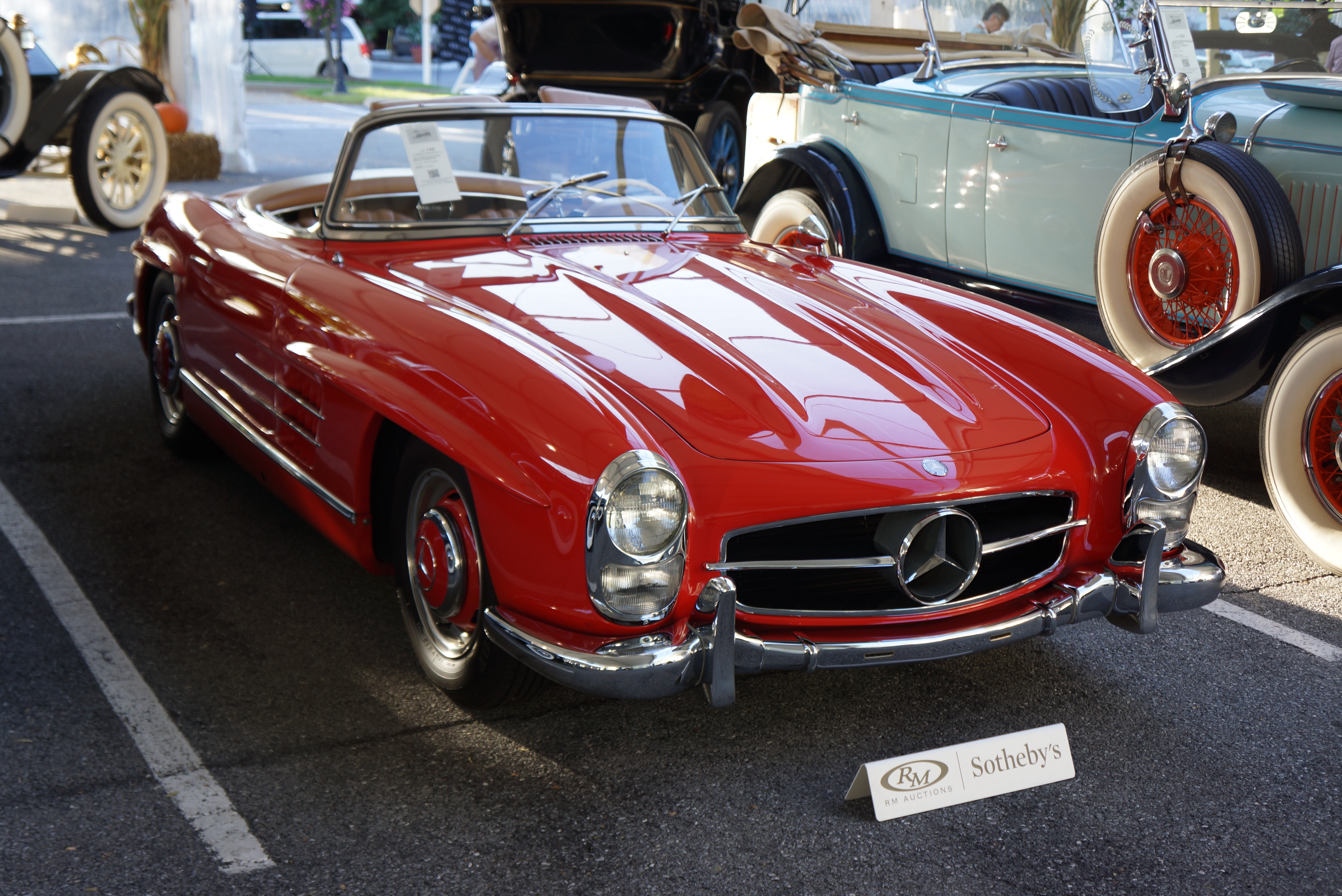
Oct. 2016, RM Hershey Auction: 1957 Mercedes-Benz 300SL roadster
Here are my thoughts in 2021:

Mercedes-Benz 300SLs, both Gullwing and Roadster, are true blue-chip collectibles, meaning that their values are better than money in the bank. While there may be the occasional backslide, the law of supply and demand (few cars exist, moneyed buyers are a-plenty) means that waiting out any blip is simply a matter of patience. Yet as I asked above, did this one slip through the cracks? The only fault was the color change, and as long as factory colors are chosen, there is no real knock to value. Today’s CPI puts this car between $1.2 and $1.5 million (if you have to ask….). If it was flipped for a profit, let’s hope the owner at least got to enjoy driving it a bit. As you might imagine, online sales are few and far between. BaT did sell a Roadster in July of this year for $1.4 million.


It’s easy to be the armchair quarterback and say “you shoulda bought that one, you coulda doubled your money!”. Sure, like I had three quarters of a mil hanging around. Even the least expensive car of these five, the VW, would have likely cost closer to $7,000 when one was done with the initial outlays, including replacing those ugly wheels. My close friends and I agree: the Number One rule is buy what you like because you like it. The speculation game is a gamble and relies on good luck as well as a good eye. It can and does happen, but my experience is that turning a profit on a resale can mean holding onto a car for a while.

All photographs copyright © 2021 Richard A. Reina. Photos may not be copied or reproduced without express written permission.

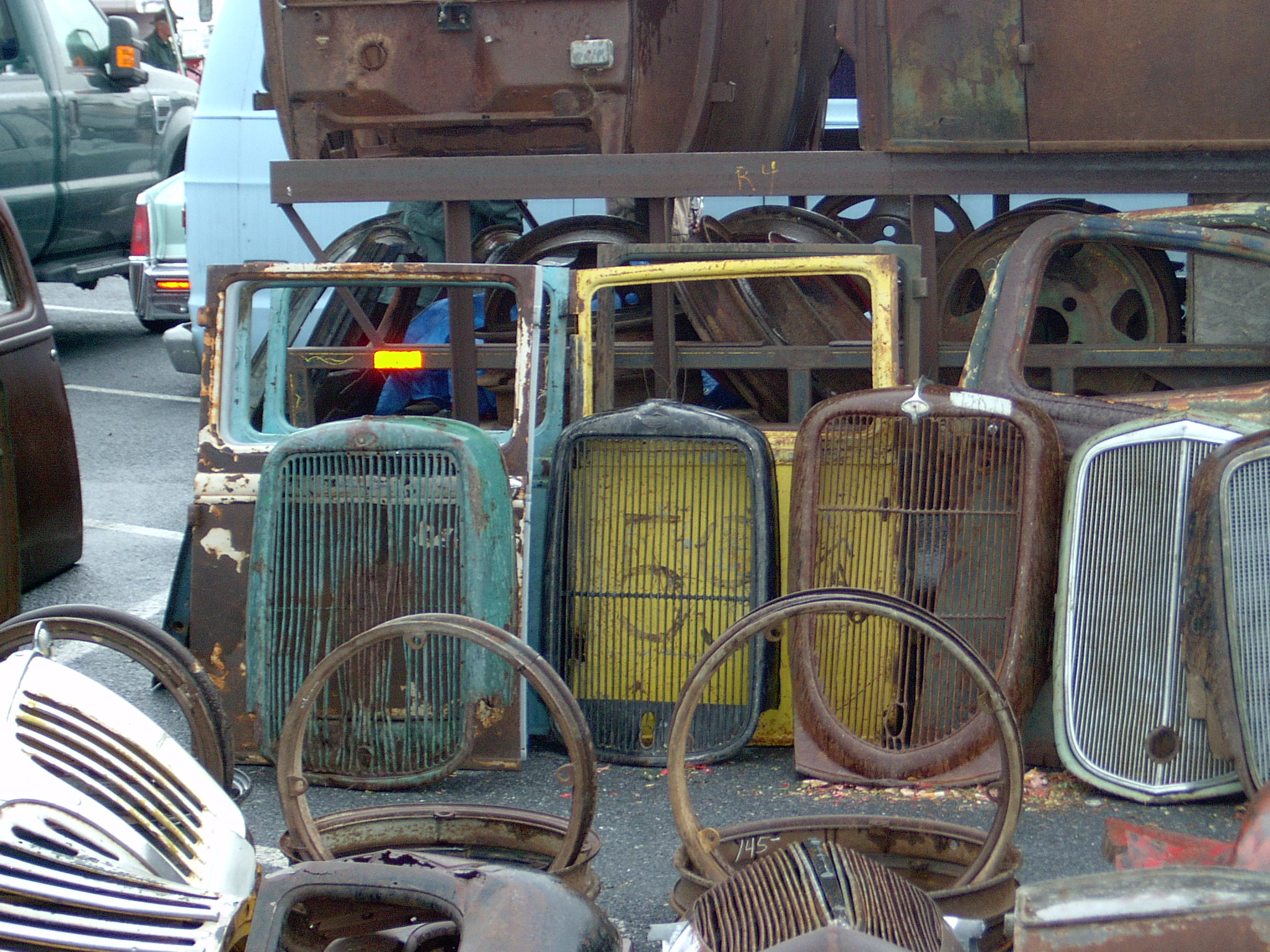


AACA Hershey Meet, October 2009

I’m filling in the gaps in my Hershey coverage. For the most part, I’ve posted a story in my blog within days of returning from the Big Event. The blog started in 2015, and I’ve posted stories and pictures from visits in 2015, 2016, 2017, 2018, 2019, and 2021 – there was no Hershey in 2020. (“Hershey” is so massive that in some cases, I had created multiple posts for the same year, so be sure to look for that.)

I’ve now gone back and found photos from visits which predated the beginning of my blog. My photographic coverage is not always as thorough as more recent visits – however, I’ll make the best of what I have. Here, we have jumped back 12 years to 2009. Most of the shots cover the Car Corral, and they leave me with the somewhat confusing impression that I was perhaps looking for a truck (I have never considered myself a truck guy). In retrospect, I believe that I had latched onto a suspicion that trucks were starting to gain traction as collector vehicles. Maybe I was right for once.

More older Hershey coverage will be posted in the upcoming weeks.


The Flea Market was still packed with plenty of original pre-war sheetmetal for your restoration needs
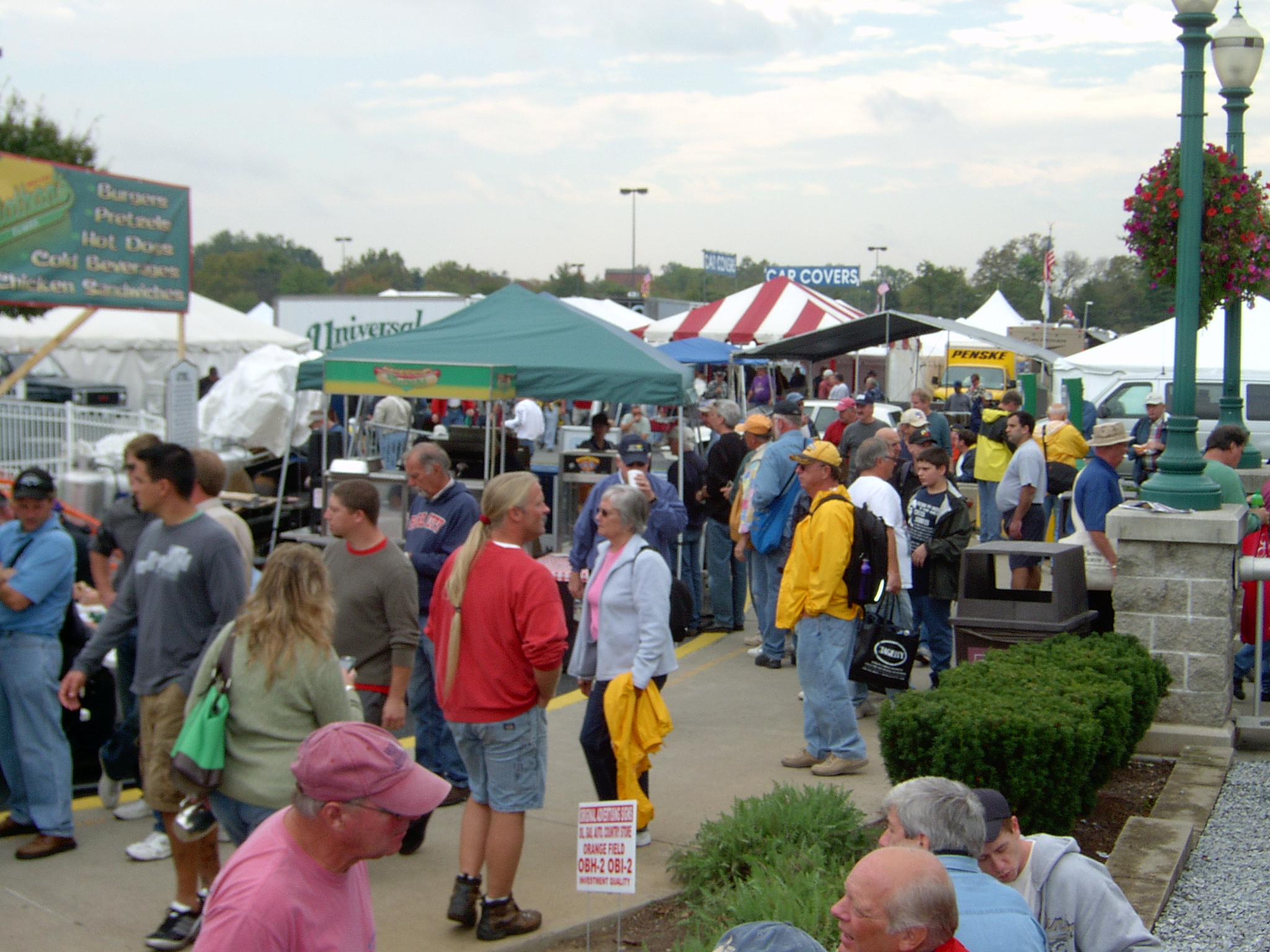
What, no masks? Oh wait, this was 2009. Attendance was still strong all week.


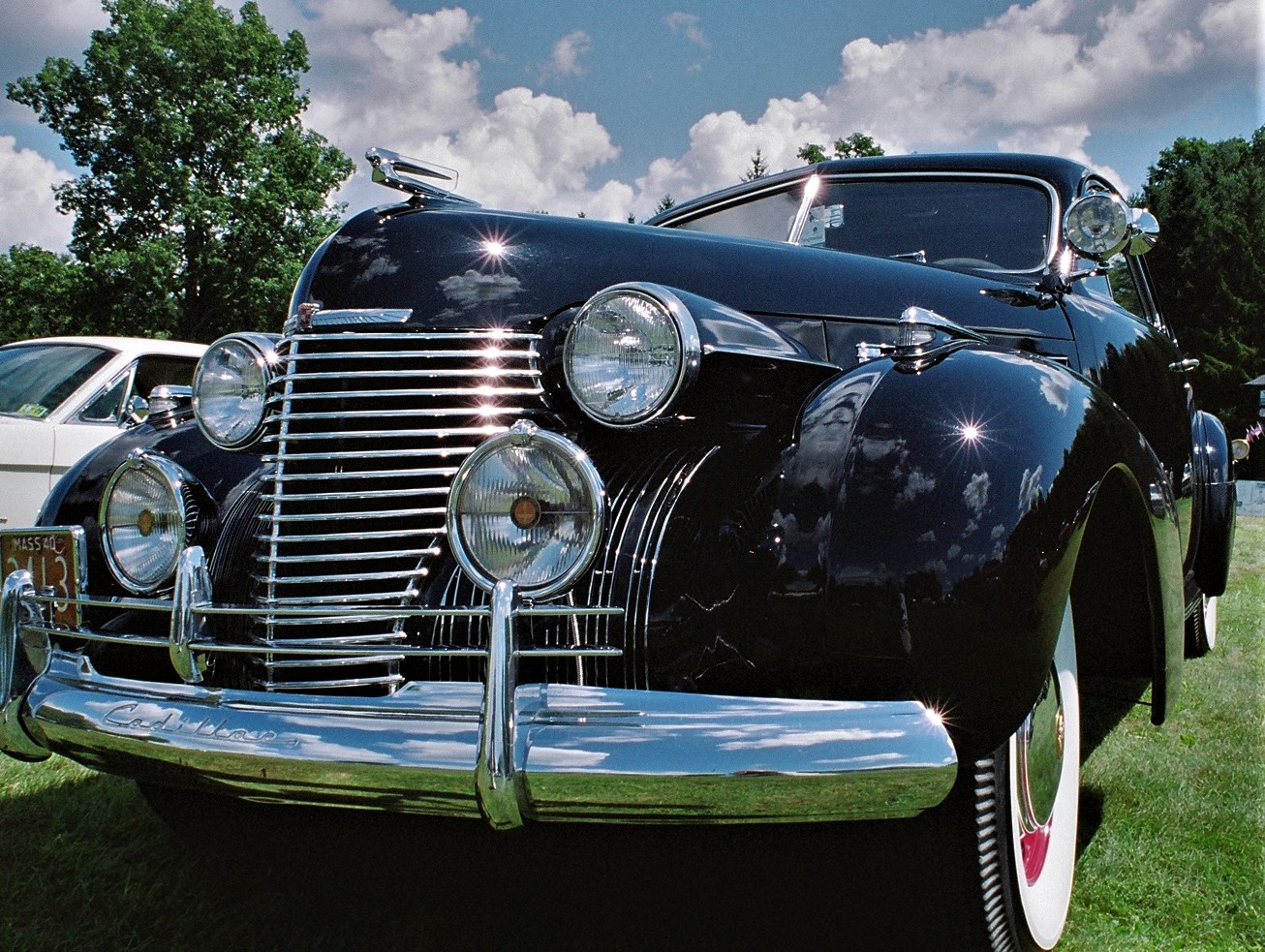
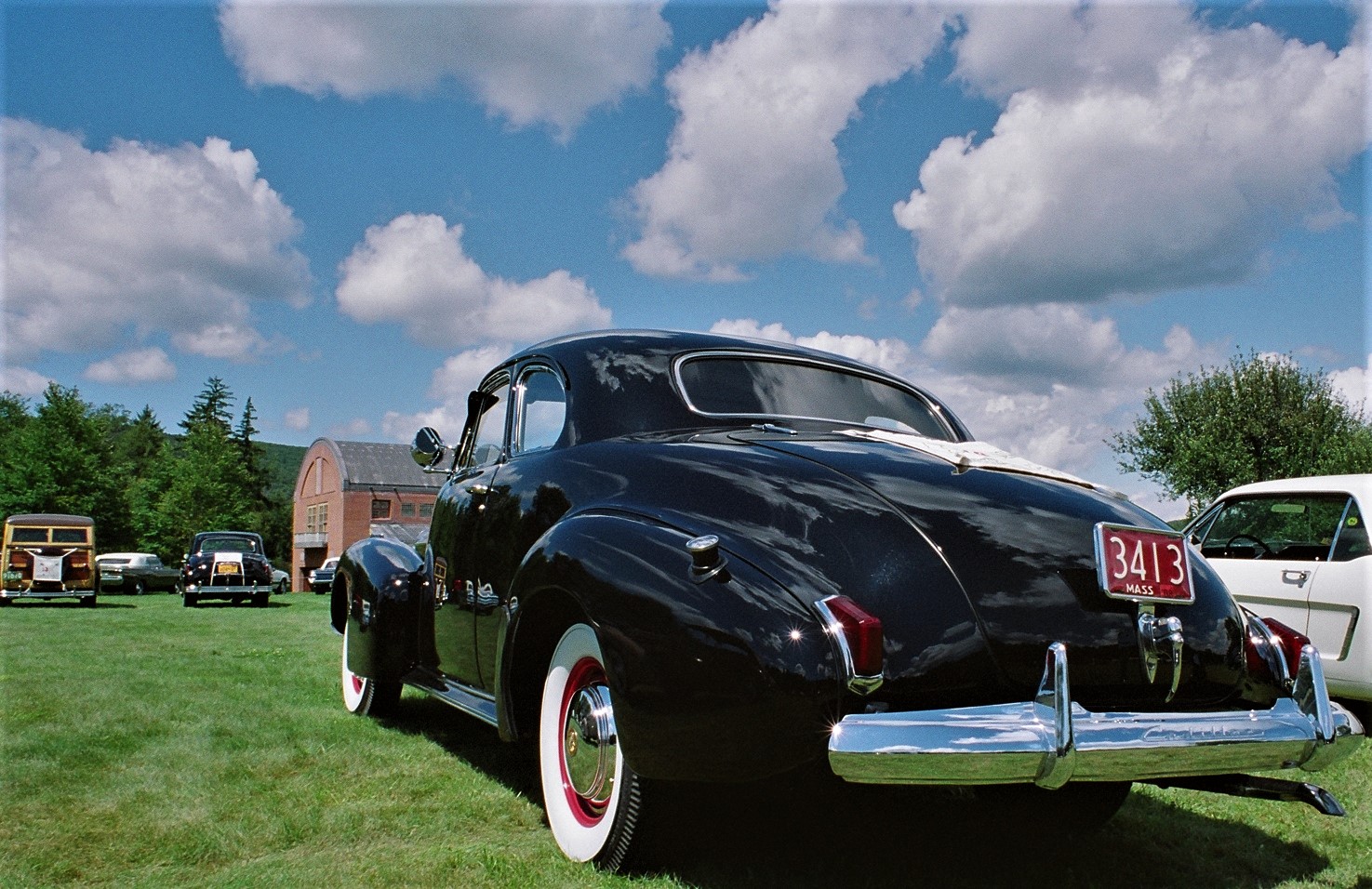
The owner of this 1940 Olds, on display in HPOF, claimed that it was one of the earliest Oldsmobiles factory fitted with an automatic transmission.
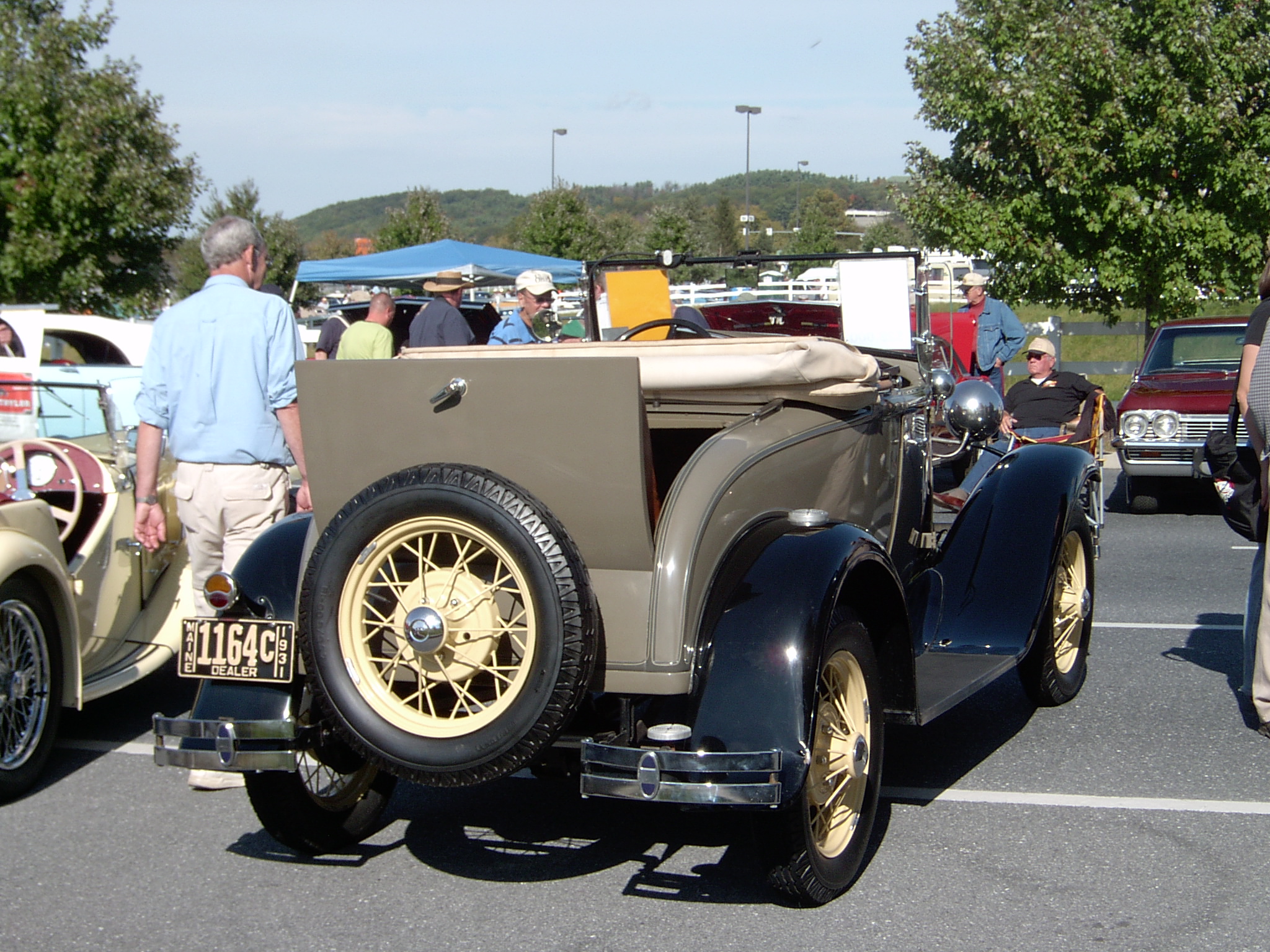
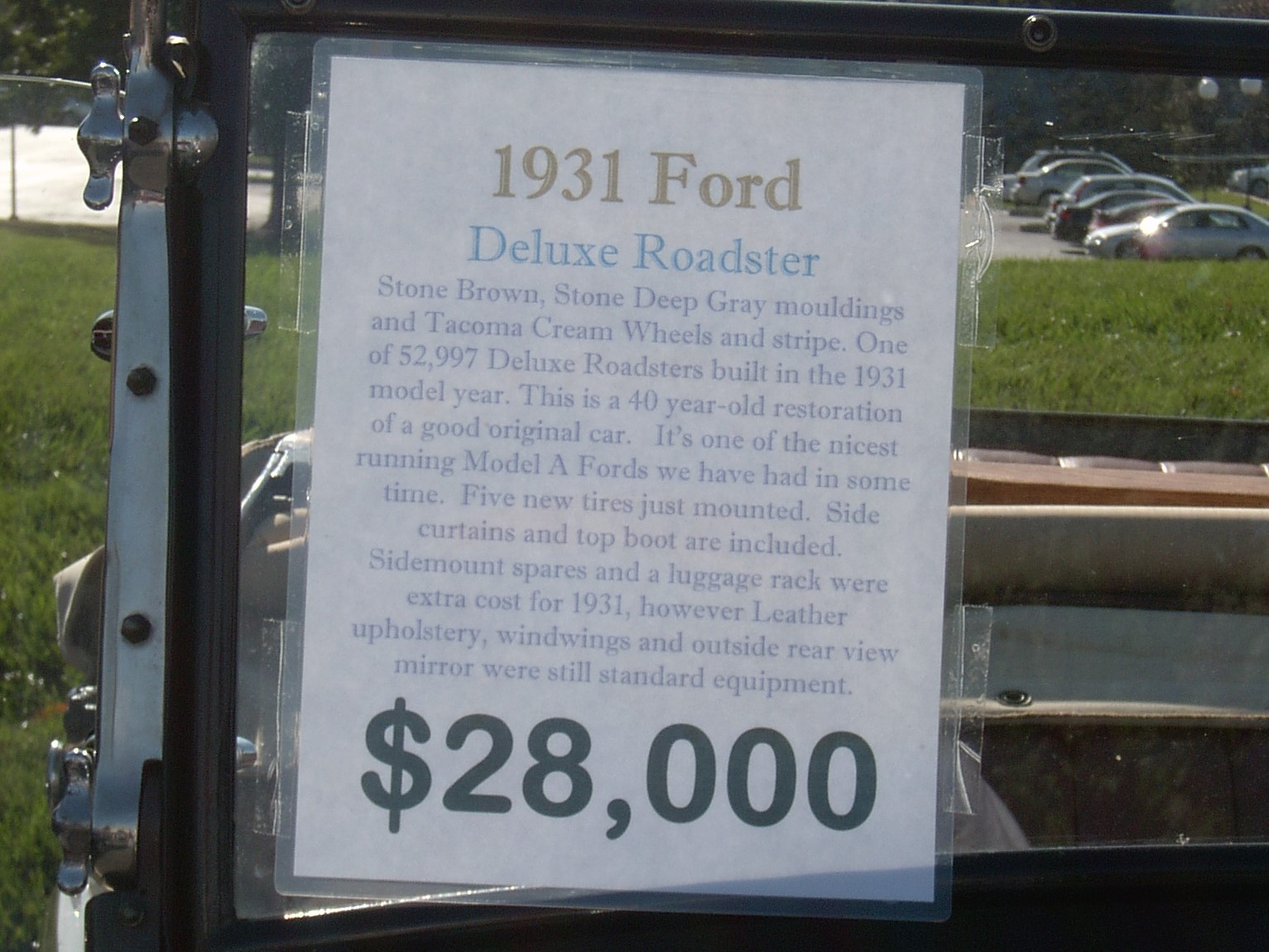
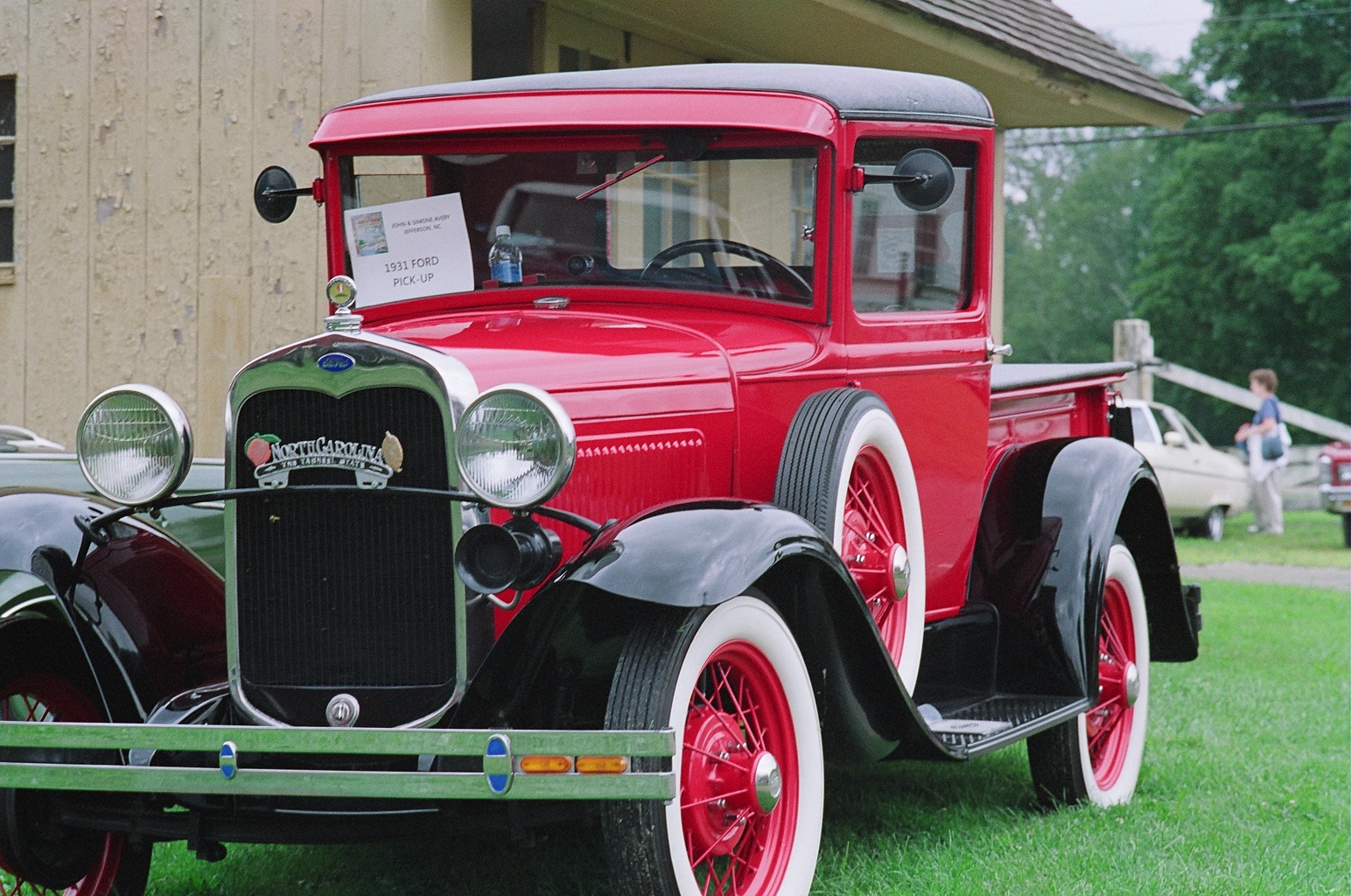
I took these photos for a friend who was looking for a Model A Roadster in the low $20s; this was the closest to that price I could find.


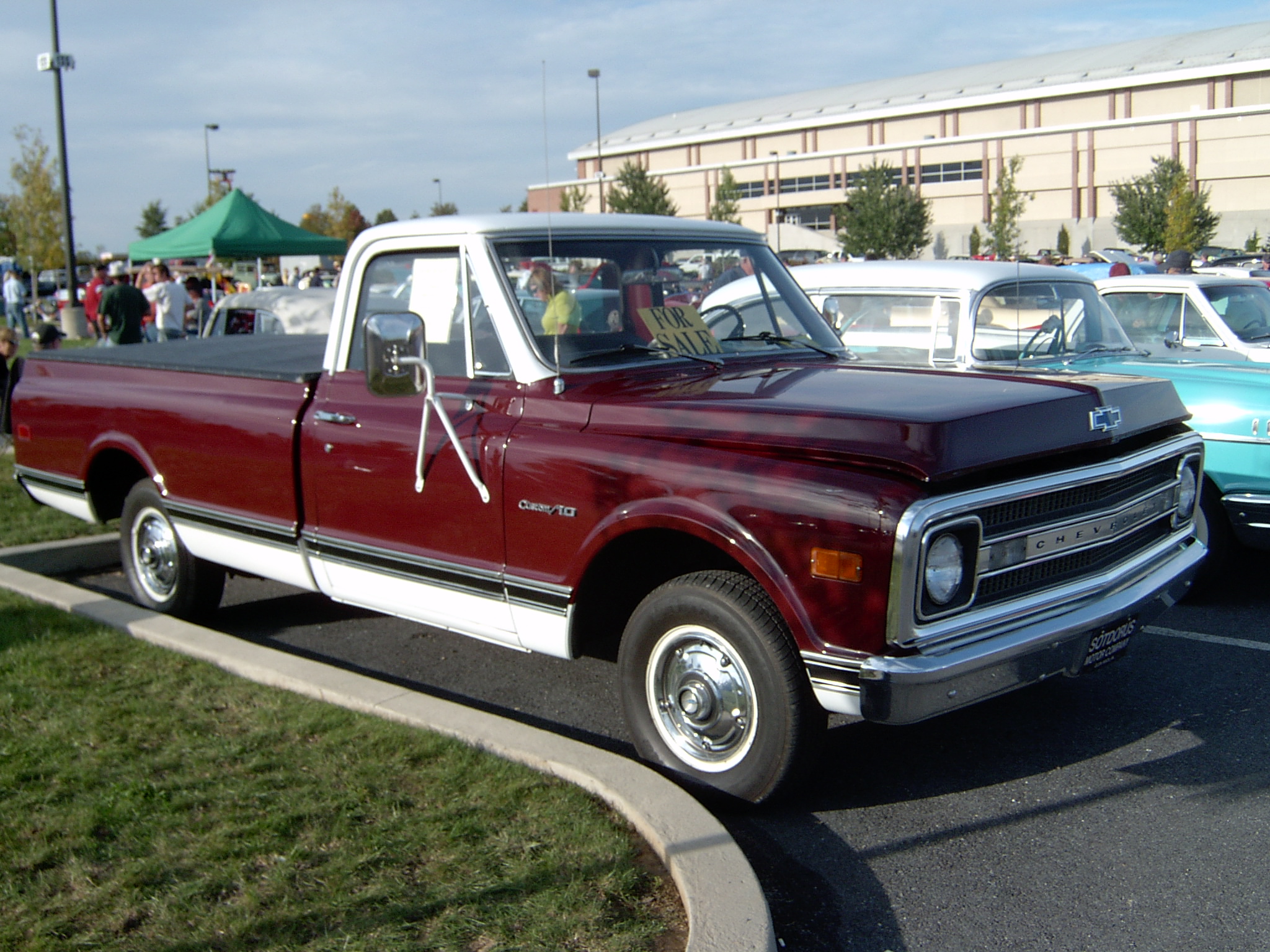
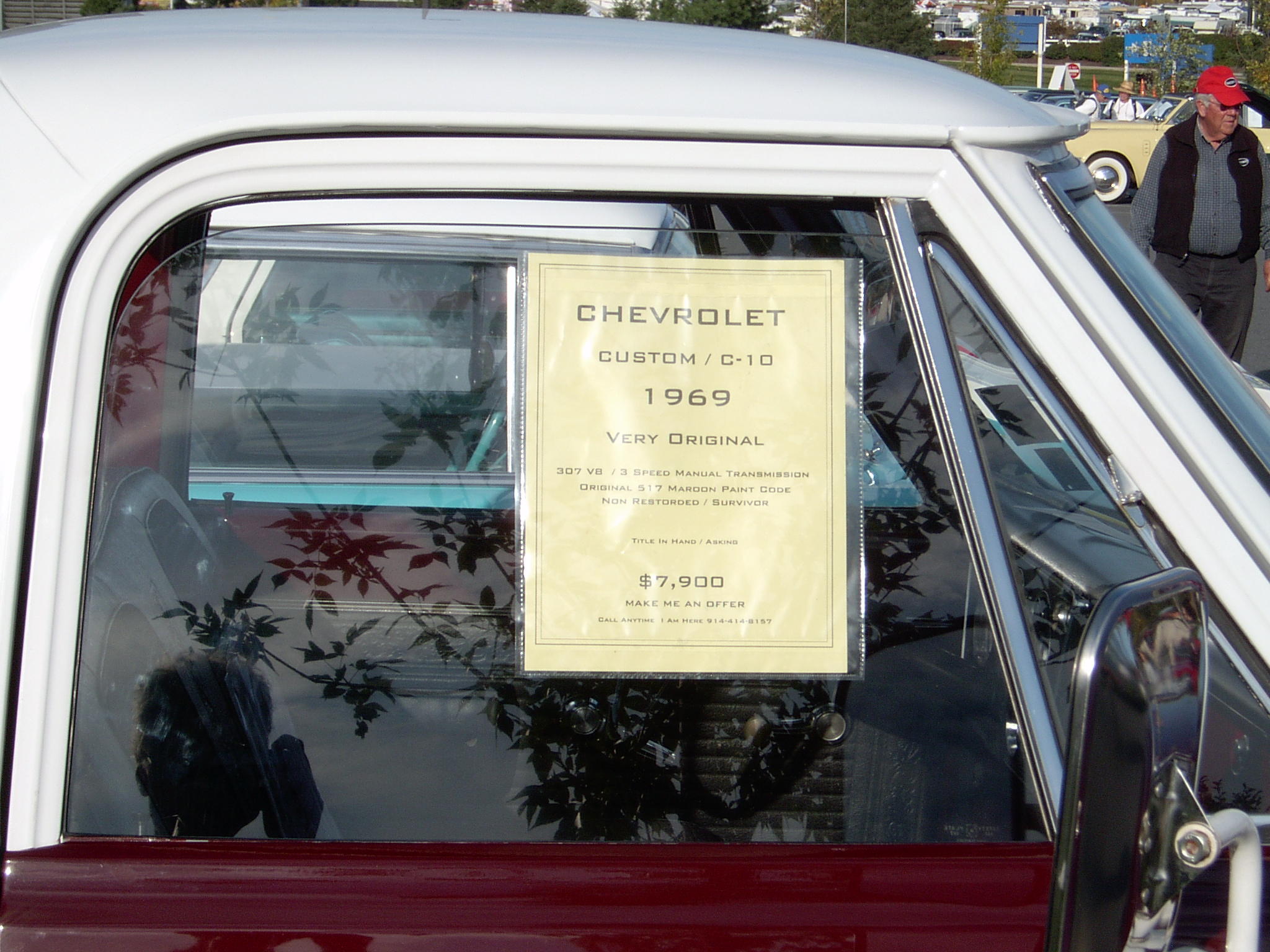
Even now I remember thinking this Chevy was a good deal in 2009; CPI values this truck in #3 condition at $17k and #2 condition at $47k.
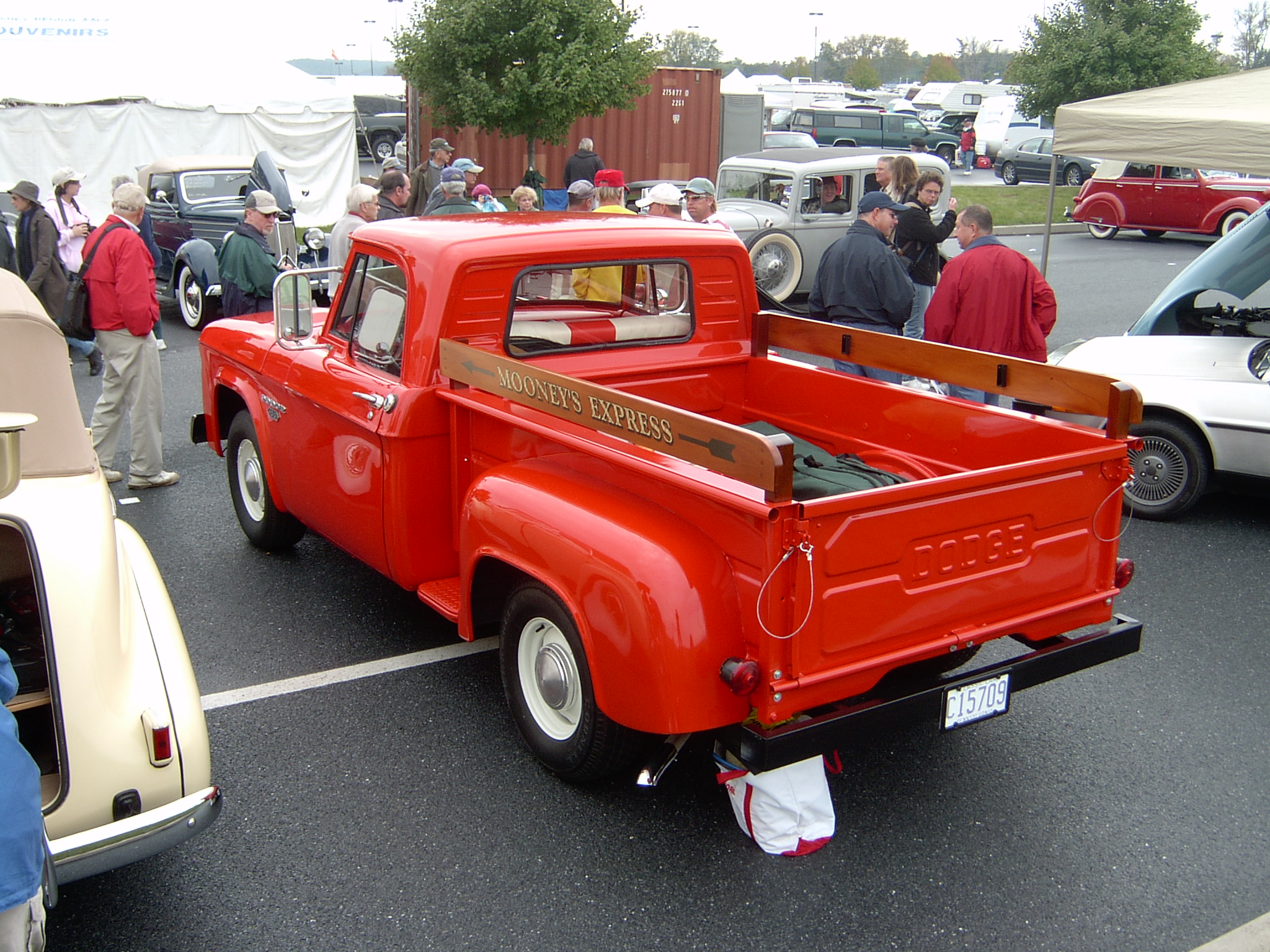
Truck appears to be done similar to Lil Red Express; these were never as popular as Ford or Chevy pickups; CPI values this in #2 condition at $15k.
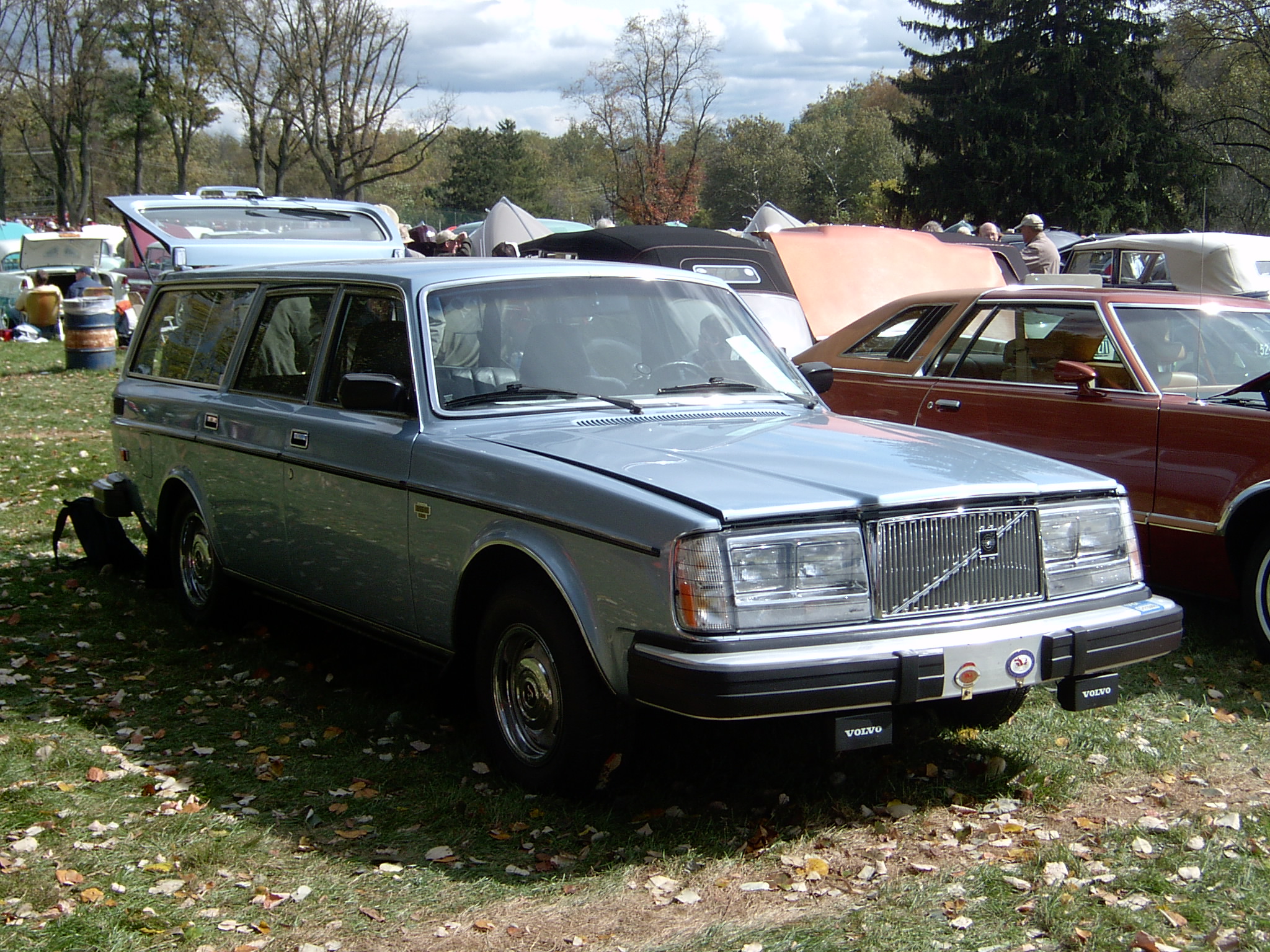
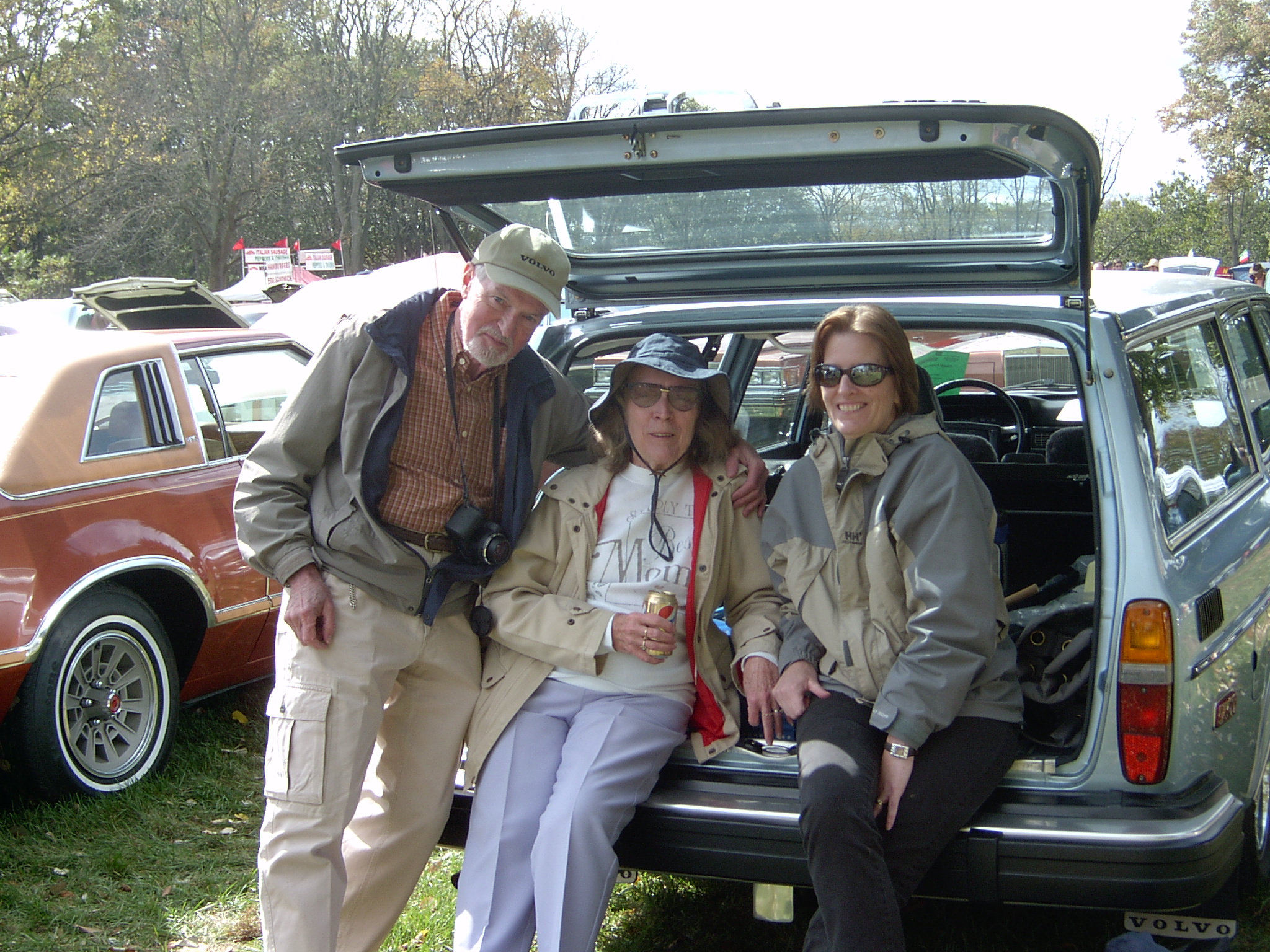
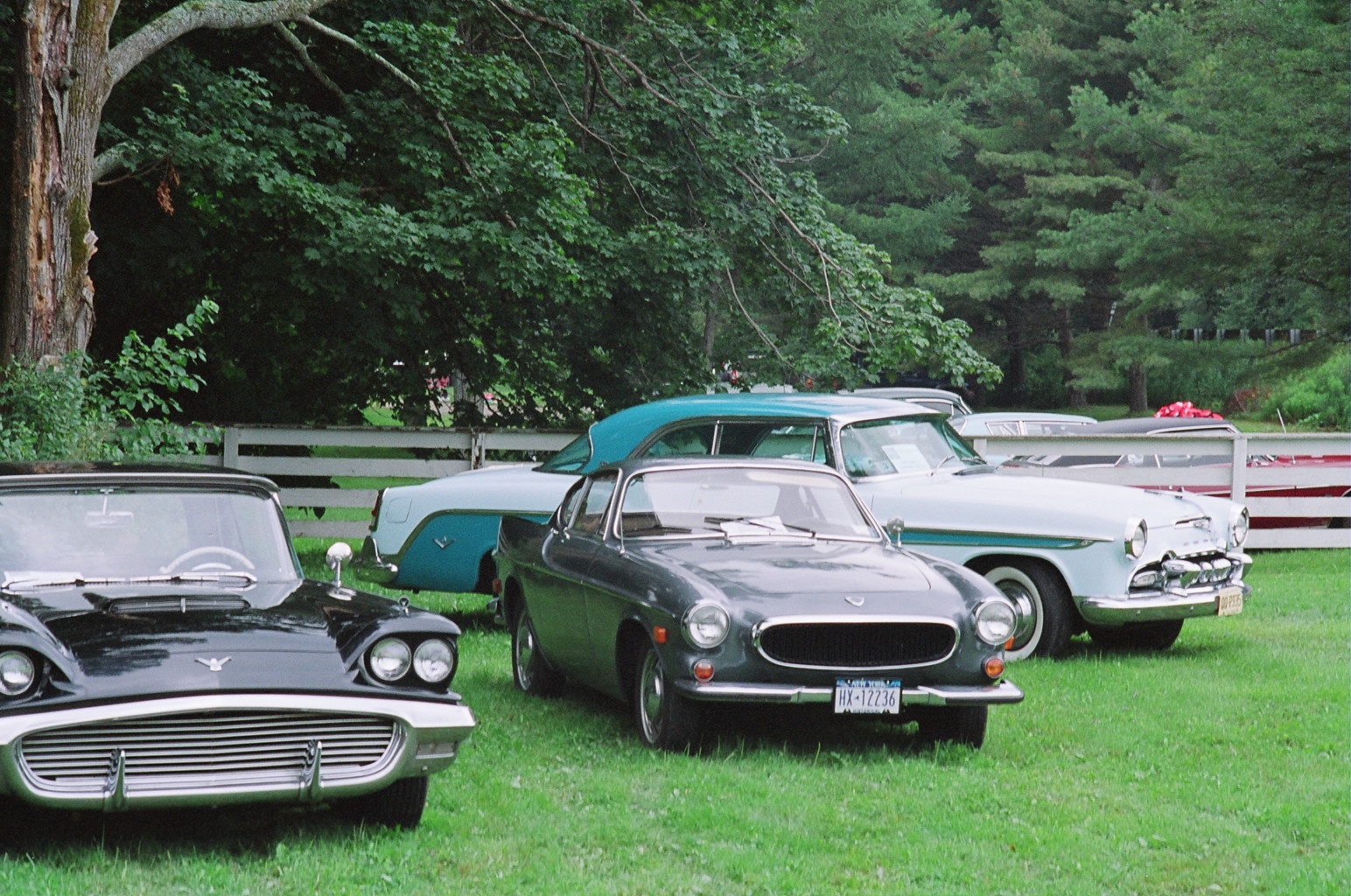
My dear friend Pete was there with his one-owner (him) ’79 Volvo 265; that’s Pete with his wife and my wife in the wayback. He has since sold this car.
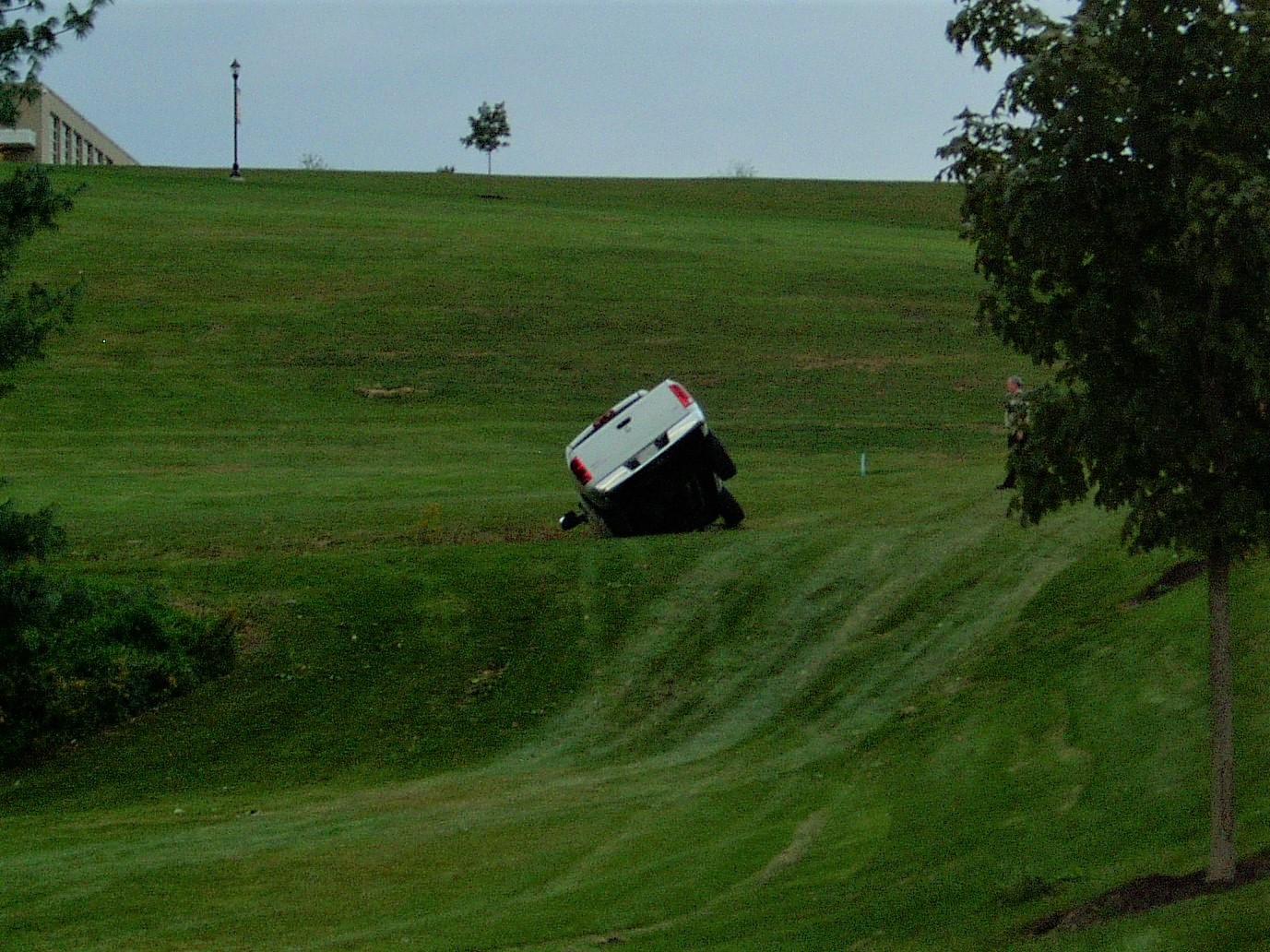
No, pickup trucks CANNOT go anywhere they want, at least not without getting into a little trouble.


All photographs copyright © 2021 Richard A. Reina. Photos may not be copied or reproduced without express written permission.


The August 2008 AACA Regional Tour, Springfield MA

In August 2008, I participated in my first Regional AACA (Antique Automobile Club of America) Tour. AACA tours are very different from rallies like the New England 1000, which by this time I had participated in about a half dozen times. A “tour” is much more relaxed, offering greater freedom for one to tour local sites on one’s own schedule.

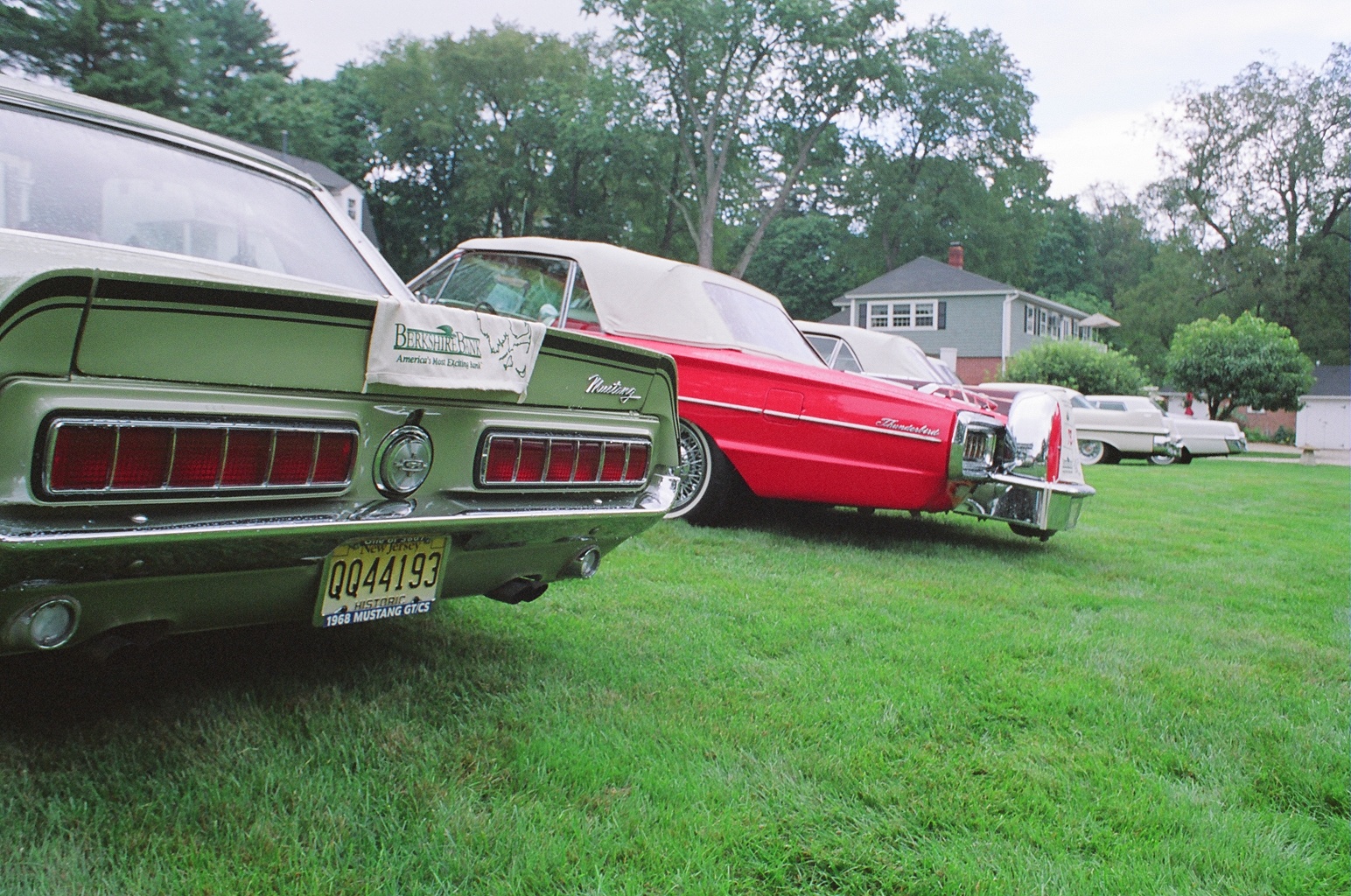
My wife came along on this one and enjoyed its more laid-back pace compared to the one NE1000 rally in which she participated, in 2001. We did this Berkshires/Springfield tour in my 1968 Mustang California Special, and she also appreciated the higher level of comfort than was offered in the MGB which was our ride in ’01.

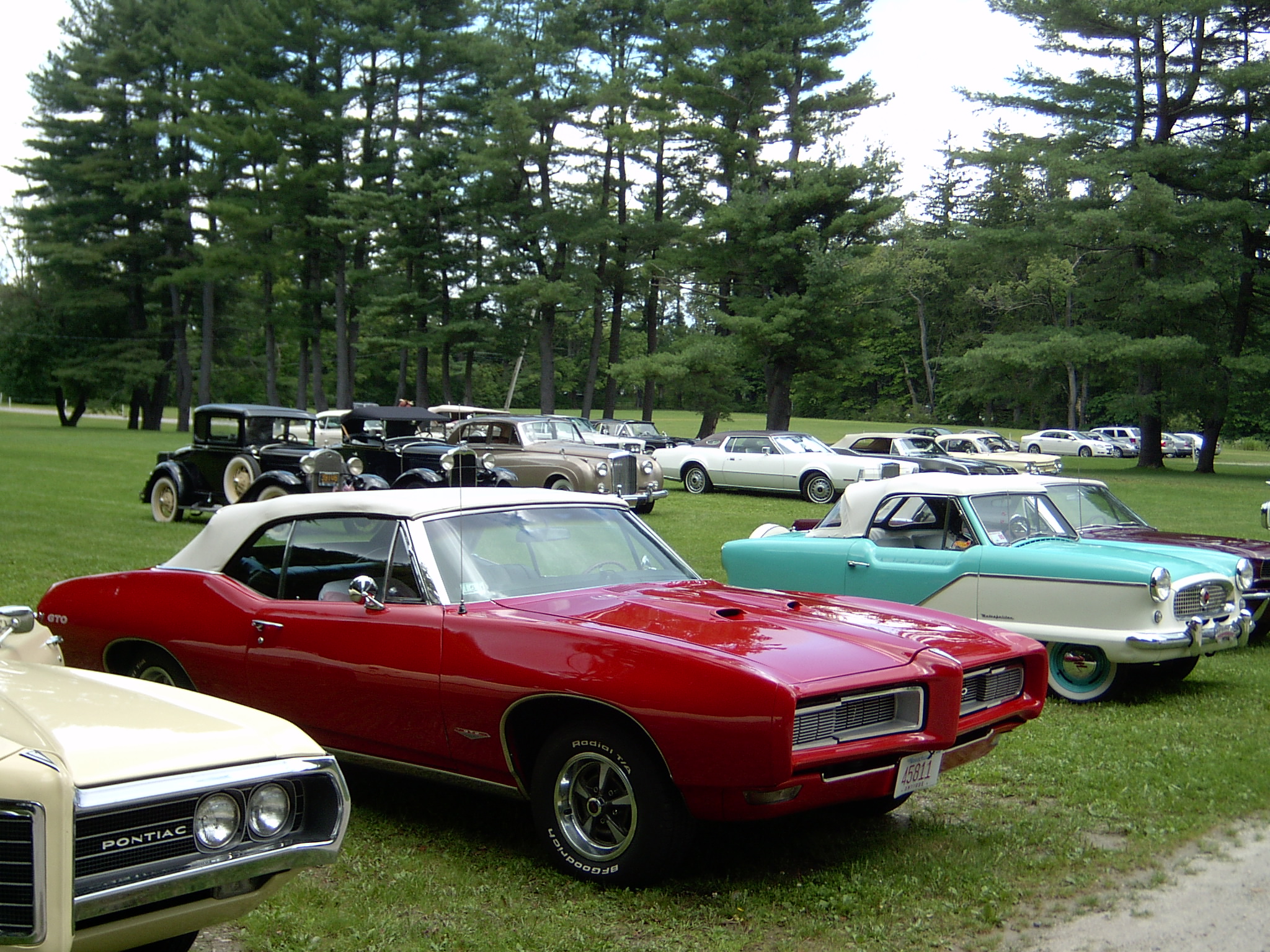
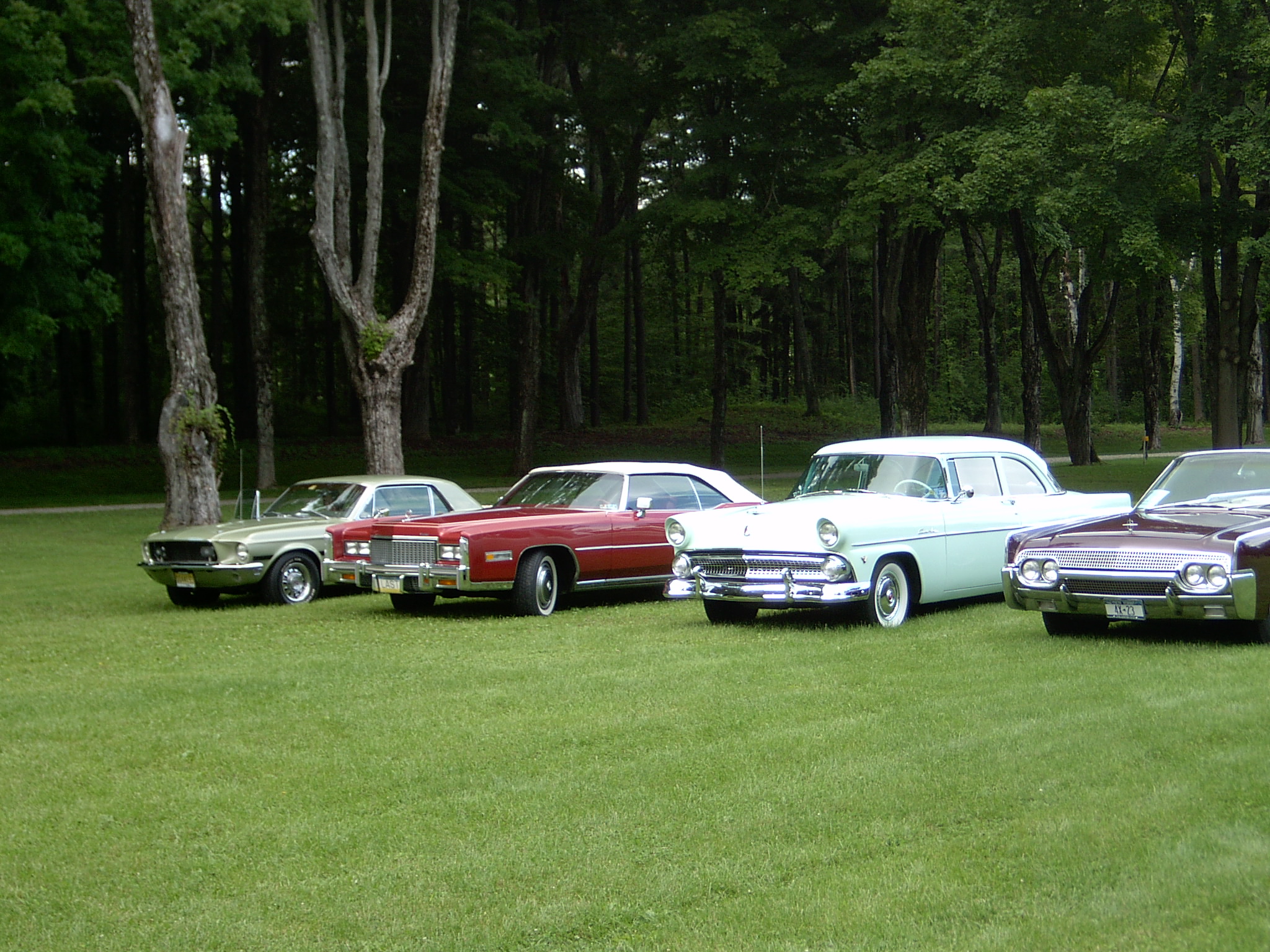
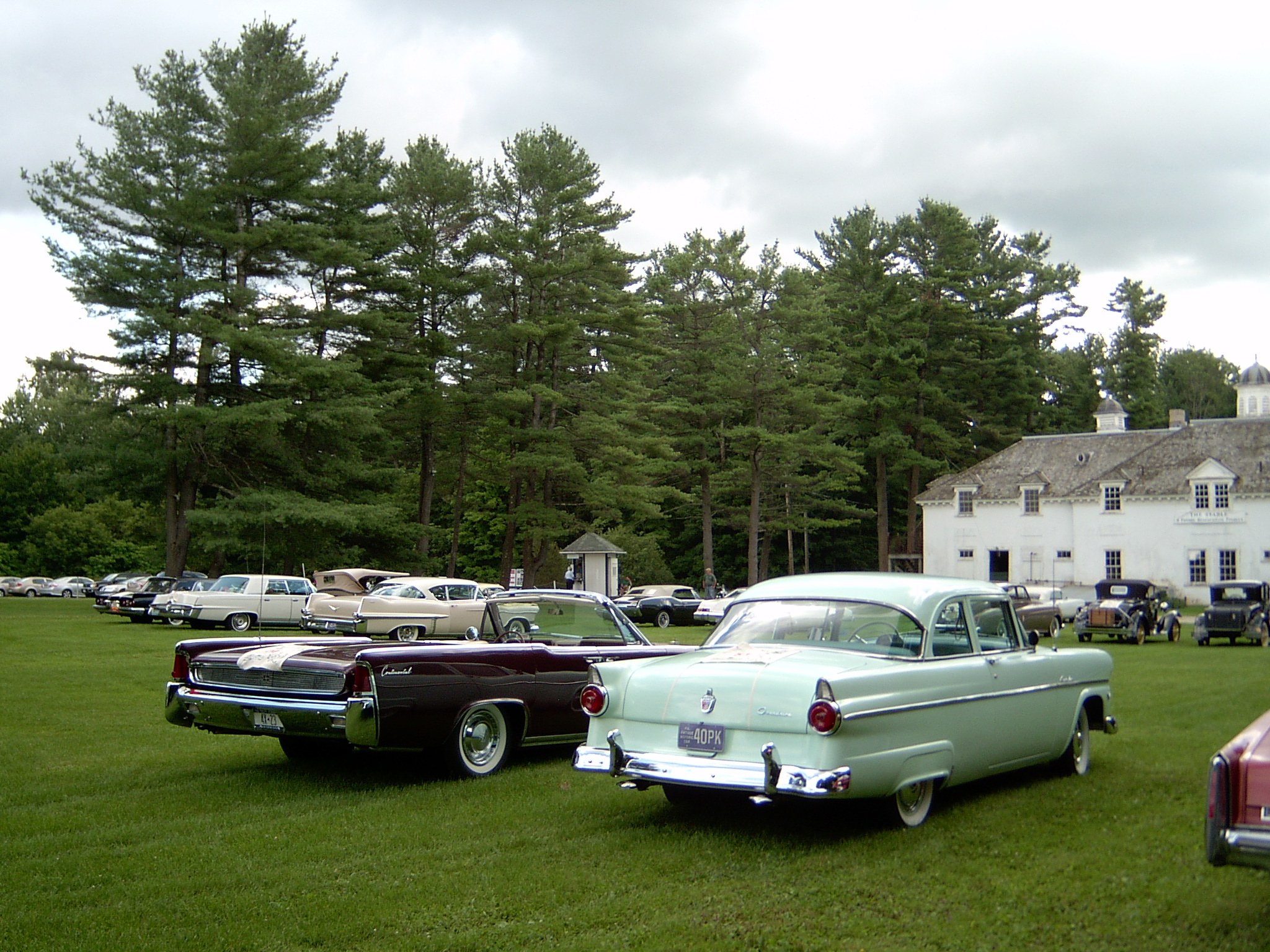
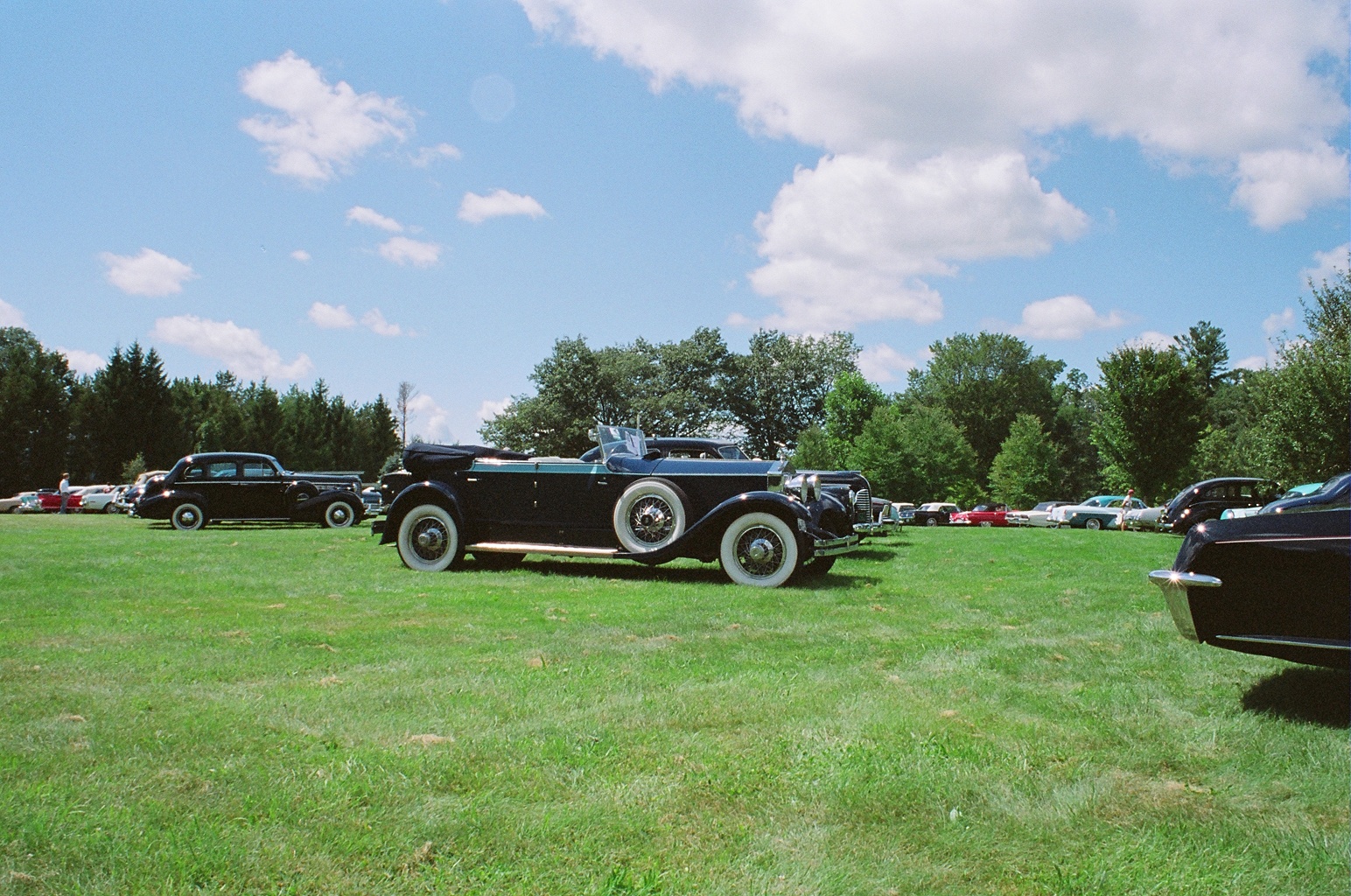
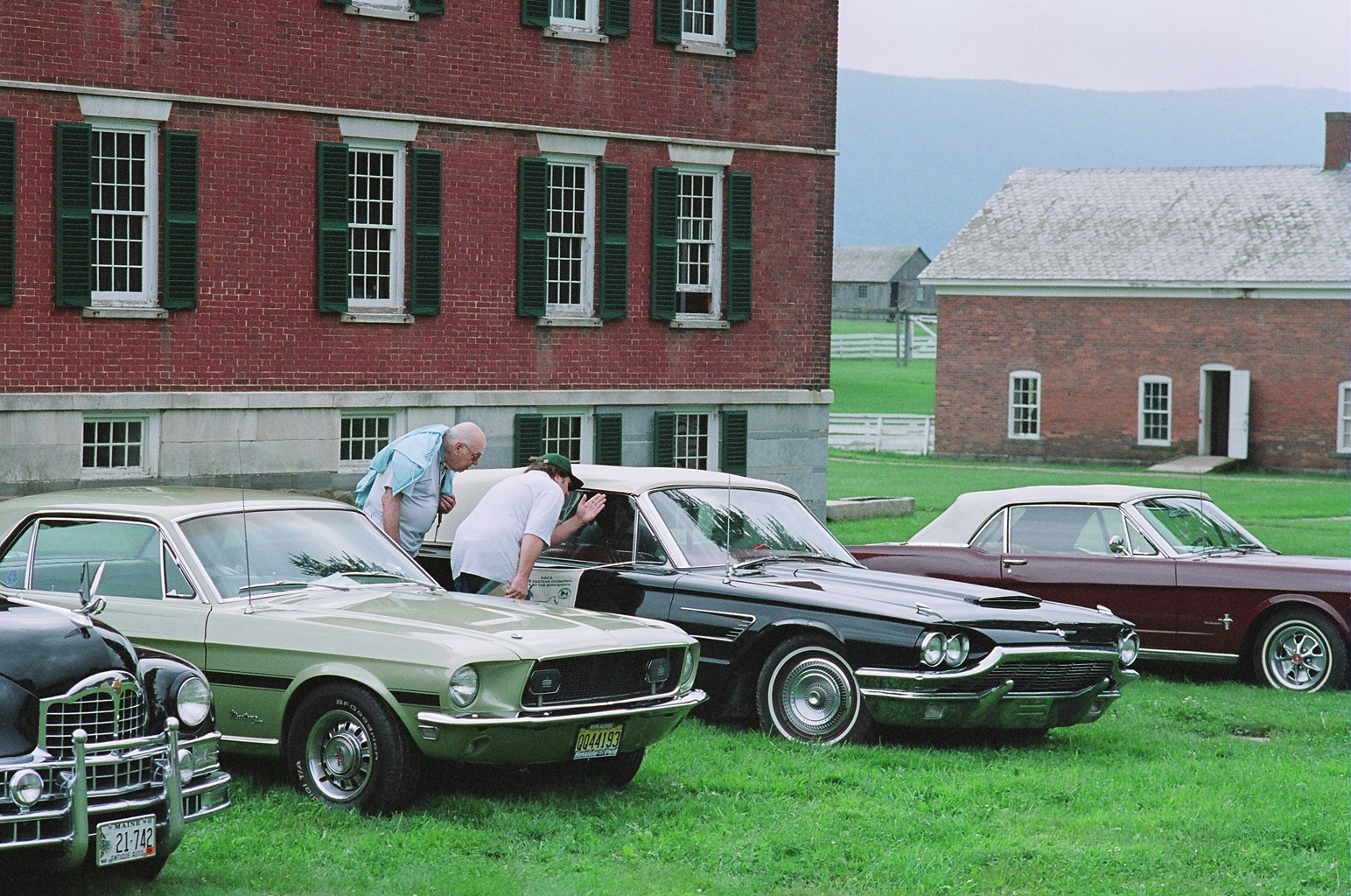
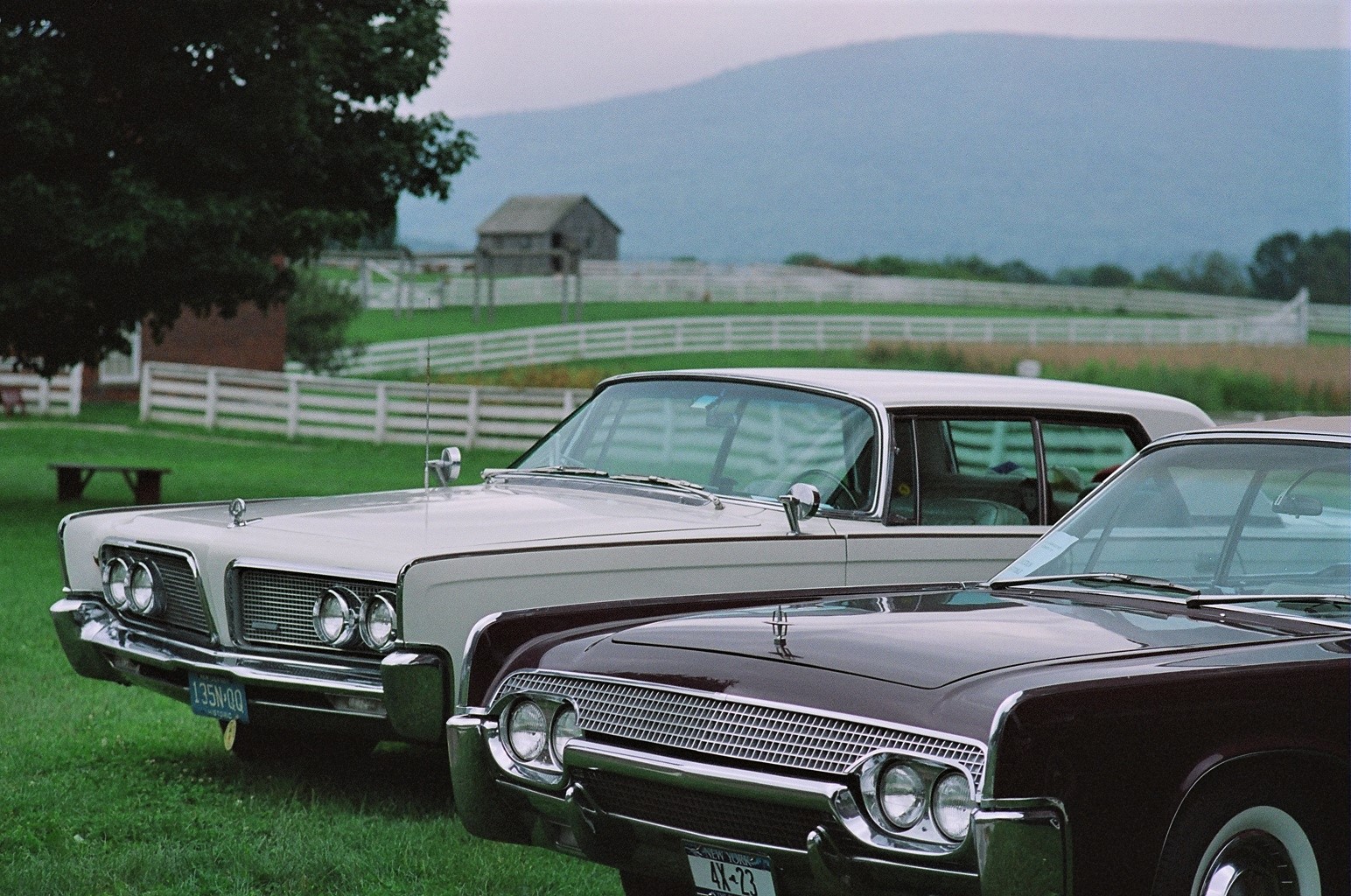
The accompanying photos reveal a change from 14 years ago compared to today’s tours: in 2008, most of the participating vehicles were truly “older cars”. You’ll see that vehicles from the ’40s, ‘50s, and ‘60s comprise the majority of the iron. Today’s tour vehicles are about 50% from the ‘80s and ‘90s (nothing wrong with that as they meet the AACA ‘twenty-five years or older’ rule), and about 50% modern iron, likely because the aging AACA membership is simply more comfortable driving their 3- or 4-year-old SUV with climate control, cruise control, and Bluetooth phone control.

A highlight of the week was our visit to Tanglewood. Tour participants were allowed to drive onto the grounds, and our cars became an ad hoc car show in the afternoon before the concert. While I was already a member of the National AACA when I signed up for this event, it was here where I met a small gang from Noo Joisy who corralled me into joining their Regional Chapter, where I’ve been a somewhat active member these past dozen years.

A note about the photos: these are a mix of digital and film photos, and could be one of the last times I depended on a film camera for documenting an event. Enjoy the shots!


All photographs copyright © 2021 Richard A. Reina. Photos may not be copied or reproduced without express written permission.

MY TAKE: Are Additional Dealer Markups Free-Market Capitalism or Blind Chutzpah?

I first heard of ADM (Additional Dealer Markups) around 1970, when the then-new Datsun 240Z was launched. The press reported that with demand so great for this Japanese sports car, dealers were asking, and getting, hundreds of dollars over its Monroney-label MSRP of $3,500. (There is some misunderstanding about the legally-required Manufacturer’s Suggested Retail Price. The law says that vehicle manufacturers must establish and publish the MSRP; however, dealers, as independent businesses, are free to ask any price, lower or higher, than the MSRP.)

Since that time there have been innumerable cases of car dealers applying ADM to high-demand vehicles. My initial exposure to it was in 1986 when I worked for the first Acura dealer in New Jersey. Dealer management thought that the new Legend, with an MSRP of $19,298, could easily command another $3,000, and “ADM” labels were affixed to the cars. However, as I was working both service and sales for that fledgling dealer, I don’t recall anyone actually paying over sticker for a Legend. The Mazda Miata, introduced in the summer of 1989 as a 1990 model, created enough demand that dealers were successfully getting their requested ADM. Most recently, the same has been happening with the popular Kia Telluride (my daughter-in-law’s brother admitted paying $2,000 over sticker for his, but saved face by still claiming he got a great deal because today’s pricing is supposedly $10,000 over sticker).

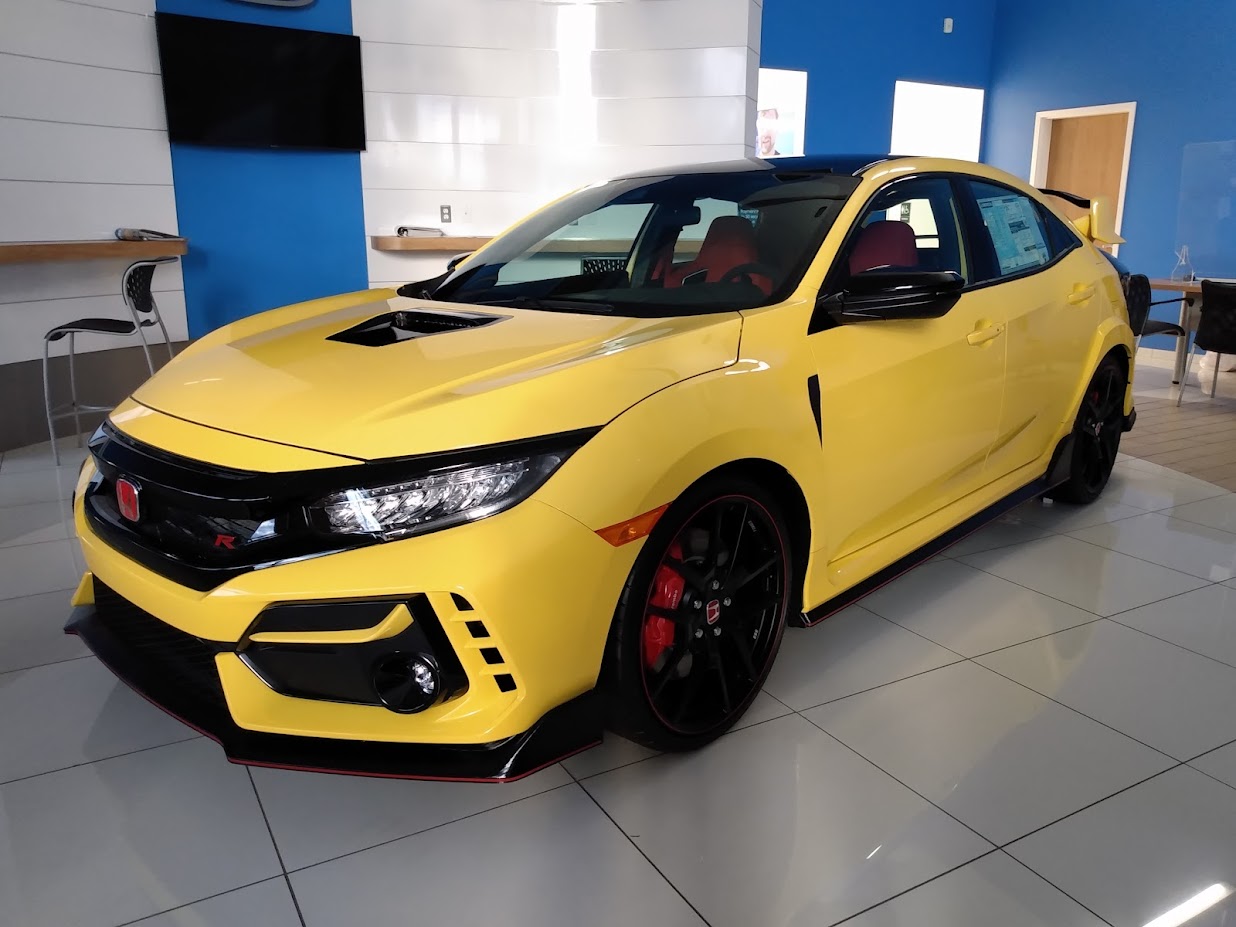
Over the weekend, I brought my wife’s Honda to our local dealer for routine service, and waited there while the work was done. Wandering through the showroom, it was impossible to ignore the bright-yellow Civic 4-door in the corner. It was a 2021 Civic Type R Limited Edition, and this one really is limited: only 1,000 copies worldwide, with 600 coming to the U.S. Compared to the “regular” Type R, the LE sheds 46 pounds, mounts track-ready Michelins on lighter forged aluminum wheels, and adds other performance goodies. Yellow is the only color choice. The Monroney grabs as much attention as the searing paint: MSRP is $44,990. But wait, there’s more: the “Limited Edition Market Adjustment” label tacks on another $50,000, for a final price of $94,990.

A 2021 Honda Civic Type R Limited Edition

For quick comparisons, a new Chevrolet Corvette coupe with the 3LT package starts at $74,145; a new Jaguar F-Type Coupe with AWD starts at $81,500; and a new Lexus LC coupe starts at $93,050. Mull those over in your mind for a few moments.

Yellow is the only color choice for this Limited Edition model

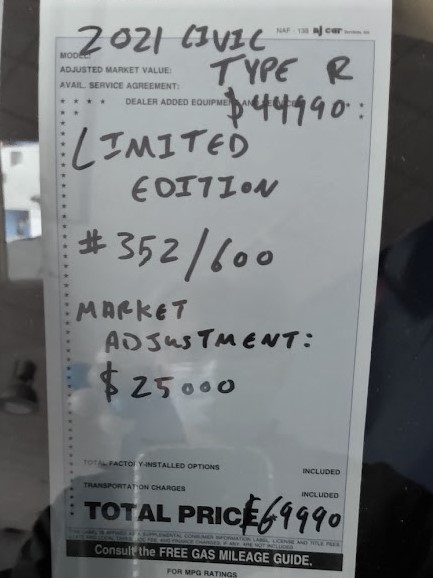
Something had a ring of familiarity to all of this, so I scanned through my photos from earlier this year and discovered that I had taken a snapshot of a similar label six months ago at this same dealer. At that time, the ADM for that car was “only” $25,000. Then I caught the “Limited Edition Number”: in both cases it’s #352 of 600 – it’s the same car!

This Honda dealer has had a 2021 Civic Type R Limited Edition in its showroom since at least May of 2021. In May, the ADM was $25,000. Six months later, still not sold, the ADM for this same car has doubled to $50,000. Is this a marketing strategy? We are less than a month away from calendar year 2022; this 2021 Civic Type R is growing old as it sits. Honda has announced that there will be a 2022 Type R, but it’s not out yet, and there’s no word about a Limited Edition.
From the dealer’s point of view, if you want the LE, they have one, and you’ll have to pay the price. From the consumer’s point of view, this car is already one model year old, and one might be inclined to wait for 2022 model to arrive, never mind giving consideration to what else the $95,000 burning a hole in your pocket could buy.
My take? Personally, the dealer can do whatever it pleases, however, this kind of approach can backfire if it’s perceived that the dealer is gouging, even if you’re not in the market for this model. I also don’t think they will get their ask; ten grand over is a maybe. Finally, I don’t picture the target audience for this car having the scratch, and if they did, the competition in this price range is formidable (my three examples just touch the surface of choices).

What do you think of Additional Dealer Markups in general, and of this dealer’s approach with this particular car?


All photographs copyright © 2021 Richard A. Reina. Photos may not be copied or reproduced without express written permission.