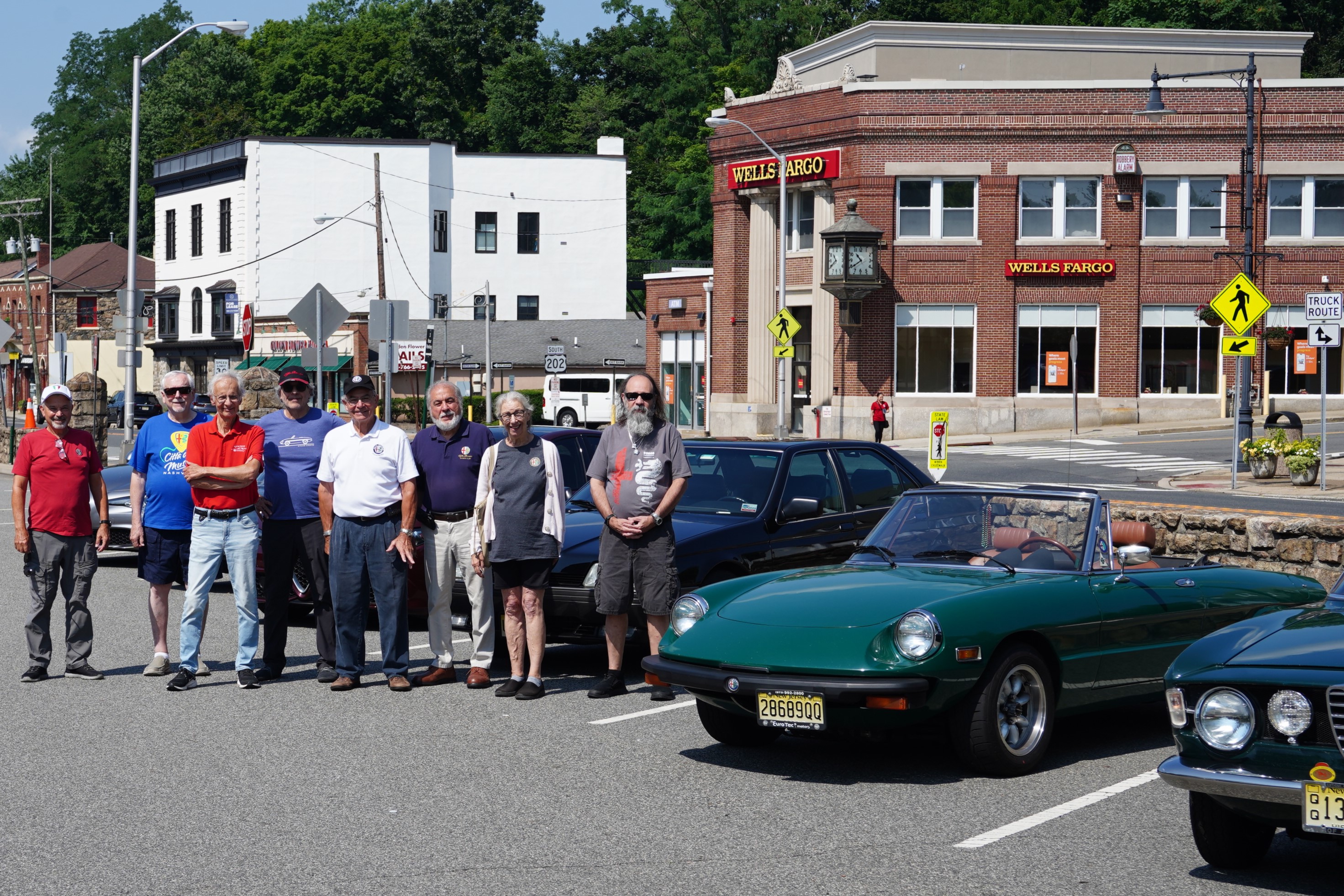
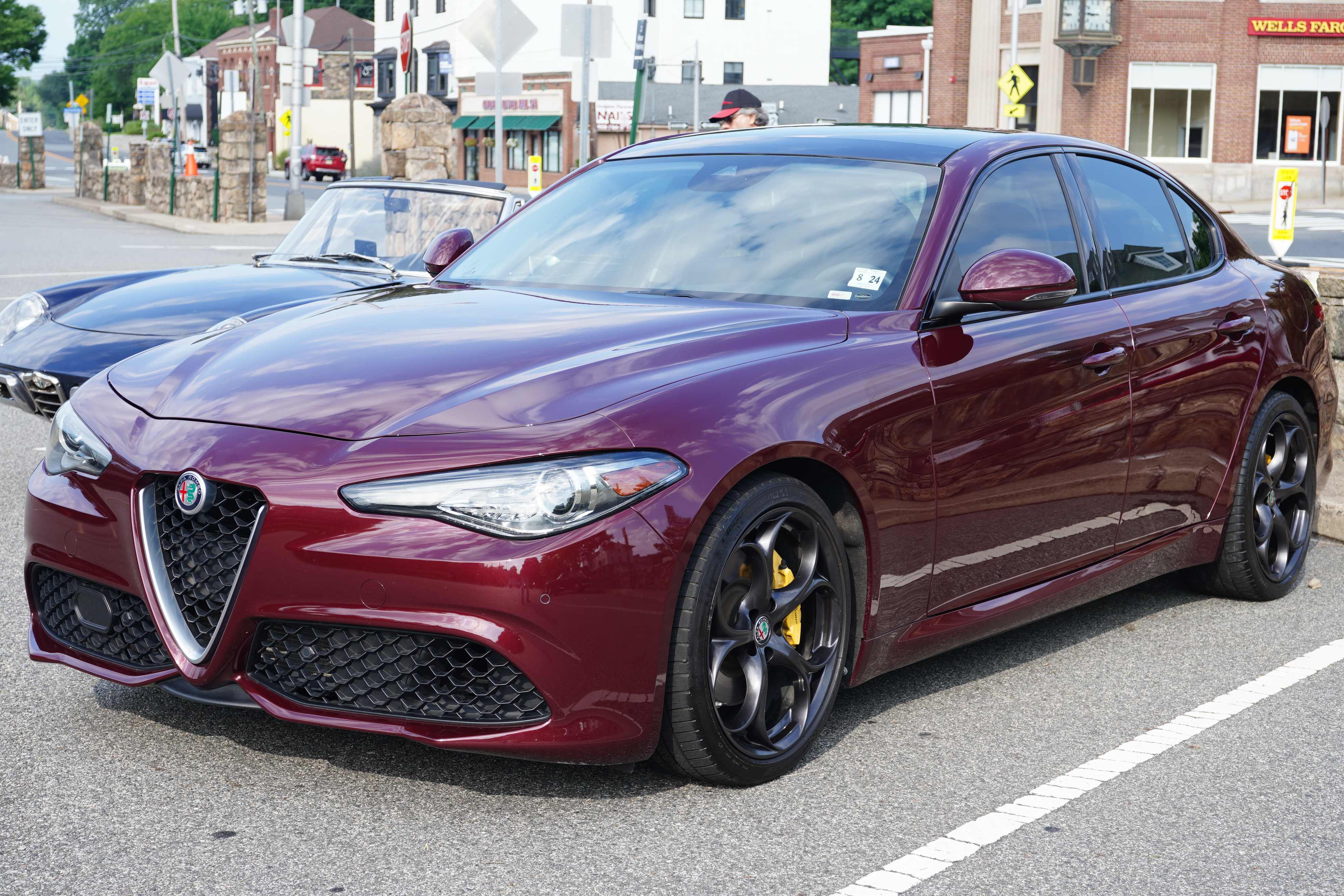
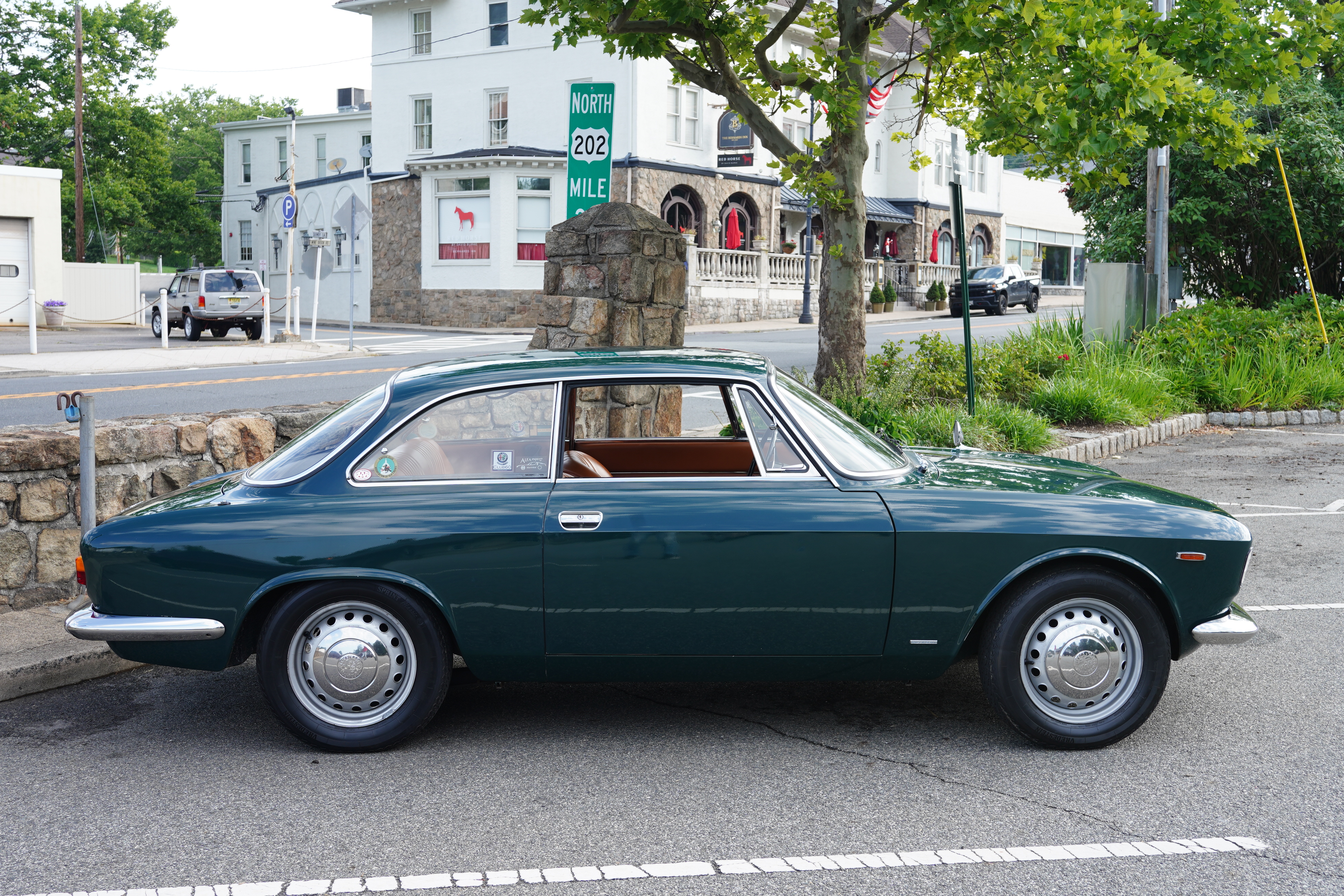
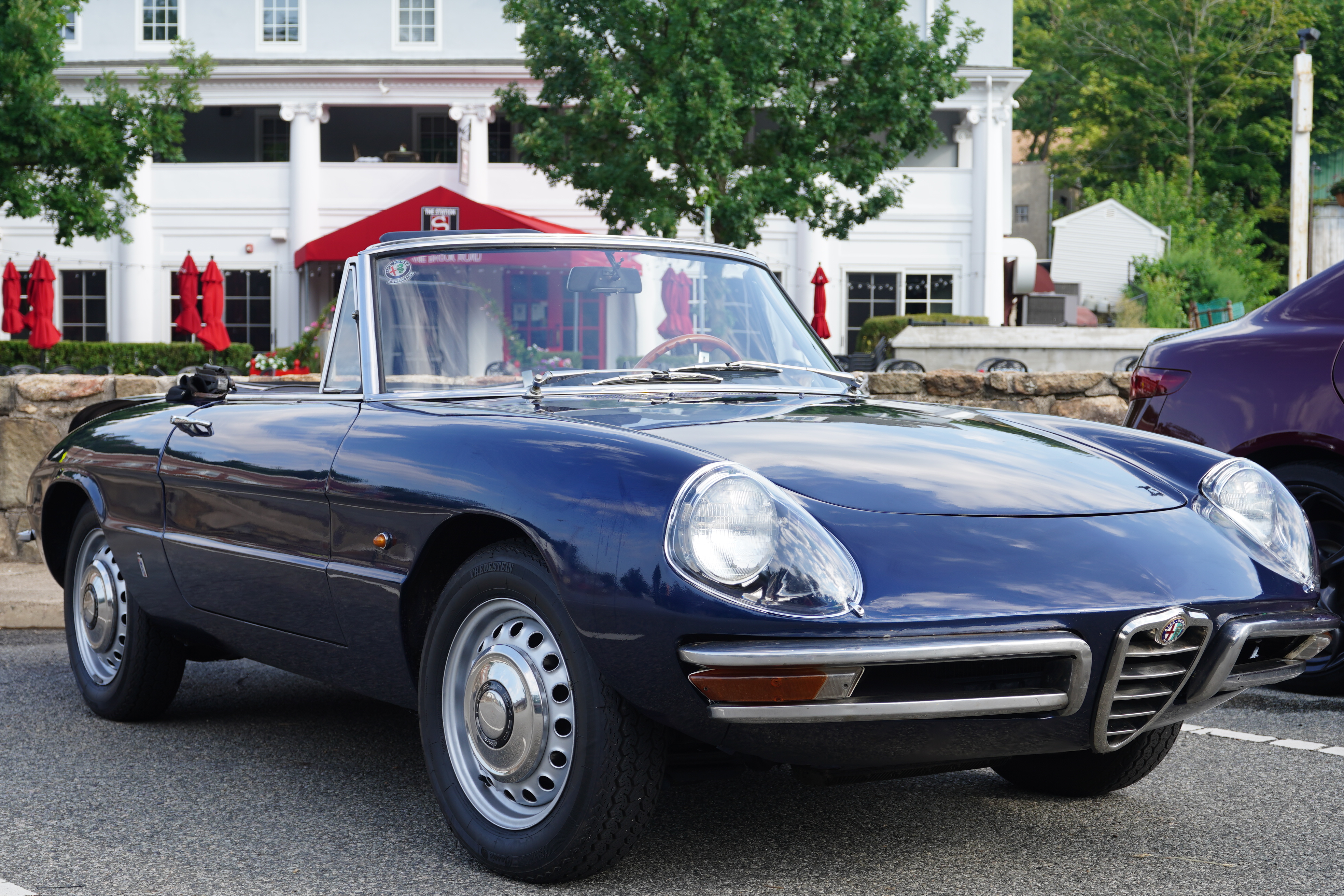
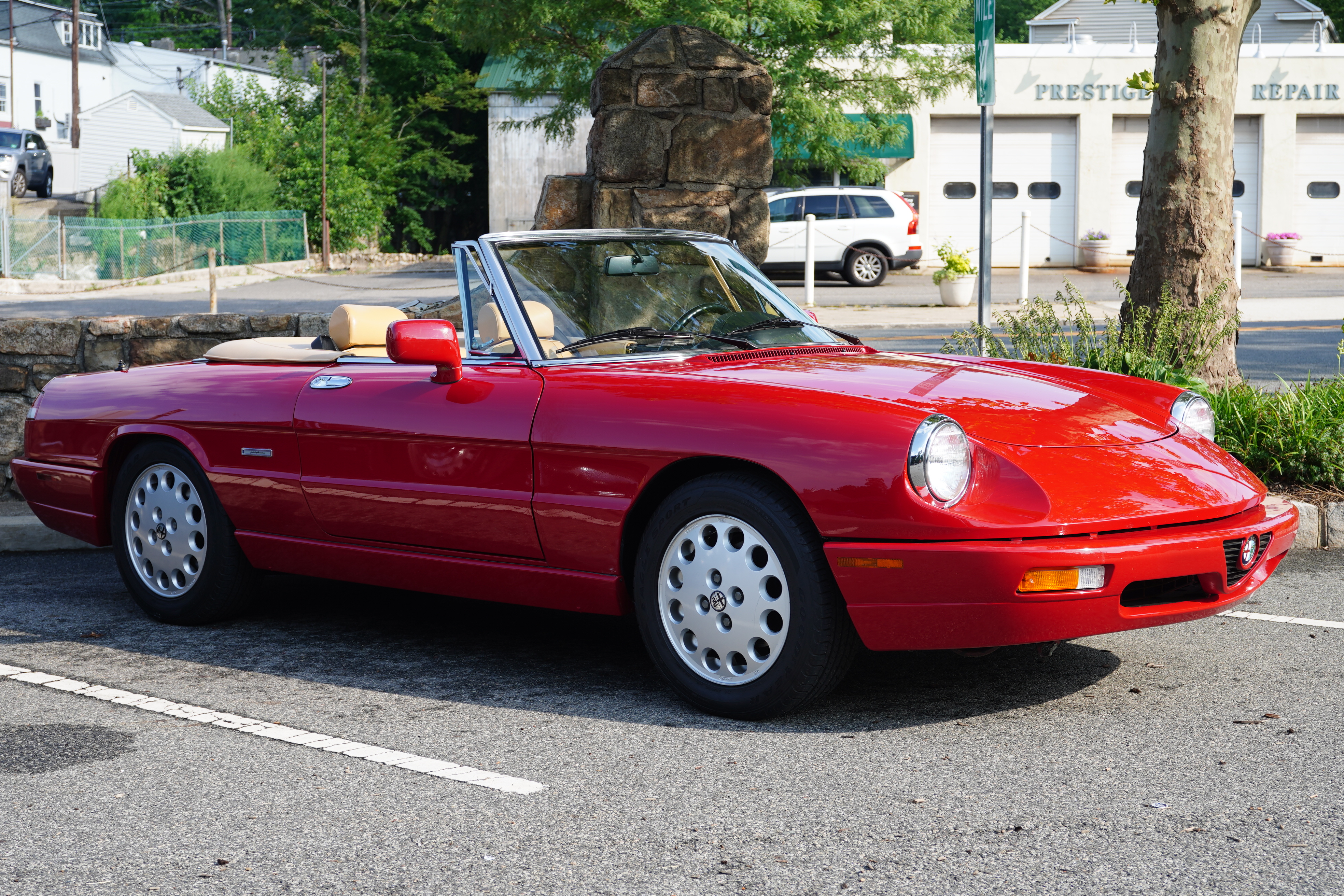
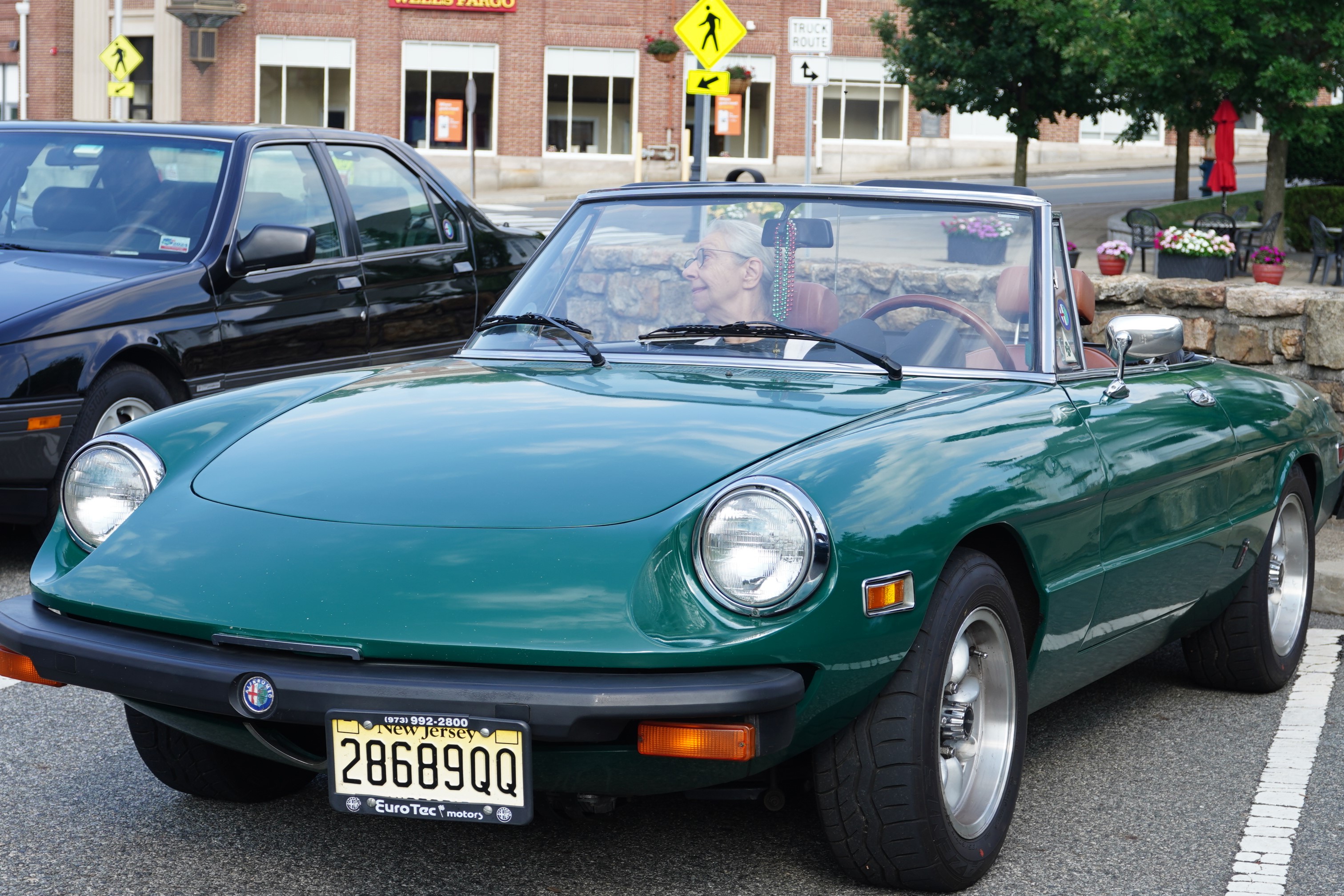
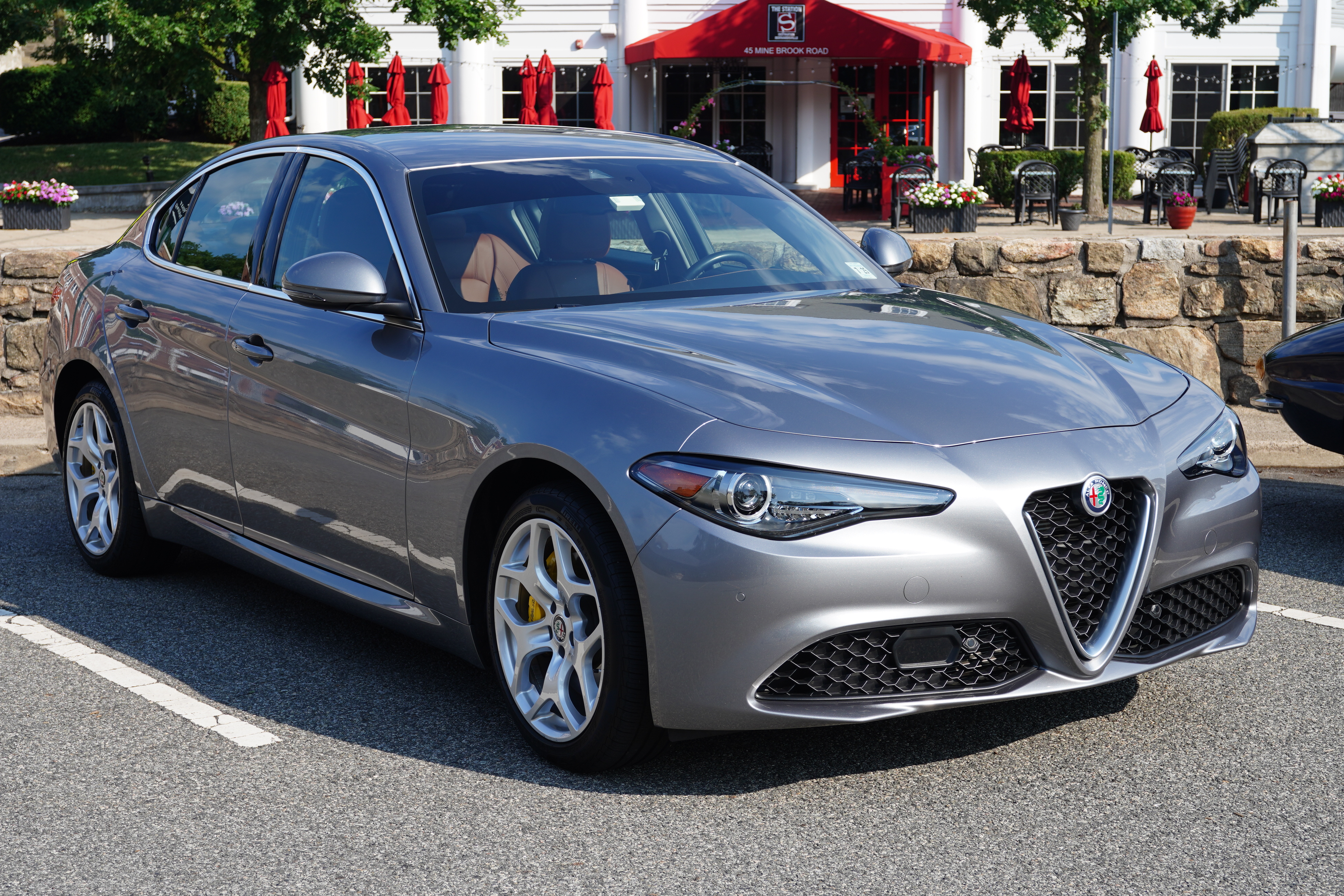
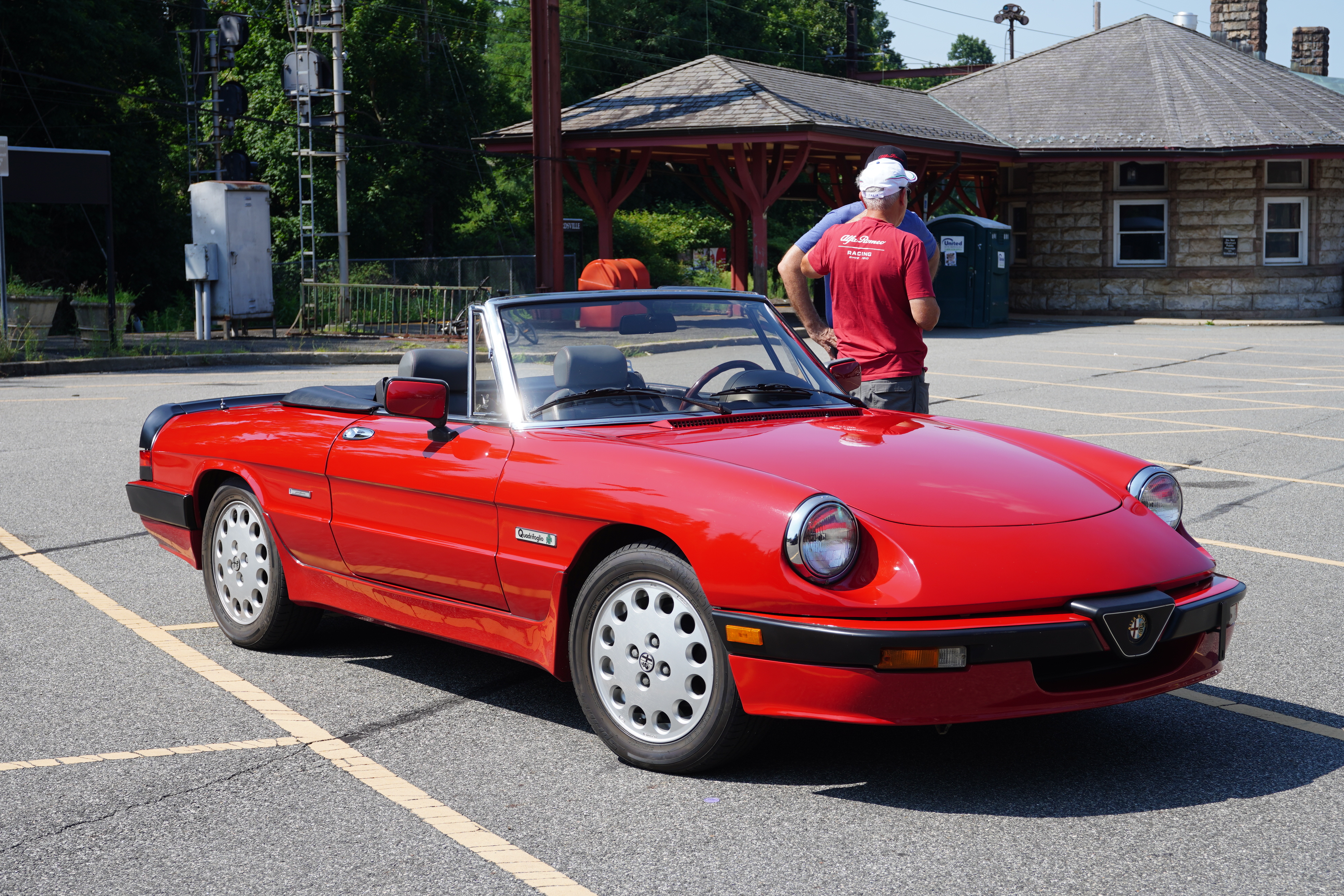
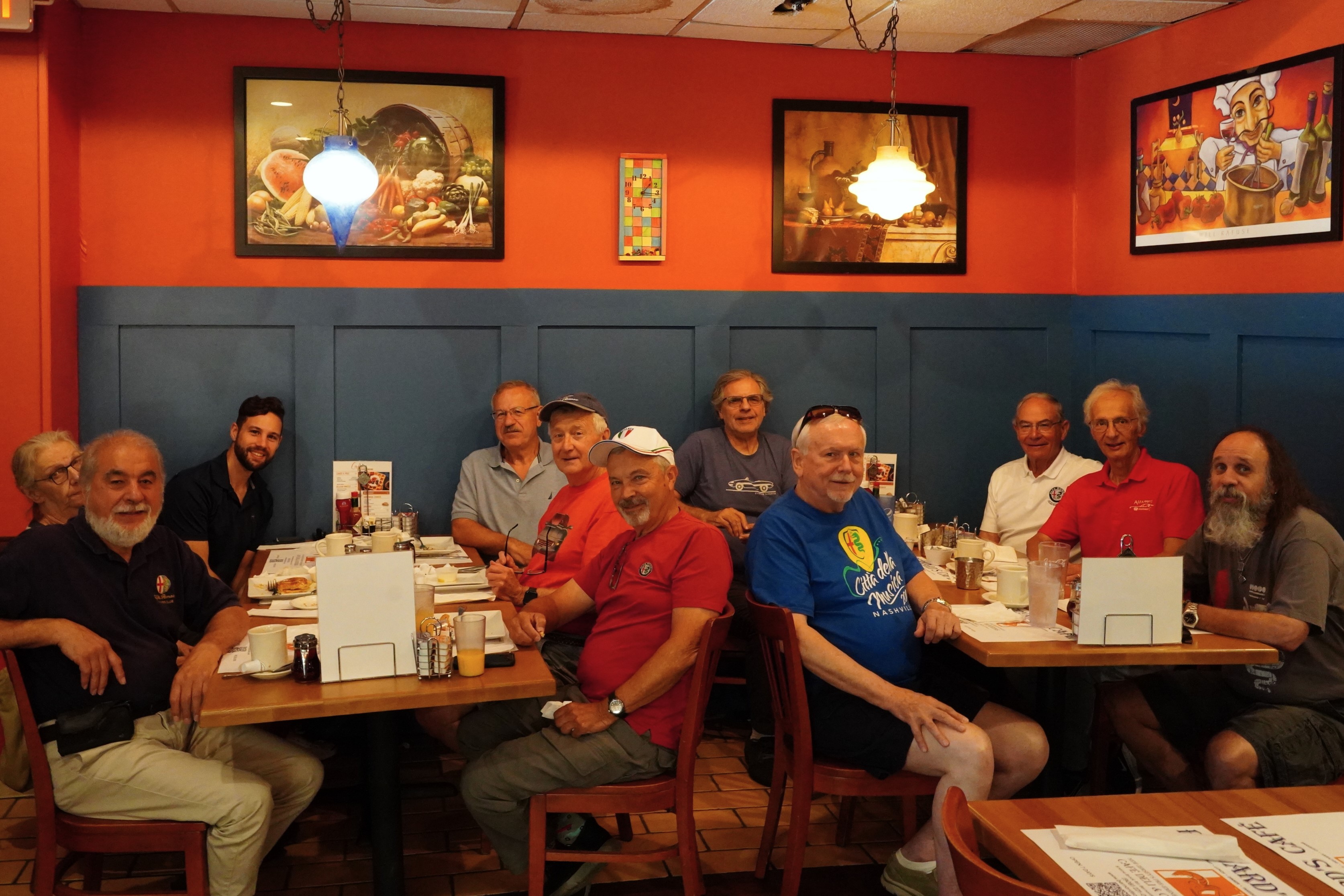
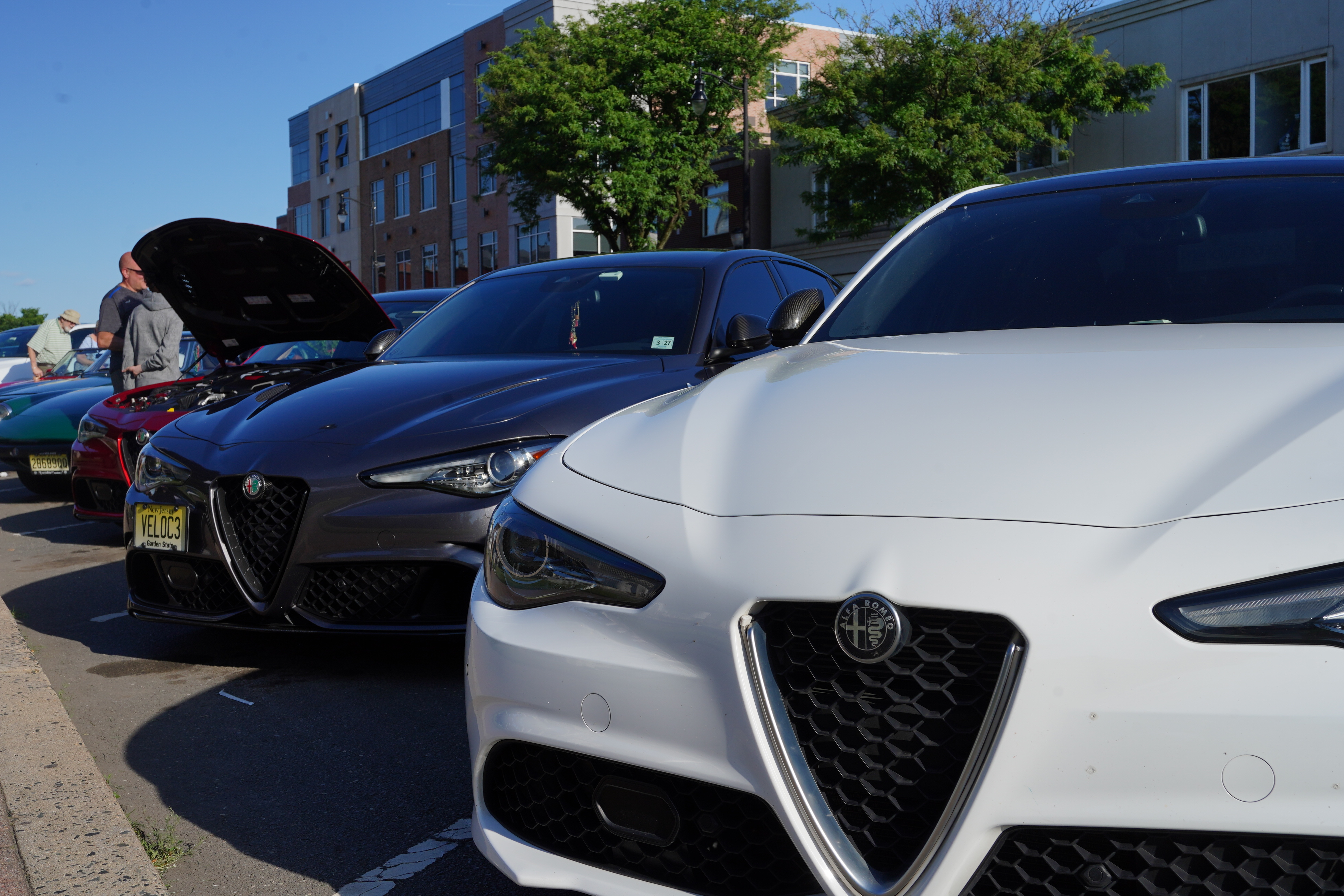
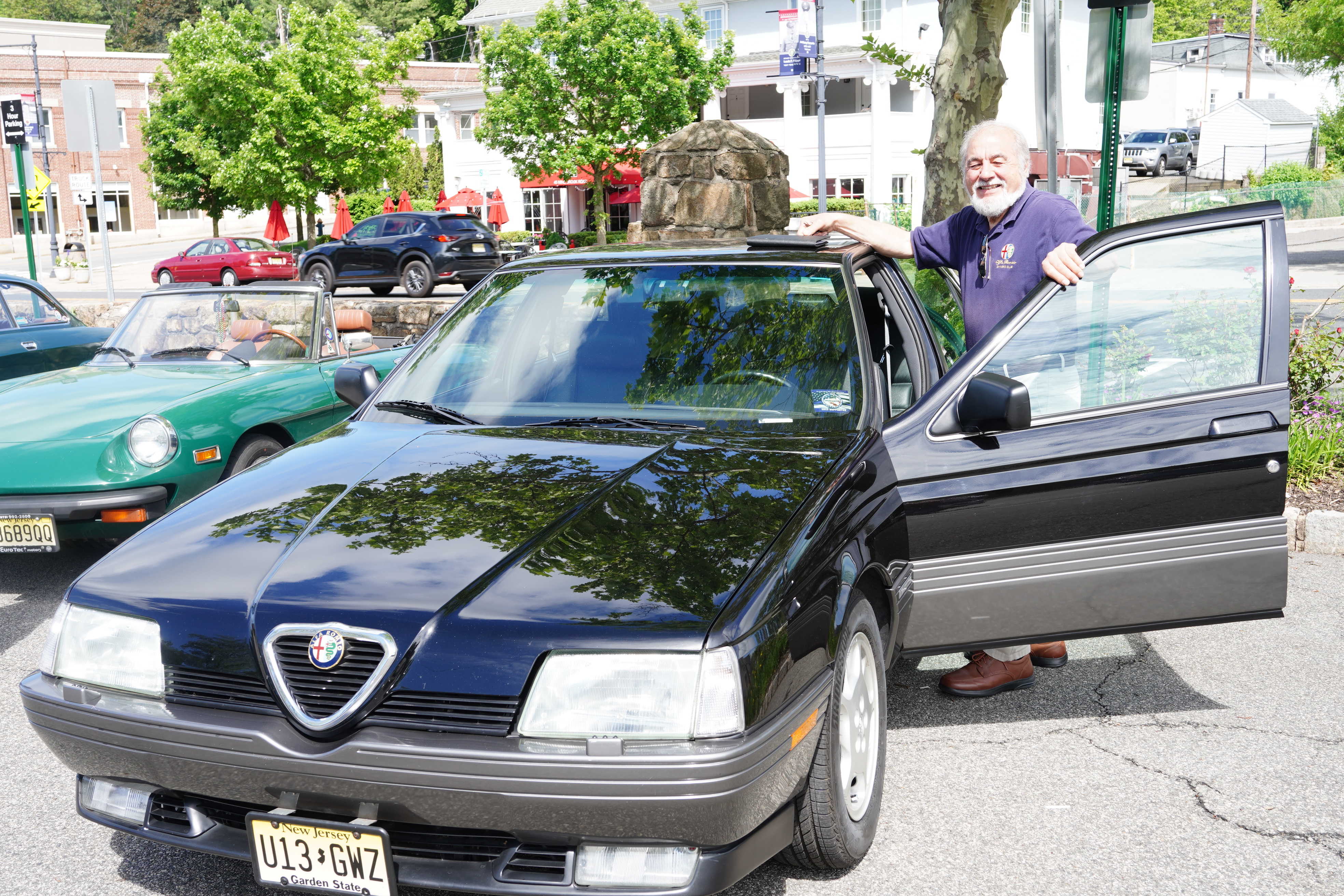
Make that seven in a row! The New Jersey Chapter of the Alfa Romeo Owners Club (AROC-NJ) held its 7th consecutive breakfast meet on Sunday, July 21, 2024, returning to the charming Bernards Café in charming downtown Bernardsville, NJ. Eleven Chapter members made it to breakfast, arriving in a nice mix of older and newer Alfas. In addition to the two modern Giulias were a 164 sedan, your author’s GT Junior, and 5 Spiders.
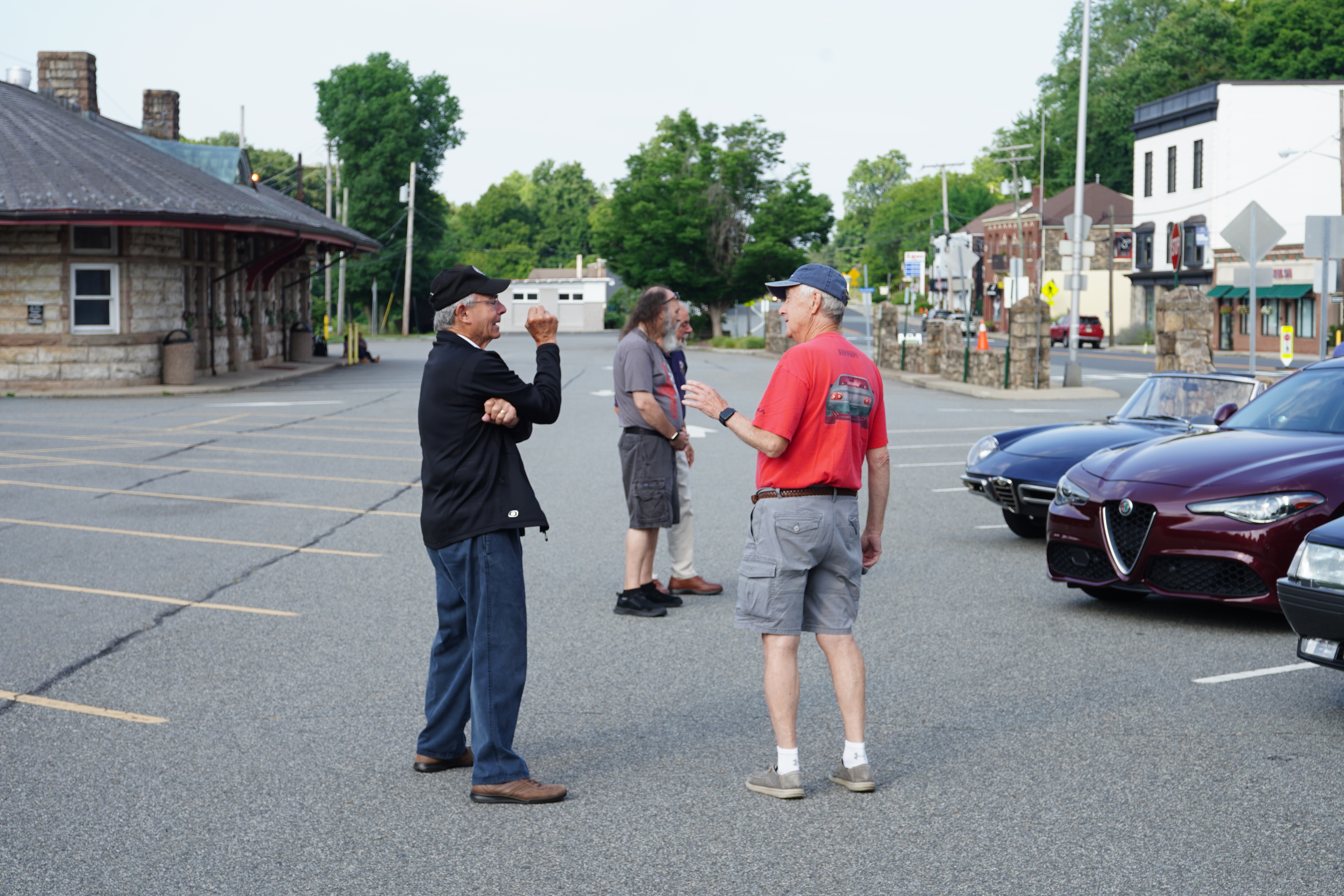
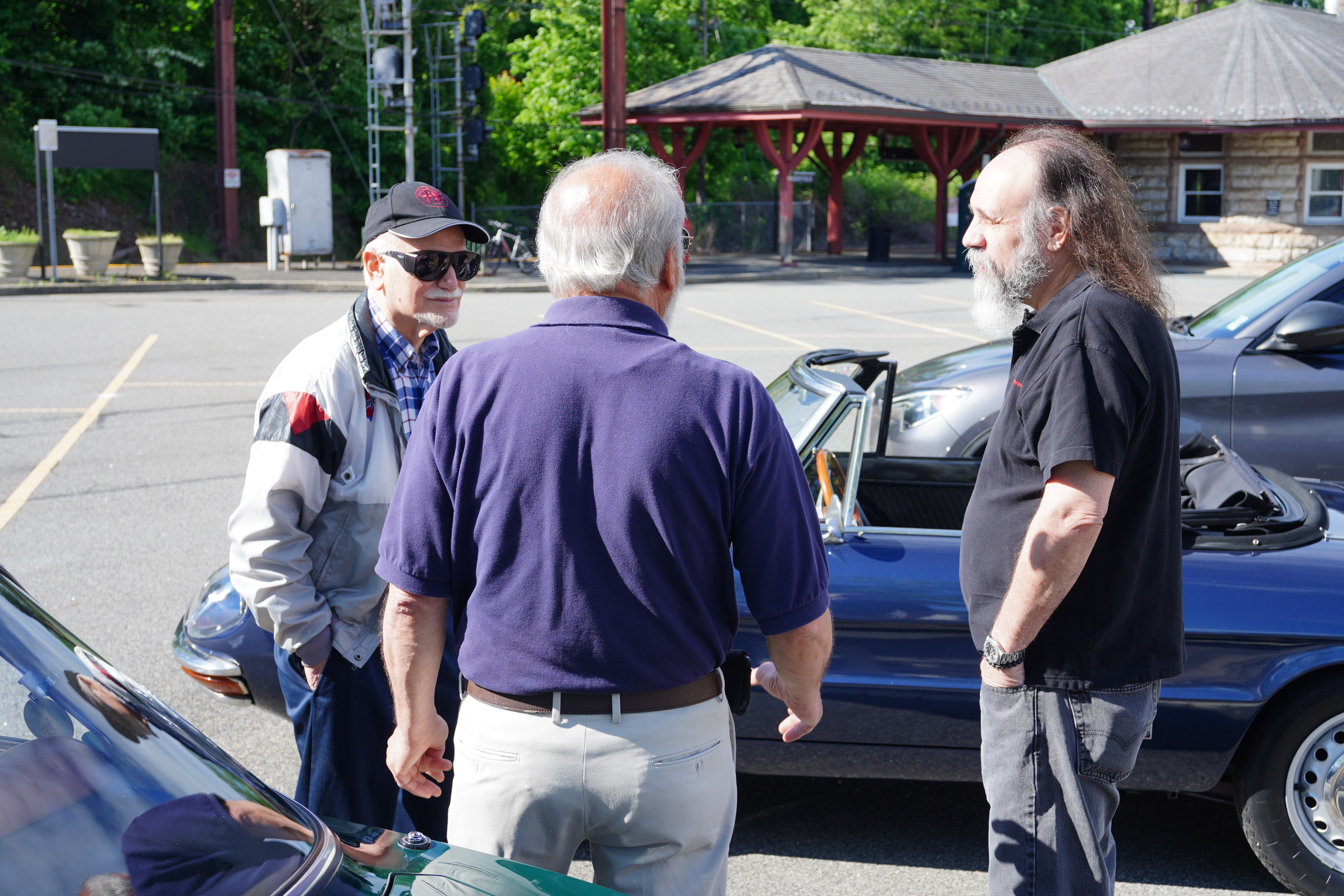
We were at the Bernards Café for our Chapter breakfast in May, and we thought highly enough of the food and service to make a return visit. Street parking can be tight, so we parked in the NJ Transit parking lot, a 3-minute stroll. The lot is empty on Sundays, allowing us lots of room to park our Alfas, while also giving us a place to hang out and gab, both before and after the meal.
Chapter member Bill DiPrima, who’s been doing much of the event organizing for us this year, made arrangements for a country drive immediately after breakfast. About 5 drivers took him up on his offer. I needed to head home so I missed the tour this time. If there’s another opportunity later this year, I’ll do my best to join the caravan.
ADDENDA
From Merriam-Webster’s Dictionary:
addendumn, pl-da [L] : something added, esp a supplement to a book
This word, taken directly from the Latin (note the [L]), is neutral (neither masculine nor feminine) with its singular form ending in in -um and plural form ending in -a. I’m using the plural form to name this new blog feature because I intend it to be a recurring item.
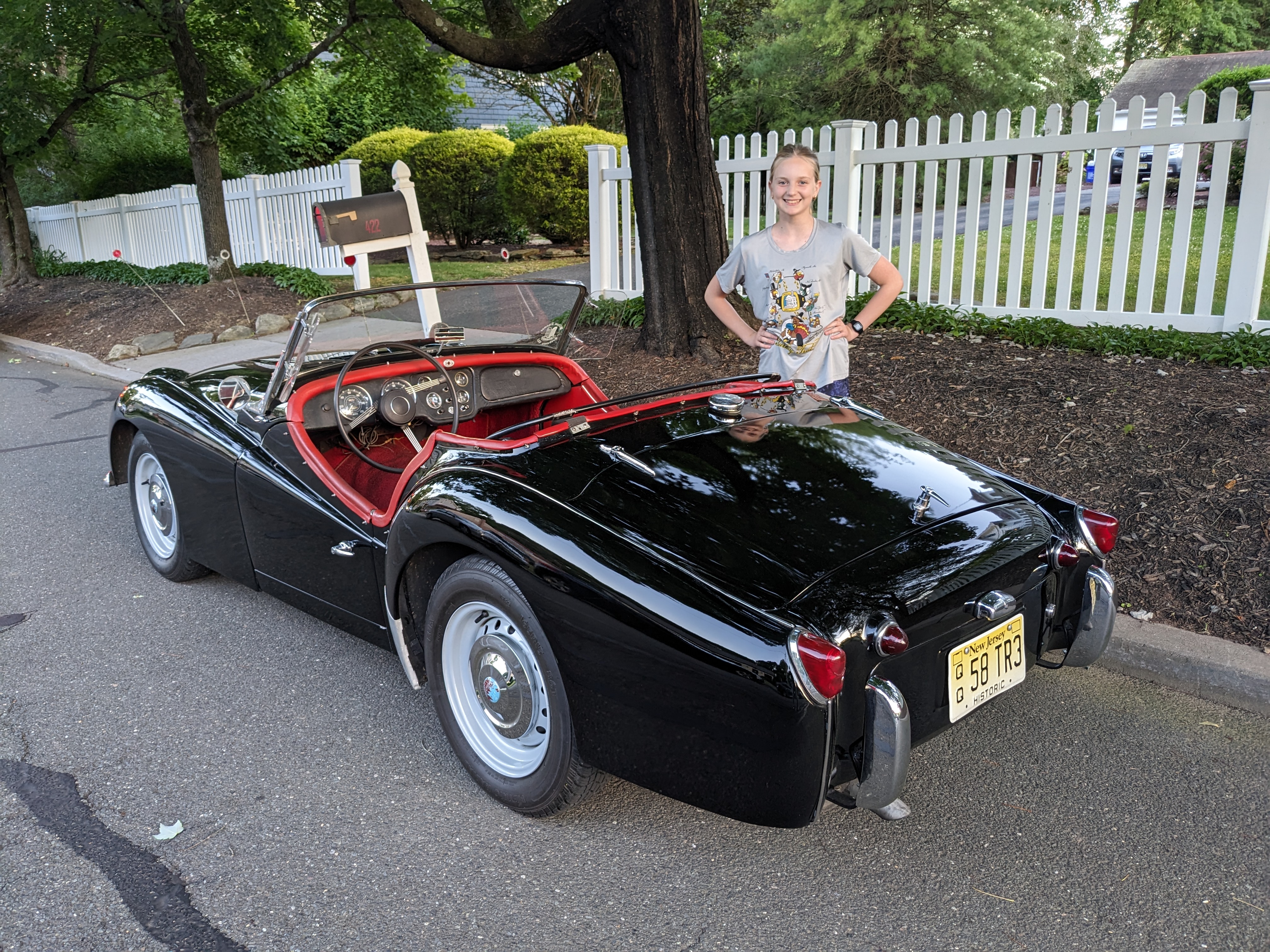
Our oldest granddaughter was at our house last month when we decided to visit the local pizzeria. And what did we spot as we left but this gorgeous Triumph TR-3. My granddaughter, who has not expressed any interest at all in Pop’s old cars, jumped out to take a closer look, and I snapped these pics to memorialize the event. Look at that smile!
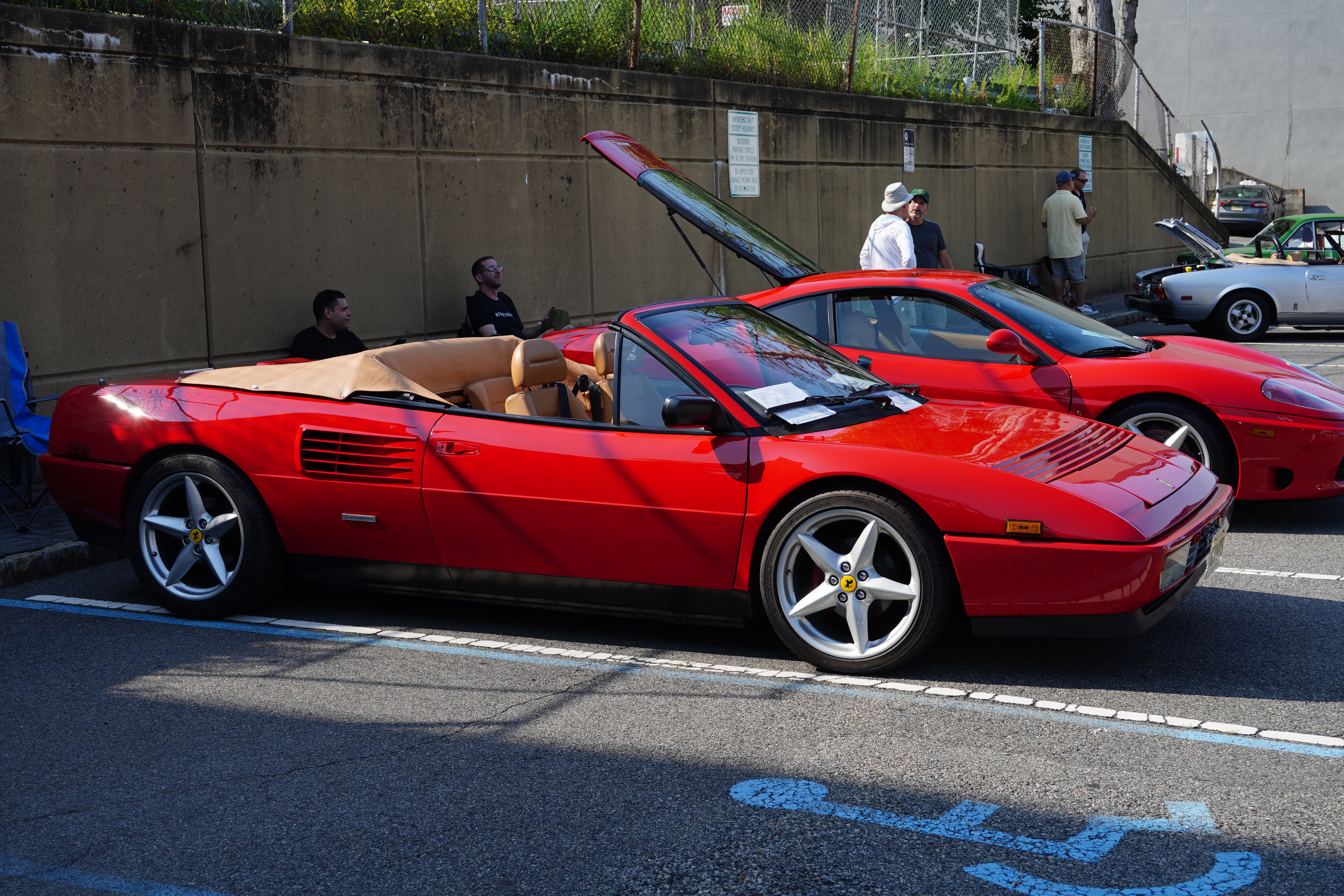
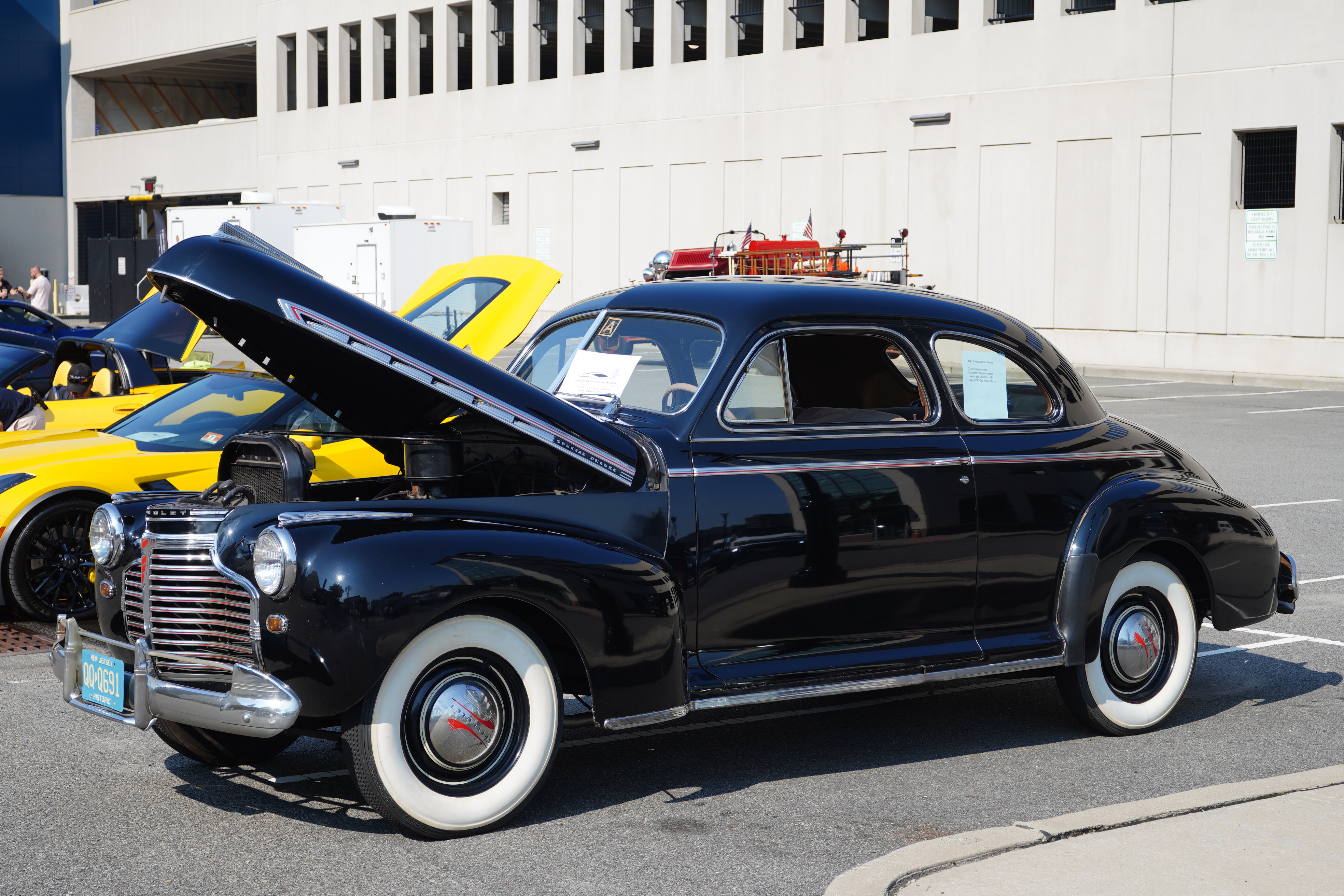
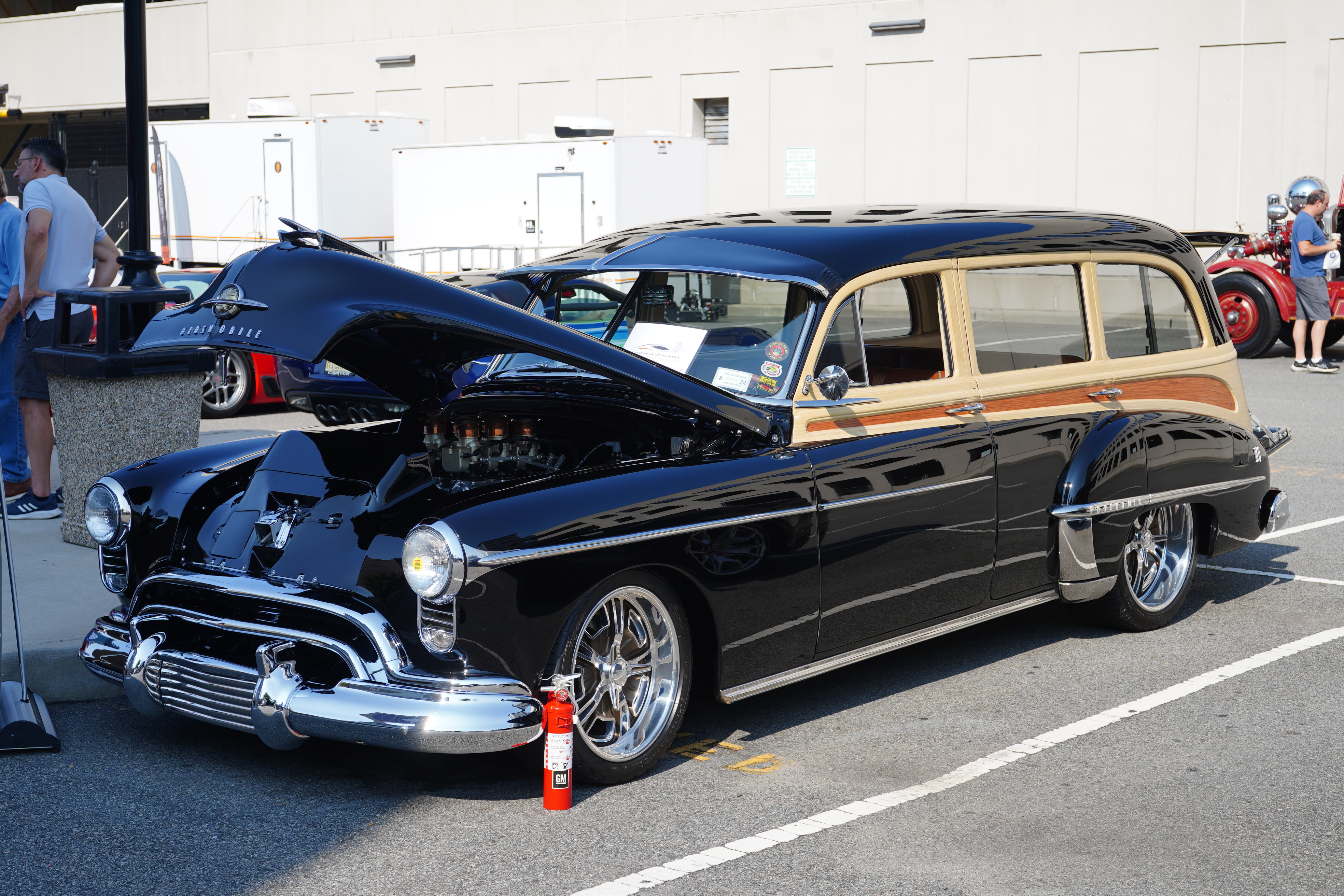
On Sunday July 14, the town of Fort Lee hosted its 3rd annual “Concours on the Palisades”, a celebration featuring a variety of older and newer classic and exotic cars. I posted about last year’s event, when I worked as a judge. This year, my judging duties were again requested, and I also entered my ’67 Alfa into the show, as there was a special class of Alfa Romeos to honor the 70th anniversary of the Giulietta and the 50th anniversary of the Alfetta.
Last year’s show was good but could have been better organized. We provided feedback that not all cars were parked in their correct classes, which added a layer of complexity to our jobs. This year, the Chief Judge (Bob Austin, a former Volvo colleague and dear friend) decided that the judges would assist in parking the cars for the classes they would be judging. I was on a team of 4 judges, and our assigned classes were “Italian” and “Japanese” cars. So there we were, at 8 a.m., directing traffic. Aside from the early hour (not really an inconvenience) I thought this was a brilliant move, as it gave us early insight into the cars in our classes. As was suggested to us, watching the cars move under their own power and providing an initial “welcome” to the owners meant we had greater familiarity with the cars and owners once formal judging commenced.
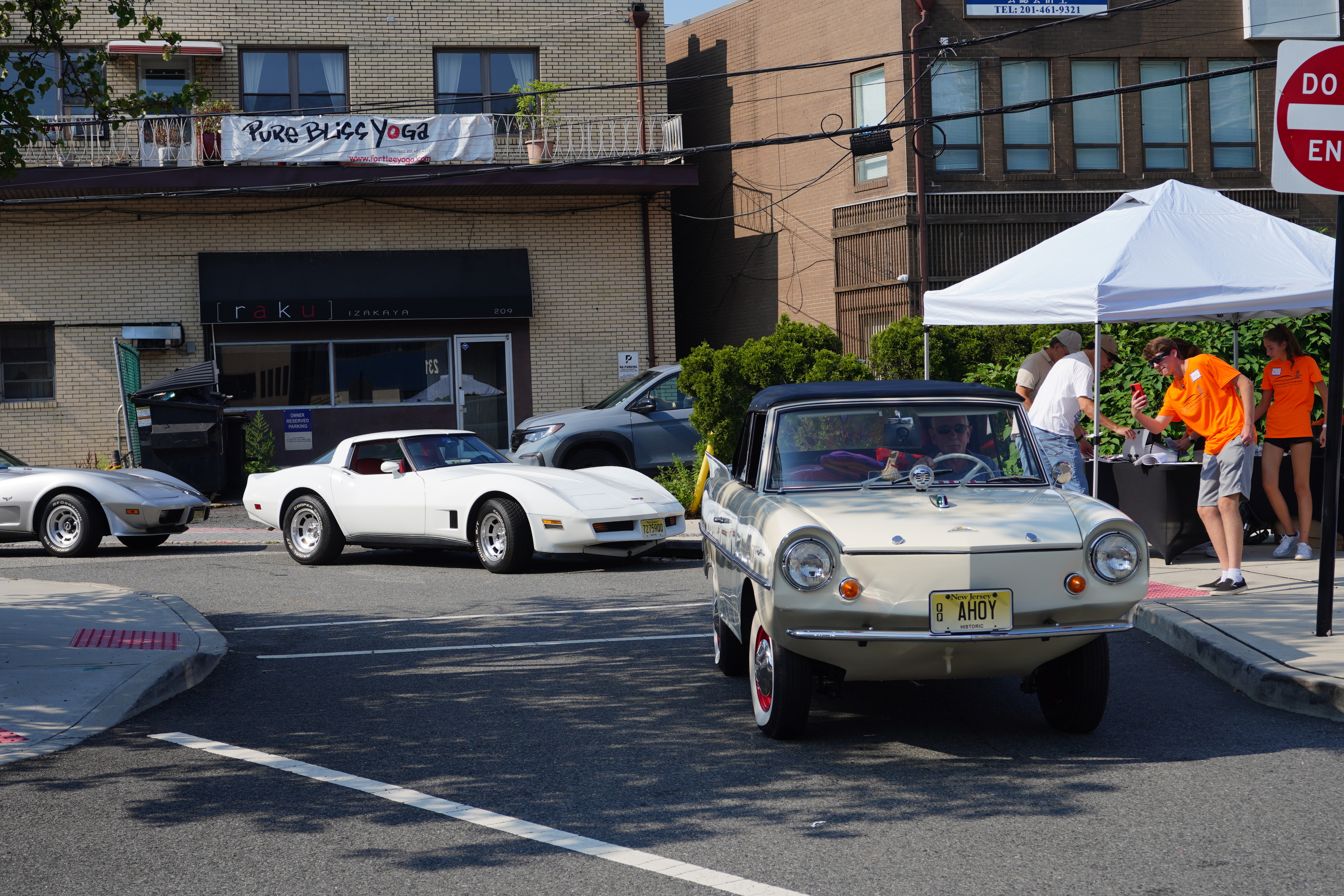
An Amphicar at the check-in tent
Our scoresheets showed 10 cars in the Italian class and 11 in the Japanese class. However, only 6 Italian cars showed up, and only 7 Japanese cars. We were tasked with selecting the Top Four so in reality, we didn’t have a heavy workload. The most difficult part of the judging process was dealing with the 90 degree-plus heat. Thankfully, we were done with our field review by 11 a.m. and headed to an air-conditioned conference room to make our final tallies.
The Concours on the Palisades uses “French Rules”: judges need to answer only one question, which is, “what kind of visual impact does this motor vehicle present to me?” Yes, condition, workmanship, personal histories, etc., do play a part. But ultimately, it’s the overall visual statement made by the car which decides the winners.
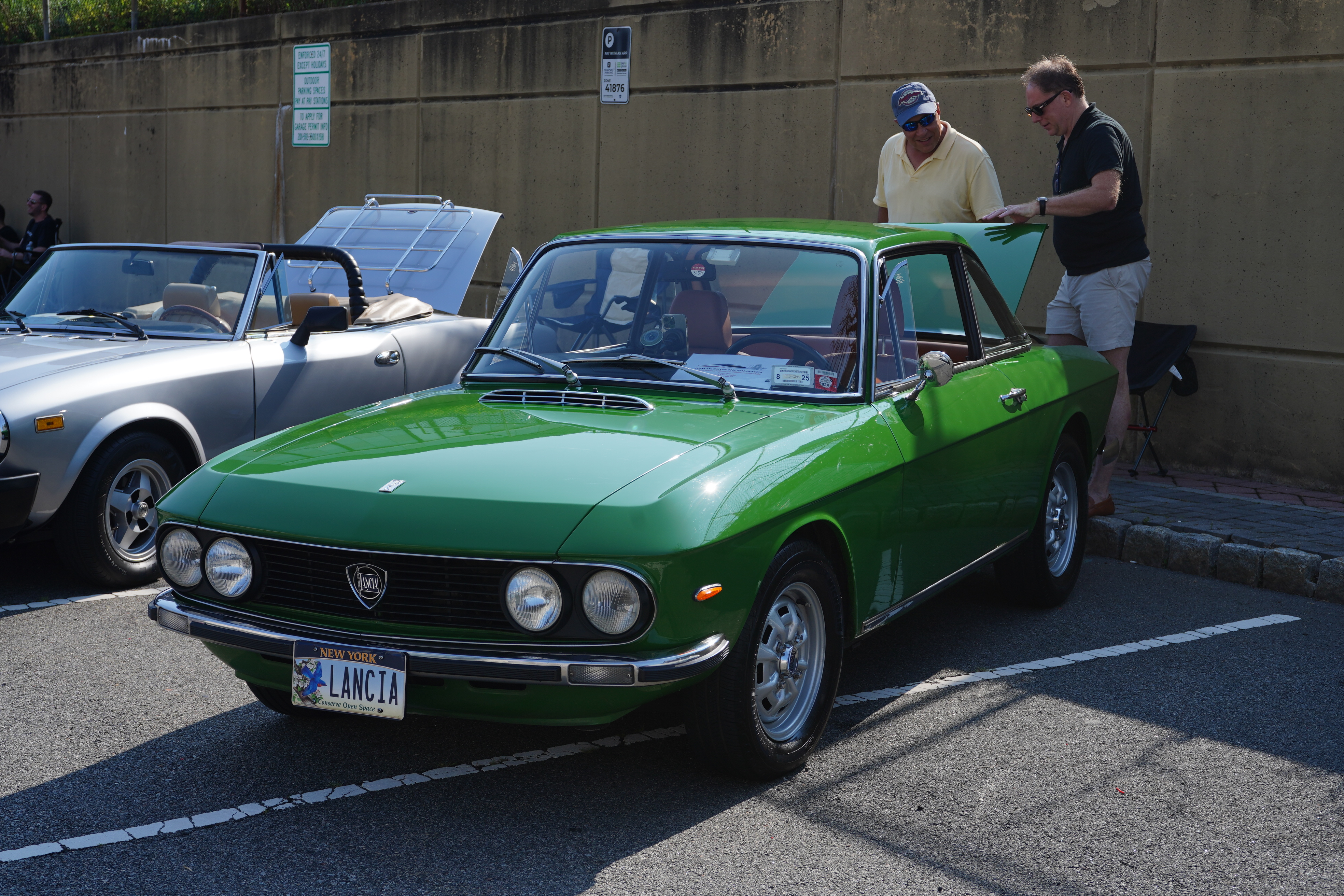
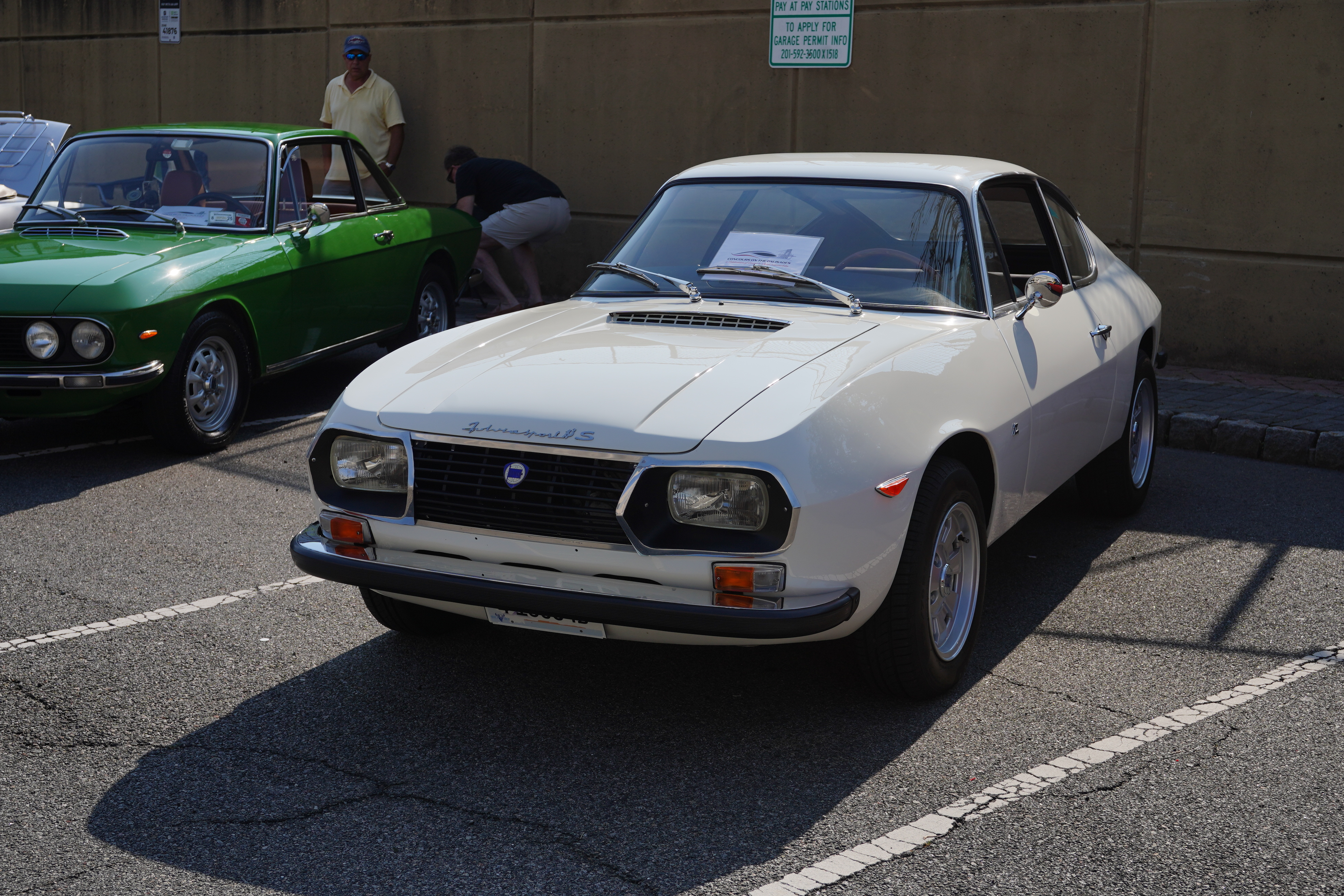
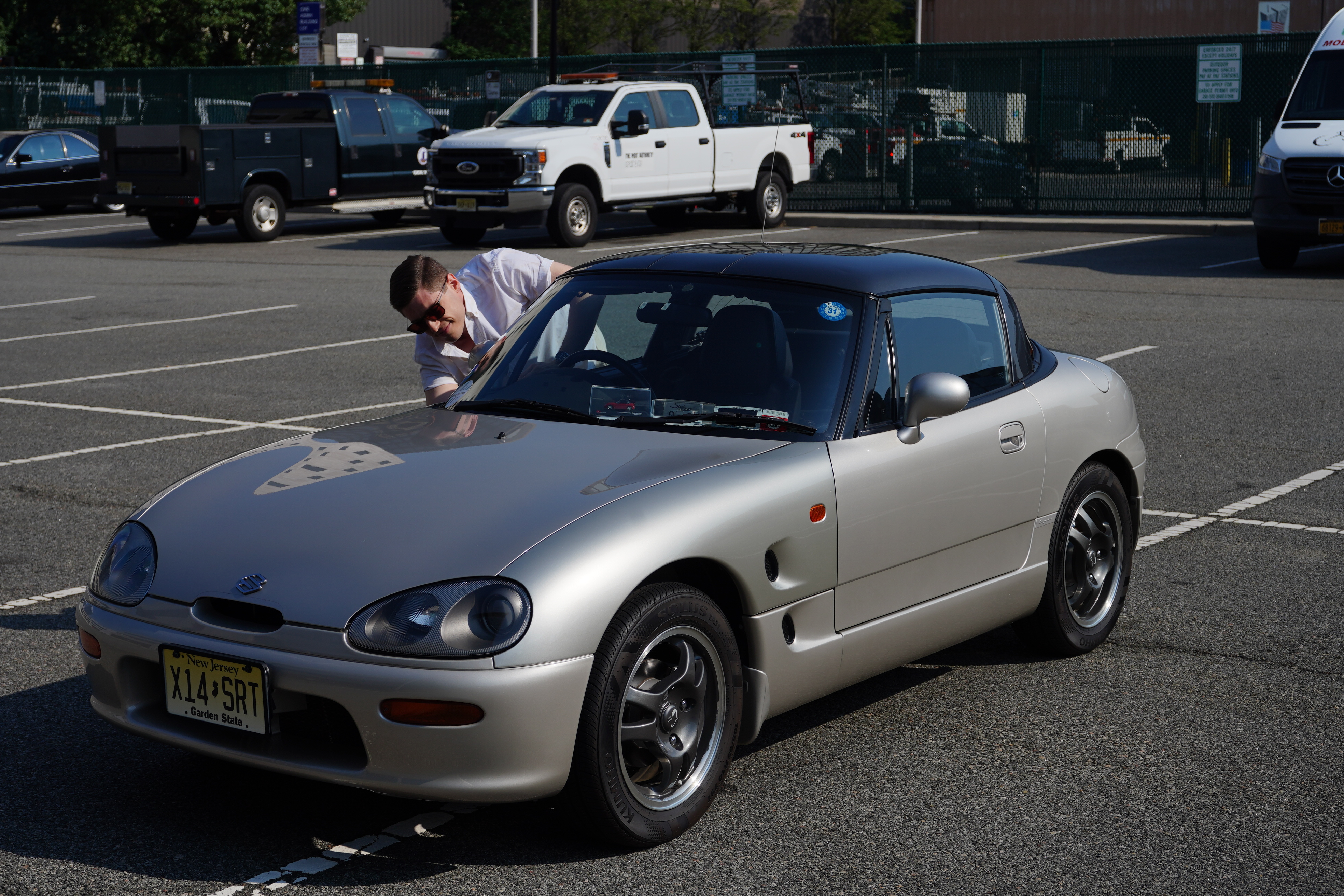
In the Italian class, we gave 3rd place to a green Lancia Fulvia, 2nd place to an orange DeTomaso Pantera, and 1st place to a white Lancia Fulvia Zagato. The Zagato emerged on top due to its uniqueness, color combination, and overall condition. Among the Japanese cars, 3rd went to a black 1989 Nissan 240SX track car, 2nd to a Suzuki Cappuccino “kei car”, and 1st to a near-bone-stock orange 1974 Toyota Corolla. For our entire judging team, the Toyota was an emotional choice. The car was a survivor, in what appeared to be unrestored condition, in a period color combo one doesn’t see today. We agreed that had it had a manual gearbox it would have been perfect.
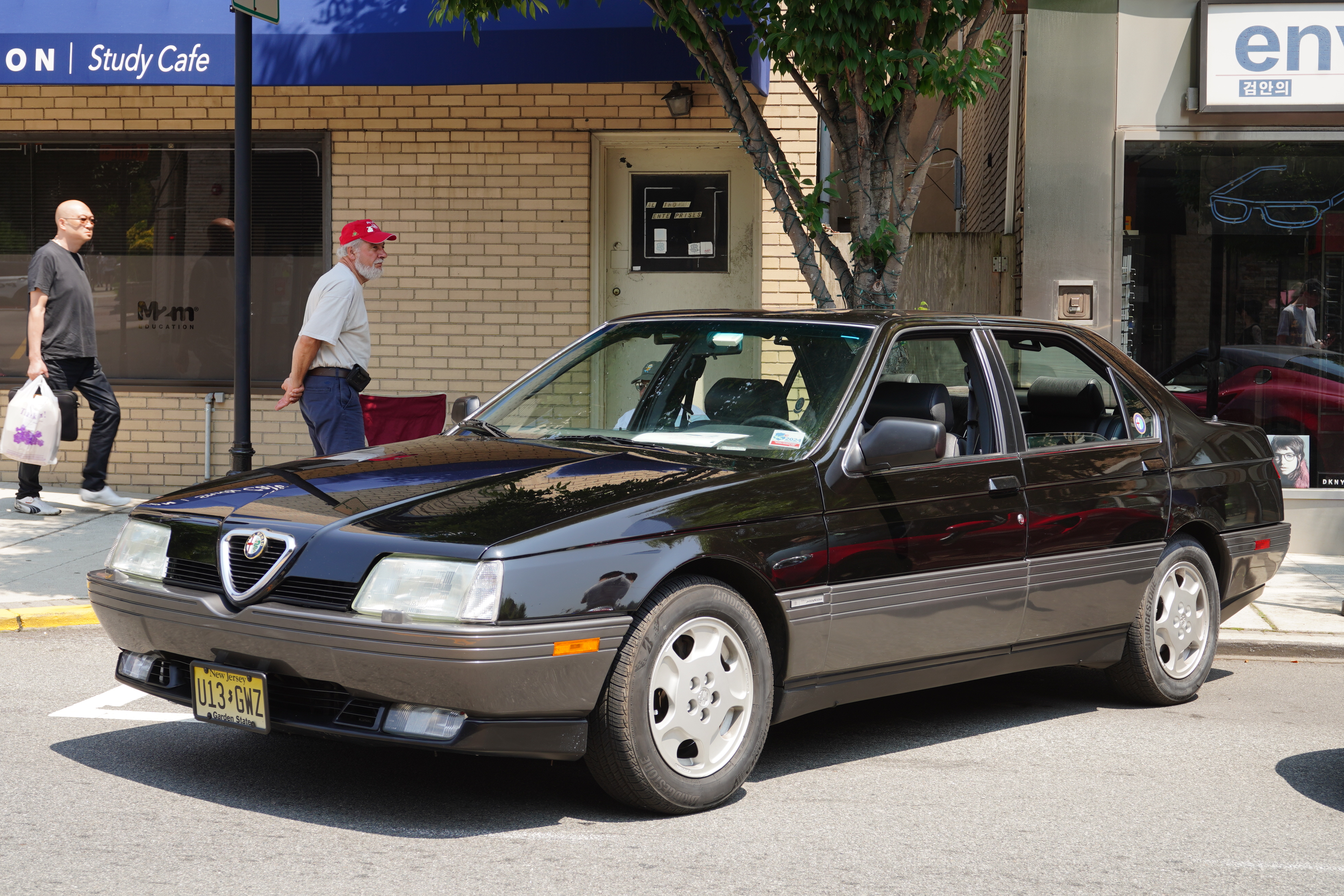
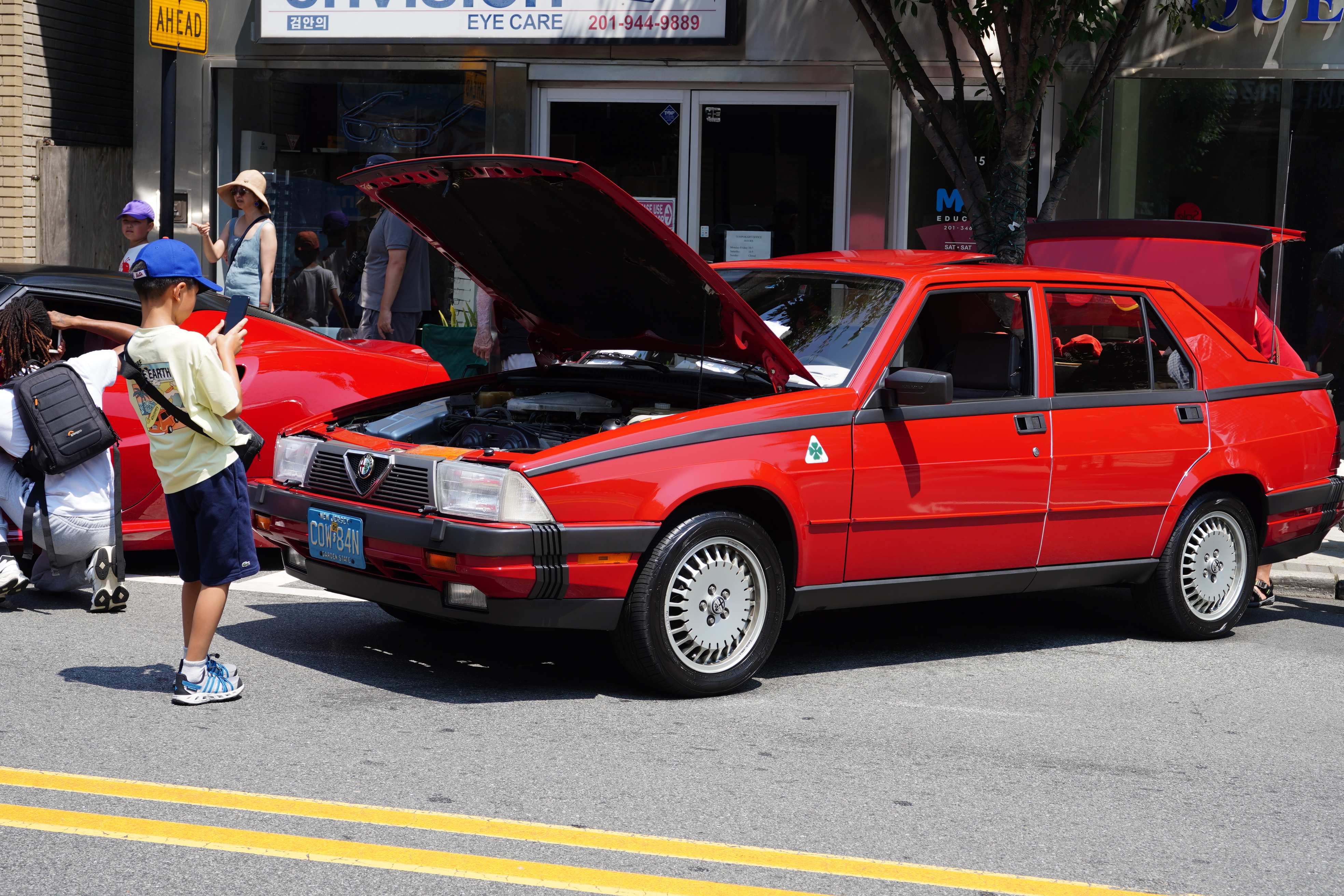
The Alfa Romeos (separate from the other Italian cars) were parked on Main St. in a position of honor, along with the other Special Class this year, the Mercedes-Benz SLs (all years). Nine Alfas were registered, in itself a low number, yet only 6 showed up, a very disappointing turnout. Was it the heat? Competition with other shows? We’ll never know. Still, it was nice to see our Alfas so recognized. Third place went to a black Alfa 164 sedan, second to a red Alfa Milano sedan, and first to a white Giulietta Spider. (I believe that my car, as one entered by a judge, was “display only”.)
The awards ceremony got underway a few minutes after 1 p.m. and was over before 2 p.m. The timing was good because rain clouds quickly moved in, and sprinkles started a few minutes after the final “see you next year!” was proclaimed. My Alfa completed the 120-mile round trip without a problem, even as the temp gauge registered slightly higher in the hot and humid air. I walked into my house a little after 3 p.m. and that air conditioning felt great!
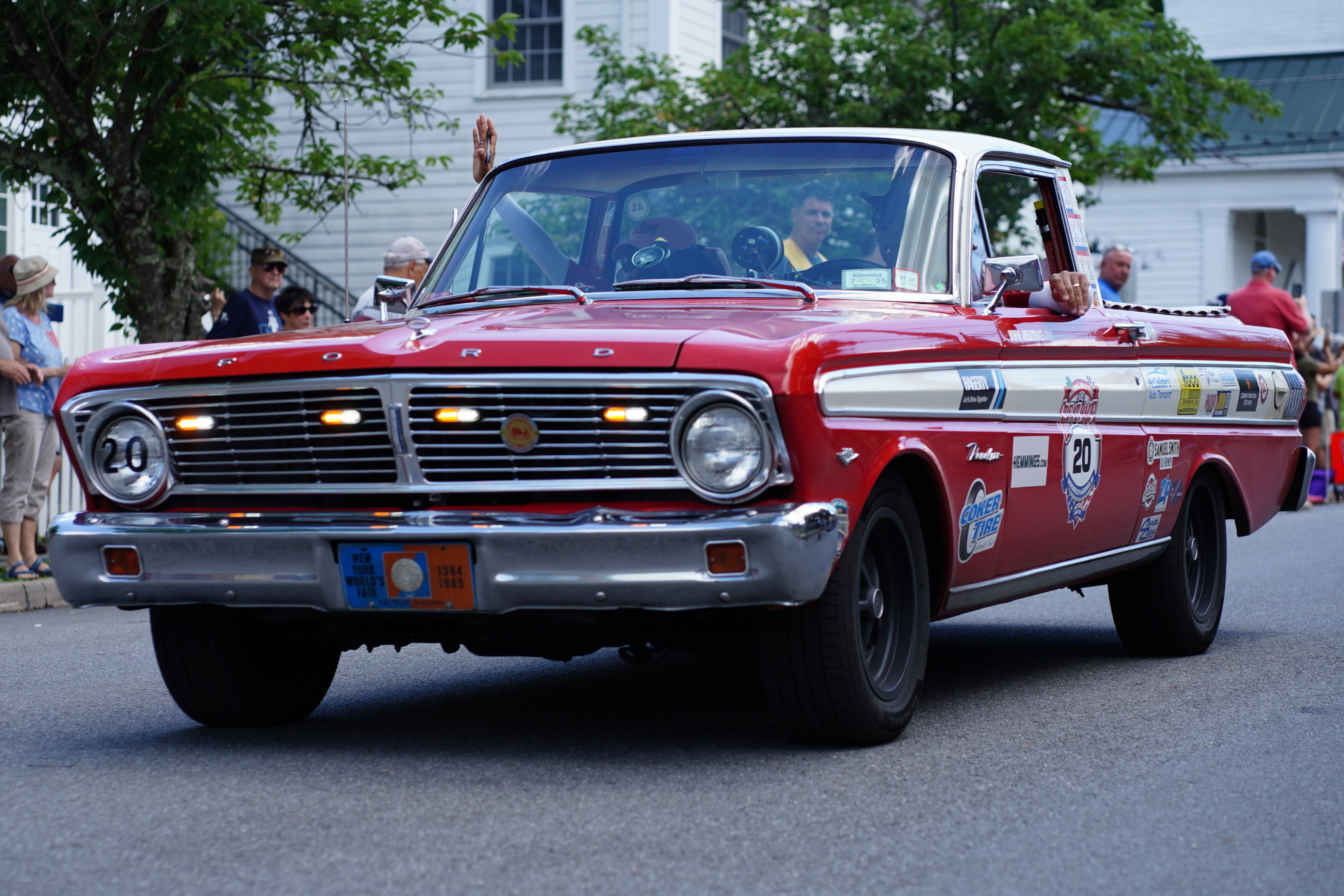
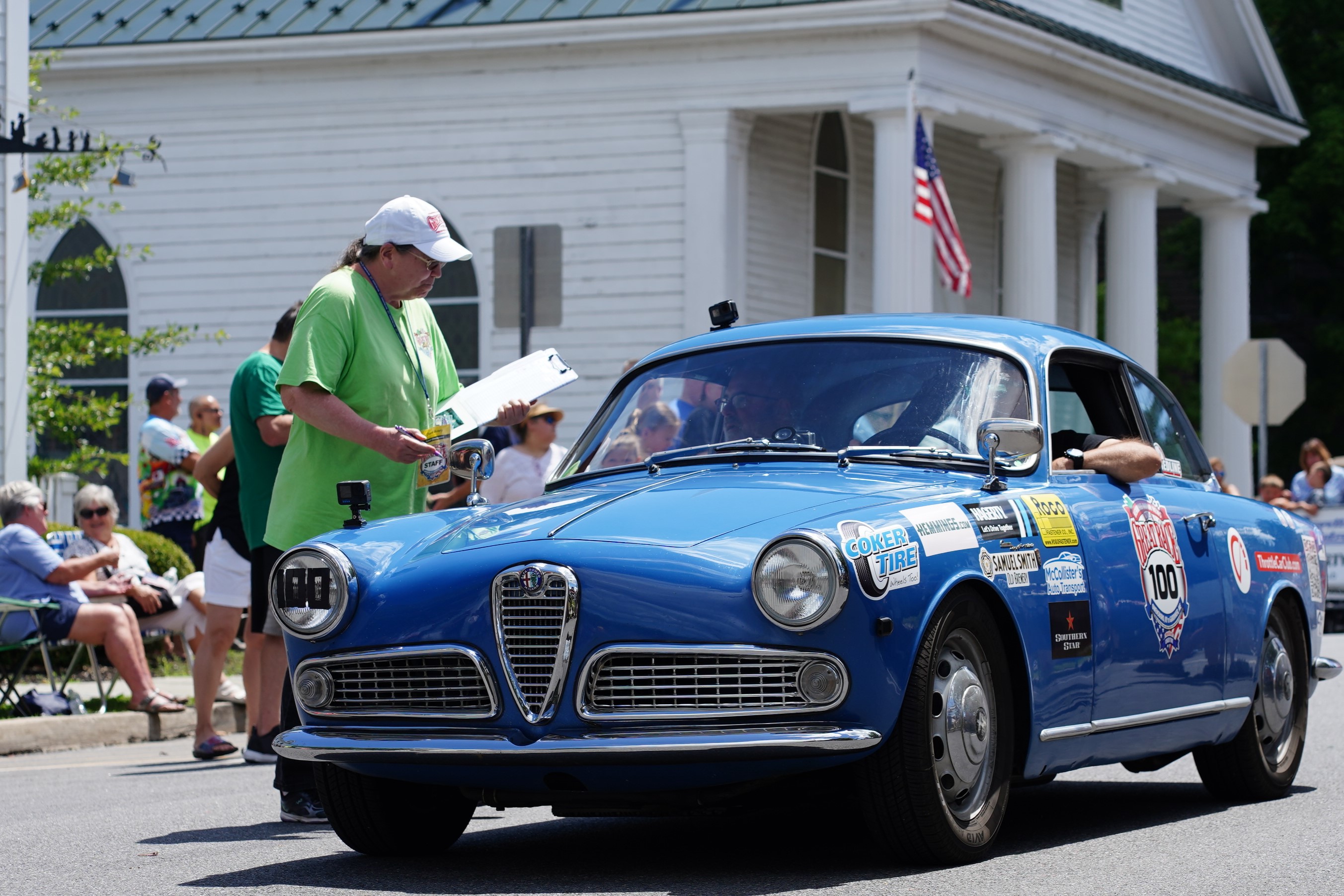
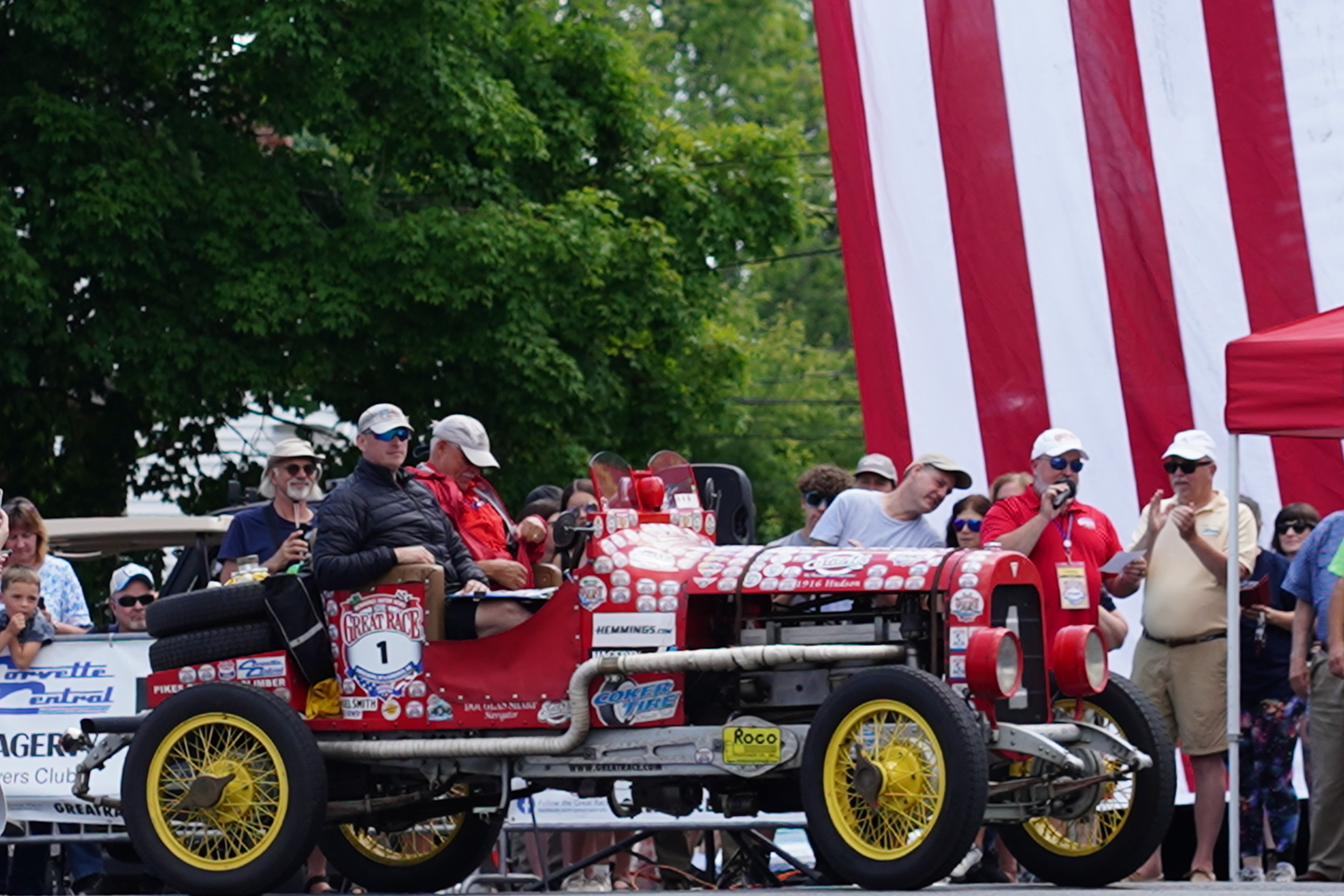
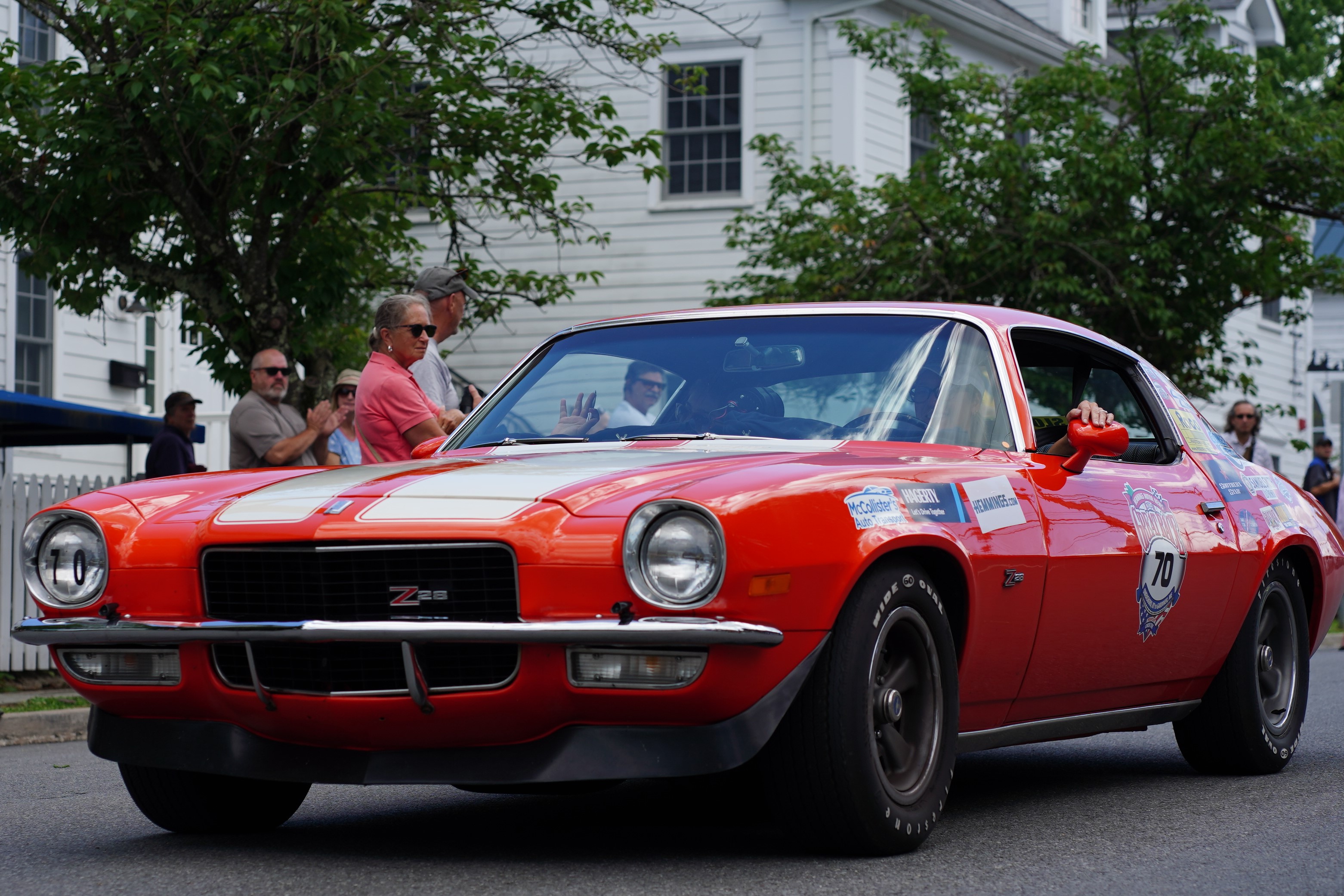
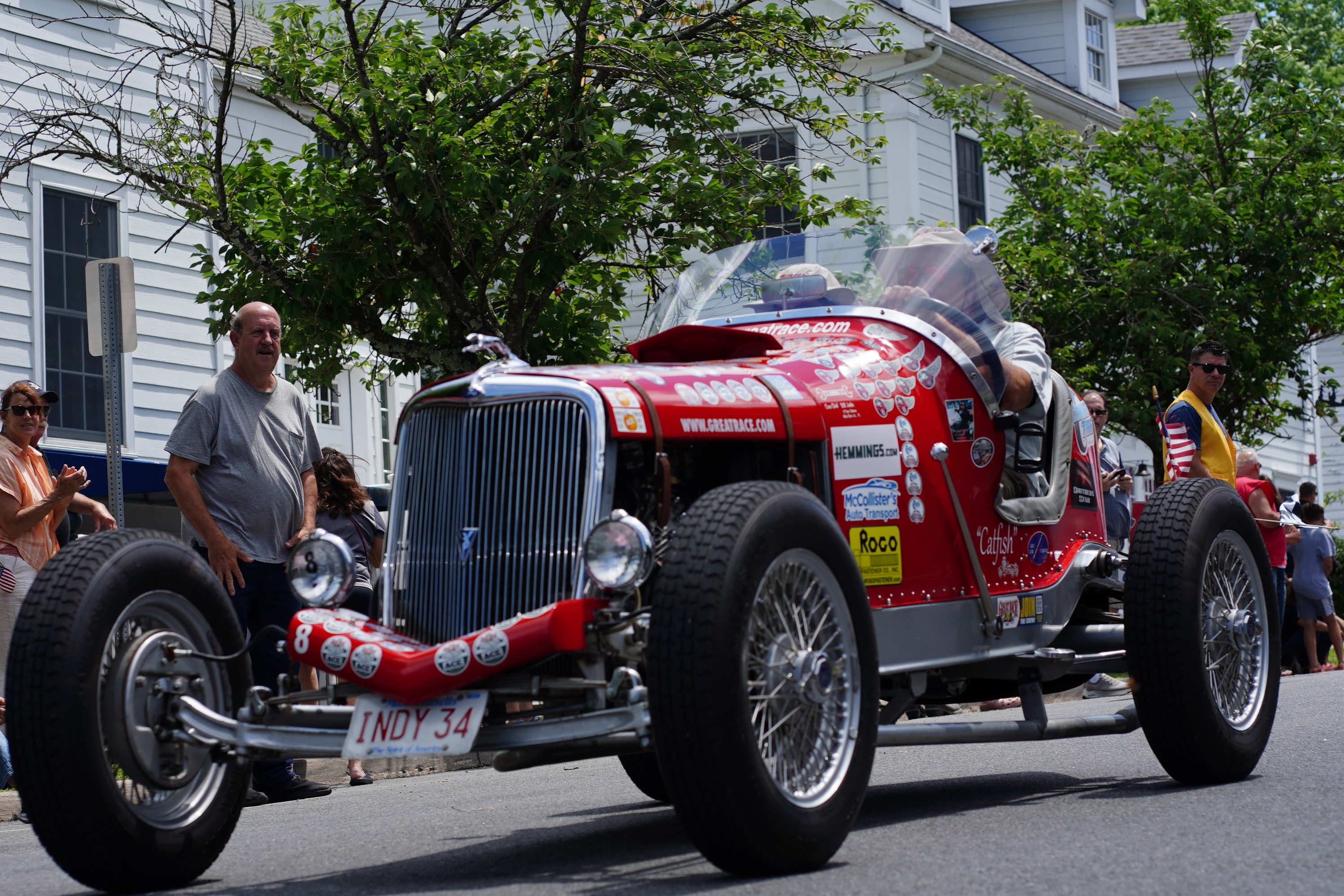
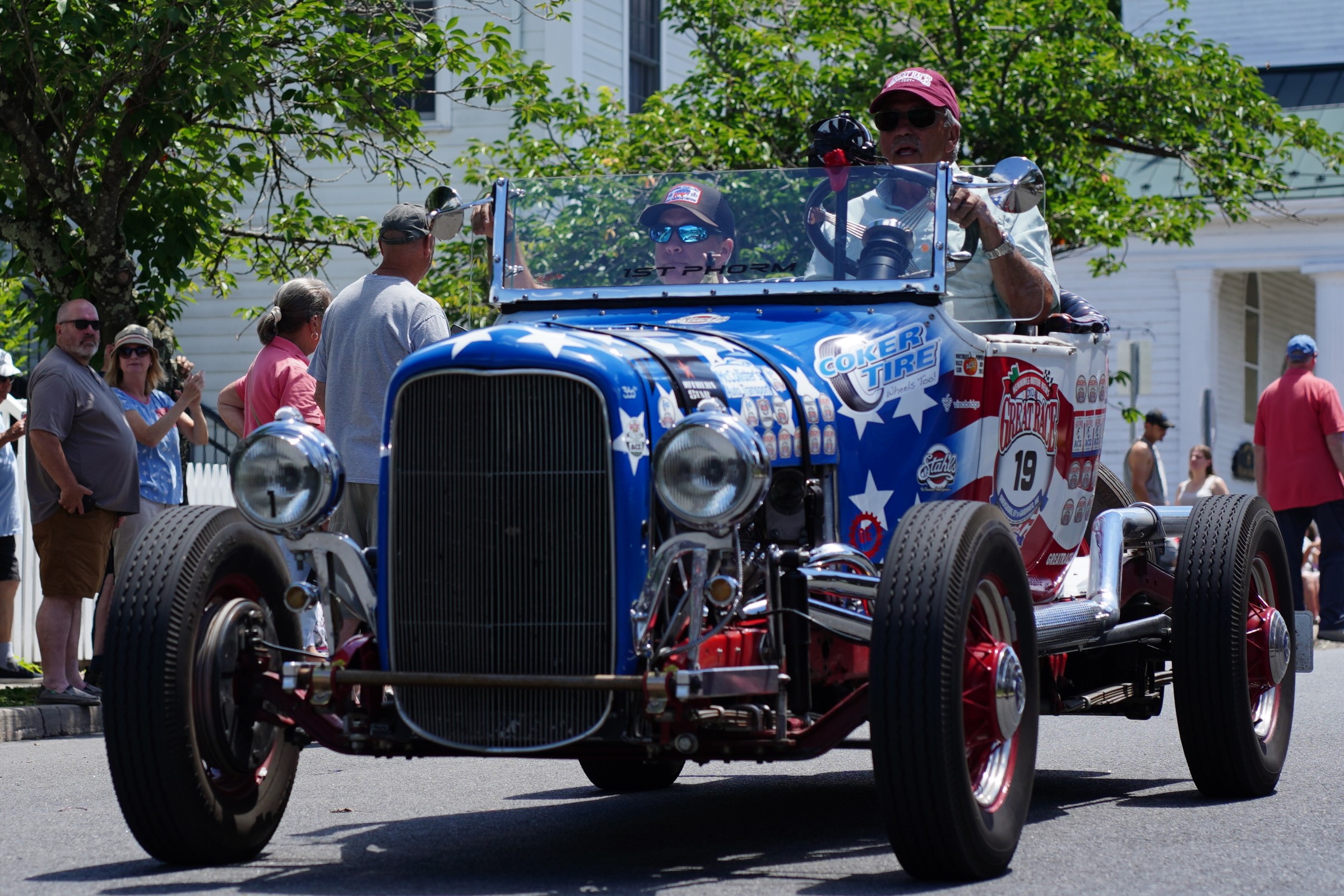
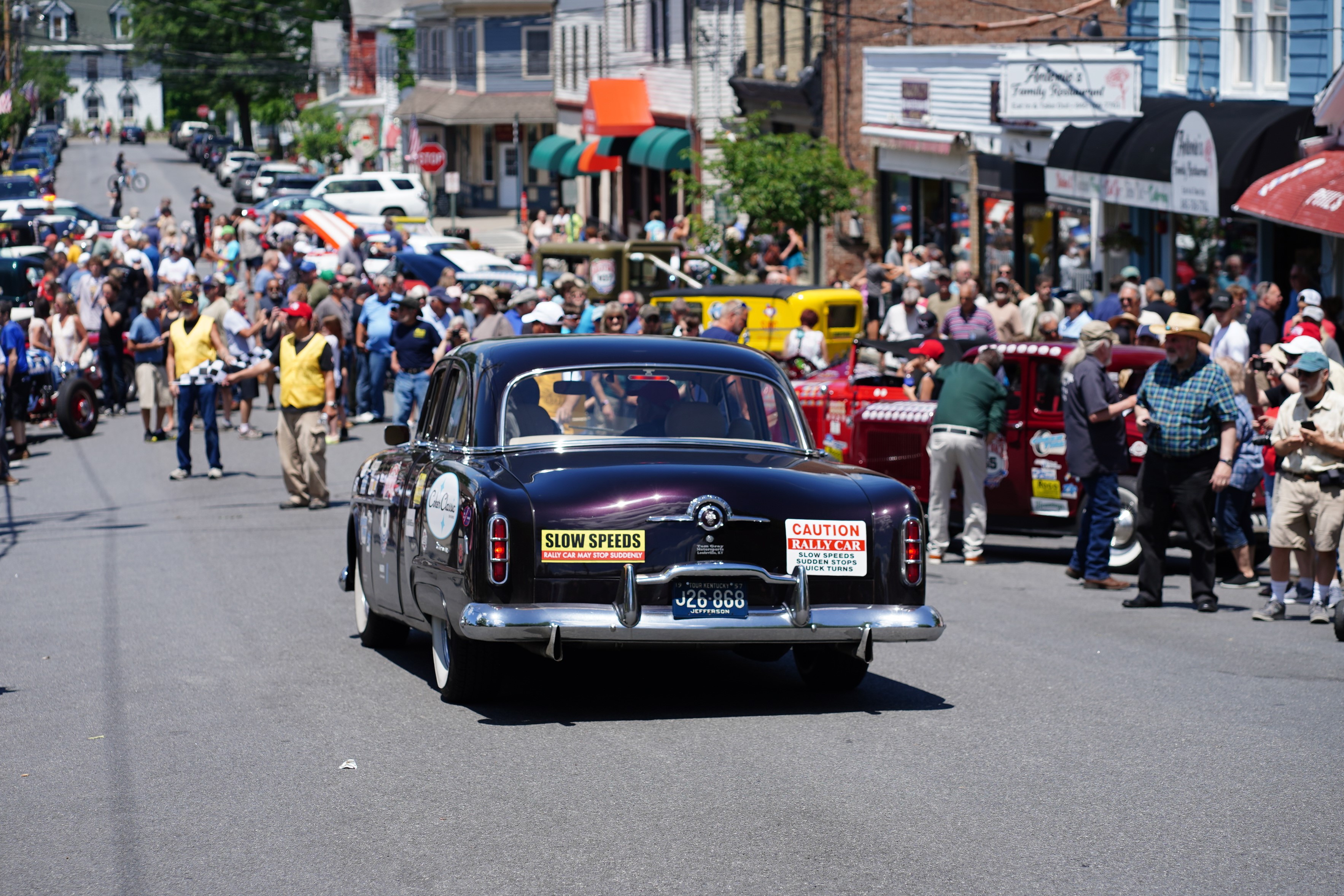
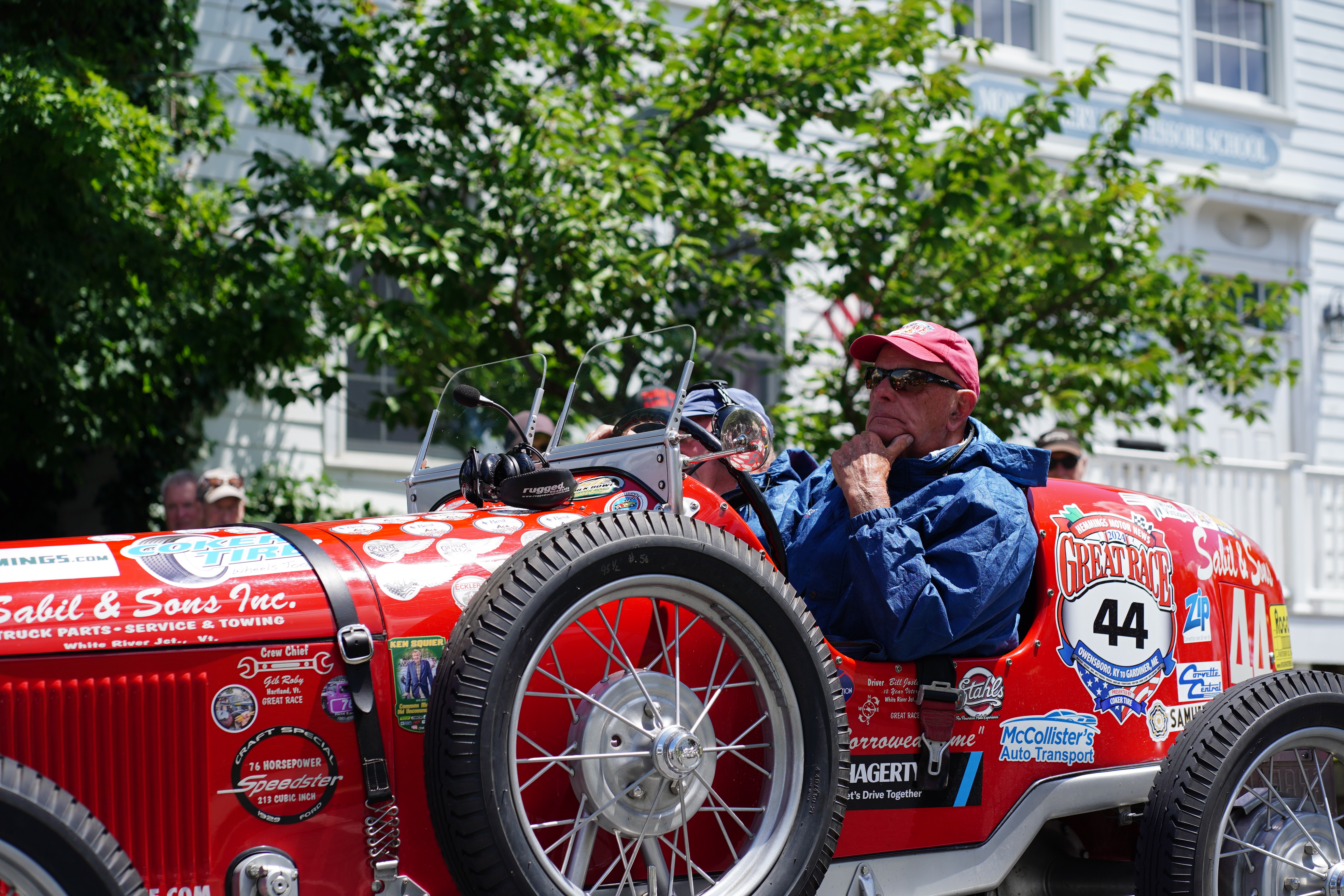
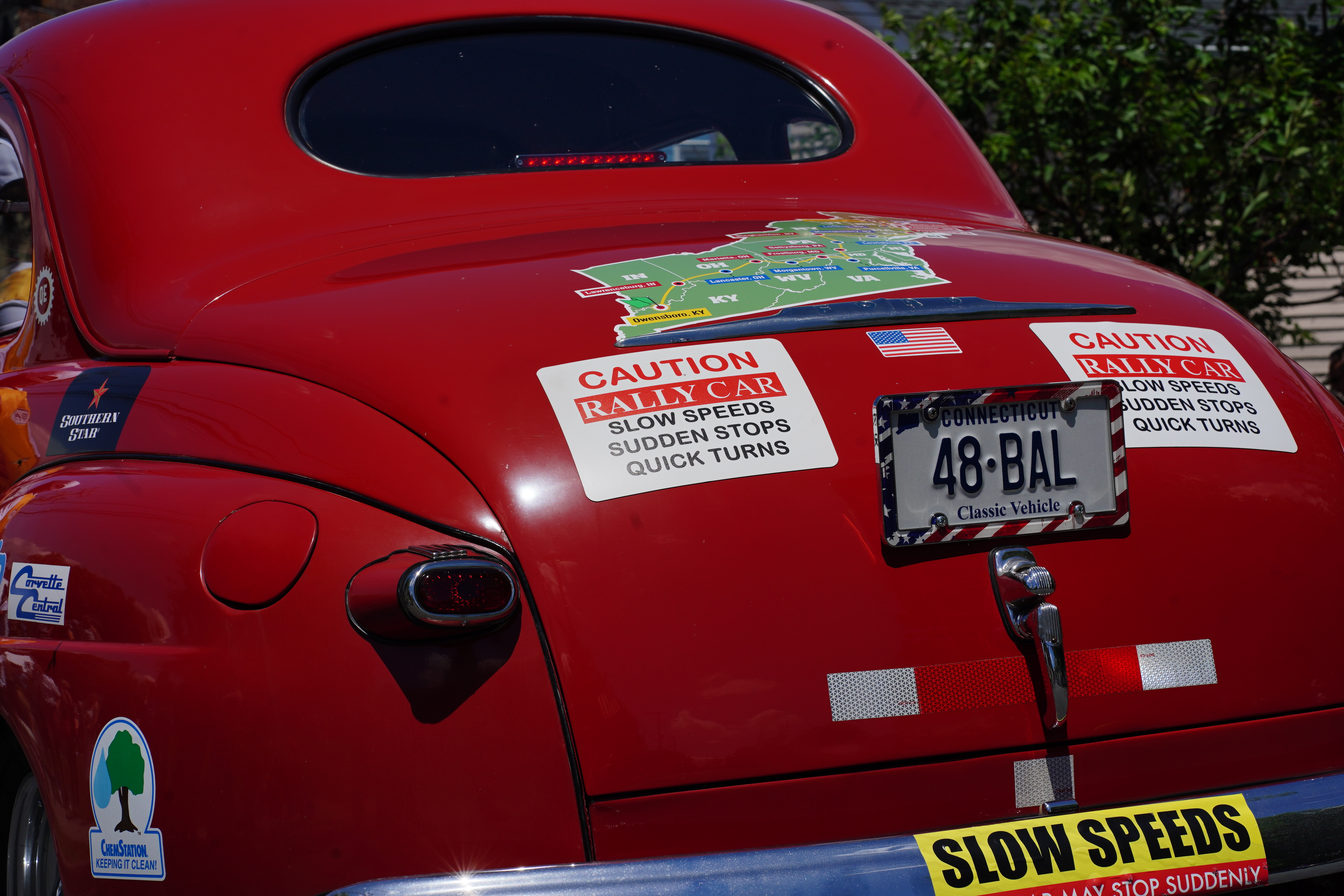
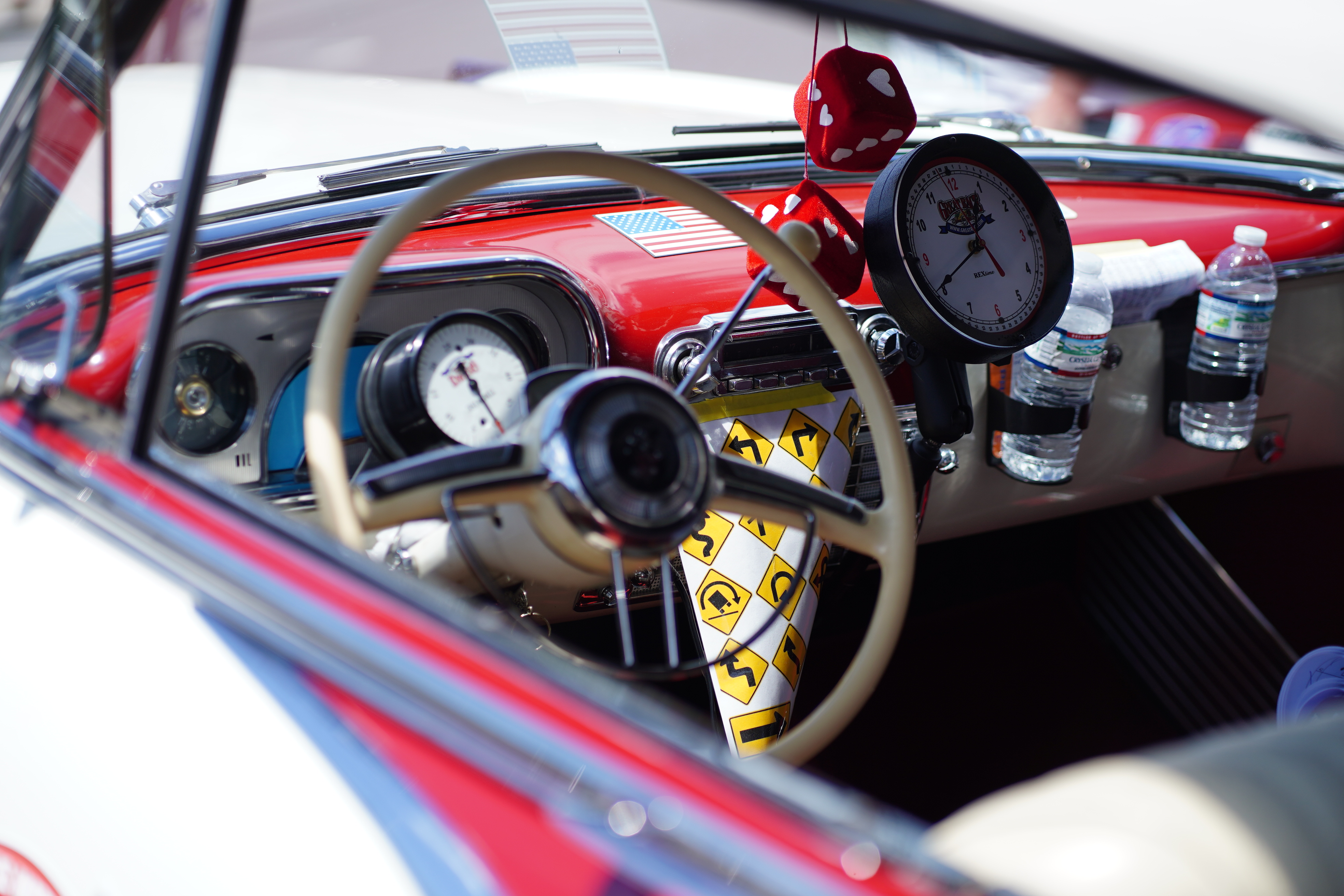
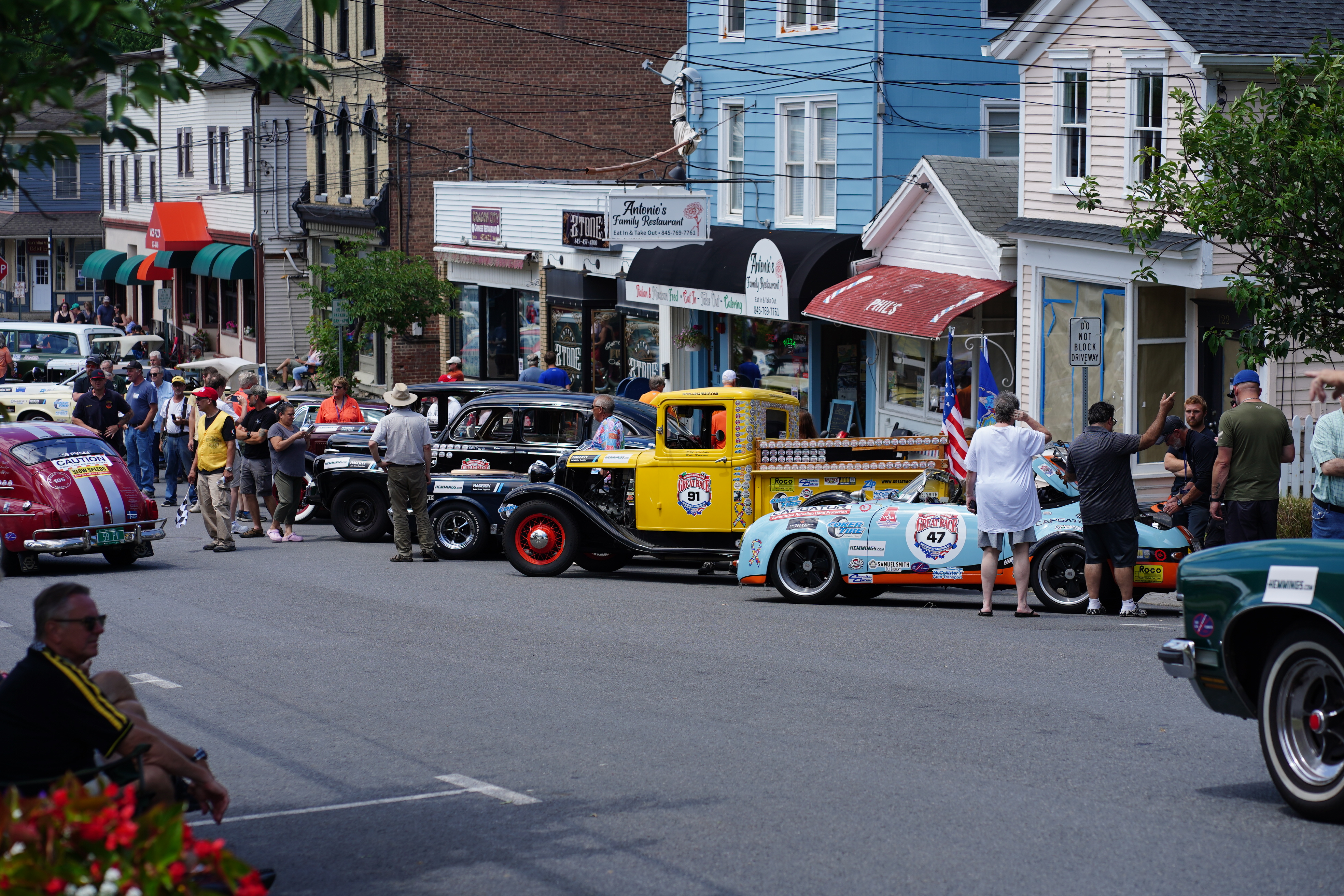
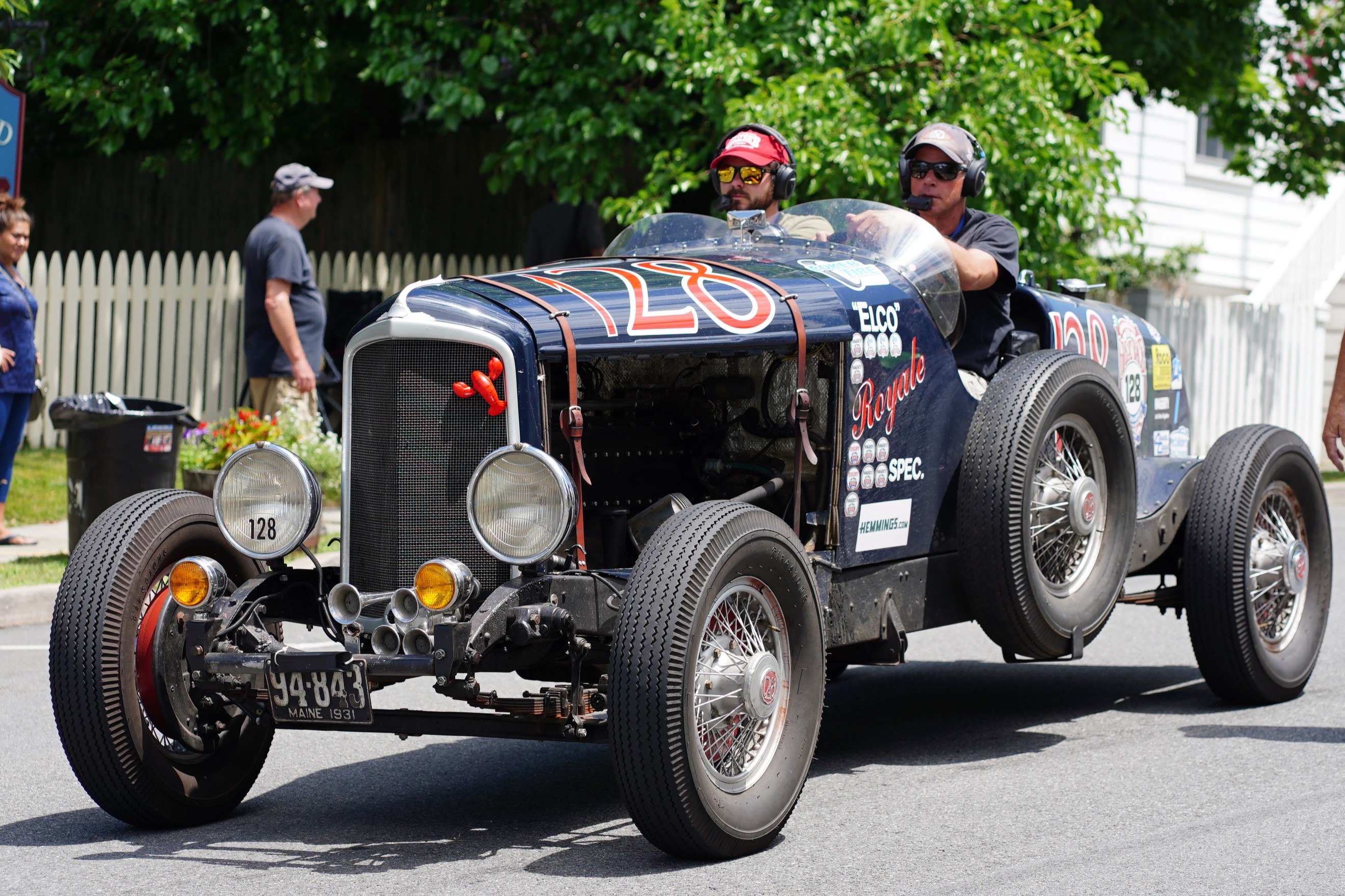
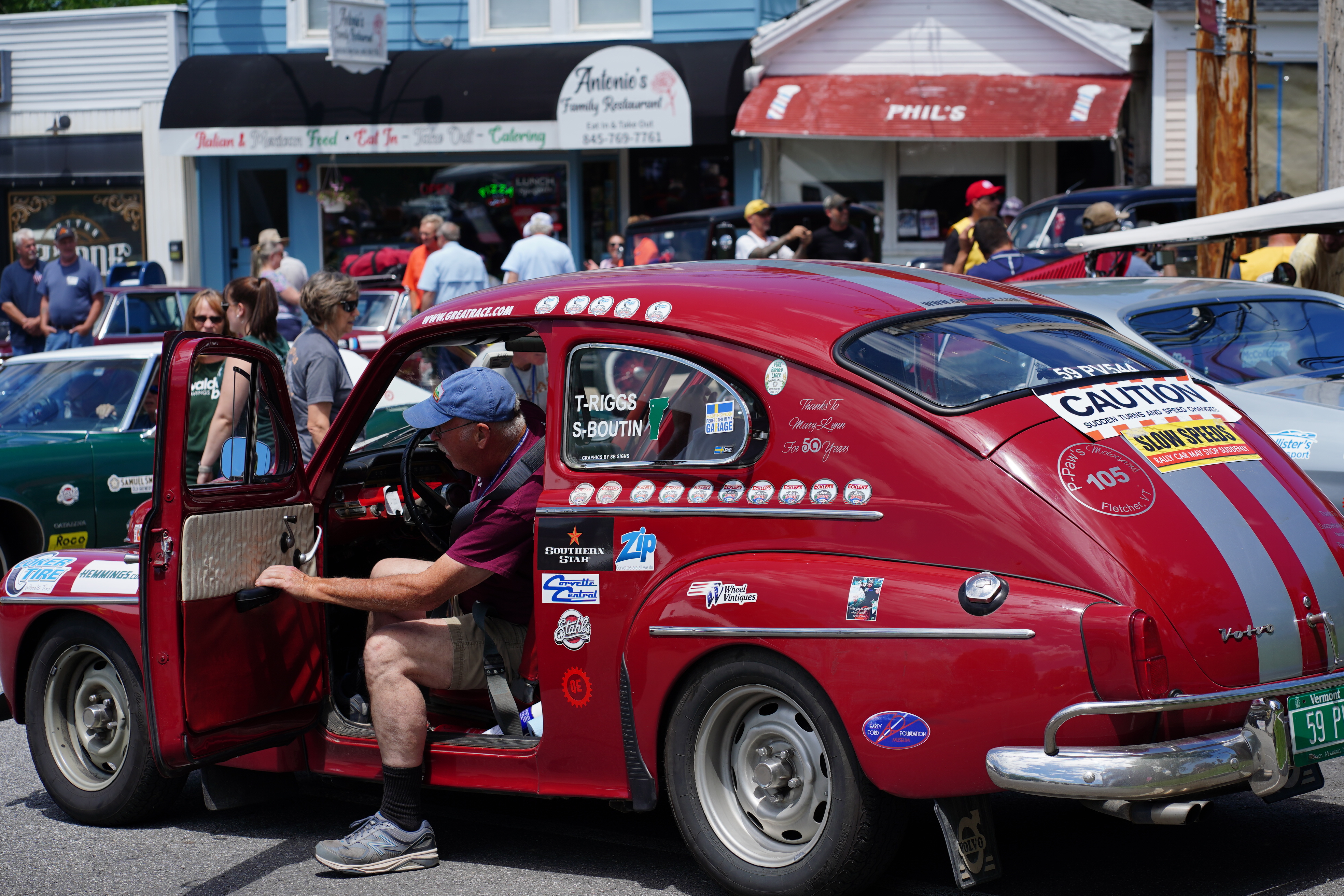
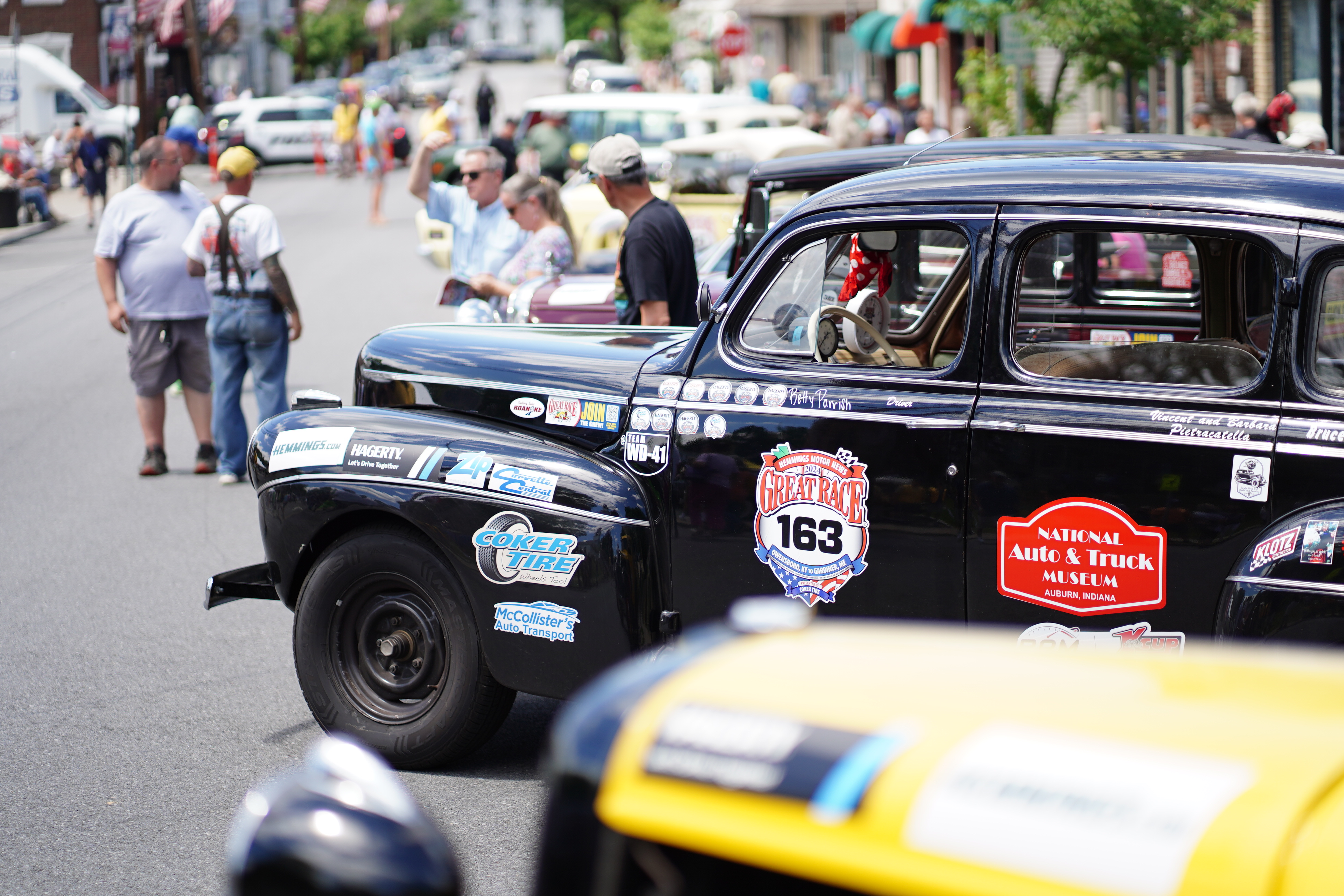
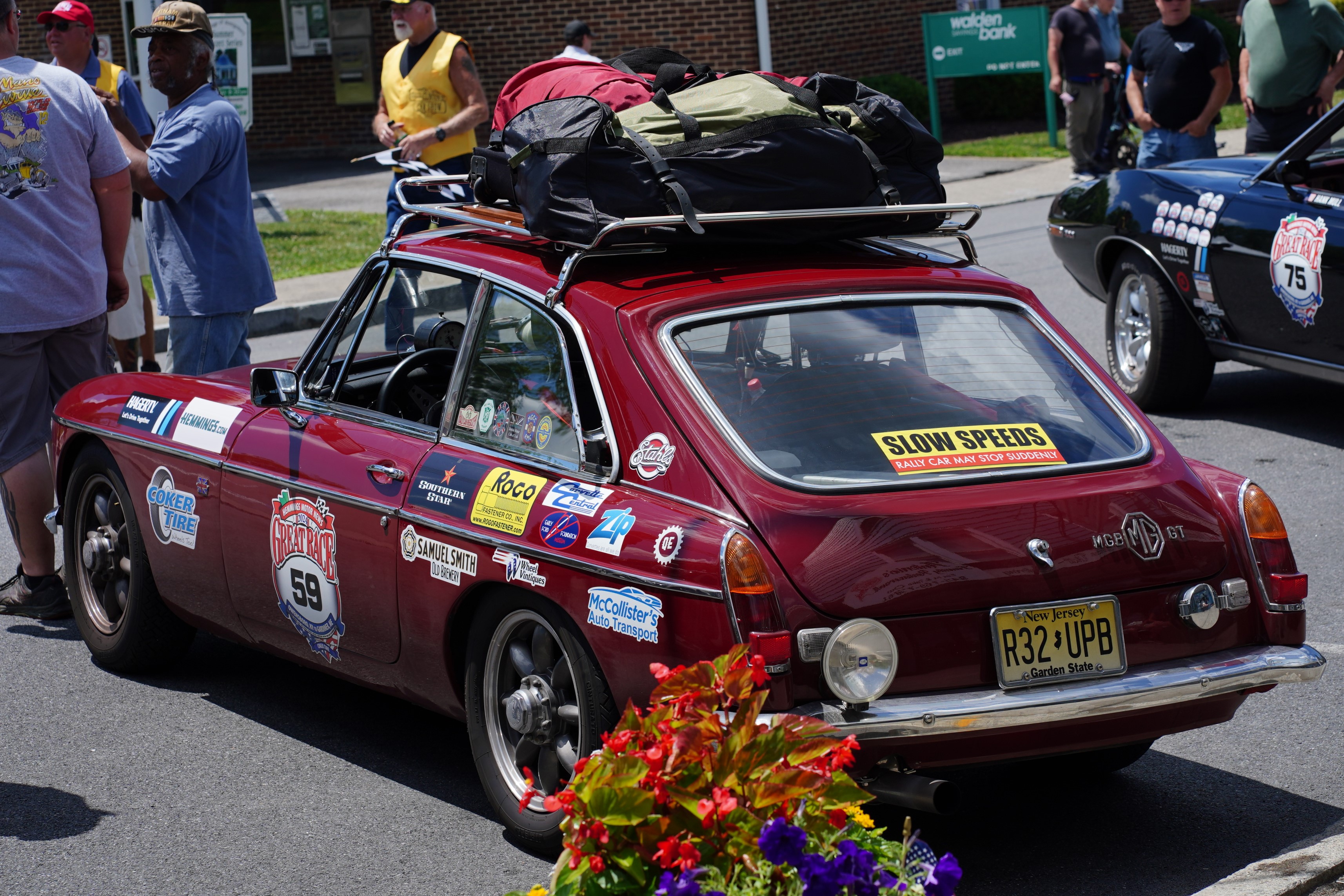
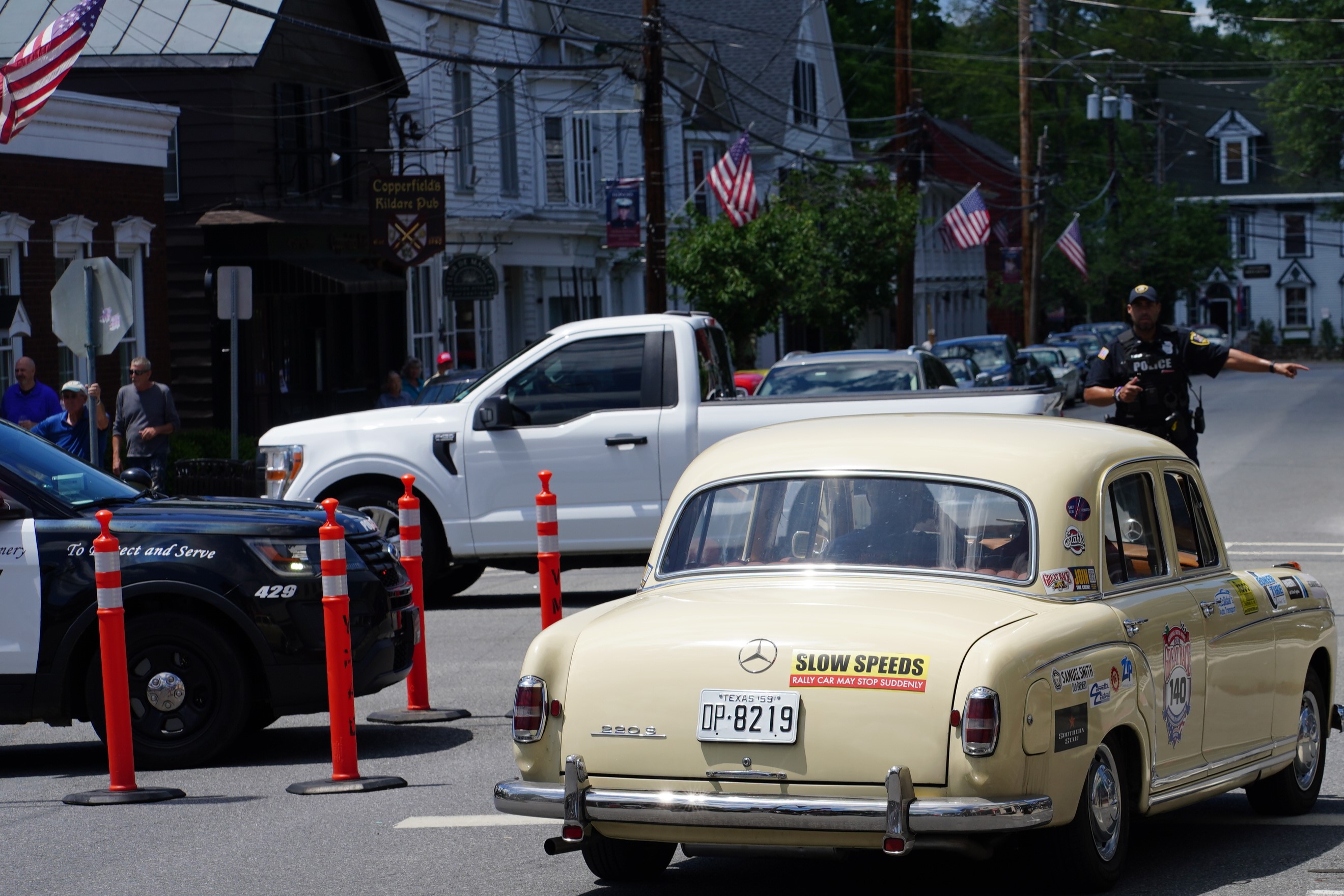
The Great Race is an annual, multi-day, time-speed-distance rally run on public roads. Its inaugural event was in 1983, and much has changed since then, but the race has endured all these decades. The 2024 edition was a nine-day, 2300-mile affair, which started in Kentucky and ended in Maine. This is serious competition: its official title is “The 2024 Hemmings Motor News Great Race presented by Coker Tire”, so you see that big names in the hobby are behind it. Competitors are in it for more than guts and glory: this year’s winners, who motored along in a 1916 Hudson (!), were presented with a check for $50,000. Vehicles are required to be from 1974 or earlier, with “handicaps” given based on a vehicle’s age. That sums up what I know. You can read more at www.greatrace.com.
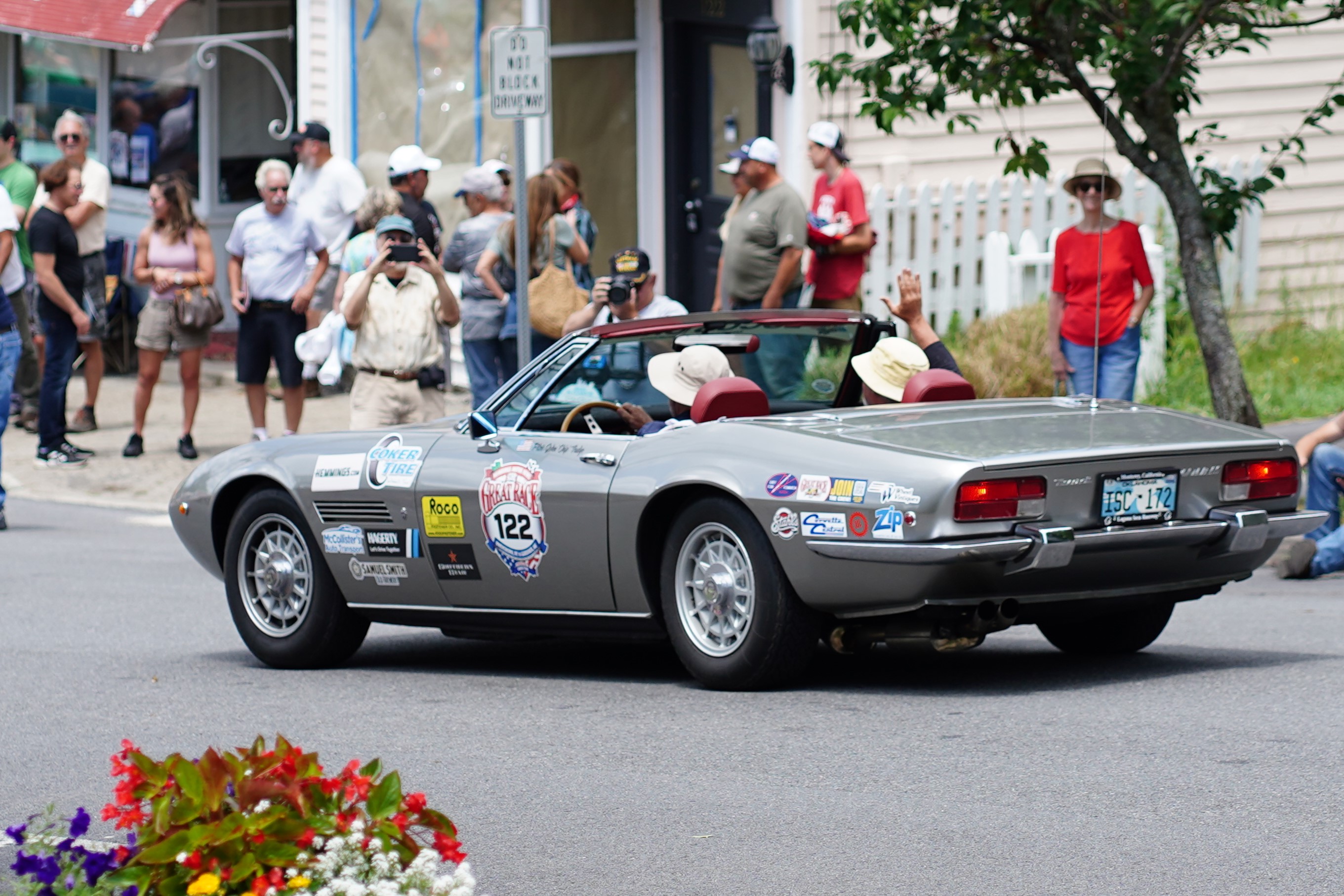
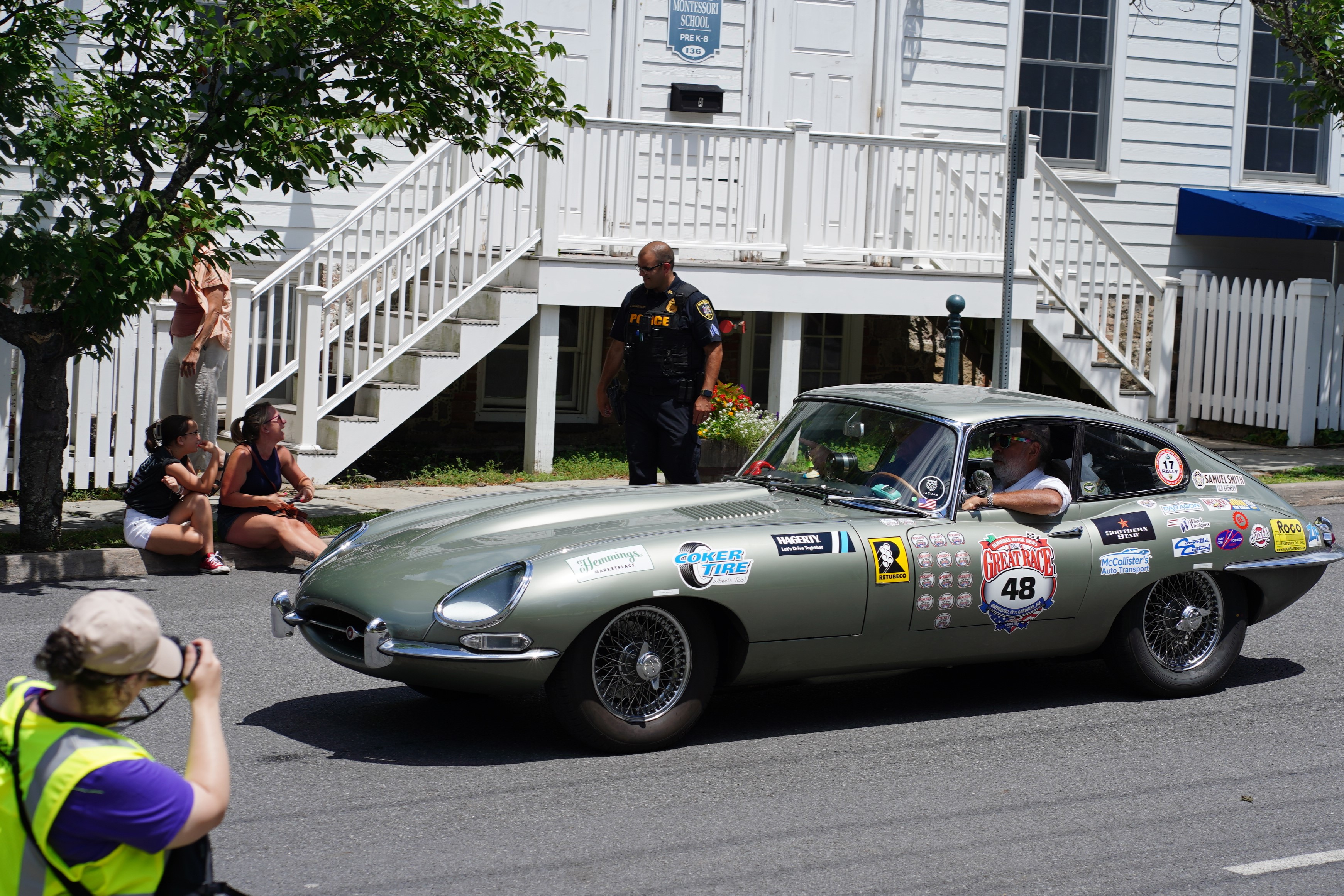
When I learned a while back that this year’s Great Race fleet (136 cars strong) would be making a lunch stop on Thursday, June 27, in Montgomery, NY, and that the public was invited to view the arriving spectacle, I contacted a friend who lives not too far from there, and we joined the throng of several hundred other spectators. Race cars began arriving around 11:30 a.m. and continued to arrive until close to 2 p.m. It was all extremely organized, with dozens of Great Race team workers controlling everything from check-in to traffic flow to parking. Lunch for the vehicle teams was provided under a big tent, and there’s no time to hang out when you’re trying to cover 2,300 miles: participants were given exactly 30 minutes to eat (and presumably use a restroom) before they were expected to be back on the road.
I saw this as a great photo op, but wasn’t expecting the challenge of a crowd lined up along the curb, vying to snap their own pictures. The answer(s) was to use my telephoto lens and get down low, which seemed to be the only way to keep strays (people, not pets) out of my photos. This gave many of my pictures a similar “head on” perspective, a little different than my usual shots. Enjoy scrolling through them; it’s a bit of a photo dump with 50 pics included, and I’ve made no attempt to identify vehicles, but most of the post-war cars should be recognizable. If the 2025 edition of the Great Race comes anywhere near your location, I suggest that you check it out!
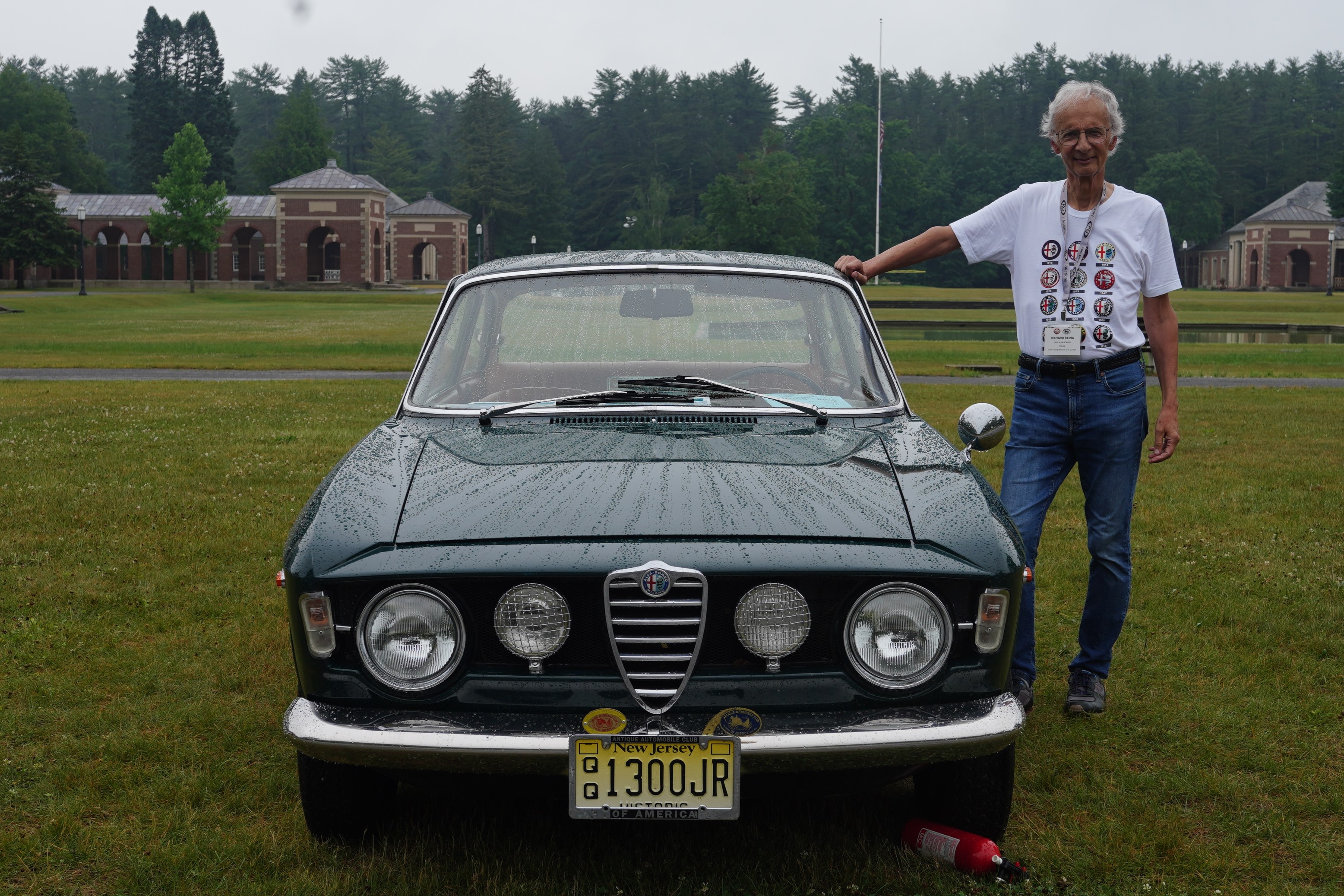
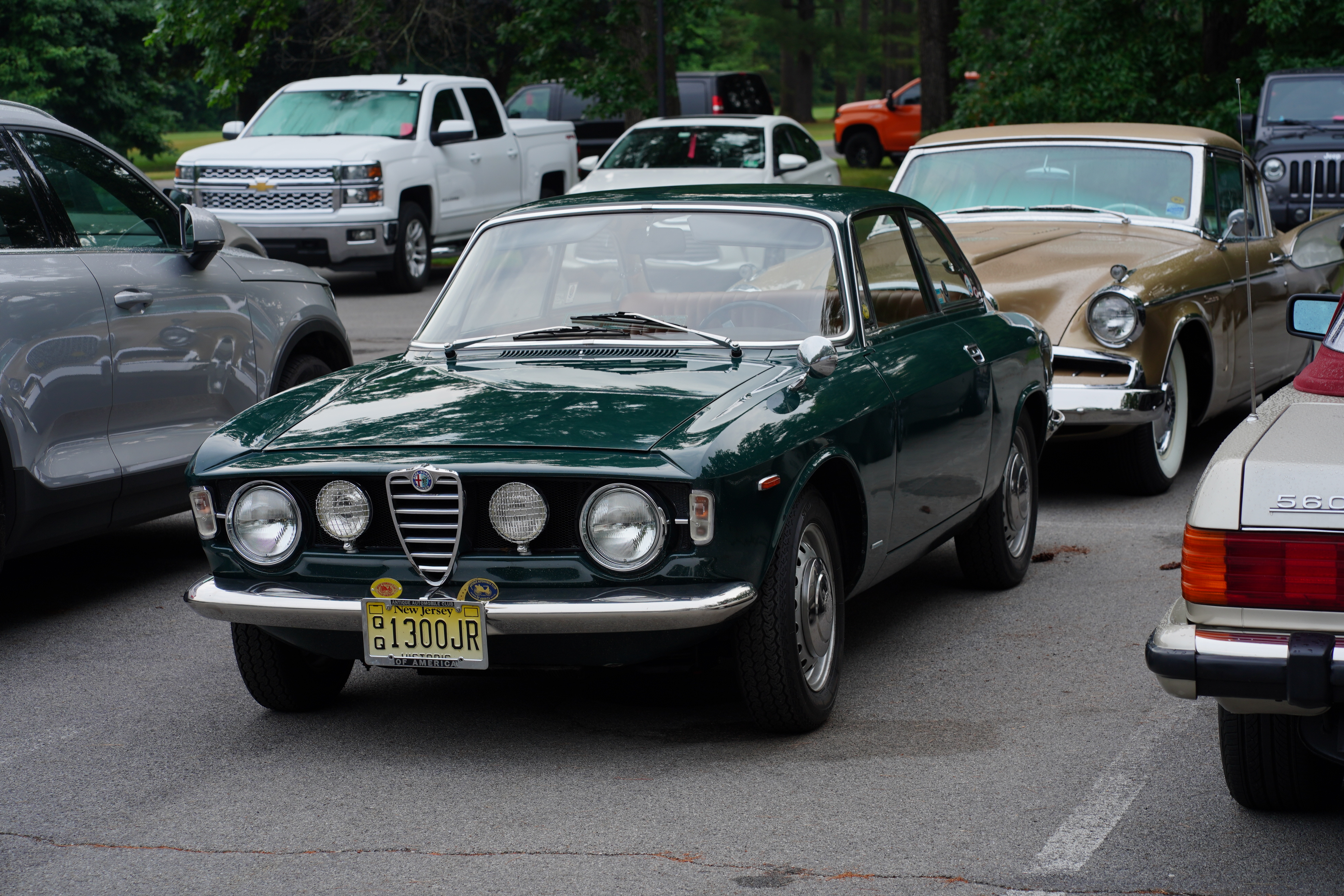
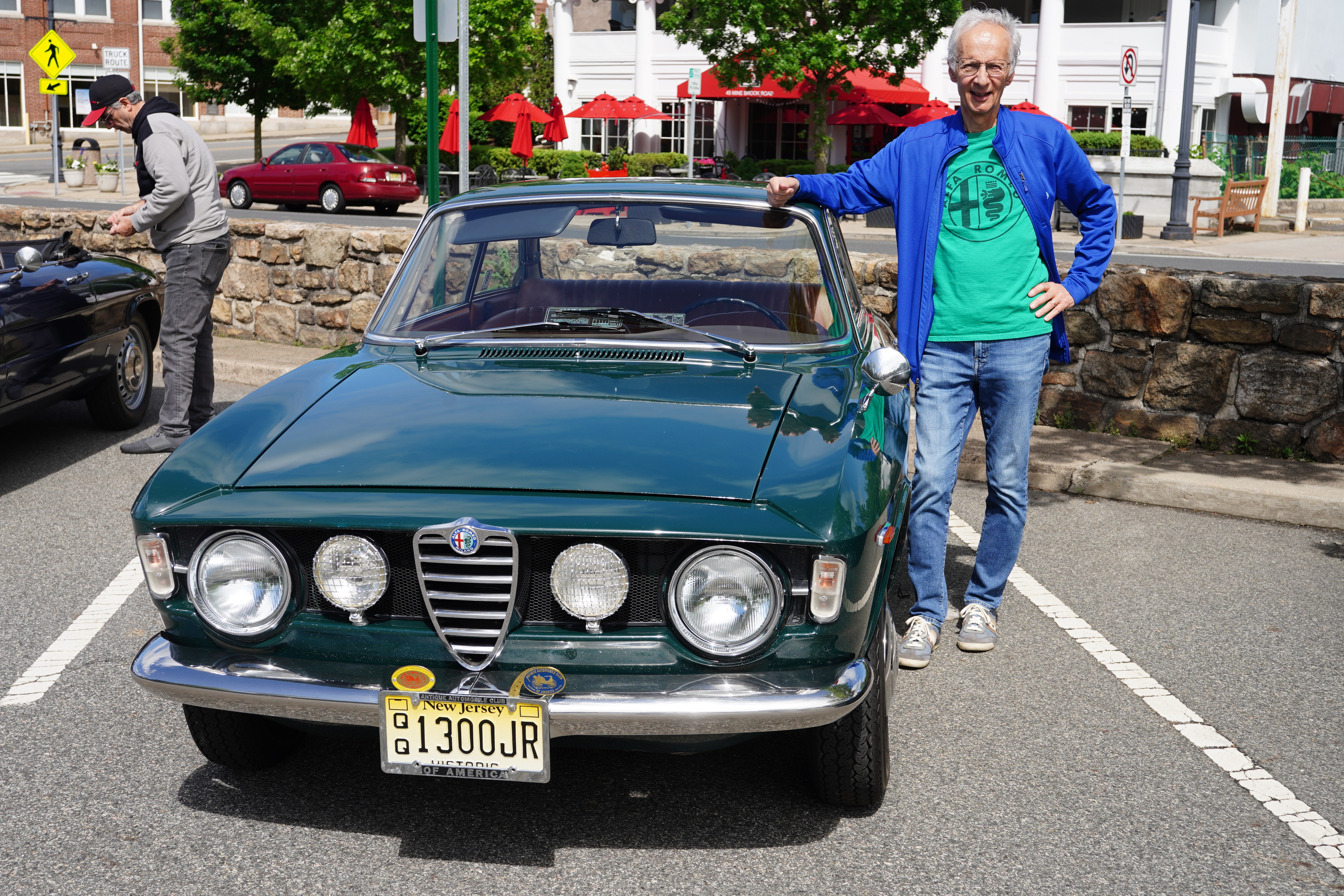
When I bought my ’67 Alfa Romeo GT 1300 Jr. from my friend Pete in 2013, it was already wearing its HPOF badge from the Antique Automobile Club of America (AACA). Pete had prepared the car for judging and was solely responsible for taking the car through the certification process. (We must also remember that he owned the car for 45 years, preserving it in its outstanding condition all that time.) Although I’ve been very involved in AACA activities over the last 2 decades, including showing both the BMW Isetta and the Mazda Miata at Hershey, up until now I had never entered the Alfa in an AACA National Show. It’s been in NJ Regional shows, but National judging is stricter.
The Saratoga Springs National which was held last week seemed to be the ideal place to enter the car for continued HPOF certification. I spent many hours during the spring detailing the car as well as attending to its maintenance needs to ensure a confident and reliable 400+-mile round trip. As you may have read in my most recent post, the car performed flawlessly in getting me there and back. Now, here’s the rest of the story.
HPOF, which stands for Historical Preservation of Original Features, is a judging class which rewards originality. Cars in this class are not restored. In fact, a car which has been restored would be deemed ineligible. Once a vehicle is certified HPOF, it is eligible for the next level of certification which is “HPOF Original”. The difference is in the number of allowable points which can be deducted. Put simply, an “HPOF” car may have X number of non-original components and still be certified, while an “HPOF Original” car will need to have a fewer number of non-original components.
Owners are required to complete a sheet, indicating exactly what on the car is not original. That sheet is then handed to the judging team. For me, I noted that the front fog lights, replacement alternator (generator was factory original), battery relocation from engine compartment to trunk, and added ammeter gauge were the non-original items. The judges only spent a few minutes examining the cars (the steady showers kept them moving quickly from car to car), and at the Saturday banquet, I was honored to be presented with an HPOF Original badge for the Alfa! I admit I got a bit emotional because my mind went back to my friend Pete, who passed away last October. He would have been thrilled to know this, and as I told my fellow hobbyists at the dinner table, Pete gets most of the credit for this achievement.
ABOVE: The HPOF badge on the left was awarded to Pete, probably around 2003. The “AACA Original” badge on the right was given to me last week, and mounts behind the existing HPOF badge.
HPOF cars are always eligible to the shown at subsequent National meets, where they will either continue to be certified at their current level of achievement, or have the certification reduced or removed. For example, if I were to repaint my Alfa and replace its 1300 cc original engine with a larger and more powerful Alfa engine, I would completely lose its HPOF rating. (And of course I have no intention of doing anything of the sort.) The plan, both short-term and long-term, is to keep driving the car, keep up its maintenance, and keep it as original as it is today!
Just shy of 28 years ago, in August of 1996, I was spending a long weekend at the Jersey shore. While driving around the neighborhood, I spotted a used white Miata on a Mazda dealer’s lot. (I’d say that it was a first-generation car, but in 1996, that’s all the factory had produced!) Having never driven one, I stopped in for a test drive. While I didn’t buy that particular car, the brief spin around the block had me hooked. Within days I began to scour the classifieds, and within a few weeks, I bought one: a black and tan 1993 Miata with 34,000 miles on it.
1996: With my 5-year-old nephew Karl Jr. behind the wheel
With plenty of summer weather still ahead of me, I drove my new-to-me Miata as much as I could, putting close to 10,000 miles on it within the first few months. I took it to work on nice days, and had it out almost every single weekend. The car was rust-free when I bought it and I intended to keep it that way, which meant that I’d never drive it in the winter. Since I was employed by Volvo and had a company car, the Miata became a toy car. We took day trips and week-longs trips with it, and it certainly got rained upon. But the exuberant feeling of being behind that wheel never faded.
Time flew by; the mileage continued to pile up; the car was serviced regularly by me; and almost nothing broke. In 2003, I had the top replaced. Sometime after that, the clutch secondary cylinder needed replacement (one of the car’s few known weak points). The power antenna needed repair. One headlight burned out! Oil changes, tires, and brake pads were attended to as needed, but the car was costing me very little to keep on the road.
2018: Hershey!
Time continued to fly by; during the time I owned the Miata, I also cycled through an MGB, a Mustang, and of course, the Isetta. I joined AACA and learned that any car 25 years or older was eligible to be shown at an AACA event. Suddenly it was 2018 and the Miata was 25 years old. I decided to register (what was still in my mind a “newish” used car) for Hershey! The Miata was awarded its HPOF badge, and subsequently shown at AACA Nationals in Parsippany (2019) and Saratoga Springs (2021).
2021: Saratoga Springs
But something else changed. I was not driving the car much, through no fault of the car. I had purchased my Alfa Romeo in 2013 and drove that car a lot, including 4 times in the New England 1000 rallies. The Miata was still great to drive, but my older body was less tolerant of the heat. When I did drive it, the top tended to stay up. The Miata is low, and getting in and out of it wasn’t the easy affair it had been. I considered selling it. A funny thing happened after posting ads and taking prospects on test drives: I would ask myself, “Why am I selling this car? It’s so fun to drive!” In April of last year, I had a buyer all lined up, but at the last minute, the deal fell through, and I decided not to continue the ad.
Earlier this month, I thought I would try again, and for the first time with the Miata, placed an ad on Facebook Marketplace, where I have done very well selling items in the $20-$200 range. I placed the ad on Tuesday morning. A little more than 24 hours later, the car was sold. It has a little over 109,000 miles on the clock, meaning I drove it 75,000 miles in 28 years. The new buyer, a young man, had an NC Automatic which he sold, and seems thrilled to be getting into an NA stick. I have some seller’s remorse, while in reality, I know full well it’s time to let go. Will I replace it? Not right away. I have some shows lined up for the Alfa for the remainder of the summer. I’ll patiently wait to see if anything interesting pops up, but I’m in no rush.
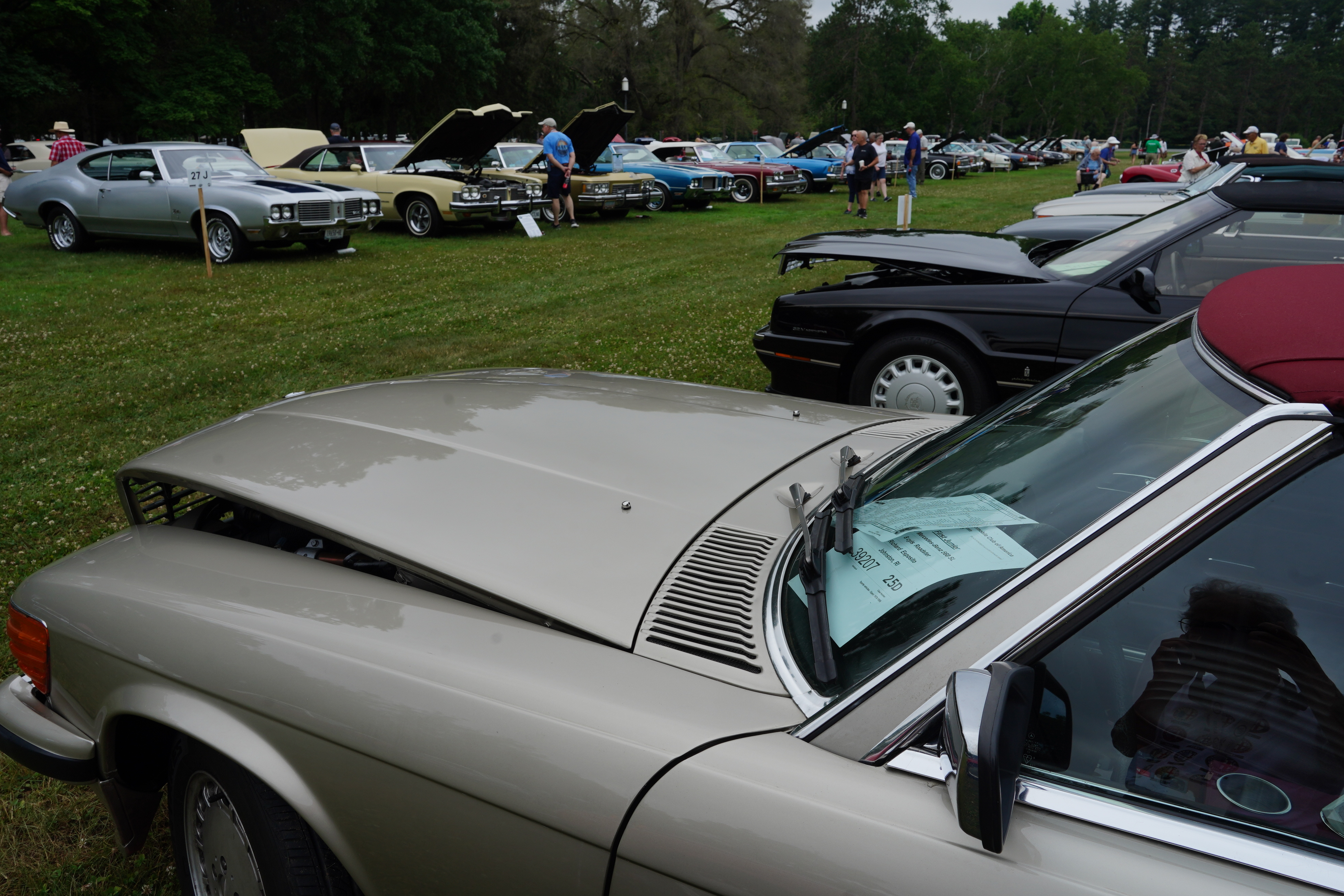
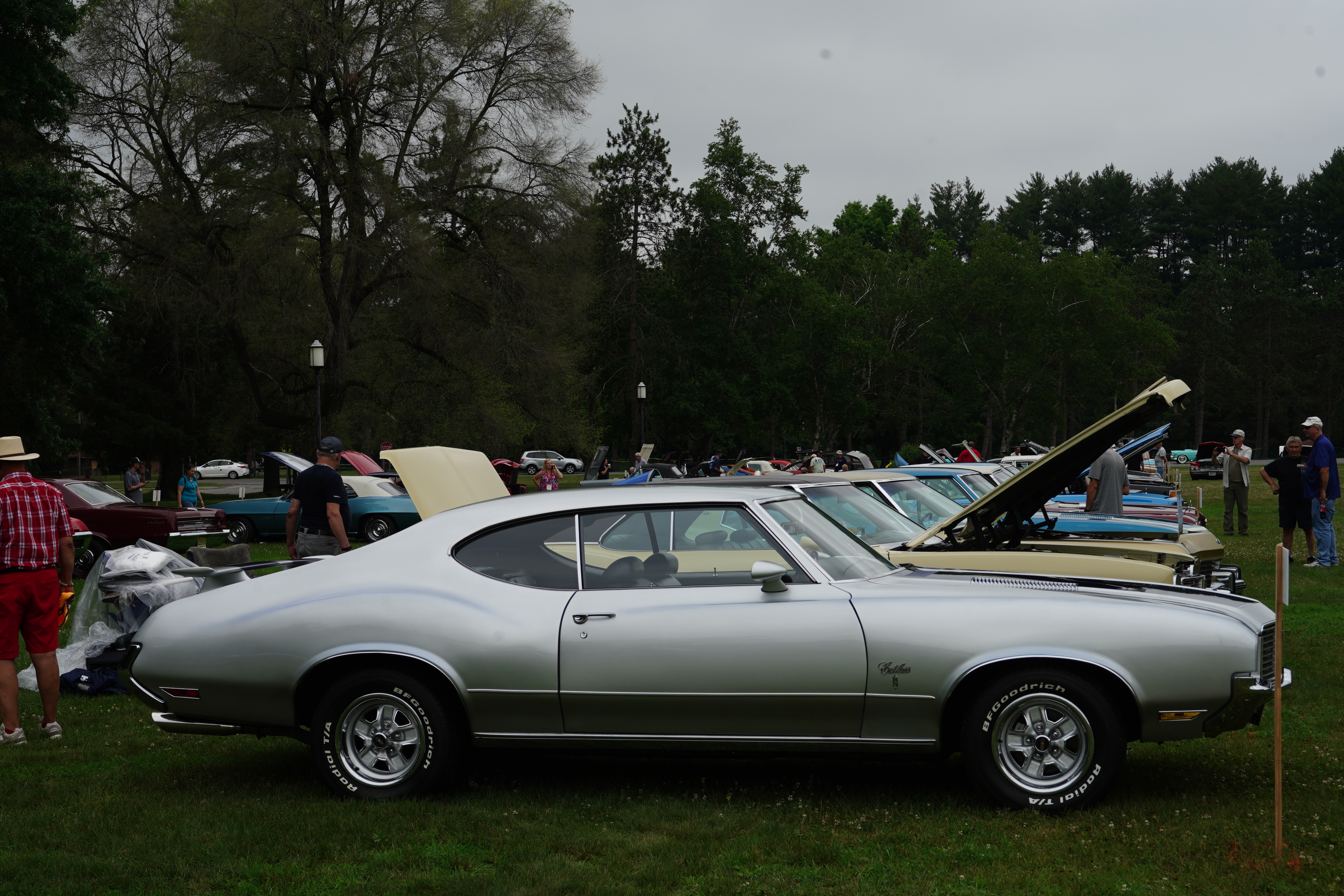
The 2024 AACA Eastern Spring Nationals were held in Saratoga Springs, NY on Saturday, June 22. After enduring heat advisories in the metro NY/NJ during the week leading up to this event, the forecast for Saratoga Springs looked like it might bring some relief: Friday and Saturday were supposed to bring temperatures about 10 degrees cooler, with a 40-50% chance of showers. Indeed, when my wife and I arrived at the host hotel, the Gideon Putman, around 12:30 p.m. on Friday, it was noticeably more comfortable outside. We headed into town for lunch and tried to forget about the weather for now. (I should also explain that we handled this trip differently: for the first time, we took two cars, with me in the ’67 Alfa Romeo and my wife piloting her ’24 Volvo XC40. She ran interference for me on the highways, rode in climate-controlled coolness with Sirius-XM piped into the cabin, and used the Volvo to shop on Saturday during the show. We both agreed that this arrangement worked well.)
Back at the hotel on Friday evening, our host Region, the Saratoga Region of the AACA, arranged a chicken wings & pizza party, which provided an opportunity to meet some participants. (Saratoga Springs is only a 3.5 hour drive from my house in central Jersey, and I’ll express disappointment that I was the only member of the NJ Region to show a car on Saturday. Yet I met participants who traveled from CT, MD, and VA with their cars, either driven or trailered.)
Before the skies opened up
Saturday morning, the weather forecast had changed and not for the better. Depending on which of 3 websites I consulted, the chance of rain was either 60, 70, or 80%, but all agreed that we would endure this chance all day. We had an early breakfast at the hotel, and when I stepped outside to move the Alfa to the show field, the skies were dry. Once the car was parked, I grabbed my camera because I sensed an opportunity to get some photography done in case it turned damp. Vehicles were still arriving but I was able to grab some shots. Back at my car, the showers started, and once they did, they didn’t stop for the remainder of the event. Actually, the showers got heavier and I had to resort to an umbrella I (luckily) remembered to tuck into the Alfa’s trunk.
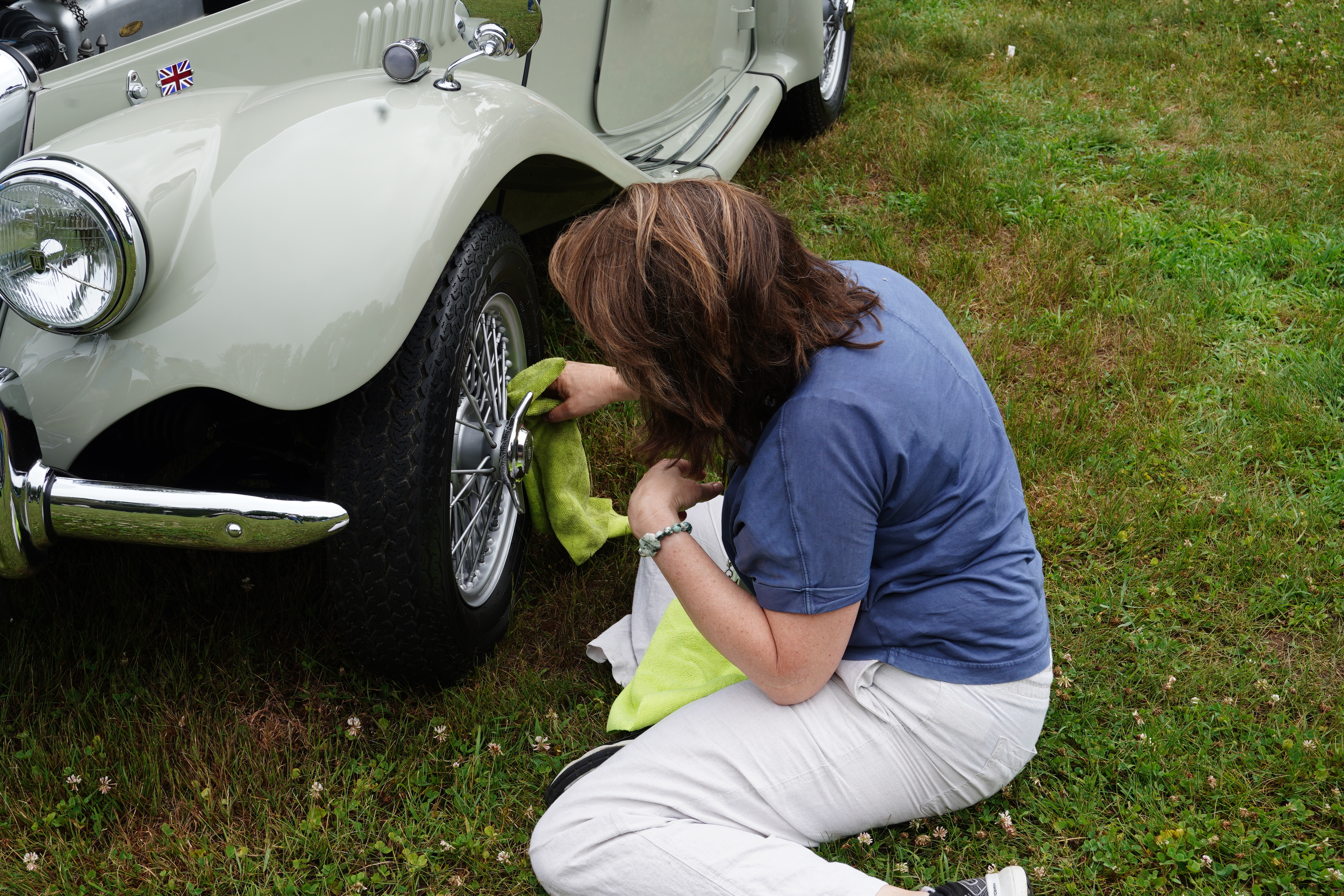
It’s dirty work, but someone’s got to do it
My car was in the HPOF class, Historical Preservation of Original Features. There were perhaps 25-30 cars in HPOF, and the judges came around early. It was impossible for them to keep their judging sheets dry, and I felt a bit sorry for them, soaked through as they were. They spent about 90 seconds on each car; it was more a contest for them to keep moving! Many of the car owners had taken to huddling under a brick portico, out from the rain. At least the temps remained high enough to ward off any chill.
Thanks to Vinnie for the shot!
I noticed that as soon as the cars were judged, they were making their way toward the exit. Ironically, this was just about when the heavy showers began to subside. I took another loop around the show field and met up with my friend Dave B., who was showing his ’55 T-Bird. I had met Dave at this same location 3 years ago, and featured him and his car in my blog post from that event. A long-time high school friend, Vinnie G., drove up from Pawling and I enjoyed walking the field with him to take in the few remaining cars. It was probably close to 3 p.m. when I moved the Alfa back to the hotel parking lot (1/2 mile away) and covered it; of course, the skies were dry!
Looking at the Program, there were 236 vehicles registered, a decent number for a Regional show. I overheard an AACA member say that 175 cars were on the show field. If that’s accurate, about 60 cars stayed home, which is regretful. While I do my best to remain positive (I had made plans for this show about 3 months ago and we were attending regardless), the weather made it a disappointing day. Yet, I made new friends and reconnected with old ones. My car made the 425-mile round-trip without a hiccup, and even my wife seemed pleased with the weekend! (A/C and satellite radio obviously work to an advantage here.) Up next for the Alfa: Fort Lee in July, but before that, some deferred maintenance is on the agenda.
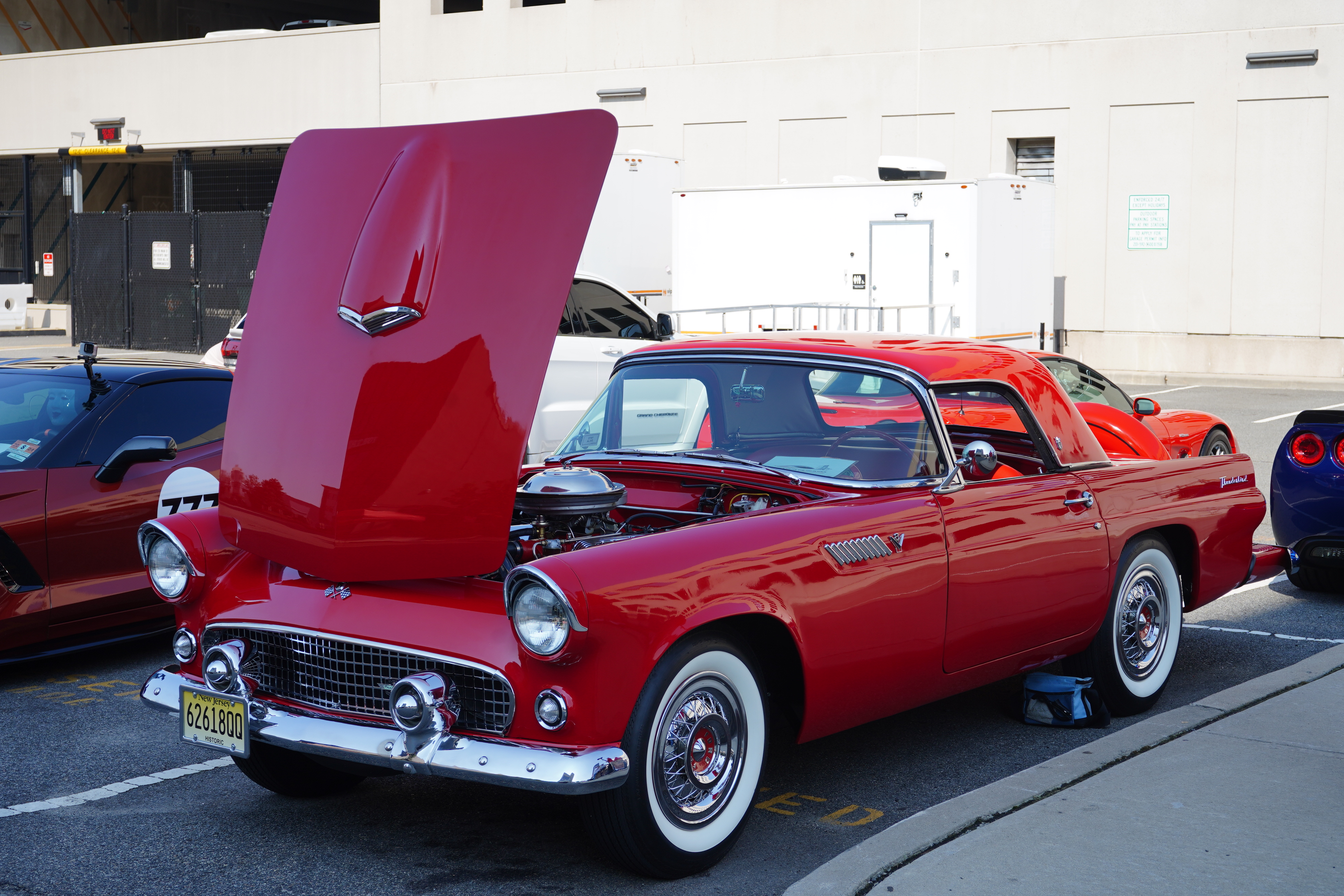
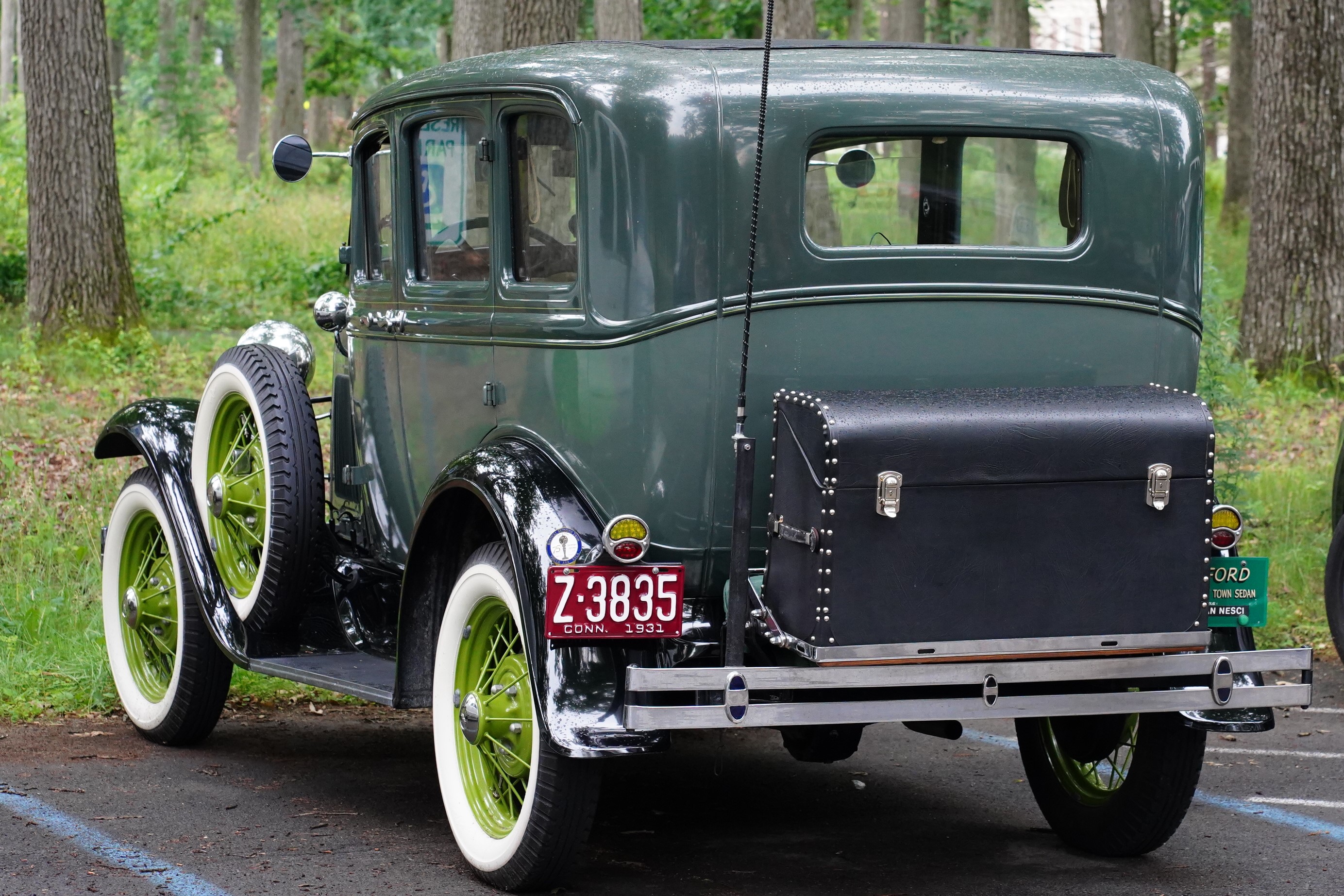
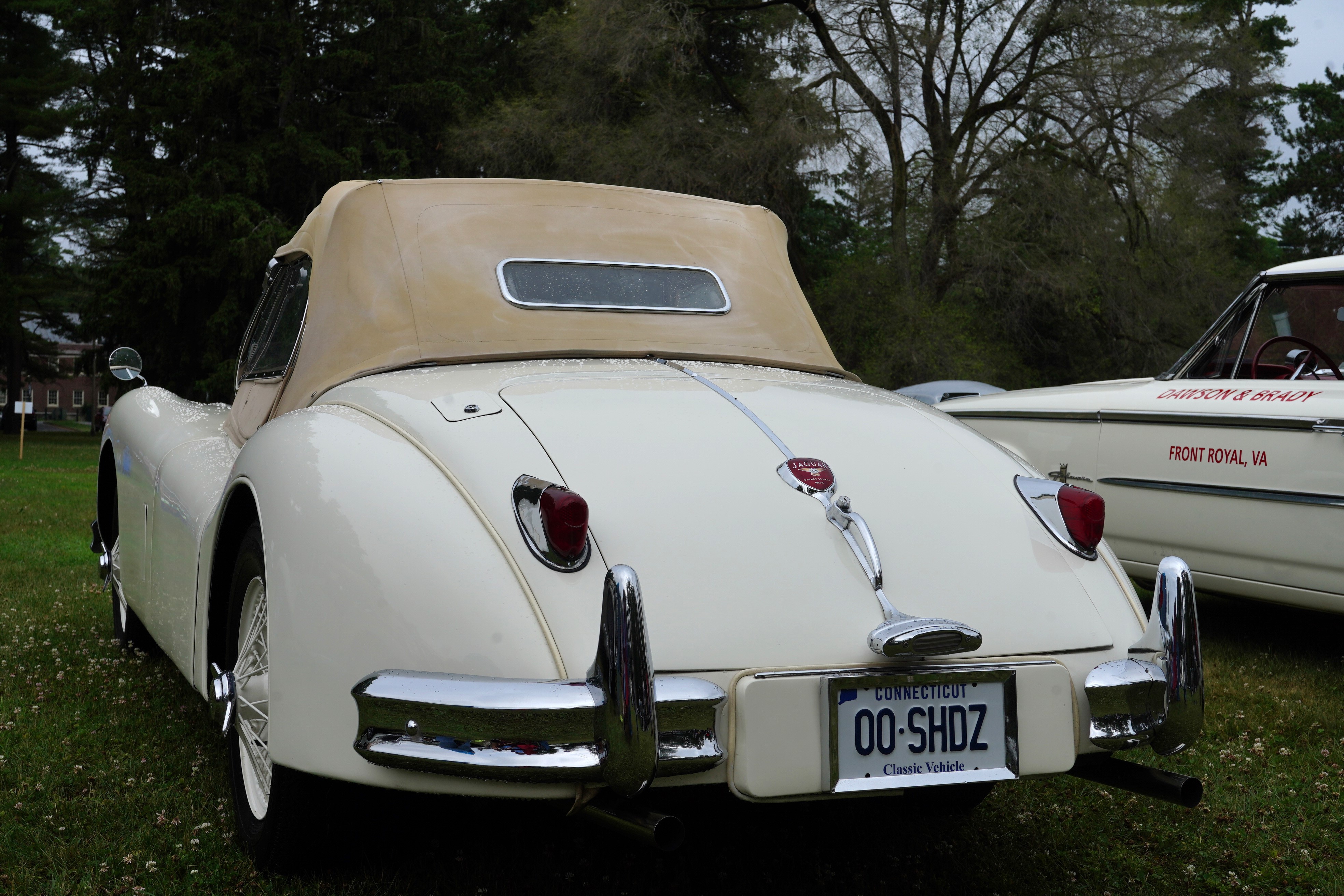
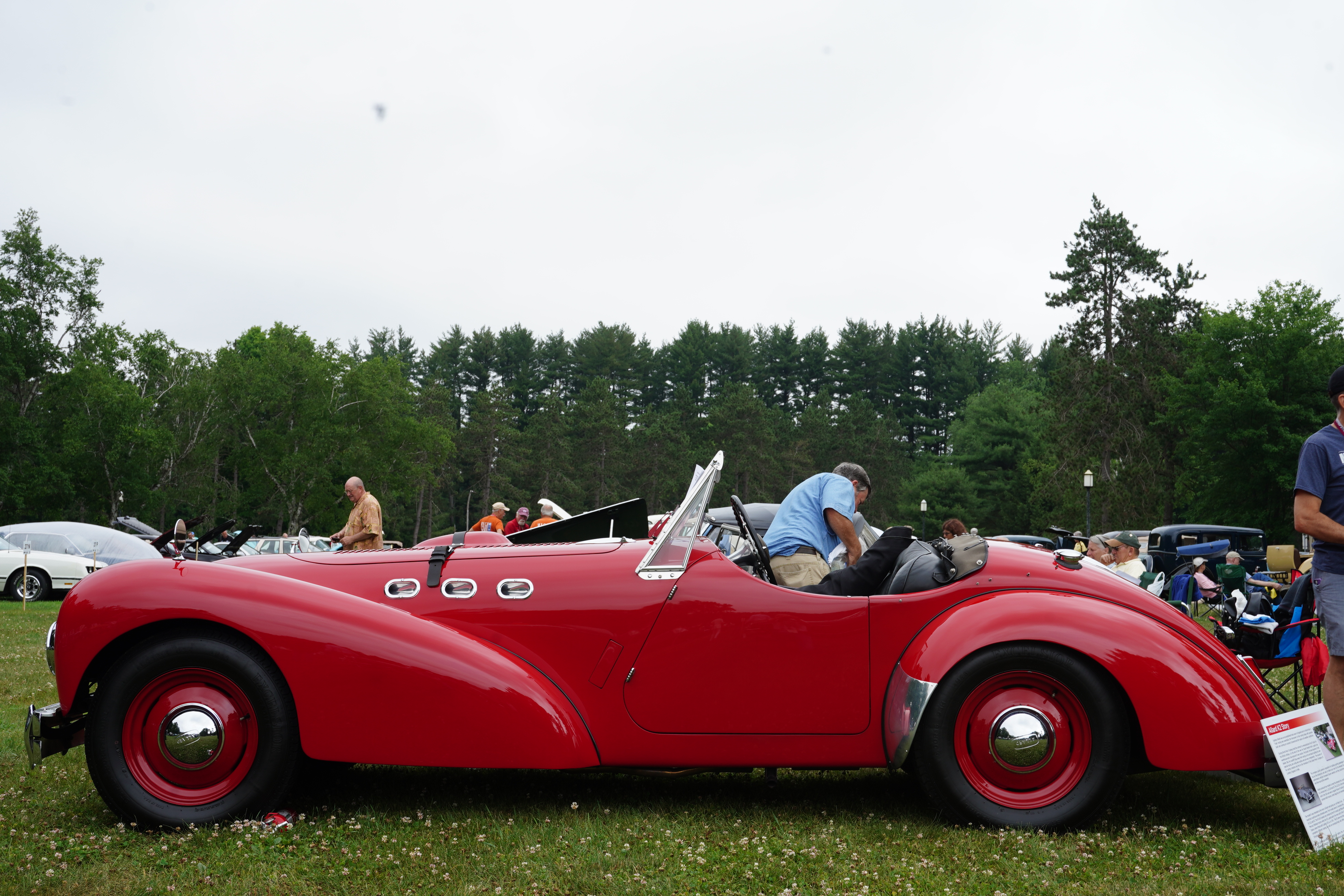
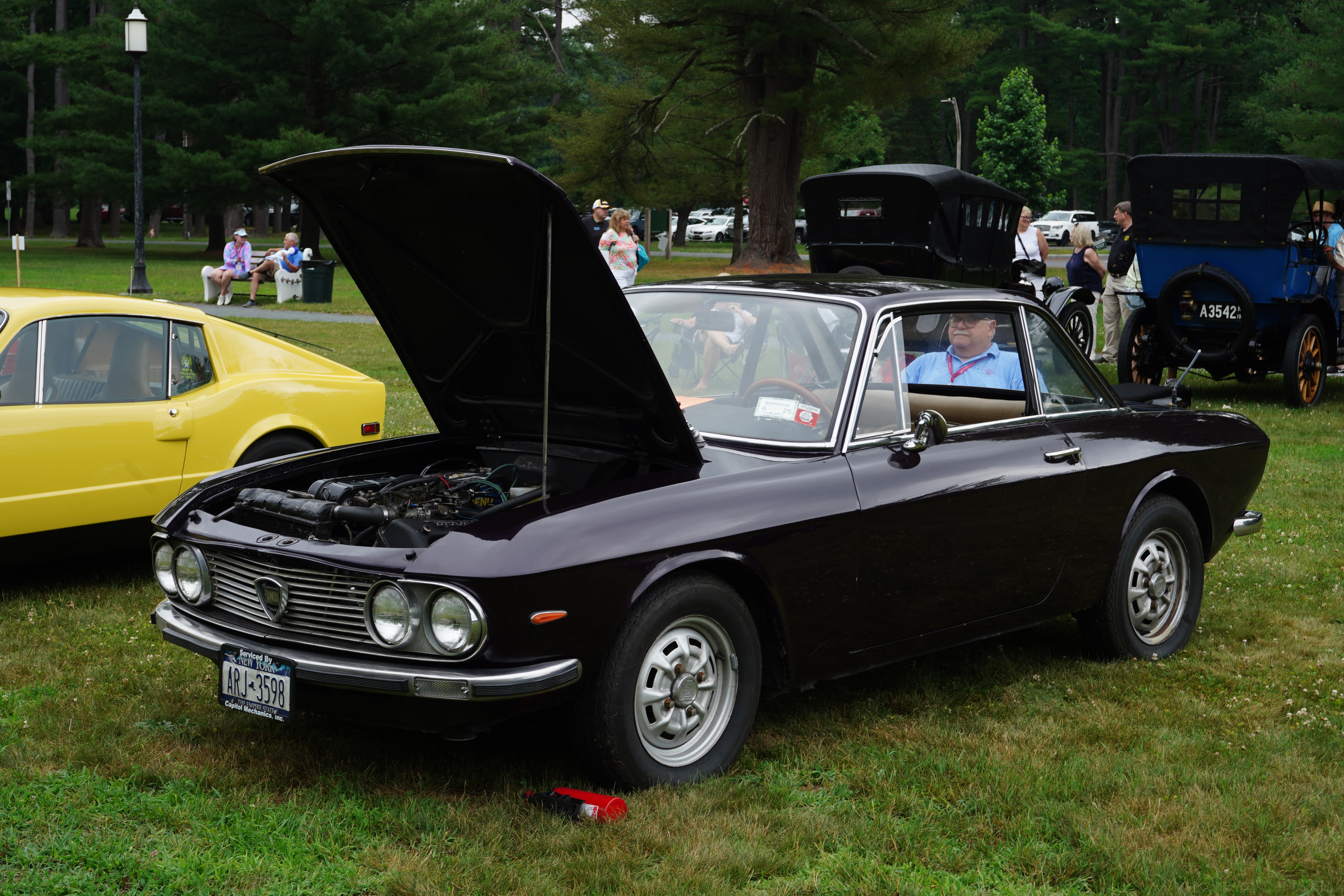
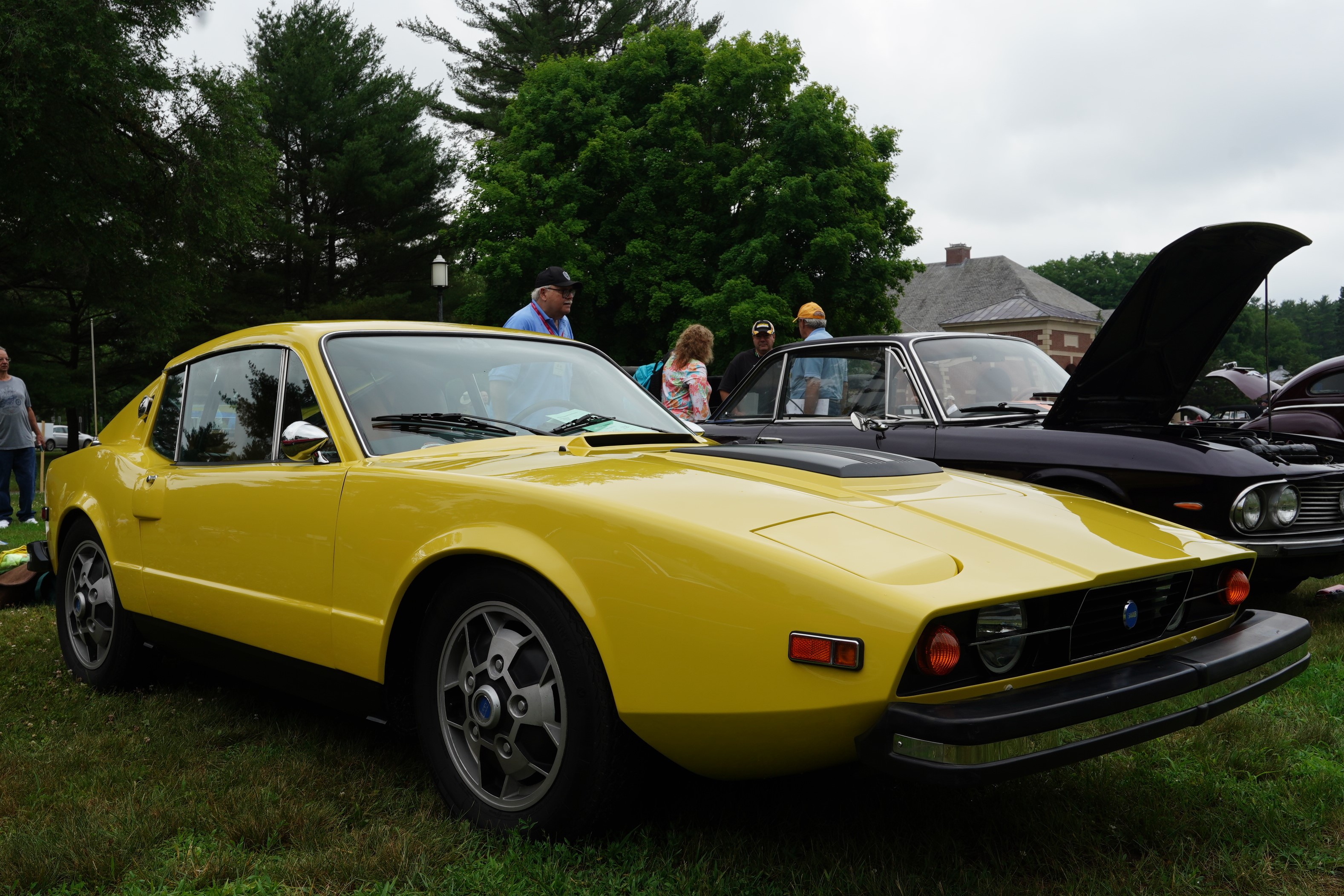
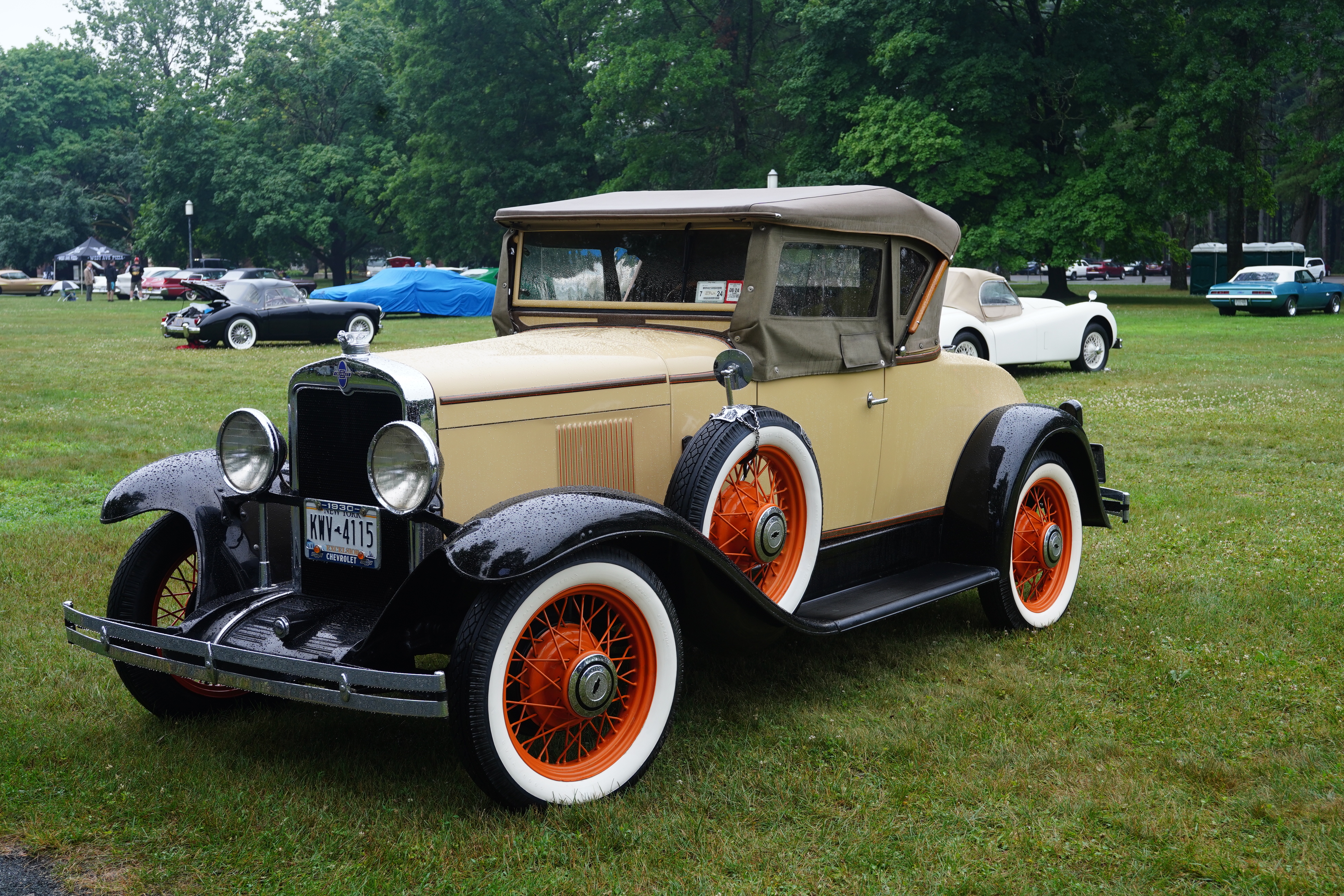
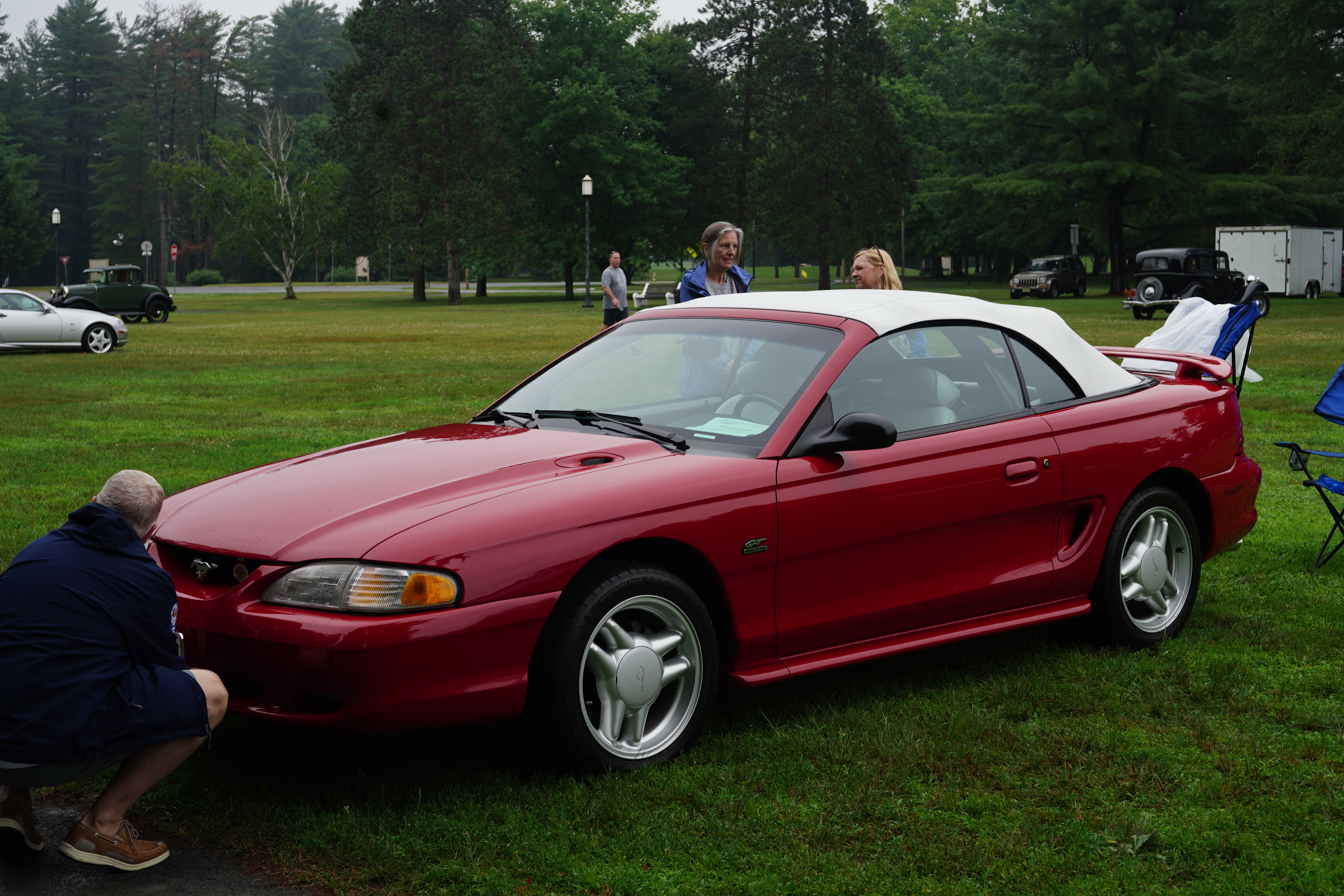
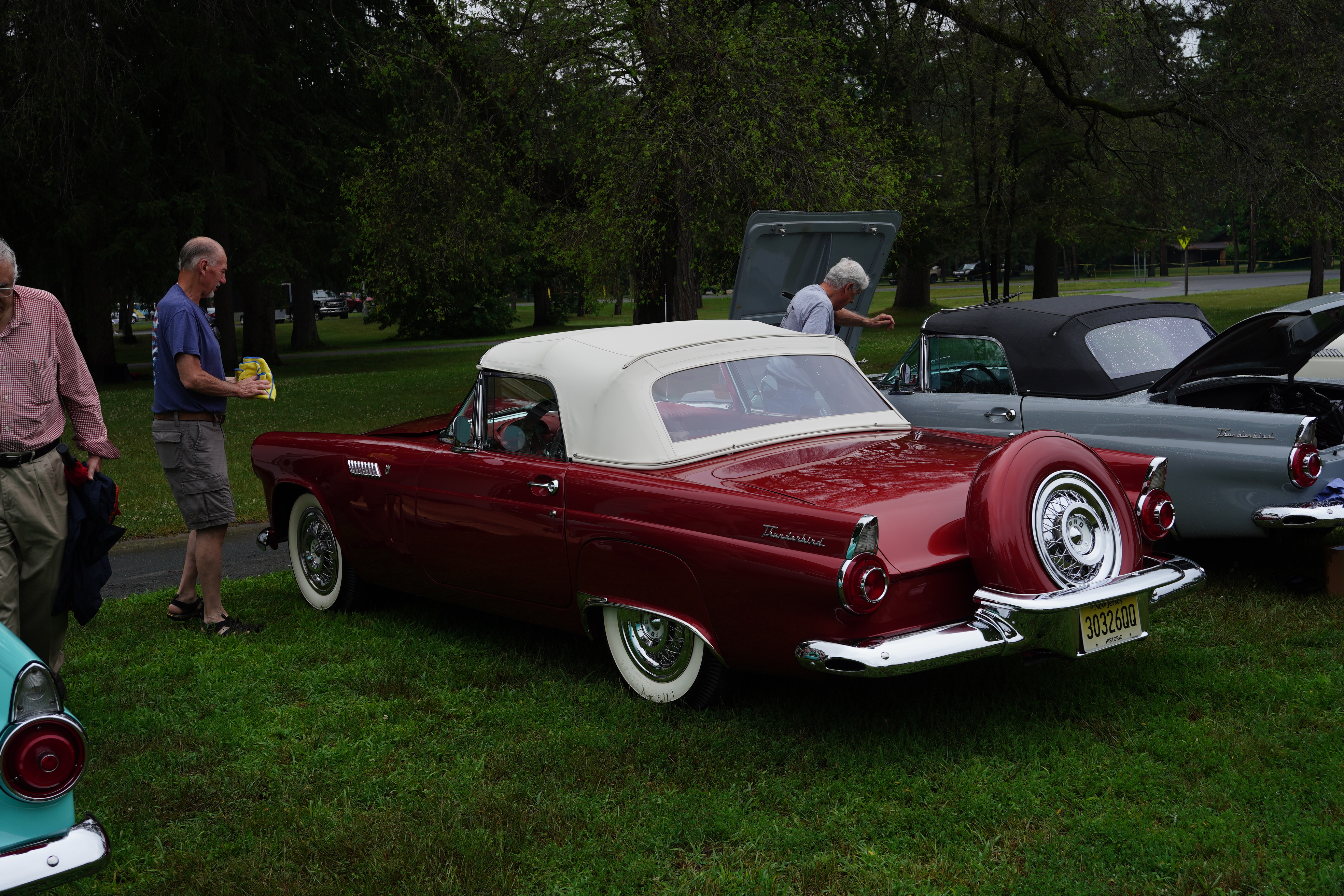
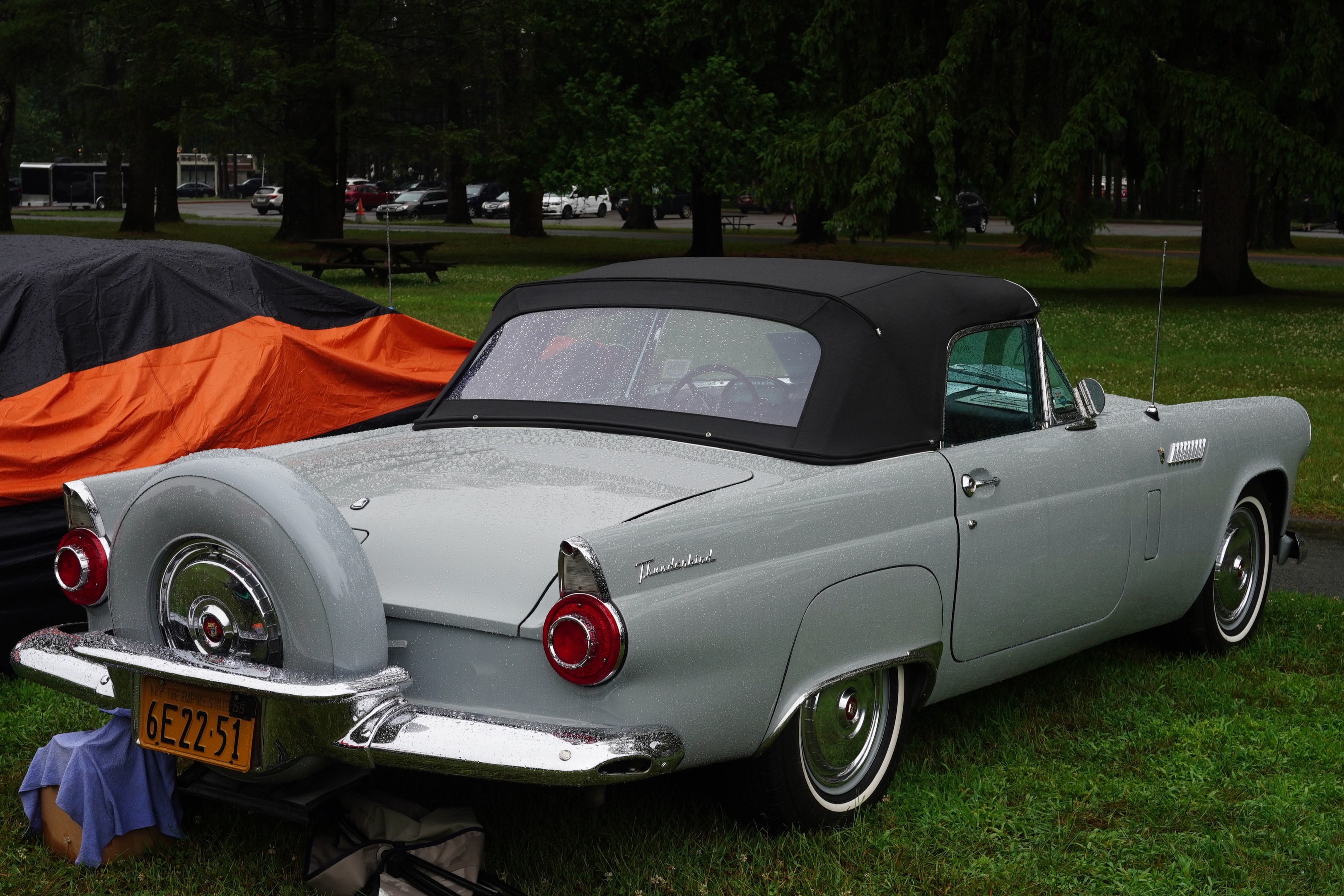
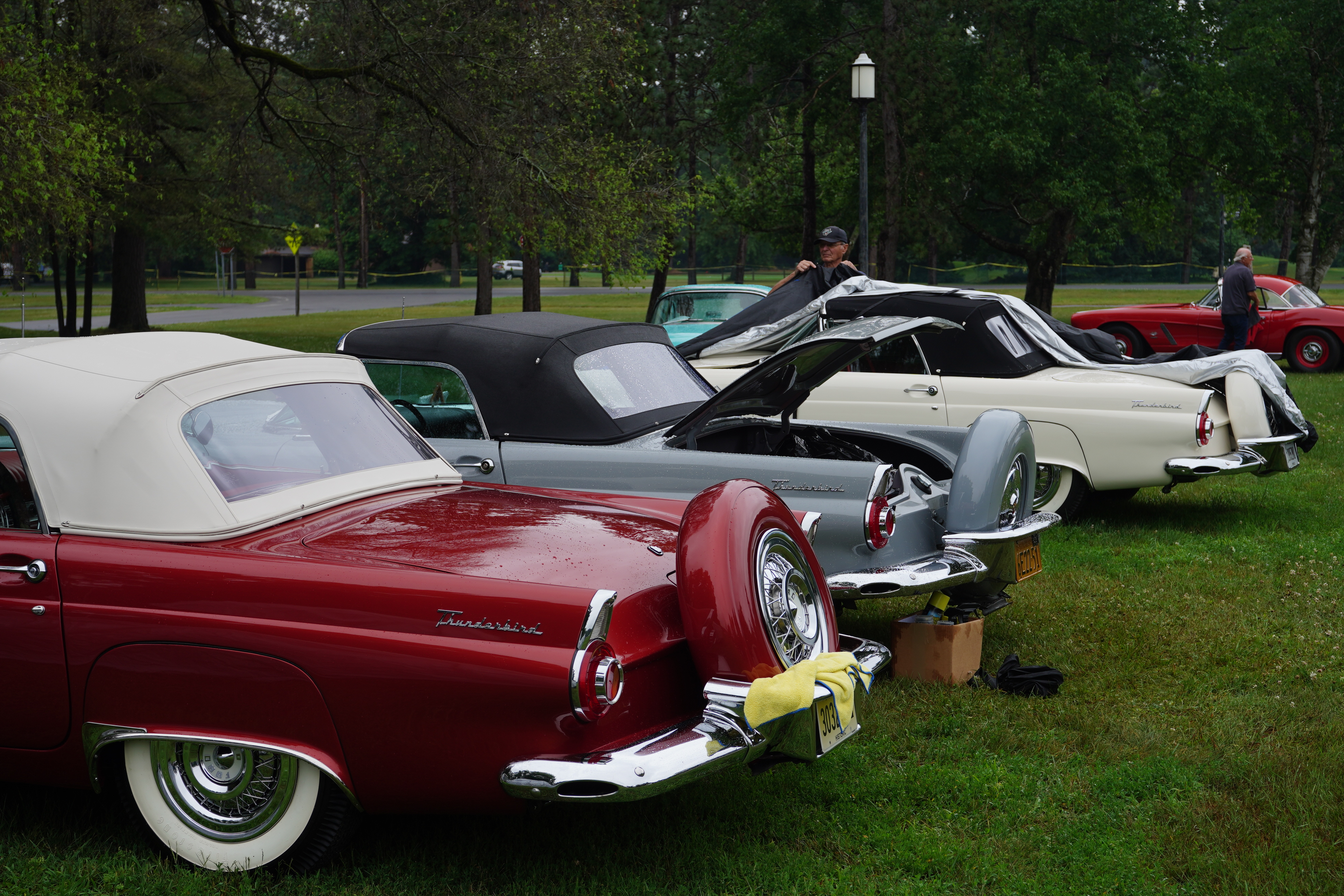
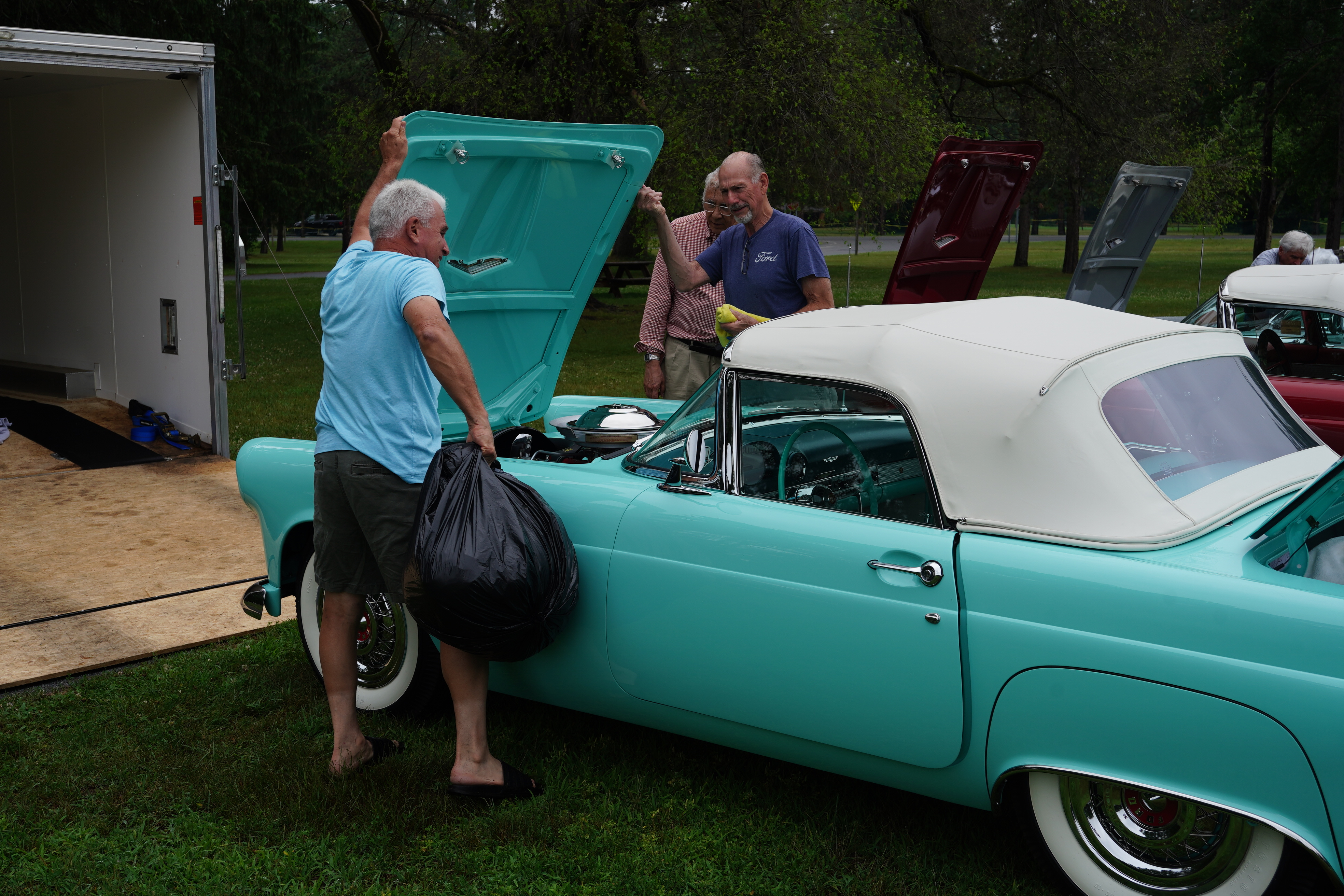
1951 Allard1971 Lancia Fulvia1974 SAAB Sonett1930 Chevrolet1994 Ford Mustang1956 Ford Thunderbird1956 Ford ThunderbirdThe Baby BirdsDave loads up for the trip home
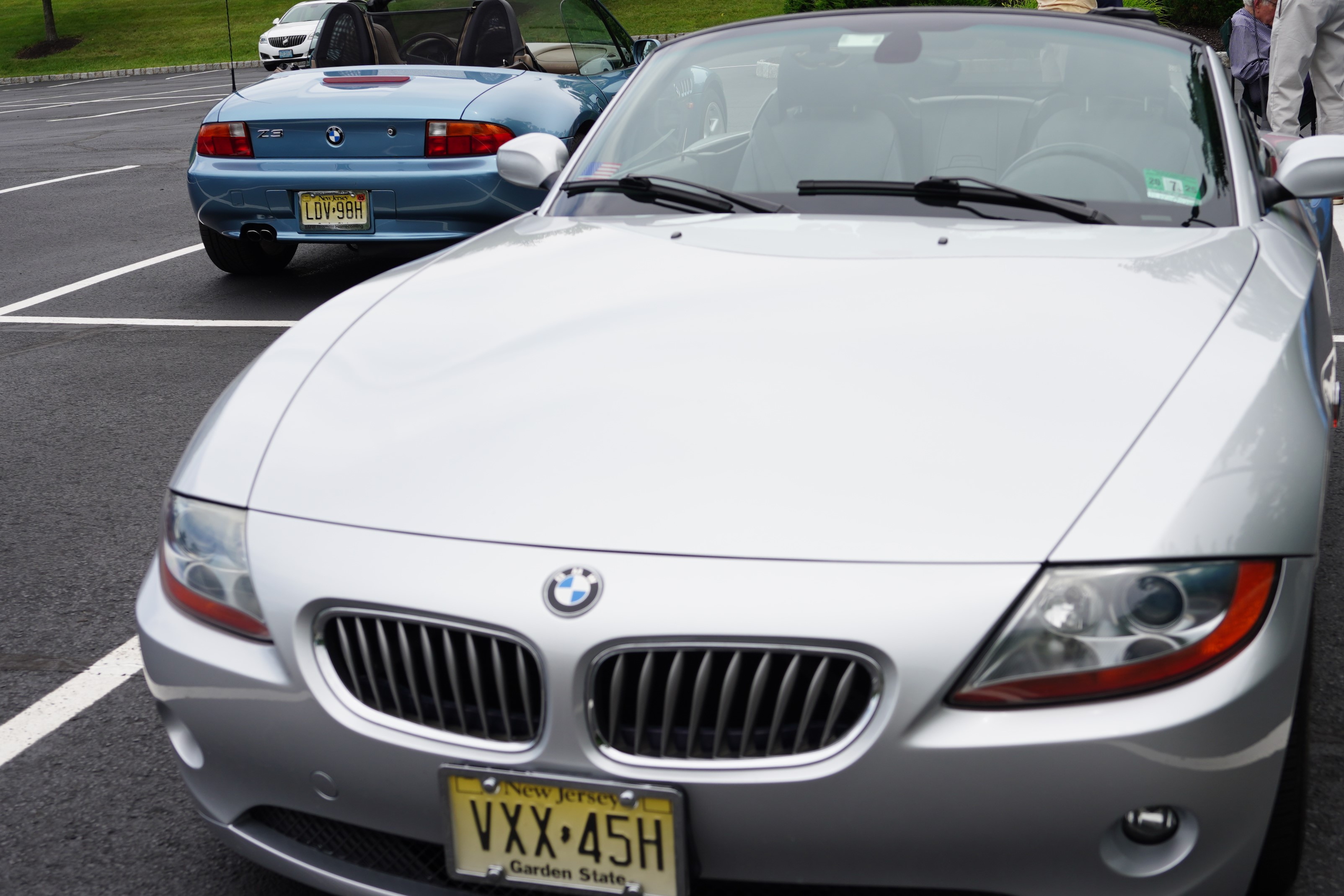
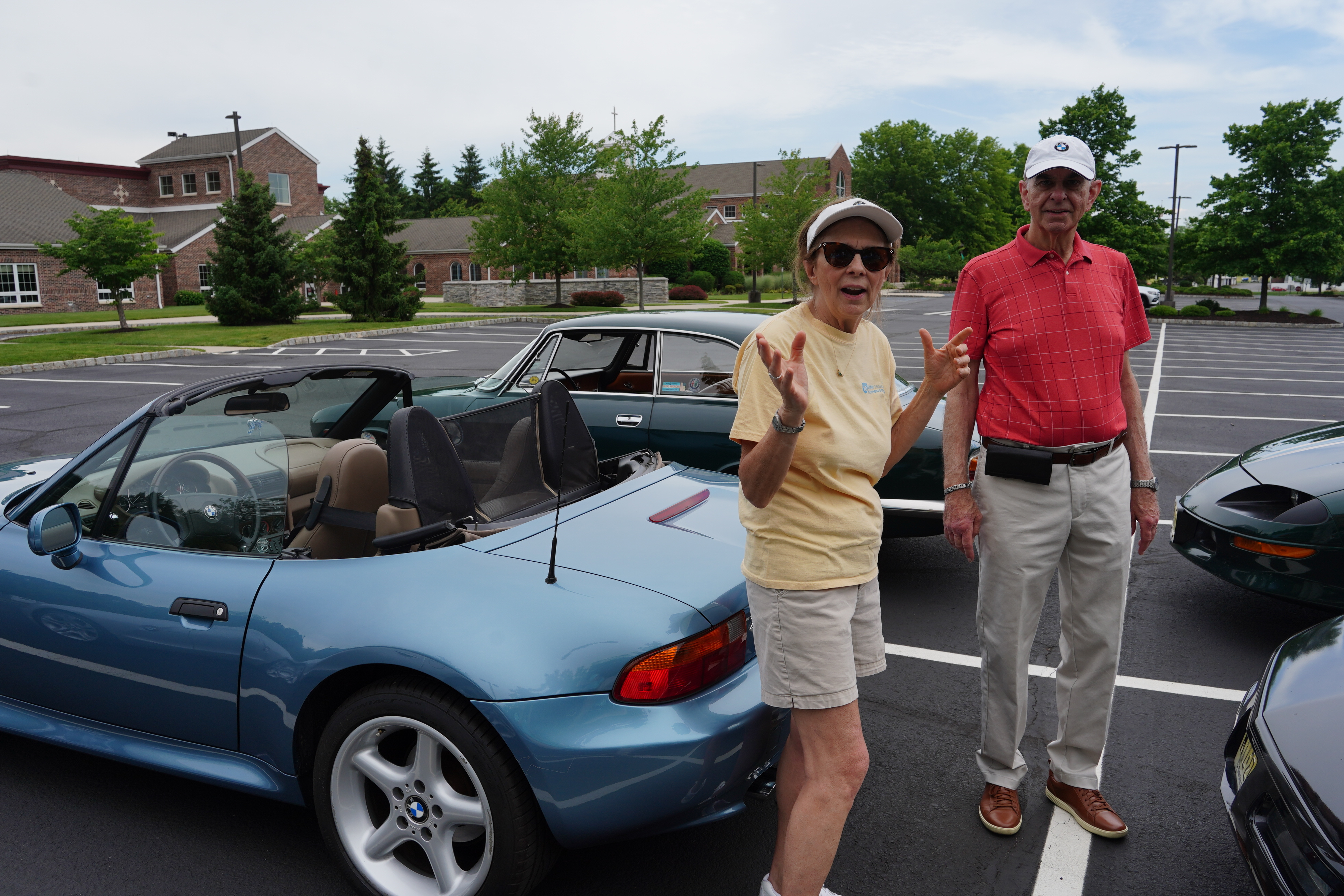
My wife and I belong to our local Catholic Church, St. Elizabeth Ann Seton, just 2 miles up the road, and I’ve recently befriended the husband of one of my wife’s friends from church. Andy is a ‘car guy’ in the sense that he likes cars and rather recently treated himself to a pre-owned BMW Z4 as a weekend driver. At my urging, he also joined the NJ Region of the AACA and has attended some meetings.
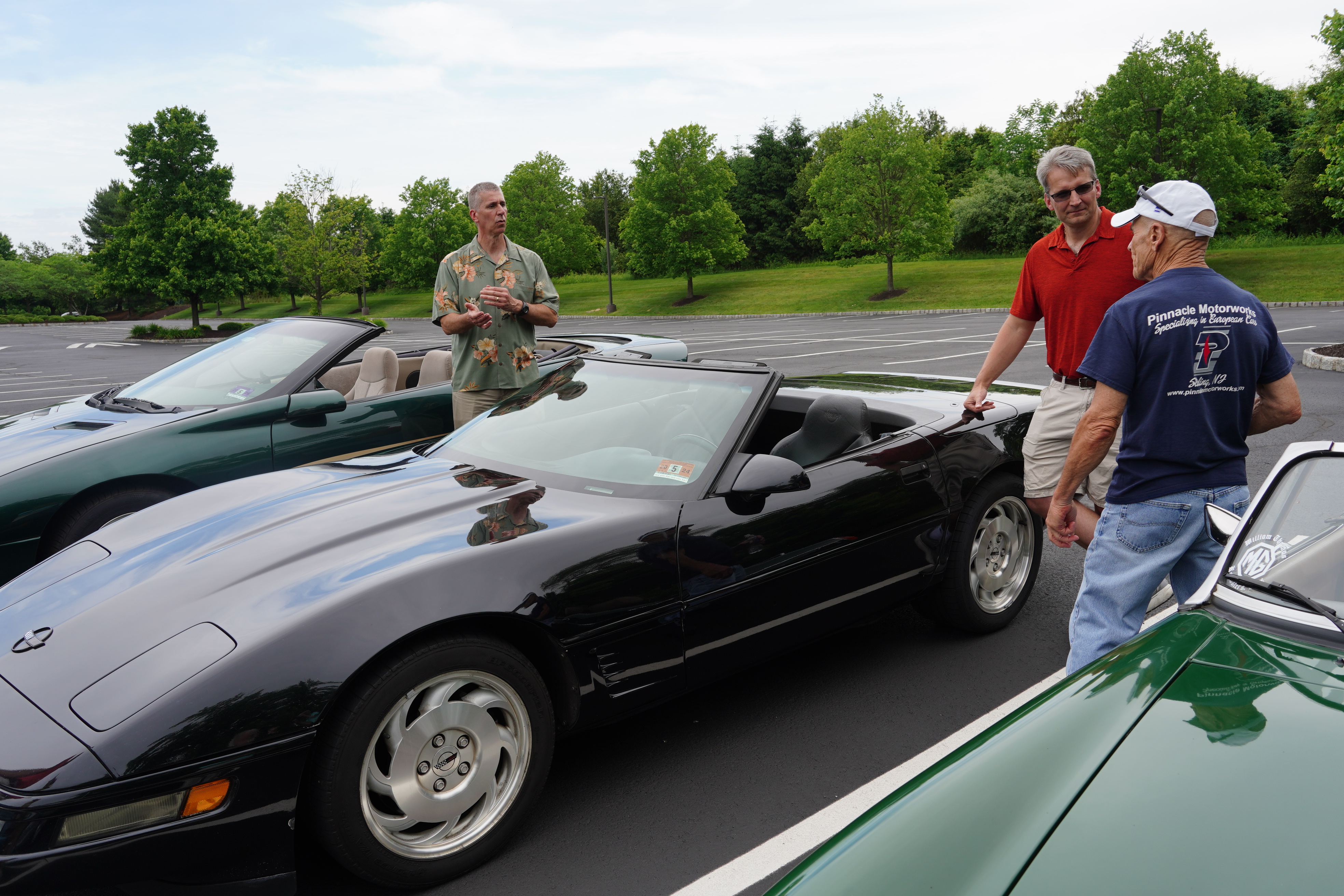
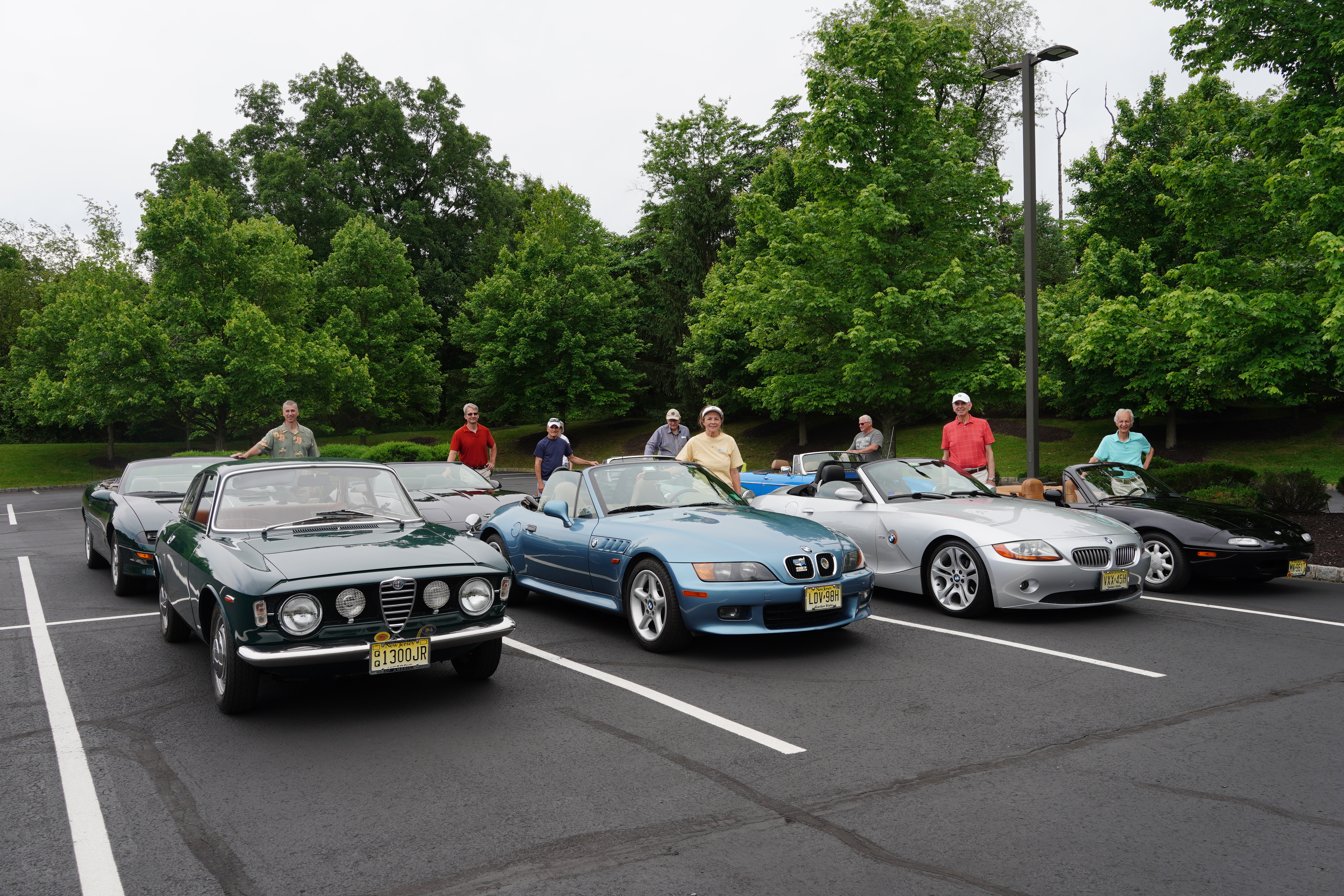
Andy is involved in various church activities and got the idea for something different. He approached the pastor about having a Cars & Coffee type event on a Sunday afternoon. He quickly got approval, and the word went out among the parishioners. The show was scheduled for Sunday June 2, 2024, and while he was initially hoping for around 15 cars, he got 11 owners to sign up; but then, 3 dropped out the day prior. He still had 8 vehicles, and a varied assortment at that.
To help him fill out the field, I promised Andy that I’d bring both my ’67 Alfa Romeo and my ’93 Mazda Miata. My wife was willing to drive the Miata there, and she got to hang out with some of her girlfriends, while the guys clustered together to talk about their machines.
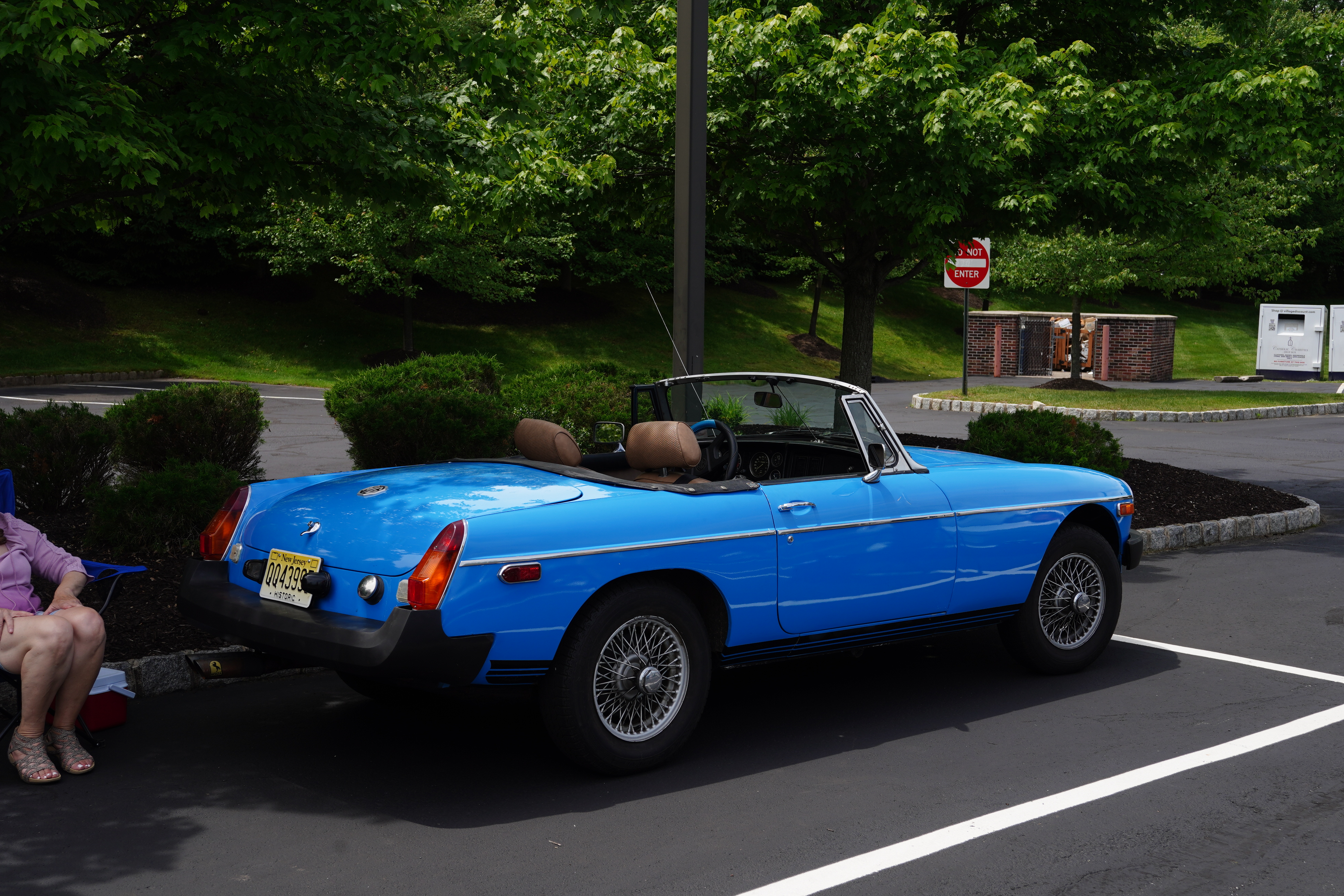
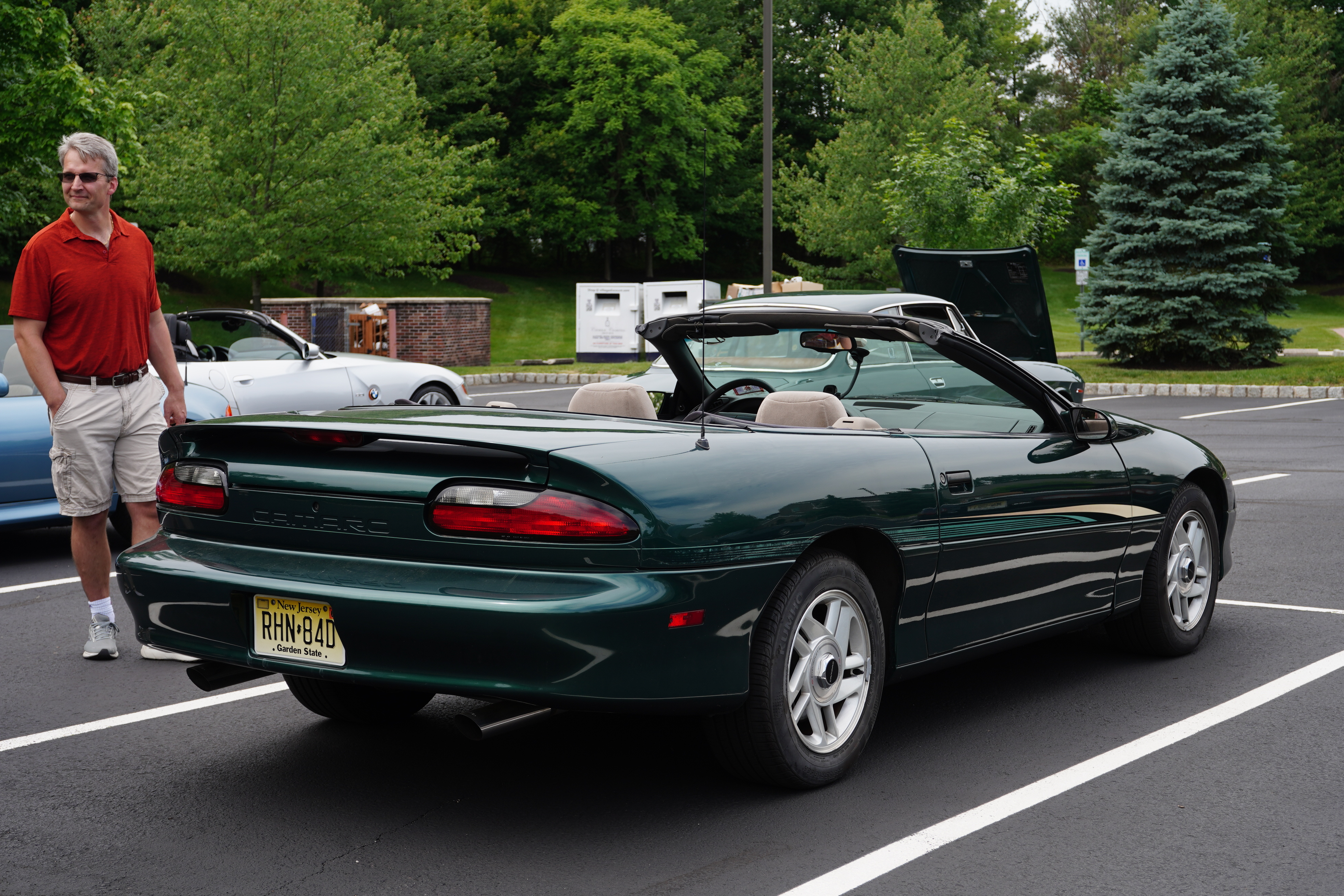
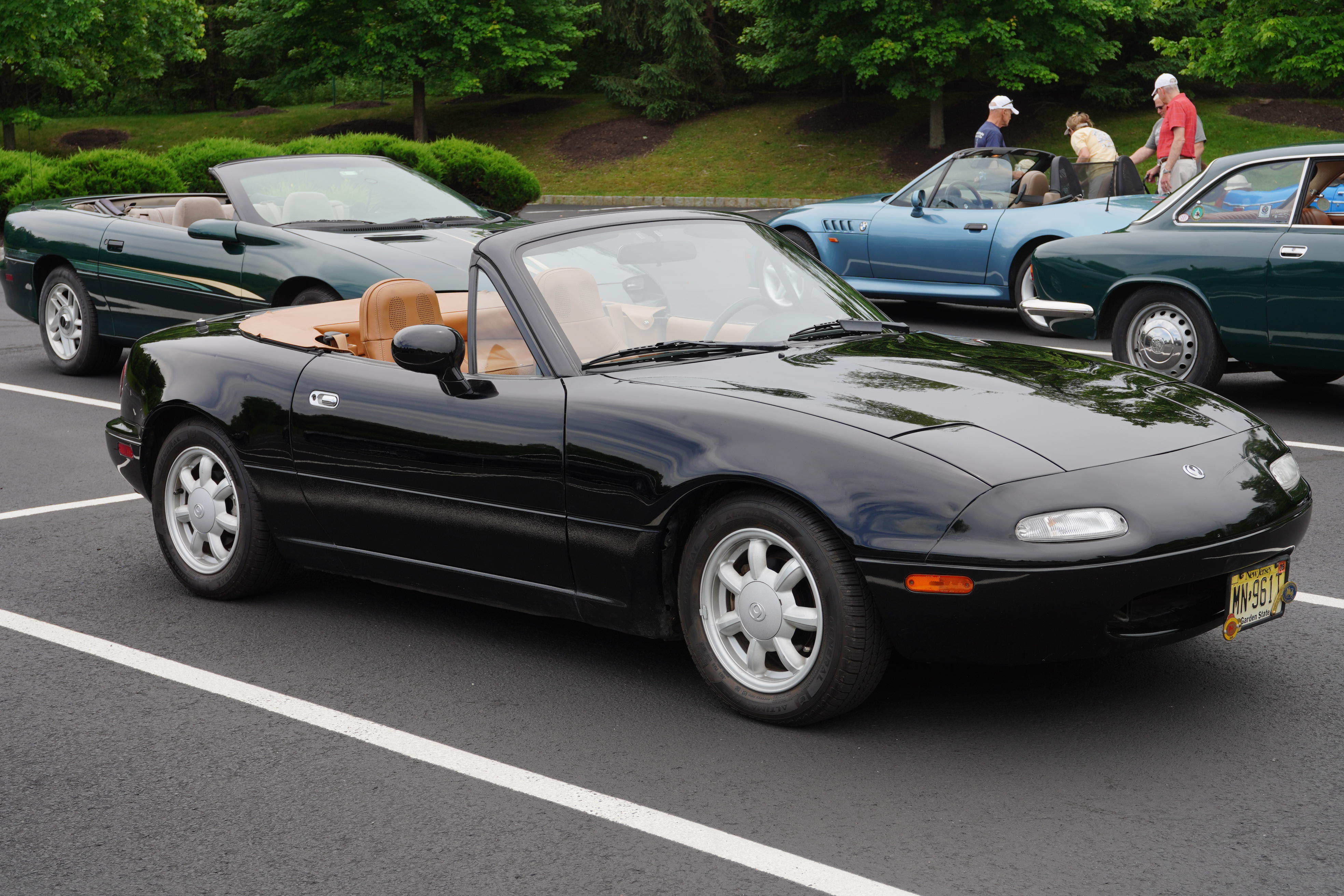
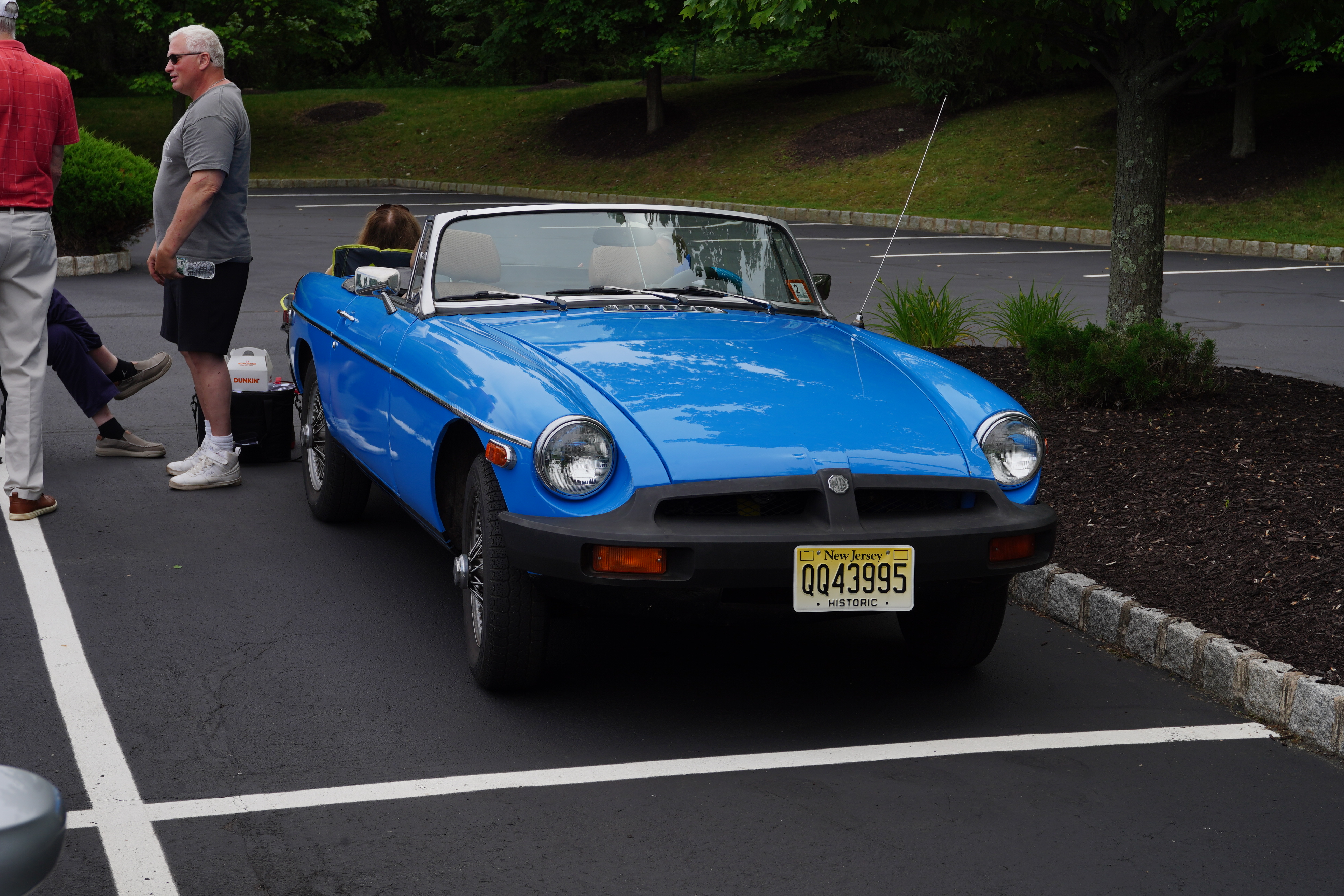
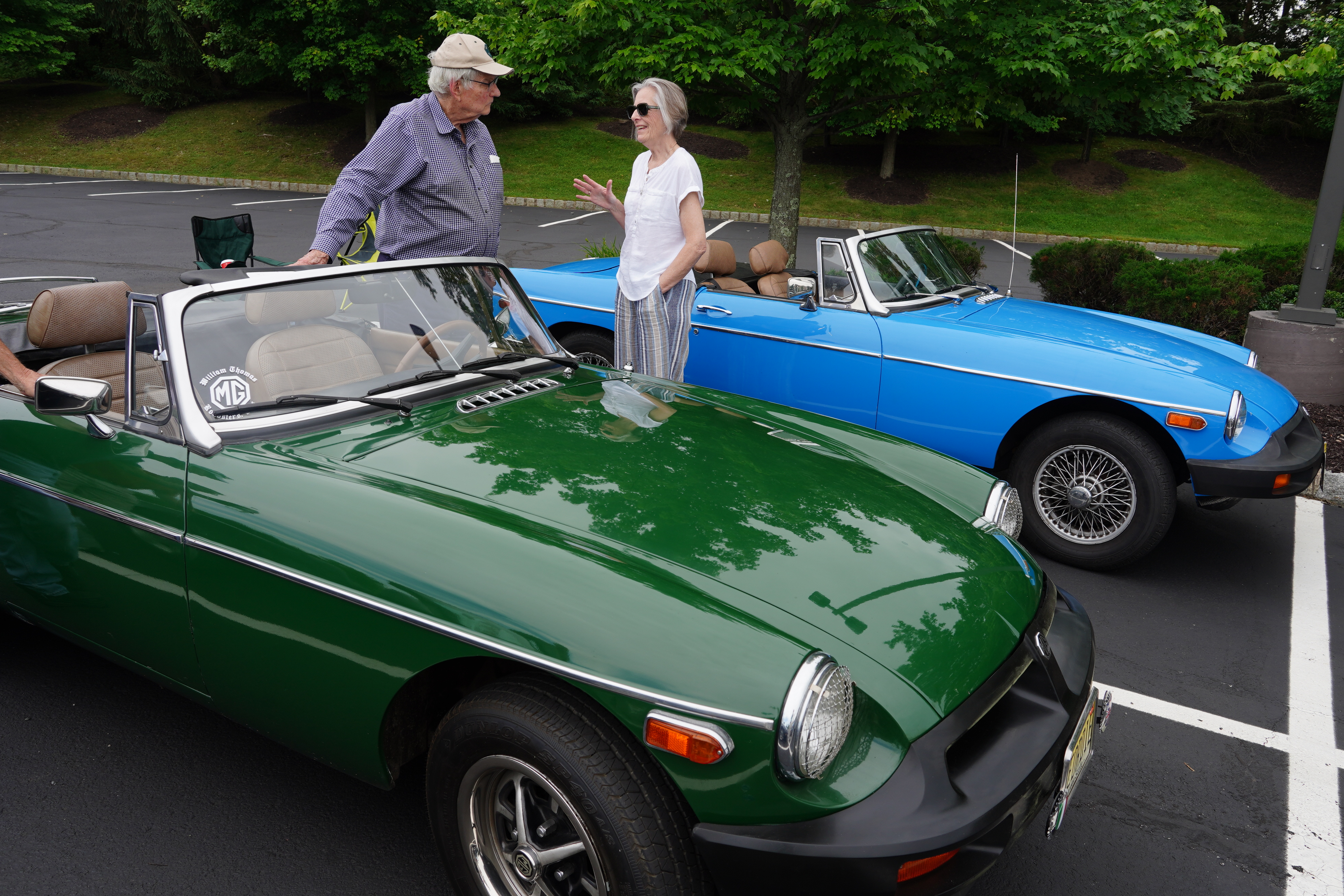
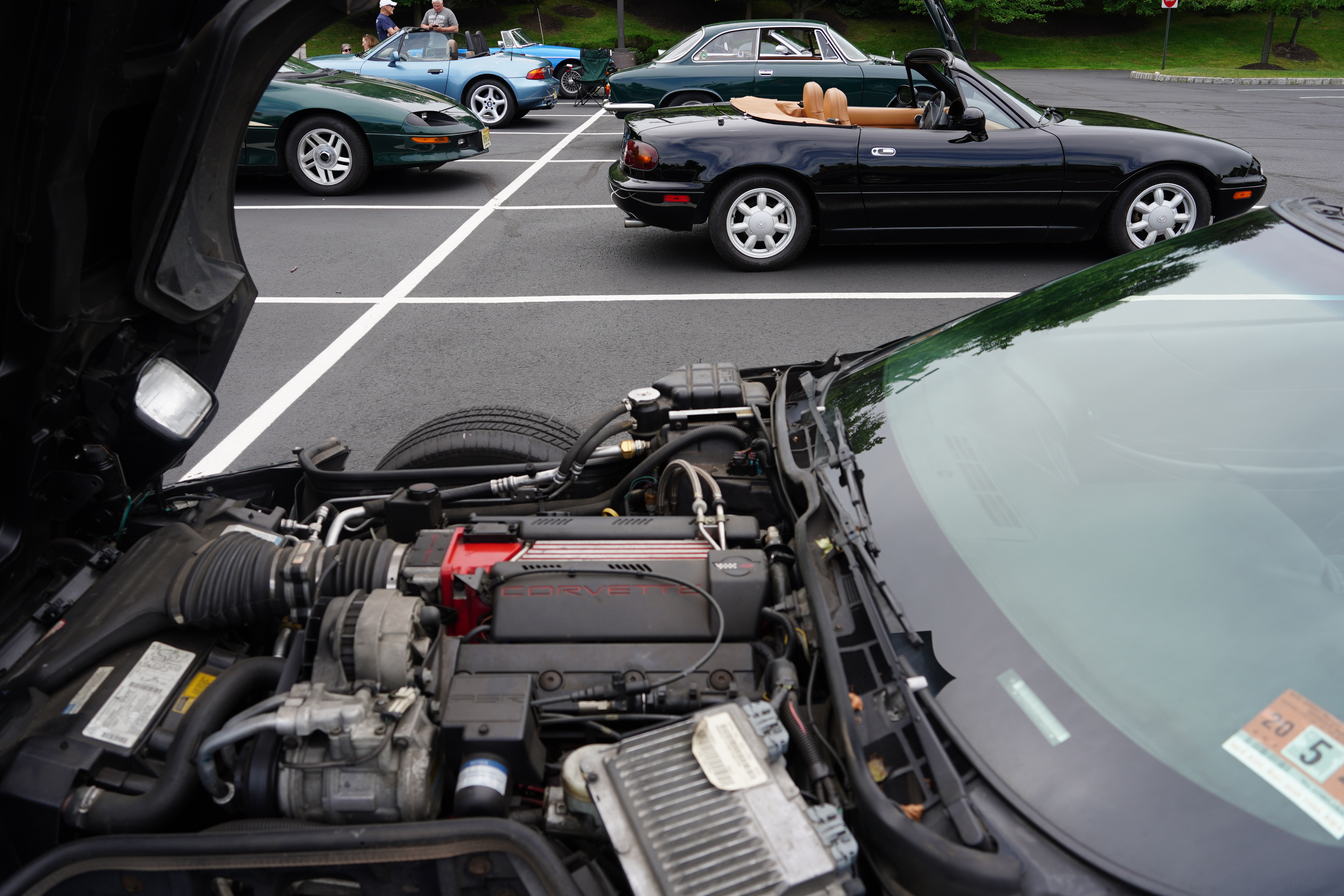
Besides my two cars and Andy’s Z4, we had a BMW Z3, a C4 Corvette, a mid-90’s Camaro, and 2 late ’70s MGBs. I had not met any of the owners before, and this was a great opportunity to get to know some local car enthusiasts. Everyone was courteous and complimentary of each other’s cars, and at the end of the gathering, we promised each other that we would do this at least one more time this year, and perhaps even work in a little road tour. I would especially appreciate the tour, as the 4-mile round trip barely got my engines warm!
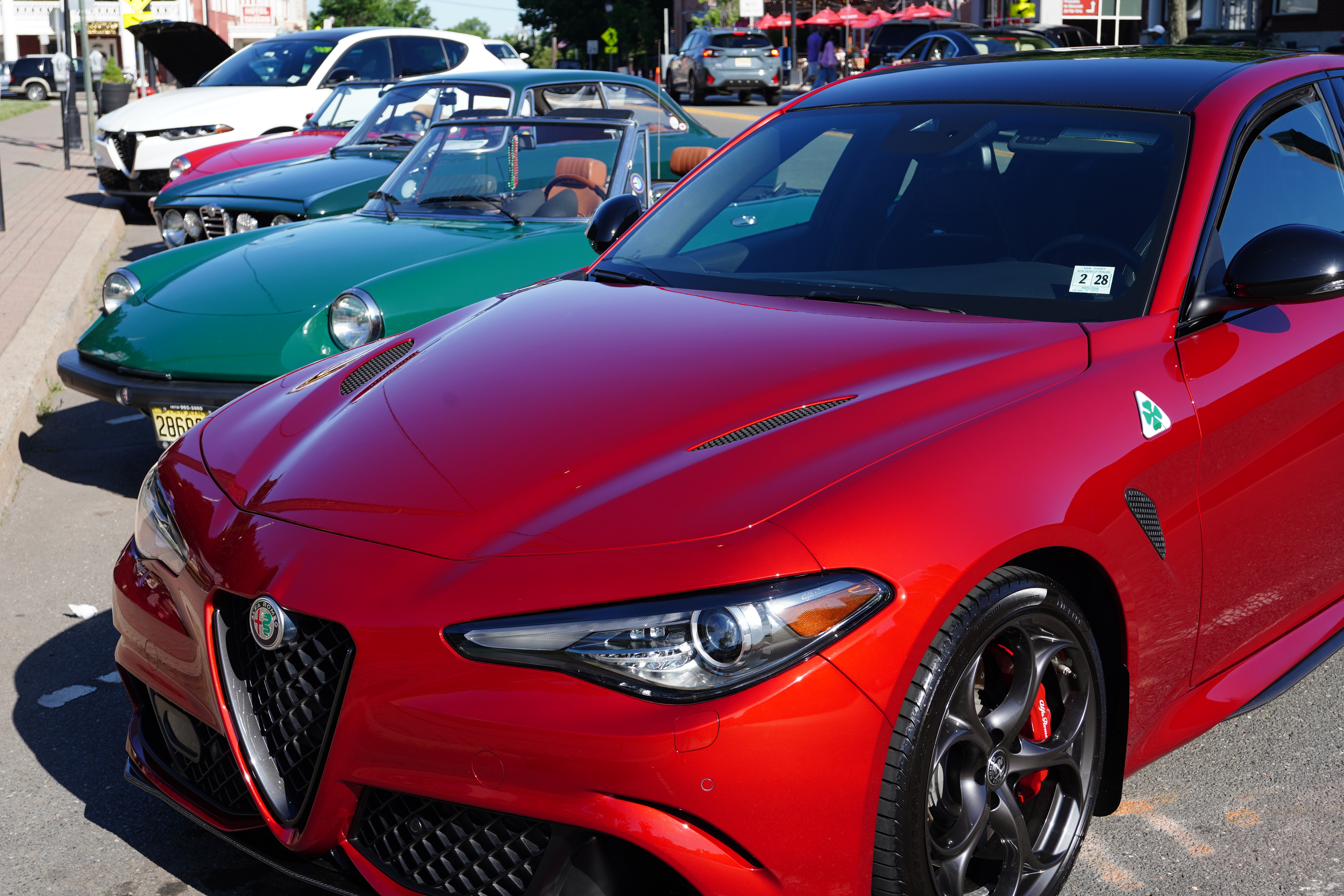
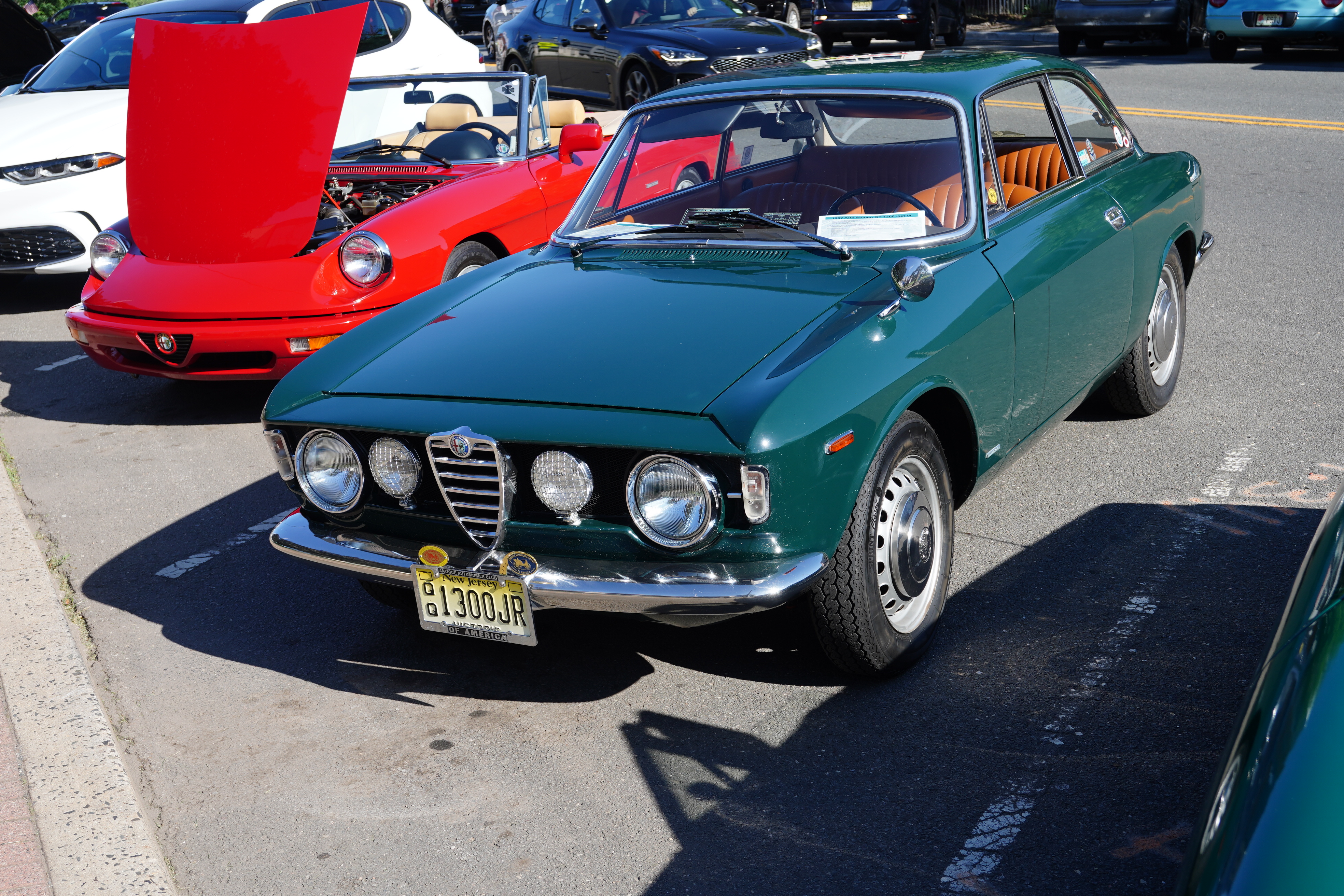
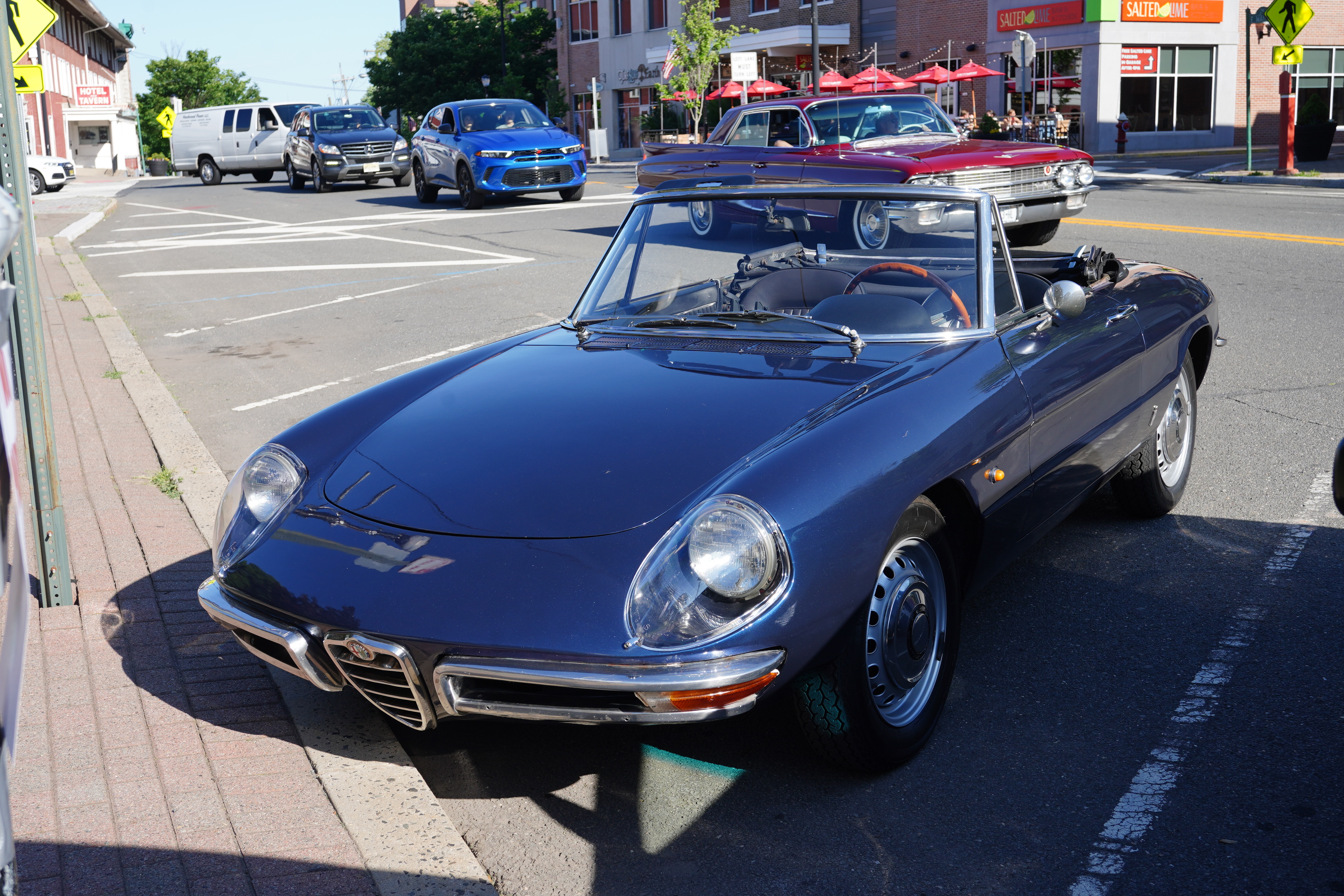
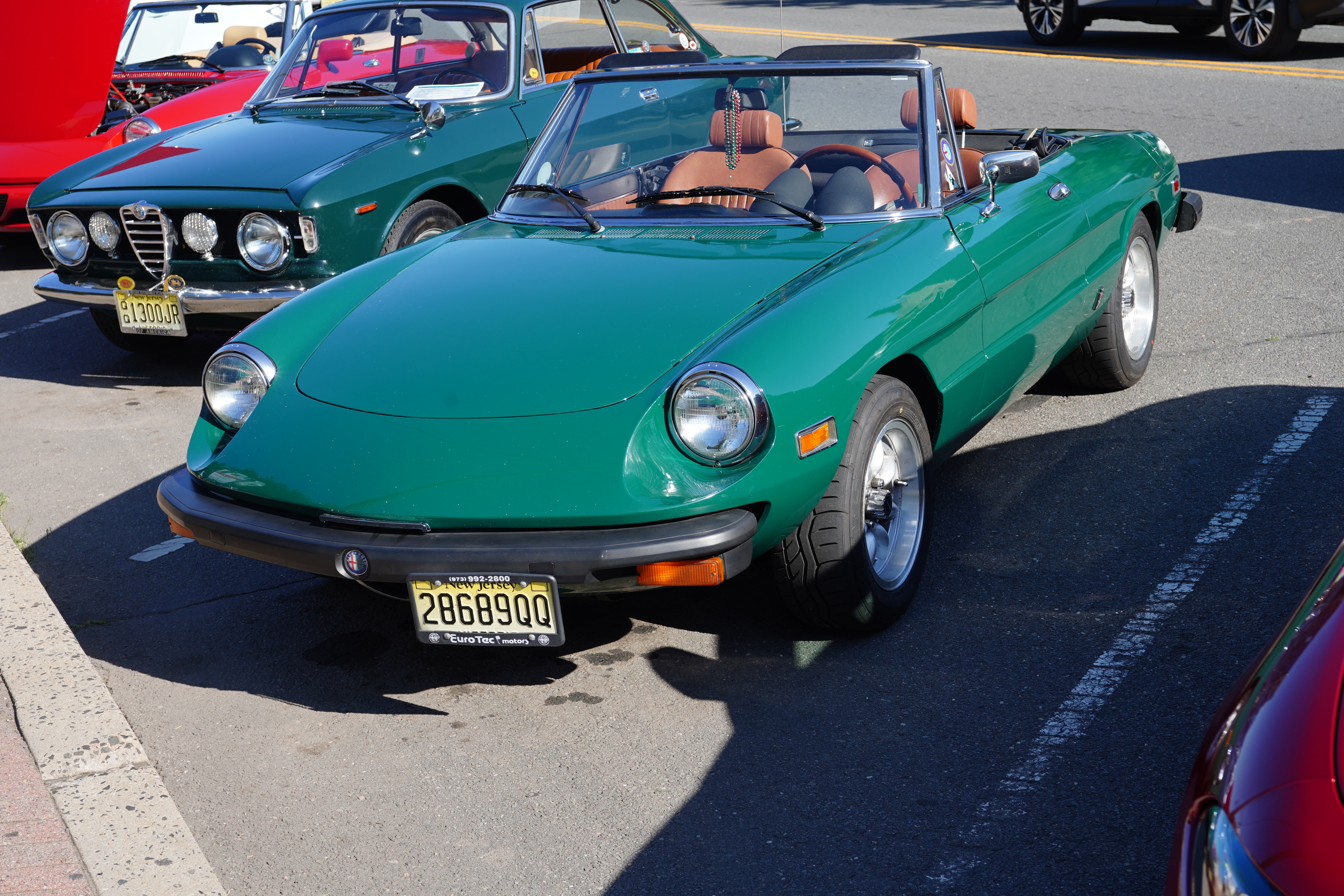
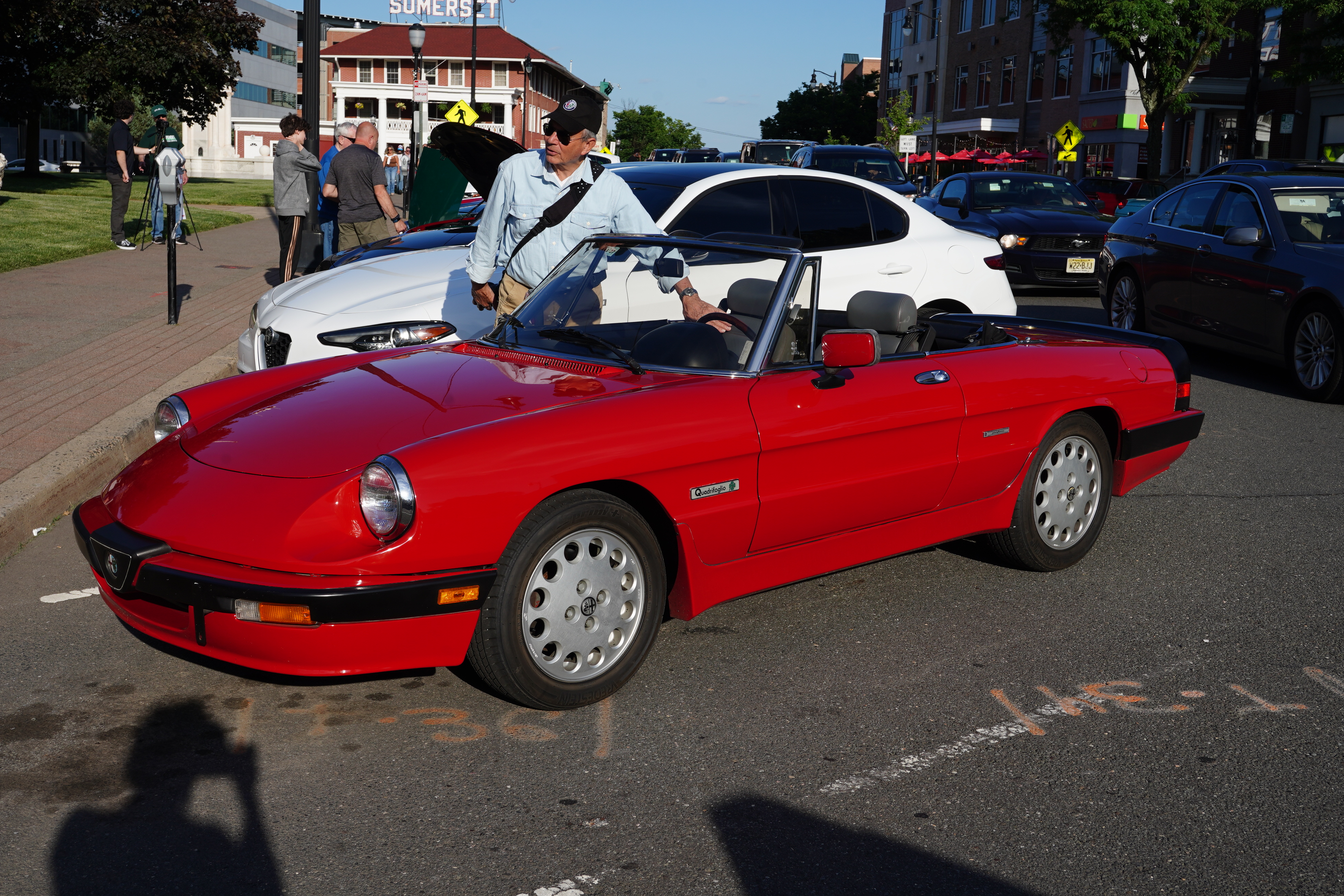
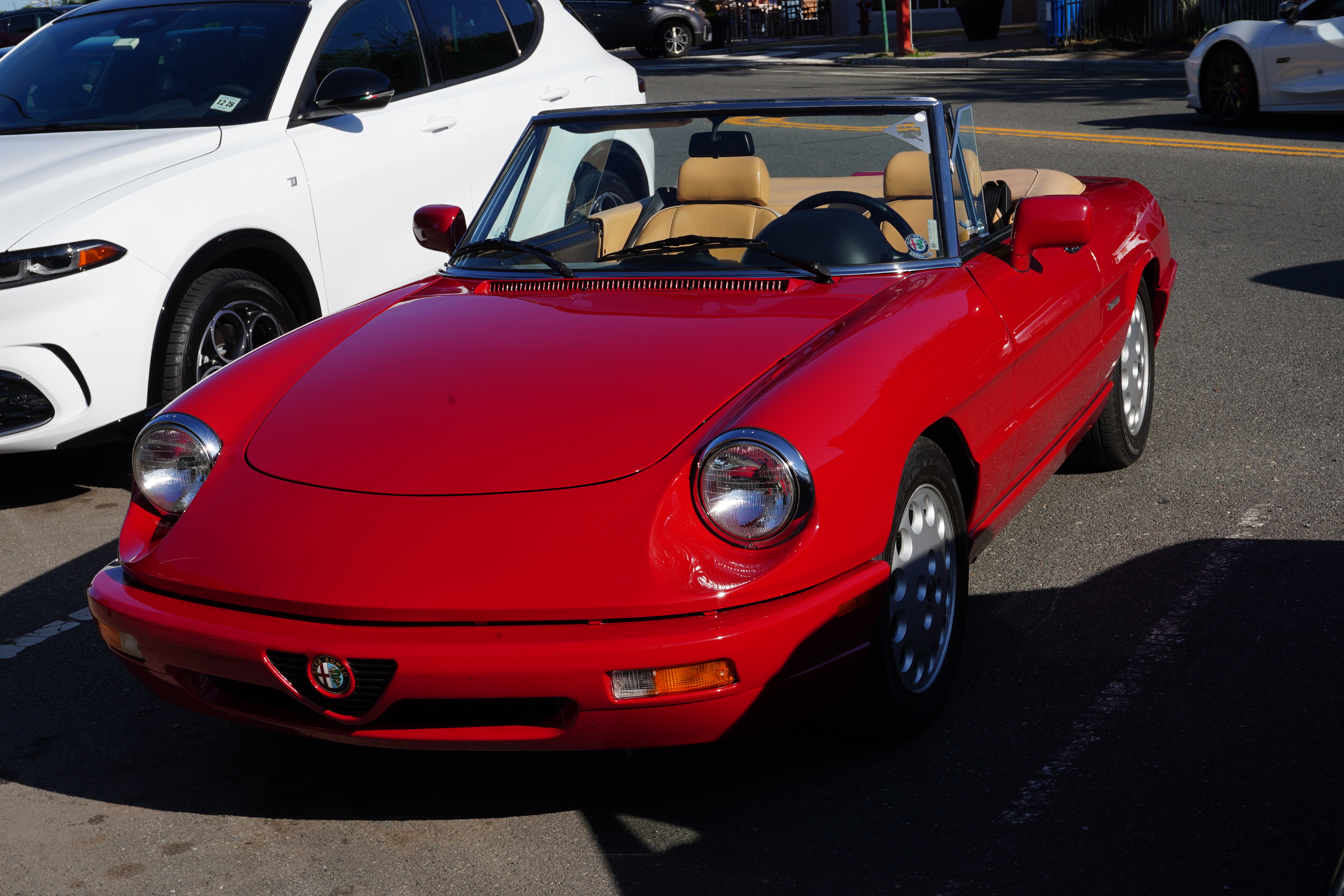
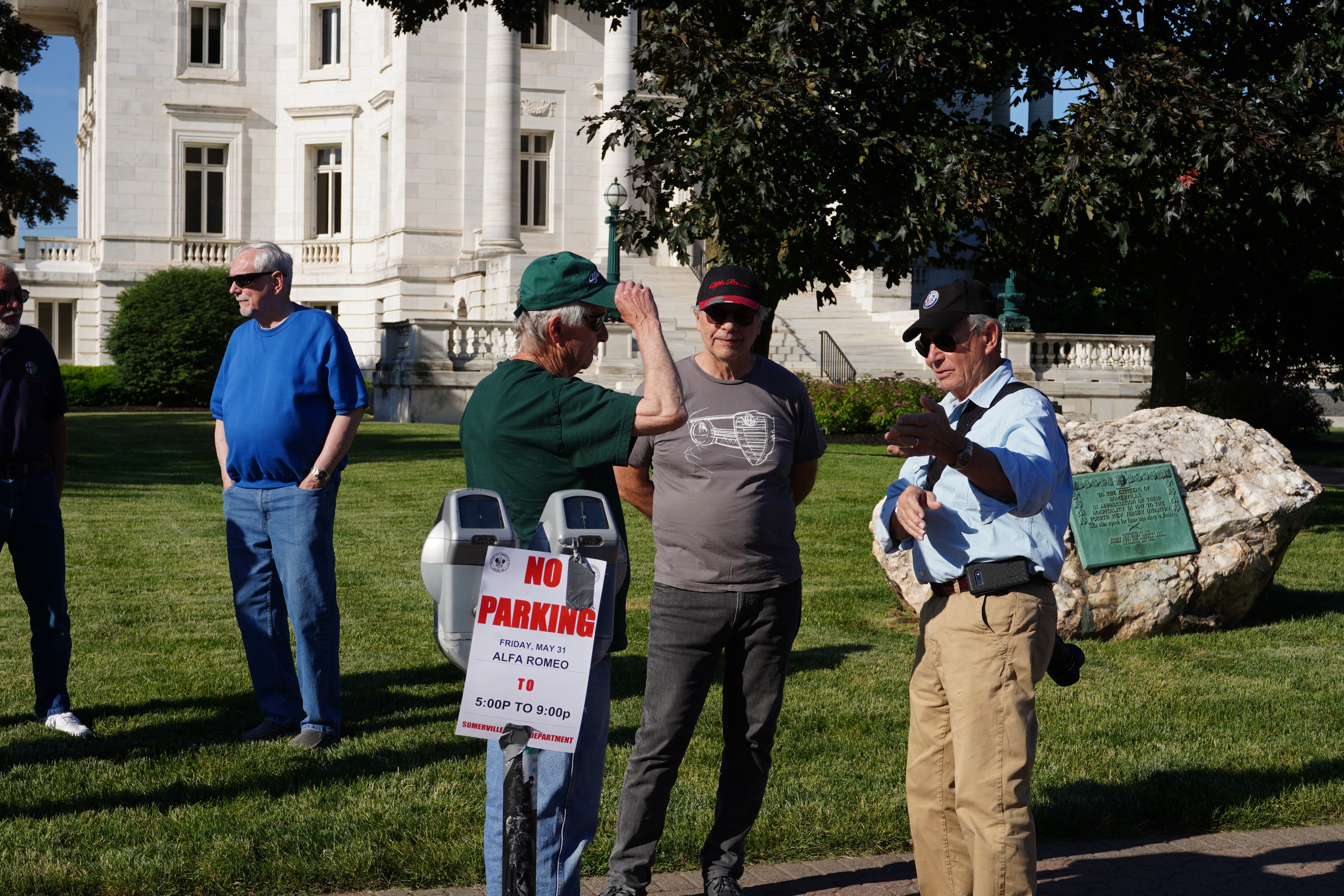
This past Friday, May 31, nine vehicles belonging to NJ-AROC members lined up on Main St. in front of the Somerville Courthouse, where parking spots were reserved for us. It was a night of gorgeous weather, which brought out the gearheads, both as attendees and as spectators. Our club was ably represented by a nice mix of classic (pre-1995) Alfas and modern (2017-present) Giulia and Tonale models.
For me, the Alfisti at the cruise night were a pleasant mix of old friends and new faces. It was a delight to meet some new club members, two of whom drove in their Giulia Quadrifoglios. (A friend recently asked how is it that the Alfa club seems to so easily accept owners of both older and newer machines. I responded that there is no sense of competition or superiority among the brand’s fans, all of whom embrace the full history of the cars from Milano.)
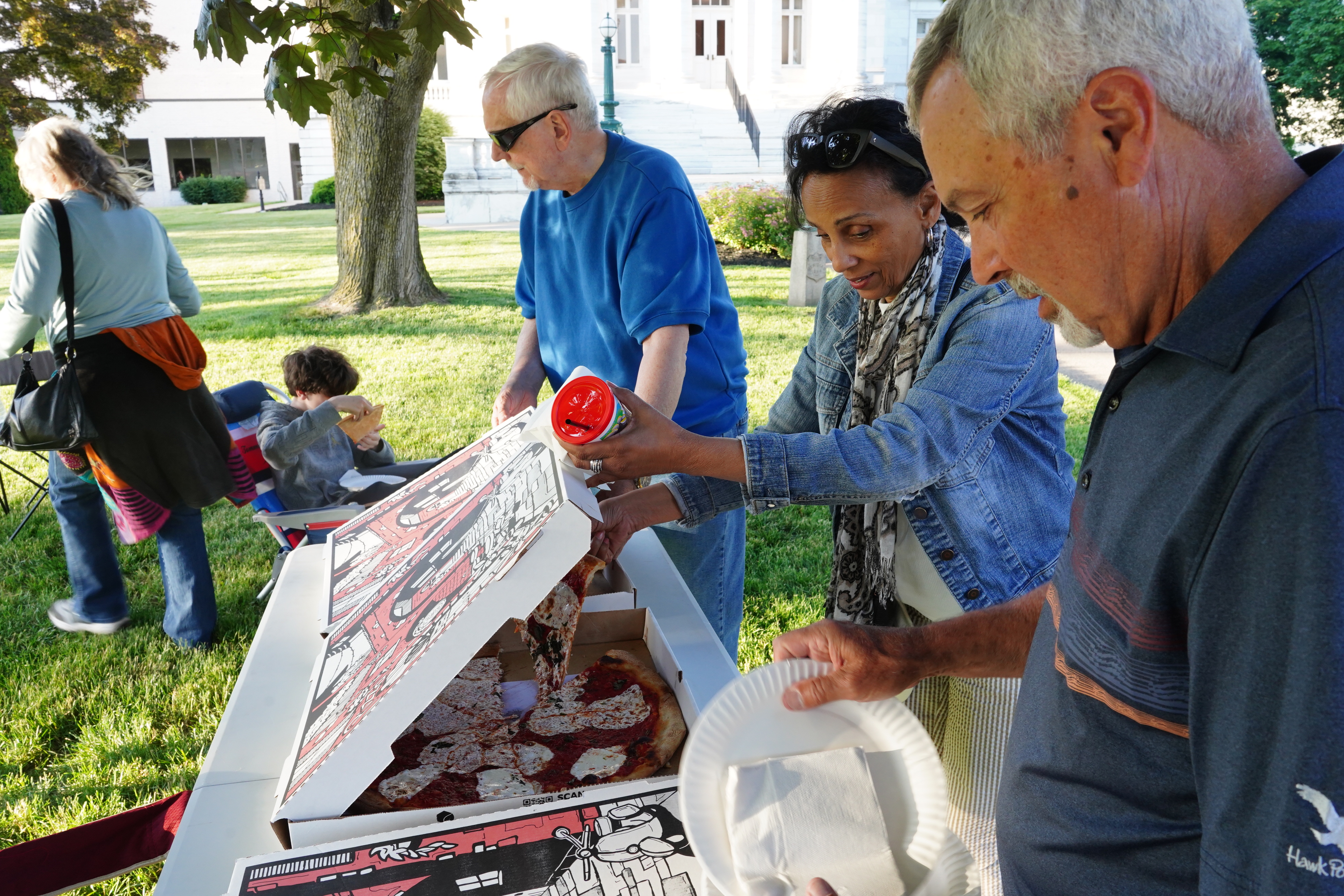
It was so much fun to hang with my fellow club members that I didn’t even get a chance to walk the rest of the show, which consumes about 5 or 6 blocks of Main St. The evening was topped off by the arrival of several pizzas from a well-regarded local restaurant, paid for by the club.
If I had to pick a favorite from Friday’s event, it would be the Junior Z, a rare limited production car which shares most of its mechanicals with Alfas produced around the same time (1970). The one at the show was equipped with the same 1300 engine as in my Junior. The greatest difference, of course, is the sleek and compact Zagato body. According to my copy of The Illustrated Alfa Romeo Buyer’s Guide, only 1,108 Junior Zs with the 1300 engine were built. (In 1972 the engine was upgraded to the 1600 version, but only 402 of those were churned out.) It was a thrill to see it up close and personal!
The Alfa Club plans to return to the Somerville Cruise Night in late August.
Giulia Quadrifoglio
The author’s GT 1300 Junior
New Tonale hybrid
1967 Duetto
One-owner 1976 Spider
A third-series Spider (S3) from the late ’80s
1991 Spider
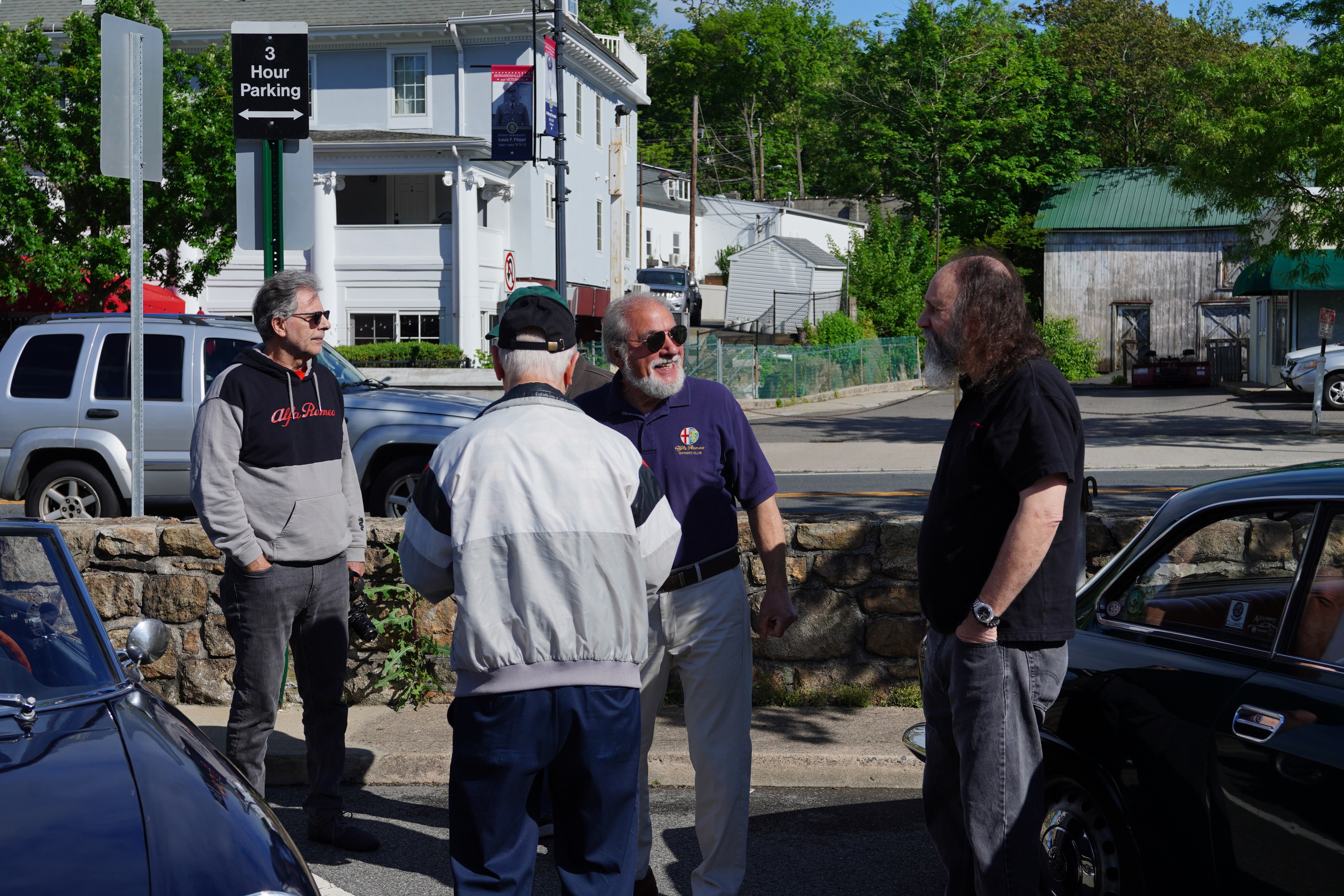
We can’t stop talking Alfas. Note the parking sign.
The modern Giulias share their grille design with all Alfas
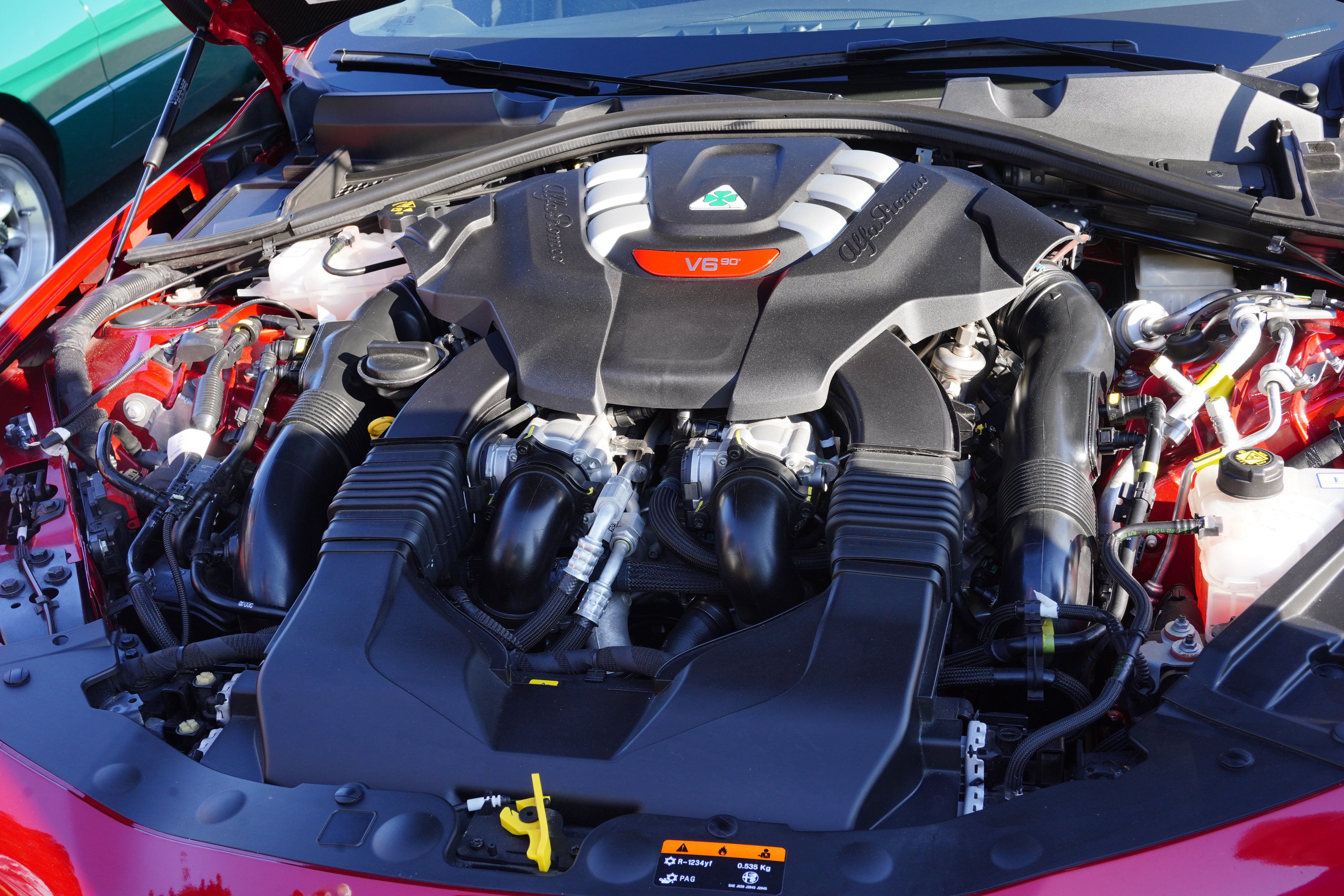
The Ferrari-derived V6 as used in the Giulia and Stelvio Quadrifoglio models
I just got back from a 6-day visit to Colorado. I first visited this wonderful state in 1977, and have made numerous business and personal trips to it since then. I’ve always been struck by the state’s natural beauty, and as a car enthusiast, I’ve been further struck by how its arid and sunny climate helps ensure the longevity of automotive sheetmetal, perhaps even more than what one finds in California.
A lot of our time was spent behind the wheel of a modern rental, so many old car spottings were not able to be caught on camera. However, the ones I did snap (using my phone, as I left the DSLR at home for this trip) are included here. If you come across a collector car which claims to be from Colorado, you can almost be certain that the tin worm has not inflicted much damage.
These two station wagons were parked on the perimeter of a ranch outside of Canon City, in the southern part of the state. The vivid “NO TRESPASSING” sign kept me from getting as close as I would have liked. The Ford had this odd camper-like projection on its back. At first I thought that the car’s roof had been cut, but that does not appear to be the case. The Rambler wagon was hooked to a camper as well, but with a trailer hitch.
We were visiting an aunt who lives in Florence, a small town south of Canon City, and these next 4 photos were all taken while on a stroll through her neighborhood.
The VW bus, which does show some rust, had been parked on the street the previous day, so I presume that it’s a driver. The Olds 442 (1969?) looks like a project car.This 1957 Ford Ranchero, first year for the body style, was parked in a fenced-in yard, and may not have moved under its own power for some time.This 1967 Mustang looks like it’s getting some regular exercise.With the wheelbarrow in front and the tractor behind, this Chevrolet pickup truck nicely completes the “vehicle as yard art” scene.
The city of Denver had multiple modern Subarus on every block, and as many Teslas as I see in NJ. Still, a few old cars continue to be pushed into daily driver duty.
A blacked-out Chevrolet El CaminoA sharp 1966 Mustang
Finally, the only Alfa Romeo I spotted after almost a week in the state:
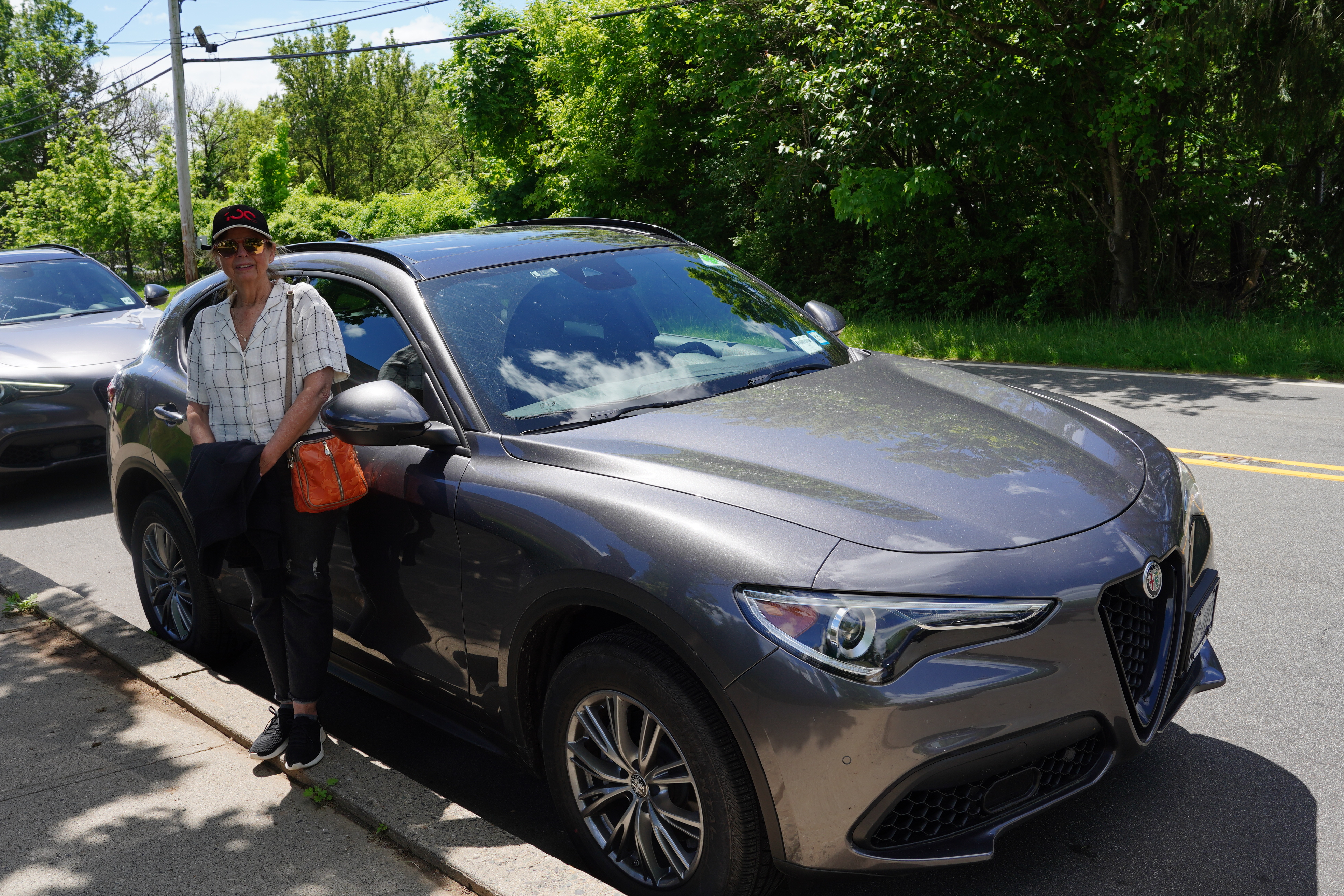
This Stelvio was parked in Morrison, outside of Red Rocks Park.
The NJ Chapter of the Alfa Romeo Owners Club (NJ-AROC) held its monthly breakfast meet on Sunday May 19, 2024, and we finally caught a break with the weather! As anyone who lives in the metro NY/NJ area knows, it’s been a damp and cool spring; many of the wettest days have occurred on weekends, which has been especially disappointing for those who work Mondays through Fridays. Although it was cool and partly cloudy when I departed my house at 8:15 a.m., by the time I reached Bernardsville, about a 30-minute ride, the sun appeared and had warmed things up nicely.
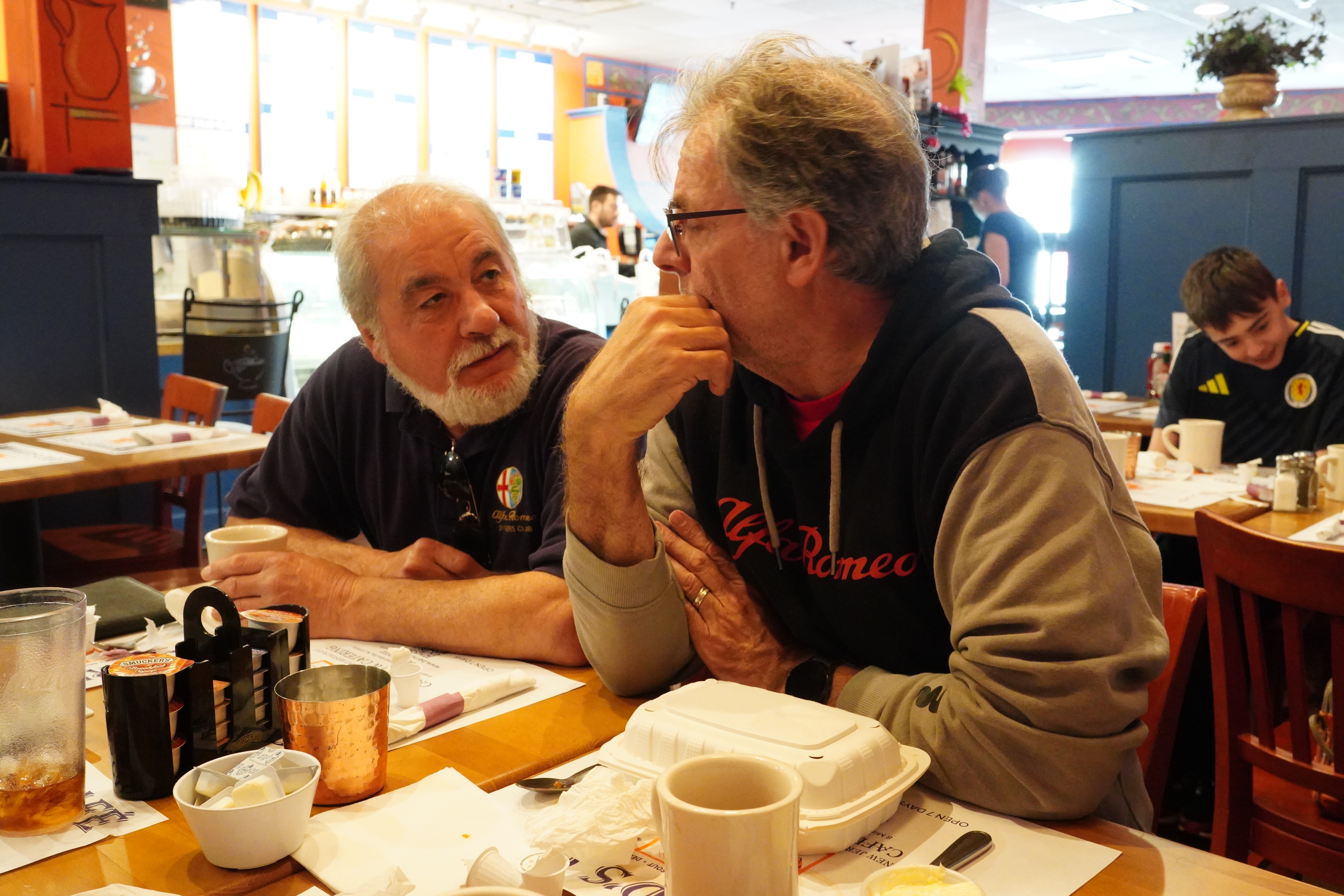
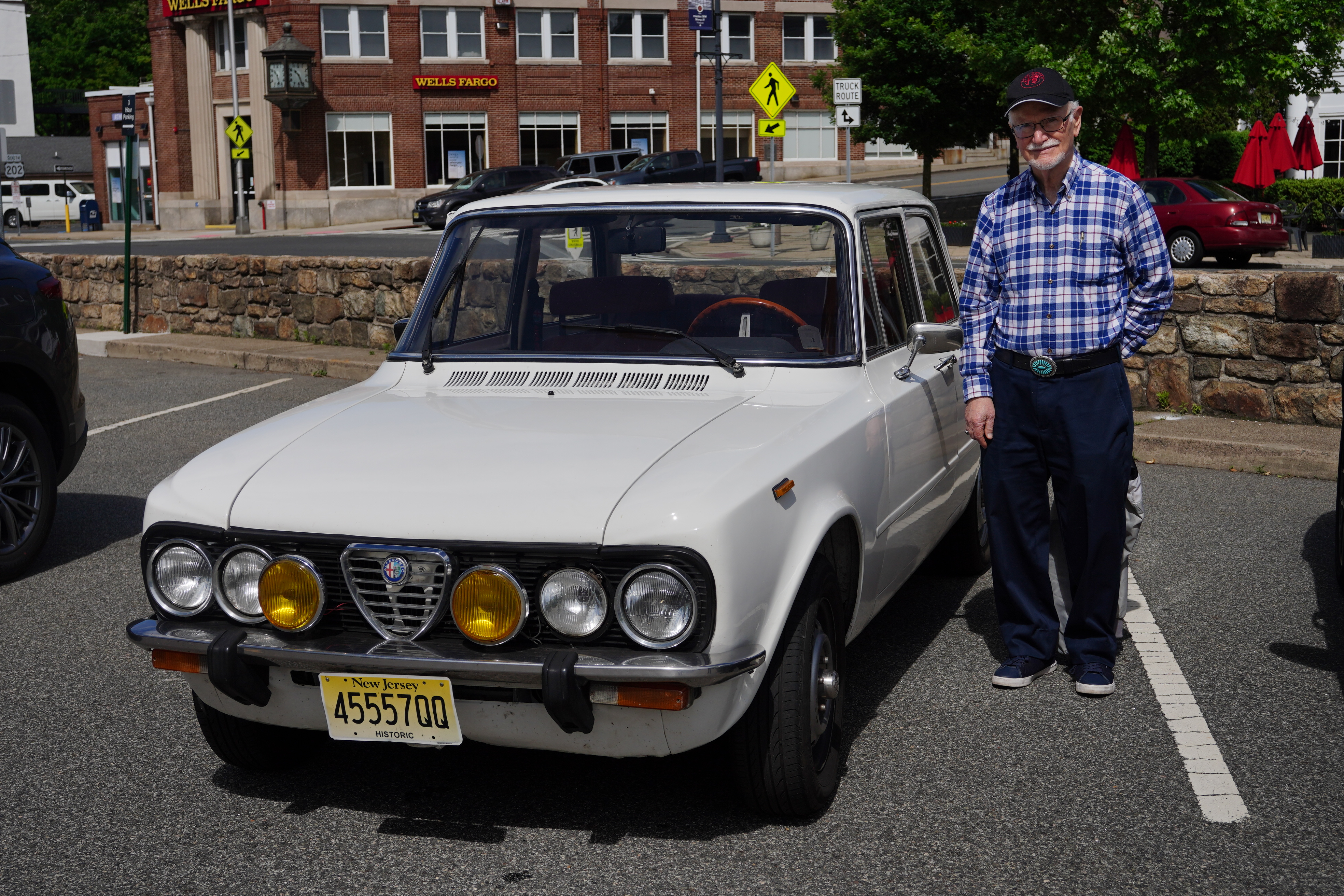
Our host restaurant was a new choice for this group: The Bernards Café, on Route 202 in lovely downtown Bernardsville. While the café is not as spacious as most diners, it comfortably accommodated the 12 of us, helped by a phone call placed the day before by our café contact Gene. I’m especially pleased to report that this was the first NJ-AROC breakfast where I was able to drive my ’67 GT Junior. We had a nice mix of classic and modern Alfas in attendance, as the photos show.
Four classics and a Stelvio; despite the age differences, the styling link is obvious
The size difference can be a shock when seen side by side
My ’67 in the morning shade
The food, in my opinion, was a step up from your typical diner fare. I have nothing against diners, as their extensive menus and consistent quality mean you will almost always find something to please the palate. However, the Bernards Café was a step above, with a great choice of specialty egg dishes, pancakes, and the like. We were arranged in two tables of 6, and were done with our meal by about 10:30. Rather than hang out near the cars to continue the chit-chat, club member Bill D. had arranged a special visit for us, so we caravanned from Bernardsville to Peapack-Gladstone and paid a visit to the classic car dealership known as The Stable.
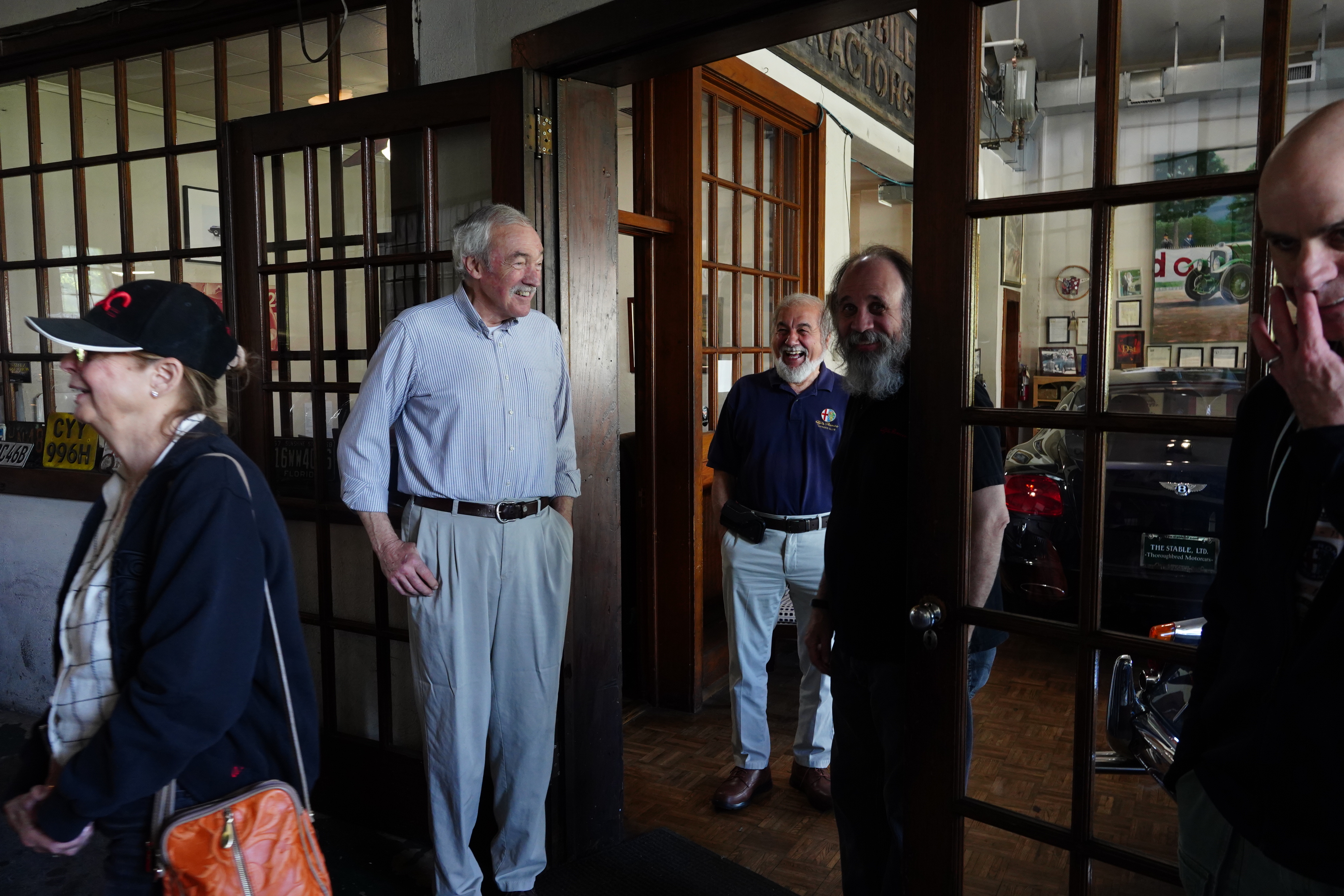
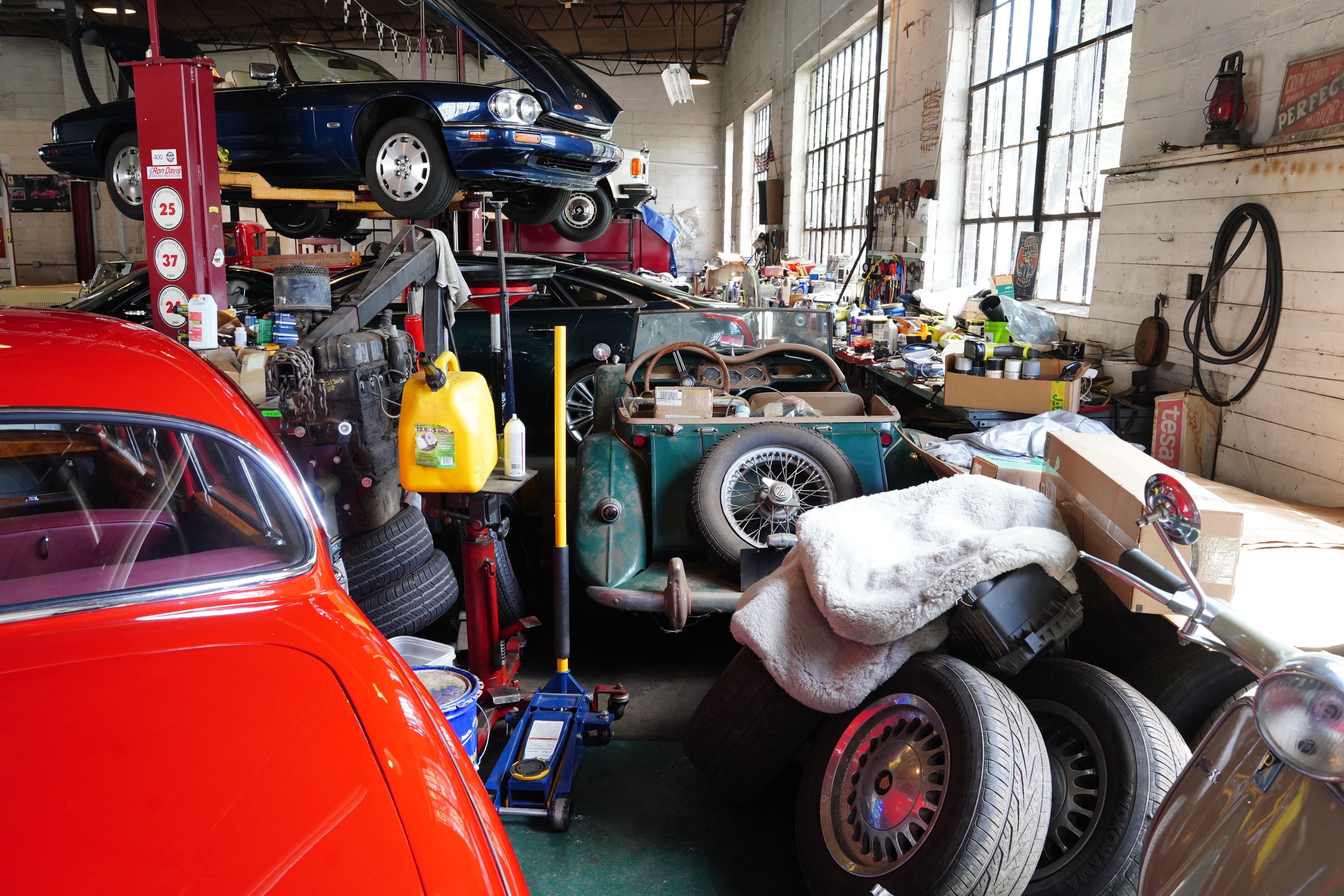
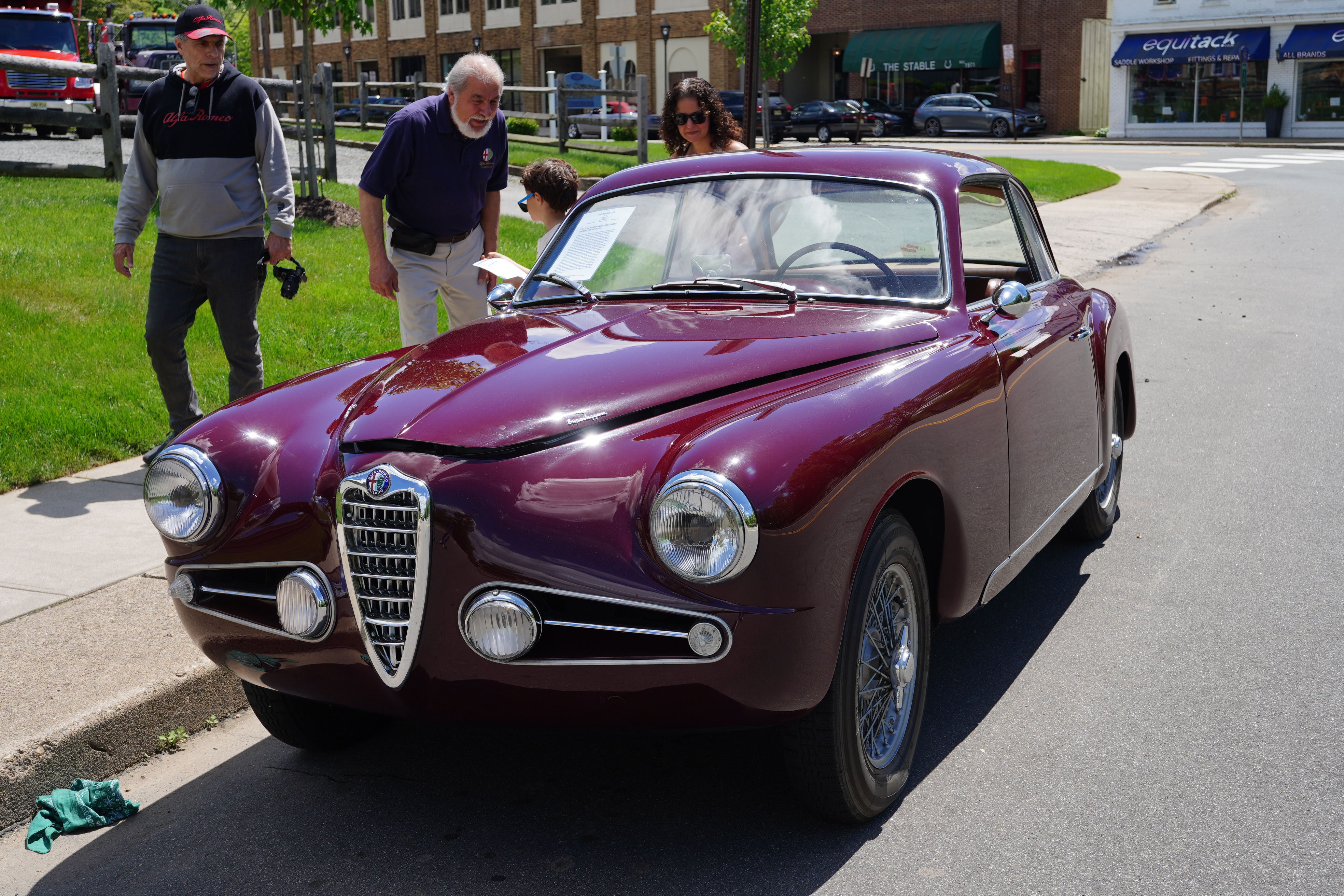
Tom, the proprietor, was ready for us. He parked a very rare 1954 Alfa Romeo 1900 outside for us, and opened his showroom, workshop, and lower storage area to our wandering eyes. He even had some coffee and donuts on hand, and of course, a few of us had to dip into the second breakfast of the day. Tom explained a bit of the business’s history: The Stable opened inside an old stable (hence the name) in 1973. At that time, there was a Chevrolet dealership in town just down the street. A few years later, the Chevy dealer closed up (or moved), and The Stable moved into the building which the dealer had vacated, but kept its name.
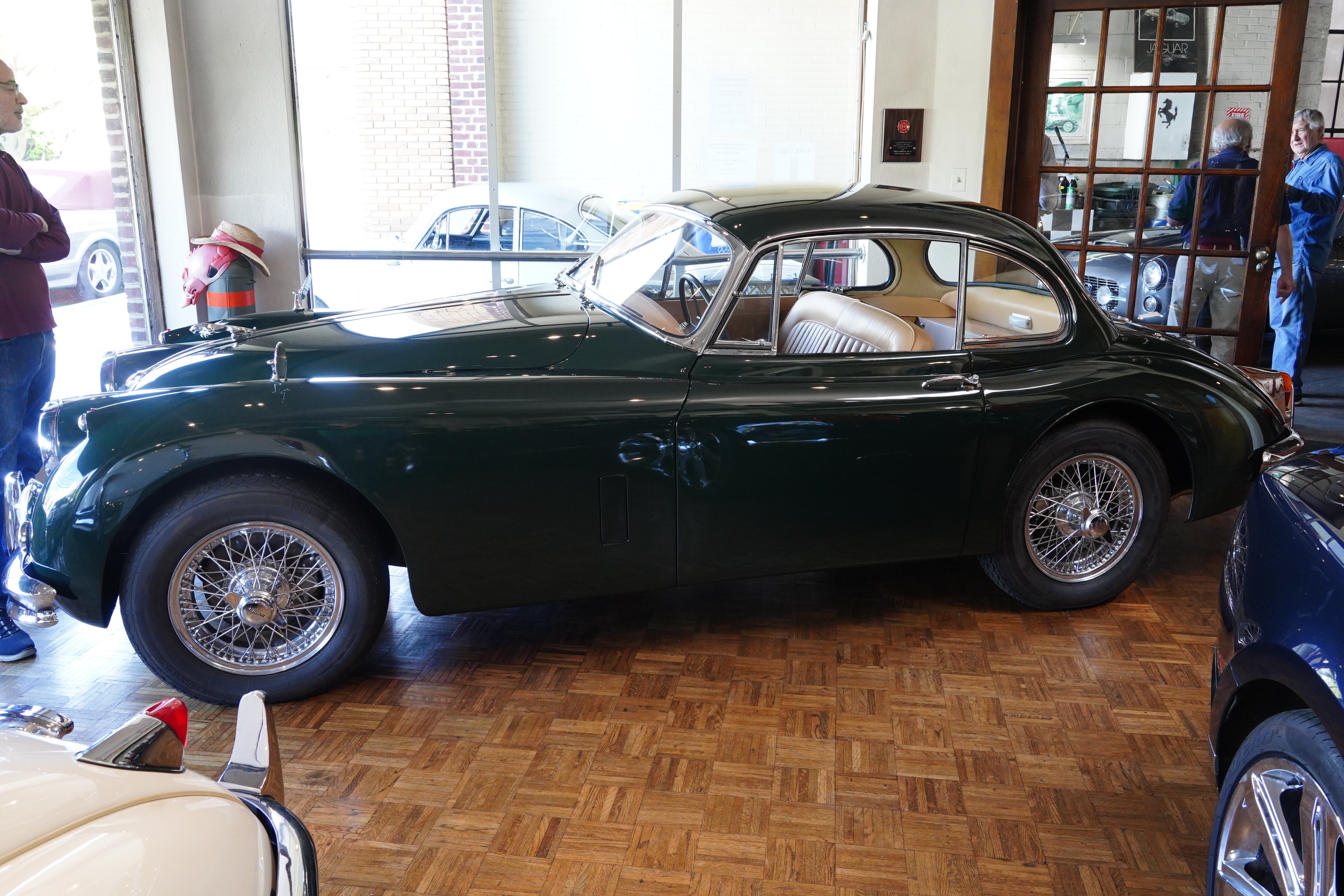
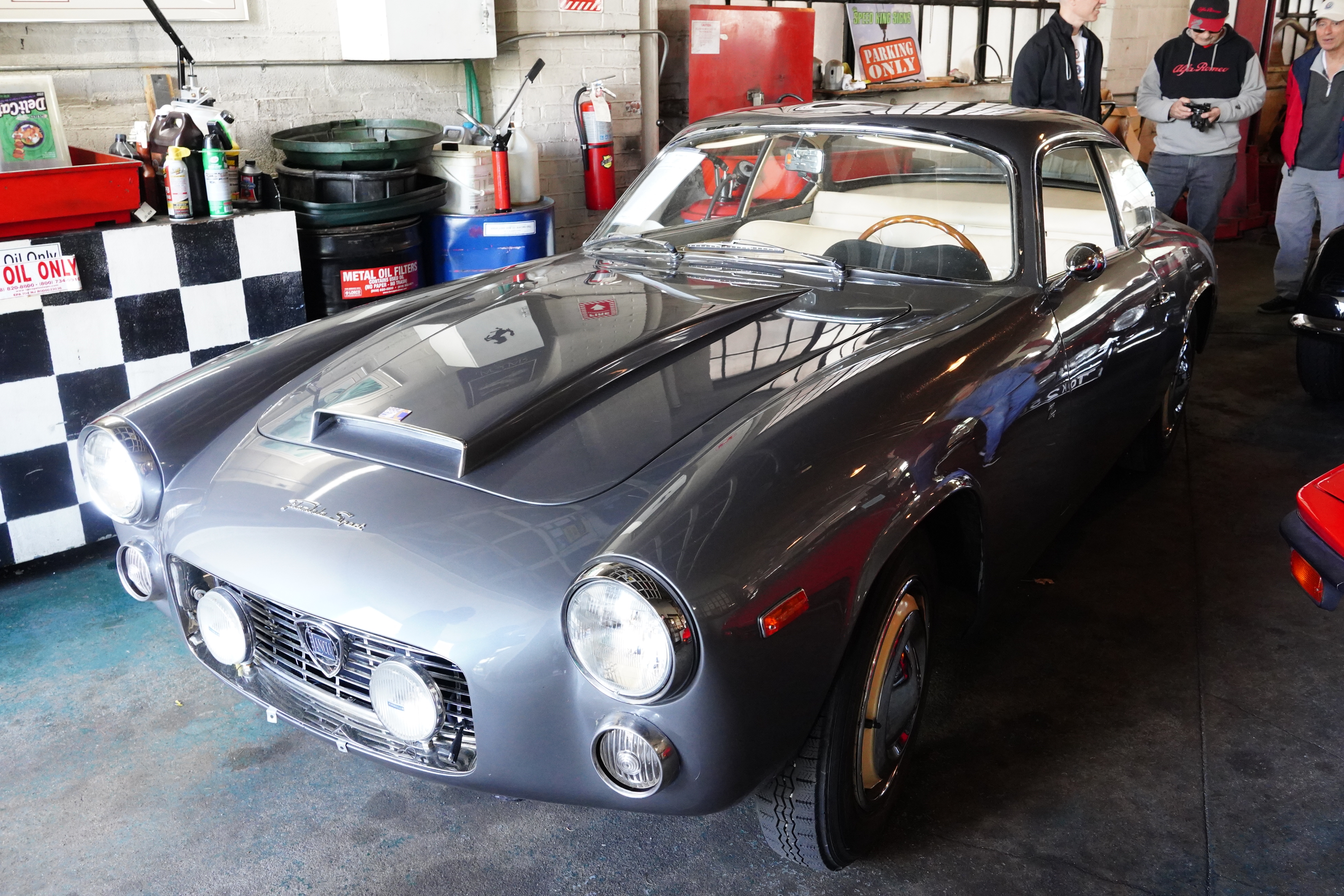
It appeared that every car on the premises was for sale; most had asking prices posted to the glass. The stock is eclectic: the small showroom held a 2012 Bentley Continental GT and two Jaguar XKs; the workshop was a smattering of mostly British and Italian classics, with a few pre-war domestic cars mixed in; and downstairs held mostly Mercedes-Benzes of various models and model years, as well as a C2 Corvette, a ’54 Buick Roadmaster, a Datsun 1600 roadster, and a few BMWs. As one club member whispered to me, “Many of these cars are not really in saleable condition”, a remark made based on the observation that it looked like these downstairs cars may not have moved under their own power in years. Nevertheless, we appreciated the hospitality, and it’s good to remember that The Stable is probably the closest classic car store to my house. We bid our farewells to each other, I climbed back into my ’67, and 30 minutes later I was home. It was a great day, and I can’t wait to do it again!
THE EARLYBIRDS HANG OUT BEFORE BREAKFAST
INSIDE THE BERNARDS CAFE
THE STABLE
Tom opened up for us on a Sunday, which was special
This Jaguar XK-150 Coupe was in the showroom
The workshop, on the main level, behind the showroom
A ’63 Lancia Flaminia Sport Zagato, asking price $265,000
This MG was hidden in the back and looks like it’s been there for a while
All the cars were tightly packed. This ’54 Buick Roadmaster would take some effort to move
The service/parts counter
THE ALFA ROMEO 1900
Asking price is $225,000
CLUB MEMBERS AND THEIR CARS
Ed, who founded the NJ Chapter, with his ’78 Nuova Super


























































 richardscarblog