Alfa Romeo brake system overhaul, Part 3

In Part 2, we covered the ongoing caliper overhaul, both front and rear. While waiting for the caliper rebuild parts to show up, I decided to remove the rear rotors and inspect the parking brake set-up.
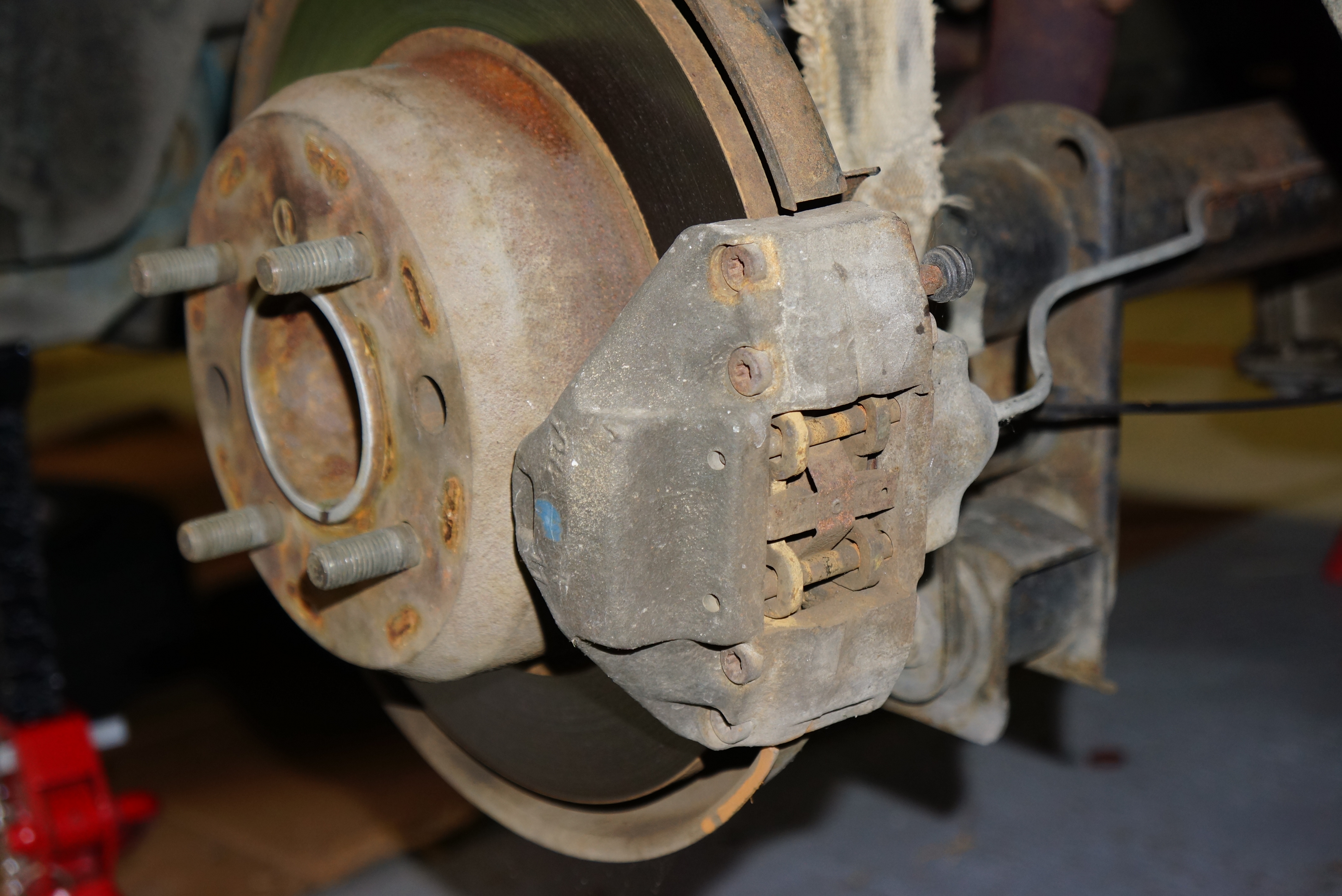
Left rear disc, caliper, and brake line

Similar to what Volvo has used for decades, the rear rotors sit over a set of drum brake shoes which apply to the inside of the rear disc “hat”. On the Alfa, these are cable-operated. It was always gratifying that my car’s hand brake worked, but it required a significant tug of the handle to engage.

First challenge was removing the two slotted-head screws holding each rear rotor to the hub. An ordinary screwdriver wasn’t getting the job done, so I resorted to one of my favorite tools: my Snap-On hammer-driven impact driver. A long time ago, Andy Finnegan, the shop foreman at the first Volvo dealer that employed me, suggested this tool to me. While I infrequently use it, it’s one of those tools that makes you glad you have it for the occasions you really need it. This was one of those occasions.
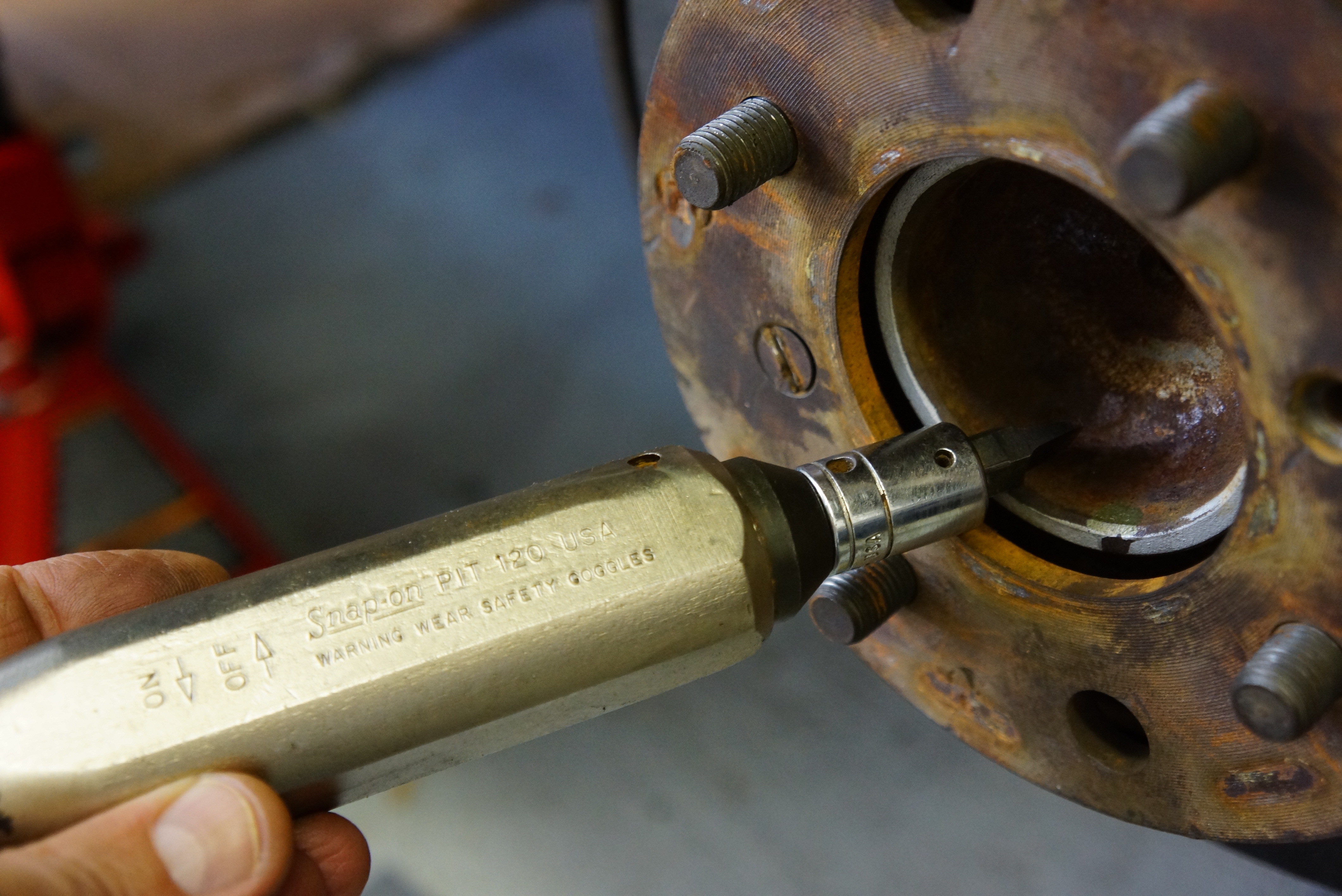
The right tool at the right time can save hours of time and frustration – note slotted screw in rotor face

A few taps with a hammer, and the screws were loose (I also bought new replacements on the chance that I would mangle the heads during removal.). But getting the disc off also required a few heavier hammer blows. Eventually, the rotors were off, first on the driver’s side, then the passenger side.

It would not surprise me if I were the first person to expose the parking brake shoes since this car left Italy. Remember that when I bought it, the car has 54,000 original miles. I also have reason to suspect that the rear brake pads were original to the car. There has likely been little need to check or service these components.

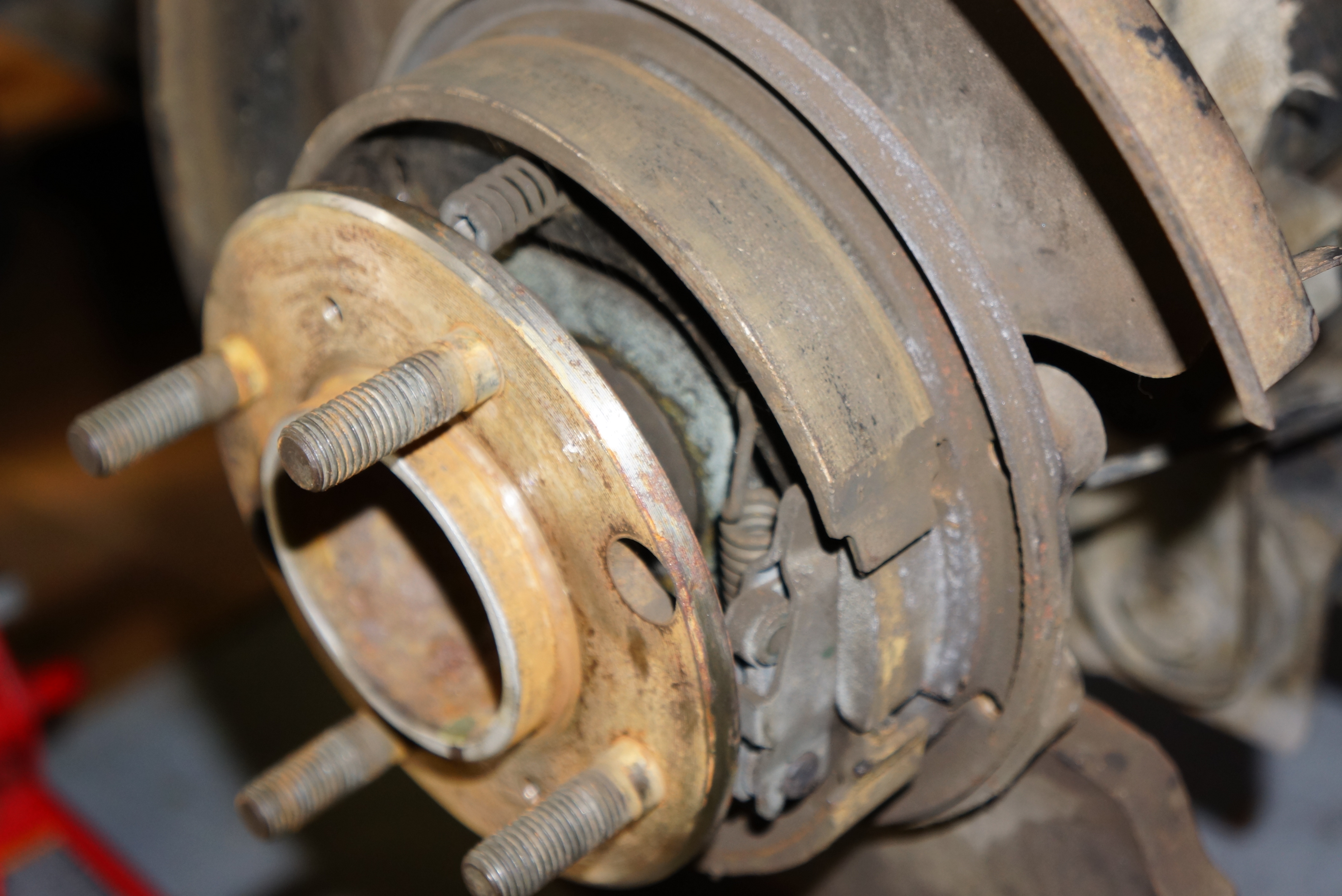
With some effort, I removed the brake shoes on the driver’s side (access is conveniently limited by the hub). The arrangement is typical, with a star wheel for adjustment, and two springs holding the upper and lower shoes. A cable extends from the differential through an access hole in the backing plate, pulling a lever which spreads the shoes. After taking the one side apart, I decided to leave the passenger side intact for reference, and ordered all new parts from Classic Alfa.

Old shoes and springs will be replaced

It was also time to remove the master cylinder. With its so-called “standing pedals” hinged through the floor, my ’67 is one of the last Giulia coupes so configured. Within a year or so (varying by model), Alfa would switch to “hanging pedals” and mount the master cylinder in the conventional location on the firewall.

Standing pedals – accel pedal has been removed

I desperately searched for guidance on the Alfa forums for “master cylinder removal”, but nothing I came across addressed the underfloor location. So I tackled it on my own, and really struggled with it. There are two bolts which pass horizontally through the master cylinder, and these bolts mount into a plate that also holds the clutch linkage. Said plate didn’t look removable to me – that’s from the vantage point of lying on my back, with my nose about 3 inches from the car’s underside. Without removing the plate, there wasn’t enough clearance to remove the bolts. Through sheer luck, I wiggled the cylinder and the bolts and got the master cylinder cleared. But I’ll need to investigate this plate when it comes time for reinstallation.

View of master cylinder while on my back

There was also the matter of the two brake lines, both of which thread into the top of the cylinder. There was little choice but to loosen and drop the cylinder to give me access to the line fittings, but then I lost the leverage one gets from a master cylinder firmly bolted to something.
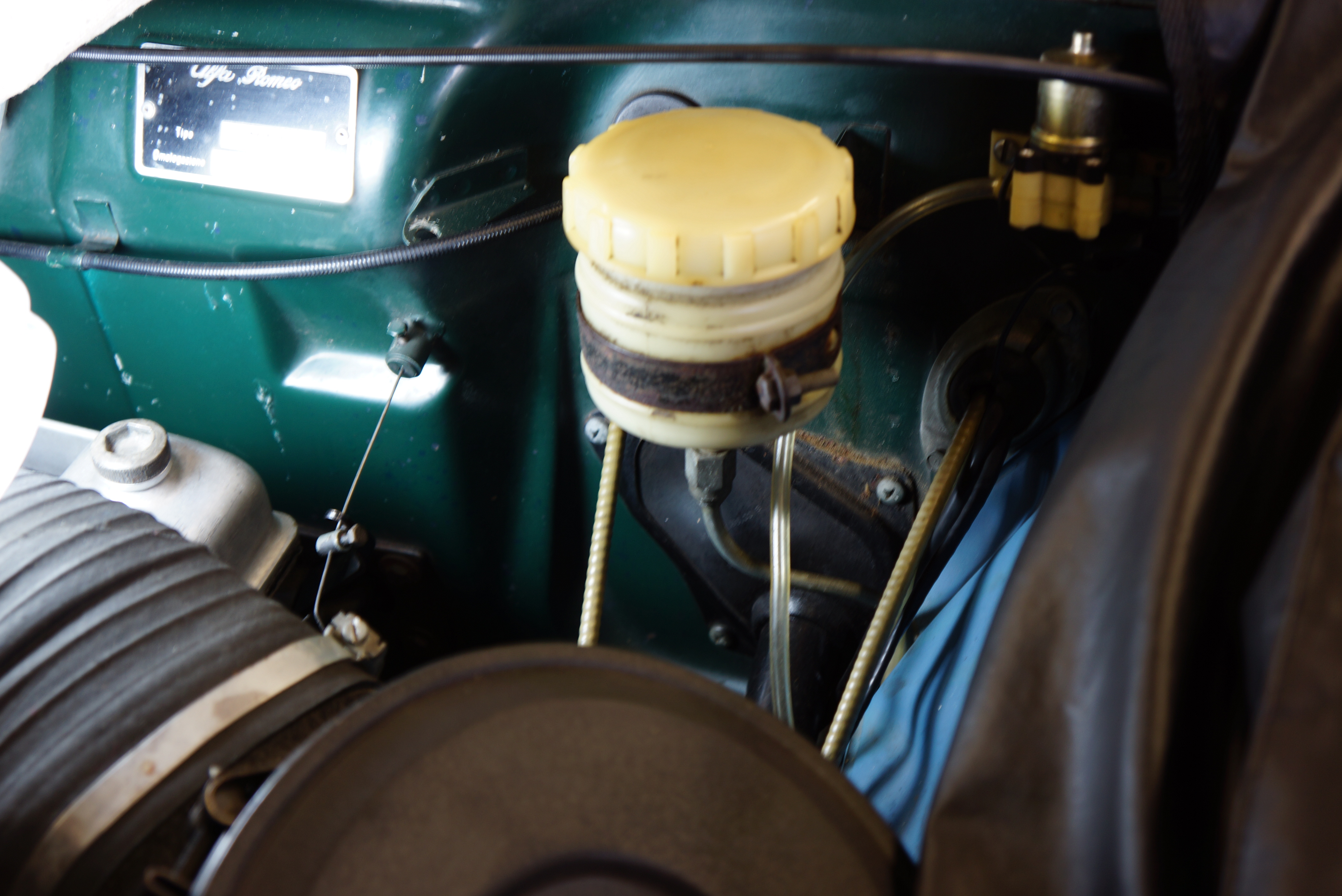
Brake fluid reservoir on firewall is where you’d expect to find m/c – note hard line which feeds it

Using my flare nut wrenches, the first fitting came out easily. The second one did not. I resorted to using a cheater bar (a length of pipe) on the wrench, and for the first time during this brake overhaul, the wrench slipped on the fitting and rounded it off. The fitting was seized. I cut the line with a pair of diagonal cutters, and the master cylinder was on my workbench. In a bit of good news, the fitting did come loose once I dropped a deep 6-point socket on it.
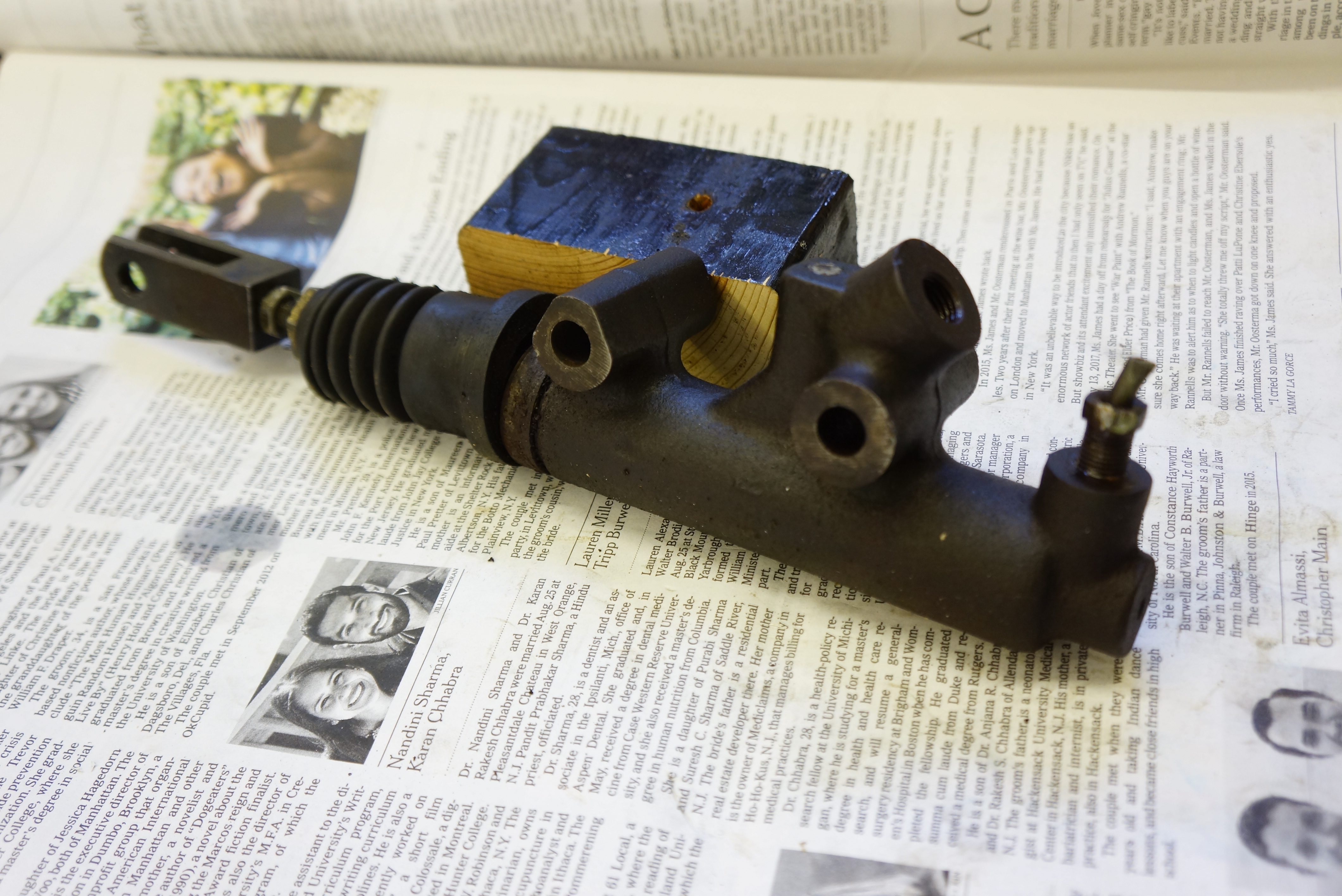
Master cylinder – note severed line and fitting in right-most hole

There is plenty to do next: finish the rebuilding of the two rear calipers, renew the parking brake parts, and rebuild the master cylinder. Parts were duly ordered and are on their way.

… to be continued ….


All photographs copyright © 2019 Richard A. Reina. Photos may not be copied or reproduced without express written permission.
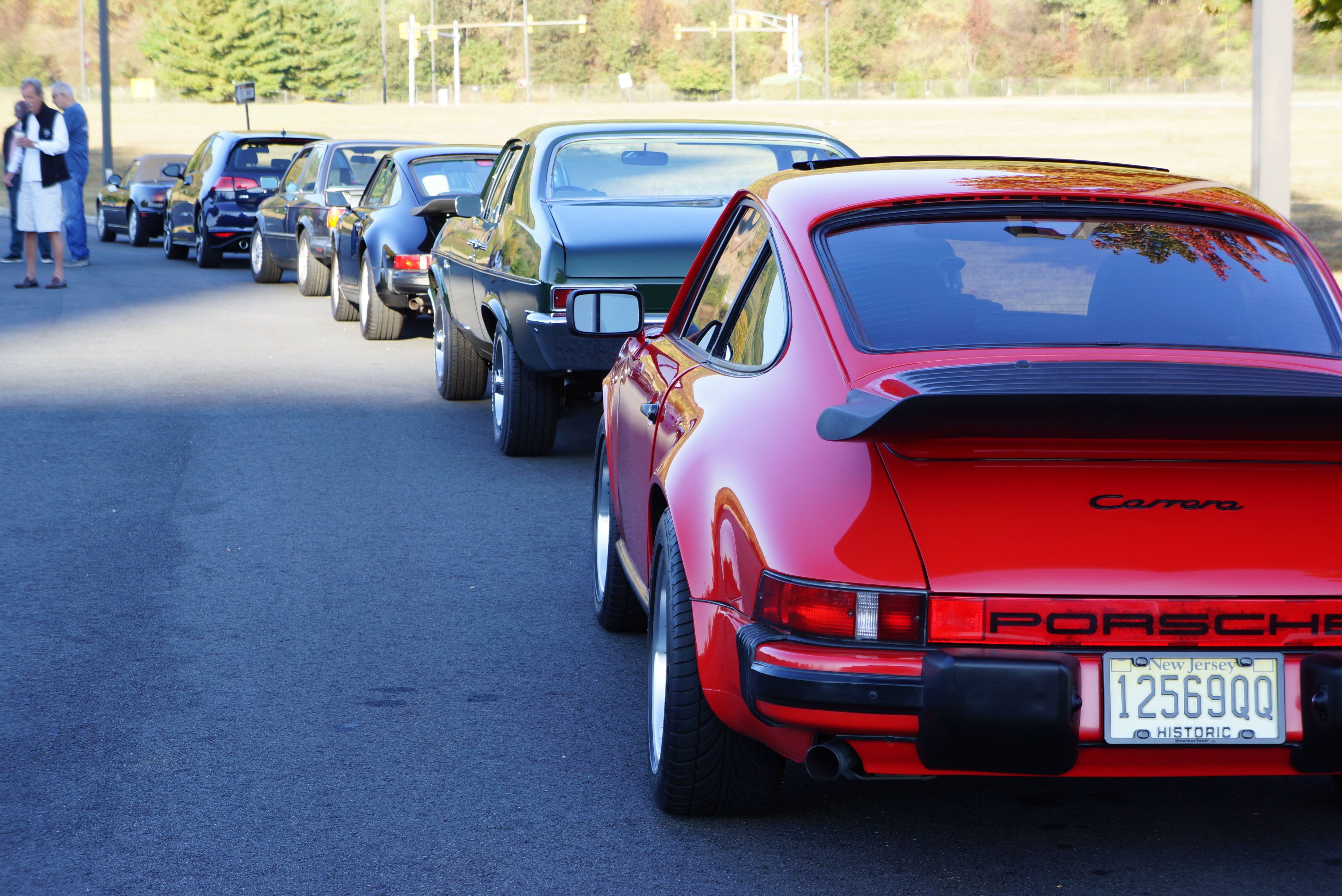


Sunday Morning Breakfast Drive, Sep 22, 2019

The last official day of summer turned out to be a near-perfect day for a breakfast drive. Pre-dawn, the air remained cool enough for a light jacket; once ol’ Sol broke above the horizon, or in our case, over  the Mahwah Sheraton, the air temp quickly climbed and didn’t stop climbing until reaching the 80s.

(Part of) the morning lineup

Eleven gentlemen in nine different vehicles made the trek on the 22nd. Six of the nine rides wore German badges (I was surprised the group didn’t demand knockwurst and potato pancakes for breakfast). However, it’s a genial bunch, and we heard nary a complaint about our chosen destination, the Hampton Diner in Newton NJ.

On Route 206 in Newton, if you care to visit- book your party here

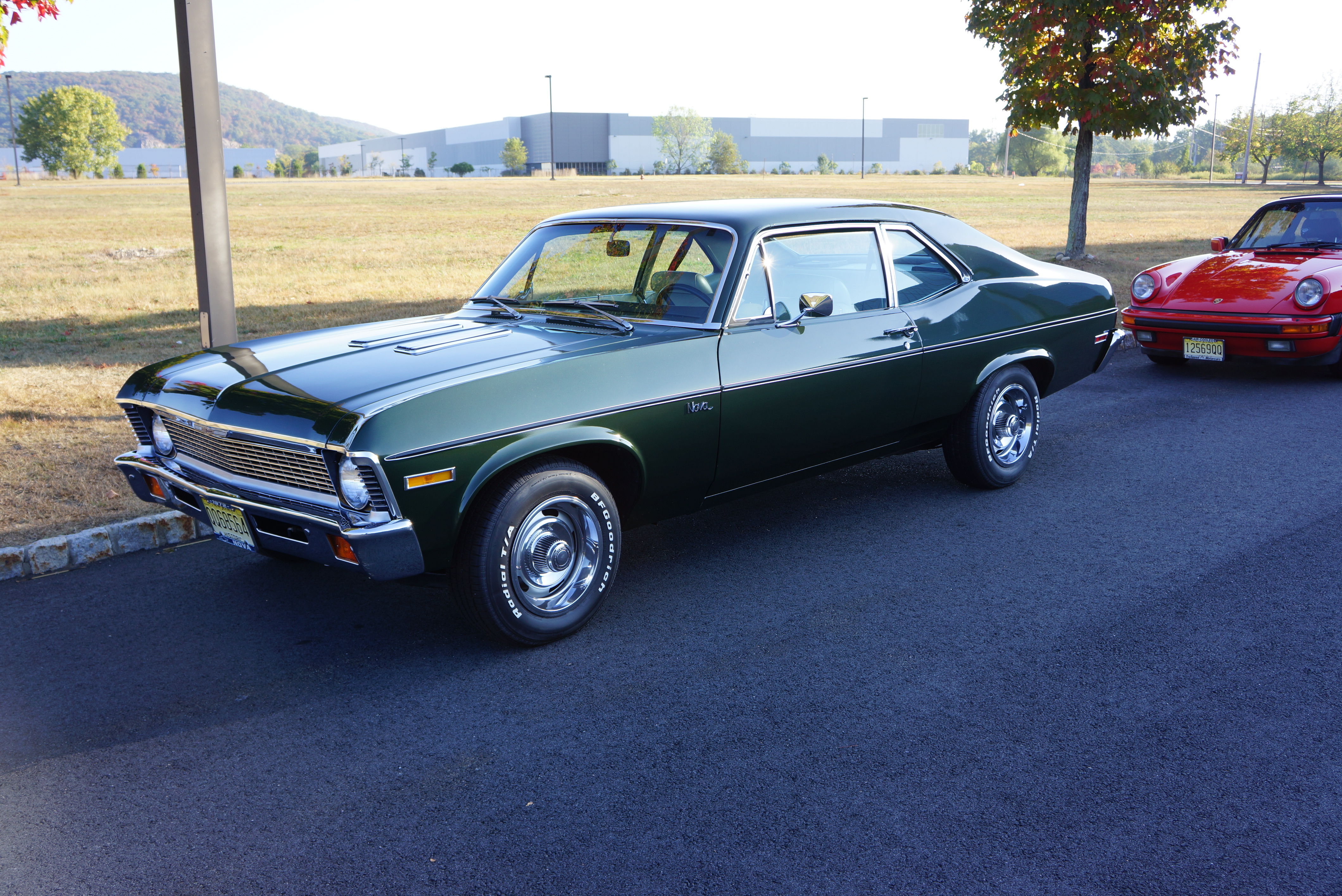
We set out from the Sheraton at about 8:35am, with Larry leading the way in his Nova. It was a glorious drive through northern Jersey, dipping into then out of New York State. A planned pit stop was undertaken at a BP gas station in Vernon NJ. To everyone’s surprise, Bill’s Porsche did NOT need fuel, but more than a few of us took advantage of the restroom facility. One patch of rough road brought our speed down to below 30mph for a bit, but all the cars escaped unscathed.

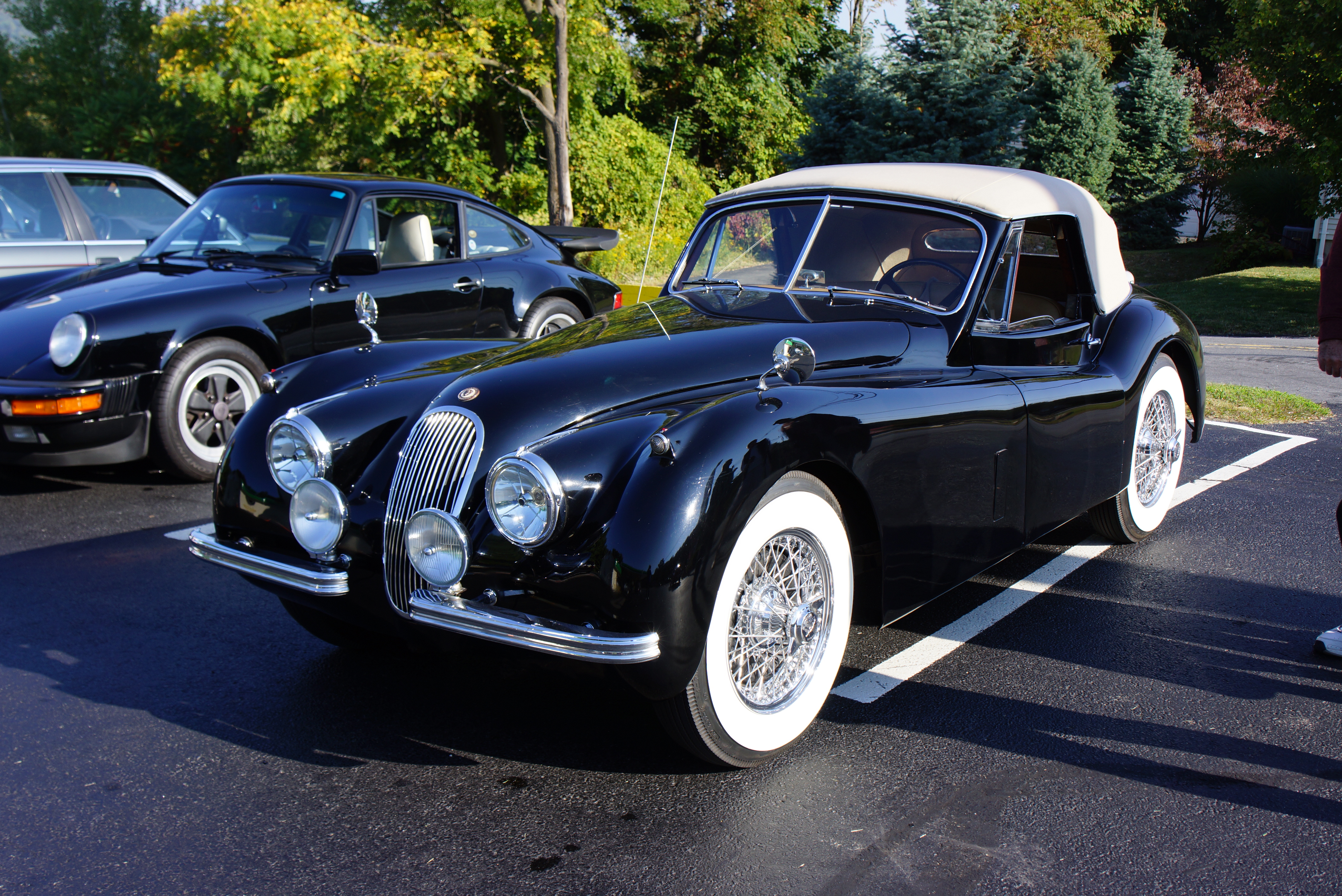
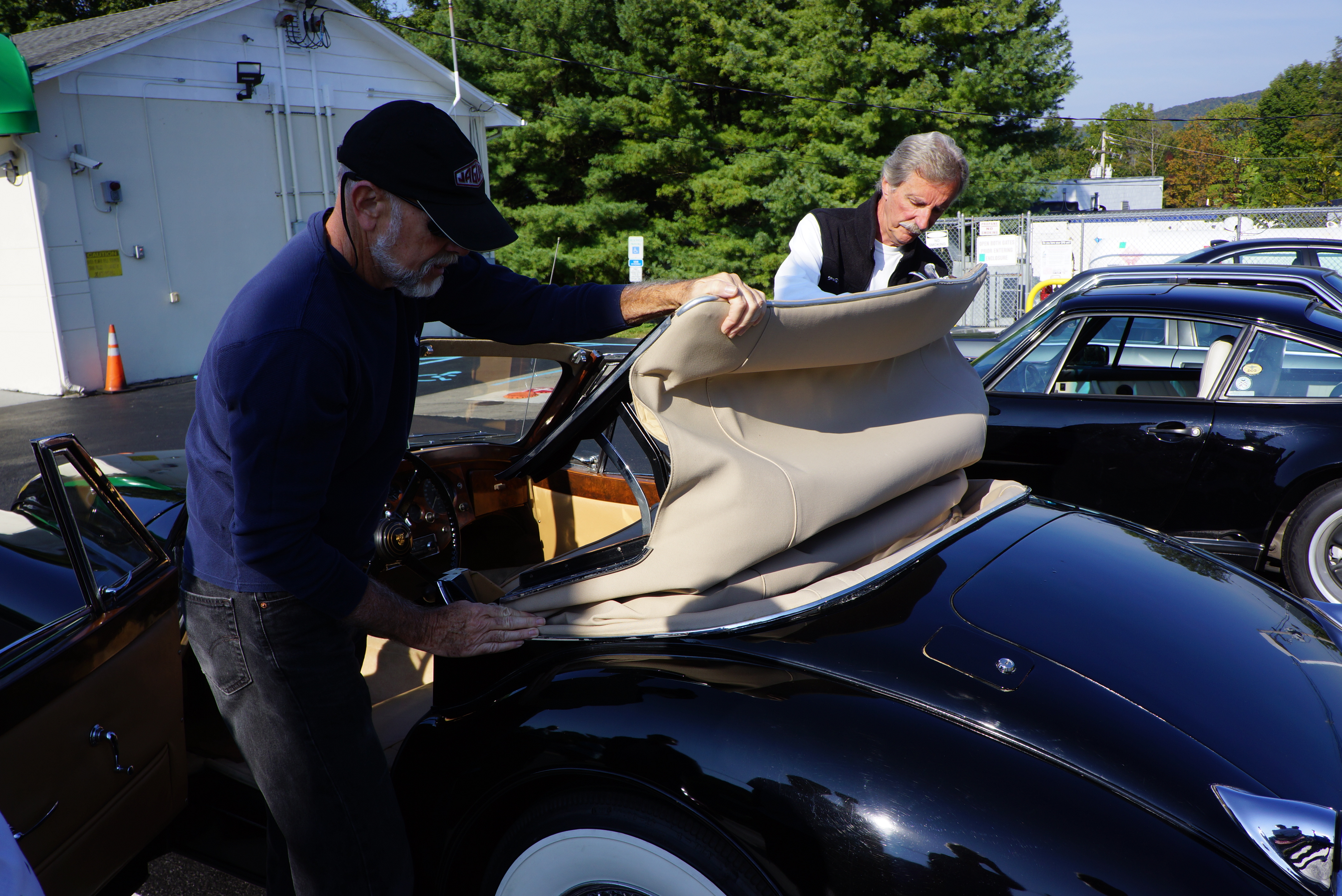
Burton demonstrates the ease of dropping the XK-120’s top

We reached the Diner just before 10:30am, were immediately served coffee, and got our breakfast plates not long after. Thanks goes out to our young waiter who seemed to have a pot of hot java available for refills at a moment’s notice.

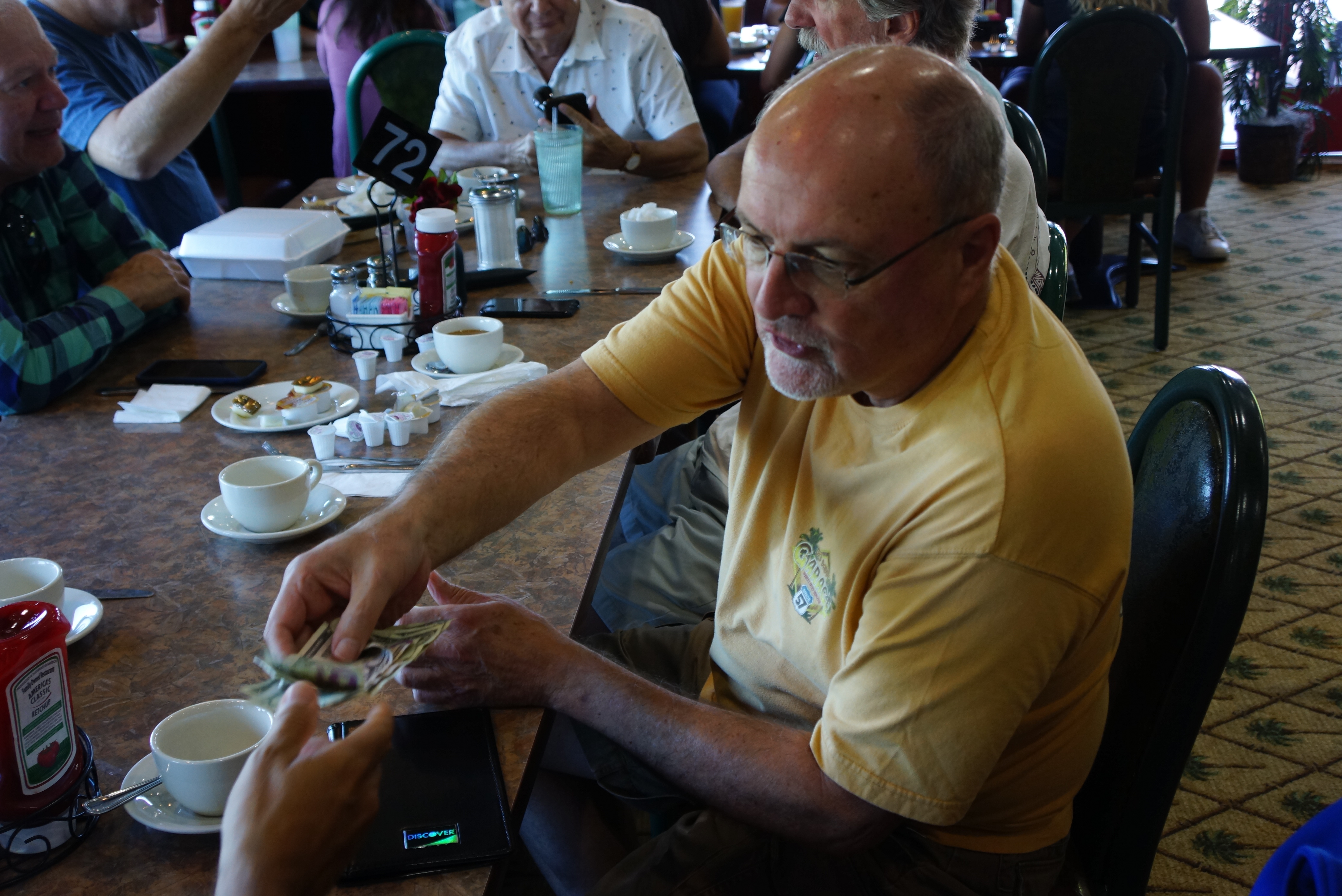
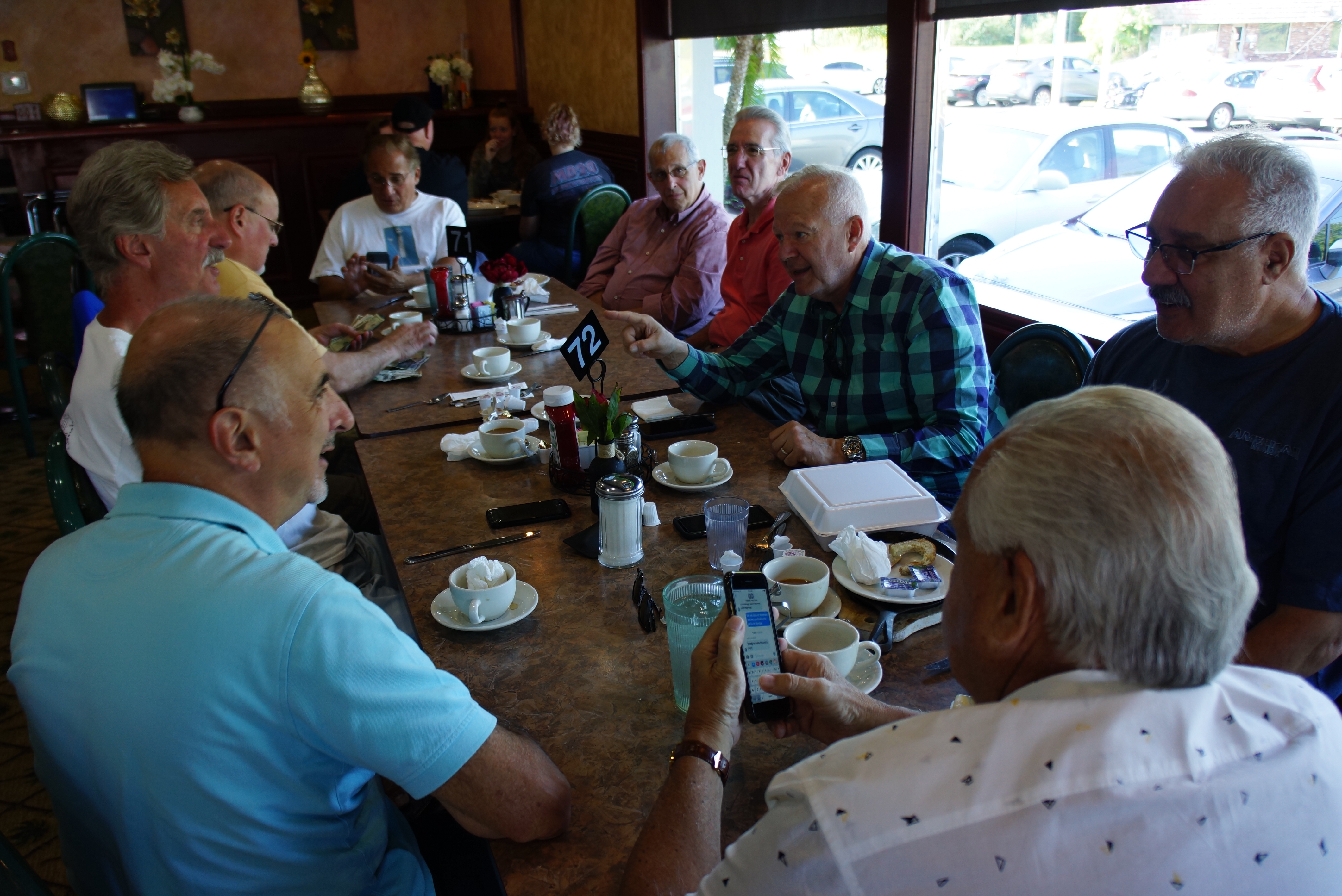
Bill makes his point


Larry collects the bucks

As is our habit, the conversations continued out into the parking lot, and it was past noon by the time the final vehicles began the return trip home. While tomorrow may be the first day of autumn, that should still give us ample time to fit in one (or two) more breakfast runs this year.

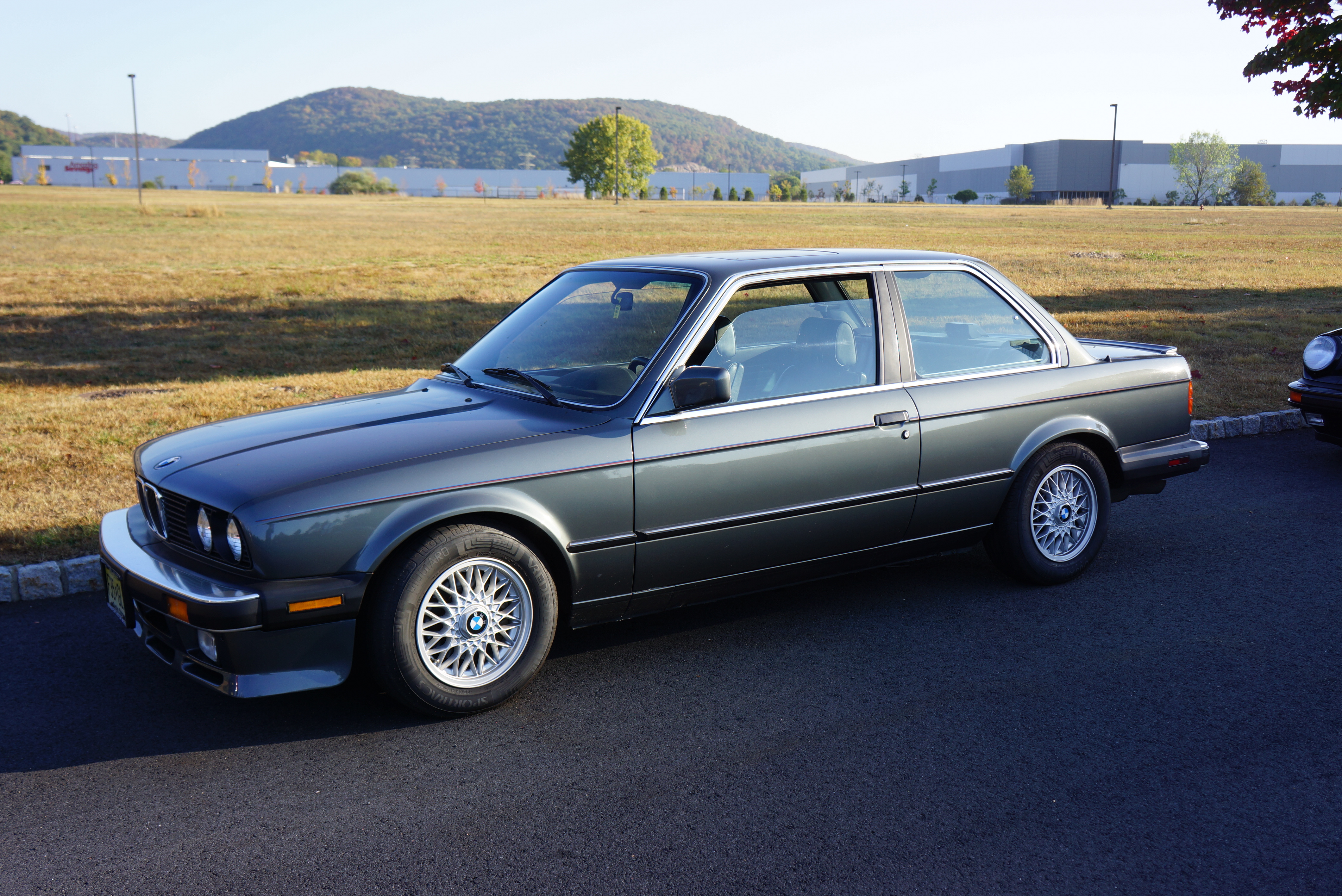
Sal’s E30 BMW


Bill’s black 911


Peter’s red 911


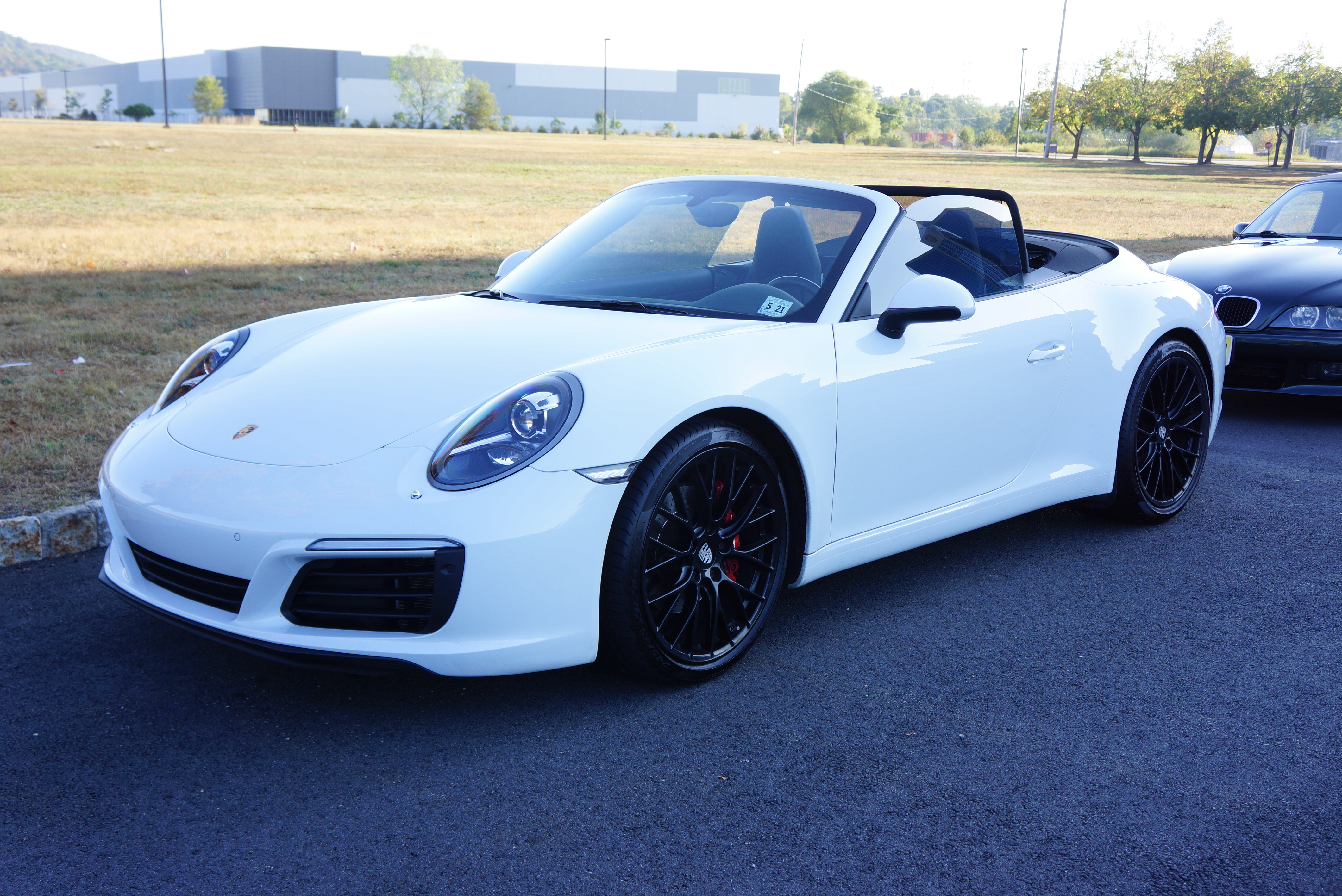
Rich L’s white 911


Jeff’s BMW Z3


Art’s VW GTi


Burton’s Jaguar XK-120


Larry’s Chevy Nova


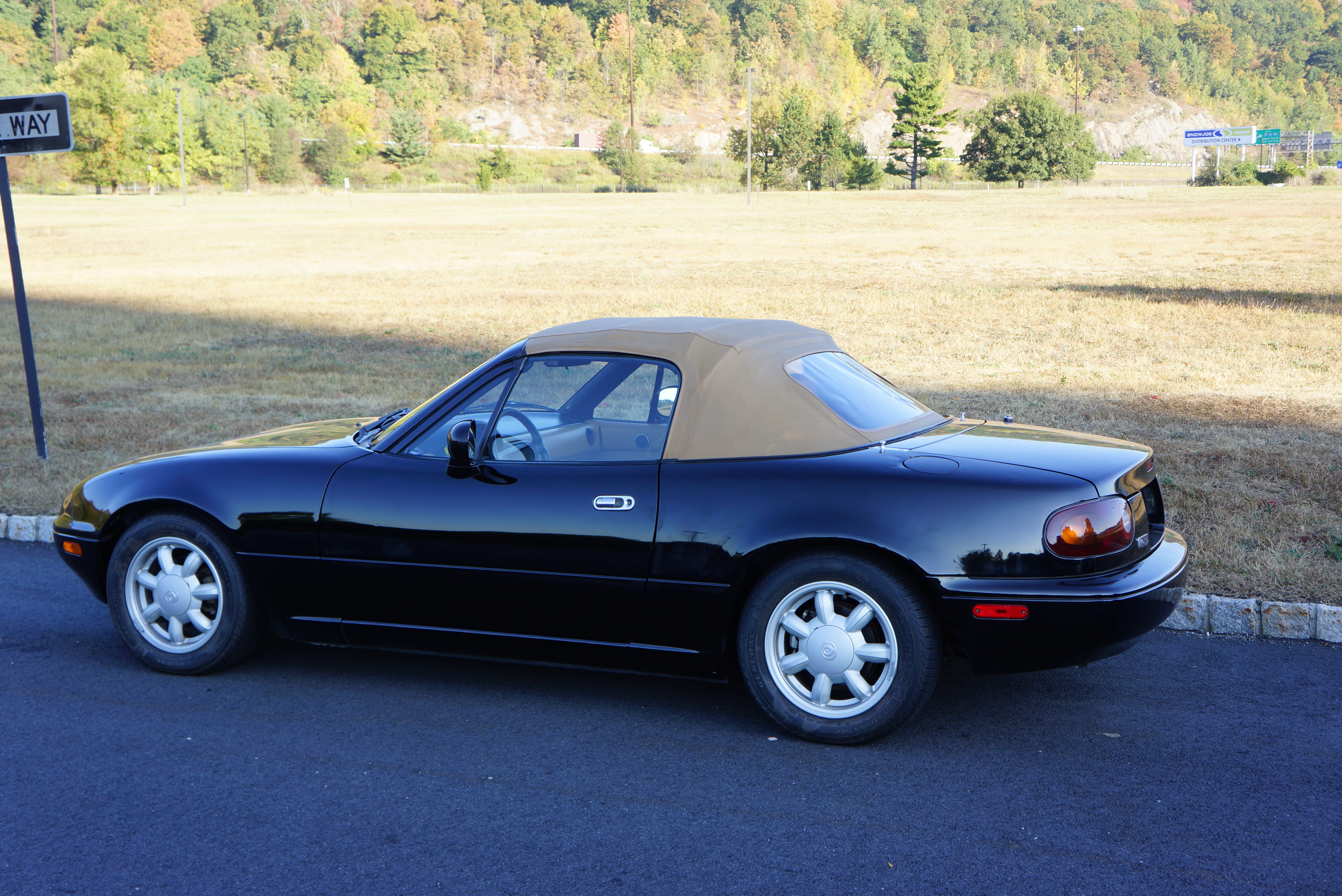
Your blogger’s Miata


Ours were not the only classics at the diner that morning


All photographs copyright © 2019 Richard A. Reina. Photos may not be copied or reproduced without express written permission.
Alfa Romeo brake system overhaul, Part 2

As you read in Part 1 of the Alfa Romeo brake system overhaul, the new front calipers I had purchased, through no one’s fault, didn’t get the job done. It was just as well; in an attempt to get my car ready to drive to the AROC Convention in Pittsburgh, I was hurrying through the job, which is no way to work on a braking system. If anything, the inability to make the car roadworthy gave me just the excuse I needed to do the right thing.


I had purchased this car in 2013 from my friend Pete. He bought it in 1968, drove it for perhaps five years, mothballed it for over 20 years, then took it out of long-term storage. After refreshing various systems, including the brakes, Pete enjoyed the car for about 10 years before handing over the keys. In my mind, this Alfa had been “recently” refurbished. However, once I added up the years and the miles, I realized my own miscalculation. At best, Pete worked on the brakes around the year 2003, meaning, the brake fluid alone was now 16 years old. Shame on me! Since I loved driving the car, I wanted 100% confidence in its brakes, so The Right Thing meant a complete overhaul: rebuilt calipers, new or rebuilt master cylinder, and new lines and hoses. I got all 4 wheels up off the ground, drained what little fluid remained, and brought both front calipers to the workbench.

Caliper with piston, dust boot and spring in place before removal

First, the dust boots and their retaining springs had to be removed. The springs were so rusty that it was difficult to see them against the boots, but with a little urging from a dental pick, they popped off. The boot for the seized piston looked like it had been on fire (it almost was), and this early discovery reinforced that this overhaul was necessary and overdue.


Dust boot and rusty old spring on their way off


This dust boot is ready for the trash can


I’ve rebuilt calipers before, as a Volvo tech, but it wasn’t a job we did very frequently. All 4 of my car’s calipers are of the two-piston fixed type, and research from my Alfa library led me to conclude that there was no need to split the calipers. The pistons could be removed with compressed air, and the bores cleaned up as necessary.


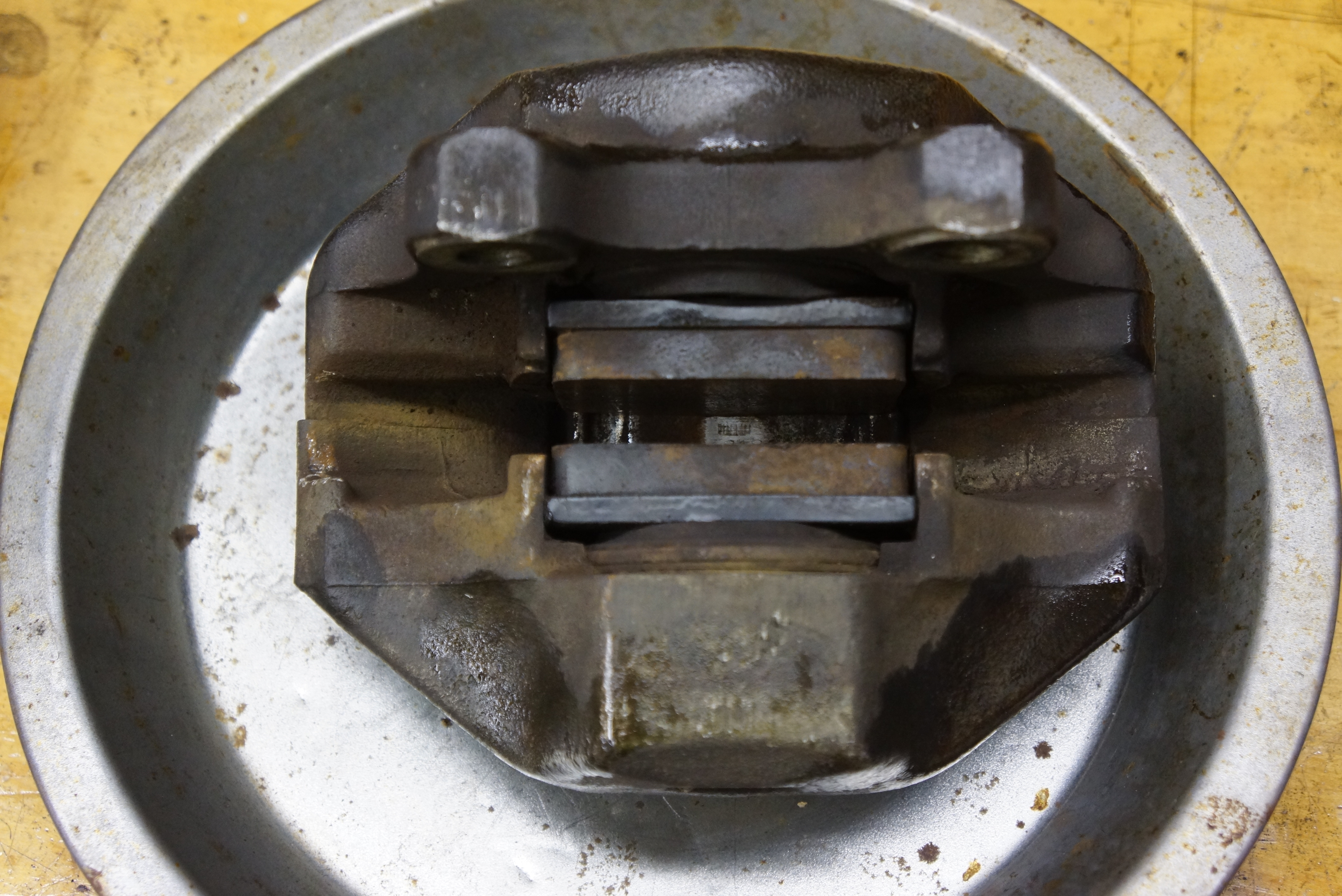
This 2-piston caliper has 1 piston behind each pad. It is “fixed”: the two halves are bolted together.

Starting with the seized right front unit, my technique was to start by pushing the pistons back into their bores with a piston compression tool. The reasoning is that any movement is good movement. Once they were fully retracted, I hit the fluid passage with compressed air, and both pistons moved outward a few millimeters. The cycle was repeated: retract pistons, apply air; retract pistons, apply air. Finally, one piston popped free.

At the start, piston retraction tool was used to push pistons all the way back


Compressed air is good stuff


But now I had a problem: the compressed air escaped from the now-empty bore, and did nothing to move the piston still in place. I reinstalled the removed piston, but the same thing happened: one piston came out, and one stayed in. I needed a way to block the fluid passages without fully reinstalling the first piston. Stuffing rags into the bore did nothing.

C-clamp is employed to hold 1st piston while compressed air dislodges 2nd one

Here’s how I did that: lubing up the piston with brake fluid, I reinserted it just a few millimeters back into its bore, enough to block air flow, but not so much that I couldn’t pull it out by hand. I held this piston in place with a C-clamp, so the force of the air would blow out the 2nd piston. It worked! The 2nd piston shot out, and once I removed the C-clamp, the 1st piston could be worked out with my fingers. With the pistons out, the inner seals were easily coaxed out with a dental pick.

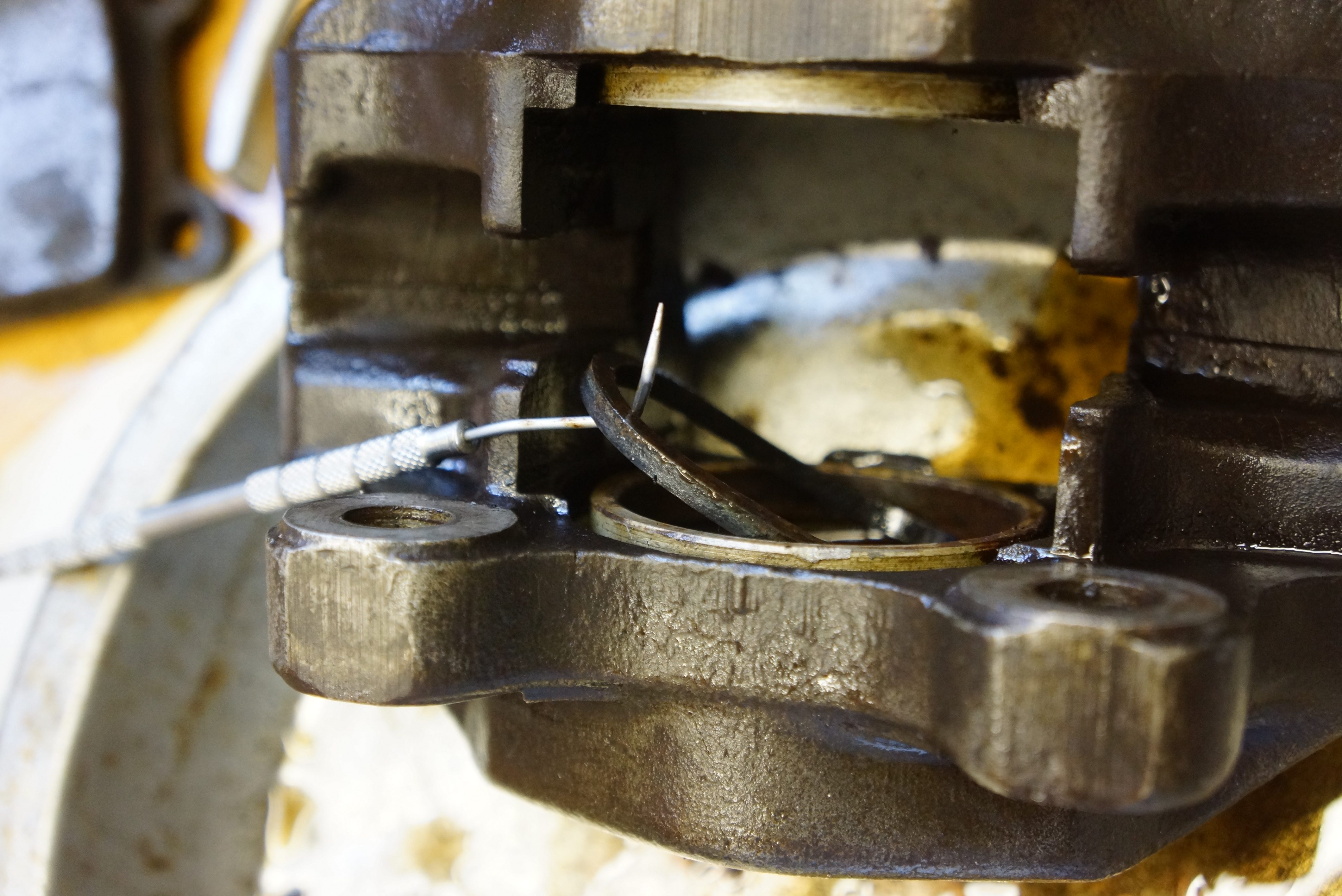
Removal of the inner seal

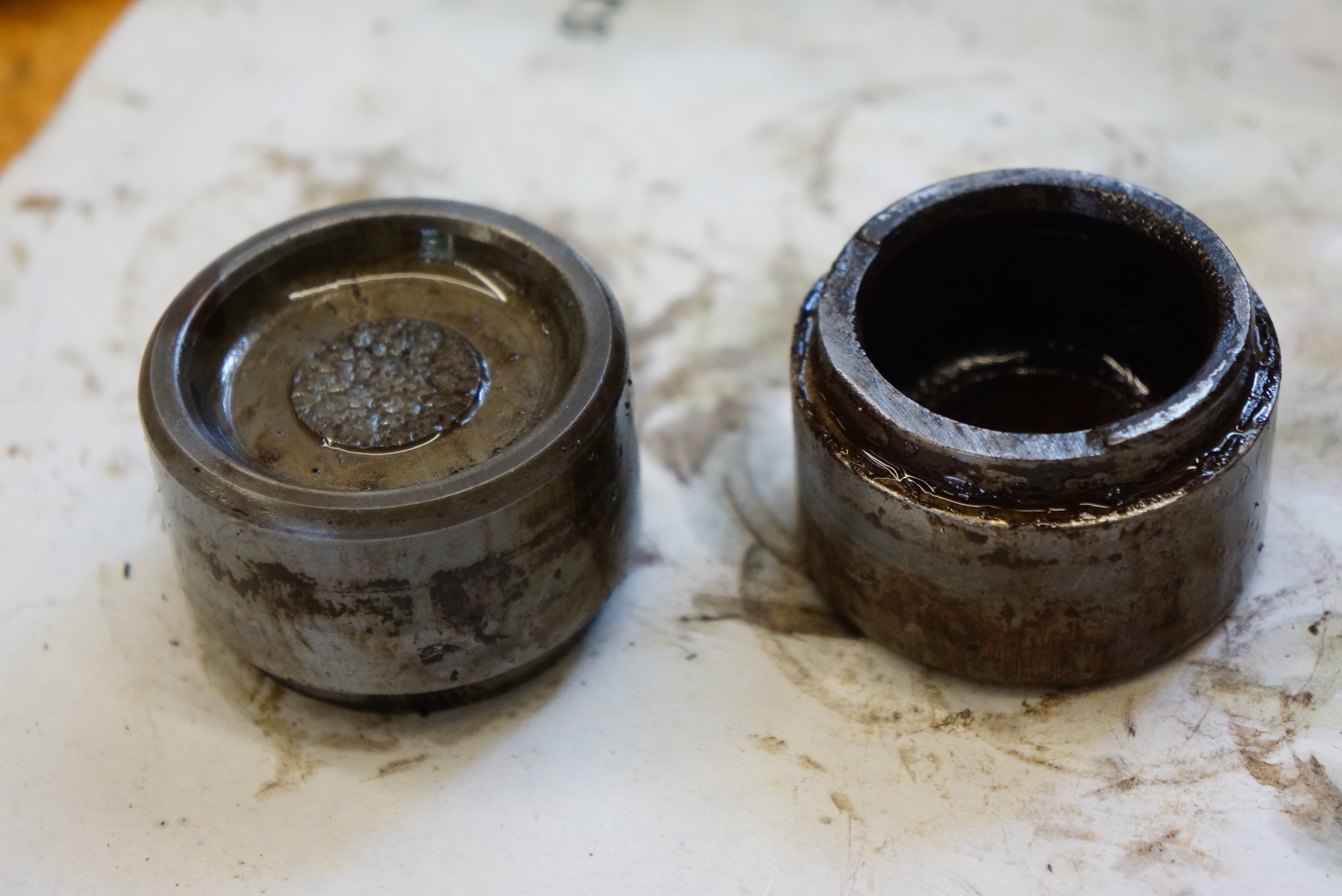
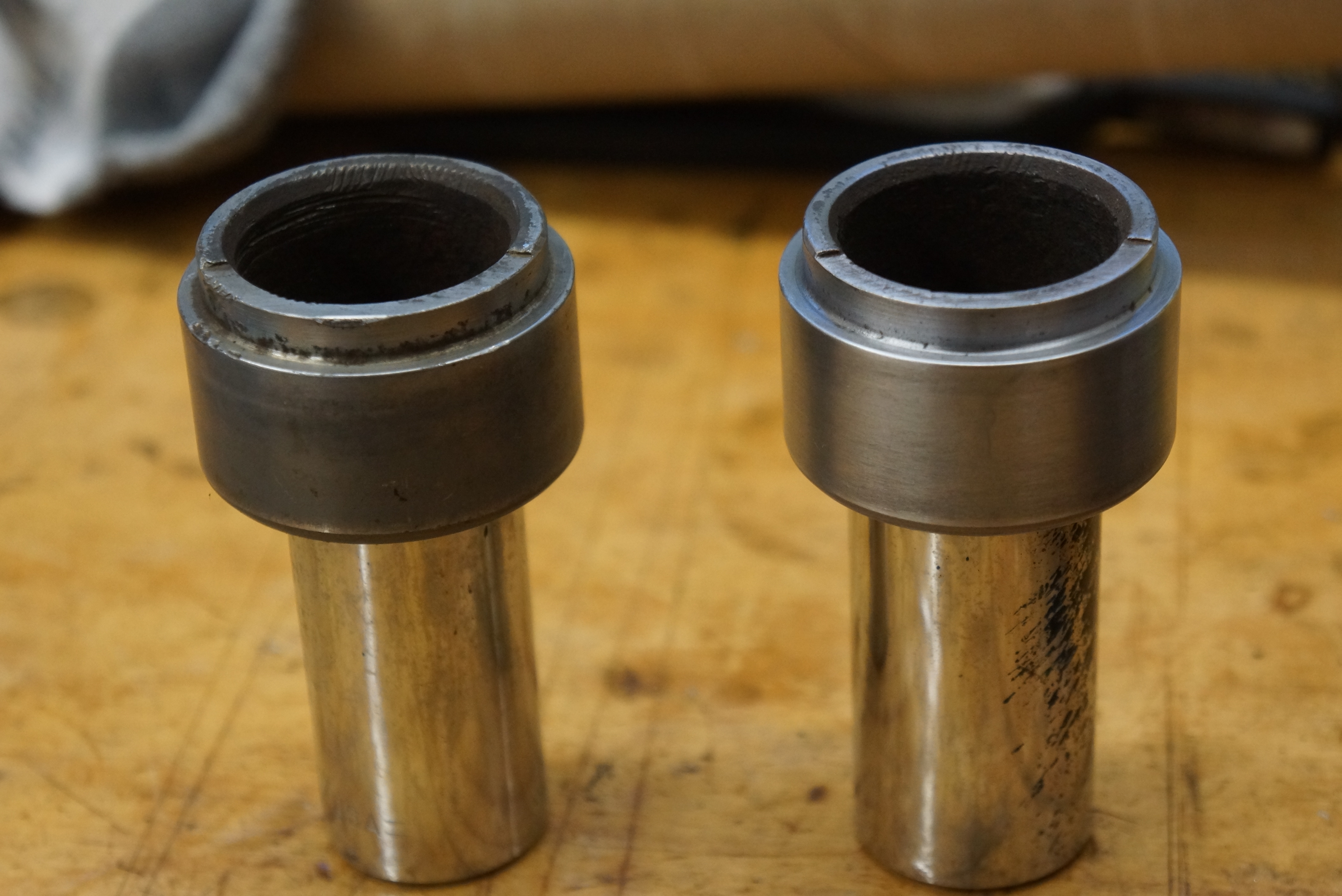
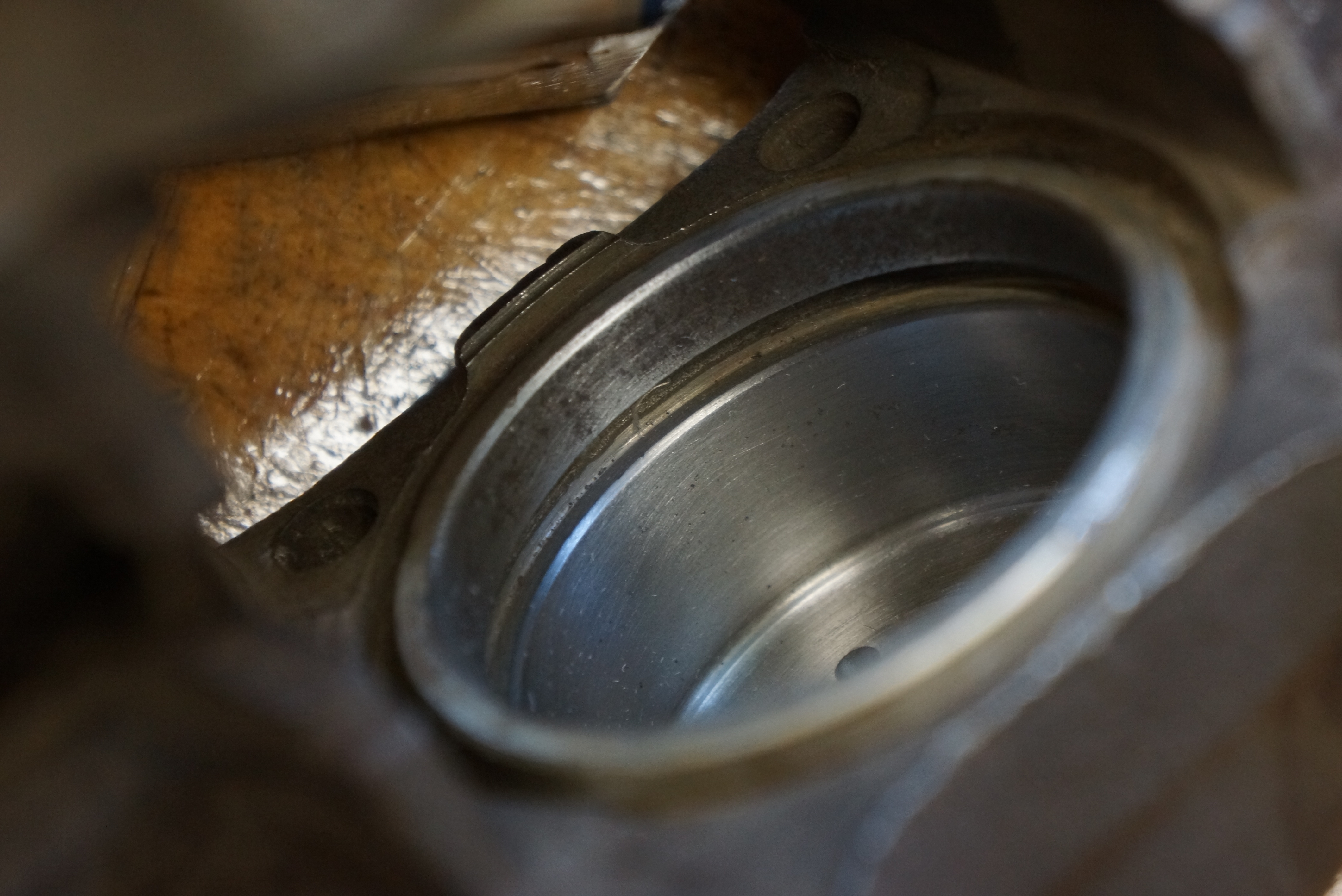
A close examination of the pistons revealed that one had a mark along its surface. My local Ace Hardware store had 3M brand emery cloth which I bought in medium, fine, and super fine grit. While I couldn’t completely remove the nick, I smoothed it out so that it couldn’t be felt. The front lips of the pistons showed marks from pliers or Vice-Grips, so someone (not me) got aggressive with a prior piston removal attempt. Thankfully, the marks would not affect the braking performance.

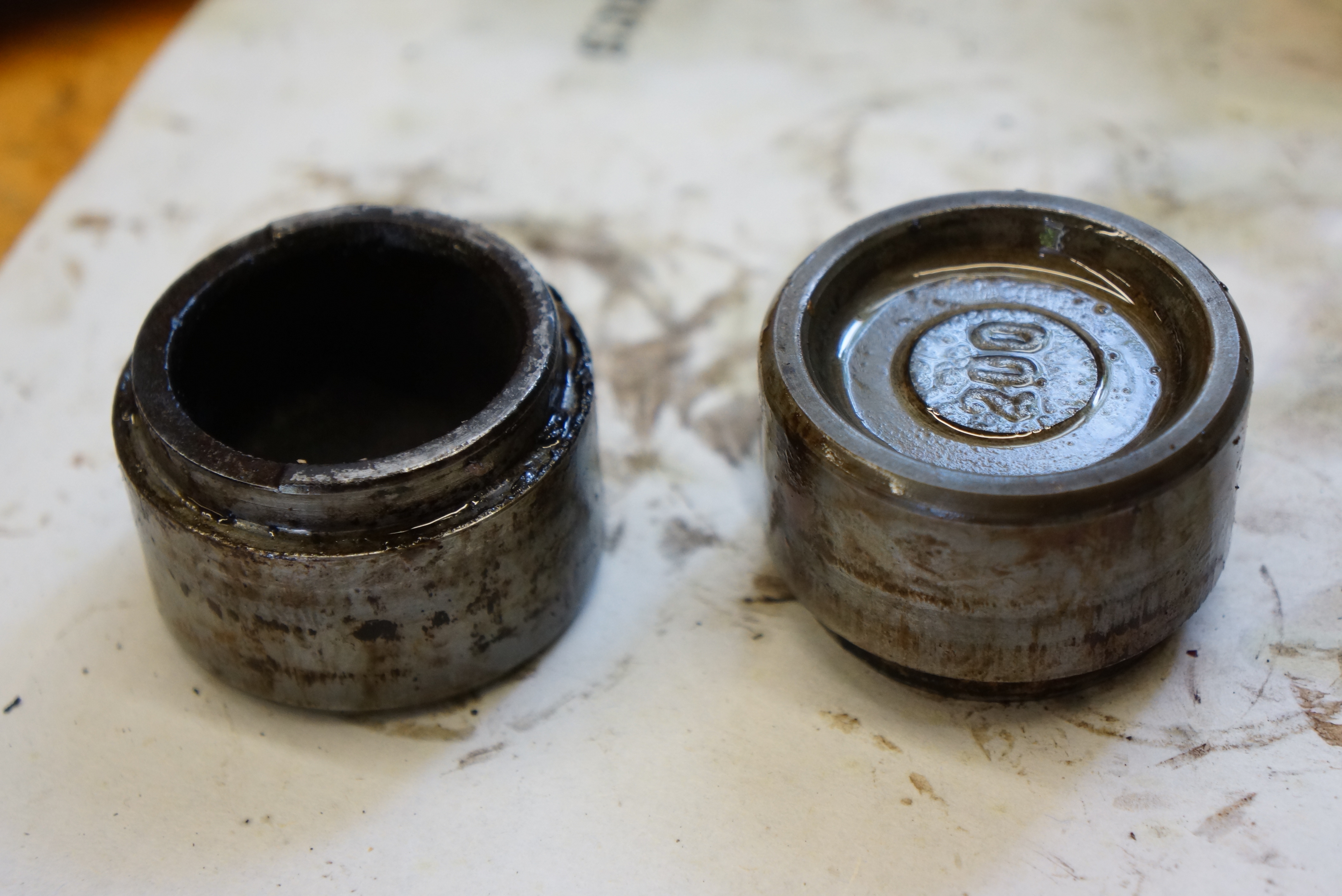
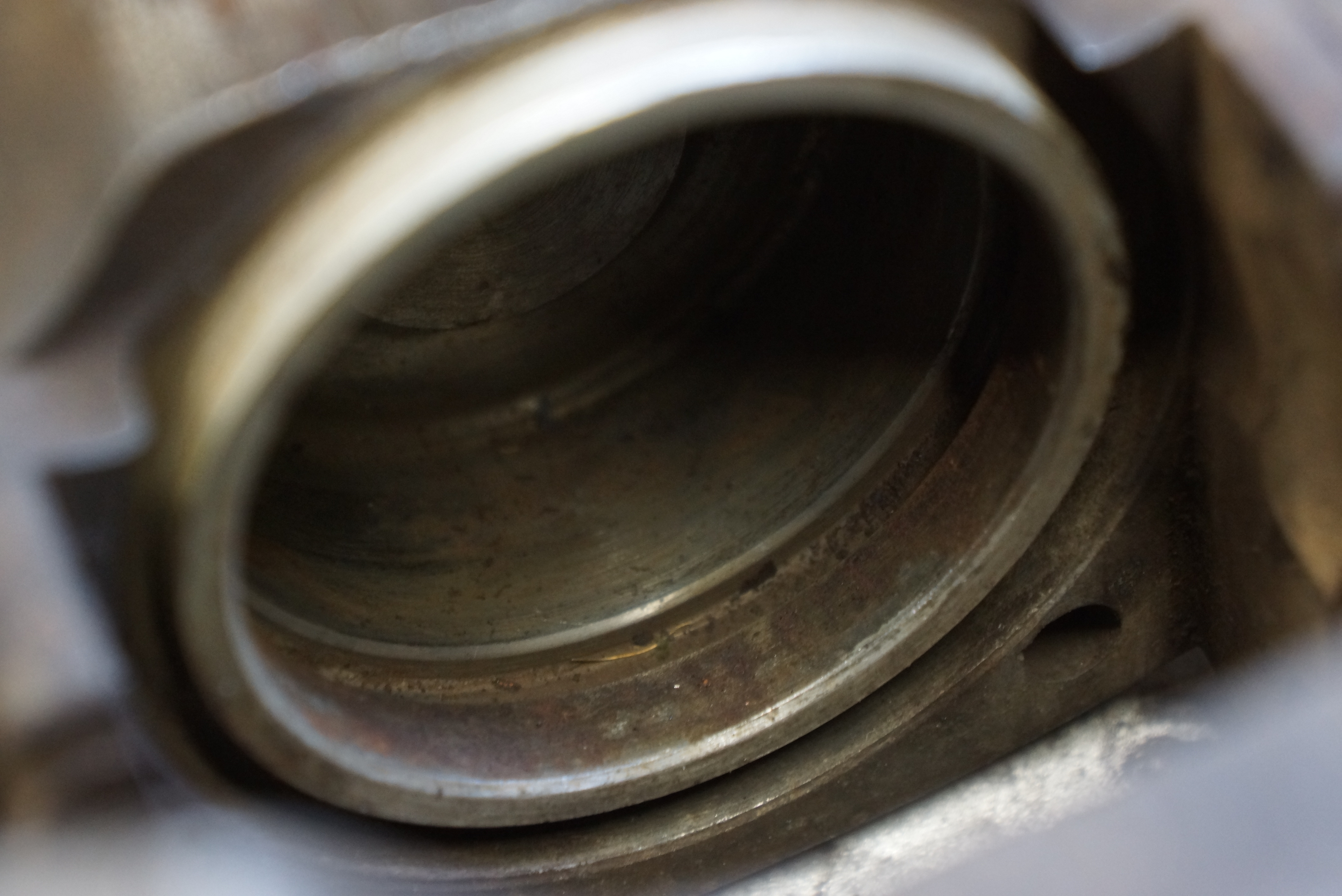
The bores themselves showed some minor corrosion along the outer edges, but the insides (below the inner seals) weren’t bad, and the super-fine emery cloth made them even better. While this was going on, the rear calipers were unbolted and disassembled so that I could measure the piston diameter. According to my supplier, Classic Alfa, this generation Giulia used either 30mm or 36mm rear pistons, and of course, one needed to know before ordering parts. It turned out that my car has 30mm pistons. I placed my order with my favorite Alfa supplier, knowing that I’d have the parts within 48 hours or so.


Pistons before (left) and after (right) emery cloth treatment


Nick in surface could not be removed, but was minimized. Note pliers marks.


Rear caliper piston confirmed as 30mm


… to be continued …


All photographs copyright © 2019 Richard A. Reina. Photos may not be copied or reproduced without express written permission.


Lime Rock Park Historic Festival 37, 2019

Lime Rock Park, an historic race track nestled in a valley within the verdant hills of northwest Connecticut, held its Historic Festival #37 over the 2019 Labor Day weekend. The races run all weekend except Sunday, as that is prohibited by local ordinance. Many moons ago, Festival organizers reasoned that the non-racing day could be put to great use for a car show, and “Sunday in the Park” was born.

For me, the static car show in Lime Rock has been an annual treat going back to the early 1990s. So many factors make this show special, including location, size, quality, and variety. Lime Rock delights in creating its own classes based on decade, country of origin, and vehicle type. It keeps things interesting for the spectators. Added to that is the tremendous support from marque-specific clubs, resulting in hundreds of vehicles lining the perimeter of almost the entire track.

Although the park is a 3-hour one-way trip for me, the long Labor Day weekend means that a one-day round trip on Sunday isn’t so bad, as vacationers squeezing in a last summer getaway won’t be clogging the roads until Monday. Pedestrian traffic at the track wasn’t so dense to prevent unobstructed photos, which are presented below, in semi-organized fashion. Enjoy the automotive eye candy!


ITALIAN
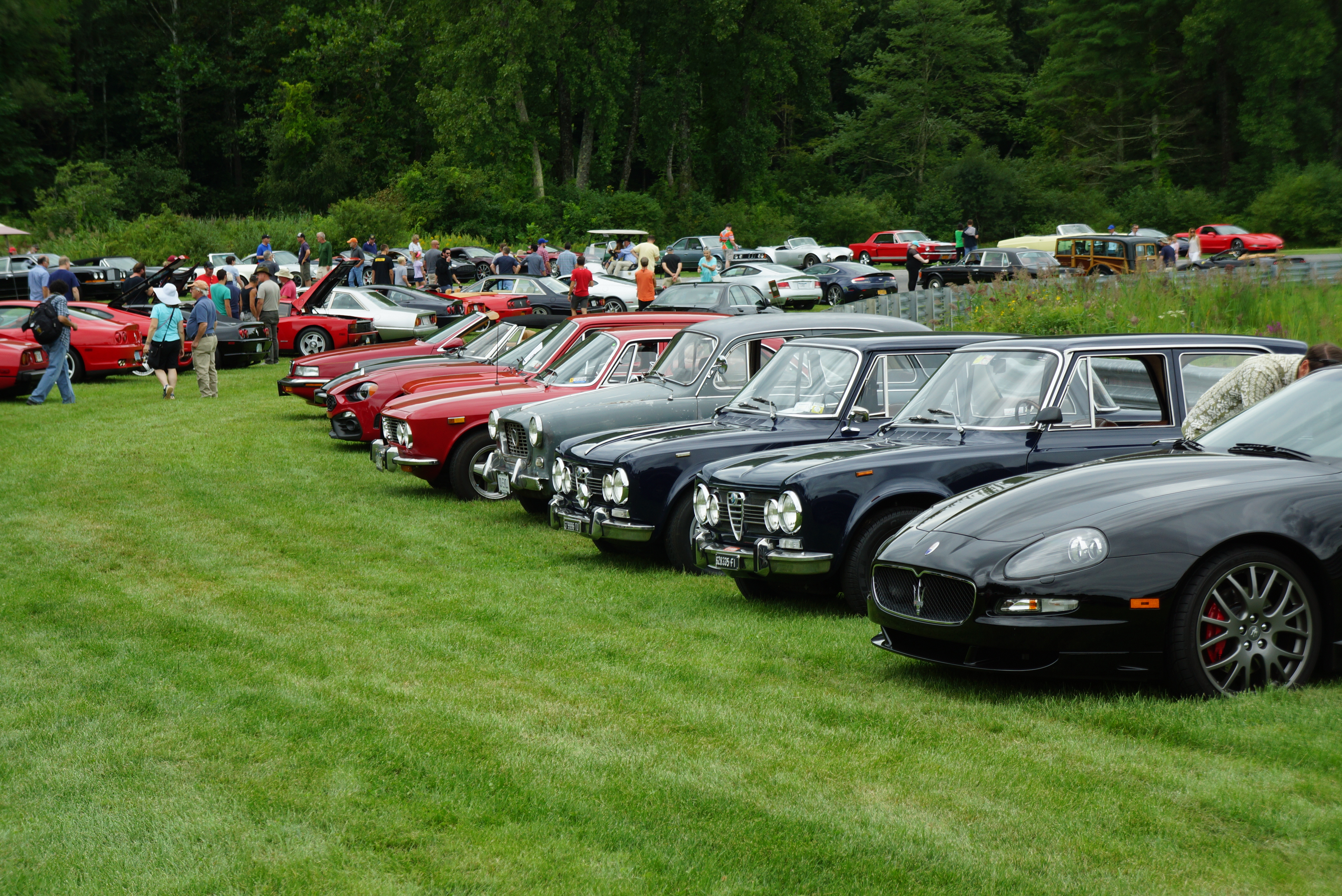
The Italians are coming!


Fiat 500


Lanica B20


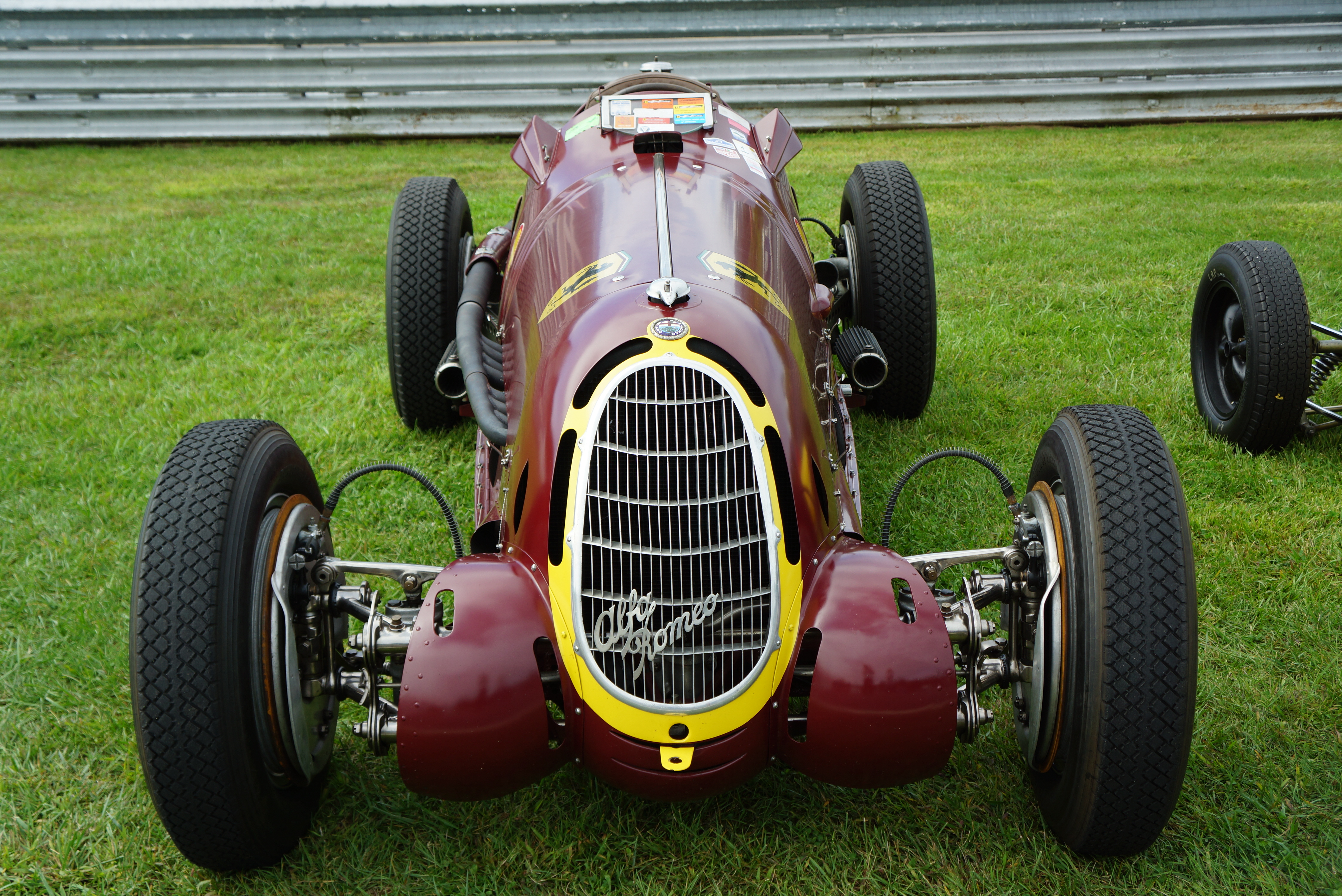
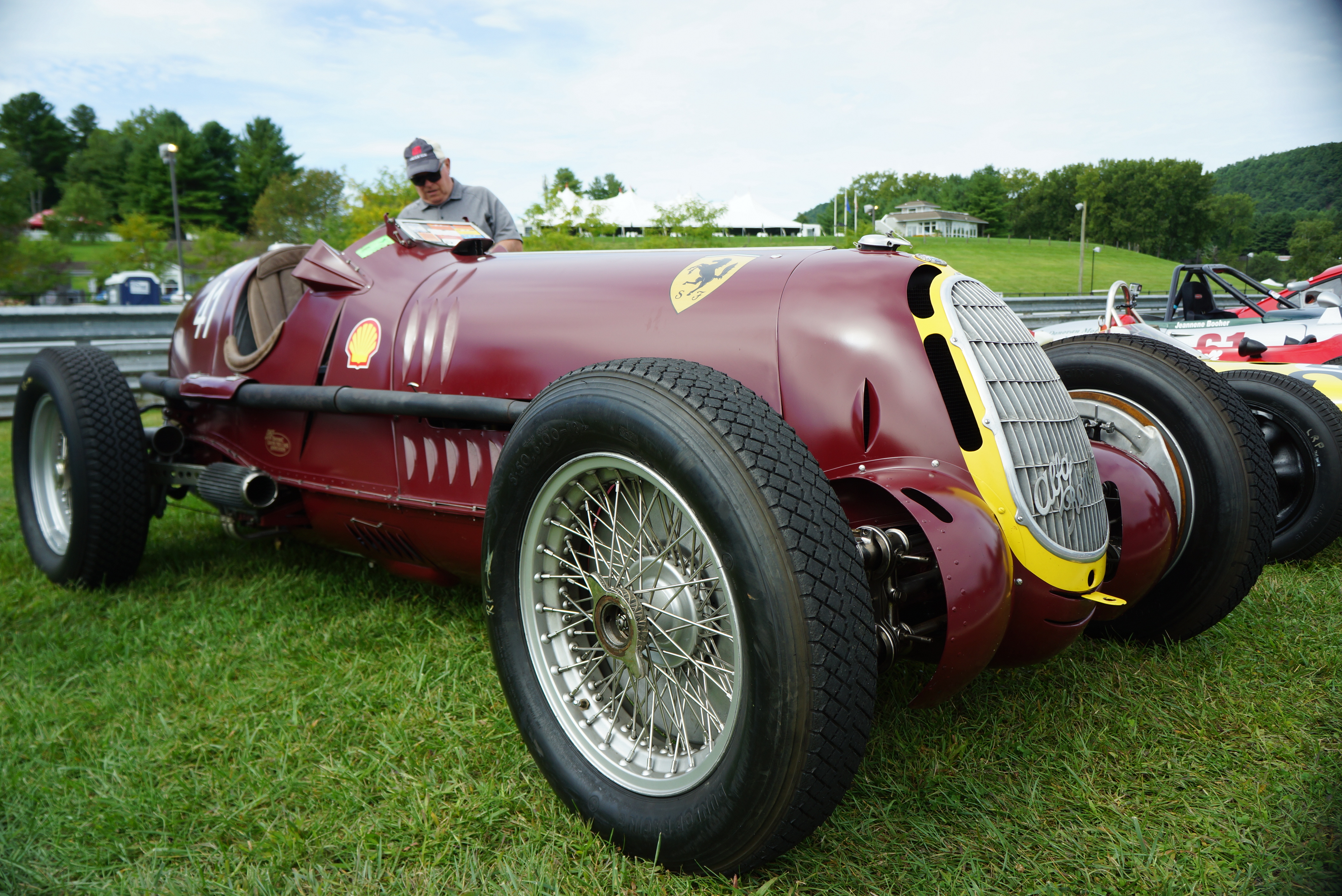
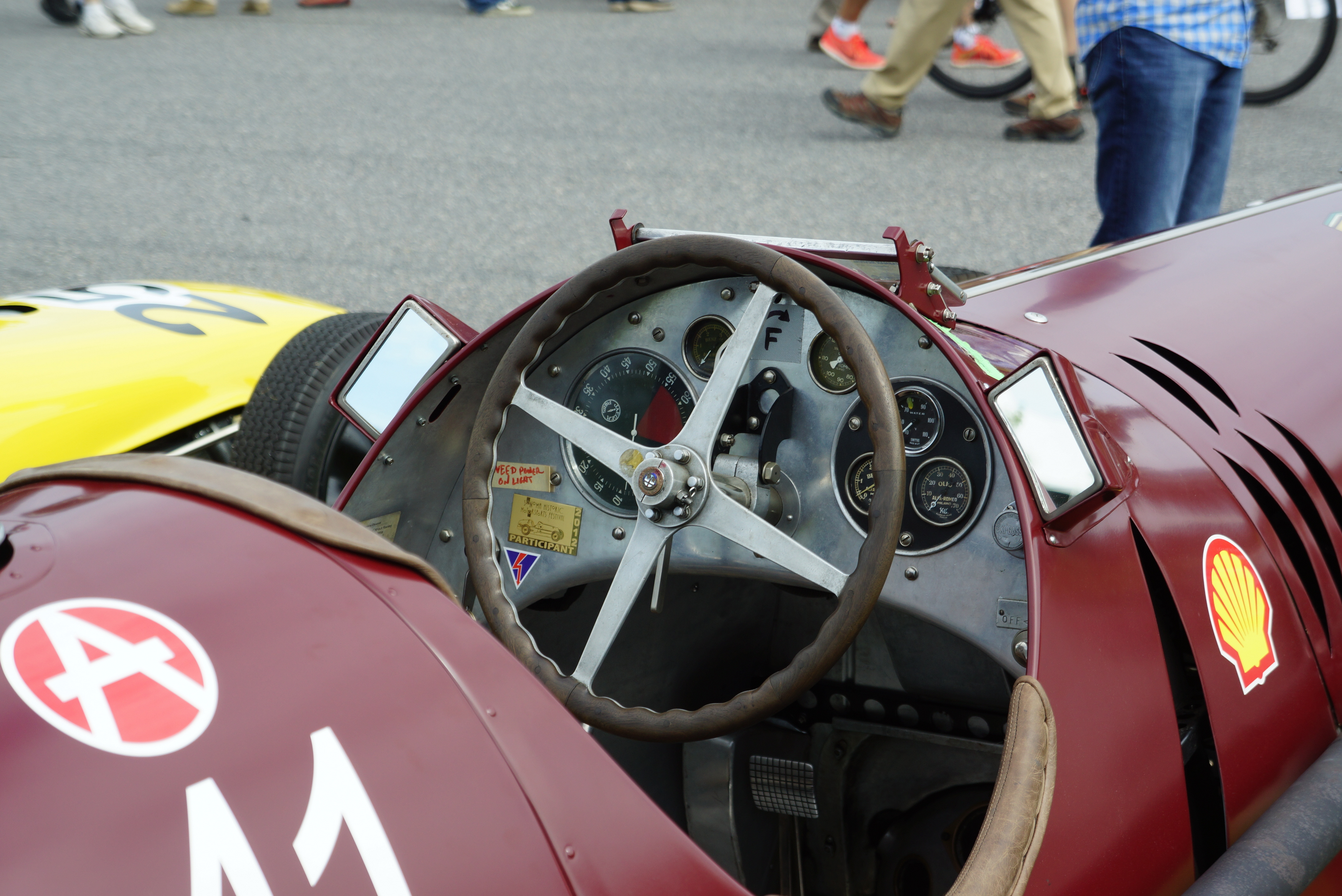
A selection of pre-war Alfa race cars


The Al Cosentino Fiat racer


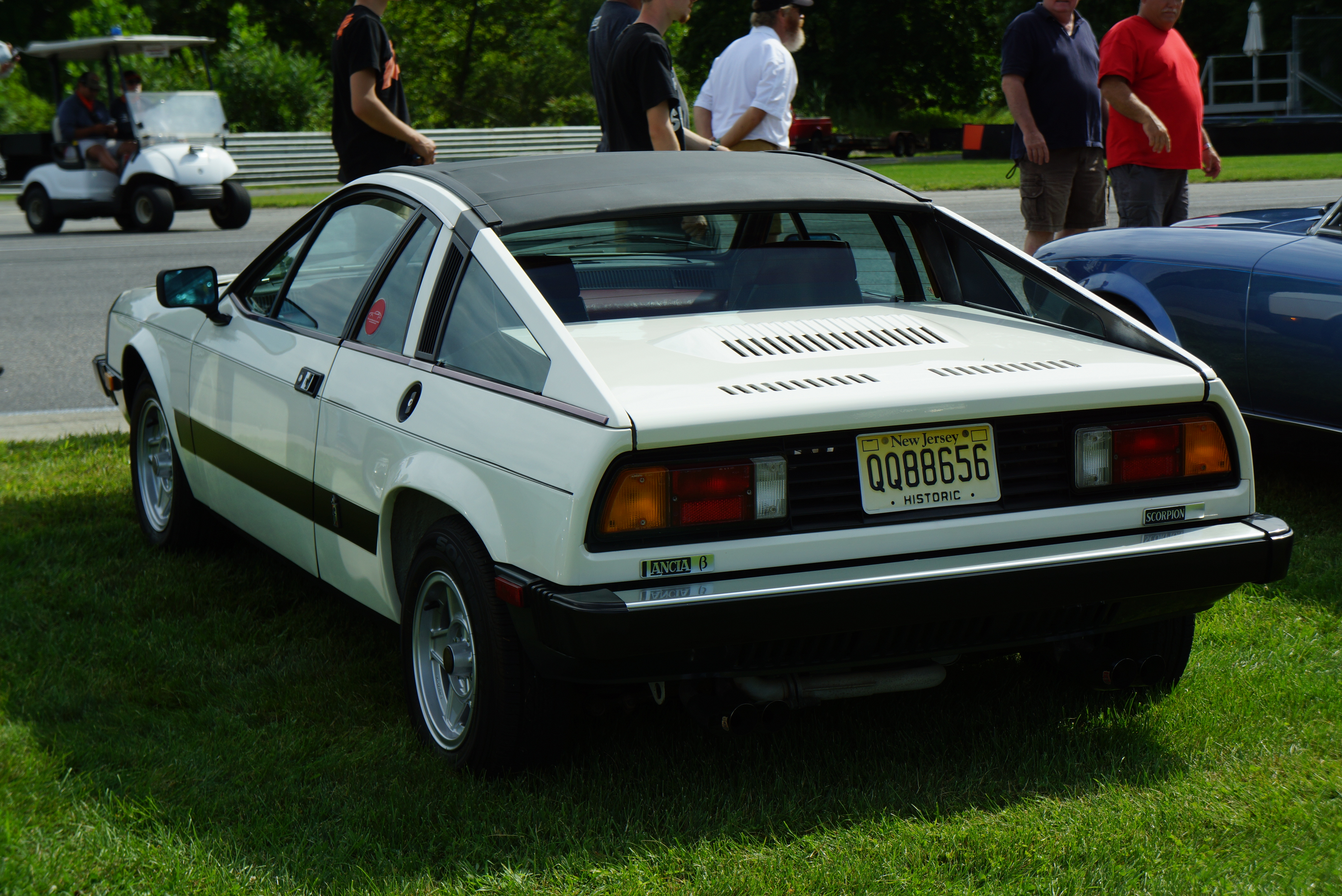
Lancia Scorpion


Alfa spider


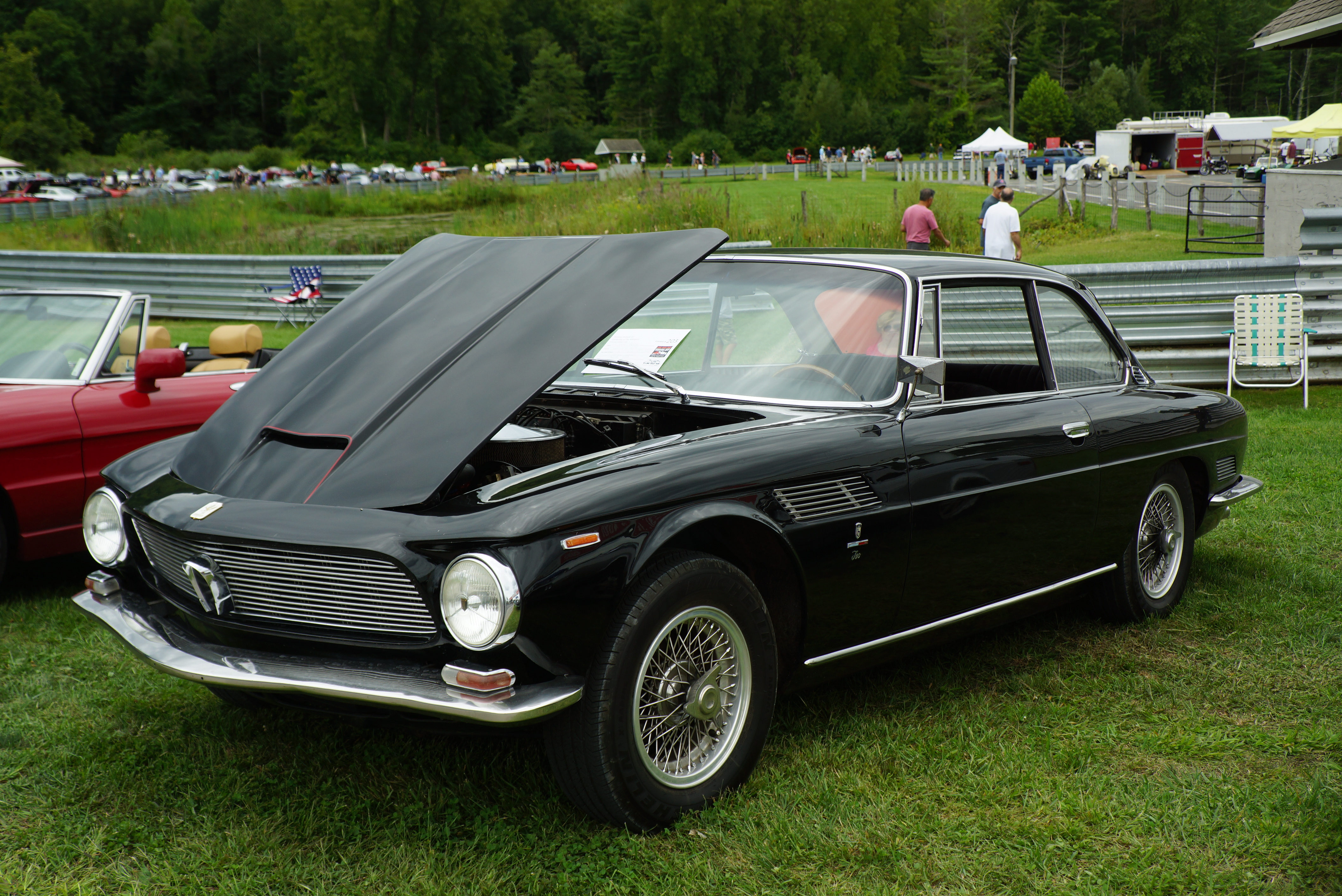
Iso Rivolta


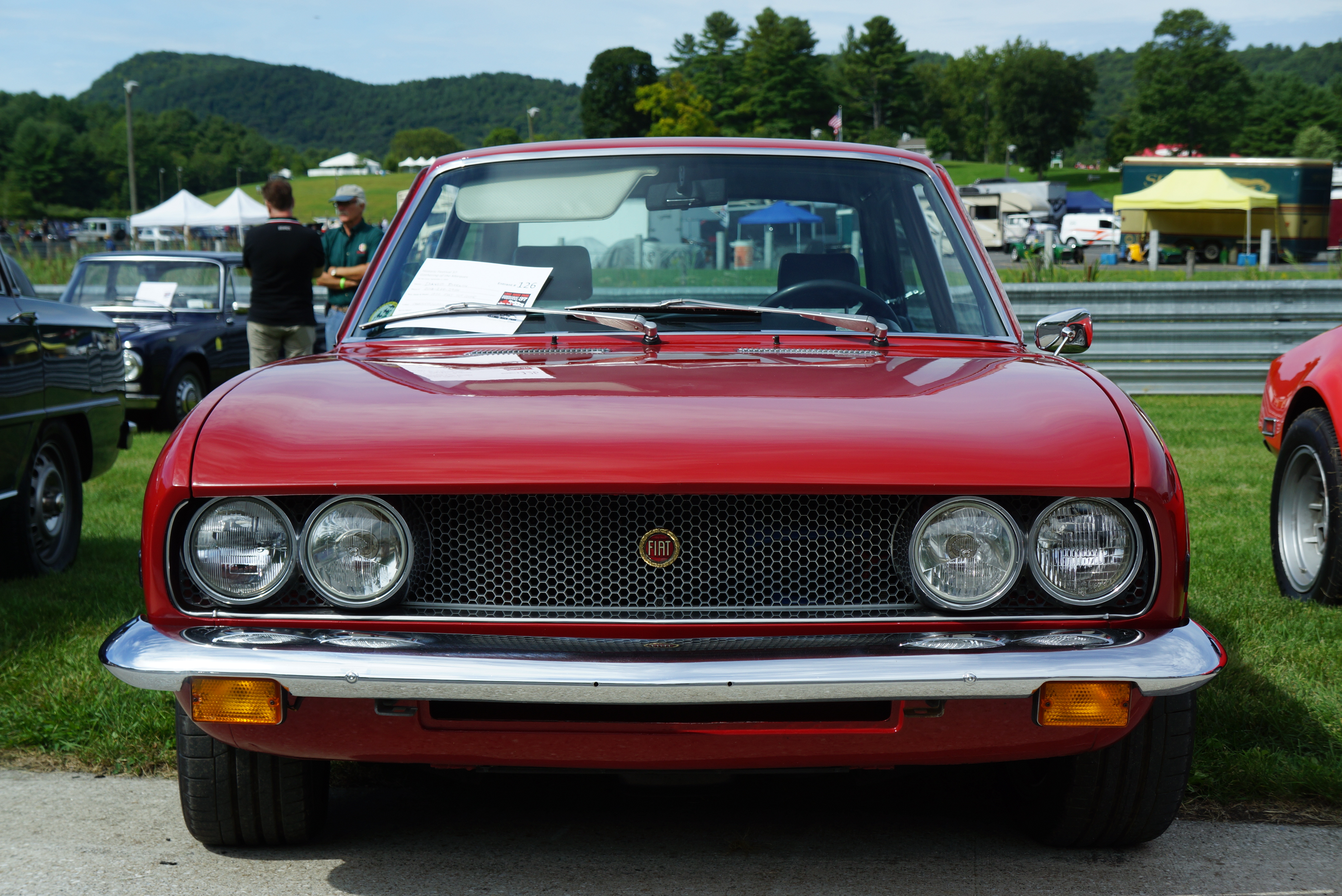
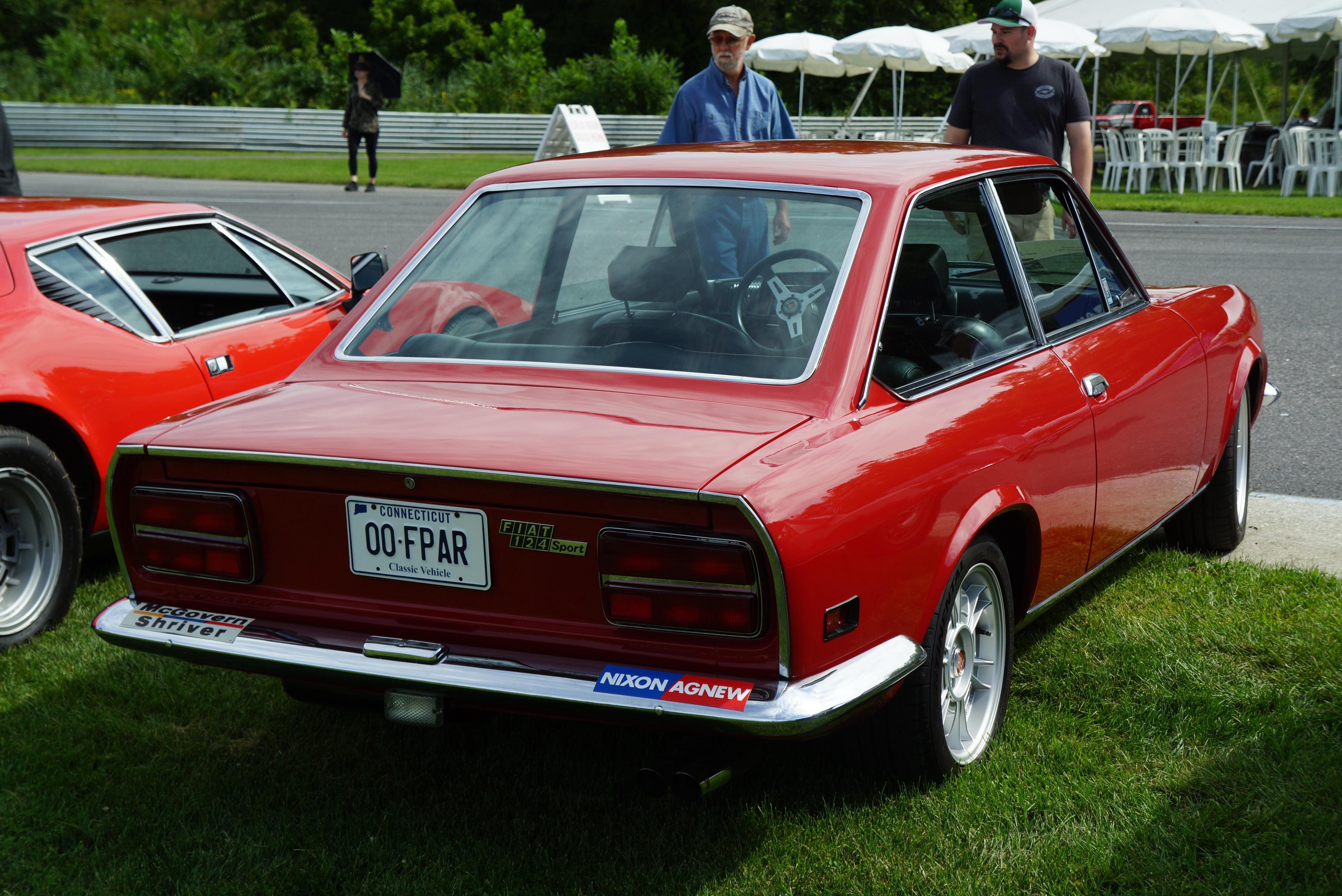
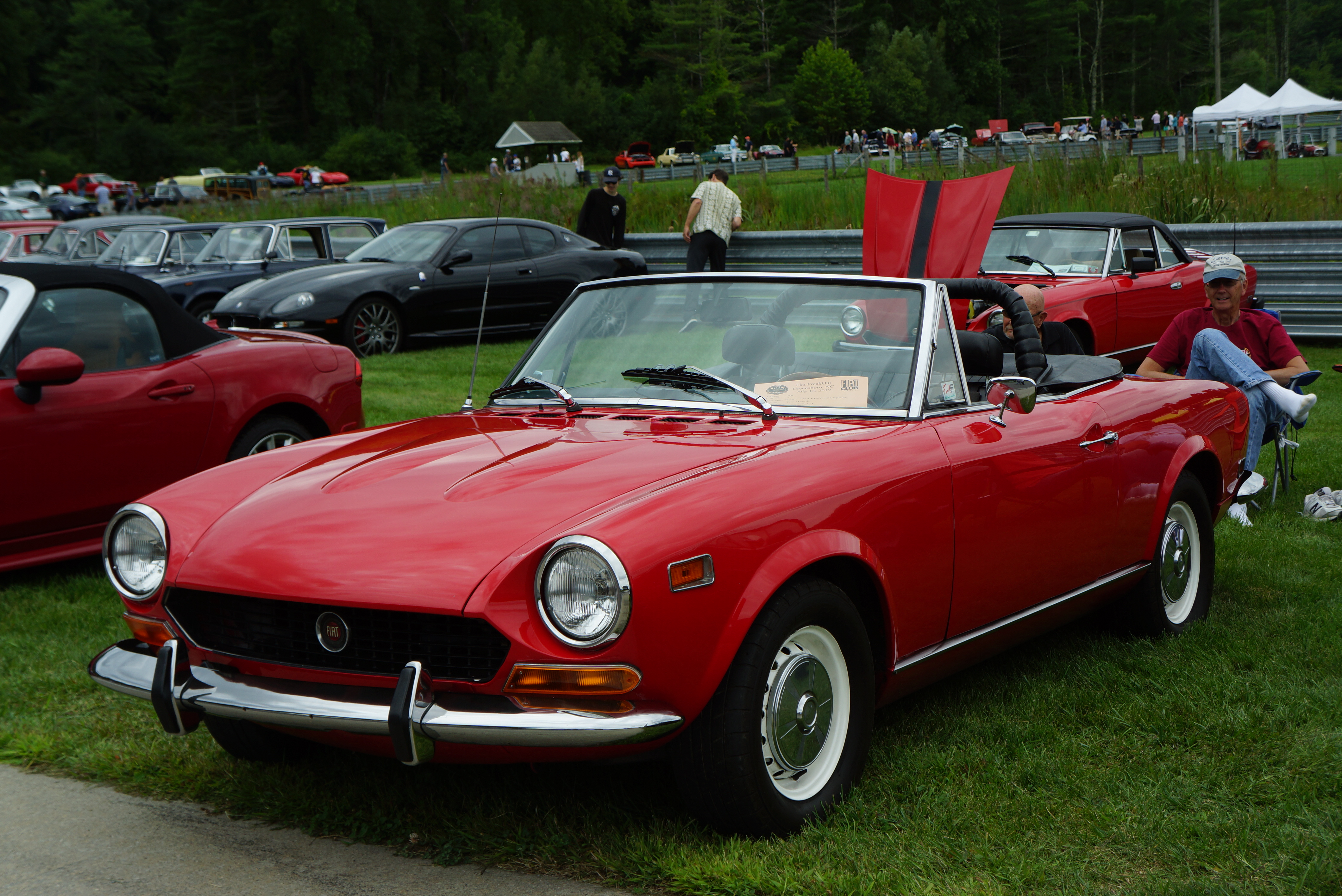
Chrome-bumper Fiat 124 spider


GERMAN
VW step-side pickup


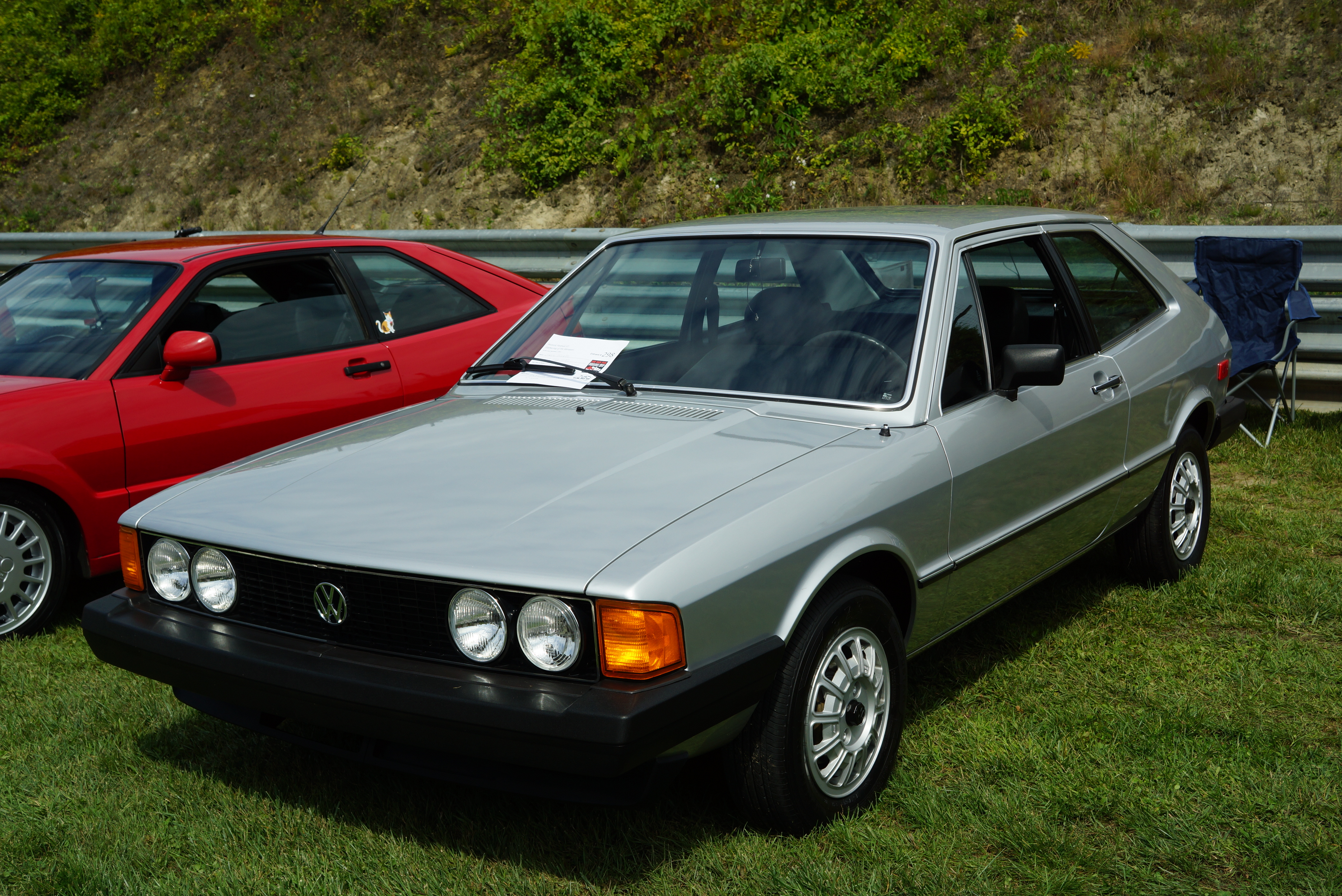
1st gen VW Scirocco


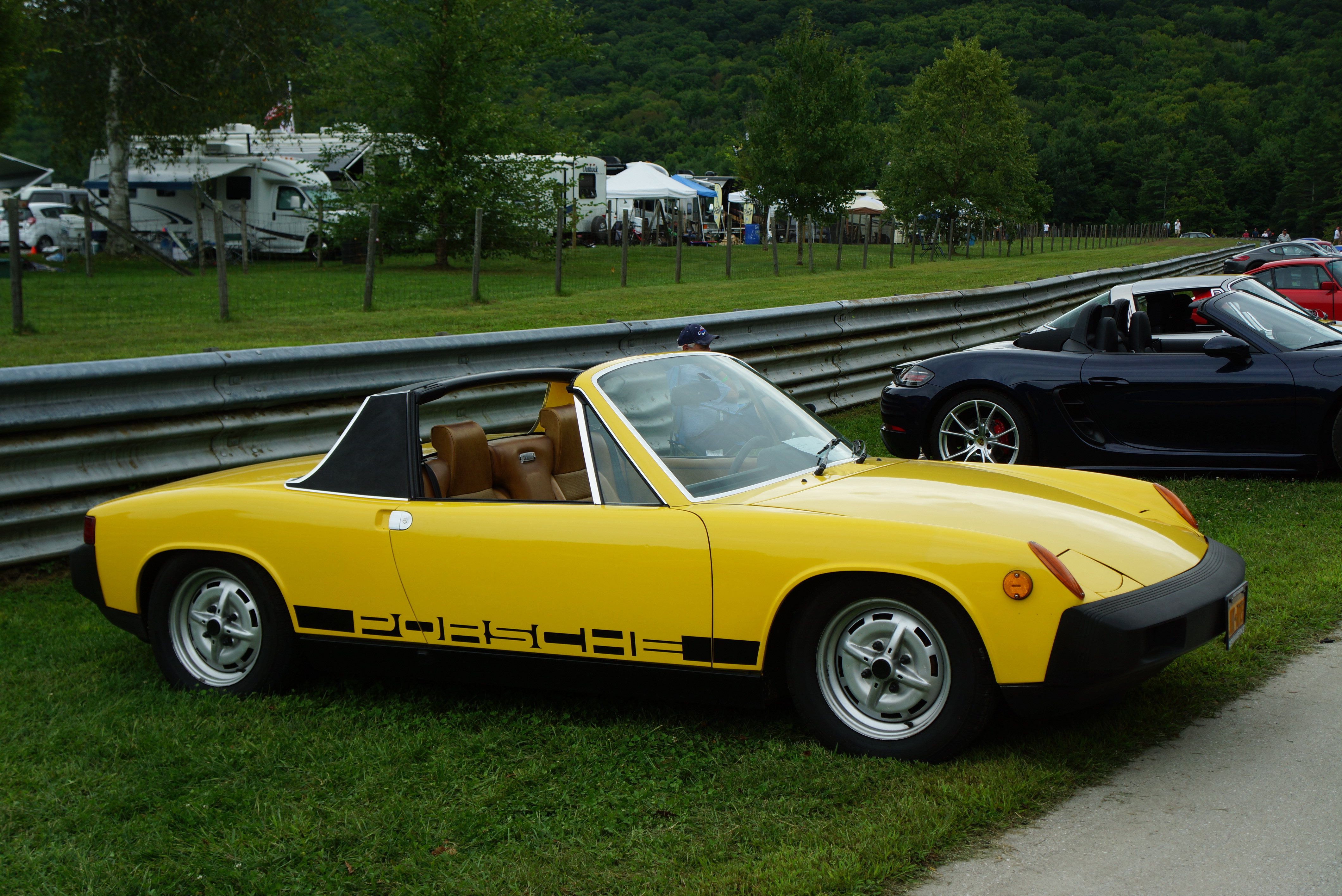
Porsche 914


A pair of clown shoes (BMW Z3 coupes)


AMERICAN
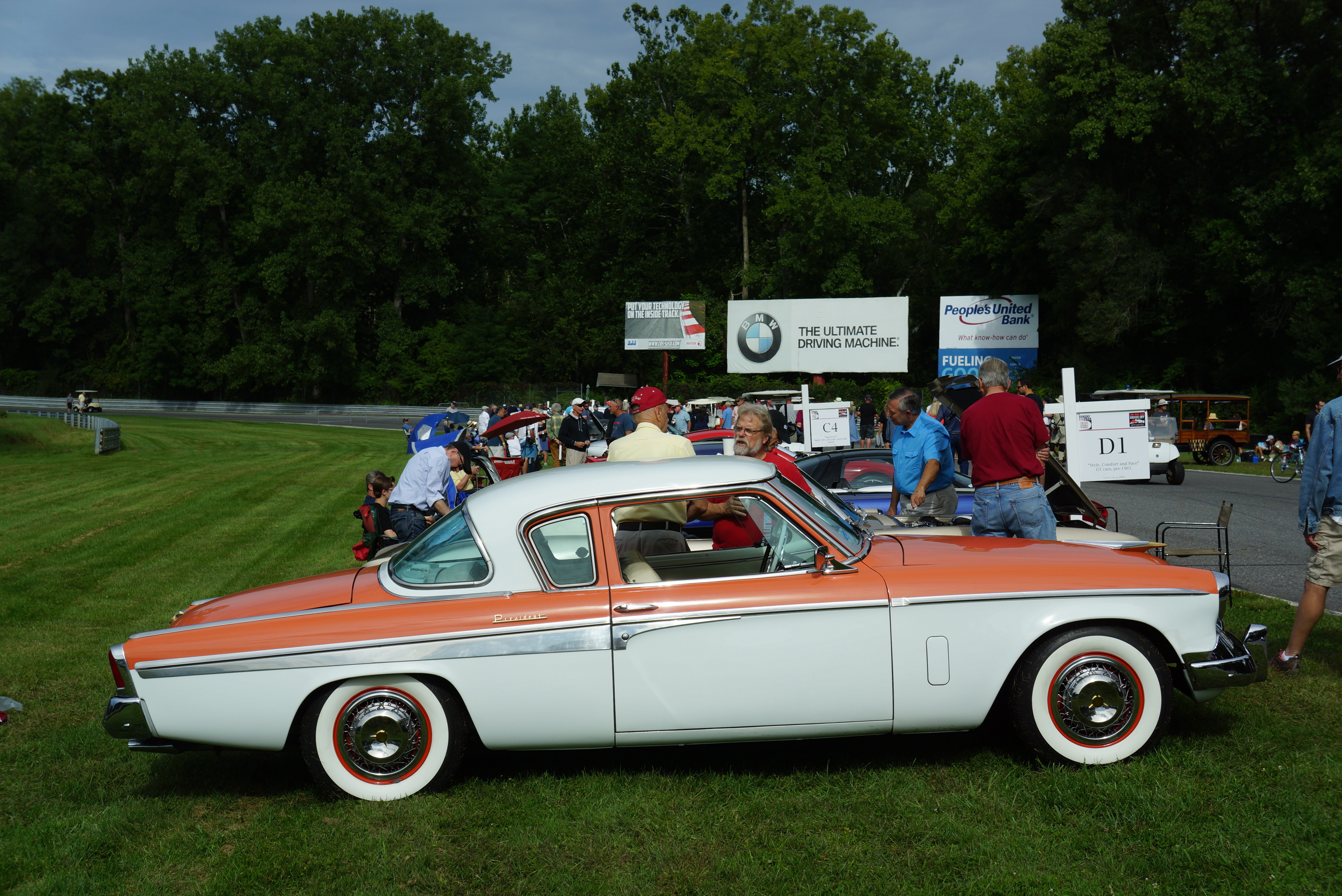
Studebaker Hawk


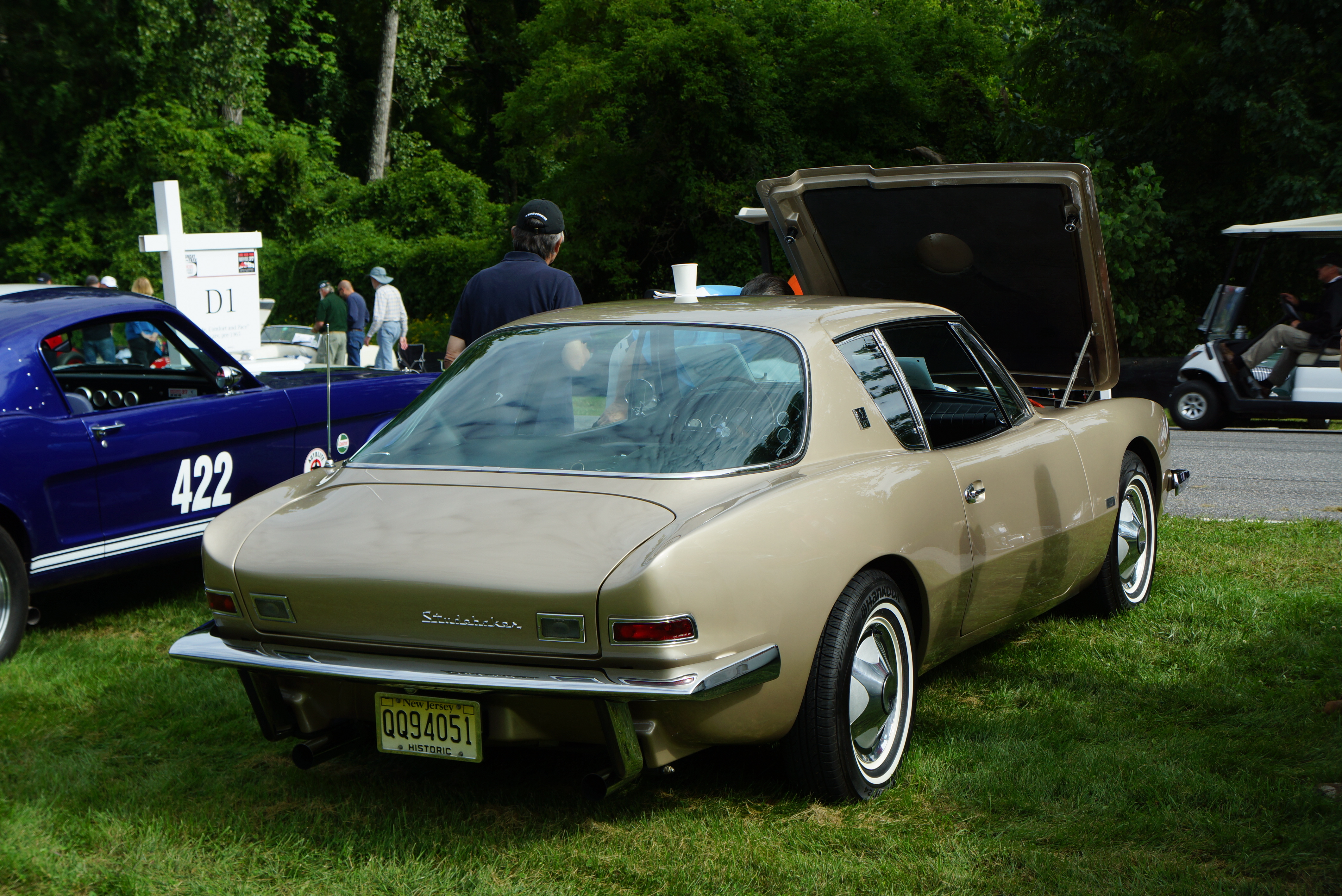
Studebaker Avanti


1940 Ford coupe


Lime Rock enters 21st century; Teslas recharge onsite


2nd gen Chevrolet Corvair


1962 Chevy Bel Air ambulance


BRITISH
MGB-GT


Lotus Elan (for sale: $19k)


Aston Martin


Morgan coupe


Mogies line up


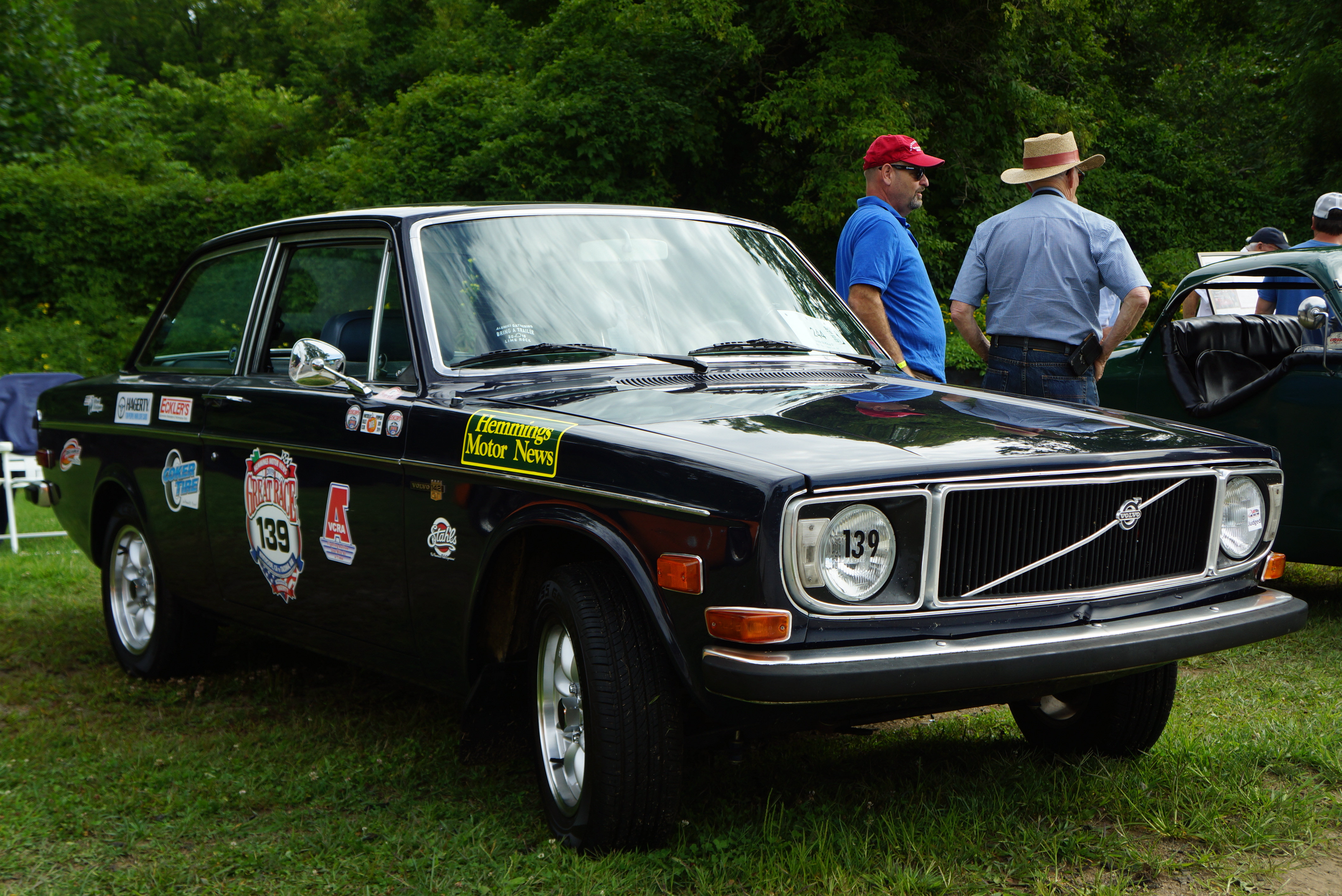
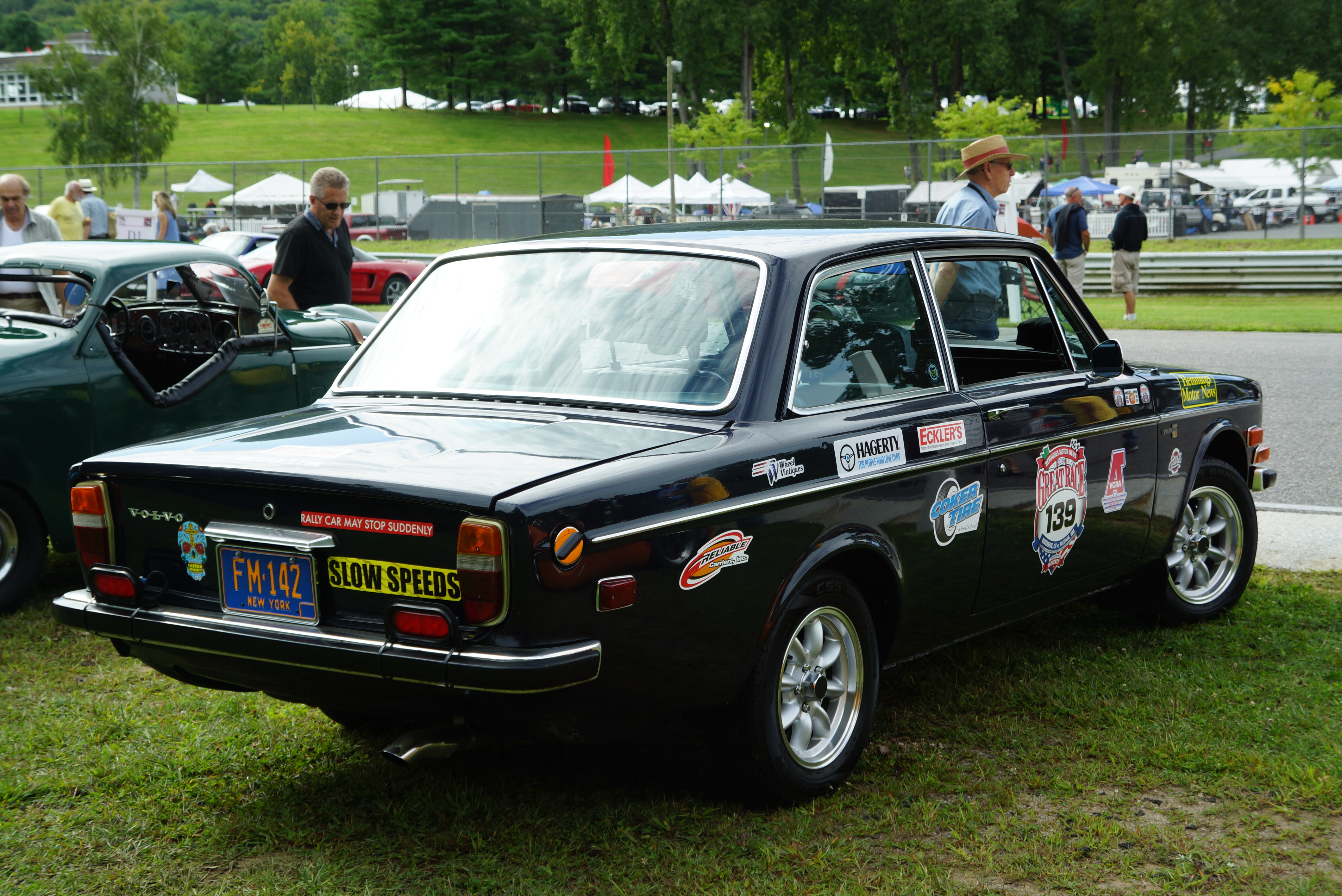
SWEDISH


JAPANESE

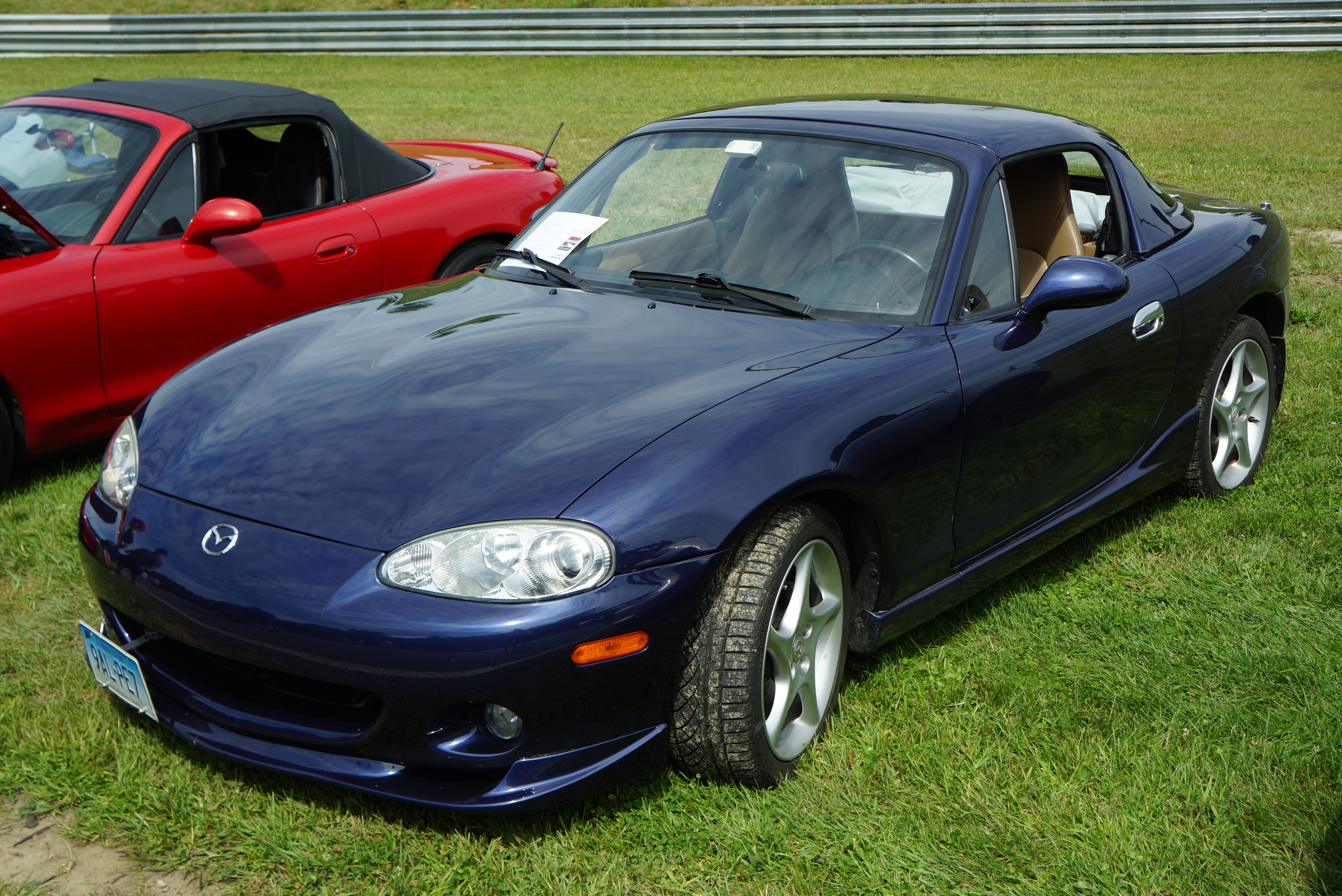
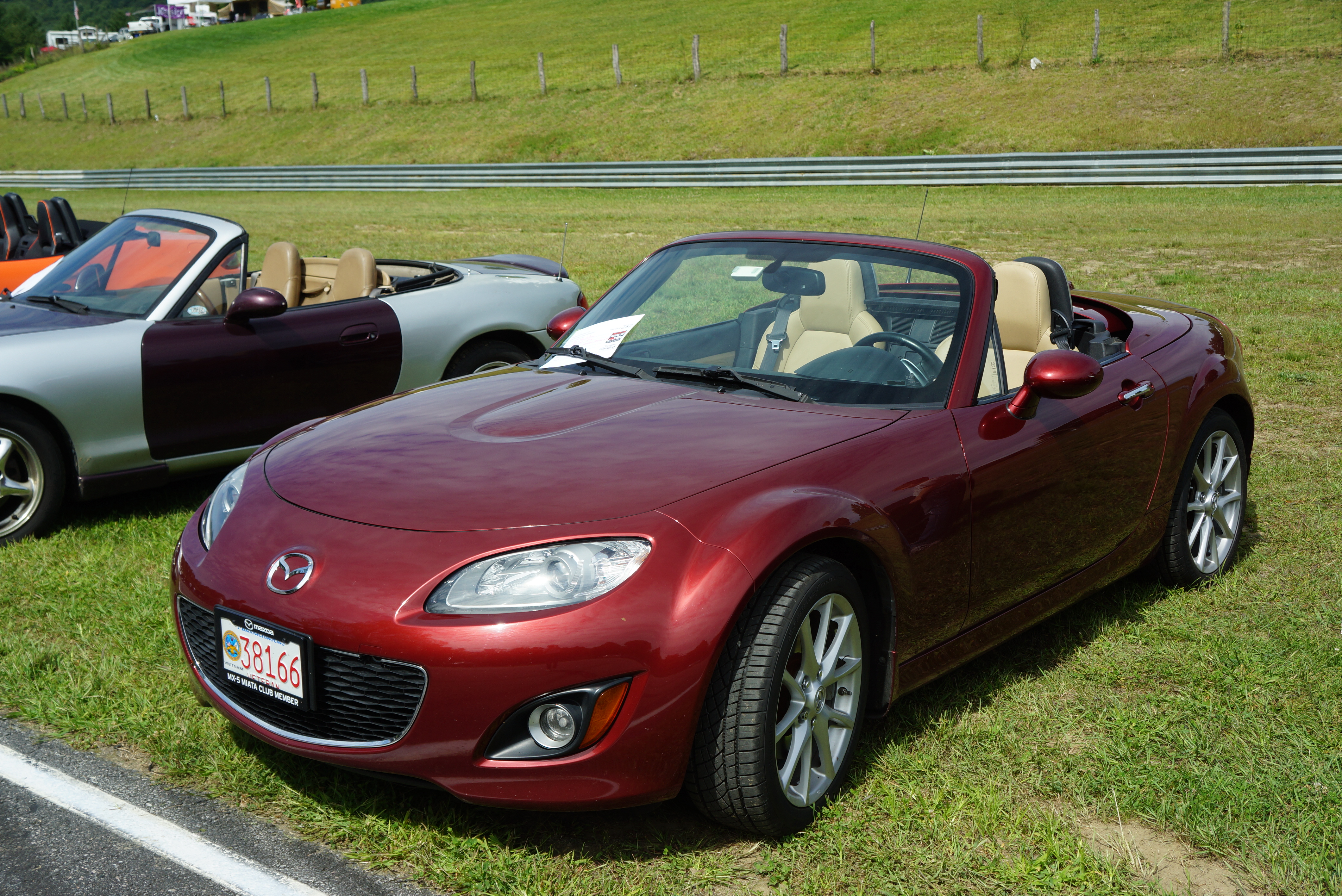
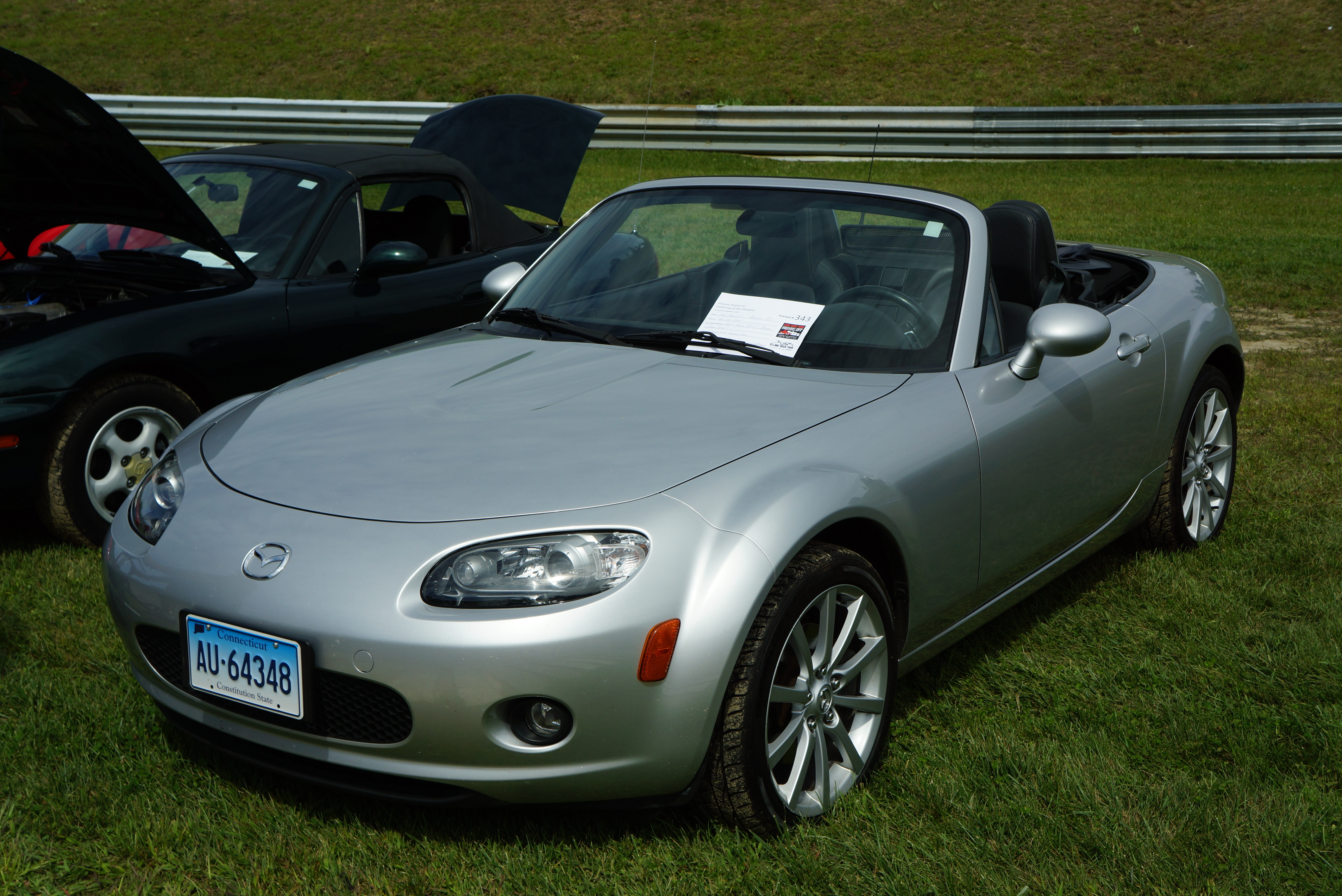
Mazda Miata in 4 generations:

1st gen (NA)

2nd gen (NB)

3rd gen (NC)

4th gen (ND)

RETRO DESIGN, AND THE ORIGINAL INSPIRATIONS (or, “Oh my child, how large you’ve grown!)
Fiat 500


P.S.
“patina”


All photographs copyright © 2019 Richard A. Reina. Photos may not be copied or reproduced without express written permission.