This is what we do: we get up early on a Sunday morning, earlier than many of us would otherwise arise on a day off from work. We hop into our toy car, and it doesn’t matter if it’s a 40-year-old gem we’ve owned for many a decade, a recent “beater” that’s a work in progress, or a brand-new supercar. (One rule in this club that has no rules is, we do not criticize each other’s cars based on age, marque, horsepower, color, or relative value.)
The lineup: the cars and their owners
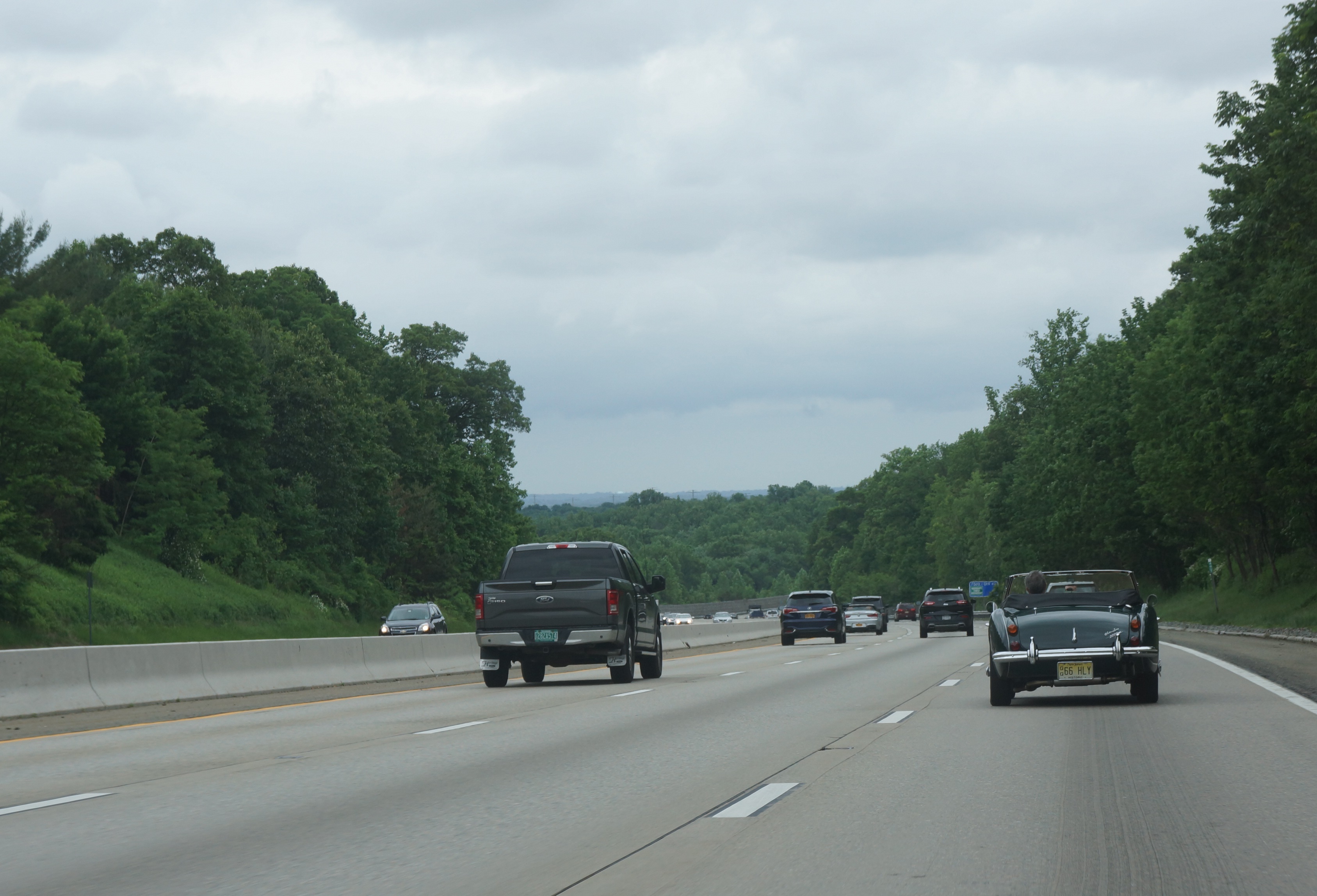
We meet at a pre-arranged spot, and then we drive. It’s almost always delightful, verdant, winding, two-lane roads, which may take us north, south, east, or west. We delight in the sights and sounds of our friends’ cars in front of us and behind us. Sure, we drive in a spirited fashion, but there’s no reckless behavior on the road; we respect each other too much for that. (Rule #2 in this rule-less club is that overly aggressive driving will certainly ensure you’re disinvited to our next soiree.)
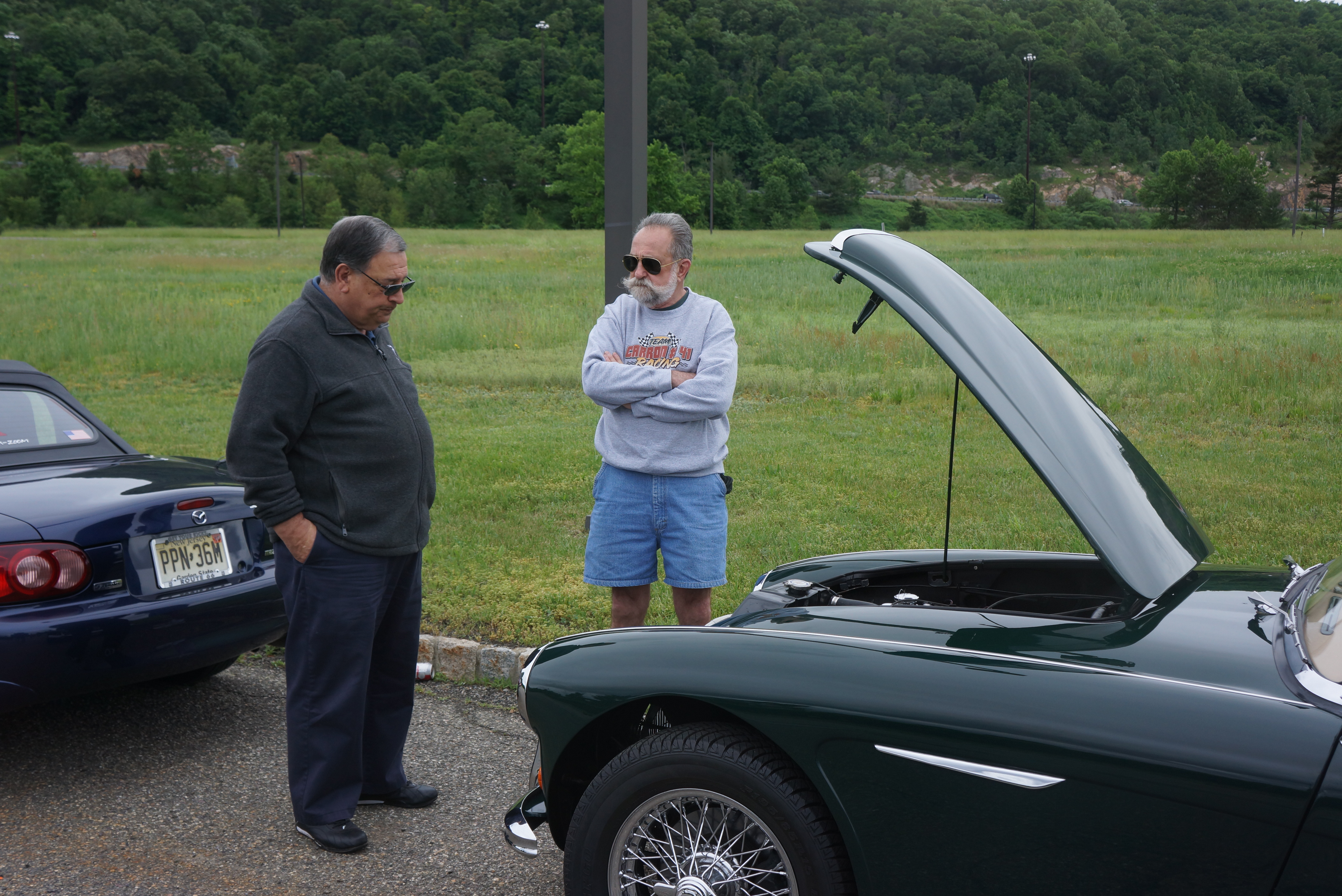
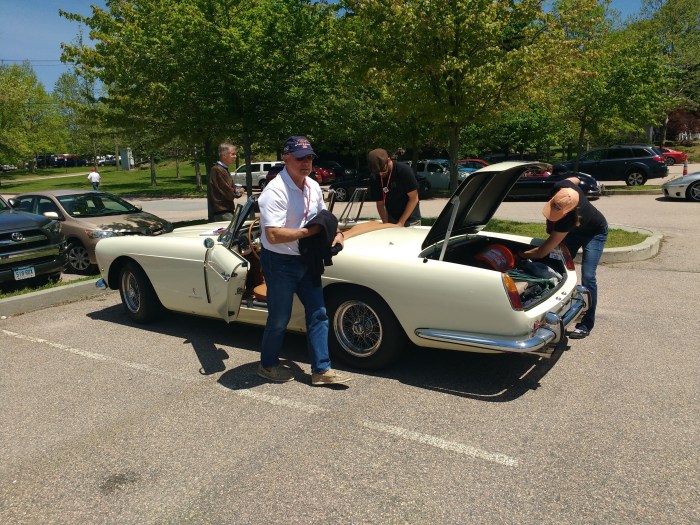
“So I opened the hood, but still couldn’t find the battery….”
Upon arriving at our destination, we anxiously await our morning treat: hot coffee, good breakfast food, and lots of conversation. Some of us have known each other for 25 years. Some of us met about 90 minutes ago. It doesn’t matter. We share a passion for our internal-combustion-powered devices, and we’ll talk about them and the exhilarating freedom they provide until the waitresses toss us out (pity the future generations who will not know the thrill of piloting such sporting machines).
Following the Ferrari on the way to breakfast
Some of us break from talking long enough to glance at the camera
With breakfast done, our desire to continue the chat is all too obvious, as we spill out onto the sidewalk, inadvertently blocking the restaurant’s entrance. Finally, as the noon hour approaches, we reluctantly wish each other a fond “see you next time”, and head back to our machines, and back to whatever reality awaits the remainder of our Sunday.
This is what we do.
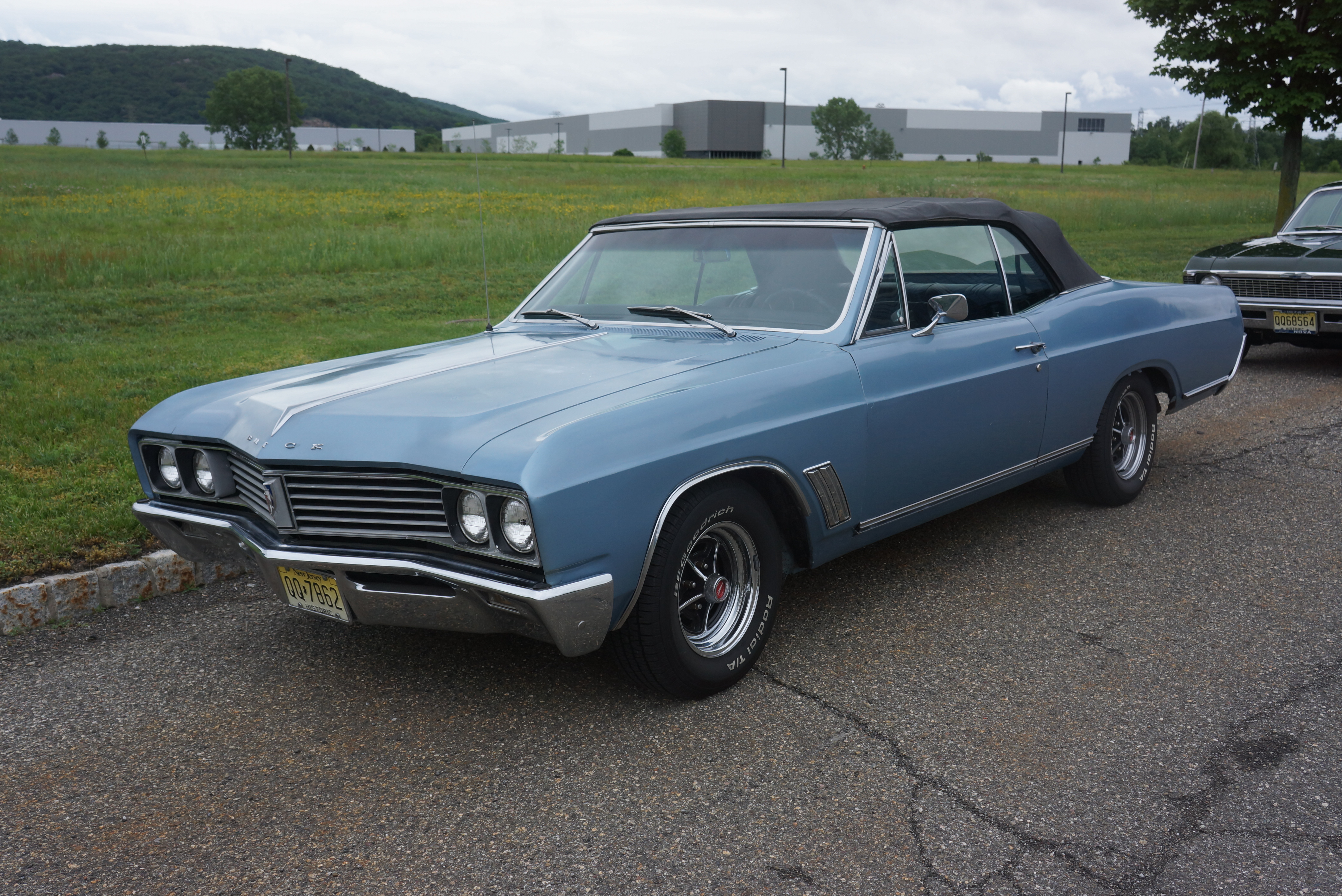
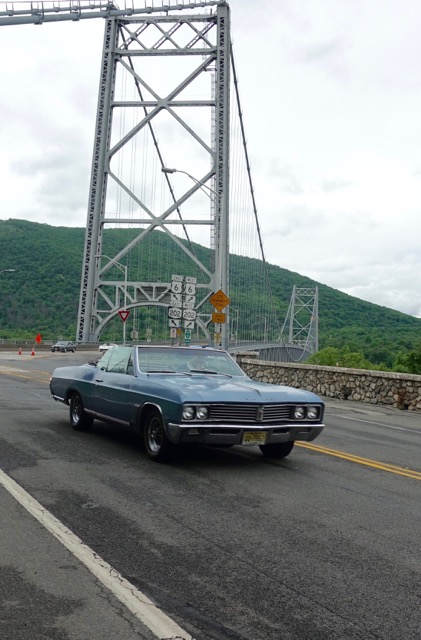
Buick Skylark convertible
Chevy Nova
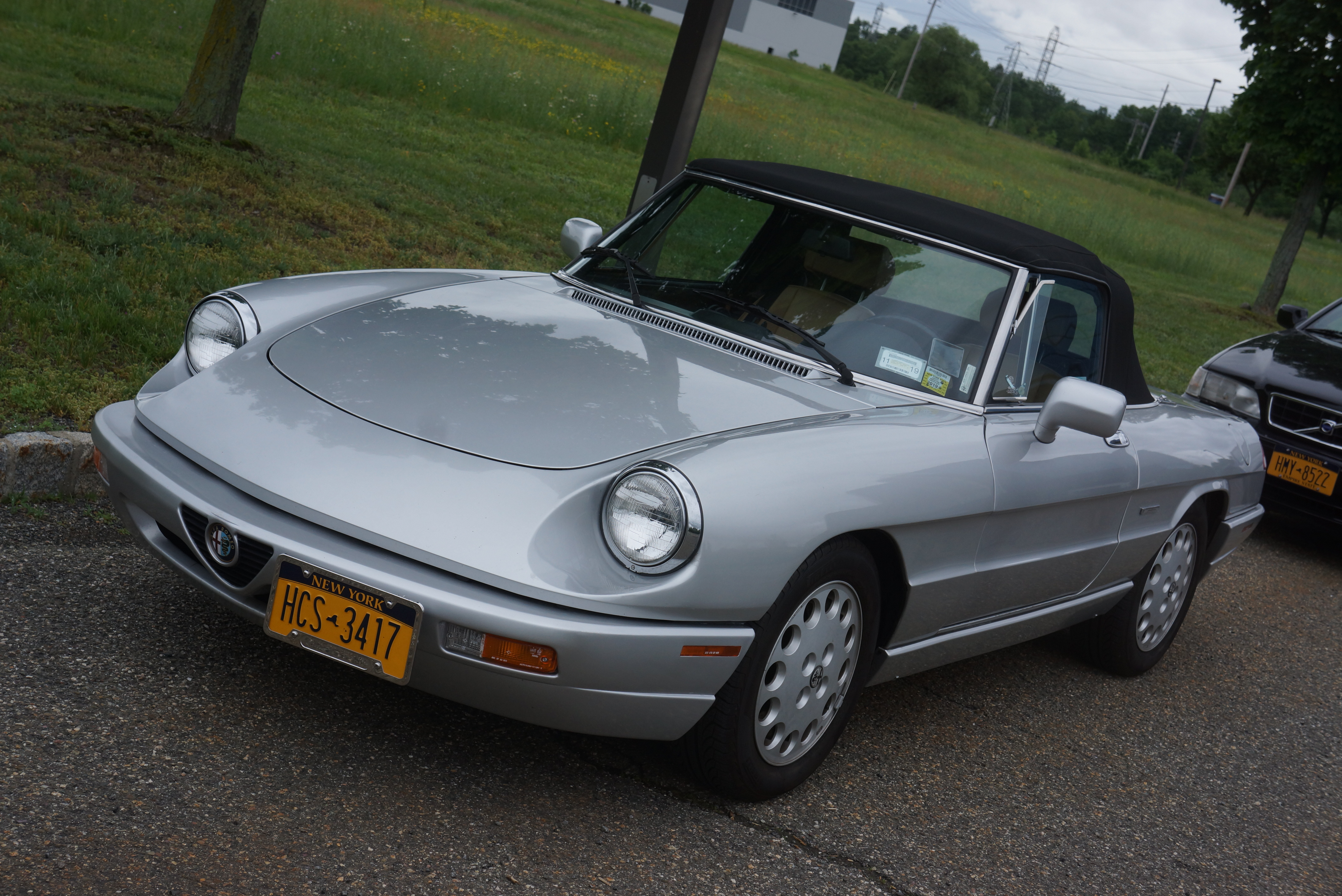
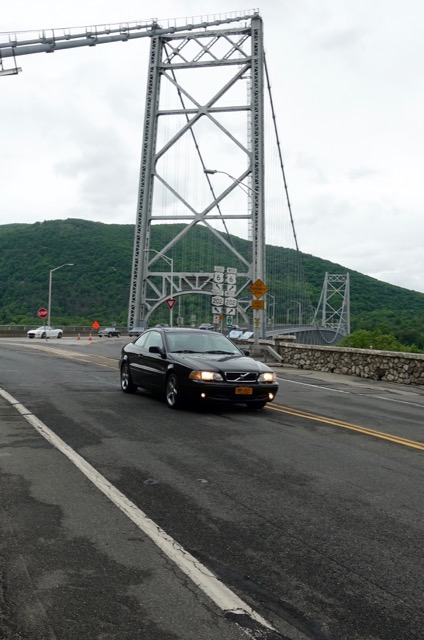
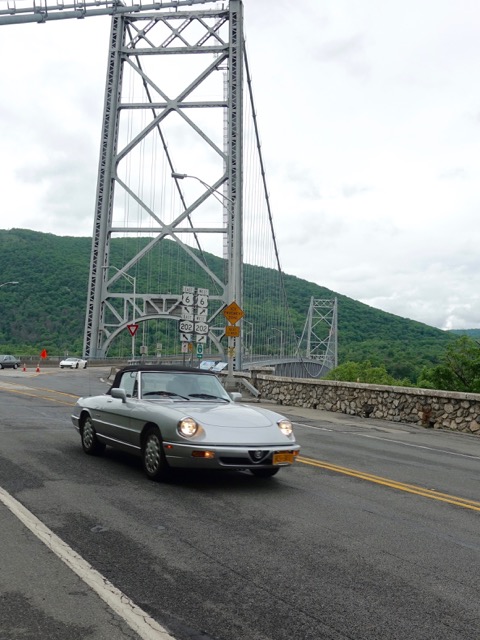
Alfa Romeo Spider VeloceVolvo C70 Coupe
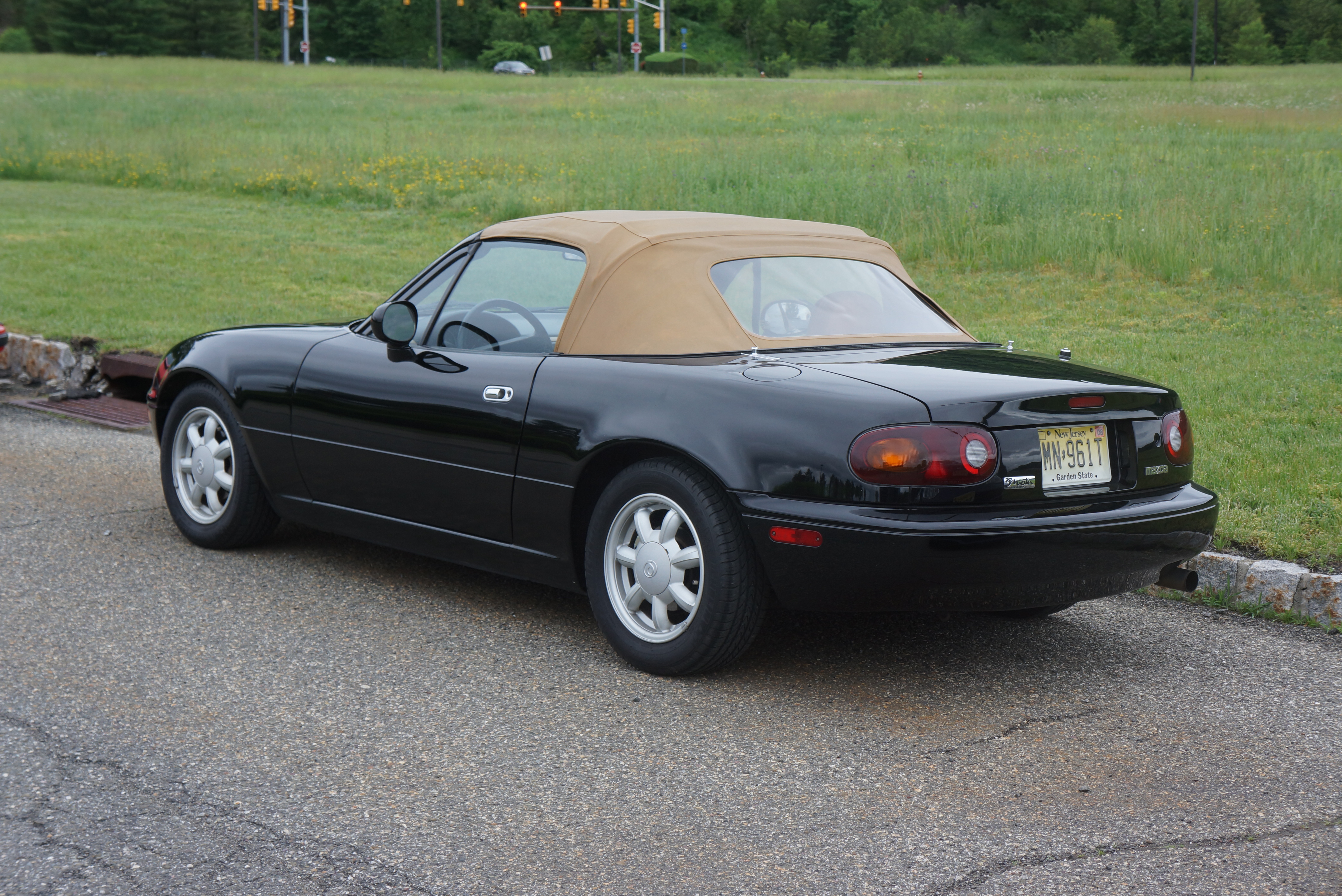
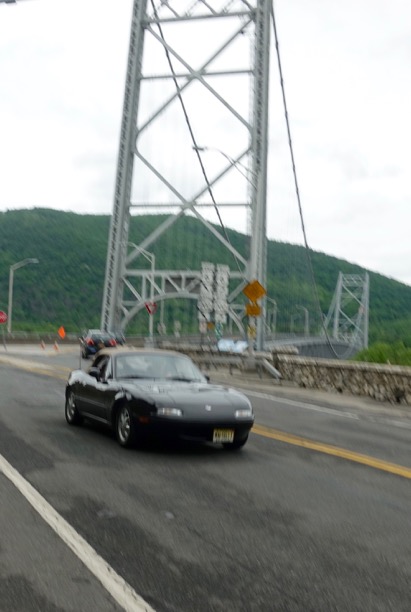
NA (1st gen) Mazda Miata
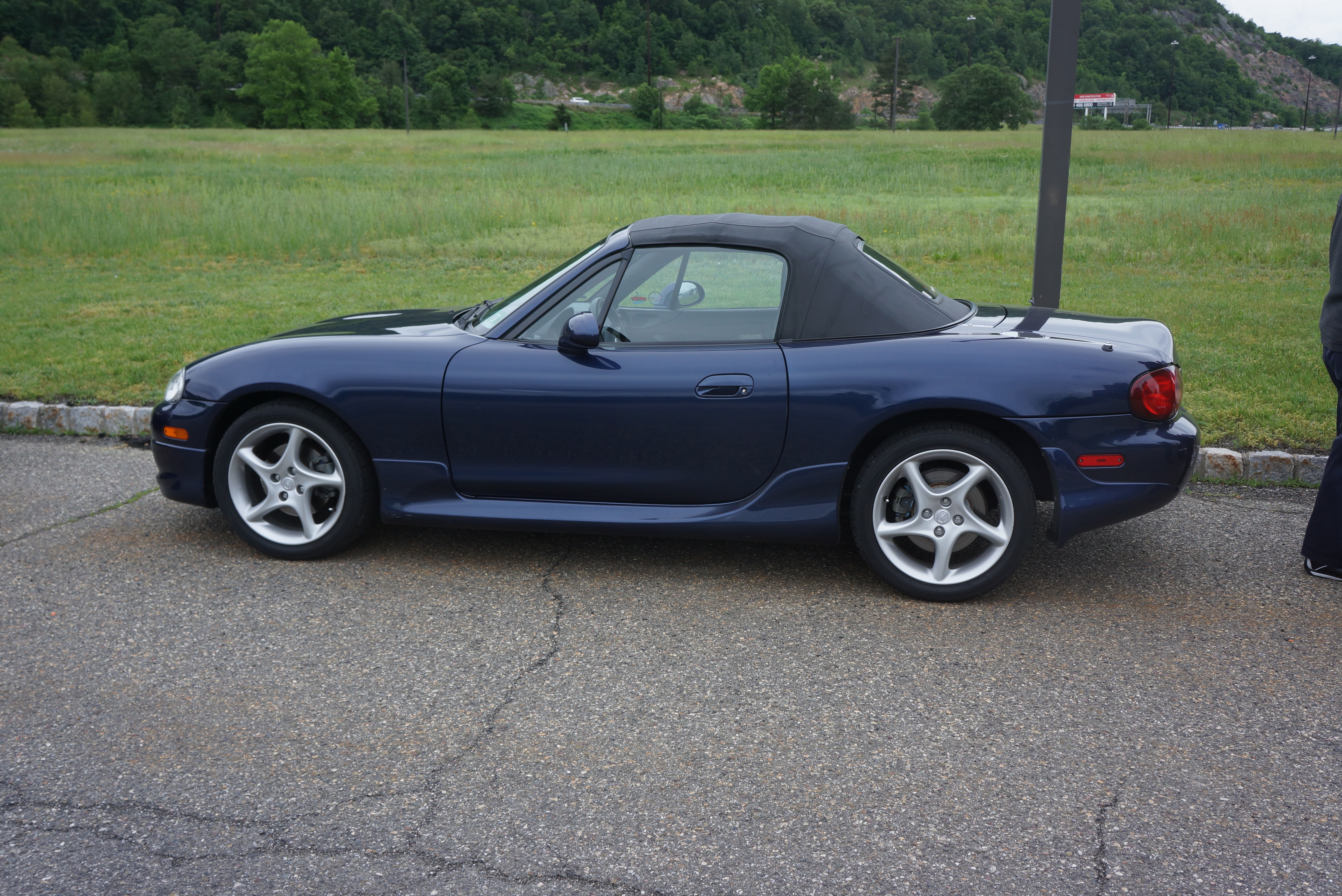
NB (2nd gen) Mazda Miata
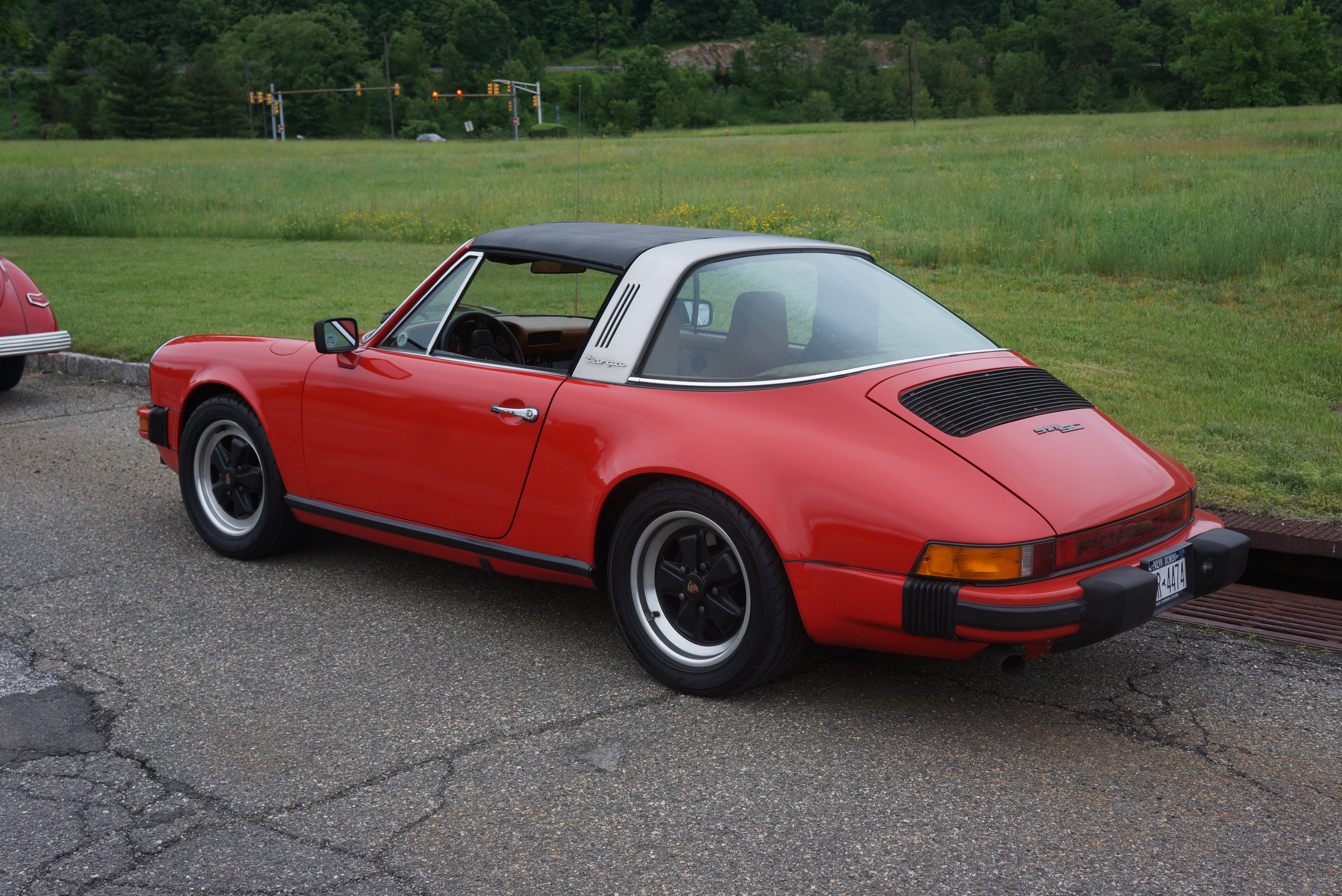
Porsche 911 Targa
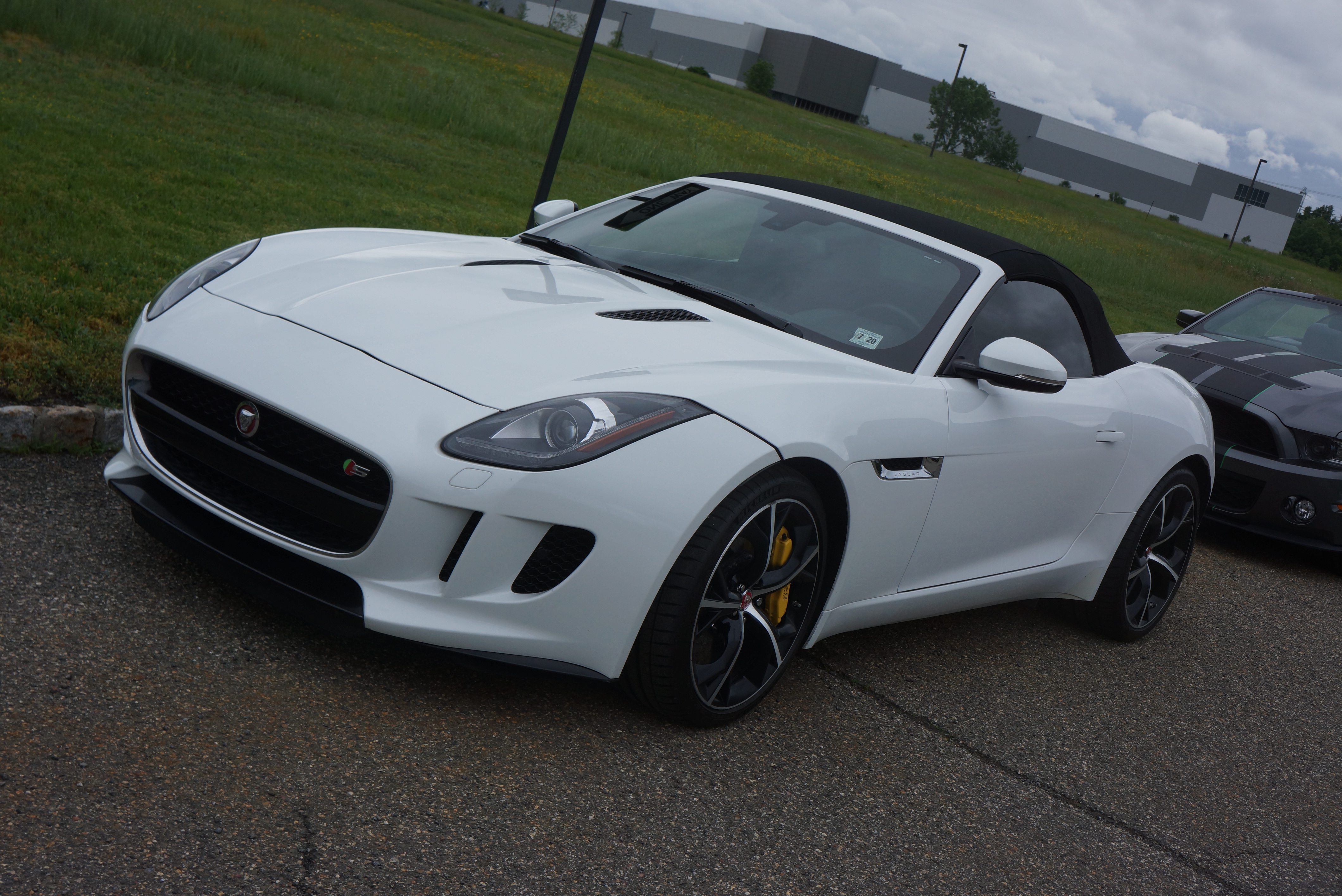
Jaguar F-Type
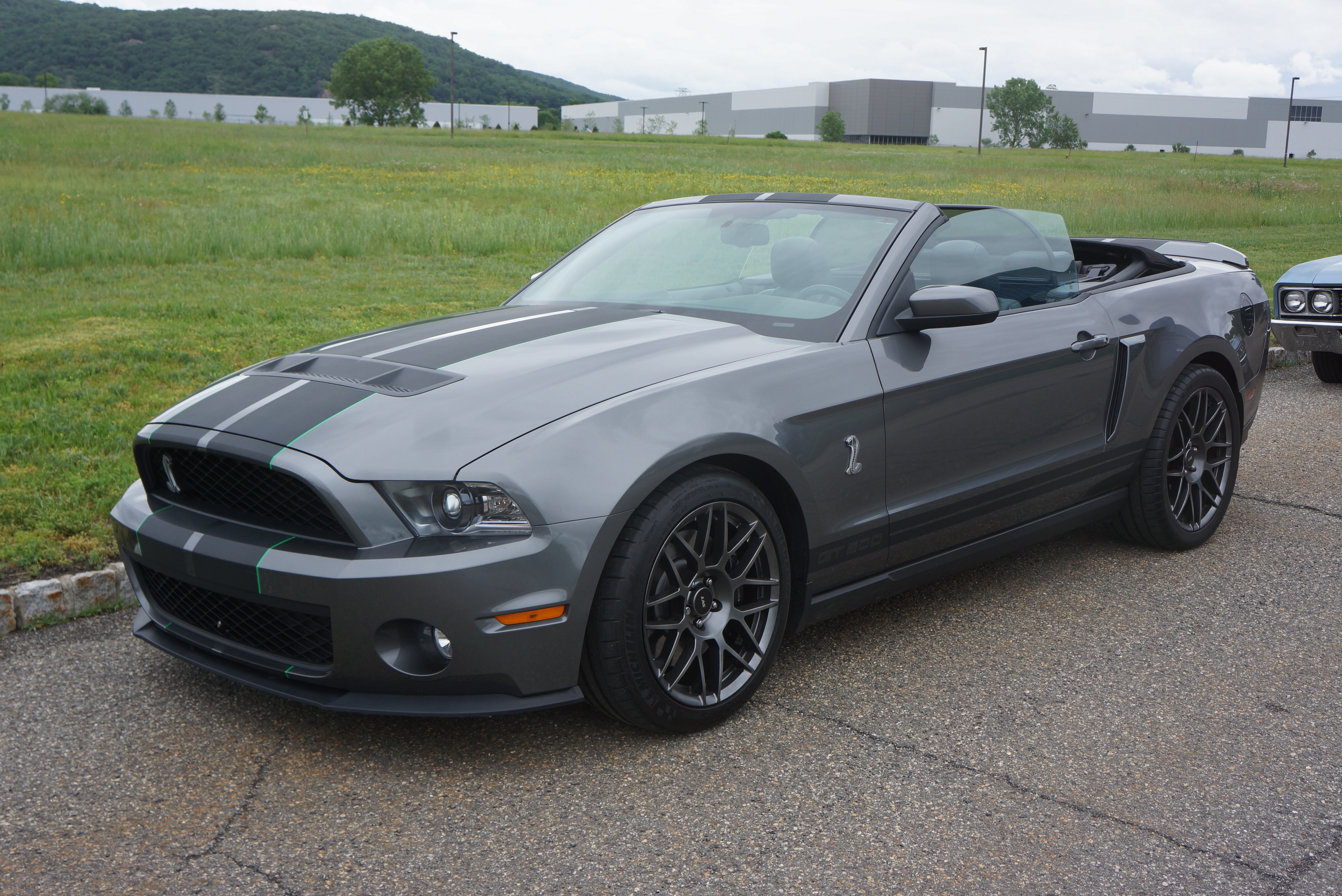
Shelby Mustang convertible
I had a hard time keeping up with this guy on my way home
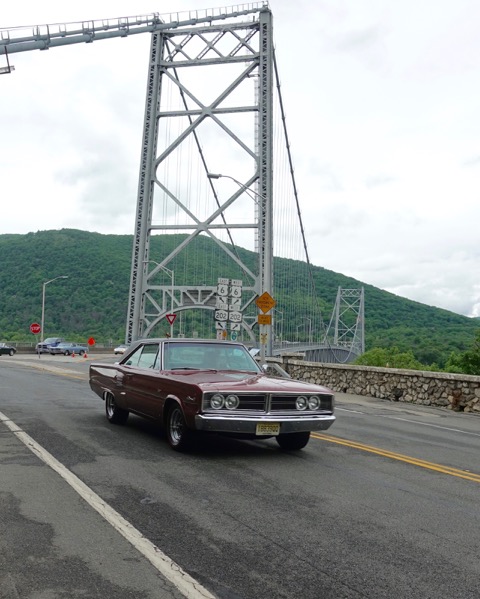
As we exited the Bear Mountain Bridge over the Hudson River, Rich S took these photos, and they are used with his permission:
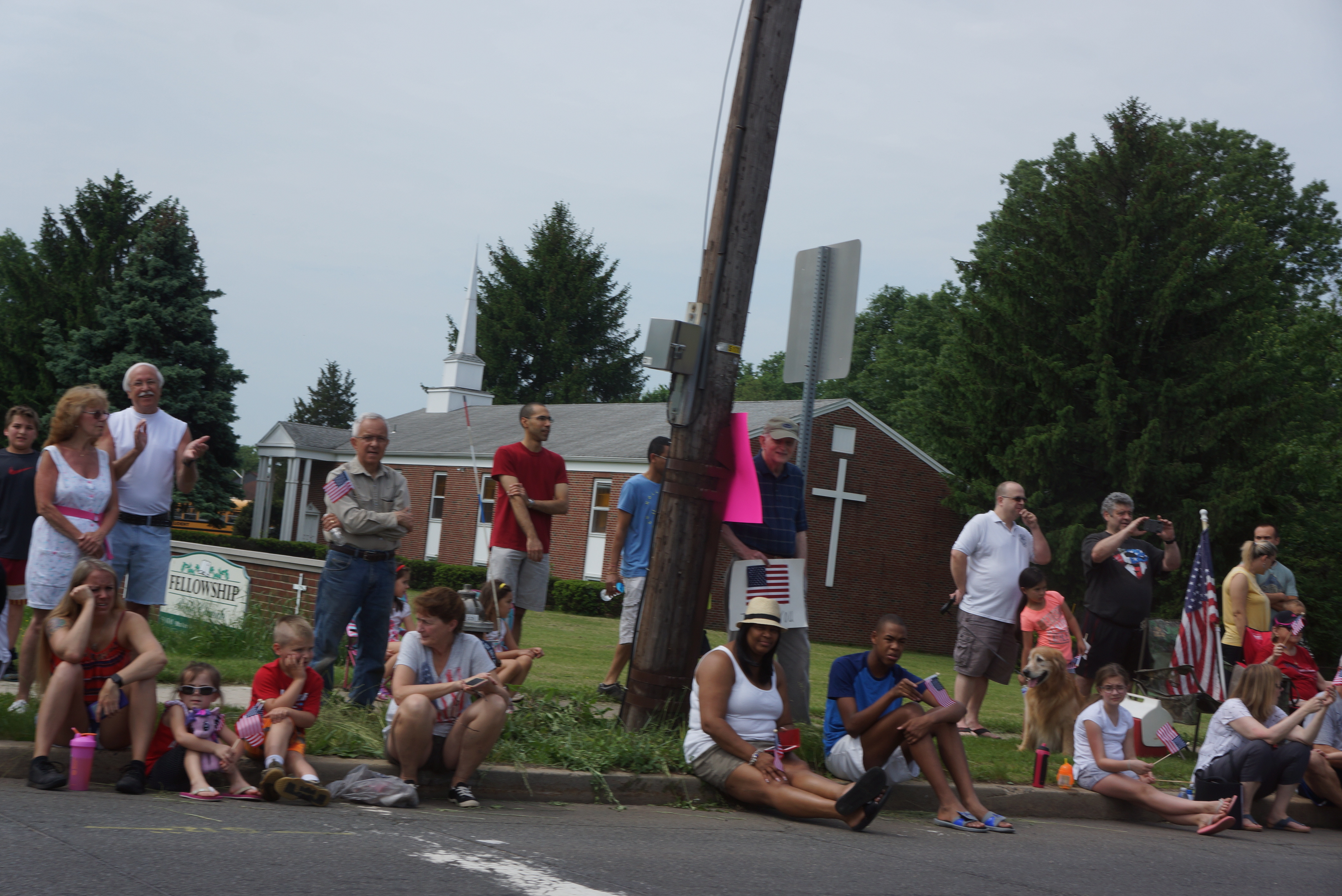
It means that we must remember the true spirit of the holiday, as we honor those who served, especially those who made the ultimate sacrifice for our freedom.
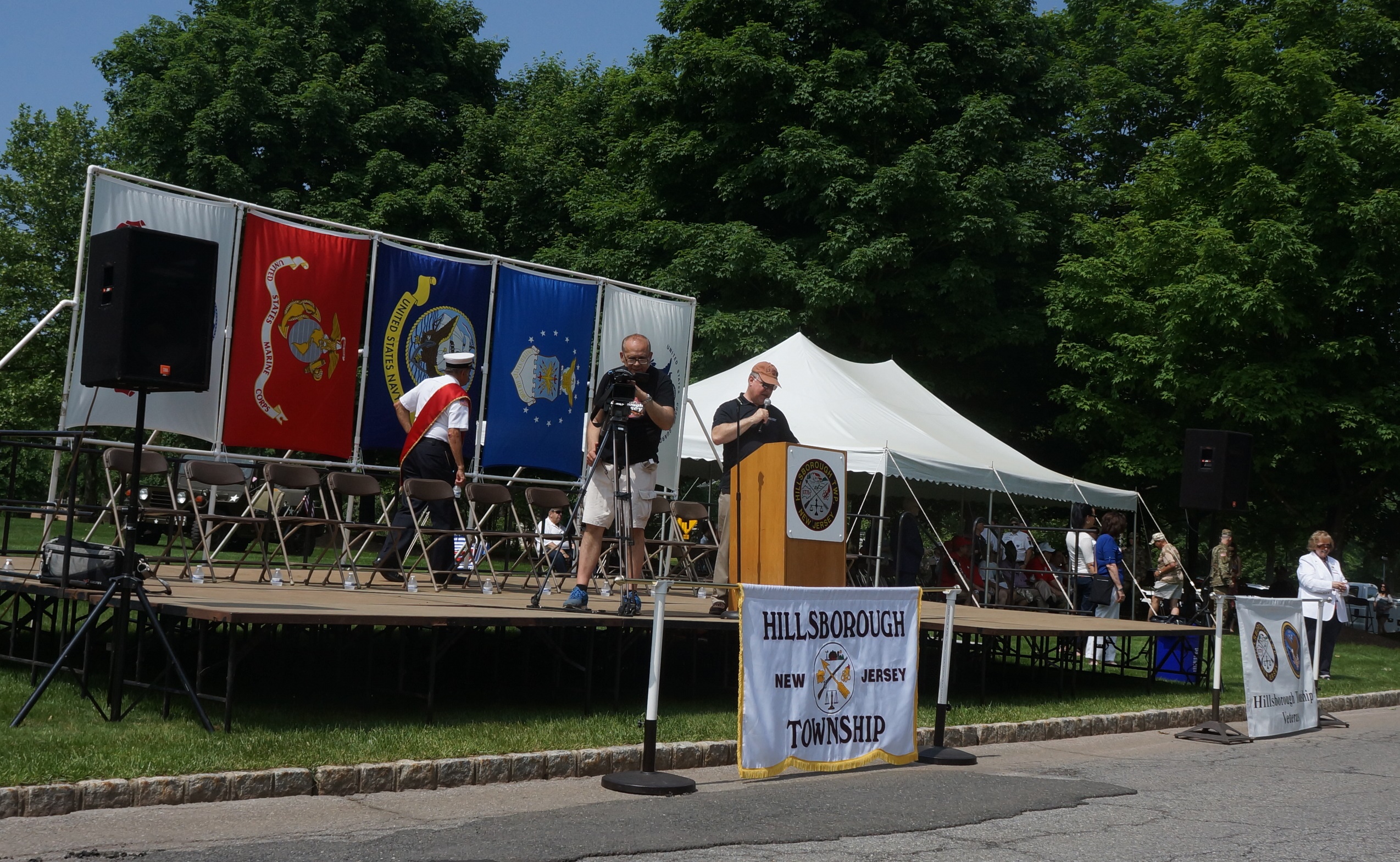
The flag display at the parade
It means that we have the freedom to pursue our own vision of happiness. For many of my friends, as well as for me, that means sharing our passion for the old car hobby.
AACA members chat before the parade start
1940 Buick
1976 Buick
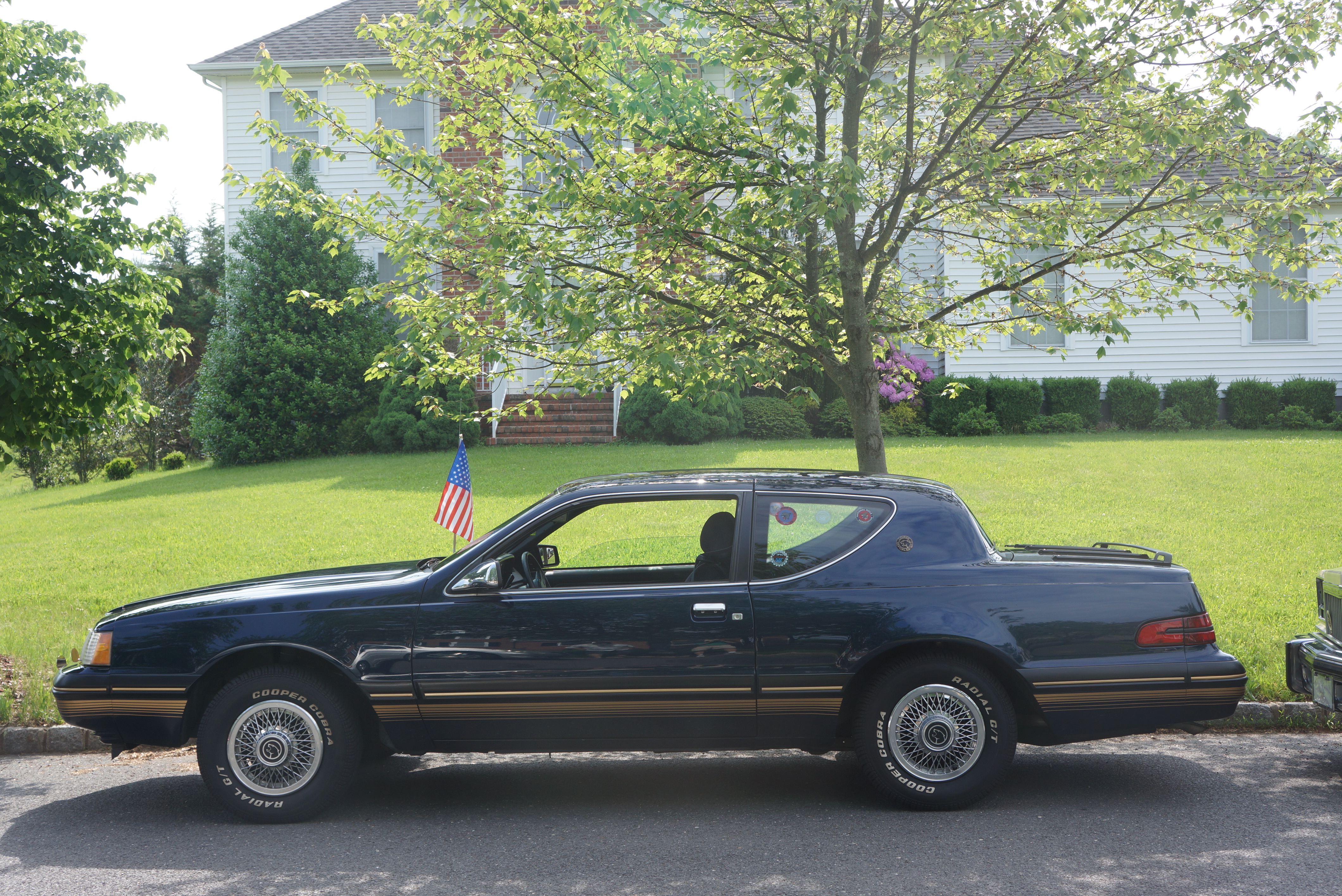
1988 Cougar
1936 Ford
1939 Ford
1967 Pontiac
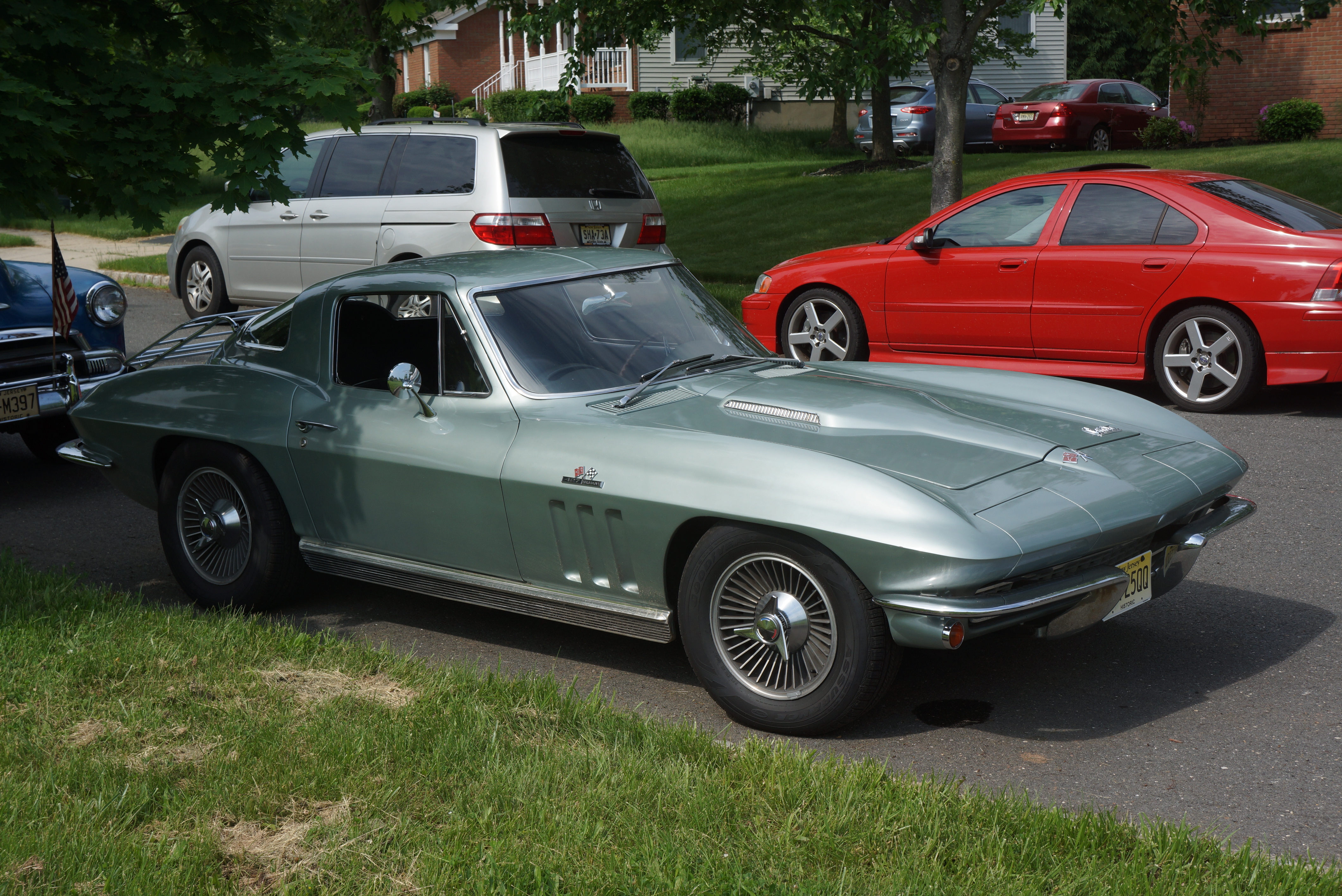
1966 Corvette
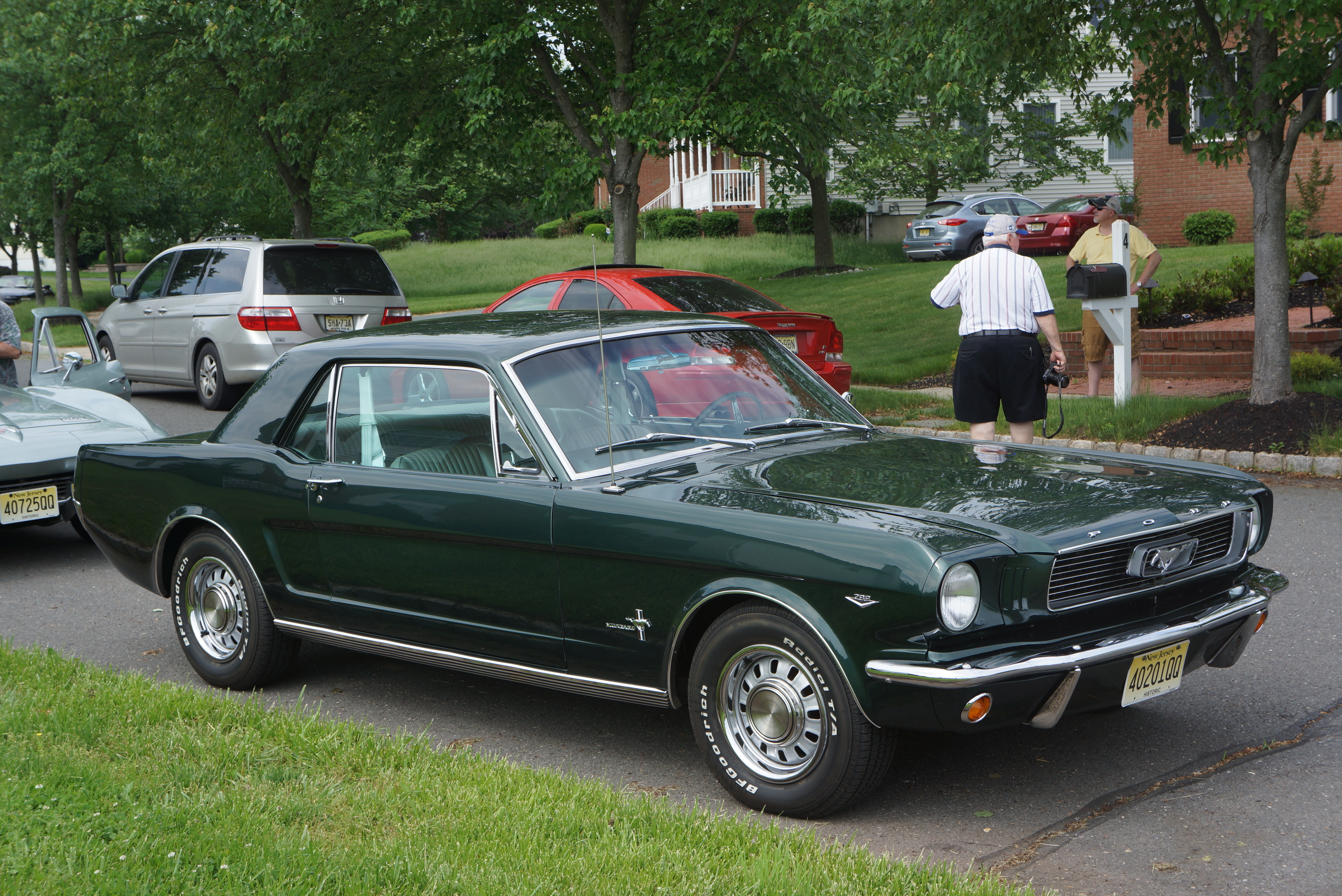
1966 Mustang
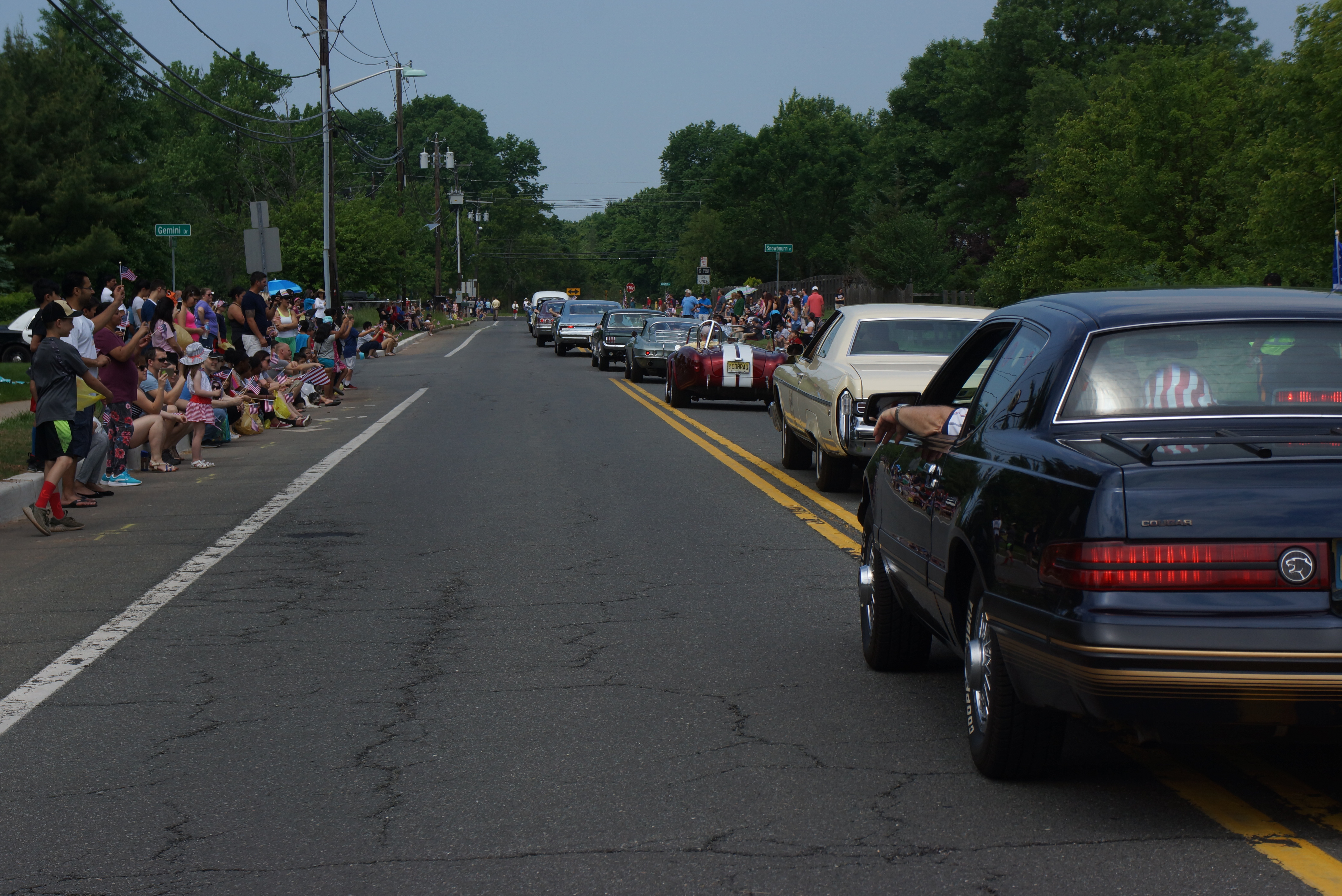
The old car parade
It means that I can volunteer to spend a few hours to participate in a local parade, giving citizens a reason to come out and smile, cheer, and wave the flag.
It means that I have freedom of choice to purchase and drive the car that I want, not based on what someone determines is “the right choice” based on that vehicle’s country of origin.
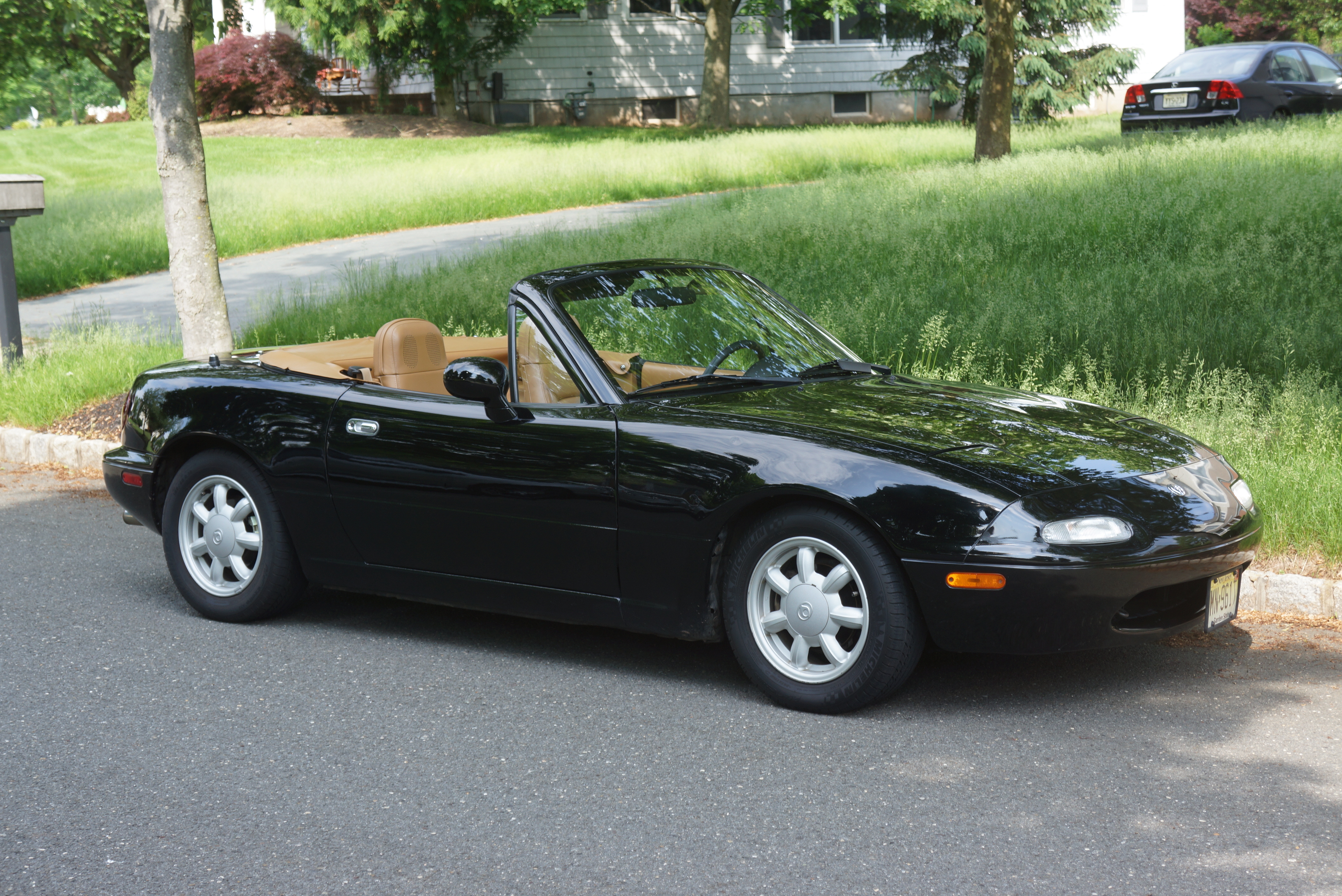
My ’93 Miata, the only non-domestic car in the parade
It means that our children, our future generations, can learn from the past, and work toward a future that we hope is peaceful and safe for them.
It means that there is great joy in recognizing that Americans come in all colors, from all different backgrounds and nationalities, and they are as proud and happy as anyone to celebrate this momentous holiday with all their fellow Americans.
The 2018 edition of the New England 1000 rally was held during the week of May 21. The rally started and ended at our host hotel, the Mohonk Mountain House in New Paltz, NY, with additional overnight stays in Newport RI and Lenox MA. The group also visited Wayne Carini’s F40 Motorsports and Mystic Seaport.
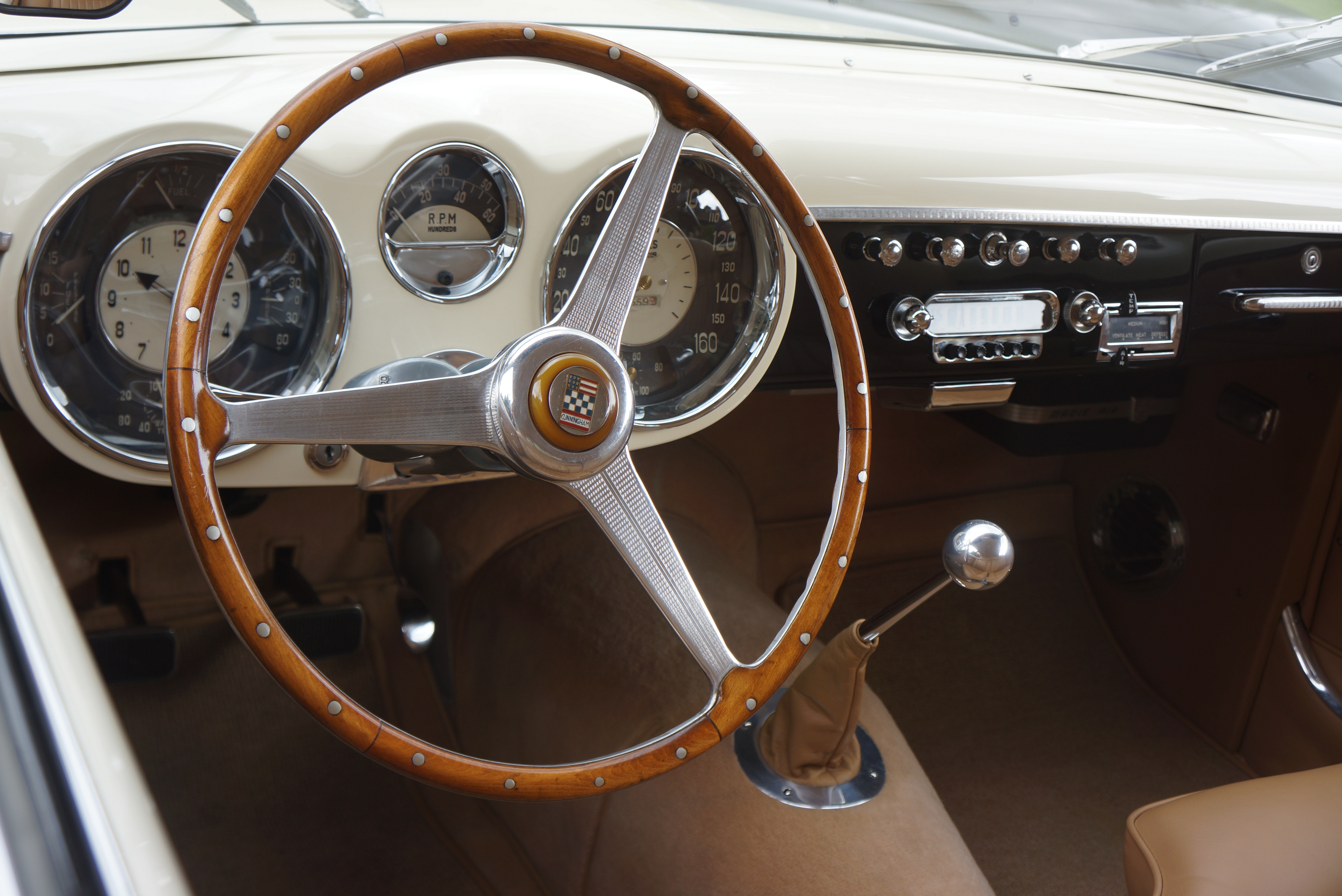
In all, about 35 cars drove in the event (the number is estimated because first, not every car listed in the tour book showed up; and two, some of the cars spotted earlier in the week seemed to have dropped away by the end of the week). The oldest vehicular participant was a 1952 Cunningham convertible. Tied for newest set of wheels were a 2017 Audi R8 and 2017 Porsche 911.
For rally co-driver and co-navigator Steve Hansen and me, this year was a double-milestone: it was our tenth NE1000 (although not all 10 were driven with each other), and it was the 20th anniversary of our first such rally in 1998. We both recall that during our initial drive to Freeport ME in Steve’s Tiger, we pondered what other vehicles might be joining us. Instead of the resto-modded Camaros and slightly rusty Chargers we envisioned, the first car spotted in the hotel lot was a white four-door Bugatti. We instantly knew we were in for something special.
Rallyist extraordinaire Steve H behind the wheel
This year’s rally was different in several ways:
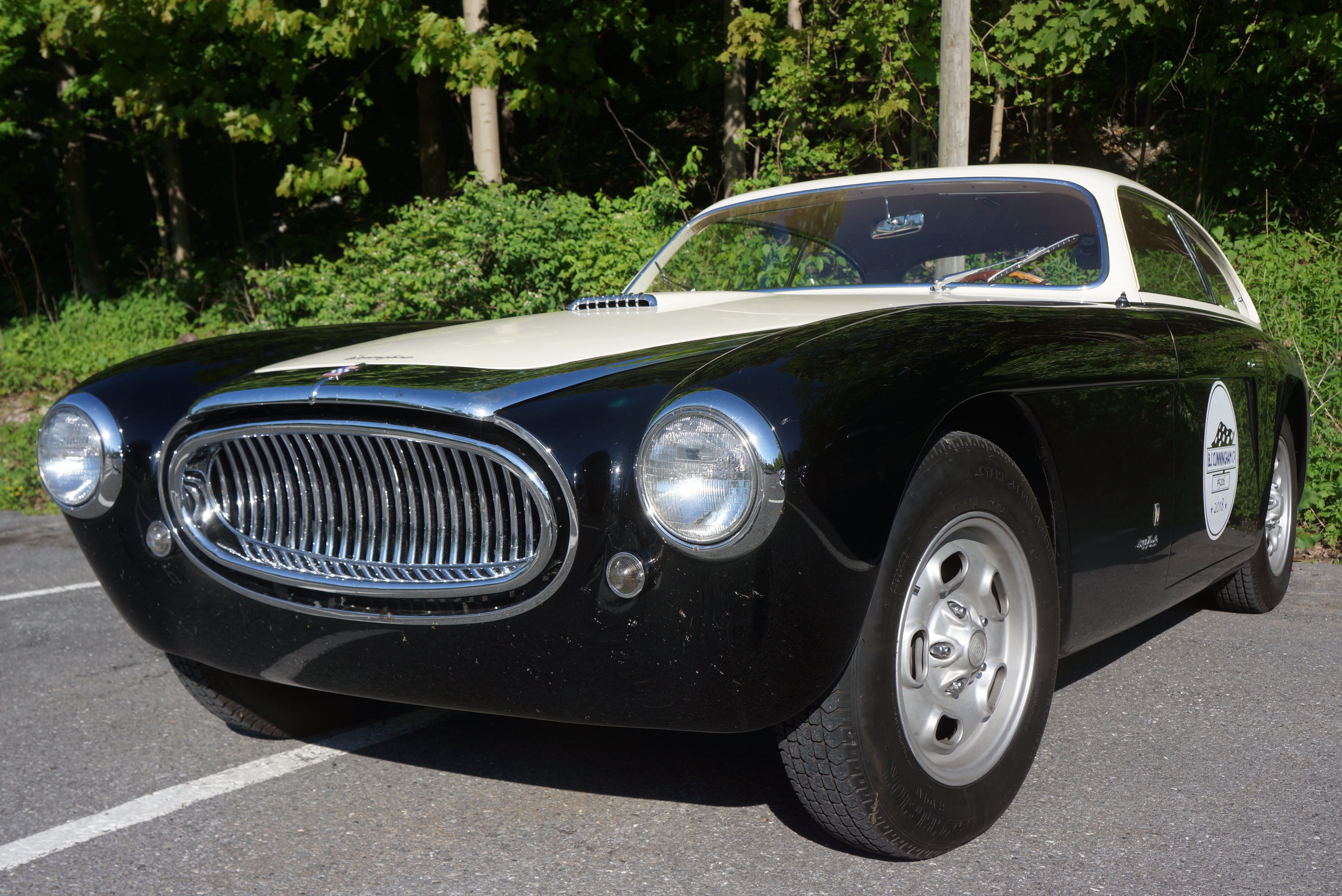
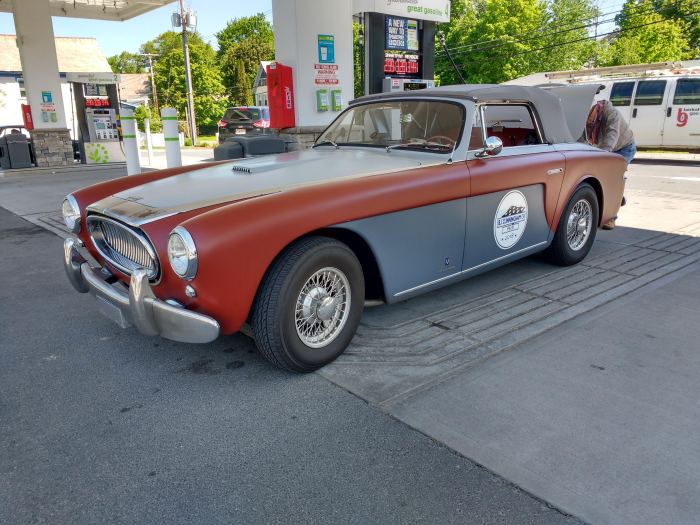
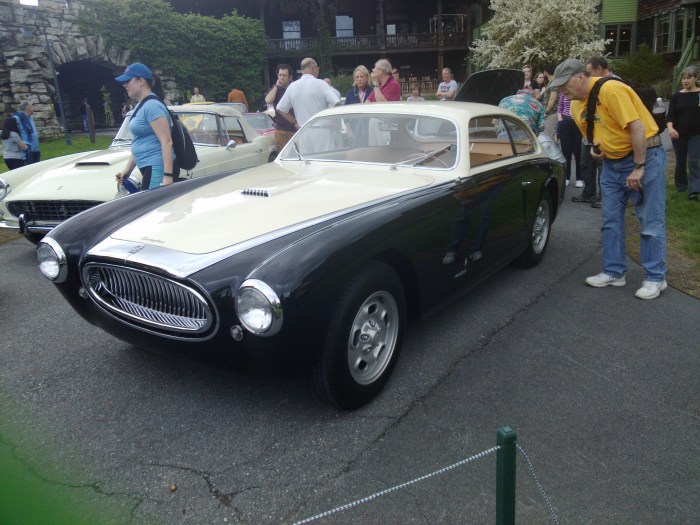
The semi-official featured marque was Cunningham. The realized dream of Briggs Cunningham, a total of 25 road cars were manufactured. Four were scheduled to run the rally, but only three actually did so. It was a rare thrill to see three in the same place at the same time, and even more rare and thrilling to hear them run and watch them move.
For the first time in our experience, one of the four “rally days” consisted of no driving events. Tuesday was spent in Newport RI; participants were given the option to ride on an America’s Cup yacht, visit an automobile museum or two, and/or tour the “cottages”, as Newport’s mansions are euphemistically called.
Also for the first time, there were no optional driving events, such as hillclimbs, gymkhanas, or drag races. In large part due to only three days of touring, we drove slightly less than our usual 1,000 miles. As per the tour book, the mileage total for the week was 837.
Those of you in the Northeast know all too well what disappointing spring weather we’ve had. Things were no better as we departed Neshanic Station on Saturday. We drove in a near-steady rain on Saturday afternoon, the trip made more bearable only by its brevity (Mohonk is just two hours away). Sunday dawned damp and cloudy, but by that afternoon, we saw the sun, and except for some sprinkles on Tuesday evening, we were spared further precipitation.
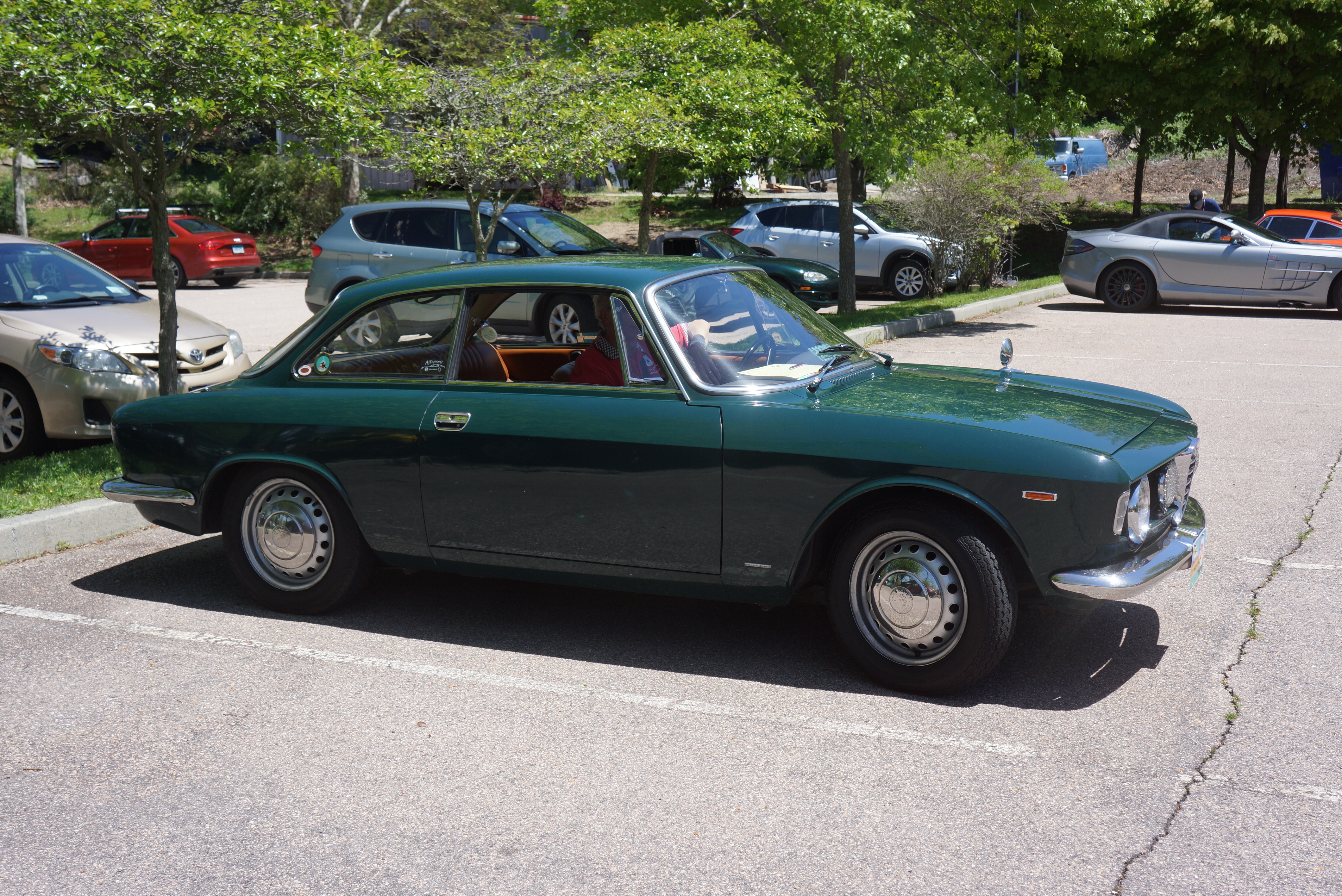
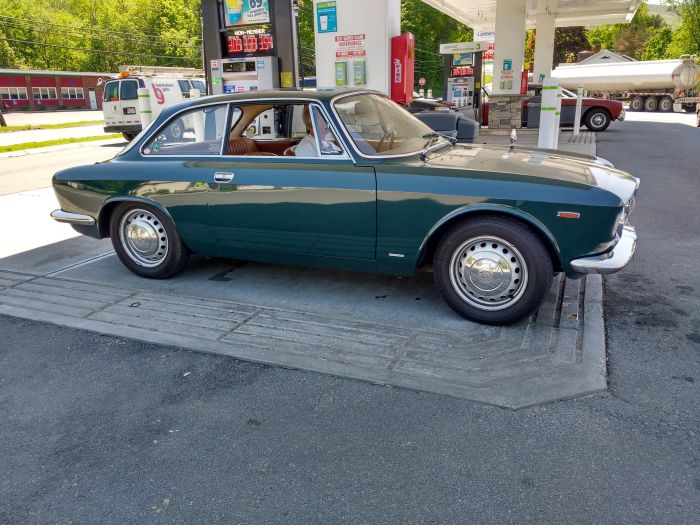
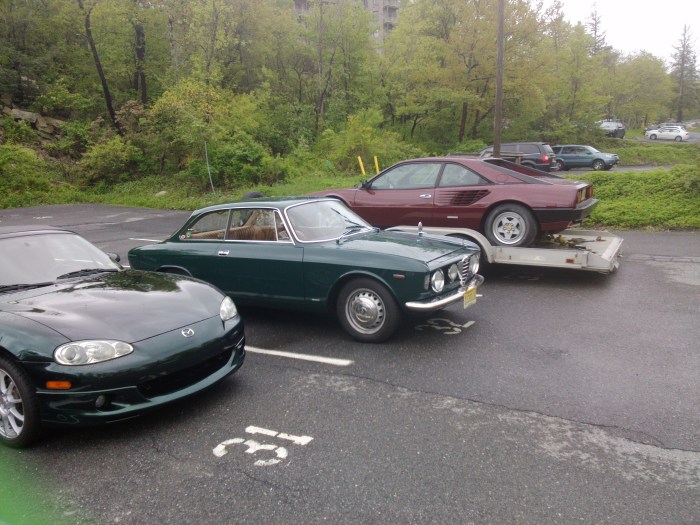
Our steed, my 1967 Alfa Romeo GT 1300 Junior, was in its fourth (2013, 2014, 2015, 2018) NE1000. Its performance was almost flawless. Tuesday morning, intending to drive into town, the car would not crank. The battery was drained, but the car instantly roared to life with a jump start. With the help of Peter and Keith from RPM (thanks guys!), we determined that the alternator was intermittently charging. It’s very likely that the Saturday drive, with lights and wipers on the entire time, helped accelerate the battery’s depletion.
The local NAPA store, in exchange for some credit card info from me, donated a new battery, and our starting problems were solved for now. From my phone, I ordered a replacement alternator from my preferred supplier, Classic Alfa in the UK. The alternator was on my front porch on Thursday afternoon, a day before we arrived home. How’s that for service?
Participation in multiple events has taught me that rally photography is a tricky proposition. Once the driving starts, opportunities for the camera can be few and far between; after all, I’m either driving or navigating. Below is a sampling of pictures, organized roughly chronologically by location. Please note that all these photos are different from the “Photo Gallery” pictures posted last week. Enjoy the shots!
ARRIVAL, SATURDAY & SUNDAY
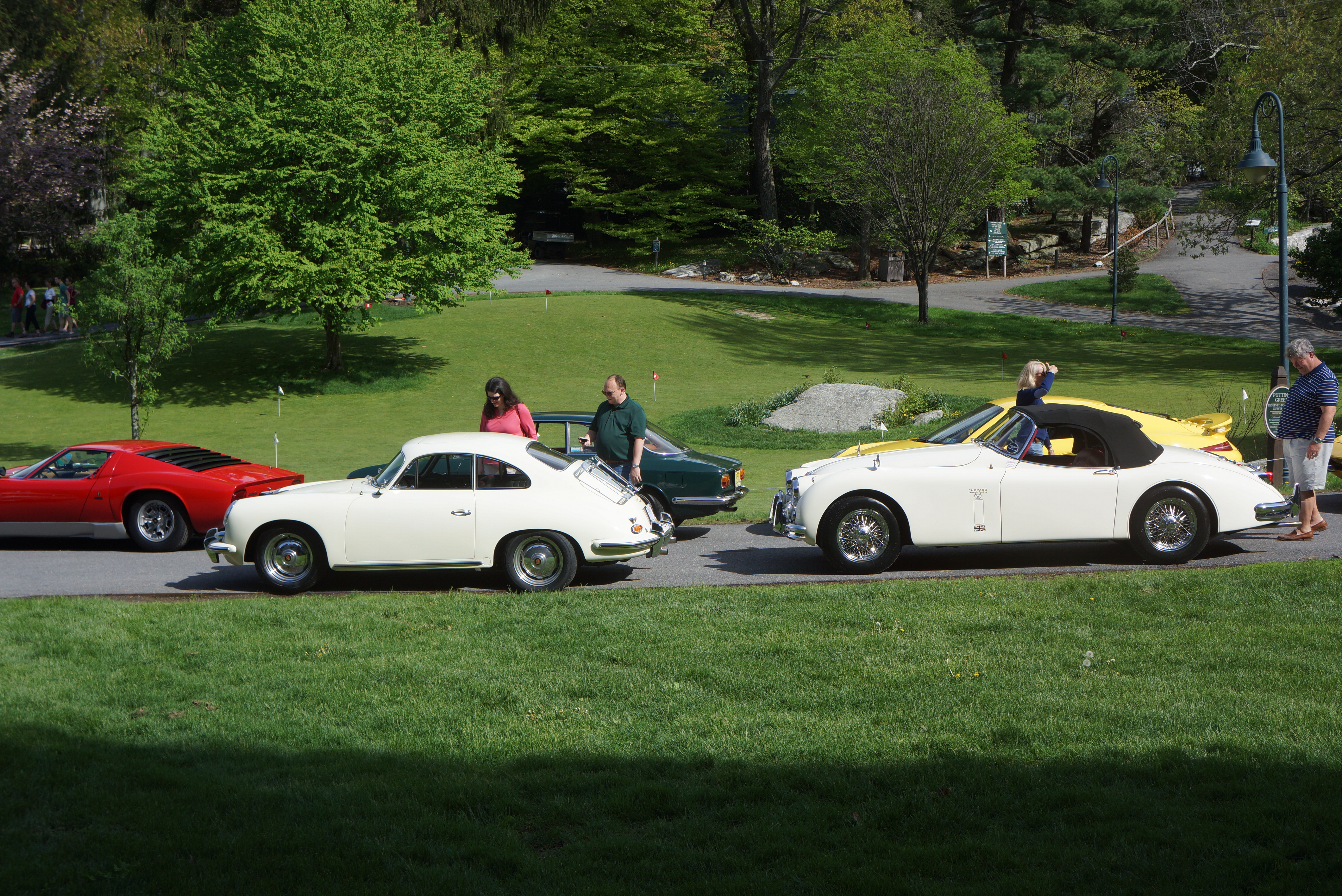
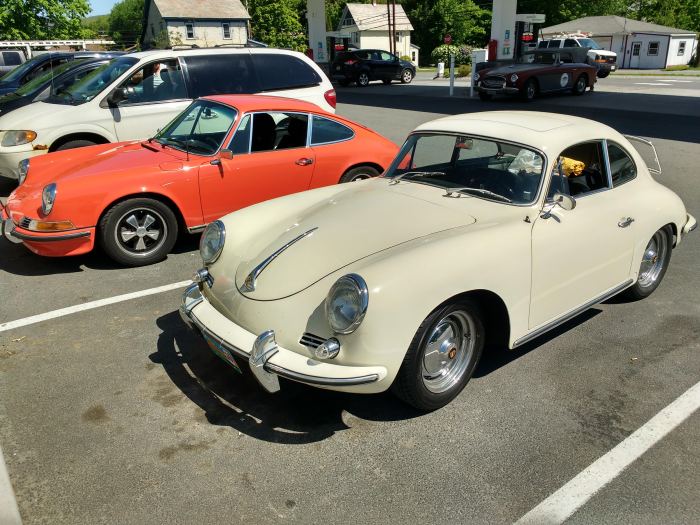
Although the official festivities begin on Sunday afternoon, many participants (including us) arrive on Saturday to feel less rushed as we perform any final car prep. Here are some of the cars as they arrived in a lot set aside for the rally participants.
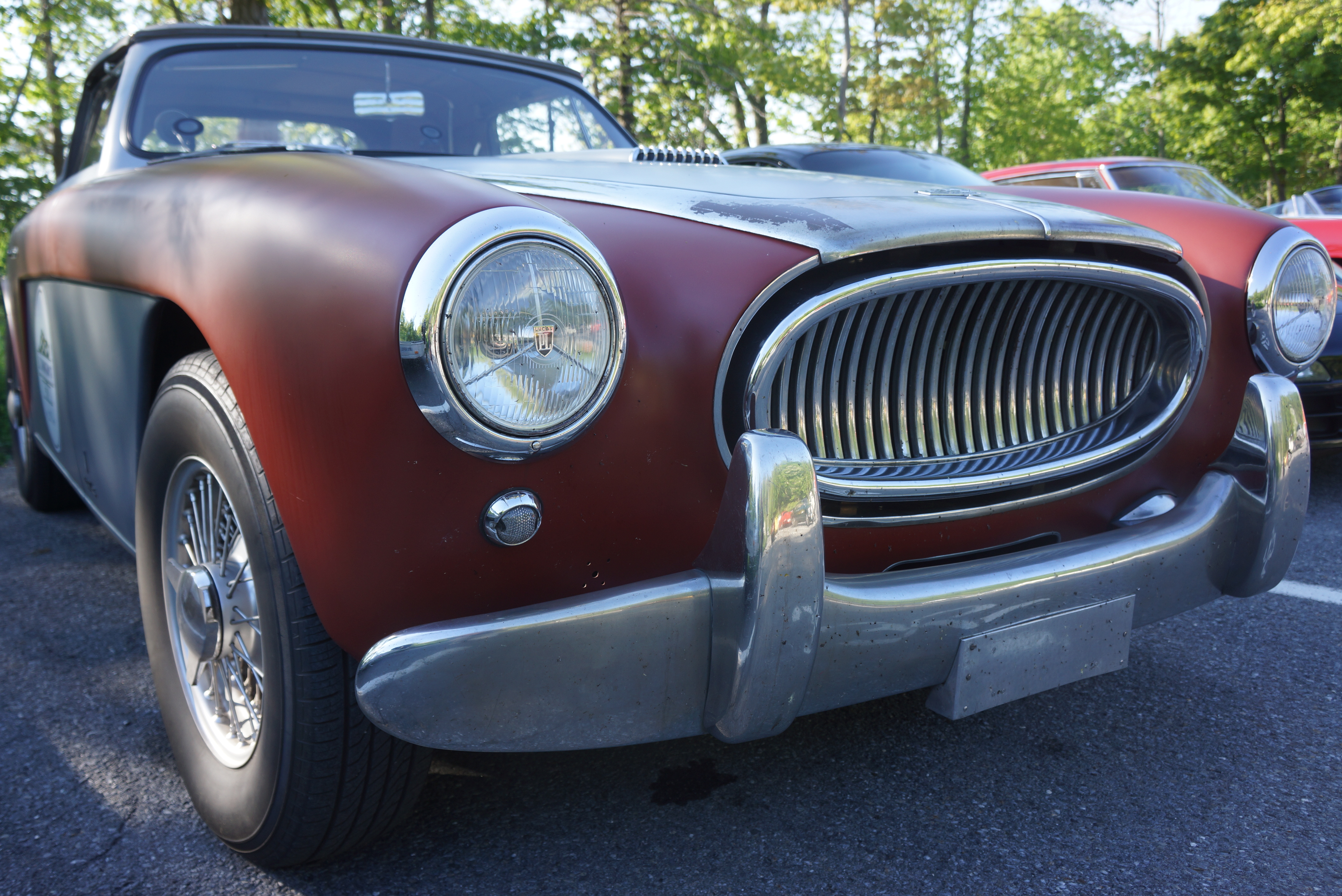
Cunningham
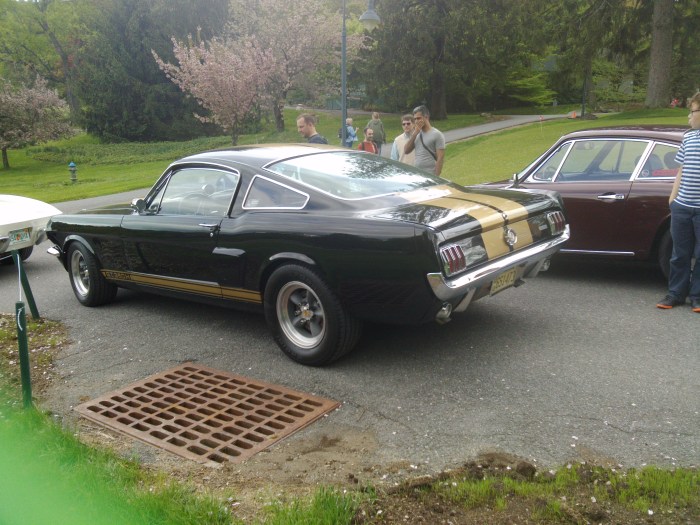
Shelby Mustang
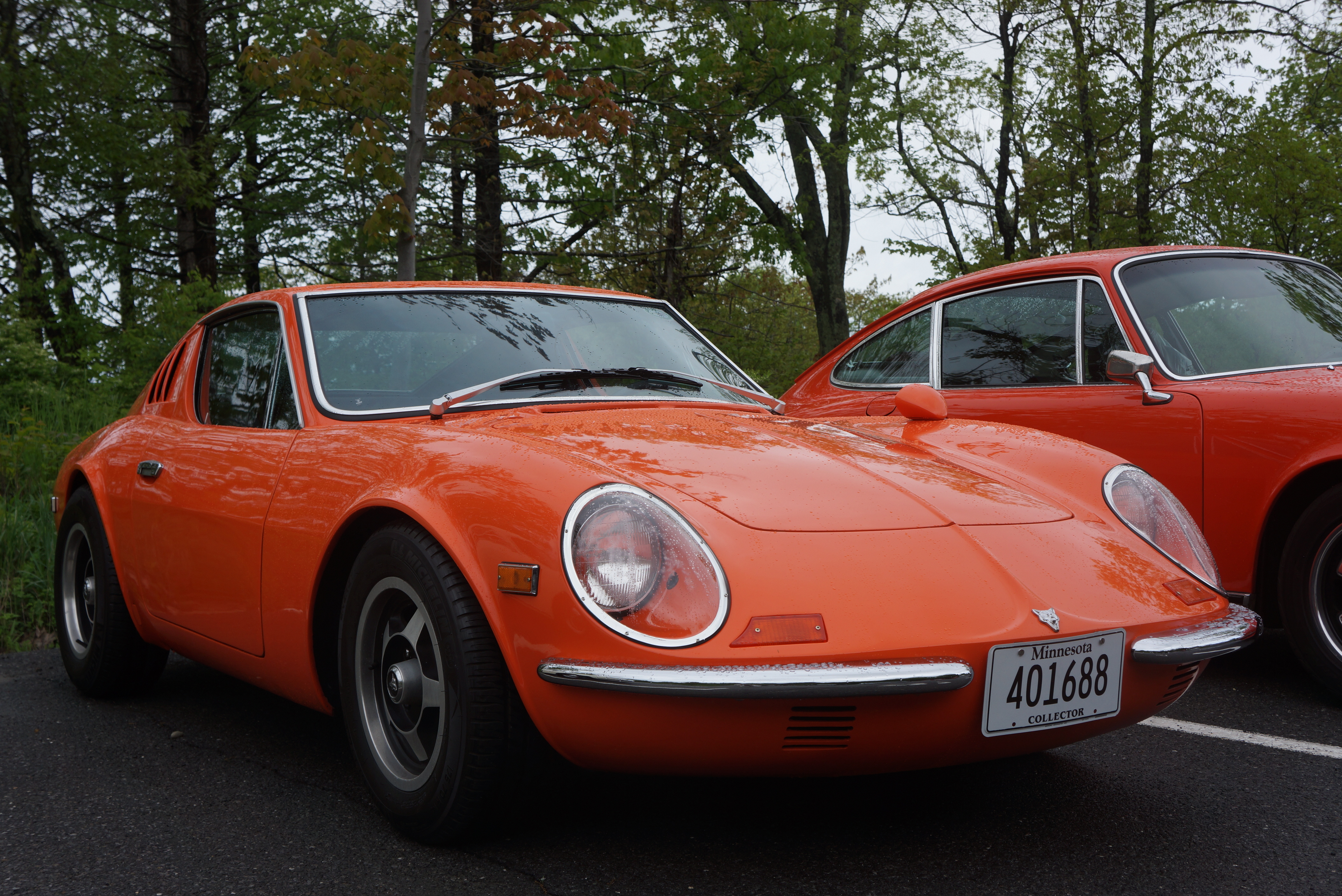
Puma GT
Ferrari Daytona
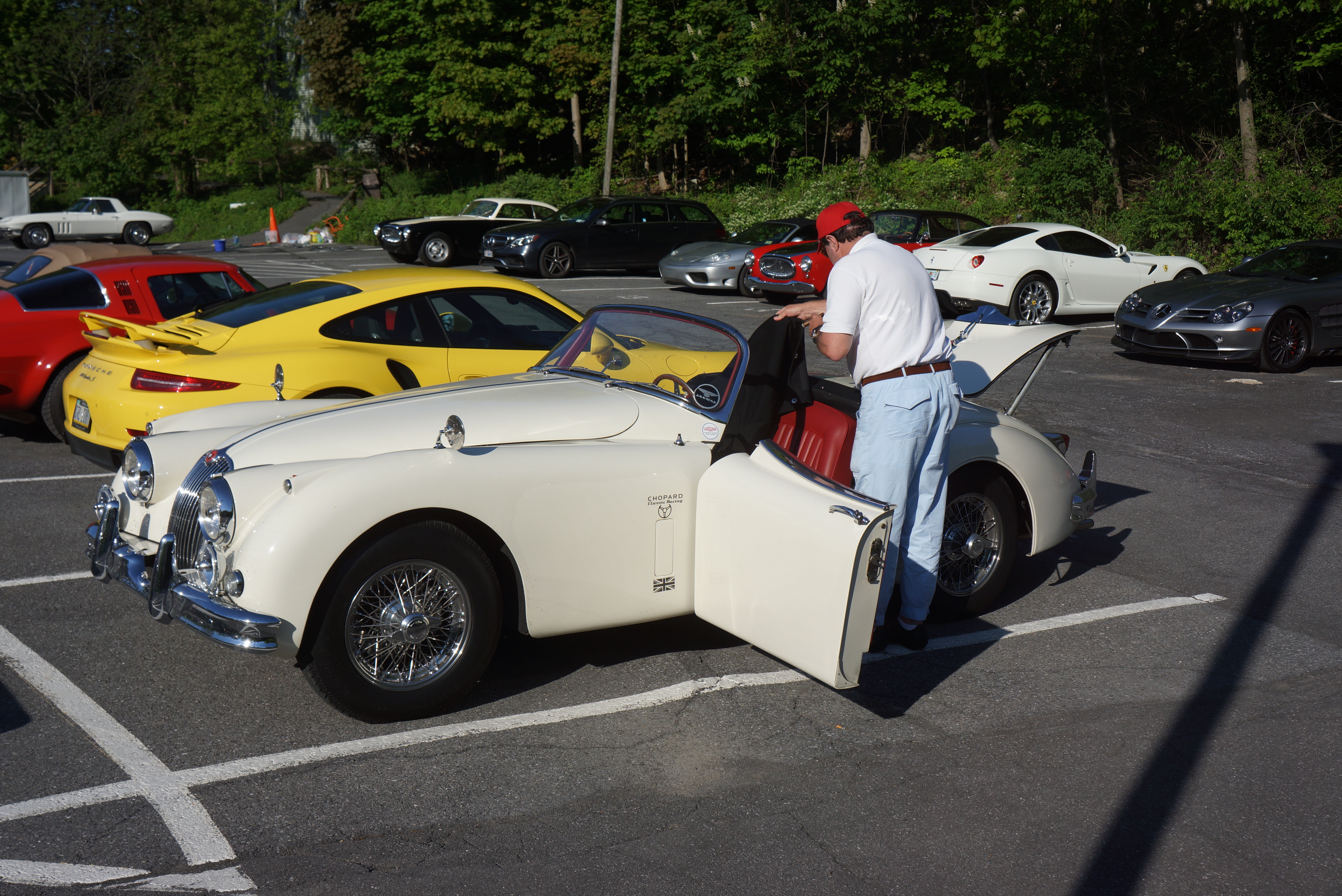
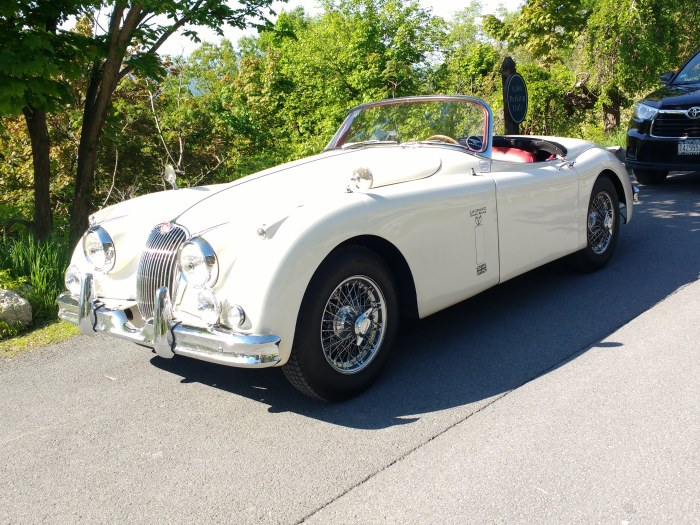
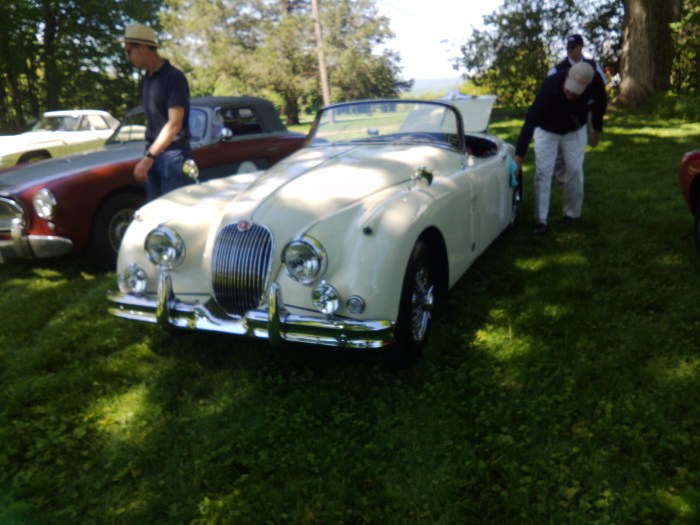
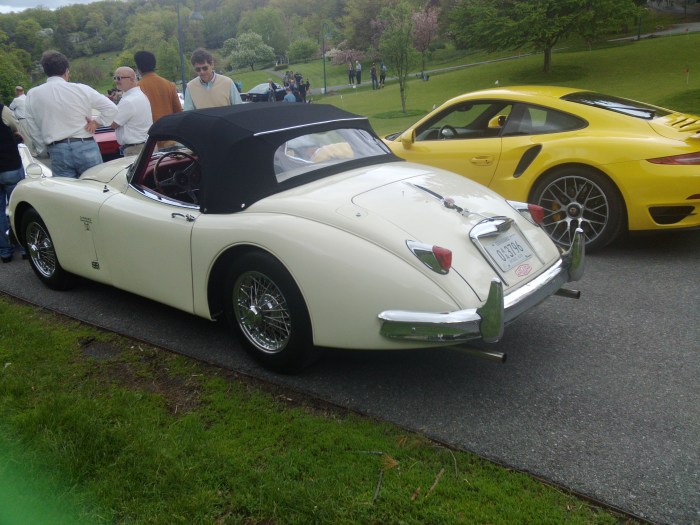
Jaguar XK120
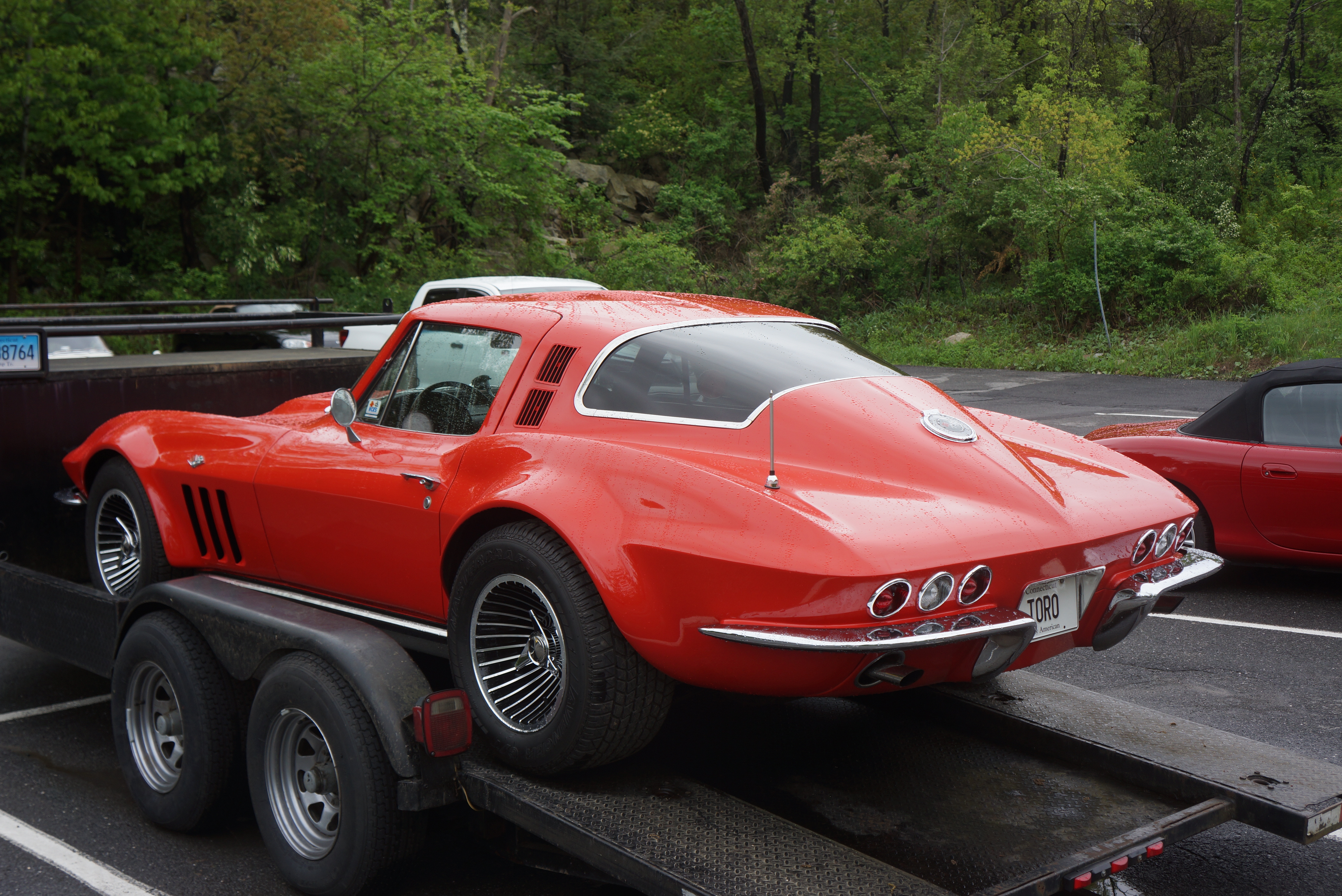
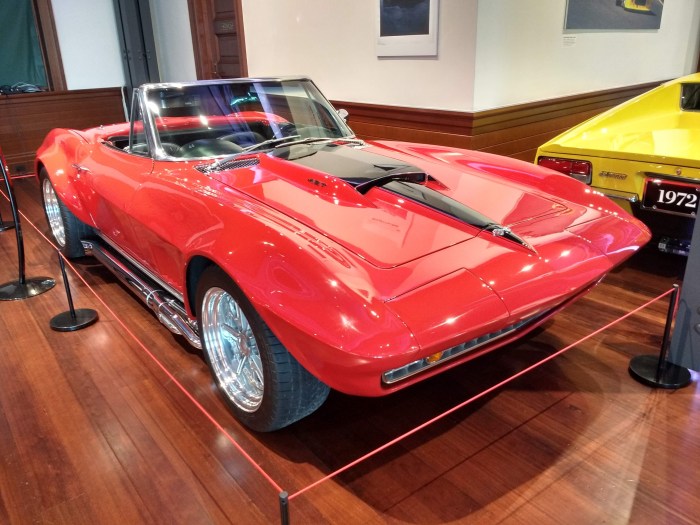
1967 Corvette
Lamborghini Miura
Porsche 356
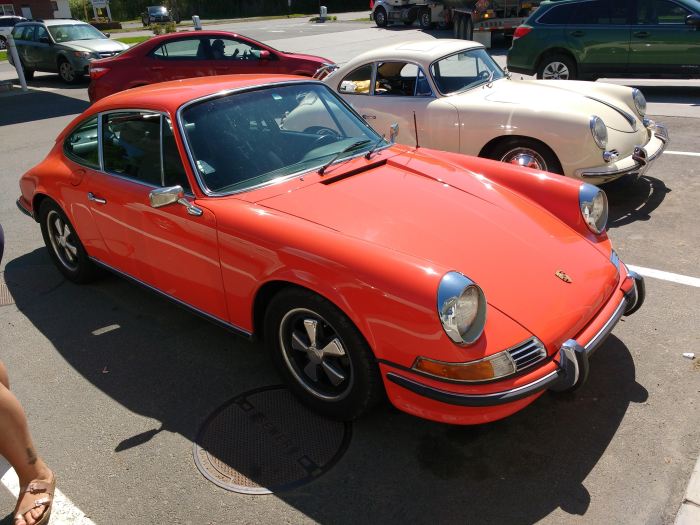
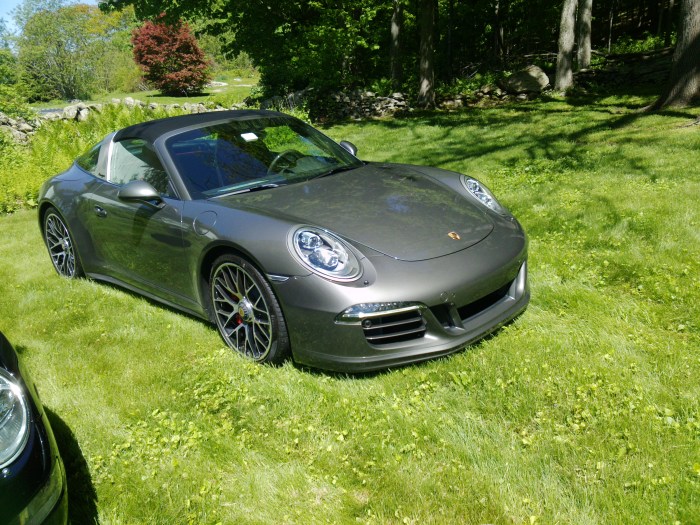
Porsche 911T
The ceremonial mounting of the rally plate
SUNDAY CONCOURS
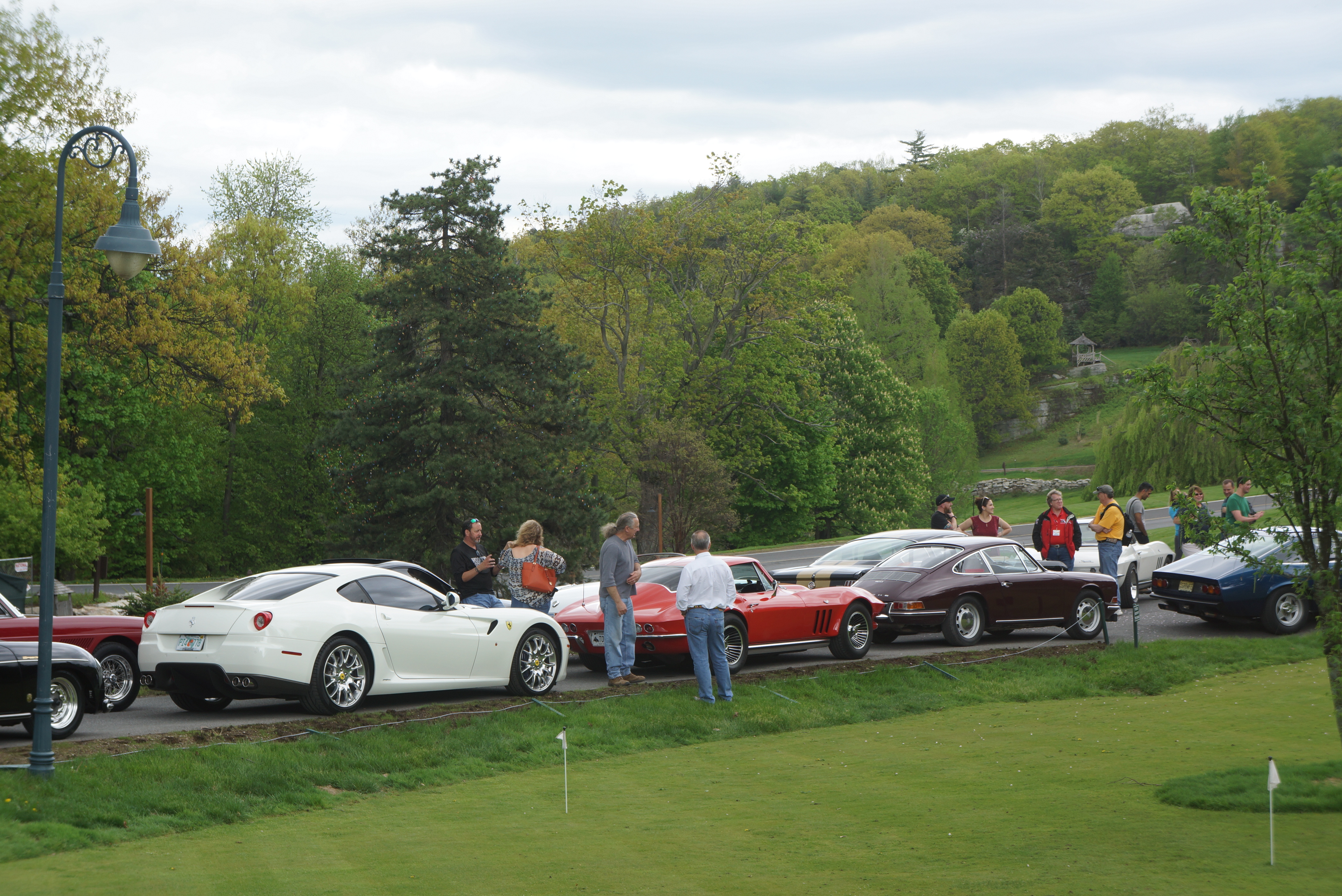
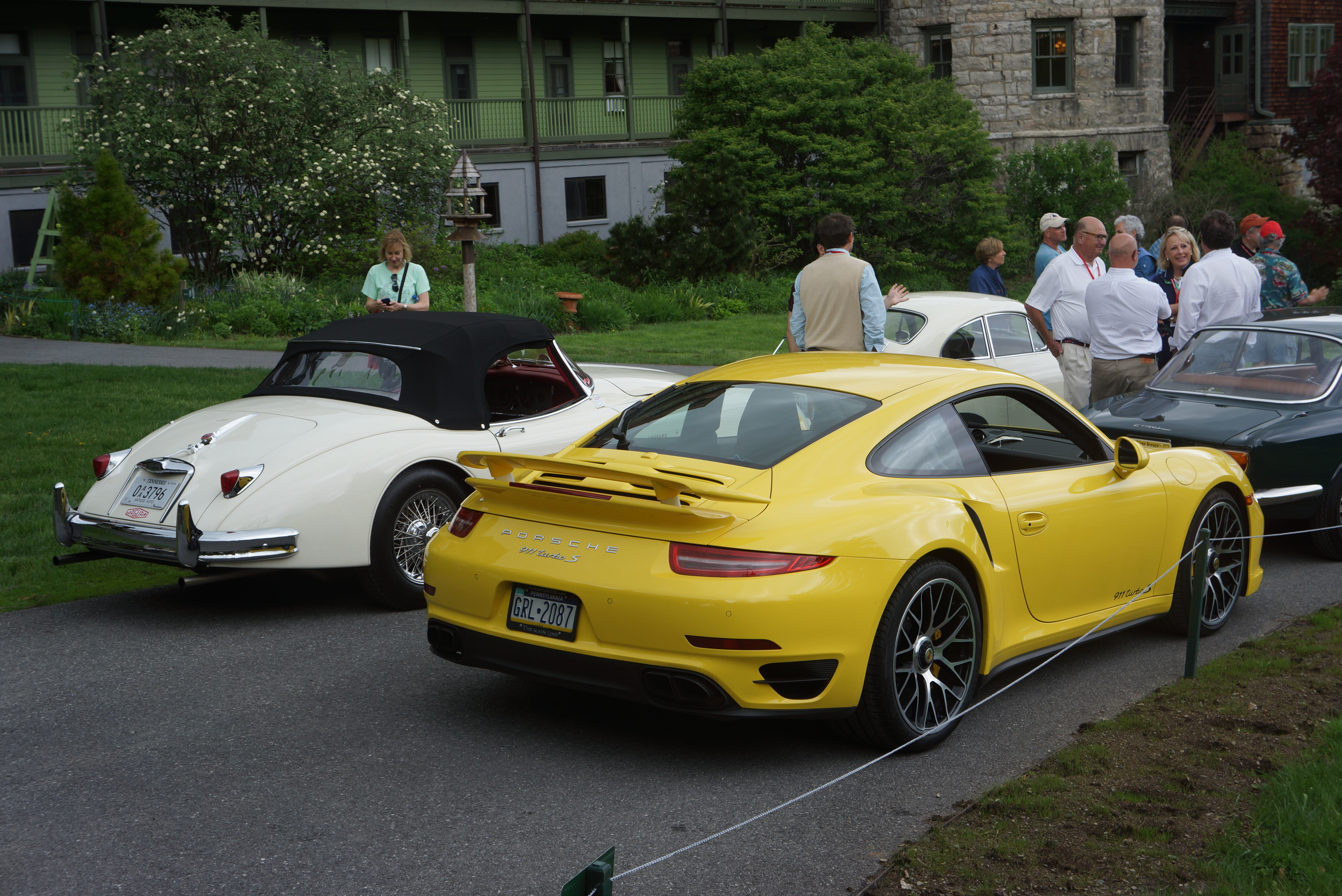
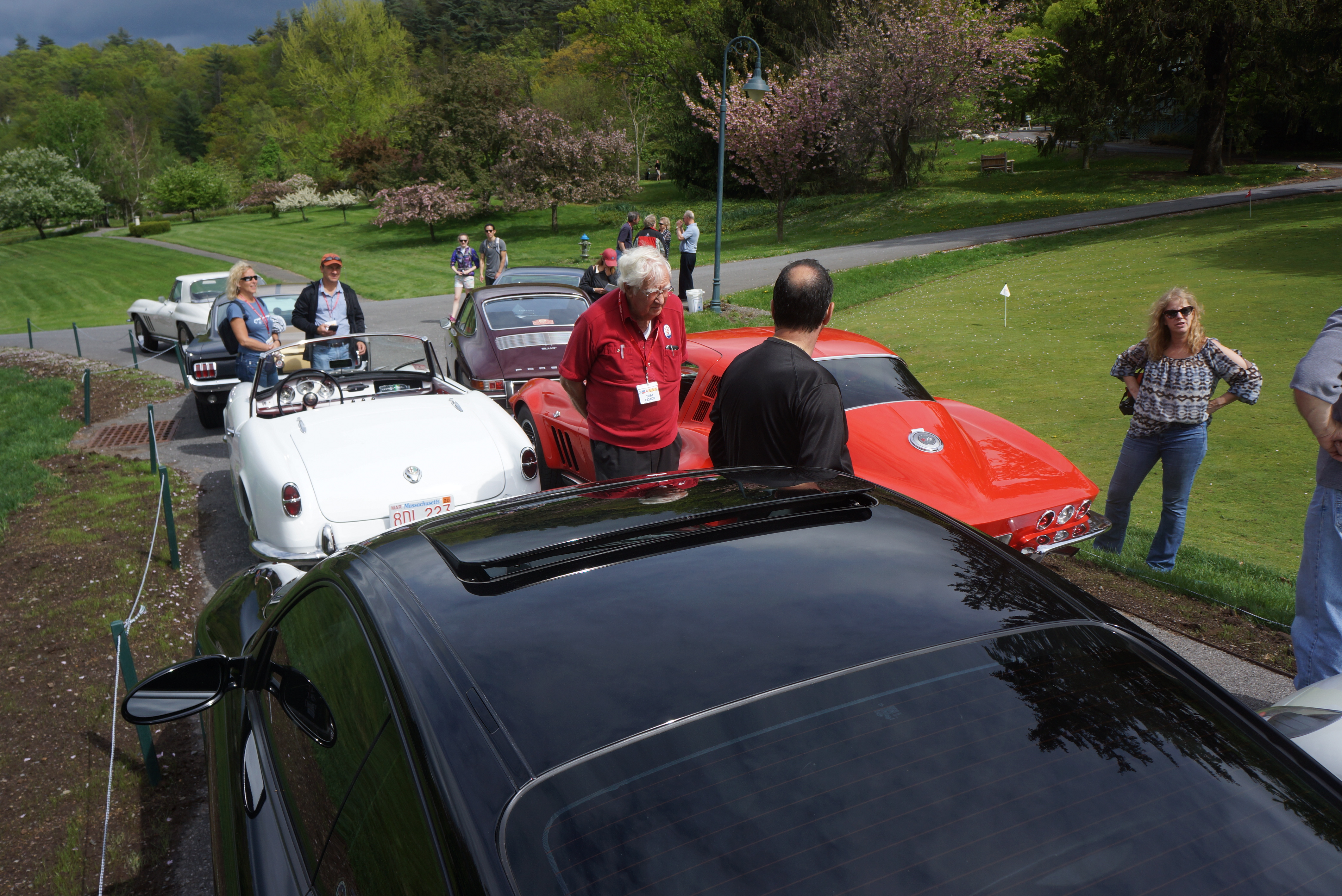
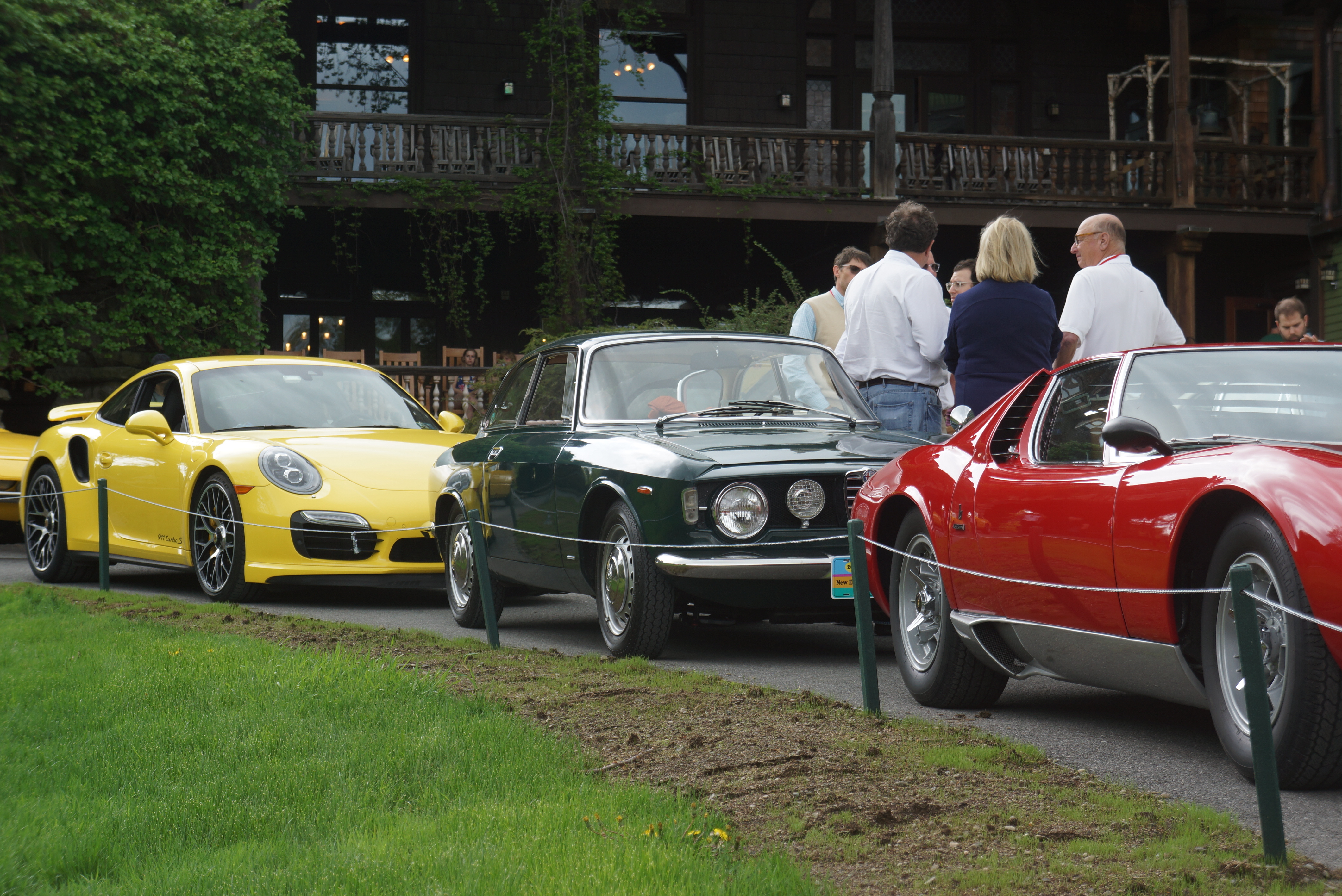
Every year, the rally events begin with an informal “concours” on the hotel property, done as much for the owners to show off as to present our wares to the hotel guests and public. At Mohonk, we were crowded onto a narrow walkway.
The lineup
White cars
Sun trying to break through
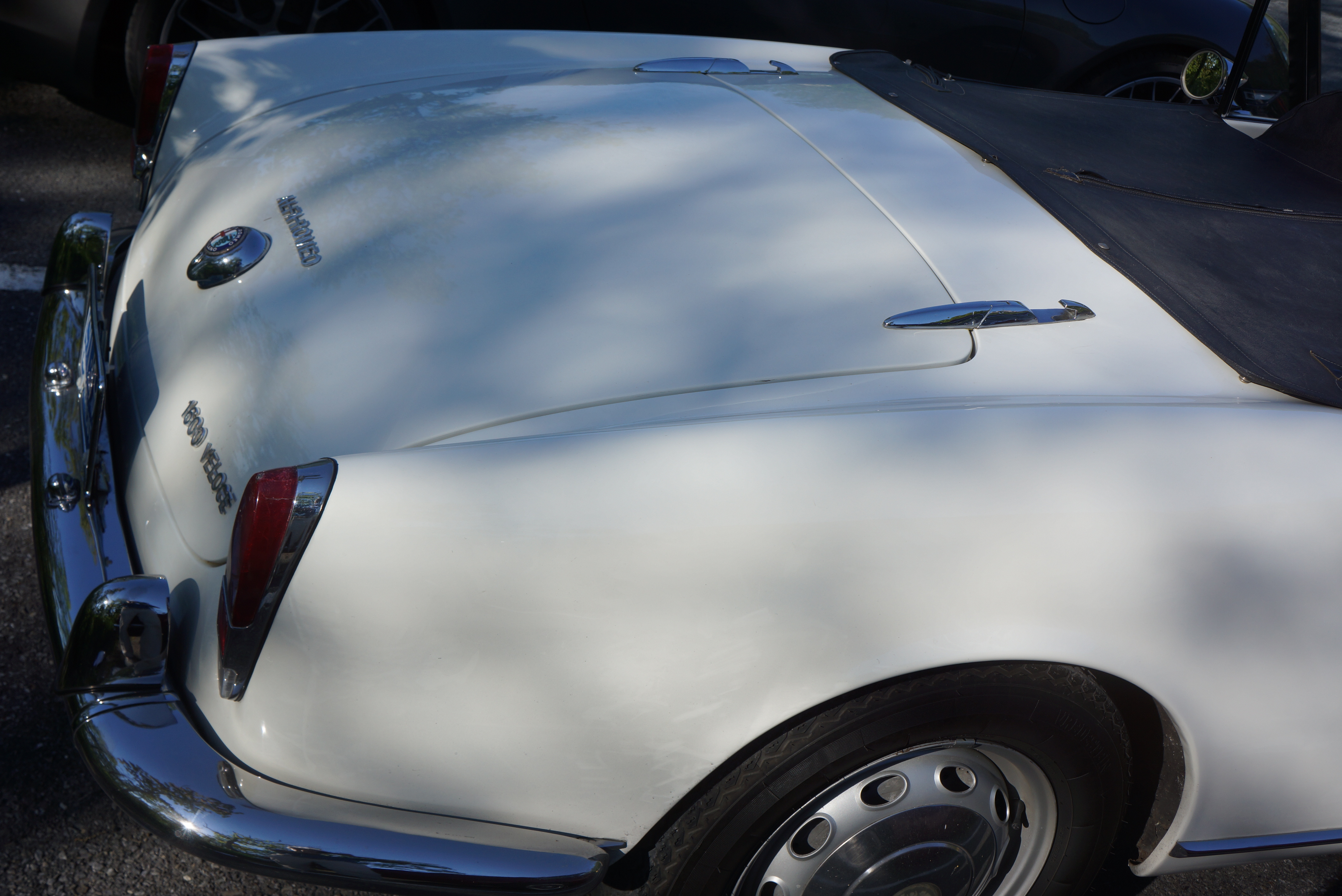
Alfa Giulietta interior
Cunningham interior
Ferrari 250GT PF
Old and new
Drivers and spectators mingle
Italian cars
6-4-12
F40 MOTORSPORTS VISIT
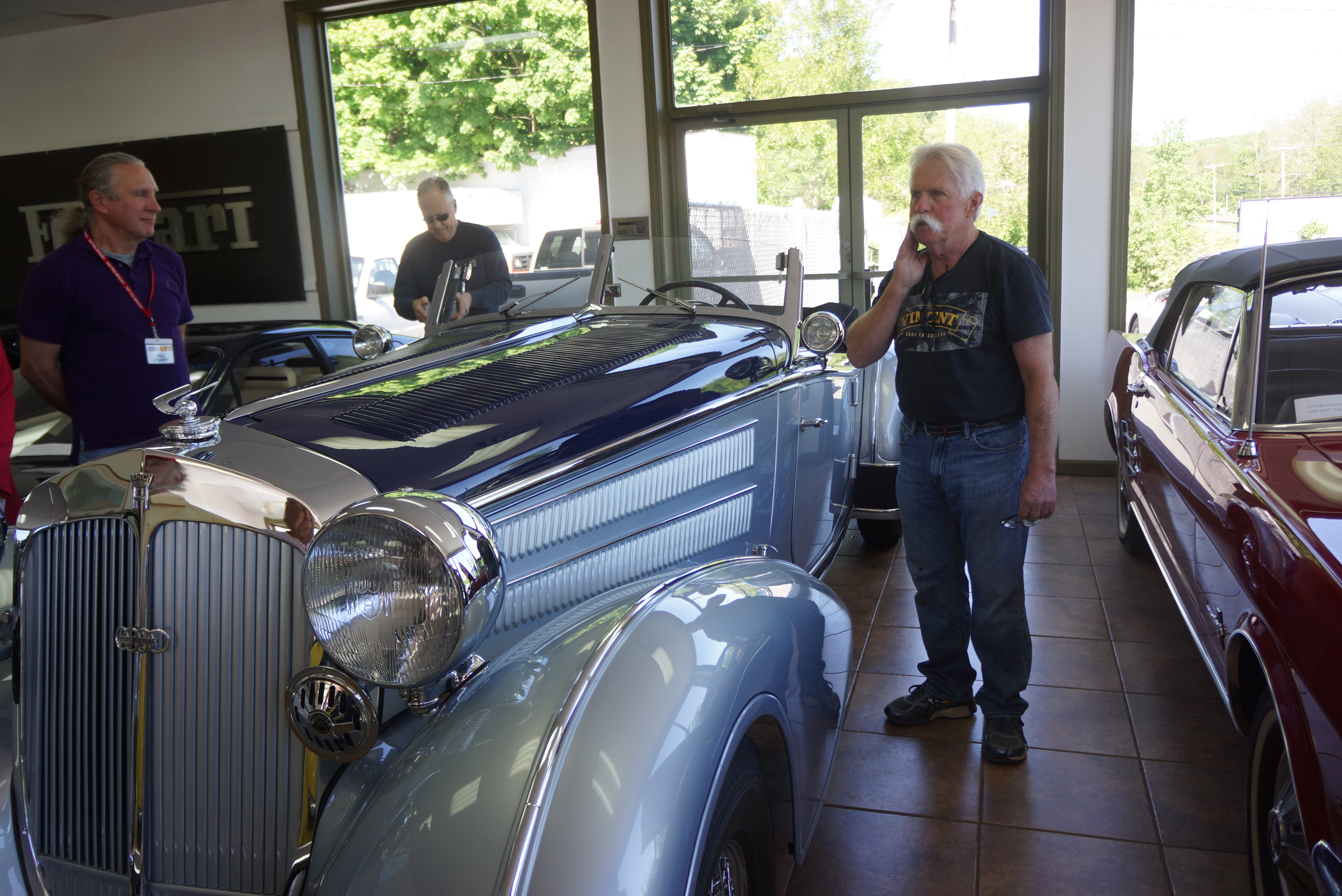
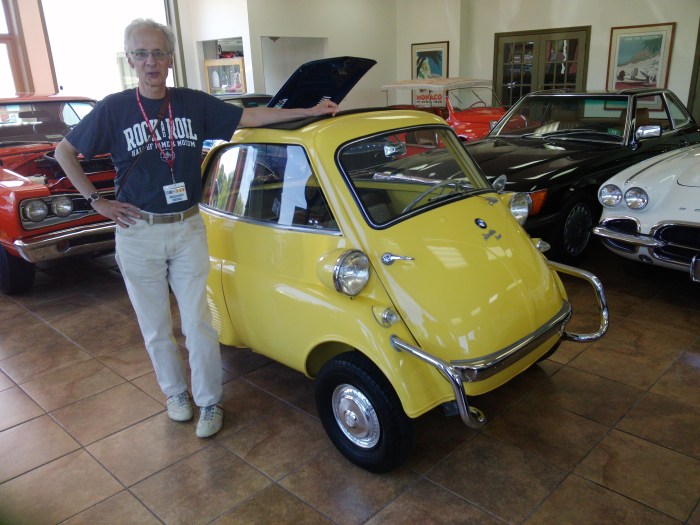
On Monday, we made a scheduled stop at F40 Motorsports, the home of Chasing Classic Cars starring Wayne Carini. Mr. Carini was on the premises, and gave a short informal presentation. Better still, he led us into the back shop where many treasures are hidden away. He was warm, gracious, humble, and obviously a very knowledgeable enthusiast.
F40 Motorsports, Wayne Carini
1958 Skyliner in the garage
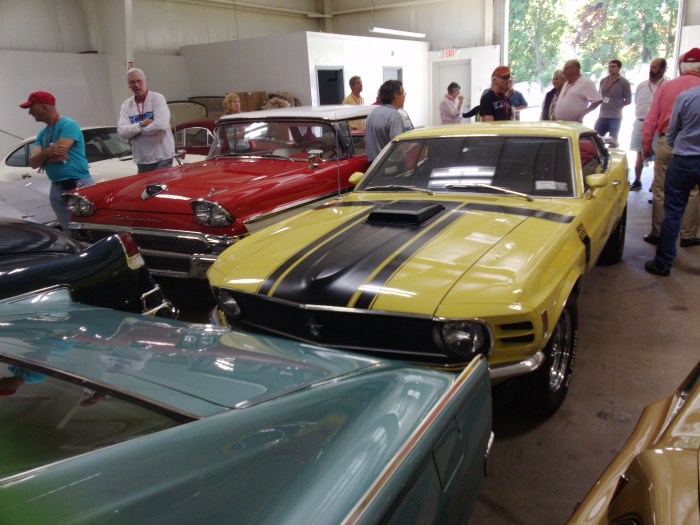
Domestic cars
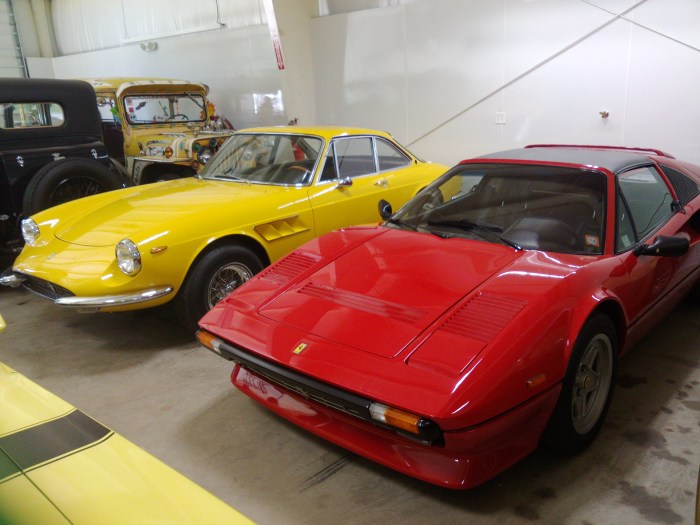
Ferrari 330 GTC
THE AUDRAIN MUSEUM
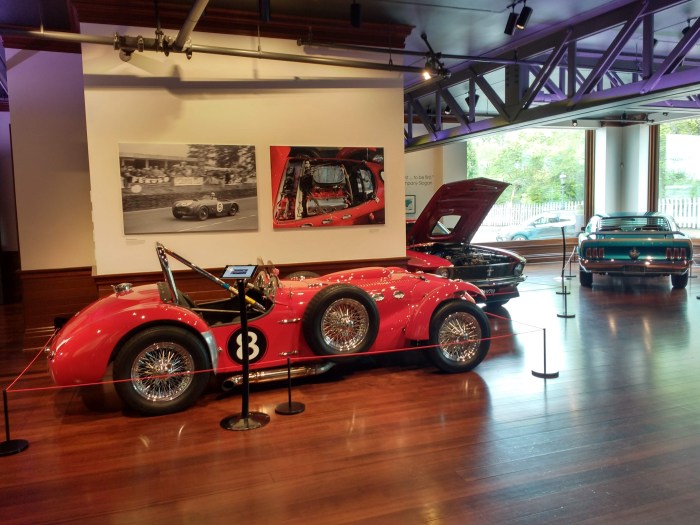
On Tuesday’s “open” day in Newport, we had every intention of visiting two of the local car museums. Our battery issue, while fortuitously falling on the non-driving day, shortened our available time. We were only able to get to the Audrain Auto Museum, located in downtown Newport. The building itself is an architectural masterpiece. The smallish display area featured American muscle.
Audrain Museum exterior
Ford hot rod
1969 Hurst Olds
1969 Mustang
1970 Barracuda
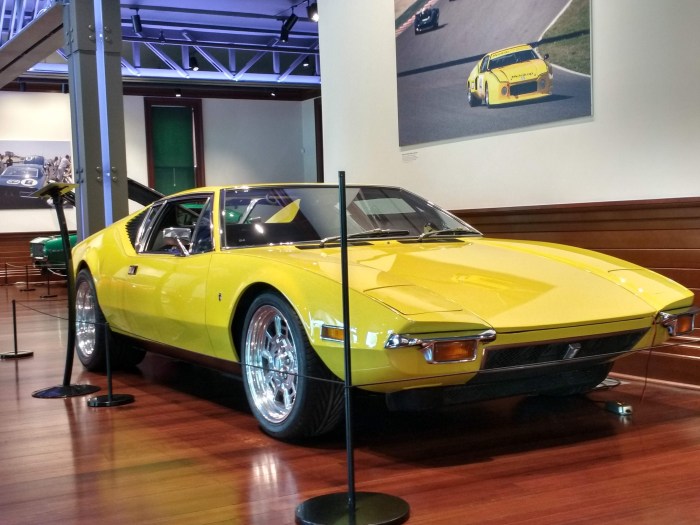
DeTomaso Pantera
MYSTIC SEAPORT
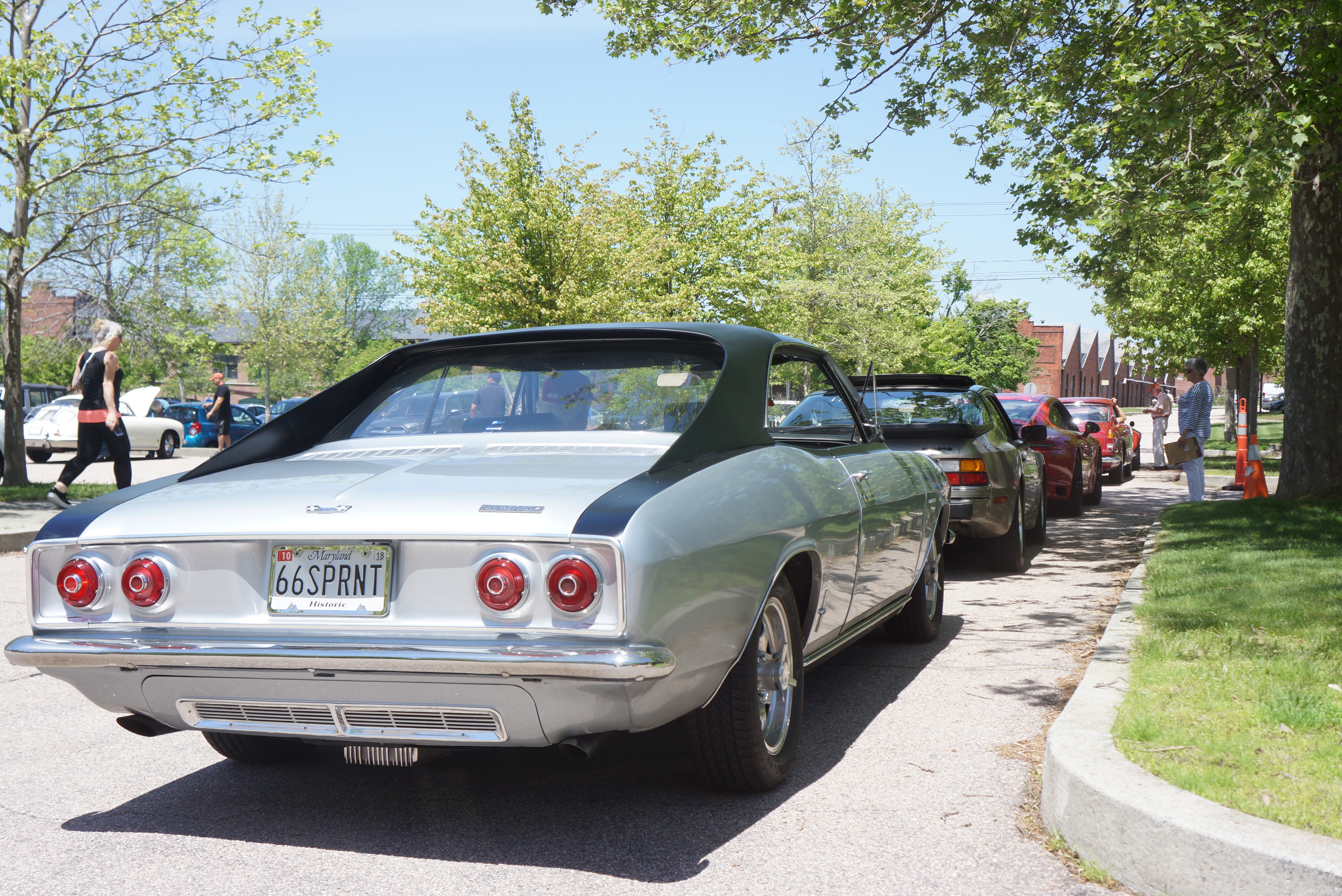
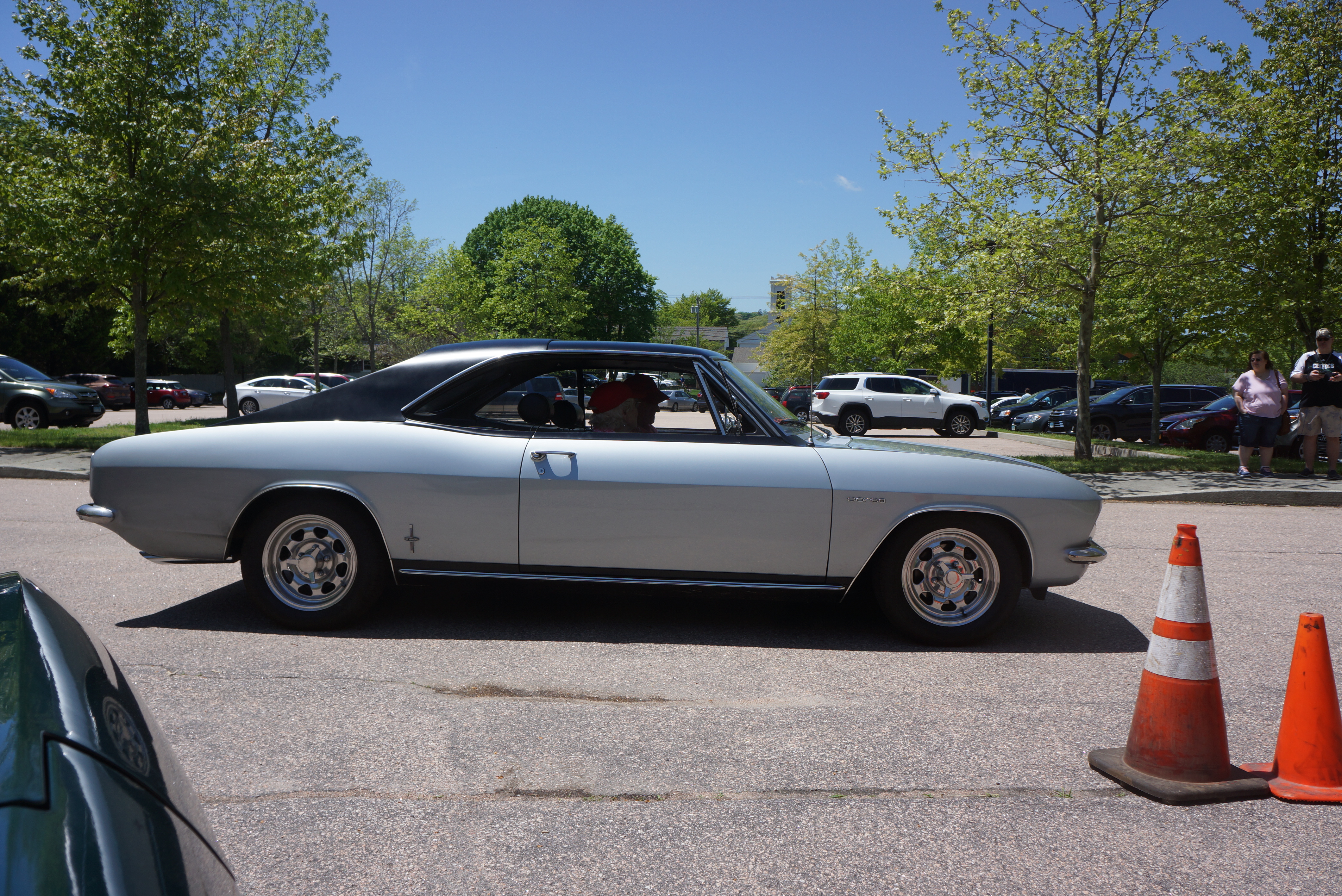
Wednesday found us in Mystic CT, with about 2 hours to kill at the Mystic Seaport Museum before our scheduled lunch. As lunch ended, the parking lot served as an ideal staging area for our departure, and was also a great photo op.
In the queue to get a time out
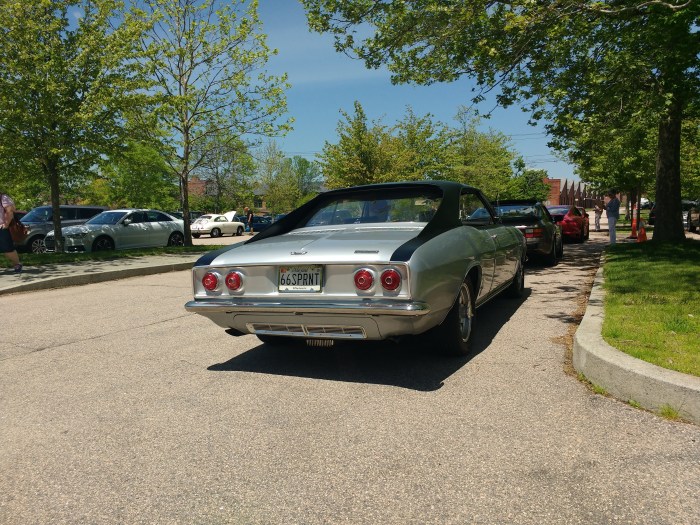
Corvair Fitch Sprint
Alfa with new battery
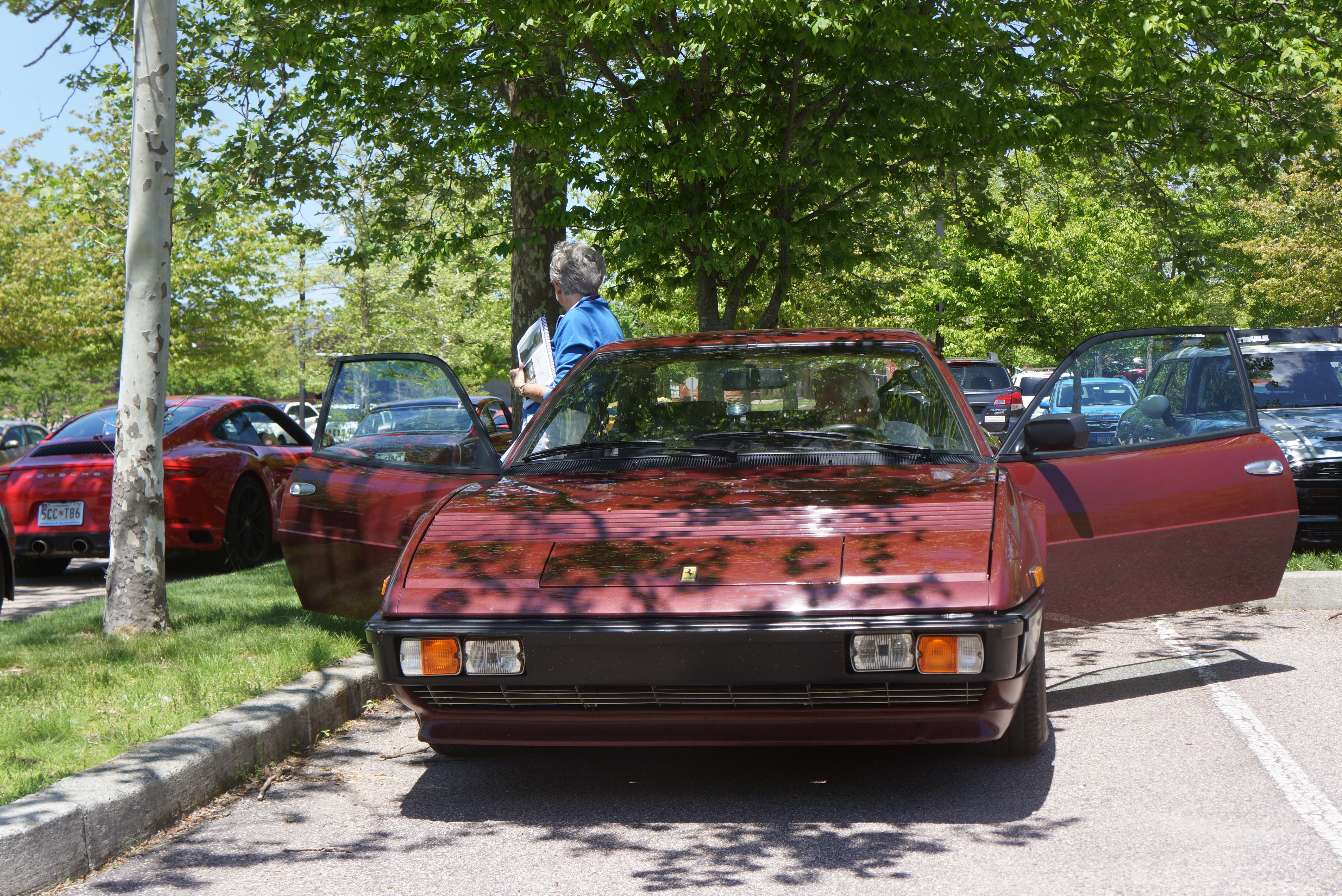
Ferrari Mondial
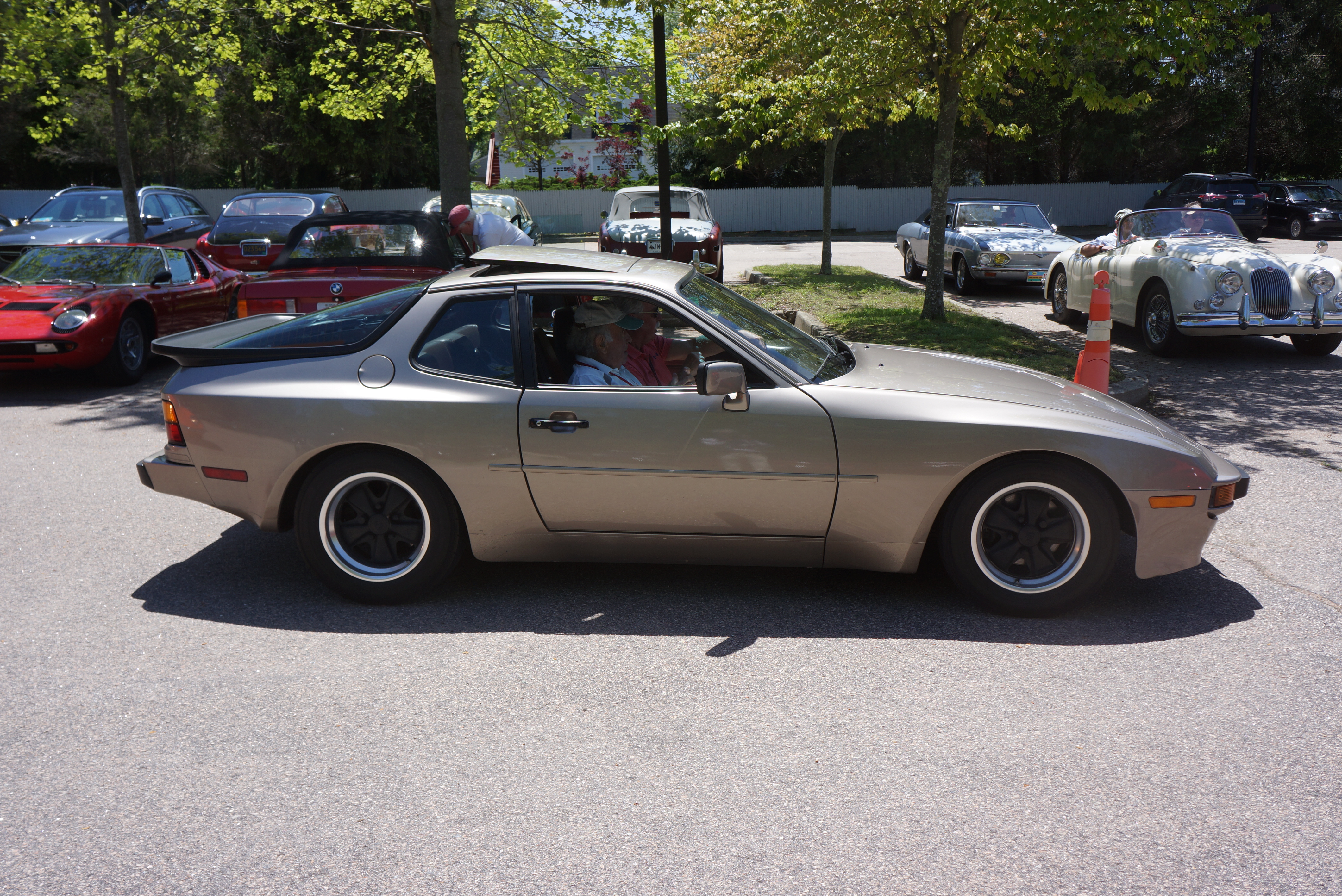
Porsche 944
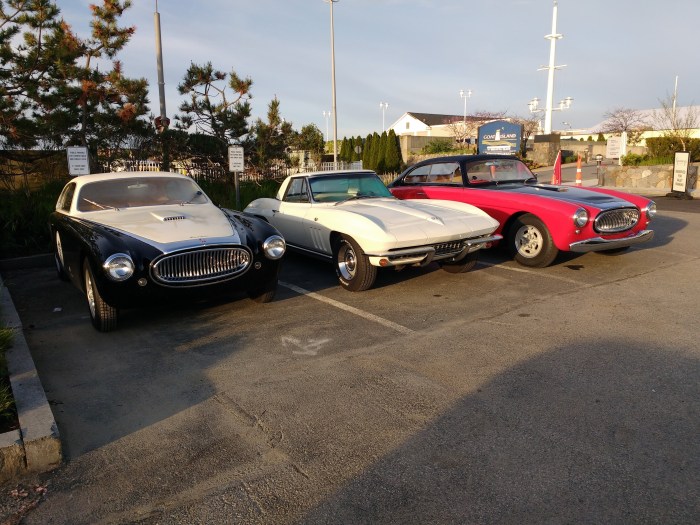
Red cars
THE RALLY ENDS
By Thursday, everyone feels a sense of accomplishment at just having driven the roads. That evening’s banquet dinner will reveal the final score, including how many teams “zeroed out” (this year, only one). As the cars arrived back at Mohonk, they were prepped to be either driven or shipped out on Friday morning.
In Chapter 12, it was early spring 1995, and the blog post contained video evidence which proved that the “thumper”, as one-cylinder engines are sometimes called, would start and run. You could say that this completed the mechanical portion of the restoration. Of course, there were “mechanical” elements to be addressed once the body and chassis were reunited, such as pedal and shifter linkages, gauges, lights, and so on, but, the running chassis was essentially done.
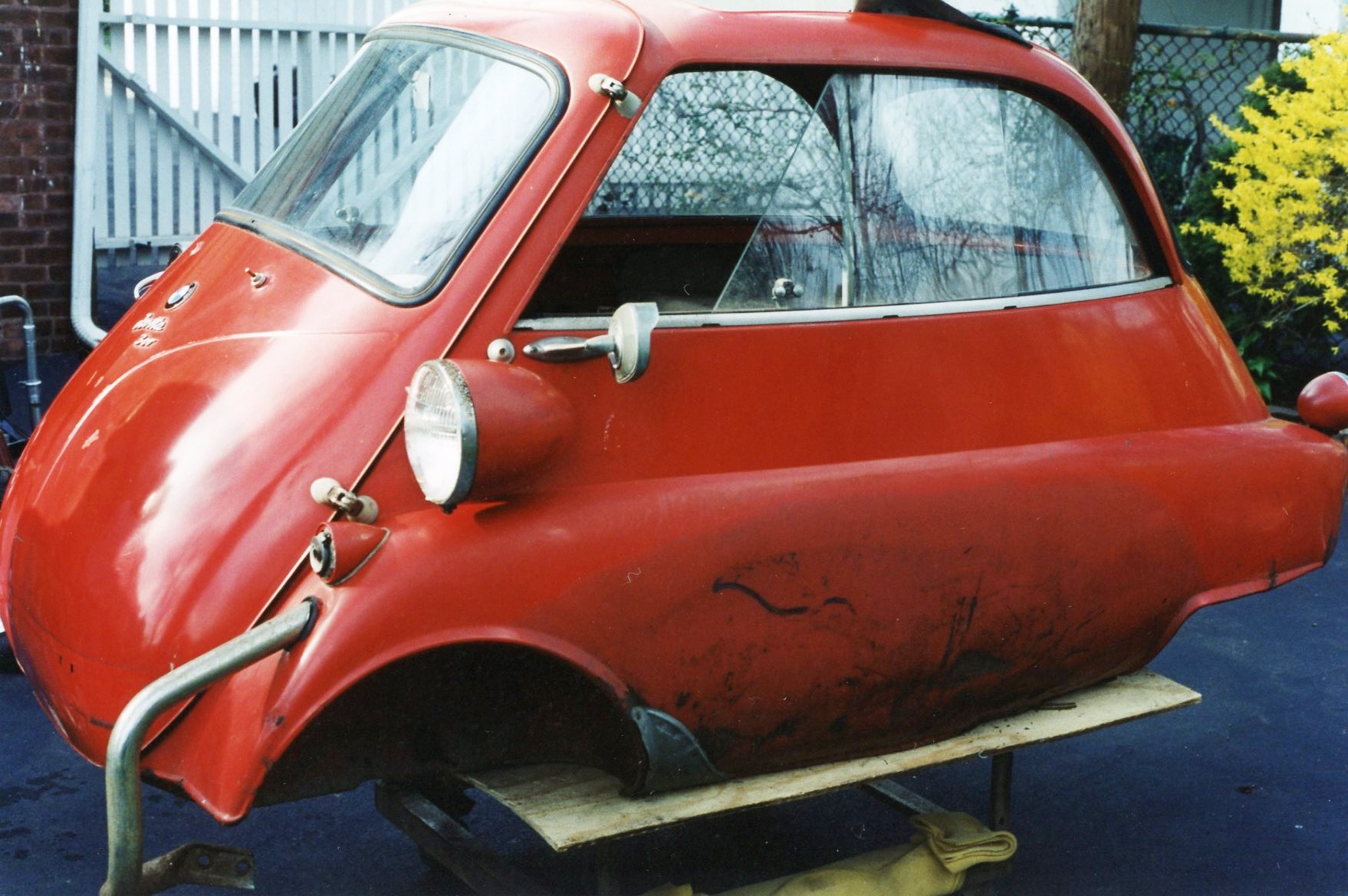
Now it was crunch time. Now, a fear crept into me because I was about to embark on a path over which I would have much less control. I am a technician, an automotive repairman, by trade. The nuts and bolts were, if not easy, at least resolvable by me. As I looked at the forlorn Isetta body, I was reminded of how little I knew about body and paint work. There was also an element of procrastination in play here. I could have sought out body estimates in 1994. However, it was easier to tell myself to push forward with the chassis work, and allow the bodywork to wait until it was absolutely necessary to move on it. That time was now.
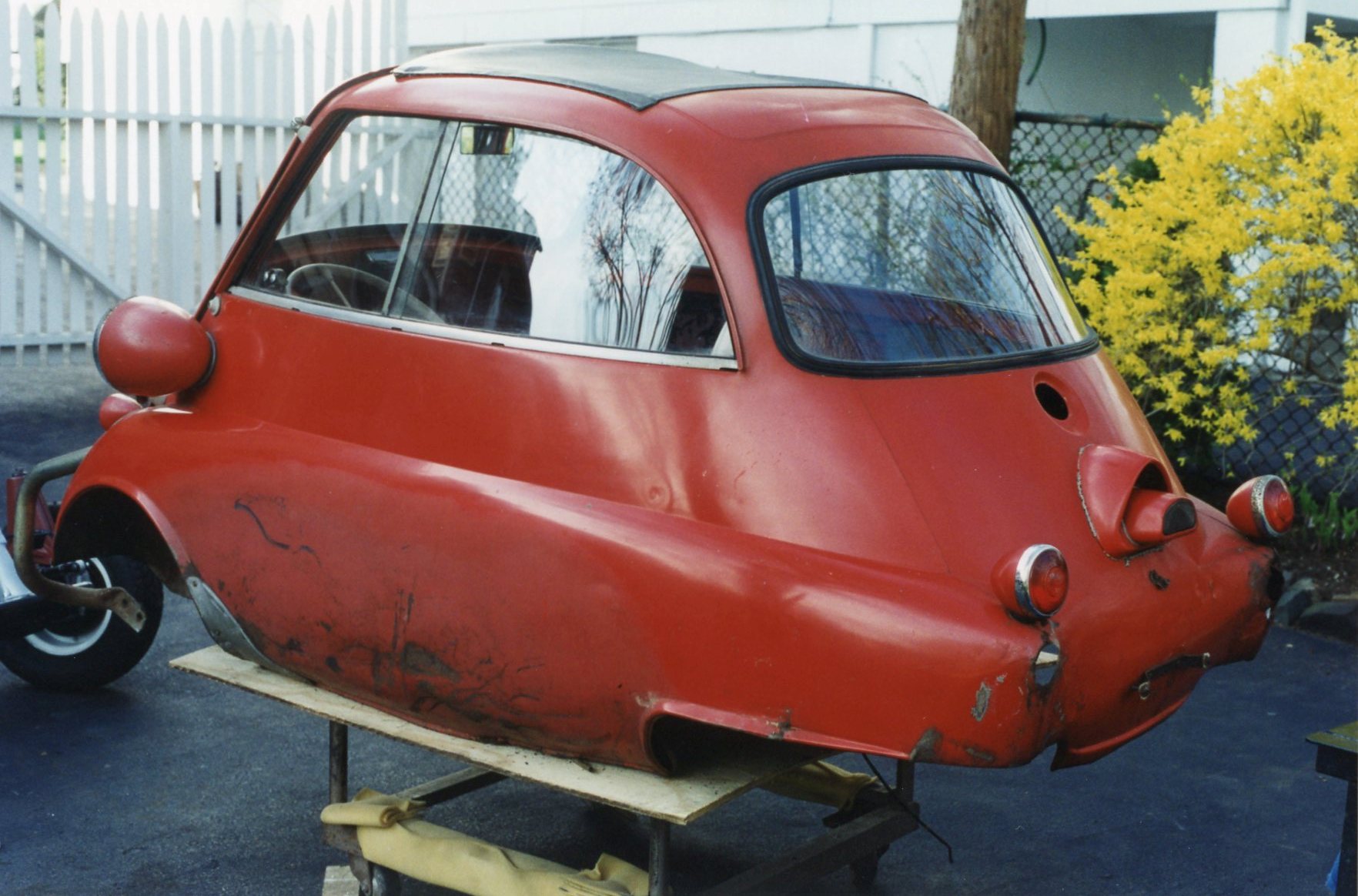
Left front: lots of scars along side
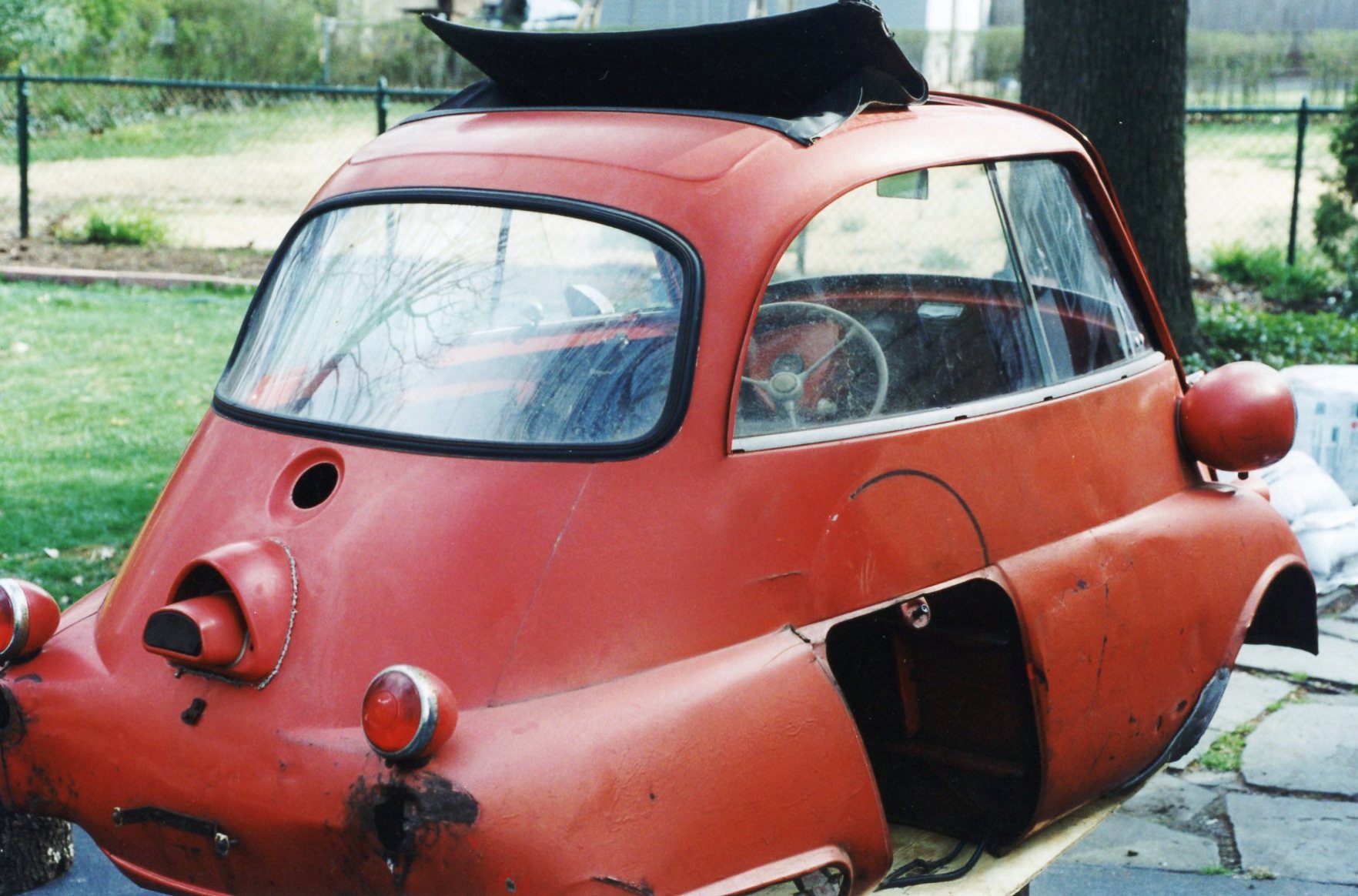
Right front: door is OK, but strange circular gash above engine door opening
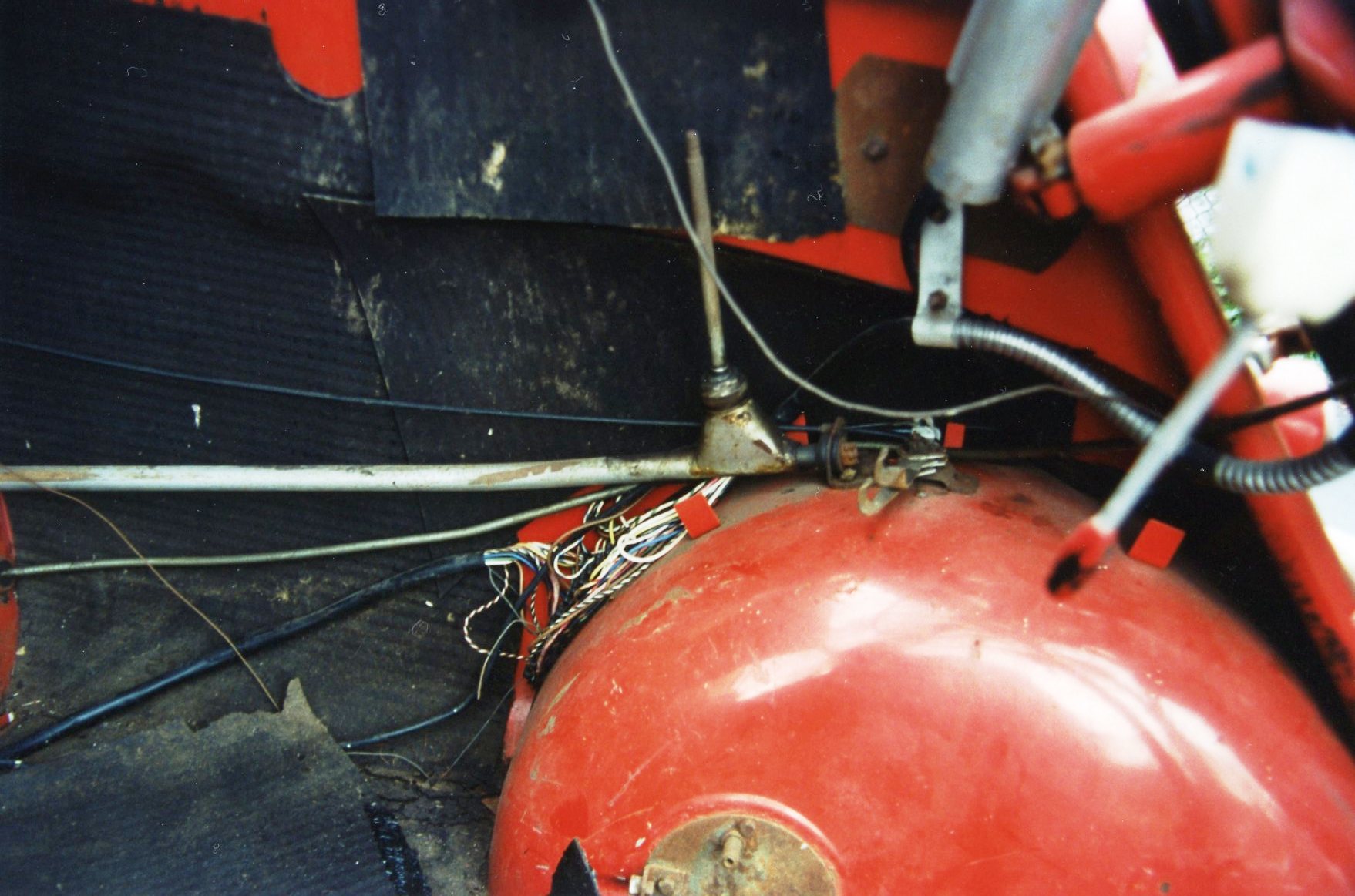
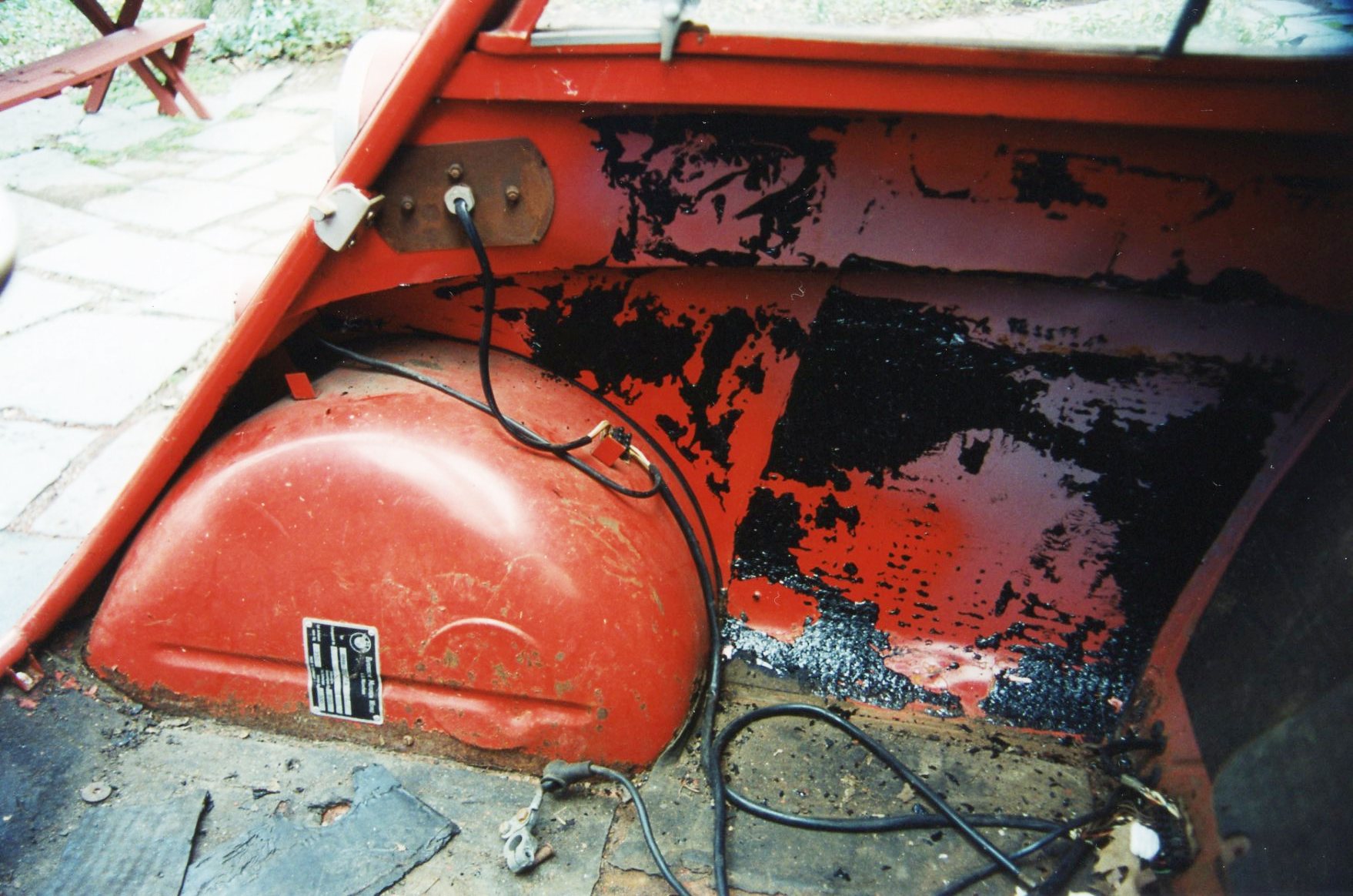
As had been my habit for this entire project, I grabbed my trusty Nikon EM, loaded it with a fresh roll of Kodak ISO 100 (or 200) film, and photographed all the details of the red body in its “before” state. This was done both to document its current condition as well as to provide a guide during reassembly. The body was still complete, with door, glass, sunroof, lights, wiring harness, and interior panels in place. There was no sense in disassembling any of it until I understood the next steps, which would only happen after speaking with several body shops.
Left rear: metal is split at wheel well
Right rear: rear bumpers have left gaping holes in sheet metal
The body was loaded onto my landscape trailer, and the trailer was hooked to the back of my Volvo wagon. Off I went to visit two different restoration facilities in northern New Jersey. As both these shops are still in business, and as I have nothing to gain by presenting potentially disparaging remarks about them in this public forum, I shall refer to them as “Shop A” and “Shop B”.
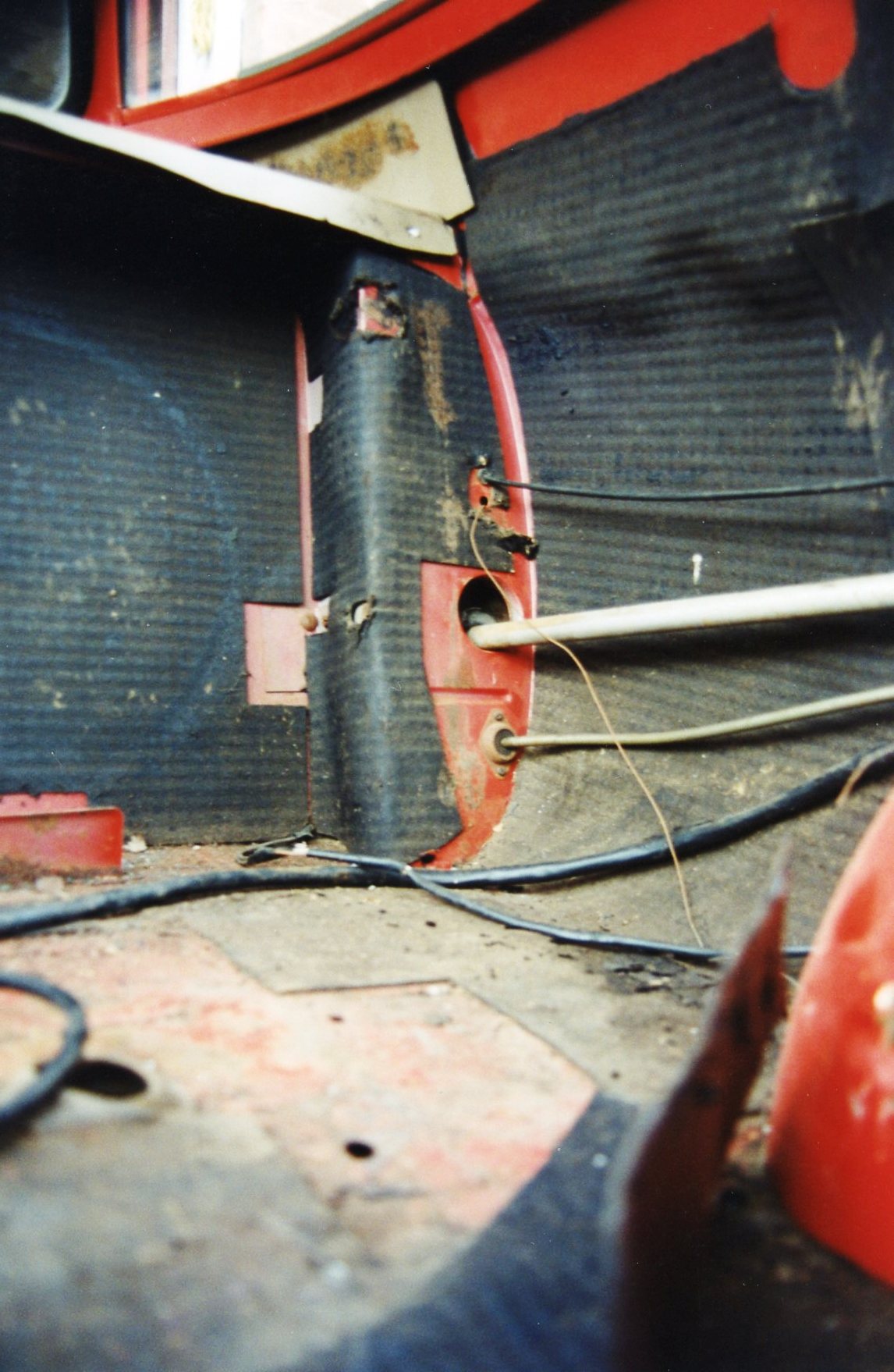
Interior left front showing shifter & linkage, wiring, factory sound insulation (which was to be removed)
Interior right front: VIN plate, but rust along bottom of wheel well
Shop A is a first-class enterprise with a stellar reputation in the hobby. They are known for their award-winning vehicles, and even market their own line of automotive paint. The patriarch of the business greeted me personally, and invited me to sit with him so we could discuss my progress and my intentions.
I told him that I had essentially completed the drivetrain, and wanted a shop to take on only the body shell. “You have done an excellent job managing your own restoration”, he said to me, and I wasn’t sure if the comment was a compliment, or if he regretted that I hadn’t handed over the whole stinkin’ pile of parts for him to sort out. He continued: “We can restore this body, certainly can. Our process will be, you leave it with us while we do our research and preliminary work, and we will send you an itemized bill on a monthly basis”.
My next question was obvious, or so I thought: “What will be the total cost of the body and paint work?” He replied “Oh, we have no way of knowing that. Besides, that’s not how we work. As I said, we will perform a certain amount of work every month and bill you accordingly. You are also welcome to stop by and see the progress first-hand”. I told him that I would think about it. The walk back to my car wasn’t complete before I had concluded my thinking about it. This was the traditional model of automotive restoration. The owner trusts the restoration shop to proceed at a fair pace, and pays the bills with no clear end date in sight. This shop was not getting my business.
With seat out, note spare tire witness mark, shift linkage
Shop B was introduced to me when its proprietor visited my office for an evening’s “hobbyists’ gathering”. He was fairly new to the business, and wanted to introduce himself to a wider audience. He spoke in a friendly and down-to-earth manner, and explained that his shop was the restoration place of choice for the common man. At the end of his presentation, I approached him and asked about paying a visit. A short time later, I trailered the red body out to him for his inspection, and he promised to get back to me ASAP.
This was 1995, so we used fax as a speedy means of communication. The first page of the fax was a cover sheet, and the second page had a detailed line-by-line estimate for metal work, fabrication, priming, sanding, and painting. I knew I was in trouble reading the first line of his cover page: “Dear Rich, I hope you’re sitting down!” His estimate for total parts and labor? $11,150. That only meant I needed to keep looking.
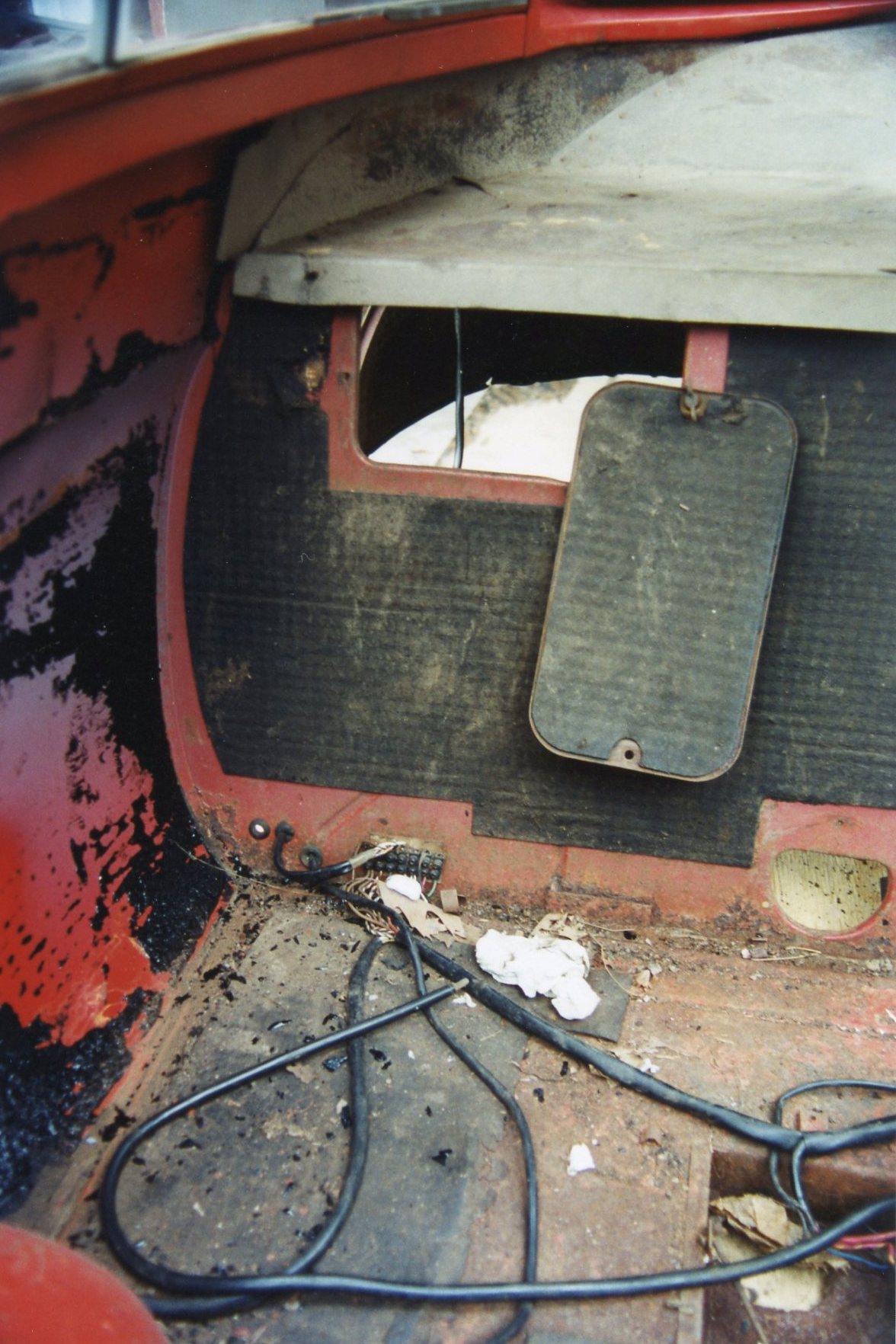
This is behind passenger seat. Removable panel is for spark plug access.
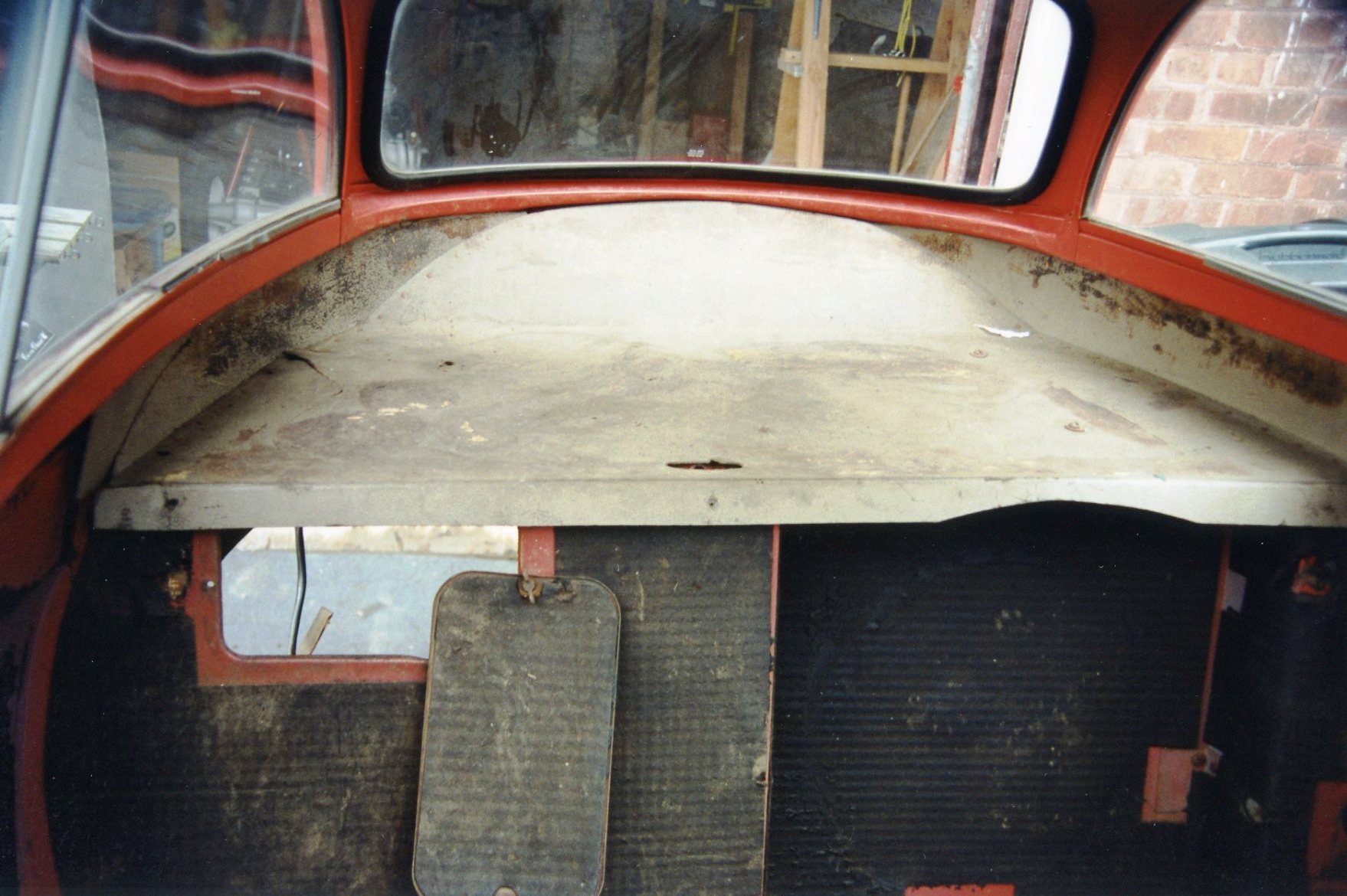
Parcel shelf with factory interior panel still in place.
A work colleague, friend, and all-around great fellow hobbyist Dennis Nash was someone I sought out for advice. Dennis said that he knew someone through the Rolls-Royce Owners Club who ran a collision shop but also fit in a fair amount of restoration work. He was in Maplewood, about a 20 minute drive from my house, and much closer than either Shop A or Shop B. The person’s name was Jody Fitzgerald, and the name of this business was The Shop.
I called. Jody answered, “This is …. The Shop”. (This is how he always answered the phone, with a purposeful delay between “this is” and “The Shop”.) We had a pleasant initial conversation, and he invited me to visit with body in tow. It didn’t take him long to look it over and for him to tell me that this was something he could handle. He made himself very clear that there were certain things he would, and would not, do. He said that he would:
Expect me to deliver the body with glass and soundproofing removed.
Paint the body in a single-stage urethane, and color-sand and polish the exterior.
Paint the interior to match, but not color-sand or polish it.
NOT paint the underside of the body. (He suggested that I paint it before bringing it back to him.)
Complete all the body and paint work in an approximate 3-4 week time period.
Jody said that the total cost in material and labor would be $4,000. That was a very acceptable number to me. Before we signed any papers, Jody said he had one more item of importance to discuss with me:
“I will take on this job, which will cost you $4,000, only if you verbally assure me that you understand this cost exceeds the total value of the car.”
In retrospect, I don’t blame him one bit for wanting to ensure that I understood the price/value relationship. We both knew that good, but not perfect, running and driving Isettas were available for around $3,500 in 1995. There was too much emotional attachment in this project for me, so I was more than willing to spend what I believed was a fair price for the body shell restoration. Jody simply didn’t want to start this job and have me remorsefully abandon the car with him.
I rushed home to begin the disassembly so that I could deliver the shell to Jody. It was June of 1995. There was no time to waste.
The New Jersey Region of the Antique Automobile Club of America (AACA) held its 67th annual Antique Car Show on Sunday May 6, 2018, at the Mennen Arena in Morristown NJ. Yes, you read that correctly. This was the 67th annual show, meaning that the Region began this tradition shortly before I was born. The vast majority of cars at today’s show were manufactured AFTER the premiere event.
NJ Region Pres. Jerry Peck kept on the smiling face
This was the third consecutive year for the show’s “new” location at the Mennen Arena. This was also the third year in the row for show-day weather to be wet and cool. The less I say about the climatic conditions, the more positive this blog post will remain. If there were silver linings, the rain did stop by about 10 a.m., and the dense cloud cover did make for better photographic light.
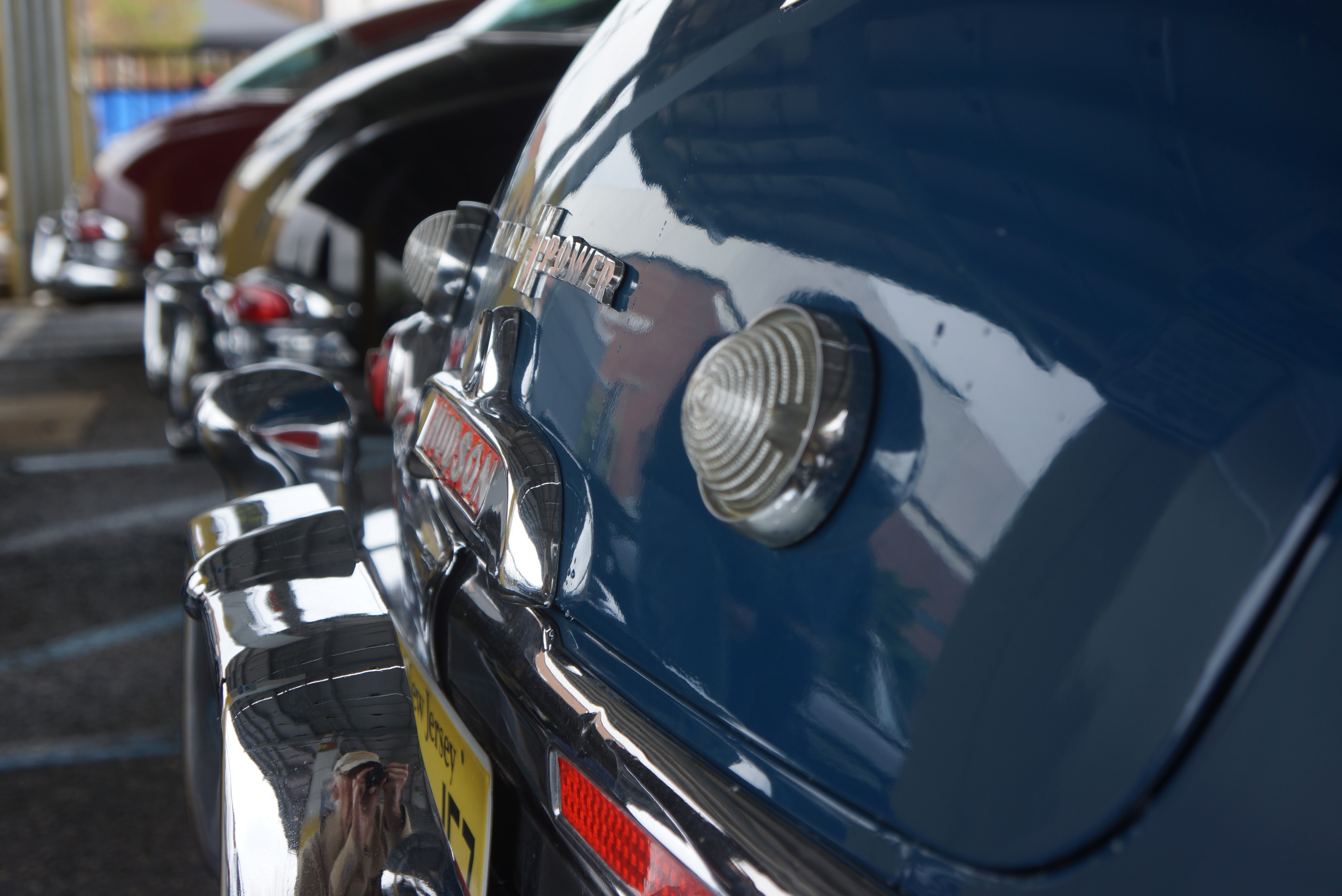
Hudsons front…
For us car guys and gals who can tolerate some dampness, the real disappointment was the reduced vehicle participation. While I didn’t count, I estimate that there were perhaps 50-60 cars on display. Previous years at the old location in Florham Park would net us in excess of 200 show vehicles.
… and rear
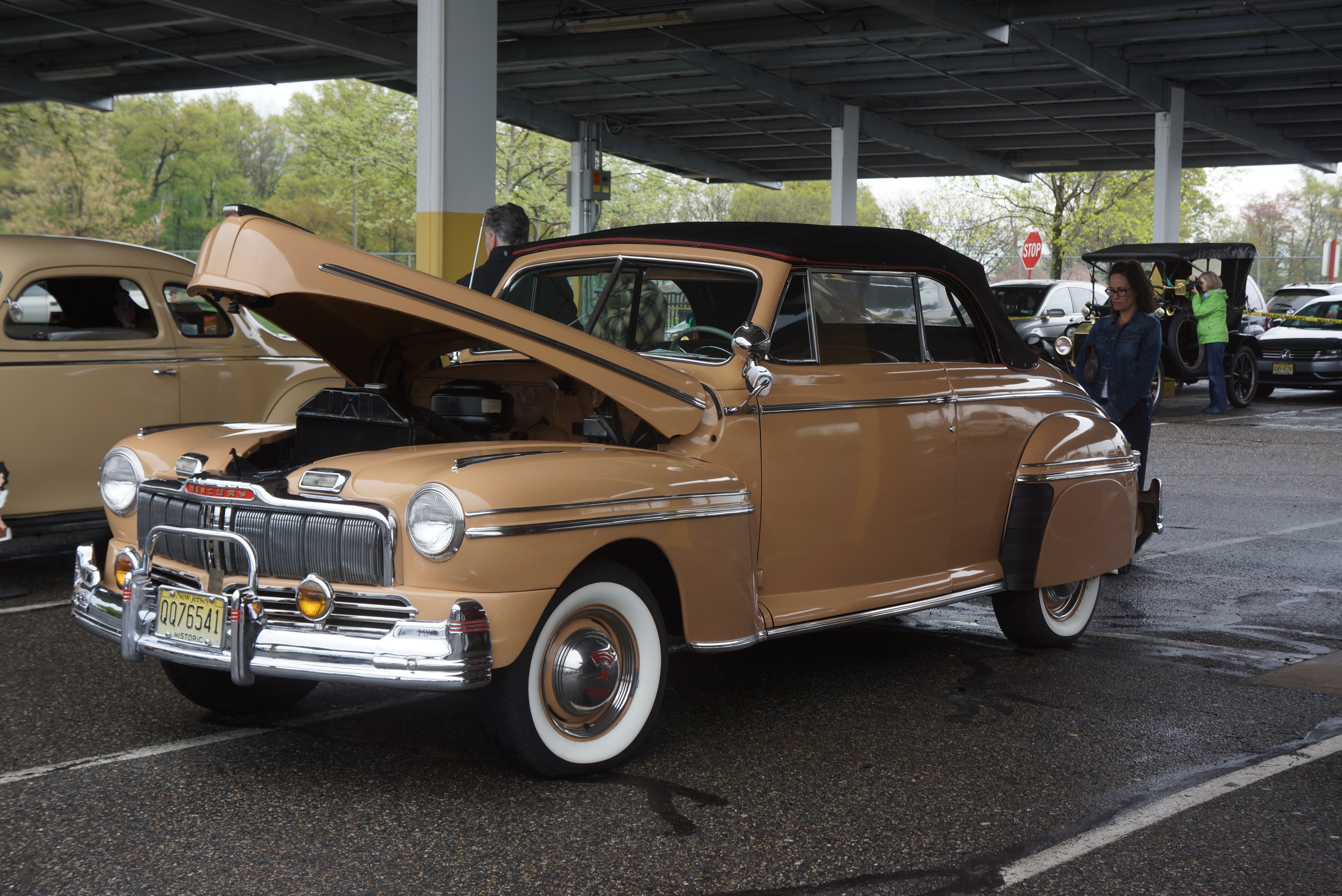
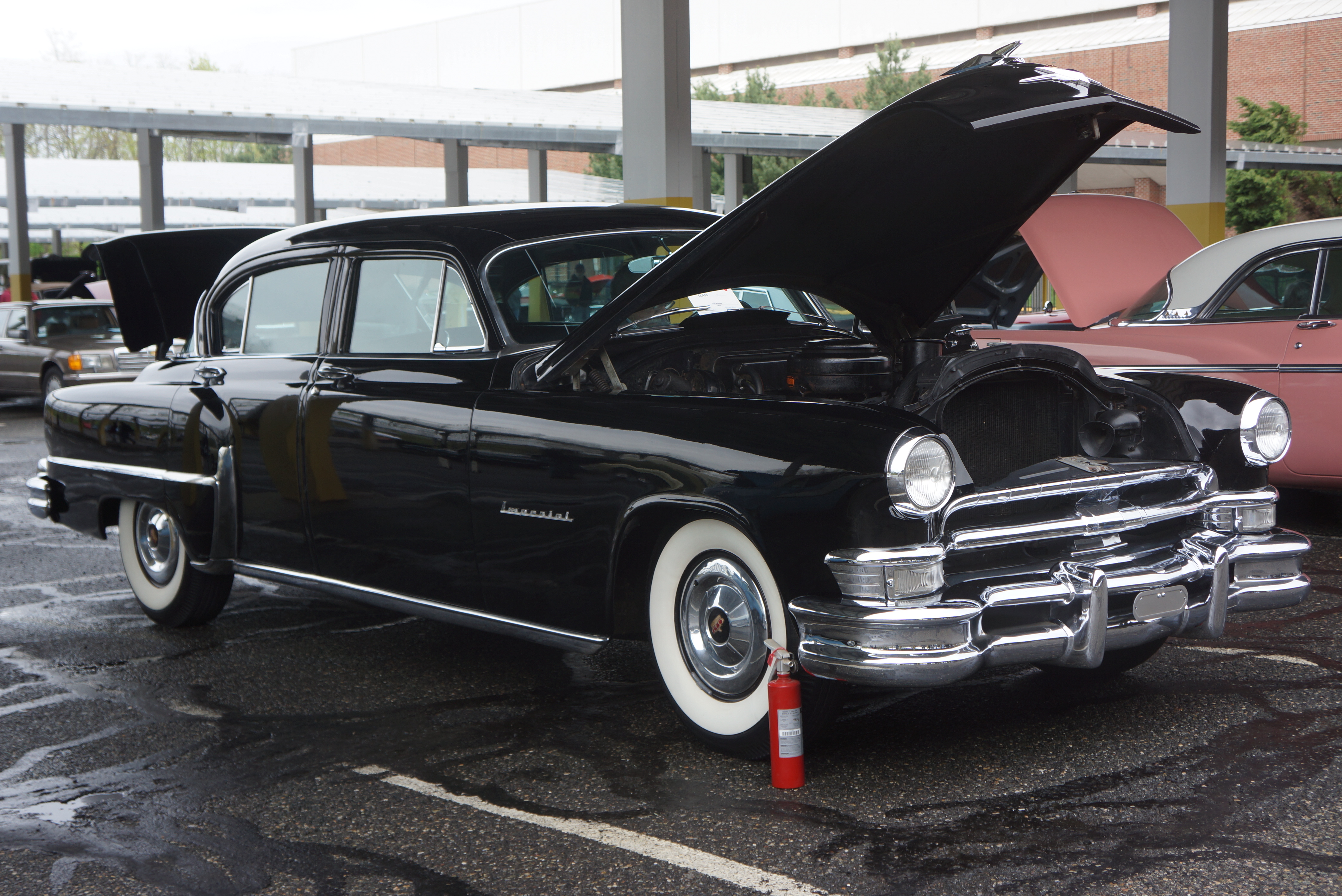
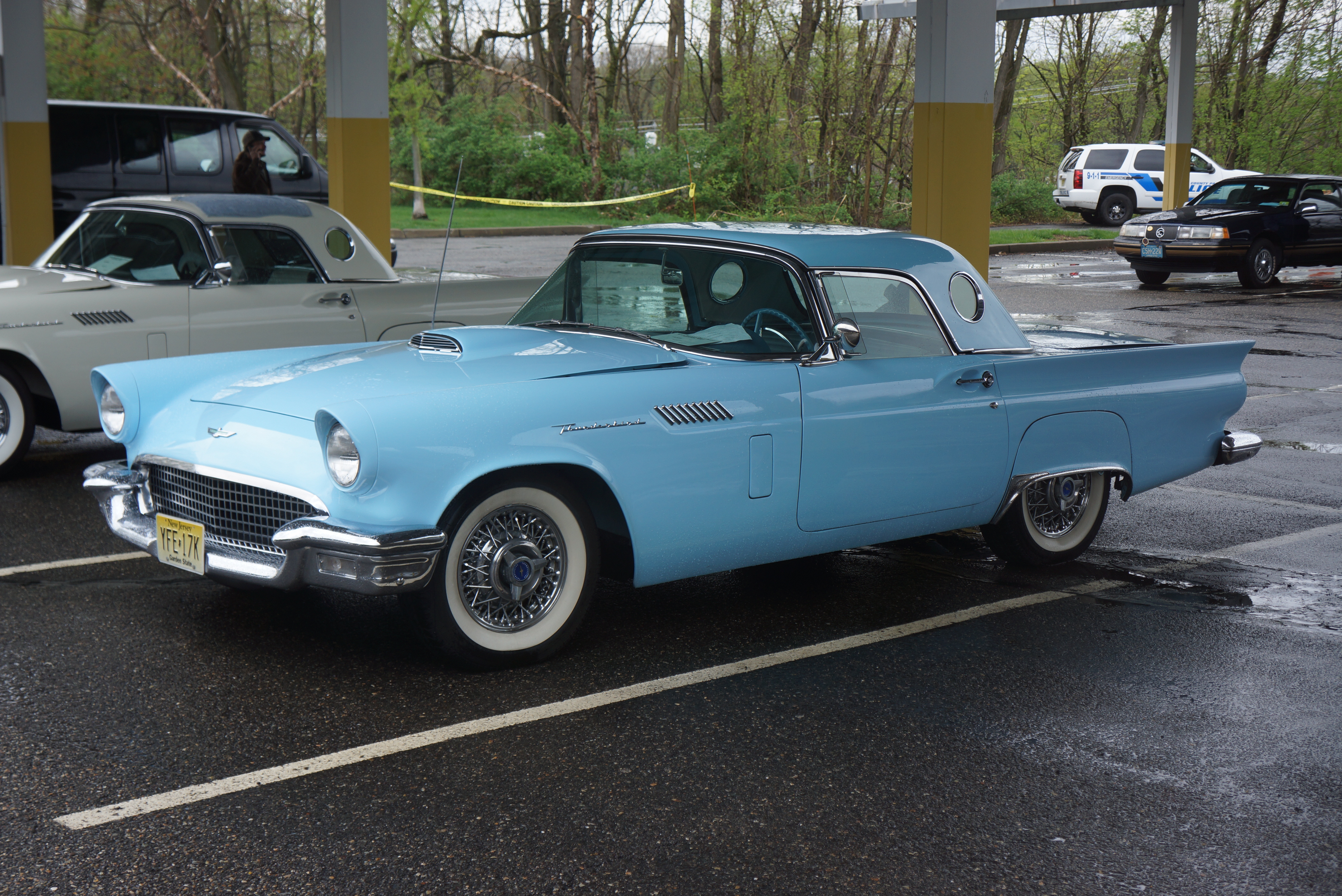
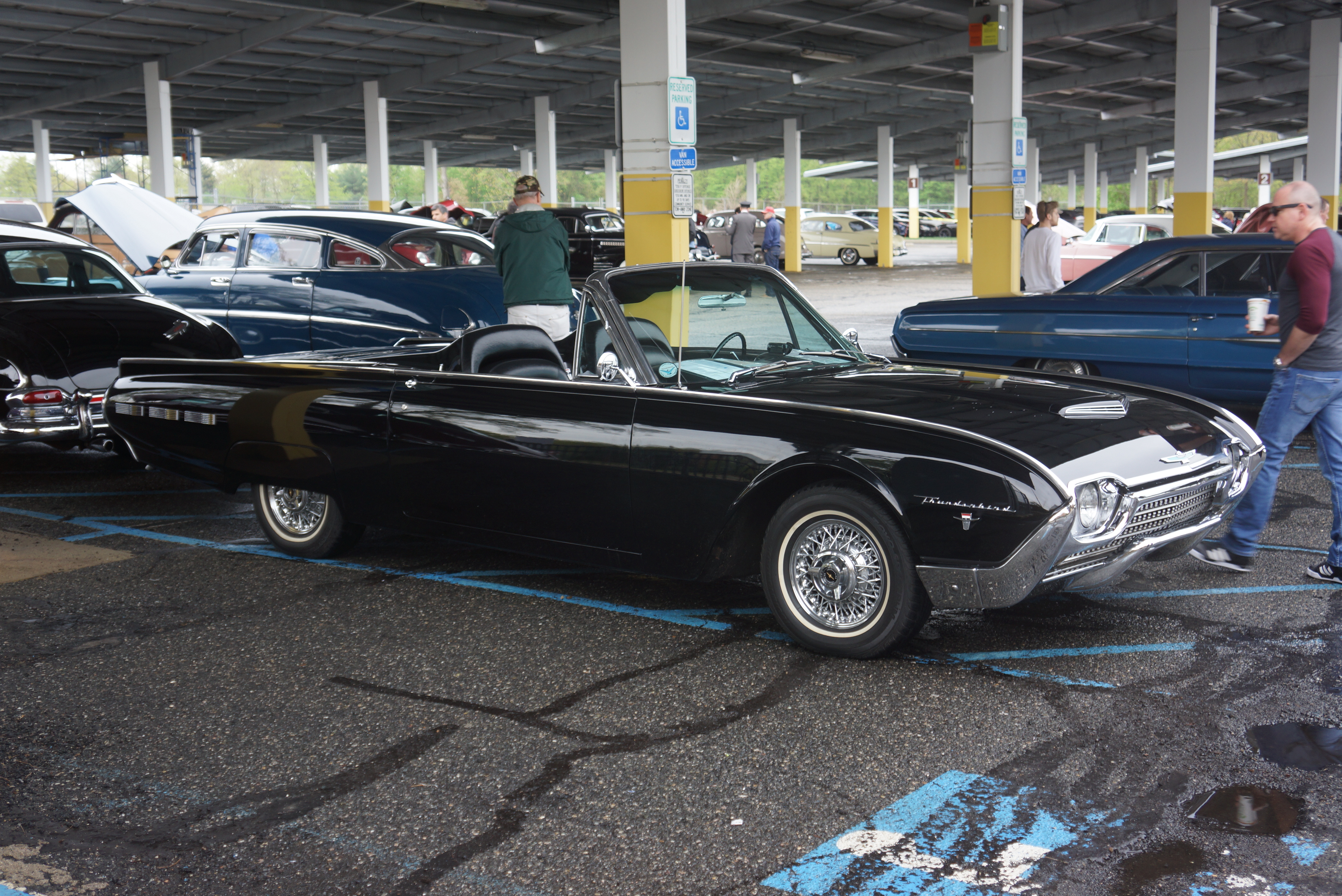
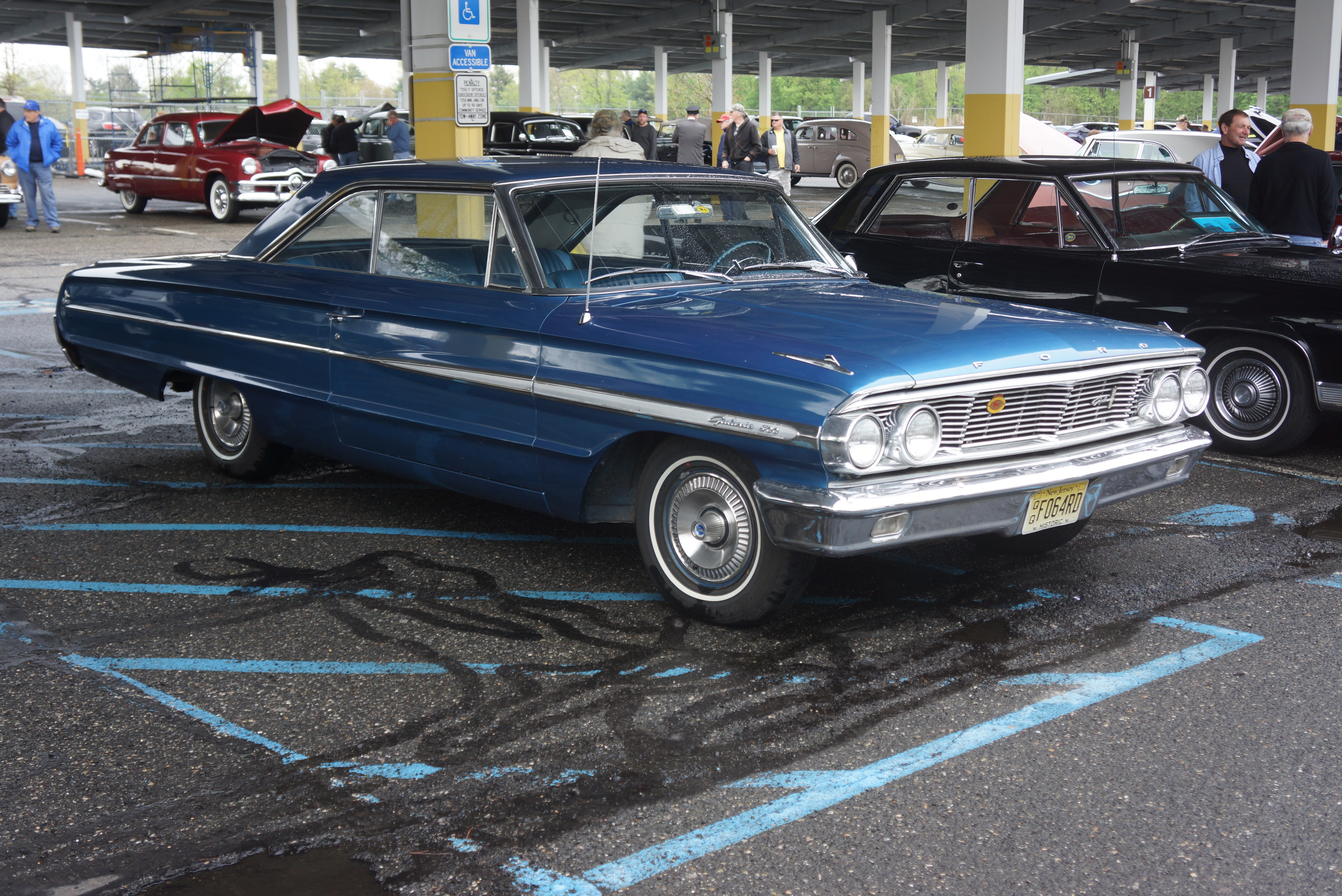
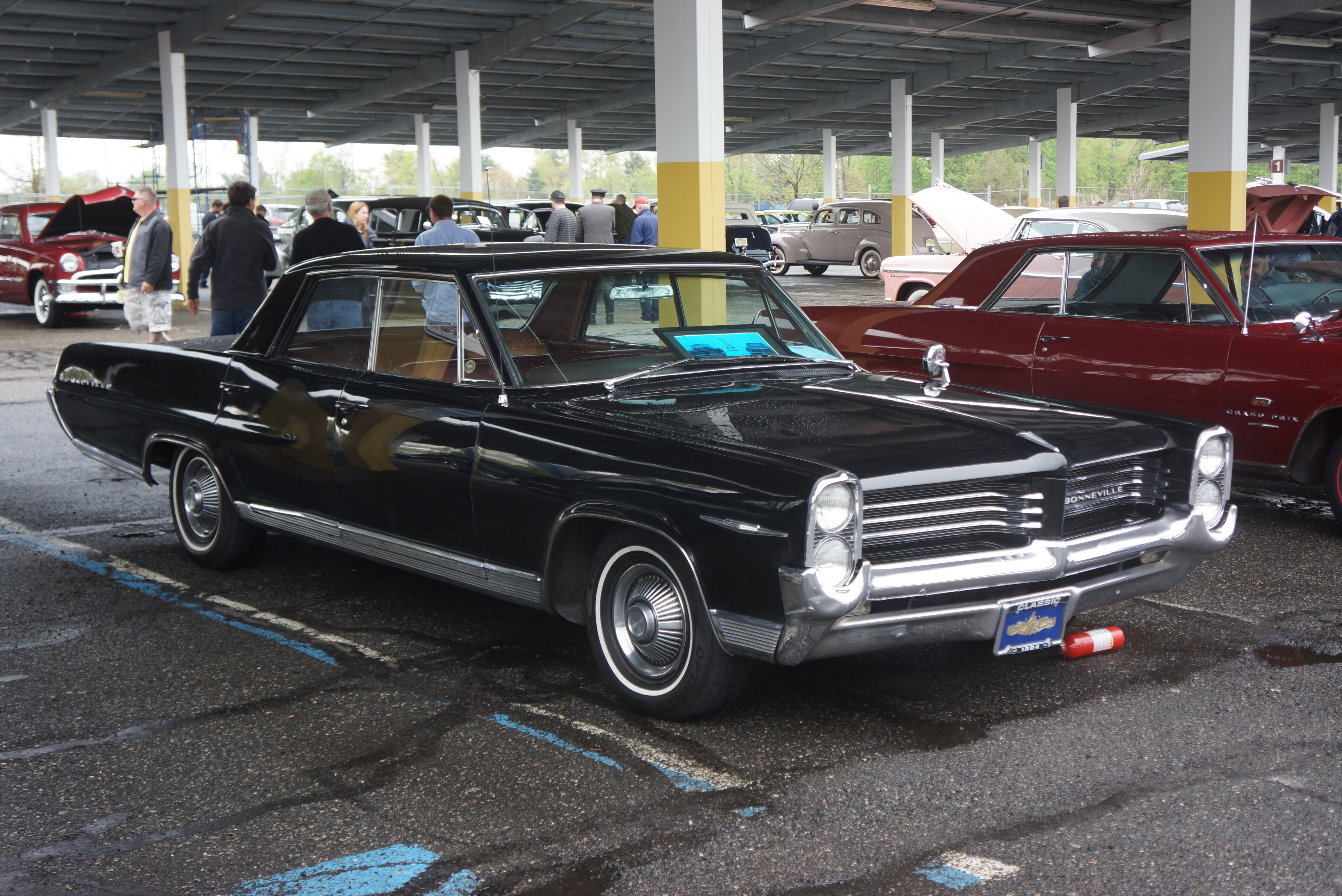
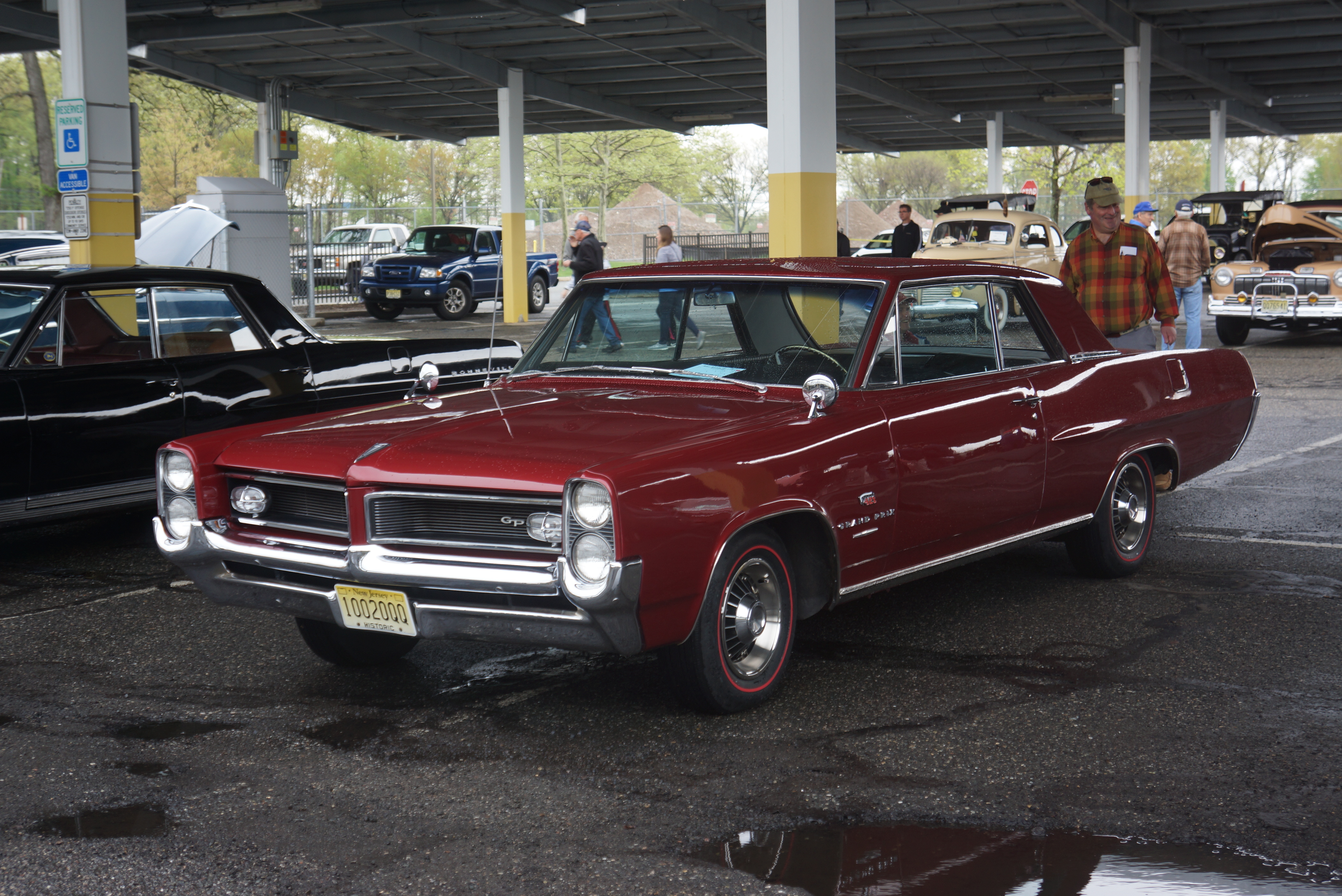
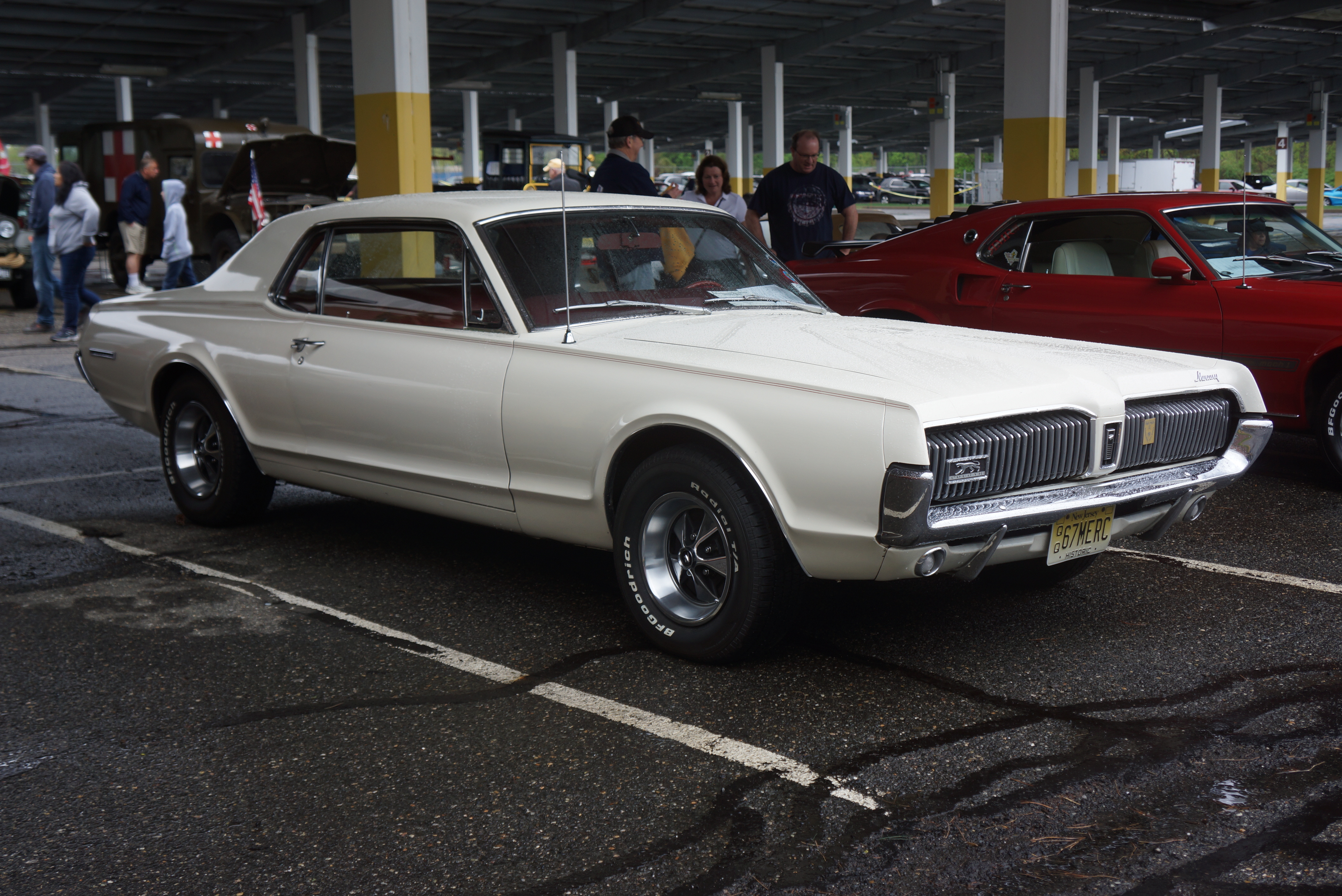
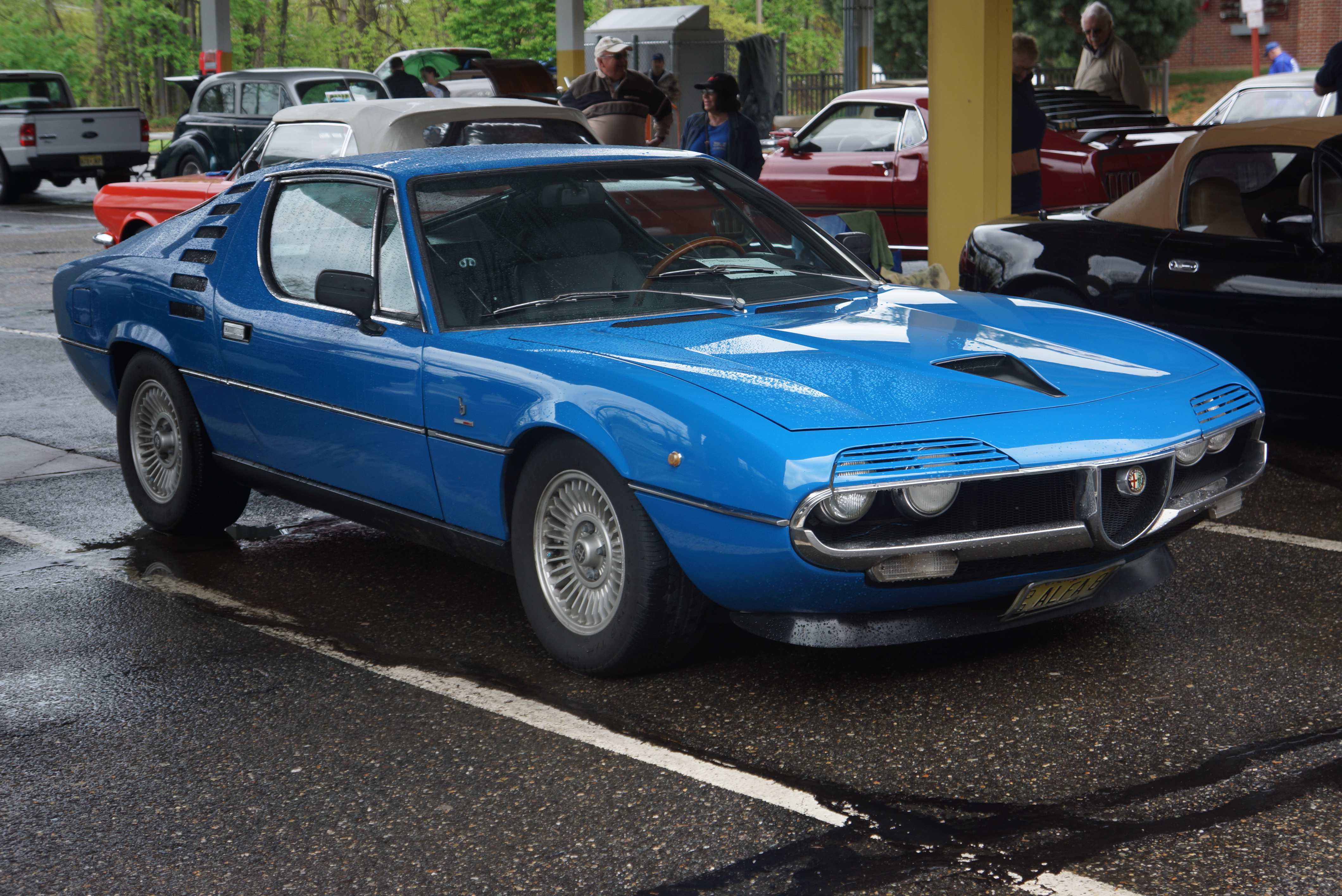
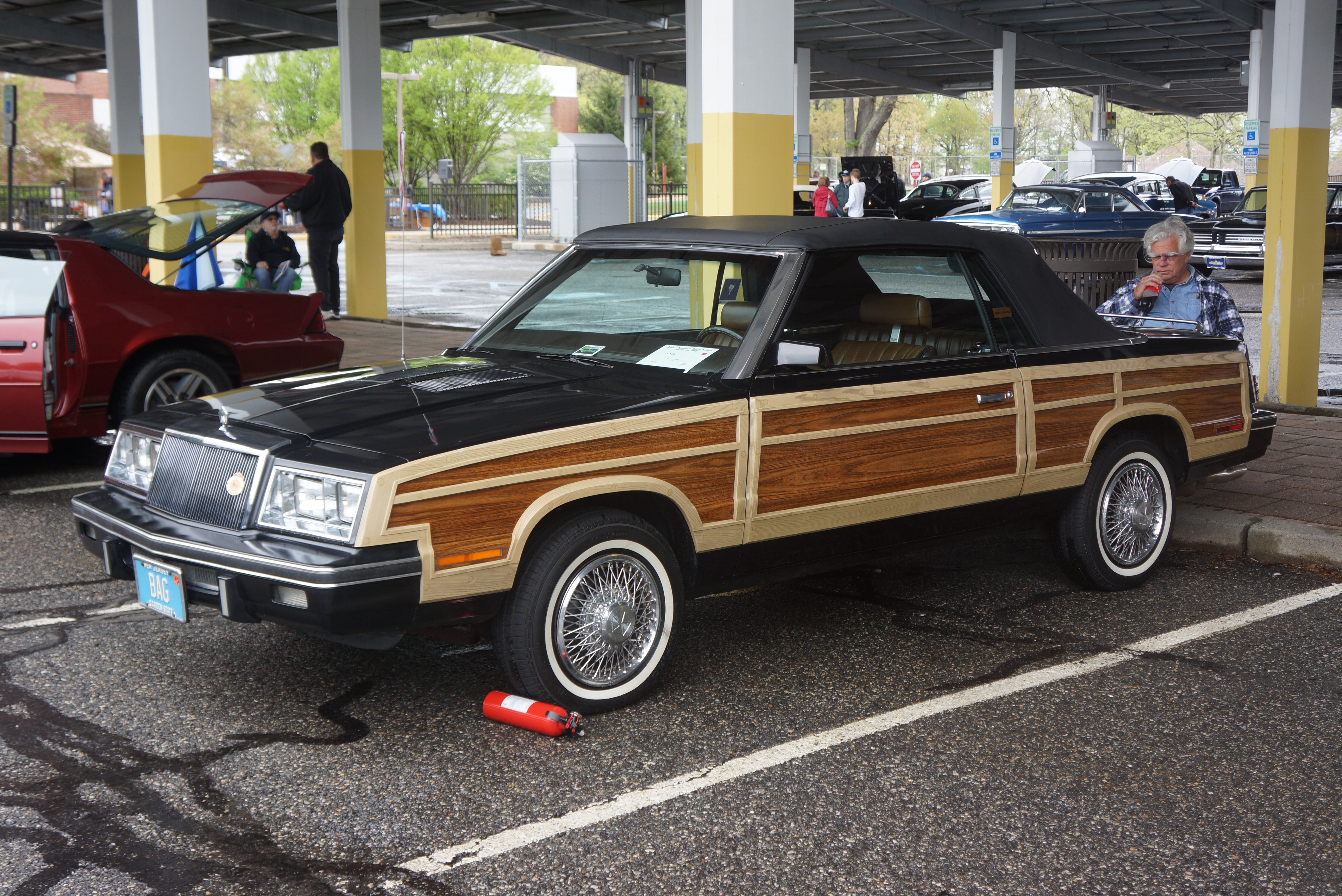
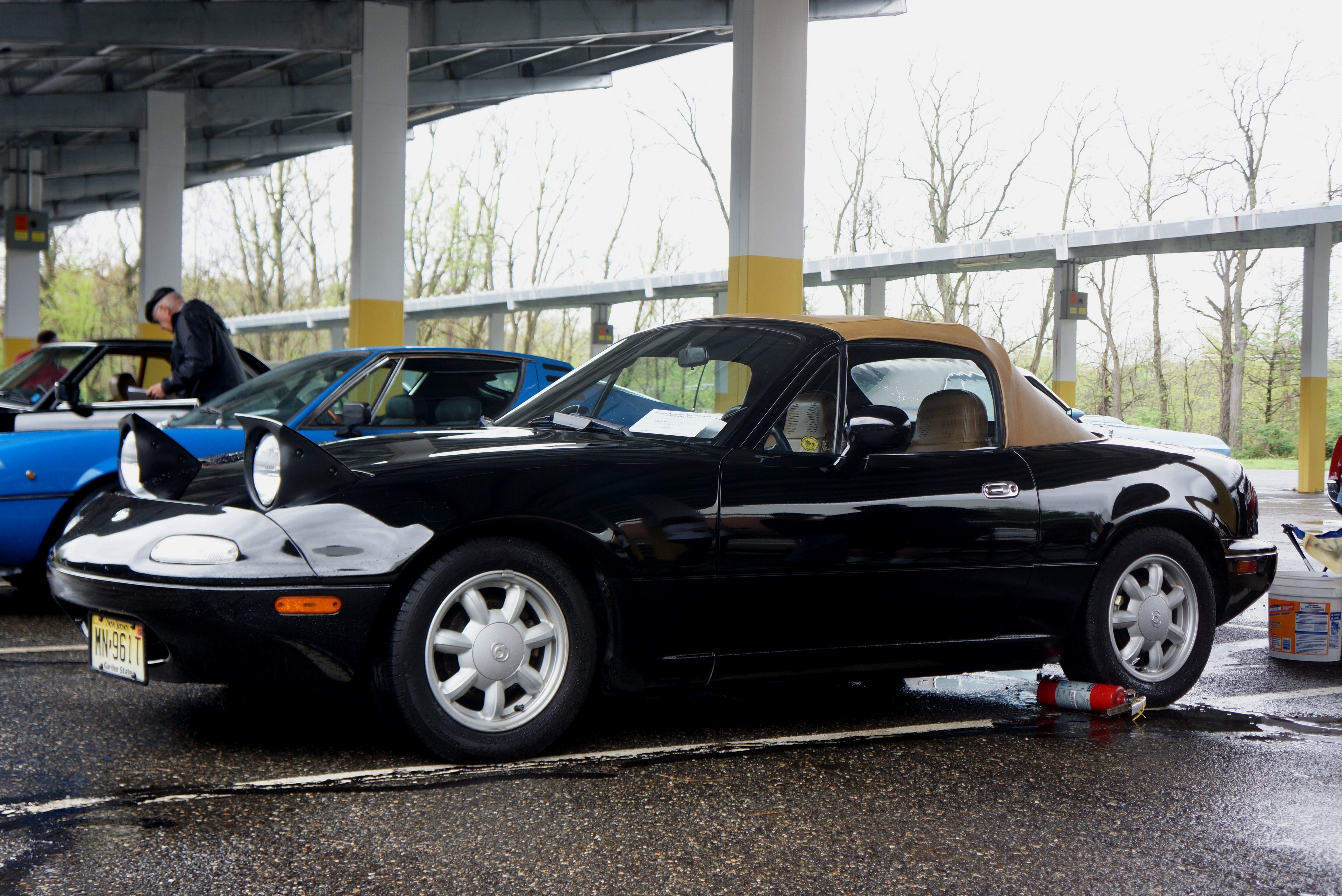
But it is about the cars, and we still had gorgeous vehicles (and their owners) braving the elements. Below is a selection of today’s cars arranged in model year order. Your scribe entered his 1993 Mazda Miata, which at 25 years of age this year, is officially allowed to enter AACA events. Its owner is also humbled to state that the Miata took first in its class (#13b, imported two-seater cars), and it was also awarded a Membership Trophy for “Best Unrestored Car, 1976-1993”.





































































 richardscarblog