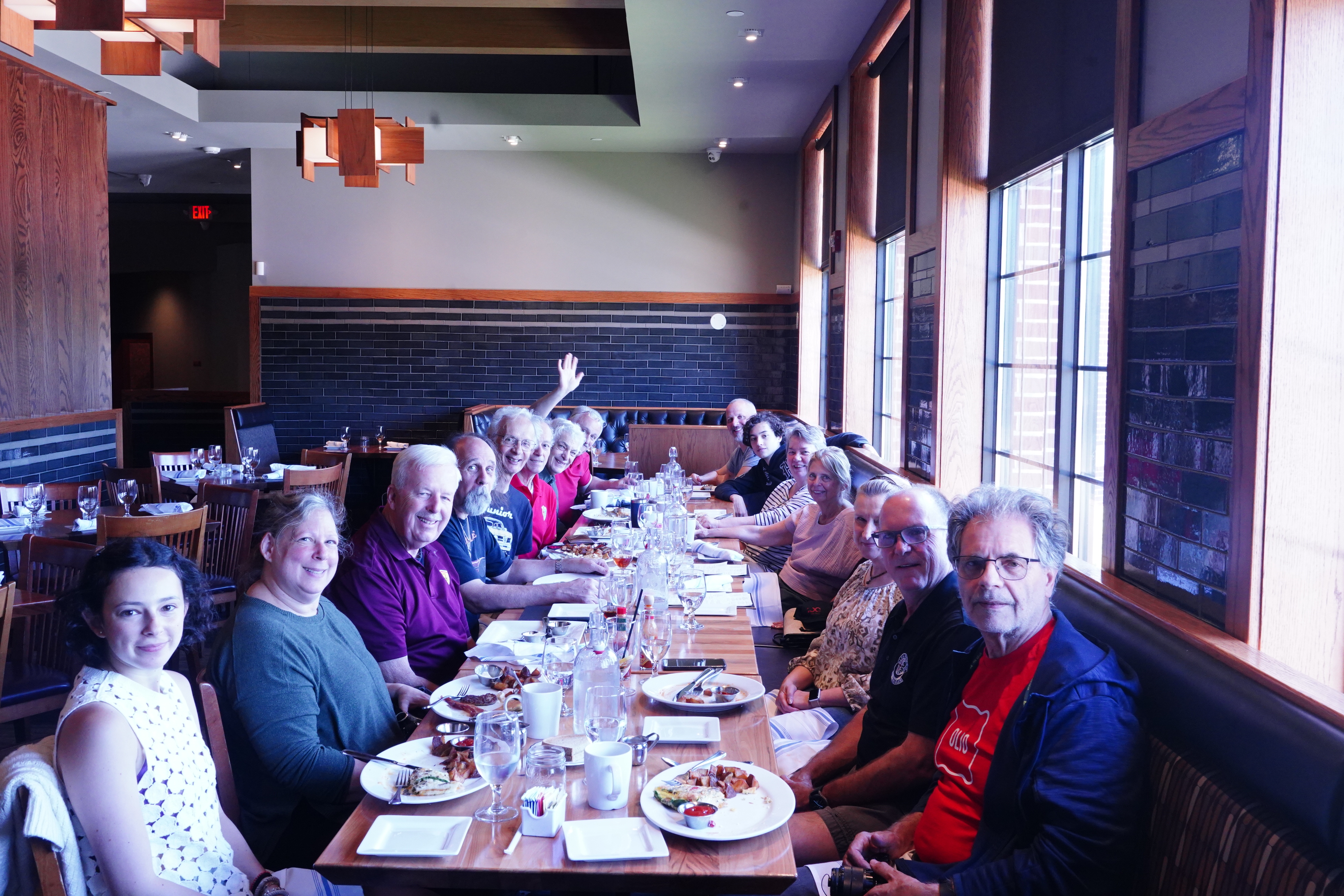
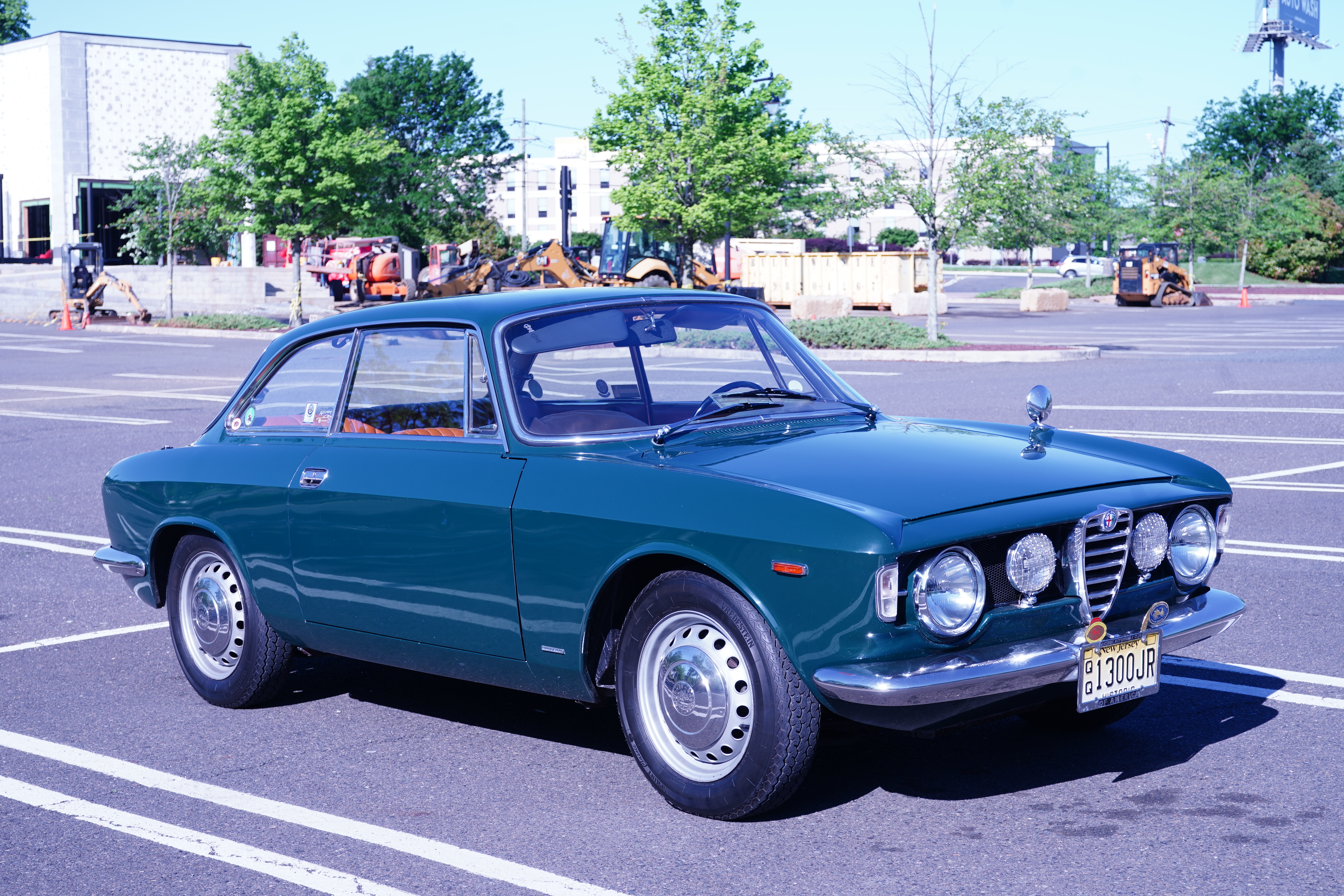
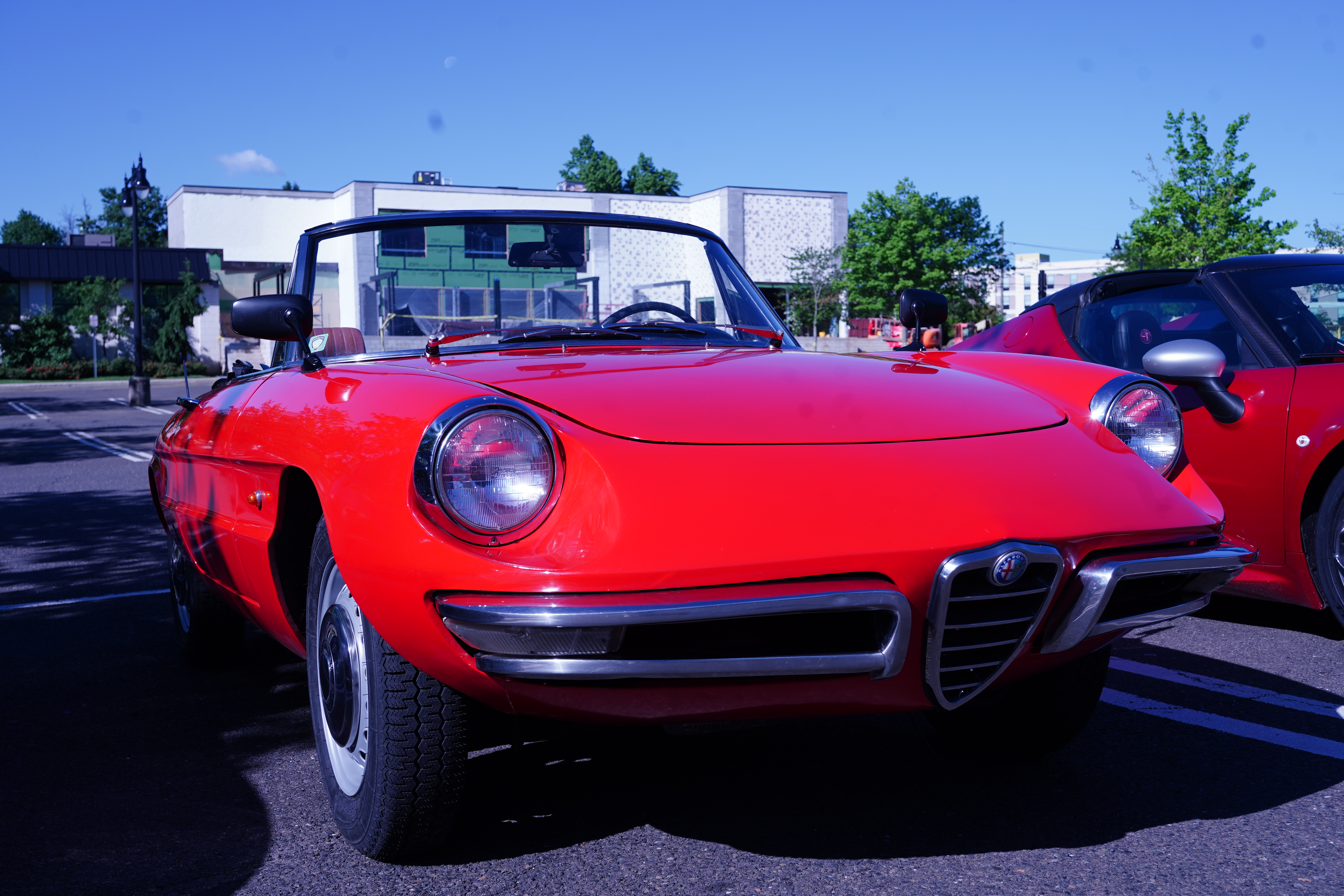
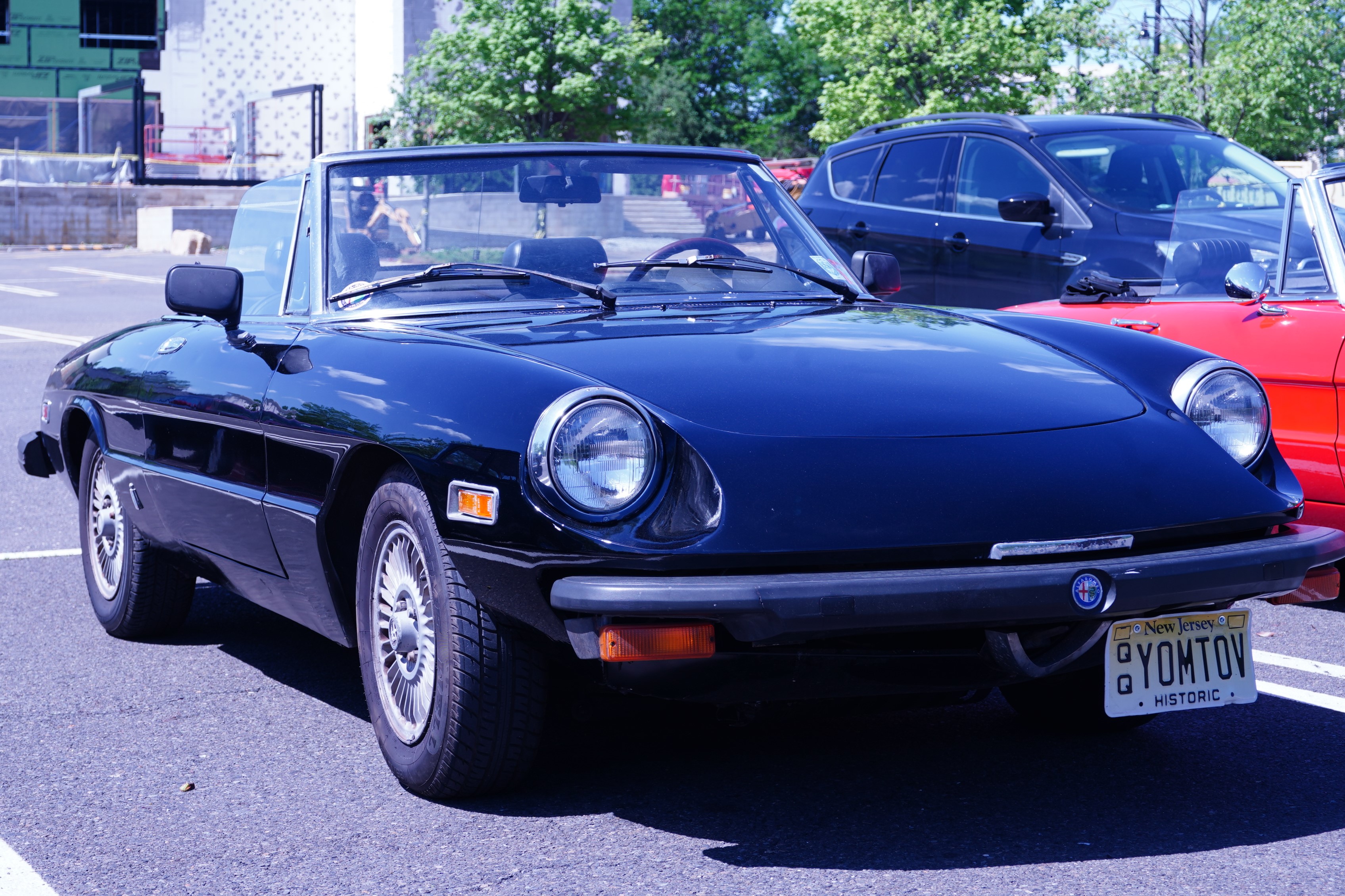
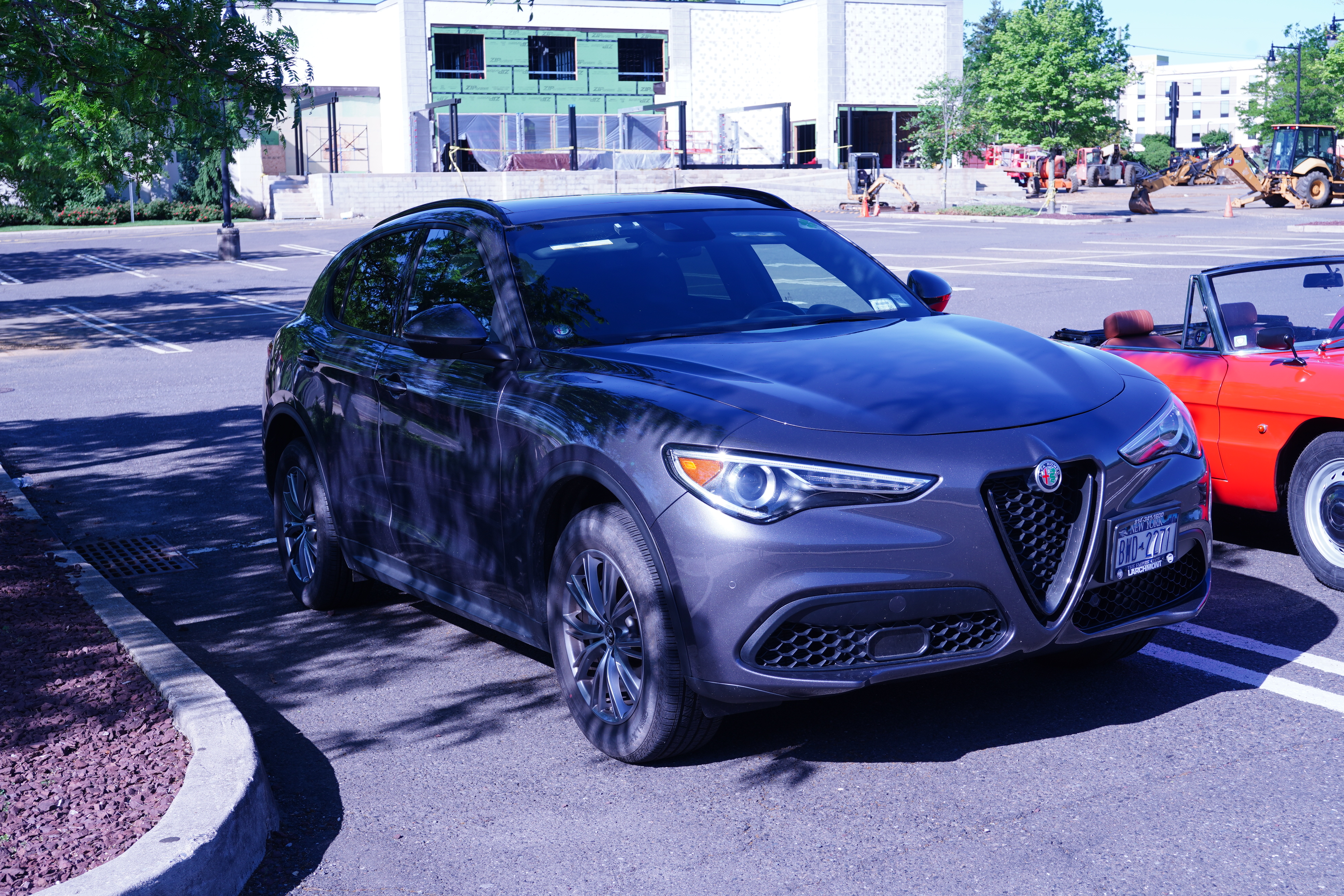
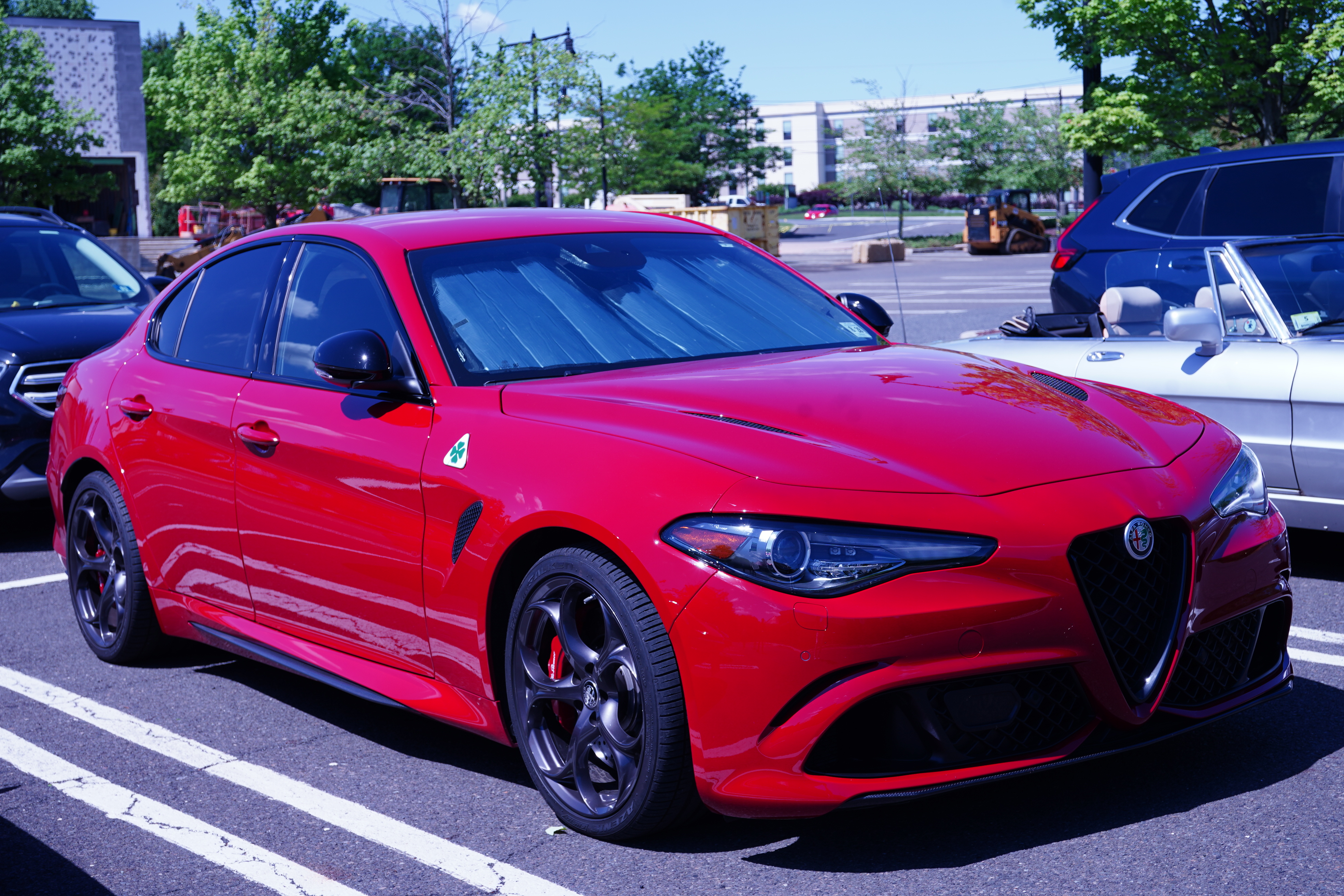
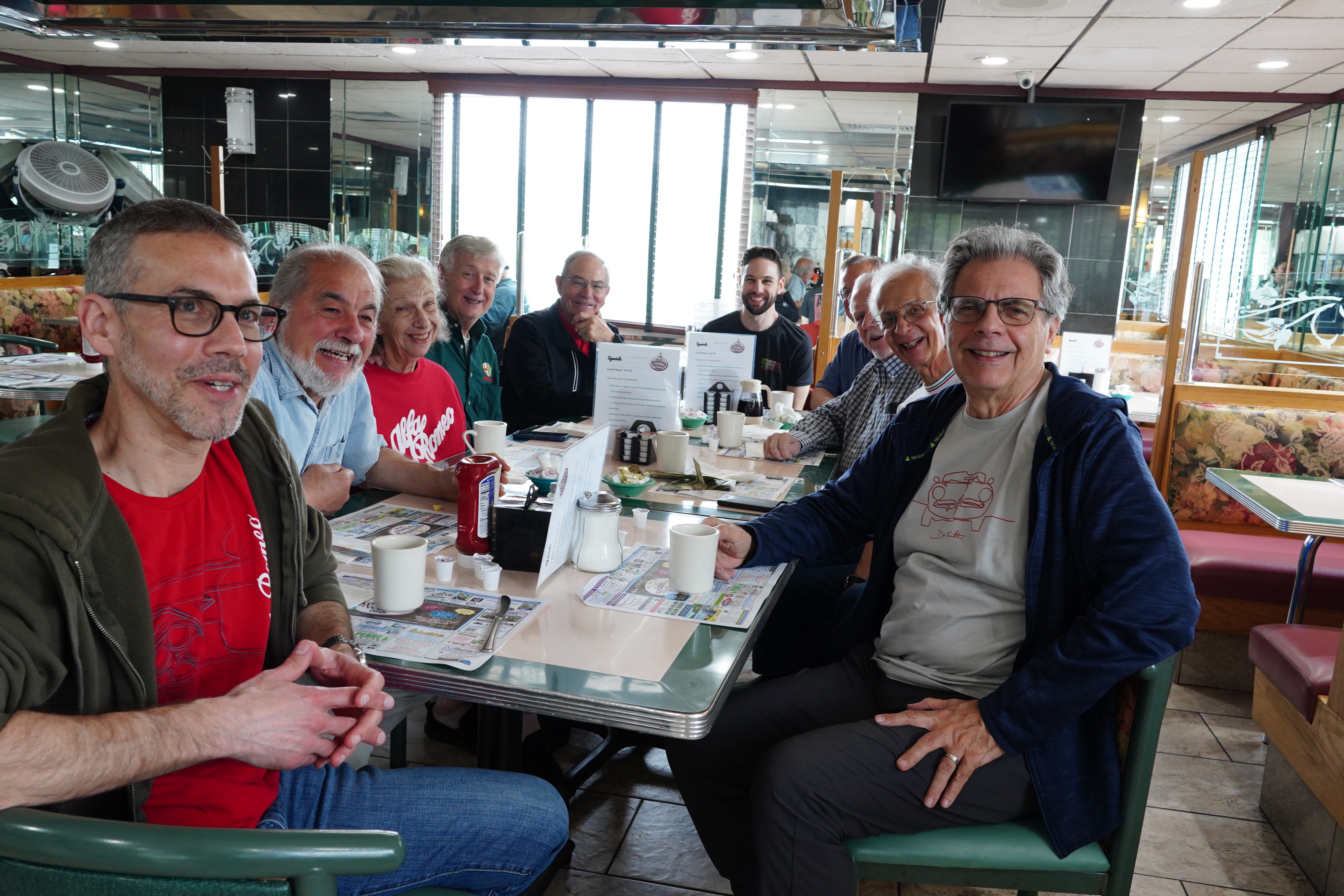
Beautiful Sunday morning weather on May 18, 2025, brought out fifteen Alfisti driving nine different Alfa Romeos to our monthly breakfast at Jimmy’s American Grill in Bordentown, NJ. Four classic Spiders, a Giulia coupe, and a Giulia sedan covered the pre-1994 segment, while a Giulia Quadrifoglio, a Stelvio, and a 4C represented the modern Alfas. I must hand it to the members of the NJ Chapter of the Alfa Romeo Owners Club (NJ-AROC): we own (and drive) a nice variety of Italian cars!
Jimmy’s doesn’t open until 9 a.m., so we hung out in the parking lot until about fifteen after the hour before entering. Once inside, we had plenty of choices from their brunch menu. The service was great, and as usual, we coerced our server into taking a few group shots of the table. After the bill was paid and we spilled back into the parking lot, conversations continued, as they tend to when car guys and gals are involved.
These monthly breakfasts are a great tradition that has been ongoing for well over a year, and personally, I would love to see greater participation from the club members. We purposely vary the diner location each month (we are presently rotating among four diners throughout the state) so no matter where a member might live, the opportunity to join us is there. It was also great to drive my ’67 GT 1300 Junior in nice weather. The car ran well, and I have at least three more events for this month alone, so I’m looking forward to more miles in that driver’s seat.
I thought about this again when in March, my wife and I hosted an AACA judging seminar at our home. My Alfa, standing in as a subject car for training purposes, was actually lauded for its “clean” engine bay. I know from attending numerous judging schools that AACA has high standards for engine compartments. Entering an AACA-eligible car in a national meet will ensure that several sets of trained eyes will focus on everything under your hood from firewall to radiator. While the average citizen defines “car detailing” as vacuuming the interior, waxing the paint, and cleaning the windows, AACA members know that in addition to those needs, the engine compartment must look like the day the car was driven off the new car dealer’s lot.
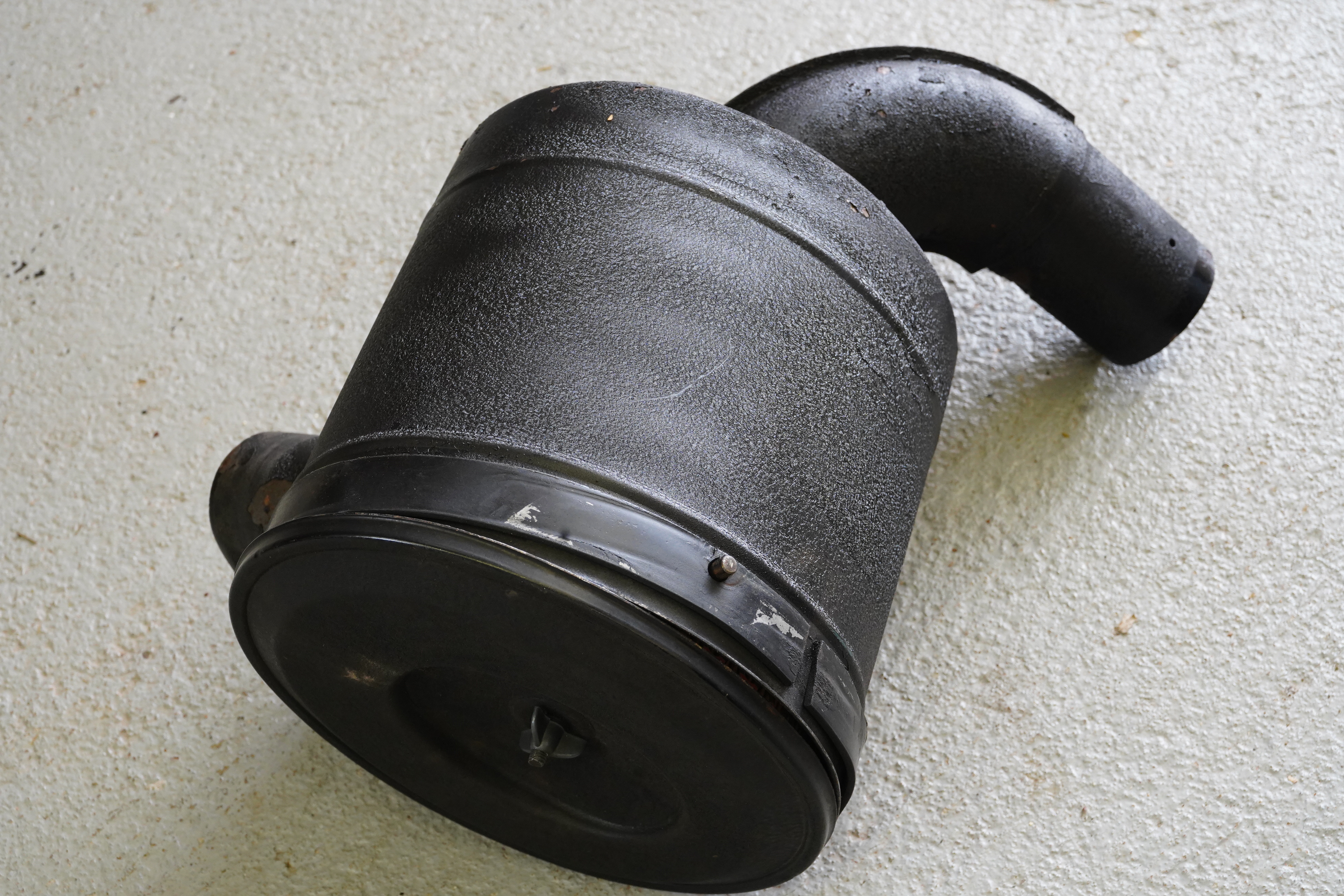
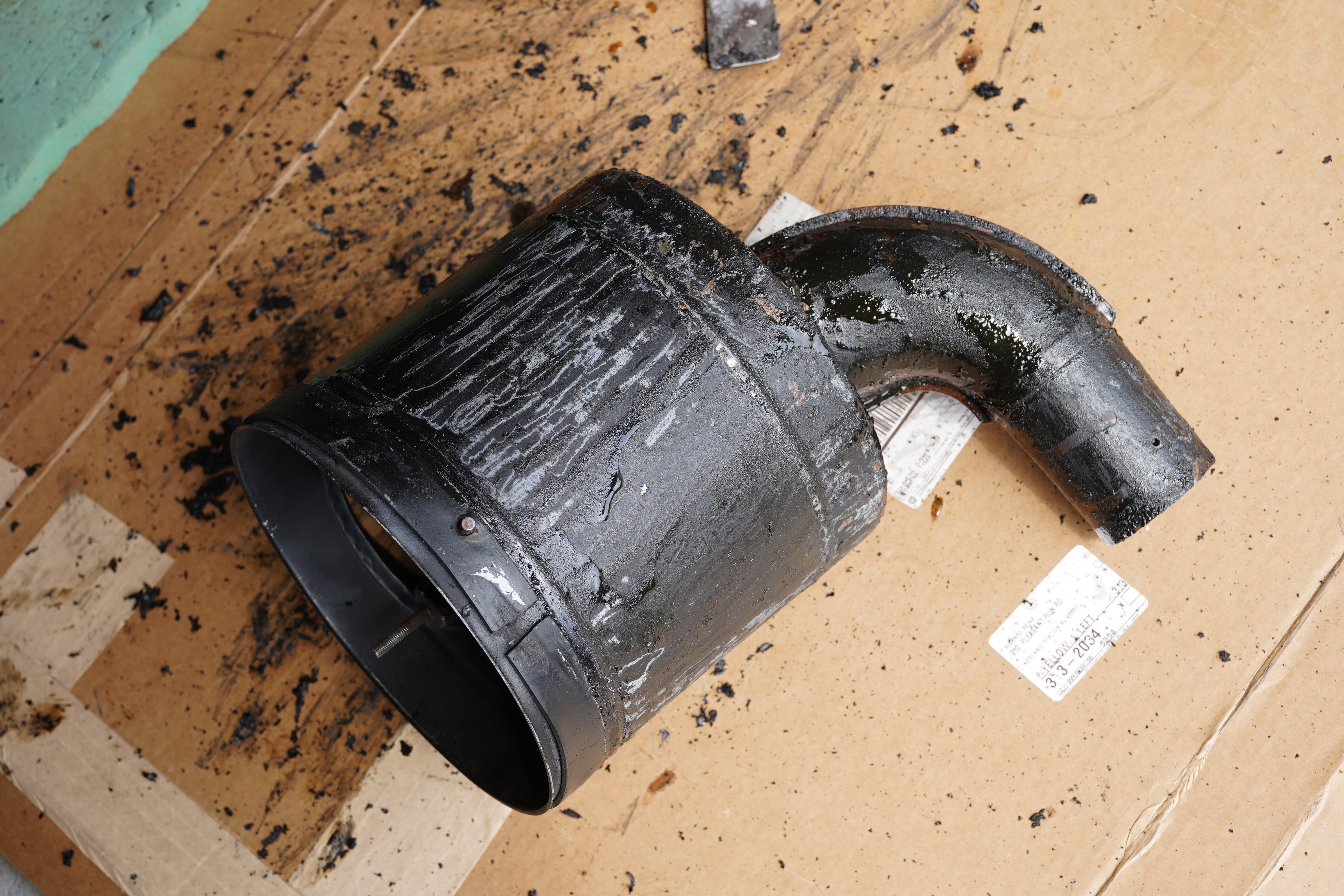
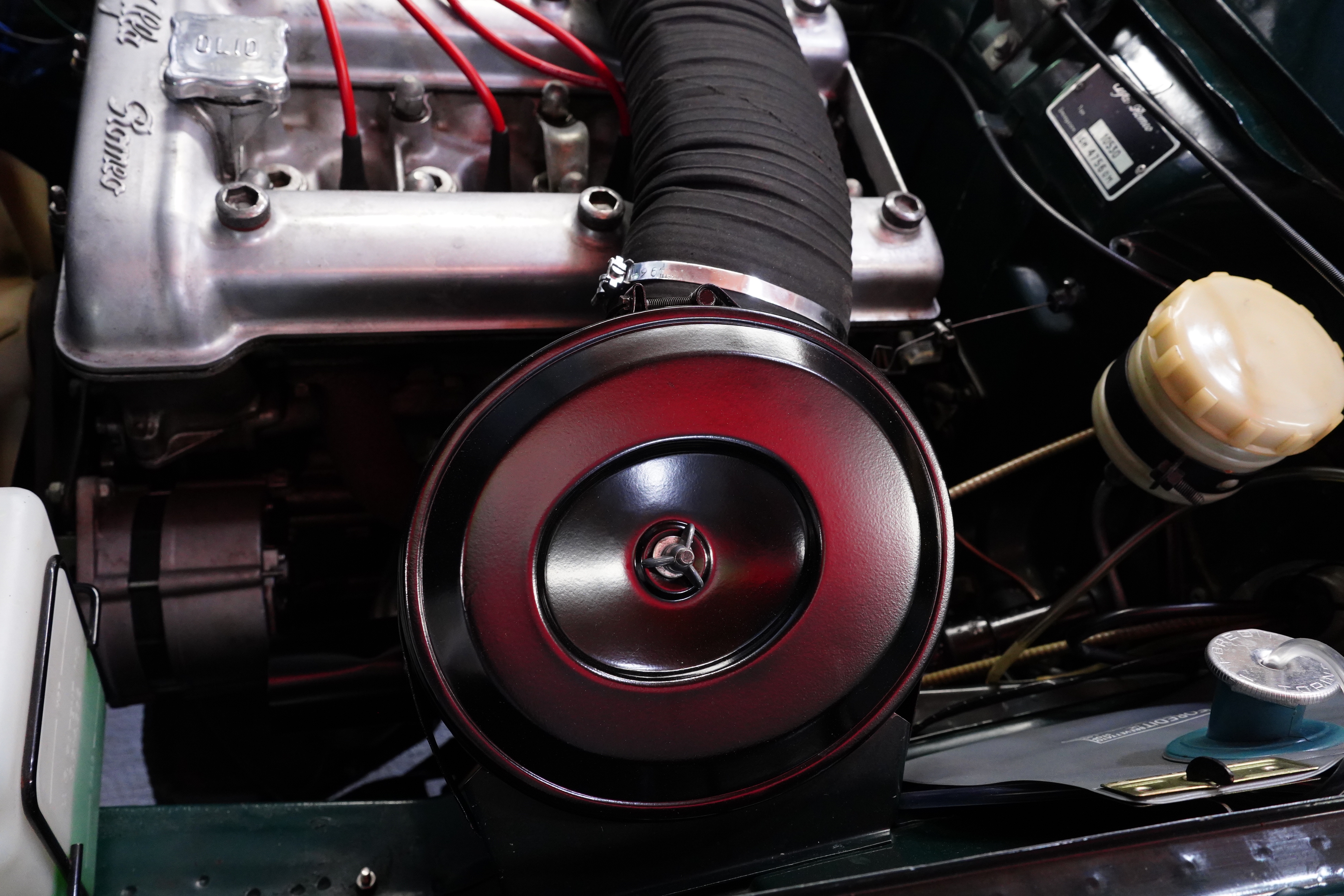
But I have accepted for too long that the Alfa’s engine and the bay within which it resides are “original, and therefore, not to be touched.” That has been changing, and most recently, my critical gaze fell up the quite unsightly air cleaner canister. It sits on the driver’s side of the car, over the exhaust manifold, and connects to the intake plenum via a rubber-and-cloth hose that passes over the valve cover. Mine is black, and it has been obvious to me since the day I took possession of the car that the canister had been repainted, possibly more than once, by a previous owner, most likely Pete, who owned the car from 1968 to 2013. To put it bluntly, the repaint was poor quality, with visible drips and runs. The black had also chipped off in several places. Frankly, it was one of the least attractive components under the hood. It was time to rectify that. Given that the canister had already been repainted at least once, I felt no qualms about stripping it down to the metal. There was nothing original to be saved.
Before I even removed the canister, I went to the national website of the Alfa Romeo Owners Club (AROC), where, as a member, I could access technical assistance. I emailed a Club volunteer who specializes in Alfas of the 1960s, and asked him what the air cleaner canister’s original finish looked like. He responded within twenty-four hours to say that the factory finished the canisters in semi-gloss black. (This was the first time I used this online technical service, and it’s a great perk of club membership.) Off to Lowe’s I went.
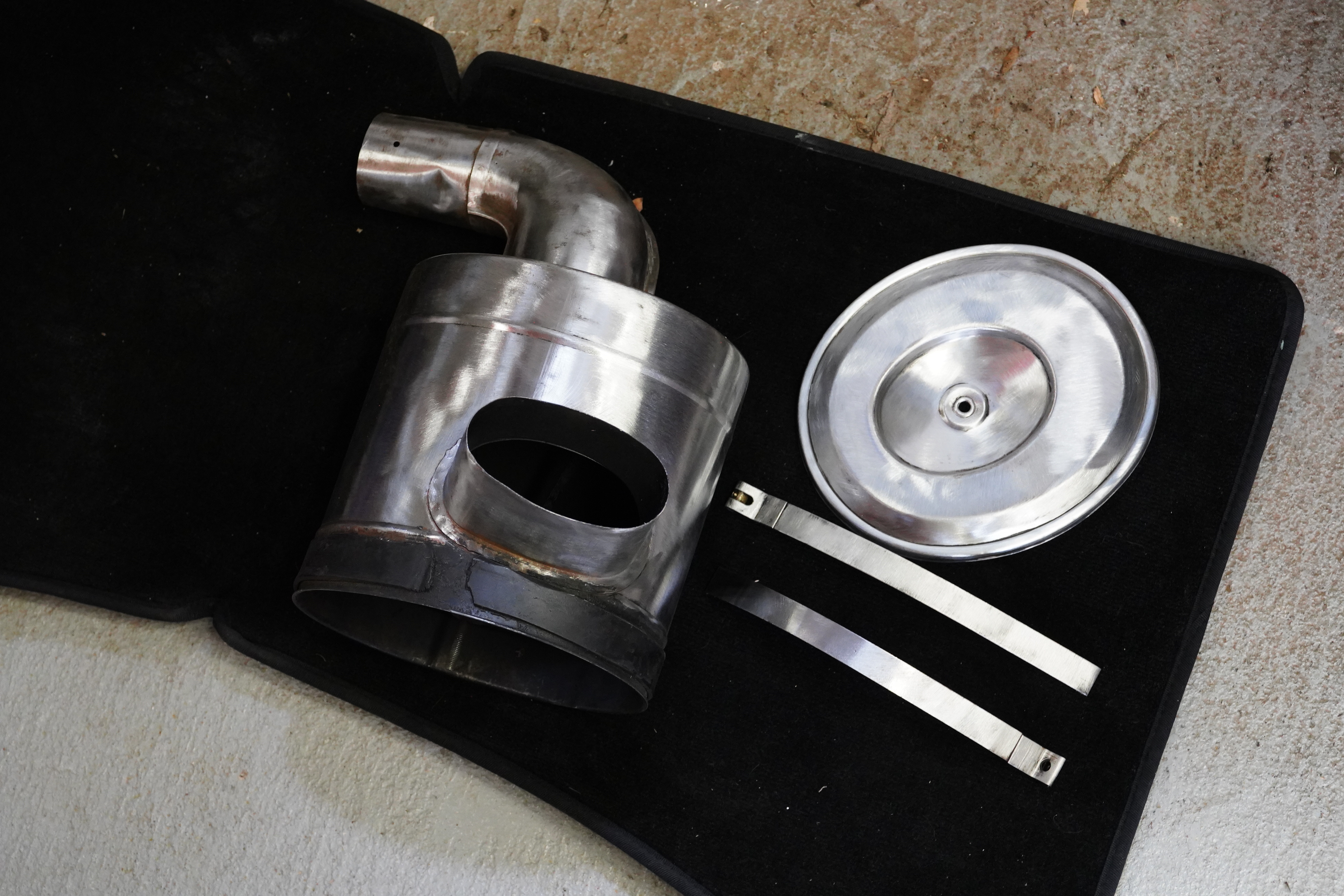
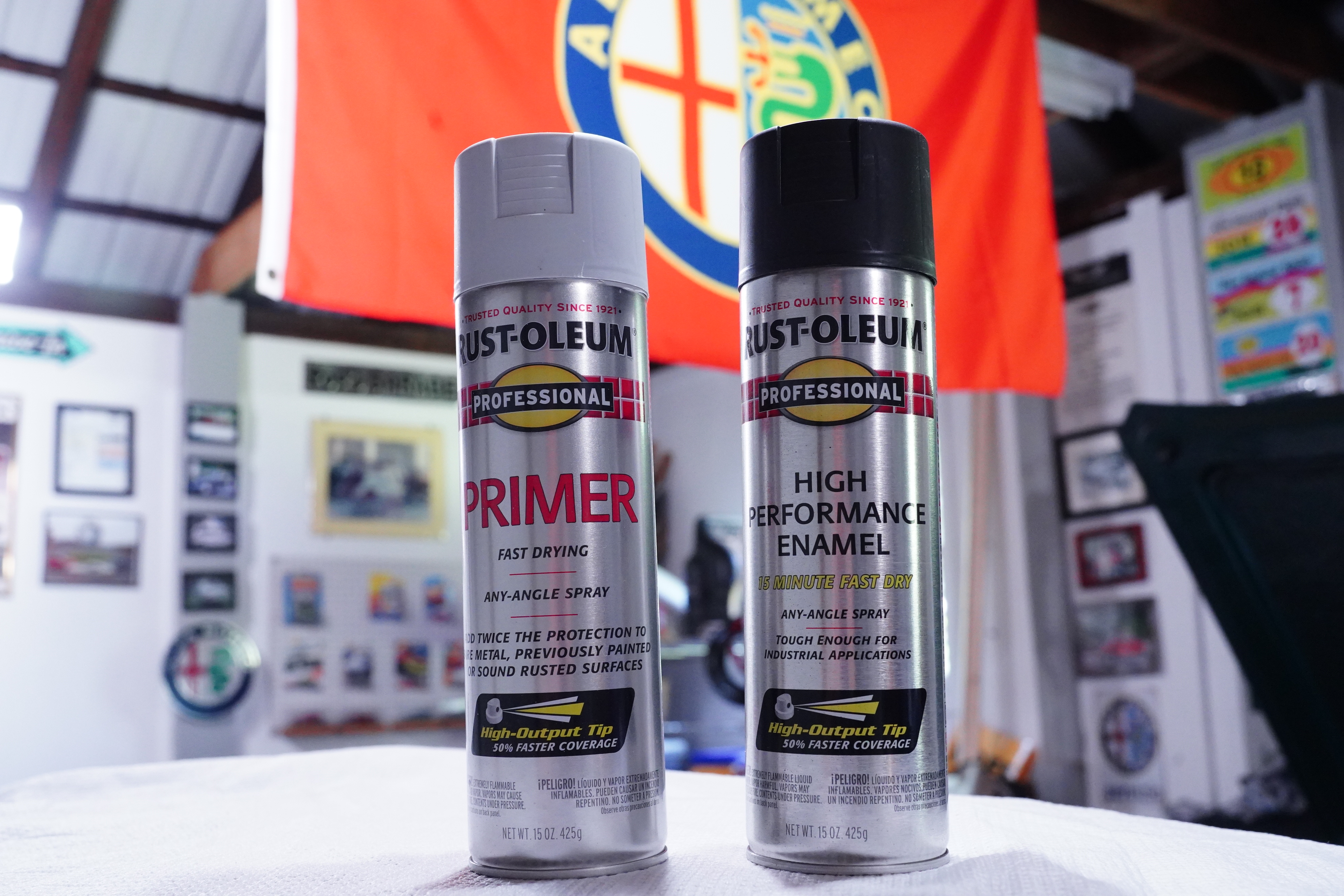
This was going to be a rattle-can job, which does not automatically mean “sub-standard.” I’ve had great success with the Professional line of Rust-Oleum spray paints, so I picked up a can of primer and a can of semi-gloss black. Out came the canister, which I doused with chemical stripper. Given the multiple coats of paint on the thing, this required several applications. Once I removed as much paint as possible with that method, I resorted to mechanical stripping with a 3M plastic abrasive wheel. The canister was down to bare metal, so I wiped everything with paint prep, and waited for a windless day to spray outside.
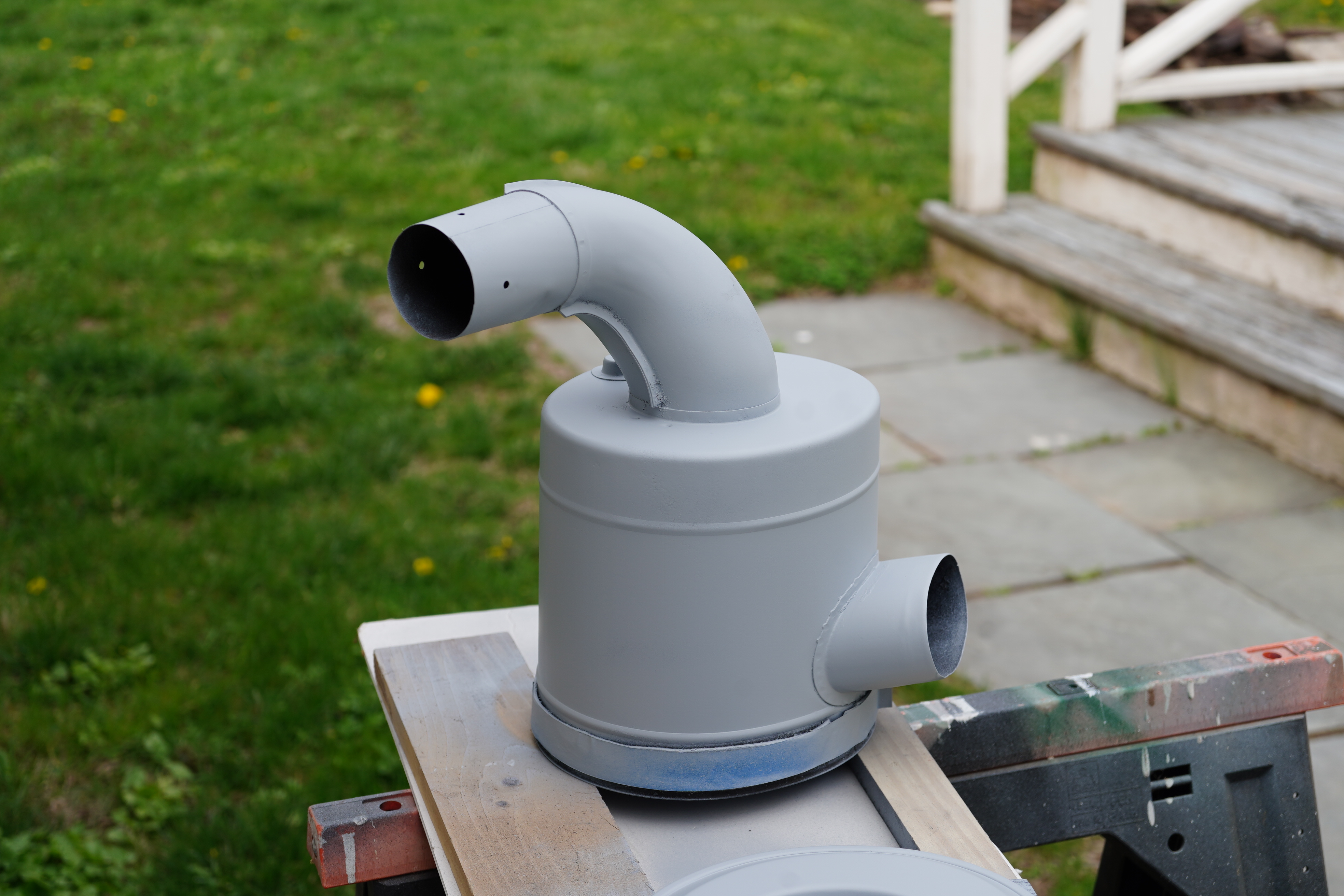
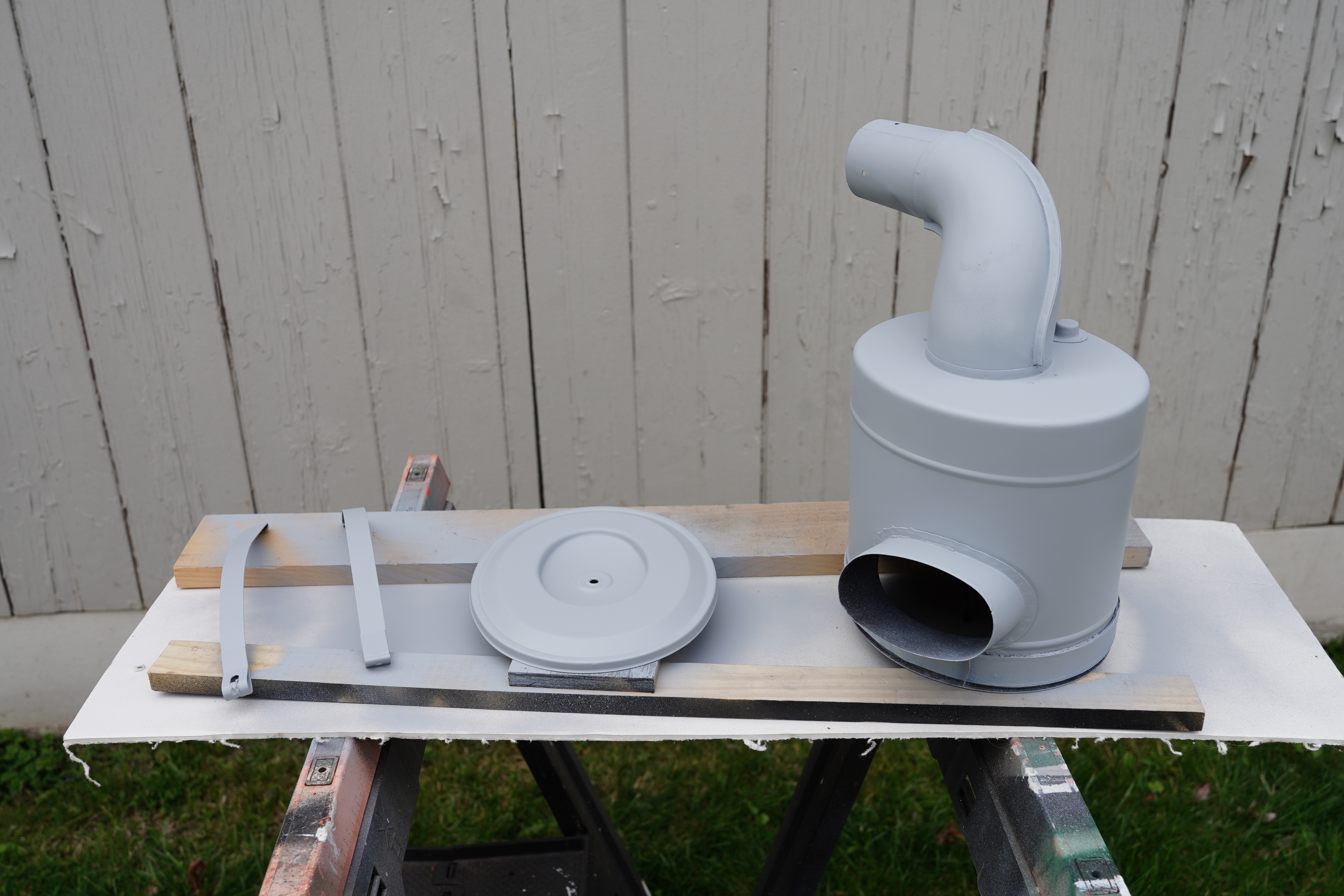
The primer went on smoothly and thoroughly, and it appeared that one coat would be enough. Next was the semi-gloss black, which had to be sprayed in stages as I rotated the canister for complete coverage. Two coats looked like plenty, and I saw no evidence of drips or runs. I gave the parts twenty-four hours to dry, and reinstalled the canister.
The improvement in the engine bay’s appearance was immediately obvious. If you look closely enough, you can probably tell that it was spray-painted, but to my eye, it looks sharp. My only concern, and it’s not a substantial one at the moment, is that exhaust manifold heat may cause the paint to flake. If it does, it will be the canister’s bottom, well out of sight of show-goers (and judges). If and when that happens, I’ll deal with it. In the meantime, a few hours of simple work, and $20 worth of hardware store paint, has yielded a nice upgrade to the Alfa’s engine compartment.
BEFORE
You can see the rough surface, runs, and paint chips throughout the component.
DURING
First, the chemical stripping.
The remainder of the paint was removed with the 3M plastic abrasive wheel.
The primer coat.
The top coat of semi-gloss black.
AFTER
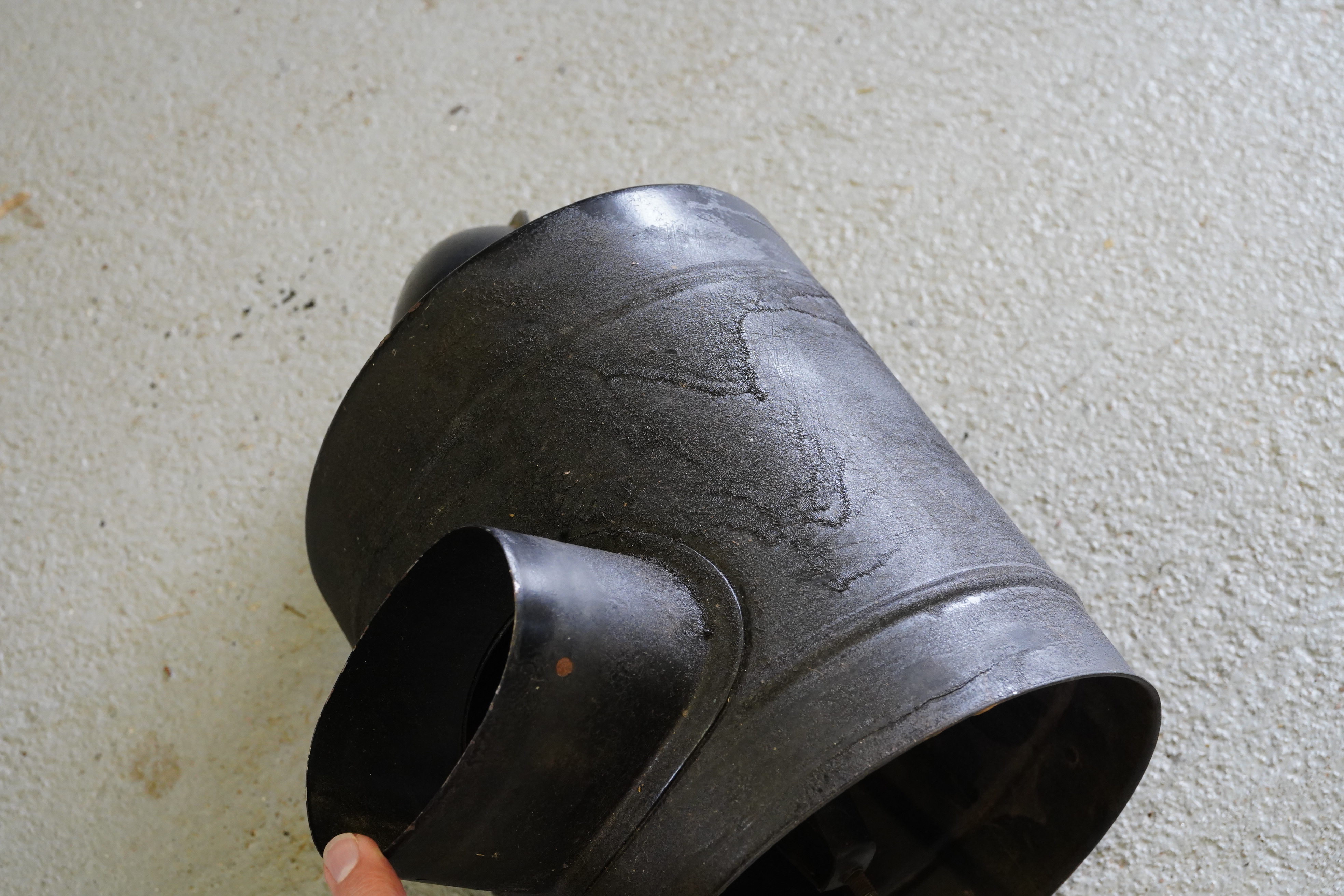
Once reinstalled, the canister looks much improved. For the most part, only the top lid is visible.
Which cliché do you prefer? “Wait ‘til next year.” “We can’t control the weather.” “The show must go on.” “It is what it is.” “This is how we’ve always done it.” Frankly, I am out of explanations why the NJ Region of the AACA continues to remain locked onto the first Sunday in May as the day for our biggest and only official car show of the year, and does not consider a rain date. A little background: for as long as anyone can remember, this show, formally called the Spring Meet, had been held in the vast parking lot of the Automatic Switch Company in Florham Park. There was an understanding that the lot was there for the club’s use every year. In fact, I knew of the show (colloquially called “Automatic Switch”) years before I joined AACA. But 2015 was our last year there, as the company shuttered operations in the U.S. and moved offshore.
The scramble was on for a new location, and the Mennen Arena in nearby Morristown, an indoor sports venue, was selected. One issue was that we would be sharing the lot with people attending events at the Arena. The lot also was completely covered with solar panels, seen as an advantage should it be hot and sunny, as the panels would provide shade. This brings up the next issue: We were at the Mennen Arena for four years, 2016, 2017, 2018, and 2019, and it rained every year. The panels became a source of water dripping on our cars and ourselves.
COVID meant no shows for 2020 and 2021, but for 2022, we had a new location: a school parking lot in Denville. It was sunny that year and we had a decent turnout, but the lot was not visible from any highway, and I think the club wanted the possibility of “drop-in” attendees and spectators from those who were driving by. In 2023, for the first time, we used a car dealer’s lot. Nielsen Dodge on Route 10 in East Hanover agreed to host, which meant that dealer personnel spent all of Saturday evening moving cars from their front lot to provide room for us. The weather that year was sunny, and we had a such a good show that all parties agreed to return for 2024, which may have been the wettest Spring Meet I’ve ever attended. For 2025, the Nielsen franchise wanted to share the wealth, so they offered us the lot at their Ford dealer in Morristown (which is not located on a major thoroughfare). That show was yesterday, May 4, 2025, and it rained again.
Nielsen Ford hosted this year
I heard an unofficial count of 33 show cars on the ground (including my Alfa, which I drove in the wet last year as well). In its heyday at Automatic Switch, I was told that the Region could regularly attract over 200 cars. The lower turnout can also be partially attributed to competition from an increased number of local car shows, and I will cite a lack of venue consistency (The Ford dealer is the fourth different locale in the last ten years) which may keep non-members and spectators away. Still, there cannot be anyone involved with the NJ Region who sees this as a successful trend. My personal suggestion would be to find a lot that does not involve moving automotive inventory, and schedule the show for a Saturday, with the following day as a rain date. There will be a postmortem at our June meeting. It should be an interesting discussion.
By mid-morning, some rows were filling in
Let me bring up some happy news about this year’s show. Regional members who volunteered to work the event were there in droves. I want to especially call out Chairperson Pete, Registration Chair Vince, Chief Judge Craig, Sarah at Registration, Trophy Chair Jerry, all 16 (!) volunteer judges, and the Admin Team who tallied the results. There were many other helping hands. The conditions on the ground did nothing to dampen the effort and enthusiasm they brought to the day.
Oh, and there were cars! I dodged raindrops to photograph as many as I could. Scroll down below to see the vehicles driven to the event by the brave souls who refused to let a little moisture dissuade them from participating.
PRE-WAR
1934 LaSalle
1936 Packard
1936 Chevrolet
1932 Dodge
1930 Ford Model A
MUSTANGS
1997 Mustang
1969 Mustang
1965 Mustang
EUROPEAN
Triumph TR6Triumph Stag
Ford Fiesta
My friend Andy next to his BMW Z4
My 1967 Alfa Romeo
CADILLACS
1973 Eldorado
1965 Eldorado
1973 Coupe DeVille
2014 CTS V Wagon
FIFTIES
1956 Fprd
1957 Dodge
MODIFIED MUSCLE
1961 Chevy Impala
1973 Plymouth Road Runner
THE REMAINDER
1995 Chevy Cavalier
1978 Ford Granada
1971 Continental Mark III1986 Chevy Camaro2000 Pontiac Grand Prix
The NJ Chapter of the Alfa Romeo Owners Club (NJ-AROC) returned to the Spinning Wheel Diner in Lebanon, NJ on Saturday, April 26 for its monthly breakfast. A total of ten Alfisti happily gathered for chow, coffee, and conversation. The weather could have been better (we could say that about the entire month of April), but two brave souls still drove their classic Alfas, while several modern Milanese macchine rounded out the collection in the parking lot. (Yr hmbl svt failed to photograph any vehicles, mea culpa.)
Better weather is on tap as we head into May. Bill reminded the audience that Somerville has responded in the affirmative to our request for special parking for the May 30 cruise night. We will have additional opportunities to exercise our steeds throughout the spring and summer. Meanwhile, these monthly breakfasts continue to provide a wonderful way for a group of enthusiasts with a common interest to enjoy each other’s company.
I have been attending auctions at Carlisle for over ten years (my oldest post covered the April 2015 event), which makes for plenty of observations about the comings and goings. I’ve always found the smaller and somewhat friendlier structure to be inviting, as the event has a “mom & pop” feel to it. Sometimes that’s good, and sometimes it’s not, and I felt that in 2025, it didn’t go so well for Carlisle Productions.
The calm before the storm
This year, the Spring Auction was held on Thursday and Friday, April 24 and 25. It was one of the more disappointing outings, especially based on the sell-through rate. I personally recorded 81 cars crossing the block on Thursday, and an additional 121 vehicles on Friday. On both days, the sell-through percentage was 45%, possibly the lowest I’ve seen anywhere. (By comparison, other auctions I’ve attended through the years have had sell-through rates between 60 and 90%.) A successful auction requires three elements: quality consignments, reasonable reserves, and a motivated room full of bidders. In general, I found the quality of the cars on the ground was poorer than in previous years. Very few cars were labeled “No Reserve,” and based on high bids, I felt that owners’ reserves were unreasonably high. Nevertheless, some cars did sell, and below I report on fourteen which did, plus another four cars of interest which did not meet reserve.
A few select cars are displayed inside
Carlisle allows the consigners to set their own reserves. I personally don’t think that is healthy, because almost always, the owner has an unreasonable expectation of their car’s value. At Carlisle, the auctioneer will sometimes announce the reserve if the car doesn’t meet it. Some examples: a BMW “Alpine” was bid to $20k, with a $30k reserve; a Ford Falcon restomod wagon was bid to $9k with a $20k reserve; a 2012 Mustang Shelby was bid to $37k with a $46k reserve; and a Dodge Super Bee was bid to $65k with a $80k reserve. The point I’m trying to make with these examples is the large gap between high bid and reserve. If the gap was within 10% perhaps, there would be room to negotiate a close. That is a much more challenging prospect with these large gaps.
Other observations: cars sometimes crossed the block out of lot number order; more than once, the auctioneer lost track of where the high bid was; on one occasion, the auctioneer misread the reserve price and mistakenly declared that the reserve had been met when in fact it had not; and too often, the car’s owner was not present so the auction team was unable to determine if the high bid would be accepted. If I had been an active bidder in any of these situations, I would have been frustrated. Let’s hope these were one-off issues which will not become the norm.
As we’ve done for years on Richard’s Car Blog, the sold cars are arranged in HAMMER PRICE ORDER, so that you can better gauge what your money could buy for you.
SOLD LOTS
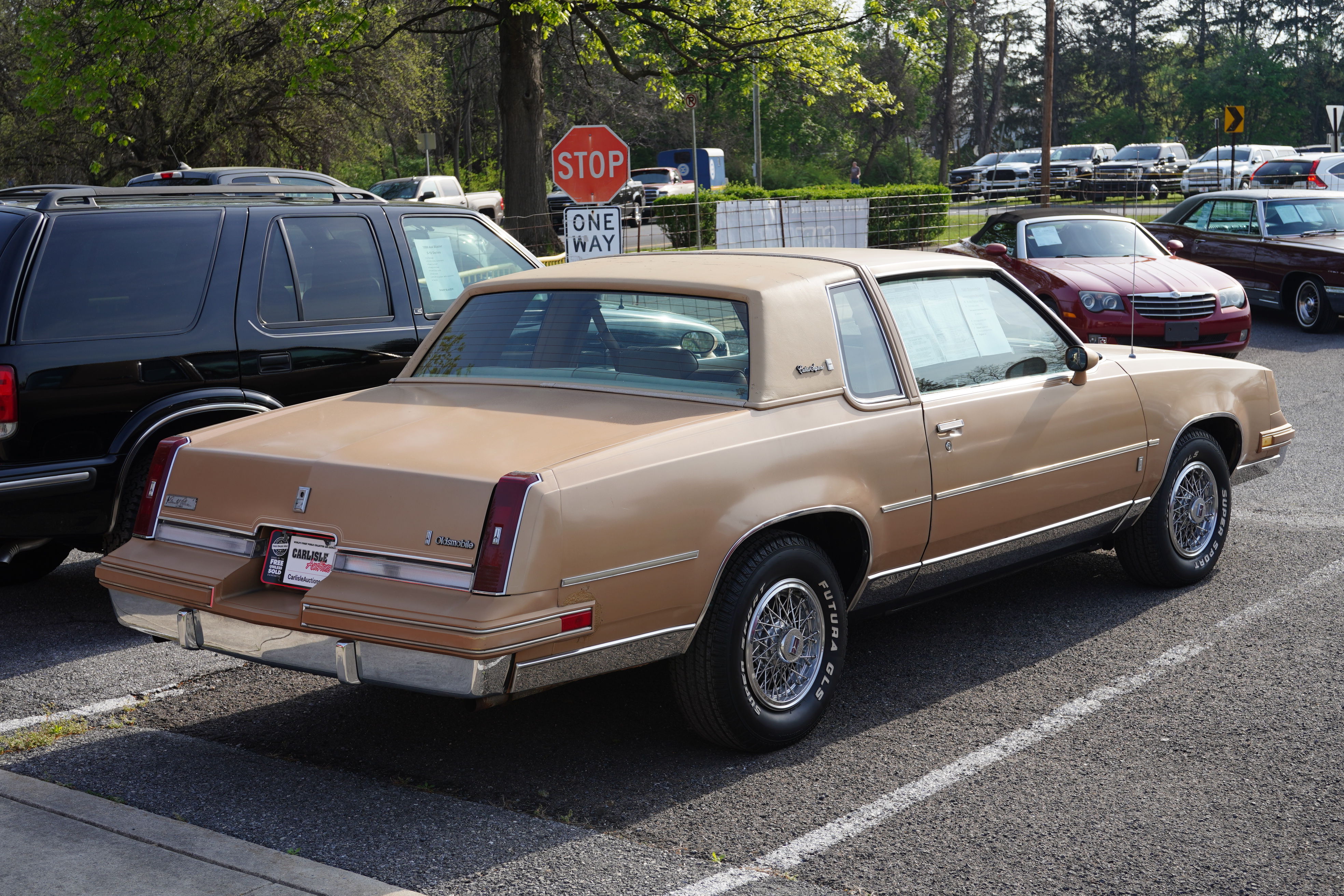
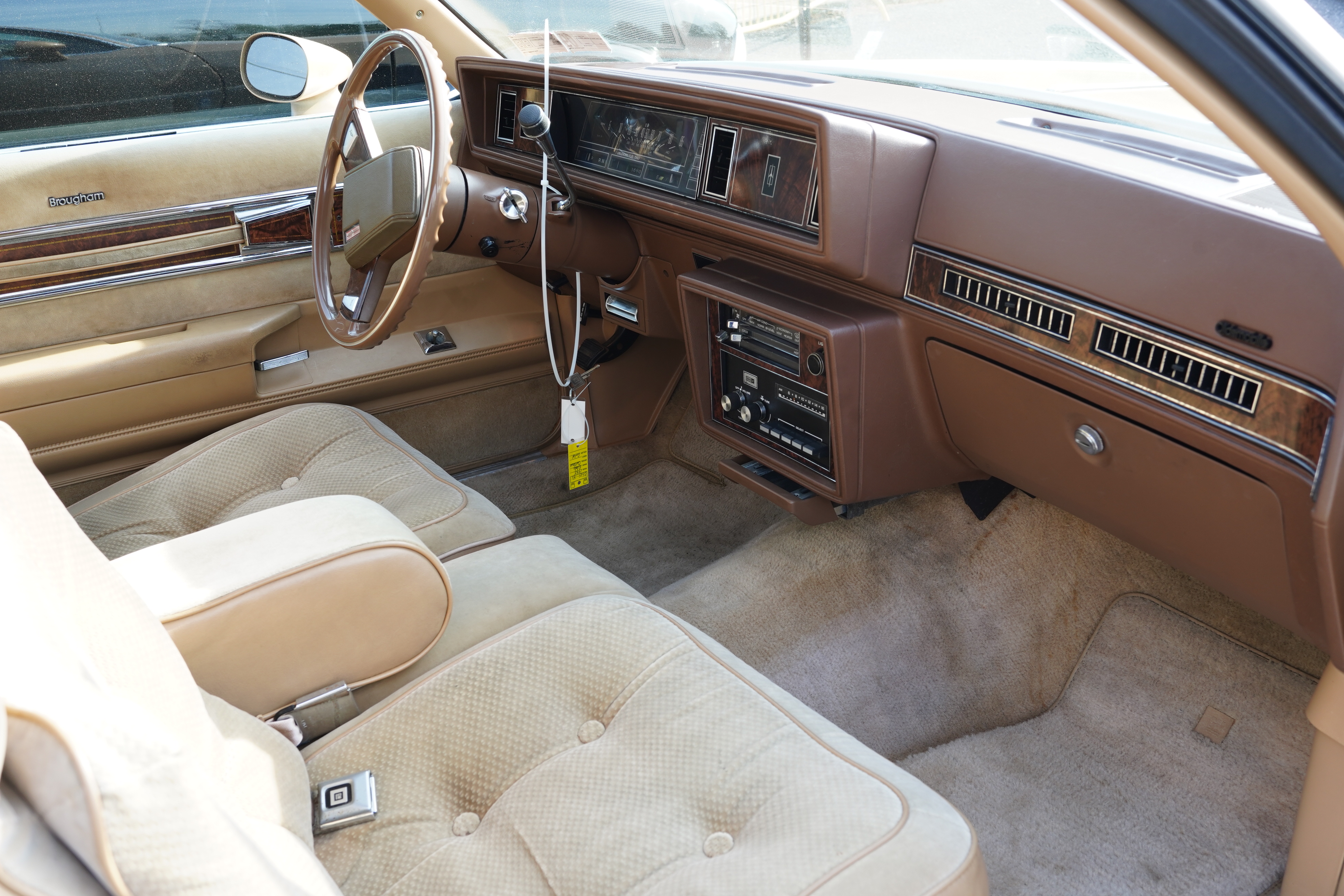
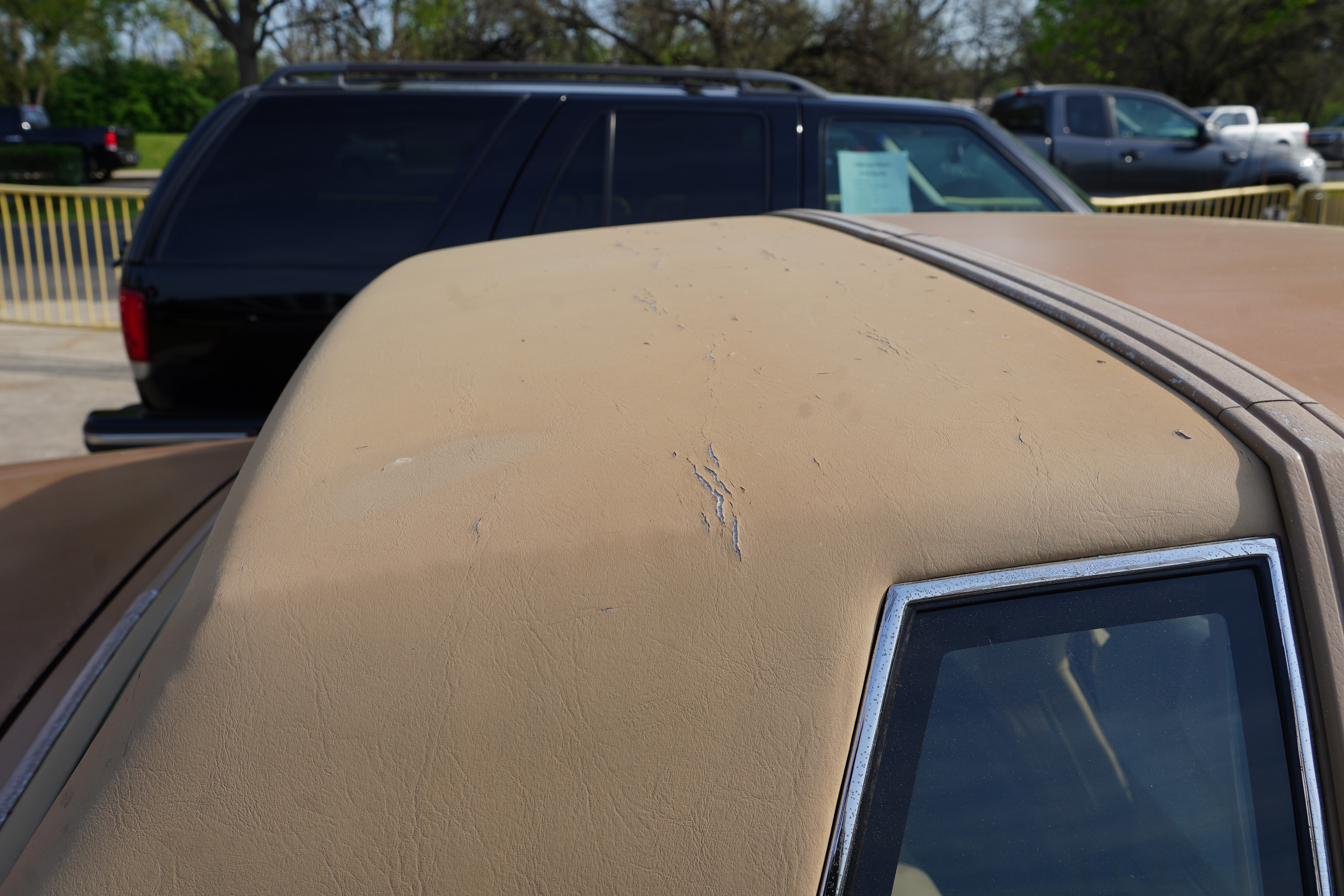
Lot 181, 1985 Olds Cutlass Supreme Brougham, 2-door sedan, sign claims 38,000 original miles, one family owned. Gold paint, gold vinyl half-roof is split and flaking, beige cloth upholstery. In storage and not driven since 2009, sign says “car needs some love.”
SOLD for $4,500. May need full reconditioning after 16 years of storage.
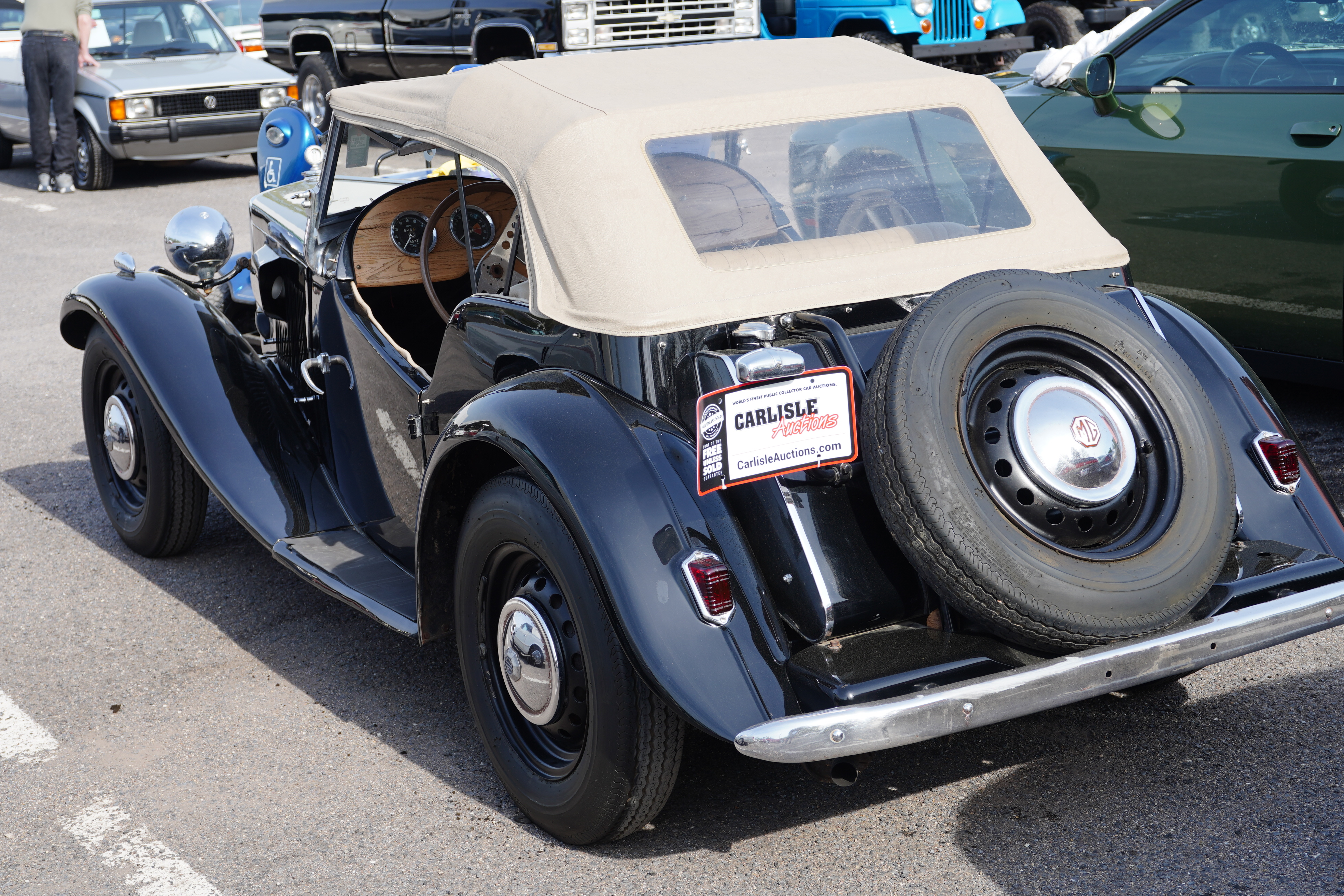
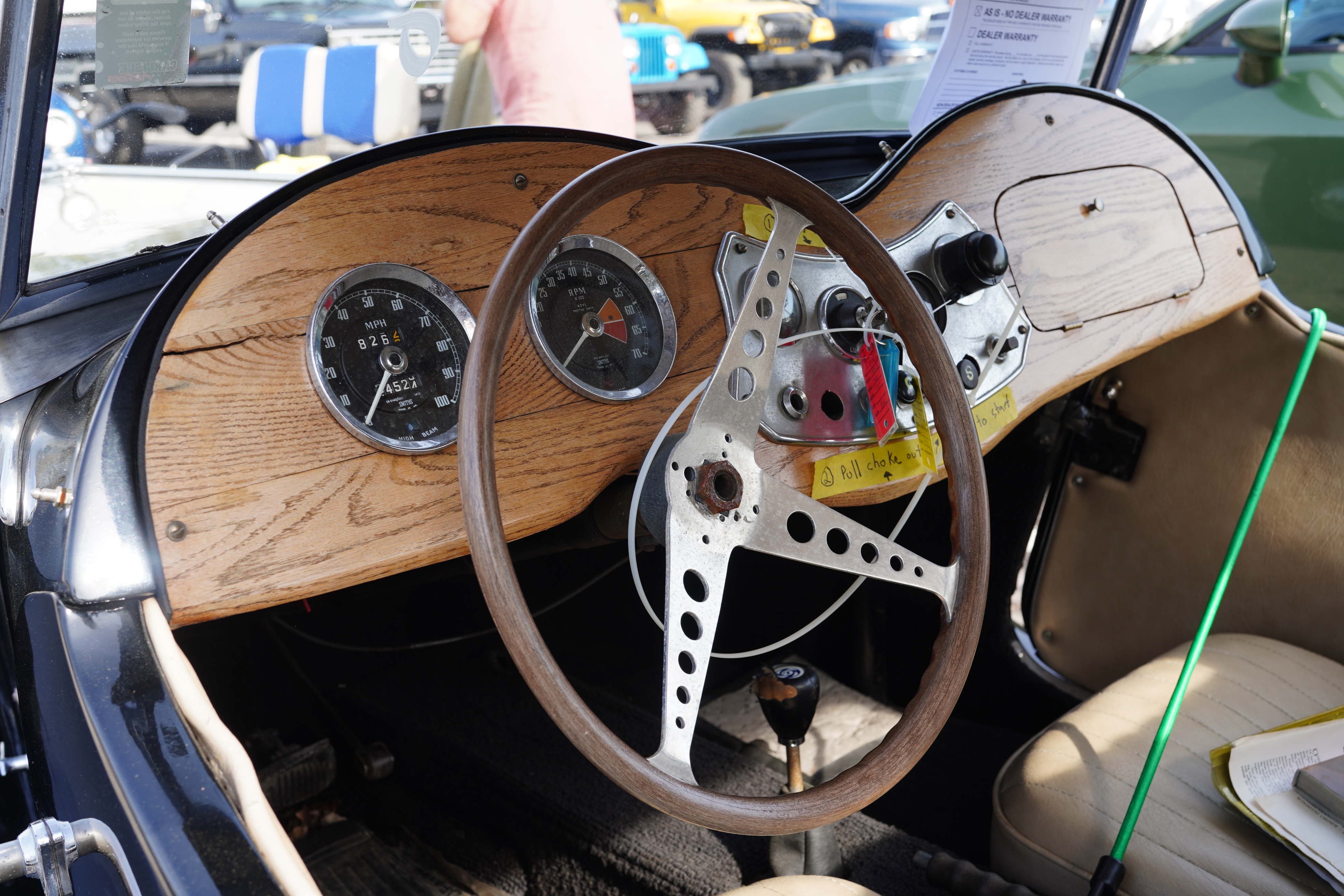
Lot 245, 1953 MG TD. Black, off-white roof and interior. Black painted wheels, small hub caps, blackwall tires. Wood dash is cracked, aftermarket passenger door safety strap does not inspire confidence. Nasty looking thing.
SOLD for $7,250. Don’t know if it runs, presume it will need everything.
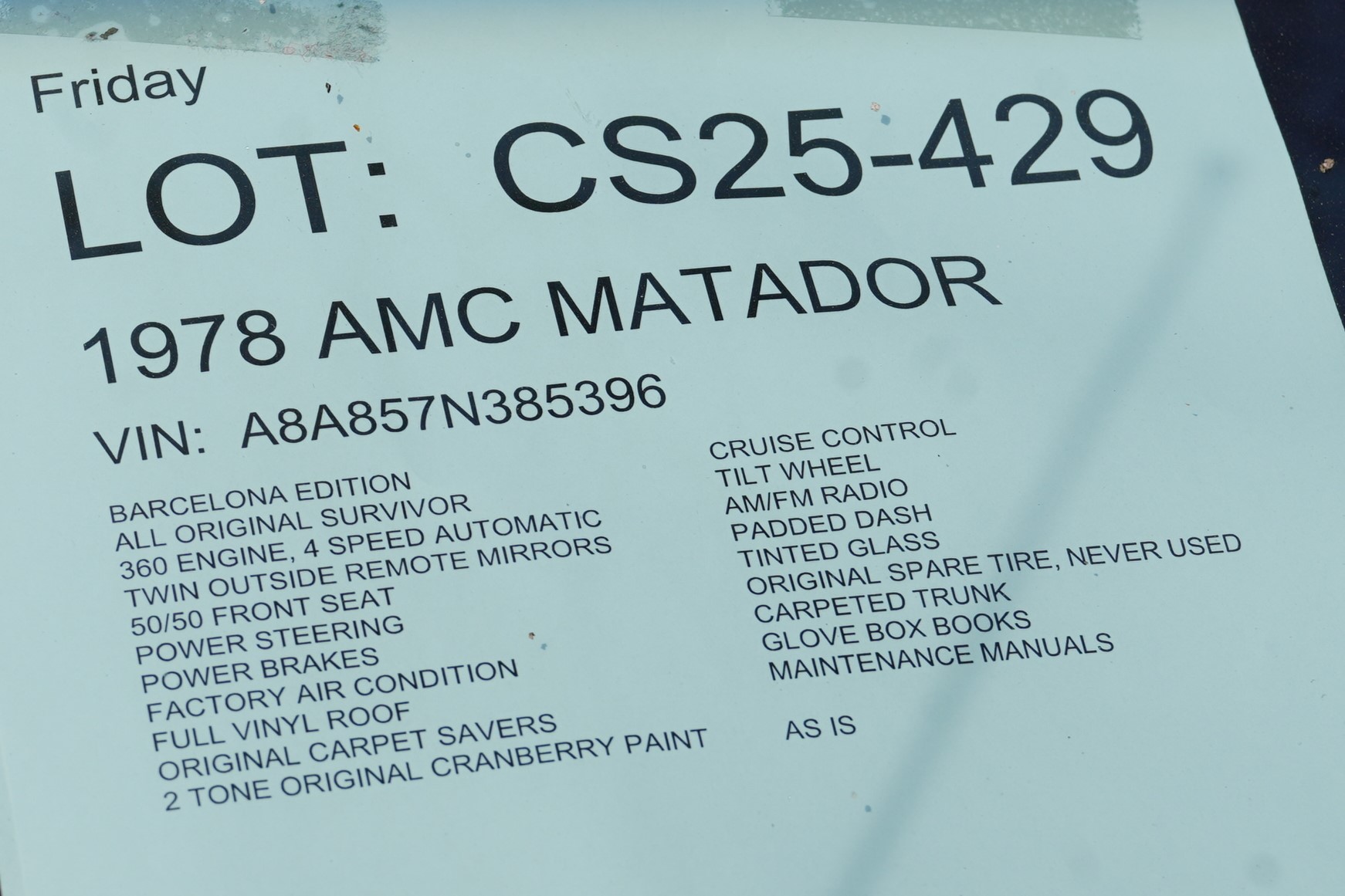
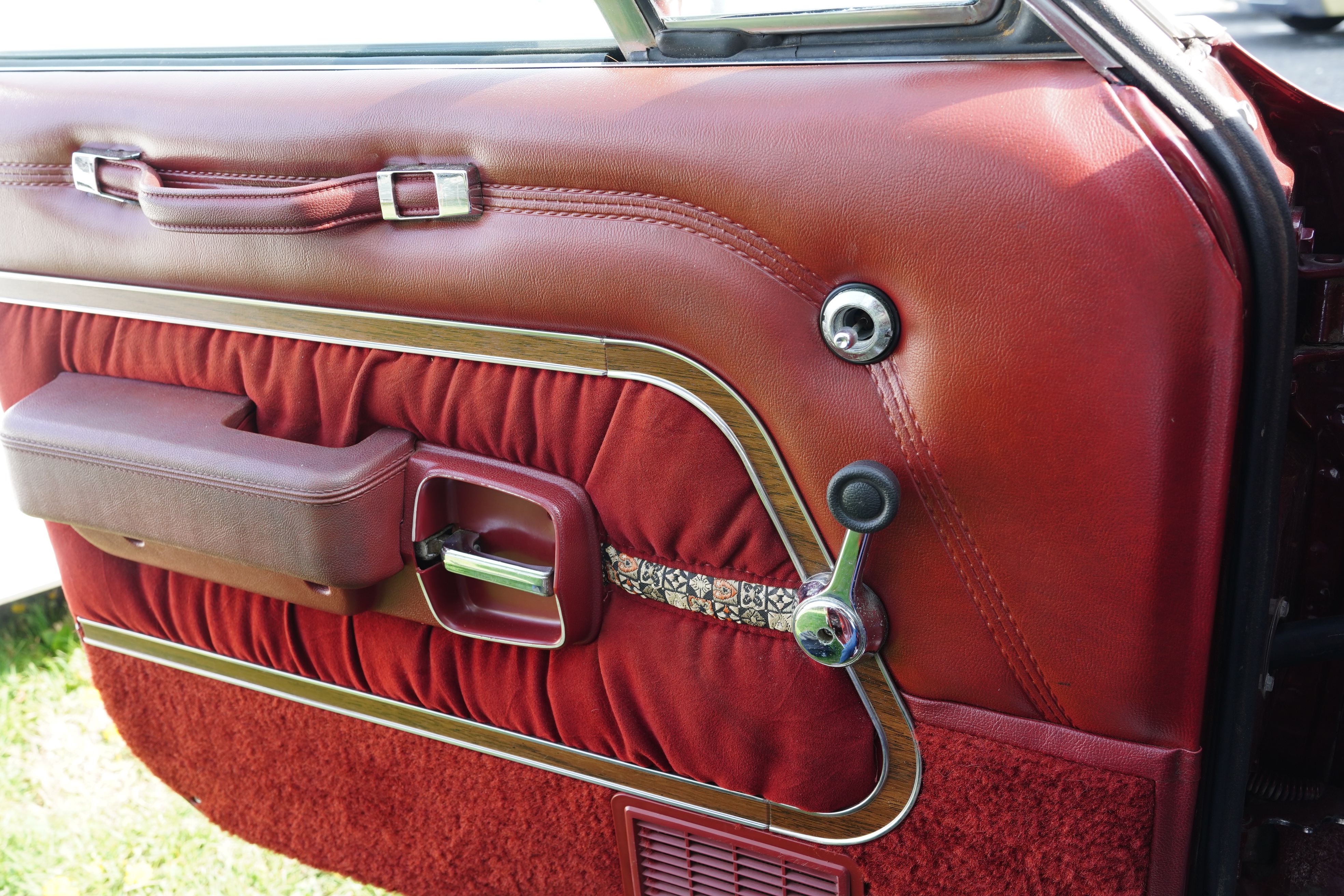
Lot 429, 1978 AMC Matador “Barcelona” 4-door sedan. Two-tone red, red vinyl roof, red plush interior. Odometer reads 32,798. Appears to be all-original and untampered with.
SOLD for $9,000. The car for the AMC fanatic.
Lot 128, 1987 VW Cabriolet, white paint, white convertible top, black and white interior, 5-speed. Sign on car claims California car with no rust, also lists much recent work done after storage period. Six-digit odometer reads 95,657.
SOLD for $10,000. While sitting in car, was unable to adjust seat height, mechanism seemed jammed. These VWs have their fans.
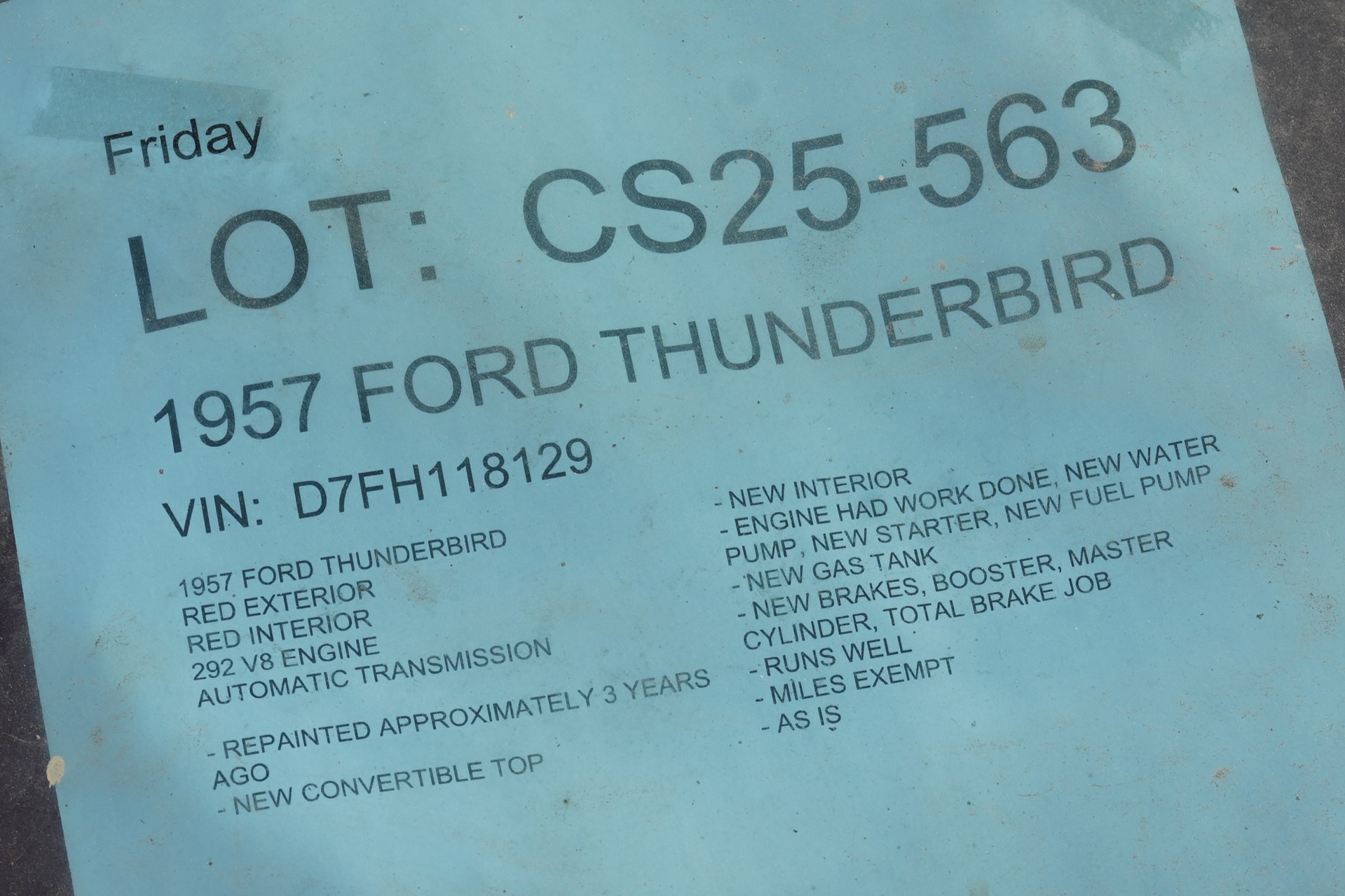
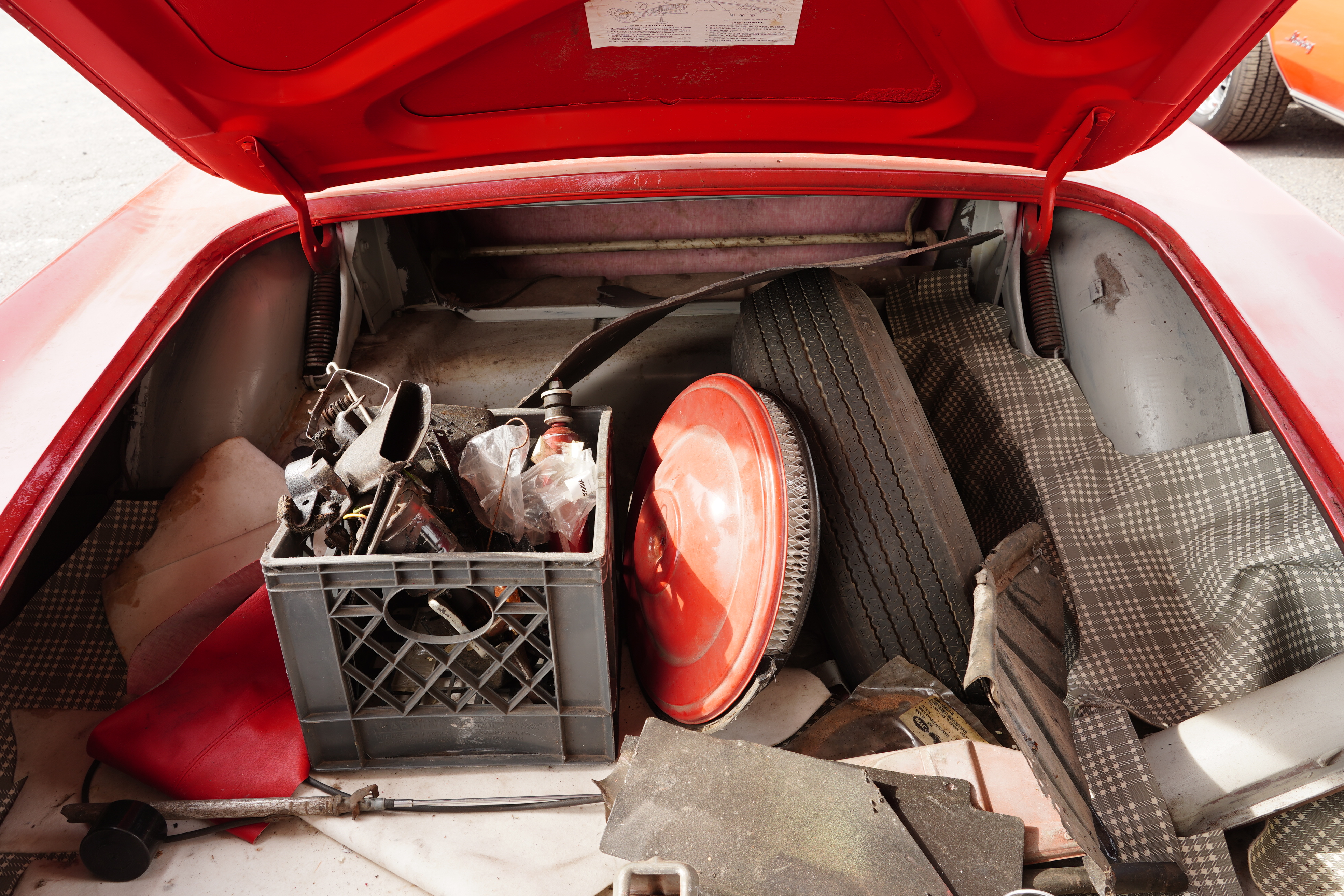
Lot 563, 1957 Ford Thunderbird, red paint, white soft top, red interior, no hard top included, automatic, power steering and brakes. Sign claims new paint three years ago. Car is in overall terrible condition, car is filthy inside and out, paint looks bad, possible signs of rodent infestation by driver’s seat. passenger door trim was removed and is lying inside car, trunk full of junk, underhood a mess. One of the biggest messes at the auction.
SOLD for $10,500. Someone very ambitious sees an upside to this that I do not.
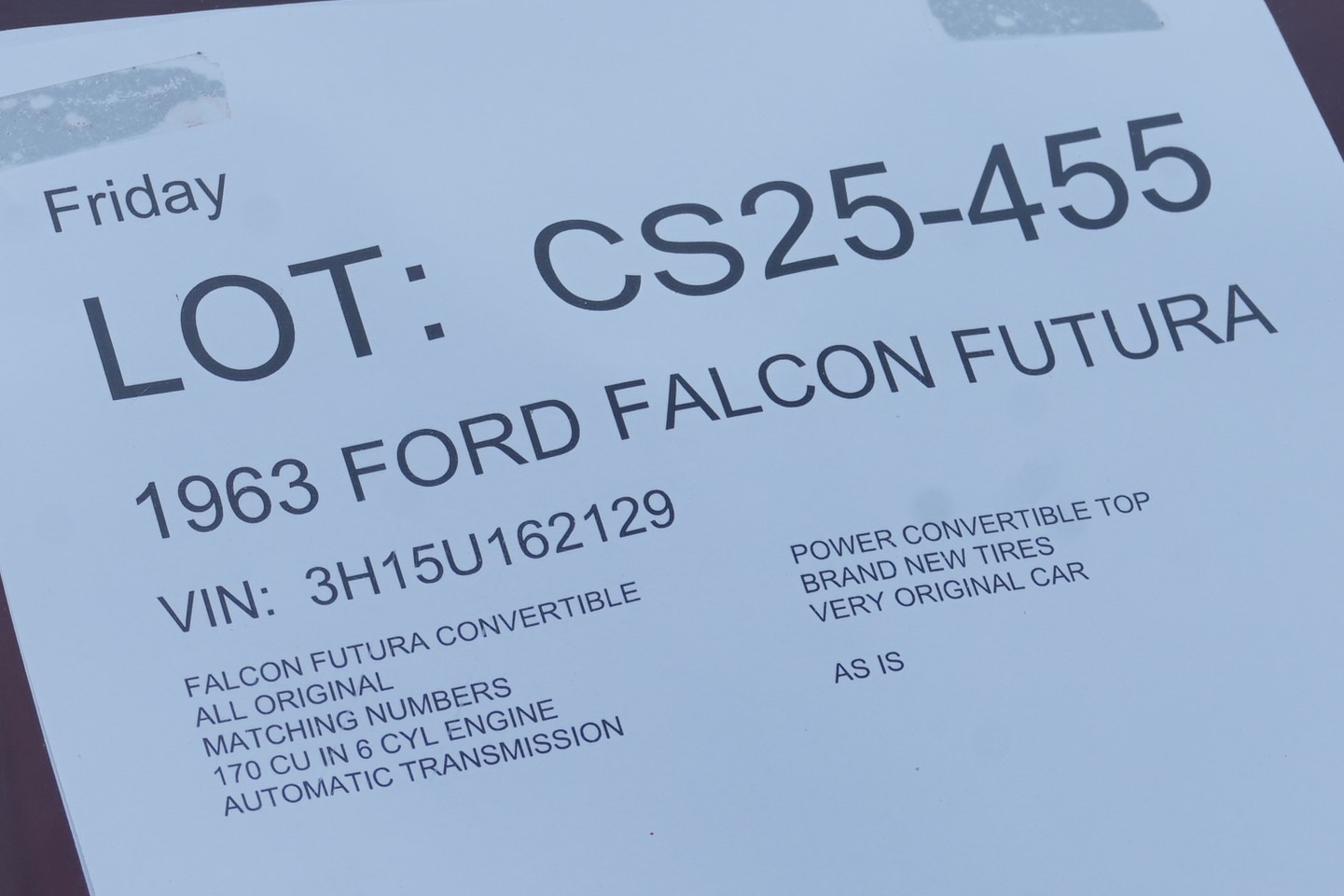
Lot 455, 1963 Ford Falcon convertible, black paint, white top, red interior, buckets and console. Six cylinder automatic. Cursory look-see shows and honest car with no glaring needs.
SOLD for $10,750. This is the next-best thing if you can’t afford that first-gen Mustang convertible.
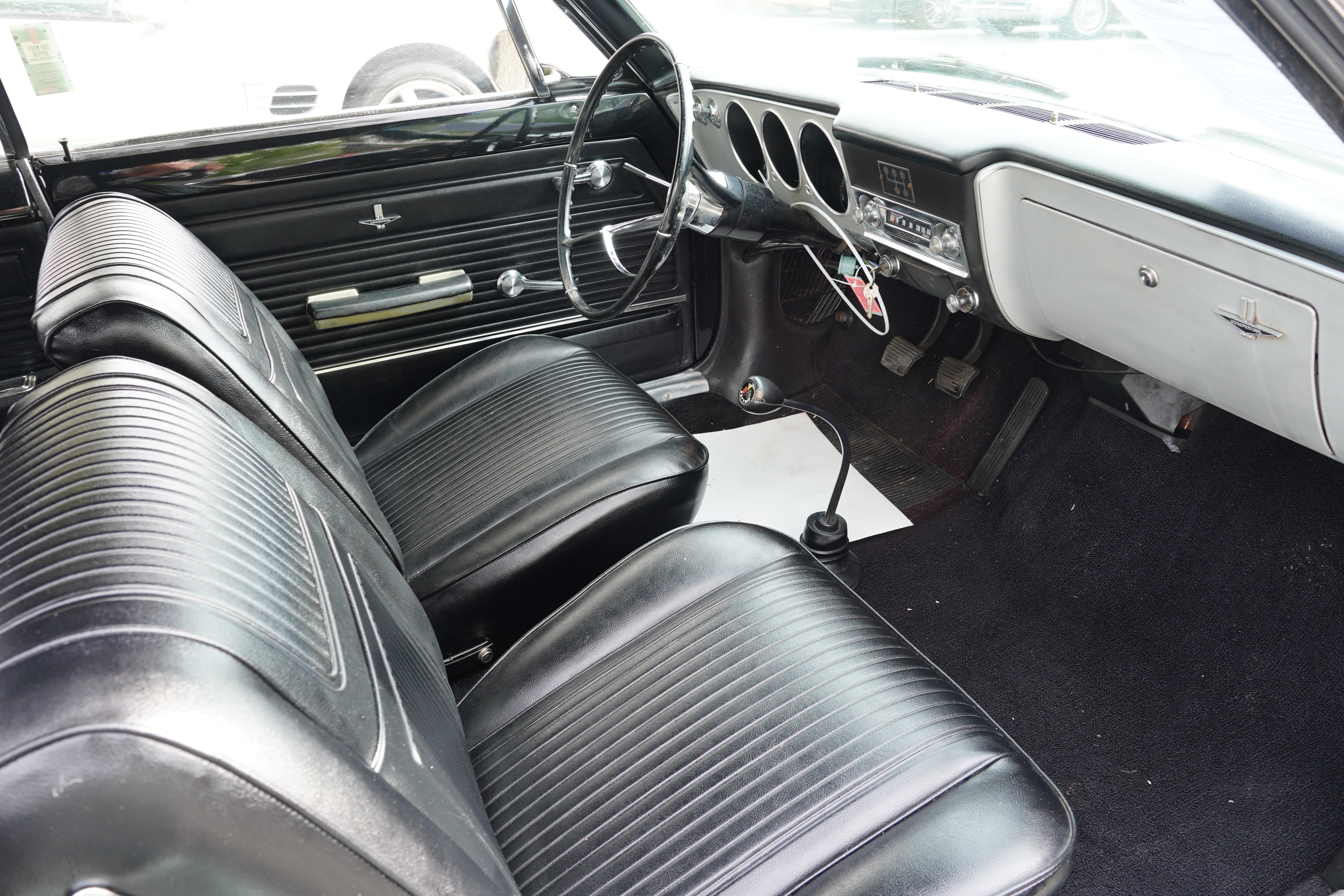
Lot 458, 1965 Chevy Corvair convertible, light green paint, black top and interior, 4-speed with 110-hp engine. Sign claims full restoration six years ago.
SOLD for $13,250. Fair price for both buyer and seller, remembering that buyer will need to pay 8% commission of $1,060.
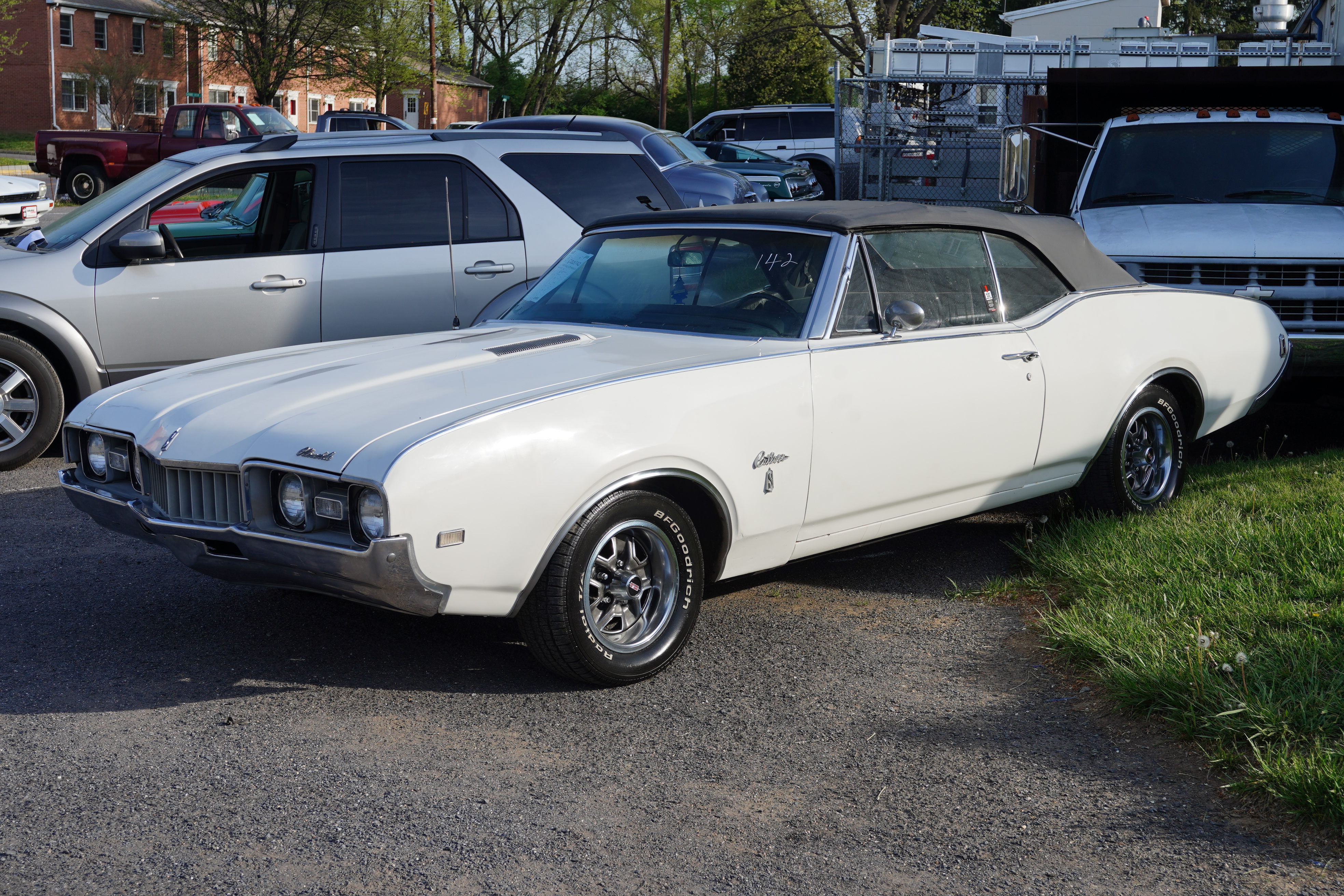
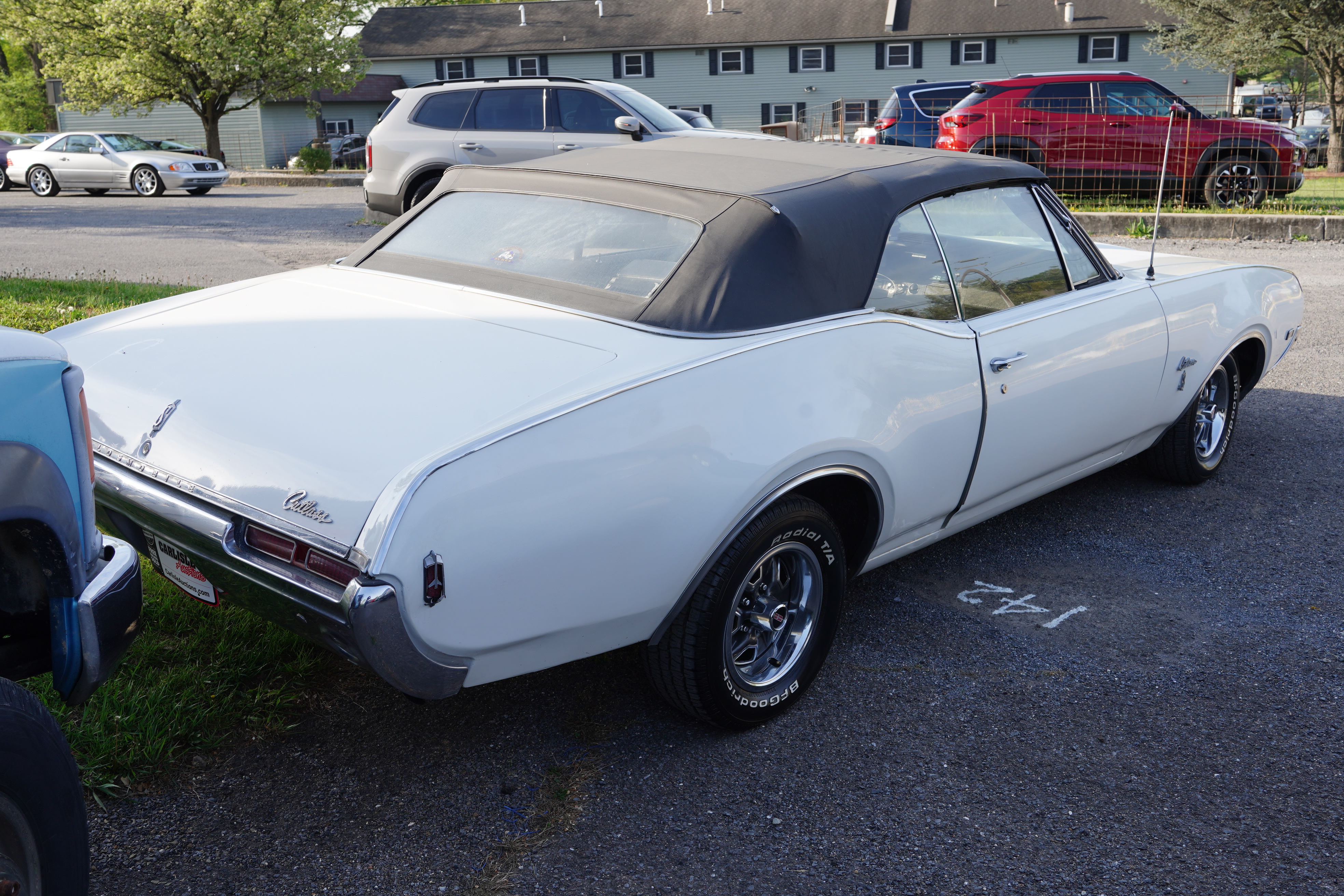
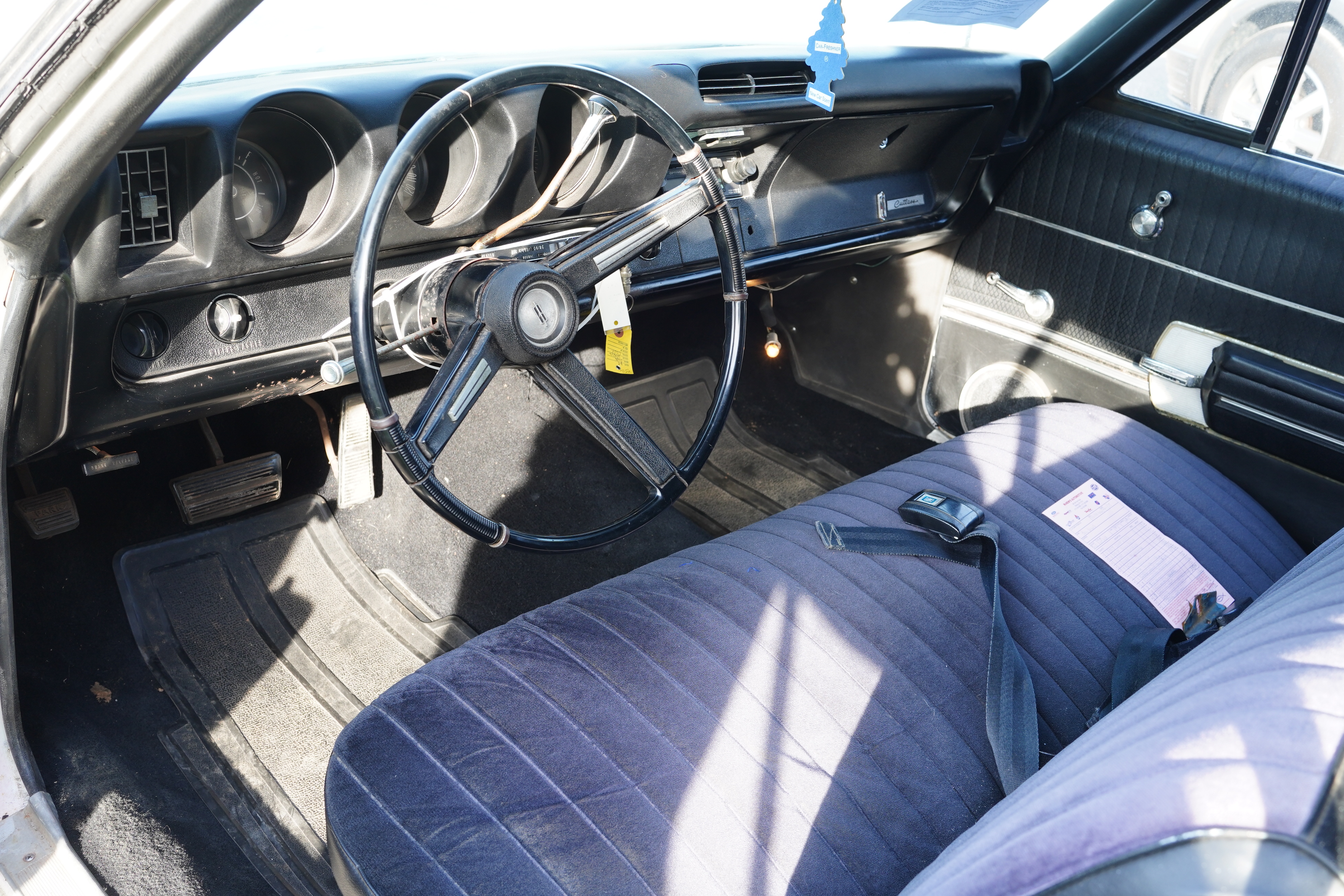
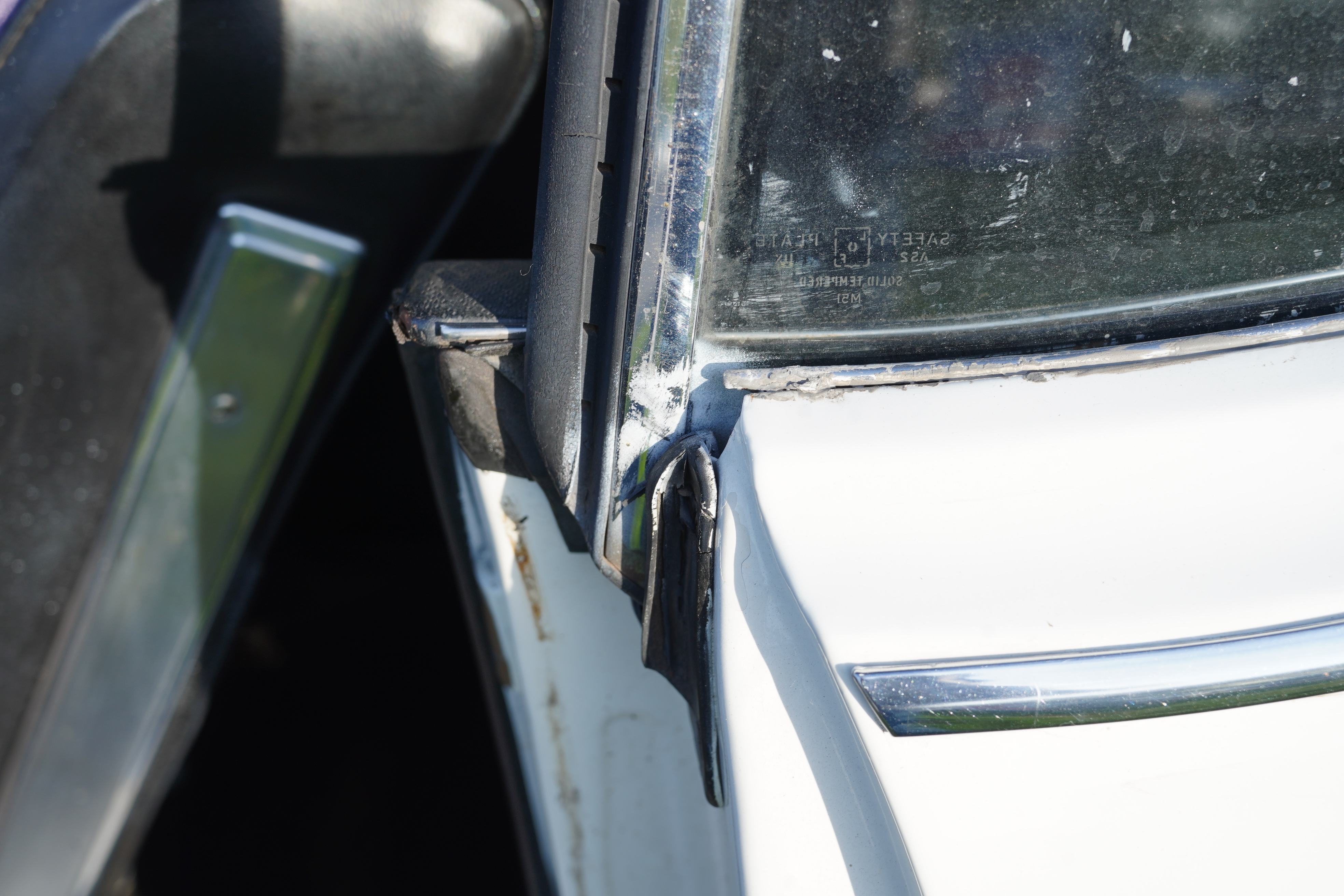
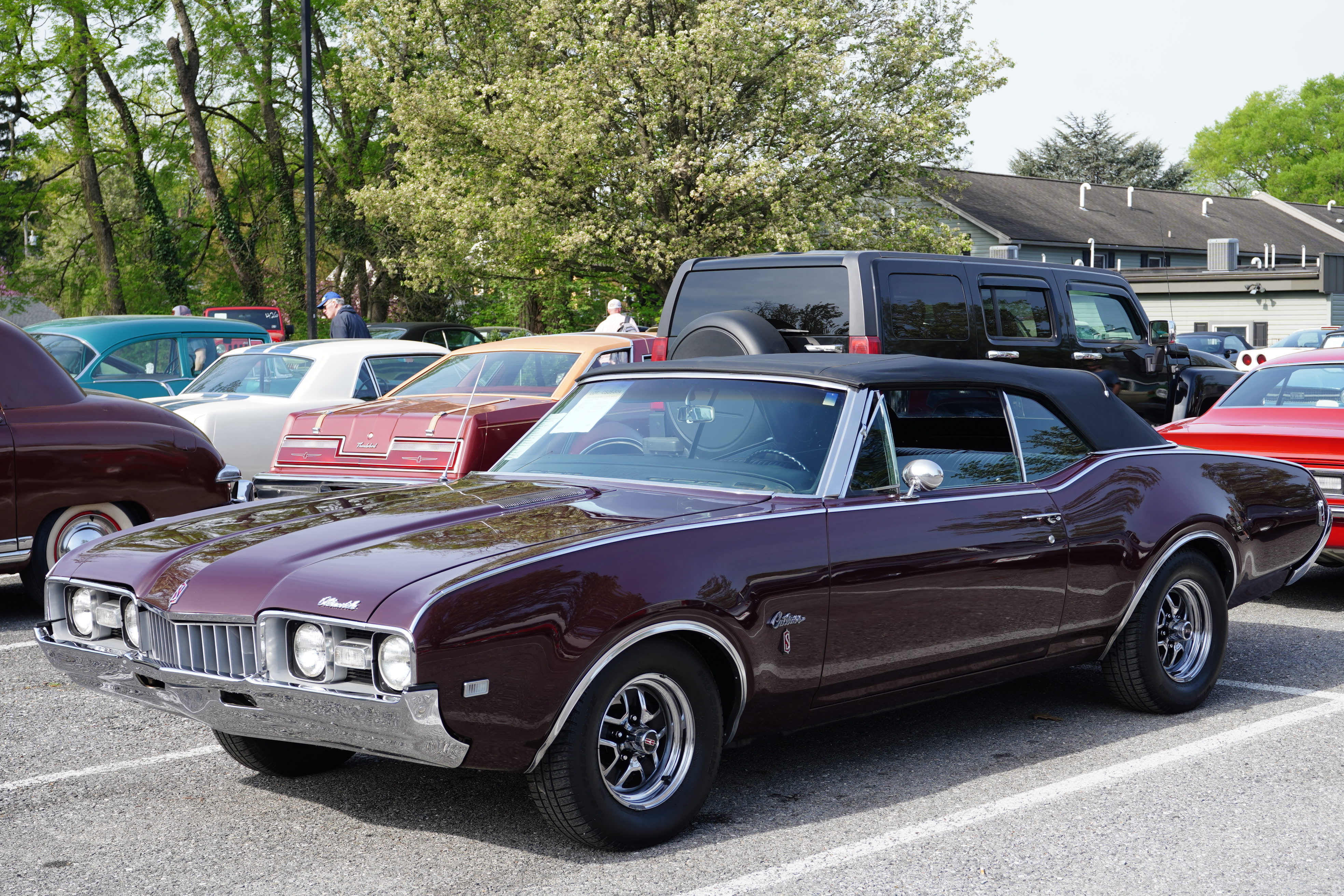
Lot 142, 1968 Olds Cutlass S convertible, white, black top and interior. Bench seat with column shift. Very poor repaint with lots of overspray, interior redone with non-original material, was unable to open passenger door with window up because of interference with convertible top. An overall poor example.
SOLD for $15,000. Nineteen-sixty-eight Olds Cutlasses are rare as-is, and this was one of two ’68 convertibles at this auction. I was surprised bidding got this high. No comparison with the other Cutlass S, covered below.
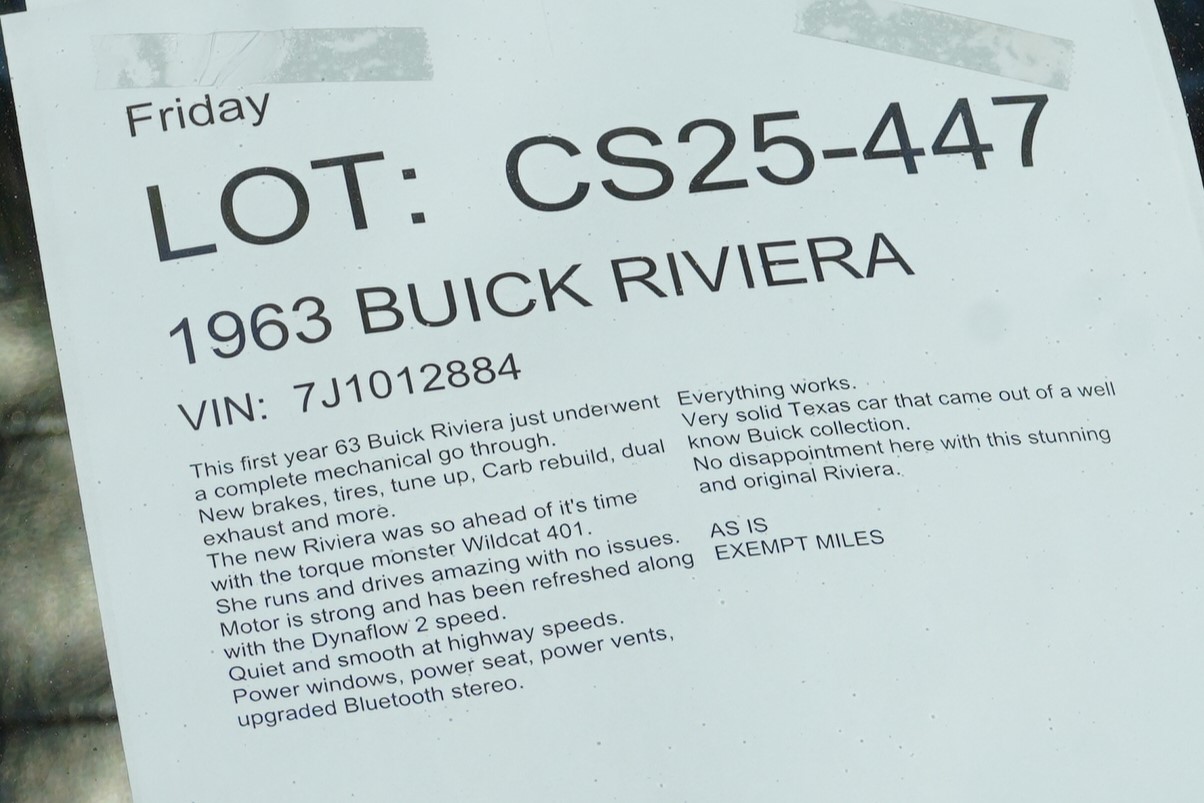
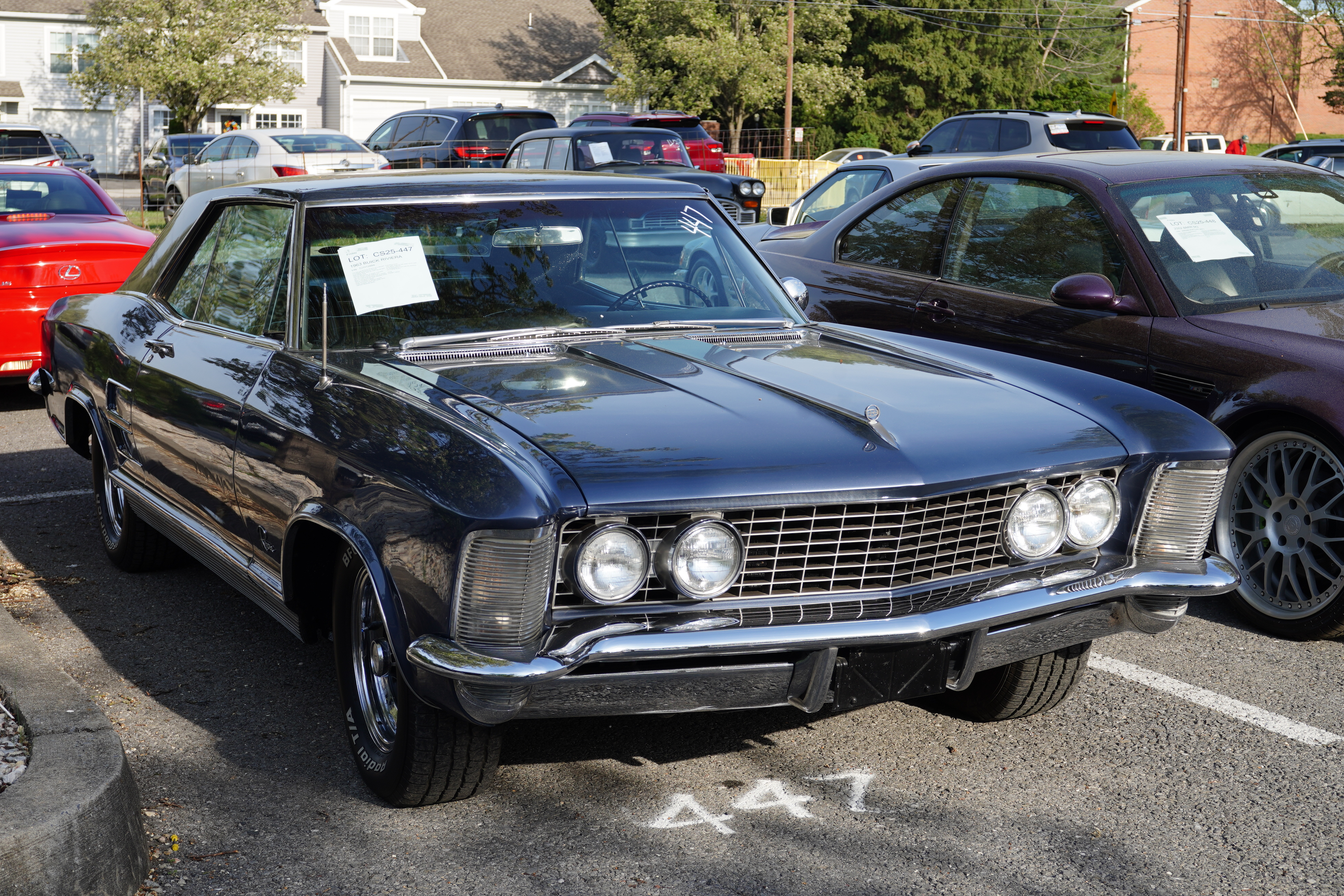
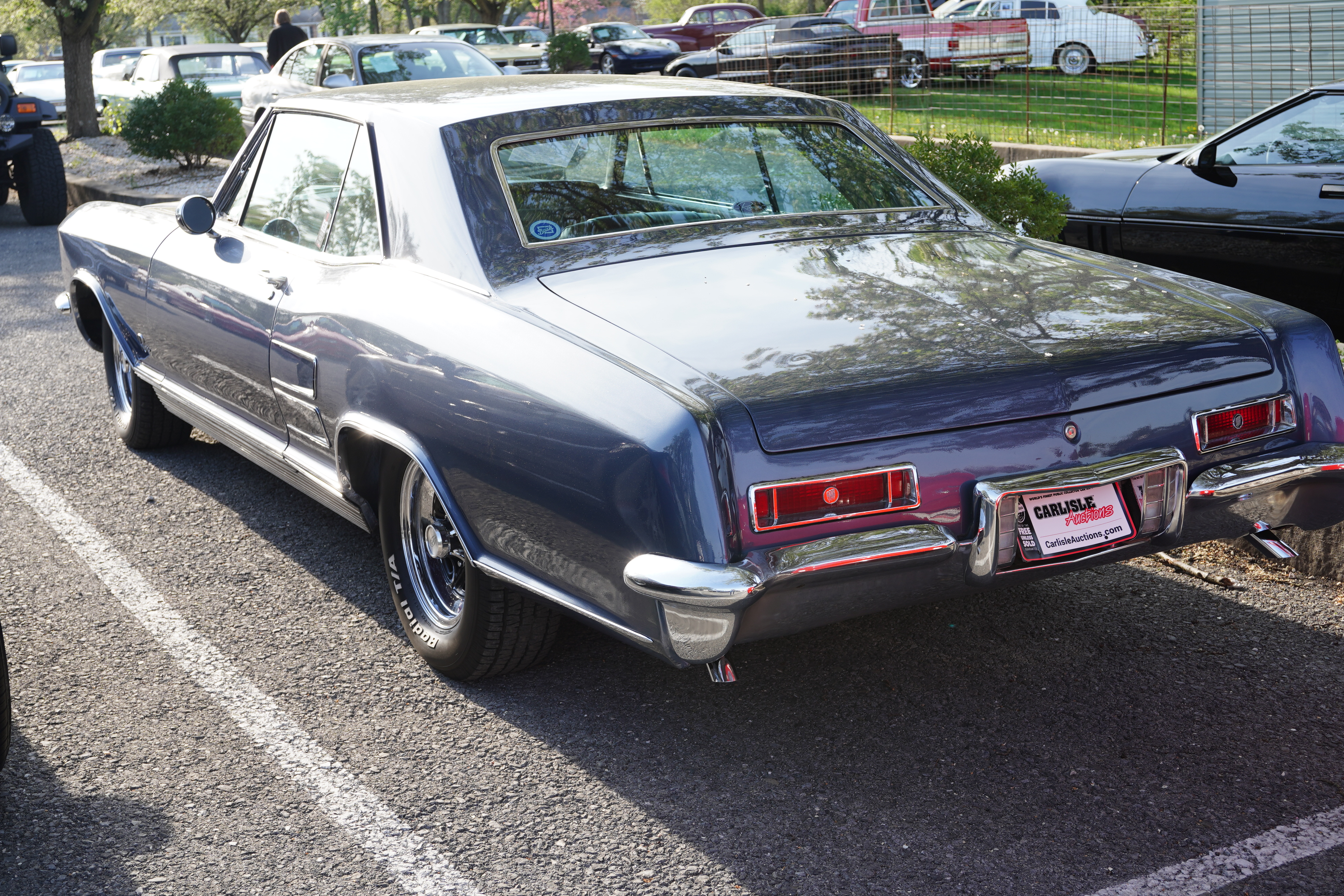
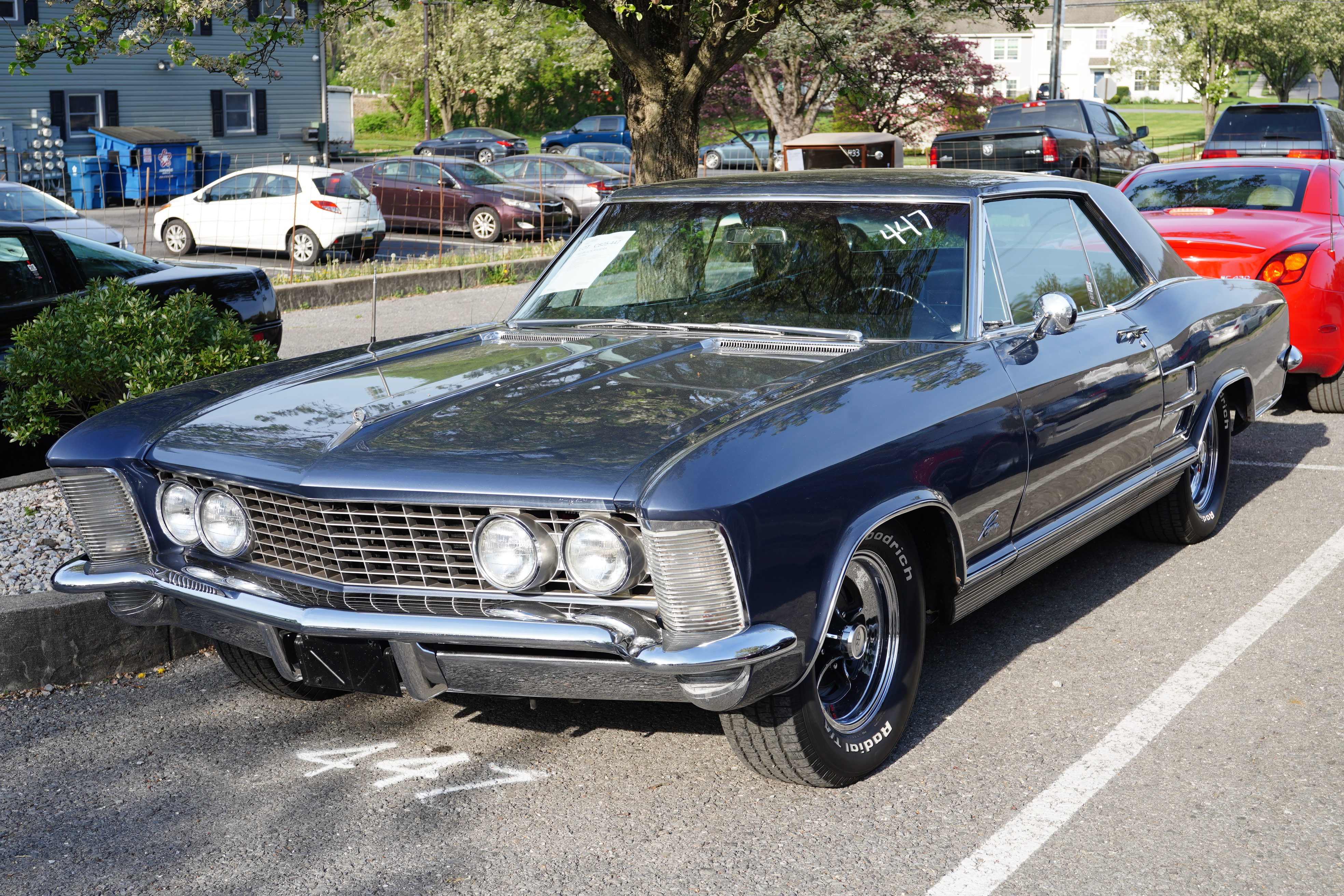
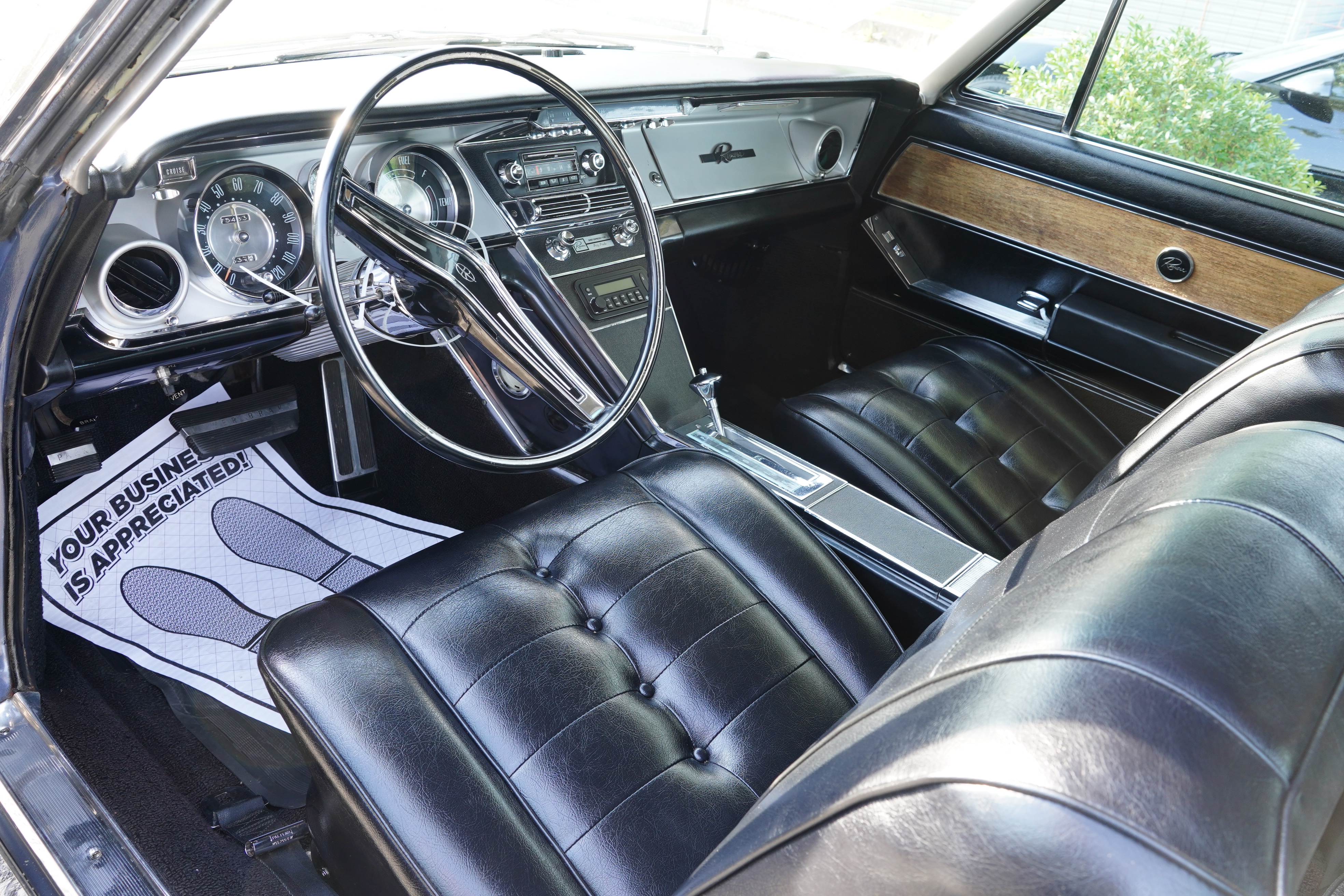
Lot 447, 1963 Buick Riviera, dark blue, black deluxe interior, factory A/C. Odometer reads 75,483. Raised white-letter tires look out of place. Power seat inop, glove box door came off in my hands. A solid-looking car that will need attention to detail.
SOLD for $19,500. It’s rare to see a first-gen Riv sell for under 20 large, so even with the needs, this may have been a little bit of a deal.
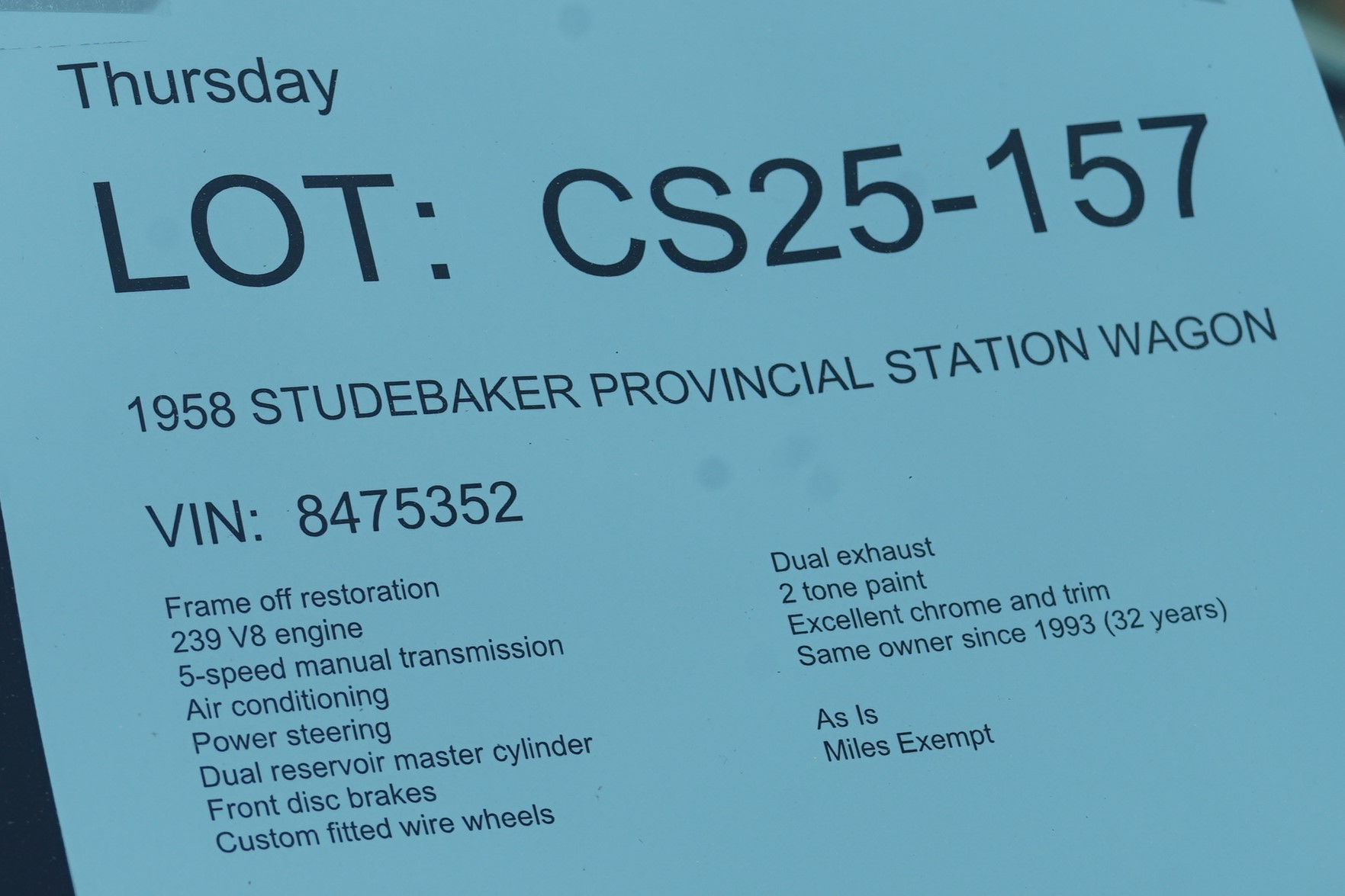
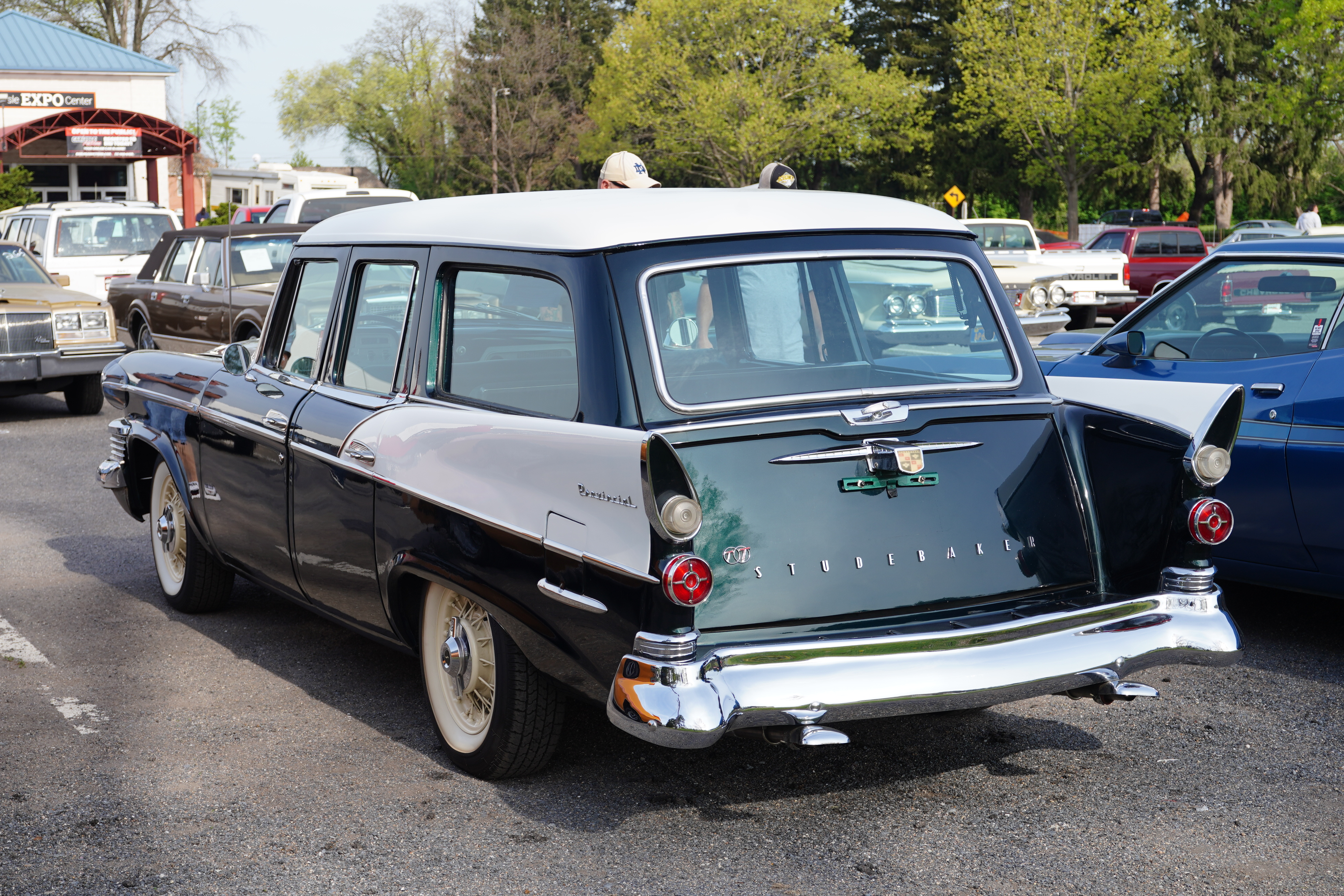
LOT 157, 1958 Studebaker station wagon, dark green and white paint, green and black interior, odometer reads 40,844, “bathroom scale” speedometer beat the Toronado to the market by eight years. Somewhat modified with 5-speed floor-shift manual, A/C, wire wheels, tachometer.
SOLD for $21,000. Impossible to complain about the price because you’ll never find another. Drive it to South Bend, IN and you’ll be an instant celebrity.
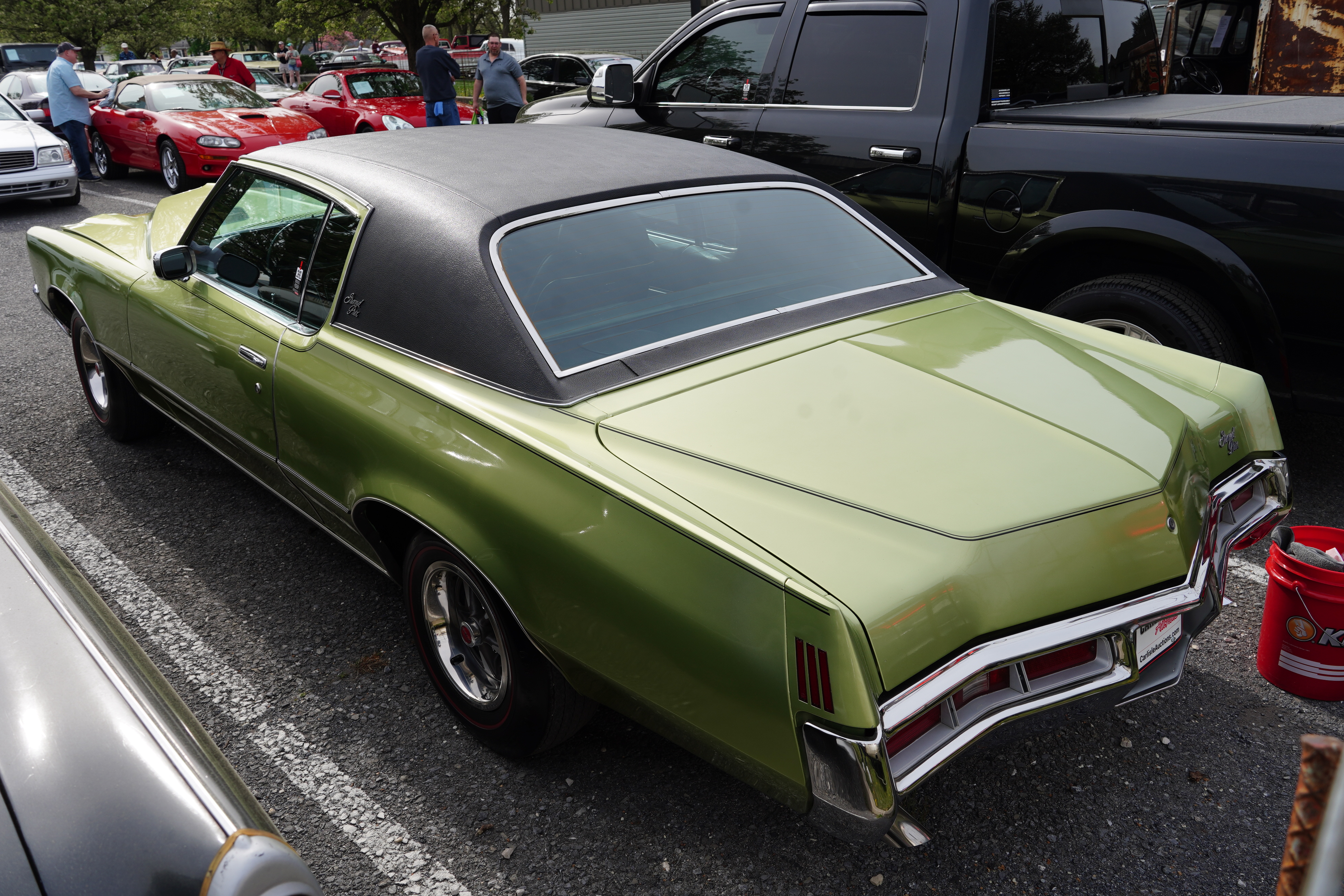
Lot 438, 1972 Pontiac Grand Prix Model J, green paint, black vinyl roof, green interior which SCREAMS 1970s. Hood-mounted tach, five-digit odometer reads 02188, with presumption that it has rolled over once. Cosmetically hard to fault.
SOLD for $23,500. Maybe one of the very few cars that I would have liked to take home at that price. Would need to measure the garage first.
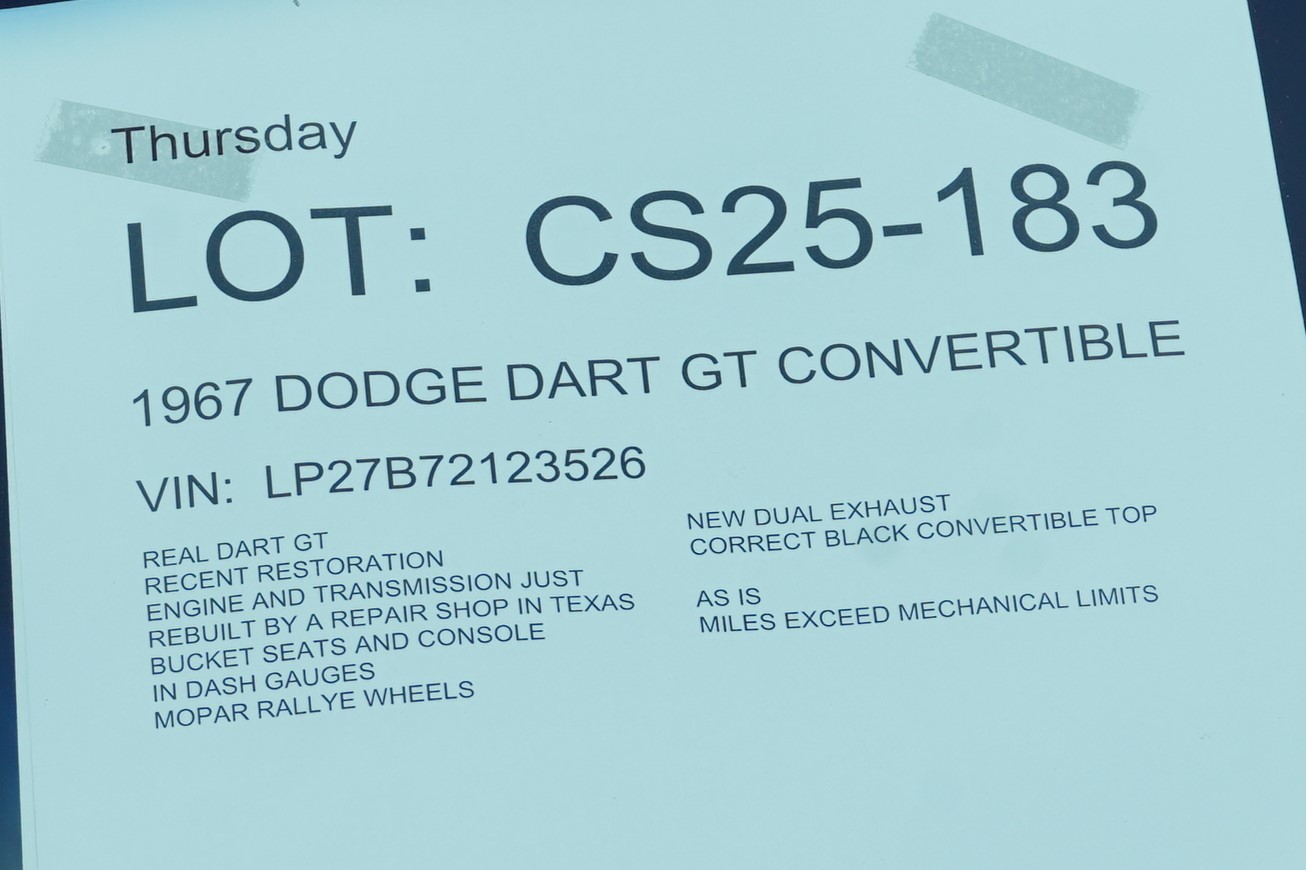
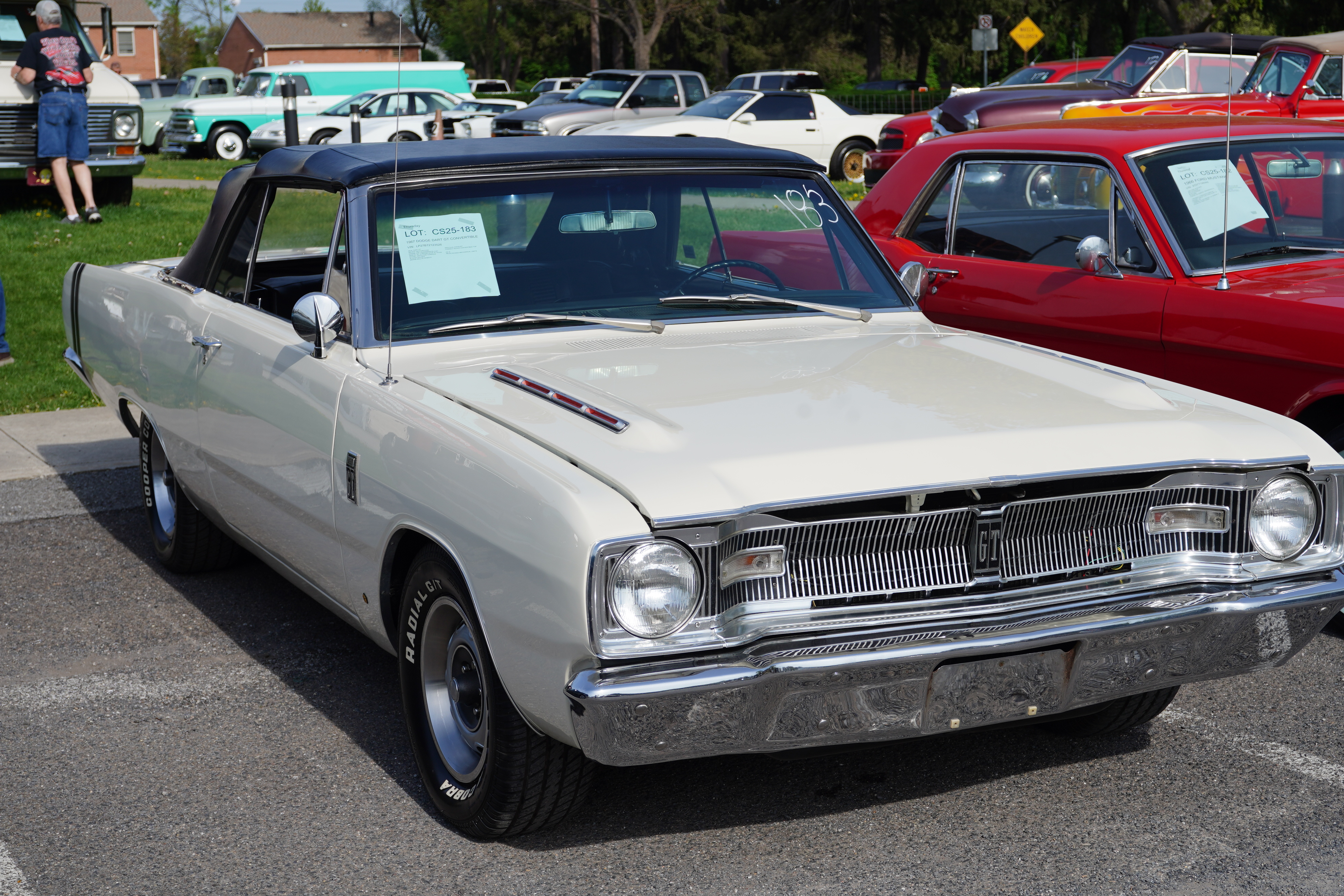
Lot 183, 1967 Dodge Dart GT convertible, white, black top and interior, bumble bee stripe at rear, buckets, console, automatic, engine size not indicated.
SOLD for $24,500. Almost identical to the one I owned 35 years ago, but mine was a factory 4-speed (and in much worse condition than this one). Lots to like here for the Mopar fan.
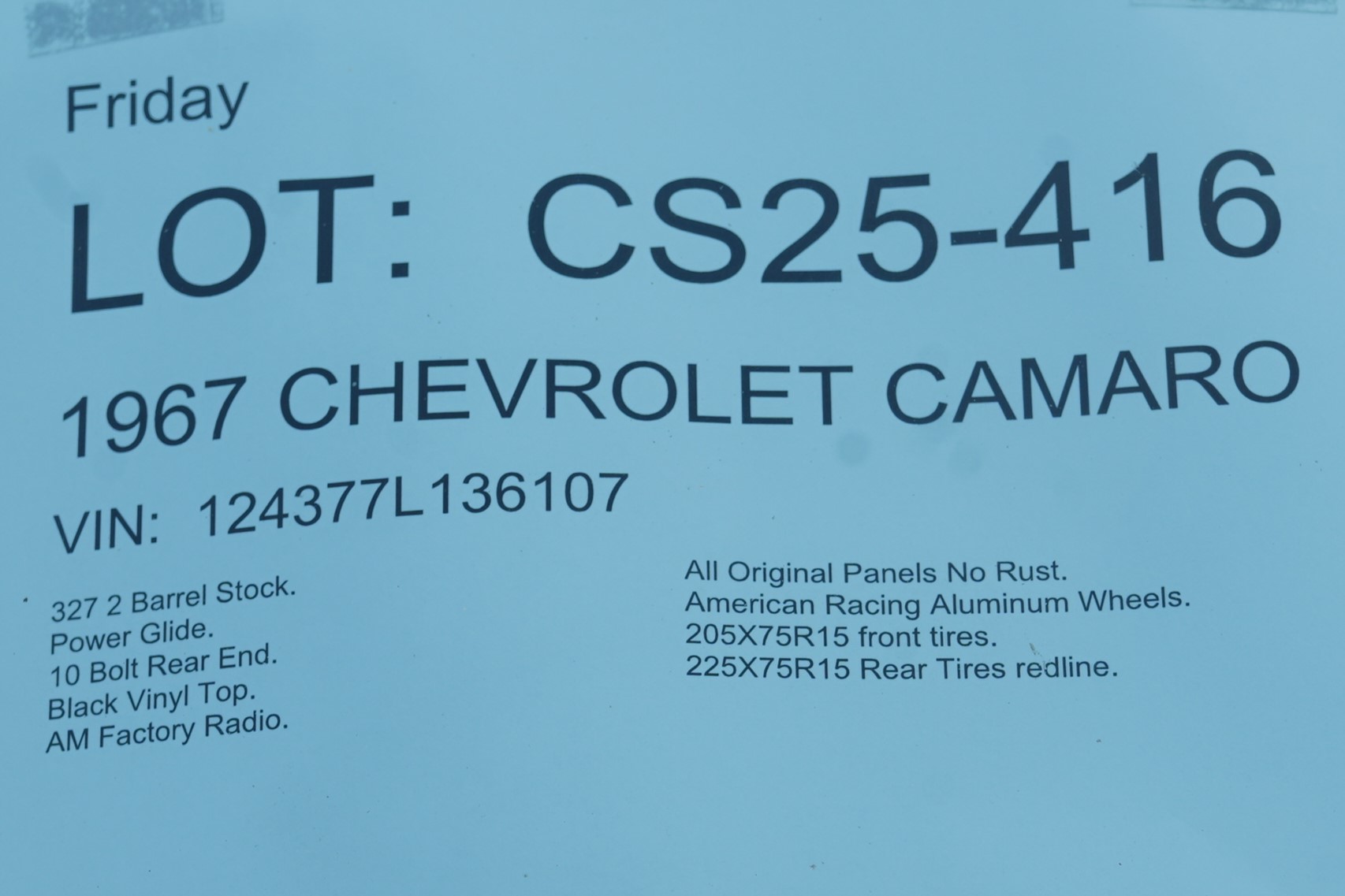
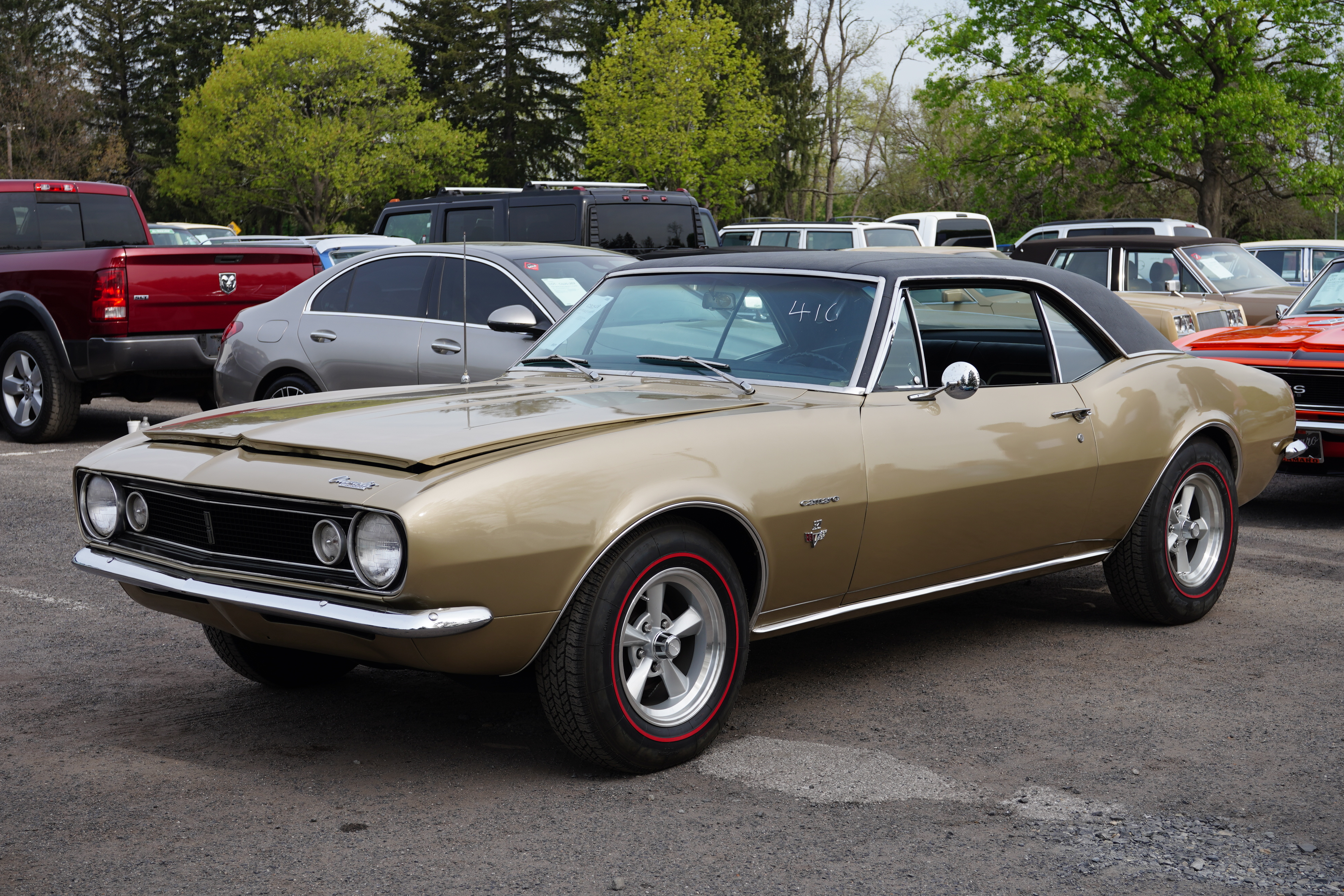
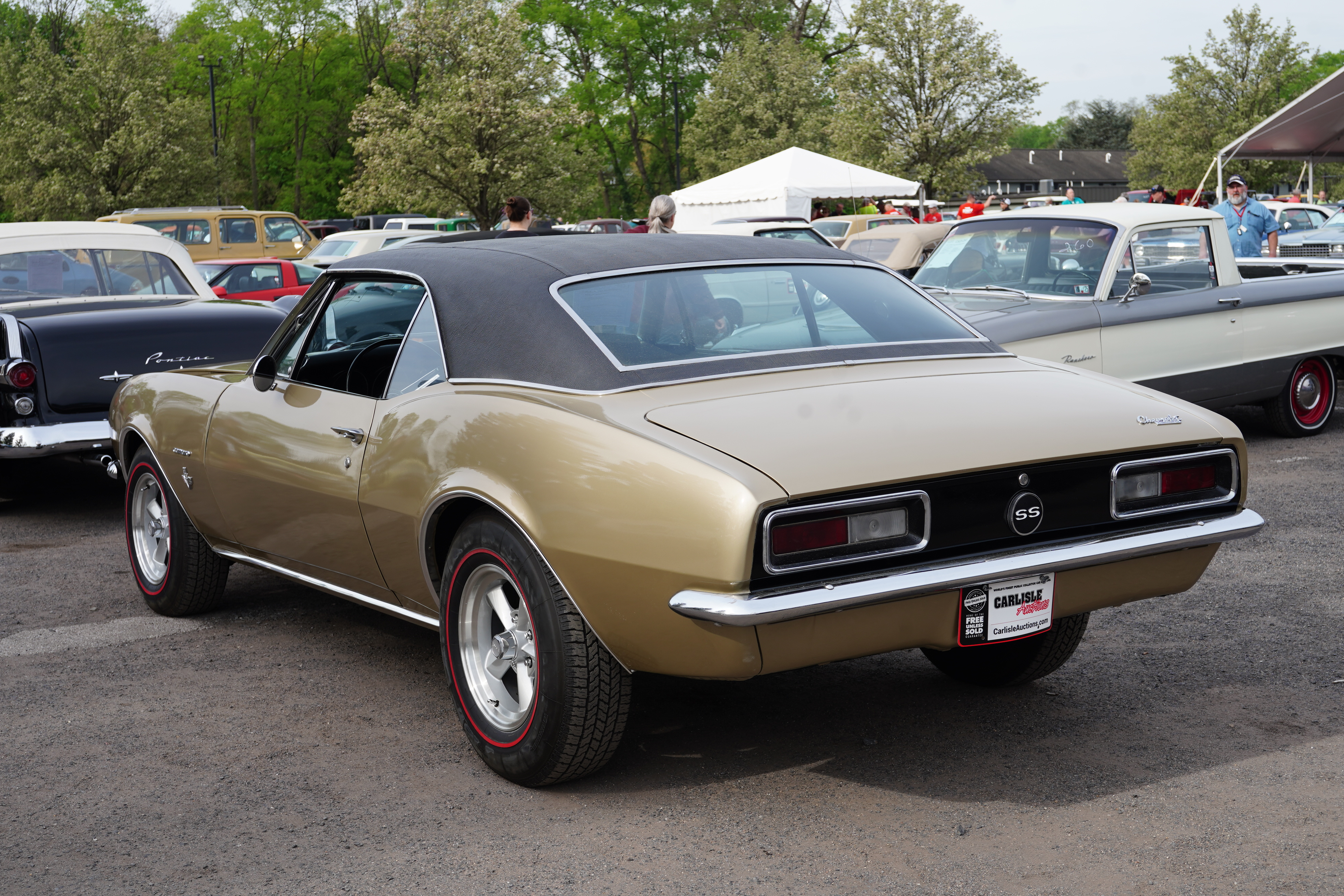
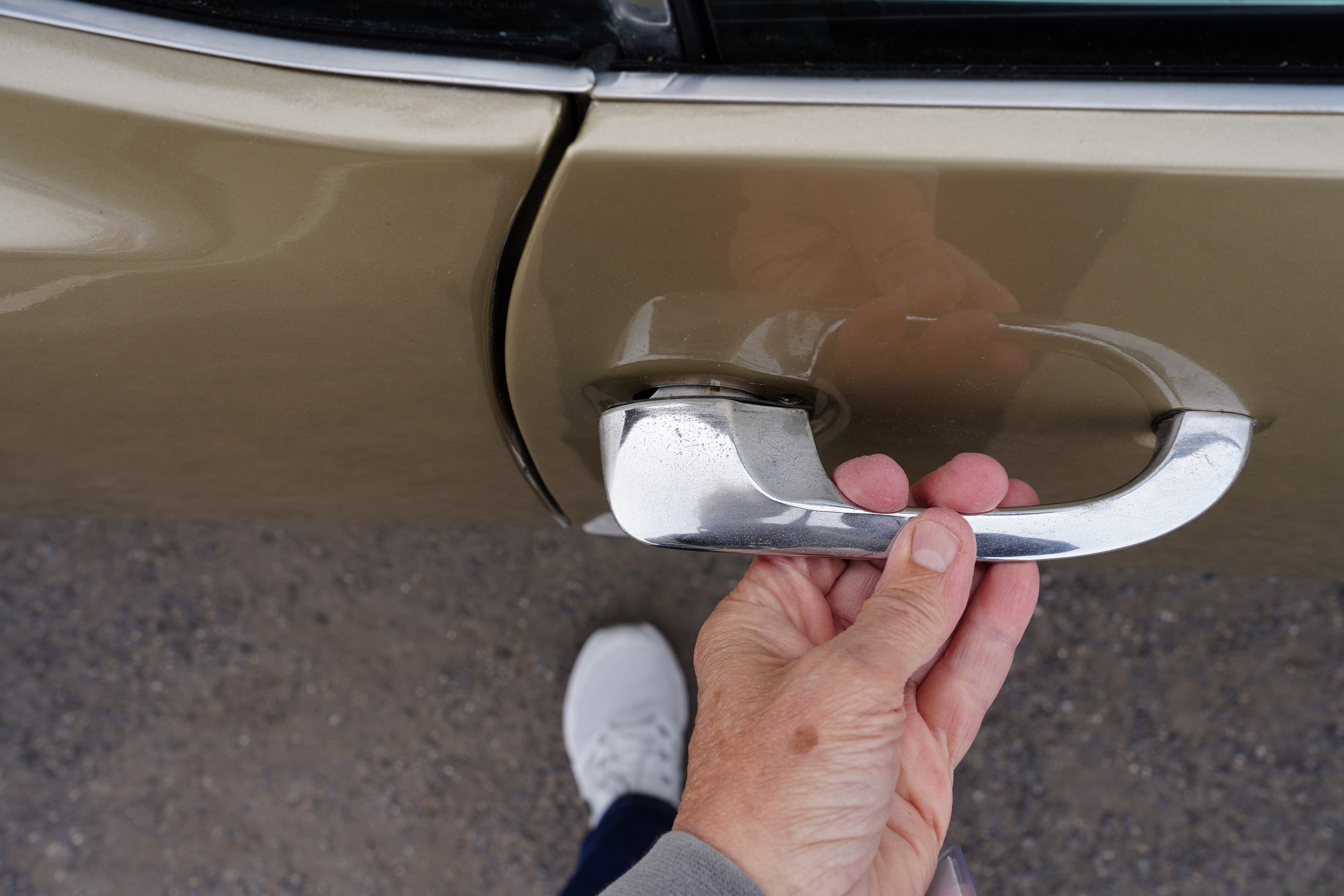
Lot 416, 1967 Chevy Camaro hardtop, first year for the model, gold paint, black vinyl top and interior, other than aftermarket wheels, car looks original and unmolested. Engine is 327 V8 with Powerglide. Odometer reads 84,581. Passenger door would not open for me, handle pulled loose from body.
SOLD for $32,000. Price seemed high to me, but I don’t follow the Camaro market. Readers: was this a fair price?
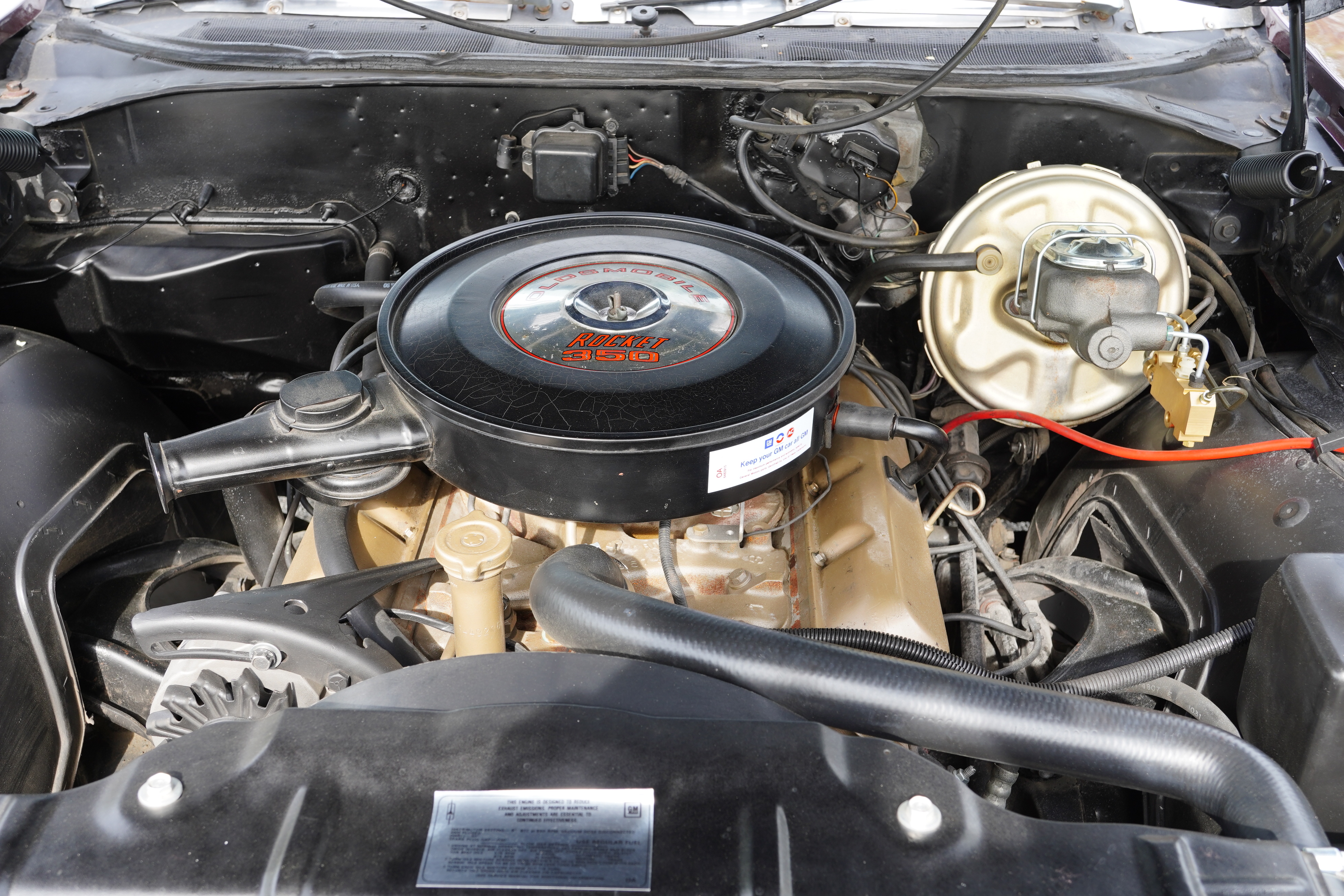
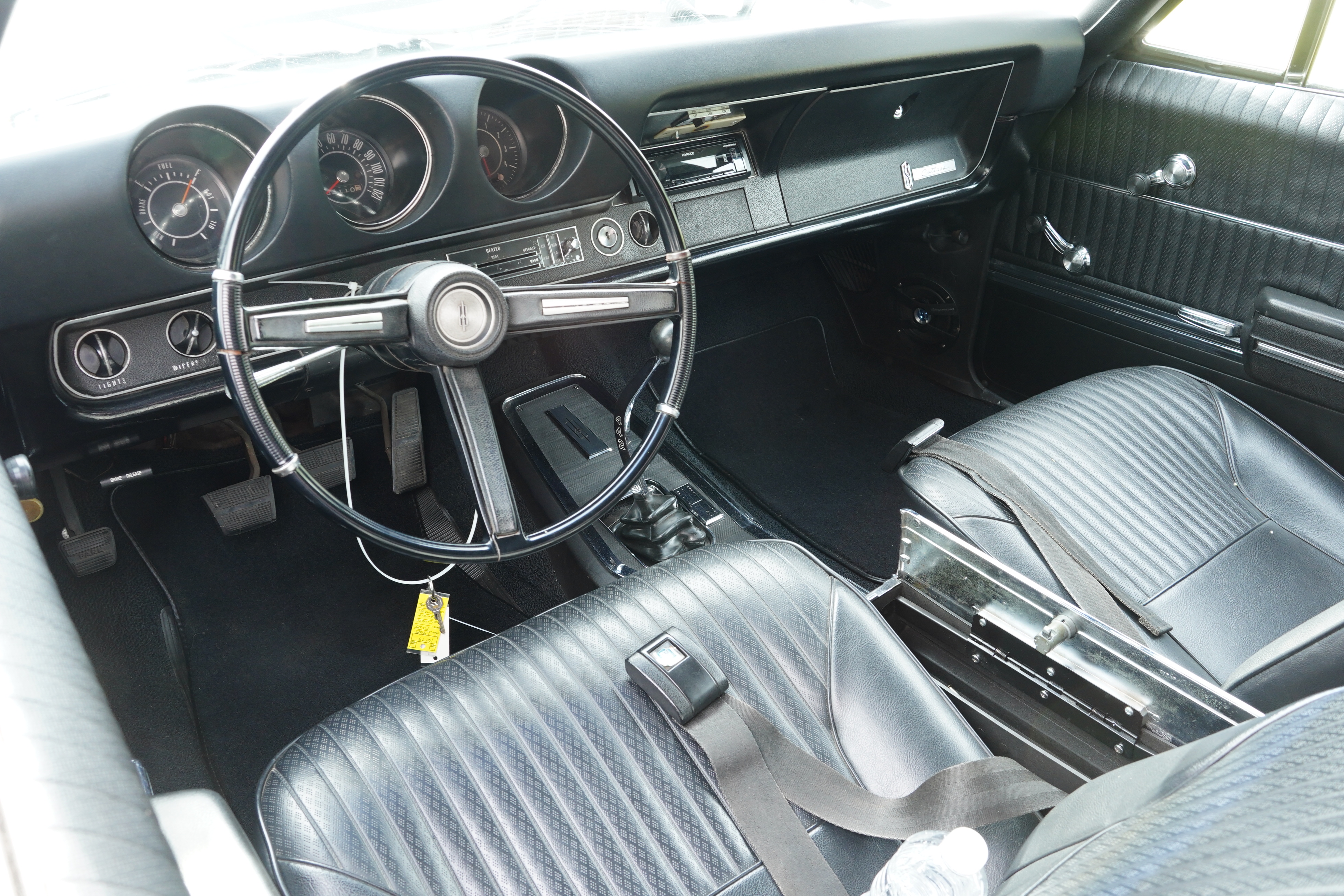
Lot 504, 1968 Olds Cutlass S convertible, dark red, black top and interior. Buckets and center console, manual tranny with floor shifter. No A/C.
SOLD for $41,000. May seem pricey, but based on rarity and condition, was worth it. No comparison with white Cutlass convertible.
NOTABLE NO-SALES
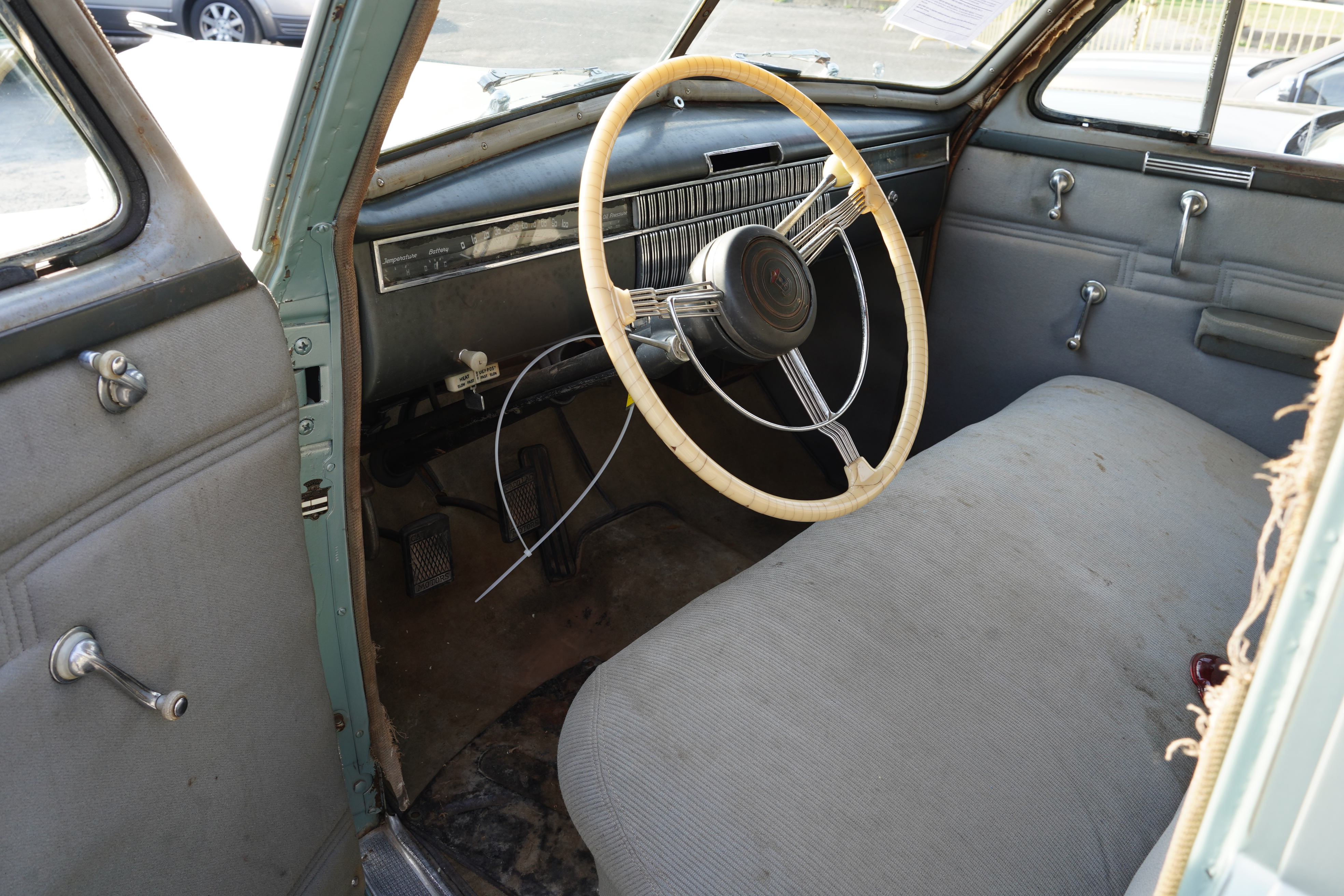
Lot 119, 1940 LaSalle four-door sedan. HIGH BID $4,500
Looked promising on website, but in person, obvious that car needs a total disassembly and restoration. What are the owner’s plan? Probably should have cut it loose.
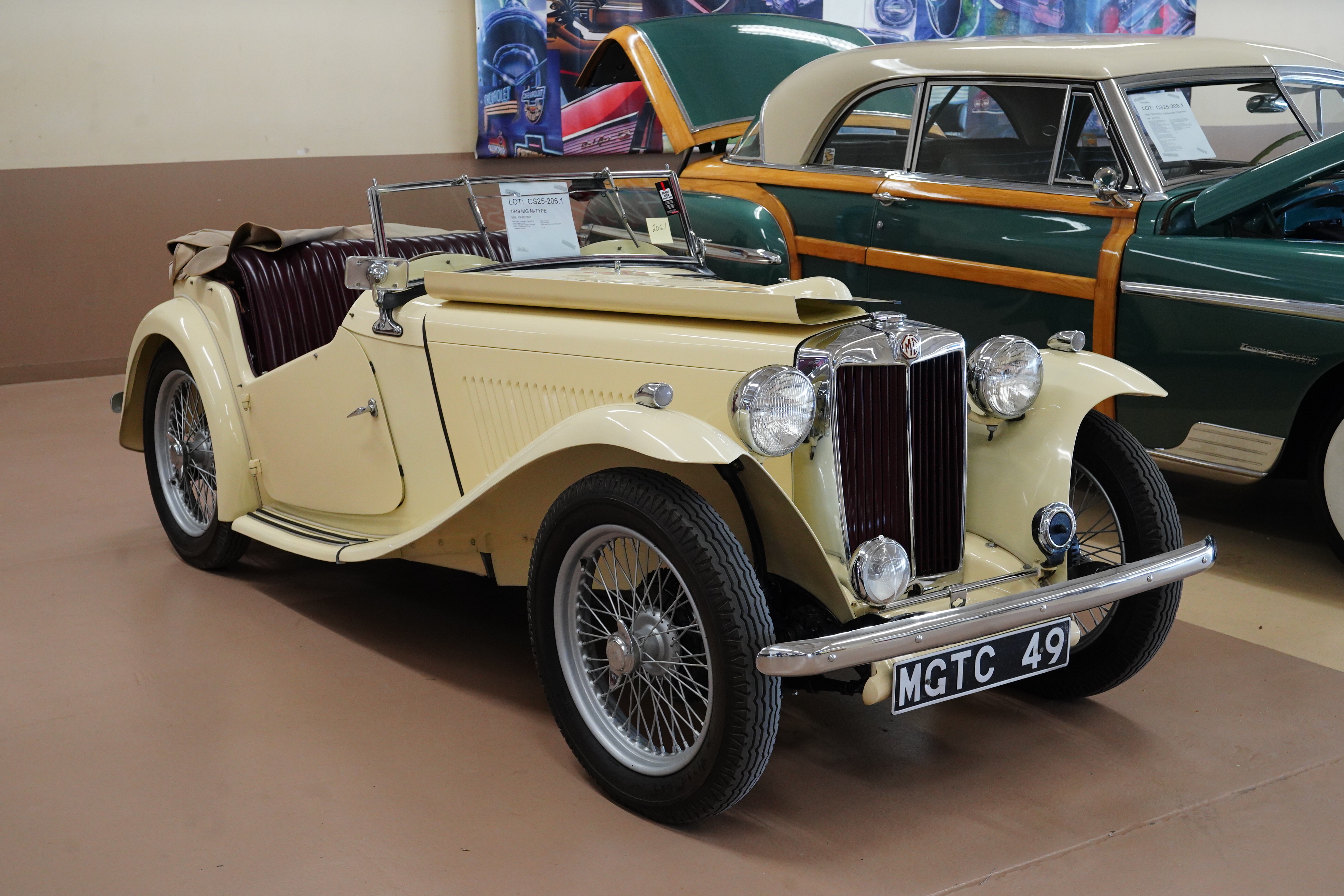
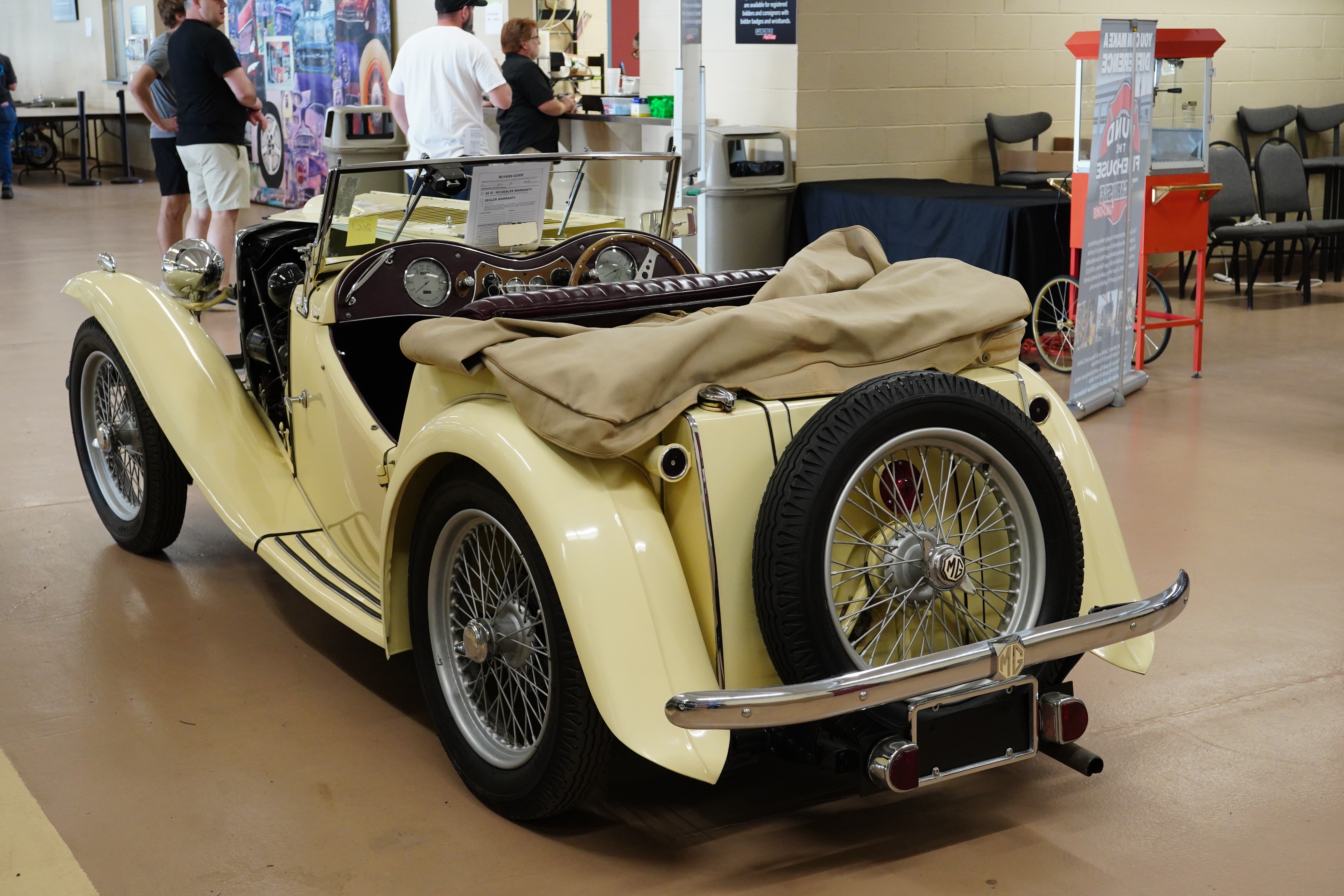
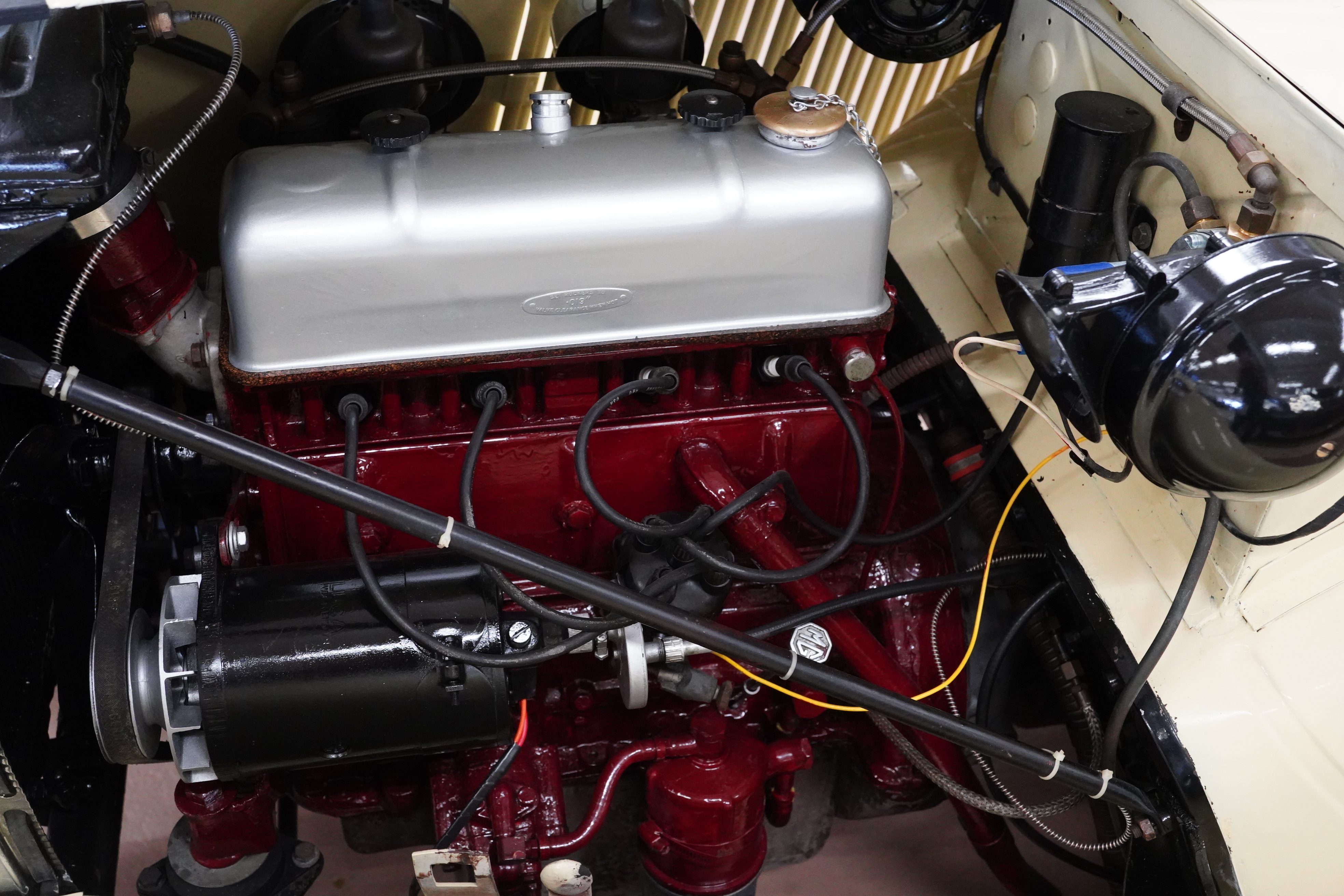
Lot 206.1, 1949 MG TC, HIGH BID $17,000
Stood out as one of the better restorations at the entire event. But has the audience for these gone away? A bid in the mid-twenties would not have surprised.
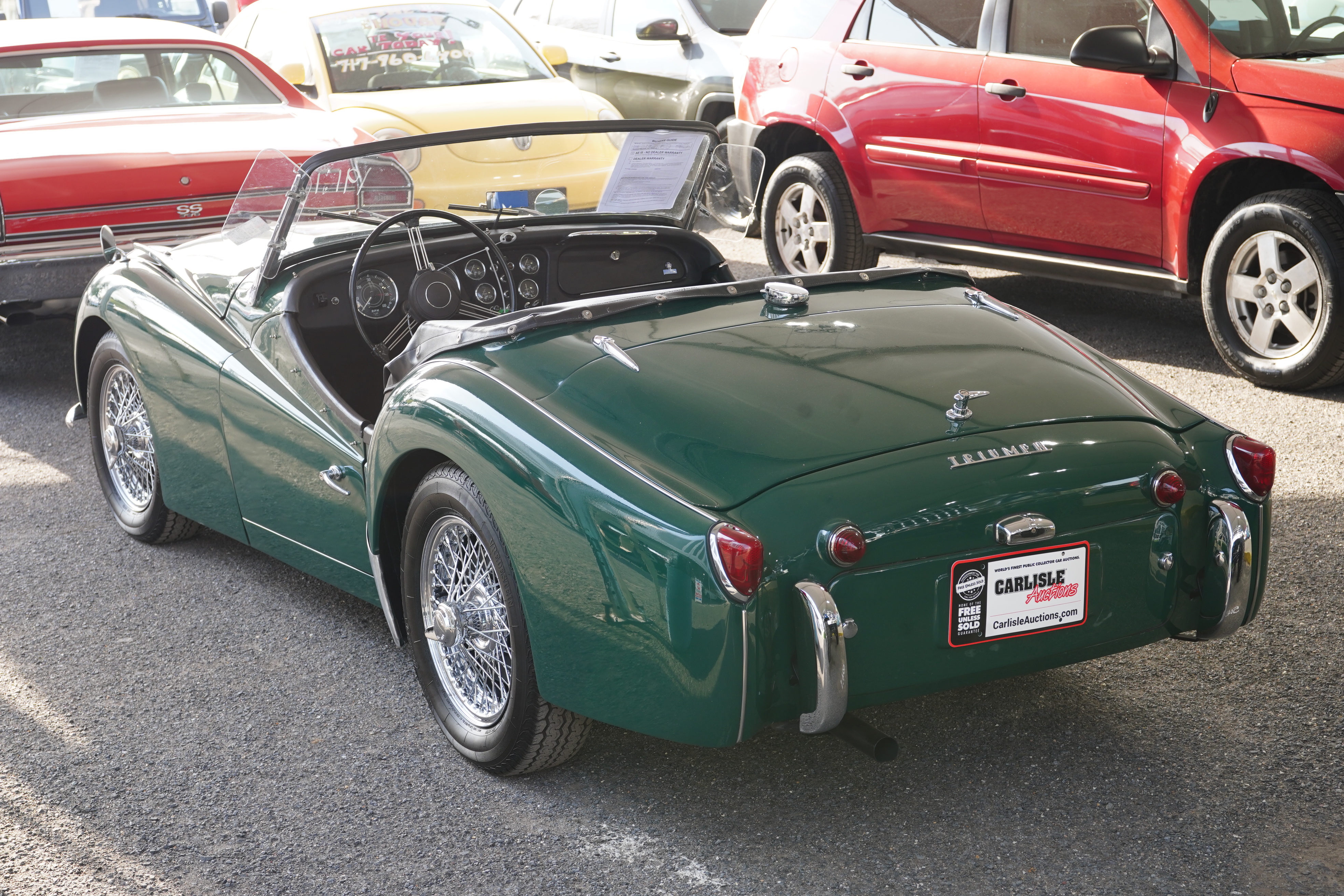
Lot 191.1, 1959 Triumph TR3 HIGH BID $17,500
Like the MG above, a very nice but not perfect restoration, something sorely lacking at this auction. A hammer price in the low twenties might have done the deal.
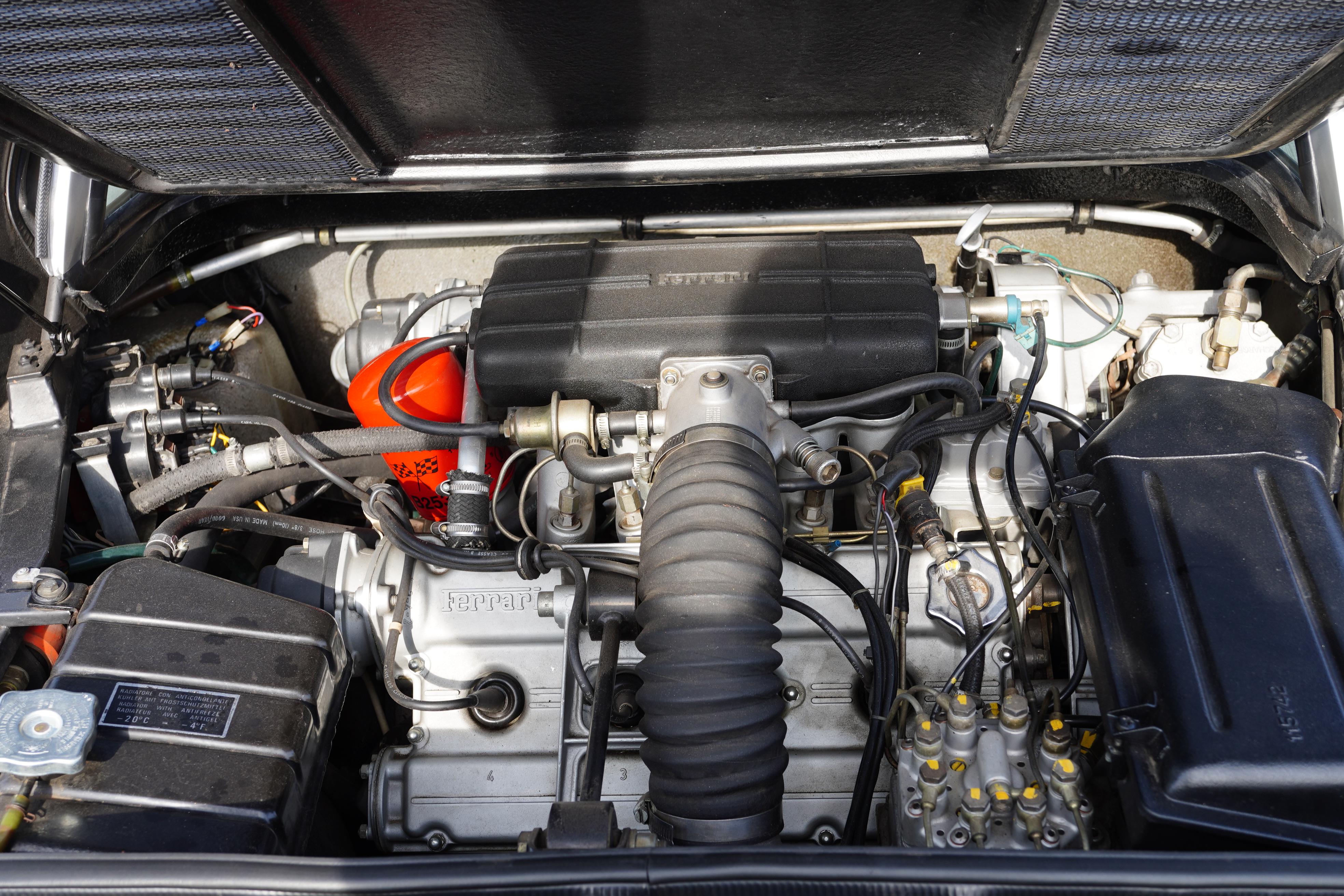
Lot 536, 1983 Ferrari 308GTBi HIGH BID $60,000
Carlisle is not the best place to sell a Ferrari; for European cars, this audience wants to see late-model German cars. This one stood out for me because of its Berlinetta (fixed roof) body style as opposed to the Spider (removable top) style which is more prevalent. Car probably worth twenty grand more than high bid.
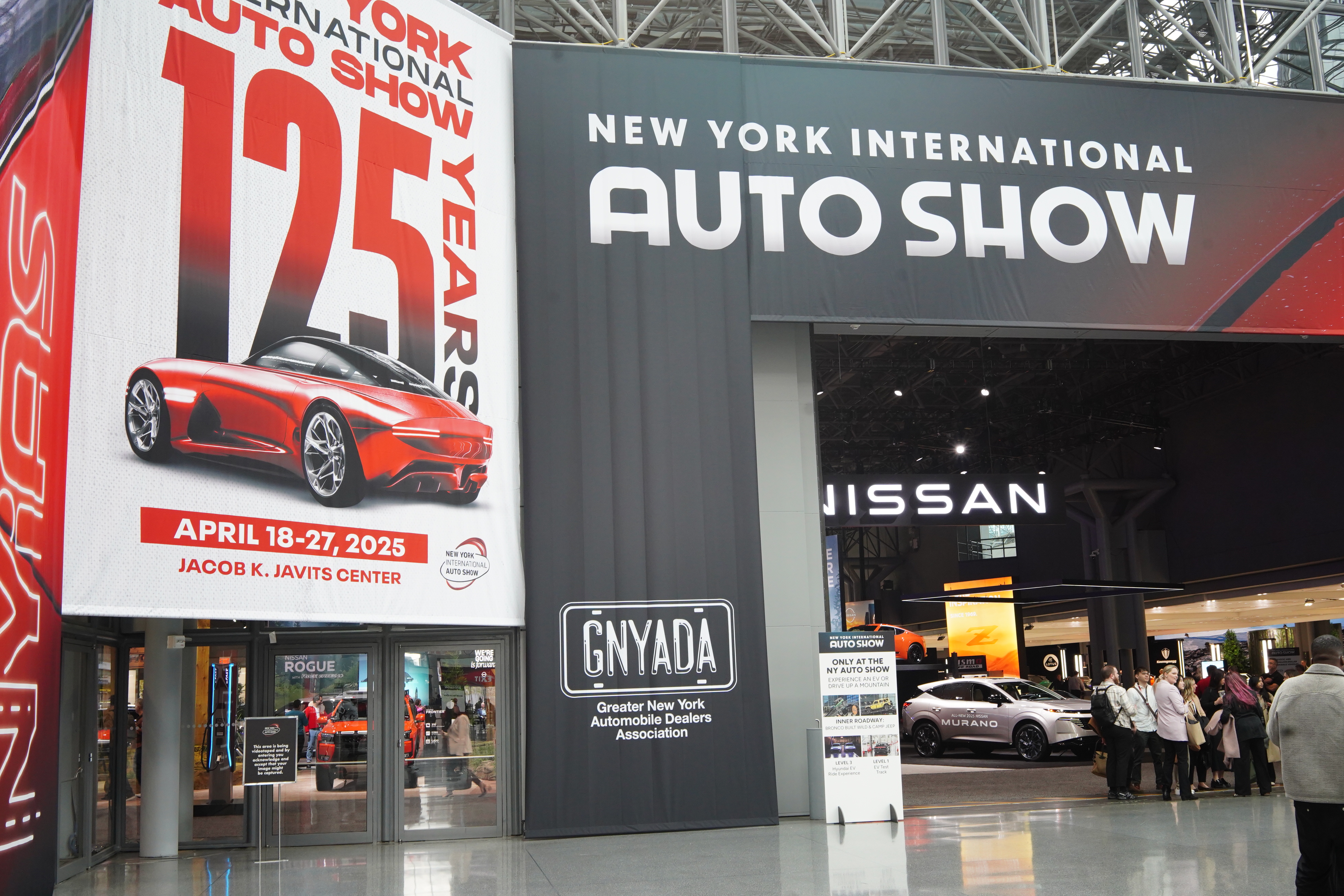
In the late 1990’s, it was my job as Product Training Specialist for Volvo Cars of North America to work the Volvo display at the New York Auto Show in the Jacob Javits Center. At that time, Volvo was relegated to the basement, along with Isuzu, Subaru, and the trucks, as trucks had not become a big deal yet. When I asked my superiors why Volvo was not on the main floor, I was told that there was no room, occupied as it was by the domestic Big Three (GM, Ford, and Chrysler), the Germain Big Three (VW/Audi/Porsche, BMW, and Mercedes-Benz), and the Japanese Big Three (Honda, Toyota, and Nissan).
My, how things have changed.
At this year’s NYIAS, celebrating its 125th anniversary by the way, there was enough room on the main level for Hyundai to set up their own EV test track (in addition to a larger EV test track taking up most of the lower level). Now let’s name many of the vehicle manufacturers who were not in attendance: BMW; Mercedes-Benz; Jaguar; Land Rover; Mazda; Mini; Mitsubishi; Volvo; and Polestar. Interestingly, GM brought Chevrolet, but kept Buick, Cadillac, and GMC home. FoMoCo brought Ford but not Lincoln. Toyota and Nissan were both there, but without their Lexus and Infiniti counterparts. The VW group showed the People’s Cars but not Audi or Porsche. Stellantis, surprisingly, displayed their full lineup of Chrysler, Dodge, Jeep, Ram, Fiat, Alfa Romeo, and Maserati. And Honda and Acura were side-by-side.
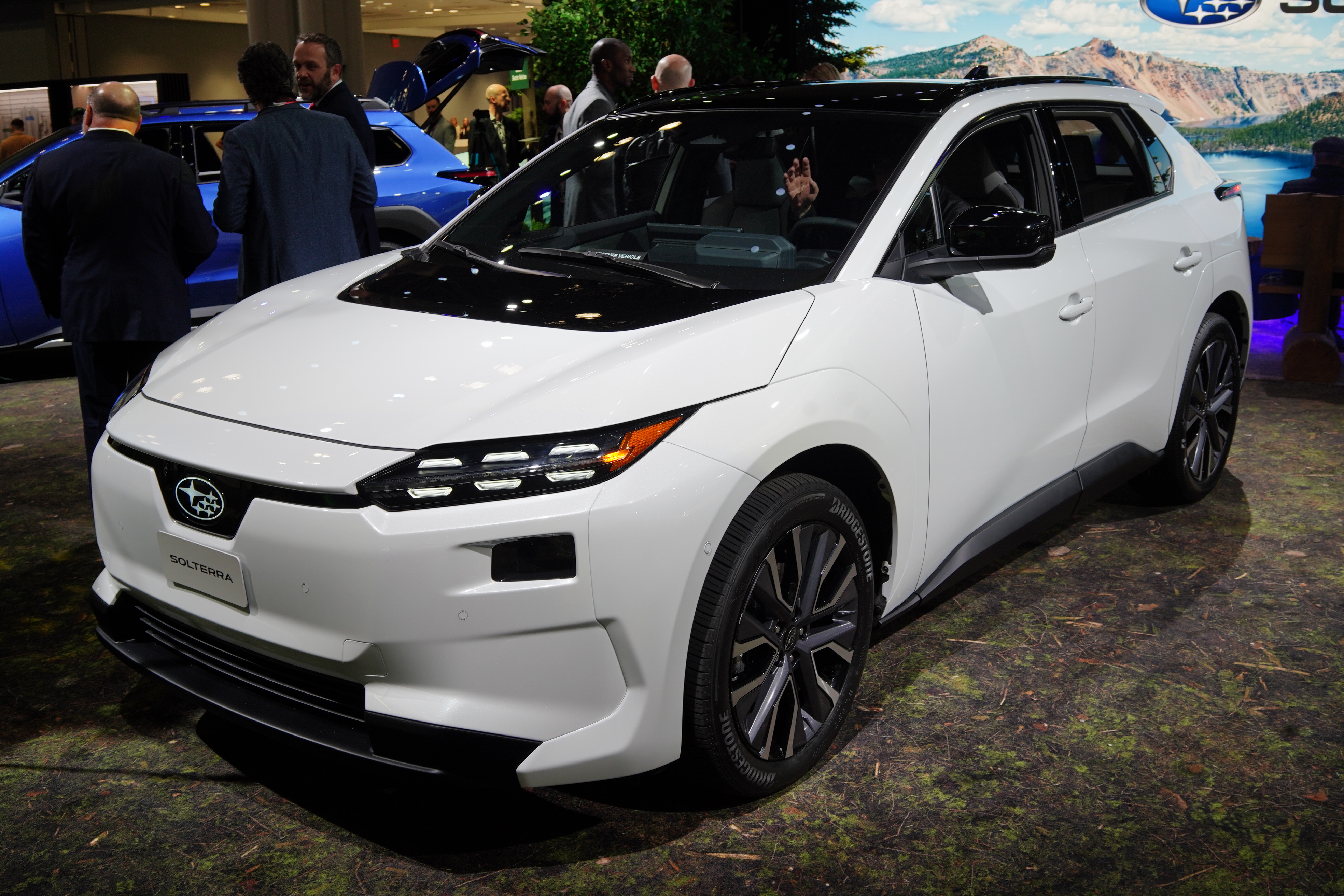
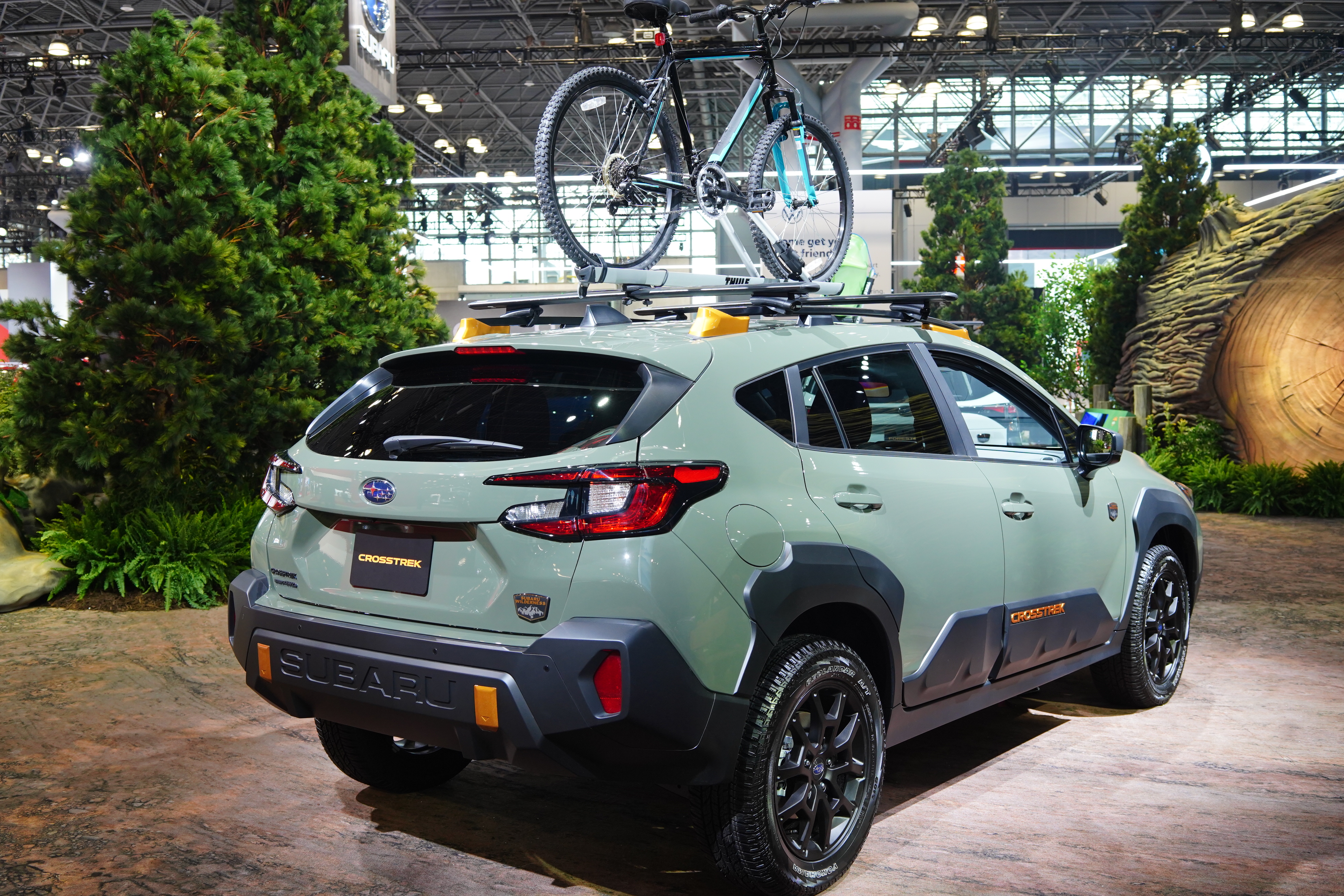
With all that floor space available, Subaru, Hyundai, and Kia took the most advantage of it, setting up lavish and expansive displays. Subaru in particular went all out, building an on-site jungle and playing up the rugged outdoor appeal of their products. The Chevrolet and Ford displays also consumed significant real estate, leaving a lot of room between products.
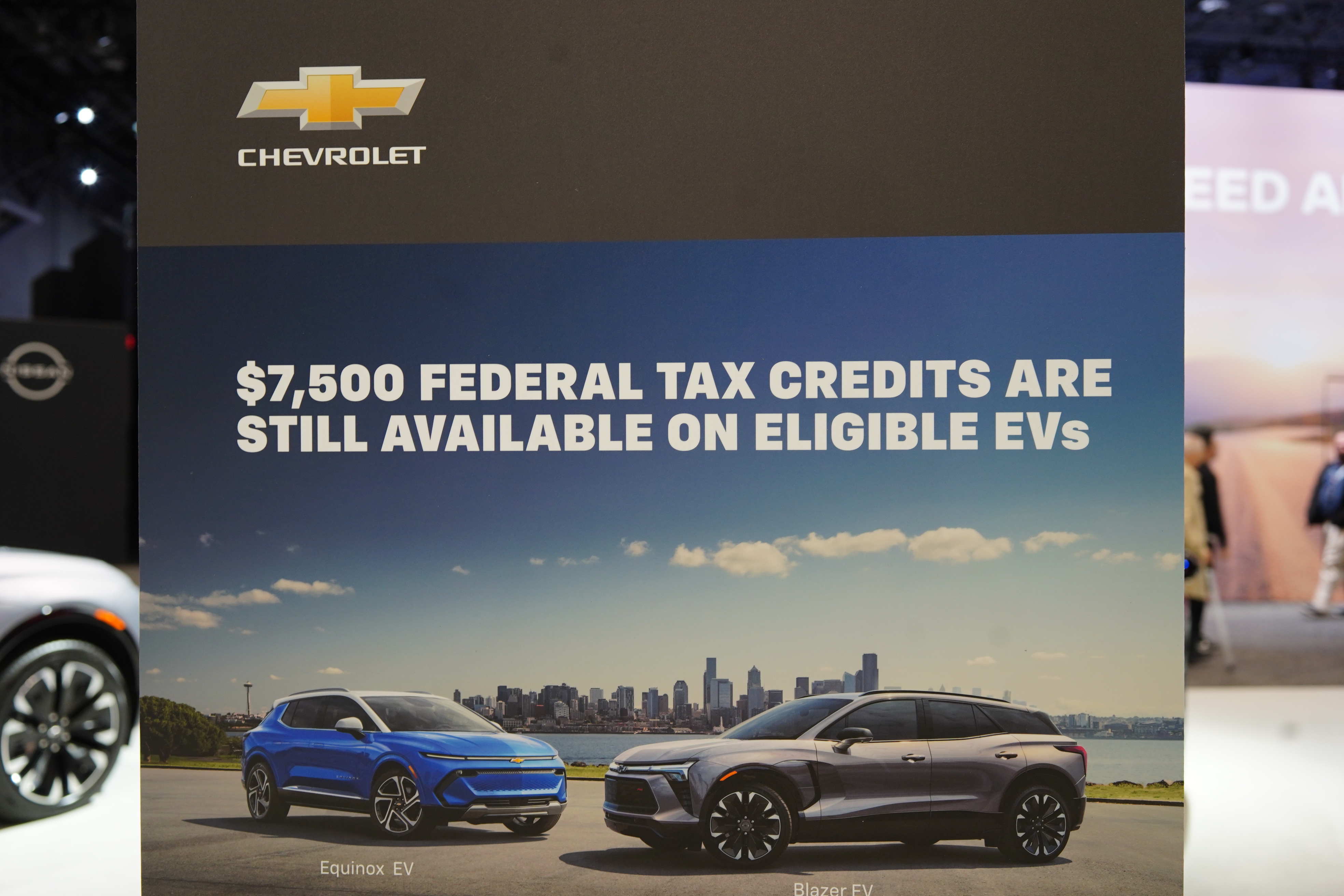
EVs were on display, but I can’t say that there was any aggressive marketing alongside them. Of course, the public is likely confused about whether to buy an EV and whether there are still any governmental incentives to do so. I didn’t sense any overriding theme to the show. Trucks, especially crossover-type SUVs, continued to dominate. Sedans continued to dwindle. Powertrain choices continued to proliferate. And while not directly addressed during my Press Day visit, looming tariffs may delay purchase decisions. It should be an interesting year for automobile manufacturers navigating the American landscape in 2025.
FORD
Plenty of space among the vehicles
Maverick
Mustang
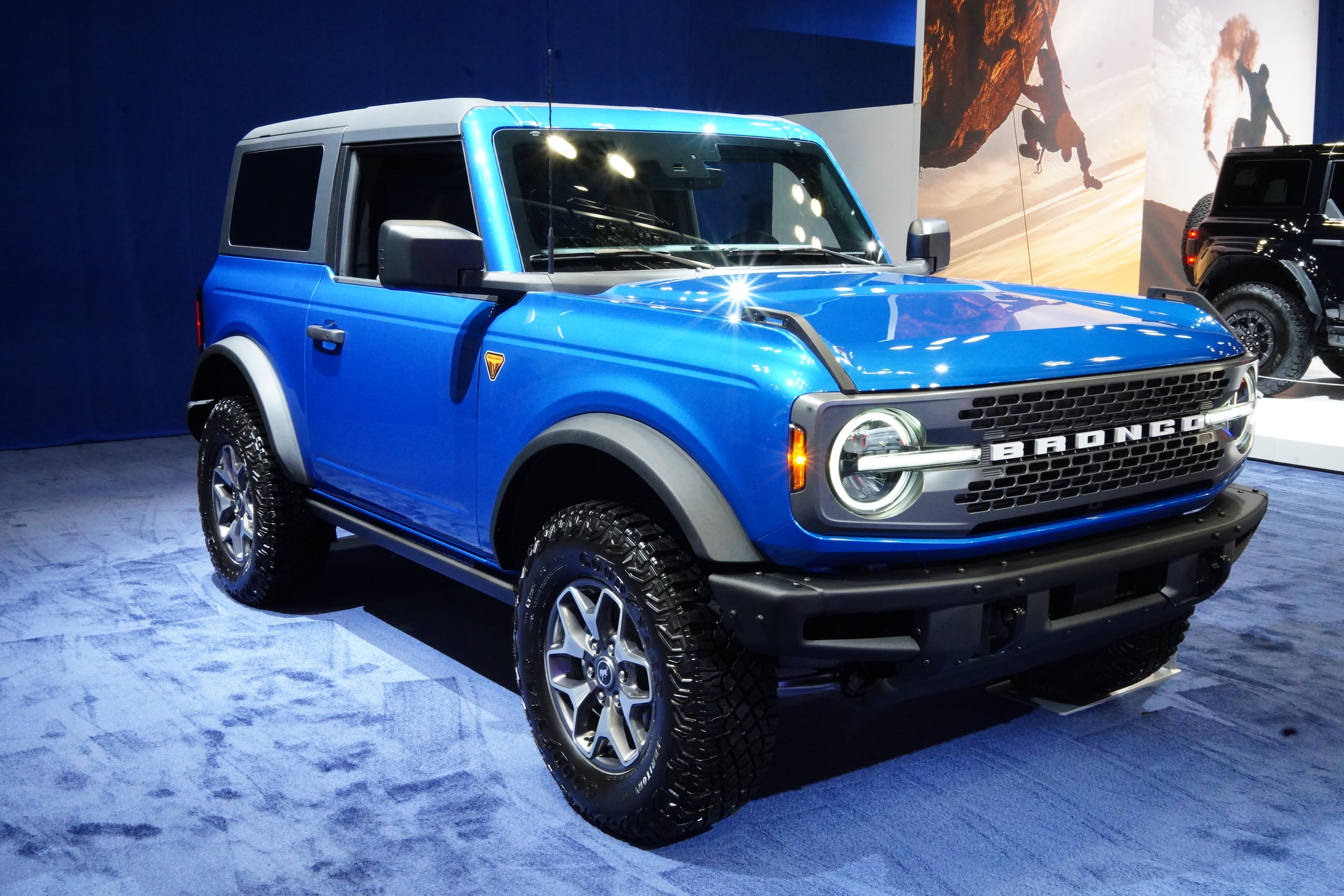
Bronco
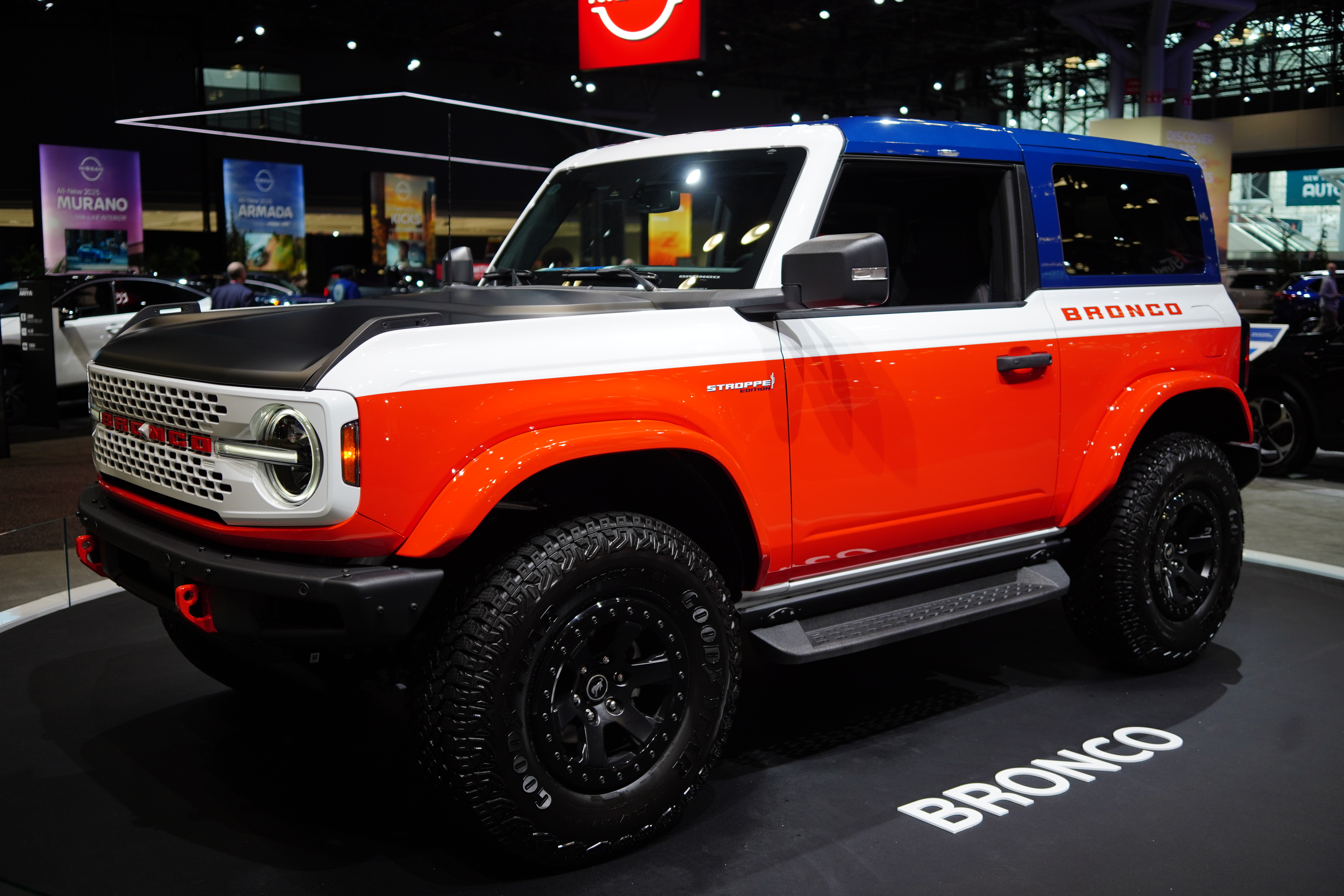
Special Edition Bronco
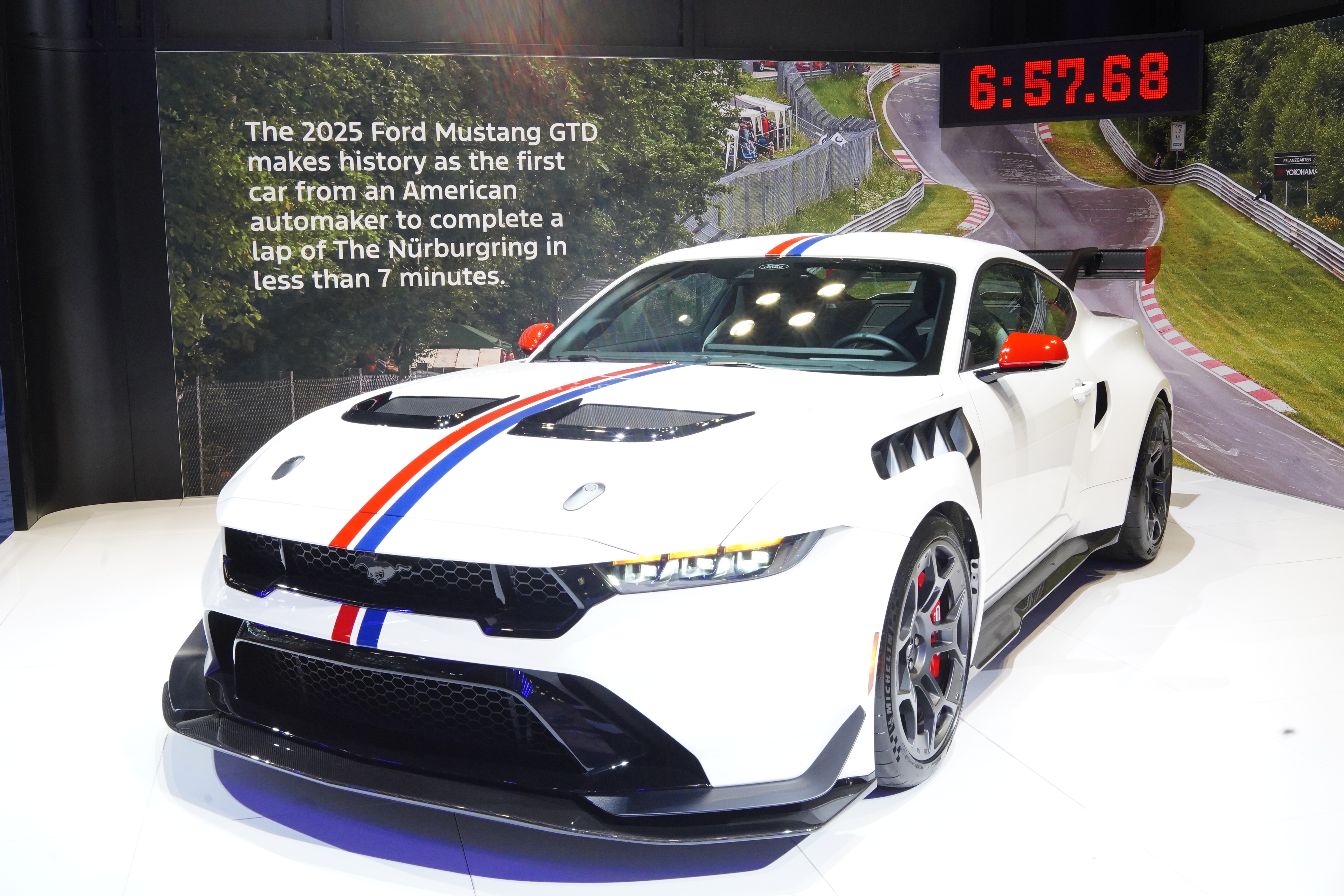
Mustang GTD
Mustang Mach-E EV
CHEVROLET
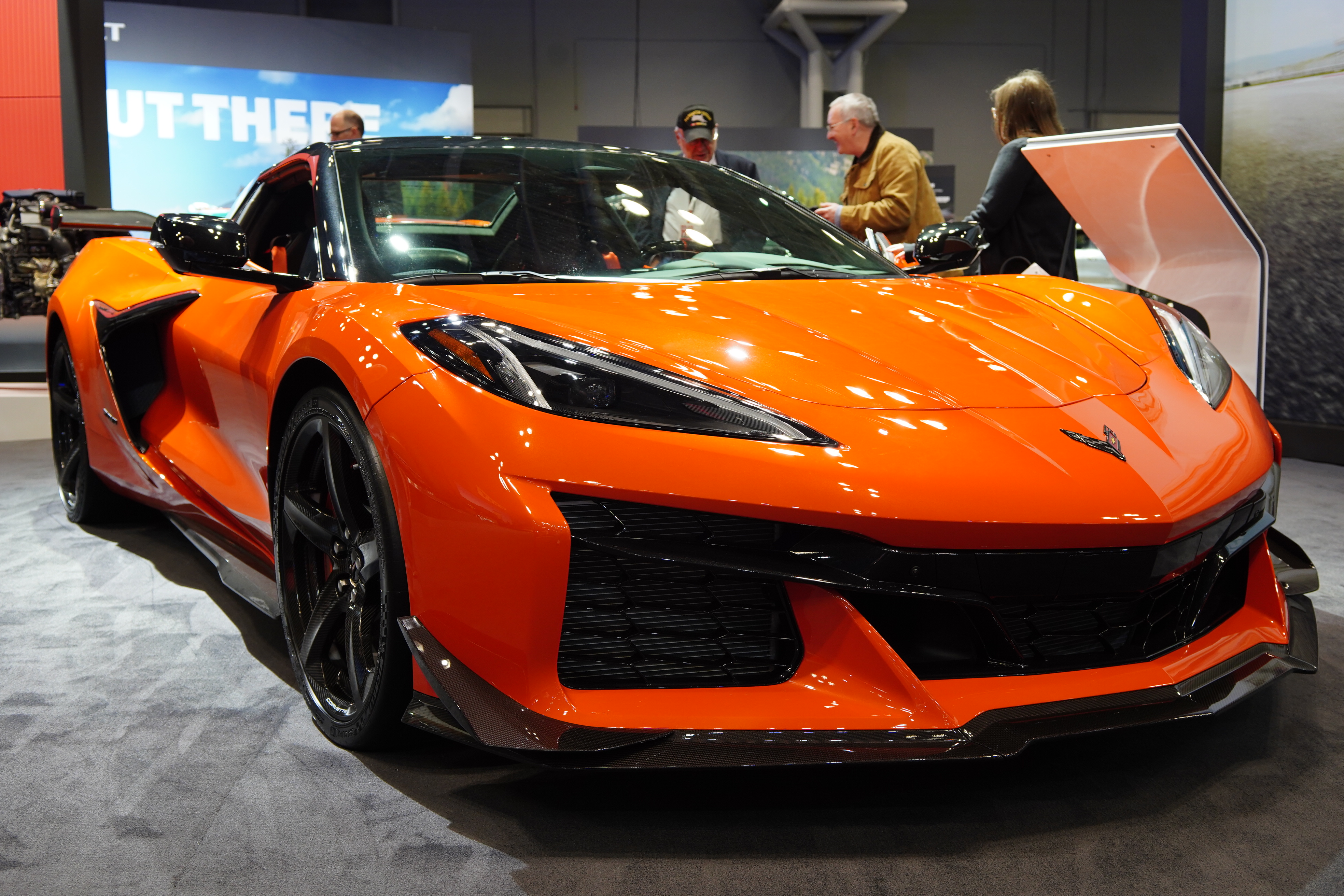
Corvette
Equinox
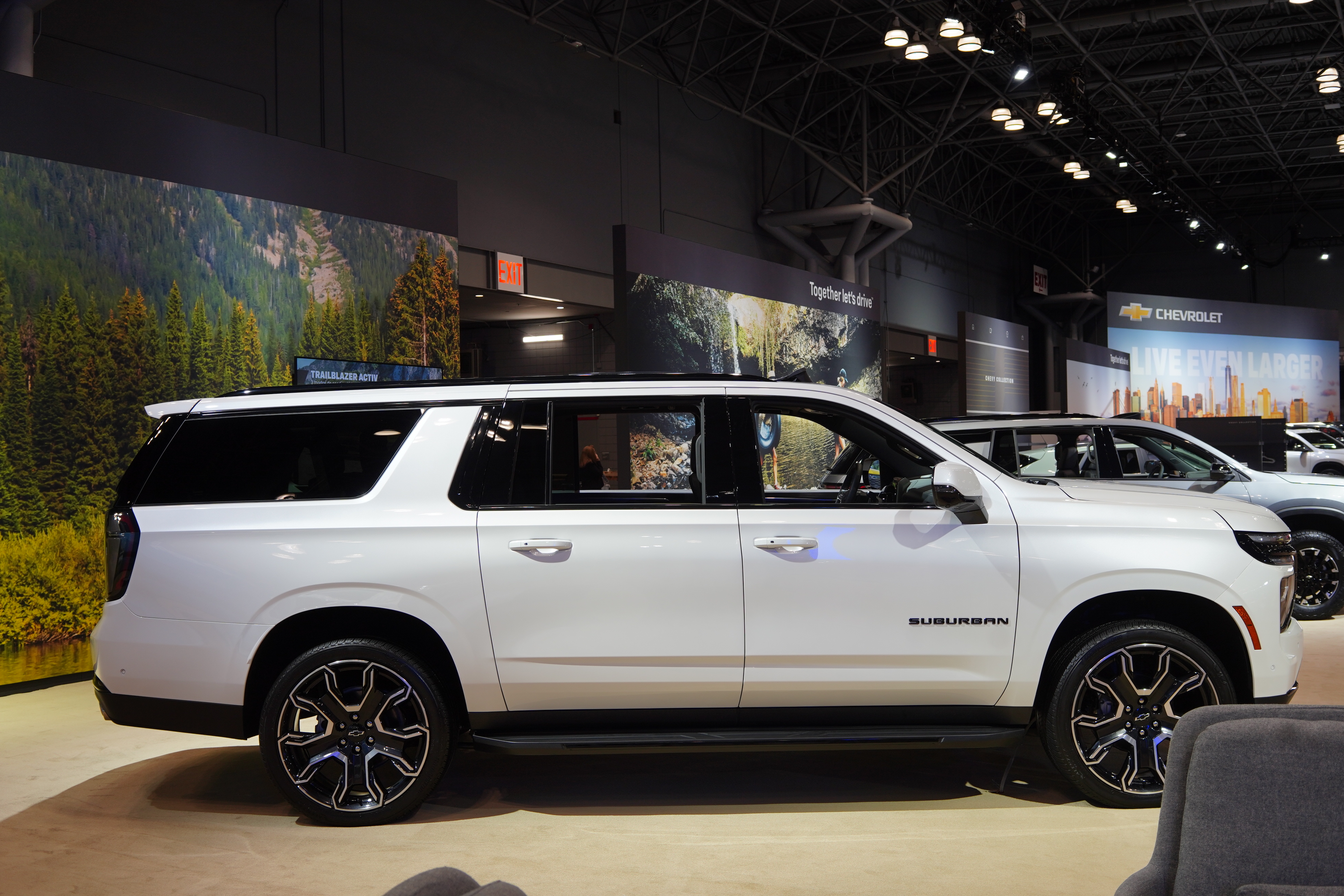
Suburban
Trailblazer
But for how long?
The Monroney for the Trax. Note country of origin and final assembly information
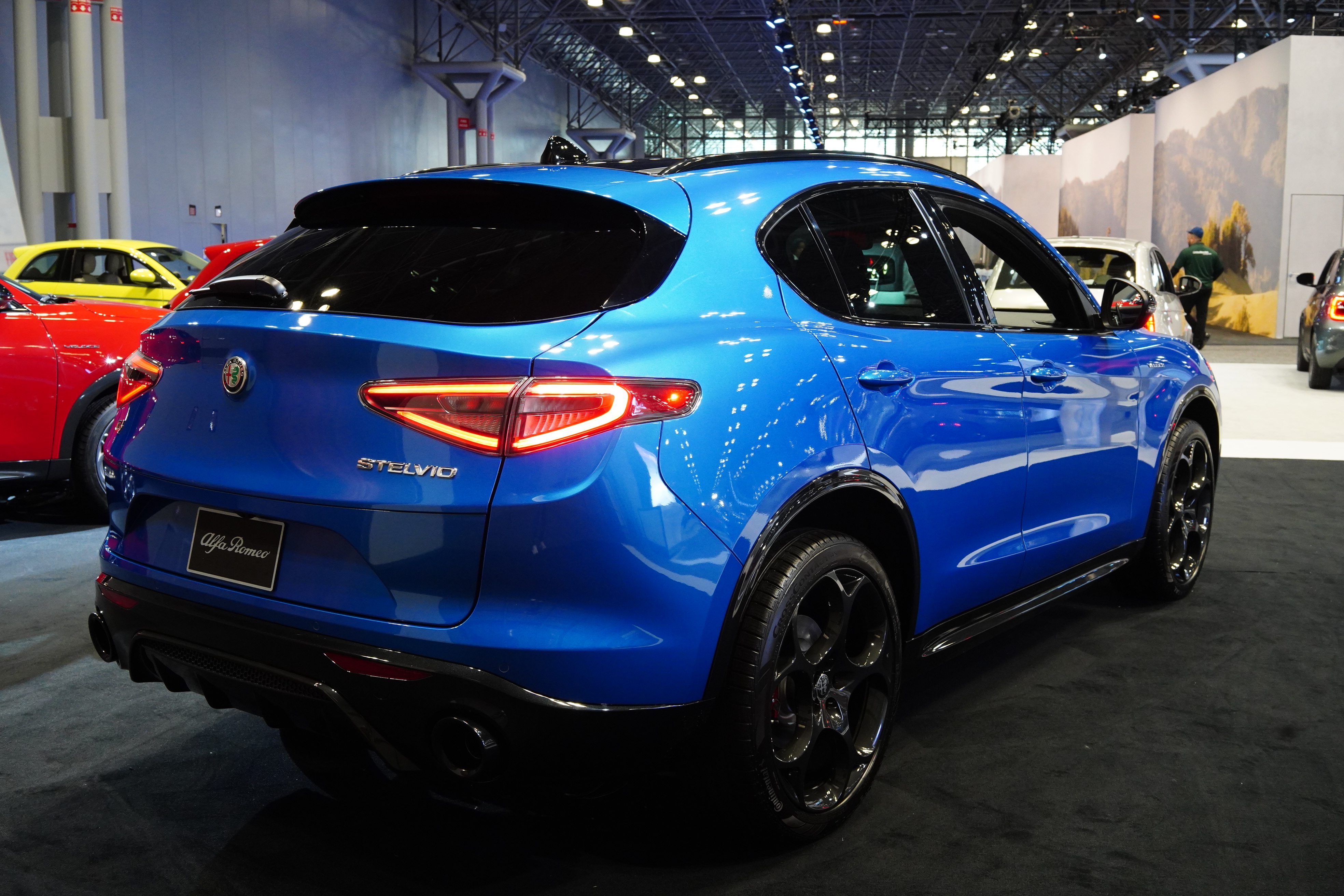
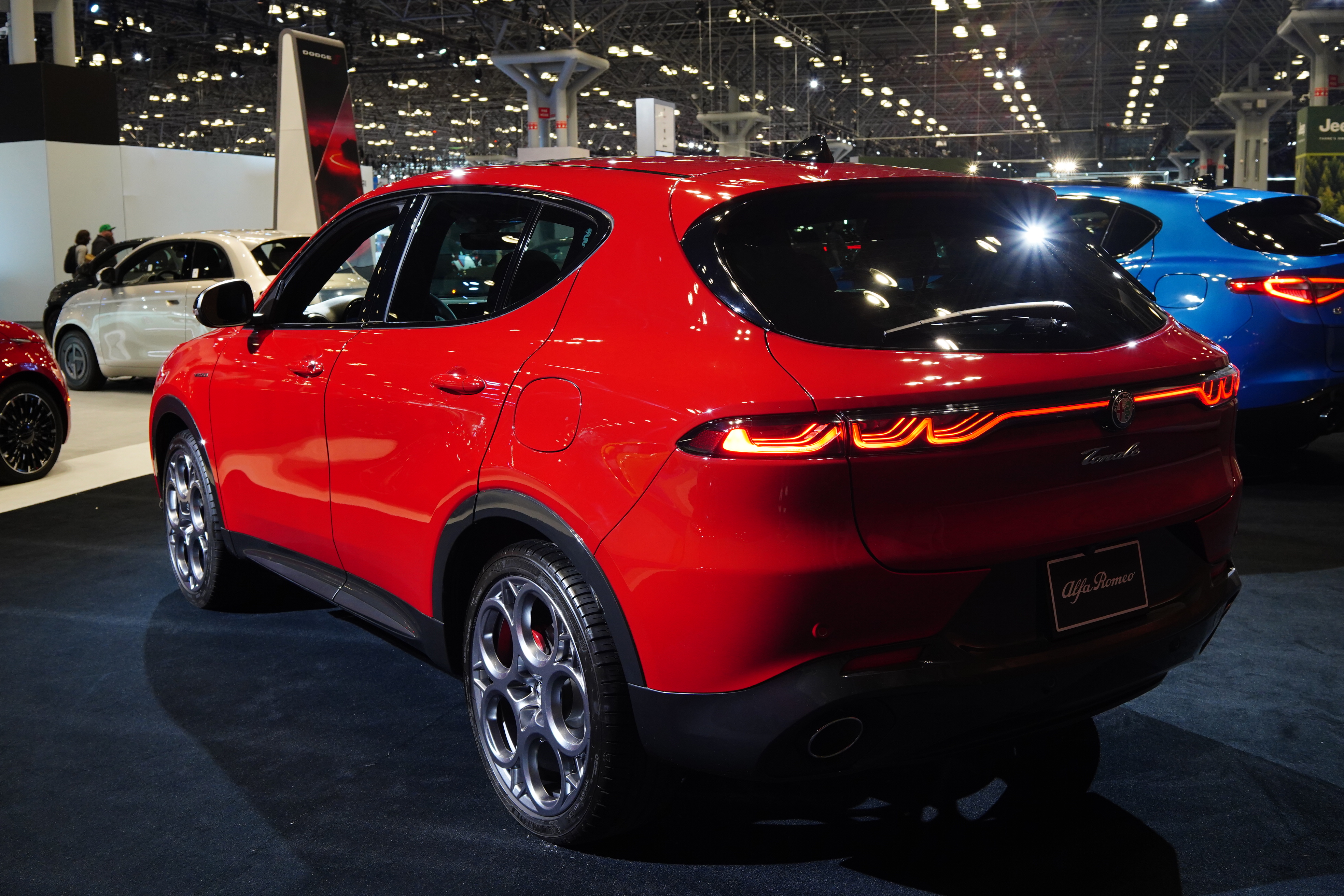
ALFA ROMEO
Giulia
Stelvio
Tonale
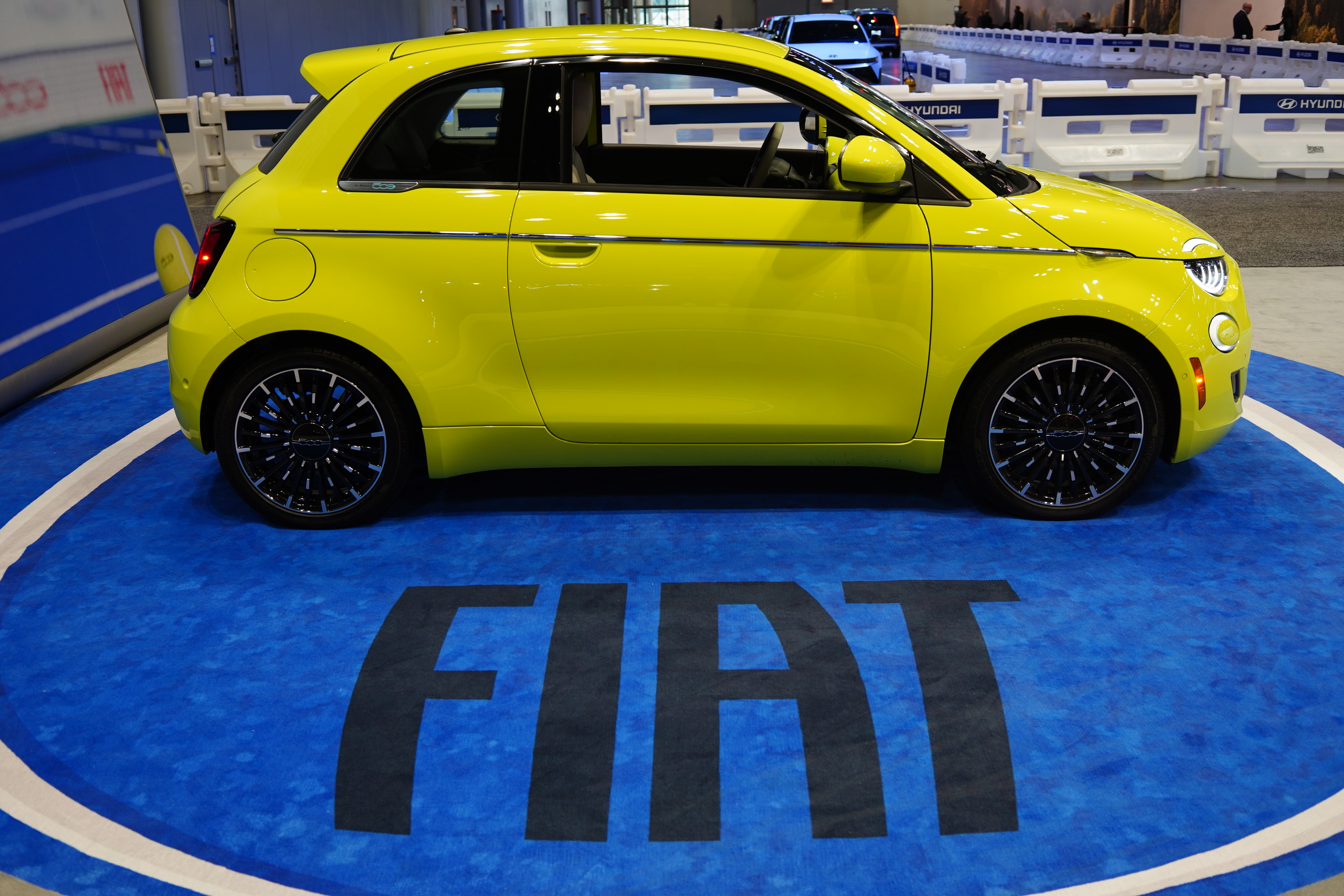
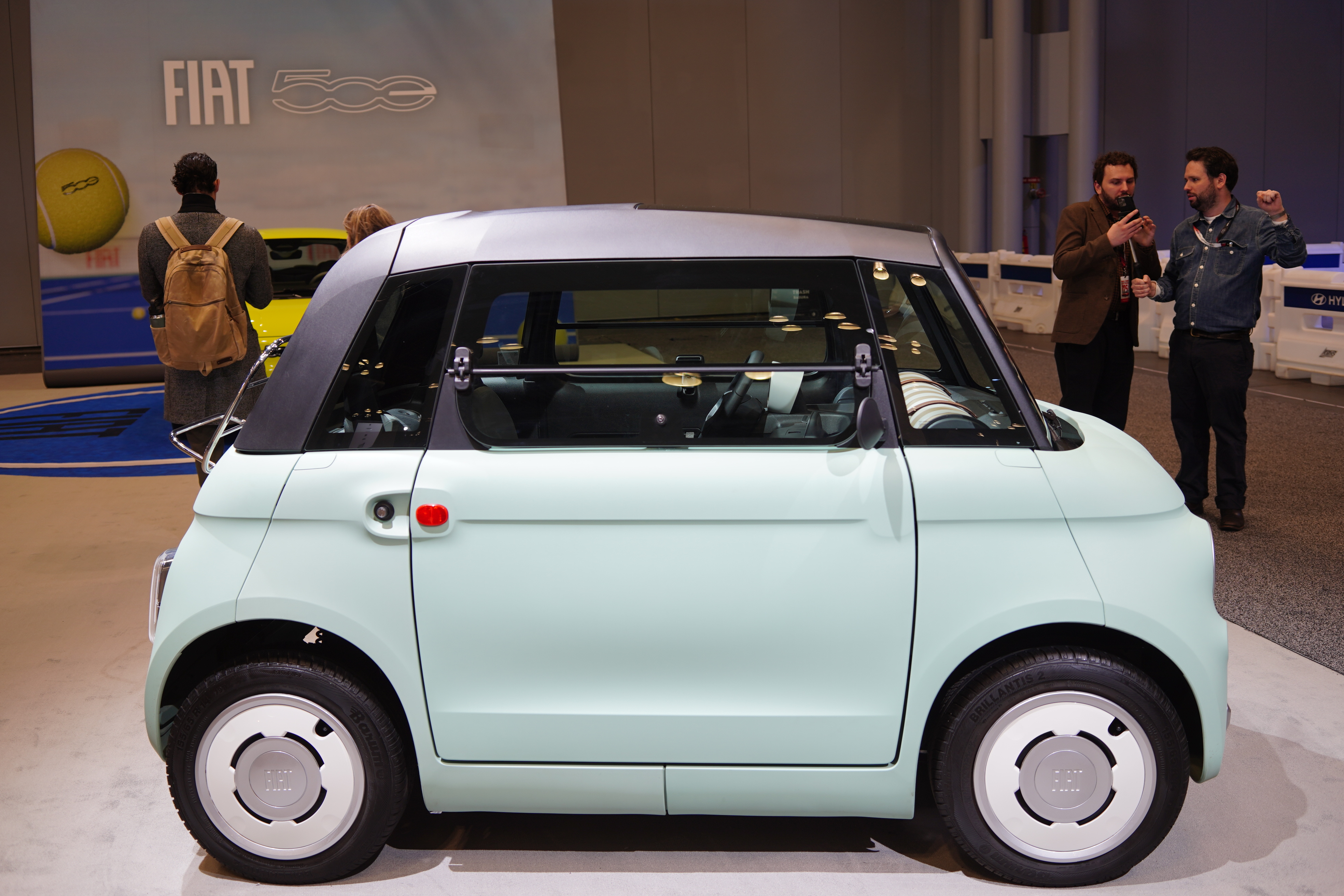
FIAT
500
Topolino (about the size of my Isetta)
DODGE
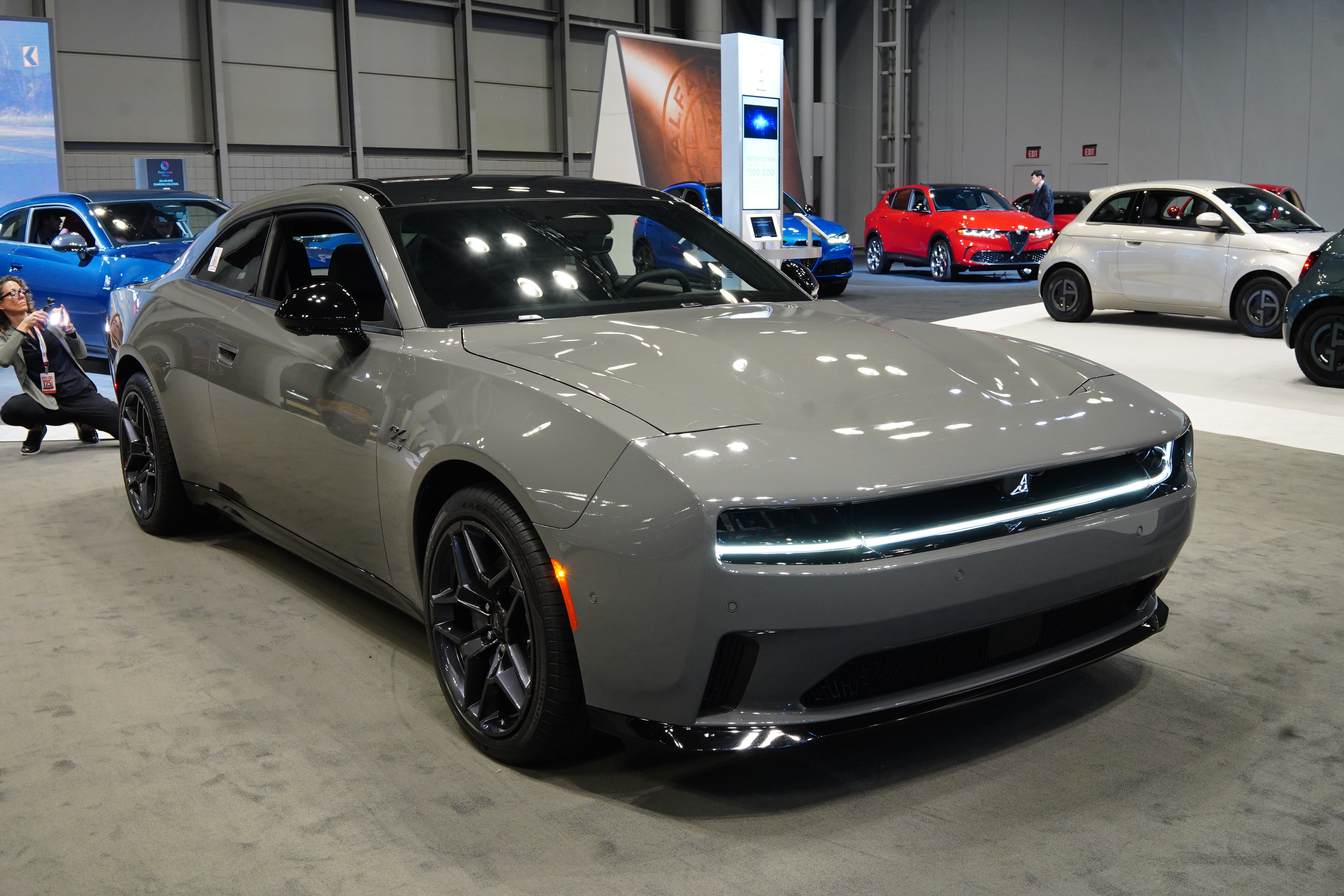
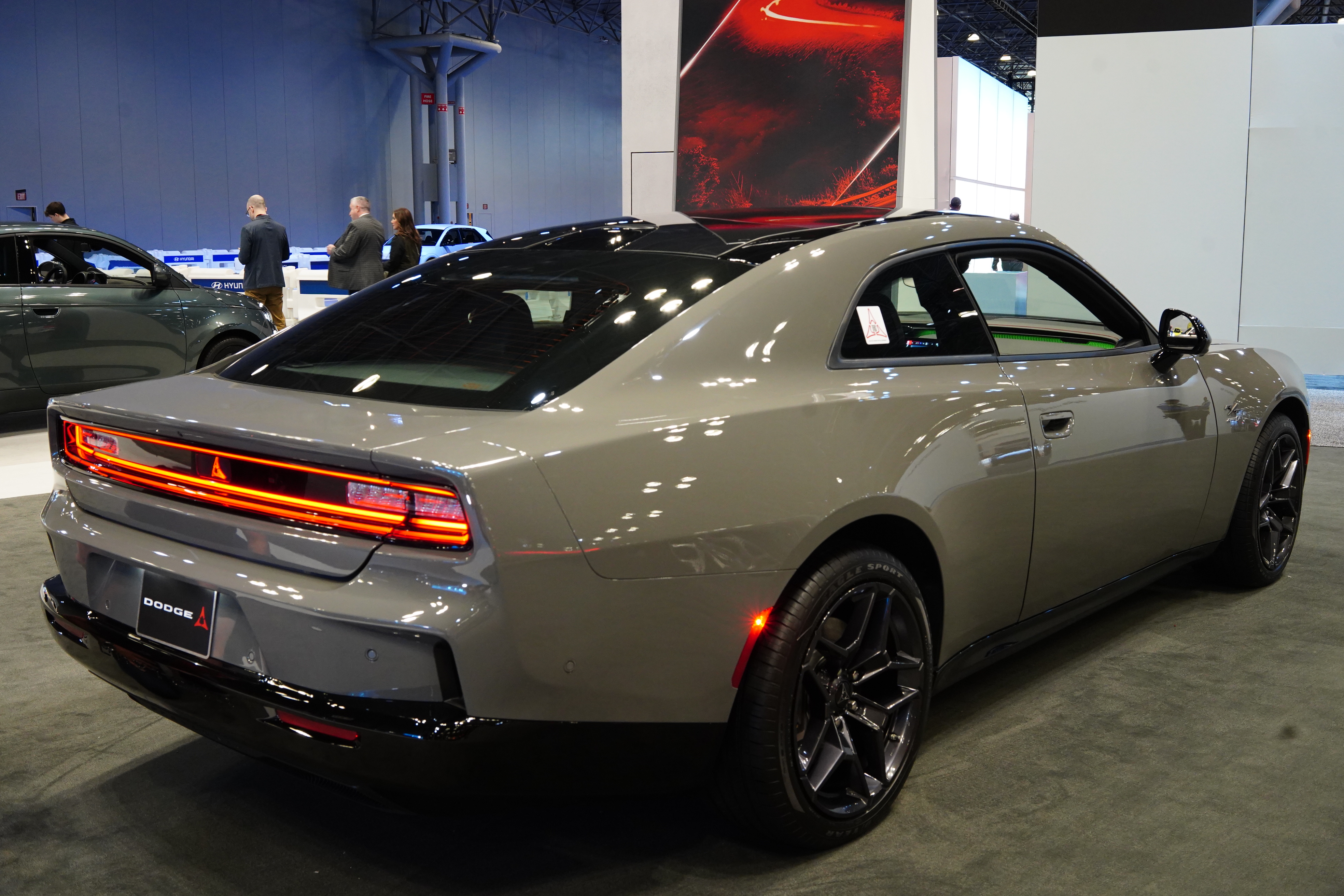
The production Charger, a true two-door, is a stunning retro version of the ’68-’70 model
LUCID
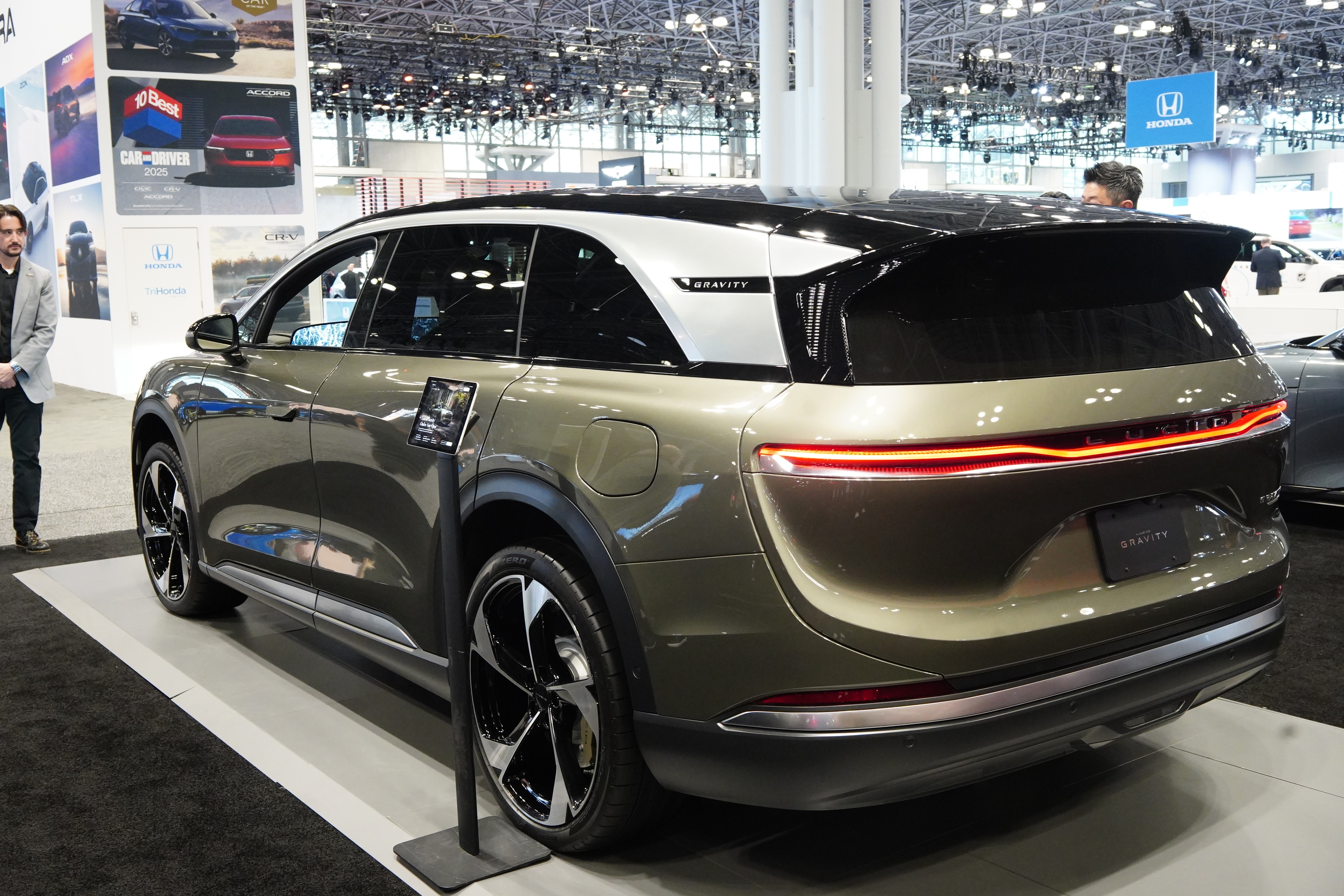
Lucid brought their new SUV, named “Gravity”, which will accompany the “Air” sedan. An upcoming convertible model is rumored to be named “Weightless.”
Gravity
SUBARU
BRZ, a rare RWD sport coupe
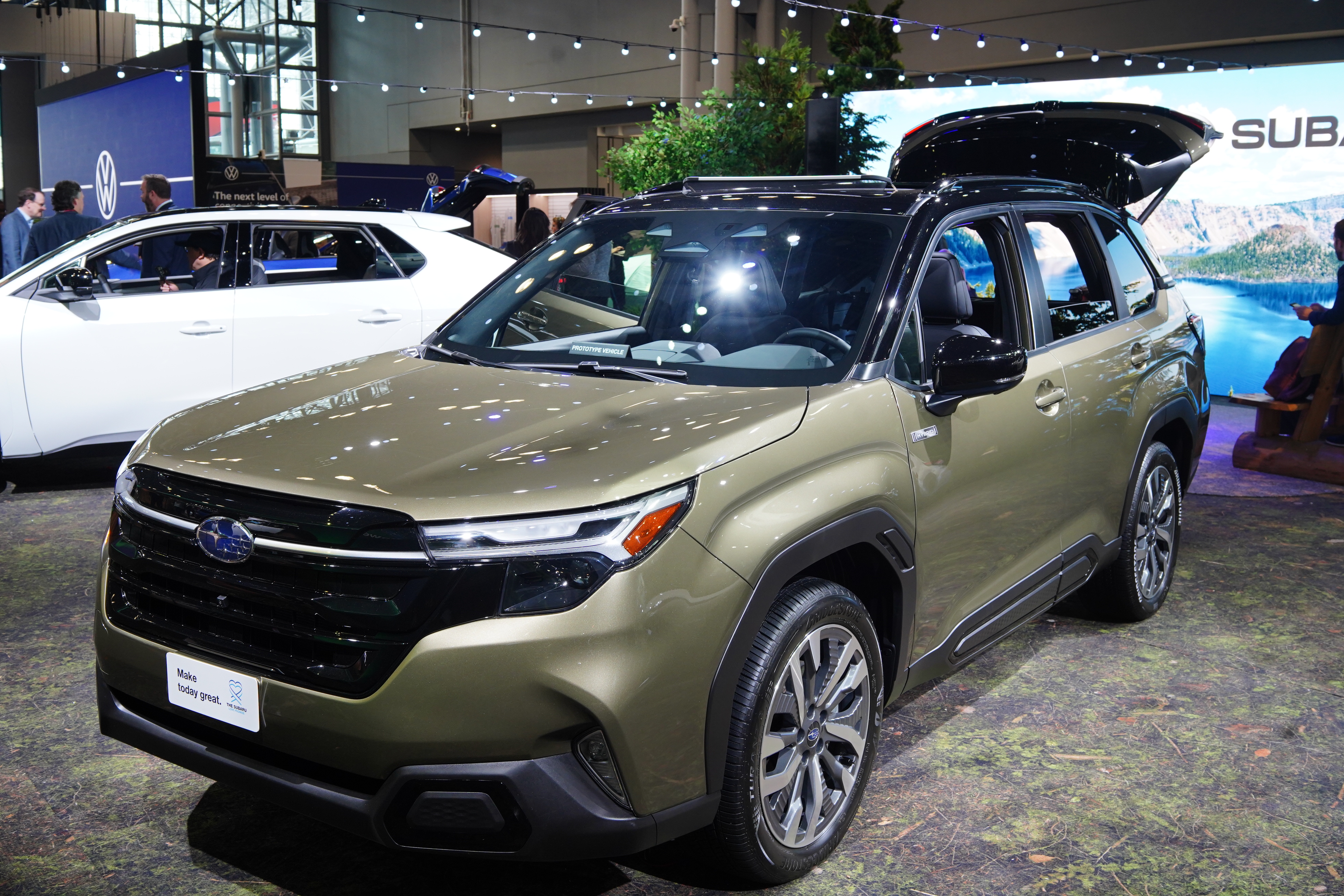
The upcoming new Forester
Solterra gets “improved design of the year” award for painting its plastic fender trim body color
Crosstrek
VW
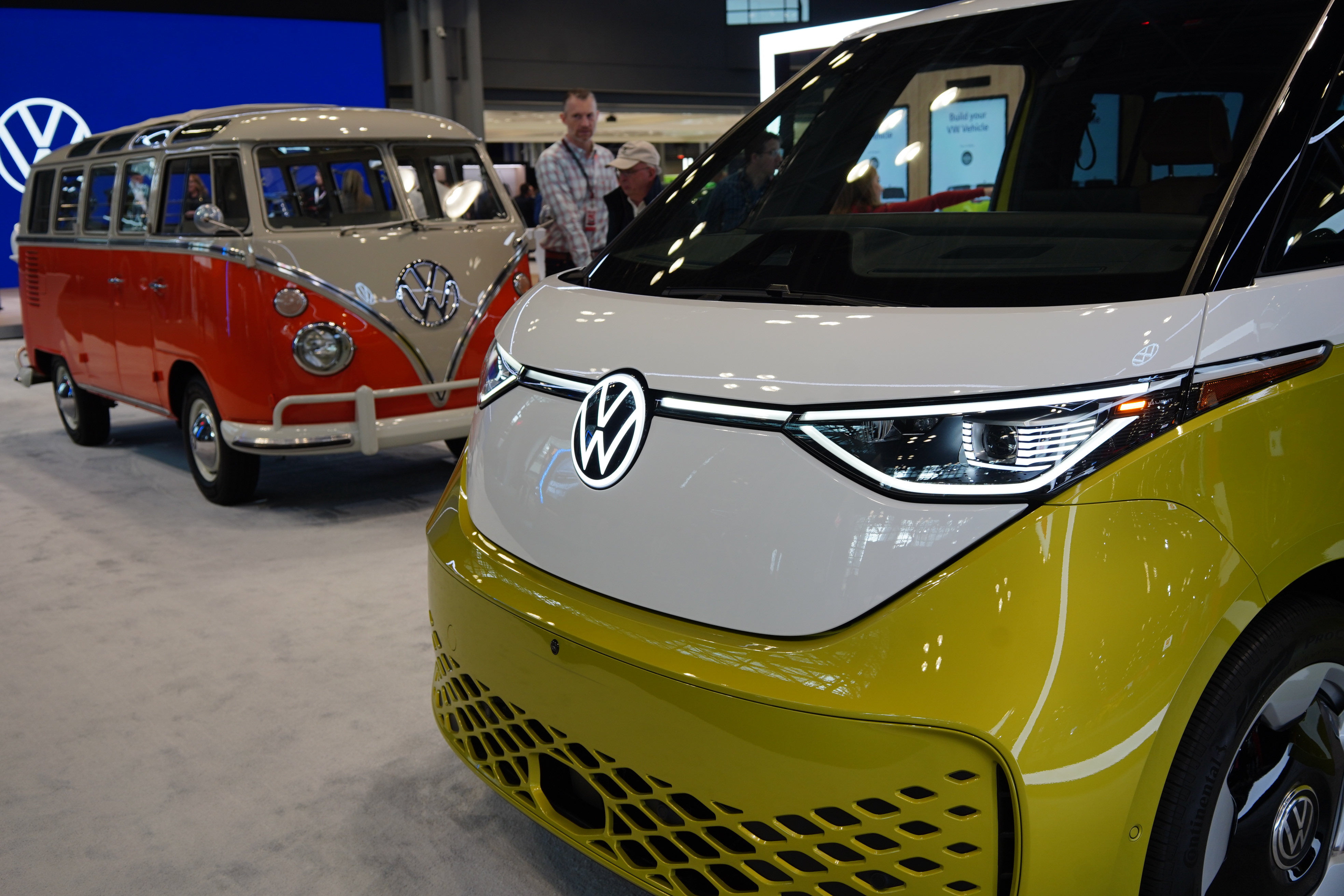
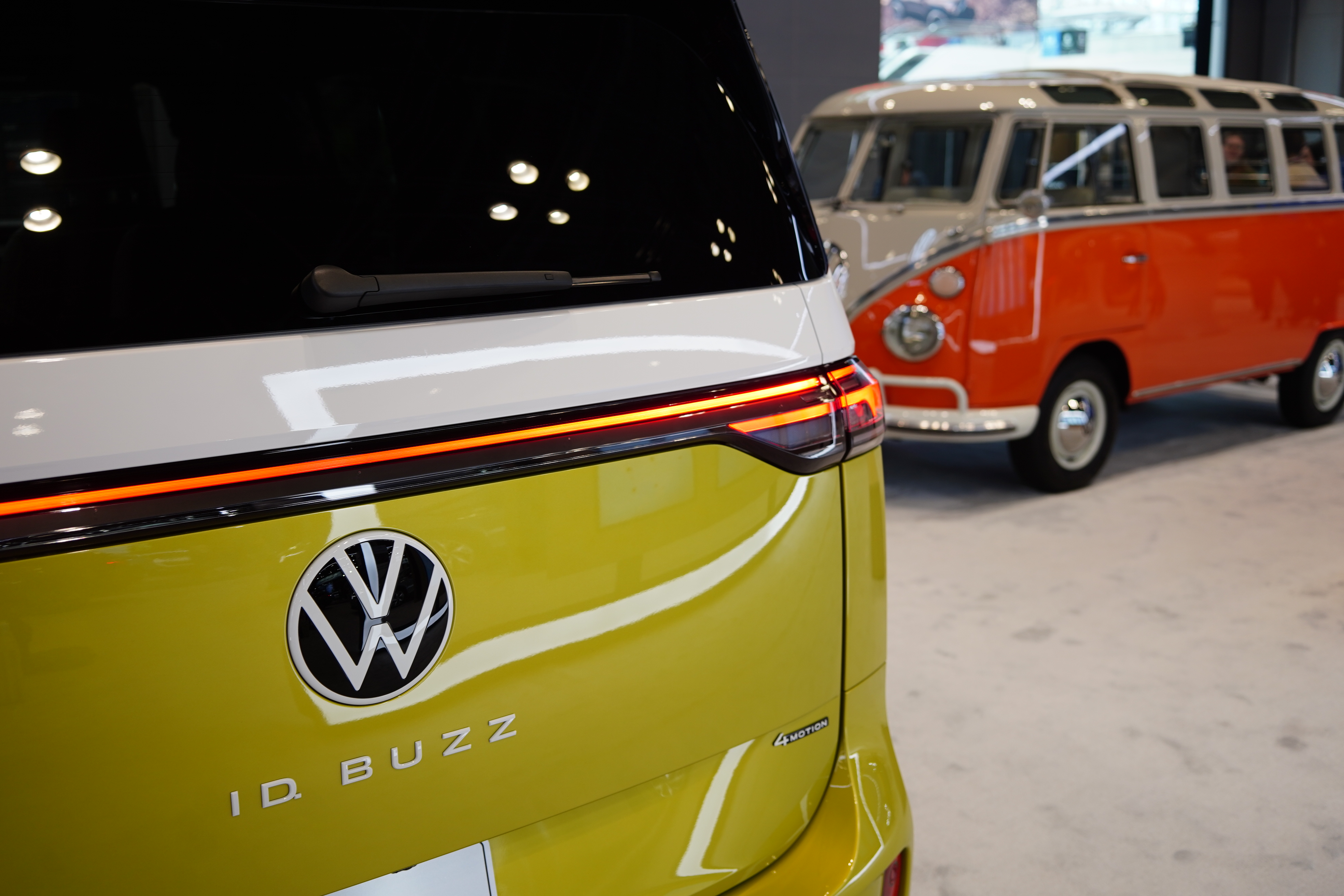
I.D. Buzz EV
VW brought a Microbus to display alongside its spiritual successor
As I wrote about in June of last year, my 1967 Alfa Romeo 1300 Junior has been certified by the Antique Automobile Club of America (AACA) as an HPOF winning car, the awkward acronym standing for “Historical Preservation of Original Features.” Full recognition for that achievement must go to its previous owner, my late, great friend Pete, from whom I bought the car. During my thirteen years of ownership, I have endeavored to maintain the car’s originality while continuing to keep it safe, reliable, and roadworthy. After all, I bought it to drive it, and have put over 14,000 miles on it since taking possession in 2013.
Recently, though, I have had some issues related to my efforts to stay with original style parts. Last year, after a cooling system refresh which included new replacement hoses and clamps, I had a few antifreeze leaks, traced back to a very simple fix: retightening the “Romablok” hose clamps, the same design as was used by the Milanese factory workers in 1967. A few weeks ago, while visiting my good friend Terry and his ’64 Malibu project, he let me know of a company called BelMetric. To my surprise, I had not heard of them before, and to my happy surprise, their website is chockablock (yes, it’s in Merriam-Webster’s, spelled this way) full of all kinds of neat metric hardware.
They carry a variety of metric radiator hose clamps, and I selected the ones listed “for European OEM auto brands: Porsche, Mercedes, Audi, VW, etc.” I ordered them and they are presently sitting on my work bench. I intend to install them before the AACA NJ Region Spring Meet on Sunday, May 4. Am I making my car slightly less original? Yes. Do I think the HPOF judges will notice? Probably not, but since I know that they focus on hose clamps as part of Class Judging, they may ask. In any event, I need to have peace of mind when driving my Alfa. Once this dreary weather goes away, you will find me in the garage with my head under the hood, getting this necessary task done.
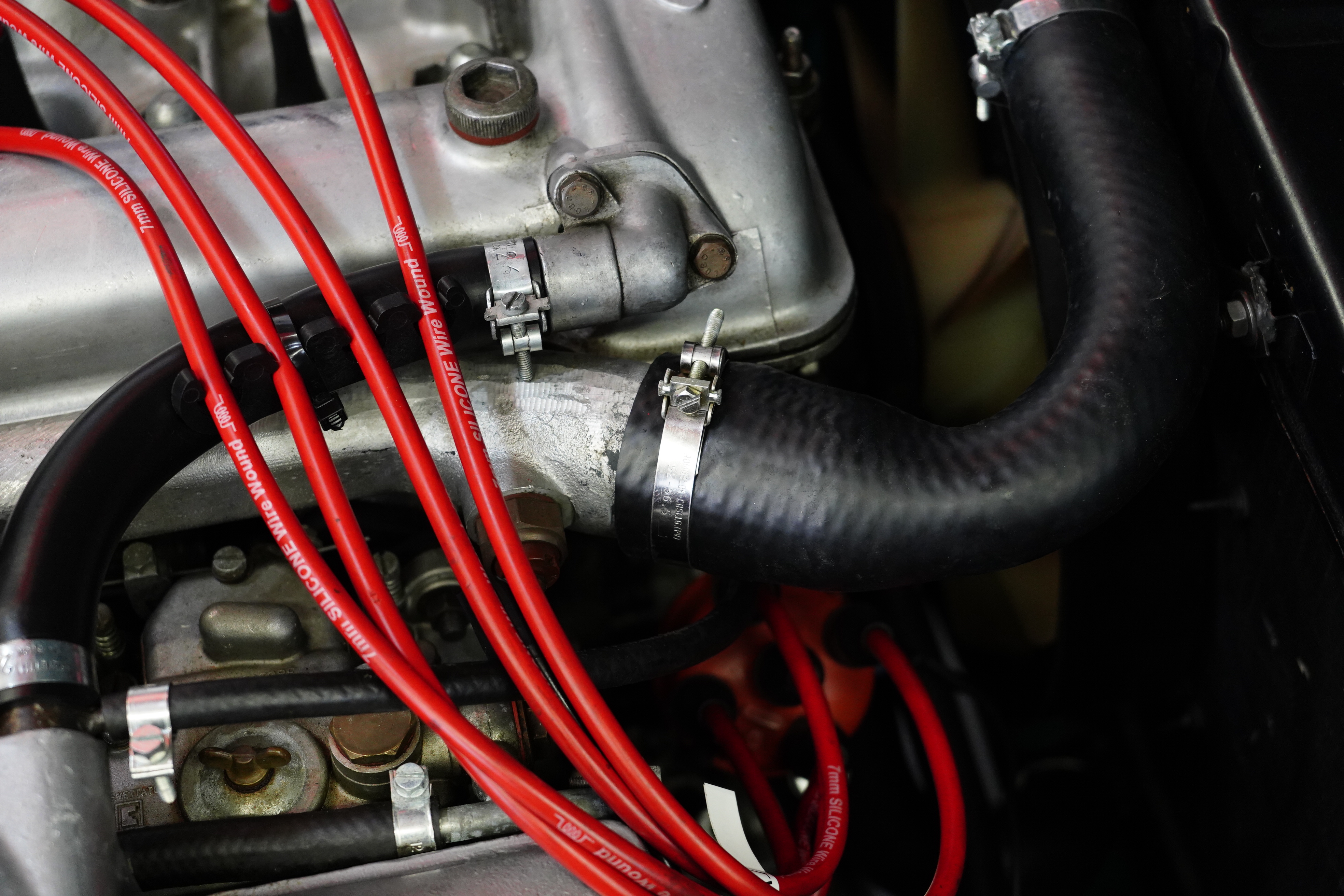
The Romablok clamp on the upper radiator hose
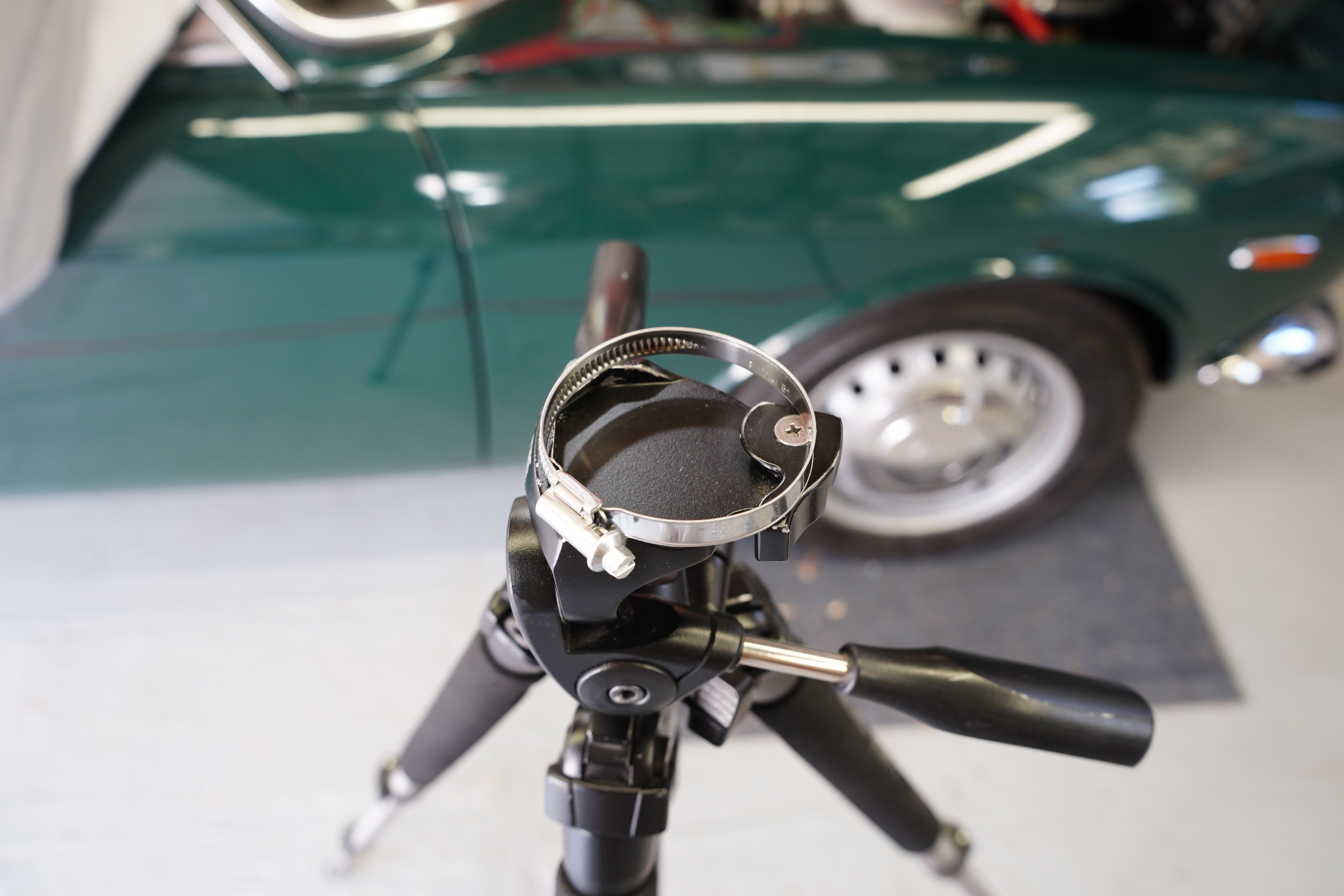
The BelMetric-sourced clamp, yet to be installed (camera tripod being put to good use)
There is a well-known adage that says, “If it ain’t broke, don’t fix it.” It is something that should be heeded by us car guys and gals. Among Alfa Romeo owners, there is a corollary adage which applies to Weber carburetors: “If the car runs well, don’t mess with the carbs.” Webers are unlike most other carburetors such as those found on American vehicles. After an initial set-up as found in a service manual, the choice of needle and jet sizes for Webers is made on a basis of trial and error. I believe that it was Pat Braden, the late, great Alfa guru, who advised against trying to “tune” your Weber carburetors without checking other engine basics first.
I bring this up because for the thirteen years I’ve had my GT 1300 Junior, during which I’ve driven it over 14,000 miles, the engine has always run strongly. One issue, though, has been that the spark plugs quickly turn black, apparently from an overly rich fuel mixture. (The engine uses almost no oil; at most, a half-quart in between oil changes.) Rather than try to “adjust” my dual Weber carburetors, I replace the plugs. Spark plugs are less than five dollars each, and the set of four takes about twenty minutes to replace. As a rule, I have been swapping out spark plugs once a year at the start of the driving season.
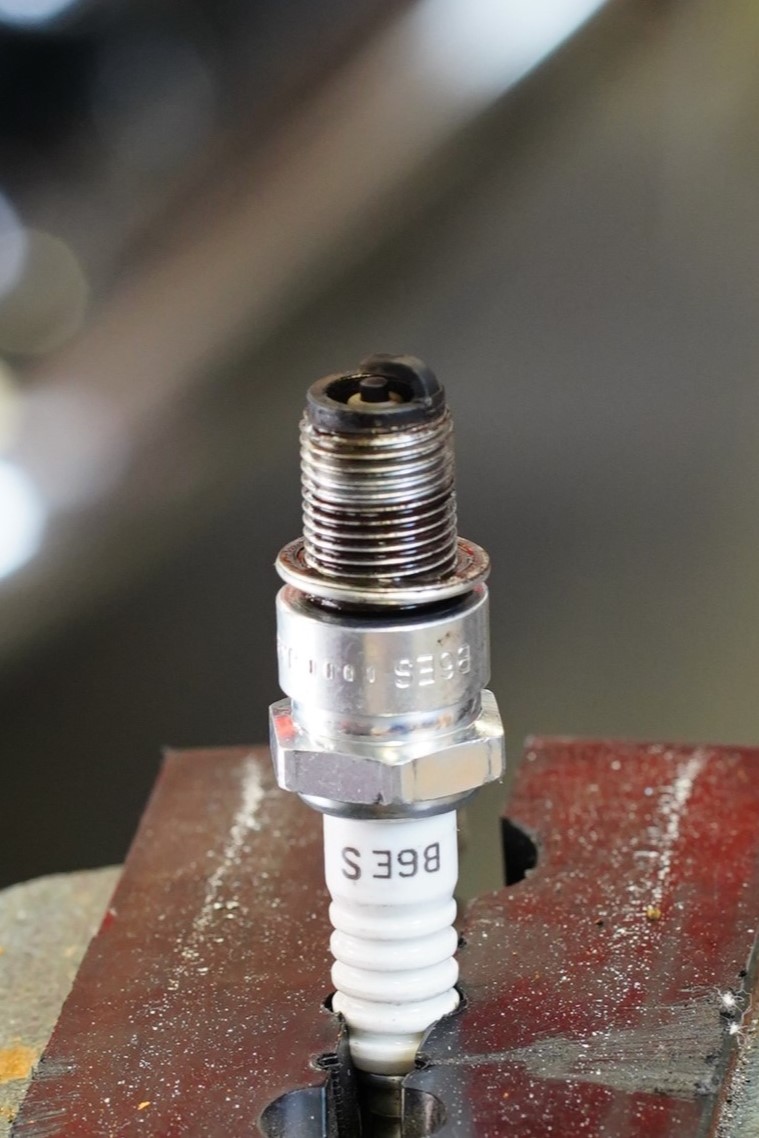
Last year, when I changed the plugs (which have exclusively been NGK B7ES), I moved up to the next hottest heat range plug, the B6ES. In 2024 I put about 1,100 miles on the Alfa, and there was no perceptible performance difference with the hotter plug. However, when I pulled the plugs a few weeks ago to check them, I was impressed. To my eye, there was less build-up on the plug tips, to the point where I decided to leave the plugs in place. The one-step-hotter plugs did a better job of burning off deposits, without affecting drivability.
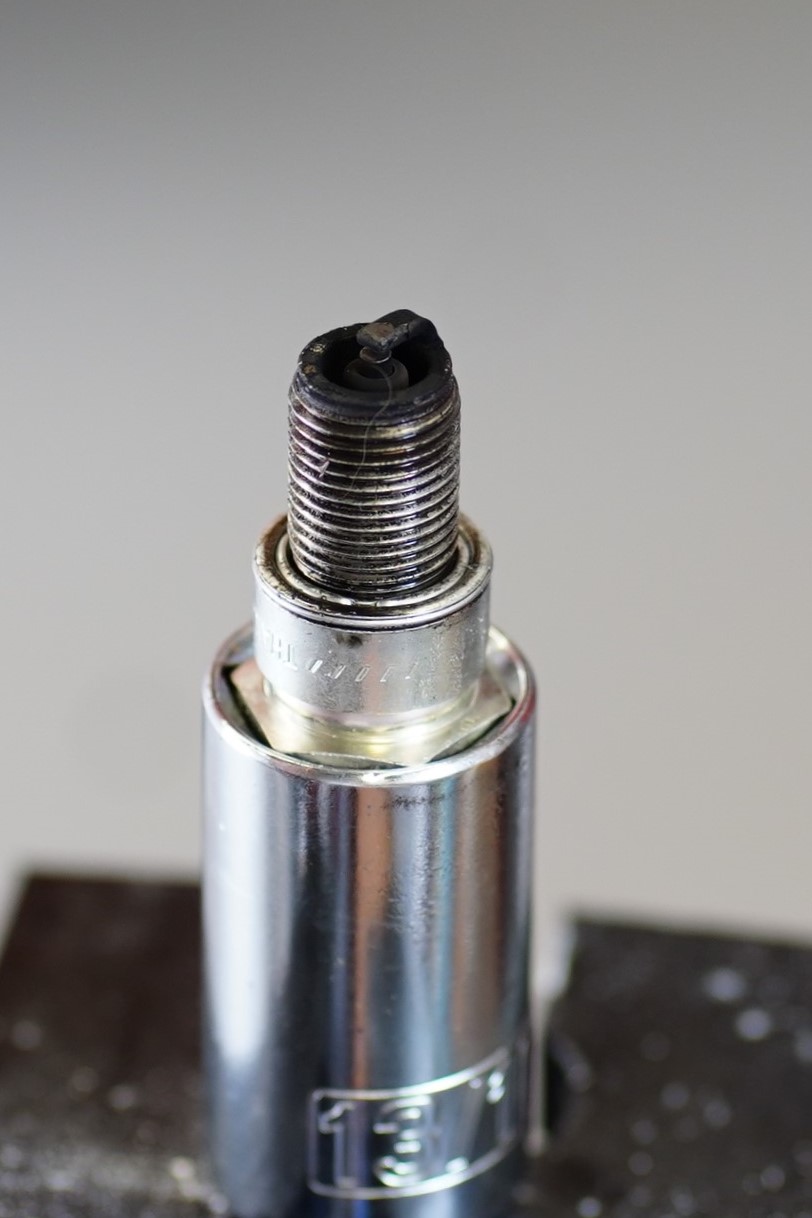
This was not easy to capture in photographs, but take a look at the two pictures and see if you can tell that the B6ES plug looks cleaner than the B7ES plug. I have two spare sets of the B6ES plugs, so if need be, I can quickly replace the set. But for now, I will leave them in the car and see how it goes. I’m expecting to possibly get a complete second driving season from them.
The “colder” plug, the NGK B7ES, shows some heavy deposits.
The “hotter” plug, the NGK B6ES, looks serviceable still after one driving season.
A few weeks ago, I pulled the cover off the ’67 Alfa Romeo and began the springtime ritual of prepping the car for the driving season. There are always two components to this: the mechanical, and the cosmetic. Mechanically, I have already gotten my order from Classic Alfa, consisting mainly of tune-up items like plugs and points. Cosmetically, the car was clean when it went into storage last fall, so at first glance, there didn’t seem to be much need in that department.
However, I have decided on a change of tack for the car. A quick refresher: when I purchased the car from Pete in 2013, it had already been awarded its HPOF (Historical Preservation of Original Features) status by the AACA. This means that the car was verified to essentially be in original condition. Future HPOF awards at AACA events would require maintaining its originality. I have only shown this car at one AACA National event, in Saratoga Springs, NY in 2024, where it won its repeat HPOF.
I’ve done my best to maintain the car without changing anything. But now I’ve decided that, given the decreased likelihood of participating in AACA Nationals, I might consider some minor upgrades for reliability, safety, and appearance. (Mind you, I’m not a trophy-hunter, and while I appreciate the recognition from my peers, it is far from the main reason I own a collector car.)
For example, I have continued using the original factory-style Roma-Block radiator hose clamps. But several loosened up and caused a minor coolant leak. I now plan to replace those clamps with an updated design. And speaking of clamps, I was always bothered by the tarnished and dull appearance of the air intake hose clamps. They are original to the car and in thirteen years of ownership, I have ignored them, until now. I thought I would try a buffing method I had never used before.
One of the air intake tube clamps, before treatment
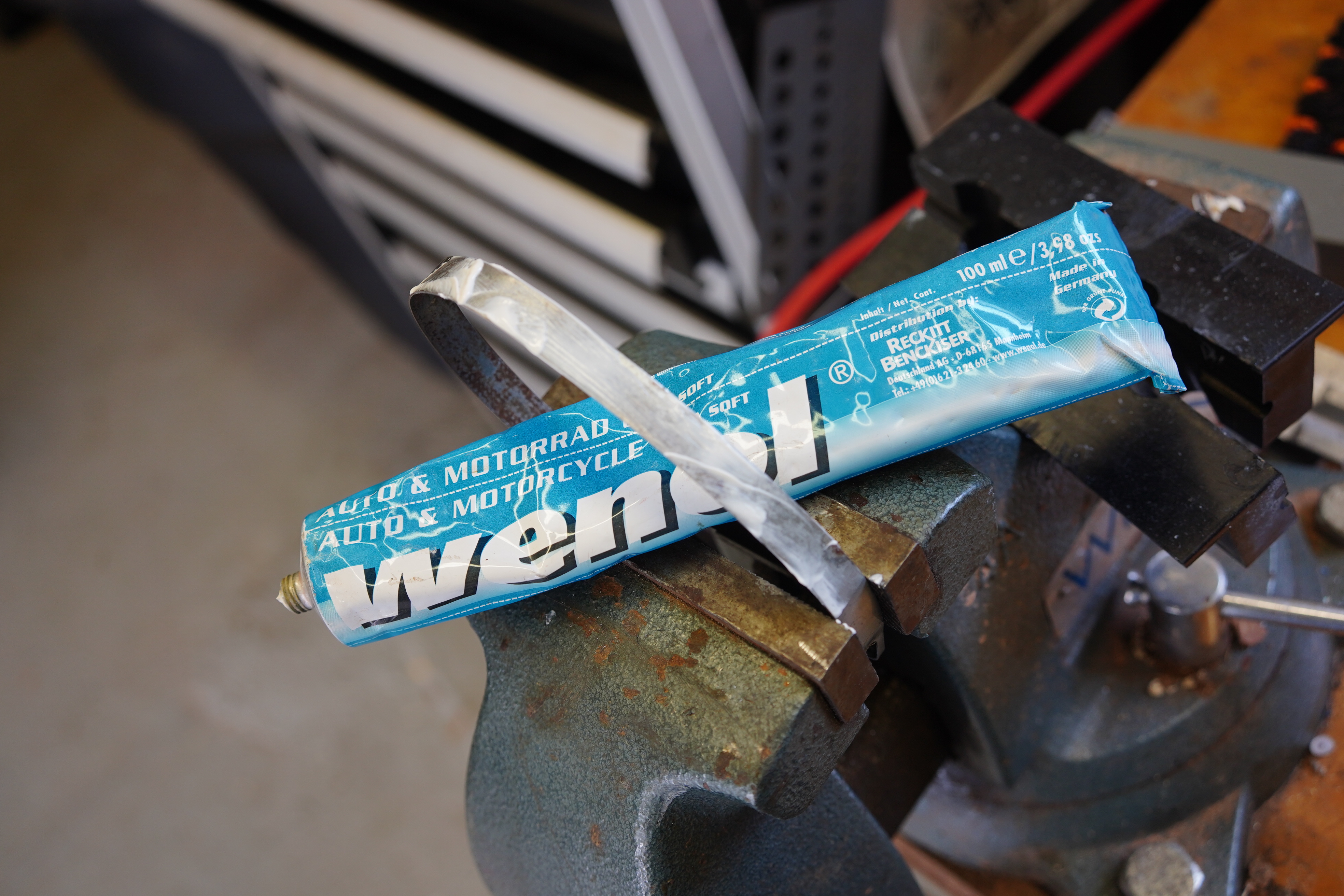
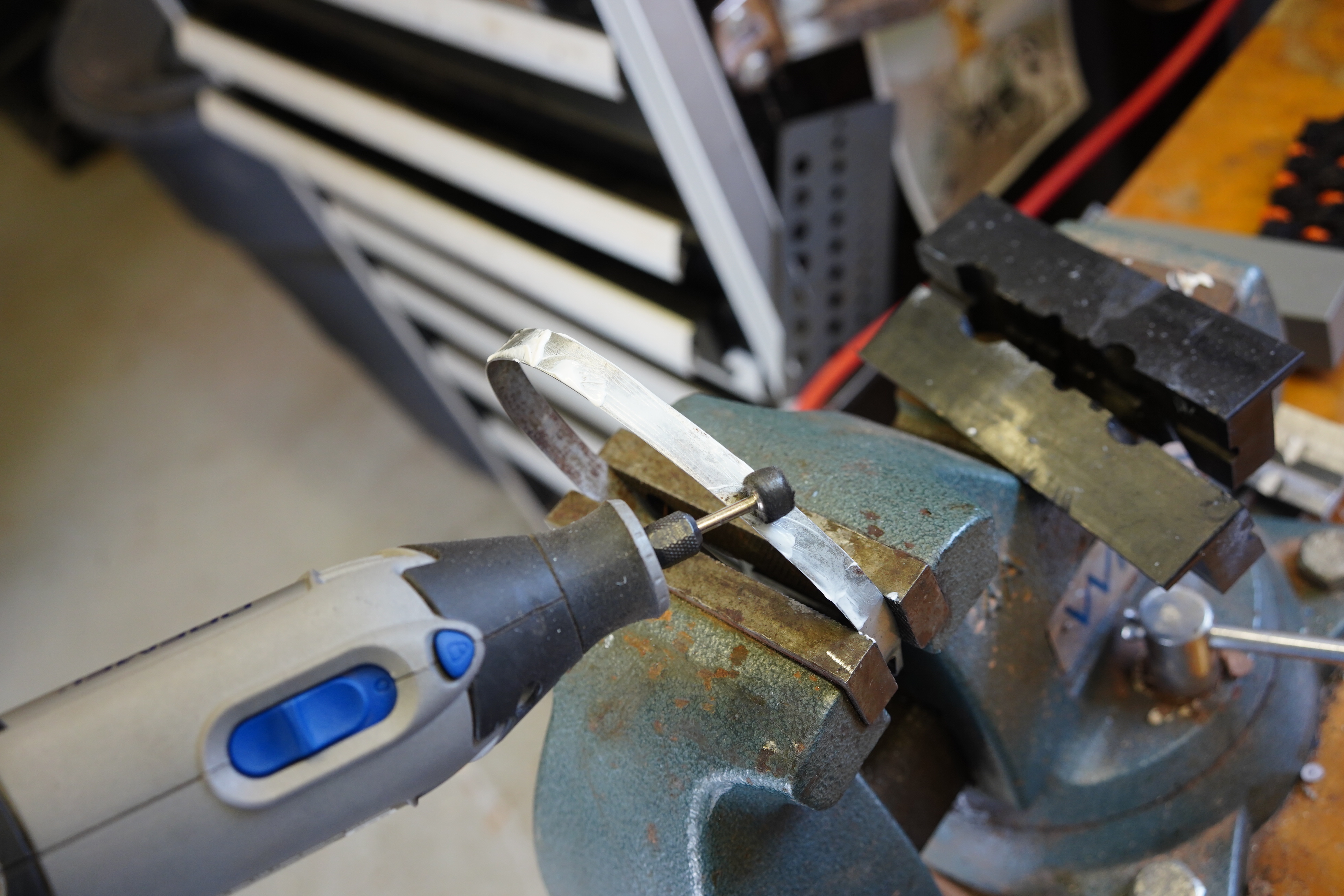
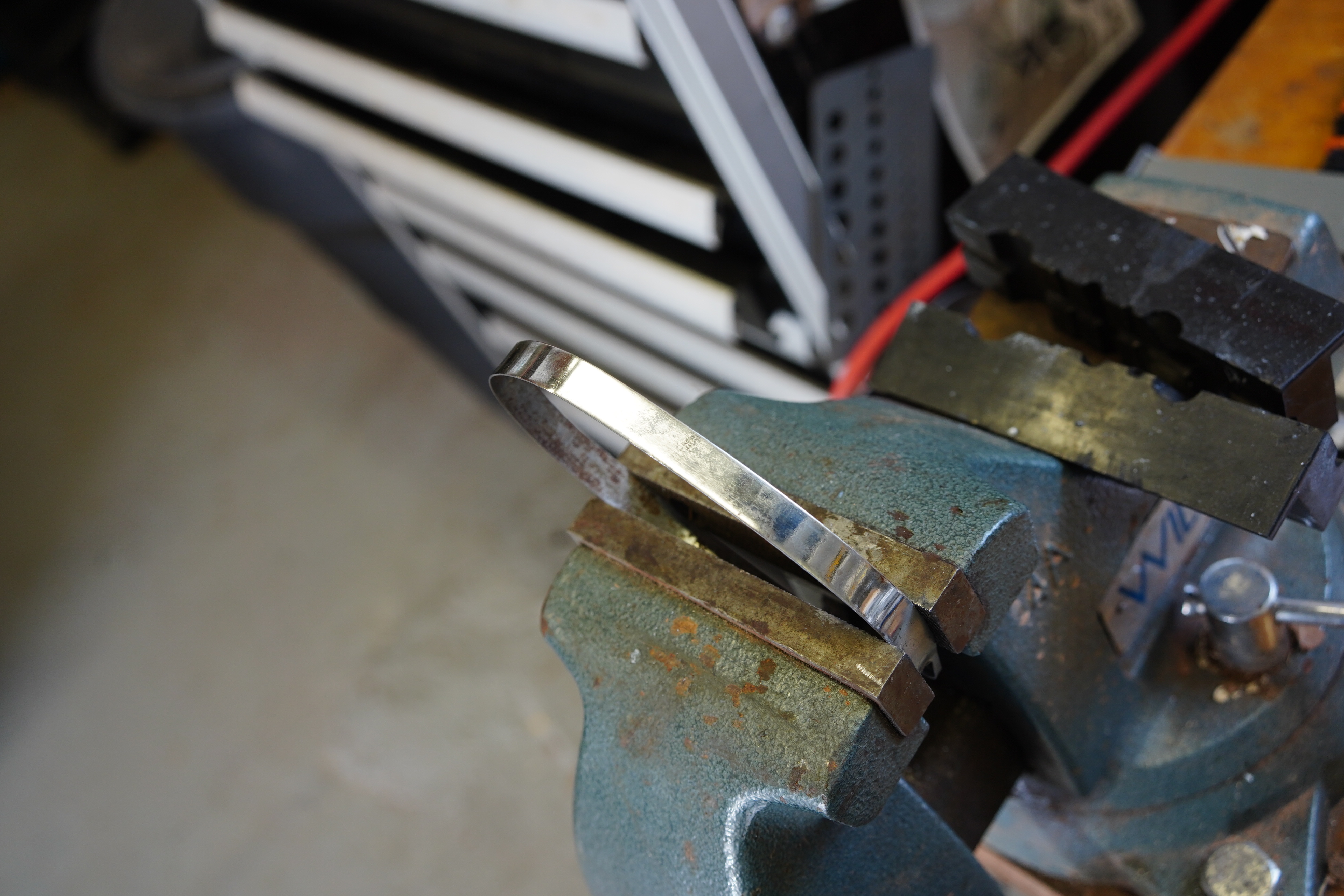
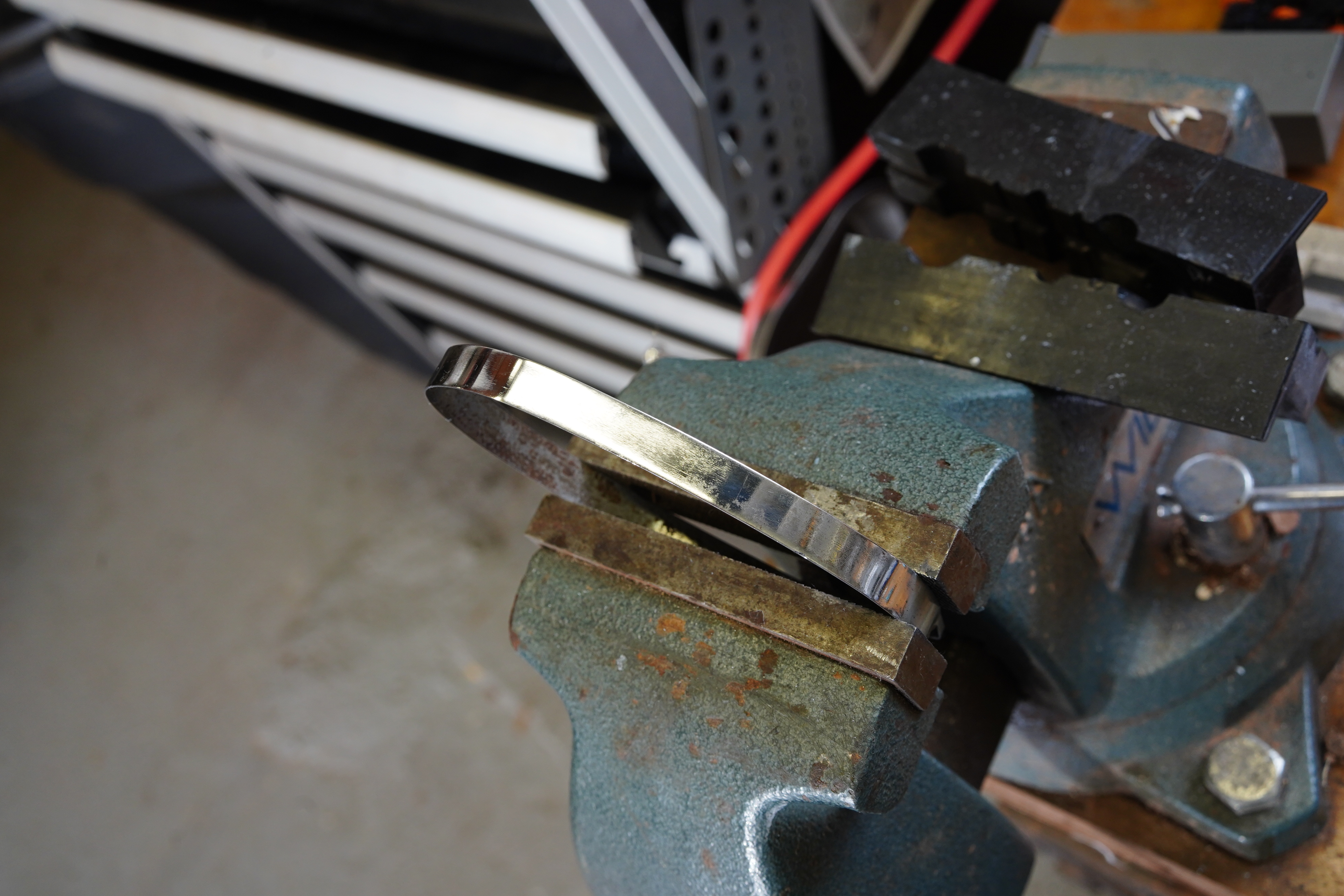
I grabbed my tube of Wenol “automotive” metal polish, labeled as a finer compound than the regular Wenol. I also broke out my Dremel tool and mounted a small cotton buffing wheel on it. Securing the hose clamp in my bench vise, I put a schmear (yes, the word is in my Merriam-Webster’s Collegiate Dictionary) of Wenol on the clamp, cranked the speed dial on the Dremel up to 15k (range is 5k-30k) and had at it.
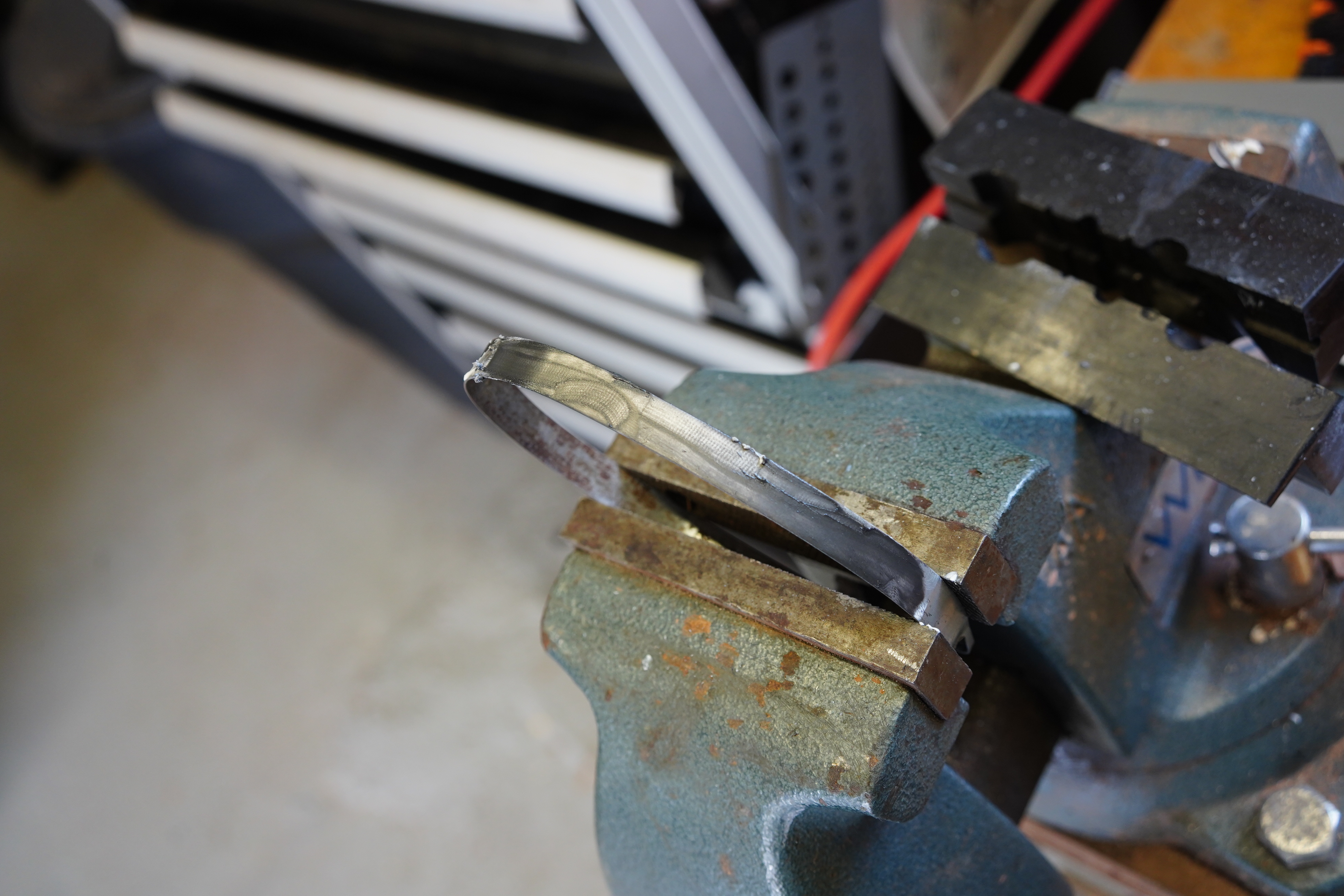
At first I became alarmed when the clamp turned black! But I kept at it, and within moments, the matte gray metal glistened like chrome. I continued the treatment, buffing a small section at a time, and wiping each section down with a microfiber cloth to remove the remaining remnants of polish. After finishing one clamp, the buffing wheel seemed saturated, so I switched to a new cotton wheel for the second clamp. I also polished the clamps’ bolts and nuts for the complete look.
At first, the clamp turned black
Wow! What a difference an investment of thirty minutes of garage time made, and it was fun to do! The clamps now look almost new, and are nice and contrasty against the black air hose. The next challenge will be to attack other engine compartment clamps which will look shabby compared to these two refurbished ones. And if the car does enter another round of HPOF judging, I’ll simply tell the judges the truth: yes, these clamps are original to the car.
Starting to shineShinier stillOne done, one to goThe two finished clamps look great
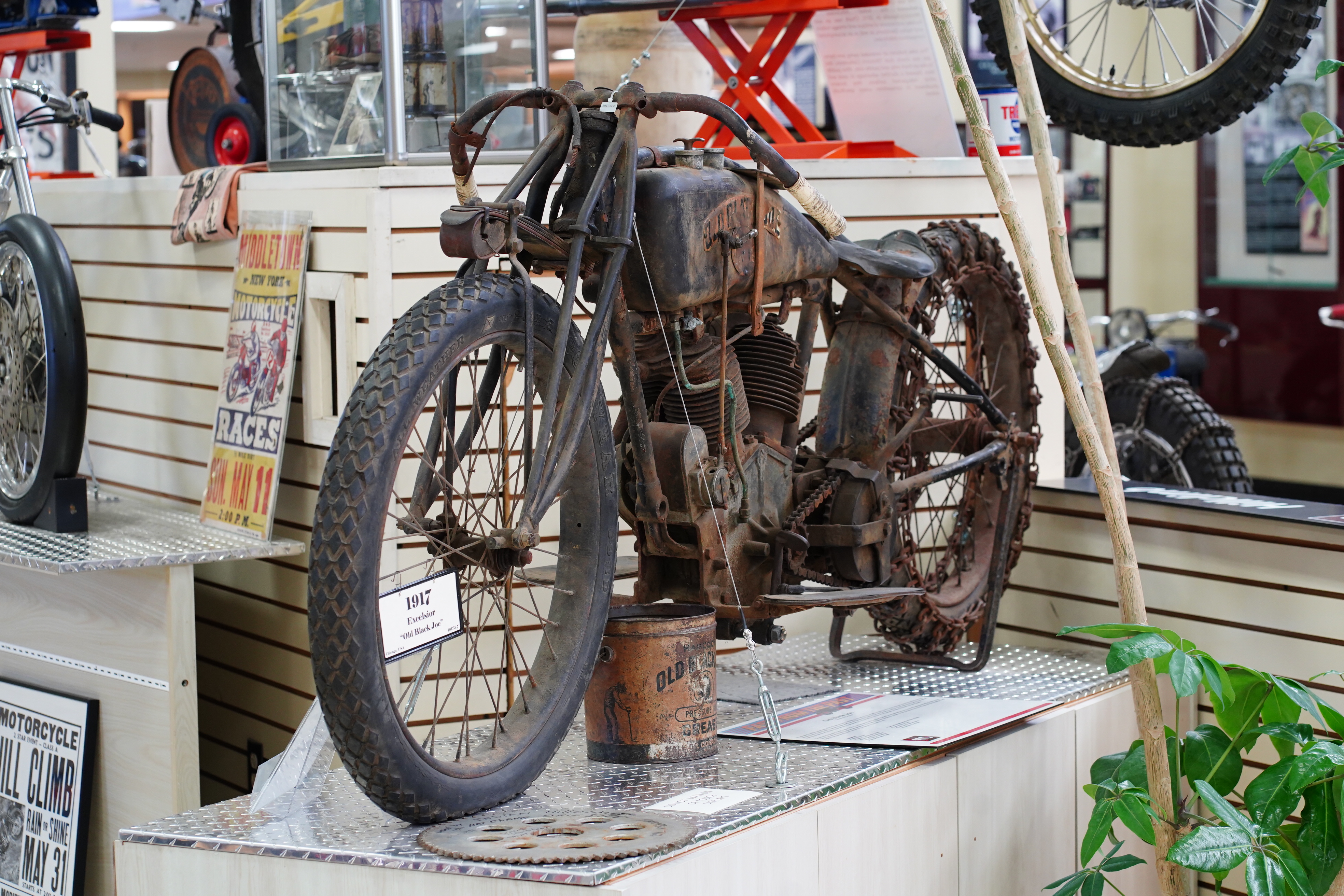
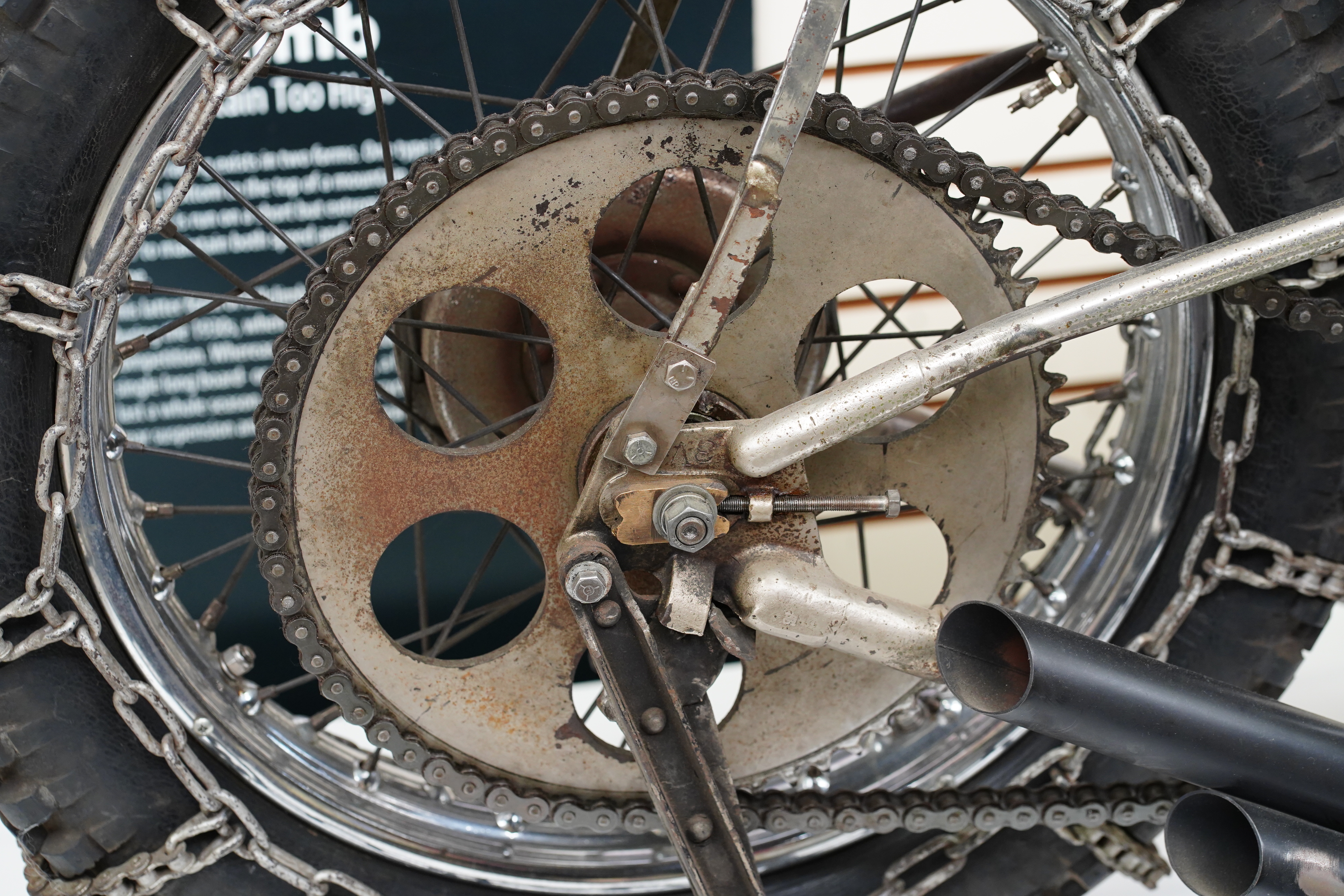
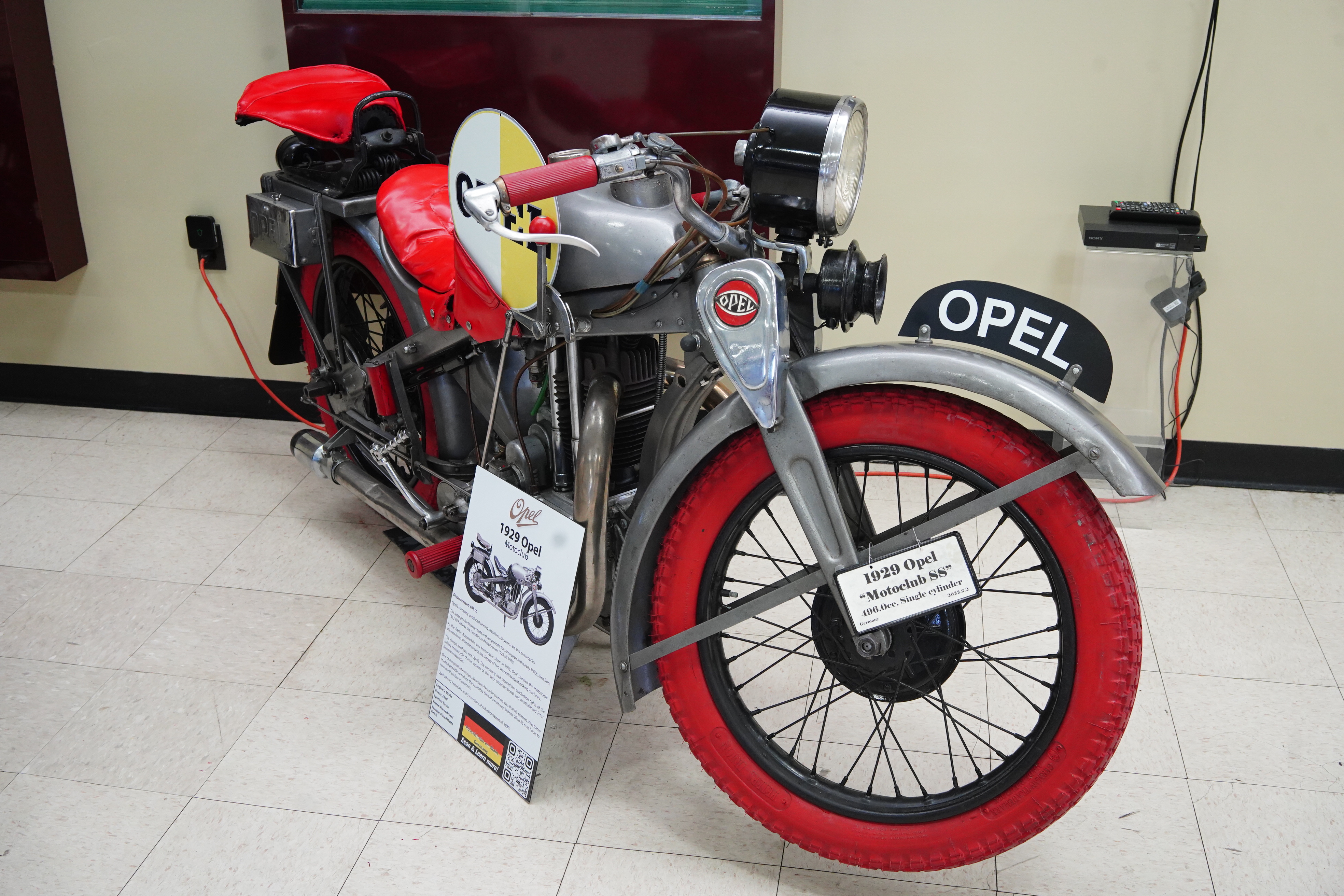
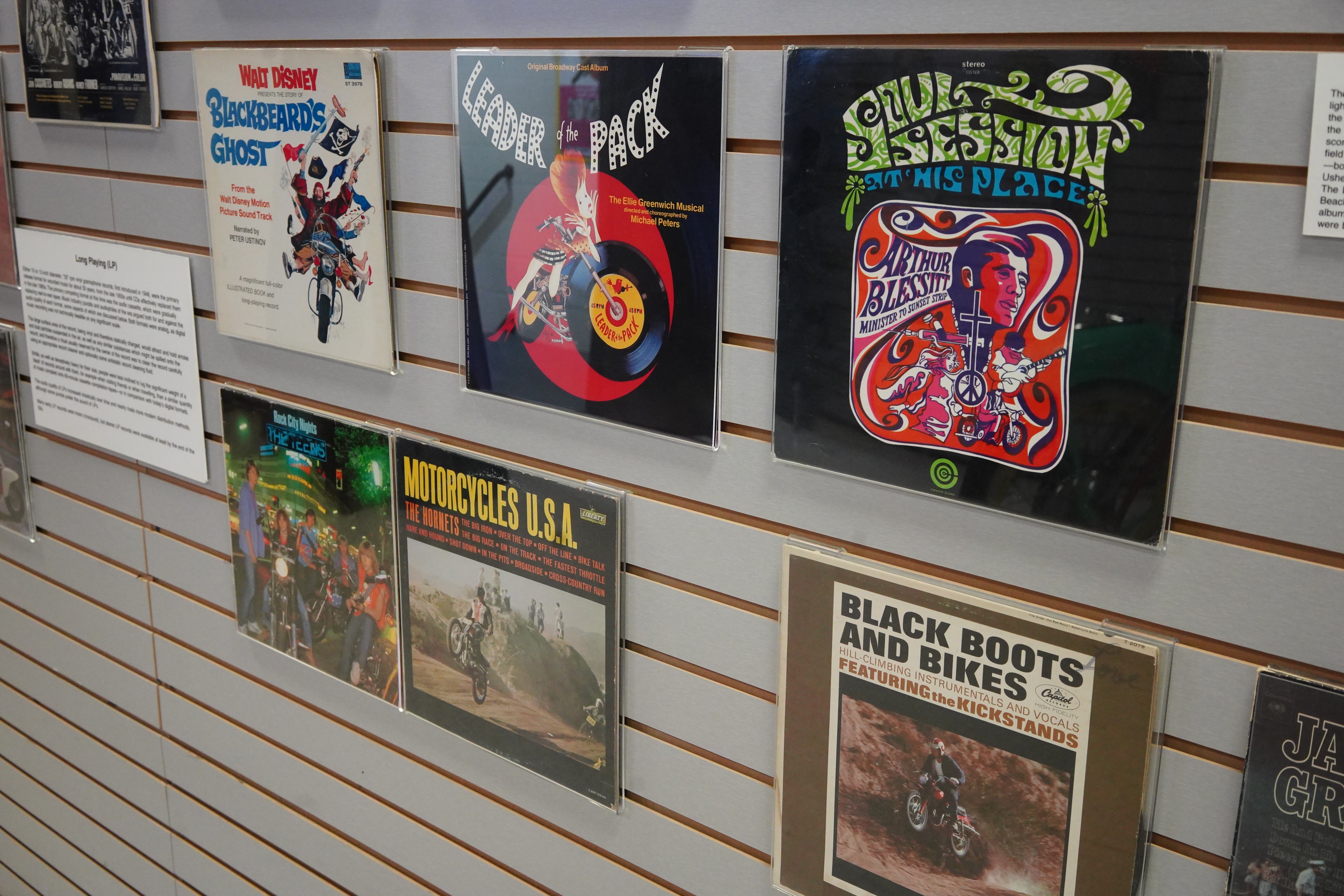
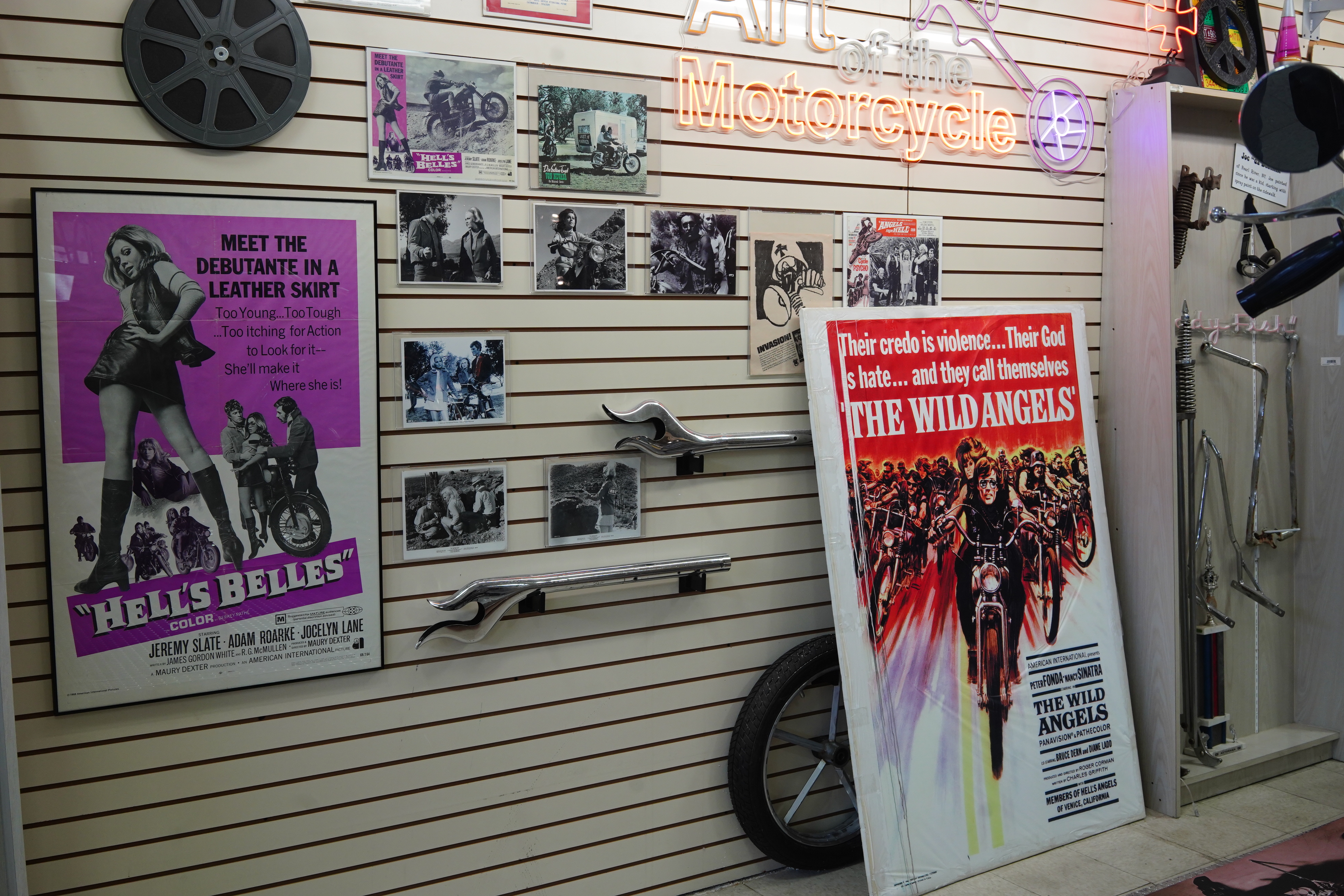
Last week, I made my second visit to what might be one of the few motorcycle museums on the East Coast, “Motorcyclepedia” in Newburgh, NY. Unlike my first visit in 2021, which was more of a quick walk-through, this time I had the pleasure of an informal tour guide in the form of my good friend Terry, who has done some volunteer work at this museum and is more familiar with its content.
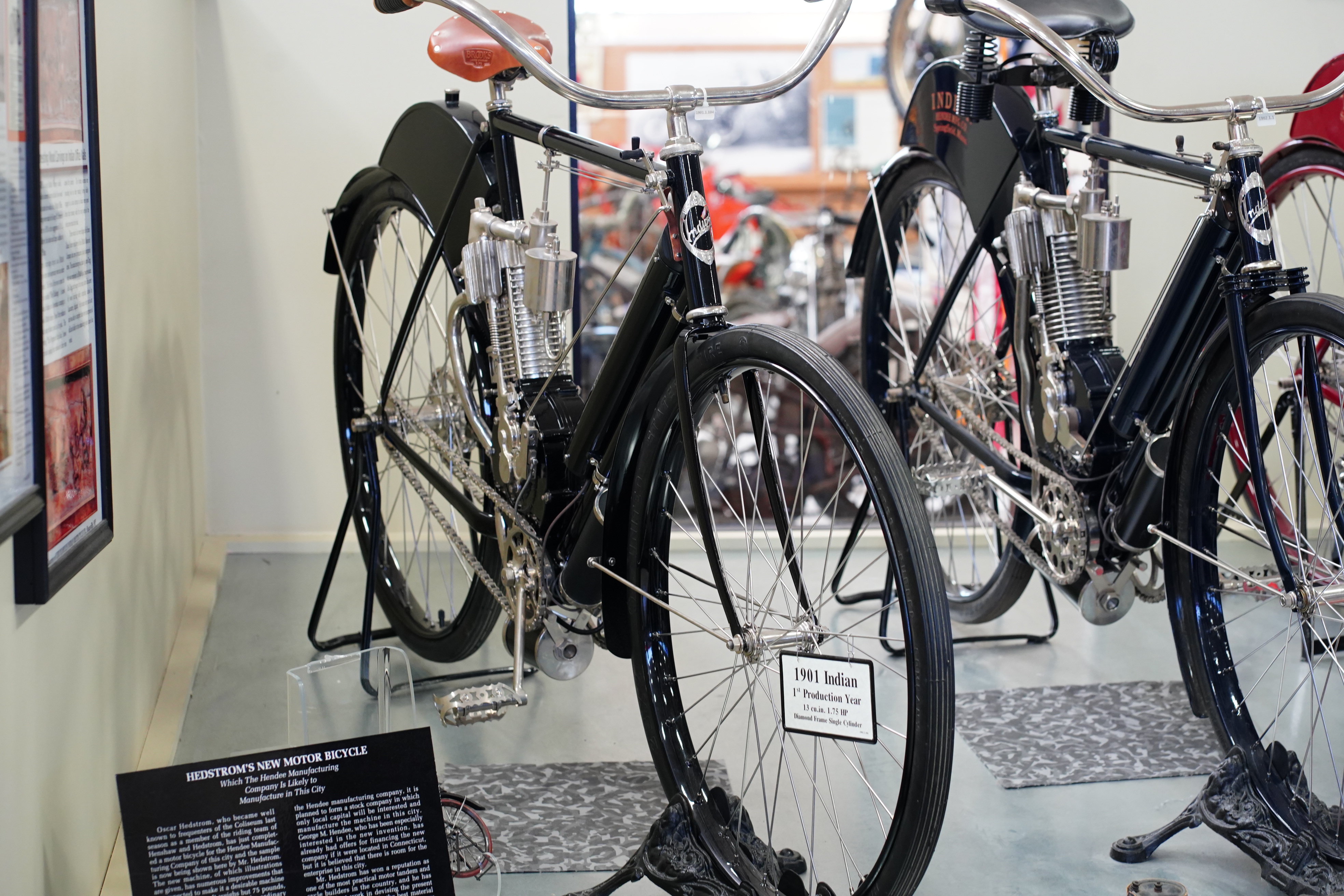
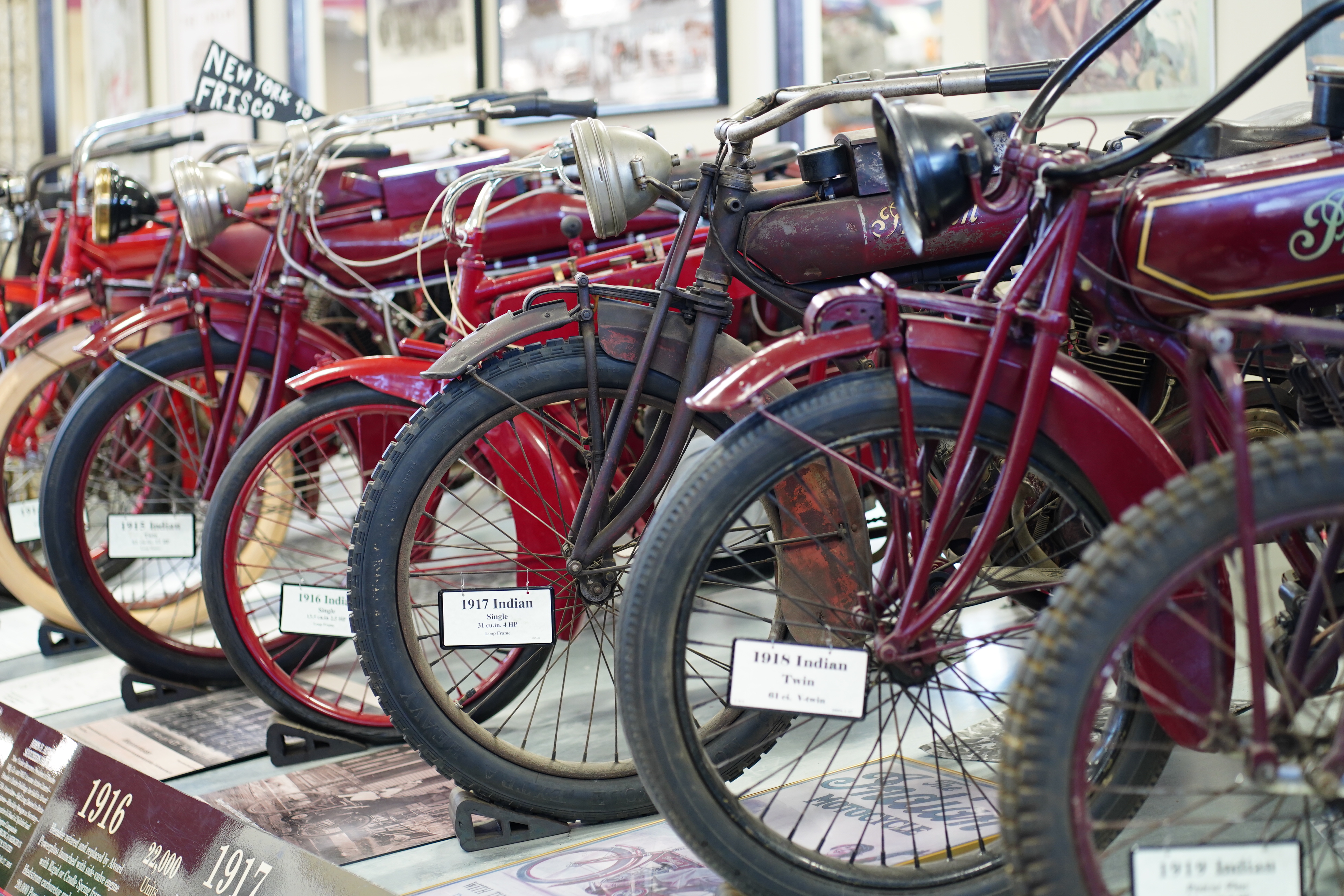
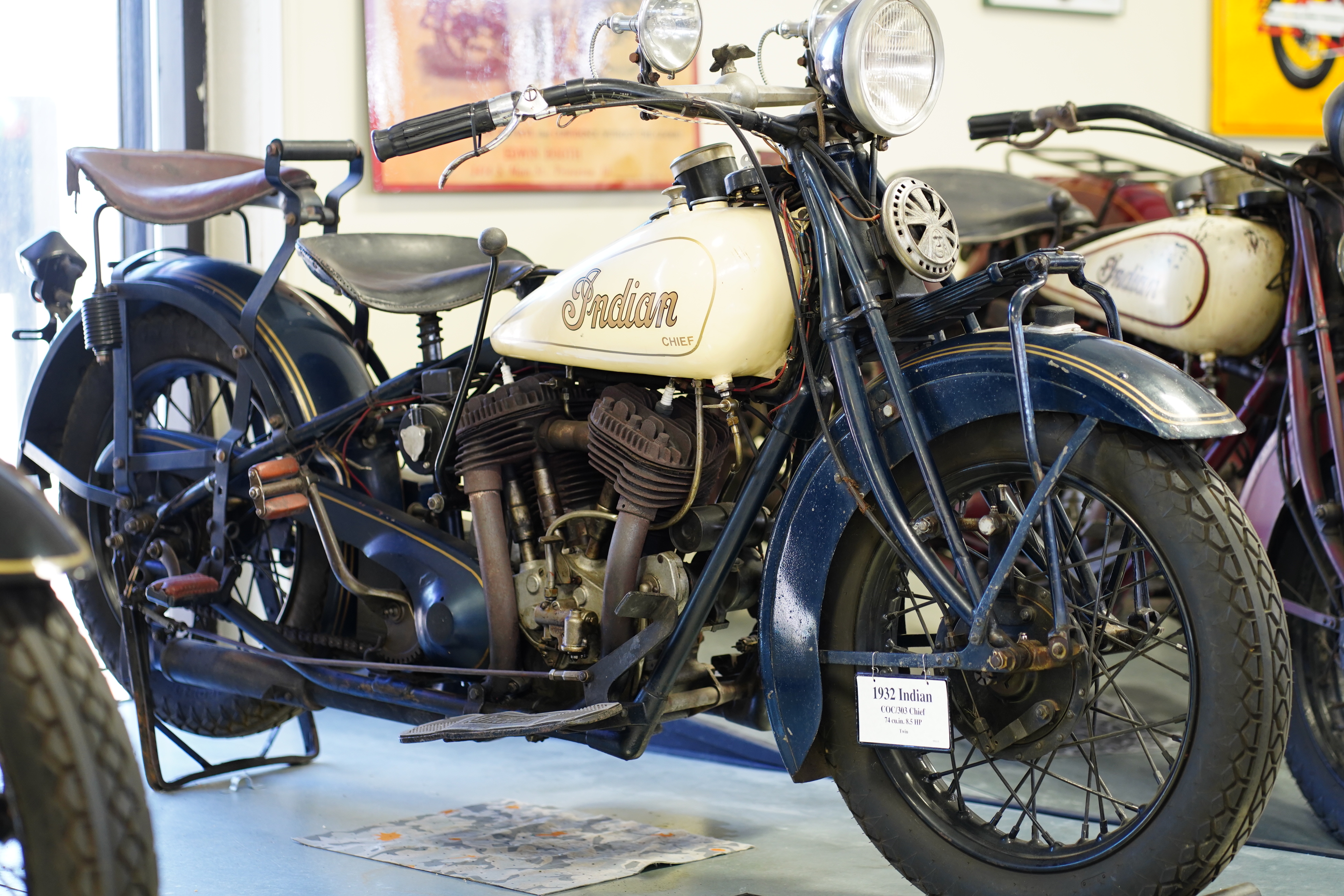
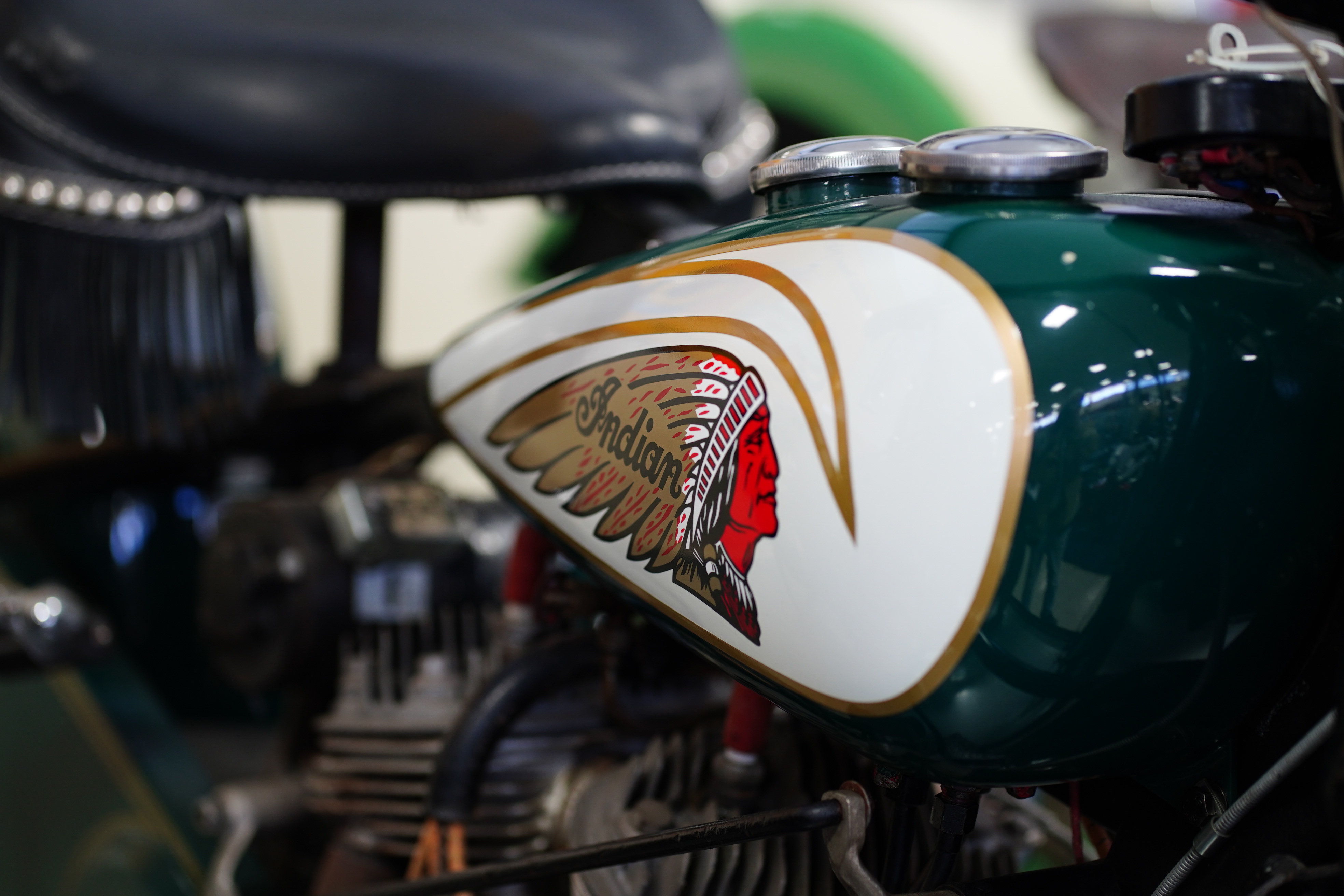
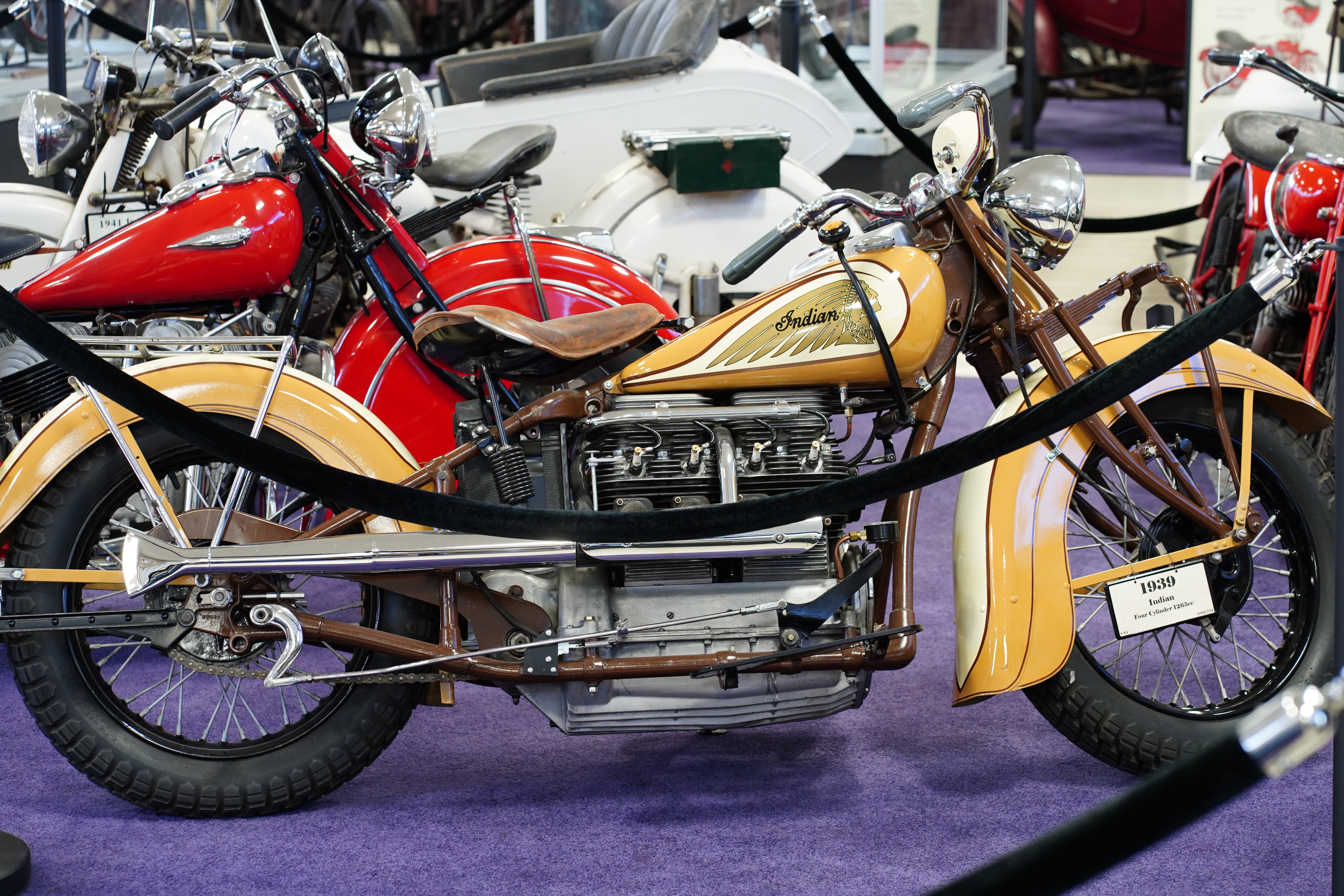
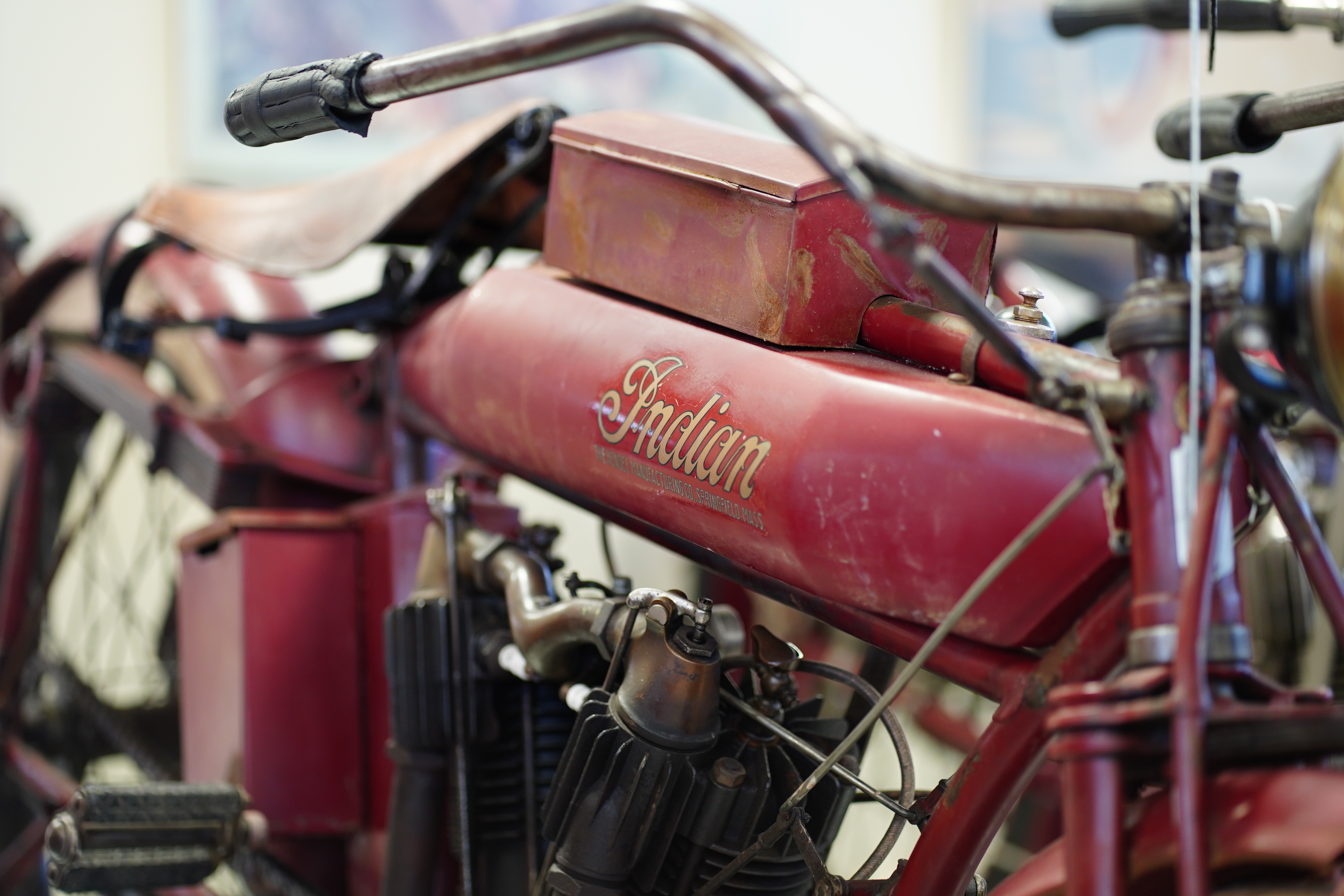
First, the building is huge, with displays which are well-lit, well-maintained, and well-organized. Perhaps the museum’s biggest claim to fame is its collection of Indian motorcycles. Arranged in chronological order, there is one Indian bike of each model year from 1901, the first year of production, through 1953, the final year. Whether you are a bike buff or not, the history as represented here is also a history of the U.S. and its growth as a nation which was putting its citizens into motorized transport.
The Indians are on the main floor, along with a somewhat bizarre collection of motorcycles built for television, movies, and shows. A name familiar to me was Ed “Big Daddy” Roth. If you are at all aware of some of his four-wheeled creations, you can imagine what he might have been able to do with motorcycles. Another interesting element of the collection is the number of original, unrestored bikes.
This entire collection was amassed over many years by a father and son team, and the level of preservation is beyond reproach. If you are into motorcycles, this museum is a must-see. Even if you are not, it is an impressive display which thoroughly captures a significant slice of the history of 20th century America.
INDIAN DISPLAY
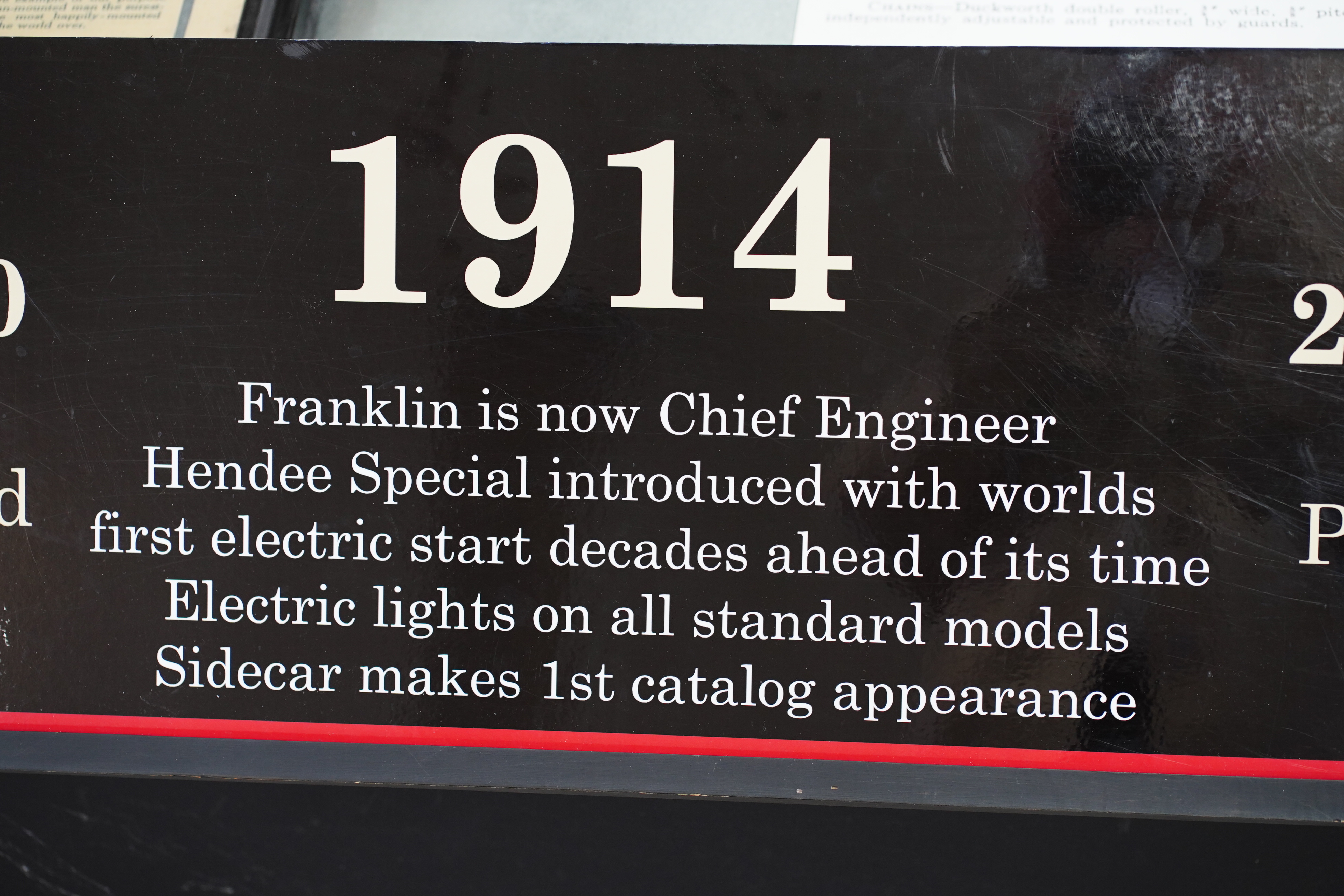
Not only was there one bike from each model year arranged in order, each bike included a descriptive placard. It was fascinating to read how the bikes changed and sales grew year over year.
UNRESTORED BIKES
A number of bikes were displayed in “as found” condition, including one where a tree grew into and around the motorcycle.














































































 richardscarblog