Drop-top Mopar: the 1967 Dodge Dart GT Convertible

Sometime in the late 1980s, someone told me about Lime Rock, that is, Lime Rock Park, which isn’t really a park, but a race track, tucked into a valley in the rolling hills of north east Connecticut.

Automobile races are held there all season long, but racing holds little attraction for me. However, every Labor Day Weekend, Lime Rock Park hosts what they now call the “Historic Festival” and what used to be called the “Fall Vintage Festival”. The three-day weekend features historic race cars on the track (on Friday and Monday). Because racing is banned there on Sundays, they’ve taken advantage of that restriction by hosting a vintage car show on that day. I began attending the Fall Vintage Festival on an annual basis.

Visiting the track on Labor Day Weekend in 1991, I spied a car in the parking lot with a For Sale sign on it. Normally, I would not have found myself attracted to this type of automobile. It was the combination of asking price combined with some its technical features which drew me closer.

The car was a 1967 Dodge Dart GT convertible, dark blue with a blue interior, and an unattractive (not to mention worn and dirty) tan convertible top. Popping the hood, I saw that the Dart had a V8, not the slant six I was expecting. Inside were buckets, floor shifter, and center console, with the desired three-pedal setup. The asking price was $1,500, and the sign directed me to the guards’ booth for further information.

I tracked down the owner, a young man who indeed was working as a guard at the track. He told me he had owned the car for about a year and just didn’t want it anymore. We went for a test drive, and I was impressed by how well the car drove. Although I certainly hadn’t visited Lime Rock with the intention of bringing home a car, I quickly agreed to pay the ask (concerned that someone else might snap it up), gave him some sort of deposit, and headed home on the promise that I would be back the following weekend with the balance.

Next weekend, I made the 3-hour trip back, and we again met at the track. The payment and paperwork exchange went smoothly enough. But it was then that the young fellow told me “Uh, the car isn’t running so well right now. I don’t know what it is, maybe the carburetor”. (Note: anyone with car troubles who doesn’t know the diagnosis always blames the carburetor.) Sure enough, the engine had a miss, although it was there at all engine speeds, and I suspected ignition.

I now owned the car. Under the circumstances, I had little choice but to get in the car, point it south, and hope that I would make it home. With my heart in my stomach for the entire ride, I did make it, and was so relieved that I put the car in the garage, deciding to deal with the problem sometime later.


Home (thankfully) after drive from CT
Still time to take a drive in the autumn of ’91


The following weekend, I popped the hood and began to go through the basics: plugs, wires, points, condenser, cap and rotor…. As soon as the distributor cap came off, I saw the crack. This was an easy fix, and given that none of the aforementioned parts looked like they had been replaced in a while, I gave the car a full tune up. It ran spectacularly after that.


Ratty but serviceable. Funny, I don't recall the manual brakes.
Ratty but serviceable. Funny that I don’t recall the manual brakes.


There was one administrative issue that needed attention: insurance. At the time I bought the Dart, my daily driver was a company lease car. The lease generously included insurance. As I owned no other automobiles, I didn’t even have an automobile insurance policy in my name. This was when I discovered collector car insurance. The Condon & Skelly Insurance Company wrote me a policy, and as a side note, I’ve had collector car insurance with them ever since.

I enjoyed top-down motoring for the little time I had left in the autumn of ’91, then tucked the car away for the winter.

When spring of ’92 broke, the Dart came out of hibernation. Truthfully, the car needed a complete restoration to be any kind of show car, but that’s not why I bought it. It was nothing more than a toy to cruise in during nice weather.

Removing the front tires to perform a routine brake check, I was aghast at what I found: both front brake hoses had been wrapped with duct tape, then clamped with small hose clamps. The rubber hoses were cracked, and it is a miracle that I didn’t lose hydraulic pressure. The temptation to contact and berate the previous owner was overwhelming, but 1) I had no proof that he even knew about it, and 2) many months had passed since buying the car, so I decided to let it go. New brake hoses were purchased, and were easy enough to install. Whew! Glad I caught that when I did.

The next order of business was carpeting, as in, the car had none, and I wanted it to have some. Lack of carpet at time of purchase was an advantage, because that allowed me to see the condition of the floor. Someone had welded in a totally new floor before my purchase. Except for some surface corrosion, it was solid. Removing the seats, I gave the floor a coat of Bill Hirsch Miracle Paint (similar, but in my opinion better than, POR-15). With the floor so sealed, in went a new piece of carpet. The sound level reduction transformed the driving experience.


Seats about to be removed for carpet install.


Bill Hirsch Miracle Paint going down before carpeting.


The blackwall tires were serviceable but old, and I thought that narrow whitewalls would look sharp against the dark blue paint. I got the least-expensive tires I could at the local STS (Somerset Tire Service). Reinstalling the factory wheel covers also brightened the look. The car really needed a new top, but rather than spend the money, I hid it by driving with the top down.

I took the car to the office several times that summer, and let colleagues drive it. They agreed that it was a fun car to drive. The torque from the 273 c.i. V8 was impressive, as was the smoothness of the gearbox and clutch.
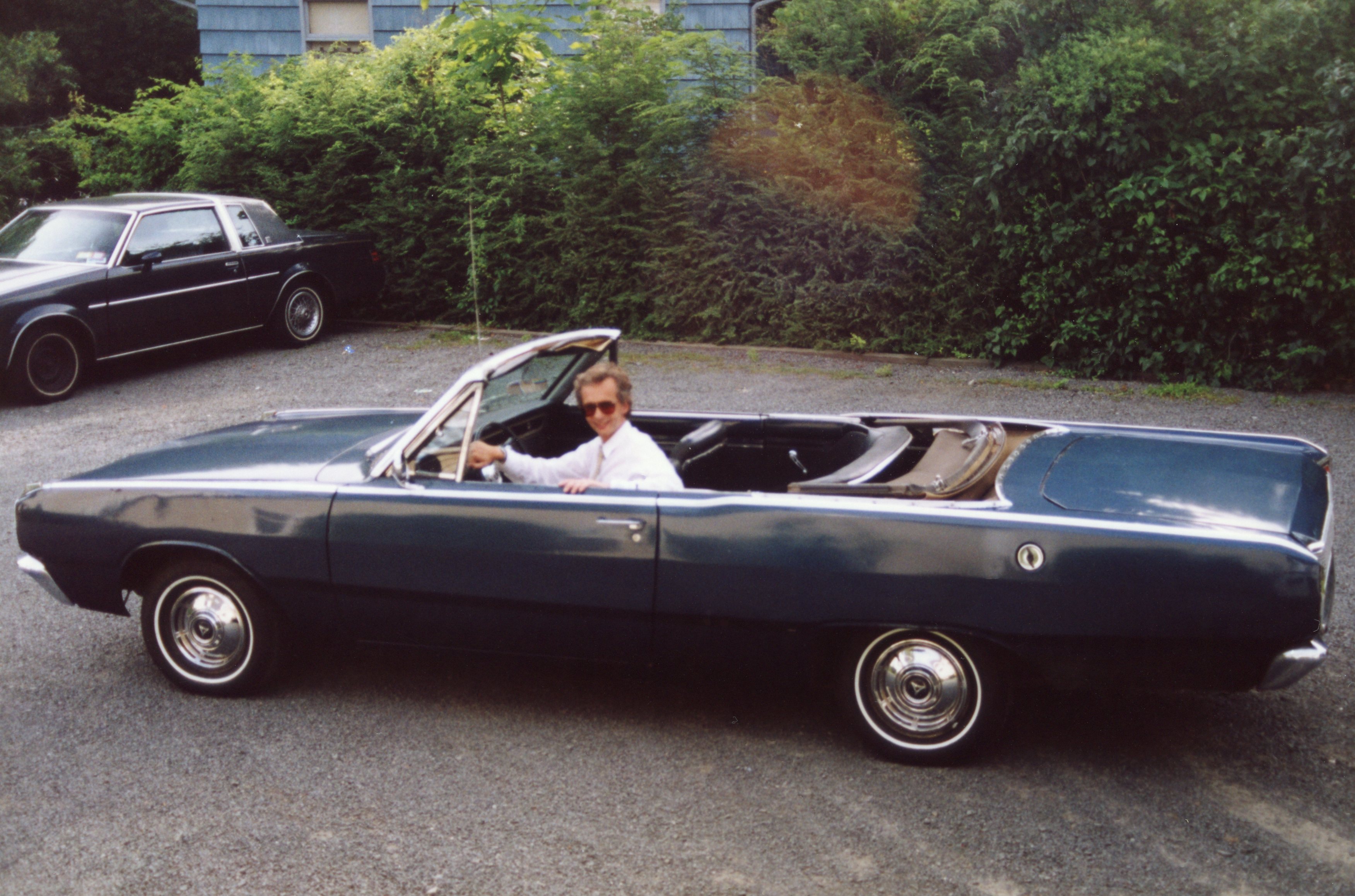
It was really fun to drive.
Summer of ’92, this was as good as the Dart looked under my ownership.


Working for the Swedish company Volvo, there were Swedes on location who would make comments about my “big American car”. “Big?” I’d reply. “The Dart was the compact car in a Dodge model lineup that included an intermediate-sized car and a full-size car!” It’s all relative. Yes, the Dart, with an overall length of 195”, was five inches longer than the contemporary Volvo 240 at 190”. Good thing I hadn’t bought a Coronet (203”) or Polara (220”)!


The final photo, taken just before selling it.


By 1993, I had a problem. Time spent with the Dart was taking time away from the restoration work on my BMW Isetta, which had been underway for three years. The decision was made to sell the Dodge. By late in the summer of ’93, it was gone.

All my friends in the hobby talk about the cars we’ve owned, and a frequently visited theme is “the ones that got away”. Of all the cars I’ve owned and sold, it’s this Dart that I wish I still had. It had good bones, was fun to drive, simple to wrench on, and had a drop top. Had I had a little more free time (and spare cash) it would have been a straight-forward restoration. But I was determined to finish the Isetta, and with the Dart out of the way, I did. THAT’S a story for another time.


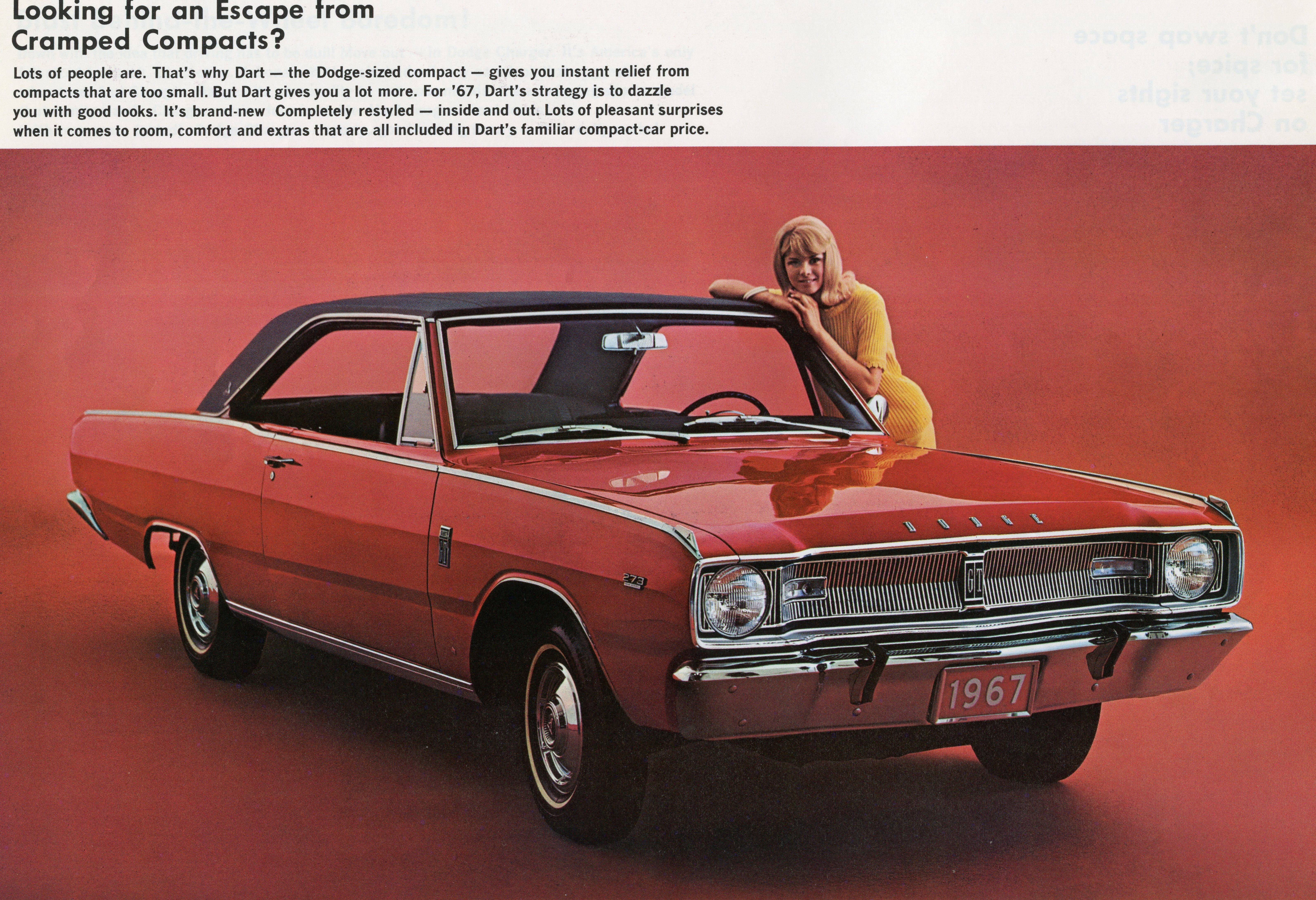
THE 1967 DODGE FULL-LINE SALES BROCHURE

This brochure, from my collection, includes all of Dodge’s models from that year.


Brochure cover - polka dots and white boots were "it" in '67
Brochure cover – polka dots and white boots were “it” in ’67


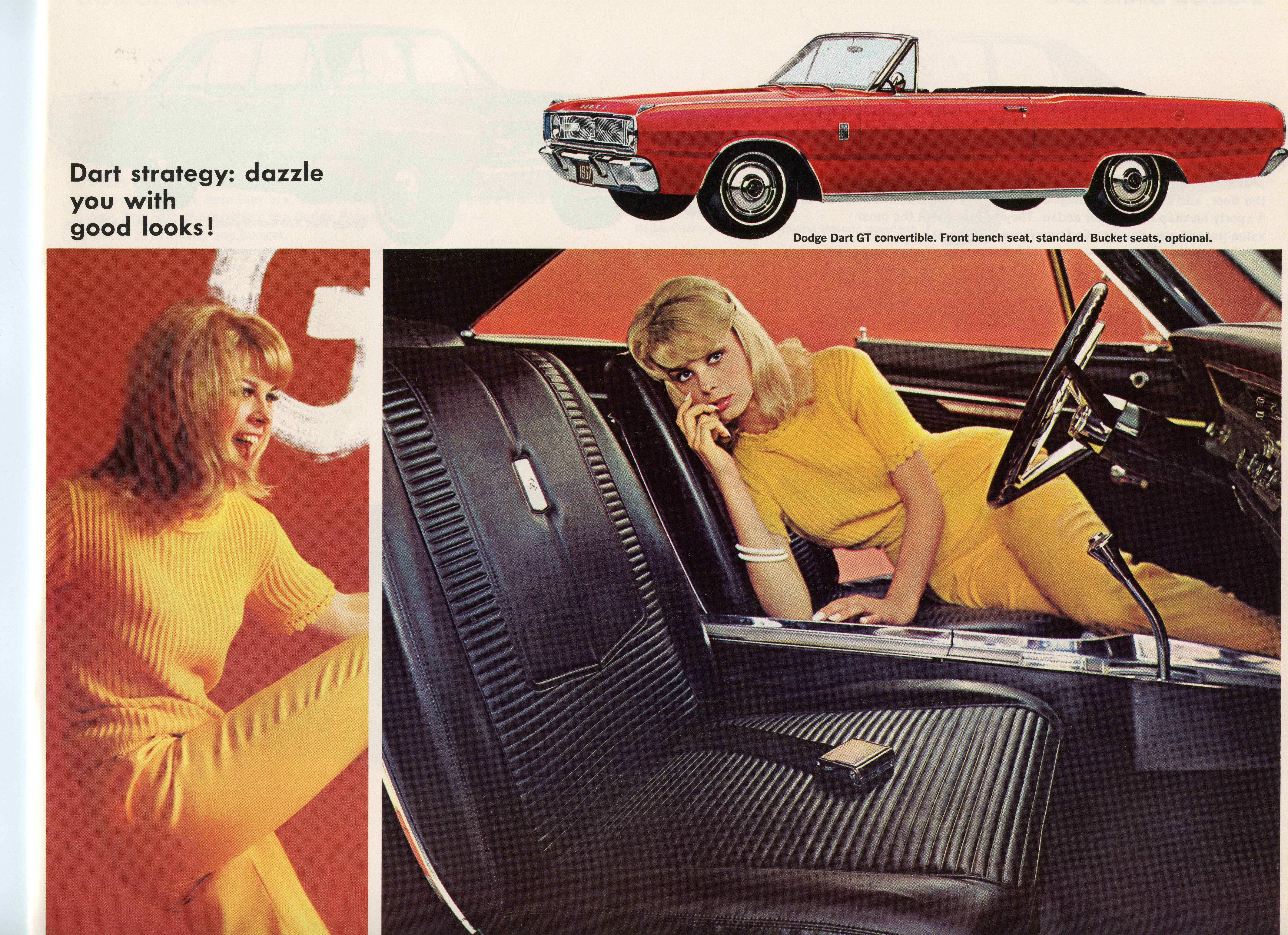
The Dart GT could be ordered with any engine, 6 or 8.
The Dart GT could be ordered with either 6 or 8 cylinder engine.


Note that convertible had bench seat standard, with buckets optional.


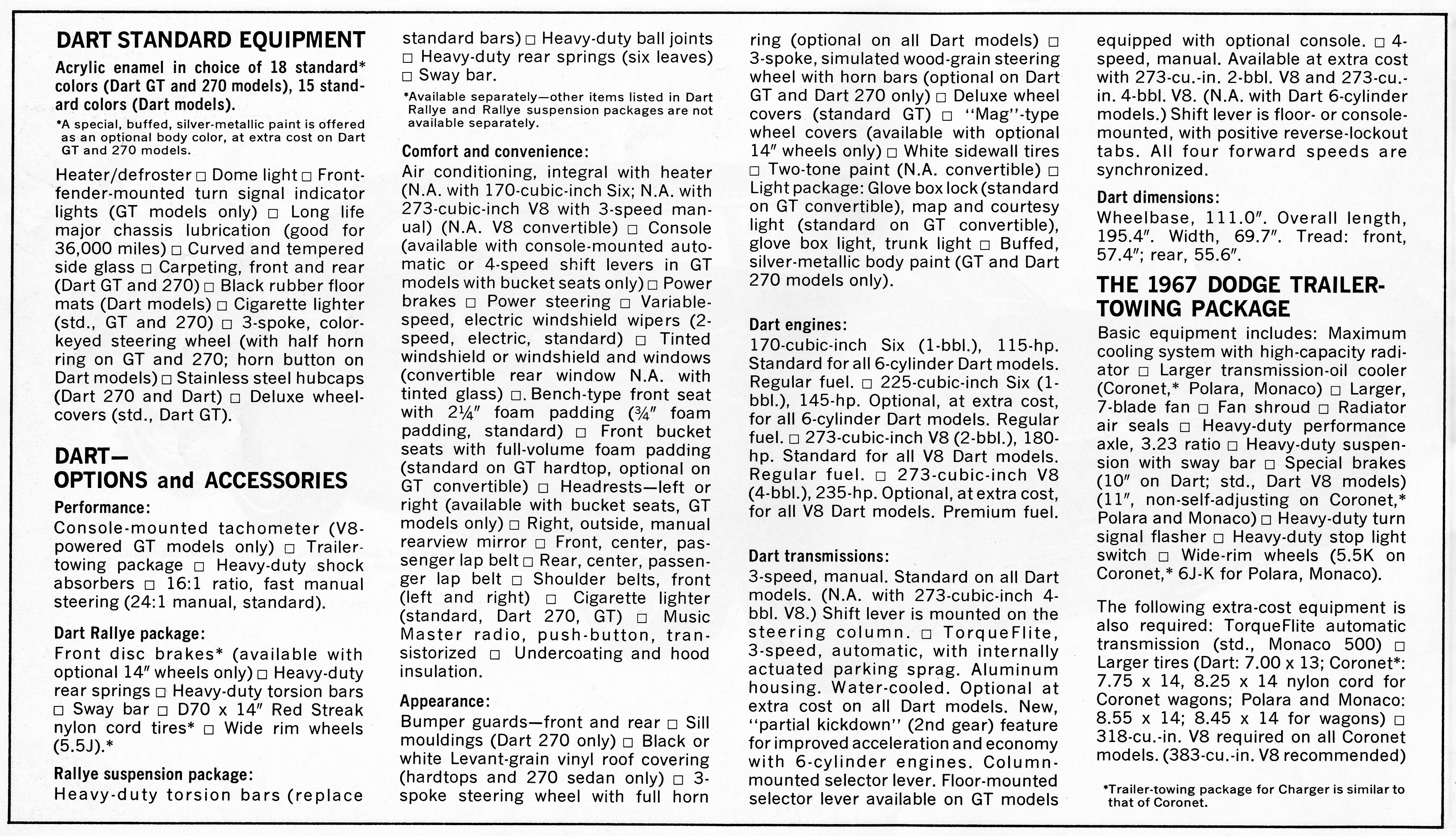
Dart specifications page


Back cover; note "safety equipment" and also note shorter warranty for Hemi engines!
Back cover; note “safety equipment” and also note shorter warranty for Hemi engines!


All photographs copyright © 2017 Richard A. Reina. Photos may not be copied or reproduced without express written permission.


The 2000 New England 2000 Rally

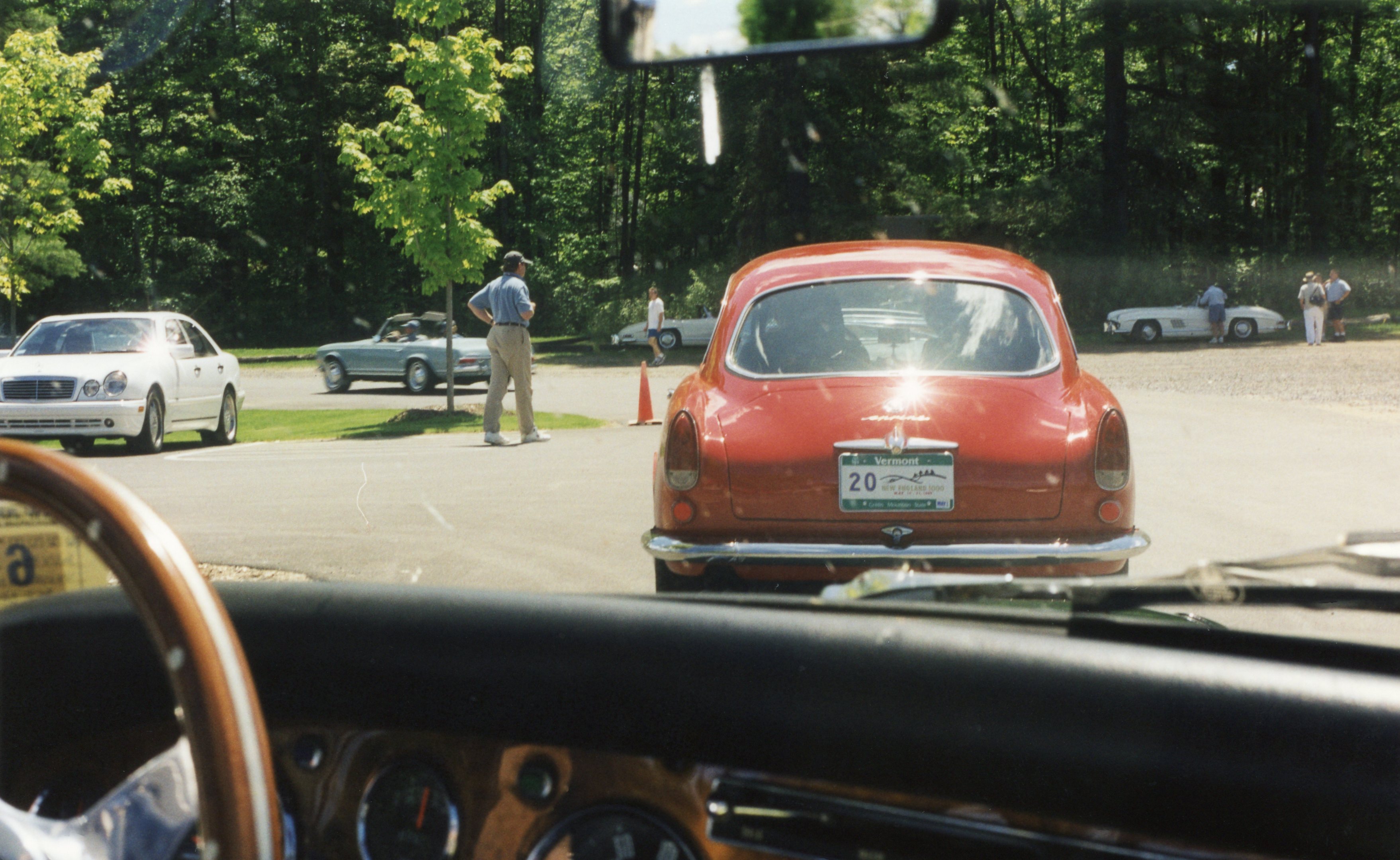
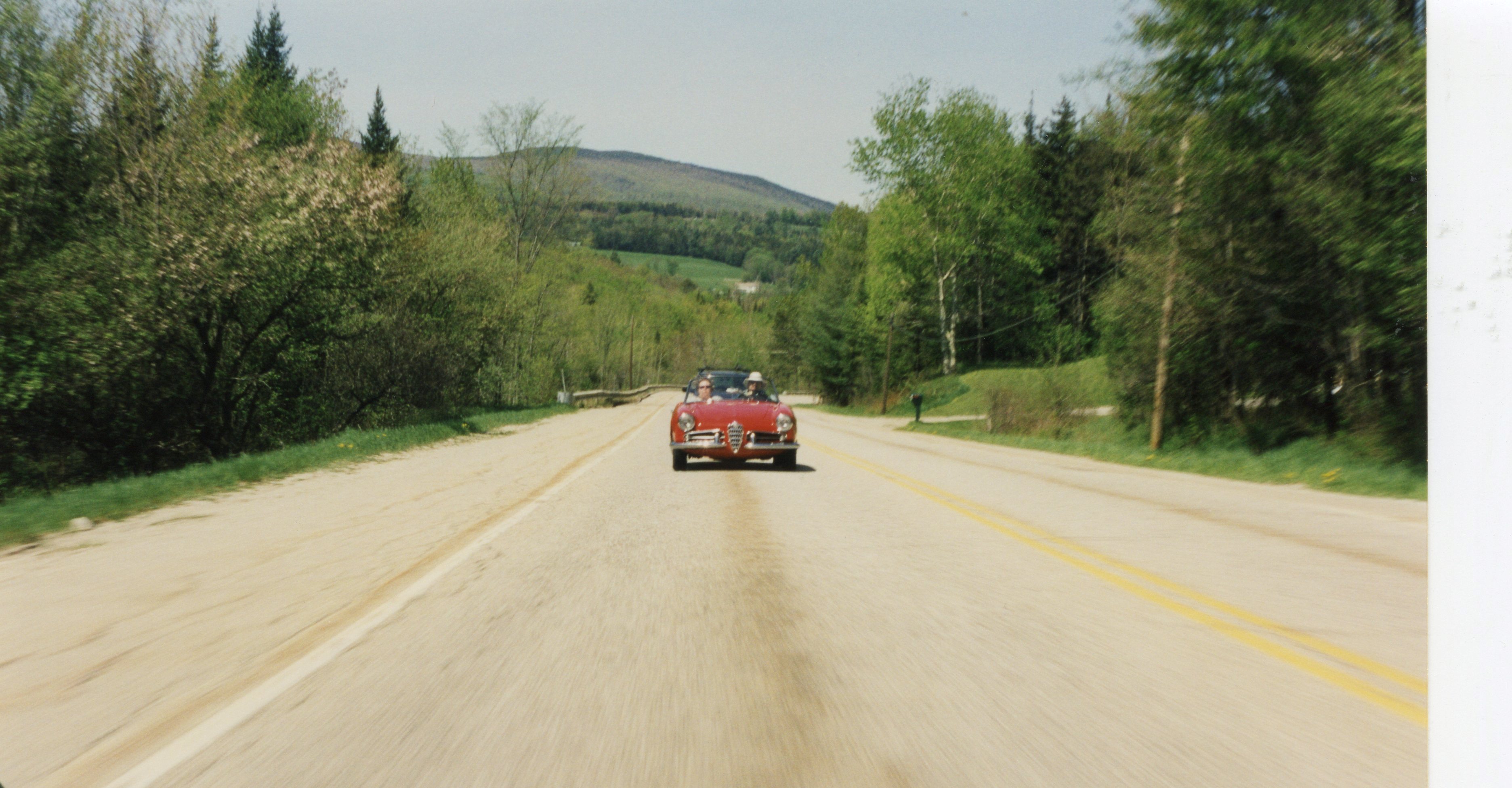
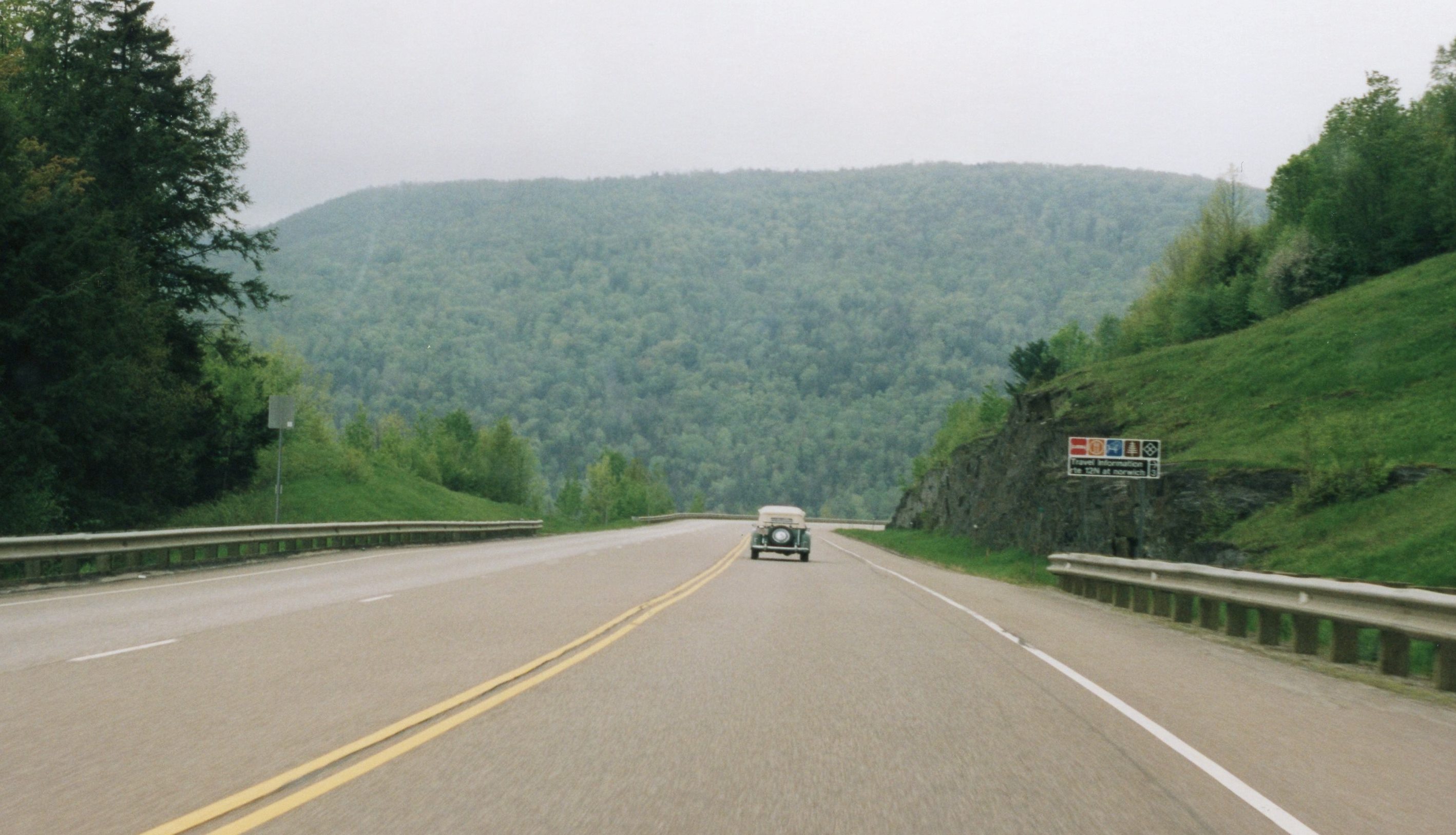
The view from the road

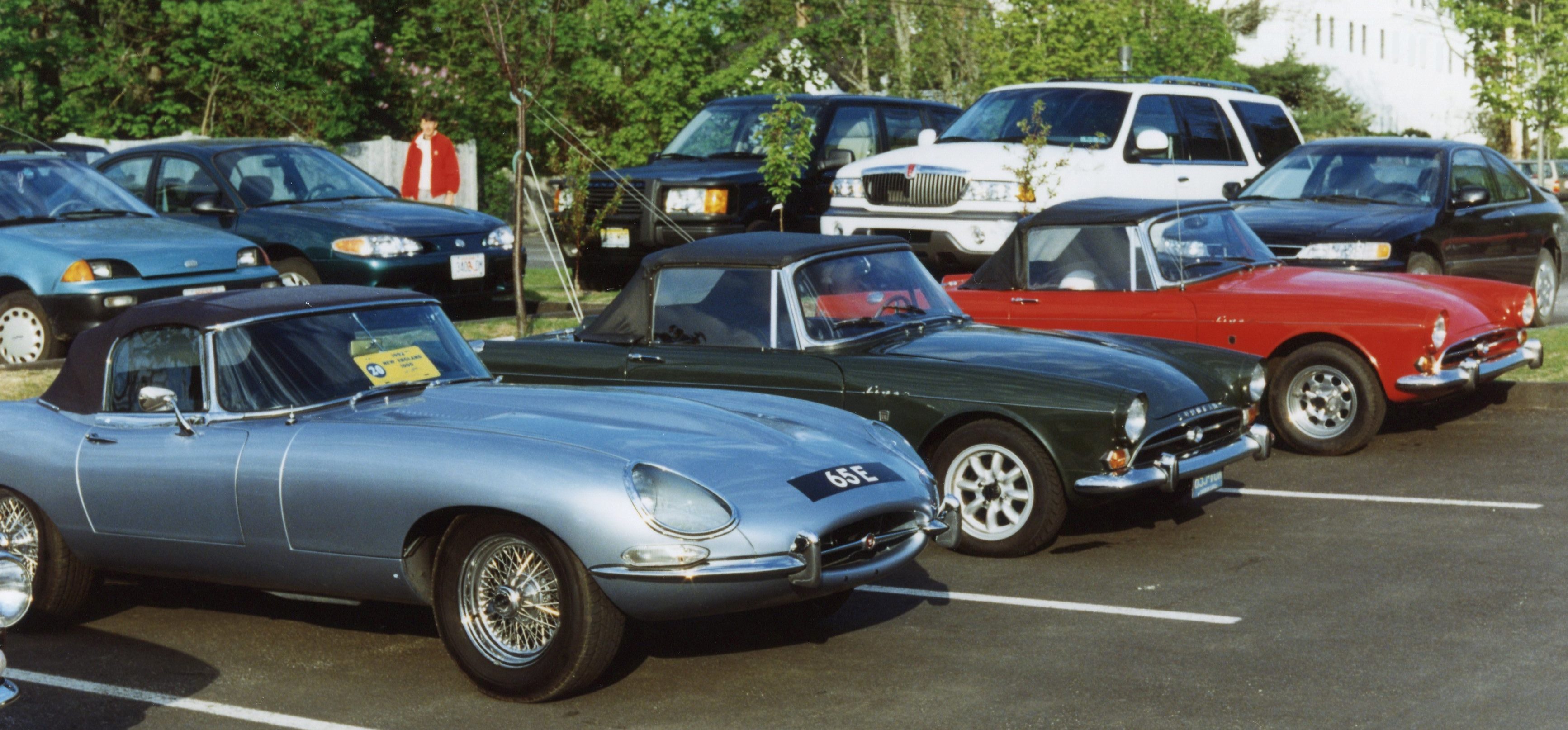
For the third consecutive year, my rally brother Steve and I entered the New England-based vintage car rally hosted by our friends Rich and Jean Taylor. While Steve’s Sunbeam Tiger was the steed of choice yet again, a few details were different. For one, Steve’s job had temporarily relocated him to Sweden, so participation required a flight across the big pond. (Care and feeding of the Tiger was left to me, which I recollect involved filling it with fuel.)

Second, in honor of Y2K, the rally was renamed The New England 2000, with a promise that the driving would encompass 2,000 kilometers (or about 1250 miles). Really not a large change from years past, until you factor in the drive we made from central Jersey to the rally and back. Our total round-trip mileage in the year 2000 was closer to 2,000.

Perhaps most interestingly to Steve and me, the breadth and variety of automotive entries exceeded what we had witnessed in ’98 and ’99. The official route book showed 65 vehicles registered! (Rich and Jean advertise that the field is capped at 50.) No doubt, not all them showed up, as the book must go to print several weeks before the event, and we’ve seen how peoples’ plans change. But the magnificence of the cars in attendance was akin to my favorite automotive picture book coming to life.

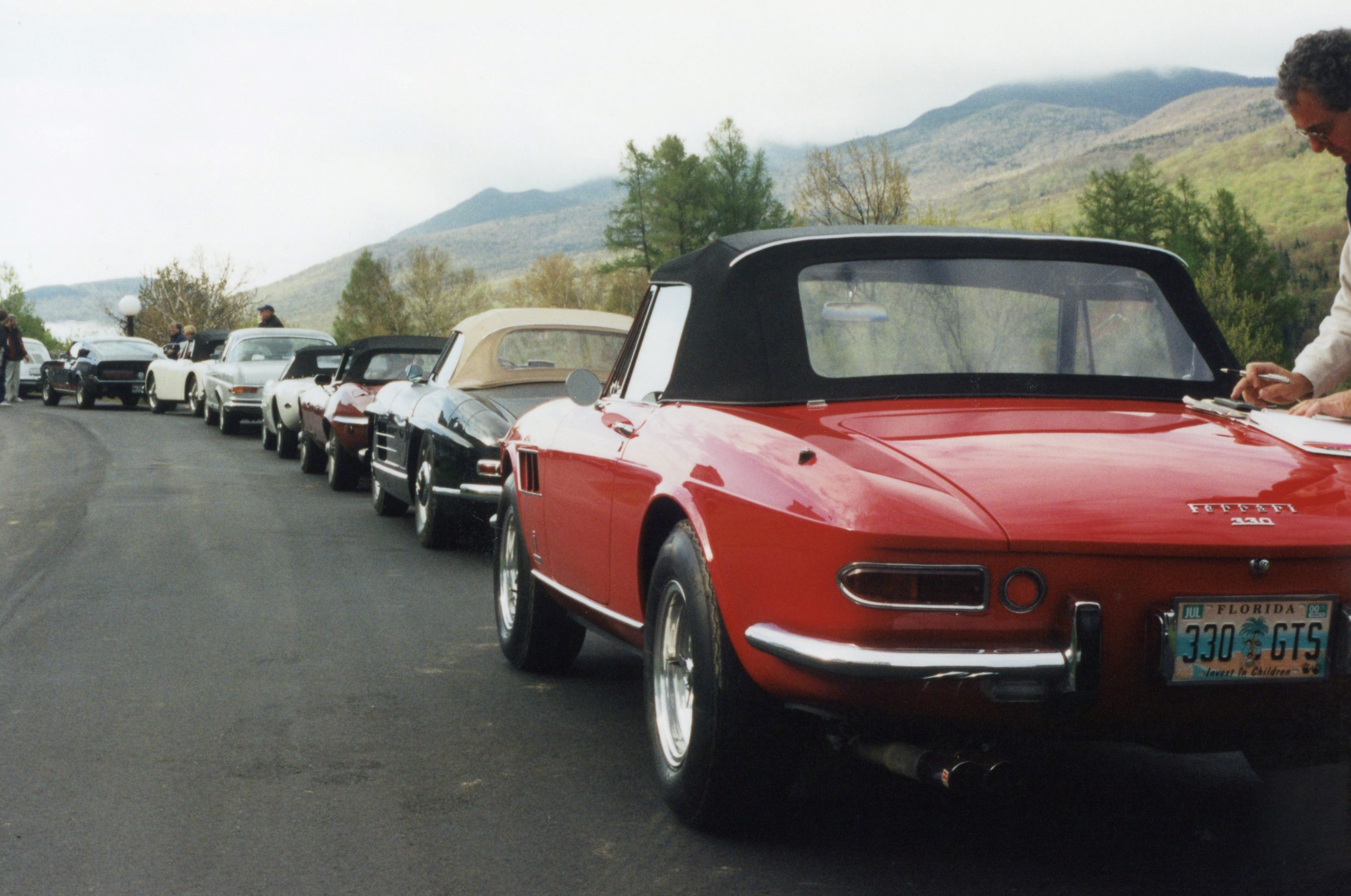
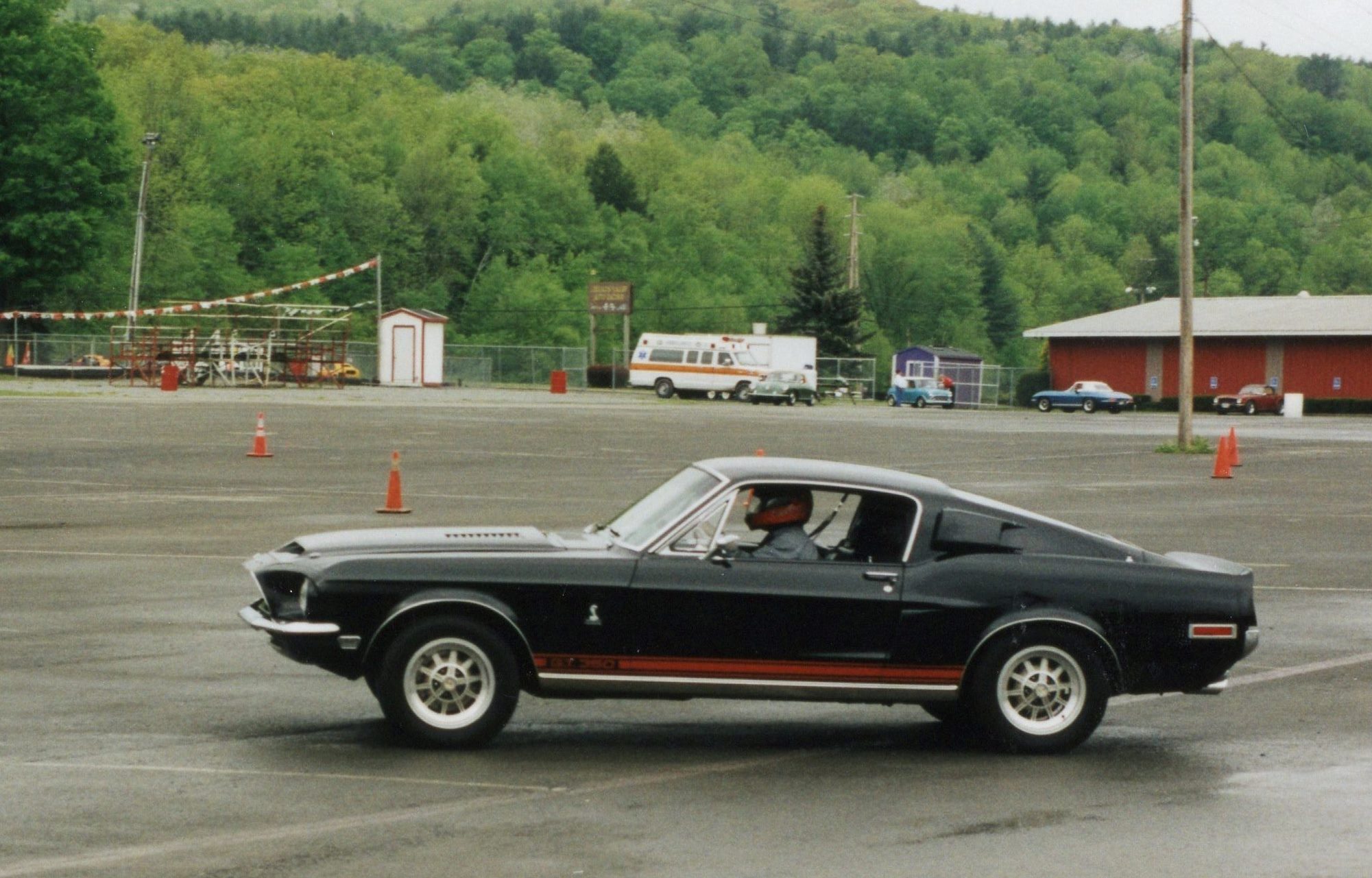
This volume allowed the Mercedes Benz 300SLs (10) to have their own class, as did the Porsche 356s (6). Cars that I saw in the metal for the first time included a Toyota 2000GT convertible and a BMW 507 (piloted by an all-female team). A pre-war supercharged Bentley, several Jaguar E-Types, a Shelby Mustang, and a to-die-for Ferrari 330 GTS were other favorites. Well-known drivers included Miles Collier of the Revs Institute and AutoWeek publisher Leon Mandel, who spoke at one of the week’s dinners. Sadly, he passed away just two years later.

The photos show more rainy days than we were forced to tolerate the previous two years, but hearing these classic cars run and watching them move in all kinds of conditions only served to reinforce why we were doing this. Speaking of photos, I’ll let them tell the rest of this story.

There are plenty more rally stories to come. Stay tuned.


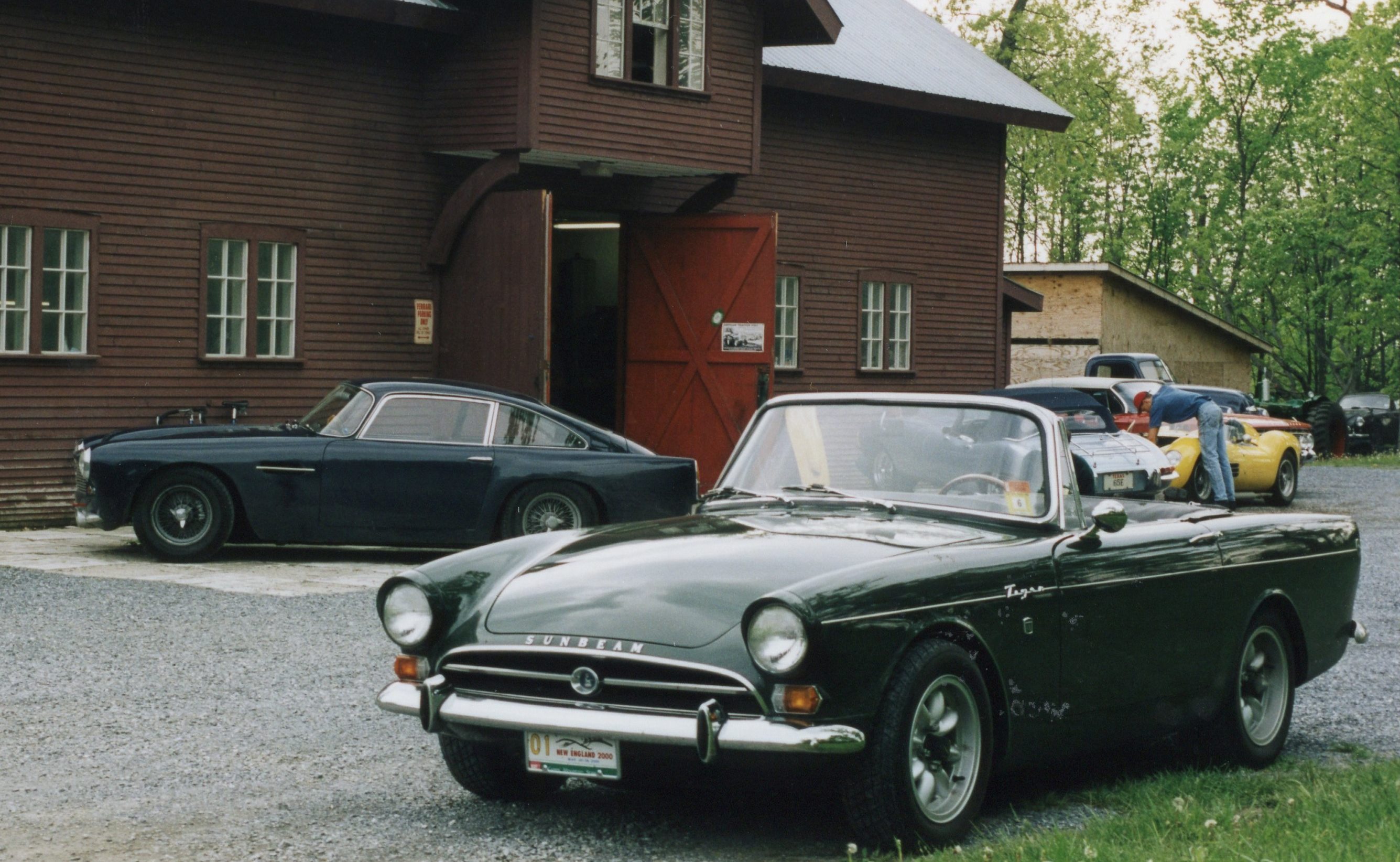
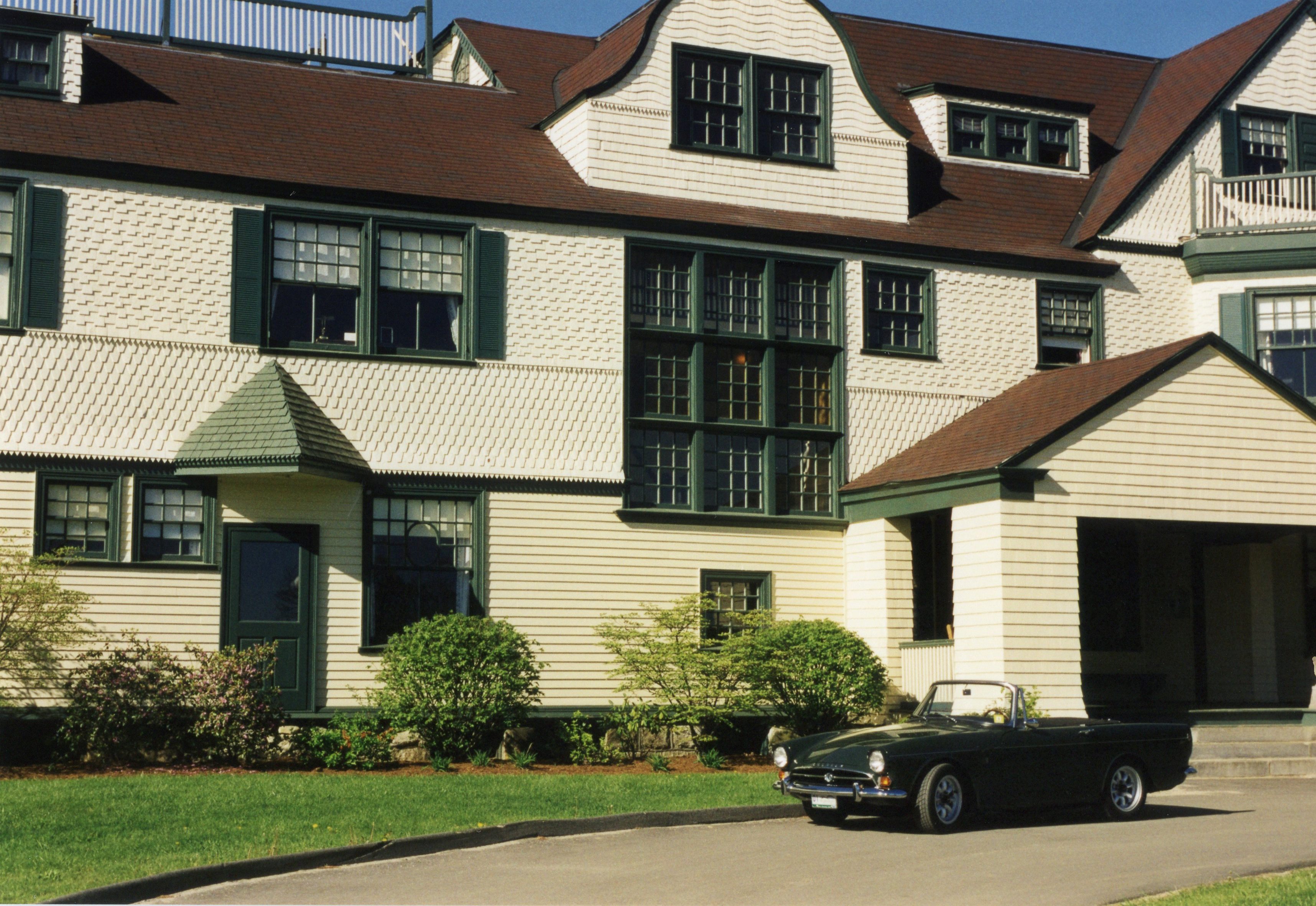
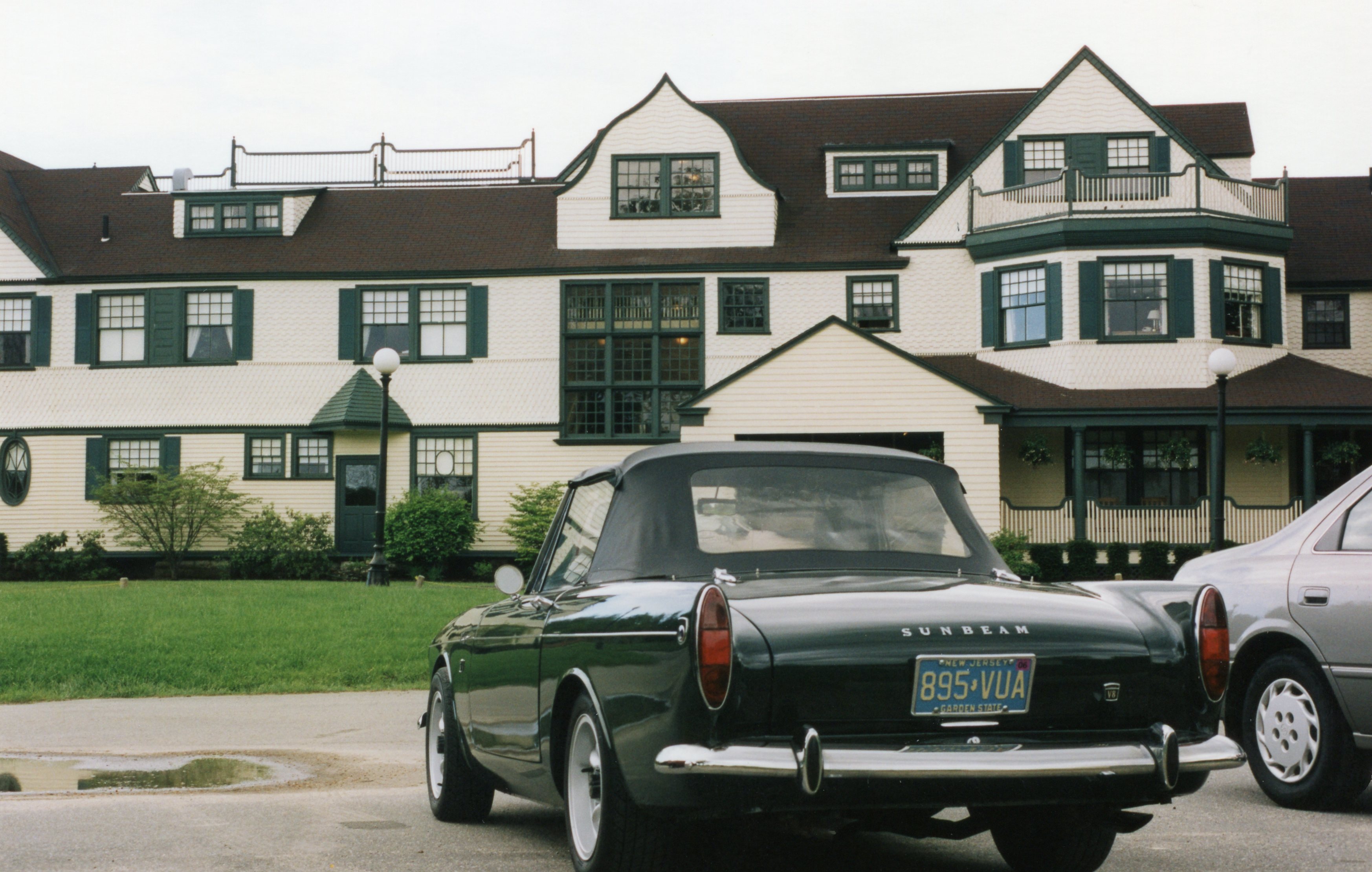
The Tiger looks at home in front of one of the resorts on this year's rally
The Tiger looks at home in front of one of the resorts on this year’s rally


Ferrari 275 GTS
Ferrari 330 GTS


Austin Mini Cooper (this is the original one, folks)


Porsche 356
Porsche 356


The best "rear end" in all of automotivedom
The best “rear end” in all of automotivedom


MG-TD held its own against pricier competitors
MG-TD held its own against pricier competitors…


... as did this Jensen-Healey
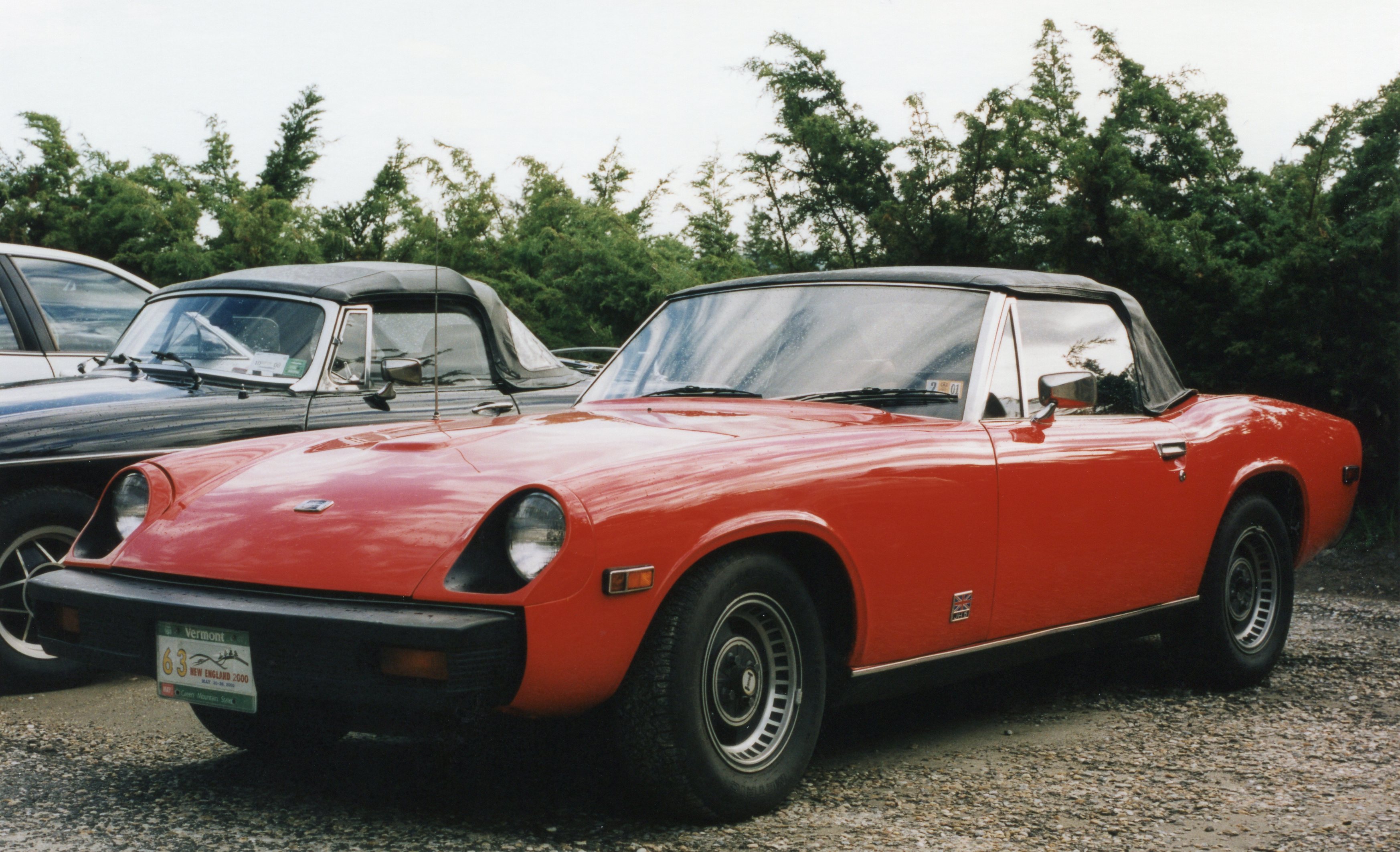
… as did this Jensen-Healey (note plate #63)


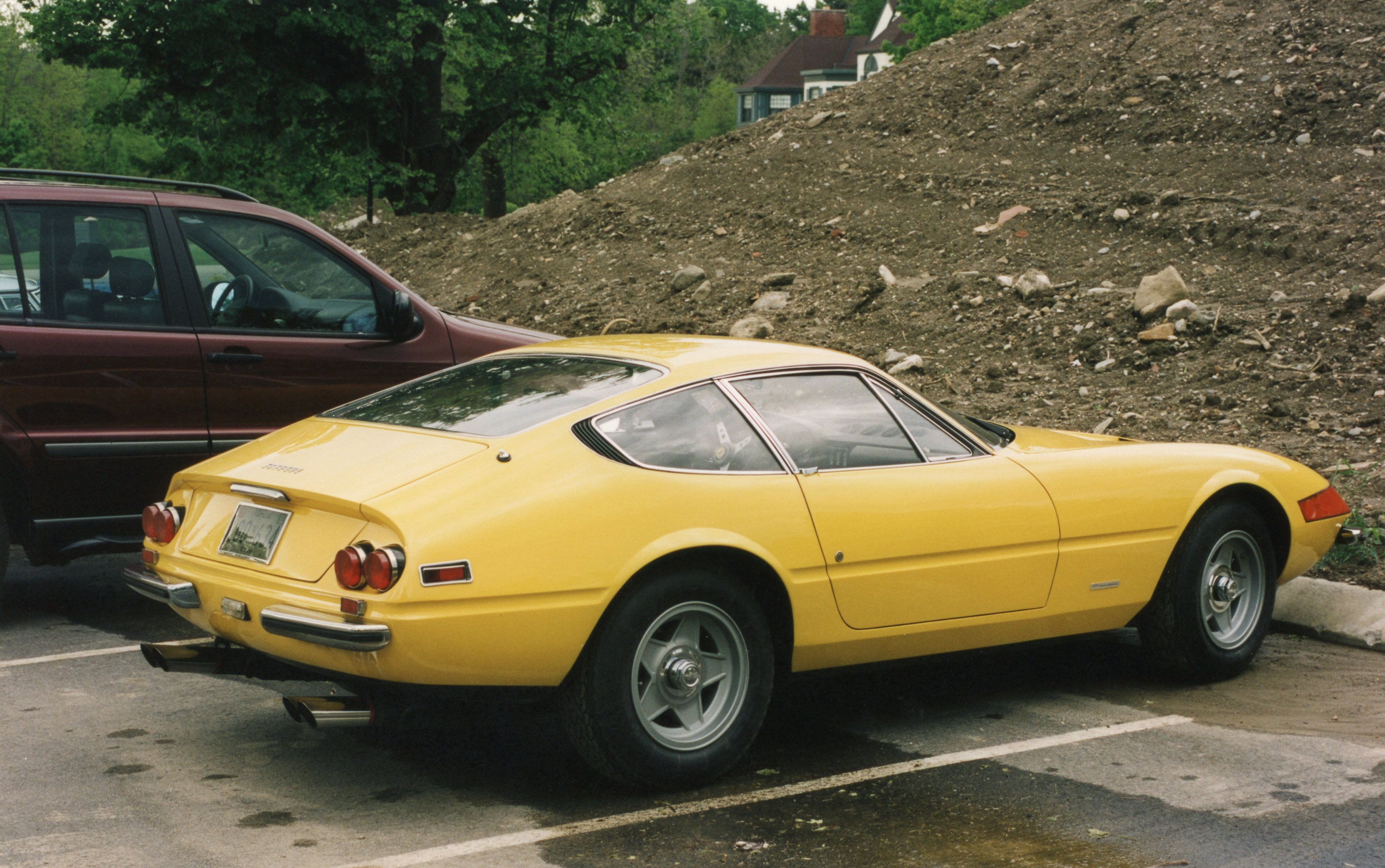
Ferrari Daytona
Ferrari Daytona


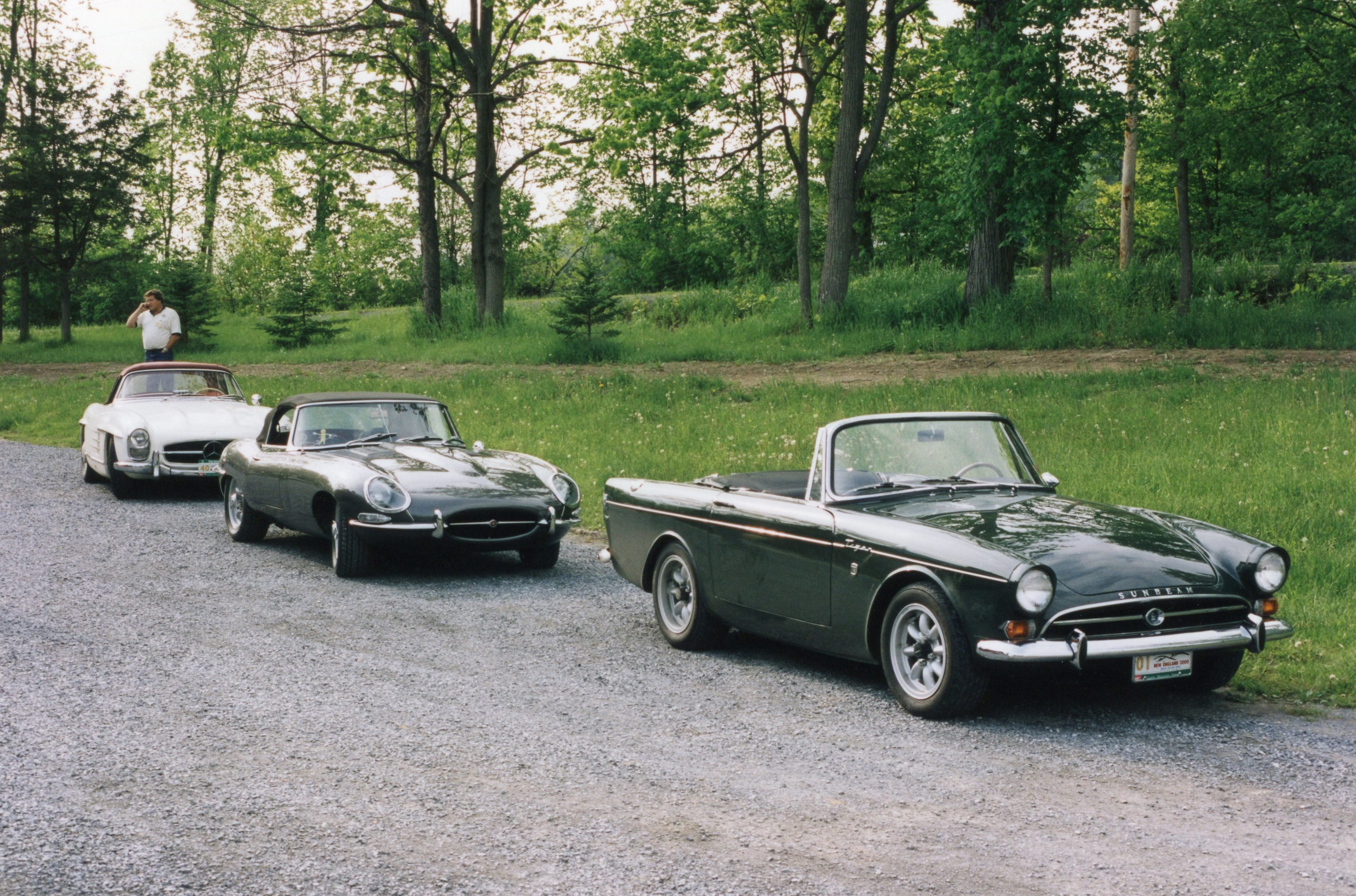
Take away the guy on the phone, and this photo could have been taken in 1966


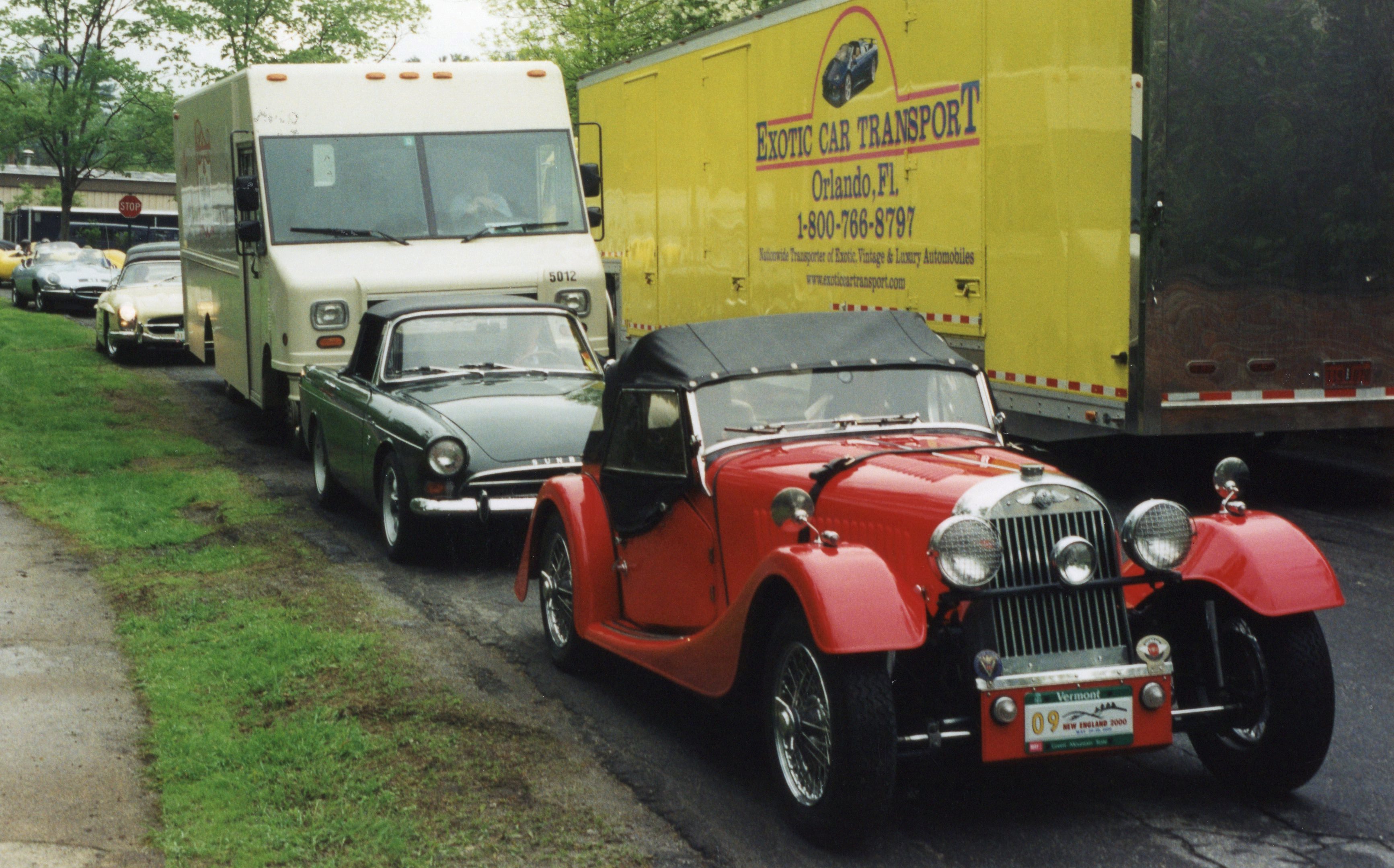
Morgan Plus 4, which we presume was flat-towed to the rally


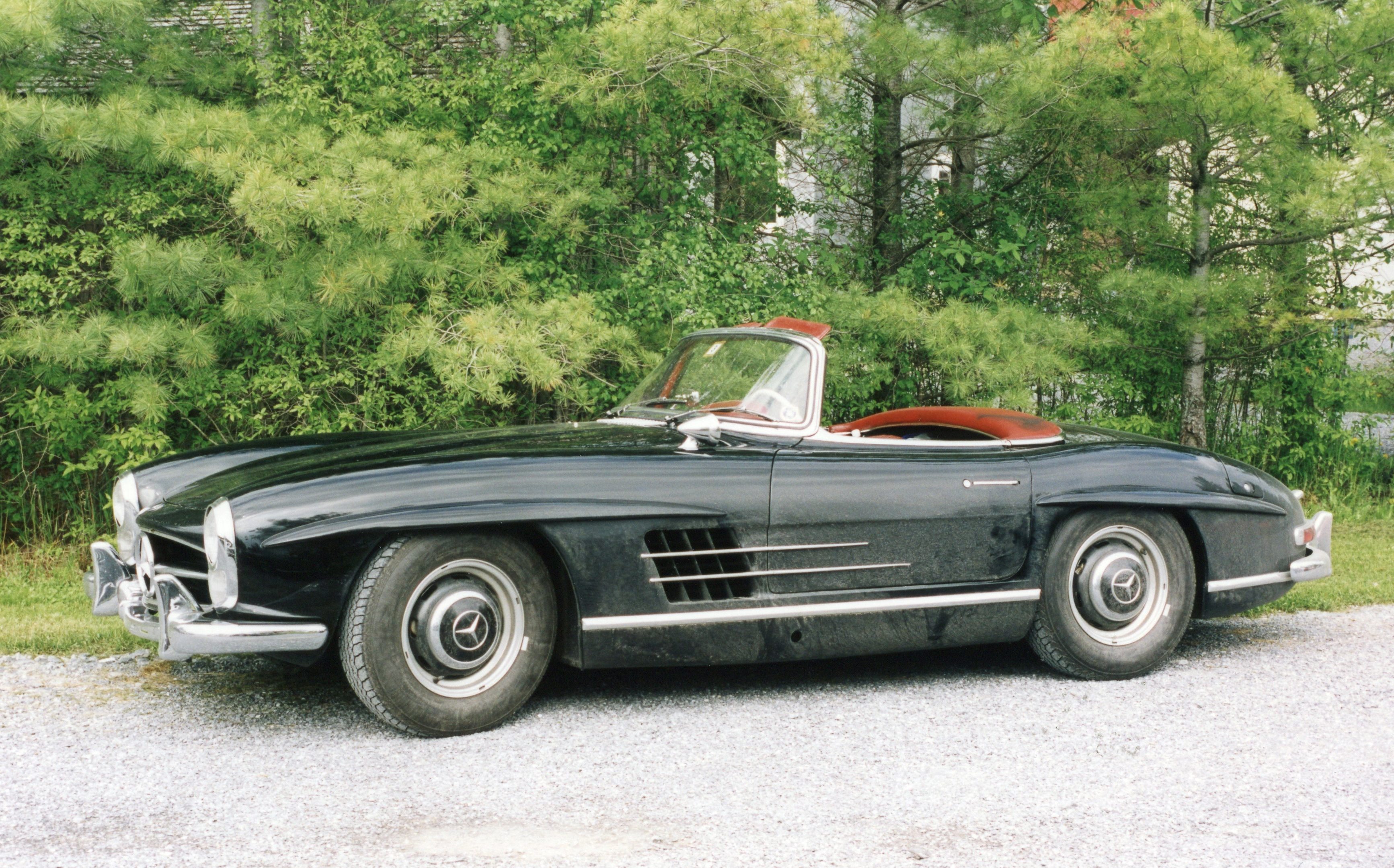
One of many M-B 300SLs


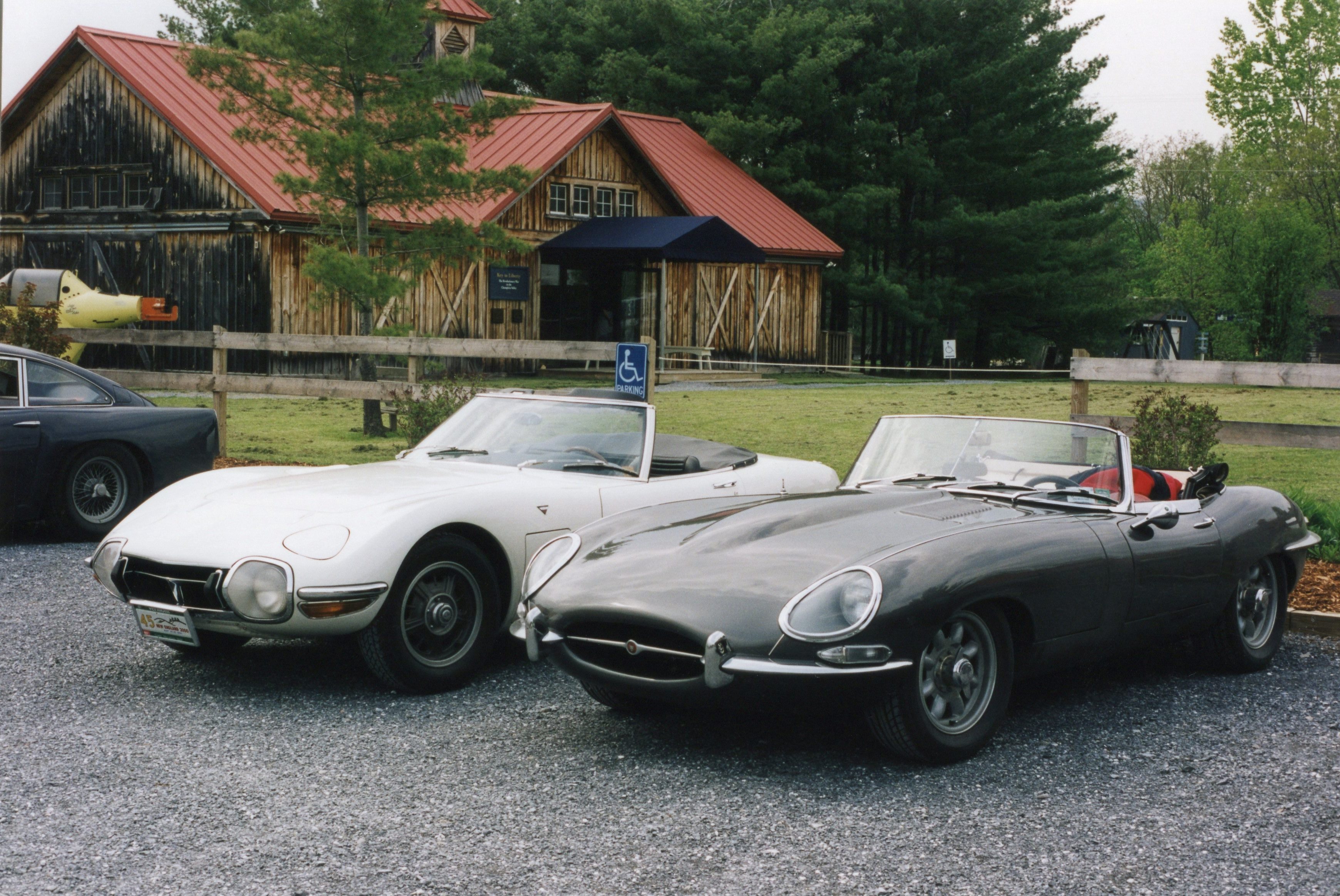
Toyota 2000GT and Jaguar E-Type - which do you prefer?
Toyota 2000GT and Jaguar E-Type – which do you prefer?


The Toyota 2000GT at one of the timed trials


You had your pick of 300SLs this year
You had your pick of 300SLs again this year


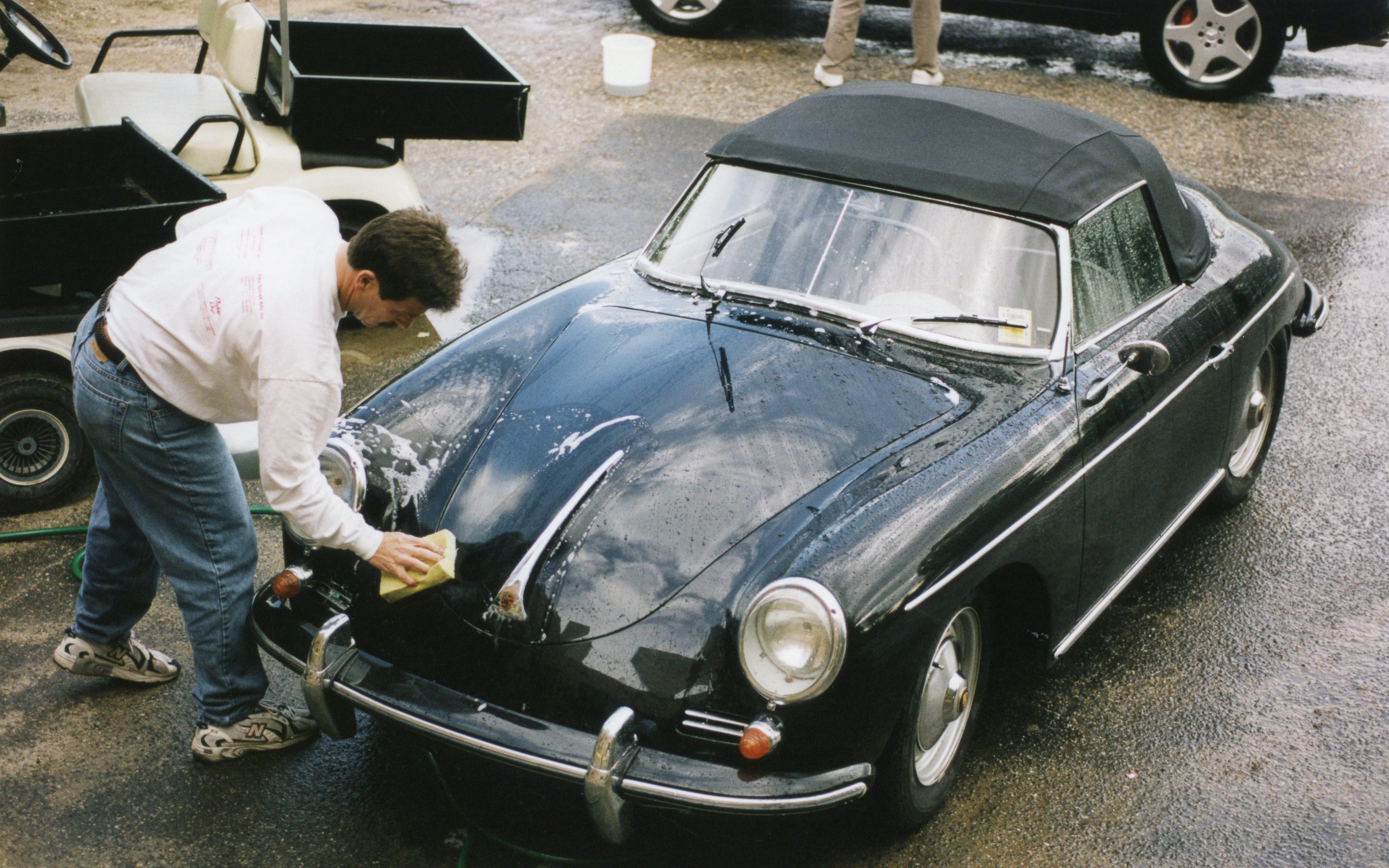
As in previous years, most hotels provided car wash stations


This owner is not afraid to get the car dirty
The owner is not afraid to get the car dirty!


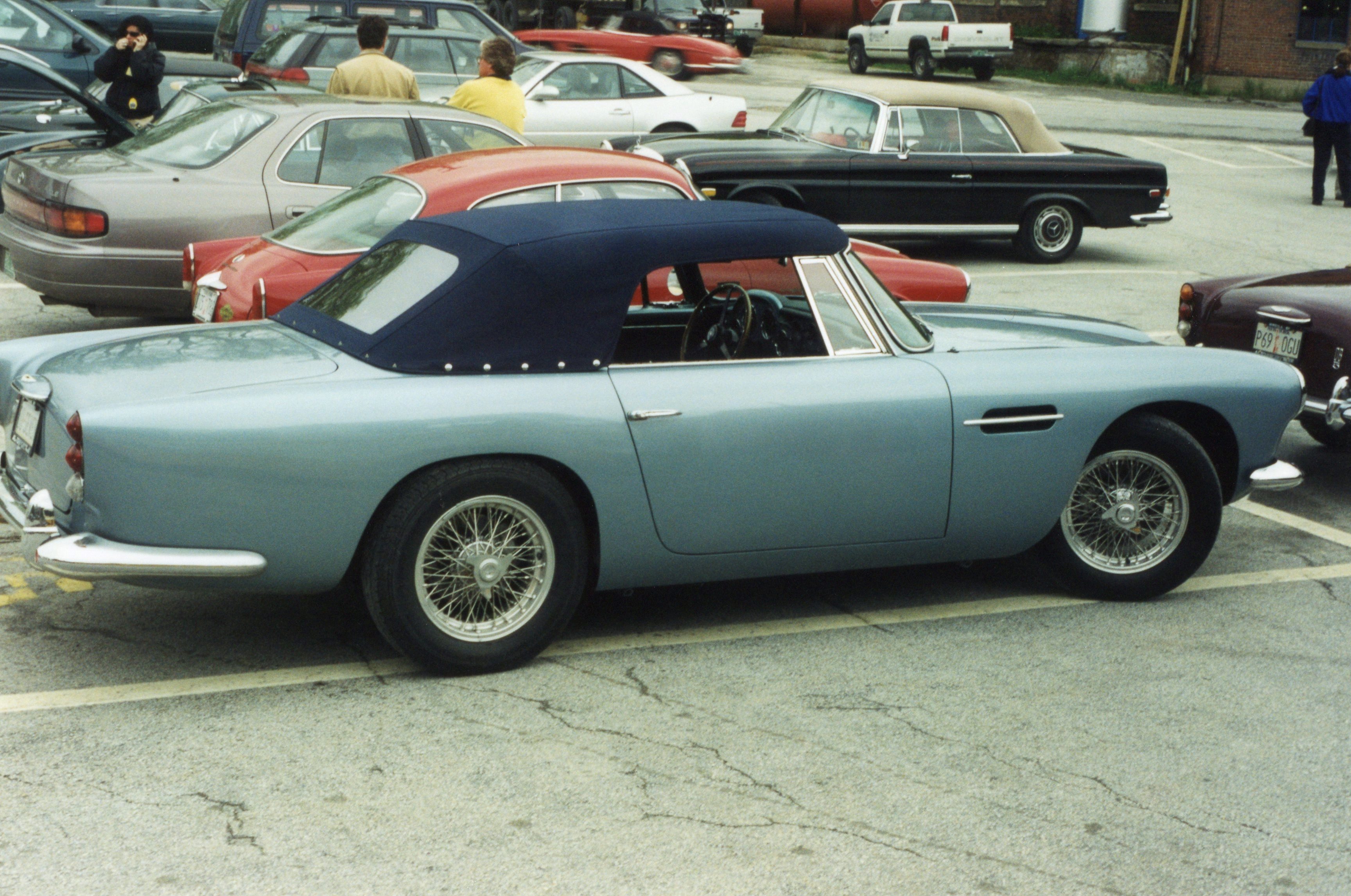
Aston Martin DB-4
Aston Martin DB-4


Ferrari owner reads ahead
Ferrari owner reads ahead (what, no blanket on the trunk lid?)


Bread van attempts to join queue for morning check-out
Bread van gets behind Tiger, attempts to join queue for morning check-out


Jaguar C-Type replica


1968 Shelby Mustang
1968 Shelby Mustang


BMW 507, being used as Albrecht von Goertz intended


This gorgeous Ferrari was trailered to the rally but not driven
This gorgeous Ferrari was trailered to the rally but not driven, possibly due to mechanical issues


The Tiger poses in front of RPM in Vergennes VT


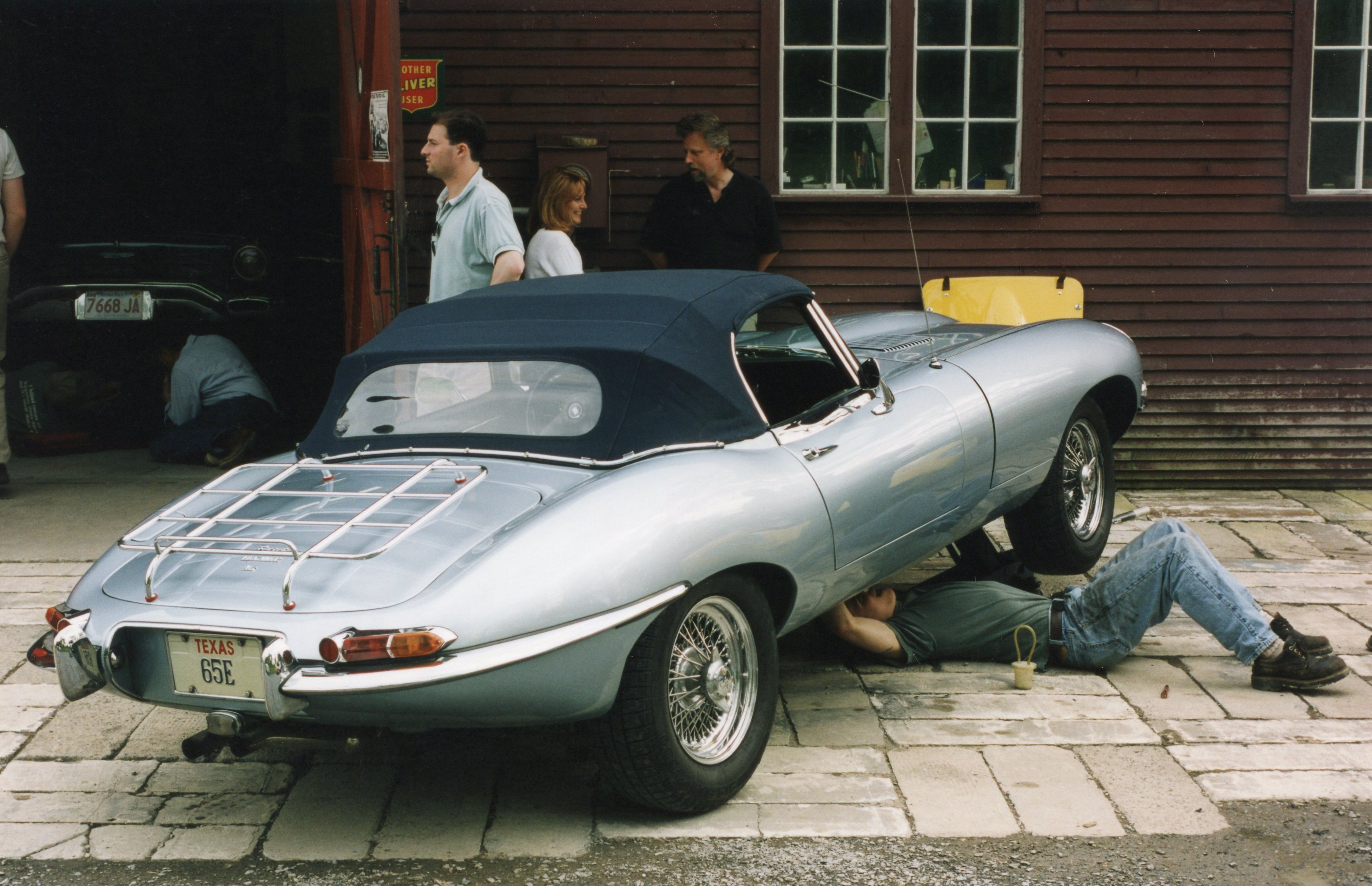
RPM was a convenient place for the Goolsbee E-Type to need some mechanical attention
RPM was a convenient place for the Goolsbee family E-Type to need some mechanical attention


The week's driving on one page
The week’s driving on one page


All photographs copyright © 2017 Richard A. Reina. Photos may not be copied or reproduced without express written permission.


1986: Employment at the first Acura dealer in New Jersey

In March of 1986, after five and a half years working as a Service Advisor at Smythe Volvo in Summit NJ, it was time to make a move. This was not an easy decision. My fellow employees at Smythe had become more than co-workers; we spent significant time together outside the shop too. The dealer management on the whole was very supportive, business was good, and I could have easily stayed right where I was.

That was the problem. I was restless. There was no possibility for any upward movement, at least in the short term. I felt ready to go into management, and when I saw the ad for Service Manager at what promised to be New Jersey’s first Acura dealer, I jumped at the opportunity.


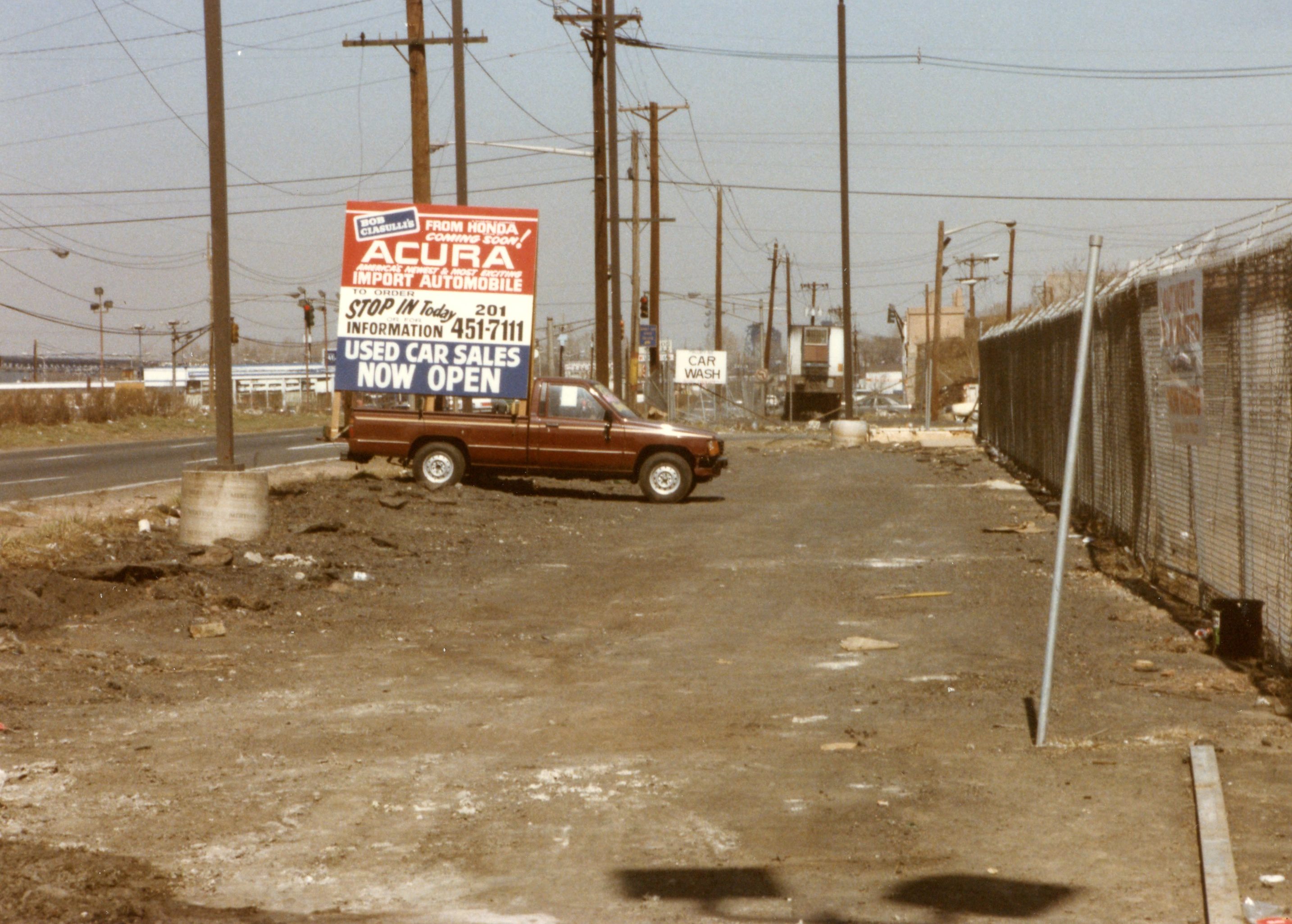
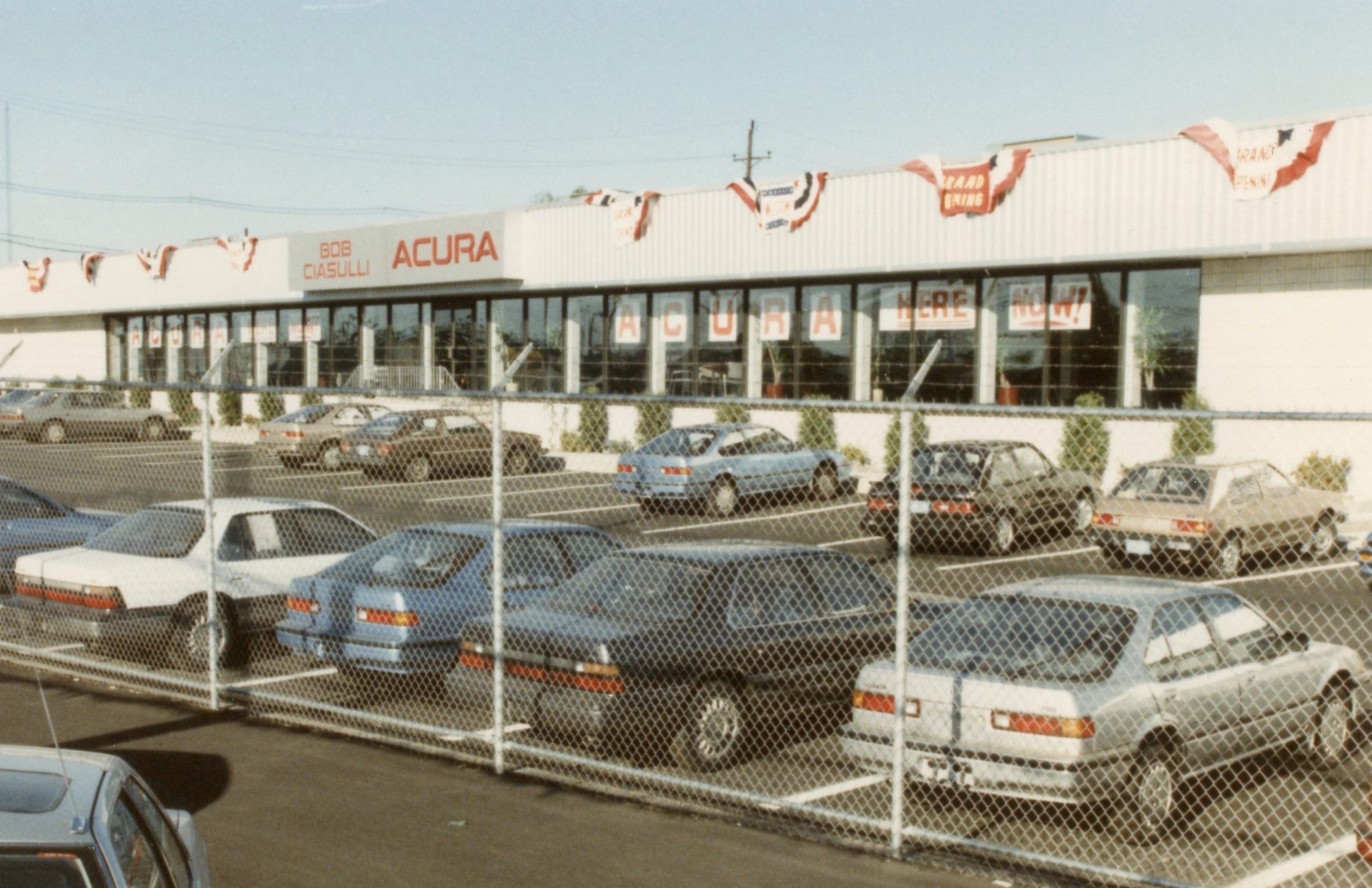
Early in the construction phase, this sign informed those driving by of what was to come

Acura was a name known only to industry insiders in early 1986. Parent company Honda had announced a plan to move upmarket by introducing a new line of automobiles, the first Japanese carmaker to do so.  Today, we take Acura (and Lexus and Infiniti) for granted. But this was a bold move on Honda’s part, and not a guaranteed success.

The job interview went well, and I was offered the position at a slightly higher salary than my current one, with the typical veiled promises of “more money for you if we do well”. With great reluctance and more than a slight foreboding, I gave my notice to Smythe. When I told them what I was going to do, they congratulated me. When I told them for whom I would be working, they cautioned me.

The less said about my new employer Bob Ciasulli, the better. Suffice to say that if Google had existed in 1986 and I had checked (try it), I might not have taken the job. But, I did, and as difficult as it was, it was worth it.

There were positive aspects to my time there. It was exciting to get in on the ground floor of a new car brand, an opportunity that rarely comes along. The first Acura models, the 3- and 5-door Integra hatch, and the 4-door Legend sedan, were remarkably good cars. For the first time in my automotive career, I had a demonstrator car, an Integra LS with a 5-speed, which was an absolute blast to drive. I learned a lot about management and about dealer operations.

I began the job in mid-March, about three weeks before the cars officially went on sale. The building was still under construction, with makeshift sales and service areas. Meanwhile, cars started to arrive, and it was part of my responsibility to make sure that they stayed safe and secure, stored as they were in a construction zone.  It would be many months before the building was finished.


The original building had filling pumps, which needed to be removed


Some of the initial inventory, parked in the (unpaved) rear lot


The first load of Integras, only available in silver, red, and blue.

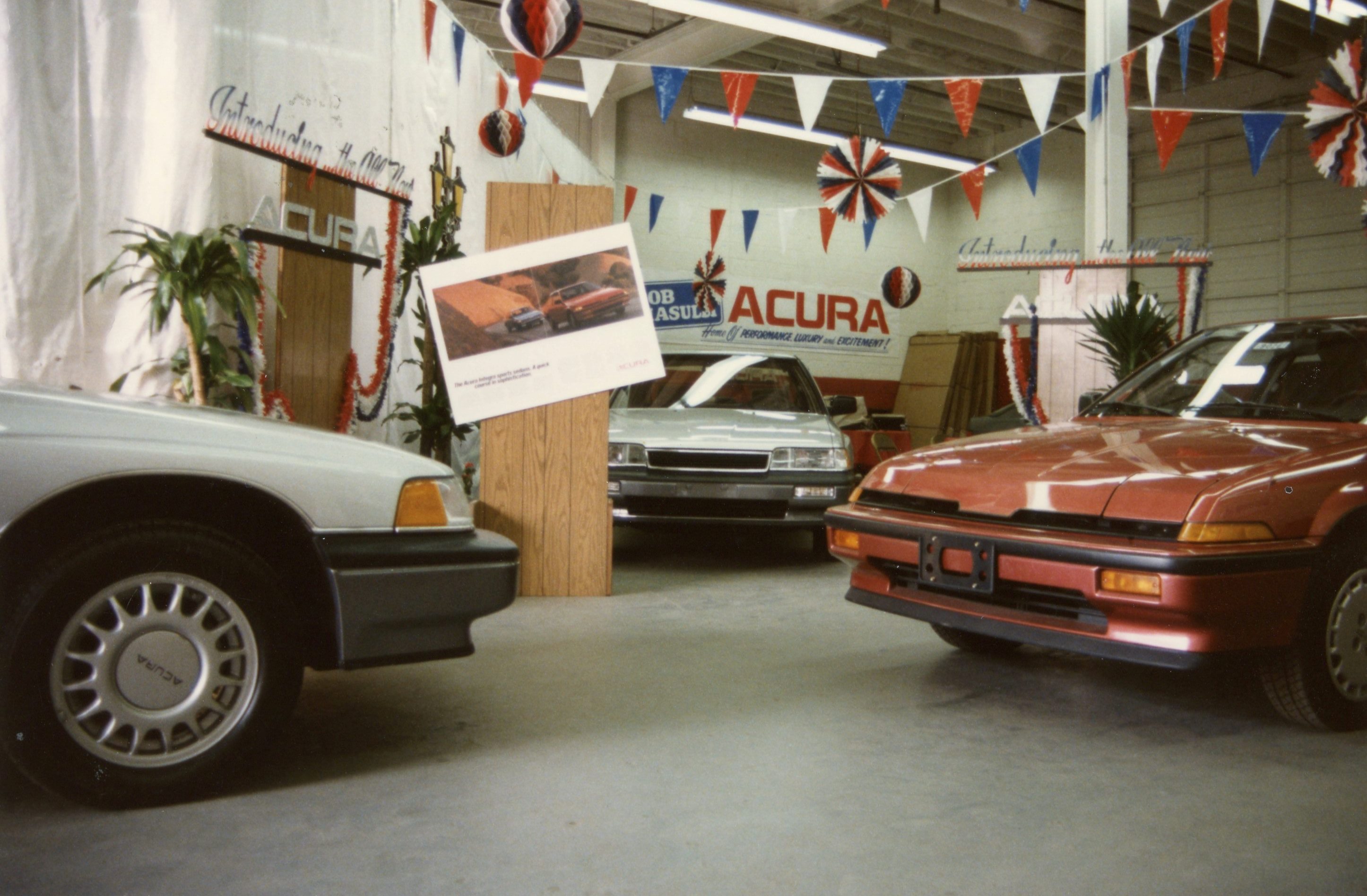
Once sales began in early April, it was presumed that I would work Saturdays in the temporary showroom, as not enough sales staff had been hired. So I did, finding myself faced with many who were curious about the cars. (Typical questions: “How do you pronounce A-C-U-R-A?” “What does it mean?” “Why do the engines say ‘HONDA’ on top of them?”)


Opening Day. The "showroom" was in a cinder-block storage area.
Opening Day. The temporary showroom was in a cinder-block storage area.

The Integra was well-received, at a starting price around $10,000. The Legend was more of a challenge. Prospects did not like the limited color choices (typical Honda) nor the mandatory two-tone. There was also incredulousness that leather was not even an option, at least on those first cars. Finally, a $20,000 Japanese car gave many customers pause. (For comparison, $20,000 would get you a Volvo 760 sedan.)


Sales negotiations were to take place at what looked like picnic tables
Sales negotiations were to take place at what looked like picnic tables. Note the ashtrays!


One of the first Acura Legends in the country

I learned the hard way that taking a new job with higher salary was not always the smartest choice. The support I had at Smythe looked like a Caribbean holiday compared to the management style at the Acura store. Within months of starting work at this Jersey City location, I was poring through the classifieds again.

By the summer of '86, the showroom was done. The entire lot was fenced.
By the summer of ’86, the showroom was done. The entire lot was fenced.

In August, I found it in the classified section of Automotive News. Answering the ad for a “technical Customer Service adviser” at Volvo of America, I had a clear advantage: seven years Volvo retail service experience, while not currently employed by a Volvo dealer. (At that time, Volvo corporate policy forbade the hiring of persons working at Volvo dealers unless the interviewee first obtained written permission from dealer management for an interview to take place.)

The first demo, an Integra LS

In September of 1986, Volvo of America offered me the job. To this day, that phone call stands out as a professional highlight. I still did the honorable thing by giving my manager at the Acura store two weeks’ notice. The only regretful part of leaving was saying goodbye to that demo (and perhaps some regret at not sticking around for the NSX).

Several years after I left, the Acura store at that location failed, for reasons unknown. Today, it’s Bob Ciasulli Honda. As rare as it is to see a first-generation Integra or Legend, when I do spot one, I think back to my not-brief-enough six months there.

 
All photographs copyright © 2017 Richard A. Reina. Photos may not be copied or reproduced without express written permission.


The 1999 New England 1000 Rally

It bears repeating: the 1998 New England 1000 event, my first participation in classic car rallying, forever changed the way I would look at the old car hobby. We were back for 1999. (I had mentioned that rally brother Steve handed over a deposit check for the following year’s rally during the final dinner of the 1998 event. This was done in exchange for the promise that we would be given Plate #01, and we were.)

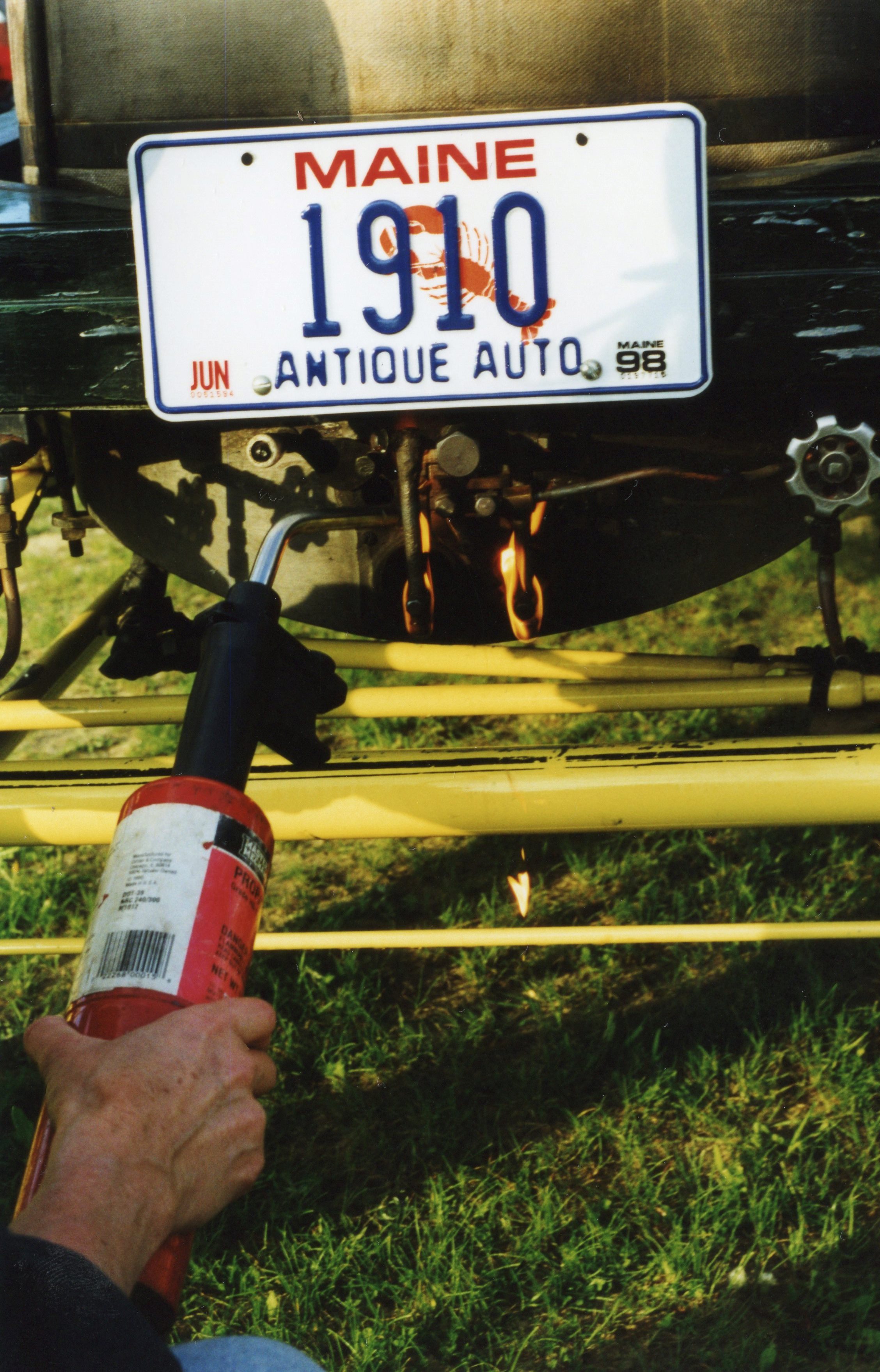
A tradition begins: documenting the installation of the rally plate

Steve’s Tiger was in such great shape that there was little to do to it during the wait for the next rally to start. There was a distinct change in our automotive-themed discussions, though: any talk about purchasing collector-type cars was immediately challenged with the question: “can it be driven in the rally?” Talk about a paradigm shift.

The host hotel this year was the Sagamore Resort, located on Lake George NY. Now, before you Yankees get your windjammers in a knot, I know darn well that “New York” is not “New England”. Hey, it’s not my event to plan. But the Sagamore proved to be a wonderful starting and ending location, and, most of the driving was in fact done in various “authentic” New England States.

The 1999 rally was much like the 1998 rally, but on different roads. We saw several of the same couples, and our camaraderie grew, as we now had common experiences. One couple in particular, Dave and Deb Allison from North Carolina, became good friends. They had attended the ’98 rally driving a Lotus Elise. This year, they were back with a gorgeous Alfa Giulietta spider.

Deb Allison suns herself in the Allison Alfa
Deb Allison suns herself (and studies the nav book) in the Allison Alfa

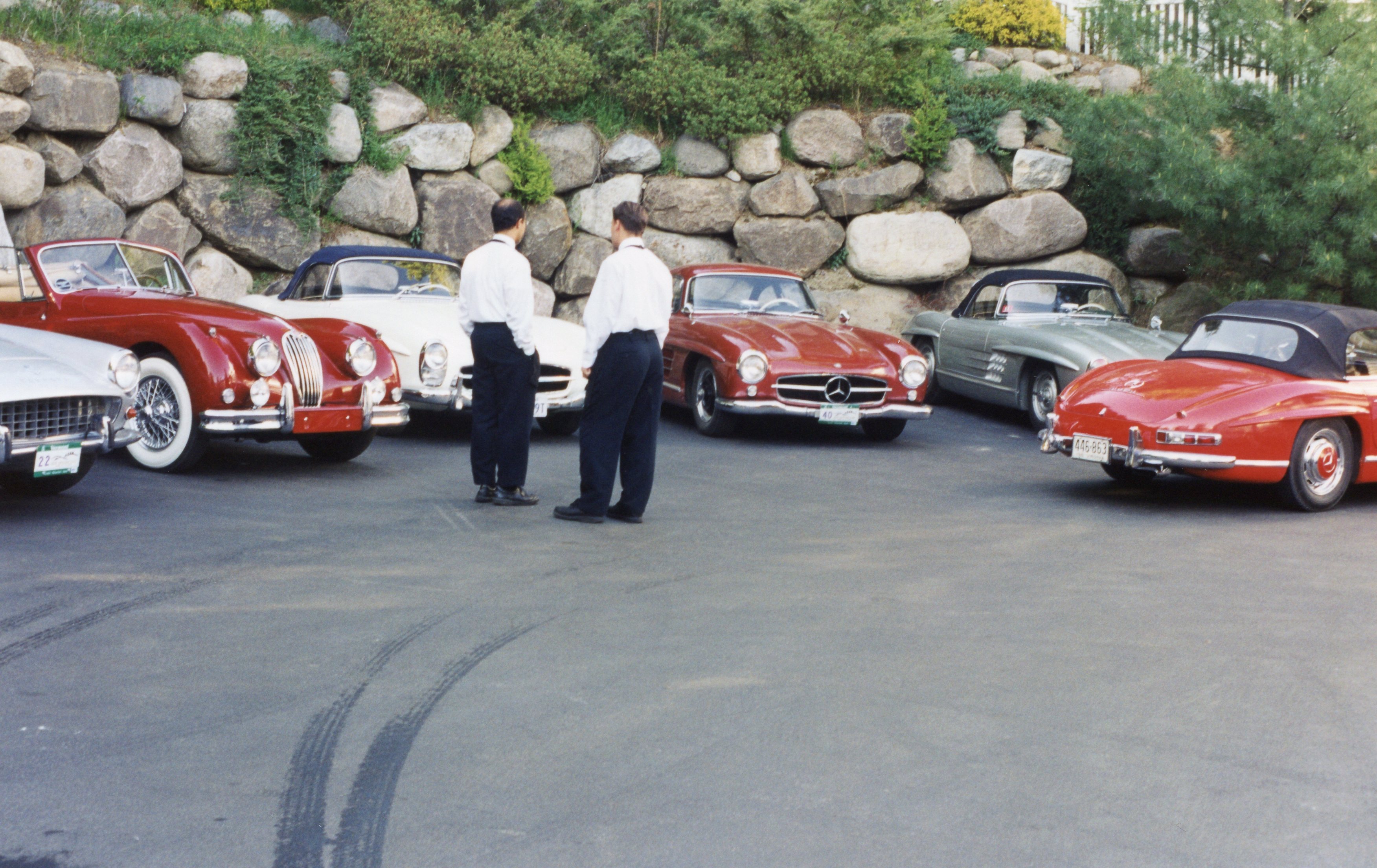
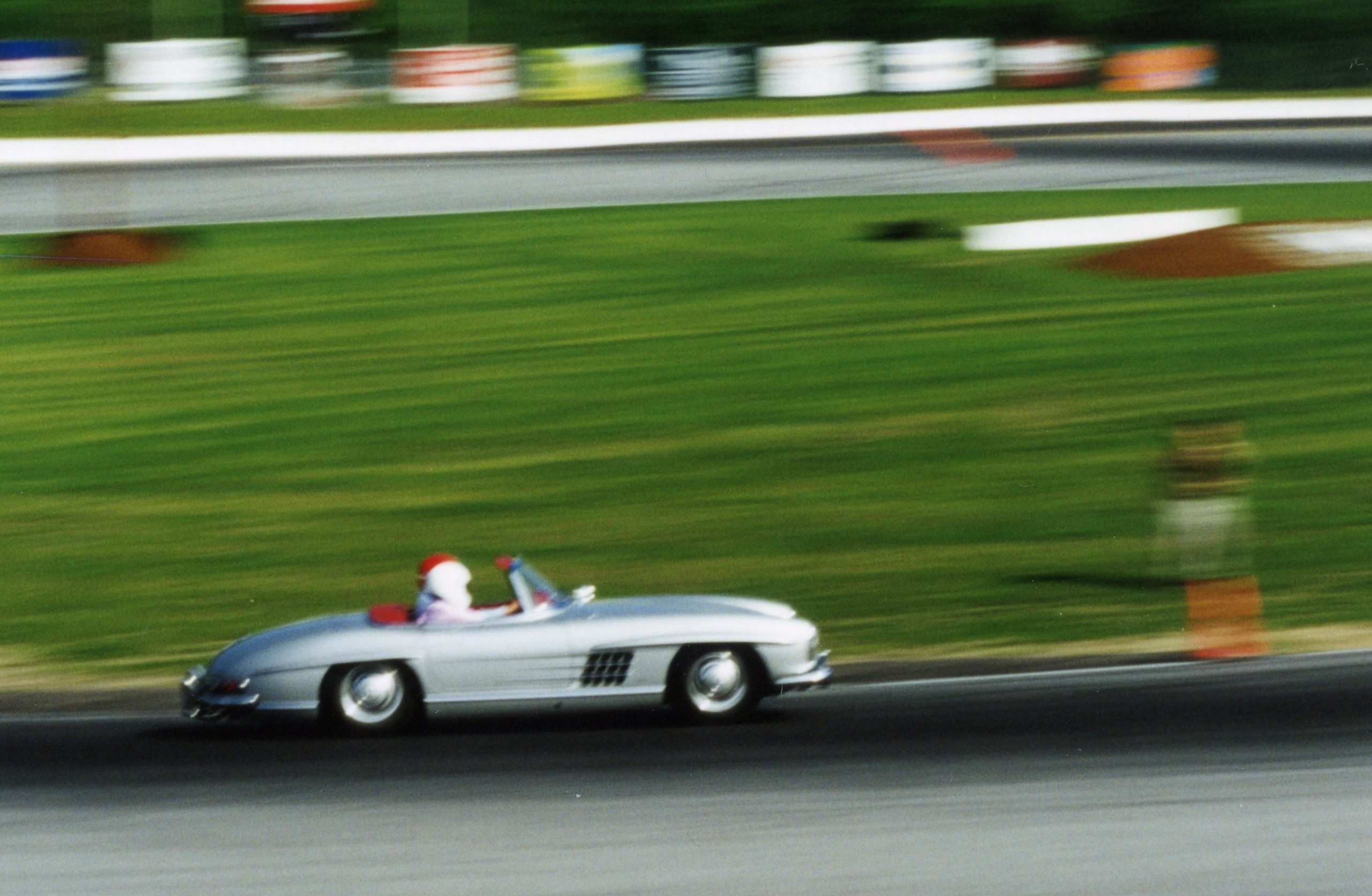
Not only were the roads different, most of the participating cars were as well. Word must have gotten out to one of the Mercedes clubs (at this point, Mercedes Benz USA was the official sponsor of the rally), as there were no fewer than NINE 300SL Gullwing coupes and roadsters registered.

Several of the participating 300SLs are visible in the background

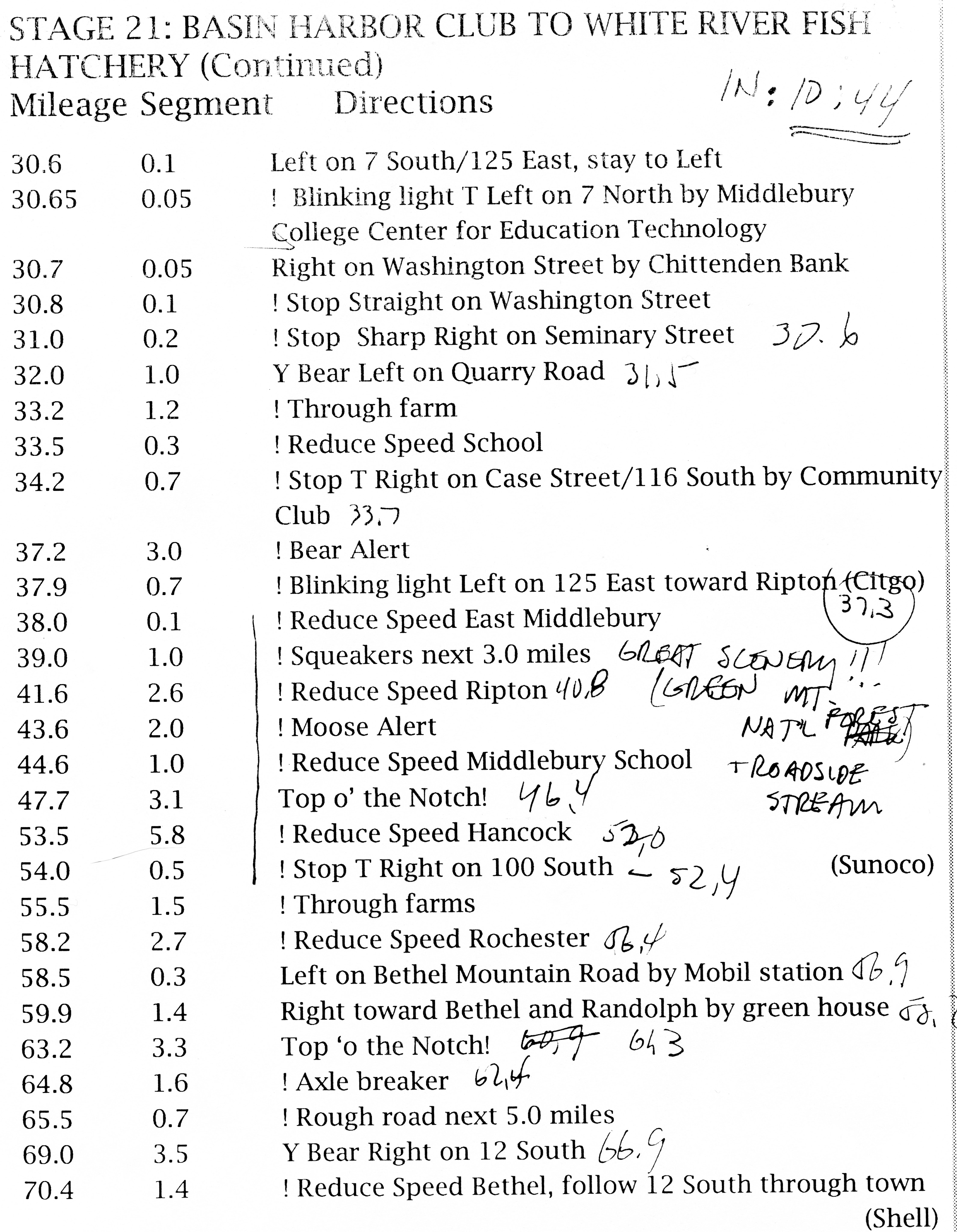
We were also getting used to the navigation directions. “Top of the notch”, “Axle breaker”, “Easy to miss” and “Moose alert” entered the vocabulary after the rally too.


A page from the rally book complete with navigator's notes
A page from the rally book complete with navigator’s notes


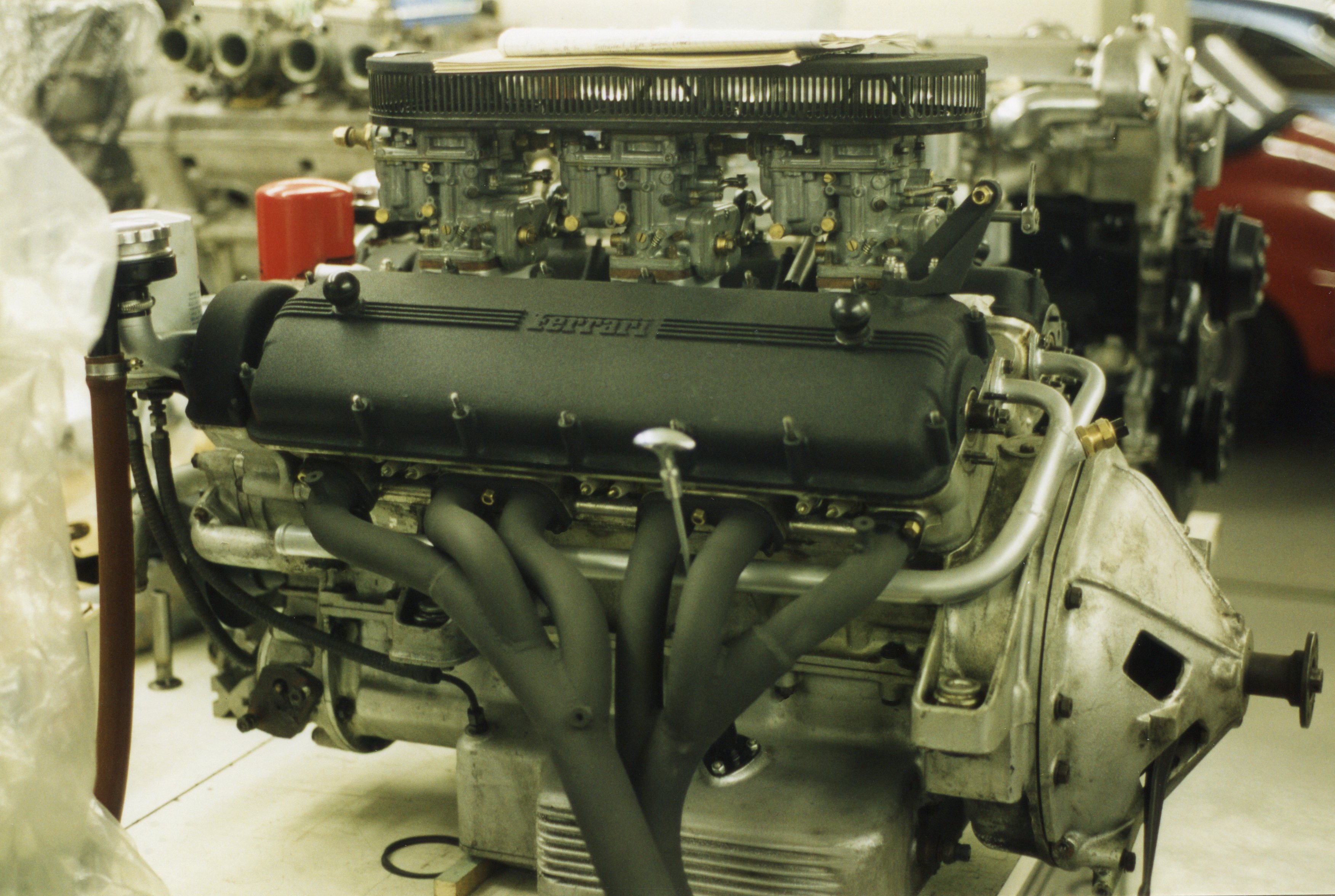
The year 1999 would mark the first time (and far from the last) that we would visit the RPM (Restoration & Performance Motorcars) shop in Vergennes VT. Ably run by Peter Markowski, his son Stephen, and a talented crew, RPM specializes in restoring high-end European sports cars, but will perform the most basic maintenance jobs also. The gearhead in me got a kick out of seeing Ferrari 12-cylinder engines in various states of disassembly.

A Ferrari V12 engine at the RPM shop


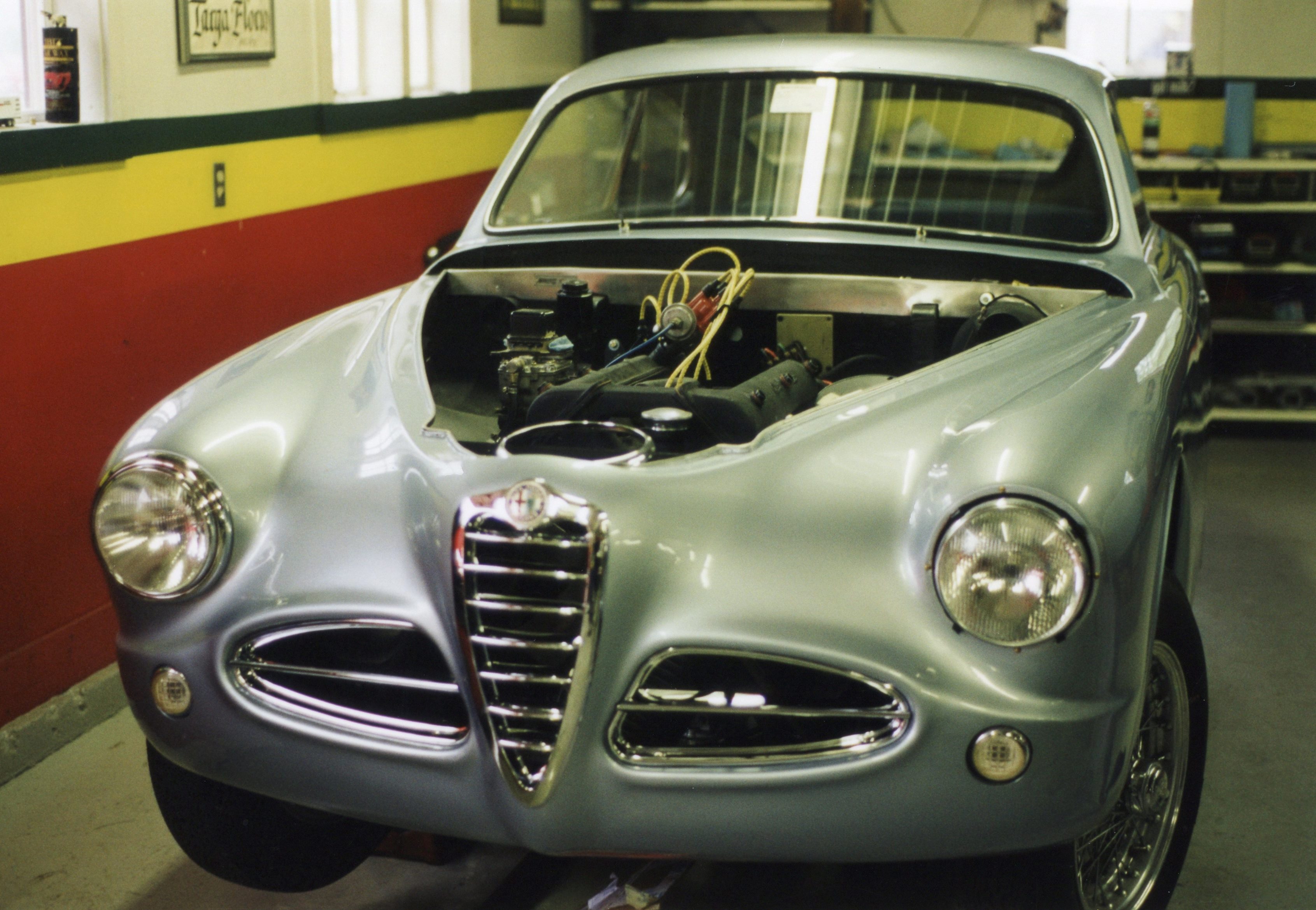
This rare Alfa Romeo 1900 looked close to being completed


All too soon, it was over. The Tiger again proved to be a dependable rally champ. A new addiction had taken hold. We learned that next year’s rally, in honor of Y2K, would be 2,000 kilometers. We and the Tiger would be back.


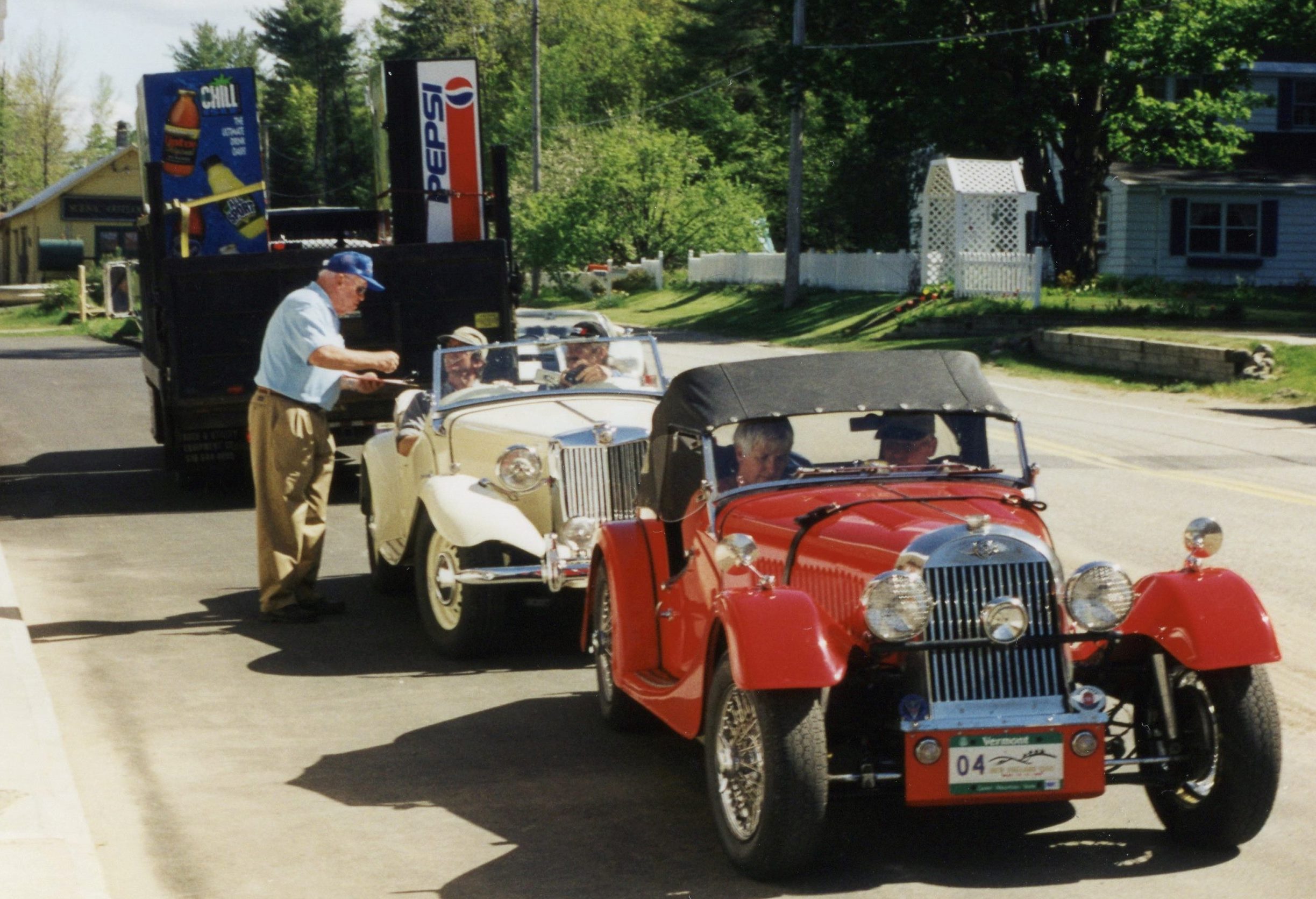
A Morgan Plus 4 followed by an MG-TD
A Morgan Plus 4 & MG-TD (followed by the soda truck, with driver asking for directions)


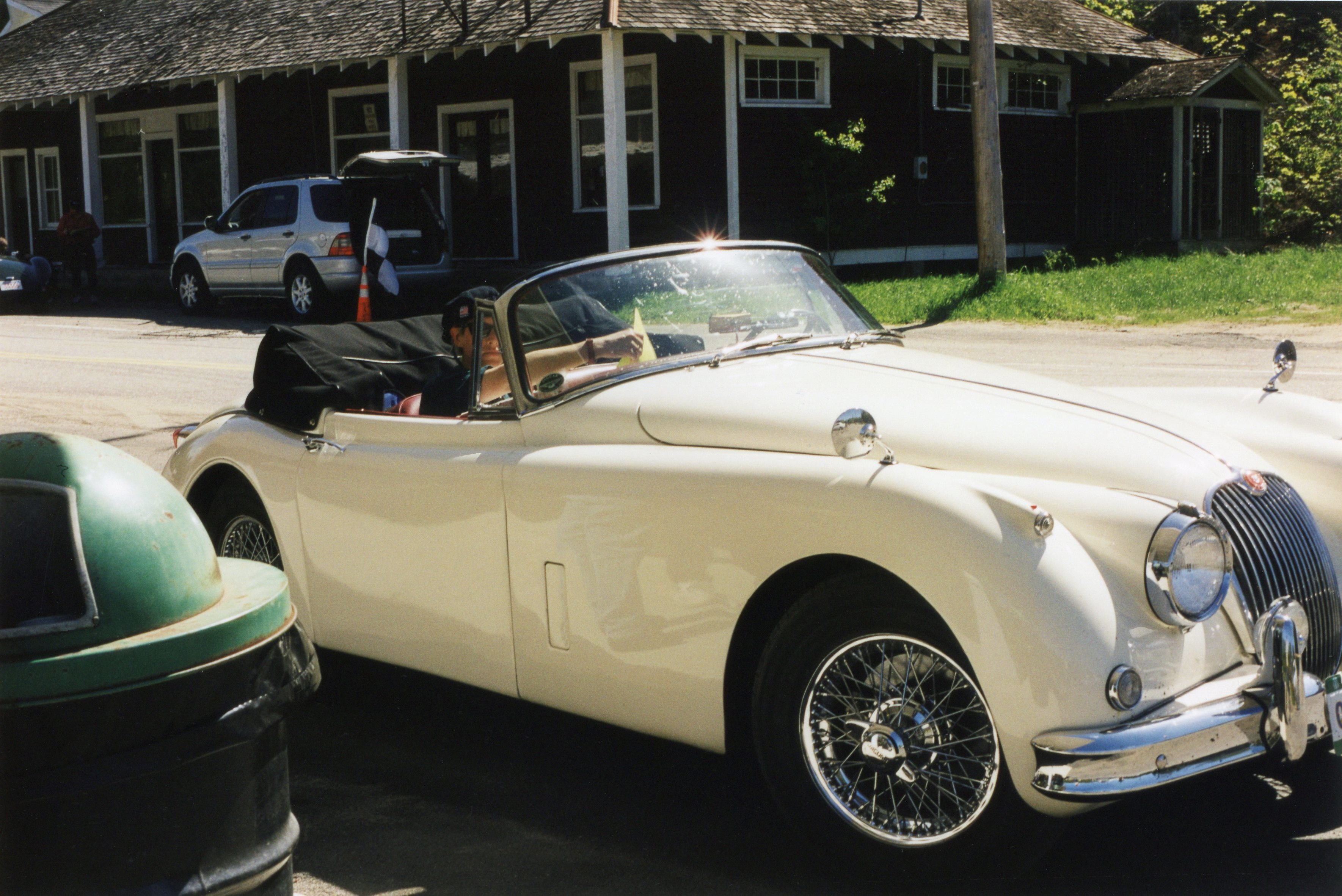
Jaguar XK-150 convertible
Jaguar XK-150 roadster

Alfa Giulietta Sprint Coupe


The Tiger at the end of the queue


The Tiger looks at home in front of this New England lodge


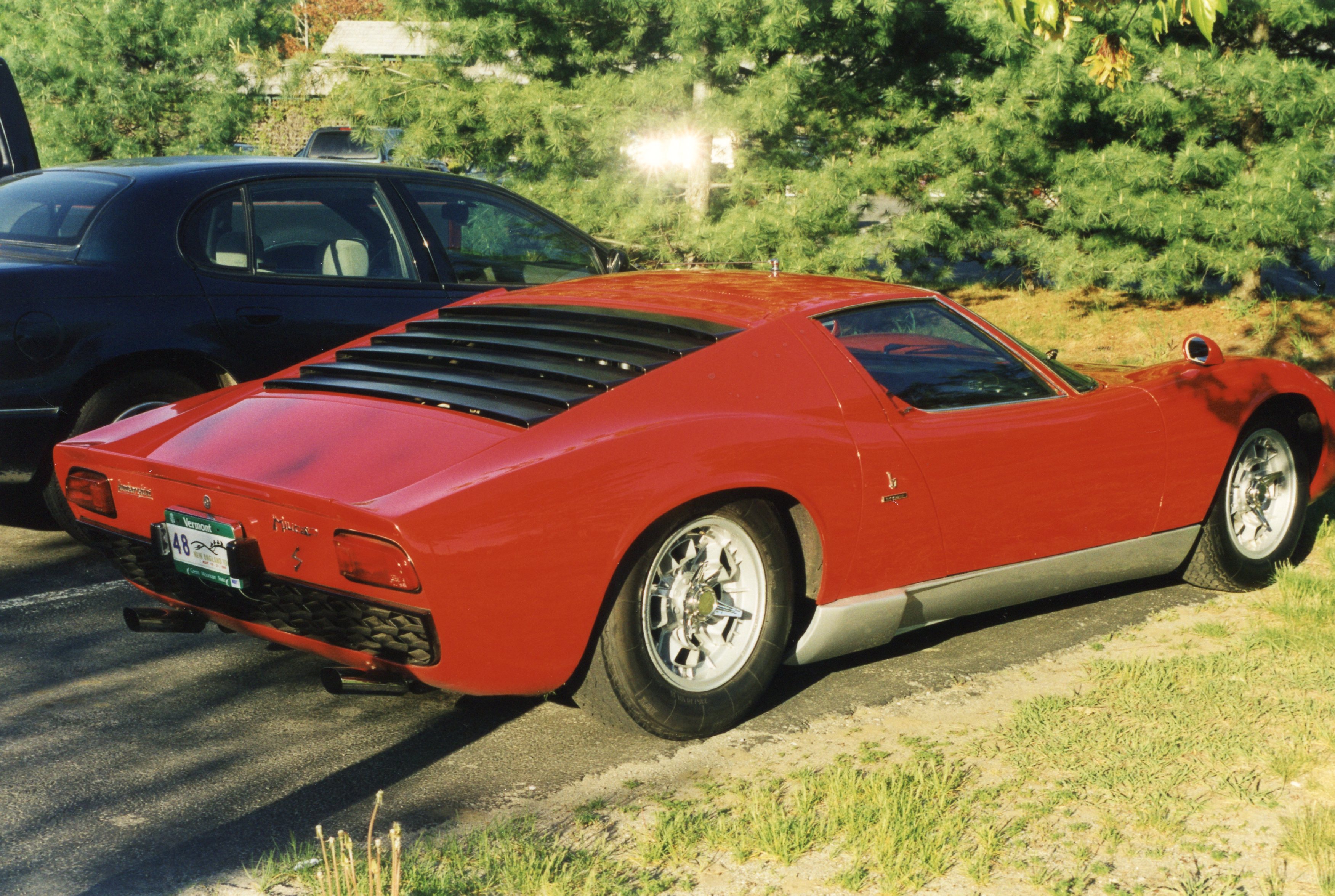
Lamborghini Miura
Lamborghini Miura


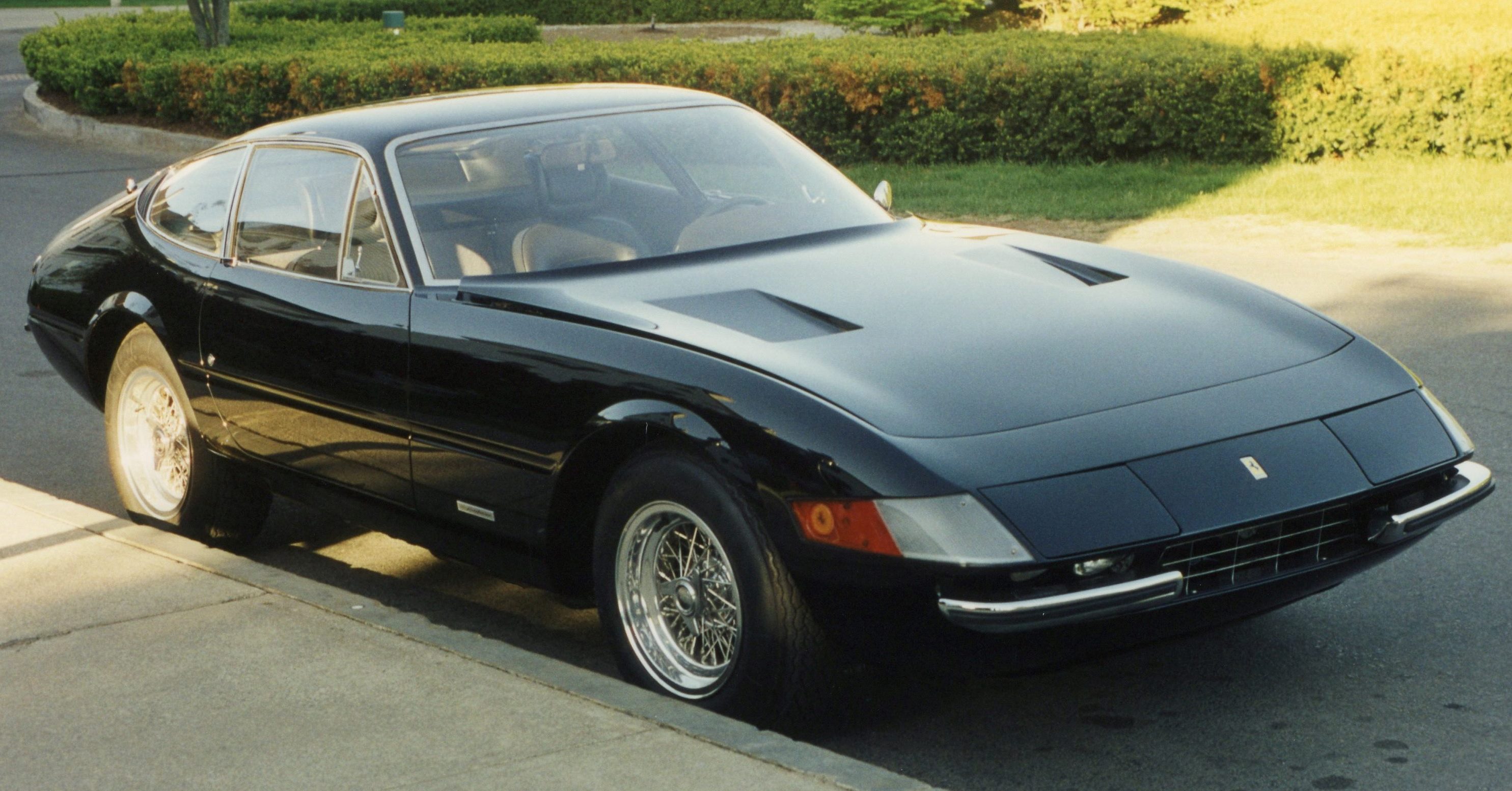
Ferrari 365 GTB/4, aka Daytona


Lancia Fulvia Zagato rests between stages; drivers break too


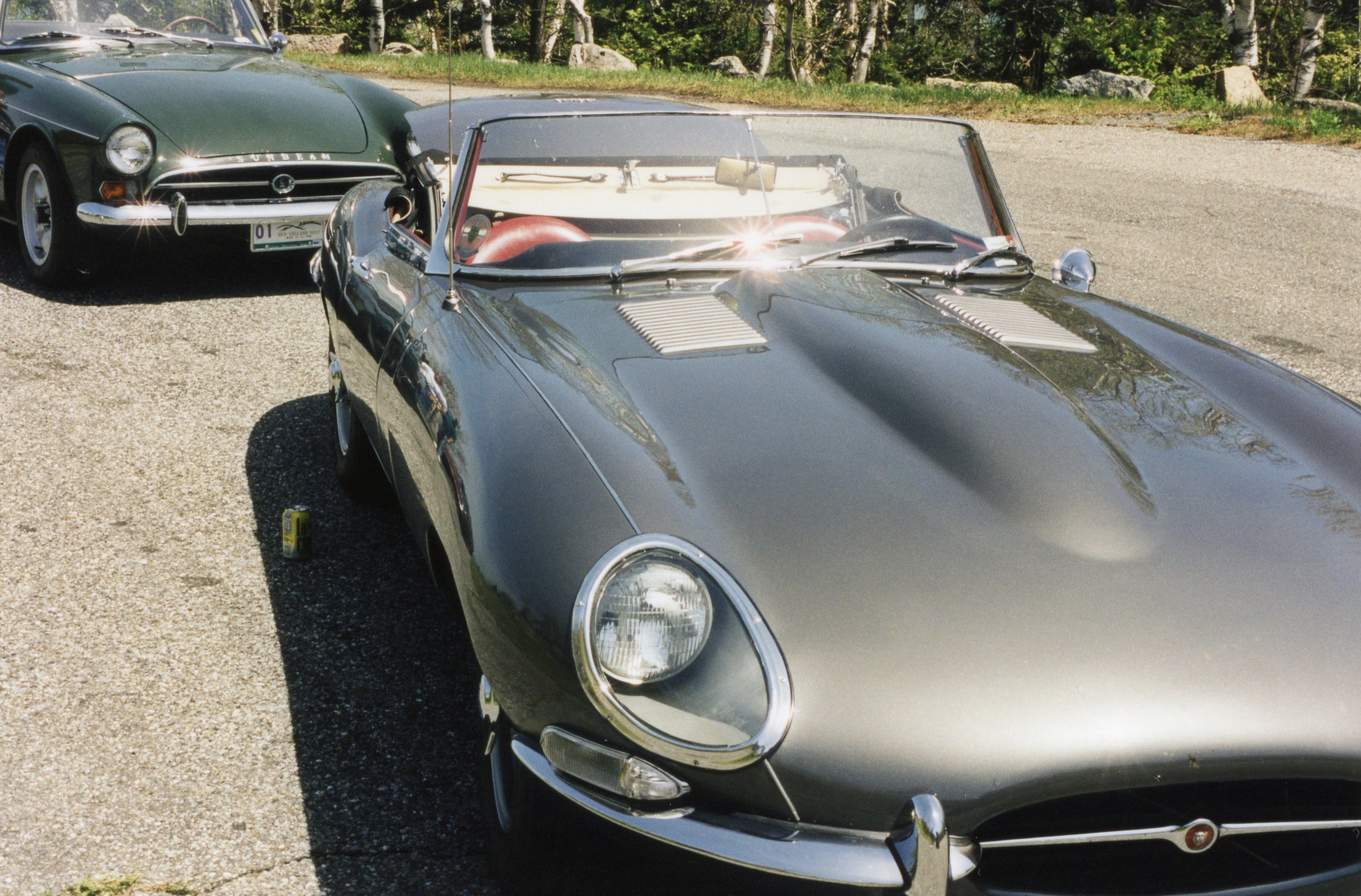
Jaguar E-Type Series 1 OTS


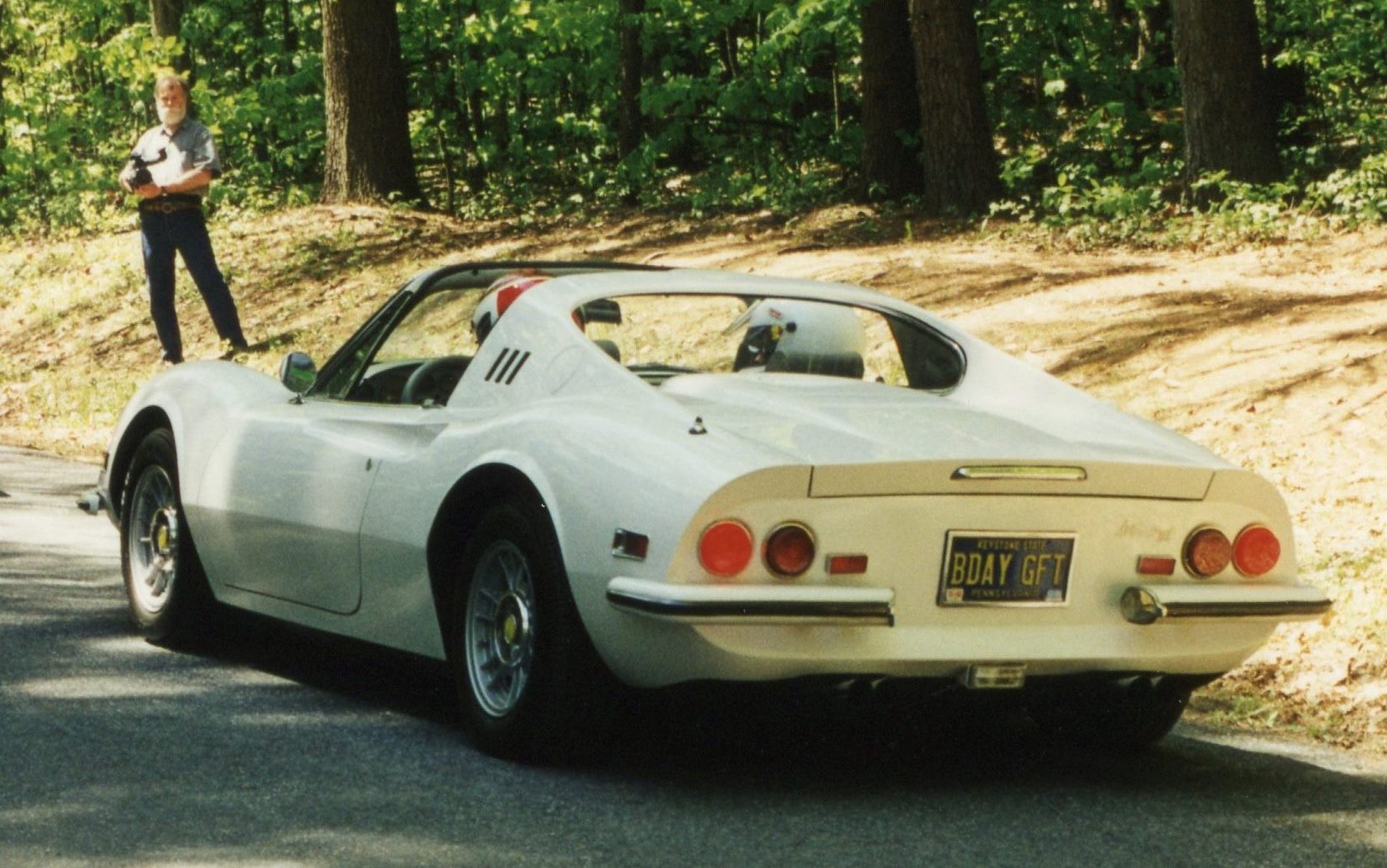
License plate reveals one way to get your Dino 246 GTS


Stingray, MB 280SL, Volvo 142
Sting Ray, MB 280SL, Volvo 142


Morgan, Alfa, Volvo, Stingray, MG in front of us
Morgan, Alfa, Volvo, Sting Ray, MG in front of us


Parking lot valets debate which one to joy ride


This photo sums up all that is joyous about classic car rallying
This photo sums up all that is wonderful about classic car rallying


All photographs copyright © 2017 Richard A. Reina. Photos may not be copied or reproduced without express written permission.


Turning Japanese: The 1982 Plymouth Champ

After two years of nursing along a badly wounded Audi Fox wagon (the gory details can be found here), it was time to find something else to drive. The Fox was my third consecutive VW-based product (it was a rebadged VW Dasher), and I was ready to consider another marque.

At the start of the 1980s, Japanese nameplates were firmly ensconced in the American automotive landscape. A combination of excellent fuel economy and great reliability drew a growing stream of customers into showrooms. At the dealerships where I worked, one friend drove a Toyota Corolla SR-5, and another an AWD Subaru. A girlfriend bought a new Mazda GLC. I had ridden in or driven each of these cars. The owners had zero complaints about their cars; in fact, each of them praised the low maintenance and repair costs.

It was early 1986 when I narrowed my replacement search to a Mitsubishi product. The Chrysler Corporation had been selling their Dodge Colt since the early ‘70s. These Colts were all rebadged variants of various Mitsubishi Mirage/Galant models. (I don’t know who Chrysler thought they were fooling. It had always struck me as ironic how Lee Iacocca implored U.S. citizens to “buy American” with these Japanese-designed and –built vehicles in his showrooms.)

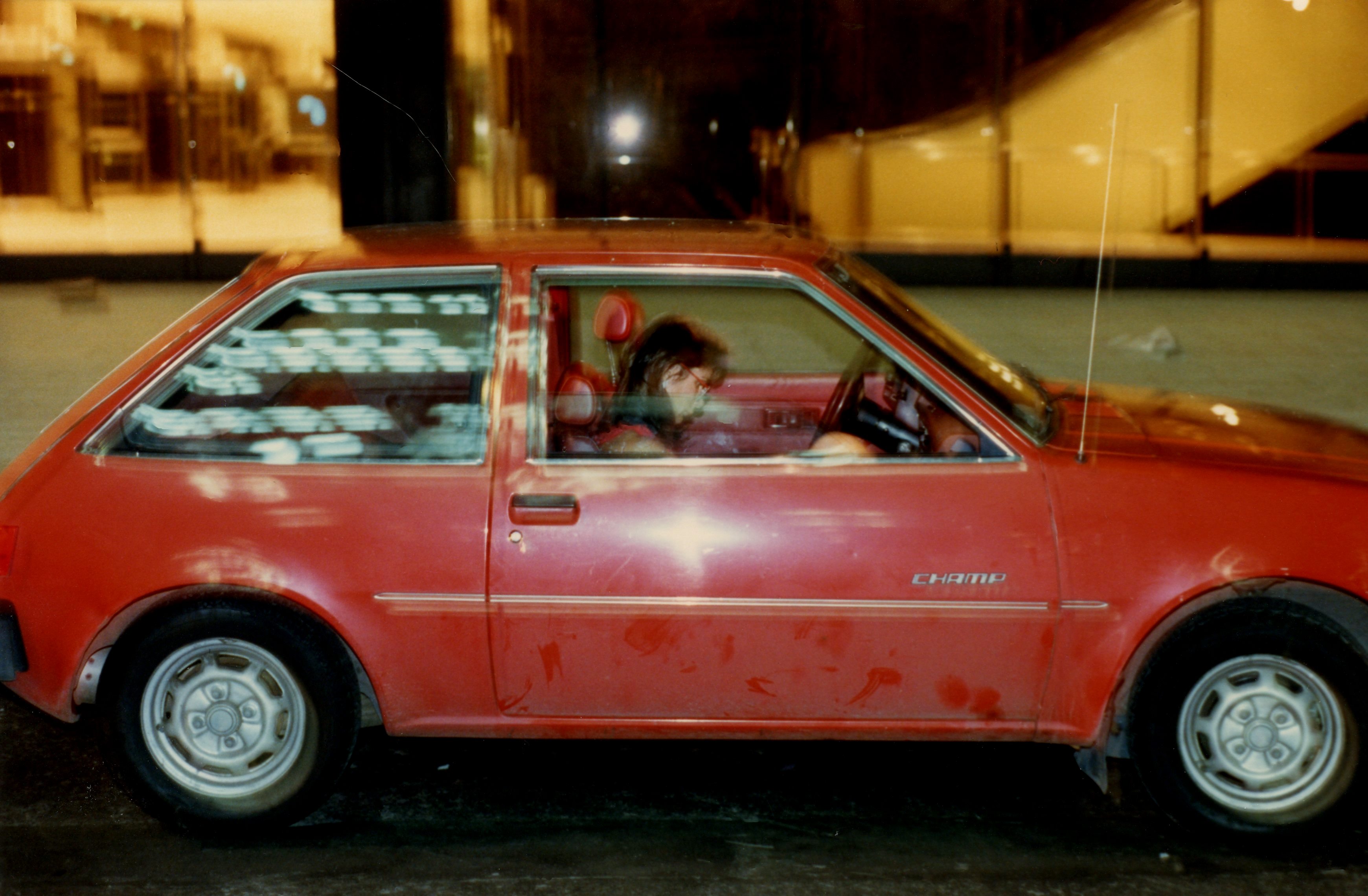
The generation of Colts introduced for the 1979 model year switched from a RWD to a FWD platform. The new body style, a practical 3-door hatchback, reminded me of a 7/8 scale VW Rabbit. Checking the Want-Ad Press, I found one locally, an ’82 with reasonable miles on it, stick shift of course. Memory says I paid $1,300 for it. Mine was badged “Plymouth Champ”, but was otherwise identical to its sister Colt.

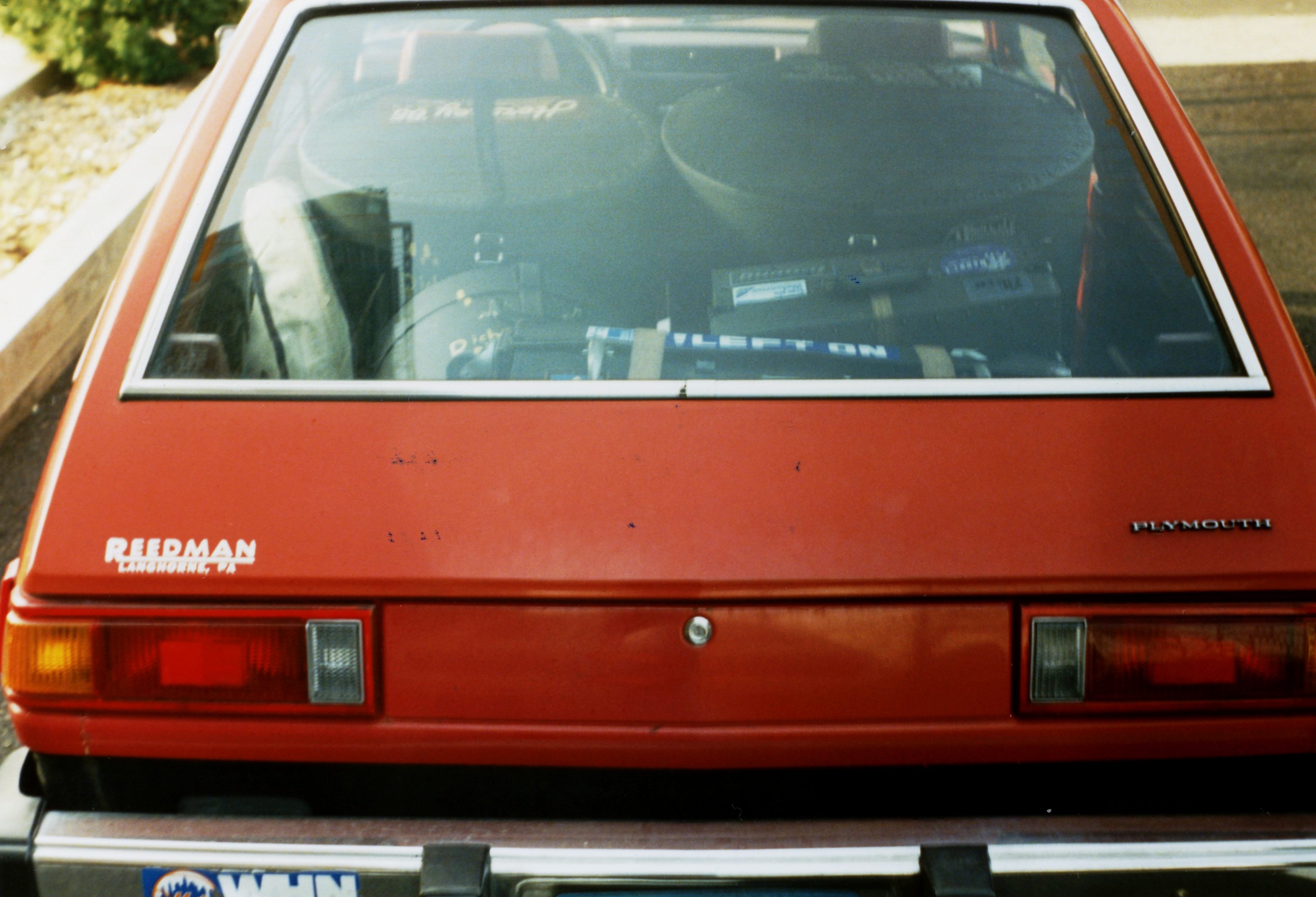
Simply put, the car was a blast to drive. And simple it was. No power anything, no A/C, a frugal 4-cylinder engine, and most fun of all, the “Twin Stick” transmission which provided EIGHT forward speeds (if I wanted to shift every 3 seconds). I replaced the tires with something decent, changed the oil, and did precious little else to it but add fuel every few weeks. It was a great city car: at 145 inches long, 10 inches shorter than my Rabbit, I could squeeze it into the tiniest of Manhattan parking spots. (And no worries about someone stealing it.) It even held my drumset, and so became my transportation to and from gigs.

With back seat folded, full 4-piece drum kit fits. Note Mets bumper sticker!

Thirty years’ hindsight reveals something else about my first Japanese car. I didn’t take it as seriously as anything in my possession before (or after) it. I have no envelope full of receipts from my time with it, as I have with almost every other car I’ve ever owned. It was a challenge to find any photos of it. It’s obvious to me now that I may have considered it to be disposable transportation, though to be fair to the car, that was based in part by how little nurturing it needed.

Among other things the car didn't get done to it was washing.
Among other things the car didn’t get done to it was washing.

Within a few months of buying it, I changed jobs and got my first dealer demo. I kept the Champ; it was useful backup transportation. Sometimes, I loaned it out to friends. By 1989, there were other, newer vehicles in the household. The Champ was not being driven. I sold it to a friend of a friend for a pittance; last I had heard about it, years later, he was still driving it. I was not surprised.


All photographs copyright © 2016 Richard A. Reina. Photos may not be copied or reproduced without express written permission.
The 1998 New England 1000 Rally

Early in 1998, a glossy brochure arrived in the mail. It almost immediately made its way into the recycling bin. “Rich and Jean Taylor present the 1998 New England 1000”. Recognizing the name ‘Rich Taylor’ from his stint on the staff of my favorite mag, Car & Driver, I decided to read on.

“Each of our events is a five-day rally over paved roads, plus flat-out Special Stages. Each day covers about 250 miles over some of the most beautiful and least-traveled roads in America. Events are restricted to 50 cars, driven by you and a small group of like-minded vintage sport car enthusiasts. The New England 1000 is held the week before Memorial Day, and is open to pre-1974 sports, racing, or GT cars.”

I was somewhat familiar with the Mille Miglia road rally in Italy, but the concept of an “antique car rally” held on U.S. soil was new to me. While I was intrigued, there was one small issue: I didn’t own a rally-eligible car (the BMW Isetta restoration was not quite finished in 1998). However, my good friend Steve had recently obtained a nice 1966 Sunbeam Tiger. I showed him the brochure. There was little need for discussion. “Let’s do it!”

Calling the 800-number in the pamphlet, a male voice answered the phone: “Vintage Rallies”. “Hi, is this Rich Taylor?” “Yes it is, what can I do for you?” Holy cow, Rich answers his own phone. A credit card deposit was made, and we were in.

The Tiger was in quite good condition; it had been given a rather thorough restoration by its previous owner, so it needed little prep for rallying. We noted the mention that helmets were required if one wanted to participate in the off-road timed events, so helmets were dutifully obtained.

The genesis of the Helmet Twins


Most of our time in the months leading up to our May push-off was spent mentally picturing the other participating vehicles. We imagined everything from hopped-up MoPars to modded Mustangs to big-block Chevys, with the occasional MG and Triumph thrown in. We could not have been more off-base.

Departure day arrived. The Tiger’s trunk proved plenty adequate to handle our suitcases and helmets. Our destination on this beautiful Sunday in May was the Harraseeket Inn in Freeport Maine. It was going to take us about seven hours, with stops, to get there.

We arrived in Freeport around 5pm, with no roadside dramas to report, and as we drove around to the rear of the building, the sight was unforgettable: the hotel’s entire lawn had been taken over by an impromptu car show, featuring the week’s rally cars. MoPars? No way, Mr. Iacocca. Instead, there were Jaguars, Alfas, Benzes, Aston Martins, more Jaguars; and in the center of it all, like a Queen Bee, a gleaming white 4-door Bugatti.  We were going to spend the week in exclusive company.


1965 Aston Martin DB-5
1965 Aston Martin DB-5 & 1963 Aston Martin DB-4GT Lightweight


Ferrari Daytona surrounded by 3 Mercedes-Benz 300SLs


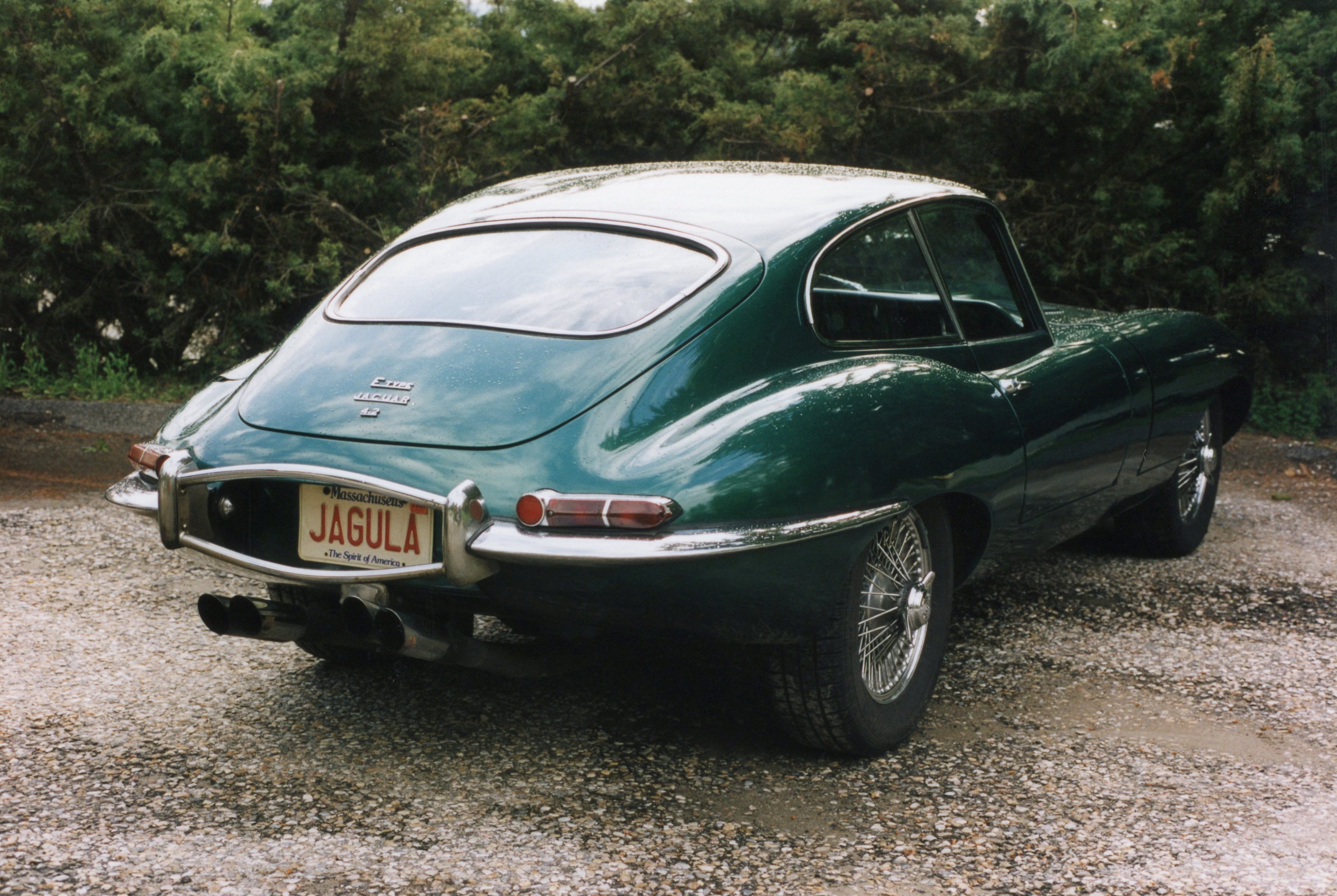
Our Tiger flanked by an E-Type and another Tiger


1963 Lotus Elite & 1958 Fiat-Abarth


We parked in a sectioned-off area of the hotel lot dedicated to the rally cars, had dinner with fellow rallyists, and learned that the Sunday Car Show was a planned part of the festivities. Now we knew better for next time. After dinner: Famous Navigator’s School, wherein we were taught all the intricacies regarding synchronization of stop watches, driving etiquette amongst ordinary civilians, and the importance of placing your car’s front bumper across the finish line at the exact required moment, lest you earn unwanted points, one point for each second early OR late. Oh, the pressure.


A page from the route book; a working, accurate odometer is presumed

Monday morning, we got up, had breakfast, and headed out to the Tiger with our route book. The parking lot was already abuzz with activity. Rally cars were staging themselves up to be flagged off at one-minute intervals beginning at 8:15AM. There were SIX timed stages that first day, plus two so-called transit stages (untimed). Steve was driving, and I was navigating. For the next stage, Steve graciously allowed me to drive, with him navigating. From that point onward, we had established a pattern that driver and navigator would alternate stages. It’s an agreement we’ve kept to this day.


Staging for checkout

Here’s a rally secret to share with you: navigating is SO much more difficult than driving. The navigator must be constantly be mindful of the printed directions, public landmarks, vehicle speed, and miles traversed, AND he must communicate driving directions to the driver in a clear manner. The driver? He needs to drive while heeding the navigator’s calls. Oh, and if the rally car in front of him turns right when his navigator tells him to go straight, then of course, he should go straight. Unless, of course, that’s incorrect…. (There is tremendous pressure to follow the rally car in front of you rather than refer to your navigation sheet.)

Tiger in queue, following Ferrari NART spyder and Ferrari 308

The concept of a TSD (Time, Speed, Distance) rally like this is to “zero out” each stage. A zero score is a perfect score; you’ve hit each finish line at the exact time you were due. As mentioned earlier, being early OR late is penalized, one point for each second you are off your mark. (The New England 1000 caps the maximum points you can earn per stage at 500.) It’s all in good fun, as we were learning.


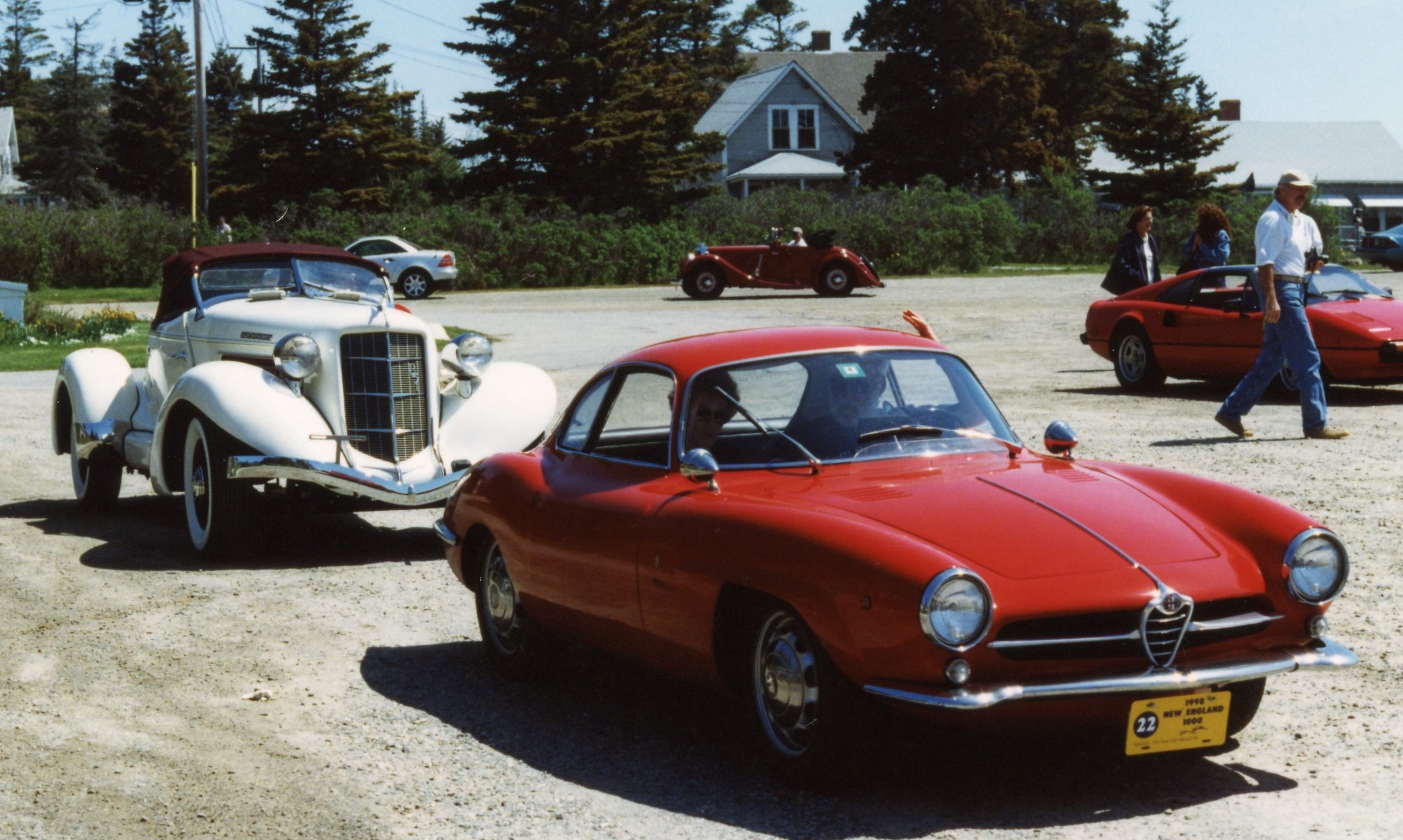
A 1936 Auburn Speedster following an Alfa Romeo Giulietta Sprint Speciale


The E-Type poses behind the Sprint Speciale


A Ferrari 308 GT4 screams past while the Elite watches


But nothing was more amazing than the sight of other rally cars on the road with you. To be motoring with a Mercedes Benz 300 SL roadster in view out your windshield, and a Jaguar E-Type in your mirrors, is not something to be taken for granted. Vehicles you’ve drooled over for years, meticulously primped and pampered for show, were now screaming along at 6,000 rpm.

It is not an exaggeration to state that my participation in this rally forever changed the way I felt about the old car hobby. I would never feel the same passion again about static car displays. Once I was exposed to owners who were willing to take their prized machinery and drive them at speed, in rain or shine, then I knew I wanted to be part of that as frequently as possible.


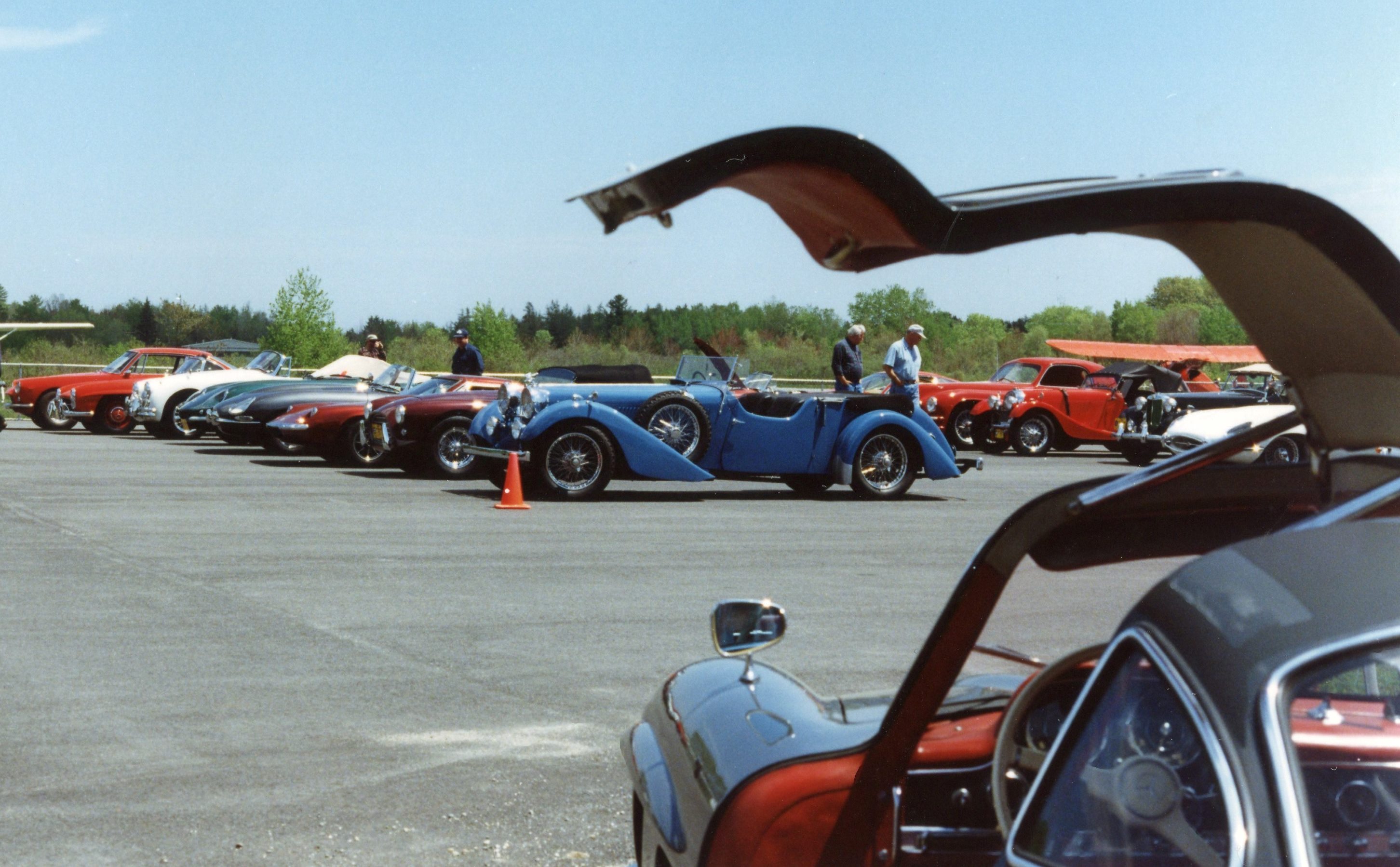
An open Gullwing door frames the parking lot


A parking lot respite from driving
A respite from driving


"I think the oxygen sensor is telling the Hall switch to send the wrong signal to the ECU"
“I think the oxygen sensor is telling the ECU to send the wrong signal to the fuel injectors”


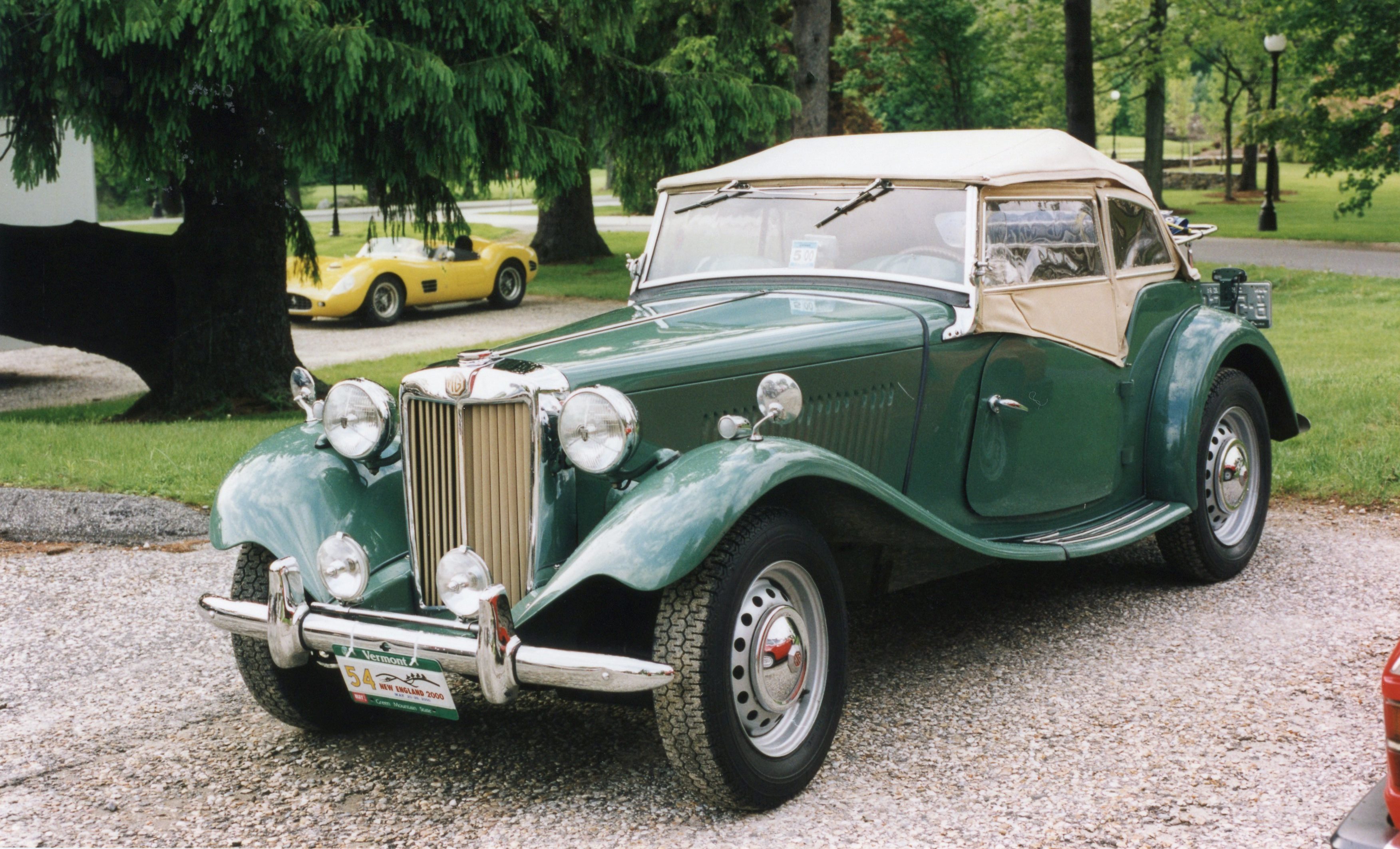
To me, there is no more beautiful automotive form than a Series I E-Type coupe


The yellow Dino glows in the sunset


We had a chance to ride in a Stanley Steamer; this is part of the starting procedure


Monday flew by. So did the rest of the week. I saw that the days were quite full, what with early departures, driving, lunches, more driving, and dinners. There were few photographic opportunities during the rally stages, so I was glad to have taken the pictures I did on Sunday. Thursday’s banquet dinner was yet another highlight, with comical speeches, a charity auction, gag gifts, and a trophy for everyone, no matter what your score. You really felt like you were part of something.

If you want conclusive proof that we enjoyed ourselves, know that during Thursday’s festivities, my rally brother Steve wrote a deposit check for the 1999 New England 1000. We would be returning in the Tiger. That’s a story for another time.

We drove it tothe rally, ran the rally, and drove it home
We drove it to the rally, ran the rally, and drove it home, about 1,600 miles in 6 days


All photographs copyright © 2016 Richard A. Reina. Photos may not be copied or reproduced without express written permission.
Forlorn Jaguar E-Type Roadster Discovered

A few weeks ago, my wife and I headed to lunch at a restaurant in Whitehouse Station (NJ) that we hadn’t tried before. It’s about five miles from our house, and it’s one of those places that we’ve driven past a thousand times, always saying “hey, let’s try that sometime”, and finally we did.

For 1pm on a Friday, the place was quite busy, and since their primary parking lot was already full, we had to park a half block further away. No big deal, as the day was sunny if a bit cool. Our parking spot ended up being closer to the back, not the front, of the restaurant.

Approaching the restaurant from the rear, my wife was already several steps ahead of me, when my eye caught a glimpse of an interesting shape in the yard next door. The adjacent business is an auto repair shop, and as is typical, there are always a number of semi-repaired cars strewn about. But this was no recent “we’re just waiting for that replacement oxygen sensor to come in” type of vehicle. No, this one had been there a while.

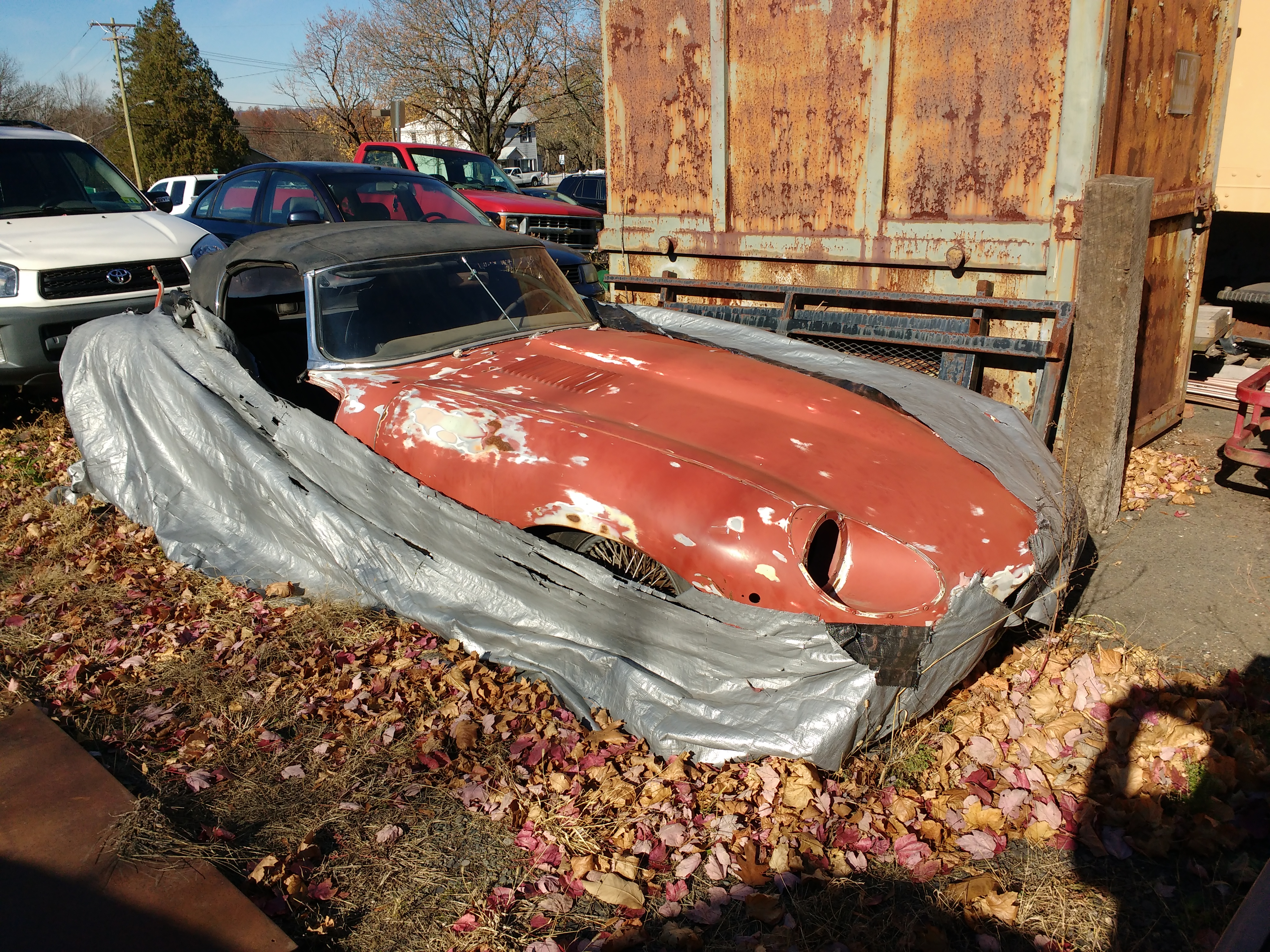
At first glance, it looked like it was covered by a tarp.  I walked closer, and as my vision began to focus on said tarp, I saw that it only partly covered the car. “What is it?” I asked myself. The shape was so familiar, yet I still didn’t know.

I didn’t want to get too close (I haven’t had my tetanus shot), but as I walked from its rear to its front, I recognized the unmistakable XKE shape. It’s as if it were wearing a disguise: vehicle partly covered, headlight removed, and both doors missing! By now, my wife was on the porch, wondering just where I had gone.


Tarp needs to be re-secured; good thing the top is up

Out came the cell phone to fire off two quick snaps. I rushed inside so as to not keep her waiting any longer. My attention was directed to the menu, but it was hard to stop wondering how this Jag ended up there, in that condition.  Was this a barn find? (There’s no barn.) And just when you think that all the Jag project cars have been found, this pops up 5 miles from me. Somehow, I avoided the temptation to make an inquiry.

It wasn’t until I got home to study the photos that I saw that it’s a Series II OTS (Open Two Seater). These 2nd-generation E-Types still used 6-cylinder engines, but had exposed headlights, a larger grille opening, and larger tail lights mounted below the bumper. While not as pretty or desirable as Series I cars, they still have a commanding presence, and are still coveted among collectors of European sports cars.

Door removal aids in photography of interior

My CPI (Cars of Particular Interest) price guide for Nov.-Dec. 2016 puts such a car at $97,000 in “excellent” condition. Keith Martin’s Sports Car Market Price Guide for 2016 assigns a median value very close to that, at $91,000. This example, as the pundits would say, needs everything, so even if the car were free, you’d spend more than you could earn on resale. Perhaps it’s best to let this one return to earth from whence it came.


All photographs copyright © 2016 Richard A. Reina. Photos may not be copied or reproduced without express written permission.
COLLECTOR’S CORNER: Bill Whited’s Corvettes

After almost two years of blogging about my automotive adventures past and present, it’s time to turn the blog in a different direction.

It’s been my good fortune to have participated in the collector car hobby by attending car shows, working on restorations, and driving in rallies. Throughout these adventures, I’ve met many similar-minded men and women. As I’ve gotten to know my fellow enthusiasts, their stories have come out. I’ve realized that this hobby is really about its participants. Old cars, by definition, have a history to them, and every owner knows at least some of the story behind their car, and is usually happy to share it.

A while back, while chatting with some friends at a show, it hit me: I was enjoying the conversations and camaraderie more than I was enjoying the sight of their 1960-something Sport-mobile. I asked myself “why isn’t someone capturing these tales, and putting them out for others?” In fact, there have been some attempts to do that; however, from my observation, these efforts have been scattered, and still put too much focus on the machinery and not the personality.

This is the first installment of a new blog series called “Collector’s Corner”. The plan is to make this a semi-regular feature on the blog. If you know of anyone who might be interested in participating, or if you yourself would like to be featured, please let me know.

About this week’s featured collector: I’ve known Bill Whited professionally and personally for over twenty years. He is a warm, engaging man, and passionate about the automotive business and hobby. One evening several weeks ago, he graciously invited me to his north Jersey home, and we sat and spoke about his lifelong involvement with cars. Below are excerpts from our conversation. We welcome your comments and questions.


  • What is your earliest memory related to cars?

My mom told me that my first word as a baby was “car”. I grew up without a dad, so I had no influences from anyone else except TV. I remember the TV show Bonanza with those Chevrolet commercials. I aspired to those cars, especially the Corvette, thinking that I could never afford one.

  • What do you remember about the family cars from your childhood?

I remember when I was about six years old, my mom and my uncle took me to the local Chevy dealer. My mom was going to buy a new Chevrolet. I gravitated to a beautiful black Bel Air. But my mom got the 210 model. That was the in-between model, not a 150, but it wasn’t a Bel Air either. It was pink, like a salmon color, with a white top. It was a 6 cylinder, with Powerglide, no power steering, and no power brakes. When I turned 17, I got my mom’s car, and that became my first car. By that time it was battleship grey, after I had convinced my mom to go to Earl Scheib for a paint job!

  • Which cars followed your first car, that ’57 Chevy 210?

My first job was in a local department store, and my grandmother had passed, so I had a little money from her. At 17, my mom and I went back to the local Chevy dealer. I picked out a used 1963 Impala SS, royal dark blue, with a 283 V8. I kept that for about a year. When I was a senior, I flipped that one for a ’65 Impala. The ‘65 was not an SS; it was yellow, with a bench seat! My mom would finance the cars for me.

After high school I went to Bergen Community College in Paramus, NJ, and was working after school at UPS. I traded in the ’65 for my first Corvette, a 1966 convertible. Again, my mom was along with me, co-signing for it. So at 19, I’m already on my 4th car. The Corvette was maroon with a saddle interior, with a 327/350 and a 4-speed. Of course, I blew the motor racing someone on 9W. At the time, GM had a parts warehouse in Englewood NJ. A friend ordered a replacement block, 327/375 solid lifter motor for $350!

During my second year of college, I was called up to the National Guard. Just before leaving for Louisiana, I was driving in the snow and had an accident. In those days, you put snows on and drove year-round; the Corvette was my everyday car. I limped the car home, and left it with my friend’s gas station to be fixed. I was away for 5 ½ months, and when I got back, it still wasn’t finished.

I got back from the Guard, finished college, and was introduced to the car business. I started with 25 others on the sales floor of this Ford dealership. At the same time, I had part-time job at a Buick dealer running parts, and from their used car lot I bought a 1966 Opel Kadett, with the fenders falling off. I had the Corvette AND the Kadett – two cars at this young age. I had no money, but I had cars!

  • Tell us about your start in the automotive industry.

In late 1972, at the age of 22, I had been at the Ford dealer for about 9-10 months. I was already the third-best salesperson by volume, so I got to pick out my first demo. The 1973 models were just coming out, and I picked a brand new Gran Torino Brougham. I was living at home, saving my money, and driving a dealer demonstrator.

But I didn’t like the Ford dealer, because they wanted you to lie to customers. I thought perhaps I’d try to sell foreign cars. So I interviewed at Bergen Volvo. During the interview, I asked about a demo, and was told “no company cars”. I told him, if there’s no demo, then I guess I’ll stick with Ford, but you’re missing out on the best salesman you could hire. By the time I got home, my mom said that the dealer had called back, and they said we’ll give you a demo, but you need to prove you can sell. And I did. That first demo was a Volvo 164E, powder blue, with a stick shift.

  • In the meantime, did you still have the ’66 Corvette?

Yes, I kept the Corvette for seven years, but as soon as I sold it, I regretted it. There was someone around the corner from me who had a 1962 Corvette, fawn exterior and interior, 327/340, 4-speed, 2 tops, all original. I bought that car for around $2,500. Because I had dealer demos, these Corvettes were just fun cars, weekend cars.

  • What’s in the garage right now?

Right now, I have three Corvettes in the garage; I love my Corvettes! It’s a small collection. I learned my lesson, because in the early ‘90s, I had up to 11 cars, which was too many! Some may love to have that many; after all, everyone is different. For me, less is more when it comes to multiple car ownership at one time, because I enjoy driving them, and it takes quite a bit of upkeep to keep the cars right.

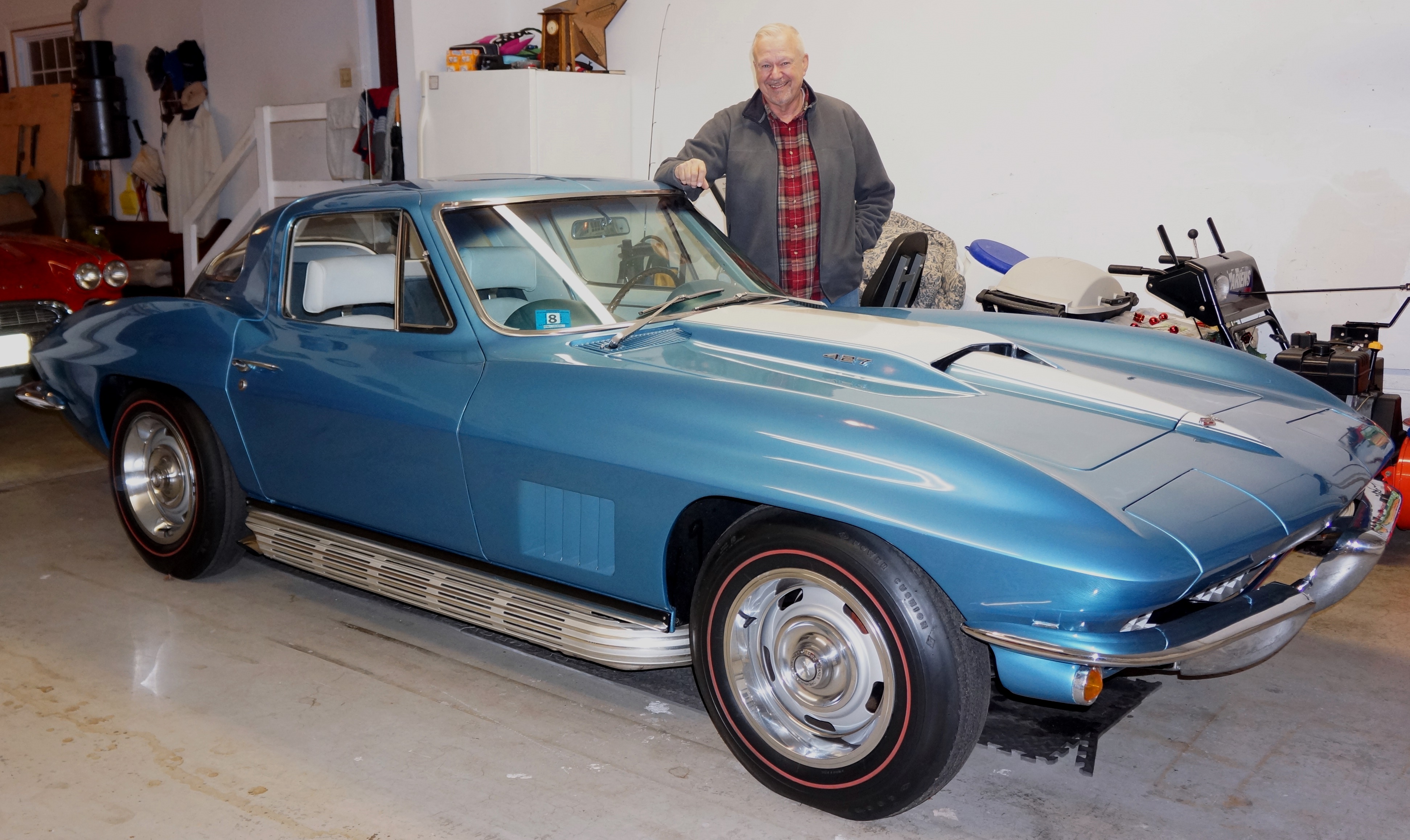
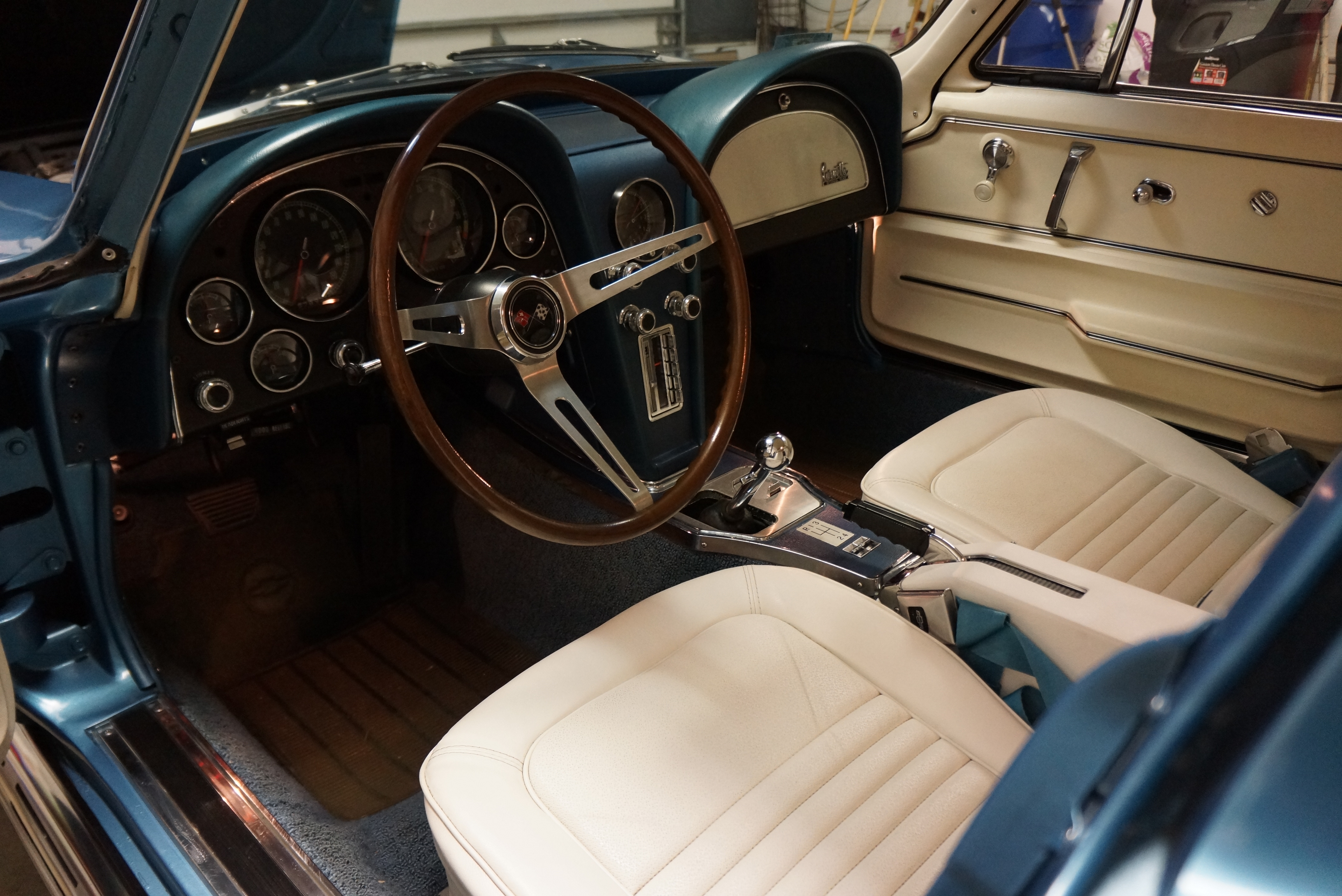
First: I have a 1967 Corvette coupe, in blue, with a 427/400 tri-power.

dsc05362ccc

I‘ve owned this car since 1993. It’s a matching numbers original car. I found this one in Hemmings; the car was in Massachusetts. The car was advertised for $36,500. The restoration was eight years old. The market had taken a downturn at that time. Two years earlier, an appraiser had appraised it for $65,000. I drove up, looked at every number on the car, and it was all legit, so I bought it.

In 2015, a friend suggested that I show this car at the AACA meet in Hershey. I’ve never been a ‘show car’ kind of guy. The outside looked pretty good, but I had never detailed the engine compartment, so I cleaned that up. I drove it out to Hershey, and lots of people were looking at the car. The class of cars was a tough one: all ’63-’67 (C2) cars. To my surprise, the car got a 3rd Junior its first time out.

The best part of the show was when someone questioned the color of the crossed-flag emblems. The question was “shouldn’t they be white, not black?” At that moment, a fellow came up to the car who happened to be the guy who restored the car. He verified that the emblems were never replaced, and that the originals were black, the way they were supposed to be!

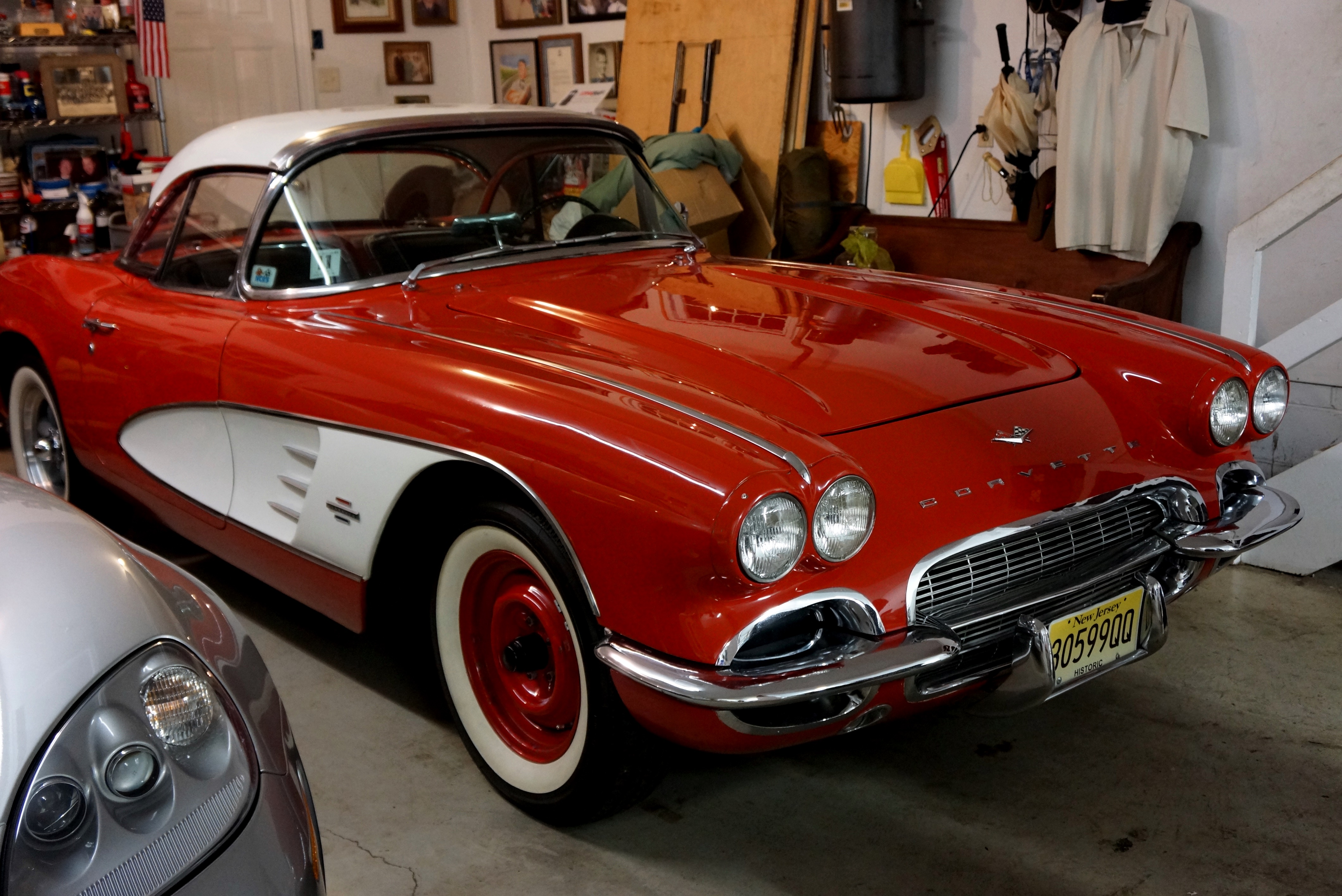
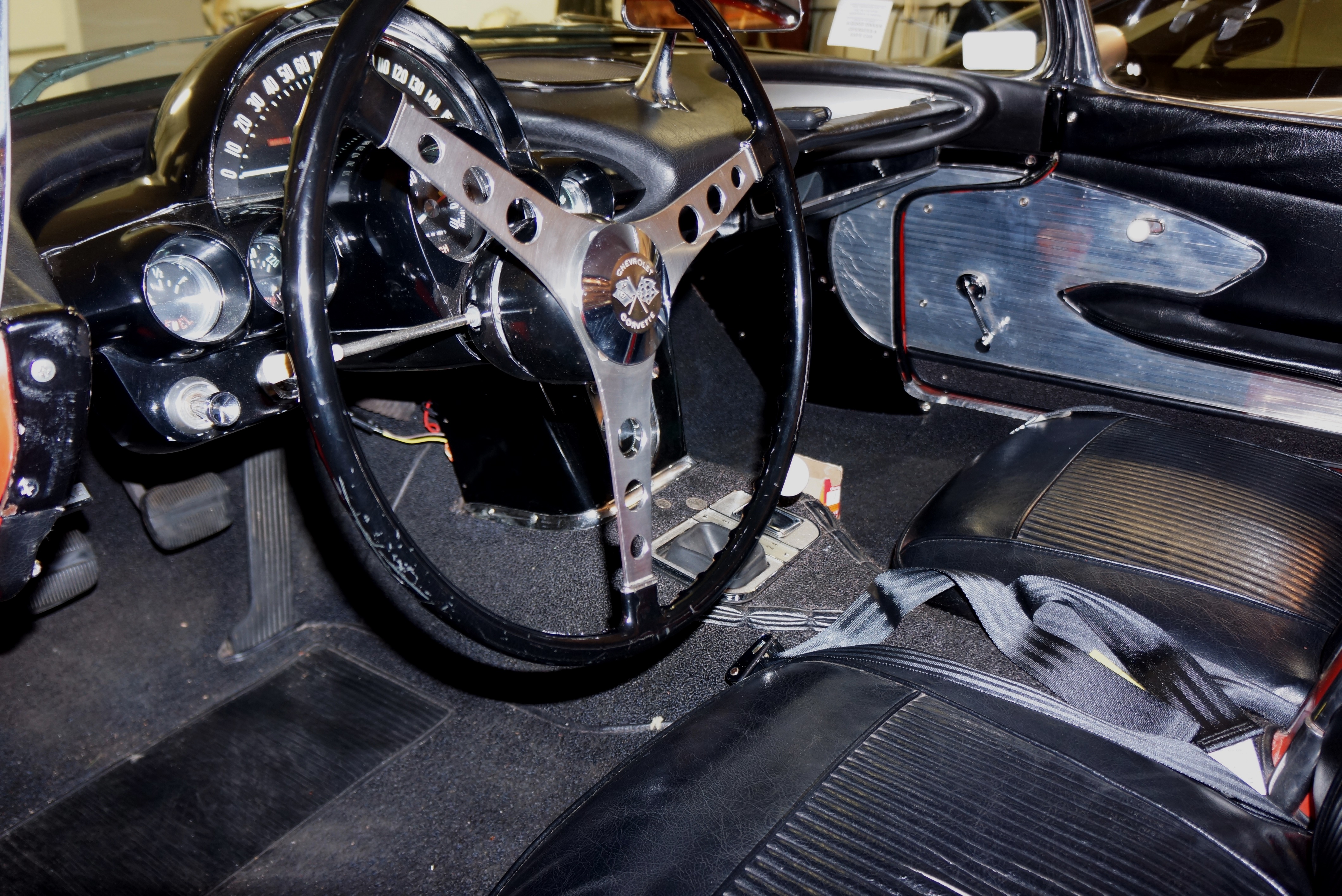
The second car in my current collection is my 1961 Corvette.

dsc05375ccc

It’s my 5th solid-axle (C1) car. When I had sold my business, I had a ’61 which I had owned for about 10 years. I sold it in 2012, but I missed having a C1, so I started looking for another. I like the ’60 to ’62 cars, those are the sweet spot for me.

I drove to Maryland to look at a car, but a lot of things weren’t right on it. I drove to Forked River NJ to see another, but it had the wrong motor, it was more like a drag strip car. Then I found one on eBay, slightly underpriced, a ’62 with a 327. This car was in Boston and I decided to take a look. I was halfway there when the seller called me to say that someone had given him his “Buy It Now” price.

By now, I was frustrated. Meanwhile, my wife was looking for a certain kind of sponge for a decorating project. I took her around to some stores, but she couldn’t find the sponge she needed. I decided to try an auto parts store near me in Wykoff. At the store, I noticed a sign in the store window: “1961 Corvette for sale, call Tony”, with no price.

I asked inside the store, and they knew Tony. He and the car were right around the corner. We went to look at the car, and within 20 minutes, I bought it. After all that time, I found my car right around the corner from me. I’ve had it for about a year and a half, two years.

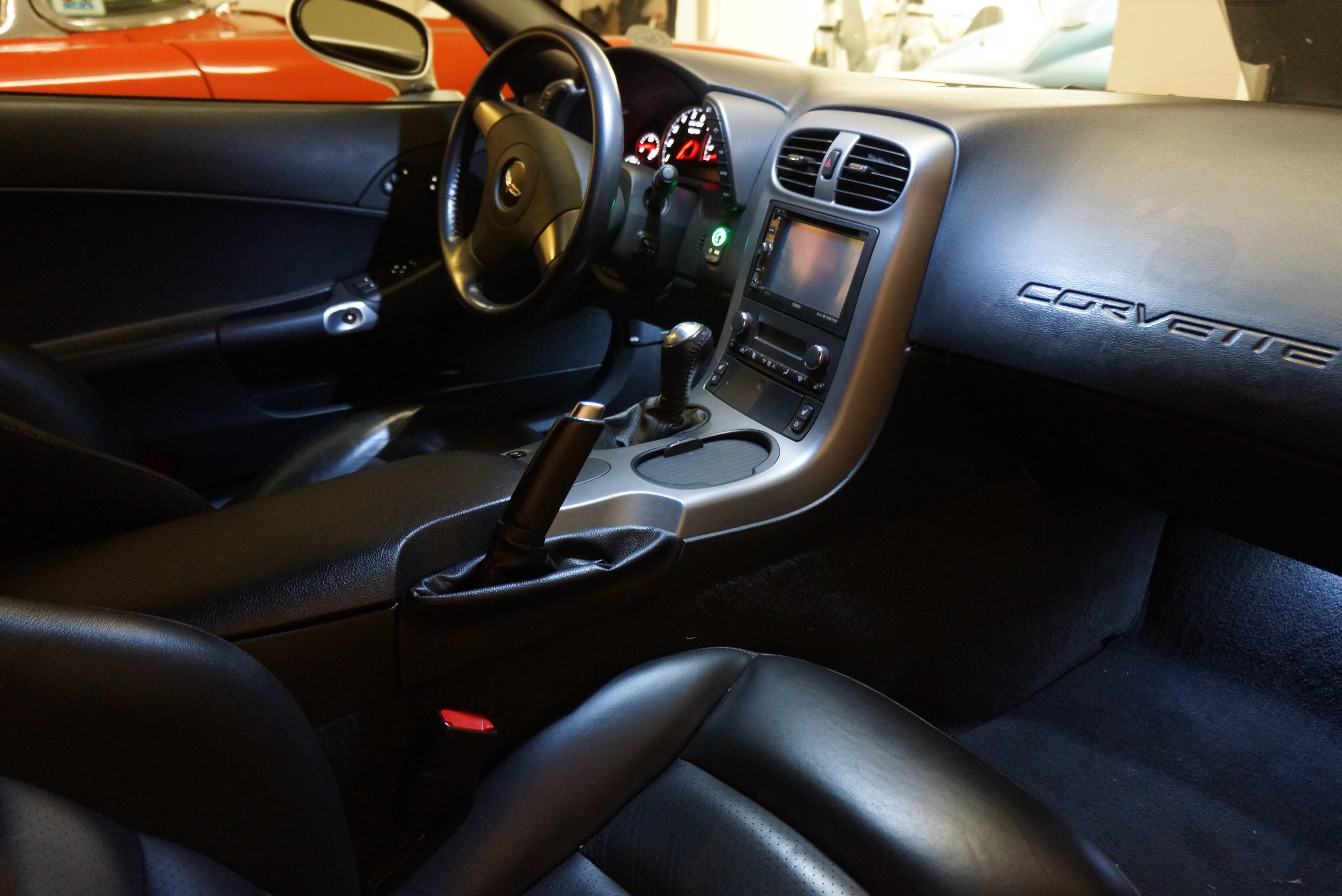
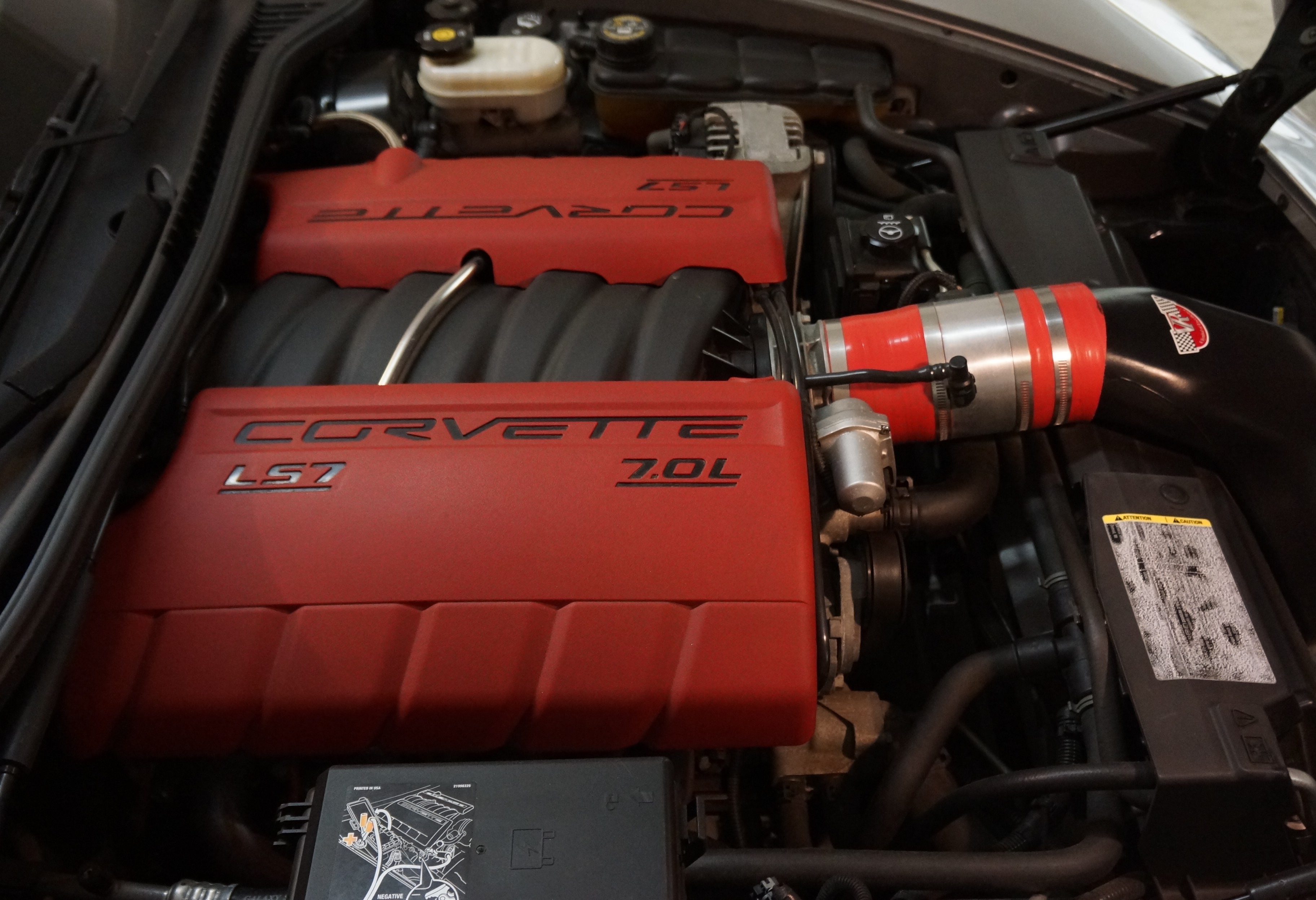
My third Corvette is a 2006 Z06, which I bought in 2014. It’s my fourth Z06.

dsc05366ccc

I missed my other ones, so I went on the hunt and found this one online on AutoTrader. It was in Westchester County NY. It was a two-owner car. The Carfax showed that a police report had been filed after someone backed into the car, which cracked the headlight and scraped the front bumper cover. The previous owner replaced both, and there was no obvious damage. I made him an offer, we negotiated a bit, and I got the car.

The car has its original paint in Machine Silver Metallic. I have a copy of the build sheet and the window sticker, showing a list price of $72,000. This was the first year of the C6 Z06; 2004 was the last year of the C5 version. That one had 405 horsepower, and this one is 505 horsepower. It’s only available with the six speed manual transmission. It’s a light car, with a full aluminum frame, carbon fiber front fenders, and floorboards of balsa wood sandwiched with carbon fiber.

GM had a recall on the 2006 roof panels; the glue that bonded the roof was bad, and roofs were actually flying off the cars. The previous owner had the recall done, and since the dealership had to remove the roof, he had it painted in dark grey metallic (along with the band behind it) to duplicate the ZR1 that came out in 2009. The full rear spoiler is also not stock; it’s in flat black, again, like the ZR1 model.

  • Bill, any final words for us?

I have been blessed by God to have been able to purchase all these cars over the years as He guided me in my automotive career. For 40+ years as an auto dealer I’ve had the luxury of being able to afford my dream cars. Thank you Lord for all your blessings, and thank you, Richard!

dsc05370ccc


All photographs copyright © 2016 Richard A. Reina. Photos may not be copied or reproduced without express written permission.
An Unplanned Visit to “Cadillac House”

A few weeks ago, my wife and I were in downtown Manhattan, where we spent a pleasant afternoon at the new Whitney Museum. Our trip into New York County was via the Staten Island Ferry, and while we had taken a taxi from the ferry terminal to the museum, the afternoon weather was pleasant enough for us to make the return trip to the terminal on foot.

Much of our walk took us south on Hudson St., through the West Village and SoHo. These areas are full of trendy bars, coffee shops, and galleries, and autumn’s Sunday warmth had lots of people out and about.


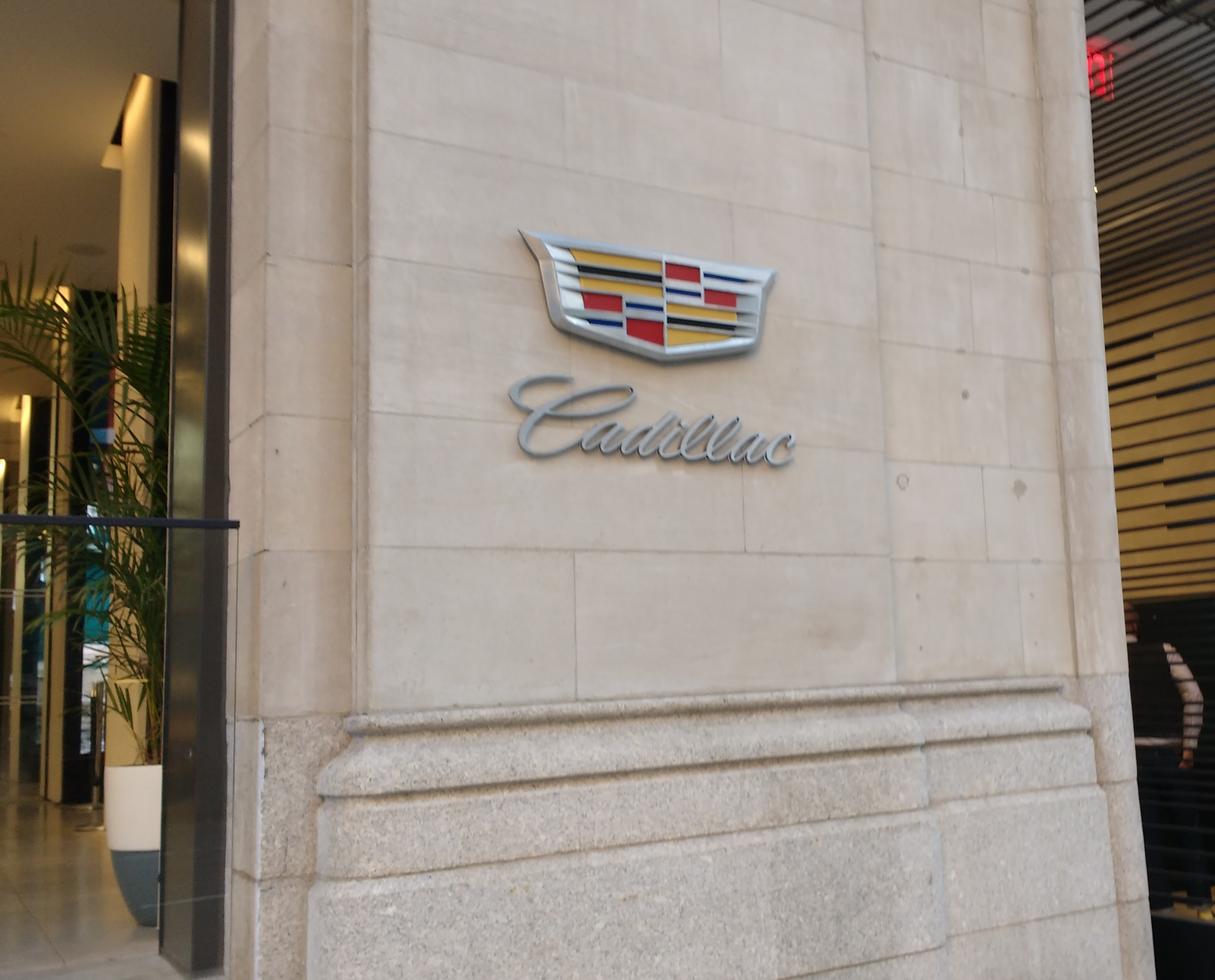
Just about the last brand name I expected to see in SoHo
Just about the last brand name I expected to see on a building in SoHo


I’ll be the first to tell you that my eyesight isn’t that great … except when it comes to spotting cars. A few blocks past Houston St., in the glass window of a building across the street from where I stood, was the unmistakable chrome face of a 1958 Cadillac. “Wait, wait”, I yelled to my wife, whom I knew would have no choice but to follow me. “What is this place? Wait, the Cadillac emblem is on the front of the building!”


The view that first caught my eye


My wife went in first; I wasn’t even sure they were open. But sure enough, they were. We scooted past two young adults who were building some kind of display, and entered the first floor ‘showroom’, all glass and mirrors and chrome. Oh, and several Caddies from the ‘50s and ‘60s.


Public area on first floor is all hard surfaces


We wandered around a bit. There was a hipster coffee bar, and a small clothing boutique in the rear. A large placard gave details about an upcoming Andy Warhol exhibit. The space is open seven days a week, and “hanging out” is encouraged.


Sit, stay a while, enjoy the views


Cadillac + Andy Warhol - who knew?
Cadillac + Andy Warhol = who knew?


We didn’t stay long, and on the way out, I asked the young woman at the desk if this was in fact Cadillac’s headquarters. “Oh yes” she exclaimed enthusiastically. “All the upper floors are where all the offices are. We like it here, because this is a great neighborhood.”


Fun with mirrors, part 1


Fun with mirrors, part 2


The Cadillac brand, in an attempt to establish independence from its General Motors parent, moved its national operation to New York in 2015. This is all part of brand chief Johan de Nysschen’s grand plan to take the luxury car maker upscale.


Say "tailfins", and most will conjure up an image of the '59 Cadillac
Say “tailfins”, and most will conjure up an image of the ’59 Cadillac


My presumption had been that their offices would be somewhere in Midtown: perhaps near Bloomingdale’s (and Trump Tower), or maybe around the corner from Rockefeller Center. So Johan wants to be where the young trendsetters are. Hasn’t this been tried before?


1963 Cadillac, in black, natch


I had one more question for our hostess: “Where are the new cars?” She said that they had all been moved out in preparation for the Warhol event. For now, these behemoths from Cadillac’s heyday had the floor to themselves. Here’s hoping that Cadillac finds its muse somewhere in lower Manhattan.


The organic coffee sign symbolizes the distance between this '58 and its trendy surrounds
The organic coffee sign symbolizes the distance between this ’58 and its trendy surrounds


All photographs copyright © 2016 Richard A. Reina. Photos may not be copied or reproduced without express written permission.
 

The AACA Museum Hosts “Amore della Strada” Opening Reception

On the evening of November 18, 2016, the AACA Museum in Hershey PA officially opened its “Amore della Strada” Italian machinery exhibit with a reception at the museum. The public was invited to attend, and turnout was large, making for crowded aisles. The doors opened at 6pm, and your $20 admission included antipasti, beer, and wine. Those who owned cars on display were admitted “gratuito”.

Italian cars come in colors other that red!
Italian cars come in colors other than red!

There were approximately 20 Italian cars, and perhaps a dozen or so Italian motorcycles. The museum is arranged in such a way that there was no practical way for the curators to place all the special exhibits together. Therefore, they were arranged in smaller groups of 2, 3, 4, or more, and placards with each vehicle provided sufficient history regarding the make and model. Owners who were loaning their wares for the five-month duration of the show were dutifully acknowledged. (Last week’s blog entry covered this author’s drive to deliver his ’67 Alfa Romeo GT 1300 Junior to the exhibit.)

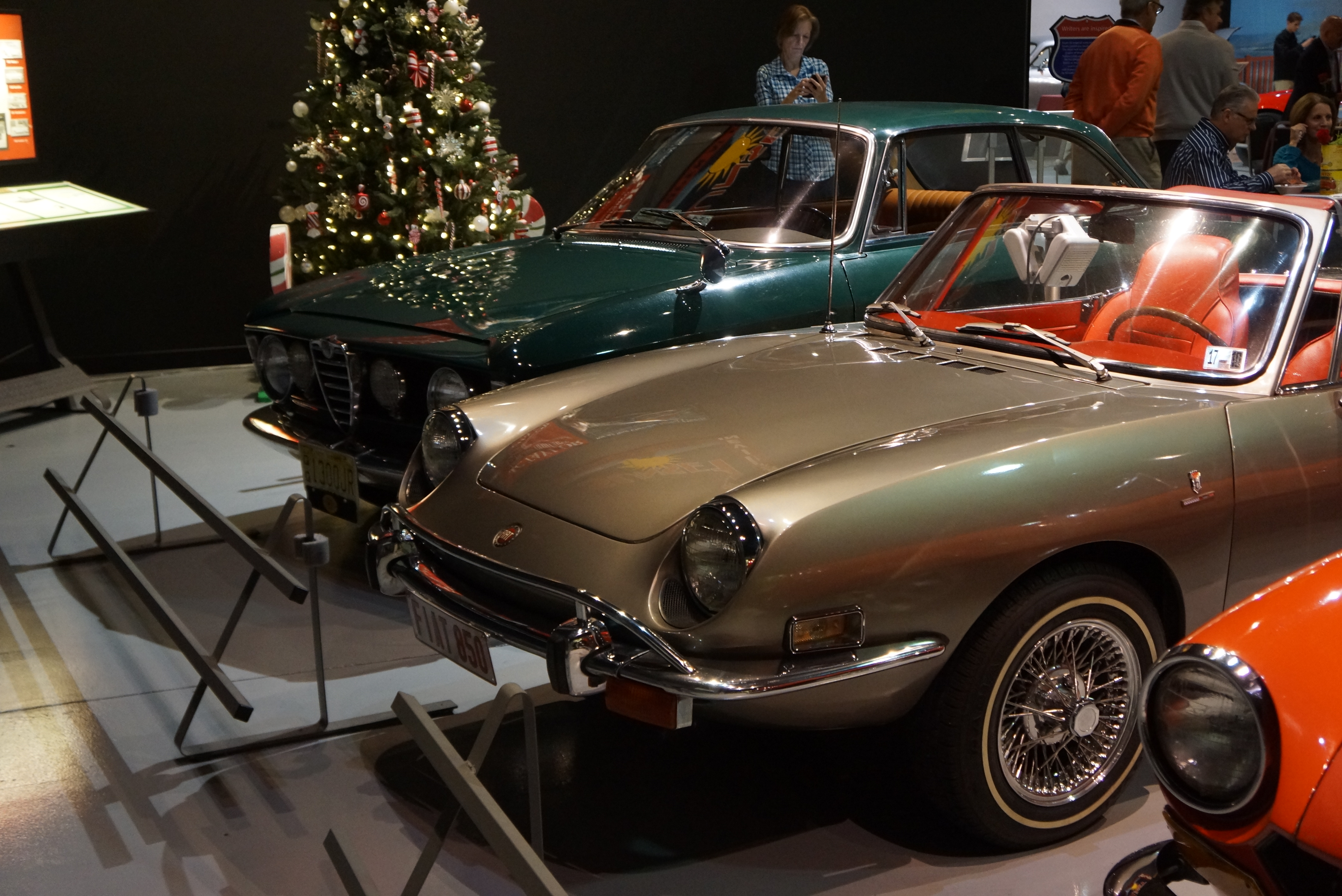
Fiat, Alfa, and Christmas tree

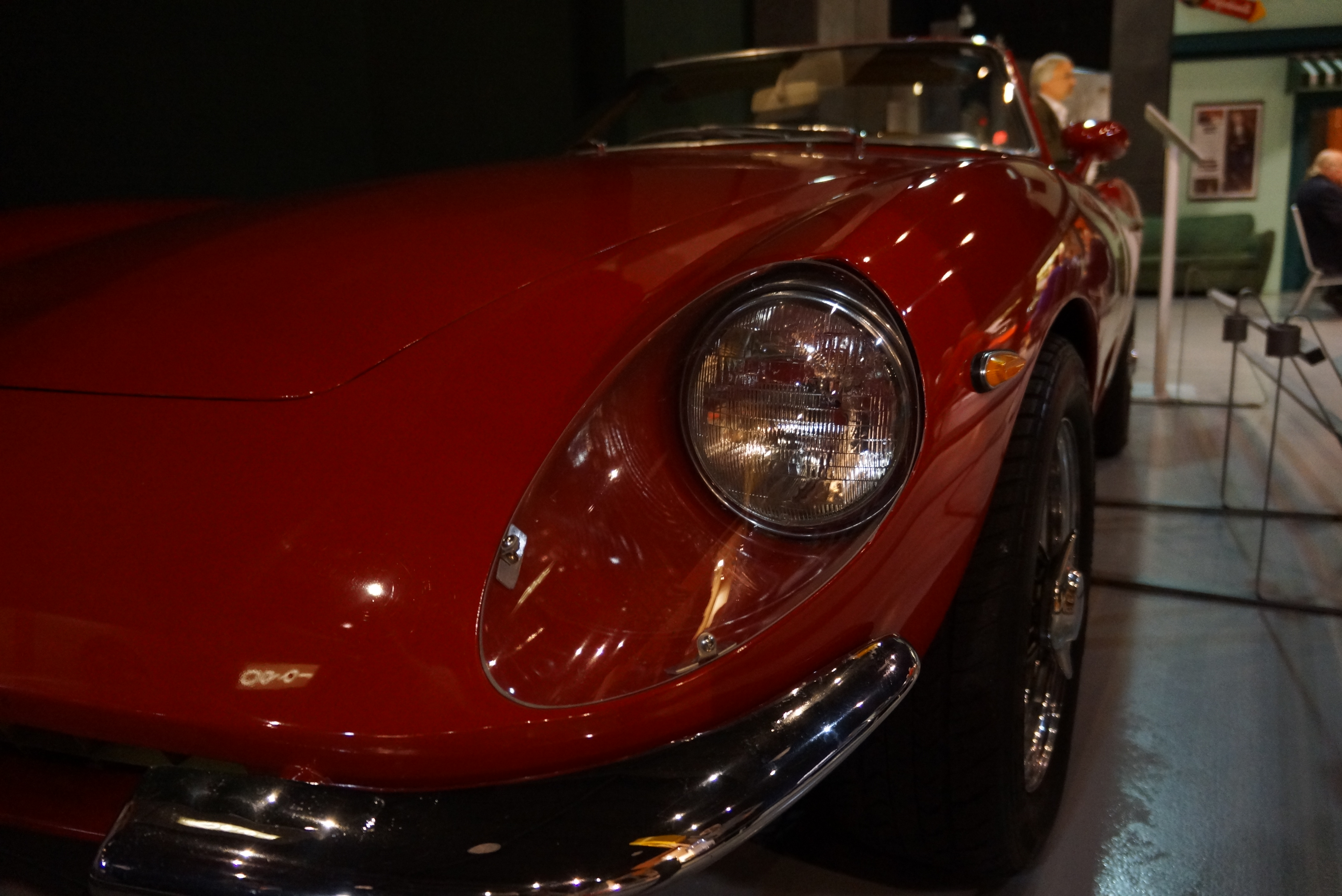
Fiats and Alfa Romeos seemed to comprise the bulk of the vehicle displays, and some might agree with me that it was a refreshing change of pace for an “Italian Car Show” to NOT be dominated by late-model supercars from the Big 3 of Ferrari, Lamborghini, and Maserati. (Of these three makes, I counted only two Ferraris.)


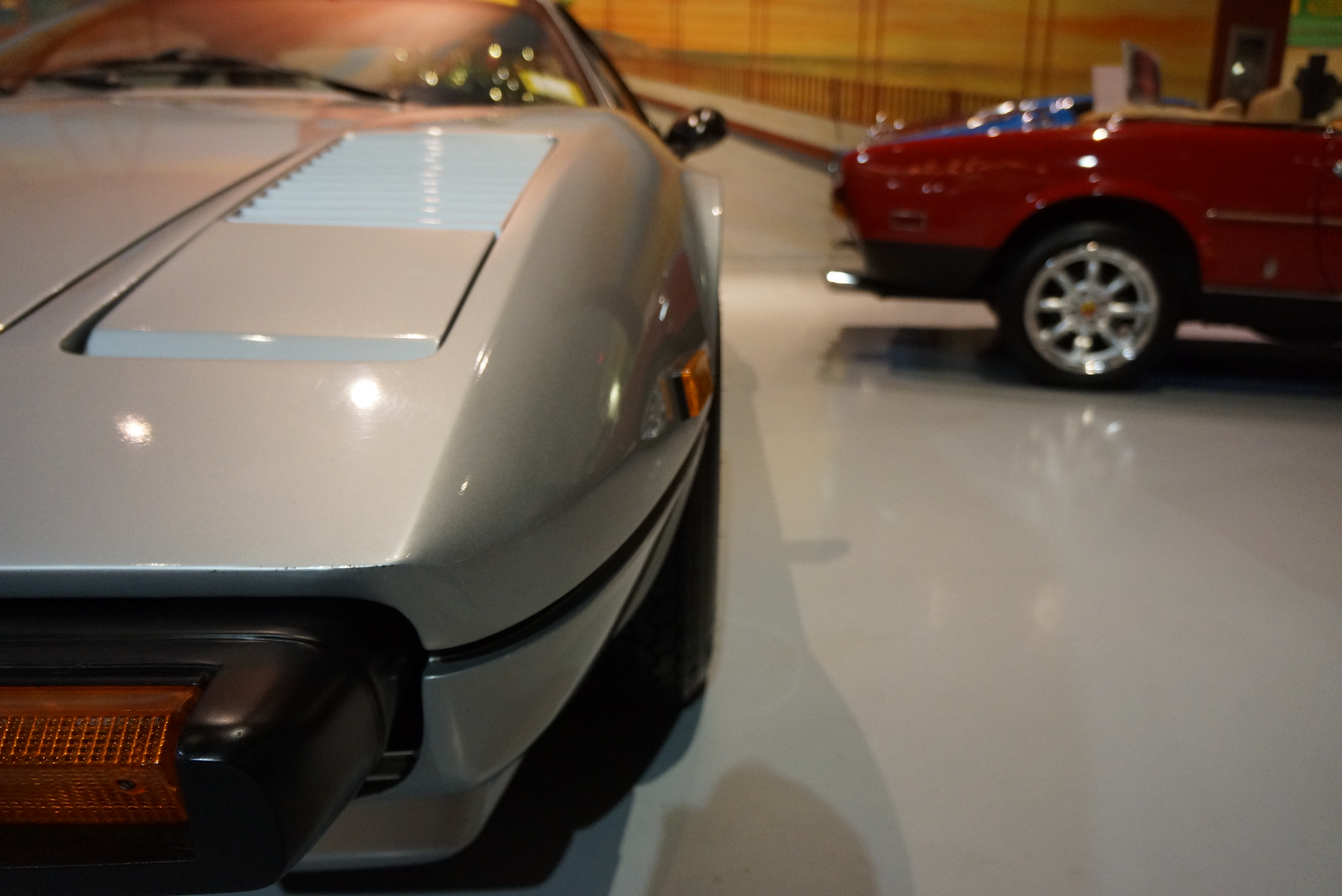
Ferrari 308GTB shares floor space with modified Fiat 124 Spider

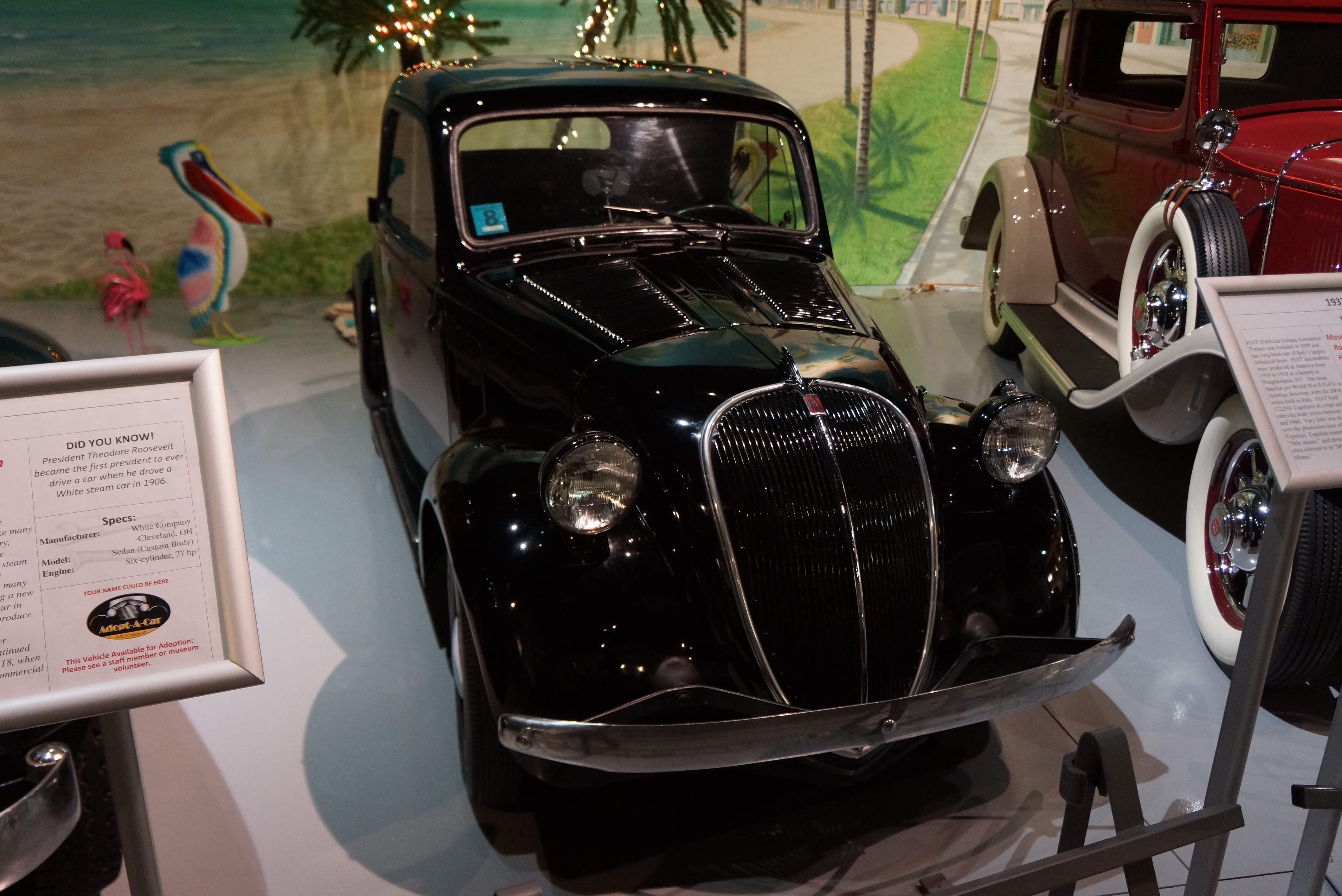
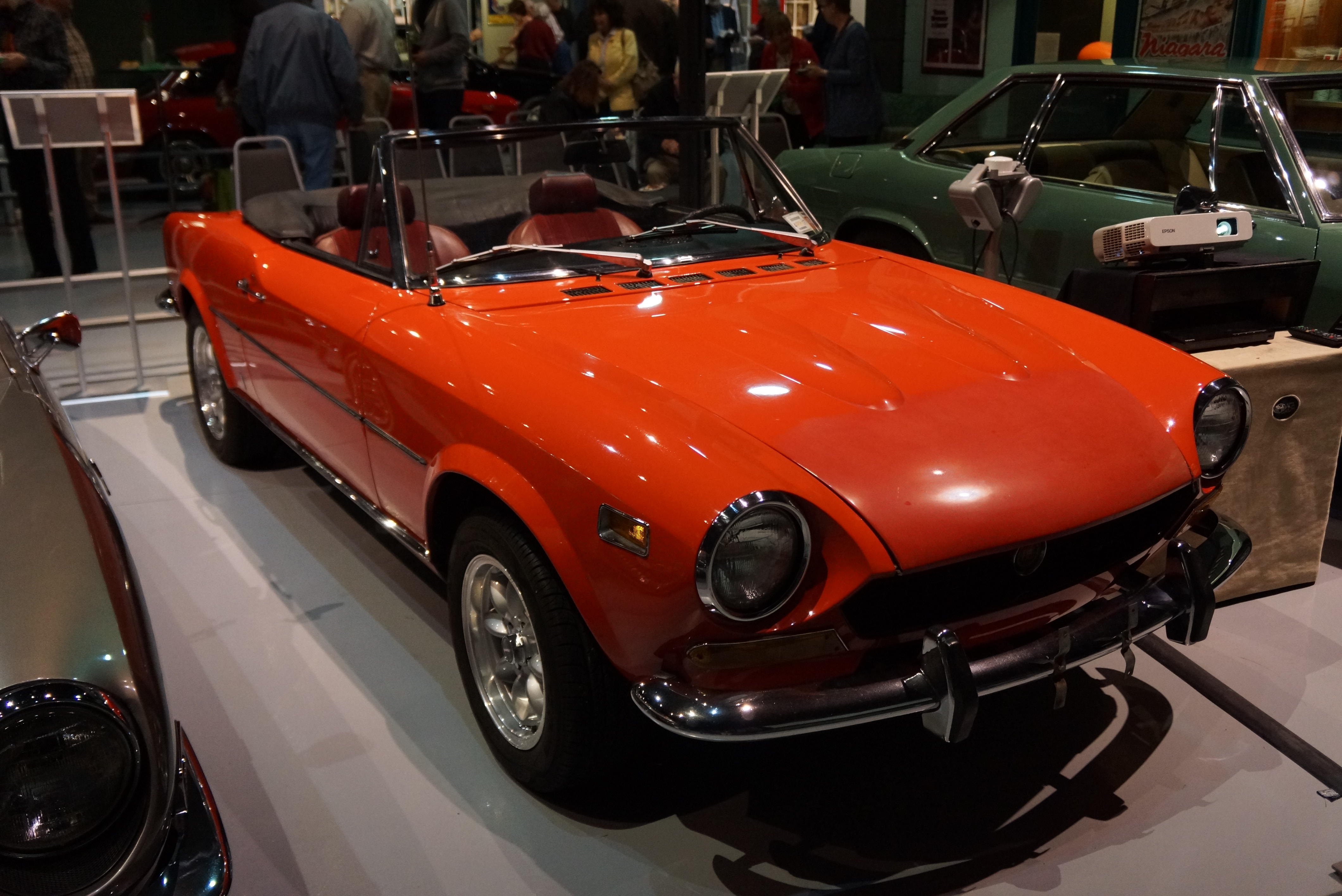
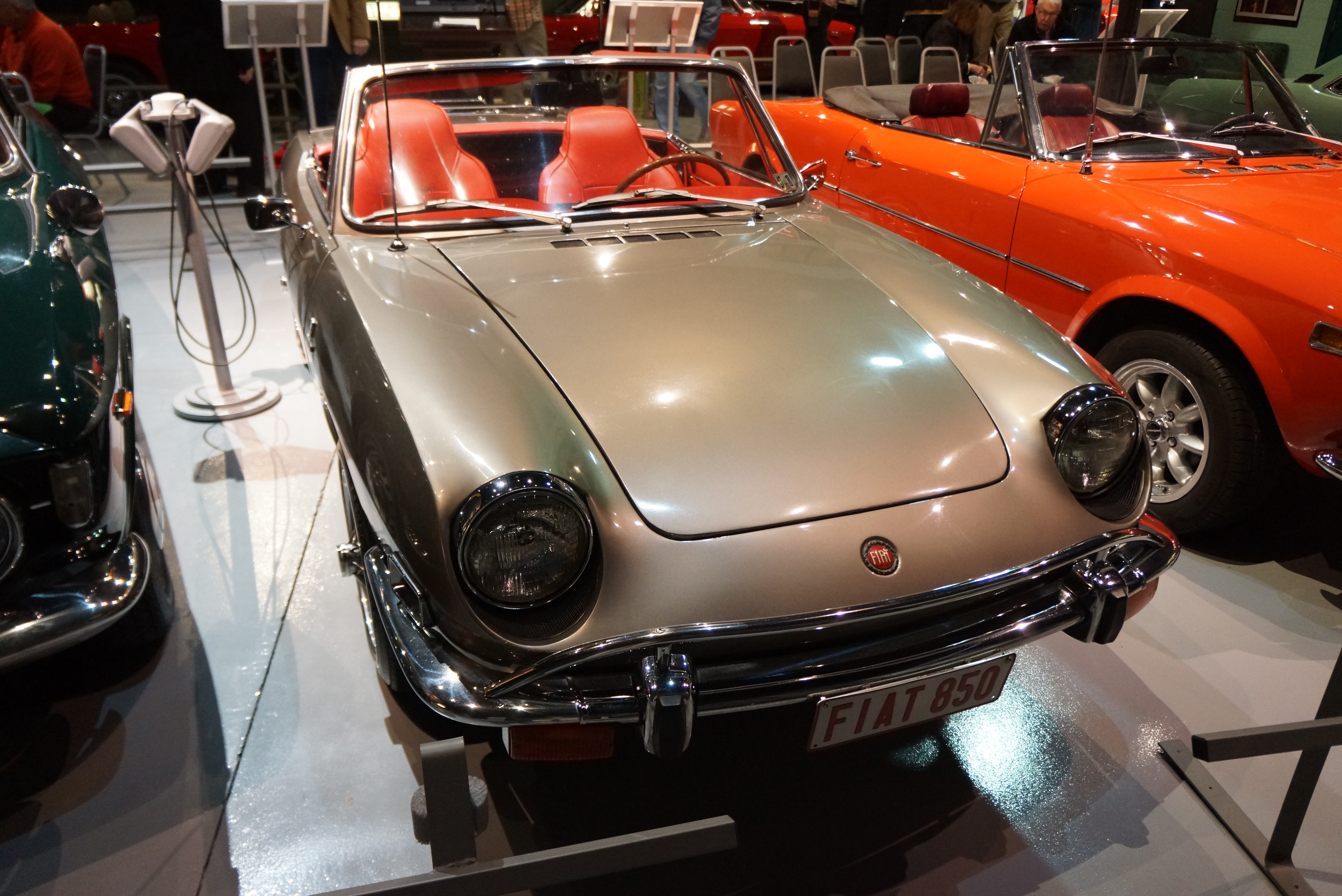
Among the Fiats, we saw three 124 Spiders, two X1/9s, and an 850 Spider. The X1/9s were a study in contrasts, as the bright green one was a first year example wearing the original bumper-less design, while the white one from 1987 wore no Fiat badges at all, as it was manufactured and sold by Bertone, and badged as such, since Fiat left the U.S. market after 1982. The only Italian prewar car on the floor was a delightful 1937 Fiat Topolino (Little Mouse).

Adorable 1937 Fiat Topolino (owned by AACA Museum)


1974 Fiat X1/9 - note lack of battering ram bumpers
1974 Fiat X1/9 – note lack of battering ram bumpers


1987 Bertone X1/9, one of the last of the breed


Nose of '87 X1/9 wears this in place of Fiat badge
Nose of ’87 X1/9 wears this in place of Fiat badge


Fiat 850 Spider
Fiat 850 Spider

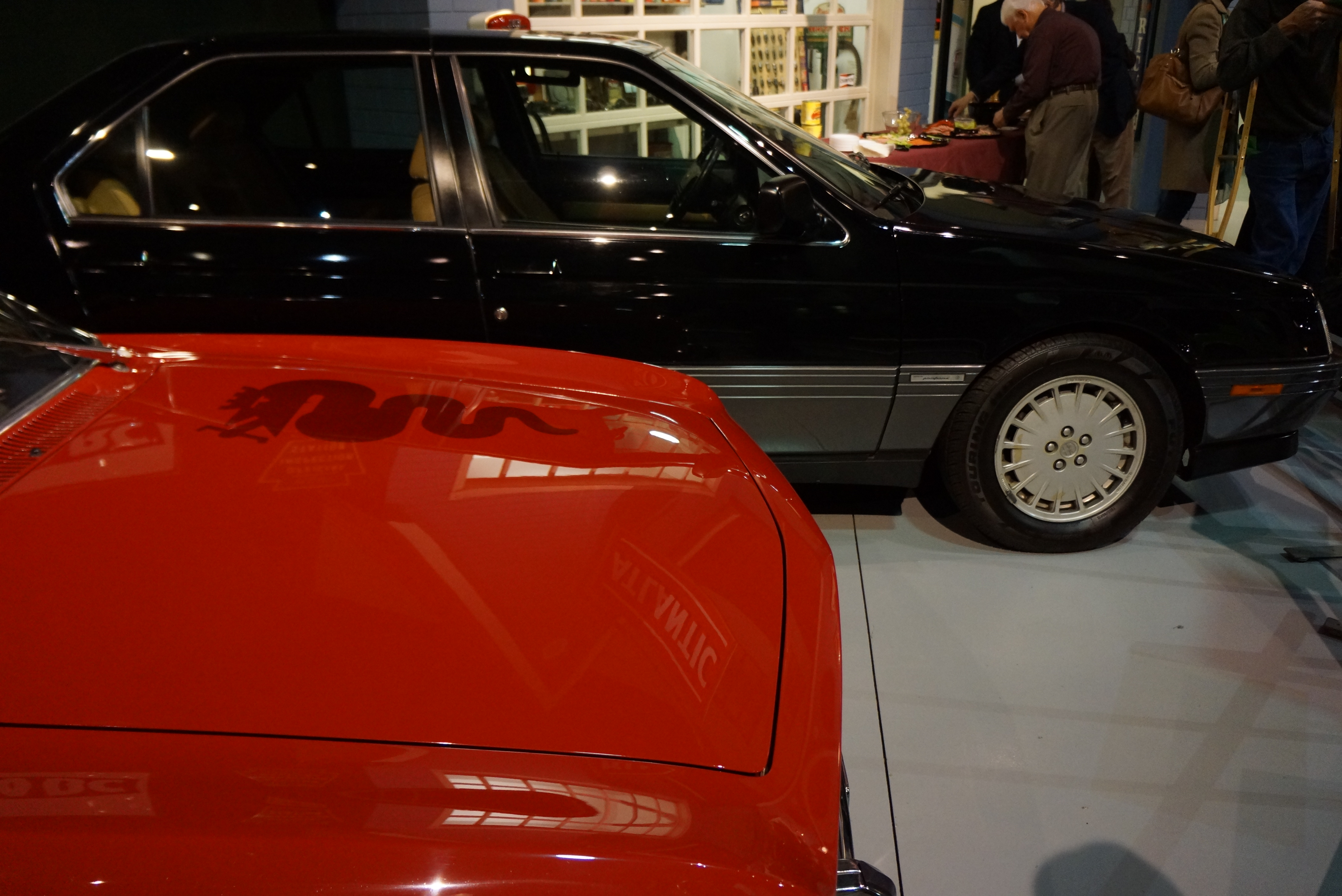
The four Alfa Romeos included two Giulia coupes, one early step-nose and one 2nd generation design, a rare Montreal Coupe (with a factory V8), and the last Alfa sold in the U.S. market (until Sergio’s recent resurgence), the large front-wheel-drive 164 sedan.


Owners Ed and Shayna Geller with their stunning Alfa Montreal


Alfa GTV in red, Alfa 164 in black
Alfa GTV in red, Alfa 164 in black. Snake eats man; it’s part of the Alfa legend.


Yes, there were speeches too

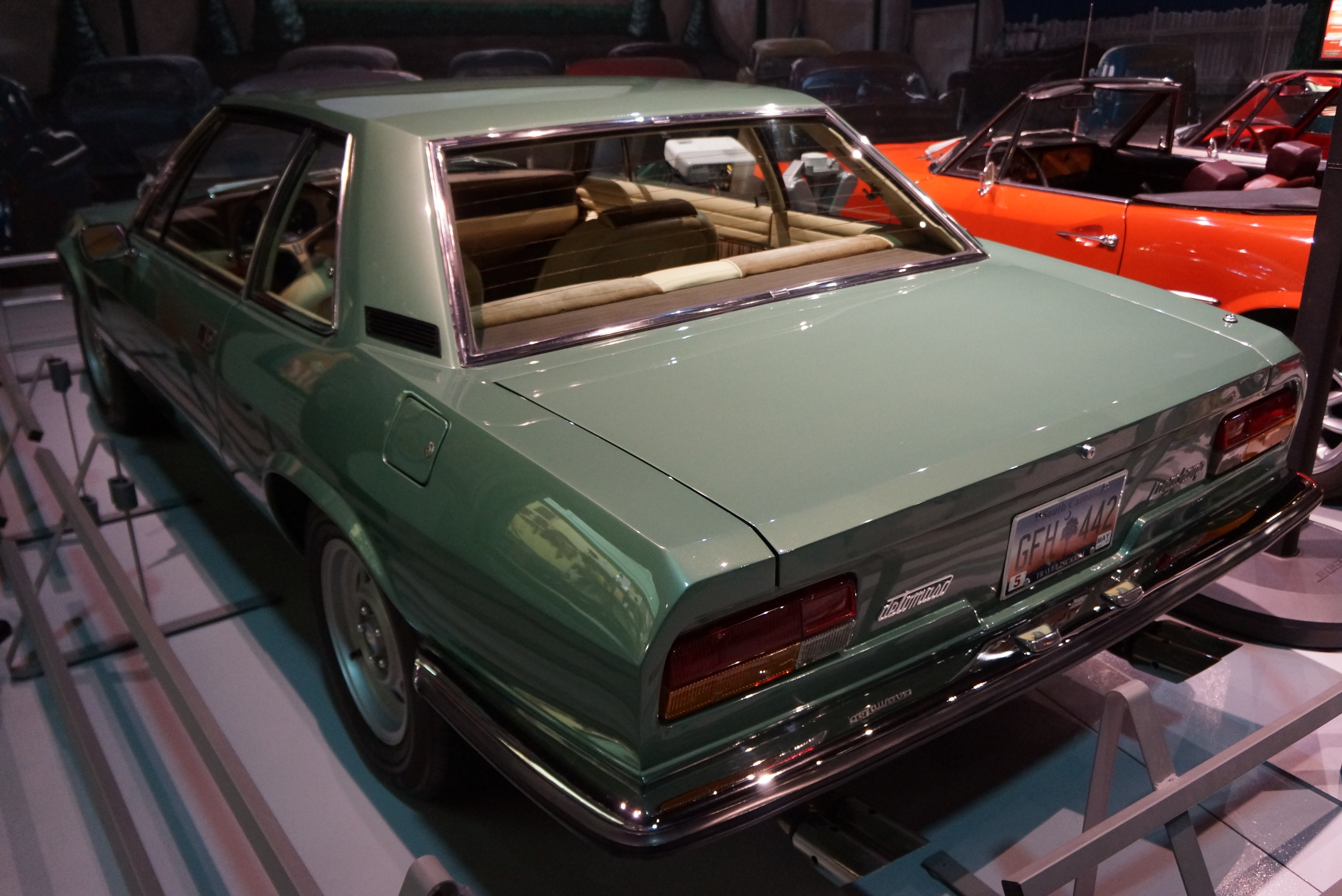
The show included vehicles that required an explanation how they passed the entrance exam, as two of them had big American V8 engines, and one had a British 4-cylinder lump. The DeTomaso Longchamp and Italia Omega are vehicles belonging to a class long known as ‘hybrids’ (decades before that term was used to describe a gas/electric vehicle).

Most car aficionados have heard of the DeTomaso Pantera, sold here by Lincoln-Mercury dealers in the early 1970s. The Longchamp is the squared-off, four-seat sister to the Pantera. The one on display featured a Ford 351 Cleveland engine mated to a 3-speed automatic. I’ve seen many a photo of Longchamps, and this was the first one I’ve ever seen in the metal.

The car labeled as a 1967 Italia Omega is more familiarly known to me as an Intermeccanica Italia. Based on my reading of the car’s placard, the history of this car company is convoluted at best. (Indeed, none of the several import-based compilation books in my library make any mention at all of this company.) The vehicle in the museum was an attractive convertible, using a front-mounted Ford 302 V8 paired with a 4-speed manual transmission.

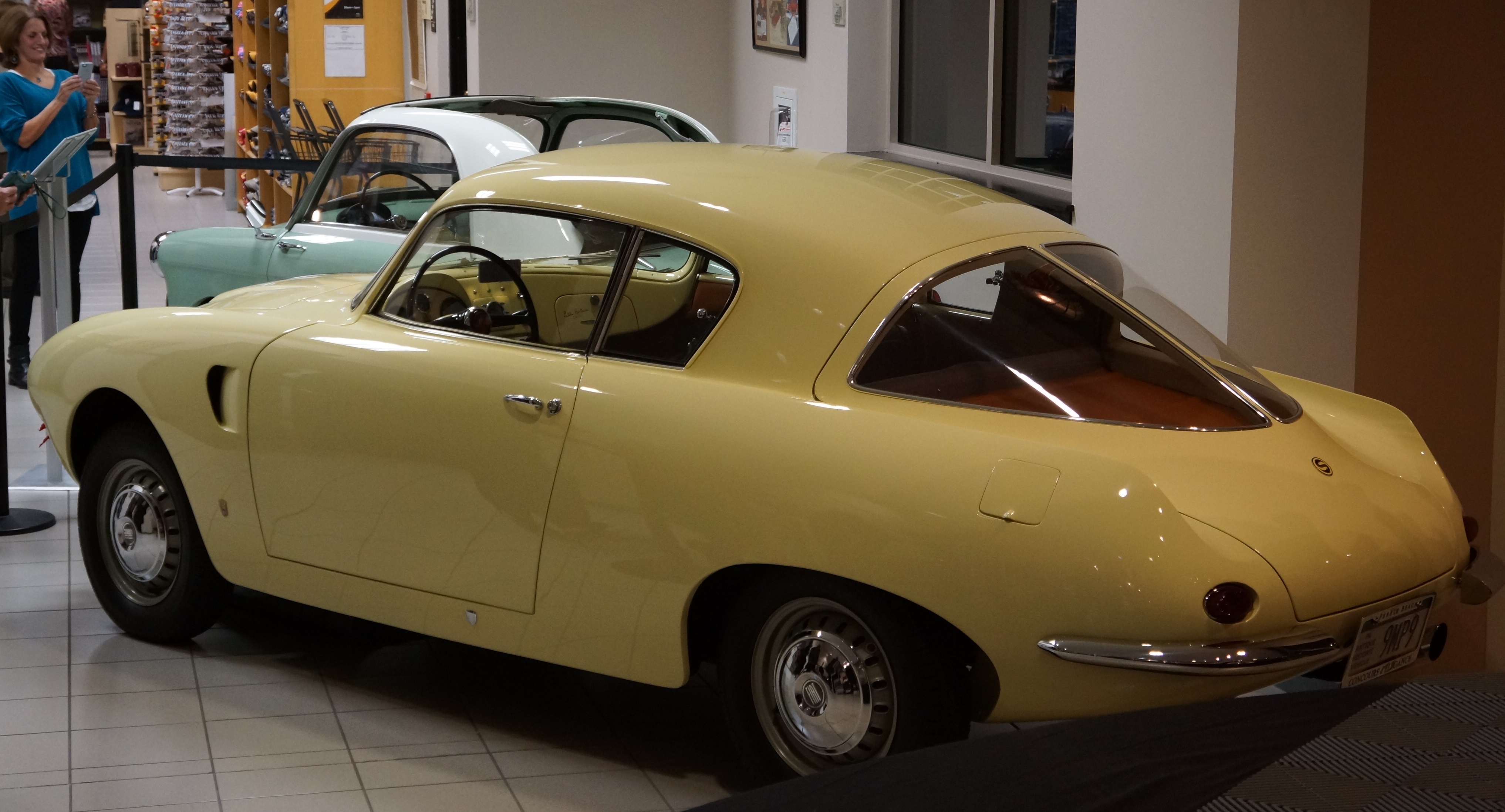
The 1961 Triumph Italia on display is one of 329 built. While the design is certainly in the Italian mold, the sheetmetal hides what is essentially the drivetrain and chassis of a stock Triumph TR-3.  One of the outstanding features of the Italia is that it is the handiwork of a young Giovanni Michelotti, who would later pen the restyle of the TR-4 into the TR-6.

1961 Triumph Italia, with TR-3 mechanicals

Scan through the photos below for shots of other vehicles which were on display. (And as always, click on any of the photos to enlarge them.)

Among the motorcycles, which are not my primary interest, I could not help but be drawn to the 1958 Iso Moto, built by the same company that originally designed the Iso Isetta. Like the Longchamp, it was a first for me to actually see one of these in person.
The “Amore della Strada” exhibit runs through April 22, 2017. There’s plenty to see at the Museum besides the Italian stuff. If you’ve never made the trip, this is a good excuse to do so. If you have, the Italian cars are a nice addition to what you may have seen before.
 

1960 Fiat Autobianchi


1954 S.I.A.T.A, with Fiat 8V engine


1957 Vespa 400, designed in Italy but built in France


1971 O.T.A.S. 820 Grand Prix, built on Fiat 850 chassis


This 1954 Fiat 1100 wears custom sheetmetal reminiscent of the Alfa BAT cars
This 1954 Fiat 1100 wears custom bodywork reminiscent of the Alfa B.A.T. cars


Unlike the cars, the bikes fit into one room


Yes, it's an ISO; same parent company as the Isetta and the Griffo
Yes, it’s an ISO; same parent company as the Isetta and the Griffo


All photographs copyright © 2016 Richard A. Reina. Photos may not be copied or reproduced without express written permission.