It is my good fortune to have recently completed a 10-day visit to Sweden, Germany, and Denmark. The trip was originally planned for me to research my father’s ancestors (he was born in Hamburg and immigrated to the States in 1926, when he was 7) and to attend the Copenhagen Jazz Festival. My dear friend Lenny, who works for the Volvo Car Corporation in Gothenburg, hosted me and traveled to Germany with me, which explains how Sweden got on the agenda. While in all three countries, I didn’t miss an opportunity to photograph the many interesting cars, old and new, which are found on the streets of Europe.
The photos below are presented in roughly chronological order. The captions will give year, make and model of each vehicle (to my closest estimate). If I have any pithy remarks about the car and/or the locale, I’ll throw that in. Enjoy the cars!
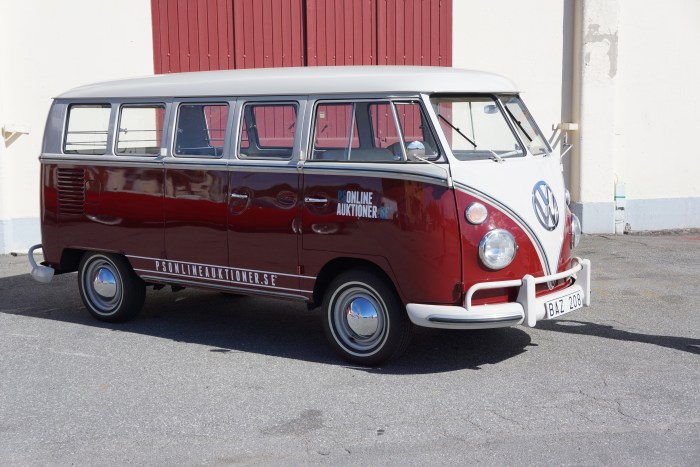
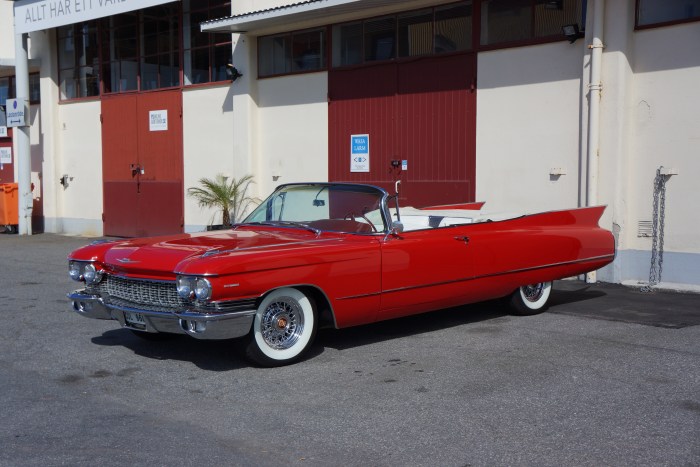
The weekend I was in Gothenburg, a celebration was held for the conclusion of the Volvo Ocean Race. An auction company had this VW bus and 1960 Cadillac convertible on display to advertise their site.
’60s VW bus.
1960 Cadillac convertible
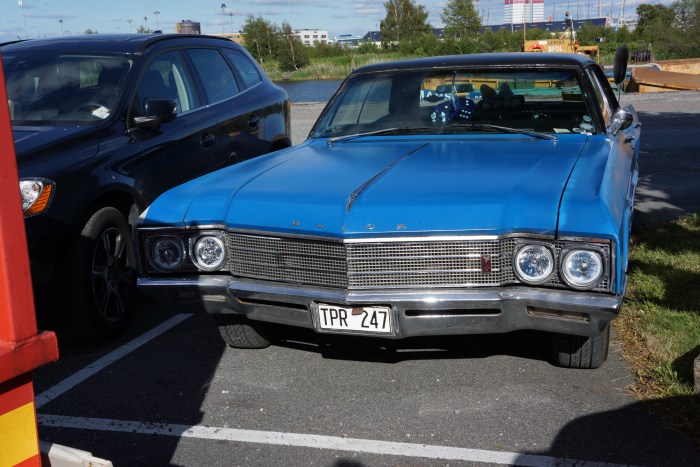
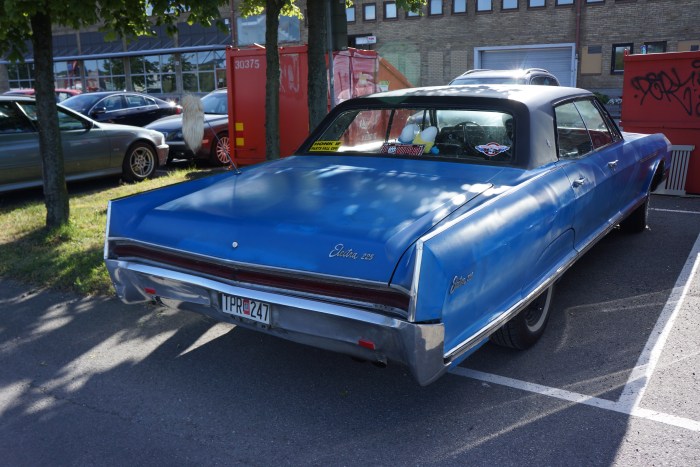
This 1966 Buick Electra “deuce & a quarter” was in that same parking lot.
1966 Buick Electra 225 front
1966 Buick Electra 225 rear
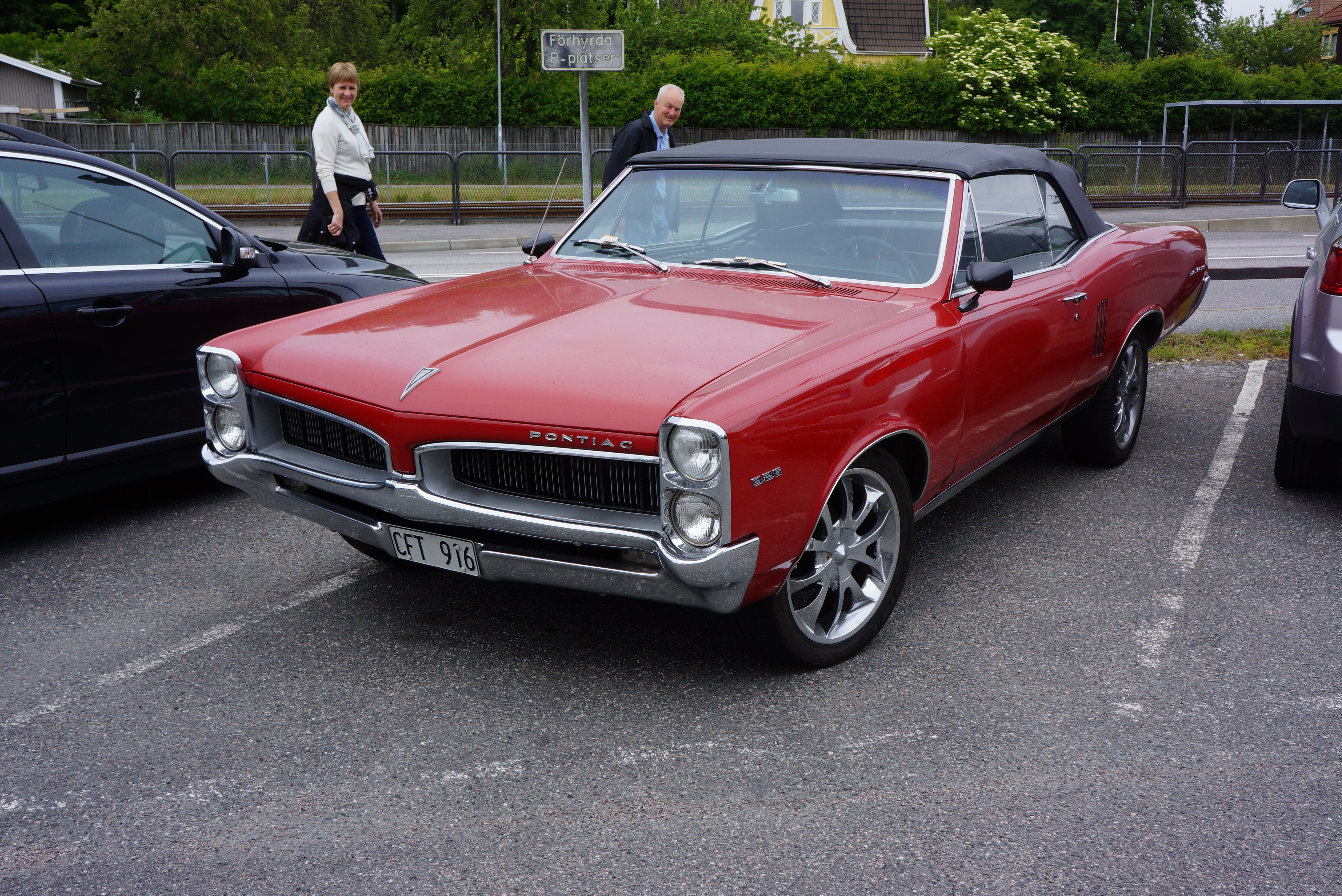
This 1966 Pontiac convertible was spotted the next day. That’s Lenny and his wife Marie admiring the chrome rims.
1966 Pontiac LeMans convertible
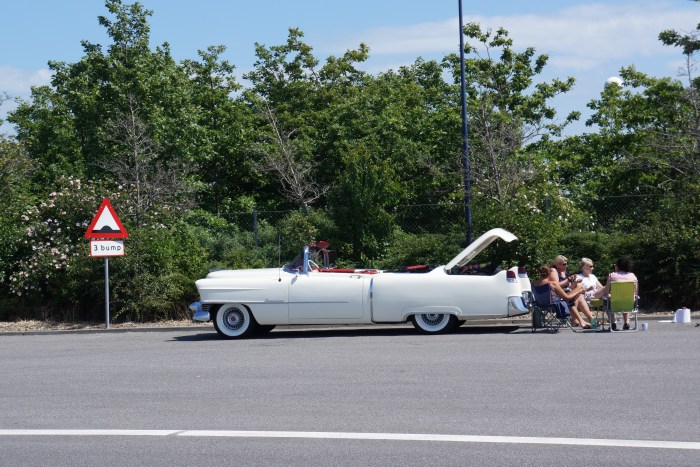
Driving from Sweden to Germany entailed a ferry ride. There was quite the queue in both directions. Across from us, waiting for a ferry in the opposite direction, were these old American ‘50s icons. What’s more, the occupants had their folding chairs out as if this was a regular place to park and relax. Looks like the Imperial was getting its carb adjusted.
1954(?) Cadillac convertible
1955(?) Chrysler Imperial
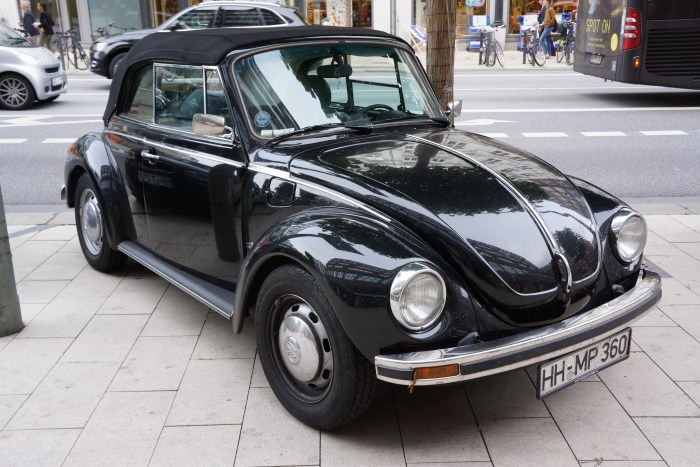
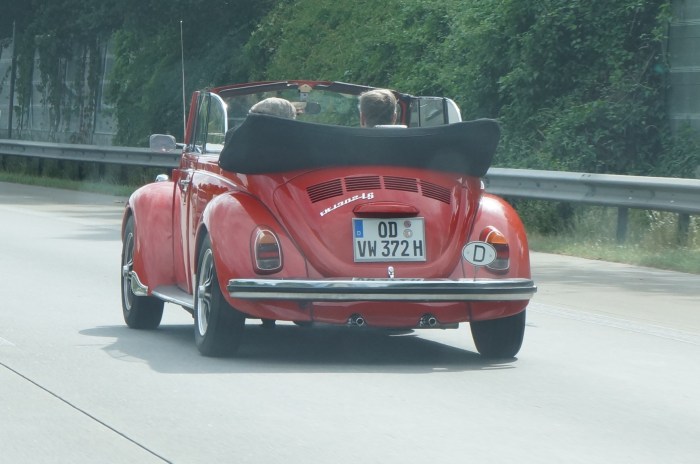
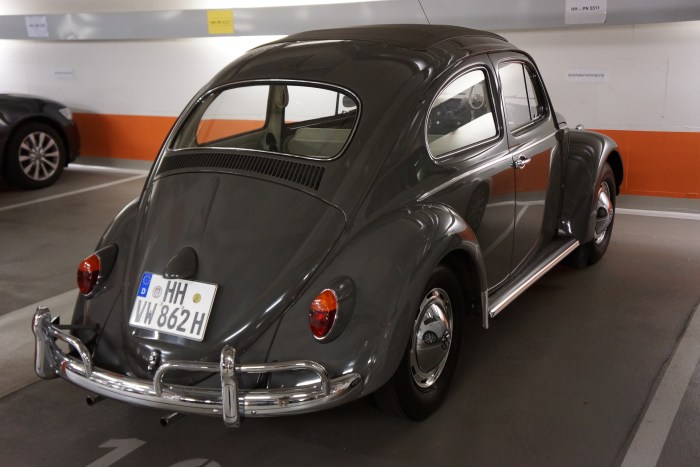
In Germany now. The Germans still love their air-cooled Beetles.
Black Beetle
Red Beetle
Grey Beetle
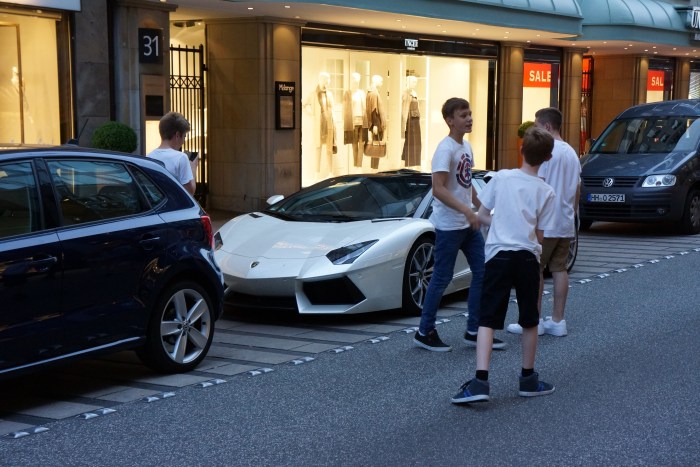
One of the funniest scenes of the entire visit was the commotion around this Lamborghini. At the same time I spotted it, it was also spotted by a group of 13-year-old boys and girls, who made a beeline dash toward it, cell phone cameras at the ready. They were on a school trip, and I know that because their teacher yelled out to them (in English). Chatting with her, I found out that they were Brits, and the kids were German language students. Nice to know that they were also into cars.
Across the street from my Hamburg hotel were this very clean VW Cabrio in a most unusual color, and a late ‘70s Chevy Malibu wagon.
1st generation VW Cabrio
Late ’70s Chevy Malibu wagon
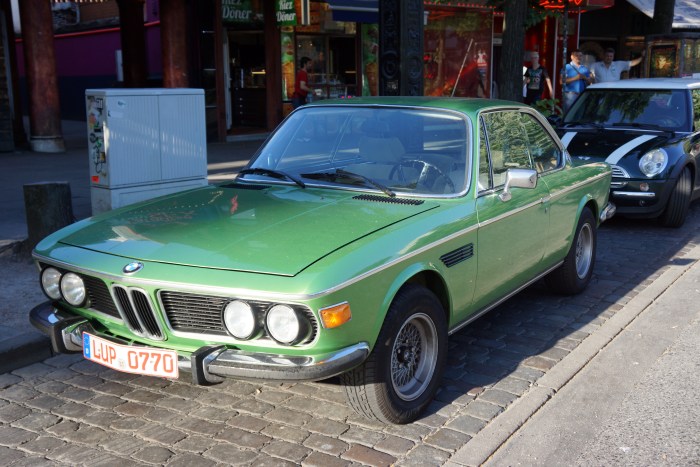
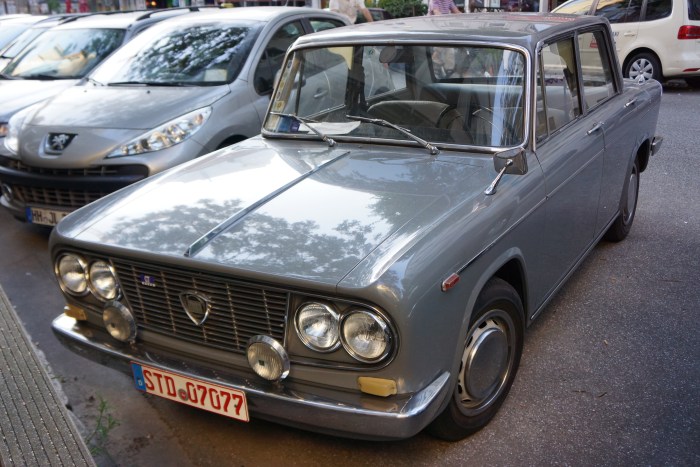
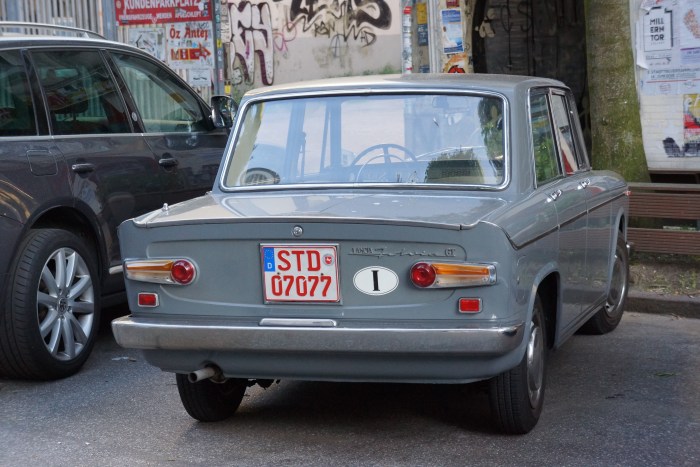
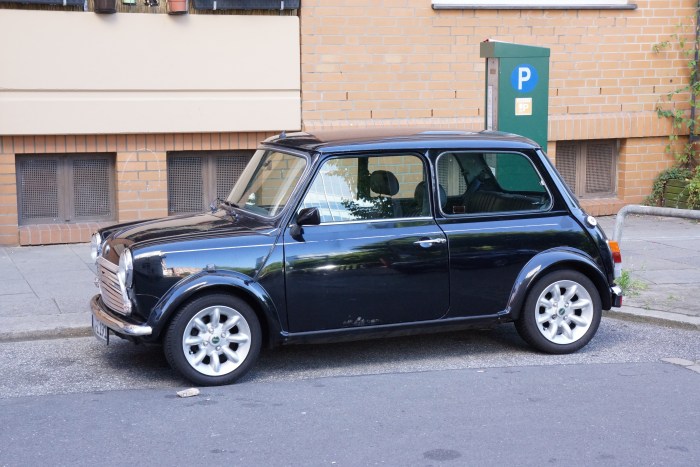
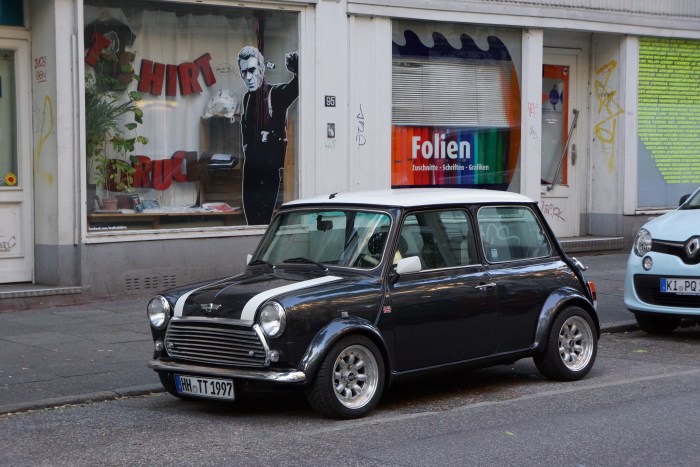
More Hamburg sightings: a BMW 3.0, a Lancia Fulvia sedan, and two clean Minis.
BMW 3.0 CSi front
BMW 3.0 CSi rear
Lancia Fulvia sedan front
Lancia Fulvia sedan rear
Monotone Mini
Two-tone mini
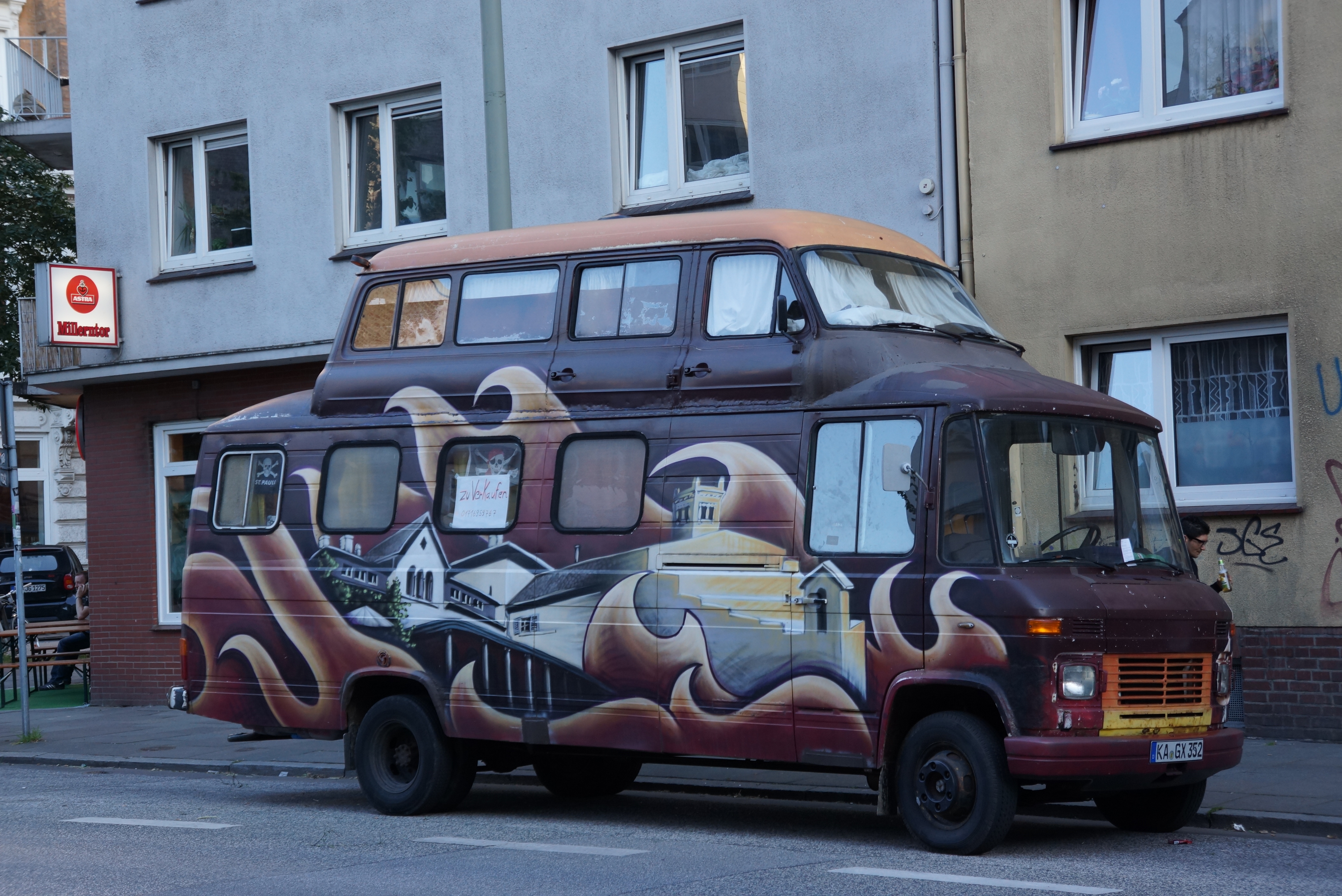
“Honey, don’t trade the old van in, just weld its greenhouse to the roof of the new one!” (Enlarge the photo to see that A) it has a For Sale sign in the side window, and B), it has a parking ticket under the wiper.)
If you meet a German who tells you he drives a Caddy, he more than likely means this VW.
A VW Caddy (van)
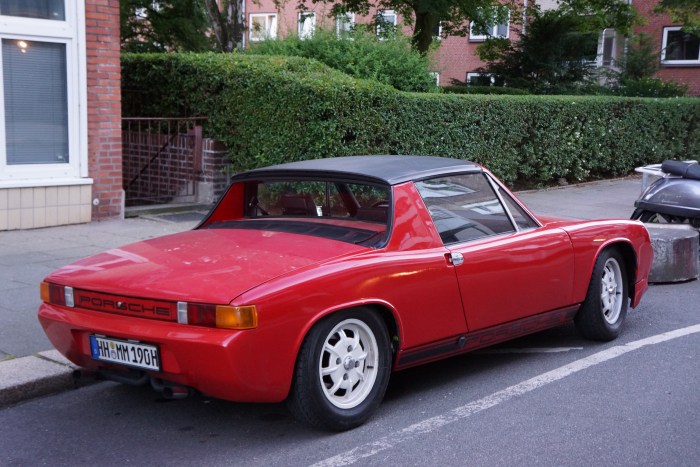
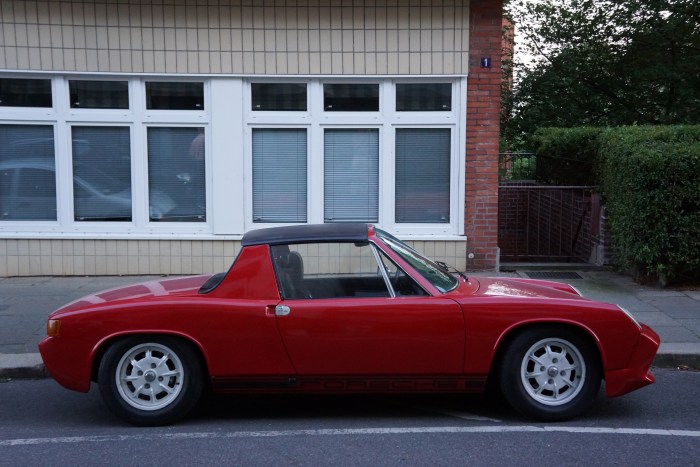
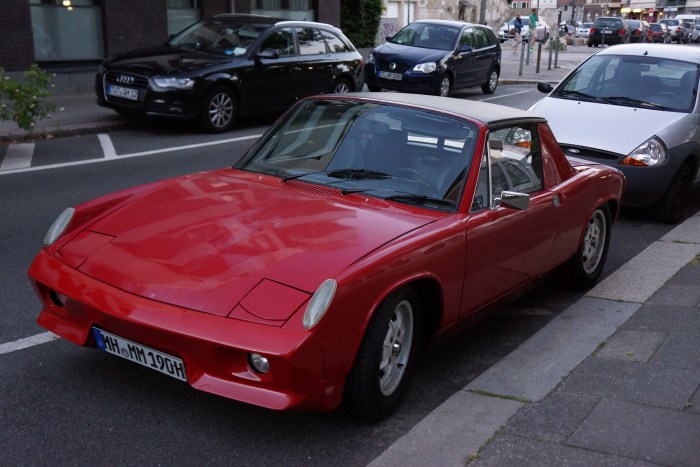
A customized Porsche 914.
Alfa spider on the highway.
Alfa Romeo spider S4 (final generation)
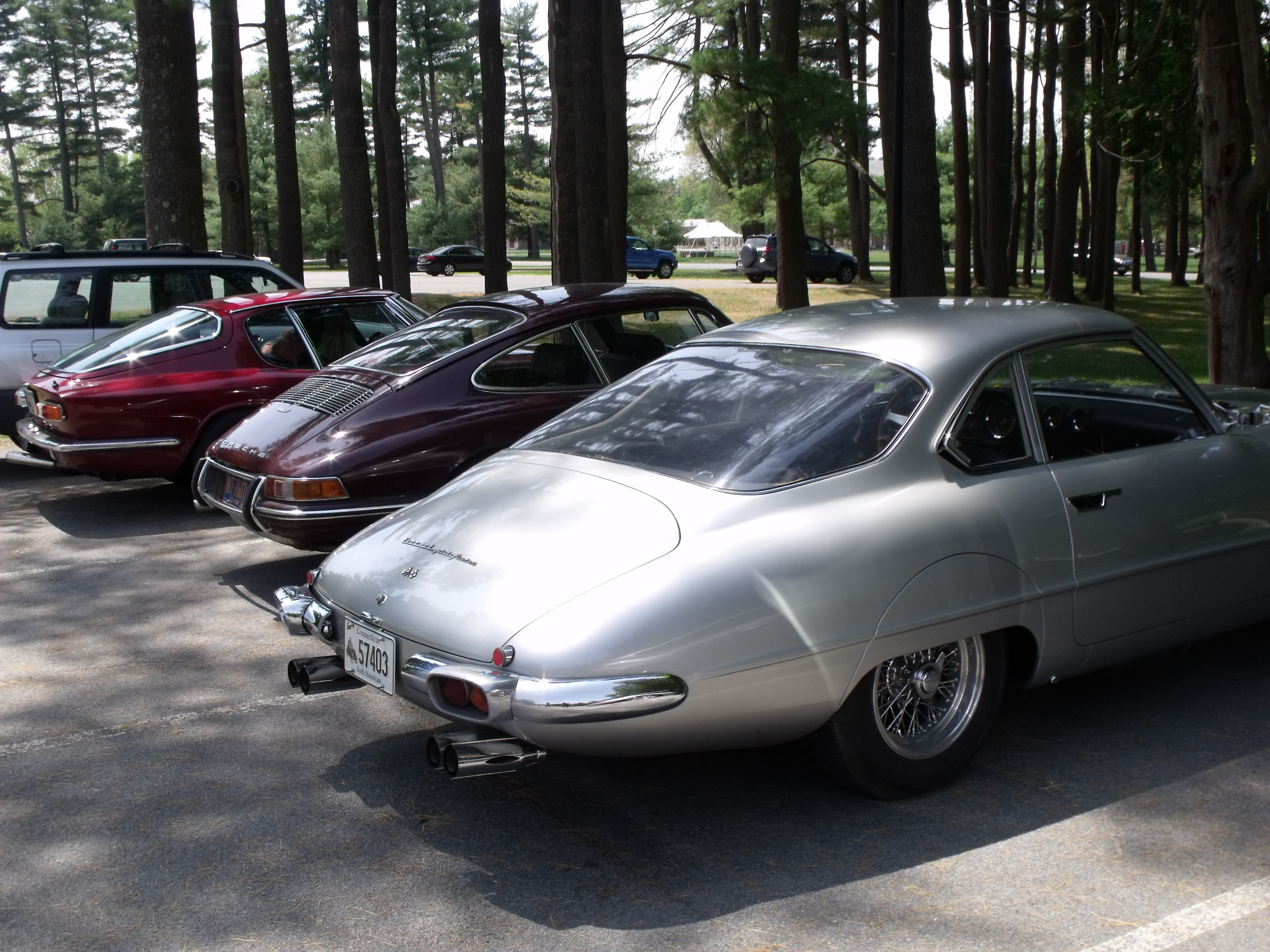
In a beach parking lot in northern Germany: a Porsche 356. Has this person been watching the auction results? This car might be worth more than their house.
Porsche 356 front
Porsche 356 rear
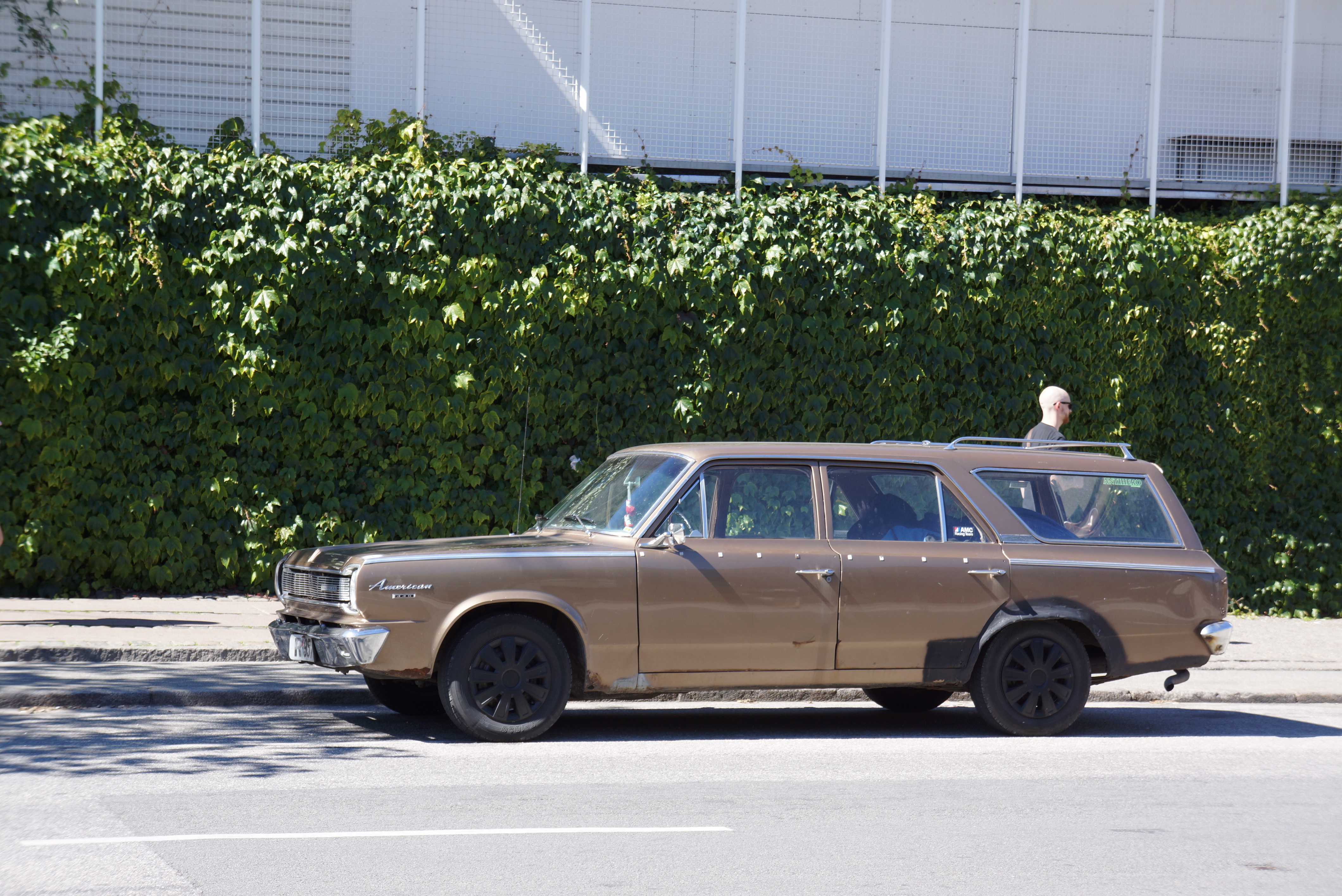
In Copenhagen now, I spotted this Rambler not once but several times around town. It’s someone’s daily driver, and I have not seen this vintage Rambler used as a daily driver since all my hair was brown.
’60s Rambler American station wagon
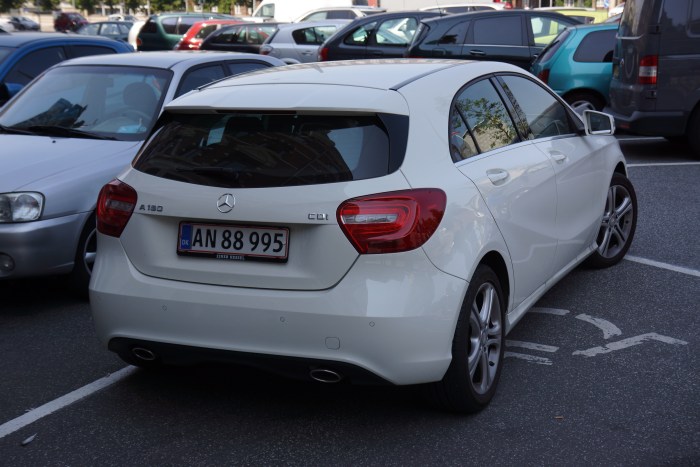
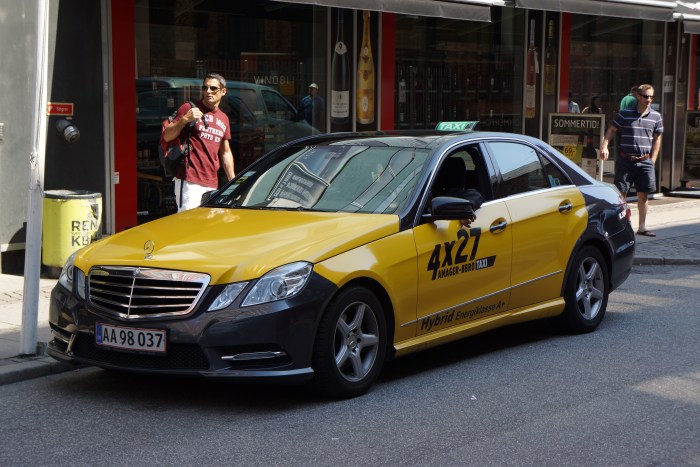
Mercedes-Benz has this upper-class, elegant, prestigious reputation in the States. In Europe it’s a different story, with cars as small as this A-class, and E-class sedans regularly used as taxis.
Mercedes Benz A-class hatchback
Mercedes taxi
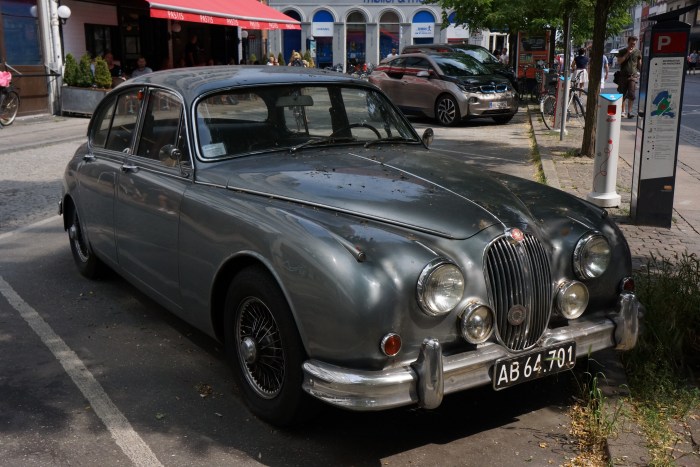
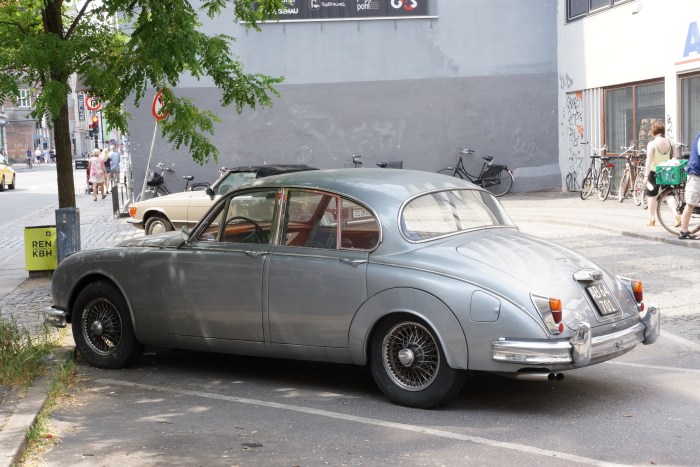
A ‘60s Jaguar sedan, which appears to have been parked for a while.
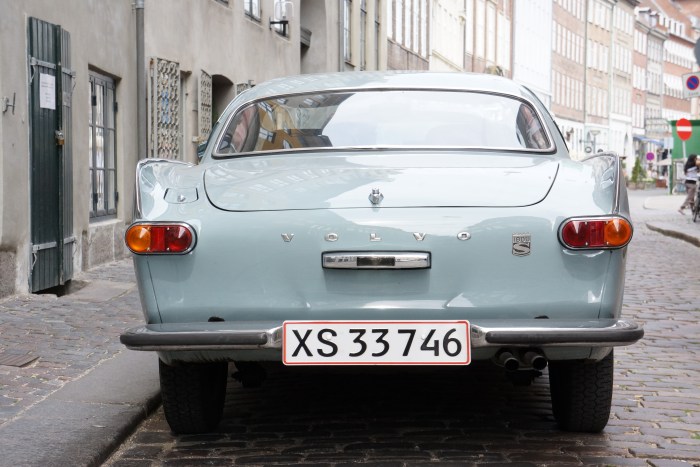
This very nice Volvo 1800S was parked on the same Copenhagen side street for several days.
The first annual Ramapo Concours d’Elegance was held on the grounds of Ramapo College in Mahwah, NJ, on Saturday June 6, 2015. The Concours was an outgrowth of a regular Cars & Coffee event held at the campus (and locally referred to as a “Caffeine & Carburetors” gathering).
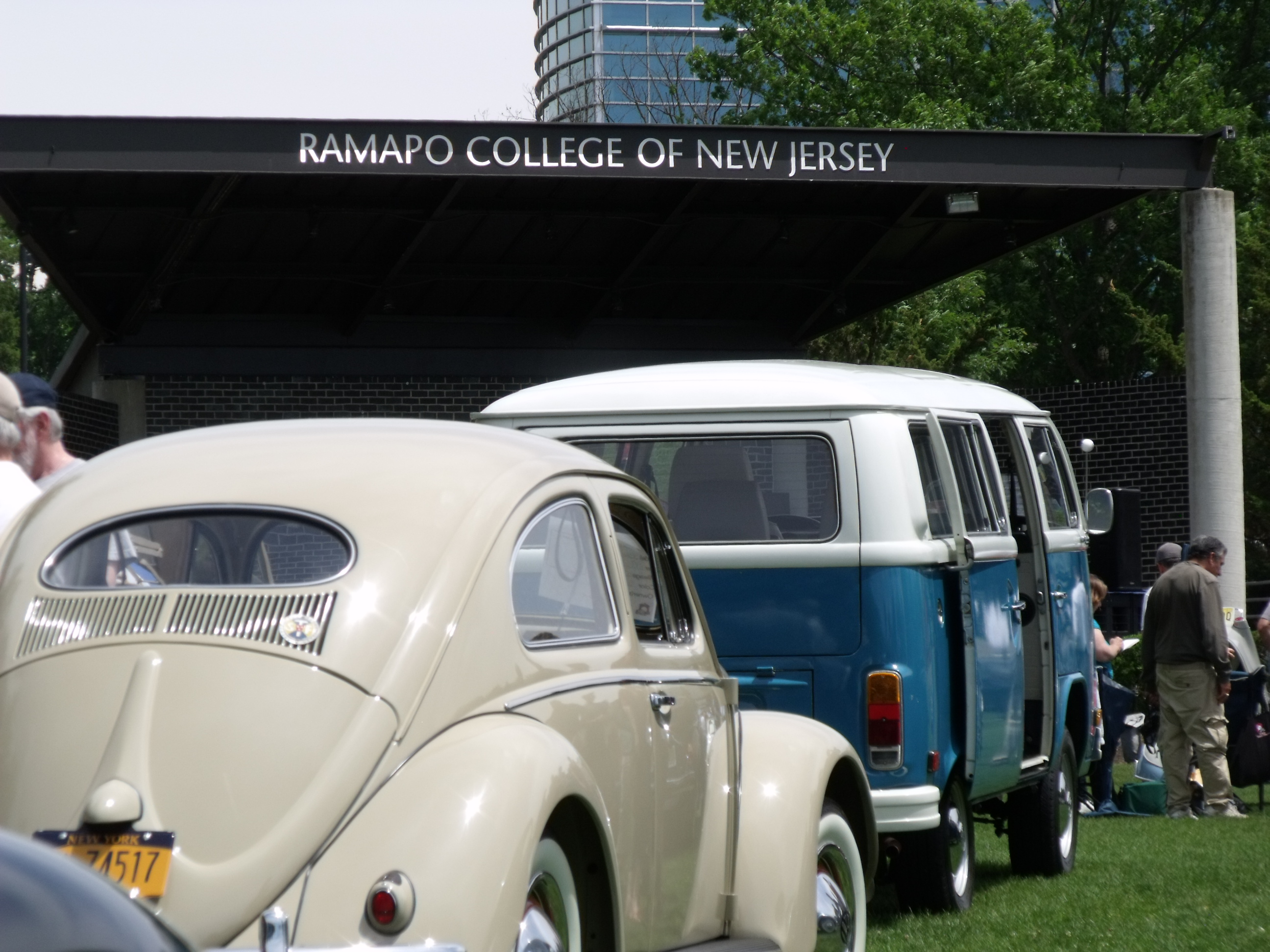
Show cars were arrayed on the grass (thankfully not asphalt) in front of the band shell.
Our Driving Club regulars started the day extra-early by meeting at Mary Ann’s deli for breakfast. As my Alfa was entered in the show (alas, the only car in our group so selected), I needed to leave breakfast early, not only to arrive on the show field on time, but also to detail my car after driving an hour in the rain that morning! Once there, detailing was not helped by an intermittent sprinkle which lingered until after 9 a.m., by which time the first of the spectators had arrived. By 9:30, the sun was out, and it turned into a beautiful, warm spring day.
The view of the show field from the folding chair.
The college enlisted co-sponsorship from the Prestige Dealership Group of northern New Jersey, and Hackensack Medical University Hospital. While all who worked the event made their best efforts to be helpful and accommodating, it was obvious that this was the first time any of them had put on a car show. It is not worth dwelling on “things gone wrong” that day, as frankly, most of them were minor and easily fixed with an increased focus on logistics, which should be expected from them now that they’ve done it once.
We will however, review the show cars (and the vast majority of these automobiles were outstanding) by “class”. If there was an overriding point of discussion during the day, it concerned the vehicle classes. While some classes were well-defined and well-populated, other classes were very small and/or left us wondering how they were decided upon.
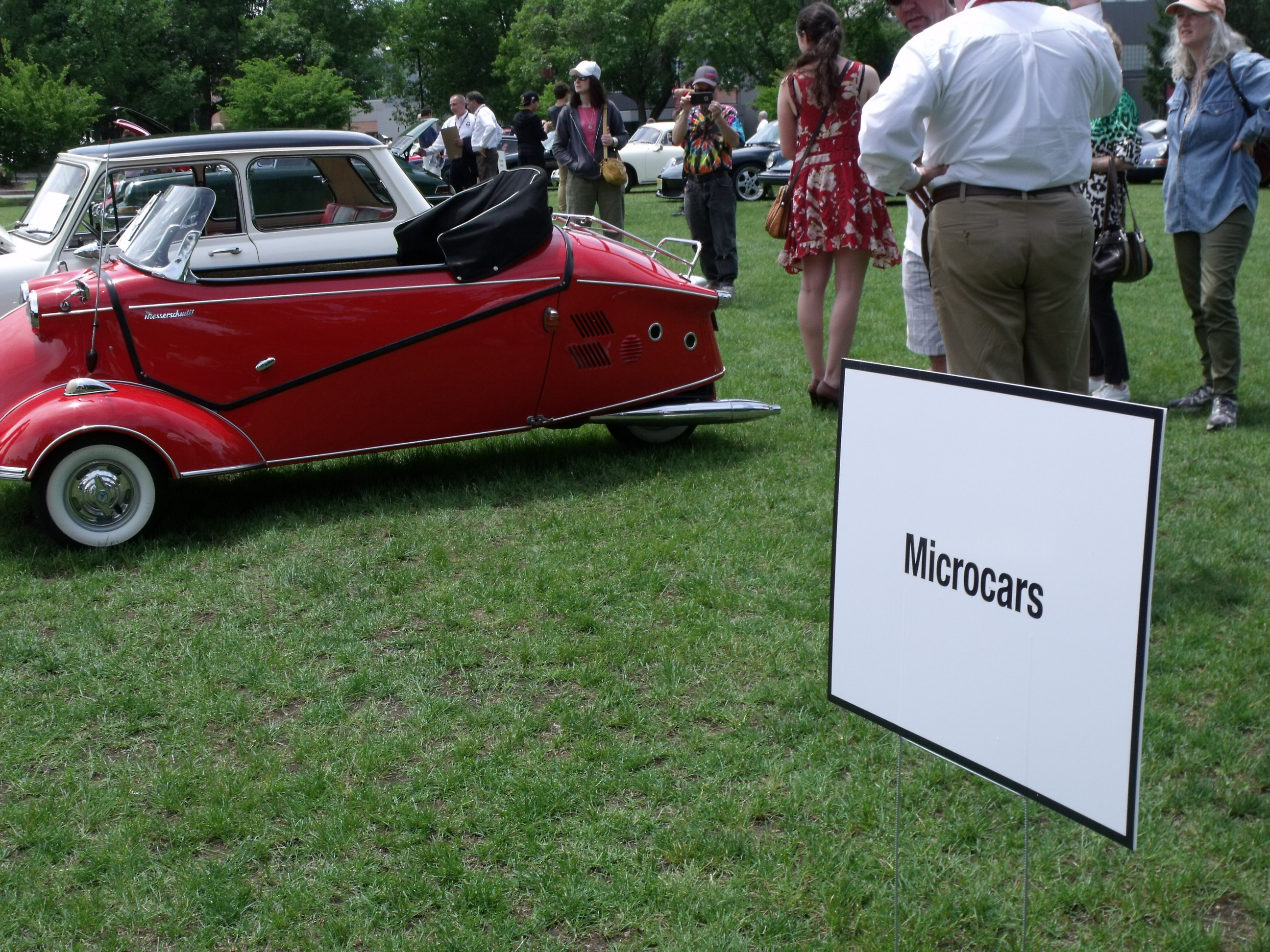
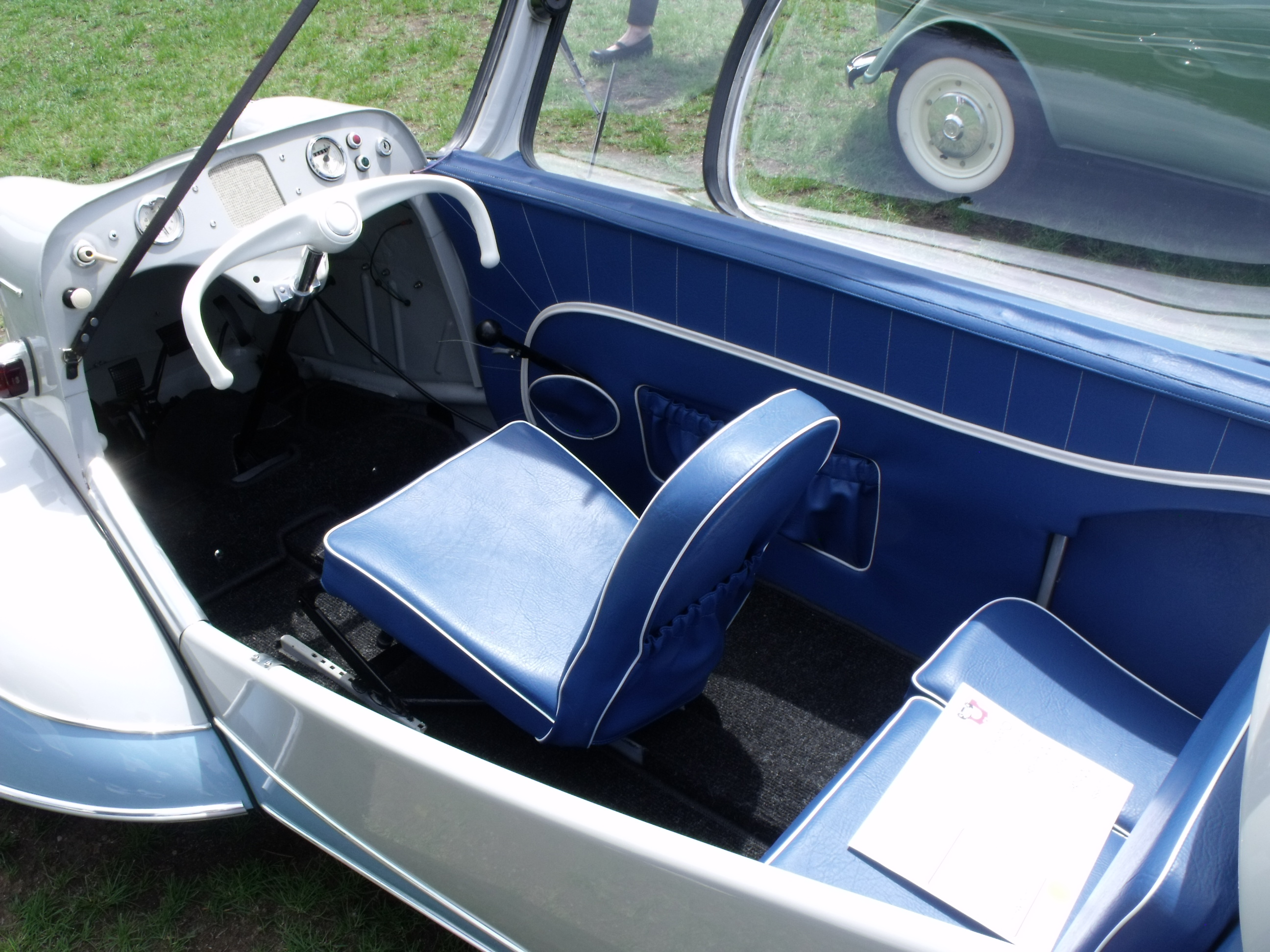
Microcars on display included this rare Messerschmitt cabrio.
At the end of the show, I heard one of the dealer principals comment that he was amazed at the large turnout of microcars. He need not have been. These puppy-dog cars have been steadily gaining in popularity, especially in the last decade. We had the “usual” Isettas and Messerschmitts, plus some less-frequently seen tiny cars.
This Isetta bubble-window cabrio is ultra-rare. It is estimated that between 15-99 (out of 161,000) of this body style were made.This restoration was close to 100% original. As a former Isetta owner, I know.A 1955 Messerschmitt with its canopy top open.The Isetta’s big brother, the BMW 600. It had TWO cylinders, for 26 horsepower!
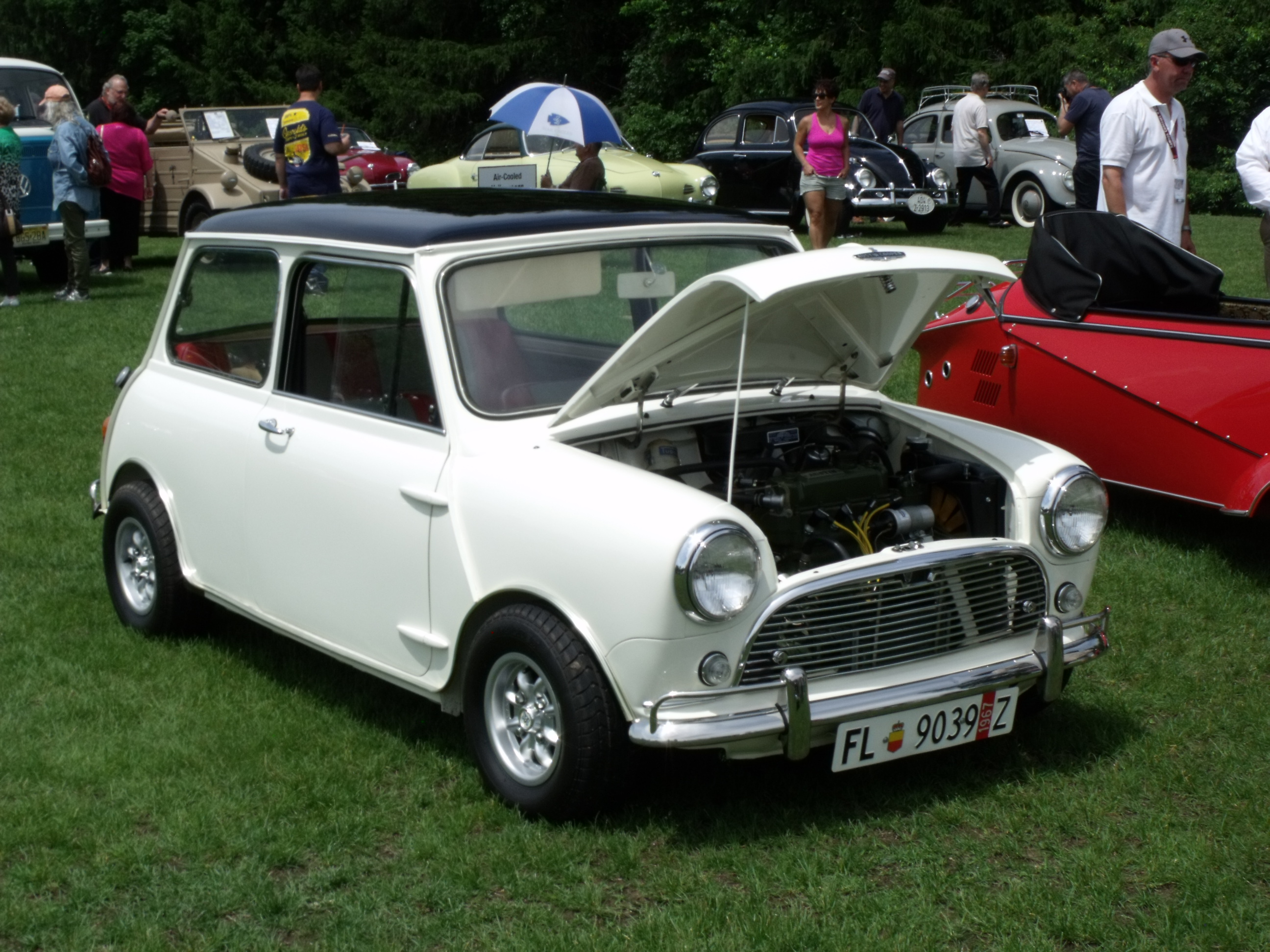
At noon, A Zimmer (of all things) invited itself in, and proceeded to park next to this Mini Clubman.This 1967 Mini looked large next to its microcar brethren.
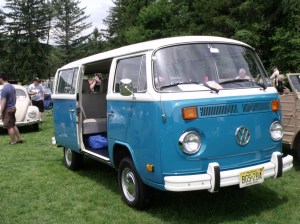
Two extremes of air-cooled VWs: a ’70s bus next to a WW2 military VW.
Another well-populated class, these cars were not even considered collectible until rather recently. Now, Beetles, Karmann-Ghias, and especially buses have soared in popularity (AND price). Get yours while they’re affordable.
Possibly the oldest bug I’ve ever seen: a 1950 model.
The rear of the ’50. Note complete lack of chrome.
This ’51 is almost as old, yet wears a modicum of chrome.
Gorgeous Karmann-Ghia interior.
Not a 23-window, but gaining in popularity nonetheless.
Air-cooled AND rear-engined.
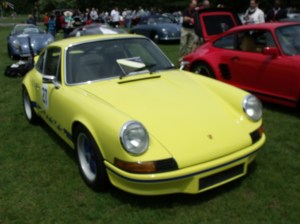
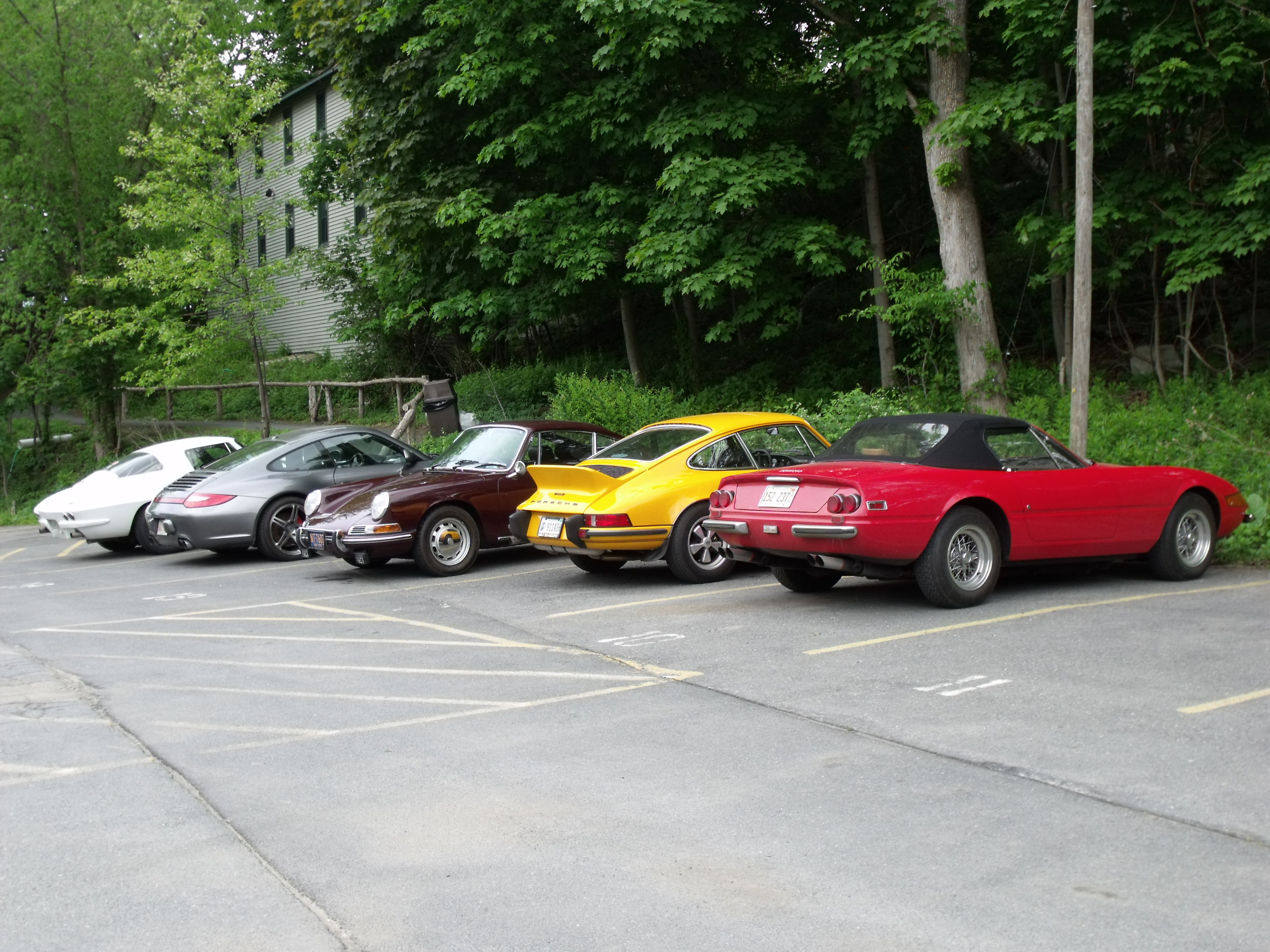
The class definition excluded 924s, 944s, 928s, and any 911 built after 1998. Nevertheless, old-school 911s and 356s turned out in force. Everyone loves these cars, as they are so recognizable, even if many of us have been priced out of the market.
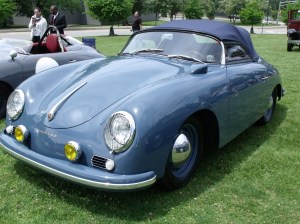
A 356 Speedster, much coveted today.
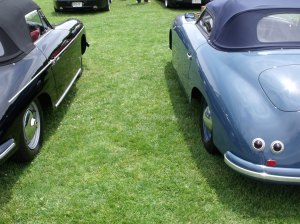
A nice comparison of a 356 convertible (left) and 356 Speedster (right). Note side curtains on Speedster.
An attractive white 356 coupe.
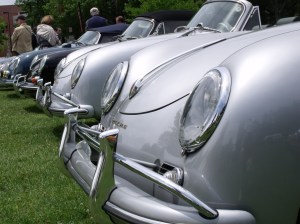
Speedsters in German silver line up.
Gotta love period colors like orange…
… bright blue….
… and yellow.
MERCEDES SL PRE-71
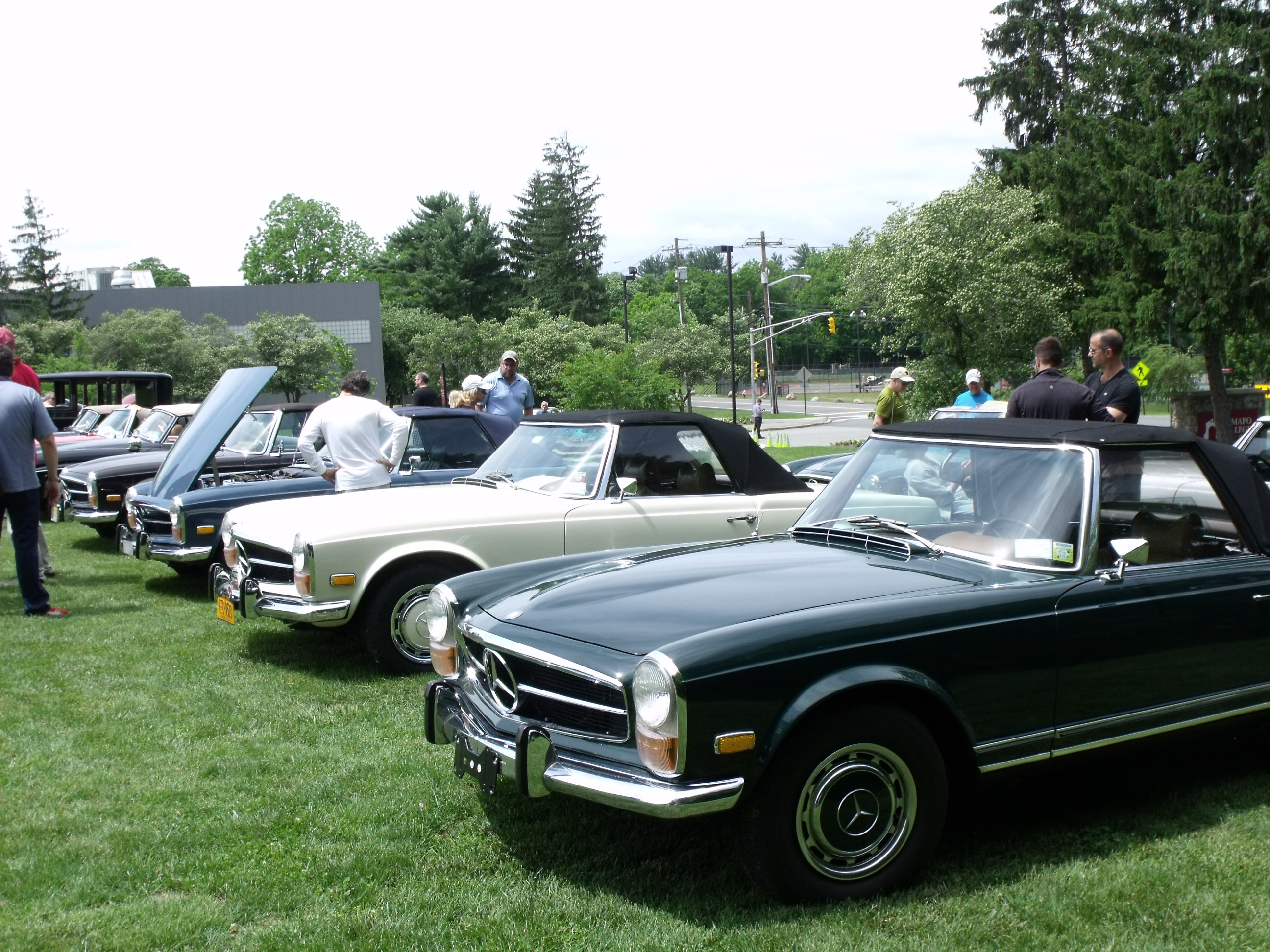
While no 300SLs graced us with their presence, this 3rd class of German cars still impressed us with a nice selection of 190SLs, and various “Pagoda” cars (230/250/280 SL).
It’s June, so Pagoda tops are home in favor of soft tops.
A Continental Mark II (don’t call it a Lincoln!) on display.
One of only 3 domestic classes, this was also the class with the fewest number of vehicles in it. In fact, there were a total of 3 cars, and since 1st, 2nd, and 3rd place trophies were being awarded, everyone in this class took something home!
A not-often seen ’53 Lincoln Capri was impressive in its sleekness.
The Lincoln Capri tail light.
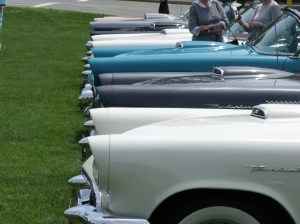
You can have your show T-Bird any way you like (as long as it’s a 2-seater).
The above is the total class description. Ford made T-Birds every year from 1955 through 1997, then the Retro-Bird from 2002-2006. Yet of the 10 or so cars on the show field, every one of them was either a ’56 or ’57 (all 2-seaters, obviously, or perhaps not obviously if you are unaware). However that happened, it was nice to see the colorful collection on display. The original T-Bird still has a charm all its own.
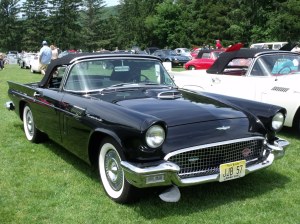
’57 in black…
… white ….
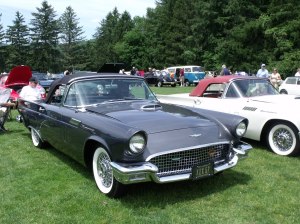
… and gunmetal grey.
T-Bird fronts.
T-Bird tails.
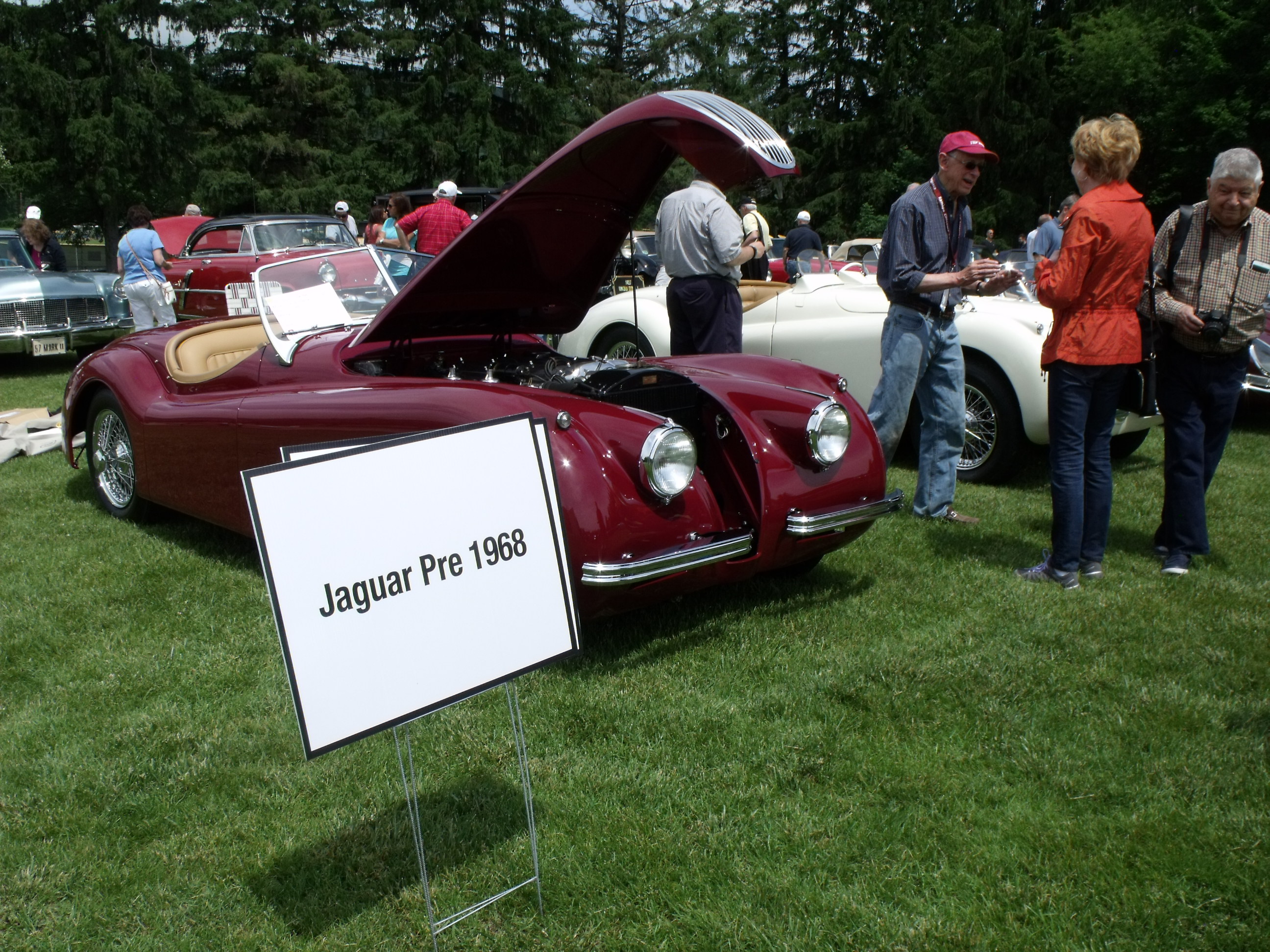
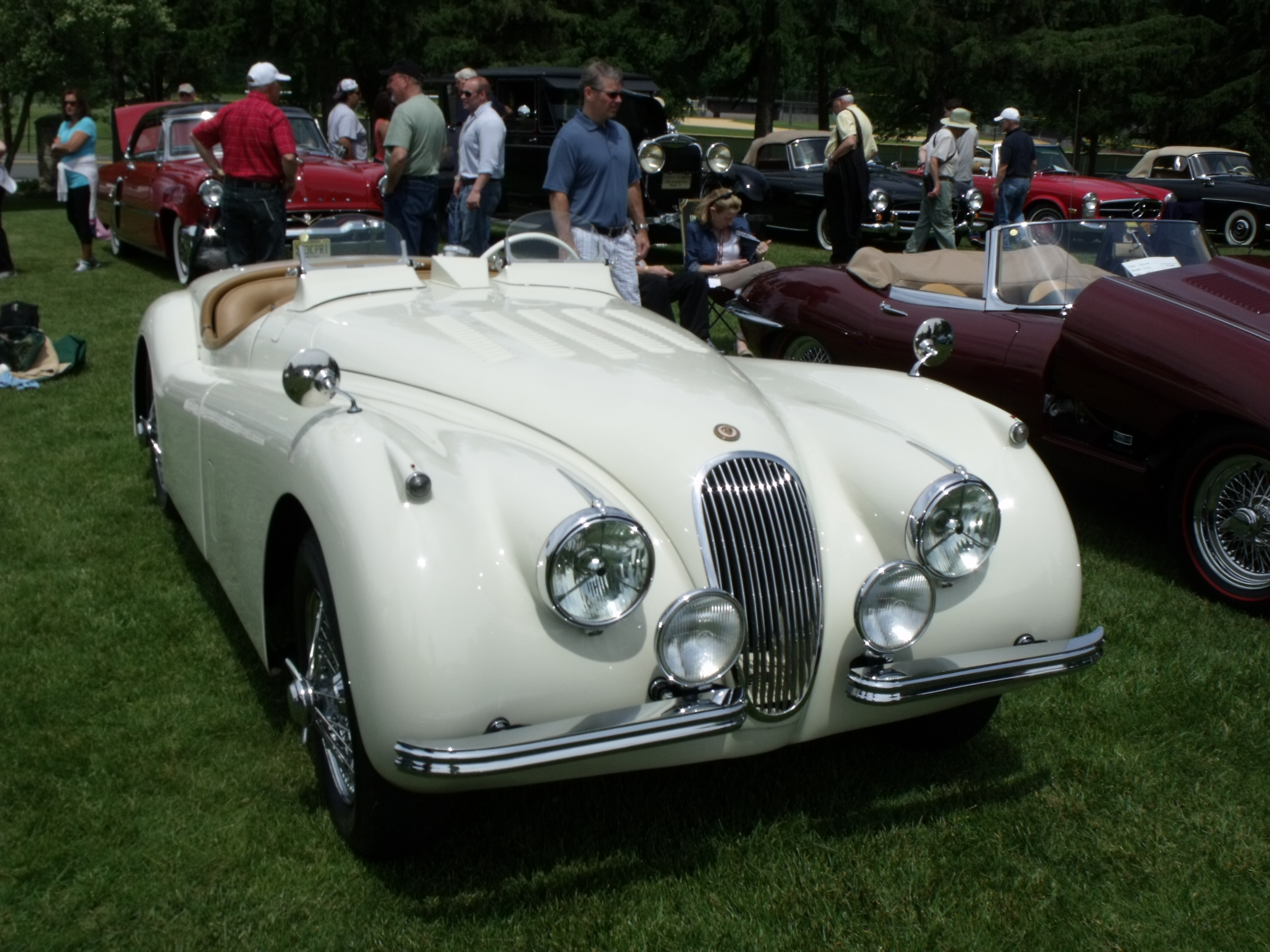
An XK-120 in the correct class.
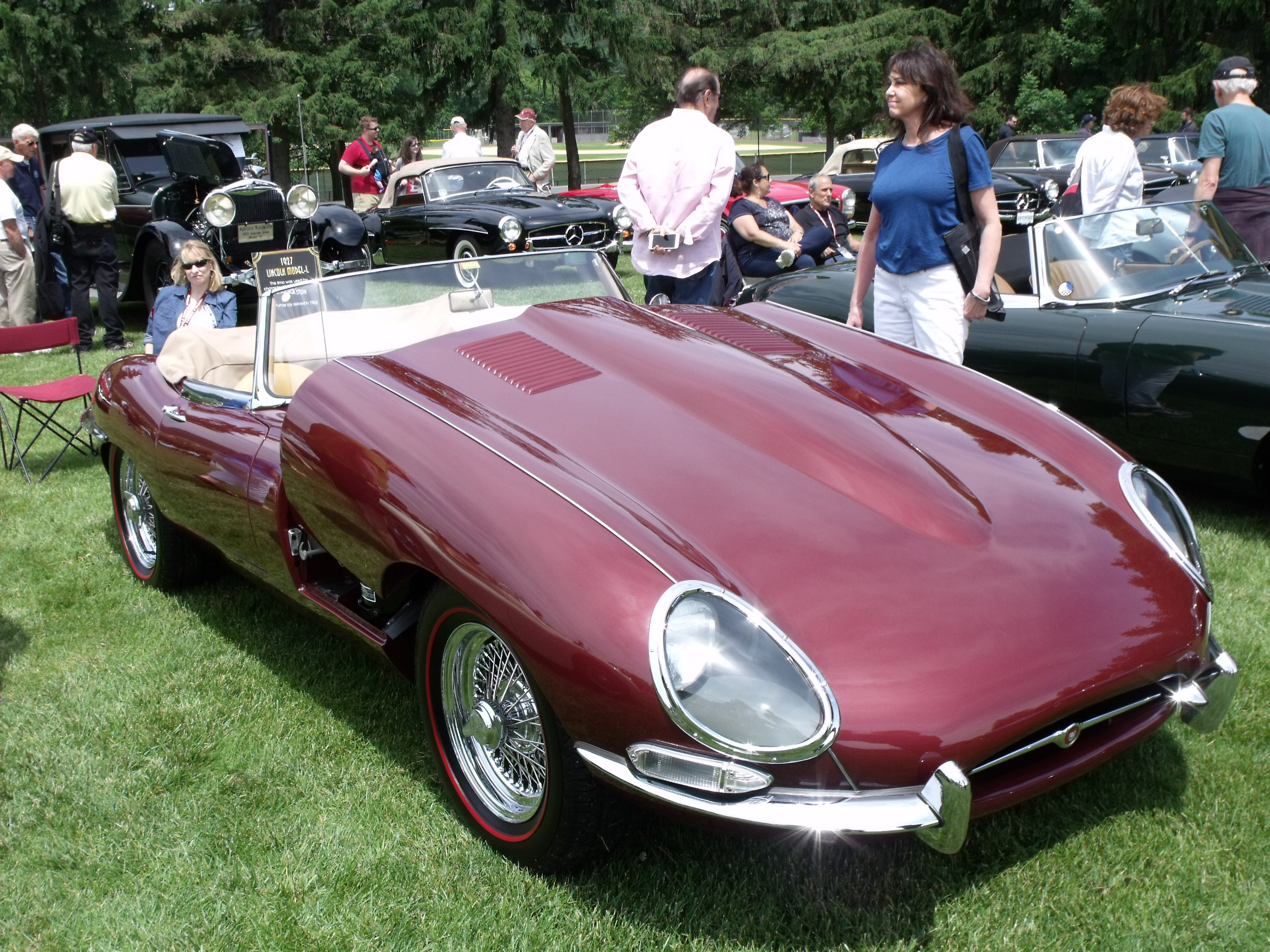
The class definition assured us that we would see only “classic Jags”, the newest of which would Series 1 E-types. We were rewarded with some of the nicest machinery on the entire field. Several of the XKs were truly #1 cars, with gorgeous cosmetics, and paint better than ever applied at the factory.
An XK-120 stunning us all in its blue perfection.An XK-120 MC. Note the “wind visors” in place of a proper windscreen.A Series 1 E-type OTS (open two seater).
Post-war cars with cycle fenders and stand-alone headlights? Must be British.
Jaguars had their own class, so this class grouped some common and not-so-common British machines. This likely was the most eclectic grouping on the grounds that day, with a pre-war Triumph, a pre-war Aston Martin, and a Sunbeam Harrington battling it out for “most unique British car”.
A Sunbeam Harrington from the rear, showing its unique roofline.
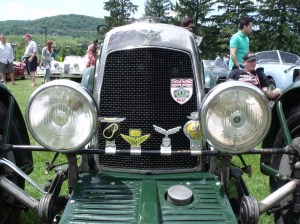
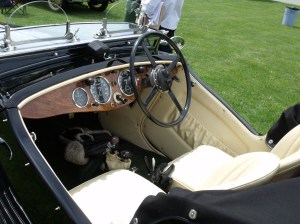
A 1930 Aston Martin. Looked like a Bentley from afar, looked better than that up close.
Grille detail on the Aston Martin.
A 1935 Triumph Southern Cross. Bet you never heard of it.
The interior of the Triumph.
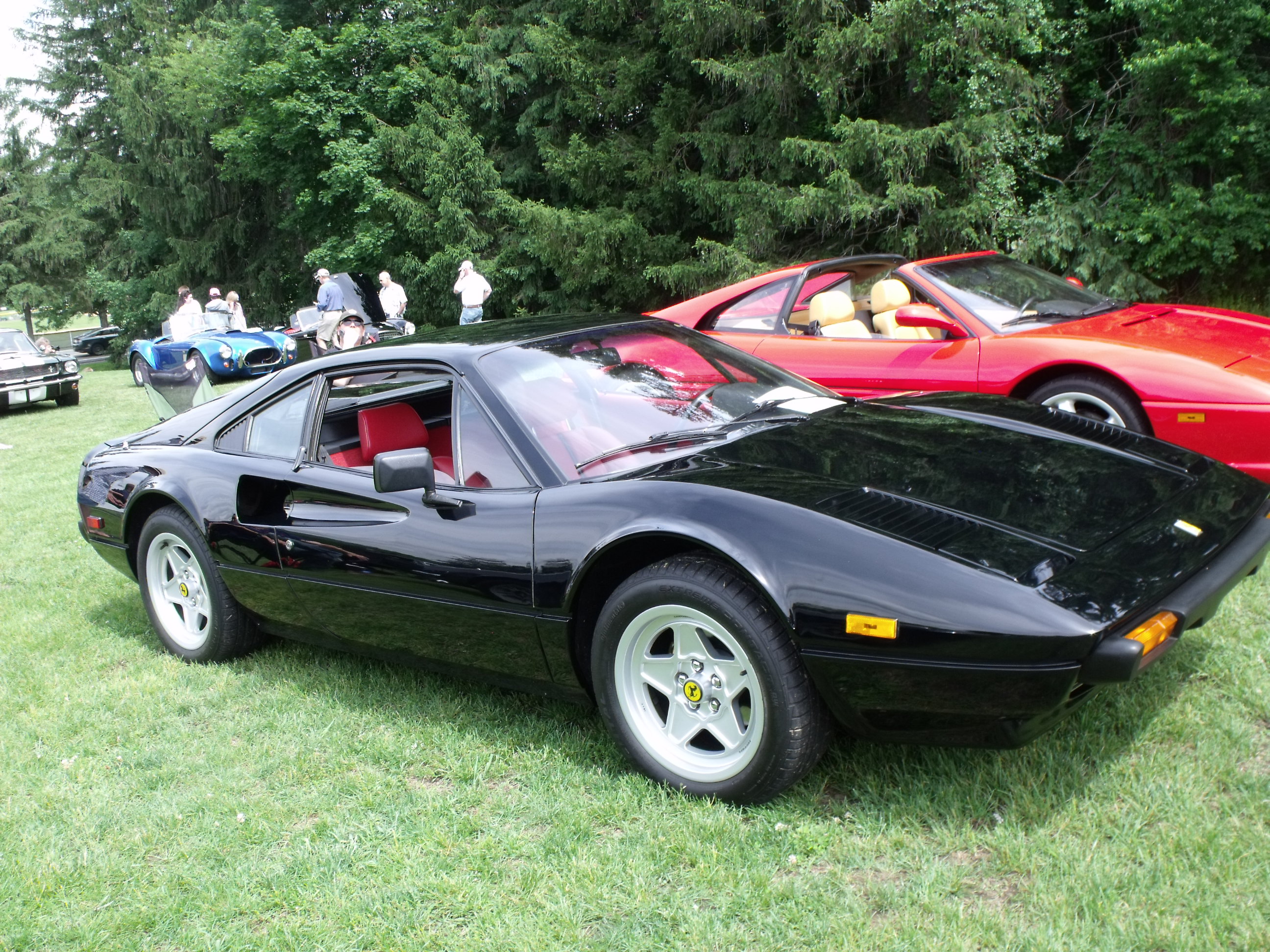
Yes, there were cars other than Ferraris in the Italian class.
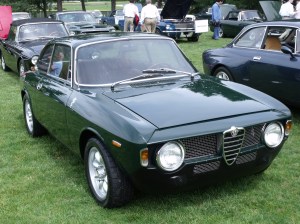
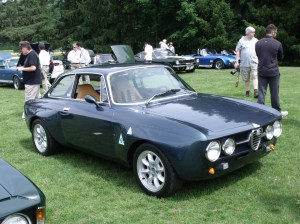
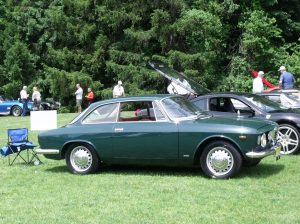
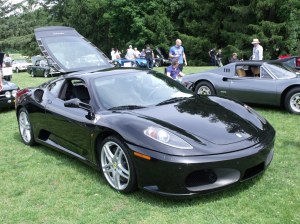
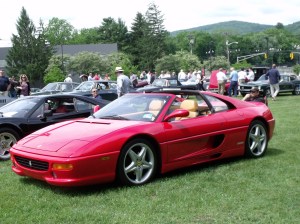
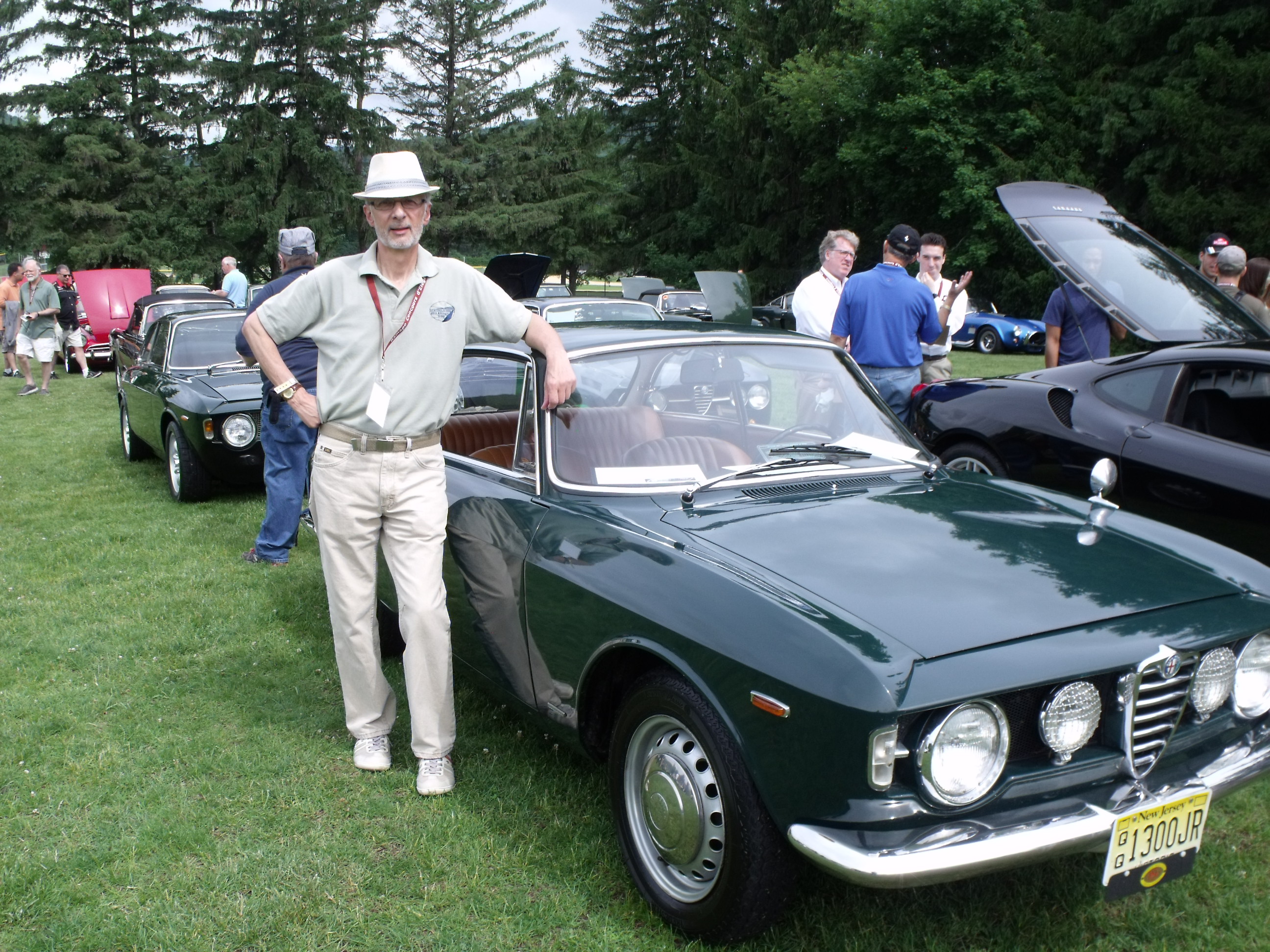
Of course, this was the class into which my Alfa was entered. By definition, we might have seen everything from a Fiat 850 spyder, to a Lancia Fulvia, Maserati Mistral, Lamborghini Miura, and Ferrari 275 GTB. None of them showed. The class turned out to be one of the lesser-populated: 4 Ferraris and 3 Alfas were the total turnout. All the Ferraris were ‘70s era and newer, and all 3 Alfas were Giulia coupes!
This was the only class for which I recorded the class winners (noted in below photos).
A highly-modified ’67 Alfa GTV.
A race-prepped ’71 GTV.
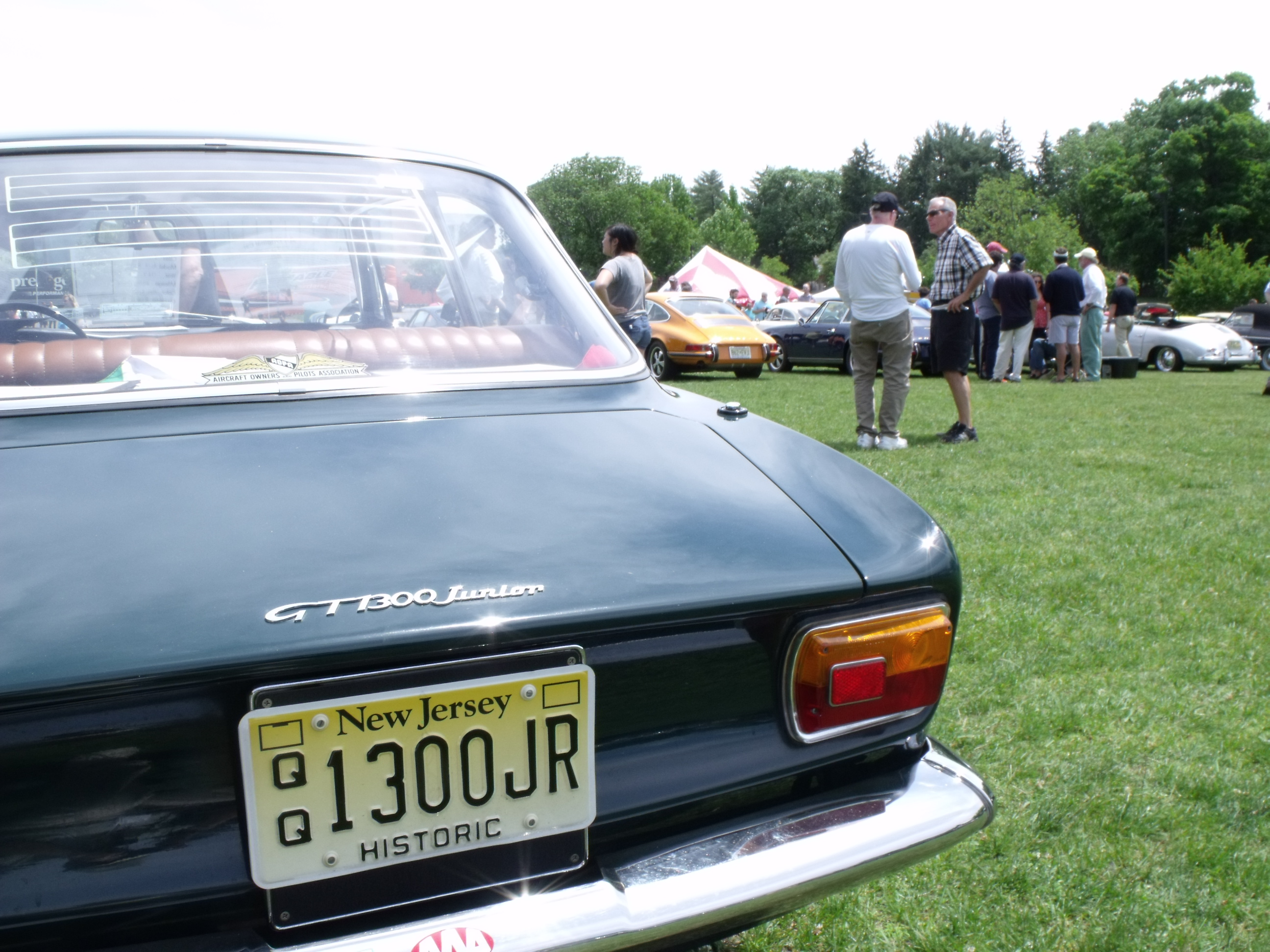
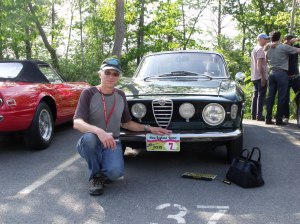
The author’s ’67 GT 1300 Jr.
A 2007 Ferrari F430.
A mid-90s Ferrari 355.
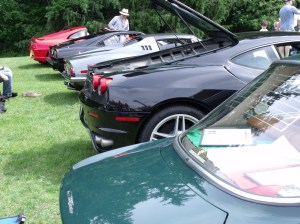
Italian rear ends.
Third place: a former barn find ’79 Ferrari 308 GTB.Second place: ’67 Alfa GT 1300 Jr (that hat looks familiar).First place: 1973 Ferrari Dino.
A discussion that I became part of at the end of the show assured me that the wheels are already in motion to make next year’s event better. One of the show principals and one of the judges were engaged in dialogue to improve the class definitions. The important point is, whatever they decide, the 2016 Ramapo Concours should be that much more well-organized and well-run.
A while back, my good friend Larry mentioned to me, almost in passing, that his uncle owned a 1963 Mercury. Larry went on to say that the car actually had belonged to his aunt who passed away a few years ago, and with his uncle getting on in years, the uncle wanted to give the car to Larry.
Larry, in his understated way, made it sound like the Mercury was “nothing special” even if it was purportedly a one-family, low-mileage car. The implication was that the car was a true barn-find: left in a garage for years, unkempt, uncared-for, and likely in need of some deferred maintenance.
1963 Marauder front view.
1963 Marauder rear view.
1963 Marauder ID tag.
His uncle wanted Larry to keep the car. The problem is that Larry is like many of us in the hobby: there were already more cars than available garage spaces at his house. Over a period of time, Larry and his uncle came to an agreement that Larry would sell the car on the family’s behalf. He decided to list the car with Mecum Auctions, scheduled to cross the block at their Harrisburg PA event in late July.
Straight-on front.
Straight-on rear.
This is where your scribe enters the picture: Larry wanted to dedicate an upcoming Saturday to get the car primped and primed, and requested that I be the official photographer for the submissions needed by Mecum. I also offered to assist in the primping/priming. On a sunny and warm Saturday in early May, we did just that.
The Merc’s VIN.
Upon first seeing the car, I was pleasantly surprised to learn that this was no ordinary 1963 Merc: in fact it is the 2-door fastback “Marauder” model, with a 390 cubic inch V8 and automatic transmission. The car is metallic beige with a black vinyl roof and black vinyl interior. It started right up, and Larry backed it out of the driveway so we could give it a bath. That is when I saw just how preserved an original car this is.
Instrument cluster & steering wheel.
Front seat, not showing a mark.
Likewise in the rear.
Both door panels look this good.
From a time when car clocks were jewel-like.
AM radio spells out Mercury.
Everything on the car appears as it did from the factory. There are no signs of any paint work anywhere; sighting down each side of the car shows not a ripple. The vinyl roof and interior are in similarly unblemished condition. The carpet on the driver’s side shows some entry/exit wear, only because the full-size floor mats did not extend to the door sill. All 4 full-size wheel covers are in place. Underhood, with the exception of some service items like hoses and clamps, the engine compartment is likewise original. All of the factory decals and labels are there (as is the trunk label). A really neat discovery was the “390 W” crayon marking on the firewall.
Left front.
Left rear.
Right front.
Right rear.
Left side engine compartment.
Right side engine compartment.
“390 W” crayon mark on firewall.
The glove box was a treasure’s trove of discoveries. A brown-paper bag with various small bits of hardware threw me for a loop until Larry identified it as the unused license plate hardware! We also found an almost-unbroken string of insurance cards going back to the 1980s to help support the one-family-ownership claim.
Unused license plate hardware, still in its original bag.
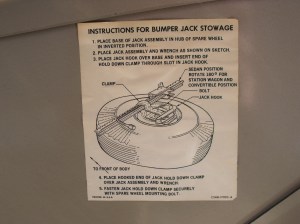
Spare tire appears never used.
Tire label where it should be, under the trunk lid.
With an odometer reading just over 45,000 miles, we scoured the car in search of supporting evidence.
Original miles.
This is some of what we found:
• Owner’s manual shows 12k service done on 10/1/65 at 9,993 miles
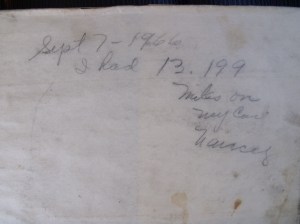
• Hand-written note: on 9/7/66, car had 13,199 miles
• 11/25/79: lube sticker shows mileage of 40,055.0
Entry in owner’s manual.
Mileage and date noted by original owner.
Door jamb lube sticker still legible.
After a wash and wipe, with a really thorough cleaning given to all the glass, vinyl and chrome, we were both surprisingly shocked how great the Marauder looked. The photos do bring out that the car has survived, and survived well. For Larry, if I can make this statement on his behalf, this is bittersweet: on one hand, he would love to keep the car as it was his aunt’s; on the other hand, he knows that he does not have the space or time needed to keep the vehicle, and moving it to the next owner is in many respects the best thing to do. His uncle reluctantly agrees.
The 1963 Mercury Marauder basking in May’s afternoon sunshine.In 1963, before mid-sized cars took over the muscle-car spotlight, this flag helped identify the Marauder as a “performance” car.
The car will cross the block in Harrisburg on Thursday July 30. A link to the car’s listing on the Mecum website is here:
Oh, for the love of querty! While creating the daily blog entries during the rally last week, I was forced to peck at a tablet “keyboard” which severely limited my prose. By the end of the week, I omitted all text and had resorted to posting only pictures. So now, with five days of reflection since the rally ended, allow me to sum up the experience.
My rally co-driver, co-navigator, and all-around great car guy Steve Hansen was with me all week, which is always a treat. Steve and I drove our first NE1000 together in his Sunbeam Tiger in 1998. Since then, we have co-driven this event SEVEN times. (We have also cheated on each other by twice driving the rally with others.) In addition to three times with Tiger, we’ve been twice in a ’68 Mustang, and now our second time in my ’67 Alfa. It is especially heart-warming to me that Steve, as a resident of the state of California, is willing to fly east to participate. He does admit to secretly harboring a desire to visit New England if only to see green foliage, a sight sorely lacking in his part of the country.
Steve during the ceremonial mounting of the rally plate.
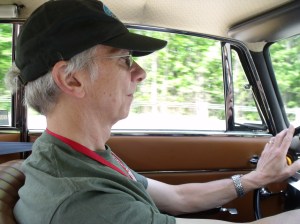
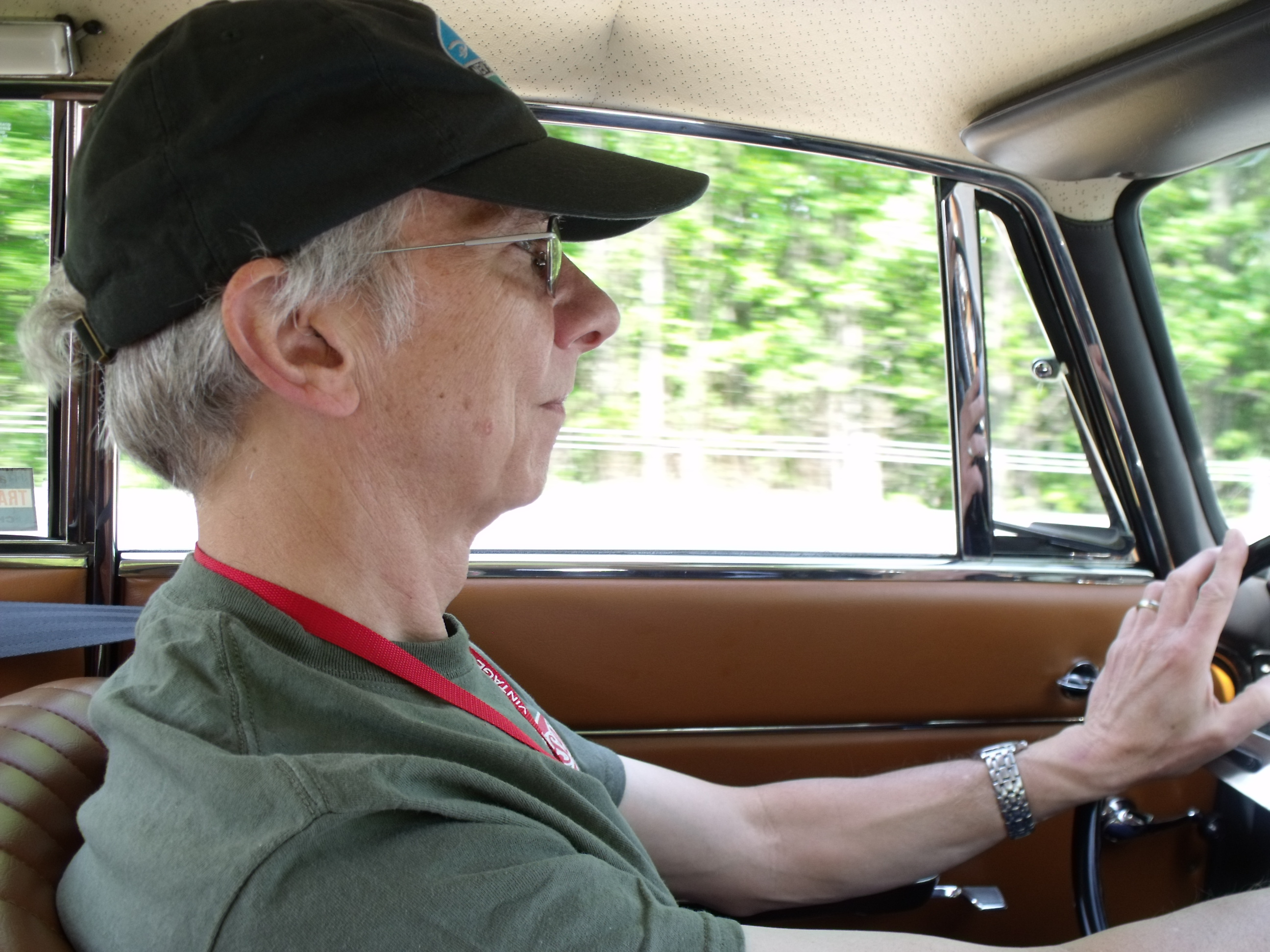
Steve Hansen enjoying his time behind the wheel of the Alfa.
Steve with the Alfa somewhere in the Catskills.
We meet up with many of the same faces each time, and it never feels like a year since we’ve last been with our fellow rallyists. They keep it interesting for us by bringing different vehicles. Among the cars, American iron counted for a slightly higher percentage of the vehicle count, and as had been the case in recent times, modern exotics also were aplenty (more about that shortly).
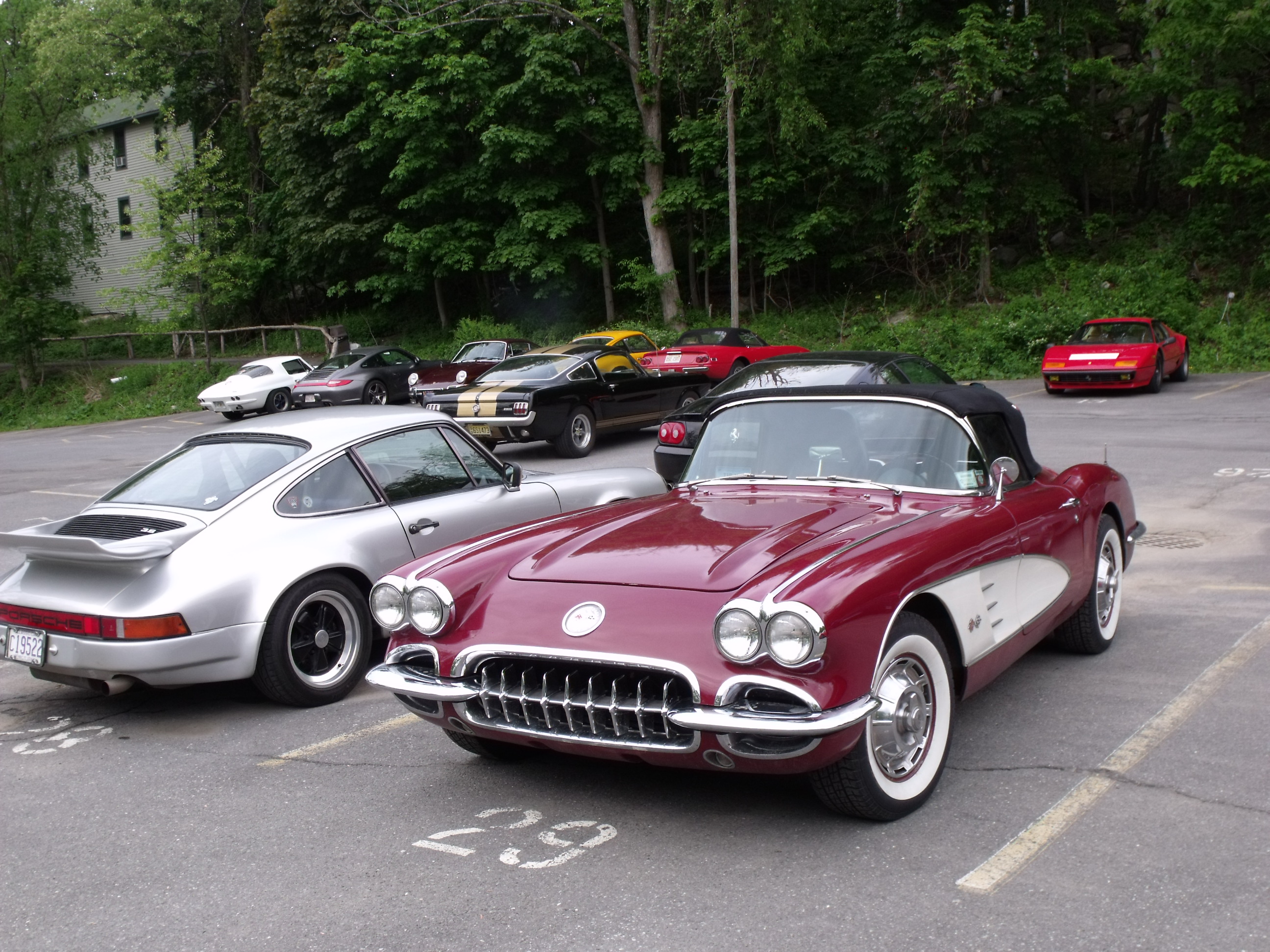
C2 Corvette.
1965 Pontiac GTO
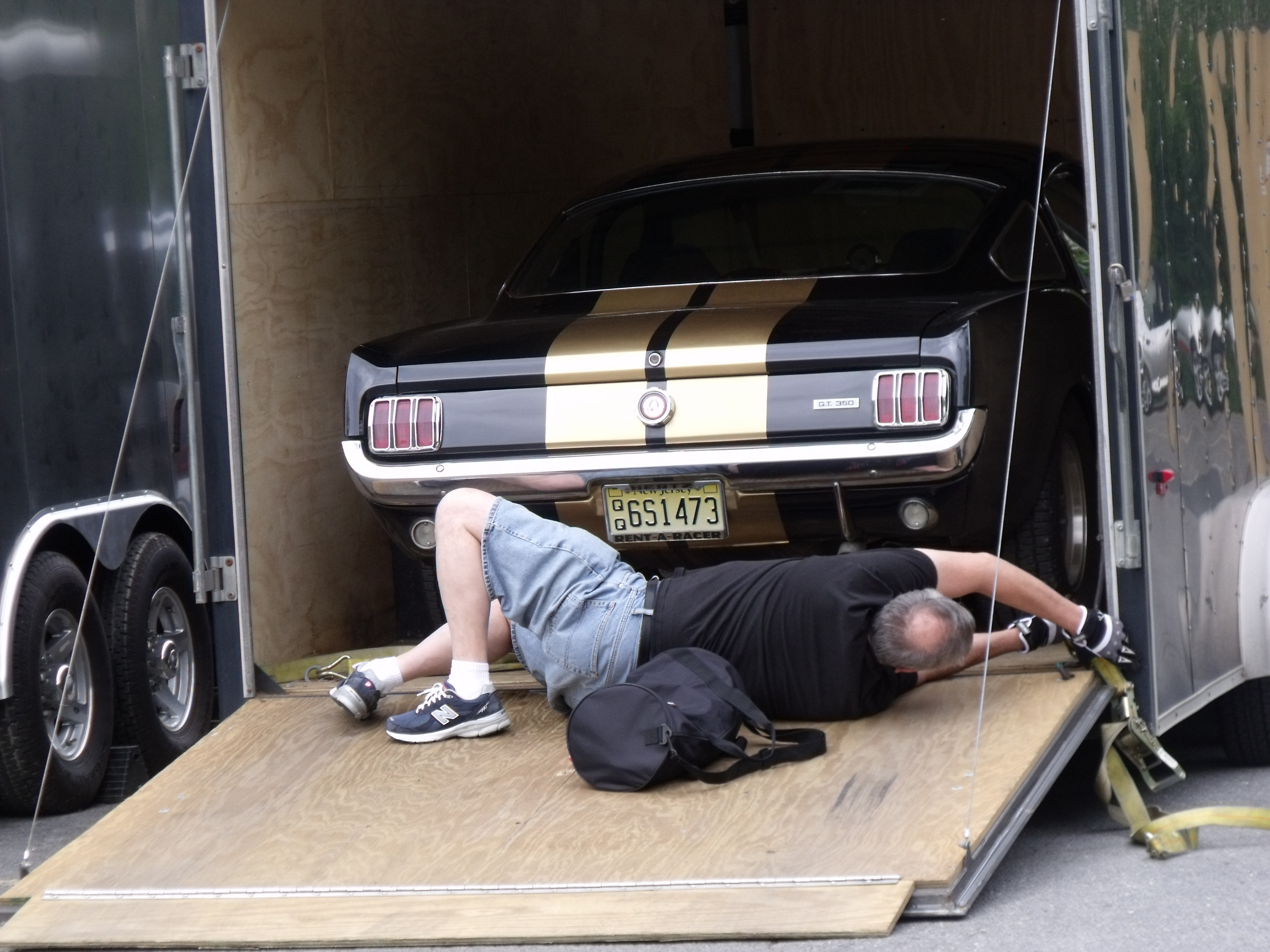
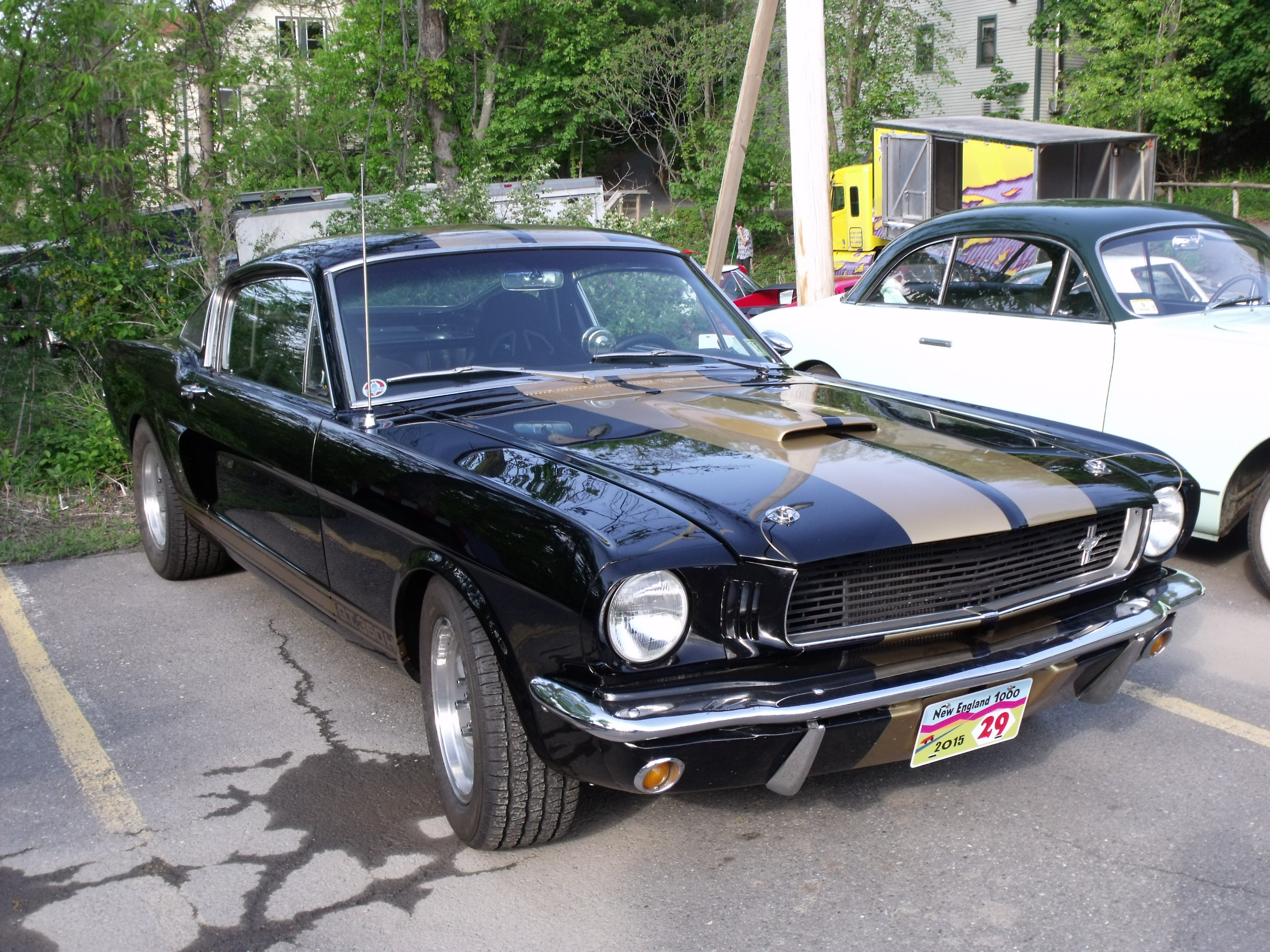
1966 Ford Mustang GT 350H
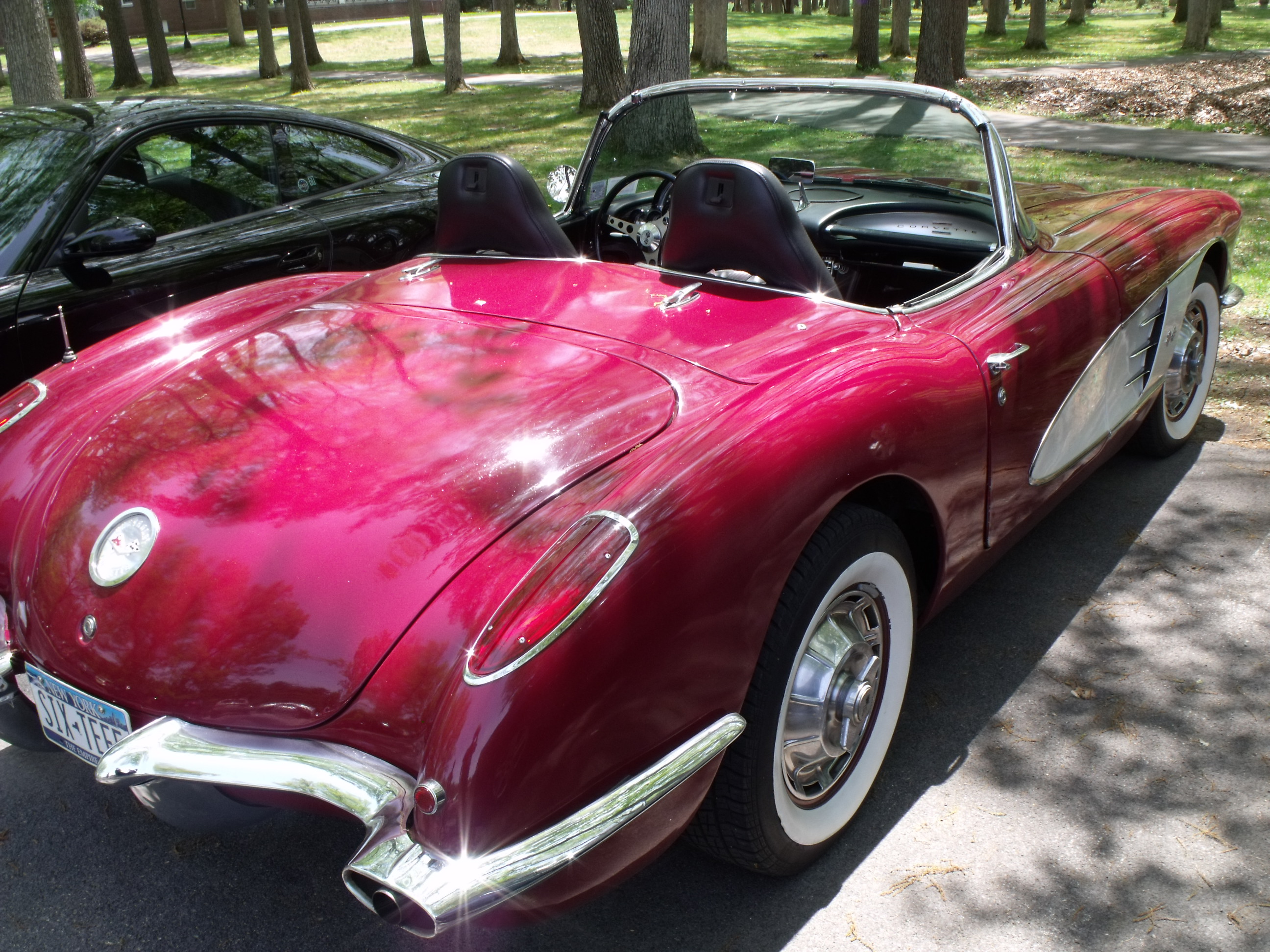
1960 Corvette.
This year, “RPM”, a service and restoration shop in VT, provided mechanical assistance (as they have for the past 20 years), but also brought along several of their classics as back-up transportation should a rally car break and become unrepairable. Their Alfa spider was driven by at least three couples who needed something else while their cars underwent surgery. There was an ulterior motive: all the cars they brought are for sale, and I’m certain they had some interested parties by the end of the week.
1968 Porsche 912 owned by RPM.
Austin Healey owned by RPM.
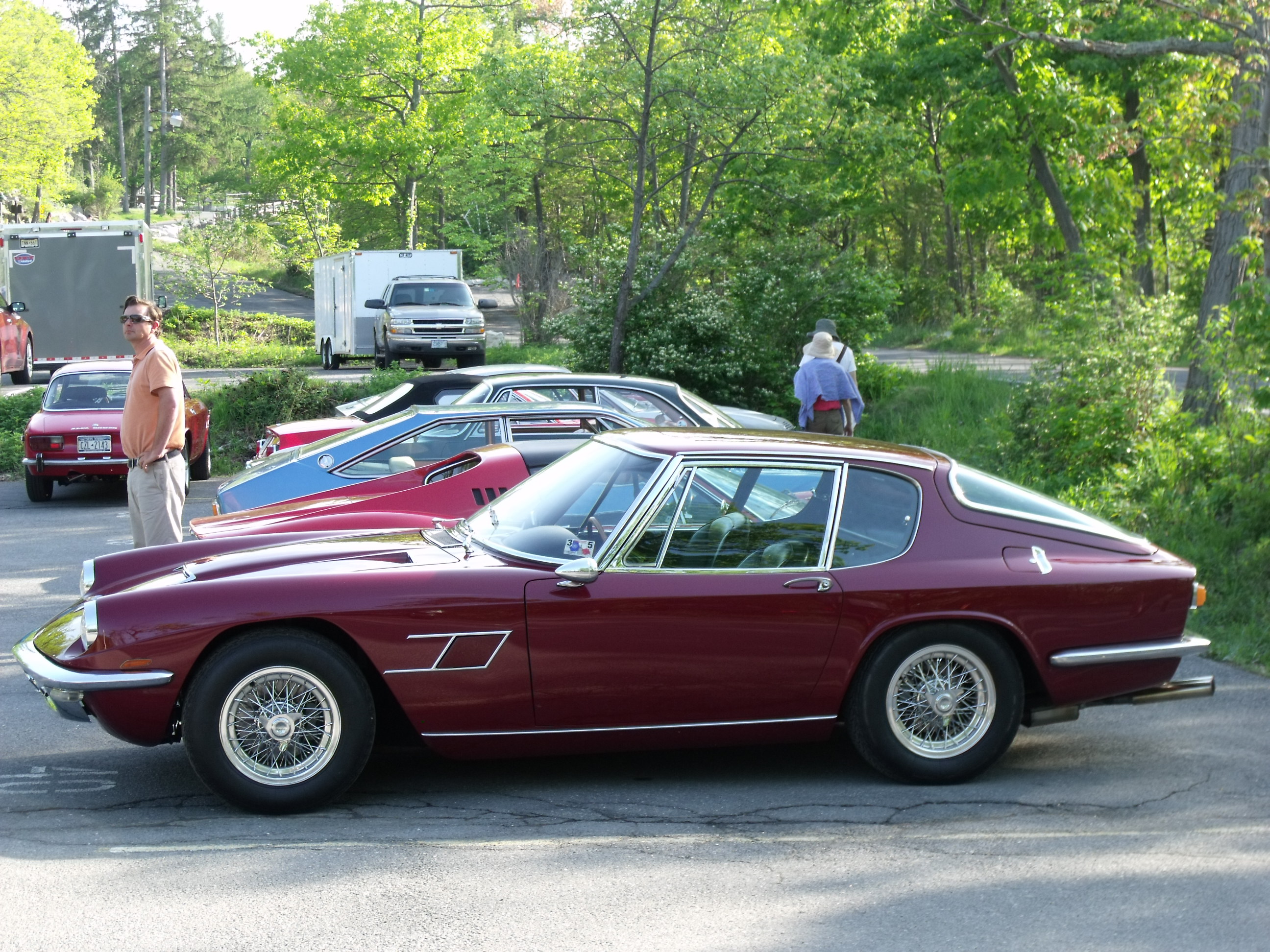
Alfa Romeo Montreal owned by RPM.
Our organizers and hosts, Rich and Jean Taylor, pride themselves on planning a unique route each time out. This year was no different, with the Mohohk Mountain House in New Paltz NY serving as the host hotel for the start and finish, and the Cranwell Resort in Lenox MA also providing overnight accommodations. Our four days of driving took us through much of the eastern part of upstate NY, as well as portions of southern VT and NH. While we had more than our usual share of daytime traffic and road construction, we also had glorious sweepers through undulating hills, with little or no traffic to impede our forward progress. Most of the roads were actually paved.
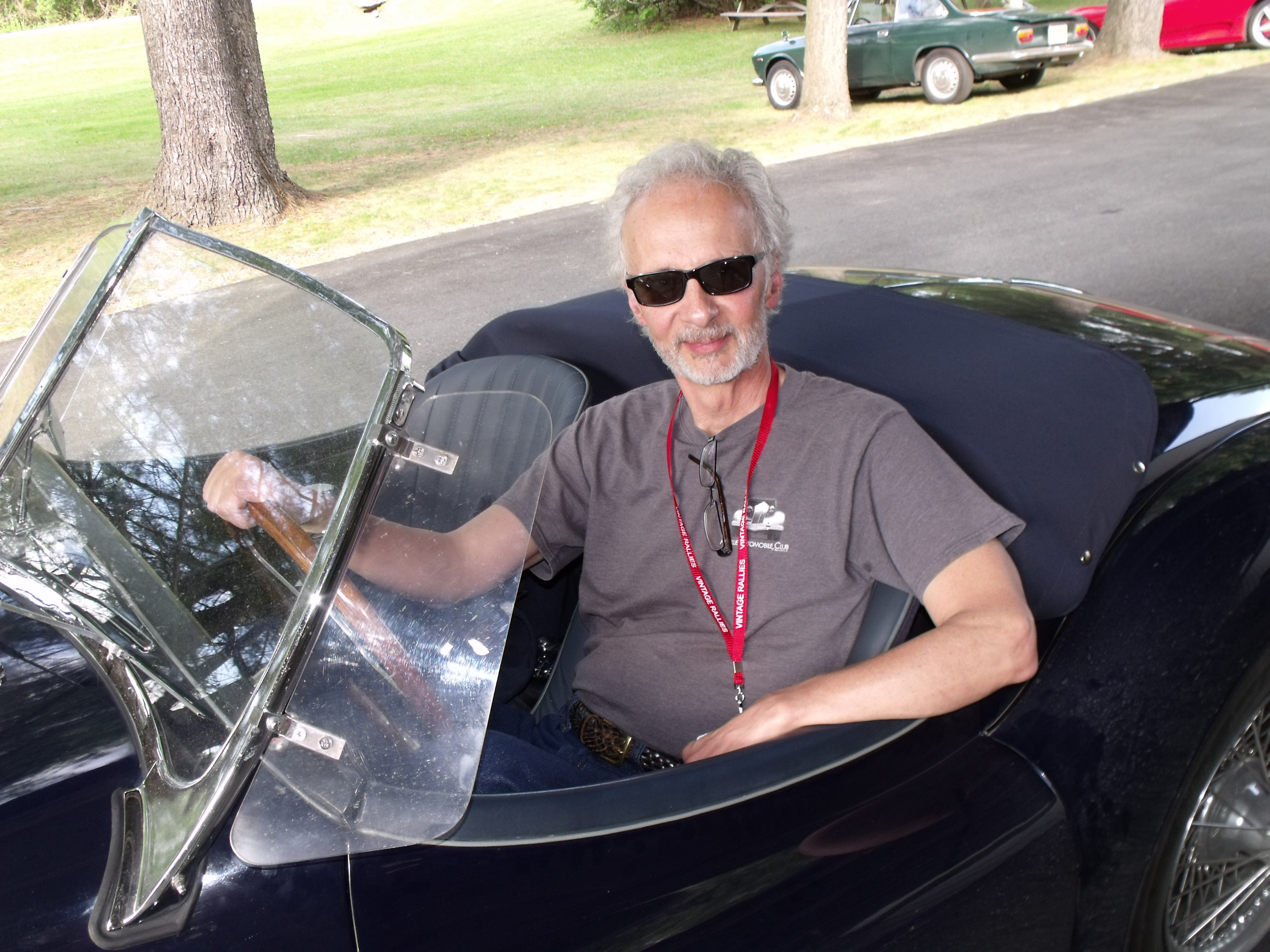
Wayne Brooks, Rich Taylor, and your scribe, who sometimes still can’t believe he knows this guy.
Regular followers of this blog know that the Alfa got a completely rebuilt front suspension over this past winter, and with barely 100 shakedown miles on it before departure, I am pleased to report that the front end remained attached to the vehicle. Actually, the car drove quite well, with all previous front-end knocks and squeaks banished. Steering feel was excellent, especially through the twisties.
The Alfa at a lunch stop.
The Alfa in front of Scheffler’s garage.
The Alfa in the foreground of some mightily impressive cars.
Steve gives our steed a bath.
A most reliable Italian rally car.
Flanked by German and American muscle.
One issue which arose late on Sunday was an intermittent miss or hesitation, which at first only revealed itself on steep inclines. By Monday afternoon, it felt like it was getting worse. I had a concern regarding the percentage of ethanol used in the fuel in New York State, and had pre-emptively begun using Sta-Bil brand fuel additive for ethanol. After dosing (probably over-dosing) the tank 3 or 4 times, Steve and I decided to eliminate the Sta-Bil, as it was the only “new” variable that we had changed. By the second fill-up without the additive, it was as if someone had thrown a switch. The car ran better than ever, and we banished the additive to the trunk (my remaining supply is now on eBay). The car ran absolutely flawlessly the remainder of the week.
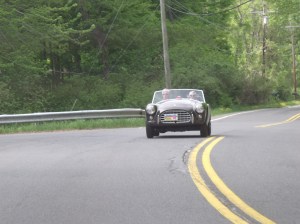
Eighteen years ago, while driving home after our first rally, we both marveled at the concept that “car people” would take their precious old Jaguars, Porsches, Ferraris, and the like, and actually drive these valuable old automobiles, rain or shine. We have never felt the same about a static car show since. Each year, there is something about driving your old car down the road, and having a Ferrari Daytona in front of you, and an AC Bristol behind you. While photo opportunities seem to become more infrequent as the week wears on, we did manage to squeeze off a few shots of cars on the road with us.
Ferrari Daytona spyder in back.
Ferrari Daytona in front.
AC Bristol coming up fast.
Ferrari 250 Speciale after it passed us.
One morning at breakfast, a couple who were driving this rally for the first time (in their modern 911) asked us what has changed over the years. This started a lengthy and at times quite humorous recollection of “the way it was”. At one time, cars had to be 1973 or older, so no modern metal. A large part of your week was spent tending to matters underhood to ensure you’d make the full 1,000 miles. The TSD (Time/Speed/Distance) part of the week was fiercely competitive. One driver at our table freely admitted that back in the day, he would approach an intersection intending to turn right, but would signal left to purposely confuse the fellow rallyist behind him. We covered broader swaths of territory, because we changed hotels each and every night. Each week, there were optional off-road driving challenges including hill climbs, autocrosses, gymkhanas, and drag races. Drivers drove their cars in anger (helmets were required, and were always carried by us the first few years). Cars sometimes broke during these “races”.
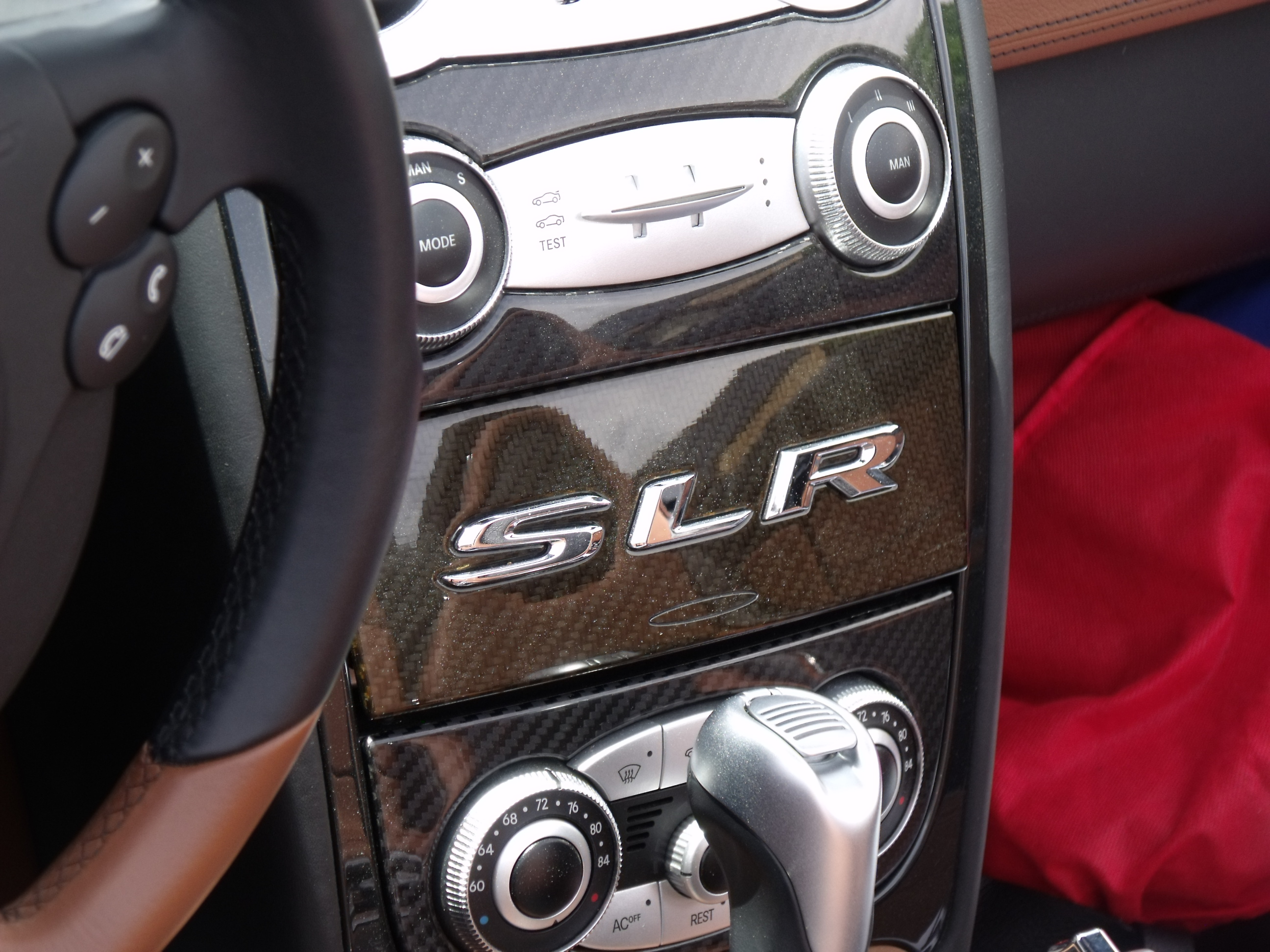
Among the “new” cars this year were about a half dozen Porsche 911s and a Mercedes-McLaren SLR. We overheard one couple in a 911 complain that their biggest issue this week was lack of “sufficient USB ports” in the center console. Sorry, that’s not “rallying”, that’s “driving your new car on the same roads as rally cars”. End of rant.
Silly Little Roadster
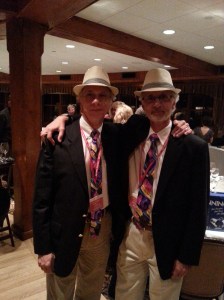
Banquet night on Thursday is always a highlight, as scores are announced, awards are presented, and we all shake hands with the promise to see each other at the next rally. Steve and I have been teased for years about looking like brothers, so we played into their hands and dressed in matching outfits. For such creativity, we got an extra piece of glass crystal to cart home, providing me with one more object in my home office to dust. The drive home on Friday in the Alfa was super smooth, and was spent plotting our next rally adventure.
“Best Car of the Rally” award winner, 1954 French Ford Comete“Spirit of the Rally” winner 1957 Ferrari Testa Rossa
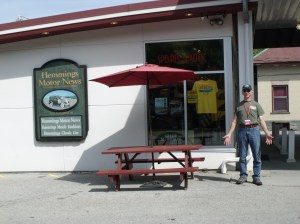
We visited Hemmings in Bennington VT.
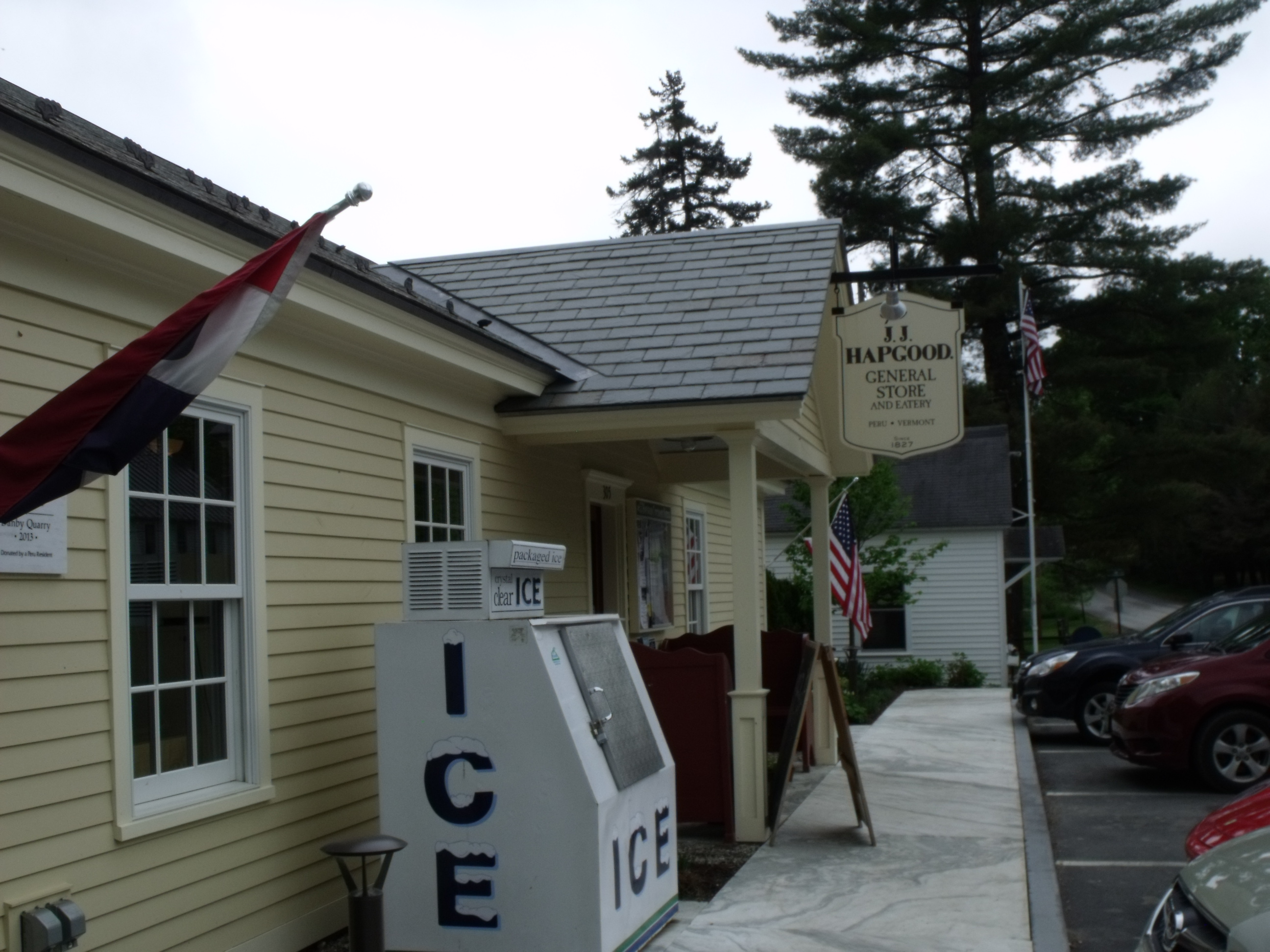
The General Store in Peru VT.
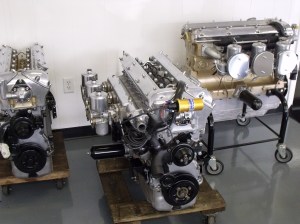
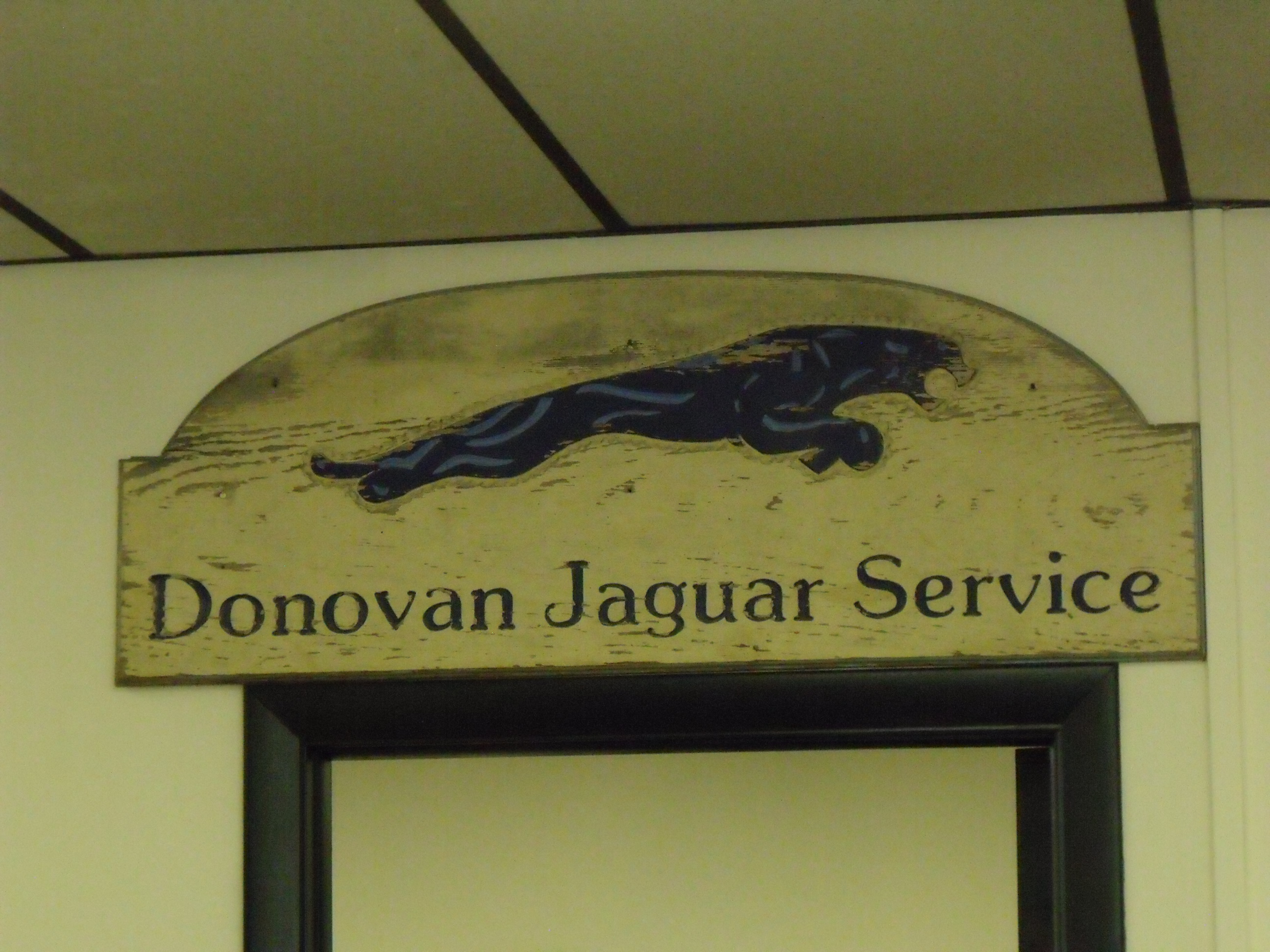
A few spare XK engines at Donovan’s Jaguar Service.
We visited the Baseball Hall of Fame in Cooperstown NY
Wayne Brooks, Rich Taylor, and your scribe.Steve with the Alfa somewhere in the Catskills.A most reliable Italian rally car.Back at Mohonk, rally driving over for the week.Lined up and ready to go home.Not all rally cars get driven back home.
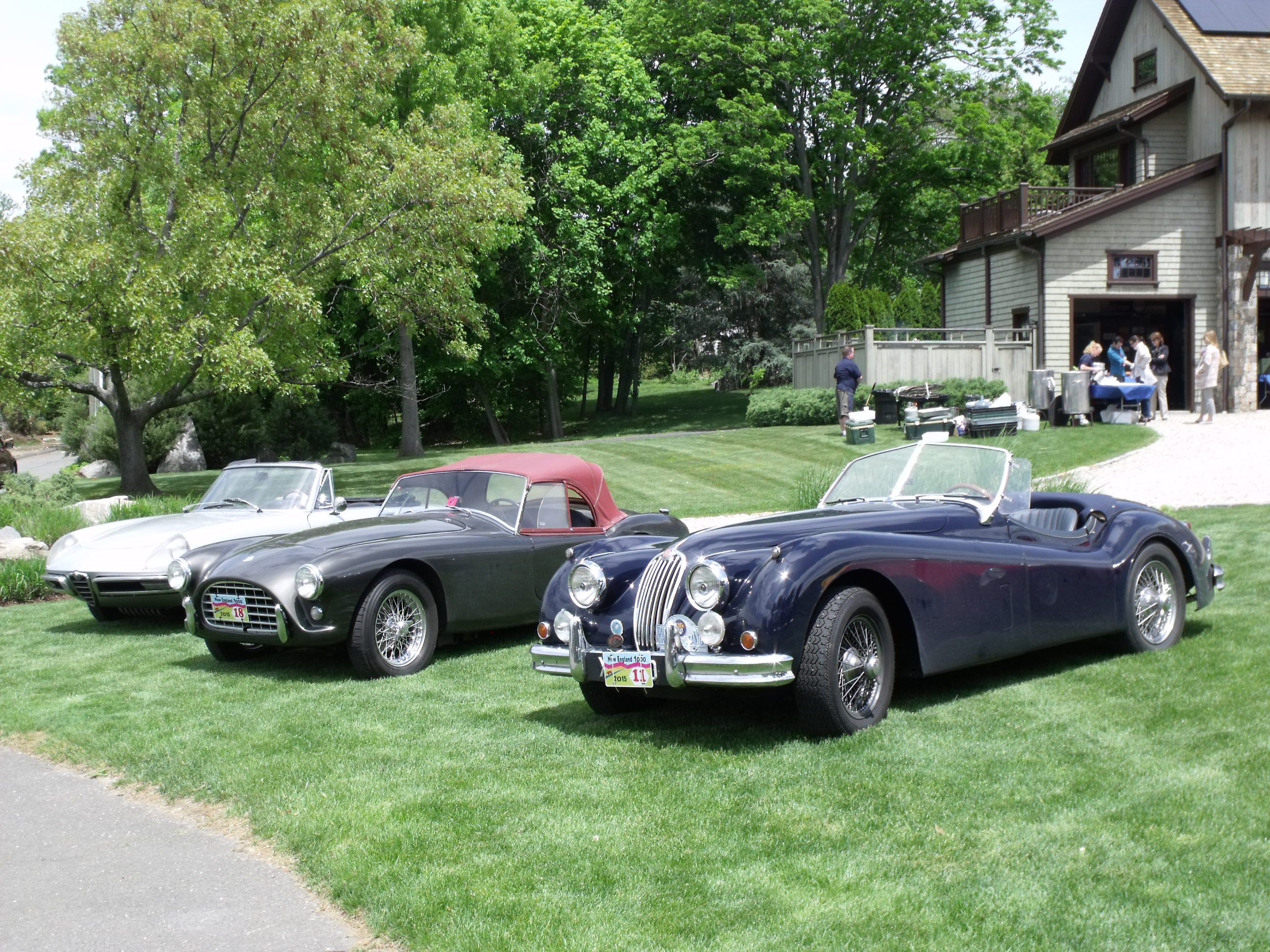
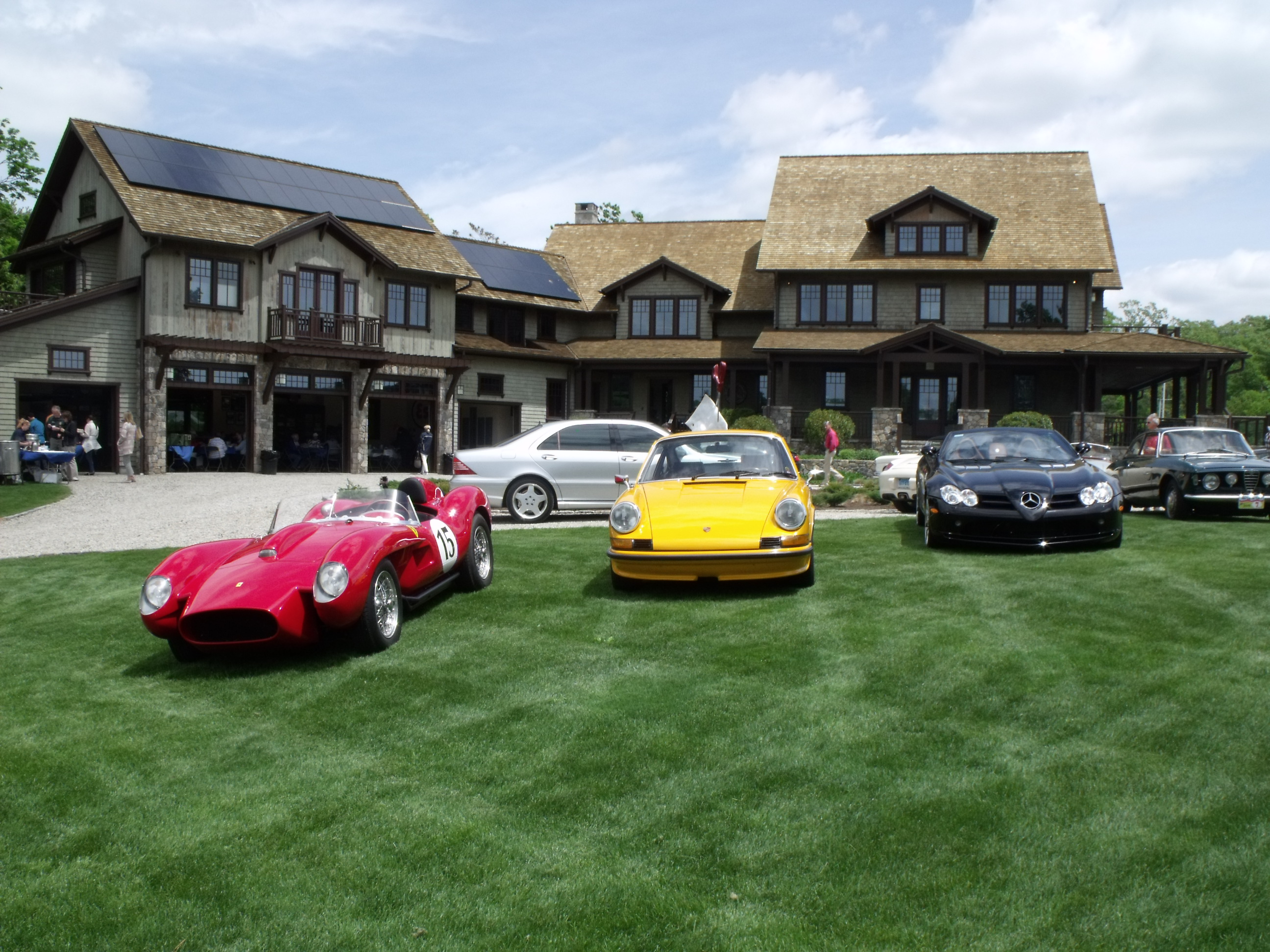
Wednesday’s driving took us from MA and into CT, where we visited Dragone Classic Motorcars and lunched at the home of Bill Scheffler. The Scheffler homestead was the day’s highlight, for the magnificent garage, the lawn’s car collection, and the lobster lunch. It was a long but lovely drive back into NY and a return to the Mohonk Mountain House.
The ceremonial washing of the rally car.Rally cars queuing up to get a time out for the next segment.Porsche 911 and Ferrari Dino.Rally cars lined up at a rest stop.AC and Jaguar at Scheffler’s.Two Fords lead the line.Ferrari, Porsche, and Mercedes at Scheffler’s.Ferrari, Corvette, and French Ford.The Alfa in front of Scheffler’s garage.Bob Cushman learns how to fold a British convertible top.The circle in front of Bill Scheffler’s home.Rally cars from a second floor window.
Tuesday was a long day’s drive, taking us from Lenox MA, into NY state, back into MA then VT for our first stop. The weather, which began completely overcast, became rainy enough for wipers on all the time.
The next stage pulled us through Bennington again, then north to Grafton VT where we had lunch in a charming old inn. After lunch, despite forecasts to the contrary, the clouds parted, the sun broke through, and we had marvelous driving weather.
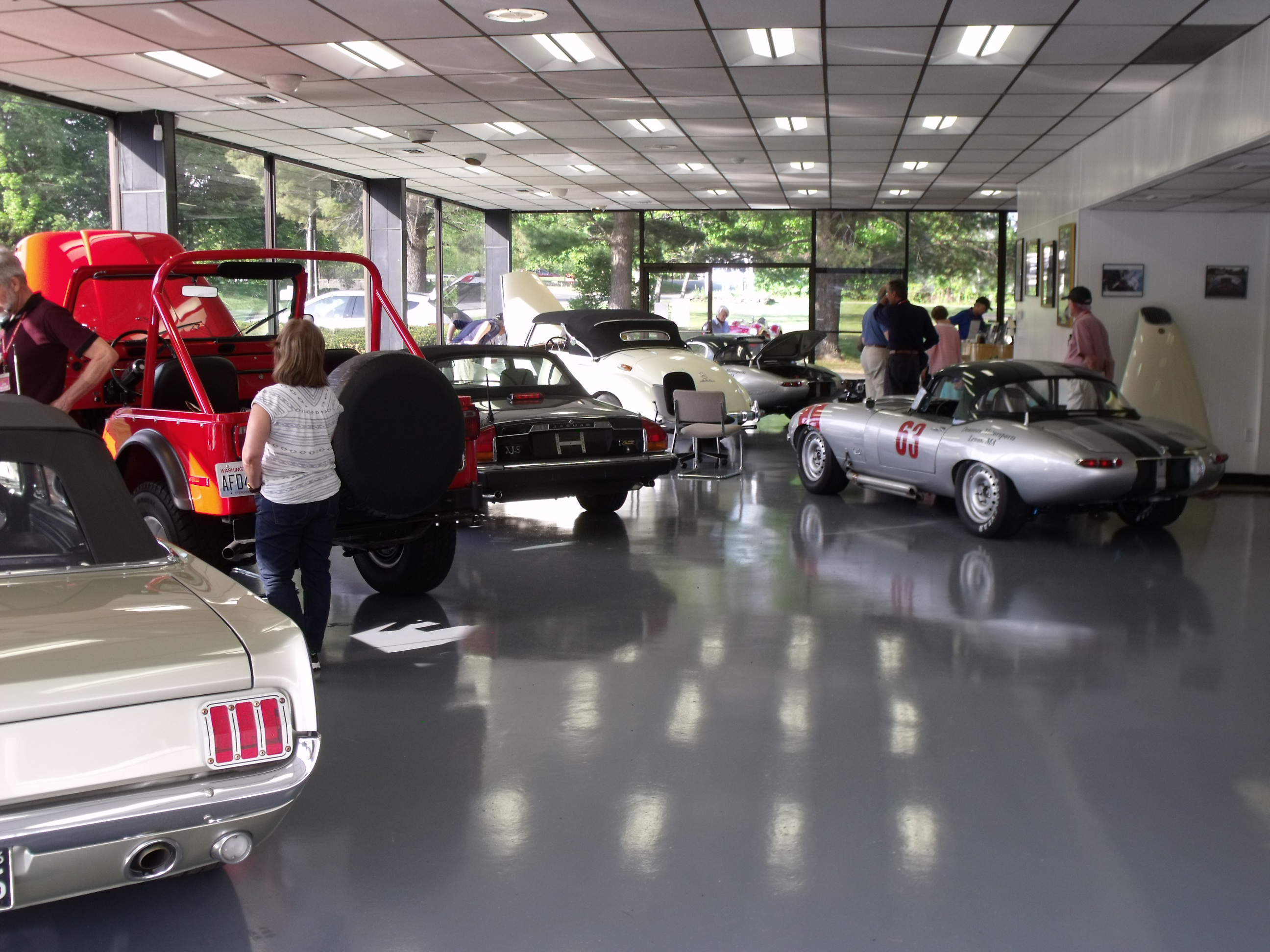
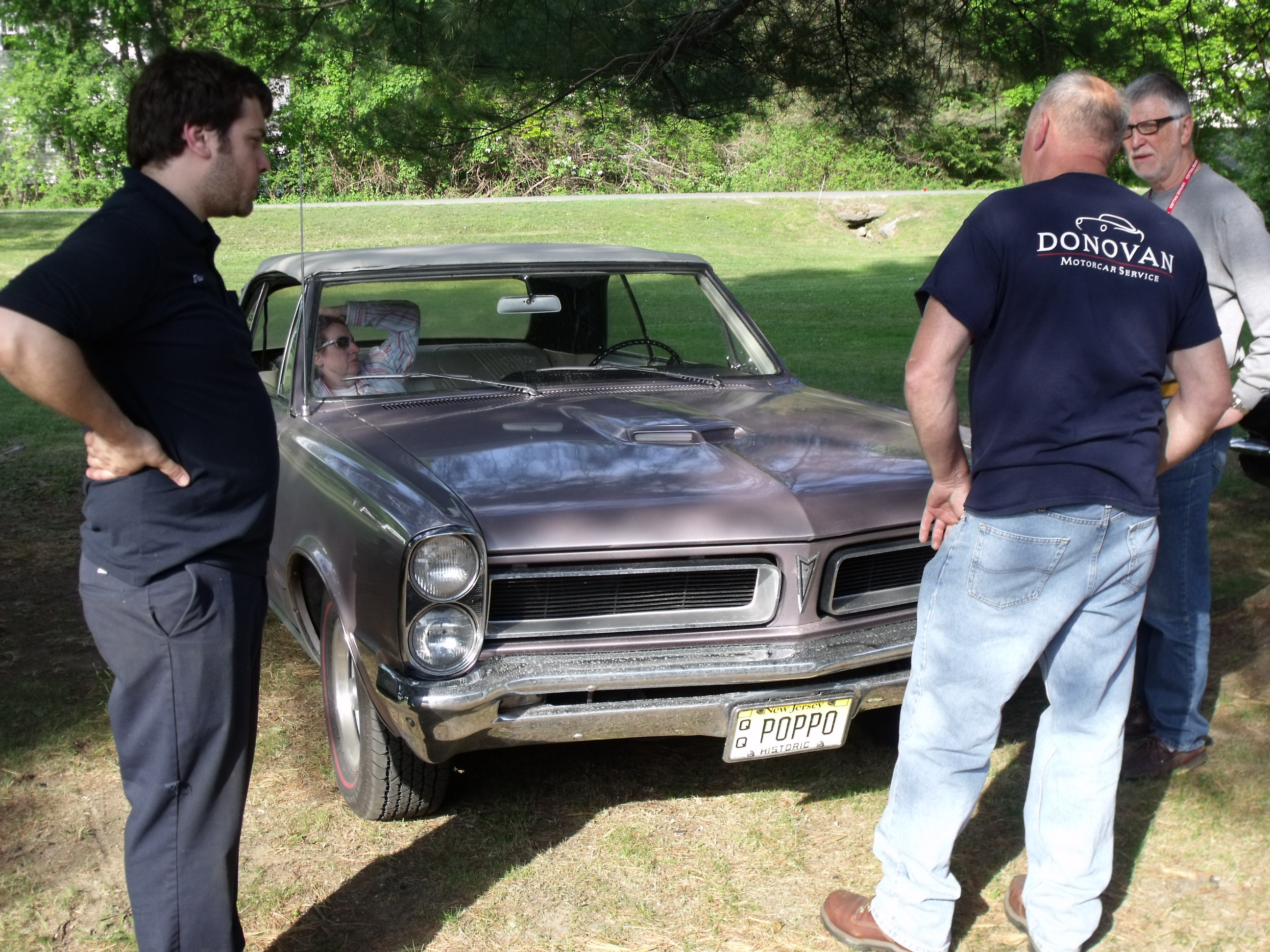
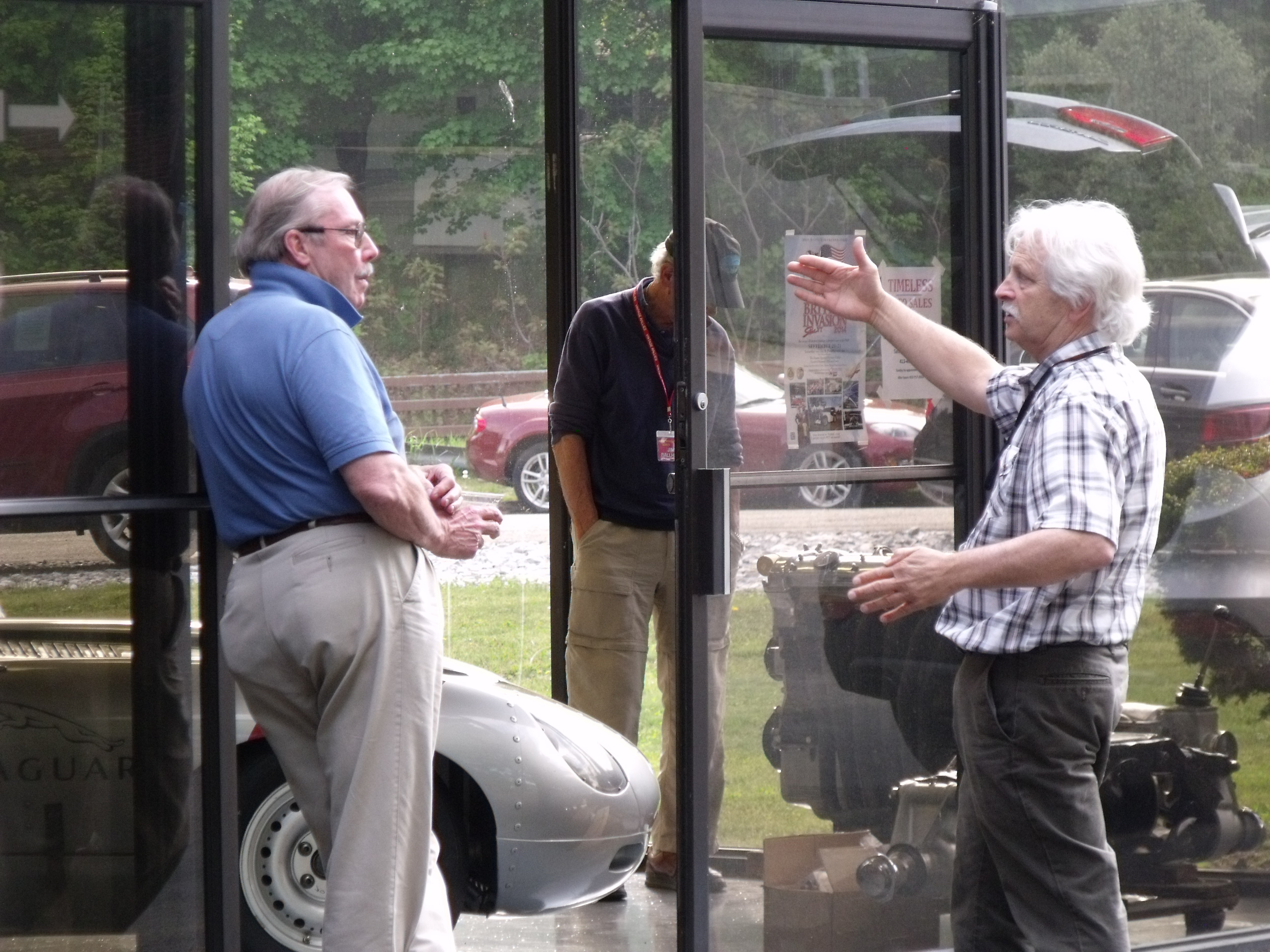
On the way back to The Cranwell, we stopped at Donovan Jaguar, an outfit which specializes in servicing street and racing Jags.
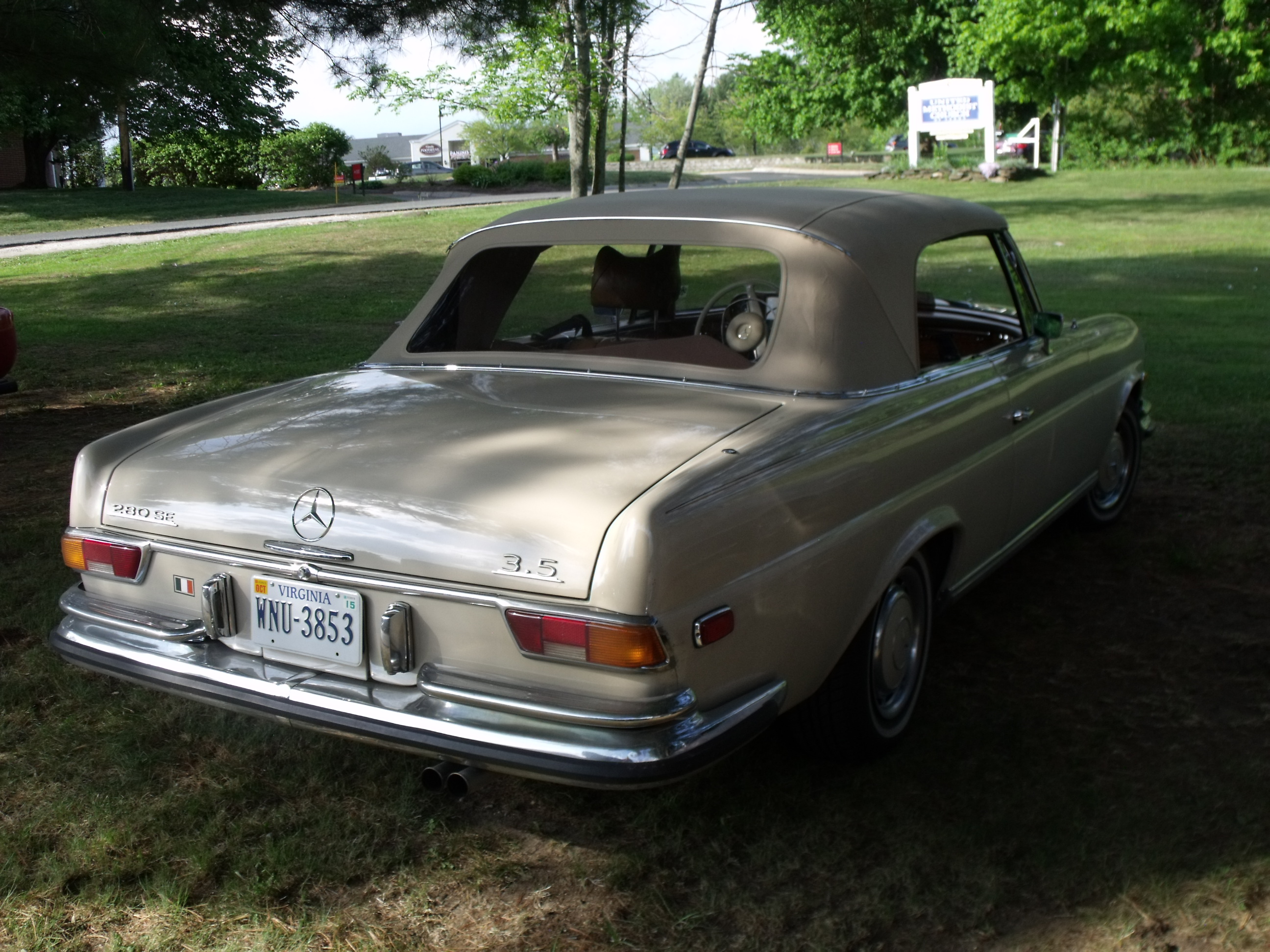
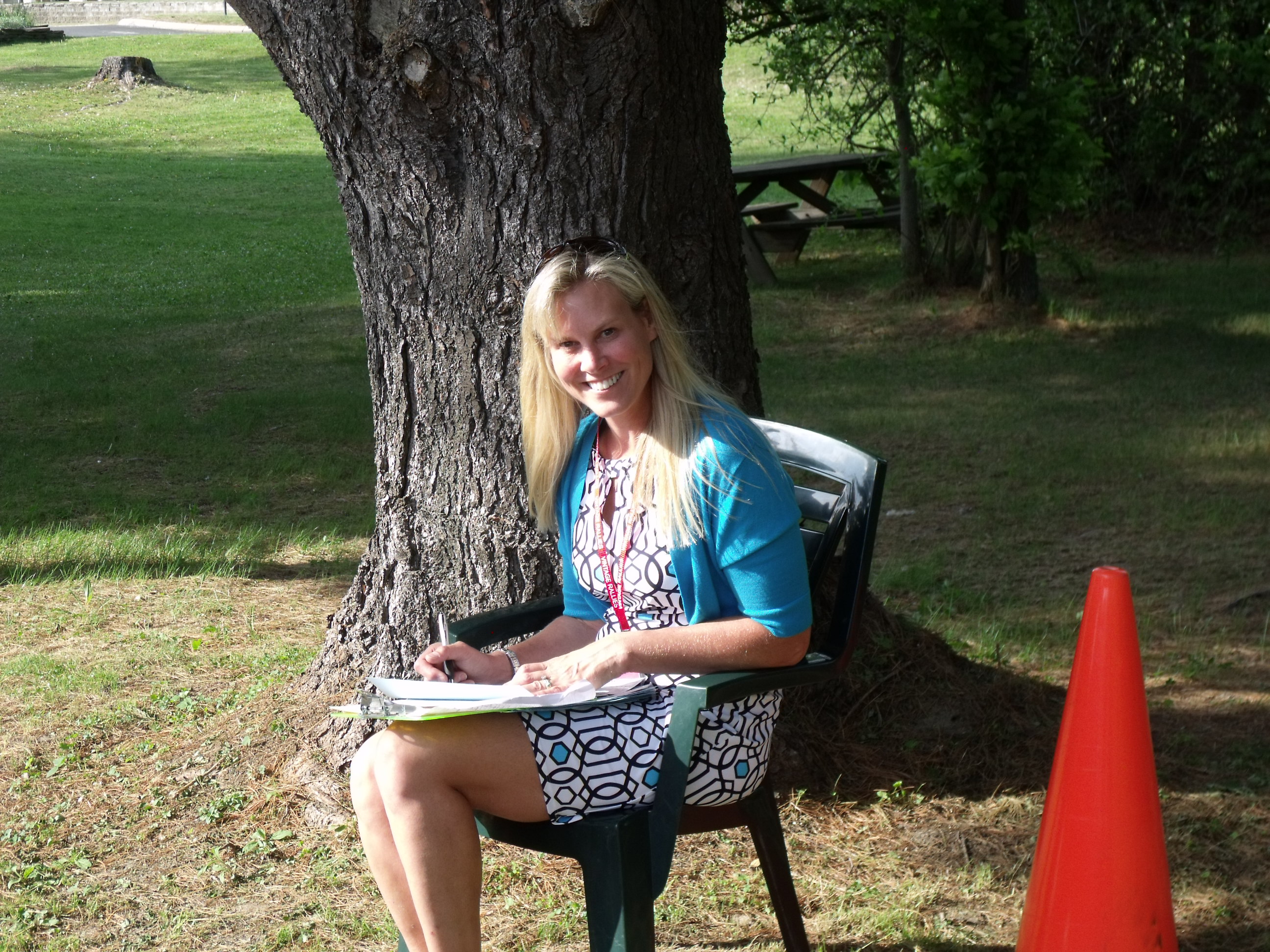
Ferrari 512BB on the road.The General Store in Peru VT.They were expecting us.The store owners, previous rally participants, own this neat VW pickup.1957 Ferrari Testa RossaDonovan JaguarTheir showroom.A few spare XK engines1965 Pontiac GTOMercedes Benz 280SE convertibleKristen Levenson, rally wrangler extraordinaire.Rich Taylor listens to another fish tale.Richard tries on an XK140 for size, decides he likes it.
Today, our first day of driving started by taking us from New Paltz NY to the Saratoga Auto Museum in Saratoga Springs NY. We toured the museum and ate lunch on the grounds.
From Saratoga we drove to Hemmings World Headquarters in Bennington VT. From there it was off to the Cranwell Resort, our host hotel in Lenox MA for the next two nights.
As we have discovered in the past, once the driving starts, the photo ops become less frequent. Nevertheless I was able to squeeze off a few shots including some cars in motion. Again I will let today’s pictures tell the story.
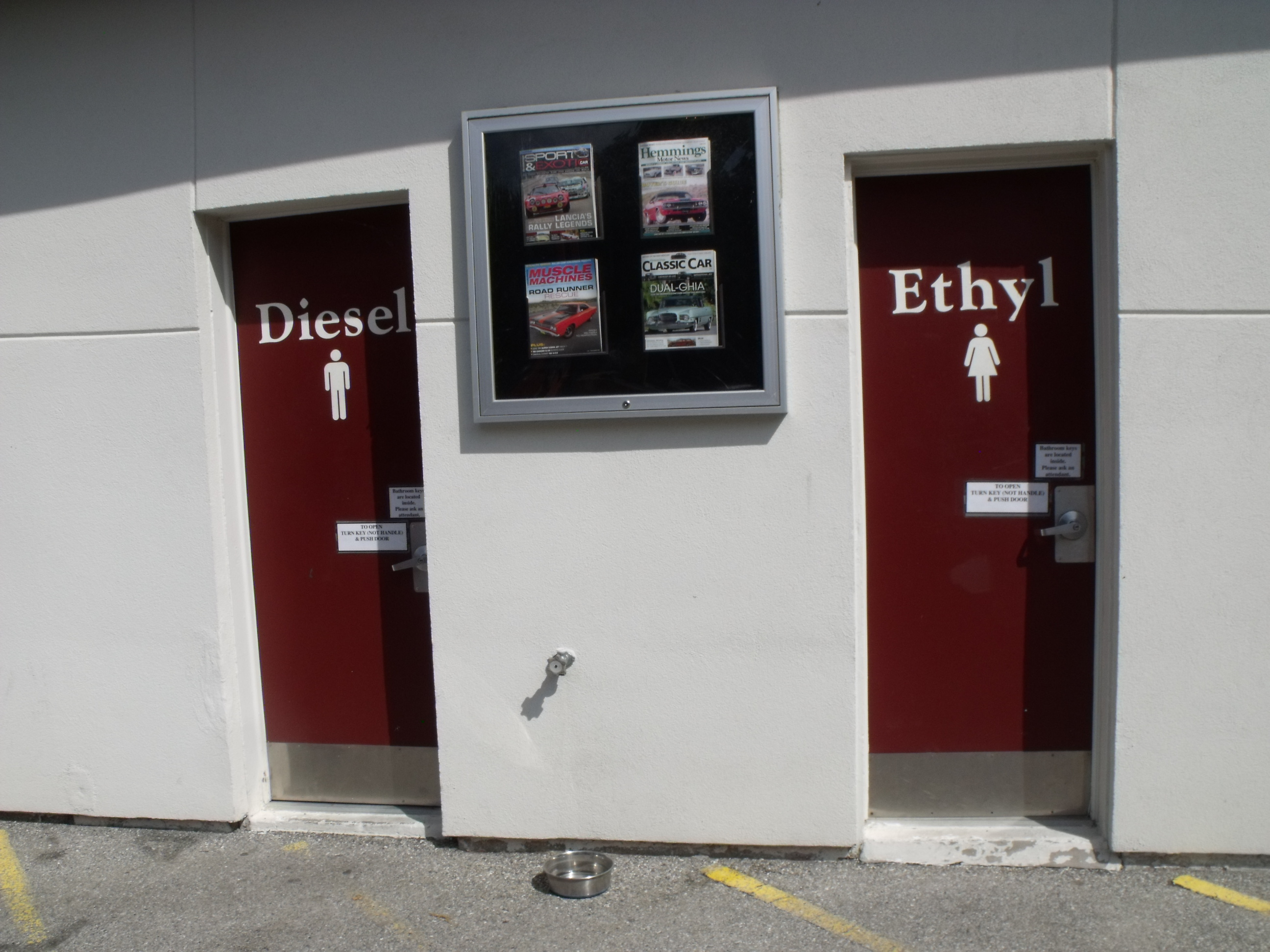
Ferrari Daytona spyder in motion.Steve Hansen enjoying his time behind the wheel of the Alfa.The Alfa at the lunch stop.Left to right: Maserati Mistral, Porsche 911, Ferrari 250 GT Specials.1960 Chevrolet Corvette.French Ford CometeFerrari Daytona Spyder.The Hemmings rest room doors.AC Bristol in motion.A butterfly meets its demise on the rally.
Each year, this classic car rally has a home base which serves as a starting and ending point. For 2015 that home base is the Mohonk Mountain House in New Paltz NY. Departing NJ at about 1pm, the Alfa easily handled the ride up the NY Thruway. Improvements to the cooling system kept the engine temperature under control at 85 degrees and 70mph.
The Alfa and I arrived in a little over two hours. It was a personal thrill to meet up with my rally brother Steve Hansen, who flew in from California (again) to drive the rally with me.
As always, there was the ceremonial installation of the front license plate. We then perused the parking lot to take in this year’s rally choices. The cars were more eclectic than ever, with a larger mix of domestic iron than we usually see.
Having completed our first rally together in 1998, the fun of meeting up with other rallyists whom we have gotten to know through the years sometimes outweighs the fun of seeing the spectacular cars.
From here I will let the photos speak for themselves. At 8am Monday morning the actual rallying begins.
Steve at the ceremonial license install.Richard at the ceremonial license install.1965 Pontiac GTOPorsche 9111965 Chevrolet Corvette Sting Ray1968 Porsche 912
1954 Ford Comete (French)1966 Ford Mustang GT 350H1967 Maserati Mistral1973 Ferrari Dino1955 Jaguar XK 1401972 Ferrari Daytona spyder
With the front suspension rebuild finally done, it was time to entrust a front end alignment to a true professional. Ed Haggan, the owner of Haggan Tire & Auto, conveniently located 0.2 miles from my house, was able to schedule the alignment on my Alfa for this past Friday. Brian, the lead tech, ably handled the job, and didn’t charge me extra for leering over his shoulder as we both stared at the screen on the Hunter machine.
Hunter did not have specs for a ’67 Alfa GT 1300 Junior, but I handed Brian printouts from one of my Alfa manuals which called for positive caster of 2 degrees, plus or minus .5 degree, and total toe-in of 3 mm. There is no camber setting (well, there is if you purchase the optional adjustable upper control arms, an option on which I passed). Brian seemed especially pleased when I told him that I had left all the adjustment locknuts finger-tight. Actually, his facial expression made me think that he wondered what else on the car was only finger-tight.
Brian states the Hunter machine is so easy to use, he can do it with his eyes closed.
A little over an hour later, I left the shop, and put 20 miles on the car. It was a revelation. The car tracked straight, steering effort was good, return to straight-ahead after a turn was amazing, and best of all, there was not a sound from the front end. (Before the rebuild, the front end clunked over every bump in the road.) Everything felt tight and right.
Today, with my wife along for the ride, we put another 65 miles on the car. (I’m also trying to consume the fuel from last November so that I can add fresh gas.) It was a beautiful afternoon for a ride, and the two-lane backroads of Hunterdon County were relatively deserted. After a stop for some photos, with the sun about 20 minutes away from leaving us for the day, we were home.
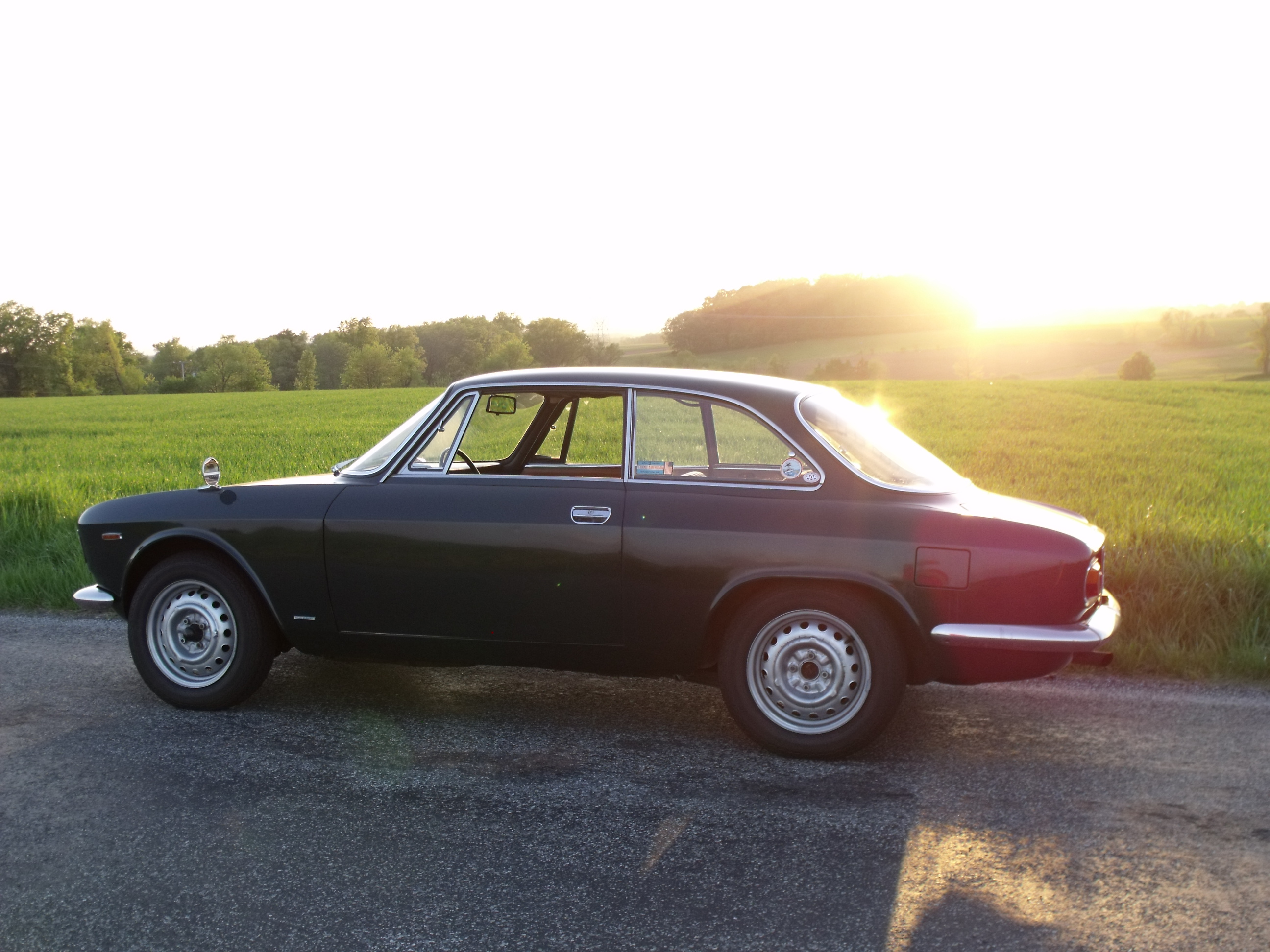
The Alfa on Higginsville Rd. in Neshanic Station. We don’t see a lot of traffic ’round these parts.The setting sun nicely silhouettes the Alfa. The hubcaps are in the garage, really.
Today’s ride reassured me that the front end was good, and so was the rest of the car. An oil and filter change plus quick once-over will be done tomorrow. I hope to have time for a wash and wax before departing on Sunday to drive to Mohonk Mountain House in New Paltz NY for the start of this year’s New England 1000 road rally.



































































 richardscarblog