My Alfa’s 1st Judged Event: NJ AACA Car Show, May 2013

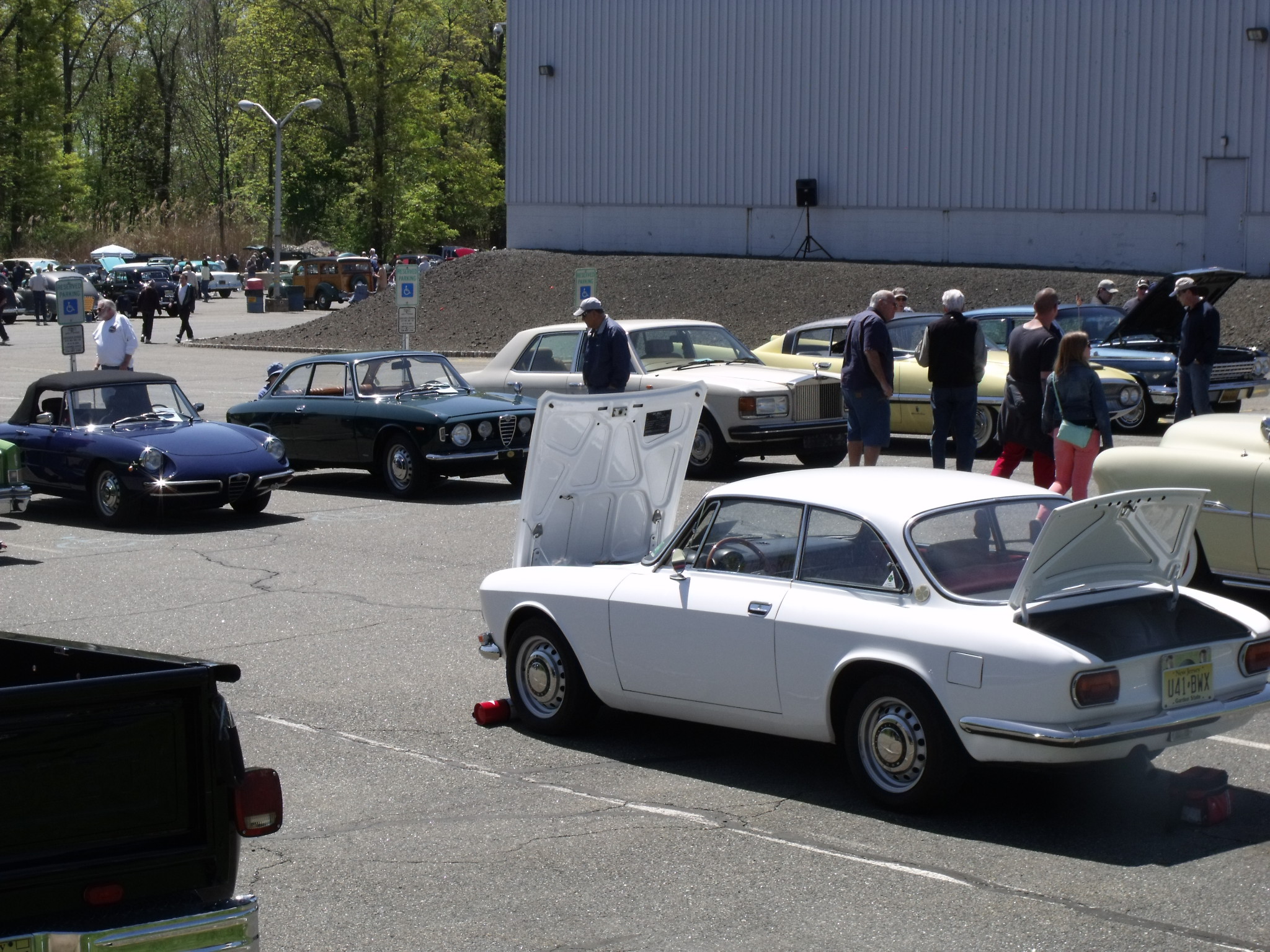
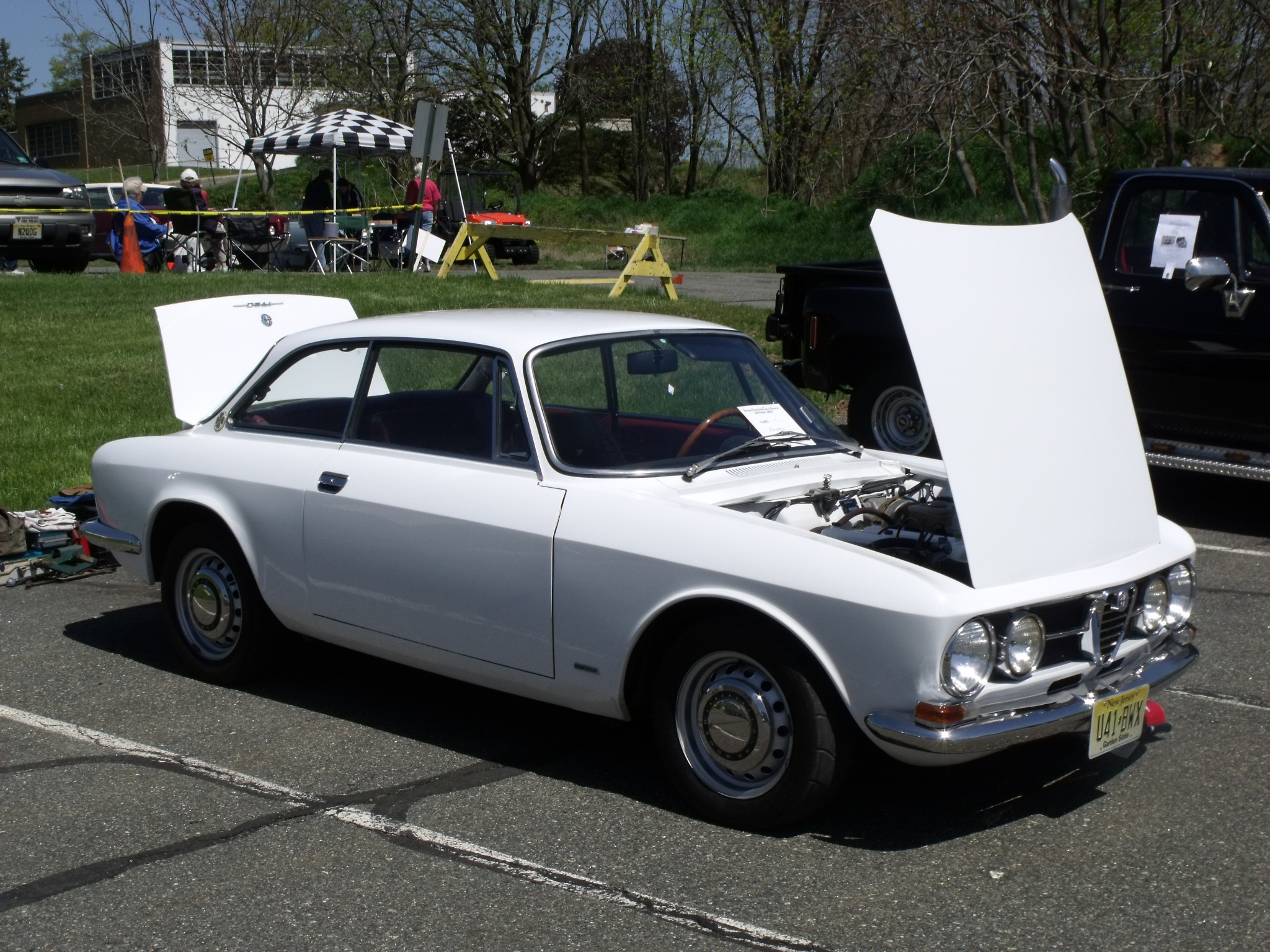
My musk green 1967 Alfa Romeo GT 1300 Junior had barely been in my possession for two months in 2013 when I entered it in its first judged show. This was the annual event conducted by the NJ Region of the AACA (Antique Automobile Club of America), held by tradition on the first Sunday in May. In 2013, the actual show date was May 5, and also following tradition, it was held in the parking lot of the Automatic Switch Manufacturing Company in Florham Park NJ. (Long-time club members simply referred to the location as “Automatic Switch”.)

The drive from our home in Neshanic Station was only 30 minutes, but it was a good test for the much longer 2013 New England 1000 classic car rally, coming up two weeks after this outing. When I had purchased the Alfa from my good friend Pete, it had already earned its HPOF (Historical Preservation of Original Features) award, and by AACA Judging Rules you cannot switch classes back and forth willy-nilly, so it was dutifully entered into HPOF. As the photos attest, there’s always an eclectic assortment of vehicles on either side of you in this class.

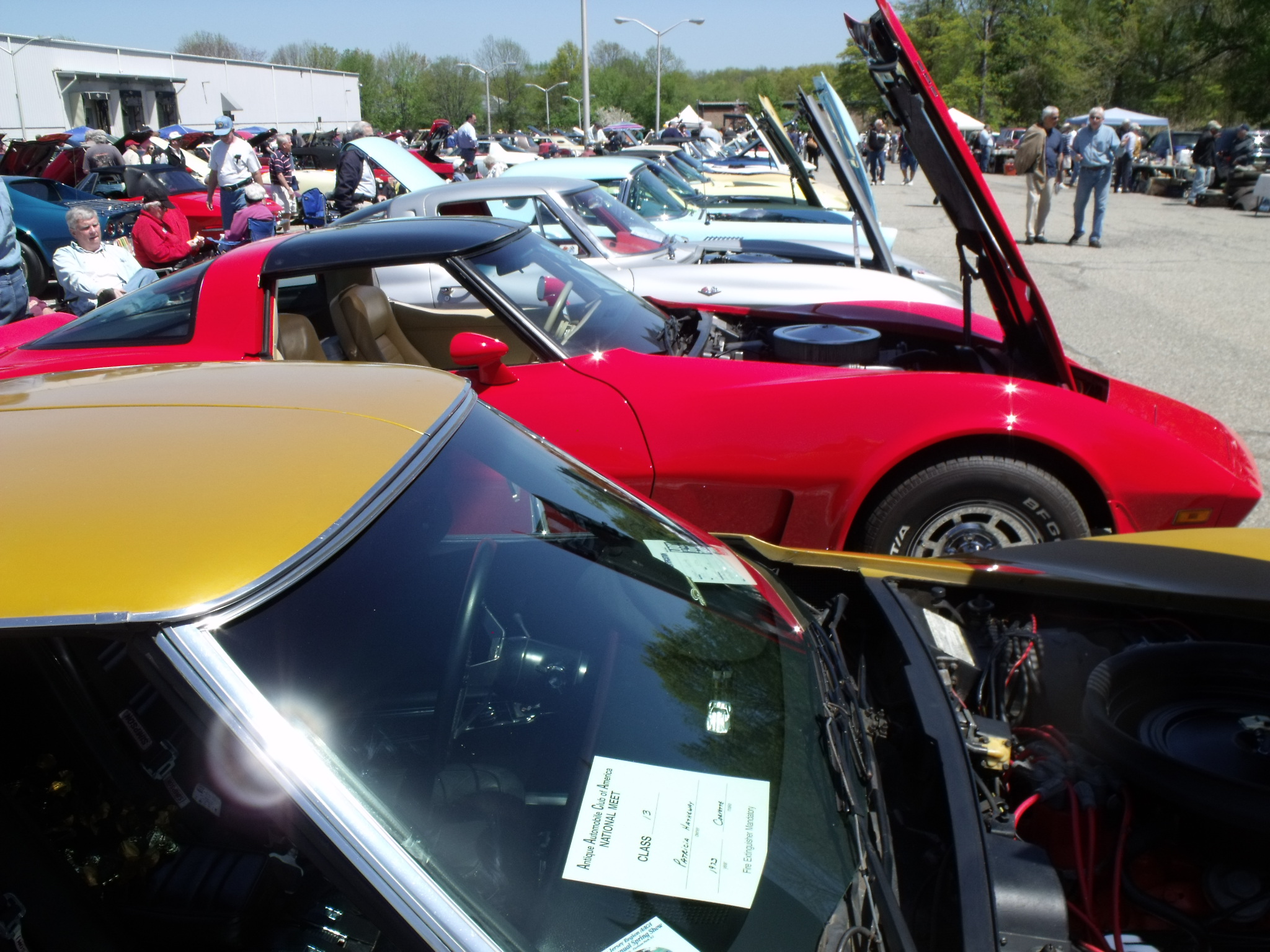
Arriving and parking early gave me the chance to grab my camera and walk the field, looking for other interesting cars to photograph.  I was not disappointed by the fine mix of pre-war and post-war, dometic and import, all glistening under the bright spring sun.

All cars are judged (unless an owner expressly requests to be excluded), and NJ Region judging loosely follows National’s rules. By the end of the show (around 3pm), the parade of vehicles driving up to the ‘viewing stand’ to receive their trophies from the Region’s President arrived three abreast. My Alfa received a special award, considered only for cars owned by club members: it won the “Best Unrestored Vehicle” in its age group. I was pleasantly surprised at the recognition, not expecting much of anything for the car at its first outing! Aside from a battery and a set of tires, I had also not done anything to it yet. The Alfa got me home without incident, and back into the garage it went as I patiently waited for this year’s NE1000 to begin.


1963 Split-Window Corvette Sting Ray


Lotus Elan


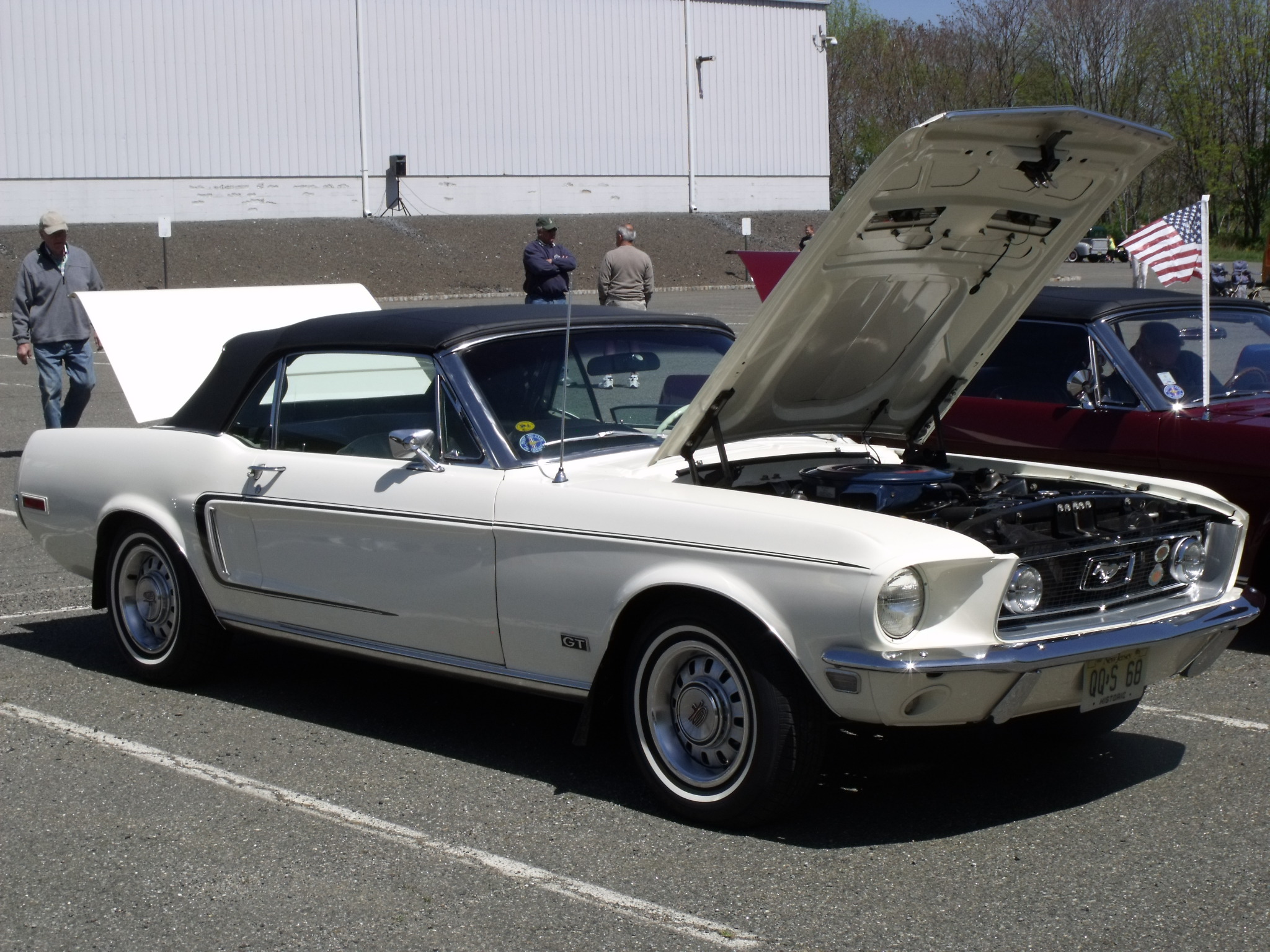
1968 Ford Mustang


Alfa Romeo Coupe


Alfa Romeo Spider


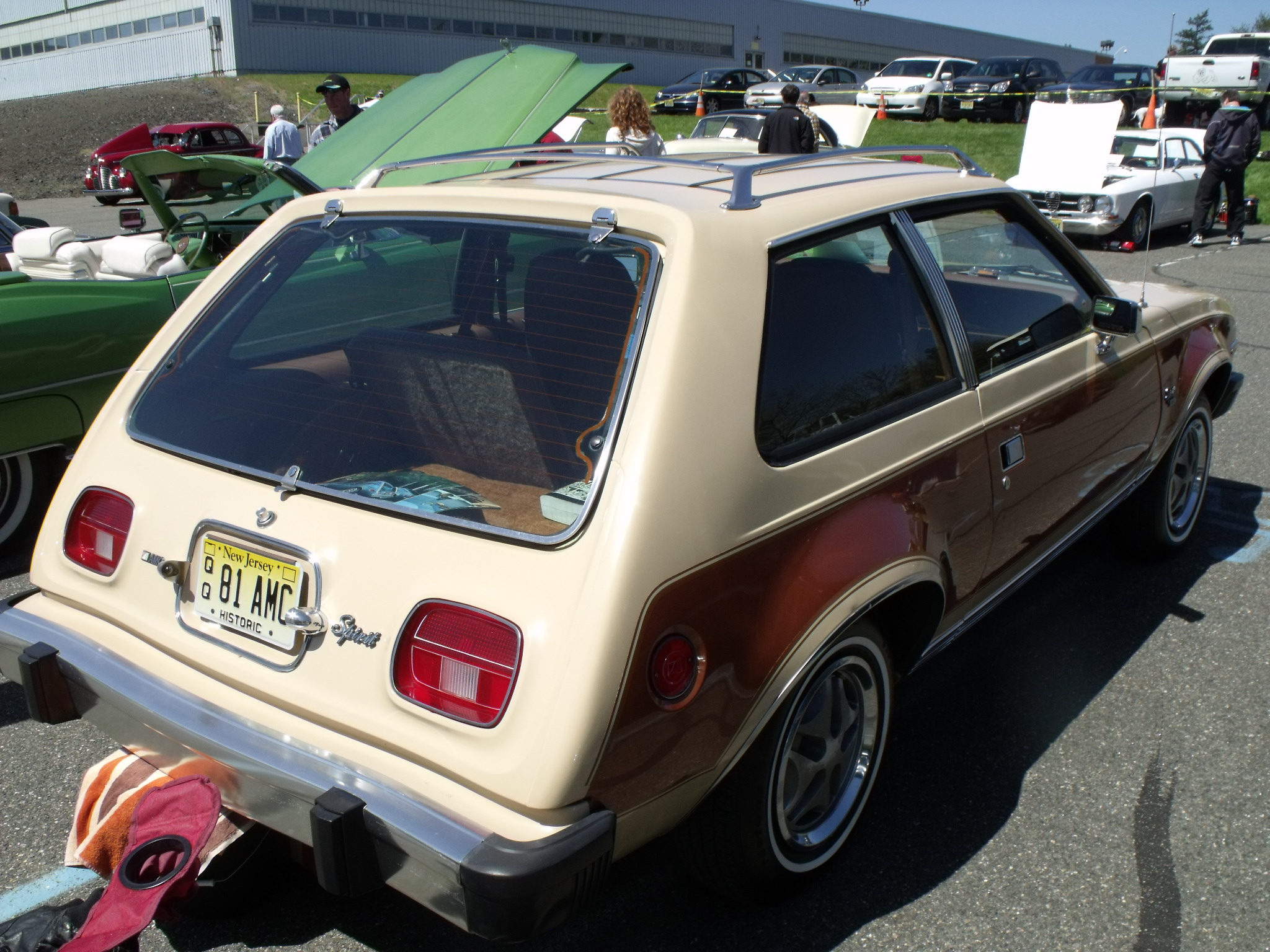
AMC Spirit


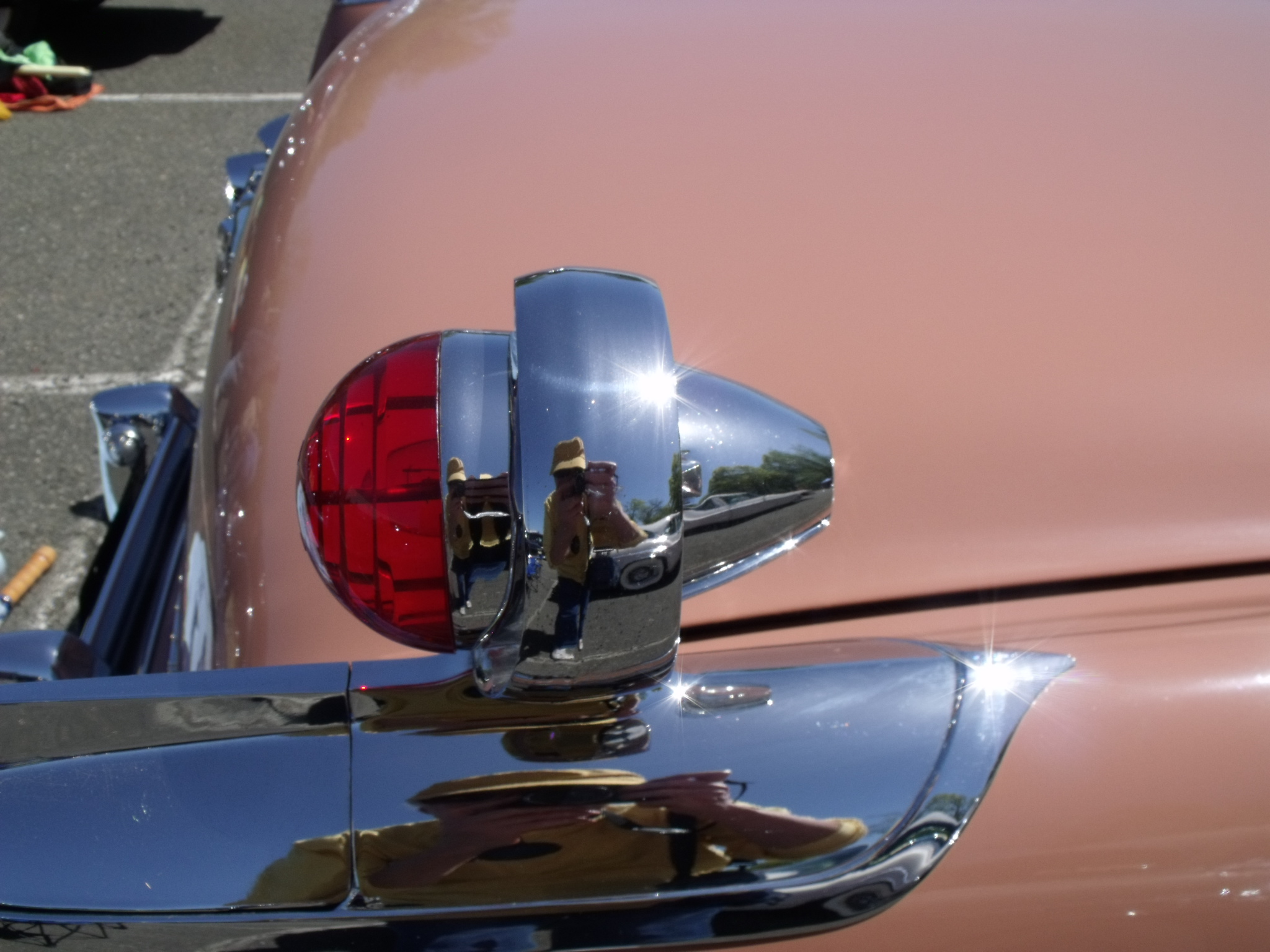
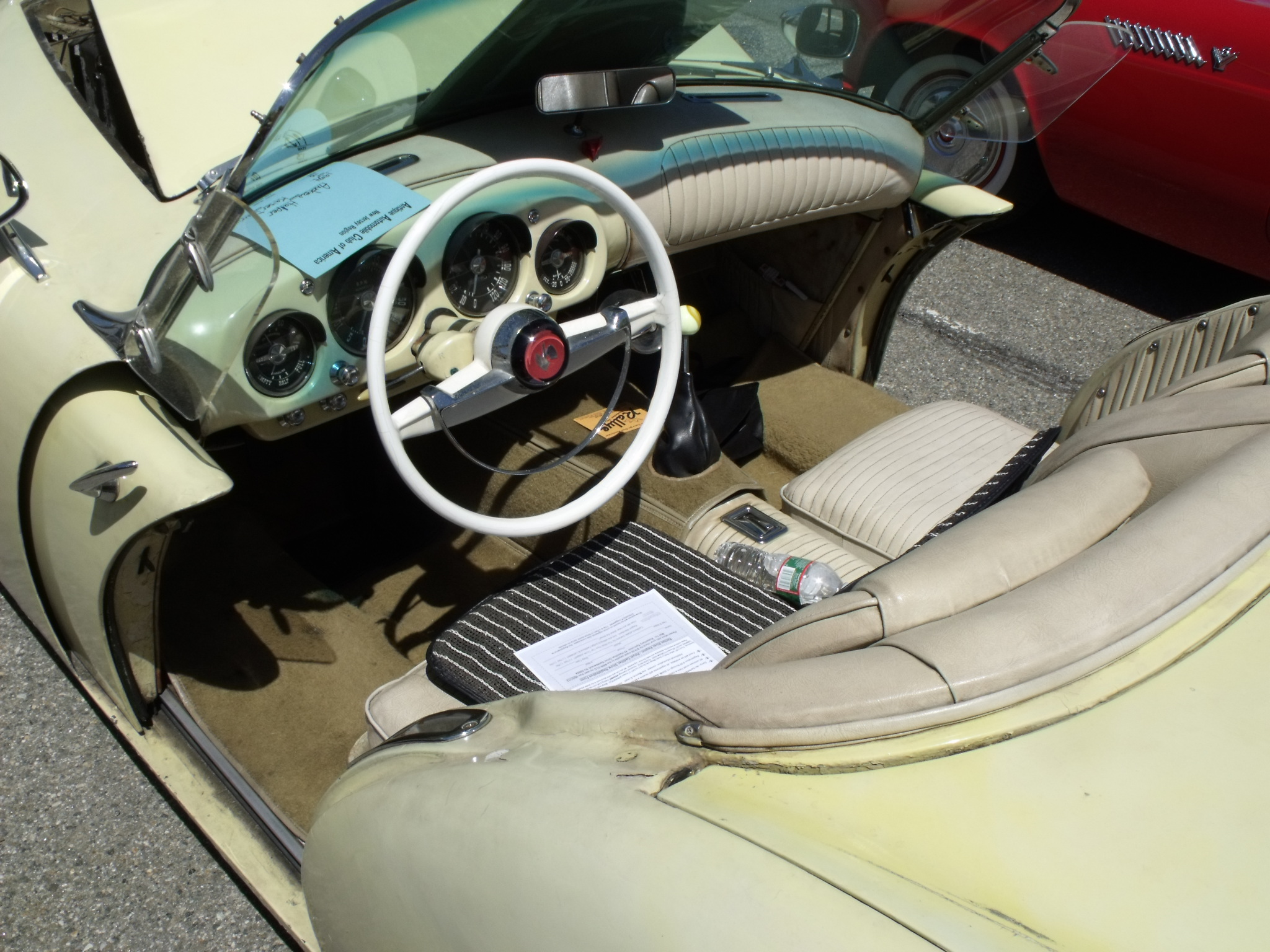
Kaiser Darrin


Sting Ray convertible


Lancia Zagato


Porsche 928


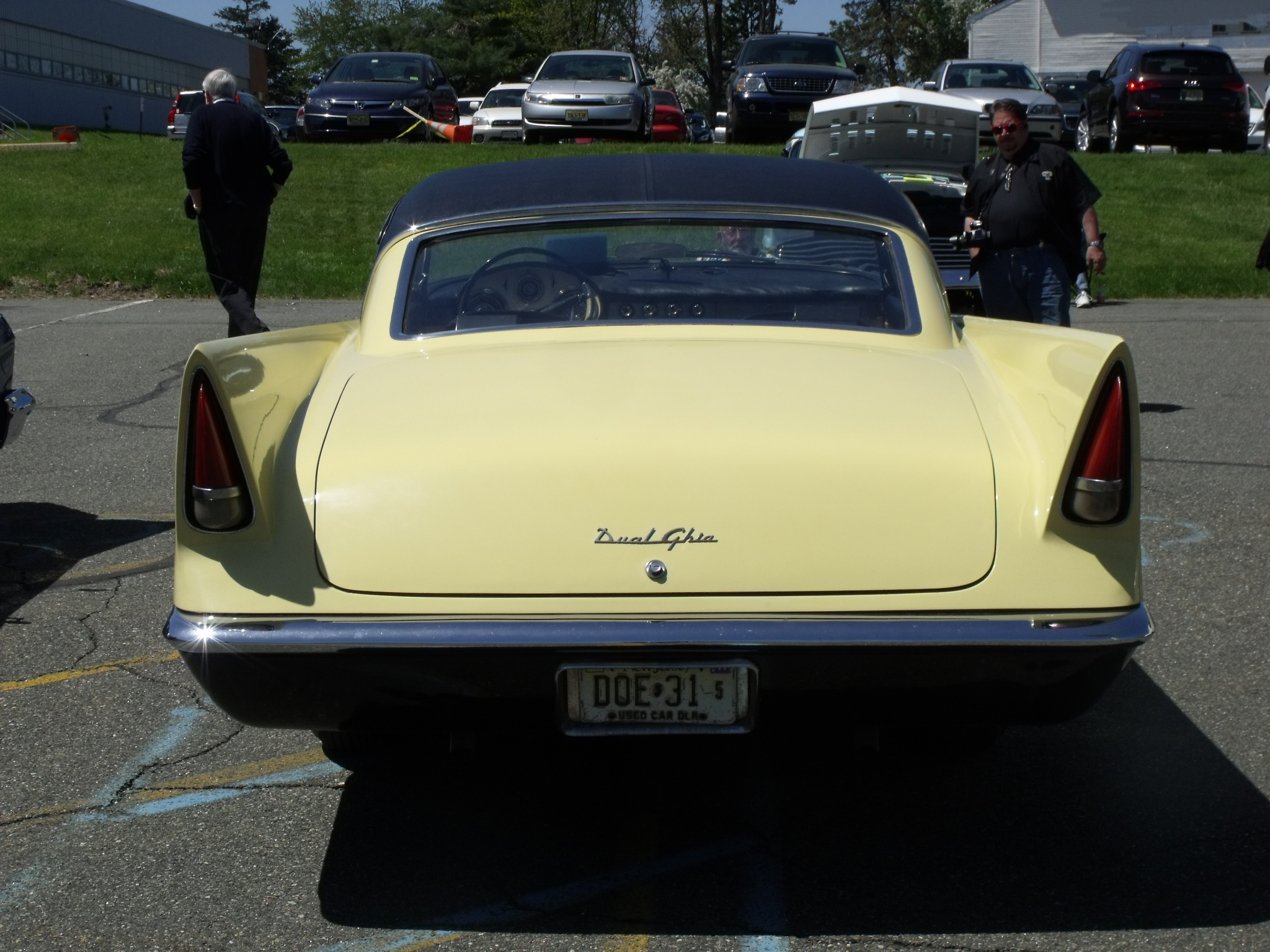
Dual Ghia concept car


Big, green, and Eldorado


Pre-war show winners


’30s Ford show winner


Two Packards astride Ford


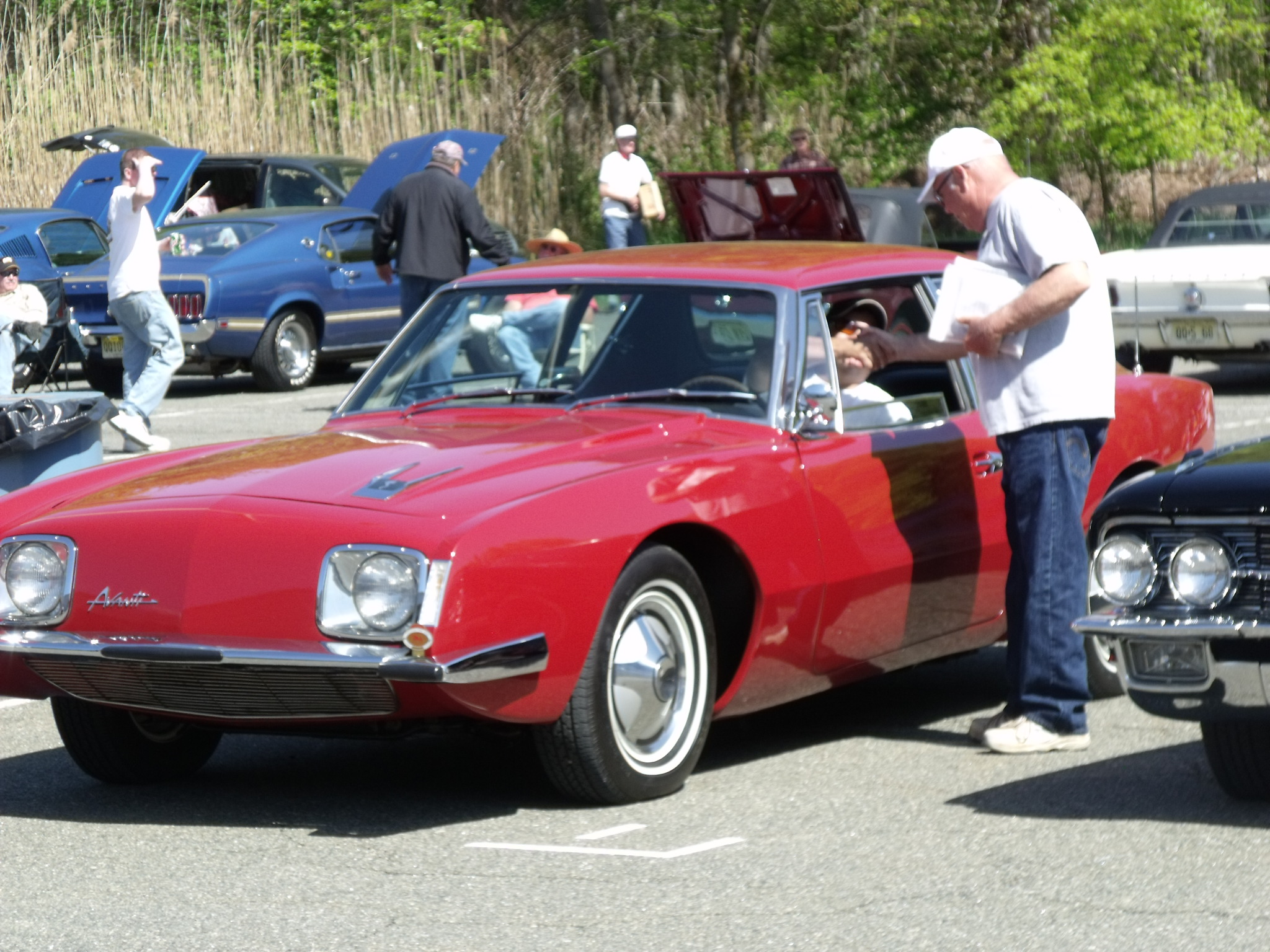
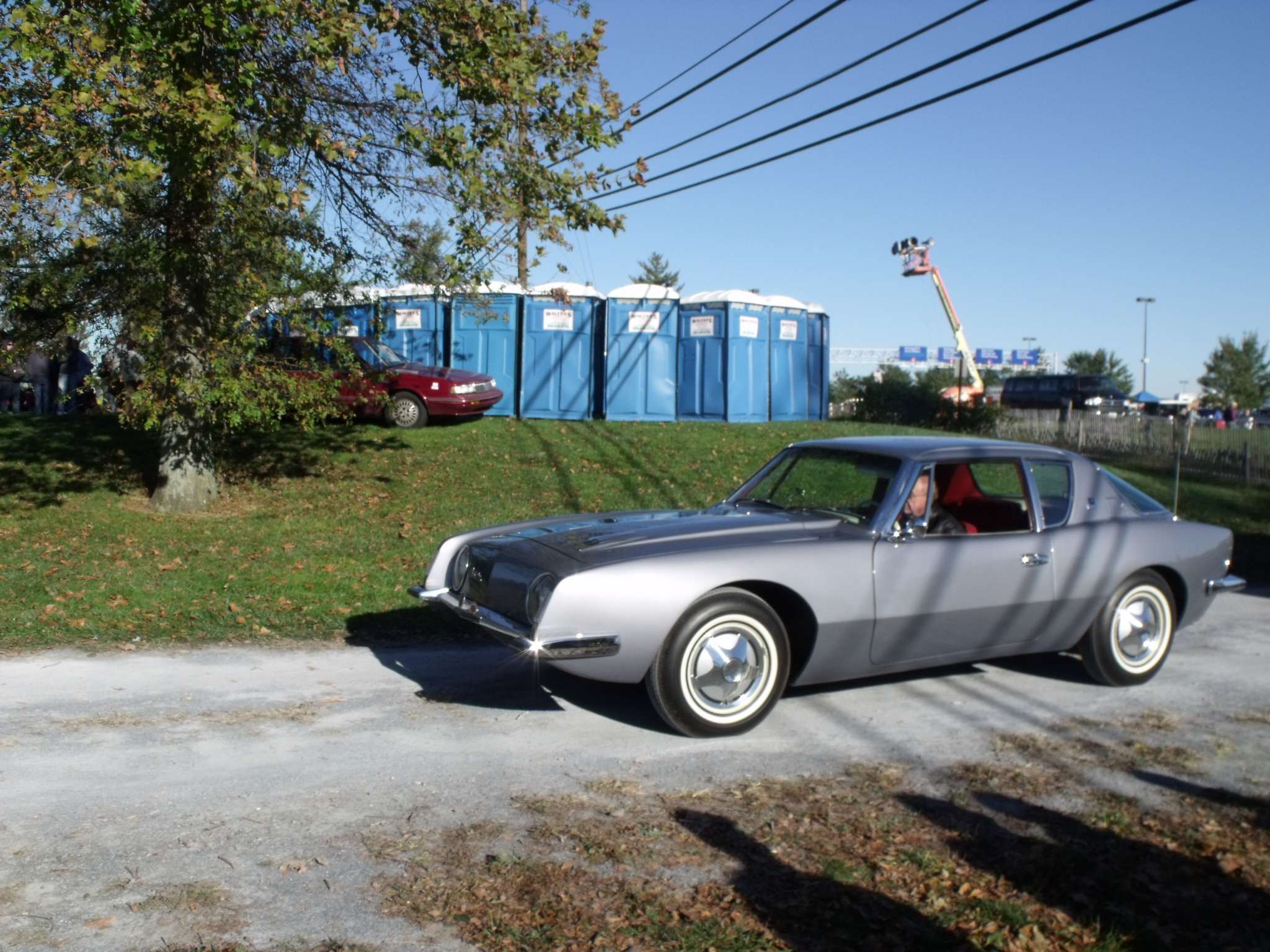
Avanti


A trio of Mustang winners


The winning Alfa and its proud owner


All photographs copyright © 2022 Richard A. Reina. Photos may not be copied or reproduced without express written permission.


Ode to a Drill

My dad was no different than most fathers in that he wanted a better life for his son than he had. Yet I was so influenced by my father that, in spite of my occasional anger toward him, I wanted to be like him. Therein lies the conundrum; my father, a man who didn’t finish high school, was a brilliant mechanic/machinist, mostly self-taught, who had a knack with tools that allowed him to fix almost anything mechanical. I, his college-educated son, was completely bored with my post-graduation desk job and wanted to work with my hands, essentially as way to get paid while learning how automobiles work.

These worlds collided in August of 1978 when I quit my job as an Economist with the U.S. Department of Labor to become an apprentice mechanic at a car dealership. (The specifics of this career move are covered in the blog post “Working in the Retail Automotive Business, Part 1: Autosport”.) My father was more upset with me over this decision than anything else I had done up until this point. Through tears, he expressed his concerns about quitting a “guaranteed government job” for what he saw as the difficult life of a blue-collar worker. But my mind was made up, and he was eventually resigned to it.

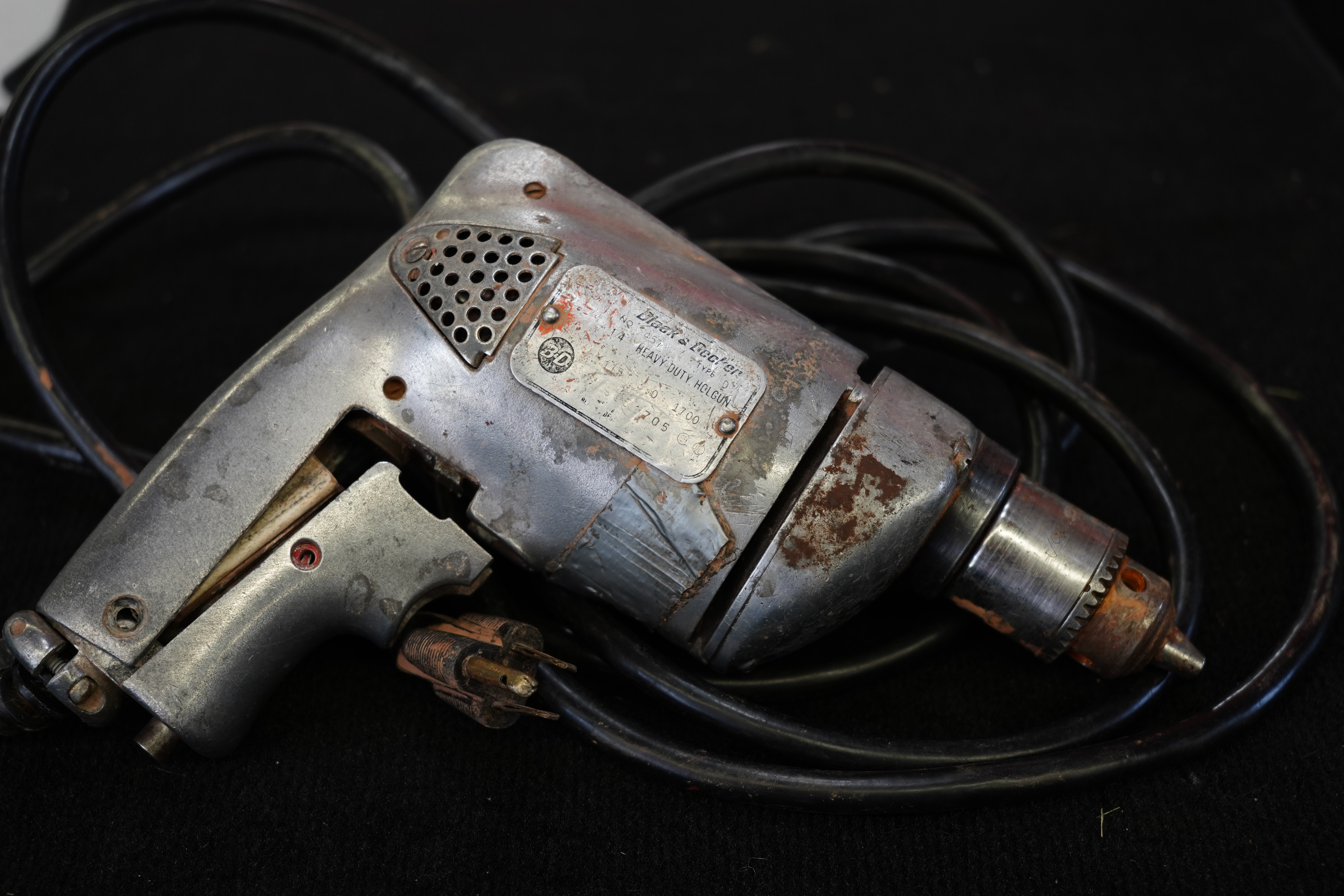
He didn’t agree with my decision, but that didn’t stop him from providing me with some of my first tools. The one tool that stuck out above the others was his Black & Decker corded electric drill. Its all-metal case and hefty weight made it obvious to anyone who lifted it that it could take some abuse and still function. I soon replaced its ¼” chuck with a 3/8” version. That drill got me through two years of professional wrenching, most notably as the tool used to drill all those holes in the roofs of new Volvos for roof rack installations (a very popular dealer-installed option on 245 wagons). My Service Manager borrowed it once and commented, “this is a serious drill”.

By 1980, I had moved to Service Advisor and my full-time technician days were finished. I kept all my tools, although they didn’t see much use through the remainder of the decade. By 1990, I owned my first house and began restoration on the BMW Isetta (the drill is visible in the 4th photo of the linked post) and the B&D drill was the only one I owned. It never failed to get the job done, whether I was drilling in wood or metal, or using it to spin a wire wheel brush of some kind.

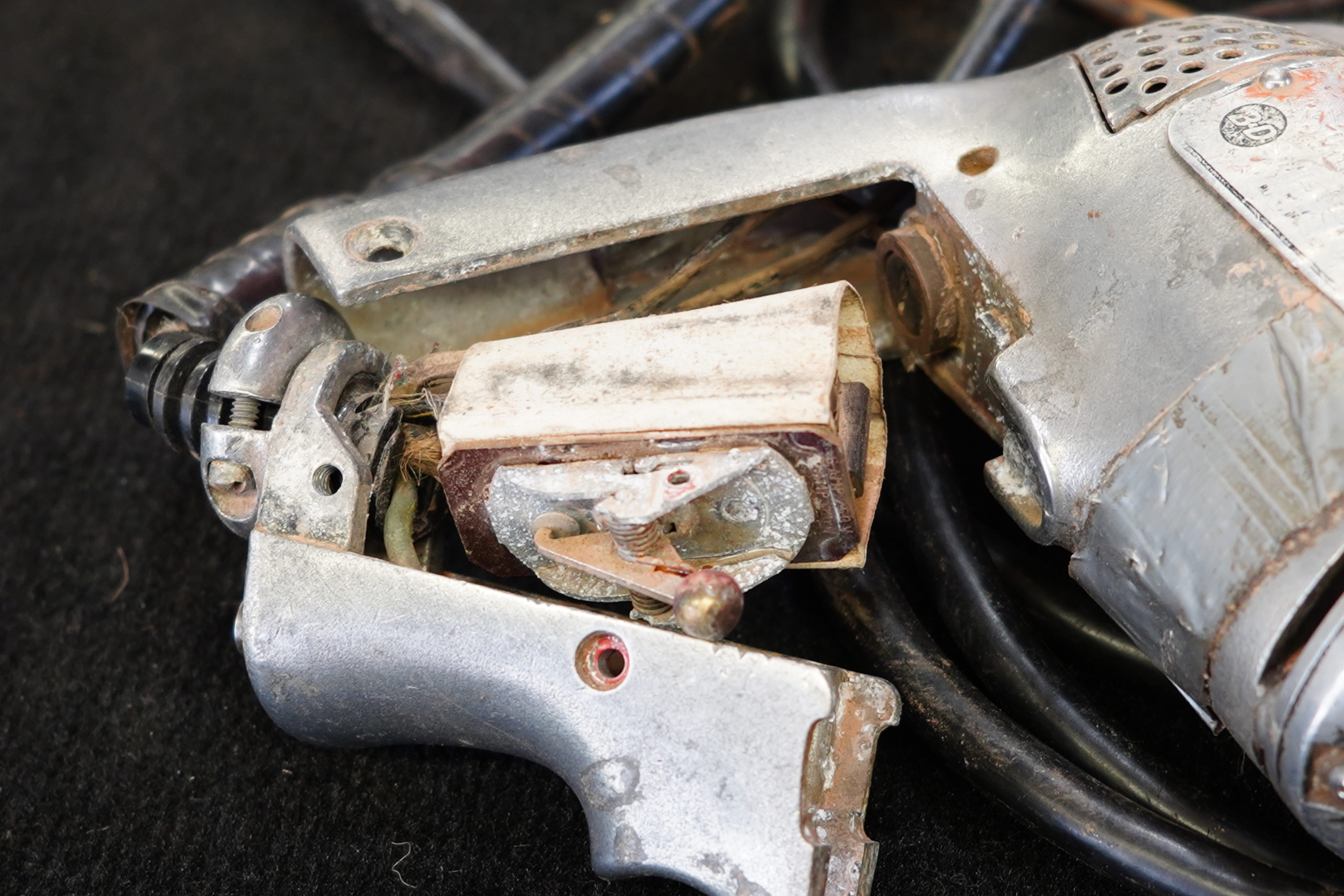
Fast forward to 2001 and, now in a different home, this drill continued to see extensive duty. At some point, the power cord’s attachment to the drill began to fail, and required partial disassembly to repair. The trigger and its lock button began to stick, and another partial disassembly was needed to lube and service. I wasn’t even considering replacing the drill, though; I had owned it so long, and it had done so much work for me, that I thought of it as an old friend.

About 20 years ago, I supplemented the B&D with a Ryobi cordless drill. It had features which were completely missing on the ol’ metal job: keyless chuck, two speeds, and reversible direction. Still, the Ryobi just didn’t have the oomph of the Black & Decker. I kept both, using the Ryobi primarily for driving screws, and using it for drilling only when a 120V outlet was not nearby.

Last year, the trigger on the B&D began to act up again. There were times when the drill wouldn’t operate. I looked at the beaten metal housing and asked myself if it was time. During some routine visits to Home Depot and Lowe’s, I began to check out replacements. I’ve owned a few DeWalt tools, and their lineup of drills impressed me. I was determined to stay with a corded model for power, and a keyed chuck for its ability to better tighten around bits. I found one on sale for around $100 and went for it.

Here is where I realized that sometimes, sentimentality can get in the way of rationality. I was holding onto the Black & Decker drill longer than I should have, convinced that it was a great drill (emphasis on the past tense). Once I brought the DeWalt home, I learned what I had been missing. Yes, its case is plastic; yet it has a nice heft to it. The chuck spins like a precision mechanism. It has a variable-speed trigger and is reversible. It’s a wonderful drill.

A quick Google search for my Black & Decker turns up some references to this model drill dating back to the 1950s/1960s. My recollection may be cloudy, but I remember the drill being “old” when I got it in 1978. Let’s be charitable and presume that it was 10 years old when it was gifted to me. It died in 2021. That means it lived as a functioning tool for 53 years (and I didn’t pay for it!). Thanks dad; it was a great gift, and it’s fair to say that we both got our money’s worth from it.

All photographs copyright © 2022 Richard A. Reina. Photos may not be copied or reproduced without express written permission.

AACA Hershey Car Show, 2012

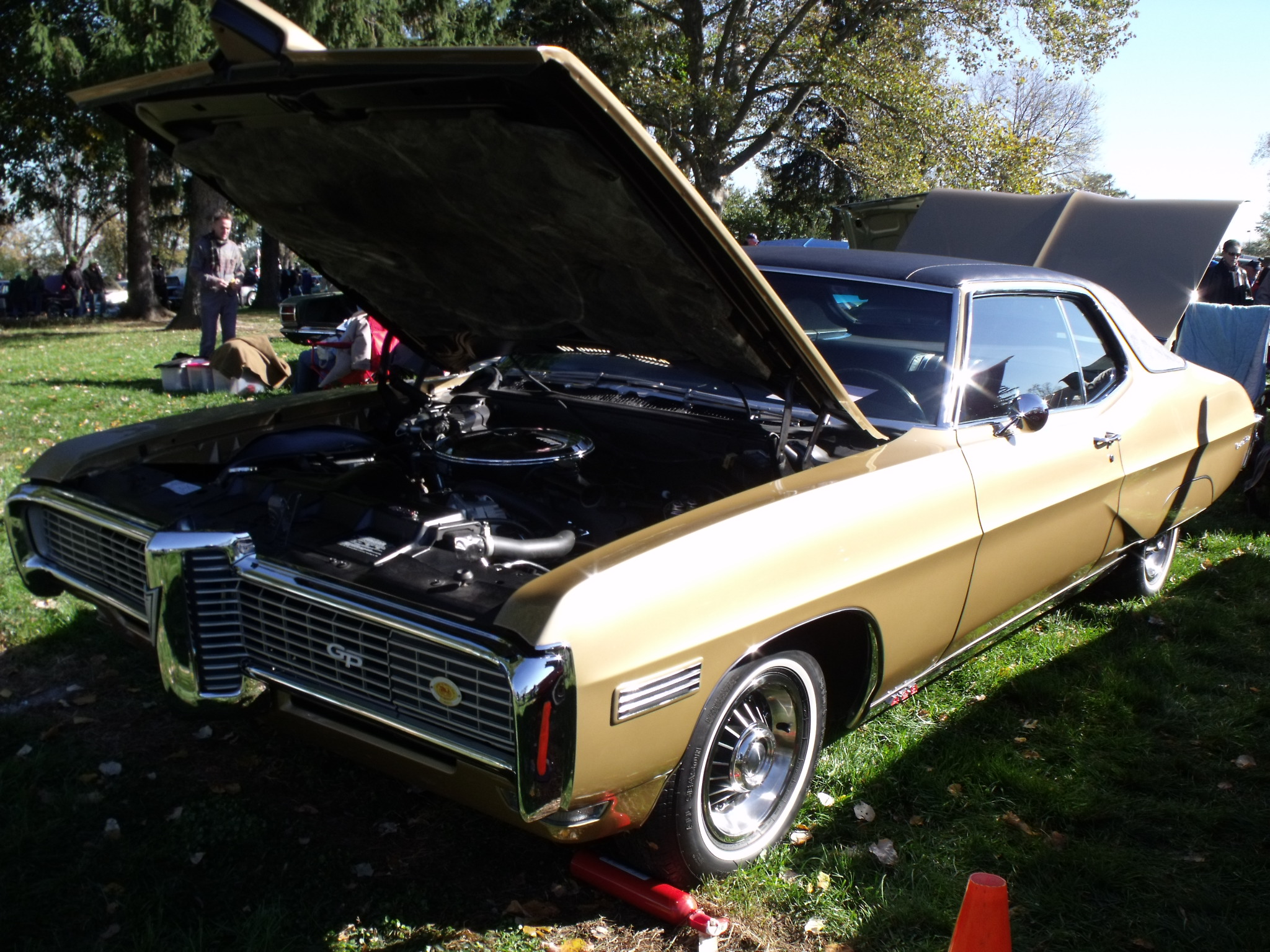
In Chapter 34 of the Isetta Saga, it’s October 2012, and my restored bubble car is making its one and only appearance at the AACA Eastern Fall Nationals, a name that no one uses; everyone refers to it as “Hershey”, named after its host town. Obviously, I had a lot going on that week, what with trailering the car out there, unloading it the morning of the show, driving it onto the show field, finding my spot, and prepping the car for judging. Of course, my car was just one of hundreds of other cars on the field vying for trophies that day, and somehow, I found time to stroll the aisles and take a few snaps (and my car buddy Larry took a few of these shots too).

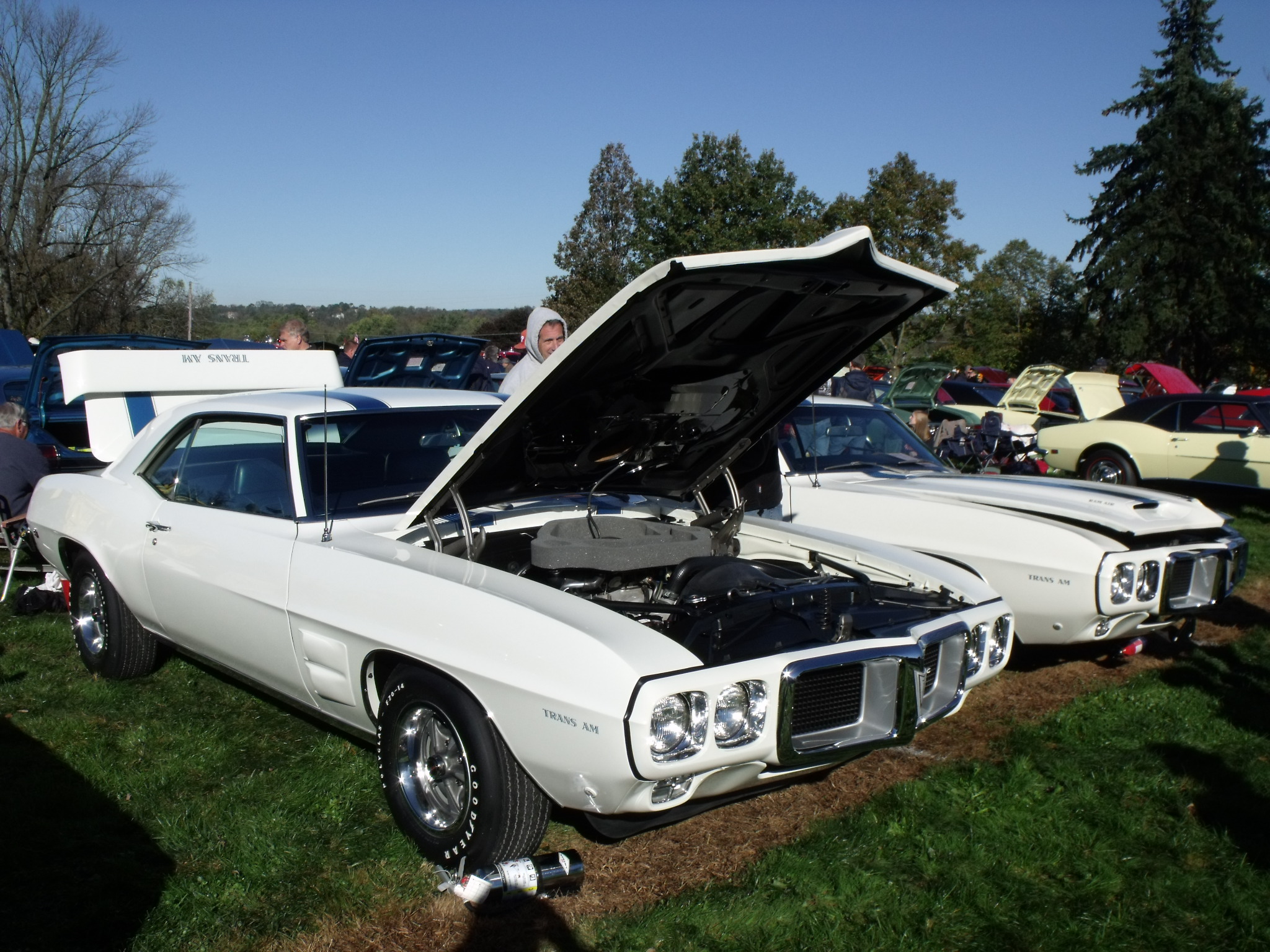
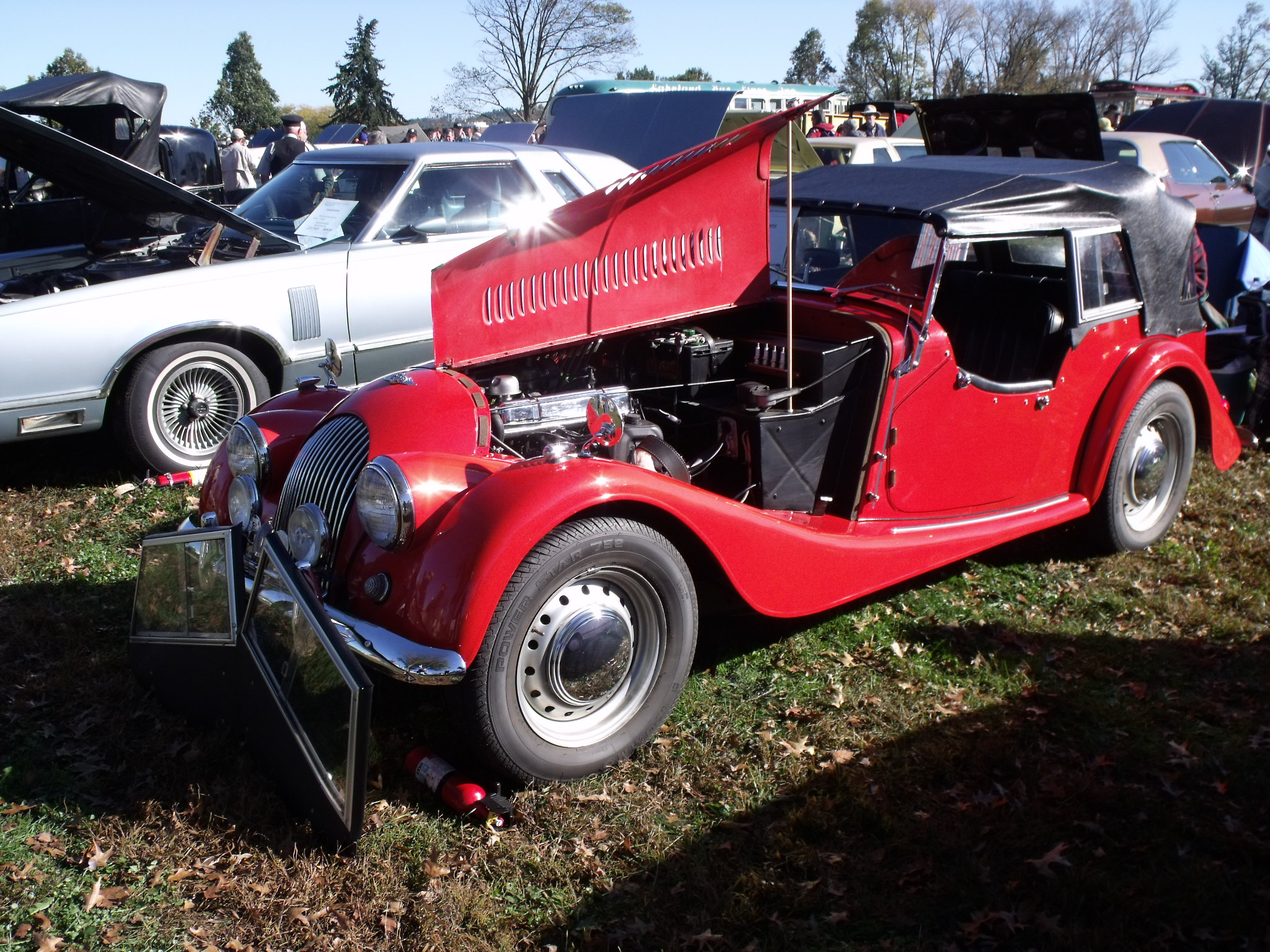
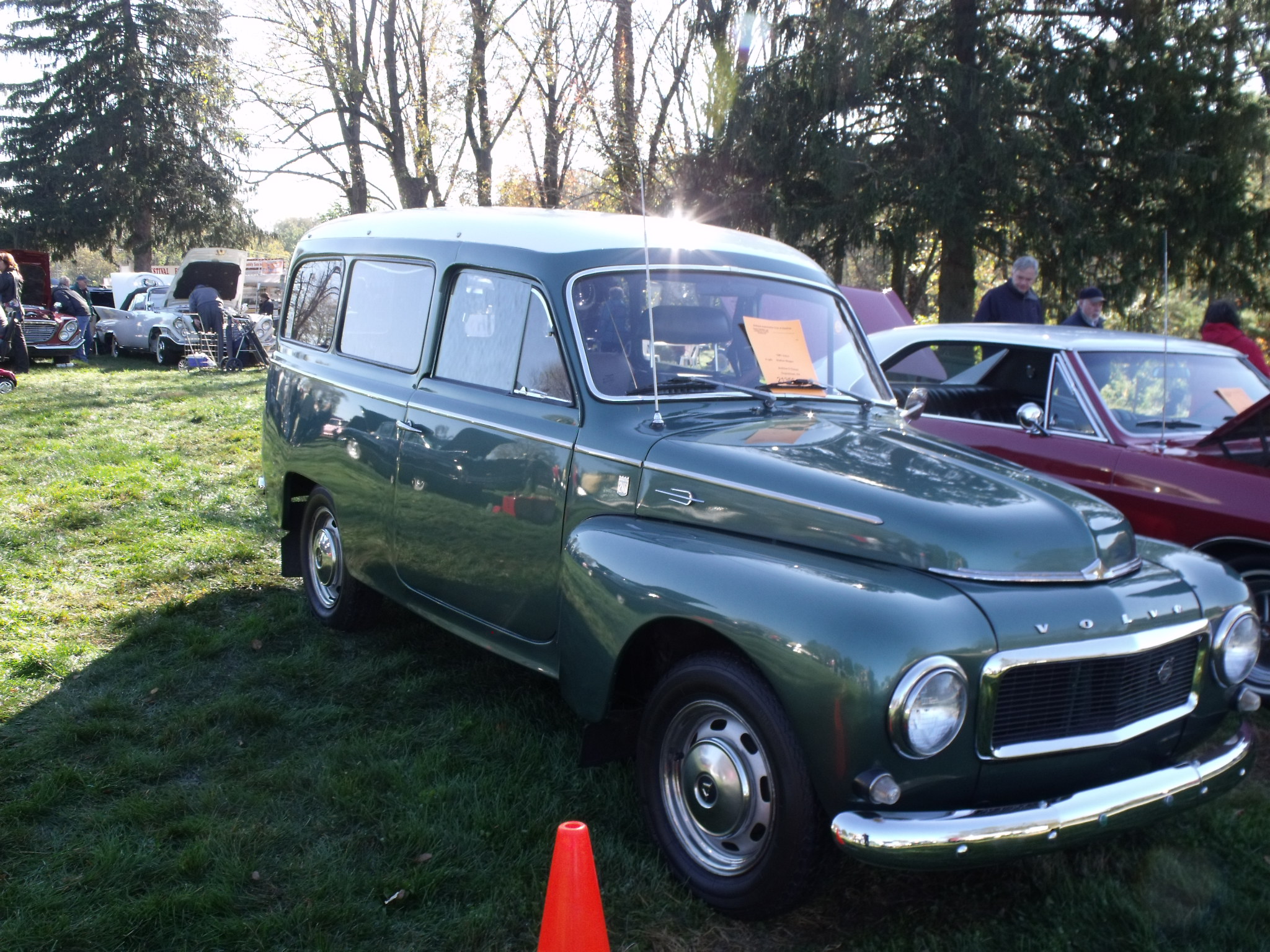
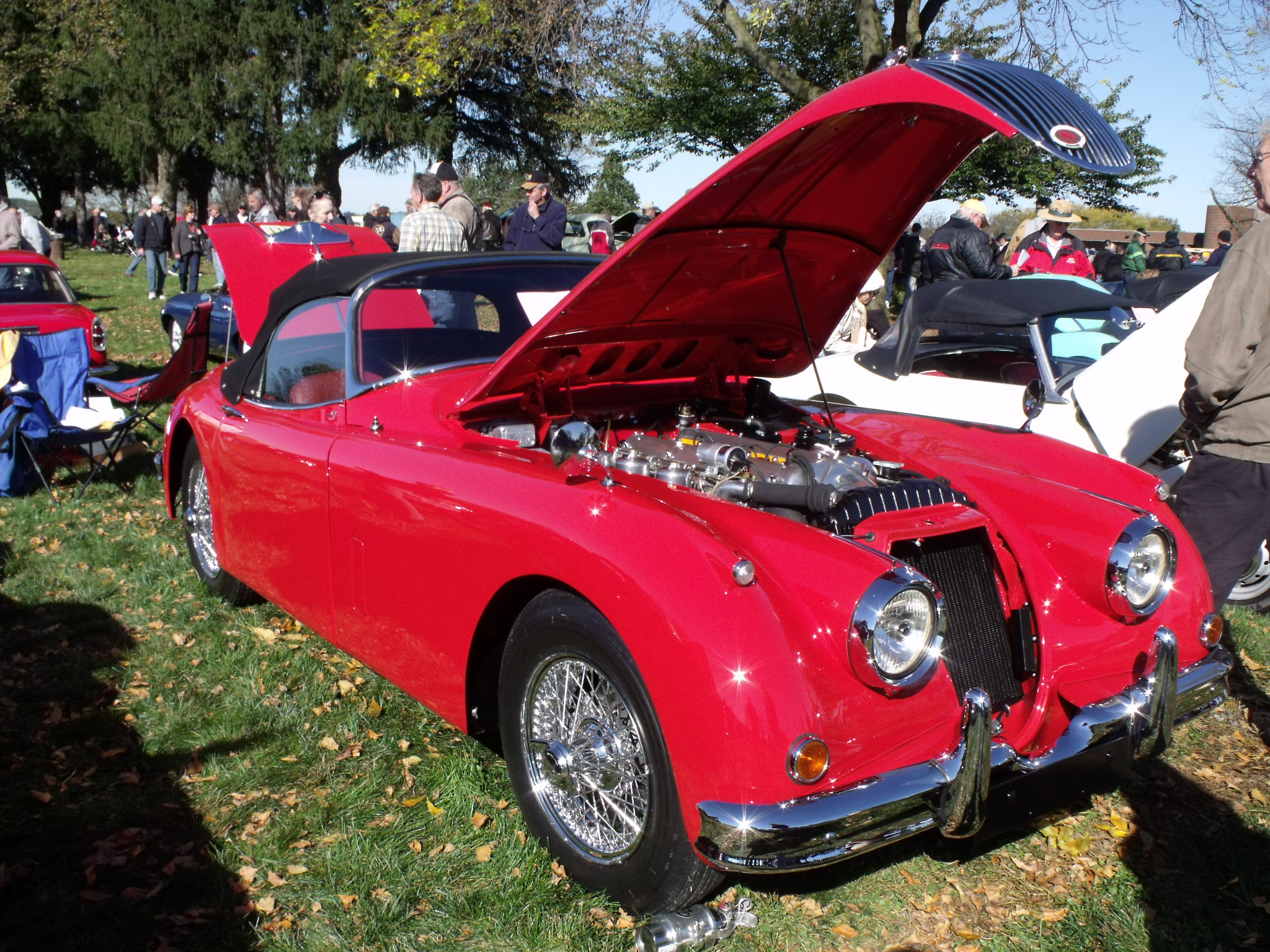
Based on these images, the weather was flawless, and so was the condition of the cars on display, which always makes it a challenge to decide which ones to photograph. Below is a selection of cars which were standouts to me. As a final comment, I may have said this before but it’s worth repeating: if you have not been to Hershey in October, it is not to be missed.


ENTERING THE SHOWFIELD
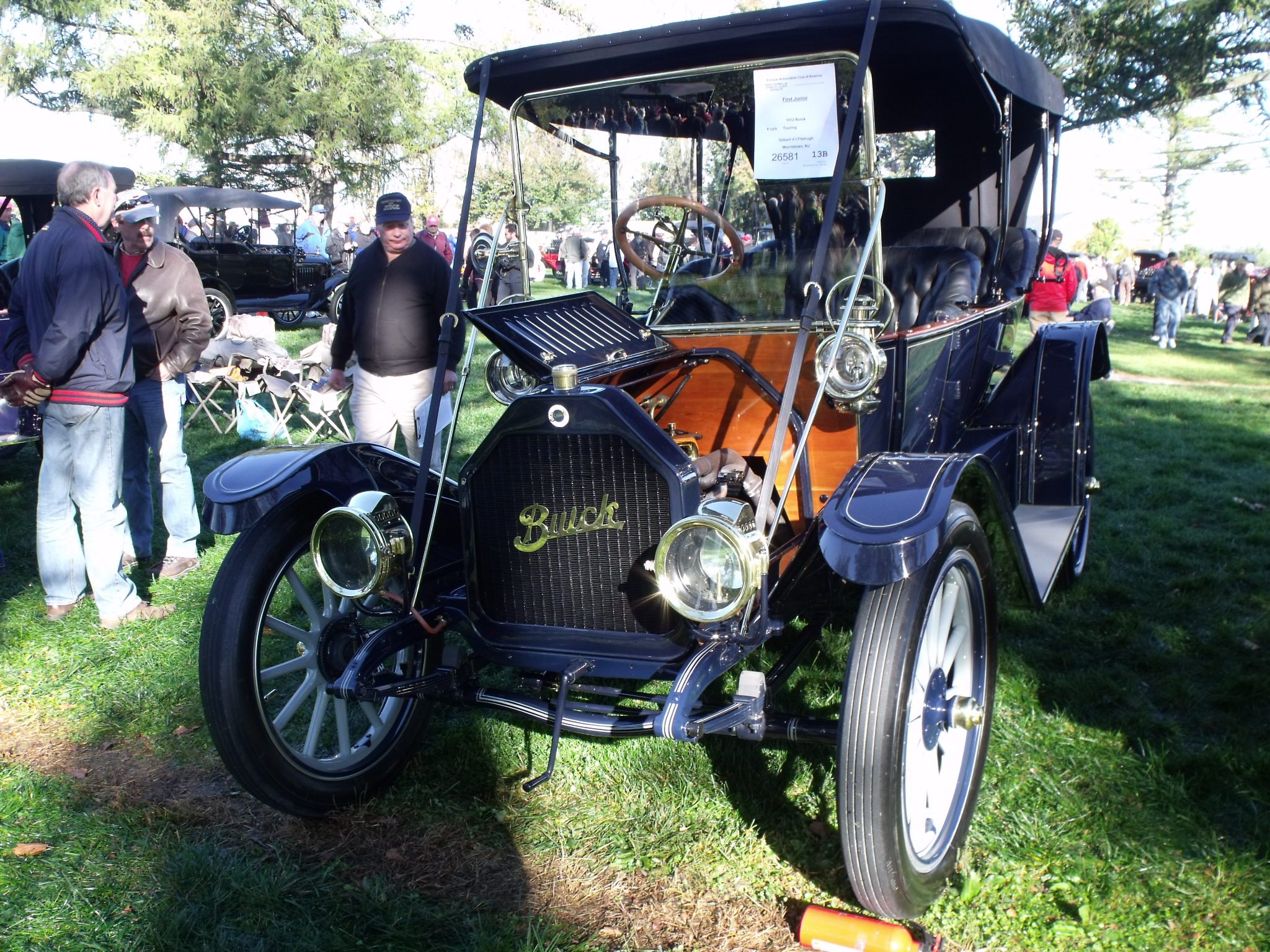
BRASS ERA
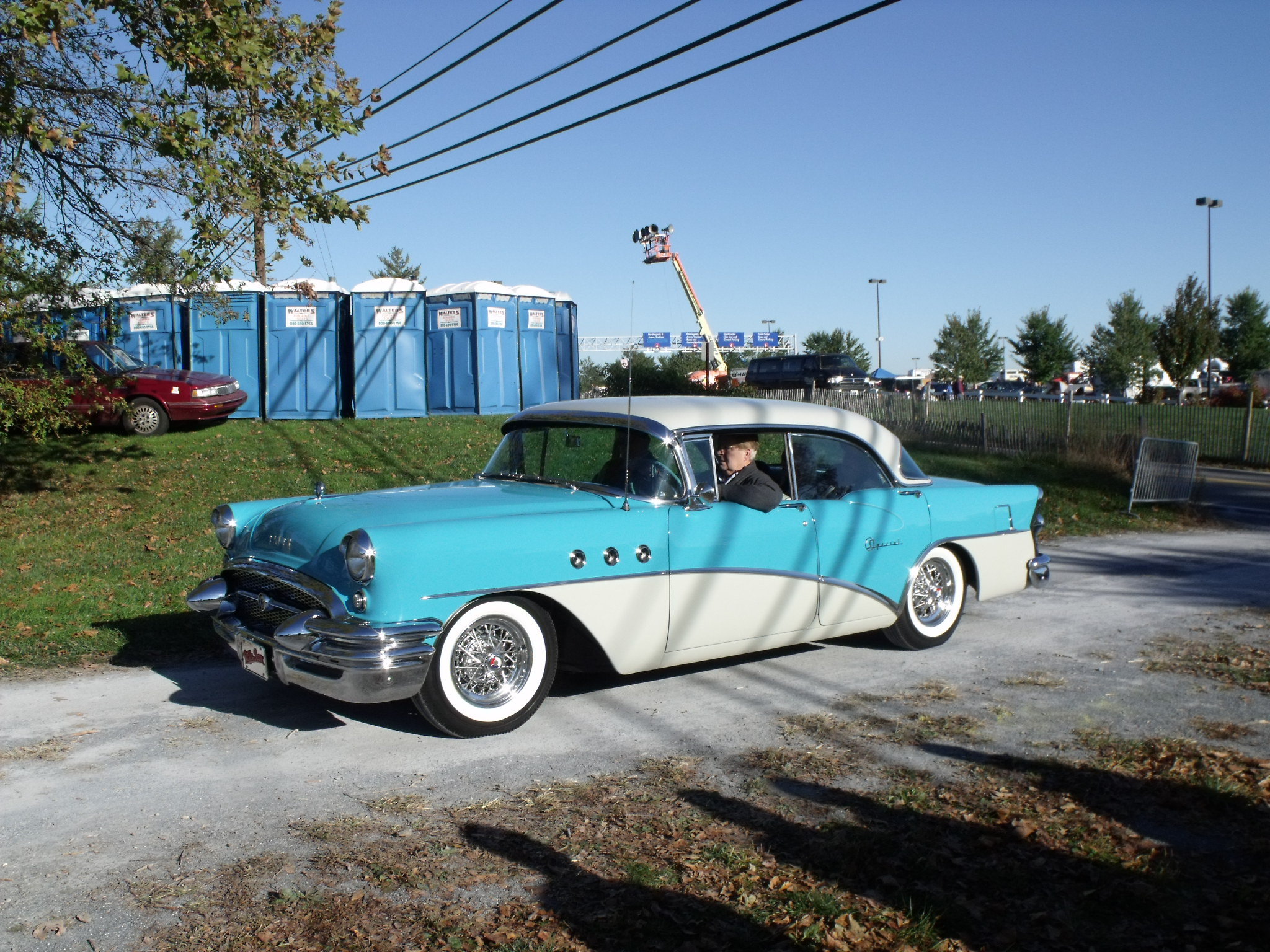
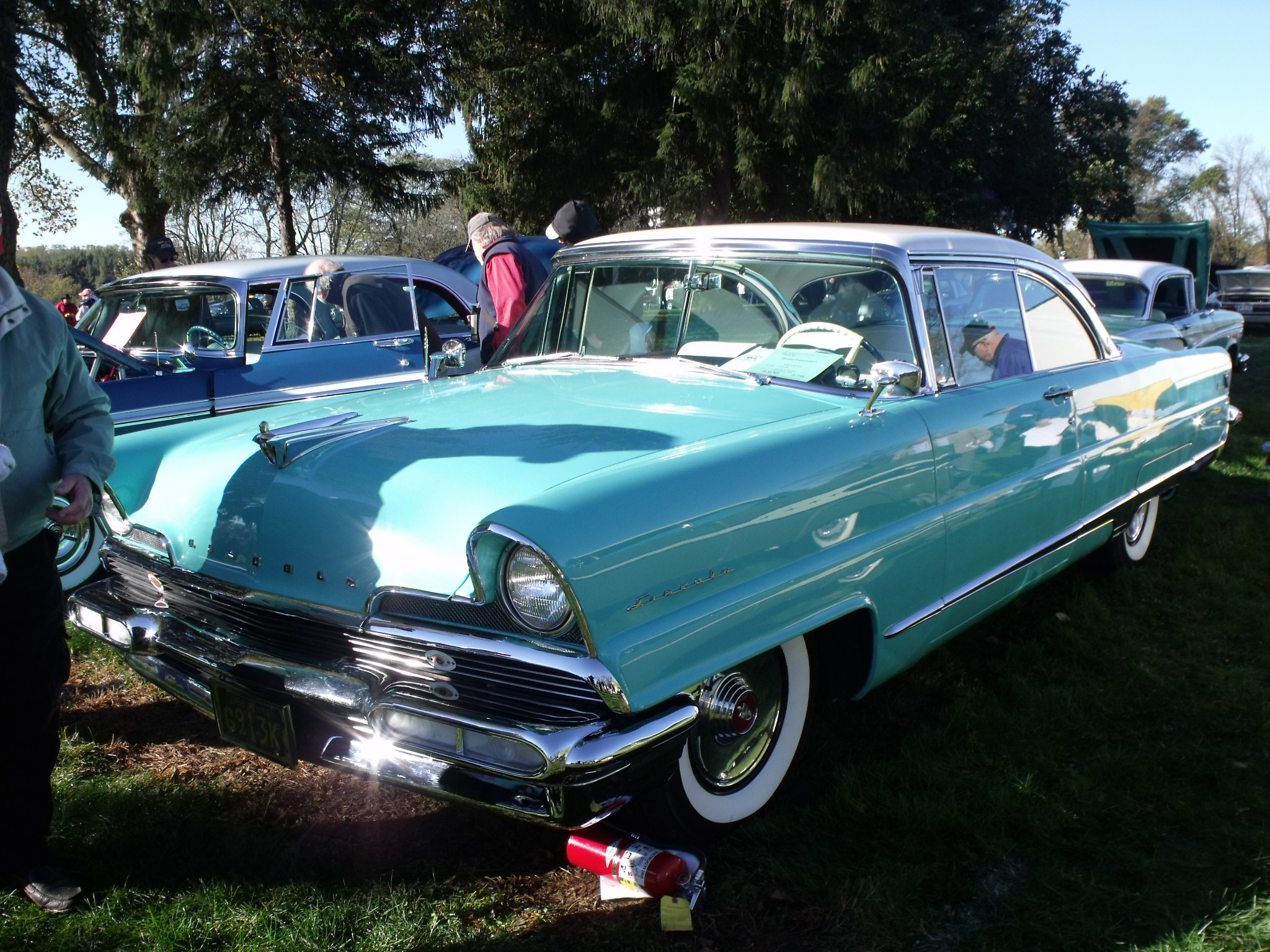
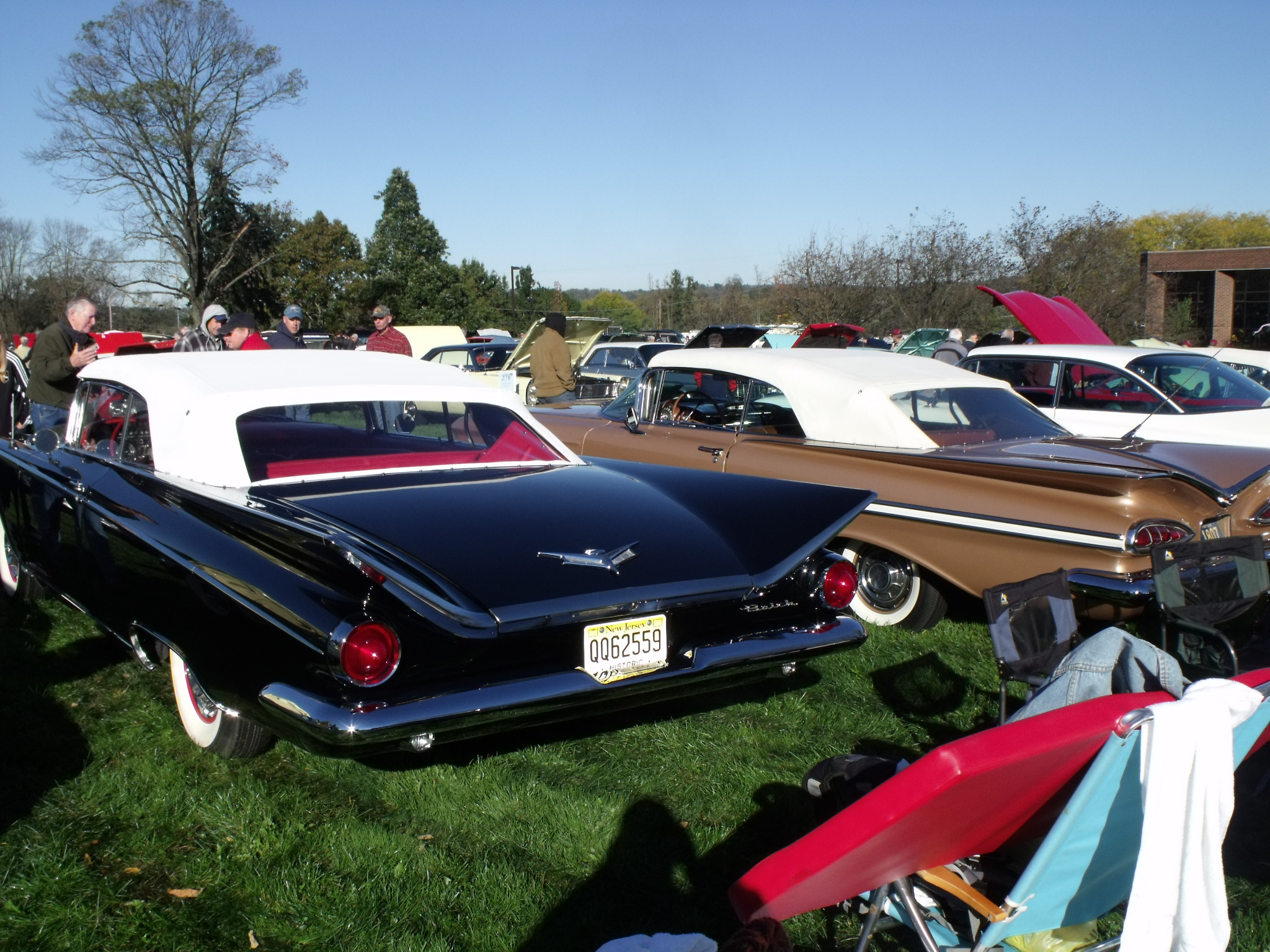
‘50s EXCESS
AMERICAN MUSCLE
IMPORTS
PERSONAL LUXURY


All photographs copyright © 2022 Richard A. Reina. Photos may not be copied or reproduced without express written permission.


2012 Bonhams Auction: Preserving the Automobile

I can’t put my finger on exactly when I started to notice the change. As far as I could remember, the old car hobby had always treasured restored cars, the more beautifully restored, the better. Trophies were awarded for the cars which had the most perfectly polished paint, the most mirror-like metal, the most crease-free upholstery. I’d see cars with paint that far exceeded any factory spray job. Formerly polished parts now wore triple-plated chrome. Cars entered into judged shows lost points for a scuff on a sidewall or a foot mark on a floor mat. It took many years of hobby participation to come to grips with the reality that for some owners, their immaculately restored cars would never be driven on the road, as that would cause (horrors!) fuel stains on the carbs, heat stains on the exhaust, grass stains on the tires, and points deducted on the judging sheet.

Some of the images of these cars are embedded in my brain. There was the line of two-seat T-Birds, each with identical yellow ink stamps in the exact same locations in their engine compartments. There was the E-Type roadster, top up, whose owner told me that the top has never been down, and never will be, as that might crease the plastic rear window. Then there was the owner of the perfect Mach I Mustang who told me the totality of the car’s mileage since restoration has been “driven onto the trailer, and driven off the trailer”. It got to the point where AACA issued a statement that over restored cars would be no more likely to win trophies than cars restored “just” to factory standards.

But the hobby started to change, and it was subtle at first. Some non-restored original cars were winning prizes formerly reserved for the over restored beauties. Values of well-kept originals began to rise and keep pace with fresh restorations. Some pundits came up with a few key phrases like, “a car is original only once”, and “anyone with a checkbook can restore a car, but it takes perseverance to keep a car original”. The word “patina” entered the hobby’s lexicon, and the condition itself was embraced, indeed, celebrated. An all-original car with dull paint, tattered carpets, and a greasy engine compartment could seriously compete with a restored version of the same make and model, and depending on judging criteria, might beat it. This was, as I called it at the time, the hobby taking a hard right turn in valuing originality over restoration.

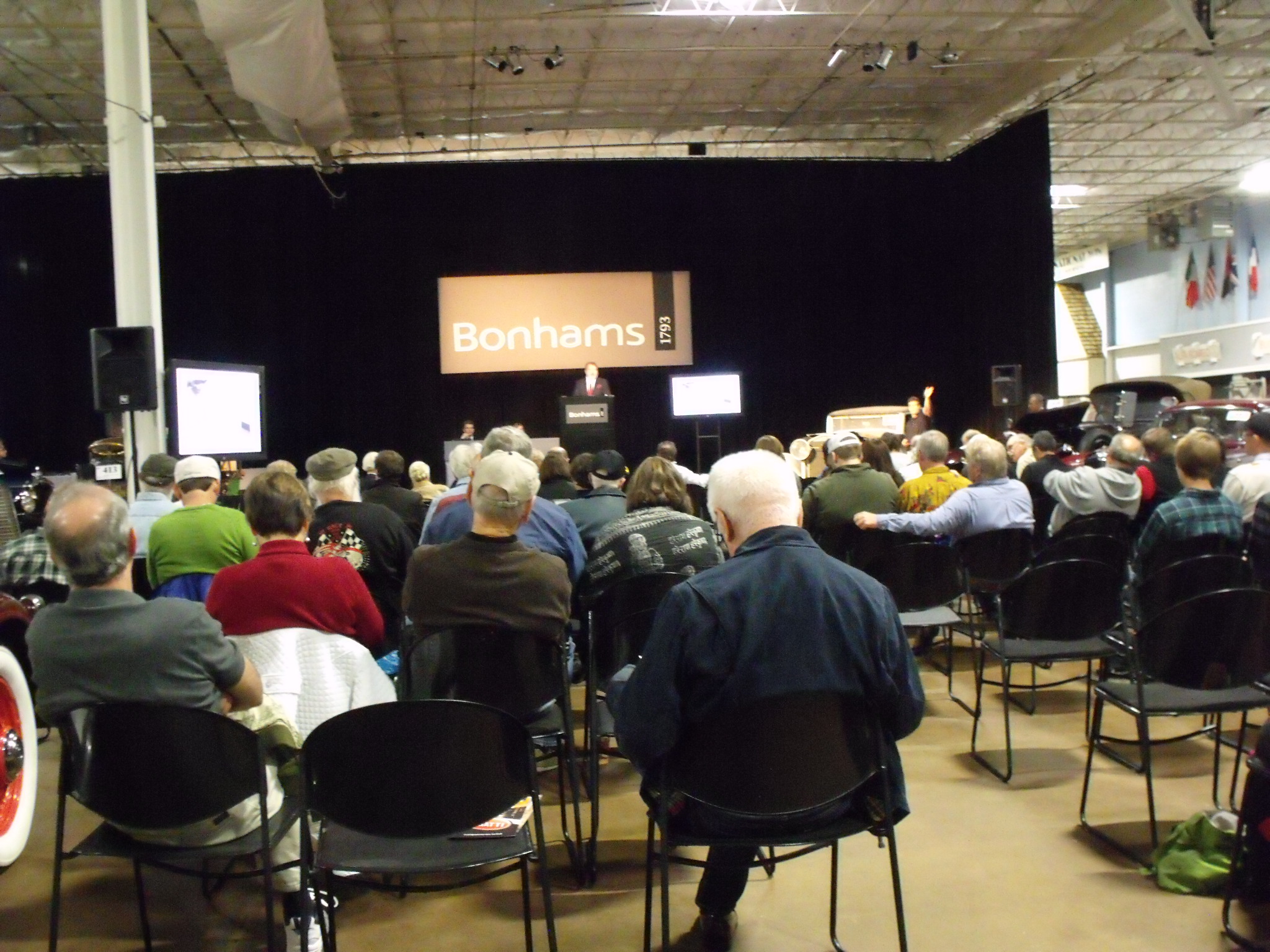
It was 10 years ago, in October 2012, that Bonhams, the esteemed auction house, teamed up with the Simeone Museum in Philadelphia PA, to present the first of what they billed as “Preserving the Automobile … the first-ever auction to promote the concept of preservation of collector cars.” Bonhams was attaching itself to a theme that Dr. Fred Simeone himself had practiced with his own collection and would eventually author a book about, which is the notion of preserving vehicles in much the same way that one preserves fine art and historic furniture. All the cars on auction on that 8th day of October were unrestored. To be fair, not all of them were what one would call “preserved”; in fact, a few of them needed a good deal of restoration or might even be of value only as parts cars. But Bonhams and the Simeone Foundation together where out to make a point: there was value to be recognized in offering lots without the shiny bits, in the hopes that others would agree with the efforts to keep the cars as original as possible.
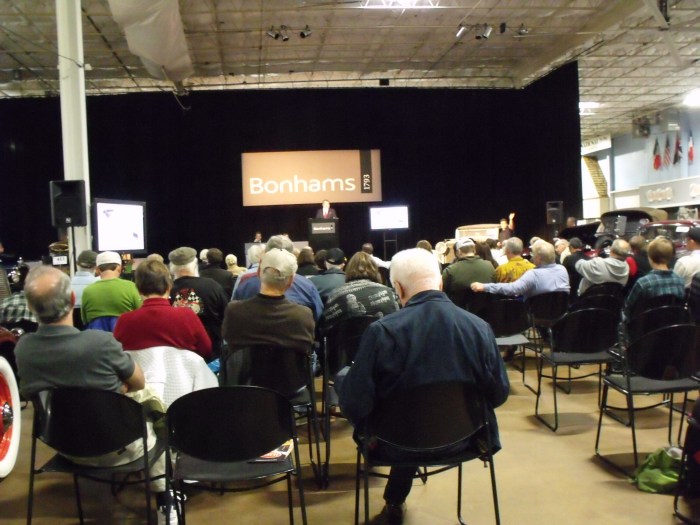
I attended the auction that day and clearly recall thinking that there were some bargains to be had, presuming that the sold cars ran and drove (unlike most other auctions, lots were not driven across the block during the bidding process). Some of these values look even more remarkable with 10 years’ hindsight. Since this inaugural auction in 2012, Bonhams has returned to the Simeone location in most succeeding years with the same theme. In this sometimes over-hyped hobby, it is refreshing to see the efforts made by these two organizations to support and encourage preservation as an important component of it.


Sold lots are listed in ascending price order.


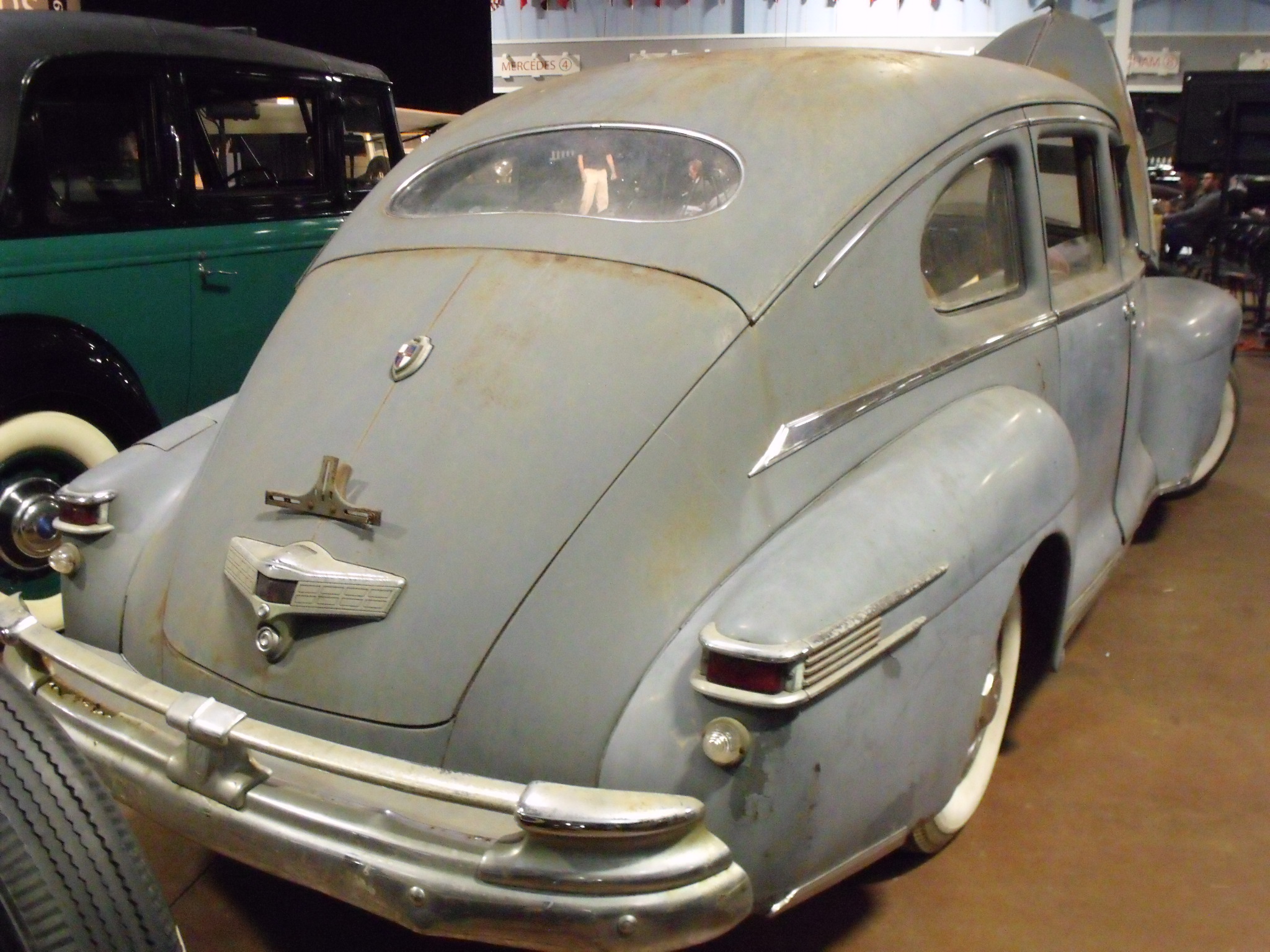
Lot 415, 1946 Lincoln Model 66H Sedan, sold for $2,530 with buyer’s premium. One of the least expensive lots at this auction, and understandably so. Bonhams made no claim that this V-12 Lincoln 4-door started or ran, instead falling back on typical auction hyperbole like “strikingly original”, “dirty but complete” and “a lovely project for the winter months”. These late ‘40s Lincolns were not as attractive as the cars that preceded them or came after them. Still, if your starting budget was $2,500 and you wanted a project, here you go!


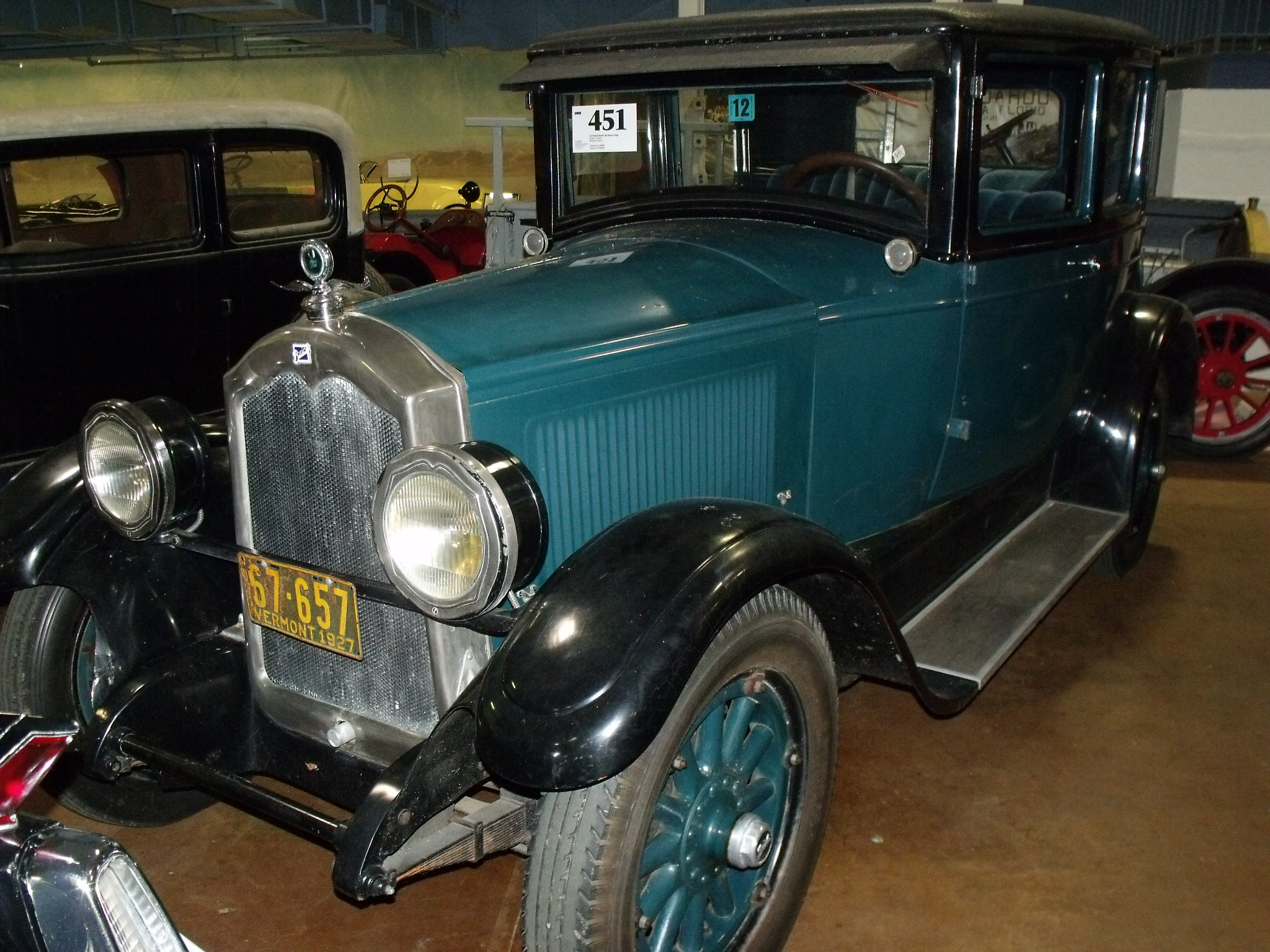
Lot 451, 1927 Buick Master Six Opera Coupe, sold for $5,520 with buyer’s premium. The description states that this is a running, driving example which is all original except for its upholstery. In 2012, interest in pre-war cars had been on a long and steady decline but has since picked up. I called this a fair deal in 2012 and it looks even better 10 years later.


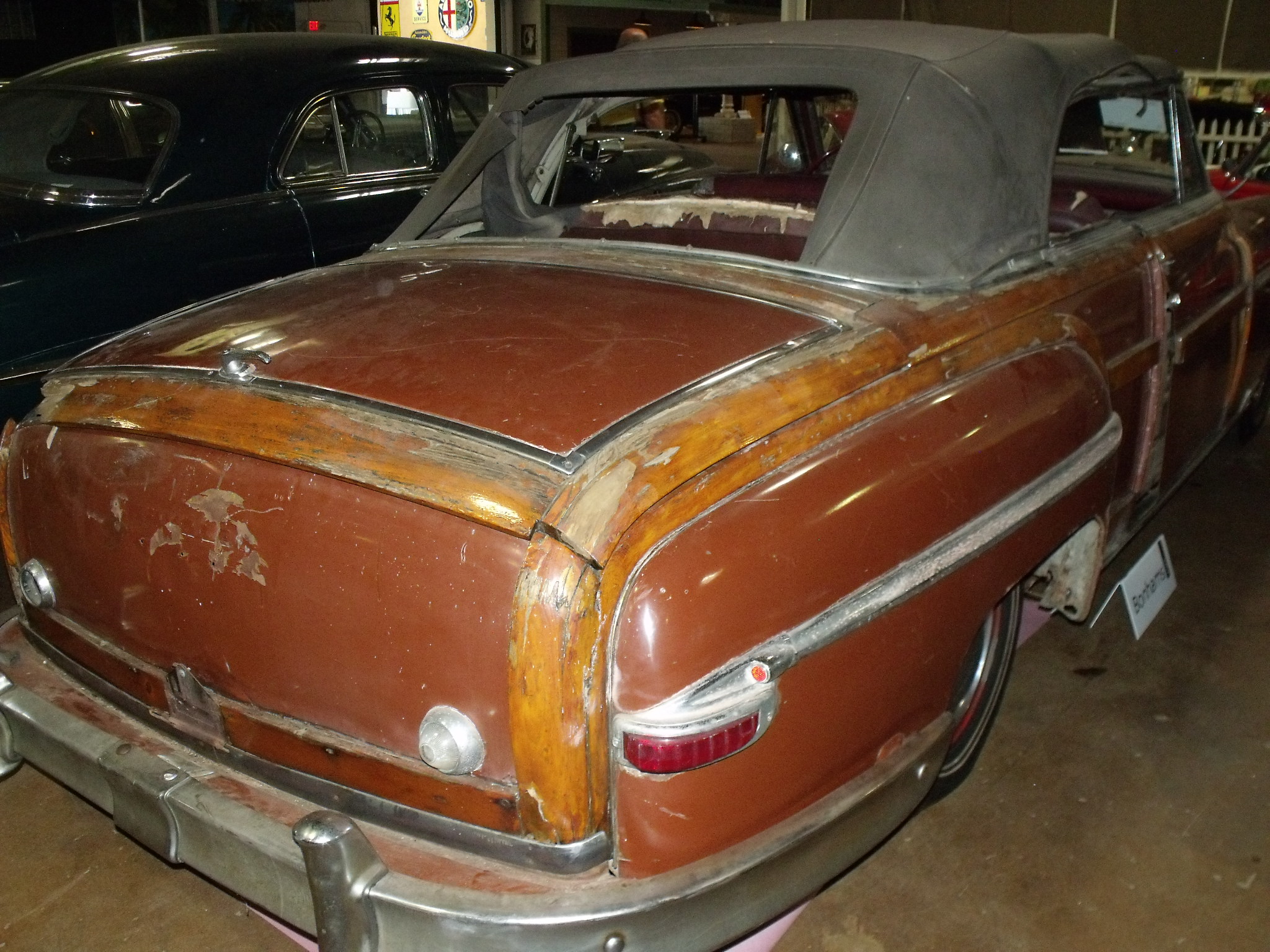
Lot 461, Chrysler Town and Country convertible, sold for $9,200 with buyer’s premium. Calling this car “rough” is an understatement. It may have been drivable, but the woodwork alone would soak up most of the next owner’s budget like a brush dipped in shellac. On the positive side, this was the final Woodie American convertible built, with 2022 values hovering close to six figures.

Lot 445, 1970 Jaguar E-Type 2-door coupe (NOT a 2+2), sold for $15,000 with buyer’s premium. The website notes that the car had been off the road since 1990, and had been repainted once in its factory color. The paint does not show well. The description further states that the engine spins freely and “it is anticipated that the car could be made to run”. Even with those caveats, this is a deal for a Series II E-Type, which today carries a value as per my CPI guide between $40-80,000.


Lot 418, 1965 Mercedes-Benz 230SL Roadster with Hard Top, sold for $17,250 with buyer’s premium. One repaint in a shade of red a little off from the factory red. Runs, but has been sitting. This was another deal in 2012 dollars that looks especially attractive today. Although I didn’t photograph it, one front fender had a dent as if an object had fallen onto it, so there was the potential for some body work in its future. Today’s values for the 230 SL are between $75k and $130k according to CPI.


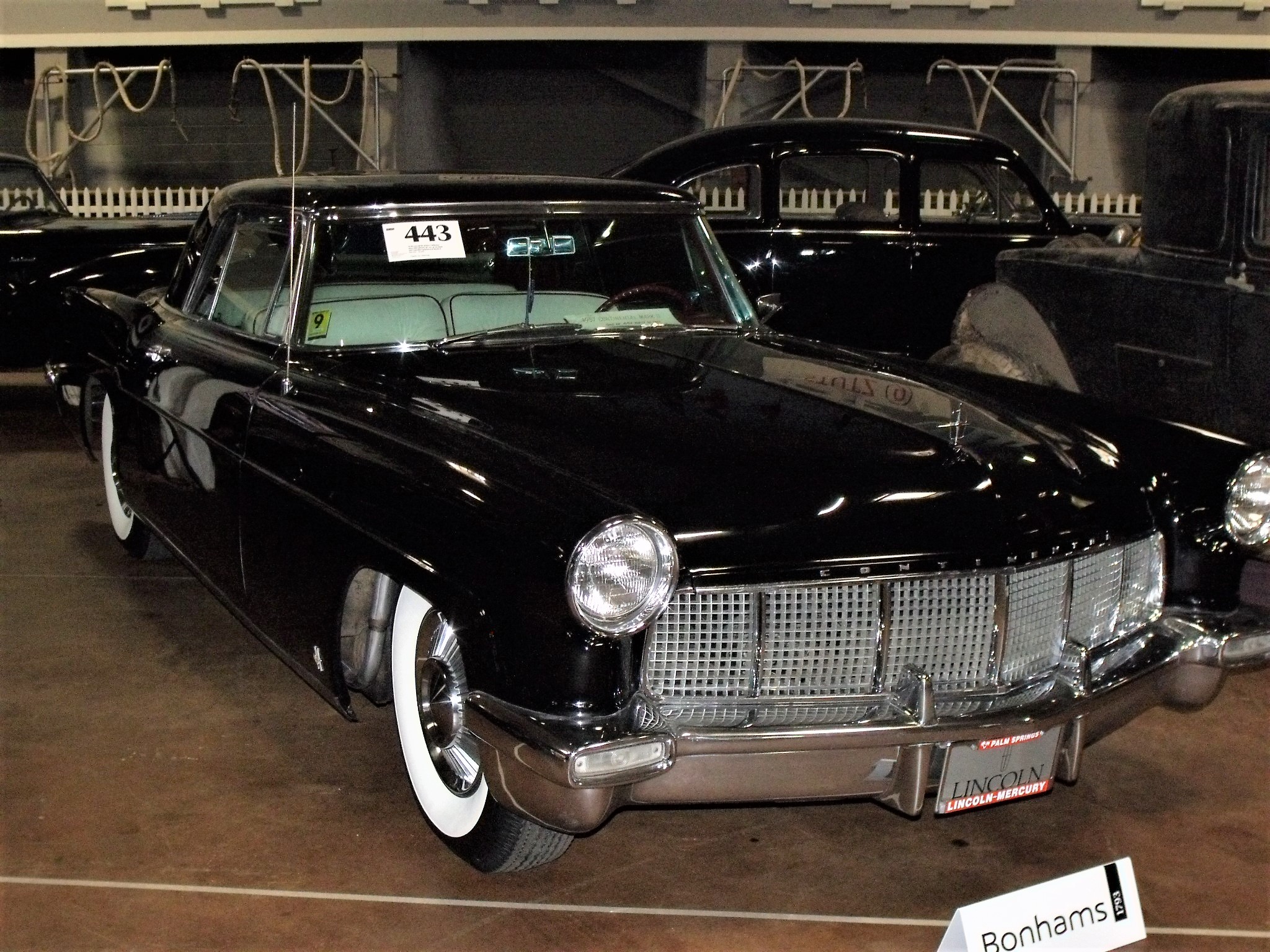
Lot 443, 1957 Lincoln Continental Mark II with factory A/C, sold for $33,350 with buyer’s premium. These cars are rare and in my opinion, not as collectible as other ‘50s icons in part because not everyone knows about them and in part because some people know too much about them, to wit, parts are unavailable and they are notoriously expensive to restore. If this one was all there, and that appeared to be the case, this was a decent deal on a Mark II.

All photographs copyright © 2022 Richard A. Reina. Photos may not be copied or reproduced without express written permission.