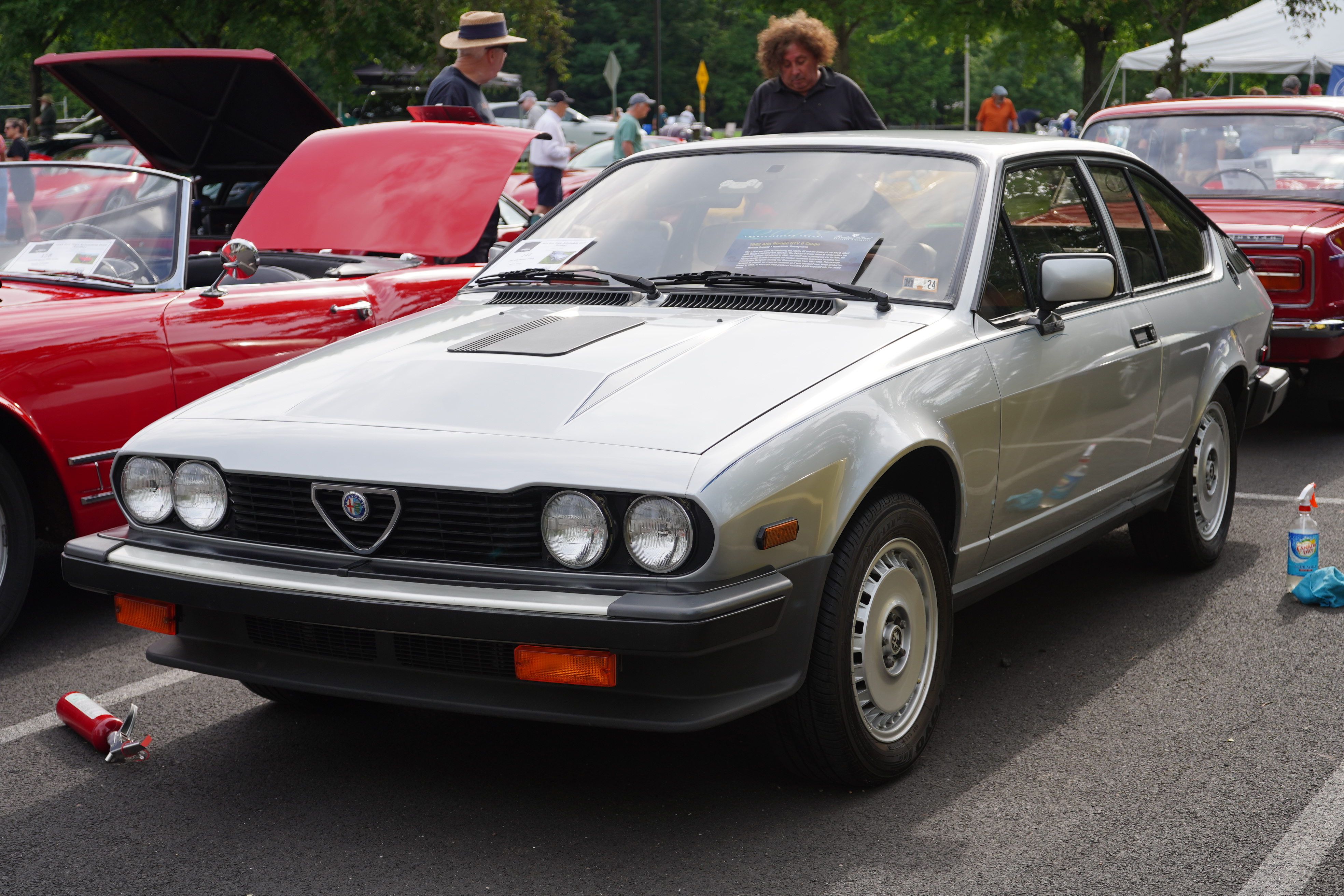
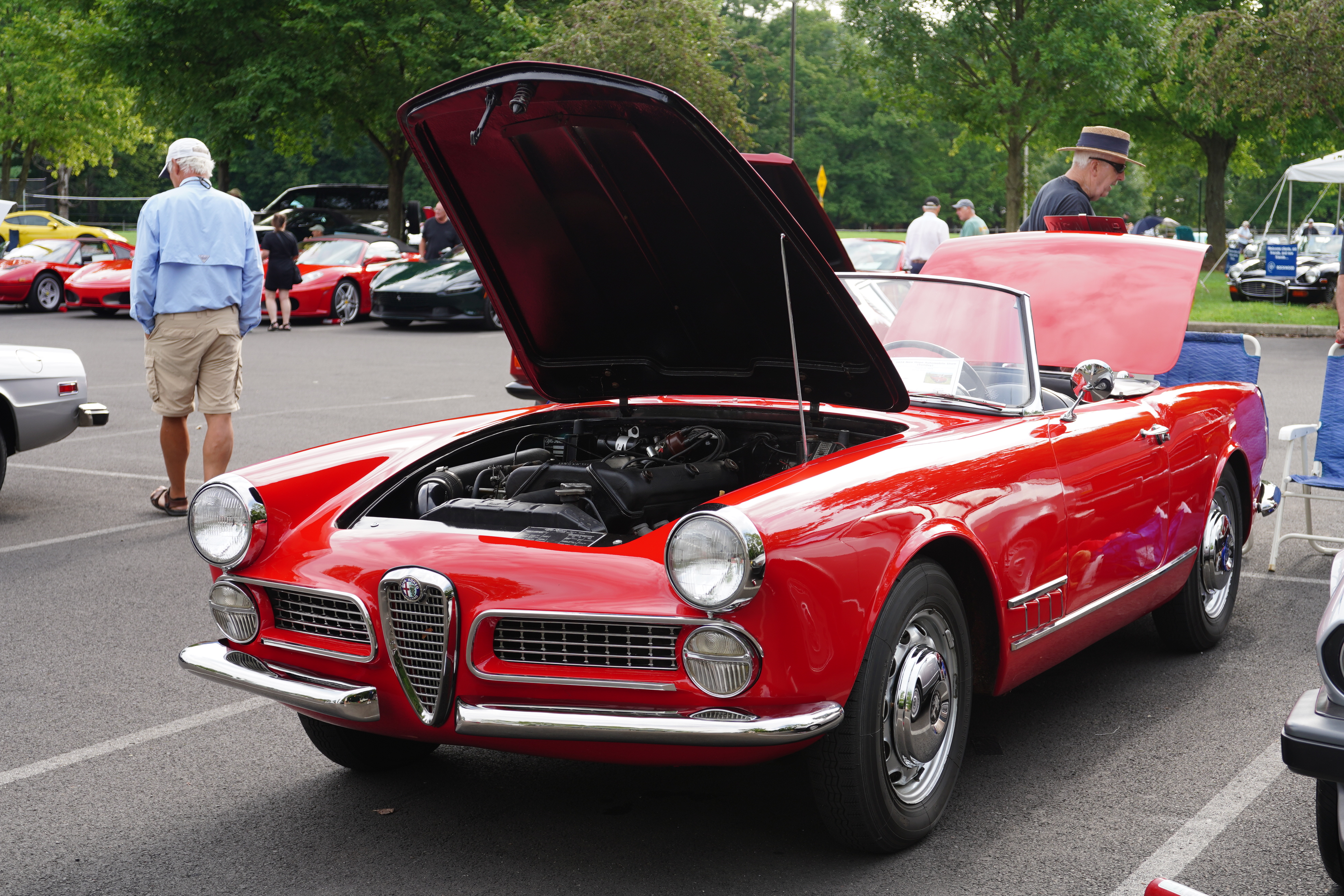
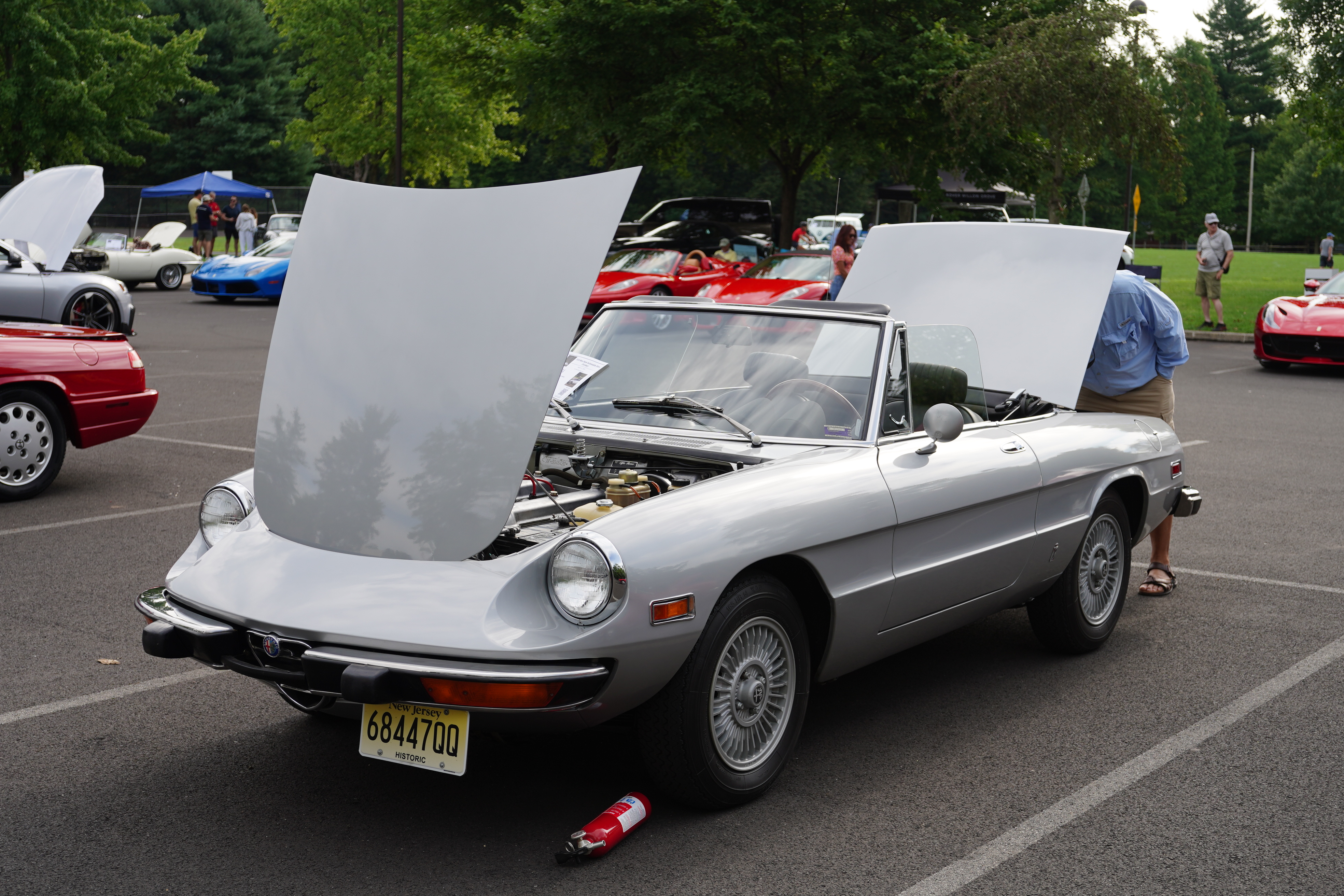
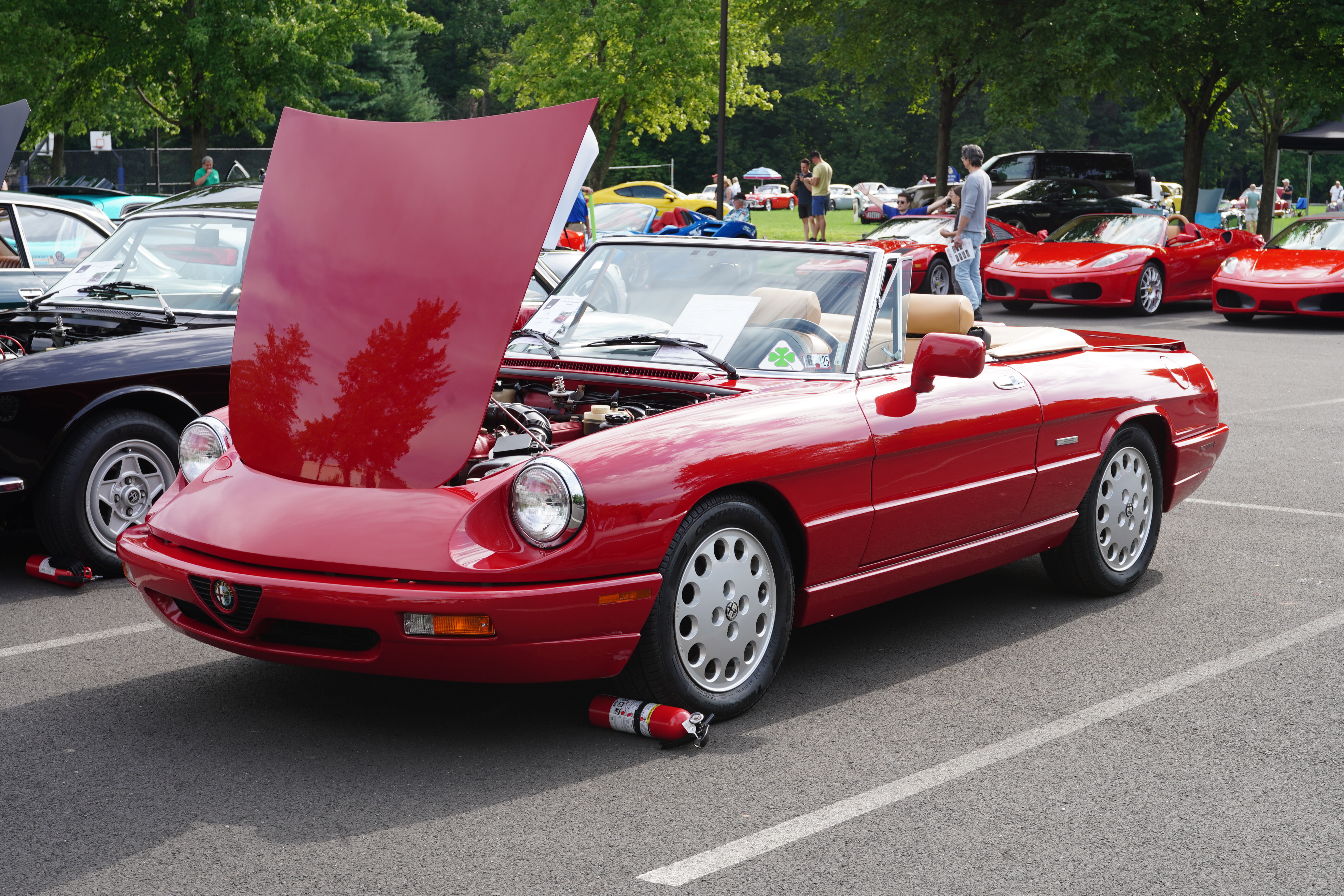
Auto e Moto d’Epoca Summary Part 4

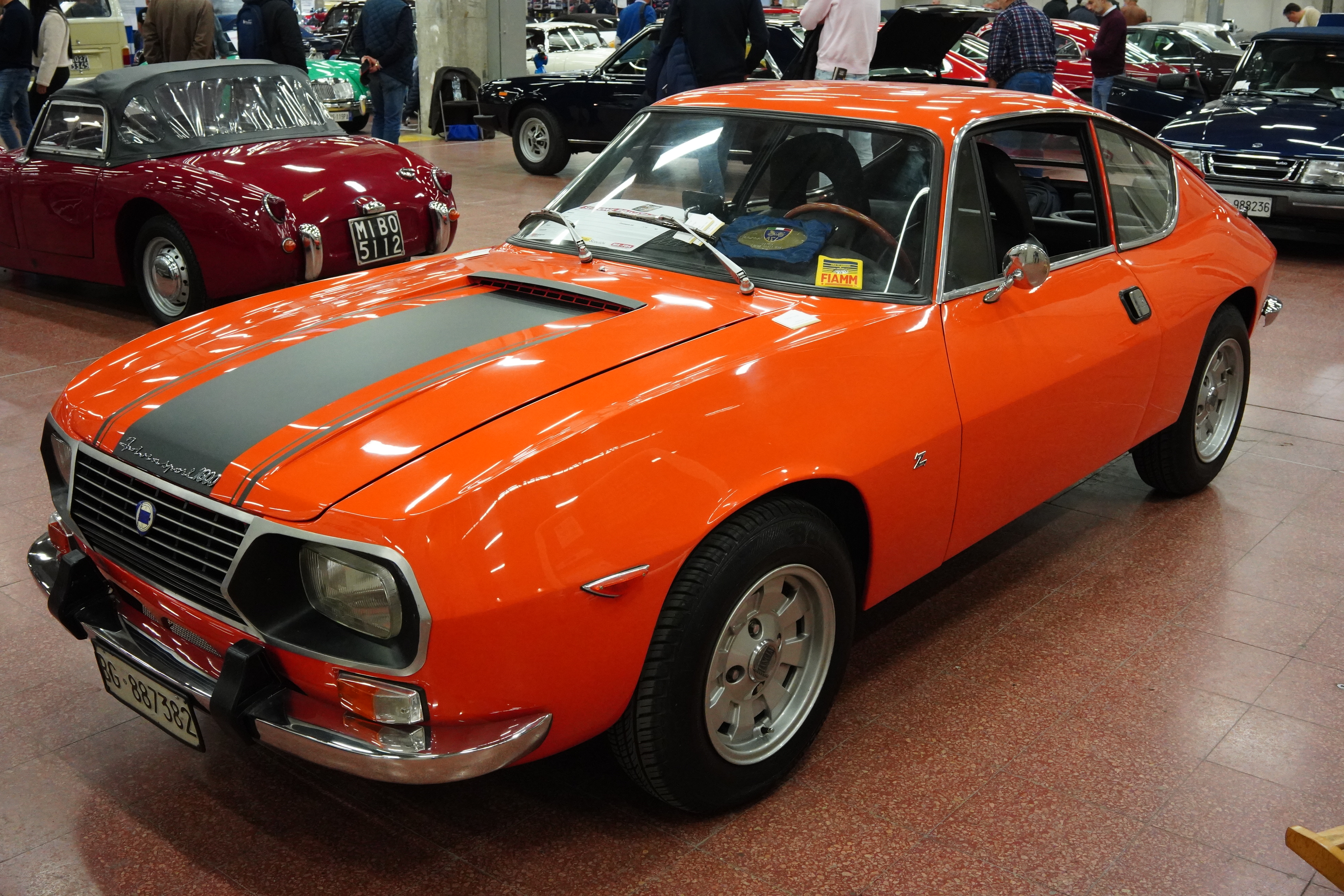
This 4th and final installment includes the cars which didn’t fit into any of my previous categories.


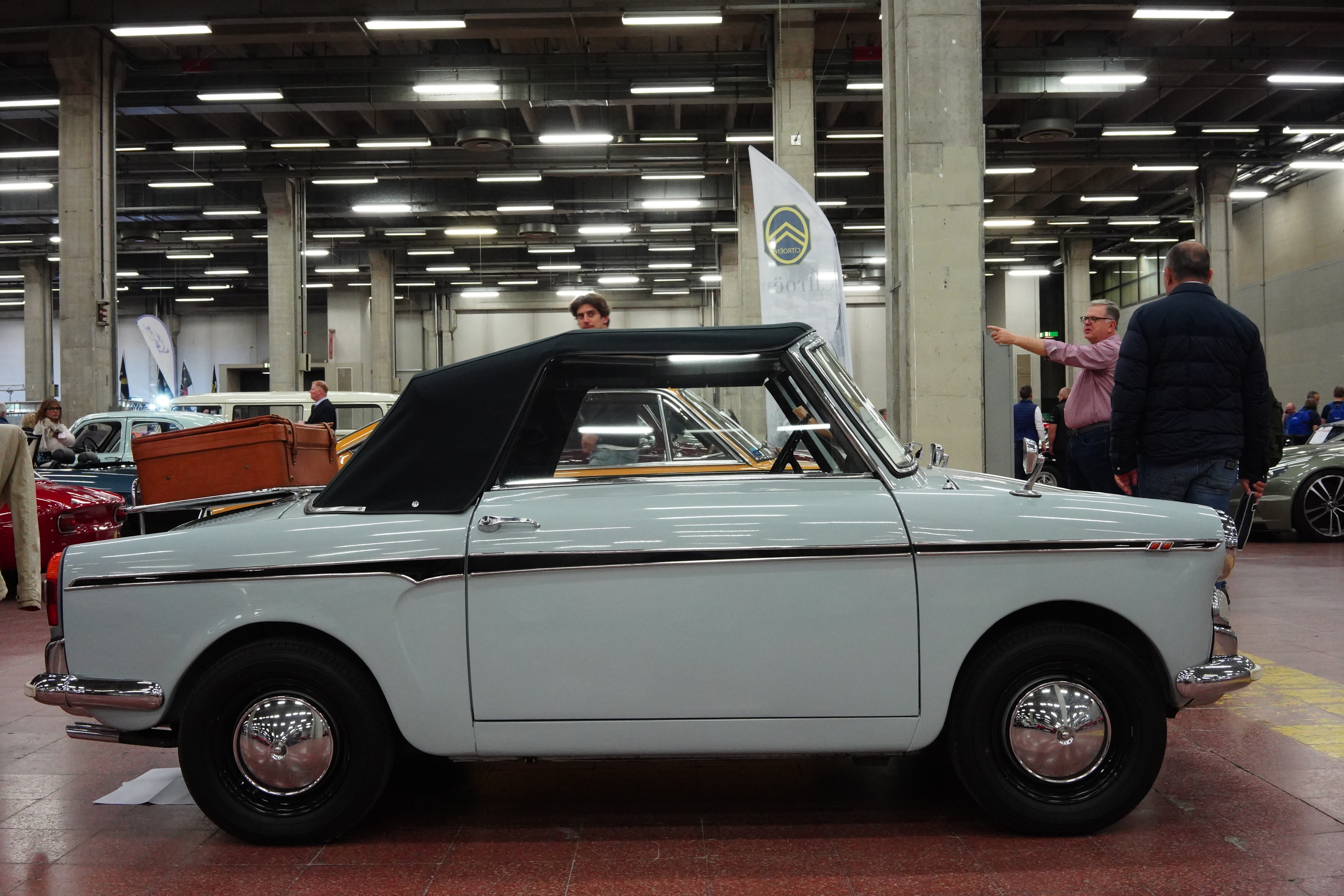
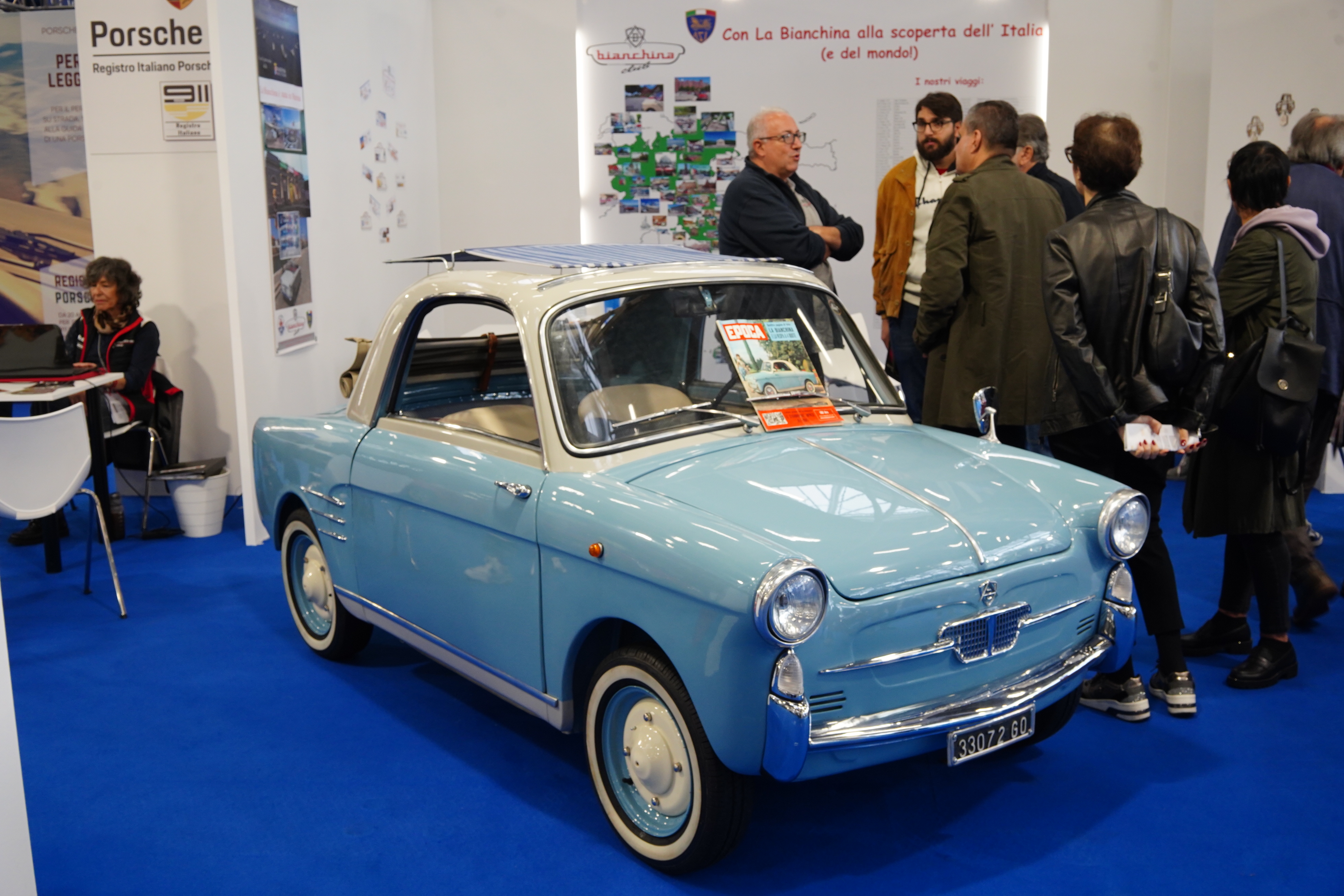
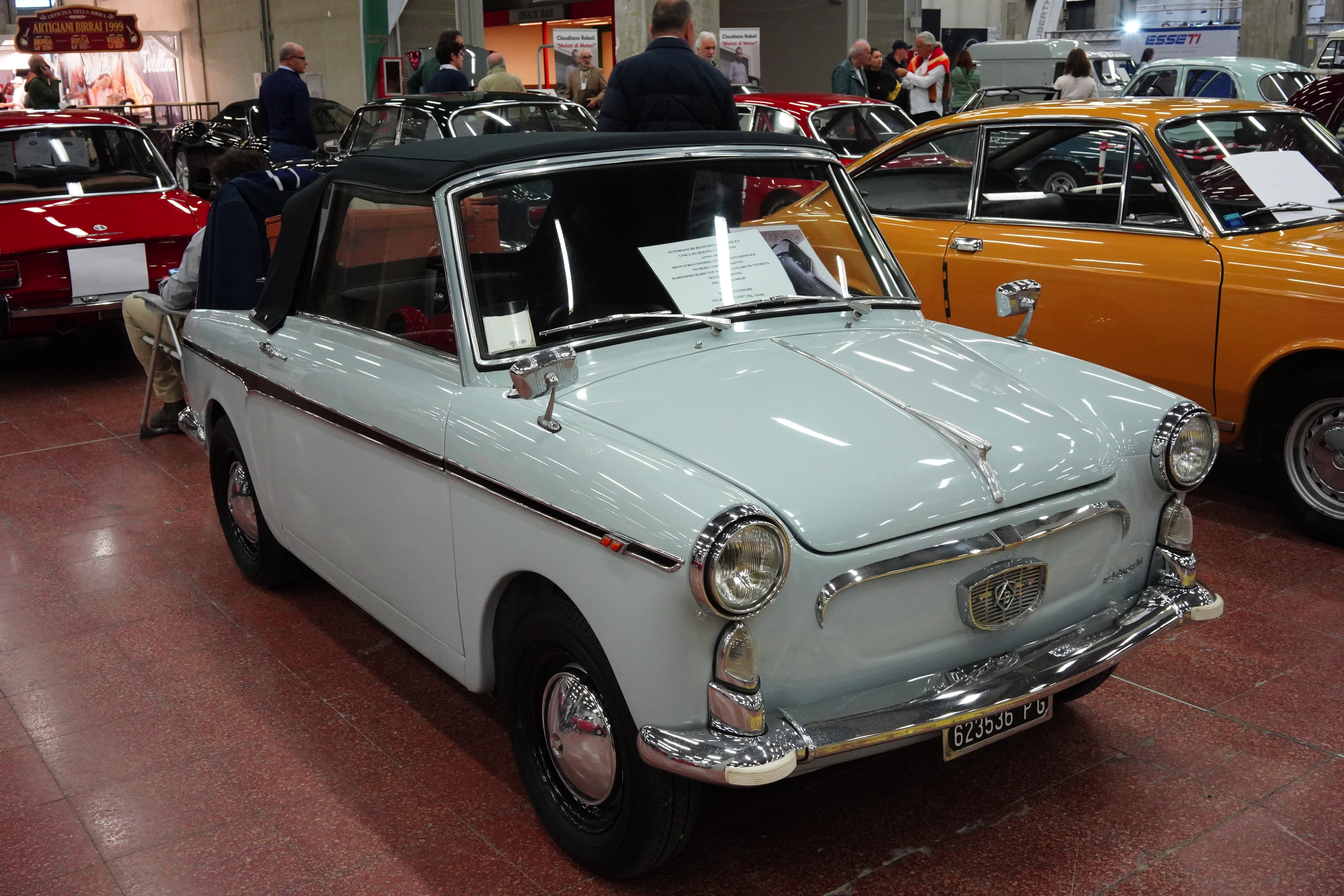
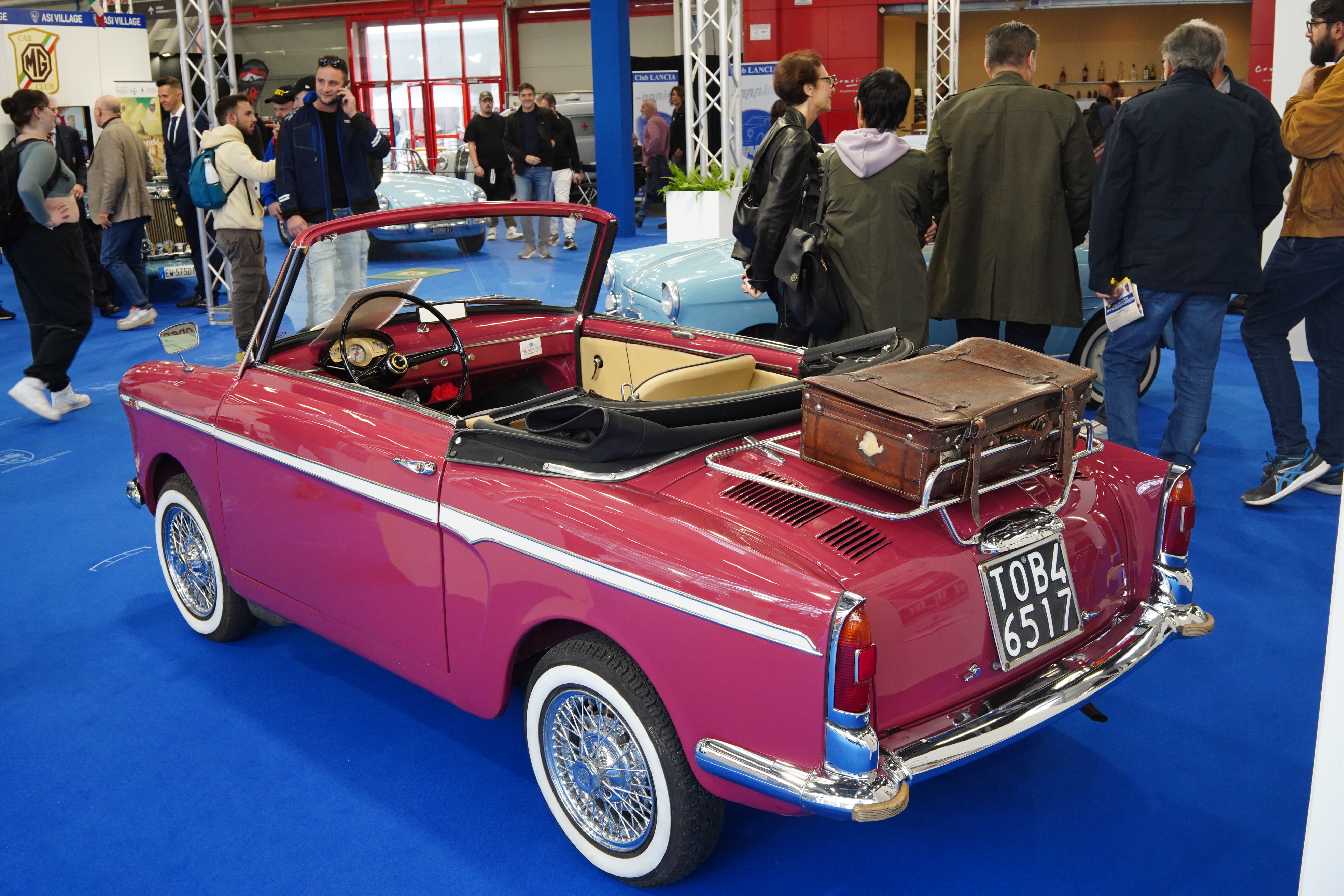
This 1966 Autobianchi Bianchina convertible was for sale for €26,900.
FERRARI

There were not many Ferraris here, certainly not compared to other Italian makes.

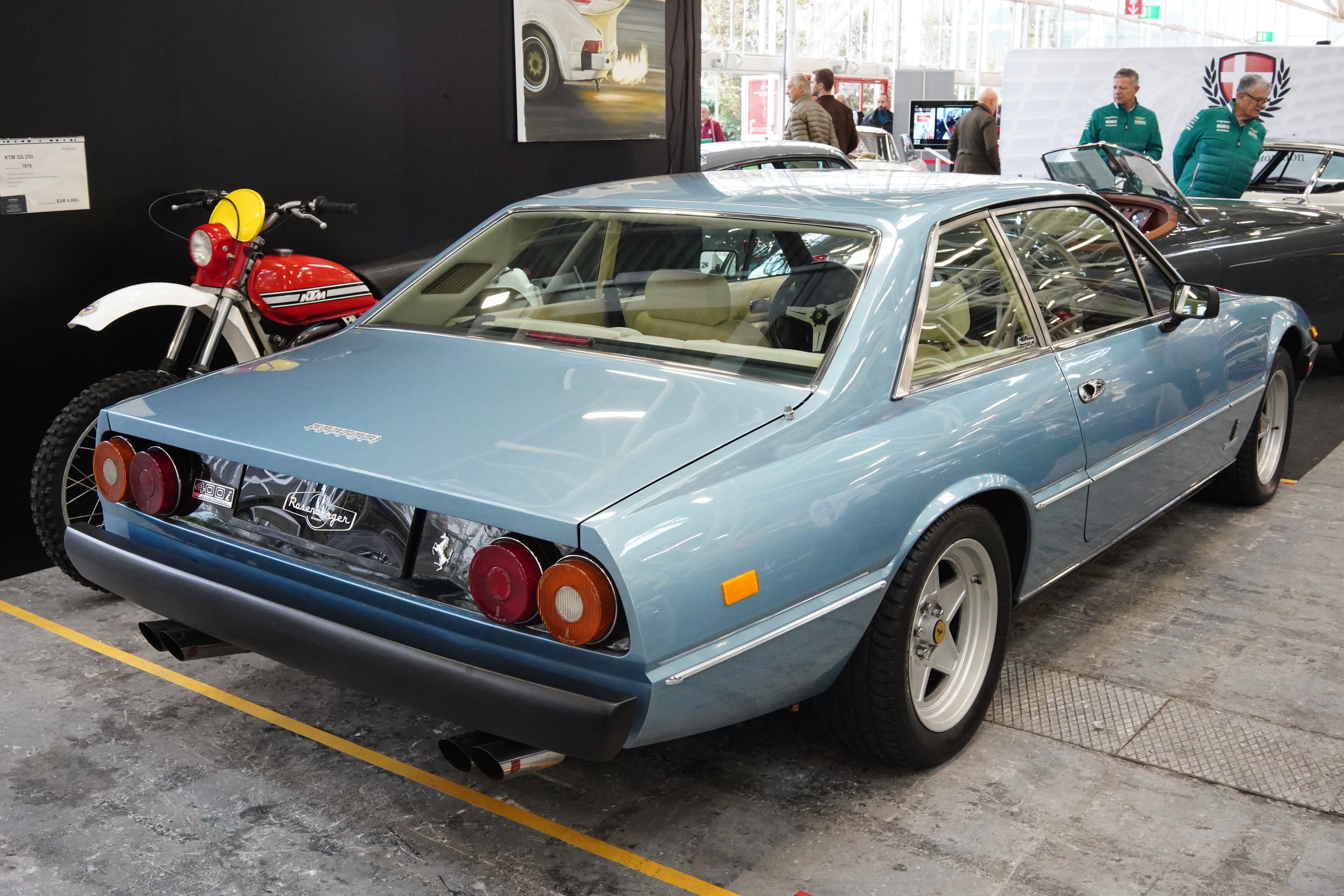
This 400i Automatic was for sale for  €58,700.
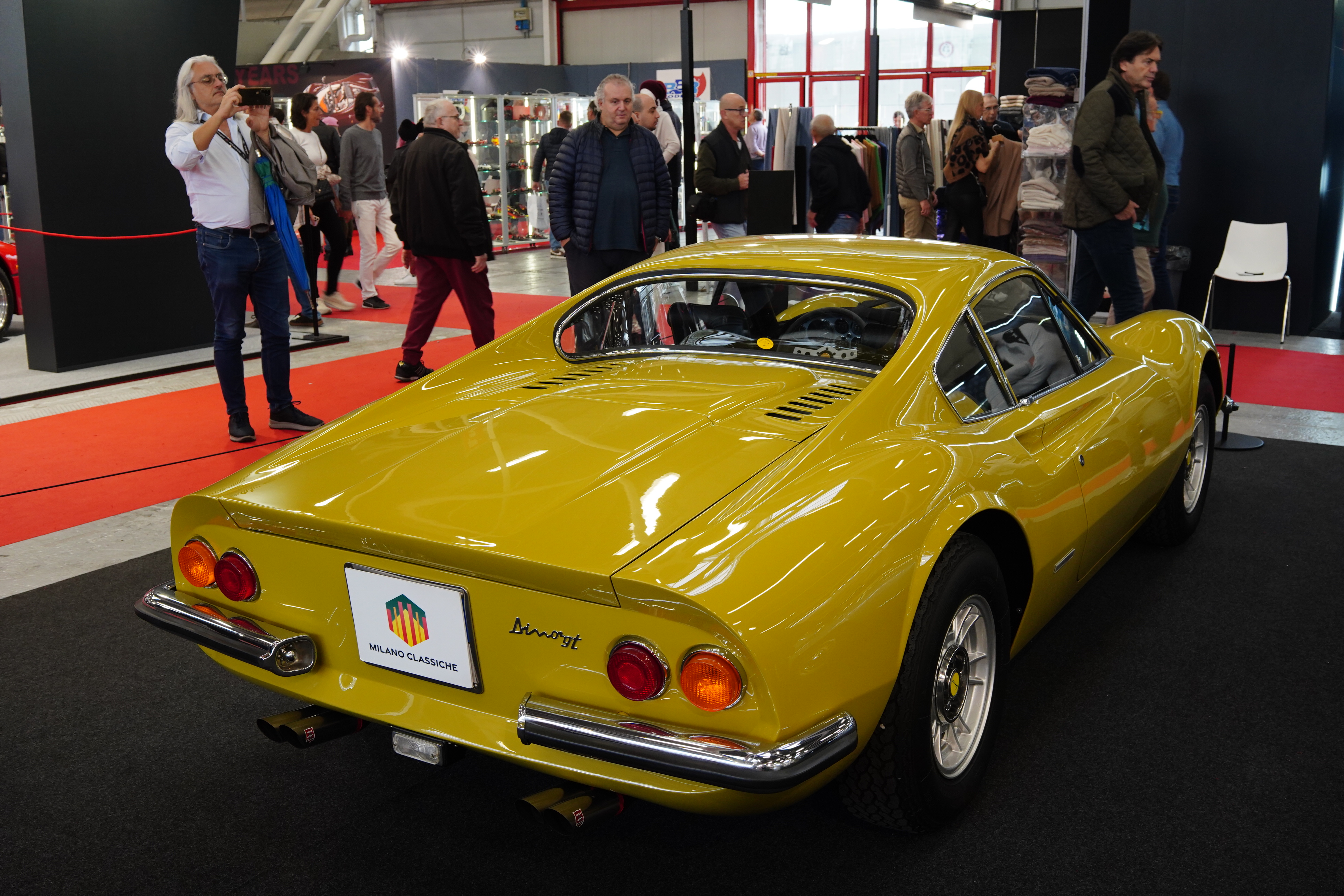
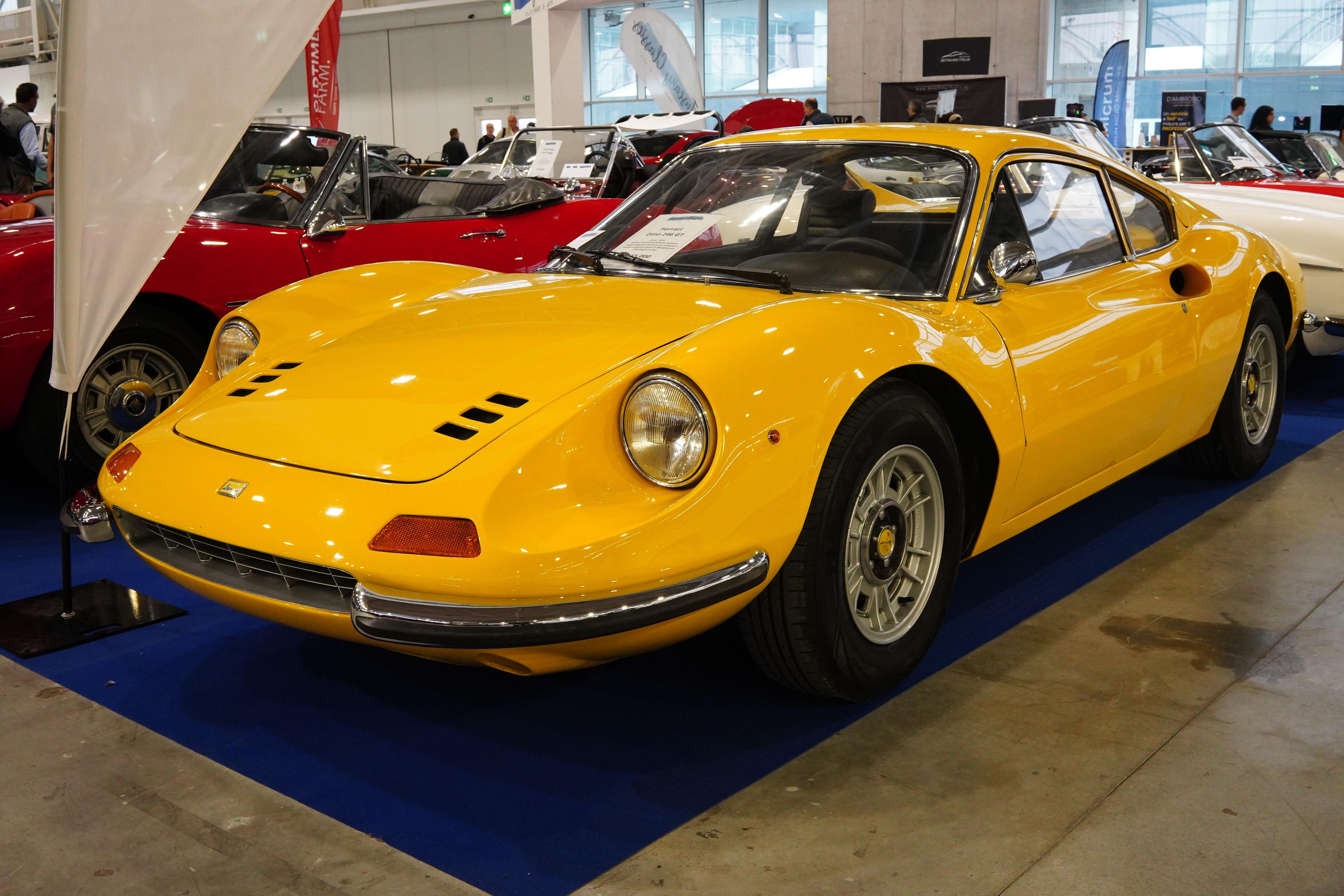
A Dino 246GT in yellow for €355,000
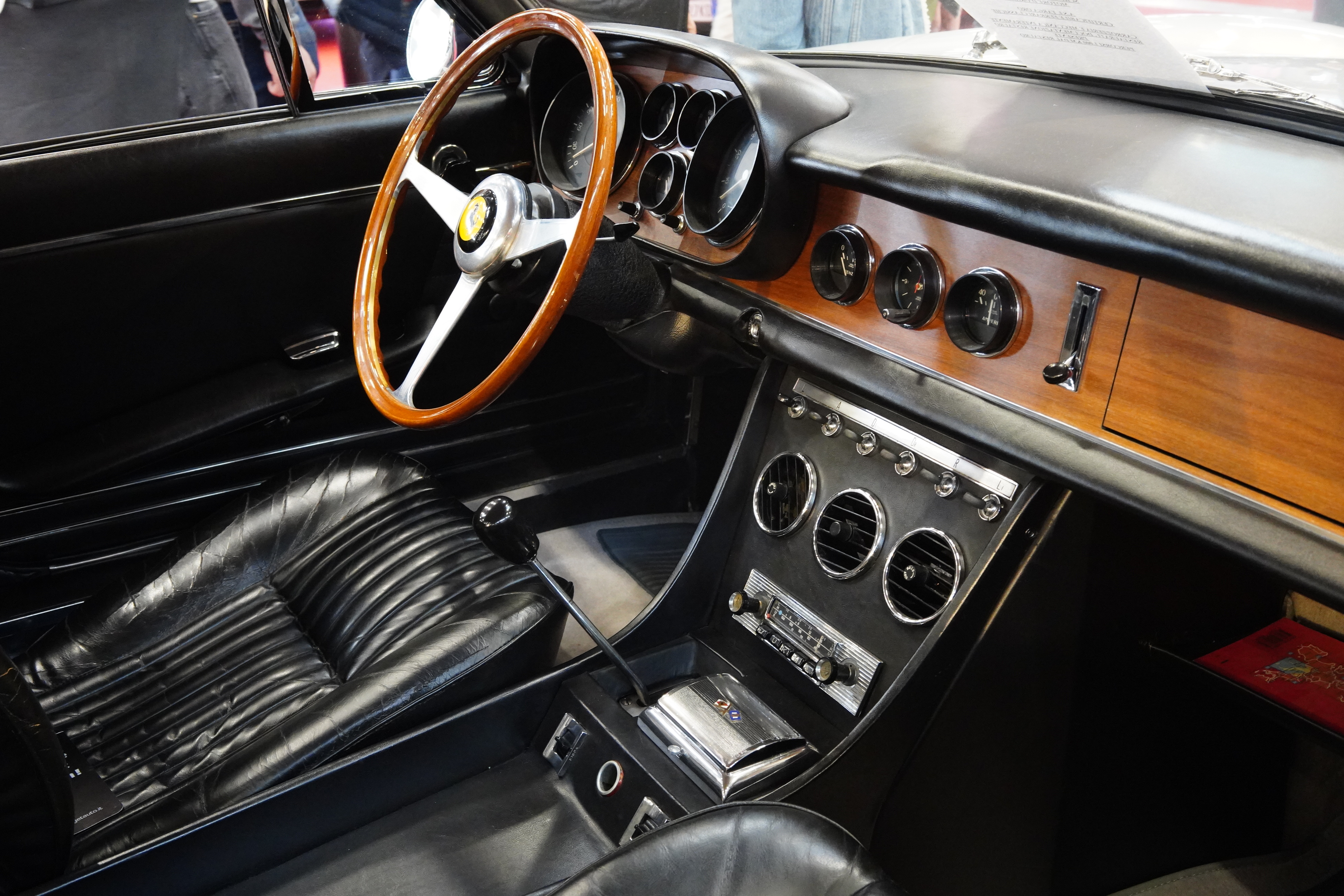
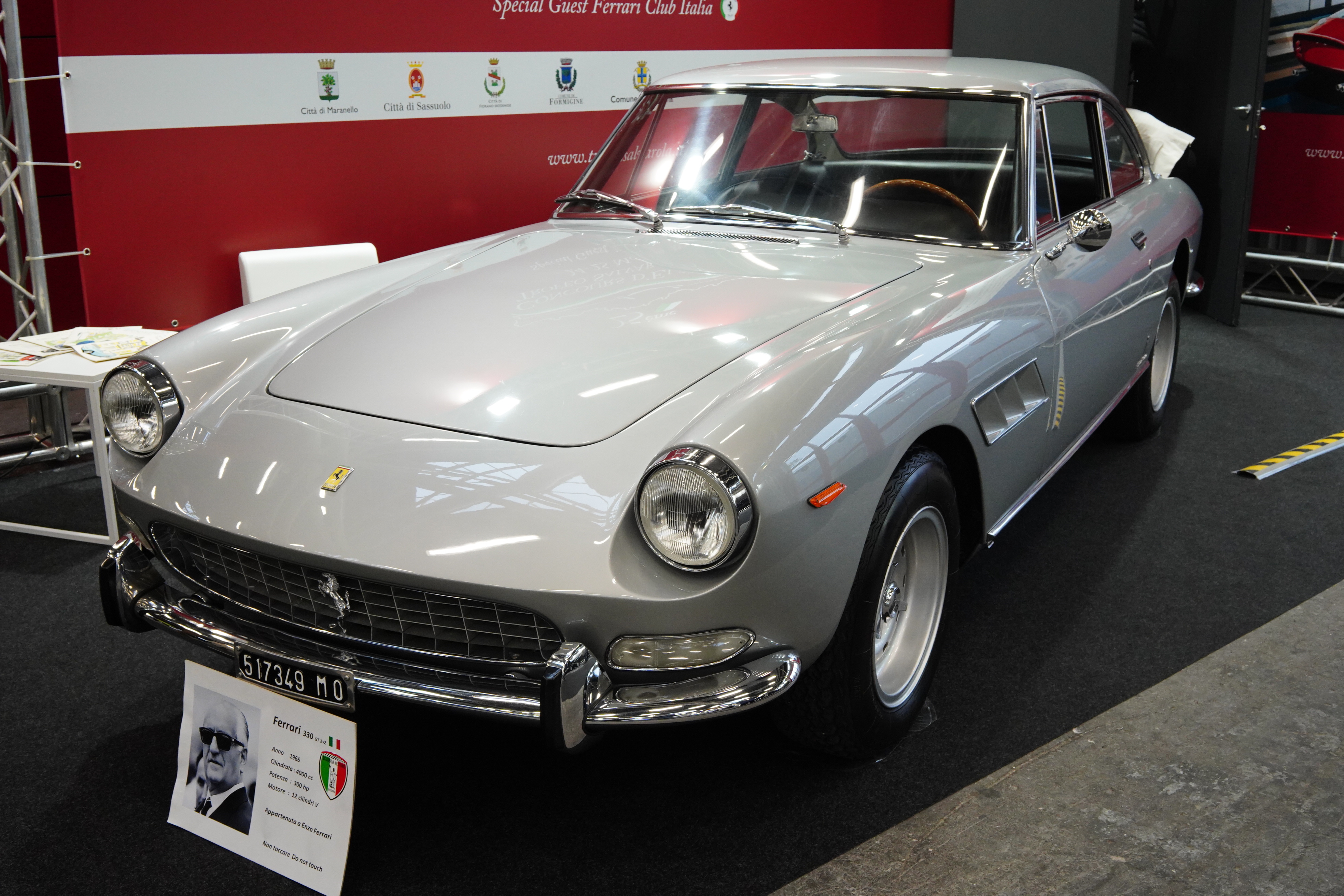
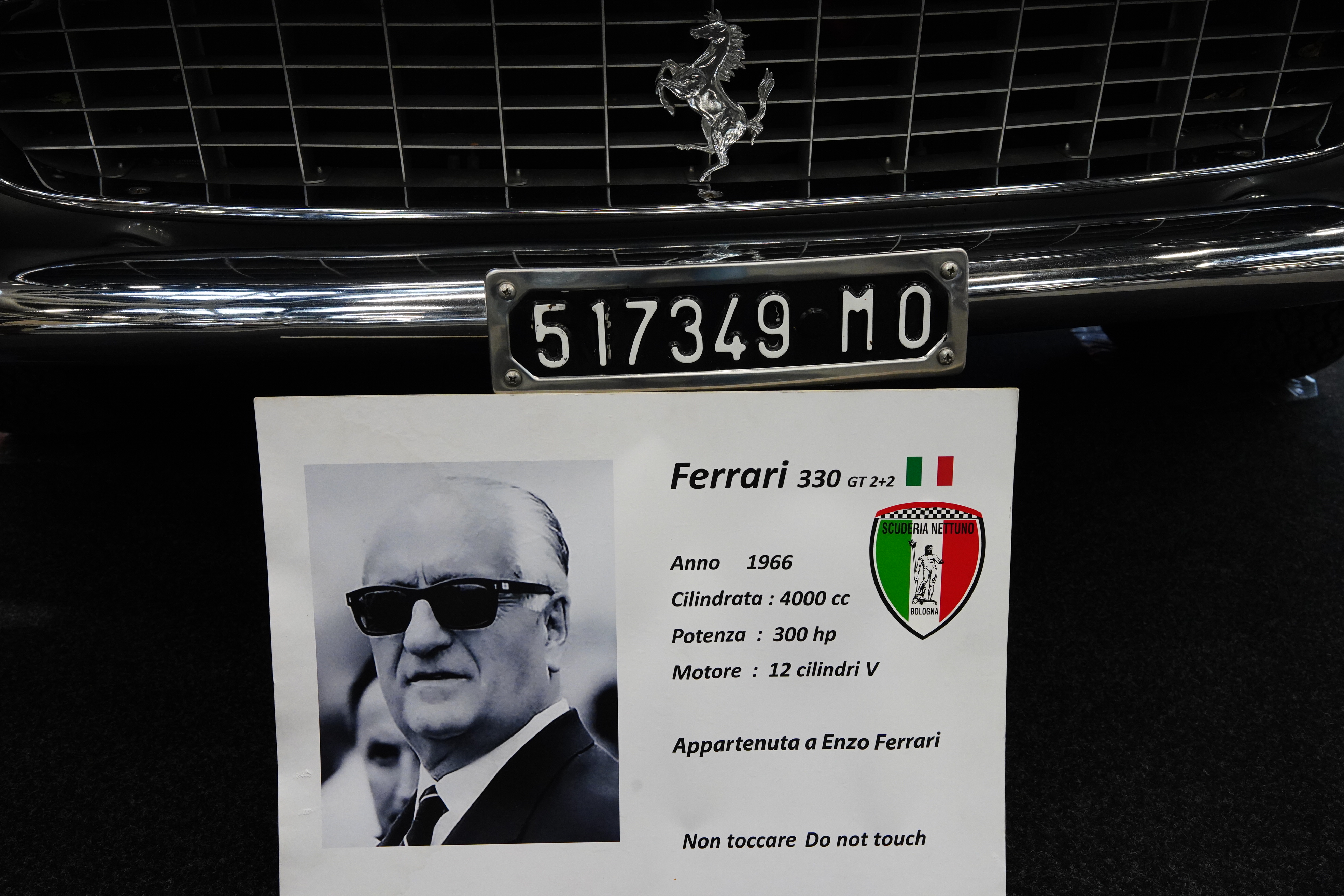
According to the sign, this 330 GT was Enzo’s personal car.
 

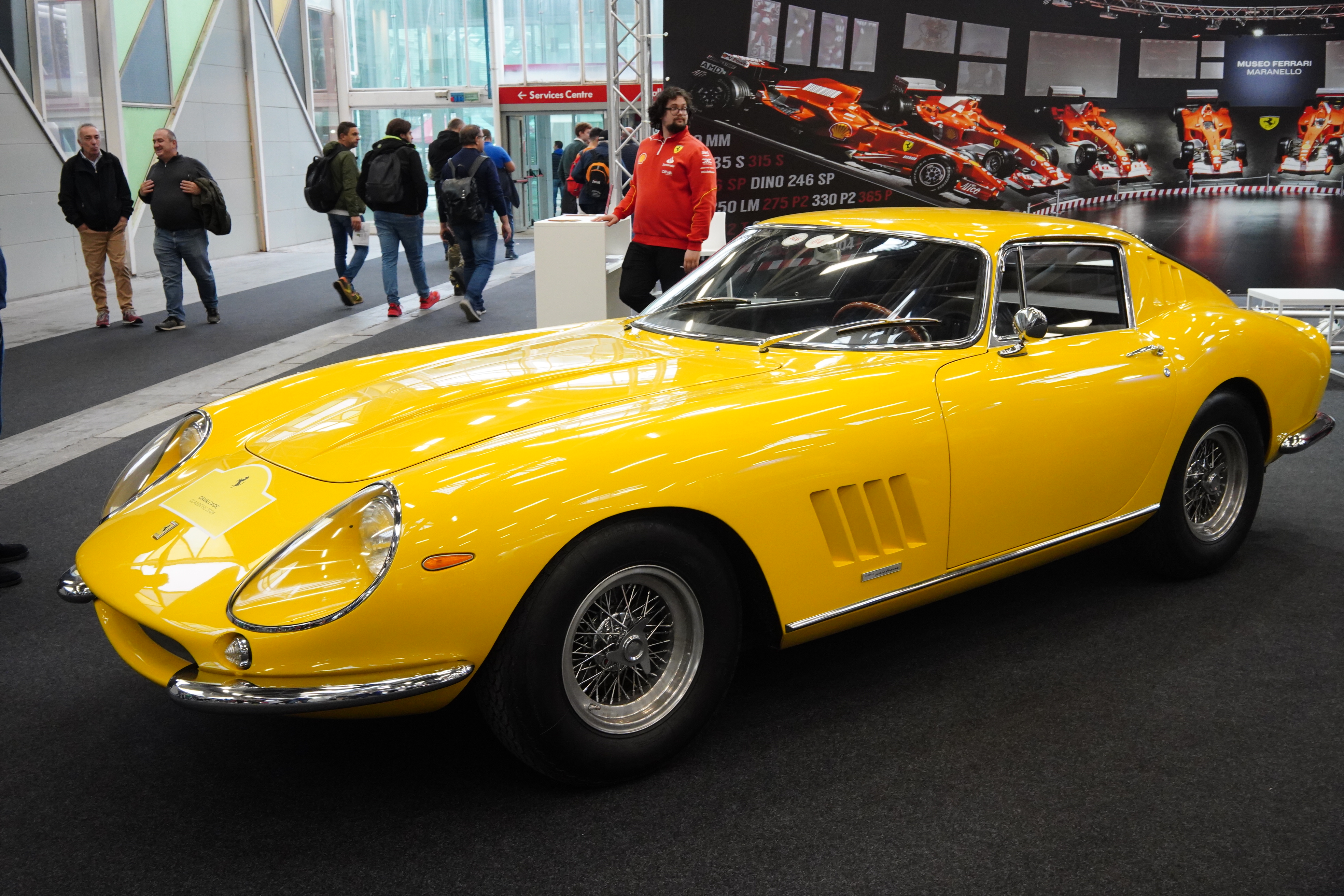
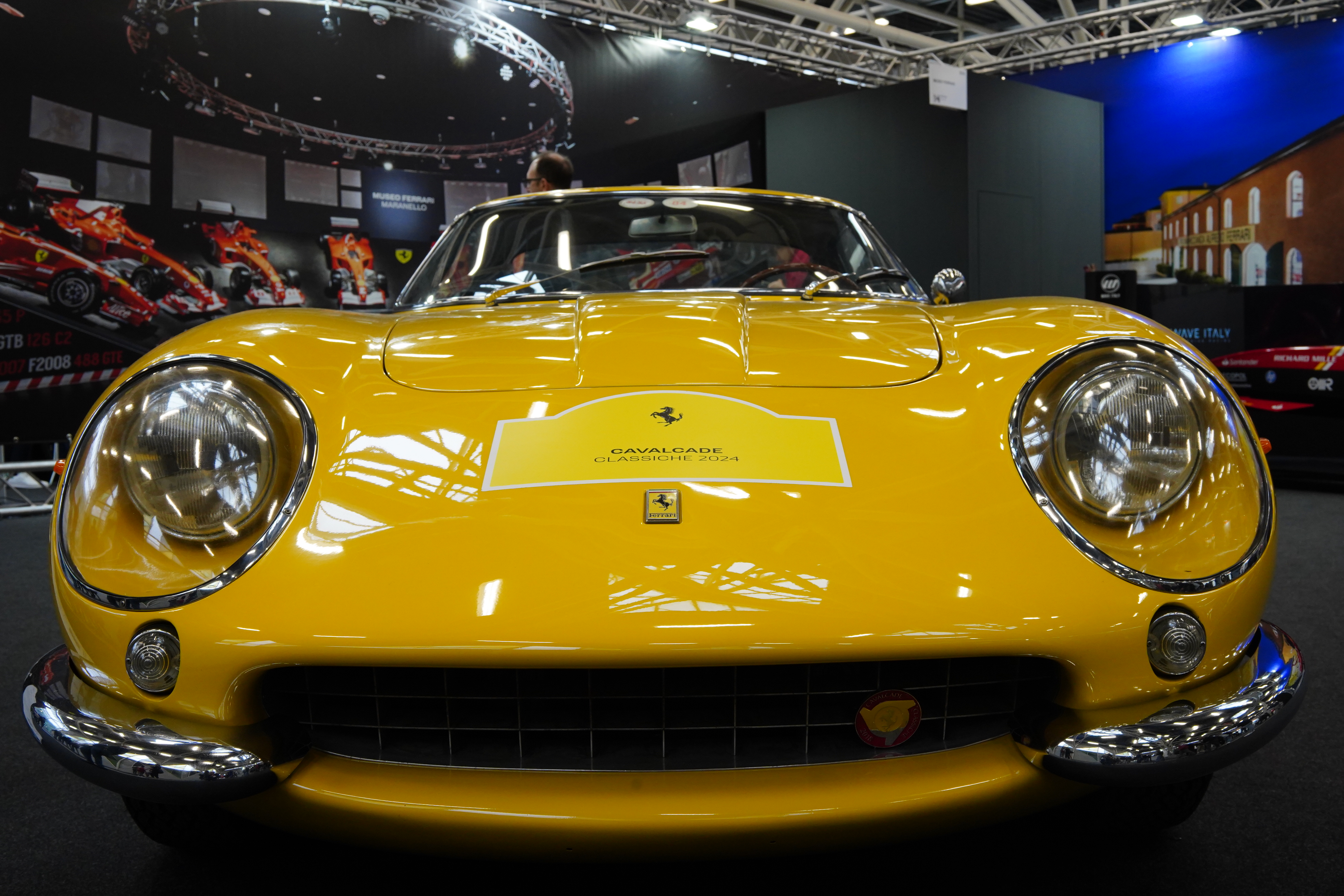
A stunning 275GTB in yellow.

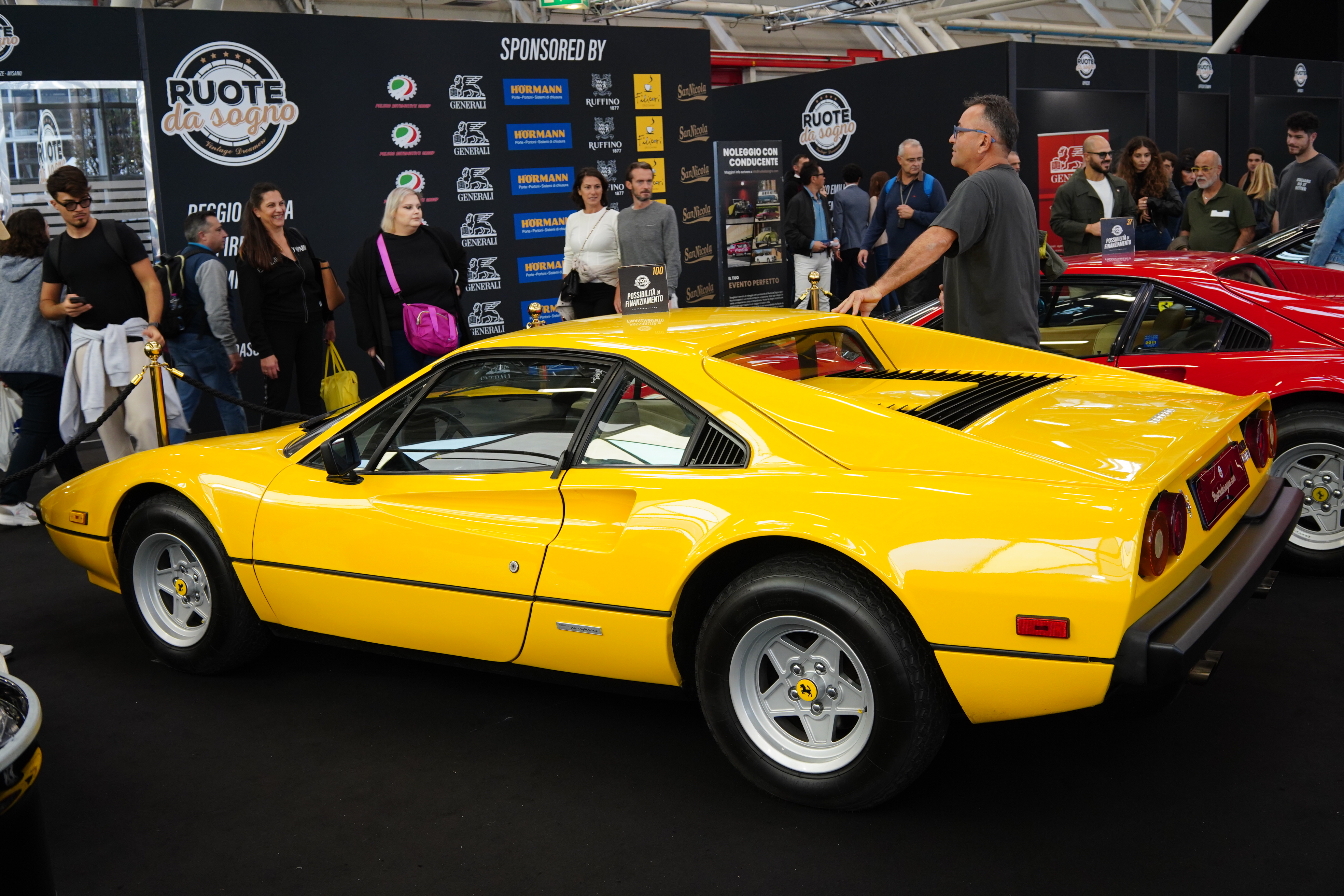
Another yellow Ferrari, this time a 308GTB.

And yet another yellow Dino.

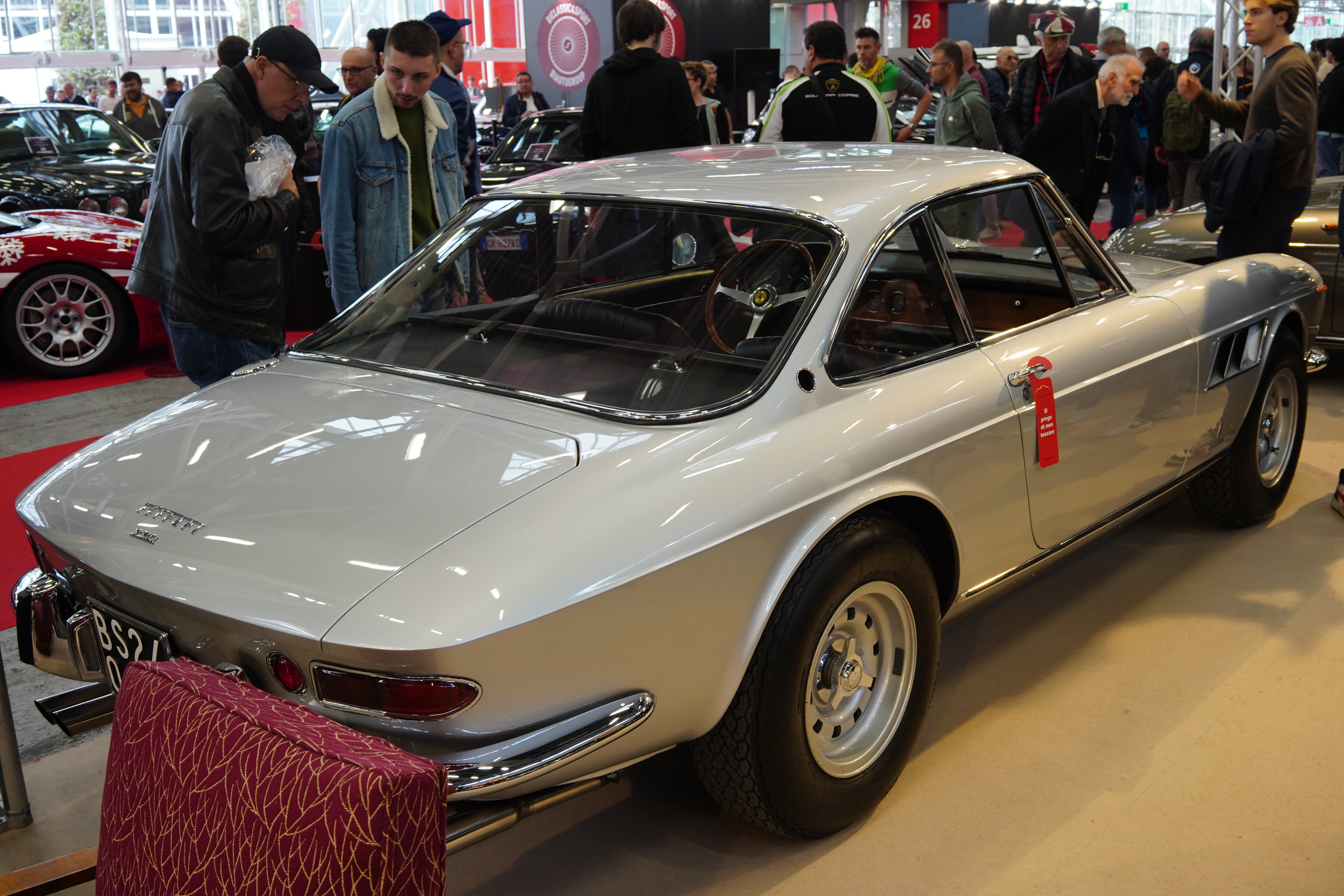
My all-time personal favorite, the 330GTC. Vendor was asking €650,000.
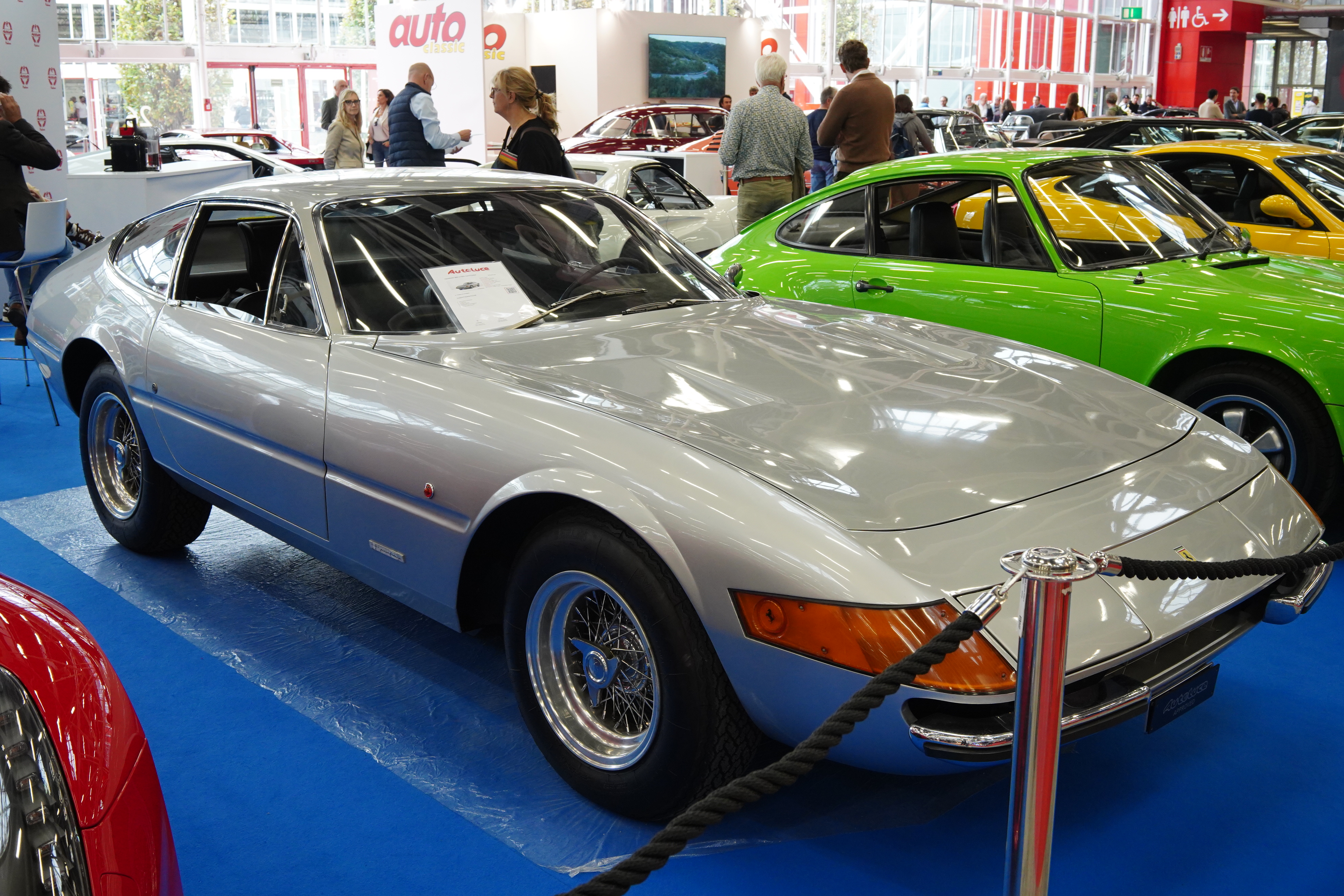
A Daytona.
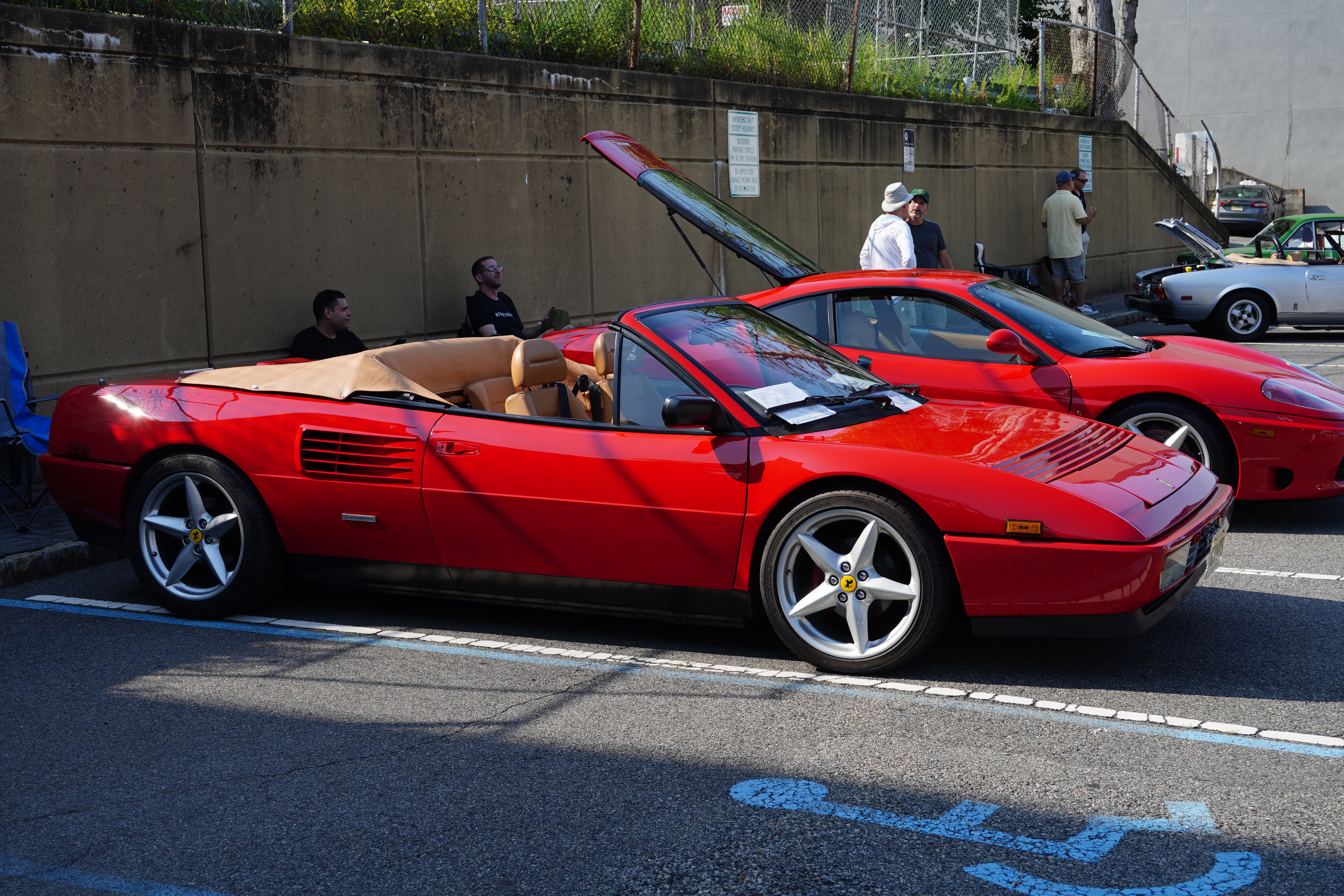
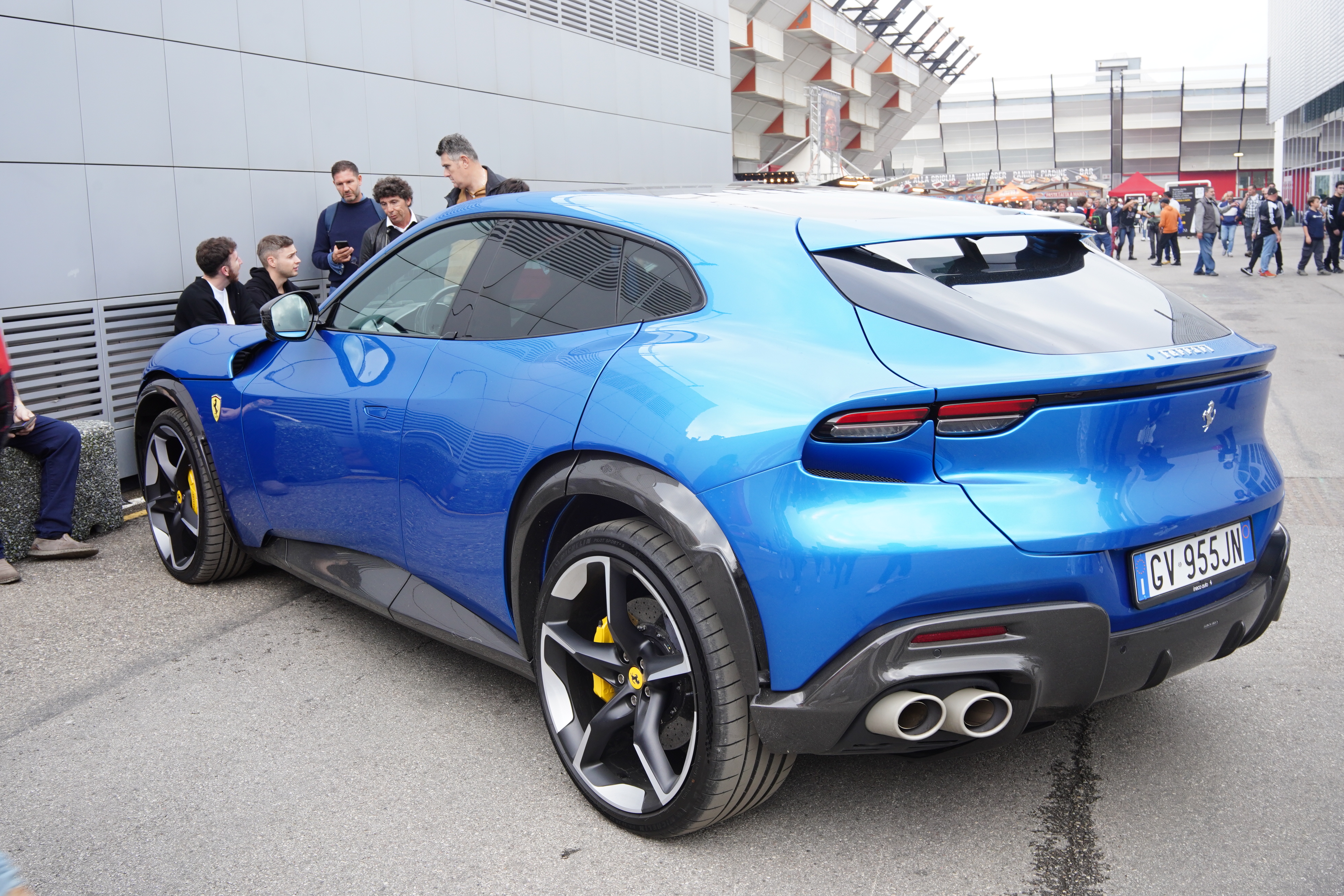
Parked outside, and looking like it belonged to an attendee, the world’s first 4-door Ferrari, the Purosangue.


ISETTAS

This BMW Isetta in blue/green had an asking price of €33,900.

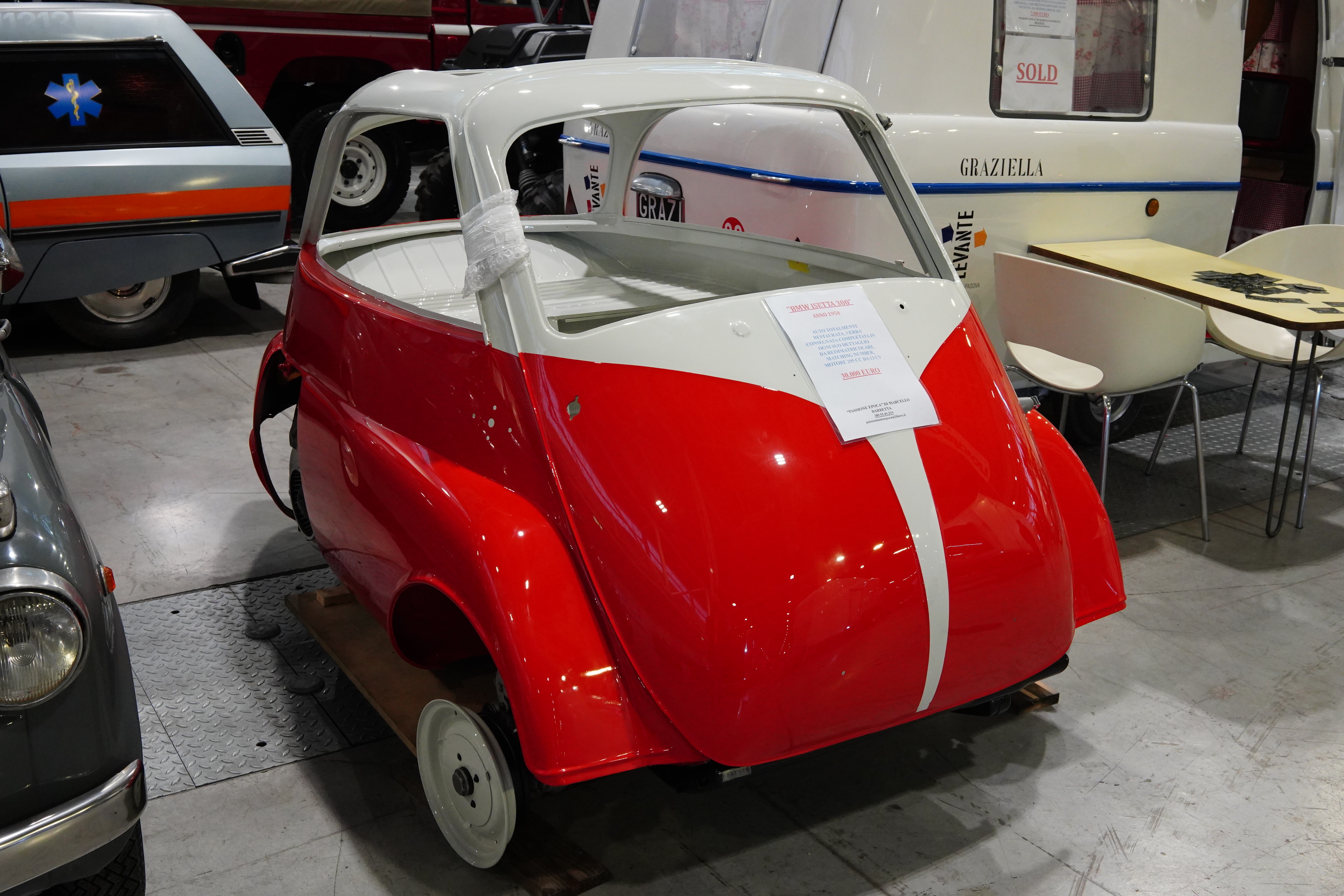
A painted Isetta body shell.
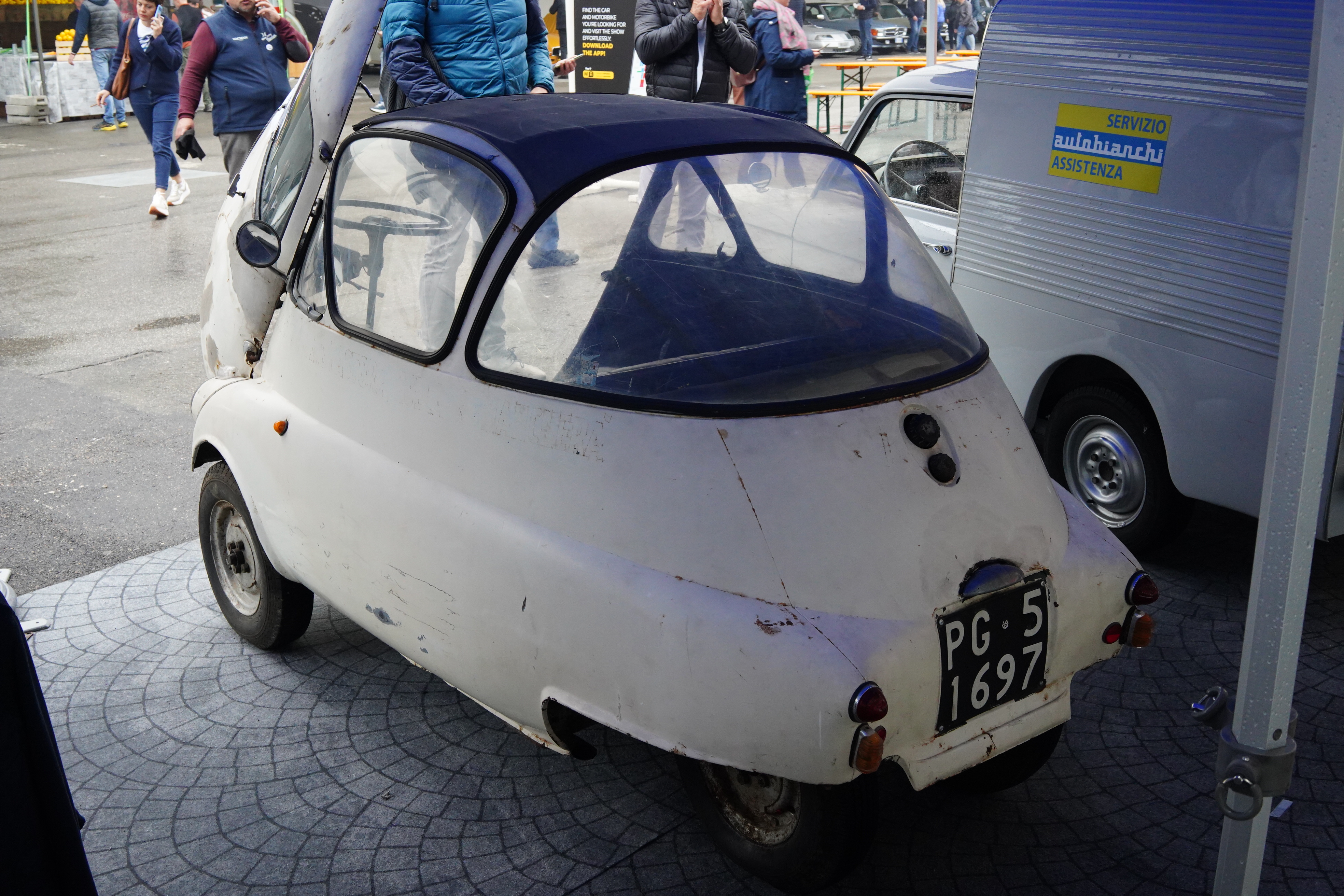
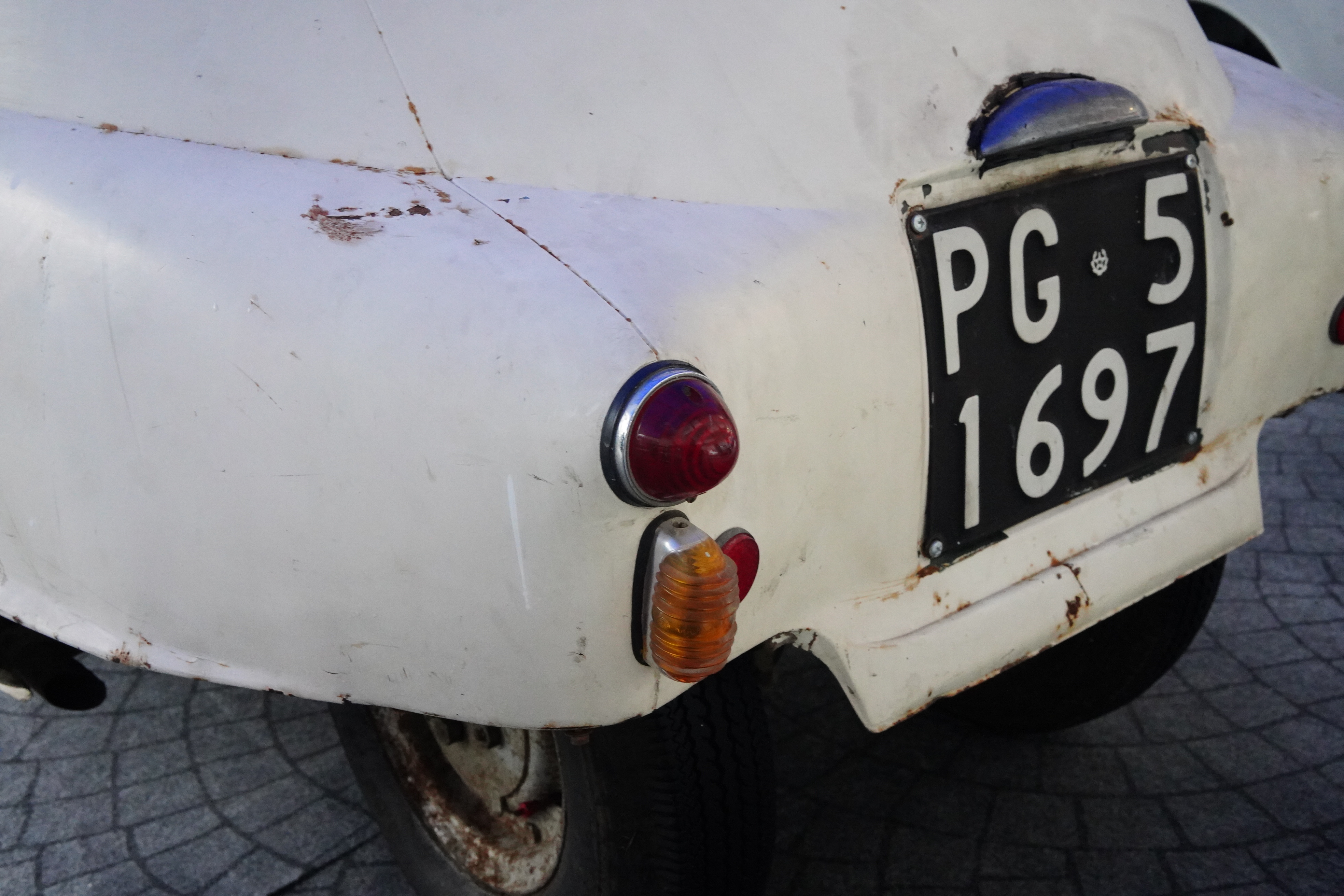
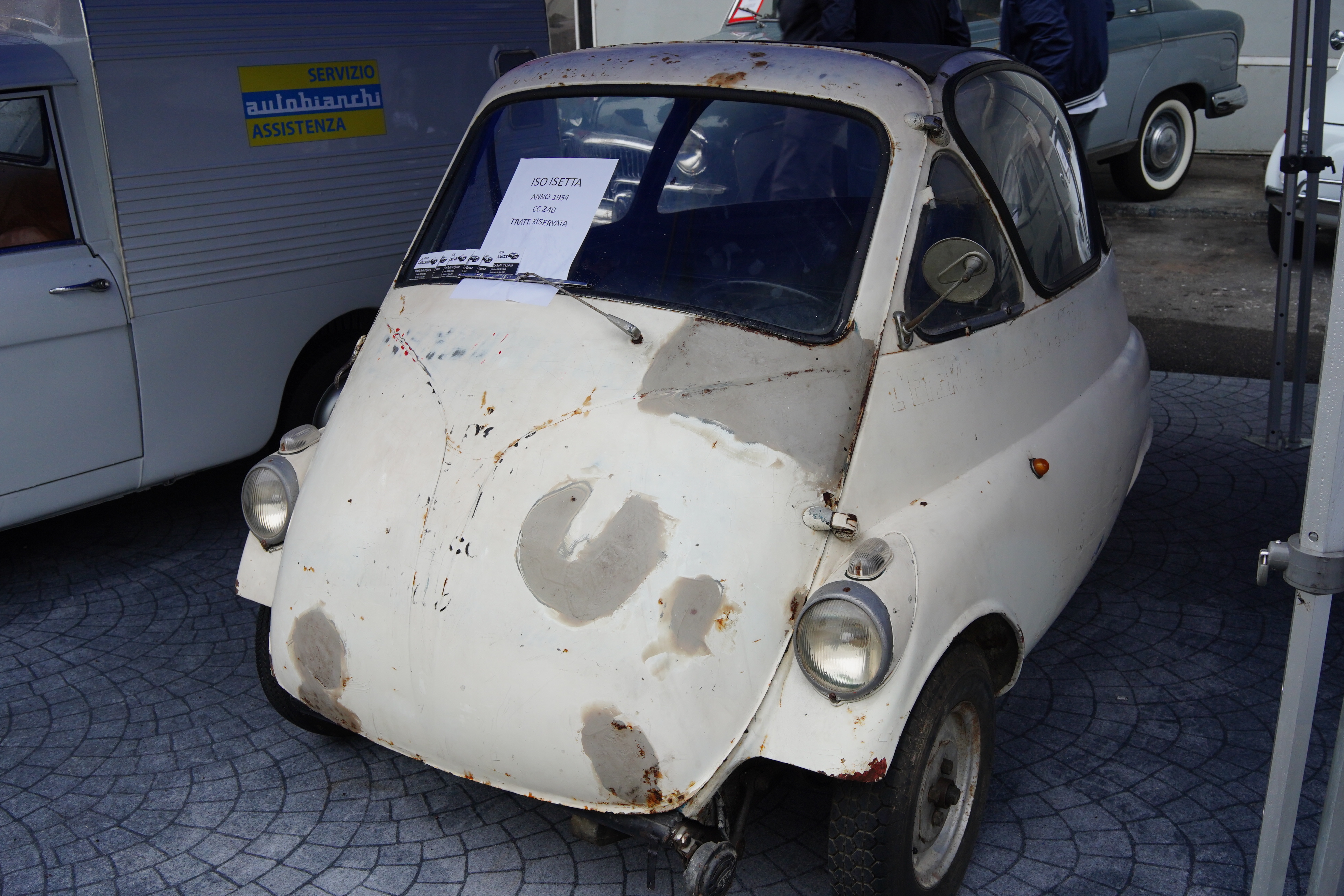
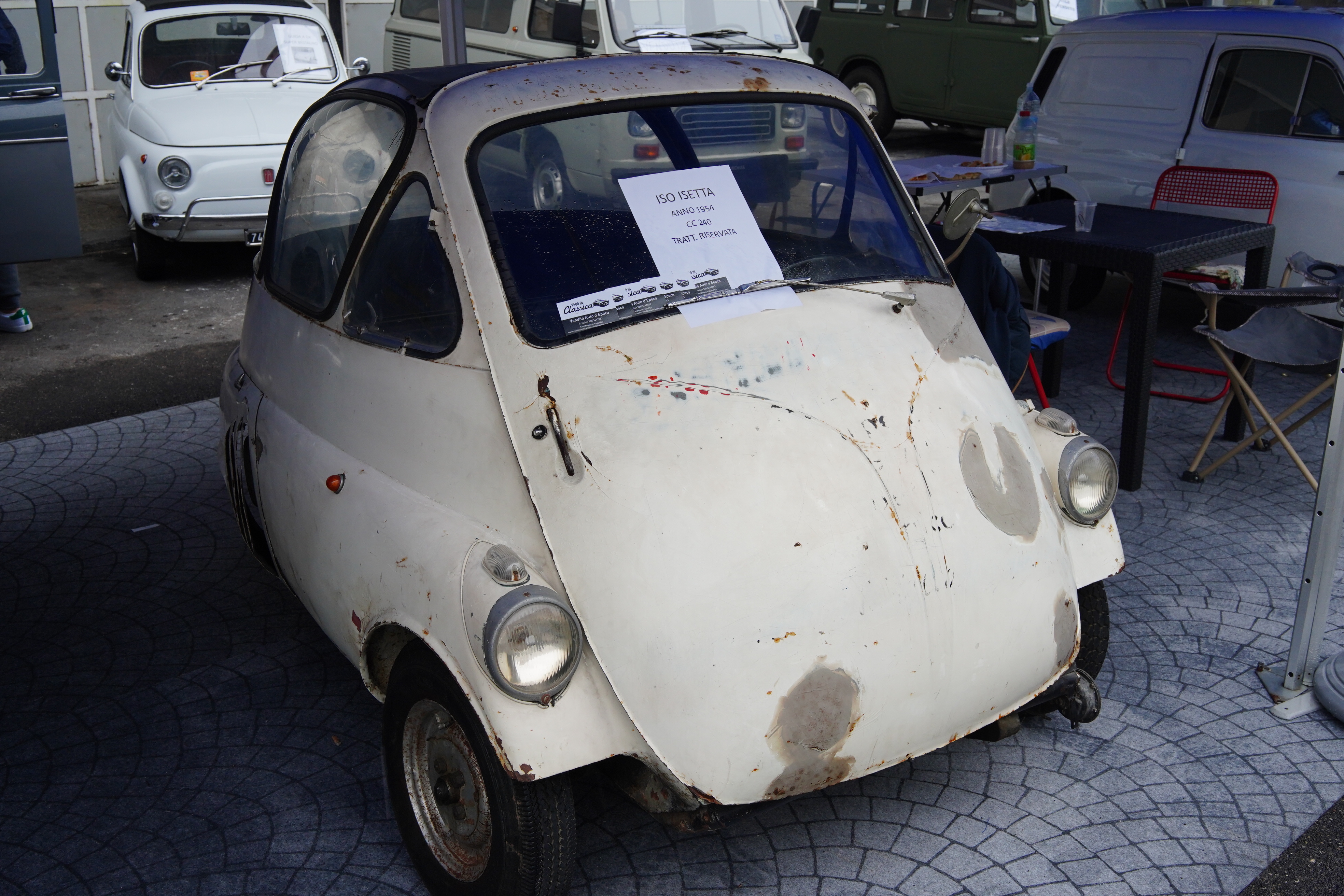
No, this is NOT a BMW Isetta. This is a car I’ve never seen before: an Iso Isetta, from 1954. Iso was the company which originally designed and manufactured the Isetta. It was Iso which sold the licensing rights to BMW so that they could produce their own version. When I belonged to the Isetta Club in the U.S., there was only one known Iso Isetta in the entire country. The detail differences between the ISO and BMW are significant.
 

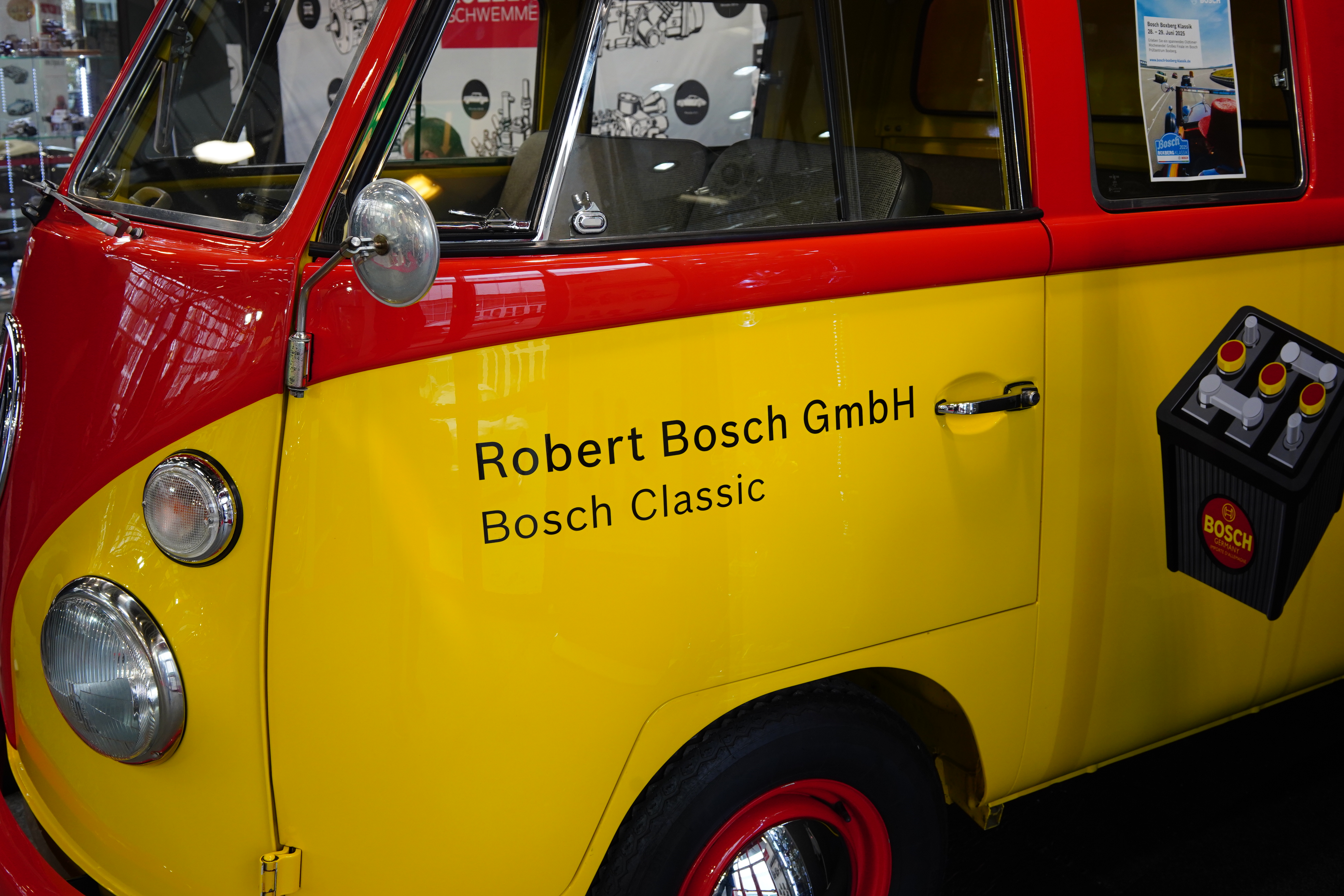
Bosch was there to sell spare parts. Note how the emblem on the front of this VW Bus has been changed to the Bosch emblem.

 

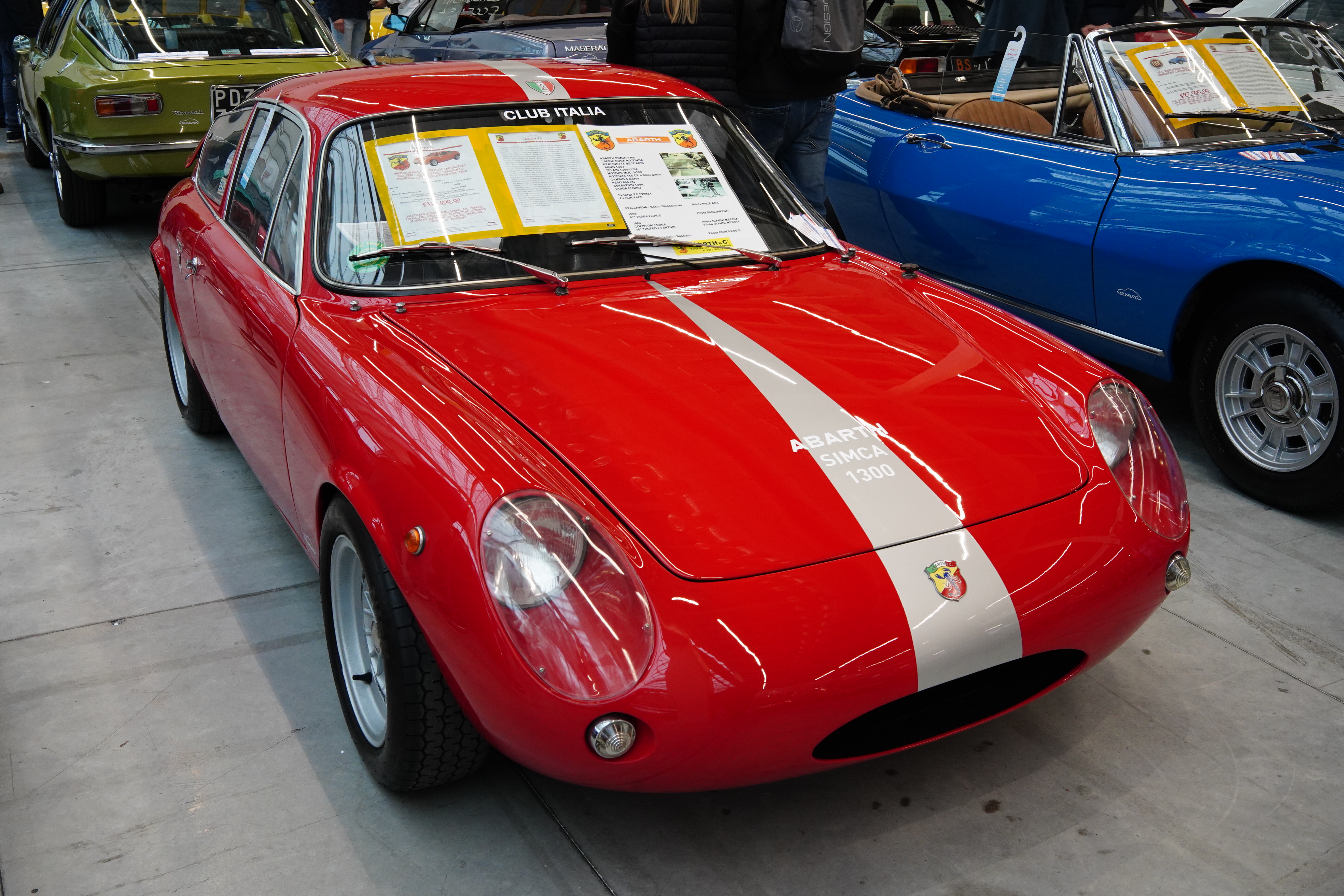
This Abarth Simca was for sale for €310,000!
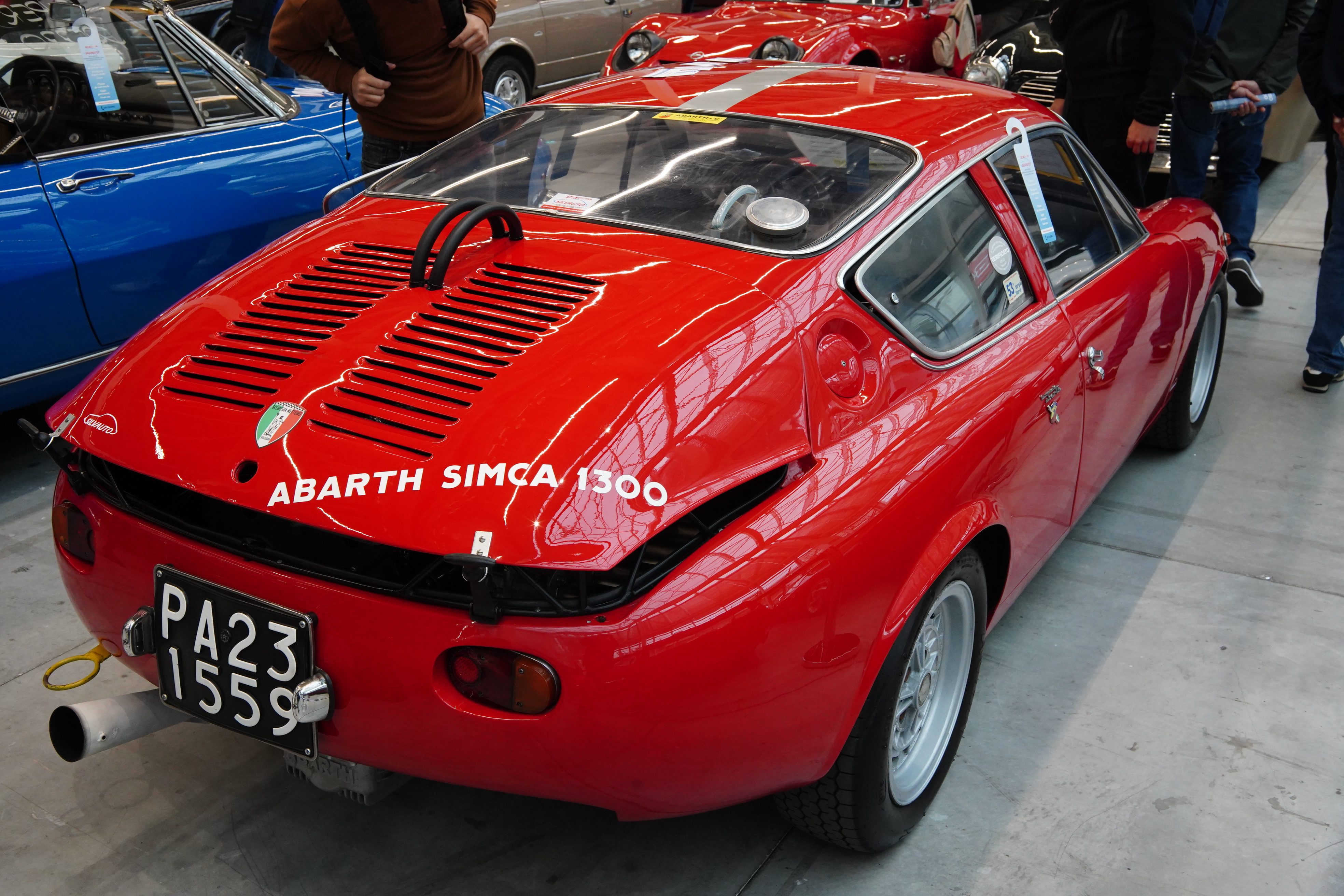
 

VIGNALE

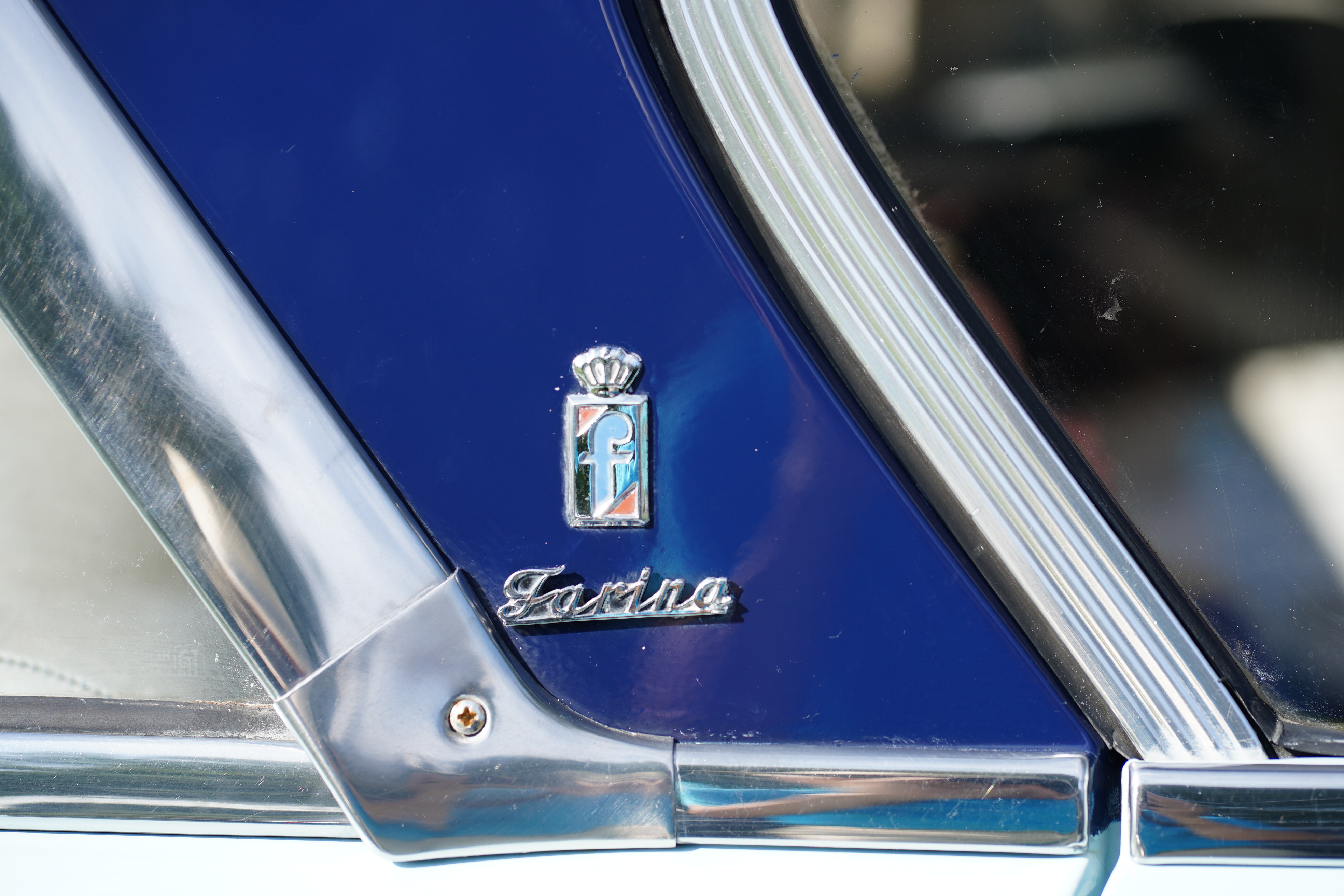
Although based on Fiat mechanicals, I’ve listed the Vignale-bodied cars separately because of their uniqueness.

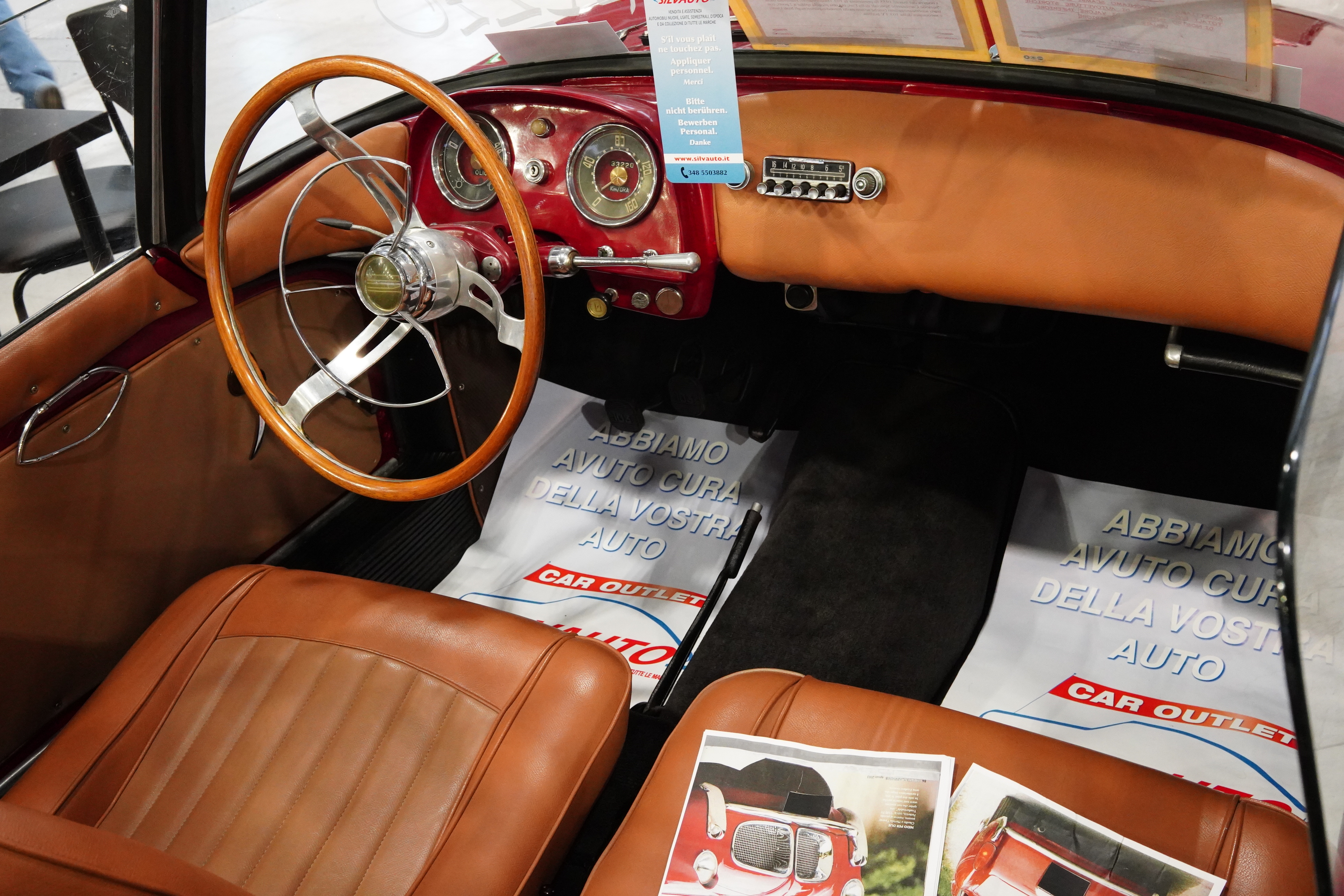
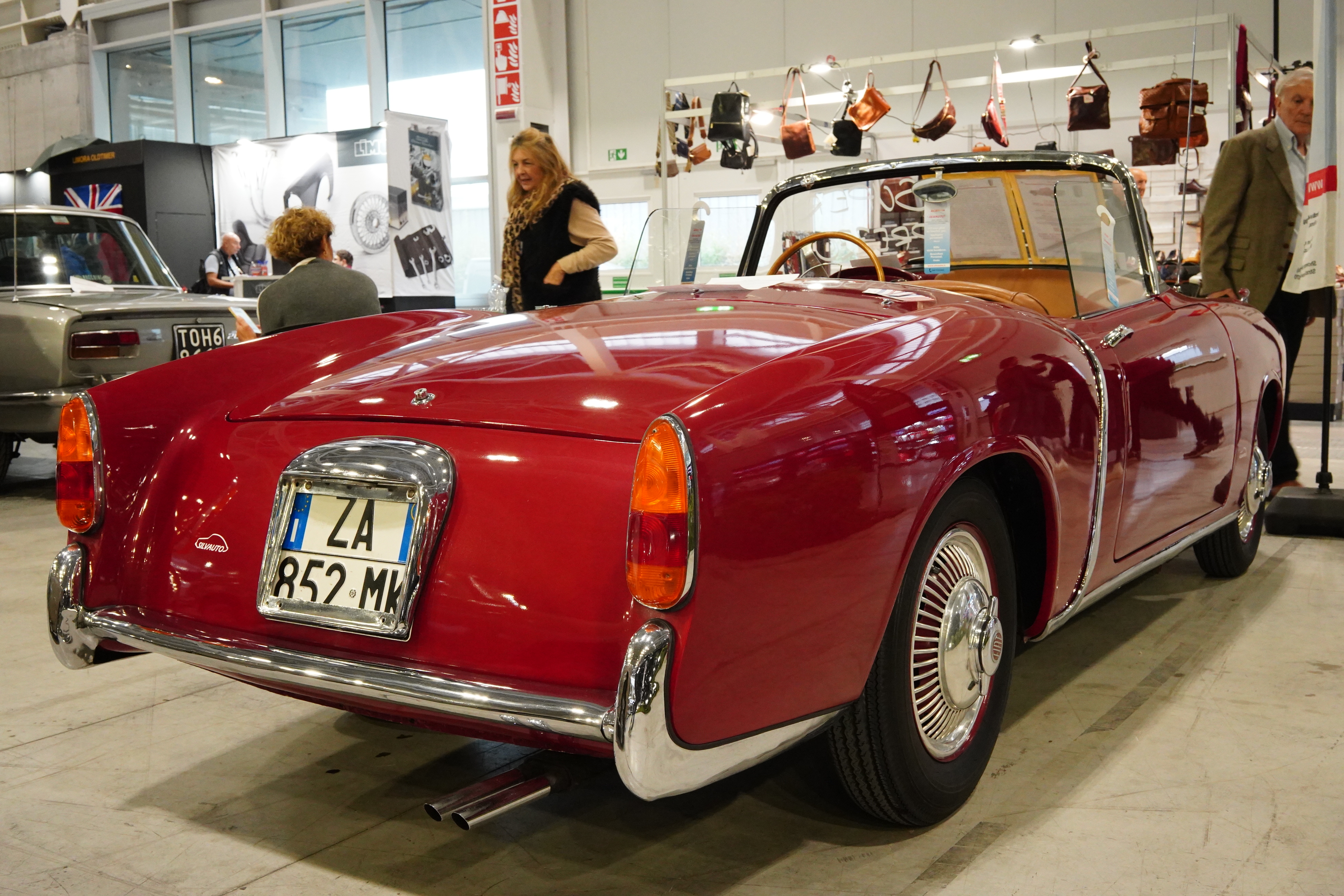
This is a Vignale 600 convertible.
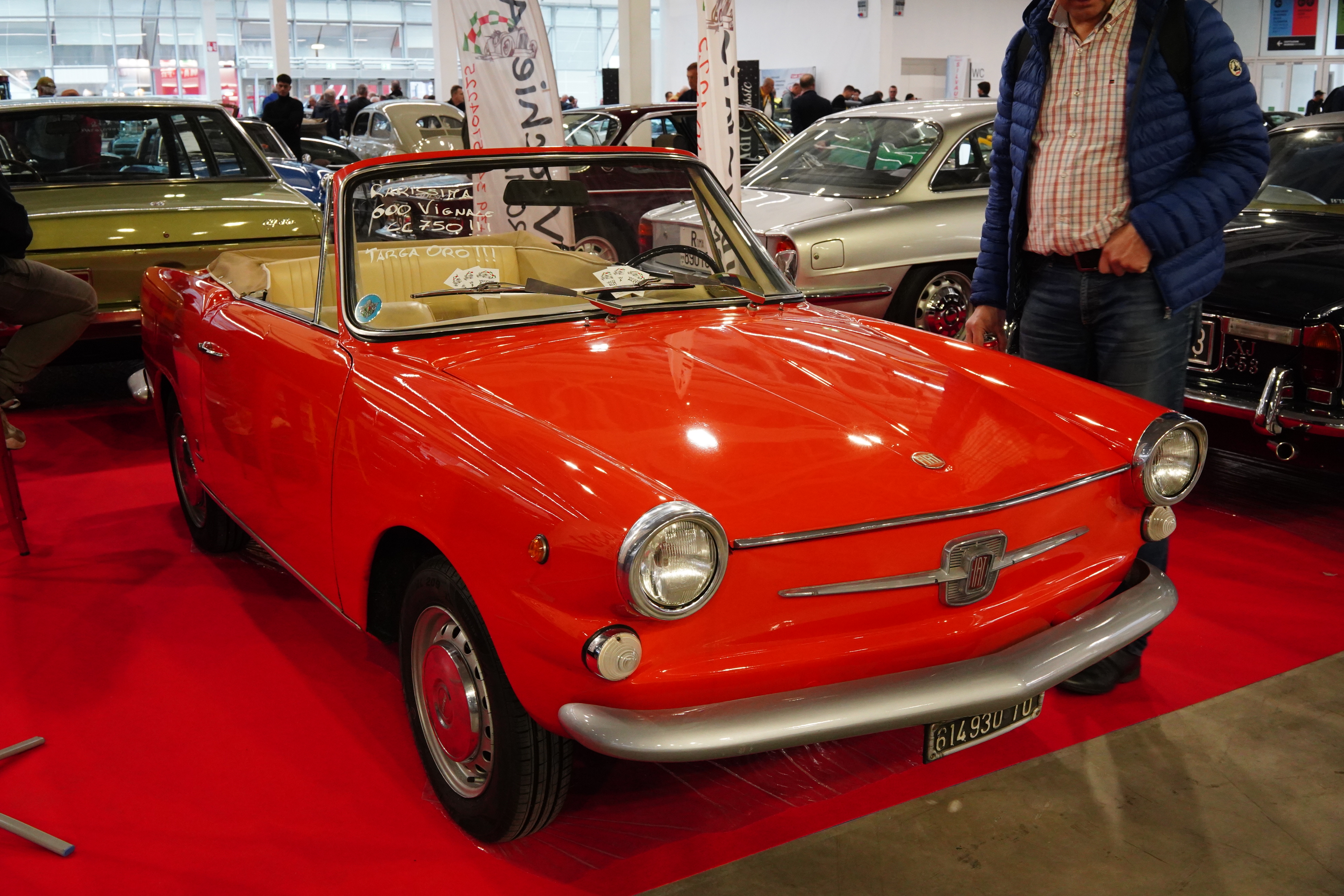
Another Vignale convertible, asking €28,900.

A Vignale coupe in grey, asking €14,550.
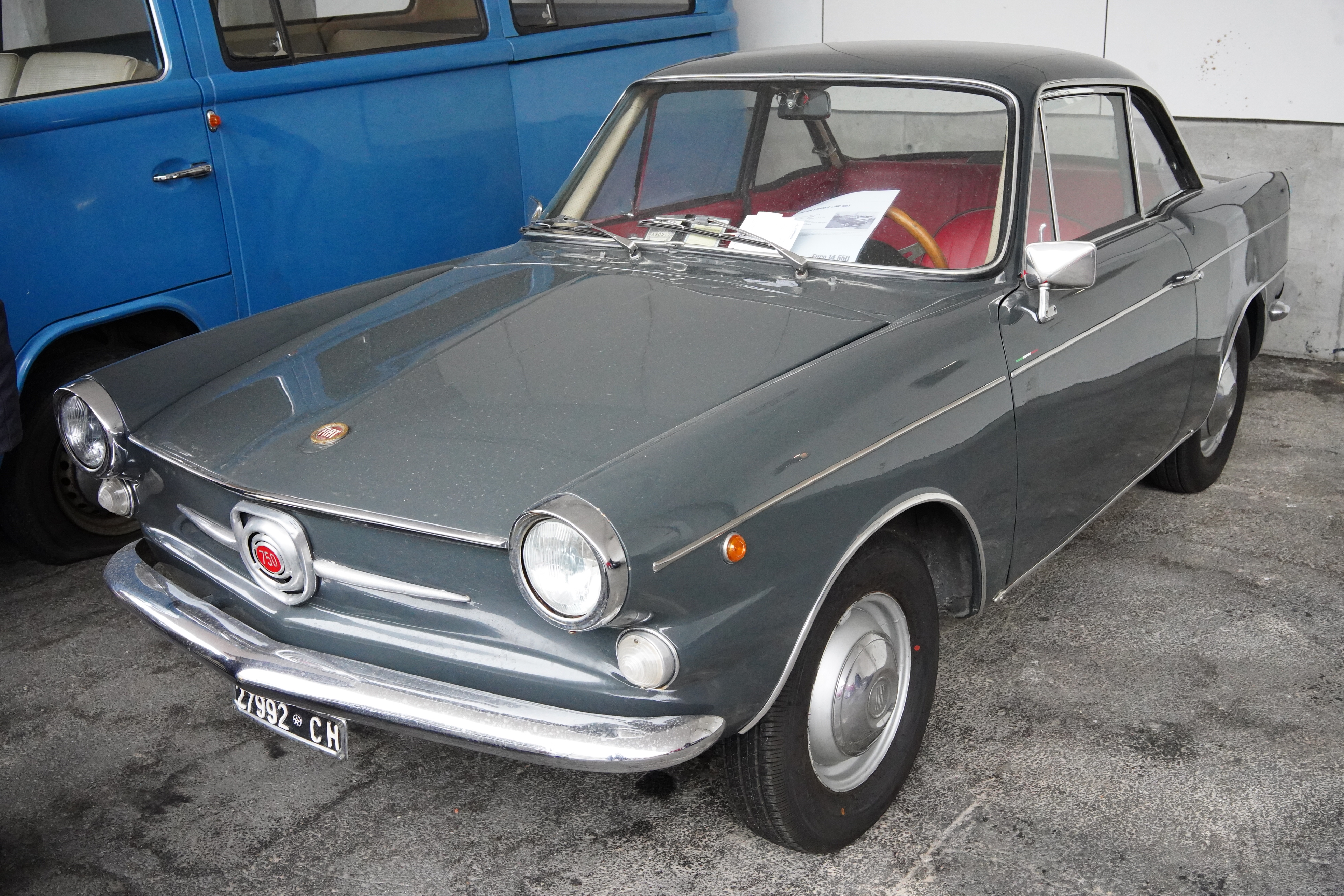
A 1958 Vignale based on a Fiat 1100TV.
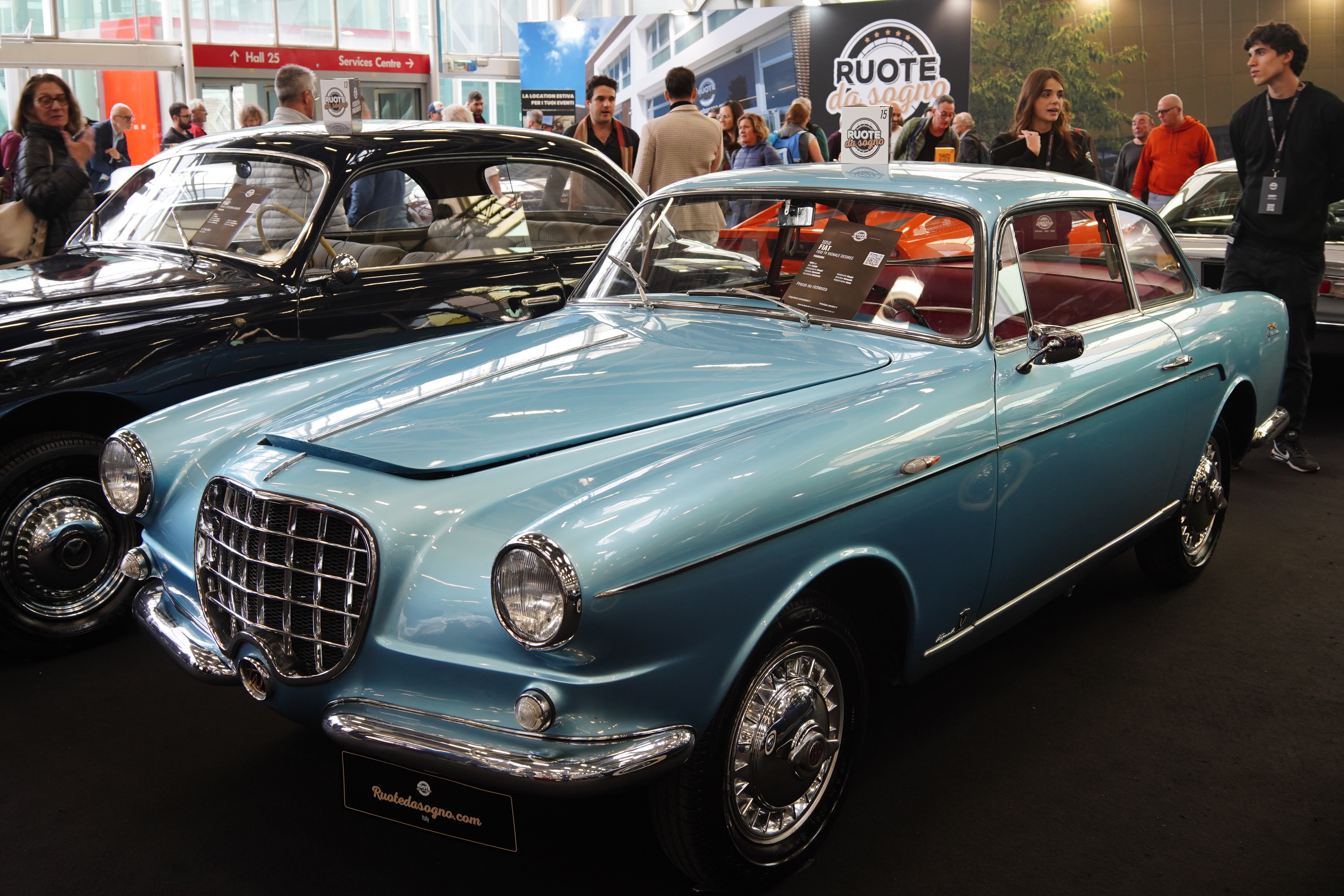
 

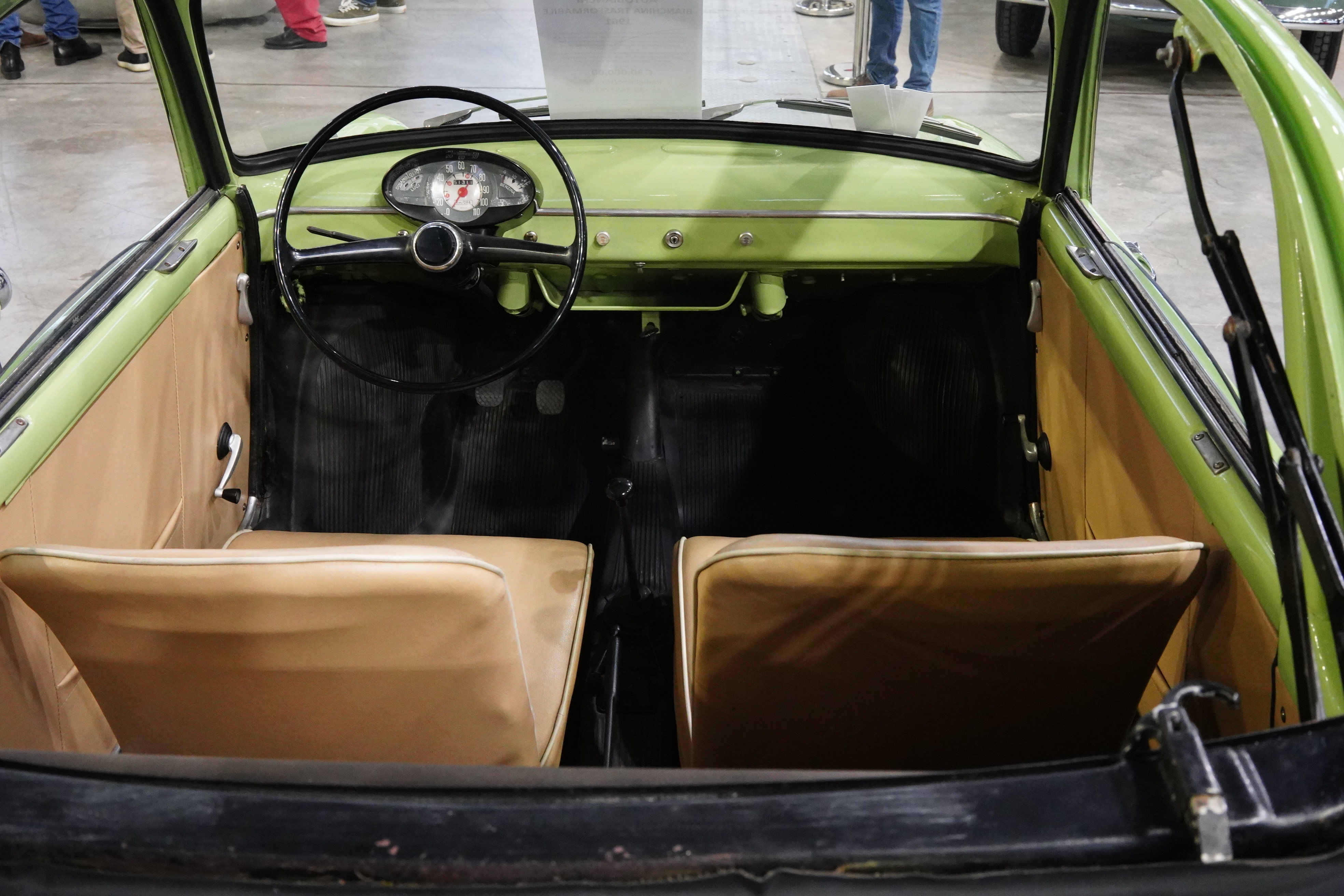
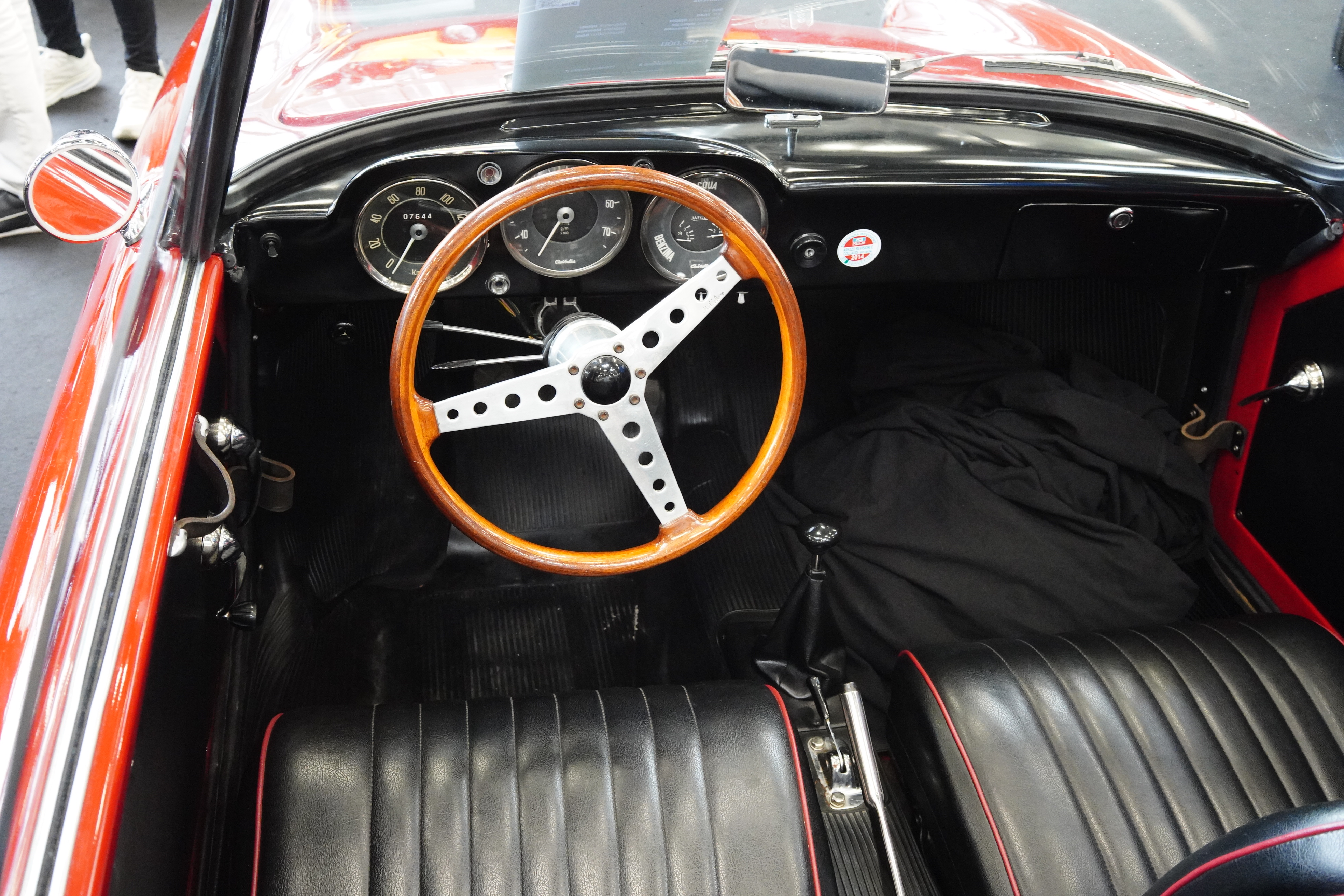
This Autobianchi Bianchina Transformabile convertible could be yours for €30,000.


This Fiat 128-based Moretti looked like a downsized Fiat Dino Coupe, and was only €17,000.
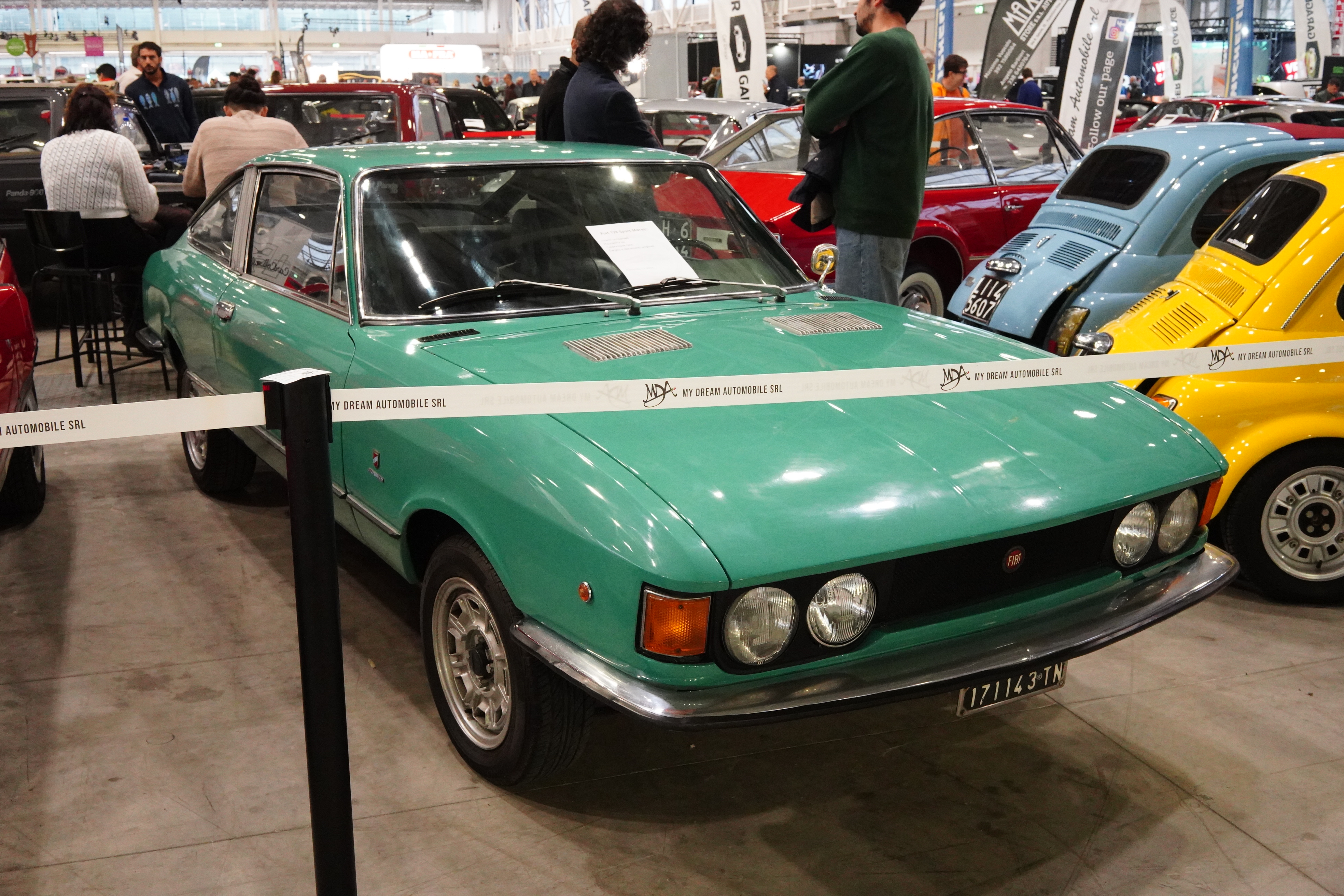
The beer truck lady flashed me the Victory sign. She was doing a brisk business all weekend. “Long Island” made it onto the menu.

RM Sotheby’s Auction company had its own display which included these two Abarths. I’m sorry that I did not record details about either of these cars.
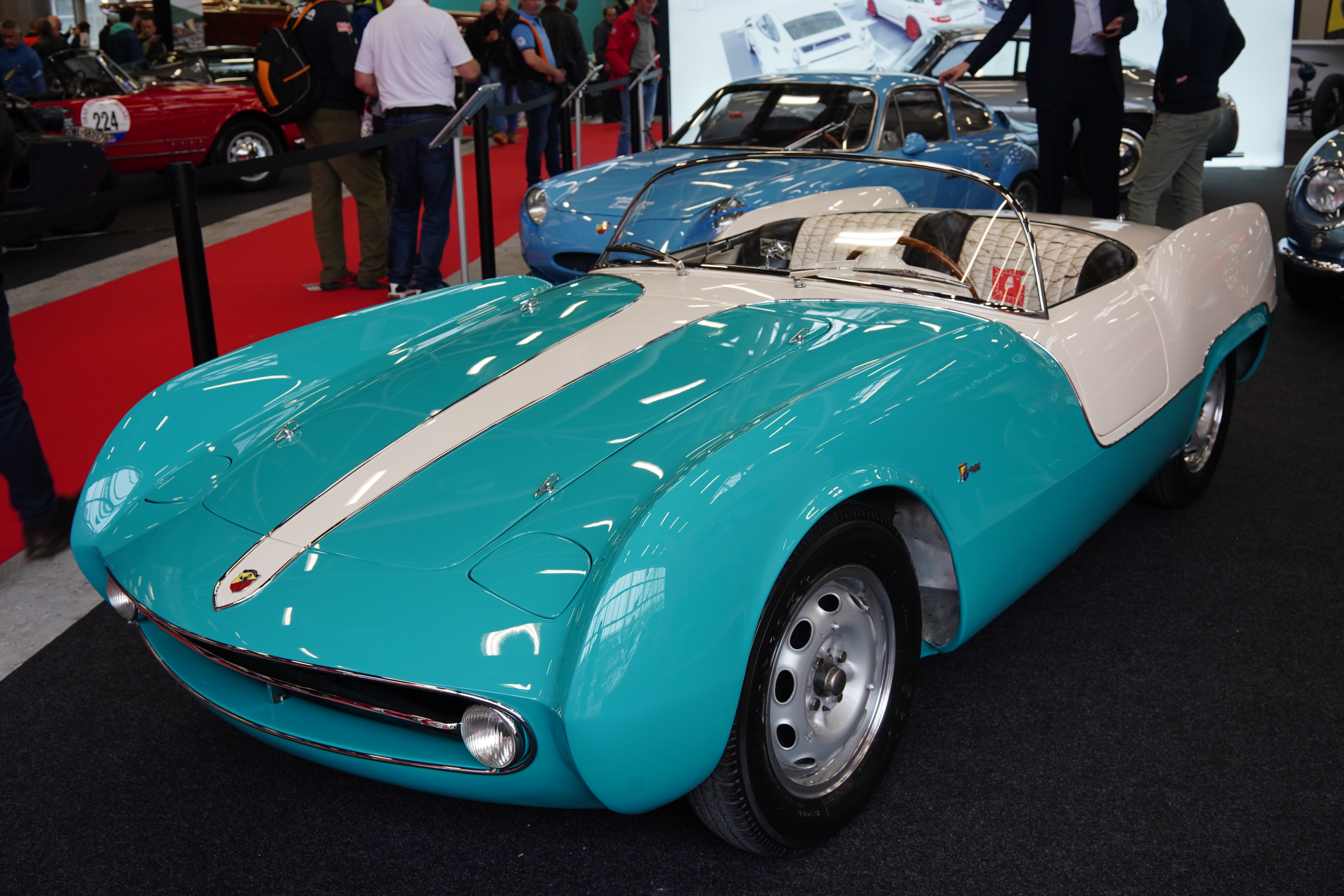
 

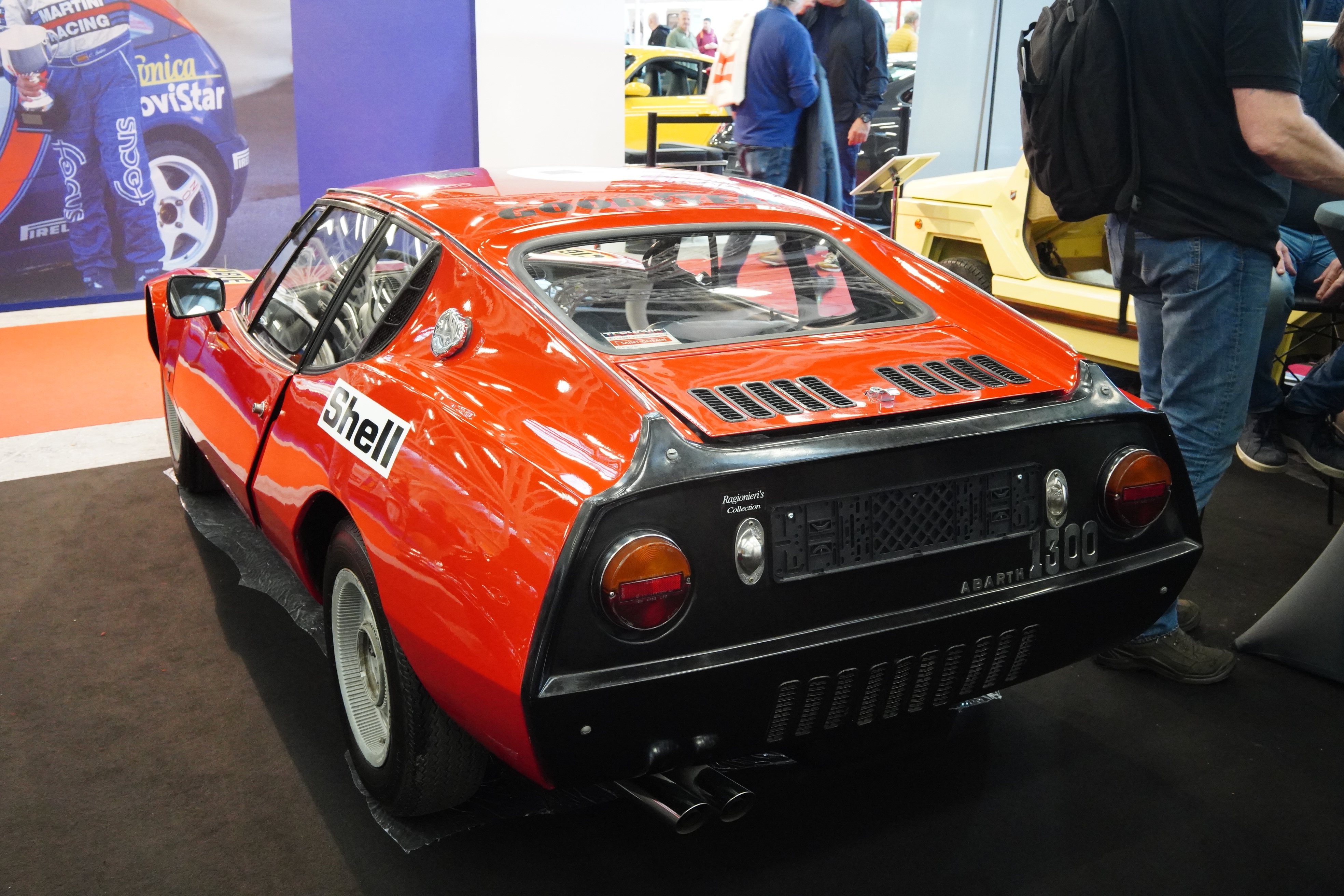
This Abarth 1300 Scorpione had an asking price of €58,500.
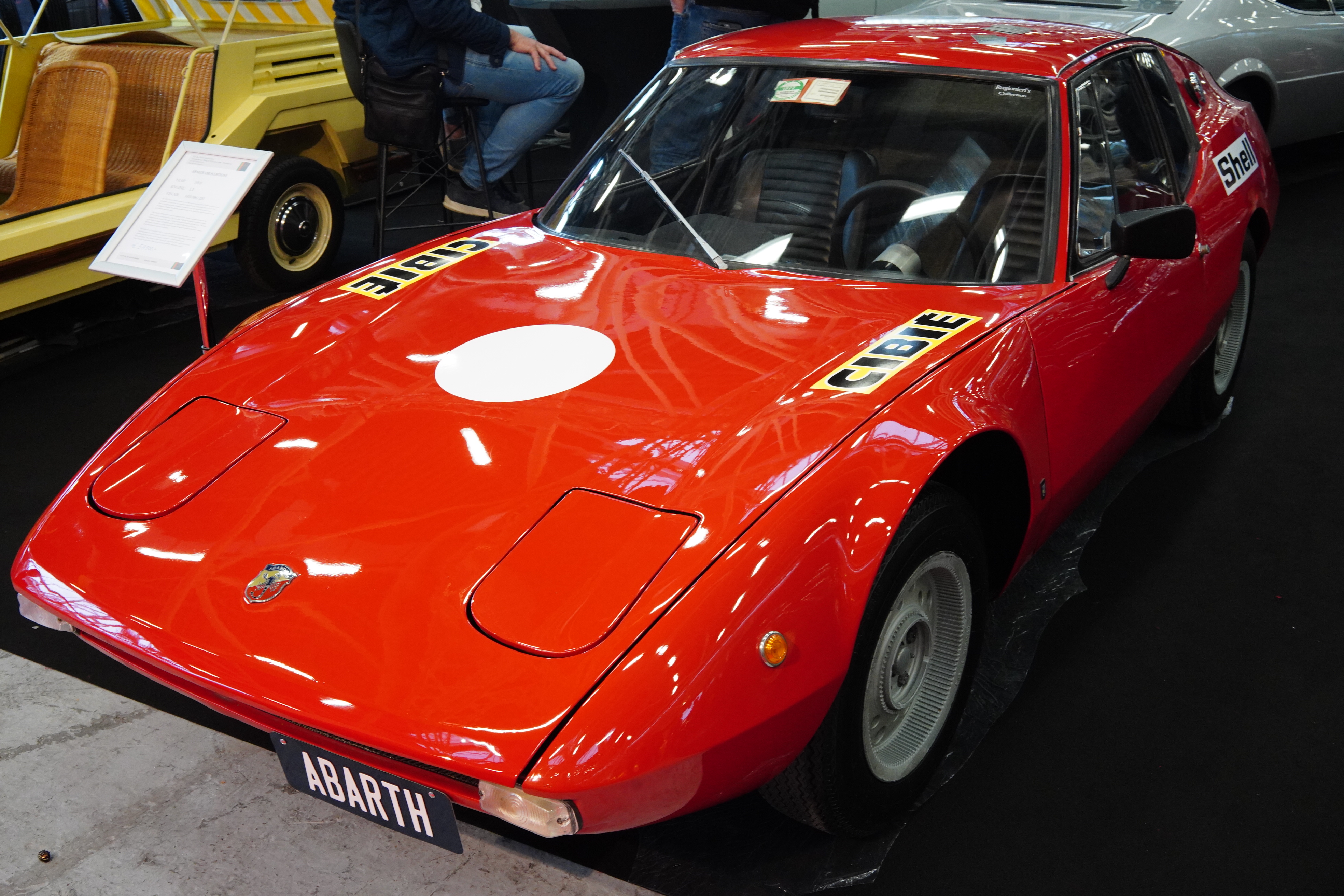
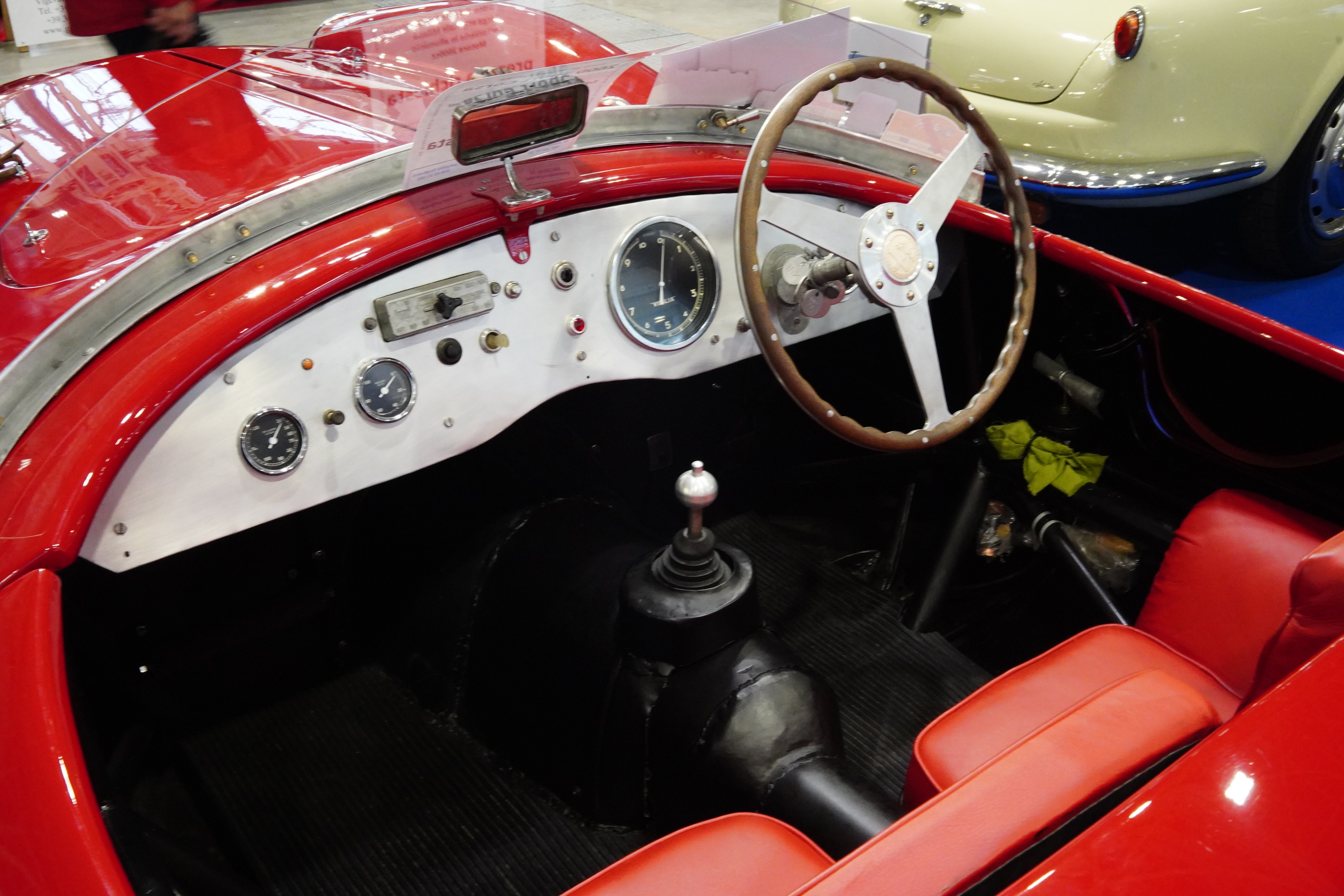
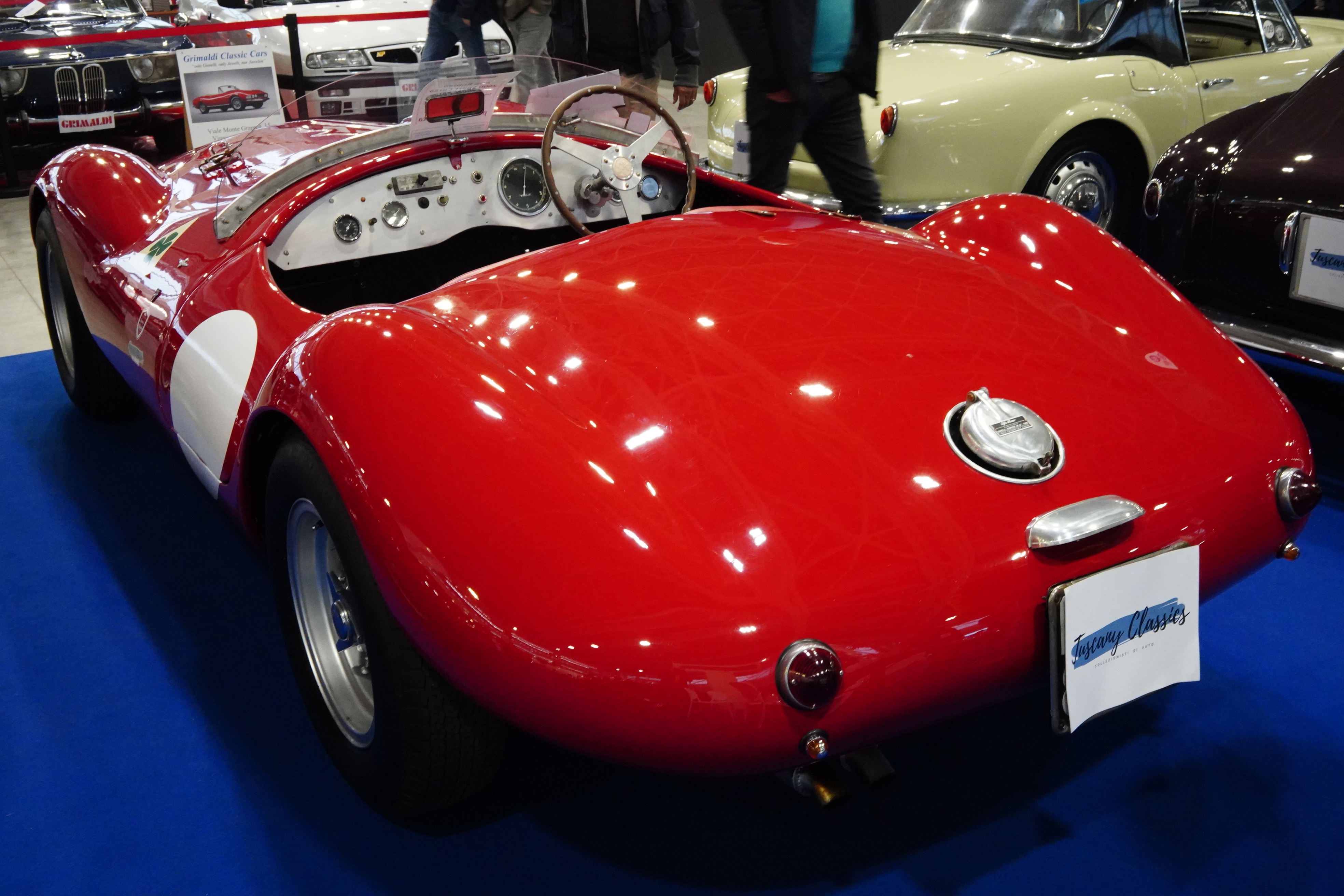
A pair of OSCAs, made by the Maserati brothers.
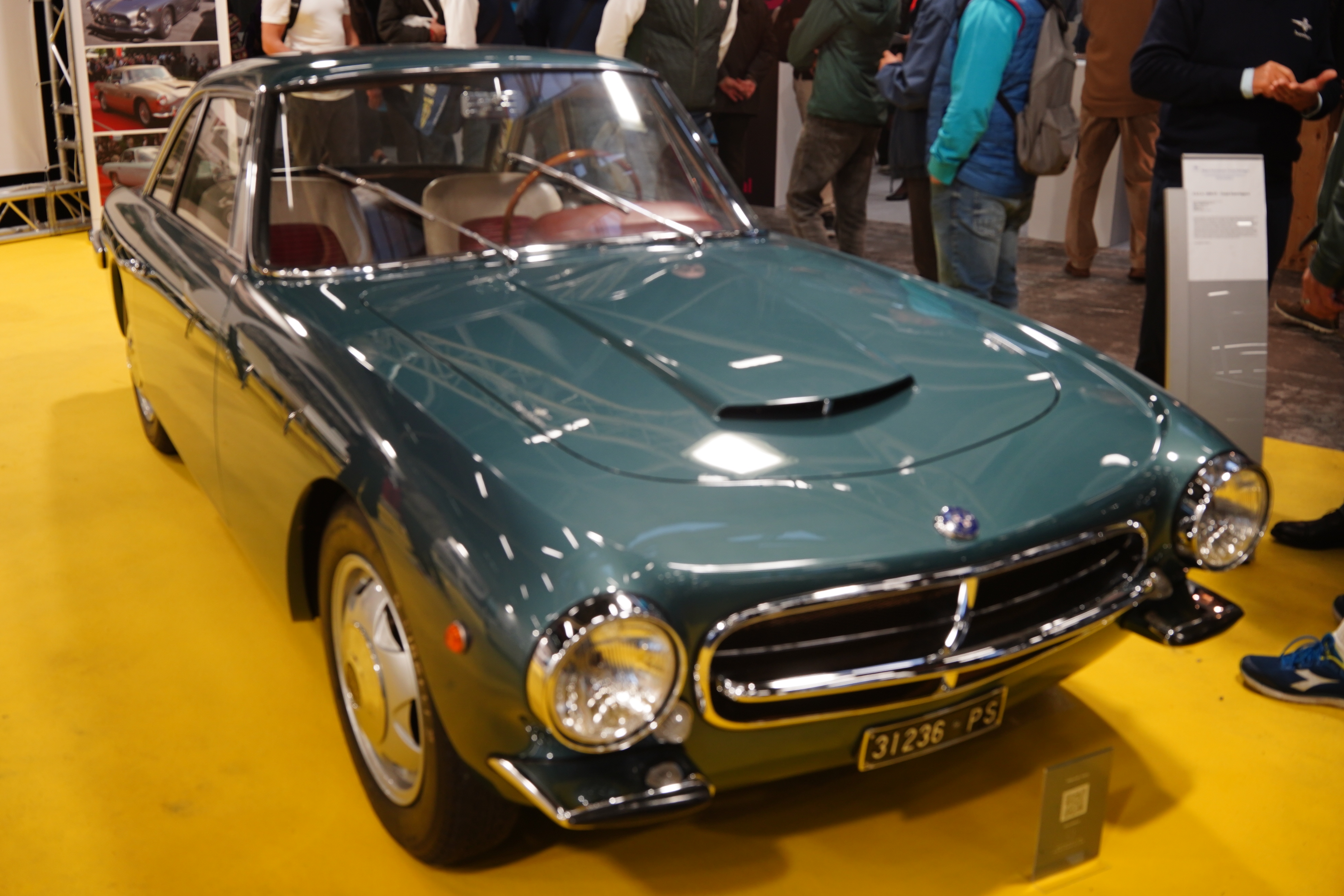
 

A Stanguelli, with racing history going back to 1948.
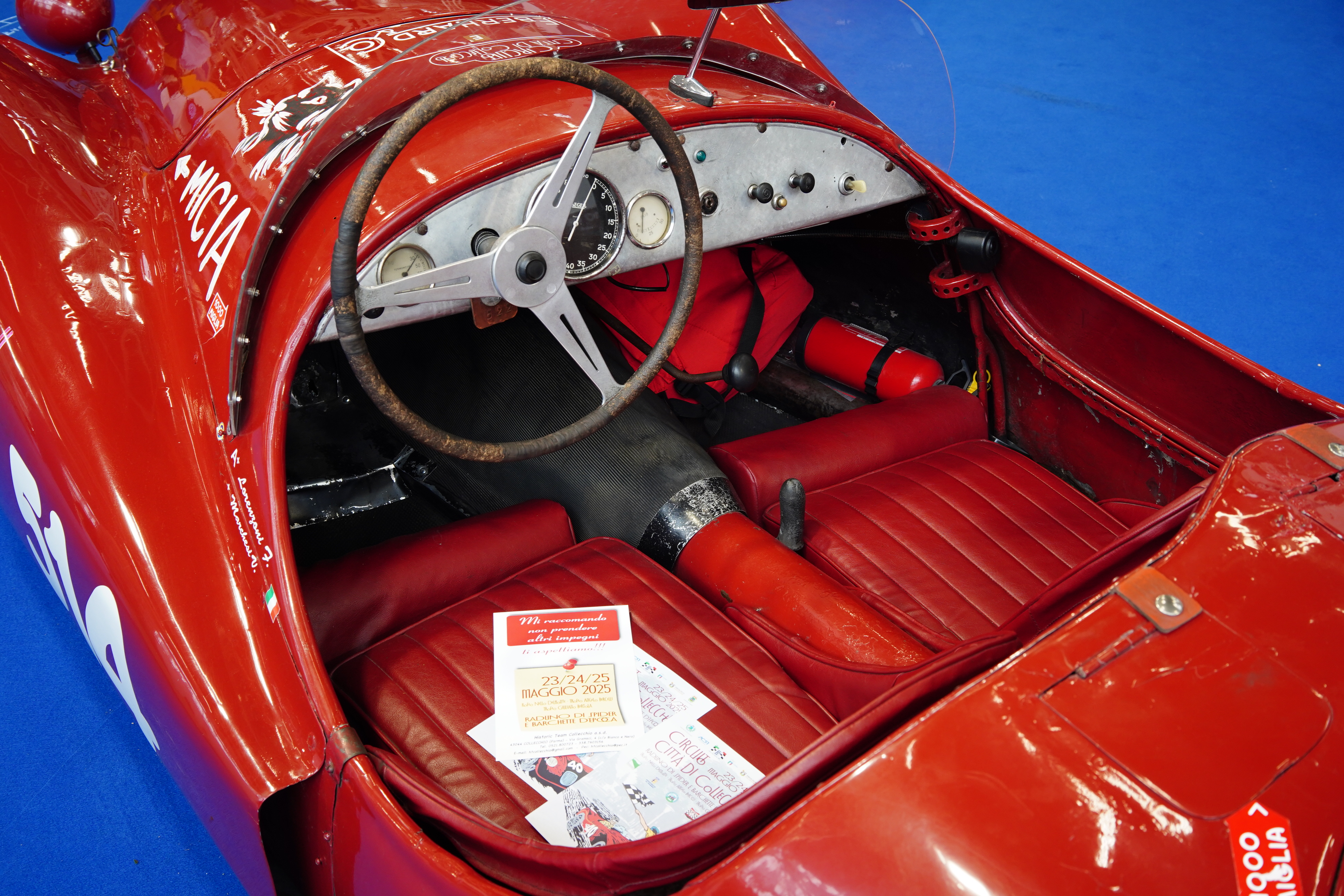
A Moretti-Fiat 1500.

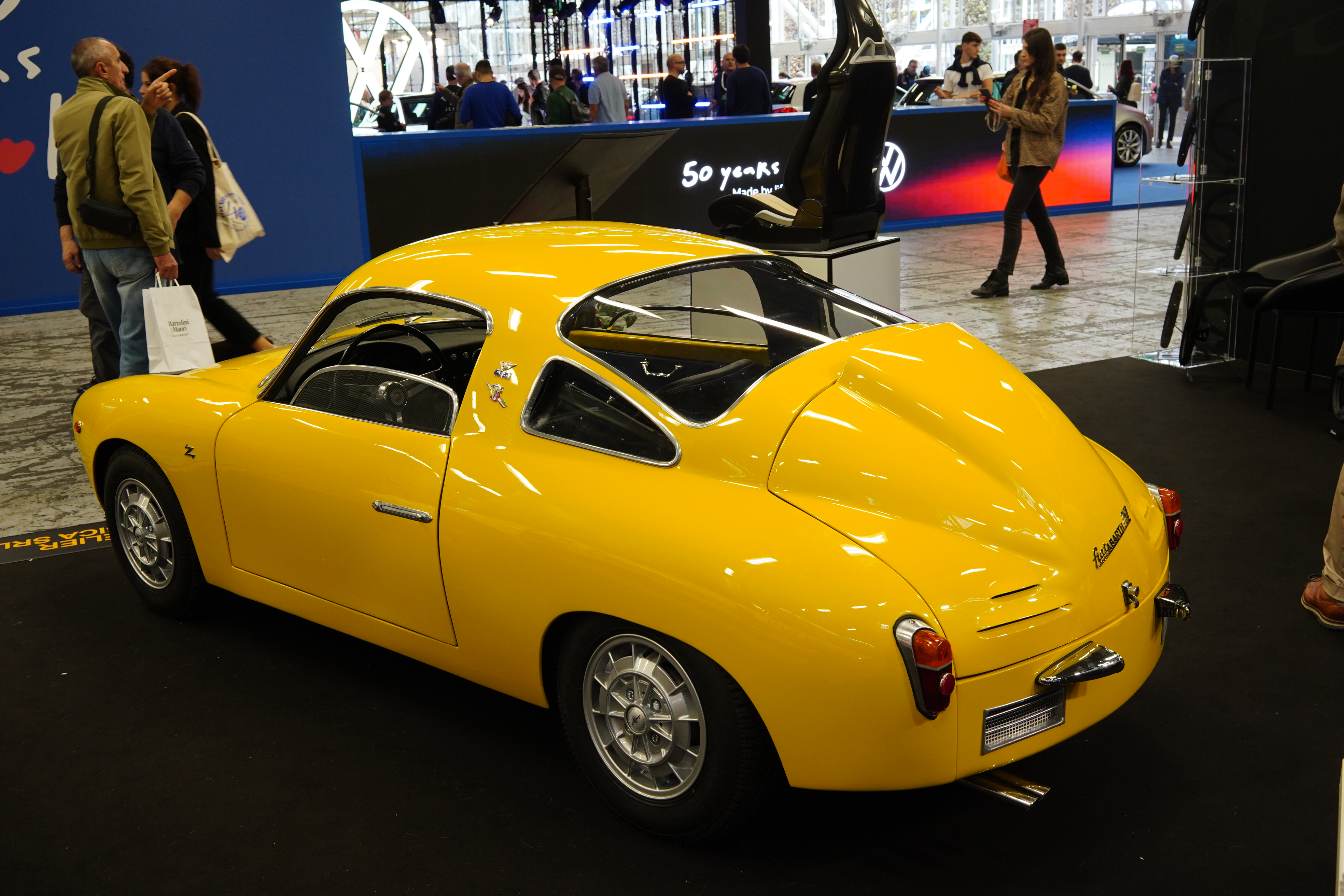
A tiny Abarth (is that redundant?).
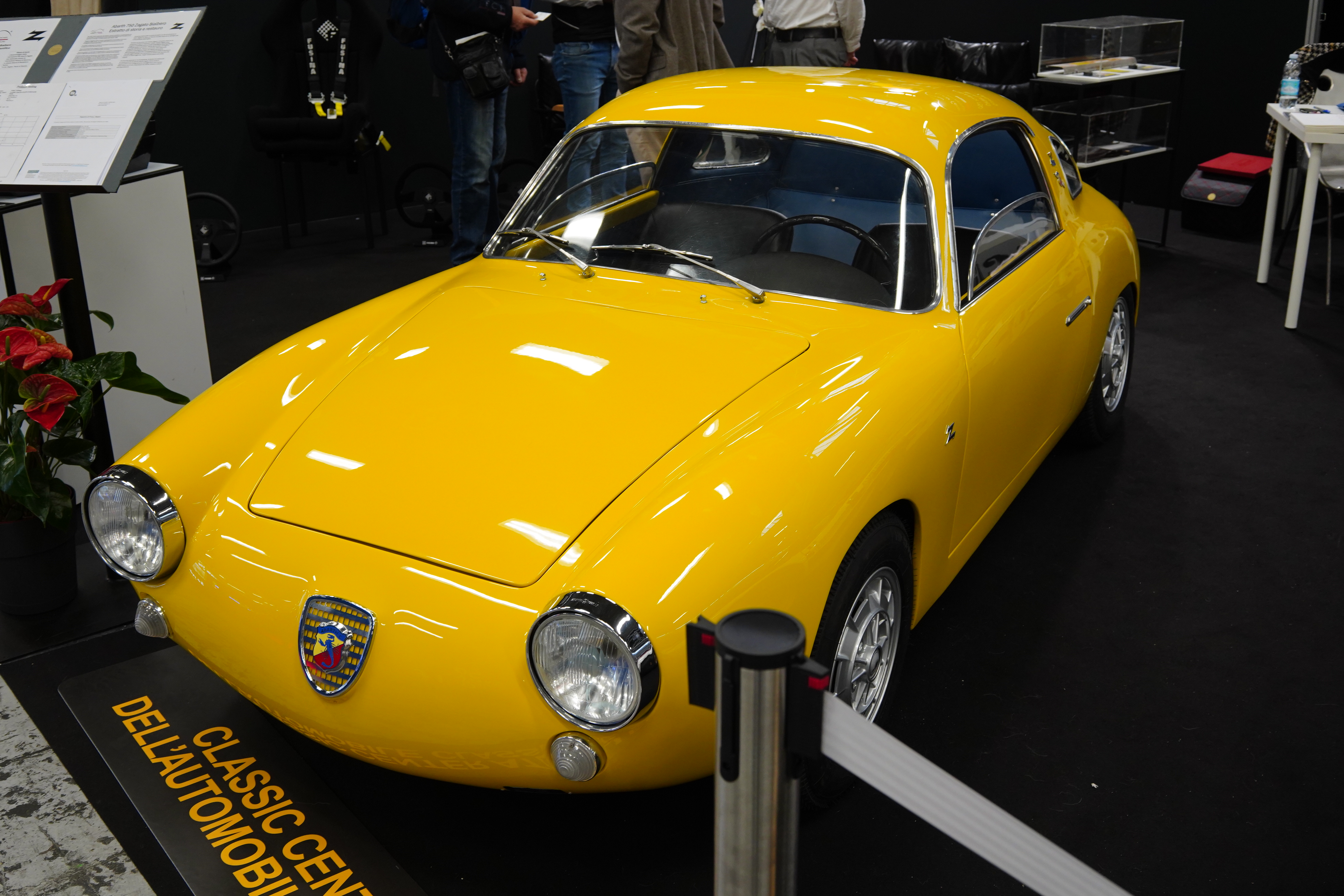
A 1950 Siata, asking €145,000.
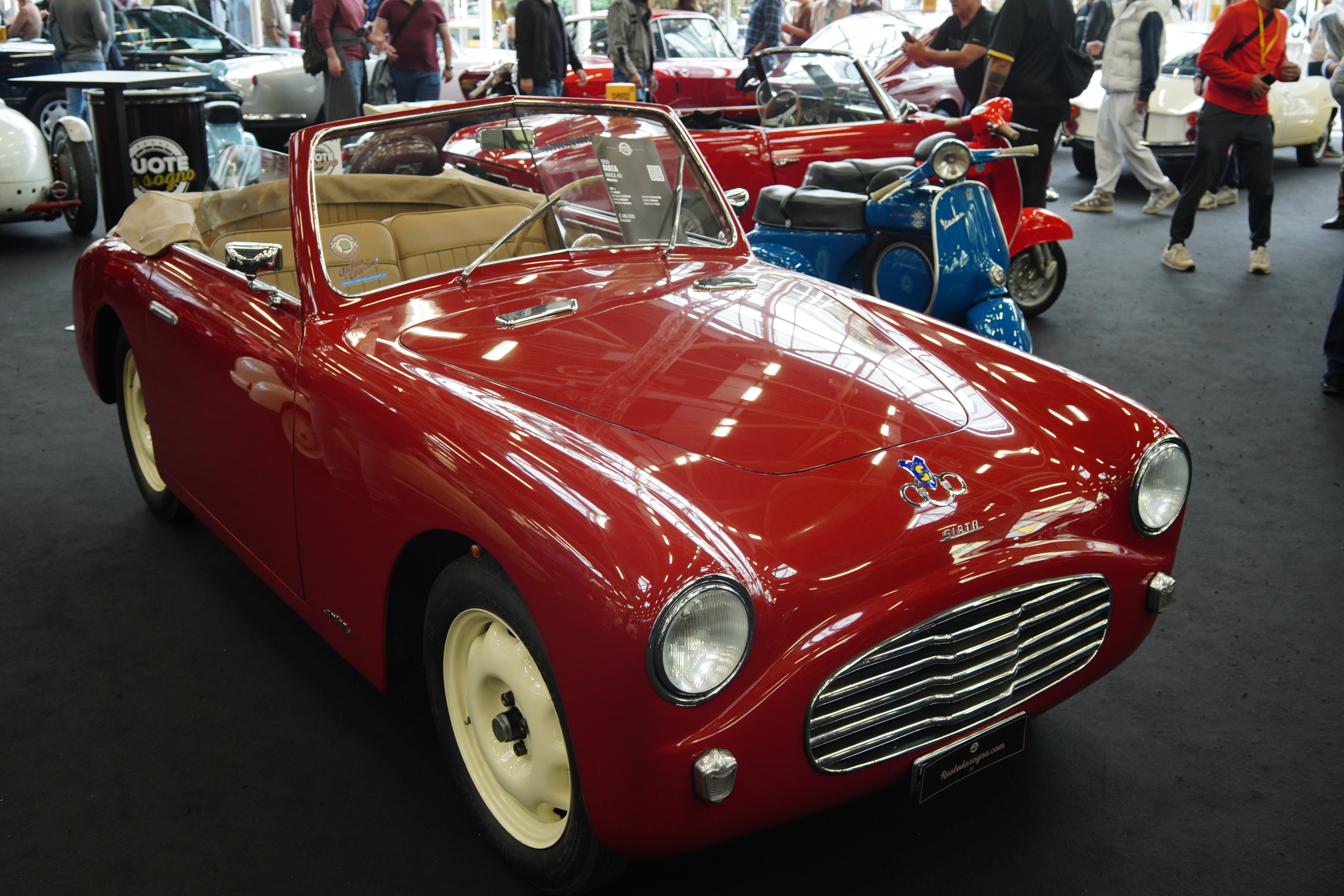
A 1966 Cisitalia 850 Spider, asking €108,000.
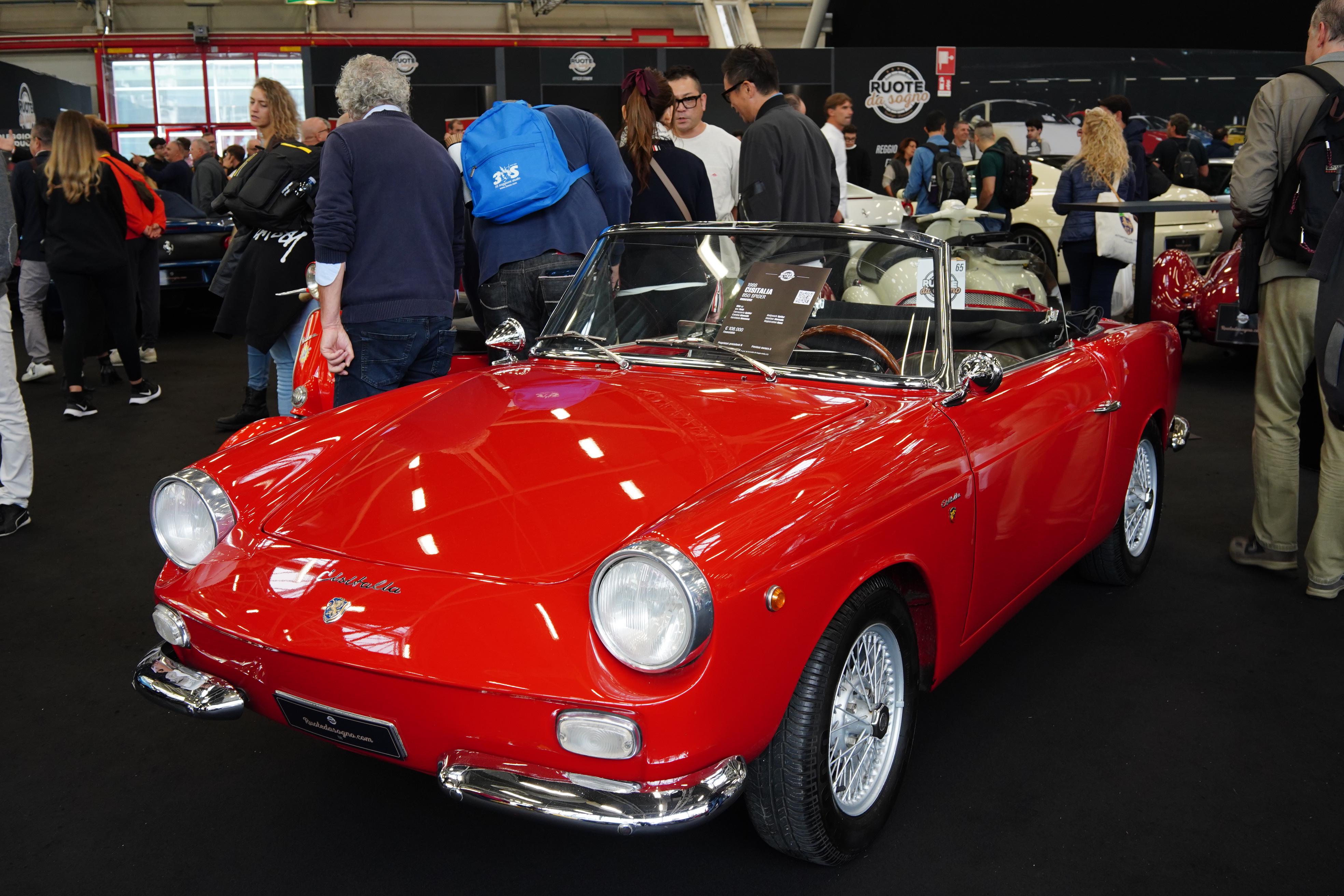
The Bianchina Club had these two adorable examples on display.
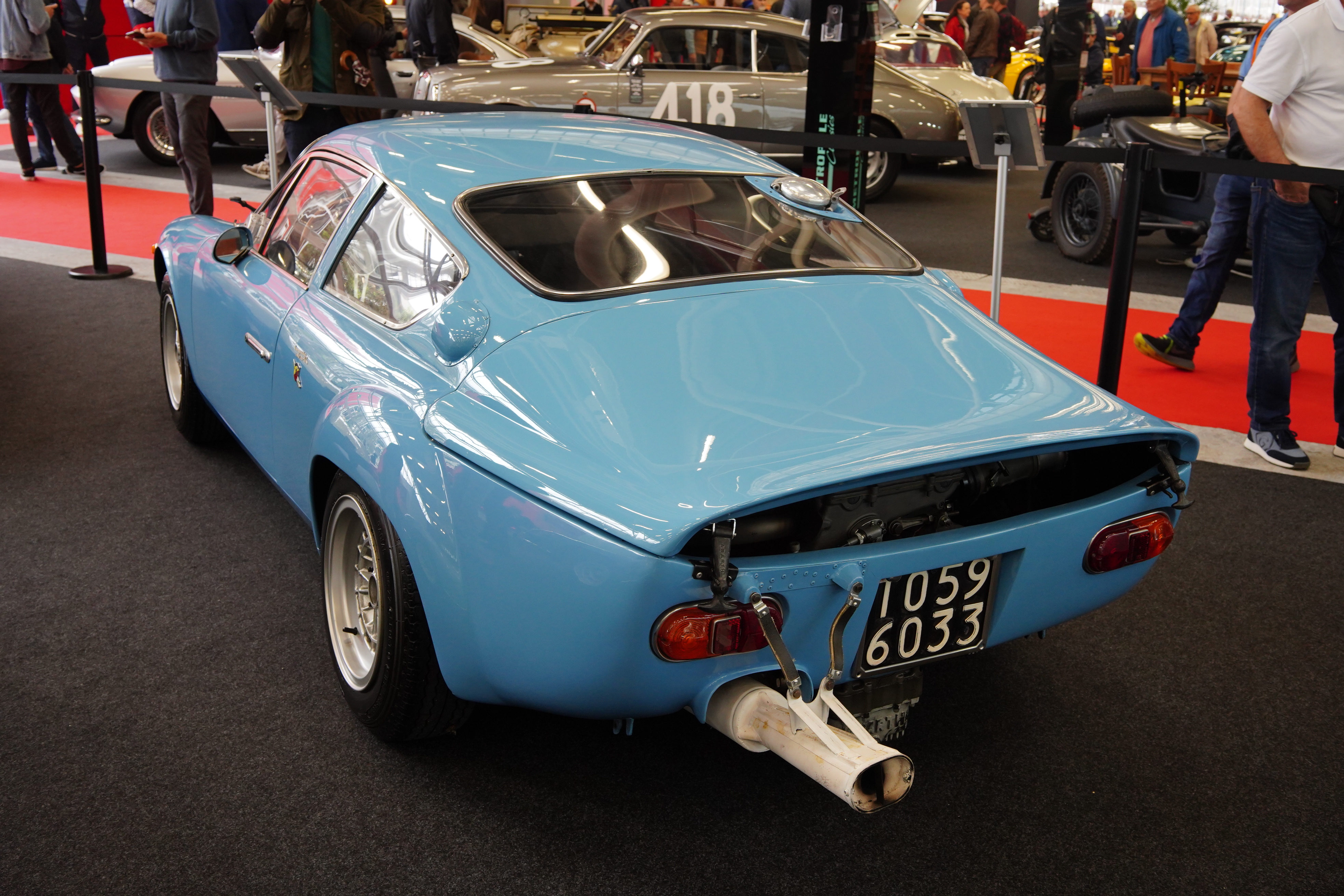
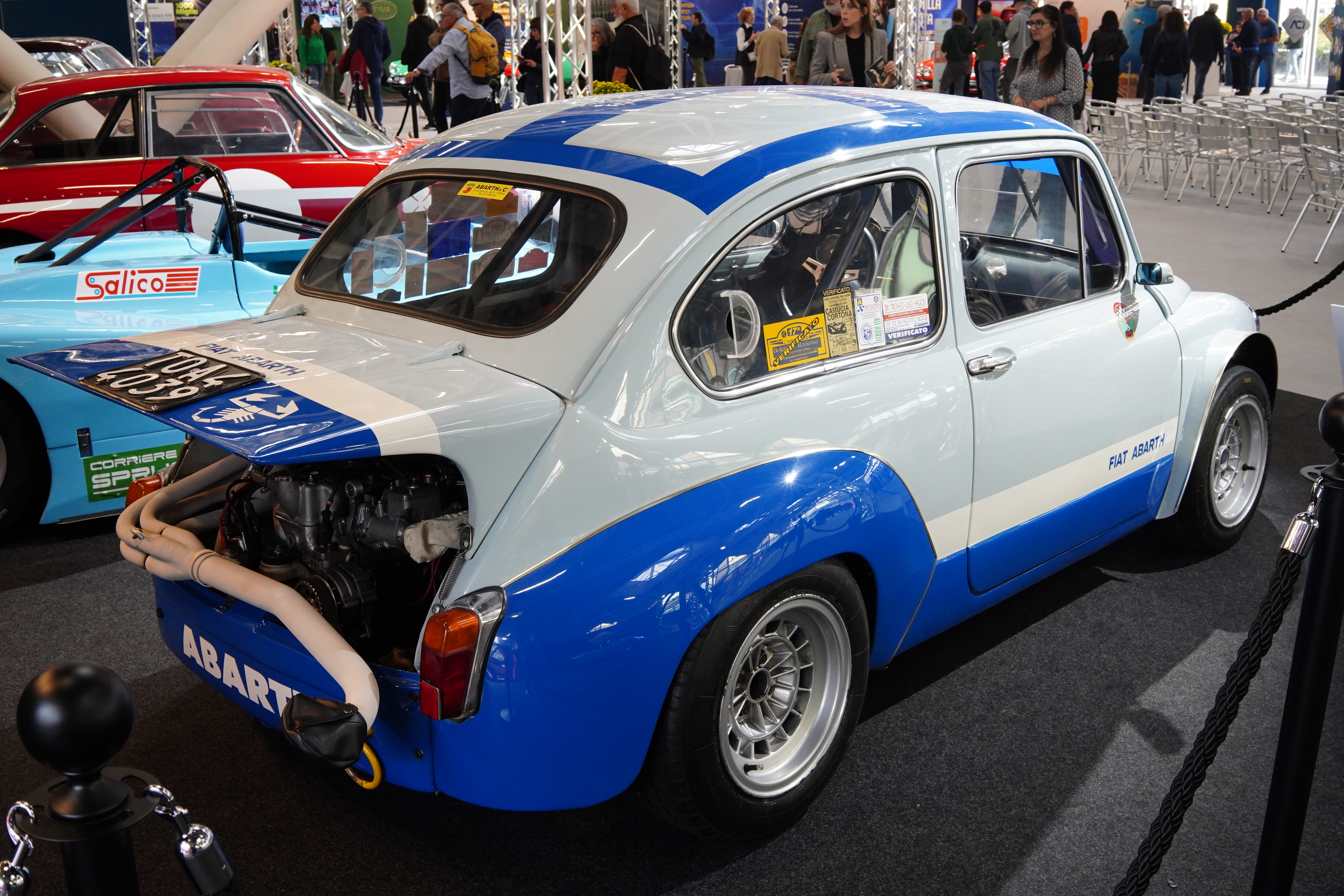
This blue and white Abarth was ready to rip.
 

Entire blog post content copyright © 2024 Richard A. Reina. Text and photos may not be copied or reproduced without express written permission.
 

Auto e Moto d’Epoca Summary Part 3

Days 3 and 4 in the BolognaFiere were spent making sure that I walked at least once through every one of the 13 halls. The show category called “The World of Classics” did not contain vehicles for sale; instead, it consisted of display cars which were brought in by manufacturers, car clubs, and organizations. Non-Italian brands were well represented. Clubs for Alpine, BMW, Volvo, MG, Jaguar, Land Rover, Mercedes Benz, Mini, Mustang, Porsche, Triumph, Toyota, and Volkswagen had vehicles there. ASI, which stands for “Automotoclub Storico Italiano” (Historic Italian Automobile Club) had a huge presence, taking up most of one hall.

By Sunday afternoon, the final day of the show, I made one last walk through the cars for sale sections, this time paying more attention to the asking prices. After being on my feet for 6 hours a day for 4 days, it was time to quit.

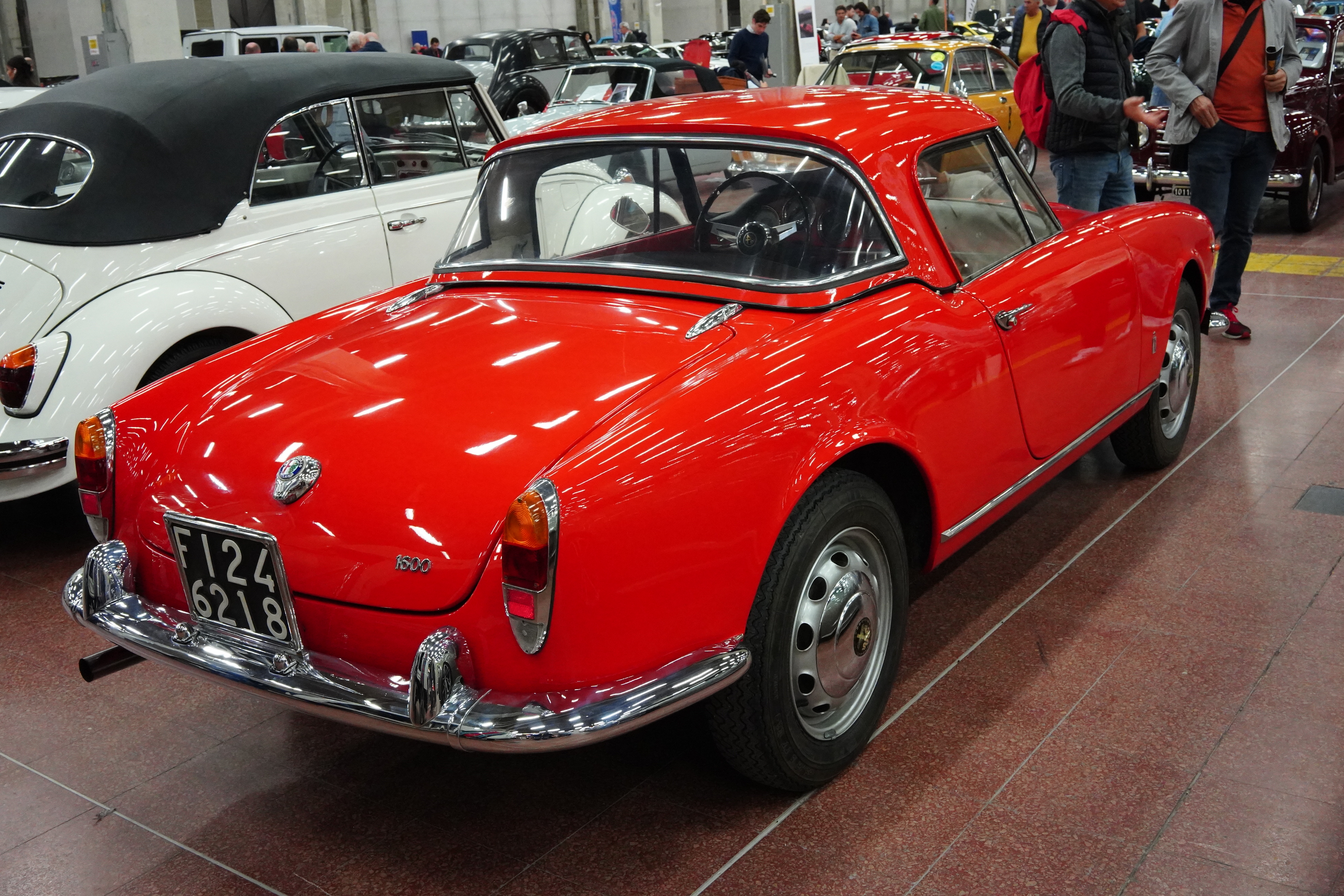
While I like all cars, I especially like Italian cars. And while I like all Italian cars, it’s my ownership of an Alfa Romeo which puts that brand at the top of the mucchio (heap). The below photos reflect just a sample of the many Alfas at this show.


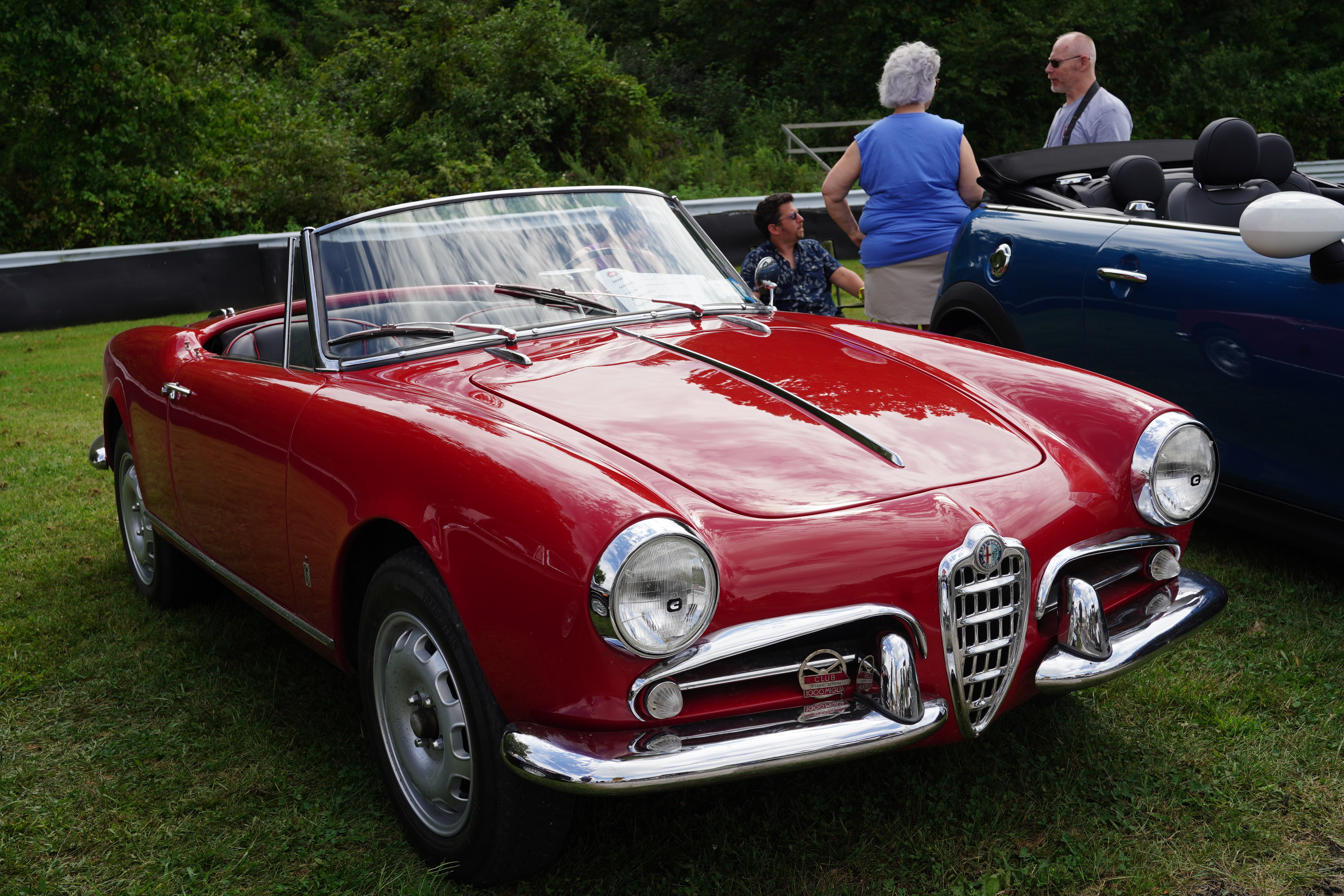
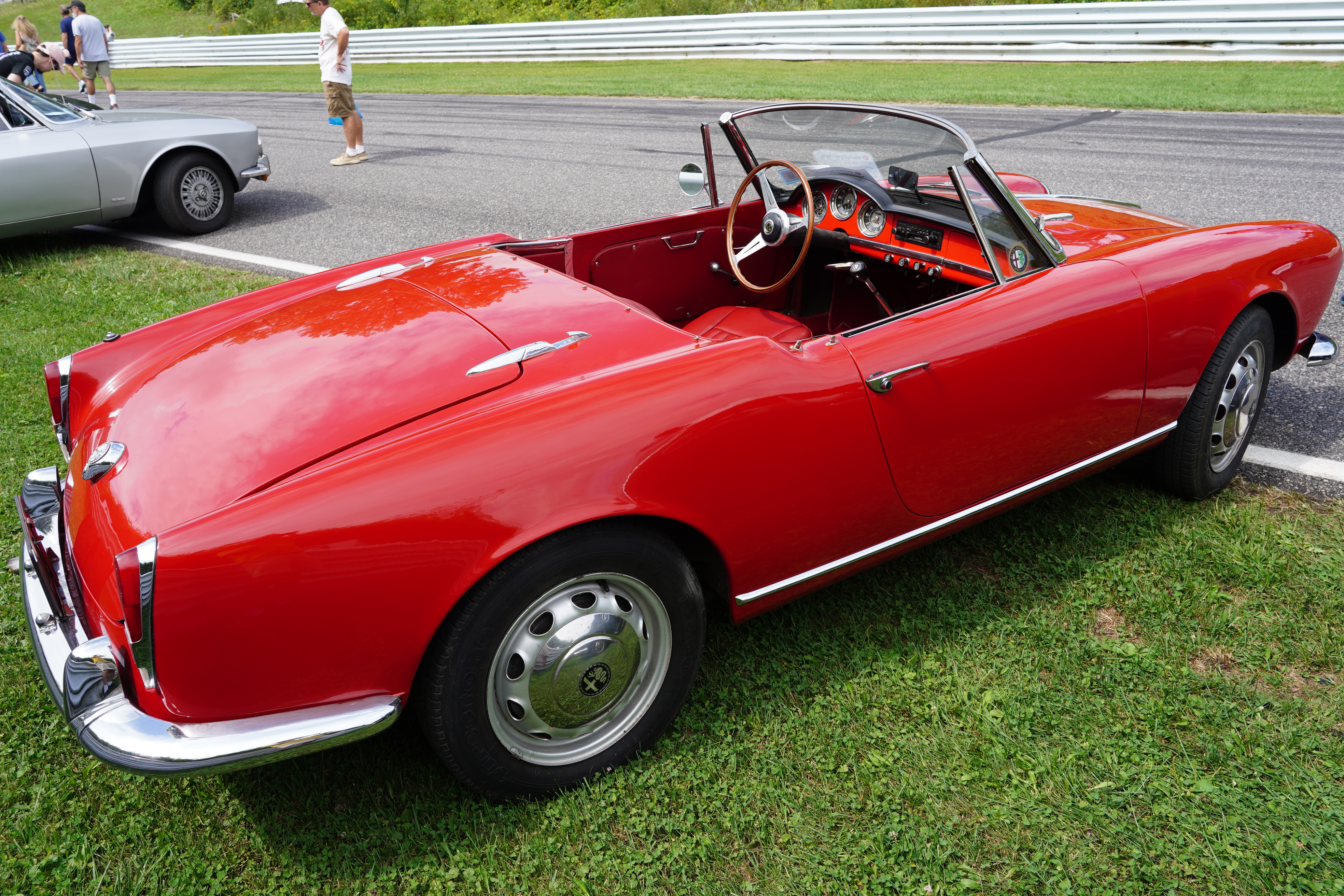
This 1963 Giulia Spider was for sale for €78,000, presumably including the hardtop.

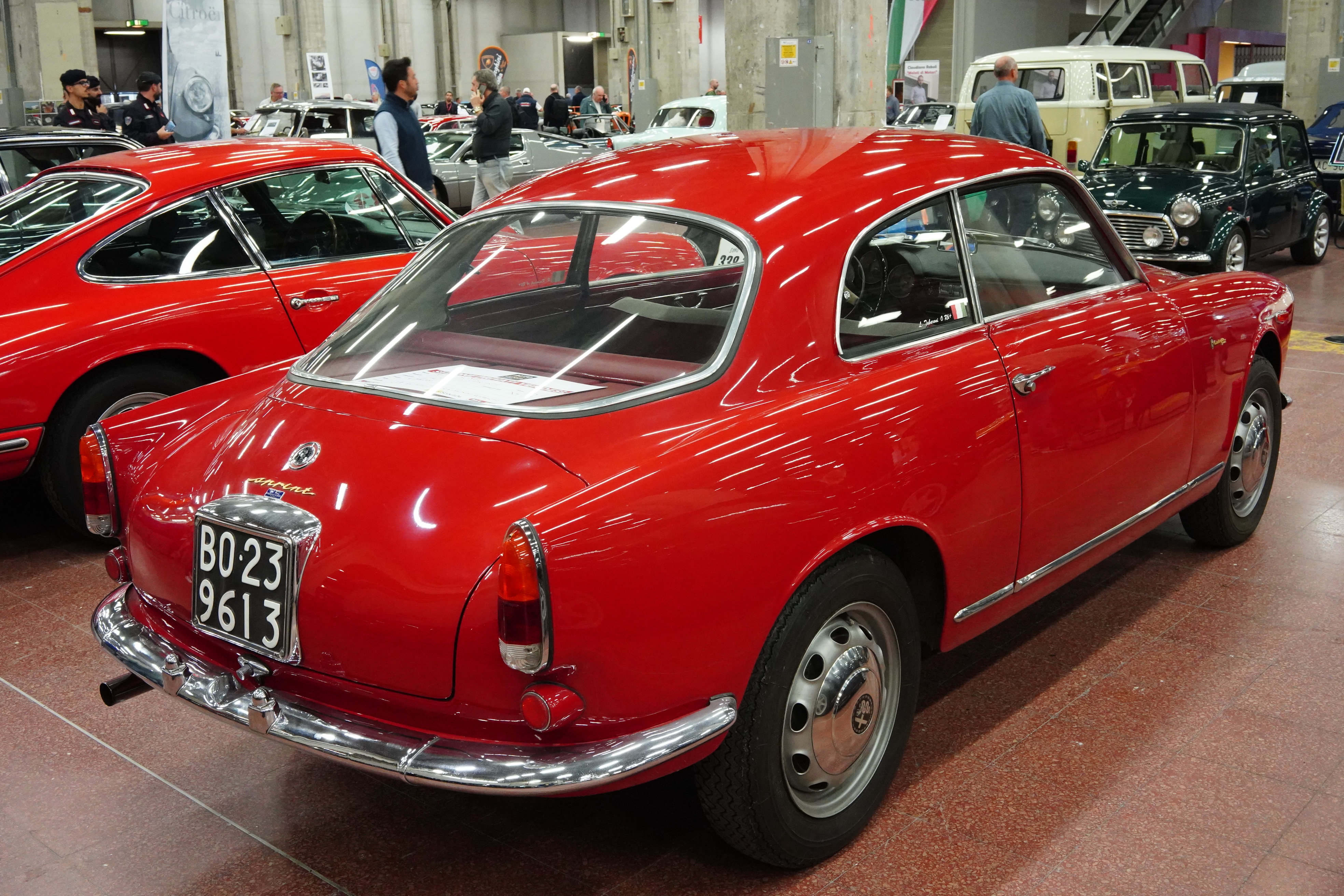
This 1961 Giulietta Sprint could be yours for €55,000. It would make a nice bookend with the Giulia Spider above.

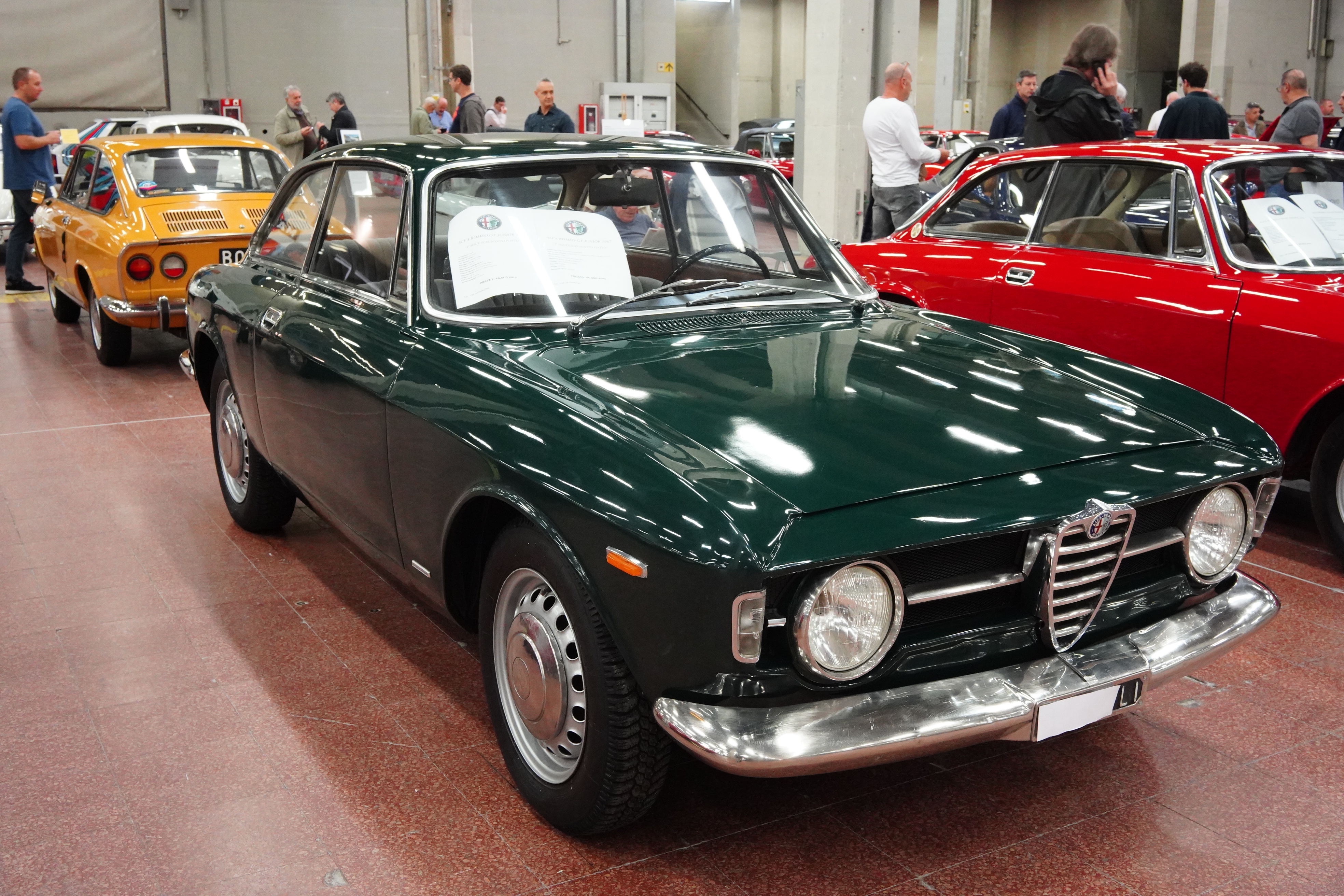
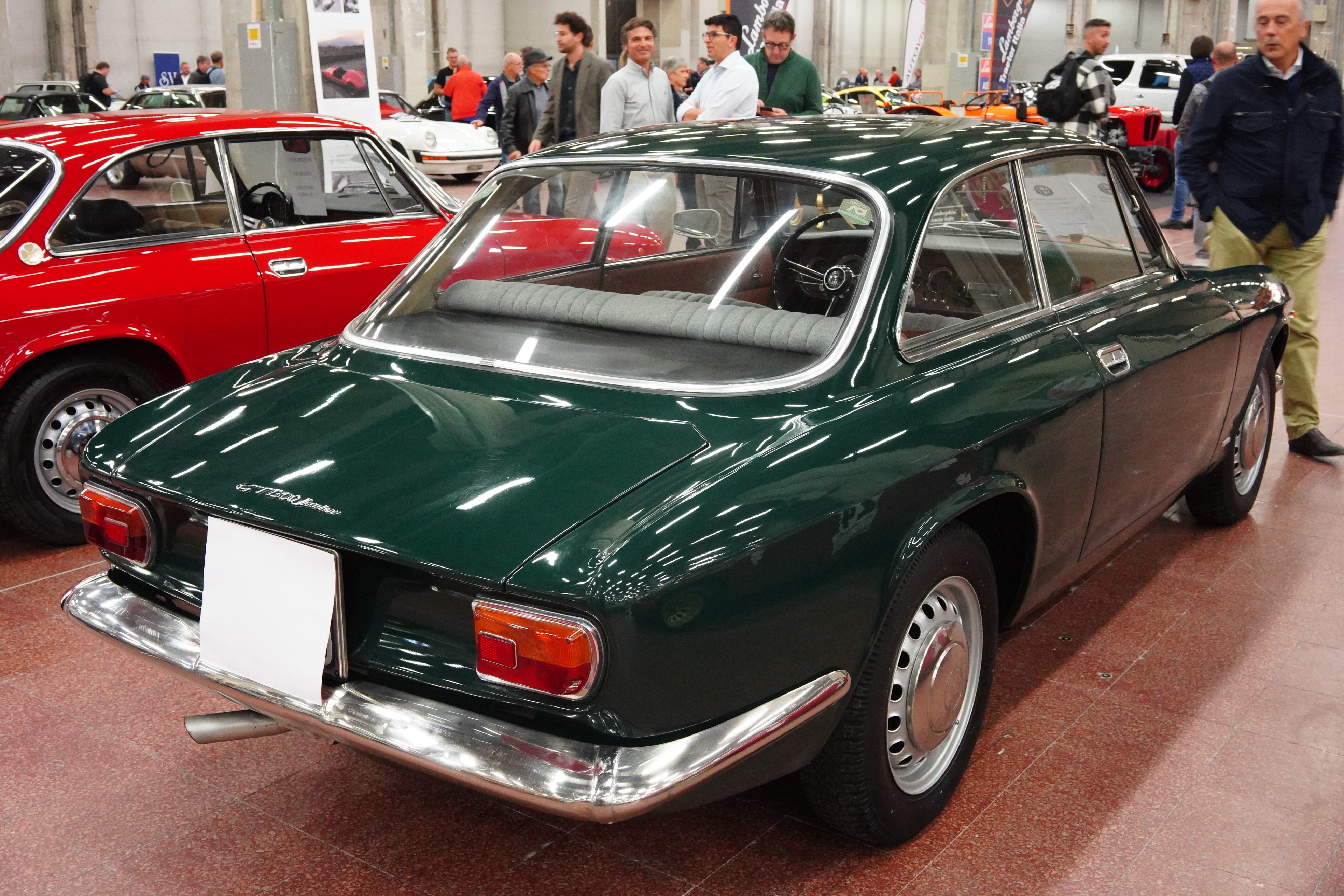
I was smitten with this ’67 GT 1300 Junior because it was an almost exact duplicate of my car. The owner was asking €46,000.

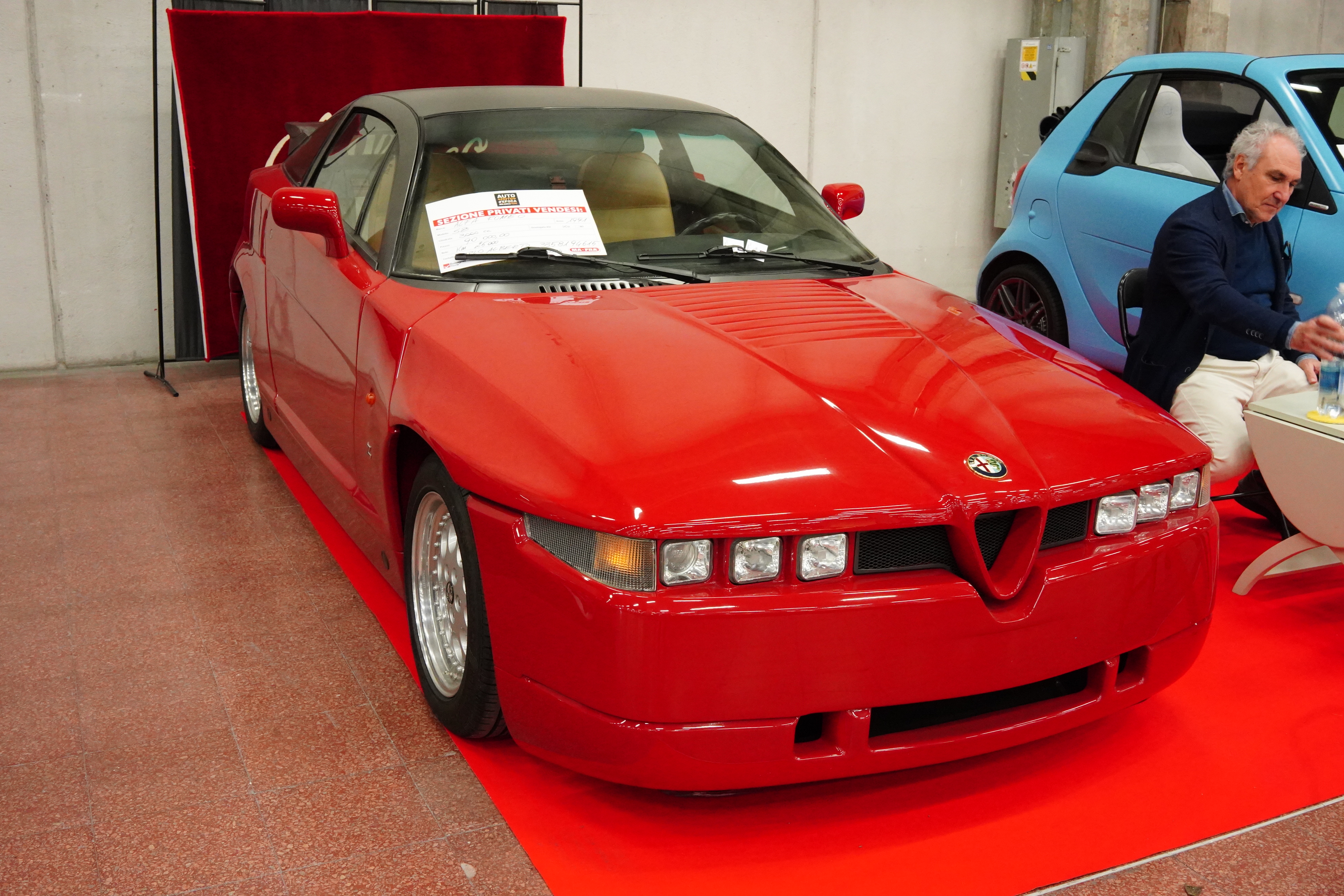
This 1991 SZ had an ask of €90,000.

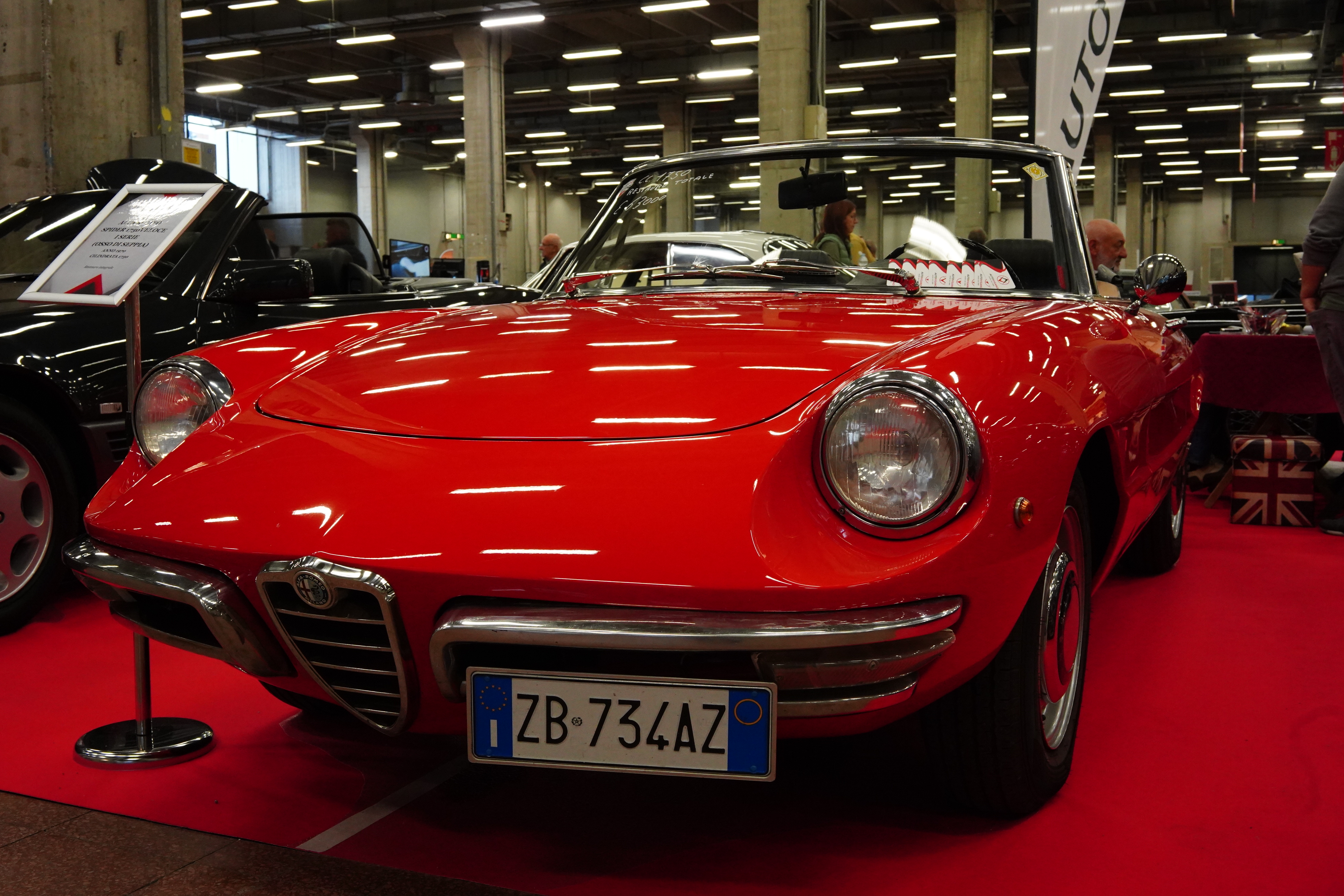
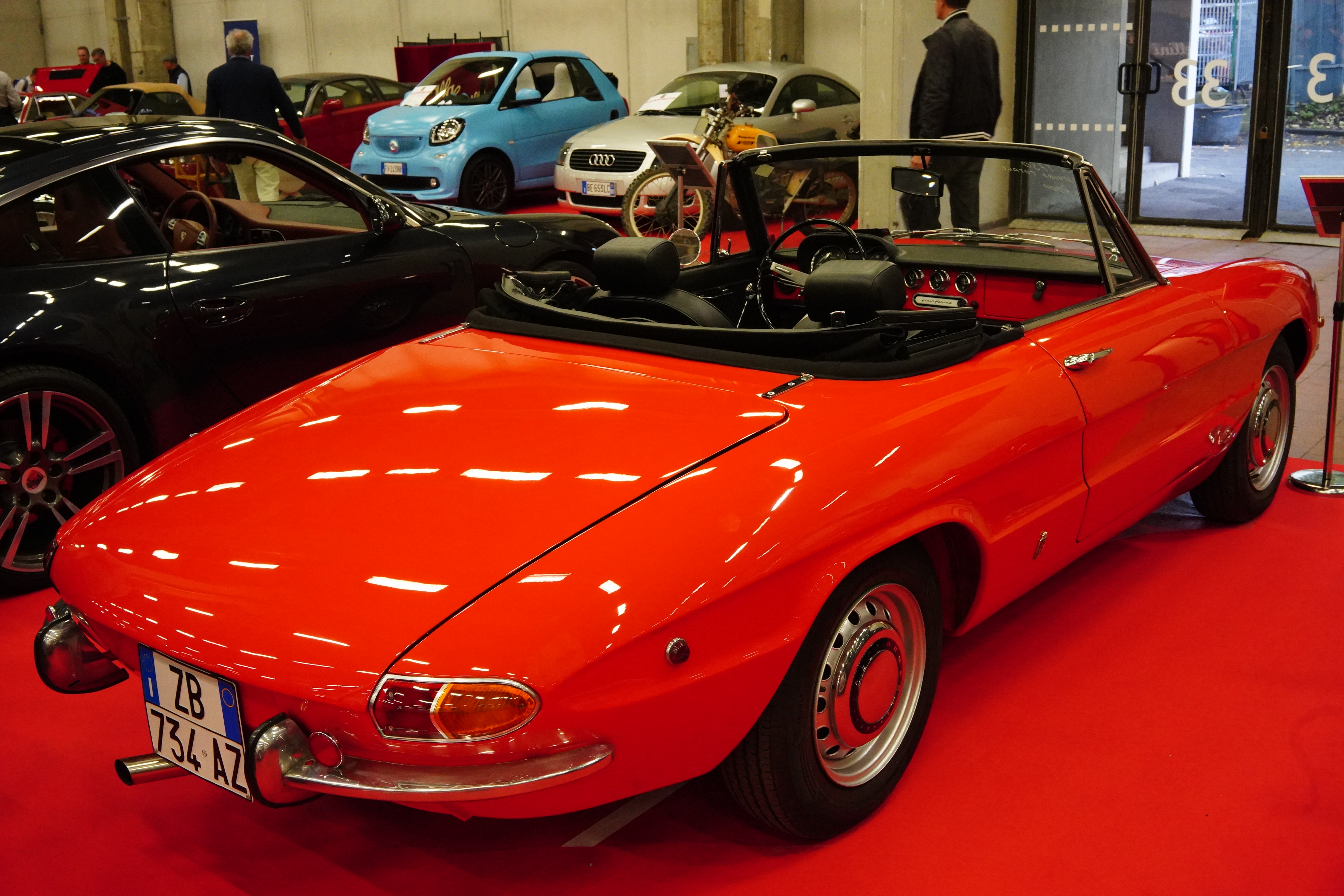
This 1970 Spider looked to be cosmetically near perfect, and it stood out for me compared to almost every other Spider at the show. The vendor was asking €63,000.

A 1973 GT 1300 Junior in white. Note the 2nd series front end styling.

An Alfetta GT coupe in black. This was one of only a few at the show.

This blue GTA “tributo” was only €39,000.

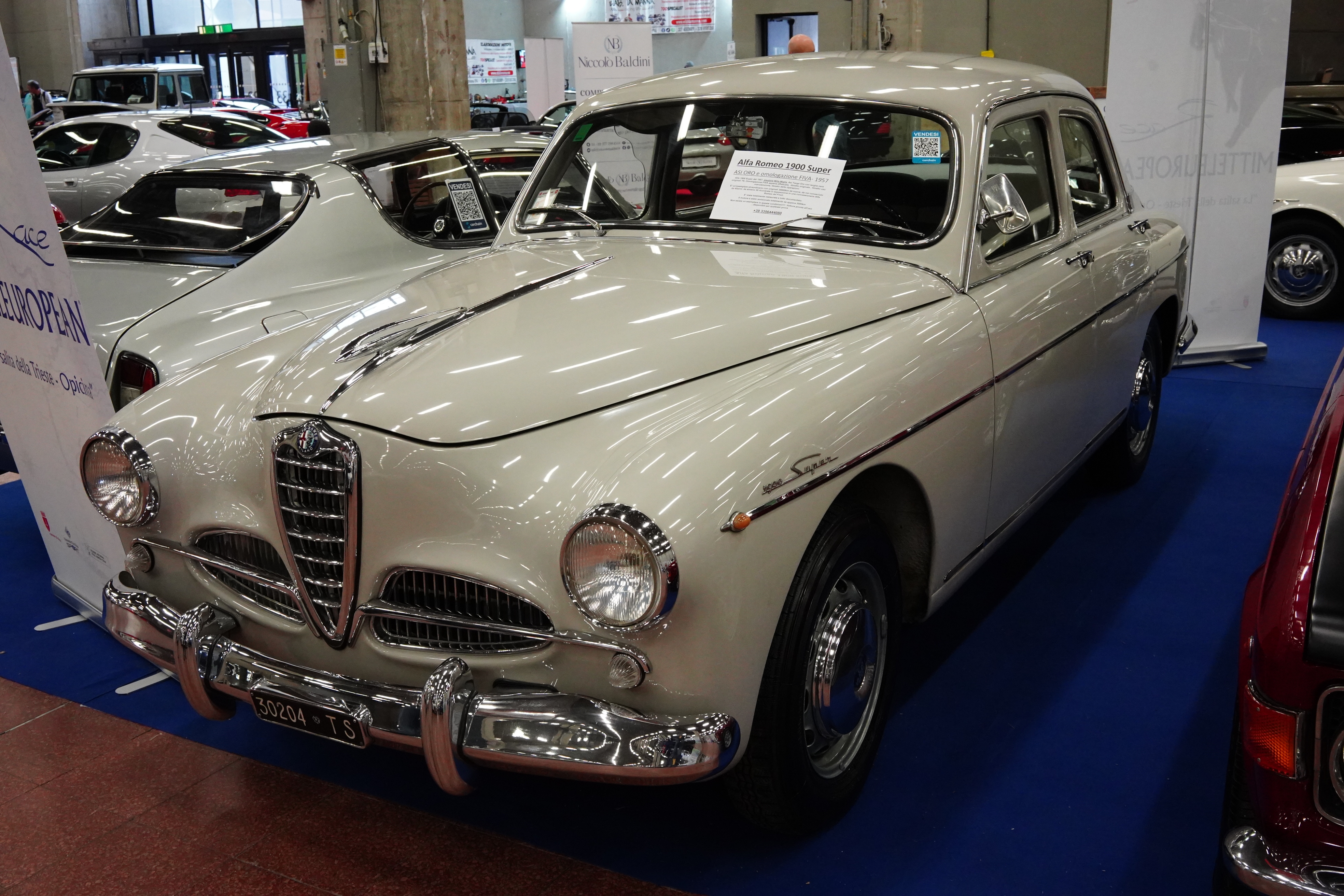
A 1957 1900 Super sedan.

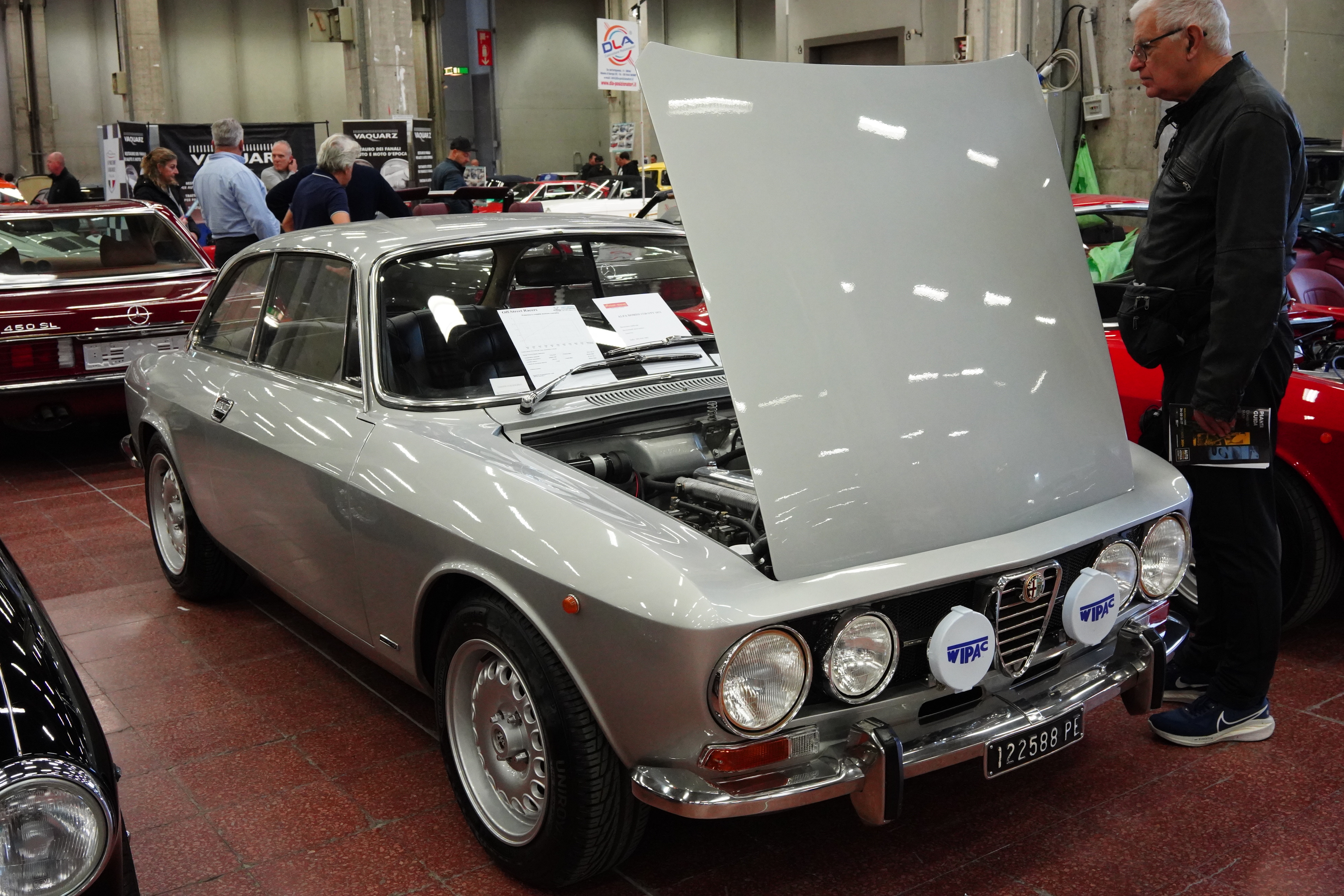
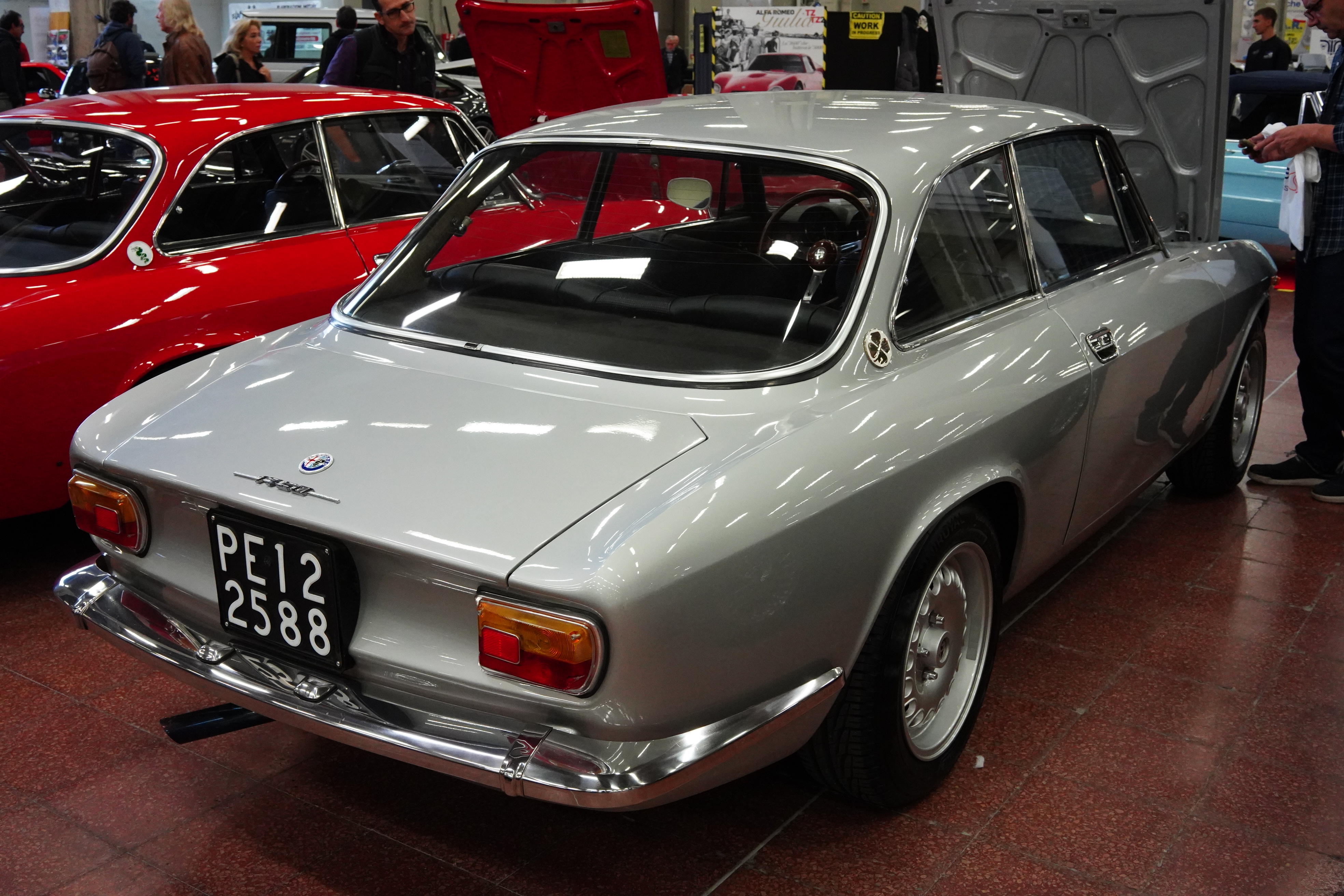
I thought this GTV looked sharp in silver with the silver wheels.

One of the better priced Alfas here was this 1976 Spider 2000 for €26,500. The sign on it seemed to claim that it had only 9,000 original kilometers on it.

A beautiful blue 2600 Sprint.

A beautiful silver Giulietta Sprint.

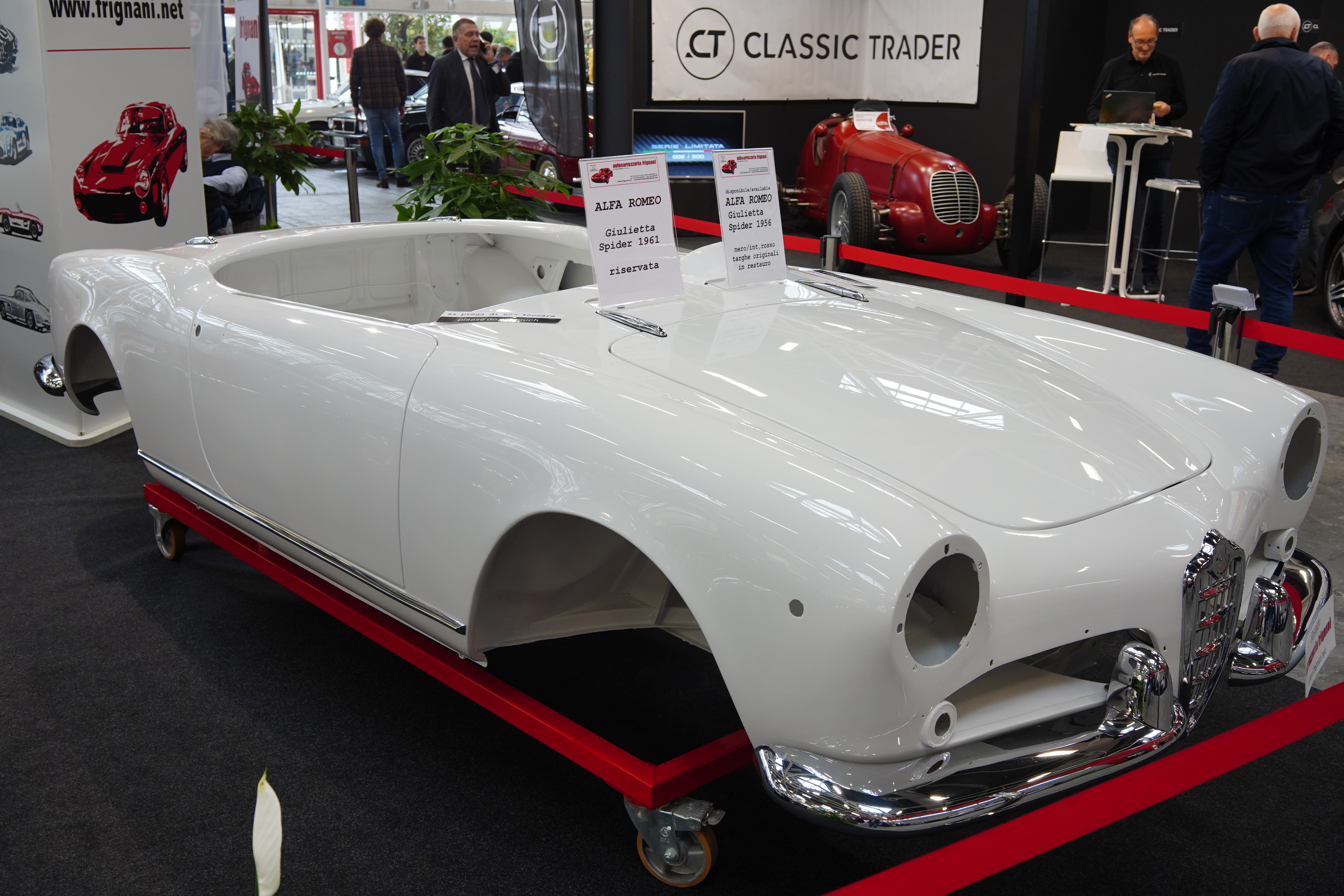
If you’re looking for a starting point, this restored shell was for sale.

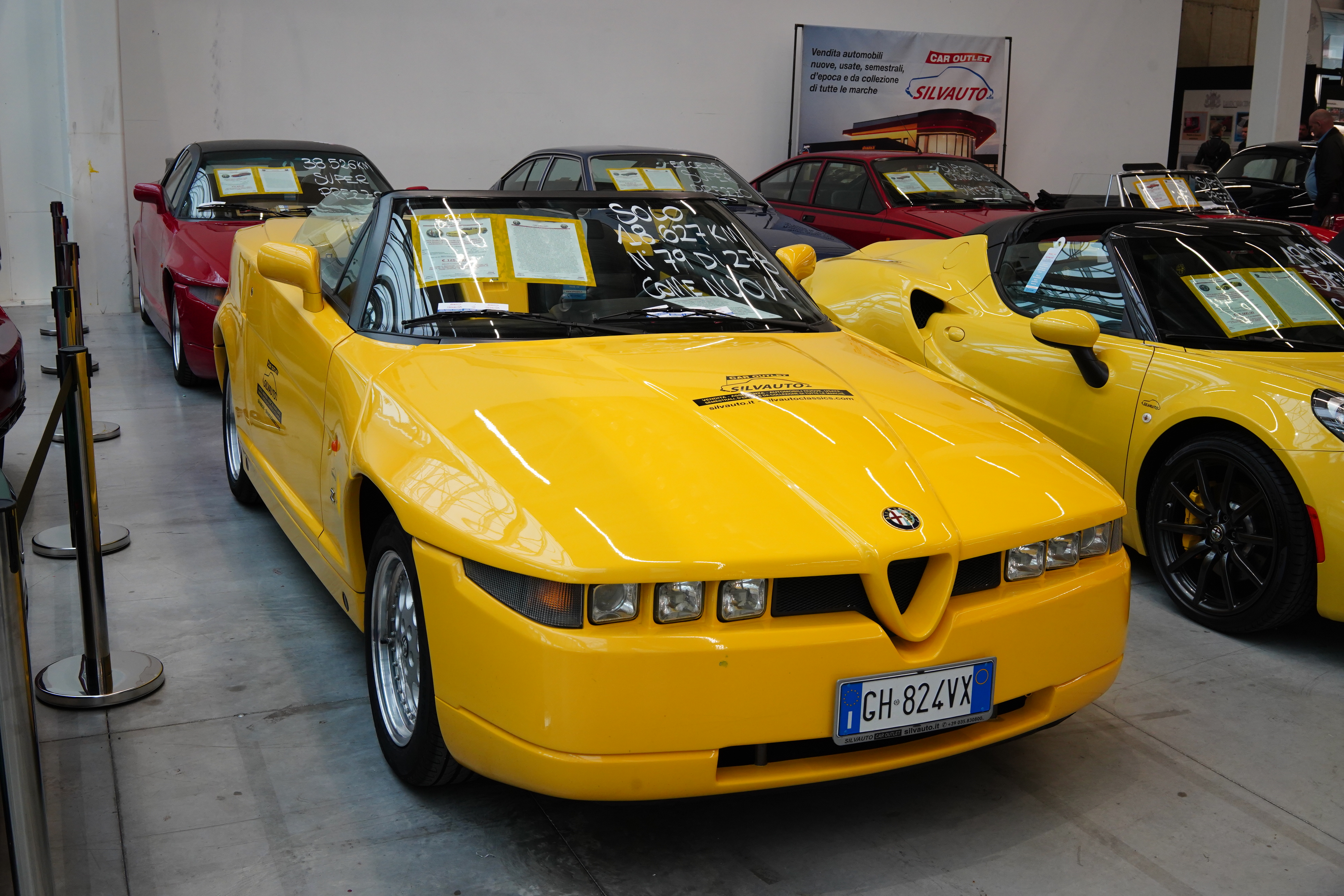
This yellow RZ Spider was for sale for €125,000.

There weren’t too many 4Cs there either; this one had a sale price of €85,000.

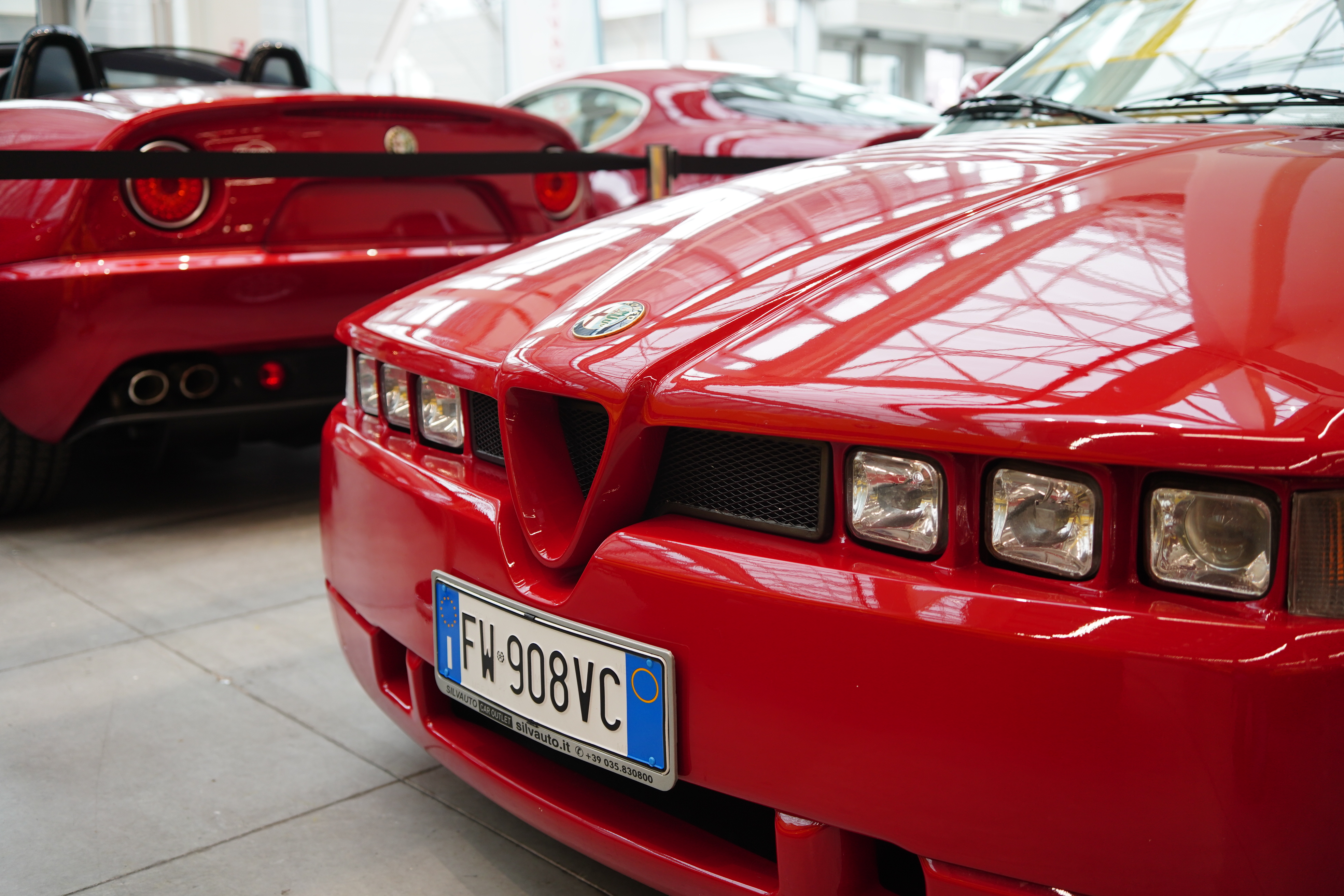
SZ in the front; 8C Spider in the rear.

A 1982 Alfetta GTV with a 2.0L in it, for €25,000.

A white 1968 Super for €27,800.

Another Super, looking sharp in grey.

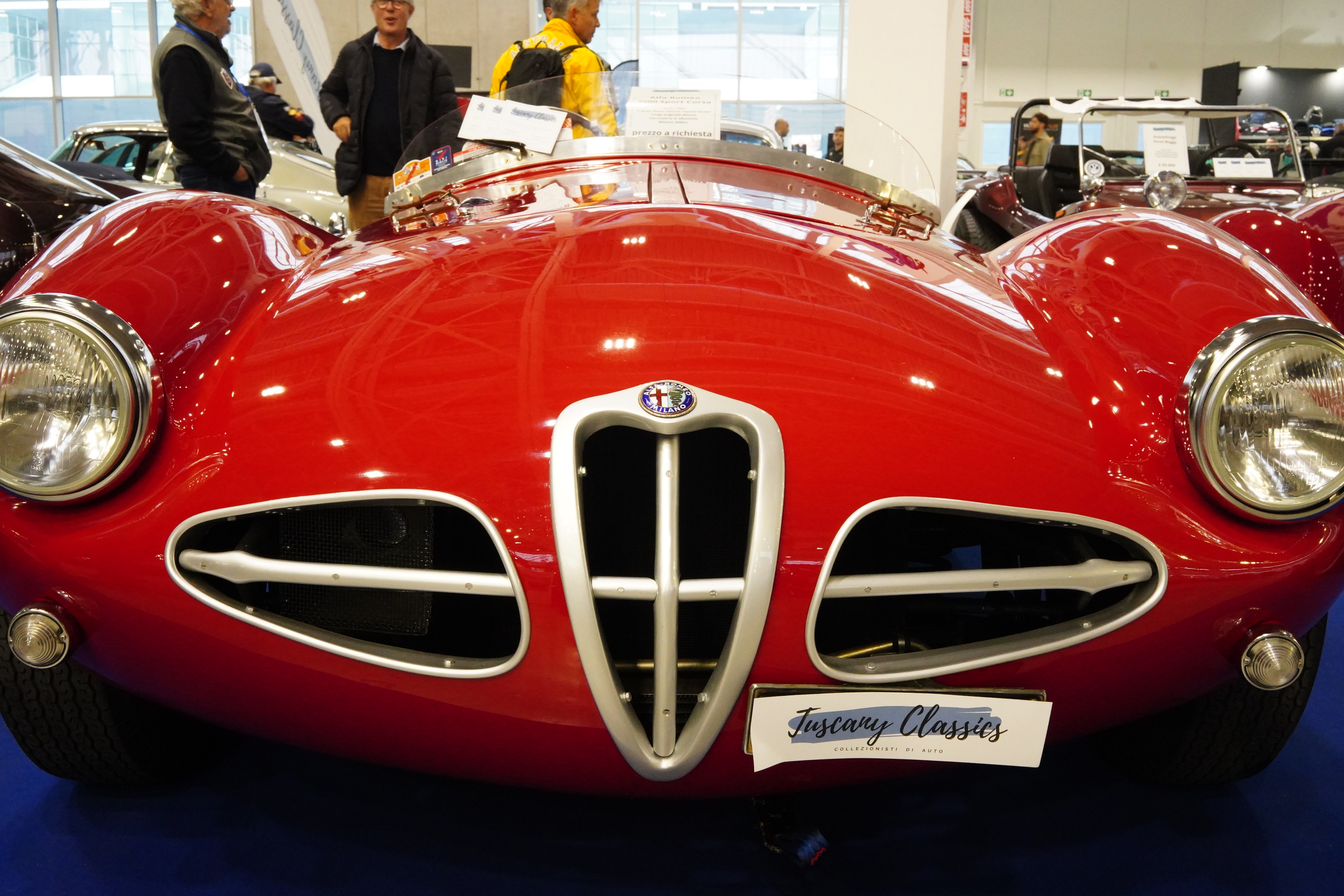
I loved this Disco Volante, even though (or maybe because) it’s a replica.

A rare (only 1,000 made?) GTC. Asking price of €120,000 makes me wonder what else I could get for that amount of money.

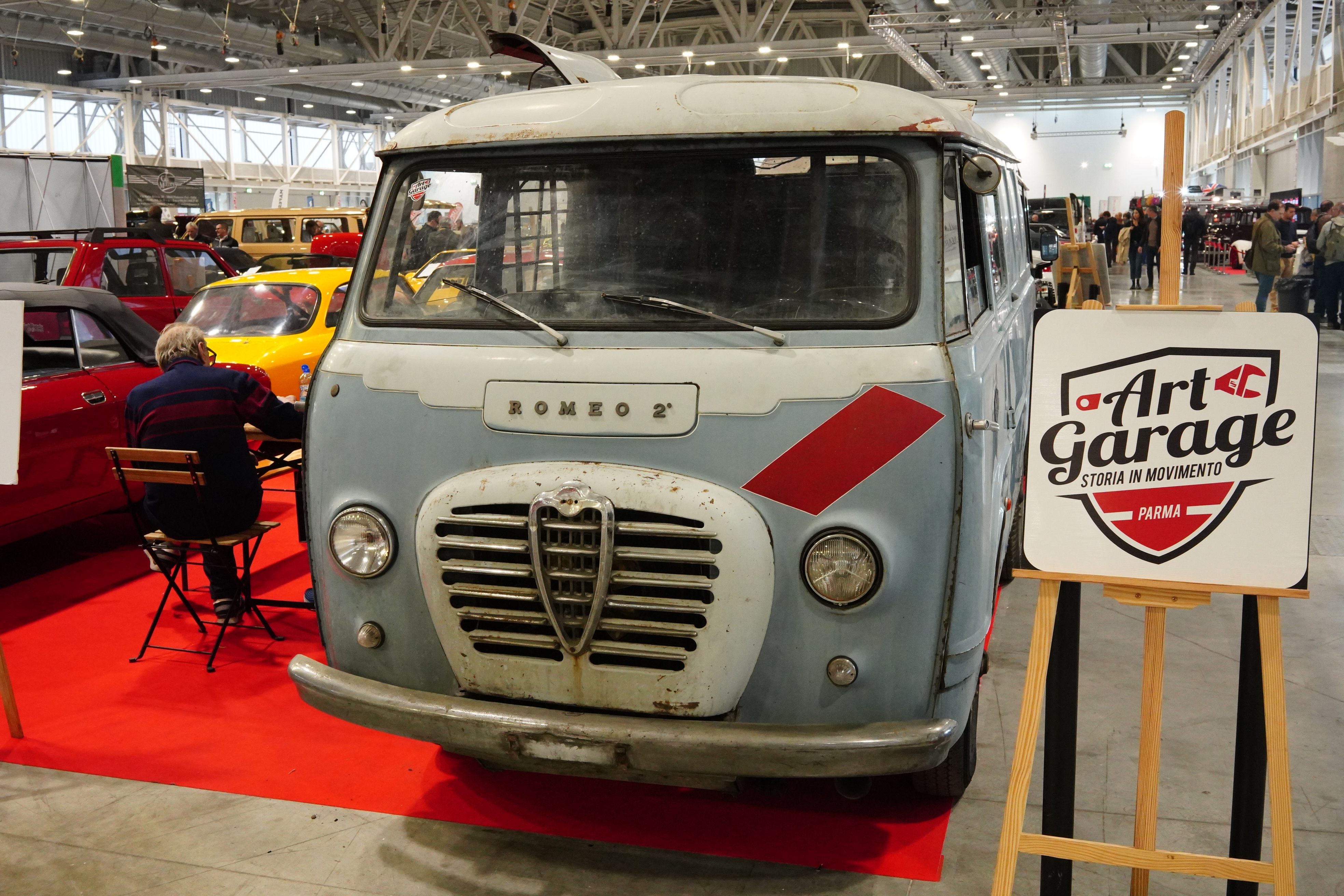
An unrestored Romeo truck.


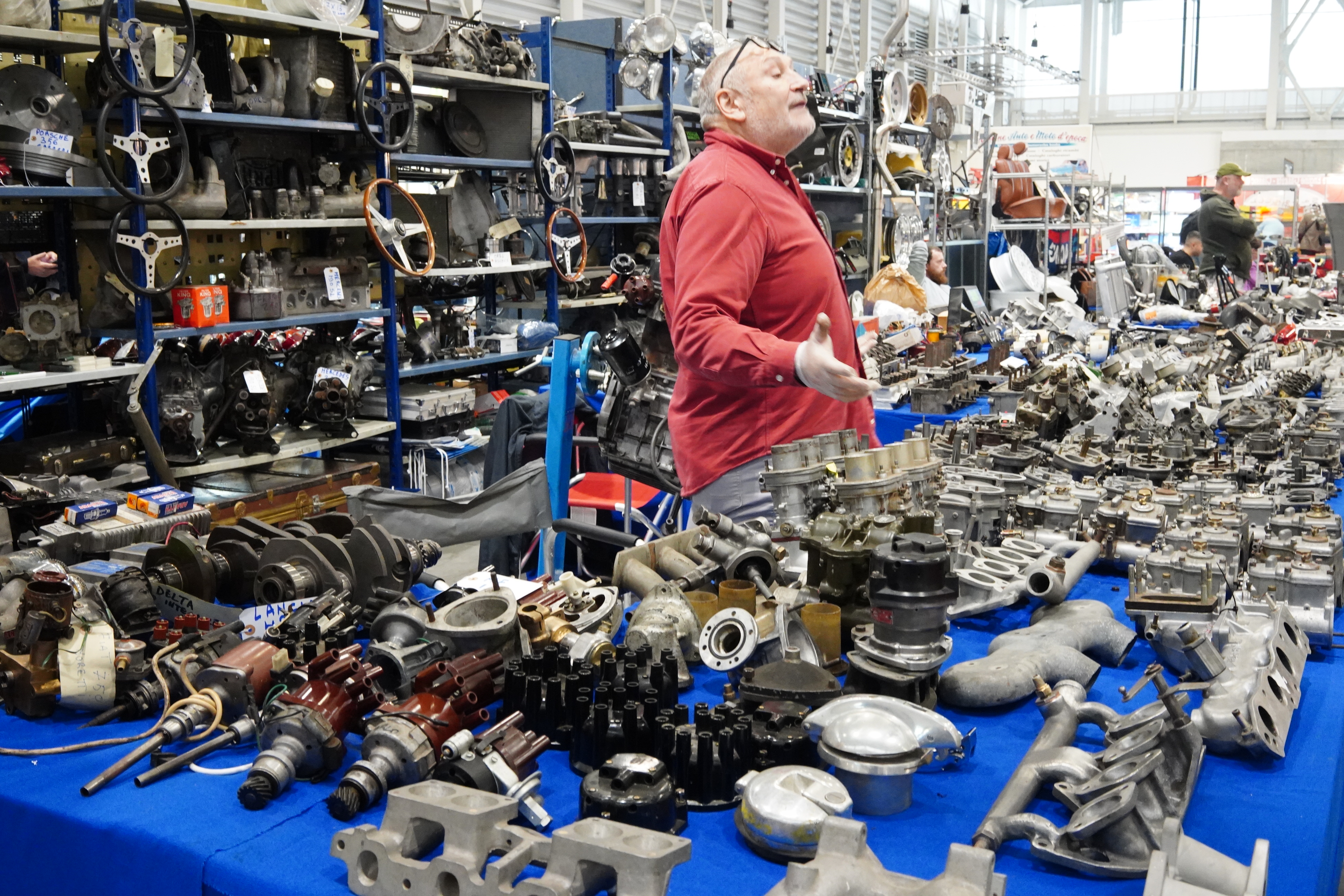
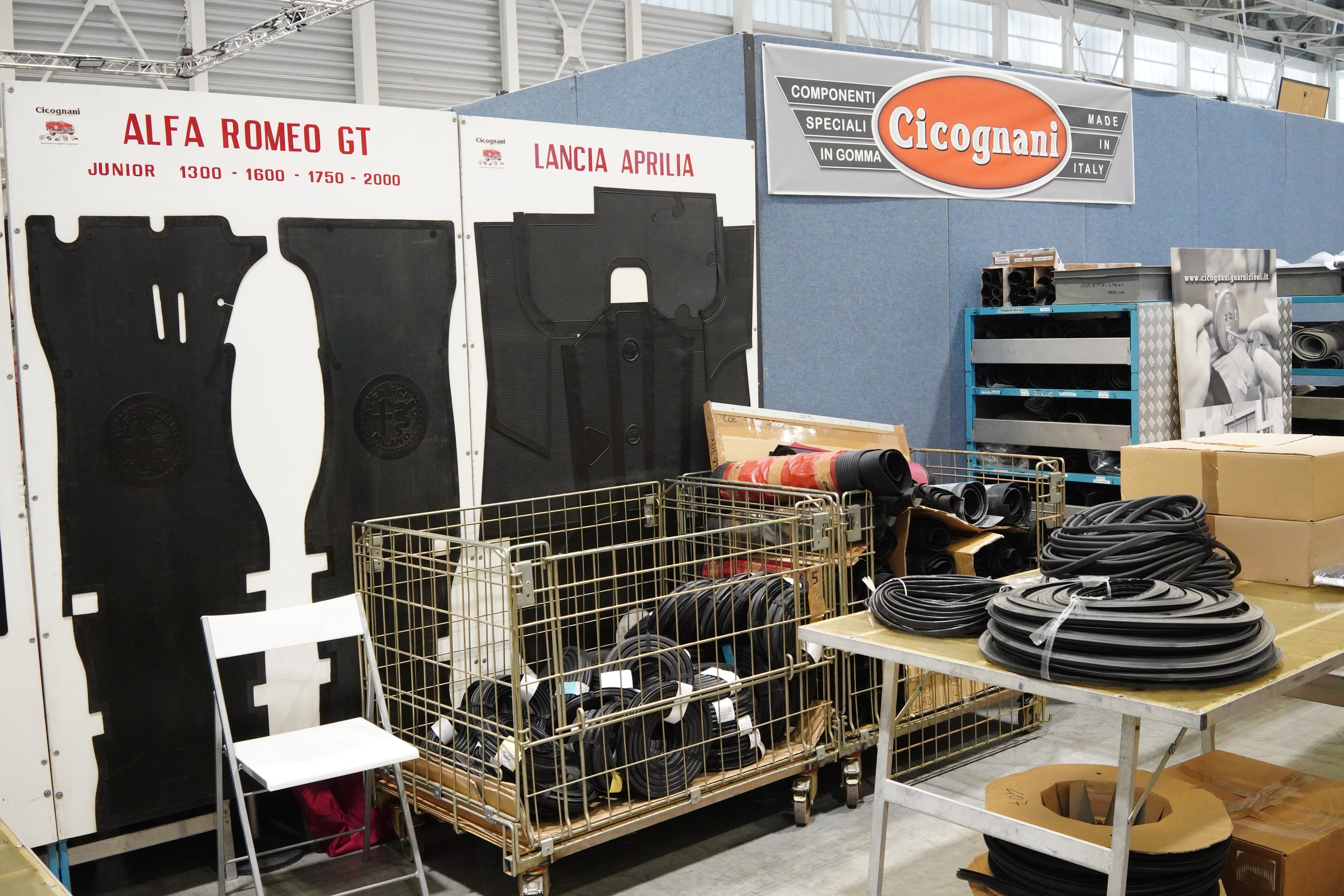
The Alfa parts vendors were out in full force. Cicognani is a well-known supplier for rubber, upholstery, and other soft goods parts.

Who said Italians don’t talk with their hands? I think he was saying “your offer is an insult!”

Looking for those hard-to-find Lodge plugs? Here they are.

Label on the starter on the right: Alfa Romeo Giulia, 8 teeth, pre-’68. Hey, that’s my car!

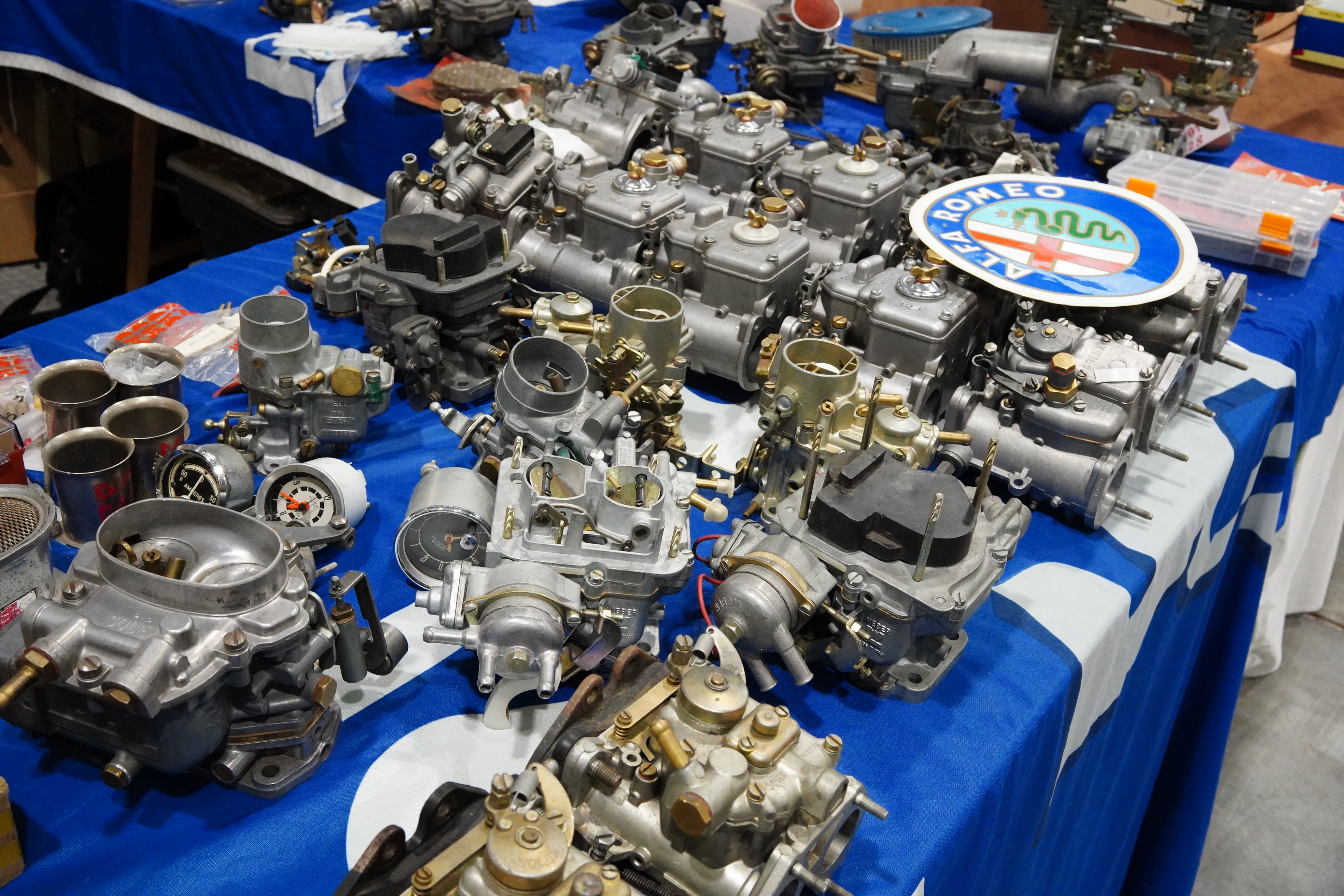
Carburetors? We have carburetors.

Wheels in many sizes, designs, and colors.

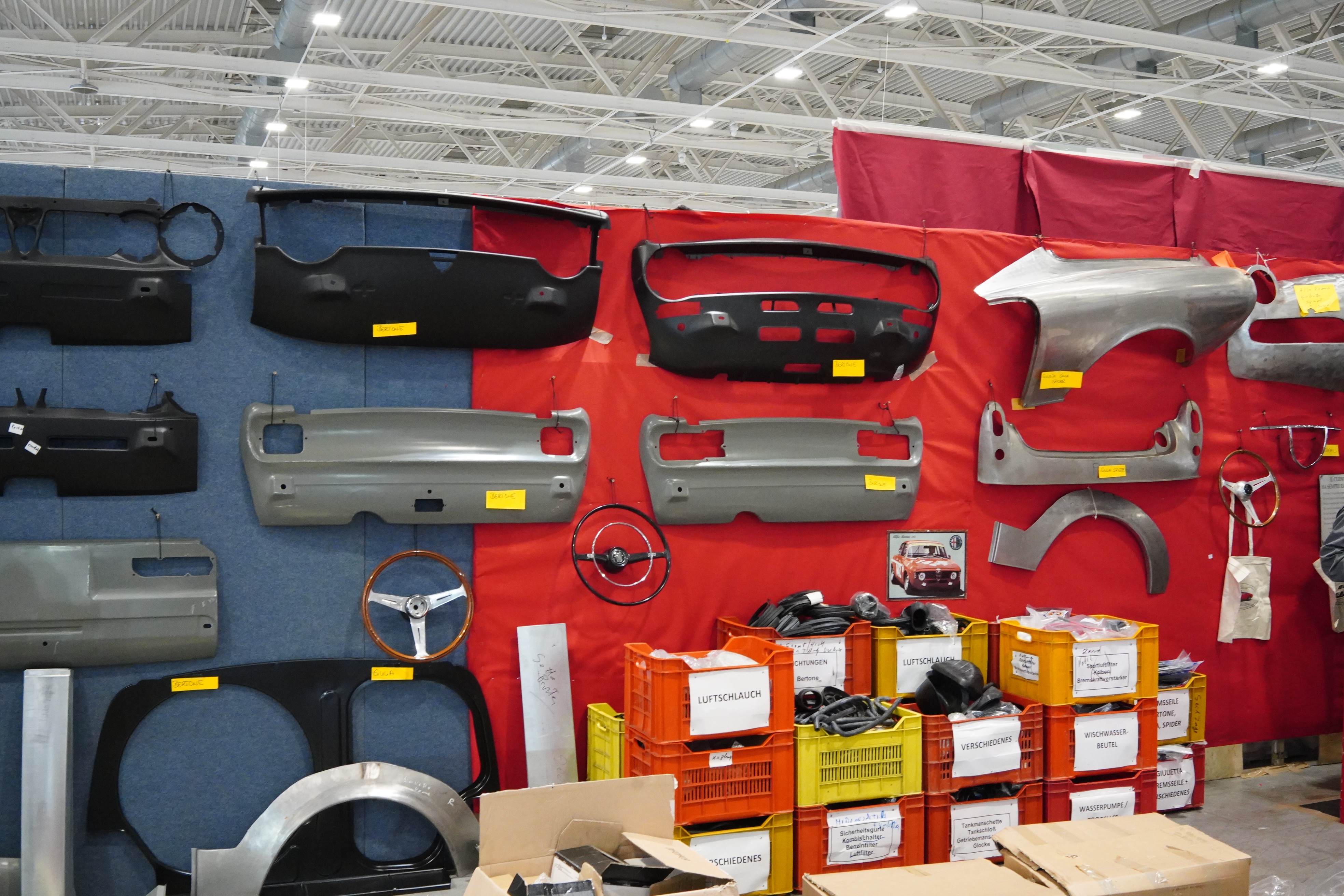
Sheetmetal too.

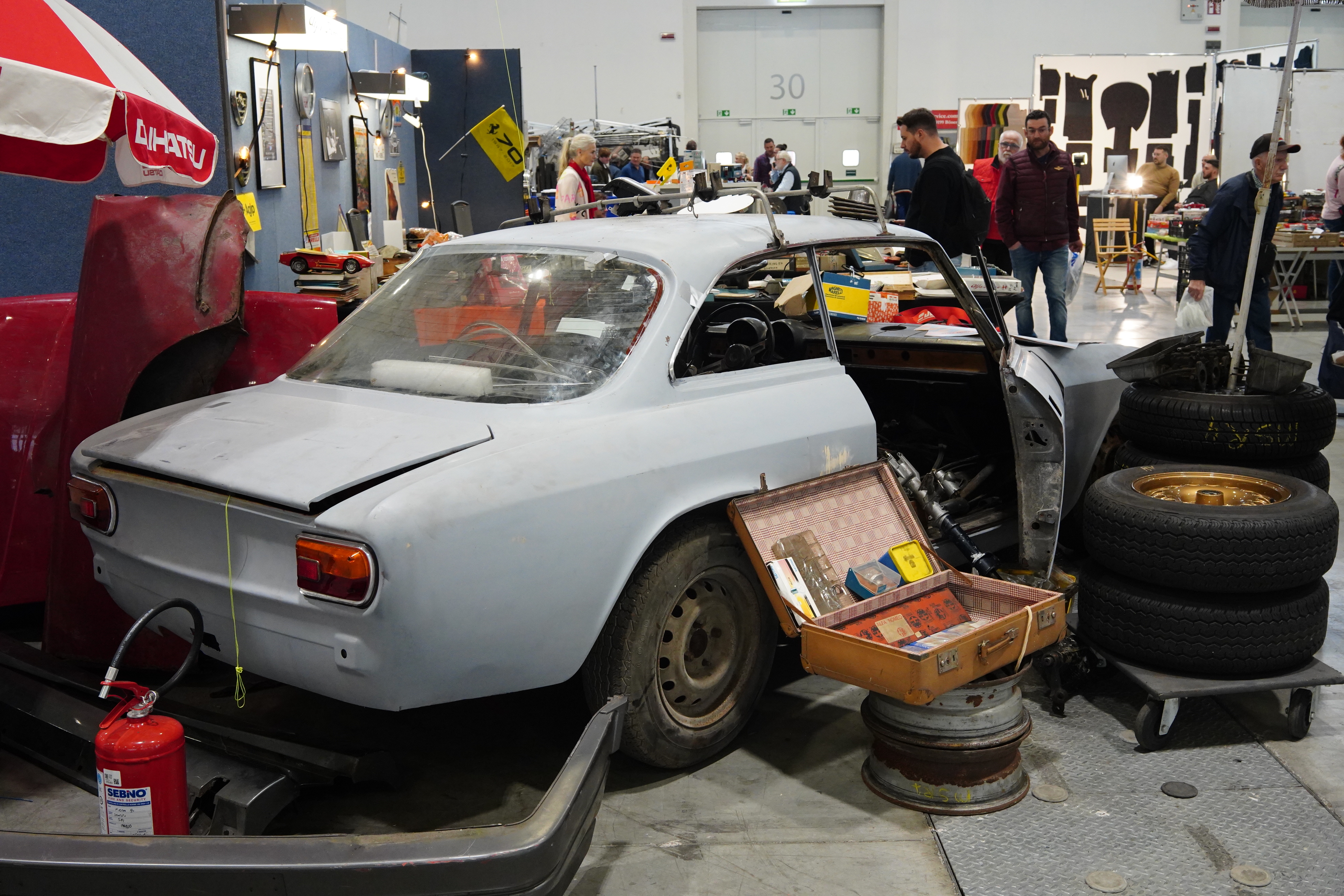
Project cars are still out there.

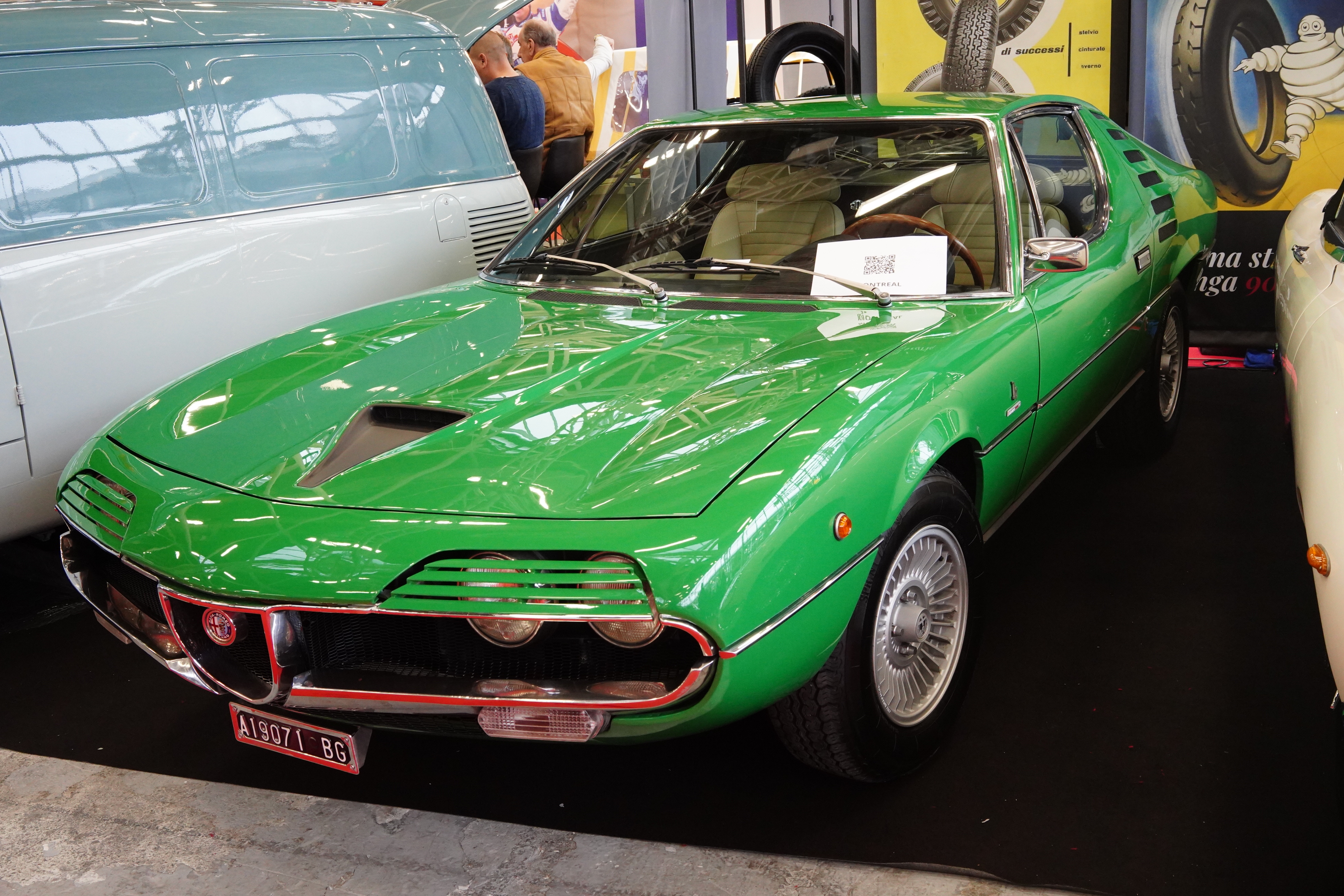
One of the few Montreals at the show.

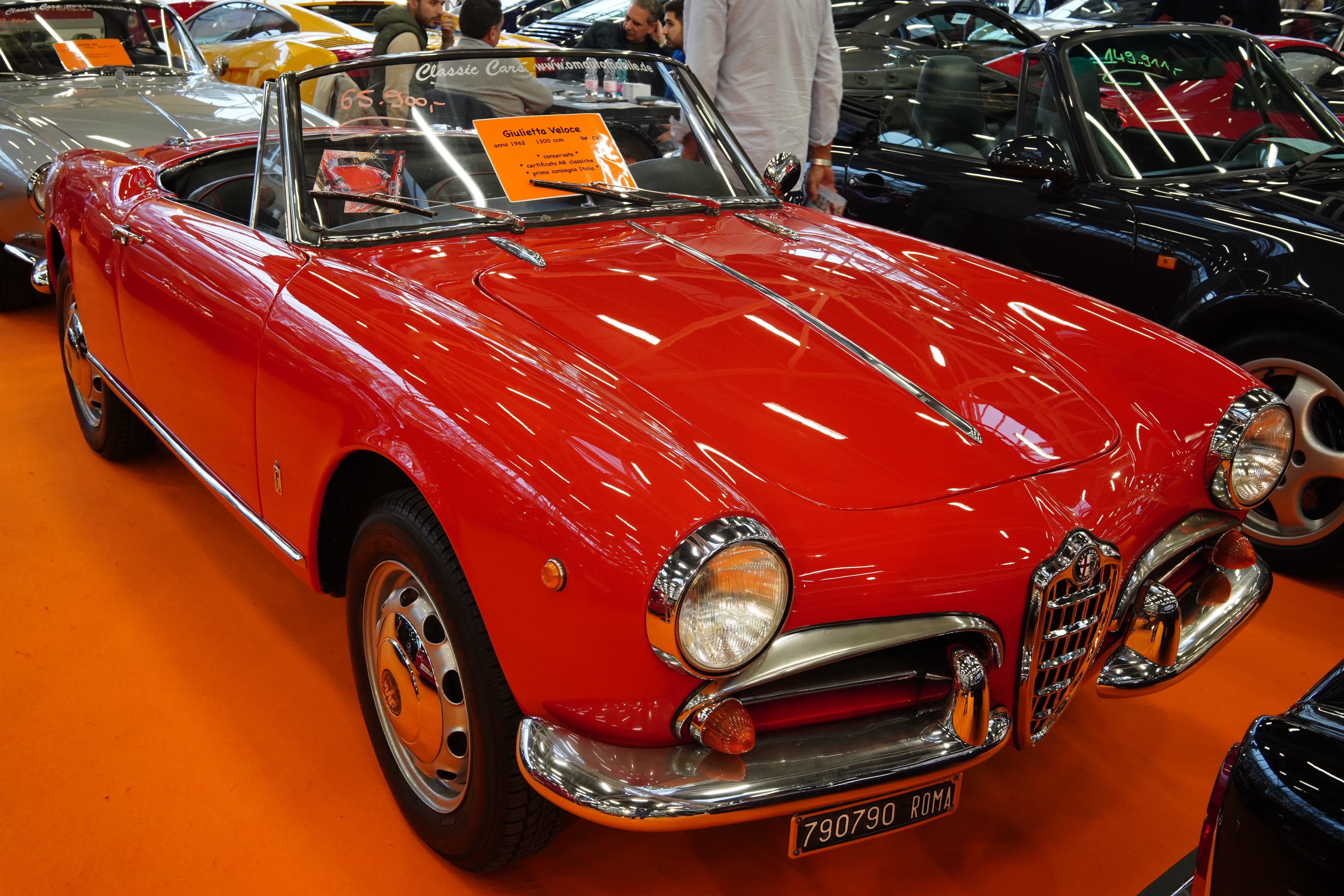
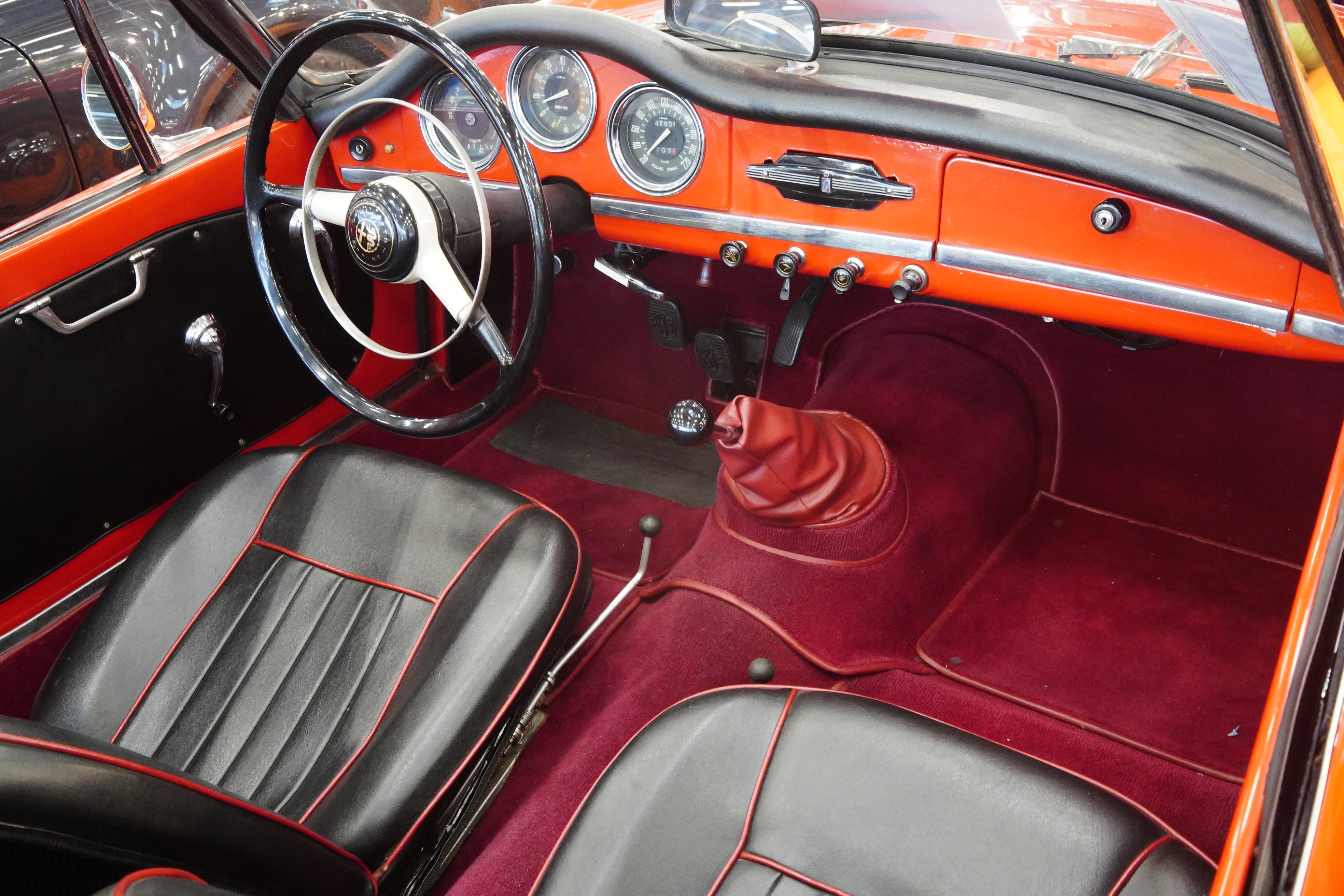
This red ’62 Giulietta Veloce had an asking price of €65,900.

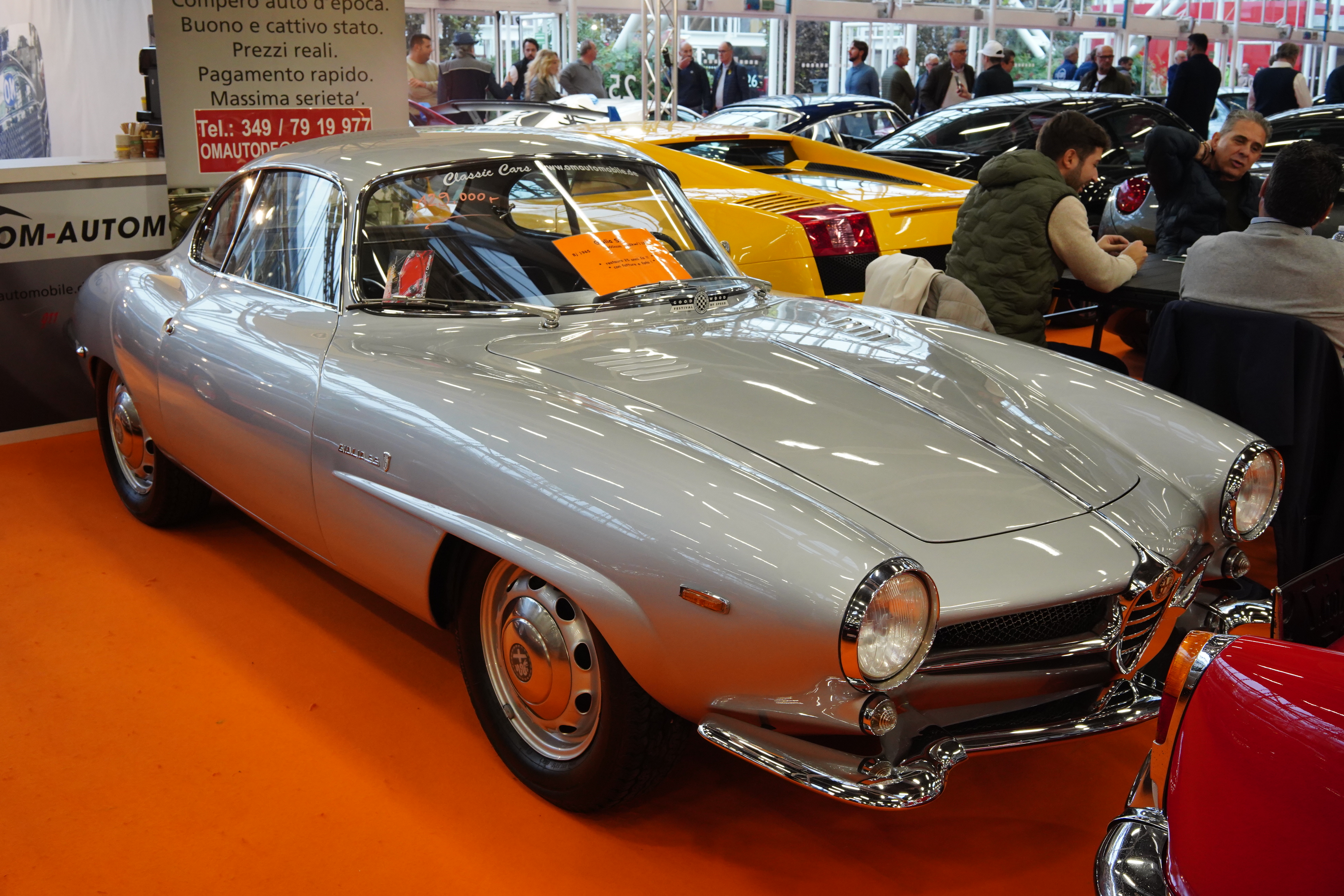
Or, this silver Giulia Sprint Speciale for €129,000.

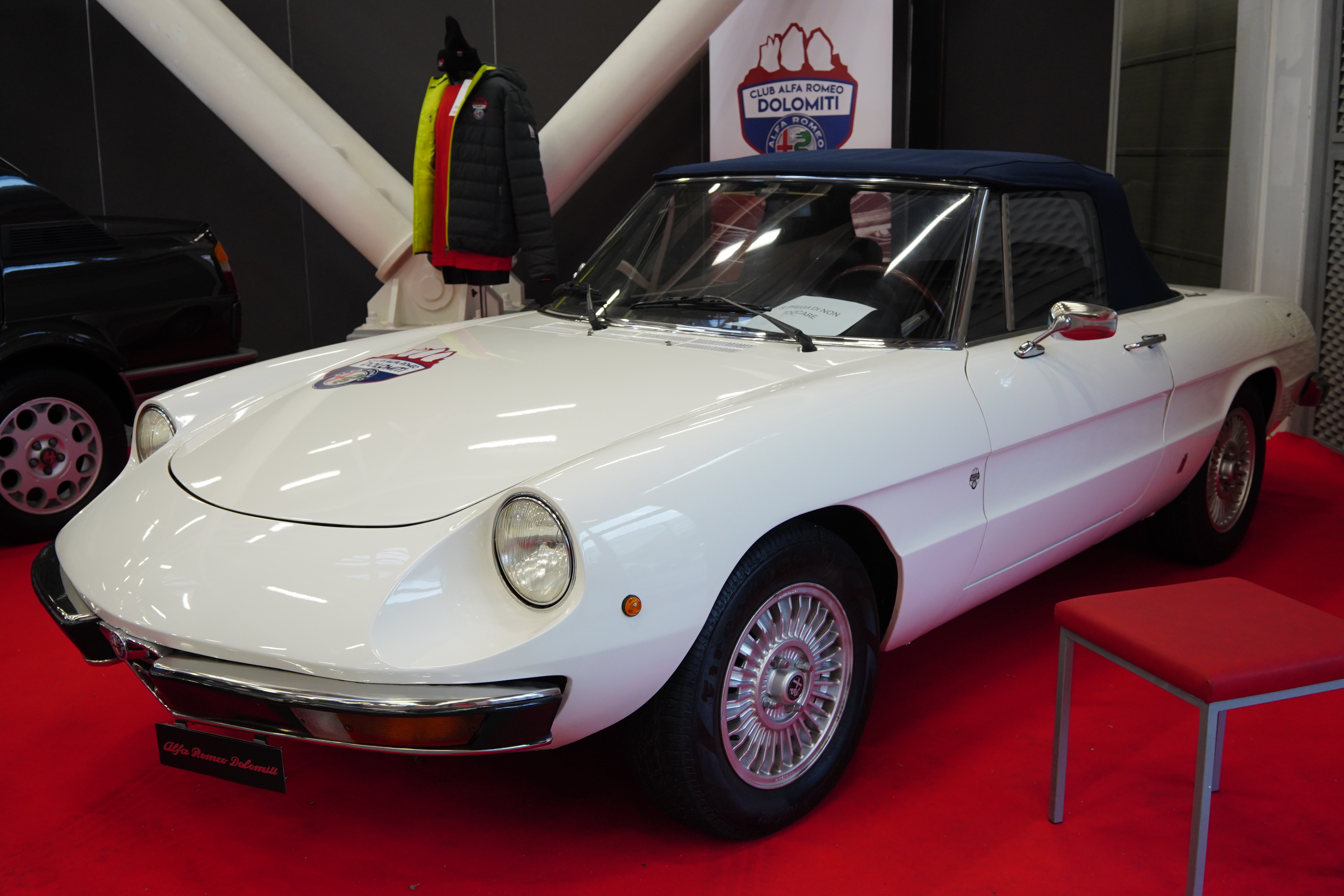
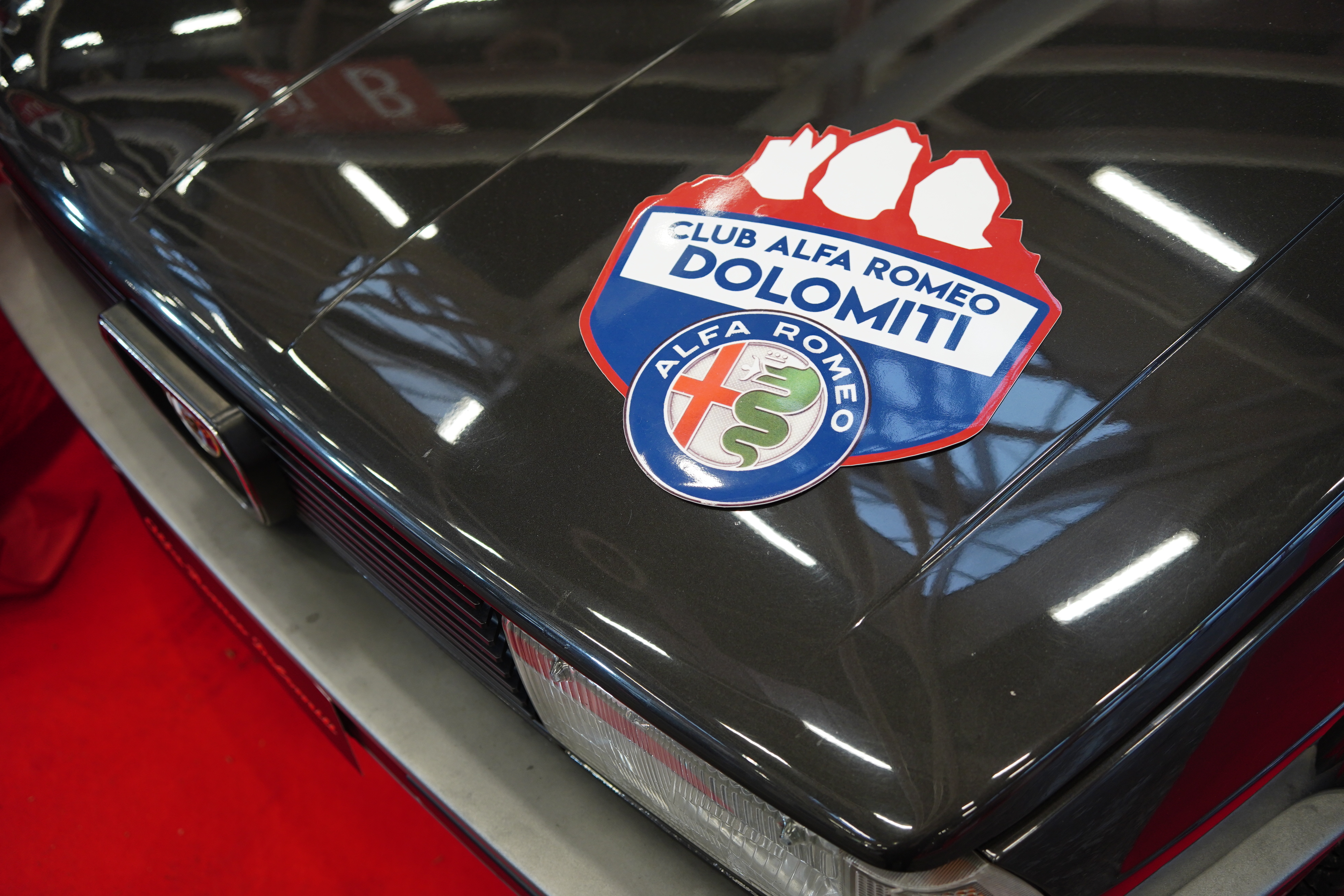
Club Alfa Romeo Dolomiti had a nice display.

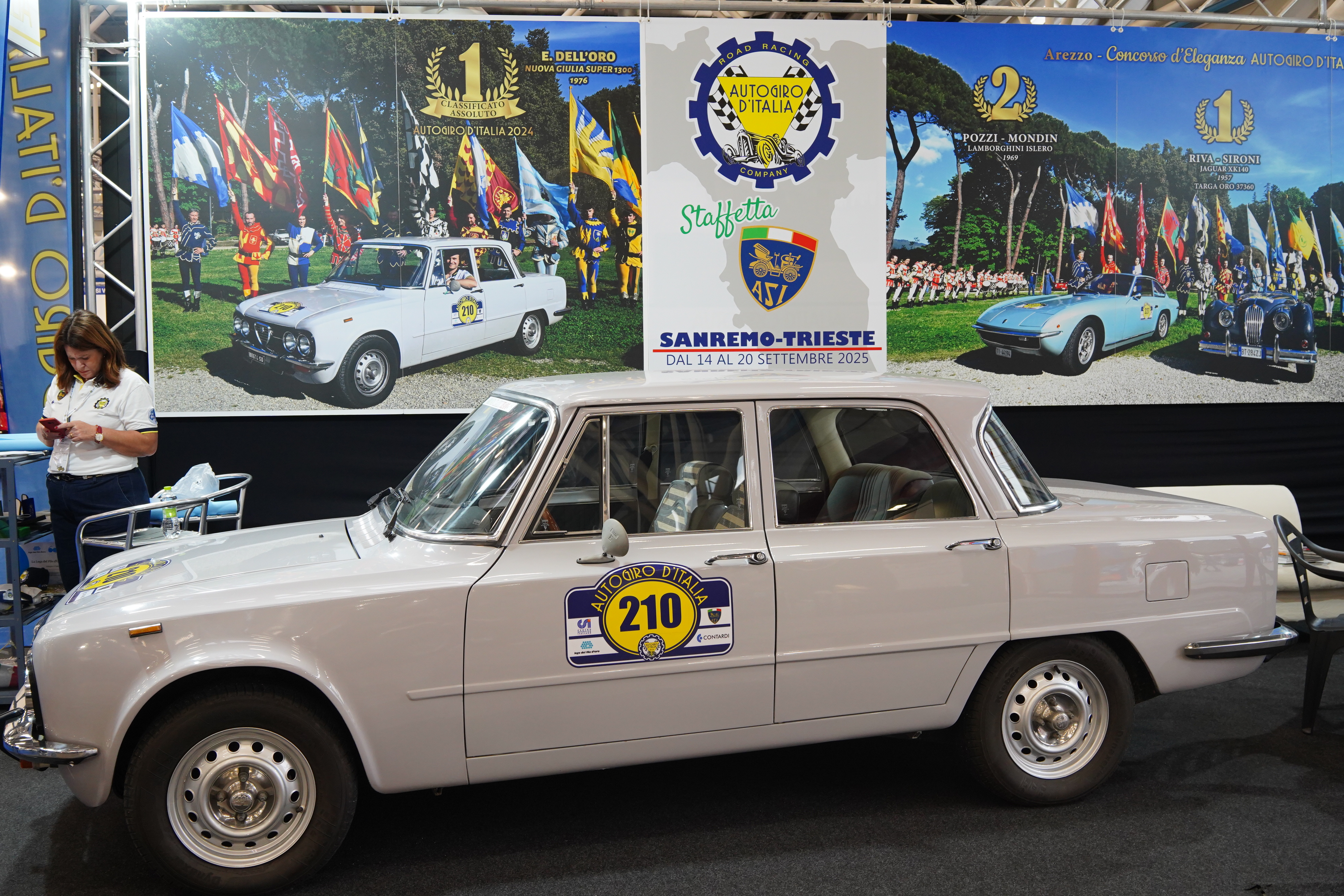
AutoGiro d’Italia was here to advertise a rally to be held in September of 2025.

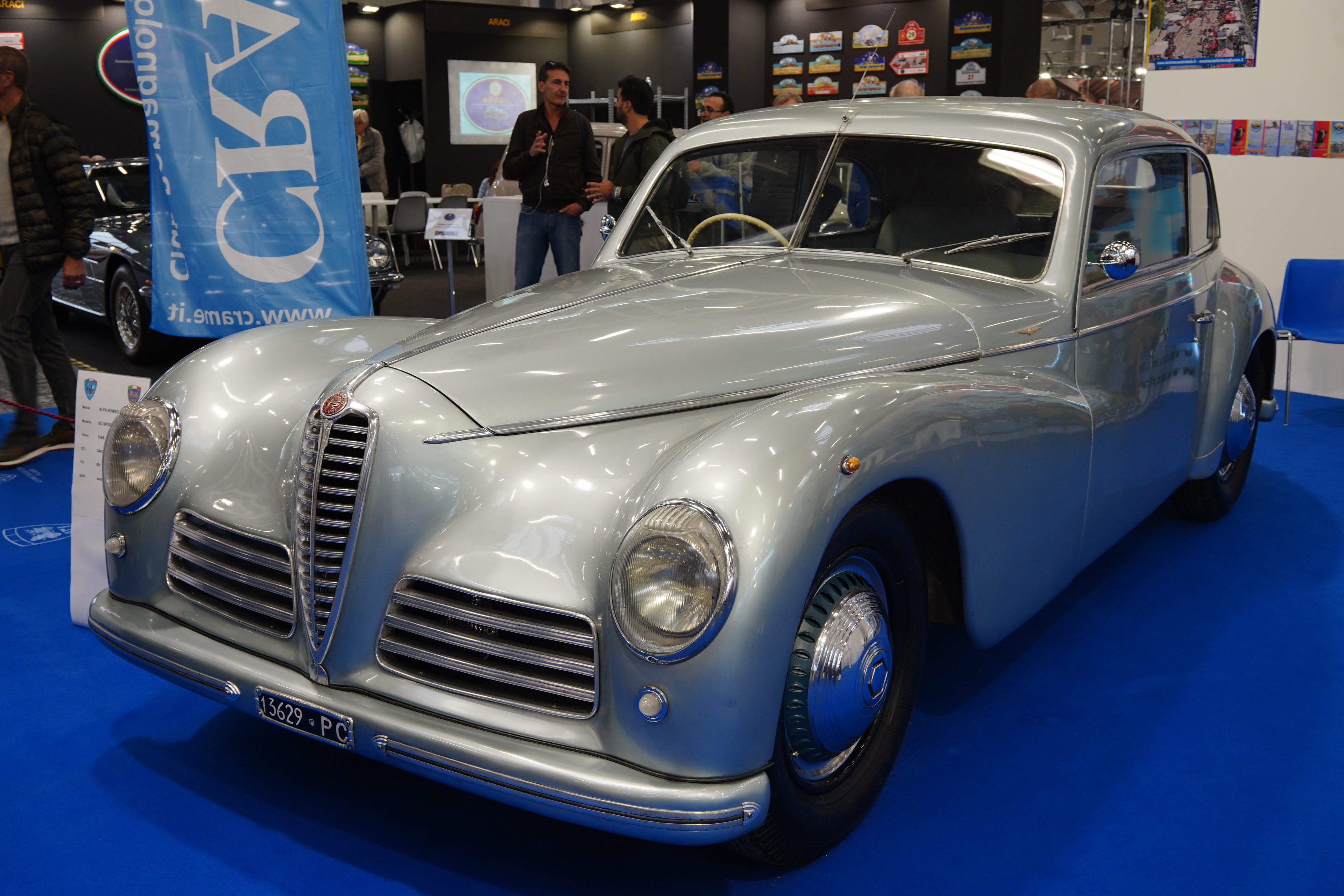
1948 Alfa Romeo 6C Sport.

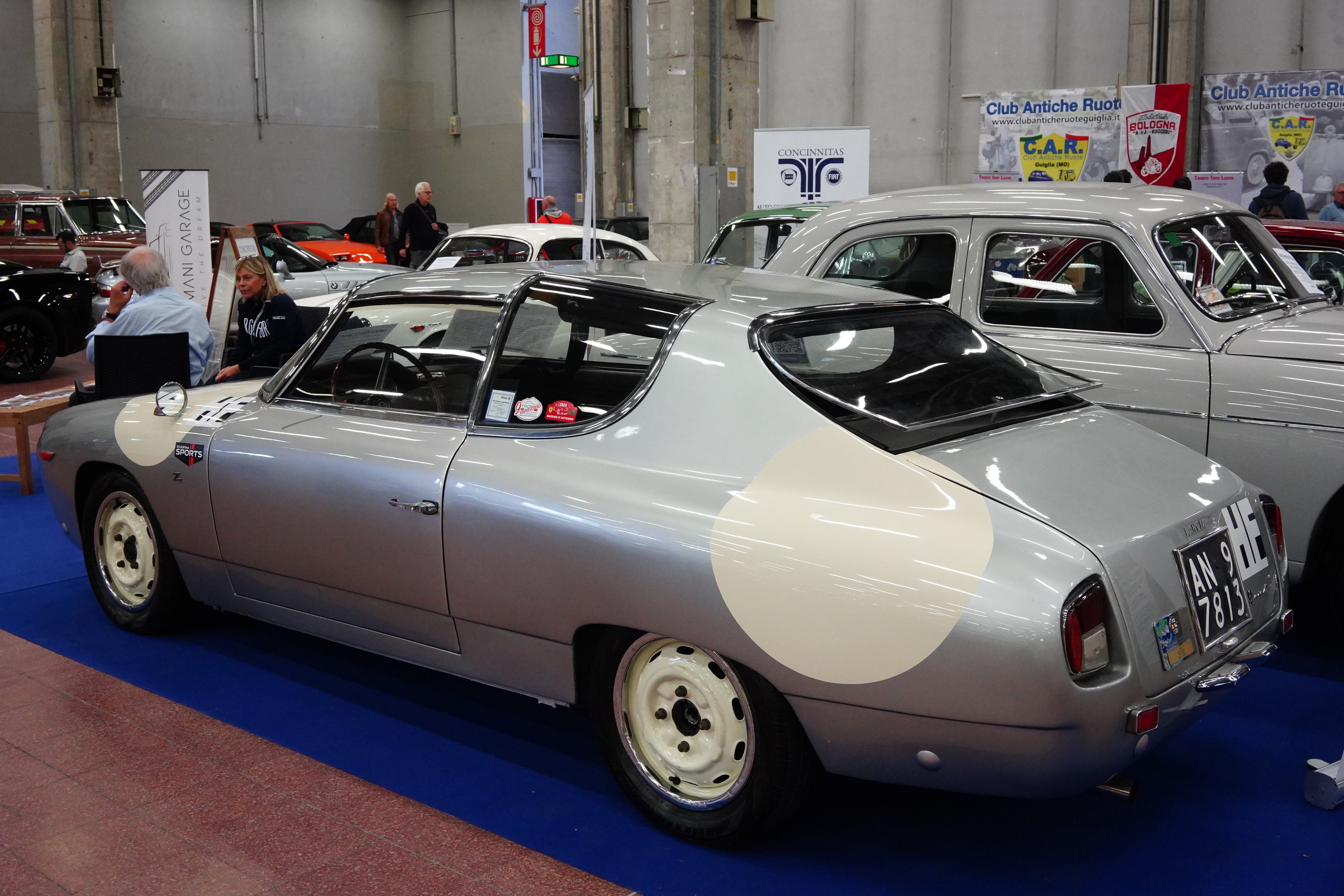
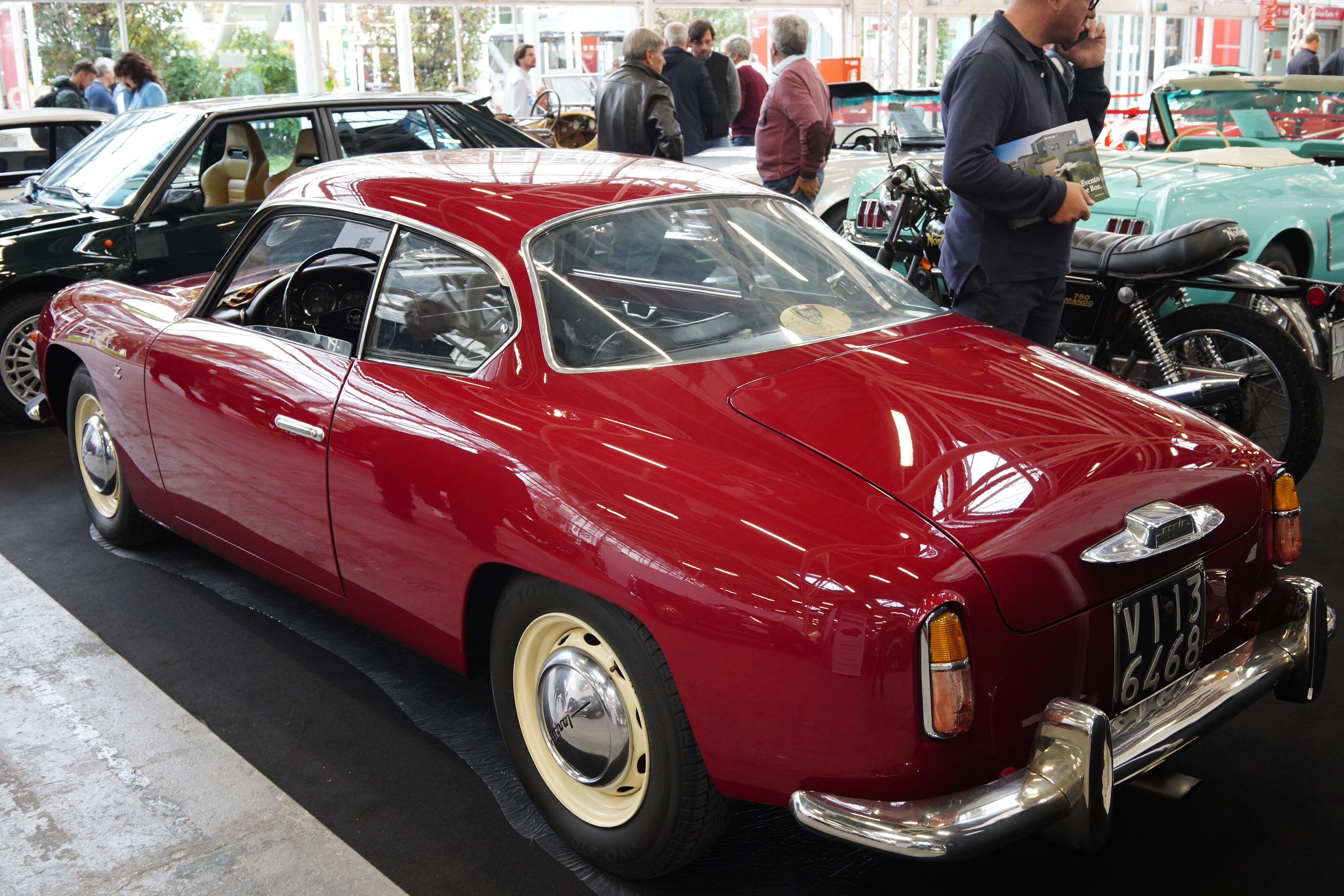
A personal favorite was this 1961 Giulietta Sprint Zagato.

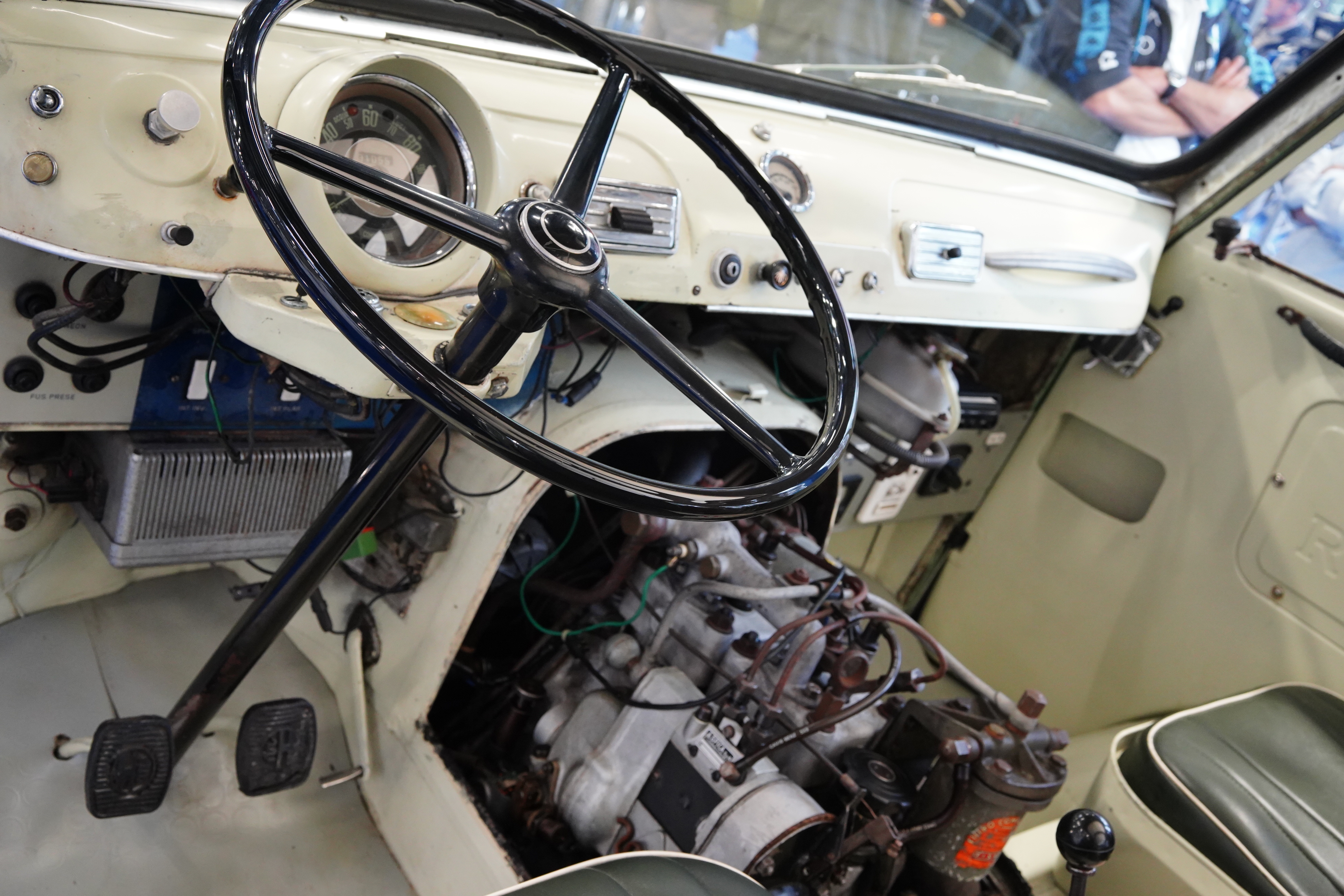
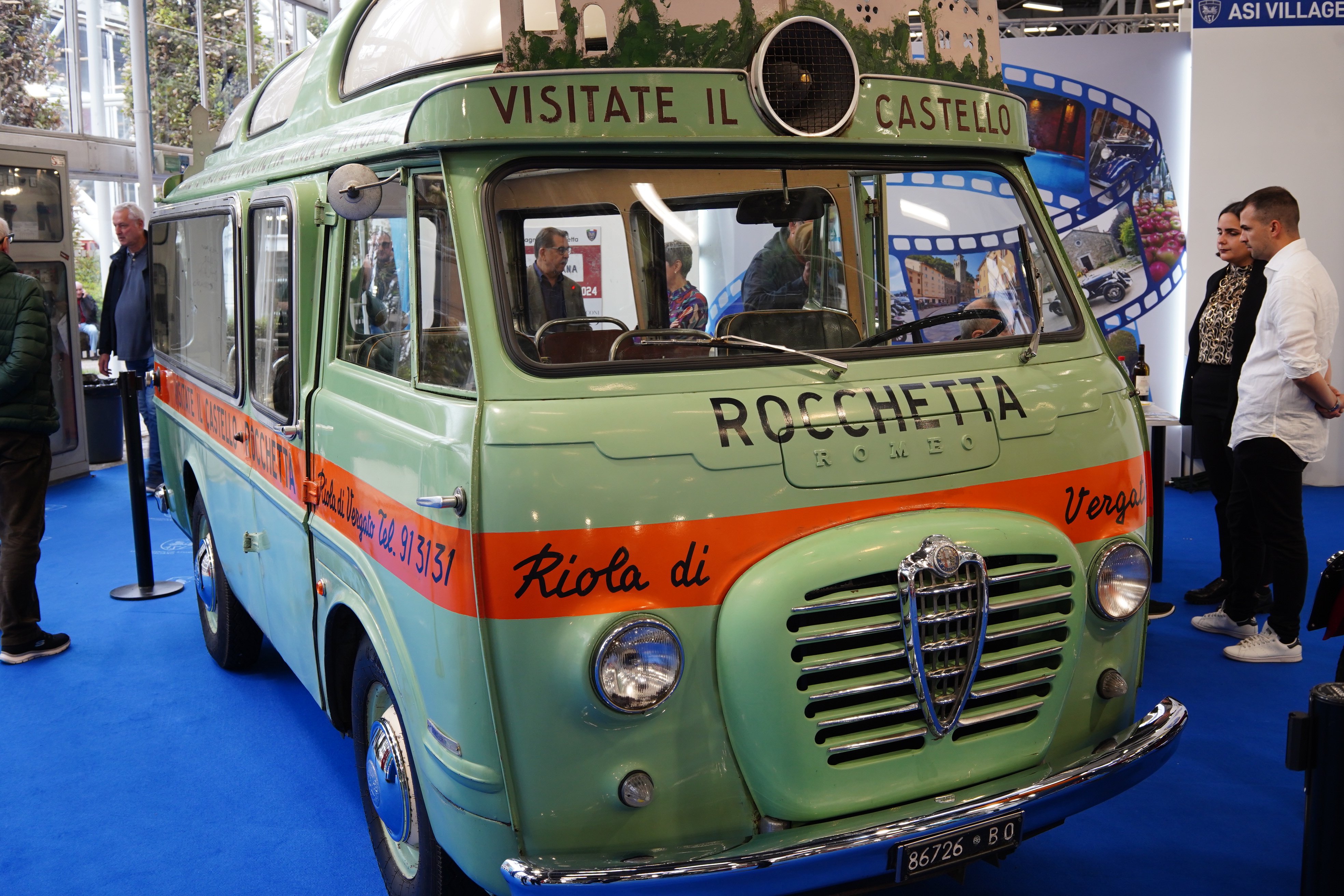
Another Romeo truck, this one done up as a tour bus.

This ’73 Berlina looked very clean for €20,500.

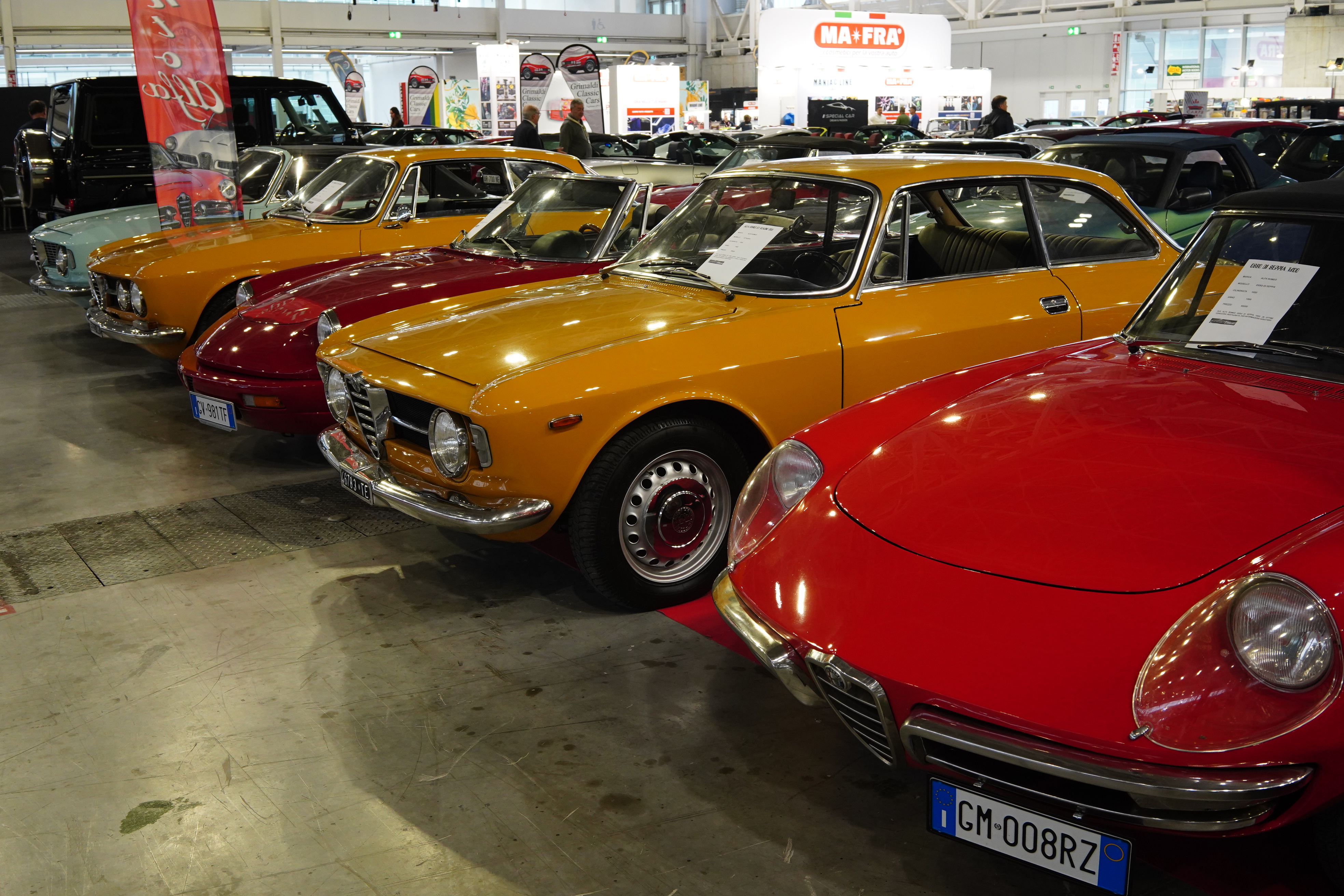
A vendor who specializes in Alfas brought this impressive lineup.

Older and newer Alfas side by side, in red of course.

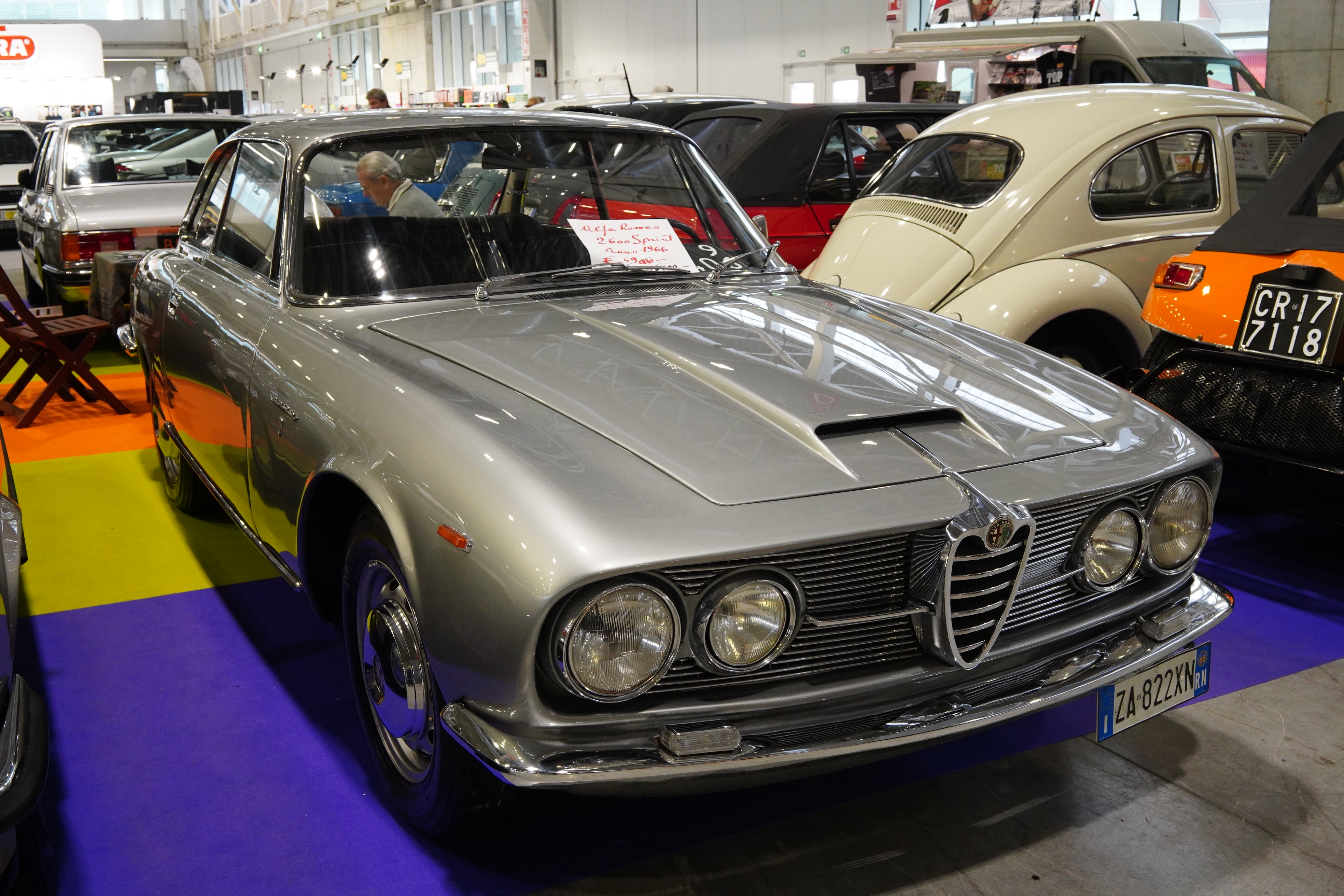
By Day 3, the asking price on this ’66 2600 Sprint was reduced from €49,000 to €46,000.

A trio of Alfa Type 916 2-doors.

This SS was nicely staged outside in front of a filling station display.


The next and final post from this show: the rest of the cars.


Entire blog post content copyright © 2024 Richard A. Reina. Text and photos may not be copied or reproduced without express written permission.

Auto e Moto d’Epoca Summary Part 2

My Day 2 stroll through the BolognaFiere began by tackling the huge hall filled with vendors who were selling parts, accessories, books, and clothing. My personal goal was to find sales or marketing literature specifically for my ’67 GT 1300 Junior, and while I did find a maintenance manual (I passed at the asking price of €125), and while there were sale brochures for newer Alfas, I struck out on my search. So I turned my attention to the numerous parts suppliers, most of whom I had not heard of. I was pleasantly surprised to find that they sold repair parts of interest to me, and I collected their contact info for future reference.

Although I have close to zero interest in motorcycles, I did wander through the single motorcycle hall just to be able to say that I saw it. I concluded the day’s tour by taking in the sixth of the six buildings with cars for sale. Like Thursday, Friday was 6 hours on my feet, so I headed back to the hotel for the day.

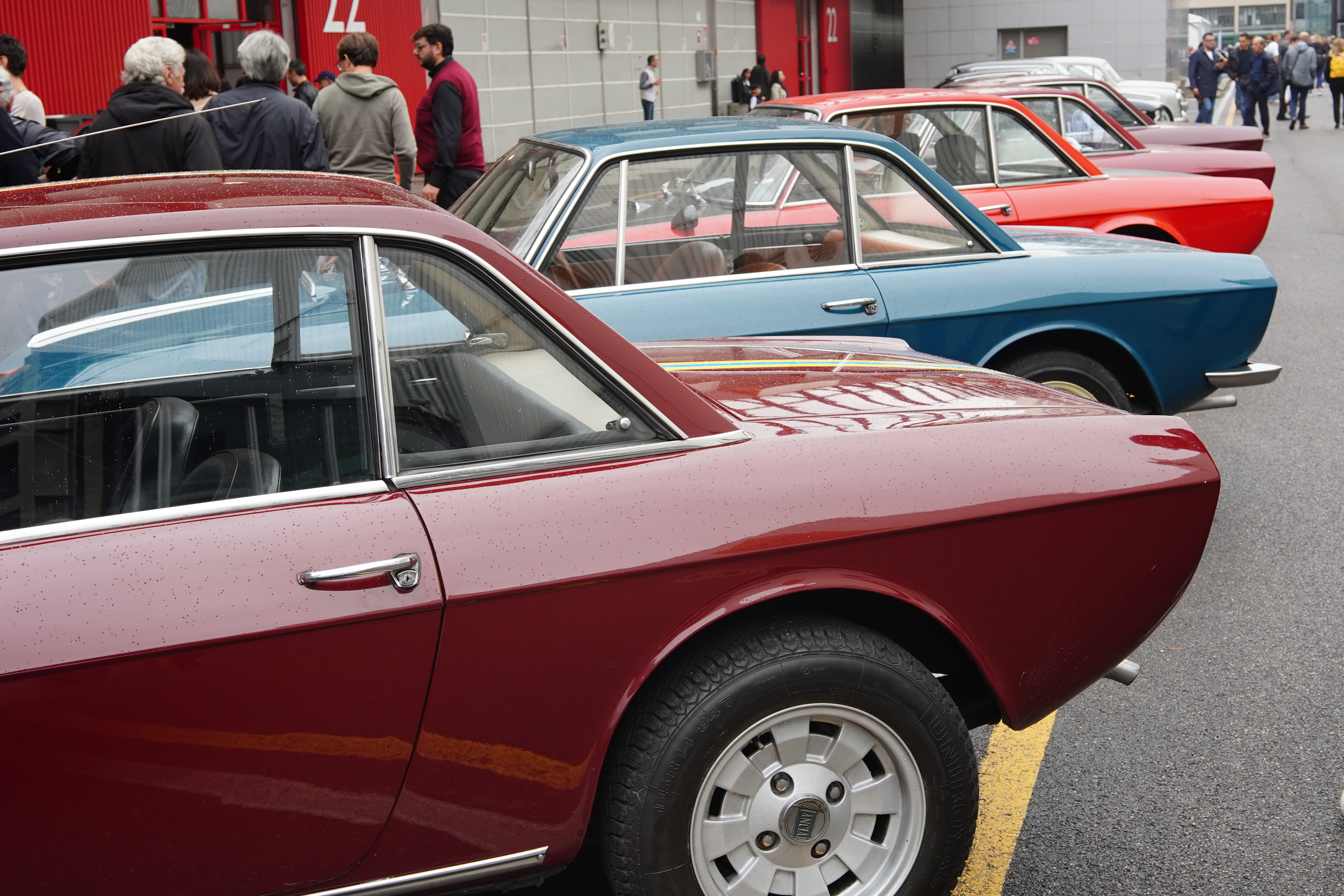
Among the many surprises waiting for me at the Auto e Moto d’Epoca were the large number of Lancia automobiles. Compared to Fiat and Alfa Romeo, Lancia never gained a strong sales following in the United States. Lancia’s reputation in Europe was due in great part to its huge rallying success. Perhaps the most popular Lancia models for us were the FWD Beta coupes and sedans which were launched in the mid-1970s. Like other European makes, though, lack of a strong dealer network was the most likely cause of the brand’s failure in America, in spite of attempts by others to blame the quality of the automobiles. Today, my photos will feature Lancias. Note the asking prices here, as many of them seemed relatively affordable.


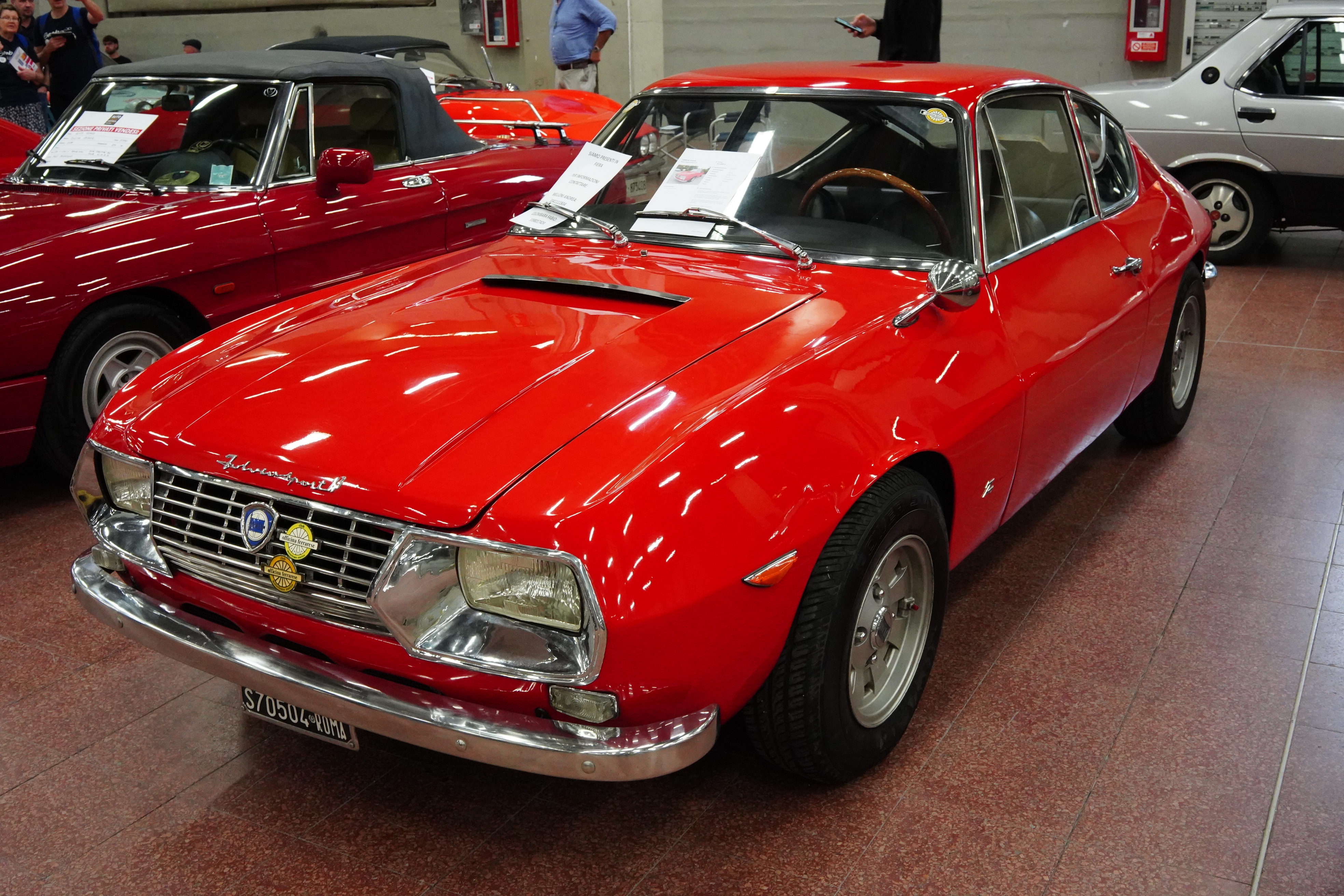
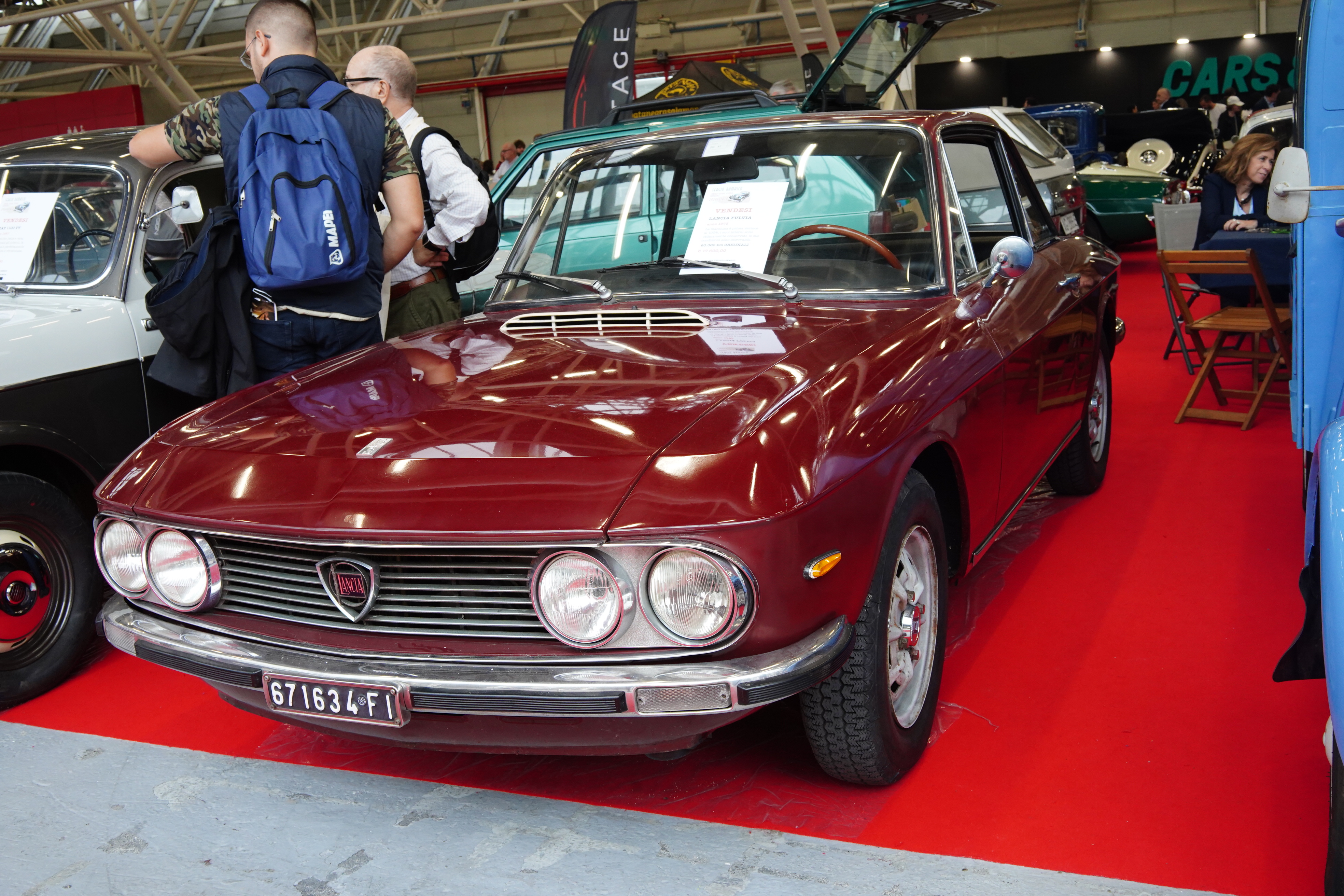
This Lancia Fulvia Zagato was the very first car I saw upon entering the show on Thursday.

This ’67 Fulvia Coupe in white had a For Sale sign which read: “Published book value €22,000, price negotiable”.

Another Fulvia Zagato, this time in red.

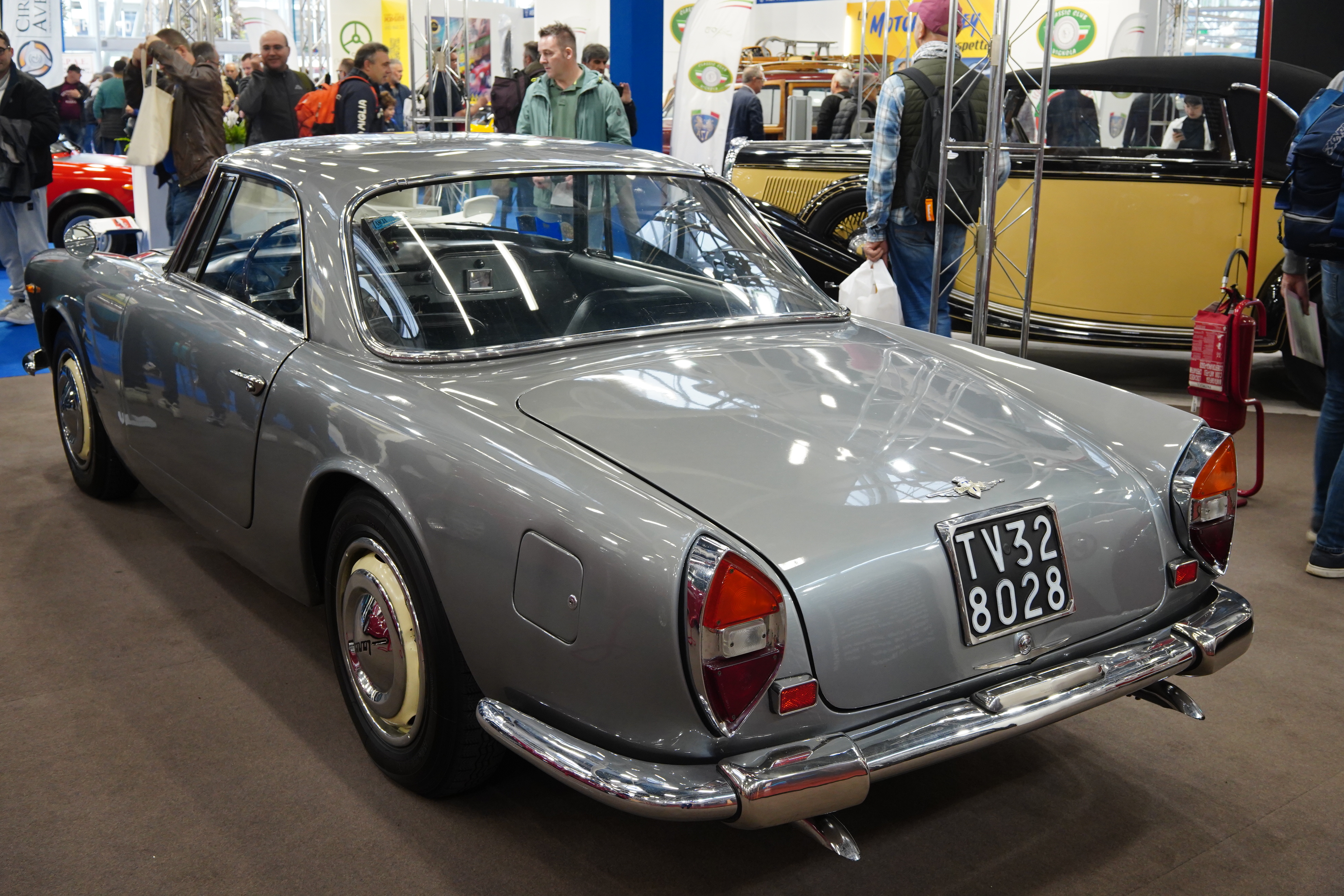
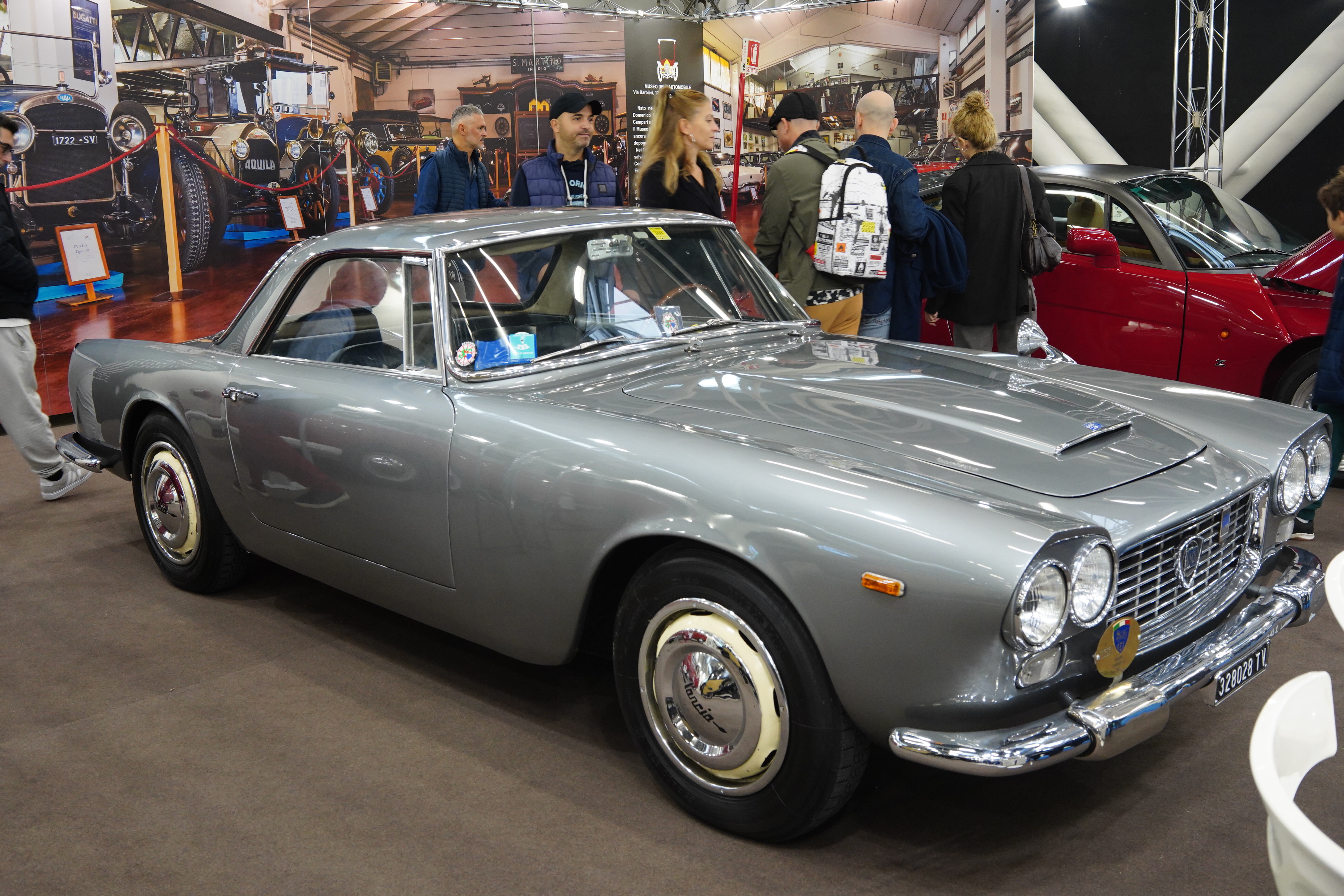
A handsome Flaminia convertible in silver.

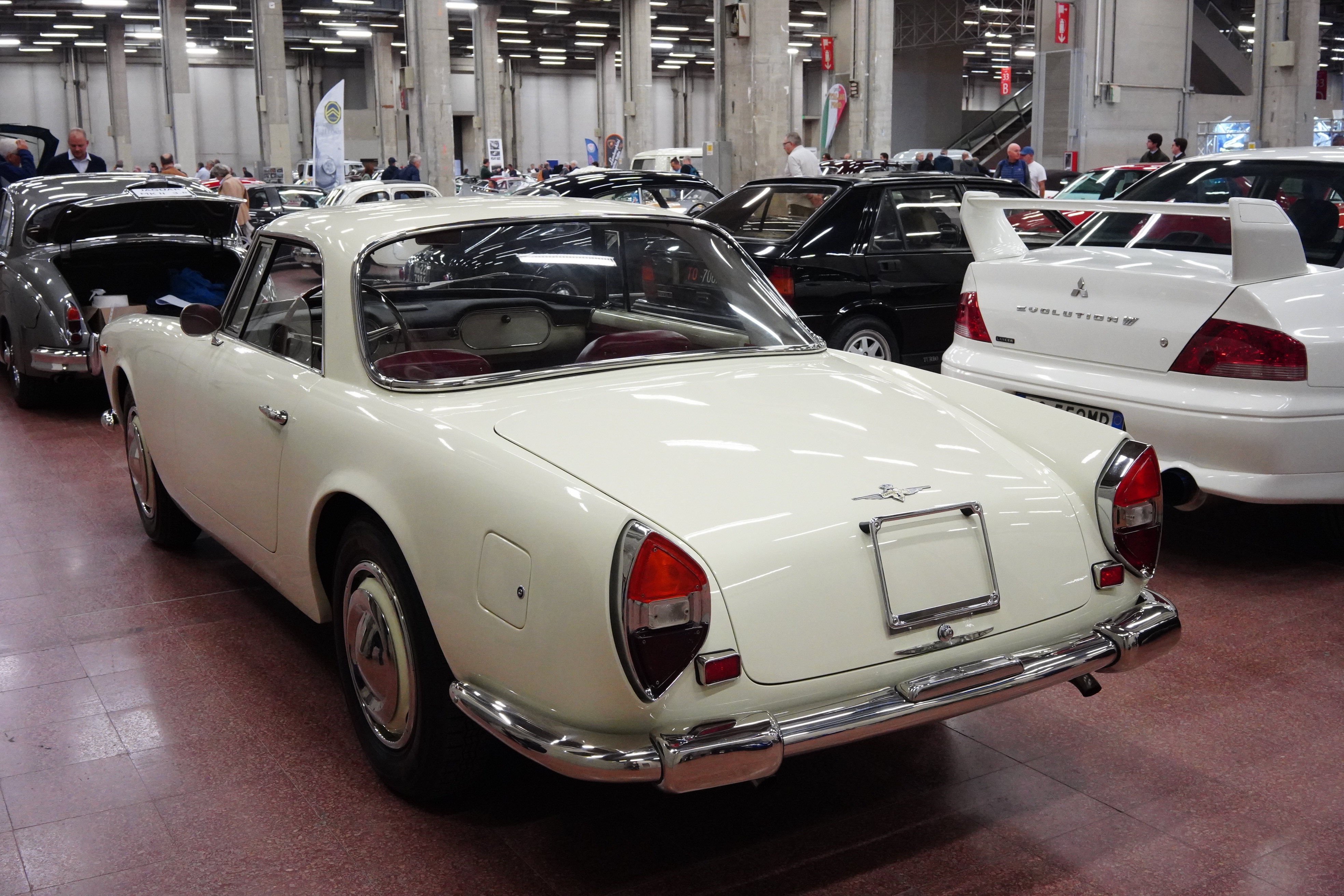
A white Flaminia, this time a coupe.


A Lancia Flavia Sport. Get a load of that quarter window treatment!

This white Fulvia coupe had an asking price of €21,000.

A Lancia Appia Zagato for sale, at €115,000.

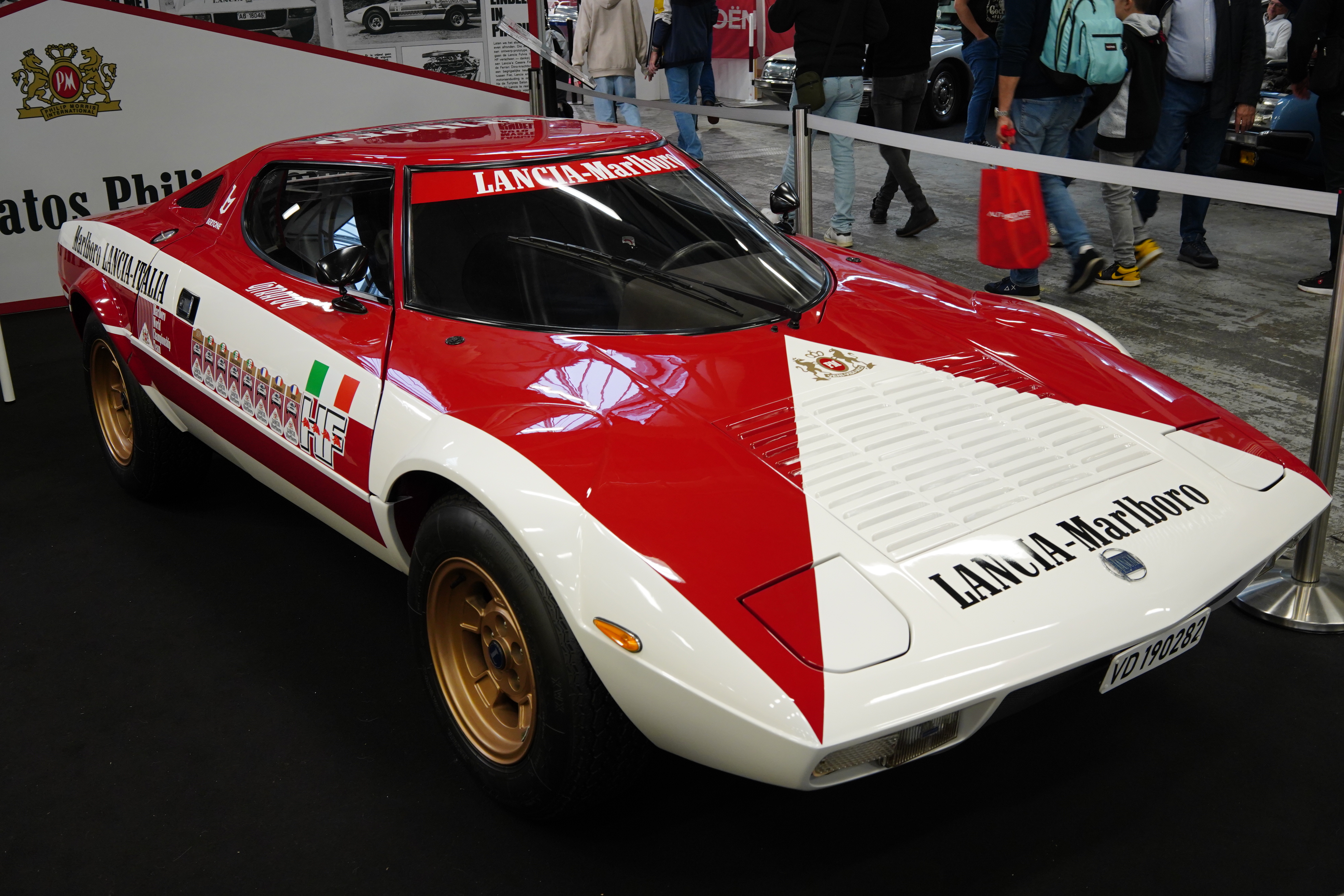
The ultimate rally car? A Lancia Stratos, a car that I’ve read about for decades and have seen maybe once in my life. “Confidential negotiation” said the price sign, but these sell in the States for around a half million.

The Lancia Beta Montecarlo was sold in the U.S. as the Scorpion, to avoid conflict with Chevy’s Monte Carlo. These are mid-engined cars with terrific handling.

A Fulvia HF “Fanalone” (large lights), asking €93,500.


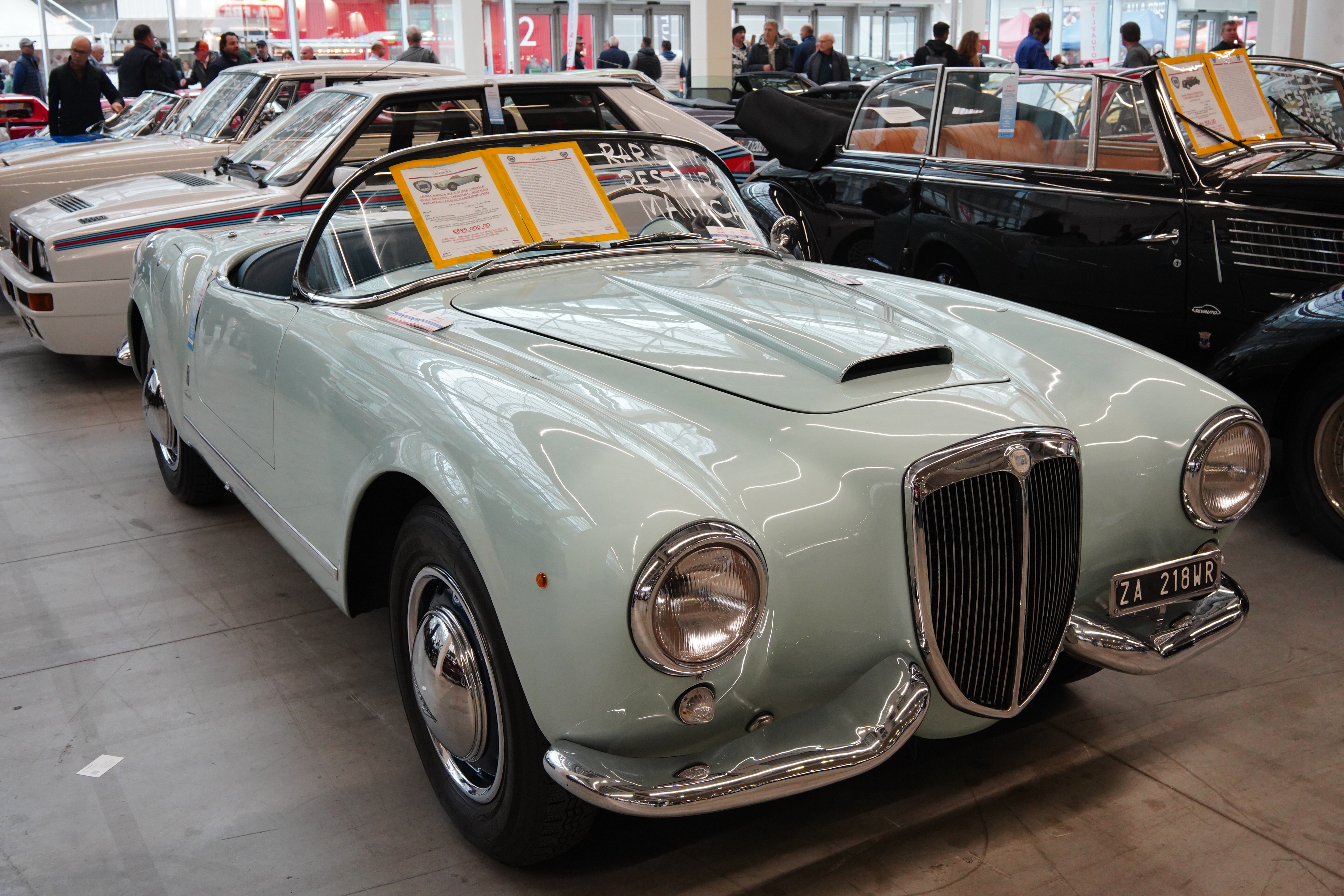
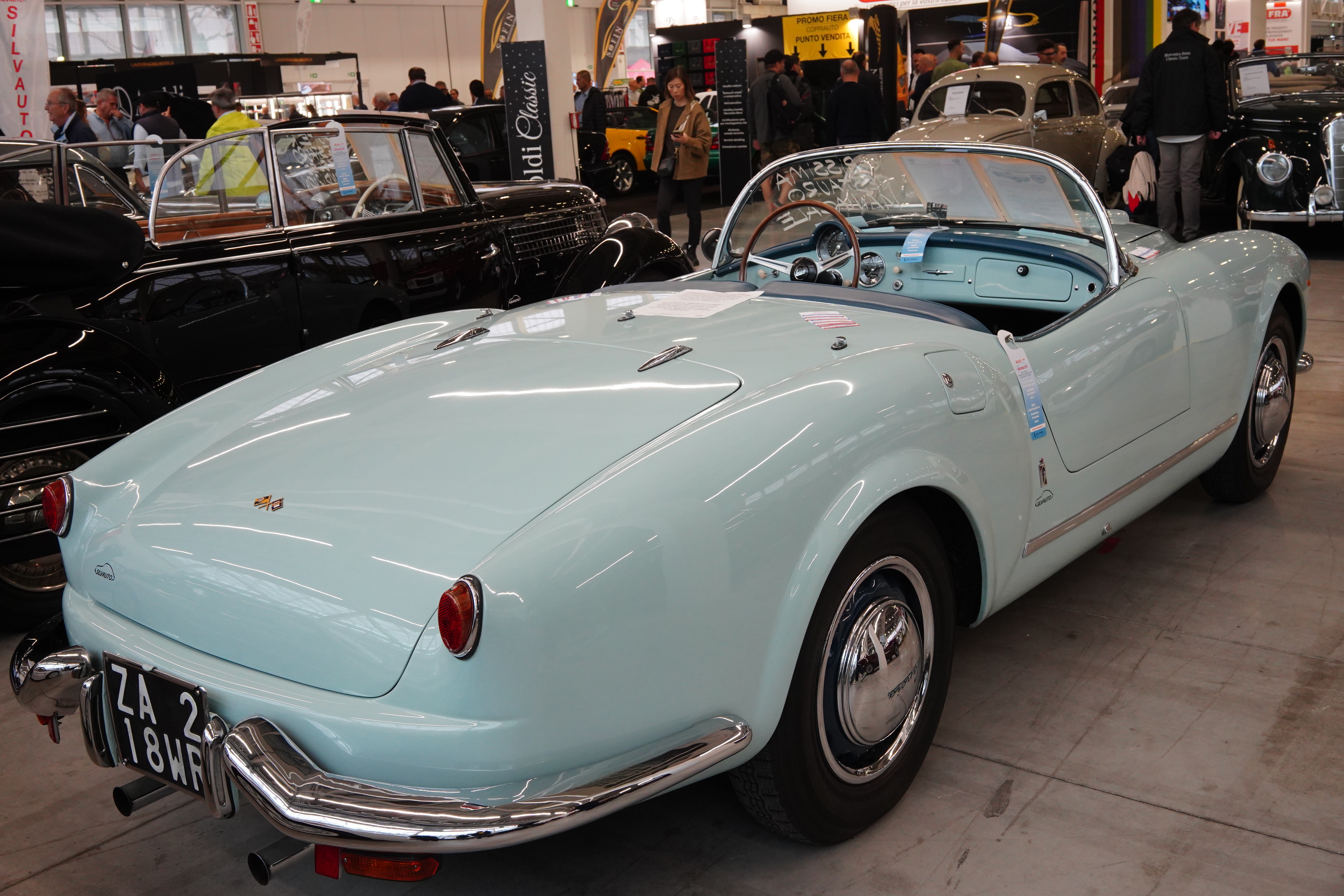
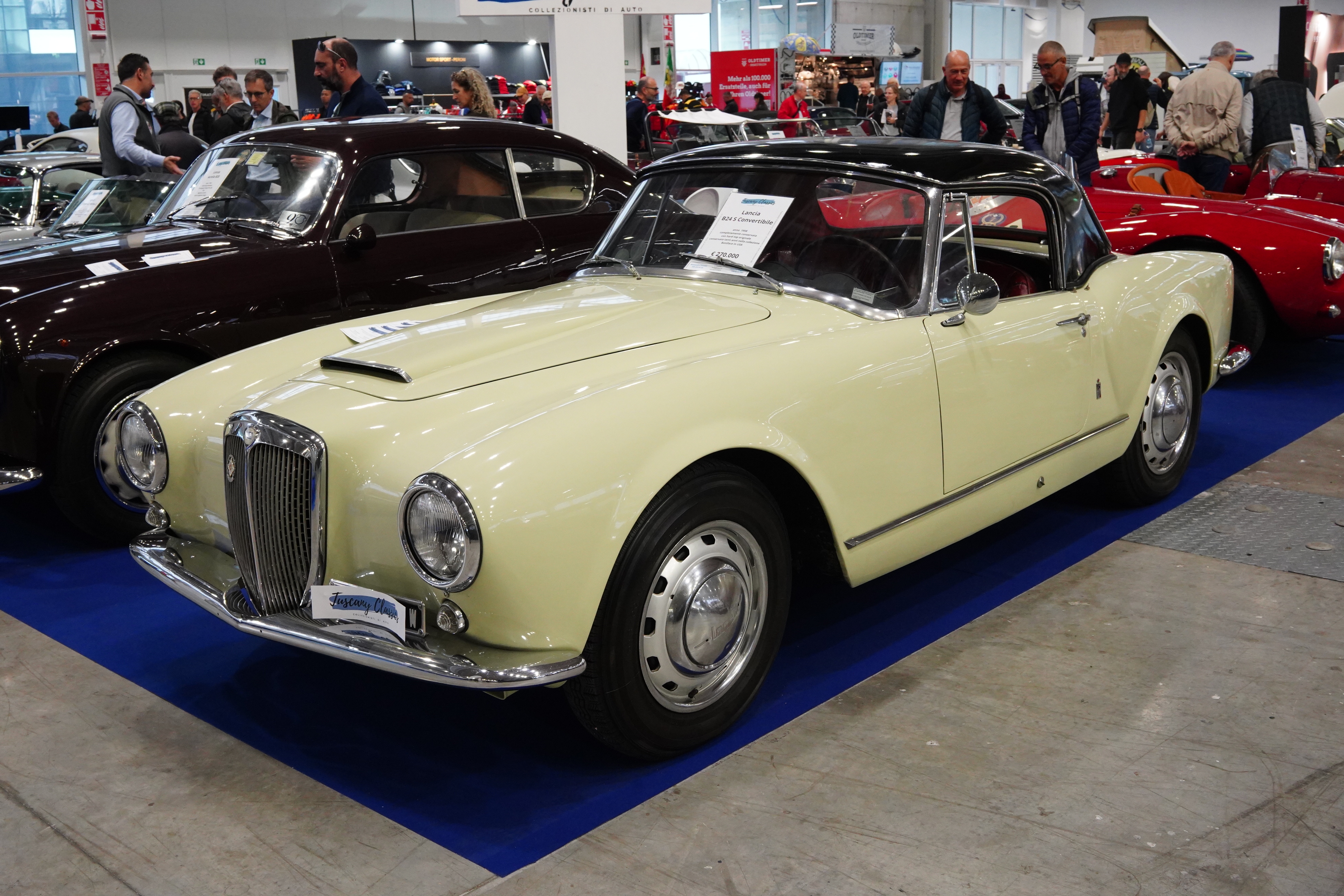
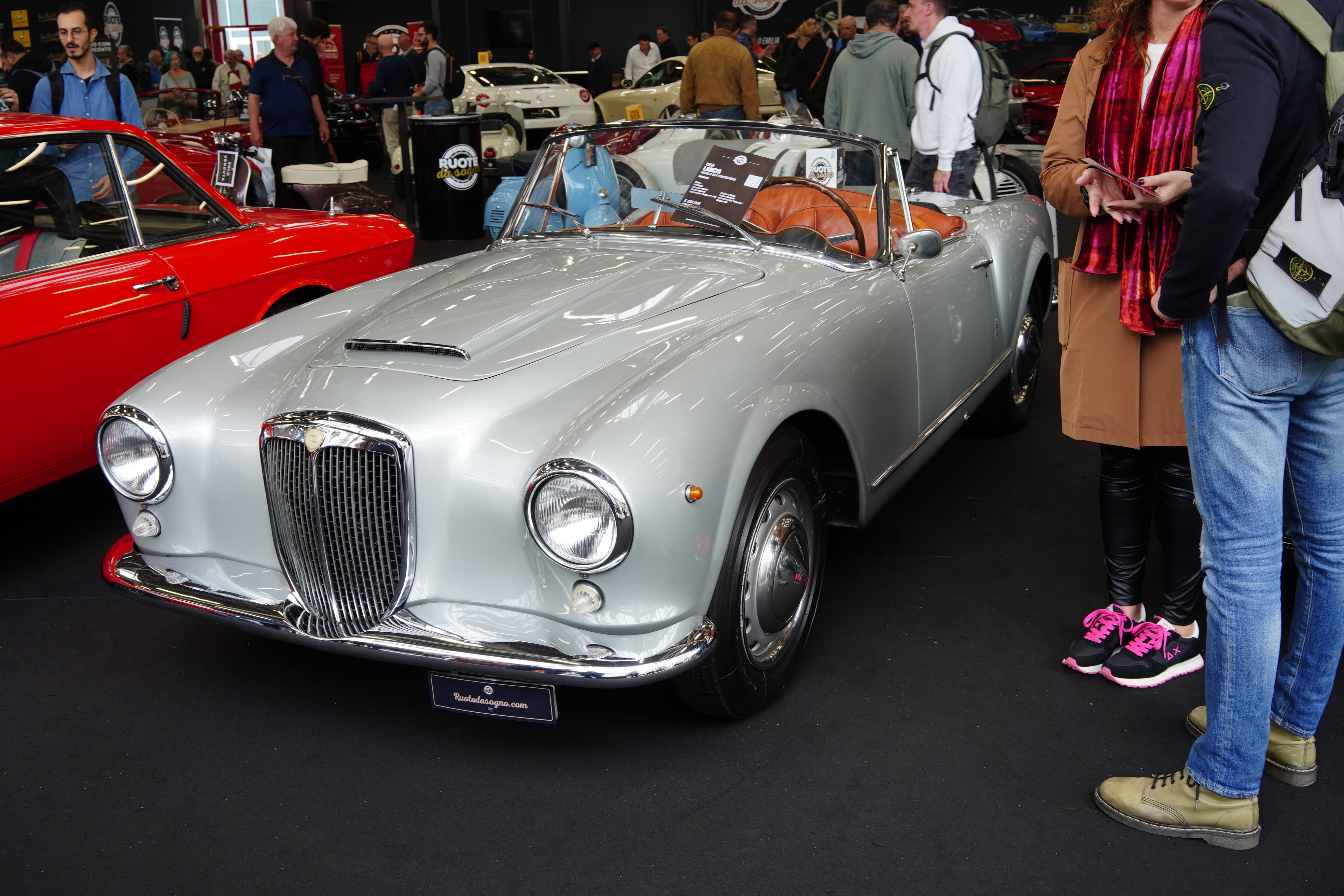
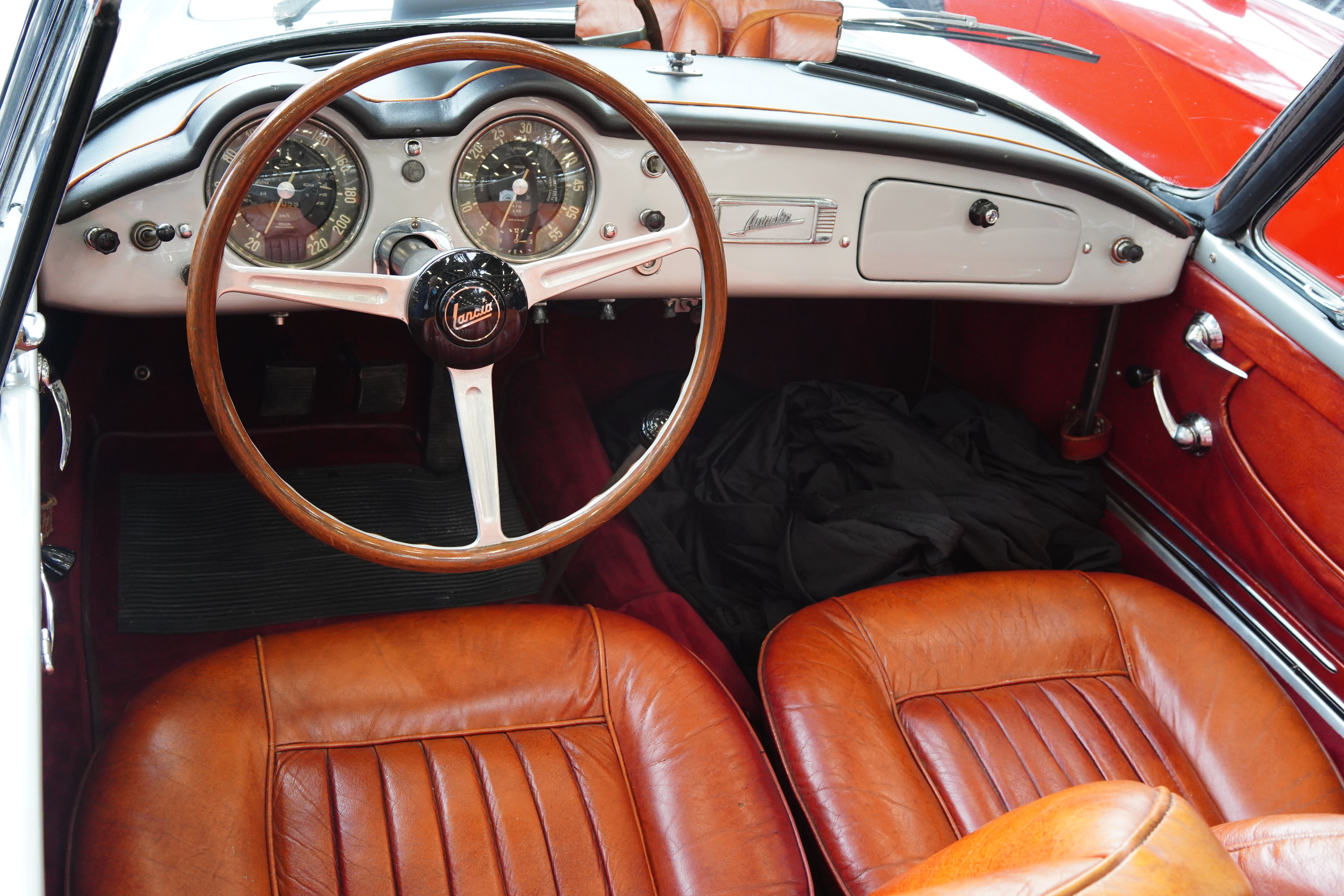
There were two versions of the Lancia Aurelia B24 convertible. The 1st version, the “America”, had a split front bumper, wraparound windshield, side curtains, and lacked outside door handles. Only 240 were manufactured, and they command a premium price. The 2nd version had a one-piece front bumper, vent windows, external door handles, and wind-up windows.

This Lancia B24 Spider is the “America” model, with an asking price of €895,000.

This yellow B24S is the second series convertible, so its asking price is only €270,000.

This second-series Aurelia Spider had an asking price of €298,000.


A grey Flavia 2-door for sale for €29,000.

Here is a Montecarlo in red. Note the transverse engine placement. The vendor was asking €25,500.

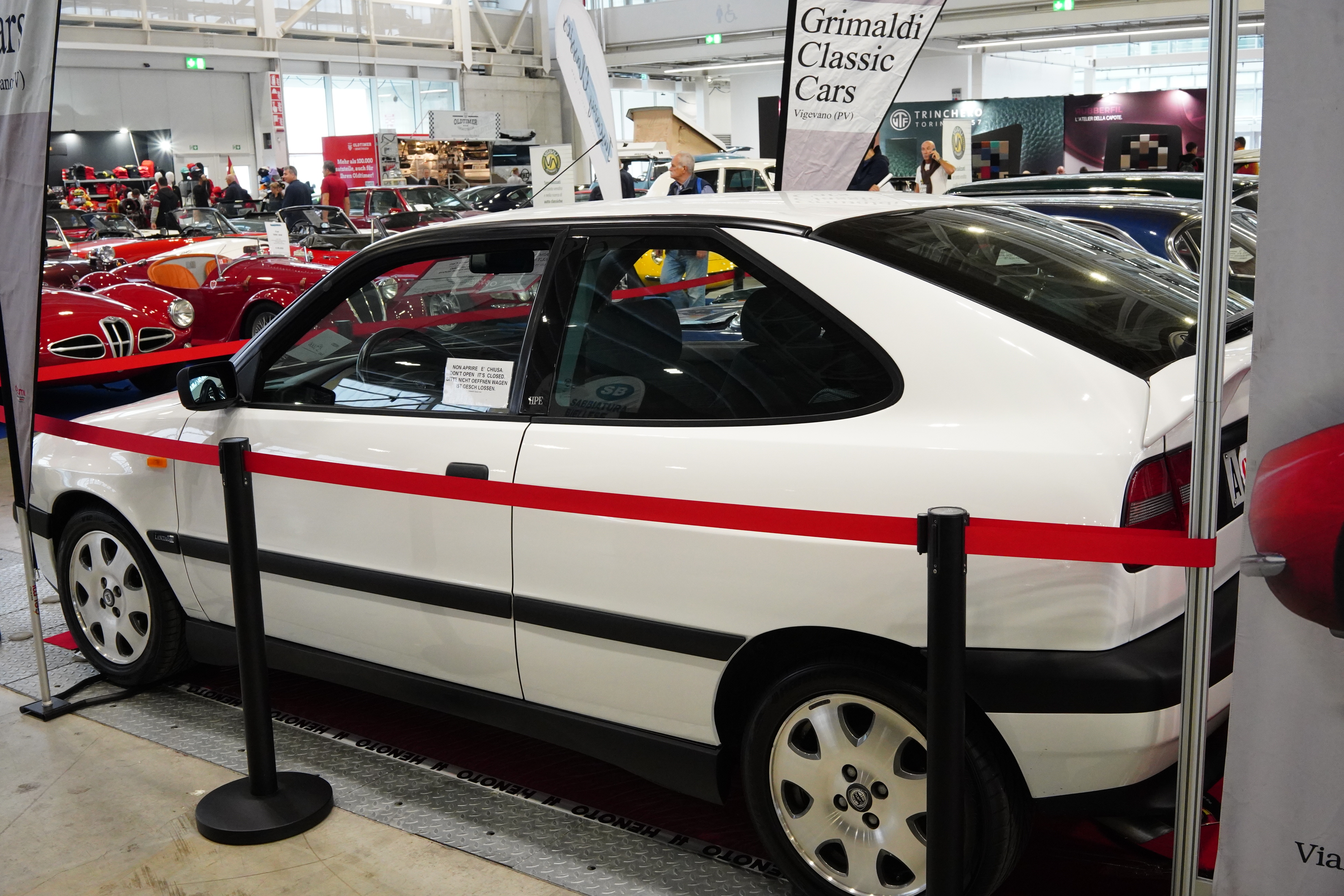
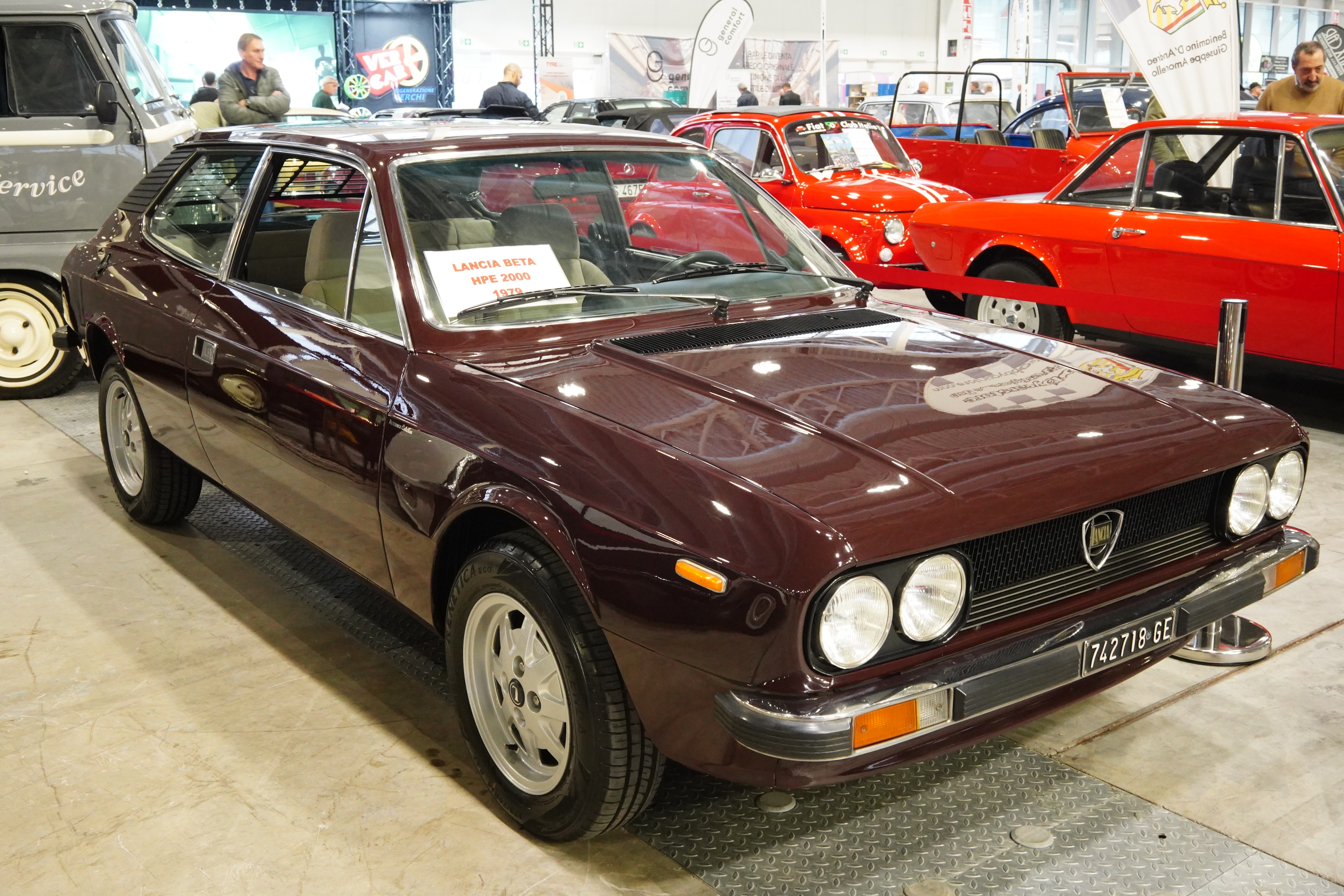
A rare body style: the Beta HPE hatchback.

A Lancia Beta Zagato in silver, with a removable targa top and fold-down rear window, for only €15,900.

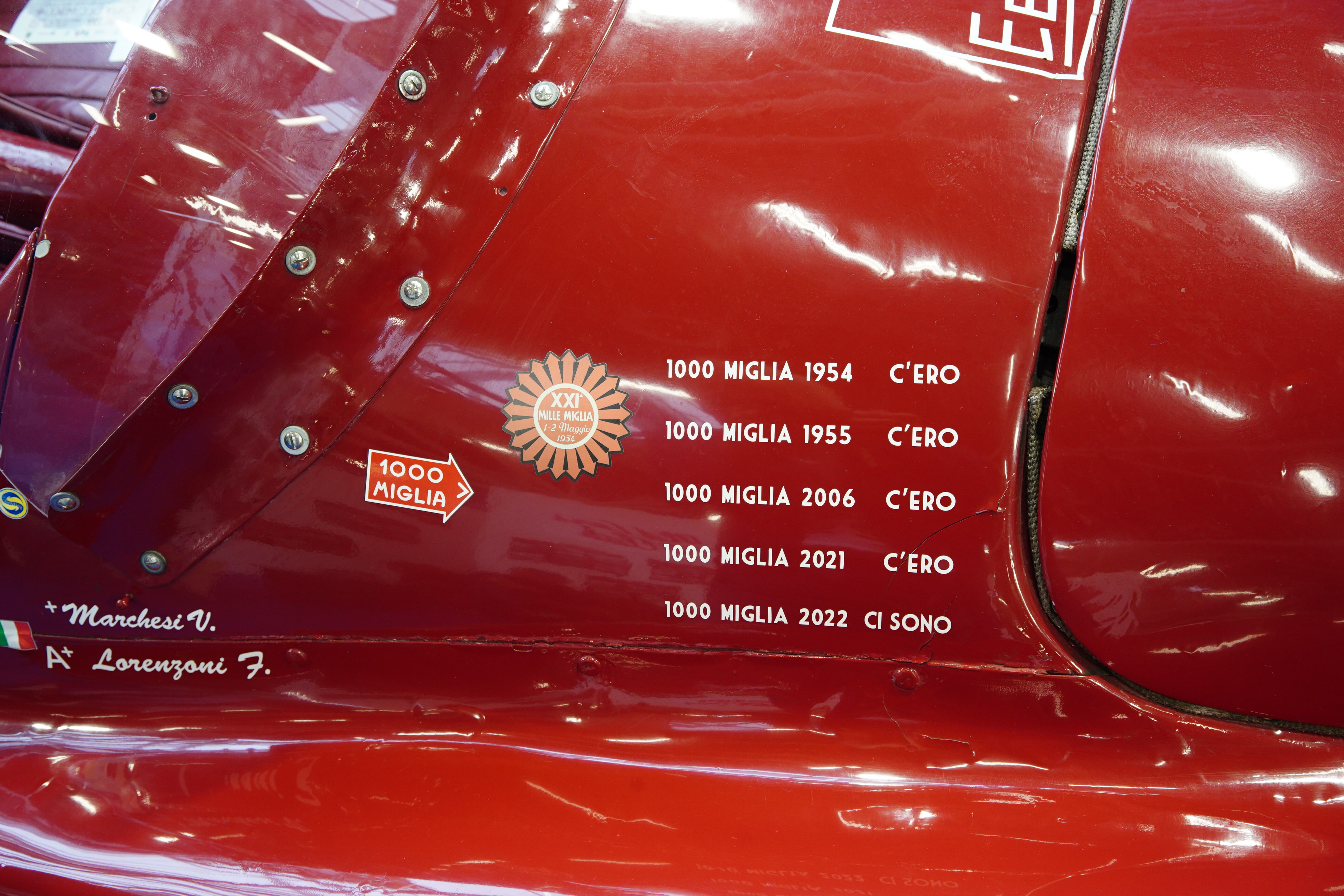
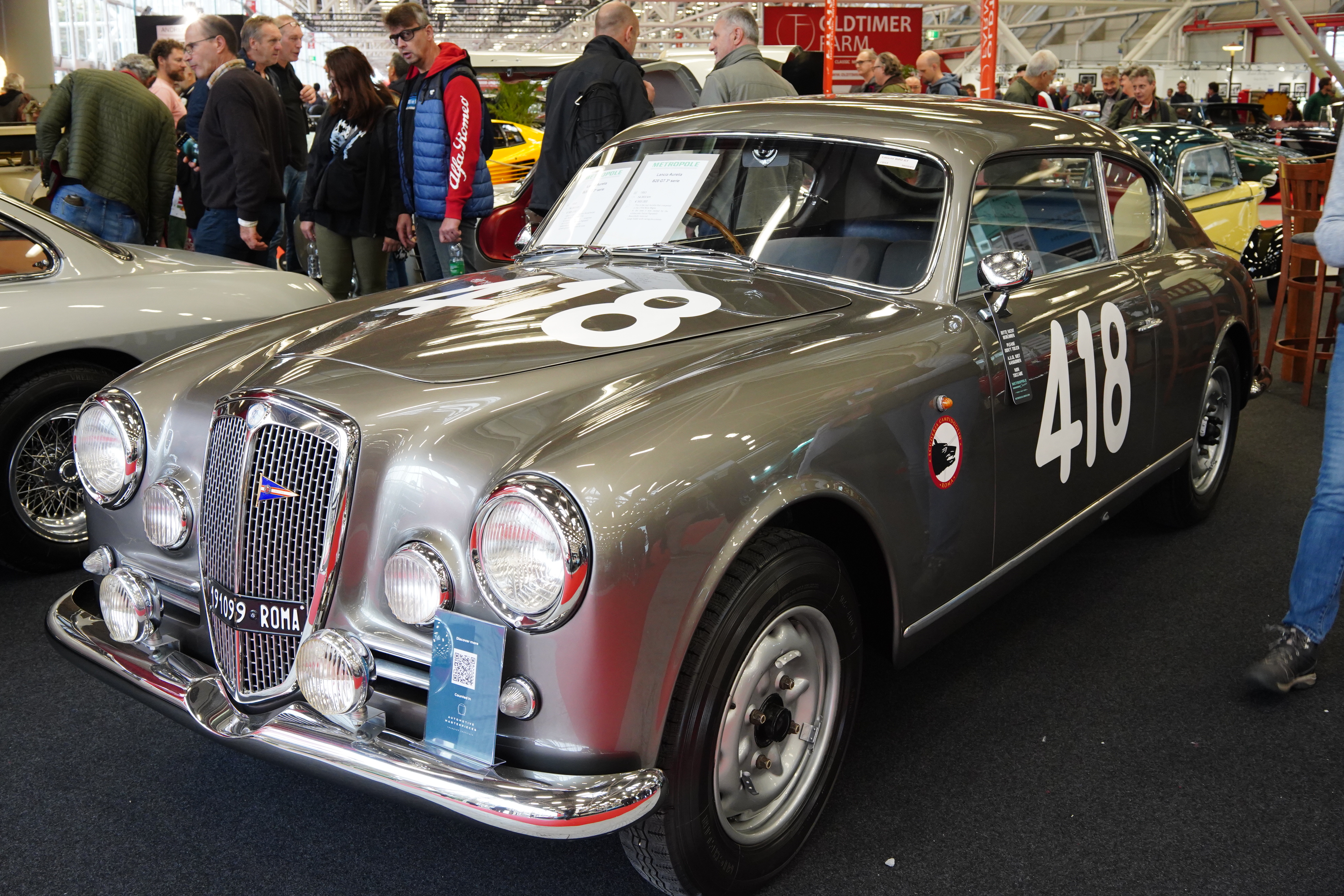
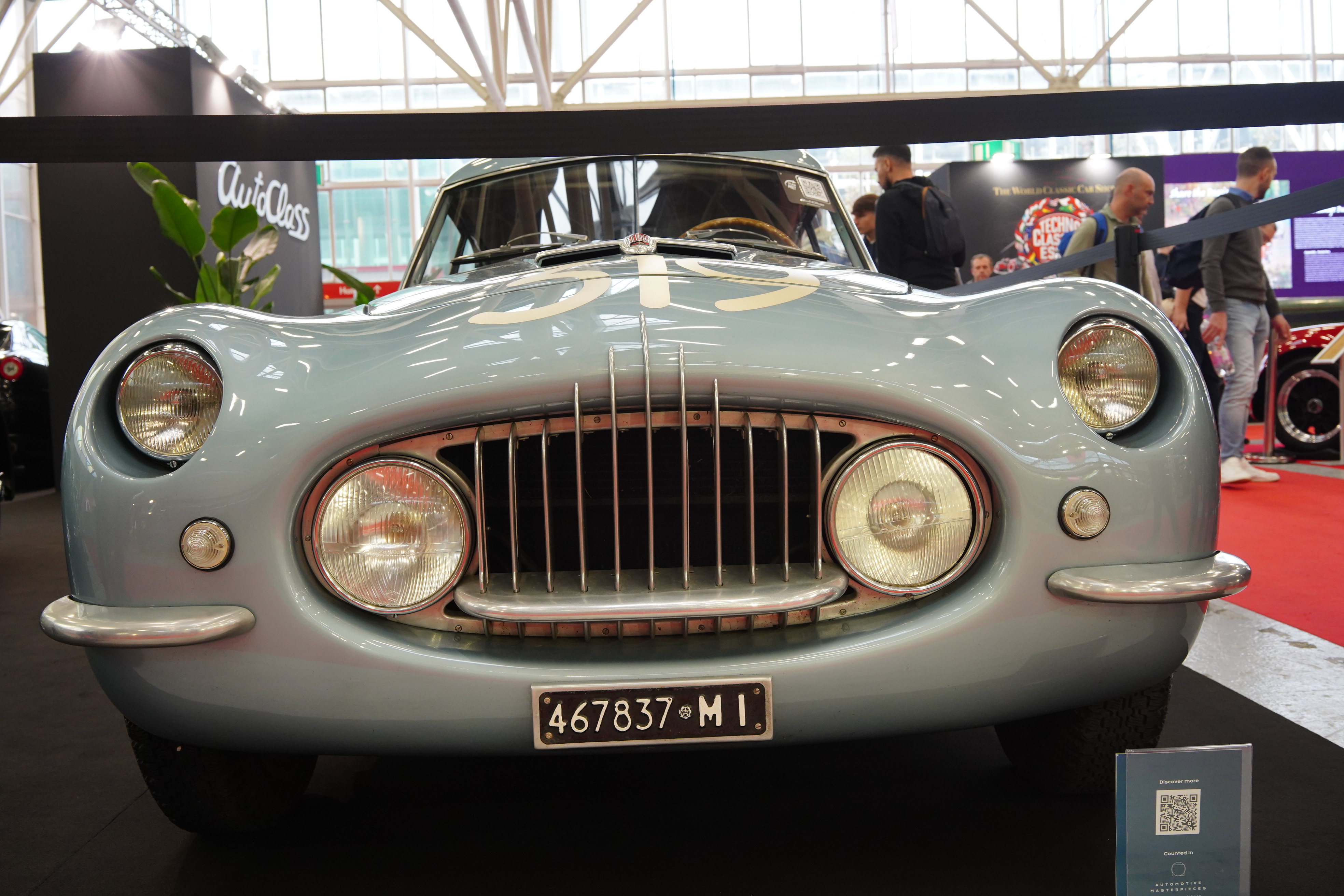
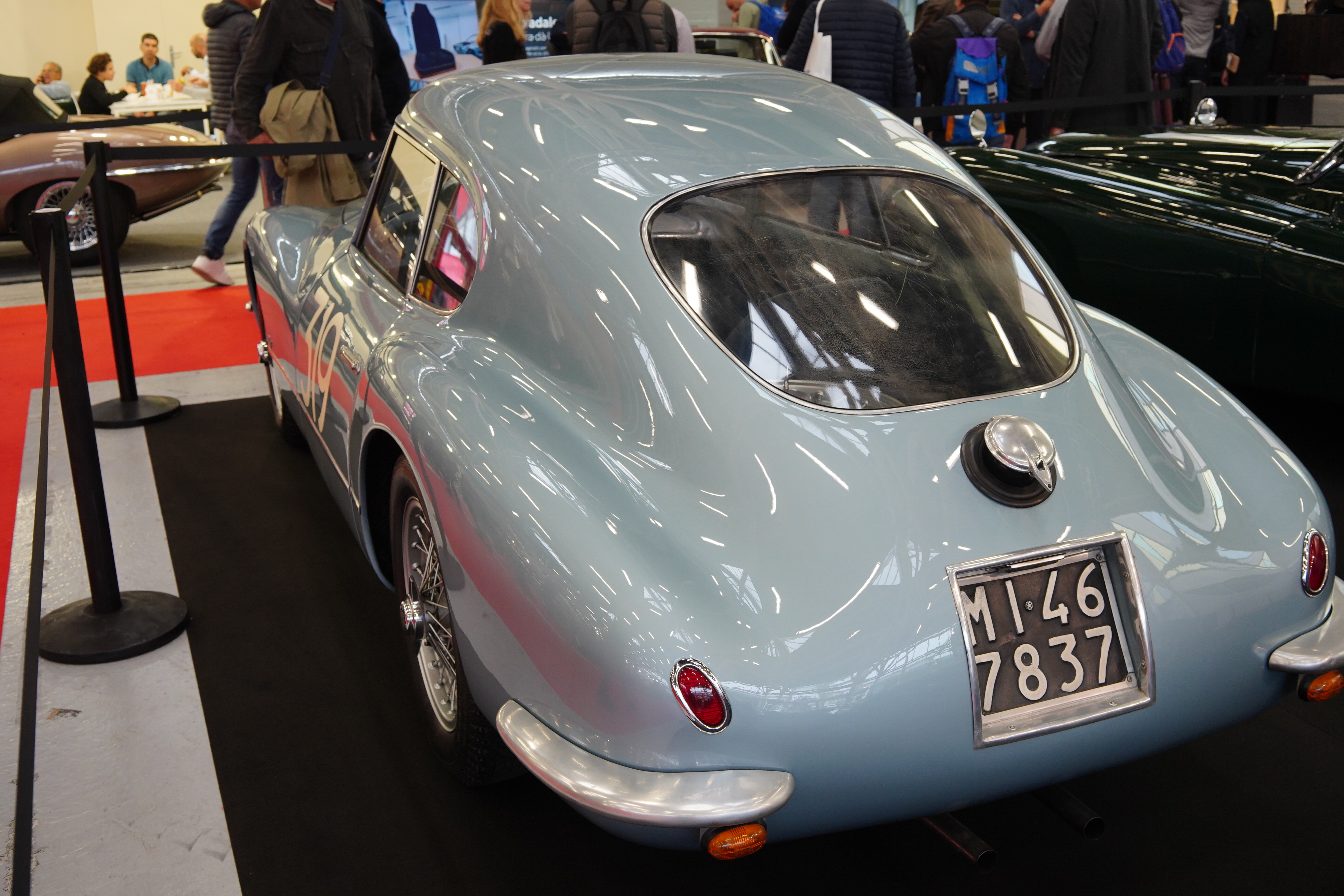
An Aurelia B20 coupe which competed in the 1954 Mille Miglia, with an ask of €585,000.

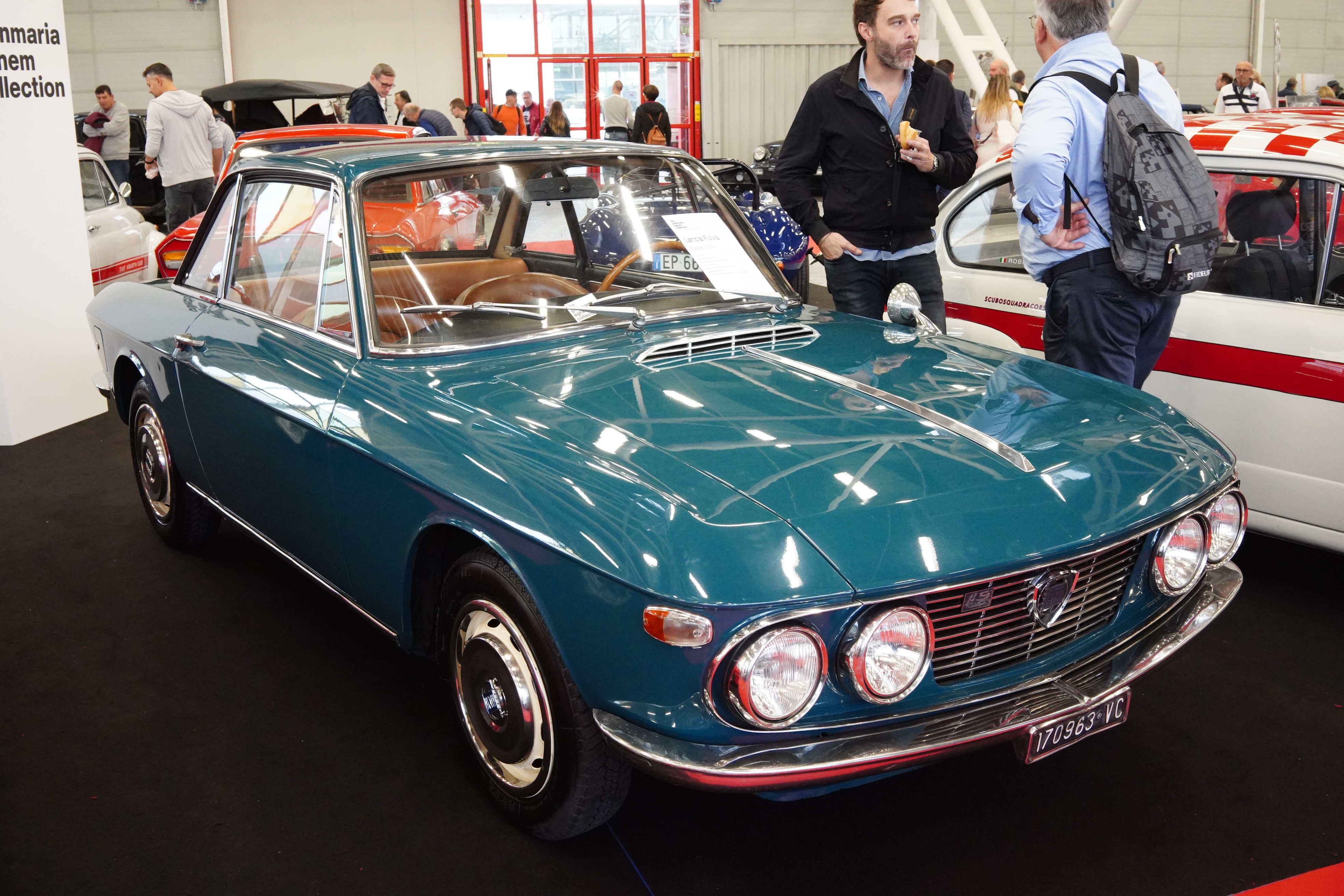
I loved the color combo on this Fulvia coupe. At €25,000, I thought about bringing it home.

Another Flaminia coupe, this one in grey. Note the off-white wheels, seen on many Lancias.

Possibly the oldest Lancia at the show, this 1947 Aprilla Berlinetta Pinin Farina looked resplendent in green over tan. Note the RHD.

Strong club support brought out this impressive row of Lancia Delta models.

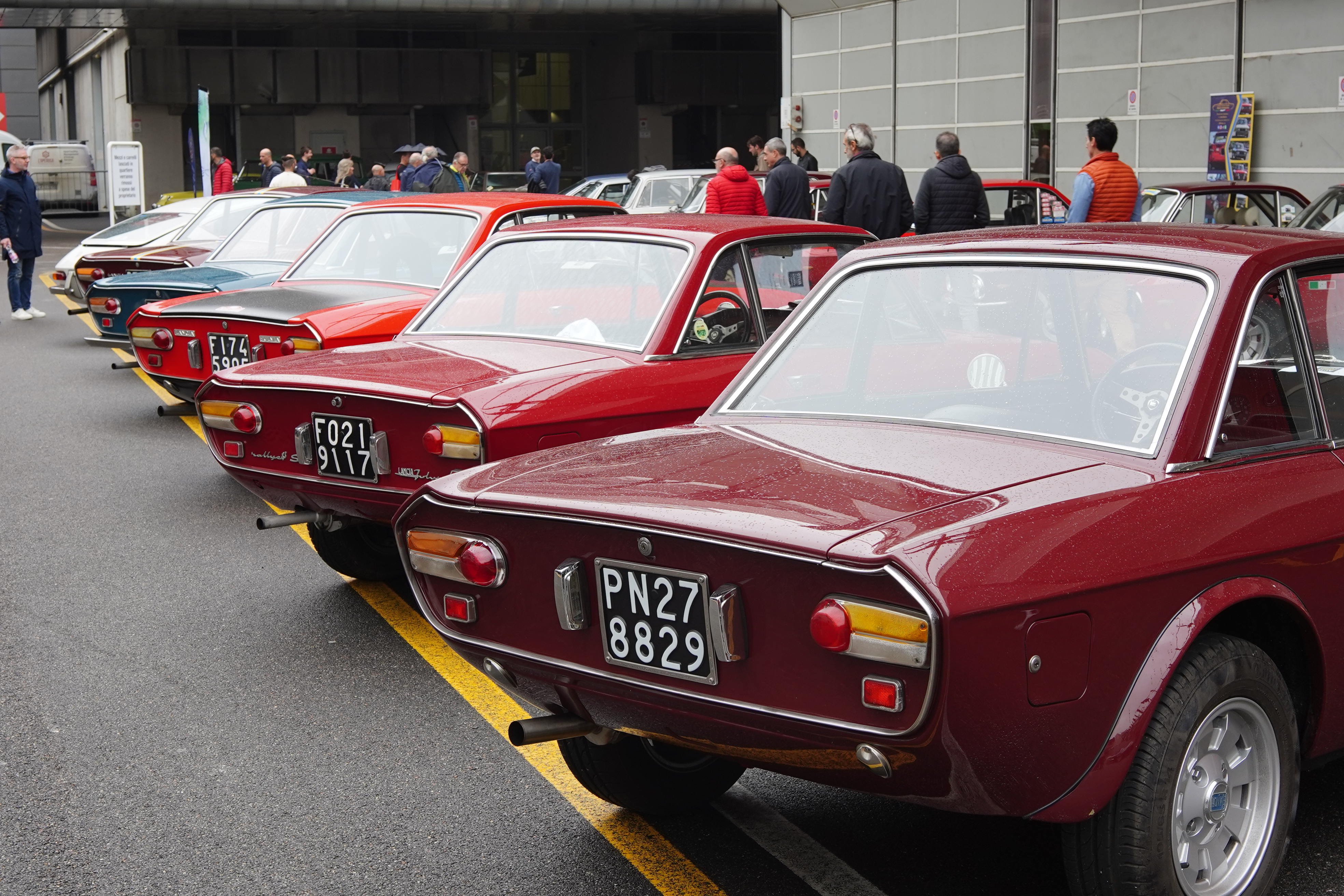
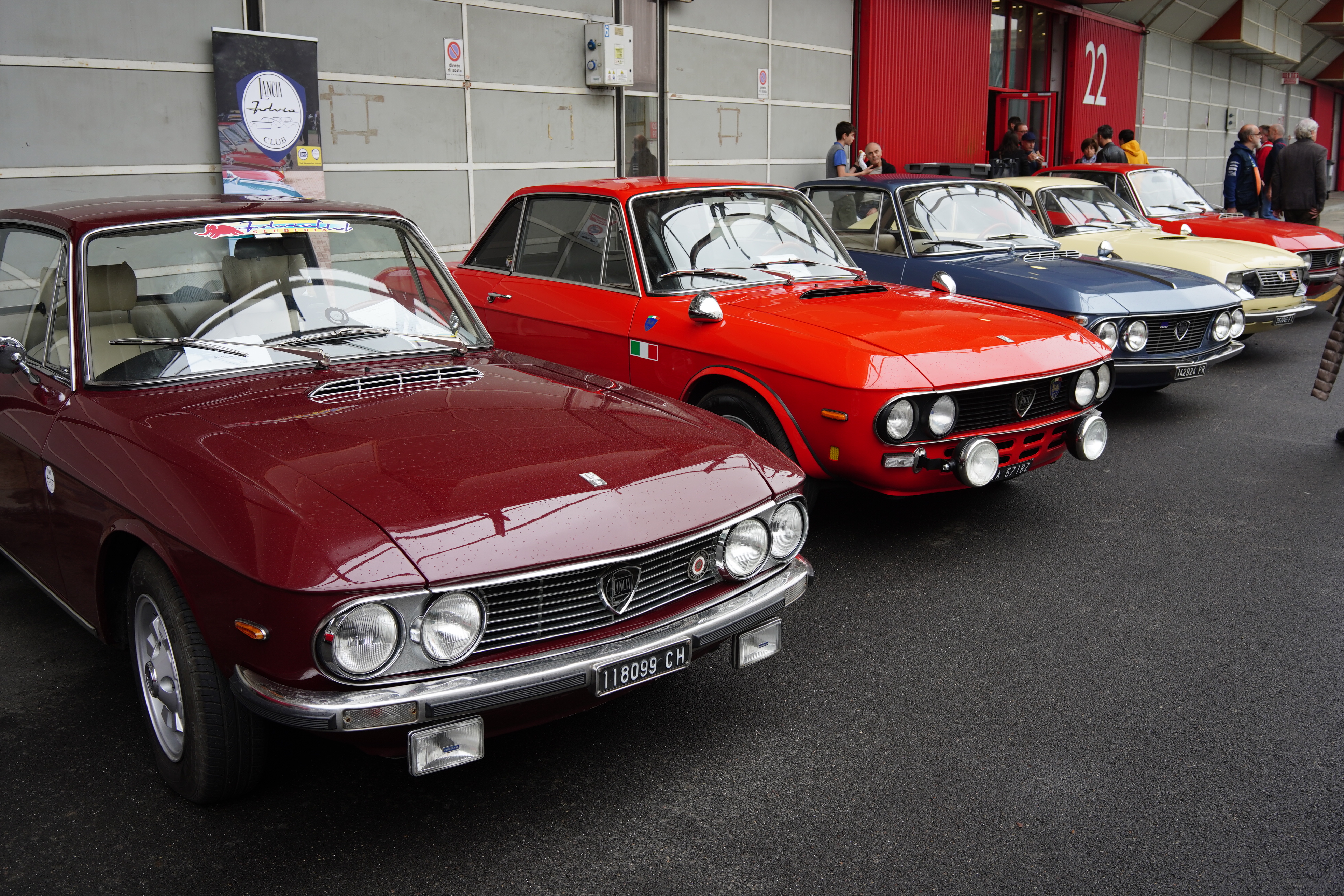
Likewise, the Lancia club showed up with more Fulvias than I could count.

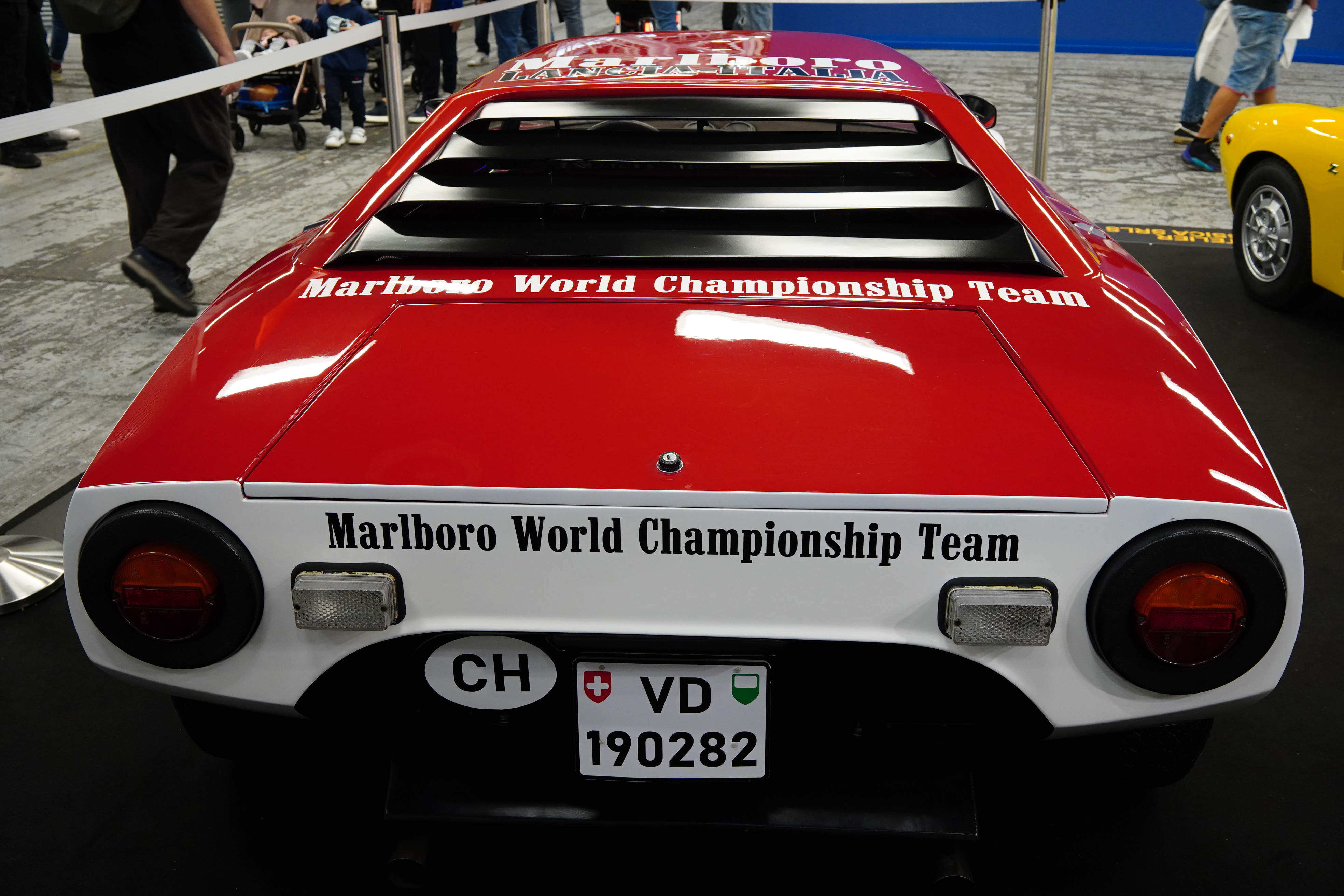
Another day, another Lancia Stratos, this one in rally livery.


This one got my attention: I’ve never heard of nor seen a Lancia Kappa, also simply called “K”. It’s a 1999, FWD with a 5-cylinder turbo engine putting out 220 HP. Styling was a bit bland but inoffensive. The ask? €10,000, not negotiable.

And yet another one new to me: a 1997 Delta 2-door, 2.0L turbo making 193 HP, 51,000 kilometers (about 32,000 miles). The vendor was asking €19,000.

Was this the least expensive Fulvia coupe at the show? This 1973 with 60,000 original km (37,000 miles) had an asking price of €17,500.


Entire blog post content copyright © 2024 Richard A. Reina. Text and photos may not be copied or reproduced without express written permission.
Auto e Moto d’Epoca Summary Part 1

The “Auto e Moto d’Epoca” (Autos and Motorbikes of the Period, referring to vintage and classic items) is an annual motor vehicle show held in Italy. The 2024 event was its 41st edition, and substantial growth forced it to move from Padova to a larger venue in Bologna. I first became aware of this show in 2023 and had hoped to attend but was unable to. However, I made the journey in October 2024 and attended all four days. I’ve experienced all types of car shows over the decades, but this was easily one of the best shows of my life (it helps that I love not only Alfa Romeos, but all Italian motor vehicles).

The 2024 show dates were from Thursday Oct. 24 through Sunday Oct. 27. I arrived in Bologna on Tuesday the 22nd so I could adjust to the 6-hour time difference. Once I got off the plane in Bologna, a 15-minute taxi ride got me to my Marriott hotel. The show was held at the BolognaFiere, a huge exhibition complex which was an easy 15-minute walk from the hotel. The Auto e Moto d’Epoca occupied 13 of its buildings, or halls, with the halls organized into 4 categories: vehicles for sale; vehicles displayed by car clubs, manufacturers, and other organizations; motorcycles; and spare parts & automobilia.

Thursday was billed as preview day, and I had pre-purchased a combo ticket for all 4 days. I arrived shortly after the doors opened at 9 a.m., and as I walked into the hall and got my first glance of the cars on the floor, I knew that my expectations were about to be greatly exceeded.  As it happened, the first of the 13 buildings I entered featured cars for sale by private individuals. Italian cars included various Fiat models such has 124 Sport Coupes, 130 Coupes, Dino Coupes and Spiders, and 500 sedans. Lancias were plentiful and included various Fulvias and Flaminias. Of course, there were many Alfa Romeos, mostly GT Coupes and Spiders, but a fair number of sedans too. Non-Italian cars included various Jaguars, Mercedes-Benzes, Volkswagens, and even some American cars. And this was just the first building!

On Thursday, I only visited the halls which contained cars for sale. Aside from cars offered by private individuals, many of the remaining vehicles for sale had been brought in by specialty auto dealers, of which there seem to be a great number in Italy. Asking prices were listed in Euros, and with the dollar almost at 1:1 parity (actually the Euro is worth a little more), there were no complicated calculations to make regarding pricing. I spent about 6 hours on Day 1 wandering through 5 of the 6 buildings with cars for sale.

I’ve decided that the most organized way to share my photos is to break up the blog posts into segments based on vehicle marques, starting with Fiat.

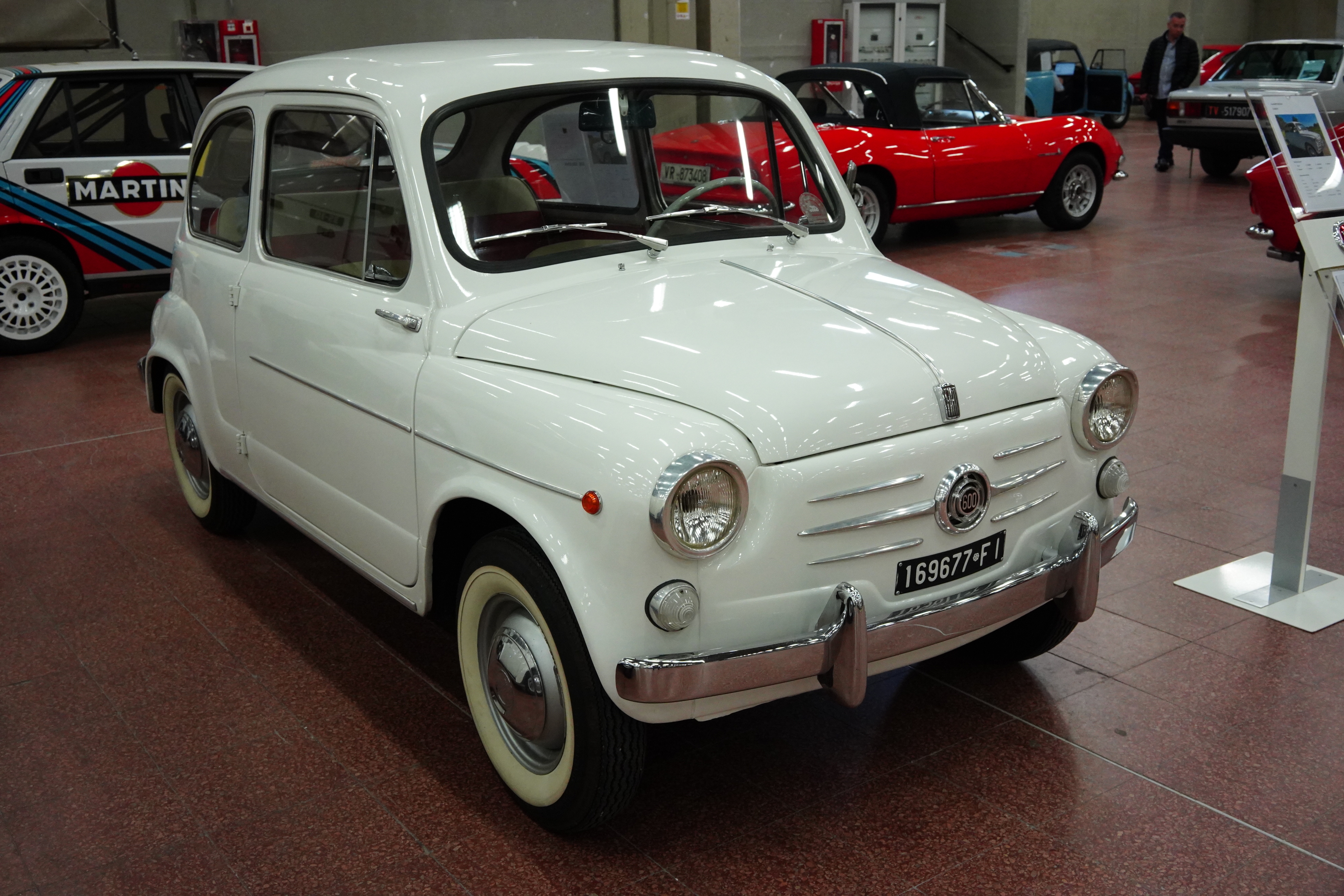
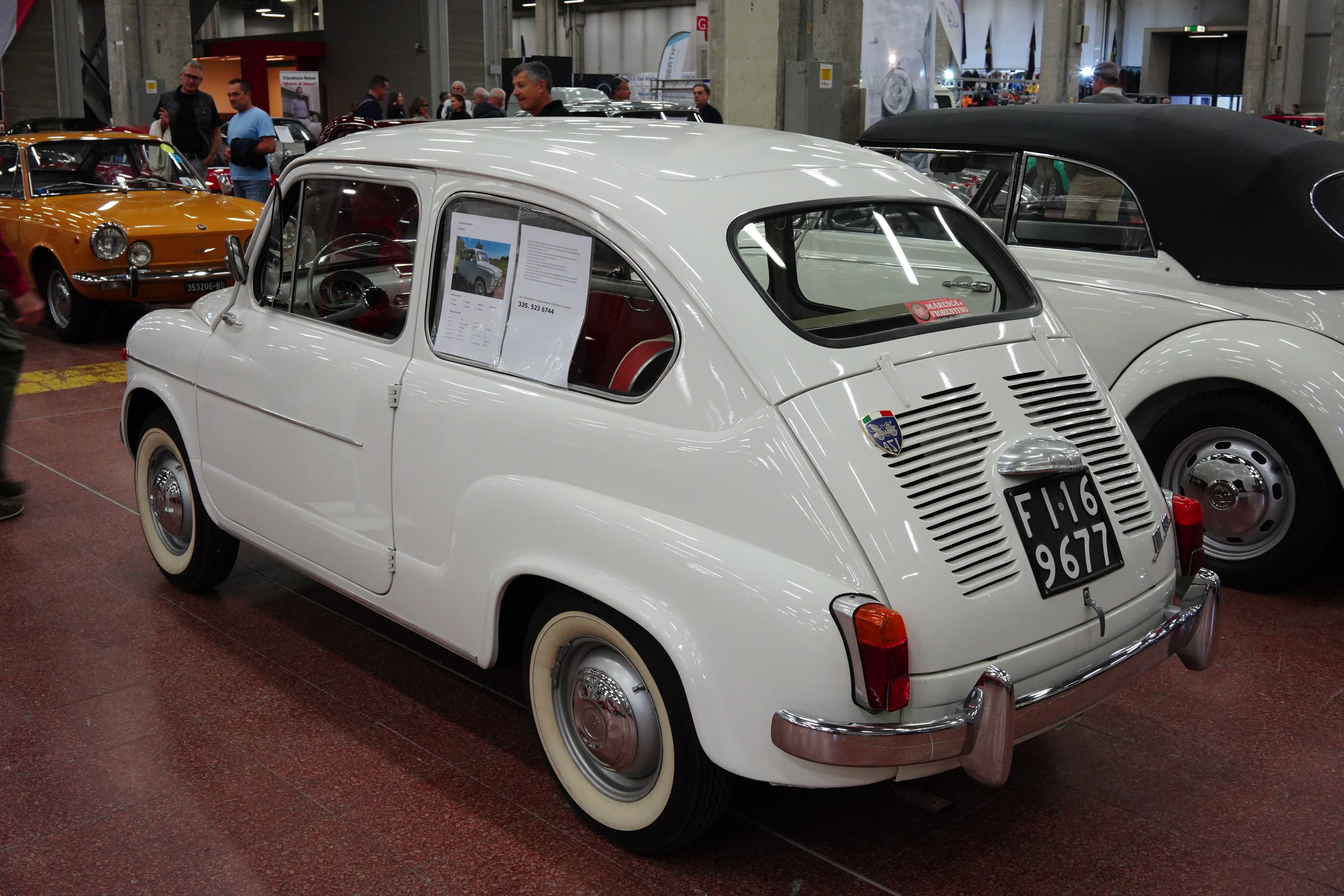
This 1962 Fiat 600D had an asking price of €8200
Fiat Dino Coupes and Spiders

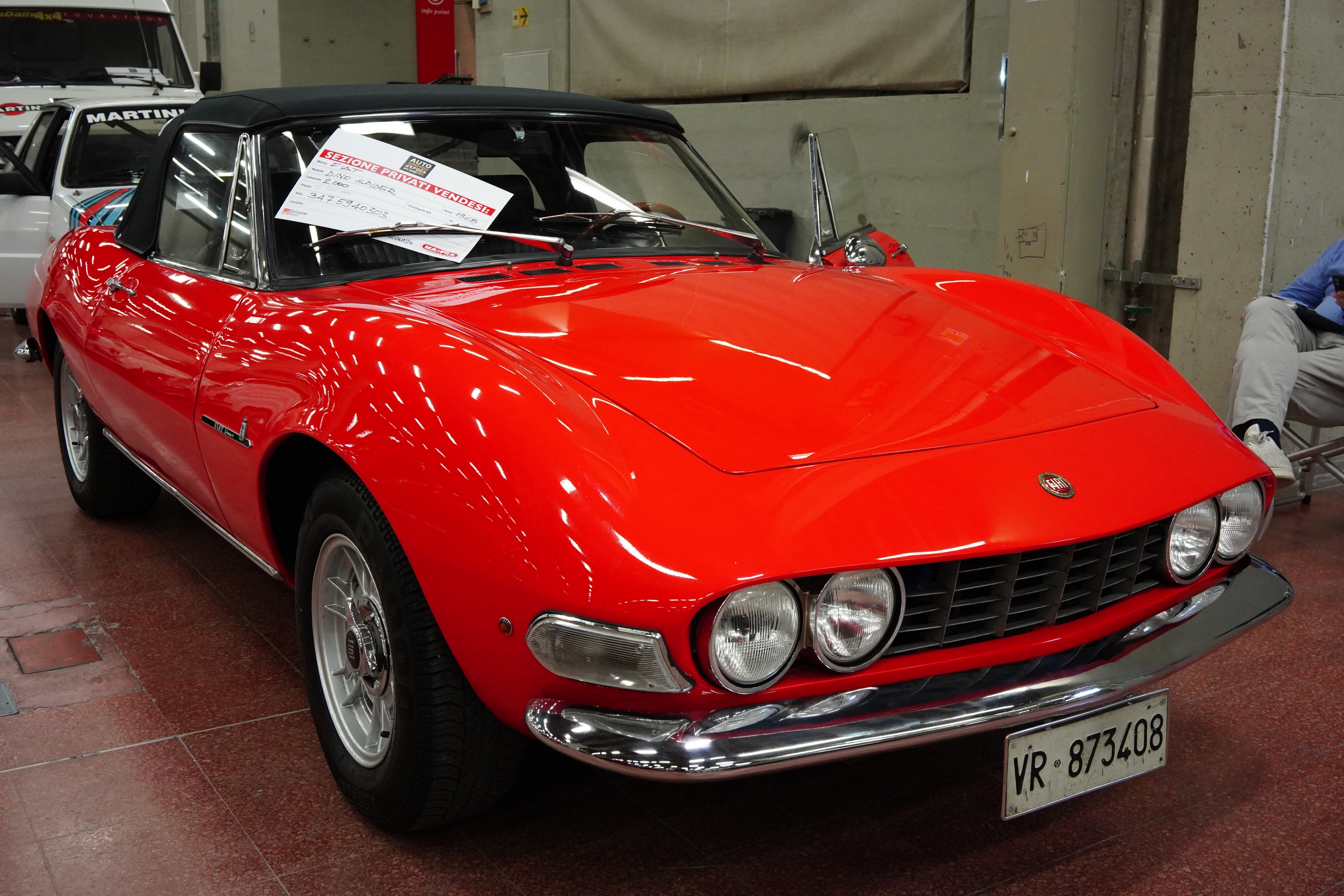
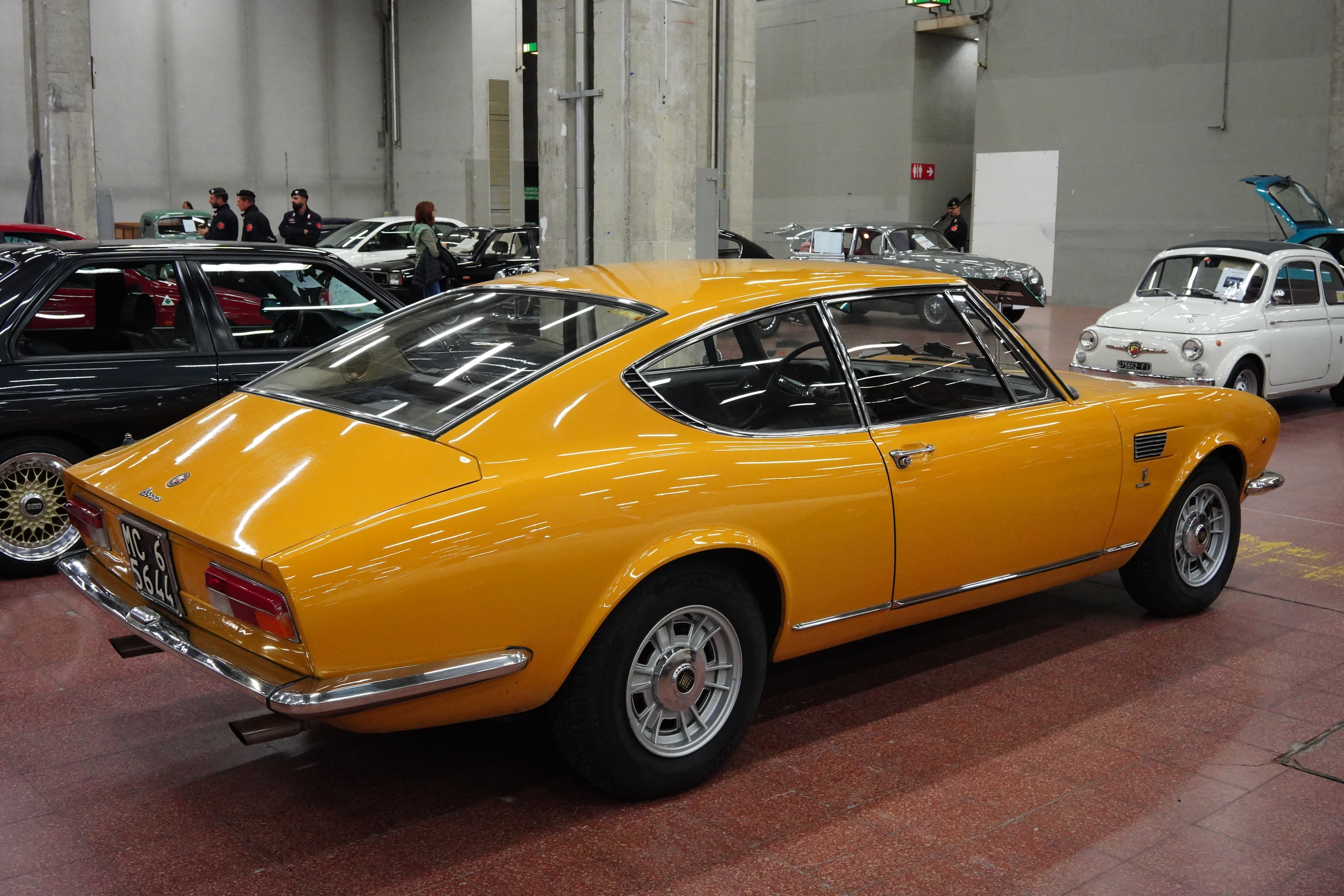
Fiat, in collaboration with Ferrari, agreed to build a certain number of “Dino” Coupes and Spiders with the Ferrari V6 engine for homologation purposes. Never officially imported into the U.S., they were built in limited numbers during the late ‘60s-early ‘70s. They have always been a favorite of mine, and I’m lucky if I see one a year in the States. Here, I saw EIGHT.

1968 Dino Spider in red
1968 Dino Coupe in red, paint was bad, asking €23,000
Yellow Dino Coupe
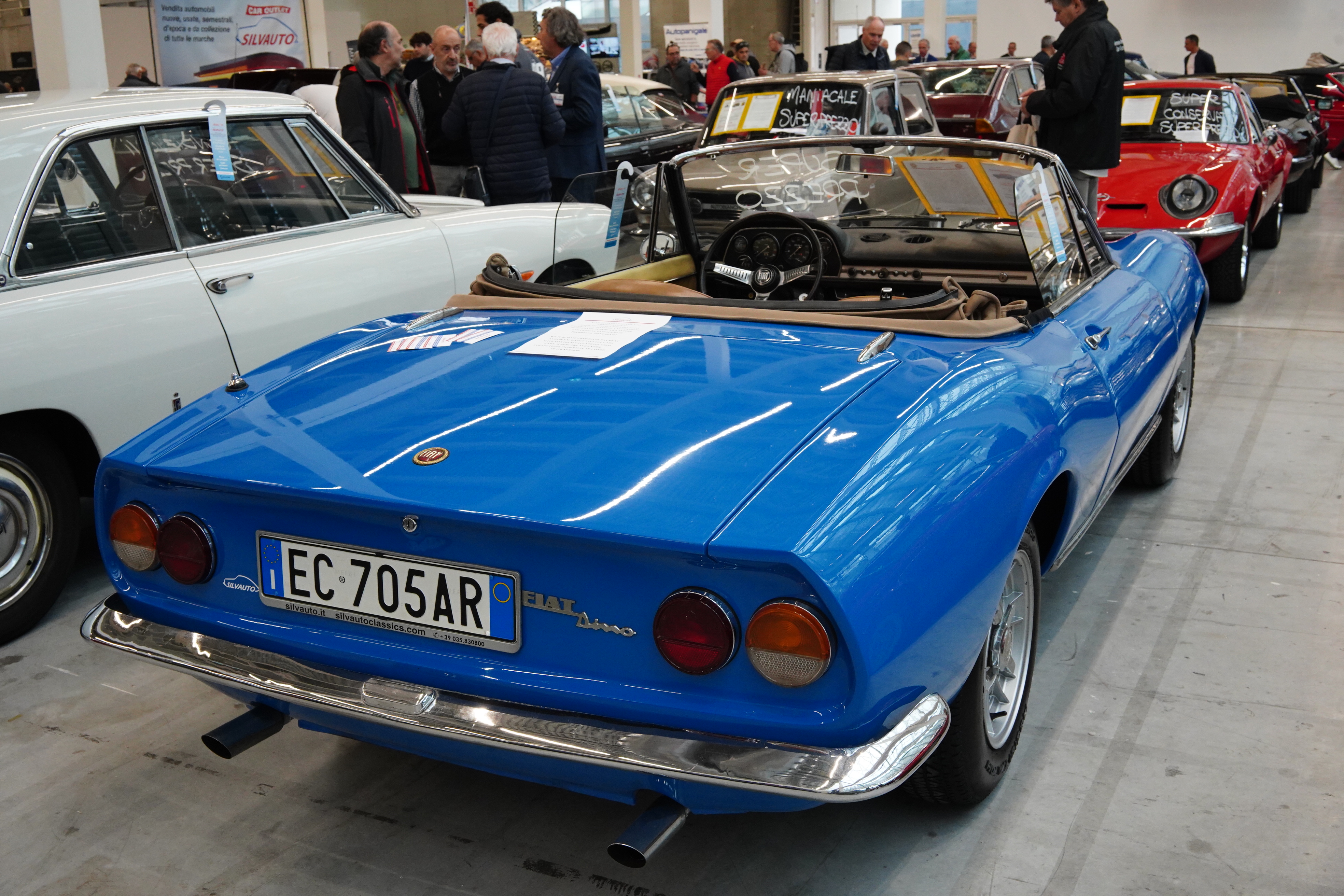
Blue Dino Spider, asking €97,000

1967 Dino Spider in red, asking €115,000
Yellow Dino Coupe, asking €57,000
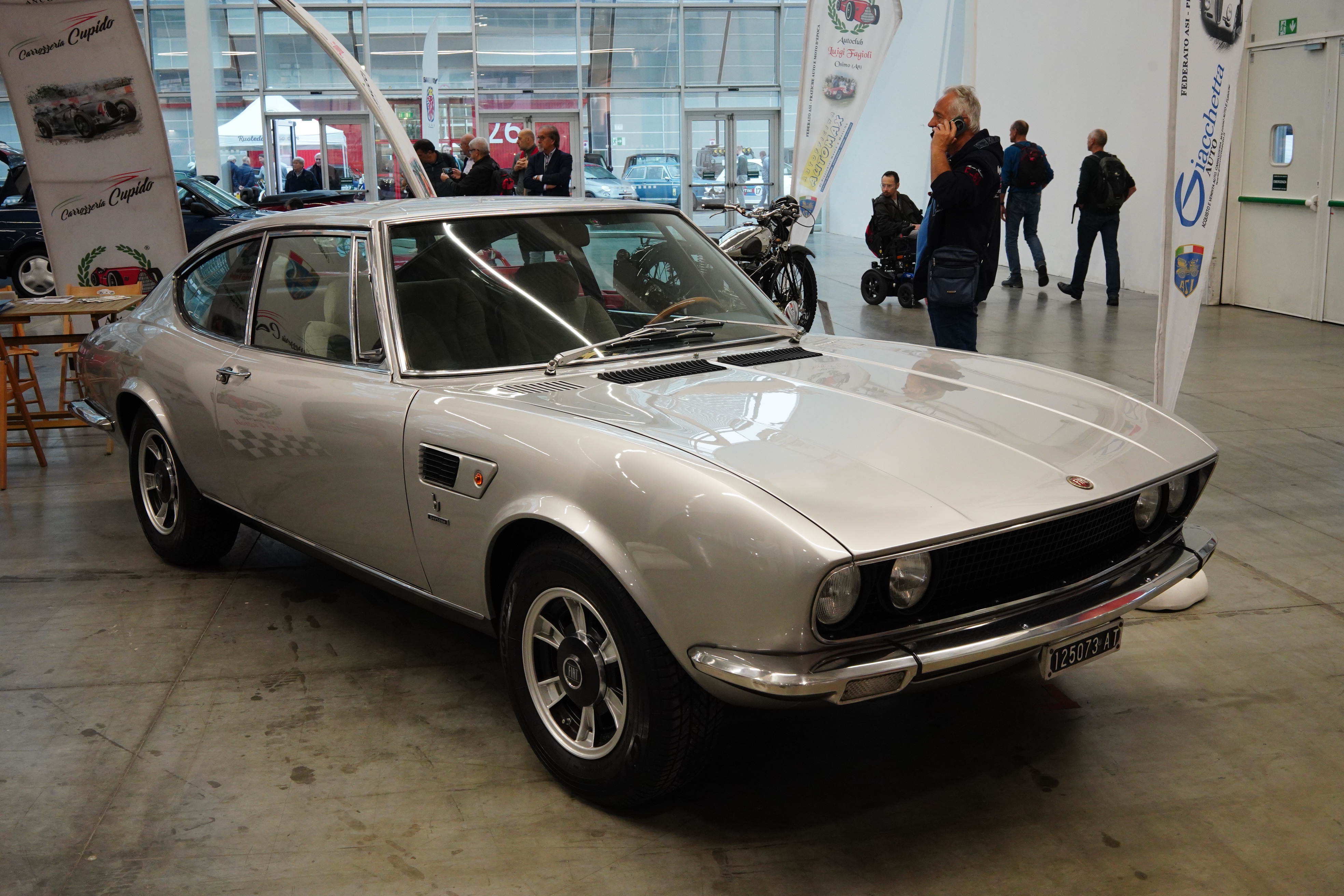
Silver Dino Coupe
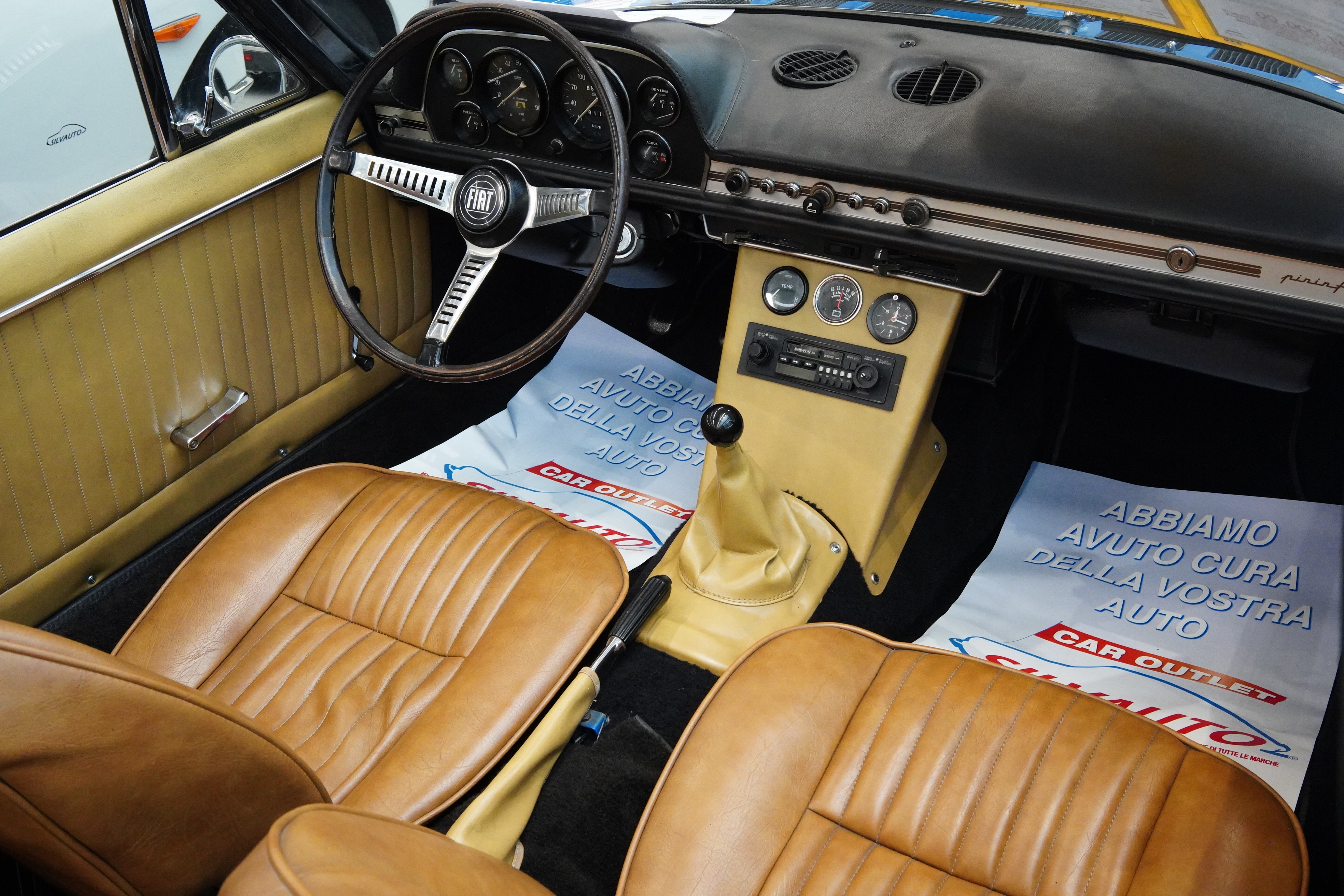
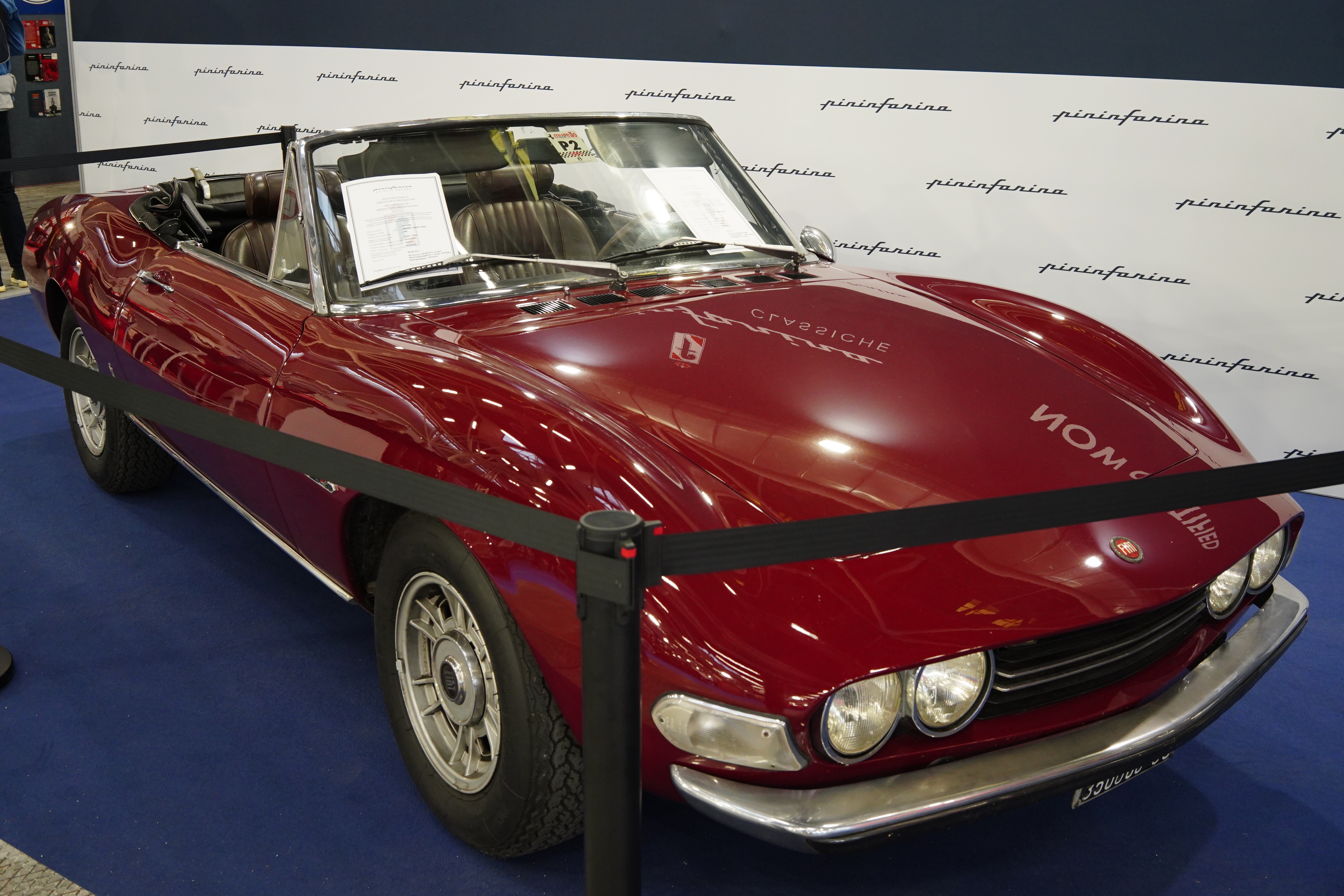
Dark red Dino Spider with a brown interior
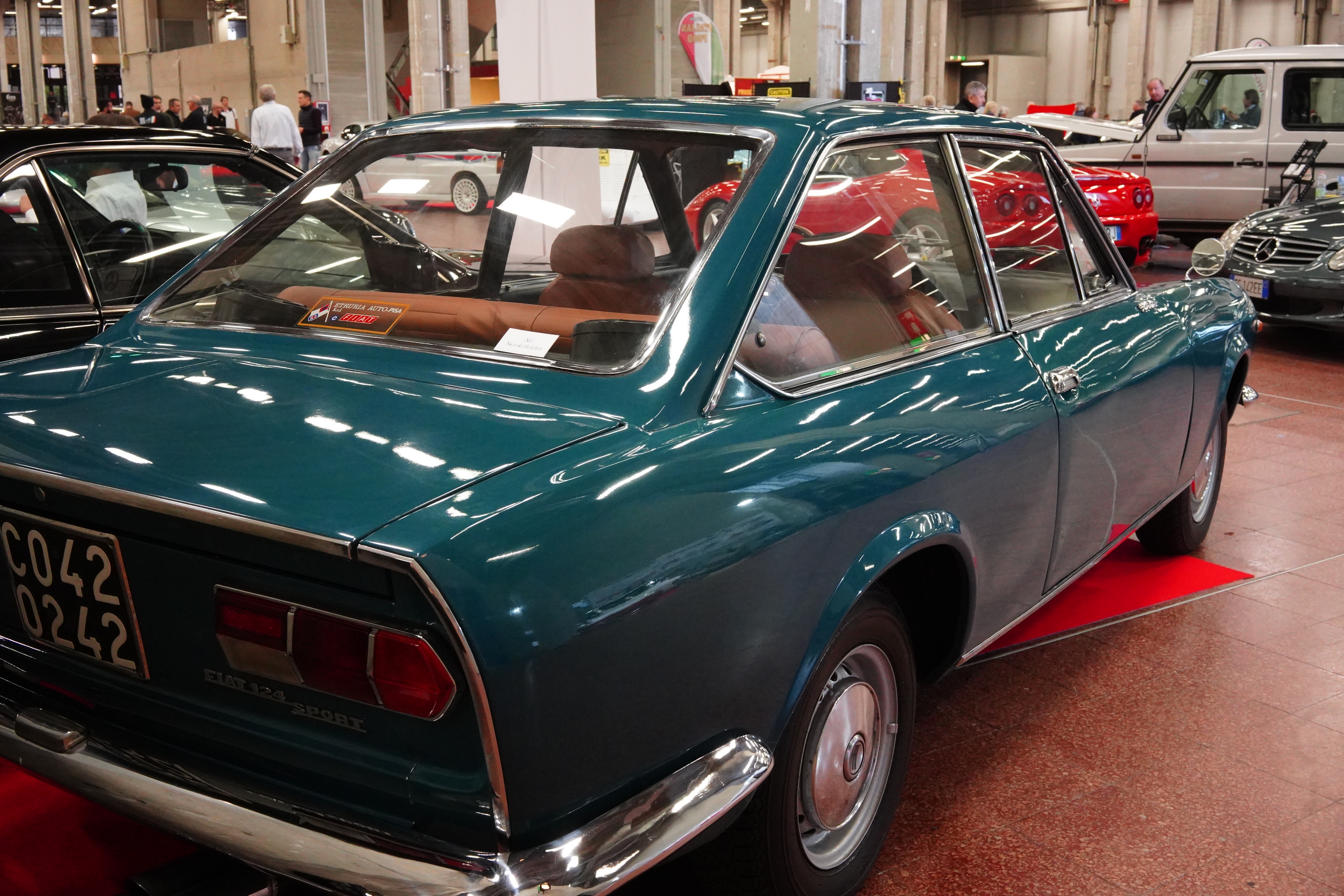
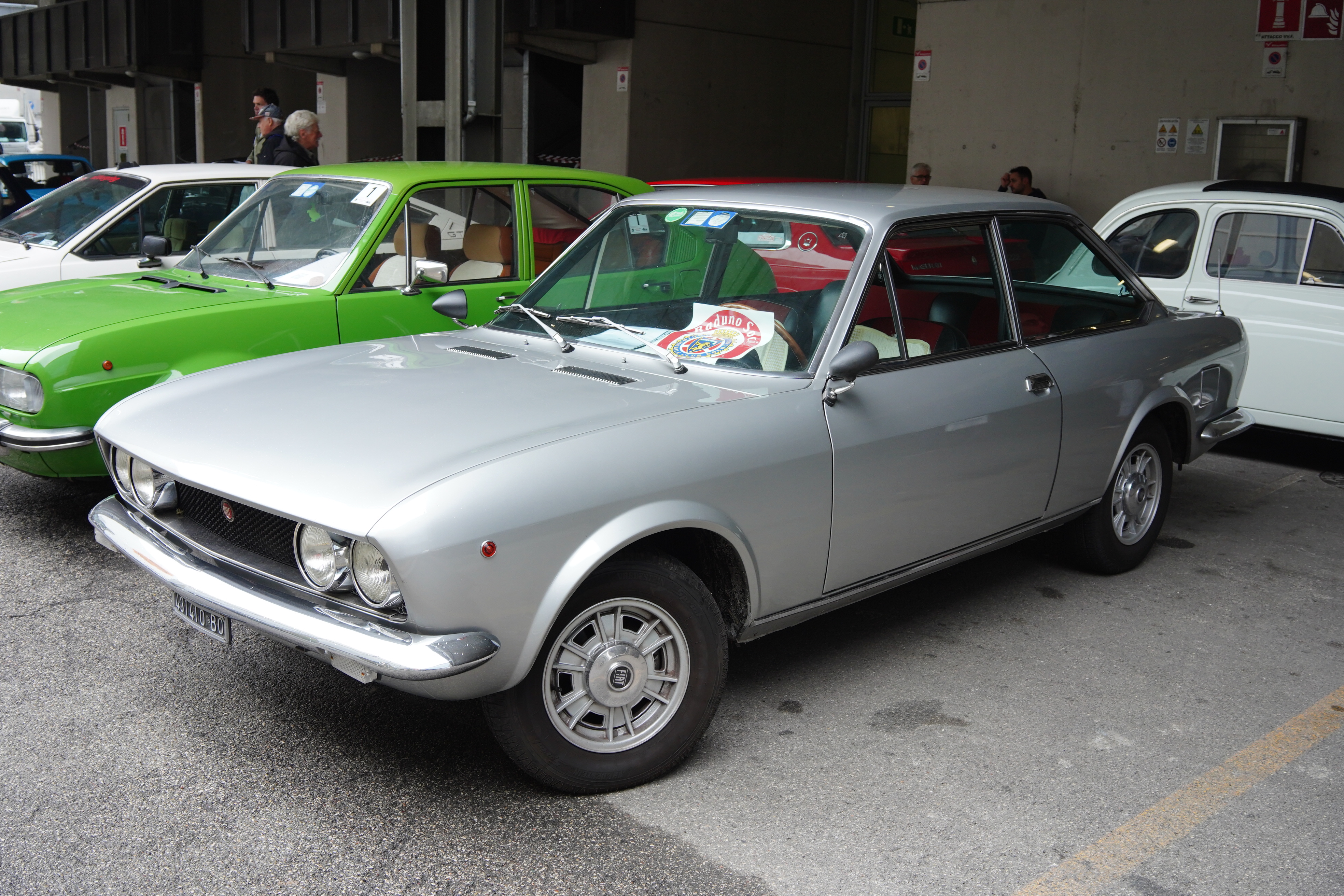
Fiat 124 Sport Coupes

Long a favorite, as I had one in college, which ignited this Italian love affair. They have all but disappeared from the roads here, but there were 3 at the show, and two were for sale at seemingly fair prices.

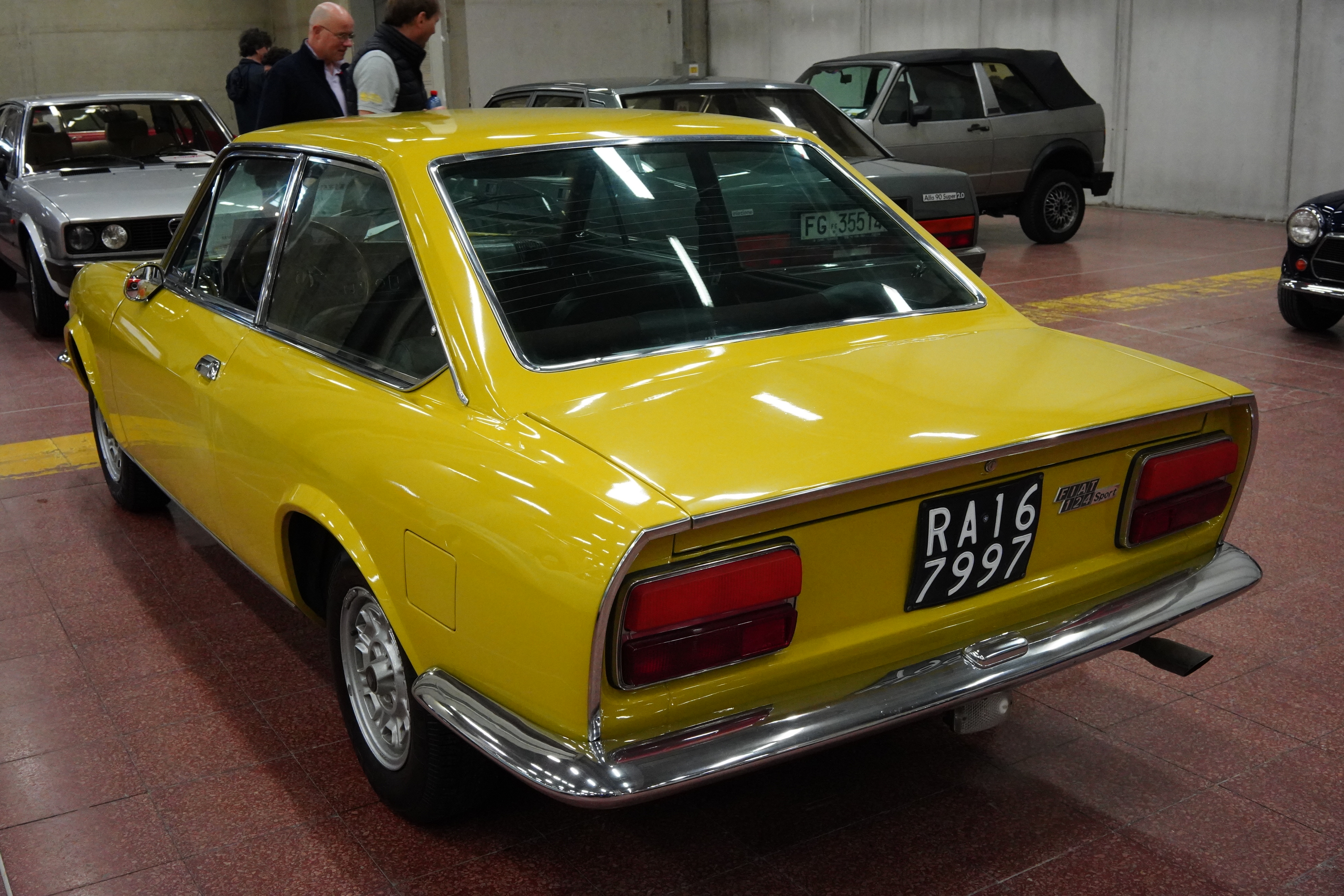
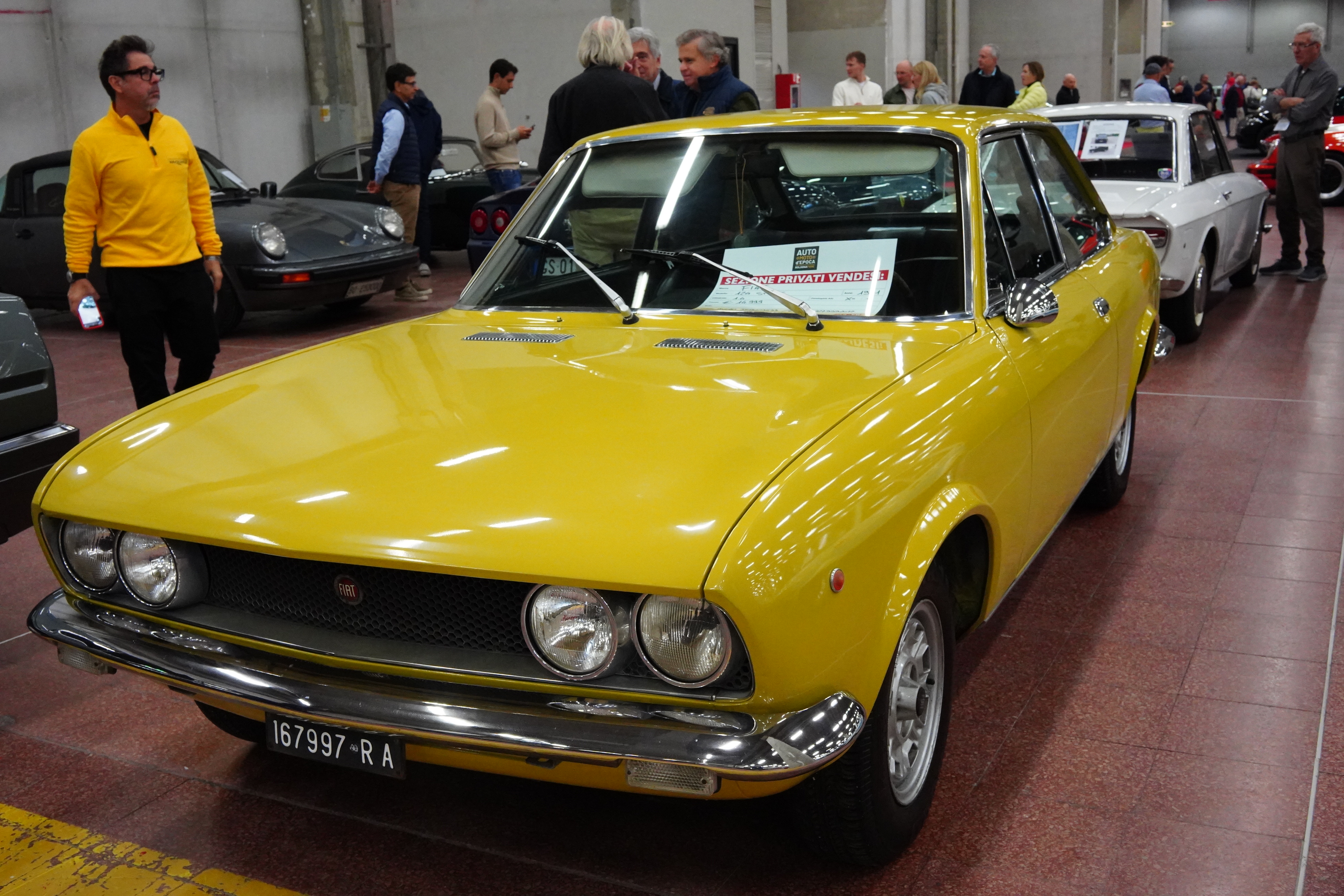
This 2nd-generation 1971 Coupe had an asking price of €16,999. It looked sharp in yellow over black with its alloy wheels, but with the hood up, the yellow in the engine compartment didn’t match the exterior paint. The car was still for sale when I walked past it on Sunday.
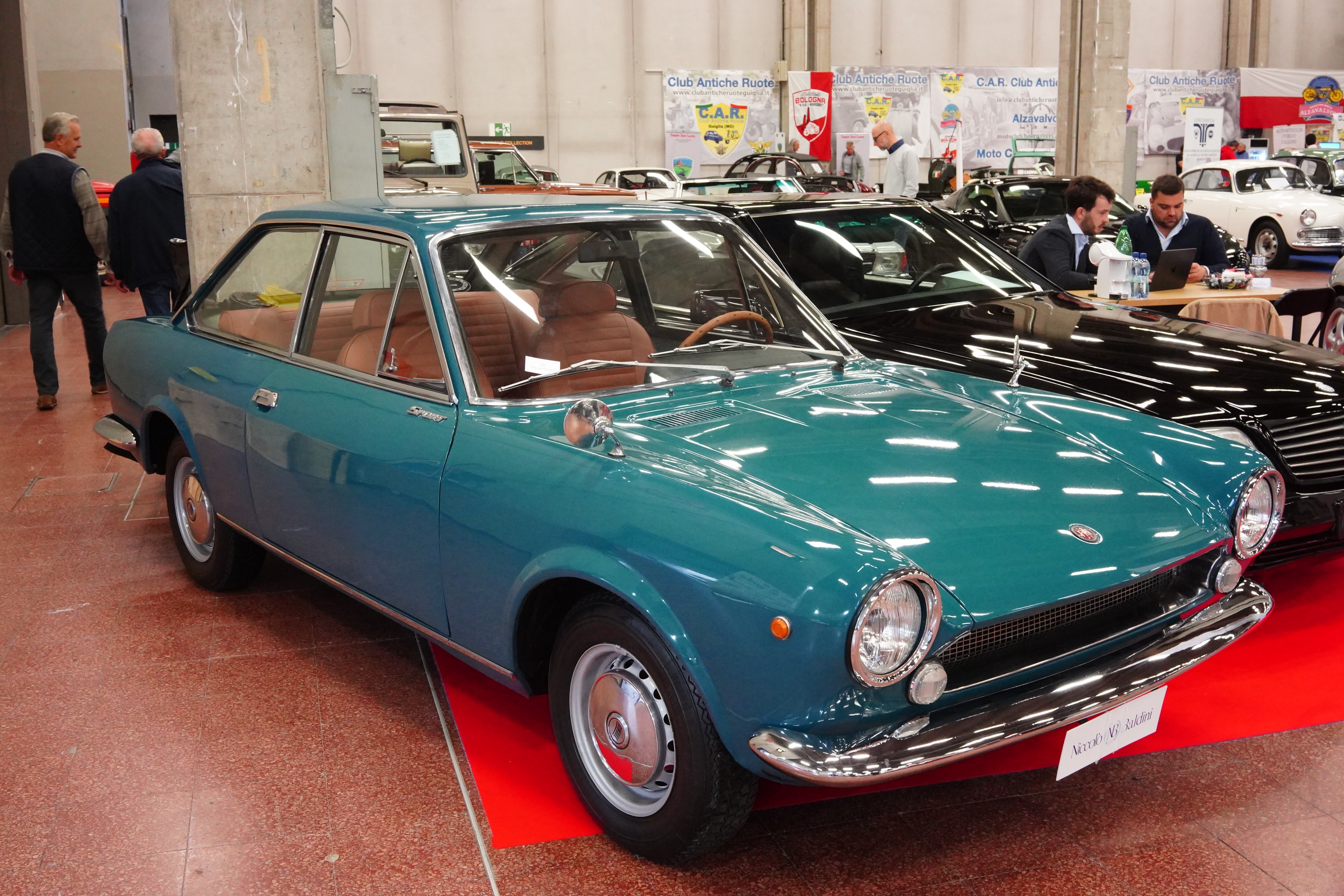
This 1968 Coupe (1st gen car, note the single headlamp per side compared to the yellow one) had what looked like a restored interior, with headrests on the front seats. The owner was asking €13,900, a bit less than the yellow car.
This 2nd-gen silver car was displayed outside, and I presume that it was there as part of a Fiat club.
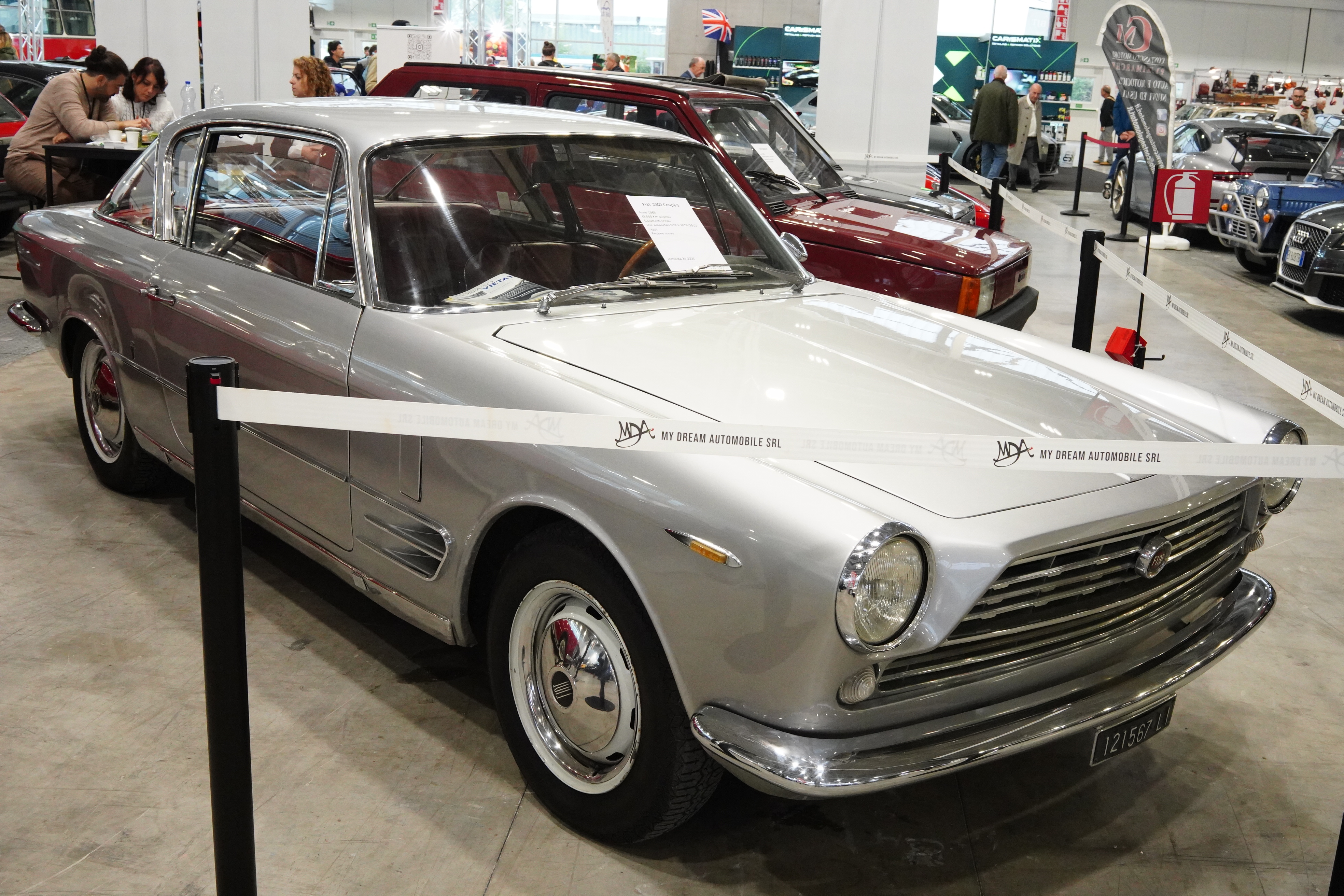
Fiat 130 Coupes
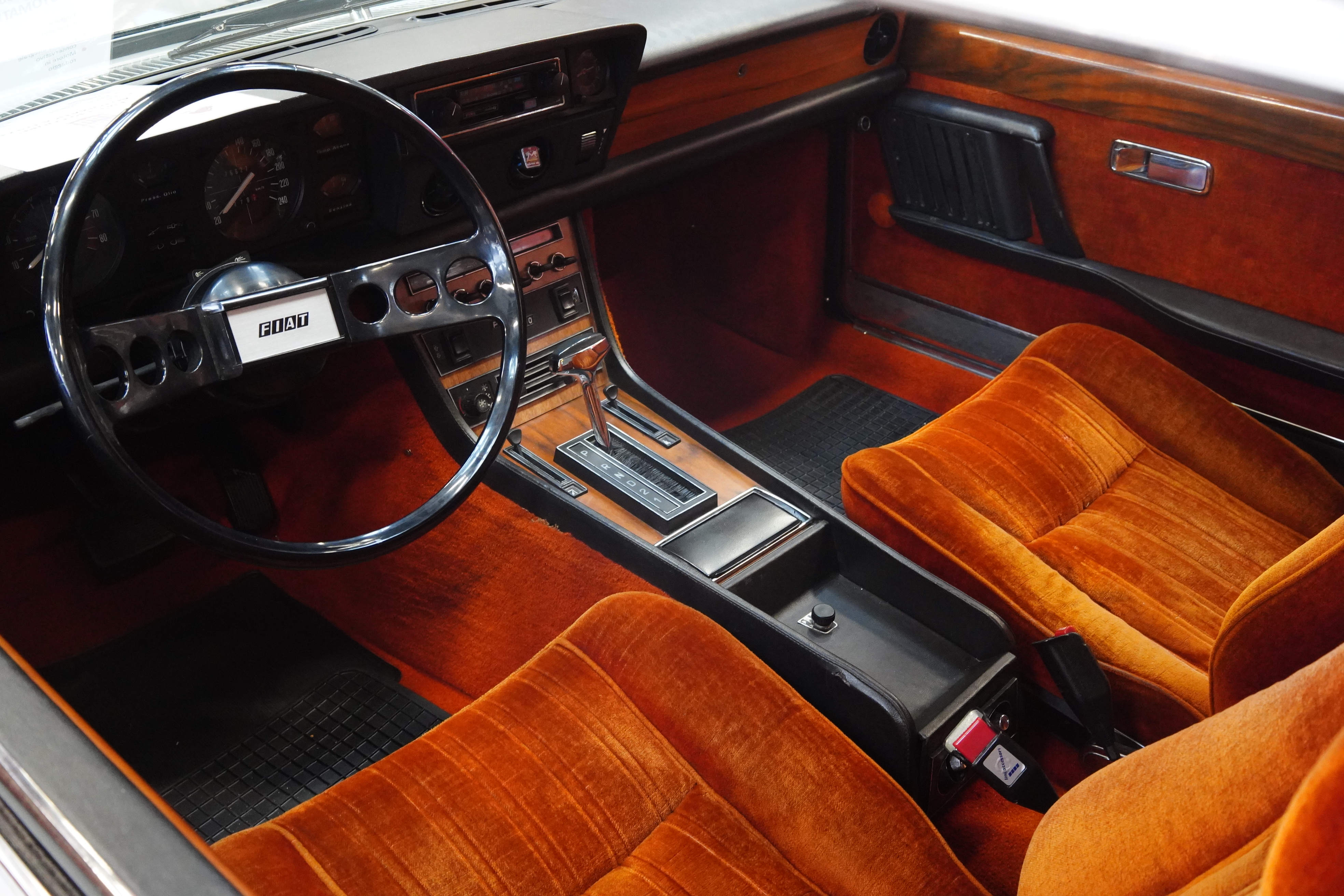
Looking somewhat like the 124 Coupe’s big brother, these V6-powered cruisers pop up once in a while on Bring a Trailer. There were two at the show.


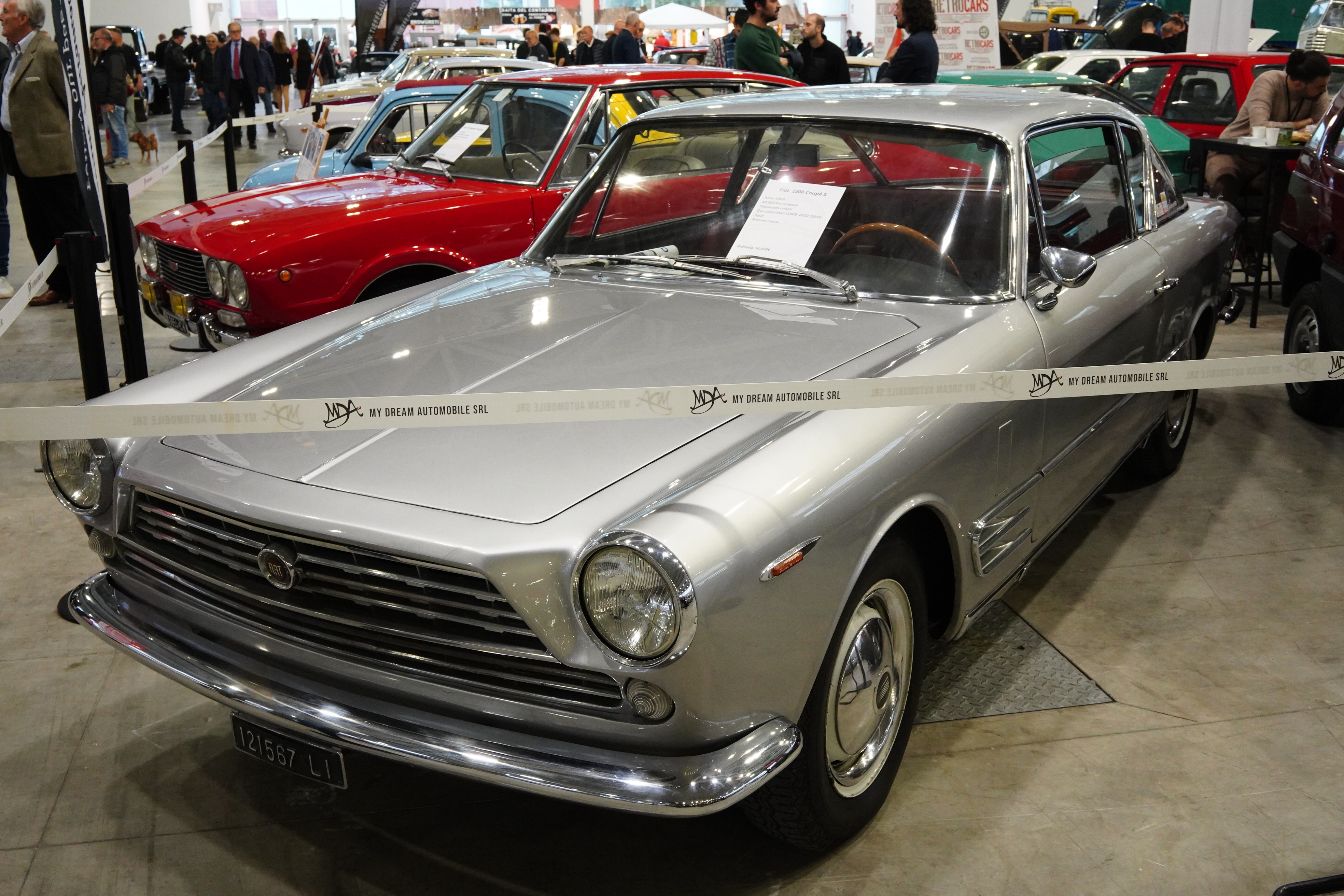
This 1969 Fiat 2300 Coupe had an asking price of €34,000
I call this 1955 Fiat 1100 “Transformabile” the ‘Eleanor Roosevelt car’, because there is a photo of her in the driver’s seat of one. The vendor was asking €57,500 for this one.

Fiat 124 Spiders were thin on the ground at this show, and understandably so, since out of a total production of 197,913 vehicles (1966-1985), 170,720 were imported into the U.S.! Still, a few interesting examples were there.

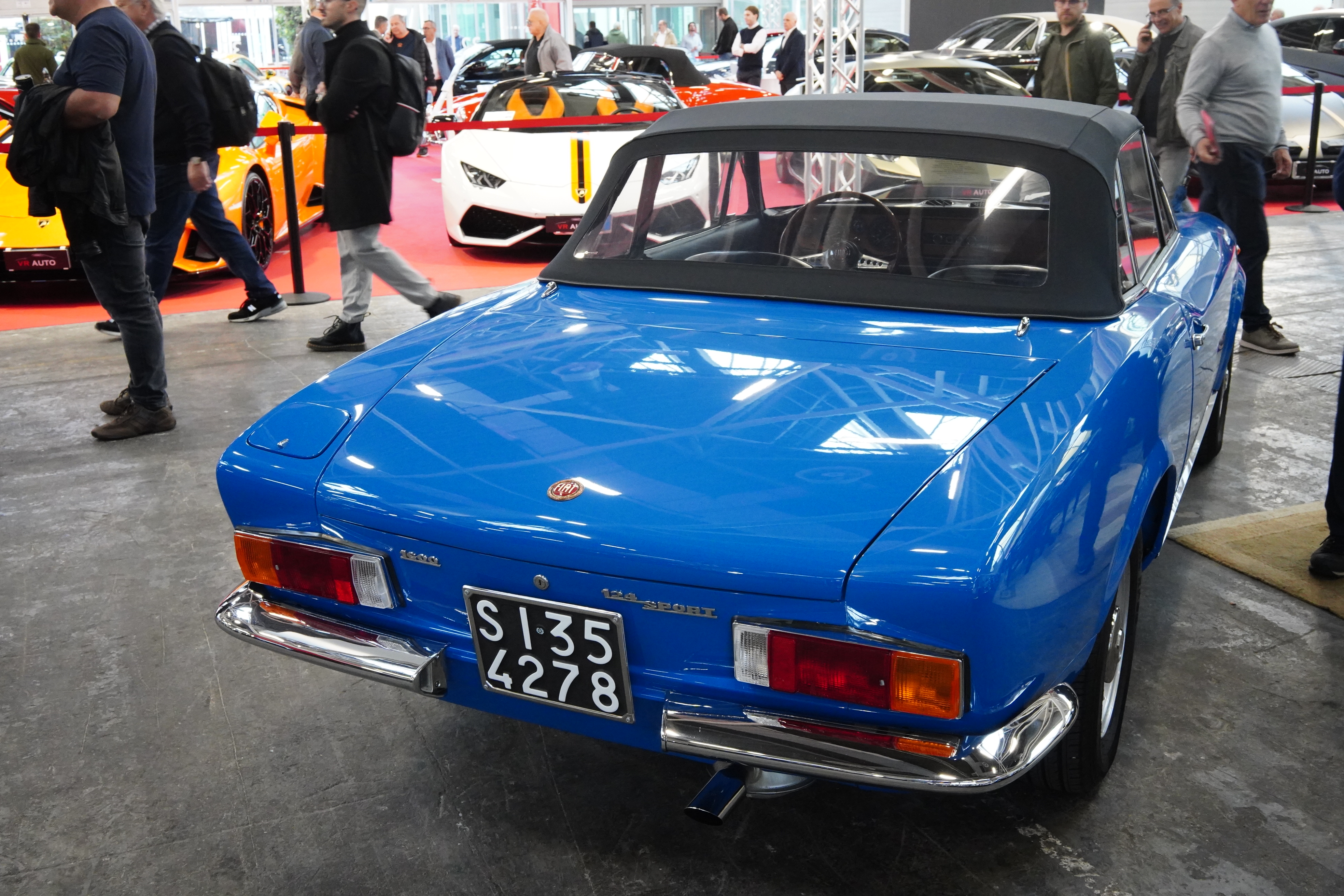
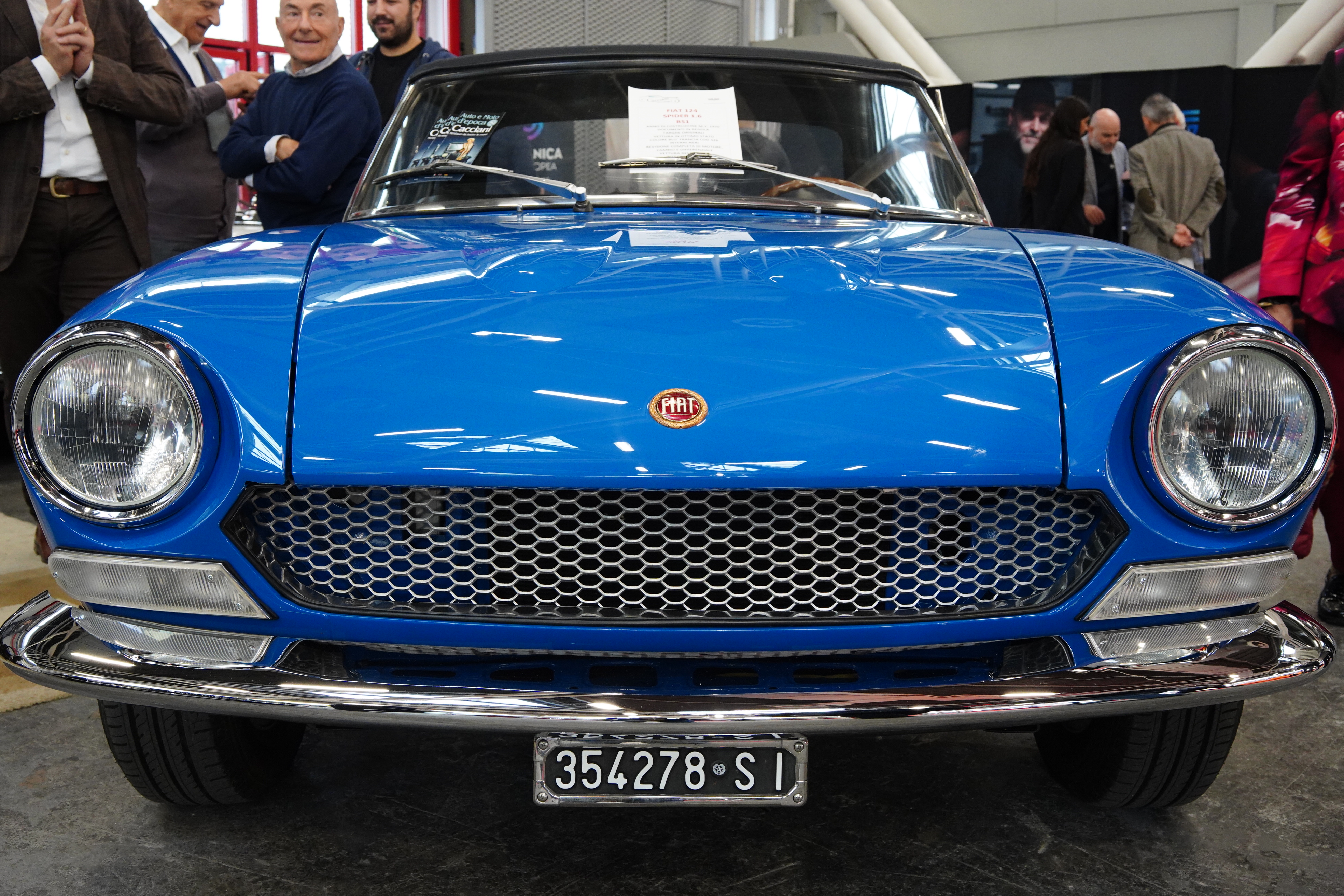
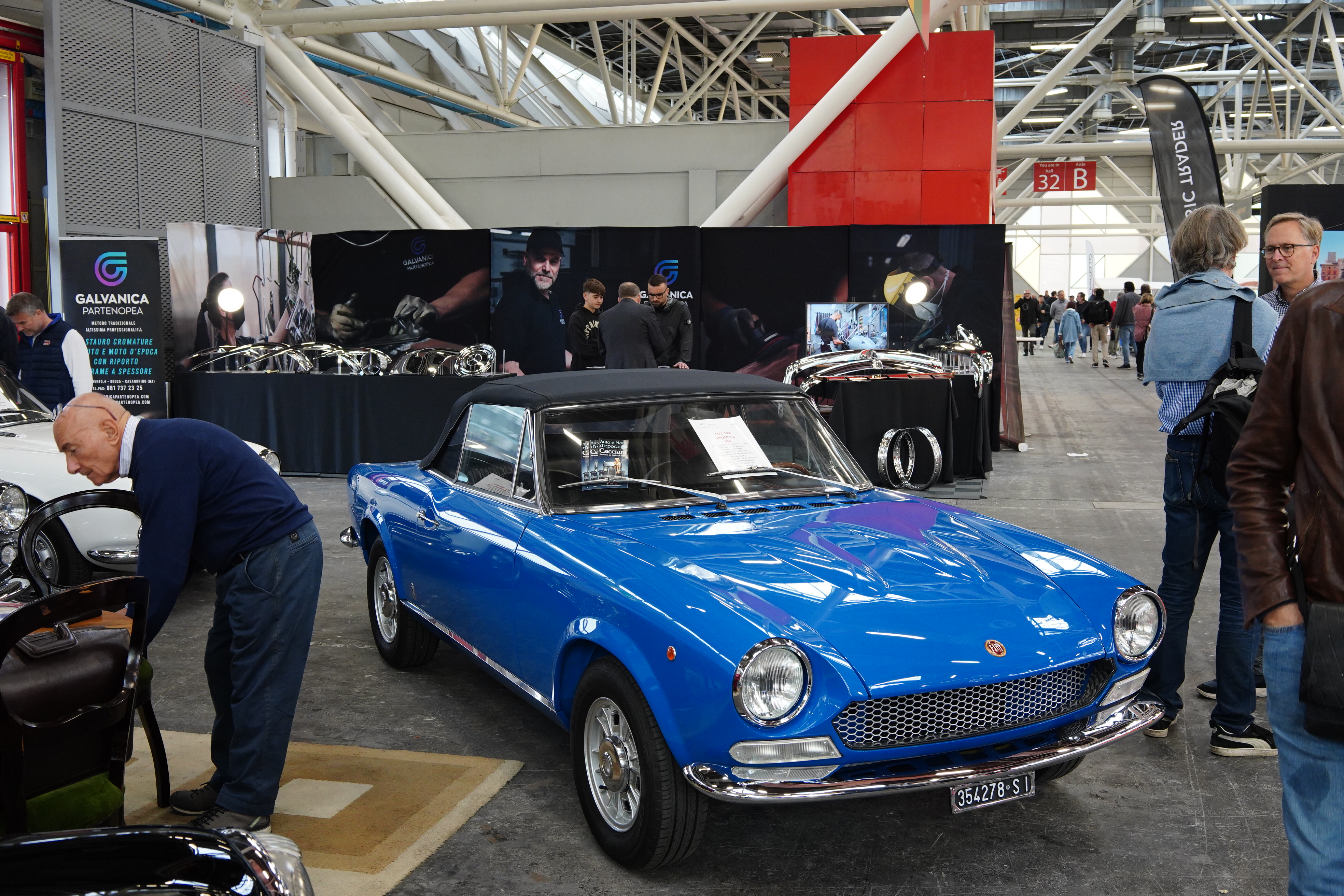
This blue Spider looked impeccably restored, and featured the dual carbs under the so-called ‘turtleback’ air cleaner.
This presumably authentic Abarth 124 Rally car had an asking price of €105,000.
This ’69 Spider was claimed to be one of only 4 prepped by the factory for competition.
A ’68 Spider in yellow. Note the original style grille with horizontal bars.

I’ve read about Fiat 8Vs, but had never seen one in the metal before this show. Interestingly, Fiat gave it that name under the mistaken impression that “V8” had been trademarked by the Ford Motor Company.

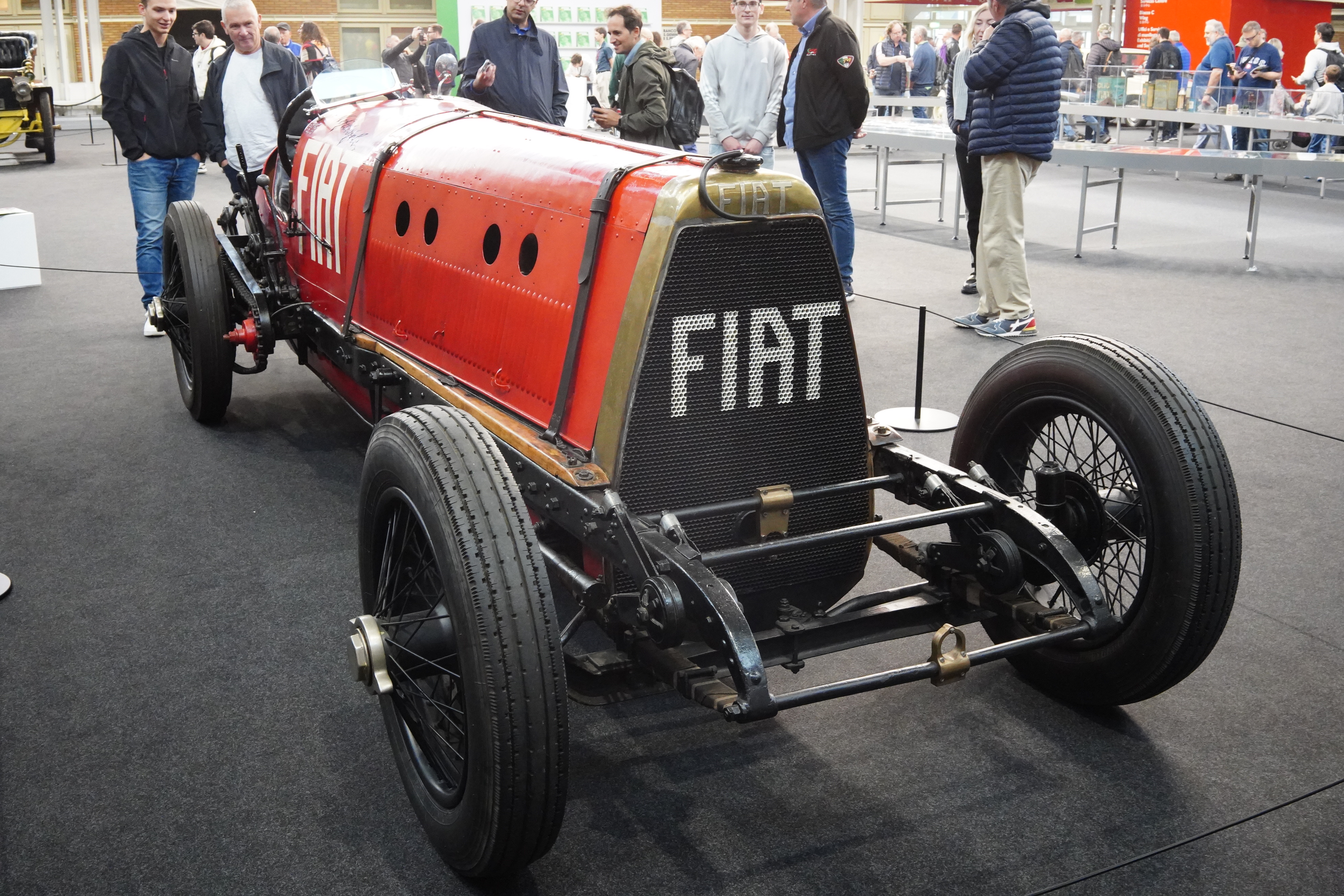
This early 20th century Fiat racer was on display in the Center Hall.
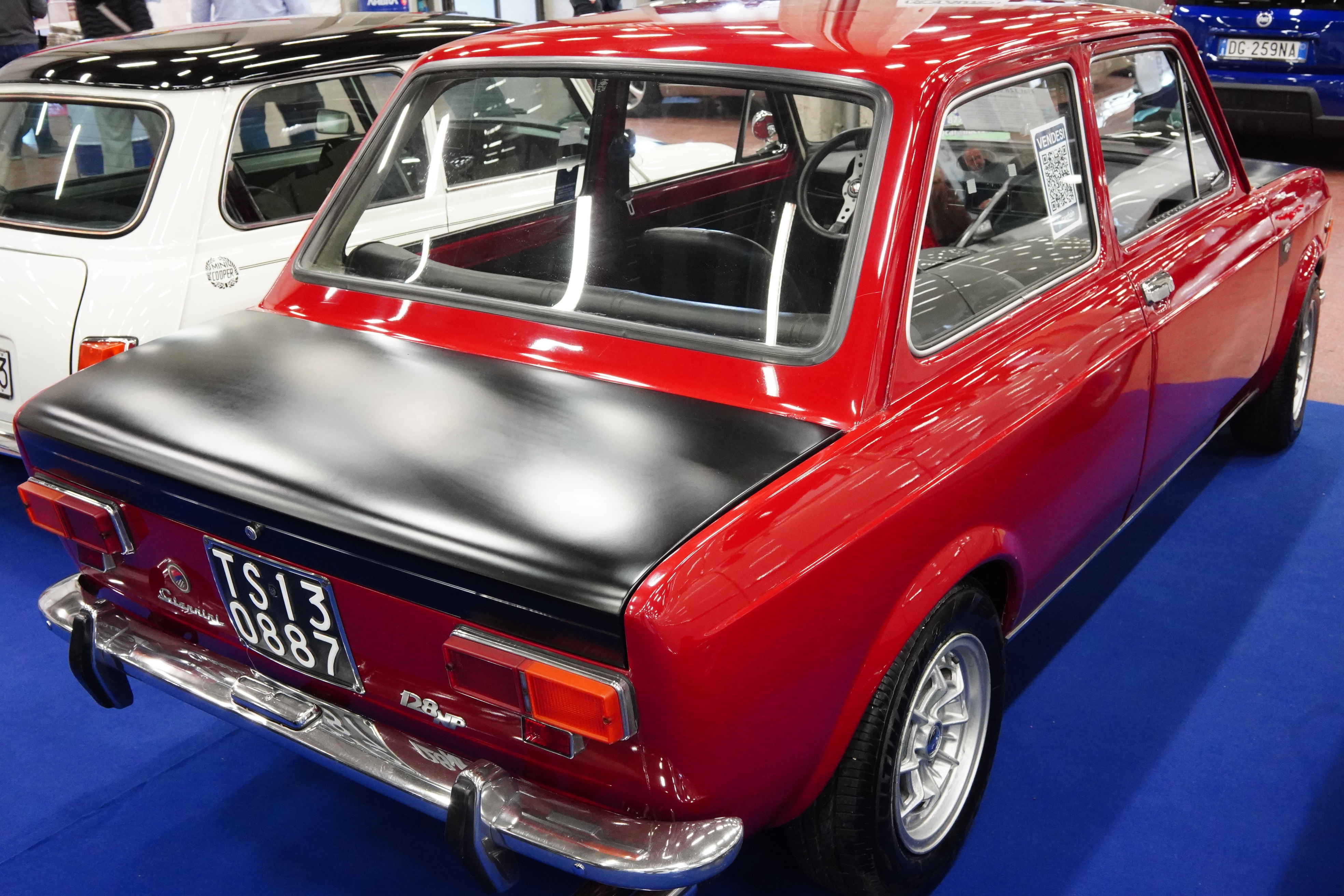
This Fiat 128 2-door sedan looked racy with its blacked-out panels. It sold in 2 days.

The Fiat Multipla is considered by some to be the first “minivan”.

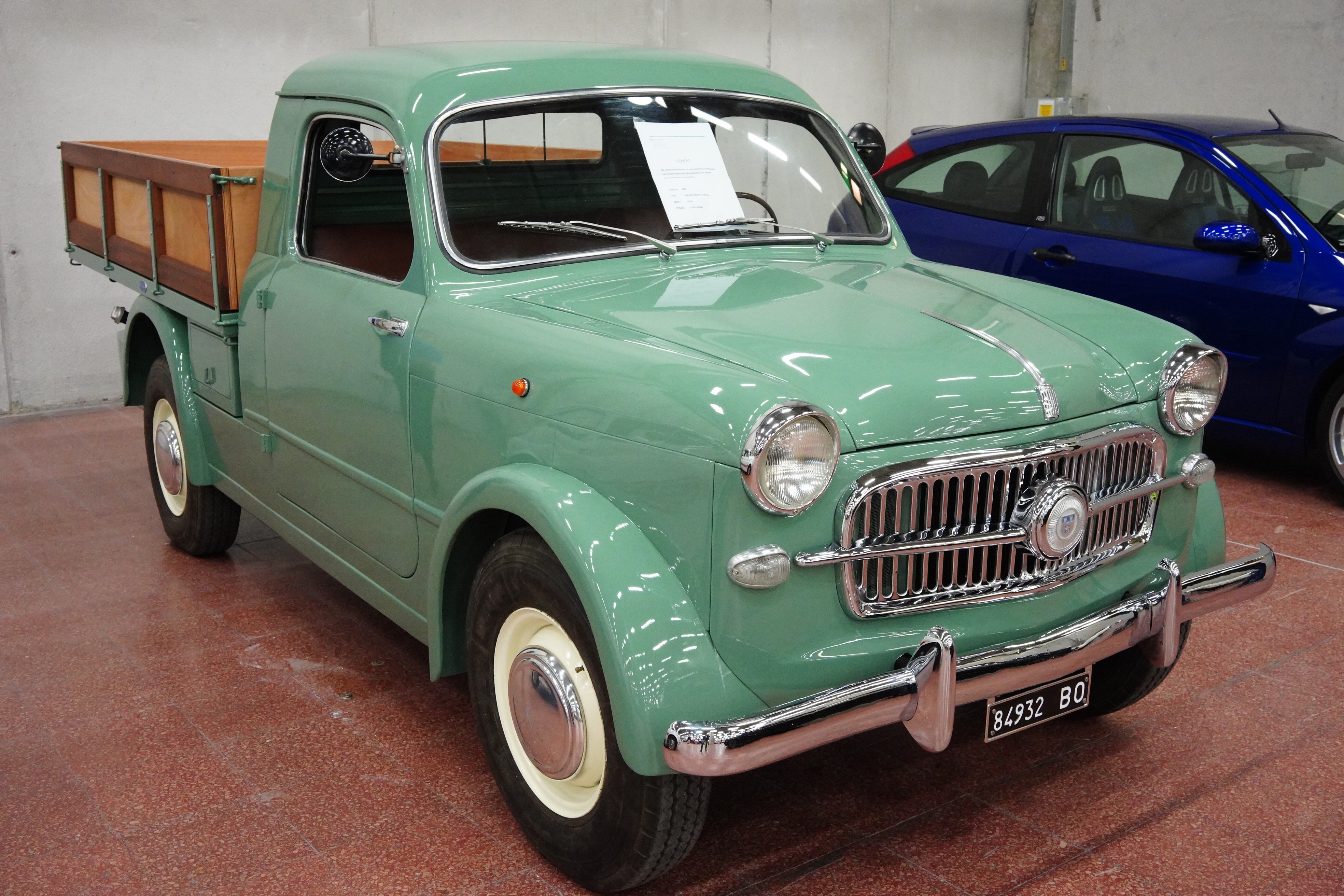
This Fiat pickup looked like a conversion job, although I’m not sure.

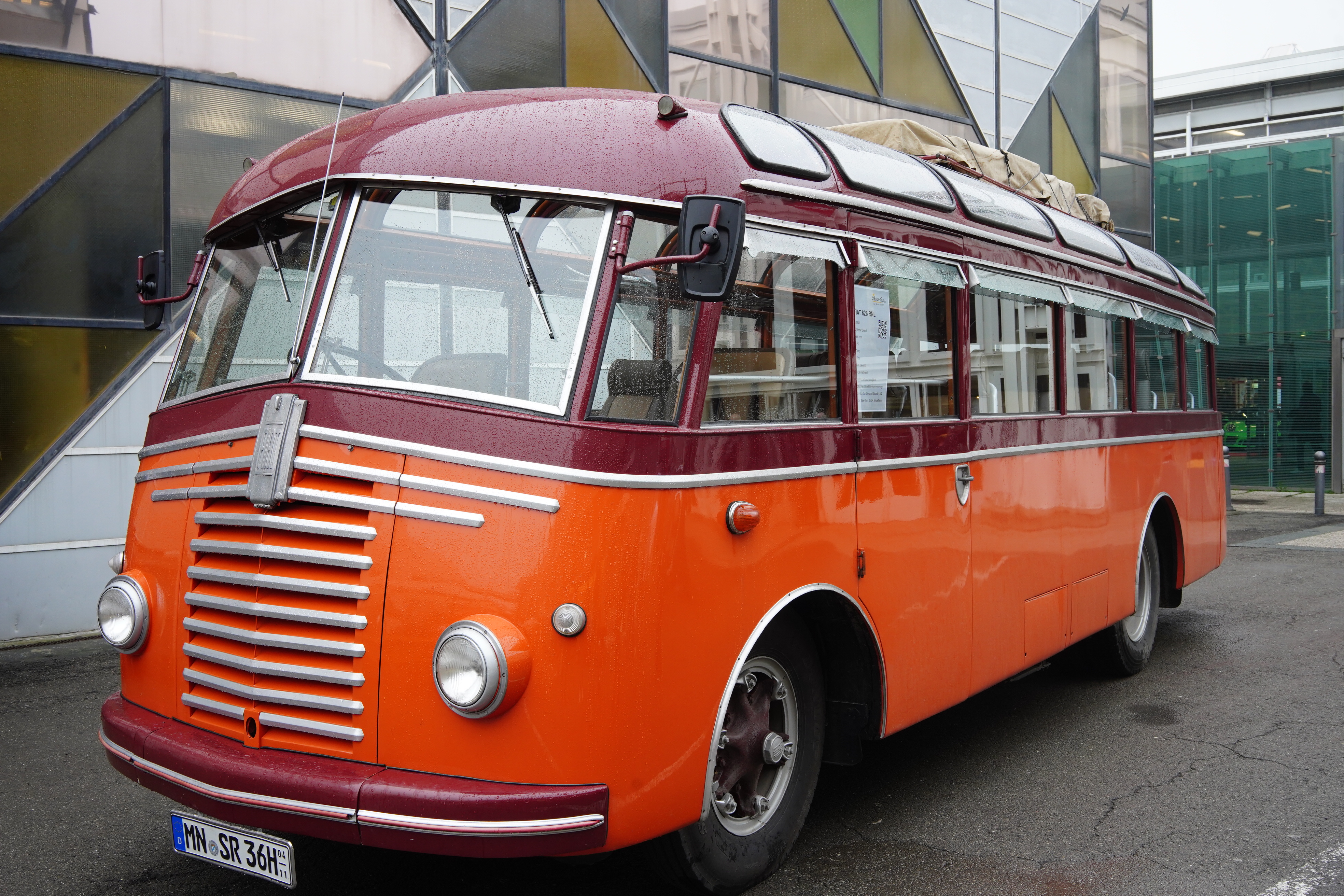
And you thought that Fiat only made small vehicles? This bus was plenty big. It had a 6-cylinder diesel engine.
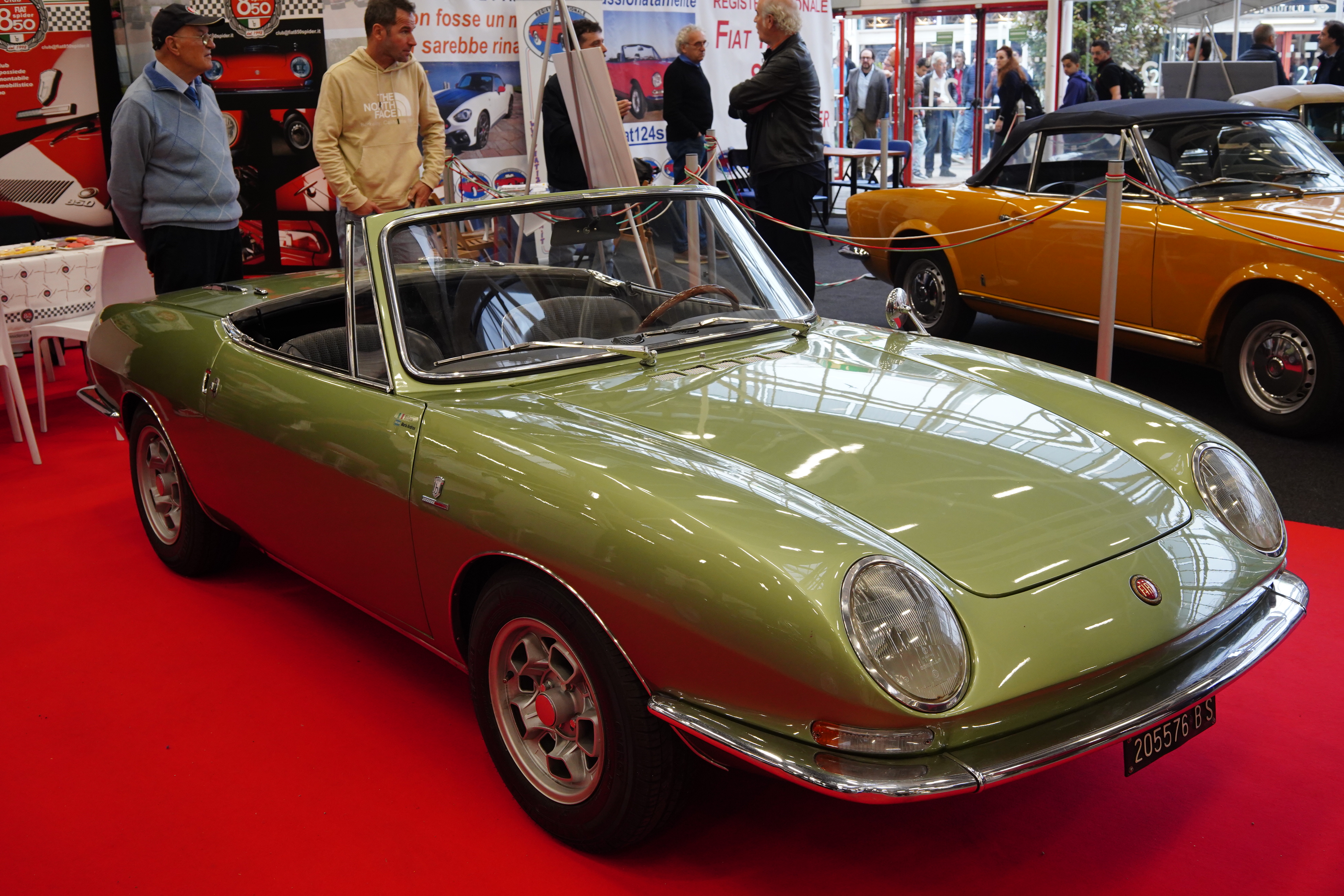
This Fiat 850 Spider was likely the nicest one I’ve ever seen. It was an early model as noted by its flush headlights.
A Fiat Ritmo Abarth. The Ritmo was Fiat’s answer to the successful VW Golf (Rabbit in the U.S.).

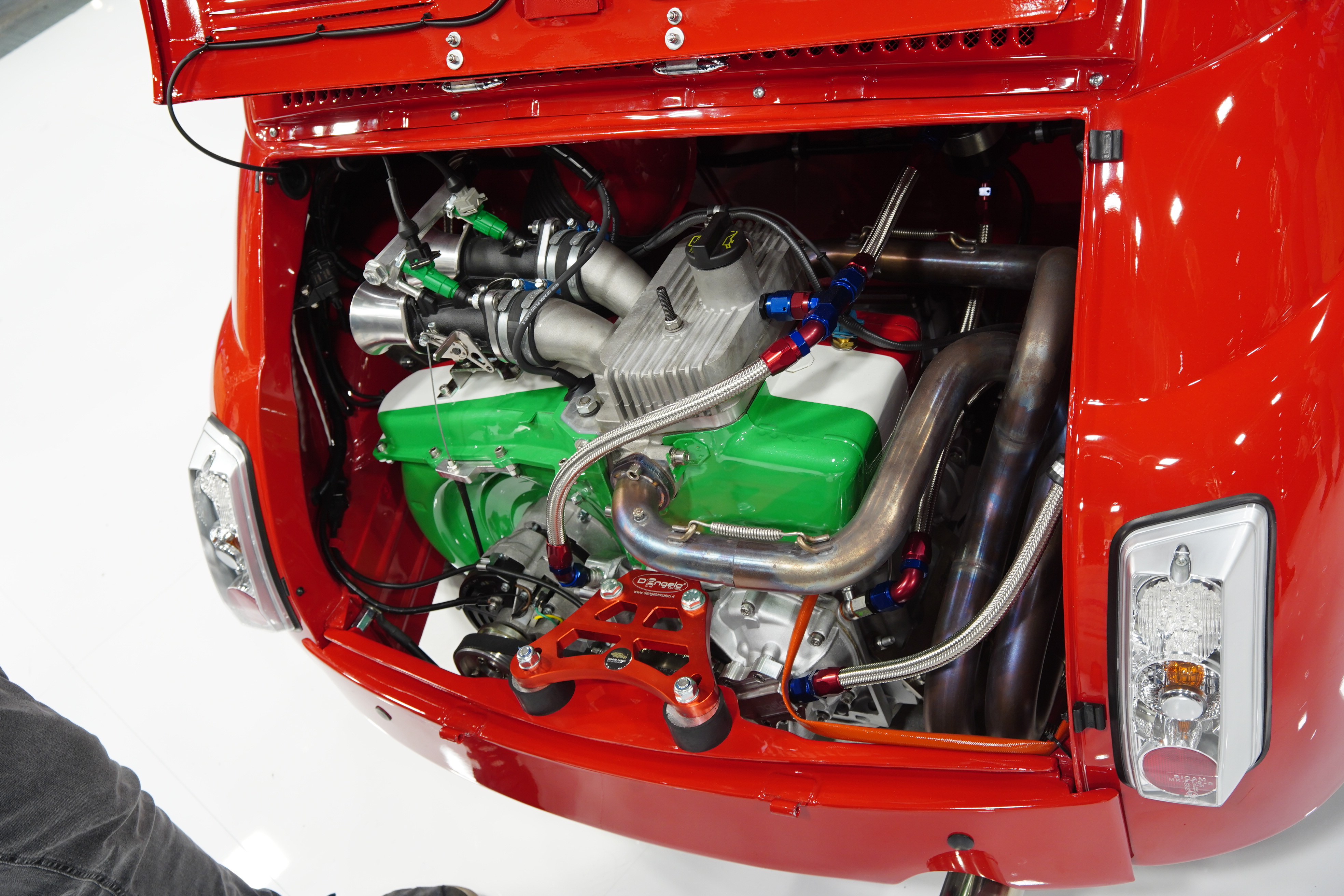
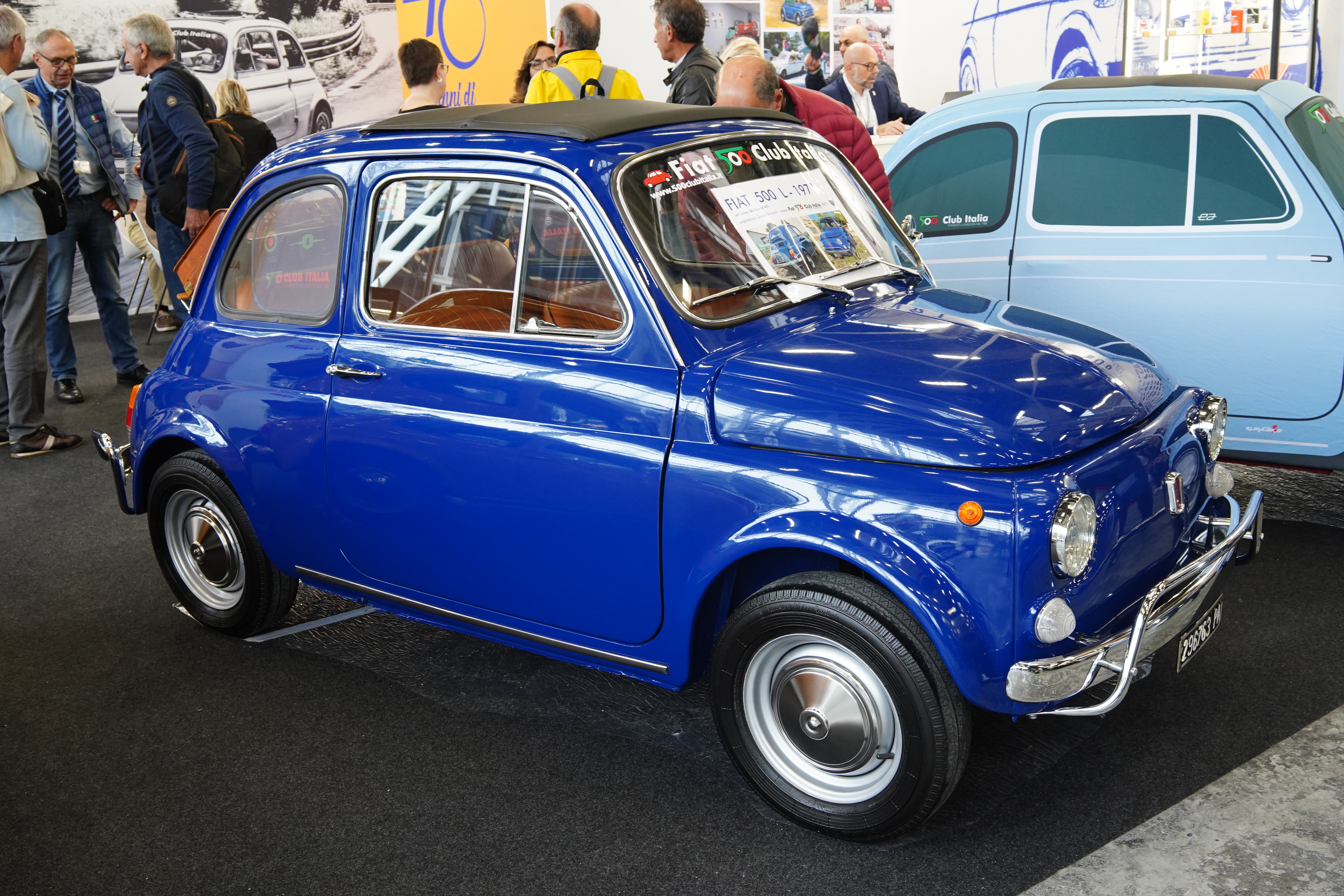
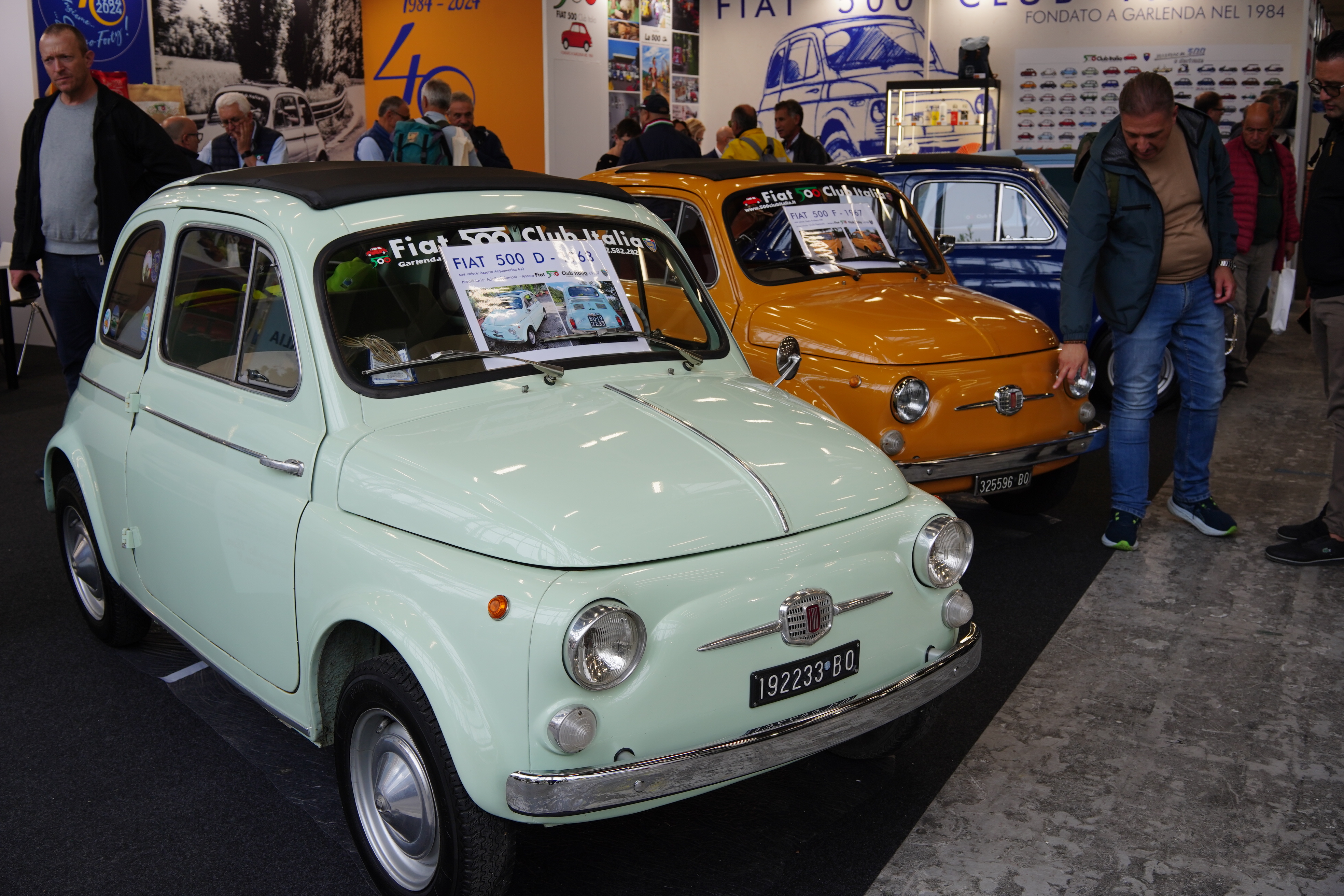
The hit of the show among the Fiats were the diminutive 500 models. They were out in great numbers, in stock and modified versions. In fact, there were plenty of vendors at the show selling all kinds of performance upgrades for these air-cooled 2-cylinder pocket rockets.


Next up will the Lancia (say “Lon-sha”, NOT “Lan-see-ya”)

Entire blog post content copyright © 2024 Richard A. Reina. Text and photos may not be copied or reproduced without express written permission.


Hershey 2024 Part 3: The Car Show

How does one explain how 1,200 classic cars, trucks, and motorcycles, beginning at 7 o’clock in the morning, are paraded through the streets of Hershey and are then driven onto a grassy field and are then arranged in a pre-determined exact order, so that thousands of spectators can then descend upon these wondrously restored vehicles to gaze at them and admire them while their justifiably proud owners look on?

That’s the logistics of Hershey. It’s the exhilaration which overcomes you when you realize that cars worth anywhere from $5,000 to over a million dollars which have been restored to better-than-new condition are here for you to enjoy. This year, with bright blue skies, abundant sunshine, and slightly cool but still comfortable temperatures, it was one of my better Hershey car show experiences.

Oh, dear reader, but wait! I almost forgot: It’s NOT about the cars at all. The car is an inanimate, replaceable hunk of steel, glass, rubber, and plastic. Anyone with the means can restore a car or buy one already restored. And in some cases, the folks who do that are only interested in the ROI, or maybe aiming for bragging rights among their peers, or perhaps seeing how many trophies can be collected, requiring that more shelf space be erected to hold said trophies.

Now I’ll tell you what REALLY makes Hershey so special: It’s the stories behind the cars, the stories that most owners are only all too happy to bend your ear about, stories about a life-long quest for a particular automobile, or about a 20-year-long restoration, or about a car bought by their grandfather 60 years ago, or about a project which was given up on multiple times before a final reawakening motivated the owner to see it to its completion.

I’m here to share just a few of those stories with you.

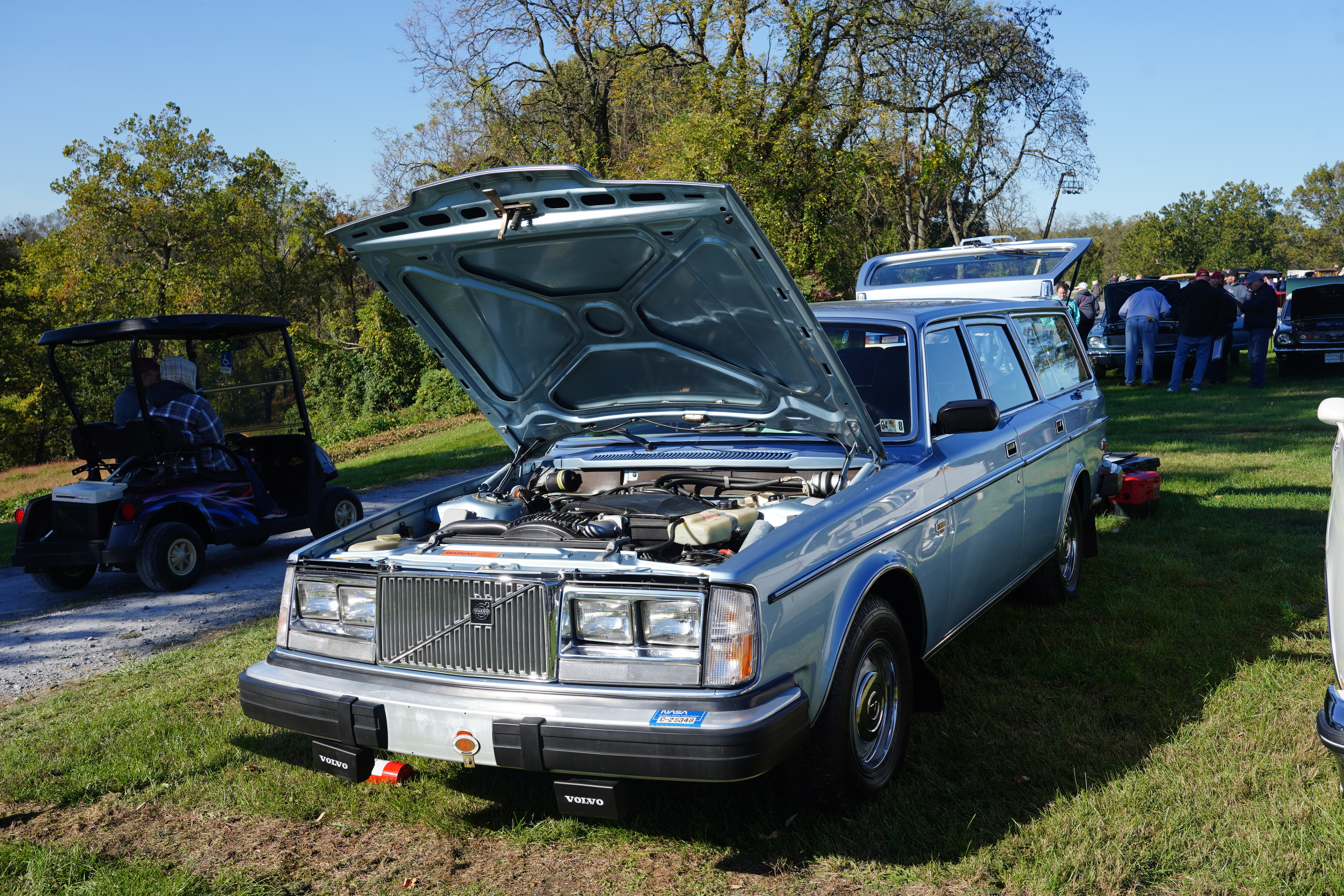
HOWARD AND HIS VOLVO 265

I didn’t see Howard this year; according to his wife, he was too busy attending to one of the 3 (or was it 4, or 5, or 6?) other cars he brought to Hershey this year. Howard is completely devoted to the hobby, which is quite a statement given that he’s still working as a full-time physician. I only know Howard through Pete Wyman. Of course, regular readers know that it’s Pete who sold me my Alfa. And Pete sold his 1979 265 which he had purchased new to Howard. It’s not Howard’s only Volvo, although he also has BMWs and Jaguars. I spotted the light blue wagon from about 30 paces away. It’s easy when you know there isn’t another Volvo wagon like it anywhere in the show. I’m glad to see that Howard continues to maintain the car to Pete’s standards. Pete, whom we lost last year, would be very proud.

It’s still the way Pete kept it
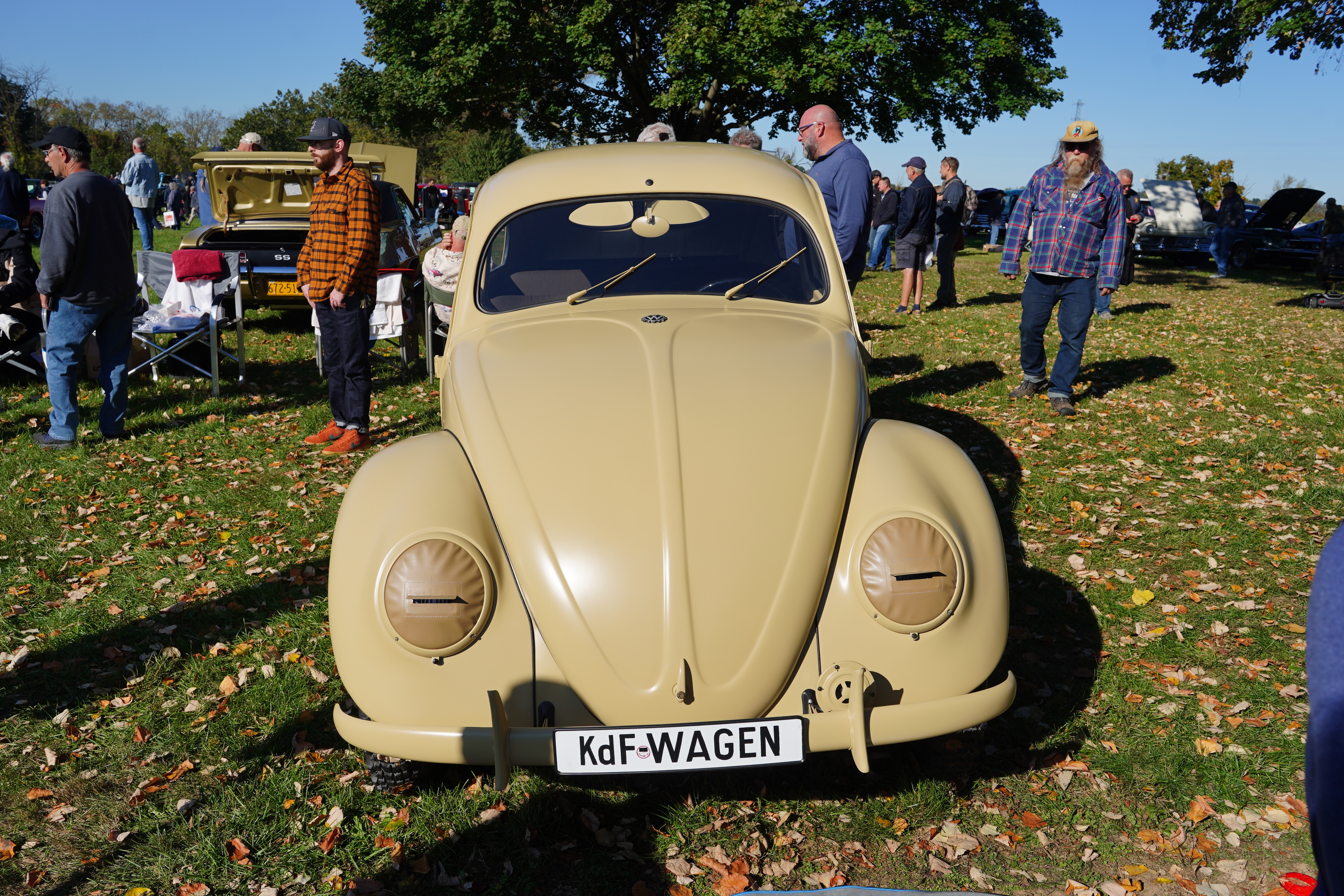
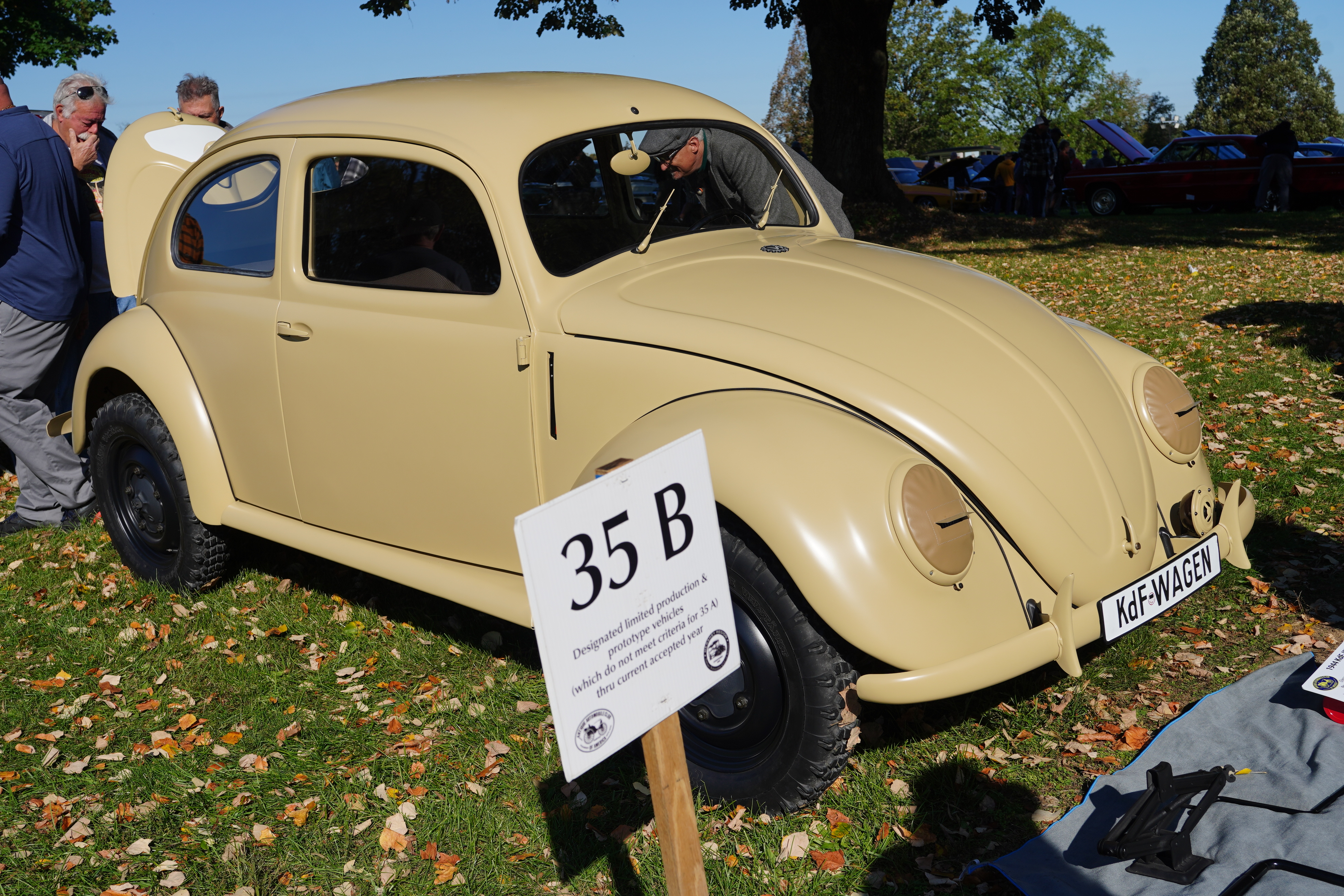
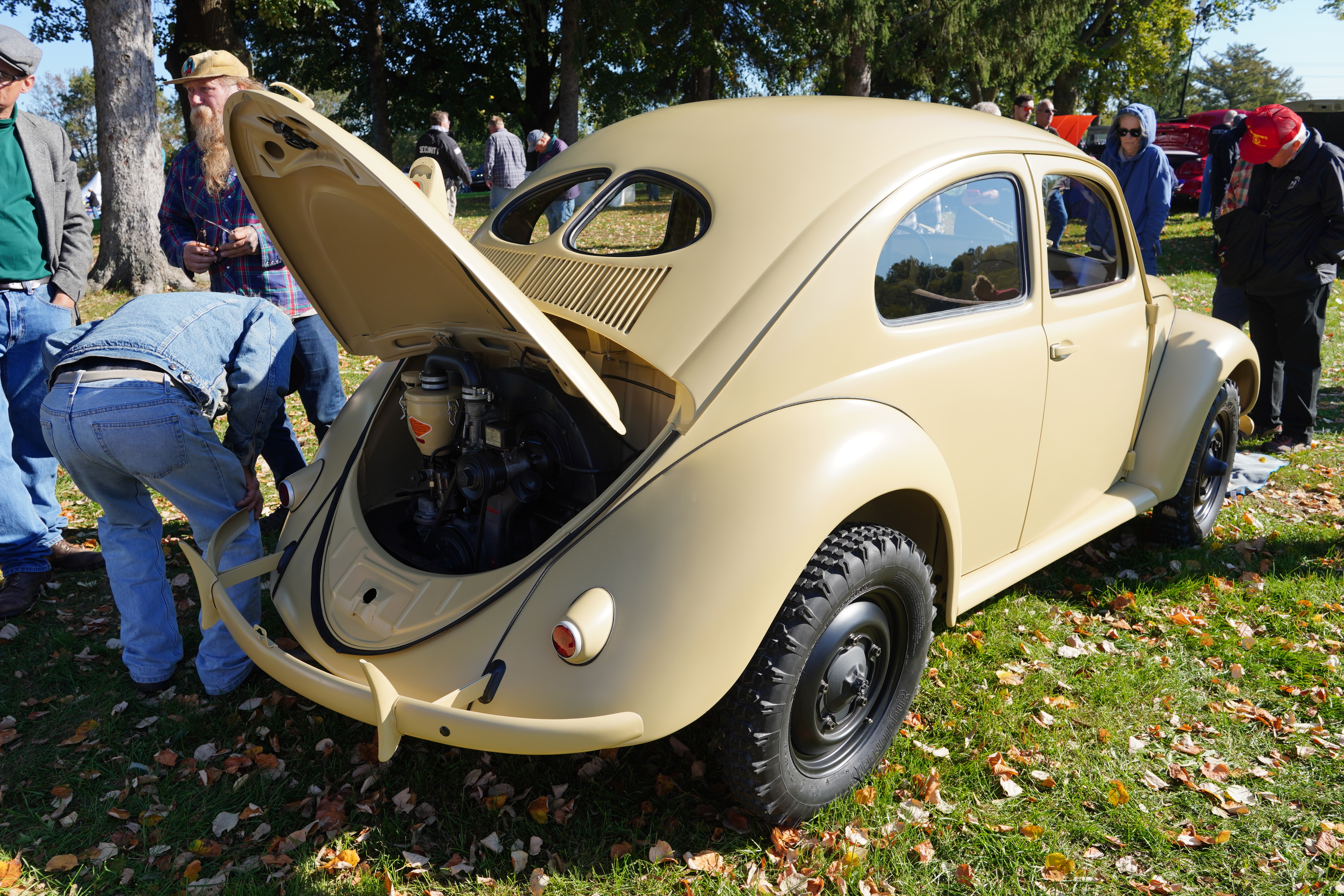
ALEX AND HIS 1944 VW KdF-Wagen

Alex is a member of the NJ Region of the AACA, as am I, so we are acquainted. I’ve been hearing about this uber-rare VW for years, and some of what I gleaned from Alex was that it has been an uphill 20-year-long restoration. When Alex told me a short while back that he thought the car would be ready for Hershey this year, I kept my fingers crossed. Sure enough, here it was! Given that World War 2 was still raging in 1944, it is amazing that this car got built, and that it somehow survived. Take the time to read the placard which summarizes this story of one man’s dedication. I think this KdF-Wagen may have been the highlight of the entire show.

A GREEK BOY’S DREAM BECOMES A REALITY

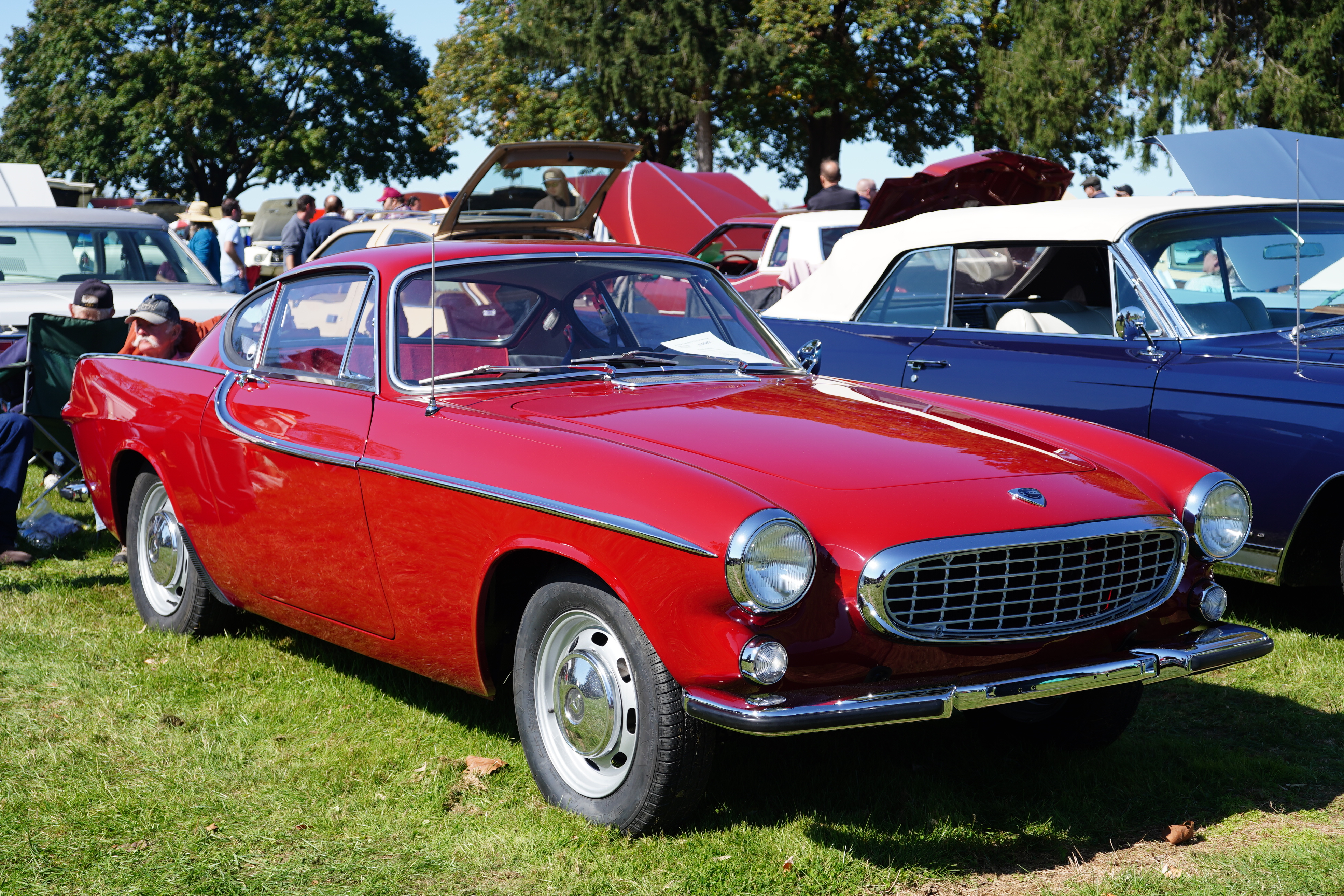
I was drawn to this Volvo 1800S due to its similarity, in age and color, to the 1800 owned by the late Irv Gordon (a car which now resides in the Volvo museum in Gothenburg Sweden). I approached the owner and my first words were, “it looks like Irv’s!” But I did go on to compliment him on the car, which appeared nicely restored. He proceeded to tell me that as a boy growing up in Greece, he came across a sales brochure for the Volvo 1800 and was immediately smitten. After moving to the States, he began searching for one, and about two years ago, he found this car and had some restoration work done on it. I congratulated him and wished him luck today. I expect that he will have done well with the judging.

ANDY AND HIS ALFA SPIDER

I opened my dialogue with the owner by asking: “Is this the only Alfa on the show field today?” We both laughed and agreed that this was likely the case. Since his car was a ’78, that made it a Series 2 Spider, but those cars did not come equipped with a rear spoiler. He responded that his car was, to the best of his knowledge, a Niki Lauda Special, on which the rear spoiler was standard, but so were some stripes and badges, all of which have been removed from his car. (I’ve only ever seen one other Niki Lauda Special, which was at last year’s Greenwich Concours. A photo of that car is below under ADDENDA.) His Alfa also appeared to have non-original upholstery, and he admitted to me that the judges already told him that his car had “too many modifications”. That’s too bad, and I sincerely hope that does not discourage Andy, because perhaps with some documentation and some stripe and badge replacements, he can verify for the judges that his car is correctly represented.

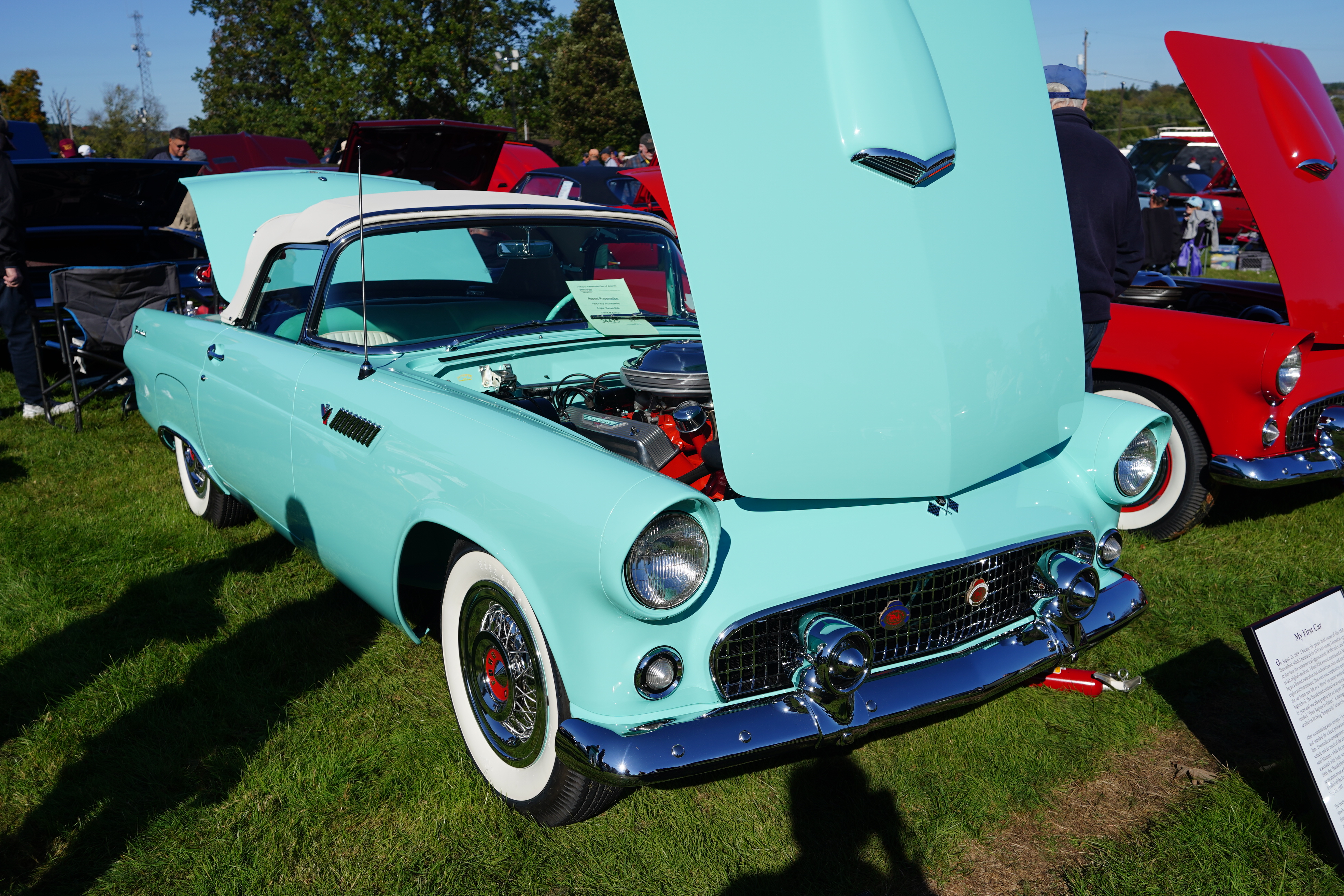
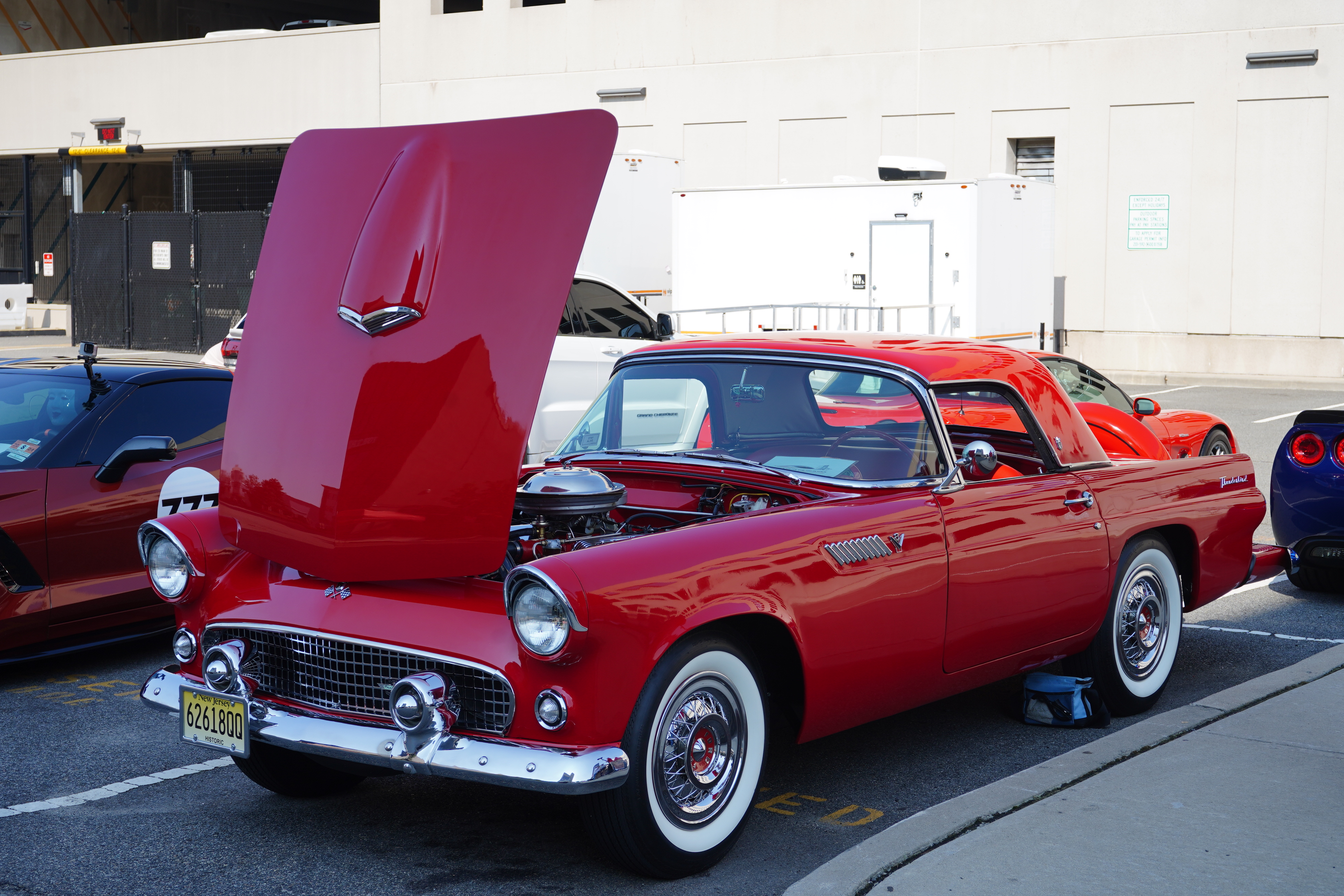
DAVE AND HIS 1955 T-BIRD

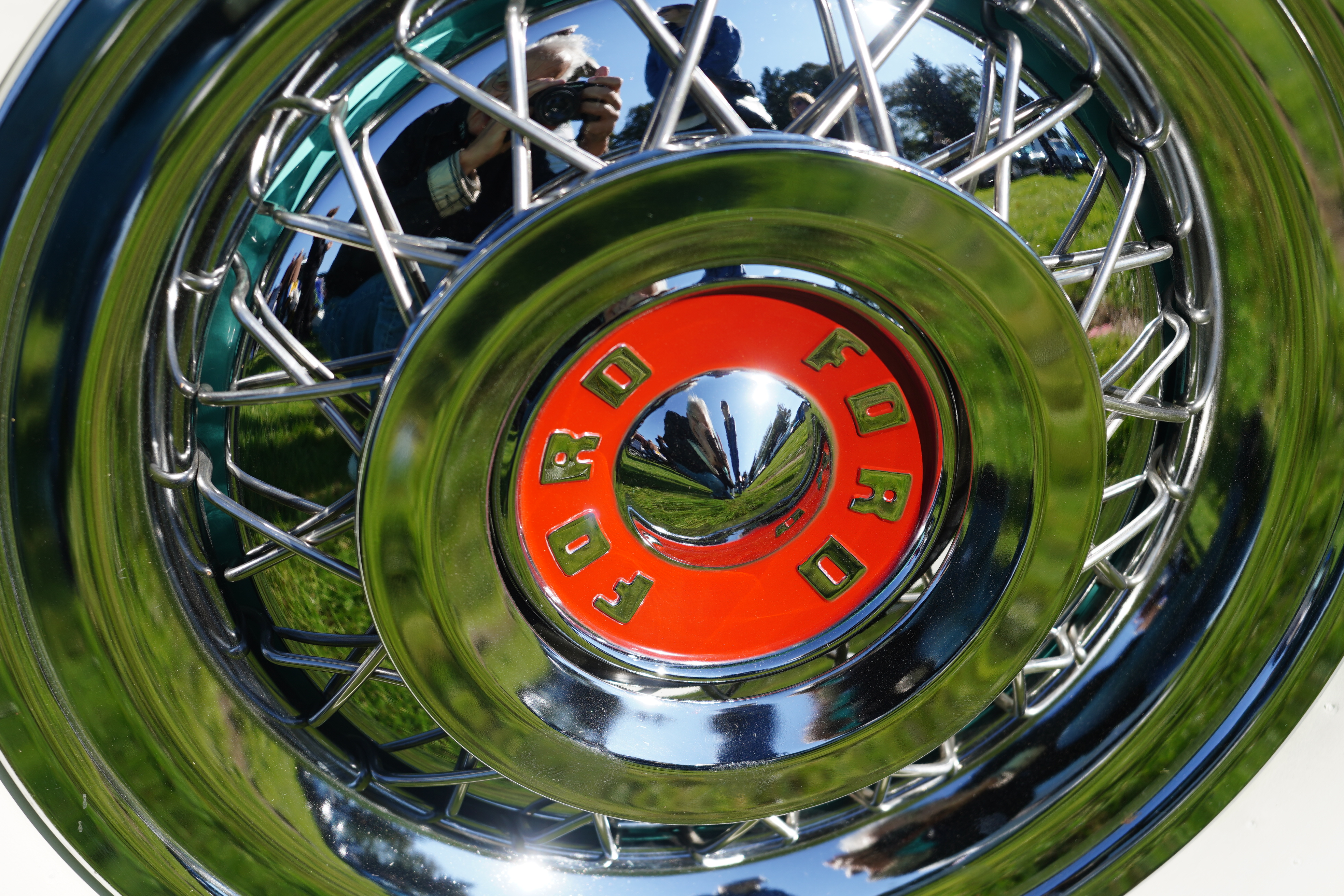
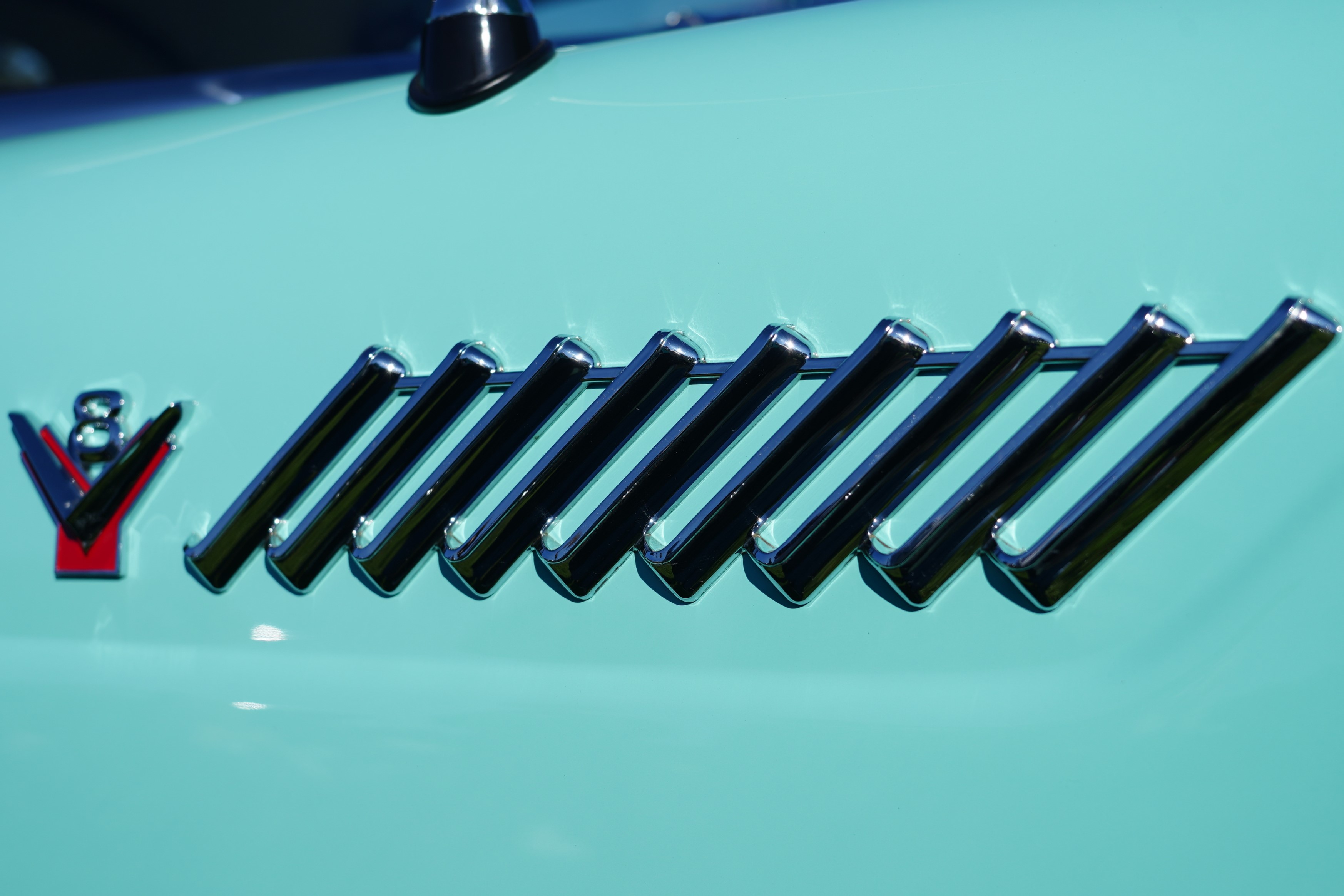
I first encountered this car and owner at the 2021 AACA Nationals in Saratoga Springs, and wrote up a brief story on my blog, finding it to be of particular interest. Months later, “Dave” emailed me in excitement, telling me that he had no idea that I had featured him and his Baby Bird on my blog. Hey, I wasn’t trying to make Dave famous, I was just trying to share an interesting story. We continued to exchange emails, and saw each other again at Hershey in 2023 when he showed his pre-war Dodge, and again in June of this year at the soggy Nationals in Saratoga Springs. So here we are again, and thanks to my blog, I have a new friend in the hobby. Dave’s enthusiasm is infectious, and his ’55 looked better than ever. Be sure to read his summary below, which is what drew me to write him up in the first place.

I HAD DAVE’S PERMISSION TO PLACE MY HAND ON THAT PRISTINE WHITE TOP

ADDENDA

Here’s my photo of that ’78 Alfa Spider Niki Lauda Special Edition which I took last year.

Entire blog post content copyright © 2024 Richard A. Reina. Text and photos may not be copied or reproduced without express written permission.

Hershey 2024 Part 2: The Car Corral

The Hershey Car Corral is where entire vehicles are bought and sold (as opposed to the parts sold throughout the Flea Market). It has become one of my favorite parts of Hershey week, because cars in the Corral must adhere to AACA rules, meaning 25 years old or older, and basically in stock condition. This means no hot rod projects and no late model Escalades 😉 .

When I first started attending Hershey decades ago, almost all the cars in the Corral were privately owned. But the hobby has changed, and independent “collector car dealers” have sprung up from coast to coast. They see Hershey as a ripe opportunity to show their goods and appeal to a built-in hobbyist audience. However, dealers generally tend to ask more for their cars (and to be fair, dealers may have conducted some reconditioning of their vehicles). But I continue to maintain that the best deals reside with the individuals who seem to price their cars more fairly, and may be more willing to negotiate a final number that makes everyone happy.

My friends and I have observed a thinning of the ranks in the Car Corral in recent years, and 2024 was no exception. Yet there were plenty of cars for sale, and a nice variety at that. Below, I have highlighted some of cars which attracted me the most. That’s not to say that I thought they were great deals, only that I found them to be among the more interesting offerings. The cars are arranged in asking price order from low to high.


1963 Buick Wildcat 4-door hardtop, beige paint, off-white interior, Buick nailhead V8, automatic, front bucket seats with center console and floor shifter. Odometer shows 35,354 miles, likely has rolled over.

ASKING: $6,900

Here’s a rare bird: a full-size American 4-door pillarless hardtop sedan with front bucket seats and center console. But that’s what you got if you bought a Buick Wildcat, like this ’63. And with a price well under 10 grand, this could be a great first hobby car.


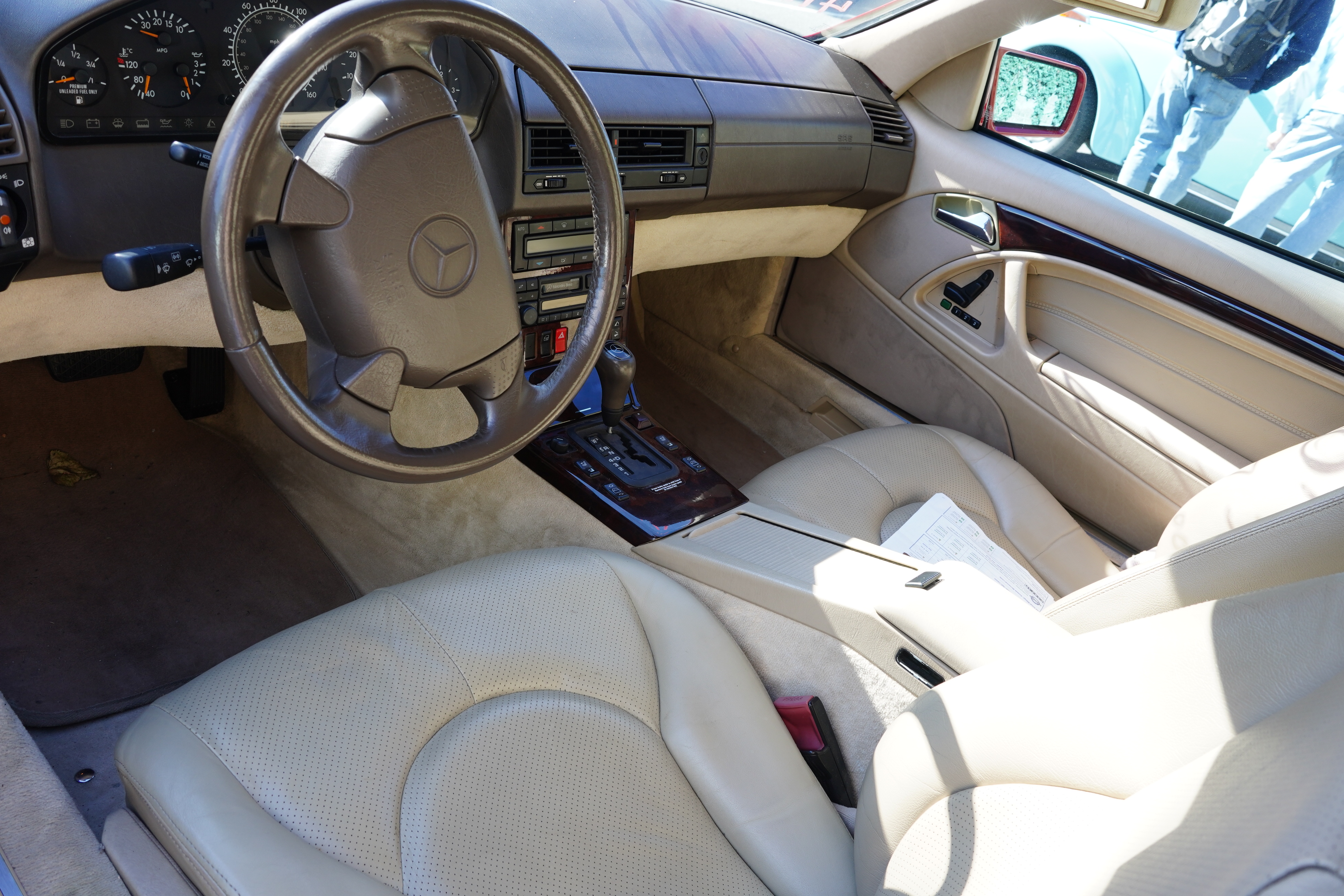
1997 Mercedes-Benz 320SL convertible, detachable hardtop, red over tan, 6-digit odometer shows 78,000 miles, automatic transmission.

ASKING: $8,900

This is the 6-cylinder version of Benz’s evergreen SL. The car looked neat and tidy, and could be a fun first collector car for under $10k.


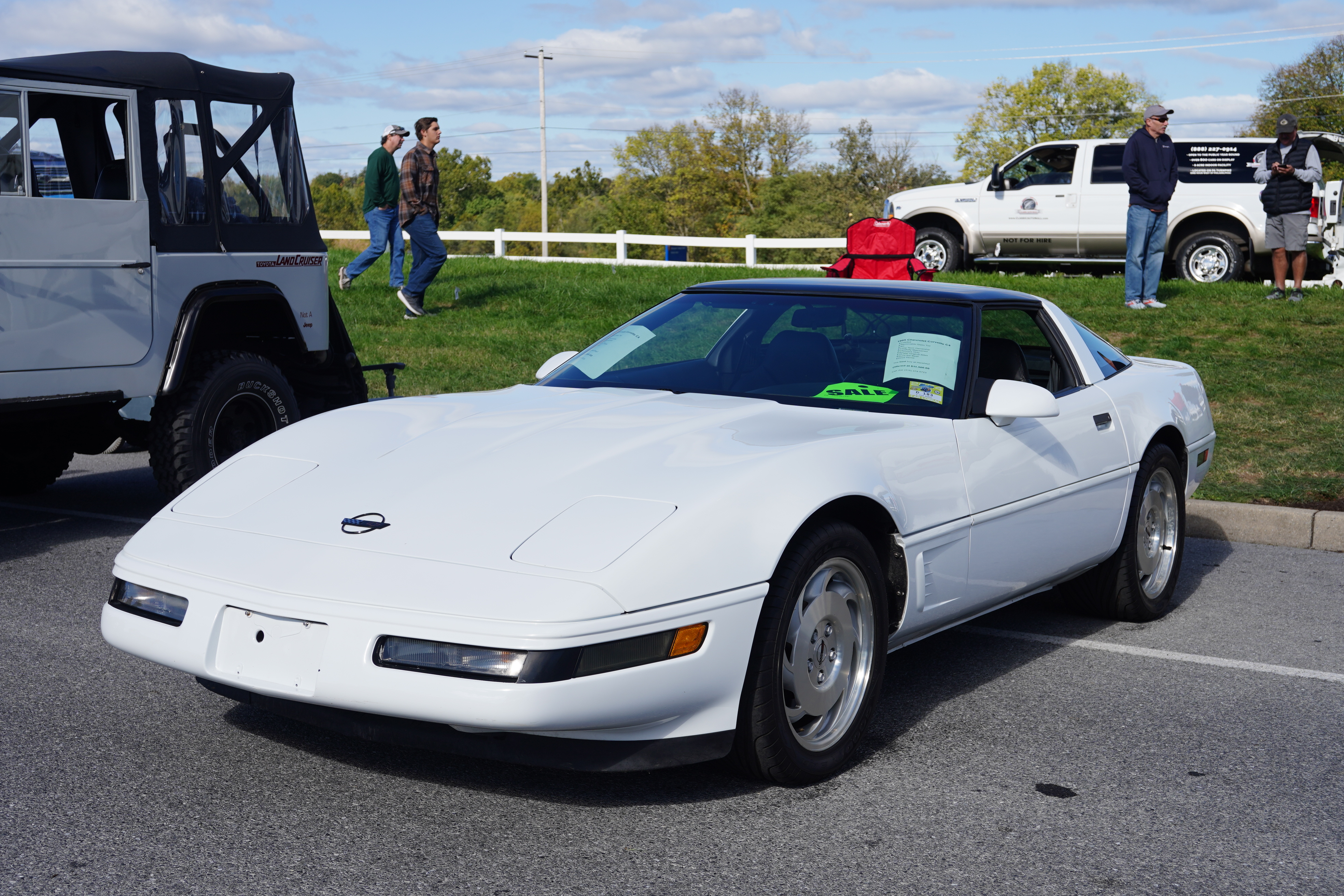
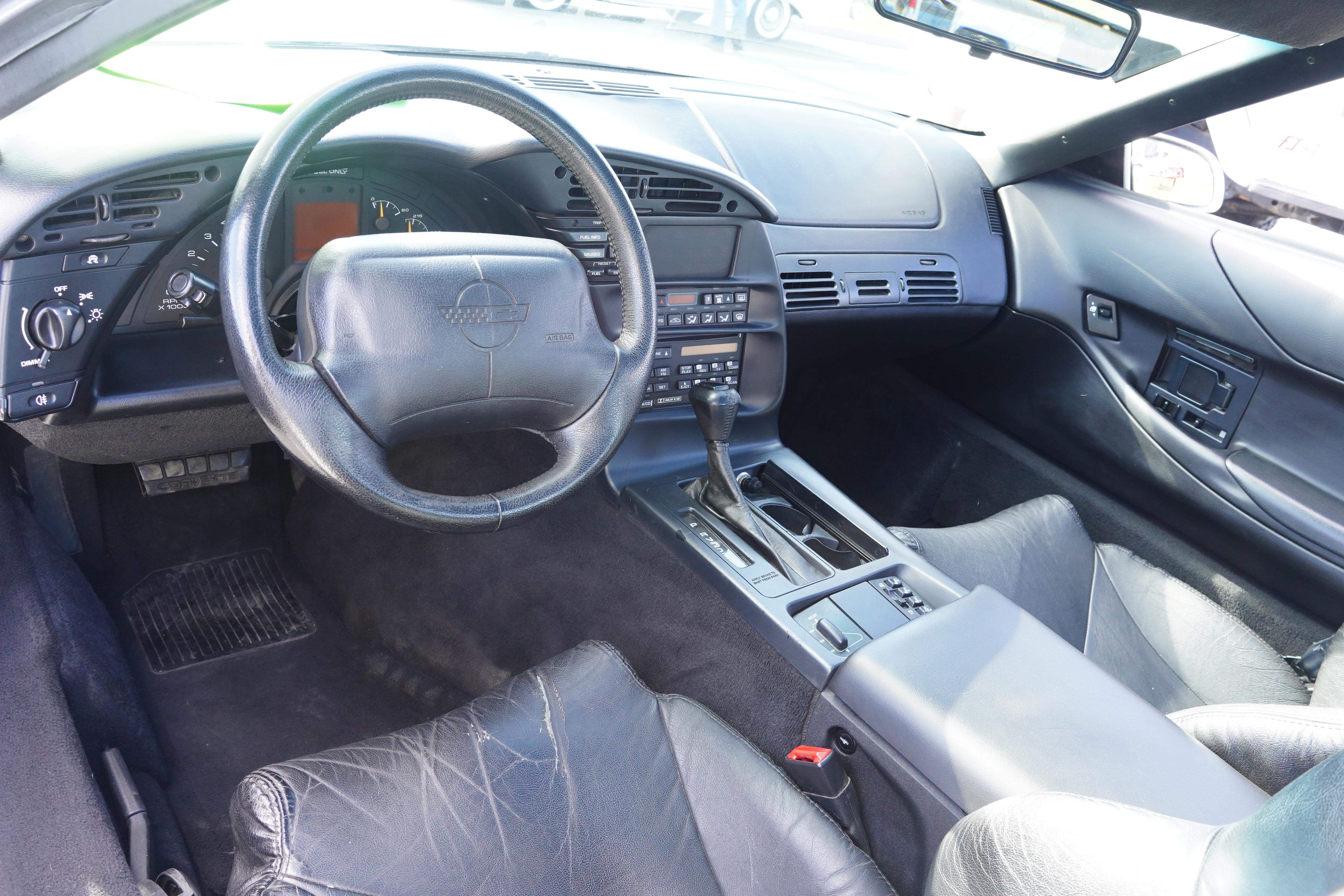
1995 Chevrolet Corvette Coupe, white over black, automatic, sign claimed 70,000 miles

ASKING: $11,500

C4 (4th generation) Corvettes continue to be performance bargains as exemplified by this example.


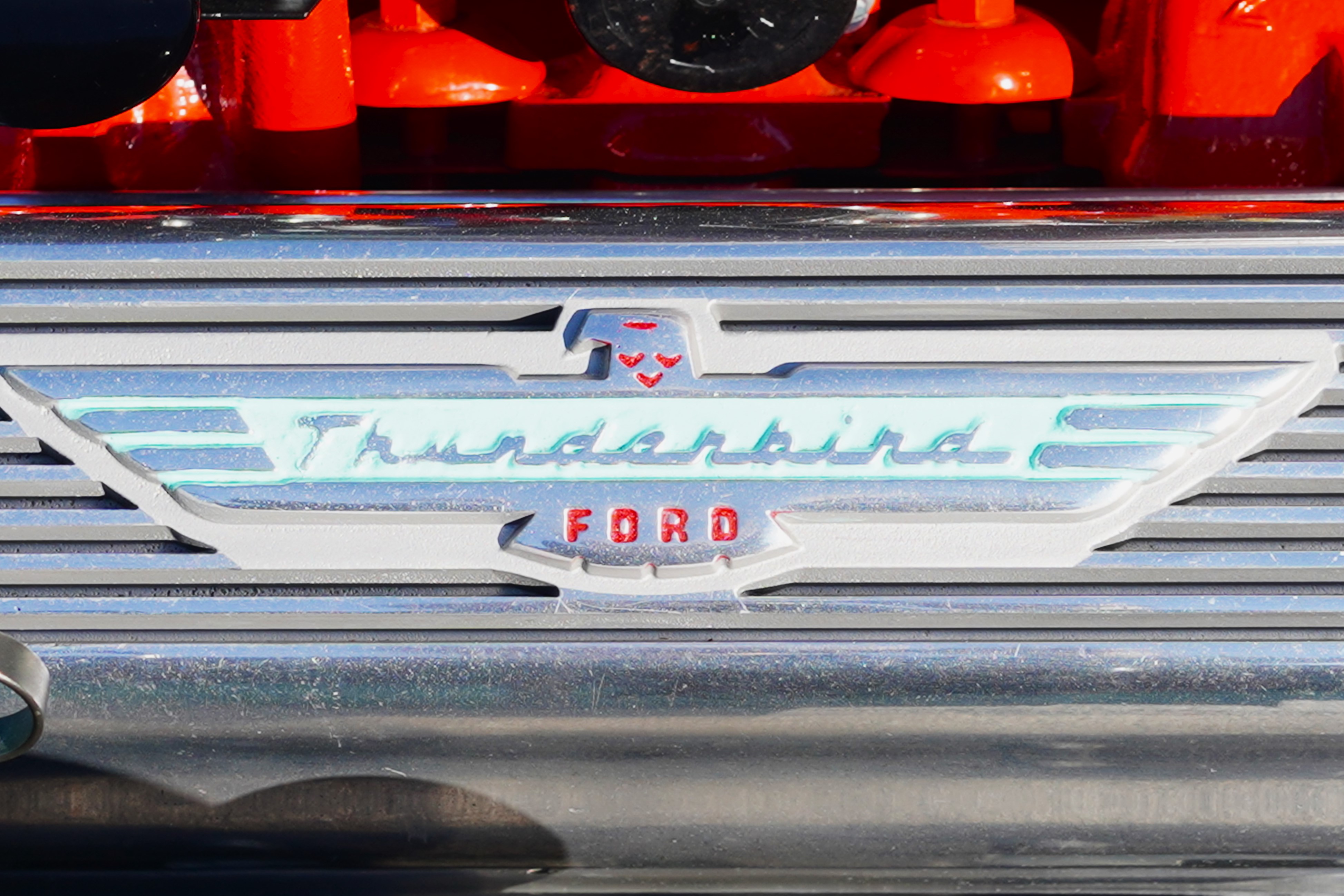
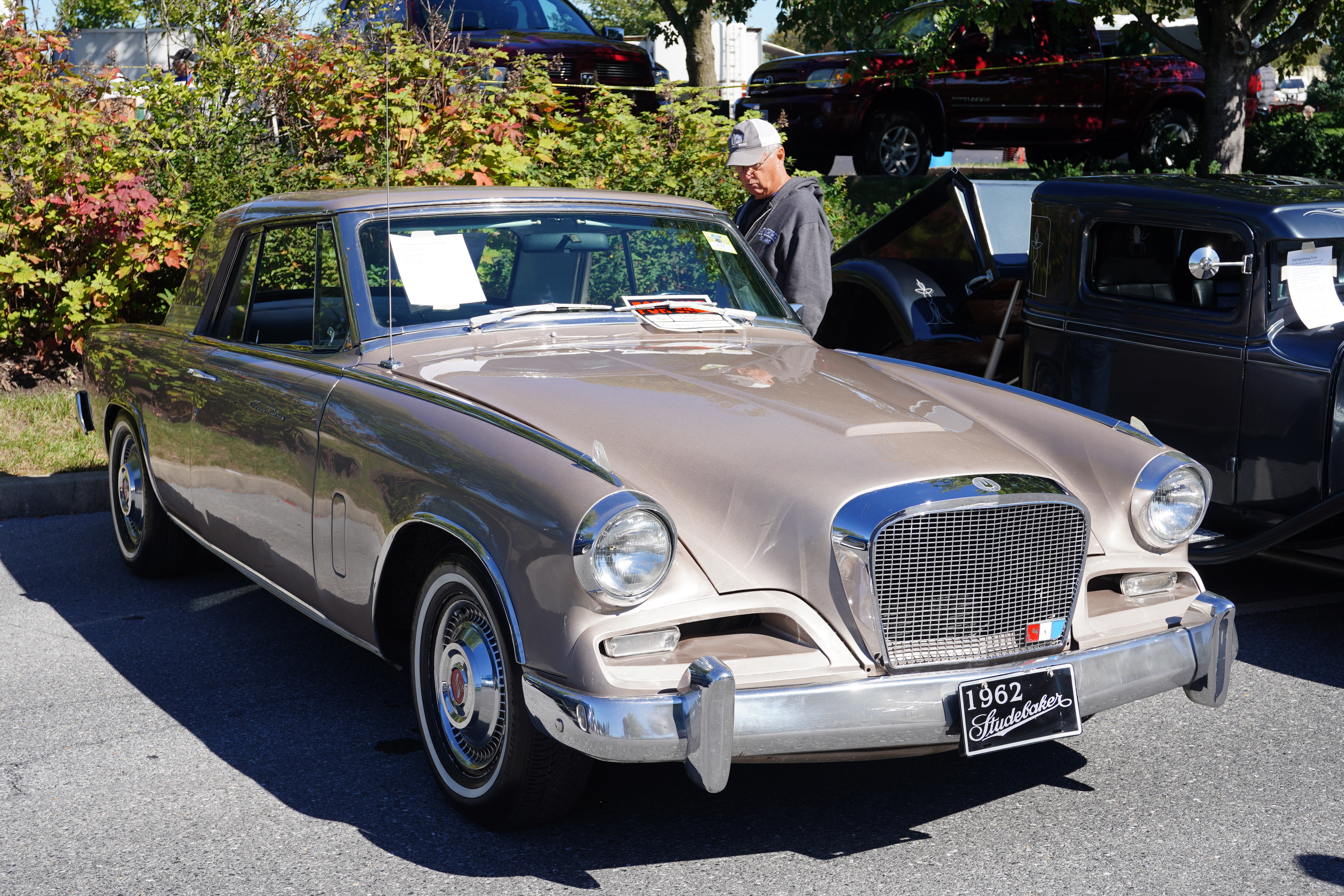
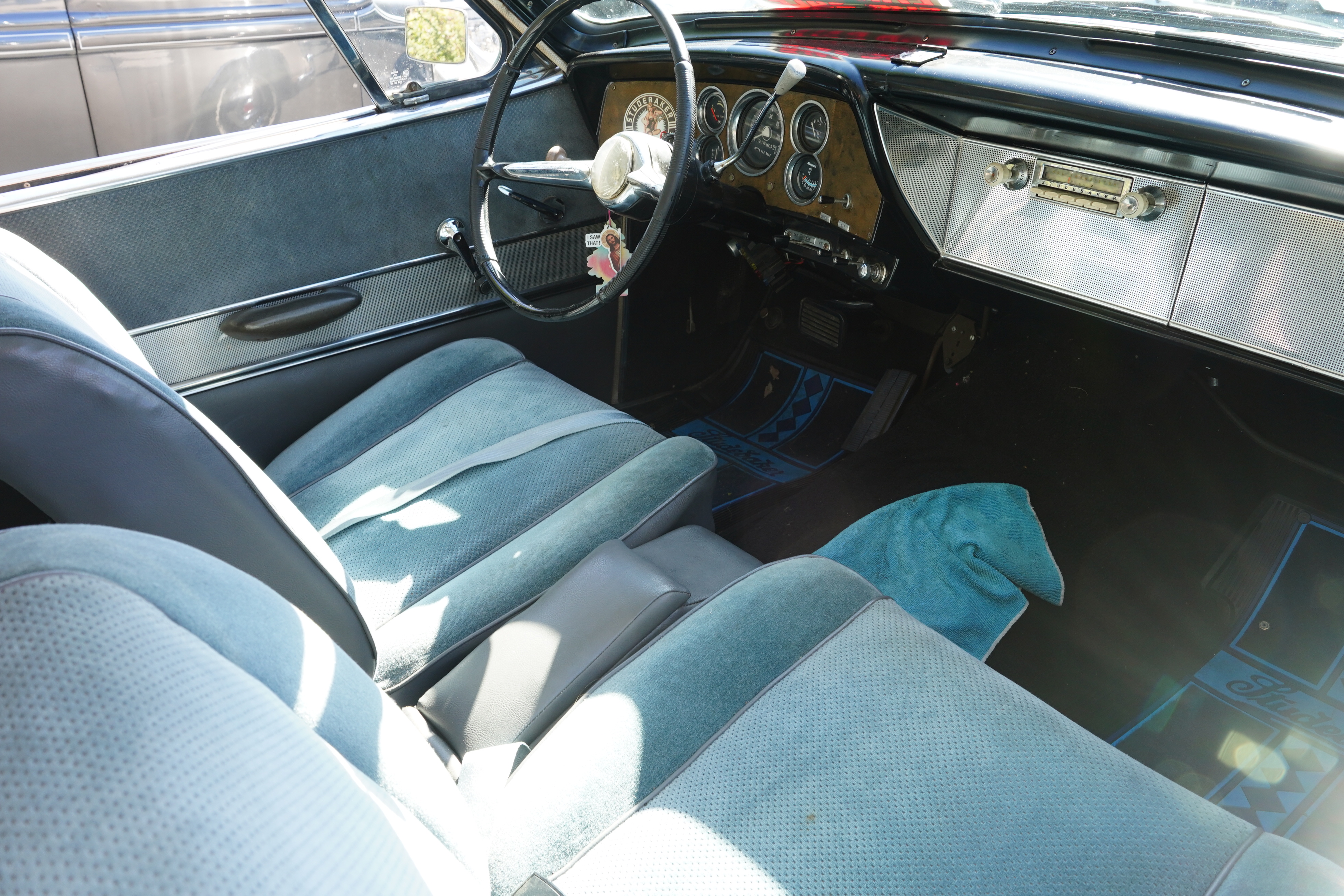
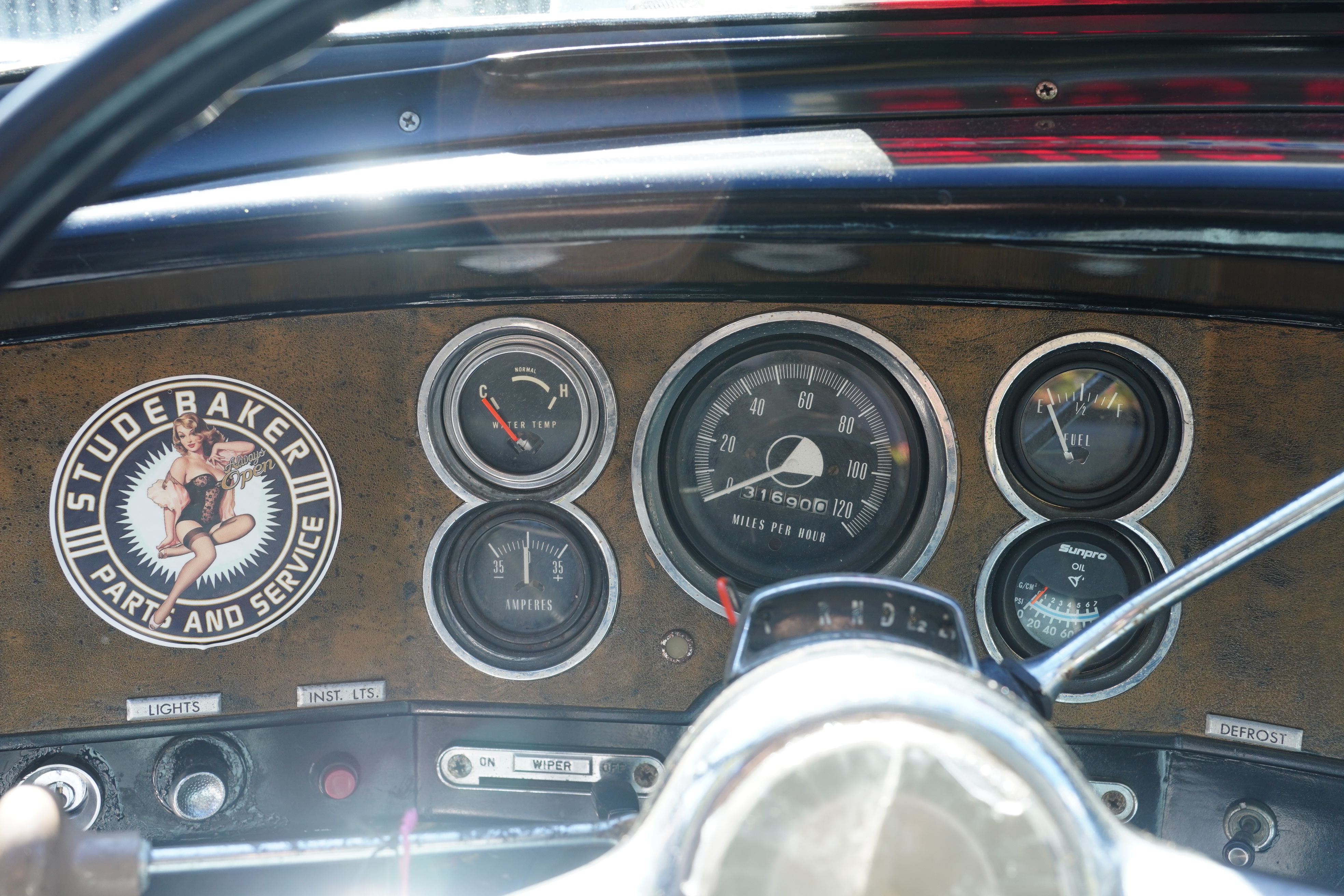
1962 Studebaker Hawk GT, tan paint, turquoise cloth upholstery, automatic on column

ASKING: $12,500

This body style has always appealed to me, but the odd color combo was off-putting. I didn’t spend but a few moments on it, but was unable to determine which finish might have been replaced. It’s hard to believe that this car came from the factory this way.


1968 Dodge Monaco 2-door hardtop, blue, white vinyl roof, white interior, 383/automatic, sign claims 75k, “very original”.

ASKING: $20,000

The 1967 Plymouth and Dodge full-size cars, introduced when I was 13 years old, were thought of by me as some of the best-looking full-size American cars of the decade. The styling hardly changed for 1968. Stumbling upon this rarely-seen ’68 Monaco brought back a rush of memories. I think that the overall design, especially in a 2-door like this, has aged well.


1976 Triumph TR6, white over tan, sign claimed all-original condition at 43,000 miles

ASKING: $27,000

I normally would not highlight a TR6 as there are always dozens for sale, but the overall condition made this one attractive. To my eye, the car looked almost new.


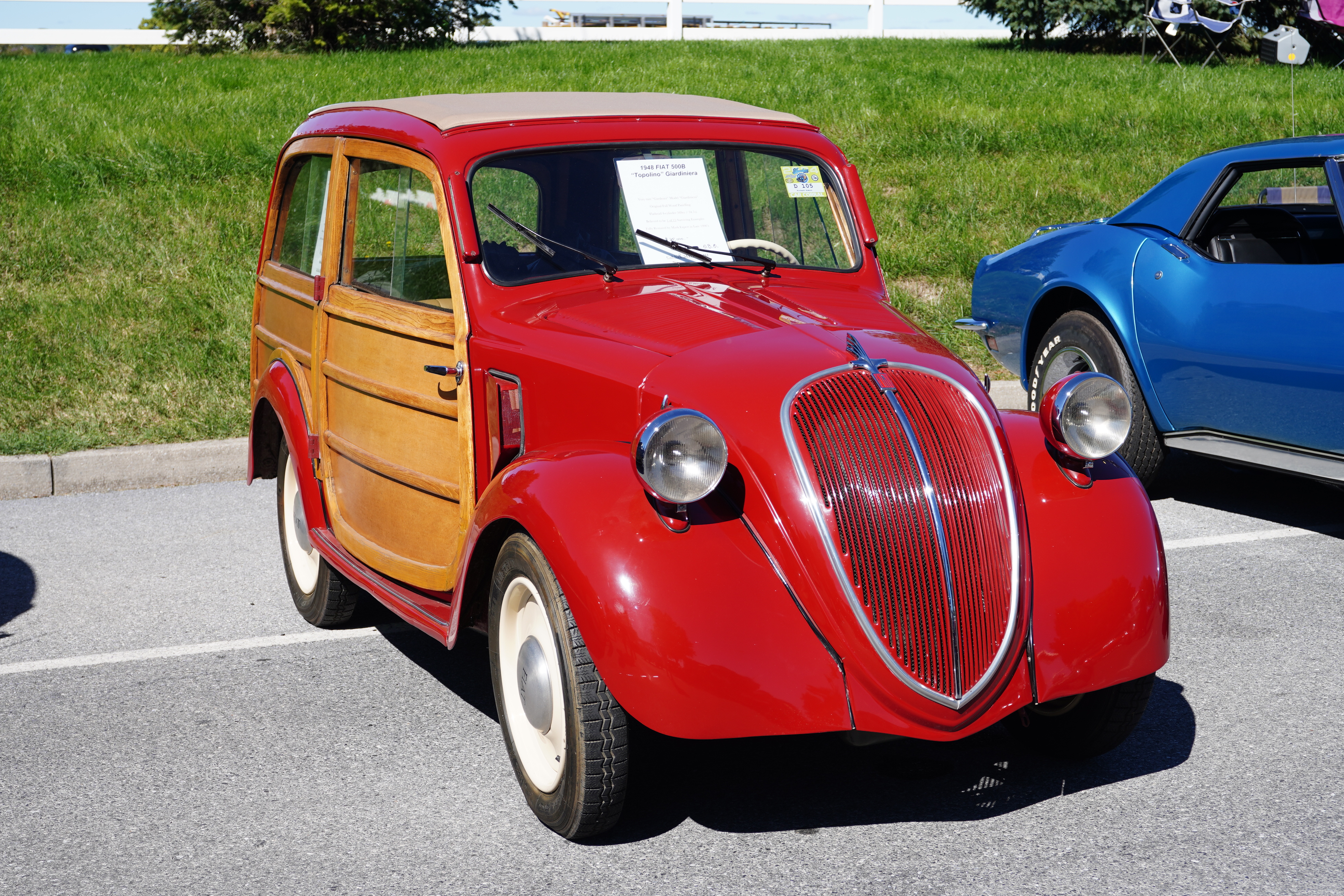
1948 Fiat 500B Topolino Giardiniera, red, beige sunroof, wood side paneling, 569cc flat-four.

ASKING: $35,000

These Topolino (“Little Mouse”) models are rare enough; I’ve never seen a woody version. The sign claims that it’s 1 of 15 survivors. I’d bet it’s the only one of its kind in the States.


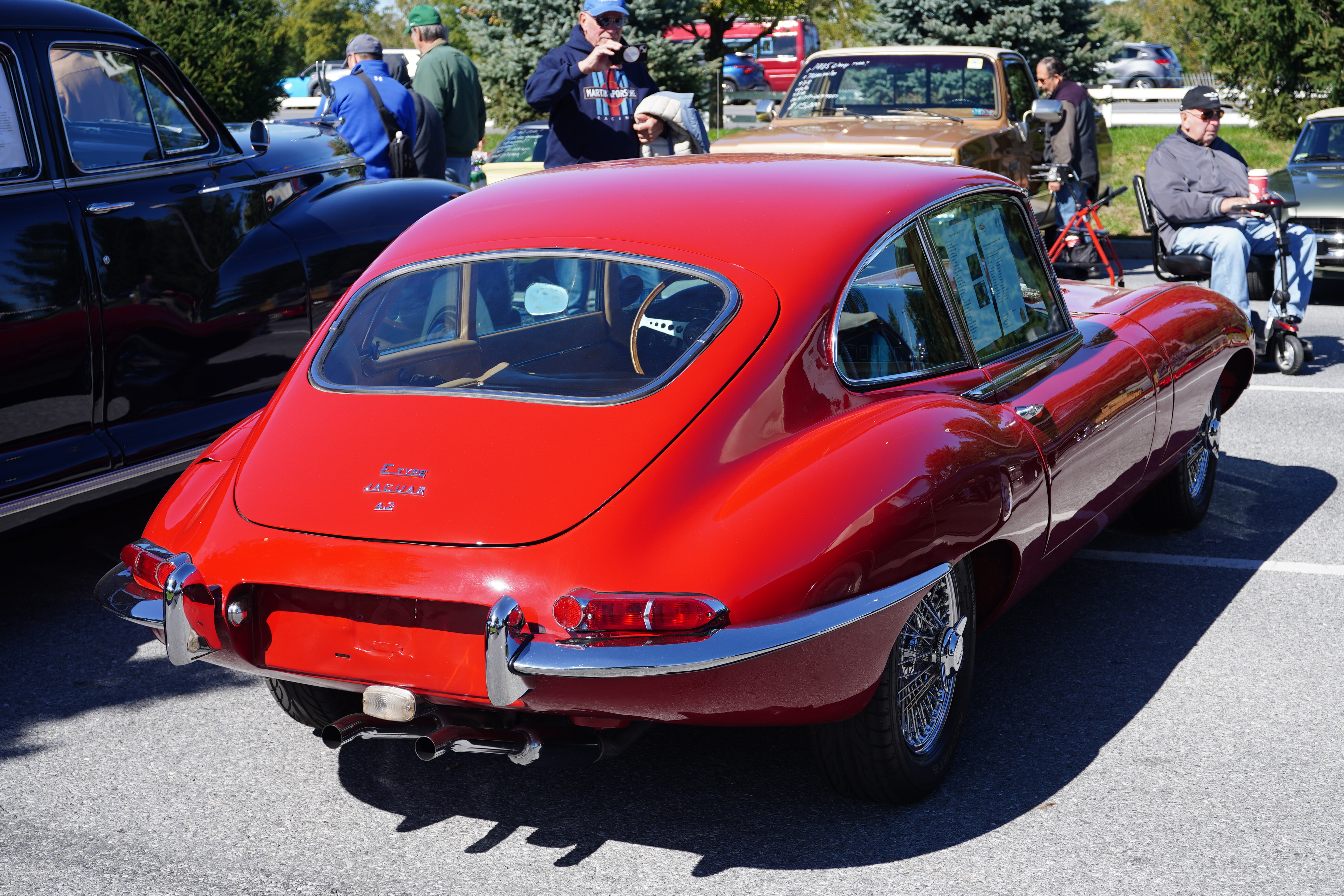
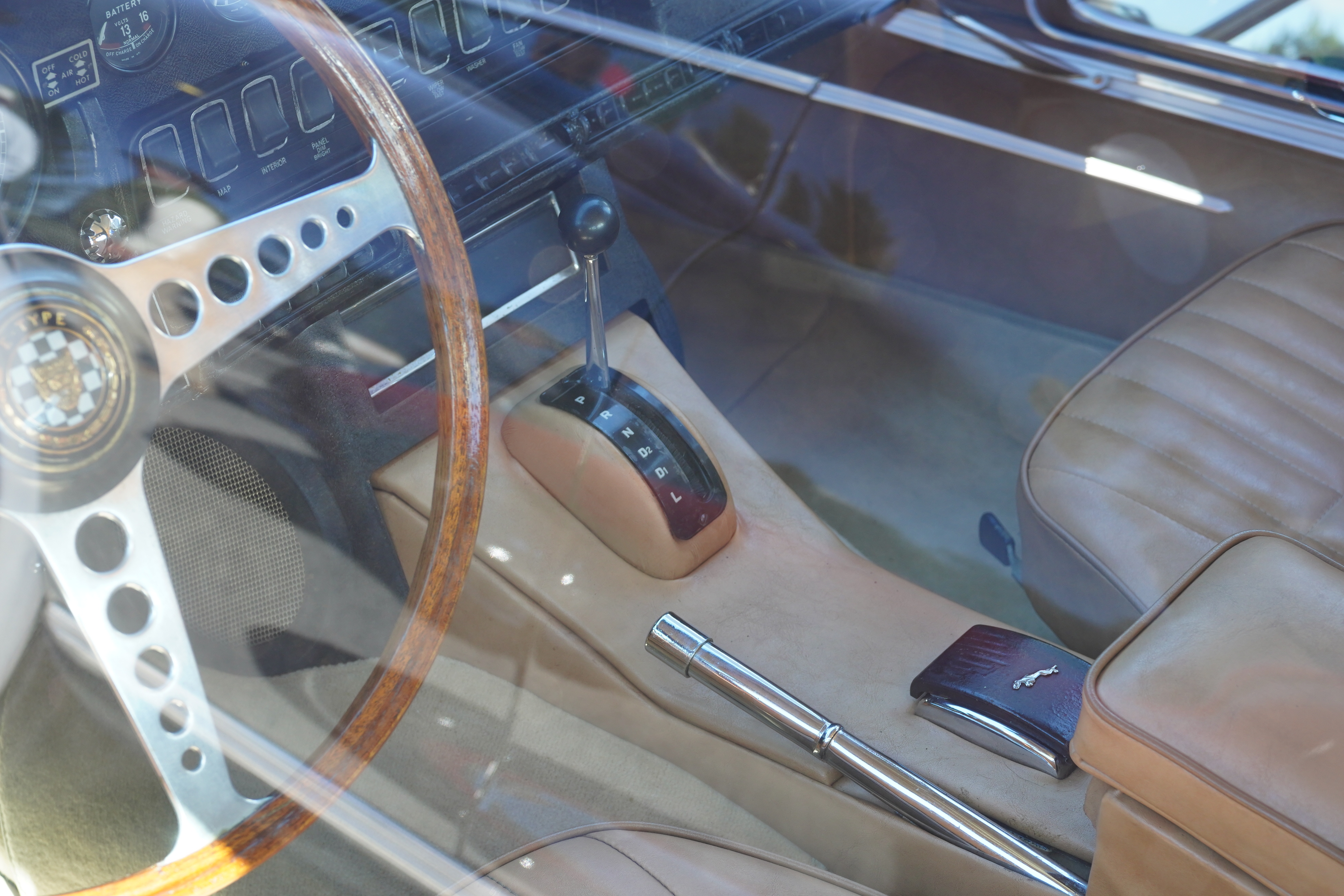
1968 Jaguar E-Type, Series 1.5, 2+2 coupe (on longer wheelbase than 2-seat coupe), red over beige, 4.2L inline 6/automatic, sign claims functioning A/C.

ASKING: $44,900

Clearly a “Series 1.5” with its exposed headlights and above-bumper tail lights, most collectors would issue two demerits to this clean E-Type for its 2+2 body style and its automatic gearbox. On the positive side of the ledger, its asking price makes it one of the most affordable ways to add an E-Type to your collection.

.


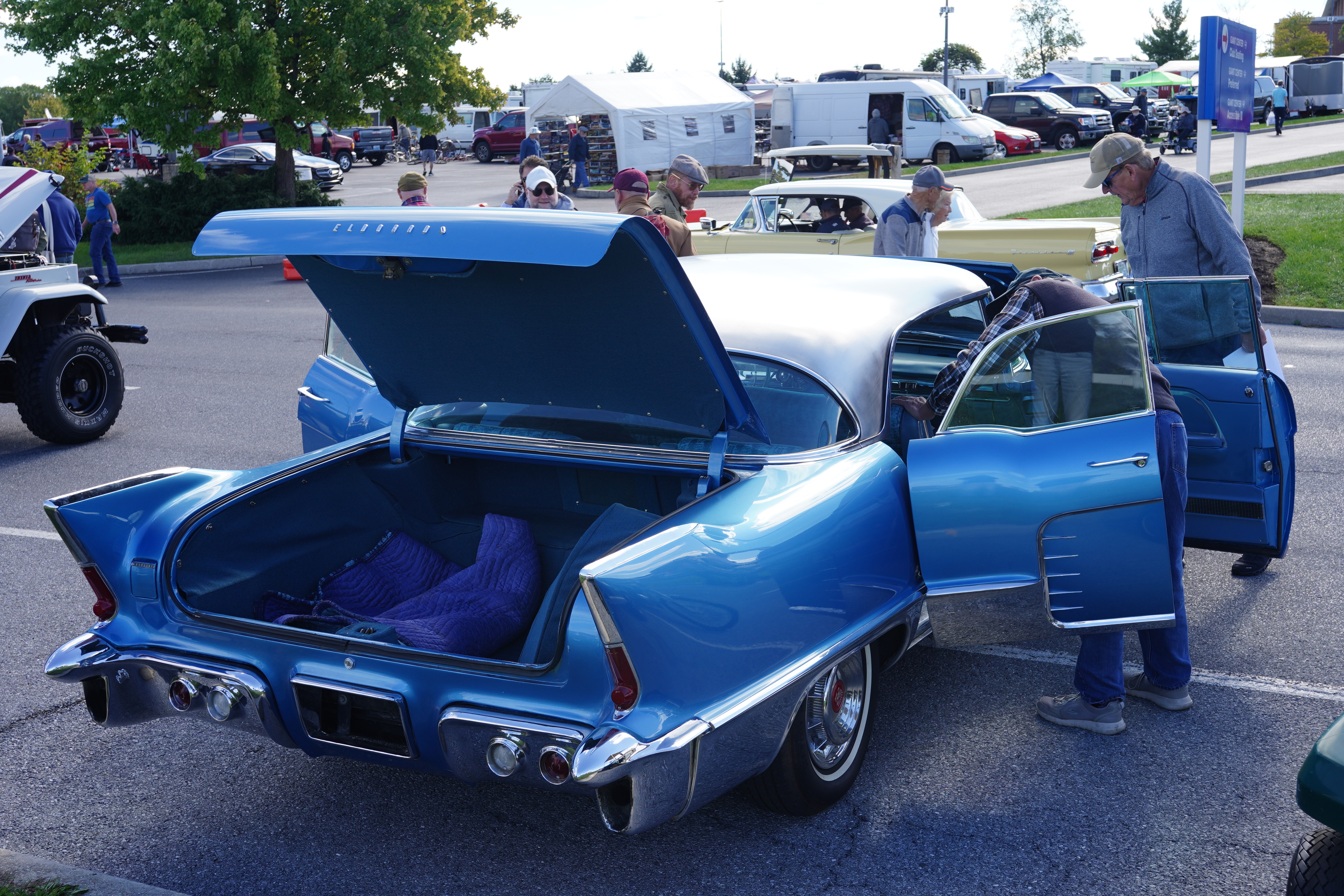
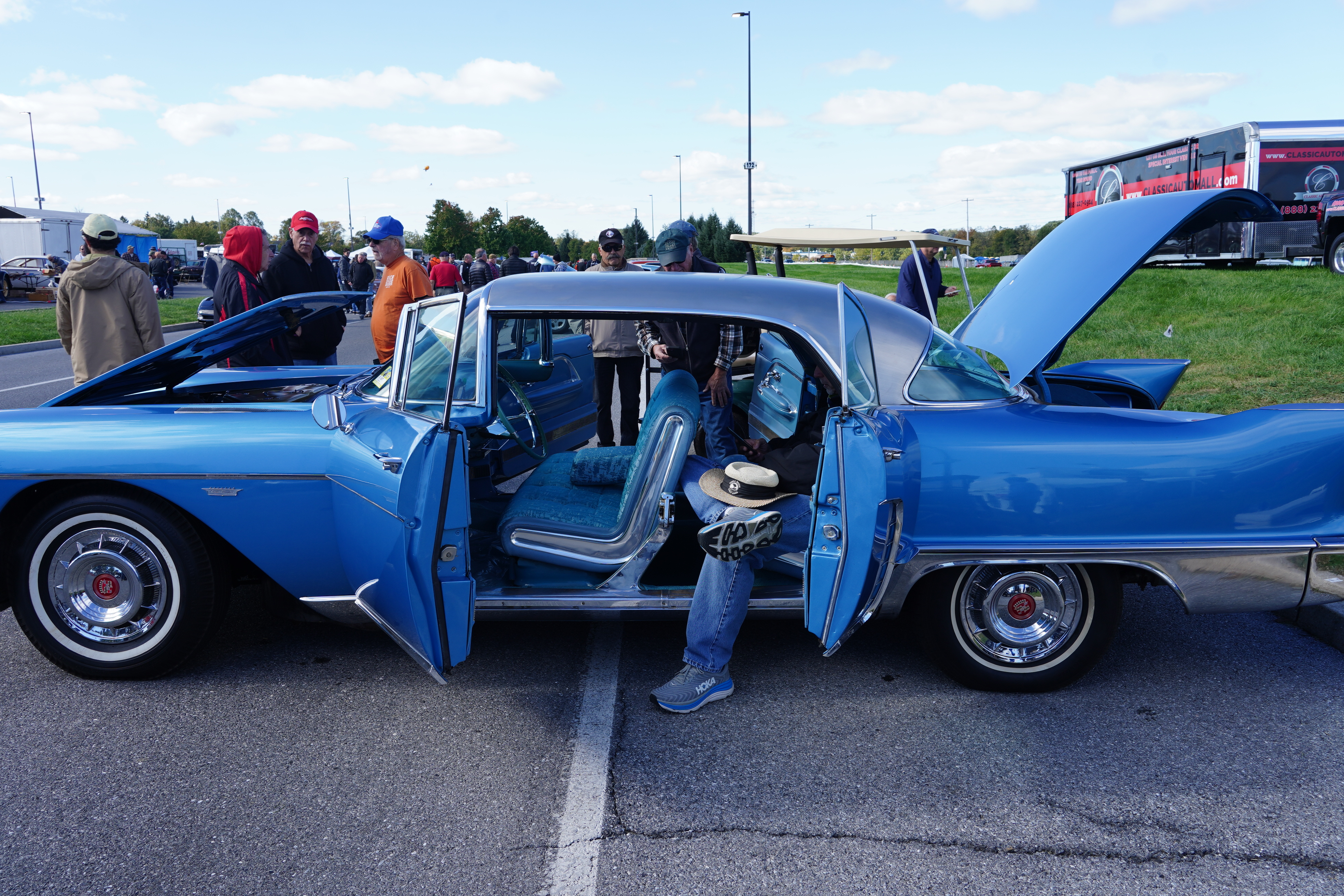
1957 Cadillac Eldorado Brougham, blue paint, stainless steel roof, blue cloth interior. Sign claims it’s #13 or 400 built.

ASKING: $79,995

Would you check out those suicide doors and interior upholstery! This was a GM highlight from the 1950s, and with low production numbers, a rare car to boot.


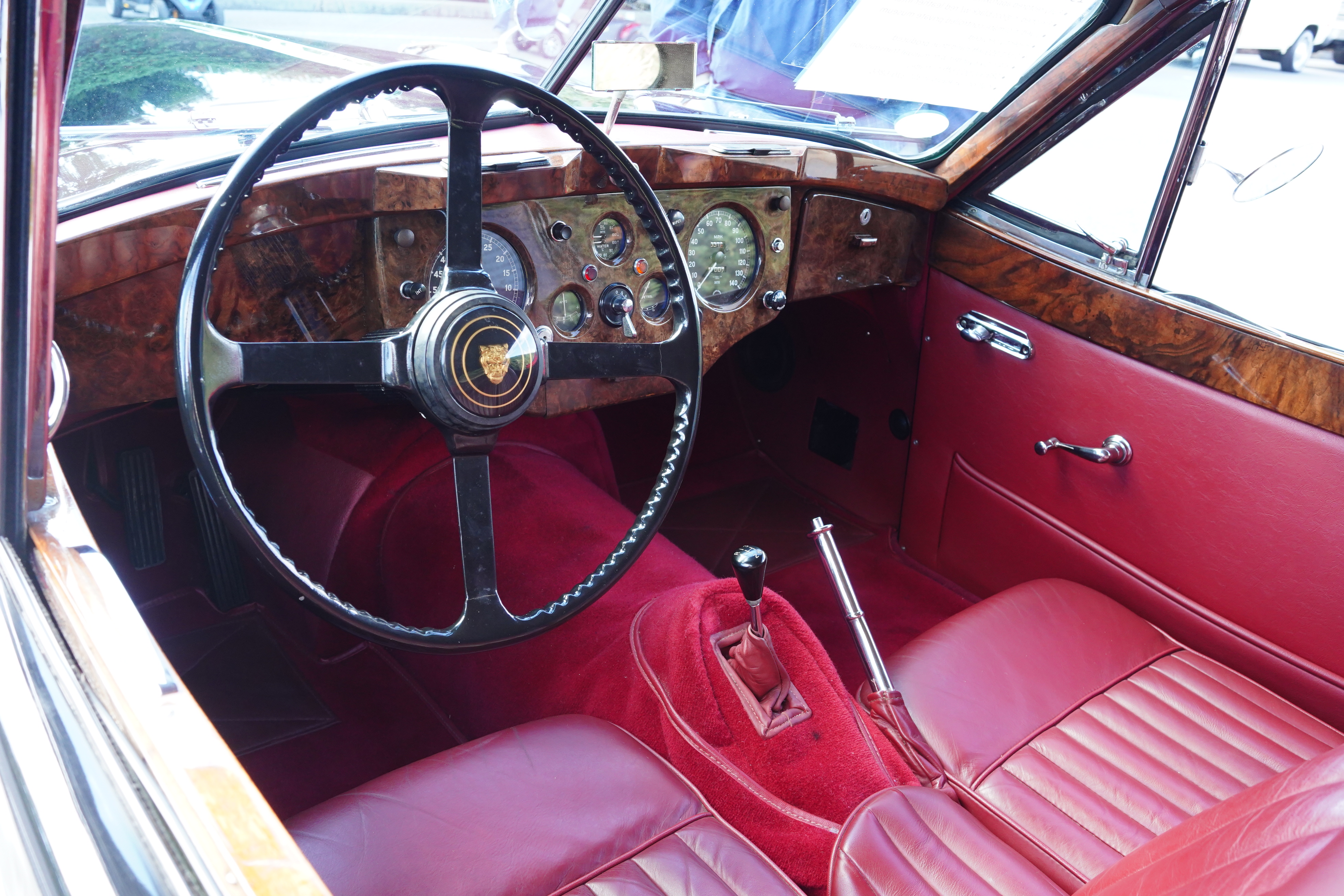
1956 Jaguar XK140 FHC, black over red, 3.4L six, manual gearbox

ASKING $89,900

The black and red looked stunning (and I’ve always fallen for that color combo). Ironically, Dennis Nash’s XK (see my coverage of it in Part 1) was born in these colors before a restorer changed the car to white over beige. Given that Dennis’s car is an XK120 and sold for $65k, I’d say that this XK140 is a little overpriced (but everything is negotiable, right?)


Entire blog post content copyright © 2024 Richard A. Reina. Text and photos may not be copied or reproduced without express written permission.


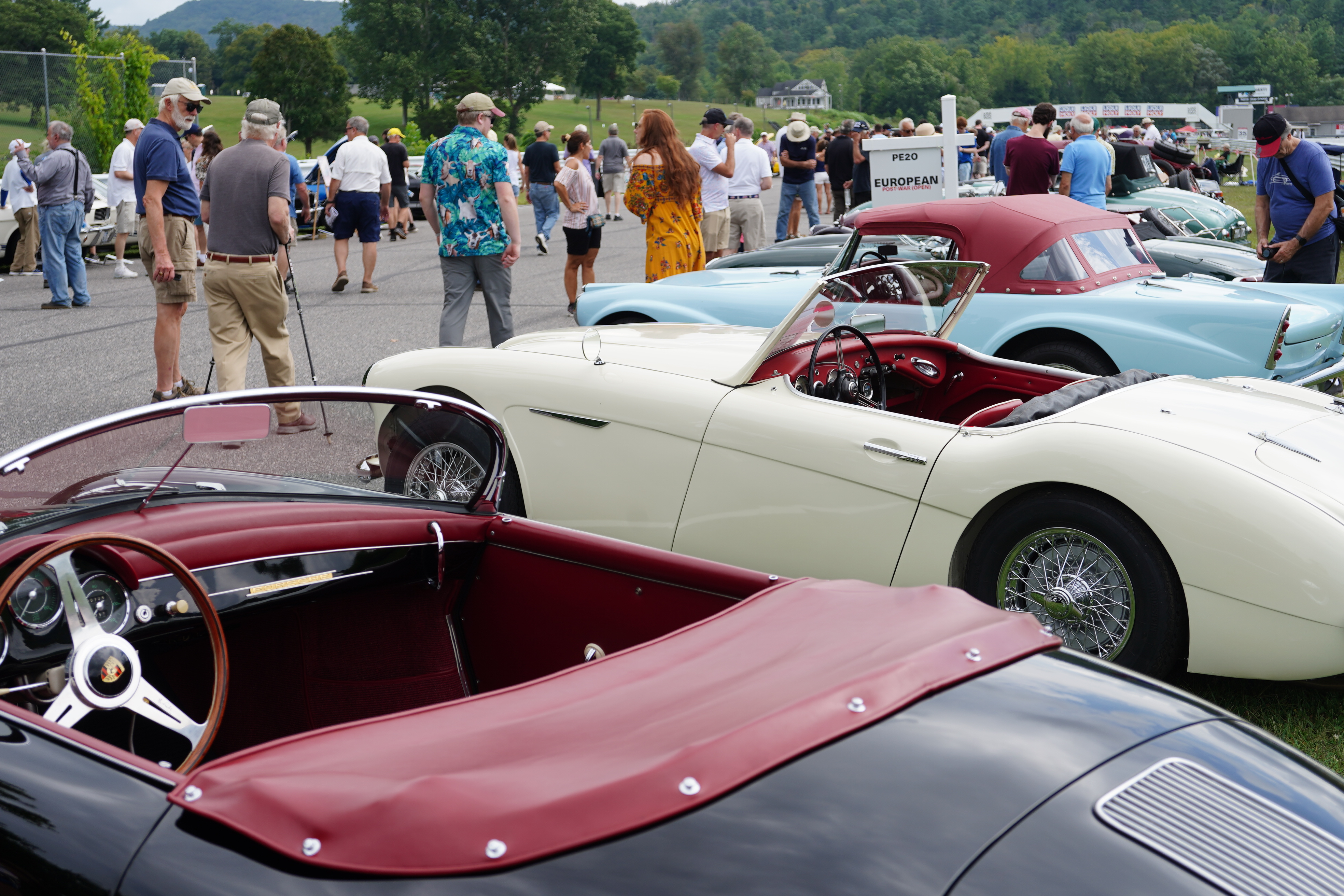
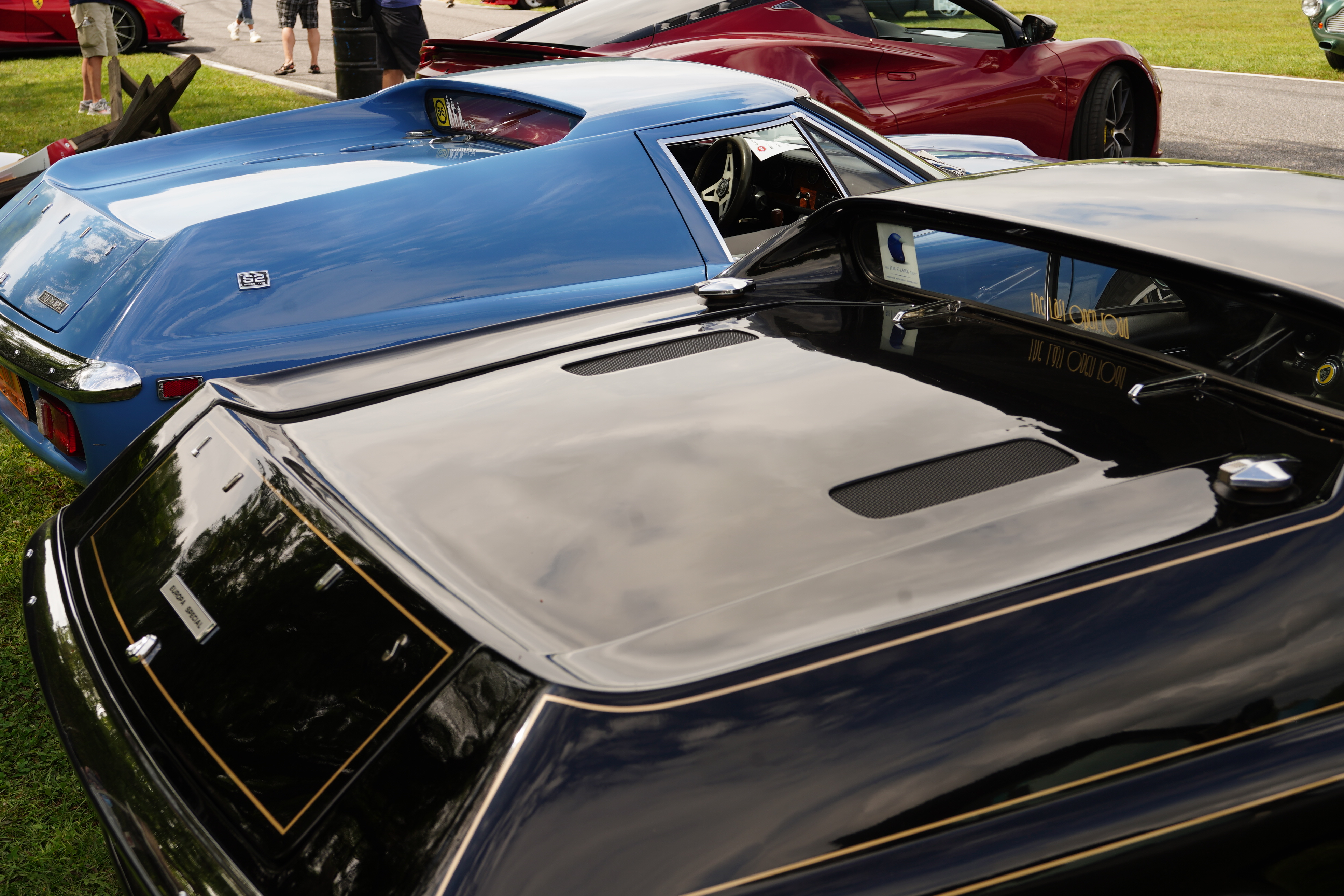
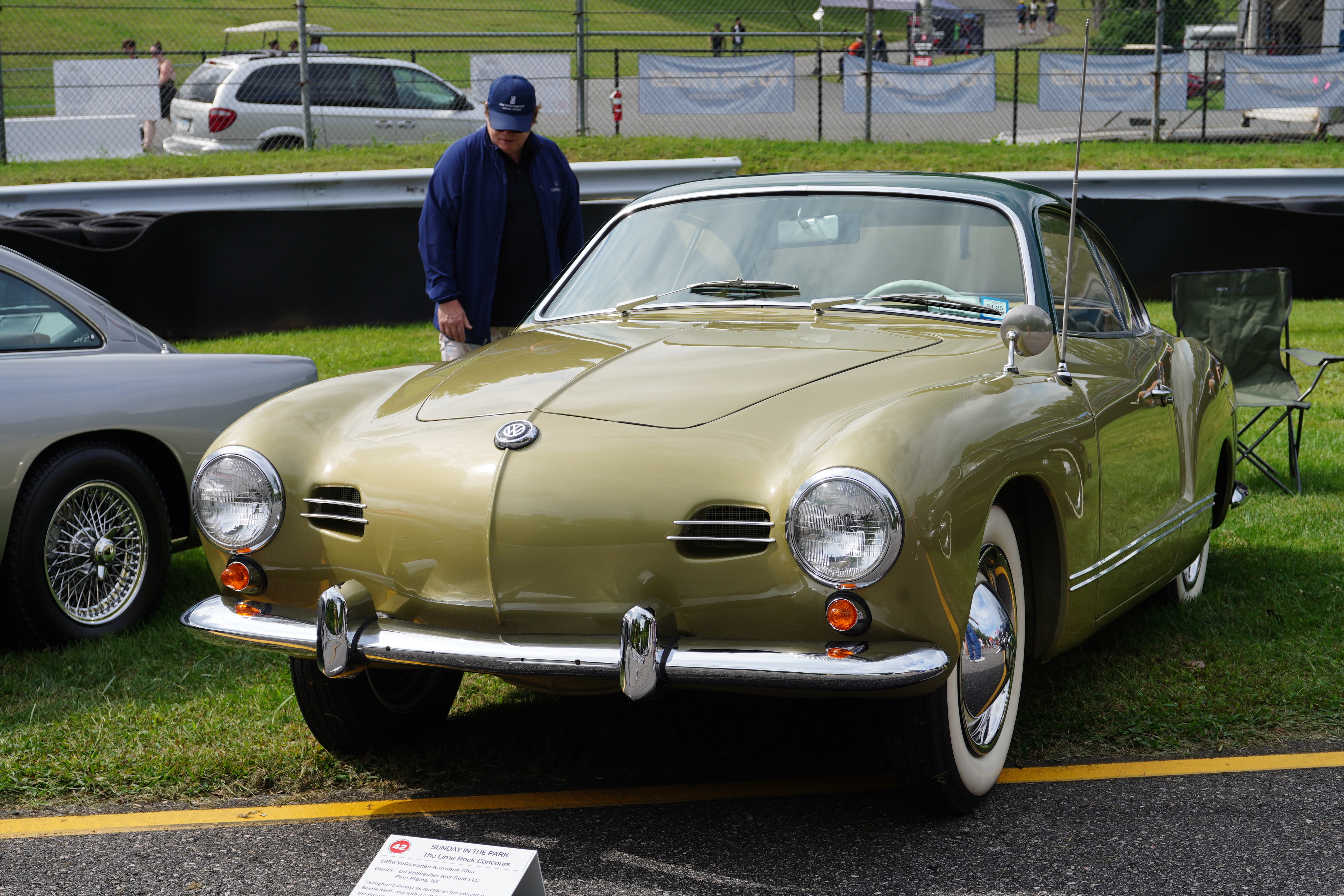
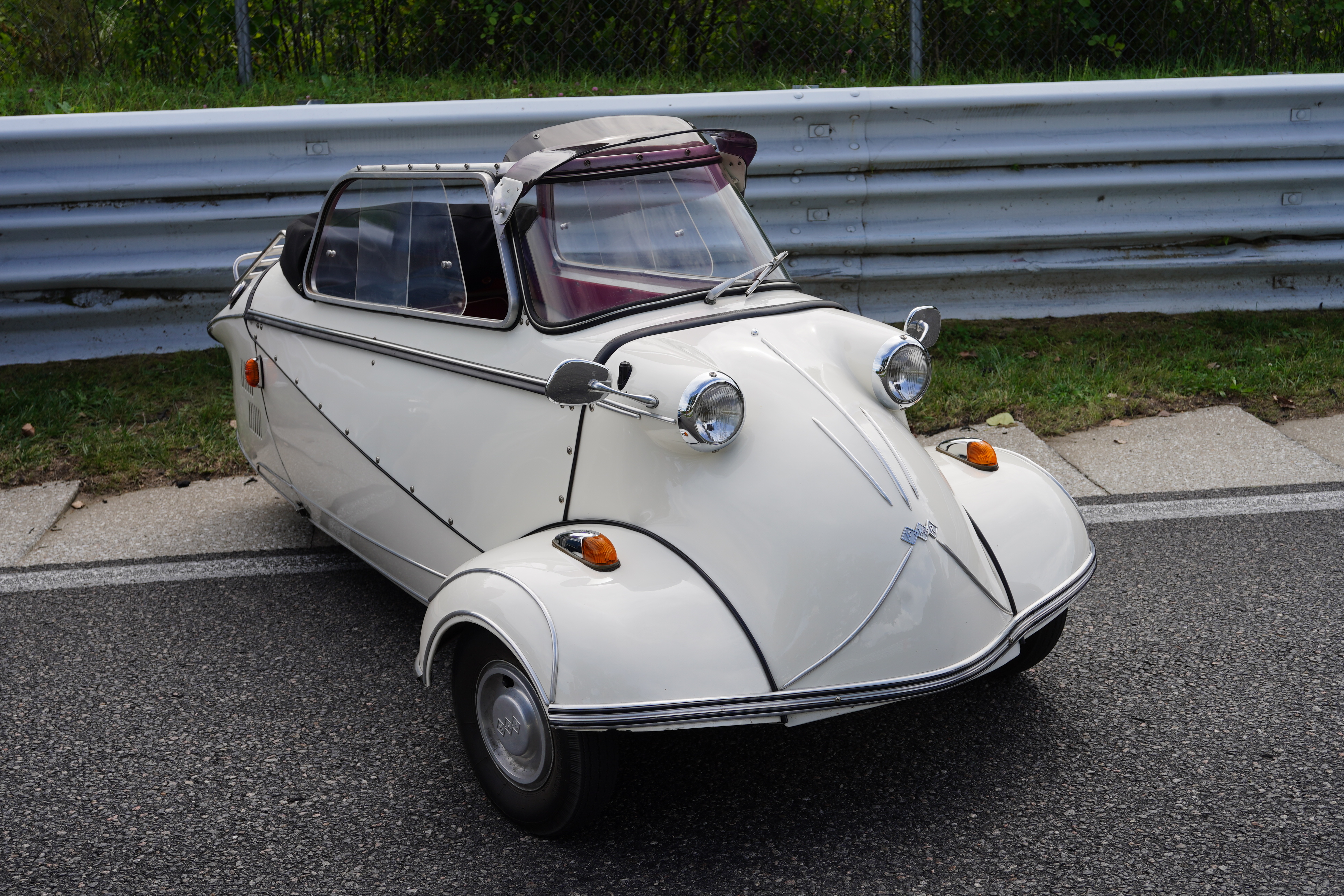
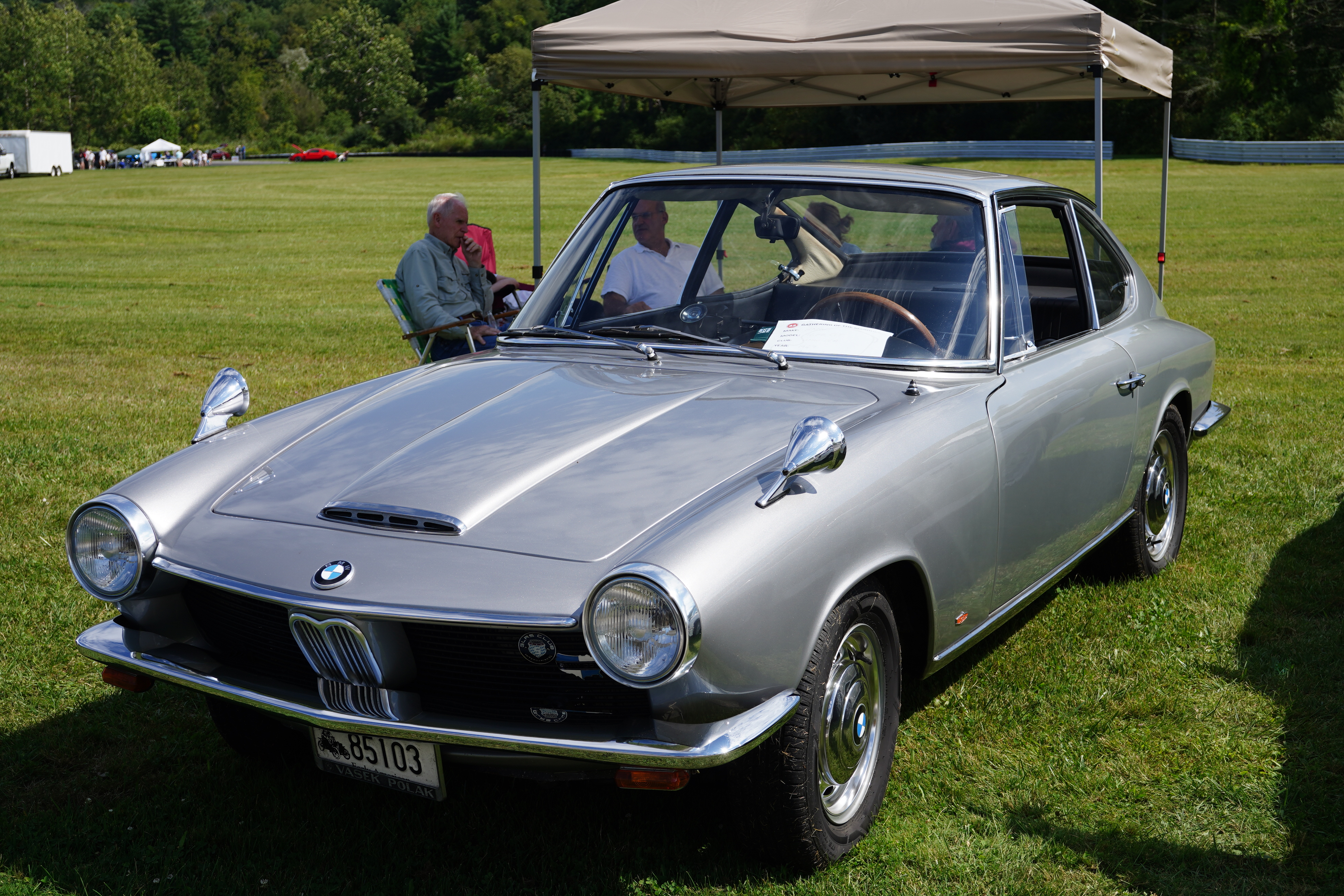
The Lime Rock “Sunday in the Park” Car Show, Sep. 2024

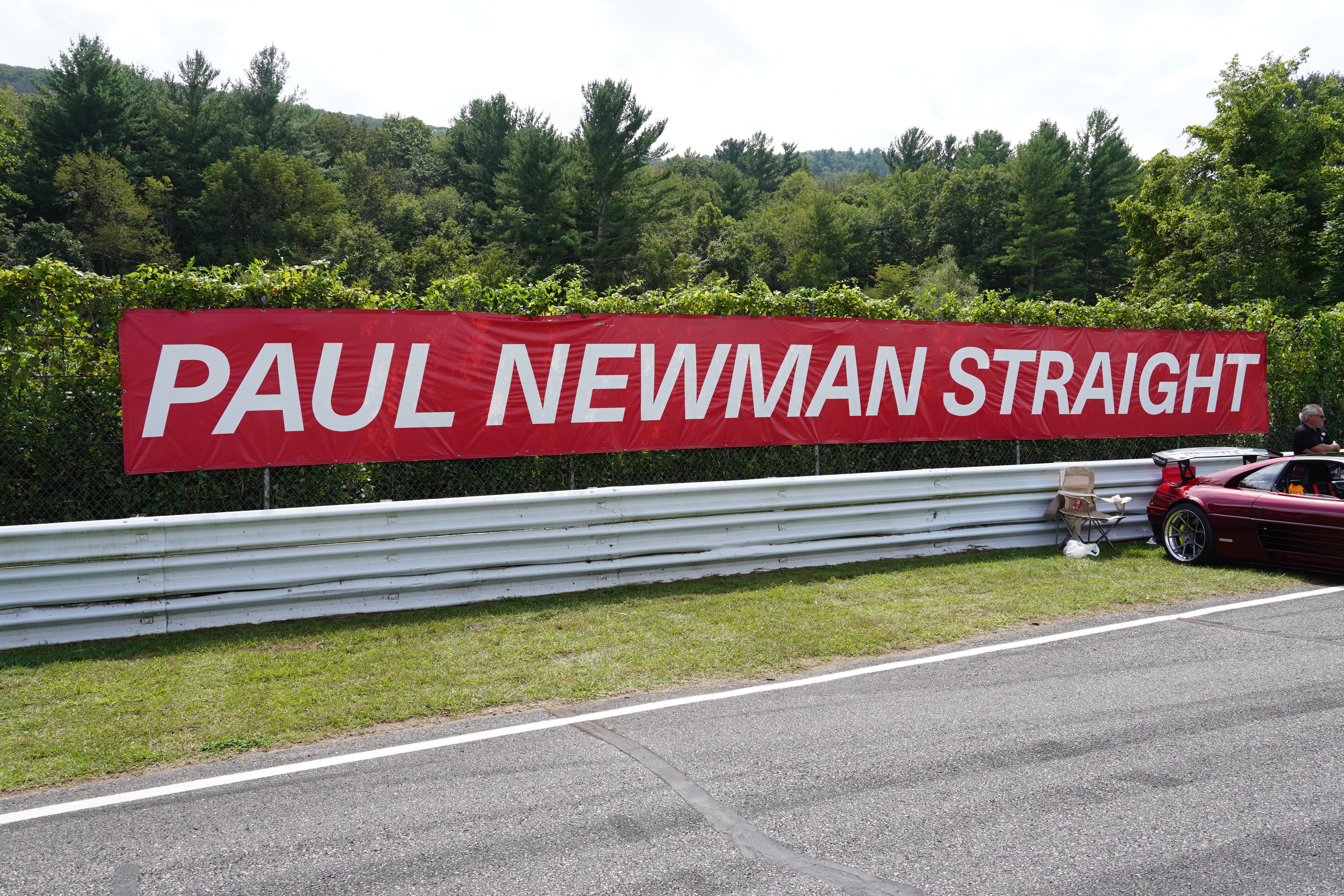
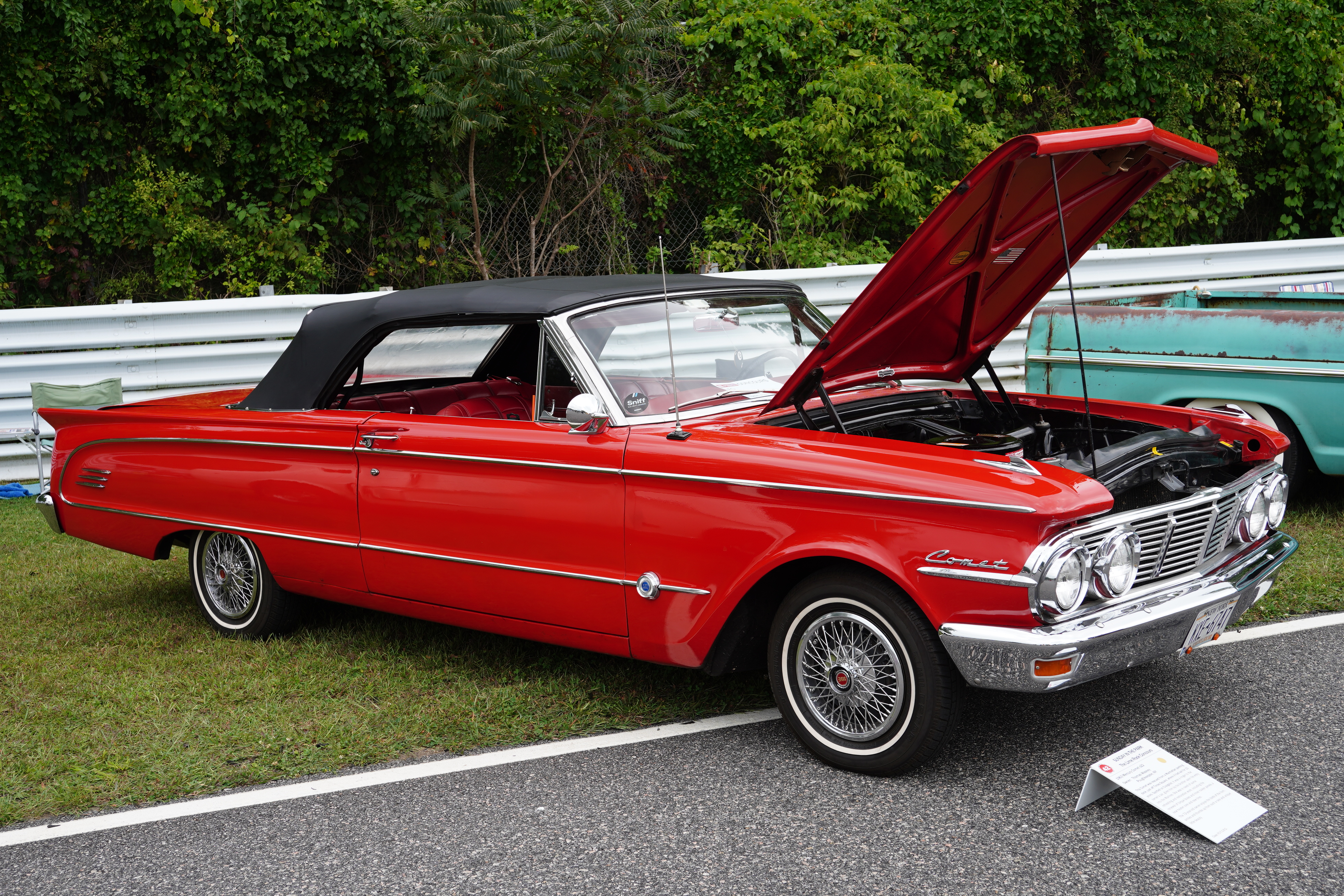
While Labor Day weekend marks the unofficial end to the summer season, there are still plenty of classic car shows to attend before things shut down for the winter. And what better way to kick off this segment of the year than by attending Lime Rock Park and its Historic Festival 42 (as in “now in its 42nd year”). As I did last year, I rode up to the event with my friend and fellow Alfa-owner Tony, and we were rewarded with great weather and a great display of cars. To my eyes, compared to last year’s slightly disappointing turnout, this year’s vehicles were more numerous and more varied.

As always, the vehicles arranged on the track can be broken into two large groups: the Featured Classes, and the Gathering of the Marques. The Featured Classes are pre-arranged, and one must apply to have one’s vehicle accepted. The Gathering of the Marques is open to any spectator with paid admission, provided that their car’s marque is one on display.

No one featured class stood out for me; rather, it was a nice assortment of pre-war, post-war, domestic, and import vehicles. For the Gathering of the Marques, I found the Italian brands, especially Fiat and Alfa Romeo, to exhibit stronger than usual showings.


AMERICAN
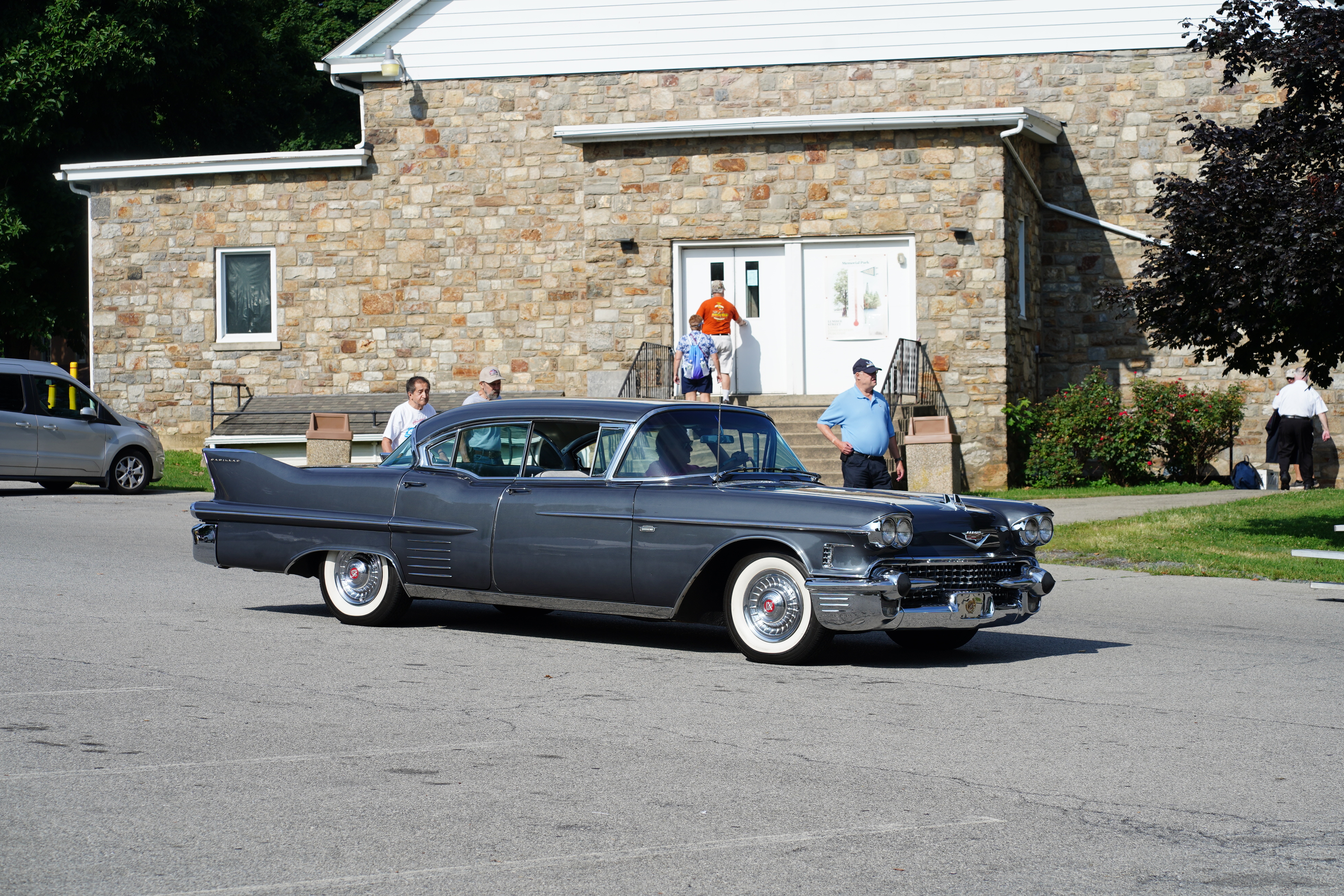
Pre-war Cadillac
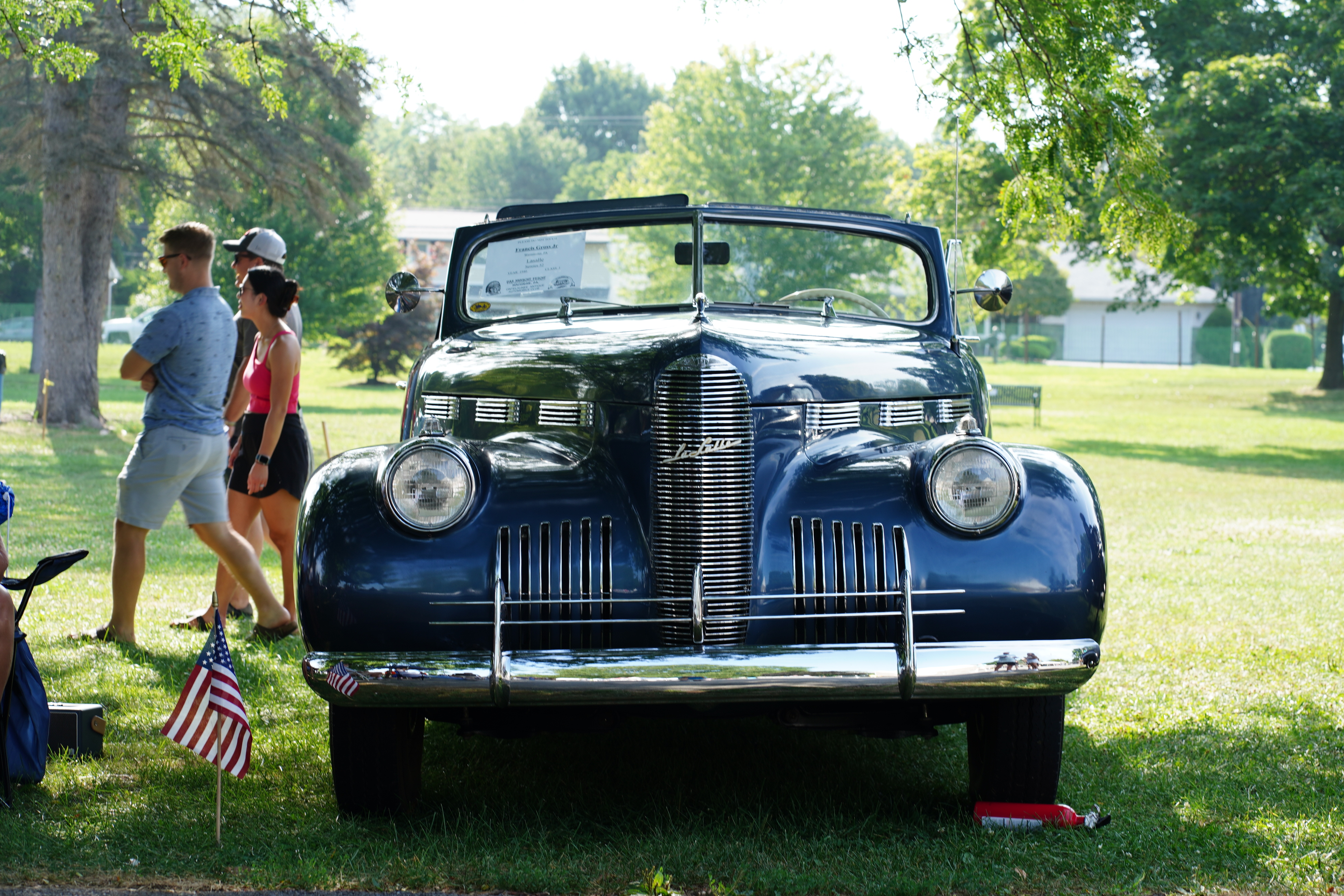
1940 LaSalle
1964.5 Mustang, claimed to be wearing all-original paint

1935 Chrysler Airflow

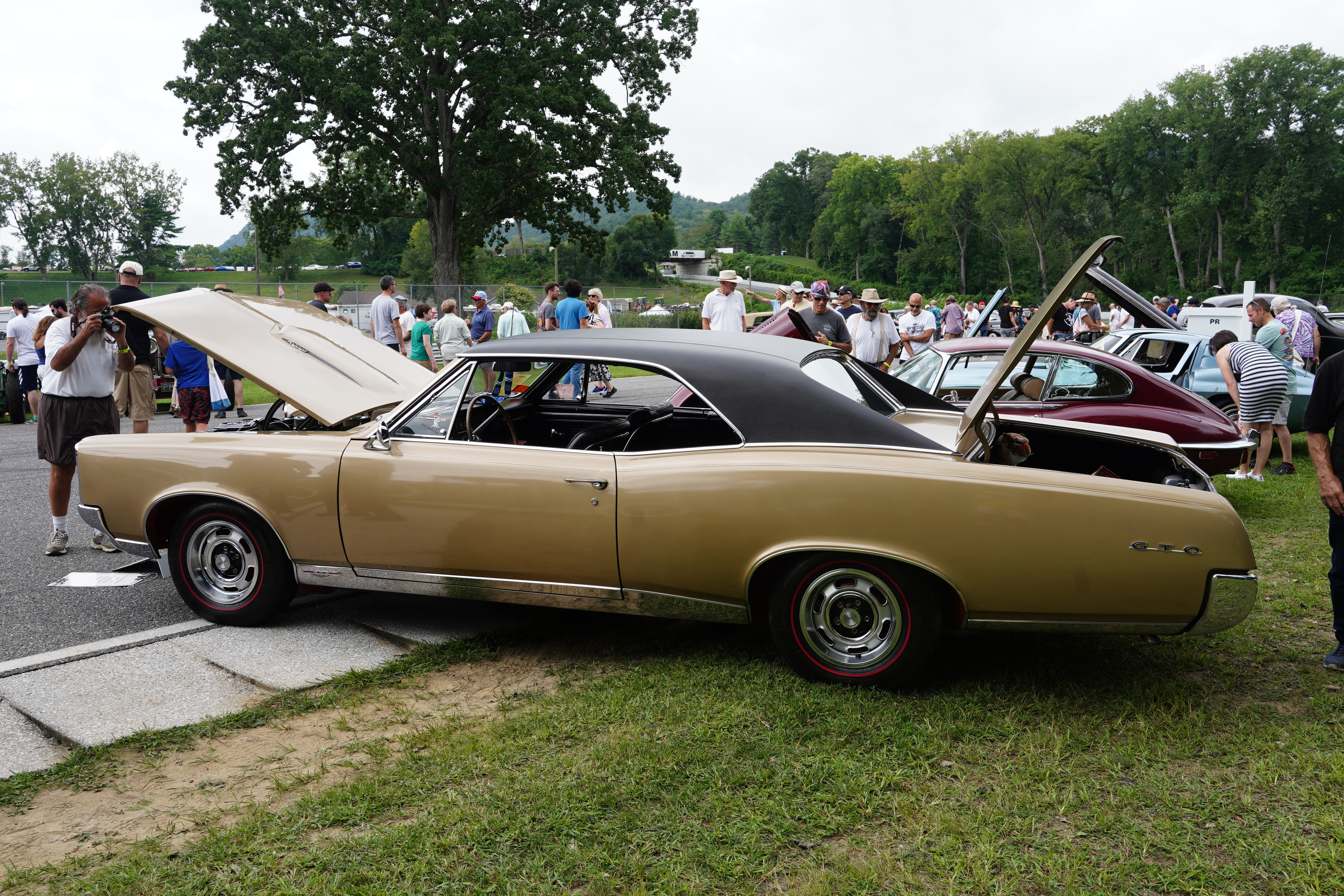
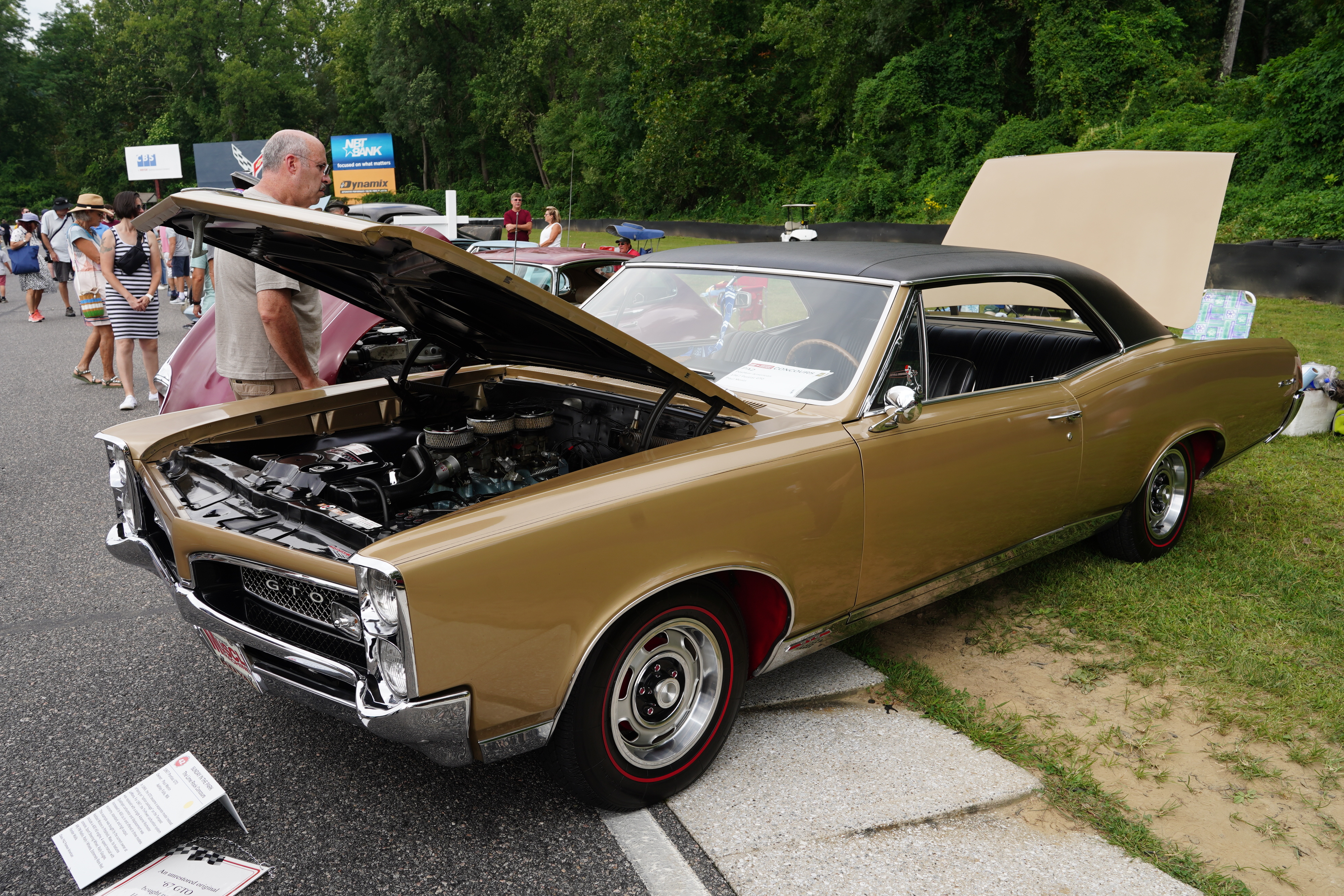
A ONE-OWNER ’67 GTO

The gentleman representing this car claimed that he bought it brand new in 1967 when he was 22 years old. The car has 7x,000 miles on it, and he further claimed that it was 100% original: paint, chrome, upholstery. The car looked stunning. He special ordered it with Tri-Power and without PS, PB, or A/C. On top of all this, he owns 15 other GTOs!


BRITISH


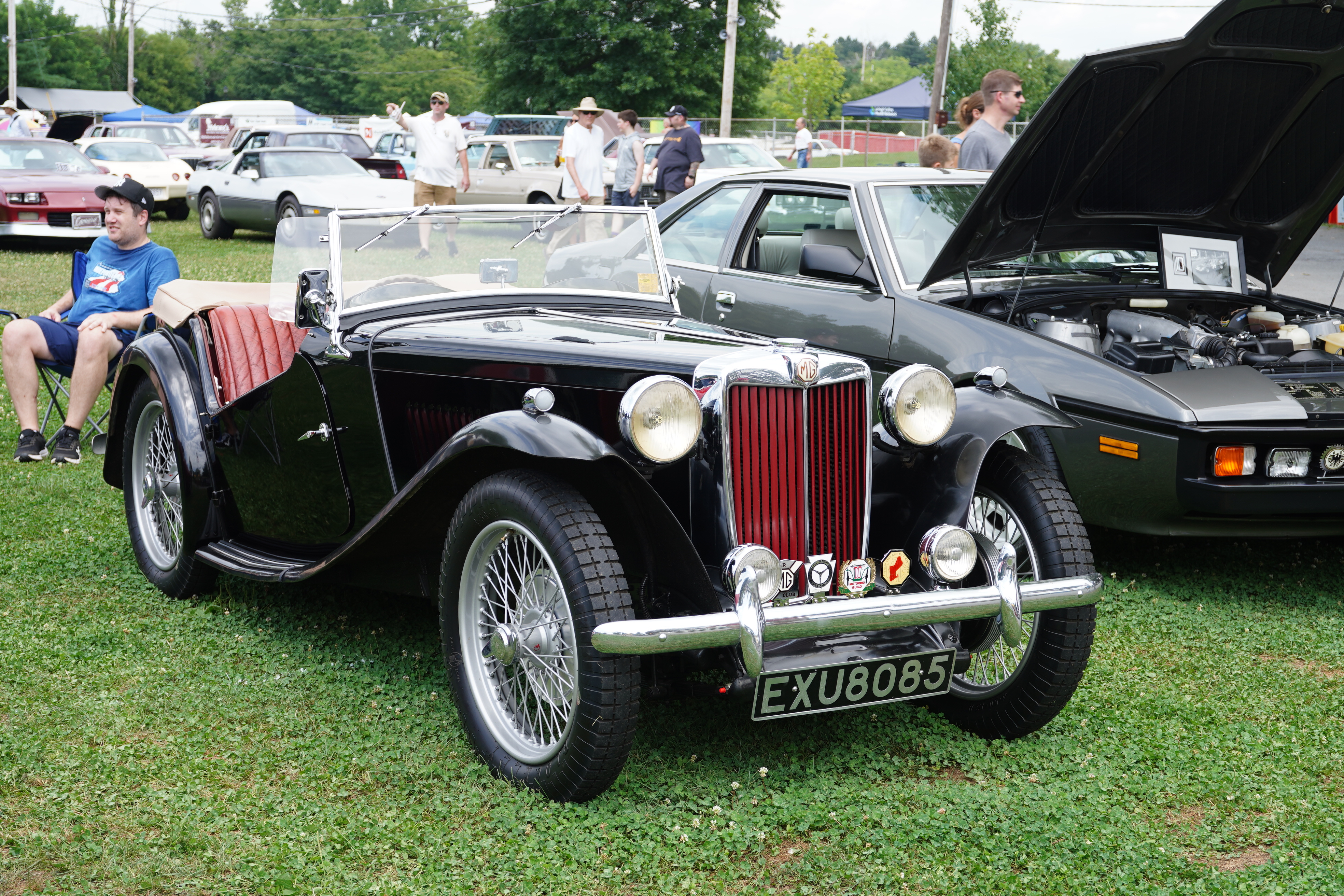
1930 MG


GERMAN


FRENCH
If this French Simca looks Italian, it’s because it was designed by Bertone

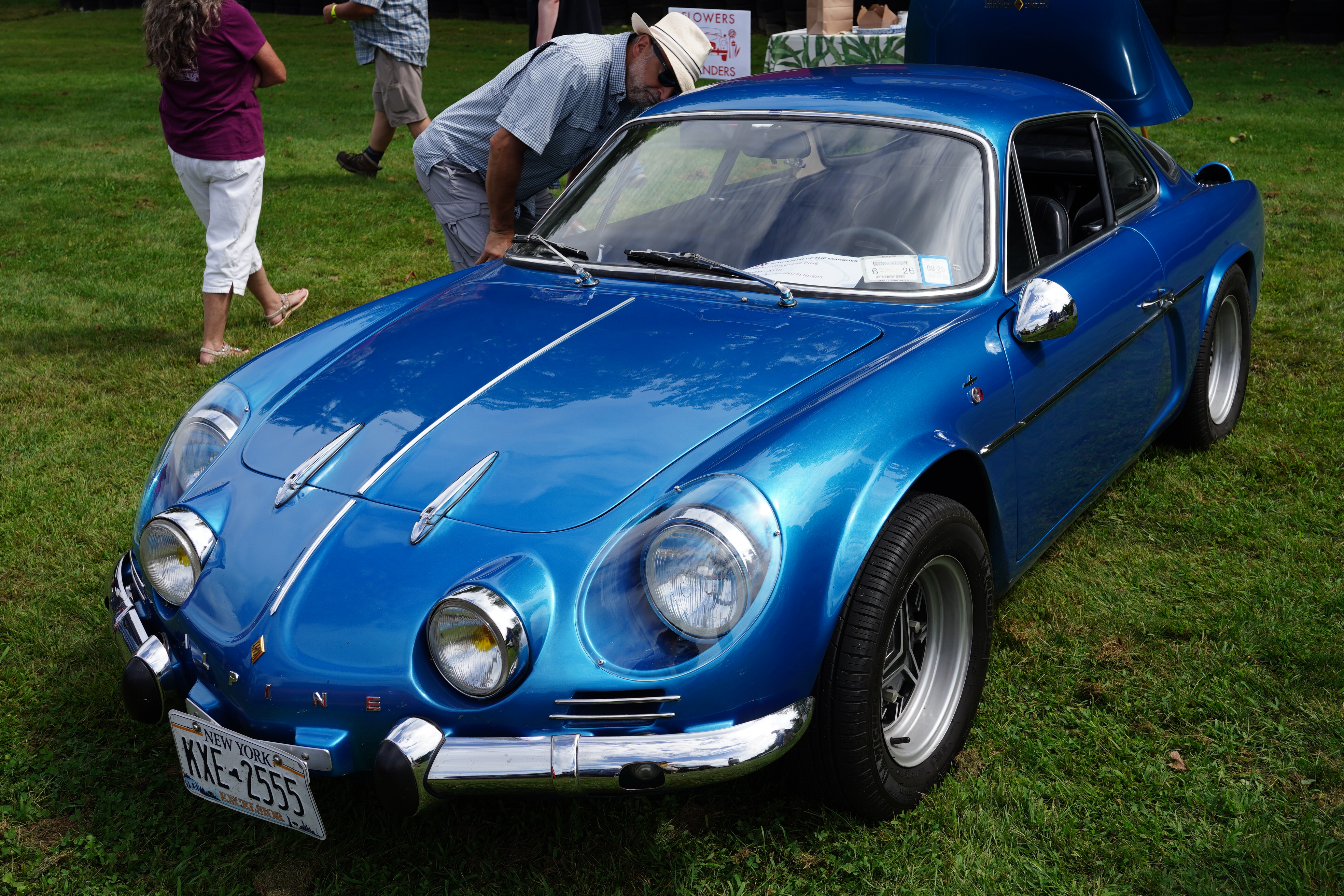
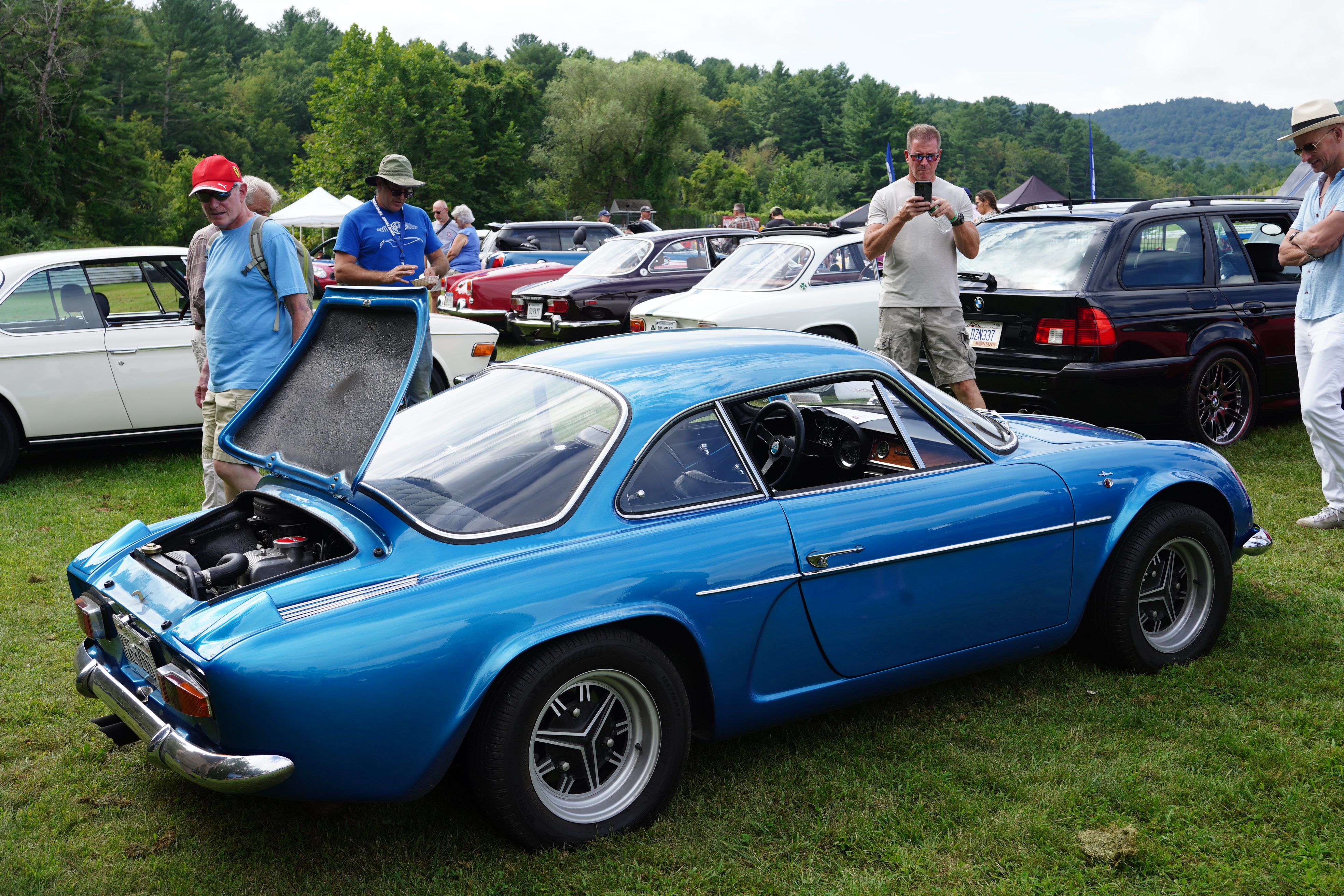
Renault Alpine


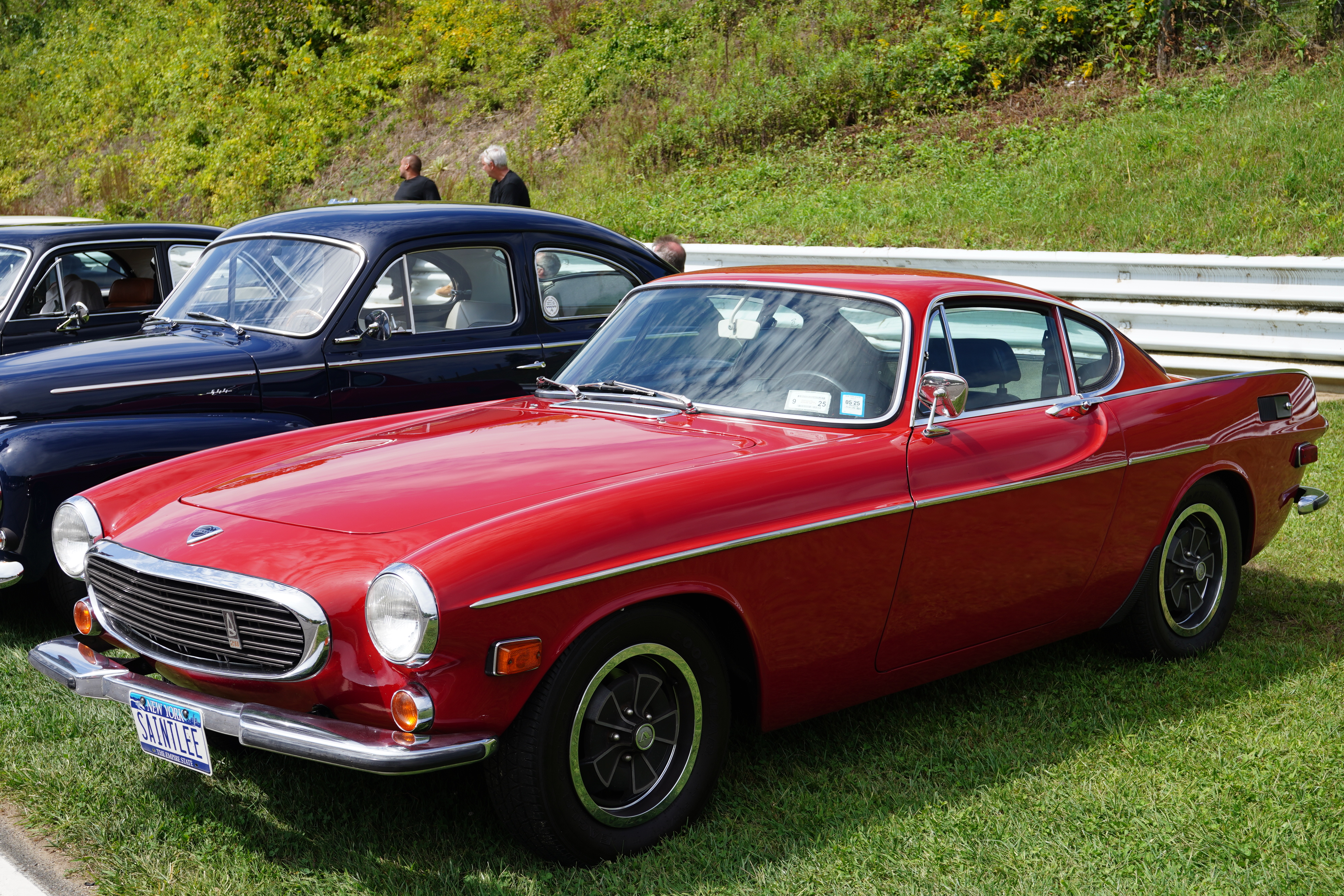
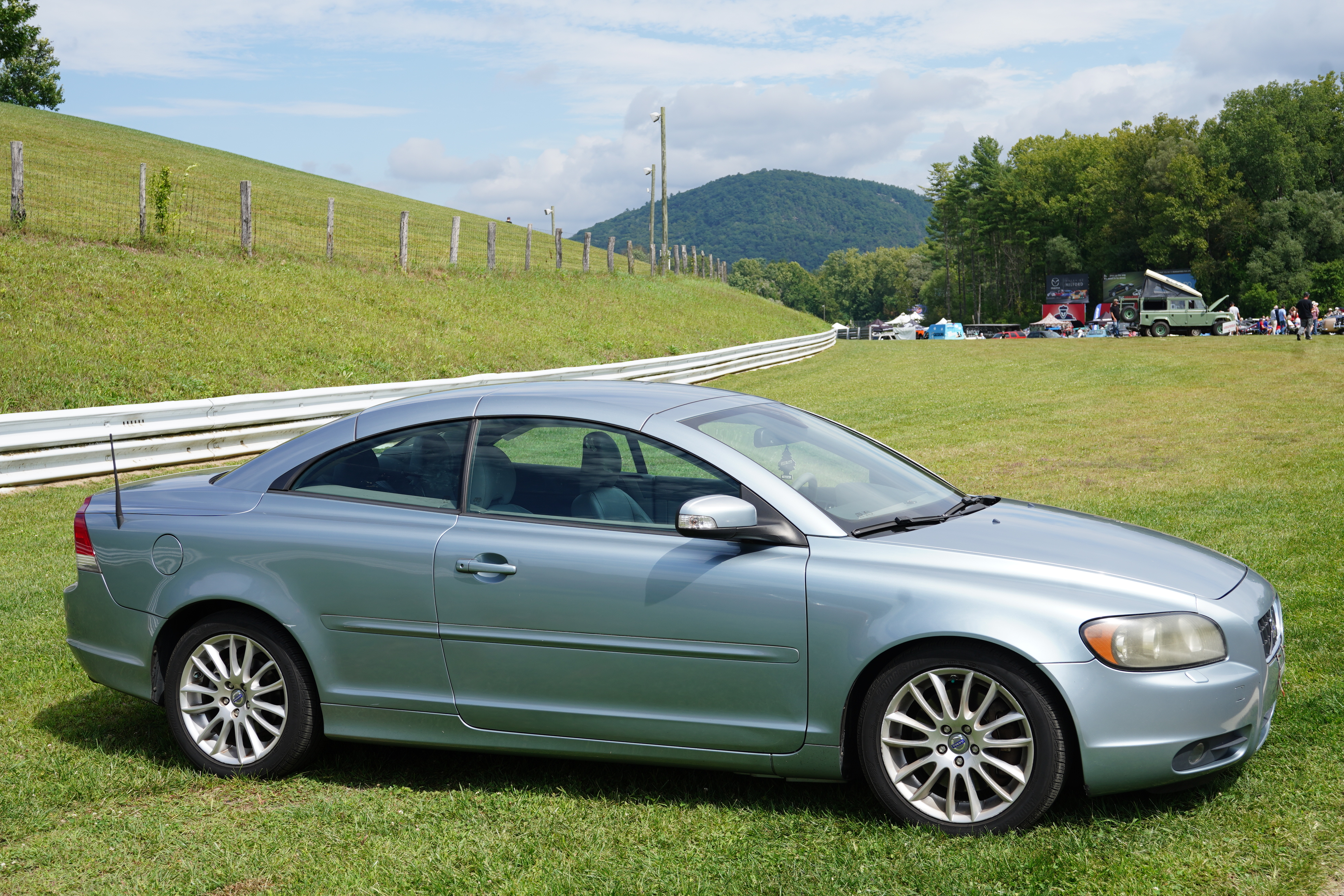
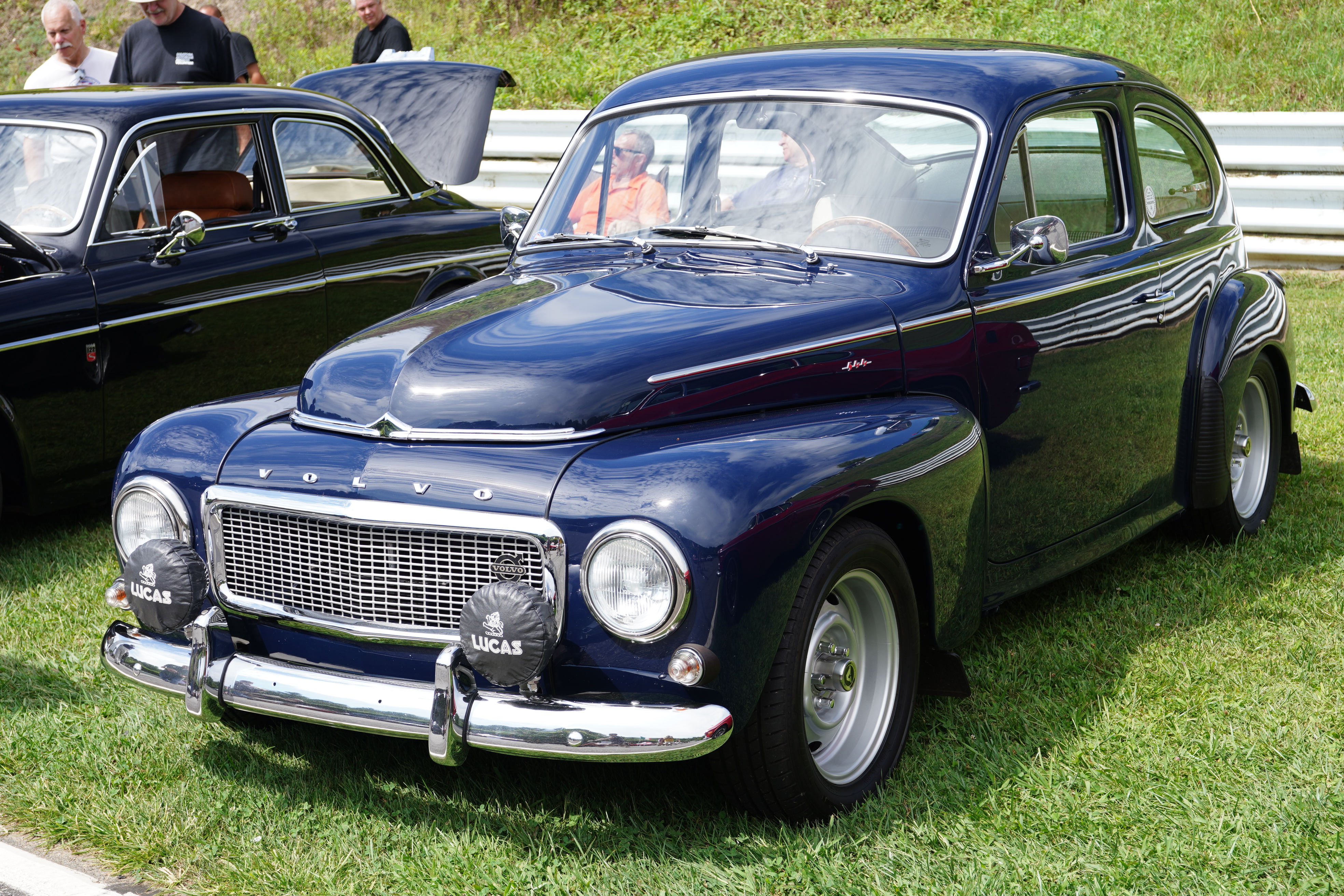
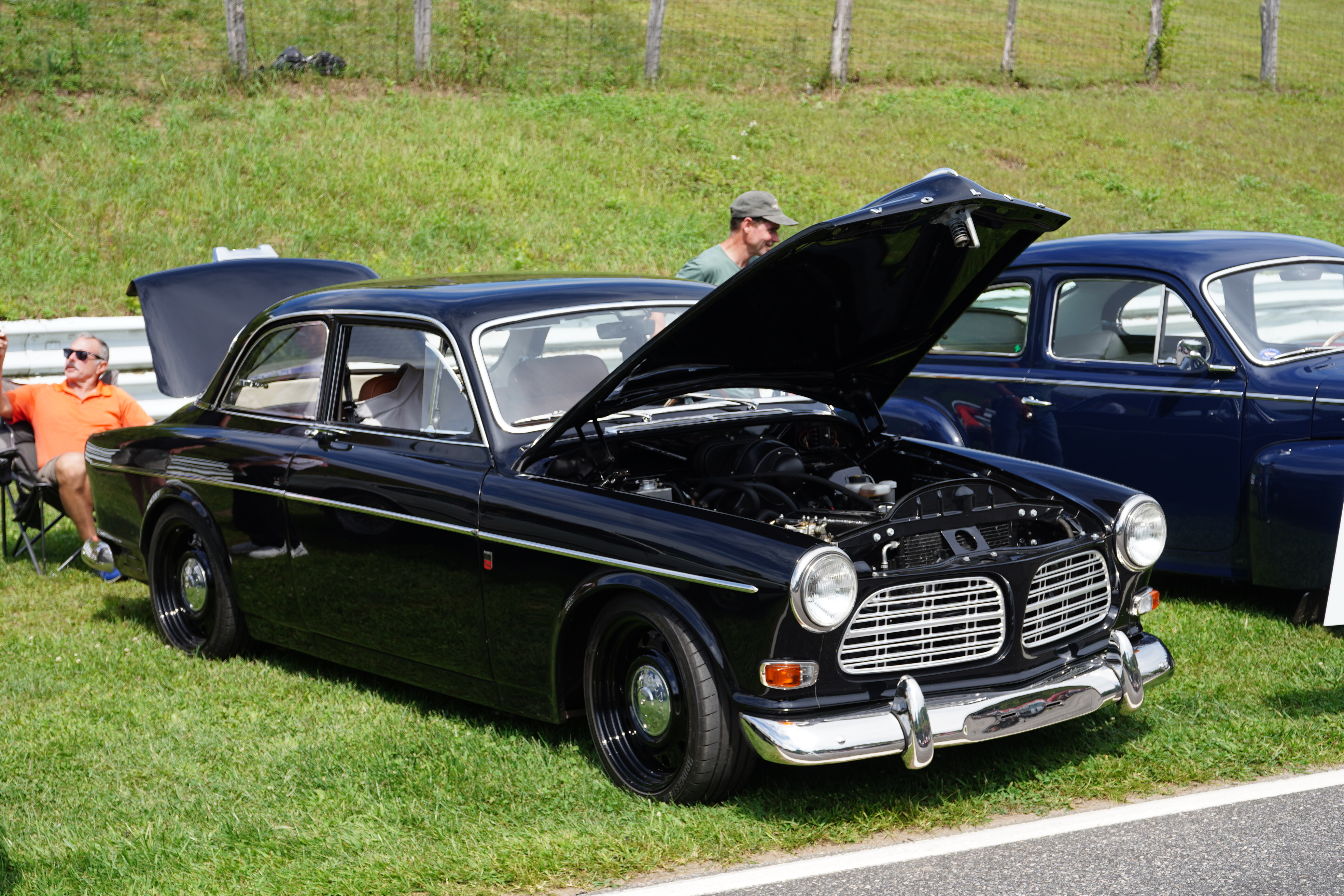
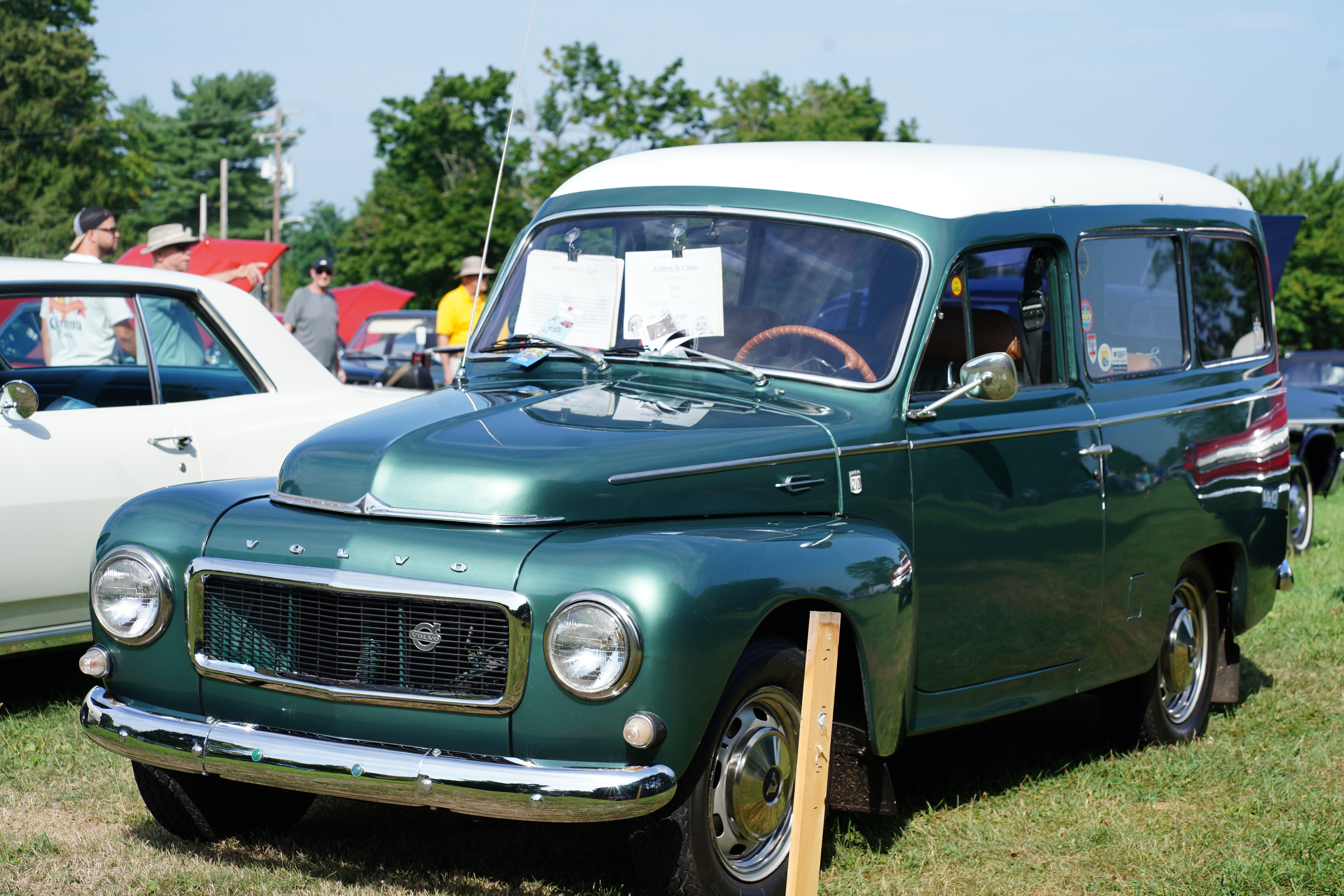
VOLVO


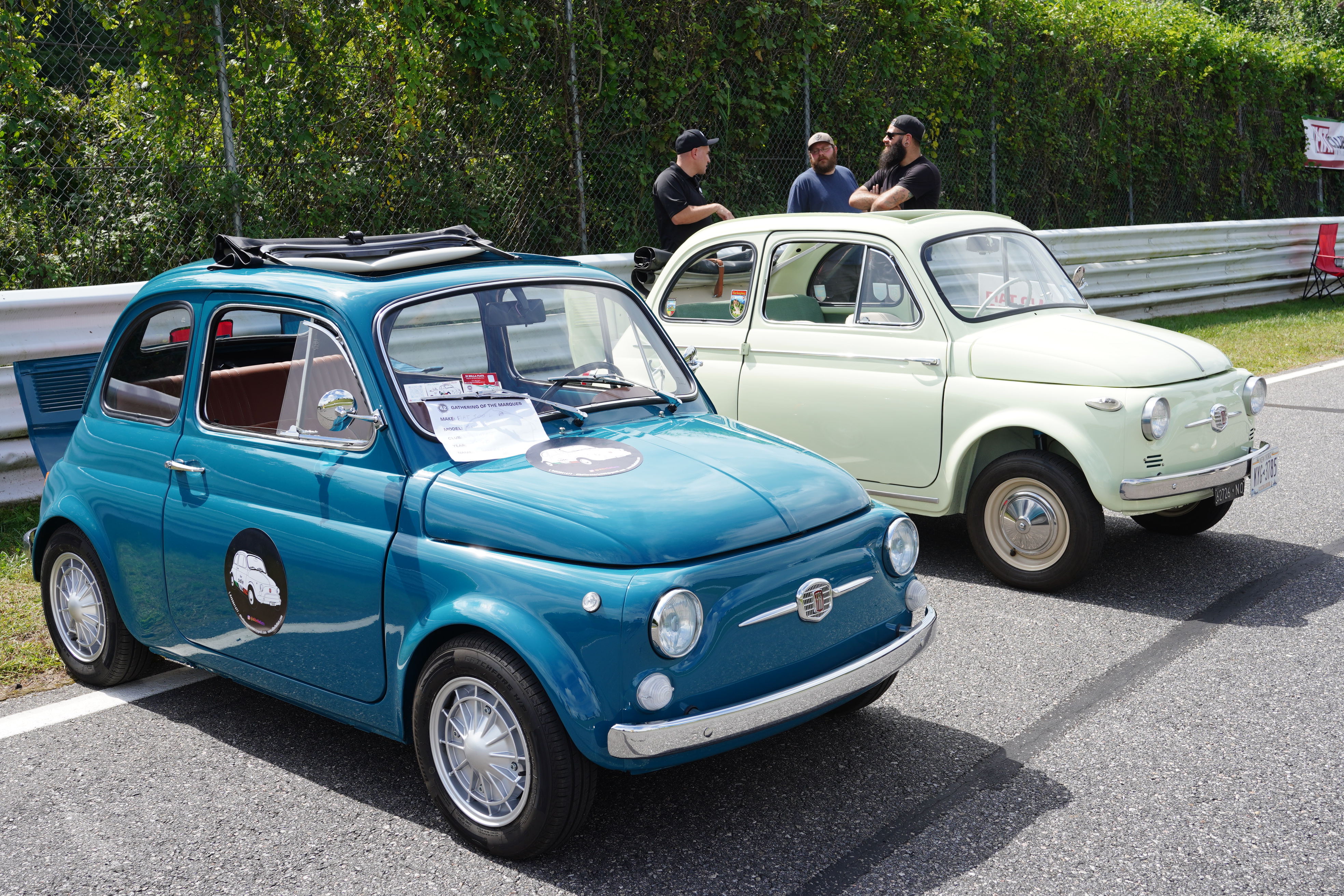
FIAT

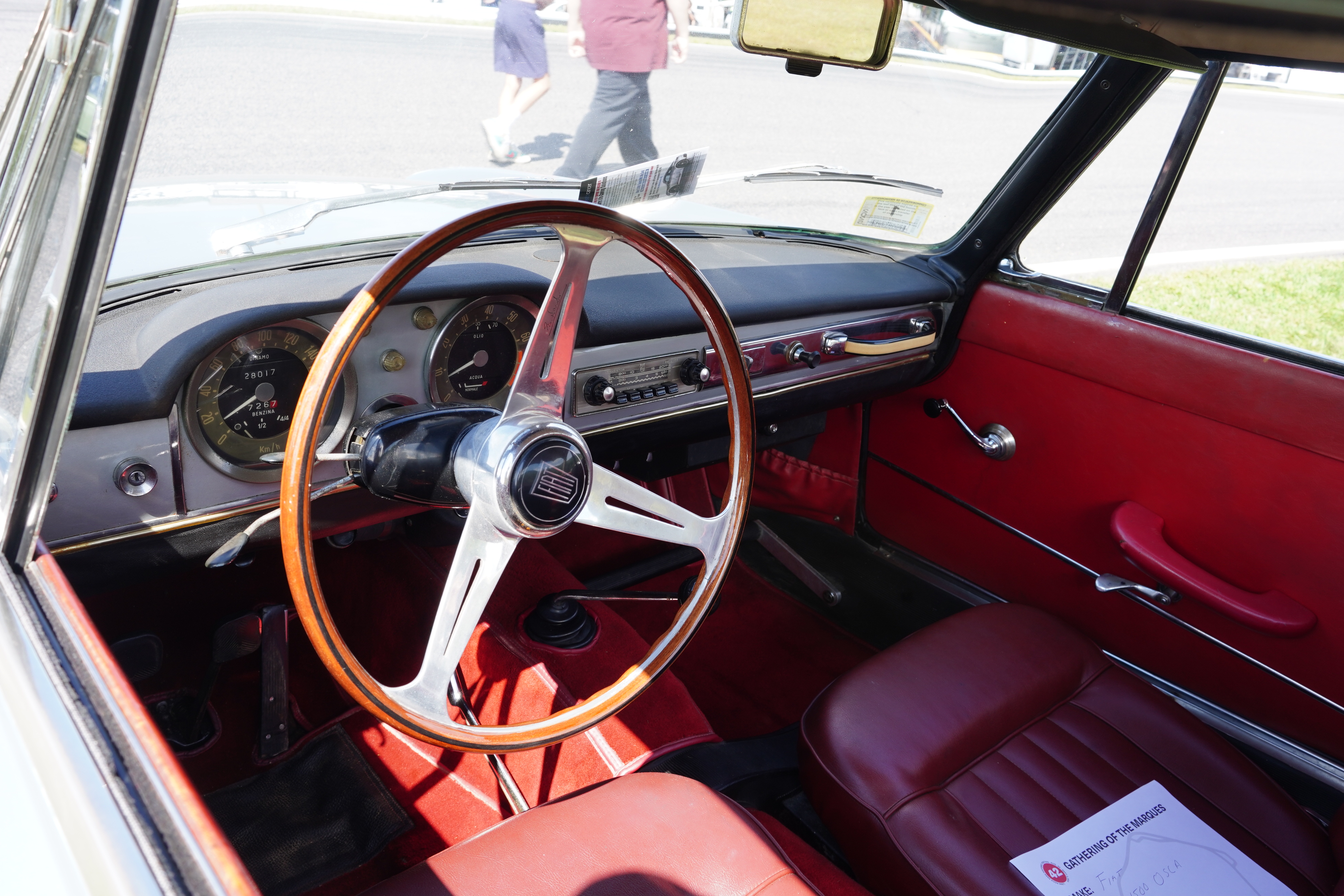
Fiat 1500 OCSA

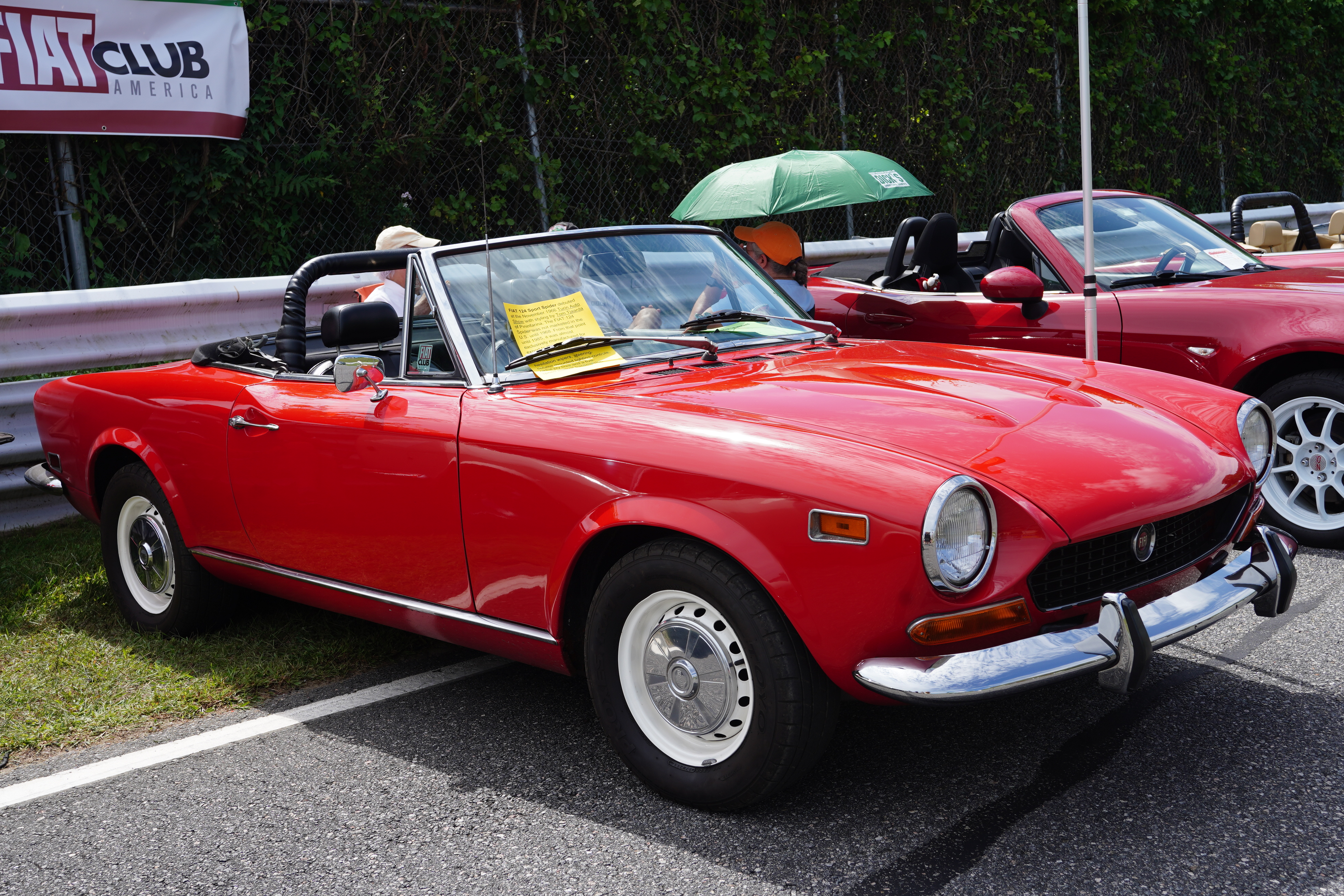
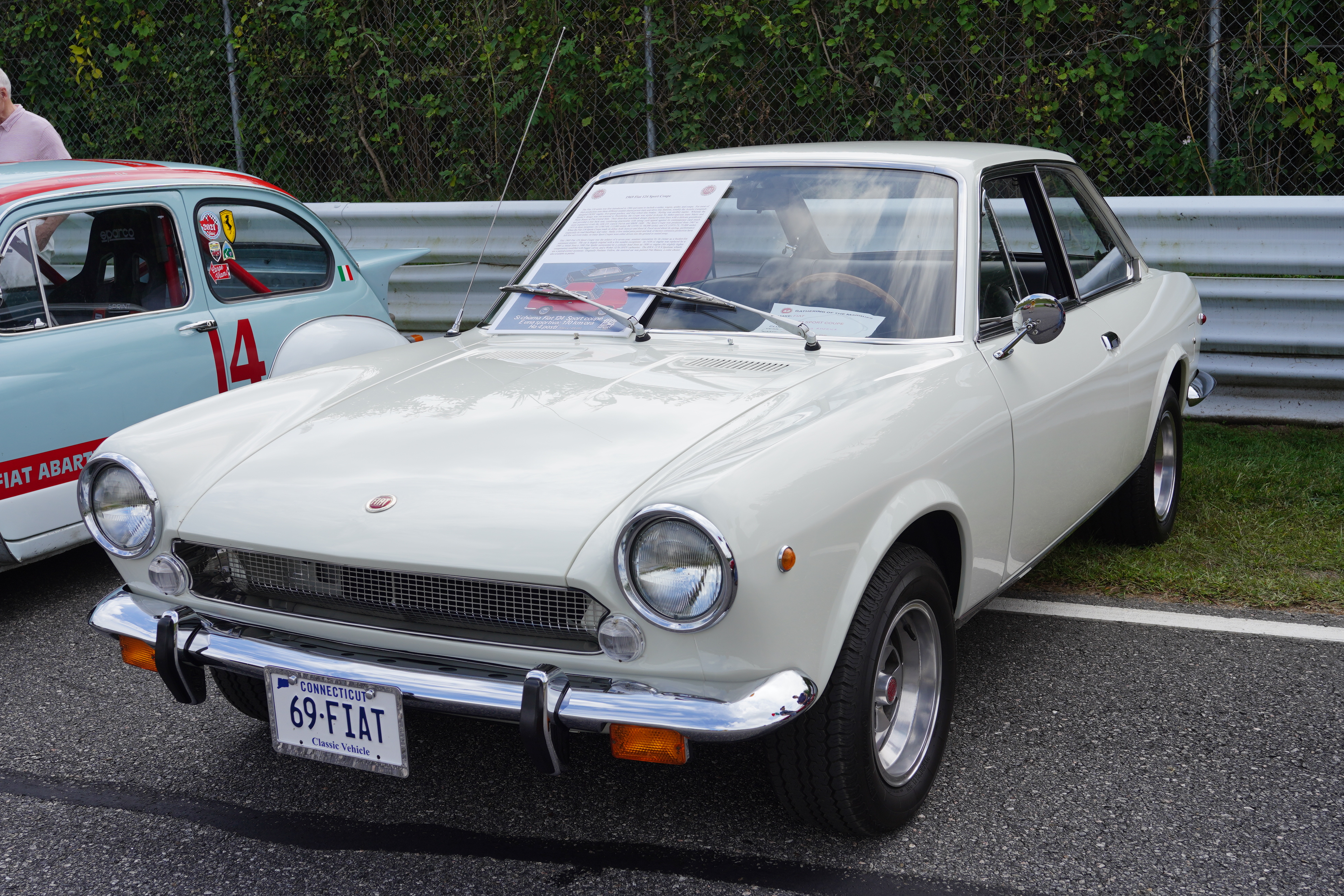
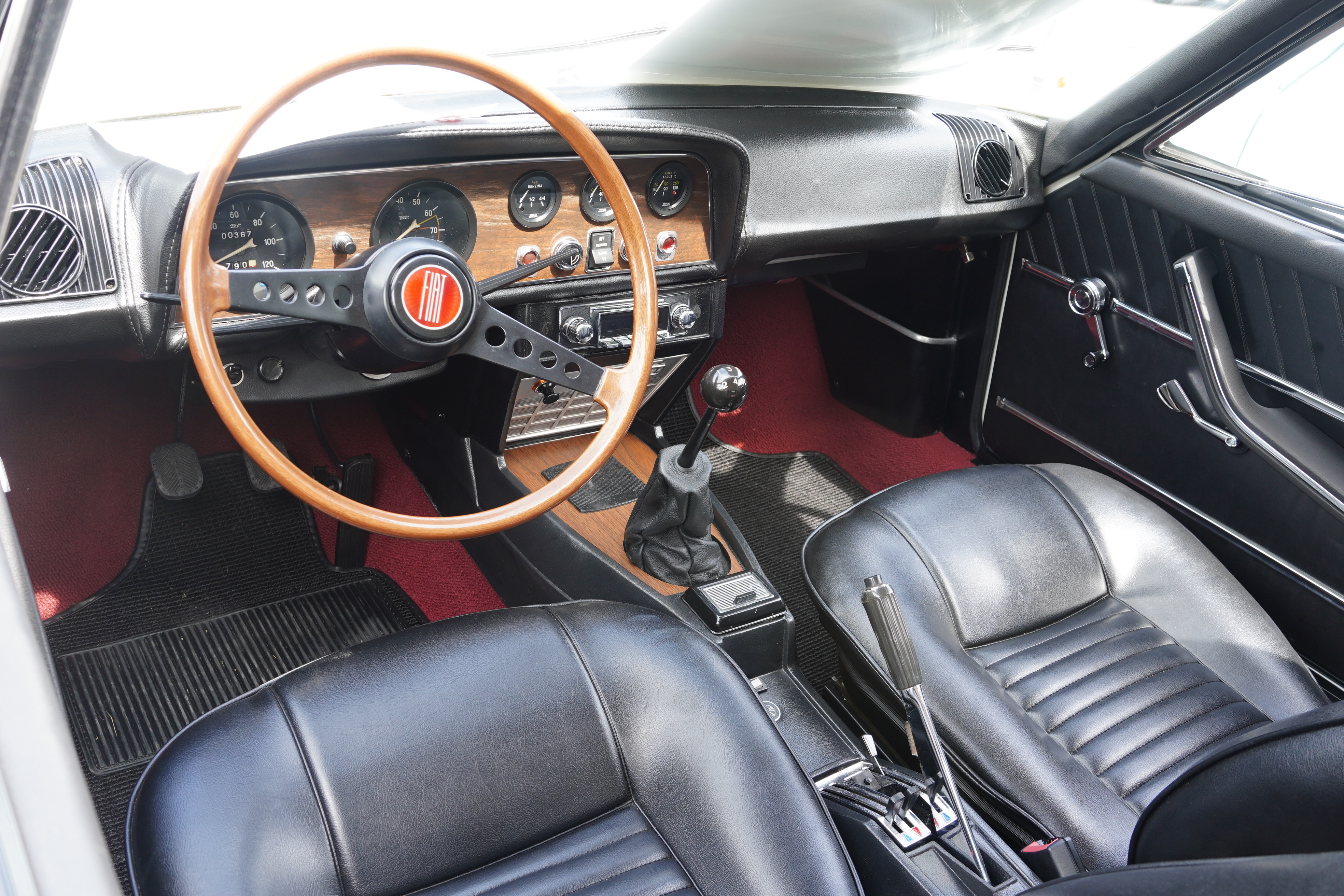
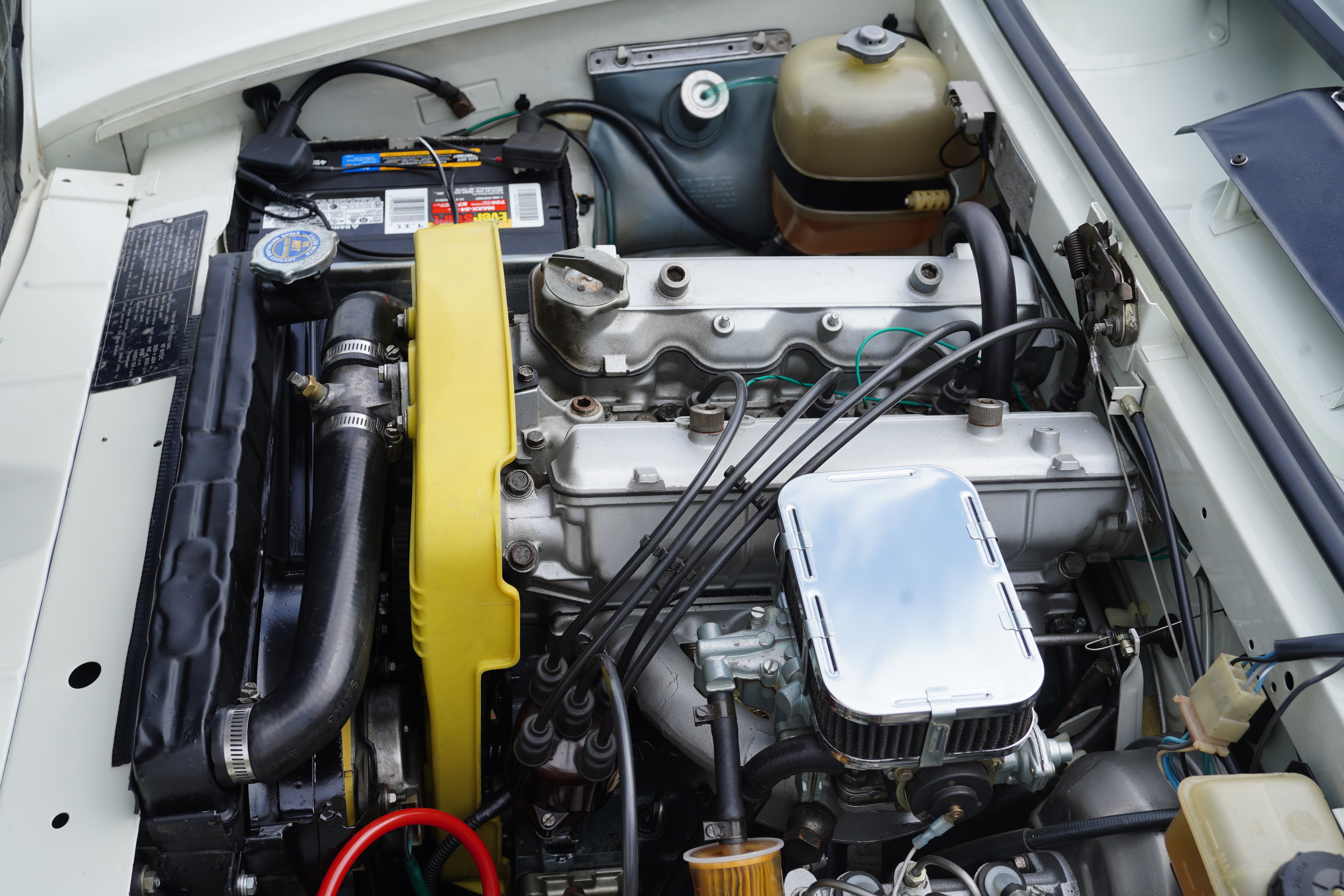
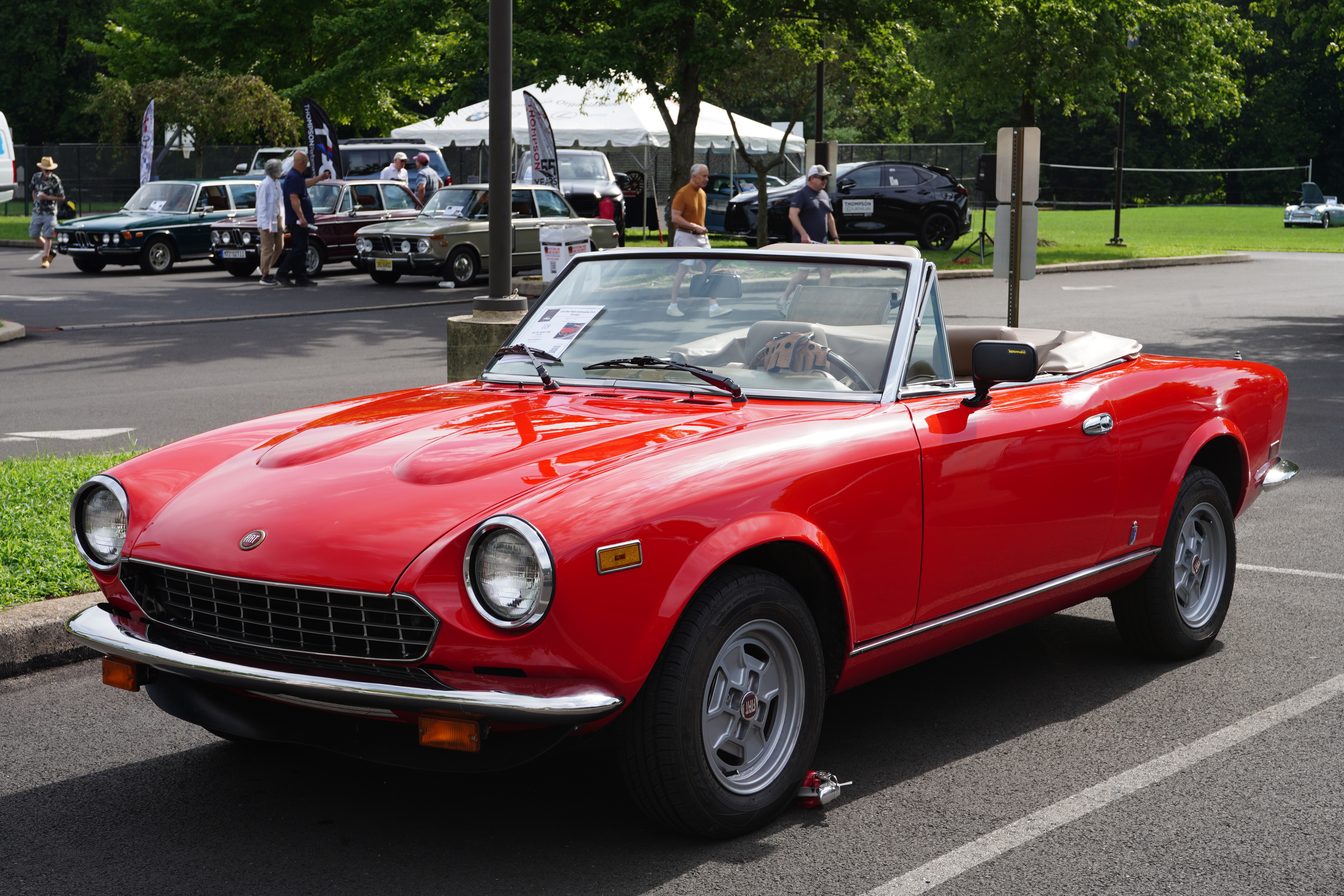
A BEAUTIFULLY RESTORED ’69 FIAT 124 SPORT COUPE

Ever since buying one as a 20-year-old, I have had a soft spot for the Fiat 124 Sport Coupe. Terminal rust has killed 90%+ of them, and it’s an incredible treat when one pops up at a show. This ’69 (first-gen car with the single headlamps) stopped me in my tracks, as it looked almost perfect. I spoke at length with the owner who told me he bought it 8 years ago, then spent 7 years restoring it, so it’s been finished for only about a year. He had two cars and took the best parts of each to create one car. All mechanical work was performed by him, with only the body and paint work farmed out, although the body shop had the shell for 3 years. I asked about sheet metal availability, and he said that this car needed a complete floorpan. Doing some research, he discovered that the 124 4-door sedan and the 124 coupe had the same wheelbase. The 124 sedan was built in large numbers under license as a Lada in both Poland and Russia, so parts availability in these former Soviet-bloc countries was good. He found an aftermarket floorpan for the sedan offered by a Ukrainian company, and with some trepidation, ordered it. It arrived, and to everyone’s glorious surprise and relief, it dropped right into place!


ALFA ROMEO

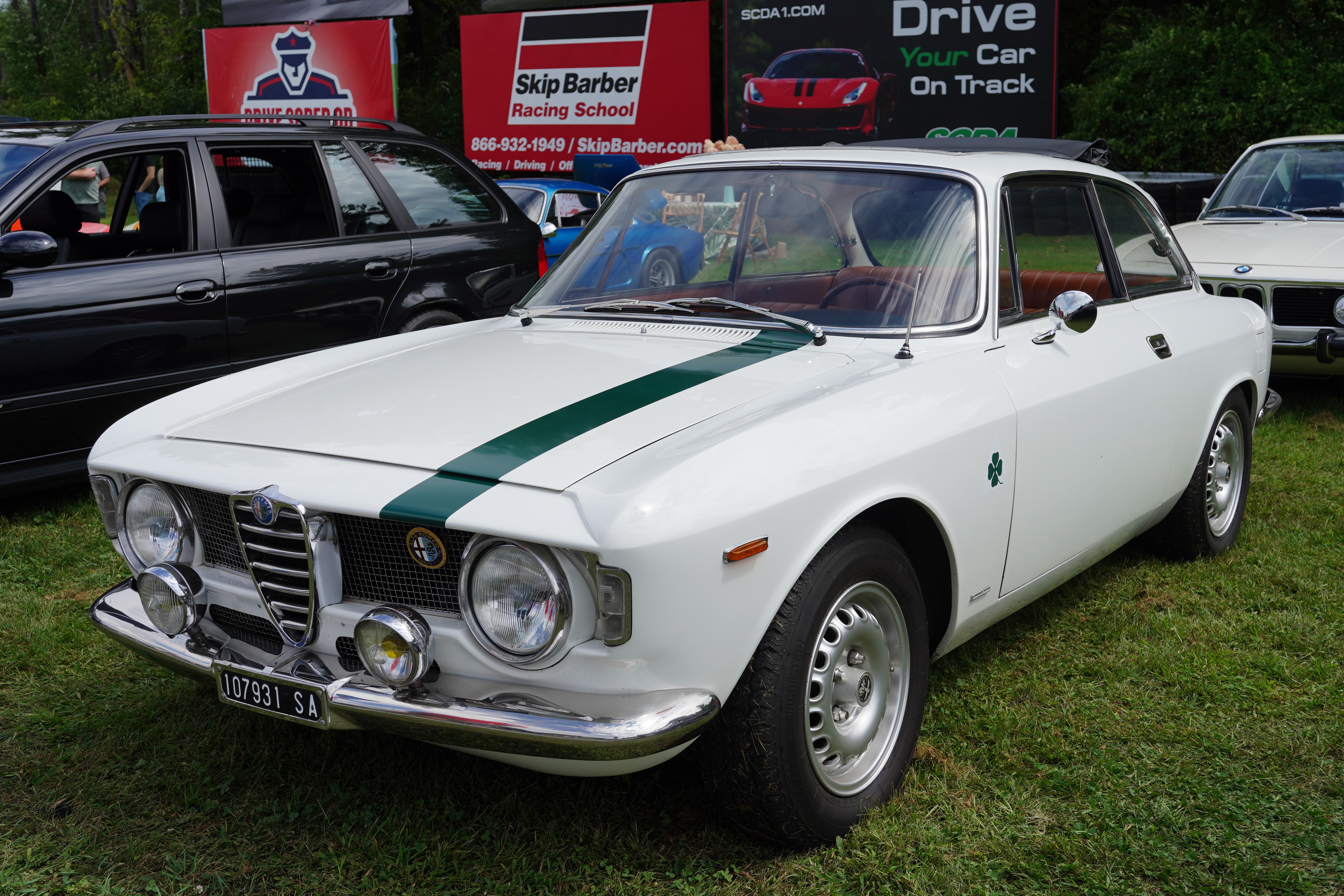
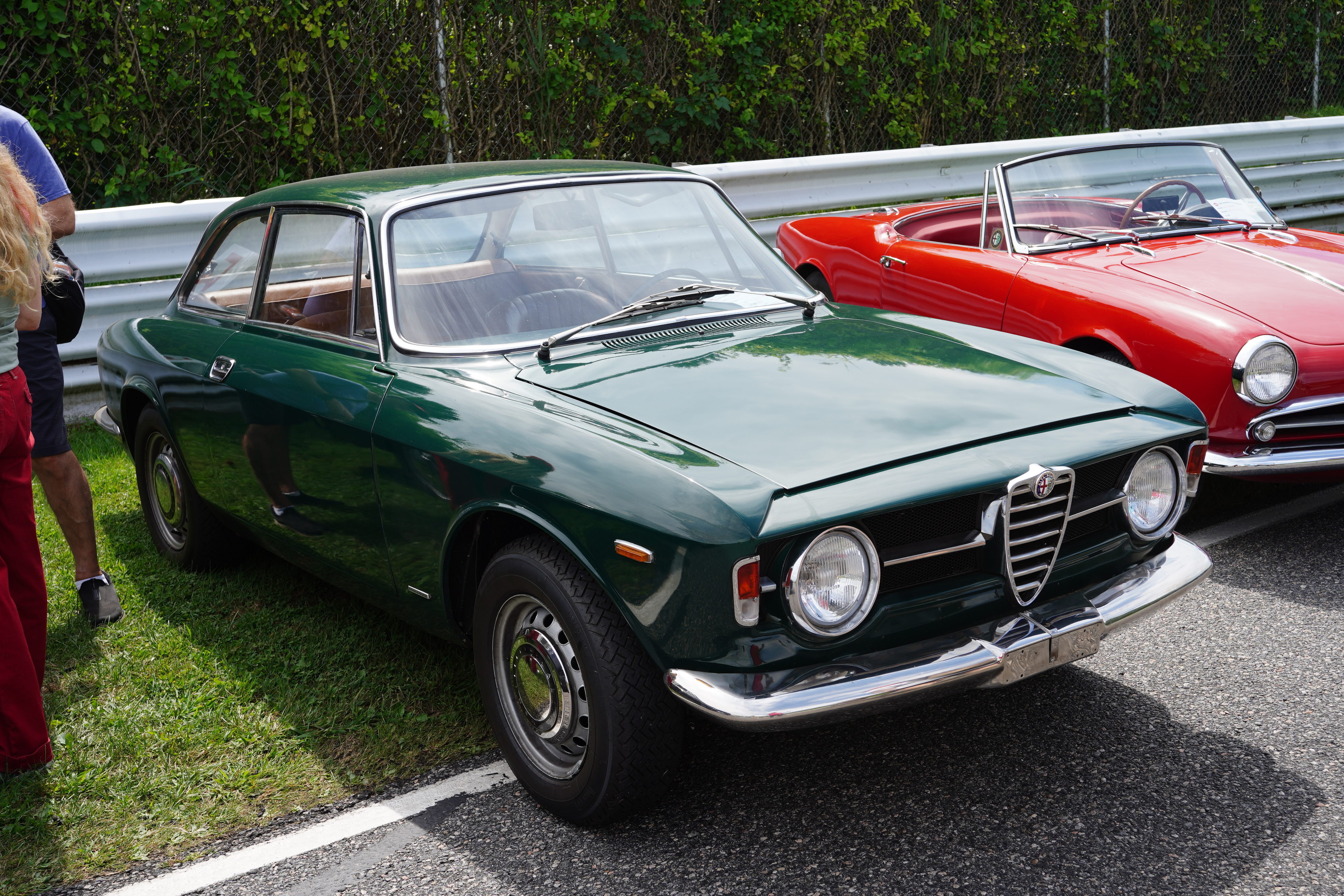
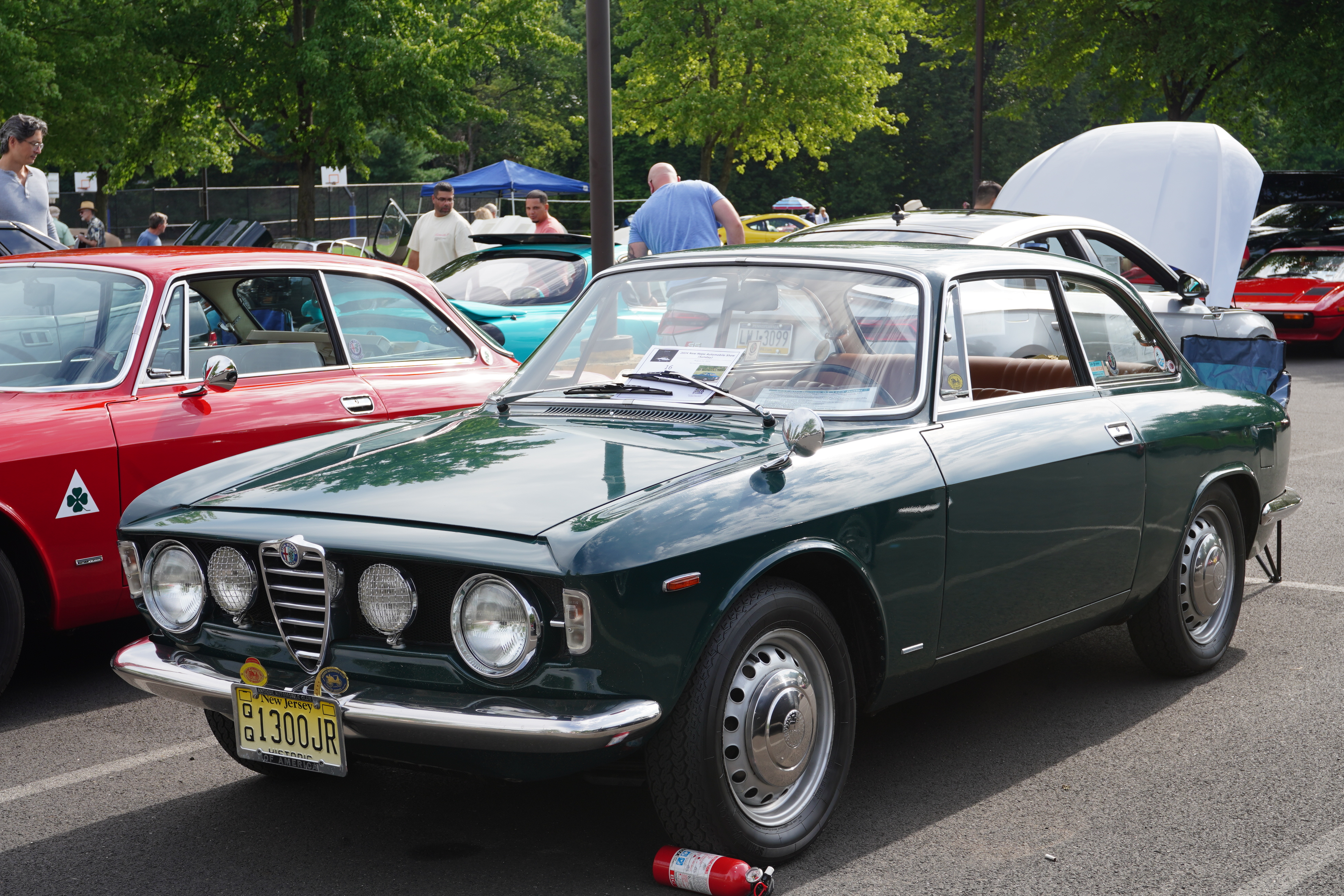
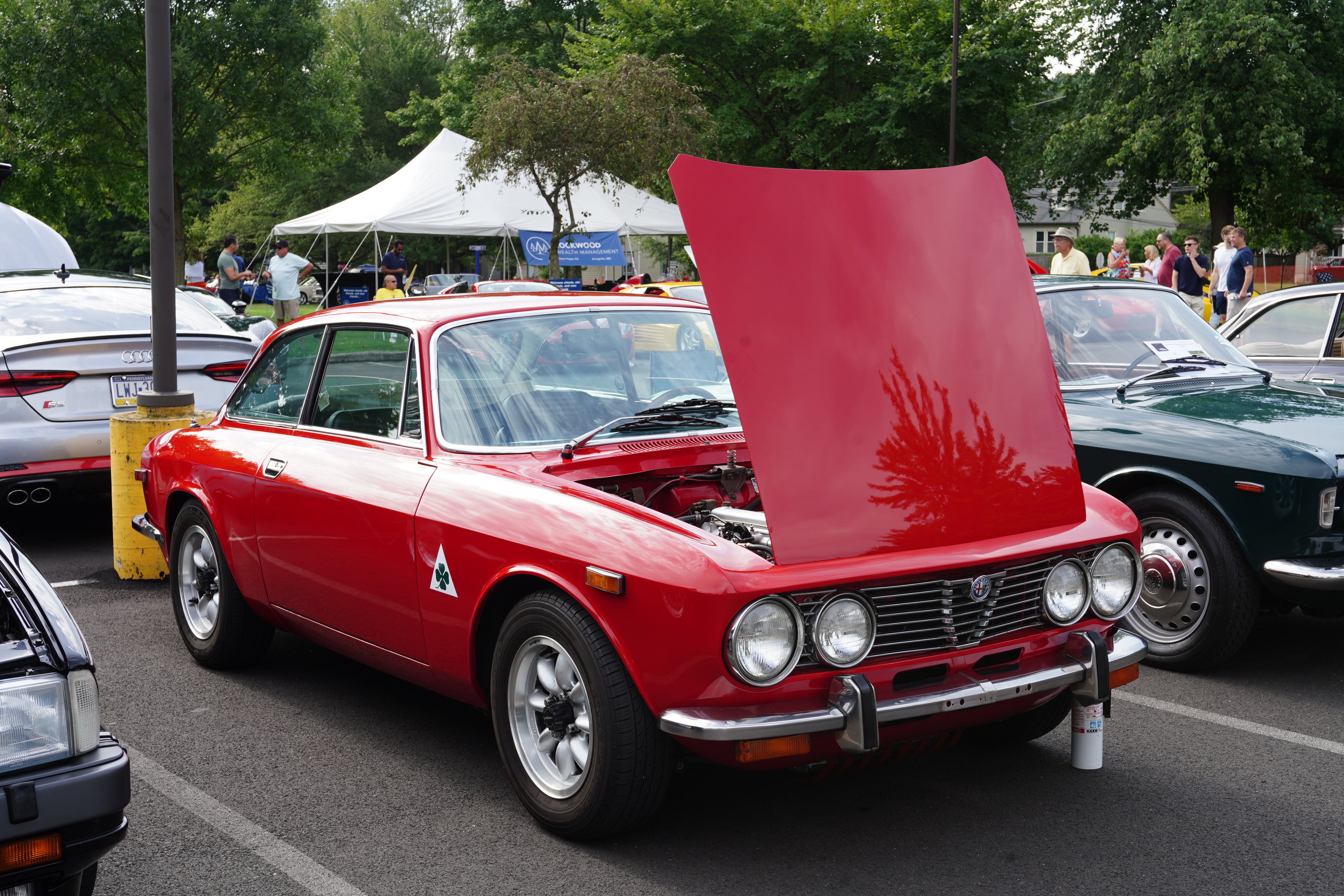
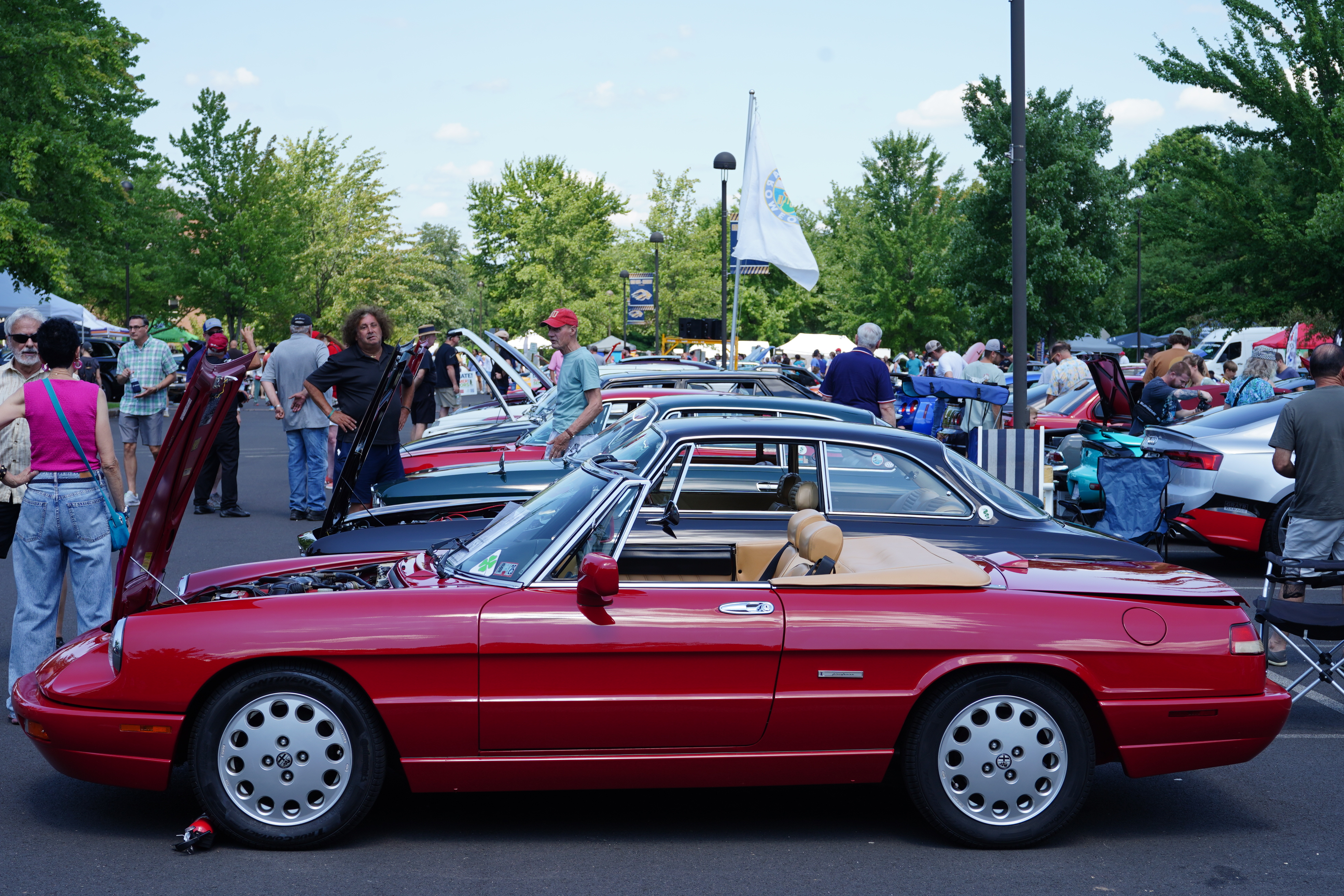
The “Juniors” (smaller engines, fewer features) were never officially imported into the U.S., so seeing one is a rare treat, although they are around. My ‘67 of course, is a Junior, privately imported in 1967. While I’ve seen a small handful of other Juniors at Alfa shows, I’ve never seen one in the same colors as mine, that is until I saw this 1968 model, one year newer. Other Junior owners have challenged certain features on my car, claiming that all Juniors have two-spoke wheels (mine is a three-spoke), and only one “Designed by Bertone” badge on the front fenders (I have two, one on each side). This Lime Rock Junior had the same steering wheel as my car but only one “Bertone” badge. Most interestingly, it had a grey dash without the vinyl “wood” applique which my car has. I’ve only seen the grey dash on pre-1967 coupes. I think, as others have hinted at, that the factory assembly process was simply not always that precise.


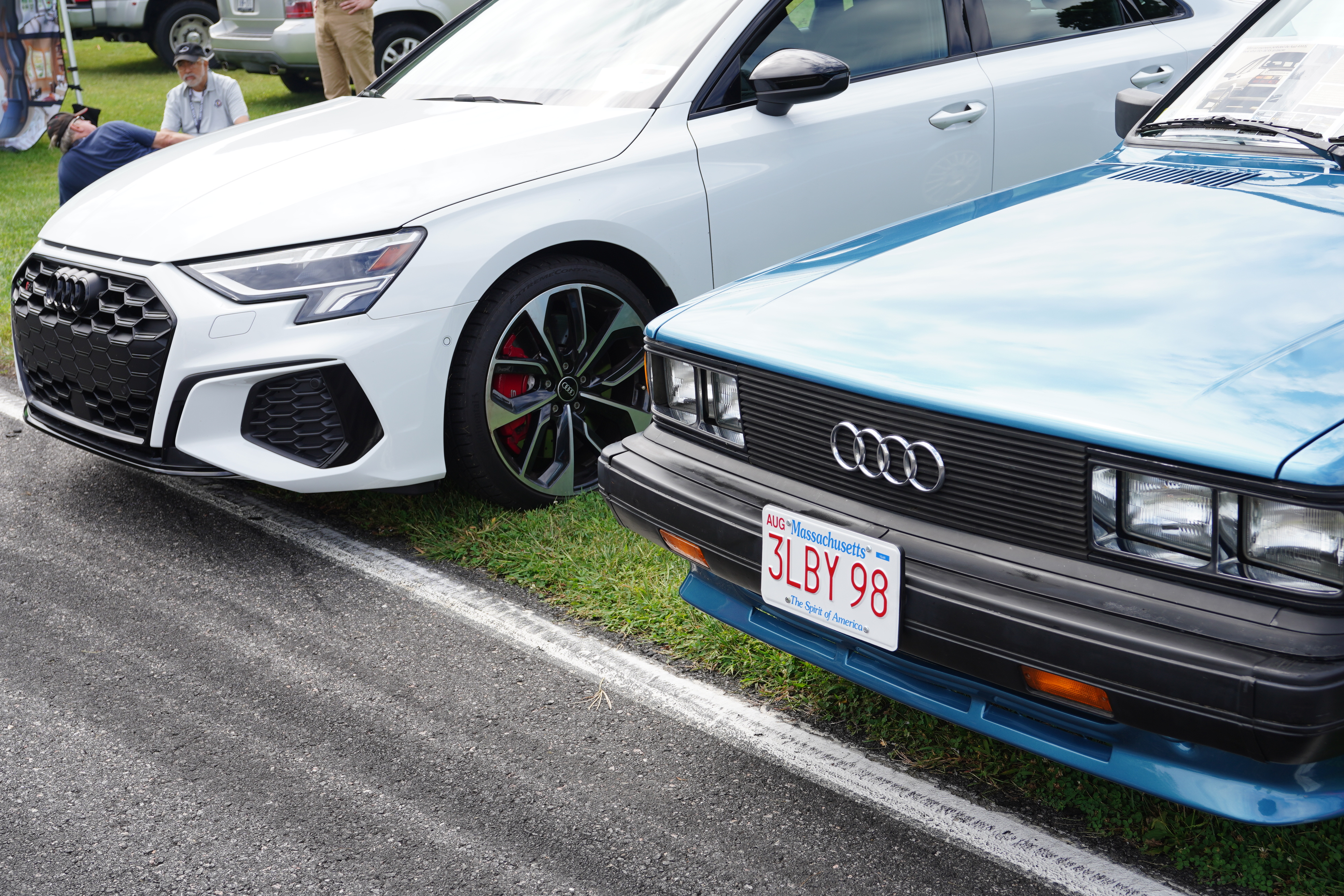
GRILLE EVOLUTION


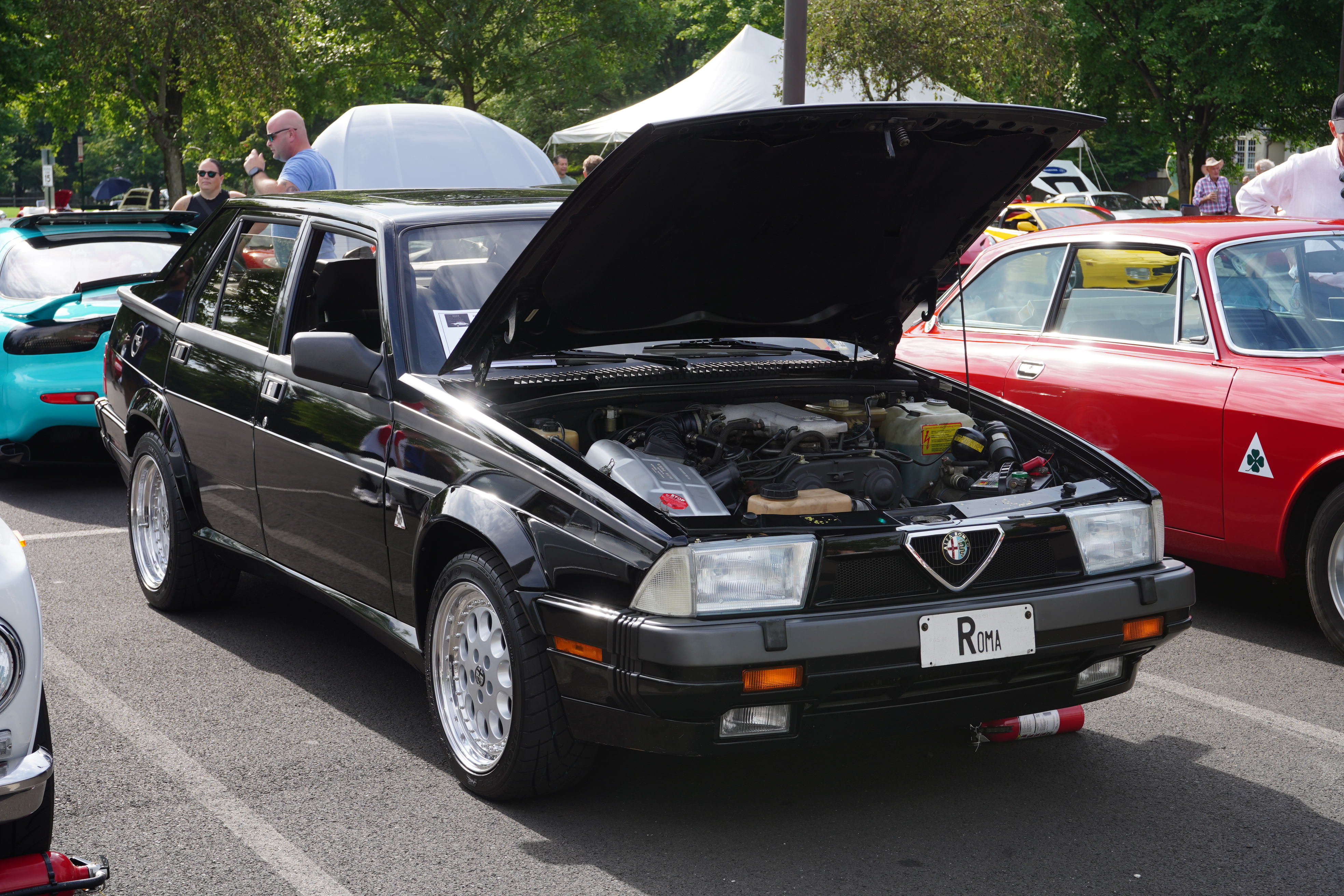
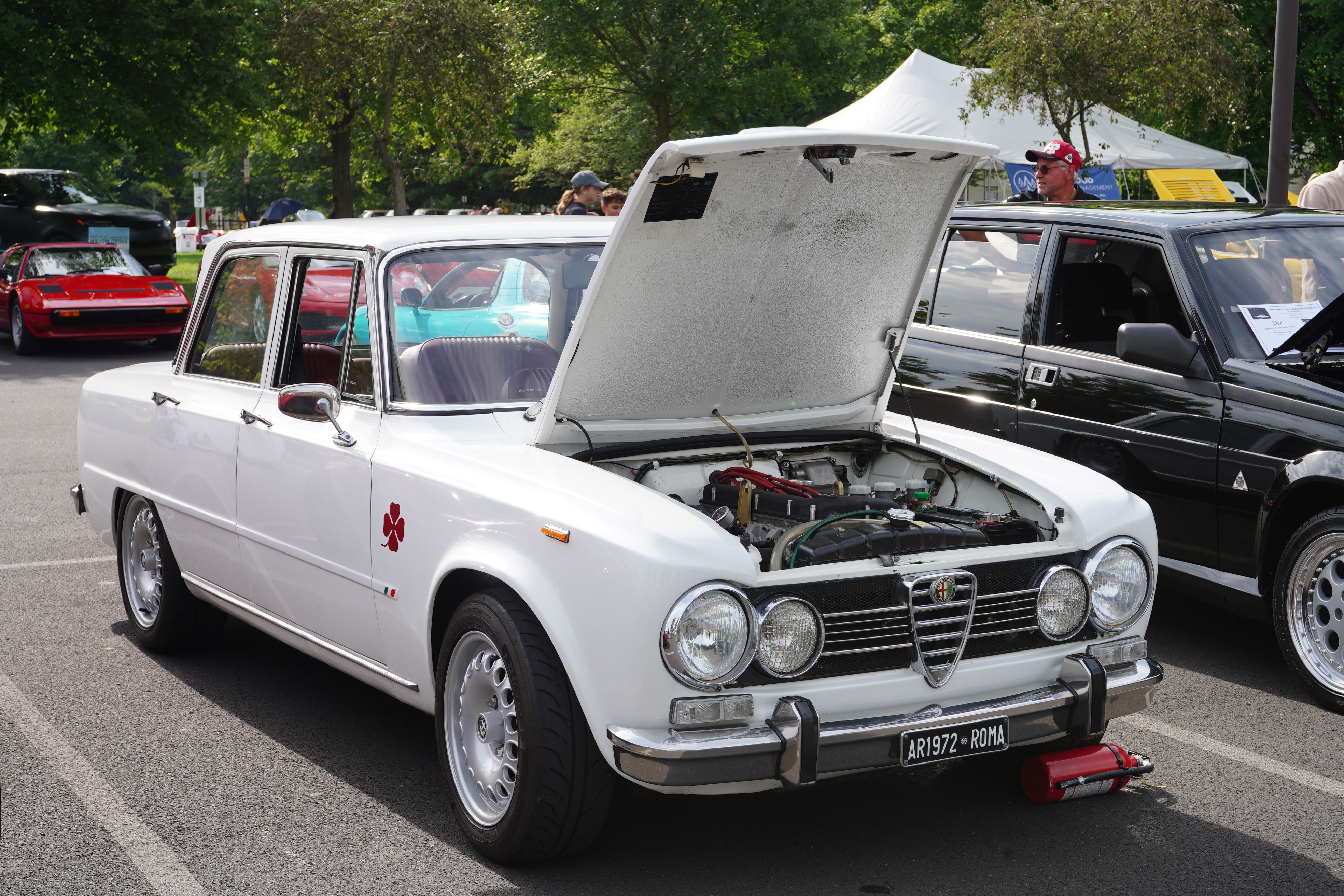
ADDENDA

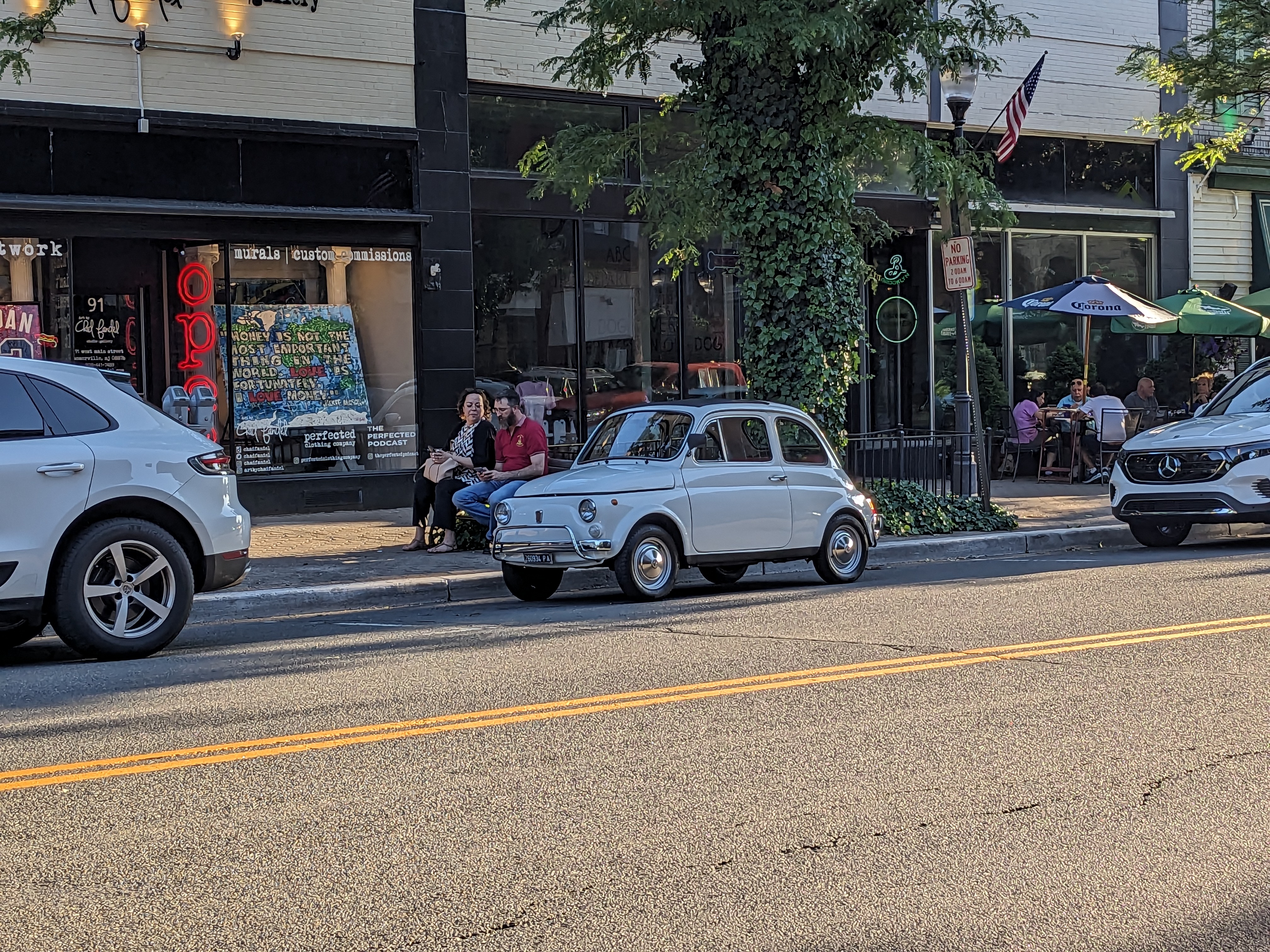
This Fiat 500 was spotted on Main St. in Somerville NJ parked between a Porsche and a Mercedes-Benz. You could fit THREE 500s into that parking spot!


Entire blog post content copyright © 2024 Richard A. Reina. Text and photos may not be copied or reproduced without express written permission.
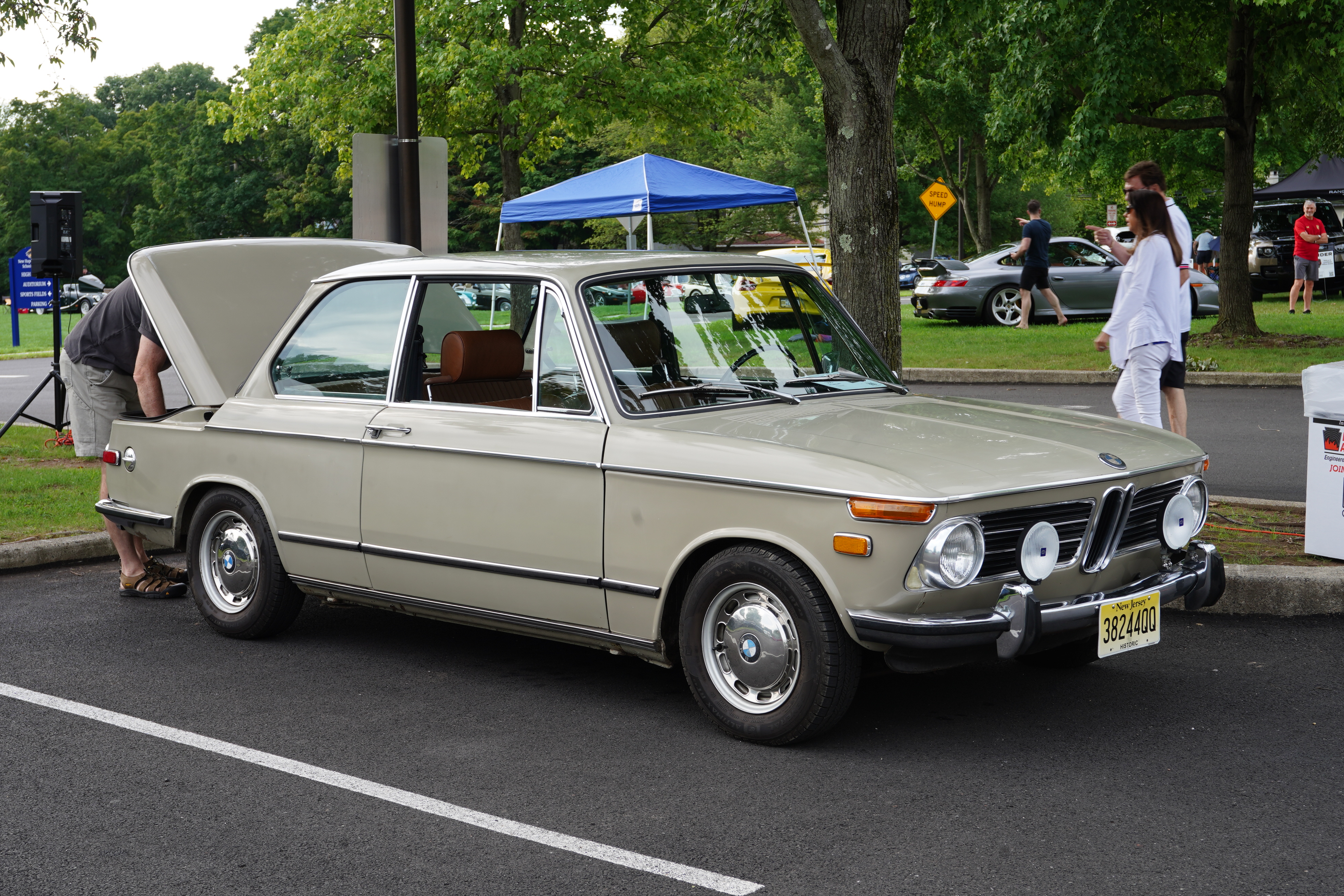
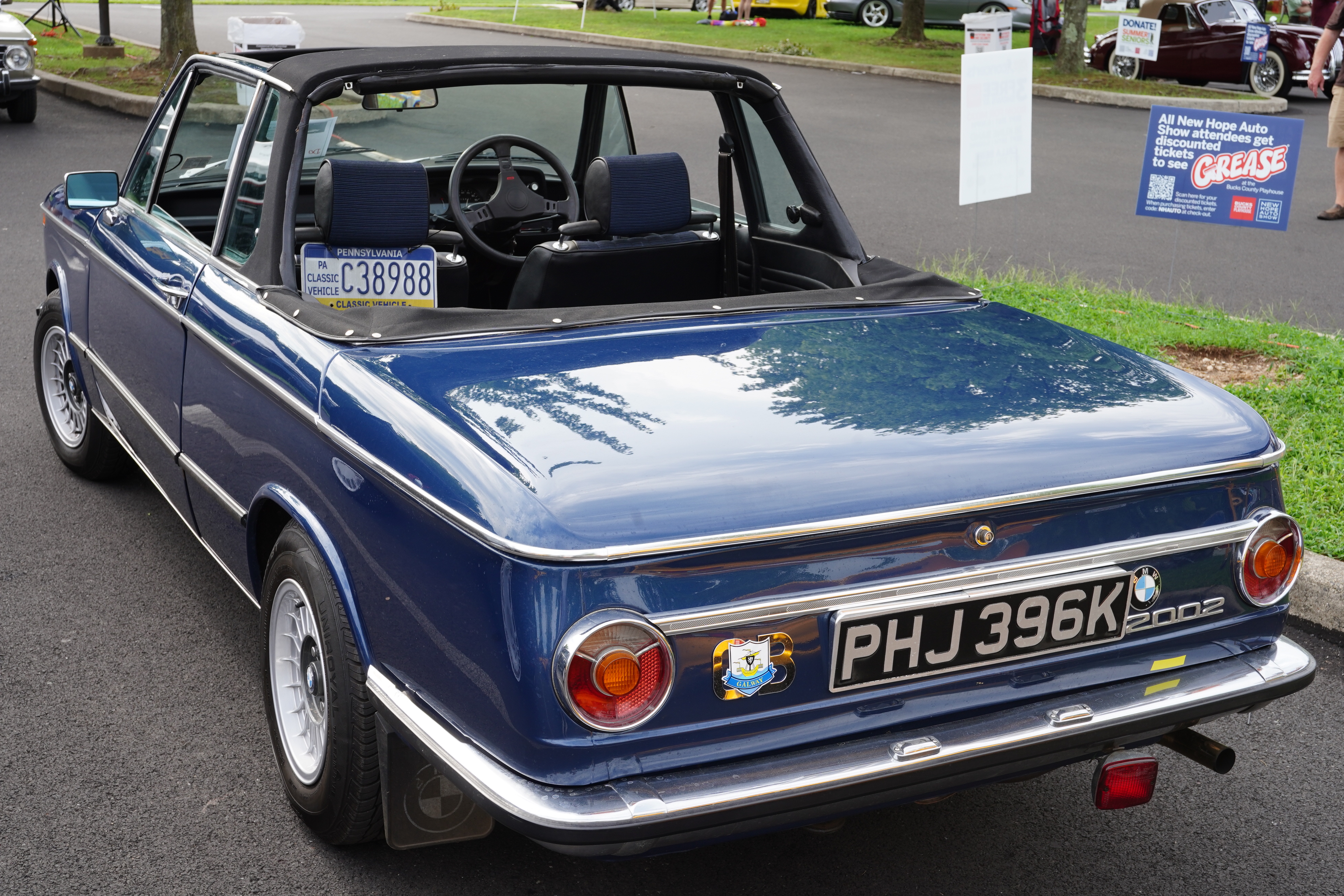
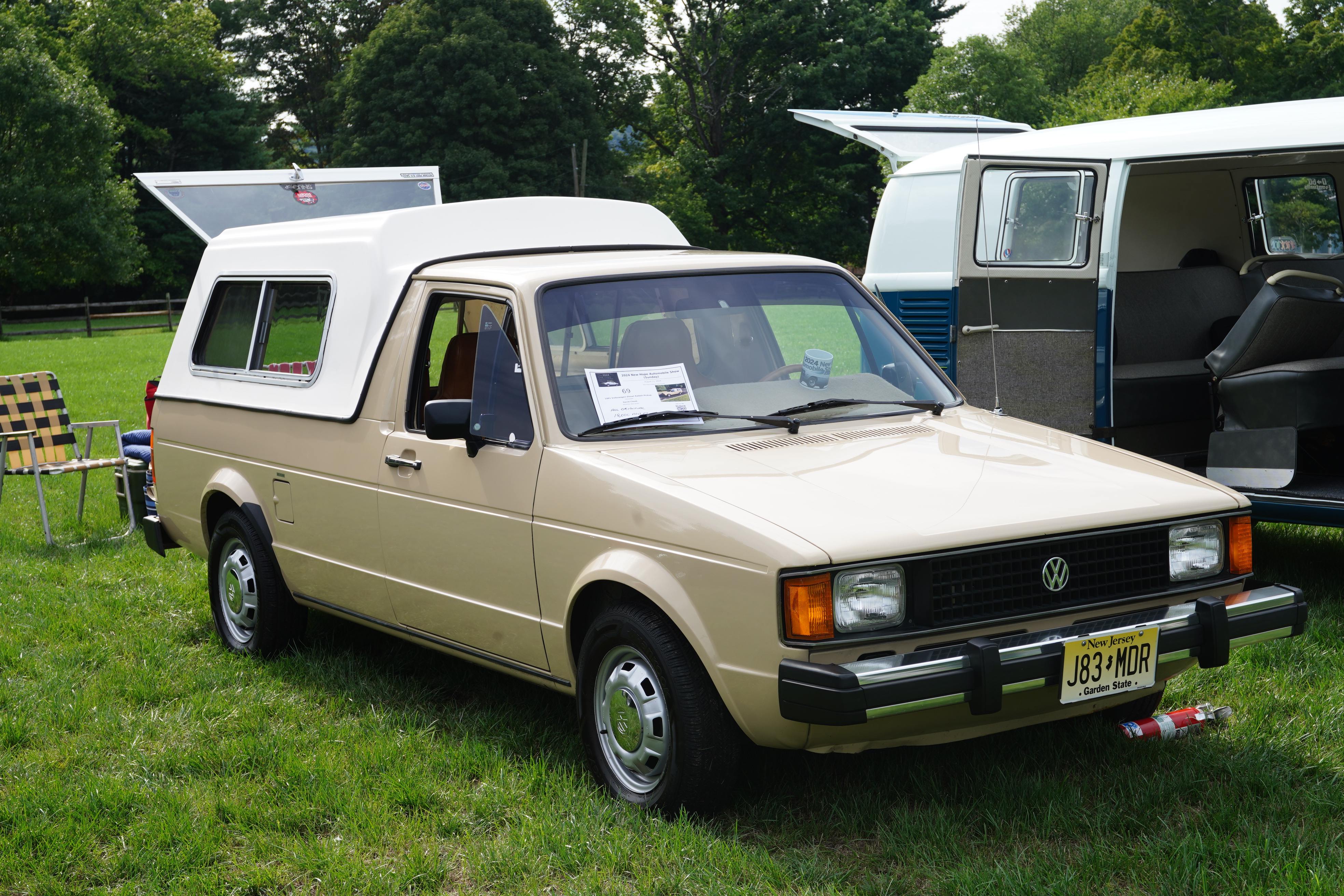
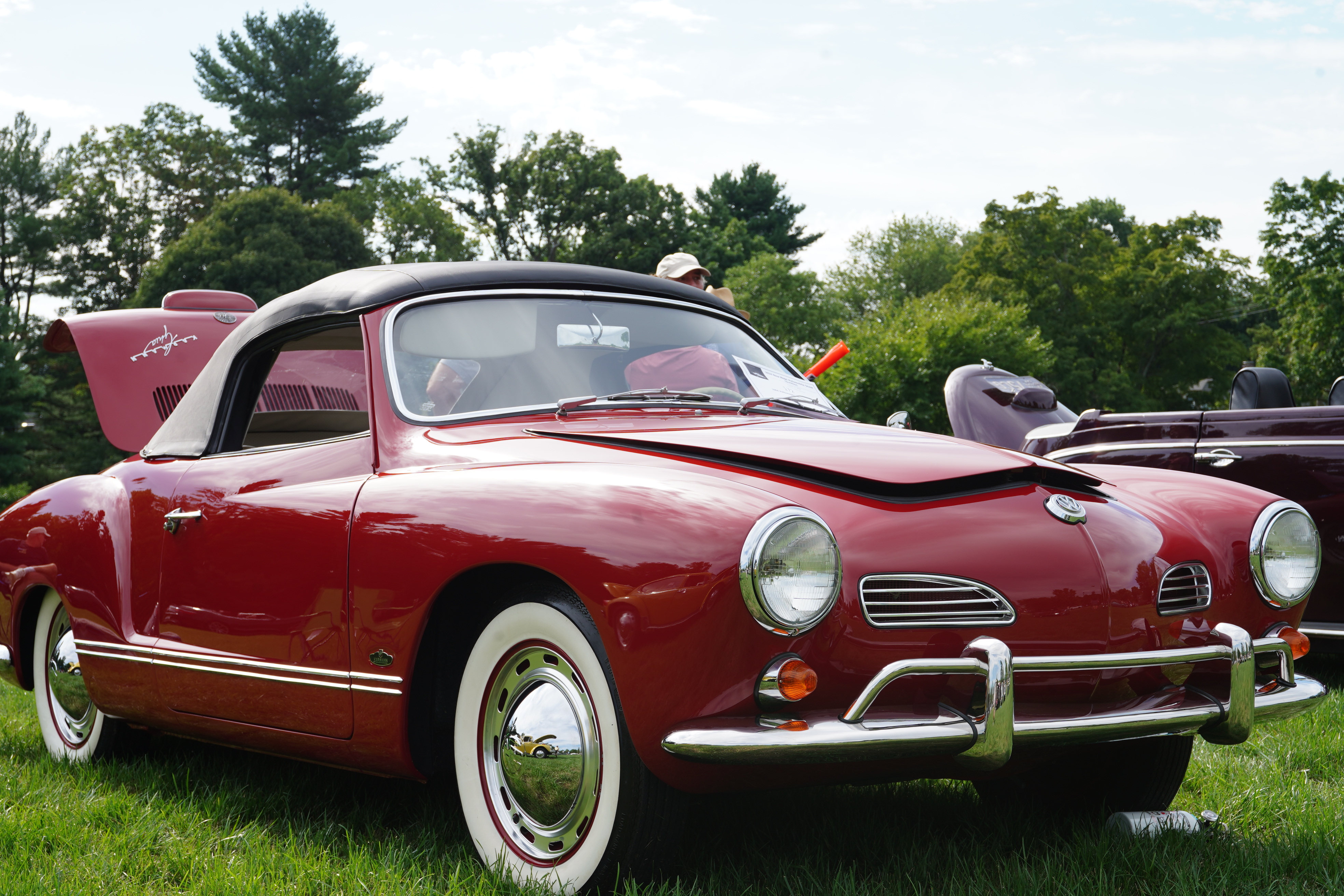
The 2024 New Hope Auto Show

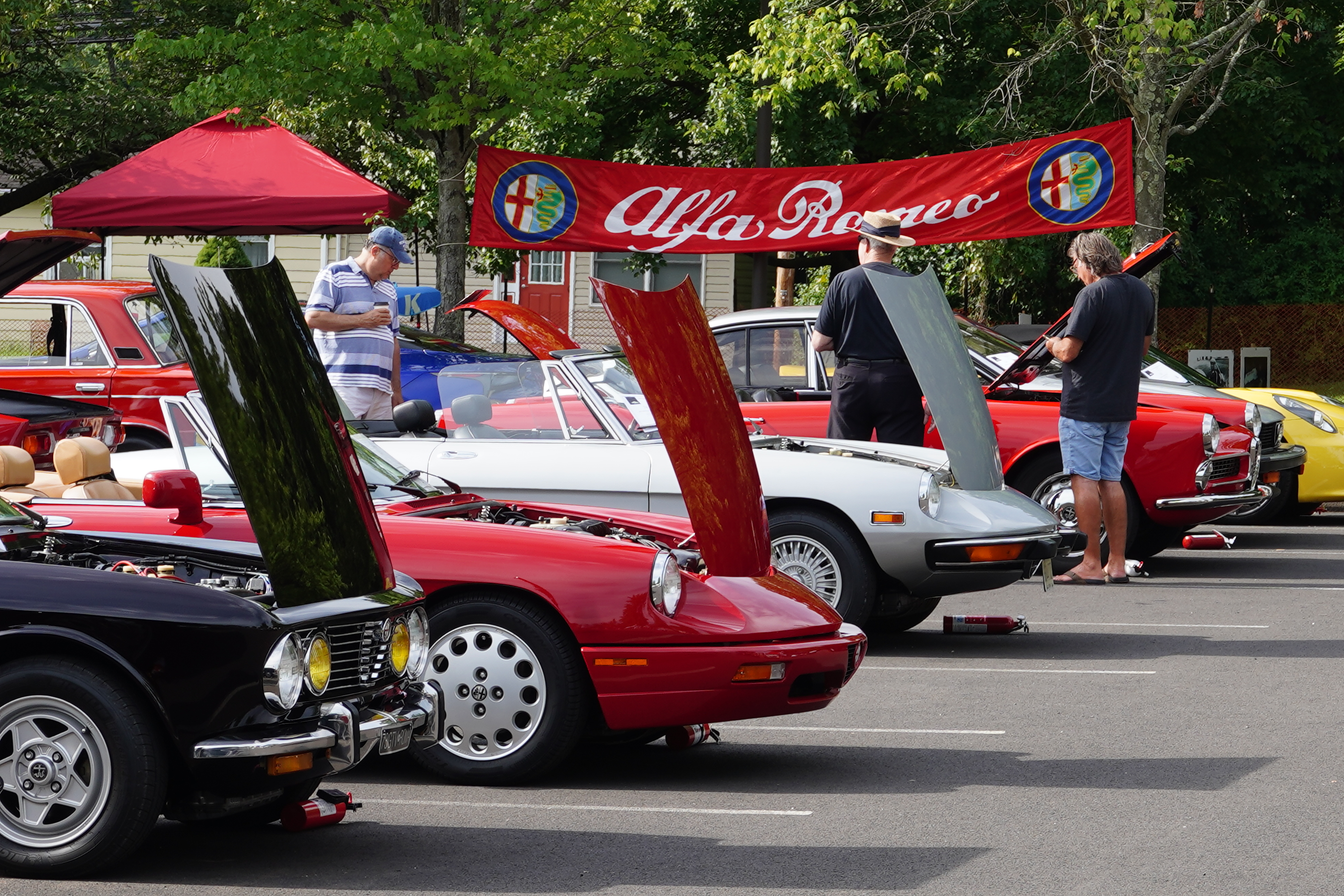
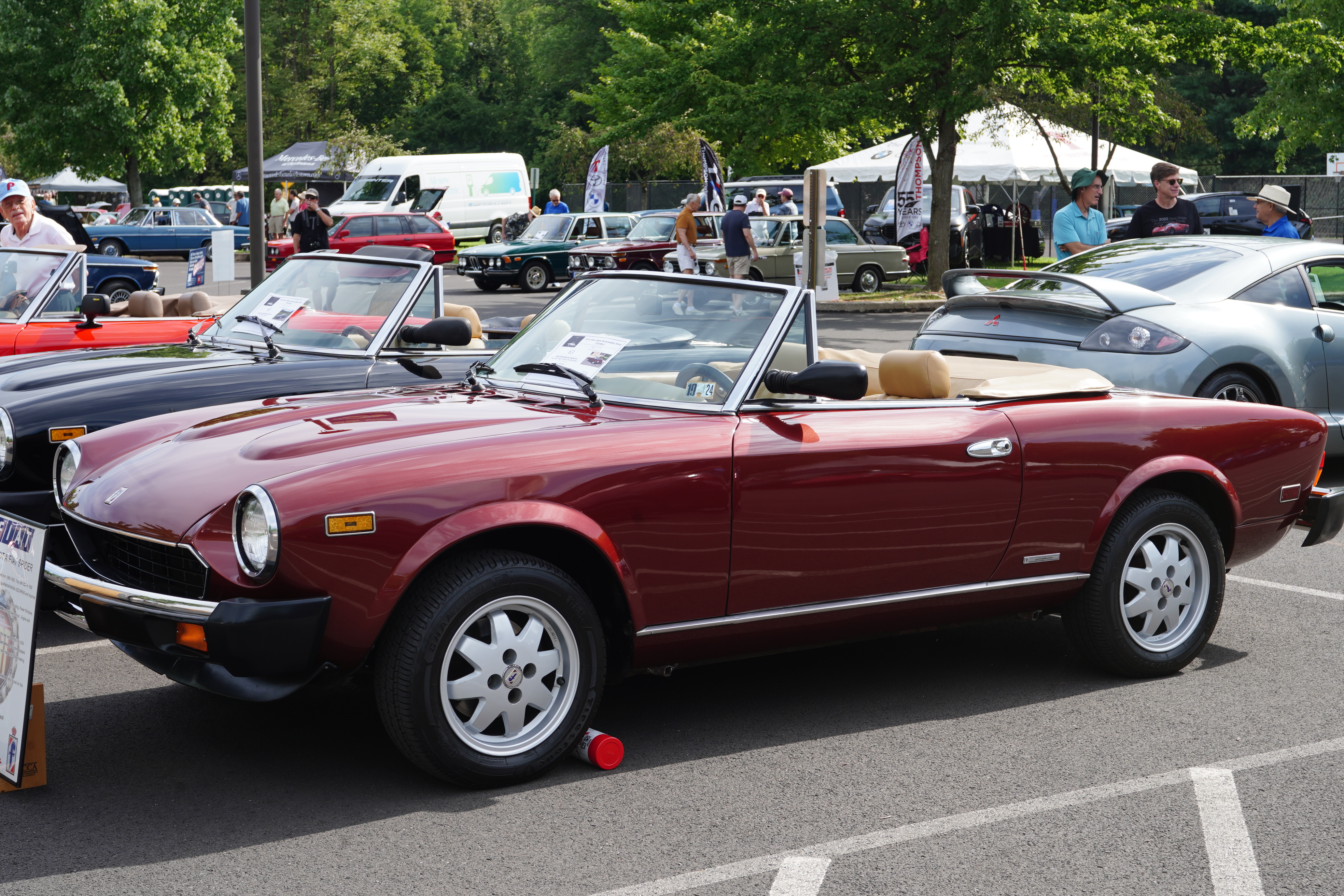
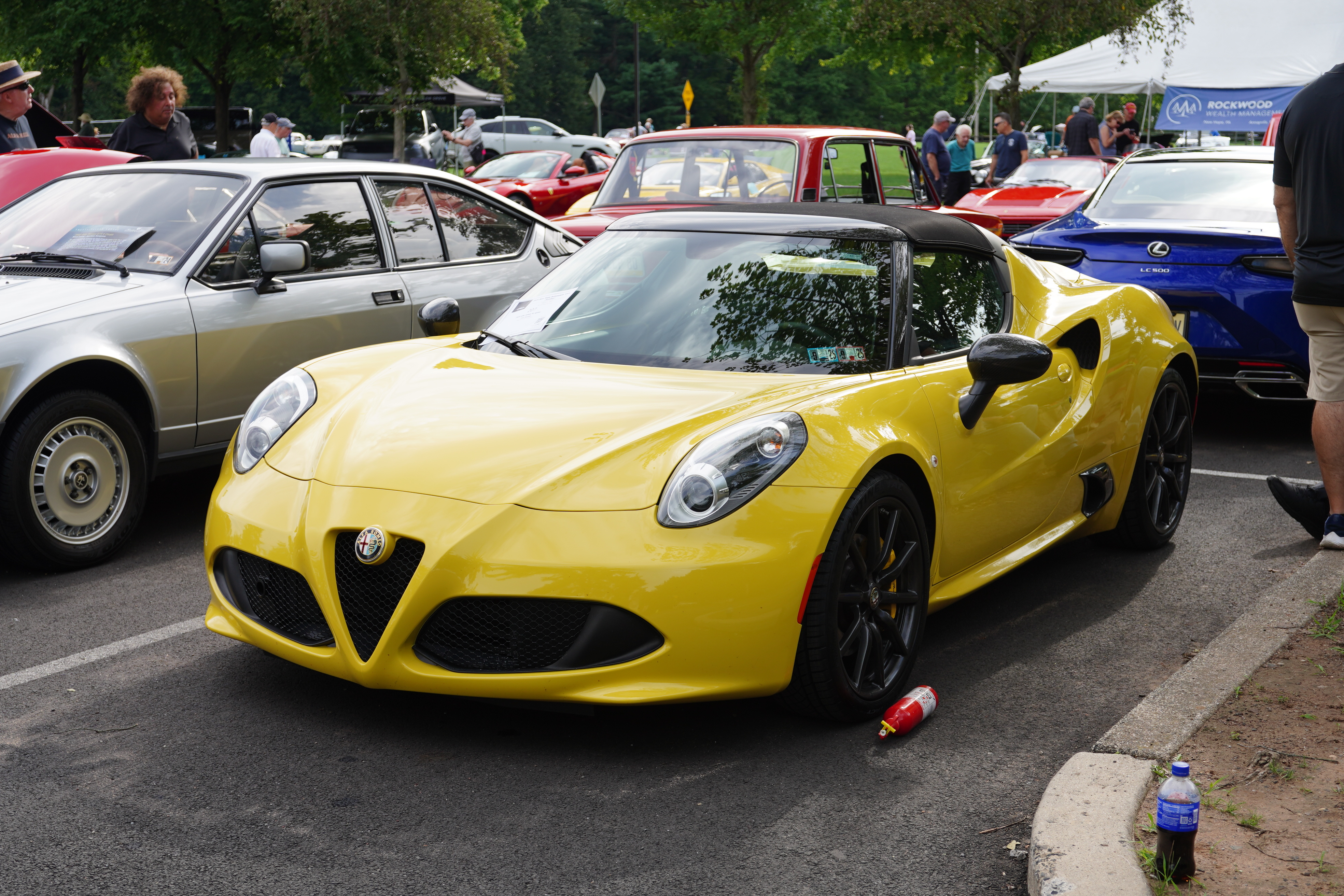
The New Hope (PA) Auto Show, now in its 67th year, was held during the weekend of August 10 & 11, 2024. After a stormy week concluding with a tornado watch (!) on Friday for most of the eastern PA/central NJ area, the weekend weather was some of the best of the summer: sunny, low humidity, and not too hot! The New Hope show organizers did their usual thing, with American cars on Saturday and “foreign cars” (I thought the hobby dropped that phrase in favor of “import cars”) on Sunday. I was there yet again with my Alfa, as the NJ and Delaware Valley Chapters of the AROC (Alfa Romeo Owners Club) turn out in reasonably big numbers for the show. This year, 13 Alfas were in attendance, and for the first time, thanks to the lobbying efforts of our NJ President Enrico, ALL Alfas were parked and judged together, including modern models such as the Giulia and 4C.

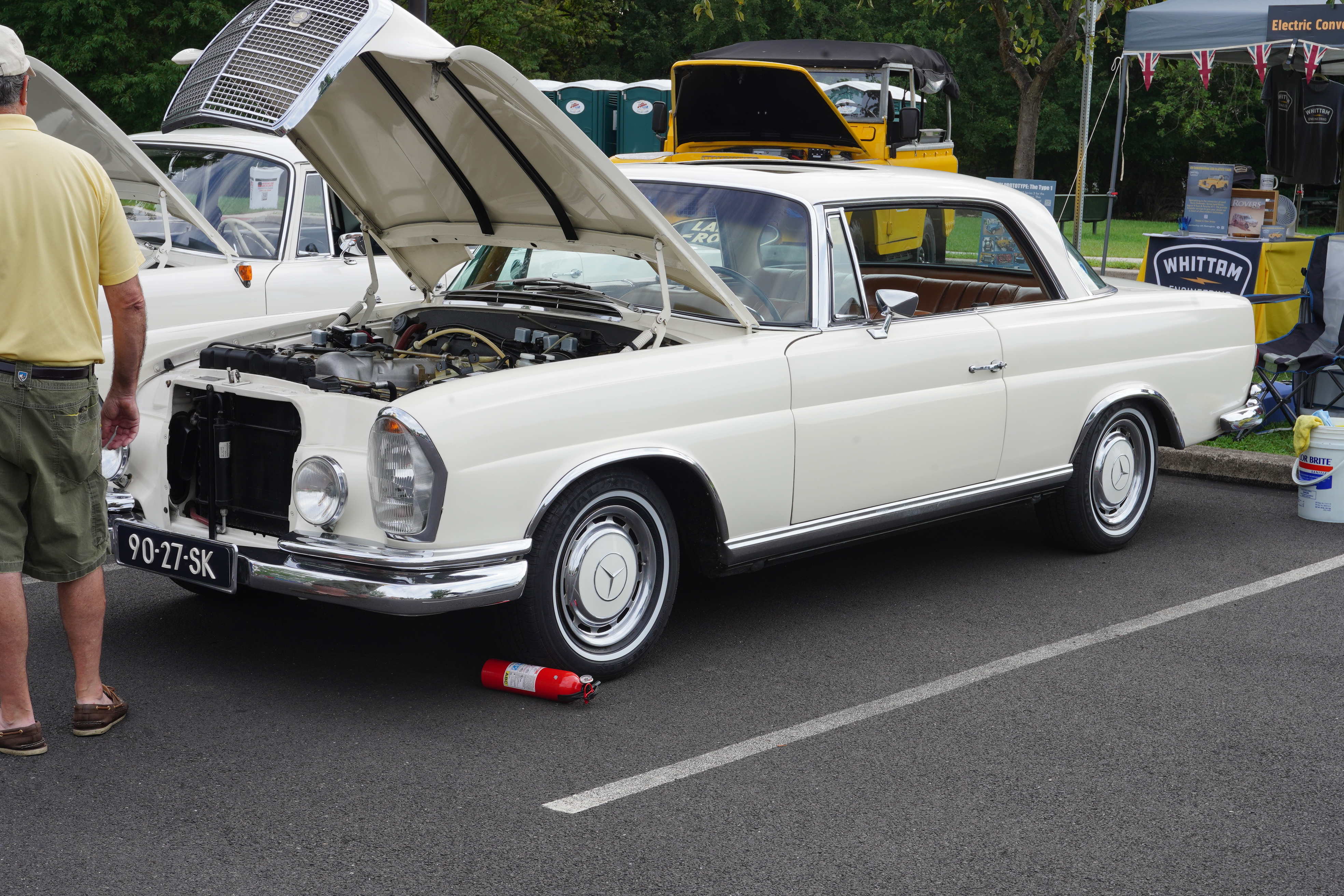
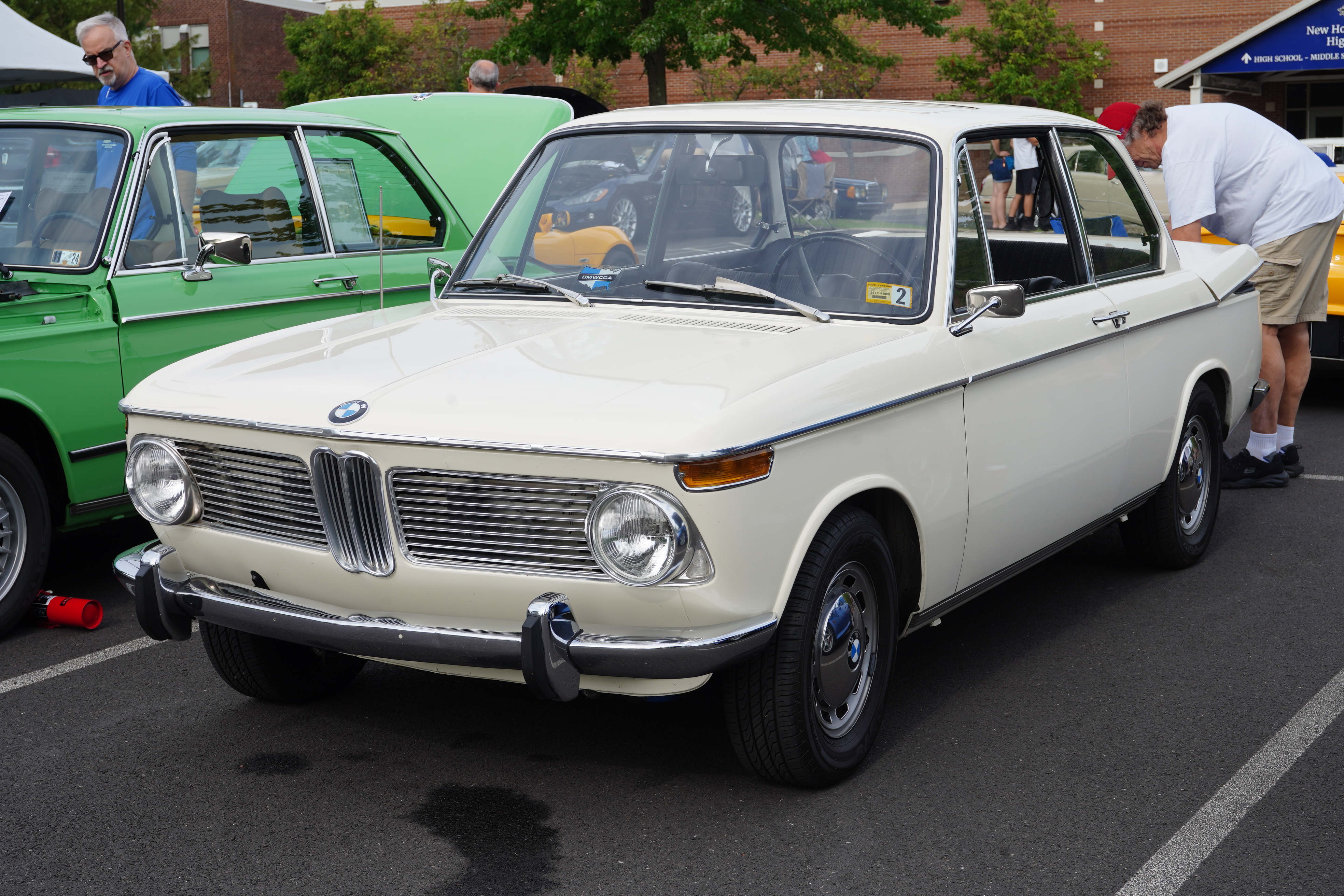
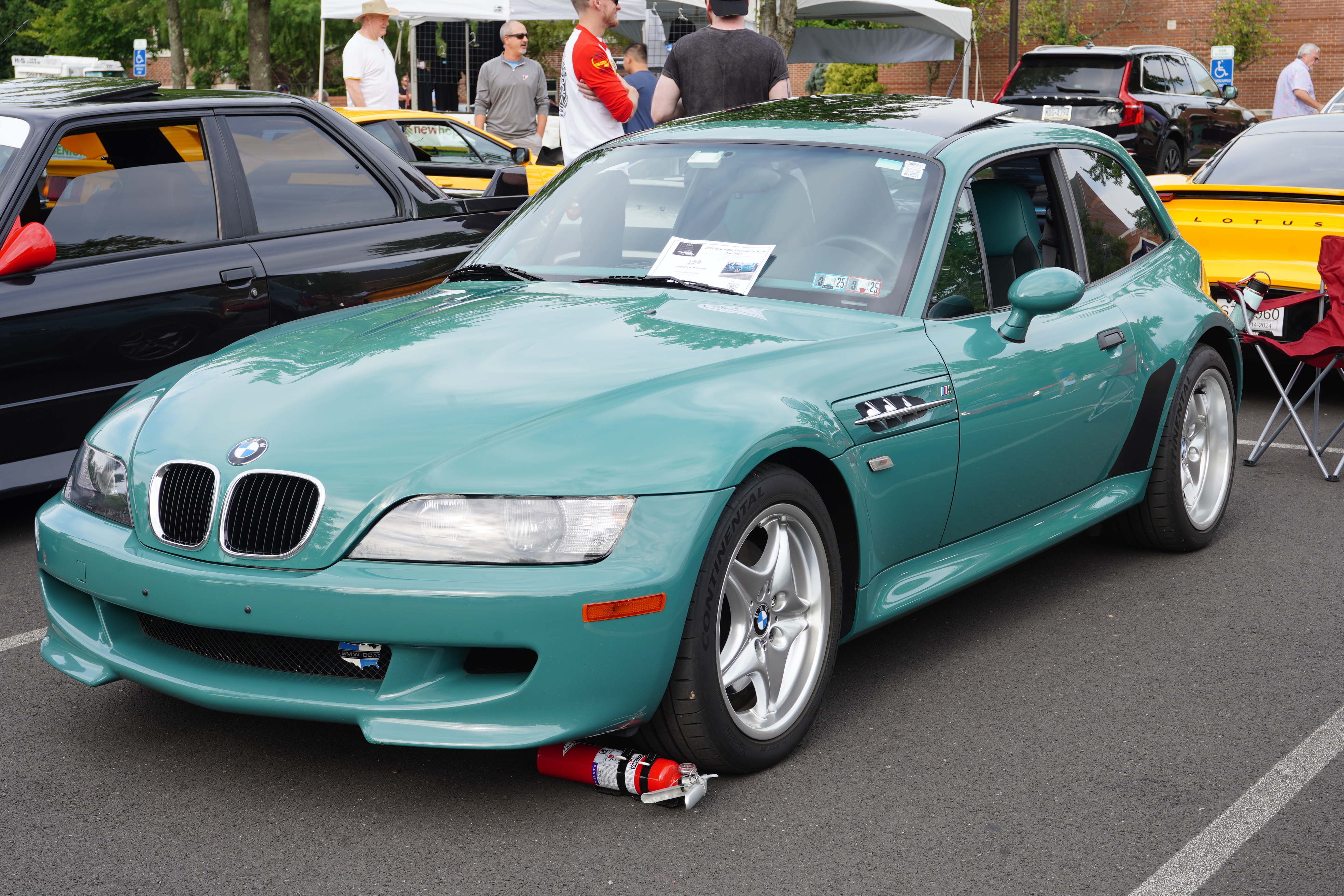
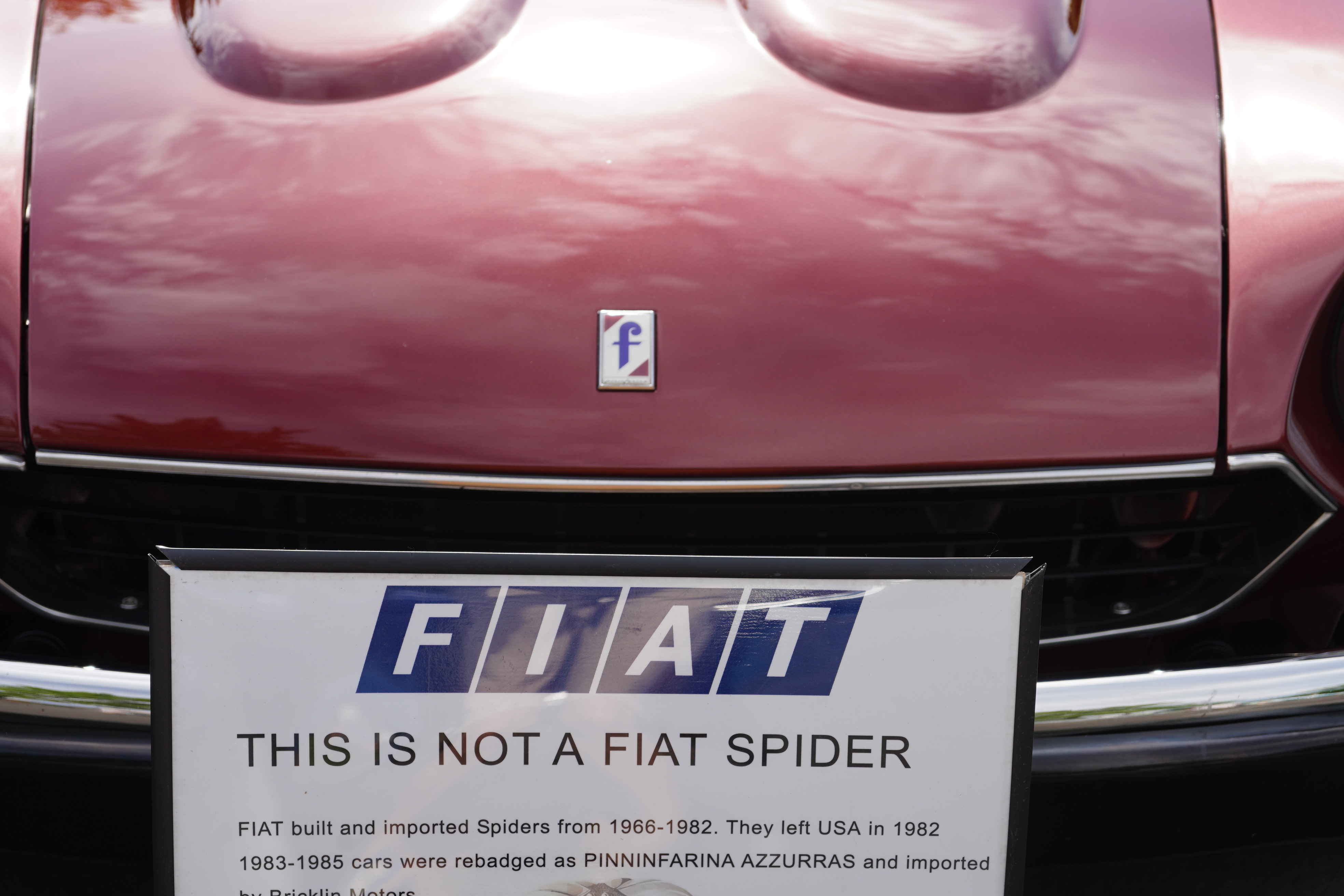
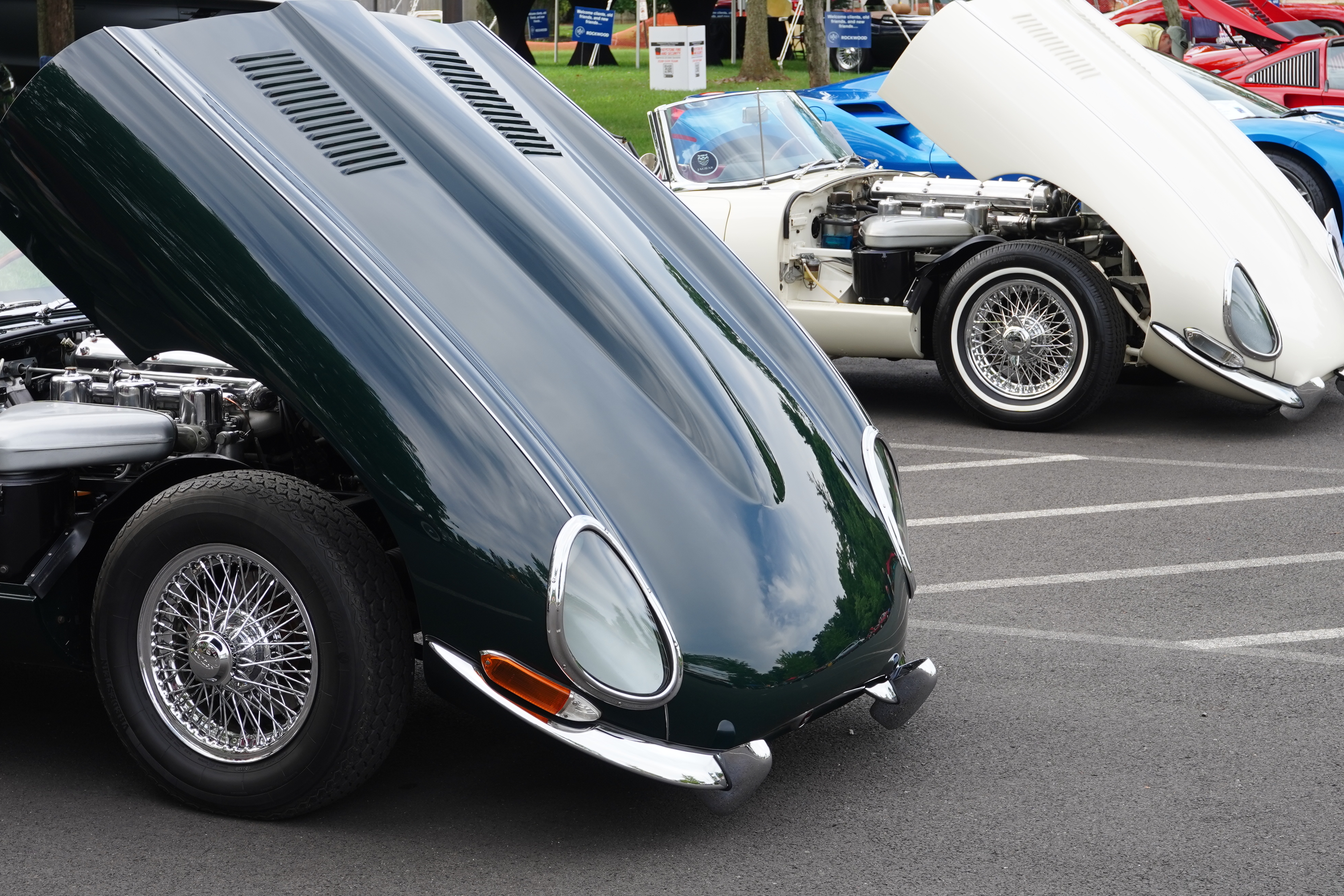
While not as populated as it’s been in prior years, I was informed that over 200 cars had registered for Sunday, and it appeared as though that many cars were indeed on the ground. Vehicles are organized by marque and/or country of origin, making it easy to scout for your faves. The show continues to attract some of the highest quality cars in the area, with the only downside coming from some jerks in the “modern exotics” (I’m looking at you, Lamborghini owner) who think it’s entertaining to rev their open-exhaust engines at 6,000 rpm.

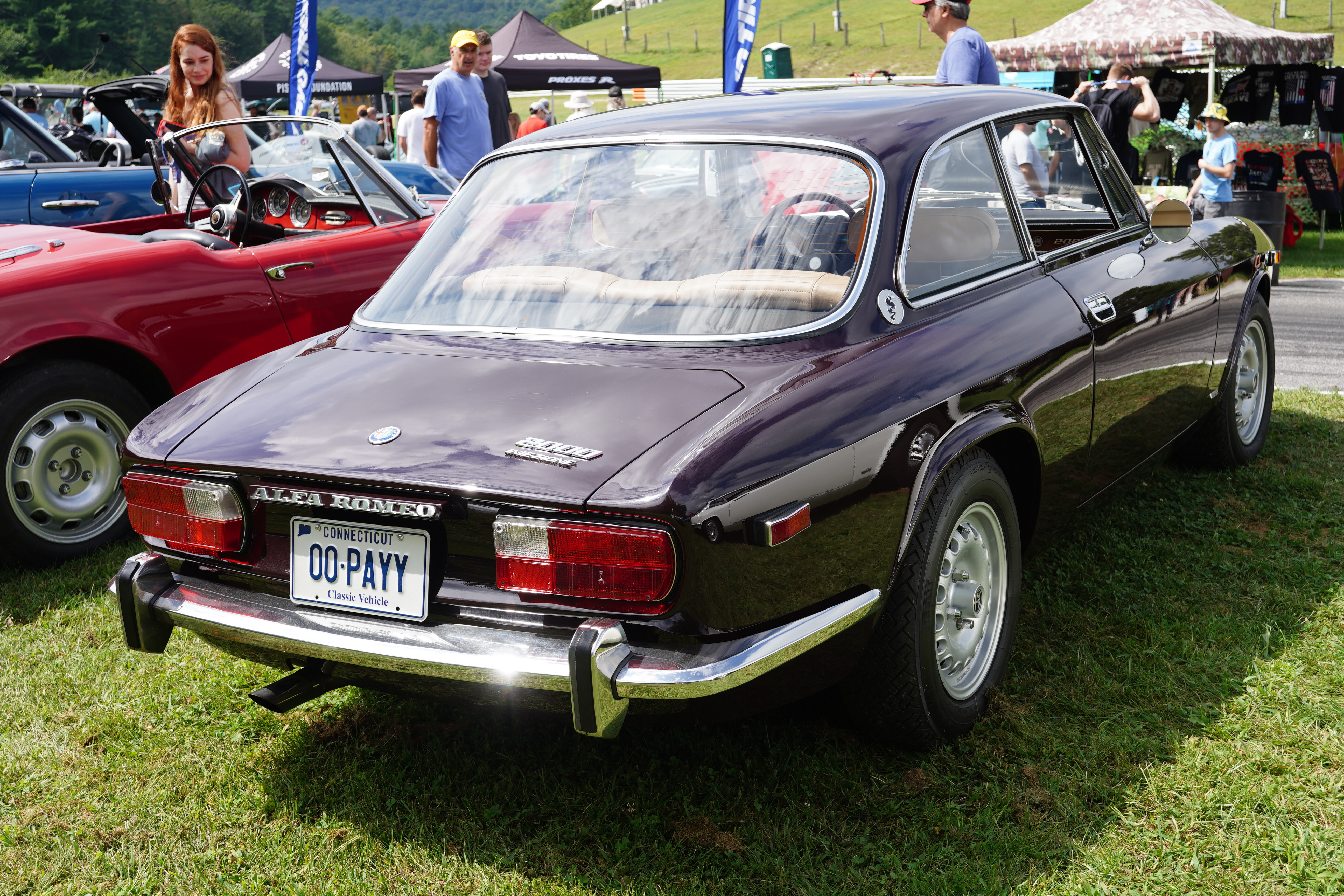
When it was time to begin judging the Alfas, I was volunteered by Enrico, as his call for volunteer judges during the weeks leading up to the day resulted in zero response. Paul, another NJ Chapter member, also joined us, so our team of 3 set out to judge the row of 13. Traditionally, the Alfa group is simply divided into ‘open cars’ and ‘closed cars’. But with one modern Giulia and two 4C’s in the mix, Enrico came up with “pre-1980” and “1980 and newer” as the sub-classes, and that worked out beautifully. It was an almost even split of 6 and 7, and so we proceeded. In the Pre-1980 class, a stunning plum-colored GTV Coupe won 1st place; in the Post-1980 class, the red 4C took home top honors.

New Hope rings the bell for me for many reasons, including the short (under 30 minutes) and easy (no interstates) drive. But this is it for big shows this year. In 2024, I’ve had the Alfa to East Hanover NJ, Saratoga Springs NY, Fort Lee NJ, and Macungie PA, all highway drives, and all during less-than-ideal weather. Nevertheless, I will continue to drive the car, which was my intention when purchasing it 11 years ago. I’ve now put over 14,000 almost trouble-free miles on it, and I look forward to keeping it on the road.

GERMAN

ITALIAN (OTHER THAN ALFA ROMEO)

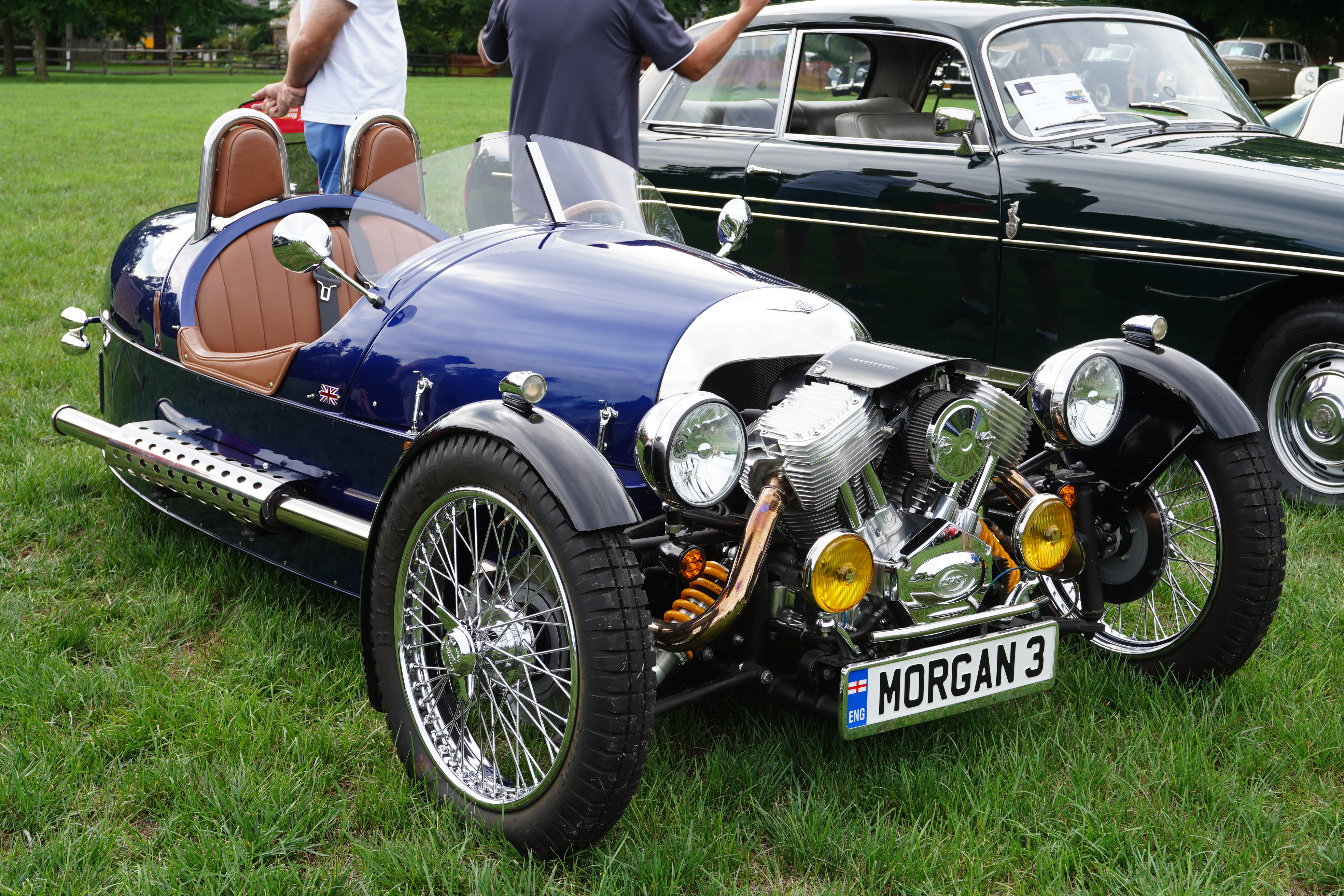
BRITISH


Bristols are very rare in the U.S.; I cannot recall the last time I saw one.


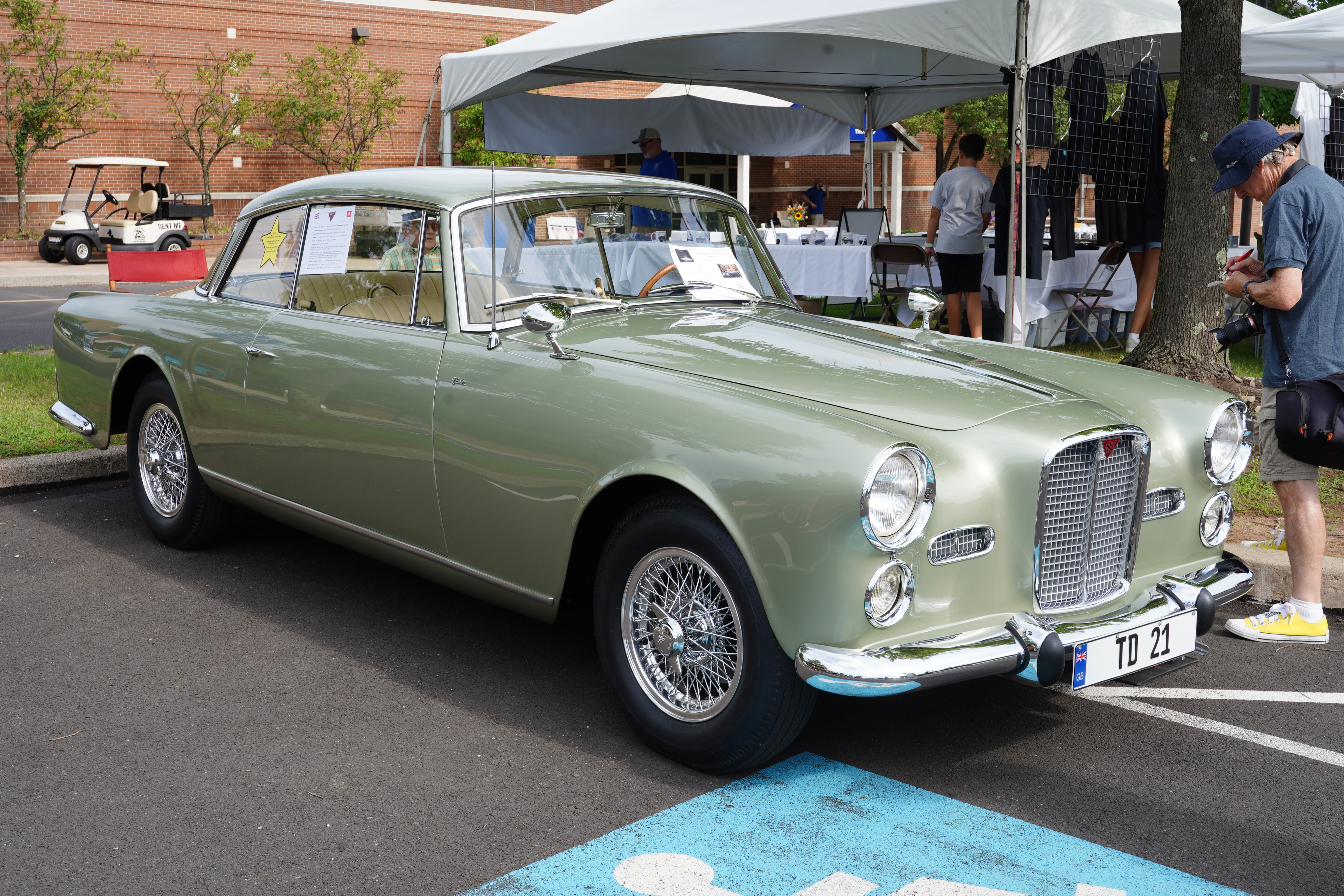
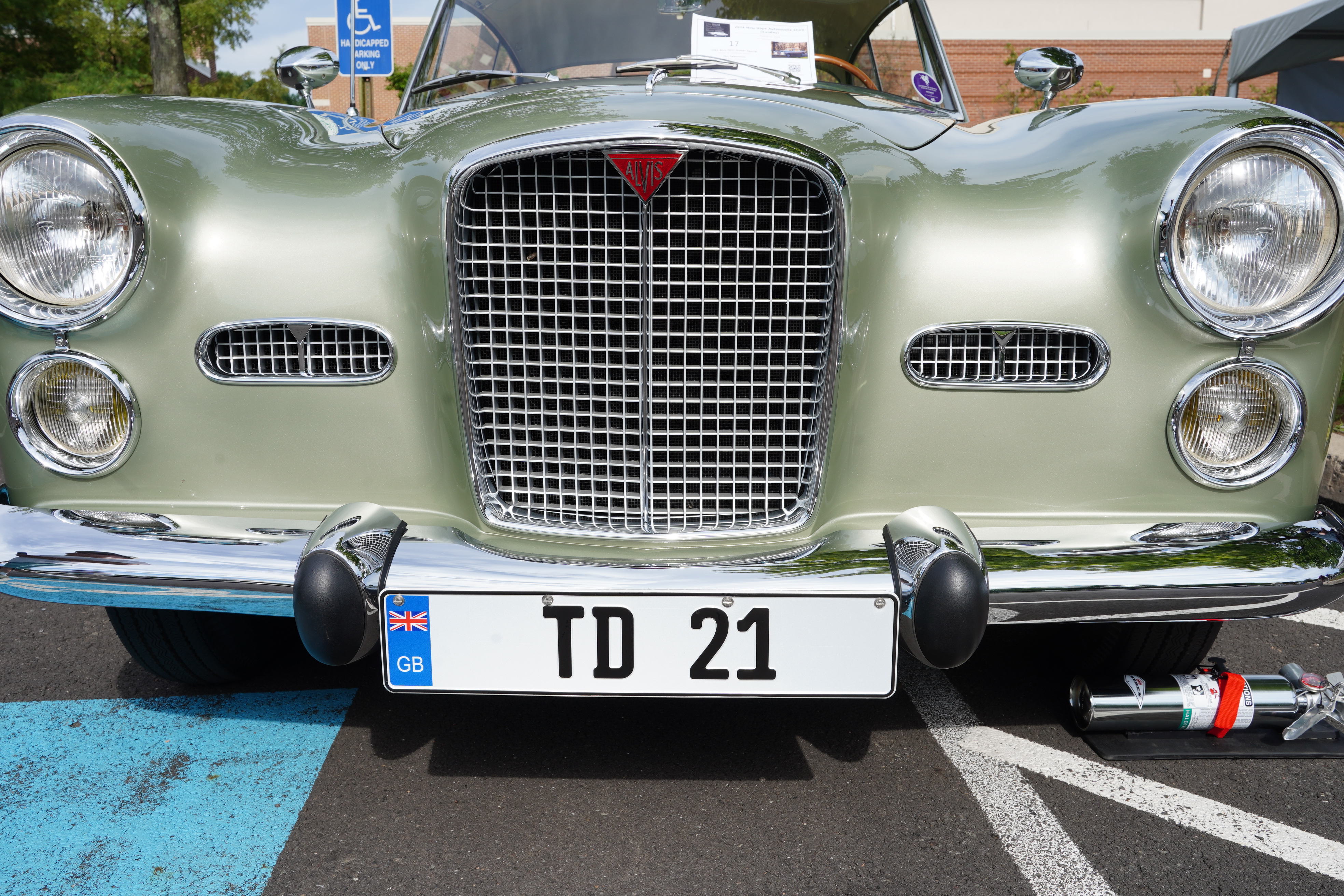
This Alvis was a “Senior” car (previous 1st place winner), and it was impeccable.


VOLVO

ALFA ROMEO
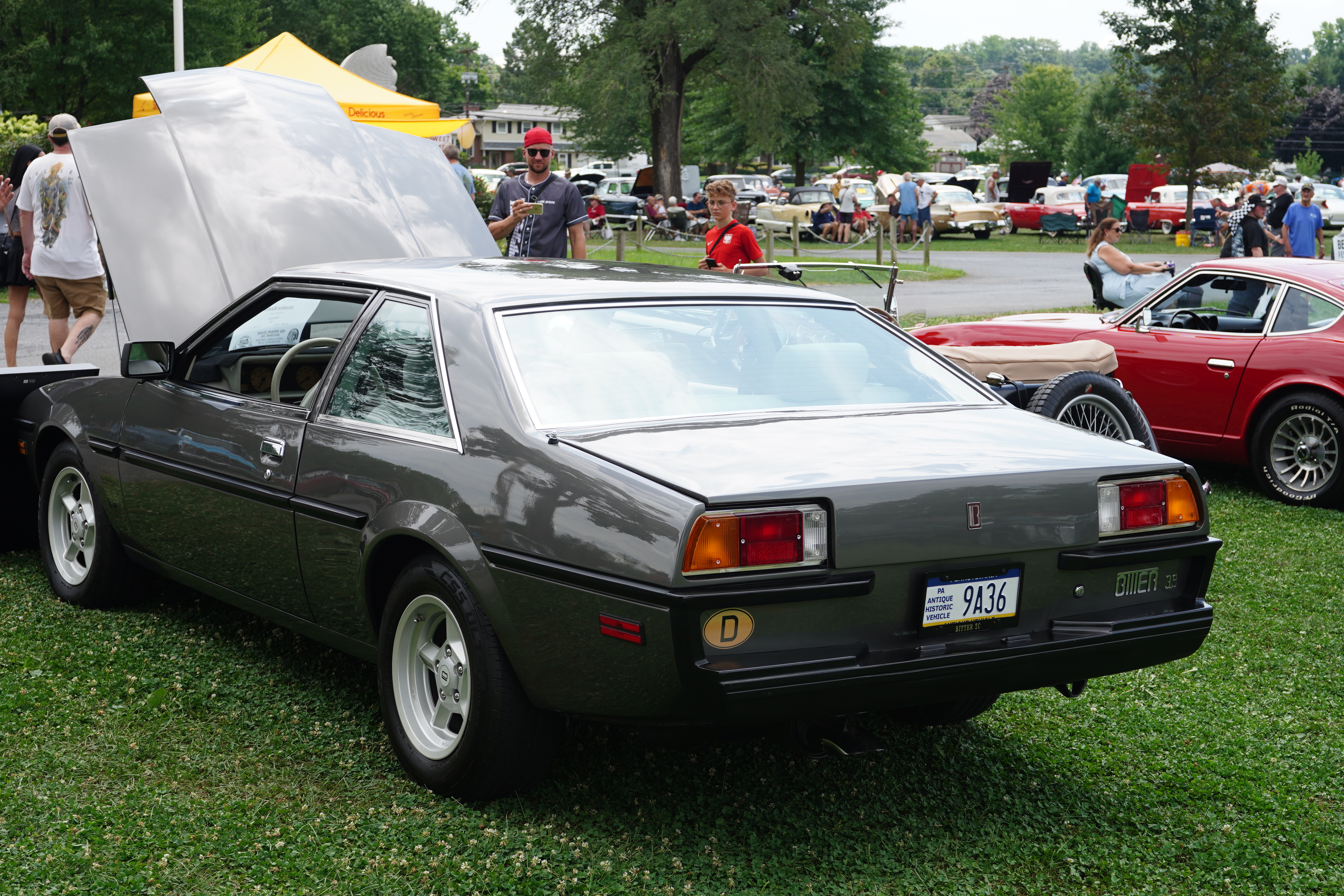
It was nice to be in this trio of Bertone coupes. Note that my car is a ‘step-nose’ while the other two have the ‘smooth nose’.


ADDENDA

Someday I’m going to devote an entire blog post to “My Aunt Rita’s Cars”. She had exquisite taste in automobiles and treated herself to some fine machinery. As a preview, here is a photo which I had presumed “lost”: it’s a film photo which was greatly underexposed. But with some modern technology, I was able to bring it back enough to identify it as her 1976 Oldsmobile Cutlass, her third new Cutlass in a row. The shot was taken in her driveway on Staten Island, probably in the late 1970’s.


Entire blog post content copyright © 2024 Richard A. Reina. Text and photos may not be copied or reproduced without express written permission.


Das Awkscht Fescht, Macungie, PA, Aug. 3, 2024

Das Awkscht Fescht, better known as (and more easily pronounced as) “Macungie”, was held this year on August 2, 3, and 4, 2024. This was the show’s 61st year, and since I have blogged about this show in the past (click here for stories about the 2010, 2013, 2017, 2021, and 2022 editions), I will refrain from repetition.

However, this was the first time since trailering the Isetta here in 2010 that I entered a show vehicle. Early Saturday morning, I fired up the Alfa Romeo and made the one-hour drive to Macungie Memorial Park, located in beautiful downtown Macungie, PA. While the town and the park are indeed beautiful, the summer weather continued to be slightly less so. It was a hot ride out, and even though the grass and trees provided a much more verdant setting compared to asphalt, it only got hotter as the morning continued.

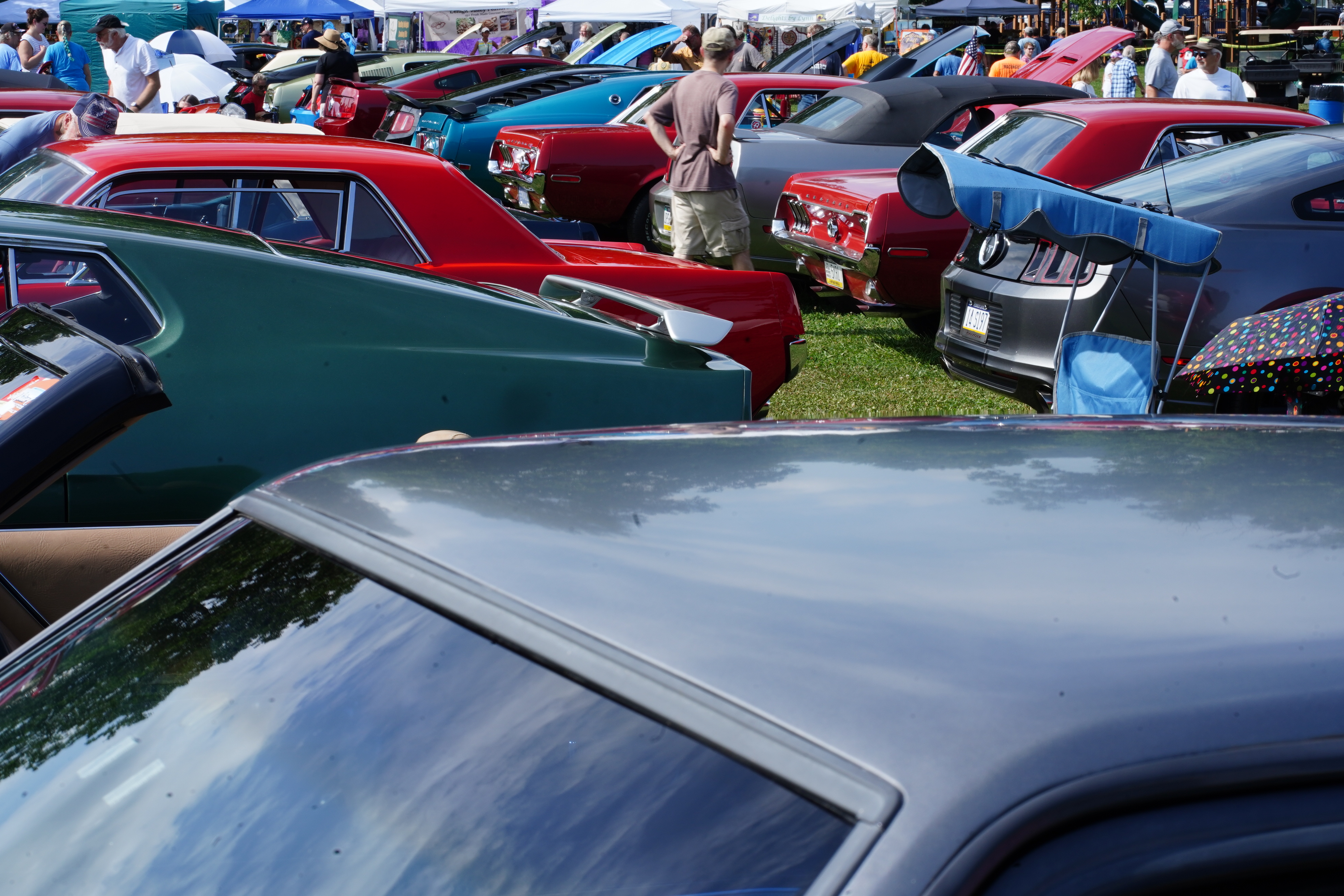
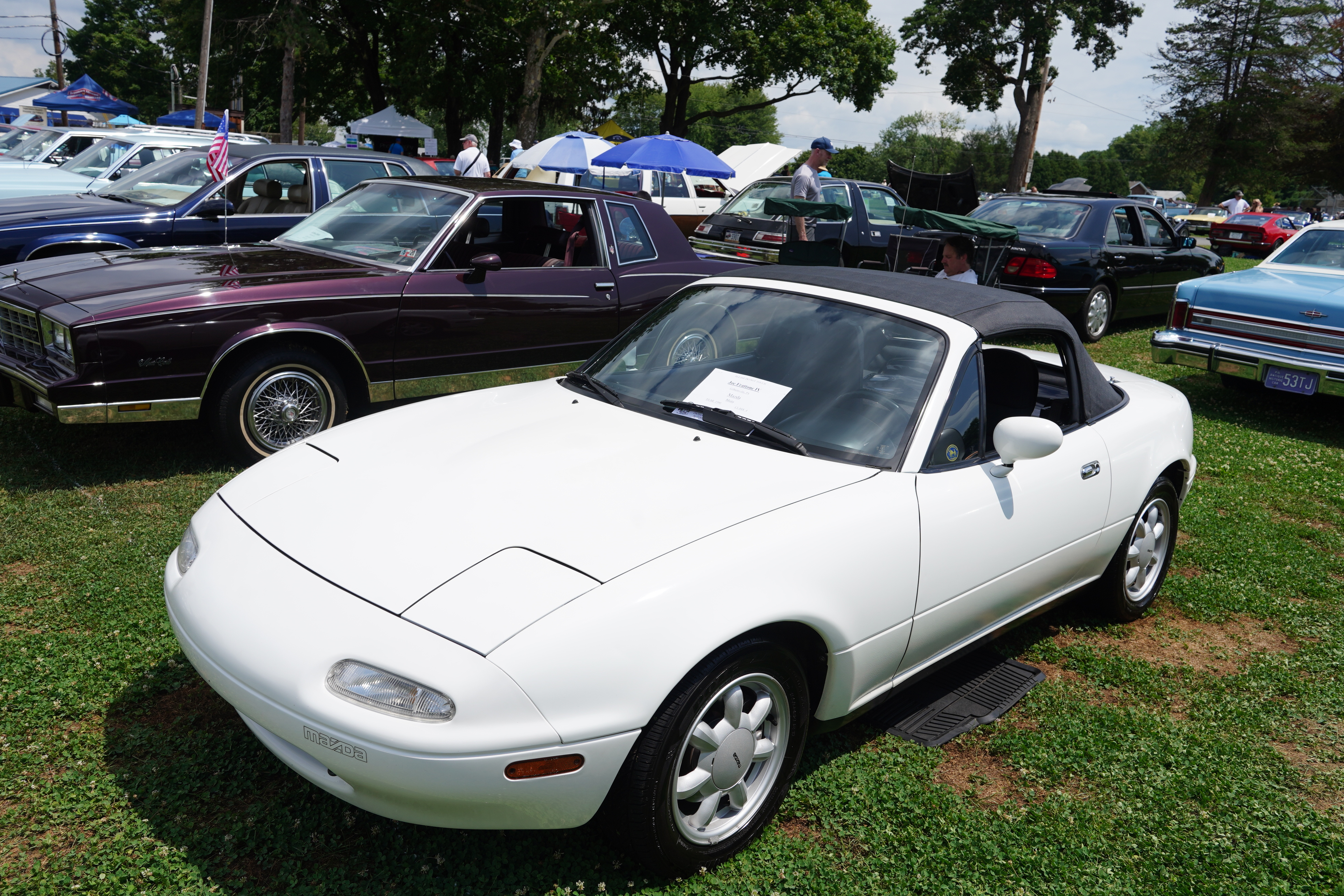
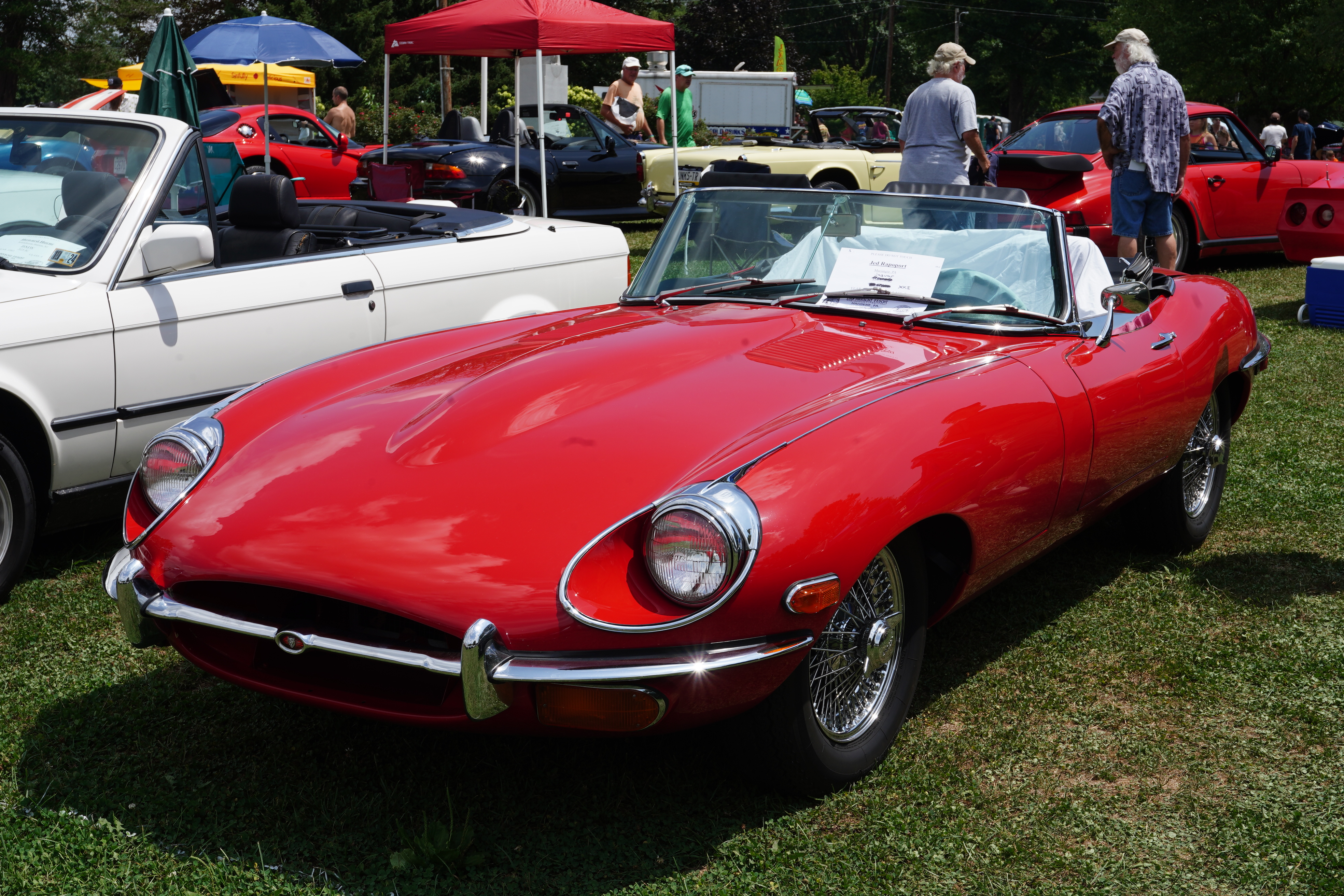
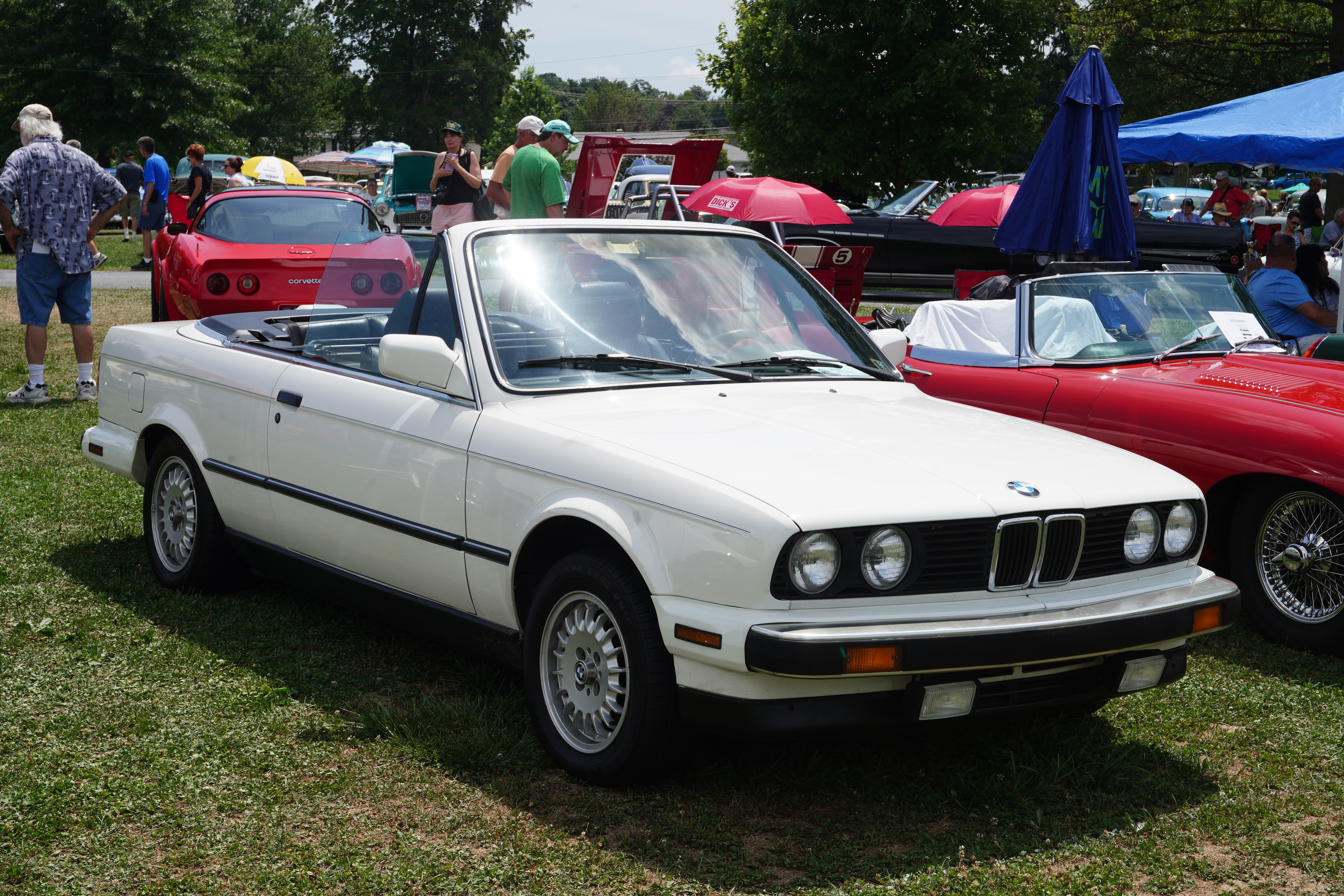
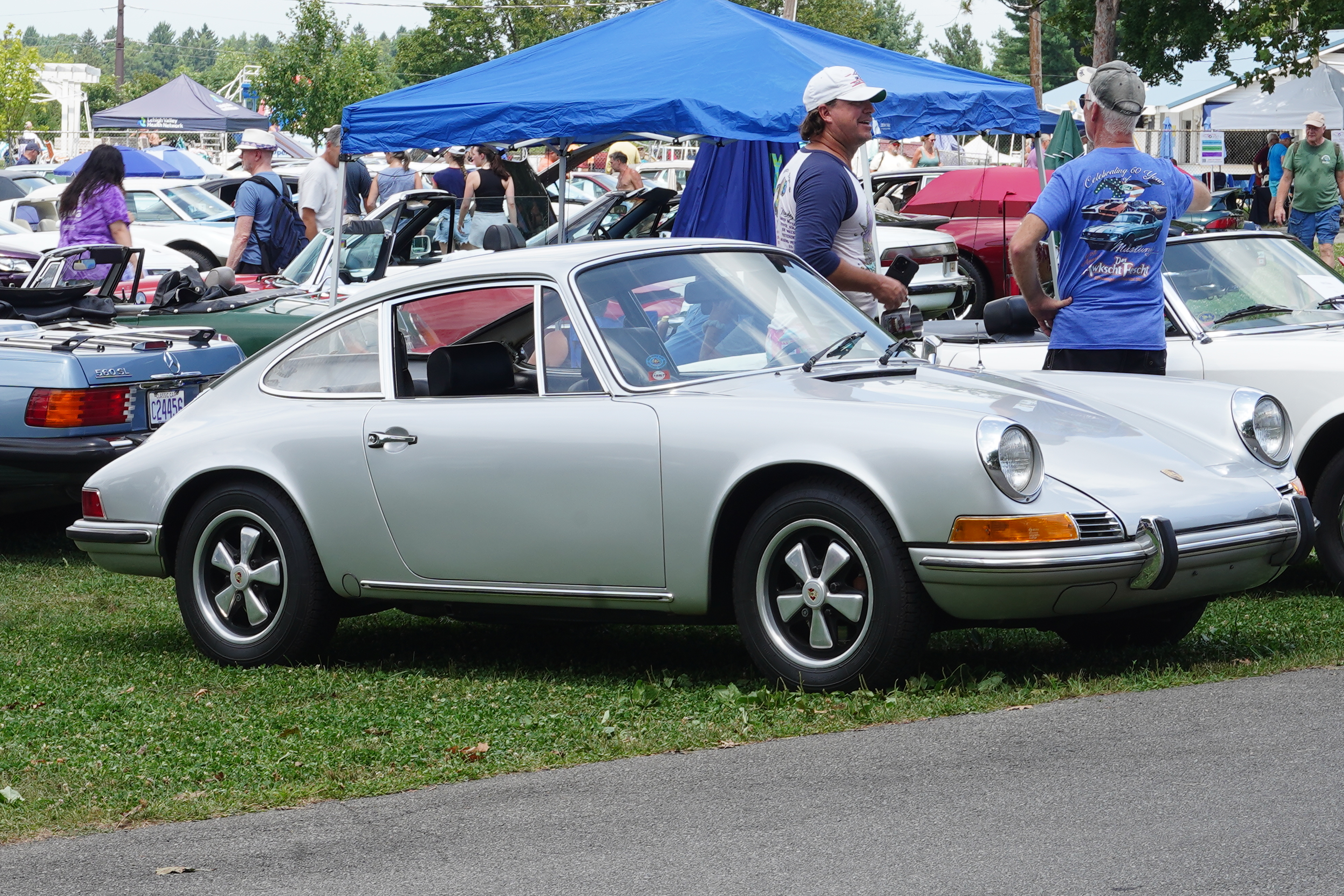
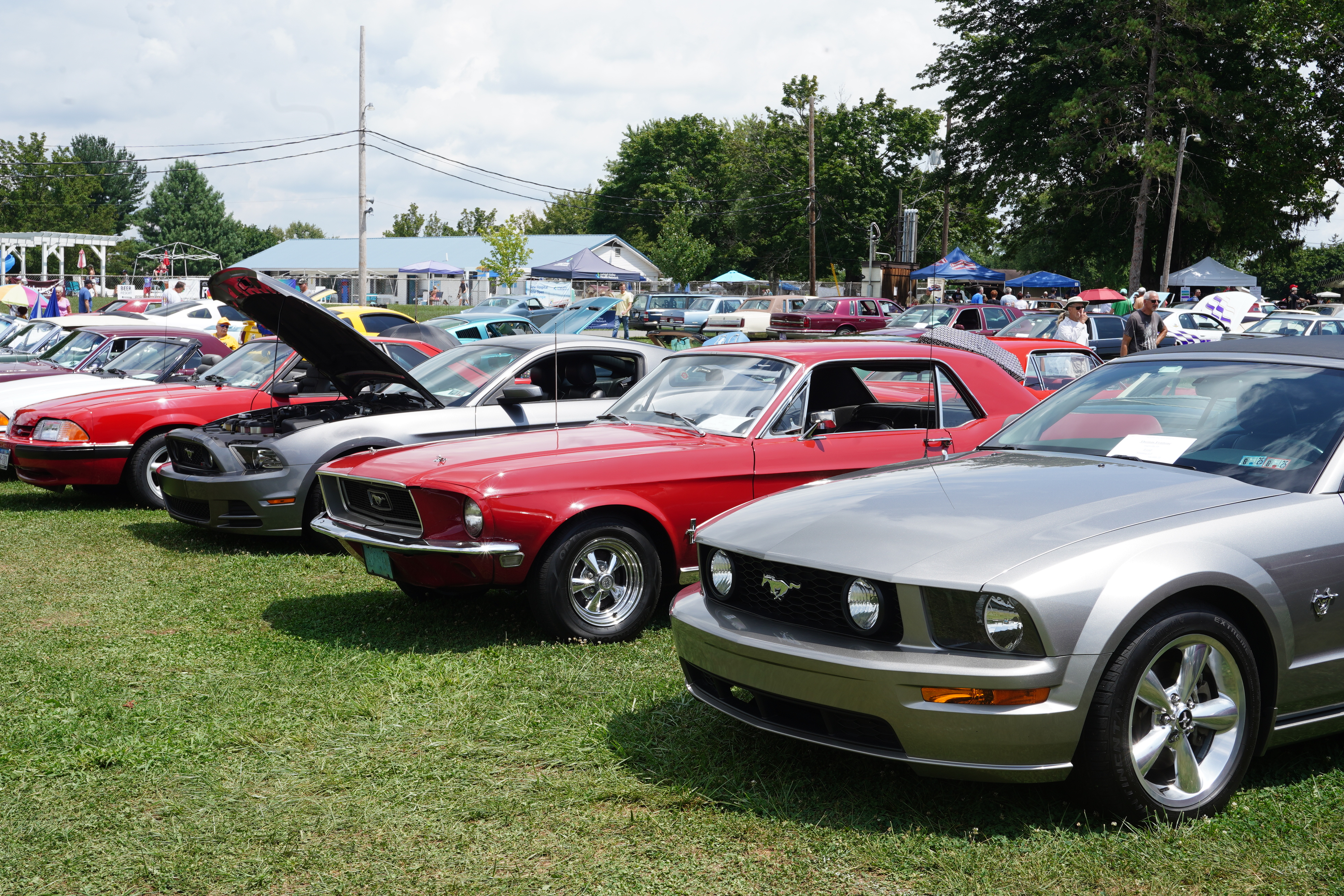
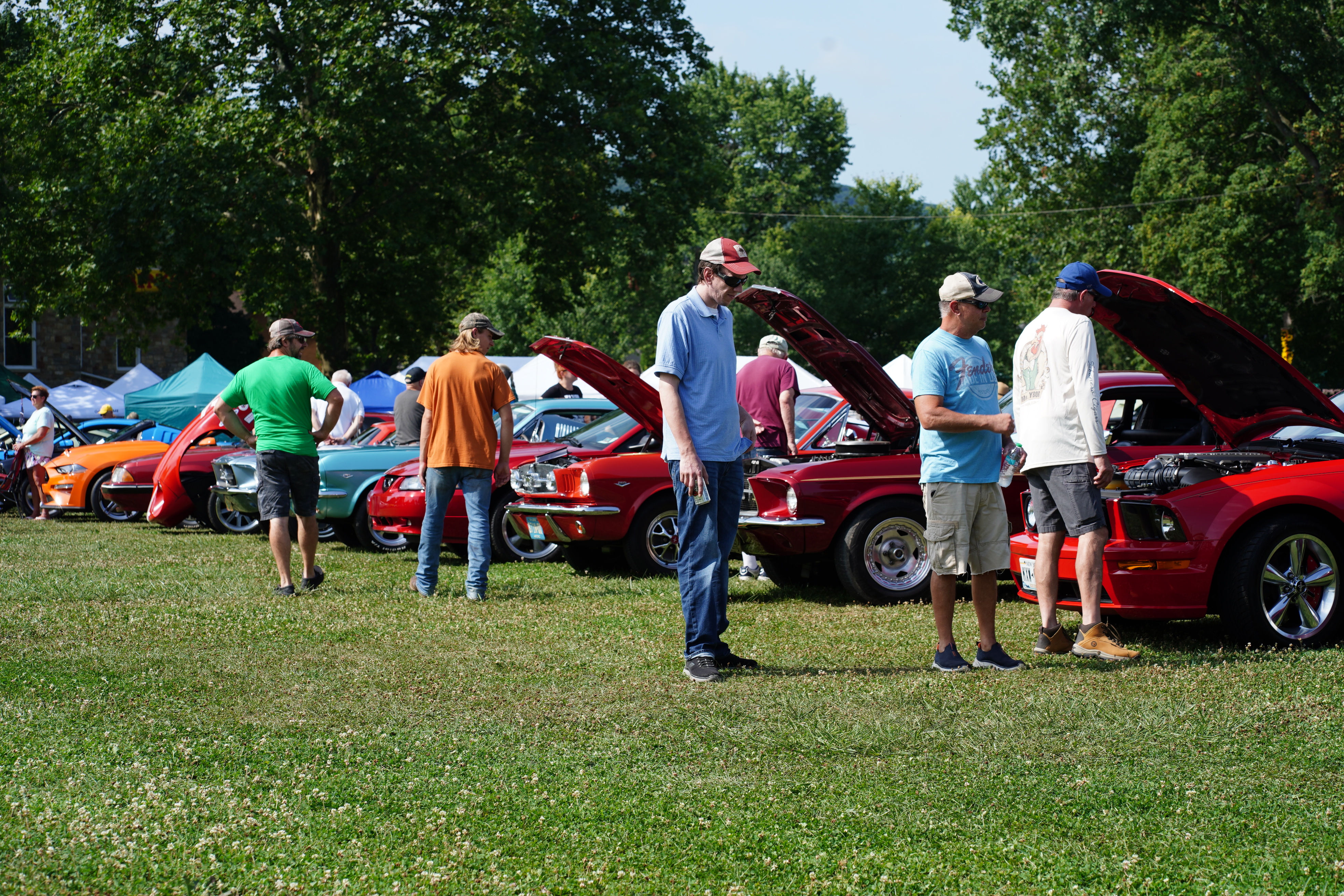
I registered for Saturday’s show because that day was AACA day. After parking with the other vehicles in Class 7 (“sports cars”), I grabbed the camera and covered as much of the field as I could. As usual, the variety and quality of cars on display were impressive. It was no surprise that American iron ruled the day, but there were plenty of imports to keep my interest as well. The featured model for the weekend was the Ford Mustang, celebrating its 60th anniversary, and there were dozens on hand, from the 64.5 introductory model right up to the newest ponies.

I met up with several friends who made the trip, and after walking the show with them for a bit, we decided to grab an early lunch to beat the crowds. By this time, I could no longer remain in the sun, as I felt it was wearing me out. Doing my best to stay hydrated, I made the somewhat intelligent decision to hit the road by 1:30 p.m. The skies were darkening as well, and although Google weather indicated that the rain would not arrive in Macungie until 4 p.m., it felt prudent to get a jump start. The car (57 years old) started right up, but my Android phone (1 year old) did not – for the first time ever, I saw this message: “PHONE IS OVERHEATED, ALLOW COOL DOWN”. We (me, the car, and the phone) made it home just fine, enduring a 5-minute heavy shower which felt like it may have dropped the outside temp by 10 degrees. Entering my house, I downed two iced teas, and enjoyed a cold brew with my takeout Chinese. Overall, it was a good day, but I will need to accept that July/August car shows are going to be steamy.

Hanging out in the shade
AMERICAN CARS

IMPORT CARS

MUSTANGS

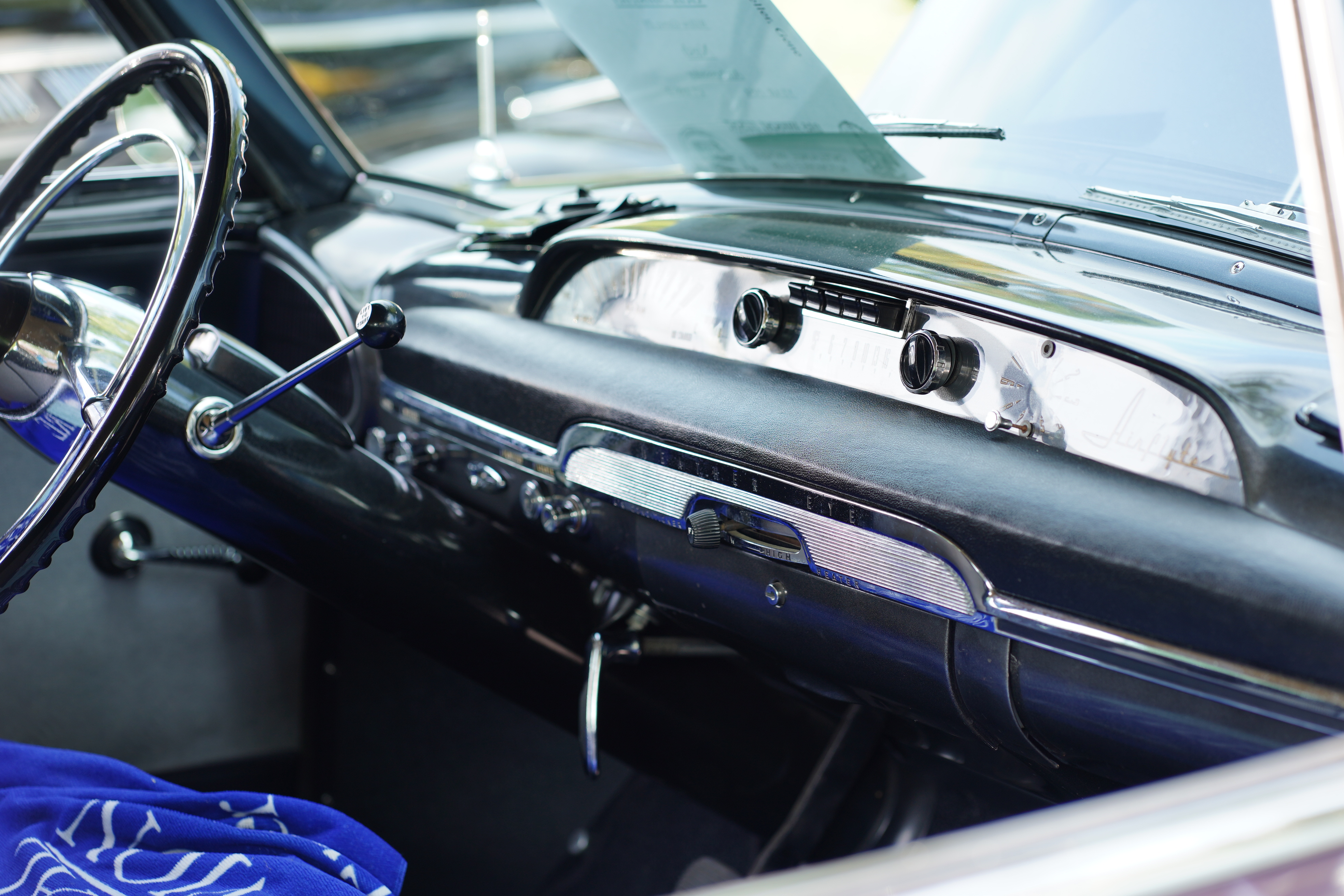
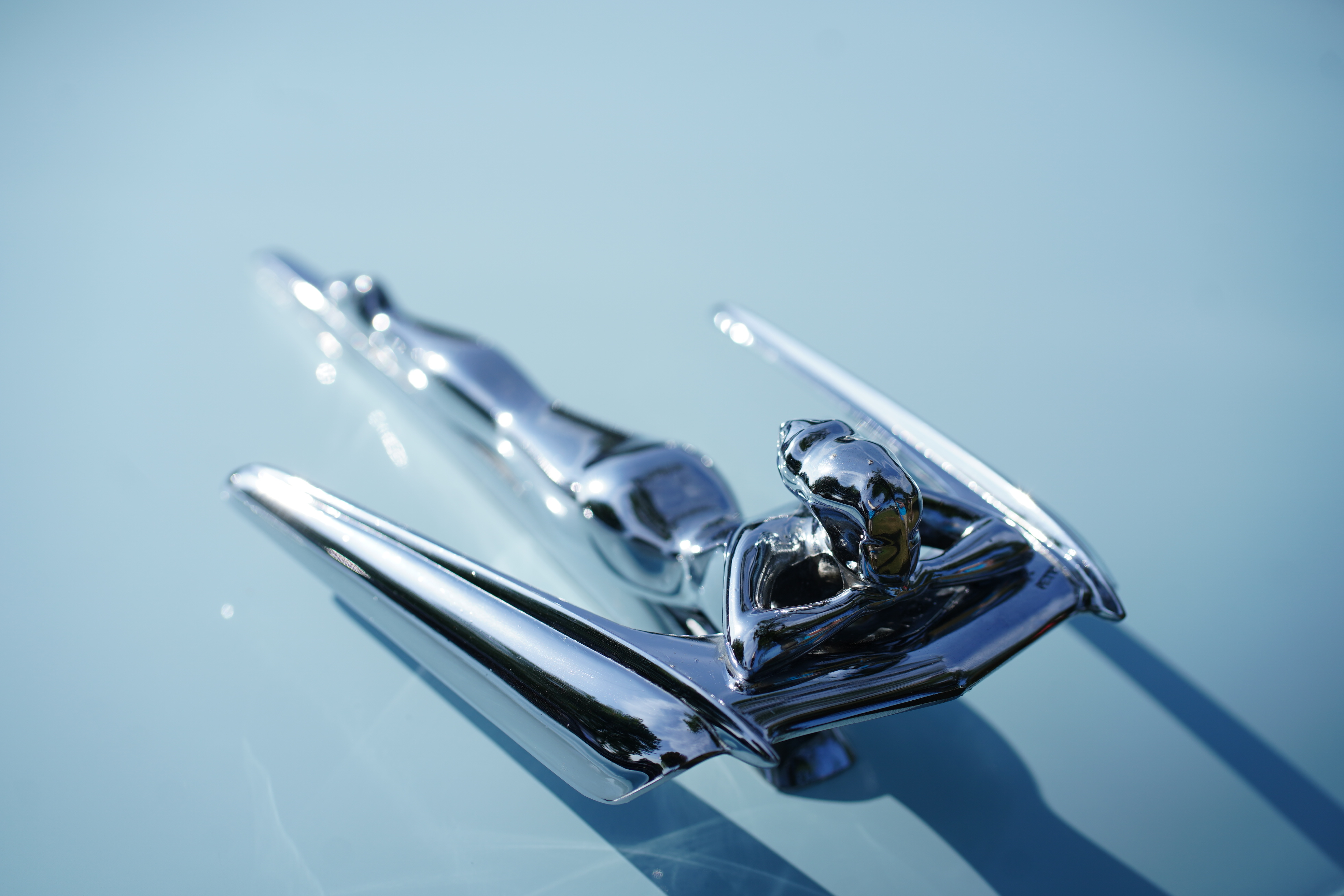
THE 1955 NASH

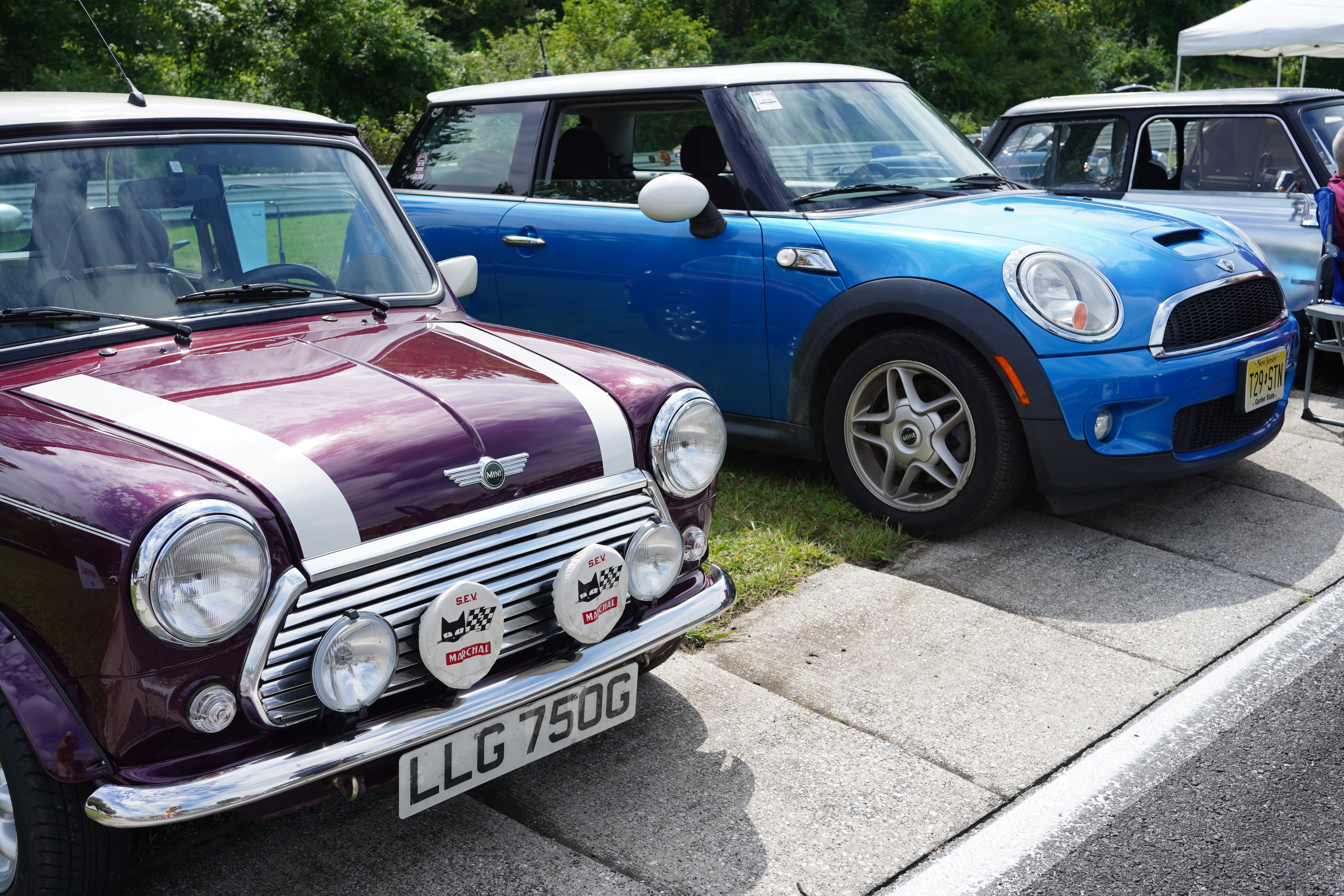
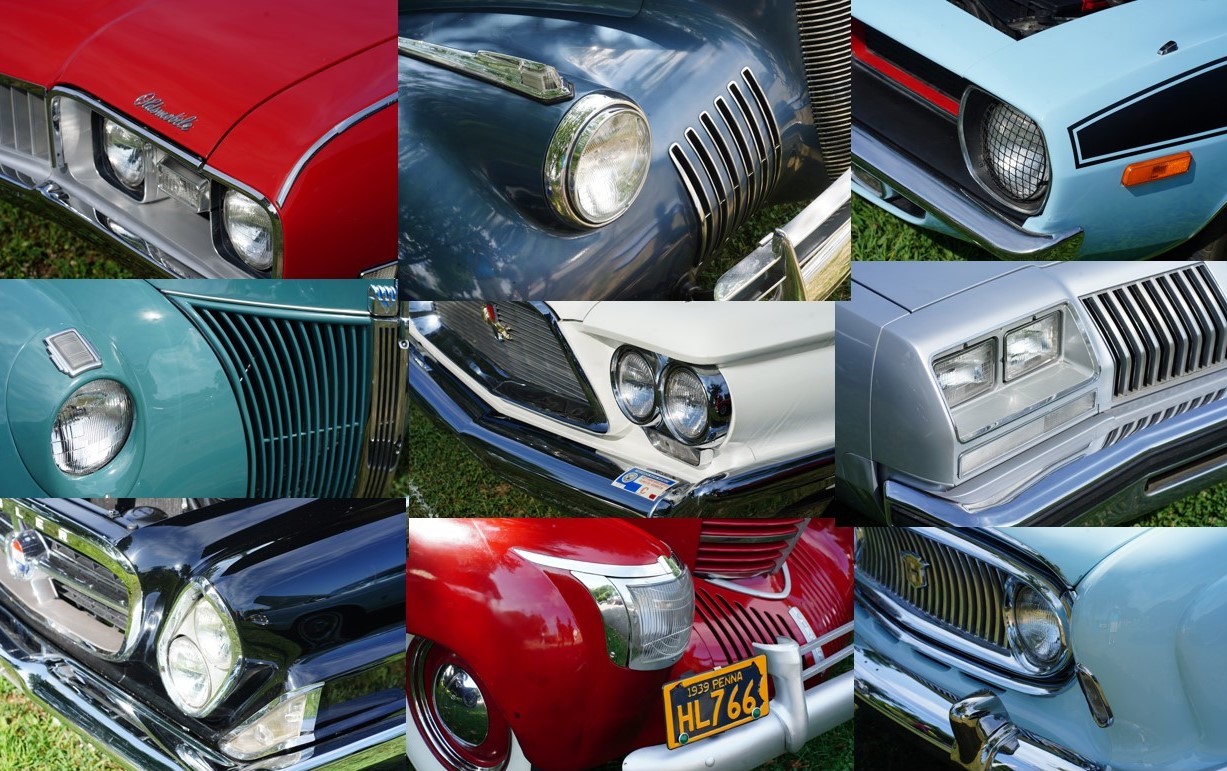
DESIGN STUDY: HEADLIGHTS AND GRILLES THROUGH THE AGES


ADDENDA

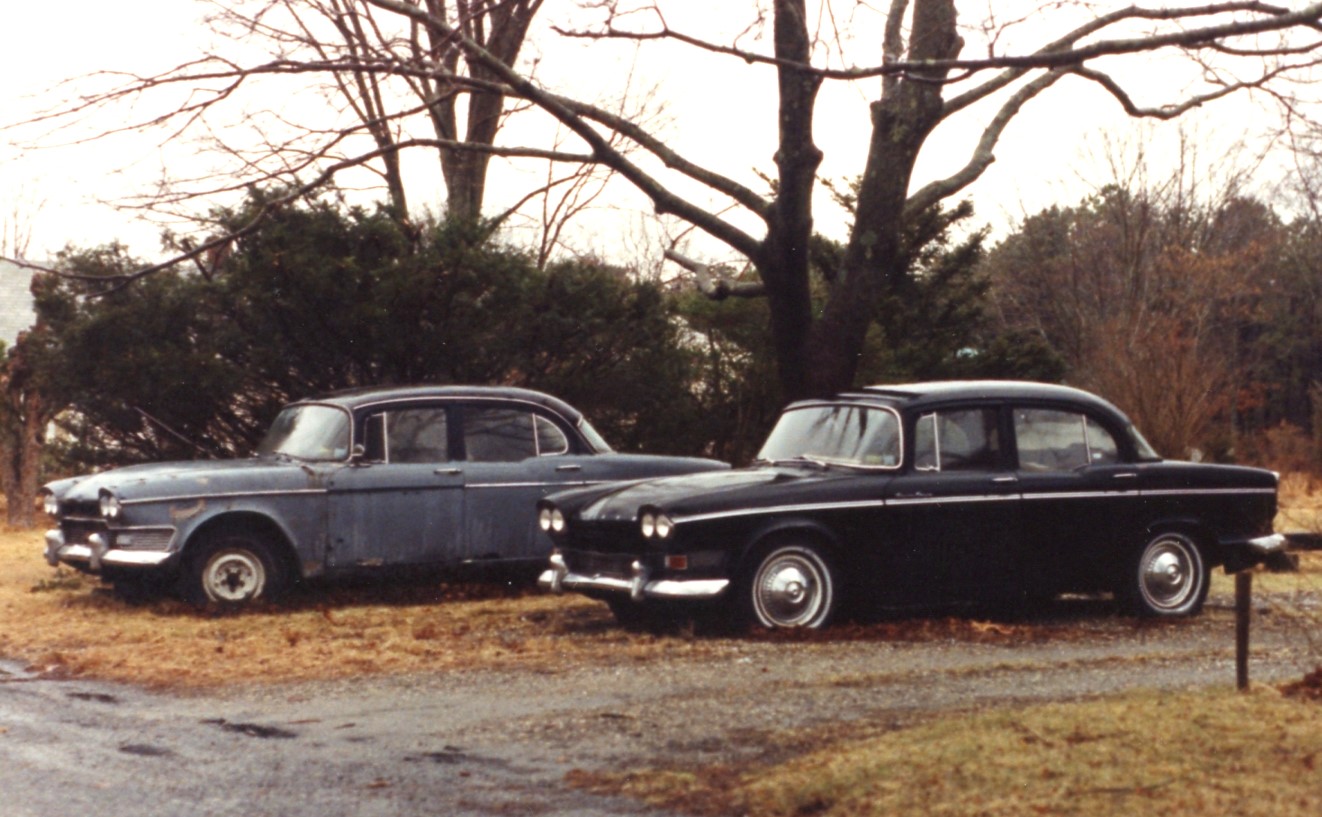
One of the oddest (and most oddly named) of the British imports is the Humber Super Snipe. I believe that I first learned of this model name in a 1960s Car & Driver magazine, and it’s likely that they used it in a sarcastically humorous way. I recently rediscovered this film photo, taken in 1990 while on a weekend jaunt on Long Island. I mean, what are the chances of spotting ONE Humber Super Snipe, much less TWO? According to Wikipedia, the quad headlights identify these as 1960-or-newer models. One looks like it might run, while the other appears to have already begun to shed its parts to keep the better one alive and running. This was 34 years ago; I wonder where these cars are today?

Entire blog post content copyright © 2024 Richard A. Reina. Text and photos may not be copied or reproduced without express written permission.


Concours on the Palisades, Fort Lee NJ, July 14, 2024

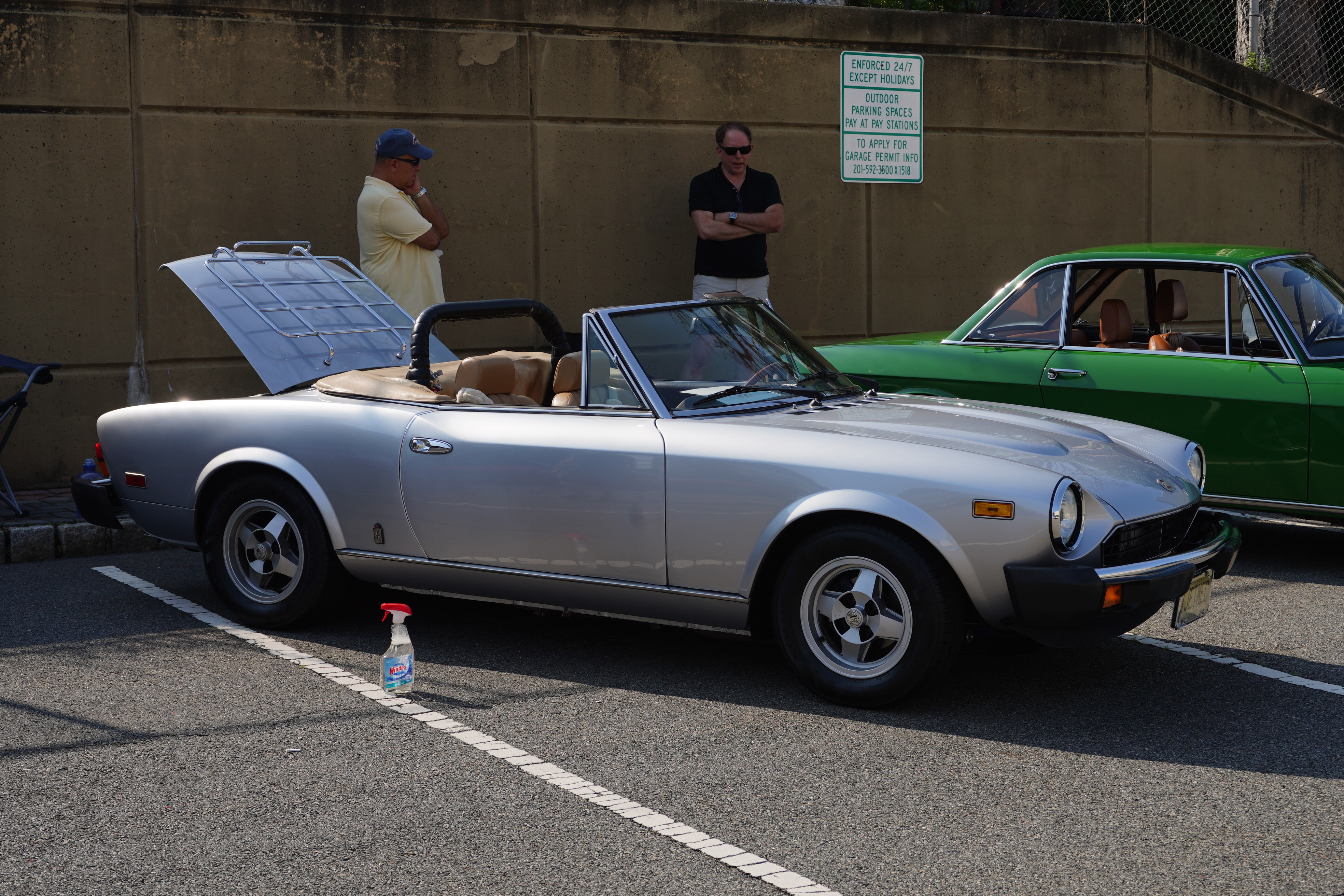
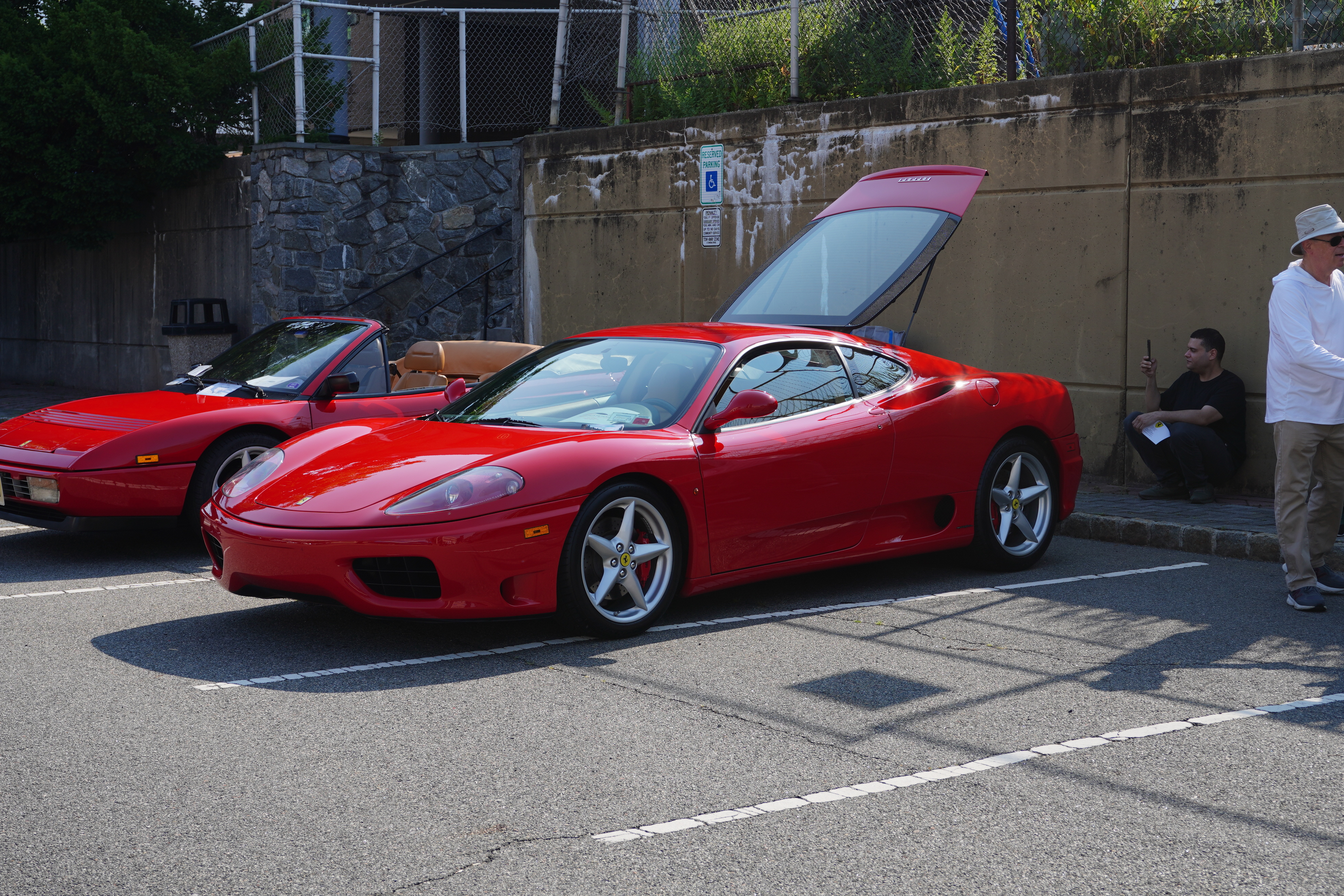
On Sunday July 14, the town of Fort Lee hosted its 3rd annual “Concours on the Palisades”, a celebration featuring a variety of older and newer classic and exotic cars. I posted about last year’s event, when I worked as a judge. This year, my judging duties were again requested, and I also entered my ’67 Alfa into the show, as there was a special class of Alfa Romeos to honor the 70th anniversary of the Giulietta and the 50th anniversary of the Alfetta.

Last year’s show was good but could have been better organized. We provided feedback that not all cars were parked in their correct classes, which added a layer of complexity to our jobs. This year, the Chief Judge (Bob Austin, a former Volvo colleague and dear friend) decided that the judges would assist in parking the cars for the classes they would be judging. I was on a team of 4 judges, and our assigned classes were “Italian” and “Japanese” cars. So there we were, at 8 a.m., directing traffic. Aside from the early hour (not really an inconvenience) I thought this was a brilliant move, as it gave us early insight into the cars in our classes. As was suggested to us, watching the cars move under their own power and providing an initial “welcome” to the owners meant we had greater familiarity with the cars and owners once formal judging commenced.

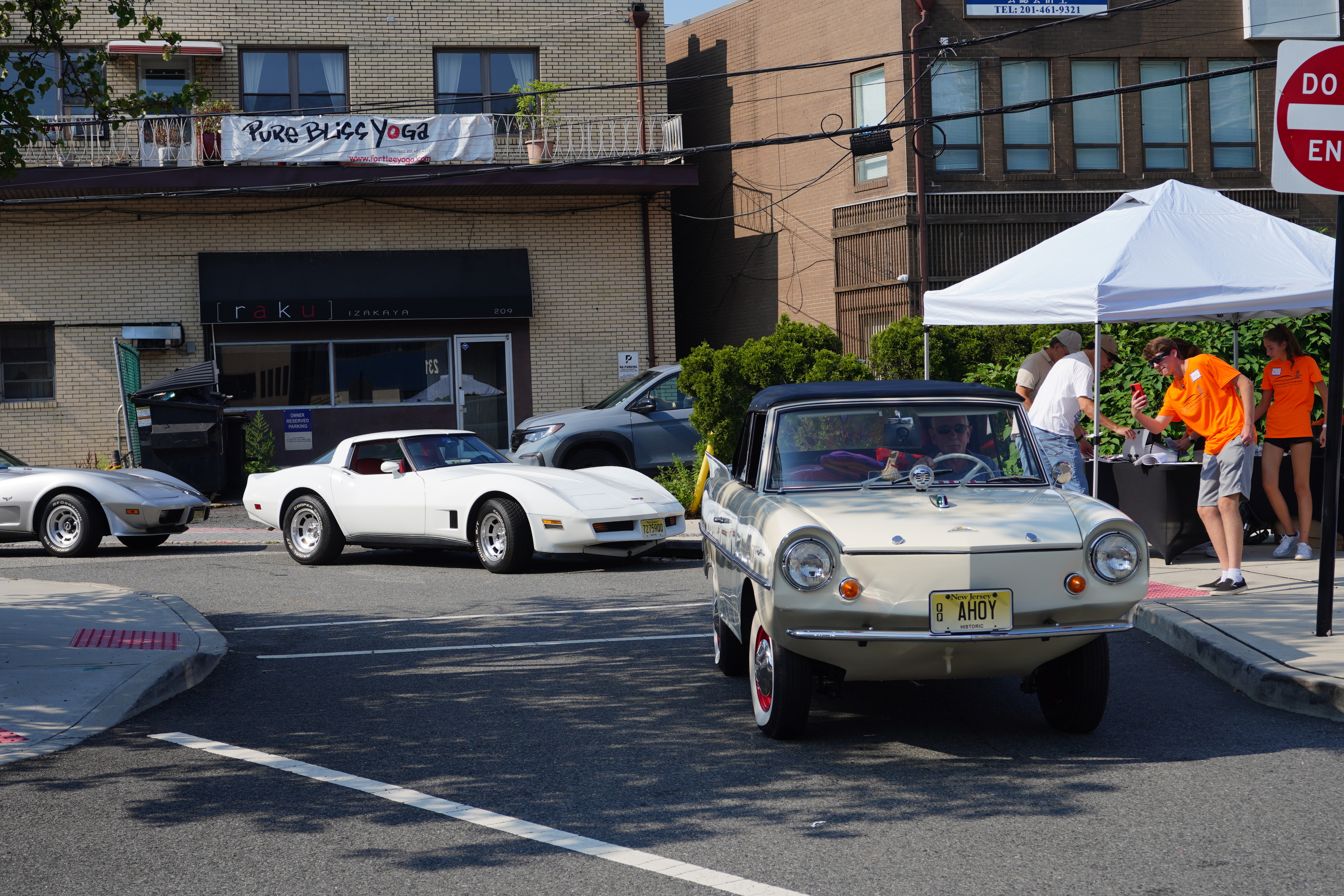
An Amphicar at the check-in tent

Our scoresheets showed 10 cars in the Italian class and 11 in the Japanese class. However, only 6 Italian cars showed up, and only 7 Japanese cars. We were tasked with selecting the Top Four so in reality, we didn’t have a heavy workload. The most difficult part of the judging process was dealing with the 90 degree-plus heat. Thankfully, we were done with our field review by 11 a.m. and headed to an air-conditioned conference room to make our final tallies.

The Concours on the Palisades uses “French Rules”: judges need to answer only one question, which is, “what kind of visual impact does this motor vehicle present to me?” Yes, condition, workmanship, personal histories, etc., do play a part. But ultimately, it’s the overall visual statement made by the car which decides the winners.

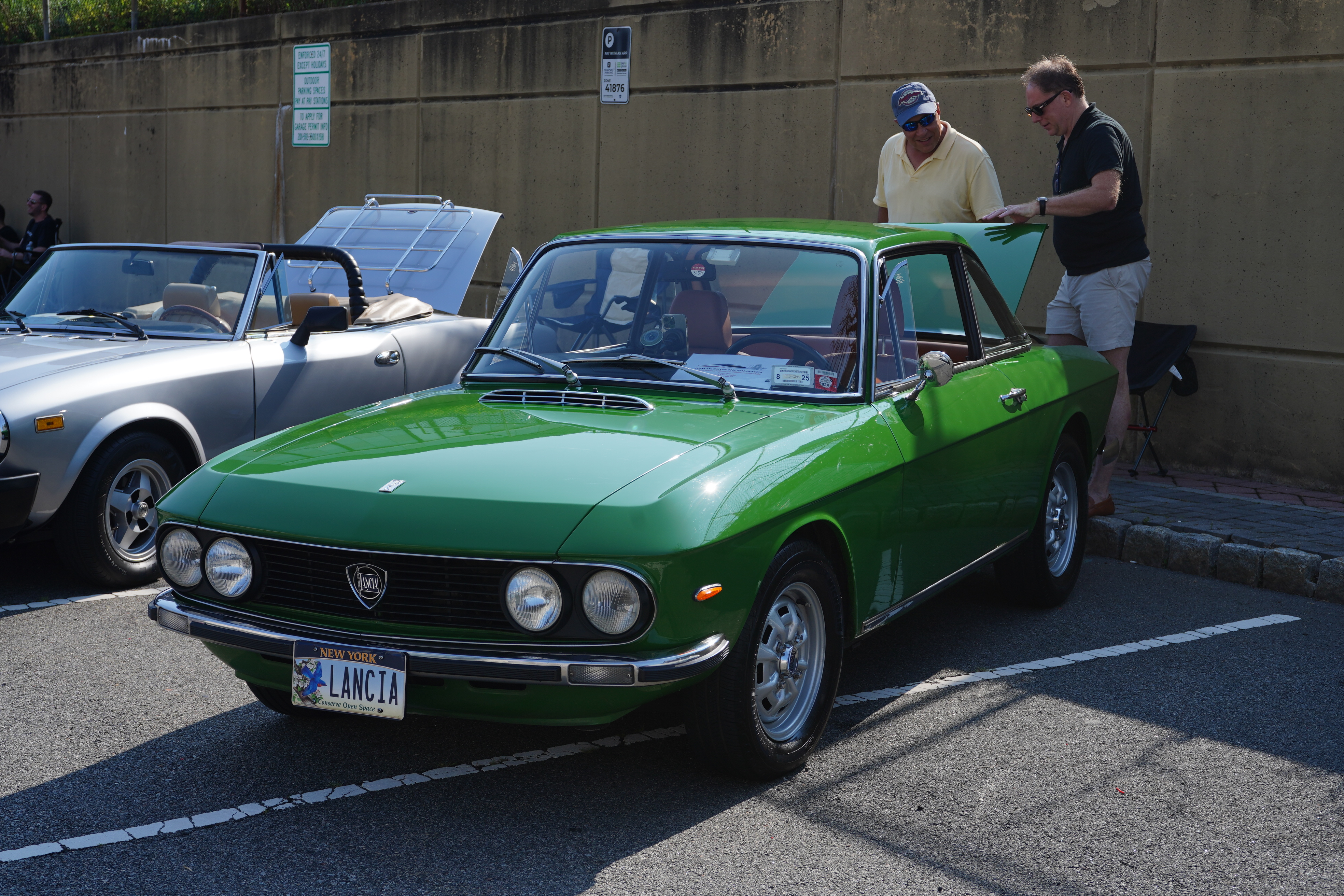
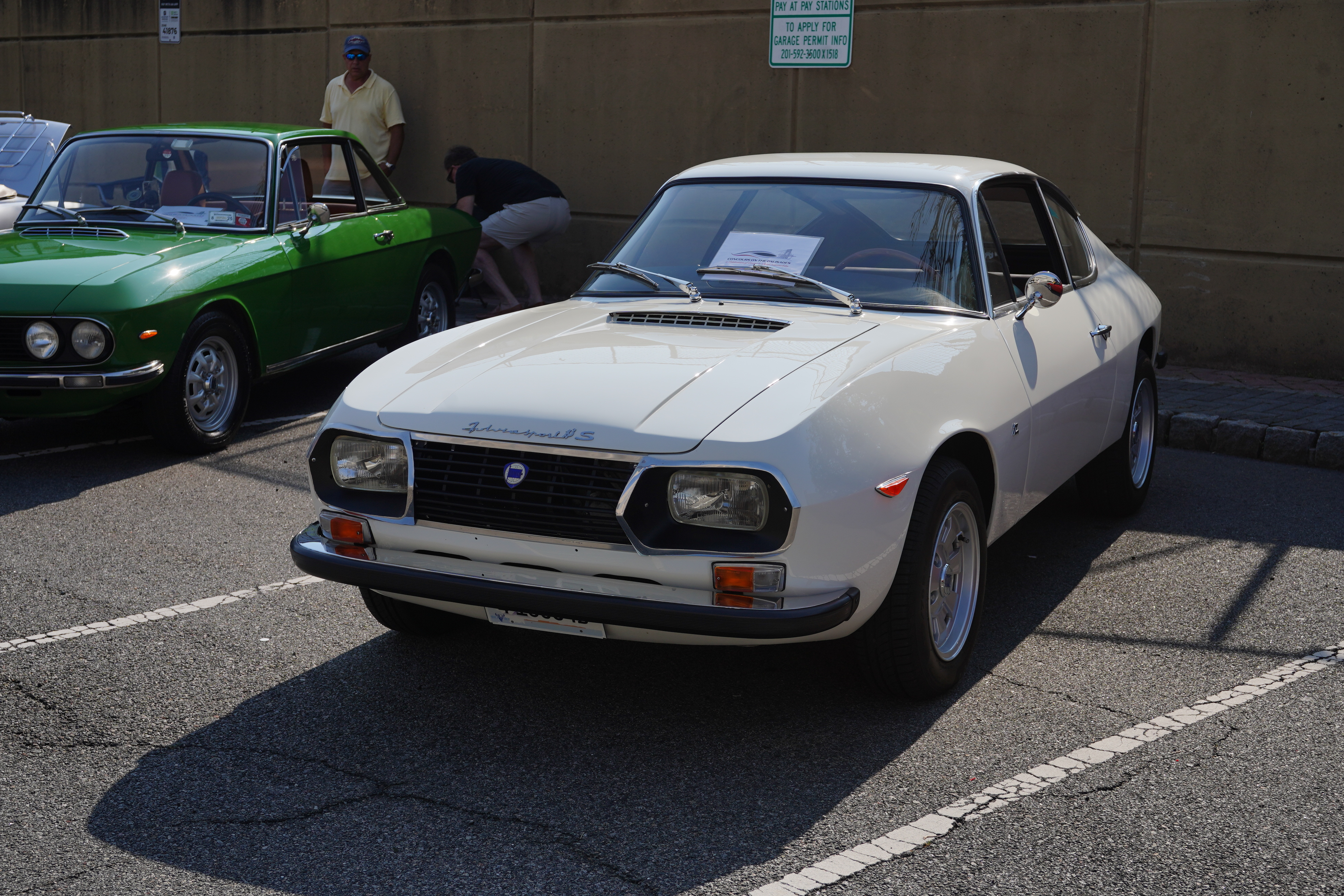
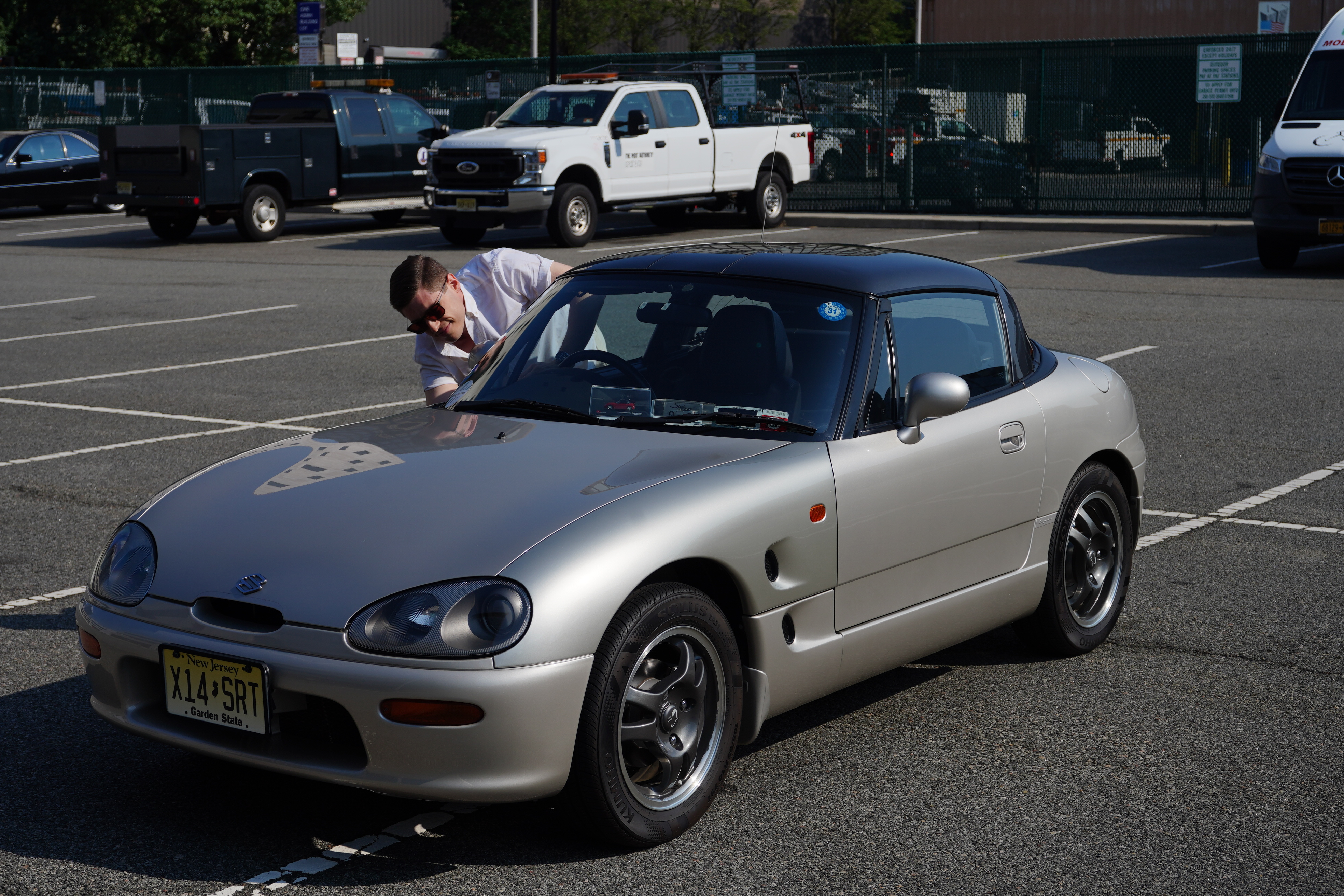
In the Italian class, we gave 3rd place to a green Lancia Fulvia, 2nd place to an orange DeTomaso Pantera, and 1st place to a white Lancia Fulvia Zagato. The Zagato emerged on top due to its uniqueness, color combination, and overall condition. Among the Japanese cars, 3rd went to a black 1989 Nissan 240SX track car, 2nd to a Suzuki Cappuccino “kei car”, and 1st to a near-bone-stock orange 1974 Toyota Corolla. For our entire judging team, the Toyota was an emotional choice. The car was a survivor, in what appeared to be unrestored condition, in a period color combo one doesn’t see today. We agreed that had it had a manual gearbox it would have been perfect.
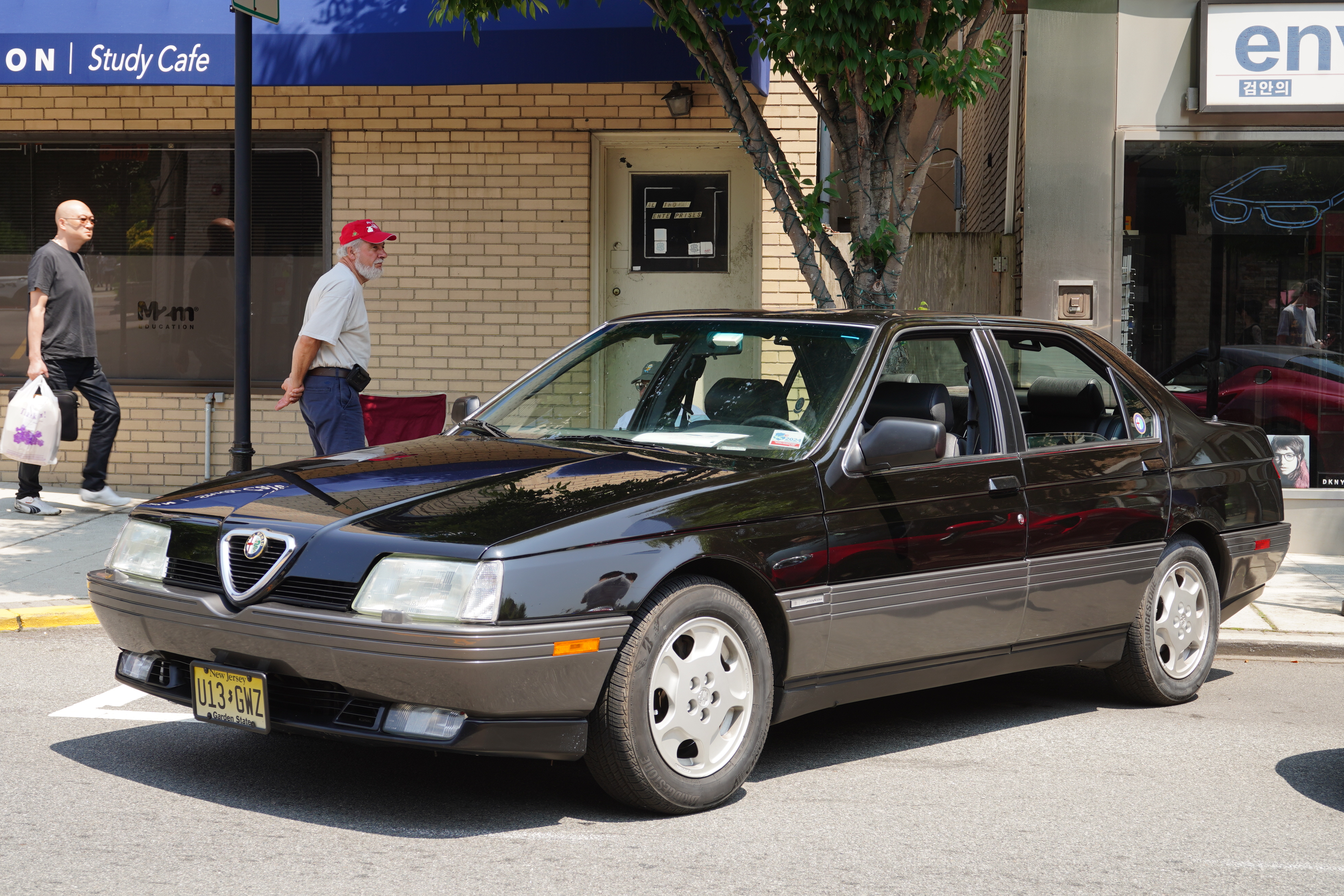
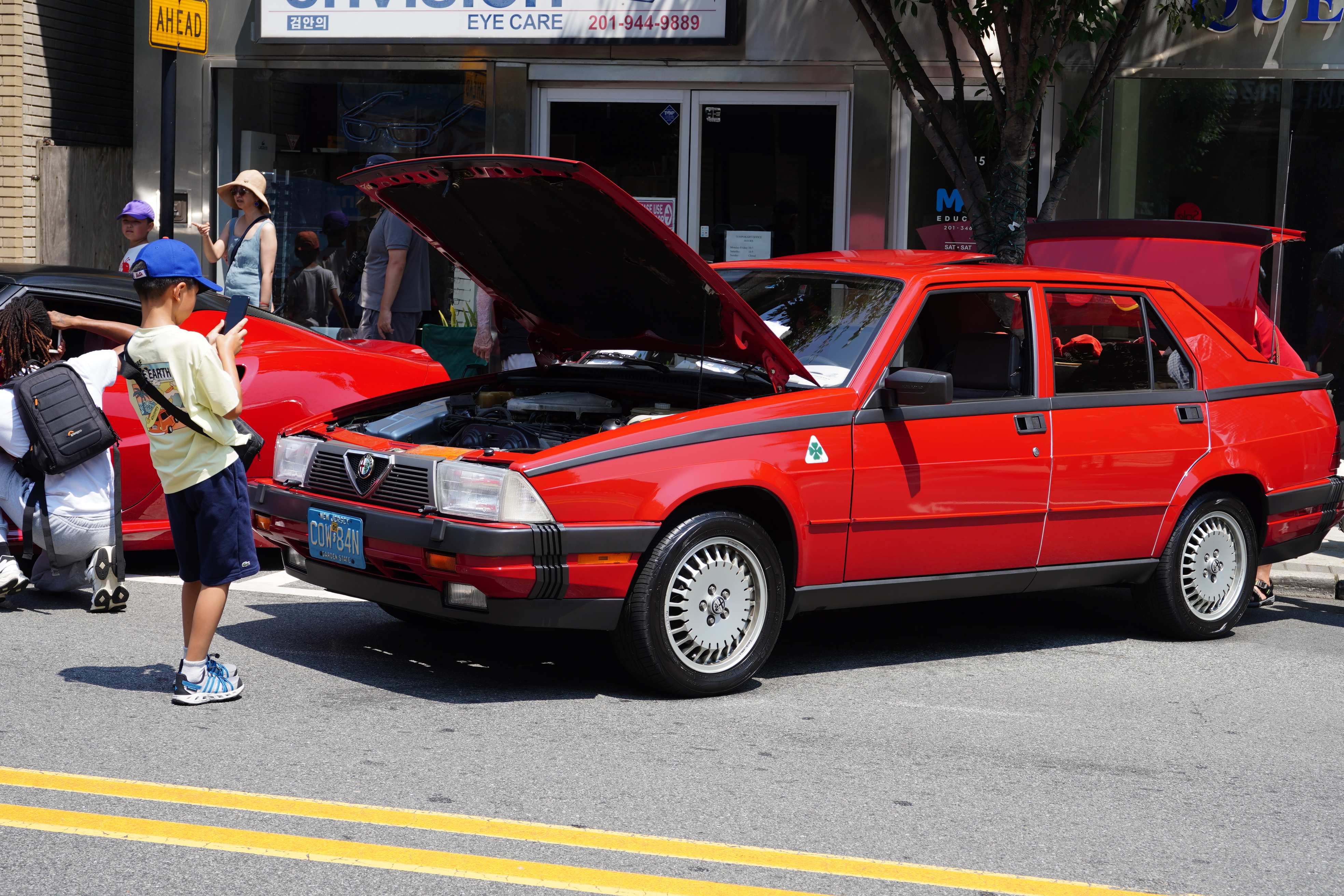
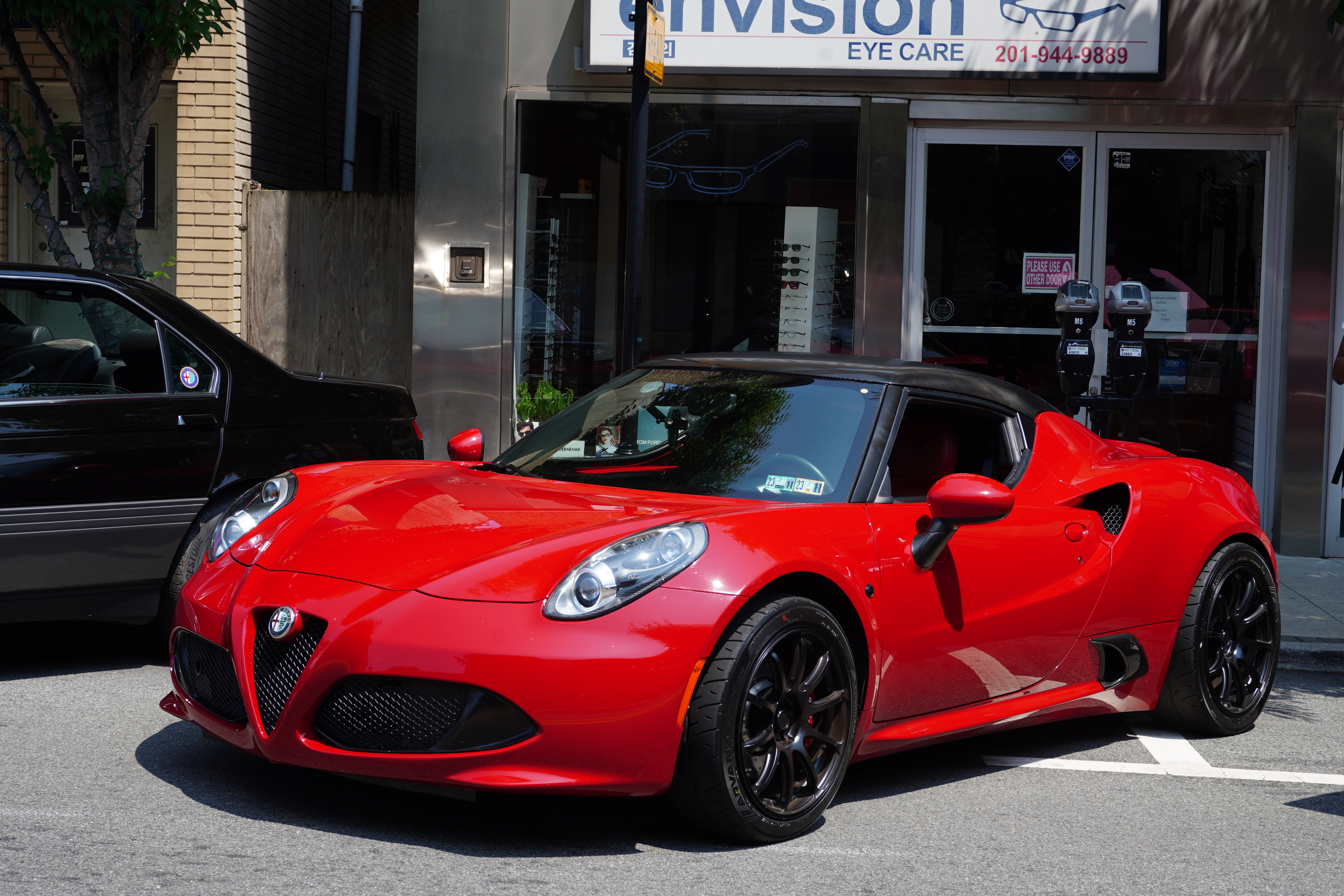
The Alfa Romeos (separate from the other Italian cars) were parked on Main St. in a position of honor, along with the other Special Class this year, the Mercedes-Benz SLs (all years). Nine Alfas were registered, in itself a low number, yet only 6 showed up, a very disappointing turnout. Was it the heat? Competition with other shows? We’ll never know. Still, it was nice to see our Alfas so recognized. Third place went to a black Alfa 164 sedan, second to a red Alfa Milano sedan, and first to a white Giulietta Spider. (I believe that my car, as one entered by a judge, was “display only”.)

The awards ceremony got underway a few minutes after 1 p.m. and was over before 2 p.m. The timing was good because rain clouds quickly moved in, and sprinkles started a few minutes after the final “see you next year!” was proclaimed. My Alfa completed the 120-mile round trip without a problem, even as the temp gauge registered slightly higher in the hot and humid air. I walked into my house a little after 3 p.m. and that air conditioning felt great!


ITALIAN CLASS


JAPANESE CLASS


AMERICAN CLASS
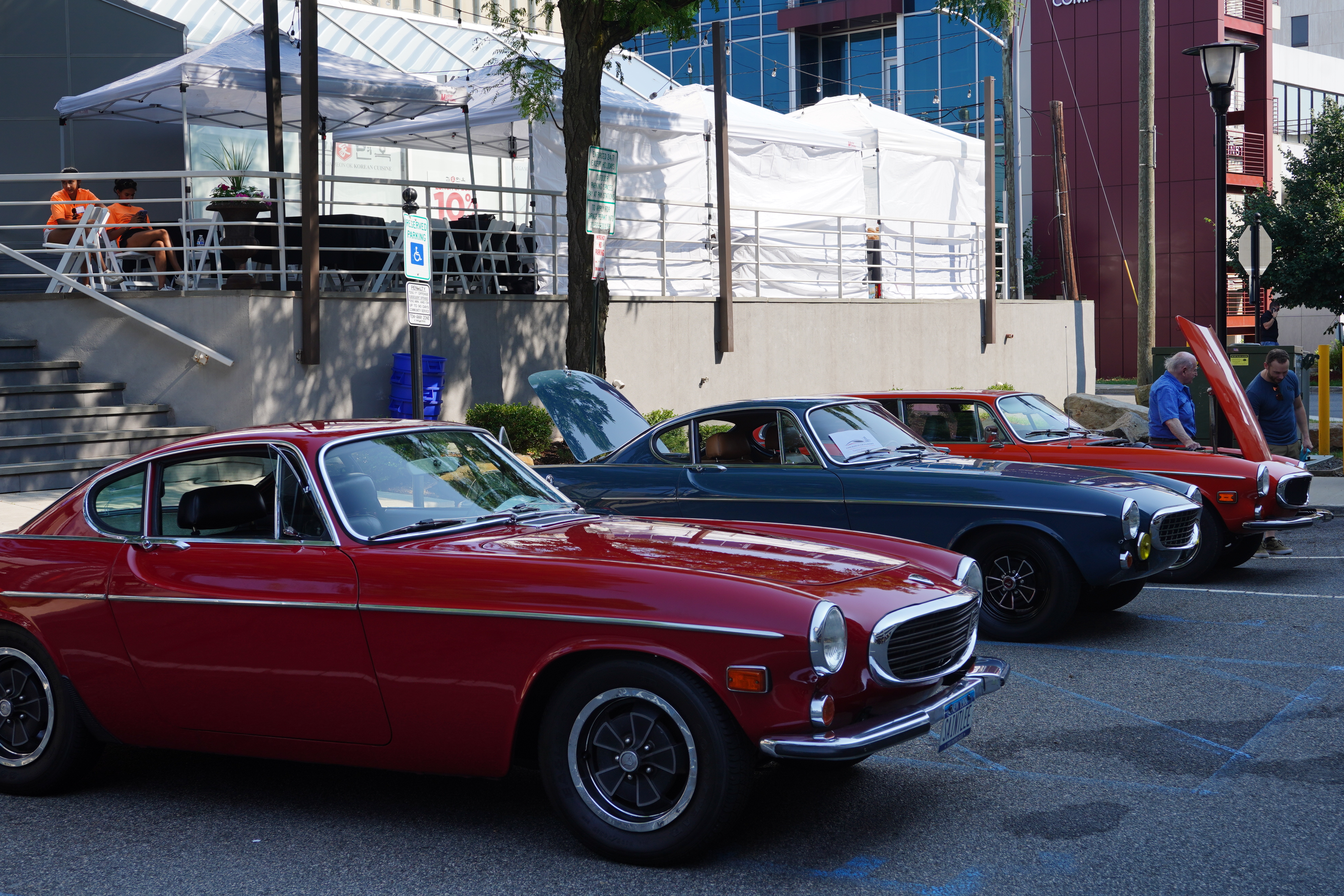
SWEDISH CLASS
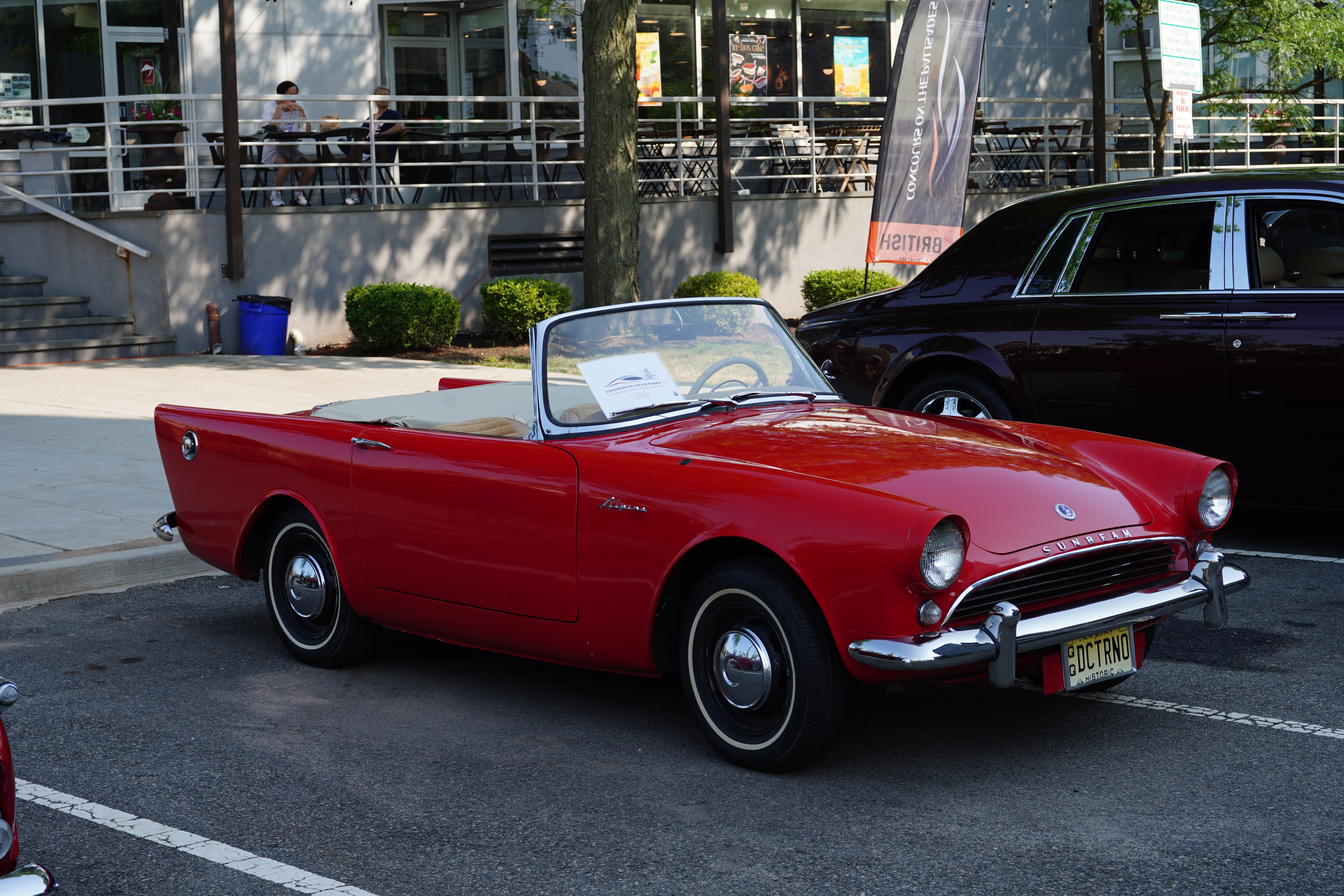
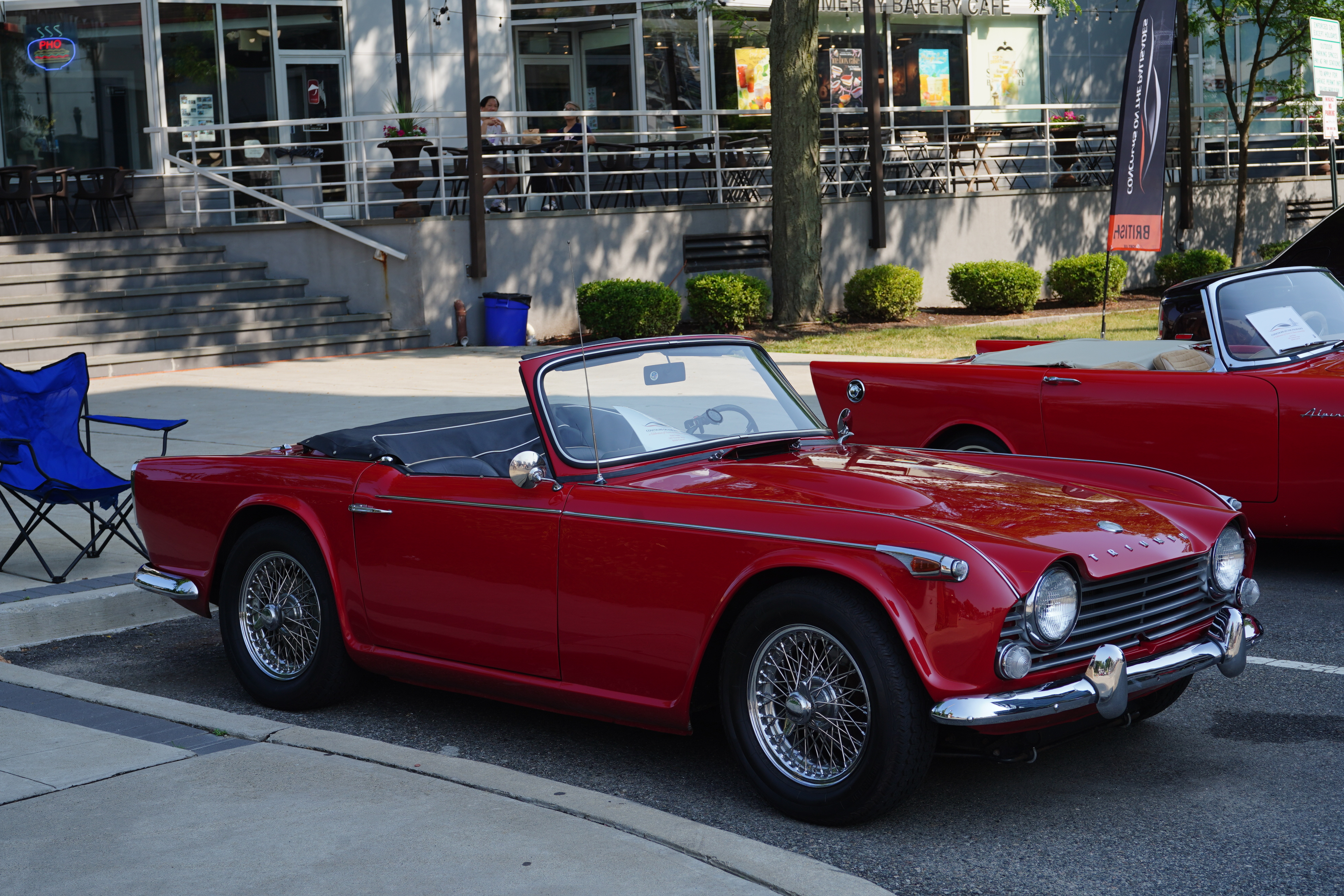
BRITISH CLASS


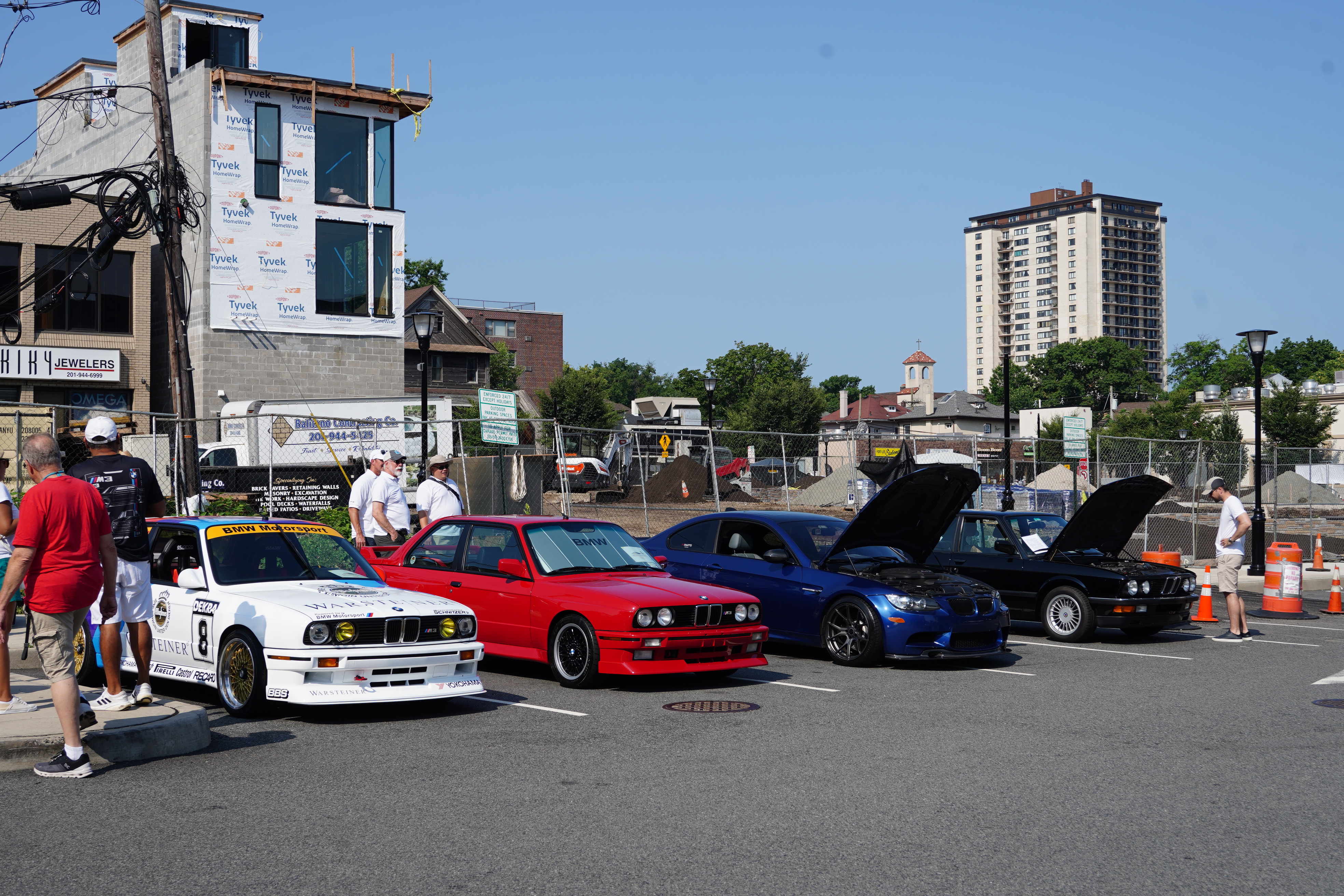
GERMAN CLASS
MERCEDES-BENZ SL CLASS
ALFA ROMEO CLASS


Entire blog post content copyright © 2024 Richard A. Reina. Text and photos may not be copied or reproduced without express written permission.