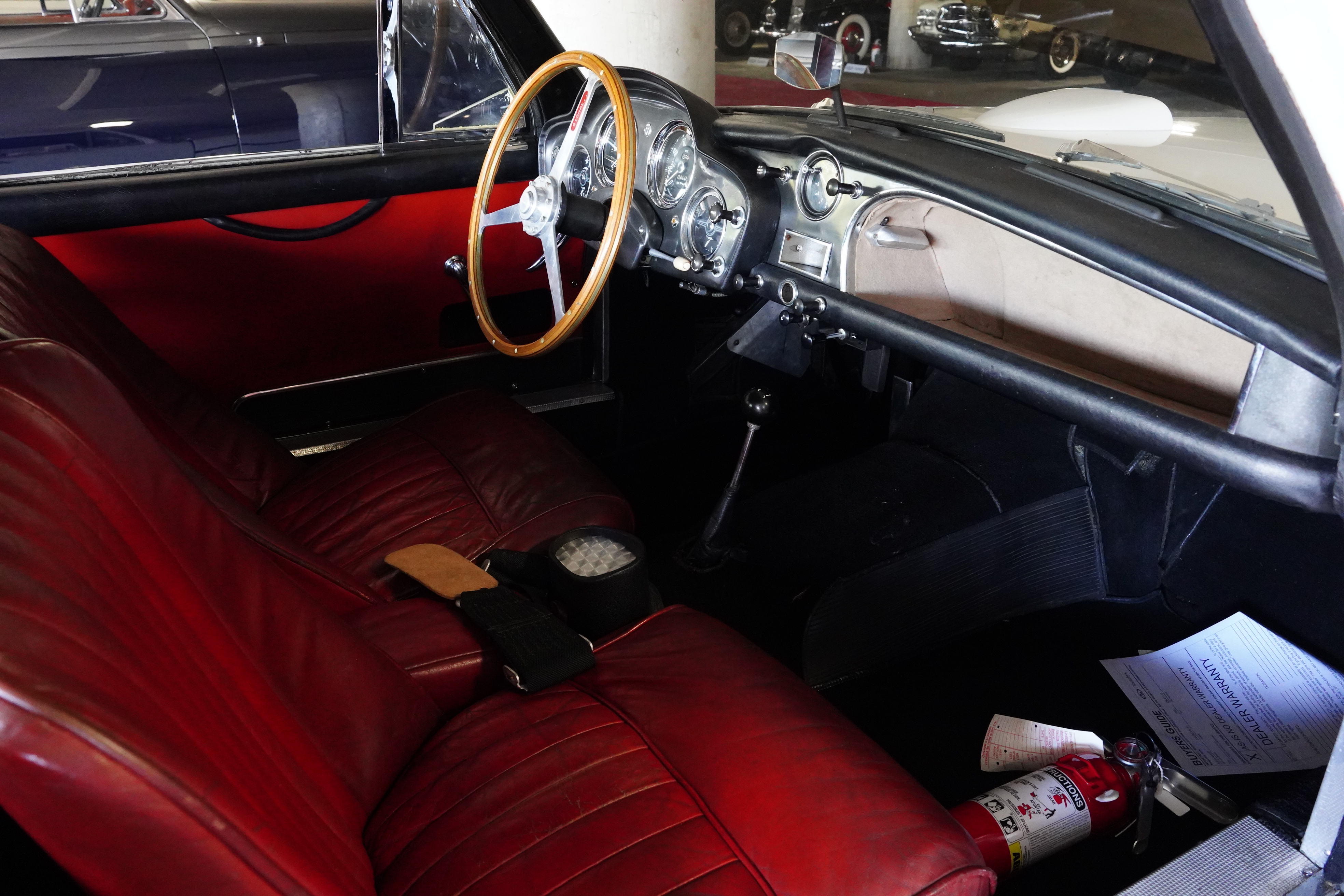
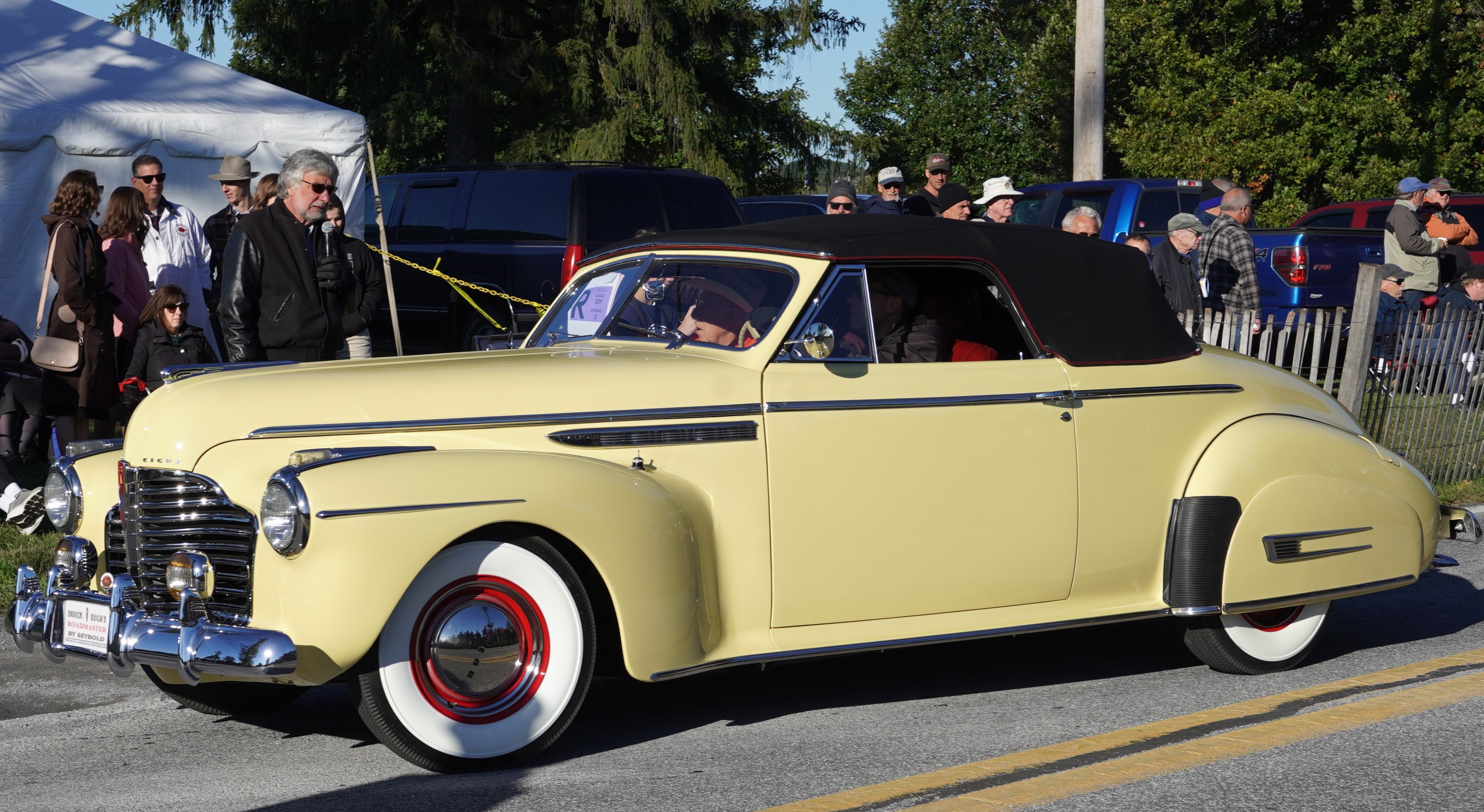
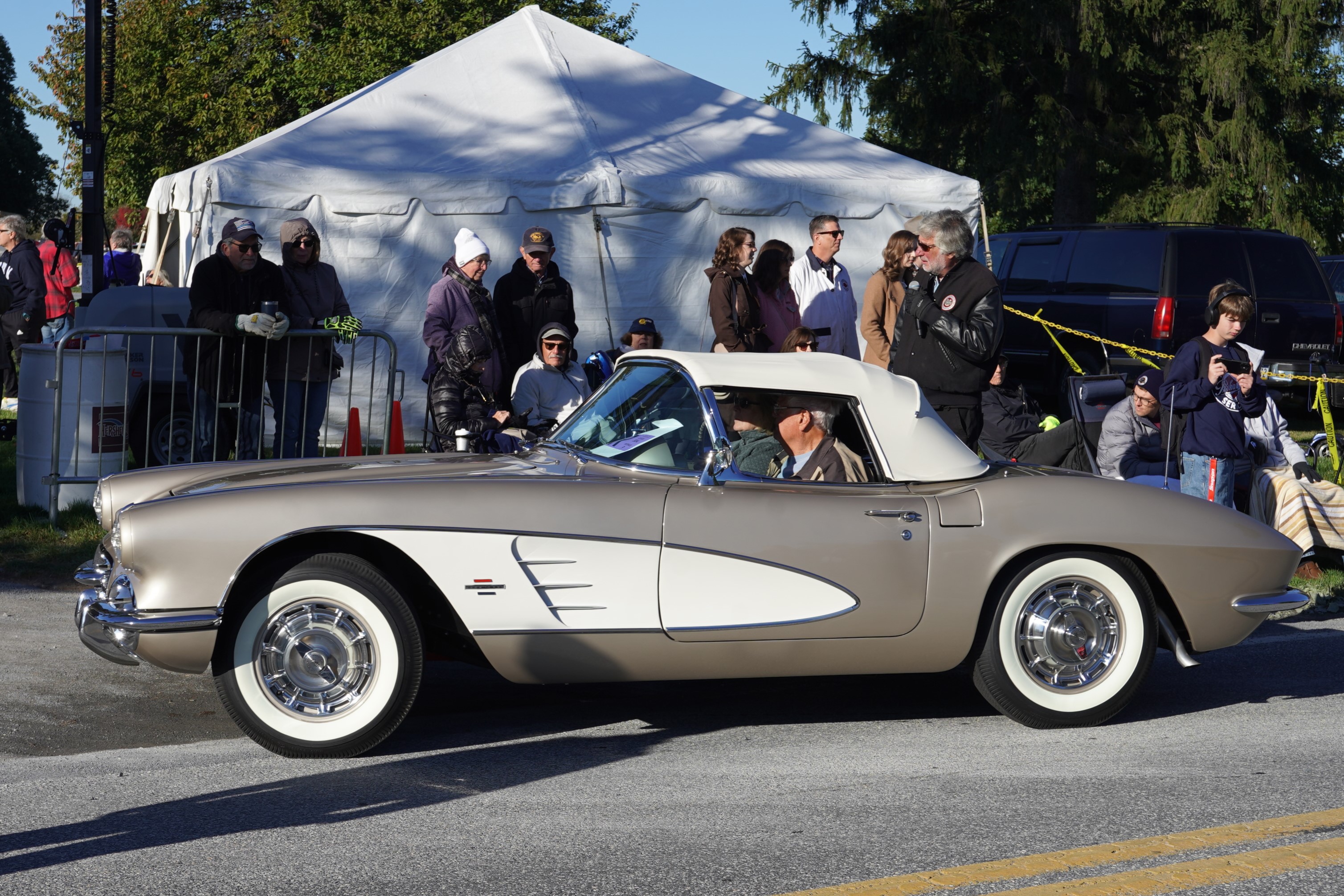
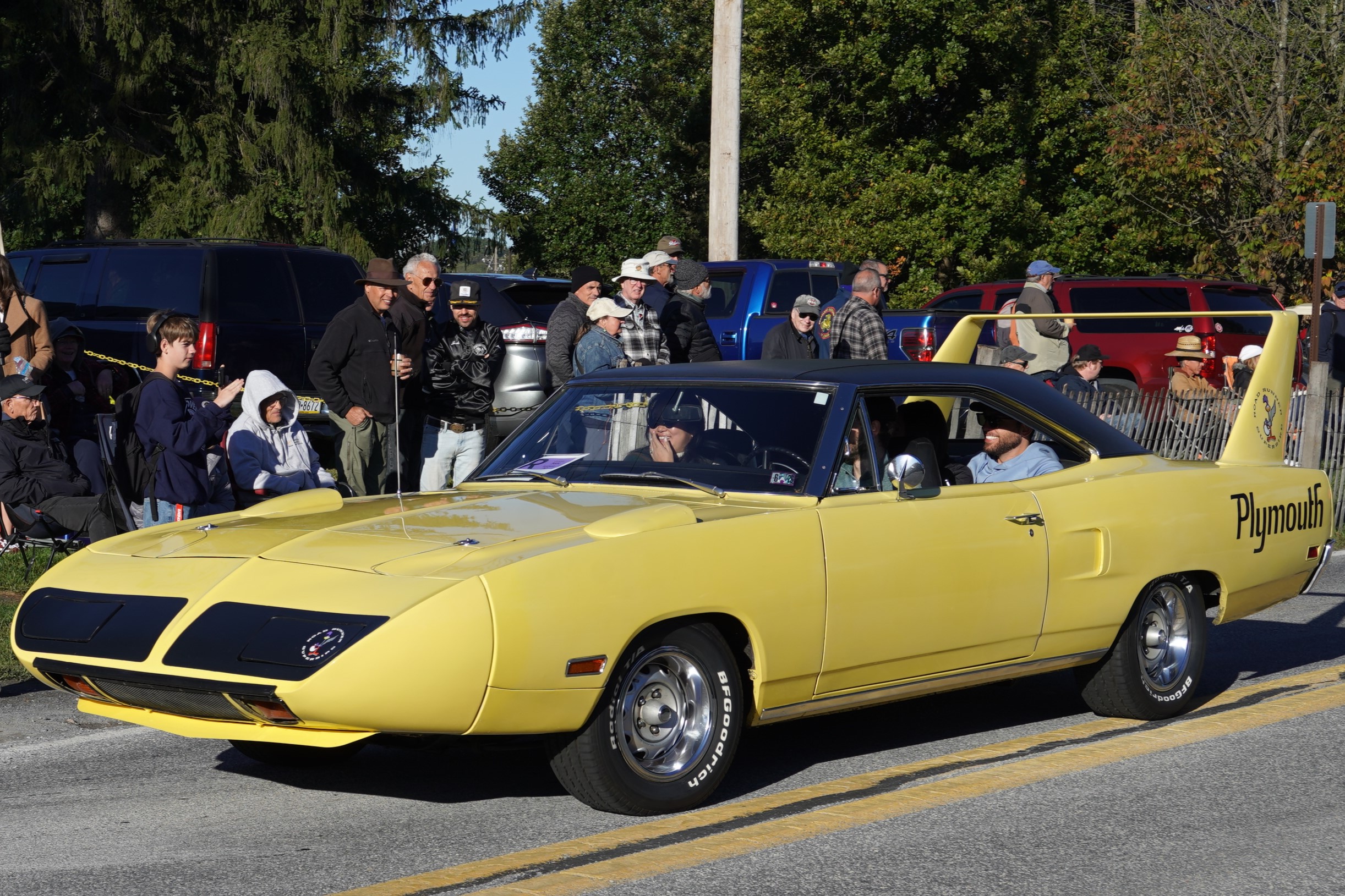
Hershey 2025 Part 2: The AACA Car Show

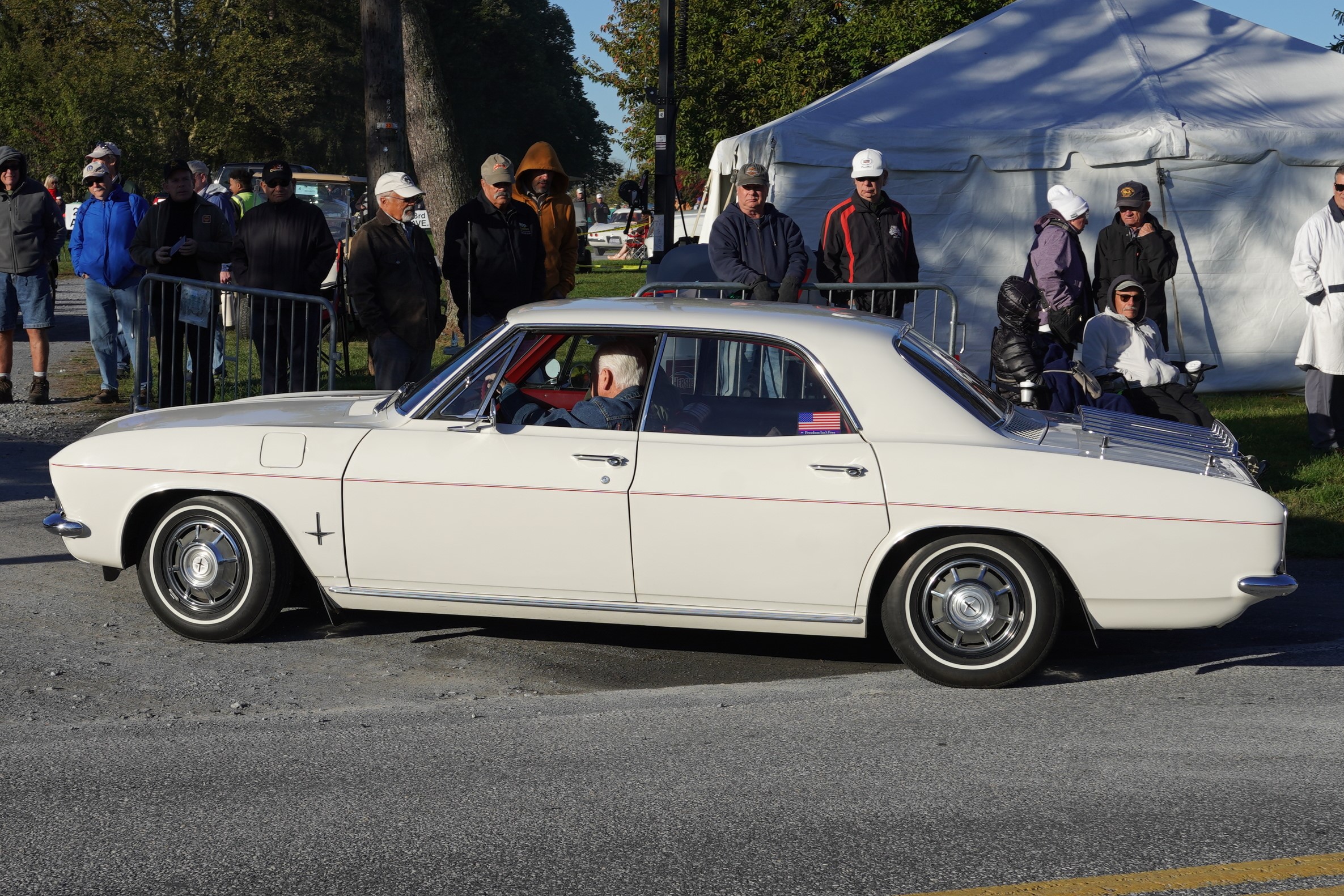
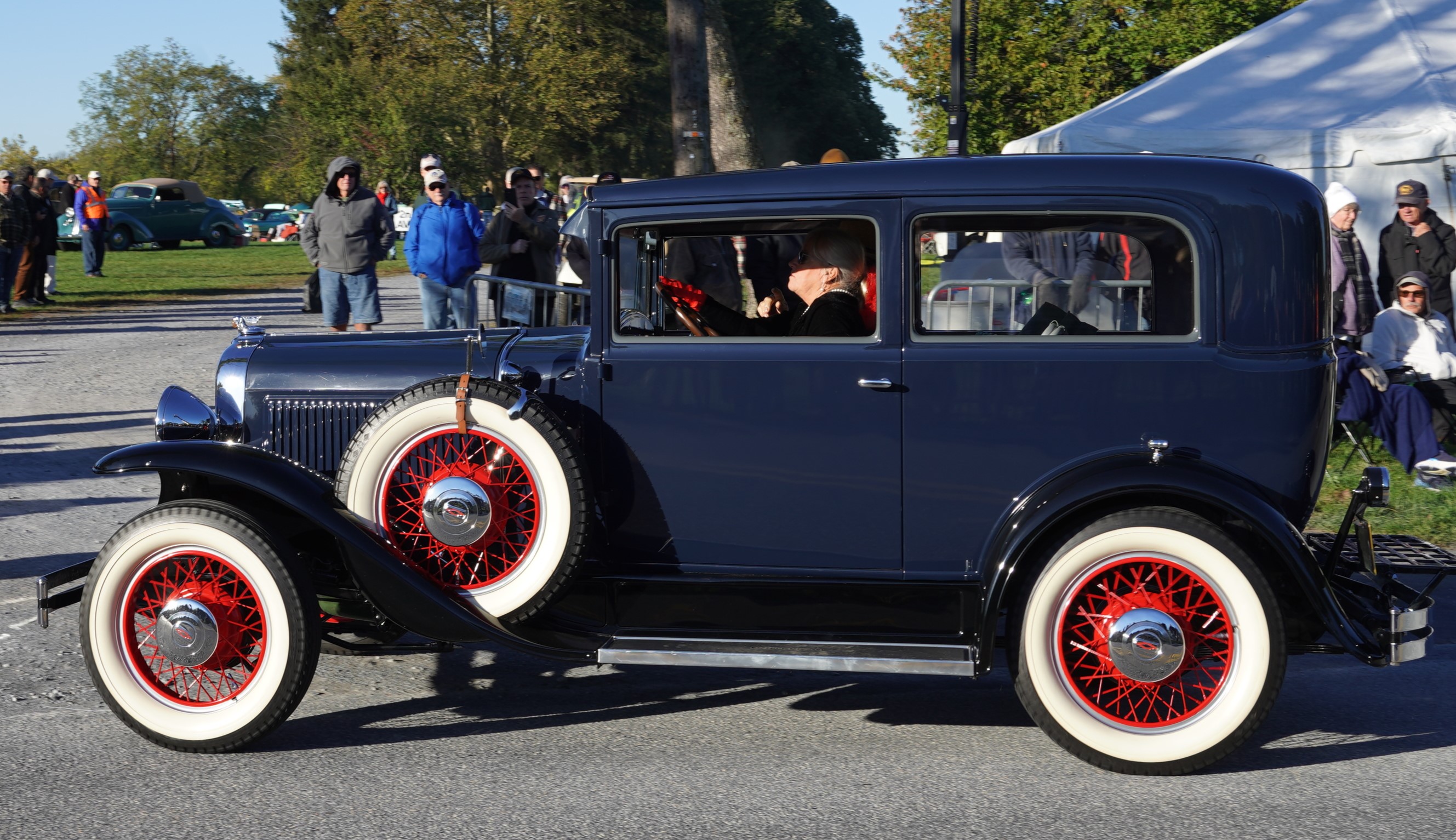
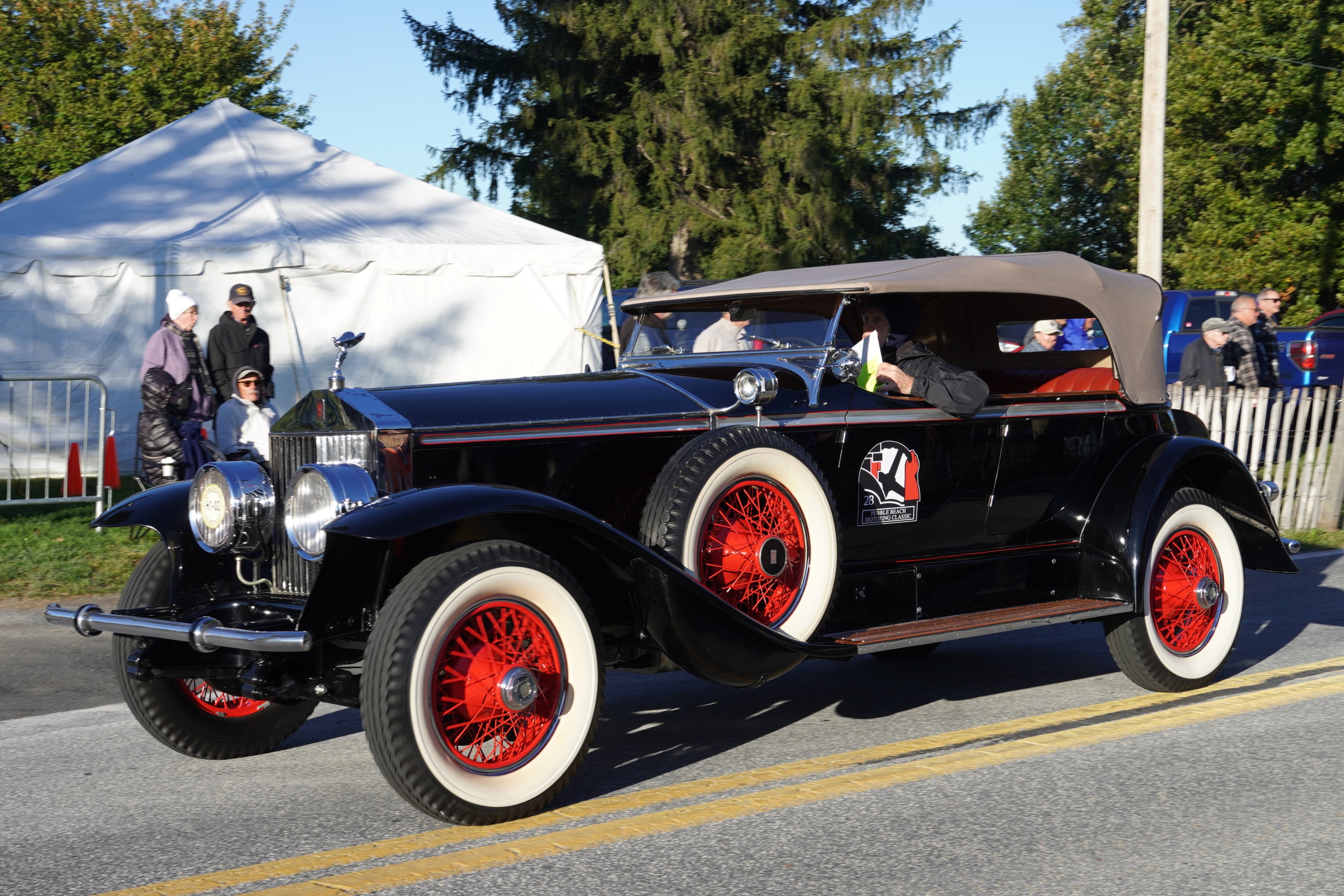
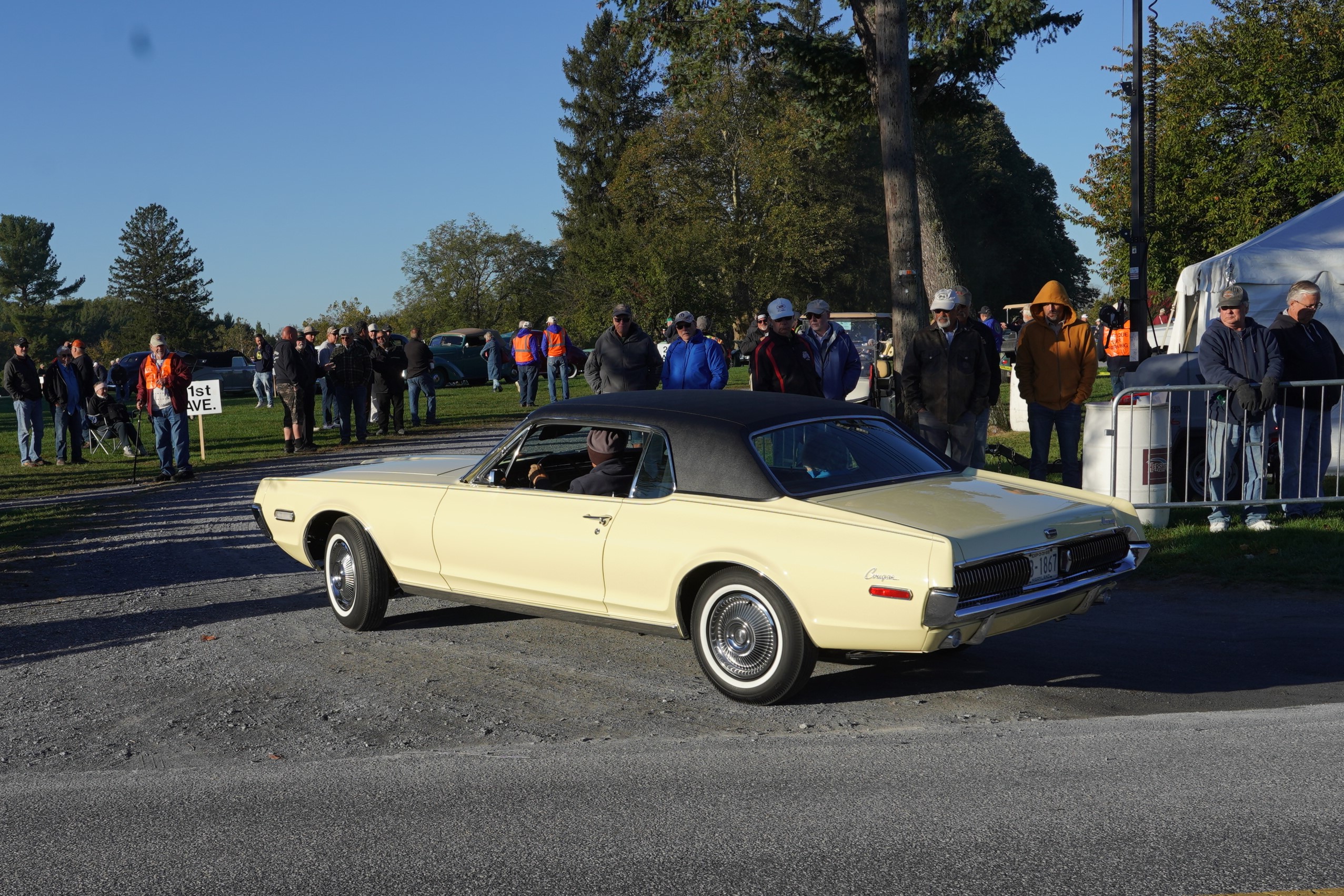
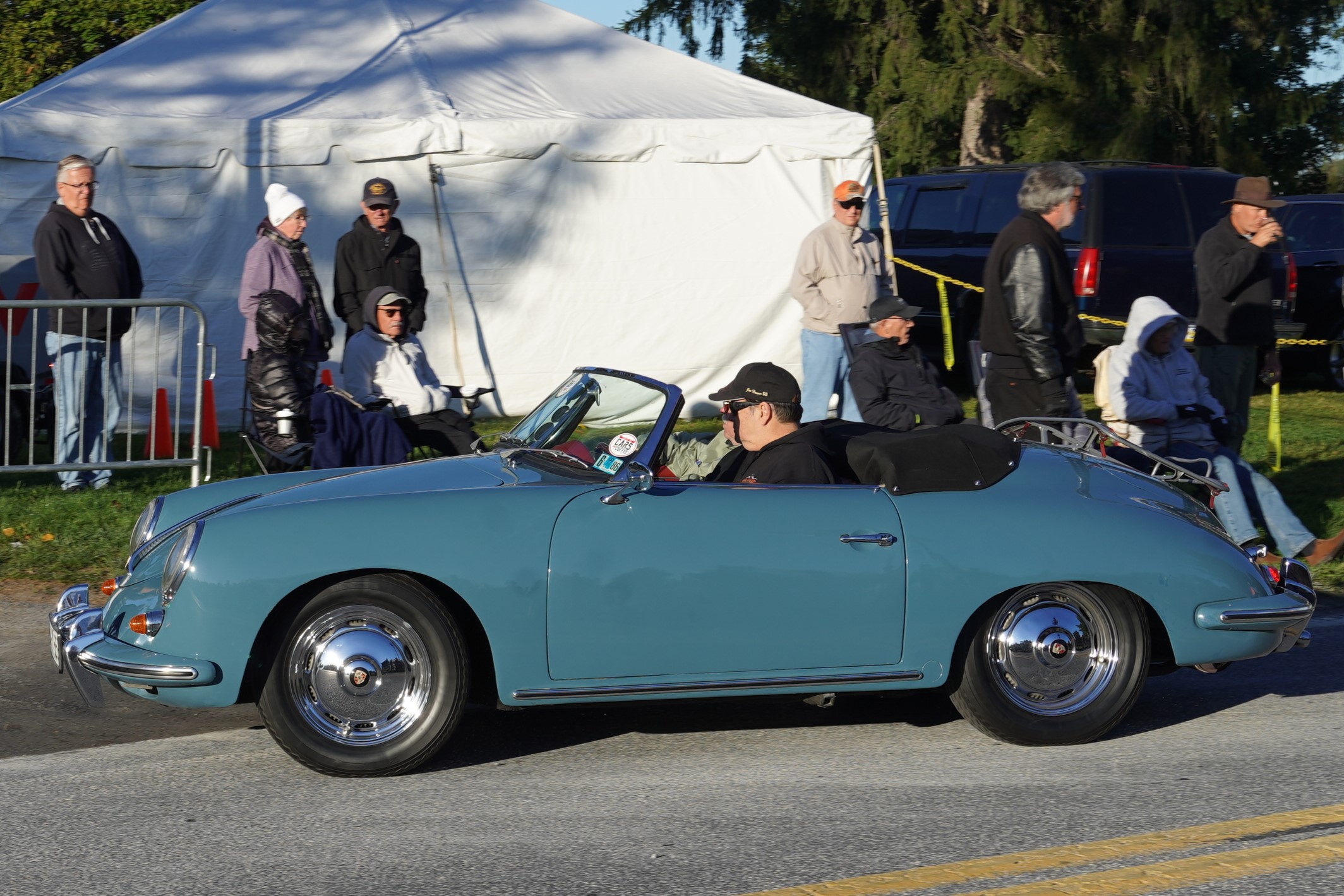
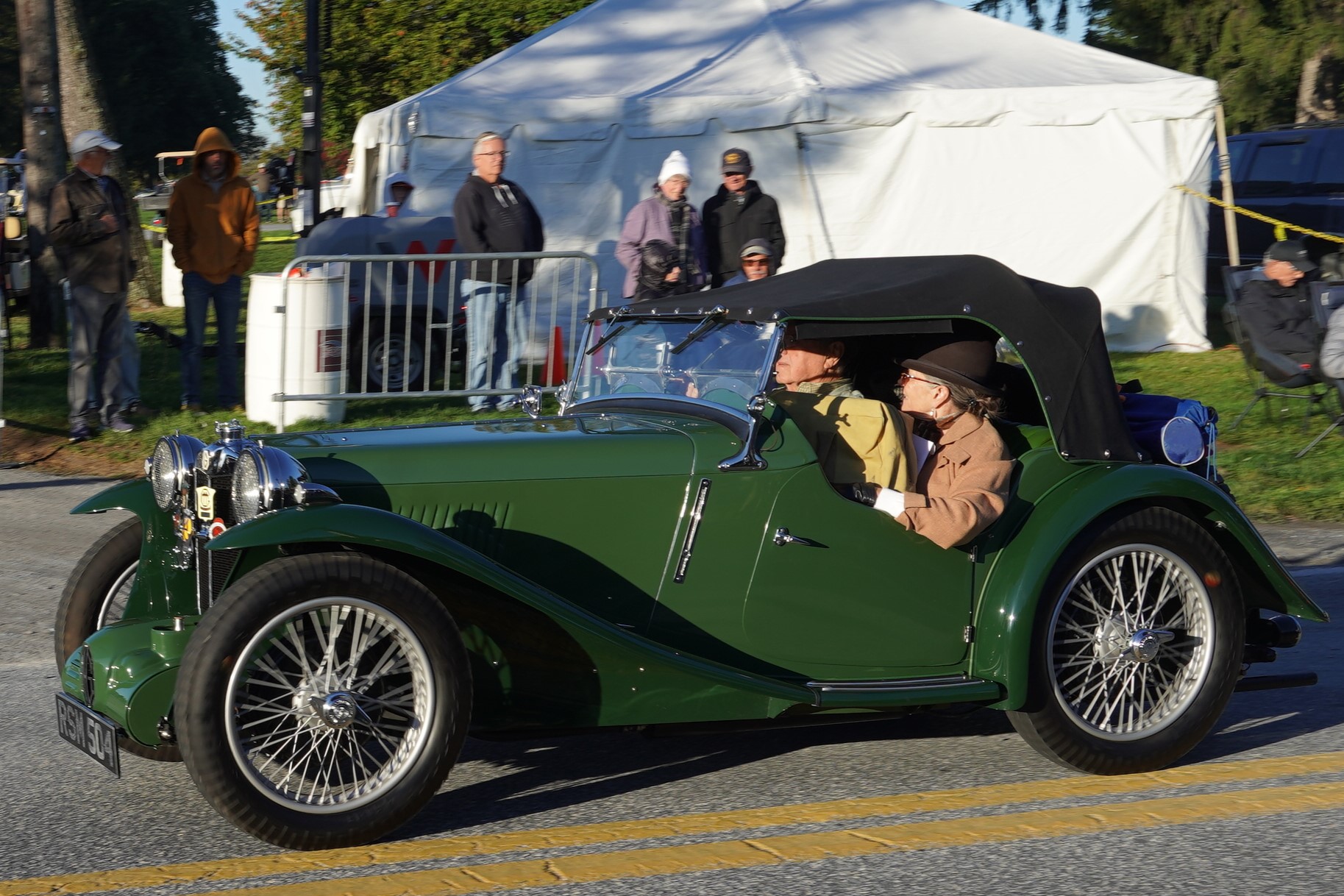
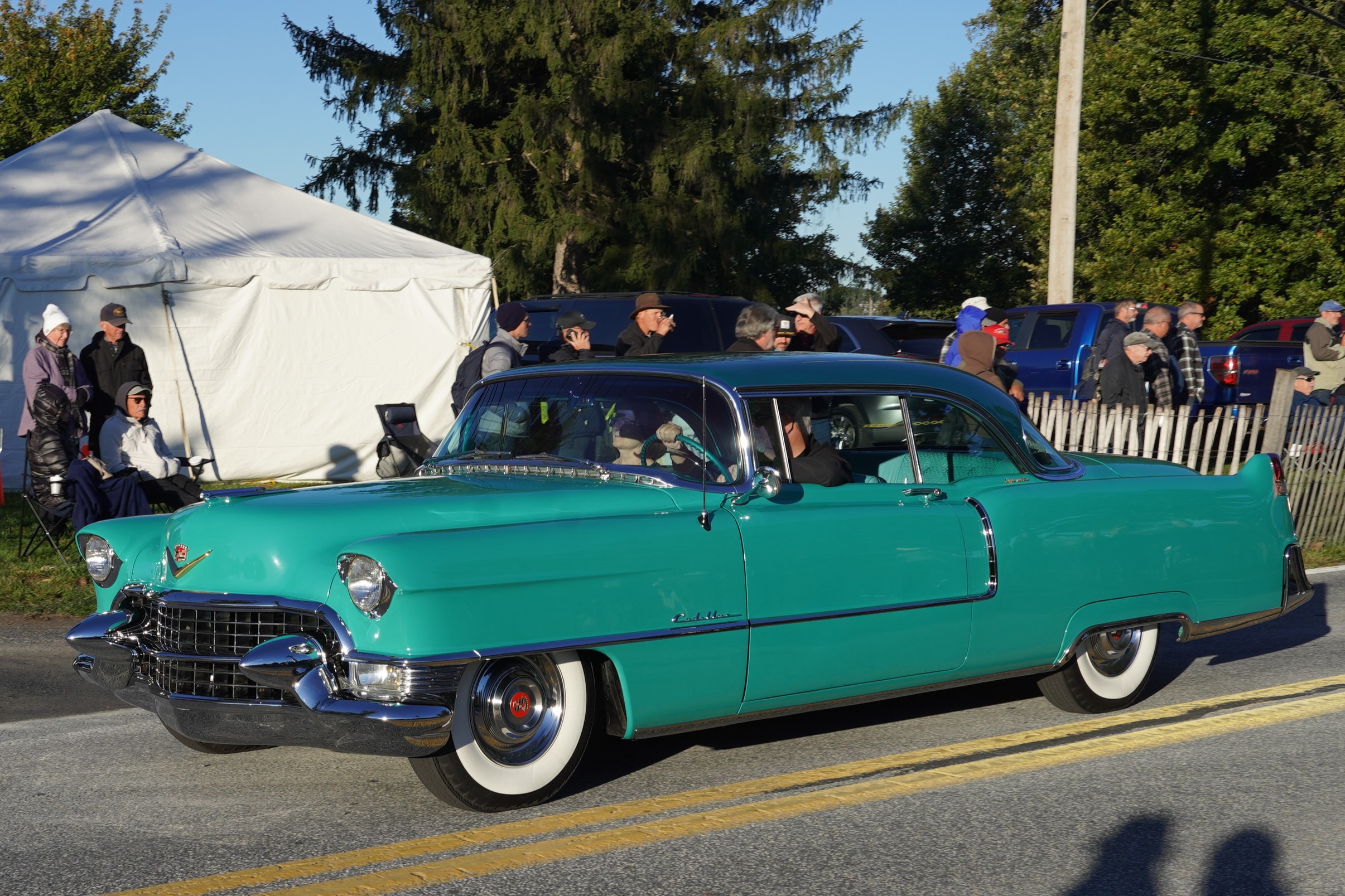
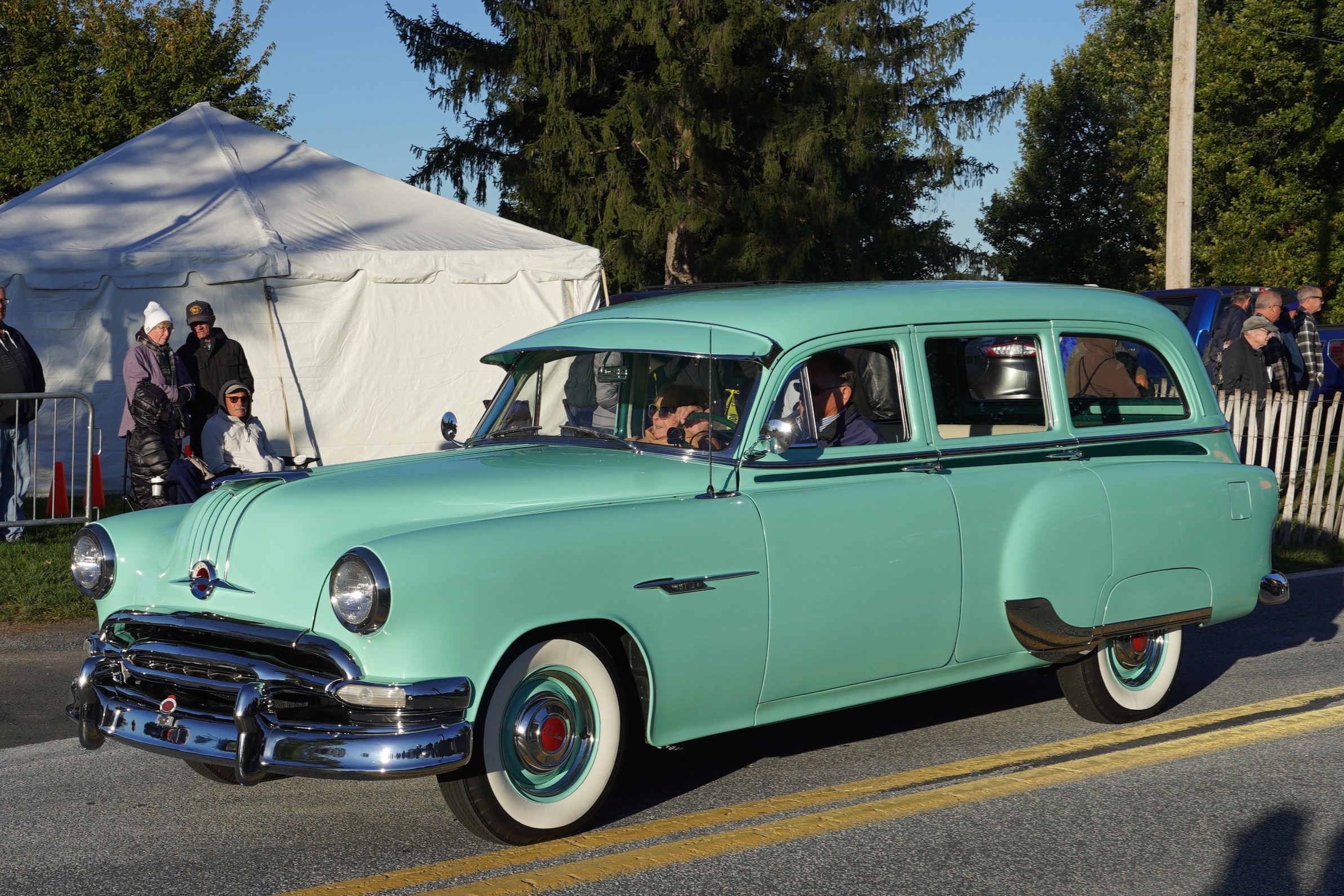
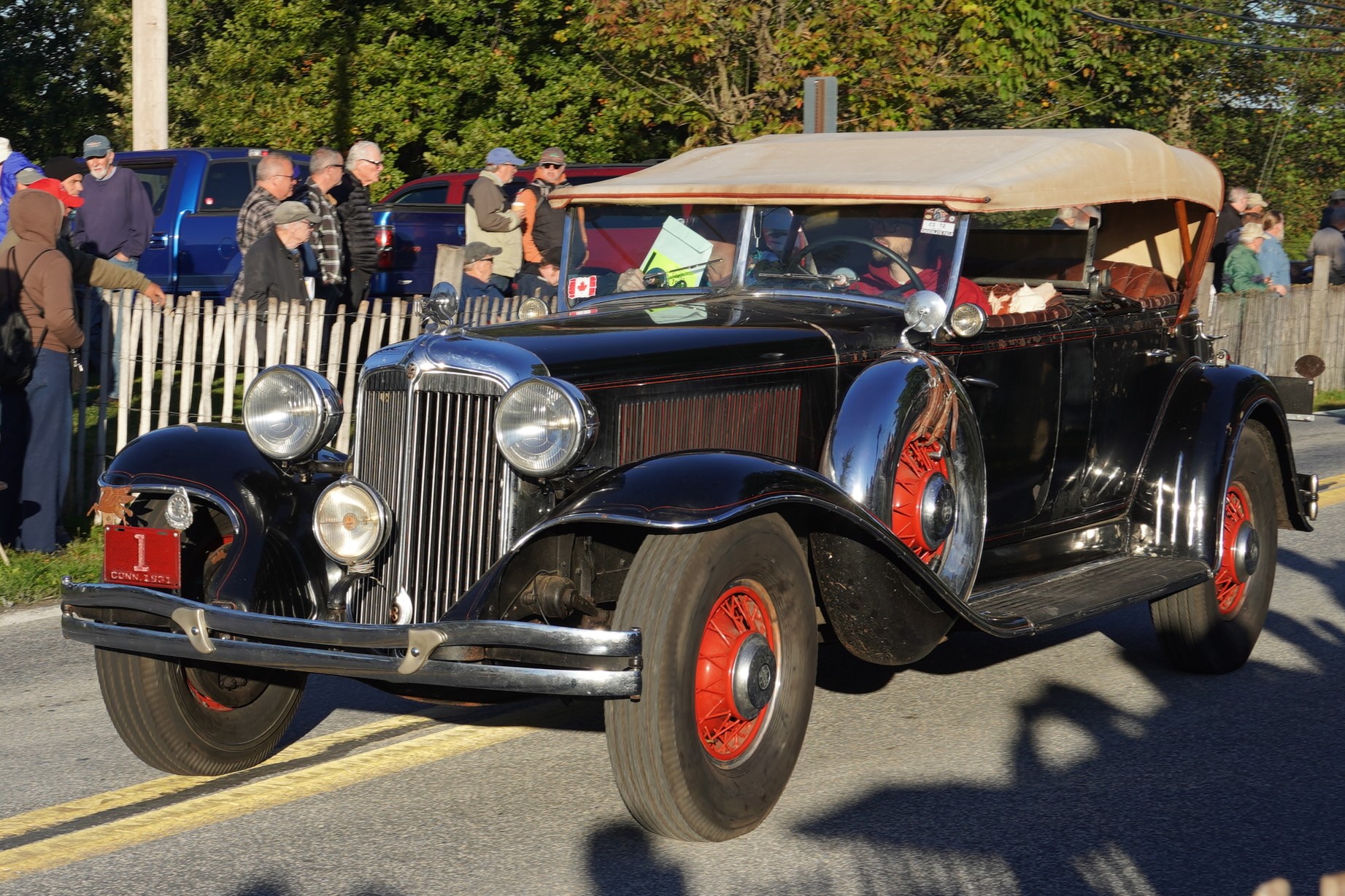
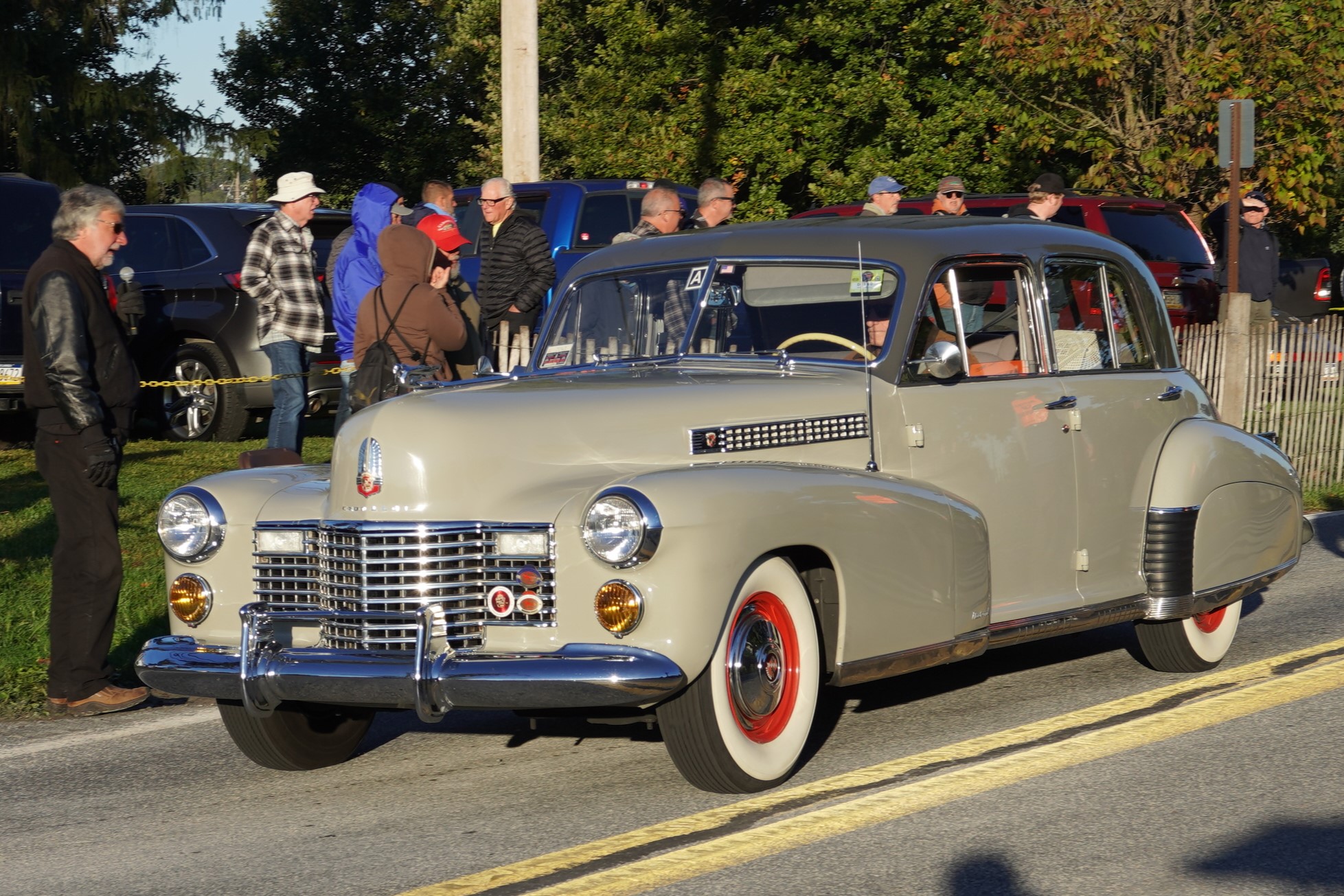
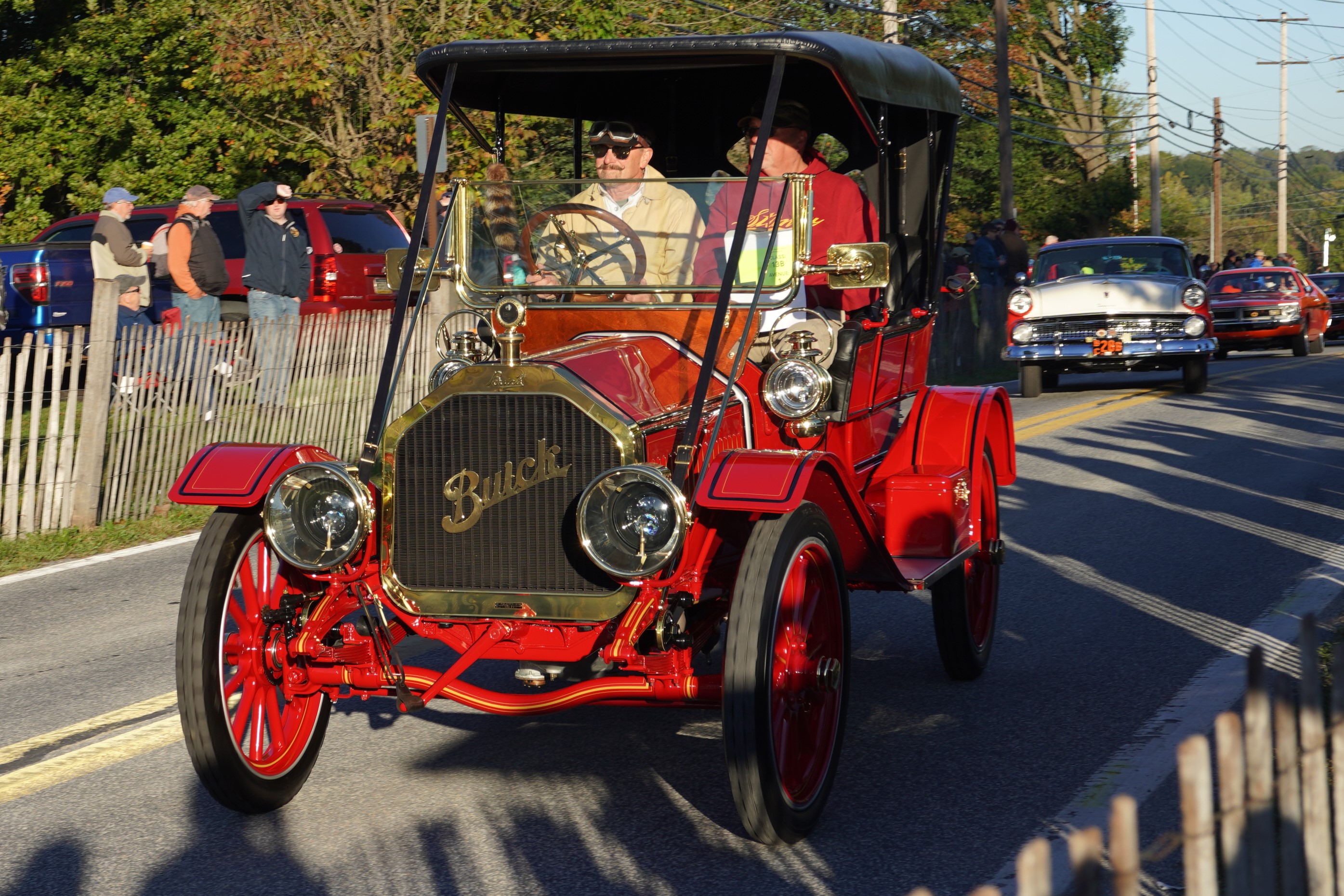
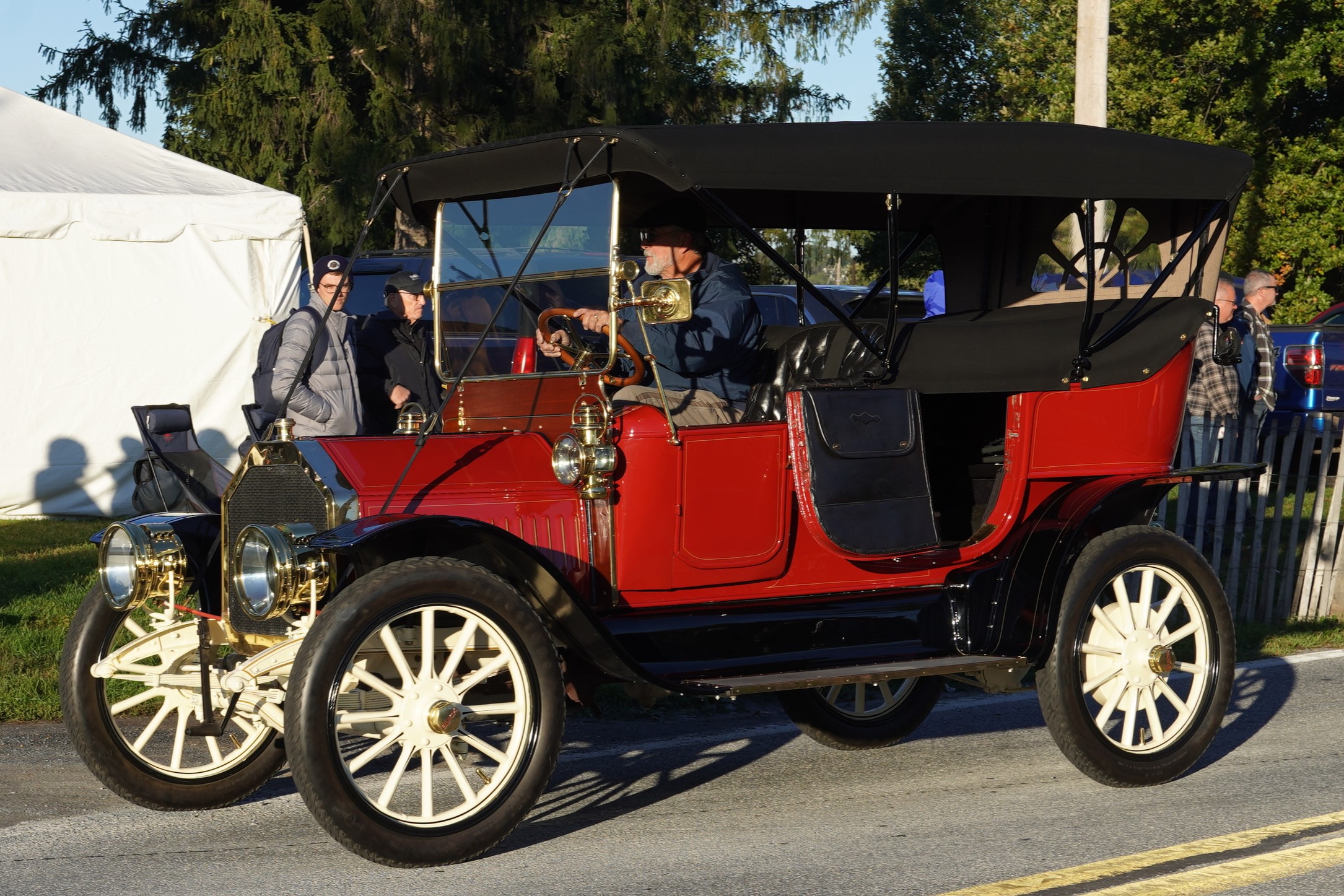
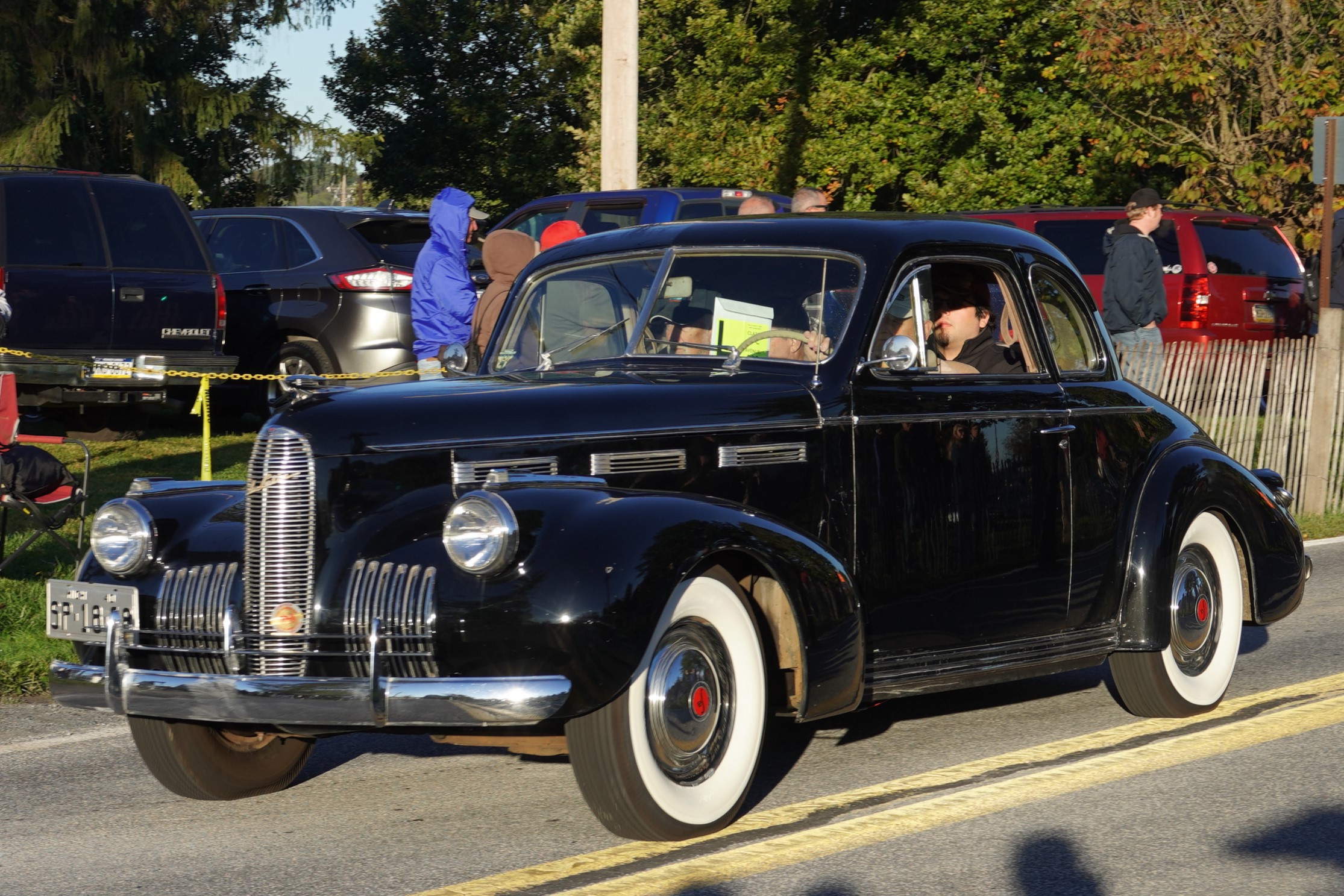
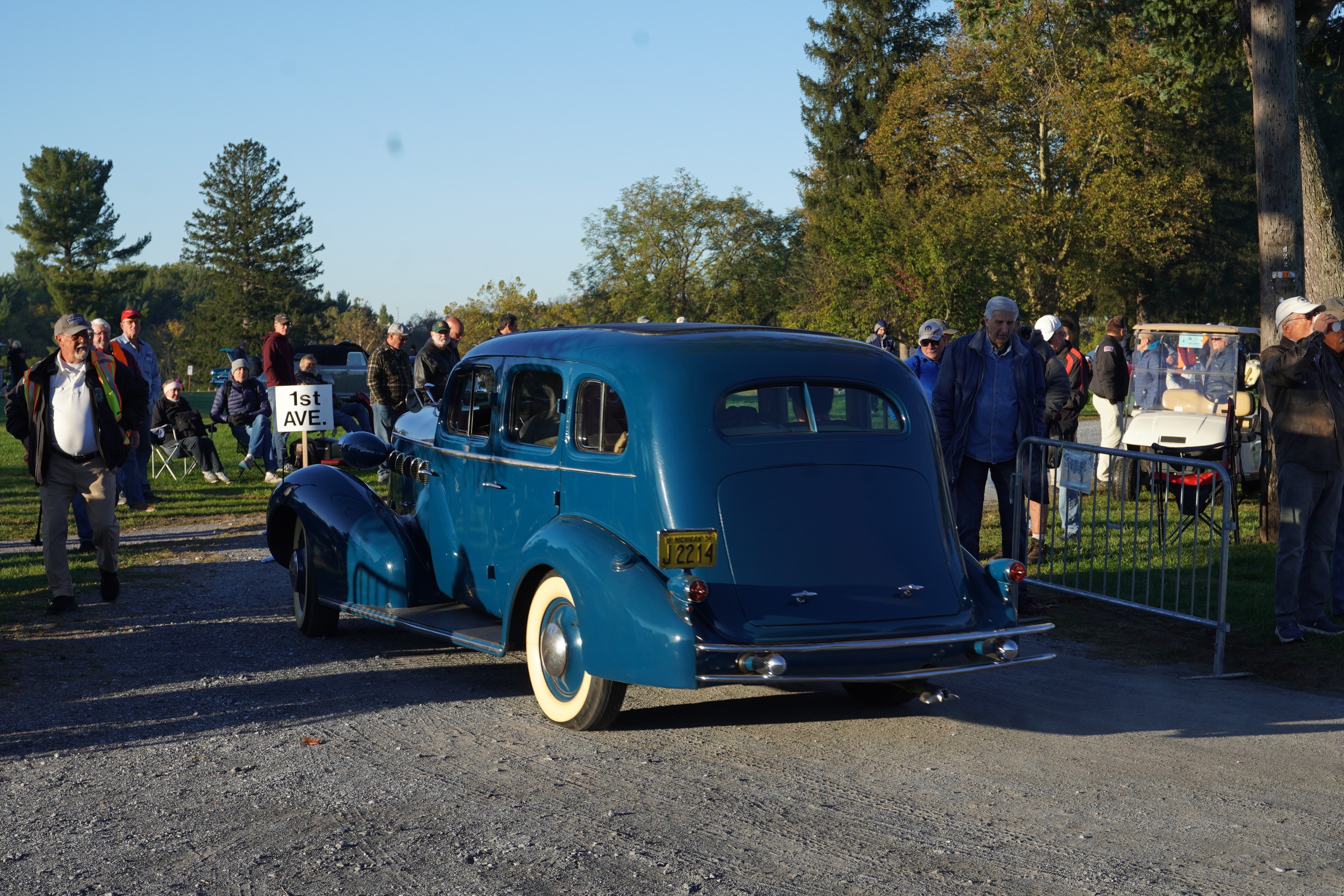
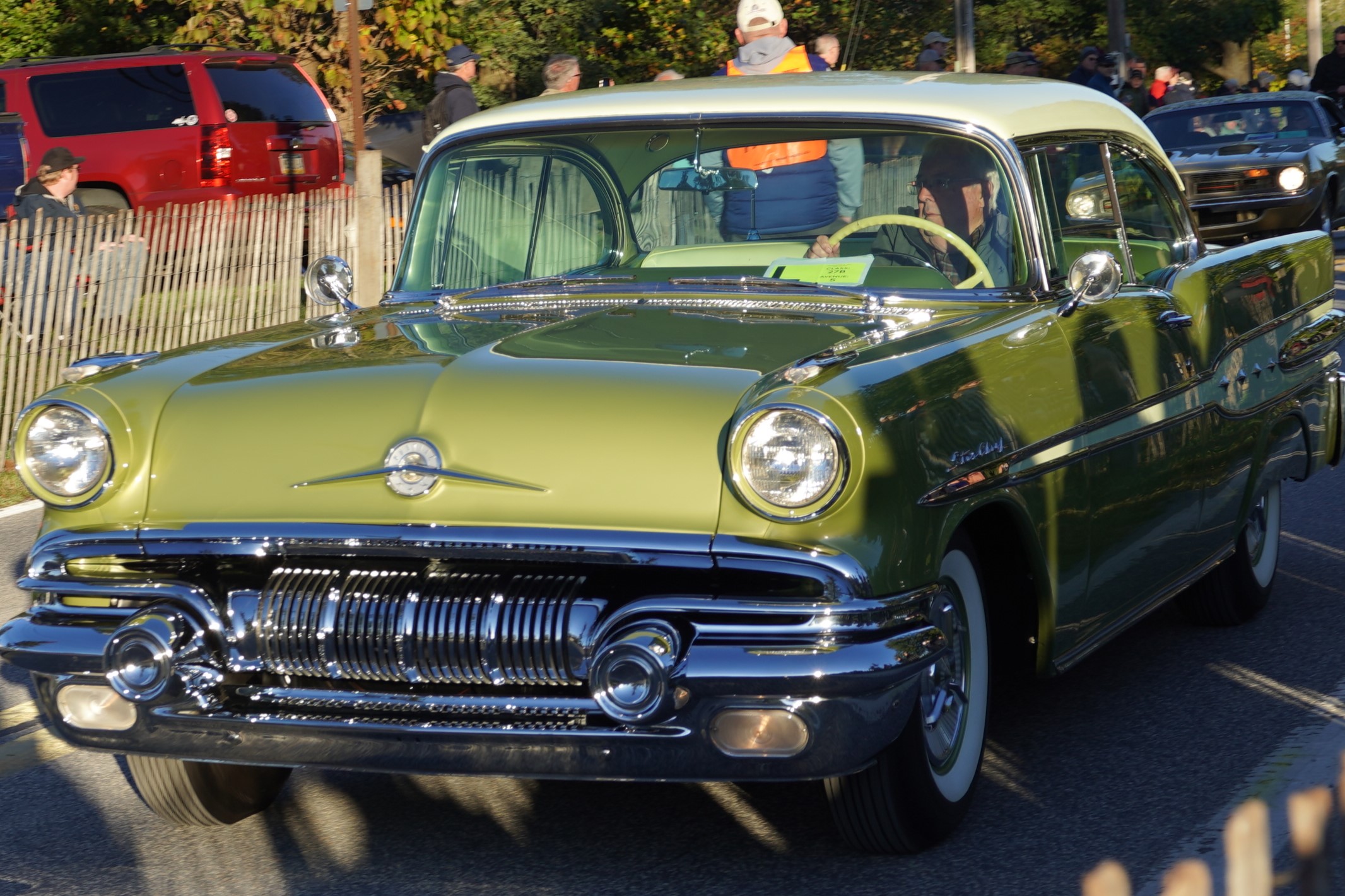
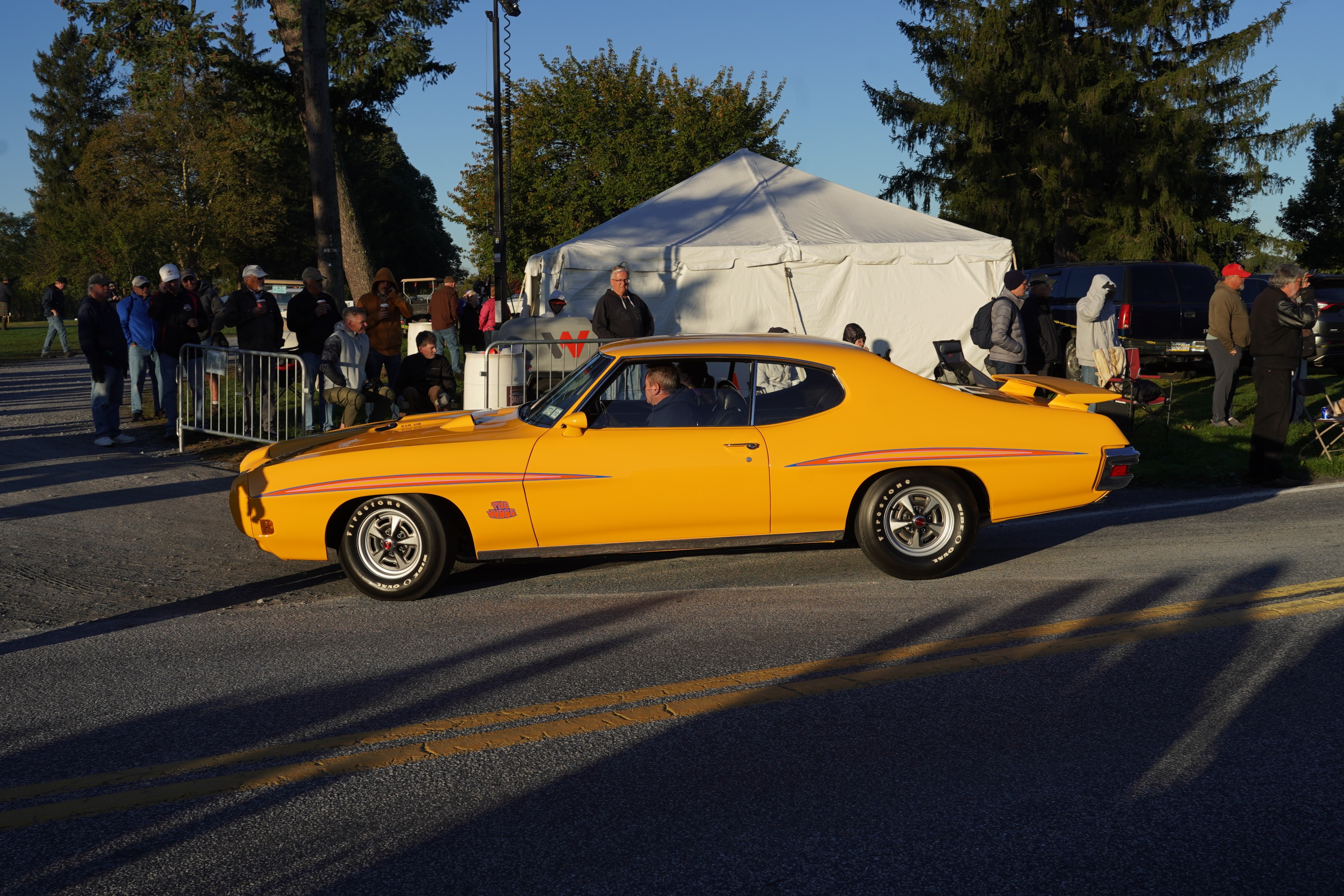
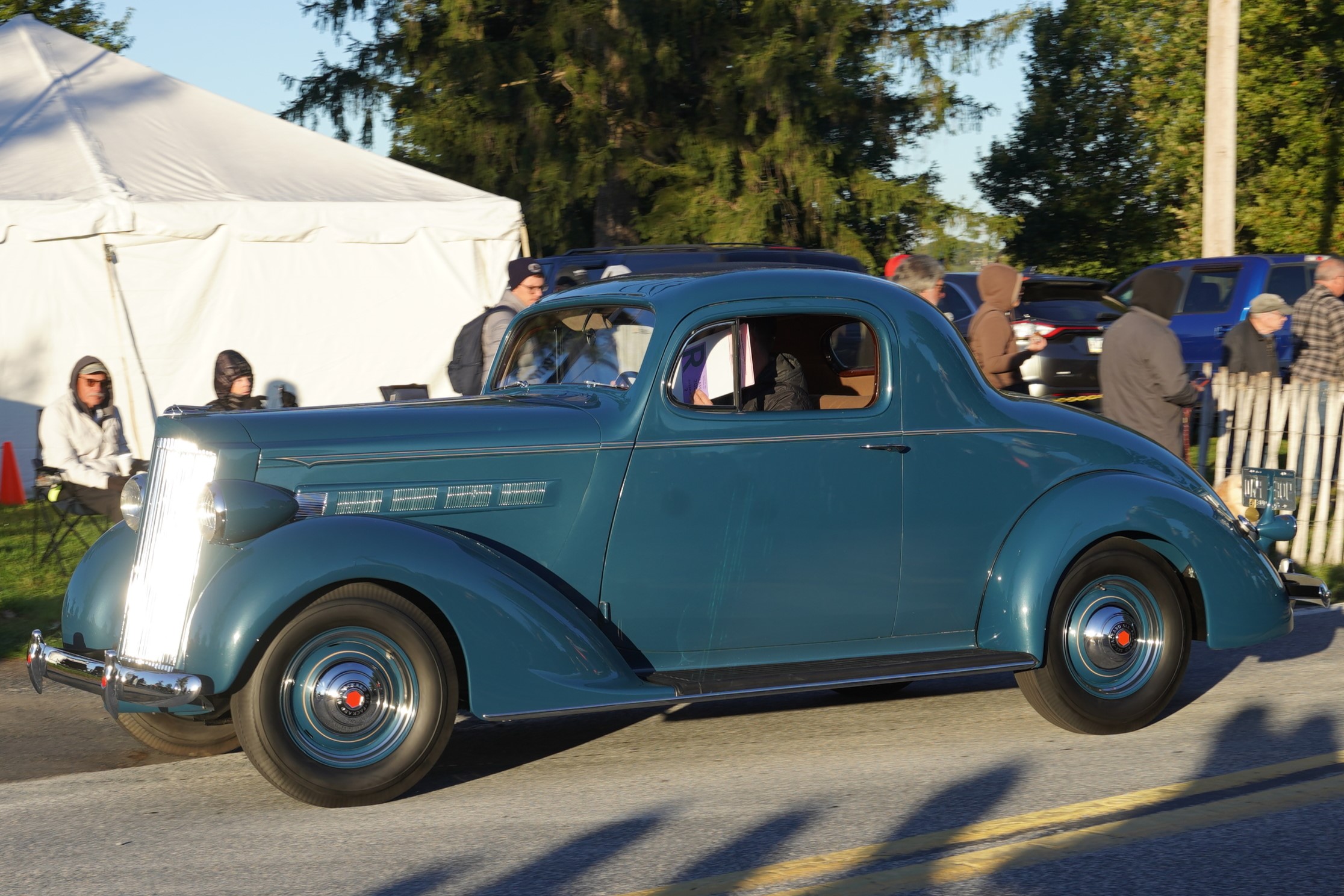
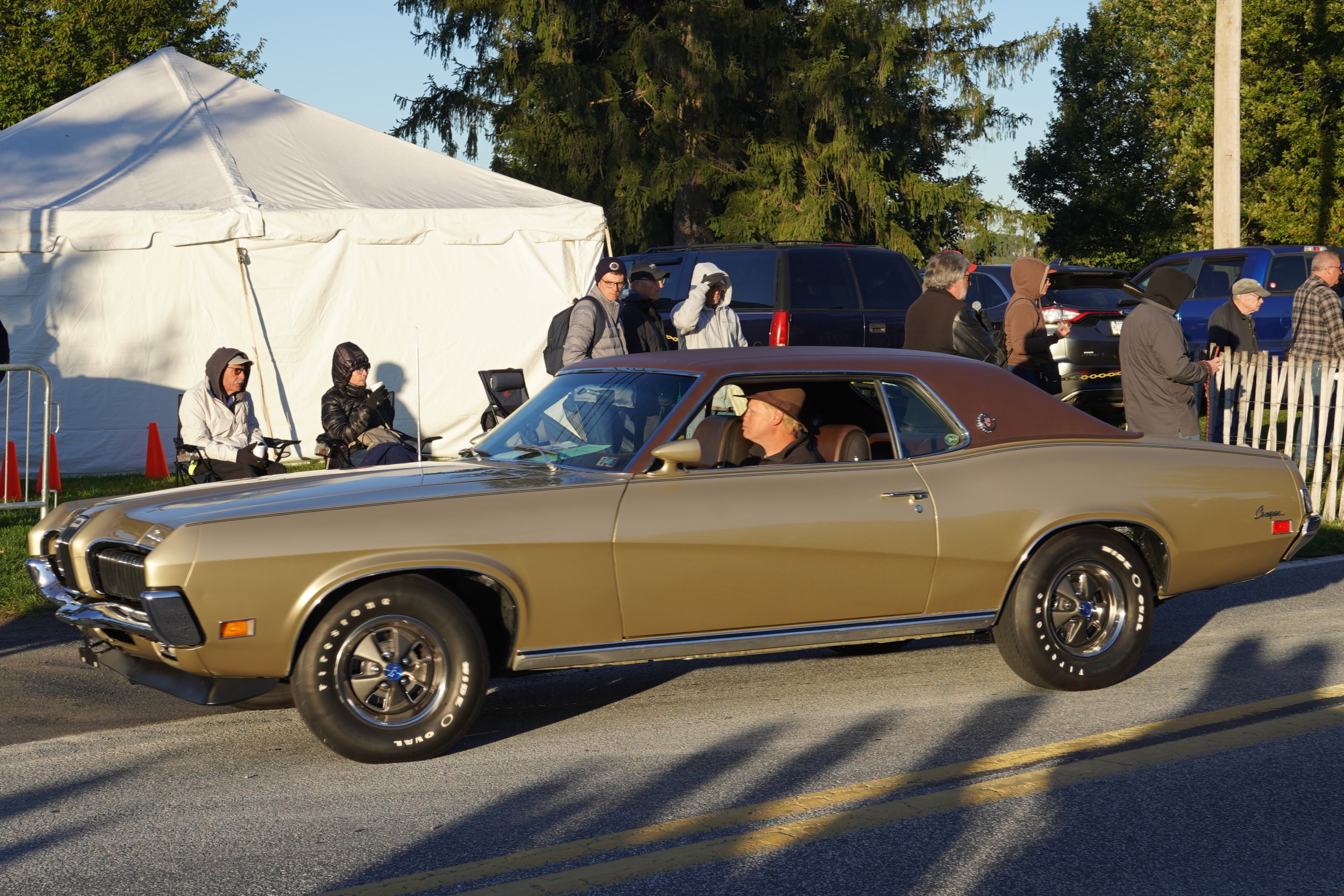
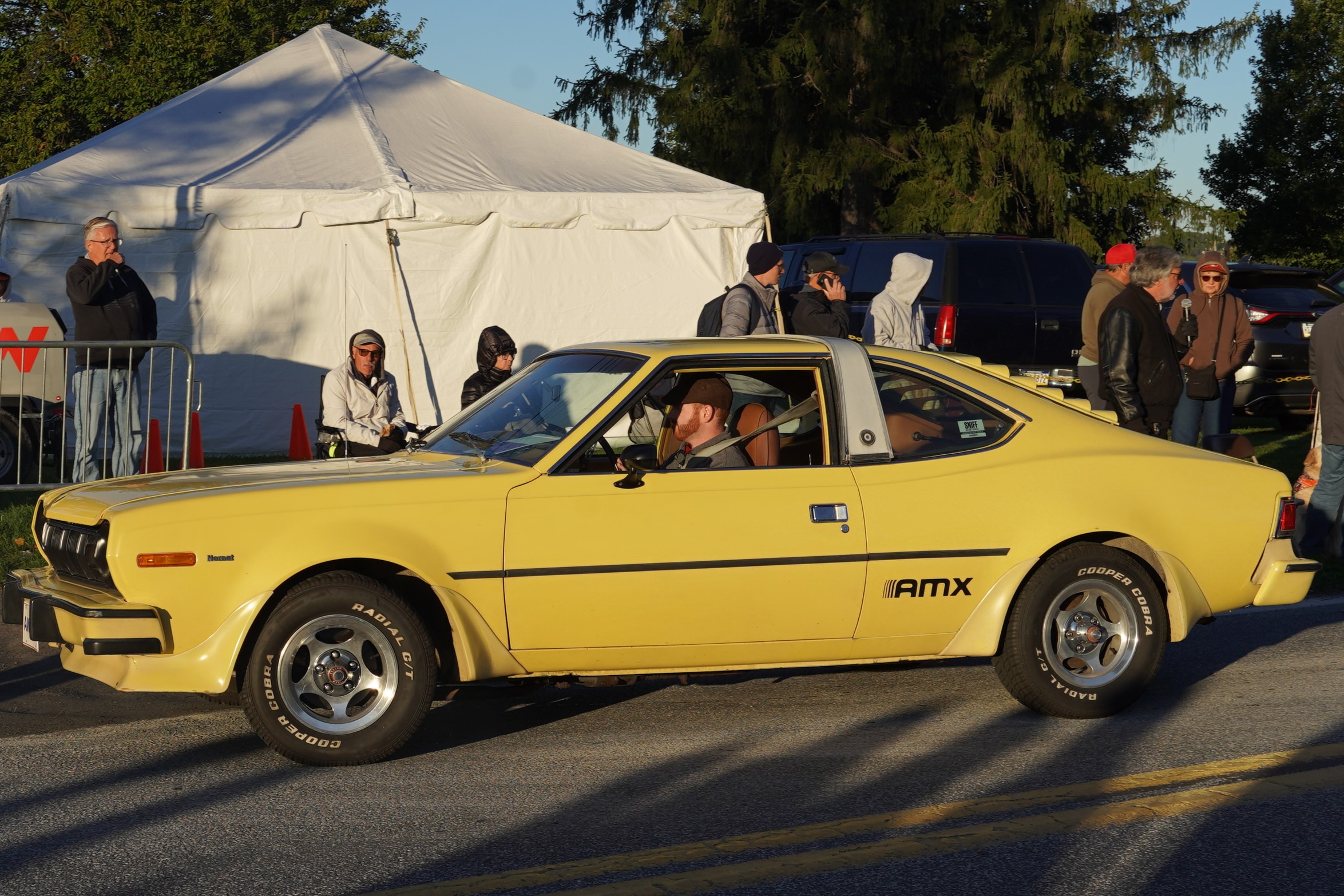
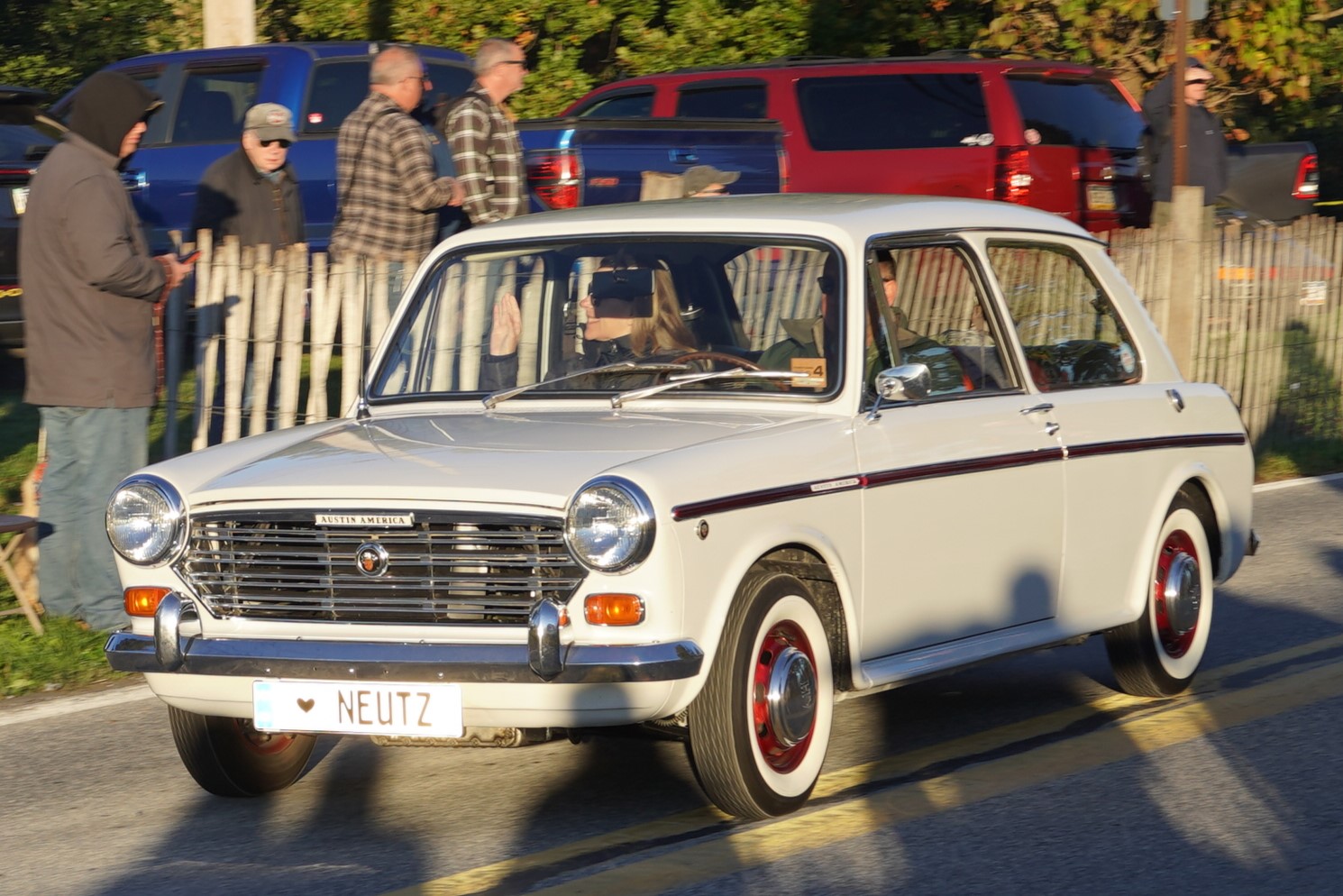
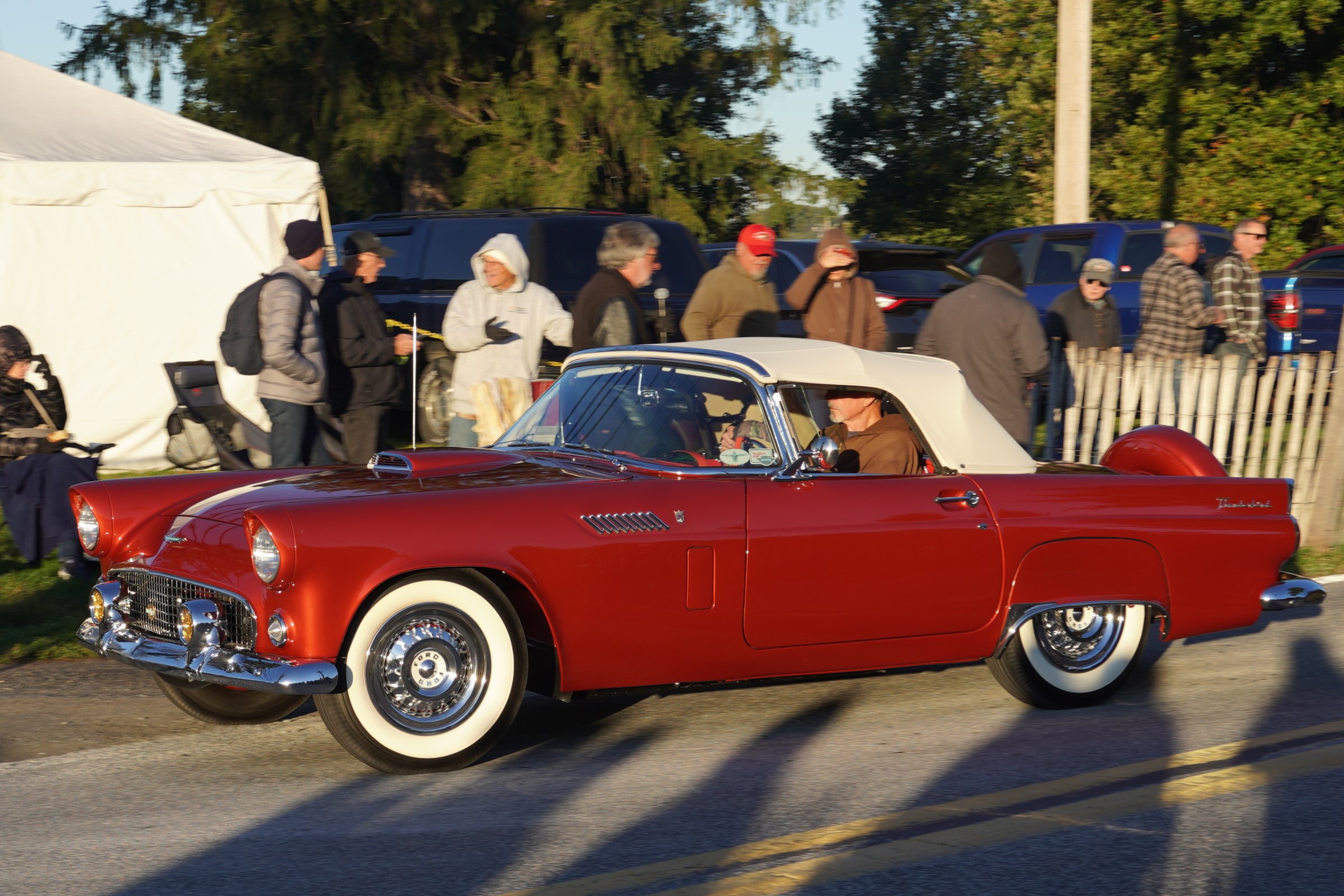
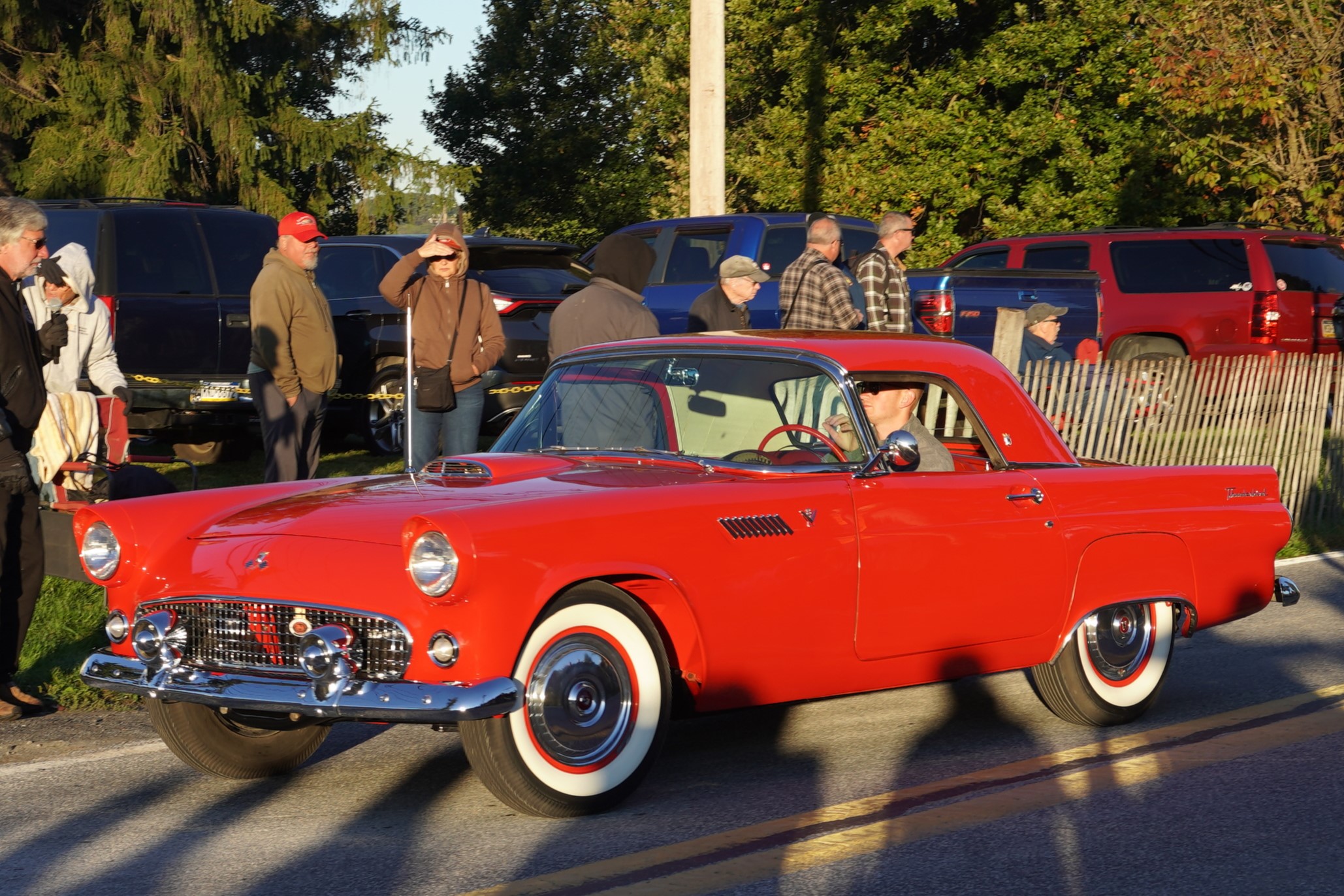
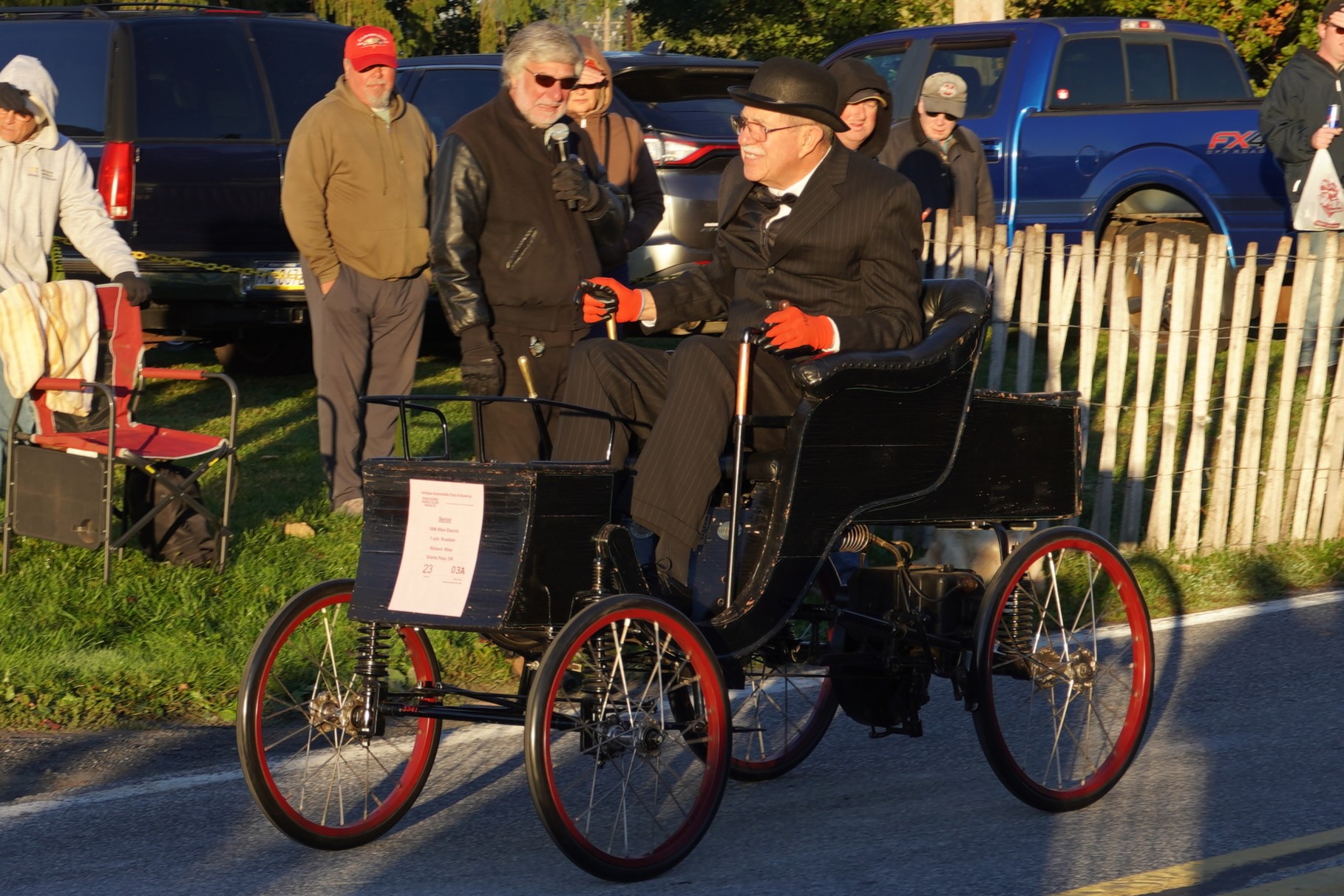
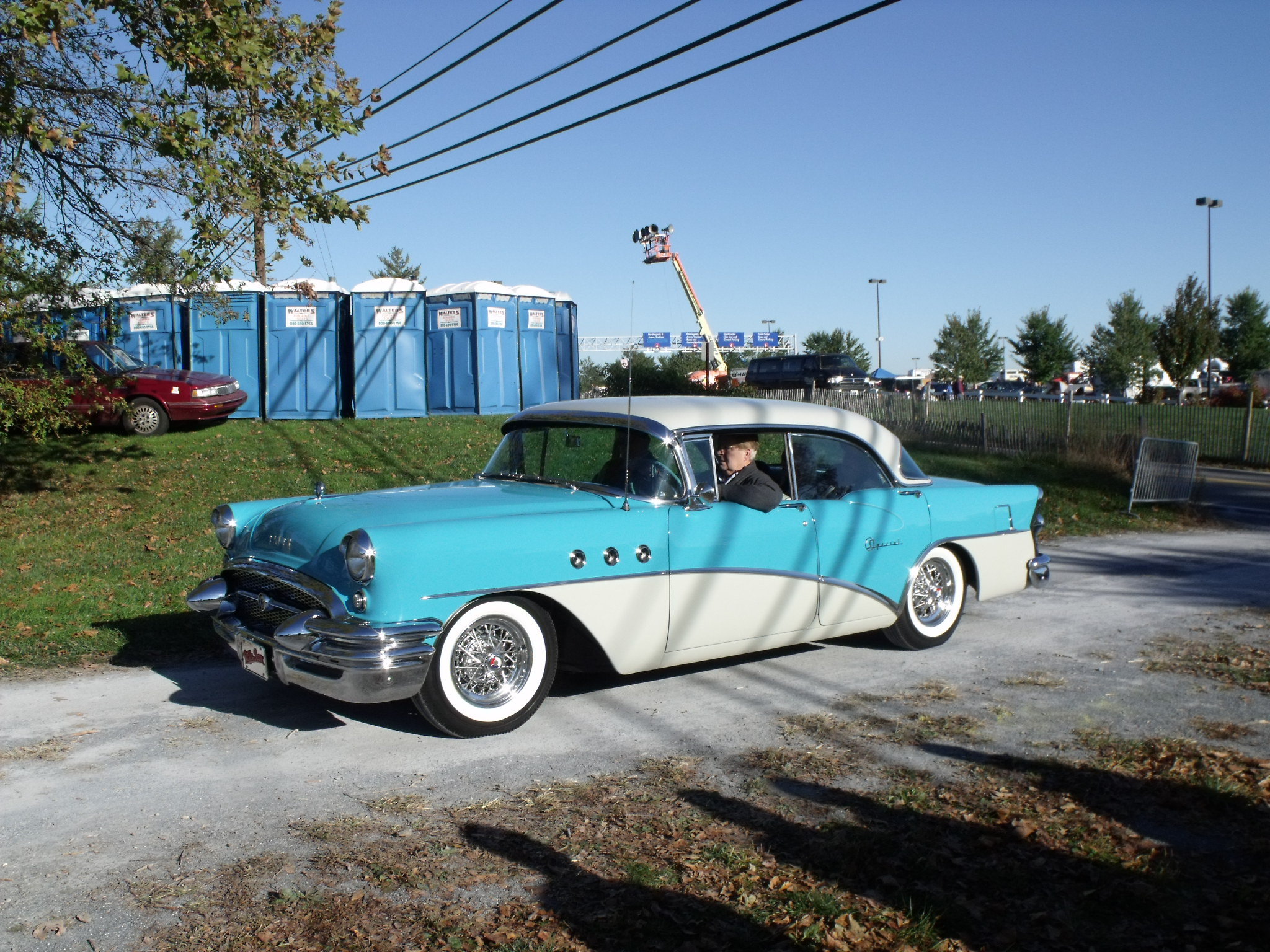
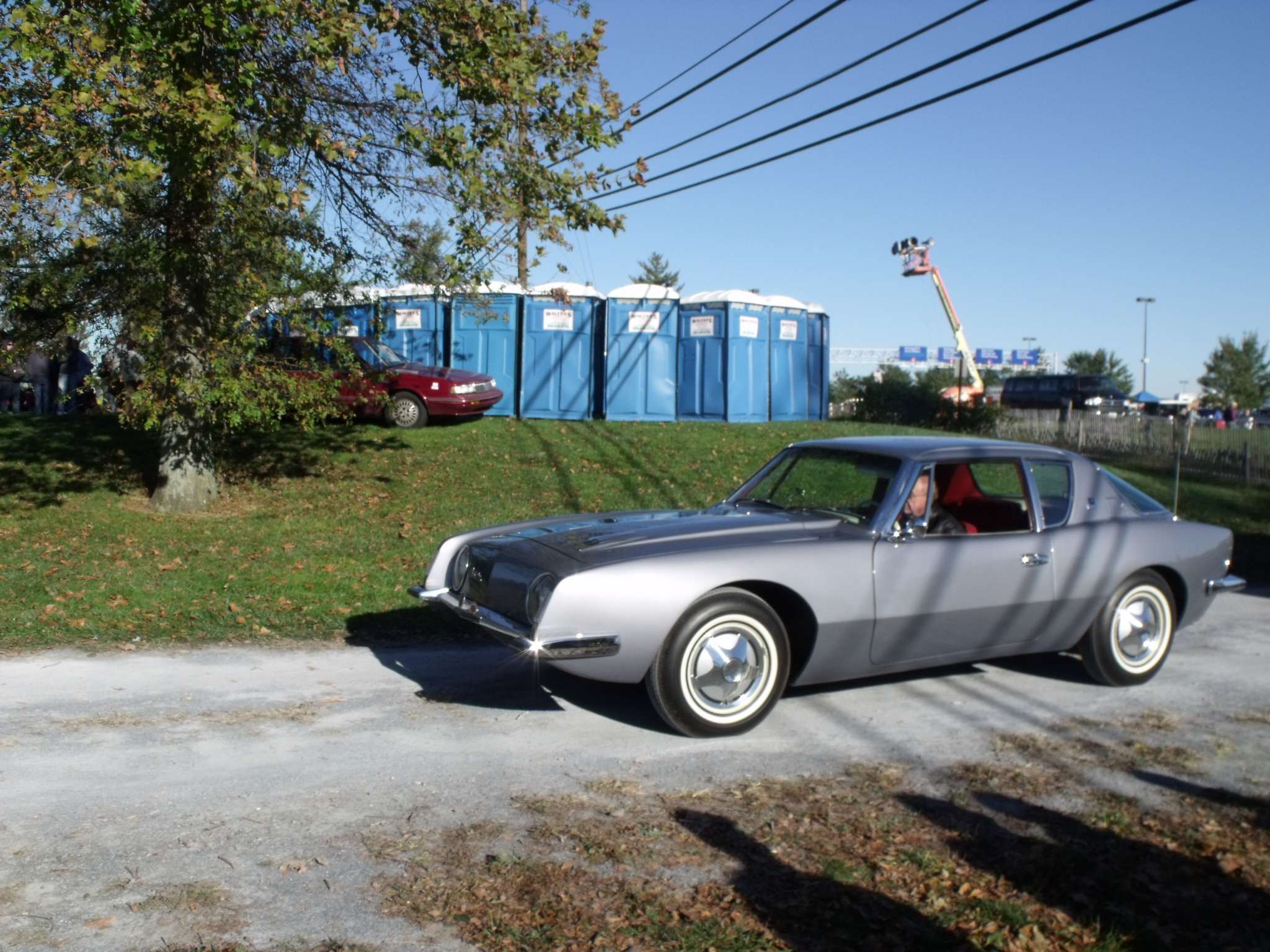
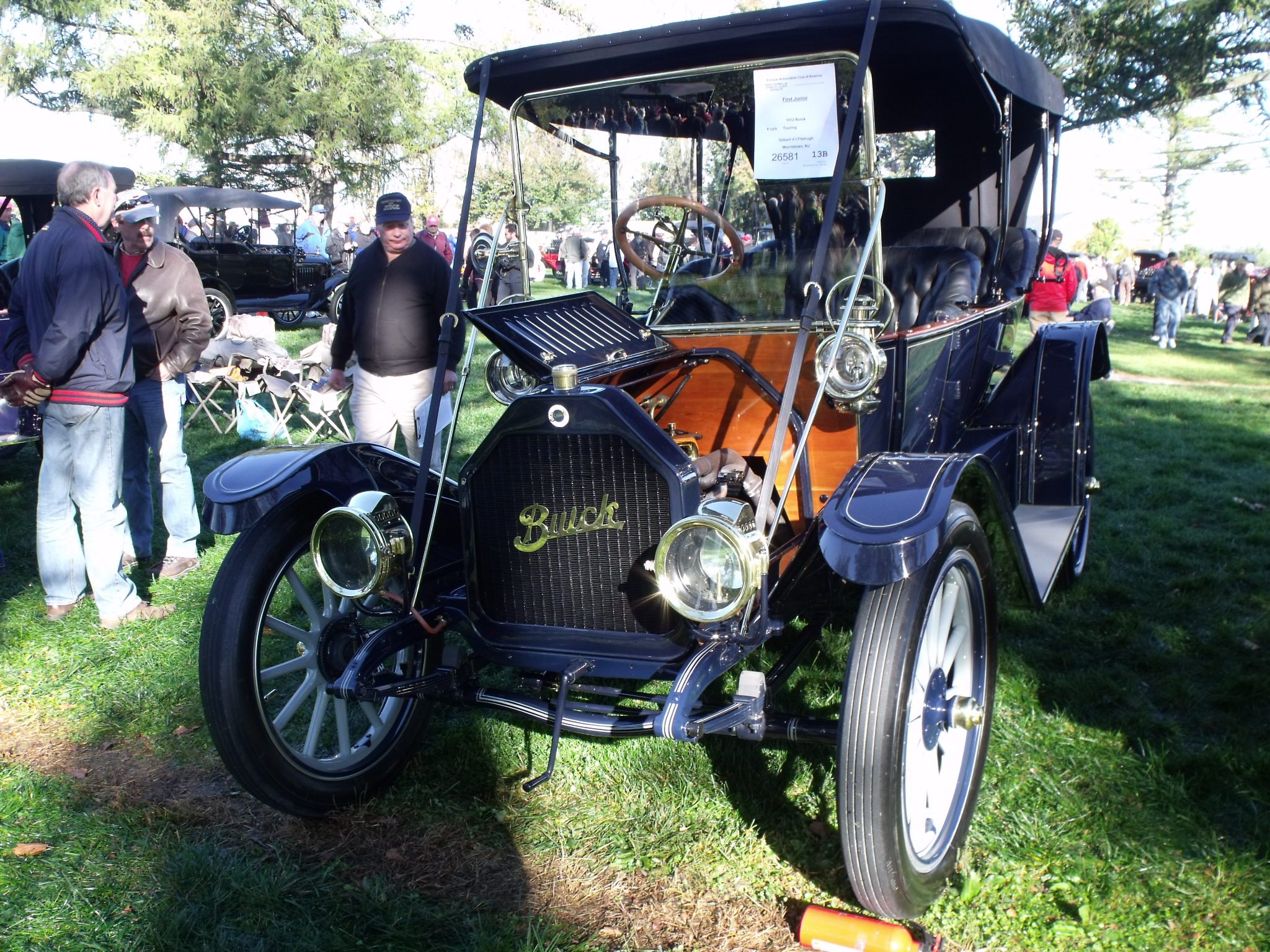
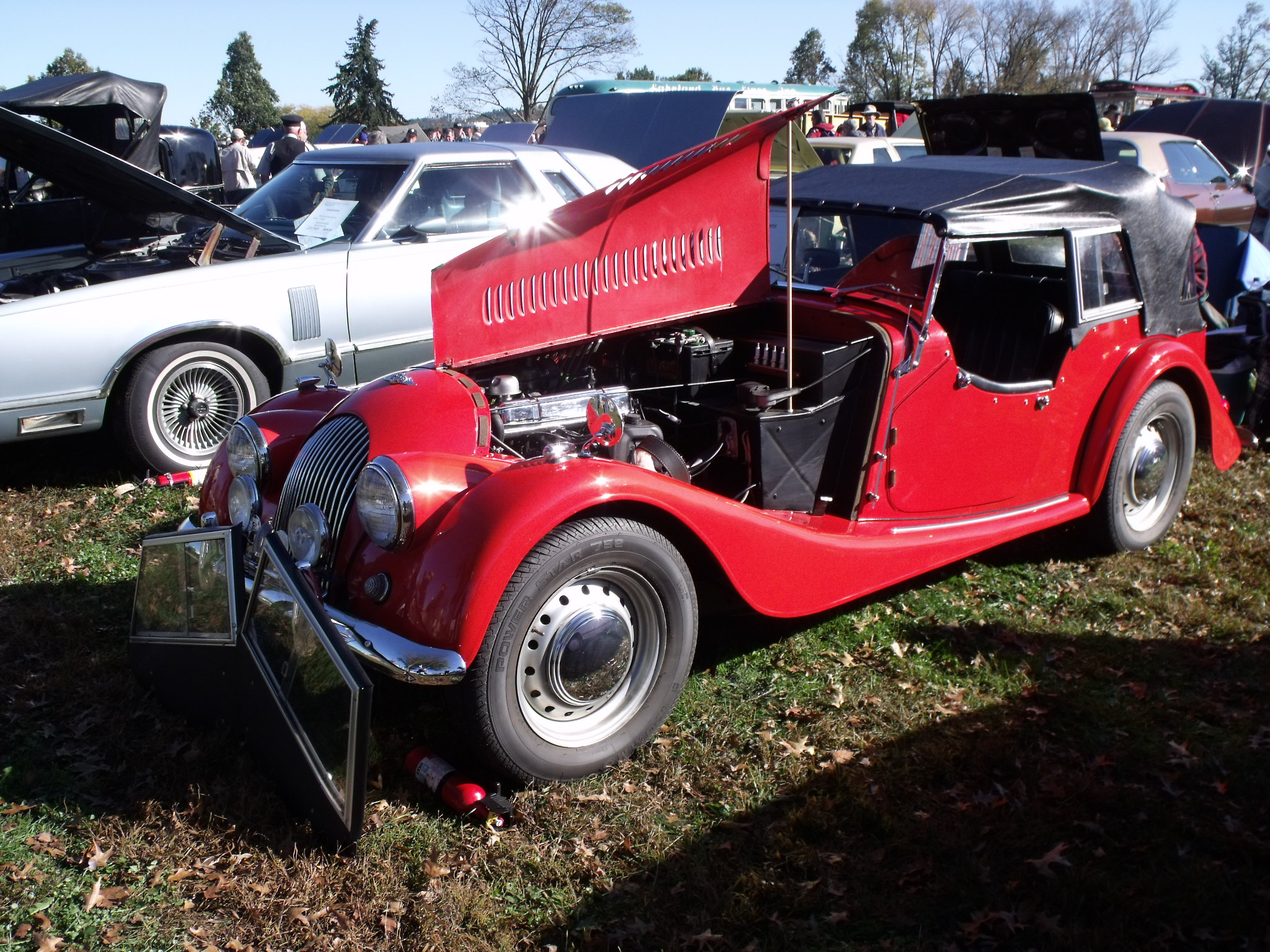
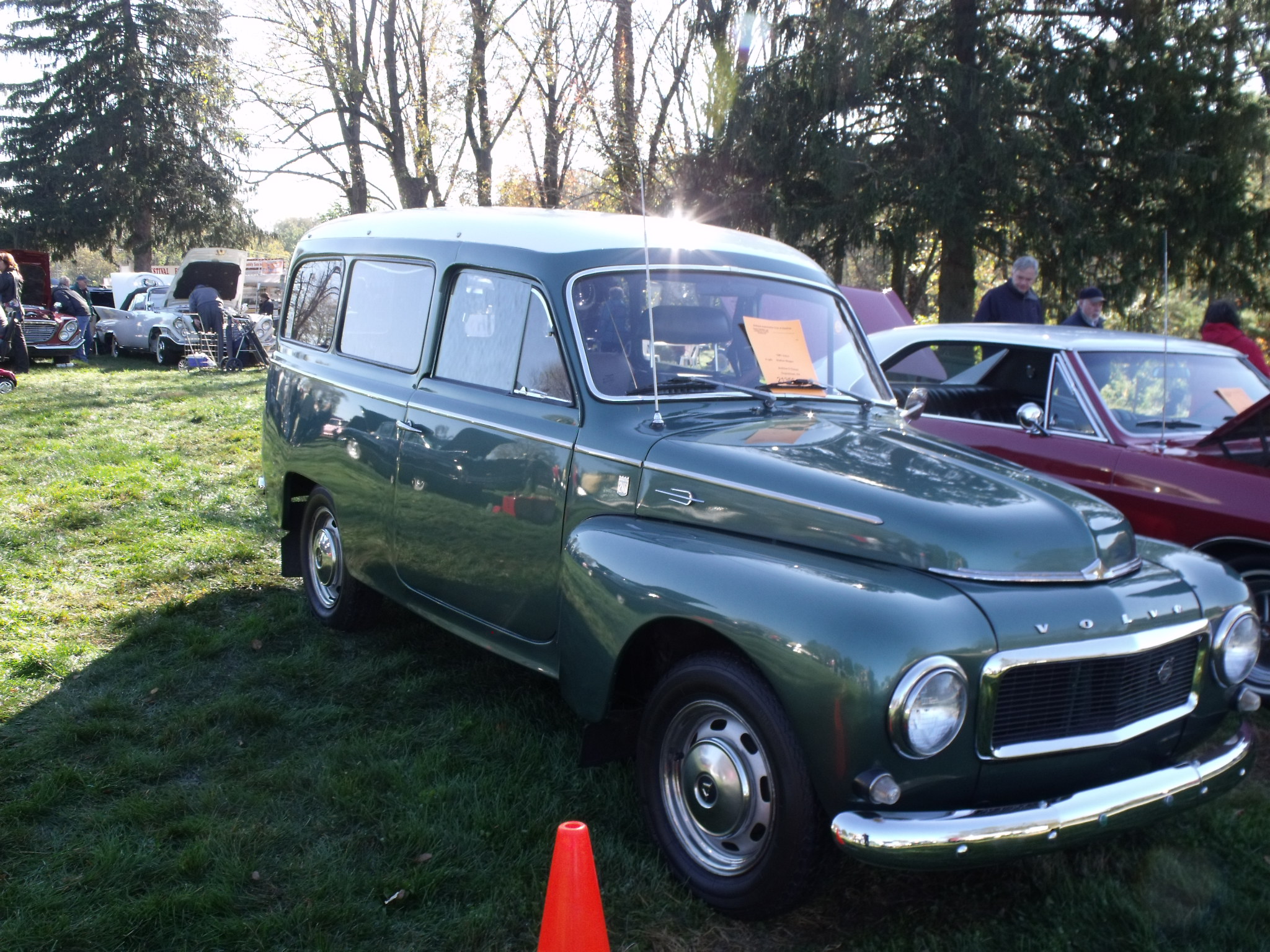
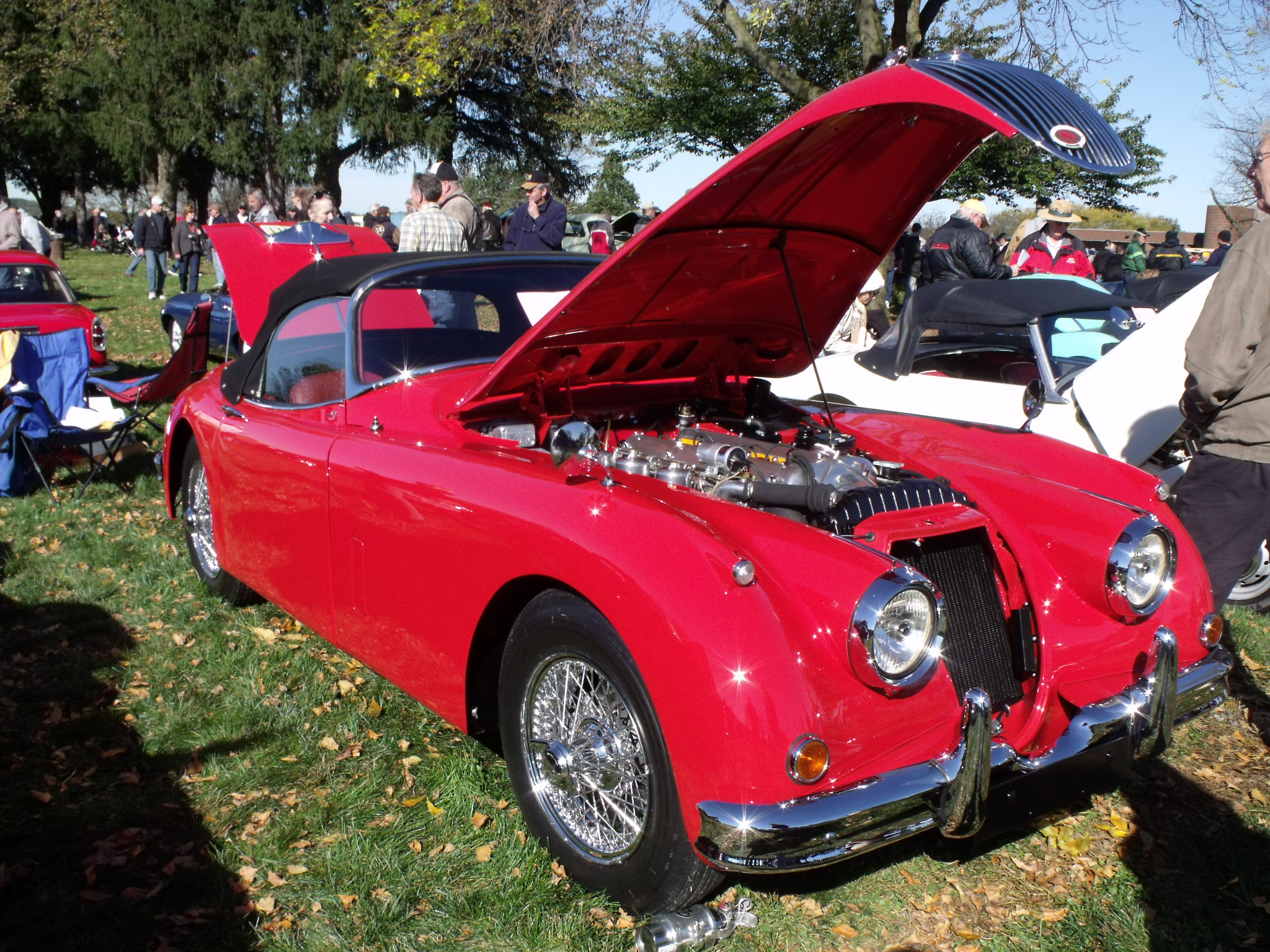
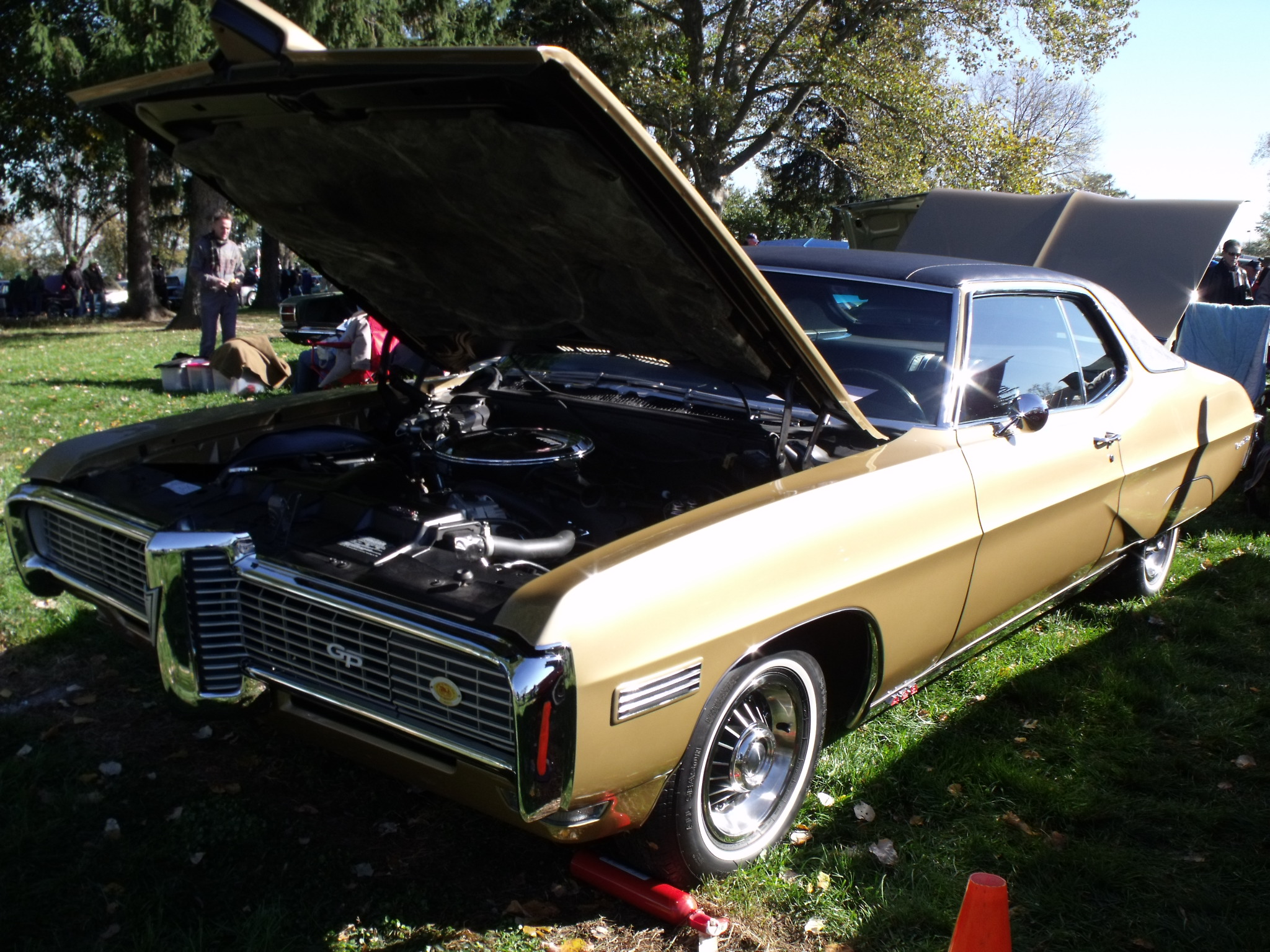
We made the discovery by accident. It was the late 1990’s, and my rally brother Steve and I both took the week off from work so that we could attend Hershey. When Saturday rolled around (at that time, the judged car show was on Saturday; it has since been moved to Friday), for reasons which are lost to time, we got up extra early and headed to the show field, arriving around 7:30 a.m. To our amazement, we stumbled upon the sight of the show car owners driving their cars onto the field. We quickly secured a convenient vantage point and stood, transfixed and unmoving, for several hours as we saw and heard these exquisite antique automobiles being driven to their assigned Class parking spots. (As per AACA Judging Guidelines: “All vehicles must be driven on the show field under their own power, except motorcycles and race cars.” Once on the show field, cars are NOT checked or judged for the operational ability of any equipment.)

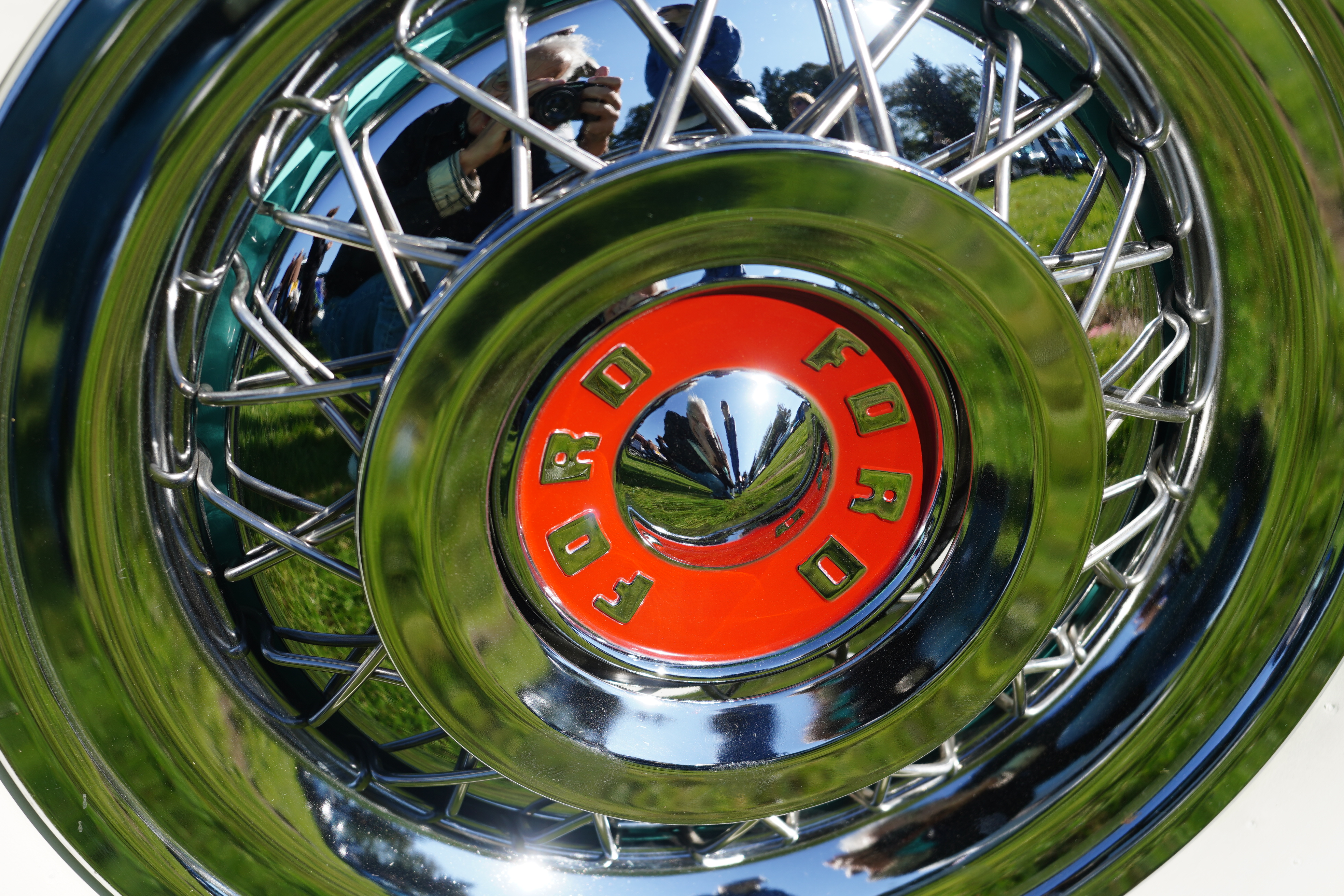
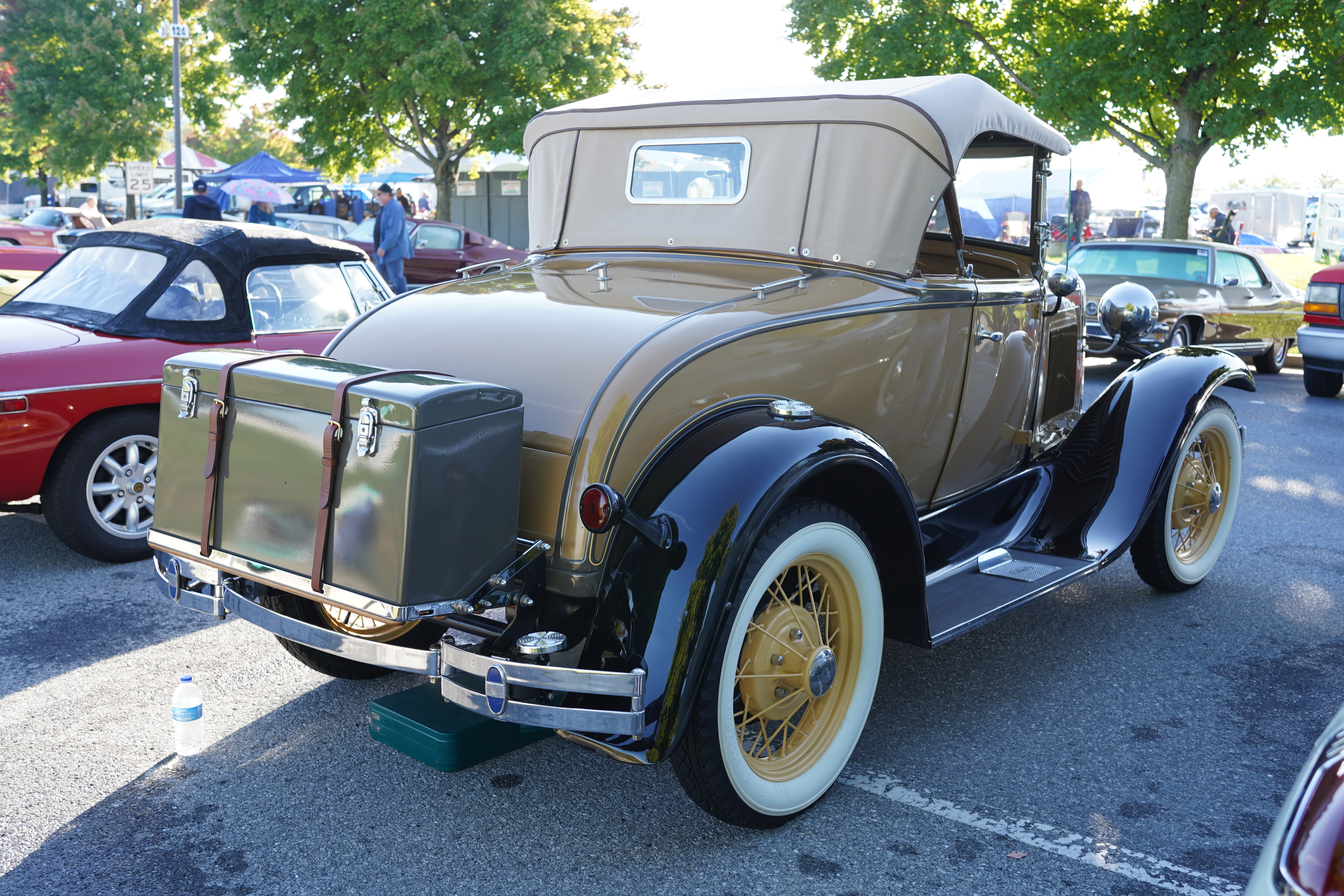
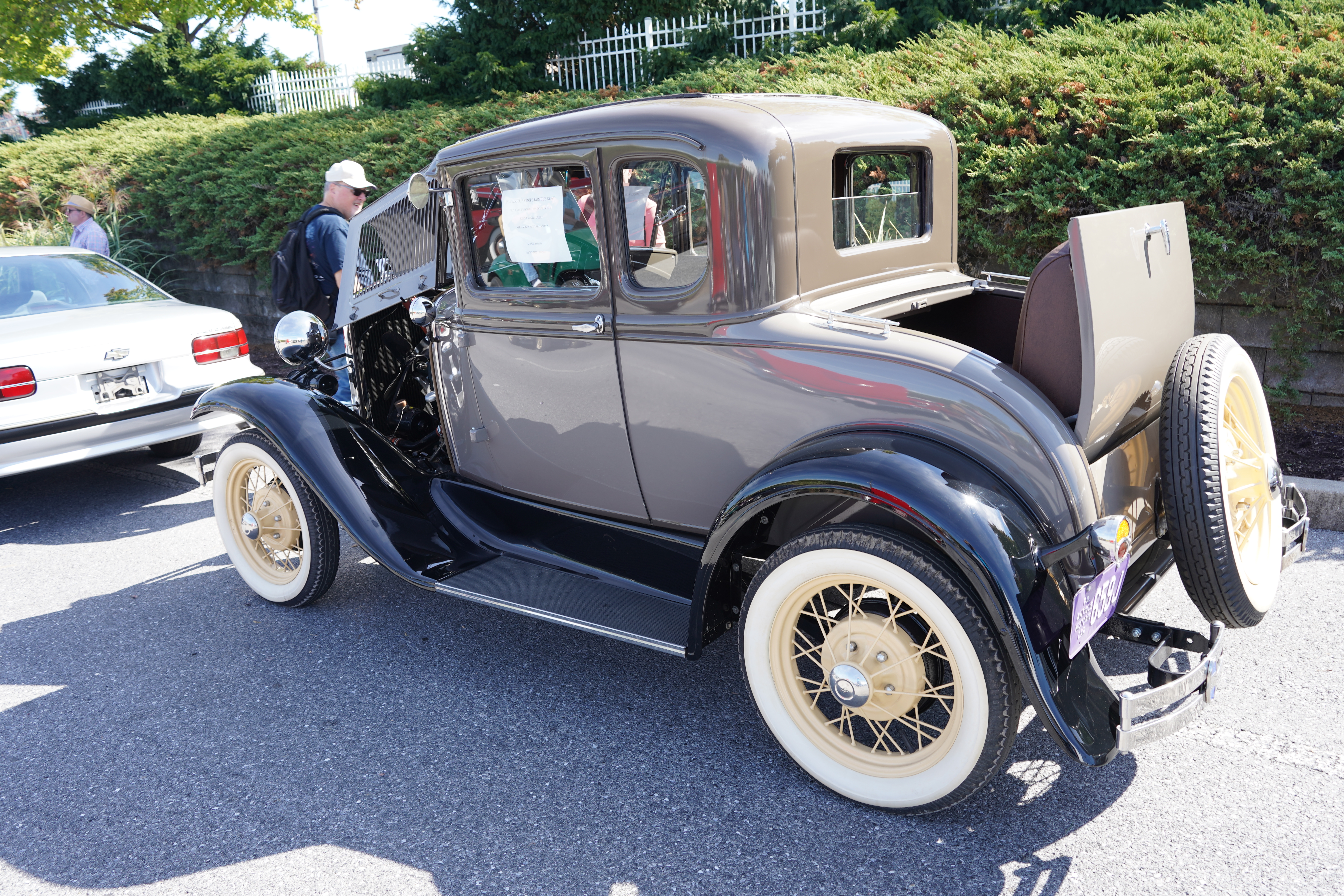
This Ford is parked adjacent to its Class sign

Since that discovery, whenever I’m at Hershey, I’ve made it a habit to attend this morning parade. This year, I arrived at the show by 7:45, and found a great viewing spot, with the glorious golden sunlight on my back (and good thing, too, as it was 37 degrees F). For an hour and a half, I held my ground as I snapped photos of hundreds of cars motoring up the entrance road. By 9:15, it was time to move, so I headed across the street to take in the rest of the show.

This row of all 1942 model year cars is part of the NB Collection of Nicola Bulgari

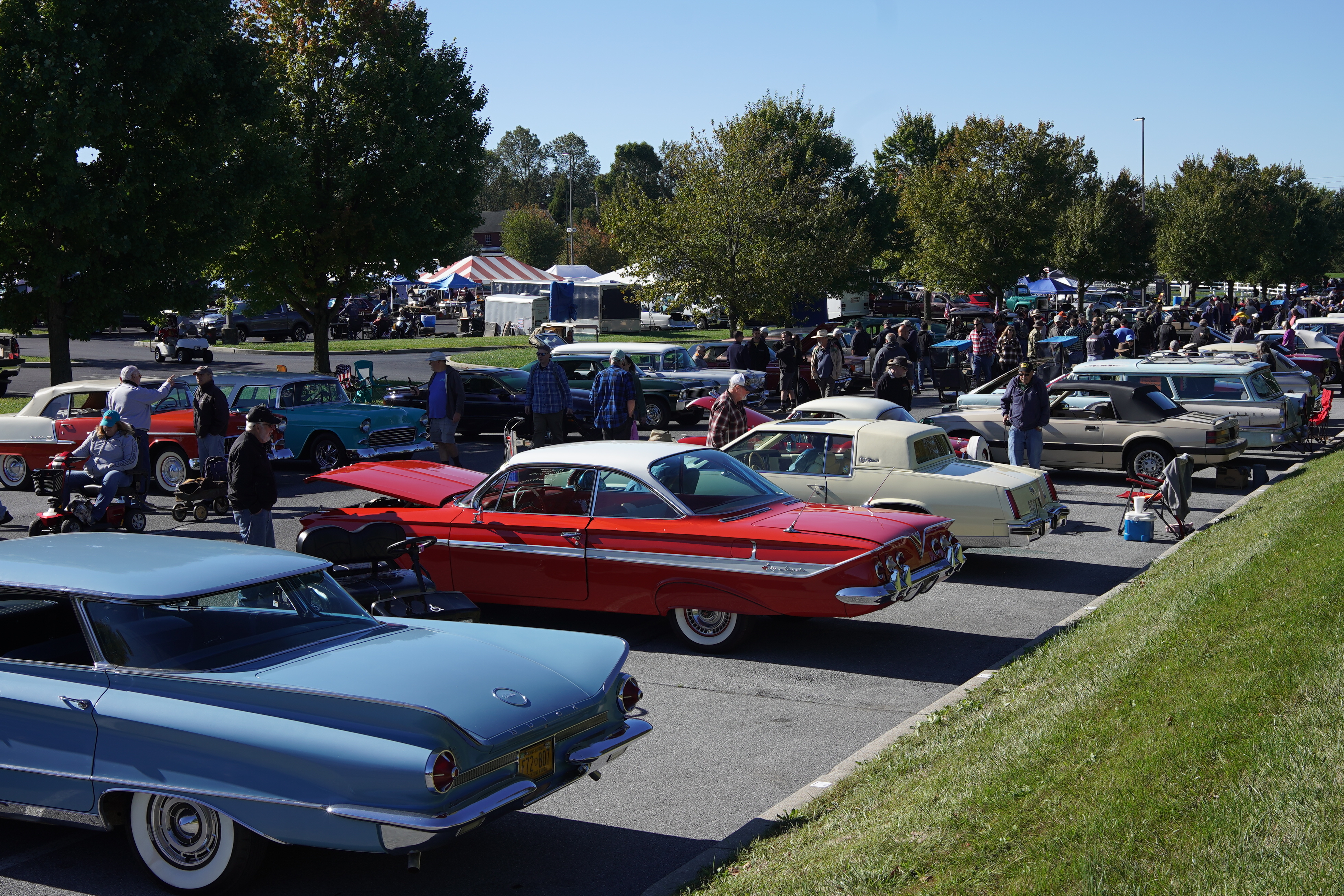
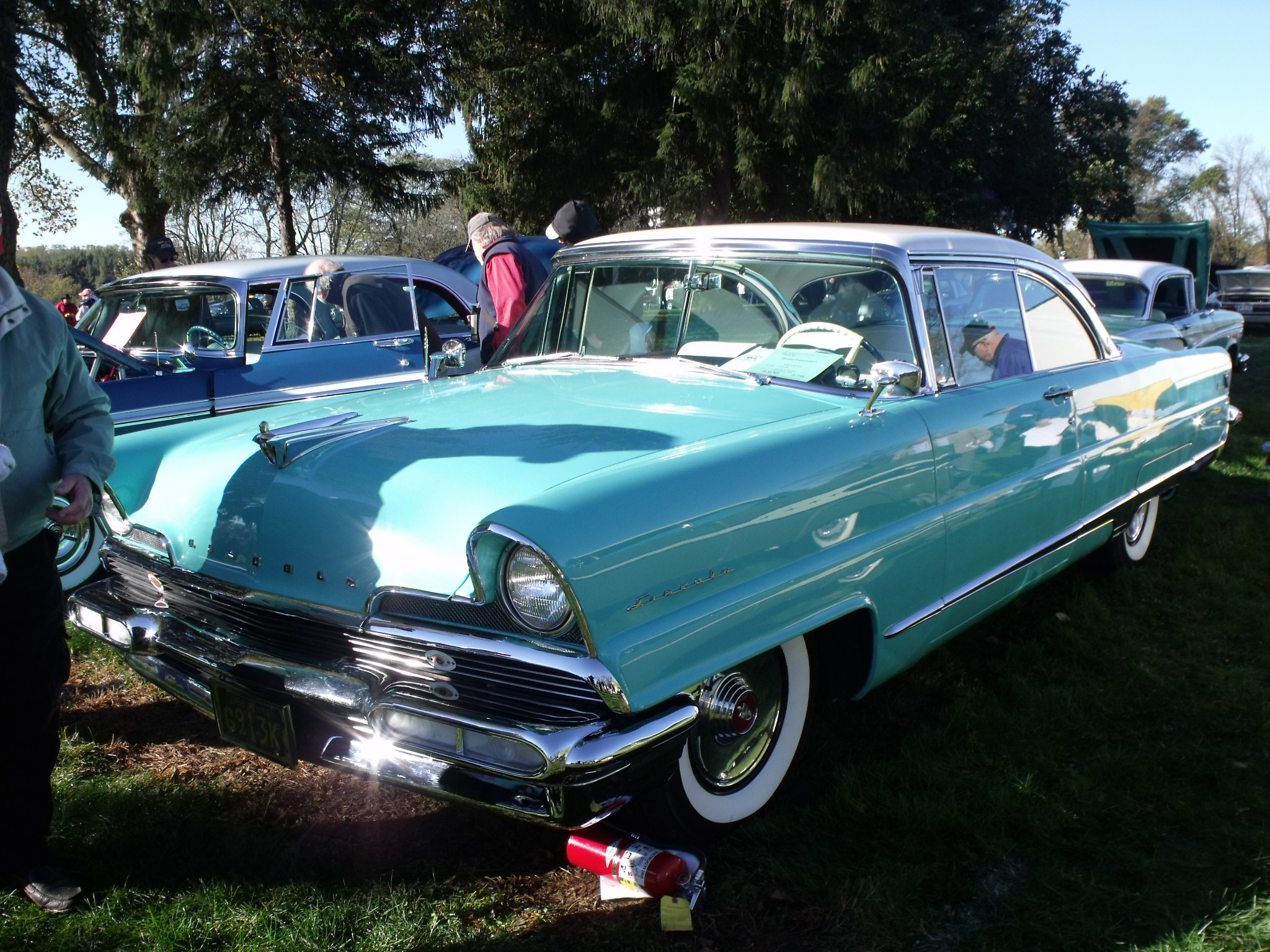
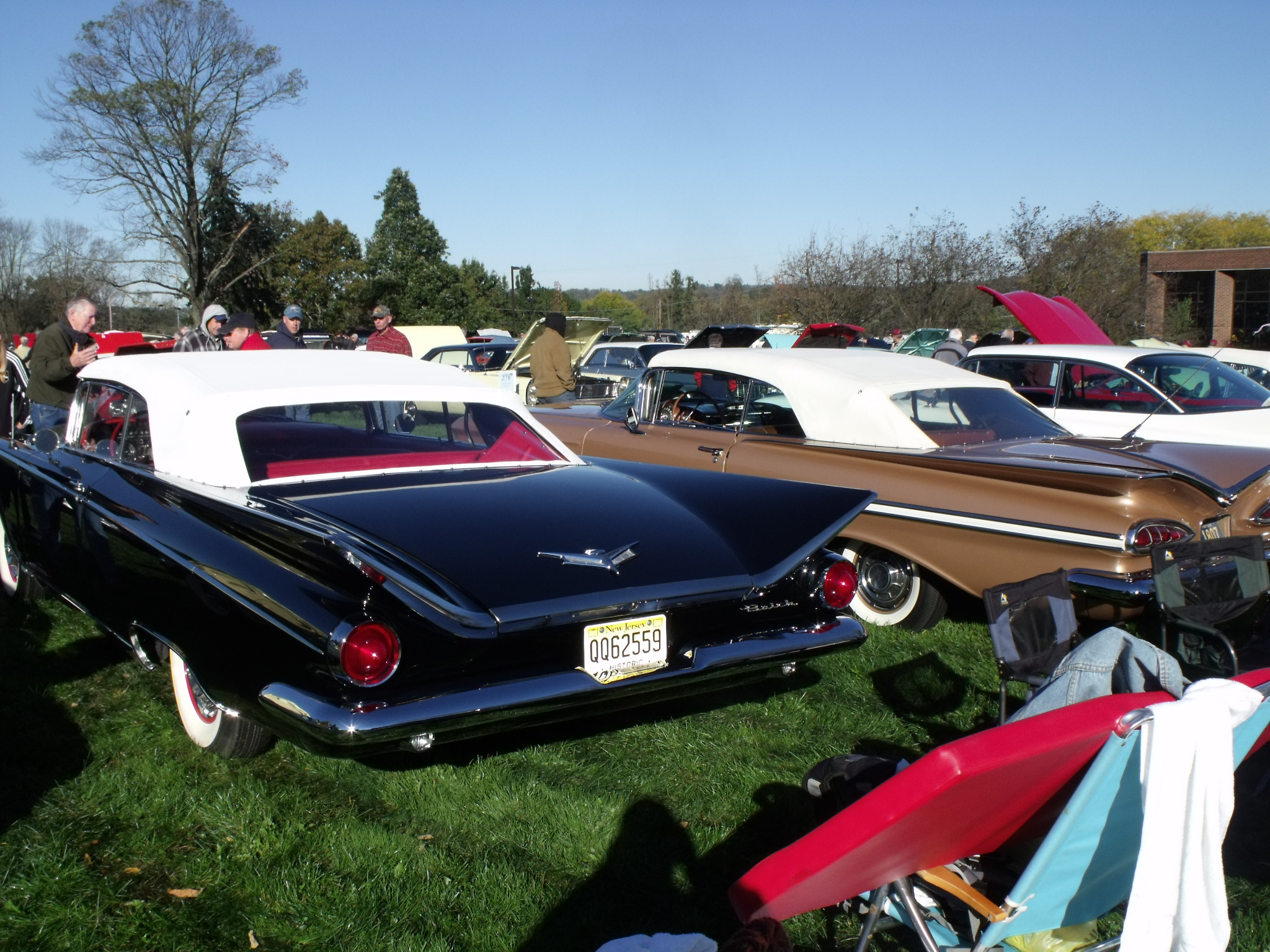
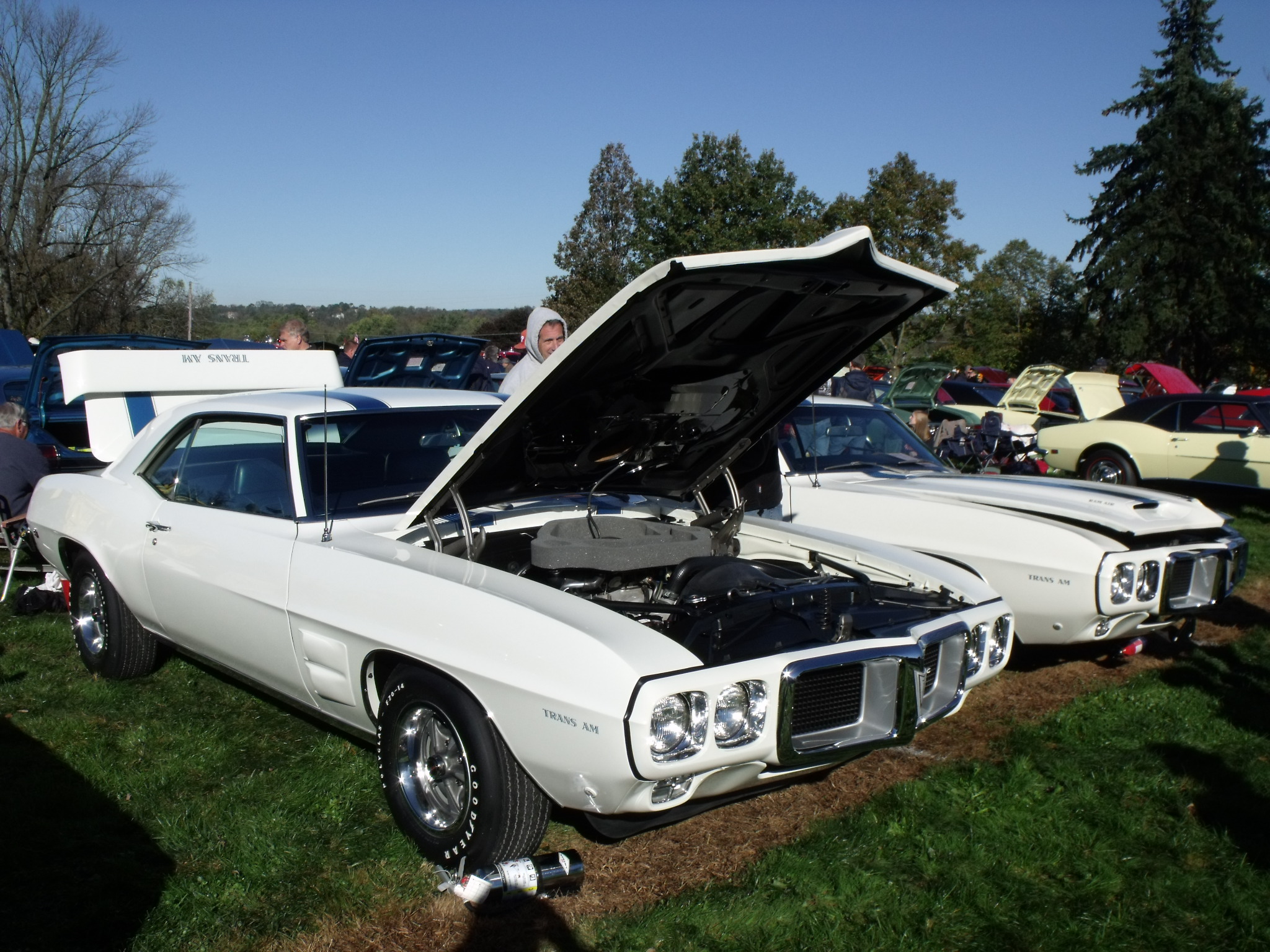
What is posted below is a huge photo dump of the morning parade. The morning sun bathed every car in a light the quality of which only comes along at certain times of day. The temps rose to a tolerable low 60s, and I walked the rows until early afternoon, by which time I was ready to head home. Hershey 2025 was a rousing success.


NOTE THE TOW ROPE!
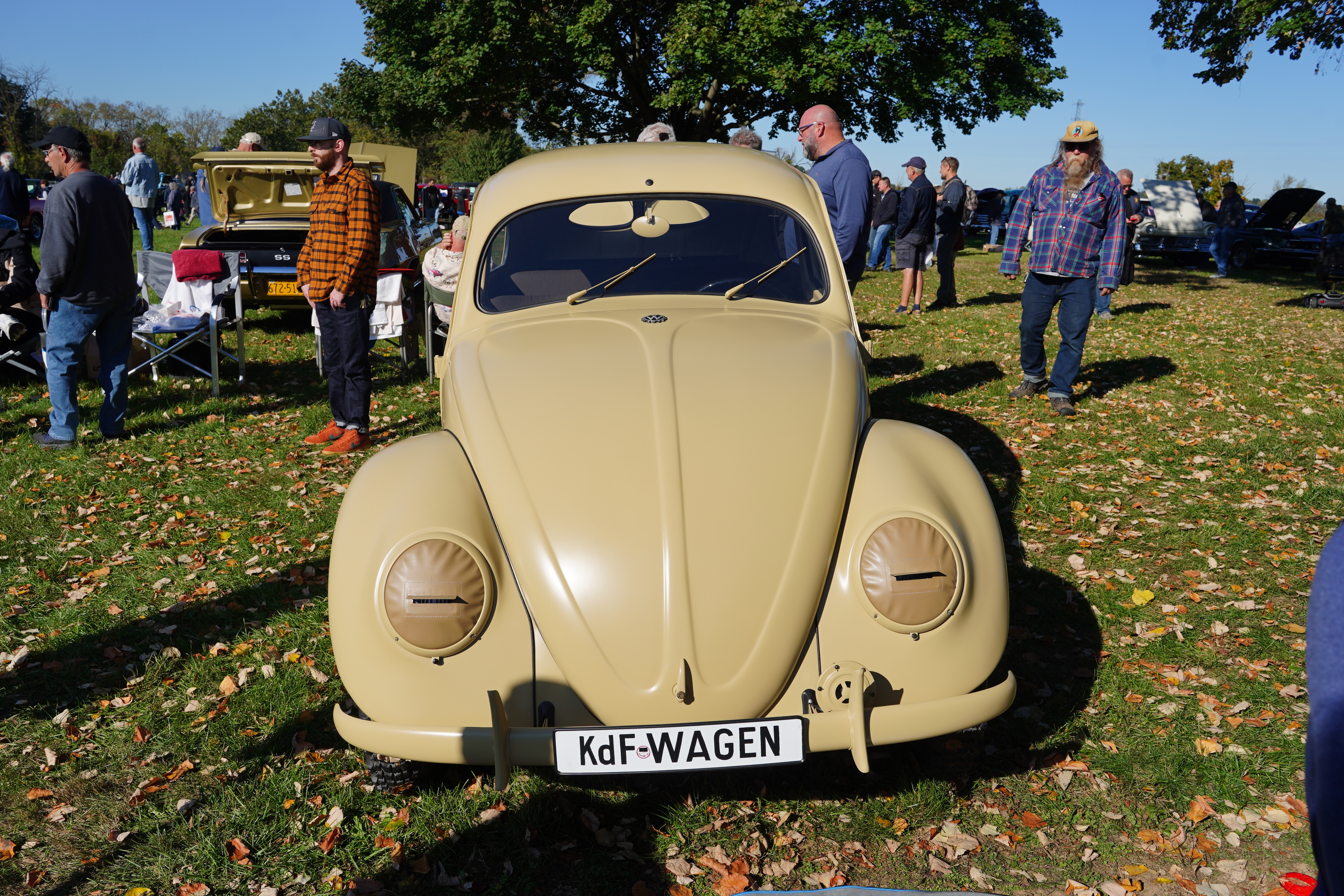
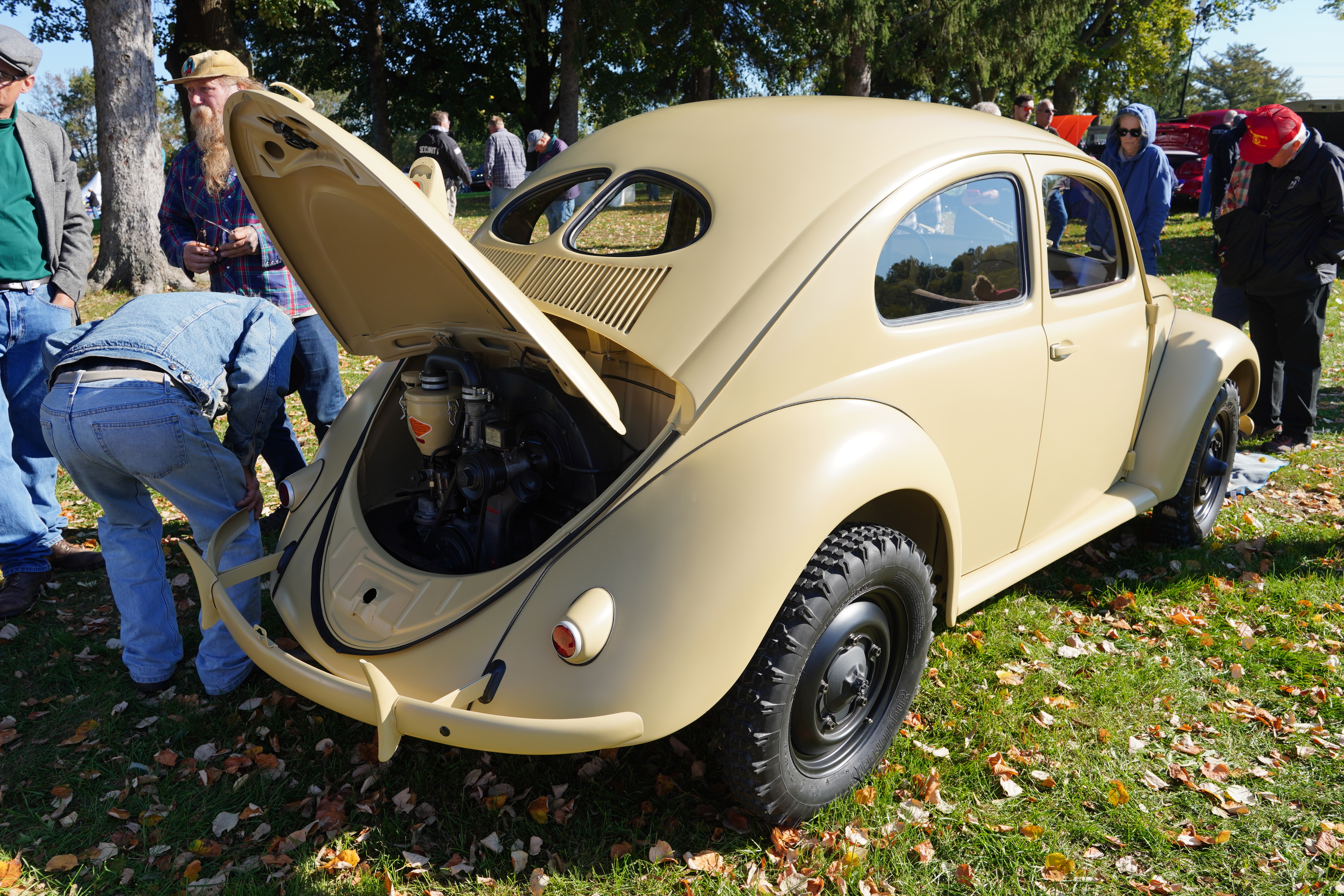
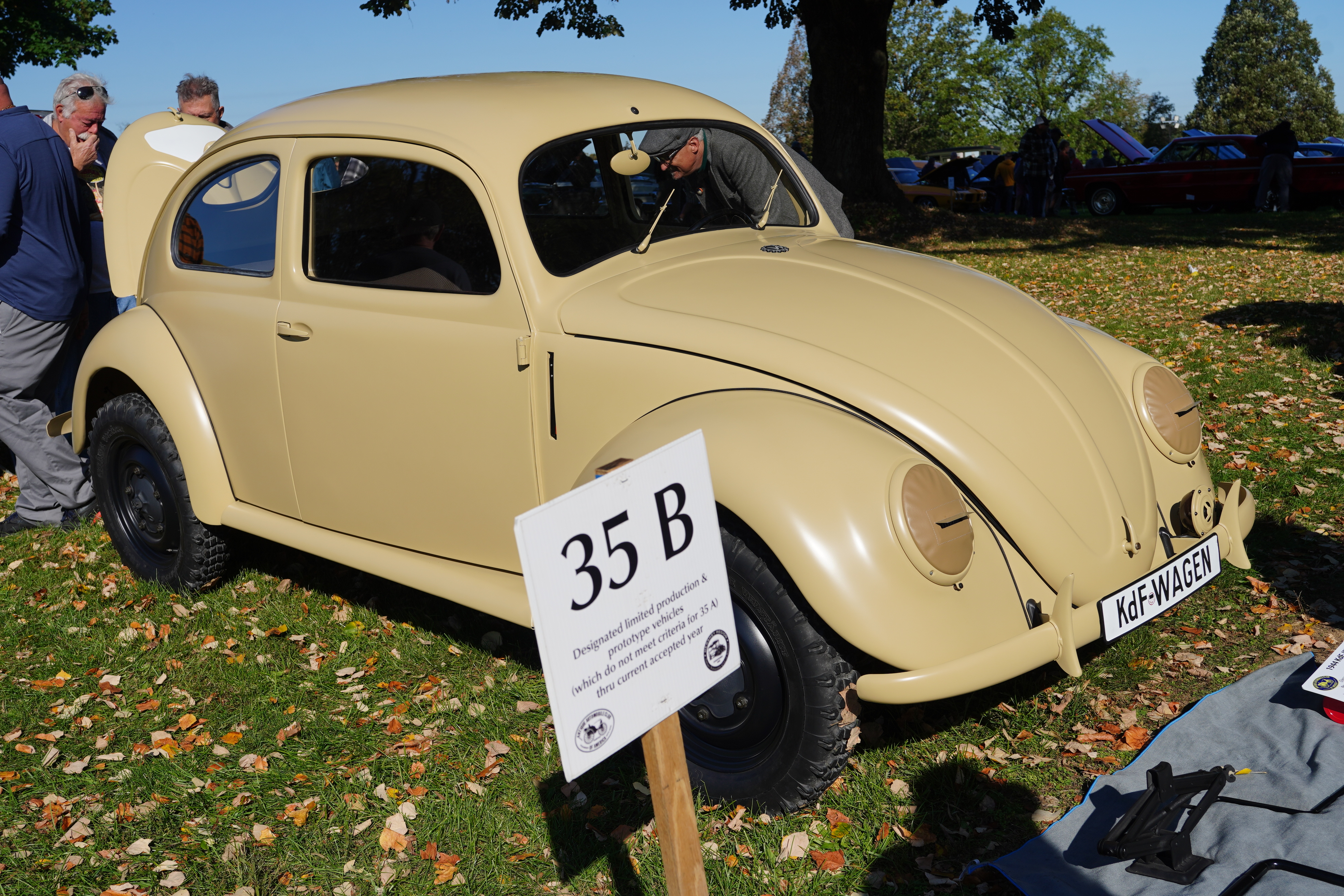
I know the owner, Alex, from the NJ-AACA. This is the only 1944 model year ANYTHING ever entered into an AACA National.


Coming up: Part 3, the RM-Sotheby’s Auction. 


Entire blog post content copyright © 2025 Richard A. Reina. Text and photos may not be copied or reproduced without express written permission.


Hershey 2025 Part 1: The Car Corral

The AACA Eastern Fall Nationals, known simply as “Hershey” for its location, ran from Tuesday through Friday, October 7 to 10 this year. The first three days’ focus is on the combination flea market/car corral, and since my interest has historically been with the car corral, that is what I am covering below. As per AACA rules, cars in the corral must be twenty-five years old or older, and in essentially stock condition. With that understood, there was the usual wide variety of domestic and import, pre-war, early post-war, and ‘80s and ‘90s metal on display.

Given the general softening of prices which has been observed in the collector car market this year, I was a bit shocked to see some asking prices well above recent documented sales. Nevertheless, if one is open-minded regarding the year, make, and model that one might consider, there were some bargains to be spotted. I’ve provided details for about a dozen and a half cars that caught my interest. Vehicles are arranged in asking price order.


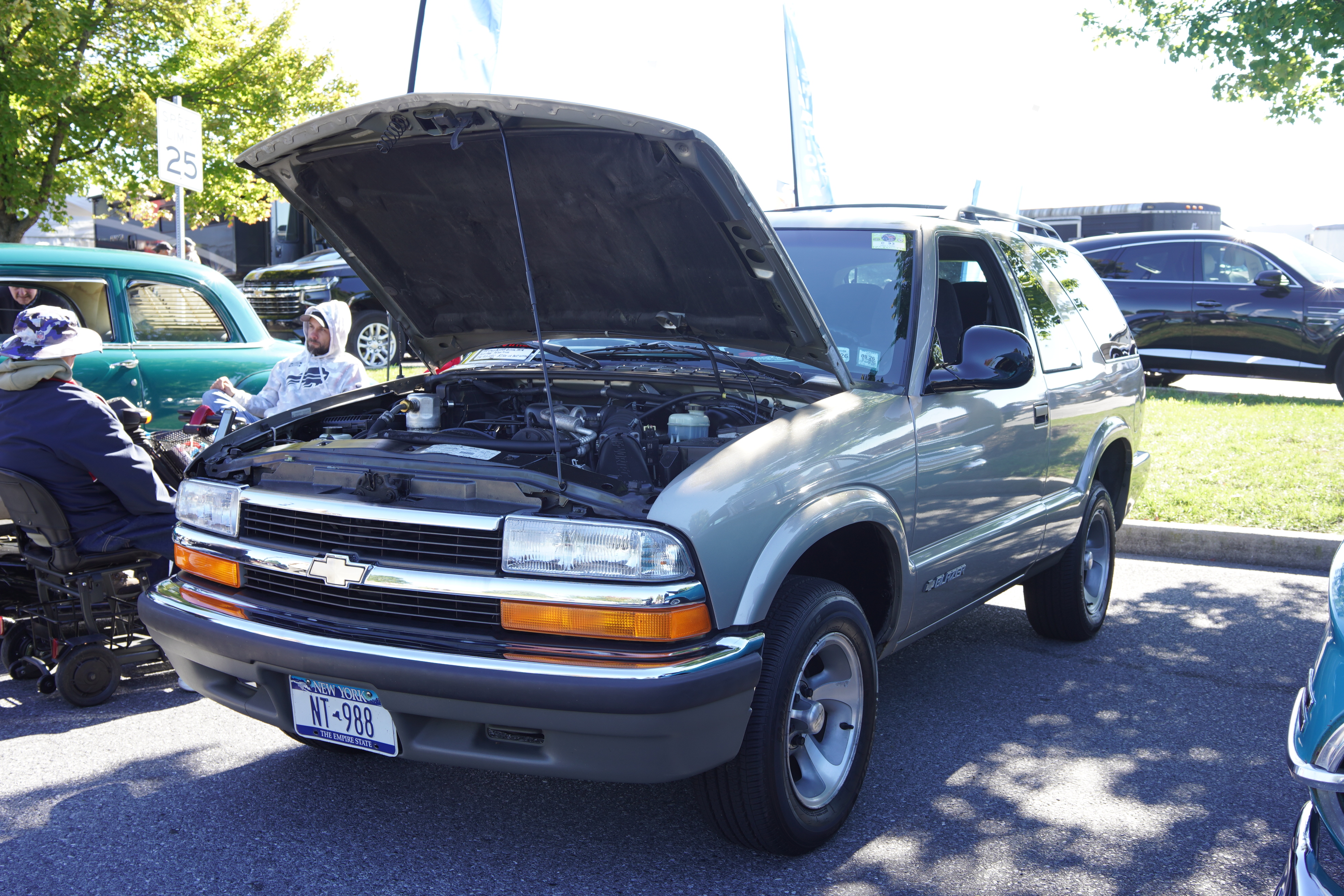
1998 Chevy Blazer 2-door SUV, RWD, V6, automatic. Asking $7500. My wife bought one of these new, and gave it to her son to take to college in New England, which he did for four years. He put over a quarter-million miles on it, and not once did it let him down. He also, to my utter amazement, claimed that he got around in Massachusetts winters “just fine” with the 2-wheel drive. I liked this truck if only because it reminds me of the days when SUVs were reasonably sized.

1999 Porsche Boxster, automatic. Asking $7995. I’m sure there’s a market for the slushbox, but there are plenty of sub-$10k Boxsters on the market with manual gearboxes if one insists on shifting for oneself, as one should.

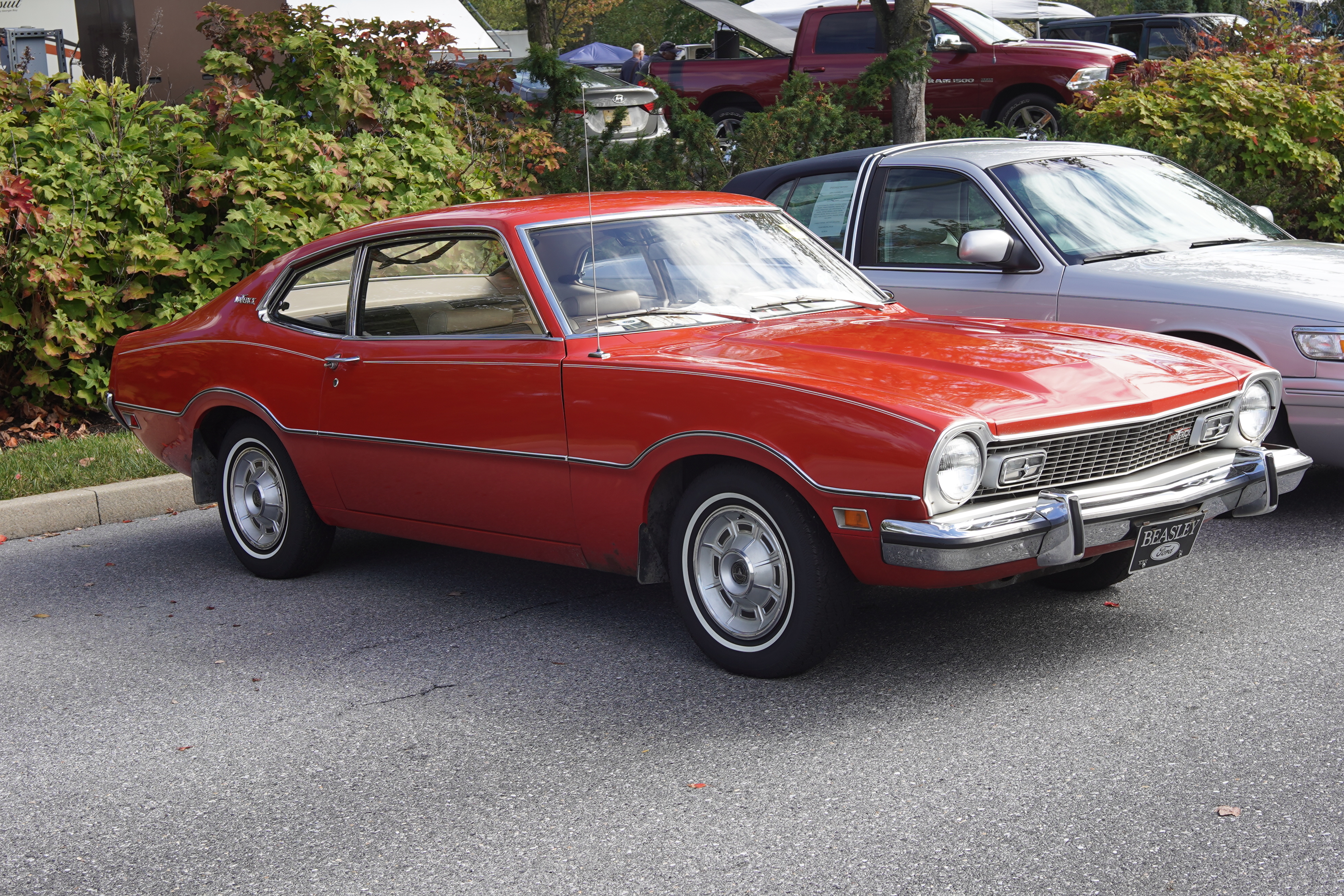
1973 Ford Maverick, 6-cylinder, auto. Asking $8,900. Yes, Virginia, there was a Maverick before the current entry-level pickup truck in today’s Ford showrooms. This car was clean but did show some rocker corrosion. I think one could do worse things with their 8,900 bucks.

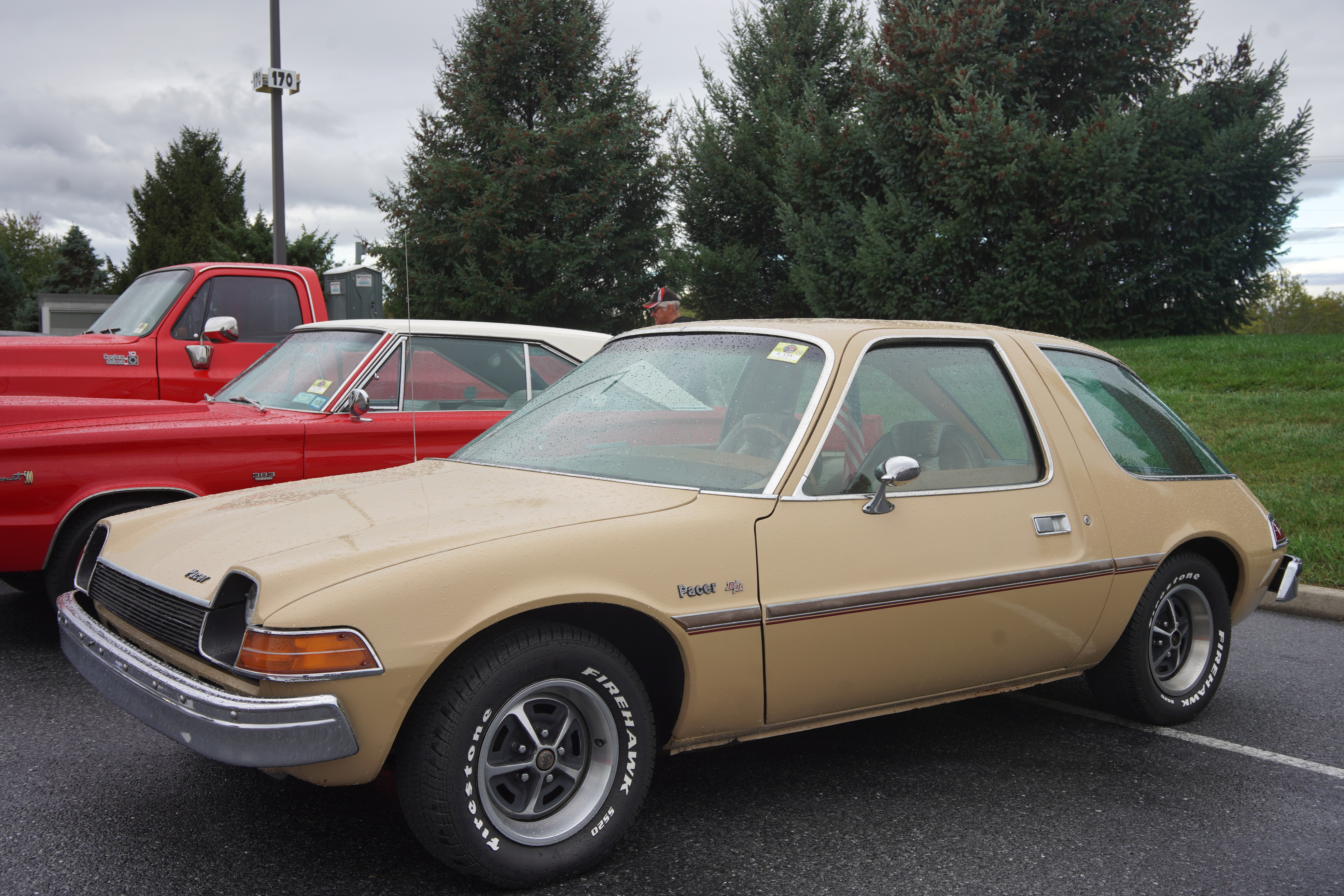
1976 AMC Pacer, 6-cylinder, auto. Asking $10,500. Rambler/AMC had a long history of needing to be different in order to compete with the Big 3. This might be Exhibit A, although, I recall these being somewhat popular when new. Asking price was on the windshield on Wednesday. On Thursday, new writing said “SOLD, $8,500.” It’s always worth it to haggle.


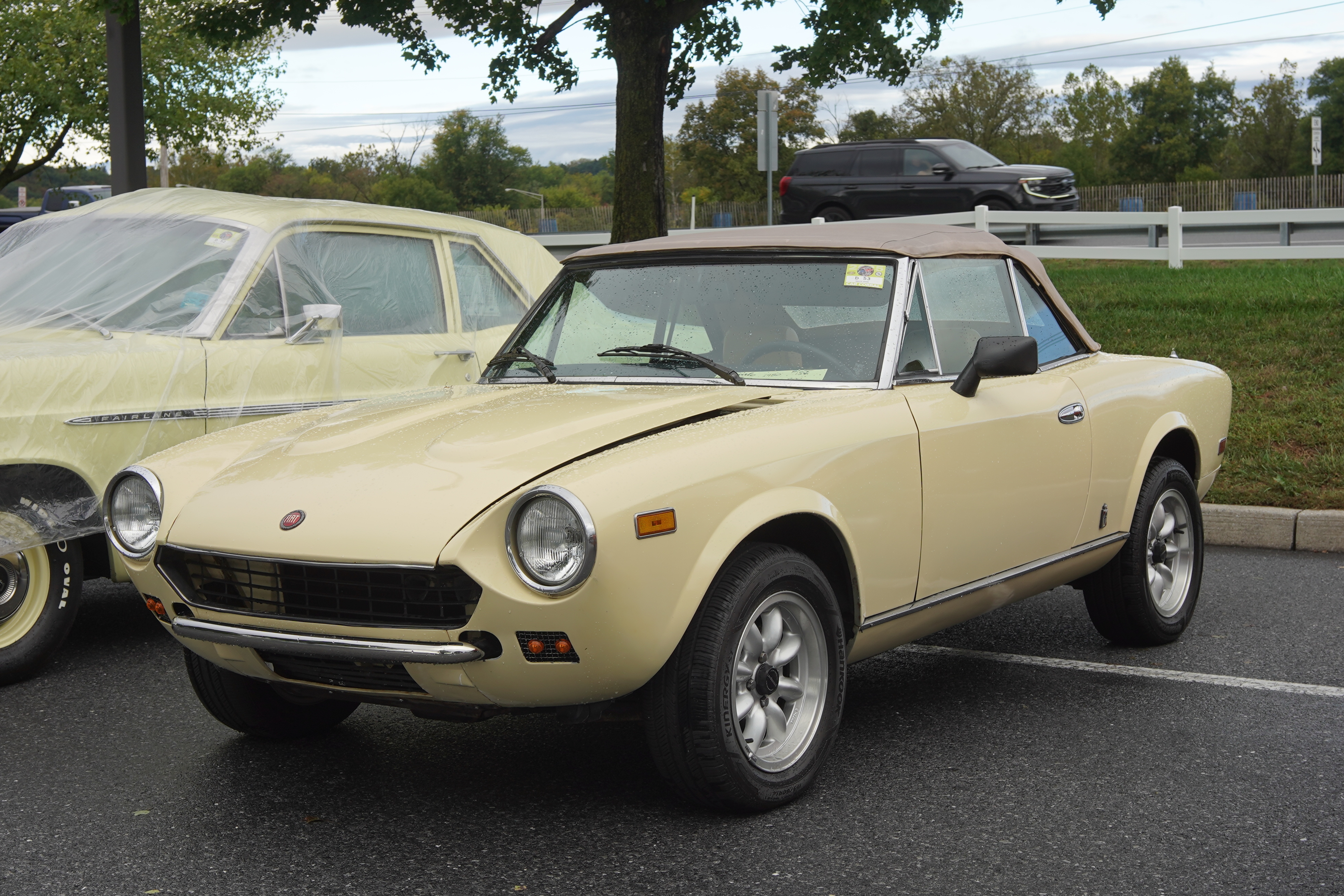
1980 Fiat 124 Spider, 4-cylinder, 5-speed, missing bumpers. Asking $11,500. This was slightly crusty underhood; I was afraid to look underneath. These have softened as of late, based on Bring a Trailer results. There are plenty of better-looking 124s online at any time. Bring a magnet.

1968 AMC Rebel convertible, V8, automatic, sign claims it’s all original. Asking $13,880. This struck me as potentially one of the few deals in the corral. V8 power, top goes down, and you’ll have the only one at any show you enter.

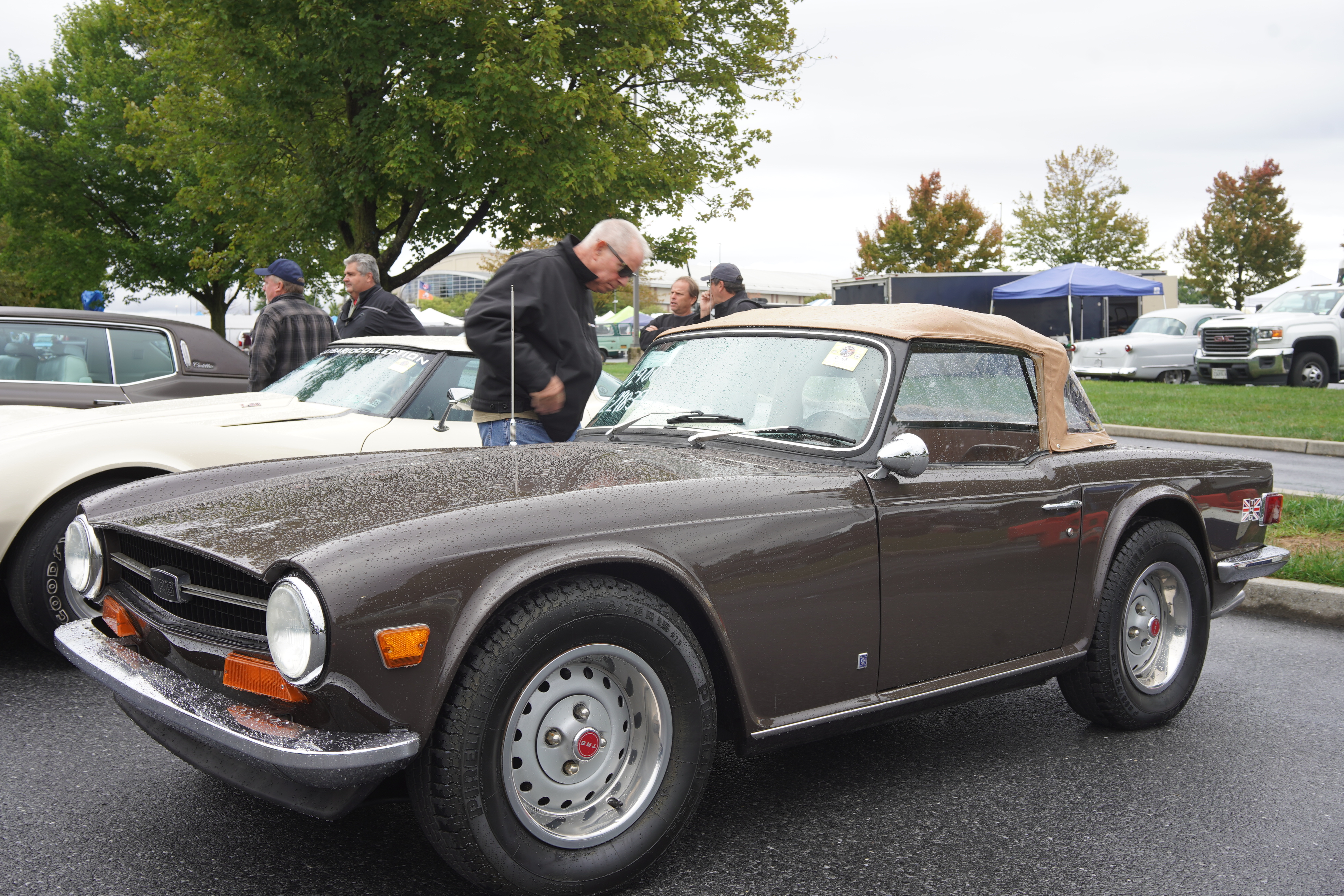
1973 Triumph TR6, 6-cylinder, 4-speed. Asking $17,900. TR6 prices vary a lot based on color and condition. This one looked good from 10 feet, but I admit that I didn’t perform a closer inspection. I think it’s a fair price if it’s solid, but if  I were interested I’d start at $12.5k and see where it goes from there.

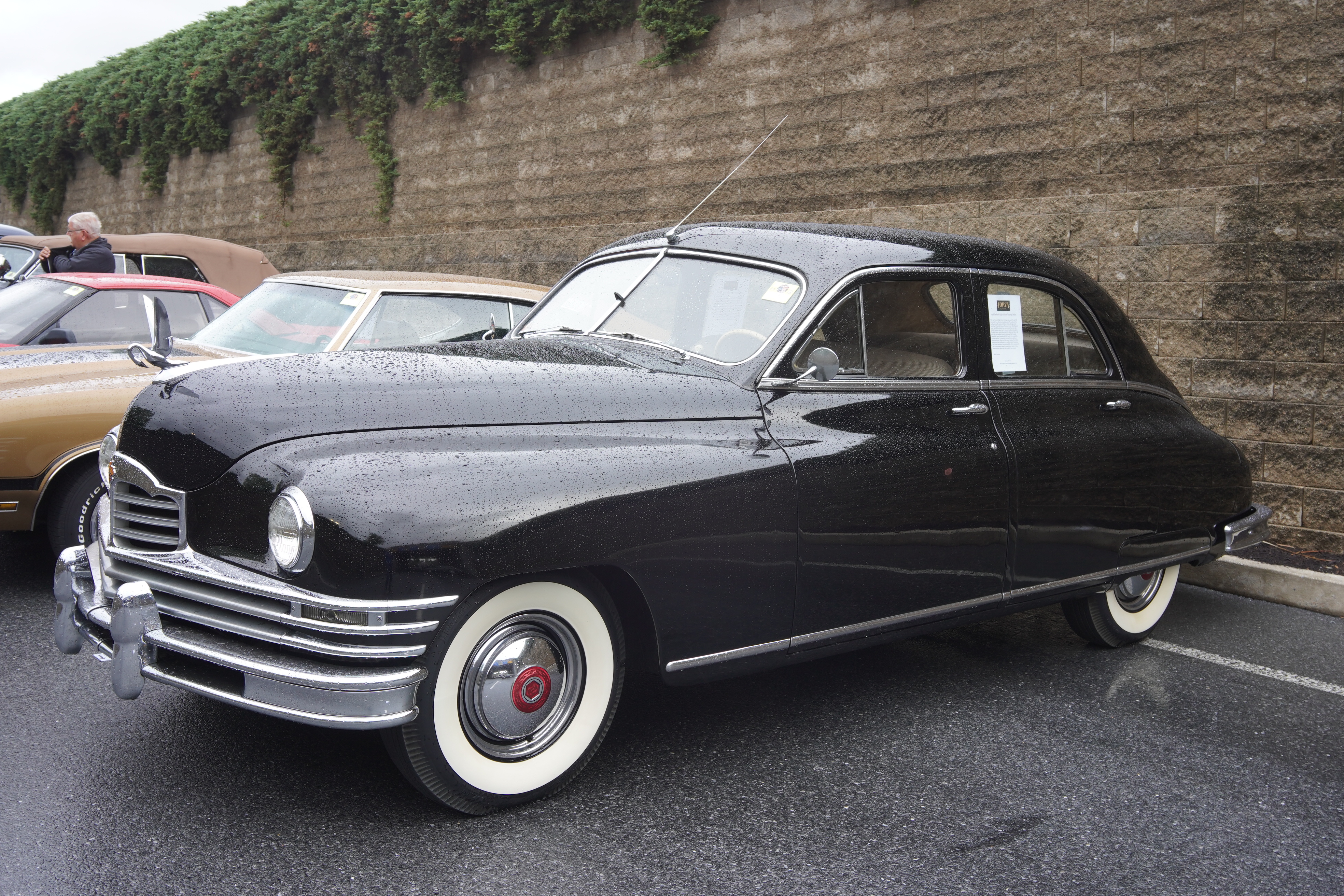
1948 Packard Eight Deluxe Touring Sedan, straight-8, sign on car claims that it is in mostly all-original condition and has 40,000 original miles. Asking $19,900. When new, the styling was derisively called the “bathtub Packard,” or worse. Up until recently, I never found these to be attractive, but in my old age, my opinion has softened. Seemed like an affordable entry ticket into the Packard Club.

1952 MG TD, 4-cylinder, 4-speed. Asking $19,995. The MG T-Series cars (TC, TD, TF) fired the opening salvo in starting the post-war sports car boom in this country. Of the three, I find the TD the least attractive, but compared to the TC, you get LHD and a more comfortable interior. Compared to recent sales, price seemed fair.

1991 Porsche 928, V8, automatic. Asking $21,500. This second-generation 928 has the 32-valve engine with more oomph than the original 928 which debuted in 1978. Car looked clean, and this is about where they sell on BaT, but I would personally insist on seeing service records first.

1961 Triumph TR3, 4-cylinder, 4-speed. Asking $27,000. This appeared to be a very nice, very fresh restoration. Red might not be my first pick for a TR3, but it worked here. On Thursday, the “27k” was crossed out, replaced with “25k,” which was also crossed out and replaced with “23k.” Offer 15, and when he gets back up after falling down, see if he’ll take a more market-correct $18k.


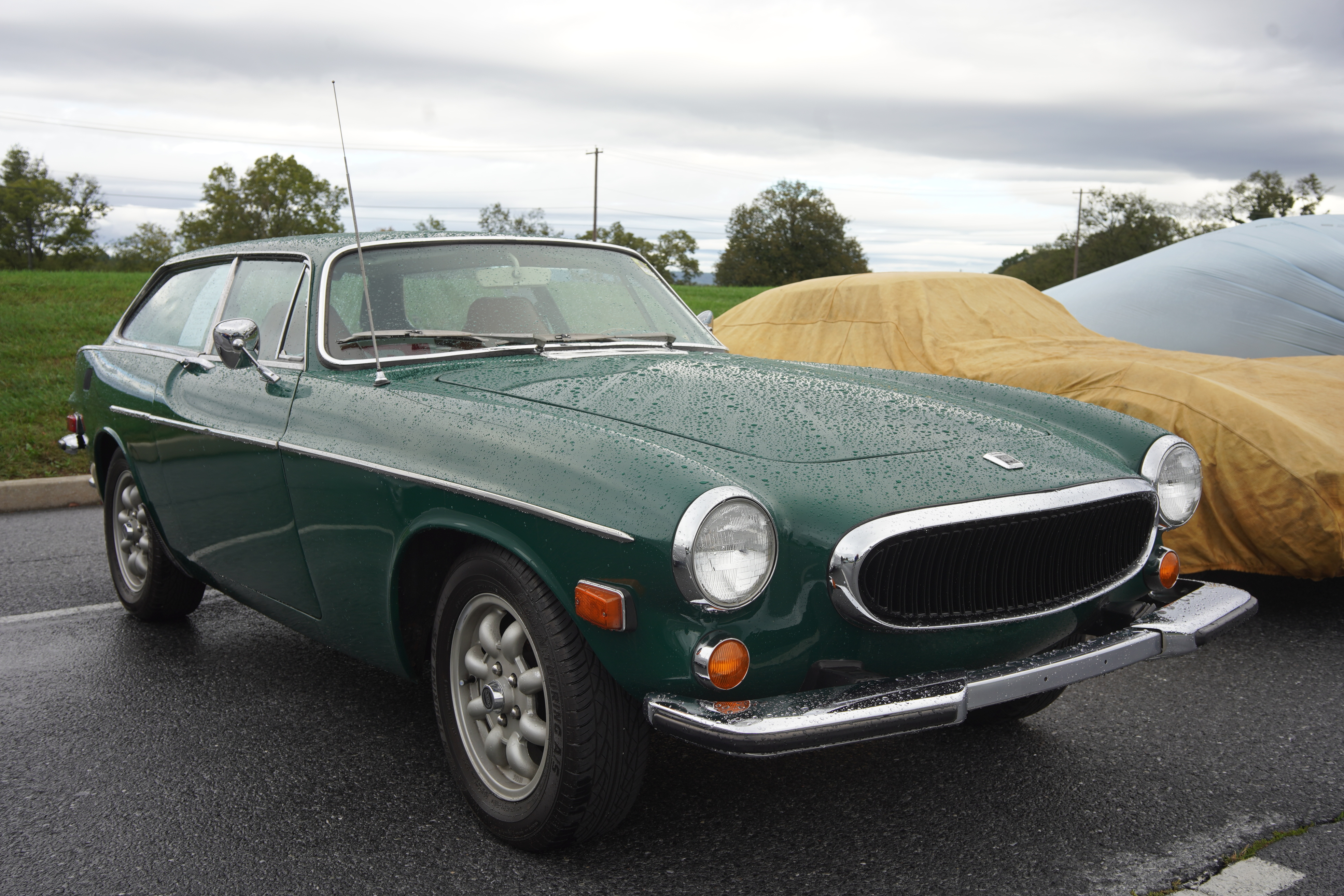
1973 Volvo 1800ES, 4-cylinder, 4-speed manual with overdrive. Asking $29,900. The last year of the 1800, and only the ES (hatchback) was offered that year. The green over tan was attractive, but value here is largely based on the quality and correctness of the restoration. That said, asking price sounded like a fair jumping off point. Many of these were automatic, so the stick is a plus.


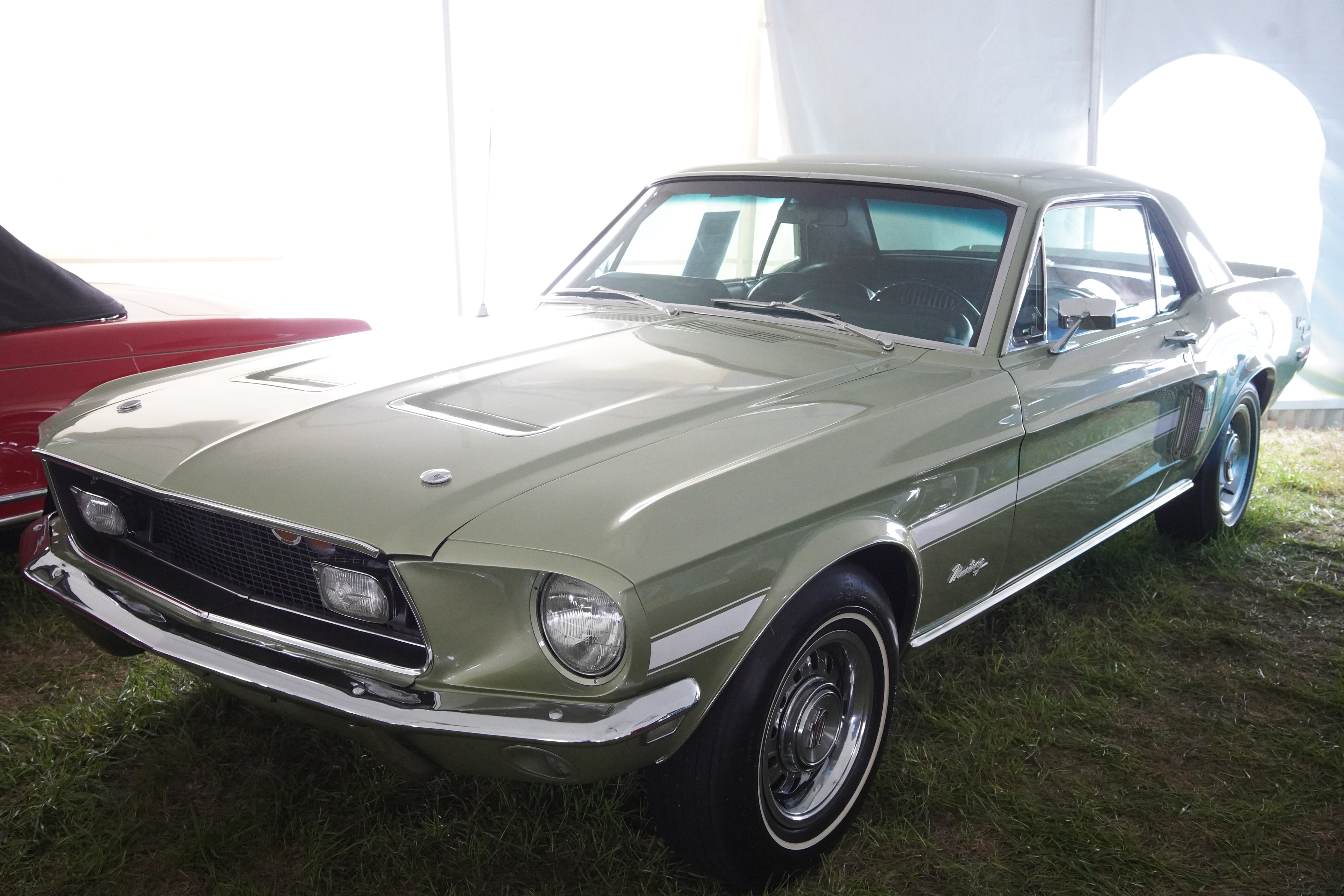
1968 Ford Mustang California Special, 302 V8, automatic. Sign claims complete restoration. Asking $55,000. I’m including this only because I owned one in the same color. Mine had the 390 big block, and was just a “driver,” which I sold at Hershey in 2012 for $20,000. I guess they’ve appreciated since then….


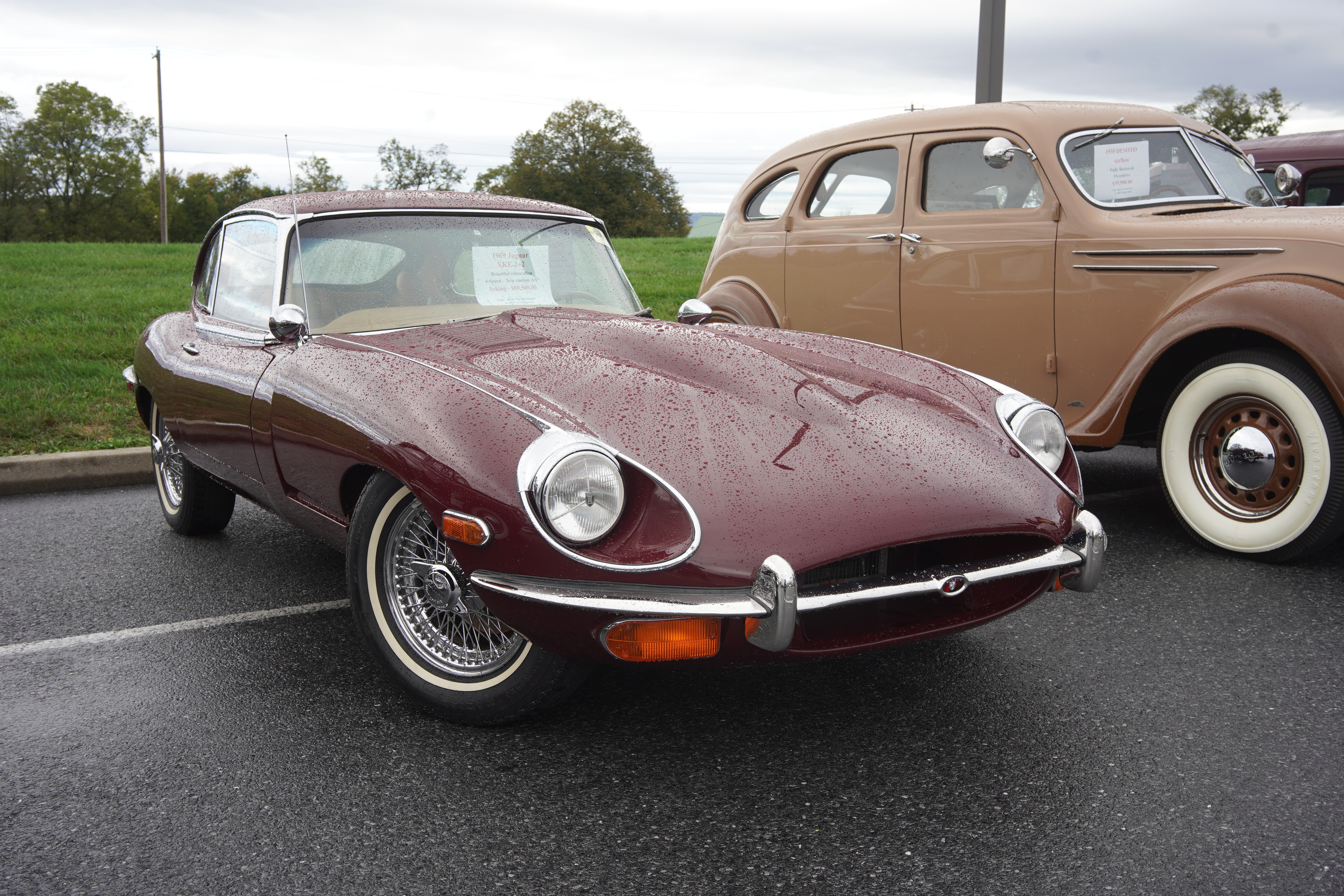
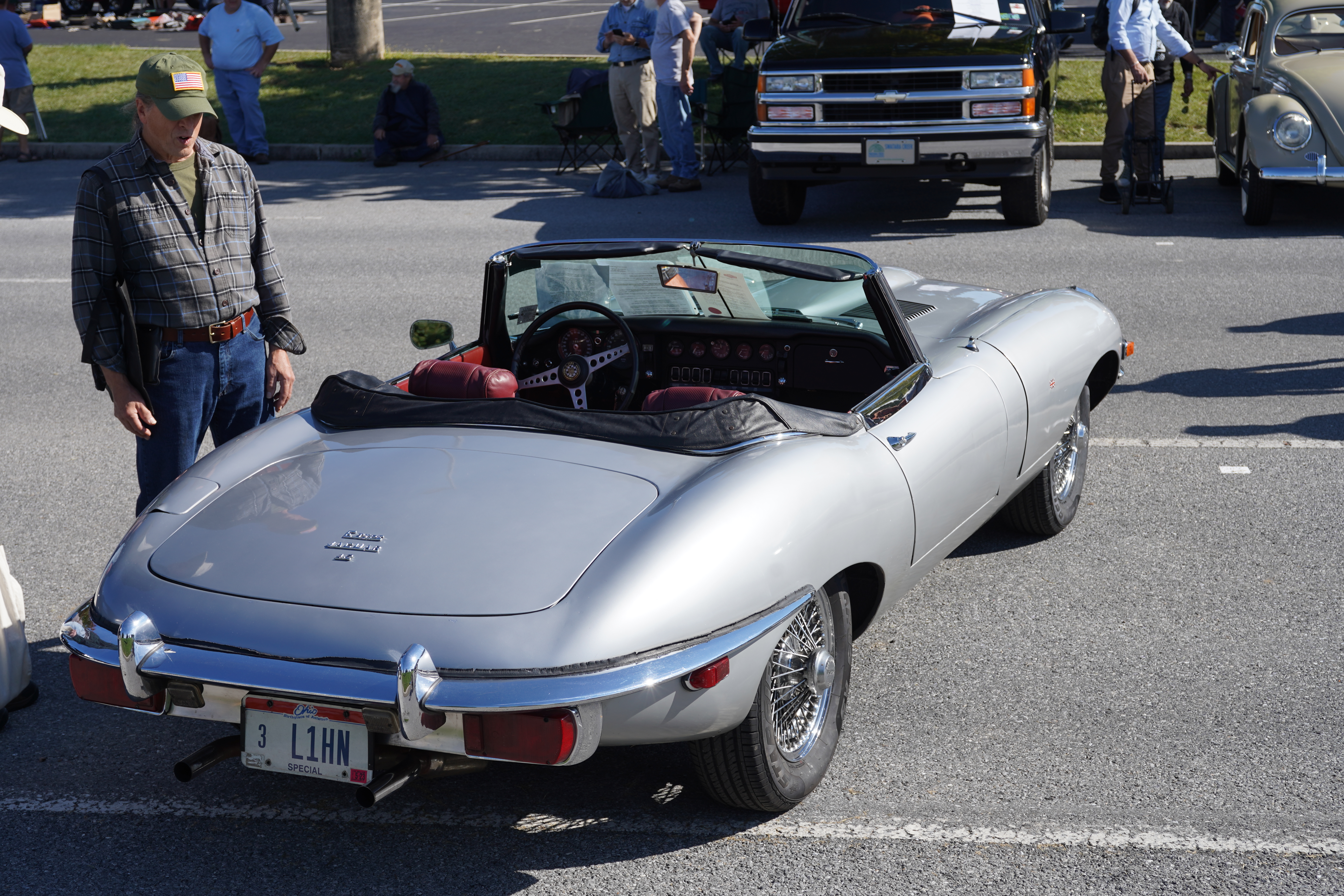
1969 Jaguar E-Type (XKE), 2+2 body style, 6-cylinder, 4-speed. Asking $69,500. This is a Series 2 E-Type, with the open headlights, larger tail lamps below the bumper, and some interior refinements. I watch these on BaT, and given that a ’69 ROADSTER sold on Wednesday of this week for $39,000, I would hazard a guess that the ask on this 2+2 (the least-desirable body style) is not market-correct. I’ll leave it at that….


THE MEASURE YOUR GARAGE FIRST SECTION

All these cars have an ask below 20 grand, and I found something appealing about them, even if they are not what I’m normally attracted to. HOWEVER, it is imperative that one measure one’s storage space first! But on a dollar-per-pound basis, some of these could be considered bargains.


1998 Lincoln Town Car, white over tan. Asking $10,900. Instant eligibility at any AACA show, and you’ll get there and back in speed, comfort, and luxury.


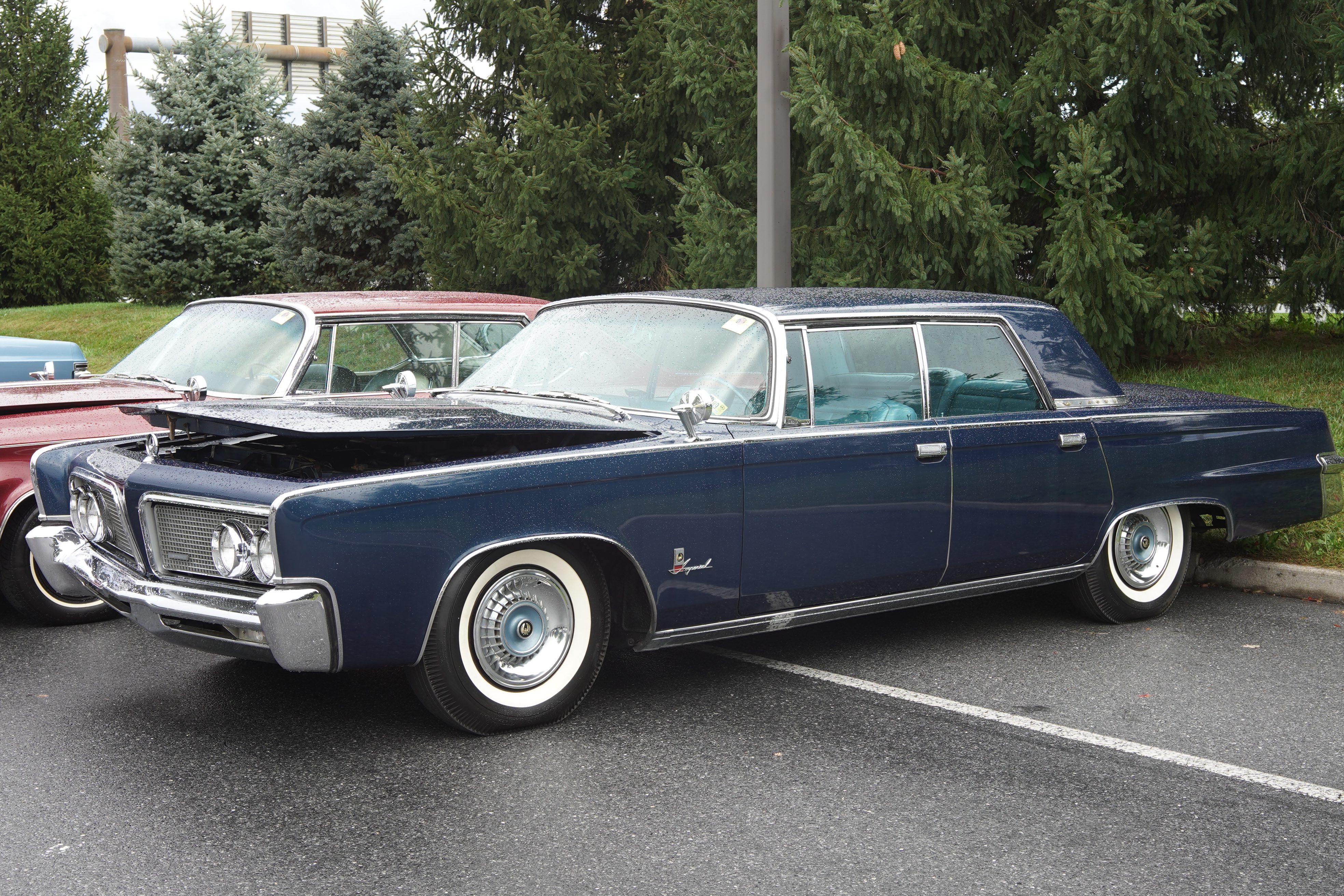
1964 Imperial 4-door hardtop. Asking $13,900. I’ve always been drawn to the 4-door hardtop body style. Here, you can comfortably take 5 or 6 of your buddies to the game, and, have trunk room for food and drink while you tailgate.


1972 Cadillac Fleetwood Brougham. Asking $14,500. Enough green to be measured by the mile. Start a limo business, but get a green leisure suit first.


1973 Olds 98 2-door hardtop. Asking $18,000. More green. The two-door body really set this one apart for me. Put a set of sway bars on it and go chasing TR6s.


Coming up: Part 2, the Friday Car Show, and Part 3, the RM-Sotheby’s Auction. 


Entire blog post content copyright © 2025 Richard A. Reina. Text and photos may not be copied or reproduced without express written permission.


Hershey 2024 Part 3: The Car Show

How does one explain how 1,200 classic cars, trucks, and motorcycles, beginning at 7 o’clock in the morning, are paraded through the streets of Hershey and are then driven onto a grassy field and are then arranged in a pre-determined exact order, so that thousands of spectators can then descend upon these wondrously restored vehicles to gaze at them and admire them while their justifiably proud owners look on?

That’s the logistics of Hershey. It’s the exhilaration which overcomes you when you realize that cars worth anywhere from $5,000 to over a million dollars which have been restored to better-than-new condition are here for you to enjoy. This year, with bright blue skies, abundant sunshine, and slightly cool but still comfortable temperatures, it was one of my better Hershey car show experiences.

Oh, dear reader, but wait! I almost forgot: It’s NOT about the cars at all. The car is an inanimate, replaceable hunk of steel, glass, rubber, and plastic. Anyone with the means can restore a car or buy one already restored. And in some cases, the folks who do that are only interested in the ROI, or maybe aiming for bragging rights among their peers, or perhaps seeing how many trophies can be collected, requiring that more shelf space be erected to hold said trophies.

Now I’ll tell you what REALLY makes Hershey so special: It’s the stories behind the cars, the stories that most owners are only all too happy to bend your ear about, stories about a life-long quest for a particular automobile, or about a 20-year-long restoration, or about a car bought by their grandfather 60 years ago, or about a project which was given up on multiple times before a final reawakening motivated the owner to see it to its completion.

I’m here to share just a few of those stories with you.

HOWARD AND HIS VOLVO 265

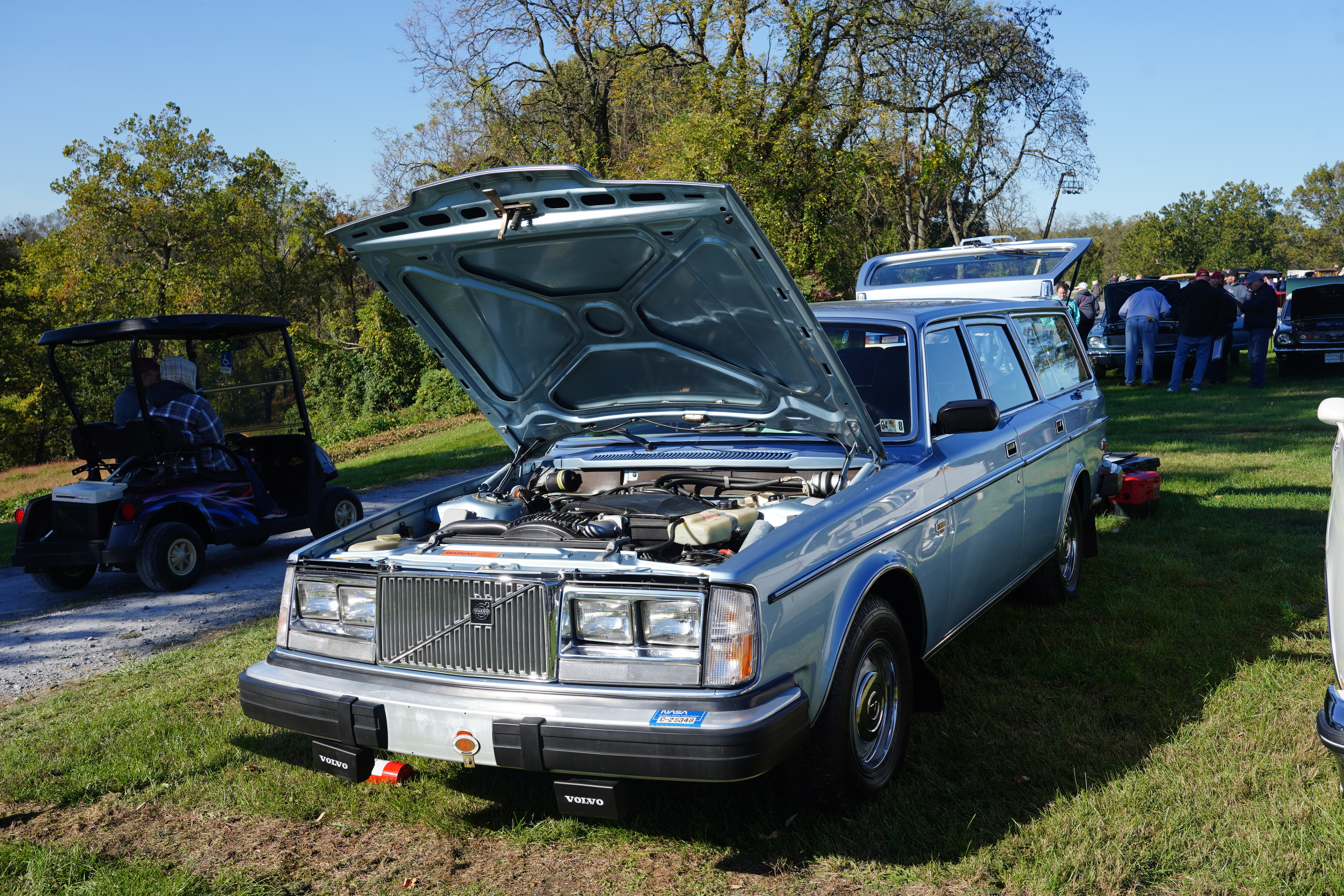
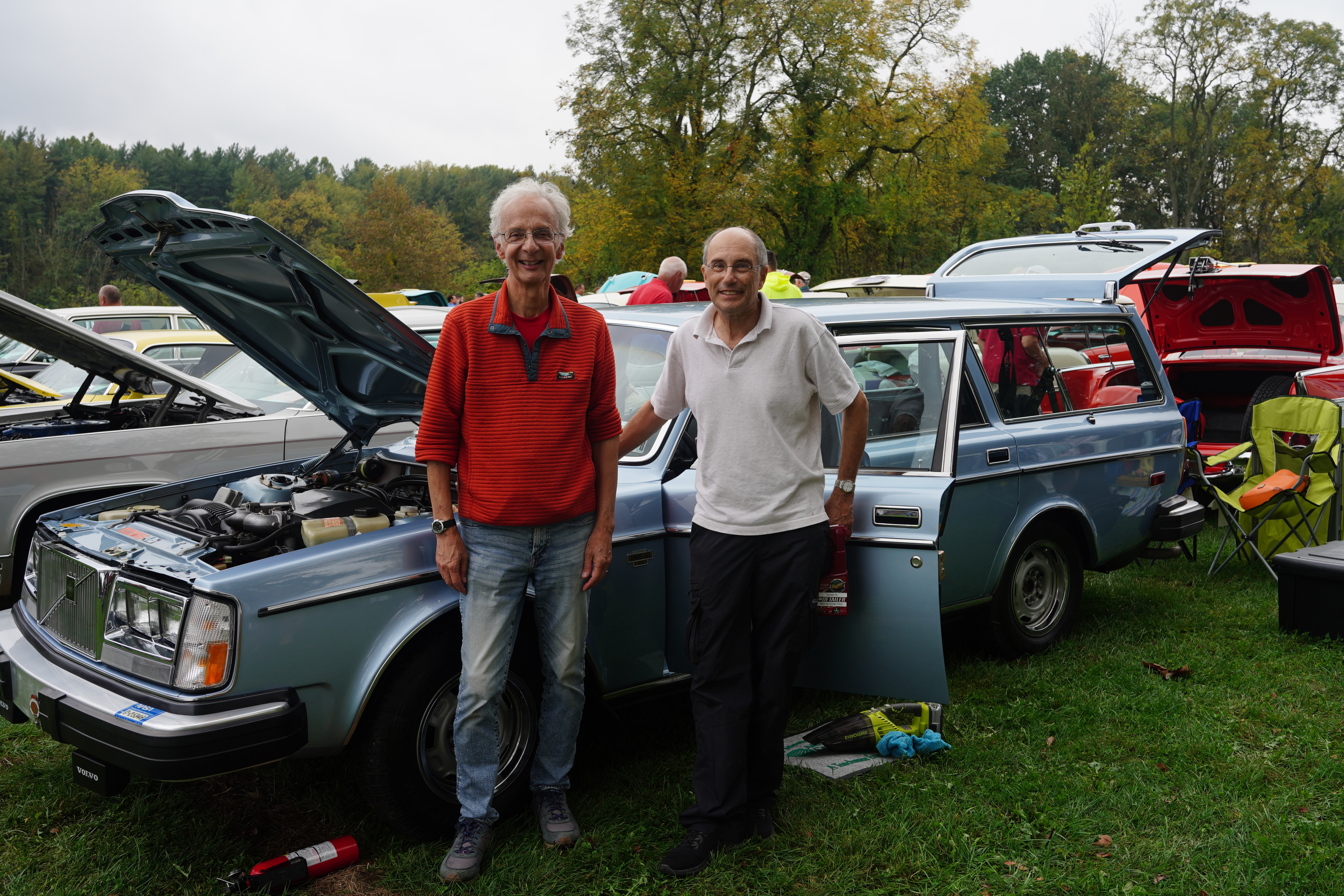
I didn’t see Howard this year; according to his wife, he was too busy attending to one of the 3 (or was it 4, or 5, or 6?) other cars he brought to Hershey this year. Howard is completely devoted to the hobby, which is quite a statement given that he’s still working as a full-time physician. I only know Howard through Pete Wyman. Of course, regular readers know that it’s Pete who sold me my Alfa. And Pete sold his 1979 265 which he had purchased new to Howard. It’s not Howard’s only Volvo, although he also has BMWs and Jaguars. I spotted the light blue wagon from about 30 paces away. It’s easy when you know there isn’t another Volvo wagon like it anywhere in the show. I’m glad to see that Howard continues to maintain the car to Pete’s standards. Pete, whom we lost last year, would be very proud.

It’s still the way Pete kept it
ALEX AND HIS 1944 VW KdF-Wagen

Alex is a member of the NJ Region of the AACA, as am I, so we are acquainted. I’ve been hearing about this uber-rare VW for years, and some of what I gleaned from Alex was that it has been an uphill 20-year-long restoration. When Alex told me a short while back that he thought the car would be ready for Hershey this year, I kept my fingers crossed. Sure enough, here it was! Given that World War 2 was still raging in 1944, it is amazing that this car got built, and that it somehow survived. Take the time to read the placard which summarizes this story of one man’s dedication. I think this KdF-Wagen may have been the highlight of the entire show.

A GREEK BOY’S DREAM BECOMES A REALITY

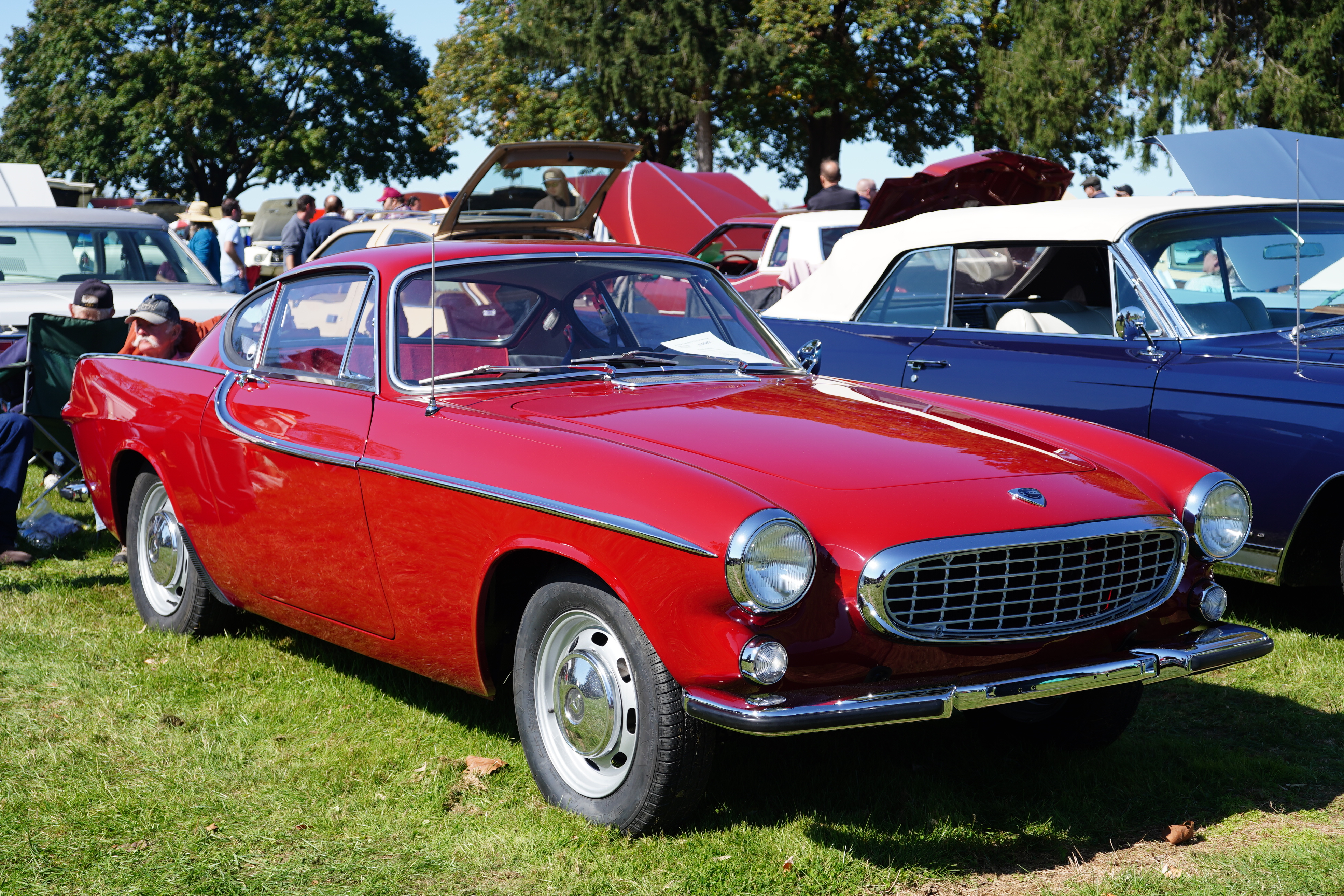
I was drawn to this Volvo 1800S due to its similarity, in age and color, to the 1800 owned by the late Irv Gordon (a car which now resides in the Volvo museum in Gothenburg Sweden). I approached the owner and my first words were, “it looks like Irv’s!” But I did go on to compliment him on the car, which appeared nicely restored. He proceeded to tell me that as a boy growing up in Greece, he came across a sales brochure for the Volvo 1800 and was immediately smitten. After moving to the States, he began searching for one, and about two years ago, he found this car and had some restoration work done on it. I congratulated him and wished him luck today. I expect that he will have done well with the judging.

ANDY AND HIS ALFA SPIDER

I opened my dialogue with the owner by asking: “Is this the only Alfa on the show field today?” We both laughed and agreed that this was likely the case. Since his car was a ’78, that made it a Series 2 Spider, but those cars did not come equipped with a rear spoiler. He responded that his car was, to the best of his knowledge, a Niki Lauda Special, on which the rear spoiler was standard, but so were some stripes and badges, all of which have been removed from his car. (I’ve only ever seen one other Niki Lauda Special, which was at last year’s Greenwich Concours. A photo of that car is below under ADDENDA.) His Alfa also appeared to have non-original upholstery, and he admitted to me that the judges already told him that his car had “too many modifications”. That’s too bad, and I sincerely hope that does not discourage Andy, because perhaps with some documentation and some stripe and badge replacements, he can verify for the judges that his car is correctly represented.

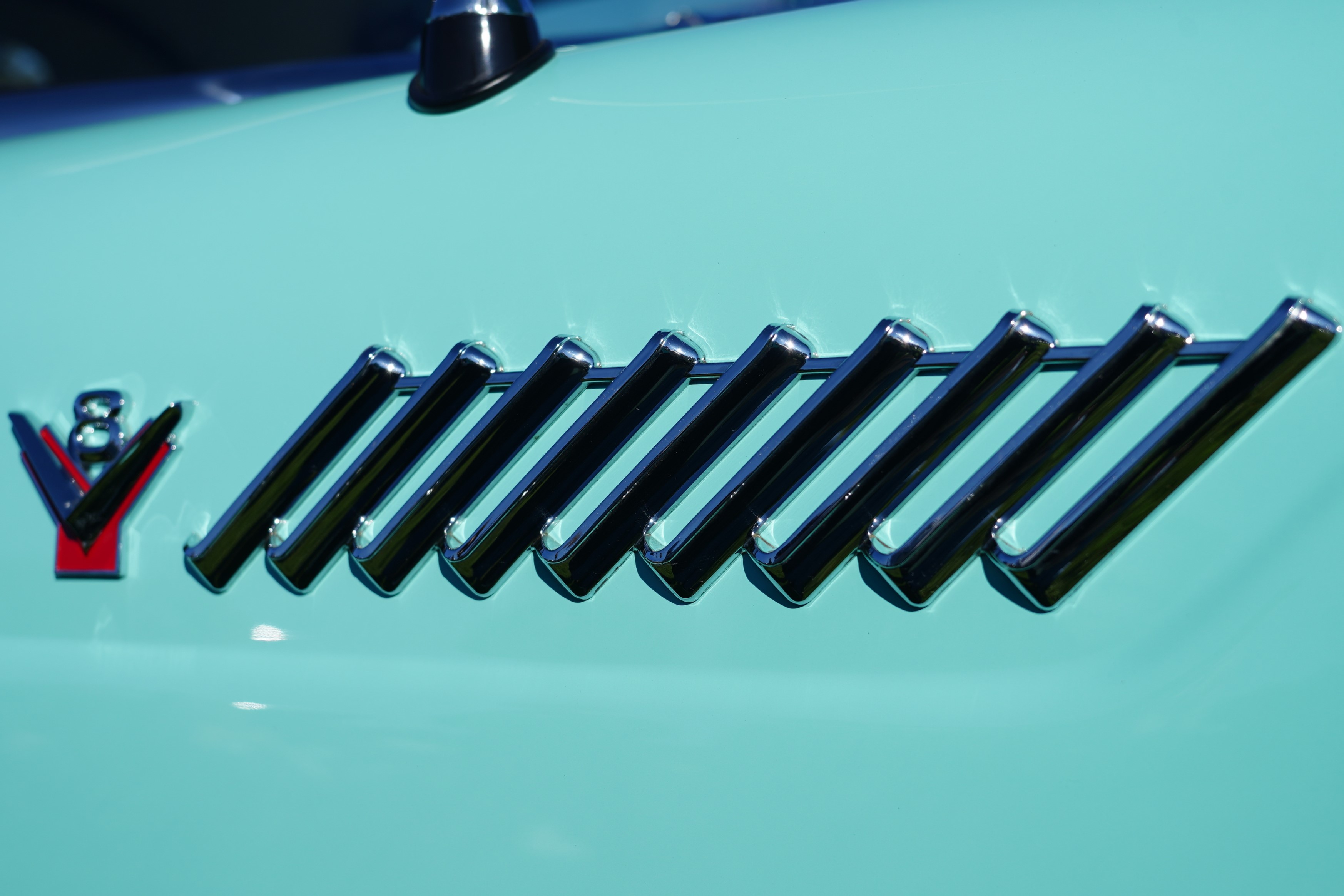
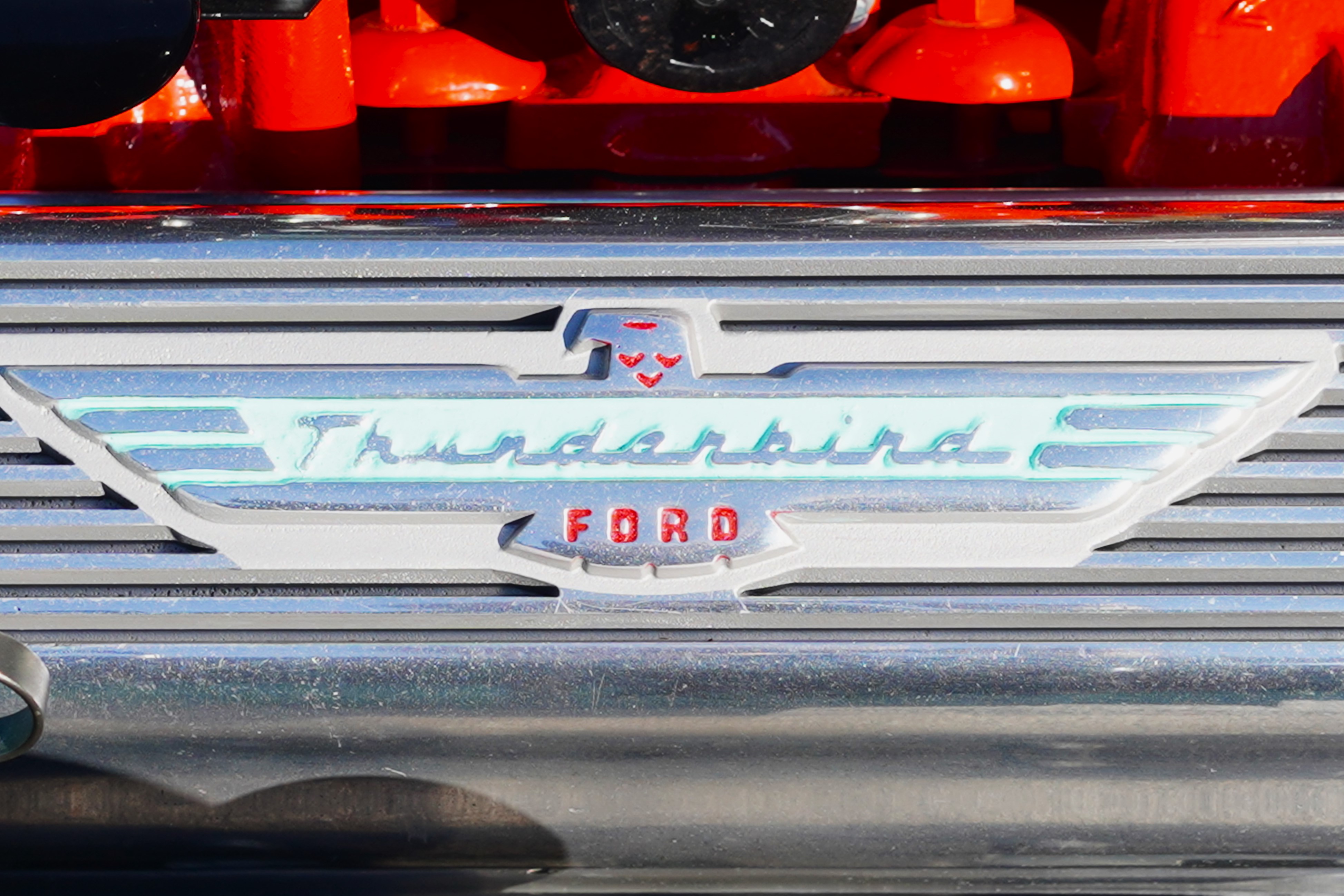
DAVE AND HIS 1955 T-BIRD

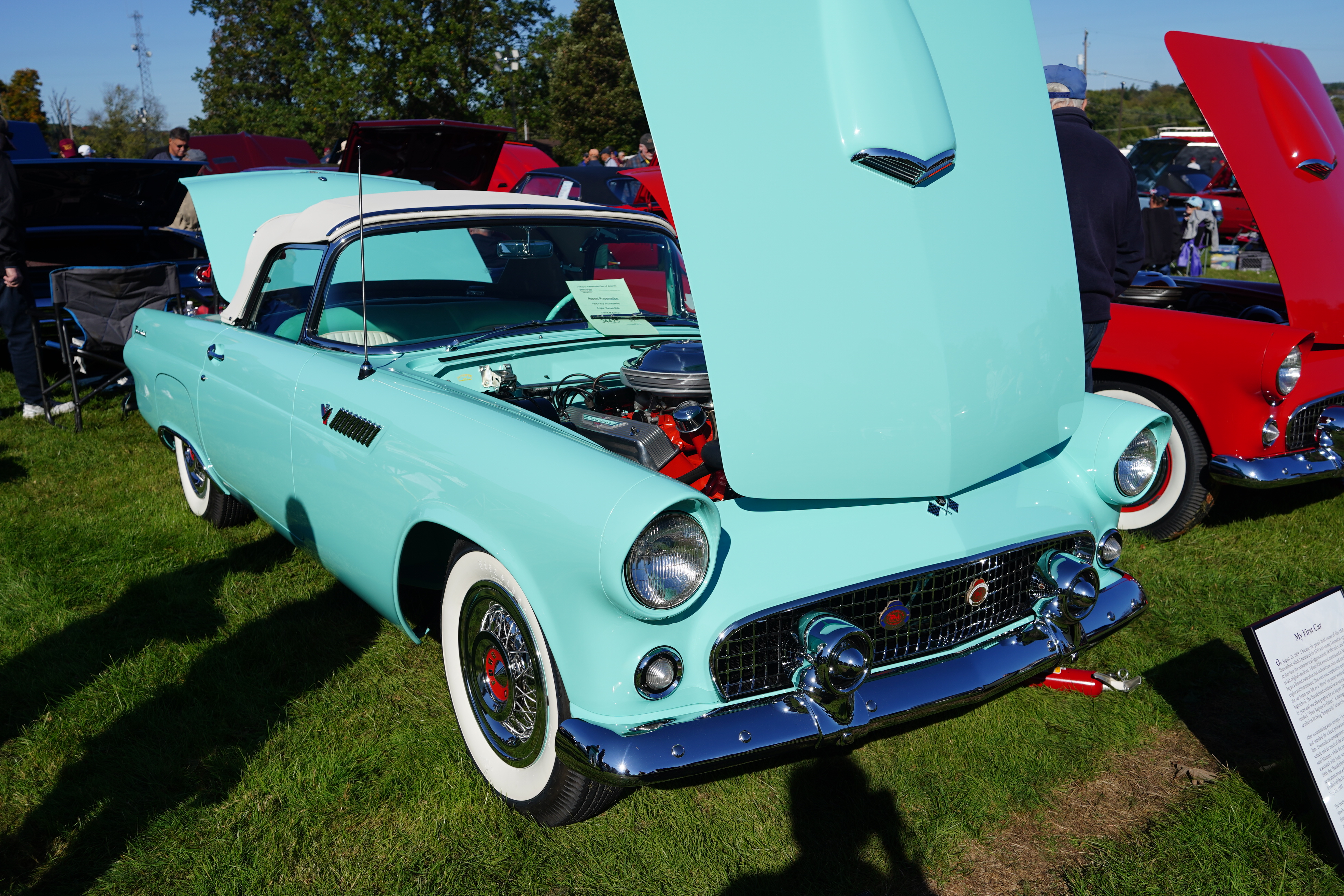
I first encountered this car and owner at the 2021 AACA Nationals in Saratoga Springs, and wrote up a brief story on my blog, finding it to be of particular interest. Months later, “Dave” emailed me in excitement, telling me that he had no idea that I had featured him and his Baby Bird on my blog. Hey, I wasn’t trying to make Dave famous, I was just trying to share an interesting story. We continued to exchange emails, and saw each other again at Hershey in 2023 when he showed his pre-war Dodge, and again in June of this year at the soggy Nationals in Saratoga Springs. So here we are again, and thanks to my blog, I have a new friend in the hobby. Dave’s enthusiasm is infectious, and his ’55 looked better than ever. Be sure to read his summary below, which is what drew me to write him up in the first place.

I HAD DAVE’S PERMISSION TO PLACE MY HAND ON THAT PRISTINE WHITE TOP

ADDENDA

Here’s my photo of that ’78 Alfa Spider Niki Lauda Special Edition which I took last year.

Entire blog post content copyright © 2024 Richard A. Reina. Text and photos may not be copied or reproduced without express written permission.

Hershey 2024 Part 2: The Car Corral

The Hershey Car Corral is where entire vehicles are bought and sold (as opposed to the parts sold throughout the Flea Market). It has become one of my favorite parts of Hershey week, because cars in the Corral must adhere to AACA rules, meaning 25 years old or older, and basically in stock condition. This means no hot rod projects and no late model Escalades 😉 .

When I first started attending Hershey decades ago, almost all the cars in the Corral were privately owned. But the hobby has changed, and independent “collector car dealers” have sprung up from coast to coast. They see Hershey as a ripe opportunity to show their goods and appeal to a built-in hobbyist audience. However, dealers generally tend to ask more for their cars (and to be fair, dealers may have conducted some reconditioning of their vehicles). But I continue to maintain that the best deals reside with the individuals who seem to price their cars more fairly, and may be more willing to negotiate a final number that makes everyone happy.

My friends and I have observed a thinning of the ranks in the Car Corral in recent years, and 2024 was no exception. Yet there were plenty of cars for sale, and a nice variety at that. Below, I have highlighted some of cars which attracted me the most. That’s not to say that I thought they were great deals, only that I found them to be among the more interesting offerings. The cars are arranged in asking price order from low to high.


1963 Buick Wildcat 4-door hardtop, beige paint, off-white interior, Buick nailhead V8, automatic, front bucket seats with center console and floor shifter. Odometer shows 35,354 miles, likely has rolled over.

ASKING: $6,900

Here’s a rare bird: a full-size American 4-door pillarless hardtop sedan with front bucket seats and center console. But that’s what you got if you bought a Buick Wildcat, like this ’63. And with a price well under 10 grand, this could be a great first hobby car.


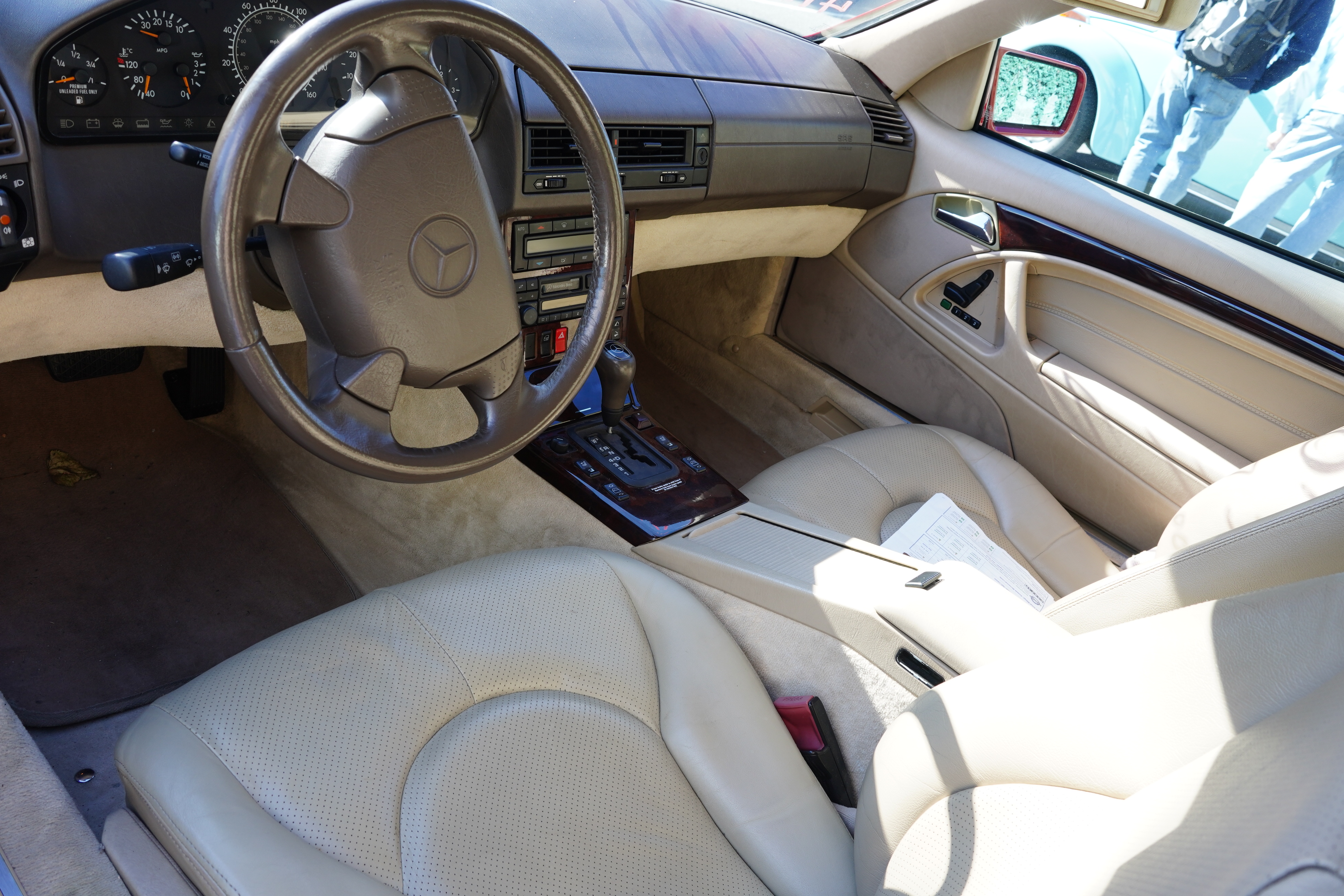
1997 Mercedes-Benz 320SL convertible, detachable hardtop, red over tan, 6-digit odometer shows 78,000 miles, automatic transmission.

ASKING: $8,900

This is the 6-cylinder version of Benz’s evergreen SL. The car looked neat and tidy, and could be a fun first collector car for under $10k.


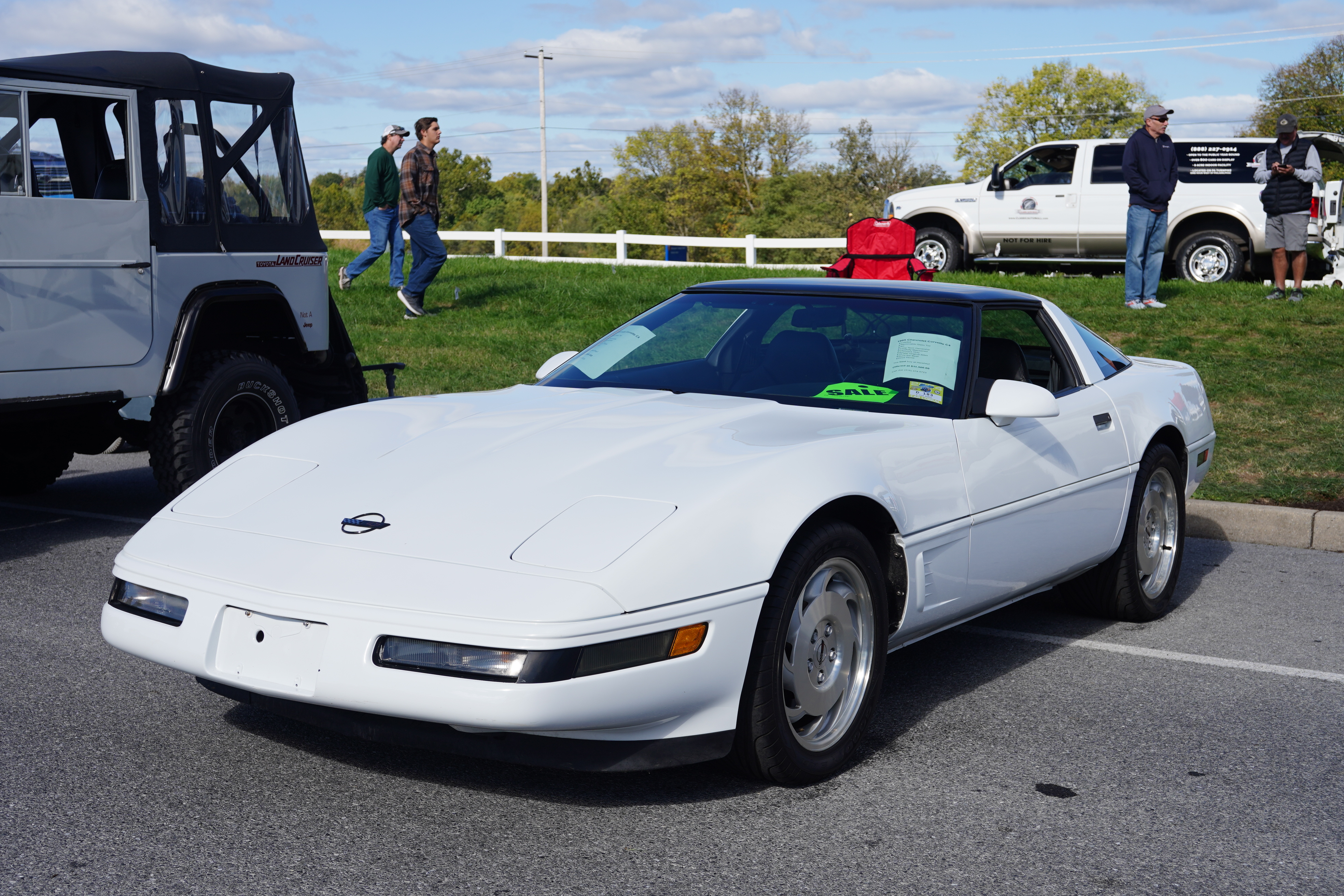
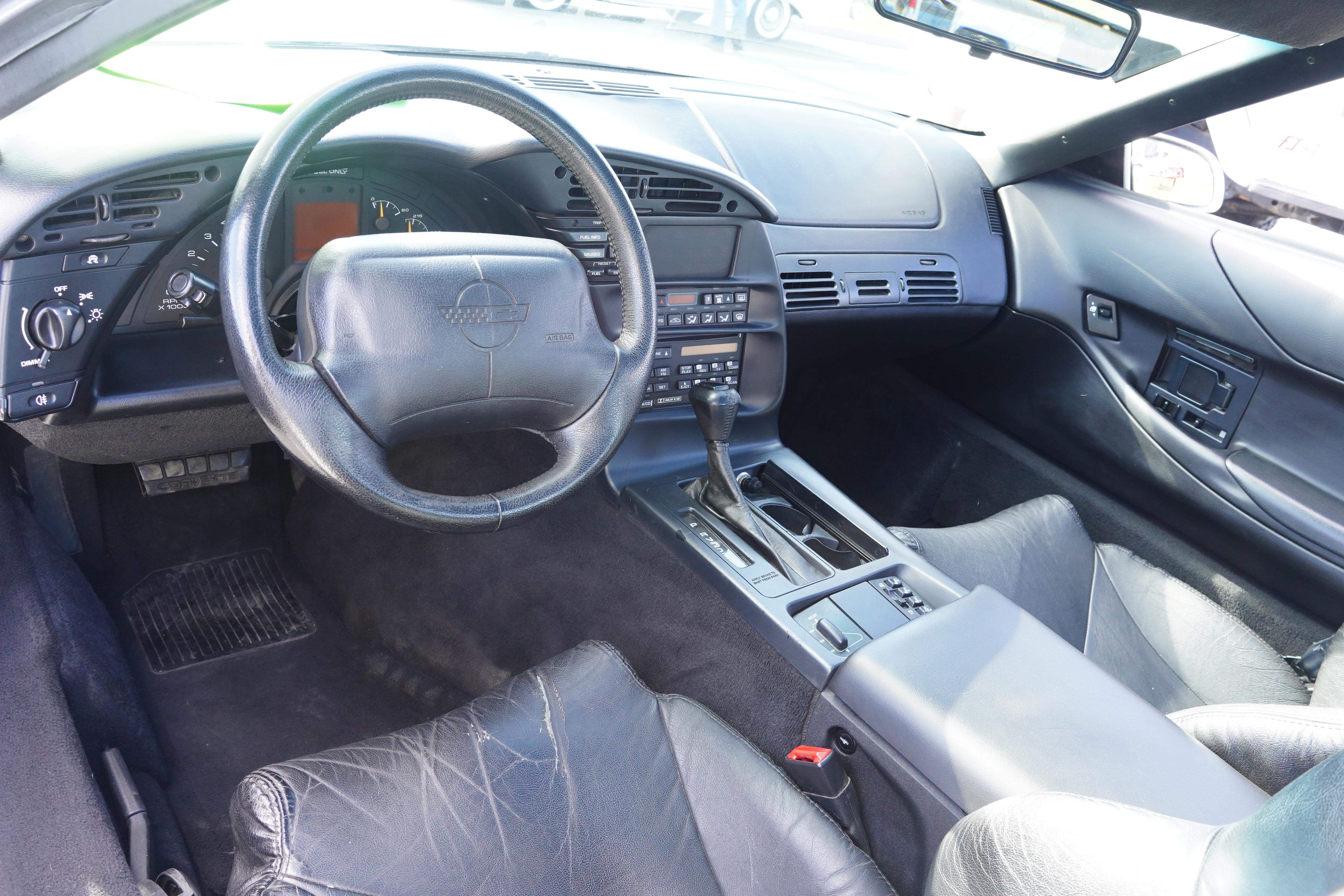
1995 Chevrolet Corvette Coupe, white over black, automatic, sign claimed 70,000 miles

ASKING: $11,500

C4 (4th generation) Corvettes continue to be performance bargains as exemplified by this example.


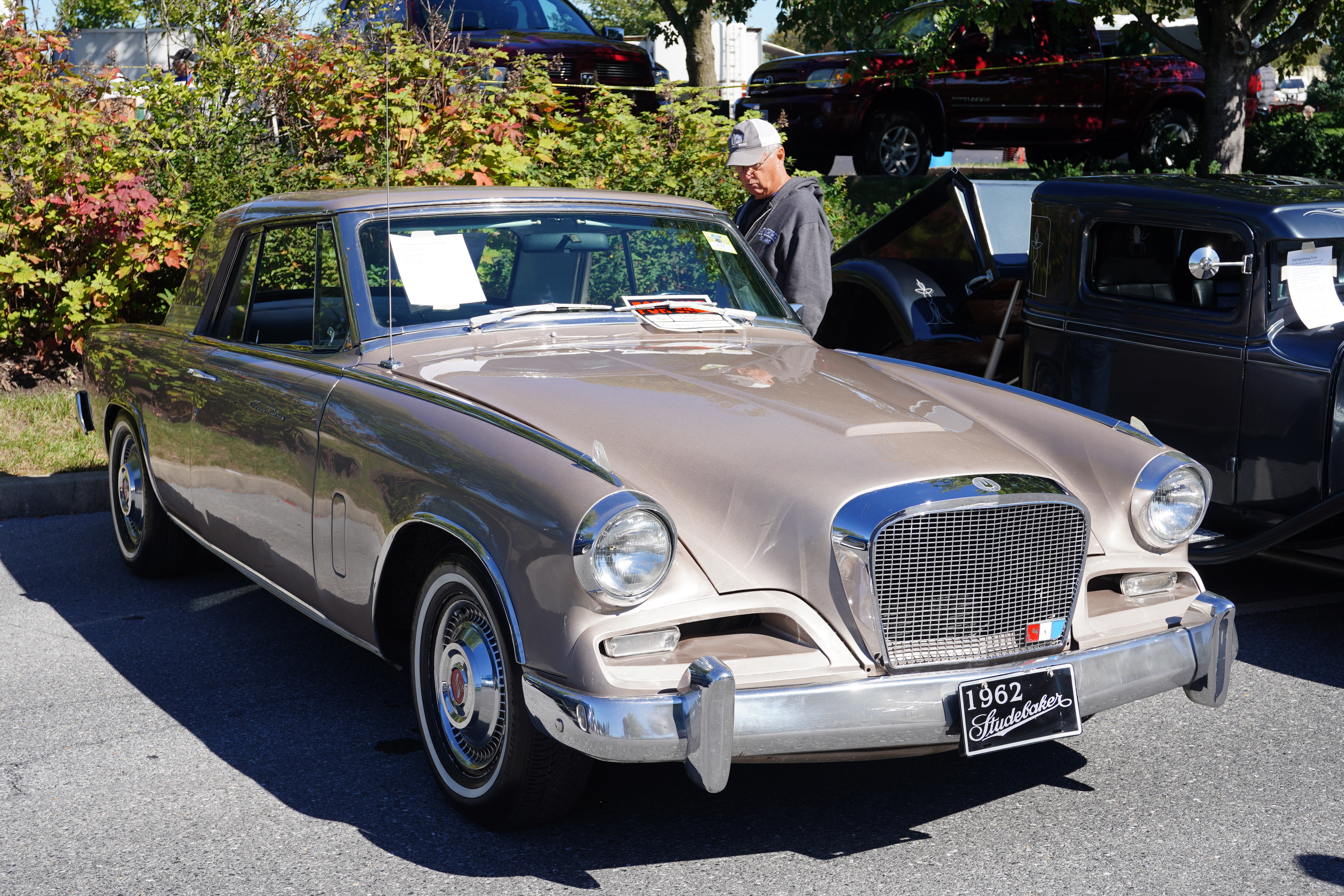
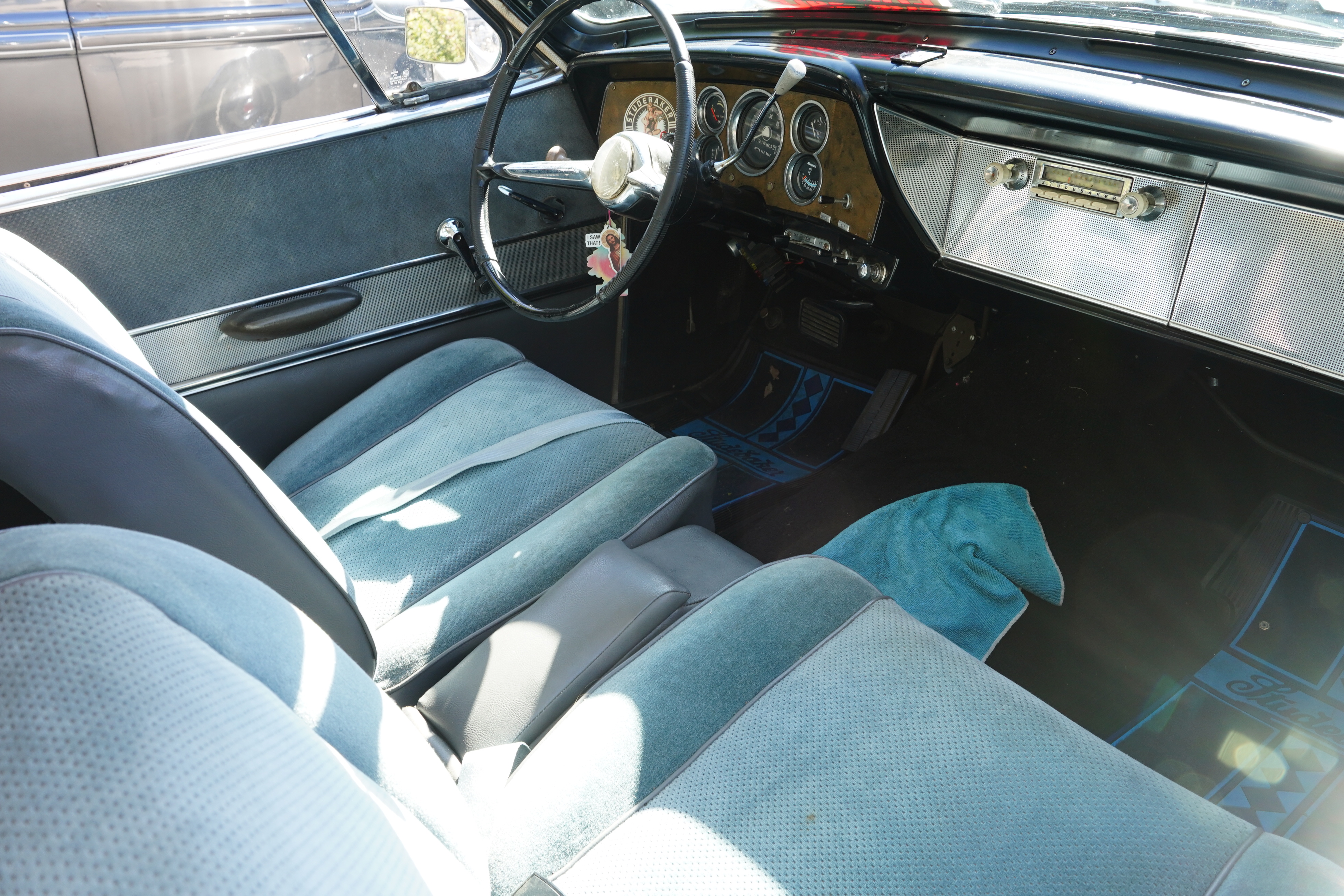
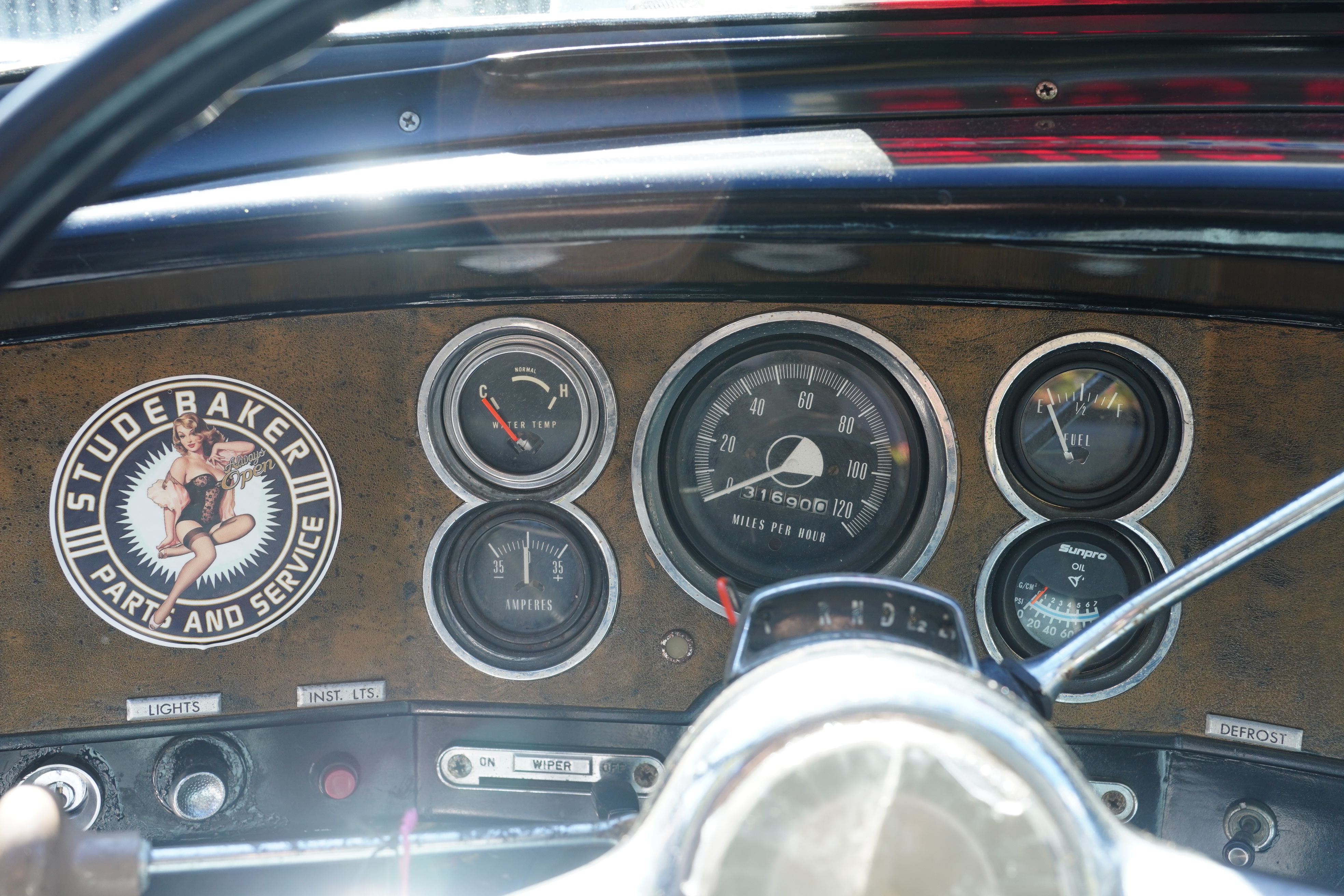
1962 Studebaker Hawk GT, tan paint, turquoise cloth upholstery, automatic on column

ASKING: $12,500

This body style has always appealed to me, but the odd color combo was off-putting. I didn’t spend but a few moments on it, but was unable to determine which finish might have been replaced. It’s hard to believe that this car came from the factory this way.


1968 Dodge Monaco 2-door hardtop, blue, white vinyl roof, white interior, 383/automatic, sign claims 75k, “very original”.

ASKING: $20,000

The 1967 Plymouth and Dodge full-size cars, introduced when I was 13 years old, were thought of by me as some of the best-looking full-size American cars of the decade. The styling hardly changed for 1968. Stumbling upon this rarely-seen ’68 Monaco brought back a rush of memories. I think that the overall design, especially in a 2-door like this, has aged well.


1976 Triumph TR6, white over tan, sign claimed all-original condition at 43,000 miles

ASKING: $27,000

I normally would not highlight a TR6 as there are always dozens for sale, but the overall condition made this one attractive. To my eye, the car looked almost new.


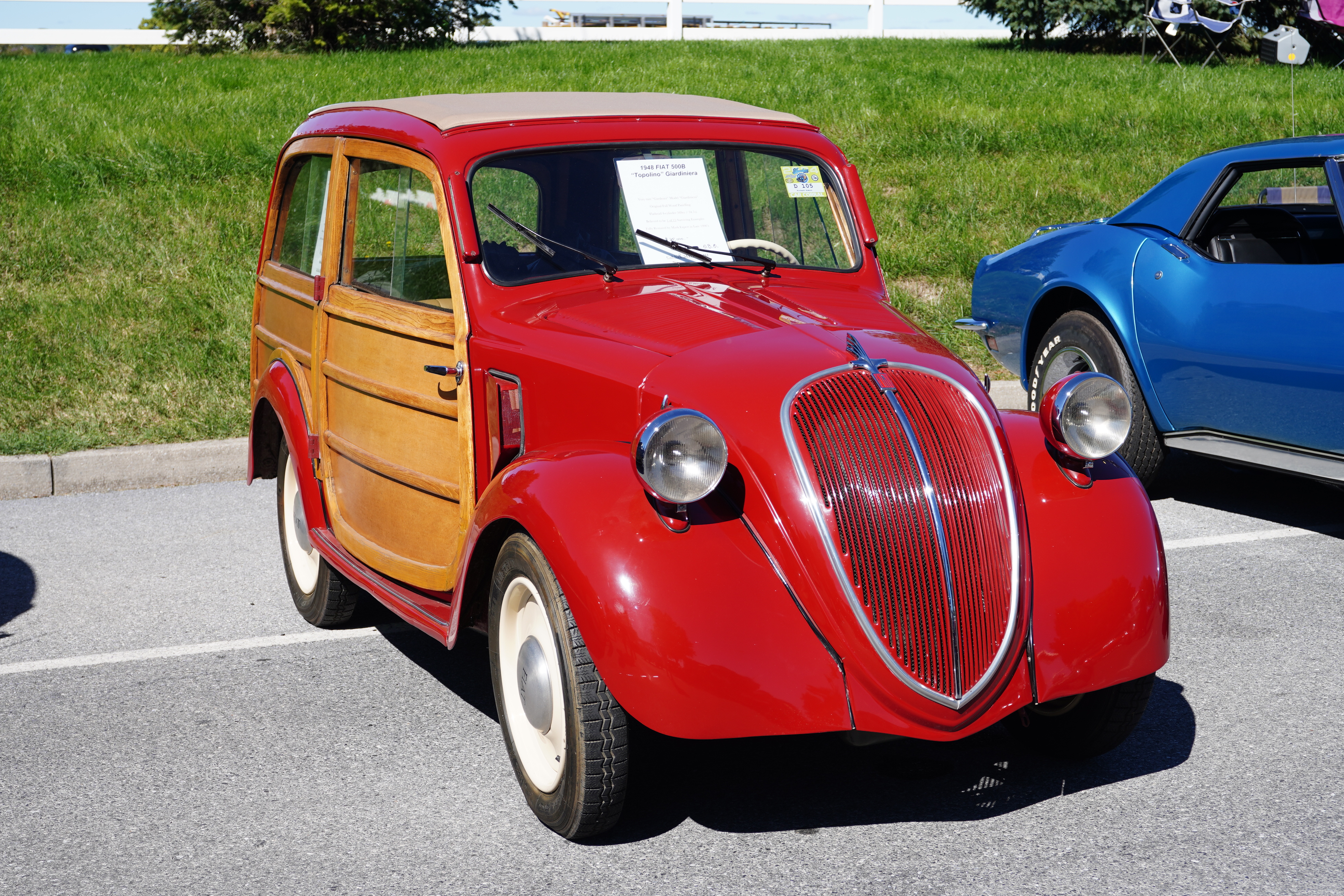
1948 Fiat 500B Topolino Giardiniera, red, beige sunroof, wood side paneling, 569cc flat-four.

ASKING: $35,000

These Topolino (“Little Mouse”) models are rare enough; I’ve never seen a woody version. The sign claims that it’s 1 of 15 survivors. I’d bet it’s the only one of its kind in the States.


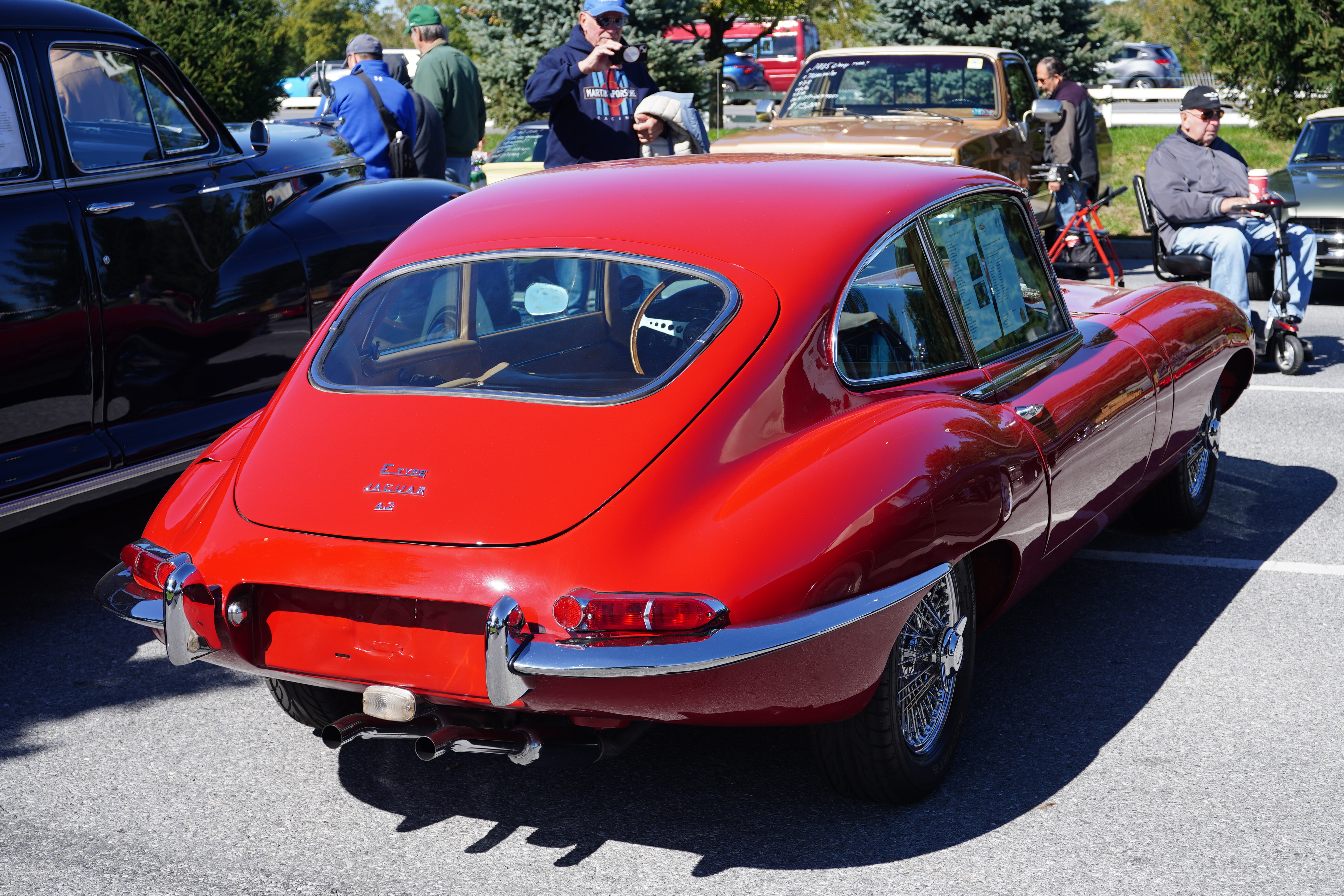
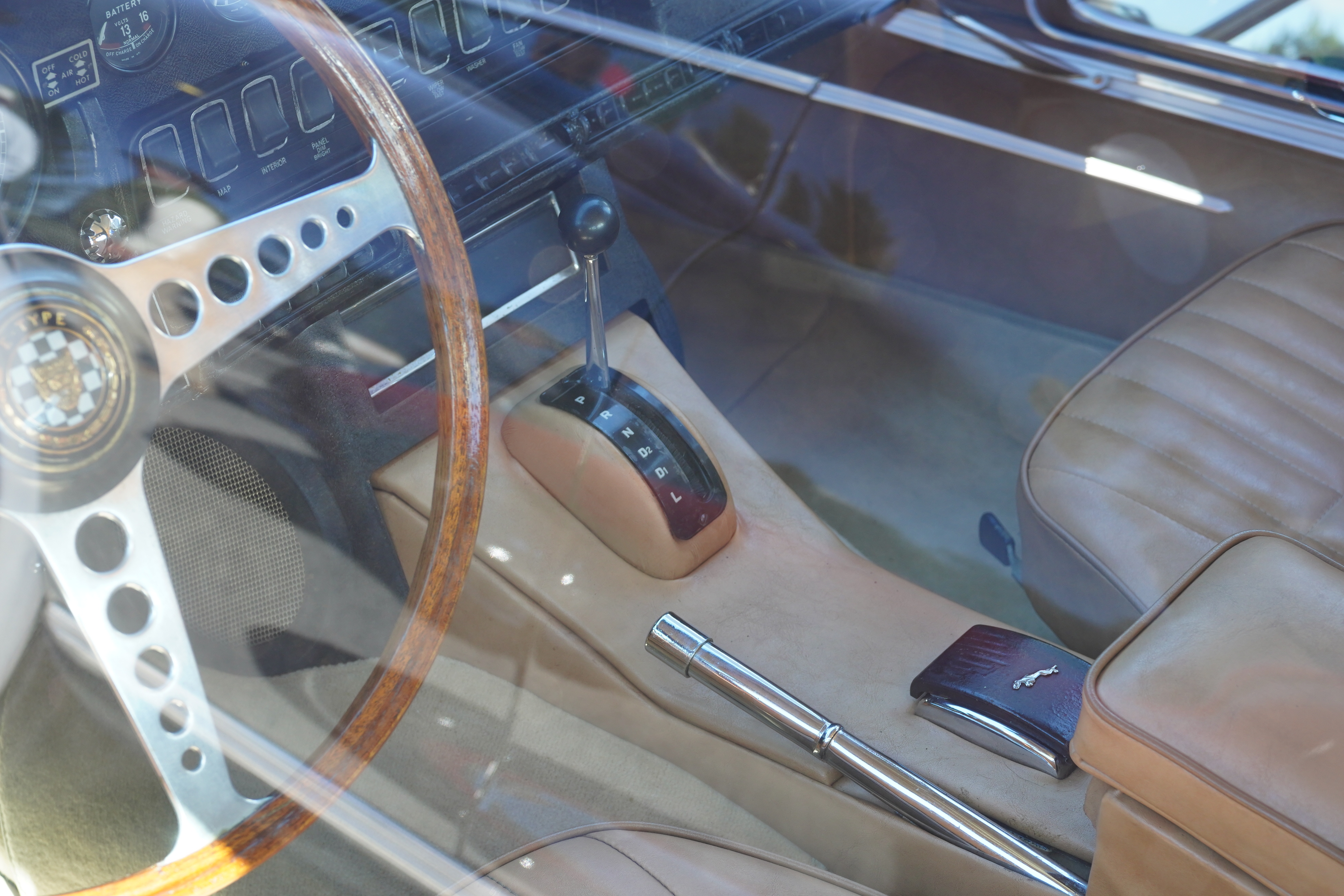
1968 Jaguar E-Type, Series 1.5, 2+2 coupe (on longer wheelbase than 2-seat coupe), red over beige, 4.2L inline 6/automatic, sign claims functioning A/C.

ASKING: $44,900

Clearly a “Series 1.5” with its exposed headlights and above-bumper tail lights, most collectors would issue two demerits to this clean E-Type for its 2+2 body style and its automatic gearbox. On the positive side of the ledger, its asking price makes it one of the most affordable ways to add an E-Type to your collection.

.


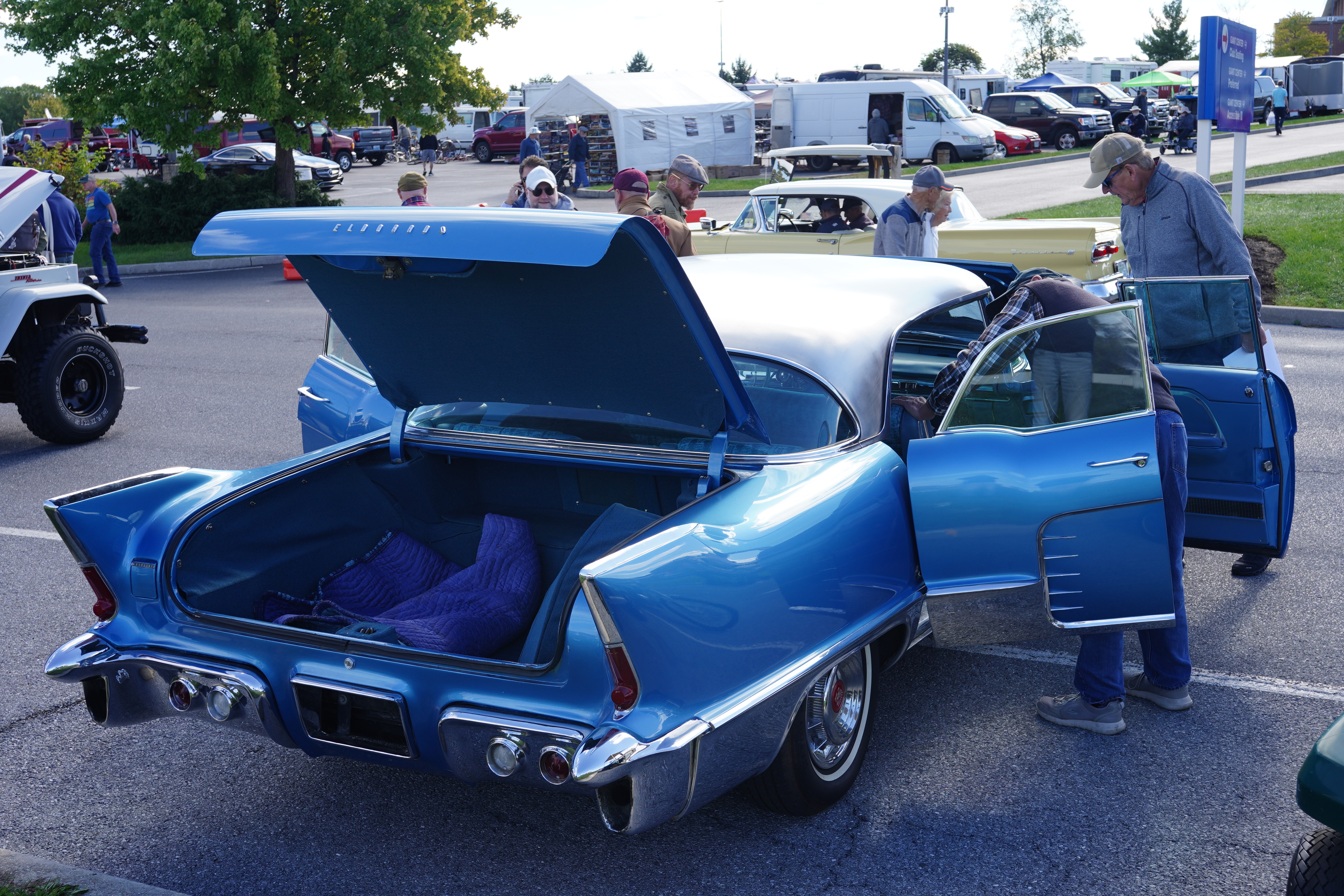
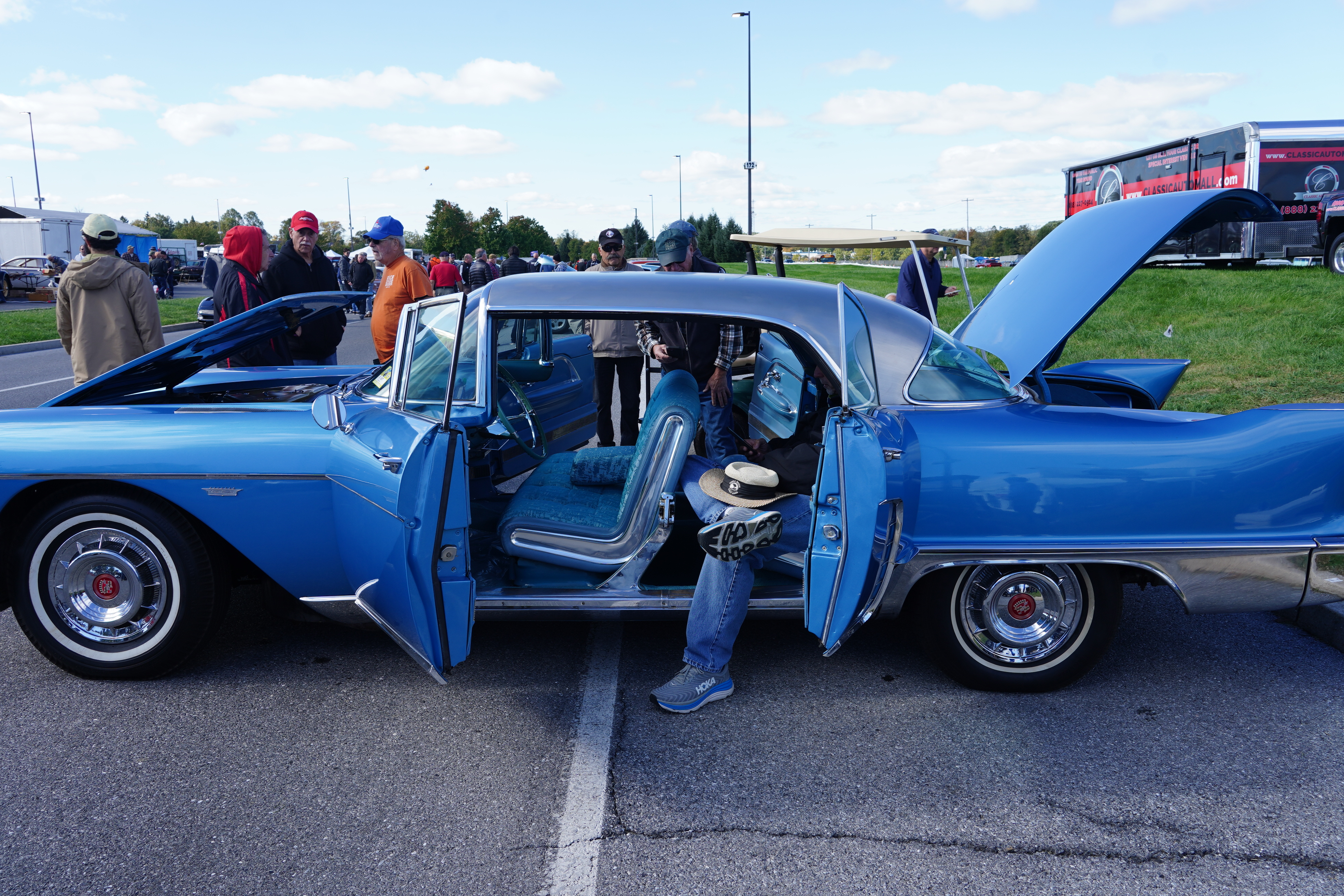
1957 Cadillac Eldorado Brougham, blue paint, stainless steel roof, blue cloth interior. Sign claims it’s #13 or 400 built.

ASKING: $79,995

Would you check out those suicide doors and interior upholstery! This was a GM highlight from the 1950s, and with low production numbers, a rare car to boot.


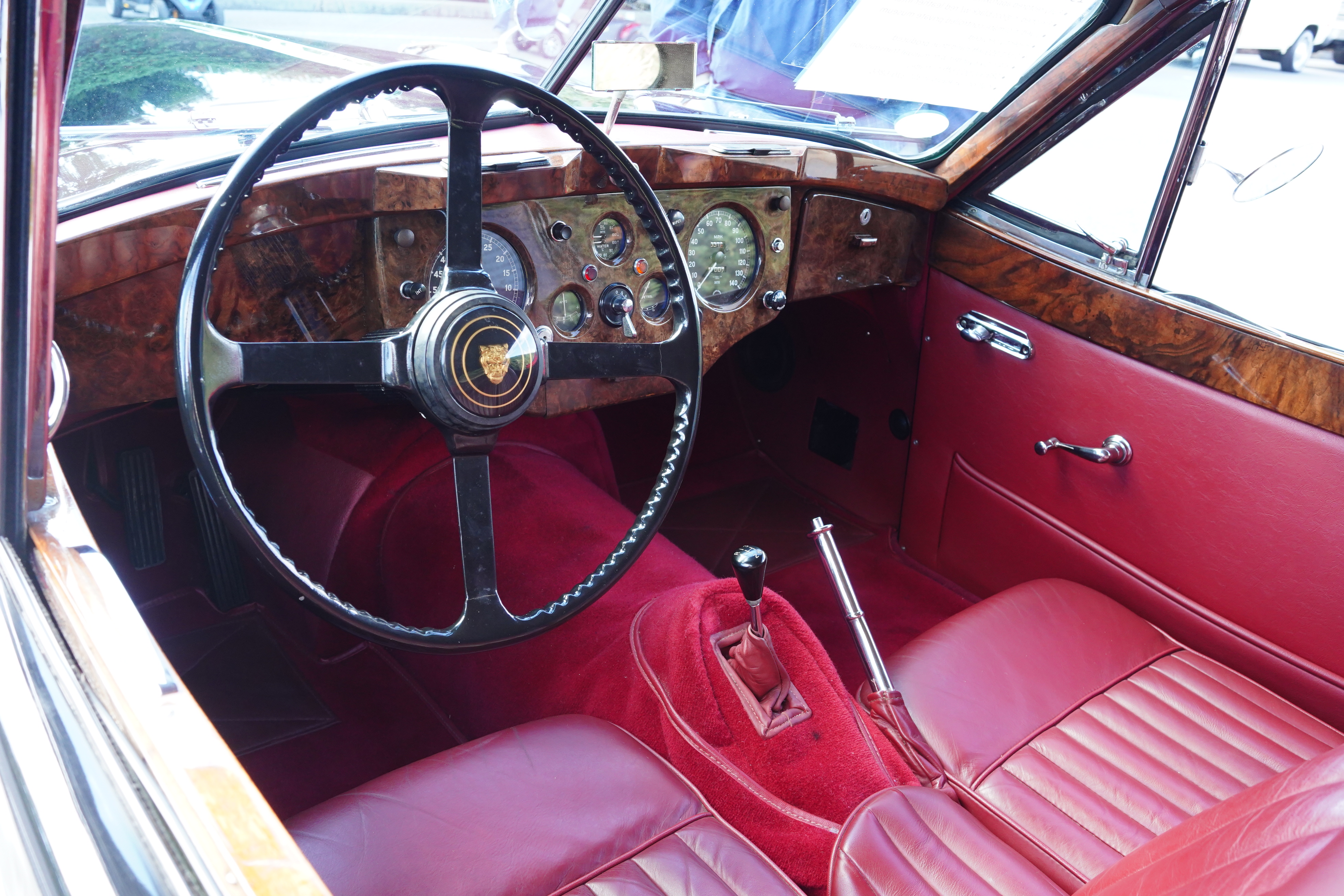
1956 Jaguar XK140 FHC, black over red, 3.4L six, manual gearbox

ASKING $89,900

The black and red looked stunning (and I’ve always fallen for that color combo). Ironically, Dennis Nash’s XK (see my coverage of it in Part 1) was born in these colors before a restorer changed the car to white over beige. Given that Dennis’s car is an XK120 and sold for $65k, I’d say that this XK140 is a little overpriced (but everything is negotiable, right?)


Entire blog post content copyright © 2024 Richard A. Reina. Text and photos may not be copied or reproduced without express written permission.


Hershey 2024 Part 1: The RM Sotheby’s Auction

The RM Sotheby’s auction is an integral component of the Hershey experience, and RM’s own website lists it as “The Official Auction of the Eastern Division AACA National Fall Meet”. It’s always held at the Hershey Lodge, which is where I stayed this year, making my access to the cars super convenient.

The two-day auction was conducted on Wednesday and Thursday, October 9 and 10, and 100% of the vehicles were arranged on the hotel’s grounds, allowing free access to the public during the preview. By my estimation, at least half of the lots were pre-war American classics, a category in which RM specializes. Perusing the information labels on each lot also showed that many of the cars were to be offered without reserve, guaranteeing an exciting auction.
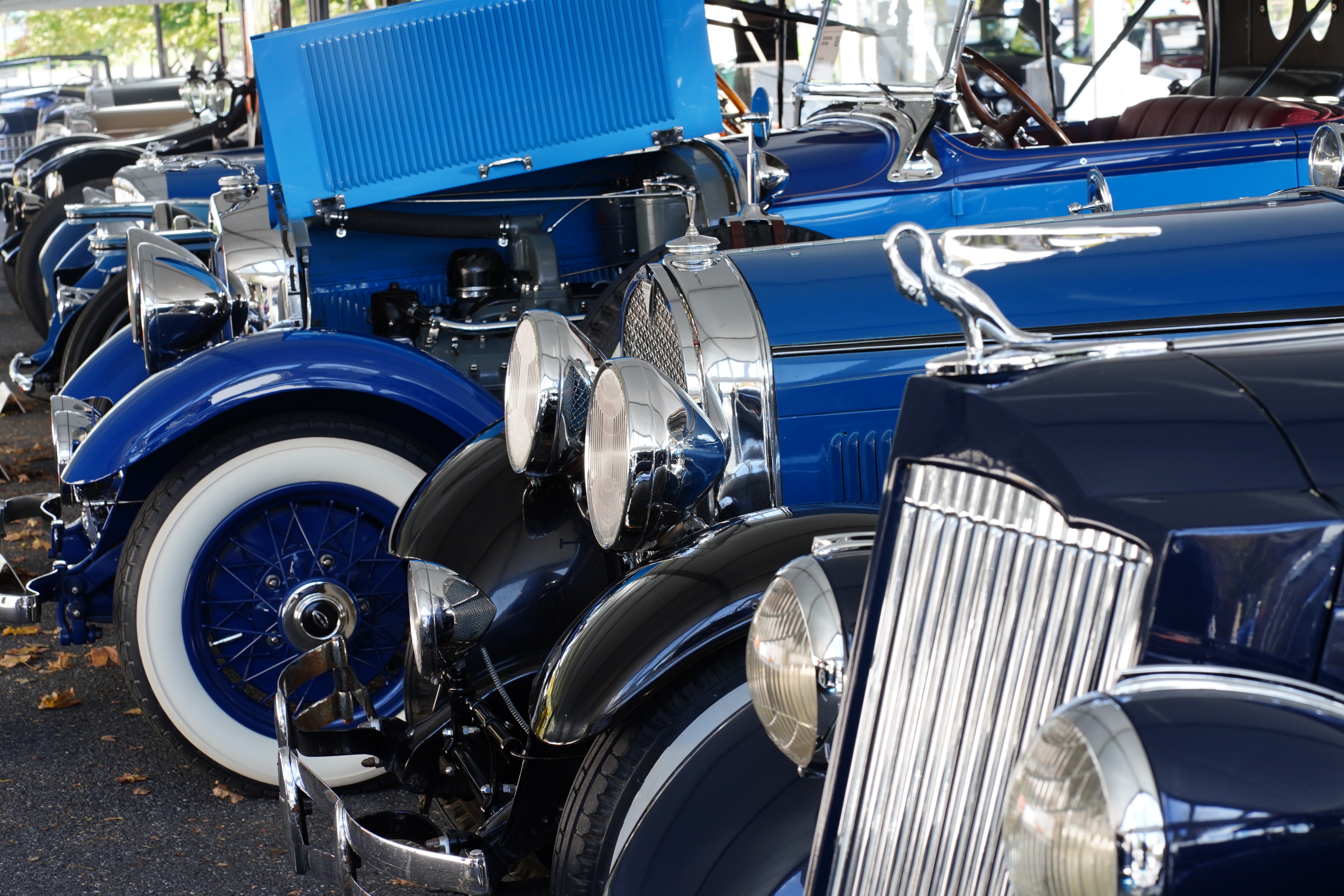
Two collections were of special interest to me. A fellow AACA member informed me that his brother-in-law was selling his collection of FoMoCo woodies, all at no reserve. (It was from this friend that I was able to procure passes to attend the auction.) There were 10 vehicles, 9 Fords and 1 Mercury, ranging in model years from 1933 through 1951. In this post I’m covering 8 of the 10, omitting the 2 resto-modded models.

The second, more modest collection was the final 3 vehicles from the estate of Dennis Nash. Dennis and his wife Ann Marie were long-term colleagues of mine from Volvo Cars of North America, and because of their deep interest in the hobby, were also dear friends. (It was Dennis who recommended me to the body shop which restored my Isetta.) Both Dennis and Ann Marie have passed on, and their 3 daughters were in attendance to watch their dad’s Jaguar, Morgan, and Volvo cross the block at no reserve. (The Jag and Volvo are discussed in more detail below.)

I sometimes forget how civilized and “professional” a so-called catalog auction as run by RM can be, compared to the 3-ring circus which is Mecum or Carlisle. The auctioneer enunciates every word, and there is never any doubt where the current bid is and what bid he seeks to acquire next. I recorded results for 86 cars on Wednesday and 50 on Thursday. Each day’s event took about two and a half hours to complete, and the time flew by. By contrast, at Mecum I’ve sometimes waited over 3 hours just to see a car of interest to me reach the block. Of course, Mecum is pushing quantity while one could argue that RM is pushing quality. Each has its place in the hobby.

As stated earlier, most of the lots sold at no reserve. Of the cars I watched, only two failed to sell, which speaks highly to the talents of the team at RM Sotheby’s to bring together the vehicles, owners, and prospective bidders to make this happen. Below are some details of the cars which I found interesting. The 8 woodies (in model year order) are listed first, followed by the remaining cars, again in model year order. All sold prices shown are hammer prices, which exclude the 10% buyer’s premium.


Lot 315, 1933 Ford V8 station wagon

SOLD at $33k, below pre-sale estimate of $40-60k

It’s interesting to look at this ’33, with its wire wheels and side curtains, and take in how quickly vehicles continued to evolve through the decade of the ‘30s.


Lot 308, 1937 Ford Deluxe station wagon

SOLD for $38k, within pre-sale estimate of $30-40k

The auction write-up claimed that this was a well-preserved original vehicle.


Lot 316, 1939 Ford Deluxe station wagon

SOLD for $65k, below pre-sale estimate of $120-140k

I liked this wagon a lot, with its front-end styling “almost” as nice as the 1940 models. Was this a steal? If the pre-sale estimates were anywhere near accurately based on recent sales, then yes.


Lot 314, 1940 Ford Deluxe station wagon

SOLD for $45k, within pre-sale estimate of $45-55k

Many hobbyists, myself included, consider the front-end styling of the 1940 Fords to be a highlight of the entire pre-war era. This wagon looked sharp yet just squeaked up to its low estimate.


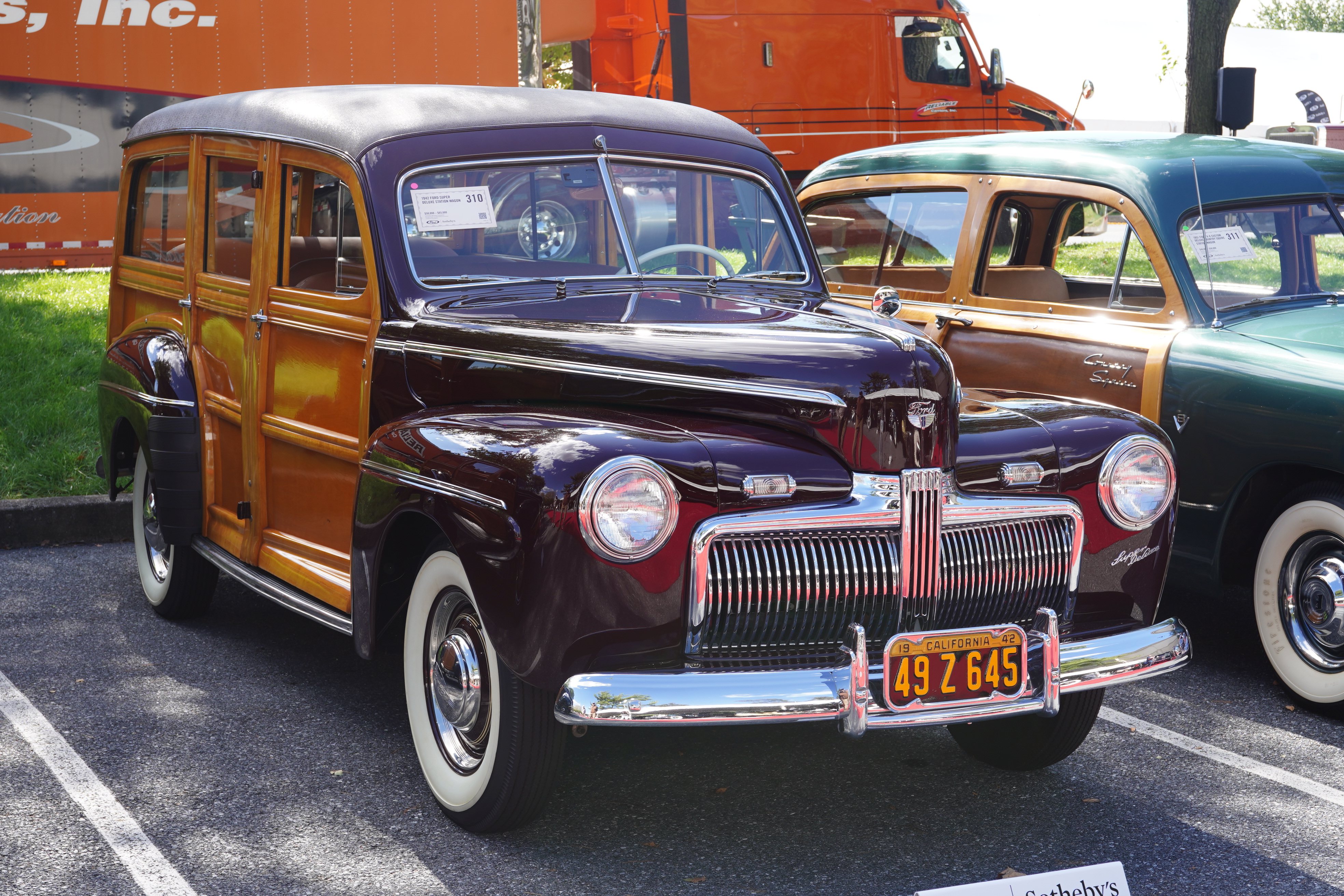
Lot 310, 1942 Ford Super Deluxe station wagon

SOLD for $77k, above pre-sale estimate of $50-65k

A 1942 anything is a rare car. This was the only woody to exceed its pre-sale estimate.
 

Lot 313, 1946 Mercury station wagon

SOLD for $$33k, below pre-sale estimate of $40-60k

The only non-Ford in the collection, and undoubtedly a rare car. I’d surmise that a hard-core woody collector would be thrilled to have this in their collection.


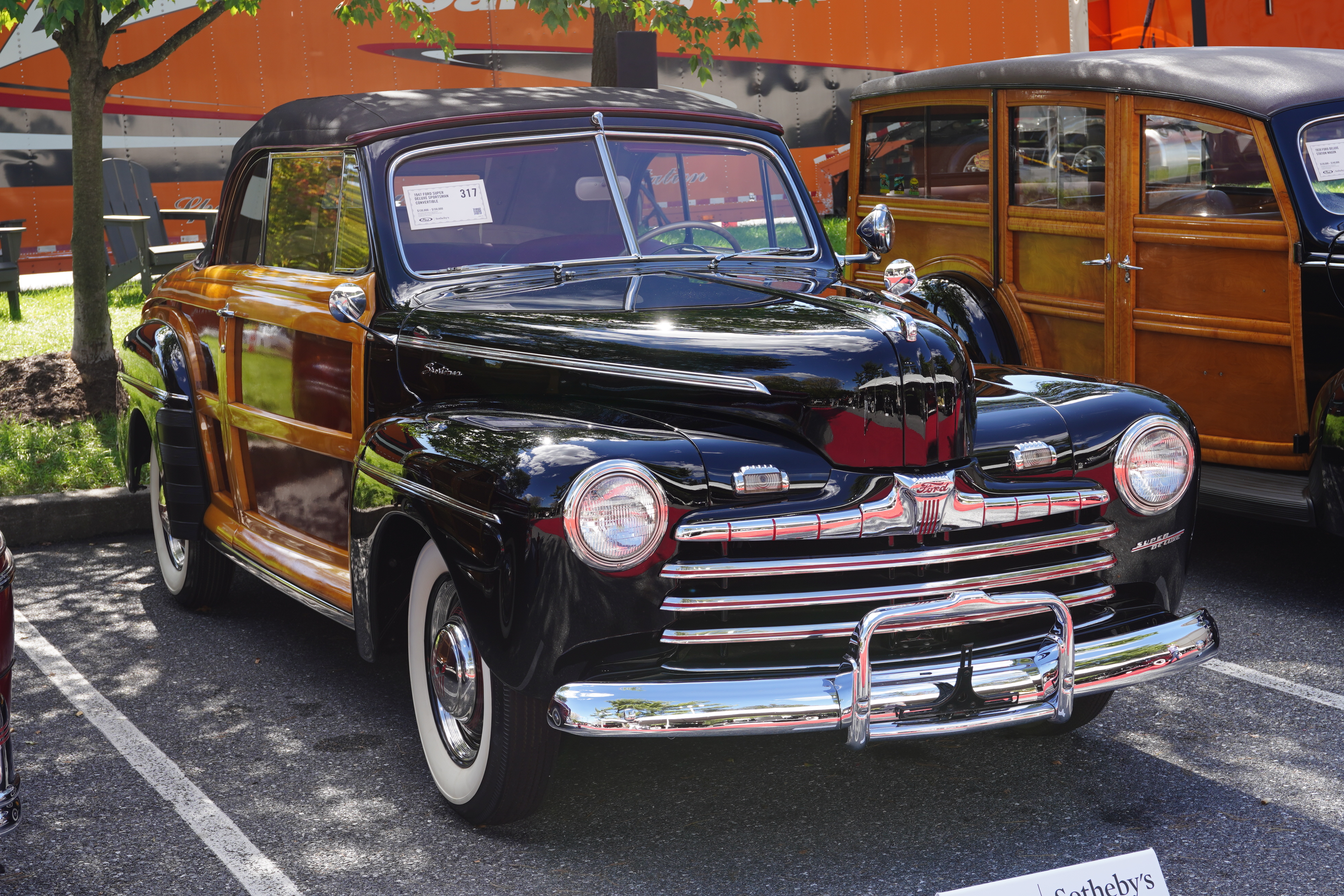
Lot 317, 1947 Ford Super Deluxe Sportsman convertible

SOLD for $92.5k, below the pre-sale estimate of $130-150k

The highest-priced sale of this collection still missed the lower mark by almost forty grand.
 

Lot 311, 1951 Ford V8 Custom Deluxe Country Squire station wagon

SOLD for $32k, below pre-sale estimate of $40-50k

It was announced that this was Ford’s last year for woody wagons, and this was the first Ford to wear the “Country Squire” model name. I’d say that the combination of the two makes this a bargain at $32k.


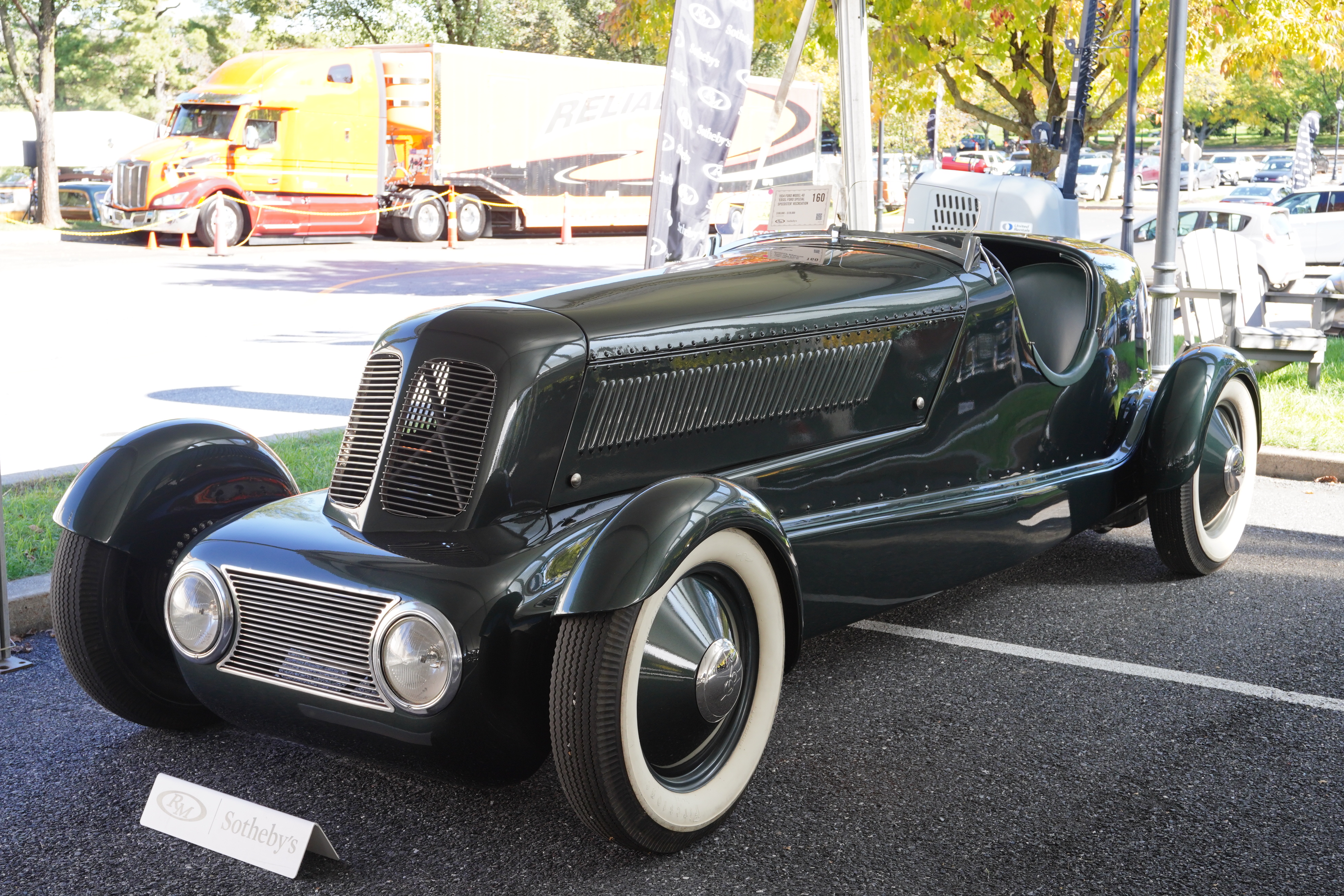
Lot 160, 1934 Ford “Edsel Ford Speedster Recreation”, copy of one-off styling study done by Henry Ford’s son Edsel. Mechanicals are from a 1934 Ford.

SOLD for $80k, below pre-sale estimate of $100-120k.

I overheard comments along the lines of “this is a lot of money for a kit car”, but it wasn’t a kit car. Someone put significant effort into recreating this iconic vehicle (although I did not perform a side-by-side photographic comparison to verify its accuracy). It’s an interesting piece of history, and owning it means that you’ll never be able to stop explaining what it is (and isn’t).
 

Lot 335, 1936 Cord 810 Phaeton.

SOLD for $112.5k, below pre-sale estimate of $150-200k.

This Cord, a non-supercharged model, was a Phaeton, with a small rear seat. This one hammered quite a bit below its pre-sale estimate, and in my opinion, was a bargain deal for someone looking for a Cord drop-top.


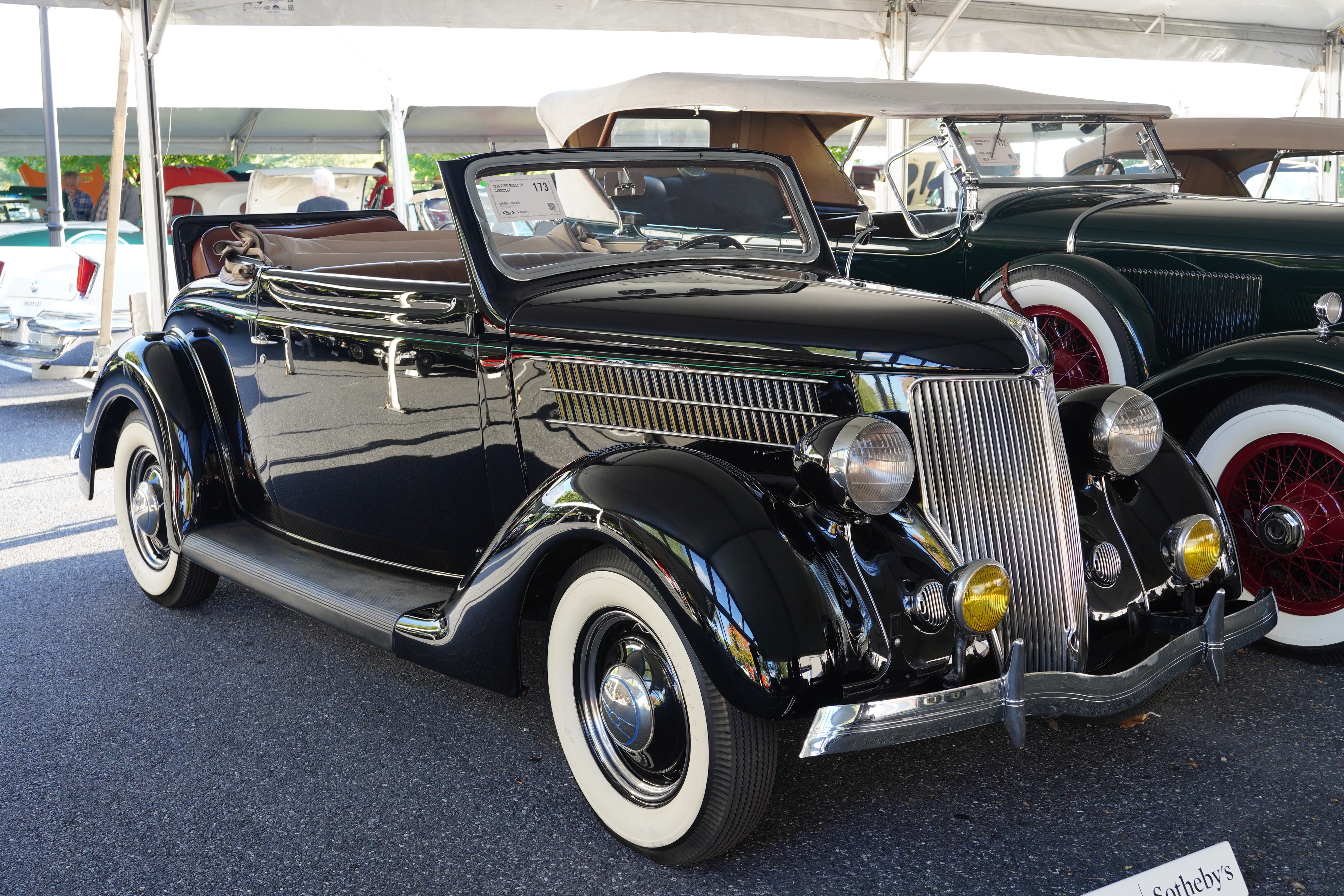
Lot 173, 1936 Ford Model 68 Cabriolet, with rumble seat.

SOLD for $39k, within pre-sale estimate of $30-40k.

This one almost reached the top estimate, and I thought it was a good buy; however, checking recent sales on Bring a Trailer, these ‘30s flat head Ford convertibles do sell in this range, so the price here was fair to both buyer and seller.
 

Lot 129, 1937 Cord 812 Supercharged Phaeton.

SOLD for $145k, within pre-sale estimate of $100-175k.

Compared to Lot 335 above, this car was supercharged, which attributes somewhat to its higher price.


Lot 131, 1937 Cord 812 Supercharged Cabriolet RECREATION

SOLD for $56k, within pre-sale estimate of $50-70k.

Typically, RM Sotheby’s is 100% forthcoming in its lot descriptions. However, in this case, I give them 2 demerits by failing to make it obvious that this car was a recreation, done in South Africa by a builder who formed a new body to fit over Cord mechanicals. The less-than-authentic nature of the car was not lost on the bidders, yet the sale price still reached within the pre-sale estimates.


Lot 378, 1940 Lincoln Continental Cabriolet

SOLD for $52.5k, over pre-sale estimate of $30-40k.

The car looked stunning in black, and its V12 sounded smooth and quiet, at least at auction block speeds. This was one of the few cars in the two-day auction to exceed its estimates.


Lot 180, 1949 Allard L Type, car appeared to be original, unrestored, and complete

SOLD for $45k, over pre-sale estimate of $30-40k.

This one charmed me with its original patina bursting out at every seam. Allard is a relatively unknown marque here in the States. They were built in Britain with locally-sourced parts for the chassis, but the engines were always American-sourced. I know that they were raced in period. Given that there are new Allards being built again today, starting around $200k, I think that this one would be a blast to have at $45k.



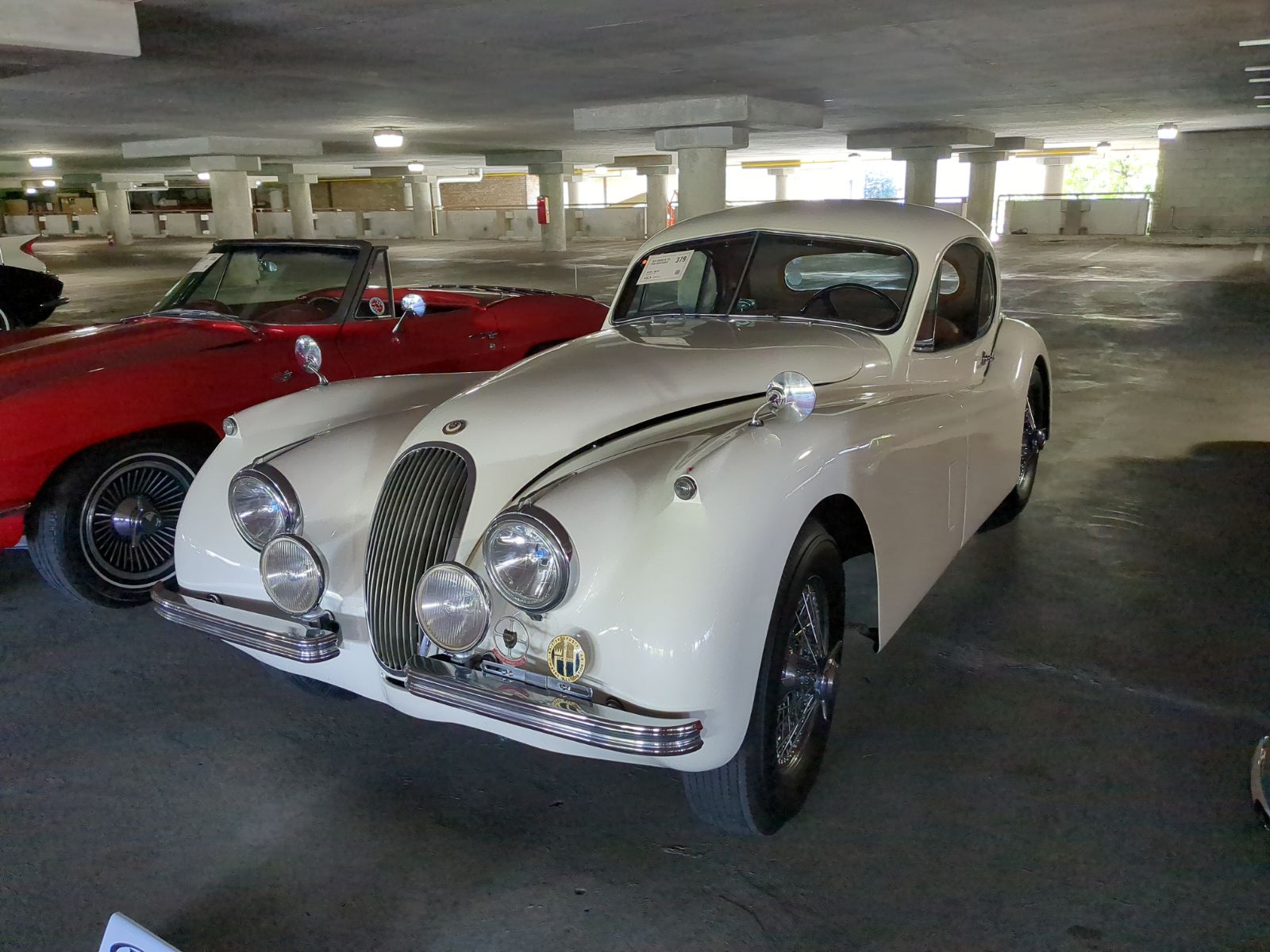
Lot 379, 1953 Jaguar XK-120 Fixed Head Coupe.

SOLD for $65k, within pre-sale estimate of $60-80k.

This was one of three cars being sold from the estate of the late Dennis Nash. Dennis was a long-term colleague of mine from Volvo Cars of North America, and I’m proud to say, was also a very dear friend. His wife Ann Marie, who predeceased him, also worked for the company and they were known to many of us Volvo employees. Dennis was a true Car Guy, and his taste in cars ran toward British makes, although I knew him to have a few American cars (as well as the Volvo which is covered a little later here). I was not aware that he owned this XK120, which looked very clean and straight (with the possible funny exception of its dash-mounted Volvo radio). I thought the car might hammer closer to $80k, but I think the final price was fair.
 

Lot 178, 1954 BMW 501-6 four-door sedan

SOLD for $25k, below pre-sale estimate of $30-40k.

These are so rare in the States that I can recall only ever seeing one other of these rather unattractive cars. The short history that after the Allies had bombed BMW’s factories in WW2, the company struggled to get back to its feet. This overweight and underpowered design was their unsuccessful attempt to compete with Mercedes-Benz’s luxury sedans. In 1955, the Isetta brought in the revenue to fund the engineering of modern cars (the “Neue Klasse”), while these “Baroque Angels” as they were called languished in the showrooms. This car would be desirable only to a fanatical BMW collector.


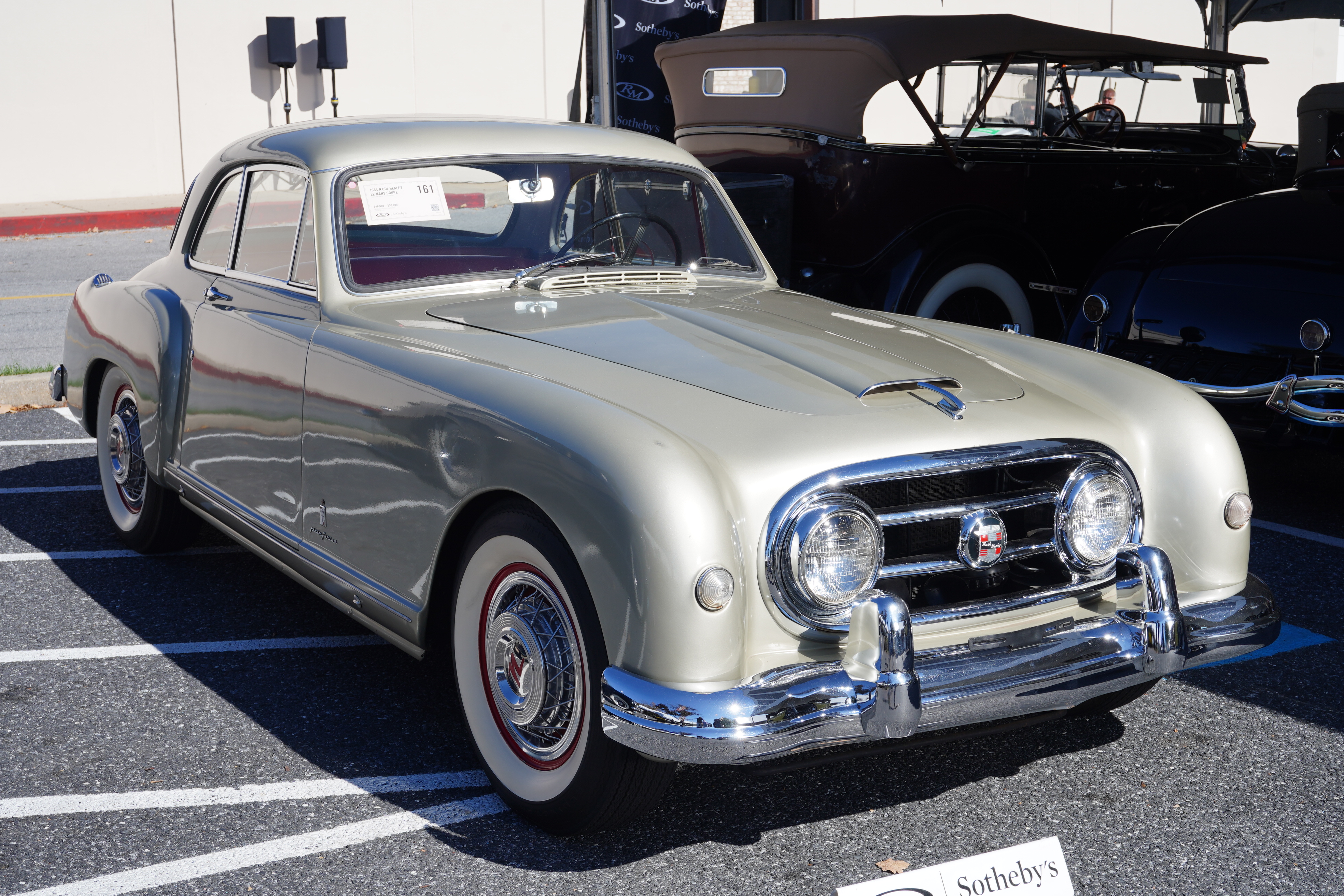
Lot 161, 1954 Nash-Healey LeMans Coupe

SOLD for $40k, within pre-sale estimate of $40-50k.

The convertible version of this model is seen regularly enough (there was one at this auction), but the coupe is rarely spotted. Perhaps surprisingly, I find the coupe slightly more attractive than the drop-top. This one sold right at the bottom of its estimate, and it’s a handsome, usable, and unusual car for $40k.
 

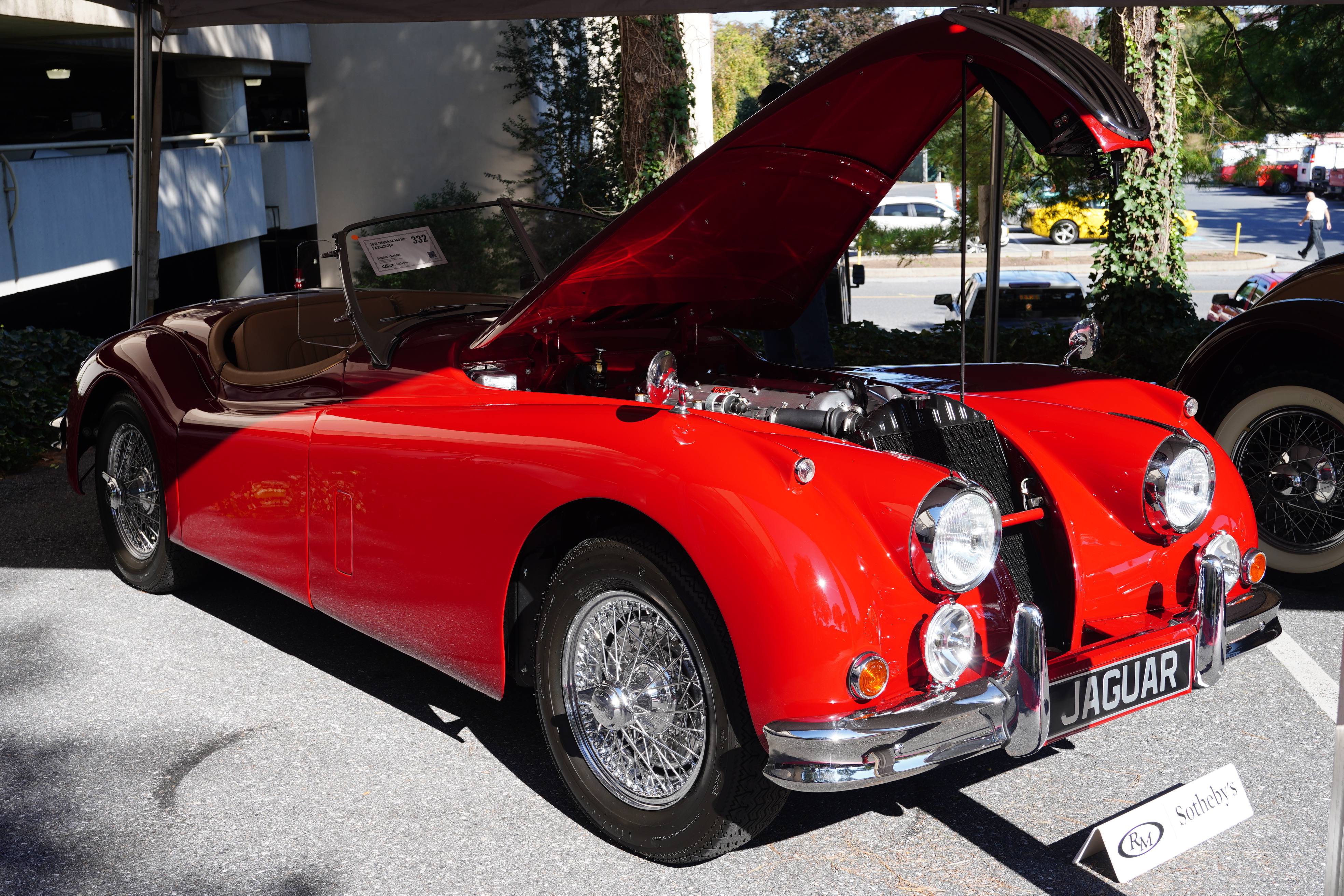
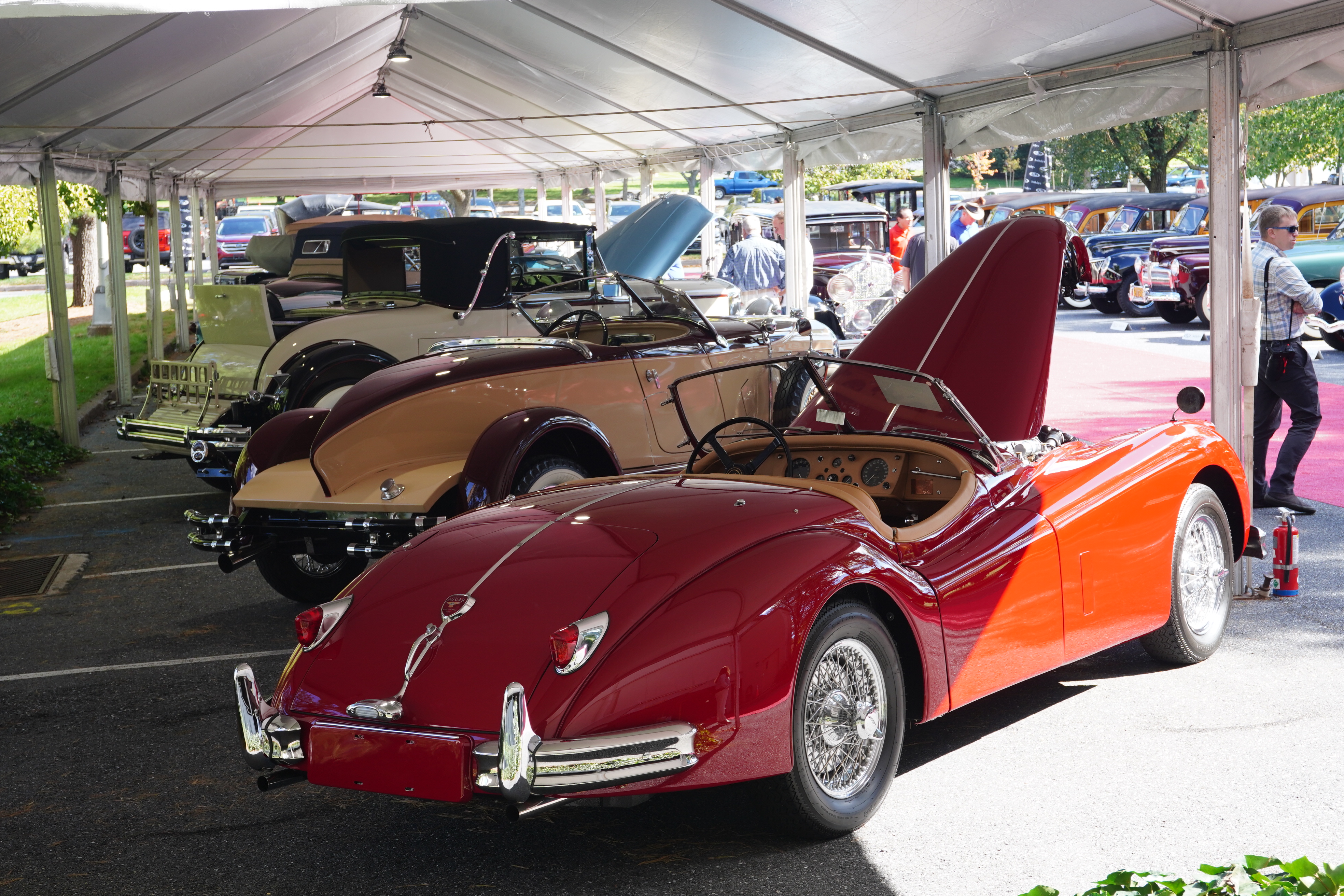
Lot 332, 1956 Jaguar XK140 roadster

SOLD for $135, within pre-sale estimate of $130-160k.

My photos do not do justice to the quality of this restoration, which struck me as one of the stars of the auction. It’s a beautiful design in any color, but the red over beige was particularly appealing. Another $20-30k added to its hammer price would not have surprised me, so I’ll call this one well-bought.
 

Lot 181, 1957 BMW Isetta 300 Sliding Window Coupe

SOLD for $25k, within its pre-sale estimate of $15-25k.

Let’s face it: ALL BMW Isettas are “cute”, and that’s been a big factor in their enduring appeal. But prices are way off their highs of a dozen years ago, as more Isettas came onto the market. This one must have looked great to the casual observer, but wow, there were so many incorrect details. Look at those ridiculous hub caps! The front turn signals were incorrect, the interior was ghastly (the biggest boo-boo was covering the VIN plate with carpeting), and the colors were not the best choices. Frankly, I’m surprised at the sales result; I expected it to struggle to get out of the teens.


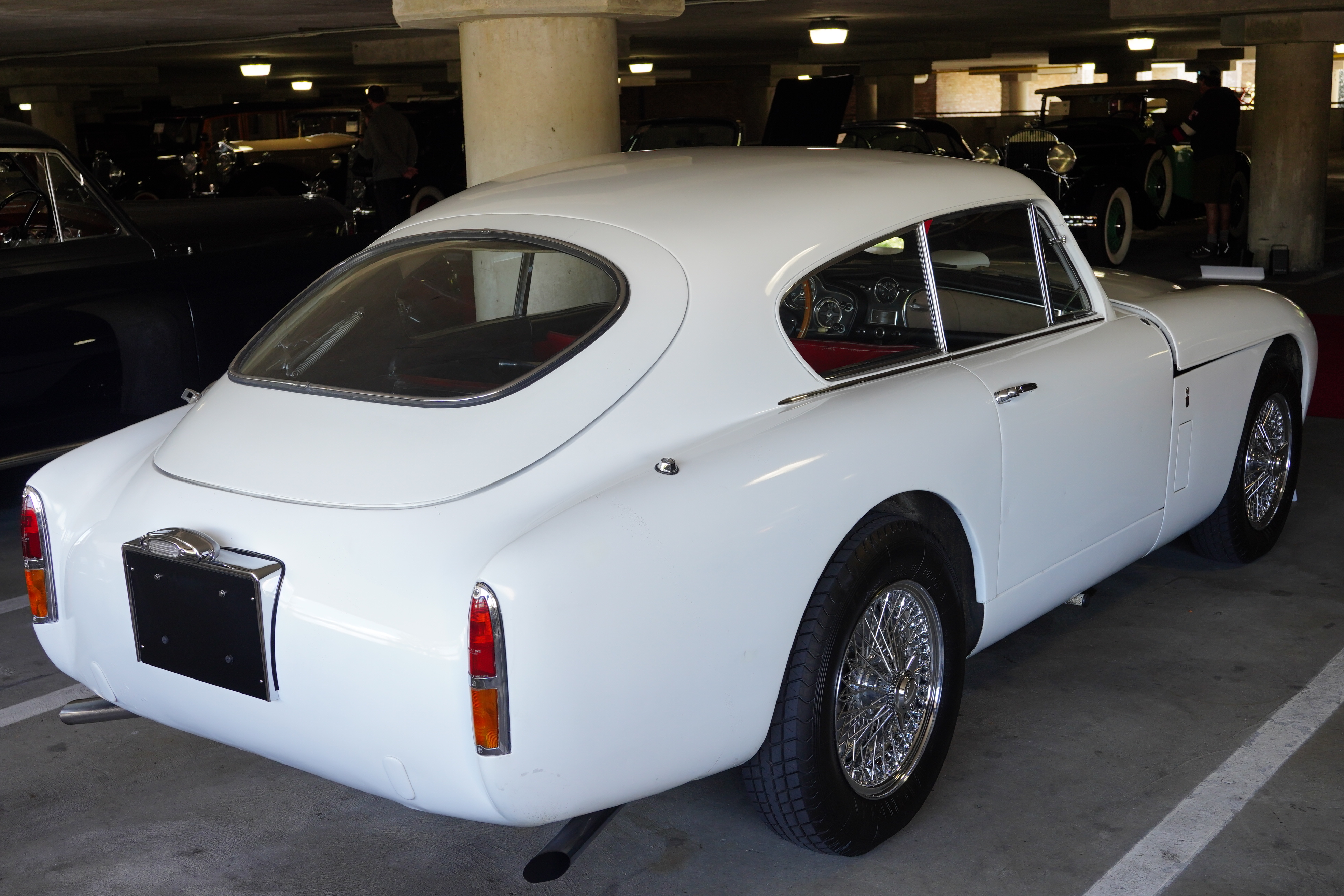
Lot 374, 1958 Aston-Martin DB2/4 Mk III

SOLD for $160, withing pre-sale estimate of $100-175k.

While the DB2’s and DB2/4’s never did much for me, I really liked this one in white over red. It also sounded incredible when driven across the block. You can’t touch a running, driving DB4 or DB5 for much under half a million, so getting a 6-cylinder DB for well under 2 looked like robbery to me. In fact, checking recent BaT sales, other DB2/4 Mk IIIs have sold in the $200k range, making this sale all the sweeter.



Lot 184, 1963 Lincoln Continental sedan

SOLD for $30k, below its pre-sale estimate of $45-60k

That pre-sale range looks more appropriate for the 4-door convertible, not the fixed-roof sedan. This was a smart-looking car, and for $30k, one got a “Kennedy-era Lincoln” while avoiding the complexity of that convertible top.


Lot 152, 1963 Alfa Romeo Giulia Spider

SOLD for $37.5k, below its pre-sale estimate of $50-70k.

Even I, a card-carrying Alfa owner, get confused about the switch from the Giulietta to the Giulia, as it occurred on a rolling basis in the early sixties. This convertible body style was introduced around 1955 as the Giulietta. When the completely redesigned Giulia sedans and coupes came out, the mechanicals were upgraded. But the new Spider (the Duetto) was still a few years away, so the Giulietta Spider was renamed the Giulia Spider. It was announced on the block that this car was born a “Normale” (Normal, or low-spec engine) but had been upgraded to Veloce (“fast”) mechanicals. This is what is known in Alfa circles as an “Abnormale”. In spite of the faster engine bits, this was a sloppy presentation, with the car looking worn and unkempt. Its cosmetic appearance did not inspire at all, so someone bought a ‘60s Giulia Spider at a bargain price, presuming that it will respond to some elbow grease.


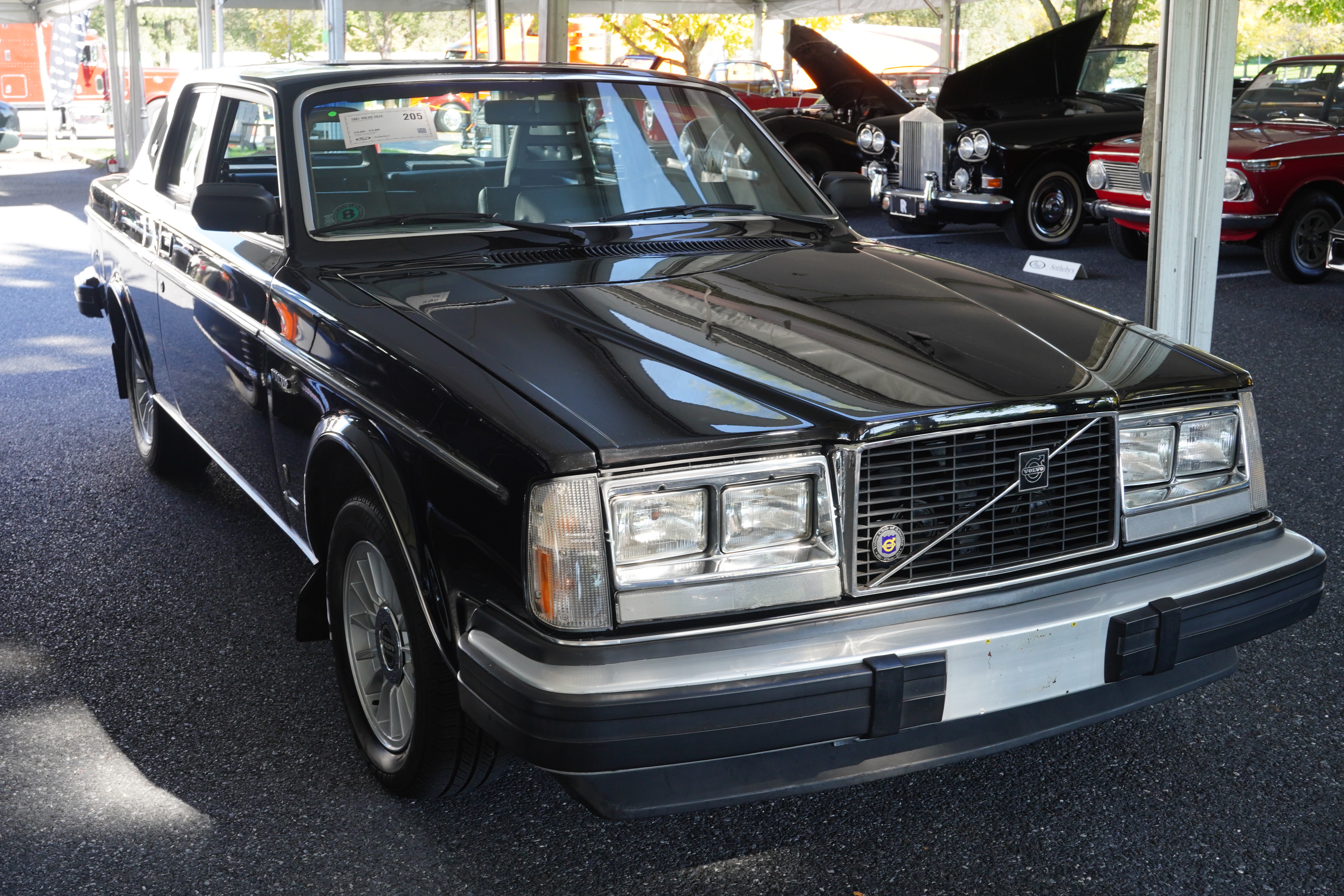
Lot 205, 1981 Volvo 262C

SOLD for $11k, within pre-sale estimate of $10-15k

This is the second of the two Dennis Nash cars included in my report. (The third car, a Morgan, was not covered by me.) About 20 years ago, Dennis called me about this car, and asked me, as a favor to him, to check it out, so I did. The owner, a widow, told me it had been her husband’s car, but she didn’t drive it. It was stored indoors and had seen very little recent use. Aside from some dust, the cosmetics appeared ok. I was not crazy about the aftermarket sunroof, but once one of those is installed, removing it is a big job. The big news was the replacement of its PRV (Peugeot/Renault/Volvo) aluminum V6 engine with a Volvo B21F 4-cylinder job. This can be construed as either this car’s biggest positive, or biggest negative. I reported my findings back to Dennis, and he bought the car. It seemed to get a lot of attention in the tent outside, and I think the final price was fair to both parties.
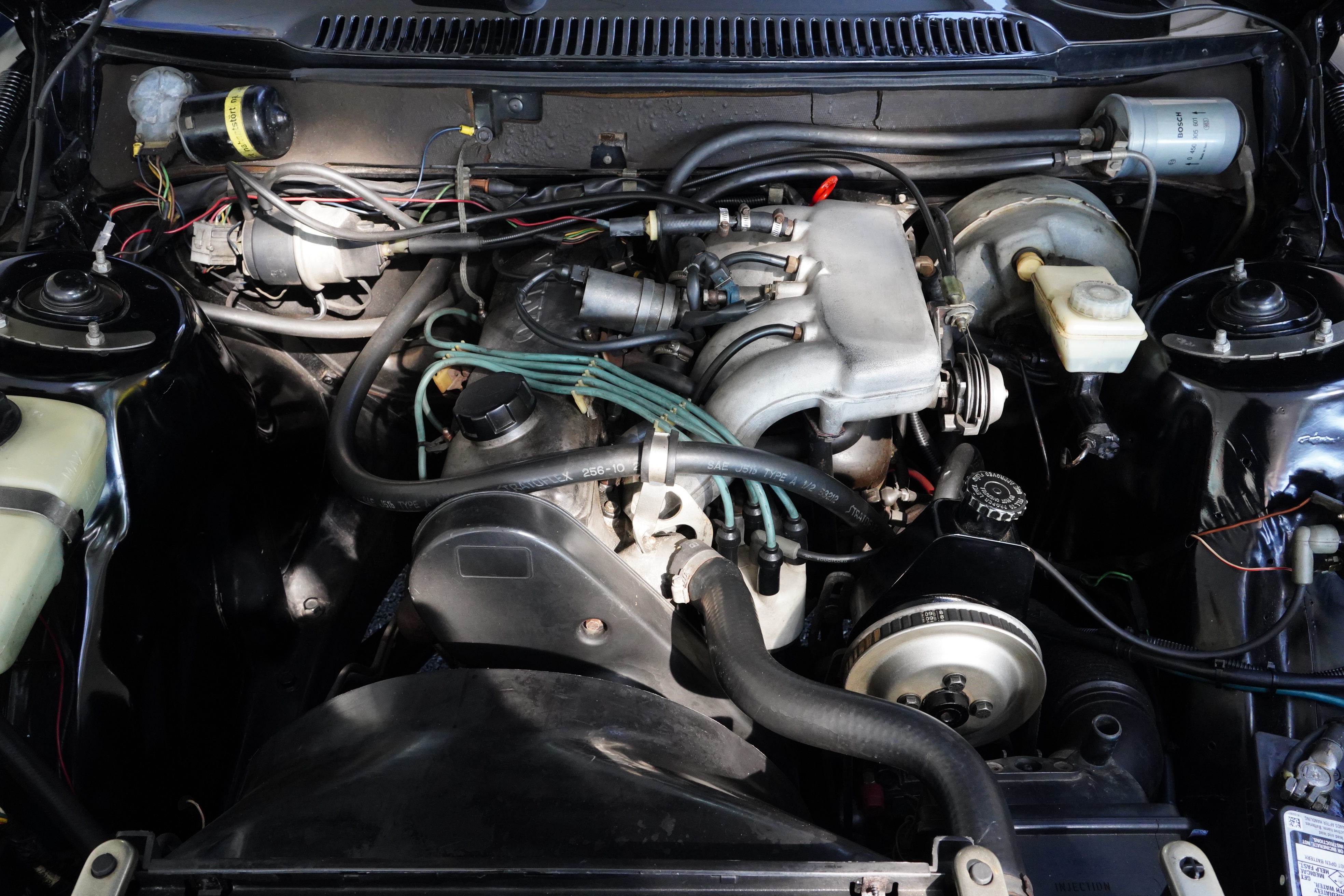


ADDENDA: The Cord 810/812 cars

Three of the seven Cords which sold at Hershey this year are covered above. To many, the most desirable Cords are the final models, which were produced only for two model years: 1936 and 1937. There were four body styles: the Winchester 5-seat sedan; the Beverly 4-seat sedan; the 2-seat Cabriolet; and the 4-seat Phaeton convertible. All ’36s were model 810, and all ‘37s were model 812. In 1937, a supercharged engine was available as an option. From the outside, these are clearly identified by the stainless-steel exhaust pipes exiting through the hood on either side.

I’ve followed the Cord market in a peripheral way through the years, and at least up until recently, I’ve noted that the four-door cars have tended to sell in the $60-80k range, while the convertibles fetched much higher prices, closer to $125-175k.

In 2002, I attended the annual Auburn/Cord/Duesenberg reunion in Auburn IN, and posted about it here.

Entire blog post content copyright © 2024 Richard A. Reina. Text and photos may not be copied or reproduced without express written permission.


Hershey 2023 Part 3: The Car Show

If you’re an enthusiast of classic cars, especially those restored to original condition, there is but one word which signifies the most anticipated day of the car show season: “Hershey”. Hershey as in the chocolate bar, and as in the quaint Pennsylvania town named after the chocolate company located there. About 70 years ago, local members of the Antique Automobile Club of America (AACA) decided that this town would be a great place to hold an annual combination flea market / judged car show. These founders could never have predicted what would occur in the ensuing decades: that their event would snowball into a mammoth spectacle known across the country and around the world.

Wednesday and Thursday were sunny and unseasonably warm; the forecast for Friday, car show day, was for rain. Based on the conversations I overheard, you would think that it was time to build another ark! When show day dawned, it rained for about 15 minutes (I missed it; I was told it rained around 8:30 a.m.) and then stopped. While we had overcast skies for the remainder of the day, it stayed dry, and the cars came out to play. Lots of them.

Show cars are in one of three categories: Class Judging, with class assignments based on model year and/or make (cars are restored to like-new and judged on a 400-point scale); HPOF, for Historical Preservation of Original Features (unrestored yet still kept to original specs); and DPC, for Driver Participation Class (cars don’t fit into the other two classes and are allowed “some” modifications). AACA’s introduction of the HPOF and DPC classes has been successful in opening up the hobby to a greater number of participants.

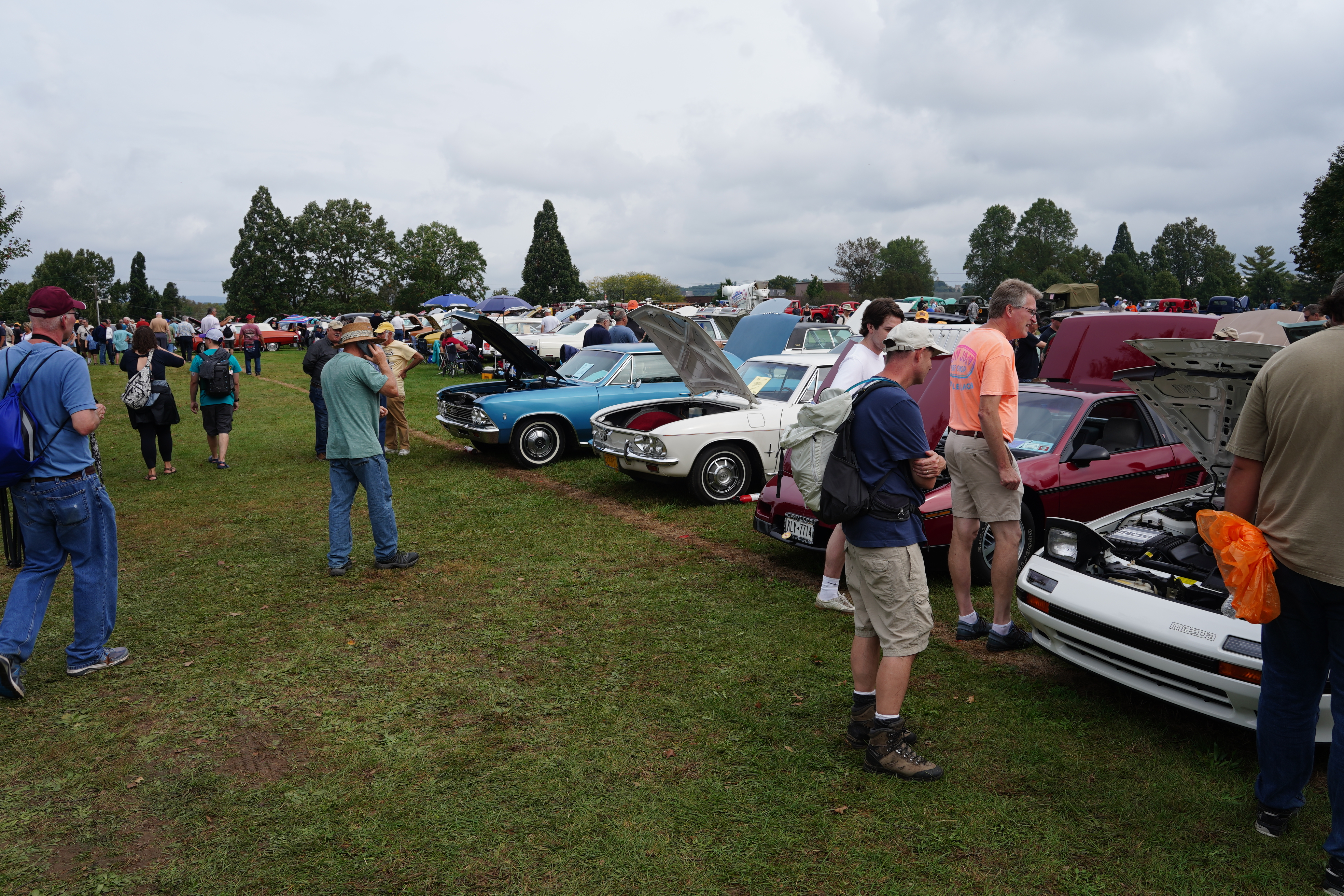
Someone from my AACA NJ Region told me that the show field can hold 1,000 cars, and I don’t doubt it. I would guess that the field was about 90% filled, so let’s round it down to about 900 vehicles in attendance. It’s always a challenge for me to decide which cars to see, as there isn’t time to see them all. While I did not see every car on the field, I did get to spend time with an assortment of vehicles from all 3 categories.


CARS IN CLASS JUDGING
A collection of C2 Corvette coupes


Stunning Lincoln


Class 19E: Classic Car Club of America vehicles, 1940-1948


Hershey is the place to see all the pre-war classics:


The LaSalle marque would not live past 1940


Dave and his 1924 Dodge Brothers Touring

I met Dave at the AACA Nationals in Saratoga Springs in 2021. My blog write-up from that show featured his 1955 Thunderbird. He was kind enough to reach out to let me know he’d be at Hershey this year with a different car. This Dodge Brothers Touring has been in his family since 1973, and the car was there to be judged for its Repeat Preservation, which I’m happy to say for Dave’s sake was awarded!


Howard and his 1979 Volvo 265

I met Howard and his wife for the first time on Friday, but it was far from the first time I had heard his name. He didn’t know it until I introduced myself, but we have something in common: both of us have purchased cars from Pete Wyman: in Howard’s case, this Volvo, and in my case, my Alfa Romeo. I told Howard that I knew much of the history of this car, and had even wrenched on it a few times while it was in Pete’s possession. Howard, a true Volvo fan (he also had a 1987 245 in the DPC class), had chased Pete for years, trying to get him to sell the car, before Pete finally relented. Based on its appearance here, I have no doubt that this 265 is in good hands with Howard. Like Dave, Howard entered the car in hopes of earning its Repeat Preservation, and I’m proud of both Pete and Howard, because the car was successful in earning that!


1937 Ford


1964 Austin-Healey


1963 Ferrari 250GTE


1994 Mazda Miata


1981 Fiat X1/9 (only Fiat at the show!)


1958 VW convertible


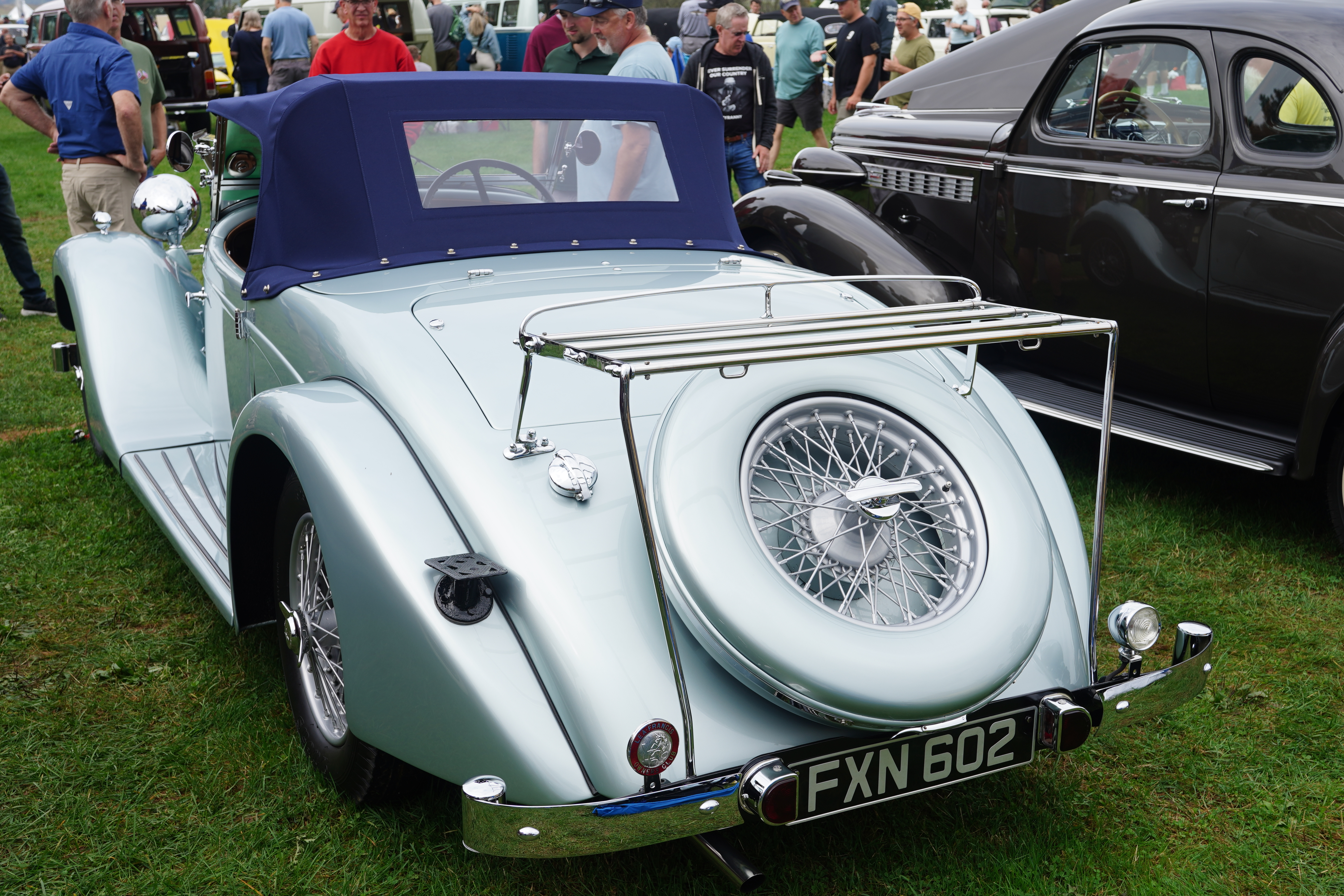
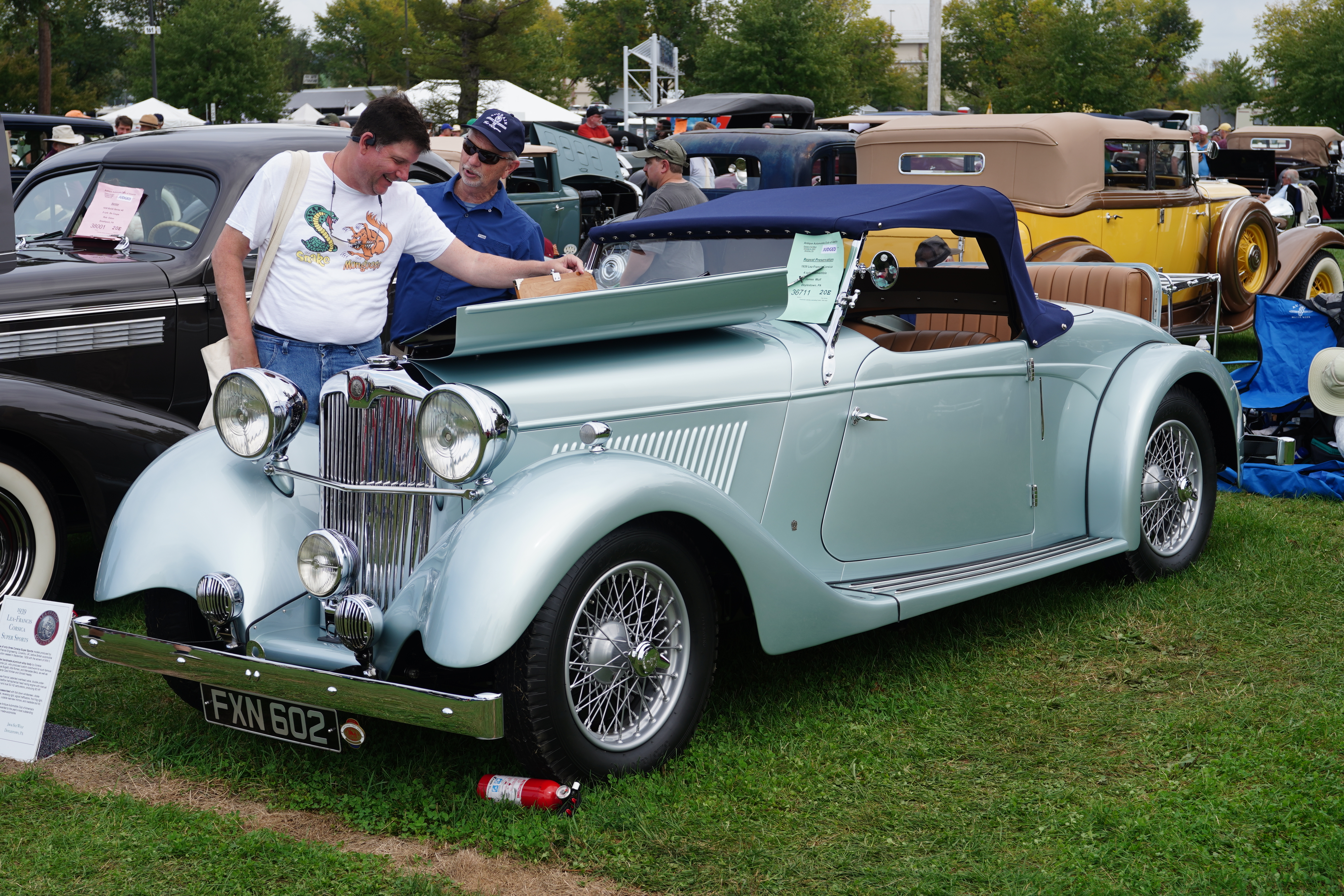
This 1938 Lea-Francis, which was recently on the cover of Collectible Automobile magazine, was one of the prettiest cars in the show:


CARS IN HPOF
Larry and his 1980 Olds Cutlass sedan

Larry is a 30+ year friend, going back to our days together at VCNA. He and I co-hosted our Sunday Morning Breakfast Drives for about 15 years, and his ride of choice for those outings was his 1972 Chevrolet Nova. A dedicated GM guy, I knew that he had the itch for something different when, earlier this year, he stumbled on this 1980 Olds Cutlass sedan. It was on eBay, and located in New Hampshire. He took a ride, checked it out, and bought the car, driving it back home to NJ without incident. This was the first time Larry had entered a car at an AACA meet. He was extremely proud to learn that his Cutlass achieved its HPOF certification. That’s Larry with his wife Linda in their incognito shades next to the car.


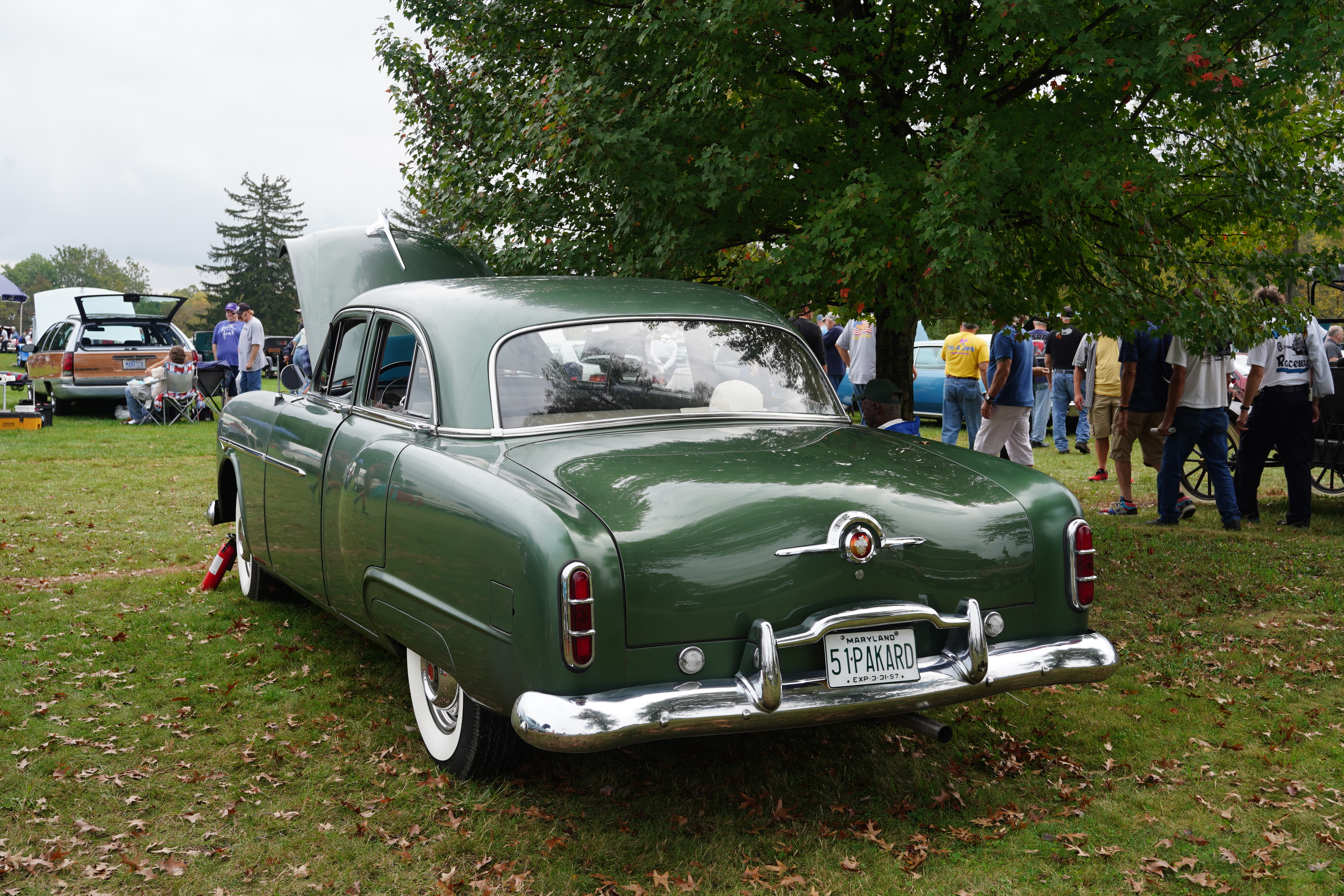
James and his ’51 Packard

I have a thing for Packards; I’ve driven them, and have admired them for a long time, but have never owned one. Depending on the year and model, I’ve seen some which were incredibly affordable. This car, in HPOF, immediately caught my eye based on its wonderful condition. I struck up a brief conversation with its caretaker, who was the kindest and most soft-spoken gent I met all day. He told me that except for some touch-ups, the paint was all original, and that he owned the car for about 10 years. He invited me to open the door to take a closer look if I so desired. James was there to try to win a Repeat Original HPOF award for his Packard, and the announced results sheet showed me that he did!


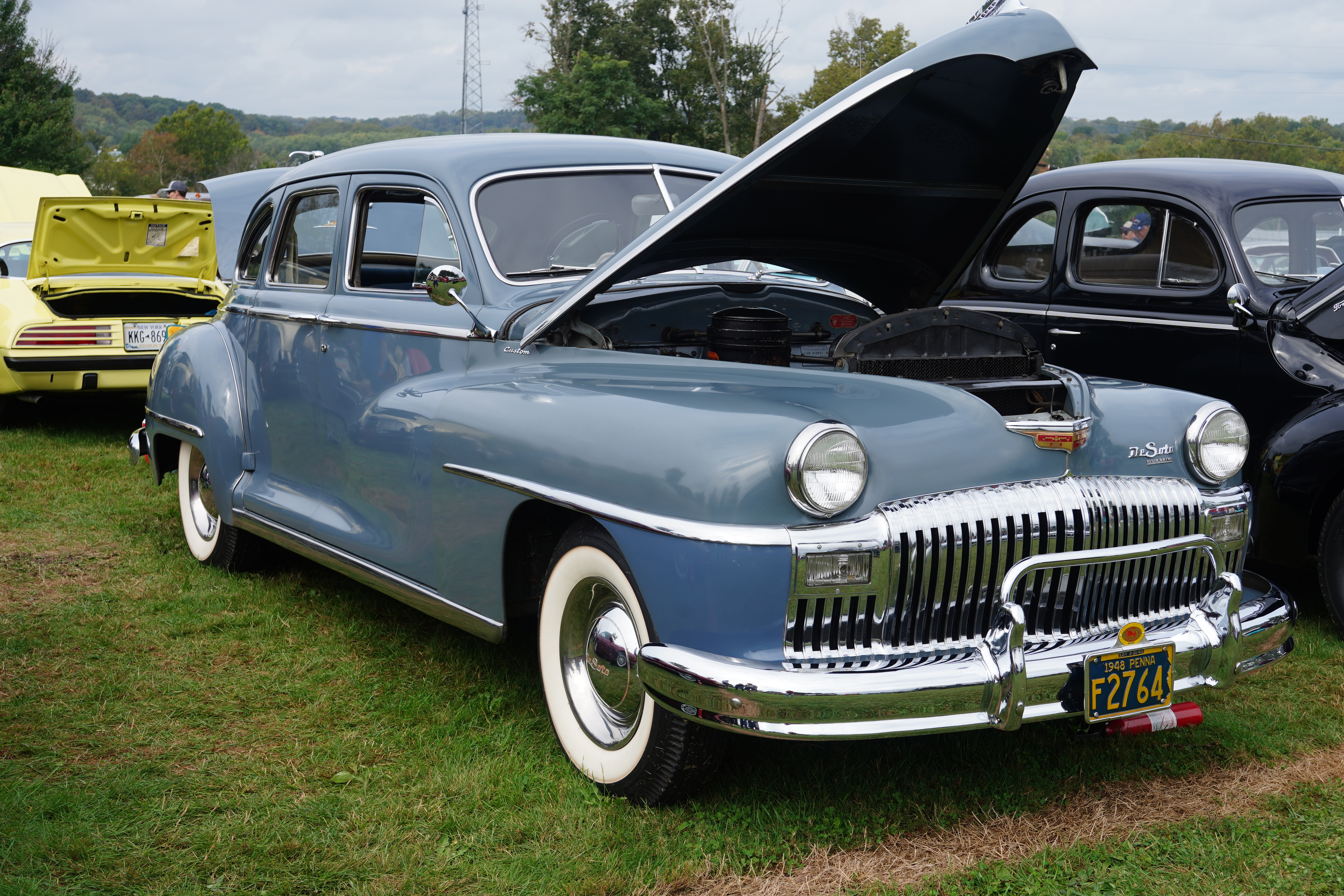
1948 DeSoto


1987 Mazda RX-7


1978 AMC Concord


CARS IN DPC
1987 Volvo 240 wagon


1972 Opel GT


1963 Chevrolet Corvair


1972 Volvo 1800ES


And proud of it too!


When the week’s events catch up with you, and you need a place for a quick snooze…


All photographs copyright © 2023 Richard A. Reina. Photos may not be copied or reproduced without express written permission.


Hershey 2023 Part 2: The Car Corral

A review of my Hershey blog reports from 2016, 2017, and 2018 provides visual documentation to support the notion that the car corral is less crowded than it used to be. This is not to say that it wasn’t still alive with activity: the corral was full or close to full across the entire front of the Giant Center. However, as one followed the road toward the back of the Giant Center, it was almost completely vacant. To be brutally objective about it, I’d guesstimate that the available spaces were about 60% full.

The crowded part of the car corral

The past 5 years or so have seen the expanding success of online collector car auctions take over much of the action which had been the domain of shows like Hershey. The Bring a Trailer website in particular has changed the game, offering 100+ special interest cars a day, 7 days a week, stopping only for the infrequent major holidays. The BaT sell-through appears to be around 65-70%, not phenomenal, but do the math: conservative estimates show BaT selling over 20,000 collector cars a year. It must be affecting what happens at Hershey and elsewhere. I’m not even going to comment on eBay Motors, a site I almost completely avoid.

Despite this doom-and-gloom-sounding message, sellers brought cars to Hershey, potential buyers walked the aisles, and some transactions occurred. There is no substitute for seeing your next toy car in the metal first. I saw enough “SOLD” signs to reassure me that some business was still being conducted. I walked the car corral all 3 days of my visit: Wednesday, Thursday, and Friday. While many asking prices struck me as above market, I continued to spot affordable cars, defined this year as $20,000 and under (inflation, you know), and remember, these were asking prices. Everything is negotiable. A handful of the ones I found interesting are documented below. I did not perform a detailed inspection on any of these vehicles, so the usual caveat emptor rules apply (I hope you were paying attention in Latin class). Cars below are arranged in asking price order from low to high.

1990 Chrysler TC by Maserati, white, tan interior, removeable hardtop, 87k miles, 3.0L V6, sutomatic.

Asking: $6,500

Some call this “Lido’s Folly”, as it was Lee “Lido” Iacocca who spearheaded the project, which he envisioned as a modern-day 2-seat T-Bird, complete with porthole hardtop. I think these have mellowed nicely with age. They will never be worth a lot of money, but think of it as a ‘90s Italian/American hybrid.

1985 Olds Toronado, green, tan “carriage roof”, 120k miles, owned by same family since 1987, AACA HPOF certified.

Asking: $8,500

This car looks so similar to the same-year Riviera that you would be forgiven for failing to distinguish them from each other (a common ‘80s GM malady). I much prefer the Riv, and really dislike the dealer-installed padded roof, but at this price, you could join the Olds club and tour in comfort with this.

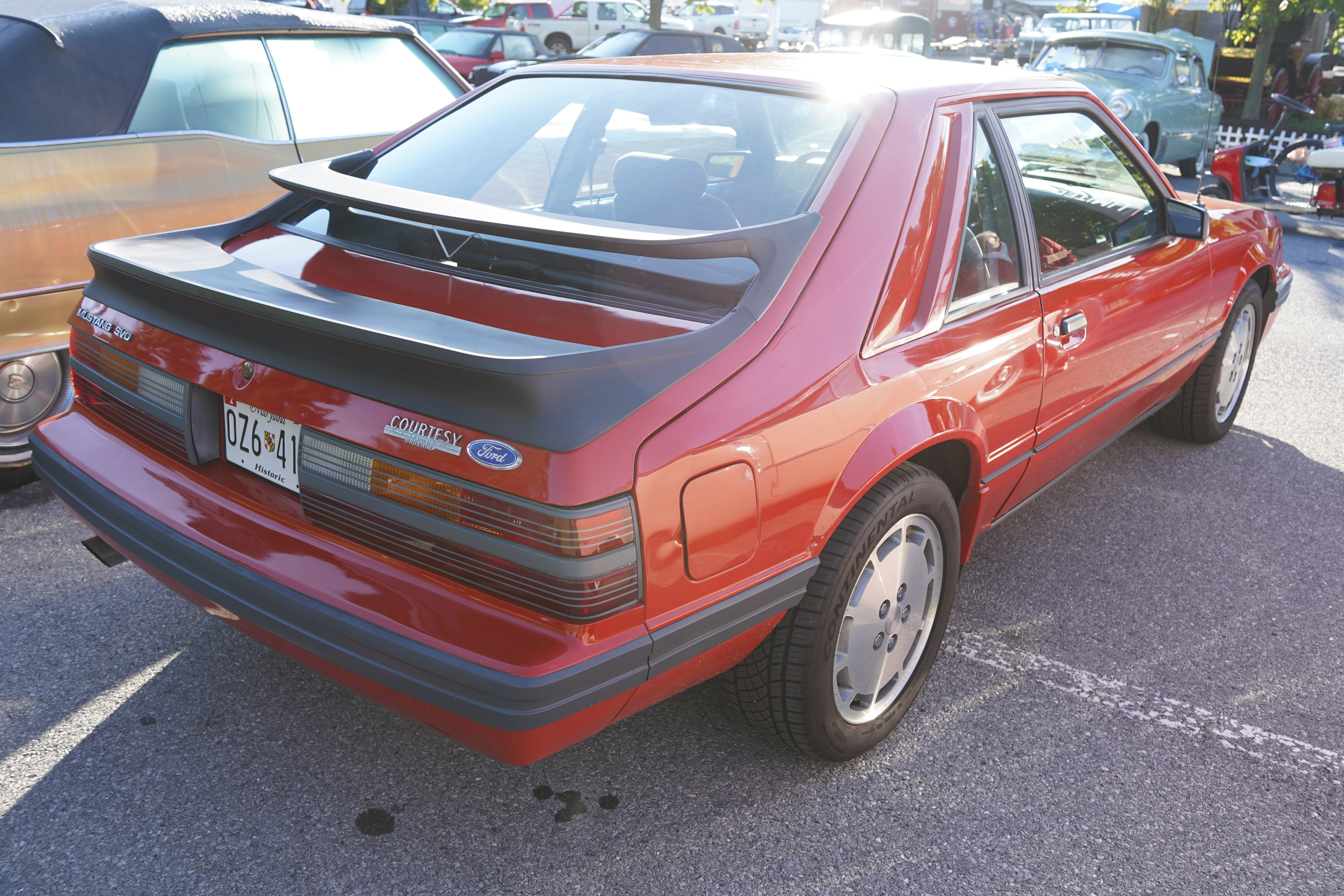
1985 Ford Mustang SVO, red, grey interior, 66k miles. All SVOs had 2.3L turbo 4-cylinder engines and 5-speed transmissions.

Asking $10,650

Hmm, where have I seen this car before? At last year’s Hershey car corral, with an asking price $4,000 higher, that’s where. The owner must be extremely patient, or is not advertising it anywhere else.

In 2022:

1998 Ford F-150 pickup truck, regular cab, long bed, 160k miles, 4.6L V8, 5-speed manual, 2WD, tan metallic, red interior.

Asking: $11,500

I remember reading an article in the 1990s about collector vehicles. The author of that story proclaimed: “Trucks will never become collectible”. Reminds me of Yogi Berra’s quip: “It’s difficult to make predictions, especially about the future”. Of course, trucks are THE hottest thing in the new vehicle market and have been for years, so the trickle-down effect applies here. This F-150, with a V8, 5-speed, and rear wheel drive, is like a Mustang with a pickup bed.

1991 Chevy Corvette coupe, dark red, 69k miles. Interior color and transmission not noted. Sign claims $5,000 recently spent on “upgrades”.

Asking $11,998

There are always a multitude of C4 Corvettes for sale. This one was from the first year of the styling refresh, which in my opinion improved its looks. Depending on what is meant by “upgrades”, this could be a lot of performance for the dollar.

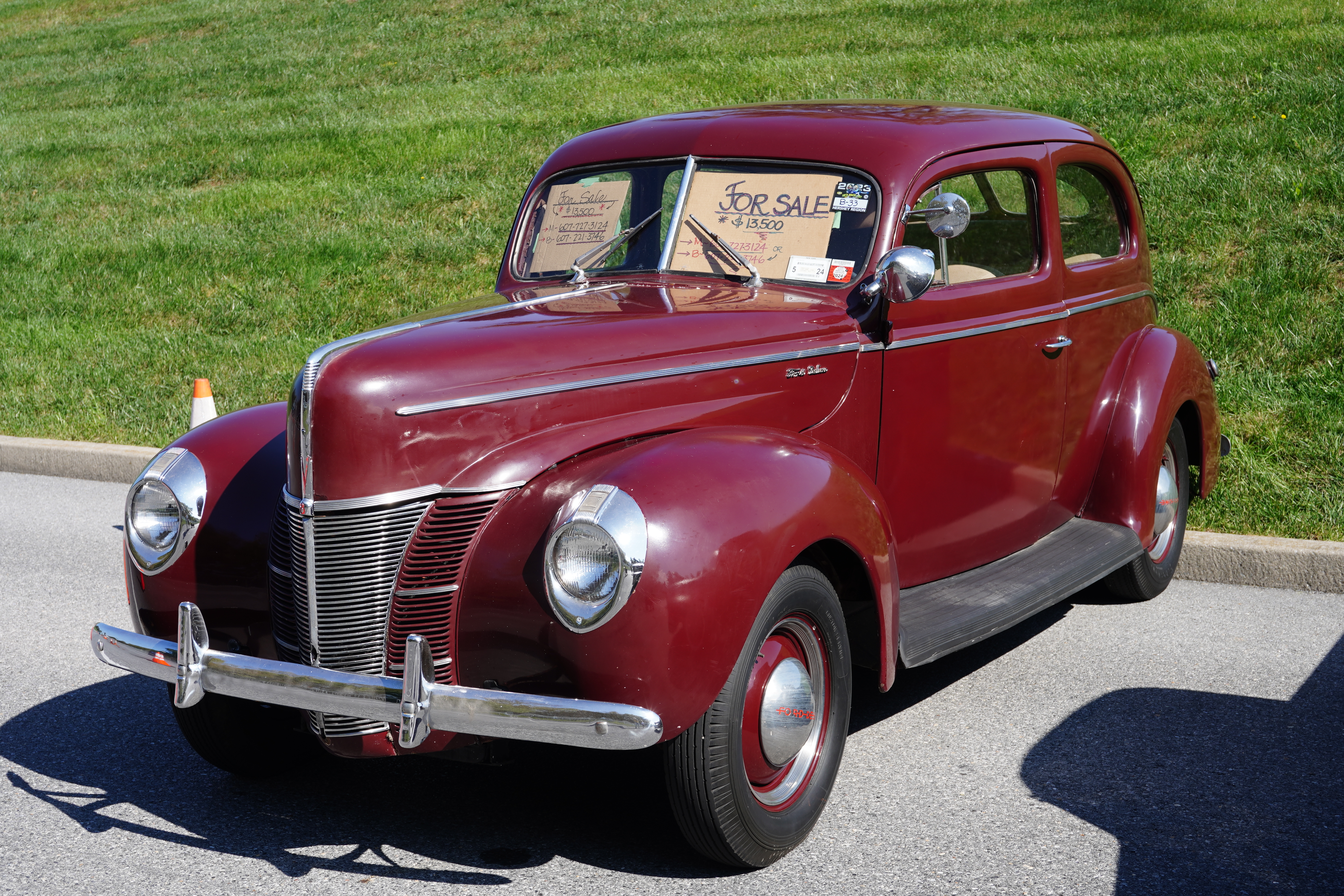
1940 Ford Tudor sedan, dark red, tan interior, presumed Ford flathead V8 under hood.

Asking $13,500

I’m shocked to find an iconic 1940 Ford for sale at this price. Yes, it’s not a coupe or convertible, but you’ve got that fabulous front end design with a flattie engine, and lots of aftermarket parts support. Looks like fun for not a lot of cash.

1959 Volvo 544, white, grey interior, dual fender-mount mirrors, chrome aftermarket wheels.

Asking $17,500

I’ve driven a few 544s and they can be a blast to drive. Just don’t expect a smooth and quiet ride. This car looked very solid but was perhaps overpriced by a few thousand. Cash talks!

1947 Fiat 500 Topolino, grey, tan interior, 569cc 4-cylinder engine, 4-speed, sign claims recent engine rebuild.

Asking $22,750

Rarely seen in the U.S., the Topolino (“Little Mouse”) was one of Fiat’s biggest successes. You might have the only one at the next meeting of the Fiat Club. Just don’t be in a hurry to get there.

1963 Buick Riviera, gold, beige cloth interior, factory A/C, sign claims front disc brakes which must be aftermarket (’63 Rivs had finned drums all around).

Asking: $24,000

This is the first year of the Riviera, which helped GM kick off its attack on the 4-seat T-Bird. These two cars and a few others begat the whole personal-luxury car segment which would live for the next 20 years. The colors on this Riv were great, and it had an honest look to it. I’ve been following this market a bit, and this asking price was in the ballpark, especially with the unmolested interior and the factory air.

1987 Porsche 928 S4, yellow, auto, 54k miles, sign details number of small defects.

Asking $29,500

I never saw a 928 in this color. In a word, it was ugly, and its ugliness only grew when one noticed the faded paint on the bumpers and side rub strips. Nothing about the car’s appearance exuded any confidence that there was a good car underneath. And while 928 values have risen of late, that is for “fine to excellent” cars, which this example is most definitely not. Pass.

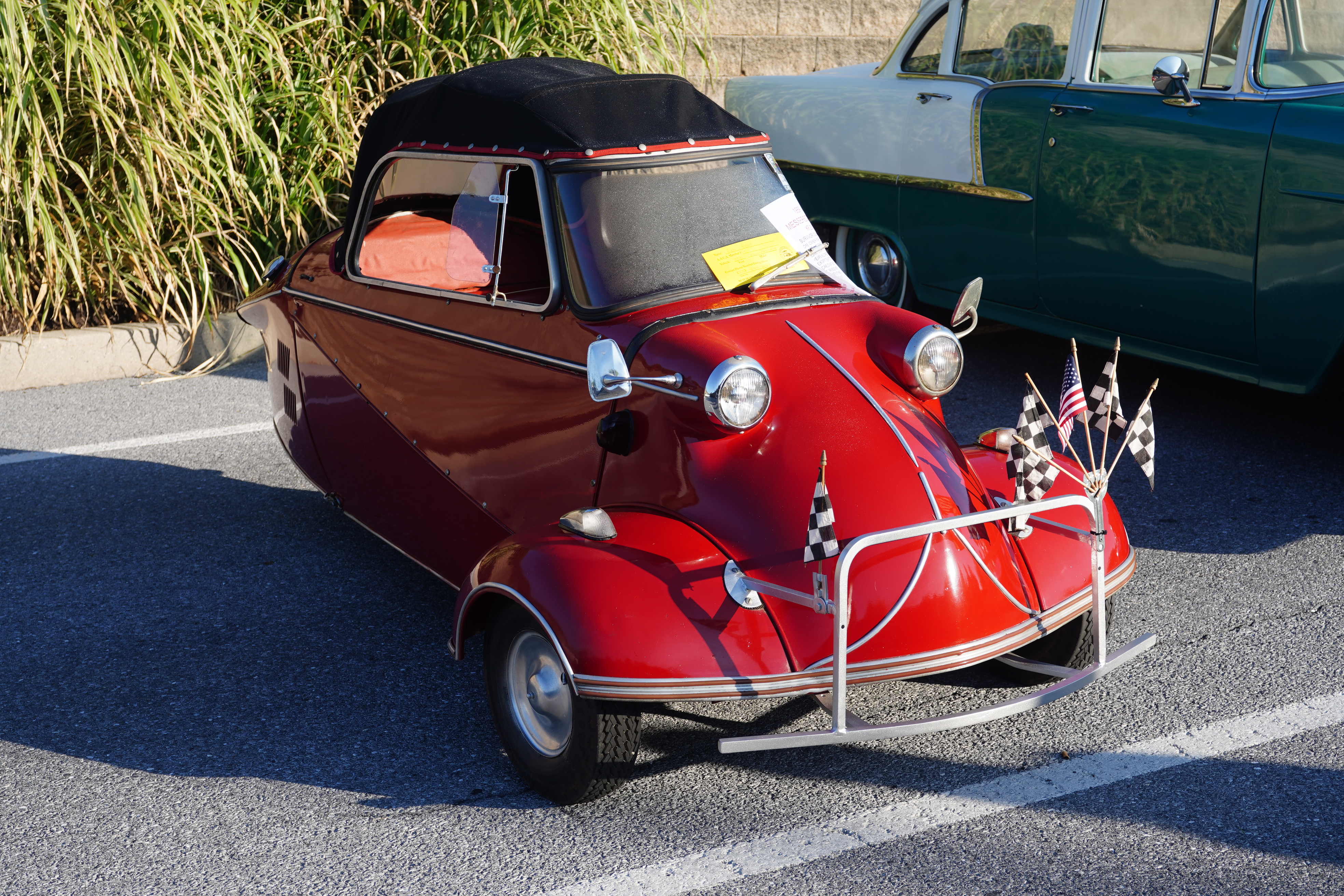
1959 Messerschmitt KR200, red, black cloth top, red interior. Aftermarket front “bumper”.

Asking: $39,500

When I had my Isetta and would attend “microcar and minicar” shows, there would always be a small supply of these. Parking my rolling egg next to a “Schmitt” made the Isetta look normal. These have 2-cycle engines, 8 inch tires, a single rear wheel, and tandem seating. There are no doors: the roof tilts to the side to allow ingress and egress, much like a fighter plane. I’m including it here only because it’s a Messerschmitt.

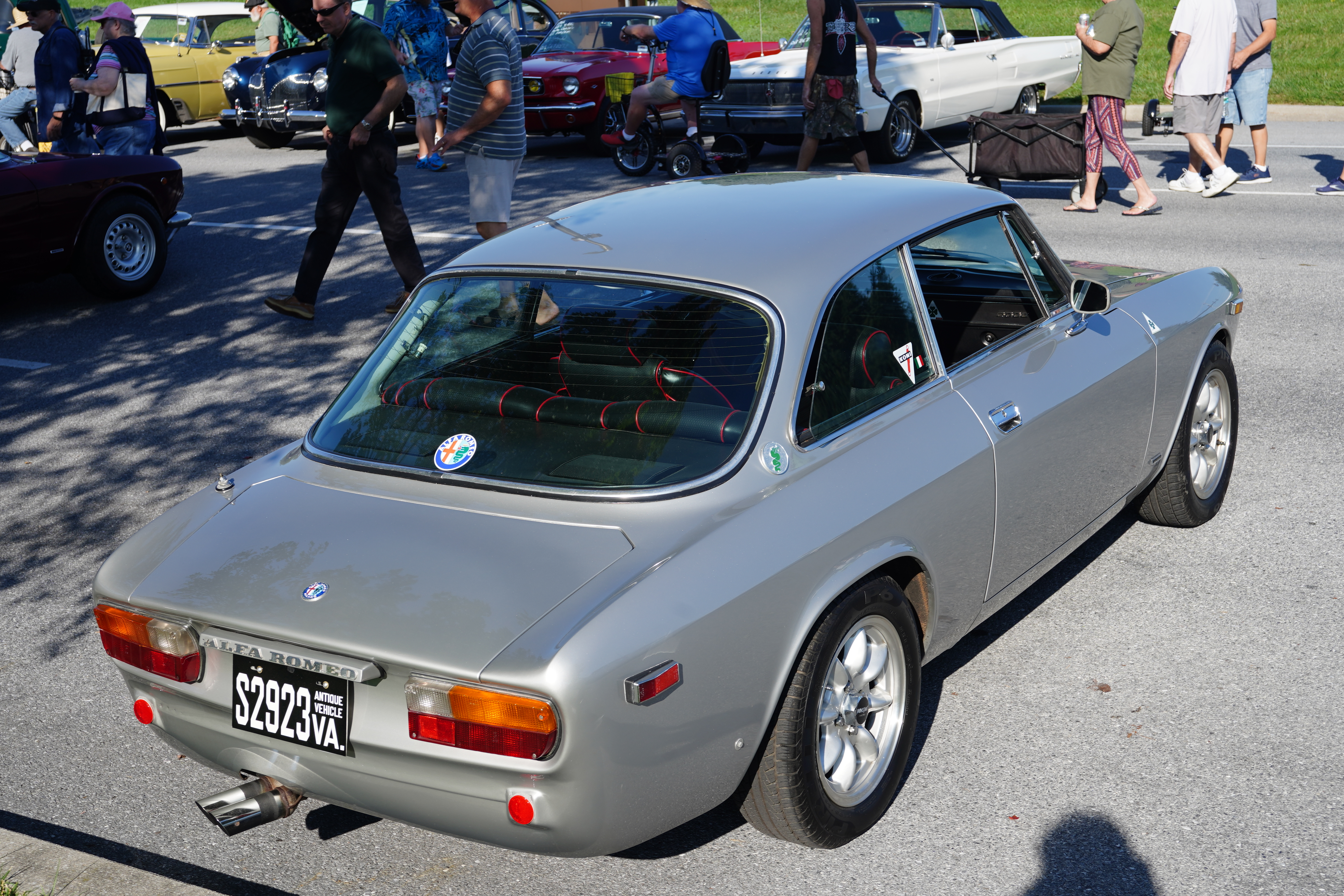
1974 Alfa Romeo GTV coupe, silver, black interior with red piping, mileage not noted, bumpers removed but included, factory A/C removed but included, Panasport wheels.

Asking $42,500

This was the final year for this generation GTV in the U.S. market and was one of two Alfa GTVs parked near each other, presumably on offer from the same dealer. This car was the cheaper one by $27k, and despite the mods, none of which I cared for, there was some potential value here; it would be an even better value at $37,500.

CODA

There was a Series 2 Jaguar XKE (E-Type) OTS (Open Two Seater, or roadster) in the car corral. It was in one of my fave Jag color combos: primrose yellow with a black leather interior. I stopped to admire it. It was a ‘driver’: lots of nice things about it, mainly that it appeared unmolested, but it was a #3 condition car (on a scale of 1-to-5), with wear-and-tear here and there. The shock was the asking price of $125k which was way high. This was on Wednesday. On Thursday, the car was still there, I stopped again, and the $125k had been crossed out; the ask was now $100k. I kept walking. On Friday, once again, the Jag and I met. Now the sign indicated a “Friday” price of $75k and THAT was crossed out, replaced with $70k! I didn’t photograph the car, but I memorized the price slide! The car was probably worth $60k-65k based on recent sales. If someone had been looking for such a car, patience might have rewarded them!

All photographs copyright © 2023 Richard A. Reina. Photos may not be copied or reproduced without express written permission.

AACA Hershey Meet, 2006

My 2006 visit to the AACA Fall Eastern Meet, better known as “Hershey”, was likely the 5th consecutive year I attended. Before that, most of my trips to eastern PA car shows were to Carlisle. However, Hershey’s focus on original cars which were 25 years and older was becoming a more attractive proposition to me.

Hershey has had a long history with mud. Ask any oldtimer, and they can regale you with stories of mud up to the knees, and classic cars buried in mud up to their axles. While more and more of the field area was gradually becoming paved, in 2006, not all of it was on asphalt yet. One photo in particular documents what appear to be Car Corral vehicles parked across the street from Hershey Park, on the lawn in front of the Hotel Hershey. There’s lots of sunshine as well so the infamous and soon to be gone Hershey mud was not a factor that year.

Ever since my rally brother Steve and I discovered it in the late 1990s, the spectacle of witnessing the Saturday morning parade of show cars has been a must-see part of the Hershey visit. Several of these photos capture that parade, as disorganized as it may appear! Take a note of all the spectators alongside the cars, enjoying the same sights as I was.

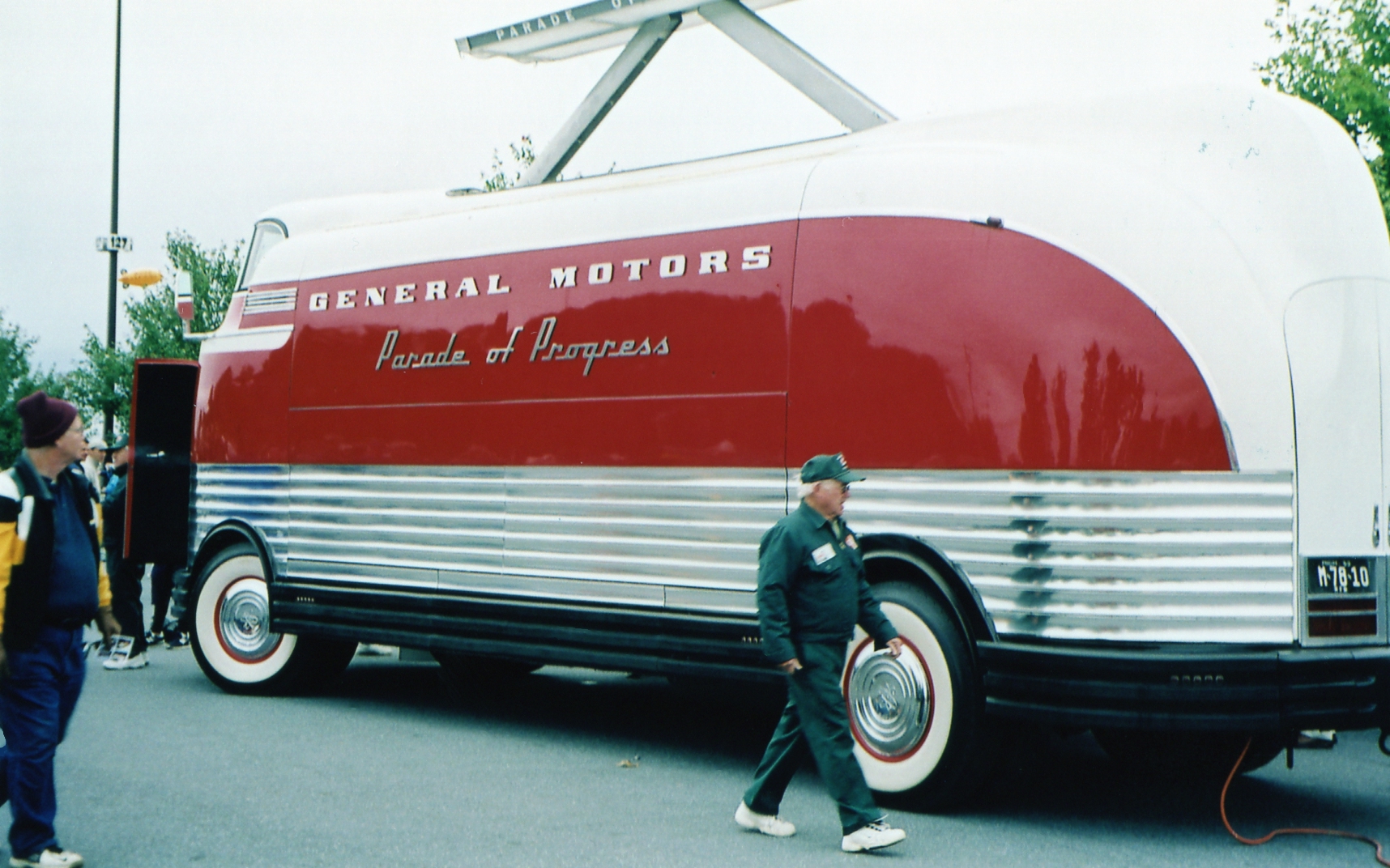
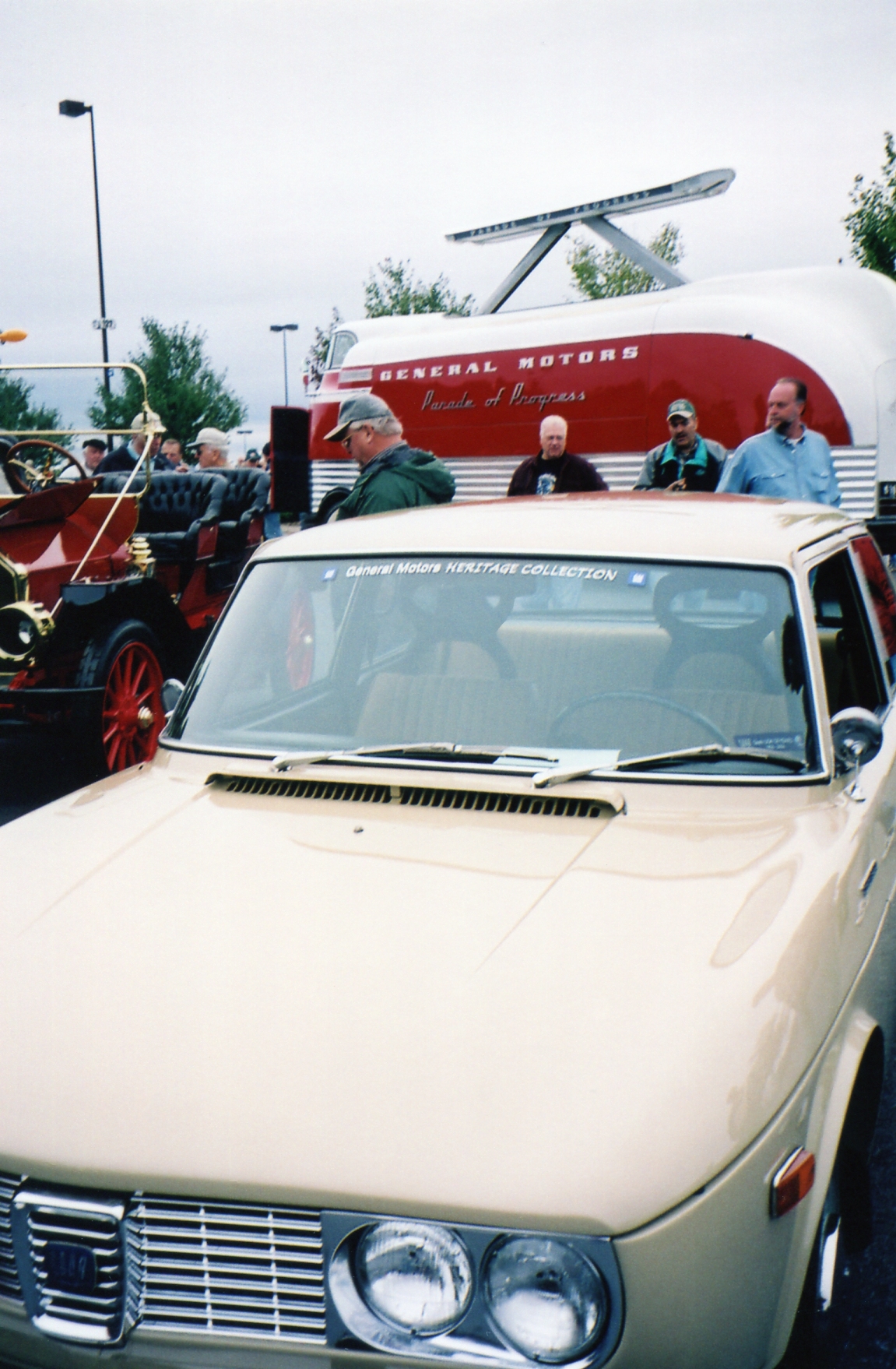
The big surprise of 2006 was the special display trucked in by General Motors. They dipped into their “GM Heritage Vehicle Collection” and brought a number of cars and trucks which were set up in a special area near the Giant Center. The most outstanding of them, in several ways, was the GM Futurliner. I had been reading articles about these massive vehicles for years. In January of 2006, a Futurliner sold at a Barrett-Jackson auction for $4 million. More shocking to me was their size, something difficult to capture in photographs. It makes me wonder how GM was able to move it; but of course, being GM, they have all kinds of vehicles and equipment at their disposal. And if you’re asking yourself “why is there a Saab near the Futurliner?”, it is because GM had purchased Saab and included several of the Swedish brand’s models in its display. A stretch? I thought so then, and still think so now.


The Car Corral drew a nice crowd of tire-kickers
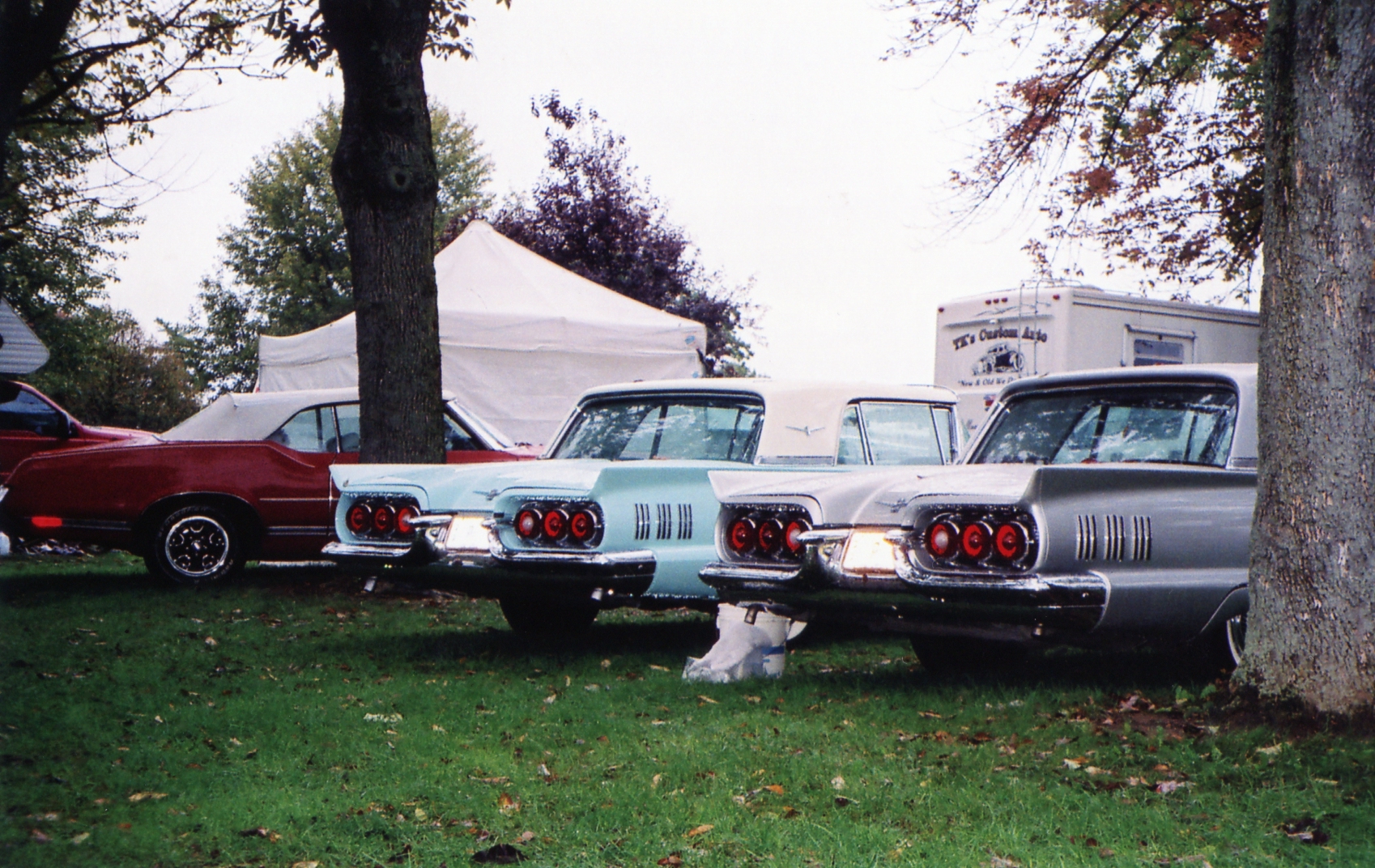
A couple of Ford “Squarebirds”, aka 2nd gen T-Birds, sit side-by-side


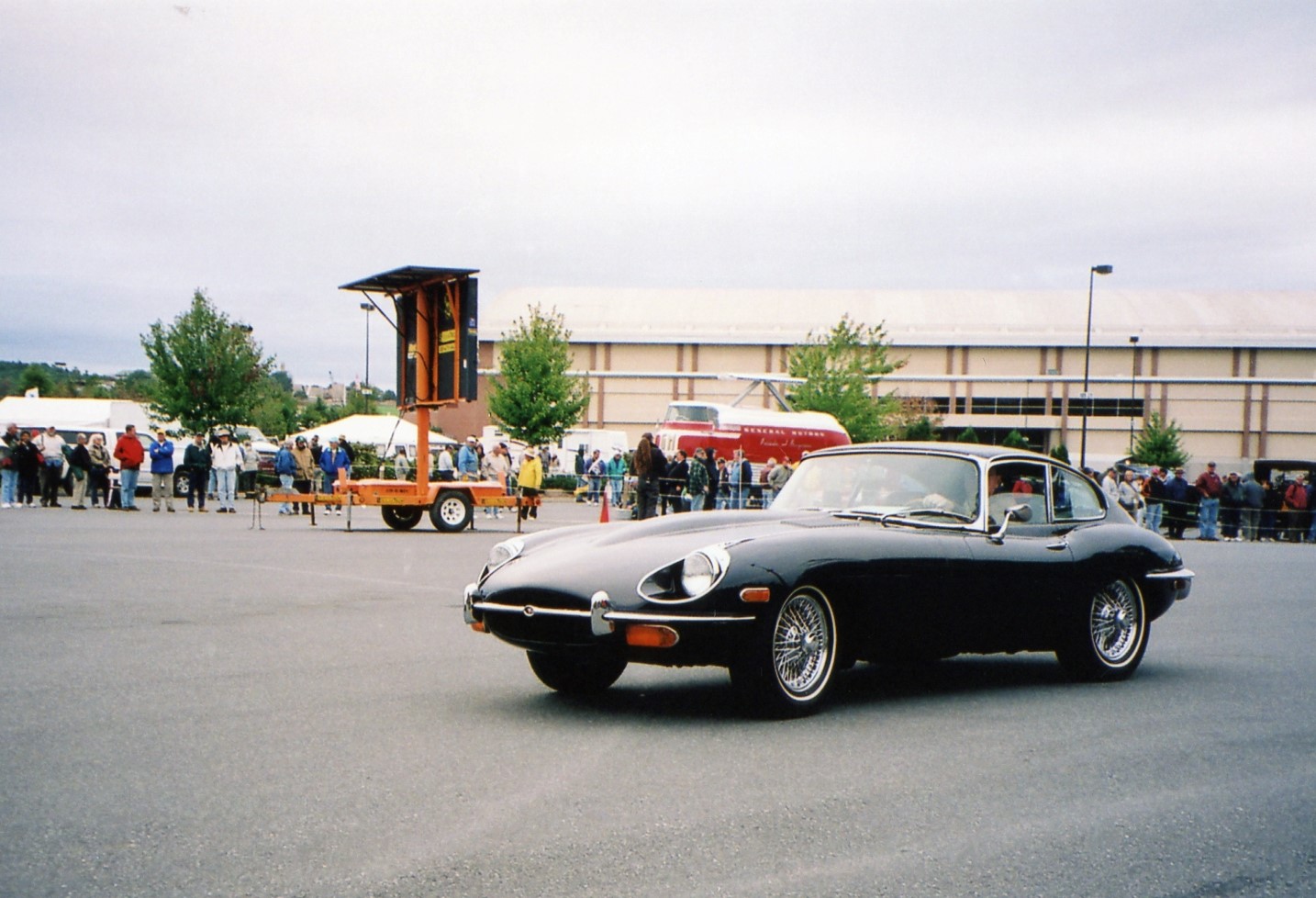
A Jaguar E-Type heads toward the show field – Note the Futurliner in the background


A bullet-nose Studebaker


A 1968 Ford Mustang California Special, similar to the one I owned


The VW Bug can be seen between the Cadillac and Buick


Orphans: the green Studebaker Lark and the red AMC Marlin


The GM Futurliner; the man by the rear wheel gives some sense of scale


GM decided they had the right to include Saab in their Heritage Display – note the windshield decal


All photographs copyright © 2023 Richard A. Reina. Photos may not be copied or reproduced without express written permission.


AACA Hershey, October 2022

Hershey this year was a one-day visit for me, so I spent most of the morning canvassing the car corral, had lunch, then headed over to the RM Sotheby’s auction at the Hershey Lodge. I was there on Thursday October 6th, and the weather was great for an outdoor car show. The hobby continues to evolve and change, and we have observed the ups and downs at Hershey over the years. This year’s car corral was approximately 50% full, and that’s a guess of course. But for those who have visited in the recent past, I can inform you that the parking lot alongside the Giant Center was completely empty this year. As recently as 2018 (based on my own blog report) it was completely full. To my thinking, websites like Bring A Trailer have shifted many collector car transactions to online formats.

Nevertheless, even with the smaller number of vehicles in the corral, there were a few that were of more than passing interest to me. I’ve listed those vehicles below in model year order. (I will have a report on the RM Sotheby auction as a separate blog post.)


1931 Ford Model A Roadster. Tan body, wheels, and top, black fenders, whitewall tires on wire wheels. Darker tan vinyl interior. Single side-mount spare, rumble seat, separate trunk out back. Sharp looking all round.

Asking: $22,500

One of the least-expensive ways to enter a Glidden Tour, and the top goes down to boot.

1931 Ford Model A rumble seat coupe. Taupe body, black fenders, yellow wire wheels, whitewall tires. Single spare mounted out back.

Asking: $19,500

This one makes the ’31 Roadster at $22,500 look like the better deal.


1936 Ford DeLuxe 5-window rumble seat coupe, black, tan cloth interior. Wide whitewalls, appears original and unmolested. Sign on car claims just removed from 30-year storage (that can be good and bad) and no rust ever.

Asking: $34,900

Smart-looking coupe, V8 is nice upgrade from a Model A, rumble seat a fun option to have.


1953 EMW 327 Cabriolet. That is not a typo. After WW2, one of BMWs factories ended up on the wrong side of the West Germany/East Germany dividing line, and they continued production of cars now badged “EMW”, with the blue/white roundel now red/white. Black and red paint, blue and white interior, convertible top MIA. Interior needs a lot of work, no indication that it runs or drives.

Asking: $85,000

This was on offer from a large dealer. Lots of scratch for what might be a project, but for the BMW collector who’s looking for something different, this is bound to be a hit at the next BMWCCA convention.


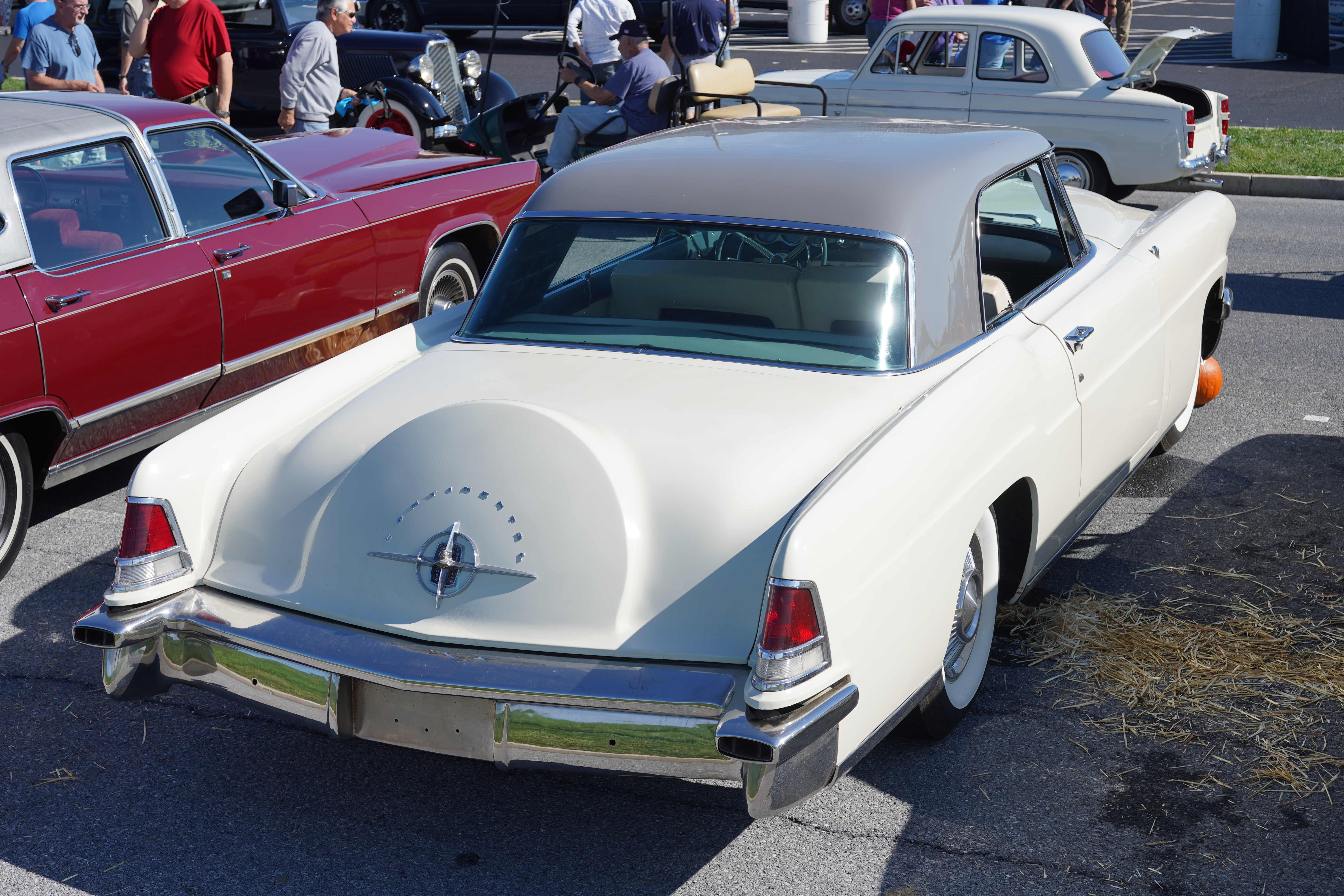
1956 Continental Mark II, pale beige body with taupe roof, black and white interior. Full wheel covers and wide whites. Sign on car claims “runs and drives well”.

Asking: $28,500.

This car was one of FOUR Continental Mark IIs on the grounds (including the RM auction). Don’t call them Lincolns! They were badged as “Continentals”. Everything I’ve read about them has stated that they are an expensive nightmare to restore, which rings true given that they were essentially hand-built cars. This was cheap for a Mark II, but as they say about cheap Ferraris and Jaguars, that initial purchase price is only the first of many checks to be written.


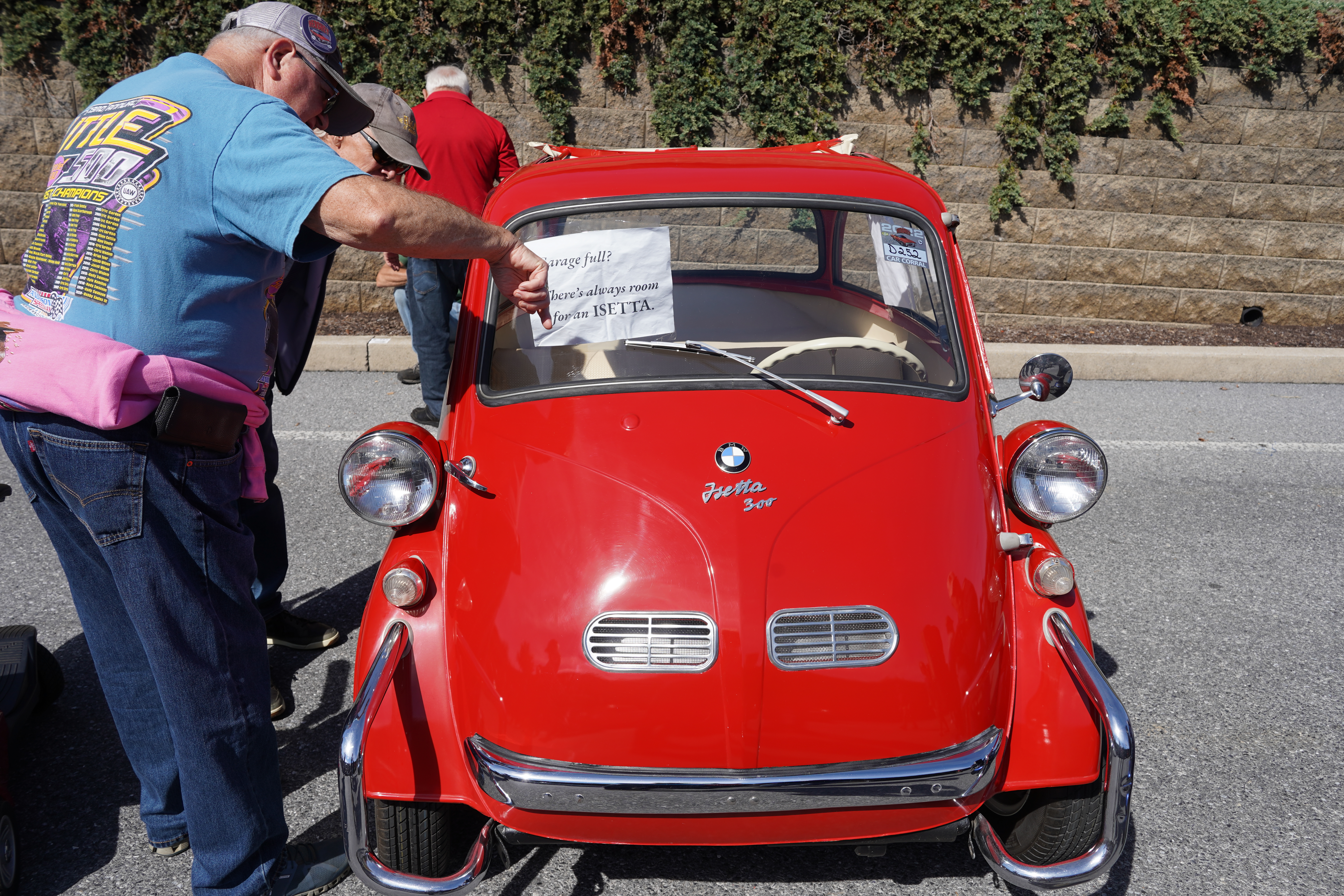
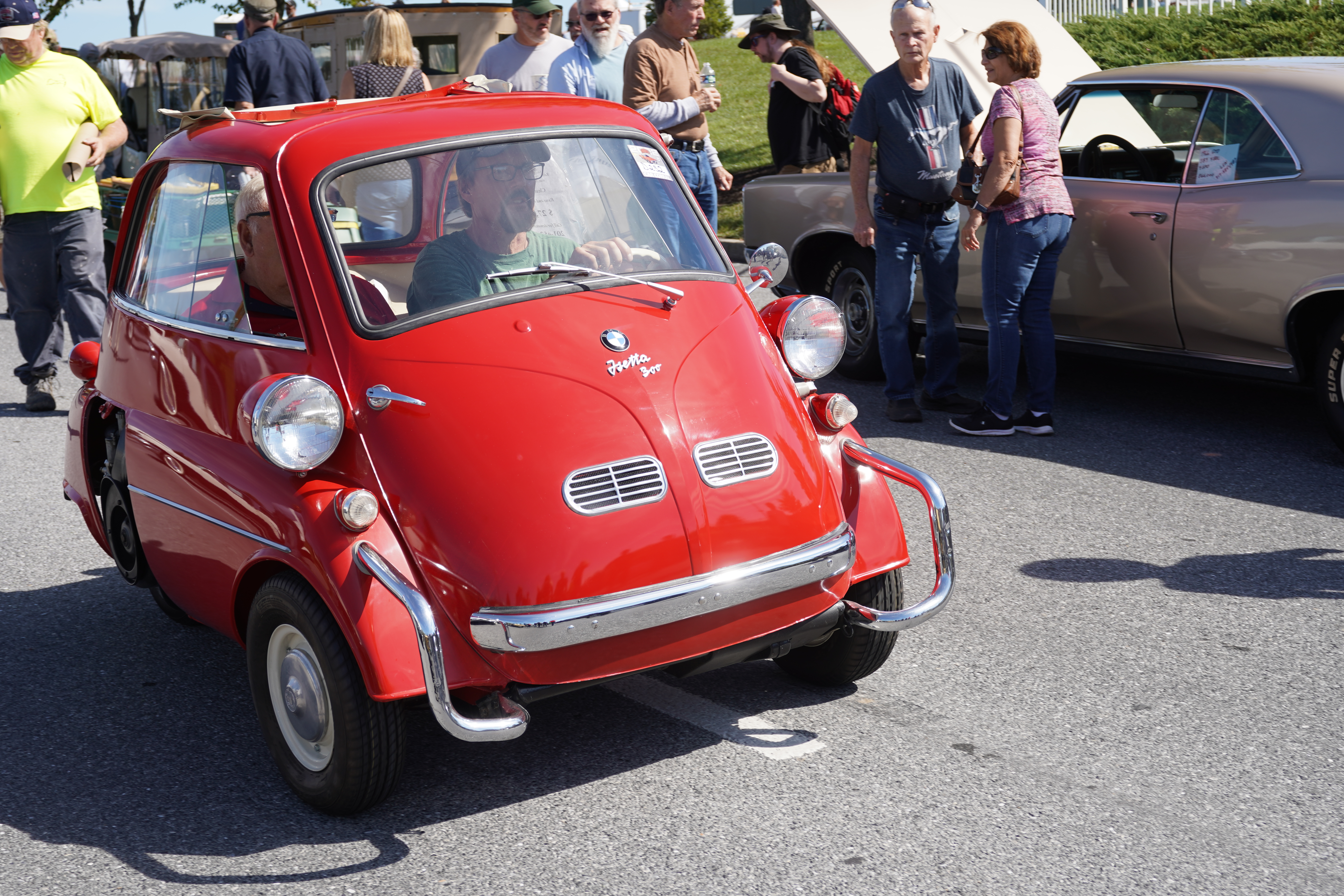
1957 BMW Isetta, red, beige interior, BMW hub caps, blackwall tires on white wheels. Door has deluxe vents but single wiper. Was seen running and driving in the car corral.

Asking $27,000

Sign on car claims complete restoration. A quick lookover by me didn’t find anything glaringly wrong with the correctness of the job. Isettas are way off their highs of 10 years ago. This was priced fairly.


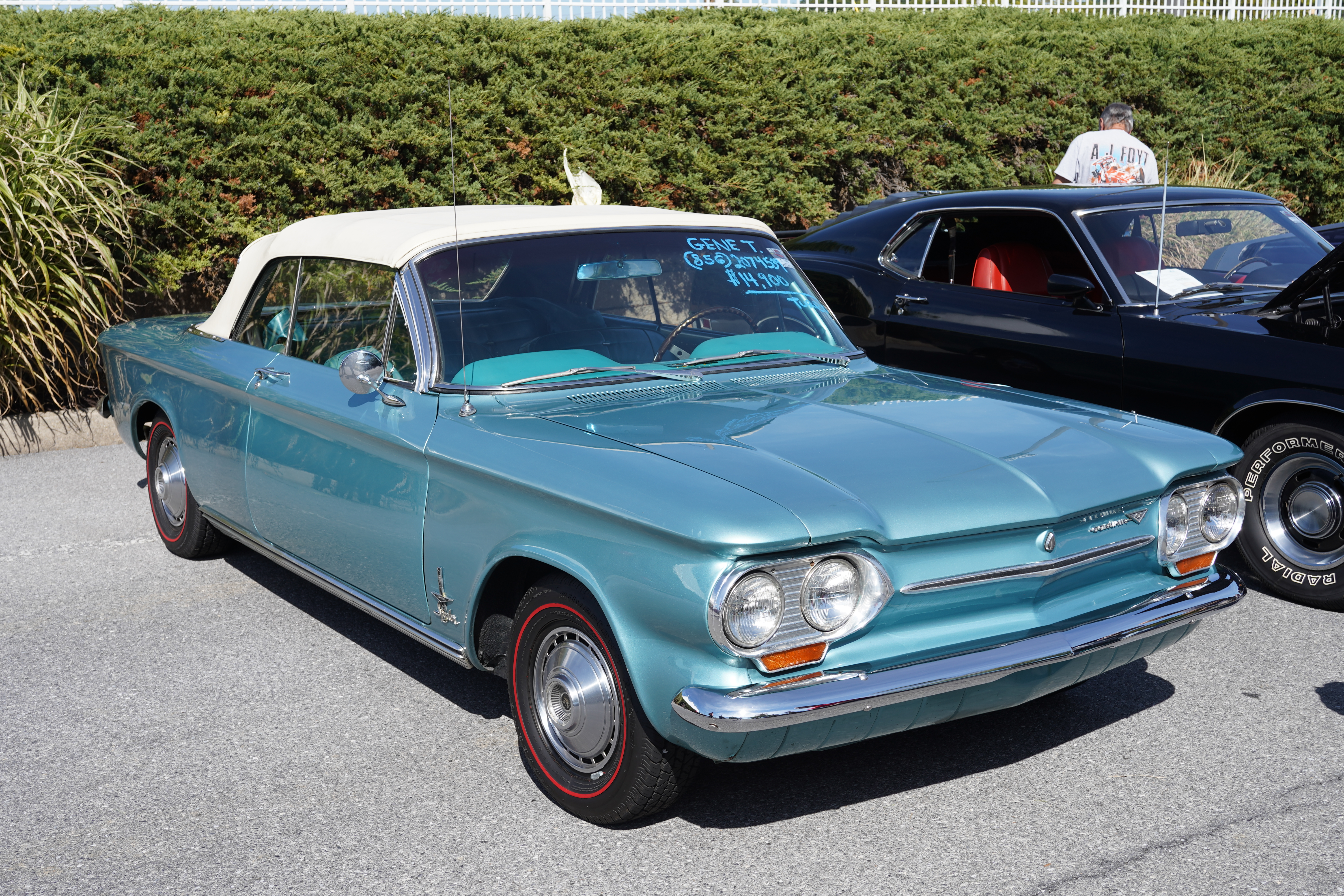
1963 Chevrolet Corvair convertible, teal, matching interior, white top. Sign on car only states “turbo”. Transmission was not noted. Full wheel covers, redline tires. Not all body panels appear to match.

Asking: $14,900

There are better 1st gen Corvairs for this kind of money.


1970 Jaguar E-Type roadster, silver, black top, red interior. As a Series II car, has the 4.2L 6 cylinder and 4-speed transmission. Blackwall tires on chrome wires. Look great in this color combo from 20 feet. Sign on car states: “usual rust in rockers, old paint with dings and flaws, body rubber dry”.

Asking: $69,000

Worth it only if you’re willing to drive it as is.


1971 Alfa Romeo Spider, red, black top and interior. Headlight covers, Campagnolo wheels; steel wheels also included. Sign on car claims total engine rebuild and new clutch in March 2022.

Asking: $21,500

Saw this car very early in the a.m.; there was so much dew on it that it was not possible to judge its exterior cosmetics. These early S2 cars which still had small bumpers are gaining in popularity, now that S1 Duettos are priced at two to three times the asking price of this one.


1977 Leyland Mini Cooper. Teal metallic, patterned cloth interior. Multiple driving lights, flared fenders over Minilite-looking alloys. Sign on car claims 1.3L 4-cylinder engine with fuel injection, 4-speed manual, big brake kit, performance exhaust, upgraded suspension, new tires.

Asking $19,995

This tiny thing looked like an absolute blast to drive, especially given the improved power-to-weight ratio. Might be a challenge to find this much fun these days for under 20 grand.


1985 Ford Mustang SVO, red, grey cloth interior. All SVOs had the 2.3L turbo 4 and 5-speed stick. Sign on car claims 66k original miles and no rust.

Asking: $14,250

I have had my eye on these for a while; they are an interesting, Euro-flavored alternative to a 5.0 Mustang. This one looked very clean, but the asking price is still higher than some recent auction sales which have been around $10k.


All photographs copyright © 2022 Richard A. Reina. Photos may not be copied or reproduced without express written permission.


AACA Hershey Car Show, 2012

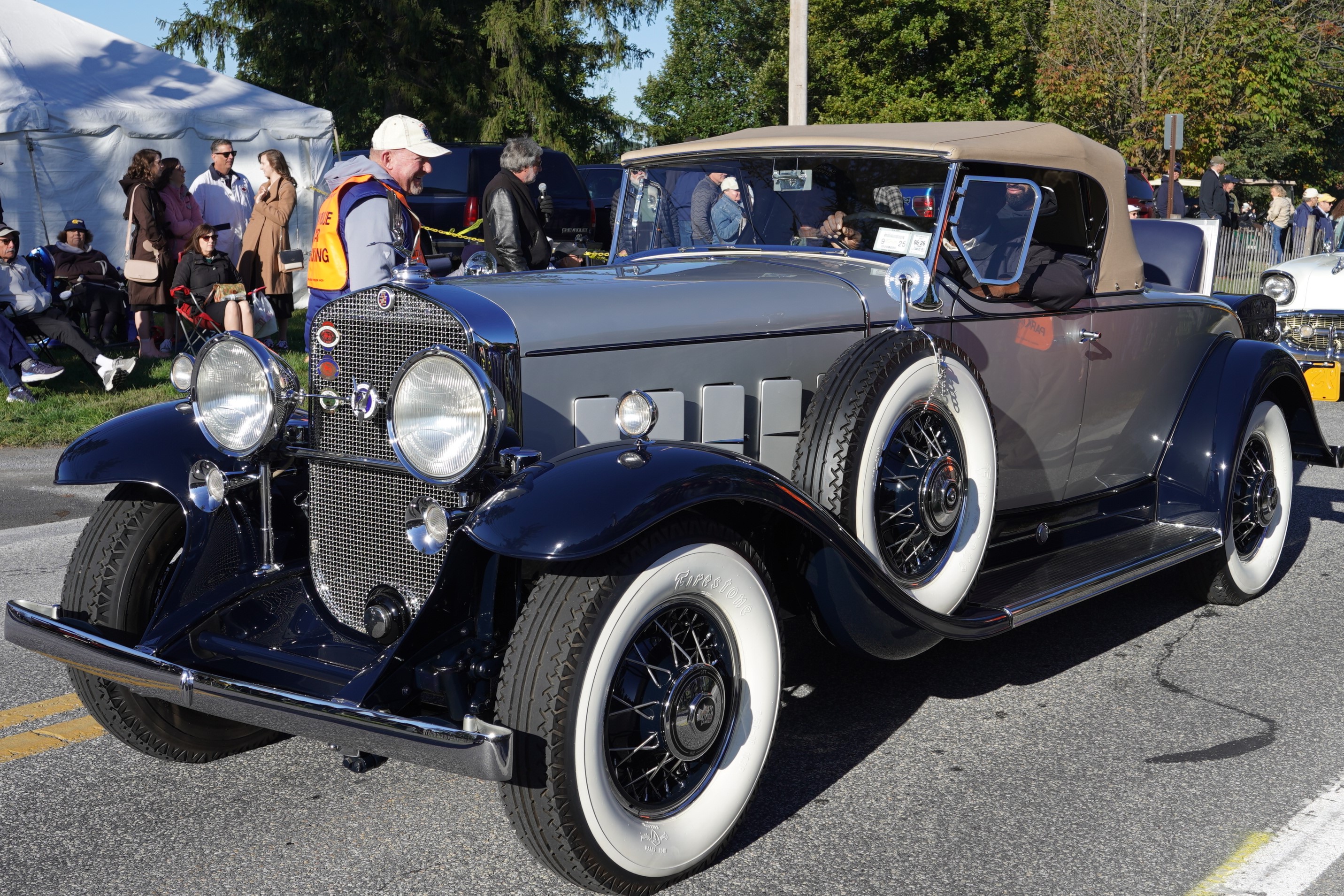
In Chapter 34 of the Isetta Saga, it’s October 2012, and my restored bubble car is making its one and only appearance at the AACA Eastern Fall Nationals, a name that no one uses; everyone refers to it as “Hershey”, named after its host town. Obviously, I had a lot going on that week, what with trailering the car out there, unloading it the morning of the show, driving it onto the show field, finding my spot, and prepping the car for judging. Of course, my car was just one of hundreds of other cars on the field vying for trophies that day, and somehow, I found time to stroll the aisles and take a few snaps (and my car buddy Larry took a few of these shots too).
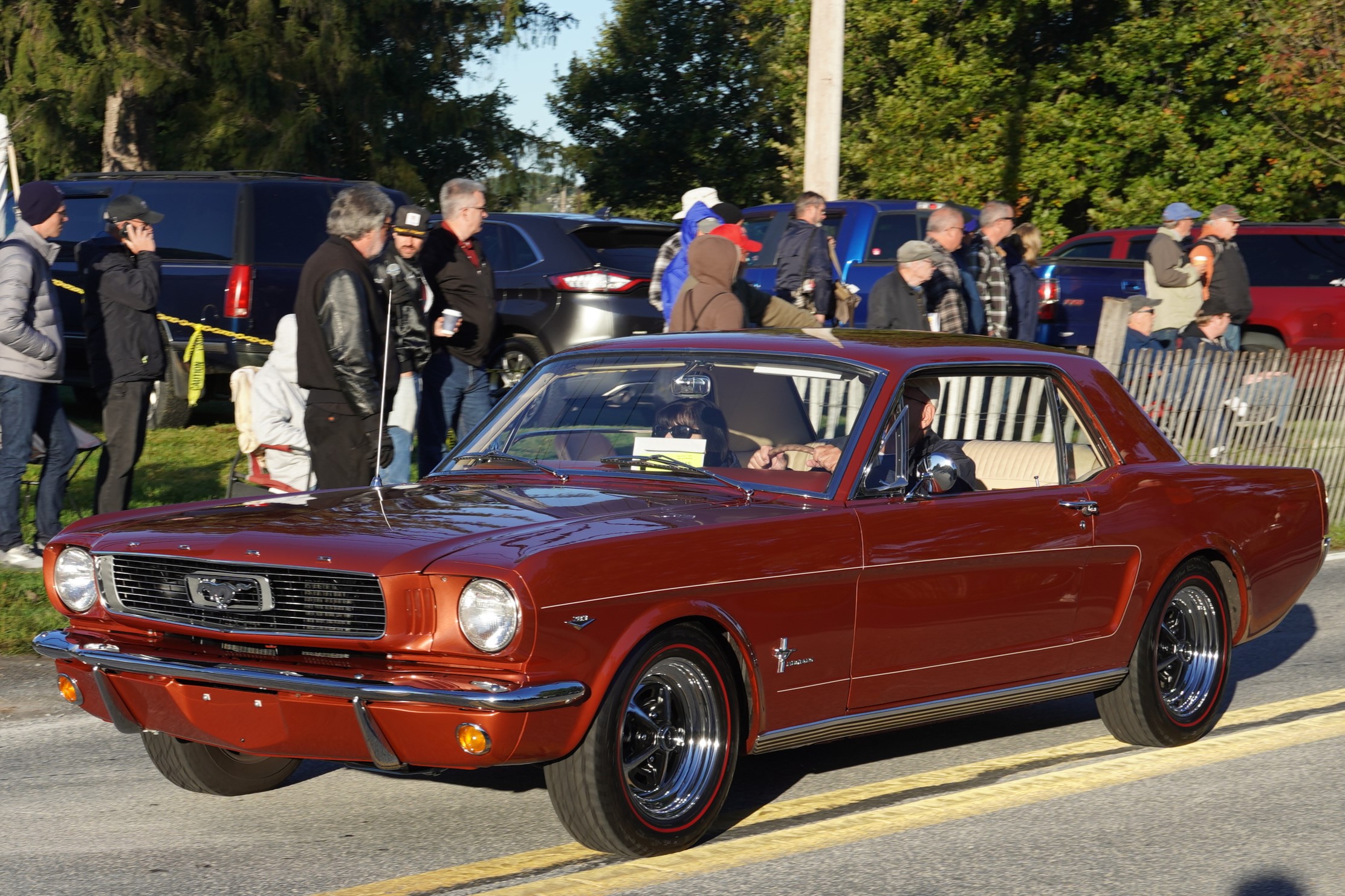
Based on these images, the weather was flawless, and so was the condition of the cars on display, which always makes it a challenge to decide which ones to photograph. Below is a selection of cars which were standouts to me. As a final comment, I may have said this before but it’s worth repeating: if you have not been to Hershey in October, it is not to be missed.


ENTERING THE SHOWFIELD
BRASS ERA
‘50s EXCESS
AMERICAN MUSCLE
IMPORTS
PERSONAL LUXURY


All photographs copyright © 2022 Richard A. Reina. Photos may not be copied or reproduced without express written permission.