Every Labor Day weekend, Lime Rock Park, a racetrack set in the western Berkshires of Connecticut, hosts The Vintage Fall Festival (the name has gone through some permutations over the decades). Classic race cars of old battle it out on the tarmac on Friday, Saturday, and Monday, while on Sunday (when racing is prohibited by local ordinance), the track is repurposed to feature some of the finest classics in the Northeast.
I’ve been attending the Sunday event for years and have posted stories about my previous adventures: finding my 1967 Dodge Dart convertible here in 1991, displaying the Isetta in 2020, and attending in 2007, 2017, 2018, 2019, and 2020. The 2012 event featured “The Race Cars of Stirling Moss” and also featured Sir Stirling himself. I managed to shake the great man’s hand and watch him present awards in the afternoon. Other than that, it was just another day at Lime Rock….
Sometimes the parking lot is as interesting as the show field
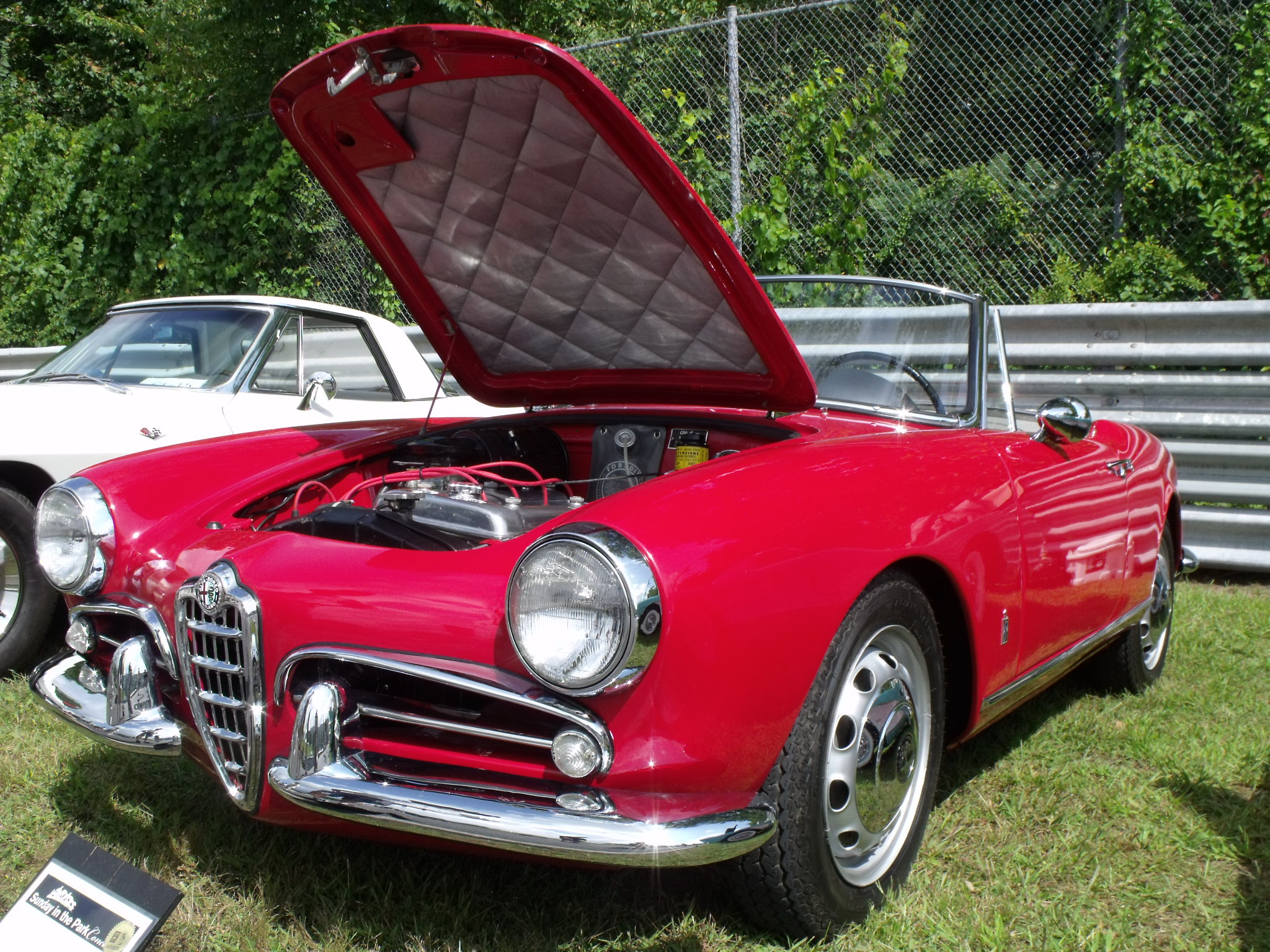
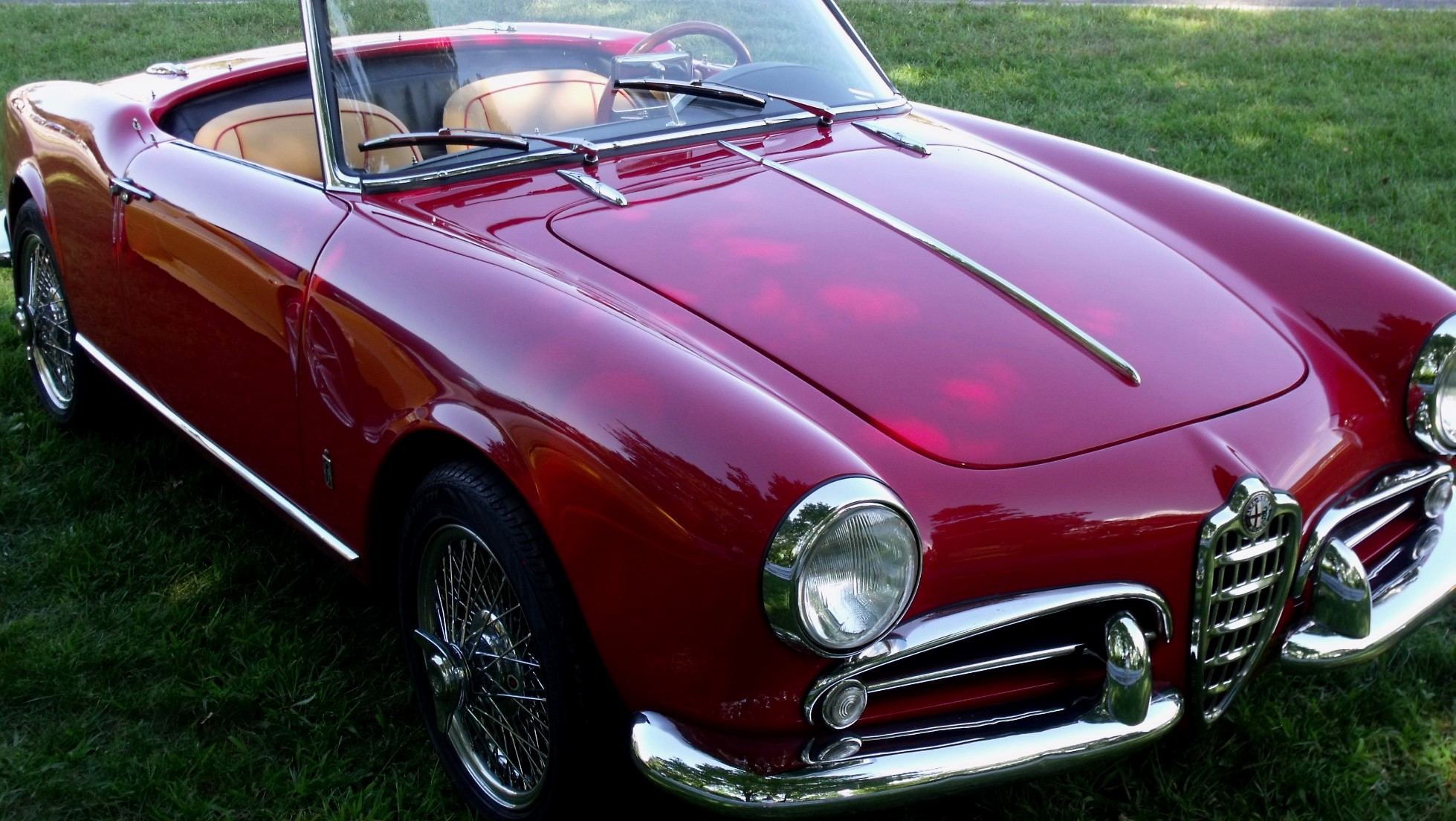
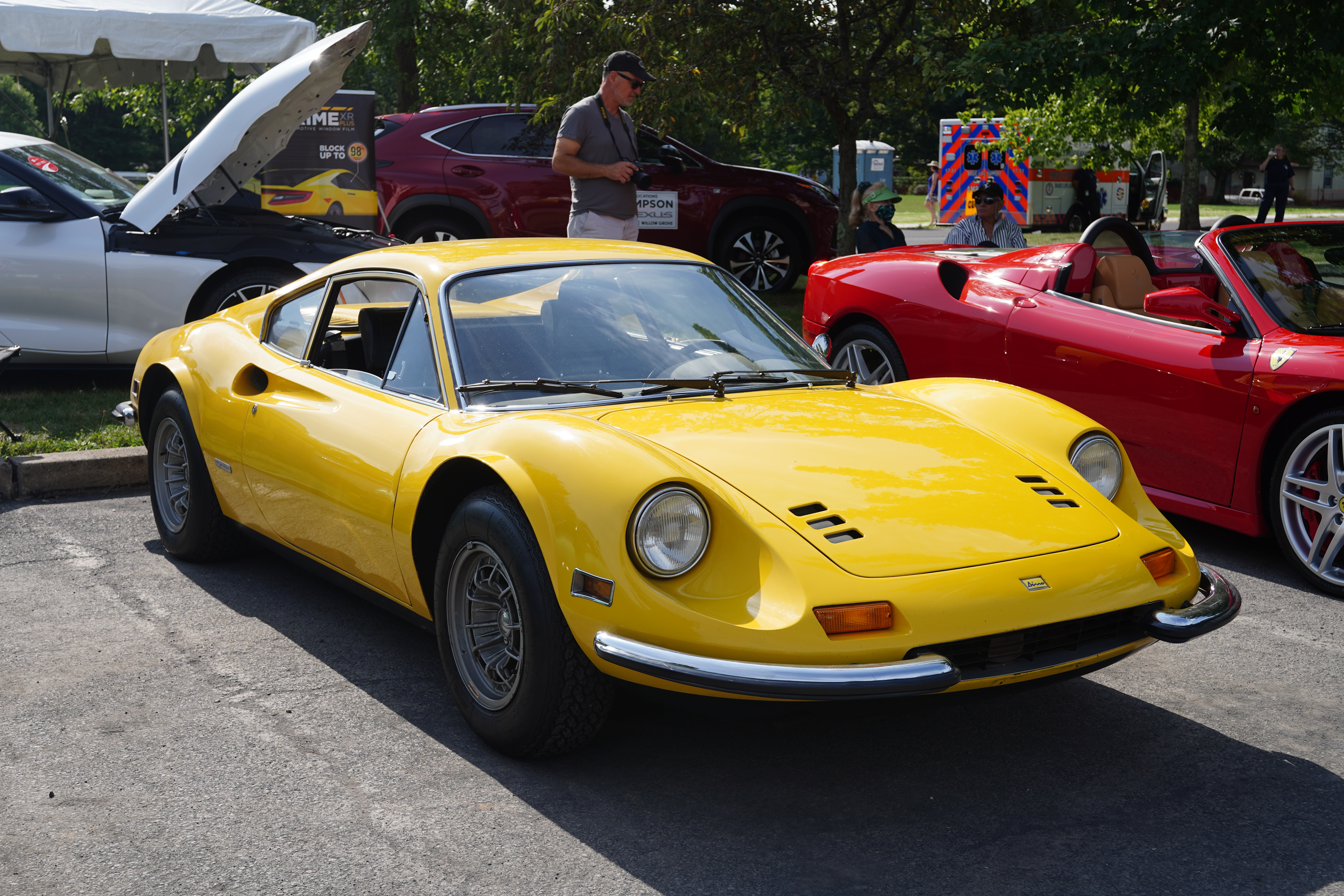
Red Italian cars are a sign that you’re in the right place:
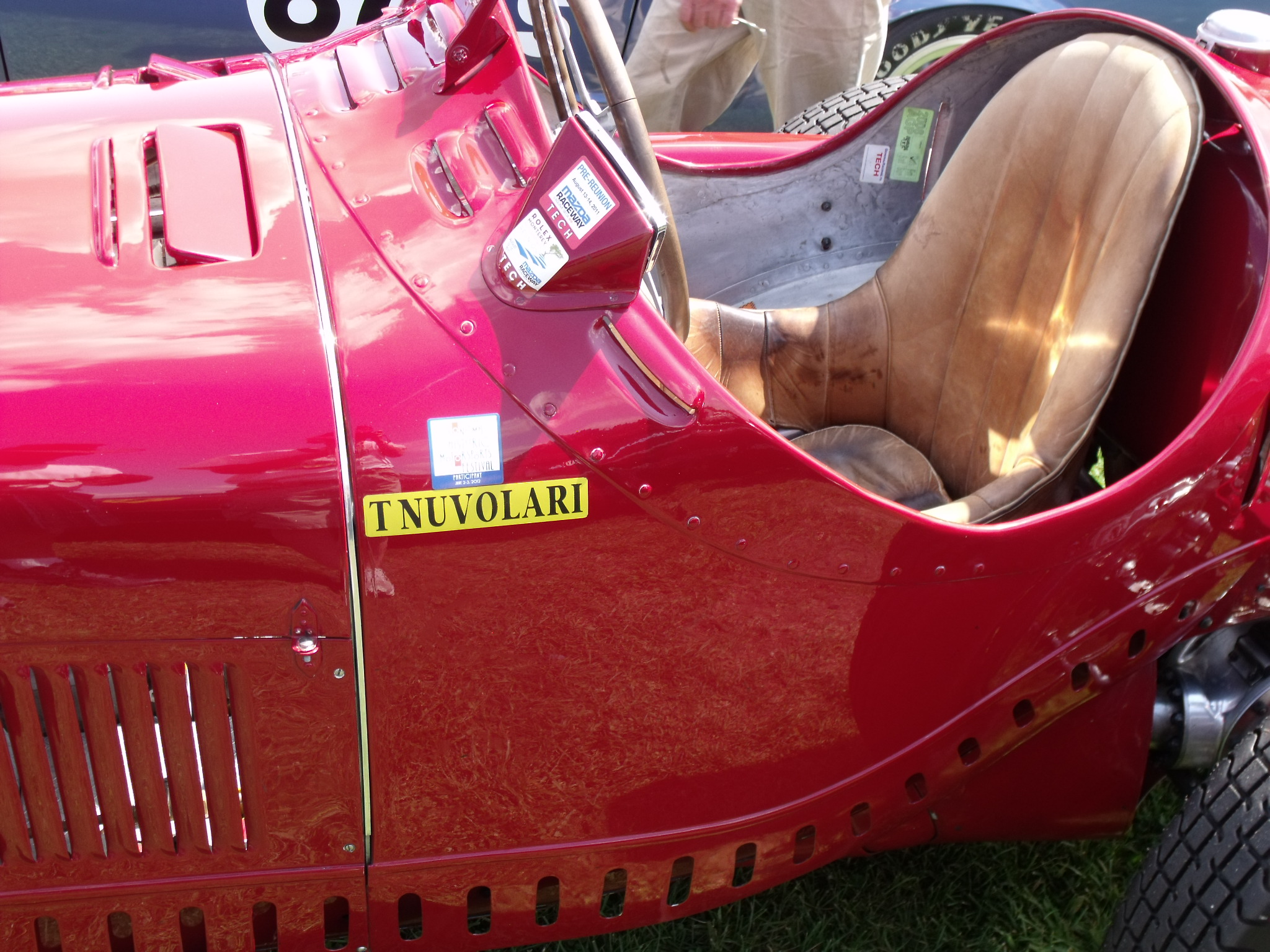
Piloted by some Nuvolari guy
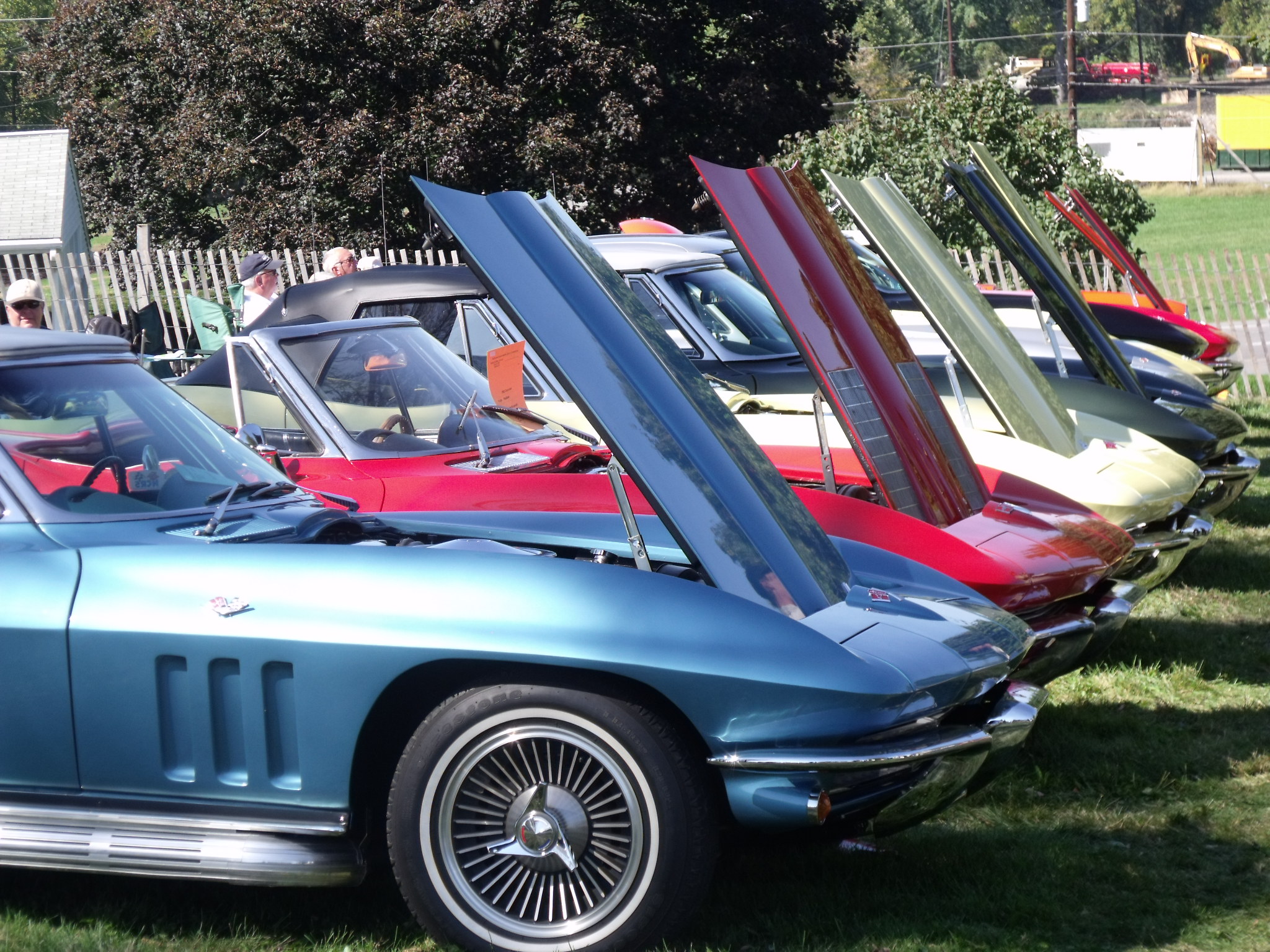
’63 Split Windows look good in any color
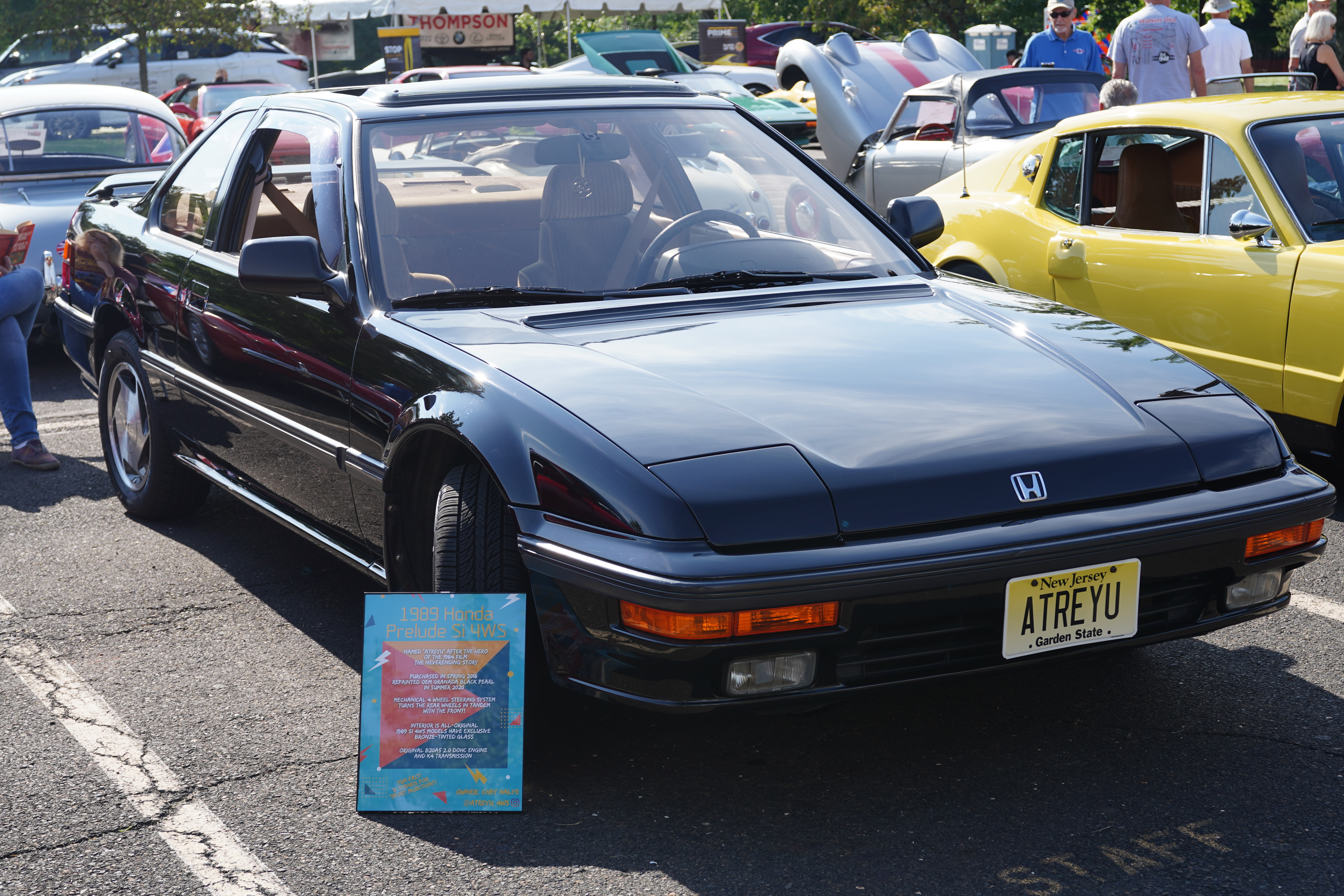
This little Honda drew lots of attention: make note of that redline!
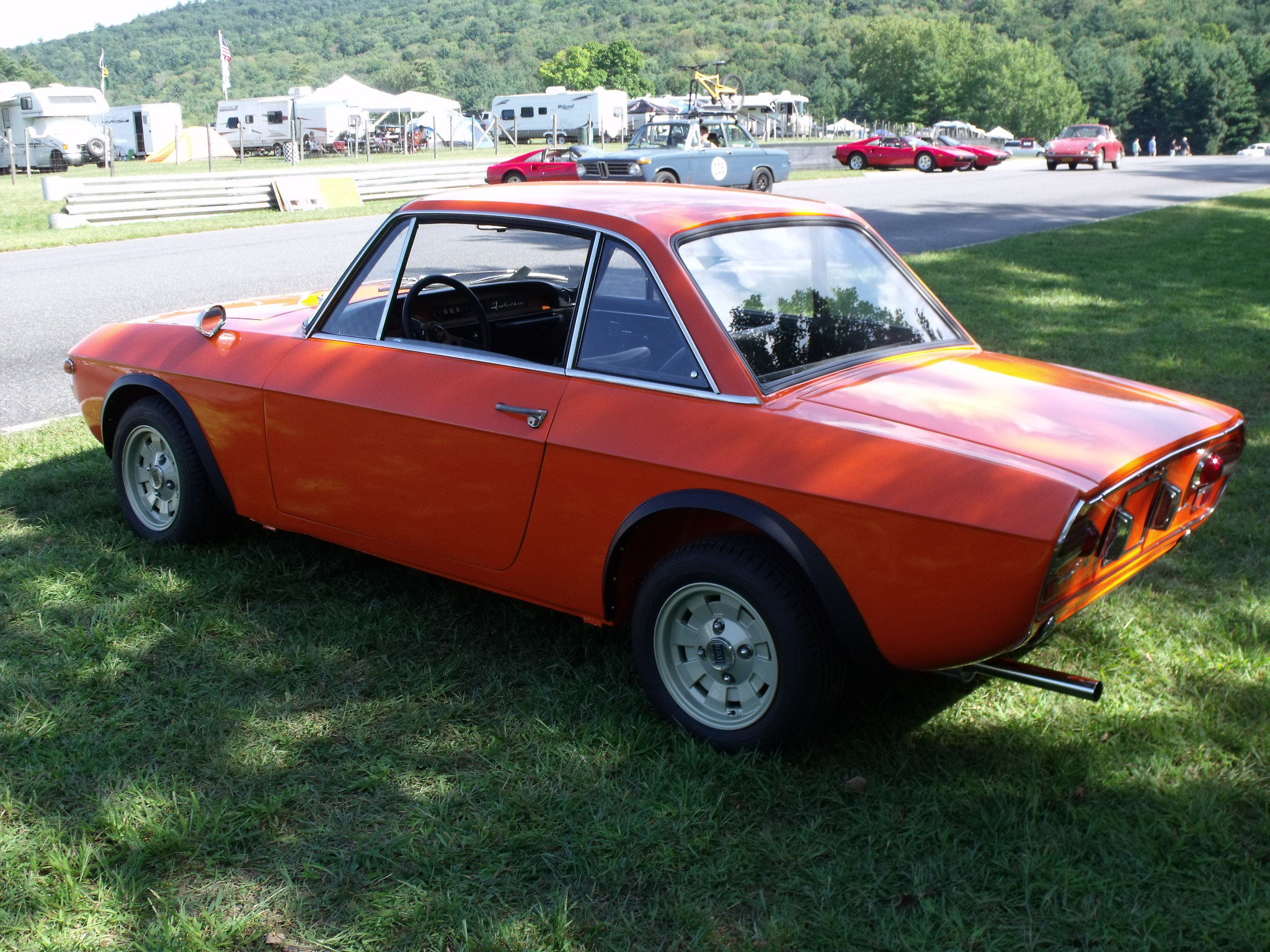
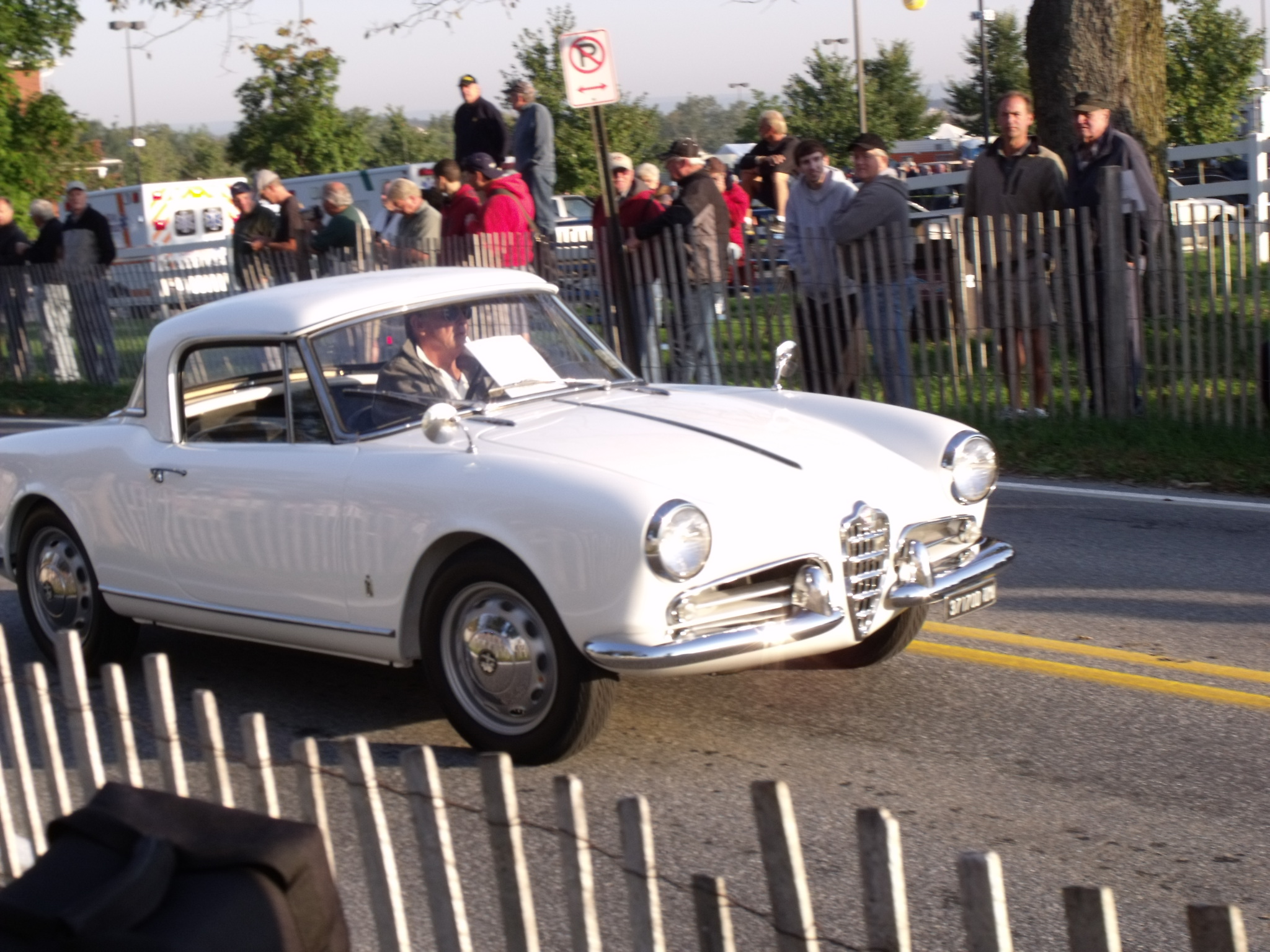
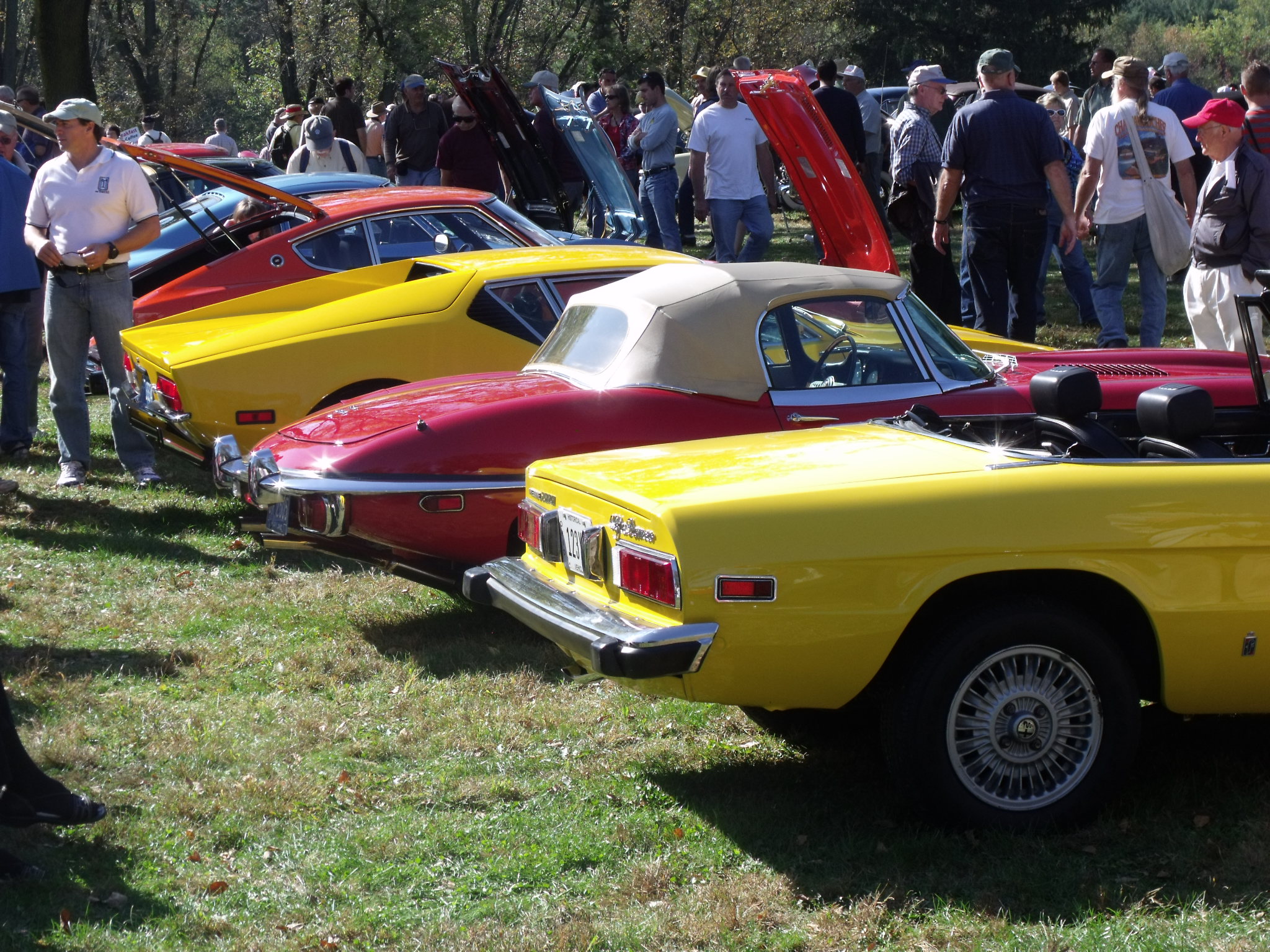
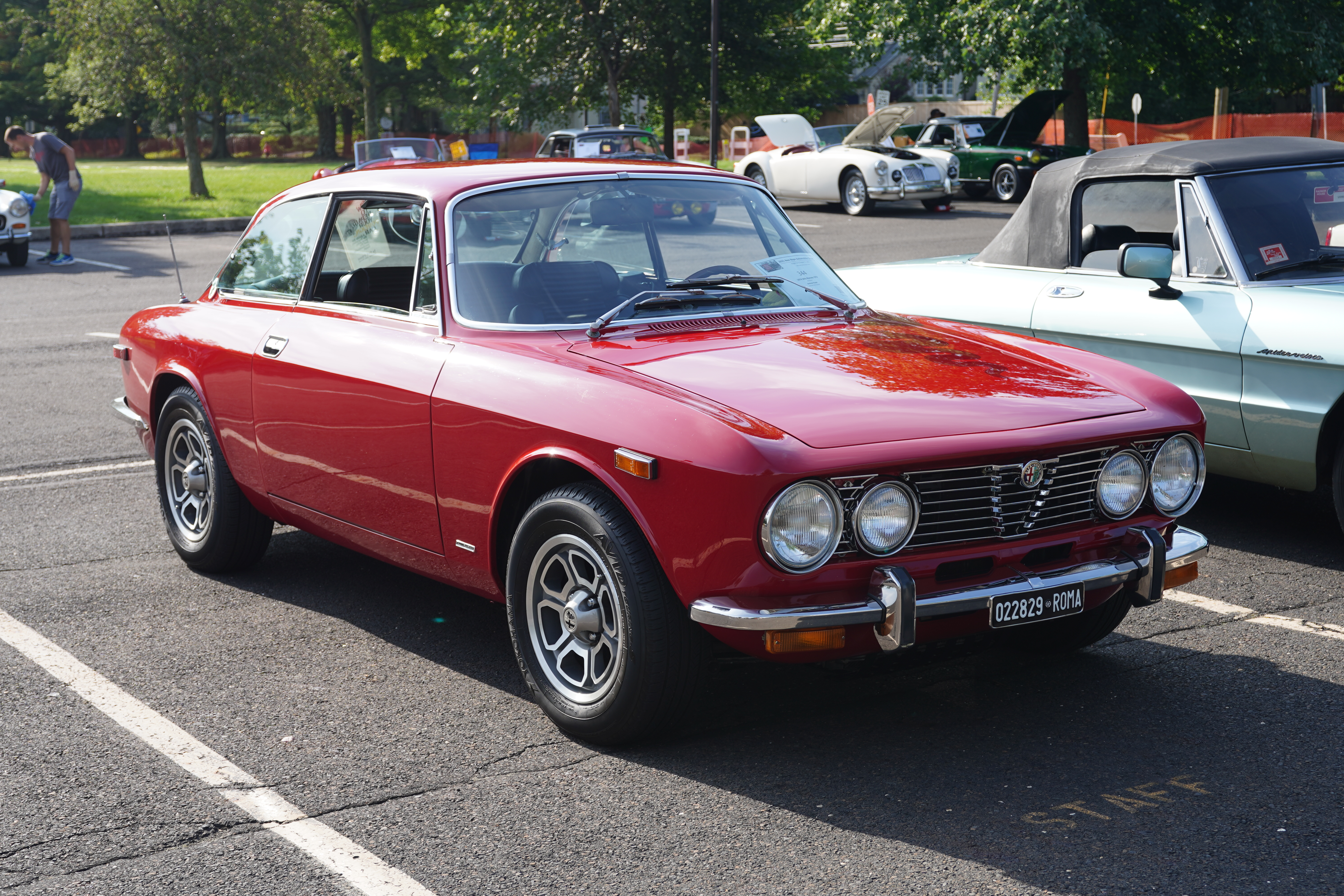
More Italians, this time, some colors other than red:
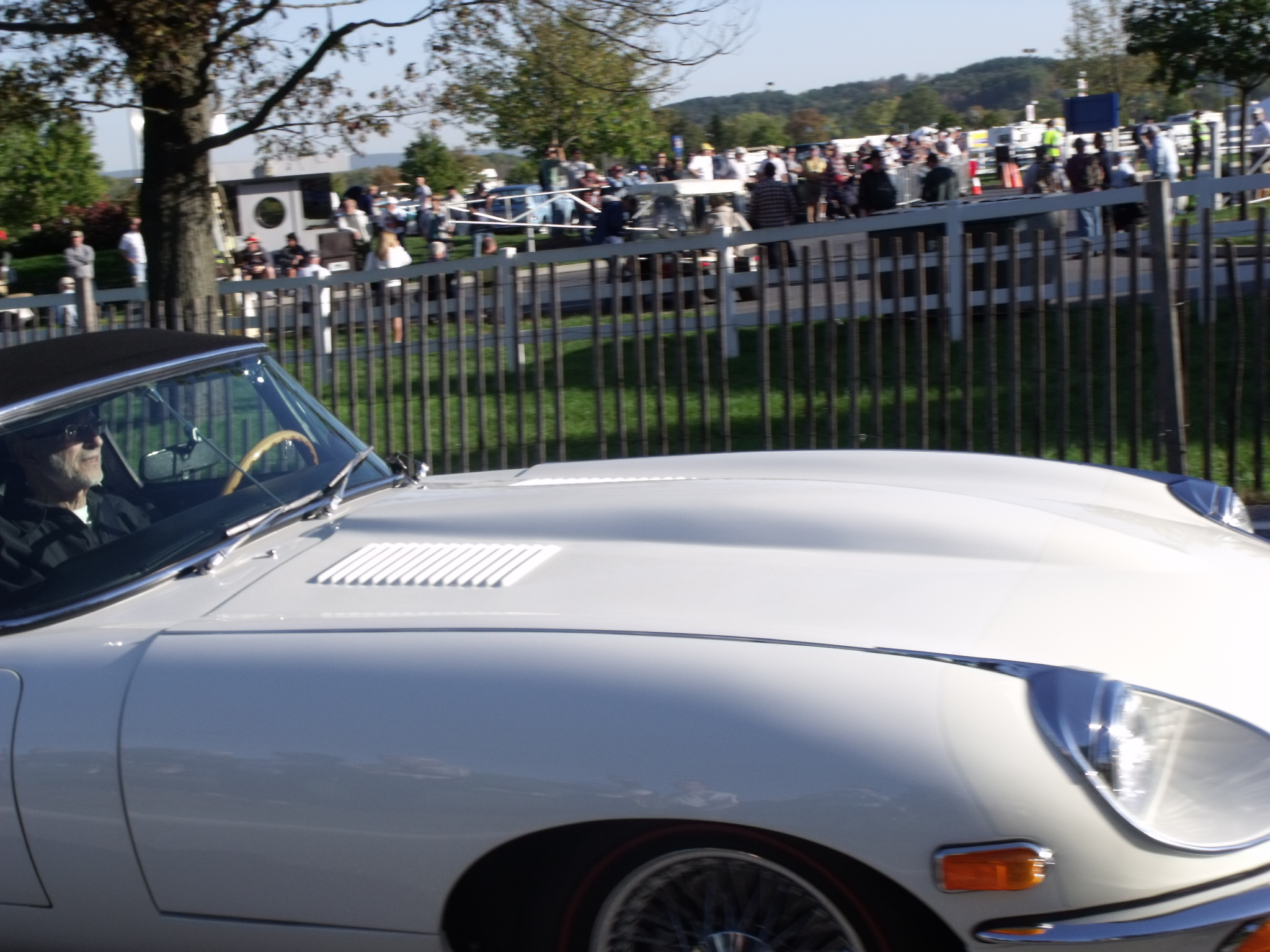
Jaguars proudly line up
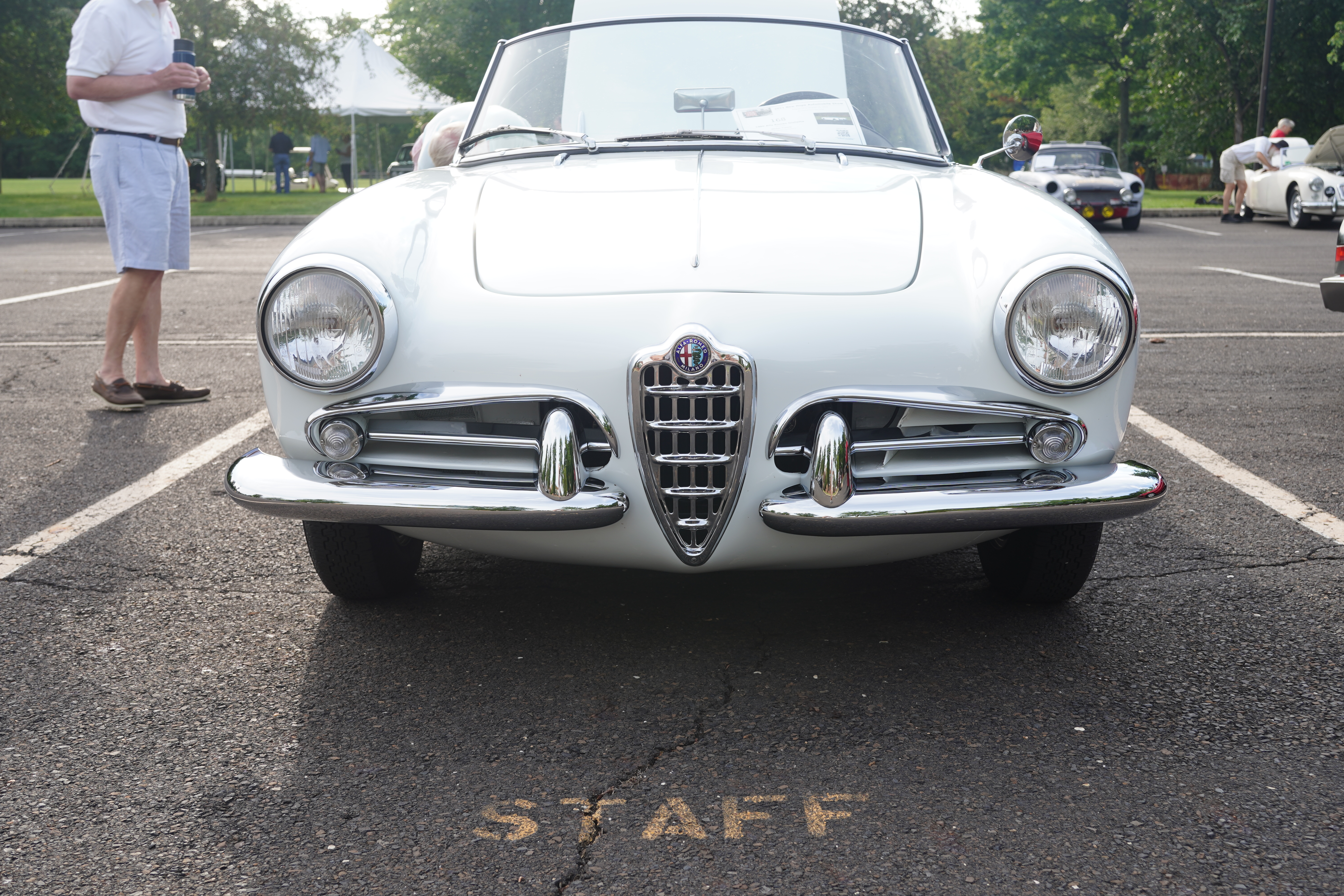
A gorgeous face which has inspired many
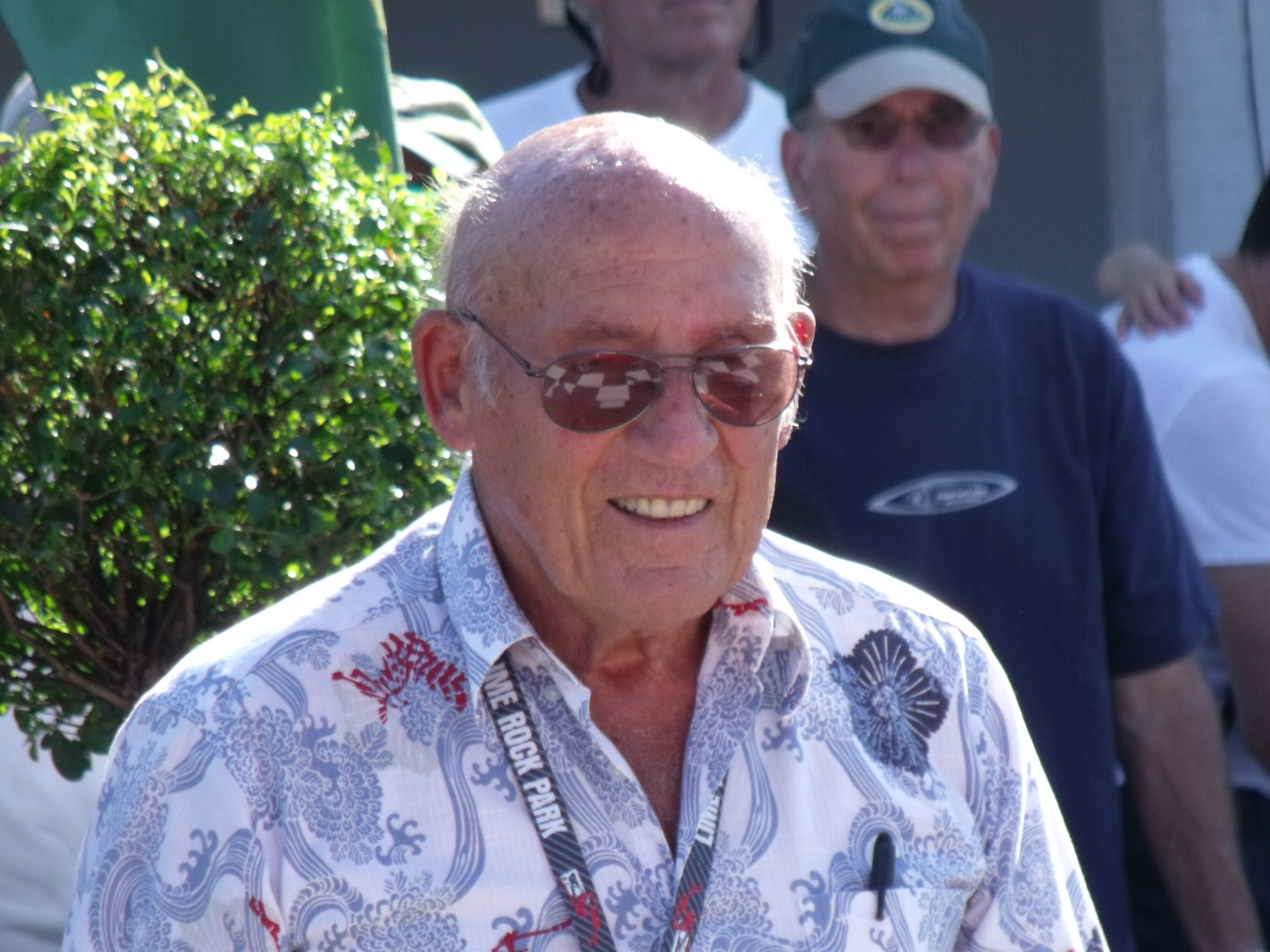
Sir Stirling Moss spent most of the afternoon presenting trophies and awards to deserving recipients:
In January 2012, I was a little less than a year into my new job as Product Training Director for the company which operated the www.CARiD.com website. At that time, our company only sold accessories (exterior, interior, performance, lighting, audio, and wheels) for cars and trucks. The repair parts side of the business was still a few years away. When training our sales staff, my responsibilities included teaching them what was new in the industry. Rather than wait until April for the NY Auto Show, I decided to head to Philadelphia for their show, always held in the January/February timeframe.
The location was familiar to me; I had been to this show in the past as part of my work with Volvo. This time, I cajoled my wife into joining me (under the guise of “we should look for a new car for you, honey!”) and she semi-reluctantly agreed. The drive into Center City Philly was only an hour, and parking in a nearby garage was easy enough. I should not have been surprised, but I was, that the place was jammed with attendees on a Sunday afternoon.
What the Pennsylvania Convention Center lacked in glitz compared to Manhattan’s Javits Center was made up in substance. Floorspace was not consumed by rotating tables, cutaways, never-to-be concept cars, and artificial landscapes. Instead, the vehicles were neatly arrayed, close to each other but not so close that one couldn’t open and close doors and get good three-quarter views. A huge additional benefit (for me anyway) was the side show consisting of “classic cars” with no particular rhyme or reason to the collection.
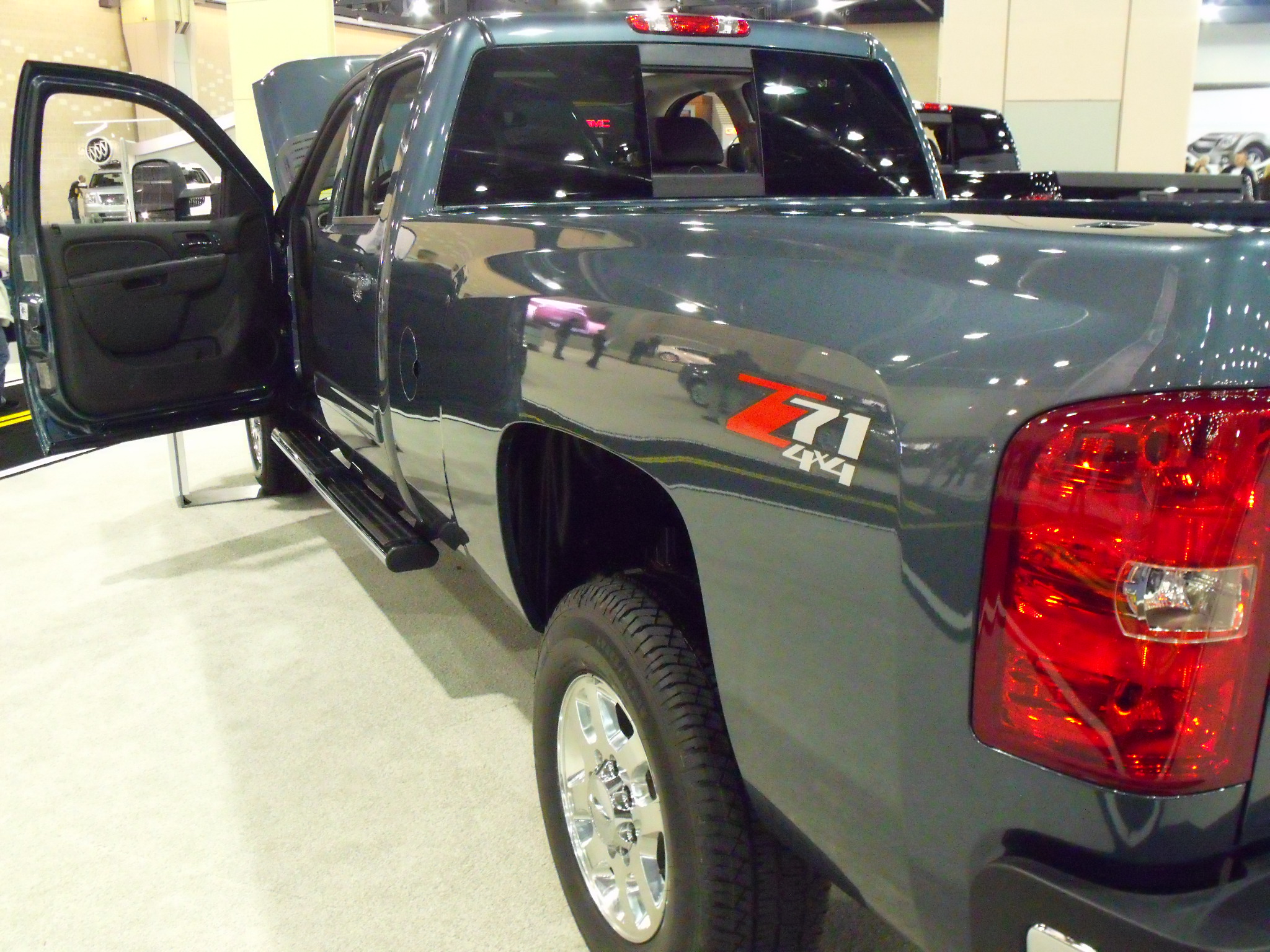
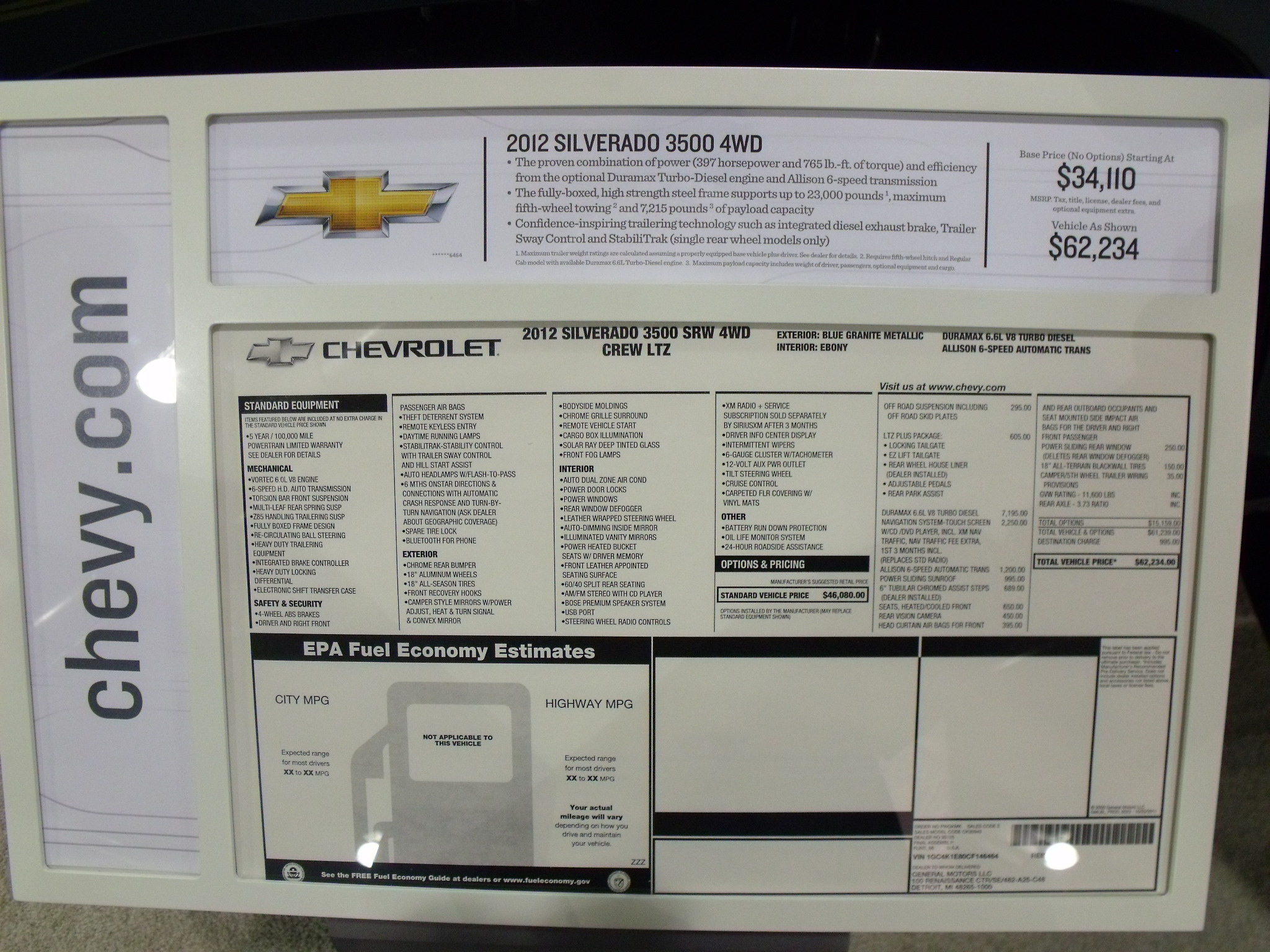
Pickup trucks, normally not my main interest, were a focus because much of the accessorization sold on CARiD is for pickups. I rarely photograph Monroney labels, however, the 2012 Chevrolet Silverado 3500 pickup grabbed all my attention. I was shocked, SHOCKED, to see an MSRP, after options, of $62,000! Little did I realize that ten years ago, I was witnessing the start of the trend whereby overloaded luxury-laden 4×4 pickup trucks would displace luxo-barge American and imported four-door sedans as Americans’ choice for ultimate comfort and convenience. (Visiting the build-and-price function on Chevy’s website allowed me to recreate this truck as a 2022 model, and today’s price is $75,000, if you can find one.)
Here’s the ’12 Silverado 3500
which w/options is $62k
Returning from the show armed with photos, I created a slide presentation for my internal training class to bring our young and inexperienced sales staff up to speed. (I didn’t bother showing them the DeSoto.) The Philadelphia Auto Show, this year in March, continues to be a viable alternative for New Jerseyans who would rather avoid the trek into the Big Apple.
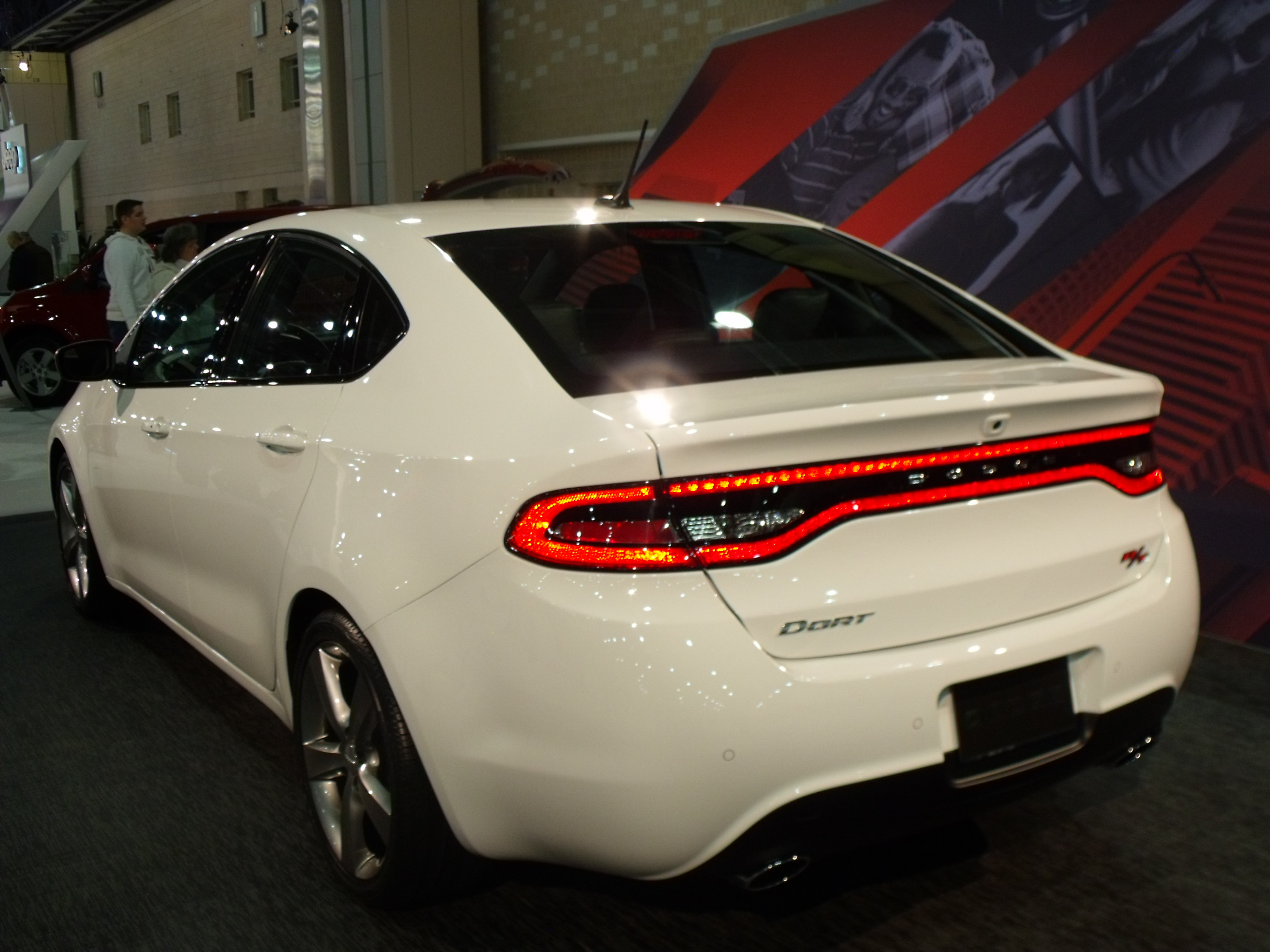
2012 was the debut of the
Alfa-based Dodge Dart
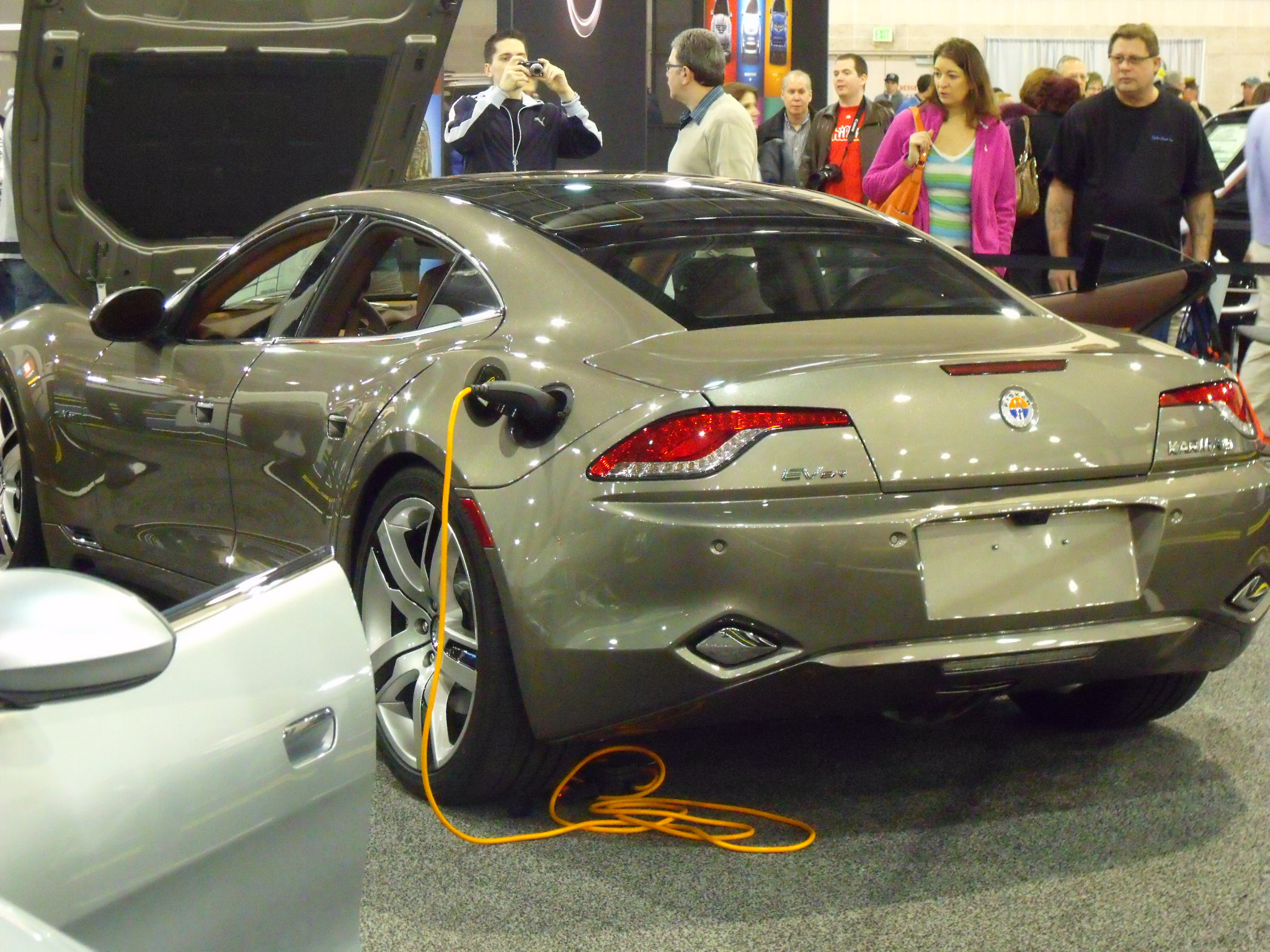
What’s that wire coming out of the fuel filler? Customers in 2012 were not yet used to seeing charging ports like on this Fisker Karma, which was beautiful but ahead of its time.
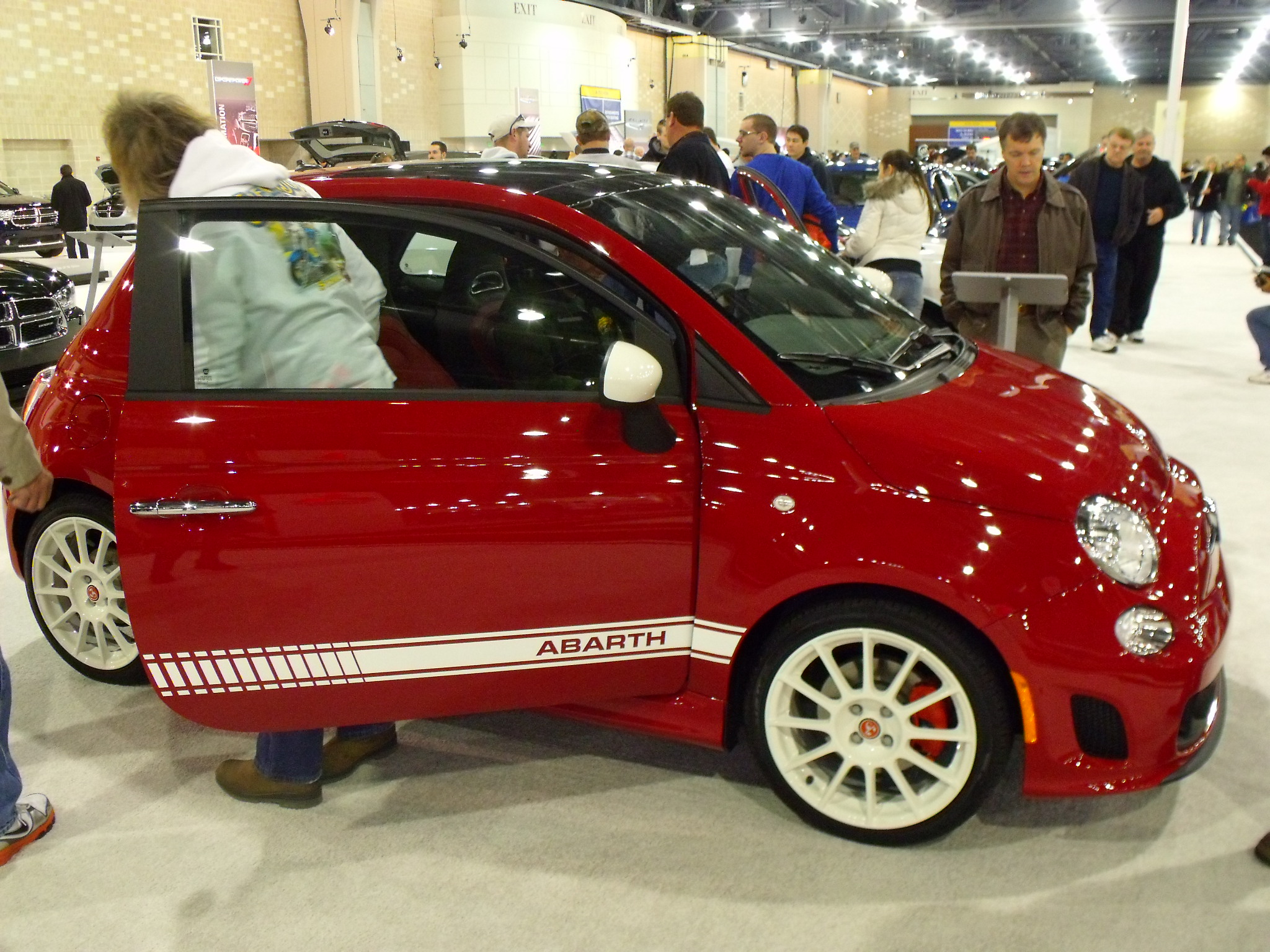
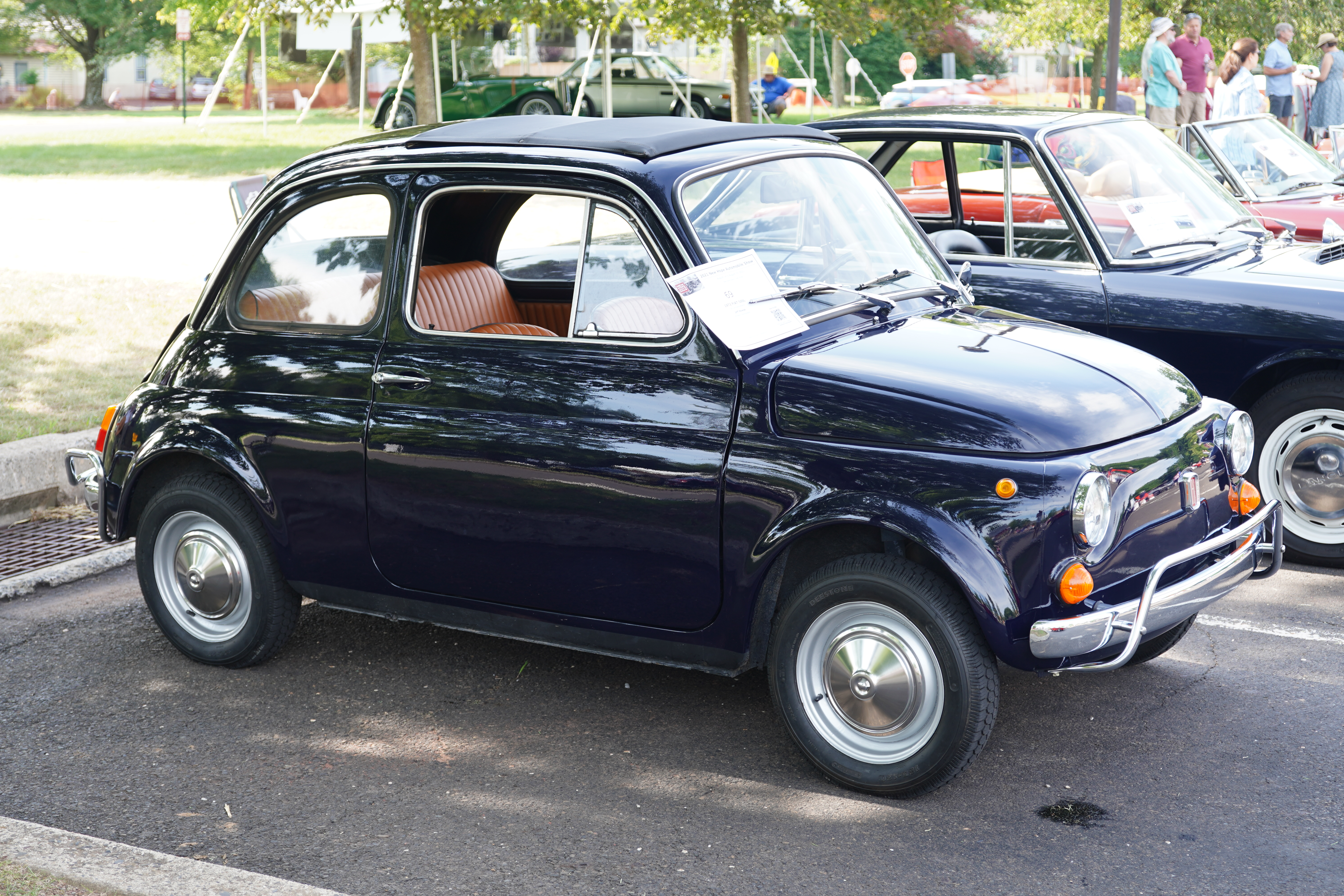
The 2012 Fiat 500 was in its 3rd year of U.S. sales after returning to this market in 2010. This is the zippy Abarth version.
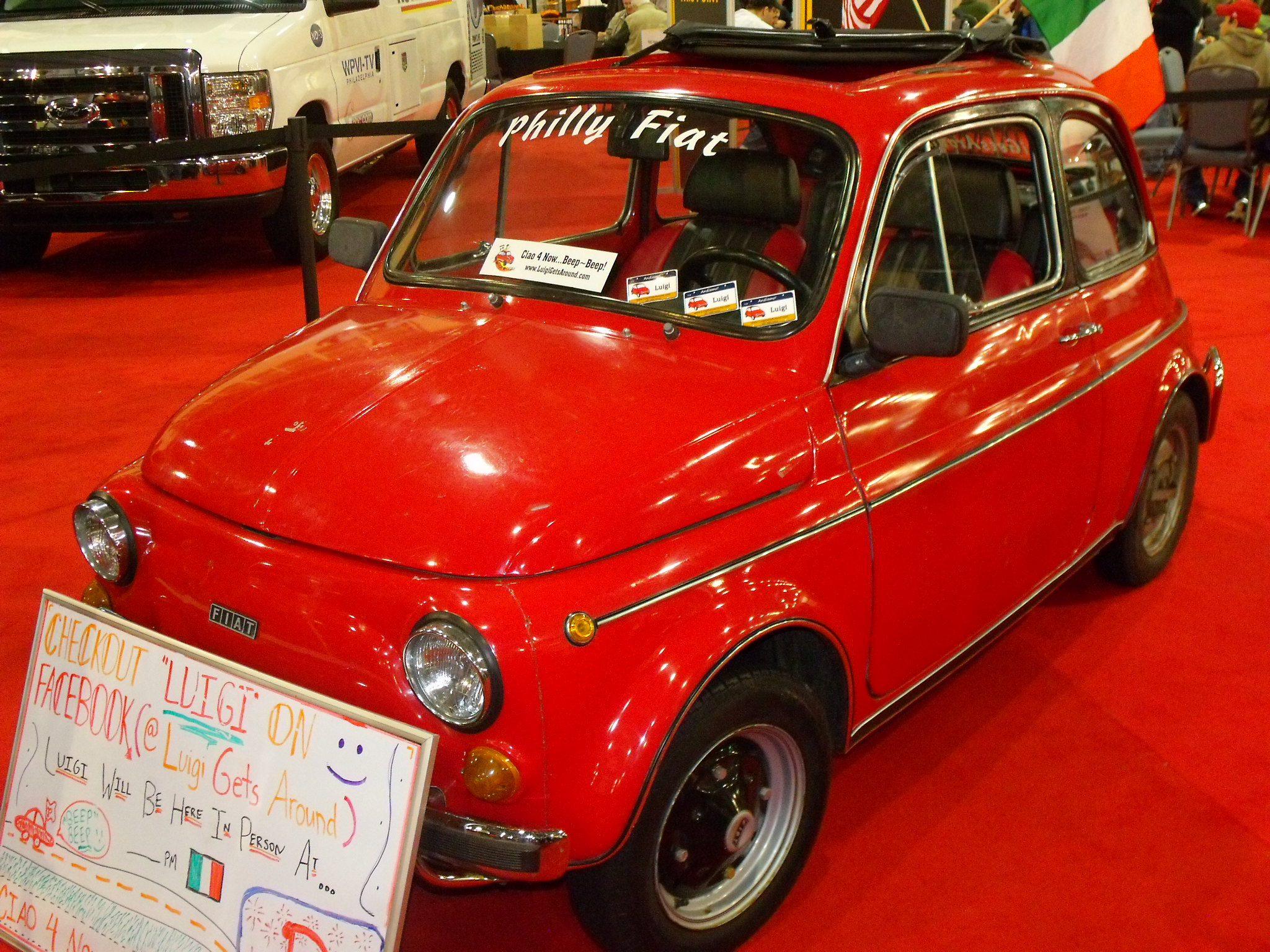
And to remind us how far it’s come, here is the previous 500
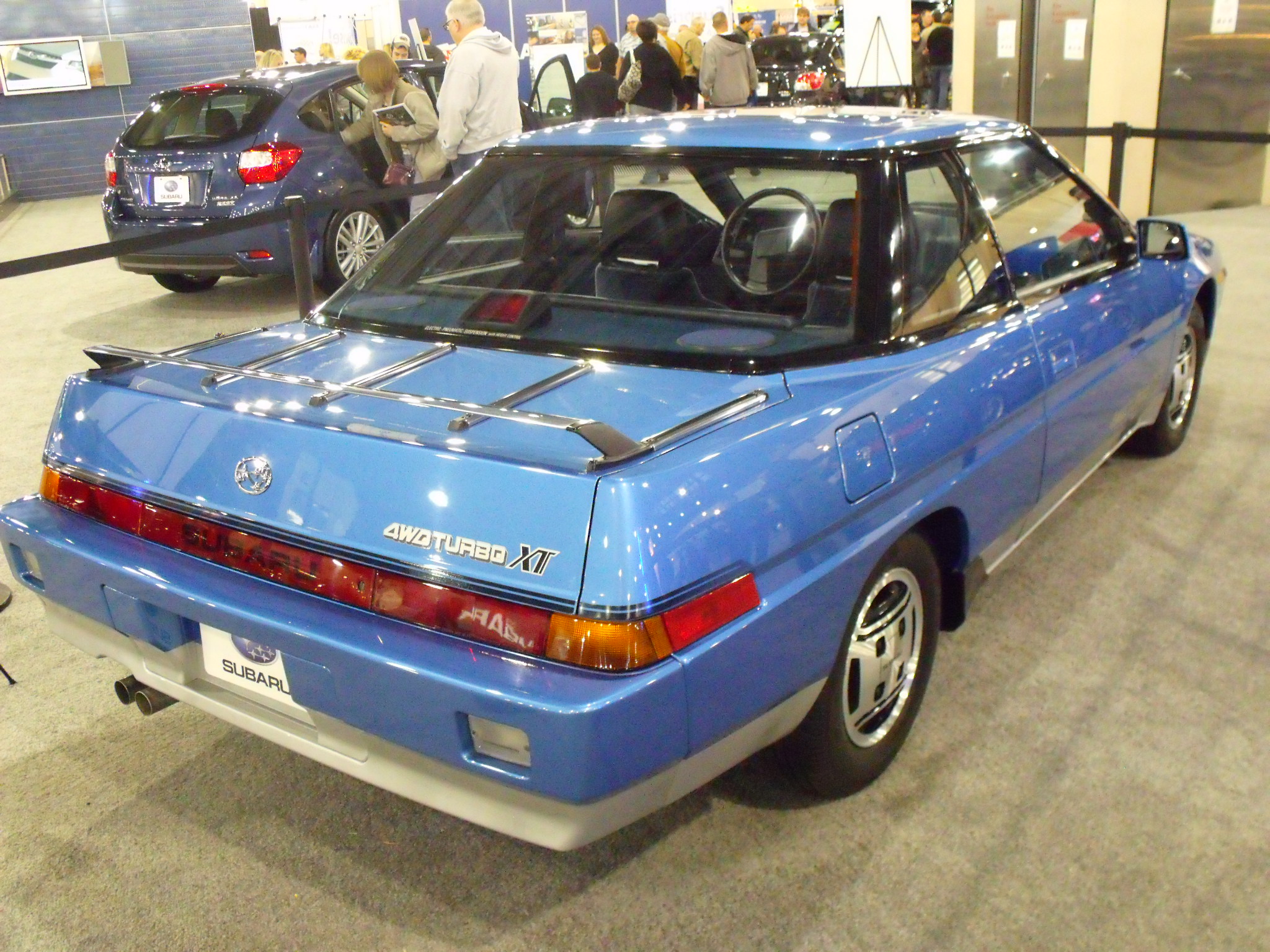
Subaru showed its new BRZ, which had just been introduced a month priorThe BRZ’s grandfather, the XT, was also on display
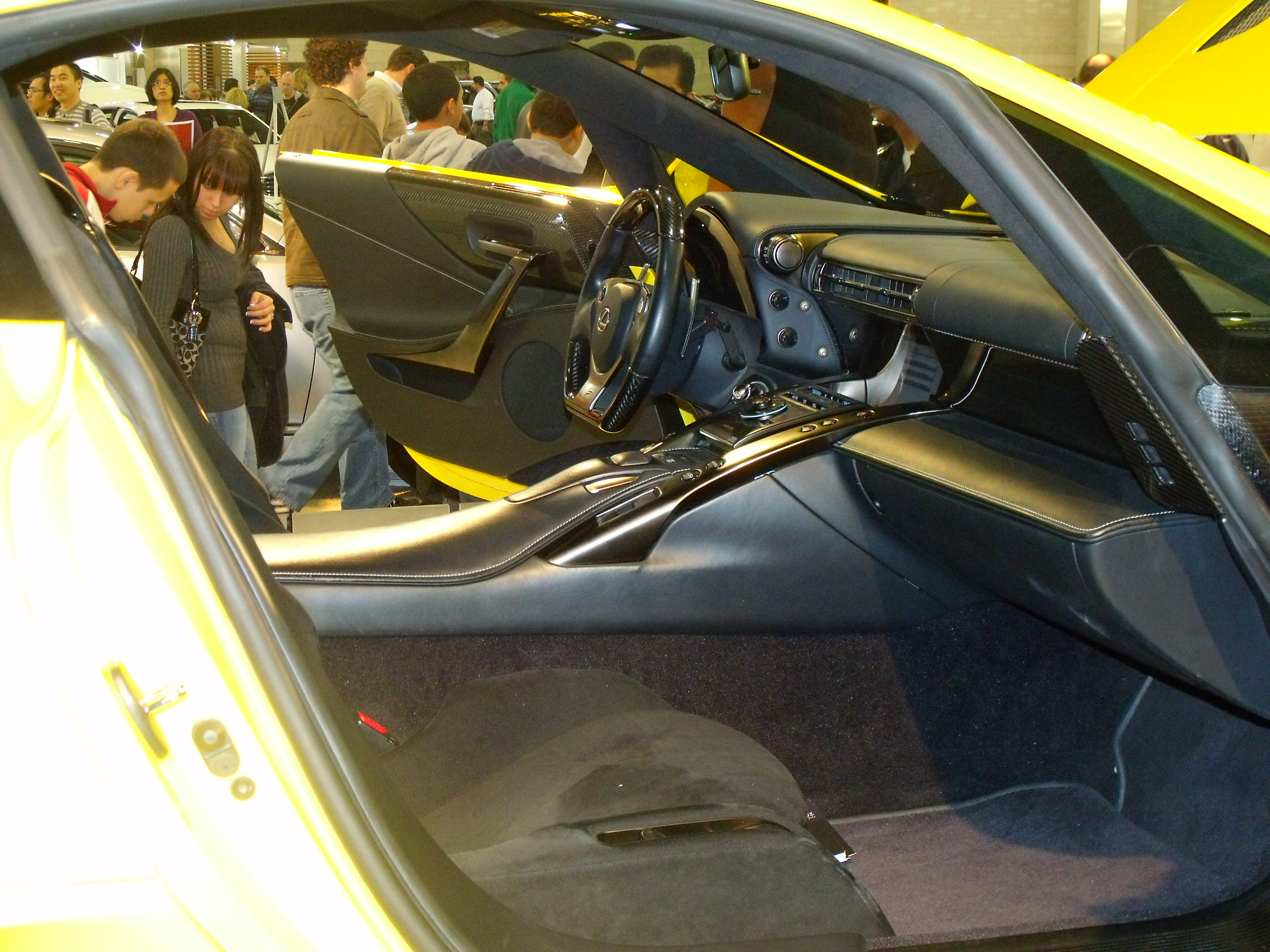
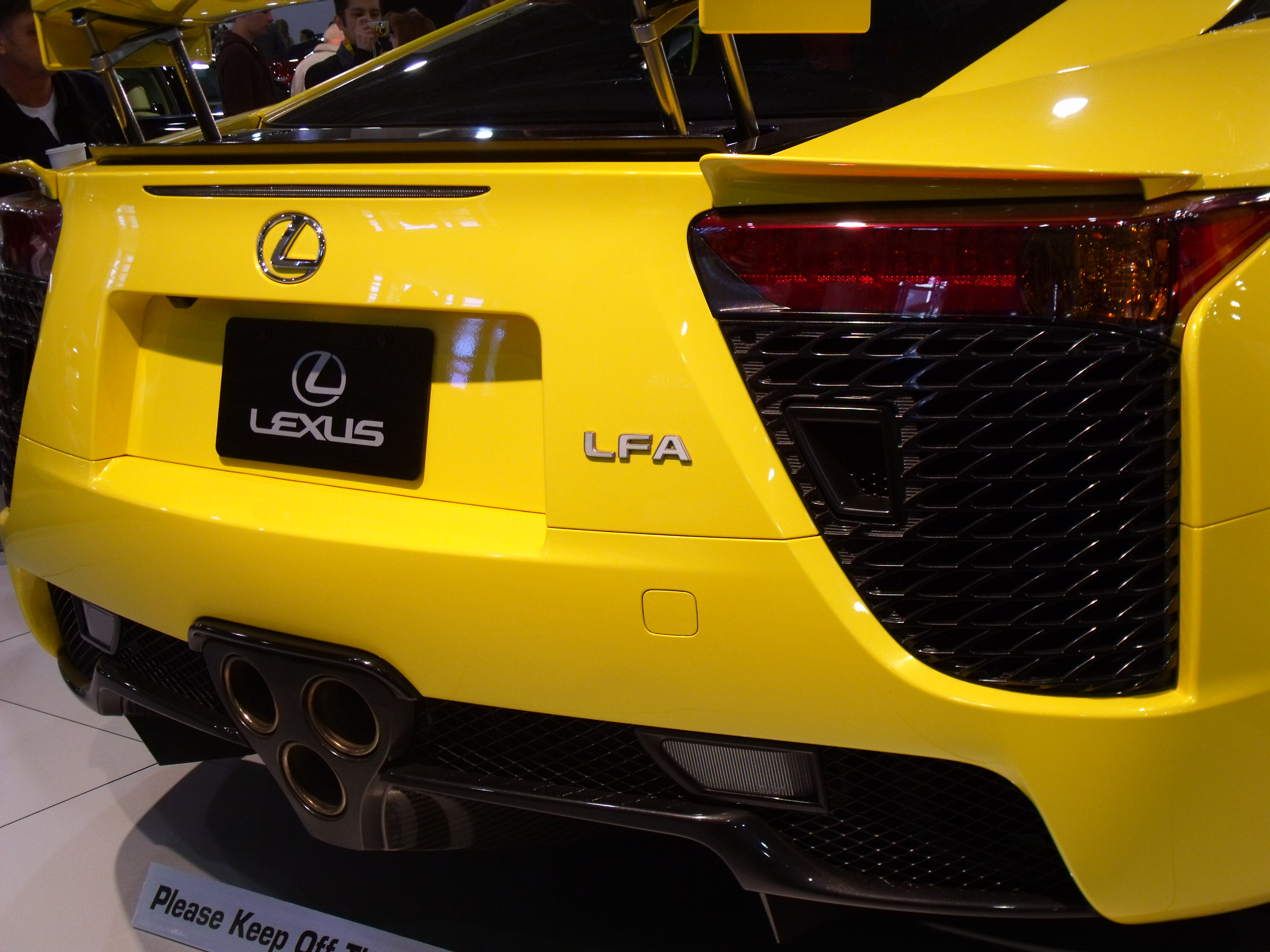
Here is the 2012 Lexus LFA, with an MSRP of $375,000 (take that, Silverado!). According to Wikipedia, a total of 52 units were sold in the U.S. in 2012.
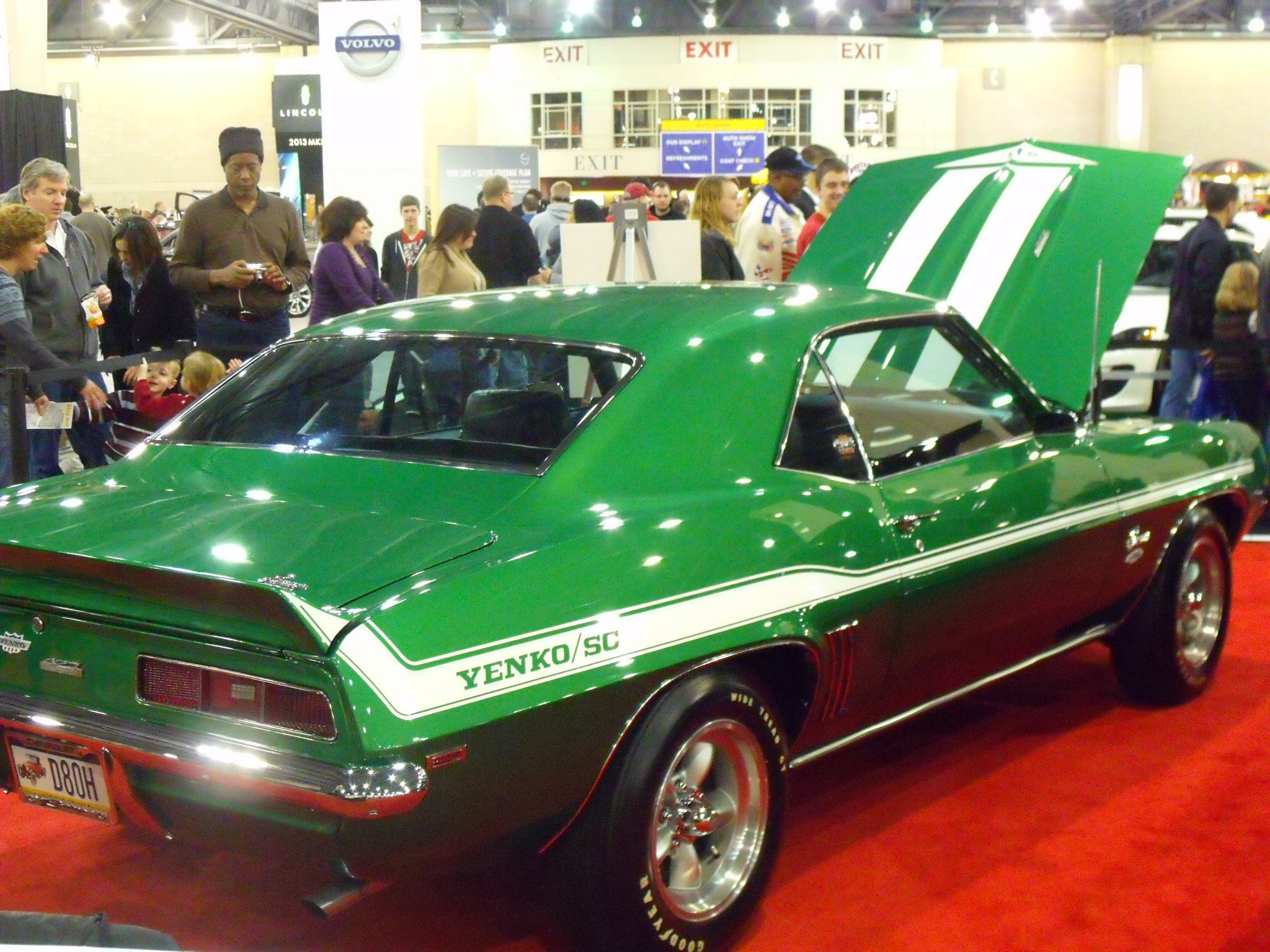
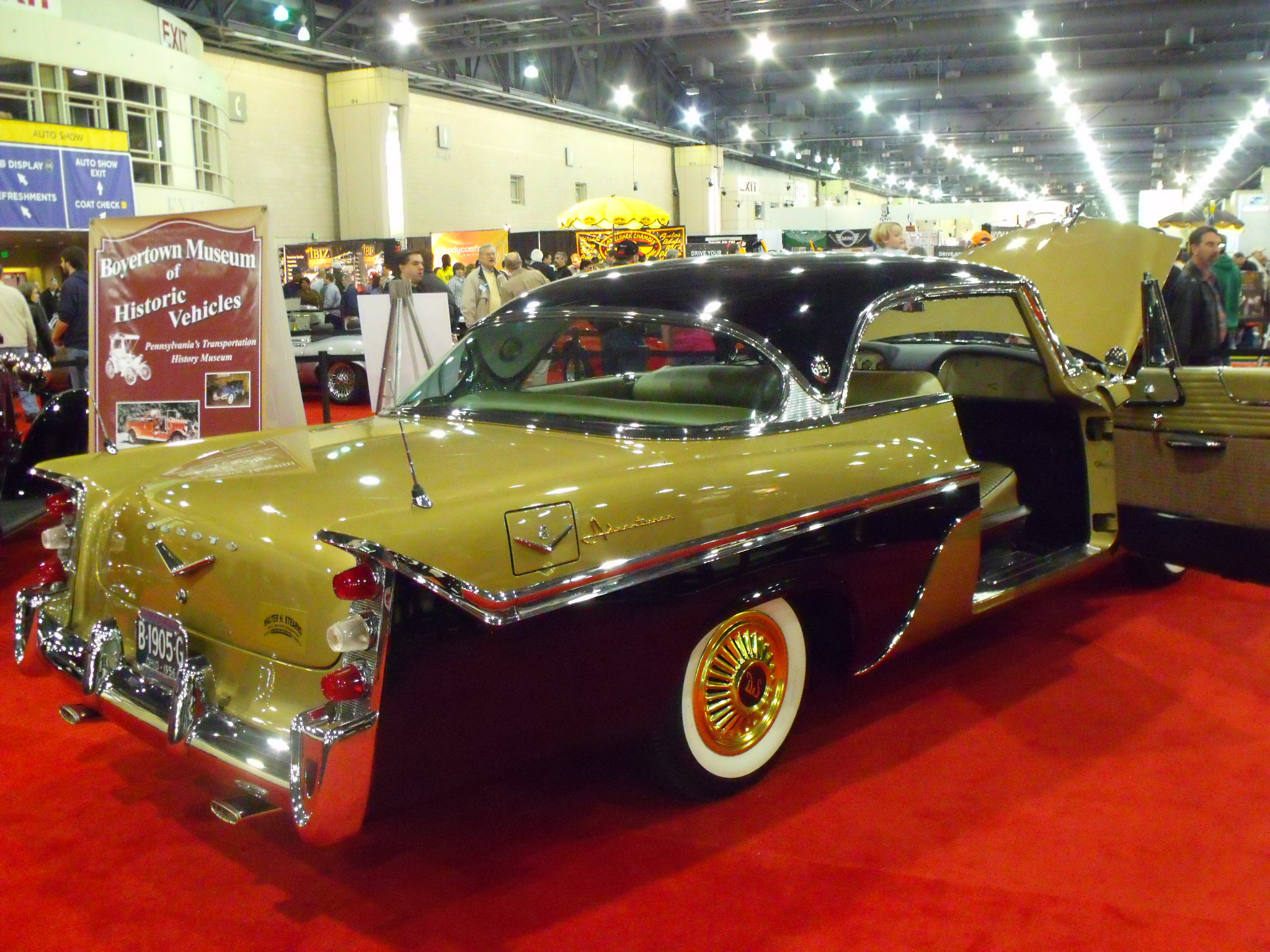
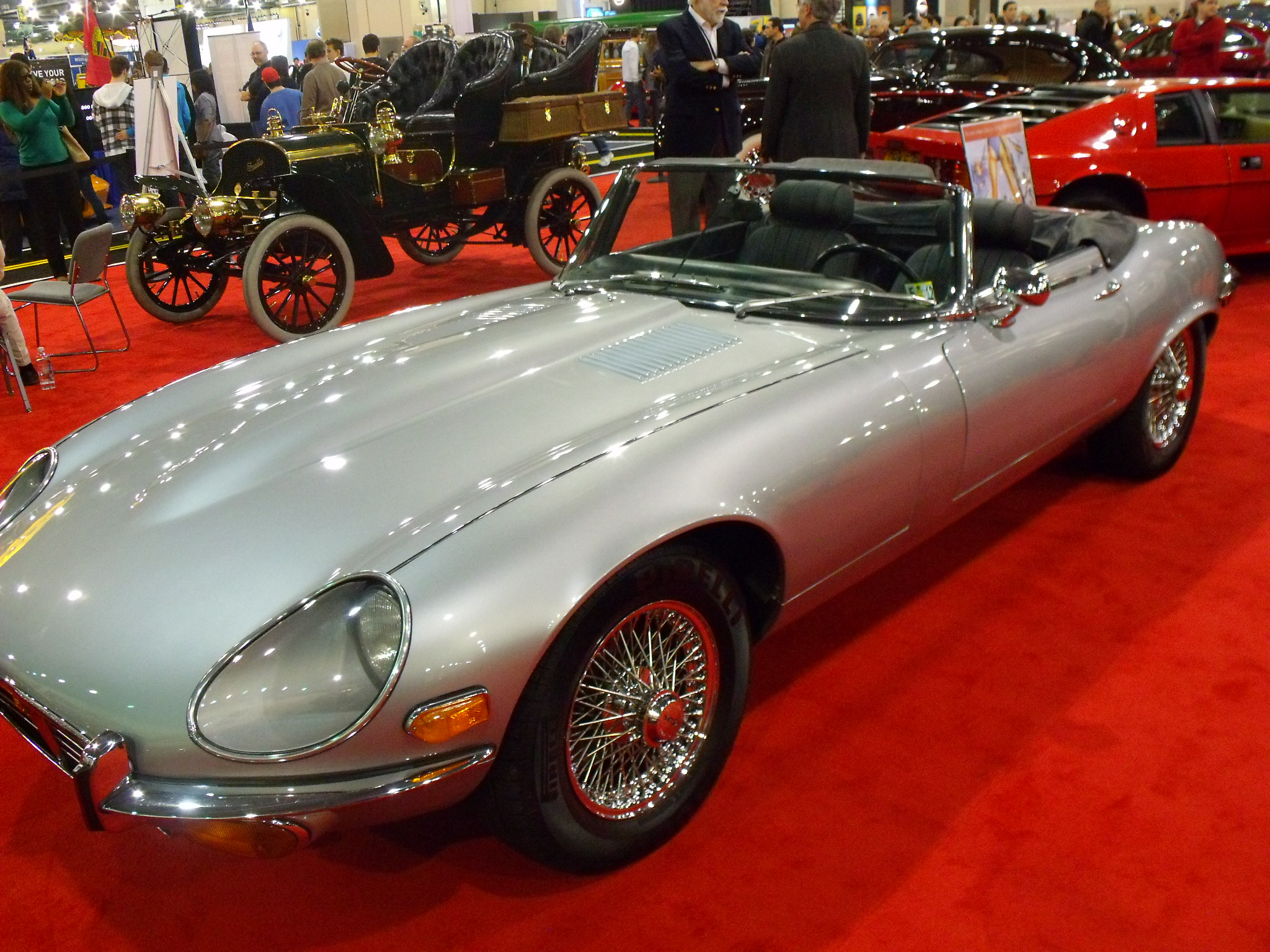
Many of the classics on display were on loan from the Boyertown Museum of Historic Vehicles. From the top: A Nash-Healey roadster; a 1969 Camaro Yenko; a 1956 DeSoto; and a Series III Jaguar E-Type (note the flared fenders and long doors indicating a Series III, but with retro-fitted covered headlamps).
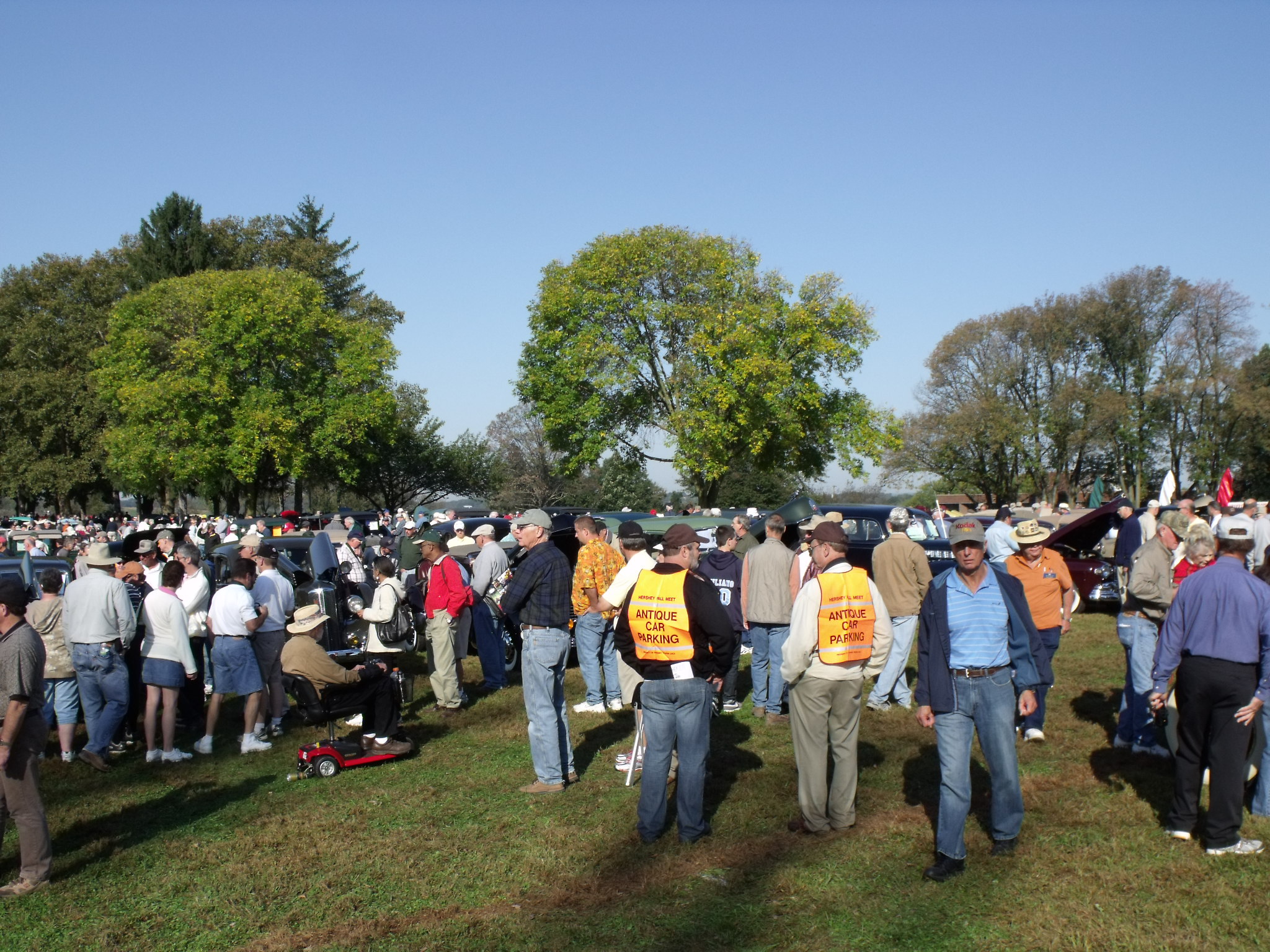
My photos tell the tale: the weather during Hershey week 2011 was as pleasant as October in Pennsylvania can be, as borne out by the abundant sunshine and the swarms of car enthusiasts dressed in light outerwear. By this point in time, I had been a regular attendee at what is formally known as the Antique Automobile Club of America’s Eastern Fall Nationals. My first visit to Hershey was around 1980, and I returned only sporadically over the next 20 years, as Carlisle was more to my interest. Starting around 2001, when I joined the National AACA club, Hershey became a mandatory entry on my calendar except for the one year when an out-of-town business trip forced me to miss it. The five-day event, culminating with the Saturday judged show, consists of three segments: in addition to the show are the vast flea market and the Car Corral. (The RM auction at the Hershey Lodge, while not an AACA-sanctioned event, is always timed to occur during Hershey week and is supported by AACA.)
THE CAR CORRAL
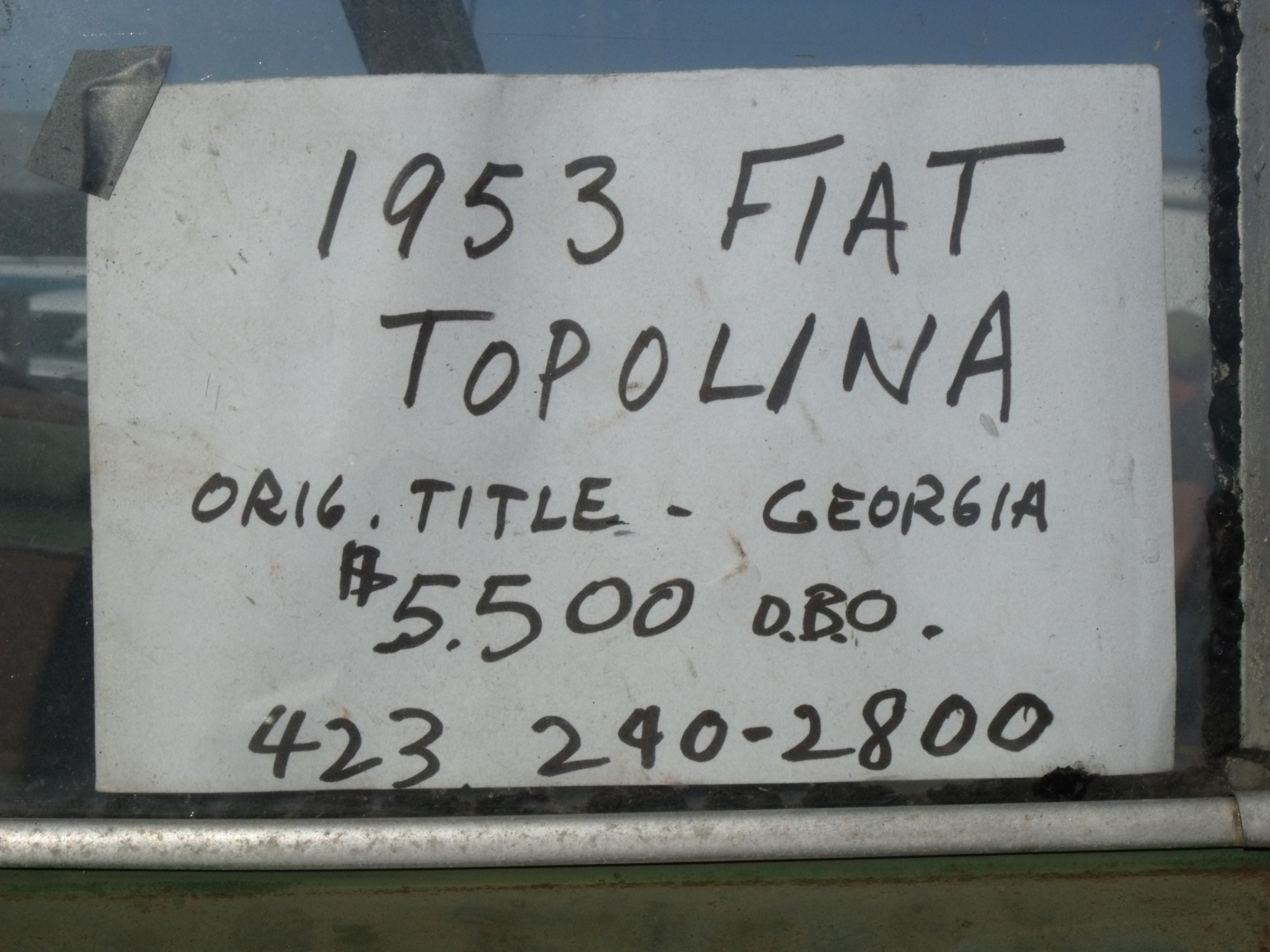
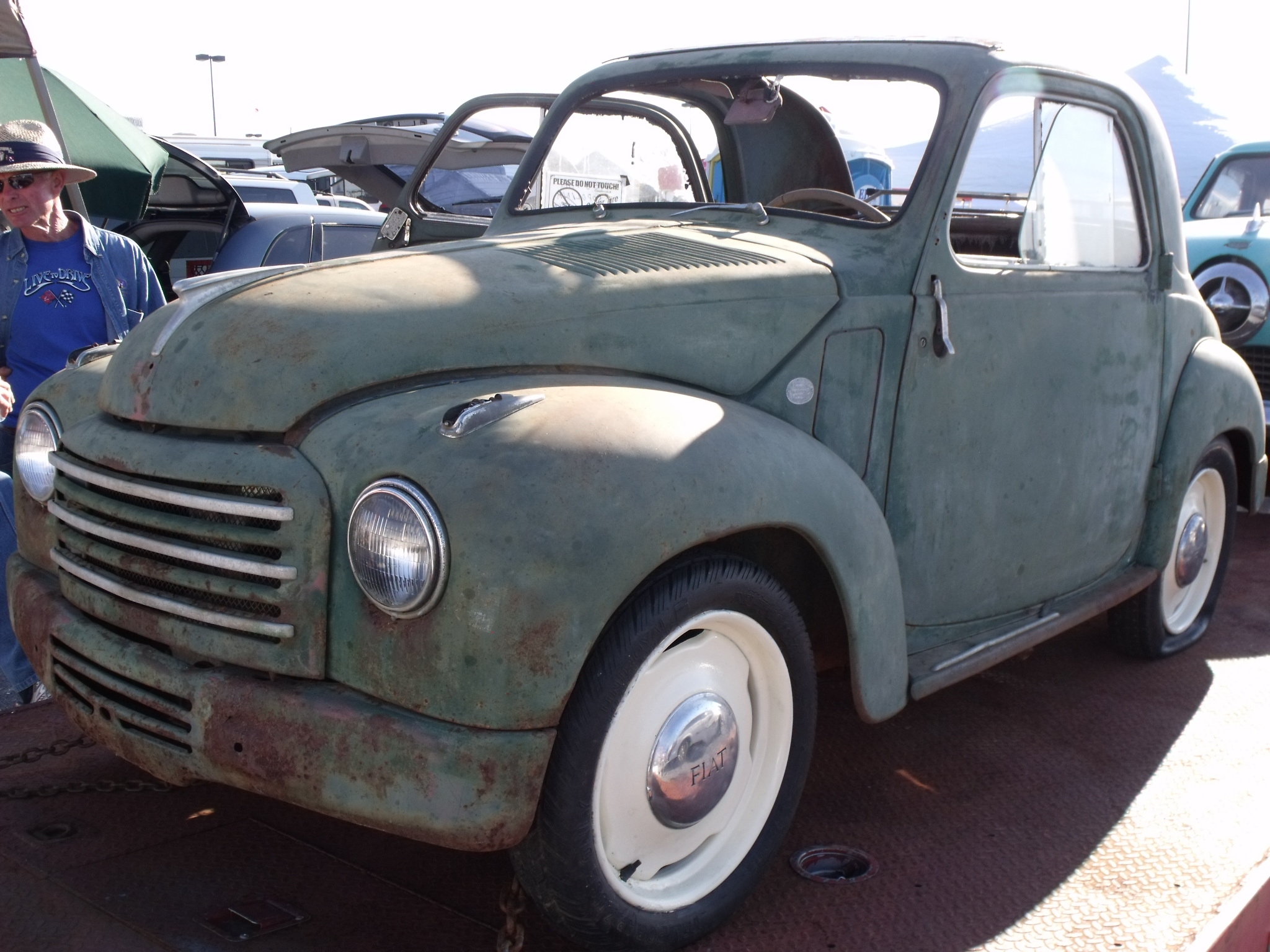
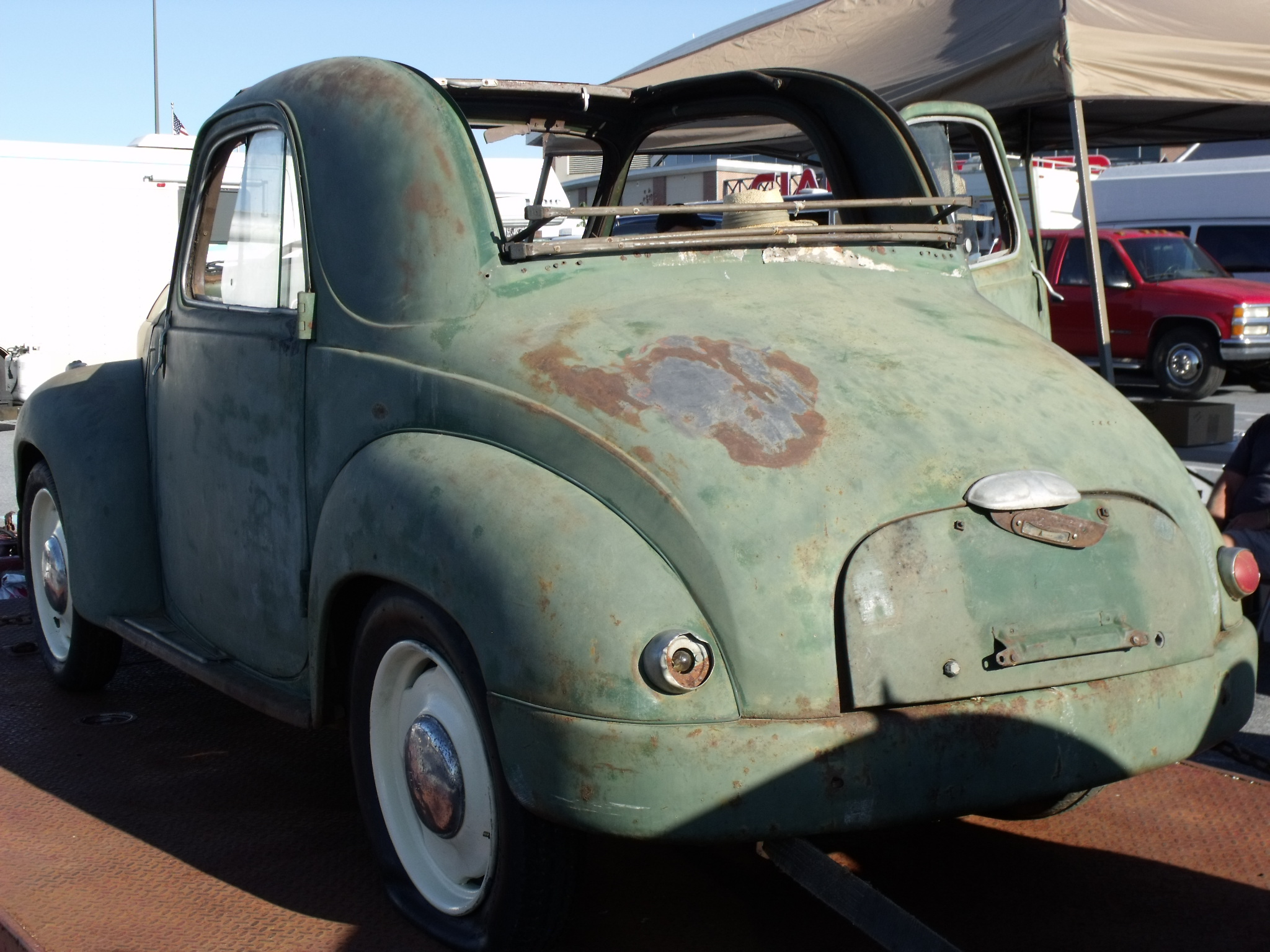
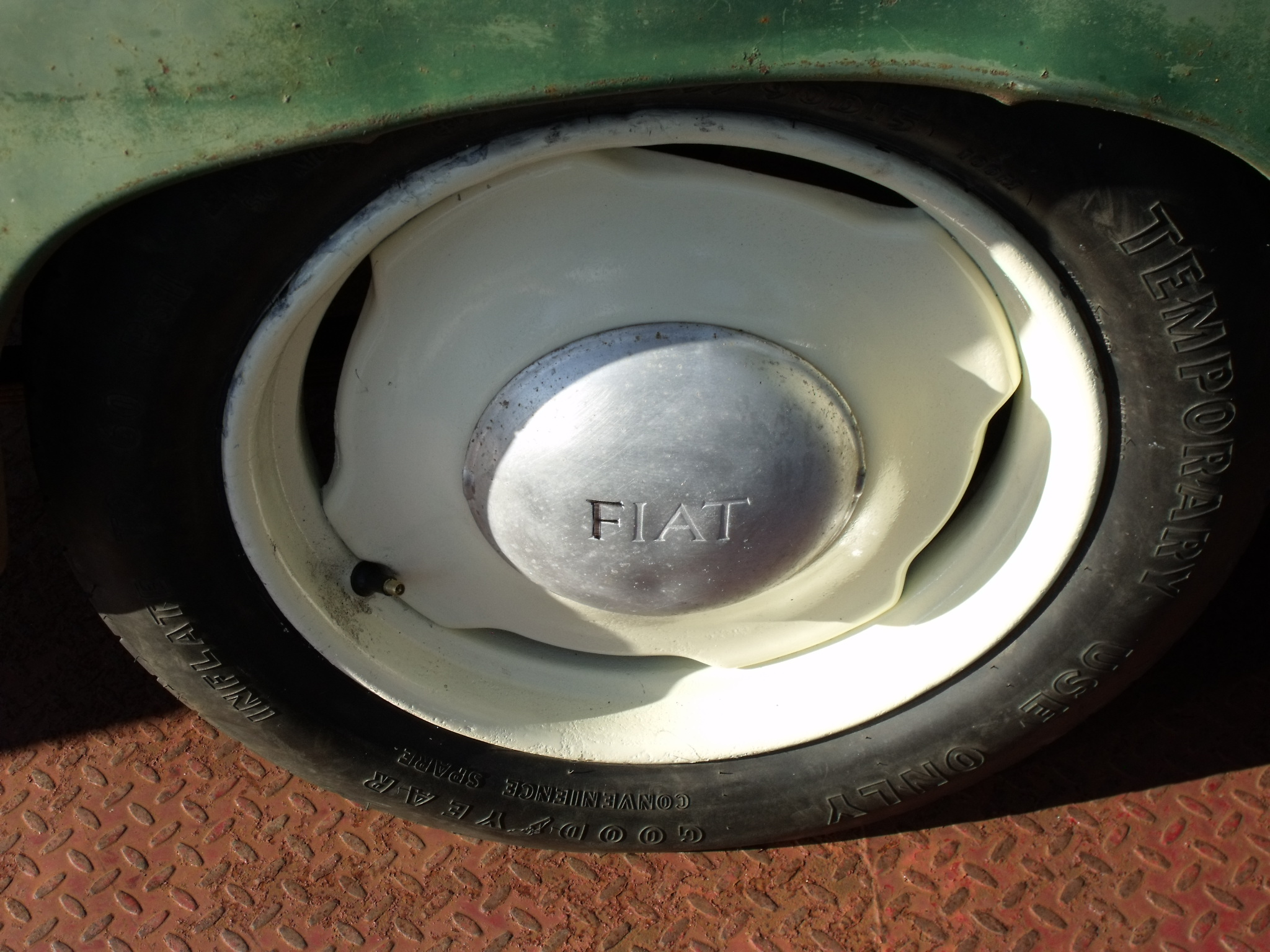
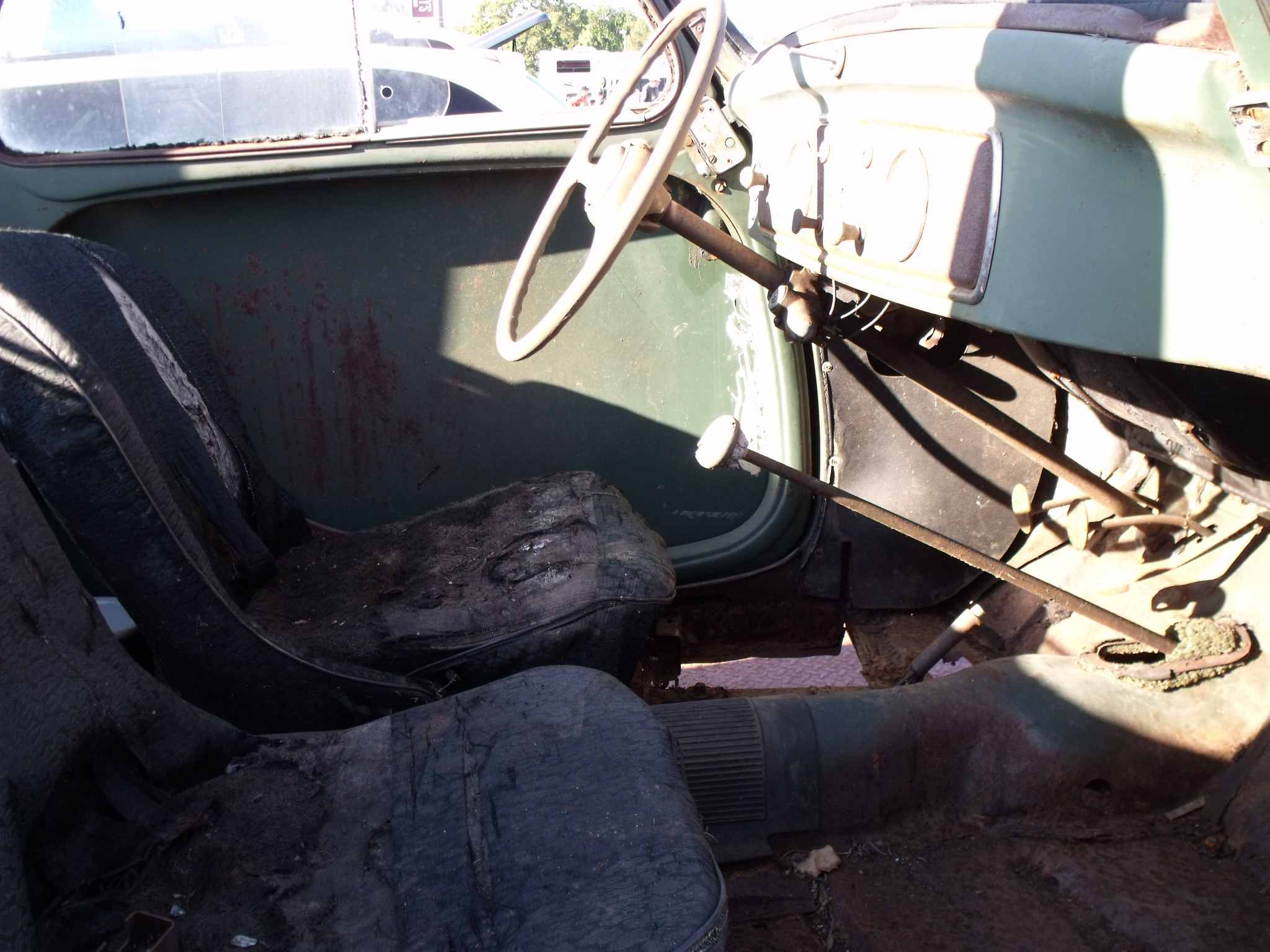
I tend to focus on the rare or unusual cars in the Car Corral, along with any which strike me as potentially good deals. This year, the most unusual of the lot was this 1953 Fiat Topolino (the owner can be forgiven for his misspelling of it as ‘Topolina’), obviously a #5 condition car, and offered at $5,500 OBO. Wikipedia reveals this to be a Model C, produced from 1949-1955, perhaps not as cute as the Models A and B, but still with enough il fascino (charm) to make it an attractive project. The “Fiat-Heuler, Frankfurt a. M.” is the German Fiat dealership in Frankfurt. Check out this beautiful restoration which sold last year on Bring a Trailer for $19,870.
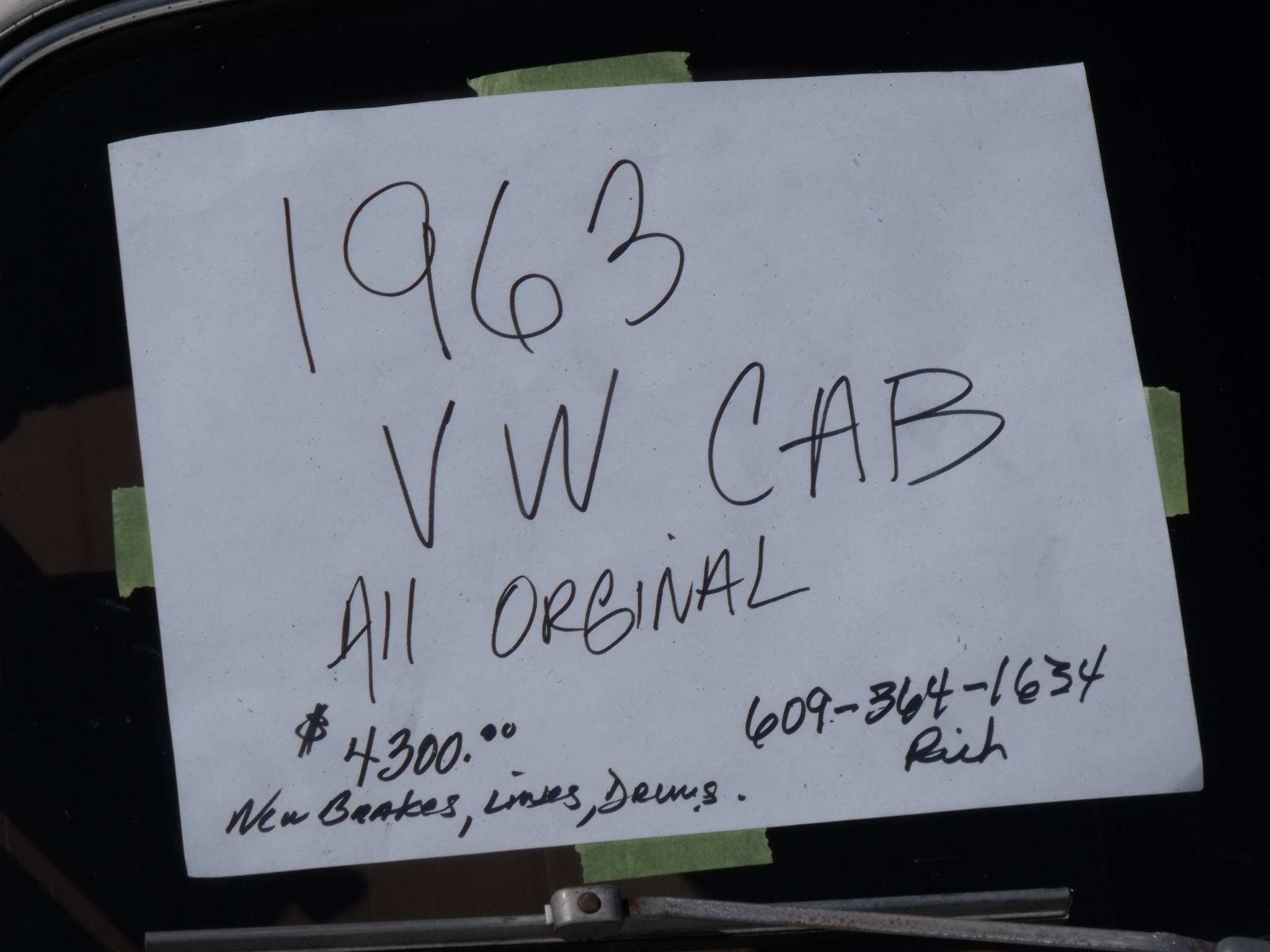
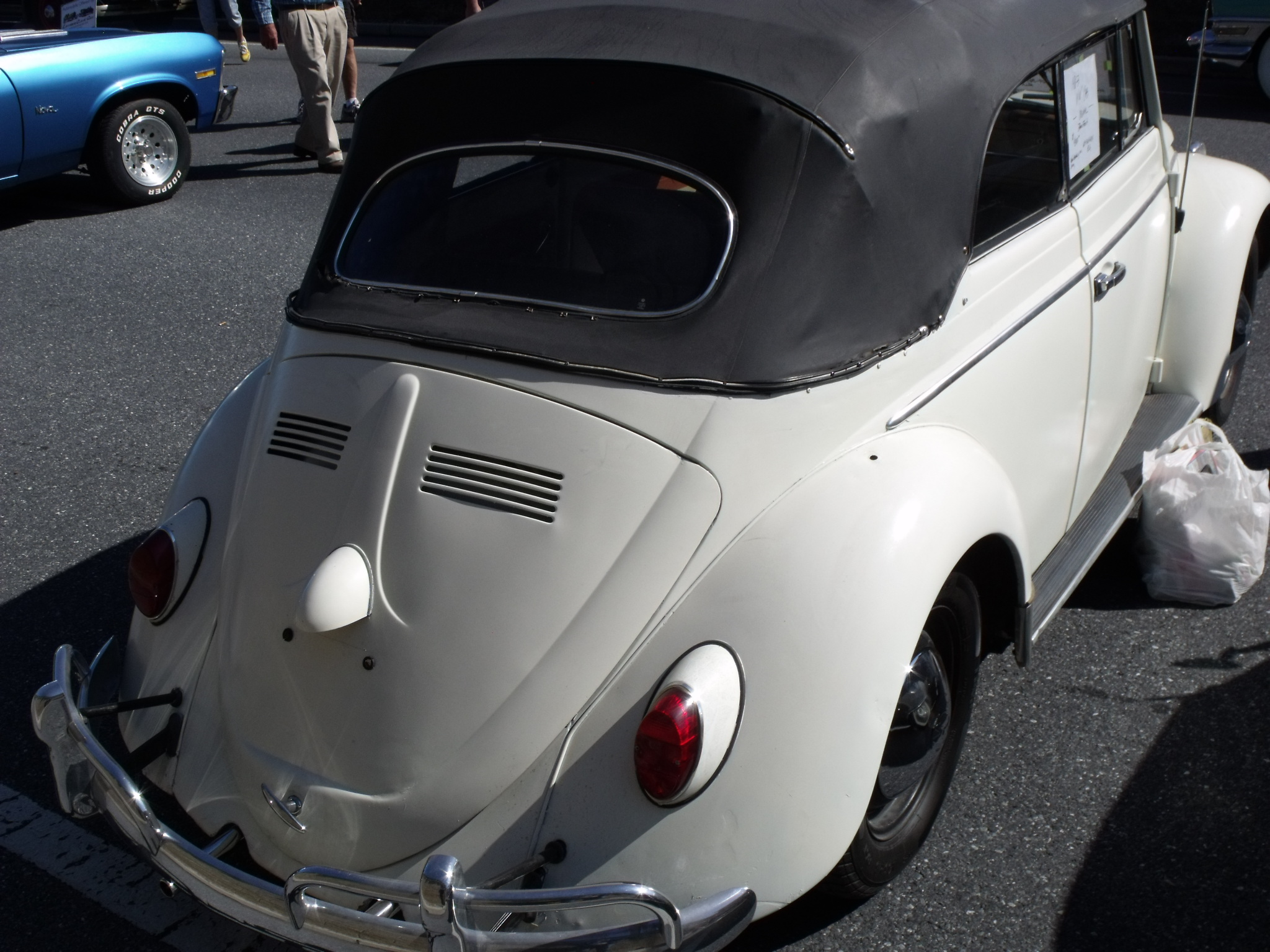
I’ve said this before: if someone had bet me money in 2011 that VW Beetles would see a steady rise in values and collector interest over the next 10 years, I would have lost that bet. So with 10 years hindsight, does this look like a deal? Here’s a 1963 Bug convertible, claimed to be ‘all original’ (whatever that means for a collector car), offered at $4,300. It’s difficult to gauge condition from my two photos, but as long as there wasn’t terminal rot underneath, this one could have been cheap fun. (The closest comp I could find on Bring a Trailer was this ’60 convertible, obviously in better condition, which sold for $20,000 in Dec. 2021.)
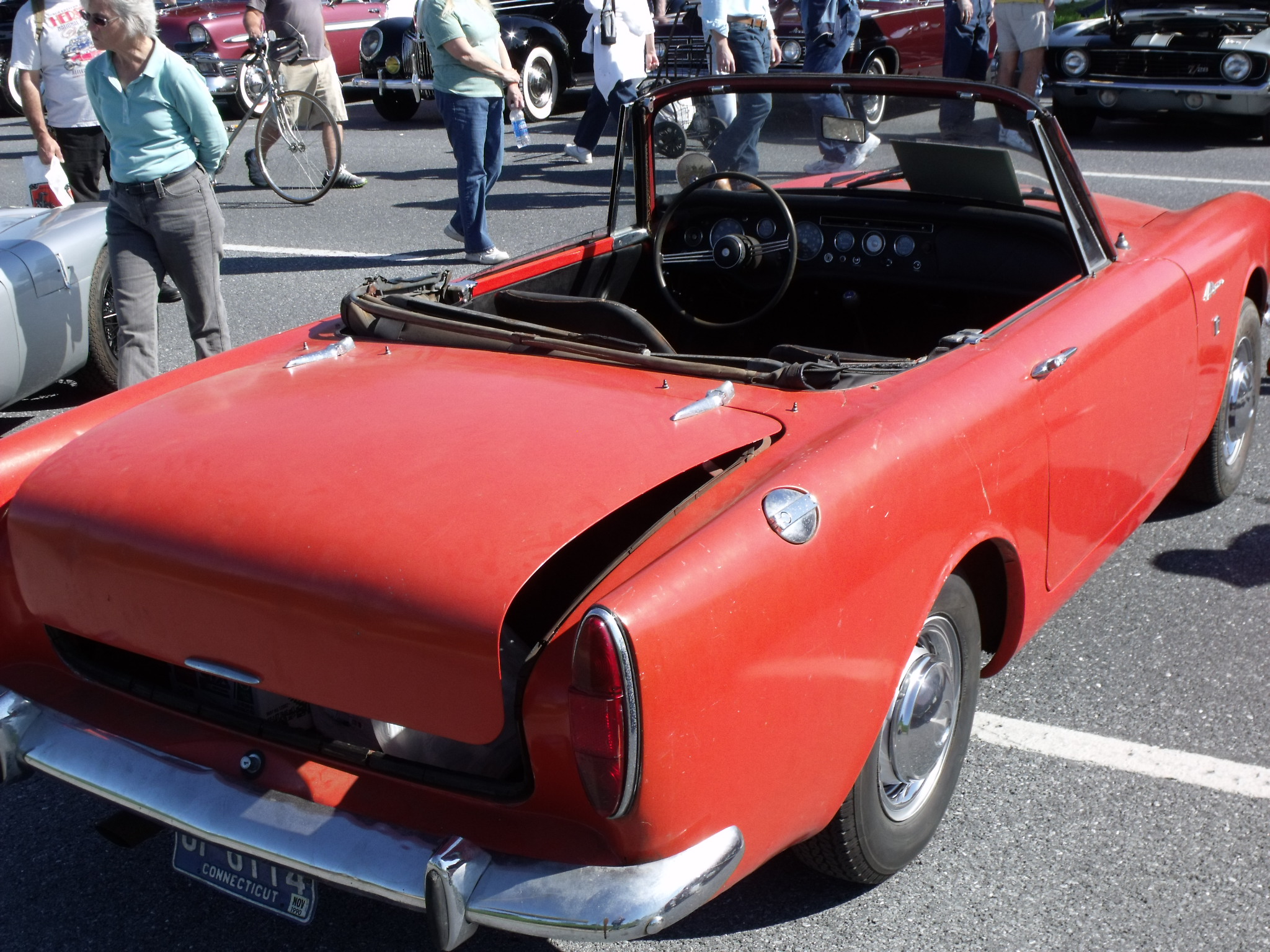
I have spilled considerable digital ink extolling my exploits in my rally buddy’s Sunbeam Tiger. The Tiger’s concept was similar to the better-known Cobra: take a British sports car, toss the smaller engine, and install an American lump of a V8. In the Tiger’s case, the ‘donor’ car was the Sunbeam Alpine, factory-powered by an inline four. The Car Corral had this 1964 version, with its asking price already lowered from $3,700 to $3,400. To me, that’s an instant indication that the owner is getting anxious and is ready to listen to offers. The red paint is oxidized, and the bumpers lack luster, but I bet it was driven into and out of the Corral under its own power. Bring a Trailer has had plenty on offer. Most appear to be fully restored, and many don’t reach their reserves. They did sell this ’64 project car in 2019 for $5,300.
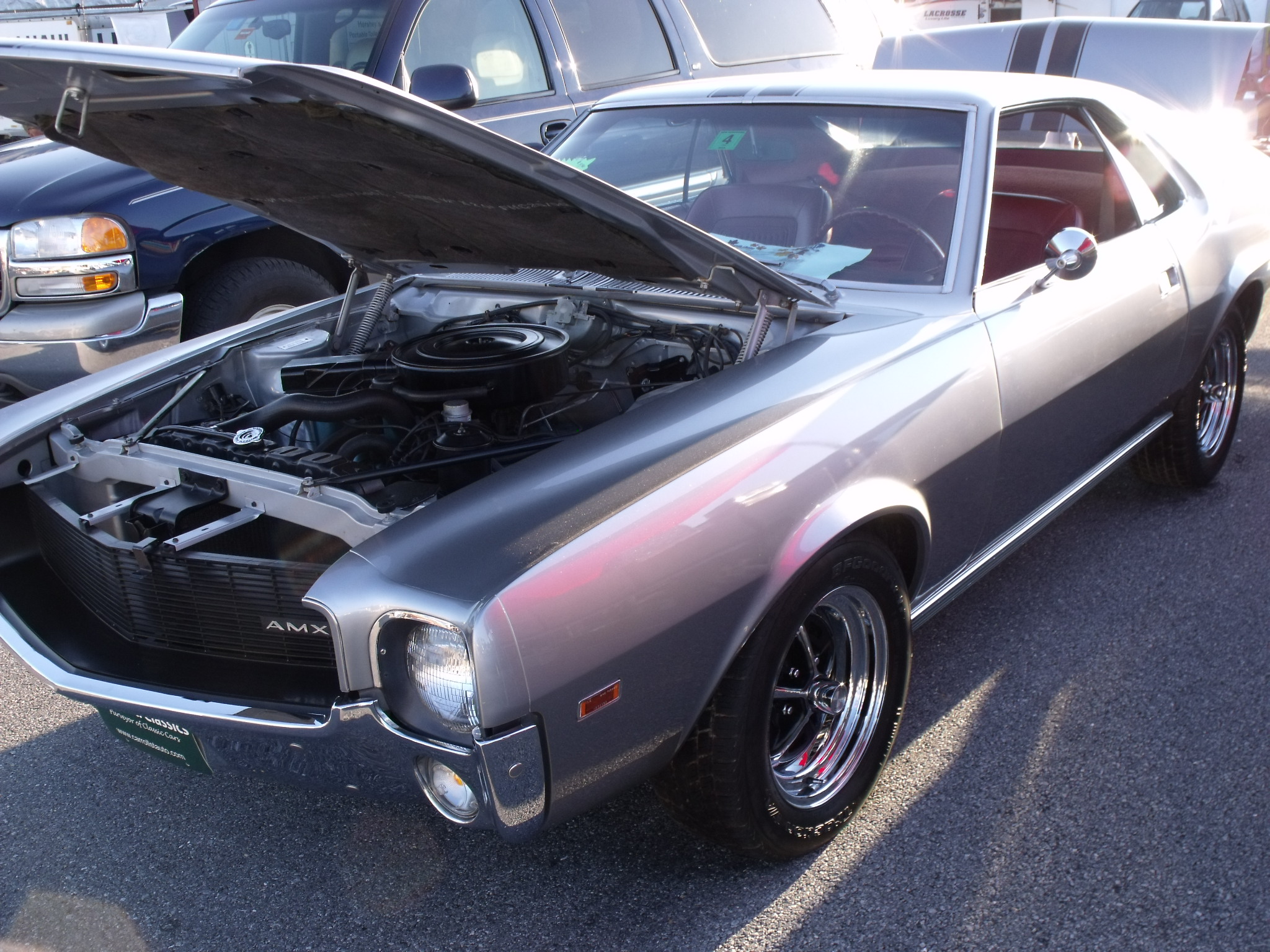
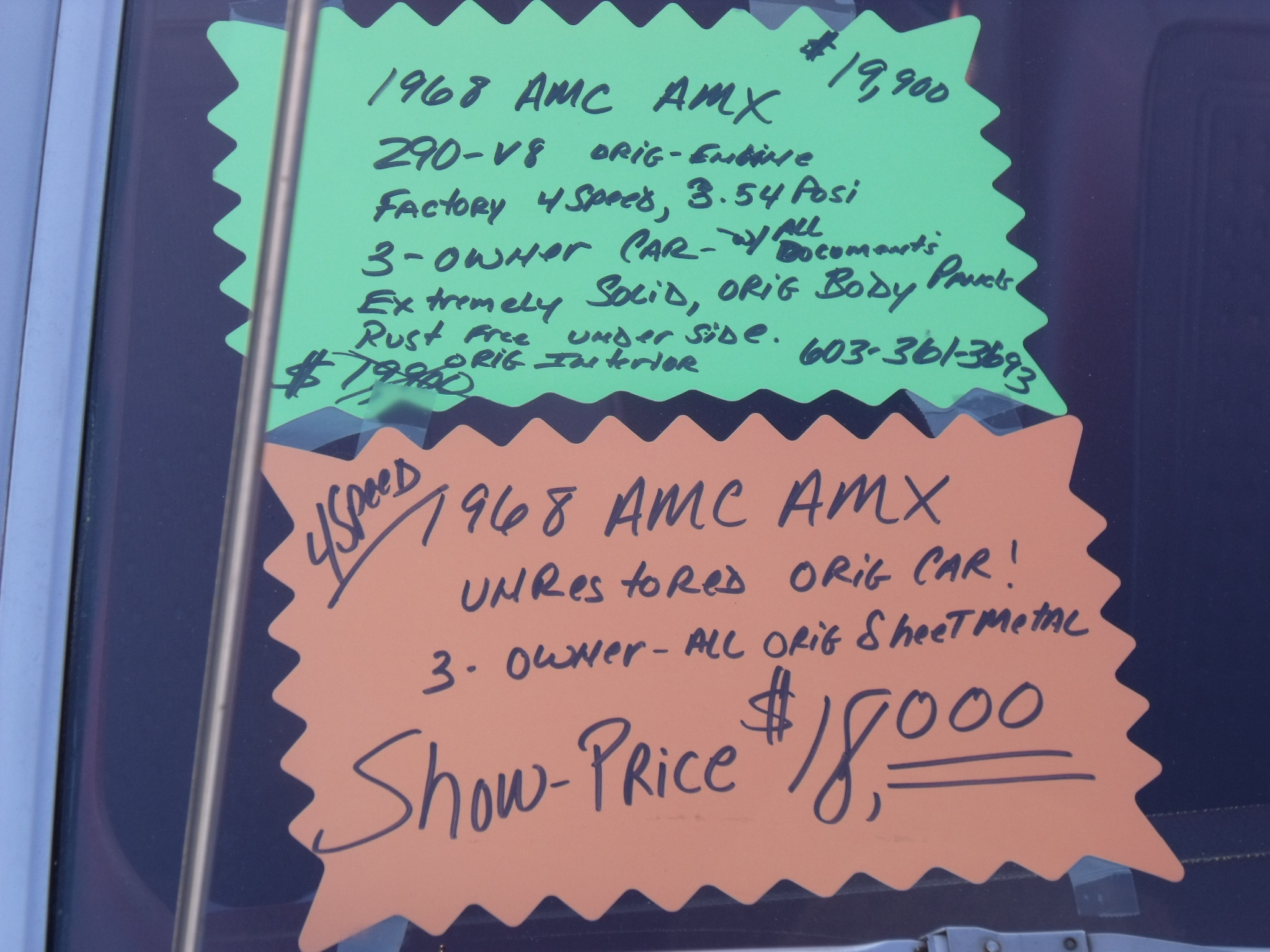
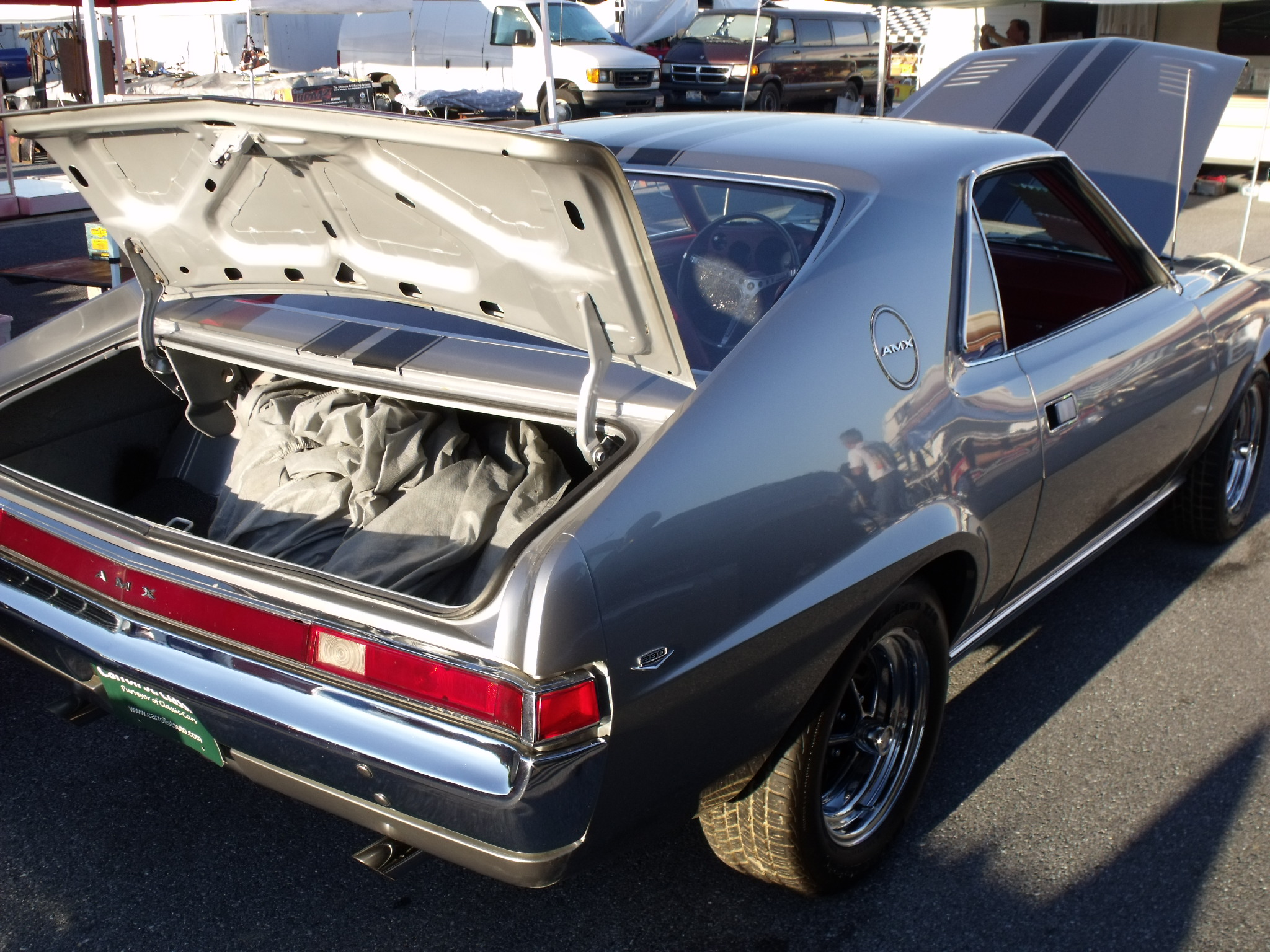
The original AMC AMX, which debuted in 1968 when I was a young teen, was a car I always found attractive. Its shortened wheelbase and deleted rear seat put it in a class above the typical pony cars of the day; I saw it as a more affordable version of that other 2-seat sports car, the Corvette. I photographed this one because I like silver over red. The price caught my eye too, compared to what you’d pay for a similar Camaro or Mustang. As it sat in the Car Corral, the price was dropping, so a deal could have been made. This one had the small 290 V8, and almost every first gen AMX on BaT is listed with the 390. My CPI value guide lists the ’68-’70 AMX as worth between $16,000 and $35,000 for a good to excellent one, so in this case, let’s hope it was bought to enjoy rather than to profit from.
Sometimes the more interesting cars for sale are not in the Car Corral, but are rather found scattered within the flea market. This 1940 Continental convertible was tucked among the tents and tables, with an asking price of $75,000. The 1940 model year was a stylistic high-water mark for the Ford Motor Company, and first gen Continentals had the further advantage of a 12-cylinder version of Ford’s famous flathead engine. The 1939-1948 Continentals are on the official list of Approved Full Classics from the CCCA (Classic Car Club of America), a distinction not to be taken lightly.
THE SATURDAY PARADE AND CAR SHOW
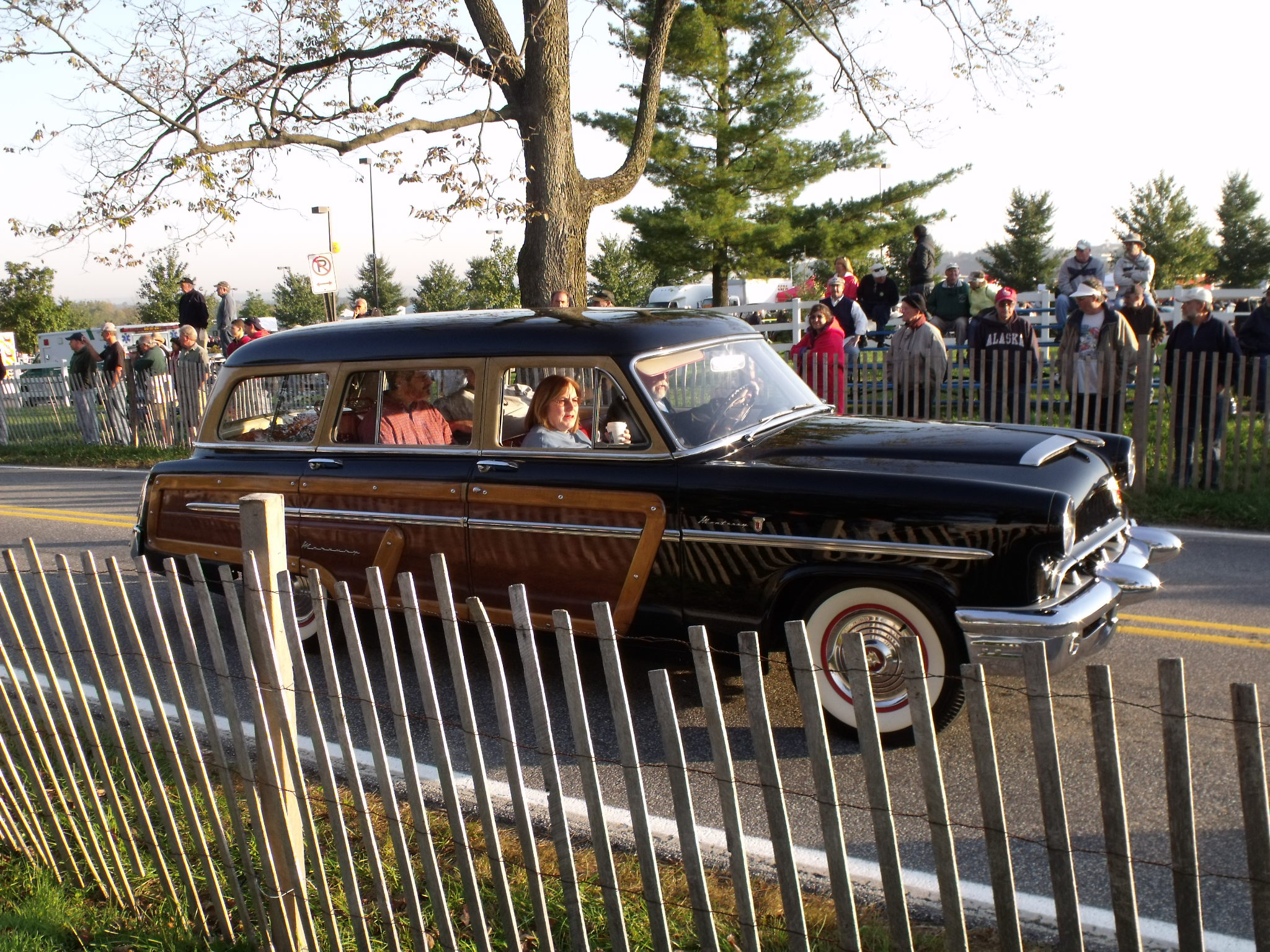
Ever since accidentally discovering that Saturday’s earliest attendees gain the additional enjoyment of watching show cars arrive under their own power, it’s been a highlight of Hershey week to set the alarm for 6, grab a bagel and coffee to go, and hunt down the best vantage point.
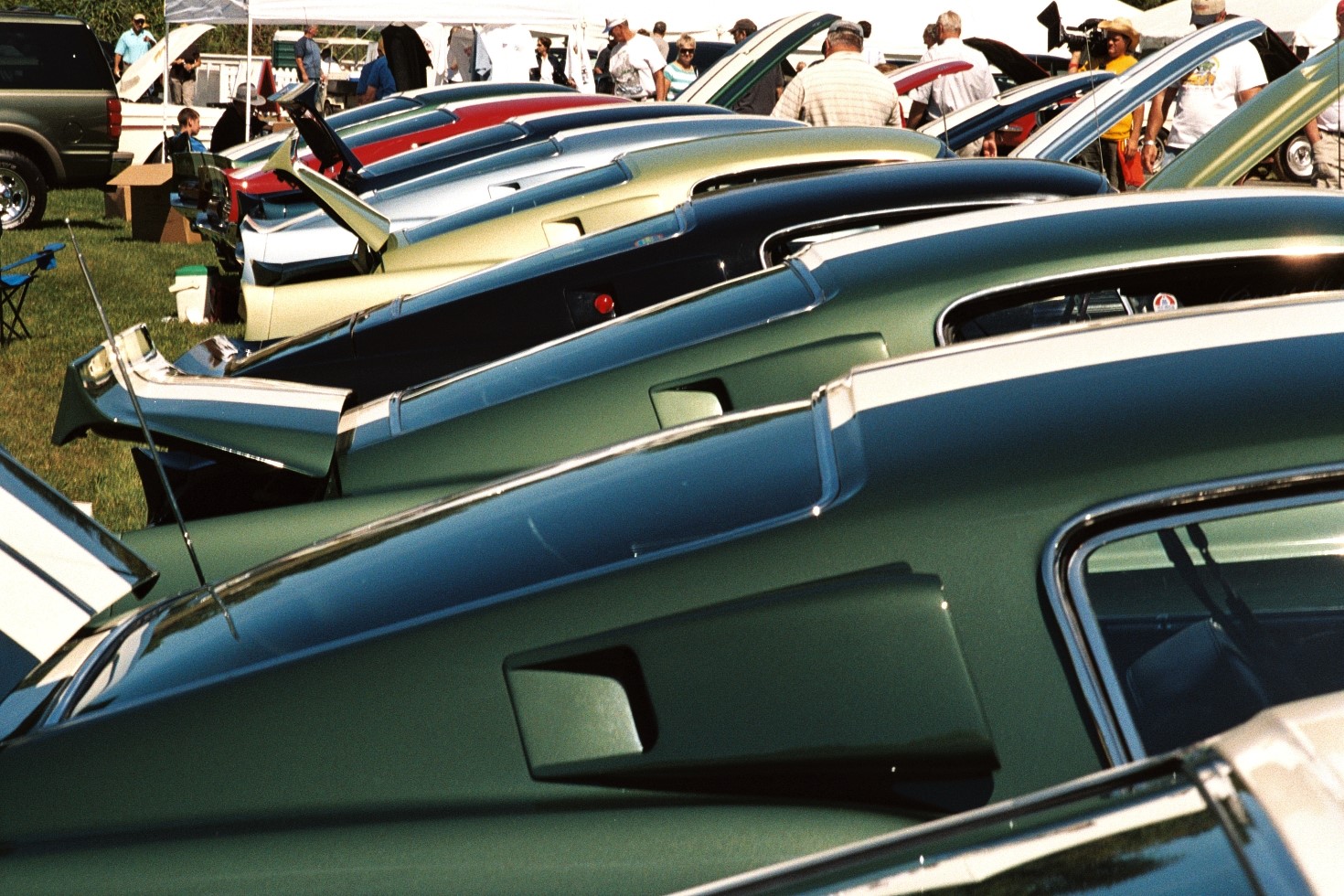
With vehicles arranged by class (typically year/make/model) it’s best to wander to where your interests lie, as the vast show field is almost impossible to completely cover in one day. Many years ago, I read this advice in a photo magazine: move closer to your subject, and when you think you’ve moved close enough, move even closer. With cars, it can sometimes be more interesting to focus on only a portion (the crowds sometimes thwart all effort to snap the entire vehicle anyway). I’ve tried that effect for several of these shots.
Continuing with my coverage of Hershey visits which preceded the birth of the blog, below are a few shots from AACA Hershey 2010. The photos show that the weather was beautiful and the turnout was significant. As I stated in the blog post for the 2009 event, my photographic coverage was not as all-encompassing yet.
Photos of cars with lot numbers on the windshields were there to be auctioned by RM at the Hershey Lodge. While I was not yet in the habit of notating auction sales results, my access to the RM Sotheby’s website has allowed me to search for and find the sale prices, which are indicated below. Since the website shows numbers “all in” with commission, I have calculated the actual hammer price by backing out the 10% buyer’s premium. It would be three more years before the Isetta was trailered to RM Hershey to be sold, which occurred in 2013.
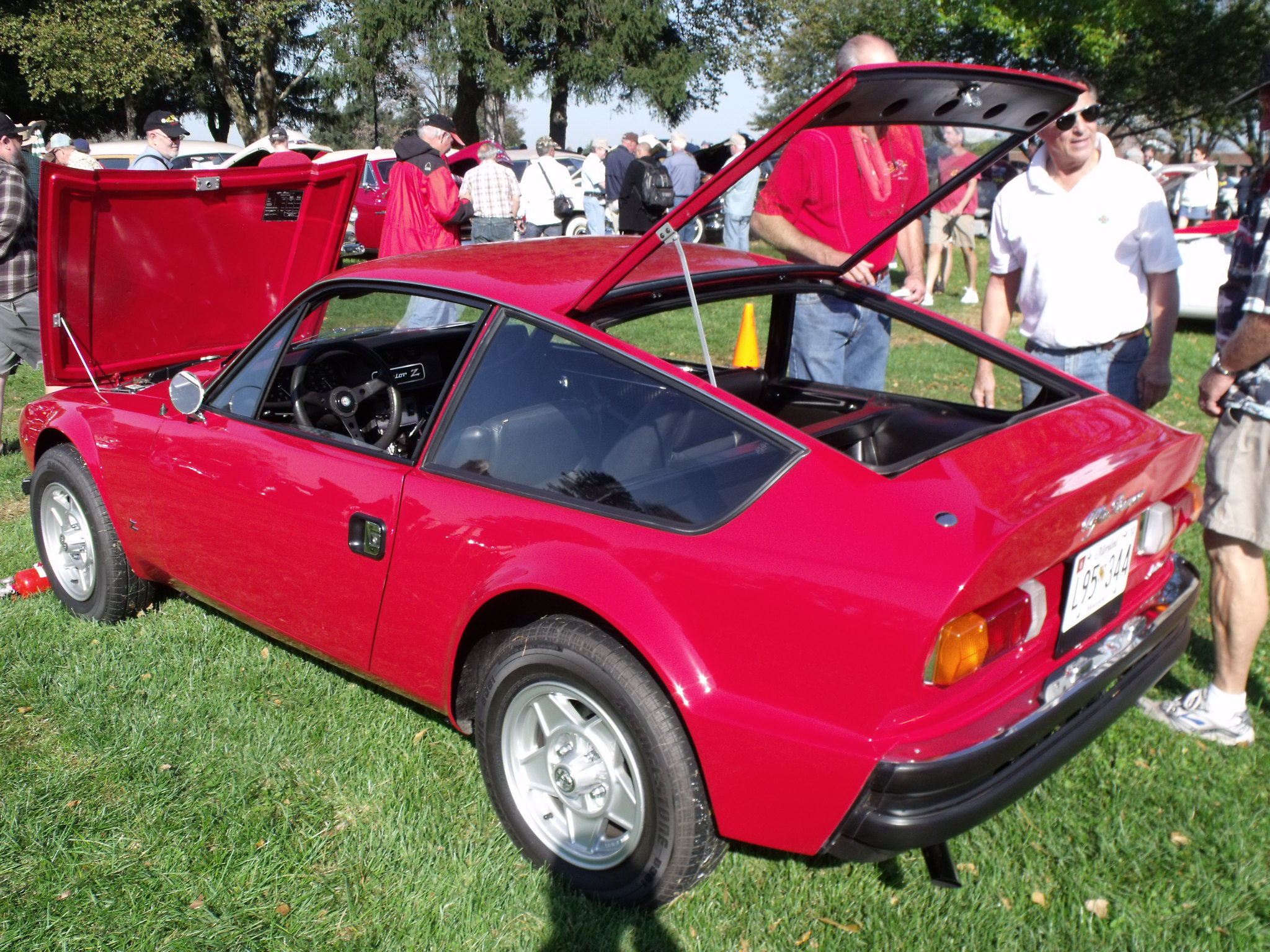
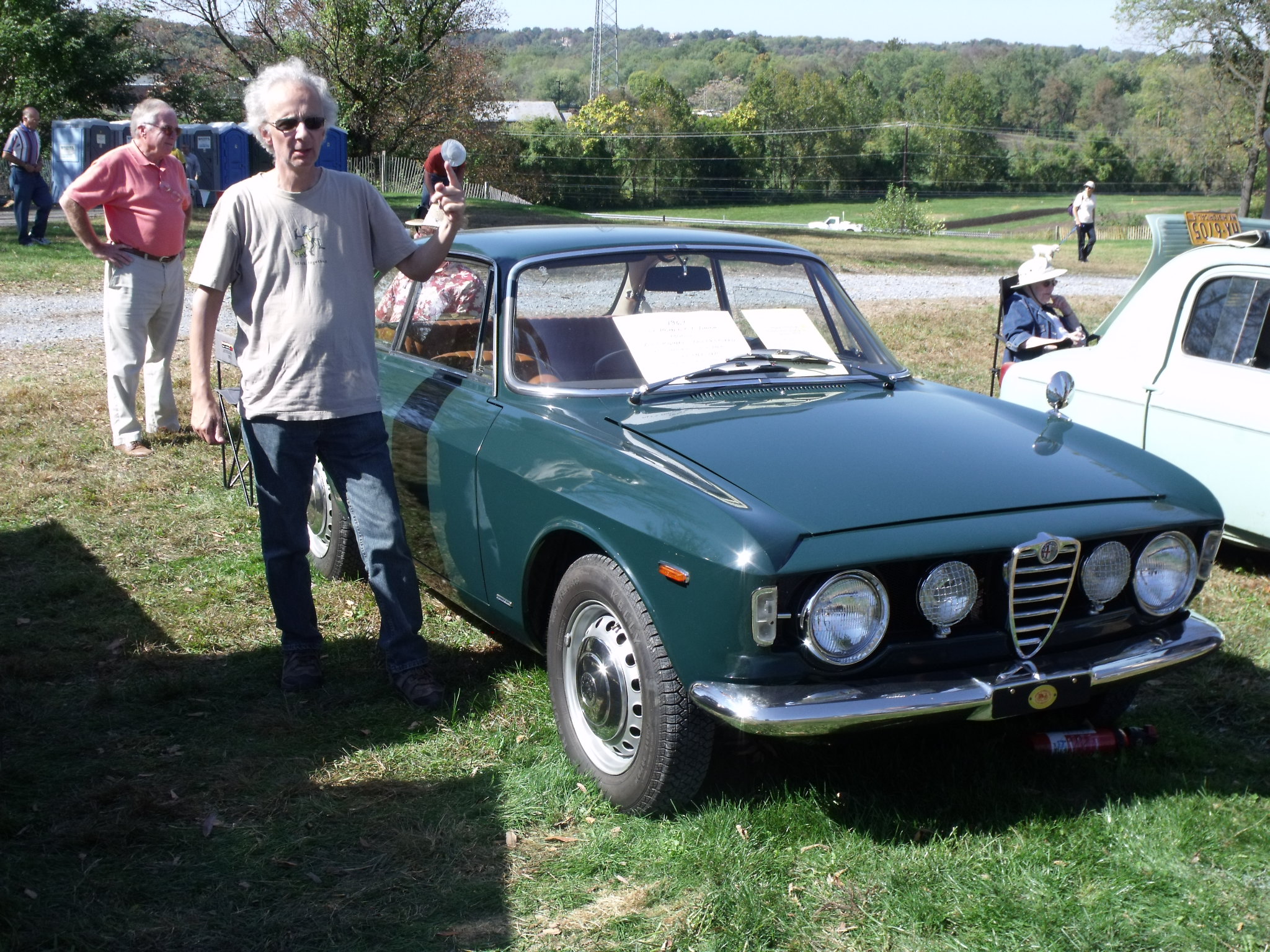
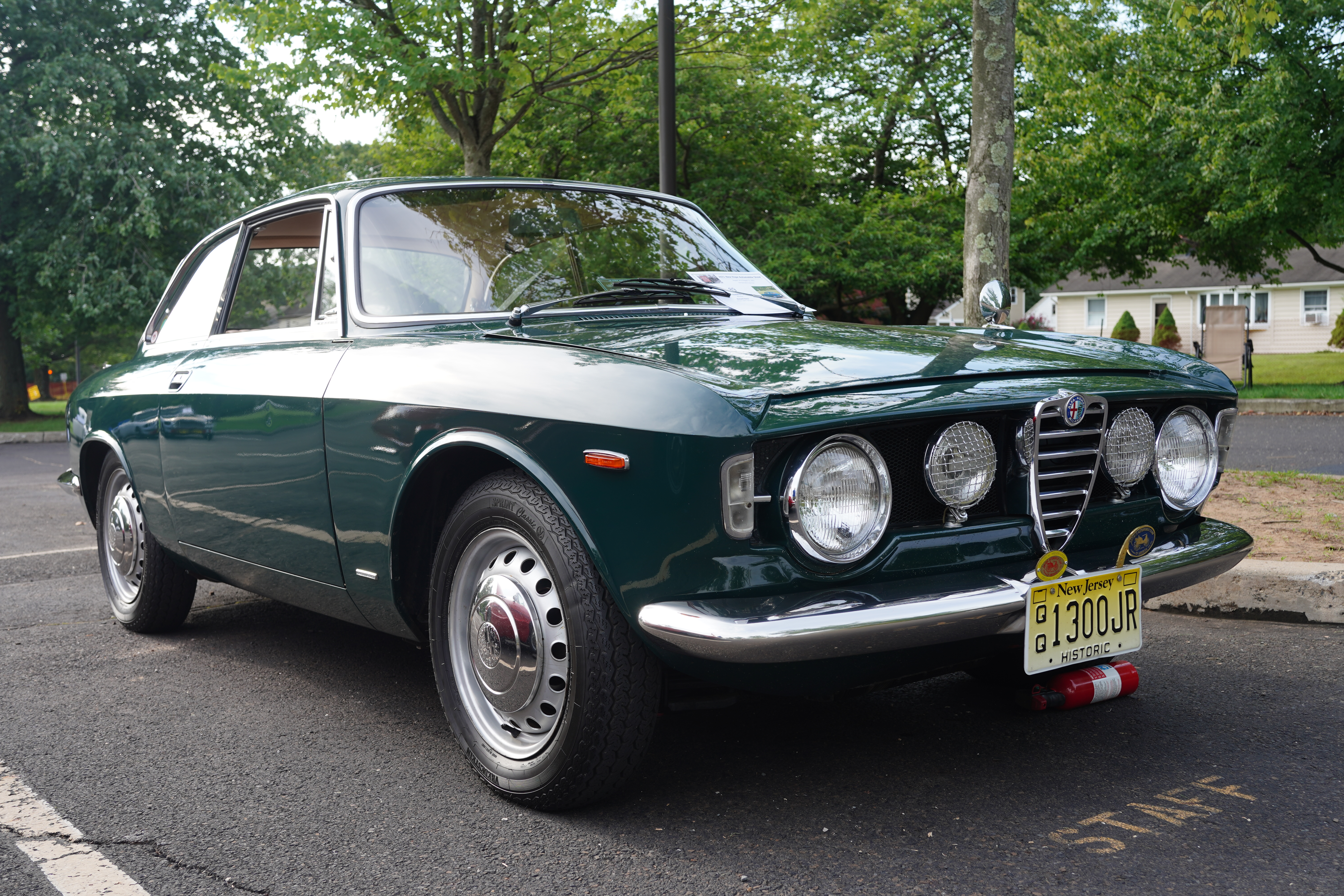
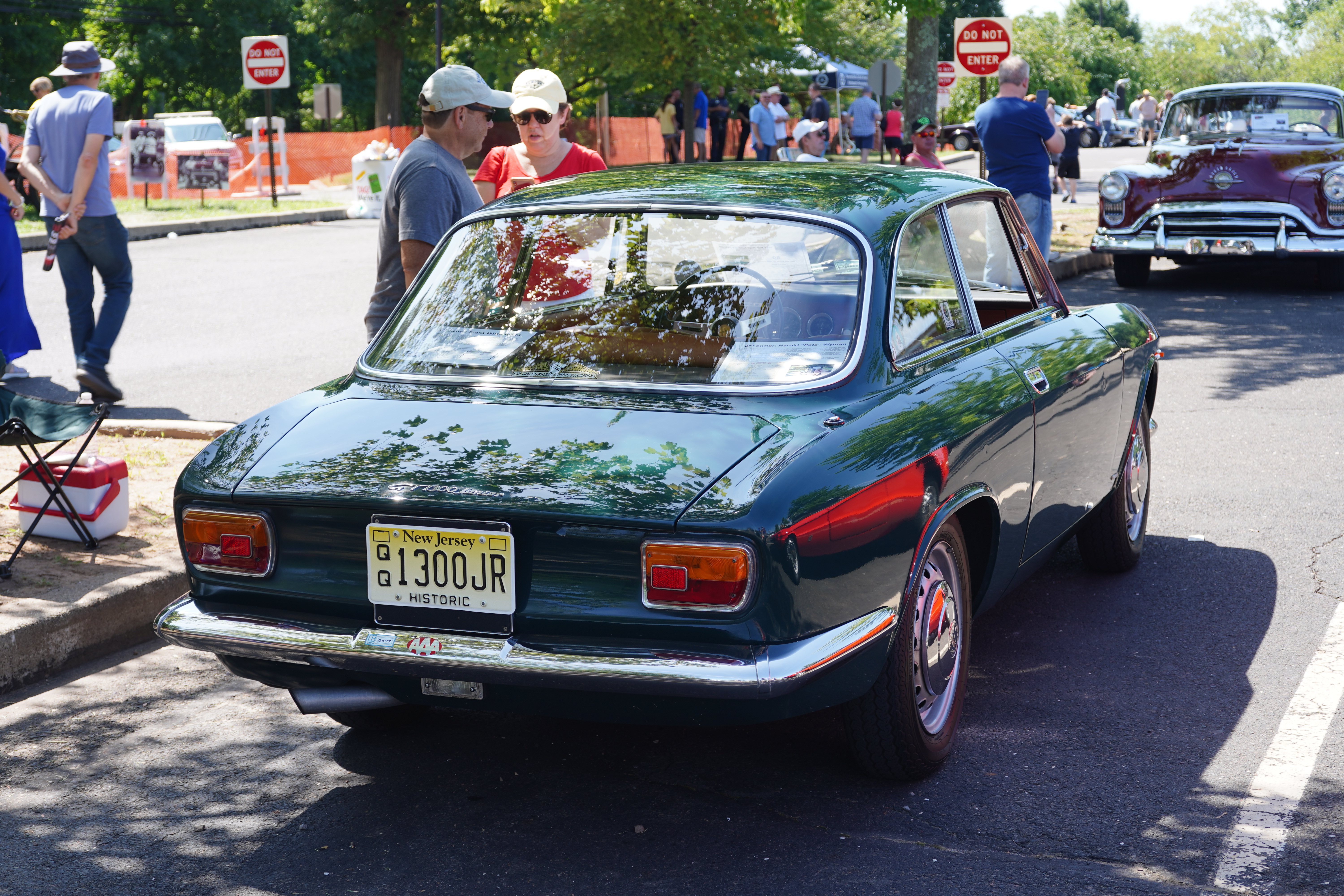
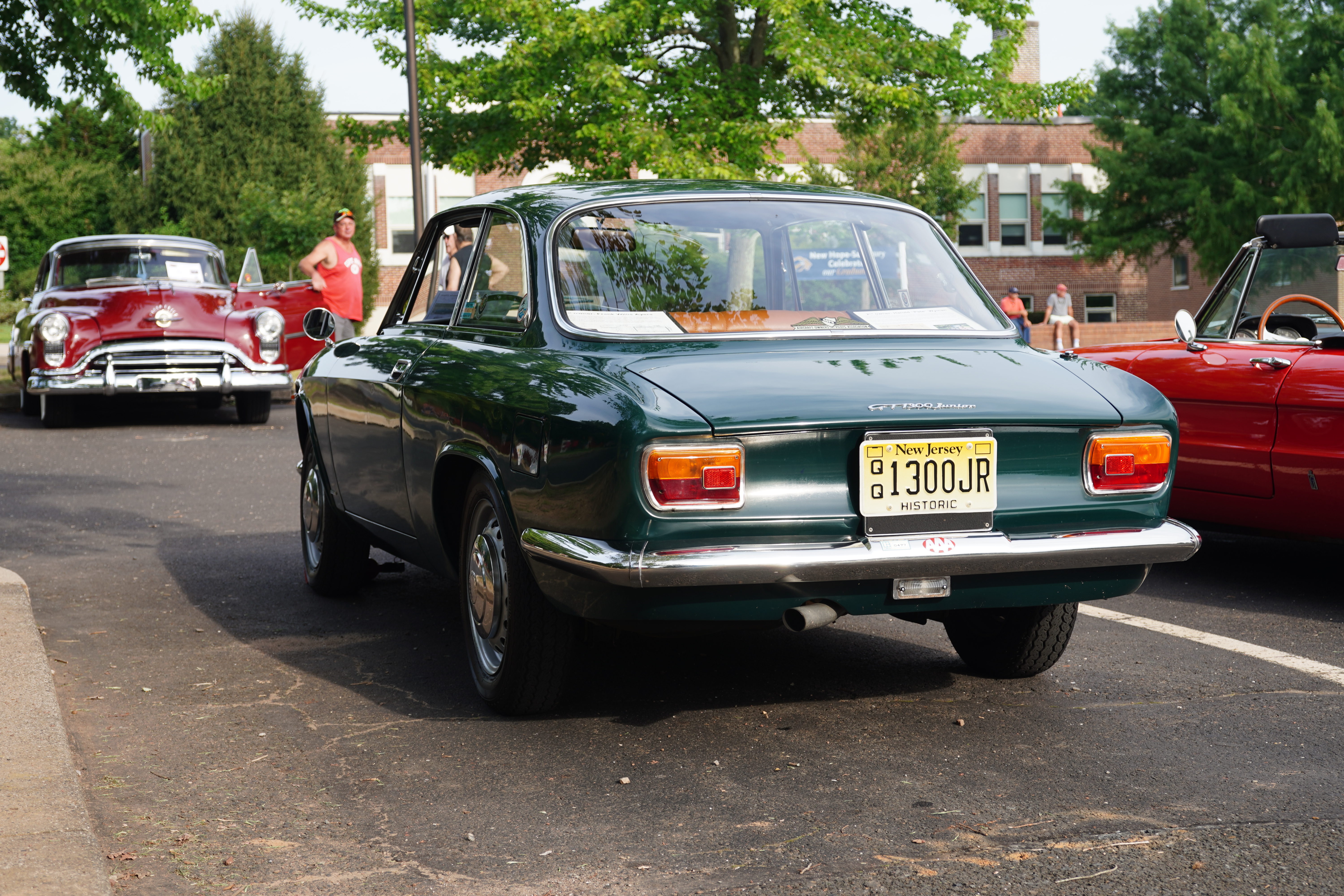
The remainder of the shots cover the big Saturday judged event. My friend Pete showed up with “his” Alfa GT 1300 Junior, which he placed in the HPOF category. The expression on my face as I stood next to the car says it all: “Pete, someday, this will be mine!” It took him a while to come around, but the day did come, in March 2013.
THE RM HERSHEY AUCTION
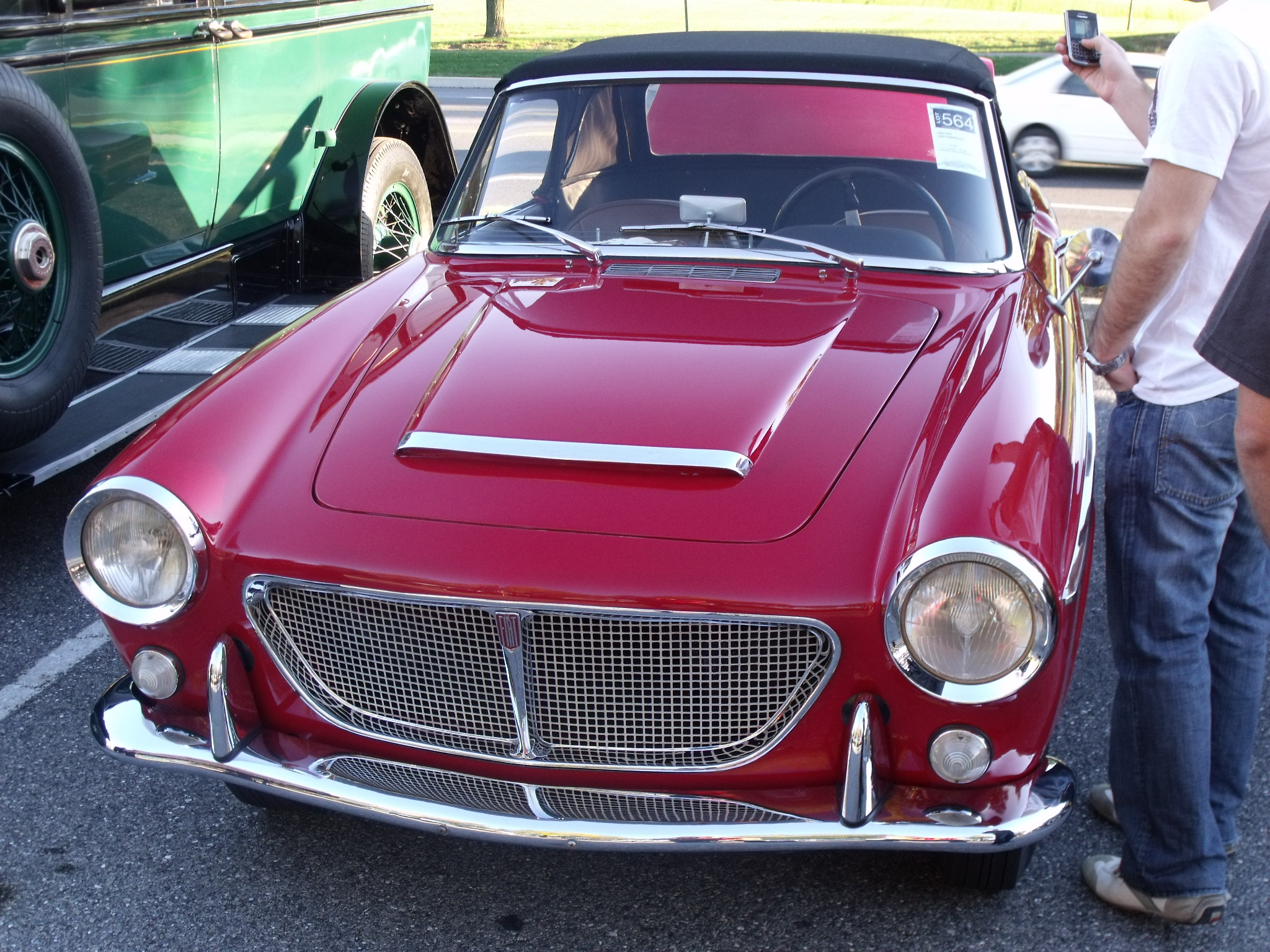
1962 Fiat 1200 Cabriolet, sold for $33,000 (hammer price $30,000)
1970 Fiat 500L, sold for $15,400 (hammer price $14,000)
1955 Studebaker Speedster, sold for $55,000 (hammer price $50,000)
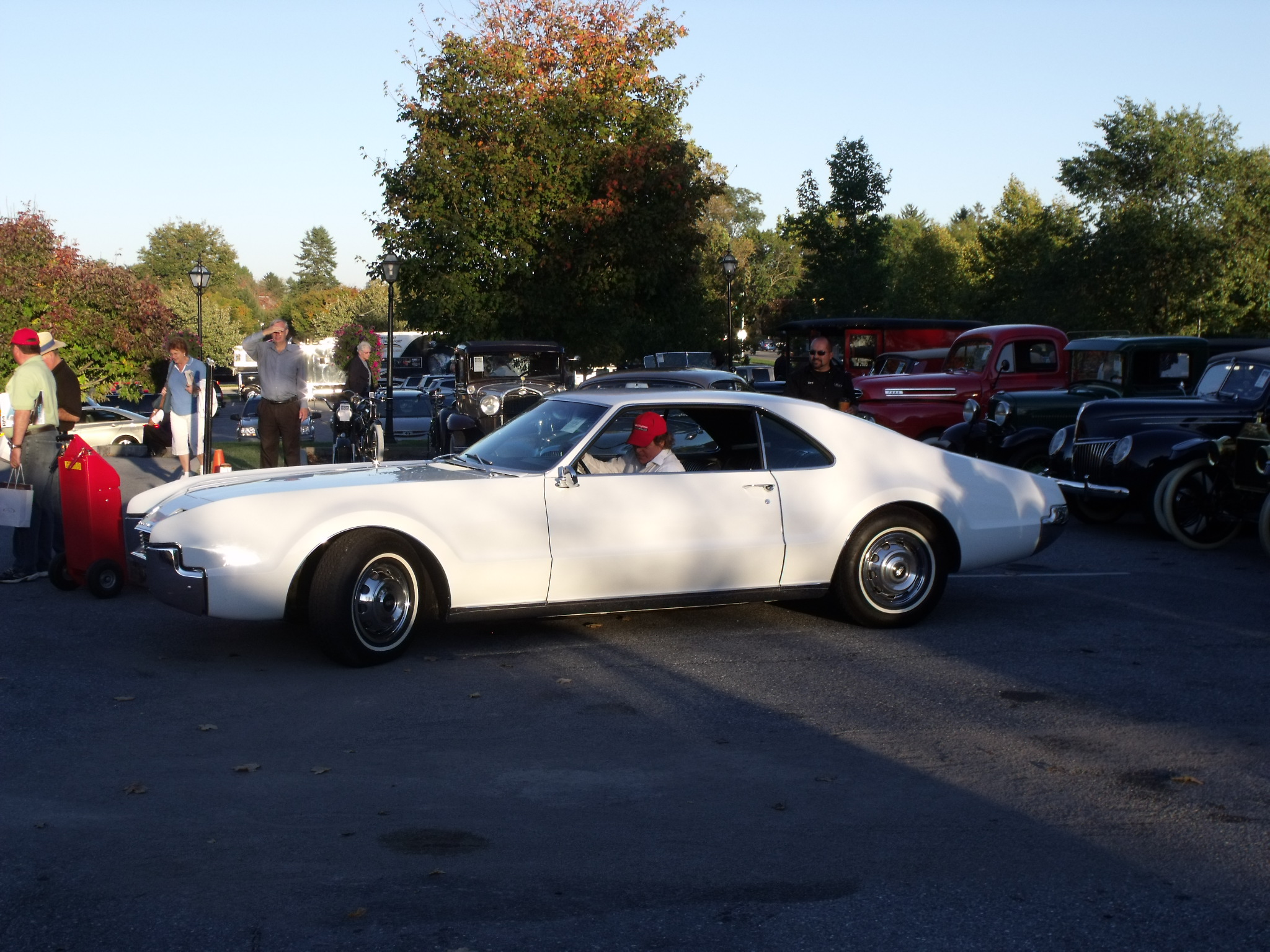
1966 Oldsmobile Toronado, sold for $45,100 (hammer price $41,000)
THE SATURDAY CAR SHOW
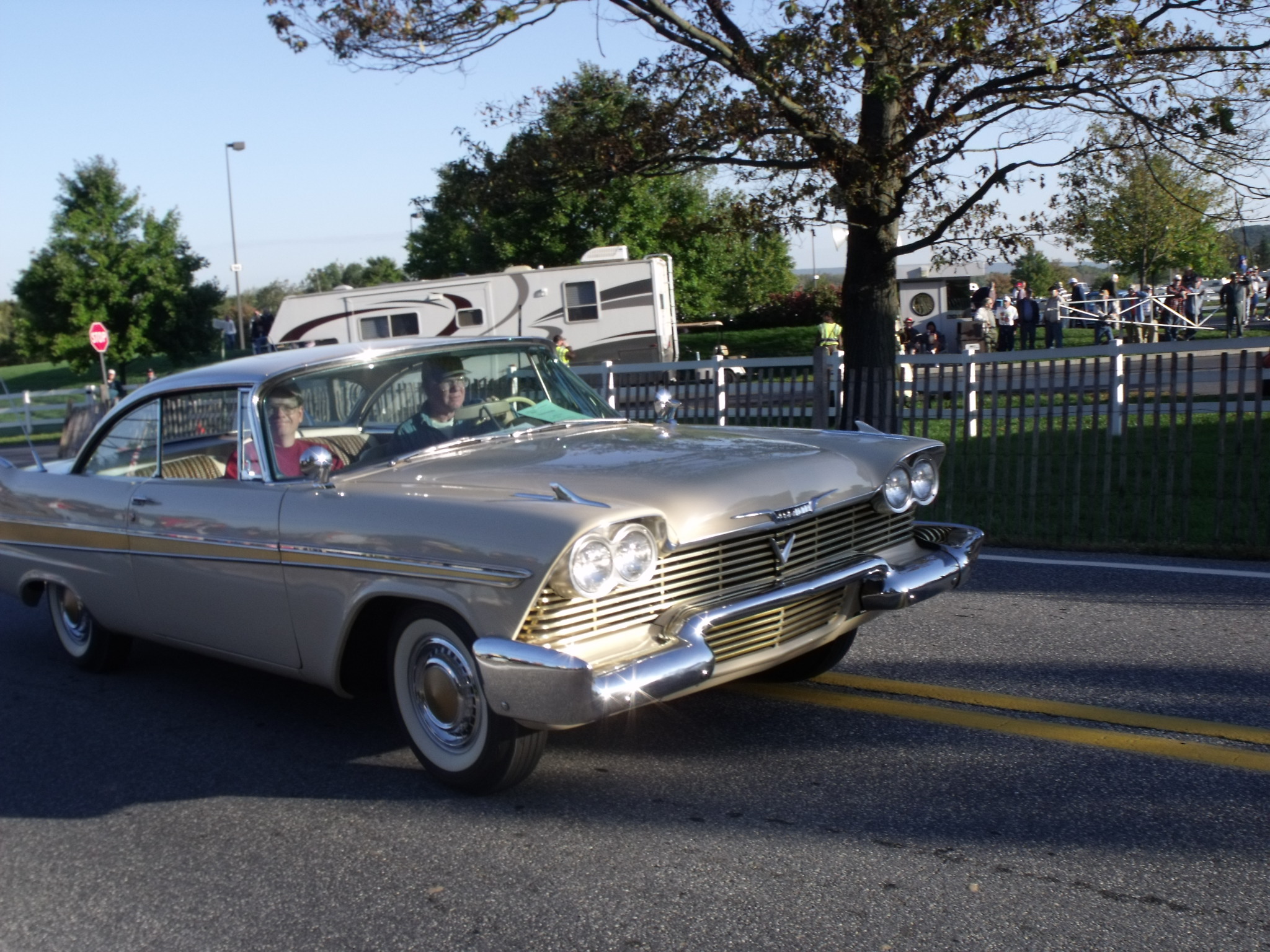
The morning parade of cars on their way to the show field:
I’m filling in the gaps in my Hershey coverage. For the most part, I’ve posted a story in my blog within days of returning from the Big Event. The blog started in 2015, and I’ve posted stories and pictures from visits in 2015, 2016, 2017, 2018, 2019, and 2021 – there was no Hershey in 2020. (“Hershey” is so massive that in some cases, I had created multiple posts for the same year, so be sure to look for that.)
I’ve now gone back and found photos from visits which predated the beginning of my blog. My photographic coverage is not always as thorough as more recent visits – however, I’ll make the best of what I have. Here, we have jumped back 12 years to 2009. Most of the shots cover the Car Corral, and they leave me with the somewhat confusing impression that I was perhaps looking for a truck (I have never considered myself a truck guy). In retrospect, I believe that I had latched onto a suspicion that trucks were starting to gain traction as collector vehicles. Maybe I was right for once.
More older Hershey coverage will be posted in the upcoming weeks.
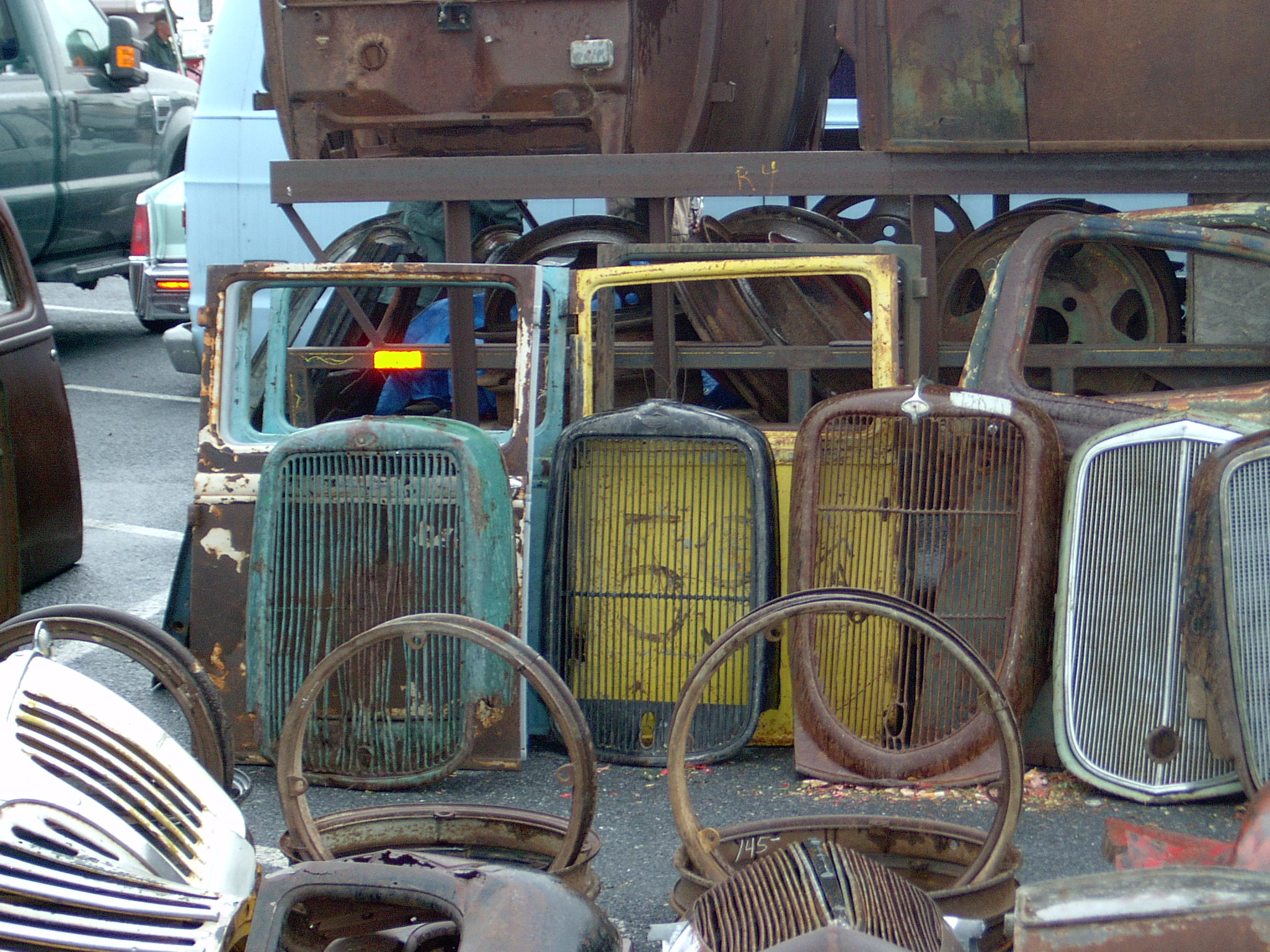
The Flea Market was still packed with plenty of original pre-war sheetmetal for your restoration needs
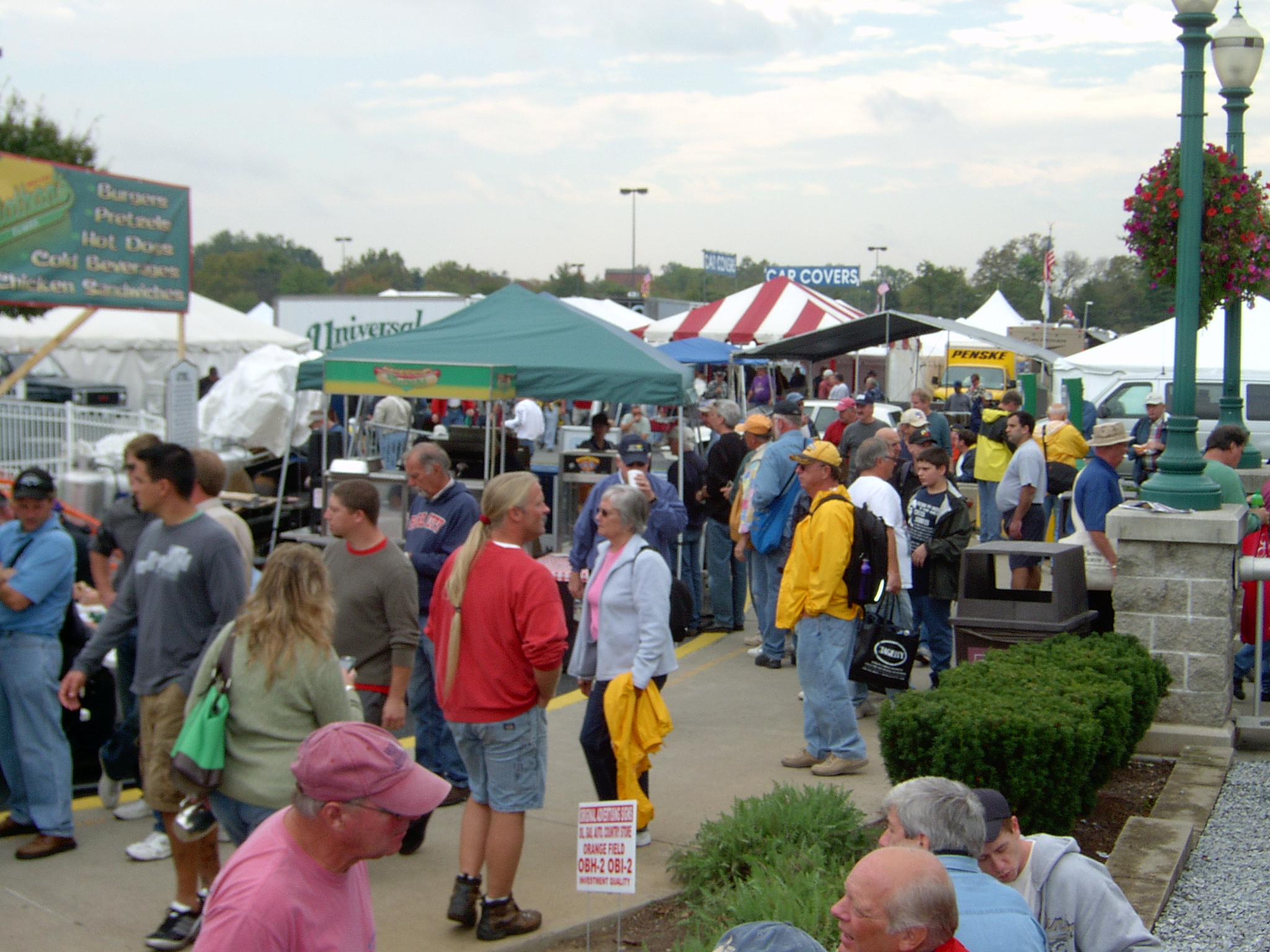
What, no masks? Oh wait, this was 2009. Attendance was still strong all week.
The owner of this 1940 Olds, on display in HPOF, claimed that it was one of the earliest Oldsmobiles factory fitted with an automatic transmission.
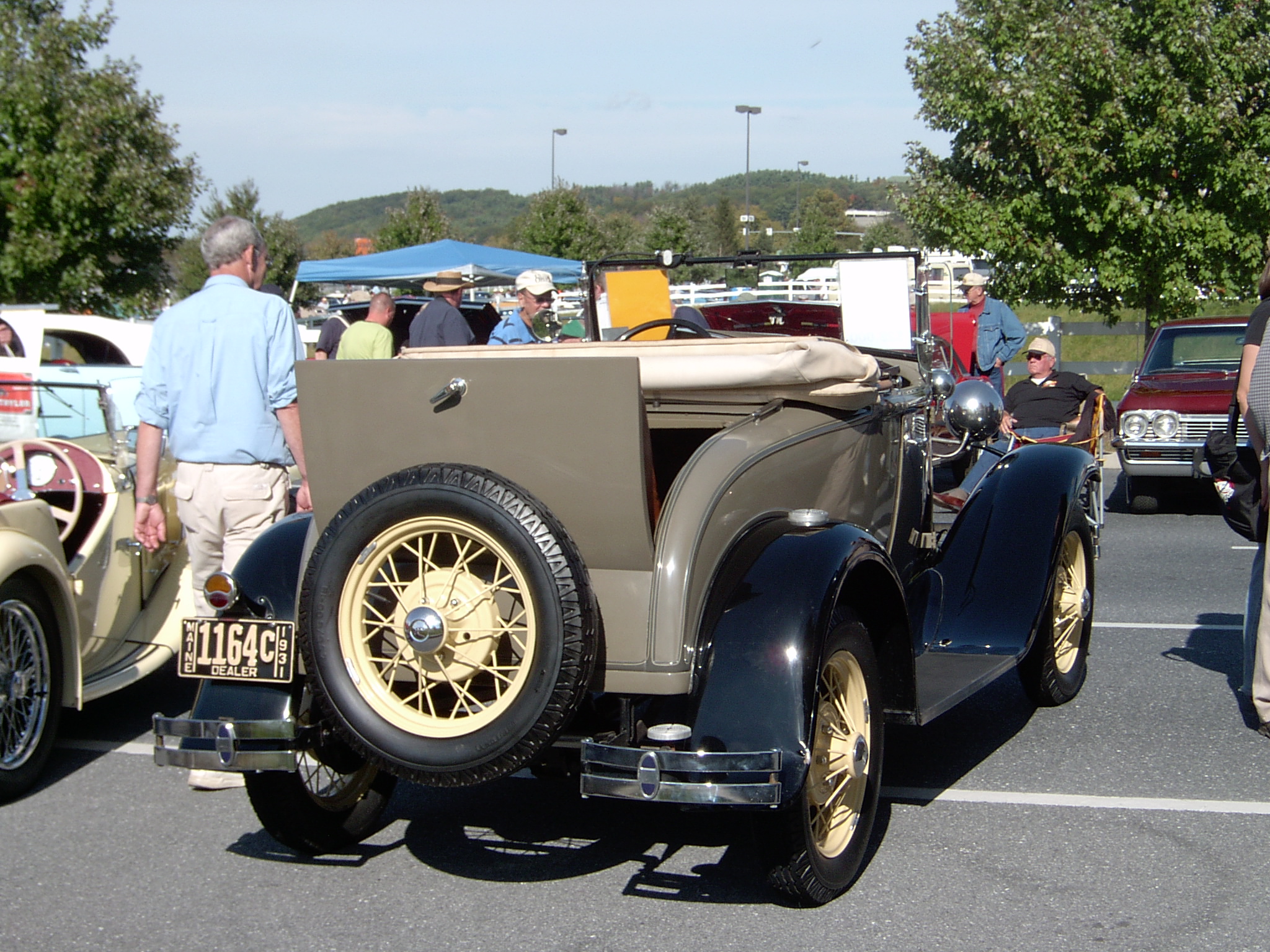
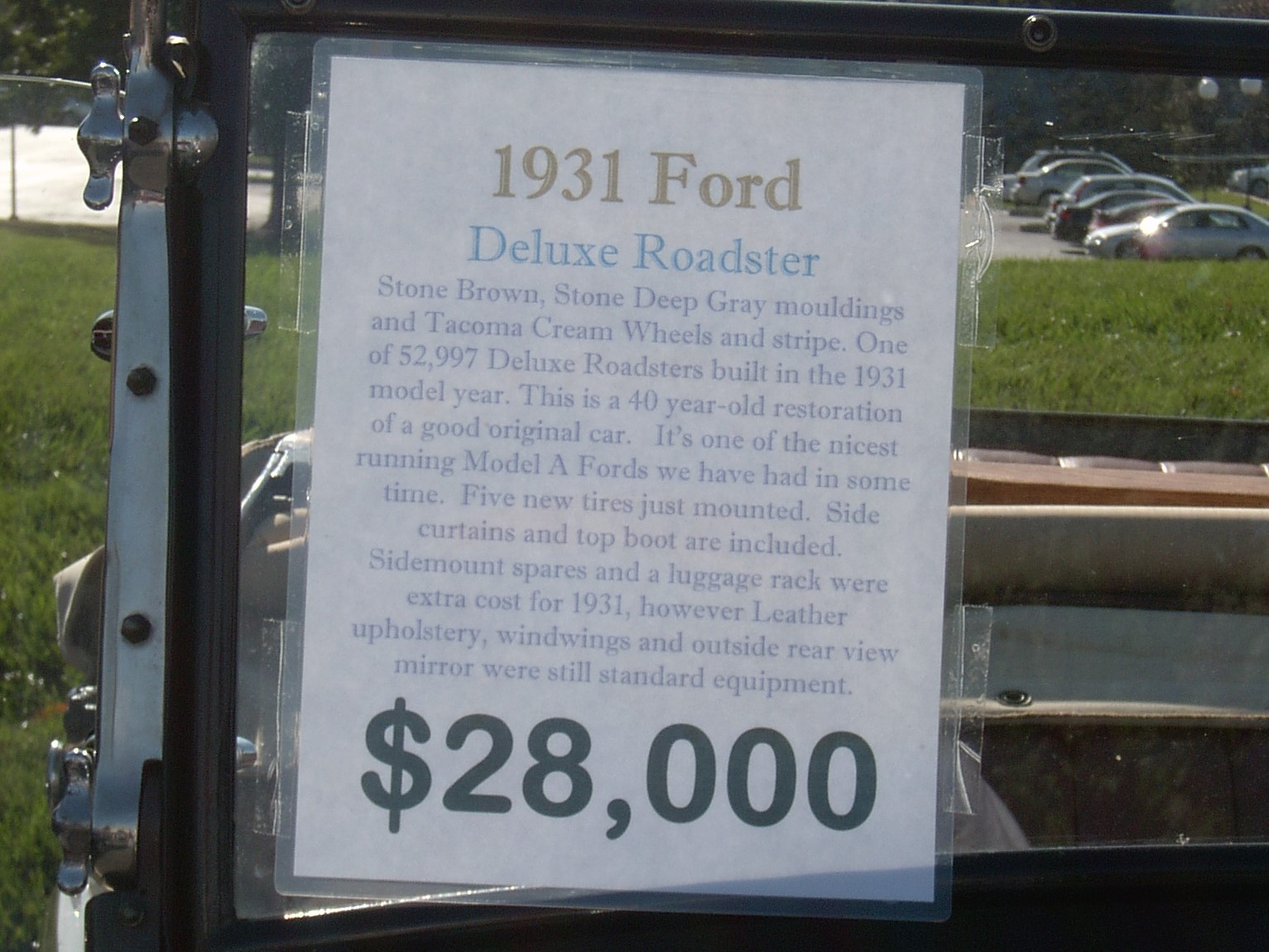
I took these photos for a friend who was looking for a Model A Roadster in the low $20s; this was the closest to that price I could find.
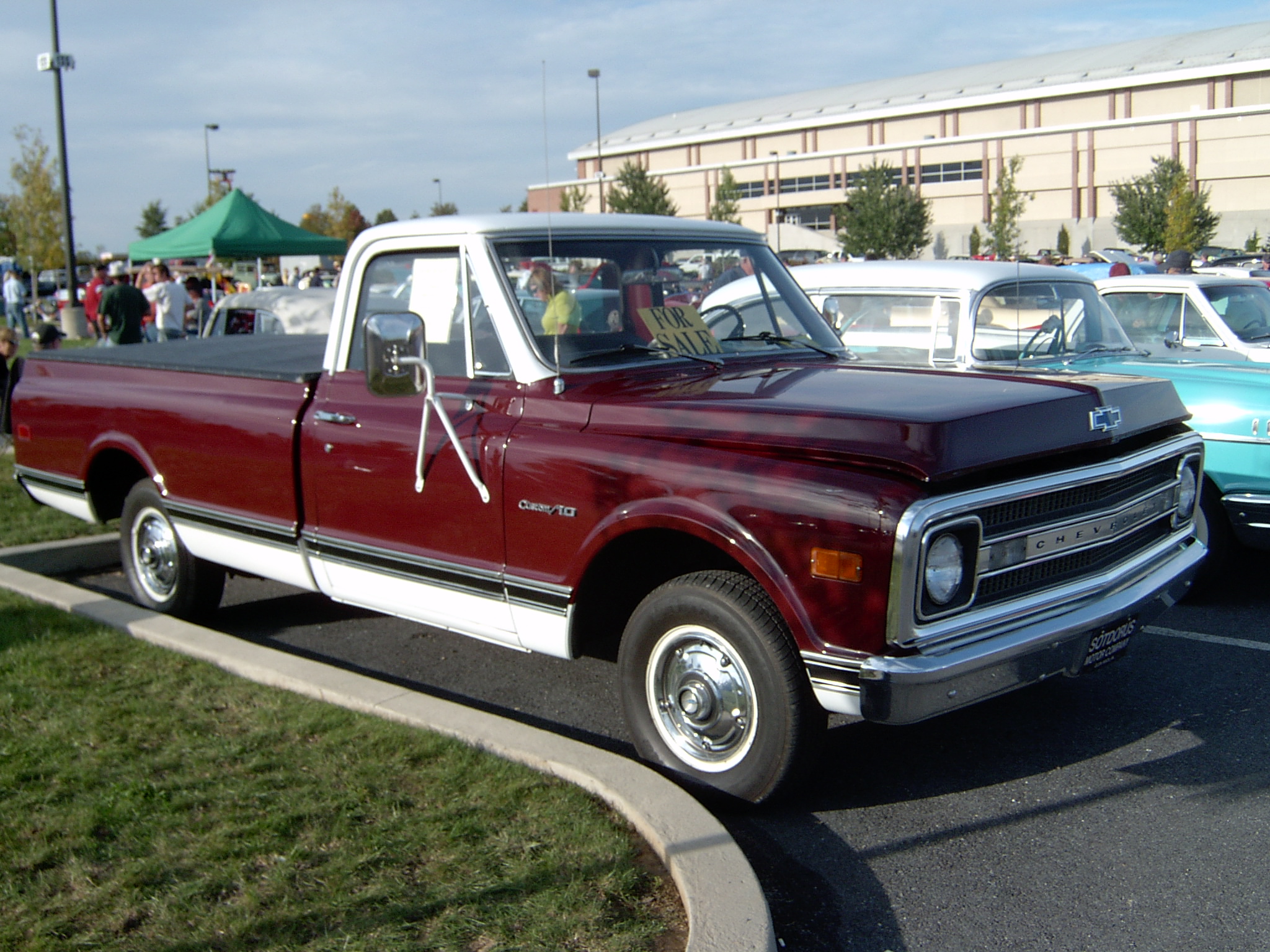
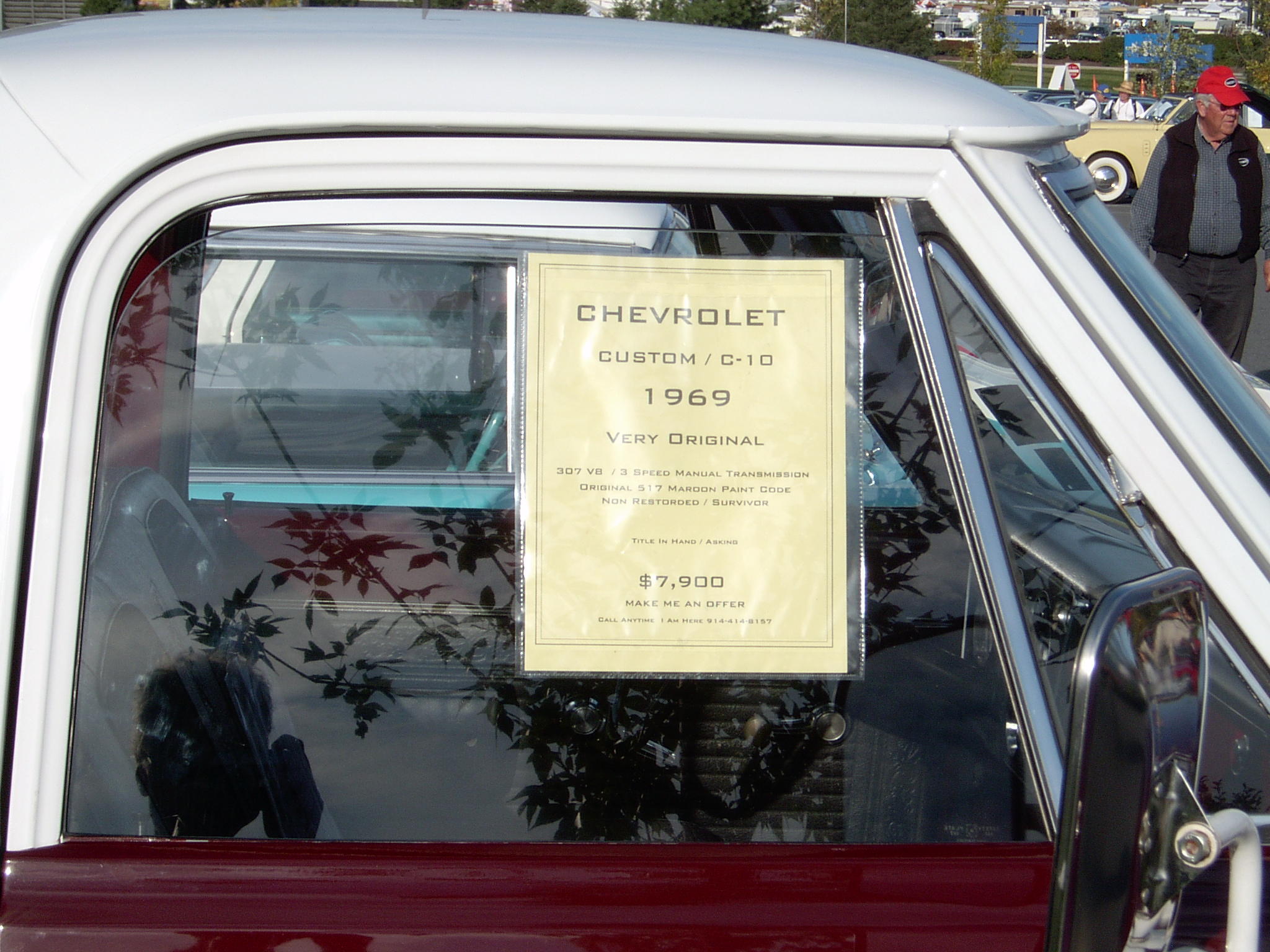
Even now I remember thinking this Chevy was a good deal in 2009; CPI values this truck in #3 condition at $17k and #2 condition at $47k.
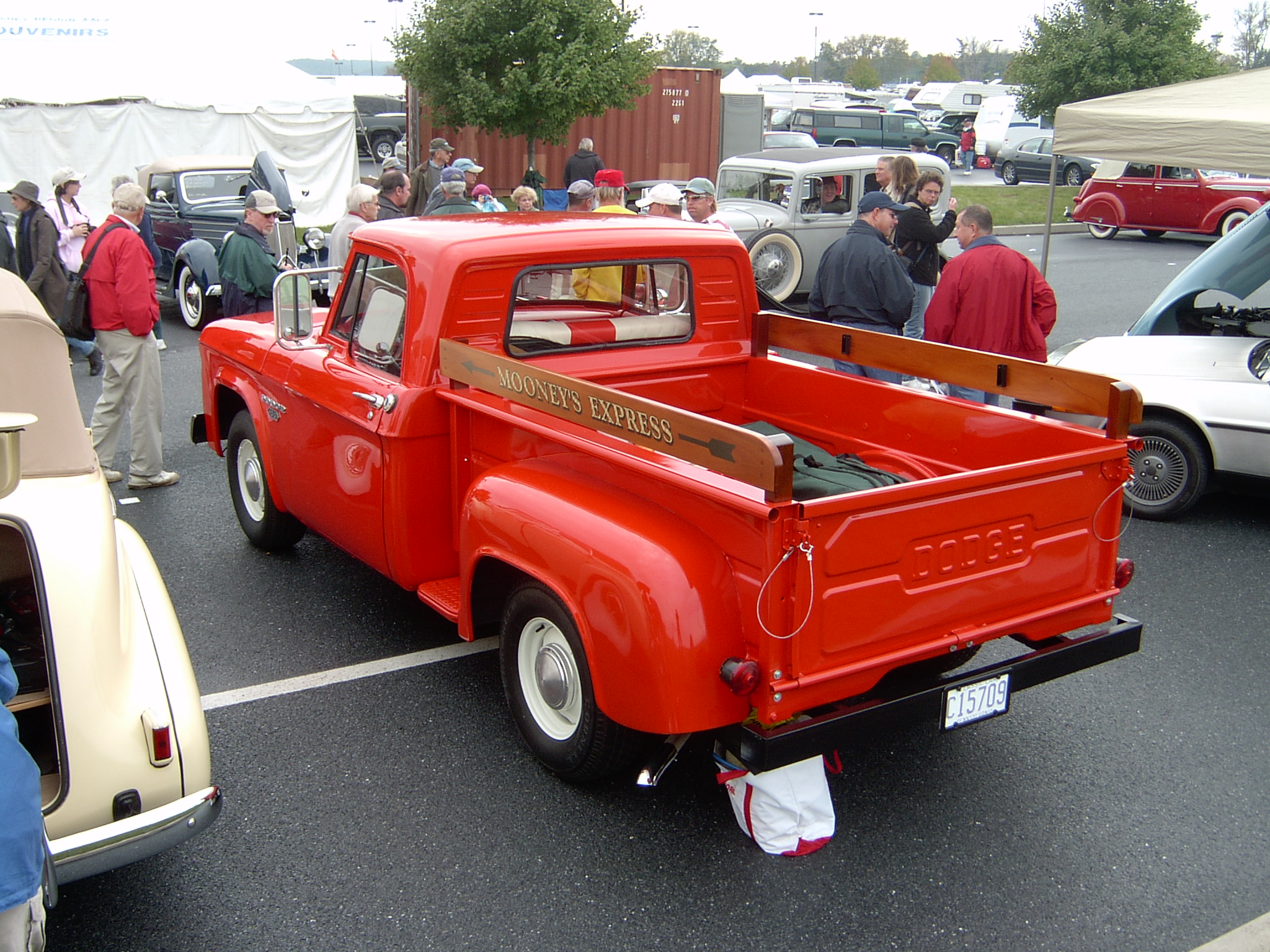
Truck appears to be done similar to Lil Red Express; these were never as popular as Ford or Chevy pickups; CPI values this in #2 condition at $15k.
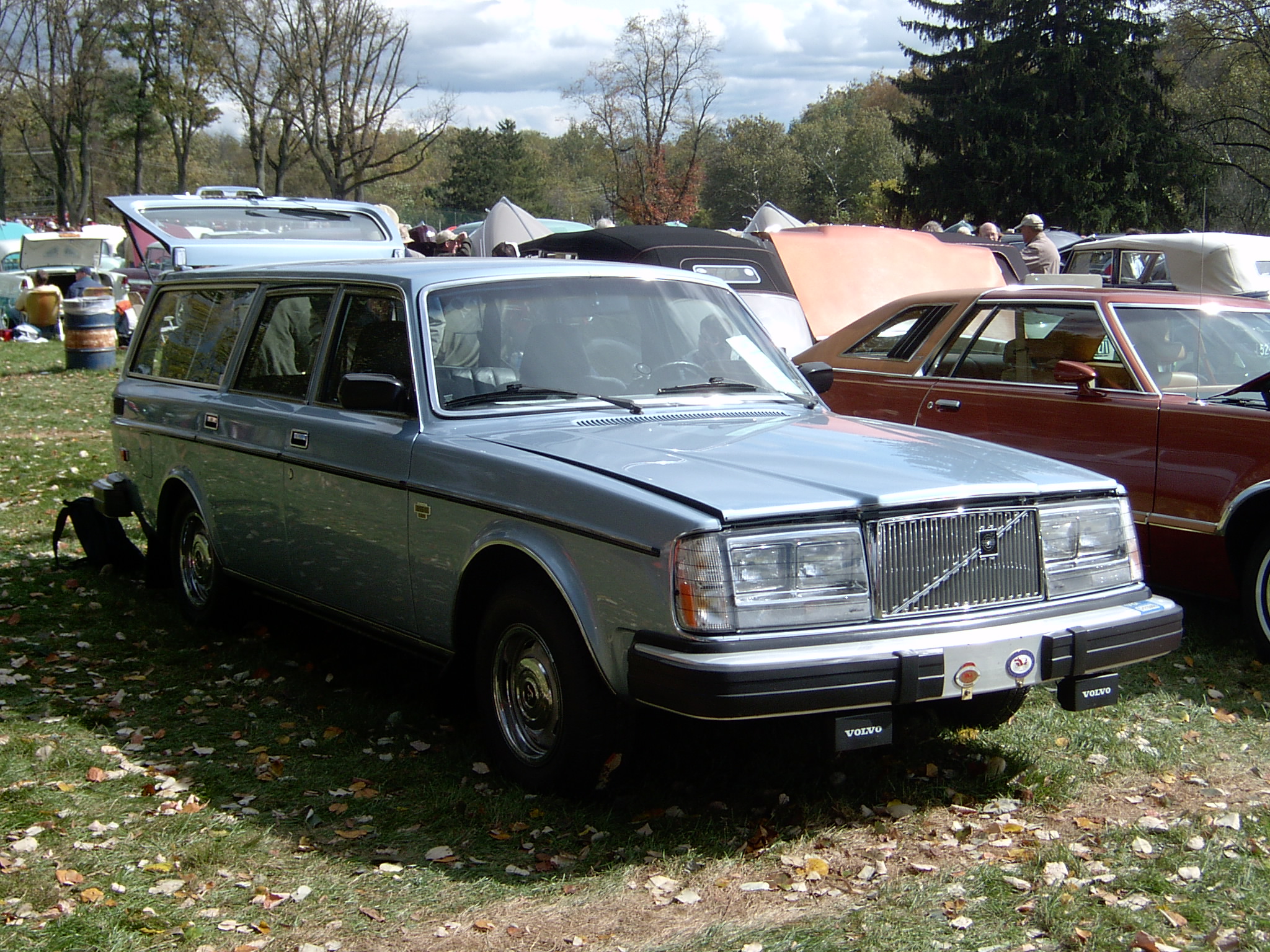
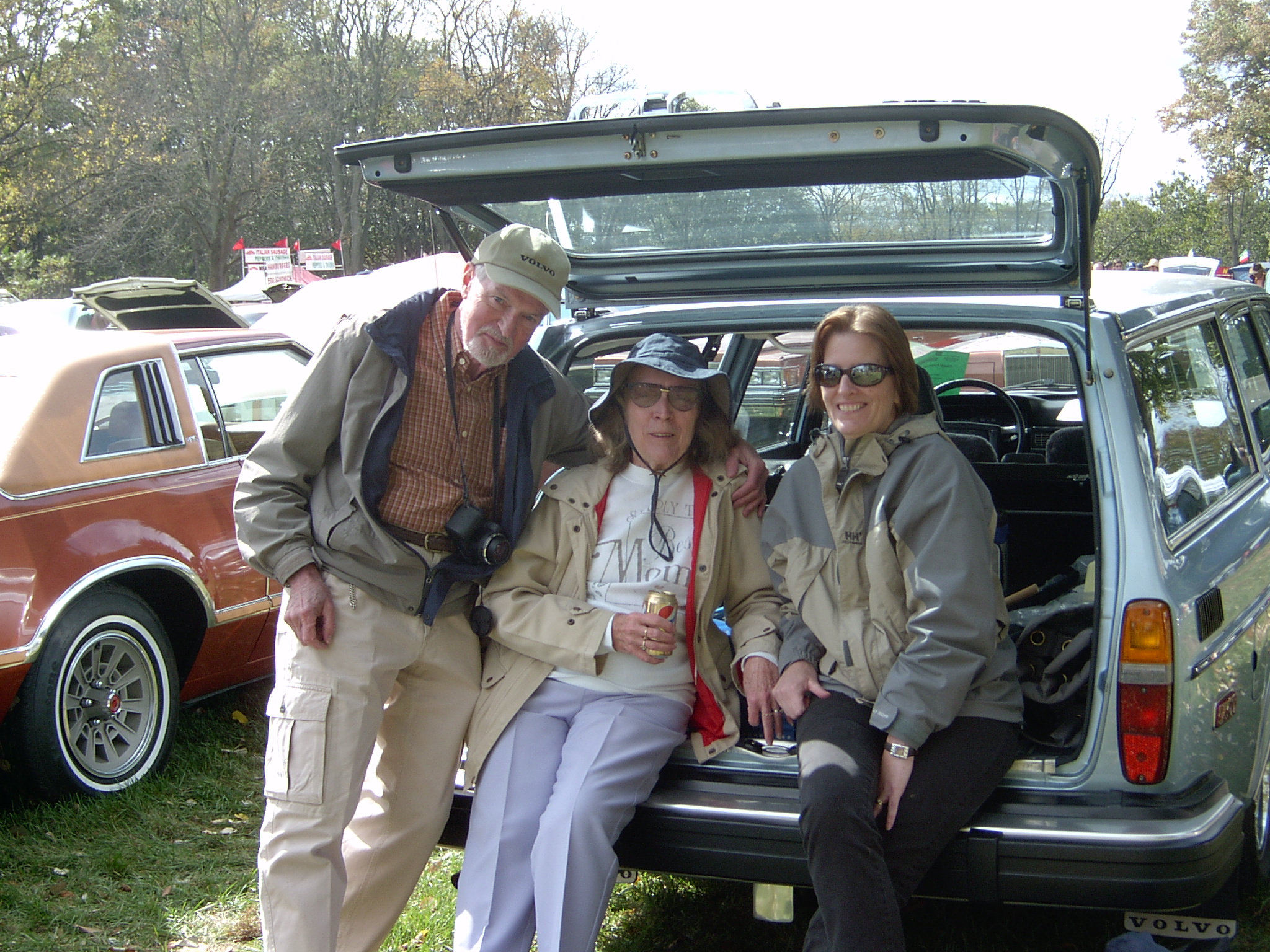
My dear friend Pete was there with his one-owner (him) ’79 Volvo 265; that’s Pete with his wife and my wife in the wayback. He has since sold this car.
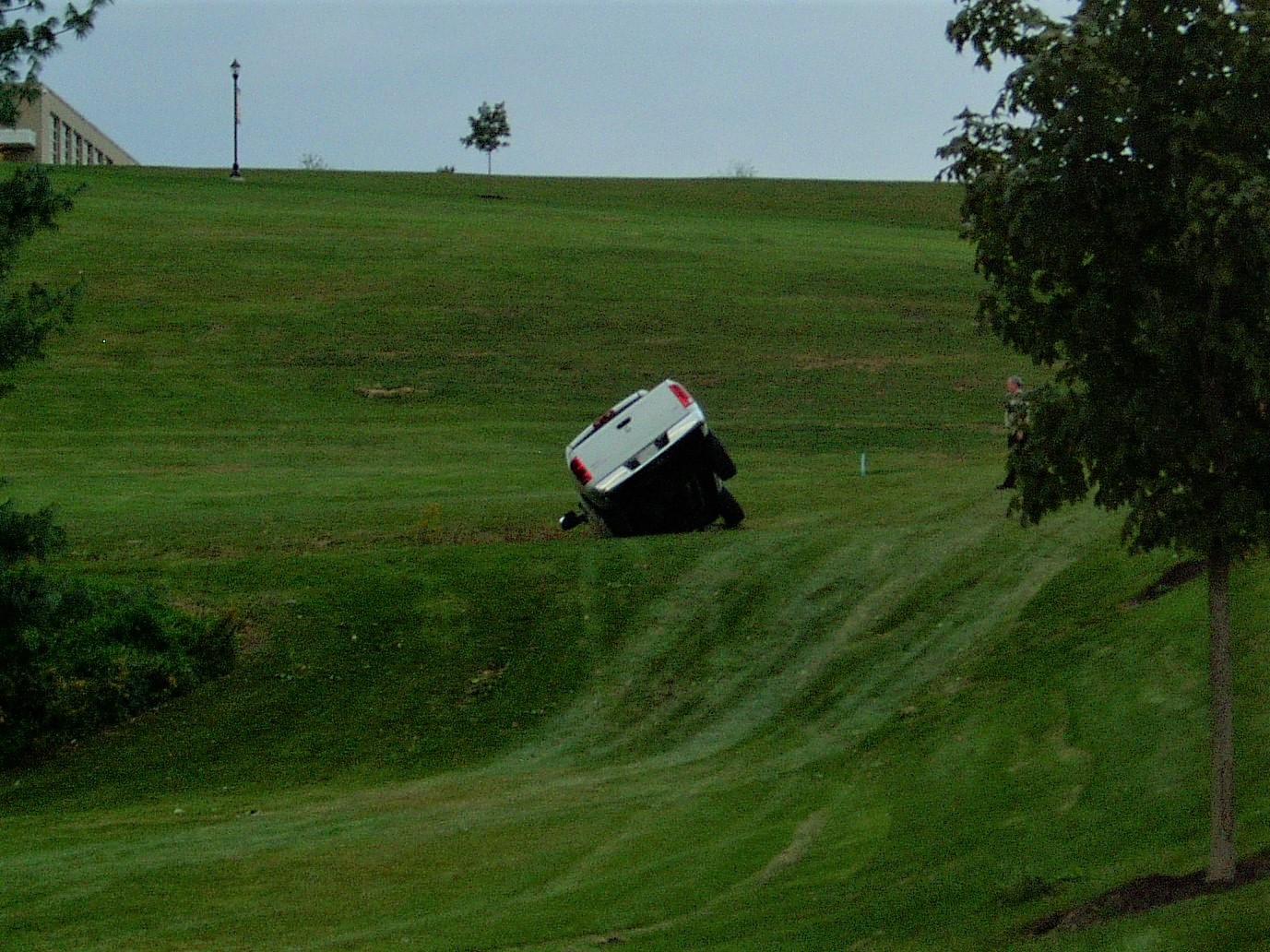
No, pickup trucks CANNOT go anywhere they want, at least not without getting into a little trouble.
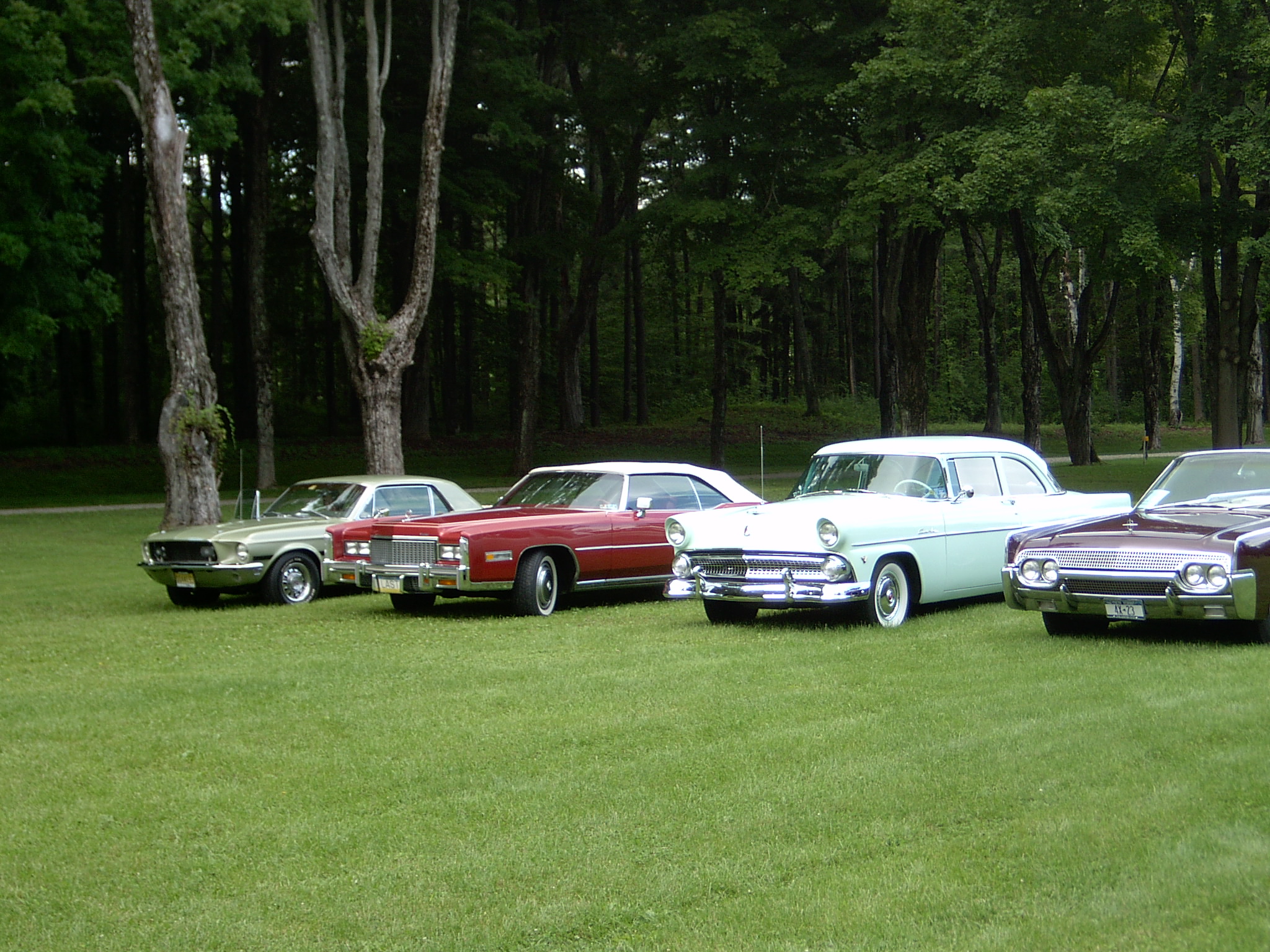
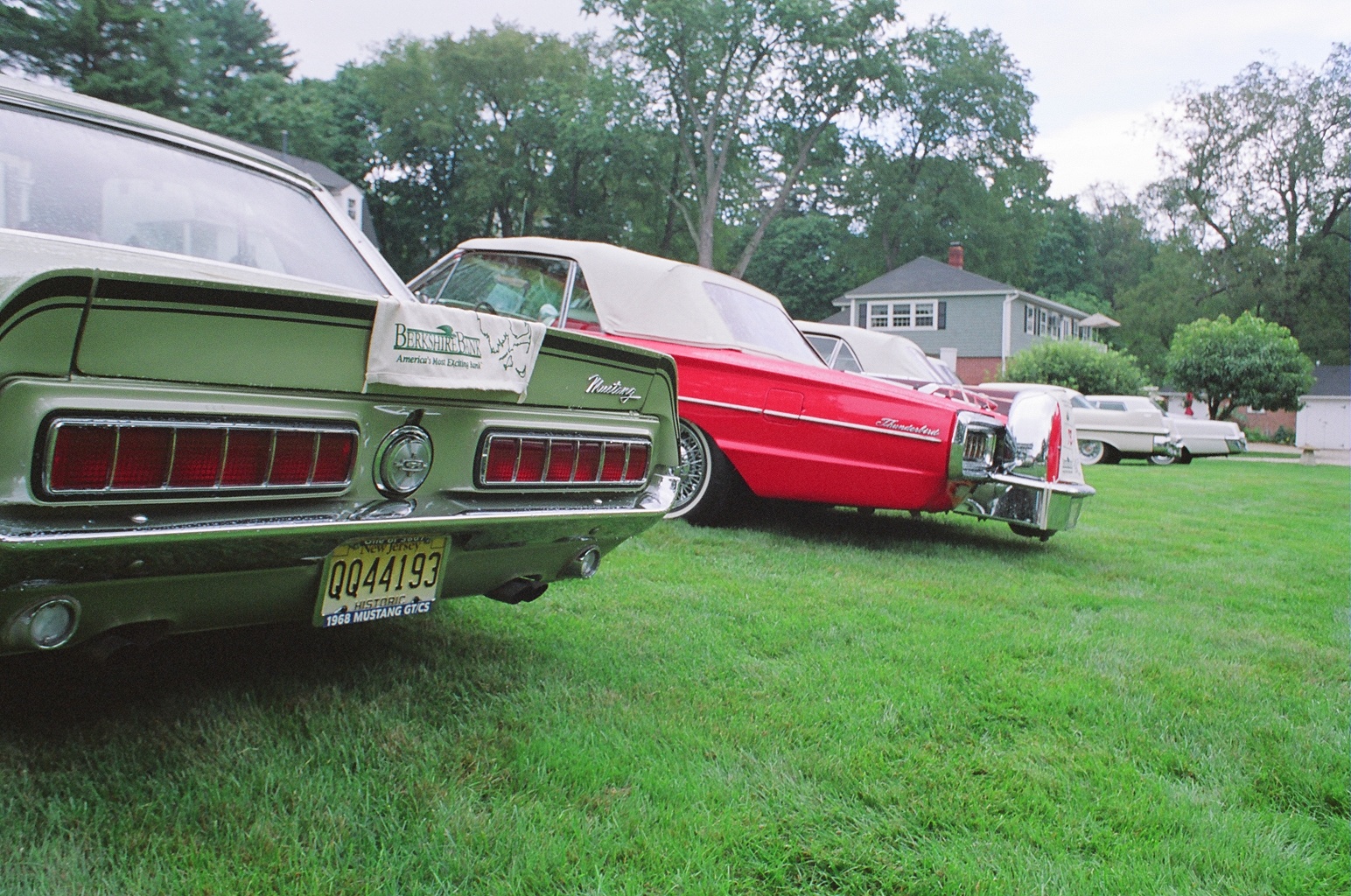
My wife came along on this one and enjoyed its more laid-back pace compared to the one NE1000 rally in which she participated, in 2001. We did this Berkshires/Springfield tour in my 1968 Mustang California Special, and she also appreciated the higher level of comfort than was offered in the MGB which was our ride in ’01.
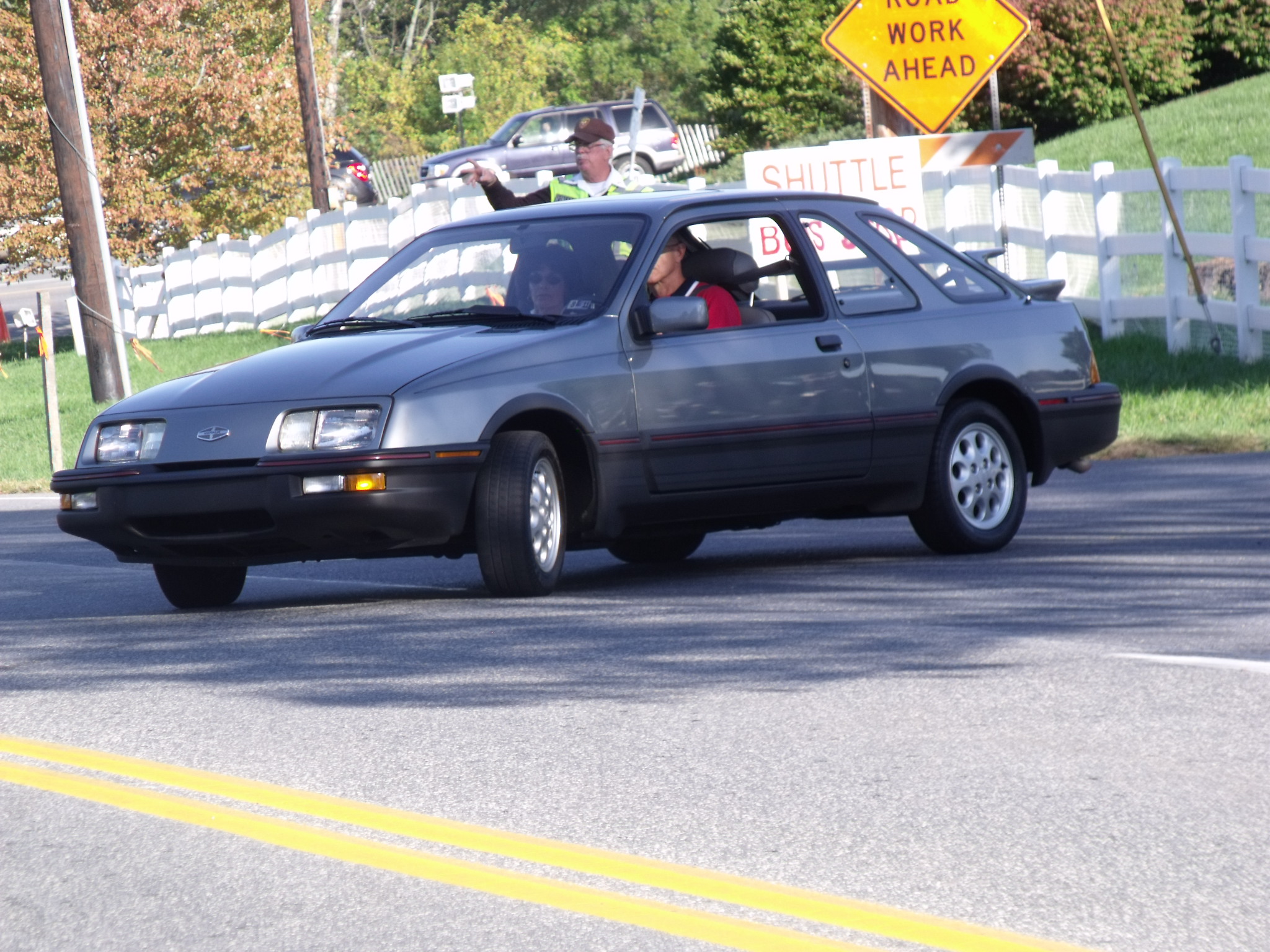
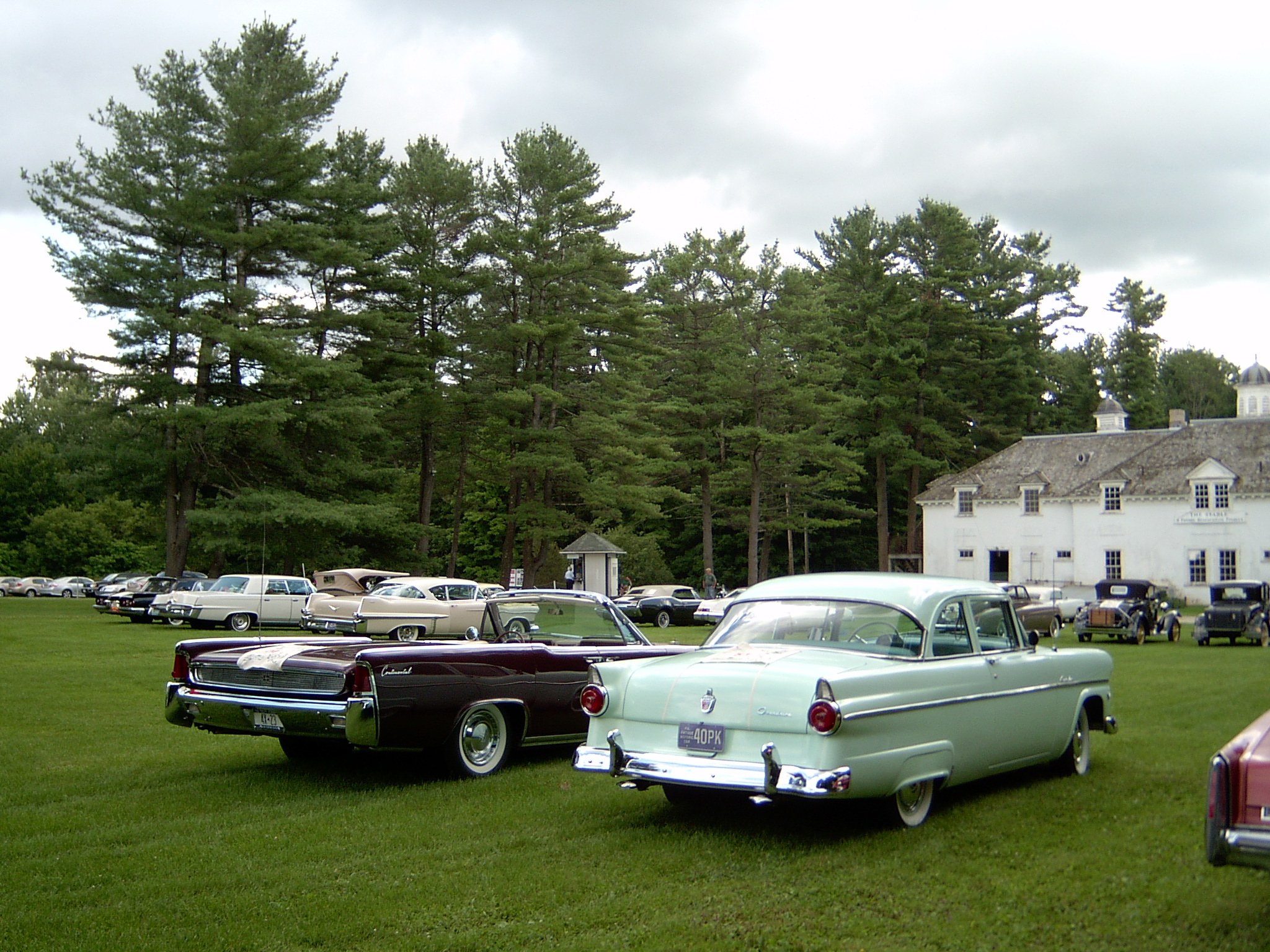
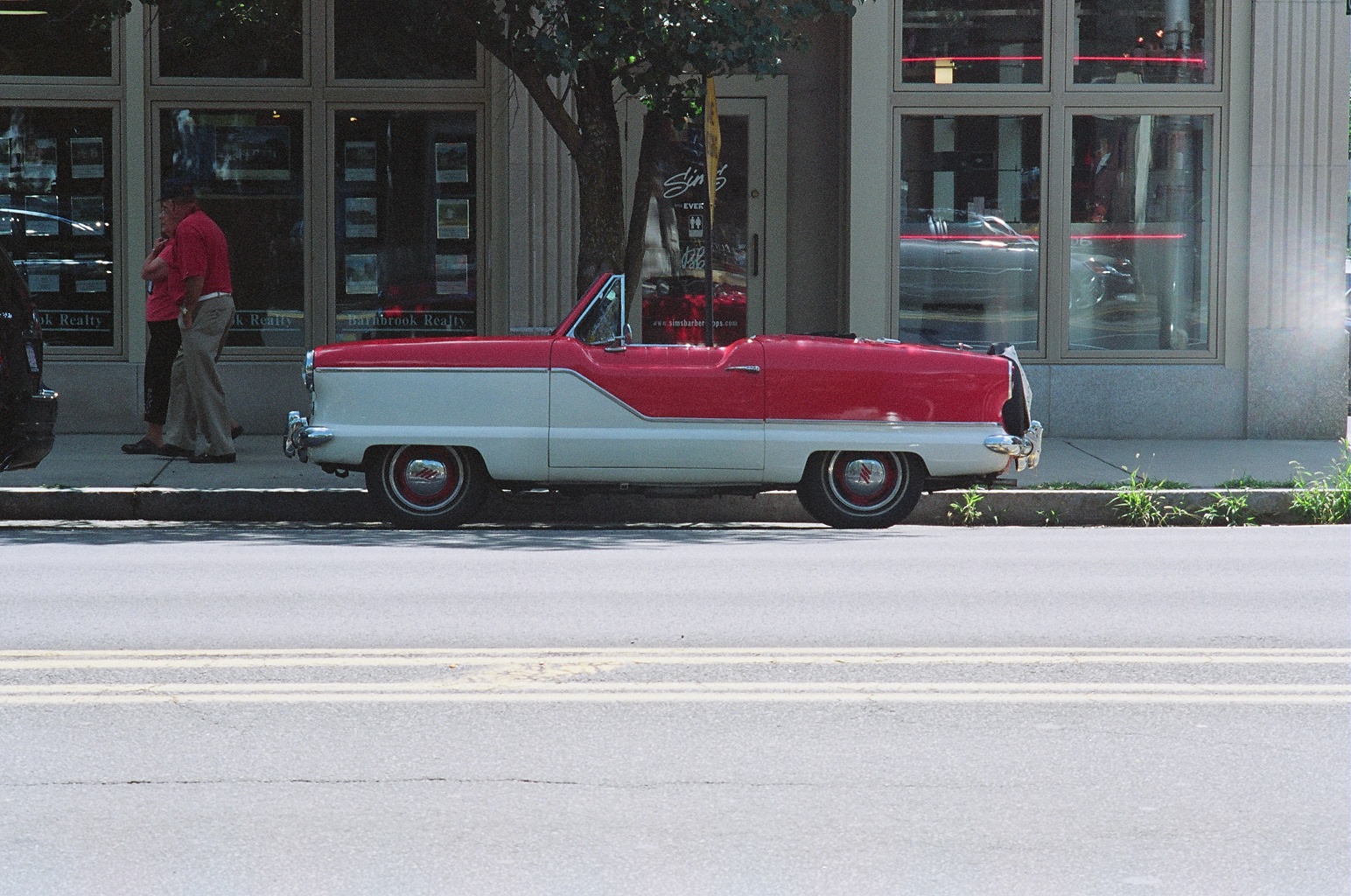
The accompanying photos reveal a change from 14 years ago compared to today’s tours: in 2008, most of the participating vehicles were truly “older cars”. You’ll see that vehicles from the ’40s, ‘50s, and ‘60s comprise the majority of the iron. Today’s tour vehicles are about 50% from the ‘80s and ‘90s (nothing wrong with that as they meet the AACA ‘twenty-five years or older’ rule), and about 50% modern iron, likely because the aging AACA membership is simply more comfortable driving their 3- or 4-year-old SUV with climate control, cruise control, and Bluetooth phone control.
A highlight of the week was our visit to Tanglewood. Tour participants were allowed to drive onto the grounds, and our cars became an ad hoc car show in the afternoon before the concert. While I was already a member of the National AACA when I signed up for this event, it was here where I met a small gang from Noo Joisy who corralled me into joining their Regional Chapter, where I’ve been a somewhat active member these past dozen years.
A note about the photos: these are a mix of digital and film photos, and could be one of the last times I depended on a film camera for documenting an event. Enjoy the shots!
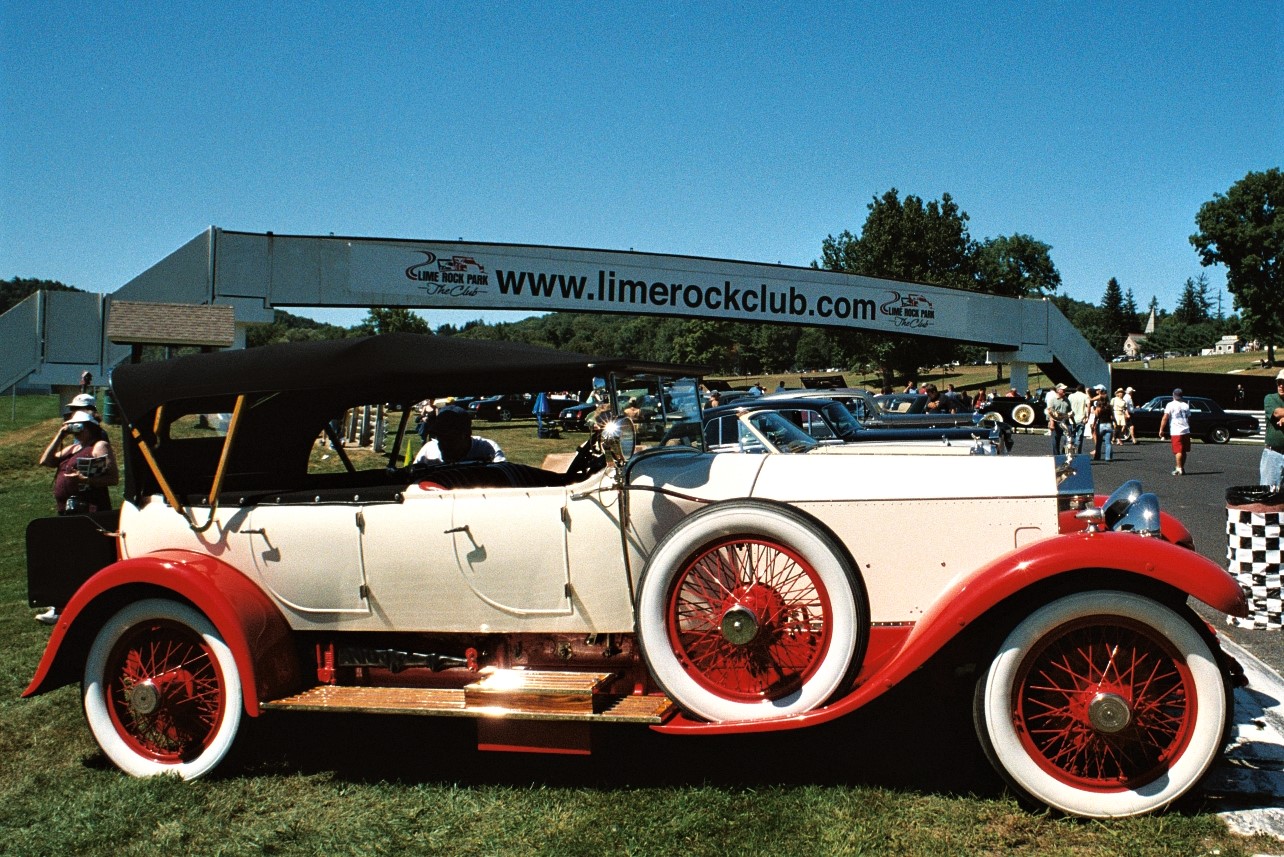
This pre-war beauty is perfectly framed under the overpass
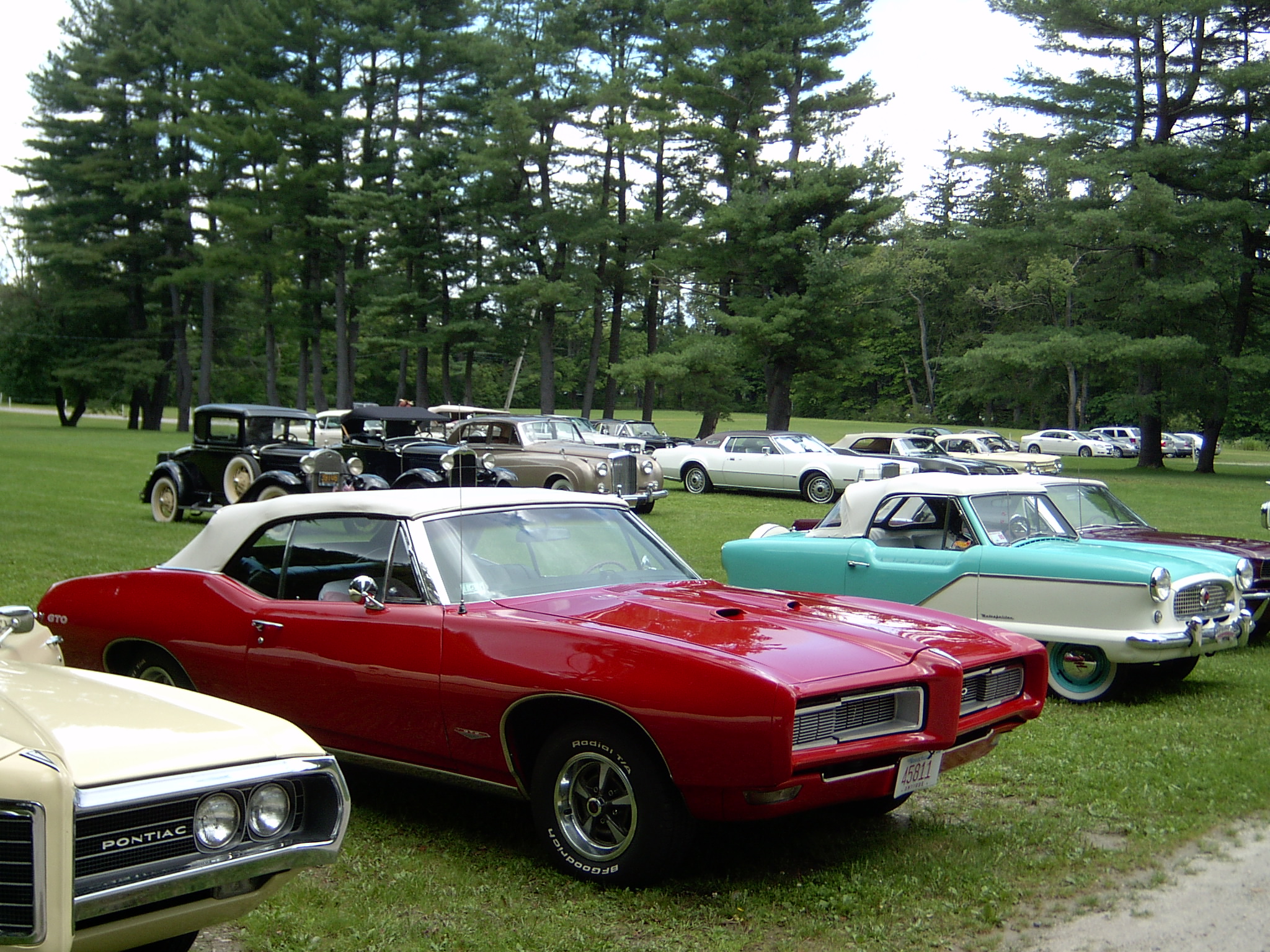
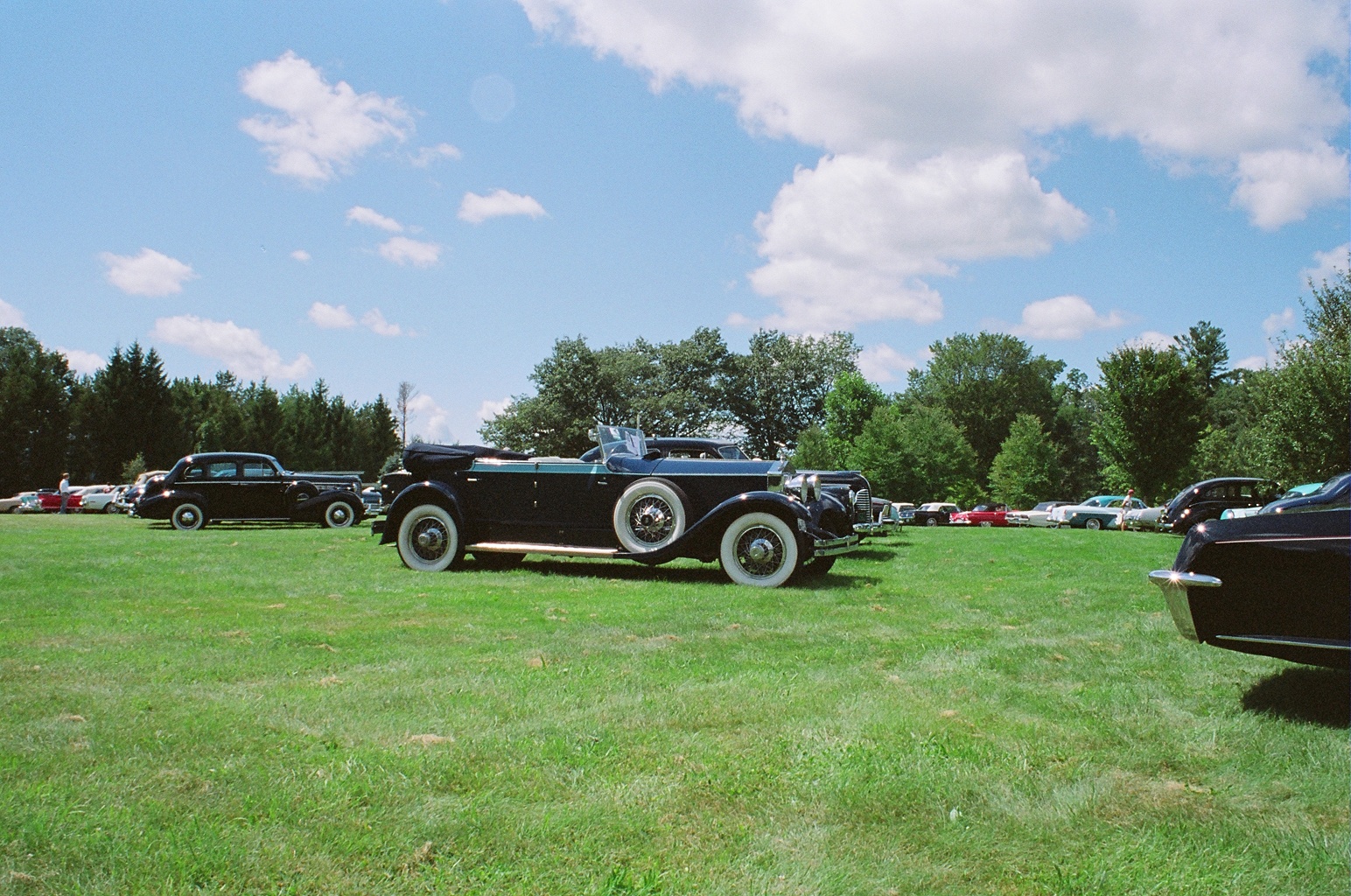
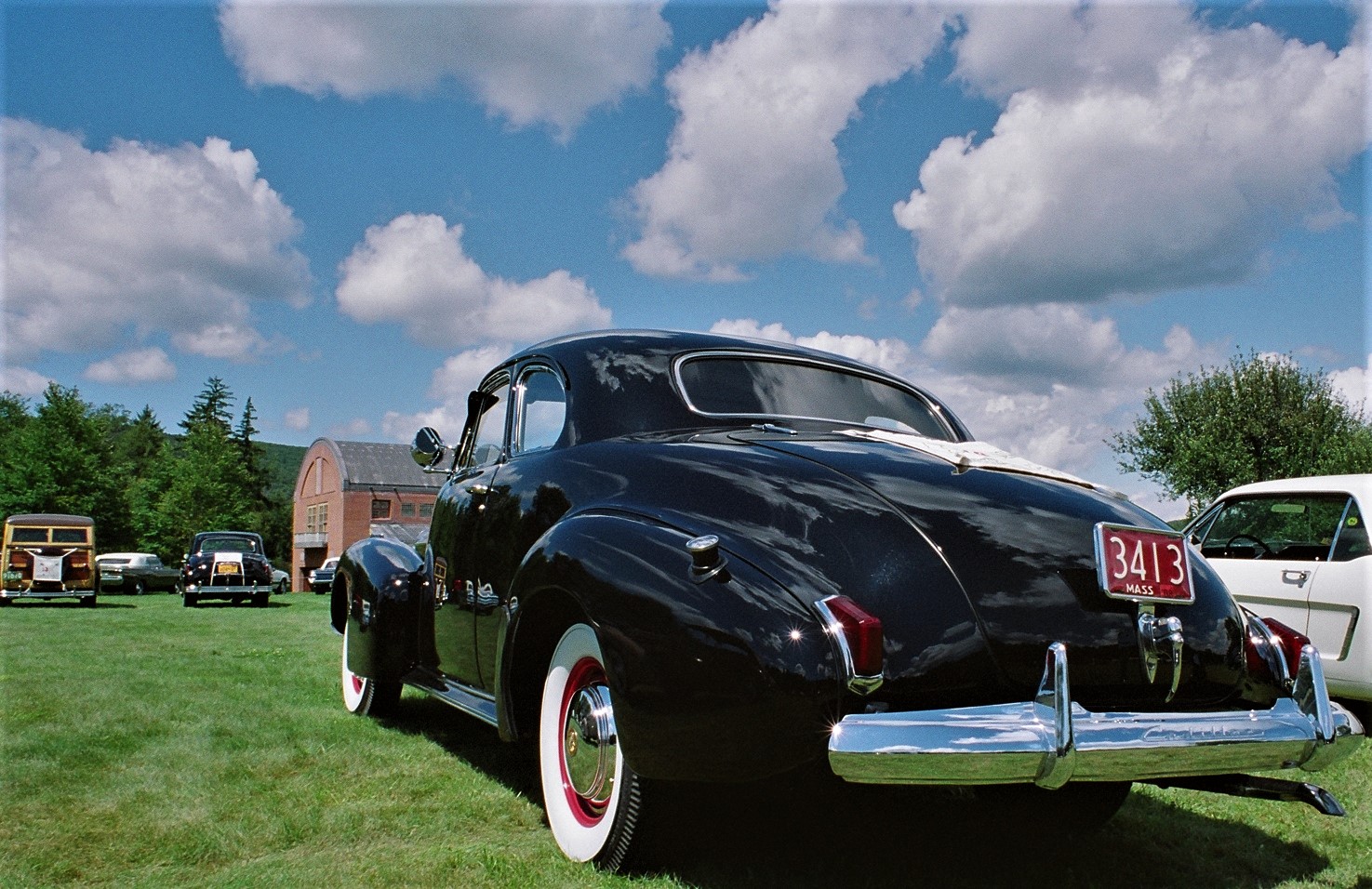
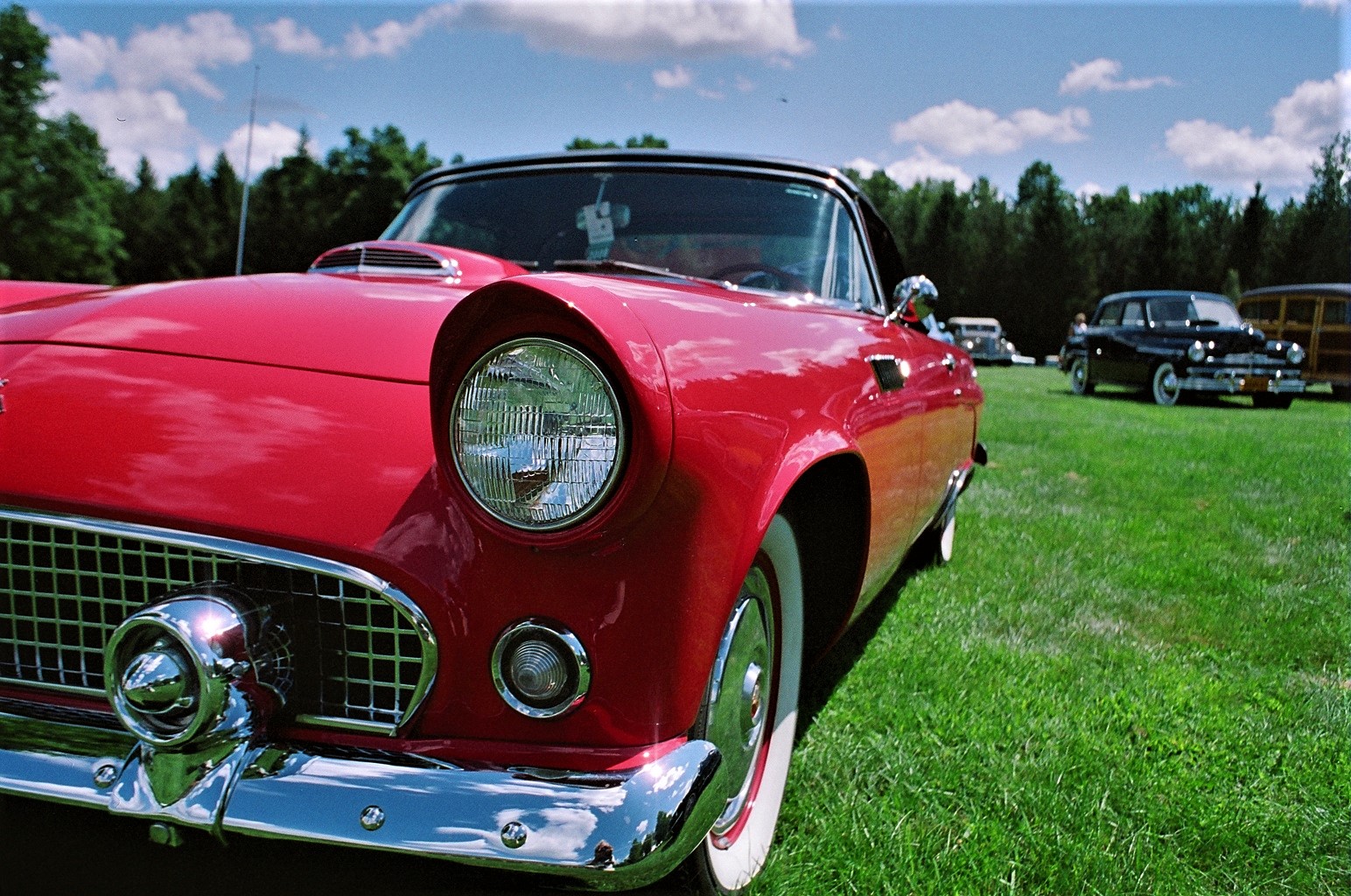
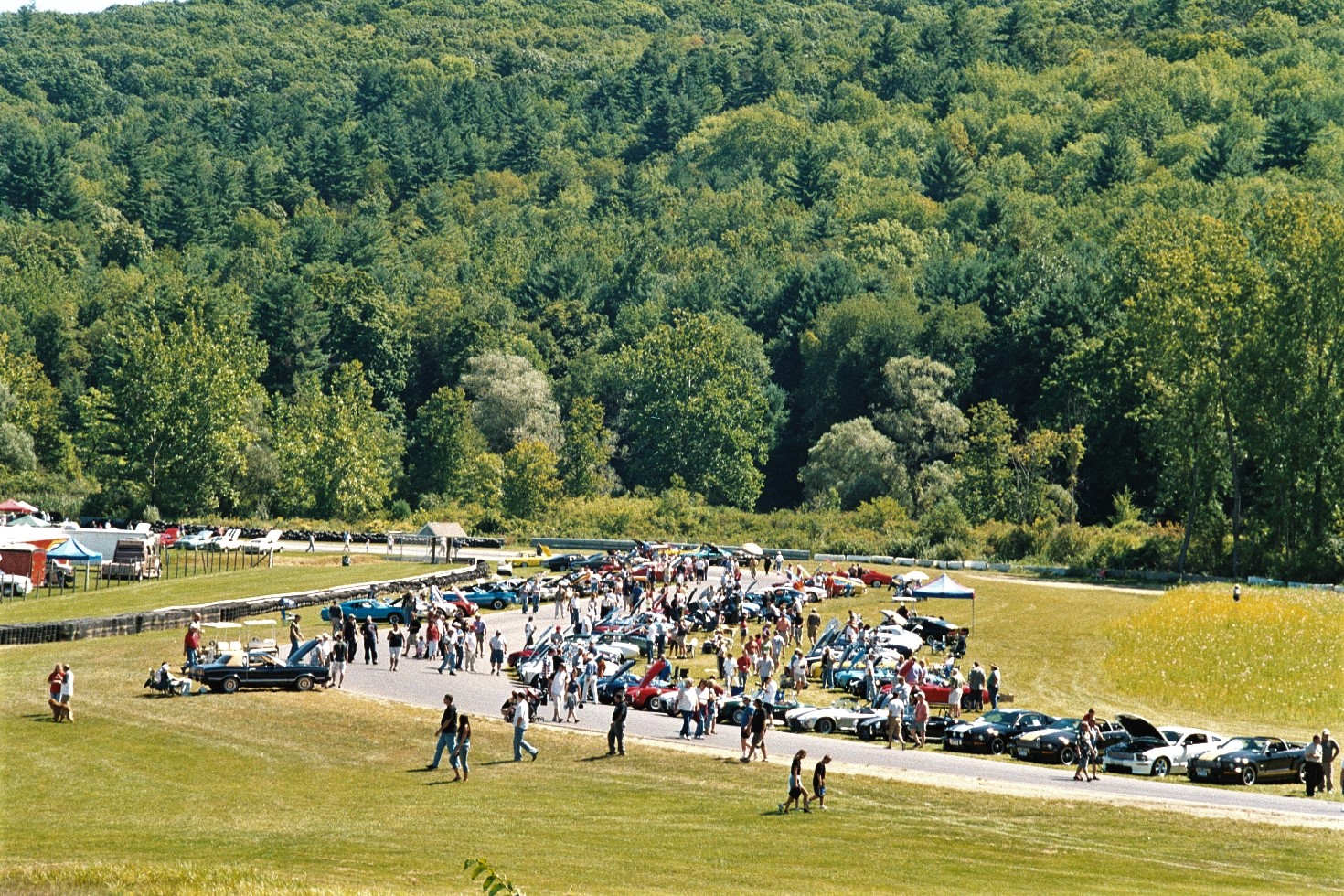
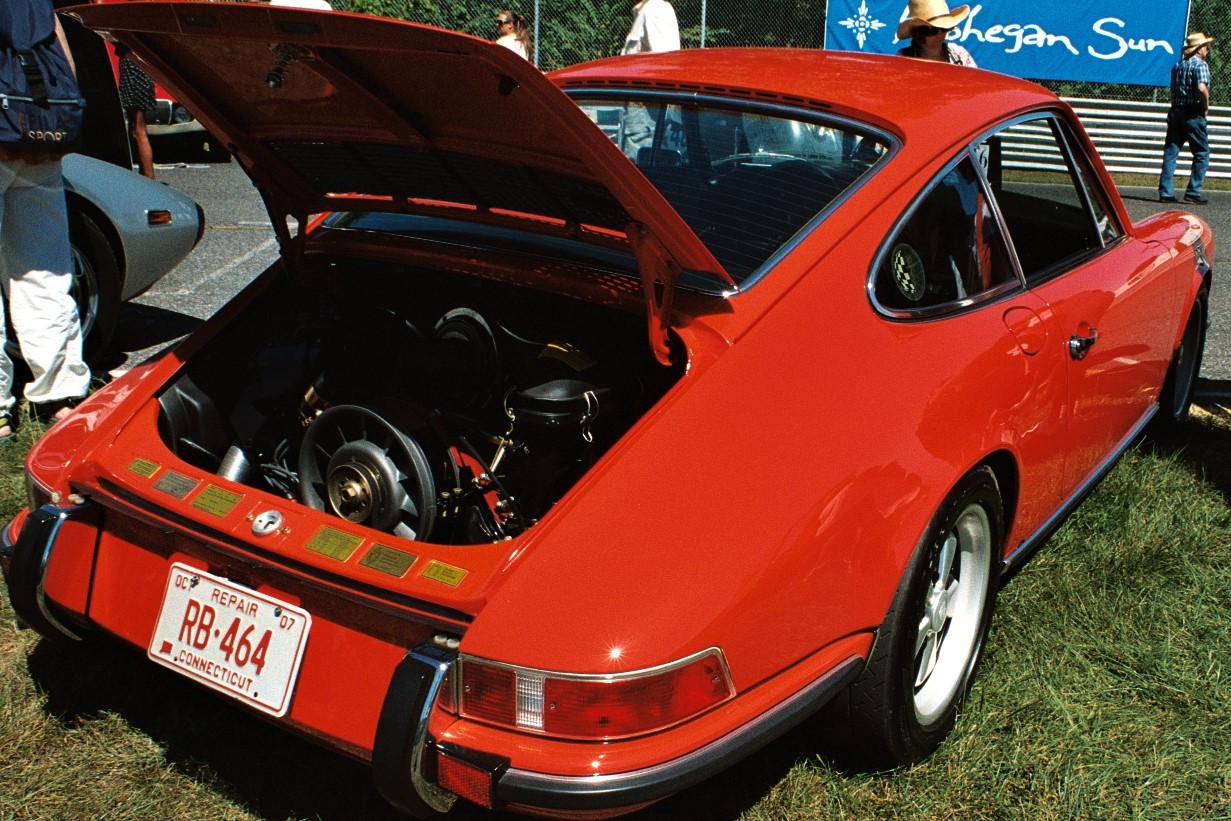
Perusing some old photos, I came across pictures that I snapped on my 2007 visit. That’s too long ago for me to have specific memories, however, the photos reveal that the day was bright and sunny, and when the weather cooperates, Lime Rock is one of the best vintage automotive events on the East Coast.
The track is truly in a park-like setting
There is actually one memory worth noting: these snaps were taken with a film camera, likely my Nikon EM, and likely with Kodak Gold ISO 100 or 200 film. I tweaked the brightness and contrast on a few of them, but other than that, their rich color stands out to me. Enjoy the shots!
After a consecutive run which began in the early 1950s and then dealing with its first-ever cancellation in 2020, the AACA Eastern Fall Meet (colloquially known as “Hershey”) was back in place for 2021. For me, most of my visits here in the last 20 years have been multi-day affairs, but this year, personal obligations kept it to a one-day-only event, and that day was Thursday, October 7, 2021.
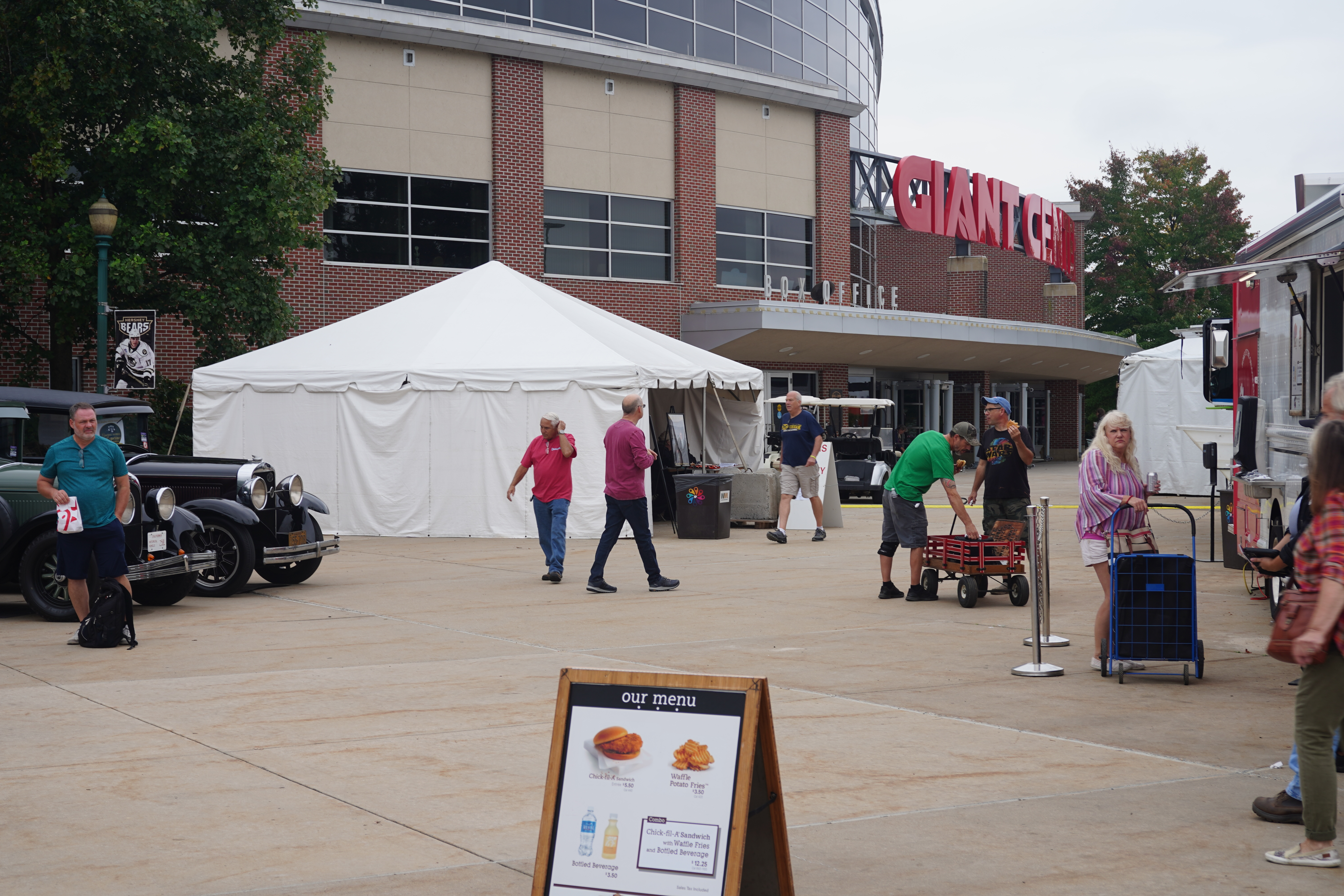
It was almost as if nothing had changed. The flea market vendors took up most of the Hersheypark parking lot, the car corral occupied the perimeter road around the lot, and the Giant Center stood in place at the center of it all. However, the crowd was a little thinner than in recent years; the car corral was only about 65-70% full; many of the usual food vendors were MIA; and even the flea market revealed either empty spots, or, what has been a growing trend, modern cars parked as a convenient alternative for those willing to spring for a flea market spot.
Because my time was limited, I spent most of the day walking the car corral. Cars did change hands: I witnessed a ’64 Falcon sell, and my friend Larry saw someone purchase a ’68 Olds 98. It was reassuring to know that some business was conducted.
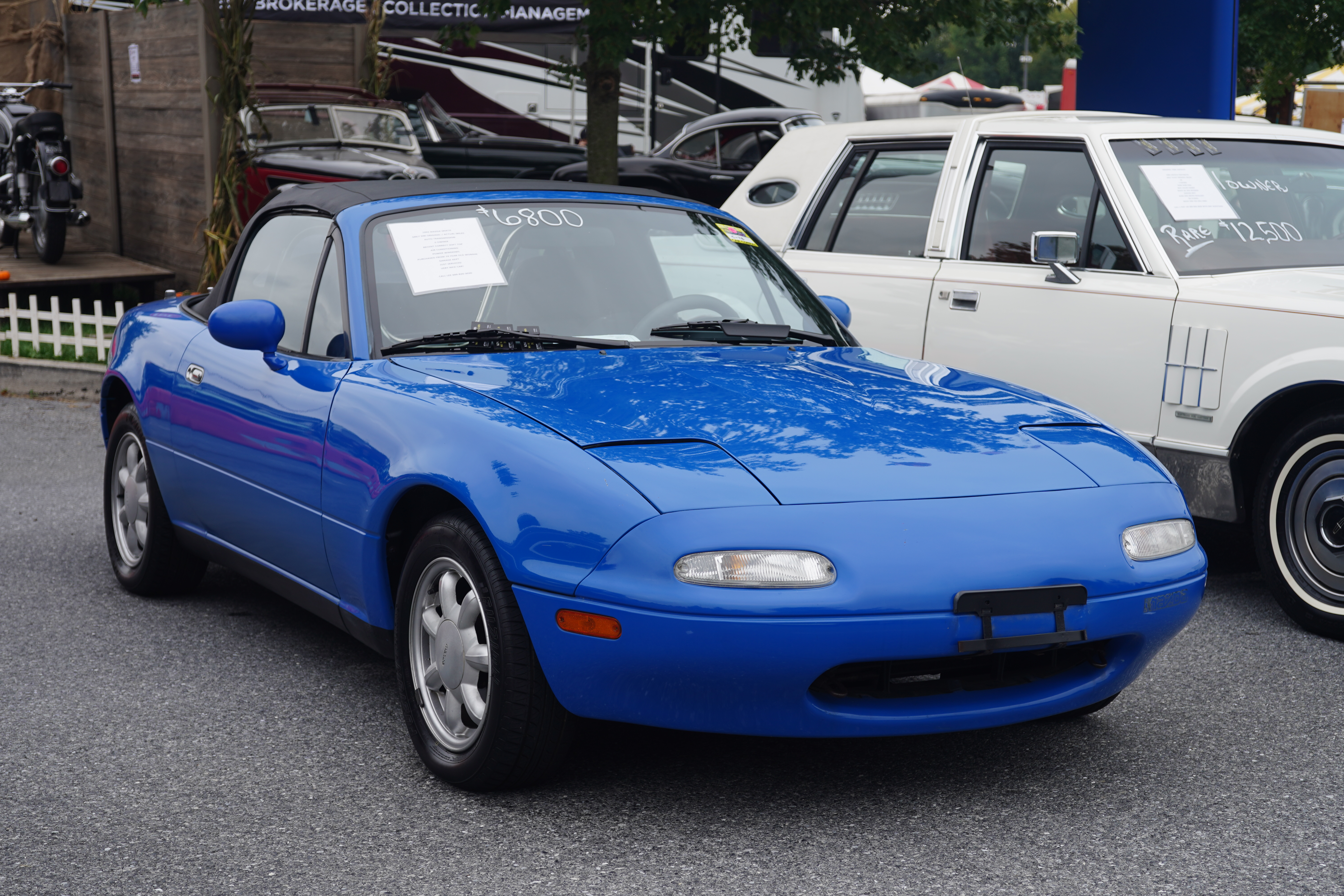
The cars below are the ones which I found interesting and affordable, and there weren’t too many of those this year. Cars are listed only with their asking prices; I did not record any other pertinent details about each vehicle. It is my hope that the photographs provide much of the info you might desire. I scooted out of the car corral and over to the RM Auction by about 4:30pm. The auction cars will be discussed in a separate blog post to be published later.
1992 Mazda Miata (auto), asking $6,800
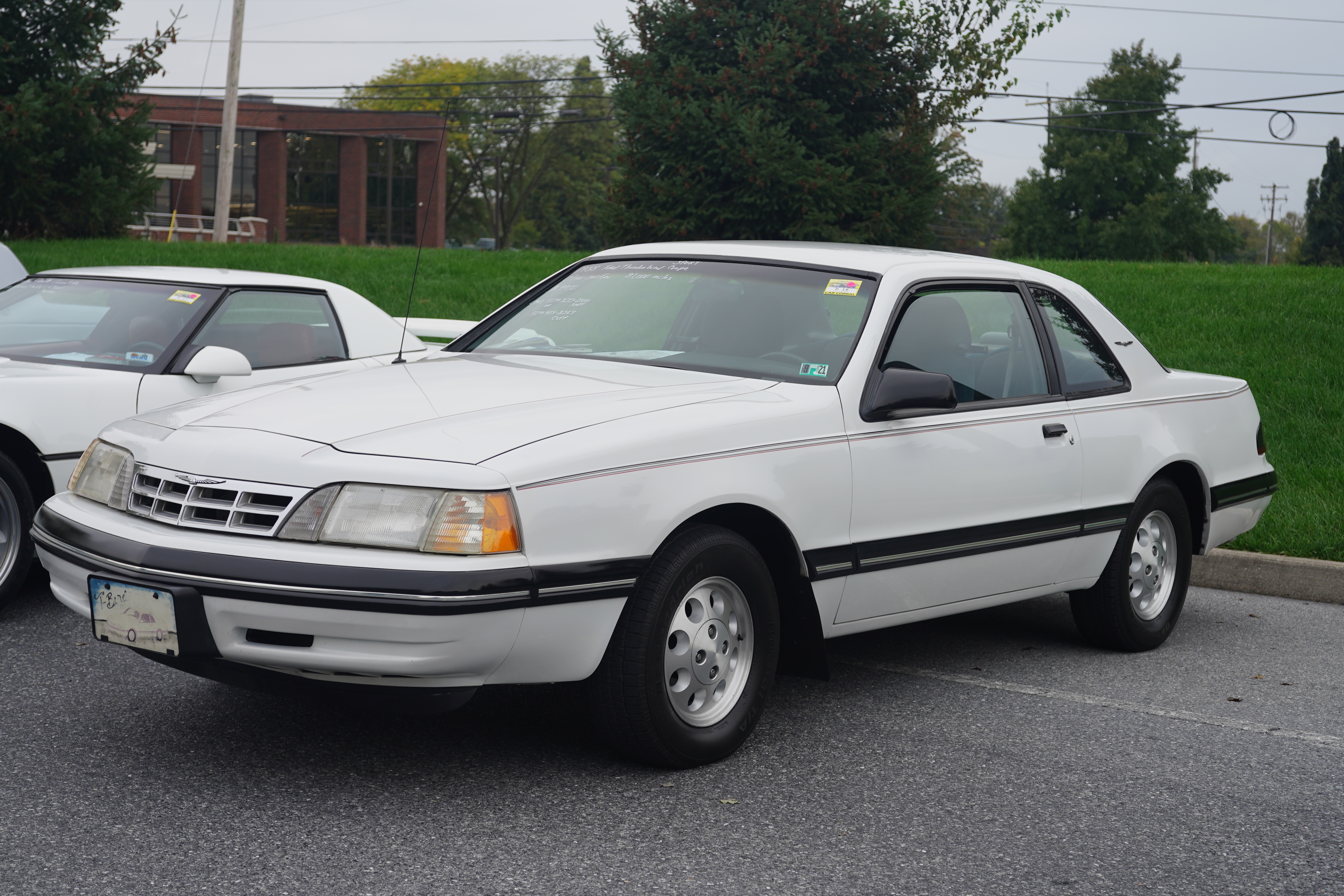
1988 Ford Thunderbird, asking $9,900
1984 Porsche 944, asking $12,490
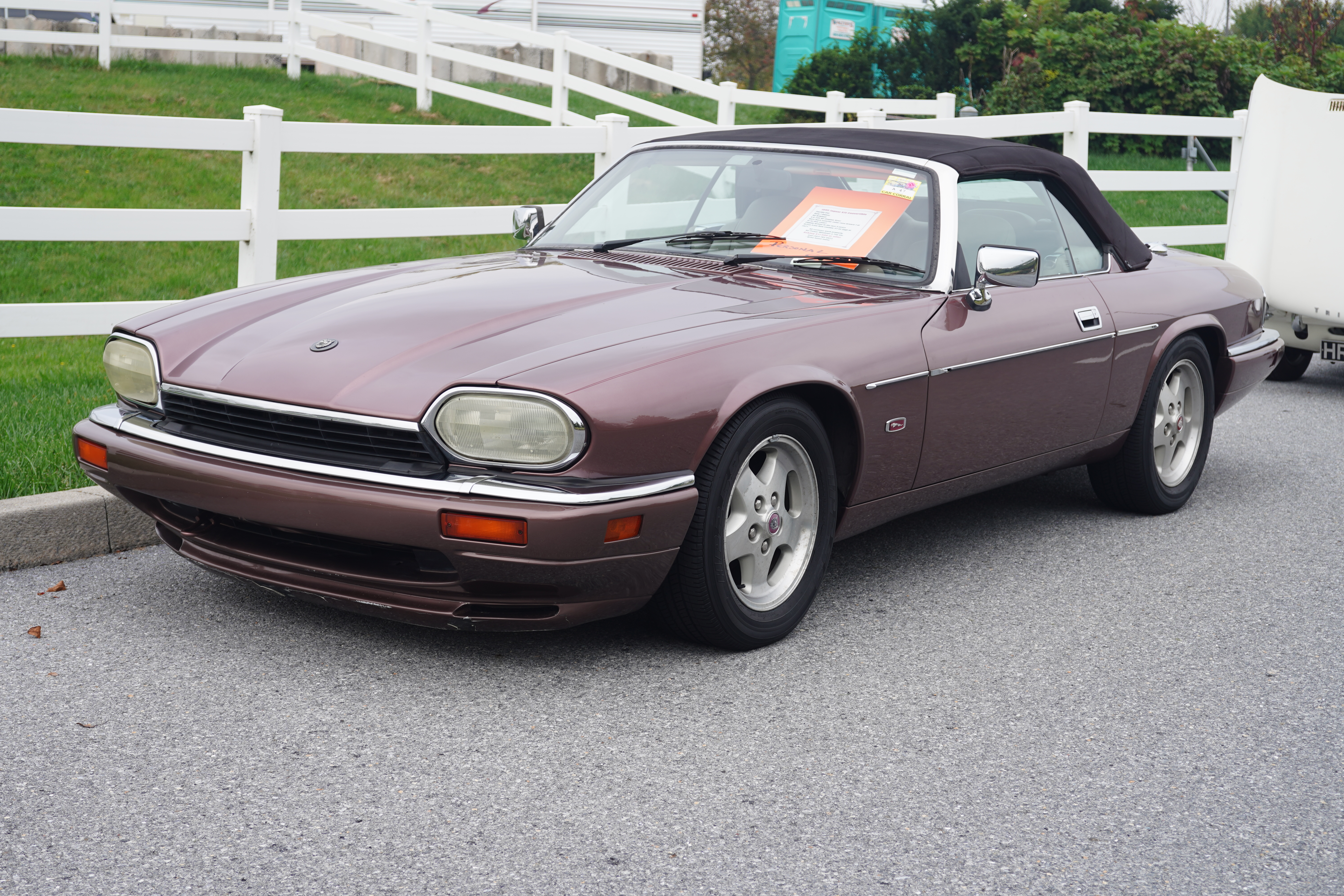
1995 Jaguar XJS (6-cyl), asking $17,500
1964 Morgan 4/4, asking $23,900
How Not to Sell a Car in the Car Corral
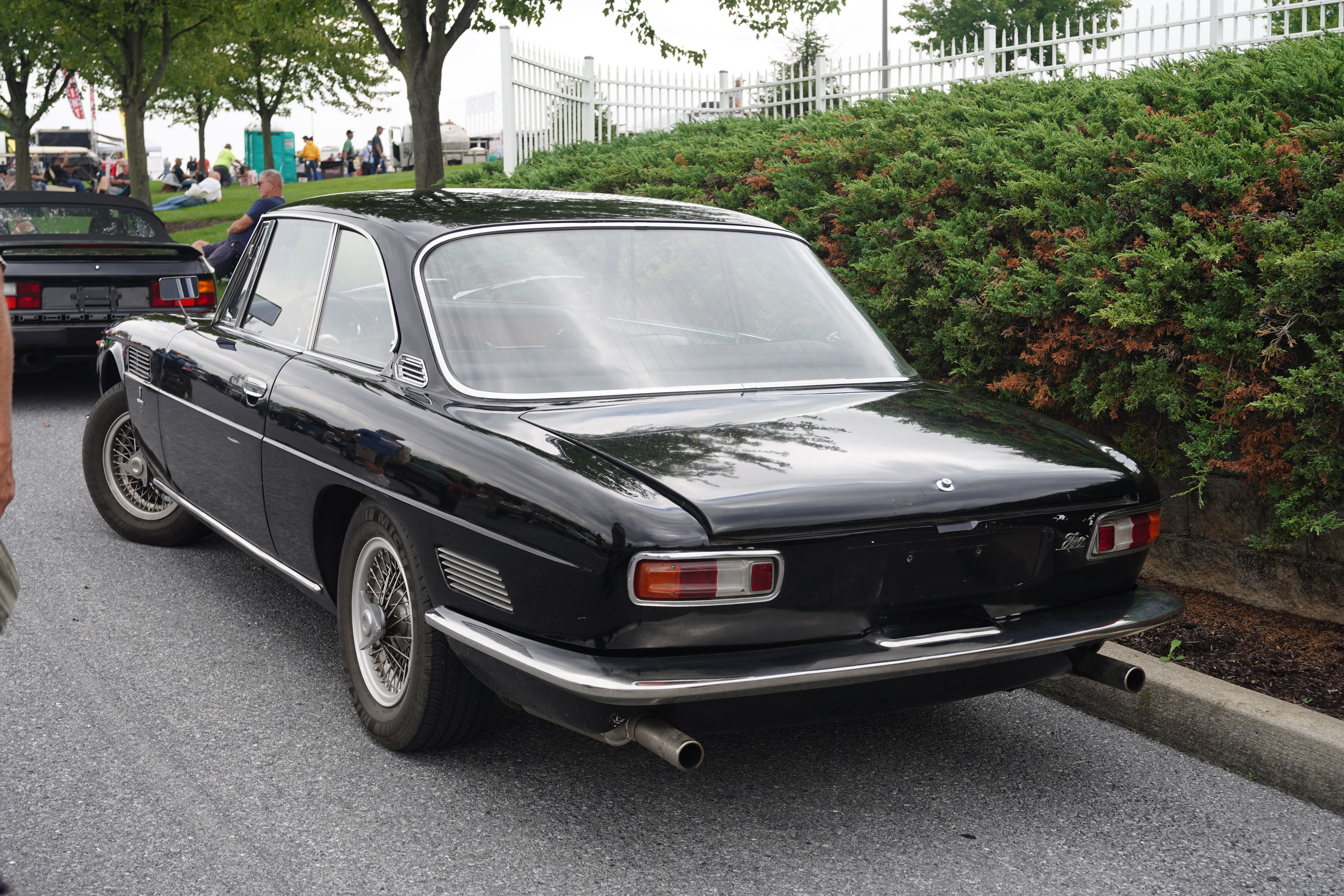
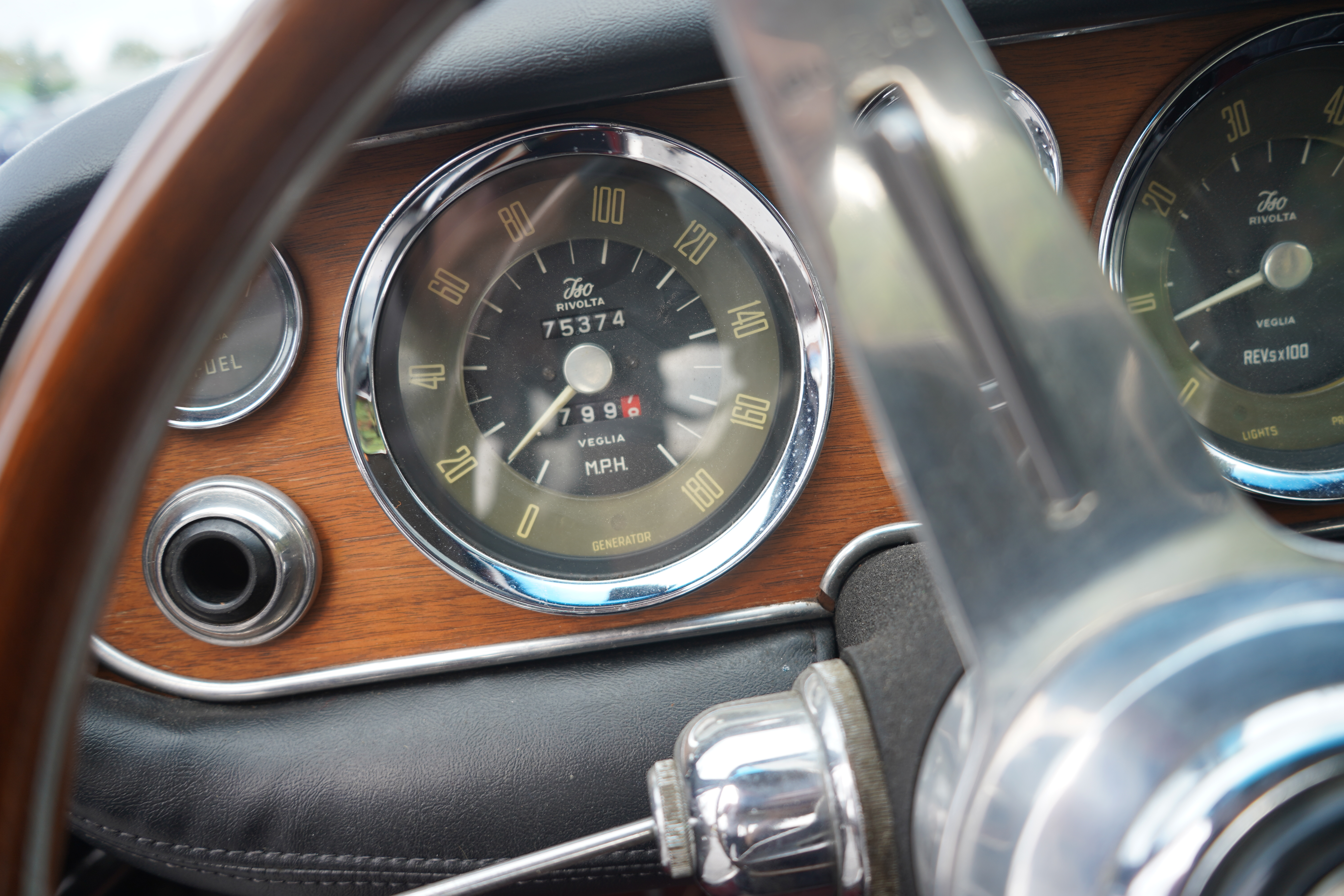
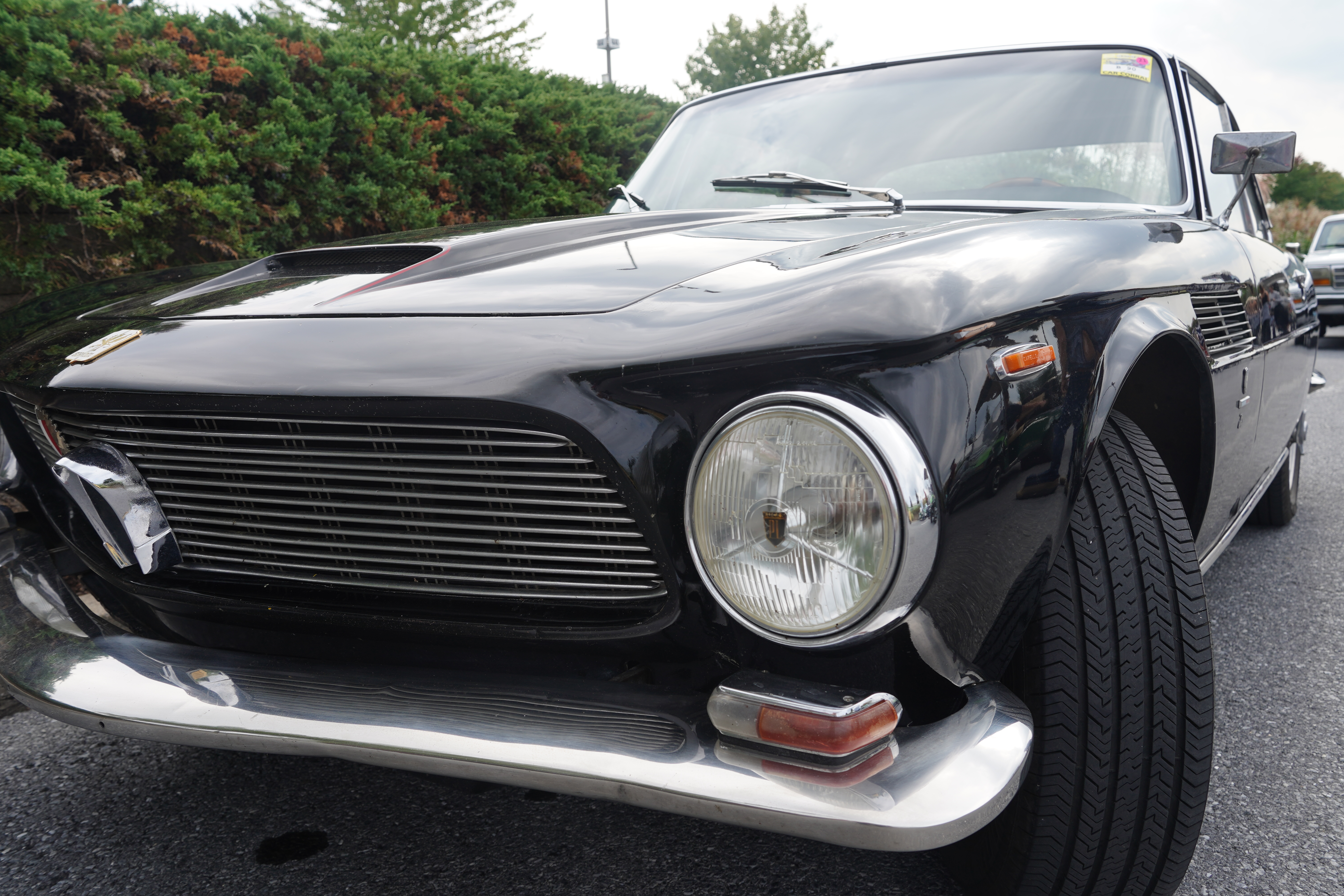
As soon as I opened the driver’s door on the Iso Rivolta, a voice from about 20 feet away barked at me. “You interested in the car?” “Maybe” I lied. “My boss wants $150,000 for it.” The only response to that was uttered to myself: this guy is crazy.
I wanted to show Larry the Chevy engine under the hood, but I couldn’t find the hood release. I asked the boss’ man “how do you open the hood?” “Dunno”. Oh boy, the boss sent the smart guy out with the car. While I continued to look over the exterior, someone else hopped into the driver’s seat and got the hood opened. “I owned one when I was a young man” he said by way of explanation.
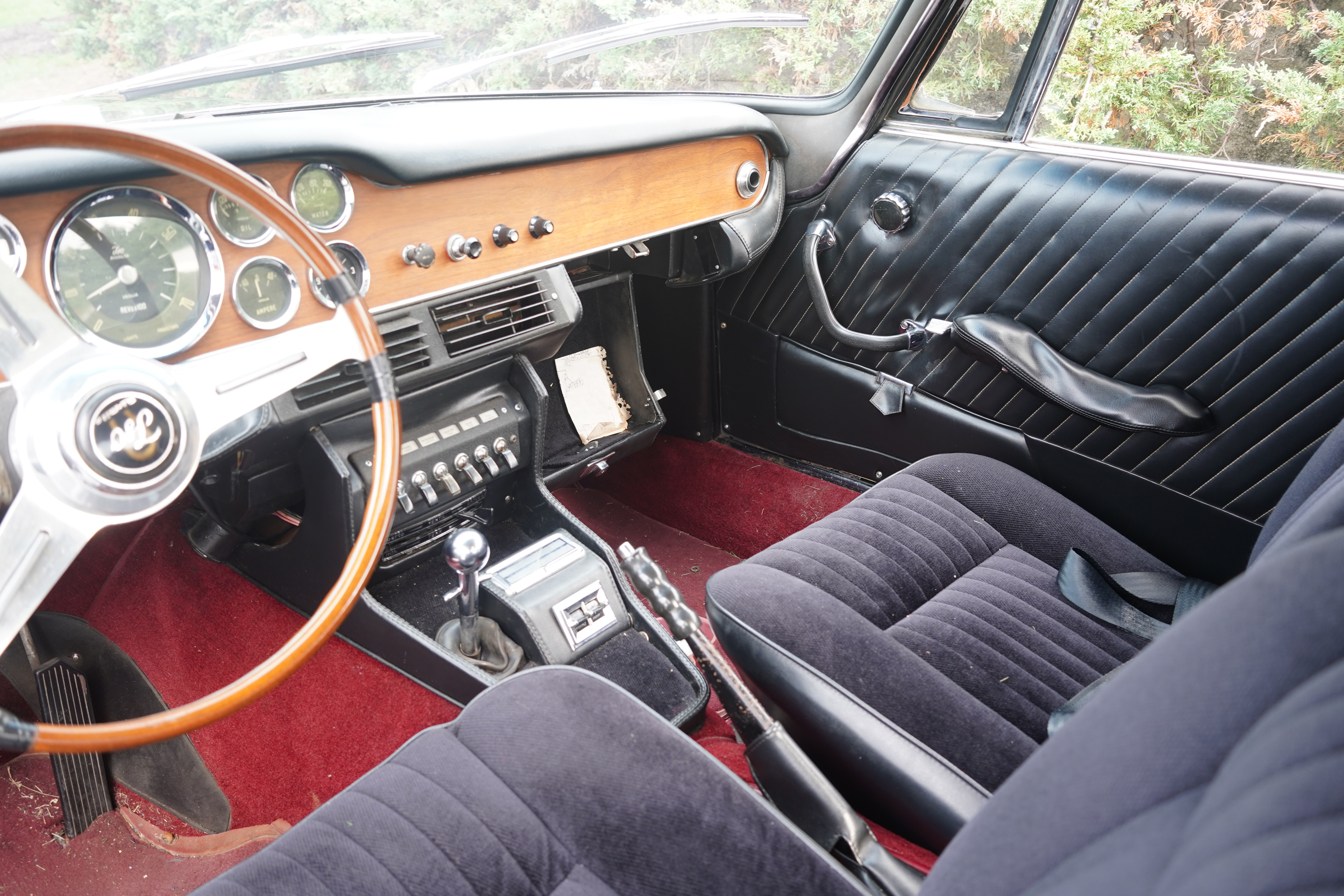
Underhood was as filthy and unkempt as the rest of the vehicle, although we did note that an A/C compressor was in place upon which someone had fastened a label: “recharged with R134a in 2020”. We were beginning to collect a crowd. The minion again spoke, this time to someone else. “Yeah, it’s an ICE-OH”. OMG. I quickly corrected him: “it’s pronounced ‘EES-SO’. One more time to the other interested observer: “my boss wants $150 grand for it, they’re very rare”. I pulled out my current copy (Sep-Oct 2021) of the CPI price guide. Iso Rivolta coupes, made between the years of 1963-1970, are in the book for $25,000 in #4 condition; $46,500 in #3 condition; and $85,000 in #2 condition. This car was clinging to its #4 condition like a rock climber clings to a cliff wall.
The exterior had not had a bath in months and the interior had not seen a vacuum in years. The front seat upholstery was obviously incorrect. The steering wheel was held together with electrical tape. Popping open the glove box, the door fell beyond its catch, dumping its contents of plastic cups, trash, and some aluminum foil (drugs??) onto the floor. I left it there, as the paraphernalia hid some of the dirt on the carpet.
So here’s the catch: these are neat cars. Renzo Rivolta, founder of Iso, took the oodles of Deutschmarks he earned when he licensed his Isetta to BMW, and invested that money into a hybrid GT car, hybrid in the original sense of “European sports car with an American engine”. They don’t exactly come up for sale with any regularity, and compared to the later and admittedly prettier Griffo ($350,000-500,000), Rivoltas are a relative bargain. (My Isetta license plate was LILISO, for “Lil’ ISO”. I wanted to buy a Rivolta, put a hitch on it, and use it to pull the Isetta to shows. If I had done that, the Rivolta plate would have read “BIGISO”.)
No Rivolta is worth 150 large. I was tempted to pull out a business card, write “$30k” on it, and give it to the mouthpiece to give to his boss. The danger of course would be the boss saying ‘yes’. Hey boss man, I hope you’re reading this, because I have some words of advice. Next time, spend 1/10 of 1% of that asking price on a detail job, and, give your representative something resembling working knowledge of the overpriced car you’re trying to peddle to the unsuspecting. I probably taught him more about your car than you ever did.
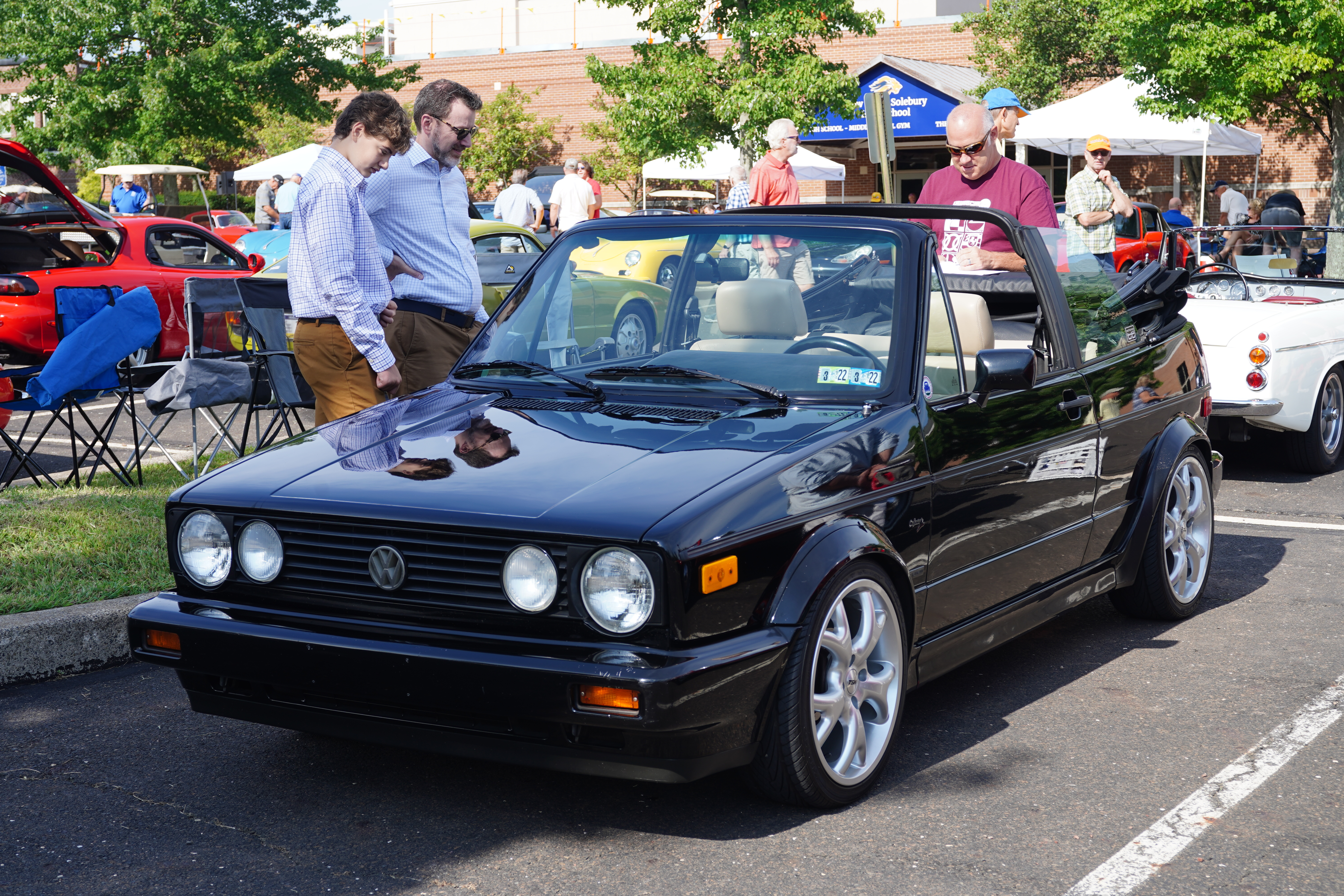
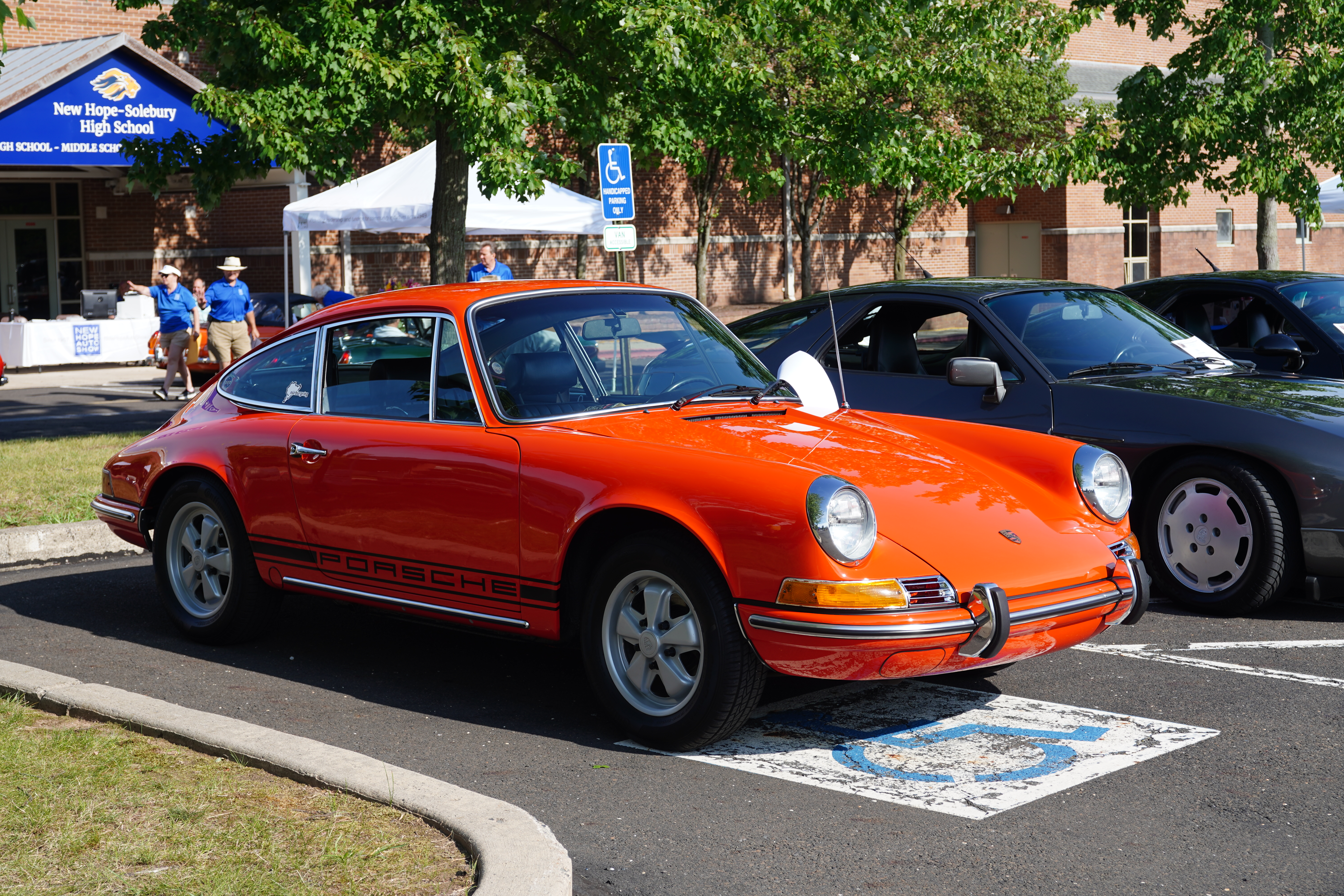
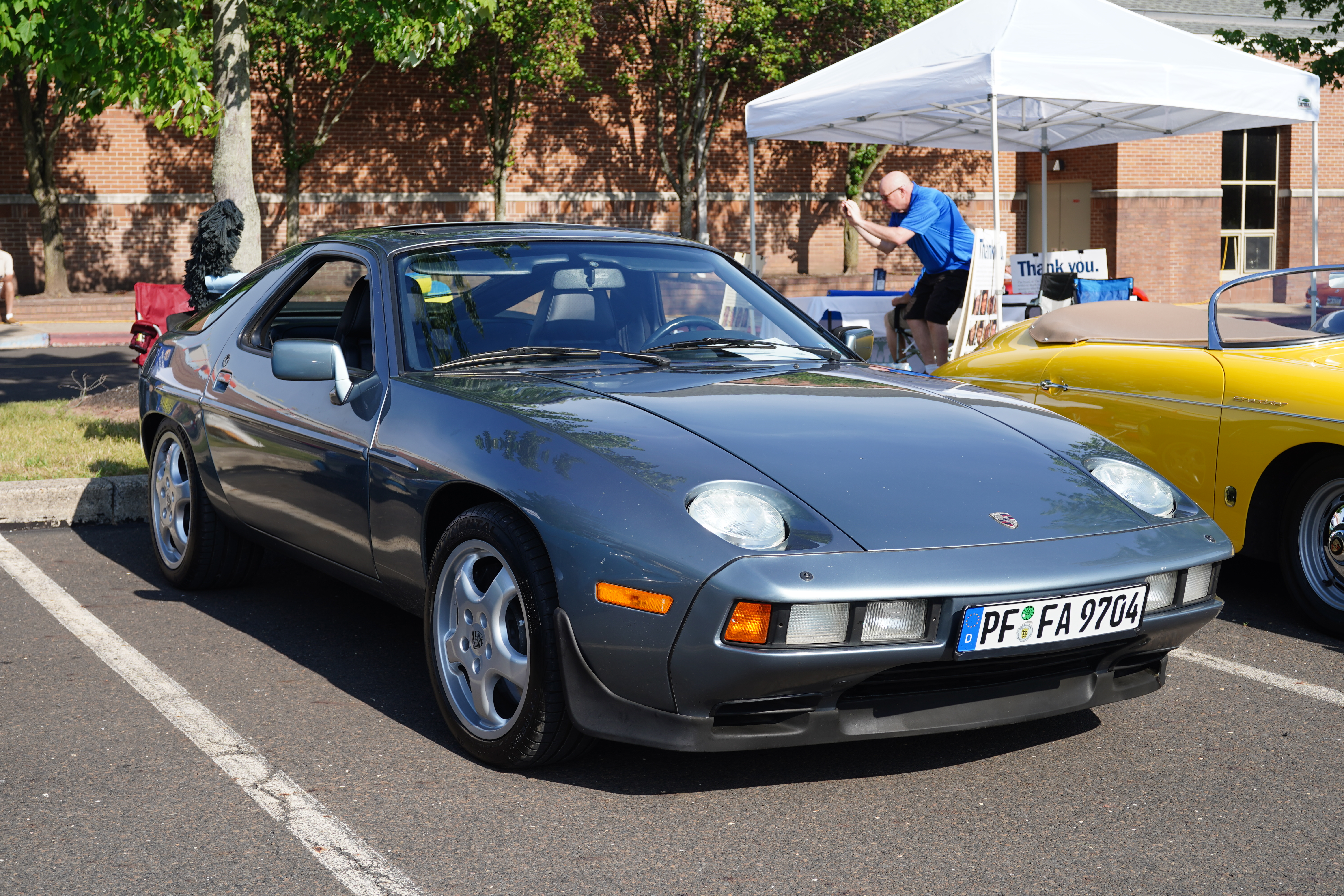
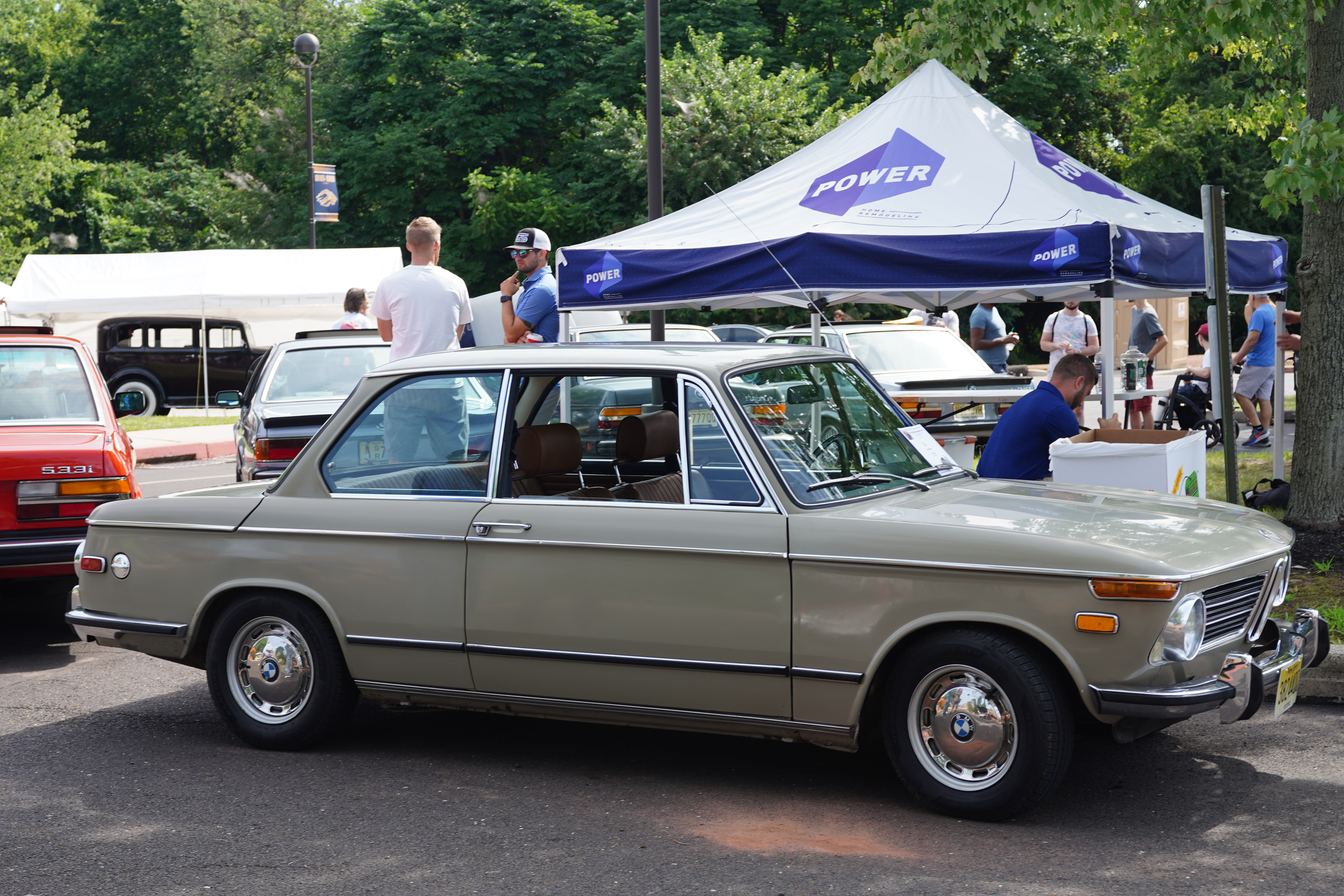
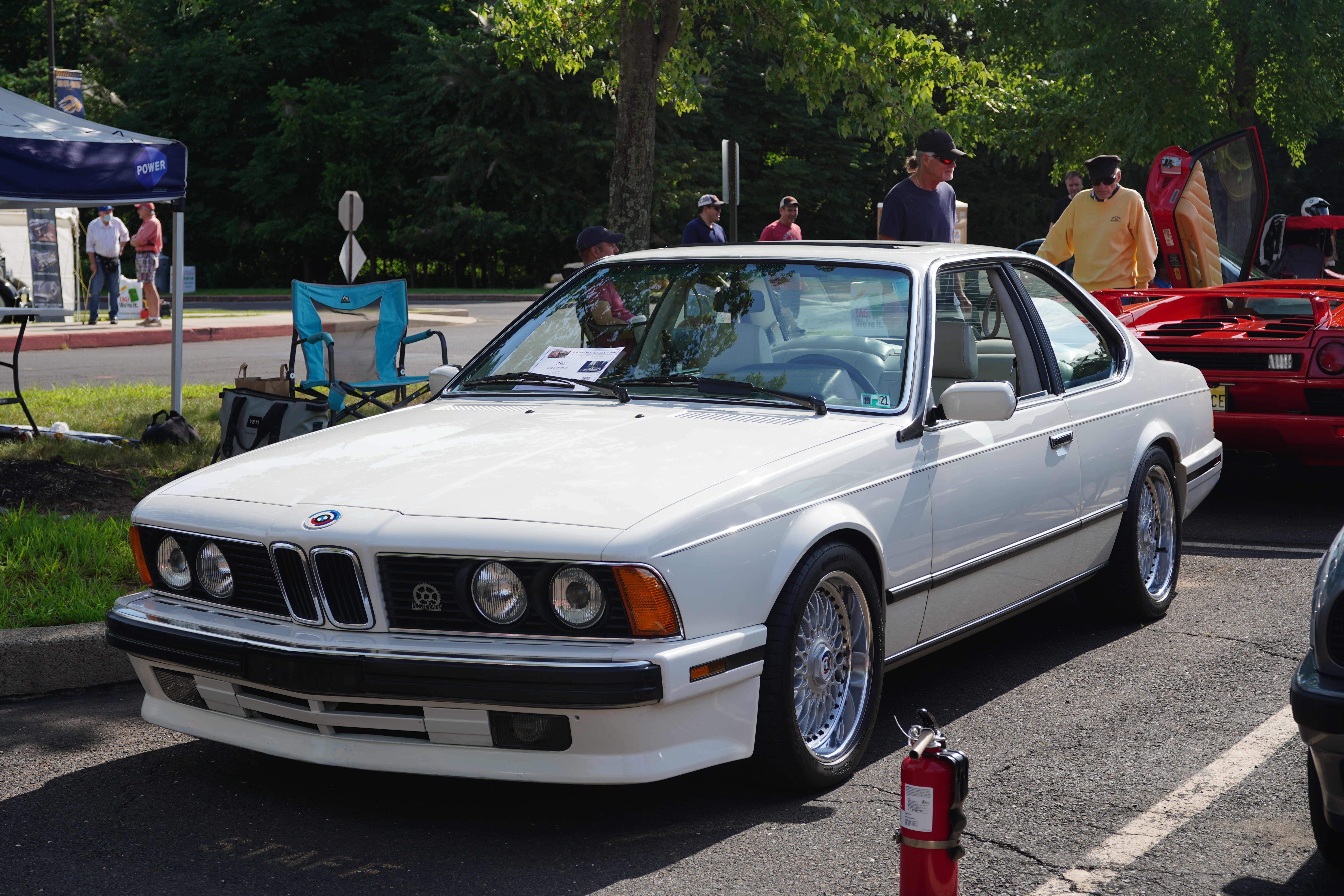
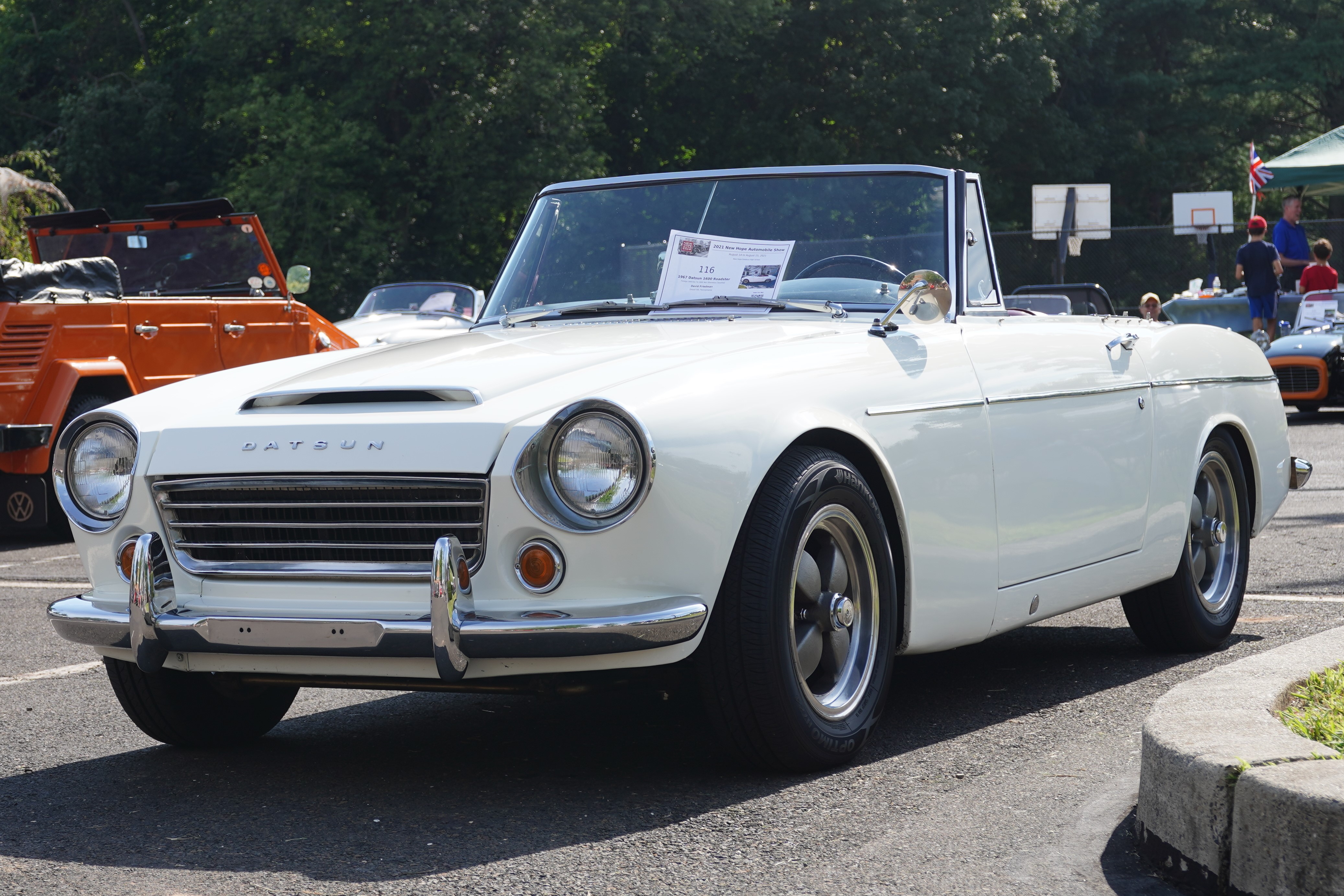
The 2021 New Hope (PA) Auto Show was held during the weekend of August 14-15. This is one of the longest-running car shows in the Northeast, and this year’s arrangement split participants into two groups: the domestic cars on Saturday, and the import vehicles on Sunday. My Alfa was registered for the Sunday event, and, expecting a significant turnout of Alfas buoyed by support from both the NJ and Delaware Valley Club Chapters, I was not disappointed.
The weather cooperated; Sunday was one of the nicer days we’ve had during what’s been a hot and humid season. Registrants were asked to arrive by 8am; I was five minutes early and gained a coveted shady spot at the start of the row dedicated to Alfa Romeos. Within a few minutes, another dozen or so Alfas arrived; I later counted over 20 of the cars from Milano.
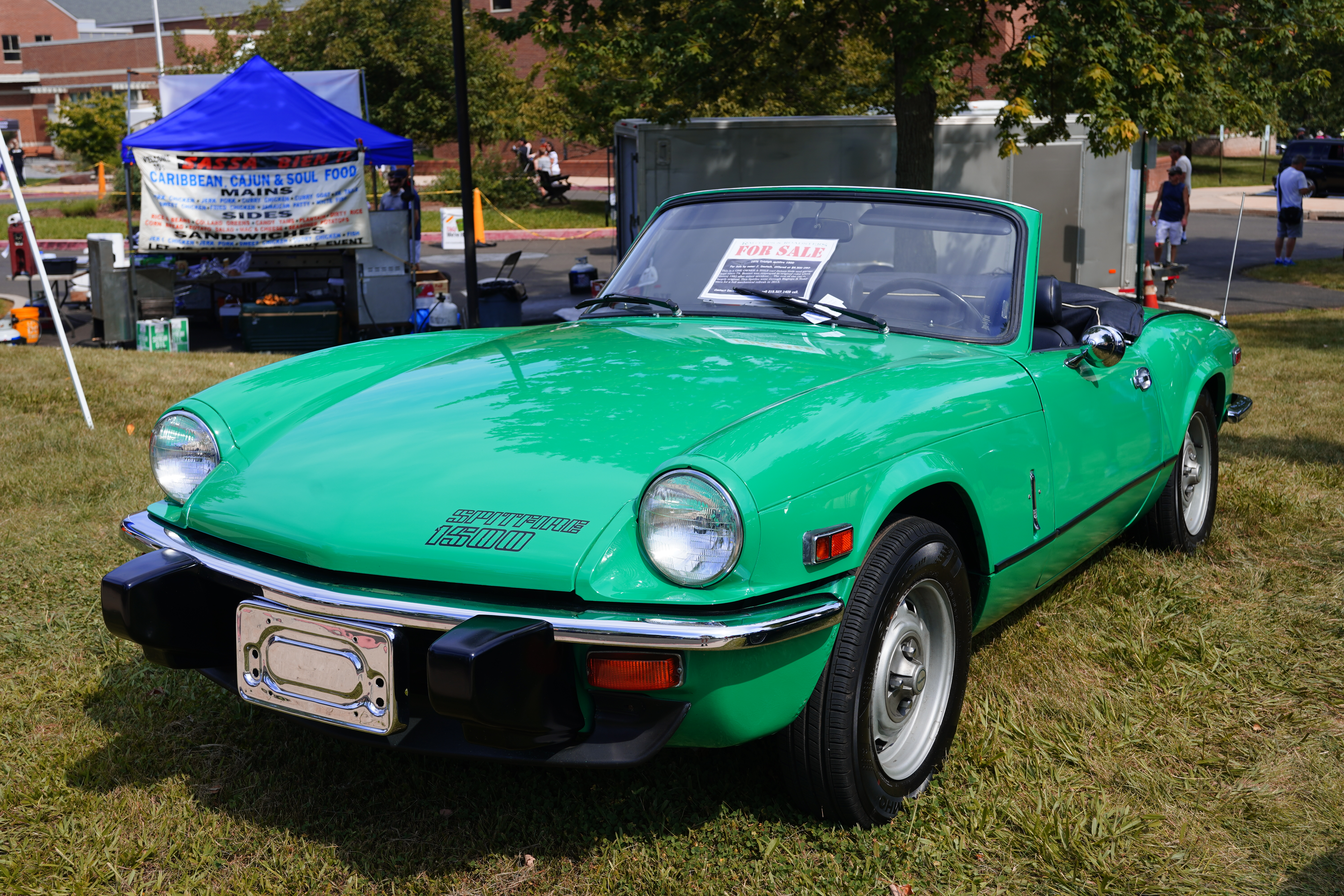
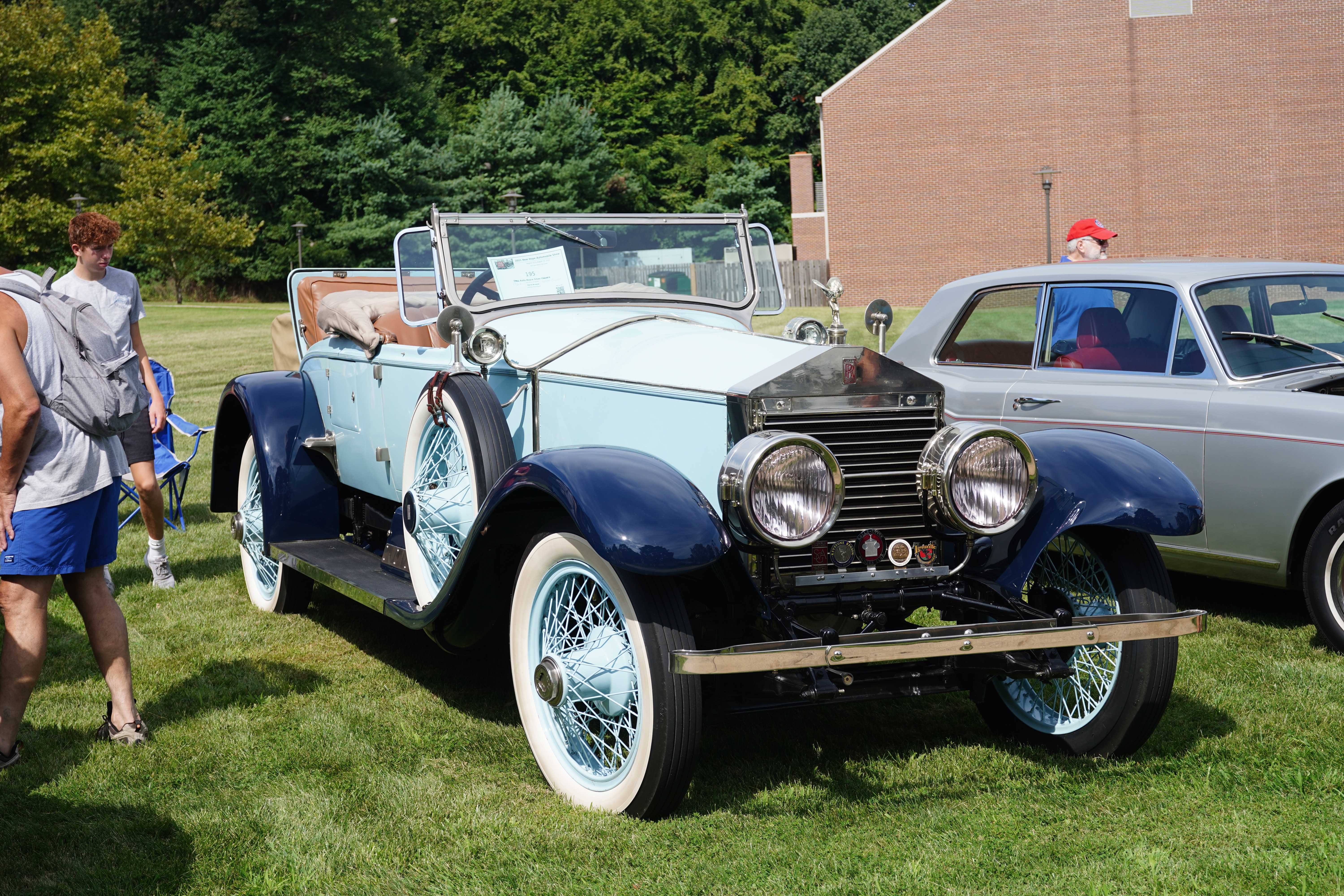
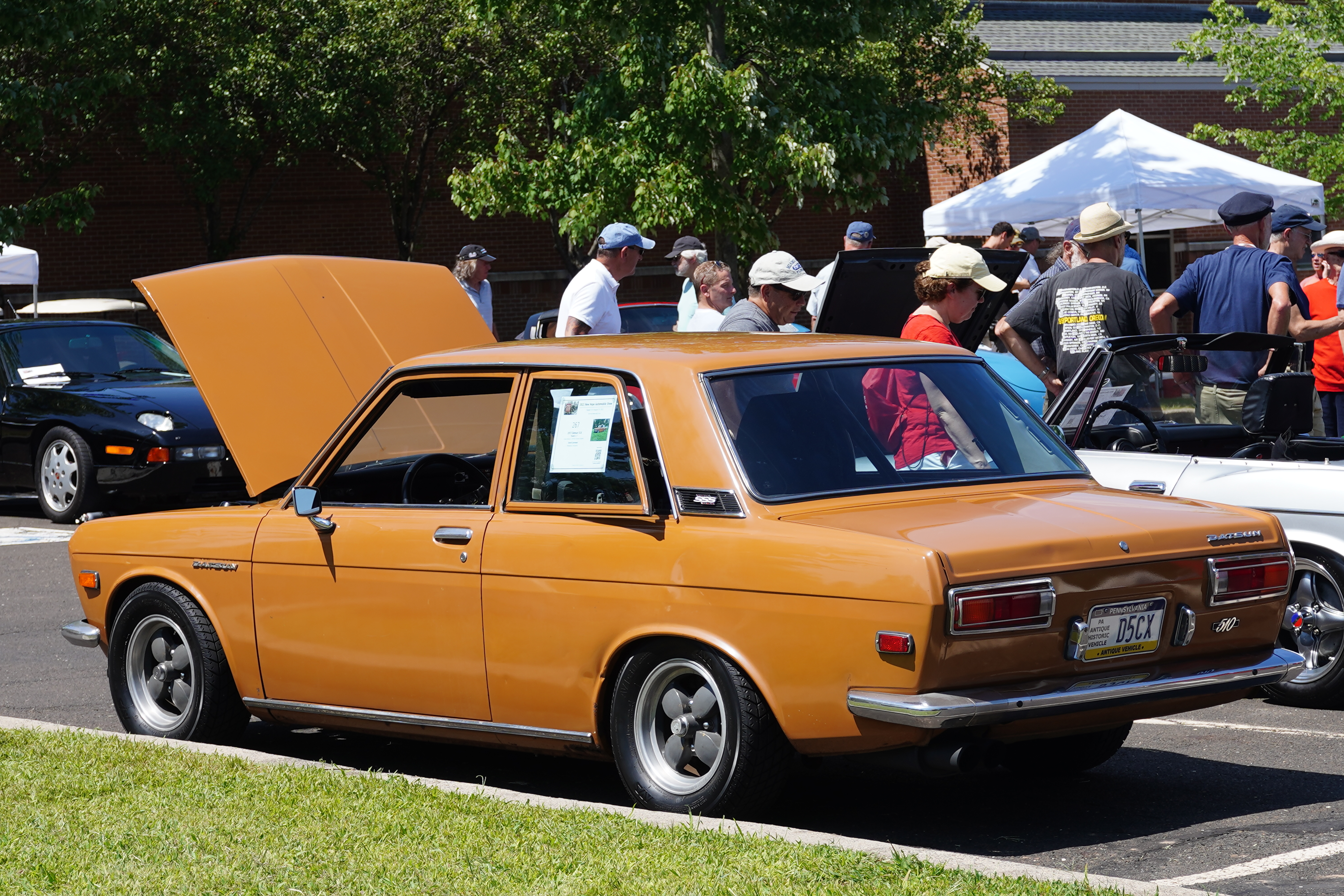
Of course, other marques were also amply represented: Porsches and BMWs from Germany; Jaguars and MGs from the UK; other Italian cars including Fiat, Lancia, and Ferrari; and Asian brands including Honda, Mazda, and Datsun/Nissan. It is worth mentioning that the Rolls Royce/Bentley Club had what was likely the largest turnout of vehicles of any particular make.
One change for 2021 was the lack of formal judging; the stated reason was that Covid concerns prevented the show organizers from gathering judges to perform their needed tasks. Instead, spectators were encouraged to vote for their favorites, and ribbons were presented around 2pm, after which the show cars were released from their spots.
This was the first time my Alfa had ventured out-of-state since I drove it to a NY diner during a Sunday breakfast run in April of 2019. While New Hope is barely 30 minutes from me, it still was a great feeling to venture that far from home in confidence after the significant brake and carburetor overhauls.
Now in its 58th year, Das Awkscht Fescht (The August Festival) was held in Memorial Park in Macungie PA on August 6, 7, & 8, 2021. This three-day show, with slightly varied themes each day, is one of the longest-running classic car events in the Northeast. I was a spectator this year on Saturday, on the presumption that the greatest number of vehicles were likely to show up that day. Still, compared to previous years (I posted about my 2017 visit on this blog, and have been a sporadic attendee since the 1980s), the field was perhaps 80% filled.
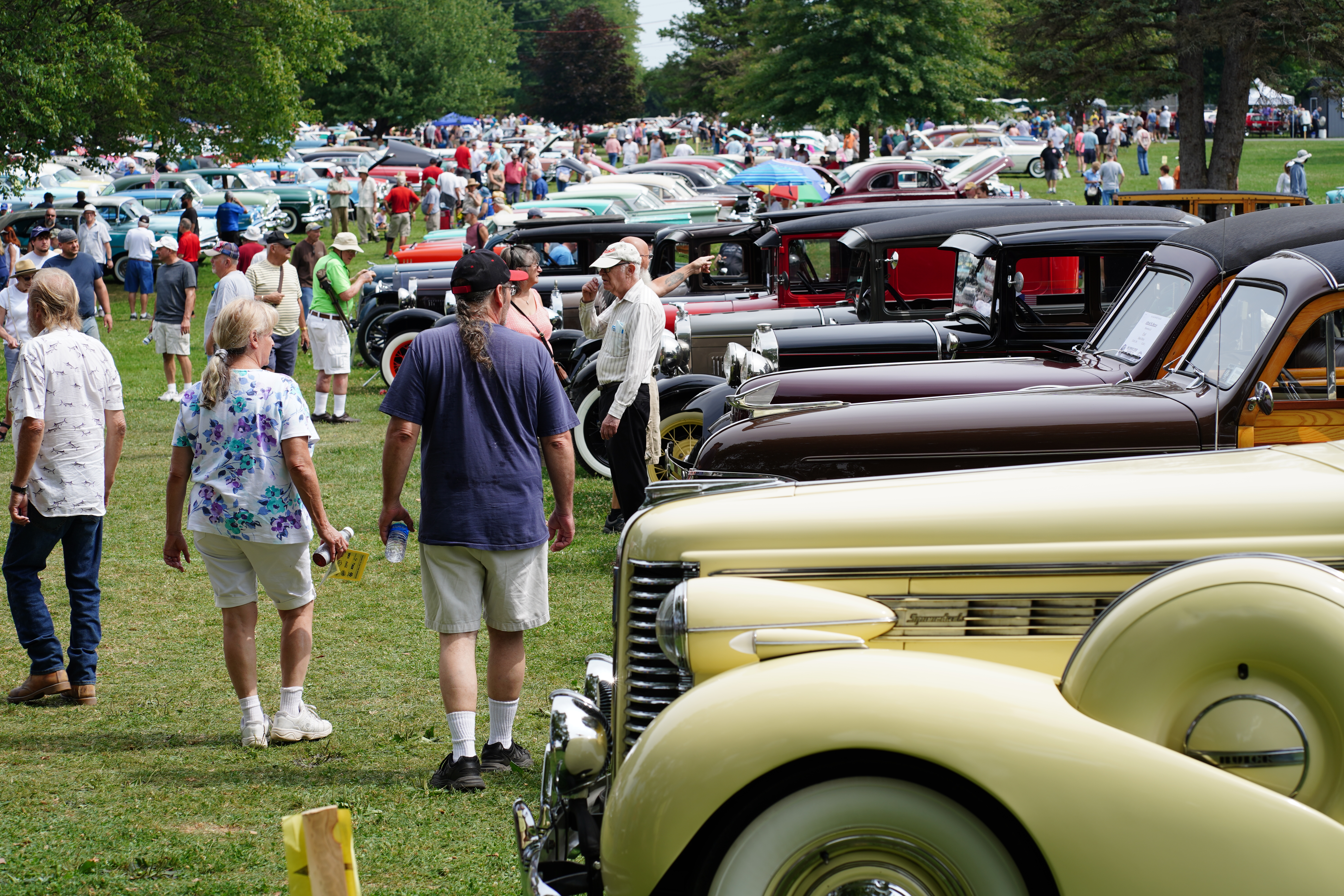
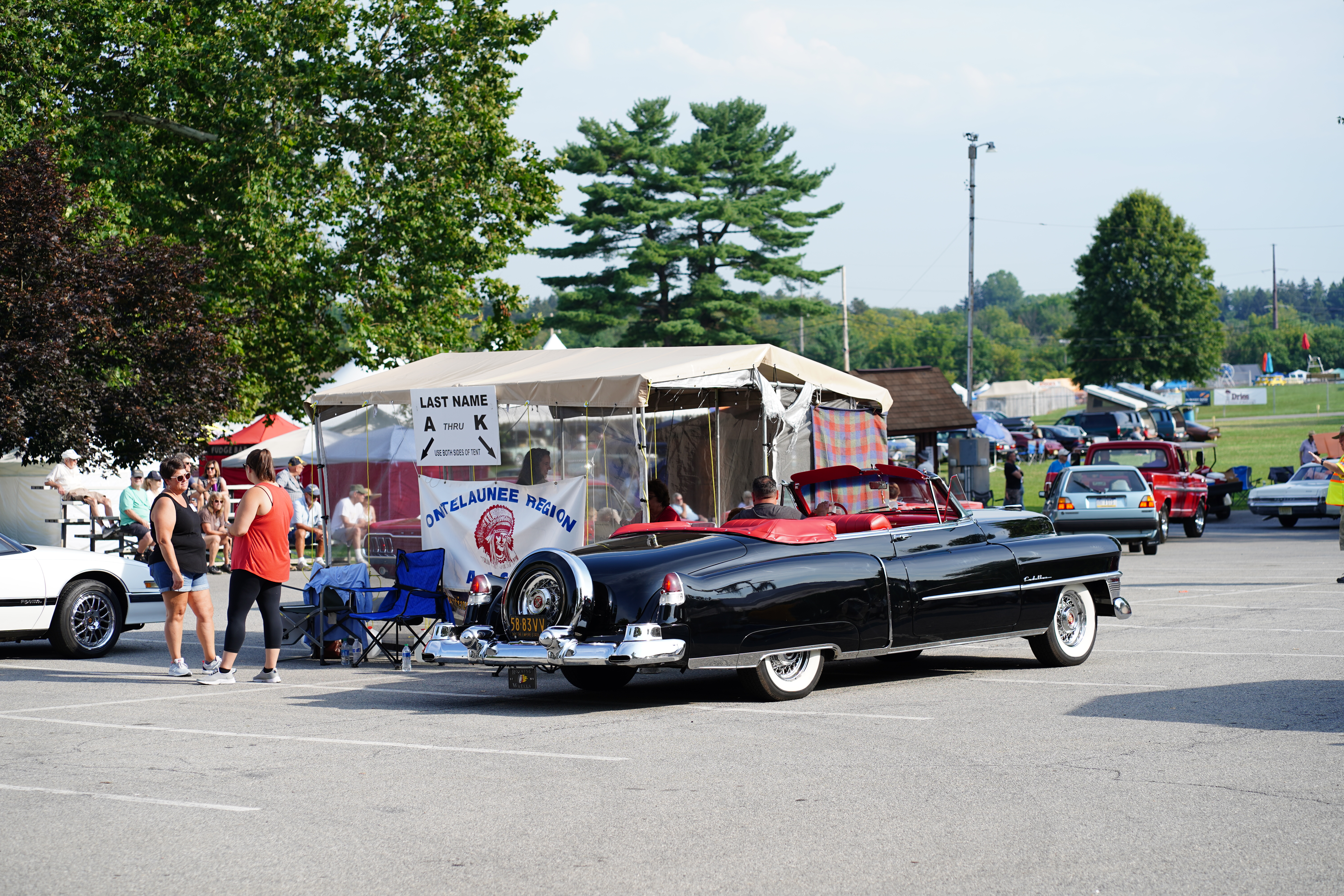
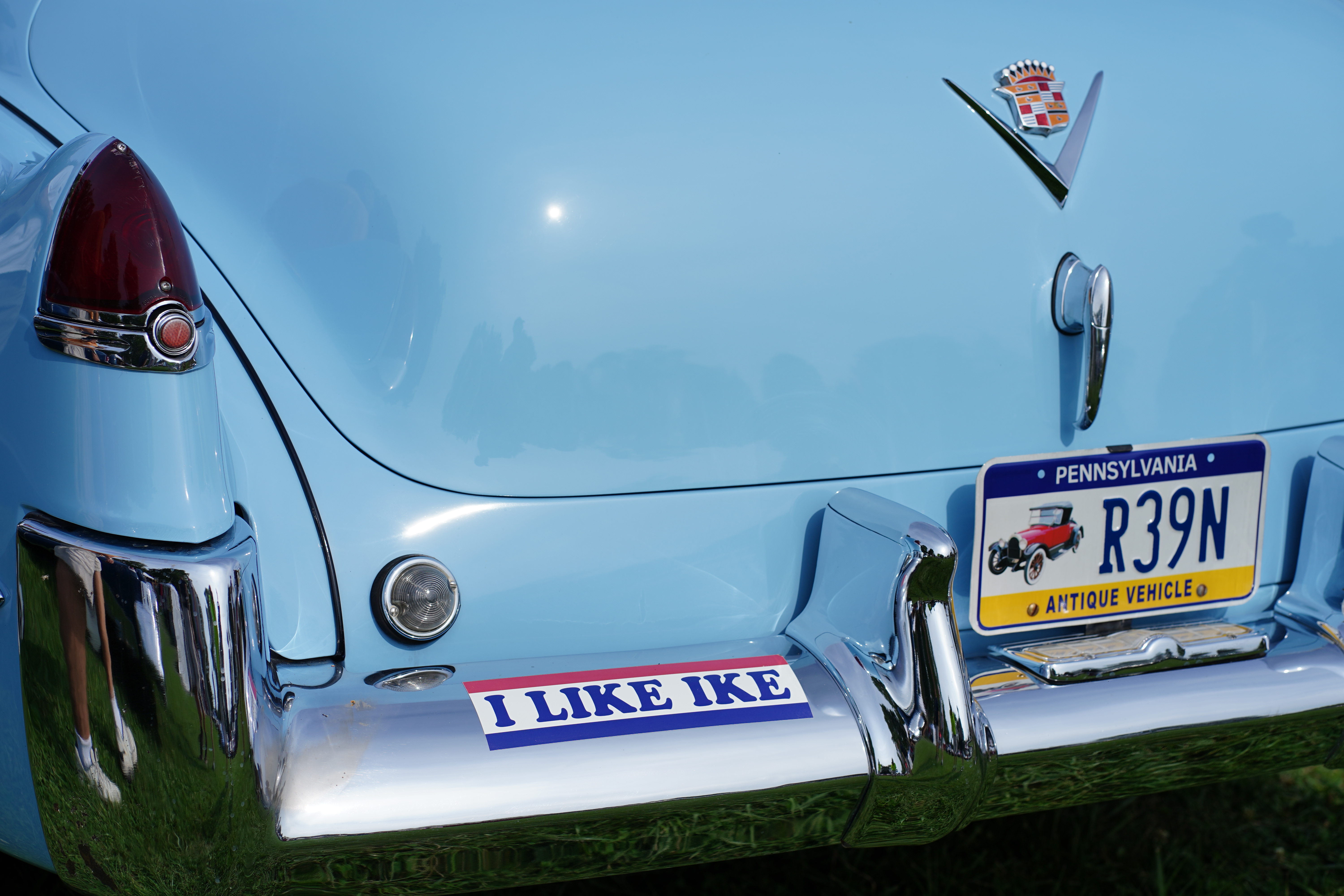
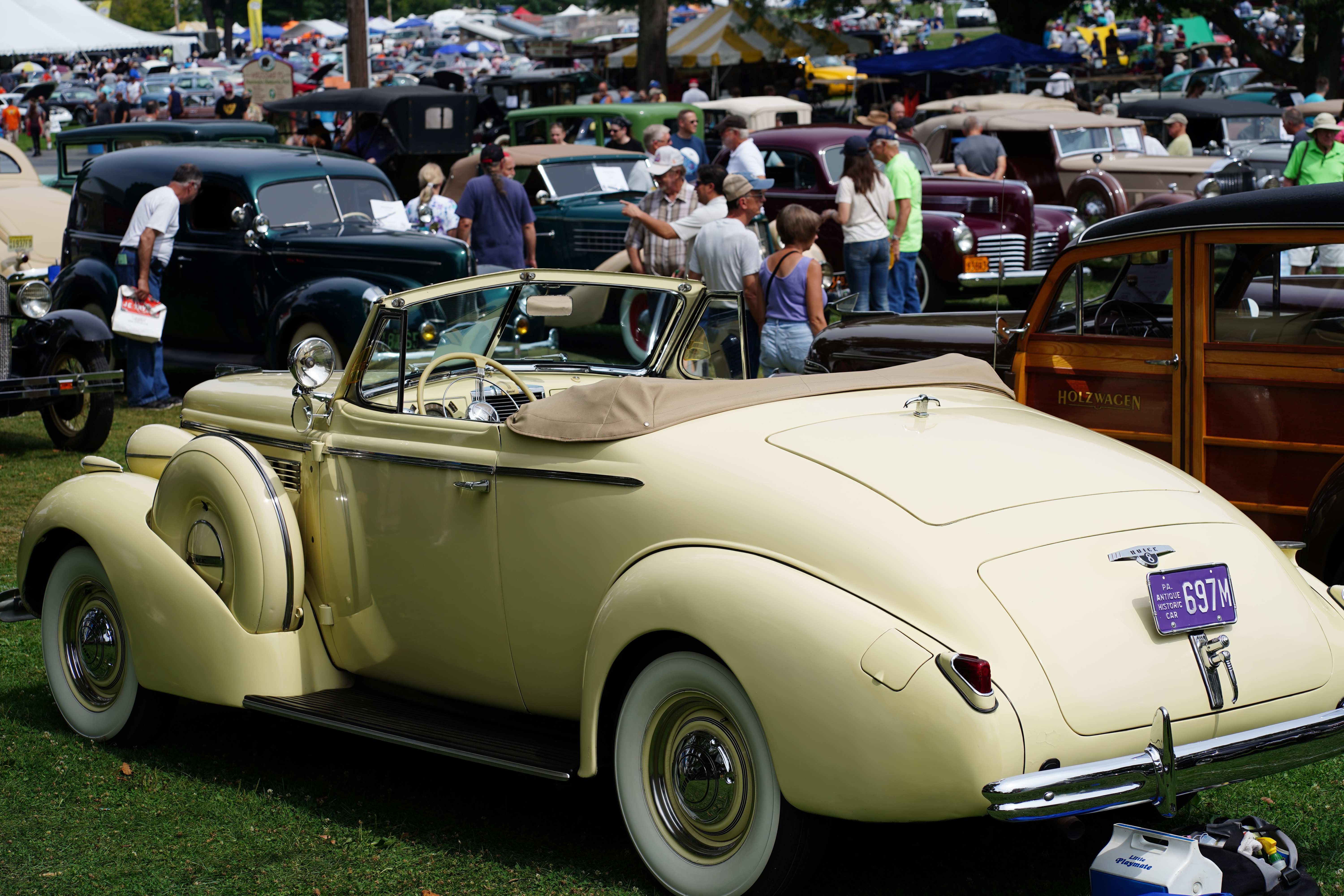
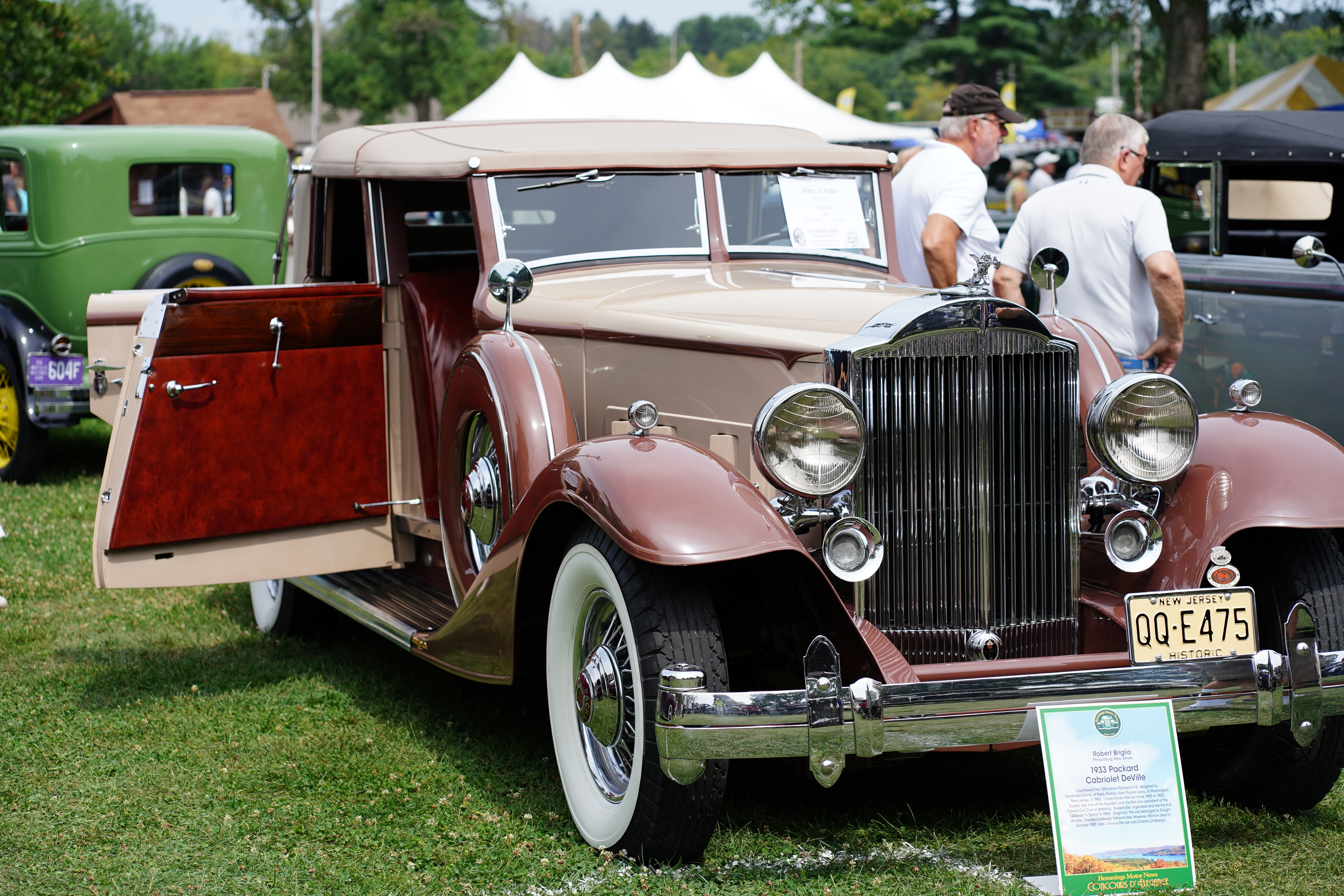
“Macungie”, which is what we call it, is an appealing show: it’s set on grass within a park which offers lots of shade; and it offers non-automotive attractions including craft displays, a live petting zoo, and a bandshell with live musical entertainment. Saturday’s show cars were approximately arranged by decade. The featured marque(s) was Cadillac/LaSalle, and most of those vehicles were situated under one of the few tents on the property.
Overall, the quality and variety of vehicles were outstanding. Domestic brands comprised about 98% of the vehicles on display, but a few of the import makes were standouts (see sidebar below). Members of the NJ Region of the AACA turned out in some force, and the National AACA had a trailer on site, making Das Awkscht Fescht a quasi-official AACA event.
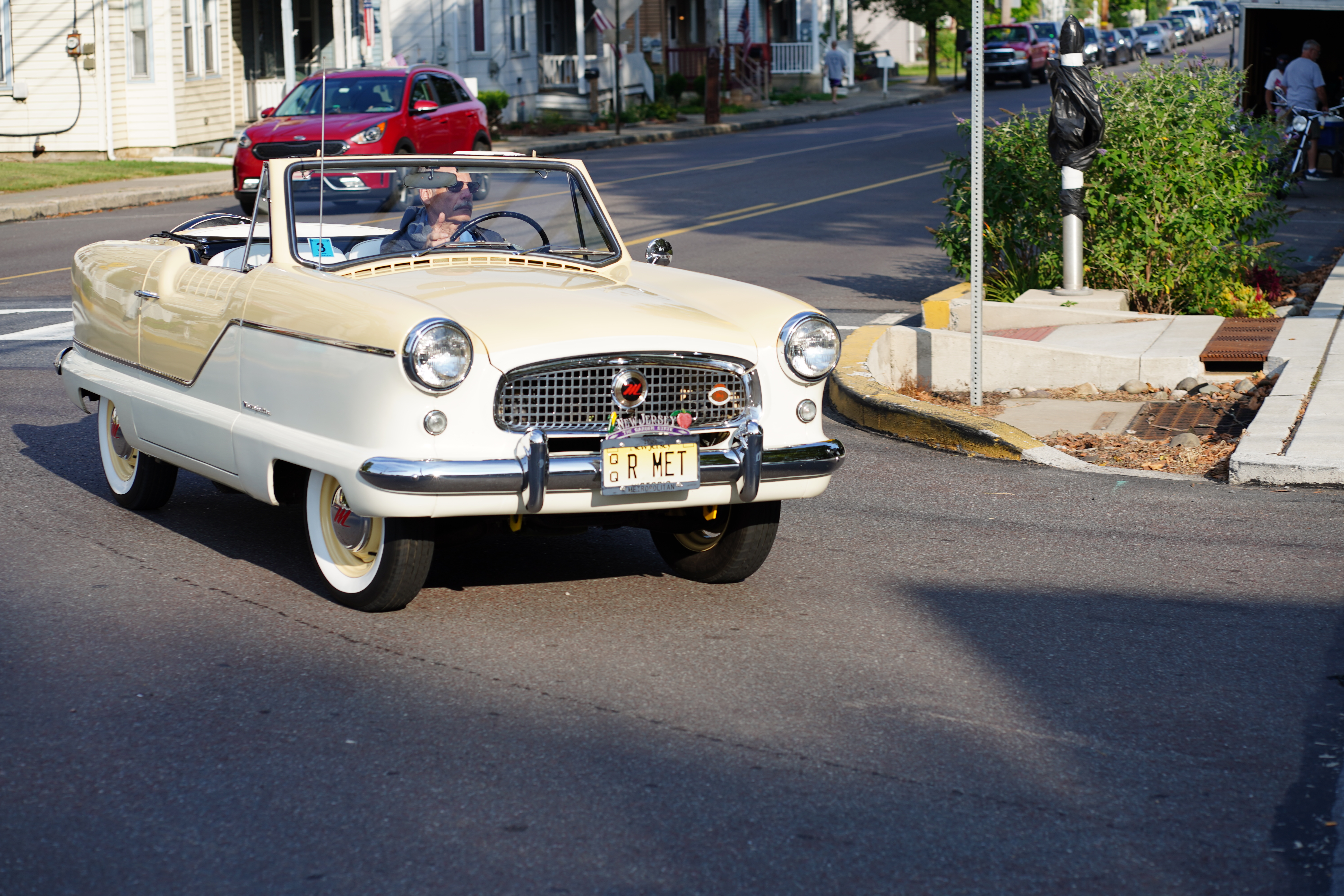
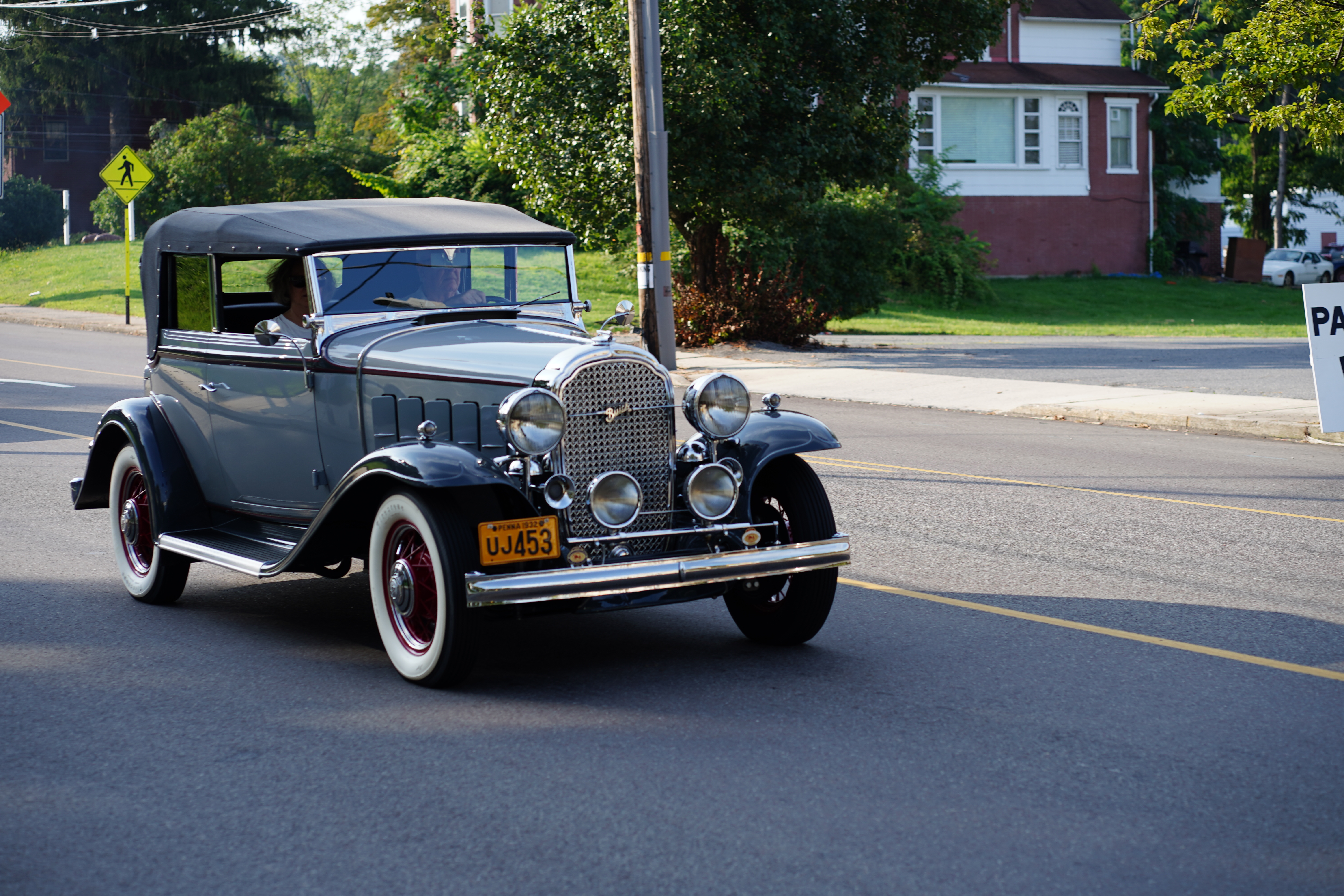
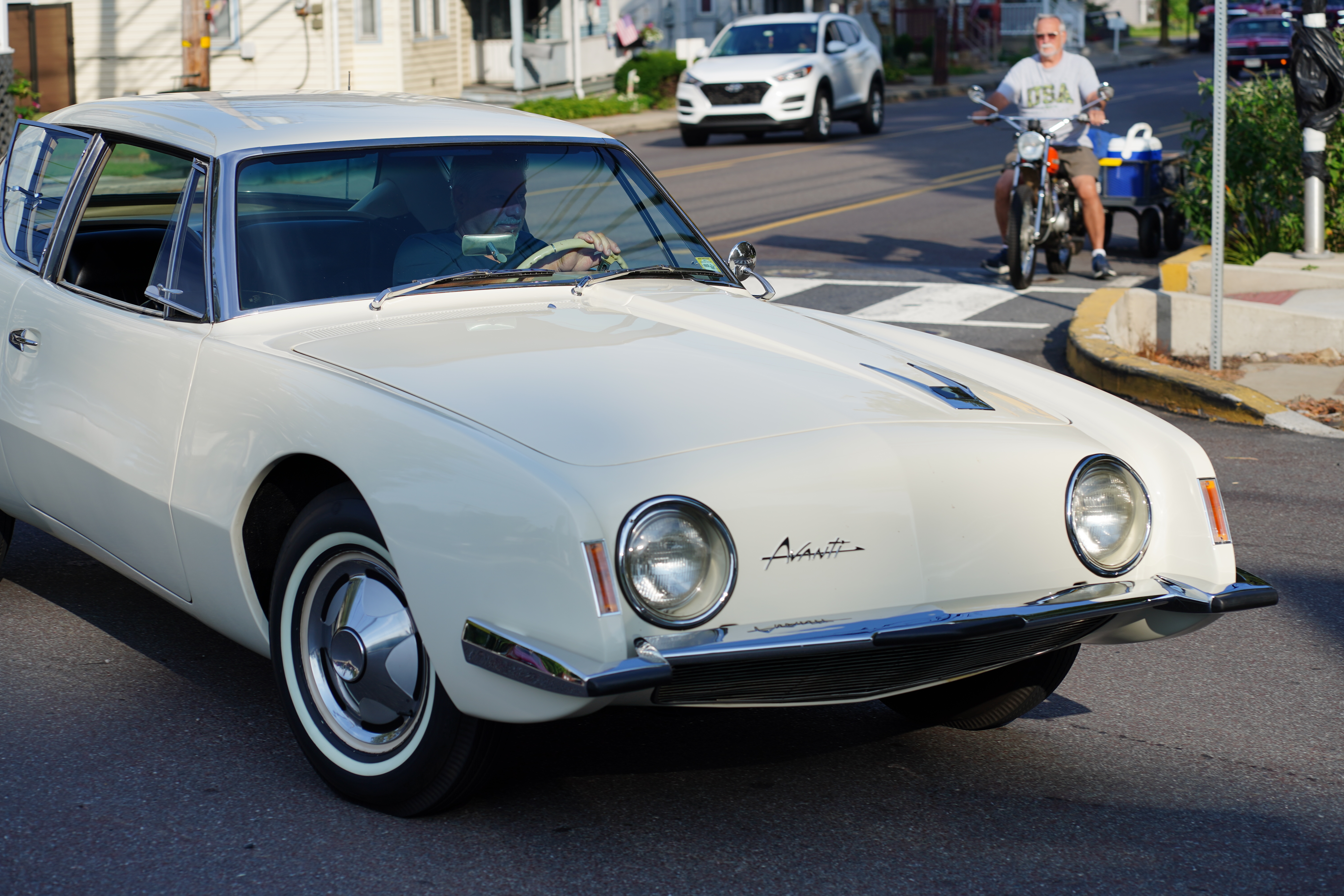
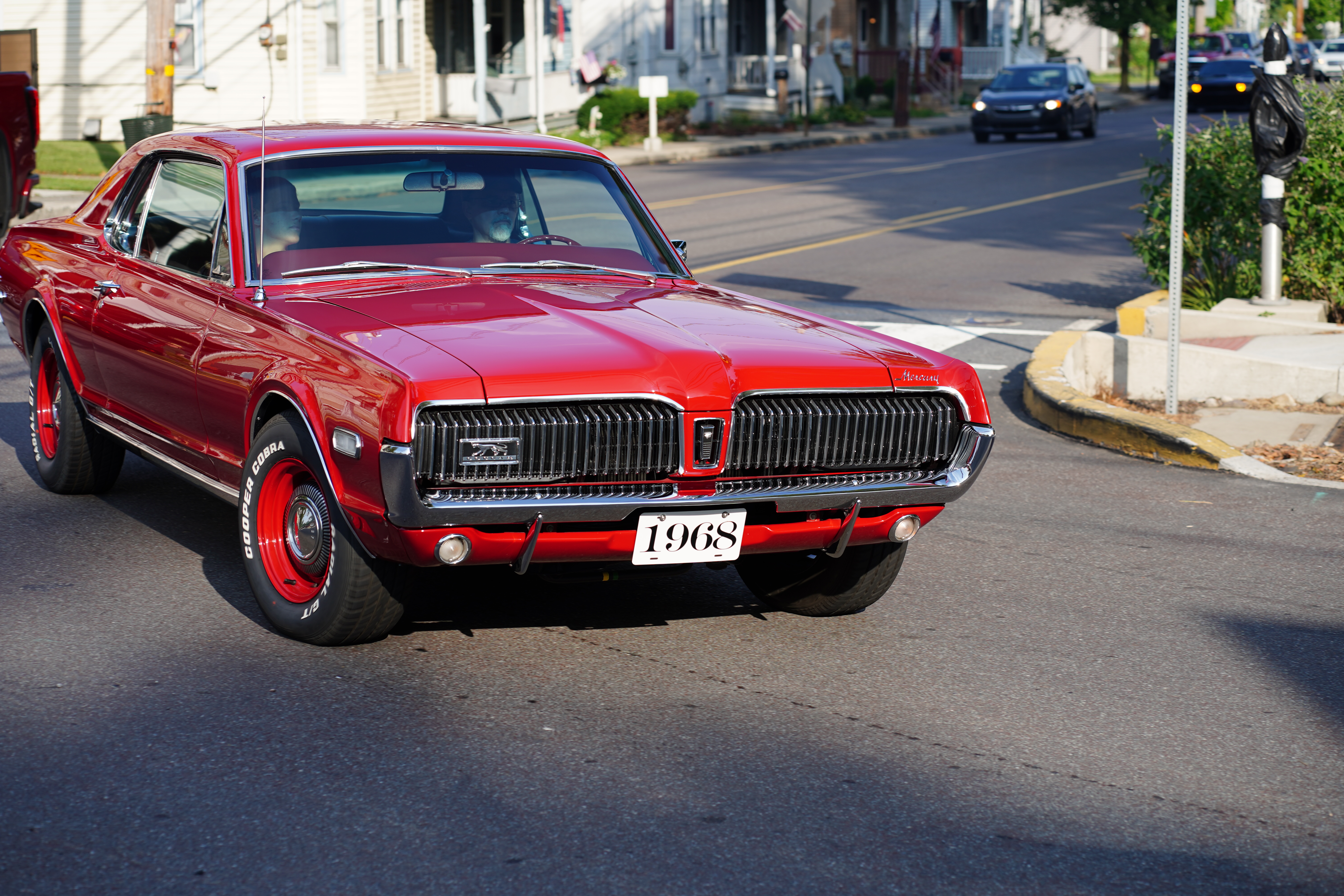
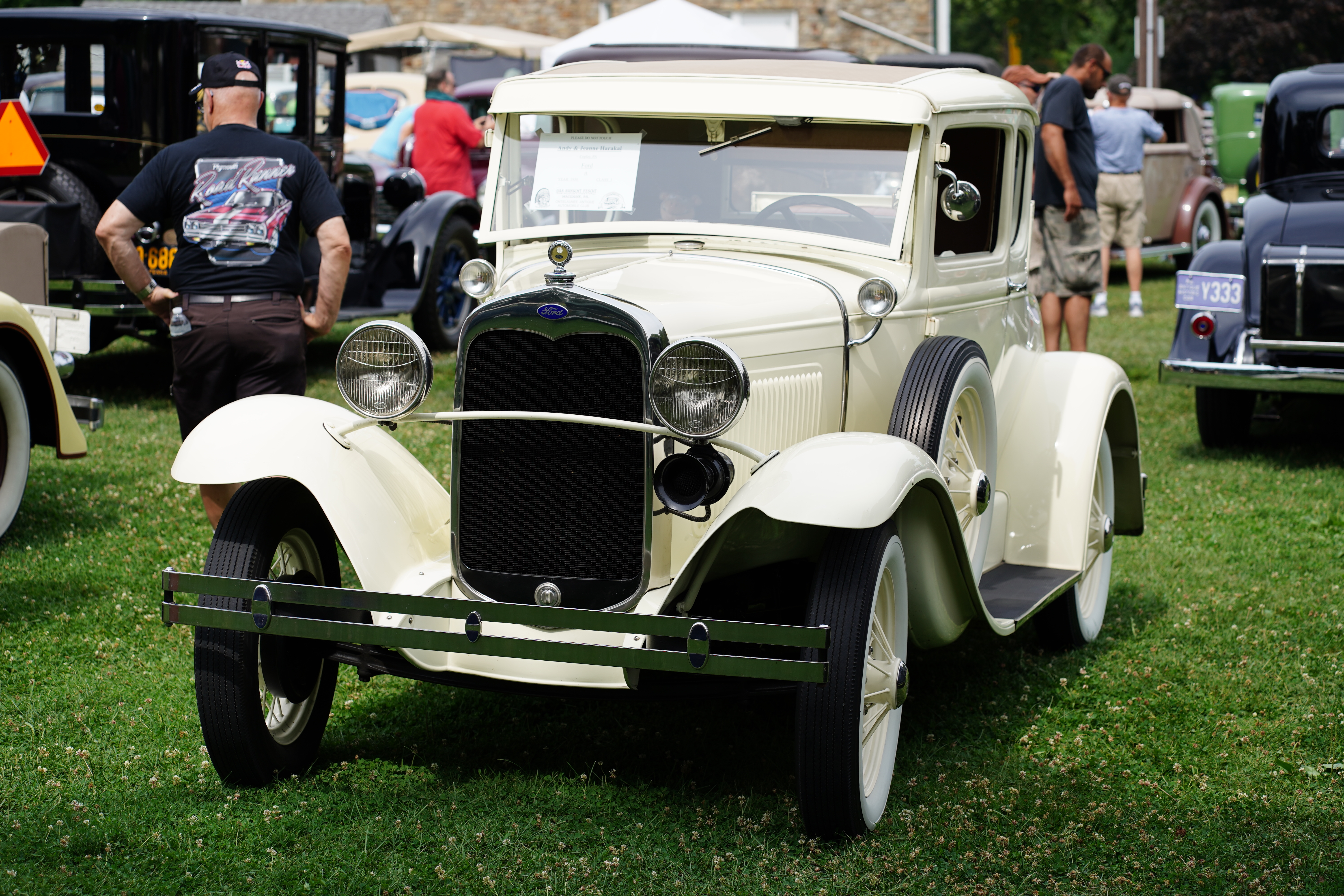
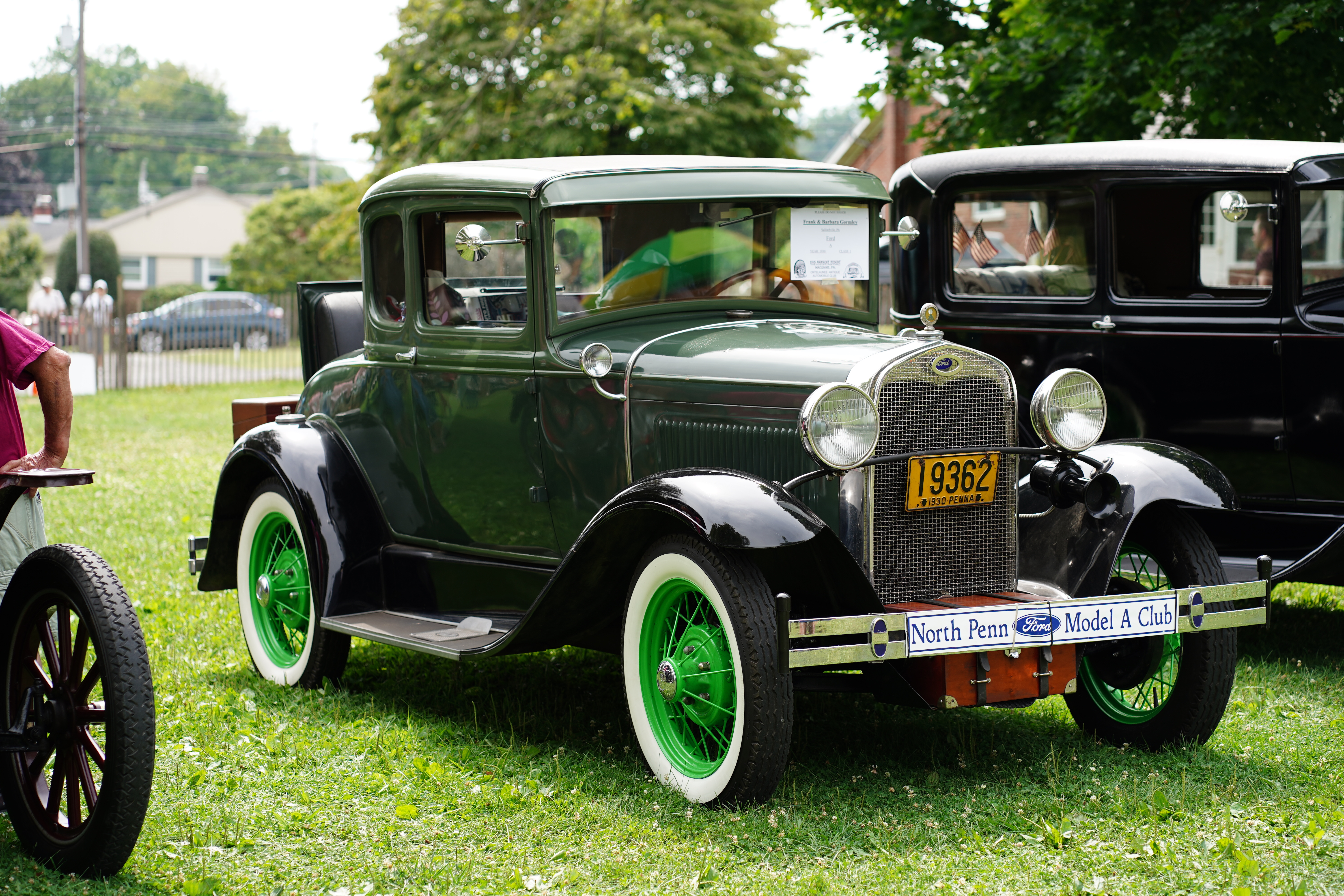
Photographically, I challenged myself by bringing only my 85mm prime (non-zoom) lens on my still new-to-me Sony camera. This lens takes great pictures, and the results look to be marginally sharper than the 28-60mm zoom lens I use 90% of the time. The challenge, however, is that for a full-body front or rear ¾ shot, I need to be about 25 feet away from a car, and accomplishing that at a show crowded with show-goers requires long waits for just the right moment. One trick which I’ve used at Hershey was to position myself on the street outside the show and capture cars as they drove in, an effect that worked well here. As another alternative, many shots are of only a portion of the automobile; in those cases I attempted to highlight some interesting design feature.
The Macungie show is a great PA tradition, always held the first week of August. Like other Northeast stalwarts such as Hershey and Lime Rock, this one is perennially on my calendar. Maybe next time I’ll bring a car!
HEADING IN:
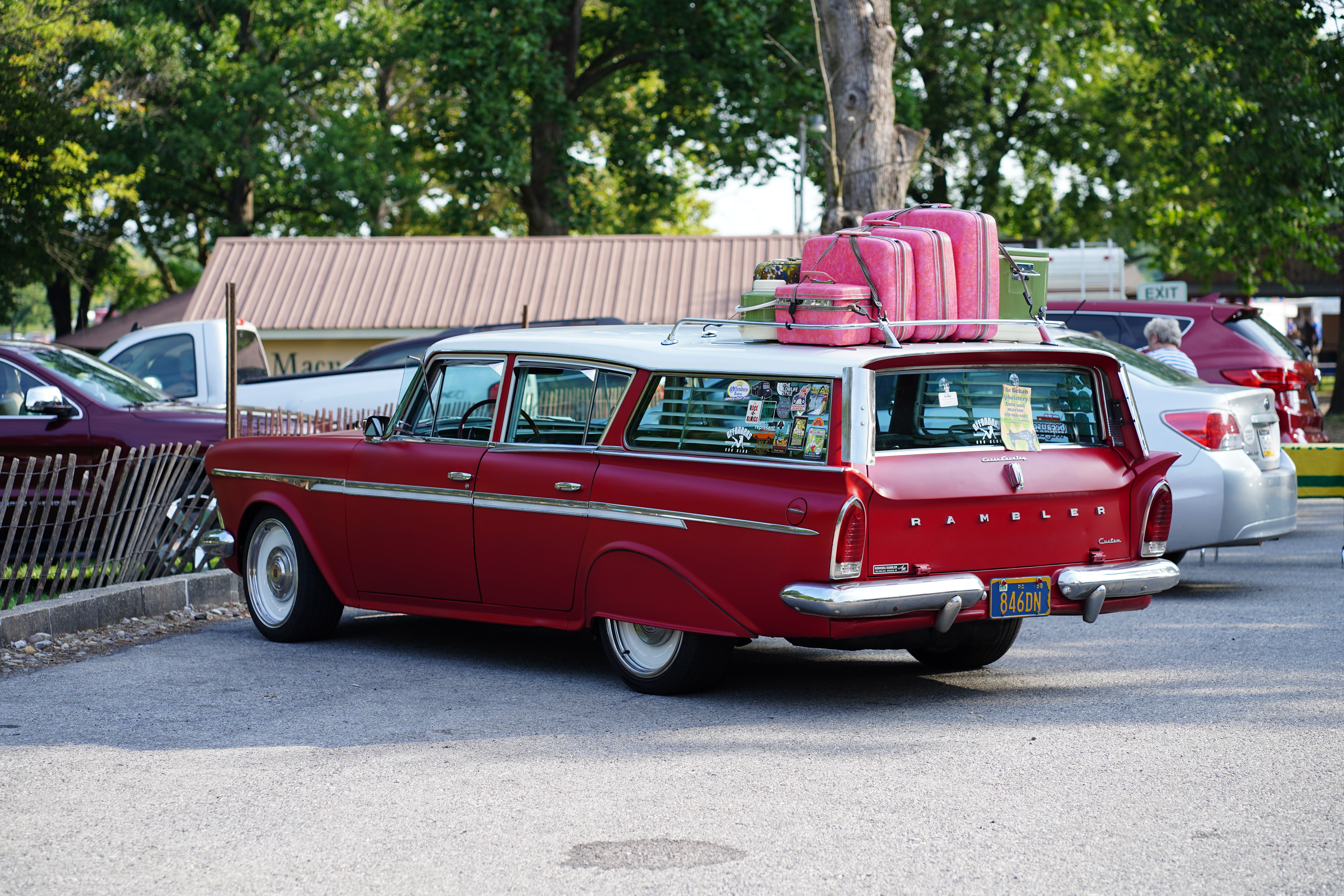
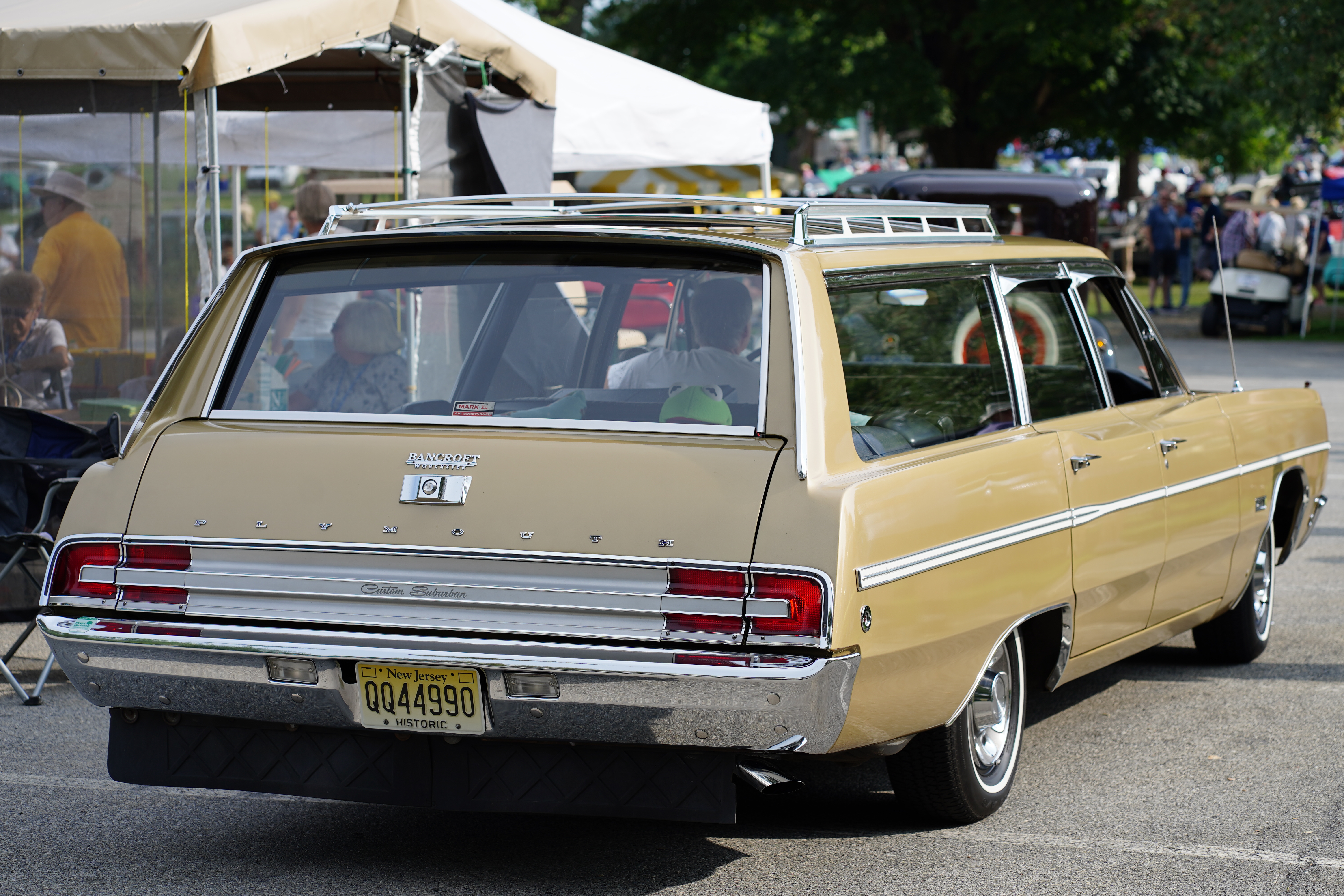
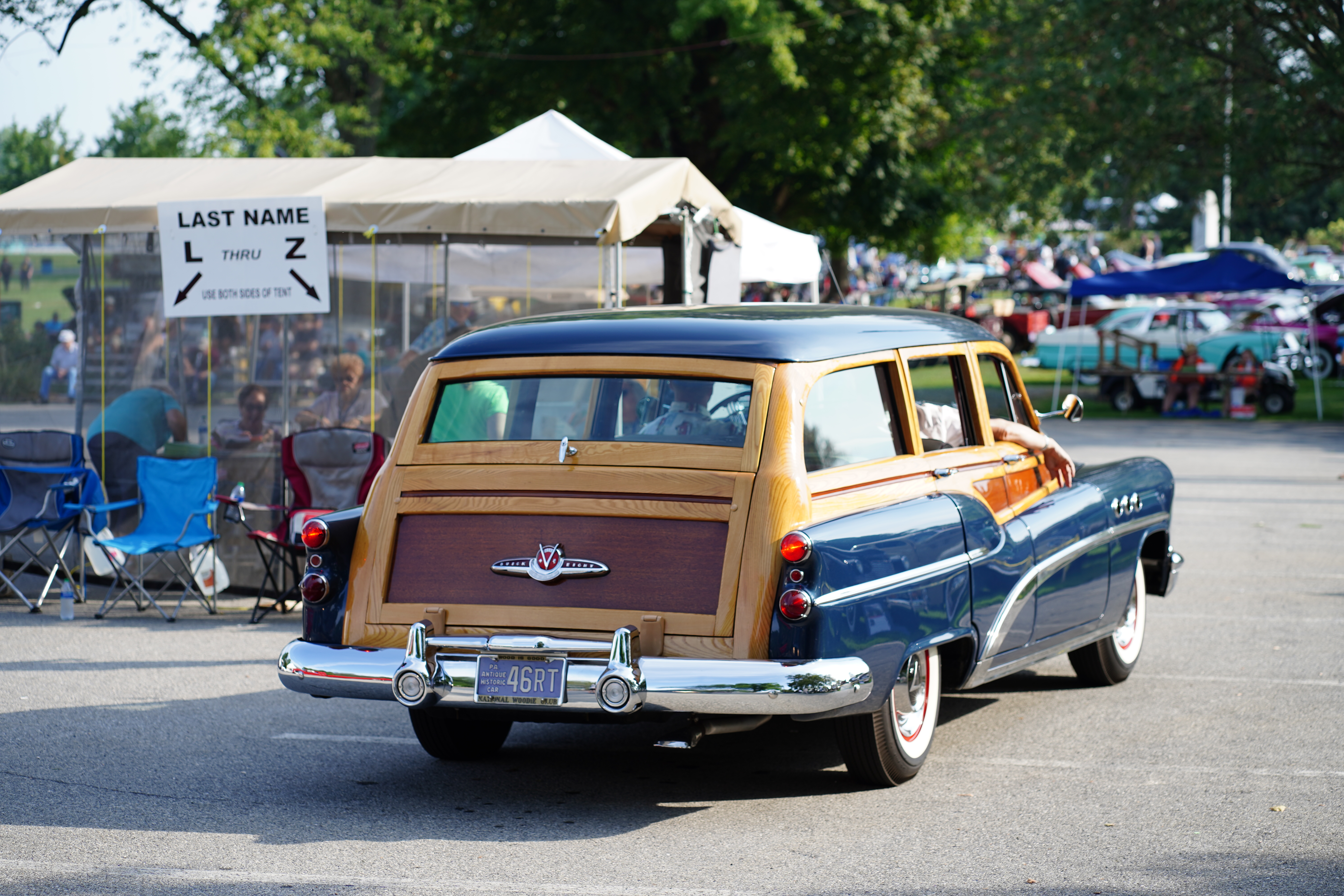
STATION WAGONS!
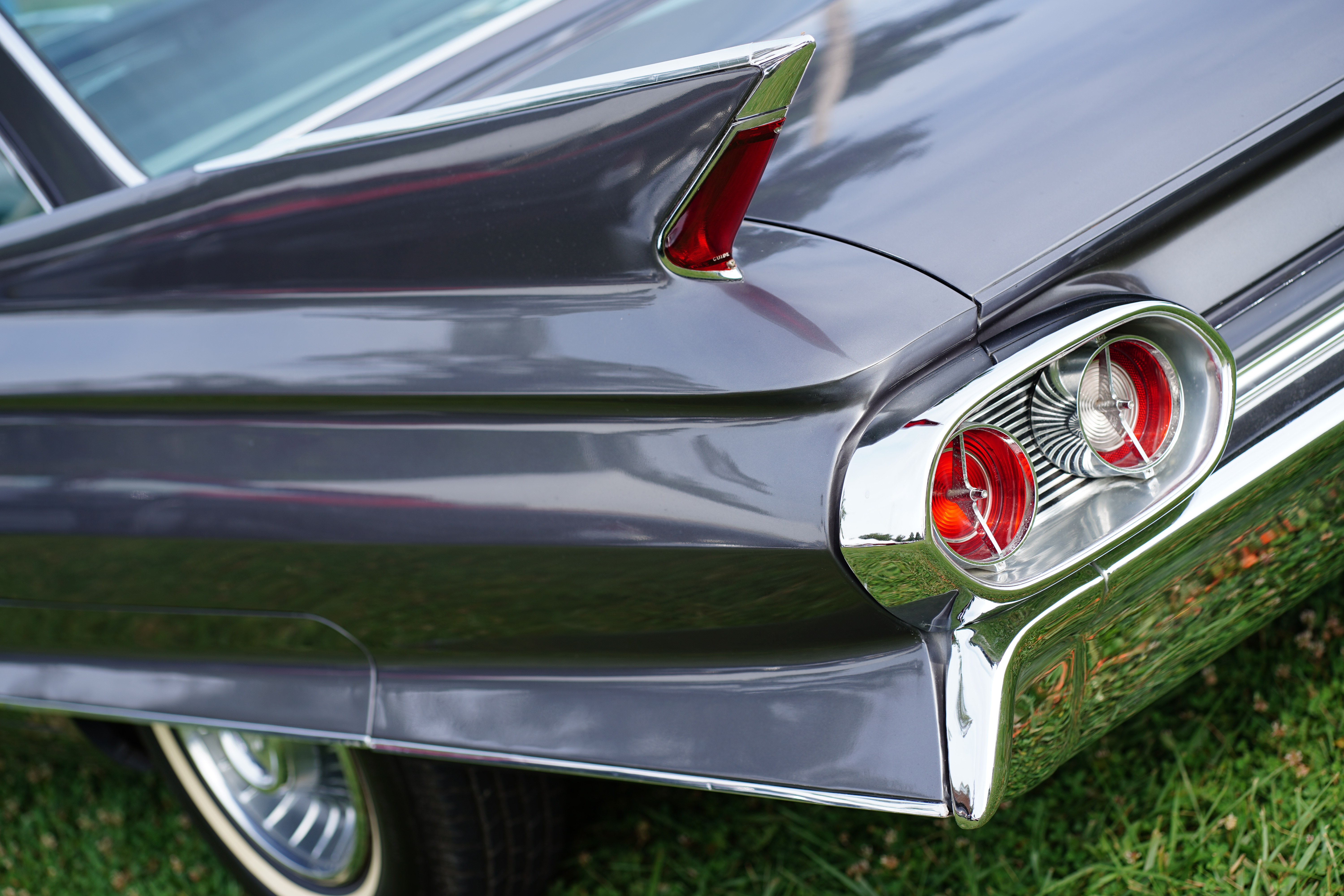
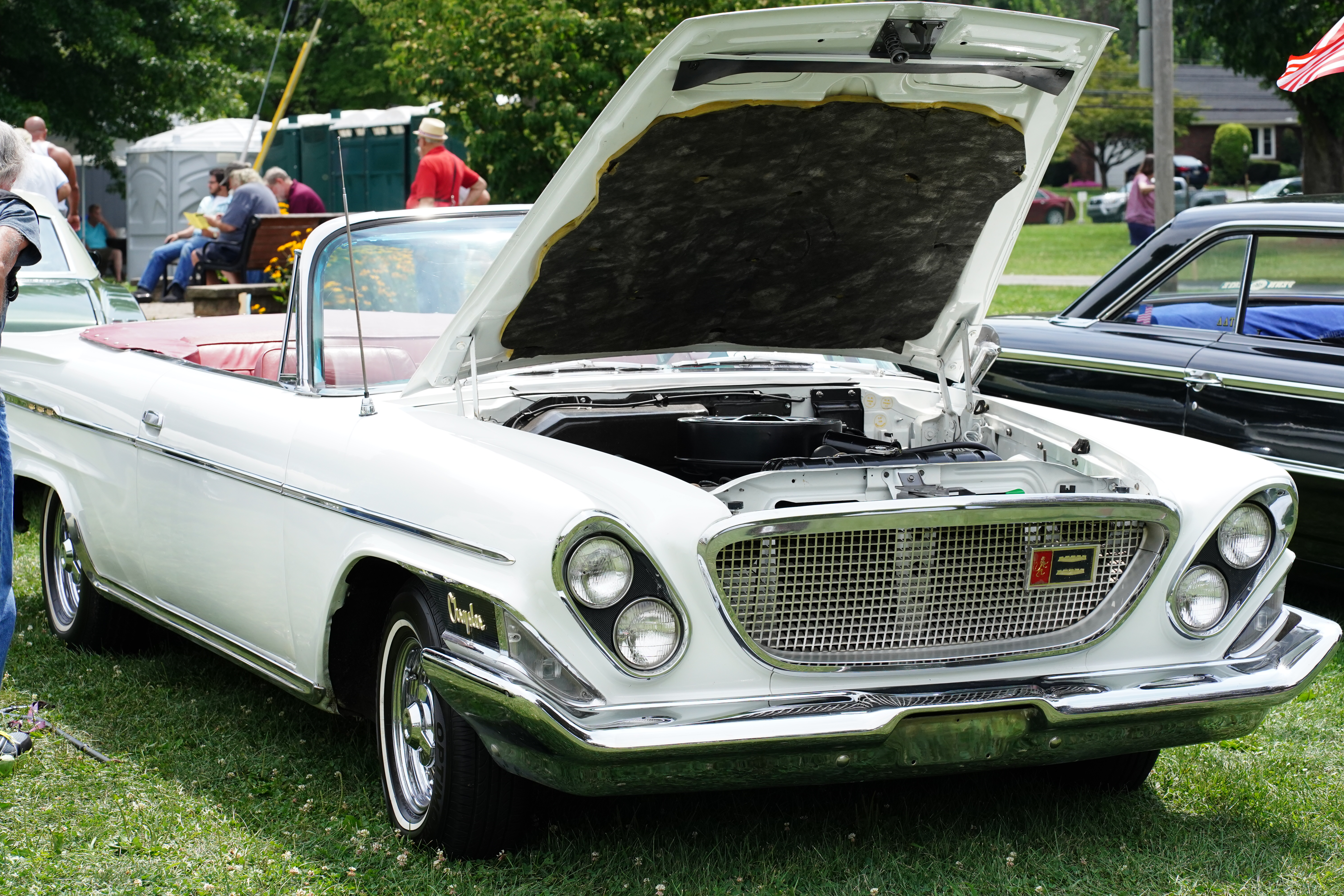
CADILLAC FINS:
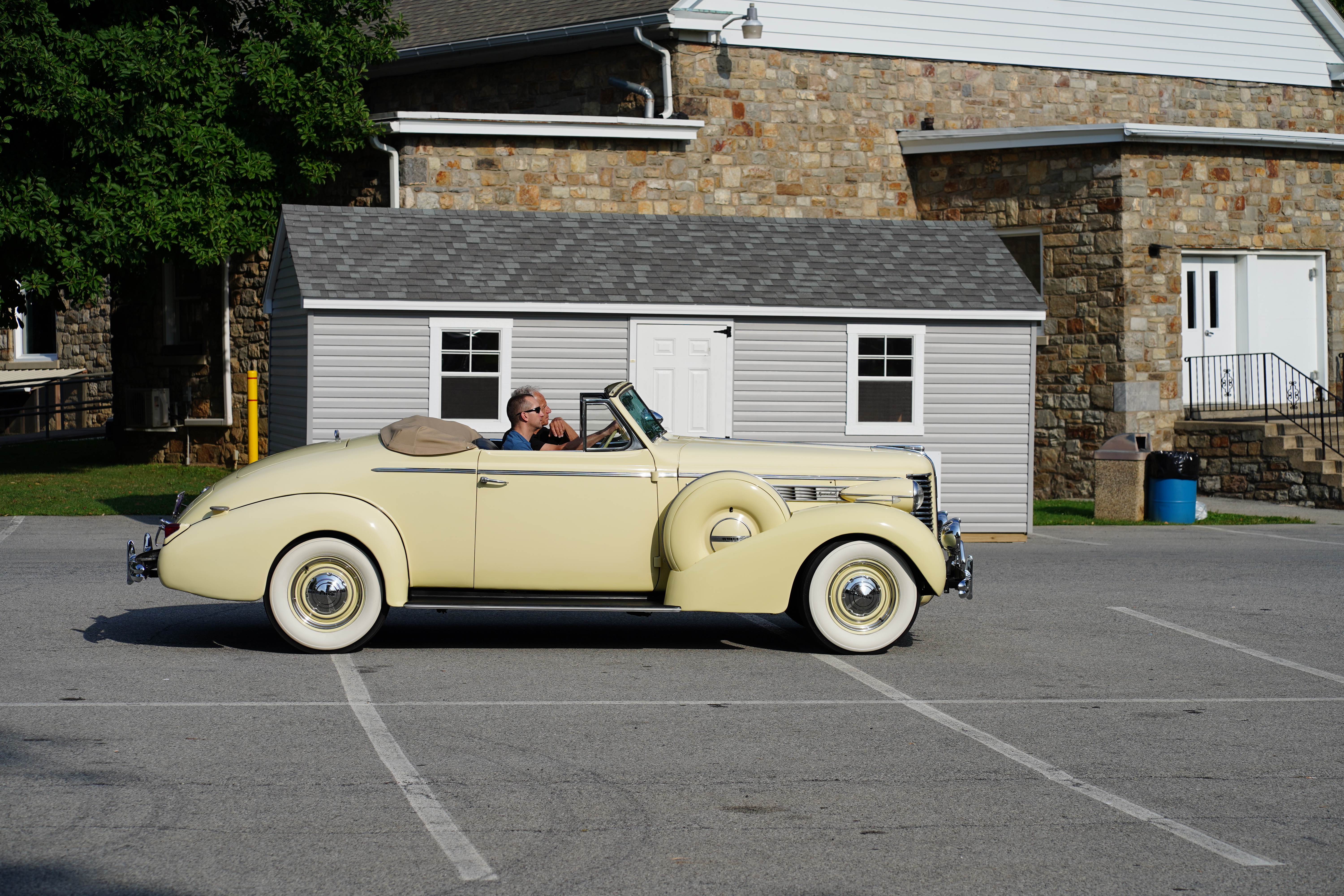
PRE-WAR:
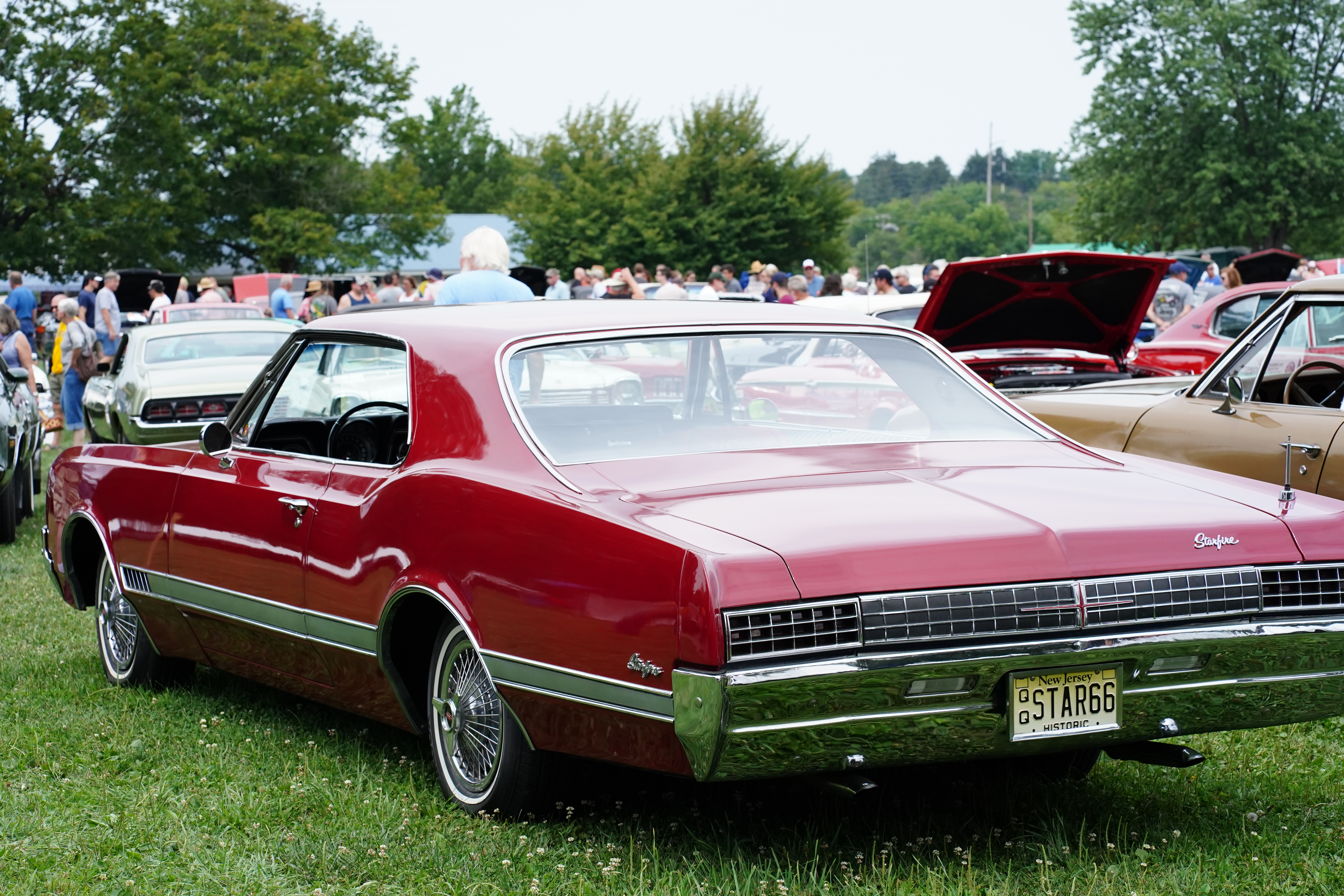
LAND YACHTS:
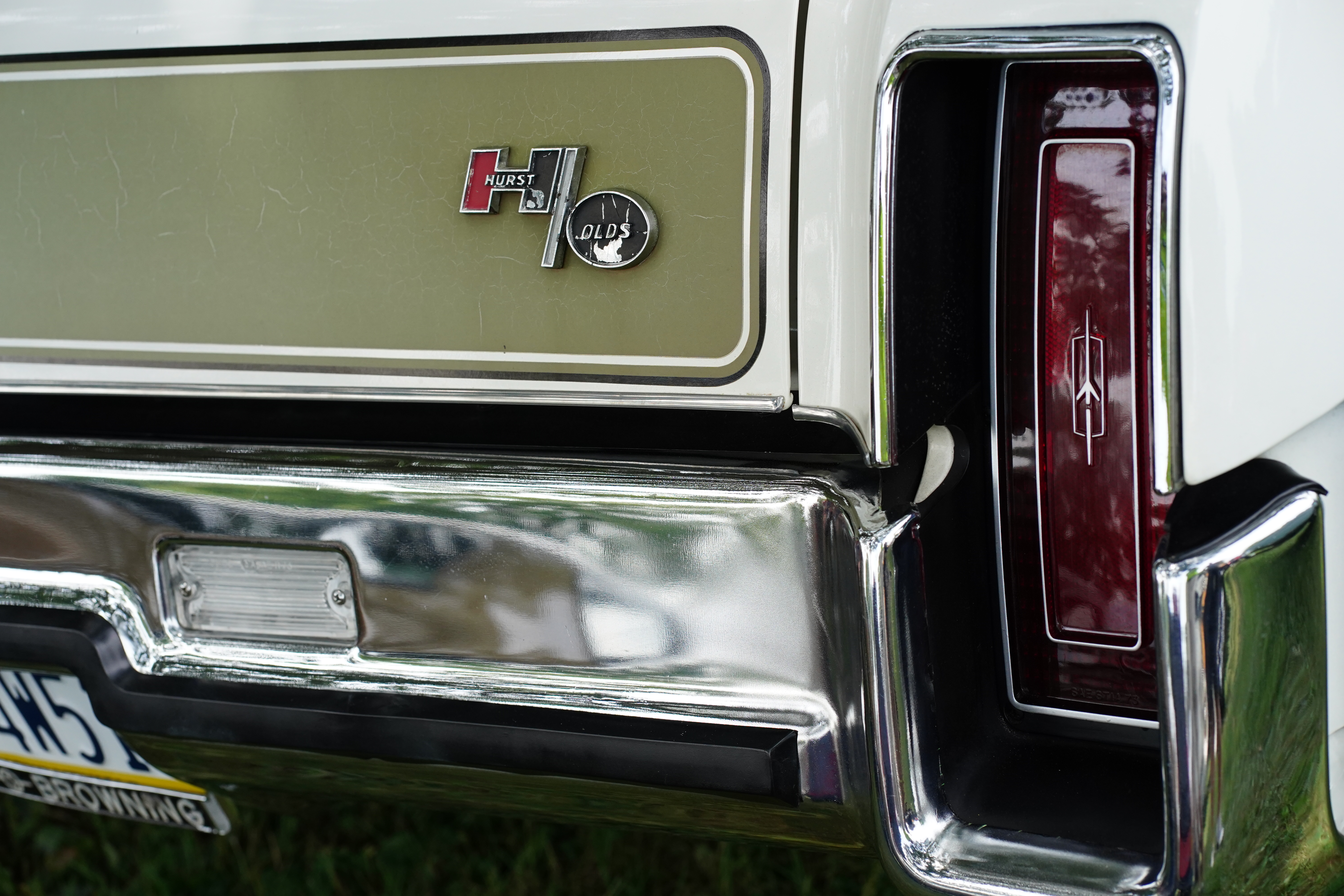
A RARE HURST/OLDS:
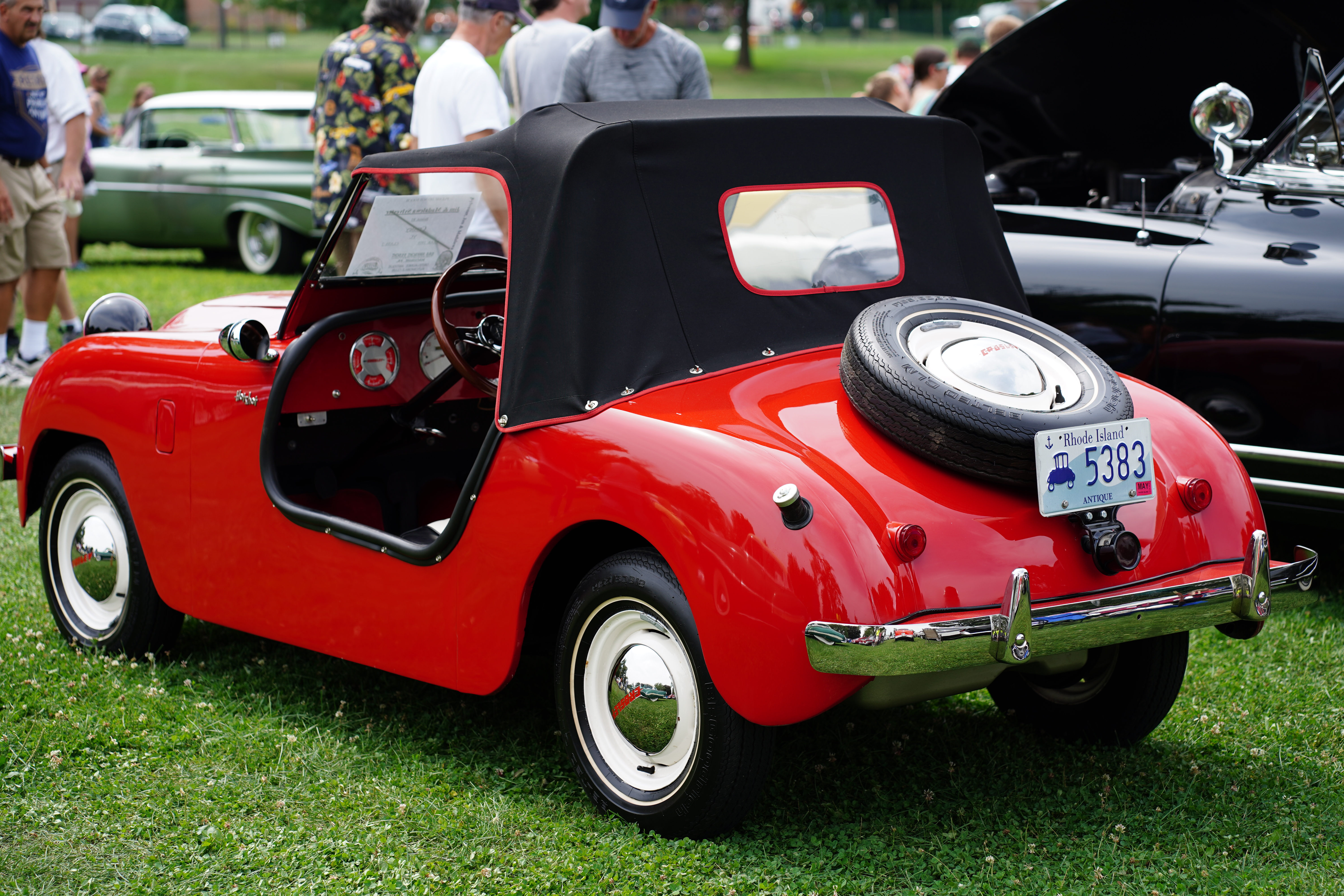
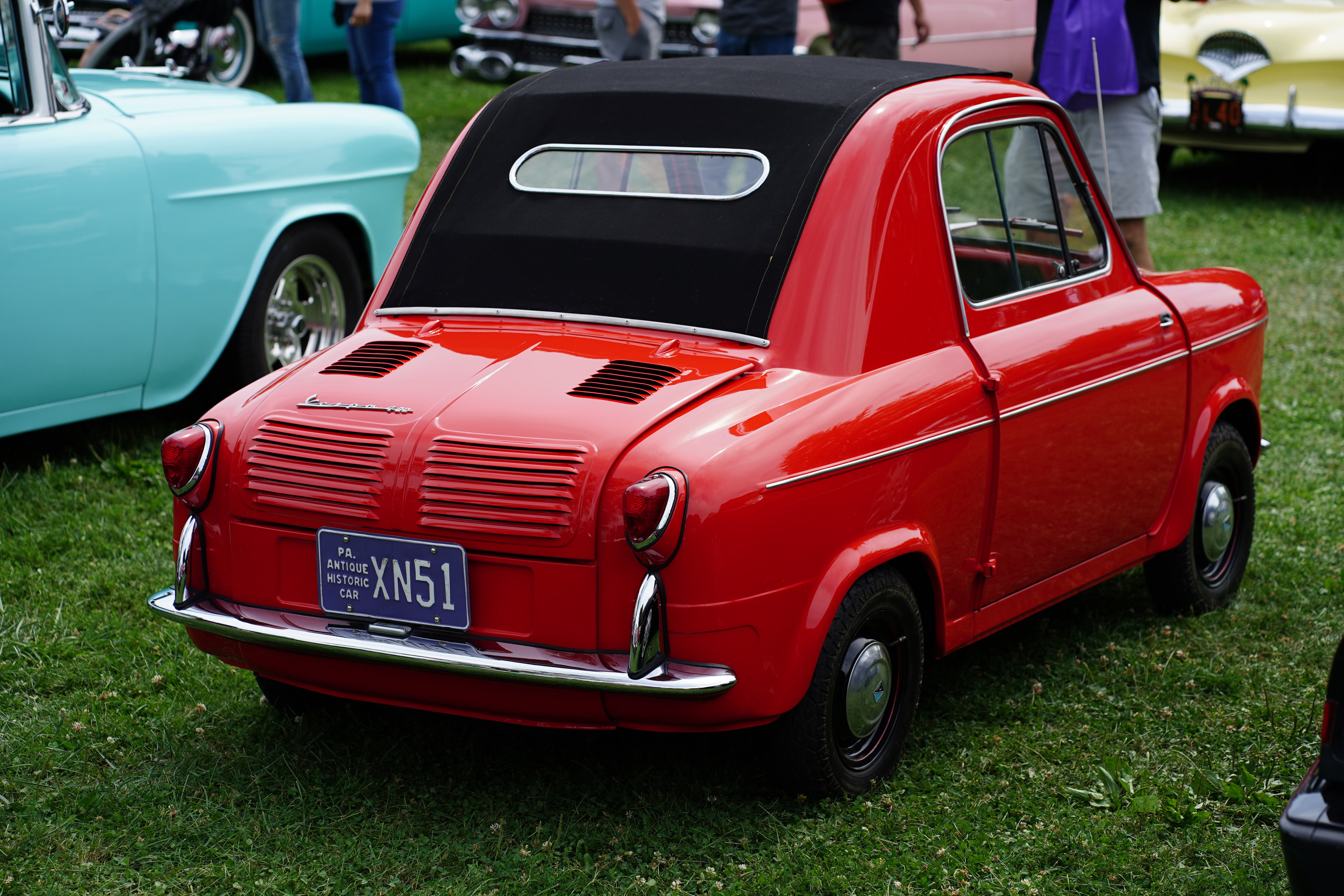
TWO CUTIES, A CROSLEY AND A VESPA:
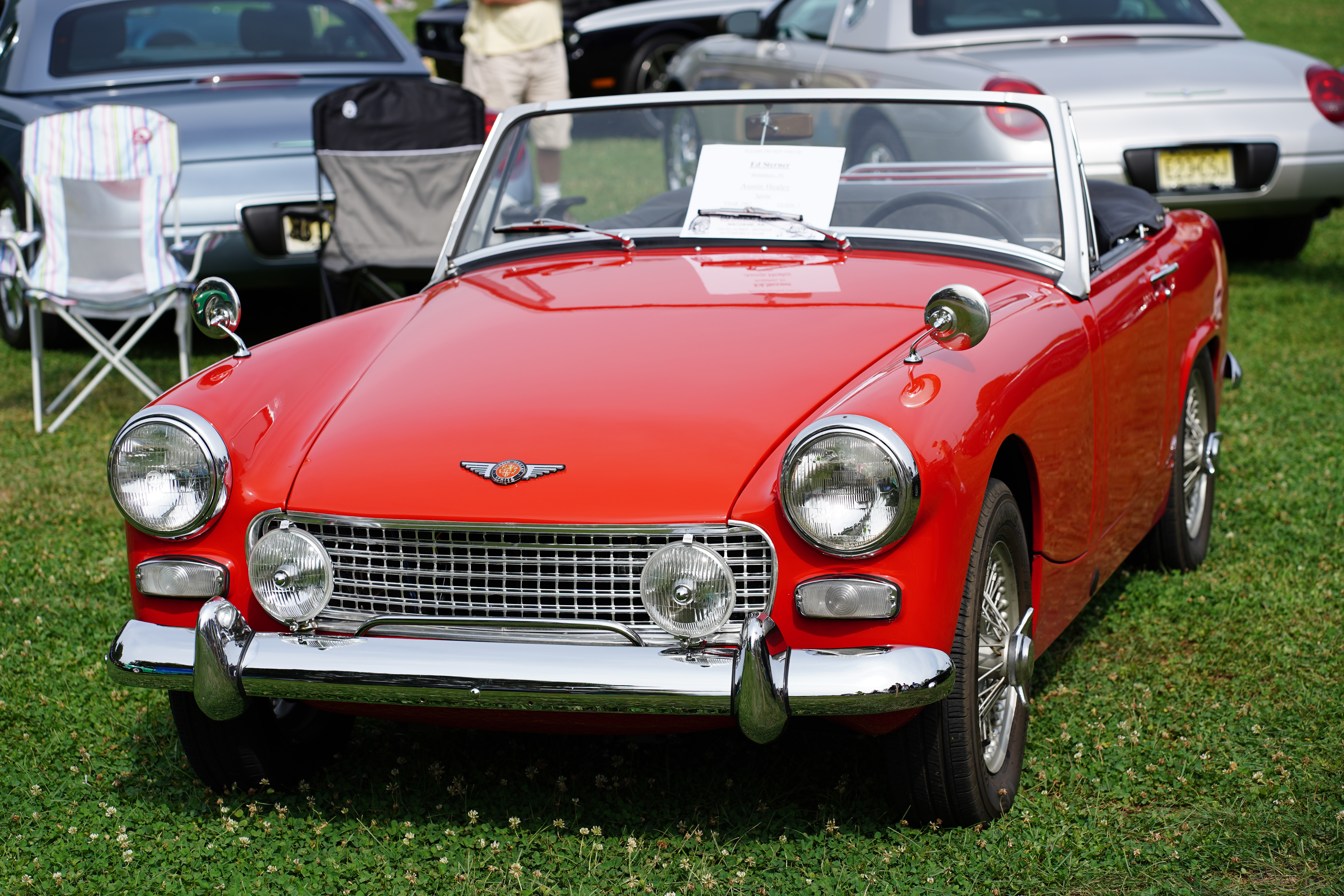
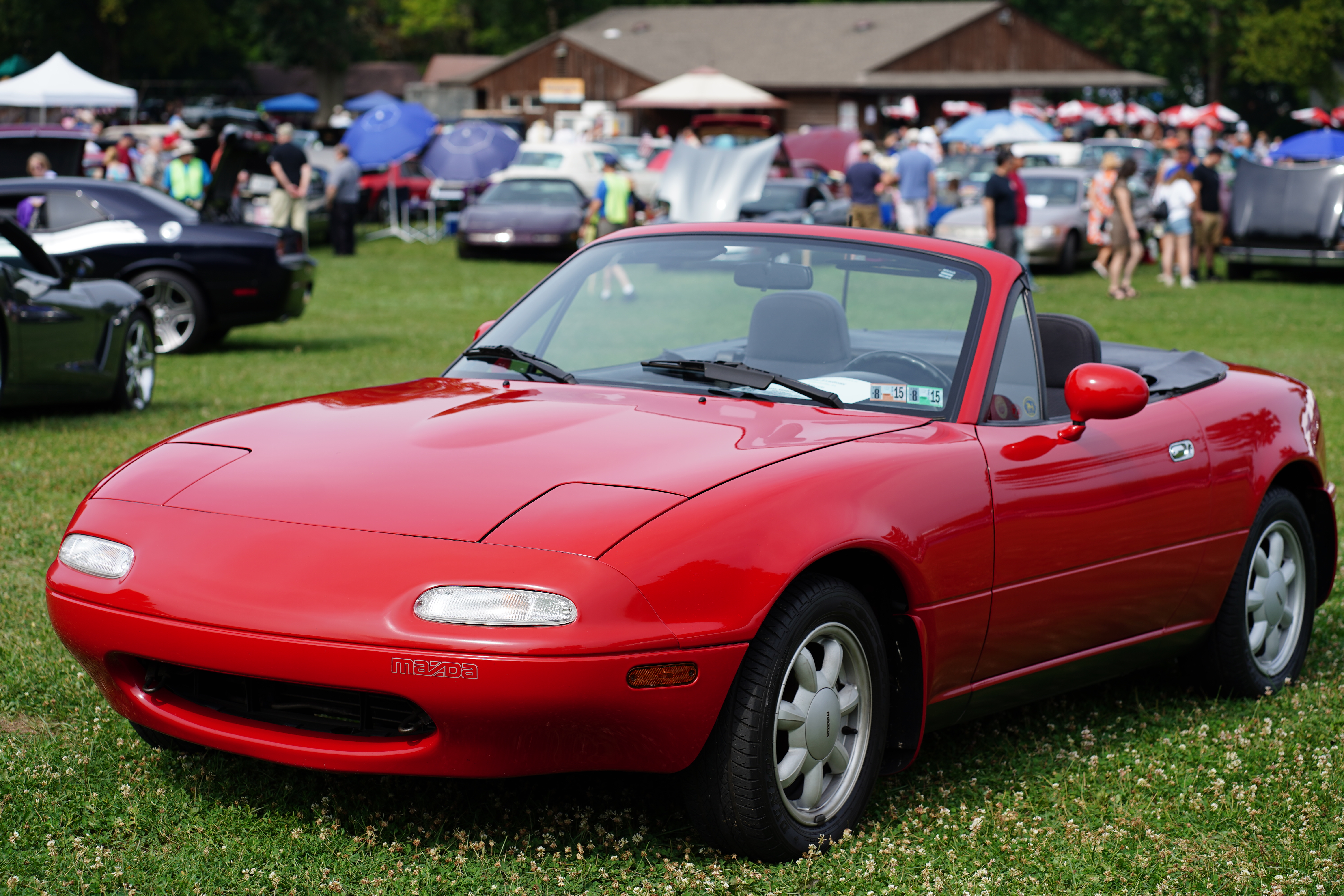
THE TWO-SEAT SPORTS CAR, OLD AND NEW:
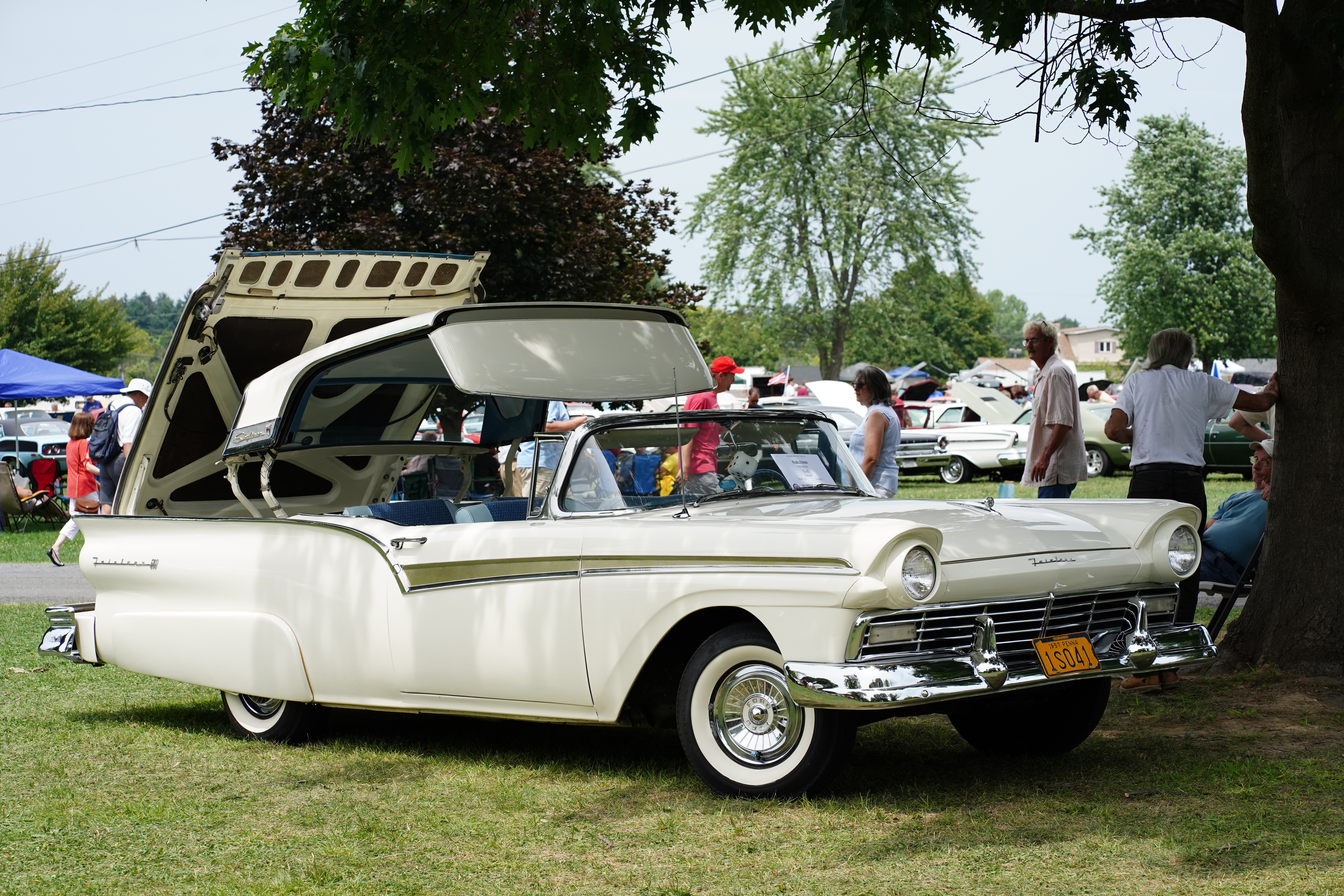
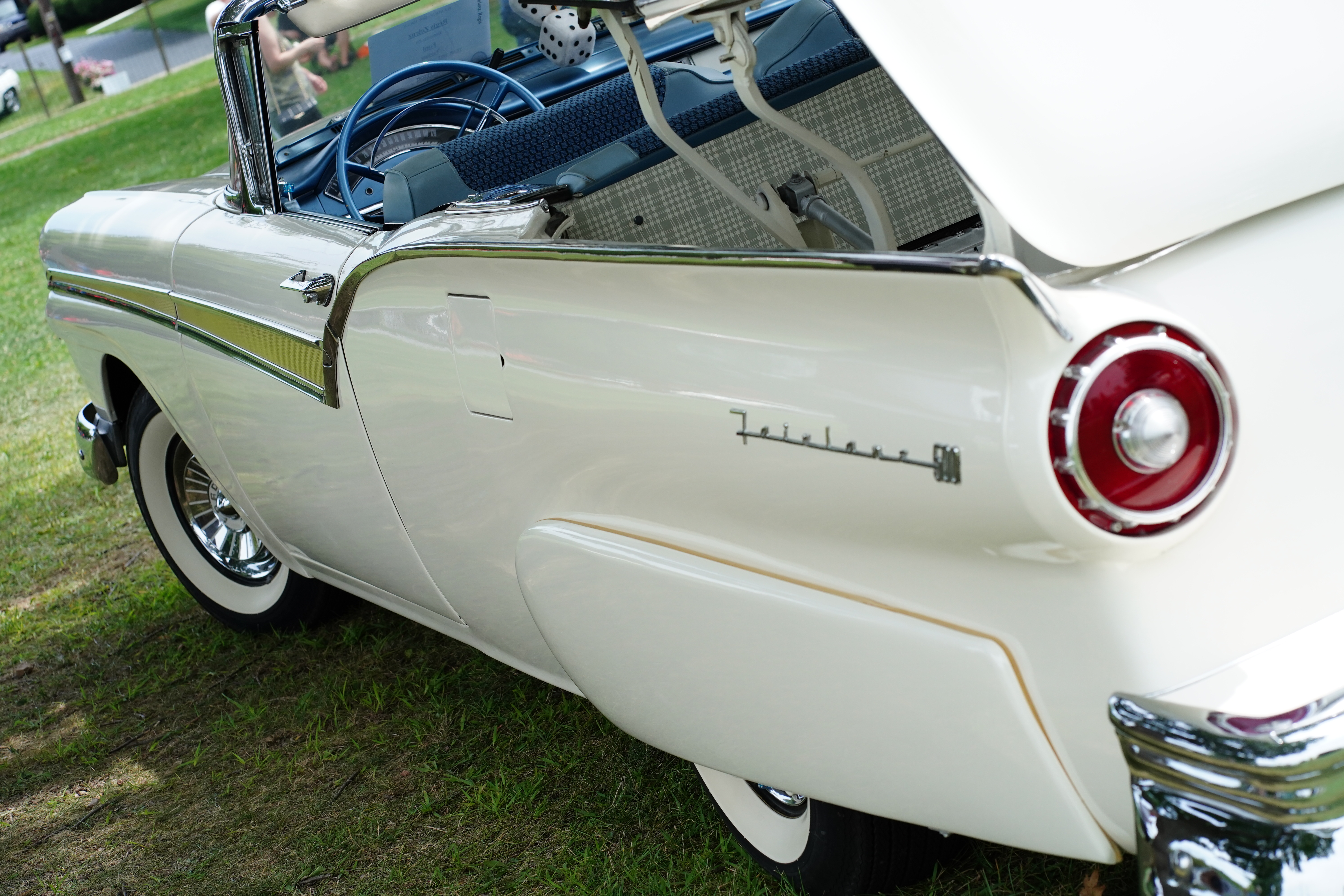
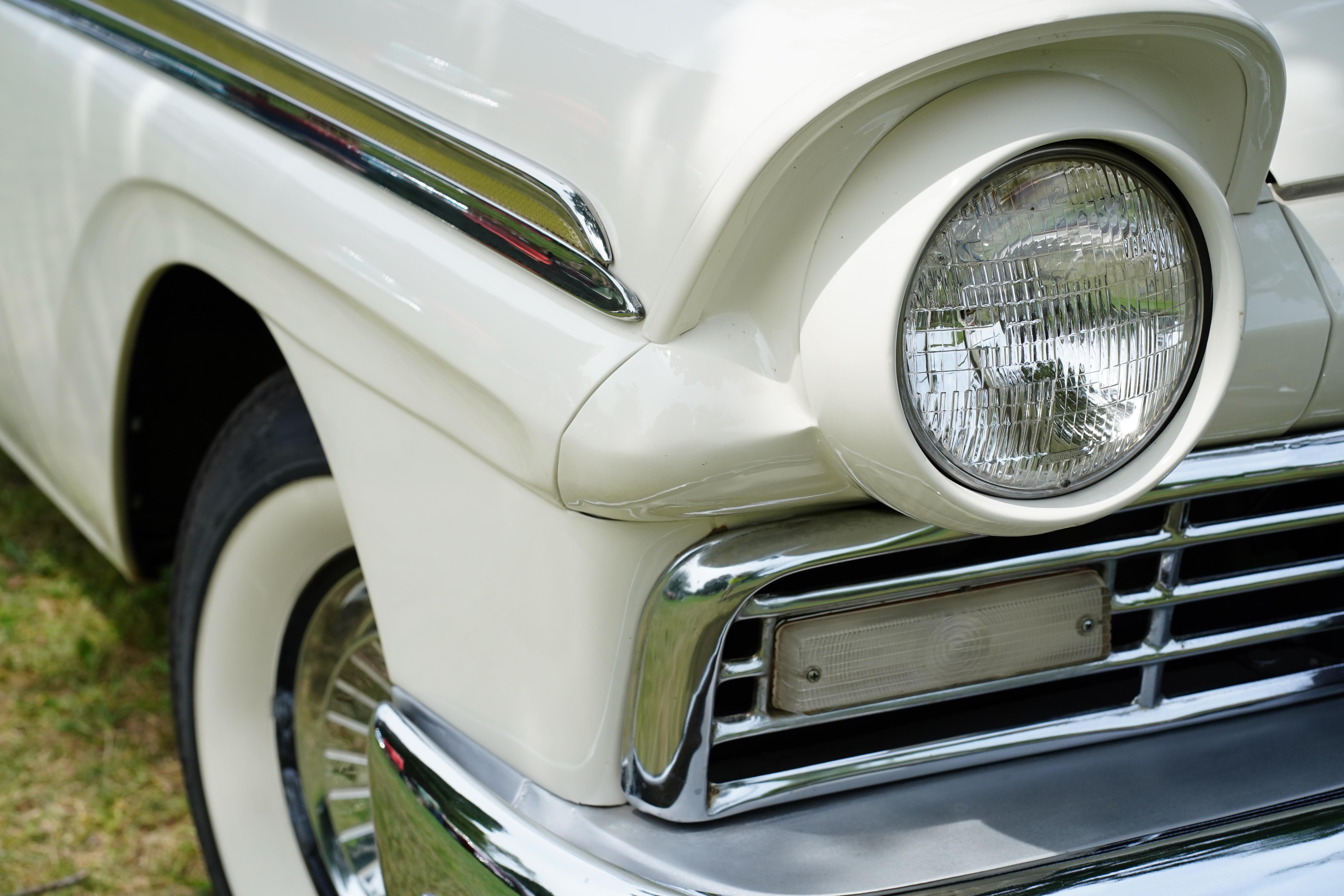
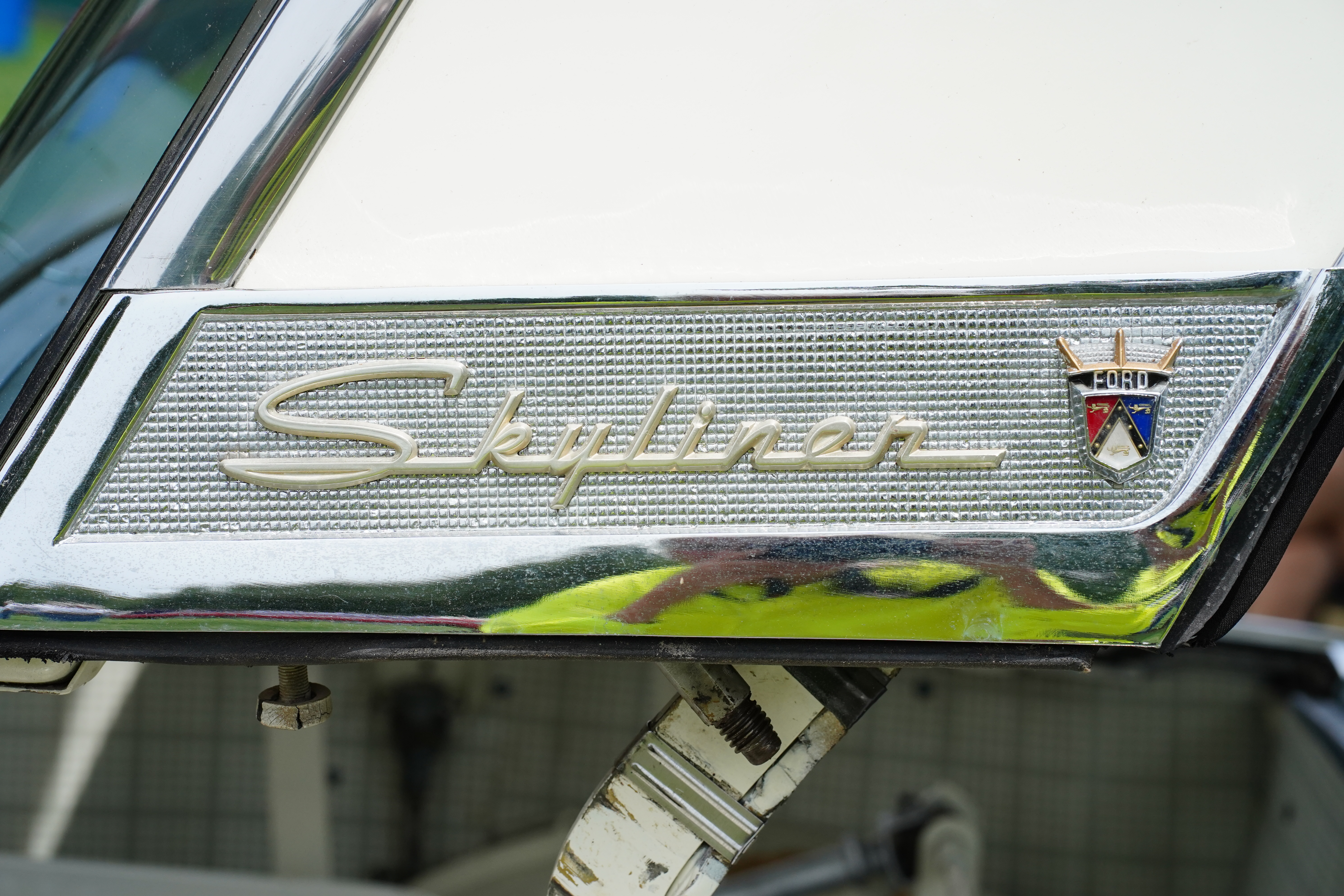
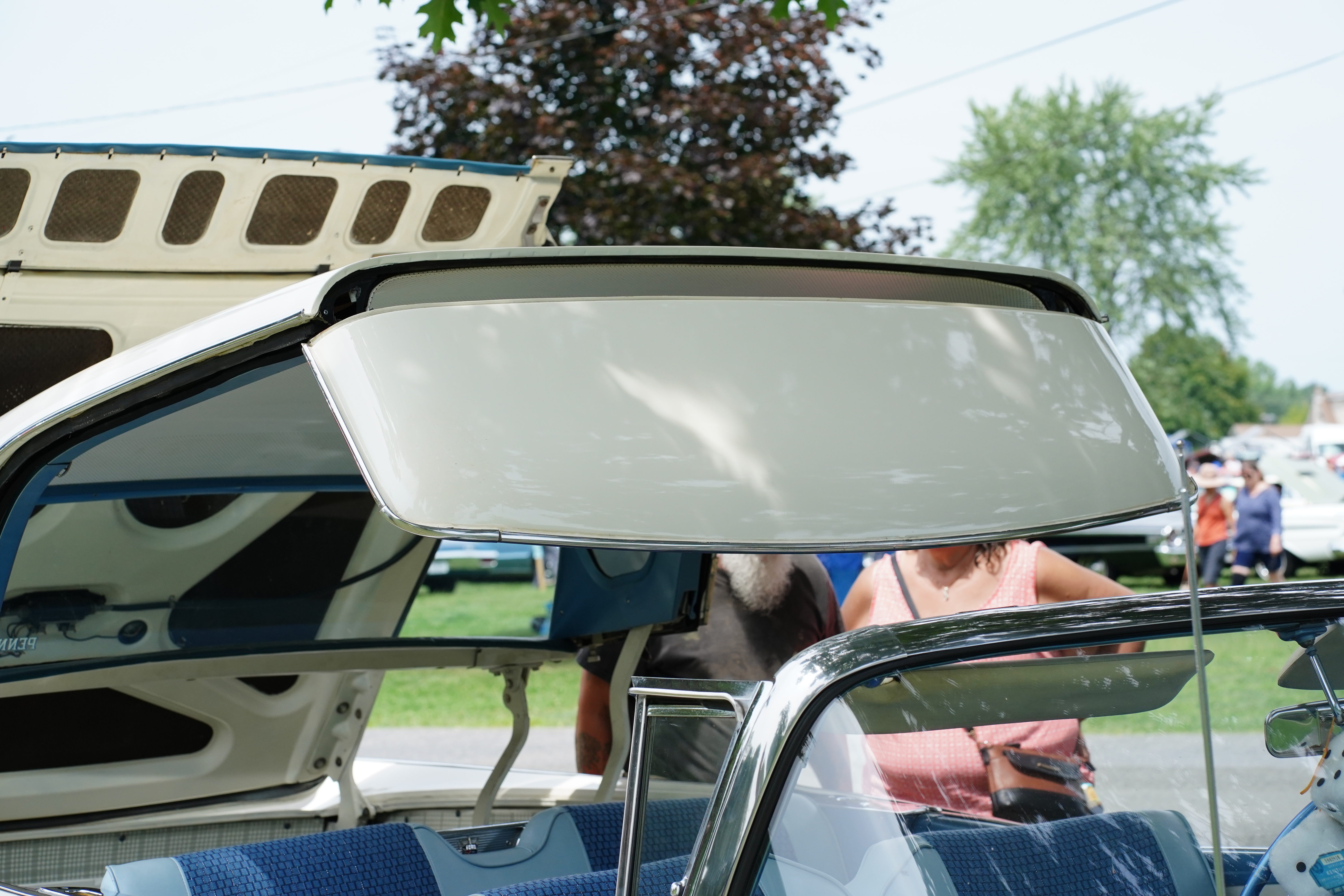
A STUNNING ’57 FORD SKYLINER RETRACTABLE:
SIDEBAR: Mike, Barry, and the Fiats
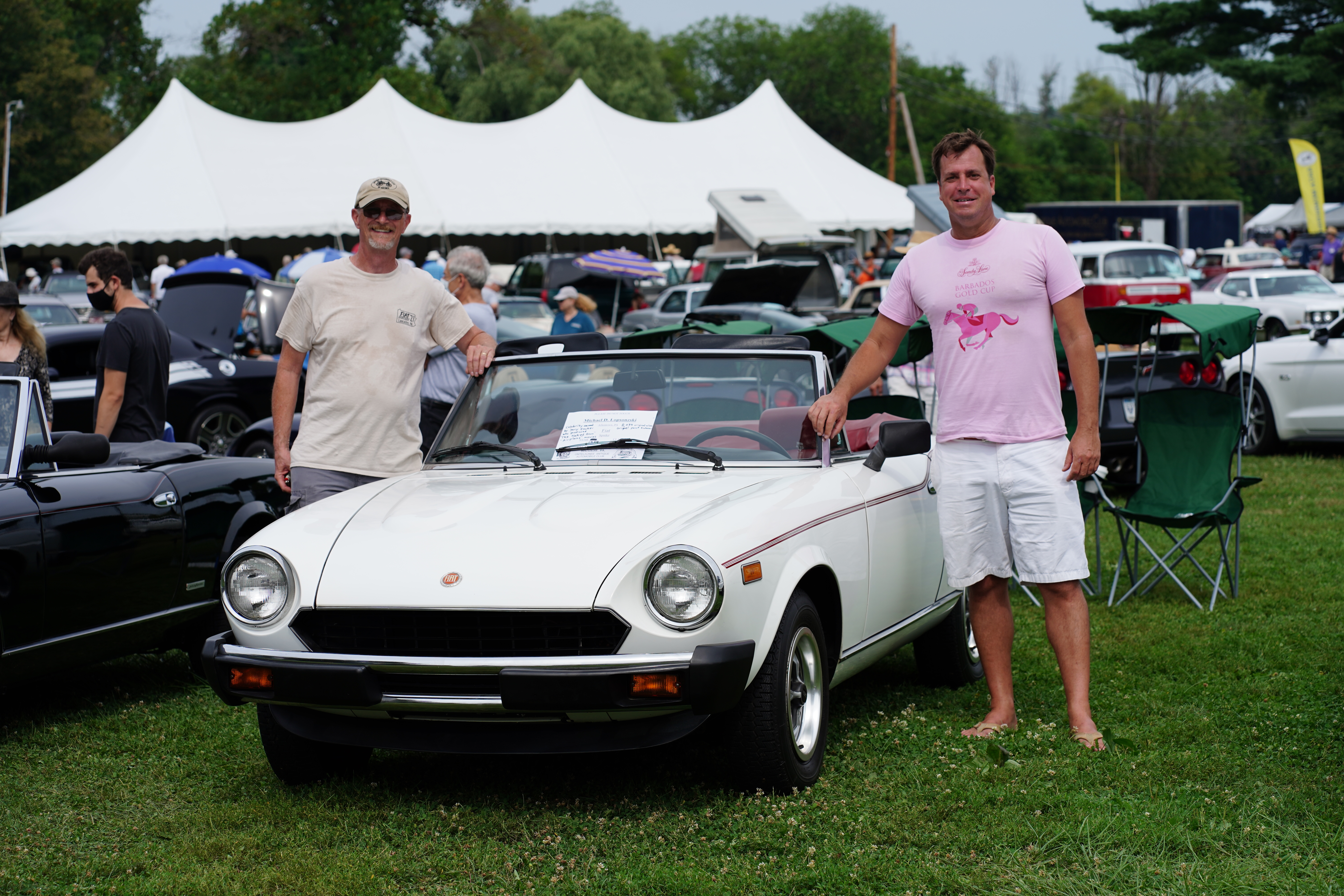
As I crouched low to take additional photographs of the pristine white Fiat 124 Spider in front of me, the gentleman to my right spoke up. “It’s nice to see someone besides me who likes these cars!” We exchanged pleasantries for a few moments about our shared passion for the Italian cars from Torino, and he introduced himself as Barry. “Are either of these (a black one was parked next to the white one) yours?” I queried. “No”, he responded, “but I help the owner take care of them”.
Within a few moments, a younger gent joined our conversation. I quickly learned that his name was Mike, and that he owned both 124s on display (along with the BMW E30 convertible next to them). The white ’79 2000 Spider caught most of my attention, as the sign claimed that it was an 8,000 mile, all-original and unrestored car. Mike related that he bought the car about 8 years ago from an ad in an FLU (Fiat-Lancia Unlimited, the old Fiat club) newsletter. The ad contained no photo, just the briefest of writeups. The car was in L.A., while Mike was in PA. He subsequently learned that this car had been bought new by Jerry Zucker, the movie producer of “Airplane!” and “The Naked Gun” fame. Mike never spoke with Jerry, but apparently negotiated the terms of the sale with one of Jerry’s spokespeople. He rolled the dice, he said, when he bought the car sight-unseen and then had it shipped back east. He was pleasantly surprised at its condition, and although he does drive it, he said he strives to continue to keep the mileage low.
The black car, strictly speaking, wasn’t a Fiat but a Pininfarina (extra points to Mike who knew exactly why a “Pininfarina” wears the letter “f” as its name bade). Although I didn’t record it, I believe that the newer Spider was an ’83, which would make it the first model year for the renamed Pininfarina Azzurra. (When Fiat abandoned the U.S. market in 1982, Pininfarina took over marketing of the Spider for the States.) Both cars were near perfect, and it was a delight to see them parked side-by-side and note the differences, especially in the interior. However, I was so engrossed in conversation that I failed to snap any shots of the newer Spider.
It turned out that Barry, as a friend and neighbor, does much of the mechanical upkeep on Mike’s cars. The two of them were as enthusiastic and knowledgeable about all things Fiat as they could be. Barry in particular was impressively able to recite nuances about interior detail differences across all the Spider generations. All in all, I spent about 30 minutes in delightful conversation with both these gentlemen. Meeting and talking with them was the highlight of my visit to Macungie that day.






















































































 richardscarblog