The Isetta Saga, Chapter 8: Focus on the Front End

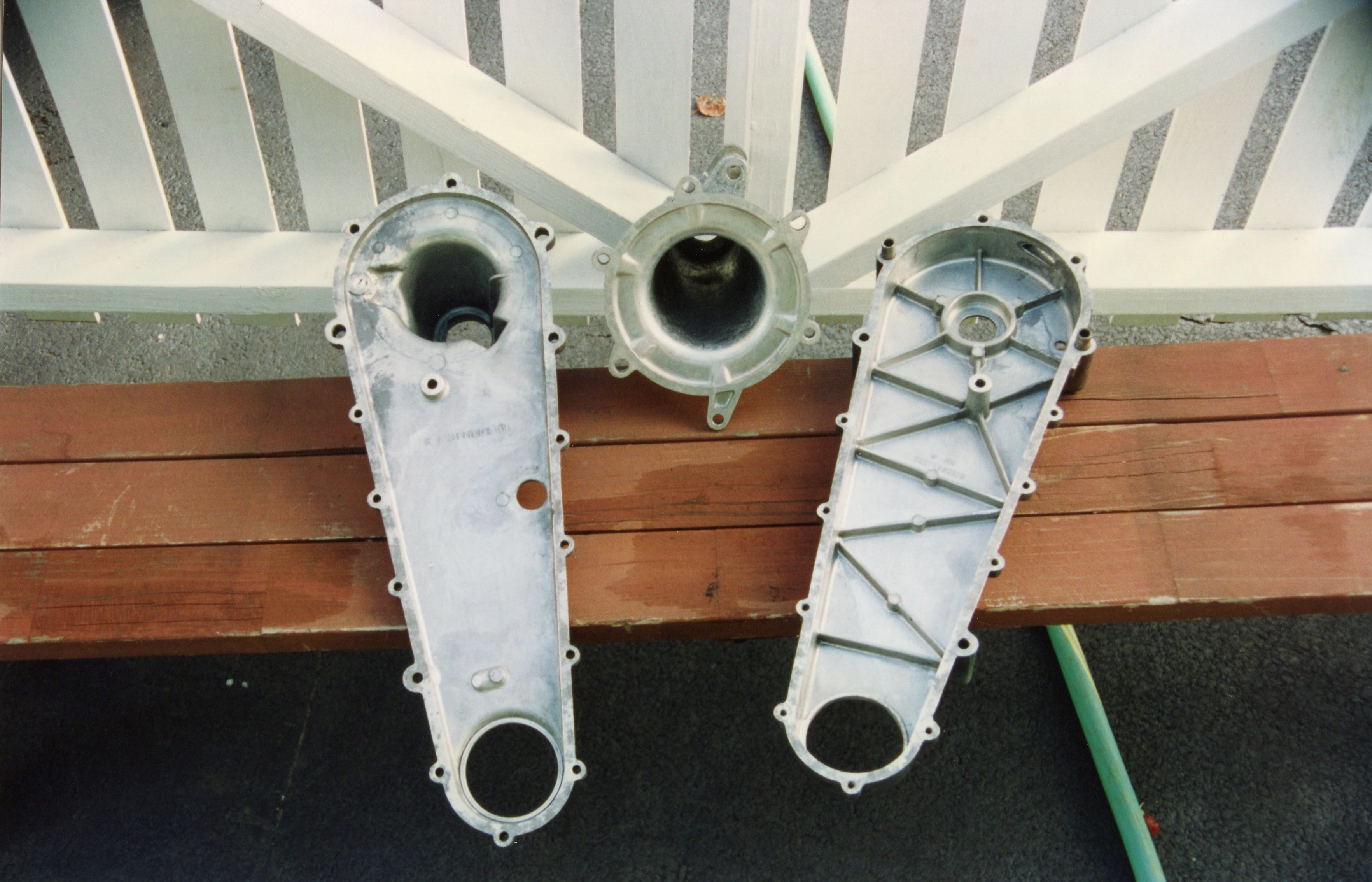
In Chapter 7, after figuring out how to take an Isetta engine apart, I did exactly that. With the help of my new Isetta buddy Ron Krause, it was hoped that someday I’d figure out how to get it all back together too.

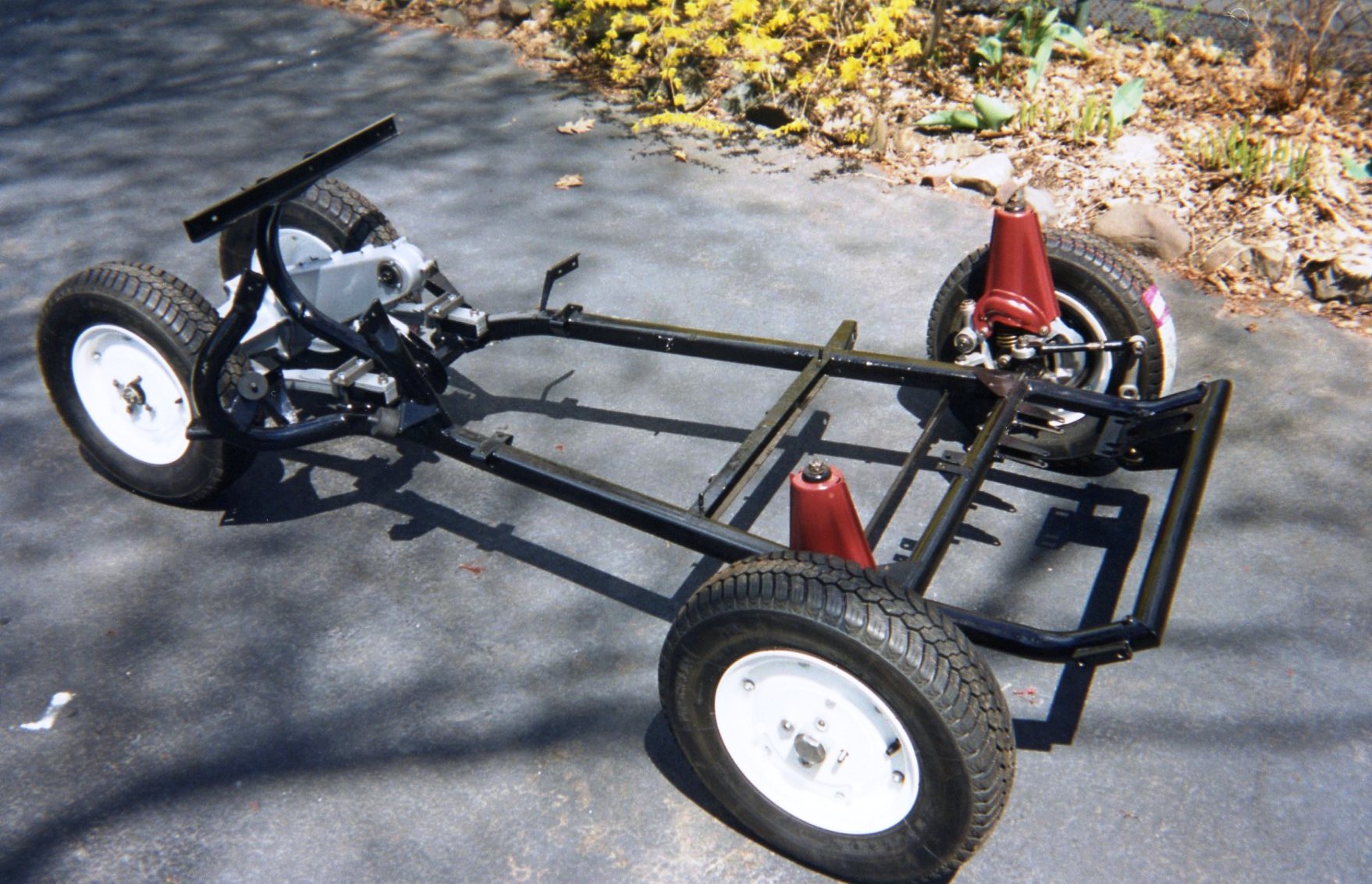
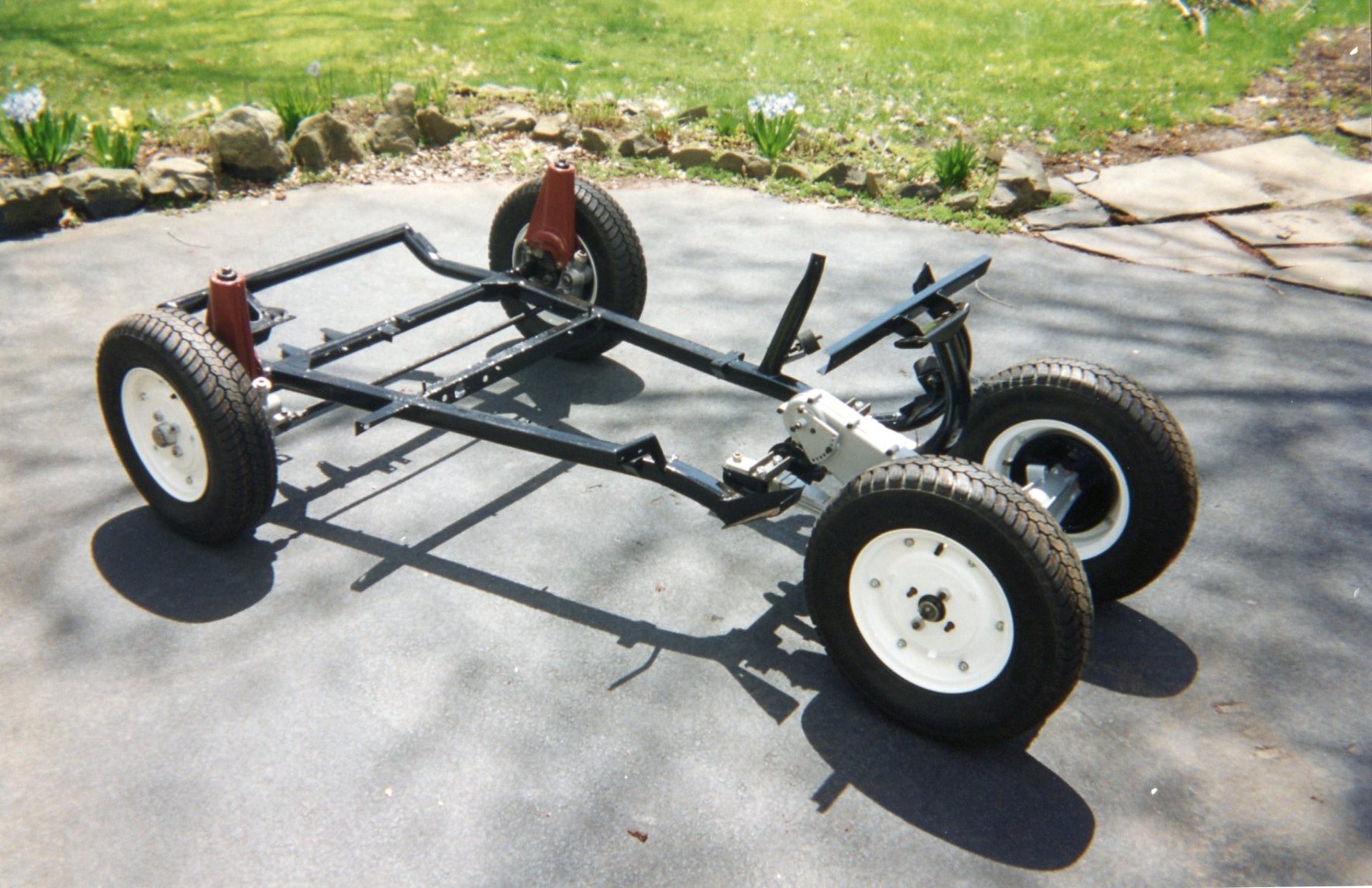
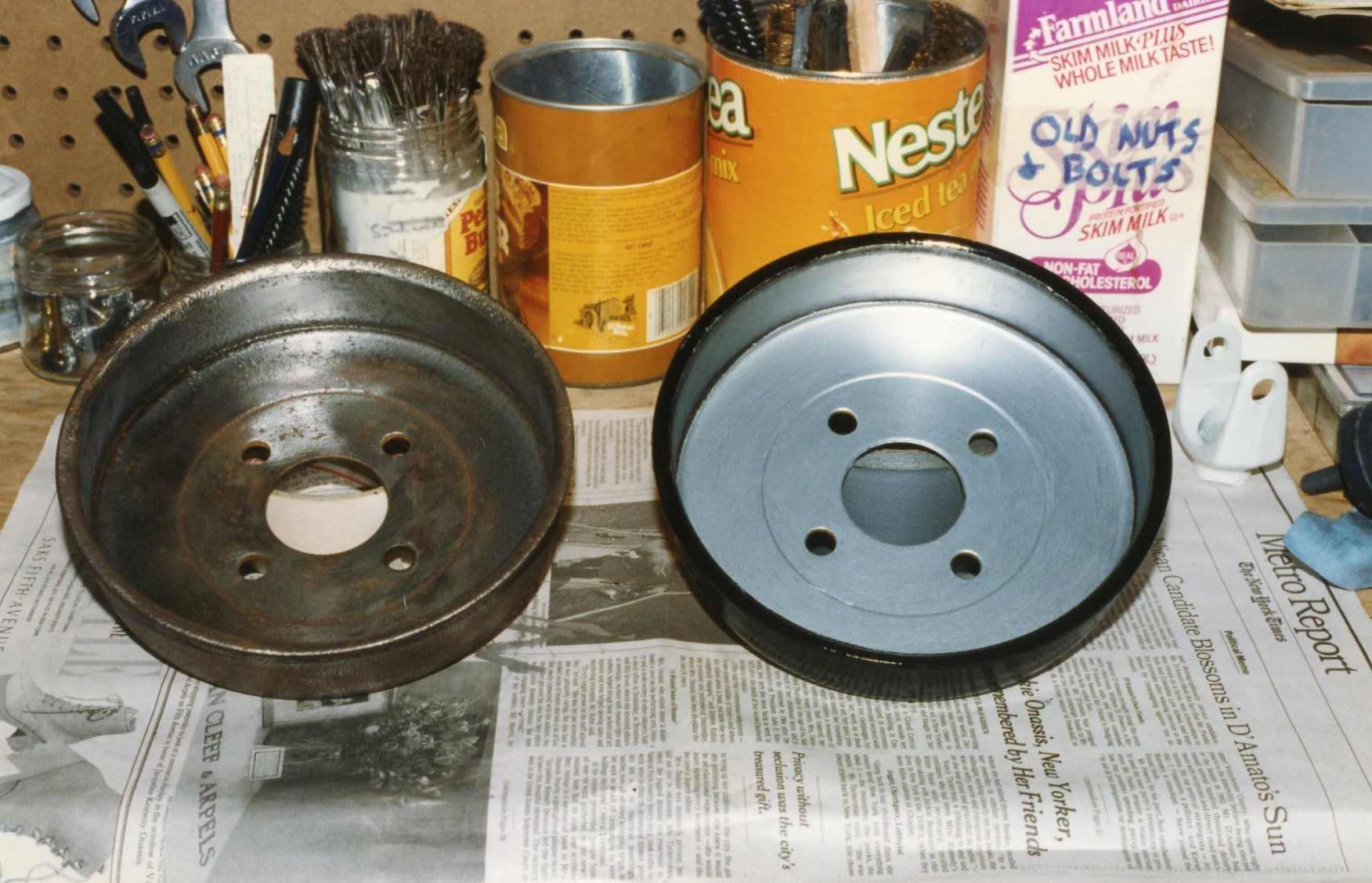
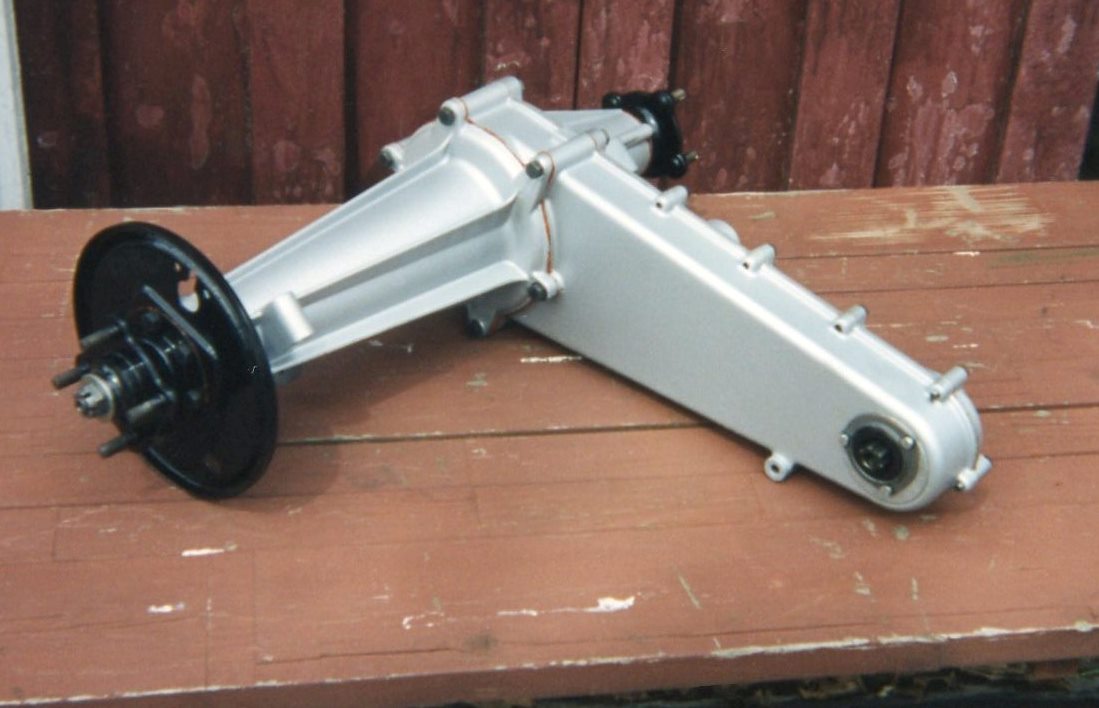
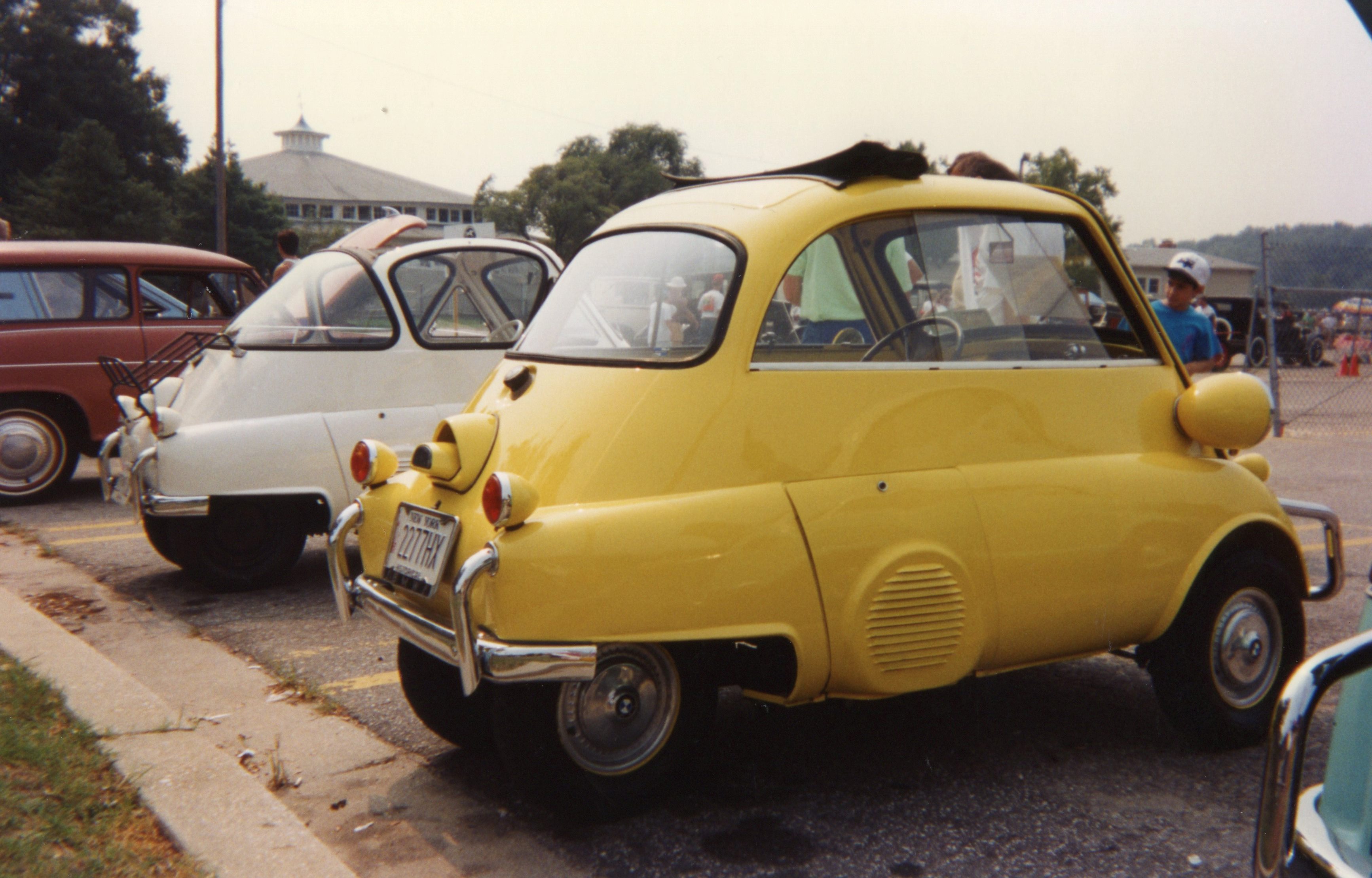
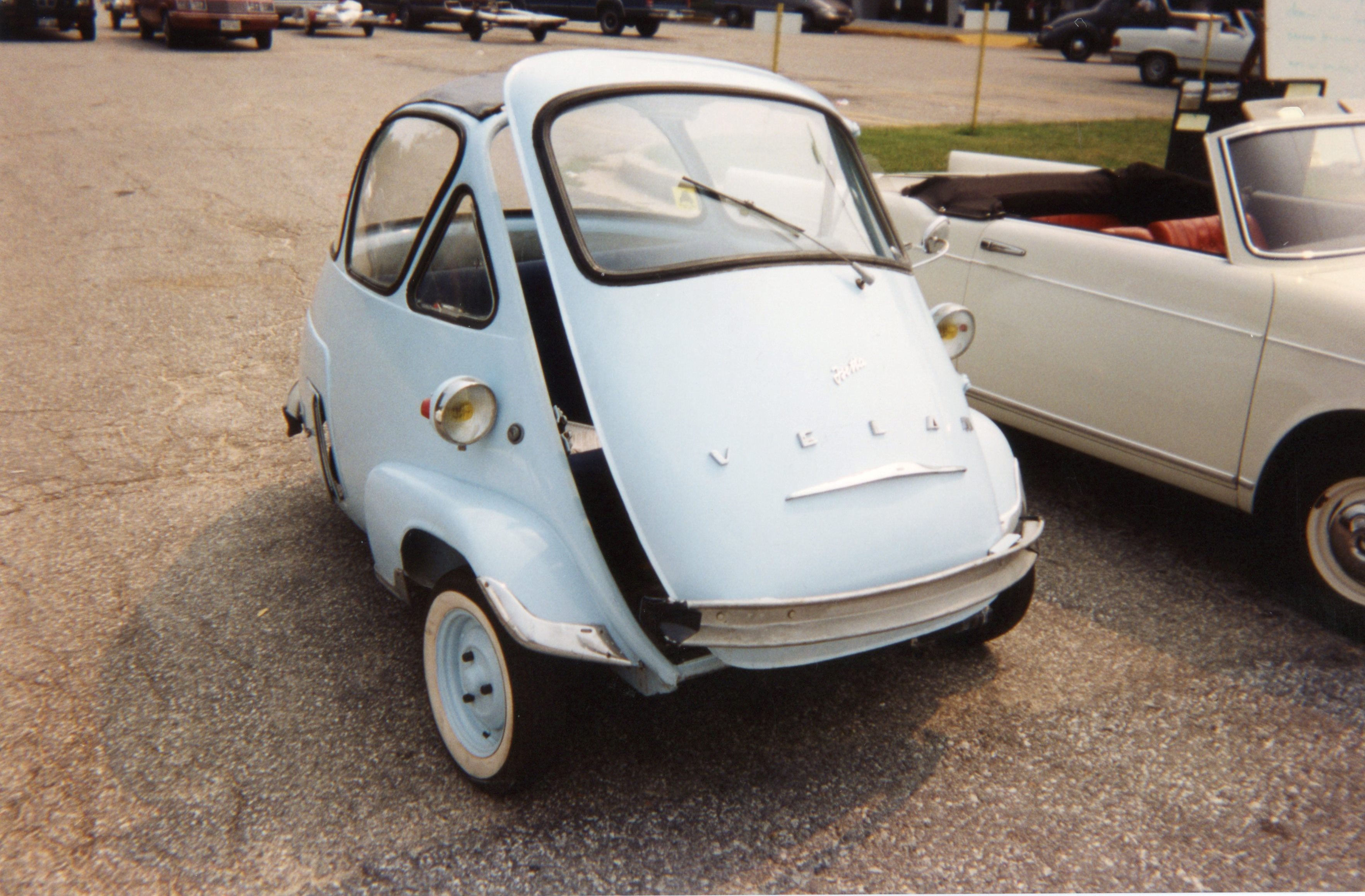
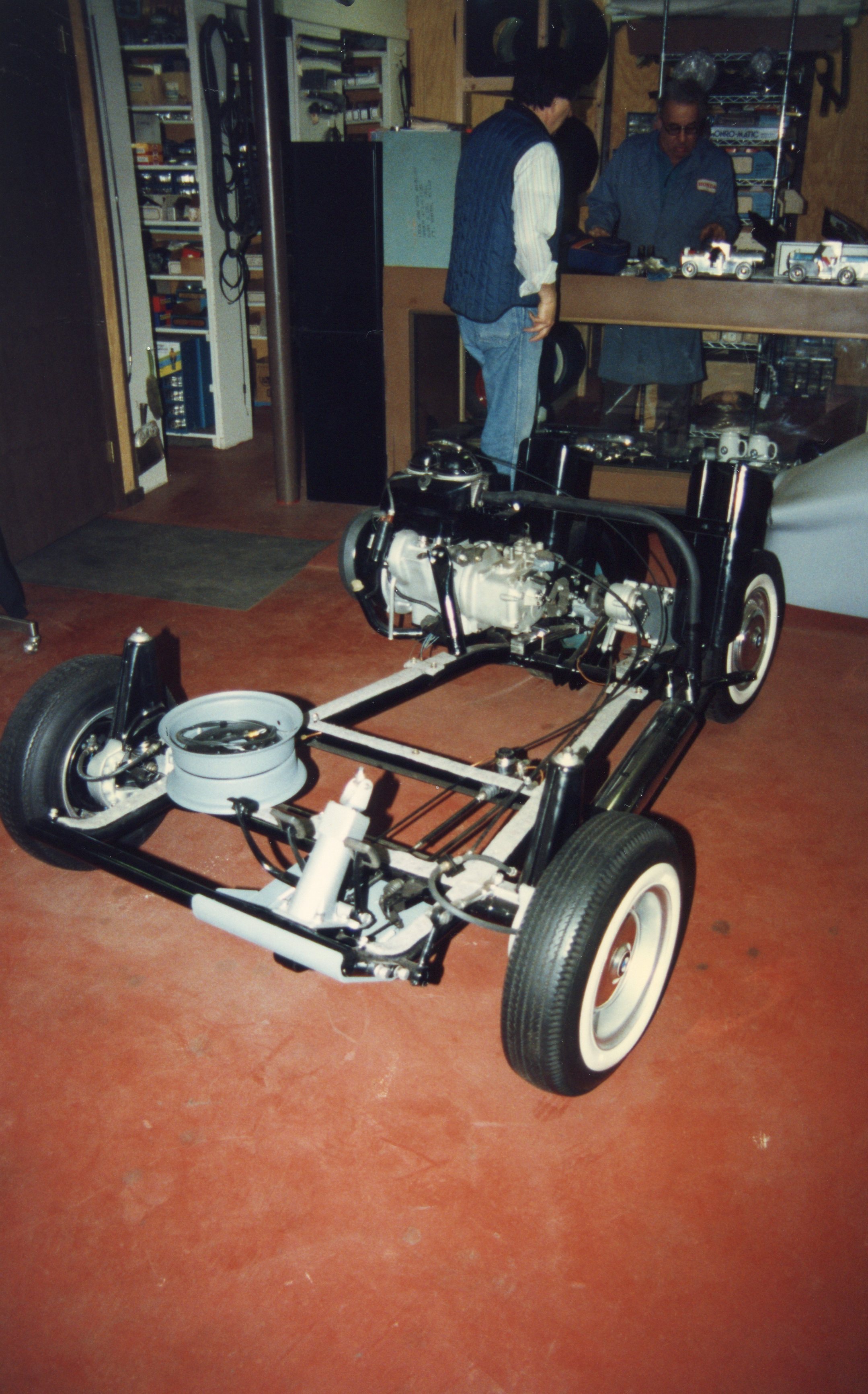
This chapter of the Isetta Saga quite literally ties together all the pieces that make up the front end of the chassis. We get our first glimpse of something that looks like it might drive down the road (you’ll need to squint).


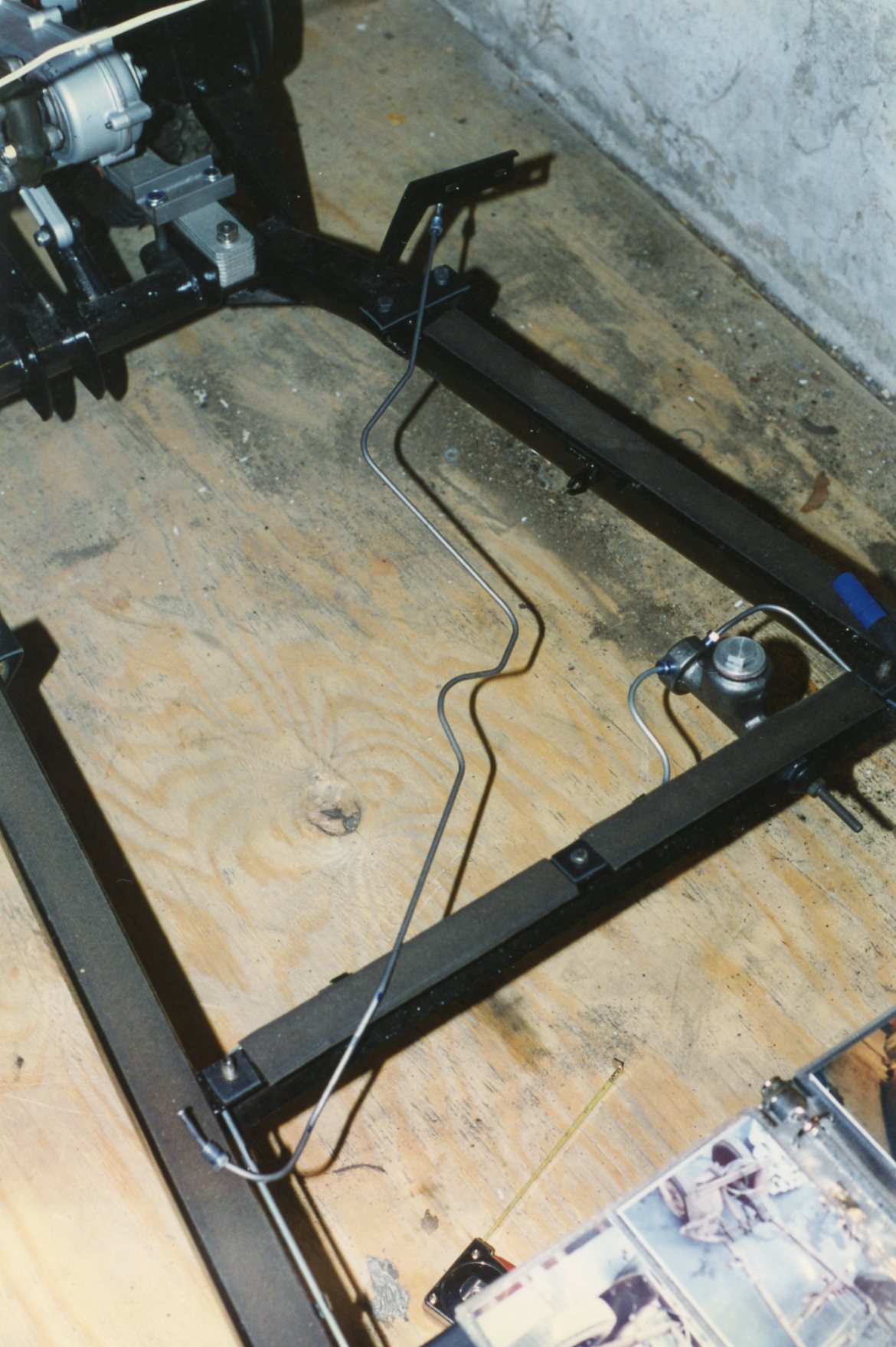
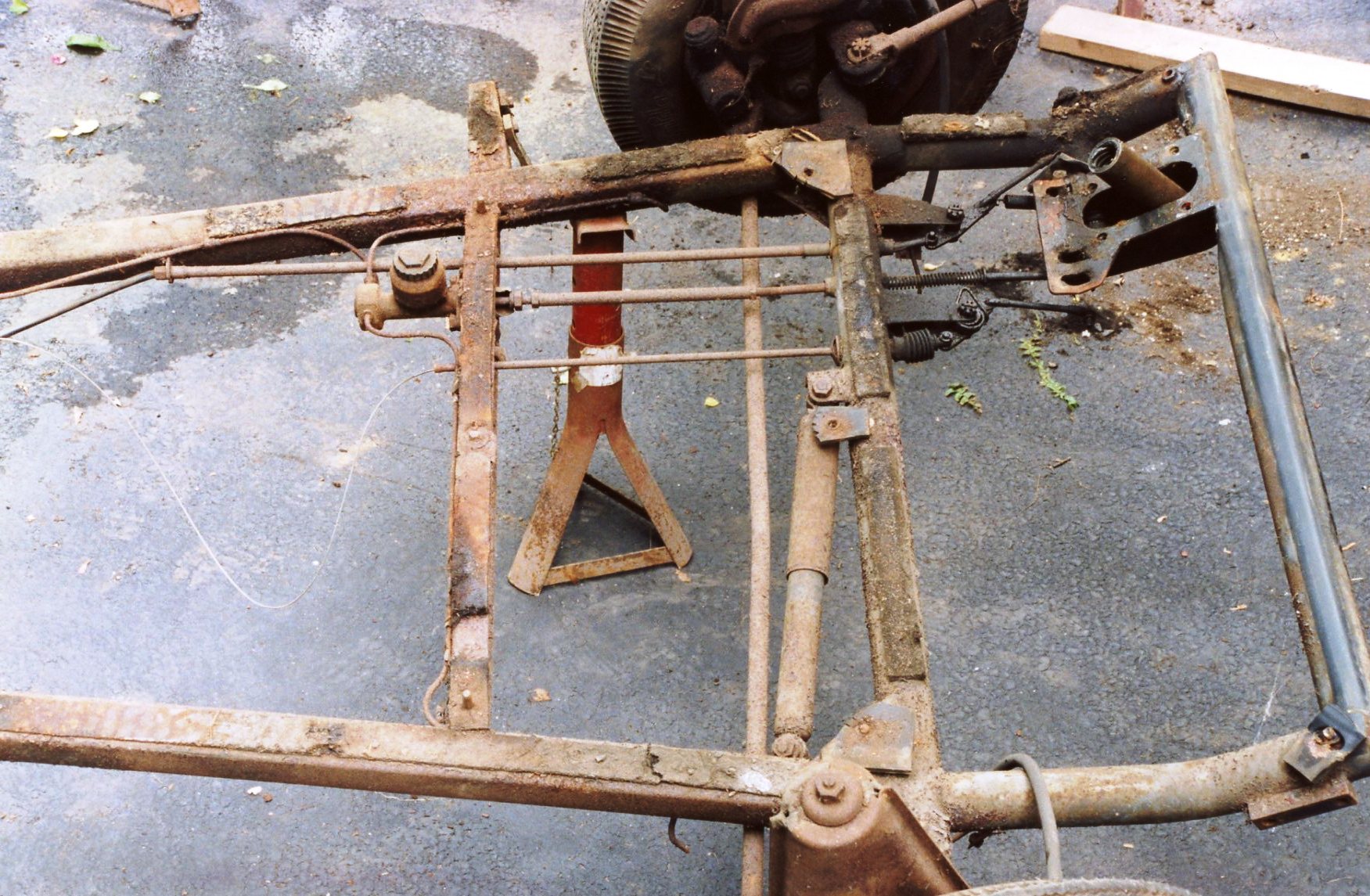
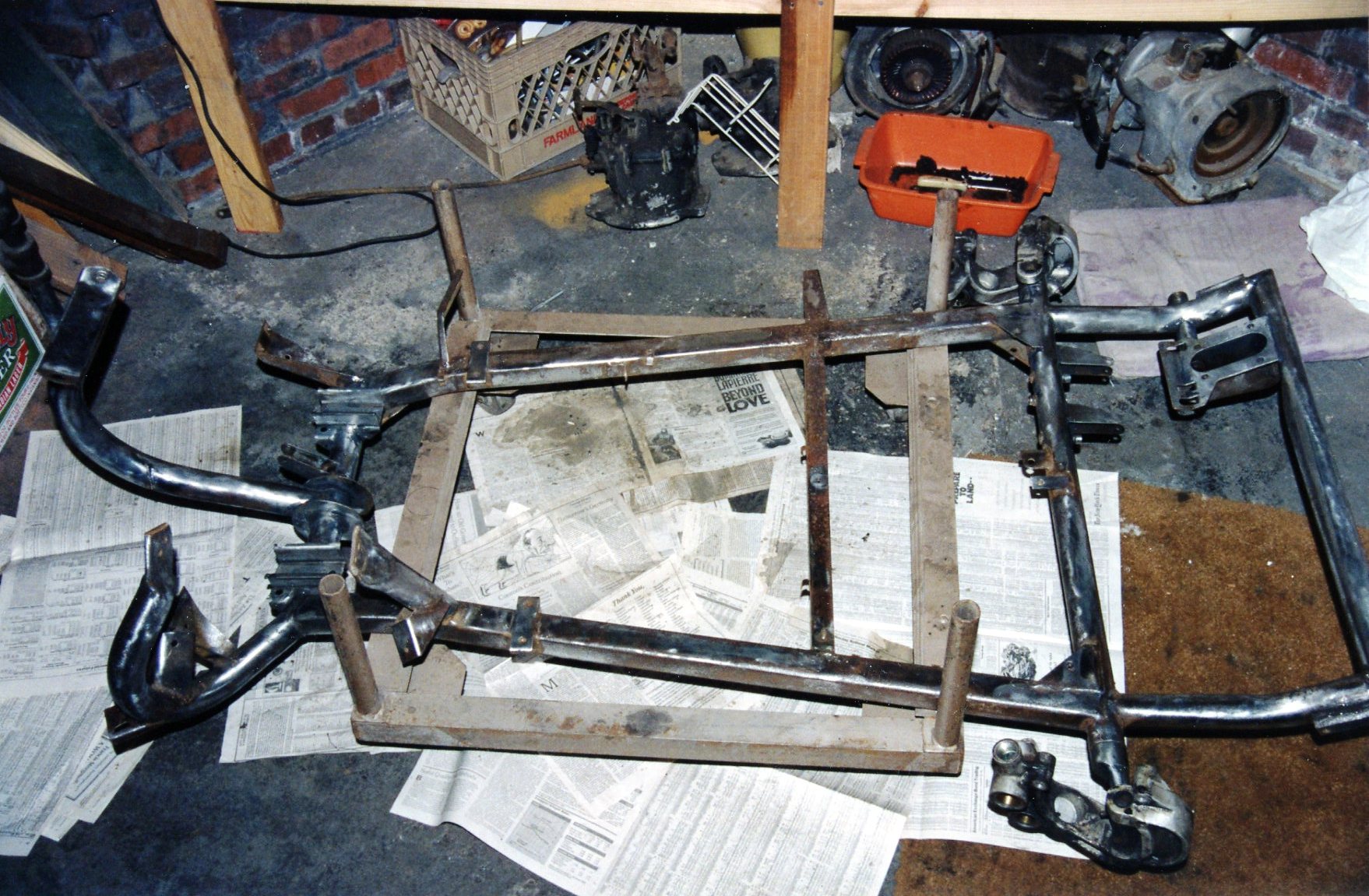
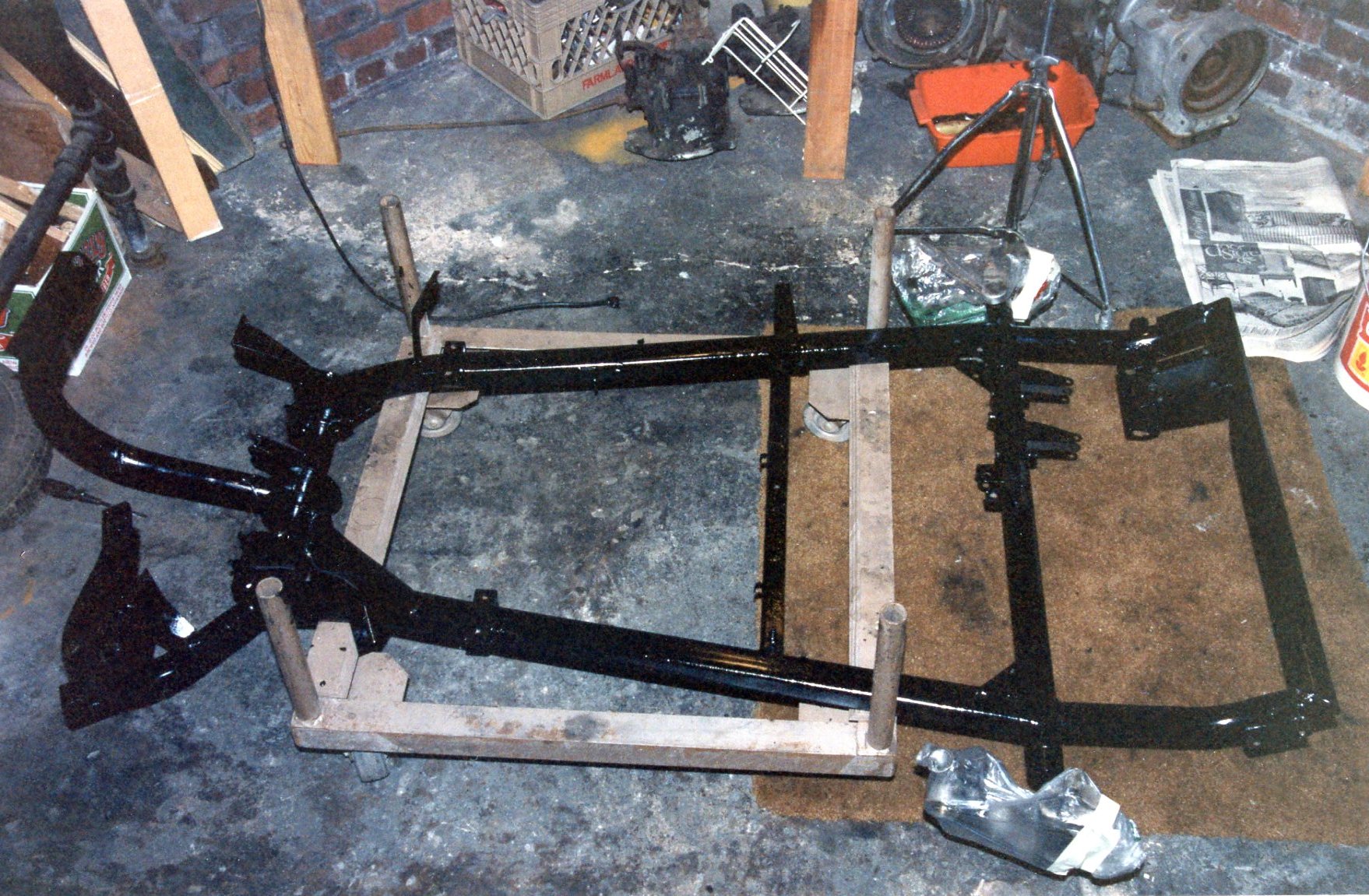
We had seen in Chapter 6 that the restoration work really began with stripping, cleaning, and repainting the bare chassis. Part of that process included removing all ancillary components from it: springs, shocks, brakes, and cabling. However, moving onto engine work didn’t mean that progress had ceased on the chassis. Parallel progress was being made which would get the chassis back on its four wheels again.

As a way to keep the project moving forward, I would work on several sub-sections of the car at a time. While I was waiting for the paint to dry on Part A, I was disassembling Part B. And while searching for replacements for the broken bits for Part C, Part D was soaking in Liquid Wrench because its bolts wouldn’t bust loose. And so on. Keeping this from disintegrating into a disorganized mess was helped by my infatuations with labeling and photographing everything. Hence, we have the photos I can share with you some 25 years later.


  • SUSPENSION

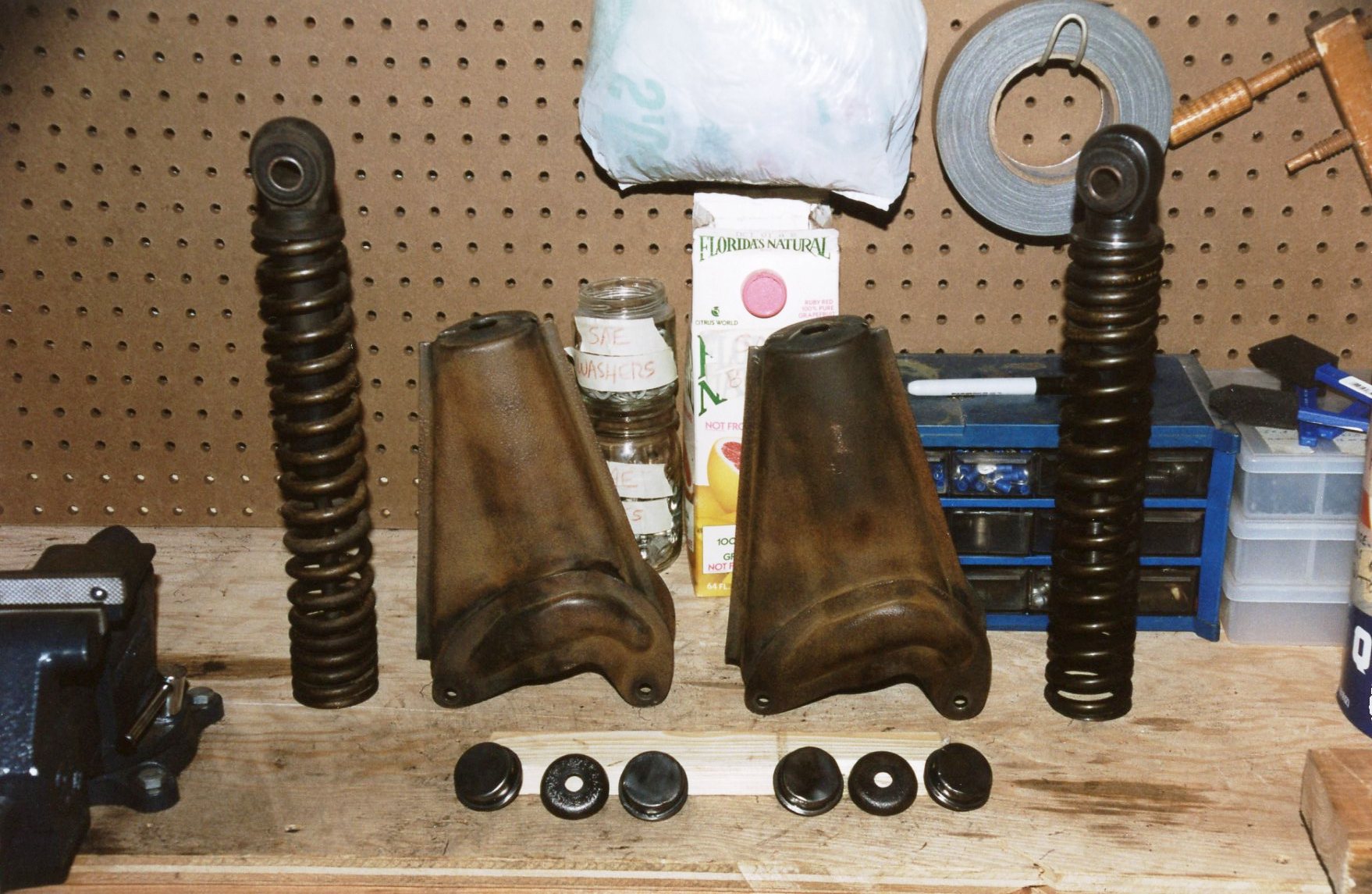
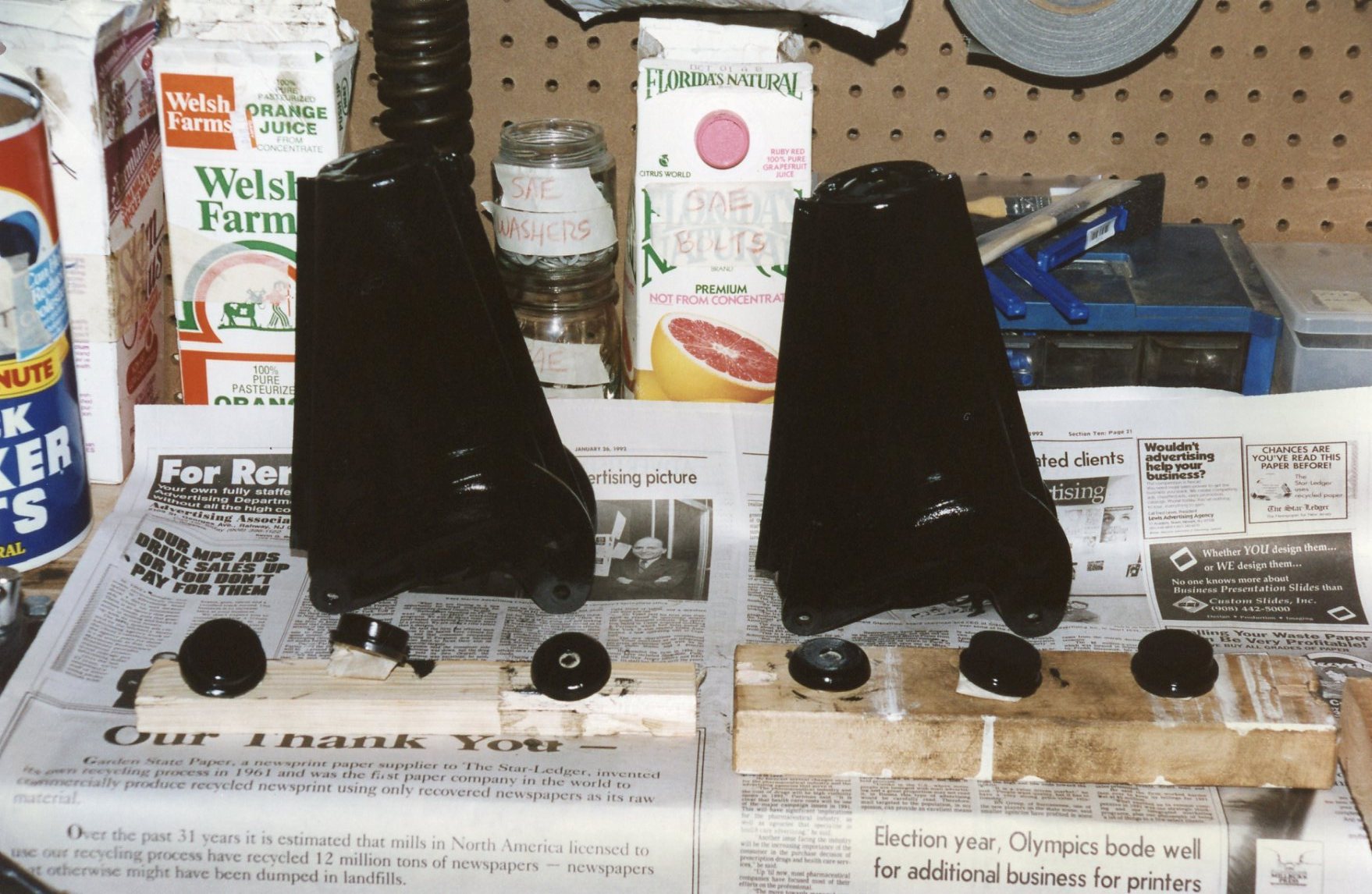
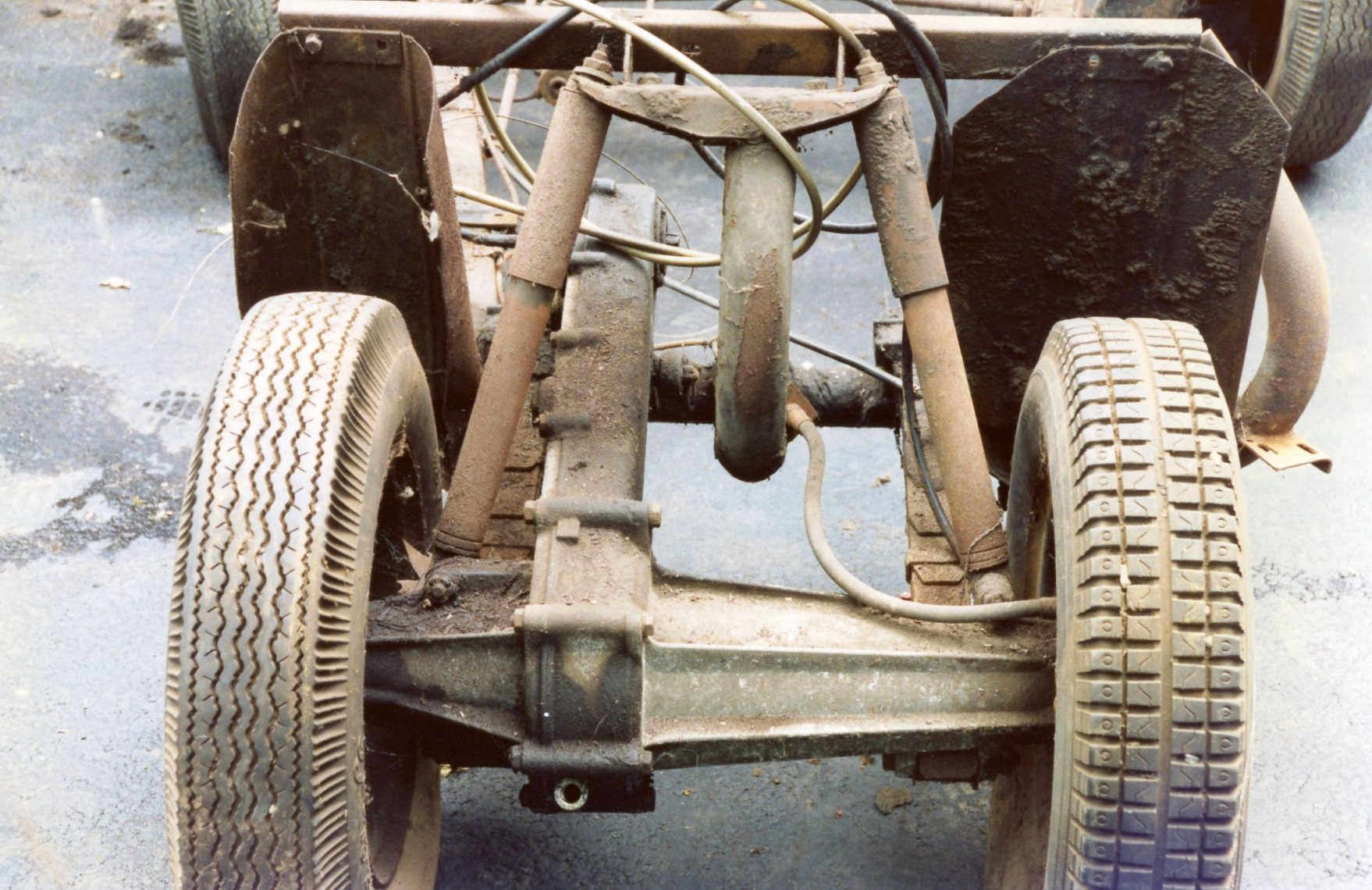
The Isetta’s suspension was somewhat conventional, employing coil springs over tube shocks encased in housings (a crude coilover) in the front, and quarter-elliptic leaf springs in the rear. In disassembling the front end, I noted that the springs and shocks seemed to be in good shape. The fact that there were no available replacements may have played a small role in my determination that these parts were “serviceable” and could be reused.

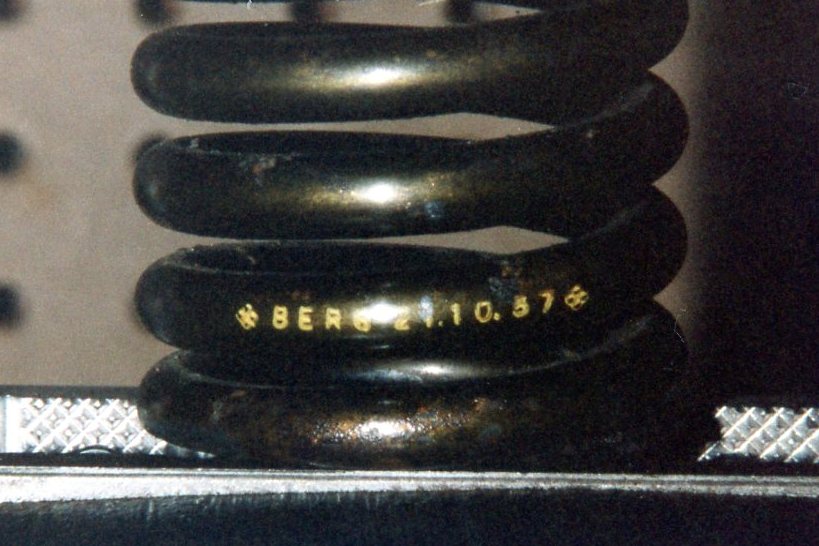
The springs had a 1957 date code on them, which meant they were factory original. They looked good, and I would guess that a 770 lb. car wouldn’t exert that much wear and tear on them.

Date code looks like 21.10.57 – late ’57 production car?

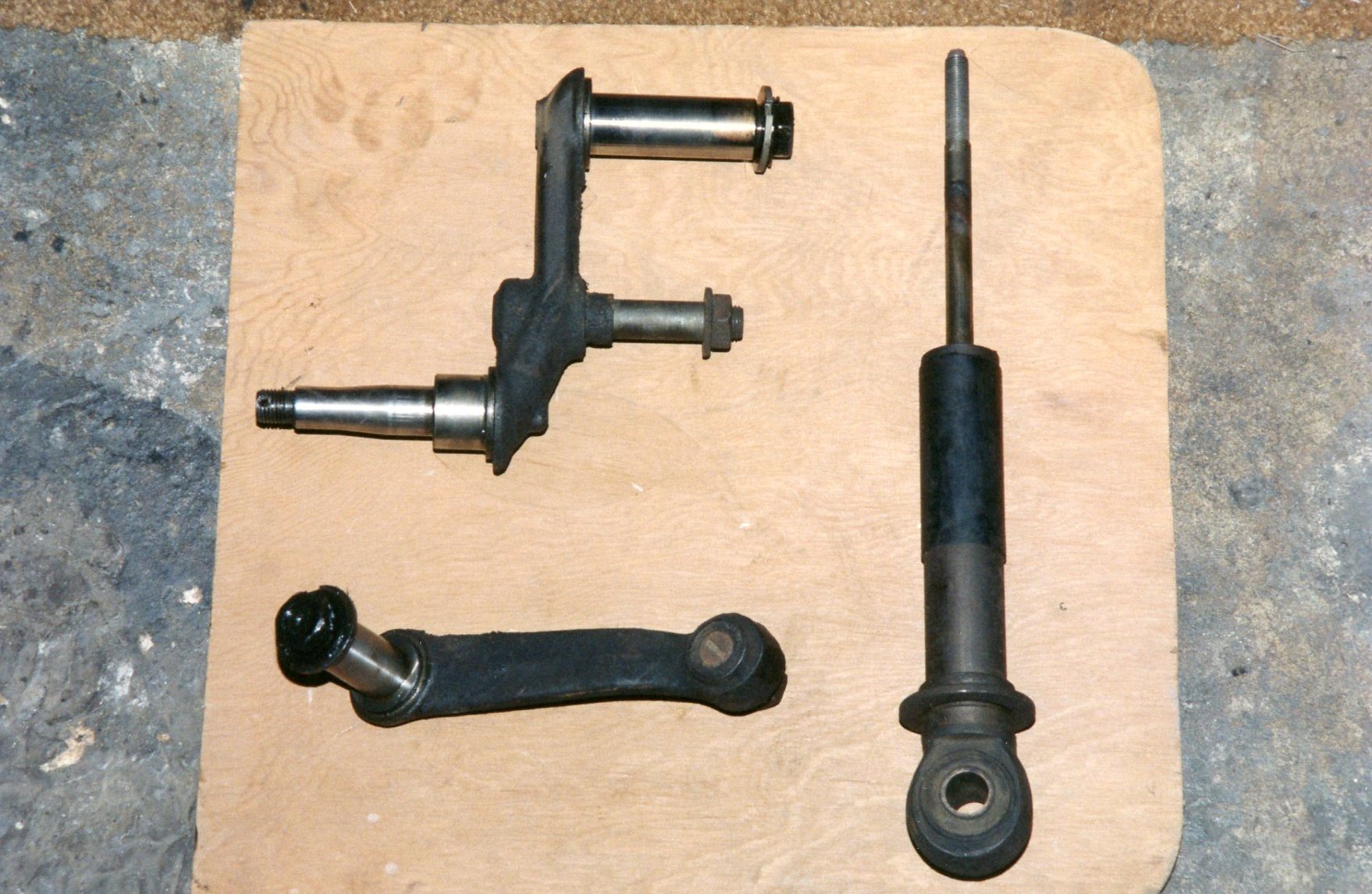
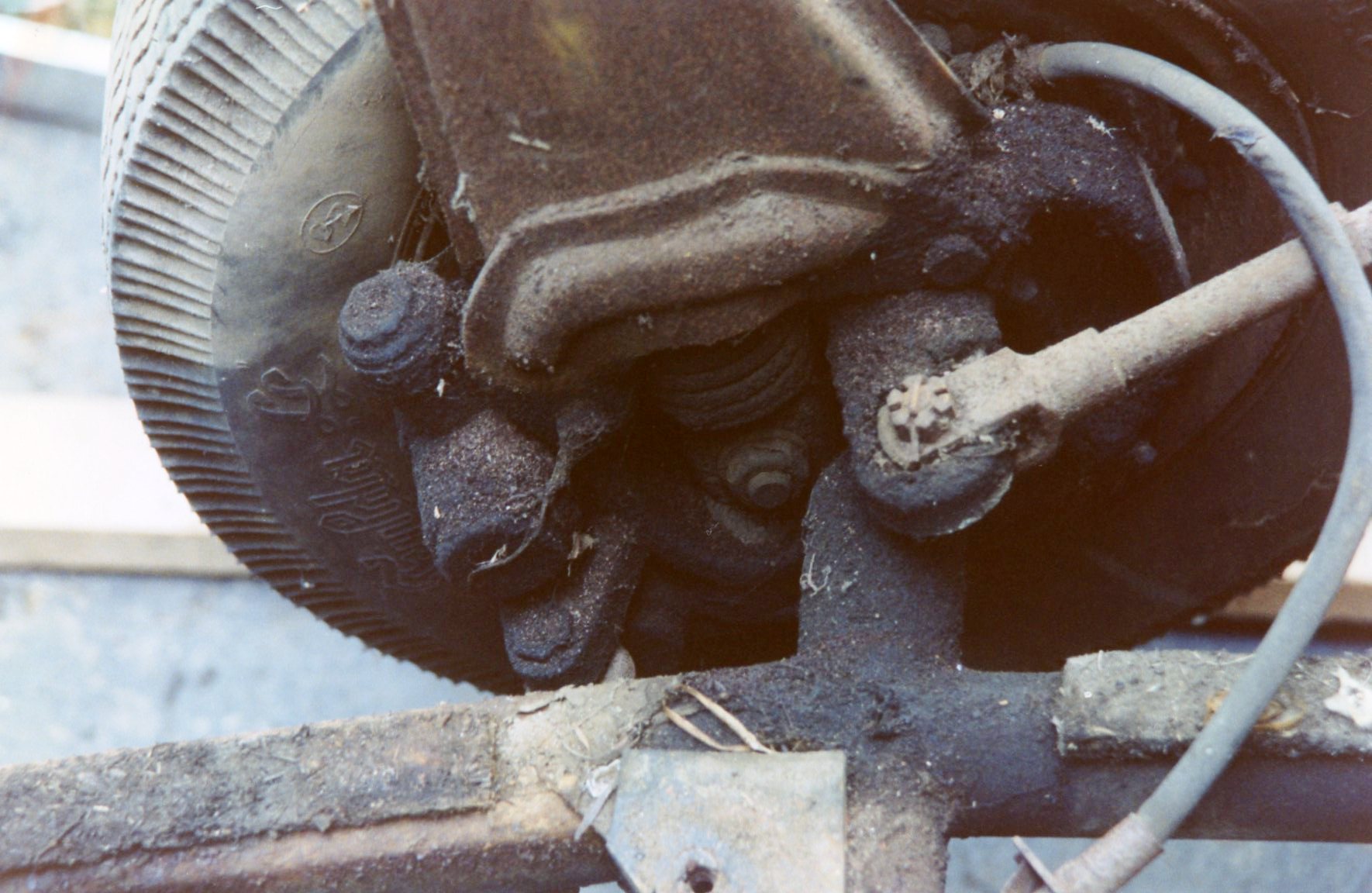
One tricky part to the front end were the knuckles, which were designed to hold a small quantity of high-viscosity oil in them. The moveable parts of the suspension, which were the spindle and the swing arm, were lubricated by this oil. The fluid was held in place via metric-sized o-rings. Since I found ZERO trace of existing o-rings upon disassembly, I knew replacements were needed, and I was able to source the correct-size o-rings from one of my suppliers.


  • WHEELS

Most (but not all) Isettas made use of two-piece split rims, with the wheel halves held together with simple nuts and bolts. This arrangement required the use of inner tubes. One of my parts sources had the correct 10” tubes with the correct 90 degree valve stem. Although I had planned to let a professional body shop paint the wheels, I thought I could save some costs by sand-blasting them myself. Jorgen Carlsson, a Swedish engineer I met at work, happened to have his own sand-blasting cabinet, and lived not far from the office. How convenient. I loaded up the wheel pieces and headed over at the end of the work day.

Dirty wheel halves in the back of my Volvo 245

Having never used a sand-blaster before, I imagined the process as similar to painting: aim the nozzle, squeeze the trigger, and viola, old paint and rust are wiped away. Well, not quite as simple as spraying on a new coat.

Ola Paulsson and Jorgen Carlsson

While the blast of sand does bring the part down to bare metal, it is a very slow process. The gun must linger on the spot for several moments, after which, there is only a small area cleaned. You then aim for the adjacent spot, as you clean off an area maybe the size of a quarter every few minutes.

Preblasted wheels on left; blasted wheels on right

There were 10 wheel halves (including the spare), and each piece needed to have both sides worked. I thought I’d be there for an hour or two; my recollection is that it was a very late night for me. Once I started, I felt I needed to finish it, and in actuality, the whole job probably took 4 or 5 hours. Jorgen was extremely patient with me, letting me stay until my work was done.

Took 5 hours, but all wheels are cleaned down to bare steel

The newly-blasted wheels were taken to a body shop local to the office, with my instructions to “paint them white”. They did, and I picked them up later that week.

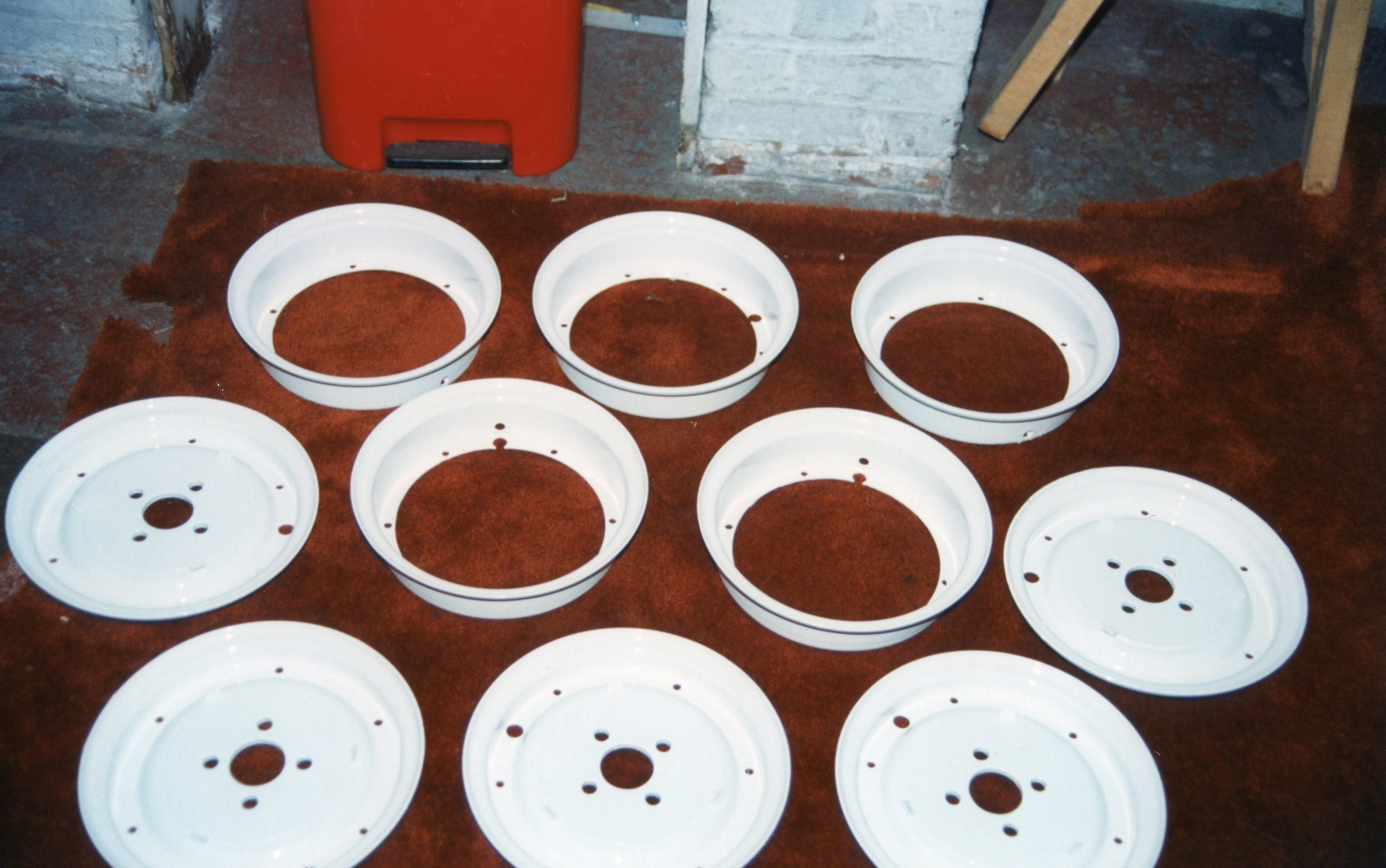
Freshly painted wheels are bright white

Next came a very controversial decision among my friends: were the wheel bolts supposed to show the BOLT HEAD or the NUT to the outside of the wheel? Remember that I had two chassis, and two sets of wheels. As I had received them, ALL the wheel hardware showed the NUT on the outside. There was no proof that the factory assembled them that way; but I had a hard time believing that all these wheels had had the hardware reversed. That’s how I reassembled the wheels, in spite of the razzing I got from more than one friendly “expert”.


  • TIRES

When BMW sold new Isettas in the mid-to-late ‘50s, they left the factory with 4.80 x 10 bias-ply tires. Radial tires were around in the 1950s, but very few cars were so equipped. While I certainly had taken a strong turn toward originality for my restoration, I also intended to drive this car, and based on that, I was wanted to install radial tires, for safety, handling, and comfort, judges be damned. The equivalent size was a 145SR-10, and Michelin manufactured a ZX tire in that size. A contact inside Volvo was able to get me a set of 5 Michelins at a very favorable price (my handwritten notes say that I paid $26.67 per tire). The split rims meant that I could mount the tires myself.

Brand new Michelin ZX, 145SR10, label still attached

  • IT STARTS TO COME TOGETHER

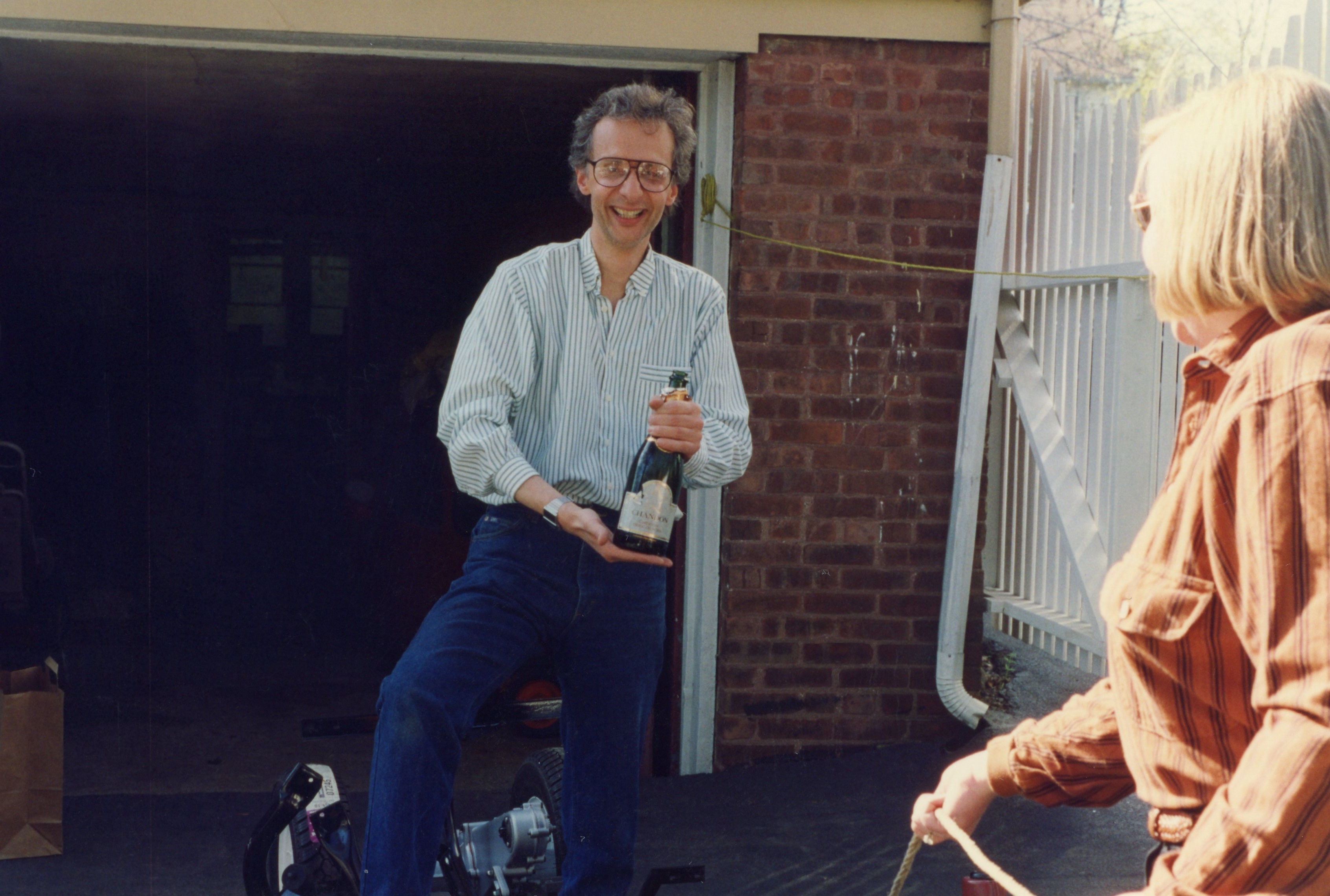
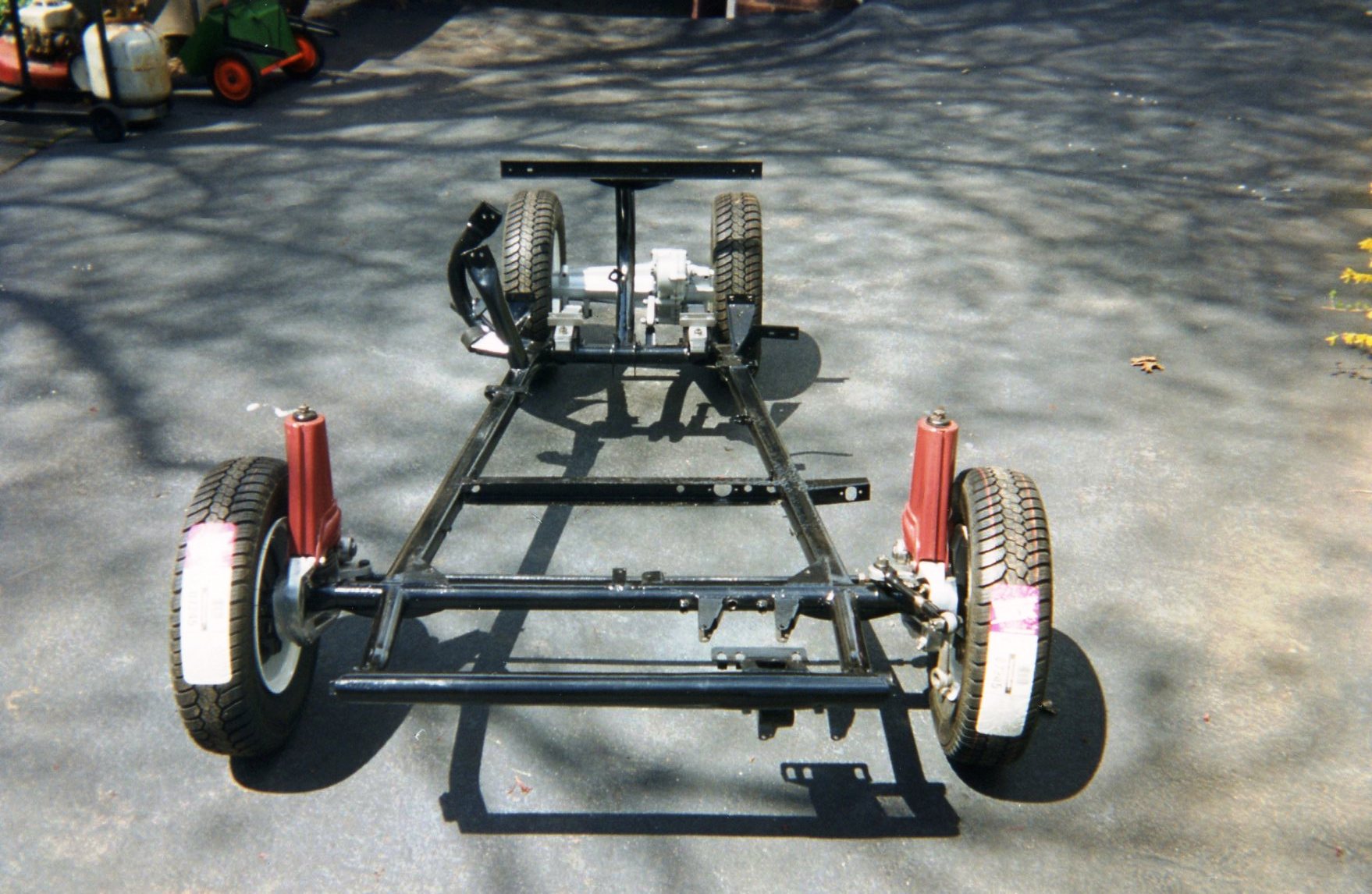
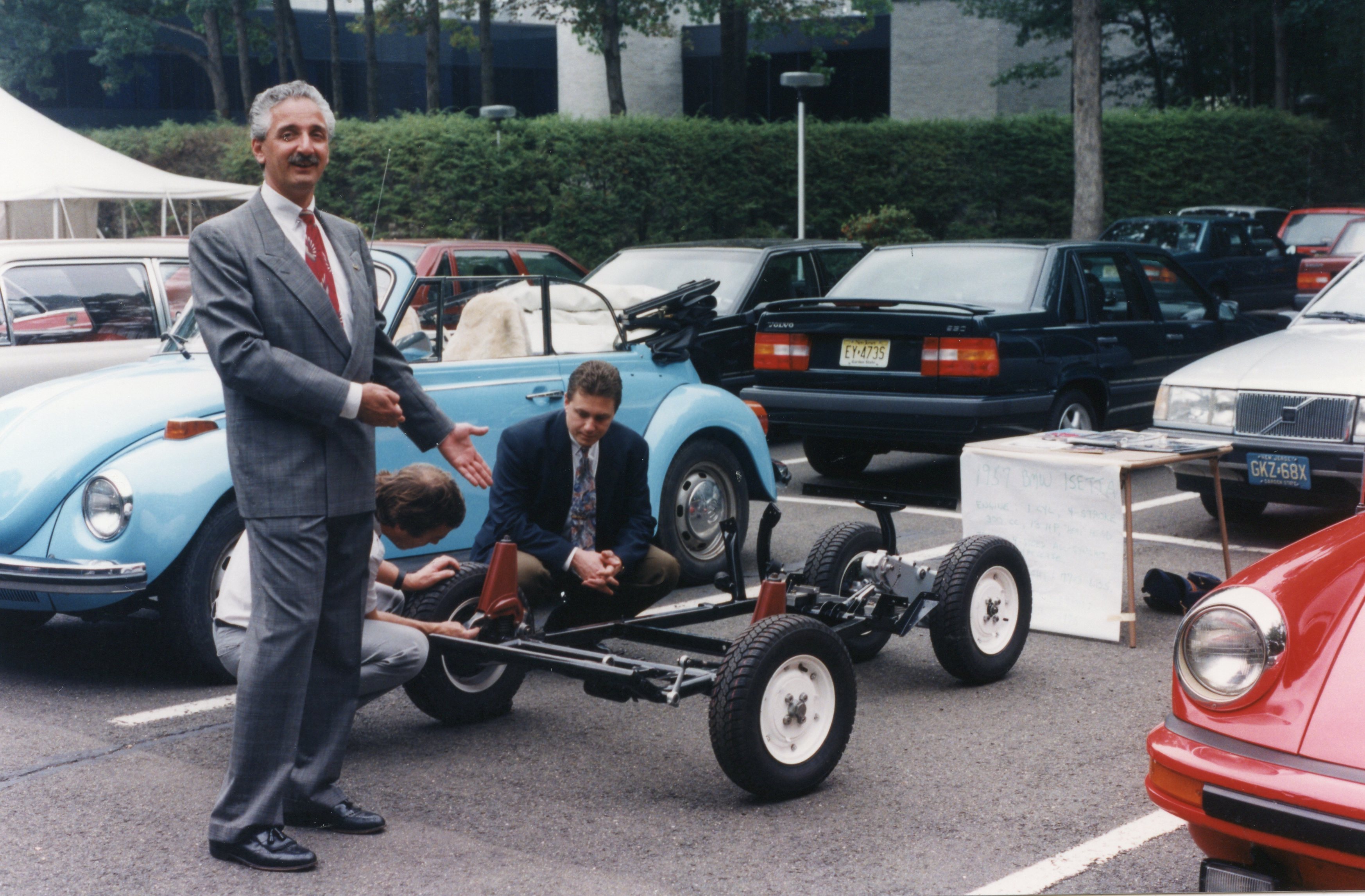
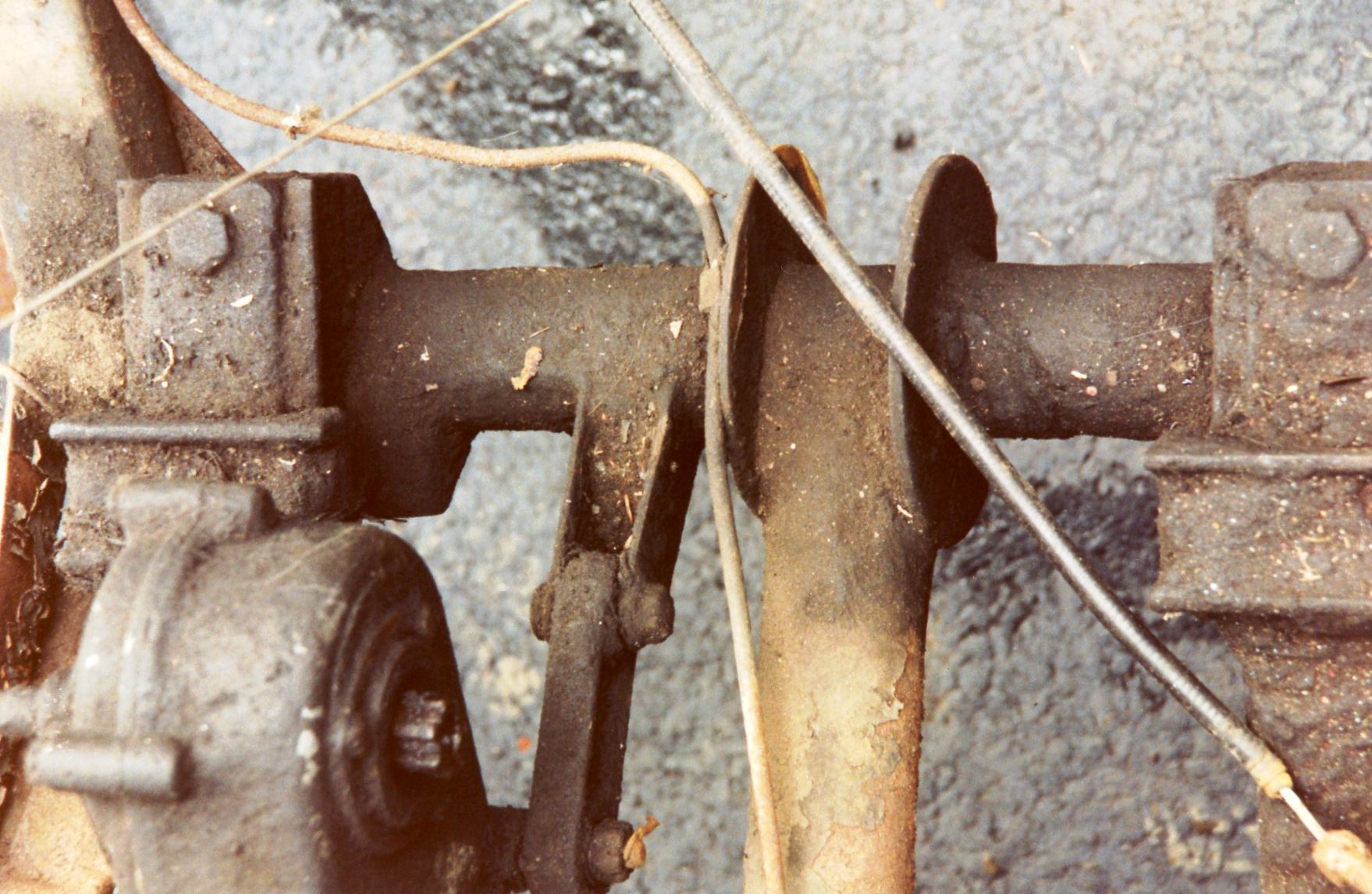
The front suspension was easy to put back together (I made my own coil spring compressor from some threaded rod and steel strapping), and once that was assembled, two of the completed wheel-and-tire assemblies bolted right up to the chassis.

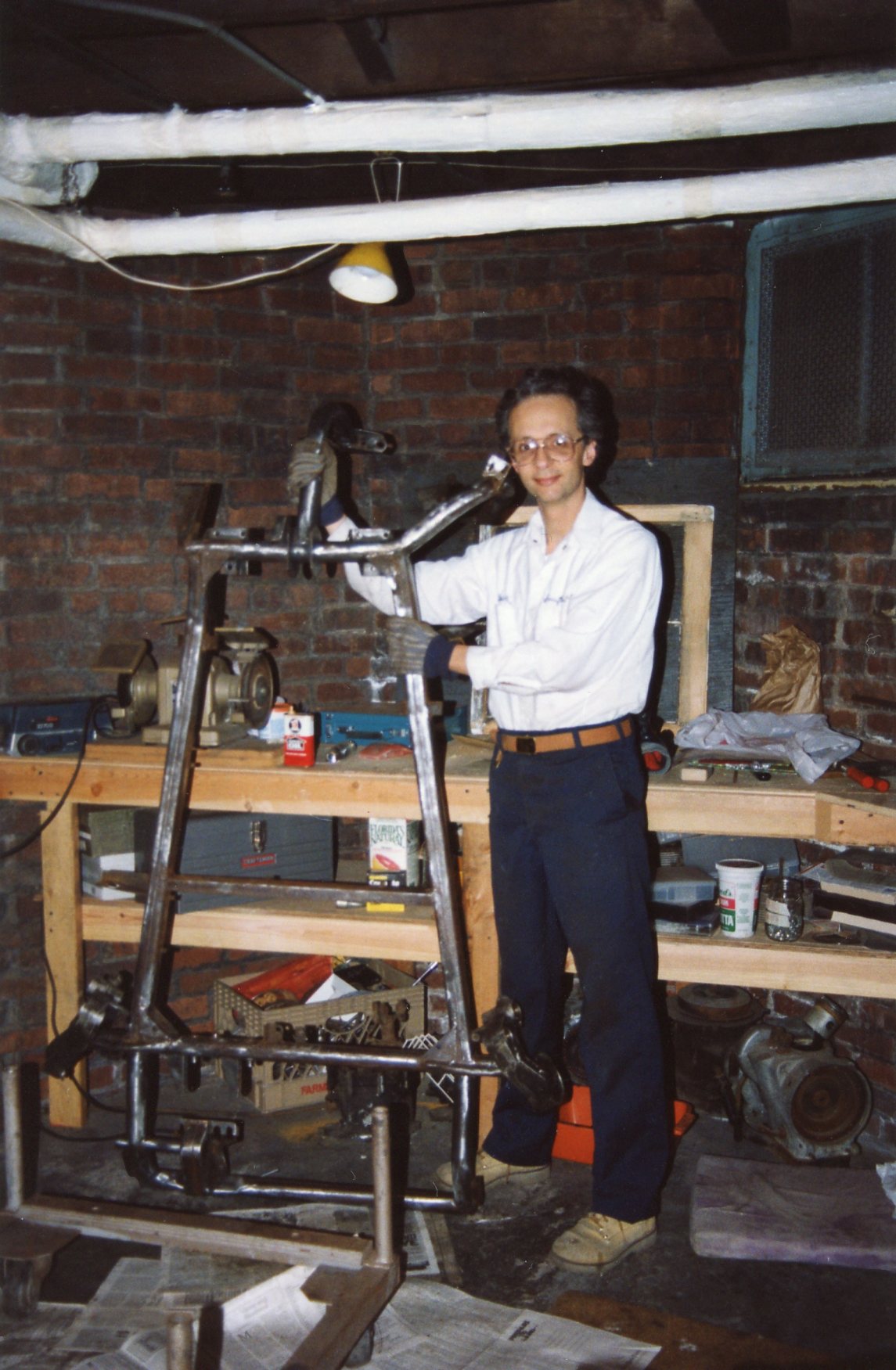
OH YEAH!

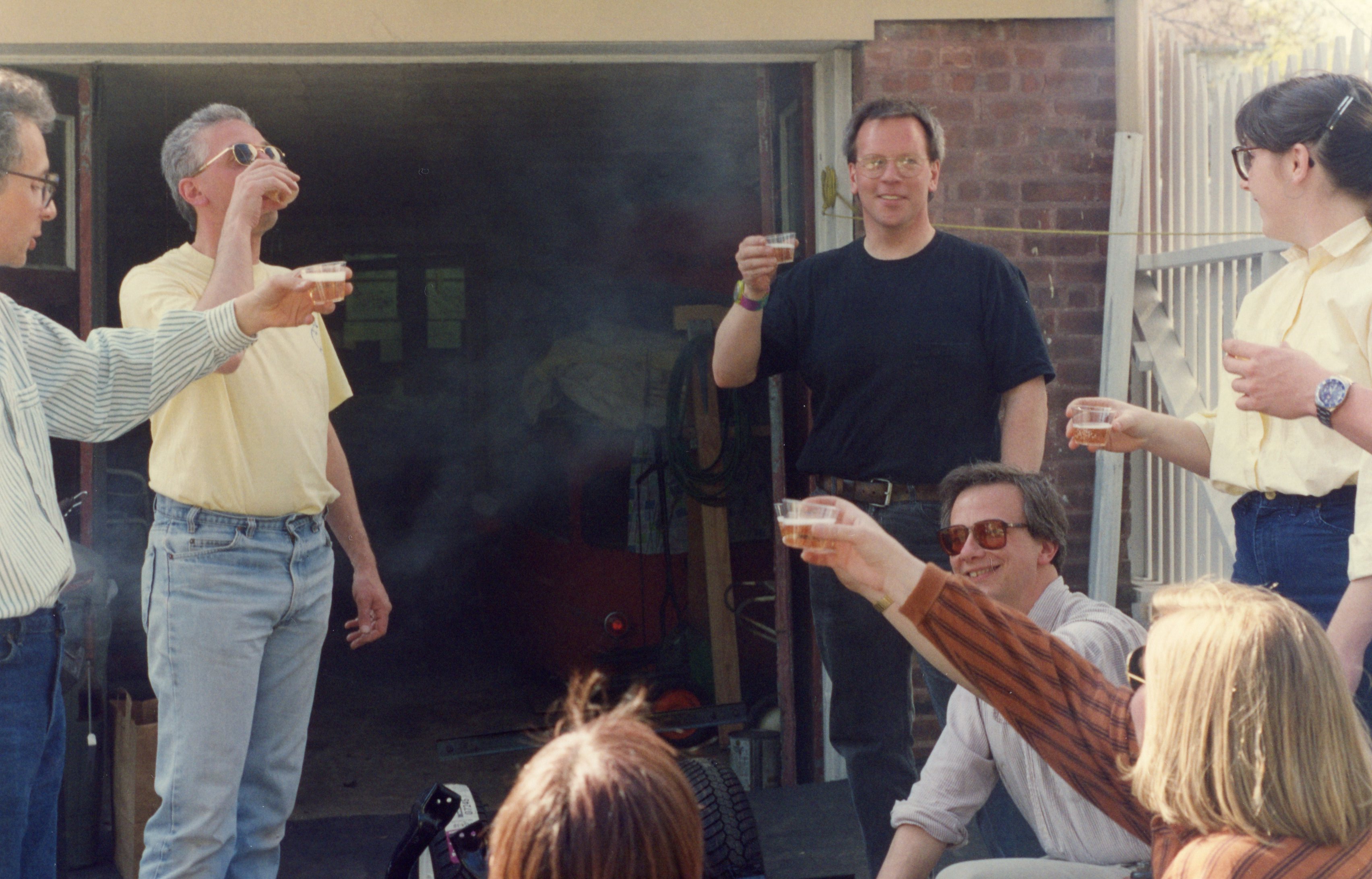
The grin on my face says it all: with about two years of somewhat sporadic work behind me, THIS moment felt like a giant leap: the chassis was again rolling, if only on its front wheels. The back half of the car was still a challenge, as that is where the drivetrain sat: even with the engine work coming along, I still had to get to the gearbox, rear axle, and rear suspension. But progress is progress, and as I gaze at this photo again, I’m reminded how this milestone pushed me to keep at it.

In our next installment (what am I up to, Chapter 54?), two engines get built up courtesy of the rebuilt cranks of Ron Krause; and the rest of the drivetrain is tackled, as the man with the toolbox rebuilds his first-ever manual transmission. Hey, it’s just a box full of gears.

All photographs copyright © 2018 Richard A. Reina. Photos may not be copied or reproduced without express written permission.
 

FUN FACT OF THE WEEK:

The Michelin Tire Company, founded by brothers Edouard and Andre Michelin, is responsible for two major tire innovations: the invention of the removable pneumatic tire in 1891 (prior to this, pneumatic tires were glued to the rims and were difficult or impossible to repair); and the invention of the radial tire in 1946.

The radial tire gained almost immediate widespread adoption in Europe. But the U.S. car makers stubbornly stuck with bias-ply tires (U.S. market share of bias-ply tires in 1967 was 87%). That changed when in 1968, Michelin opened its first U.S. sales office, and Consumer Reports magazine reported on the superiority of the radial tire.

The Isetta Saga, Chapter 7: The Art & Science of Isetta Engine Disassembly

In Chapter 6, we saw in pictures and words how the chassis was the first component to be transformed from rusty hulk to freshly painted beauty (if an Isetta chassis can be beautiful).

In Chapter 7, we discover the secrets to taking apart what is essentially an air-cooled BMW motorcycle engine. Then we do it two more times.


 You cannot embark on a project of this magnitude and expect to do it alone. This is especially true for tasks you’re performing for the first time. At some point, there will be the need to rely on, and to seek expertise from, those who have done these things before you. This is the theme for this Chapter, and this concept will certainly be revisited again.  

 I’ve related in earlier Chapters how glad I was to discover other hobbyists who were Isetta restorers and collectors. There was some knowledge-sharing, and just as important to me, there was satisfaction in knowing that parts availability could be fulfilled through some of my fellow Isetta fanatics. Now, as I was about to start a mechanical teardown and rebuild, I really needed some assistance from others.

 Two gentlemen who were serving the Isetta community, John Jensen and Ron Krause, were both huge factors in the success I had with my engines. Simply put, this restoration would have faced a far rockier road without them.


With the cleaning and painting of the bare chassis done, I had to decide which mechanical sub-system to work on next: engine, gearbox, rear axle, electrical, suspension, or brakes. Bodywork, which I would not be doing myself, would be postponed until most or all of the mechanicals were completed.

The decision was made to begin with the engine, as that would potentially take the most time. Also, from staring at these engines over the last few years, I still did not know how to take the one-cylinder Isetta engine apart. To be specific, I saw no way to remove the crankshaft & connecting rod from the crankcase. The case was one piece; it was not “split” the way an air-cooled VW or Porsche crankcase is. And as near as I could tell, the bottom of the connecting rod was not split either. At least I couldn’t see or feel any bolts which would hold an end cap in place. Whatever the trick, this was nothing like any other automotive engine I had worked on.

I was now subscribing to Minutia, the quarterly publication of the Microcar & Minicar Club. In a recent issue was an ad from a fellow named John Jensen (I recognized his name from the old HMI Club). He was advertising a book he had authored and self-published (come on, you think Random House was interested?) entitled “Isetta Restoration”. He claimed that the book was a detailed account of the restoration of his own Isetta. It seemed expensive at $42 in 1992 dollars, but I purchased it.

A postcard advertising John Jensen’s “Isetta Restoration” book

The memory of getting the book in the mail and opening it is vivid. The first thing I looked up was “engine disassembly”. I’ll paraphrase what was in the book:

            “The Isetta crankshaft is a two-piece affair, with the two halves pressed together through the bottom of the one-piece connecting rod, which rides on a roller bearing. To remove the crankshaft/con rod assembly from the case, you must heat up the case to a temperature of around 400 degrees F. Doing so expands the aluminum just enough so that you can wiggle the crank/conrod out of the front opening. Be sure to use oven mitts!”

For me, this was as good as “X” marks the spot on a treasure map. I couldn’t wait to try this. But first I needed to make a decision: WHICH of the three engines would I rebuild?

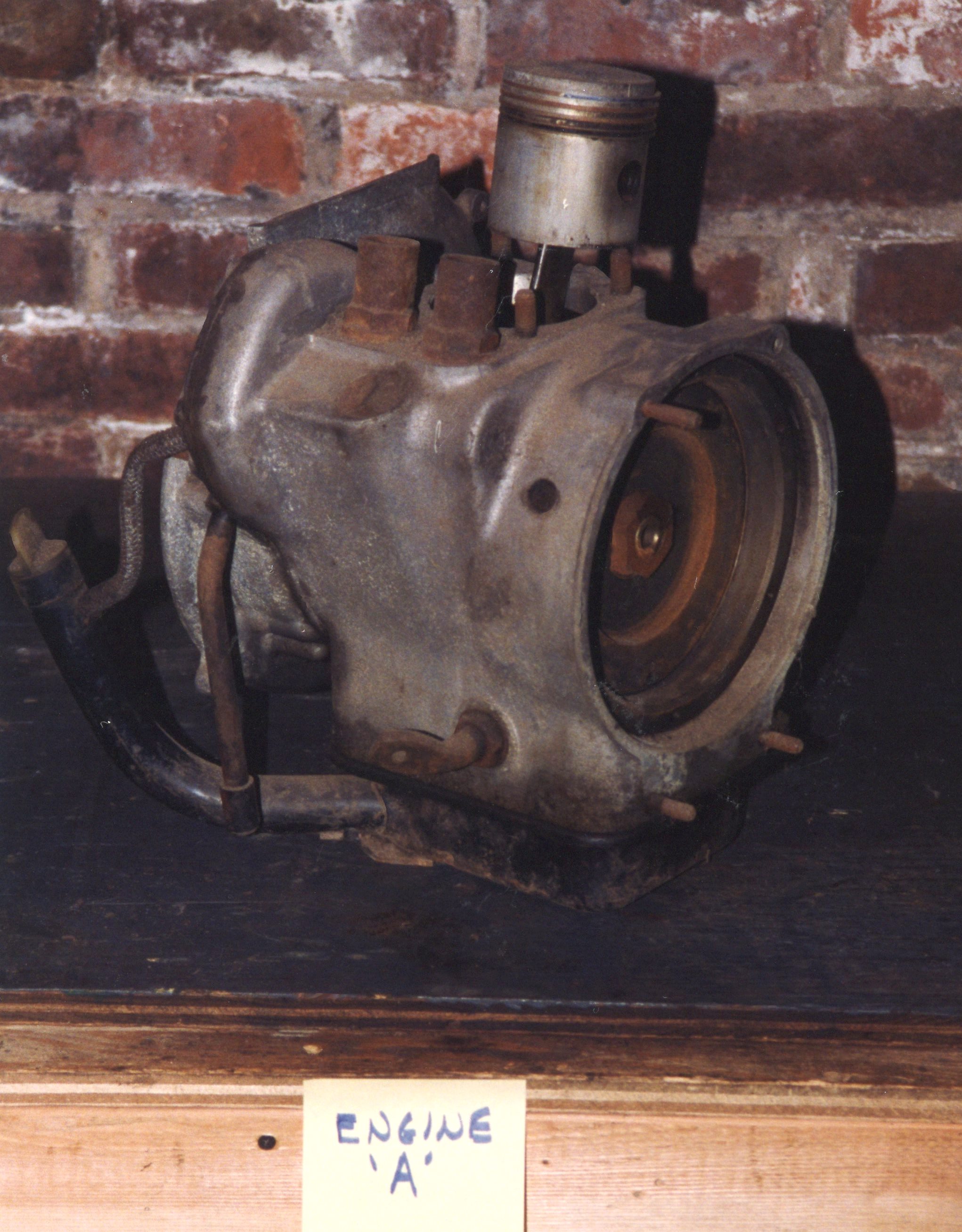
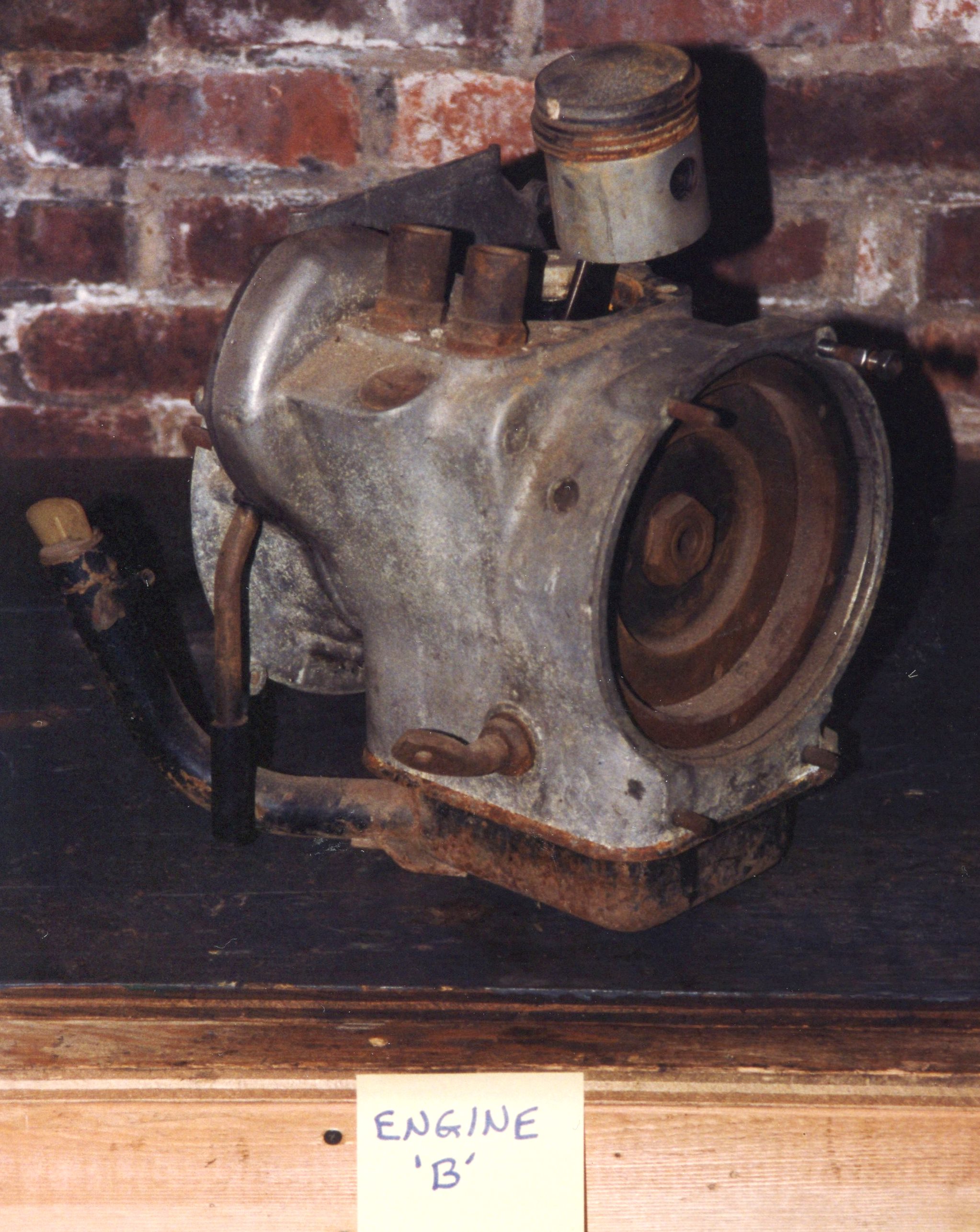
Yes, I was in possession of three engines, all in various states of disassembly. Taking an approach I had already used with the bodies, carburetors, and other systems, I decided to disassemble all three engines, and take stock of what I had. I cleverly labeled the engines A, B, and C. Three cardboard boxes were also labeled A, B, and C, and were positioned under my workbench. As parts came off, they went into their respective box.

Engine B’s oil pickup had been in more water than oil

At first glance, all the engines looked questionable, as they had been open to the elements for many years. With front covers and oil pans removed, the picture became clearer: the ones which kept oil in them looked better, if a bit black. And one looked like it had been lifted from the deck of the Titanic (not really, but it certainly had been in water).

Based on this visual inspection, I decided to rebuild two engines, one for my car, and one for my step-son’s. The third engine would be sold for parts, which would help fund the project.

A colleague at Volvo, Steve Kraitz, was also a part-time carpenter, I showed him a page from Jensen’s book which detailed the construction of a wooden engine stand that could be bolted or clamped to a workbench. Steve gladly agreed to build this for me, charging only for the cost of the wood. That stand was a major help with the engine rebuilds. Because the engines are so small, it was a simple matter for one person (me) to bolt the engine to the wooden stand, and then lift and bolt the stand to my workbench.

ENGINE A:

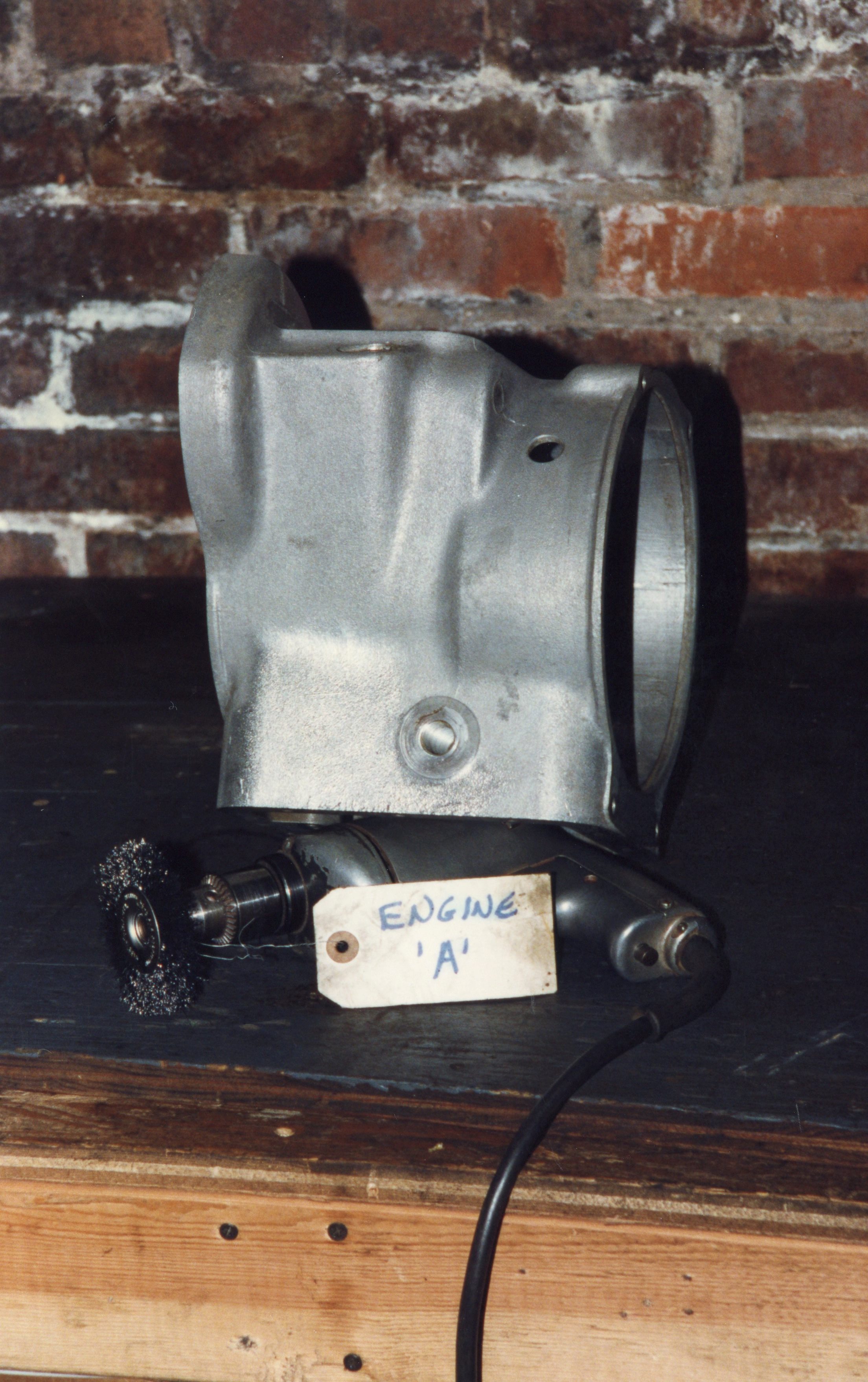
Engine A on plywood stand, about to be disassembled (stand is bolted to workbench)


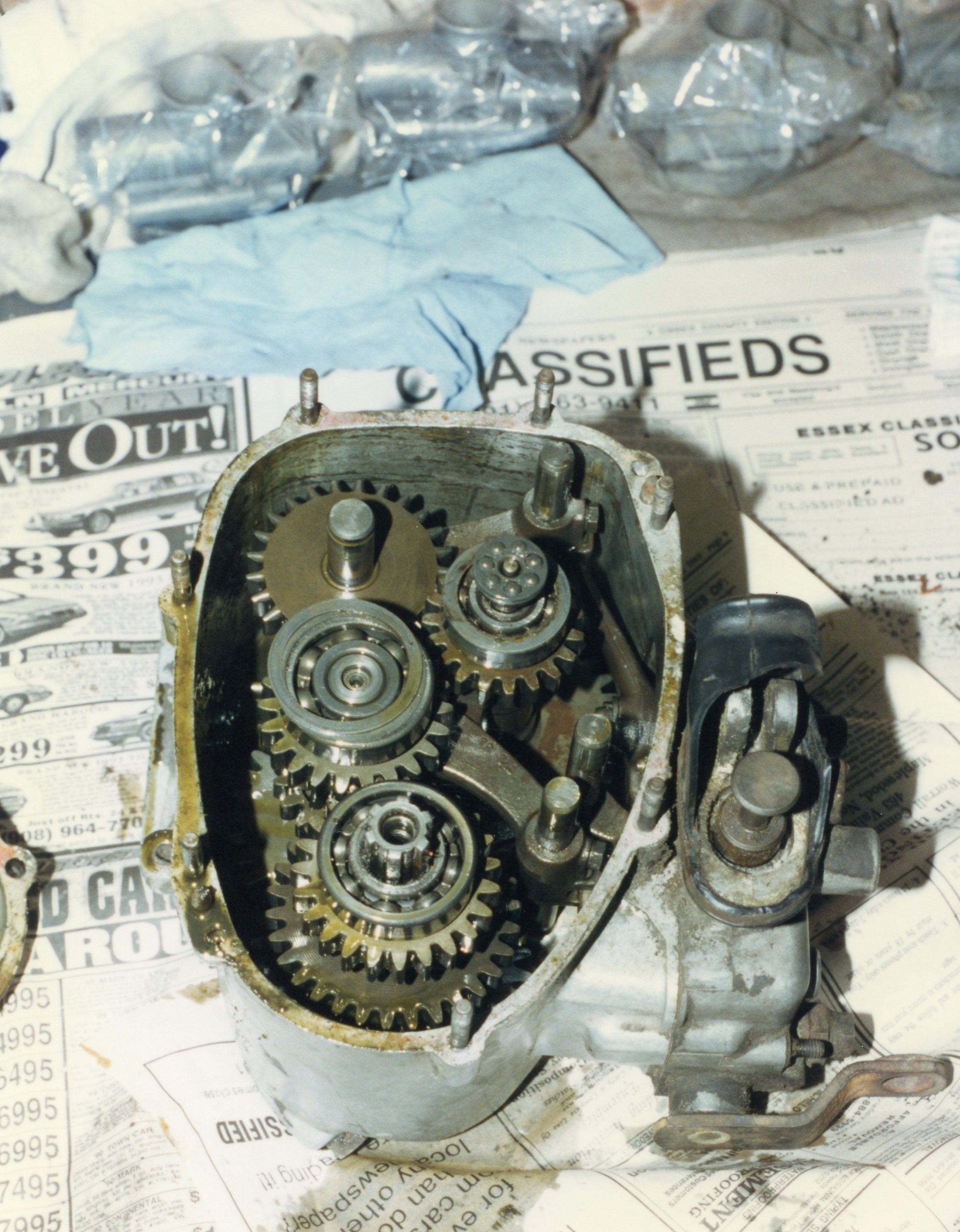
Coked black, here are engine A’s chains and sprockets pre-cleanup


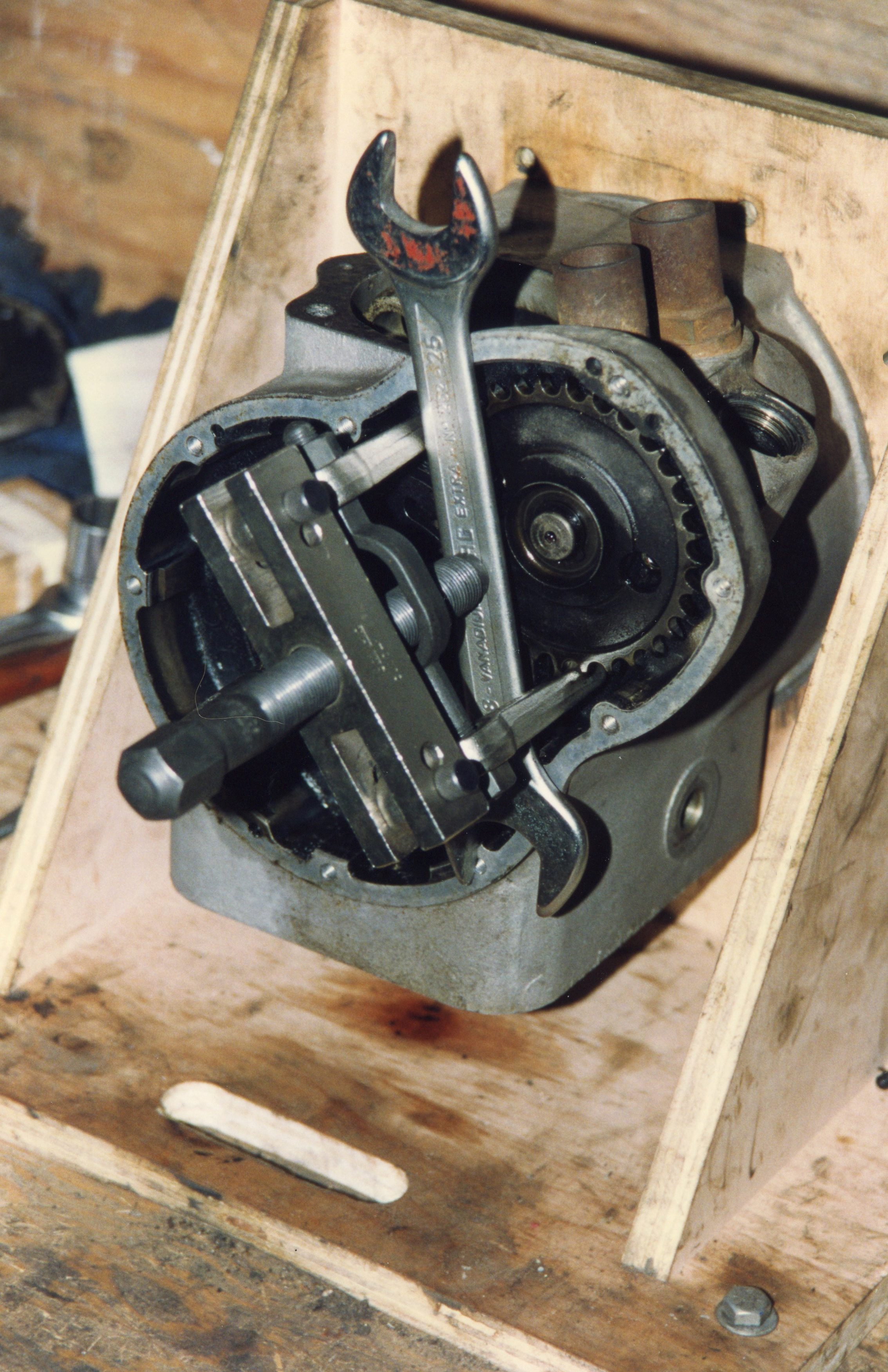
Snap-On puller used to pull cam sprocket; wrench stands in for leverage

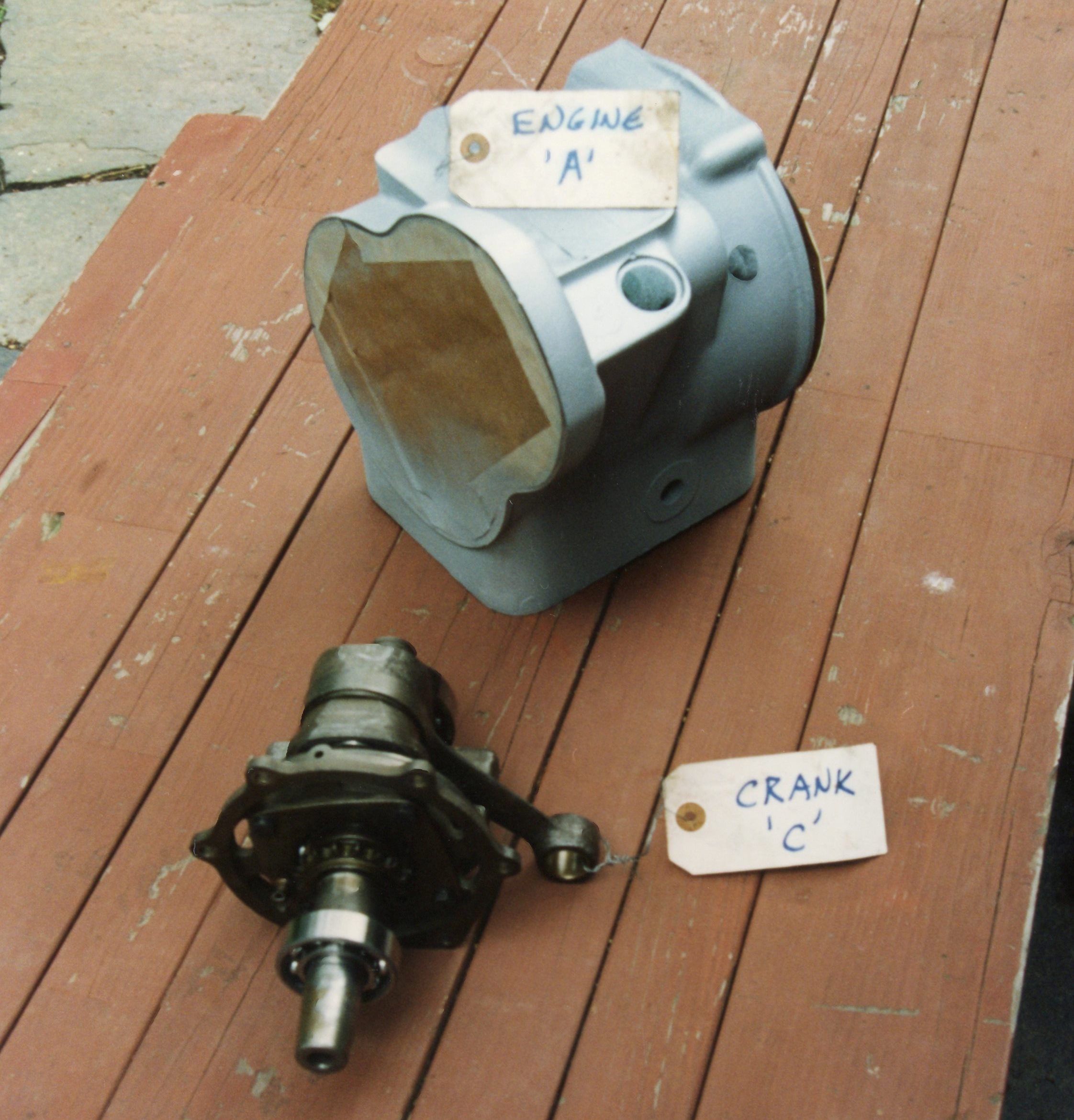
As engine parts were removed, they were cleaned, labeled, and returned to the appropriate box. I now had three engine crankcases, with everything removed except crankshafts and connecting rods.

Time to fire up the blue torch.

My trusty Bernz-o-Matic was pressed into action. I selected Engine A. With the exterior of the crankcase as clean as possible (I didn’t need to add to the drama by igniting any errant sludge), I moved the flame around the front of the case. The crankcase, of course, was bolted to the plywood engine stand, so I couldn’t get too close to that either! It felt like an eternity, but after about 15 minutes or so of heating, I guessed that the aluminum had absorbed as much heat from a propane torch as it was going to.

I grabbed the oven mitt which I had thoughtfully brought down from the kitchen, grabbed the nose of the crankshaft, and worked it forward. I had to experiment with tilting the shaft to get the connecting rod to clear the opening. It looked like it wasn’t going to come out. Moments passed. The crankcase was cooling off.

POP – I must have blinked, because in the next moment, I was holding onto a crankshaft/conrod assembly OUTISDE the crankcase. Yahoo! I exclaimed (before that was a search engine).

ENGINE C:

A very filthy Engine C assumes the position


Armature off, engine C shows a lot of rust behind the front cover


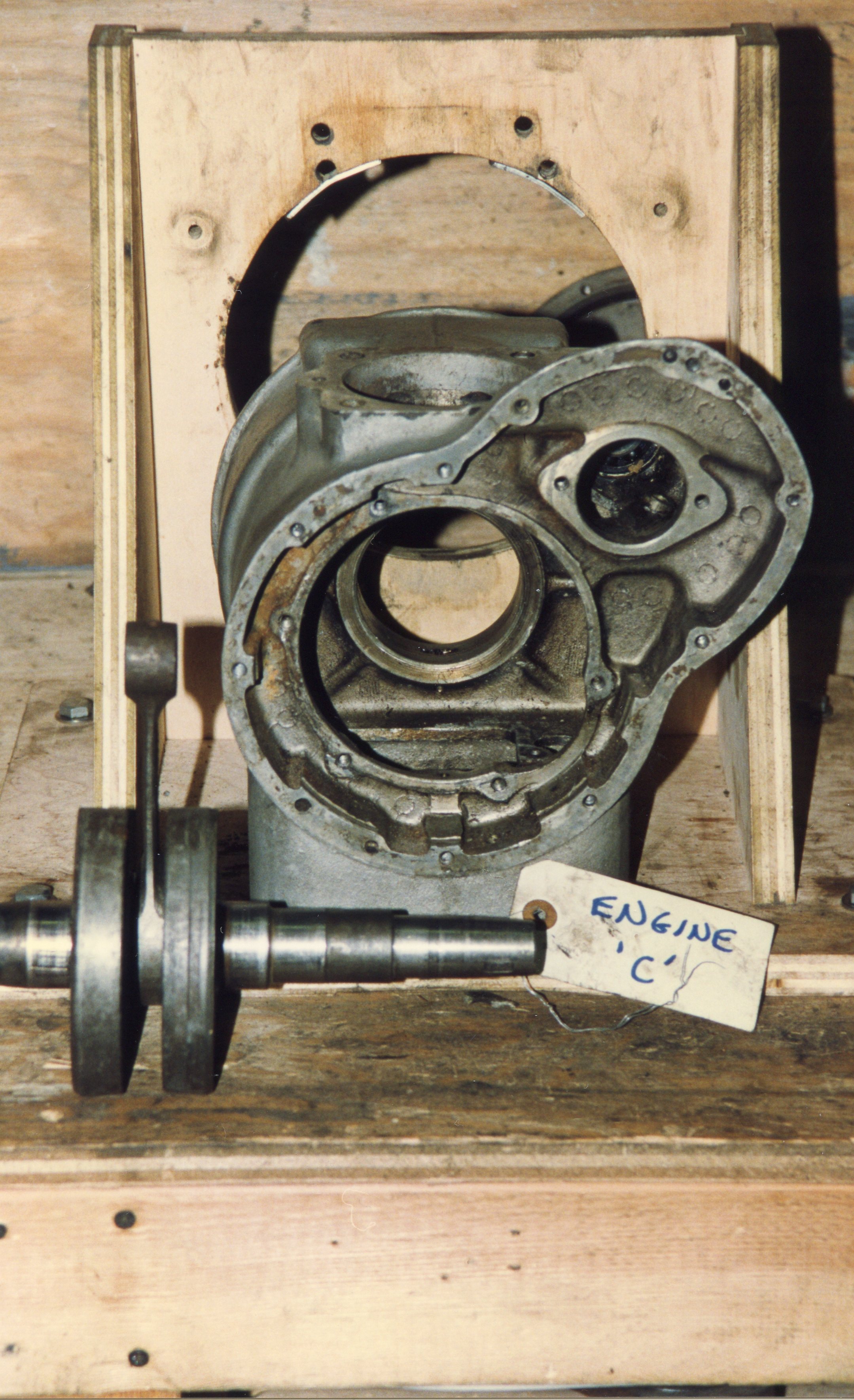
Engine C’s crankshaft and crankcase separated

I stopped for now. This was too much excitement for one night. I worked on the next two engines on subsequent nights, with the same success. But the next step was still a problem in search of a solution: how was I going to separate the crank halves so that a new bearing could be installed?

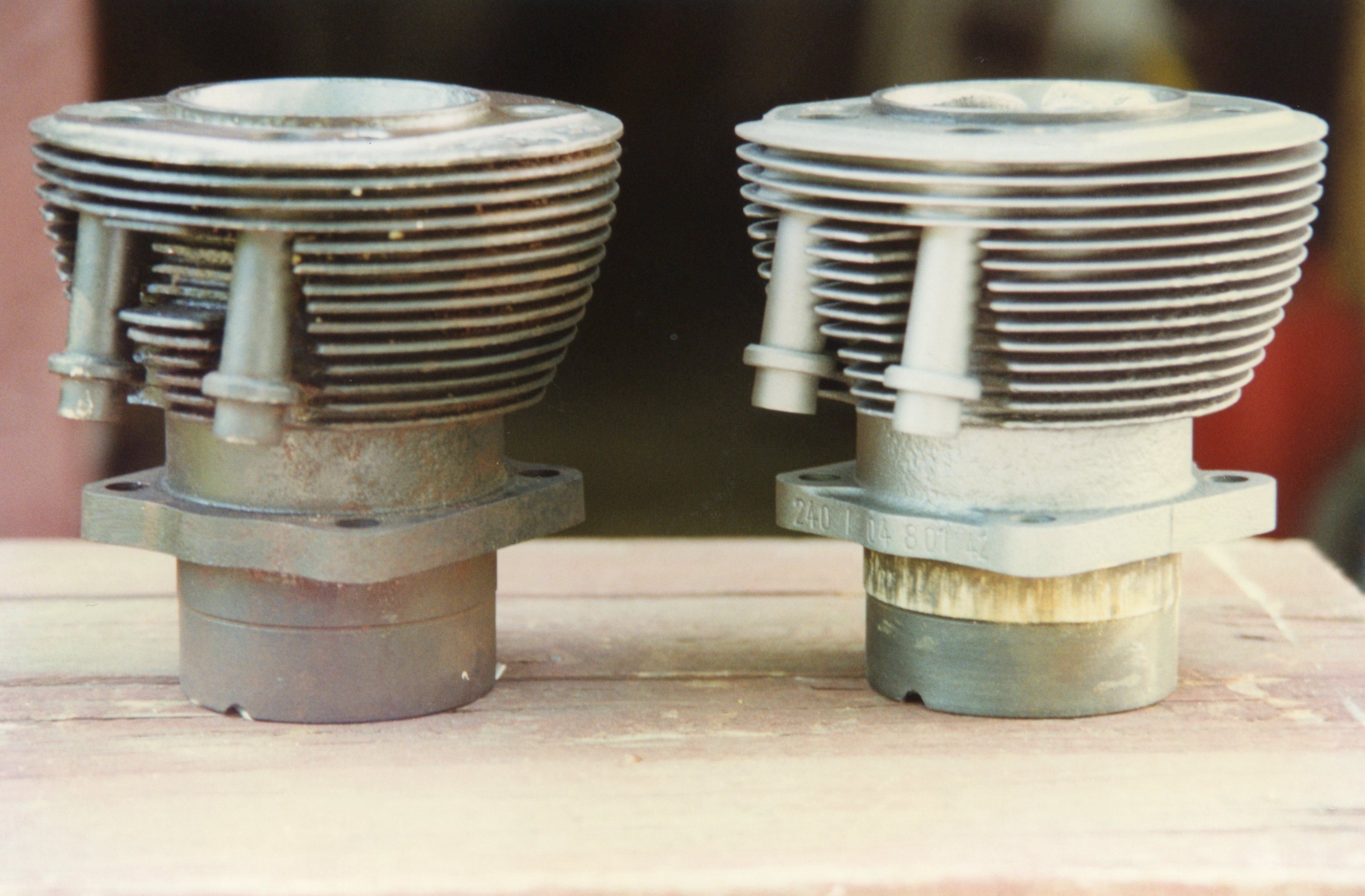
The 3 bare crankcases. None showed any sign of wear or damage.

In the early 1990s, Old Cars Weekly was a viable publication in the hobby, and I subscribed to it. The classifieds in the back could be helpful, and it was here where I noticed a vague ad from someone who offered Isetta restoration services. His name was Ron Krause, and he was in Emmaus, PA, only an hour from my house. But first I decided to give him a ring:

RR: Hi, I’m calling to find out if you can rebuild Isetta engine crankshafts.
RK: Sure, just bring me the engine so I can remove the crankshaft and examine it.
RR: Oh, the crank is already out of the case.
RK: Who did that?
RR: I did.
RK: YOU are a genius.

I tried to remain humble at this inference of my intelligence level (really, I was just a tech with a blowtorch). But Ron was OK with me bringing the crank/conrod assembly to him. We agreed that I could drive out on a Saturday morning to drop it off.

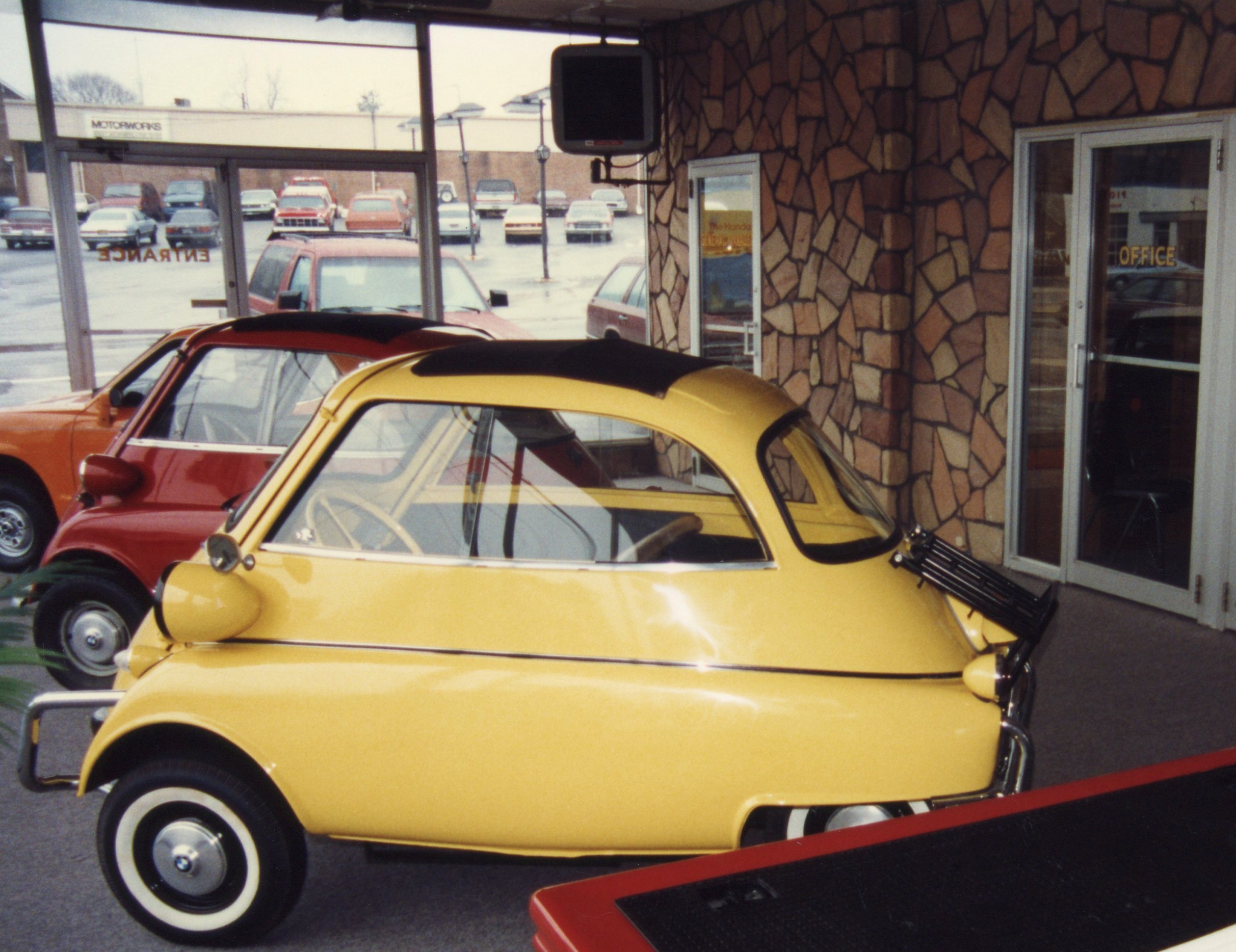
The front of Ron Krause’s Isetta “dealership” (note Honda 600 at end of row)

The following weekend, I arrived in Emmaus in front of what looked like an Isetta new car dealership. Out front, there was a glass-walled showroom with several restored Isettas. Inside was a service area with cars-in-progress, along with several chassis. Ron himself was behind a parts counter, assisting a customer ahead of me. It was 1957 all over again.

Ron Krause had been a successful Honda dealer principal. As I understood it, he got into Hondas very early in the game, sometime in the early ‘70s. He prospered through all the boom years, and then decided to retire. He sold the franchise, and the new owners had to relocate when he retained ownership of the property. He kept the building where his Honda dealer was, and turned his hobby into an Isetta business. Here was yet another “character”, as seemed to be the trend among people who liked Isettas (not sure what that said about me).

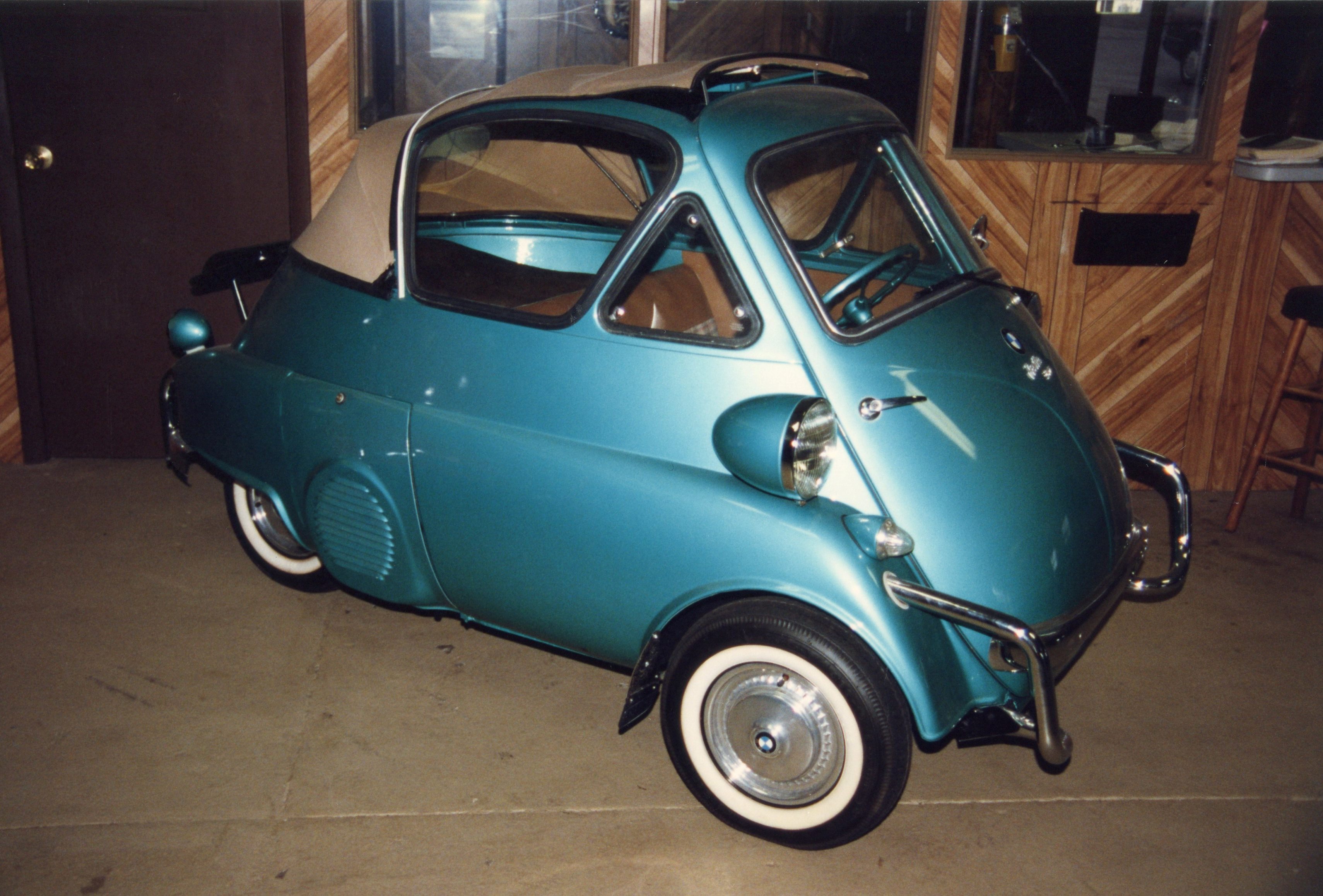
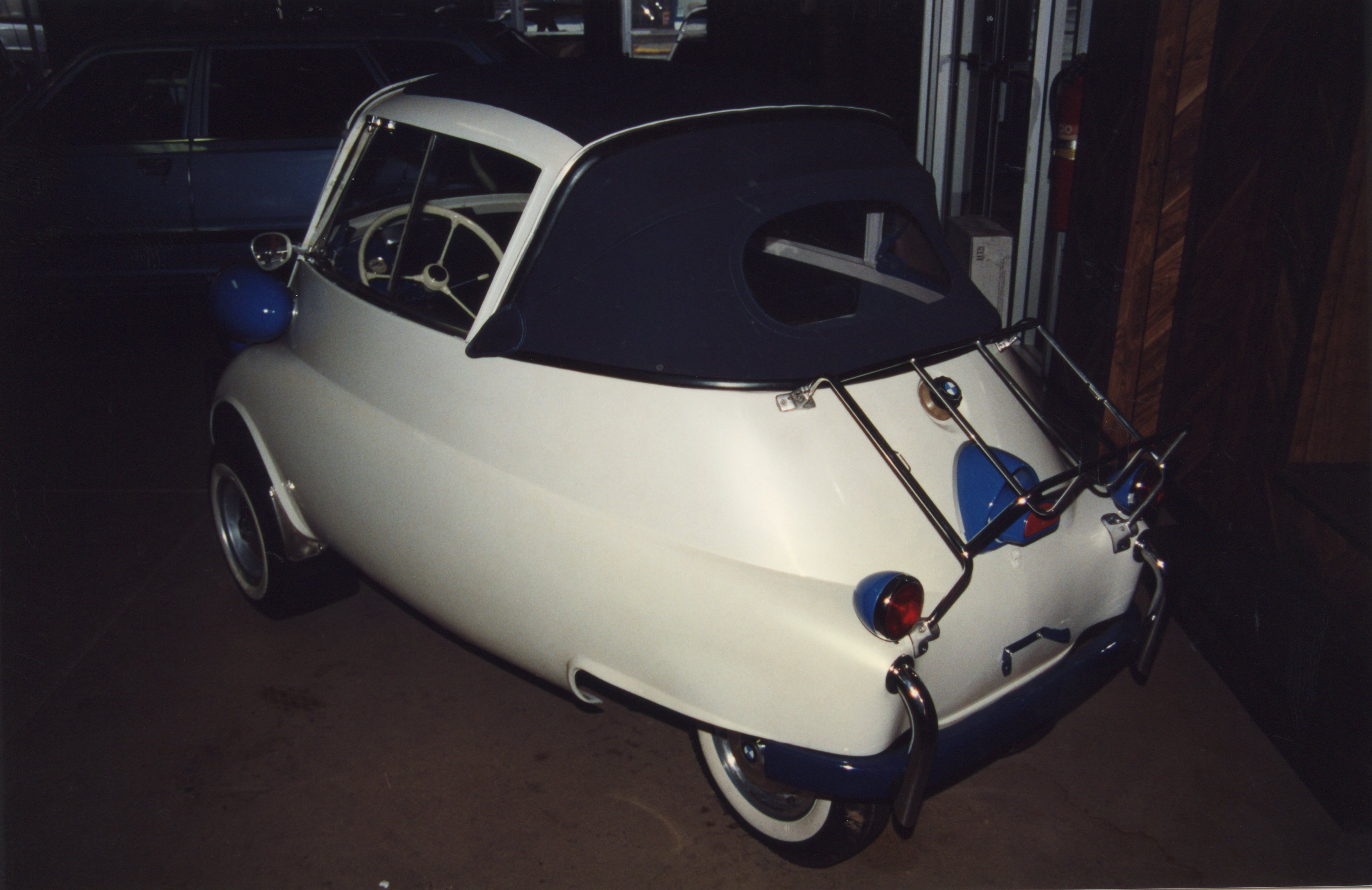
I had time to wander around while waiting for him to finish with his customer, and I couldn’t help but observe that as nice as his restorations were, they were not done to 100% original standards. There’s nothing wrong with that if that’s what you want, but many of these restorations were not my preference. He especially favored inauthentic colors. A rare bubble-window convertible was a quality job except for its metallic turquoise paint. Not quite as bad was the white sliding-window convertible with blue body accents.

When Ron finally came out from behind the counter to greet me, he also went back to work on one of the chassis. While we talked, he cut an intake manifold in half so that the two halves could be re-welded with one end rotated 90 degrees. Ron made no secret of the fact that he “hated” the factory Bing carburetors. No doubt driven by his long-term Japanese car experience, he said he converted ALL his Isettas to run on Hitachi carbs. The reconfiguring of the intake manifolds was all it took for the Hitachis to bolt right up, at least according to Ron.

Restored chassis in front, Ron Krause in rear (wearing Honda smock)

He agreed to rebuild the crankshaft and con rod assembly for me, so I left it with him, but not before inquiring about other parts he might have. It felt like quite the stroke of good luck to have several sources of Isetta parts (first Isetta Johns in Rutherford NJ, and now Ron Krause) within an hour’s drive of me. Things were looking up in my quest to get this project on the road by 1995.

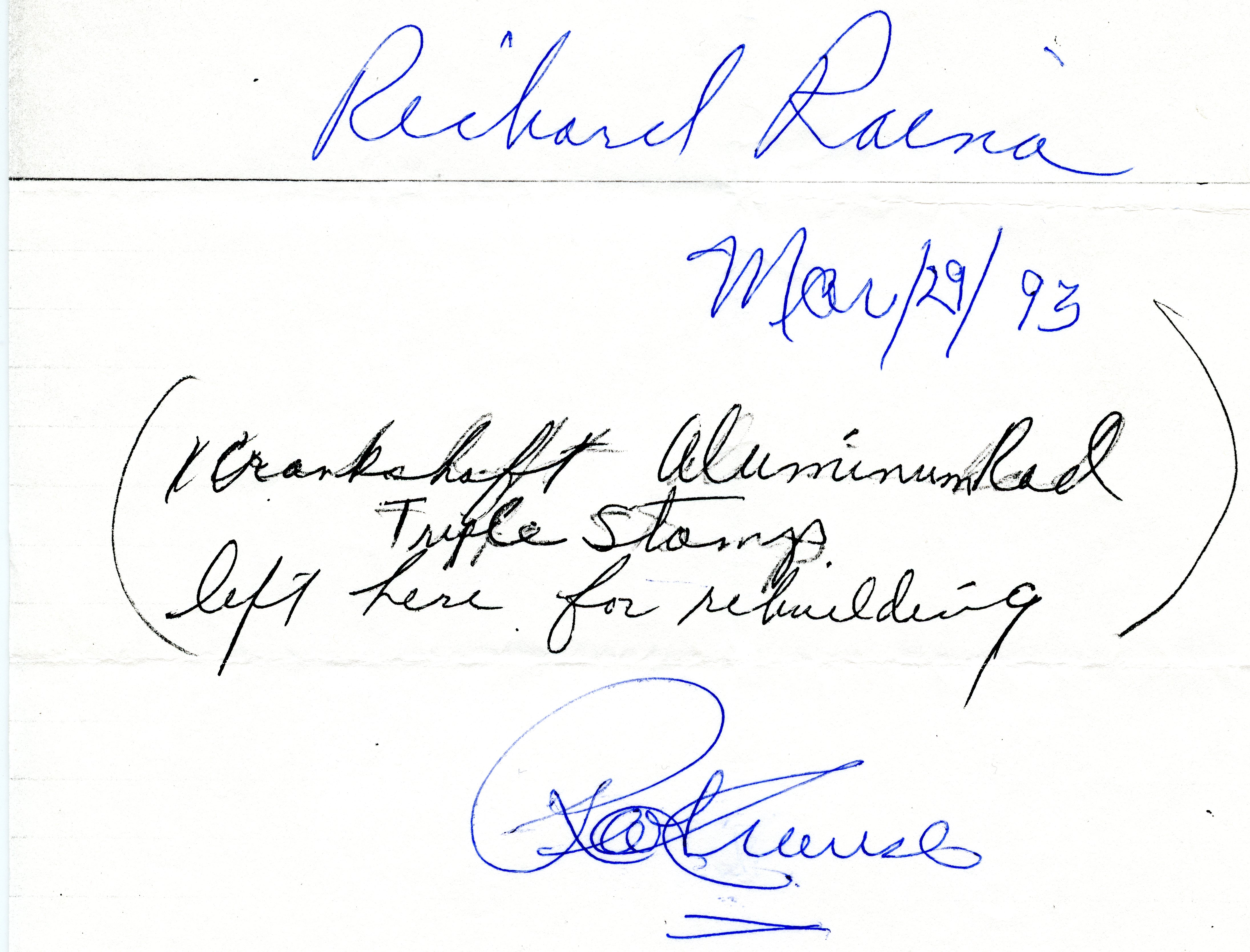
My signed receipt from Ron Krause, proof that he had my crank


Chapter 8 of the Isetta Saga will detail progress on suspension, wheels, and tires happening while we patiently wait for the Krause crank creations (moan).

All photographs copyright © 2018 Richard A. Reina. Photos may not be copied or reproduced without express written permission.
 

FUN FACT OF THE WEEK:

Today we take for granted that the Japanese “Big 3” in the automotive world are Toyota, Nissan, and Honda. Toyota built its first passenger vehicle in 1935; Nissan was building cars under the Datsun name around the same time. But Honda started much later: its first vehicles went on sale in 1963.

While it entered the U.S. market in the late ‘60s with some quirky small cars, its first mainstream success was the introduction of the Civic in 1973, which stood out as one of the few front wheel drive vehicles available in any segment. The Accord was introduced in 1976. Both the Civic and Accord have been in continuous production since their introductions in the ‘70s.


The Isetta Saga, Chapter 6: Strip That Chassis!

In Chapter 5, we counted down as the number of Isettas to be restored dwindled from three, to two, to one. Whew! That looks more manageable now.

In Chapter 6 below, we finally get our hands dirty, and perform the first work of any substance on what will some day be a driving automobile.

The Restoration Plan for what would eventually be ONE running and driving Isetta was coming more into focus. Some extraneous parts had been sold off, and remaining parts had been picked through and sorted, a more time-consuming process than first imagined. My gaze now turned to a rusty, crusty, but complete chassis, and the next course of action would be to remove everything from it, including its factory paint. But first, let’s shoot a roll of film!

A rolling chassis, about to have all its parts removed


The reasoning (which turned out to be quite correct) was that it could be a few years before I would be reassembling many of these components onto a restored frame.  Previous automotive repair work had taught me that you can’t trust your memory, even if you think it’s sharp. (I had experienced instances when, after removing 4 bolts of different lengths from an assembly, I had forgotten the precise locations of those bolts by the next day!)

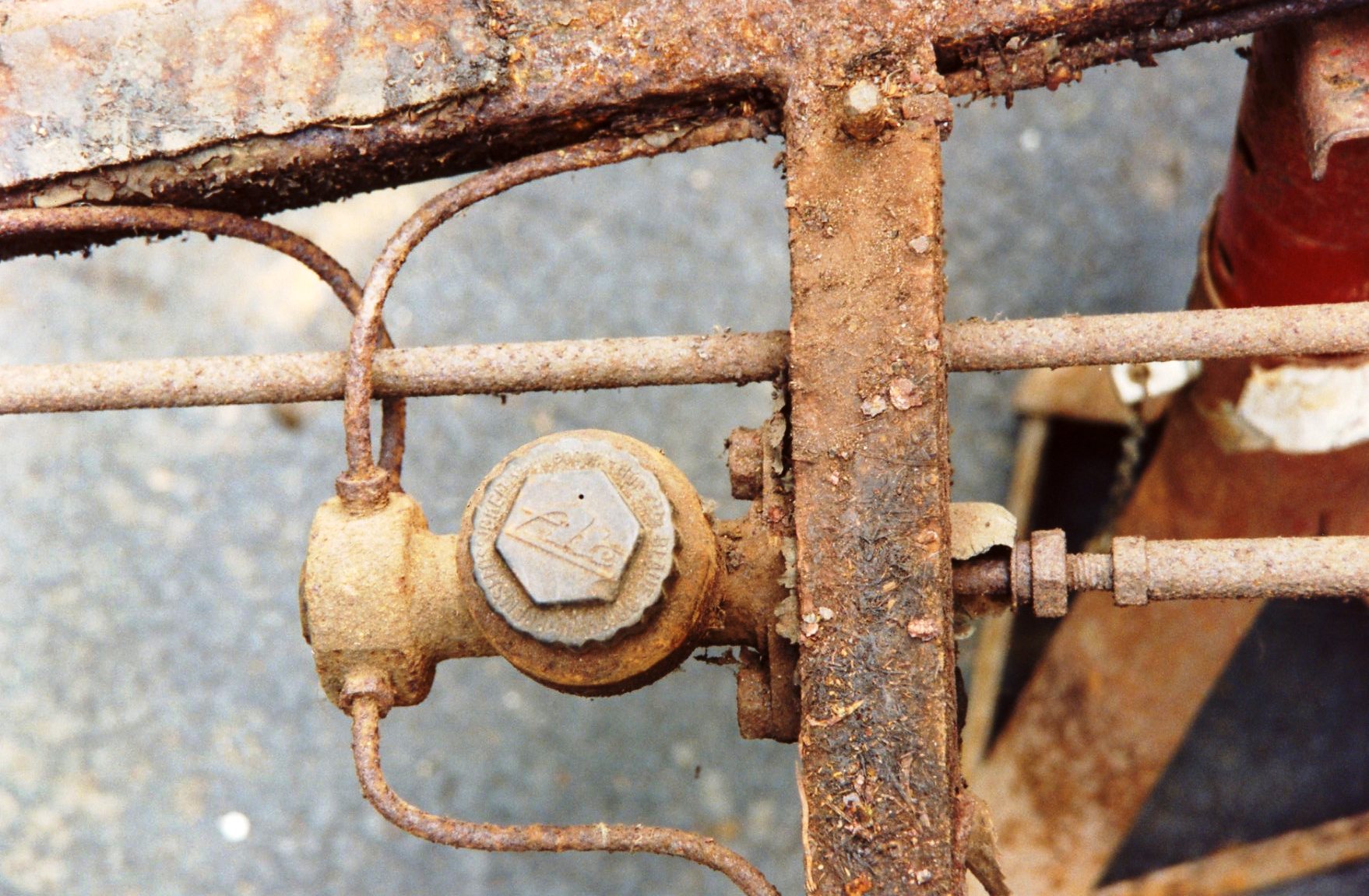
There was nothing to indicate that any major mechanical work had preceded my ownership of this fine German automobile, so the photographic evidence would provide documentation as to how the brake lines, suspension, foot controls, cables, etc. were installed by the factory. Once the photos were in hand, the chassis was stripped of all mechanical components, and all removed parts were labeled, bagged or boxed, and stored.

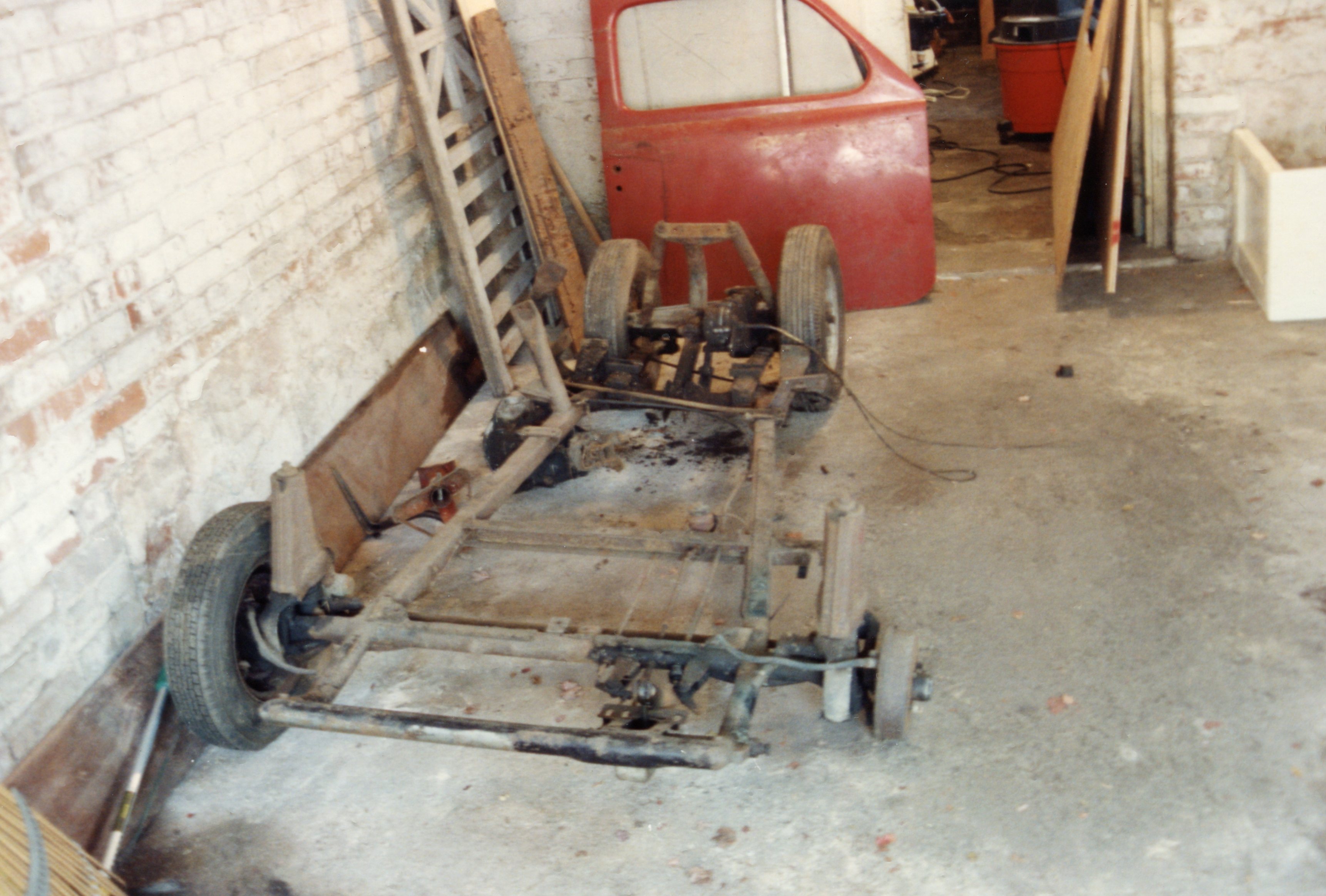
Removed of its parts, but still covered in rust and grime; note as-found dolly

The only untouched parts were the front spindles. They were attached to the chassis via king pins. None of my Isetta parts catalogs showed replacement parts for them, and since I detected no freeplay, I let them be. They were a beautiful cast aluminum, and would not require painting. They would be masked for protection when the chassis was painted.

Cast aluminum spindle in the process of getting spiffed up

When stood on its end, the bare chassis was about as tall as I was, and weighed perhaps 40-50 pounds. It was a simple affair to lift and carry it into my basement shop, a more comfortable place to work compared to the garage. I set the chassis down onto an all-metal dolly that I found in a trash heap on a Brooklyn street corner while on a music gig. The dolly came home with me, jammed into the back of my wagon along with my drums.

I tackled the old paint and rust with a 3M abrasive wheel, chucked into my handy Black & Decker all-metal drill. A short time later, the chassis was devoid of paint. One could see welding splatter from the factory welds. There were no signs of collision damage, nor had rust permeated the structure in any way.

For paint, I settled on Bill Hirsch’s Miracle Paint, a product that was heavily advertised in collector car publications of the day. Compared to POR-15, Miracle Paint was promoted as not requiring a top coat (although one could paint on top of it if desired). Available in black, silver, and clear, I selected black, and when I saw how glossy it was, I decided that no top coat was needed.

Stripped to bare metal

I learned the hard way that if you removed the lid on a can of Miracle Paint, got some paint in the can’s lip, and reinstalled the lid, that lid was not coming off again. The “trick” was this: keep the lid on the can. Shake it well. Using an awl, punch two holes in the top (one slightly larger than the other). Pour out just enough paint as needed into a disposable cup (the 2nd hole allowed the paint to pour out more freely), and close both holes with duct tape. If the duct tape could not be removed, you only had to punch a hole through the tape, and into the existing hole. This worked like a charm.

Although Bill Hirsch sold Miracle Paint solvent, I found it much more efficient to paint with disposable foam brushes. They could be bought at Carlisle for 25 cents each, and the foam left a smooth surface without brush marks. The entire chassis, indeed much of this project, was painted with foam brushes.

Cleaned chassis painted with Miracle Paint

By this time, we were halfway into 1992, and while progress was “steady”, it was also “slow”. In these days, prior to TV shows which glamorized auto restoration, I’d read the occasional article in Old Cars Weekly about someone who restored a ’57 Chevy in six months. Sure! First, you had dozens of parts suppliers who had everything you needed; second, you could attend any car show and find a reference car, should you need to examine one; and third, you were probably retired, and had 40-50 hours a week to devote to the hobby. My path forward offered to none of these advantages.

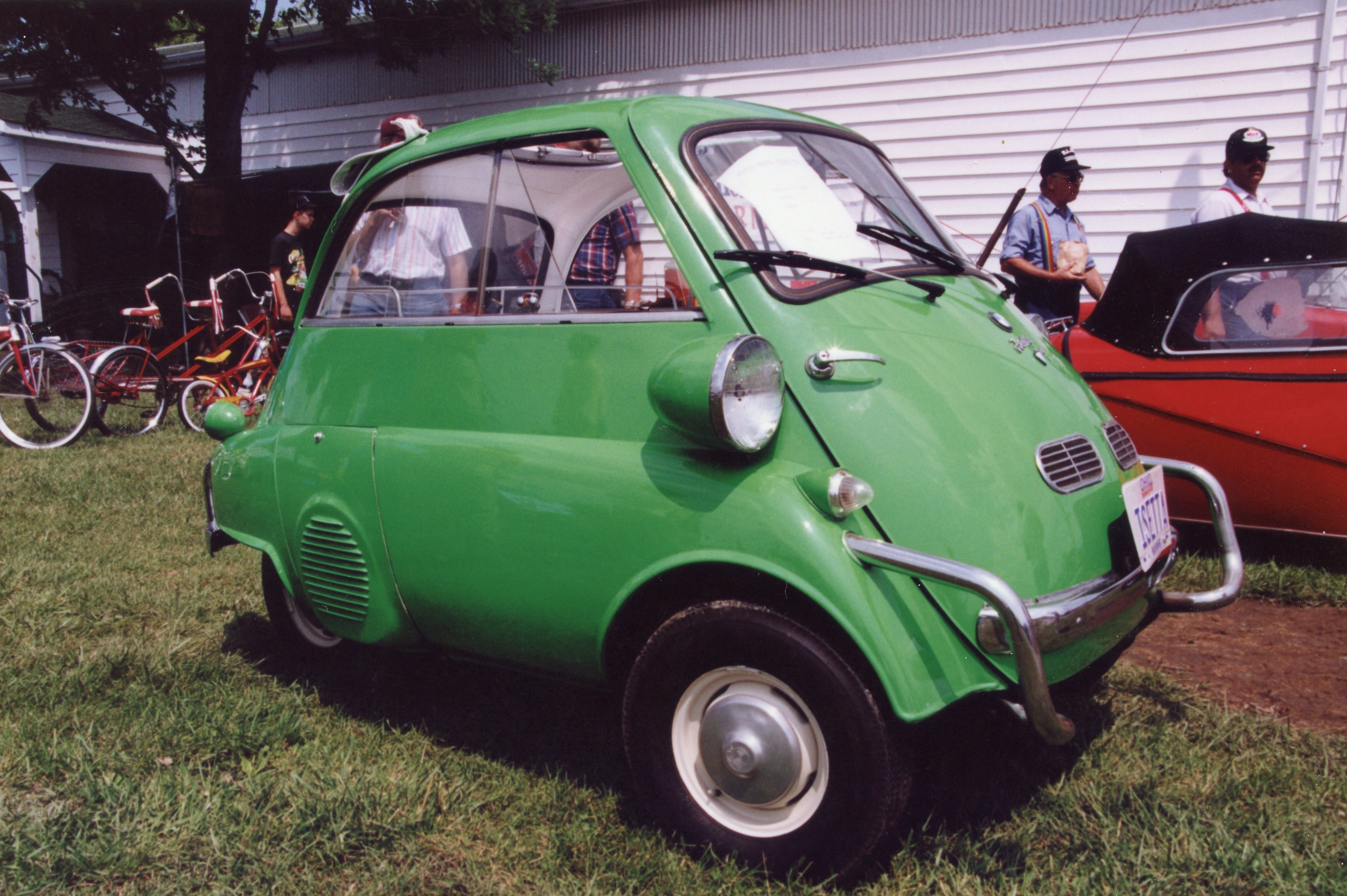
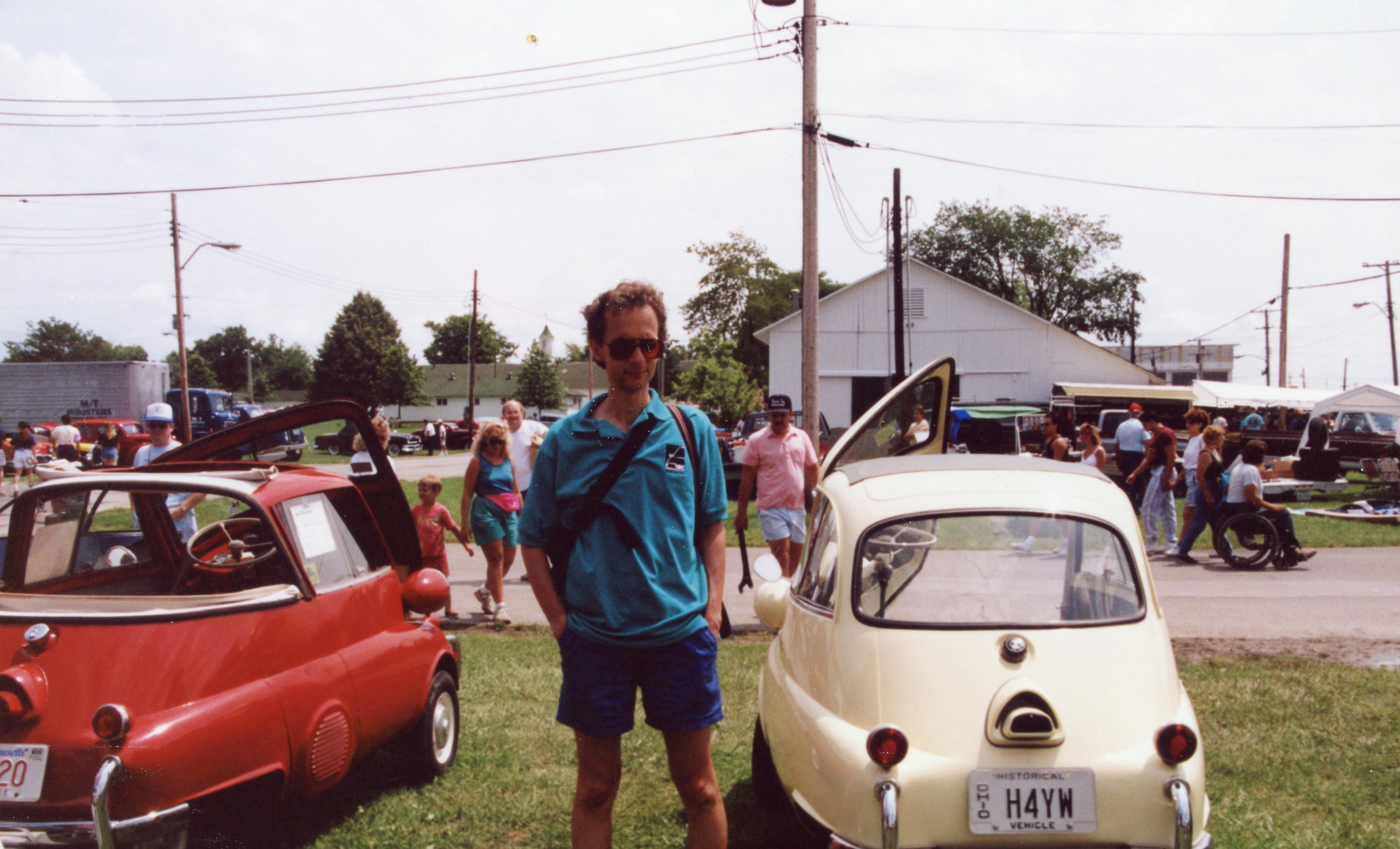
During the summer of 1992, I learned of a car show in eastern Ohio that was planning to feature BMW Isettas in a special class, so we went. Yes, it was a long ride to look at some Isettas, but the last time I had done something like this was ten years prior. My restoration had begun, and I was anxious for the inspiration.

We got to the show, and the turnout was better than expected. Looking much like dyed Easter eggs (and not much larger), the lineup of Isettas made for some striking photos. I chatted with a few owners, one of whom informed me of a new club, called the Microcar and Minicar Club. He provided me with an application, and encouraged me to join.

But the biggest shock of the show was provided by someone who did not have a car on display. I watched as a man set up several display tables, and proceeded to unload crates and boxes of …. new Isetta parts. His name was John Wetzel, and he operated a business that he called Isetta Johns (sic). He lived in Rutherford NJ, most convenient for me, and by all appearances, this was his full-time employment. While I did not purchase from him that day, I obtained his contact information, and assured him that I would be in touch.

My recollection of that show was that it left me feeling overwhelmed, and slightly depressed. I saw that I had a long way to go before my car would be up to the caliber of the cars in Ohio. This, combined with the discovery of someone like Isetta Johns, also altered my thinking about the project. Rather than just get the car to run, only to possibly take it apart again to fully restore it, it seemed the wiser decision to perform a complete restoration while it was all in pieces. I needed to step up my game.

The stern look means “get back to work!”

The business world in the early 1990s was as much about organization and motivation as it was about making profits. This certainly was the case at Volvo, what with newly launched efforts on Vision Statements, Mission Statements, Total Quality Management, and so on. Taking a page from this approach, I decided that a motivating slogan would spur me to keep pushing forward. For the umpteenth time, I asked myself, “this car is so small! How long could it take?” The approximate answer to that was “three more years”, which would land me in 1995.

The slogan was born: “THE ISETTA WILL DRIVE IN ‘95”. I printed out multiple copies, and hung one in my workshop at home, and one in my office at work. Some of my Volvo colleagues took pity on me; others thought I had lost my mind.

In Chapter 7 of the Isetta Saga, you’ll learn how the twin discoveries of an Isetta Restoration Book and an “Isetta Dealership” in Pennsylvania provided the kick start to a rebuild of the 1-cylinder BMW motorcycle engine.

All photographs copyright © 2018 Richard A. Reina. Photos may not be copied or reproduced without express written permission.


FUN FACT OF THE WEEK:

The word “chassis”(pronounced CHA-see) is actually French. Its etymology goes back to Latin, but in 13th century Old French, it was spelled “chassiz”, and defined as a “frame” or “framework”. By the 1660s, the spelling evolved to “chassis”, and more narrowly referred to a “window frame”. In 1869, the word was defined as a “sliding frame or carriage base for a large gun” (I’m picturing something more akin to a cannon, rather than a hand-held gun). In 1903, at the start of the automotive industry, it entered the English language as meaning “the base frame of an automobile”.

Although I could find no further explanation as to how the word switched from guns to cars, it seems logical that given the French dominance in the very early years of the horseless carriage, a French word for a car part would easily be adopted. After all, the word “automobile” also comes to us directly from the French.

Remember this the next time you’re eating French Fries.


THE ISETTA SAGA, CHAPTER 5: Three Little, Two Little, One Little Isetta

Chapter 4 recounted how a stealth mission reunited the 3 MIA Isettas with their owner after a lost decade of neglected storage. The initial cleanup of the pile of parts was barely the beginning of the restoration process to come.  

In Chapter 5, the first Big Restoration Decision is made: shall we restore one, two, or all three cars? After all, they’re so small – how difficult could it be?

My newly-acquired home had the advantage of an attached garage, with a walk-through door leading to a basement room equipped with a workbench and my full tool set. It was also heated, courtesy of the gas burner with which it shared space. A disadvantage was that the garage was single-car sized. Isettas are small, but three of them (plus parts) managed to rather completely fill that space. This also left precious little room for wrenching on them.

The first of what would be many consequential decisions was about to be made. I needed to ask myself “what exactly is my plan? What do I hope to accomplish?” The answer to those questions was this: perform enough mechanical restoration work to ONE Isetta to make it drivable. This was the goal at the start; nothing more, nothing less.

In surveying the cars, bodies, chassis, and crates full of loose items, I realized that that a complete inventory would not only be necessary; it would serve as a road map for a logical progression with the mechanical work. Allow me to remind my readers, most of who were not there, that these cars had been taken apart, and not by me. To put it in a Rumsfeldian way: I didn’t know what I had, and more importantly, I didn’t know what I didn’t have.

Much of the next two years was consumed with A) disassembling everything; B) arranging all parts, including multiples, in marked bags and boxes; and C) keeping the “best one” of each, while selling off the duplicates. This otherwise-boring job was greatly aided by the Isetta parts diagrams that Wes had given us (and which a cleaner copy was later obtained from the HMI Club).


Parts cleaning was done with various solvents for the grease and grime; a 3M plastic “stripping” wheel was chucked into a drill to strip rust, old paint and other hard coatings.

Shoeboxes, milk crates, cookie tins, and plastic produce bags were all pressed into service as parts organizers, at little or no cost. Everything was sealed shut with masking tape, and a big black Sharpie identified the contents.  Once cleaned, parts were placed on a set of shelves I built from scrap wood for the sole purpose of storage and organization.


THE FOUR CARS

Isetta Number One (car on left) was solid red, with twin wipers and door vents, making it a “DeLuxe” model. The body on this car was the most rusty of the four. I never recorded its chassis number.

Isetta Number Two (car in center) was also solid red, without door vents, and with a single wiper. Its chassis number was 509090. This was the car that I restored and kept.

Isetta Number Three (car on right) was just a body, without a chassis. Its chassis number was 509516. While currently red, signs of the original pastel yellow were very obvious on both the outside and inside.

Isetta Number Four was two-tone blue grey (two-tones are very common on Isettas). Its chassis number was 511502. (Note the proximity of the three chassis numbers.) This was the vehicle which Don kept, and it is the one vehicle of which I have no photographs.


While this was going on, I more closely examined the three car bodies. The casual observer would have seen little difference among them, but each was different. All three were red, but only two were born that way.

One had left the factory in a pastel yellow, and had received a rather crude hand-brushed repaint in red (maybe Wes wanted all of them to match). The yellow car was also the one with the missing chassis, not that we couldn’t mount it to another one.

The second car was a “DeLuxe” edition, with fresh air vents in the door, and, luxury of luxuries, TWO wiper blades!  While these were positives, a rather large negative was the body’s condition: of the three, it had the greatest amount of rust and sheet metal damage. The roof was dented, and some hack had cut a rectangular opening in the shelf above the engine.

This view shows the poor shape of the body. Before selling, it would be stripped of all its parts.


Note left-hand shifter, sunroof (standard), door vents, and dealer-installed ashtray

The third car was a “standard” body, as most Isettas were, lacking door vents and a 2nd wiper blade, but aside from a 2-inch rust hole in its battery tray, its body was in the best shape.

I decided to sell the DeLuxe body. From what I had seen among Isetta parts suppliers, the door grilles and internal air vents were not available as spare parts, and I feared that this would prove to be an obstacle down the road. (Only much later did replacement parts become available, and I would later regret selling that door, as “DeLuxe” Isettas were rarer and potentially more valuable.)

The bare body shell as offered for sale

I unbolted the body from the chassis, removed all the glass and trim, and began to advertise it. While attending Imports at Carlisle, I created a wearable sign, hoping to garner some attention and a possible buyer. While I can’t speak to the attention I may have gotten, no one was waving dollar bills in my face (I sadly underestimated the on-site market demand for Isetta bodies).

I walked the field at Carlisle wearing this sign. No one talked to me.

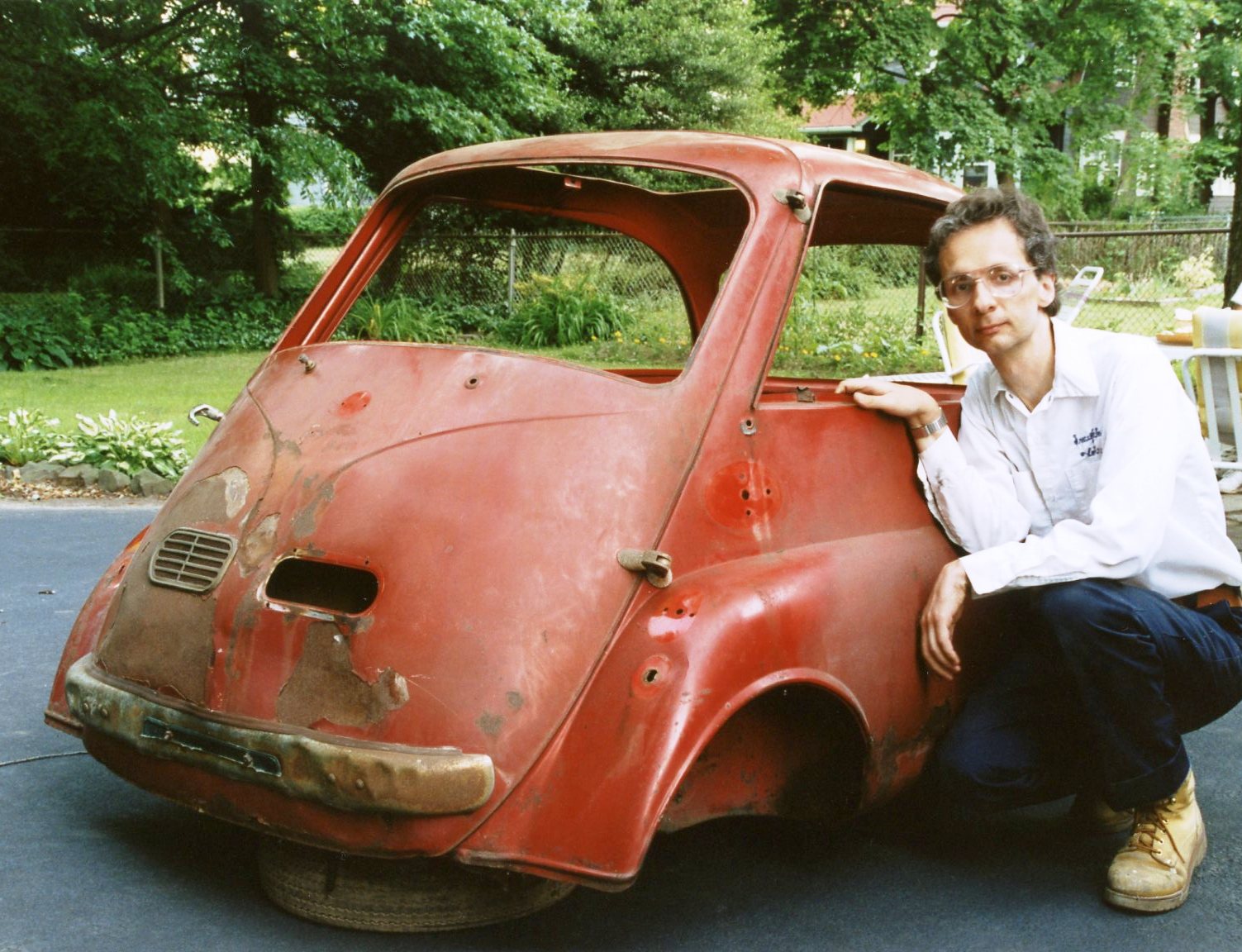
Back home, I placed an ad in Old Cars Weekly, asking $100, and I got it! A dentist from Long Island drove out to my house with a flatbed (overkill; the body would have fit in the bed of a Ford F-150). He claimed that he was going to turn it into a race car. And I thought my dreams were ambitious! Before it left my possession, I posed for a final picture:

Parting company, and now down to two.

This left me with two rather complete cars, plus a spare engine, as I had three crankcases. The next decision was easy: the yellow car would go, and I’d keep the remaining red car, as its body was the best. Since my initial intention was to just get a car running, it looked like the red body might not need much of anything, other than to be bolted to a completed chassis.

My step-son, who in his young age already had several automotive projects under his belt, wanted to buy the yellow car from me. At first, I was completely against the idea. He lived in Colorado and expected me to store it for him “for the time being”. Recalling the patience my parents displayed when I unceremoniously dumped three Isettas in THEIR backyard, I relented. He offered me $500 for the yellow car, and I told him that I’d keep the car in NJ until he could make plans for it.

The red body came off the chassis so that I could remove the suspension, brakes, and remaining drivetrain pieces. The body, sitting on wood, was back to hibernating in a garage until I would get to it.

509090 waits for its wedding day

As tempting as it was to peruse the numerous (both) Isetta parts catalogs so that parts purchasing could commence, I held off. For now, I stayed focused on the short-term goal to complete the cleaning and cataloging. Only when that was done would I start literally at the bottom, by bringing one chassis back to like-new condition.

Light bedtime reading


In Chapter 6 of the Isetta Saga, we see lots of stripping action, as the chassis is first stripped of all its components, and then stripped of its factory paint, as the mechanical work begins in earnest.

All photographs copyright © 2018 Richard A. Reina. Photos may not be copied or reproduced without express written permission.

FUN FACT OF THE WEEK:

The August 1990 issue of Car & Driver magazine (released around the time the above work was going on) featured a preview of the soon-to-be-available BMW 850i. Complete with 12-cylinder engine, it carried a base price of $73,600 (a far cry from the $1,098 starting price of a ’57 BMW Isetta). The 5-liter engine produced 296 horsepower and 332 ft. lb. of torque. Today’s electronically-controlled turbocharged and supercharged engines easily top those numbers with way fewer cylinders.


The Isetta Saga, Chapter 4: A Garage of My Own for the Isettas

In Chapter Three, we empathized with our wanna-be restorer who uncovered copious sources of Isetta parts and technical information, but who was still unable to accomplish any restoration work of significance.

Chapter Four ends happily when a clandestine mission brings all the Isettas to the same home as the author for the first time in a decade.

 CHAPTER 4: A GARAGE OF MY OWN FOR THE ISETTAS

As the decade of the 1980s progressed, my dreams of restoring my Ford and BMWs were constantly beyond my reach. That’s not to say that I wasn’t spending my time productively. Much effort went into advancing my automotive career, as I progressed from Service Writer to Service Manager to a position with Volvo Corporate; I also embraced every opportunity to indulge in the drummer-as-alternate-career role, an activity which consumed a tremendous amount of time and energy.

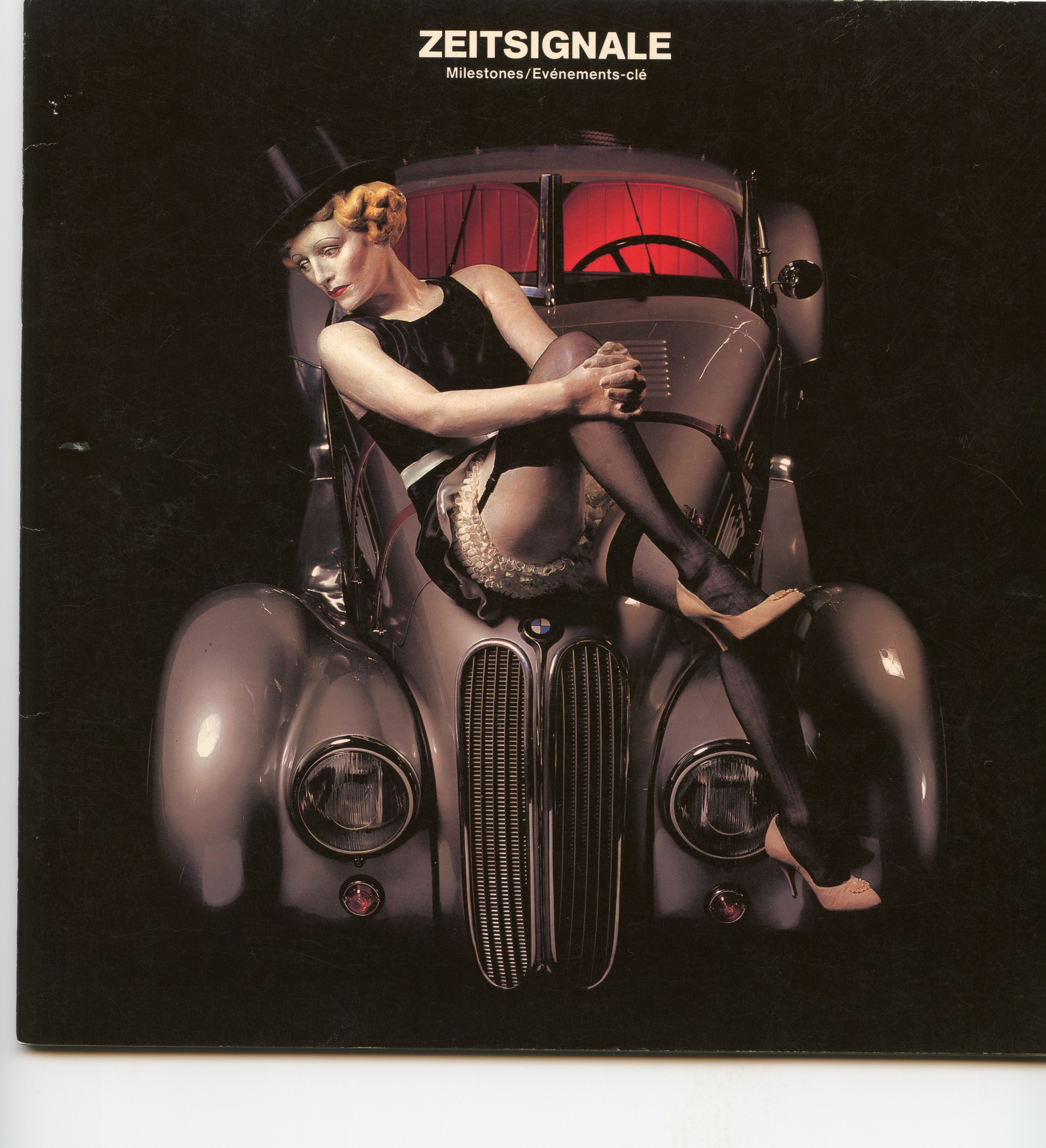
In 1983, my girlfriend and I took a week’s vacation, traveling to Germany to be with her sister and brother-in-law. The BIL was in the service, stationed in Frankfurt. I insisted that we find our way to Munich so that we could visit the BMW Museum. (This was the same trip during which we visited the Schlumpf Collection in Mulhouse France.) The museum had an Isetta on display, alongside its contemporary 507. The 507 was graced  with a statue of Elvis alongside it, who owned one. The Isetta featured a life-size likeness of Marilyn Monroe alighting from its front door. This is what the Germans thought of ‘50s American culture.

The BMW Museum brochure, 1983


Difficult to believe that these two cars were in BMW showrooms at the same time

Aside from this visit, I paid little heed to anything Isetta-related, as my tiny car collection remained tucked away in its Maplewood garage. I continued to mail garage rental payments to Ms. Stetson, but otherwise had no contact with her. Mike Adams, who was sharing the garage with me to store his Volvo 544, left his employment at Smythe Volvo, and I subsequently lost contact with him.

The HMI Club still published newsletters, but I eventually stopped my subscription. An odd side-effect of having my name and number in the Club Directory was that, about once a year, my phone would ring and I would immediately face a barrage of questions: “I’m calling about the Isettas. Do you still own them? Can I ask you some questions about your Isettas?” These conversations, easily lasting an hour or more, would be pleasant, but did nothing to further any progress with the cars.

After the Ford Retractable burned to the ground in 1984, I was so disgusted with myself that I wanted out of the car hobby altogether. I ran an ad in the Want Ad Press, a weekly classified rag that was published in two editions: Automotive, and Everything Else. The ad read:

“Three BMW Isettas for sale, disassembled. Need complete restoration. Take everything for $500.”

One person responded, someone who drove out from Brooklyn. He met me at the garage. I opened the garage door. He took one look, said “have a nice day”, and headed back to his car. Soon after this, I stopped making rent payments. My secret hope was that Sue Stetson would sell her house and the new owner would take possession of the pile in which I had lost all interest.

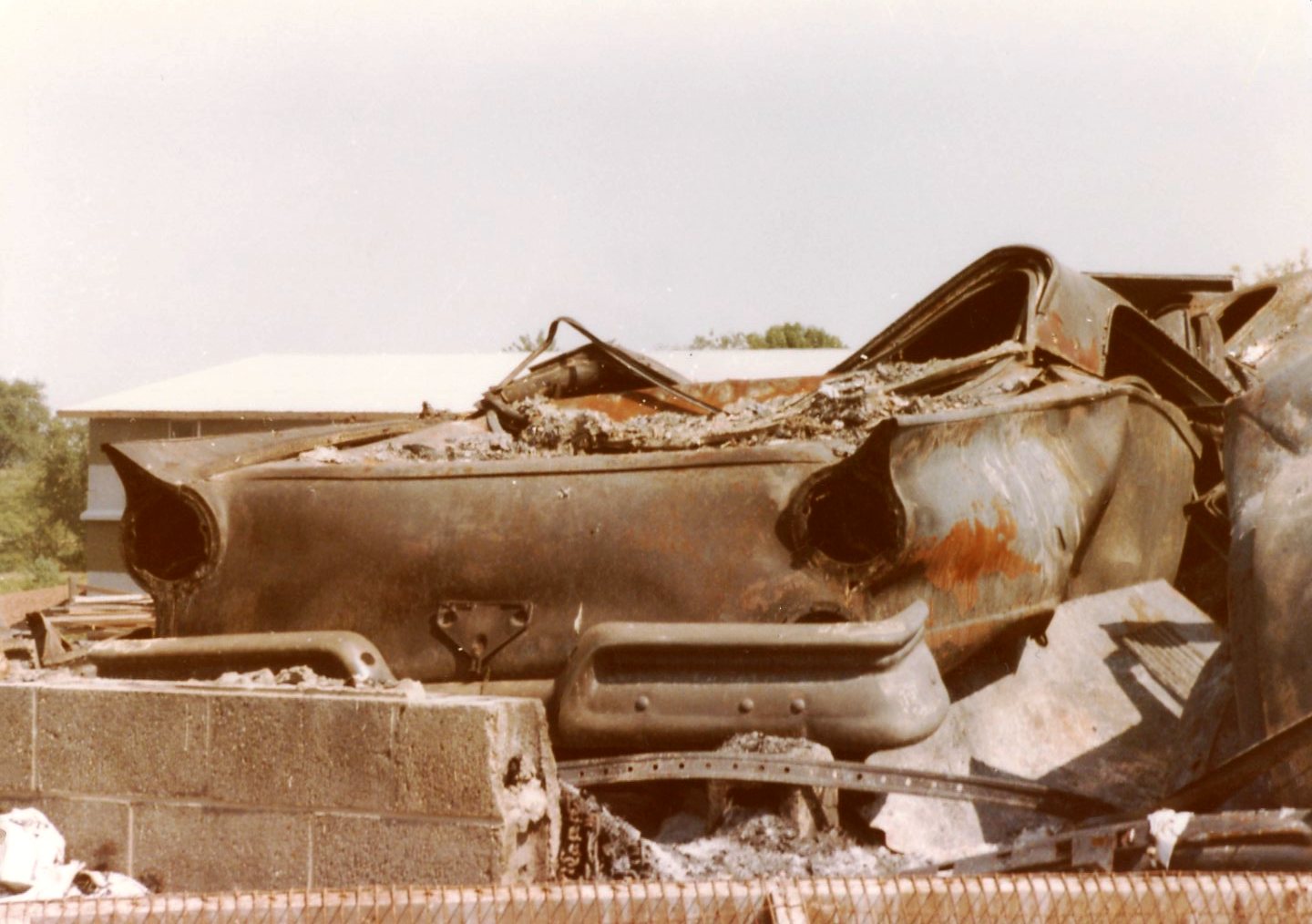
A very toasty ’57 Ford Skyliner

As the decade was about to end, about three years into my employment at Volvo Cars of North America, my fiancée and I bought a house with a one-car attached garage. She was very supportive of my desire to be in the car hobby, and it was her son who helped hatch The Recovery Plan. He urged that we should drive to Maplewood under cover of darkness, and without alerting anyone, ascertain if the cars were even still there.

One night in the summer of 1989, we drove to Sue Stetson’s house. I barely remembered the way. We arrived close to 10 p.m. The entire block was eerily quiet. Sneaking down her driveway with flashlight in hand, we reached the detached garage behind the house. On tippy toes, I peered through the garage door window. Turning on the flashlight, and prepared for the reality that the garage might be empty, I saw them for the first time in years: three mournful Isettas stared back at me, seemingly untouched all this time. We did nothing more that night than sneak back to my car and drive home.

The decision was mine, and it was resolute: I would contact Sue Stetson, own up to my obligations to her, drag my bounty back to my garage, and begin the restoration process in earnest. I called Sue. She didn’t seem surprised to hear from me. As soon as I offered to pay her 100% of the back rent (about $1,200), she said that wouldn’t be necessary. I insisted. We compromised: I wrote her a check for $600, and we verbally agreed that this would fulfill all back-owed rent.

On Saturday, October 21, 1989 (eleven years to the day from when Don and I made our first trip to Moscow VT), I rented a box truck from U-Haul which could fit everything in one trip. At the end of a very long day, and for the first time in almost ten years, the Isettas and I again lived at the same address.

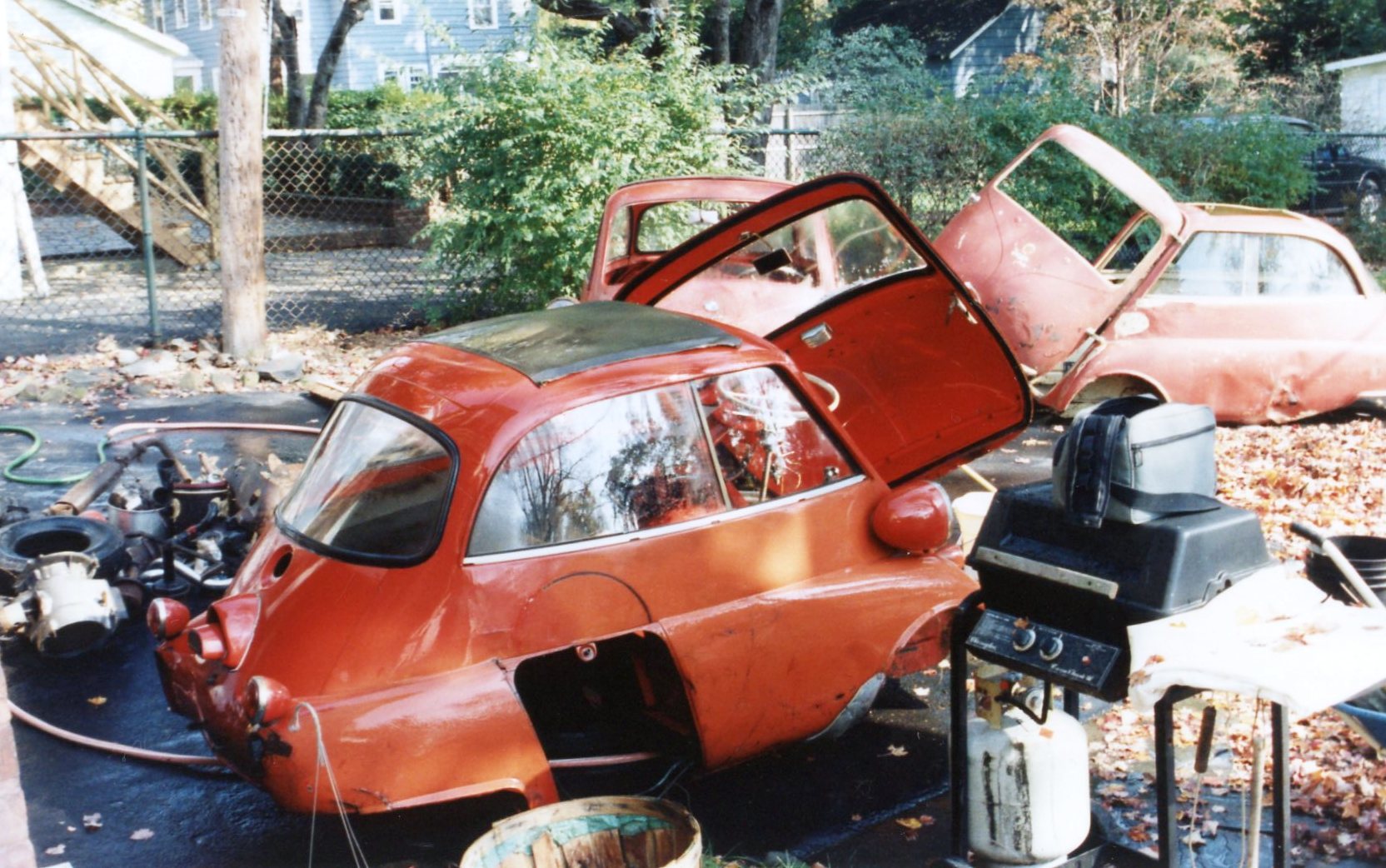
The 3 Isettas, in their new garage, about to get baths

The following weekend brought glorious weather, what we usually refer to as Indian summer. Taking advantage of the warmth, I dragged all three cars and all the accumulated parts out of the garage and into the driveway to begin an initial cleaning and sorting. The only tools I needed that day were the garden hose and the garbage can.

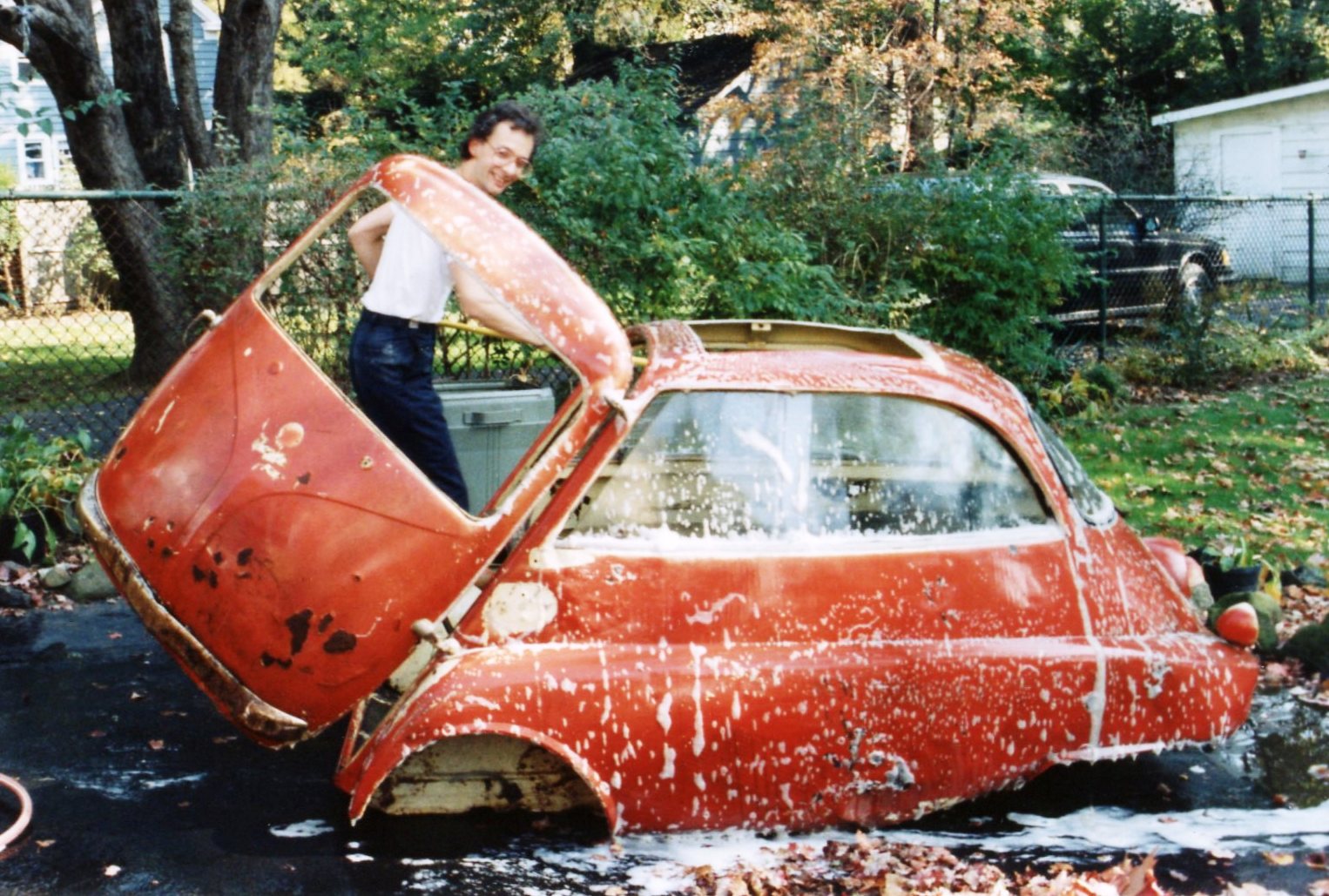
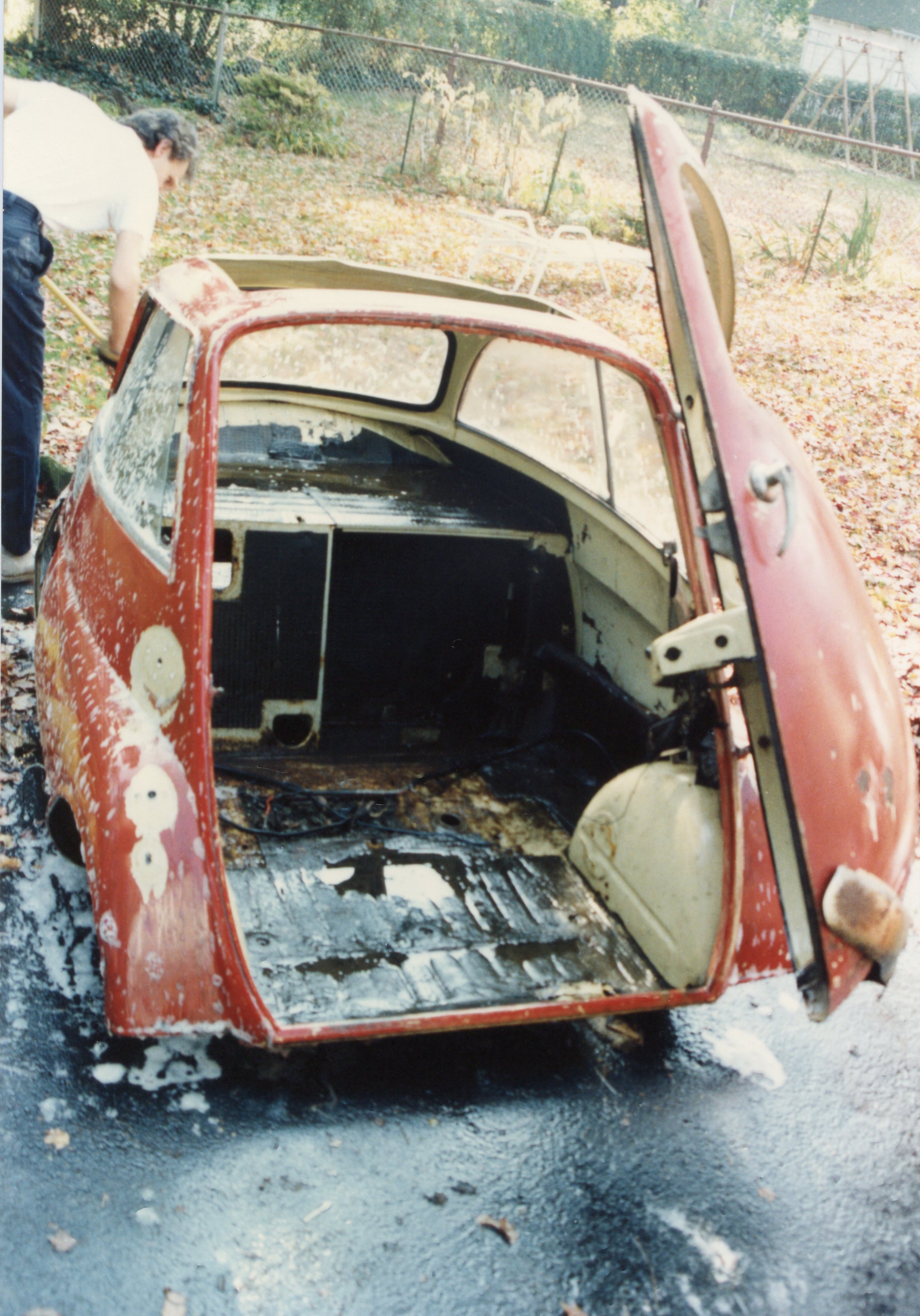
The 3 car bodies, getting washed for the first time since who knows when

First, the three bodies: I was happy to learn that my fine German automobiles served as home to many cats and mice during the last ten years: there were dozens of mouse skeletons, and more than a few shovelfuls of cat excrement to be scraped out of all the interiors. The only positive note regarding the clean-up was that much of the smell had dissipated. Using nothing more than car wash soap and water, I hosed down all three cars.

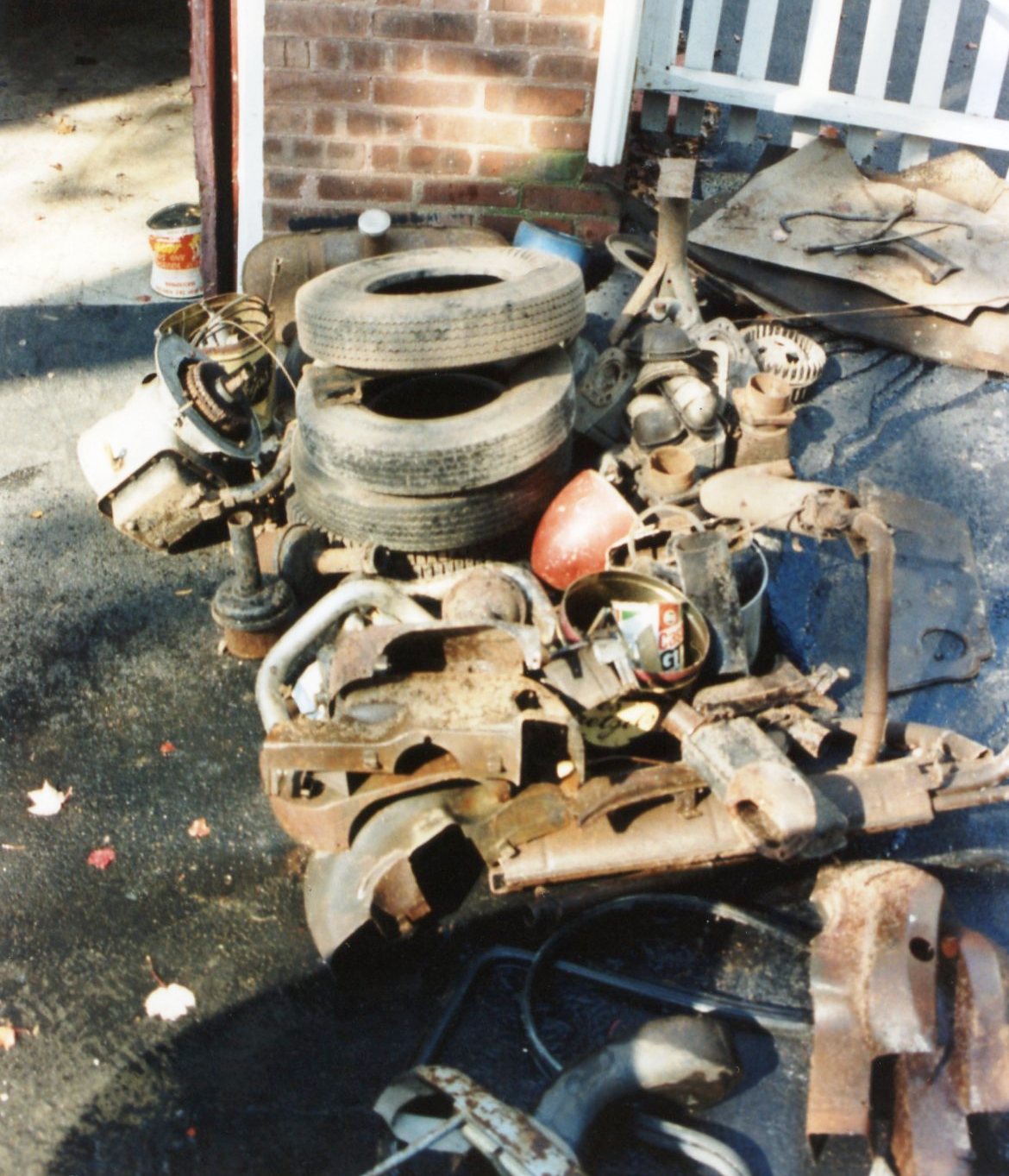
Then there were the mechanical bits. As you may recall, none of these Isettas were assembled in the traditional sense at time of purchase. Nothing had changed from 1978 to 1989: the various engines, transmissions, brakes, body pieces, etc., were still loosely collected in boxes and crates. On Cleanup Day, the best I could manage was to pose the pile on the ground for a picture.

An engine, carb, tires, exhaust, and body parts are some of what’s recognizable


This is what I started with: this is the car that I eventually completely restored


One chassis stayed in garage. Note Volvo 544 door which belonged to Mike Adams


With cleanup done, everything went back into the garage. For once, time was on my side as I plotted a course of action which would bring me into the decade of the 1990s, about to embark on a full-scale restoration of an Isetta.

In Chapter 5 of the Isetta Saga, we begin to disassemble all 3 cars, after which all loose parts are thrown into a pile, and the best of the bunch is selected while wearing blindfolds.

All photographs copyright © 2018 Richard A. Reina. Photos may not be copied or reproduced without express written permission.
FUN FACT OF THE WEEK:

After World War II, the Bavarian Motors Works (BMW) was struggling to survive. Showroom offerings ranged from the $1,098 Isetta microcar, to the $8,988 507, of which only 253 were ever built. (To put that price in relative terms, a ’57 Mercedes Benz 300SL Gullwing was $7,295, and a ’57 Porsche 356 Cabriolet was $5,915.) Collector car values for the 507 languished for years. According to Sports Car Market magazine’s price guide, ten years ago, in 2008, the value of a 507 ranged between $300,000 and $500,000. Today, that same price guide pins its value at $2,077,500. Not a bad ROI.

Tucker Restoration Shop Holds Open House

For a vehicle which reached a production count of only 51, the “Tucker 48” automobile has fascinated auto enthusiasts, historians, collectors, and conspiracy theorists ever since the Tucker Corporation ceased operating in 1949.

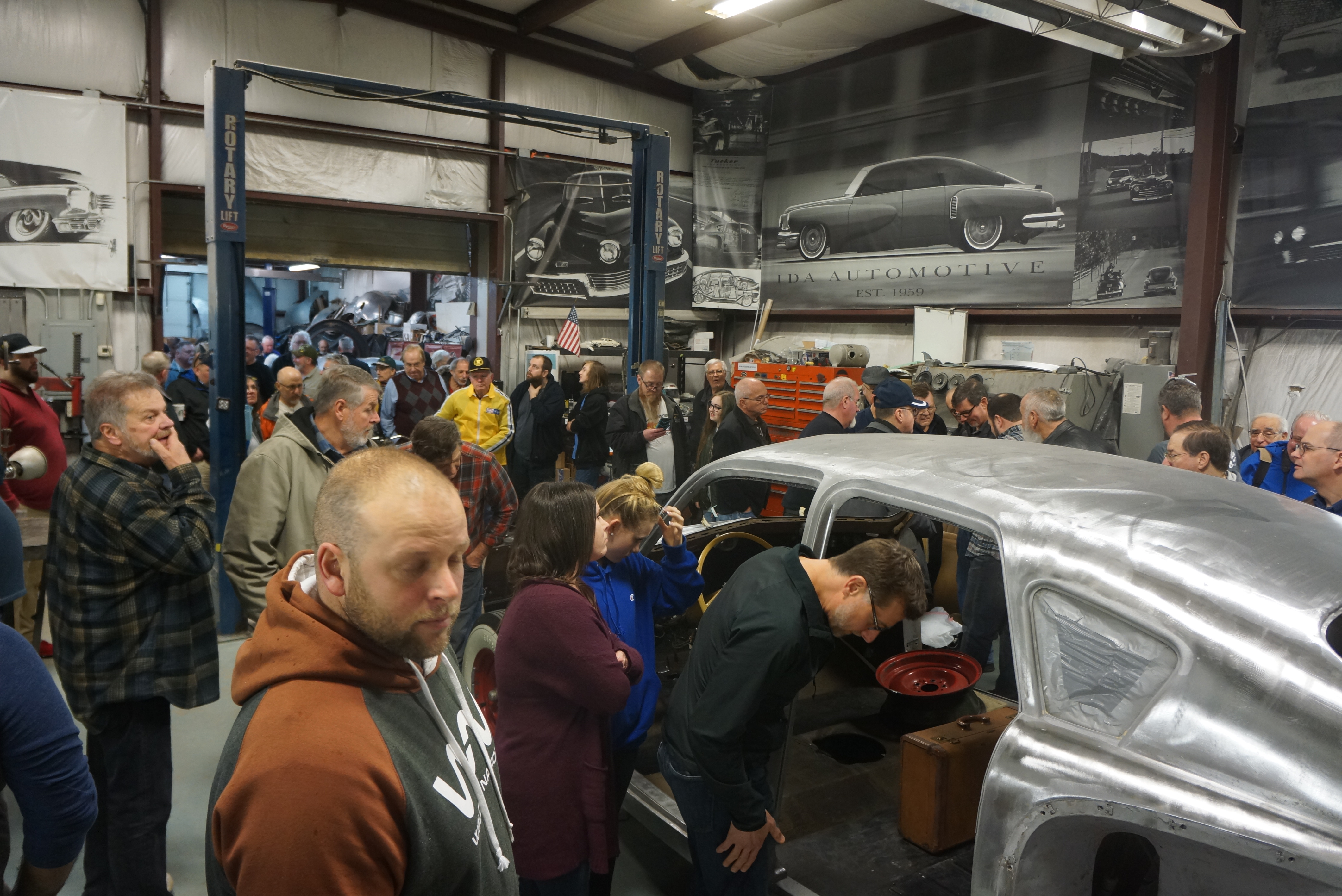
On Sunday January 28, 2018, I had an opportunity to visit a shop which is in the process of performing a complete restoration on Tucker #1044. Via my membership in the NJ Region of the Antique Automobile Club of America (AACA), the word went out that Ida Automotive, a shop in Morganville NJ, was hosting an Open House, allowing invitees to see this Tucker in its disassembled state.

Arriving shortly after the announced start time of 11 a.m., the lot surrounding the building was already so crowded that finding a parking spot took a few minutes. By the time I worked my way inside, I would estimate that I was one of at least 100 people in attendance.

This is one of three shop rooms

There is no need to delve into the detailed history of Preston Tucker and his eponymous cars here. If interested, the author invites the reader to visit this Wikipedia page, or this page from the AACA Museum website. Indeed, Richard’s Car Blog briefly highlighted the Tuckers at the Museum when we visited in early 2017.

Back to Ida Automotive: the shop building is set back from busy Texas Rd. by about 100 yards. With no identifying signage out front, those driving by on this busy street would have no idea it existed. Entering the front door, one passes through a small but neatly painted and carpeted front room and then into the shop area itself. There are multiple rooms, and each room is jammed with cars-in-process, tools, supplies, machine equipment, lifts, parts, and most notably, sheet metal, both in ‘stock’ and ‘formed’ shapes. The mob on hand made it so crowded that moving about took time and patience.

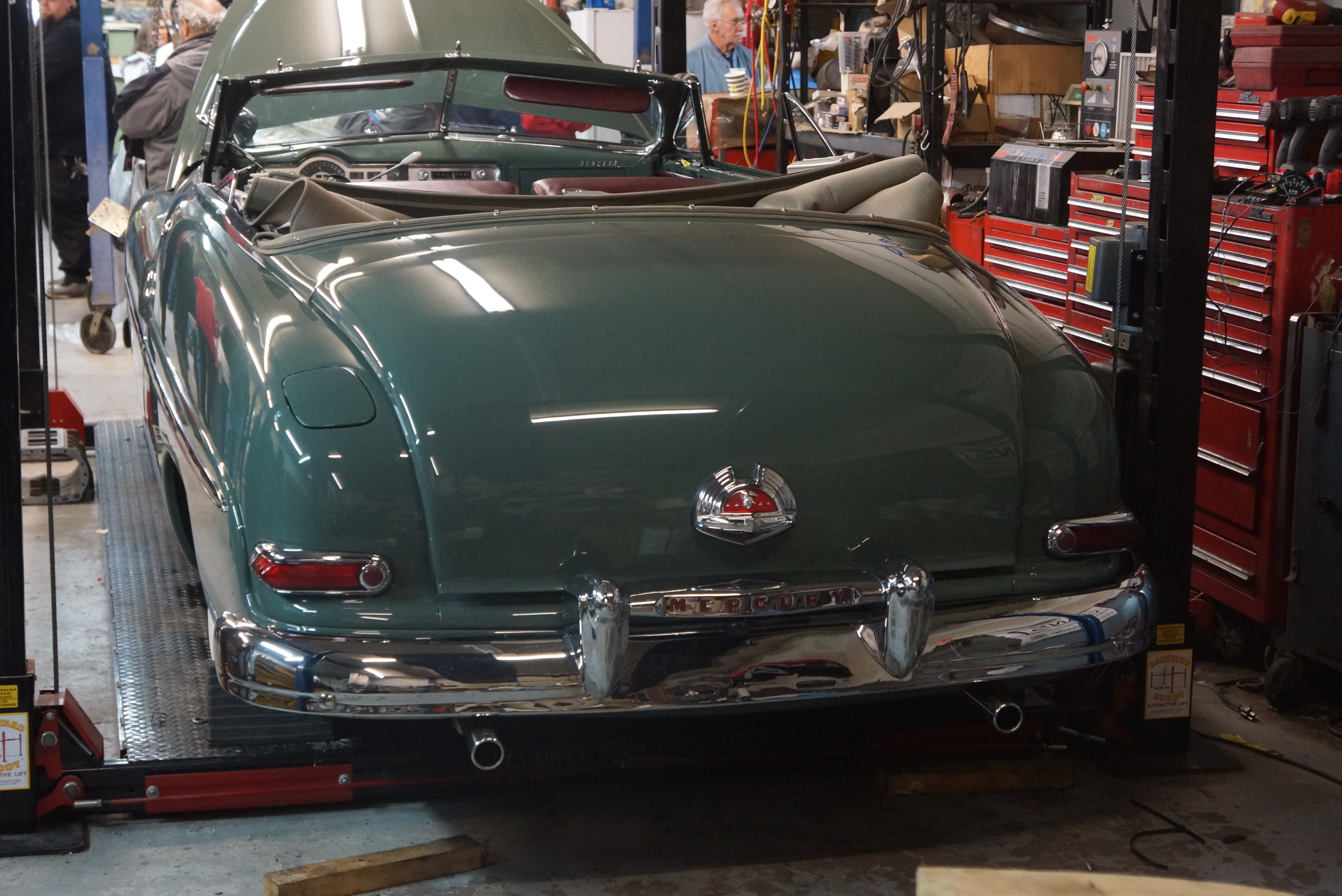
Having visited my share of automotive repair shops, there was an immediate sense that this operation is different. The primary work product here is sheet metal fabrication. The car collection within was eclectic, and included a ’50 Mercury convertible, an unidentifiable ‘40s-era pickup truck under cover, a Ferrari 365 GT “Queen Mother”, and a ’58 Cadillac custom (covered and on a lift, exposing its rack-and-pinion steering!).

’50 Mercury convertible, almost done (but I found green over red colors odd)

A FERRARI IN A FABRICATION SHOP?
The question was answered once I spotted the “before” photo: something had crushed its roof, and the skilled metal workers at Ida Automotive had beautifully repaired it:

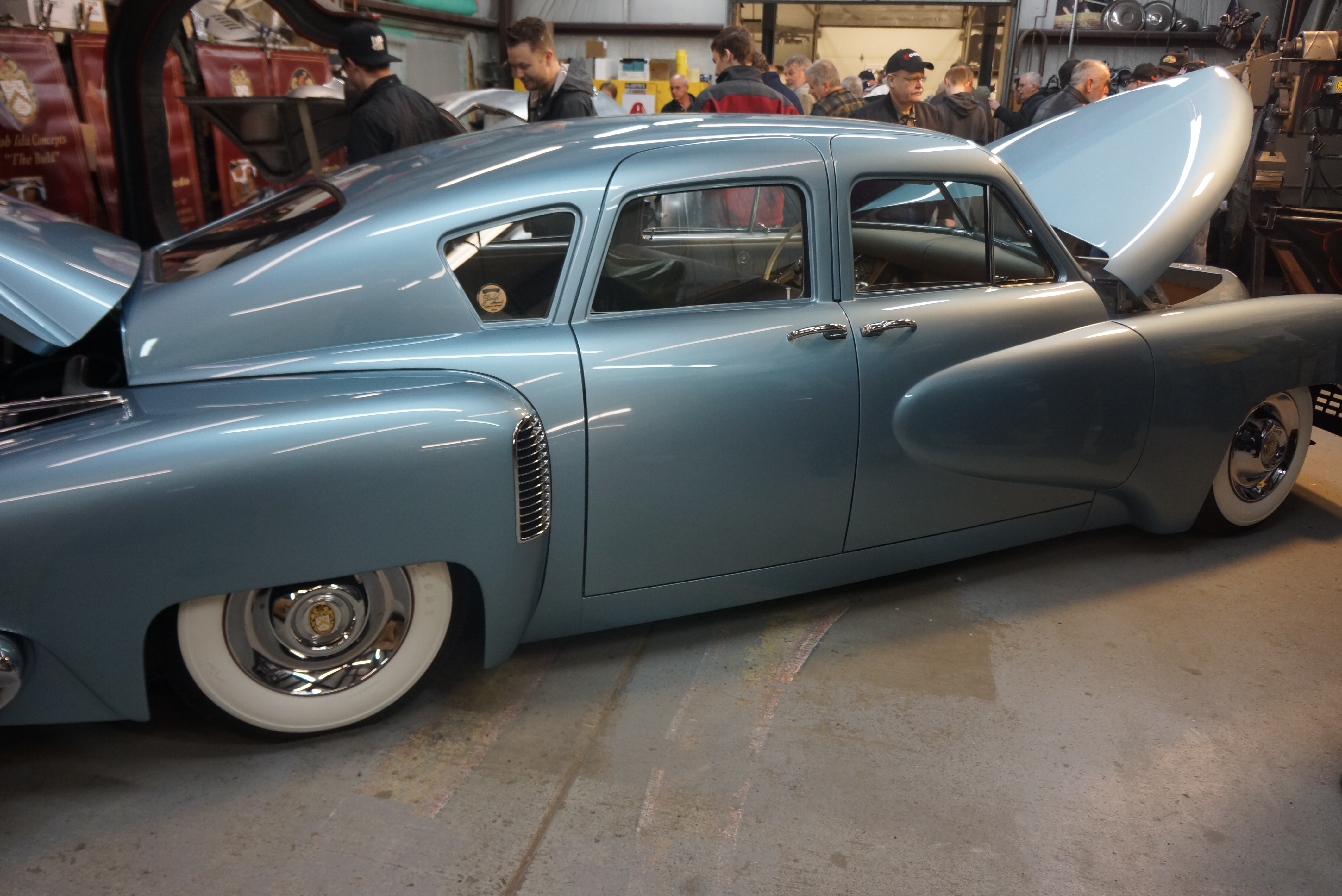
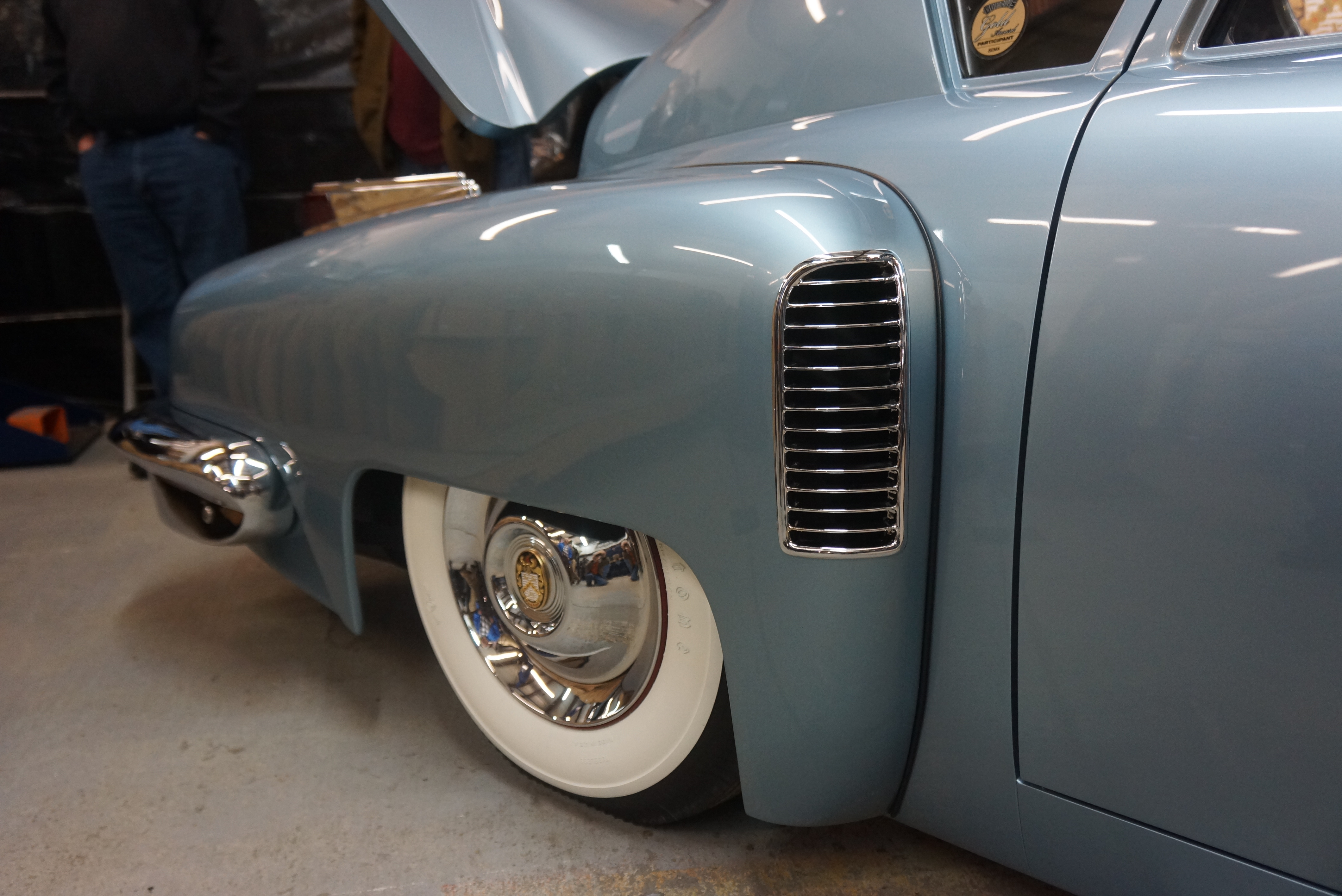
That brings us to the Tuckers. One was immediately drawn to a brilliant blue Tucker, appearing to be a perfectly restored car – until one noticed the twin-turbo engine out back, sitting in a chassis that looked about 4 inches lower than stock. This Tucker otherwise appeared ‘normal’, but the blank VIN plate caused me to conclude that this was a replicar, albeit an extremely well-done one.

Behind it was a wooden buck (upon which sheet metal is formed into shape), and again, first glances proved deceiving. While the overall form looked Tuckerish (if that’s not a word, it should be), certain shapes on the buck deviated from the blue car next to it.

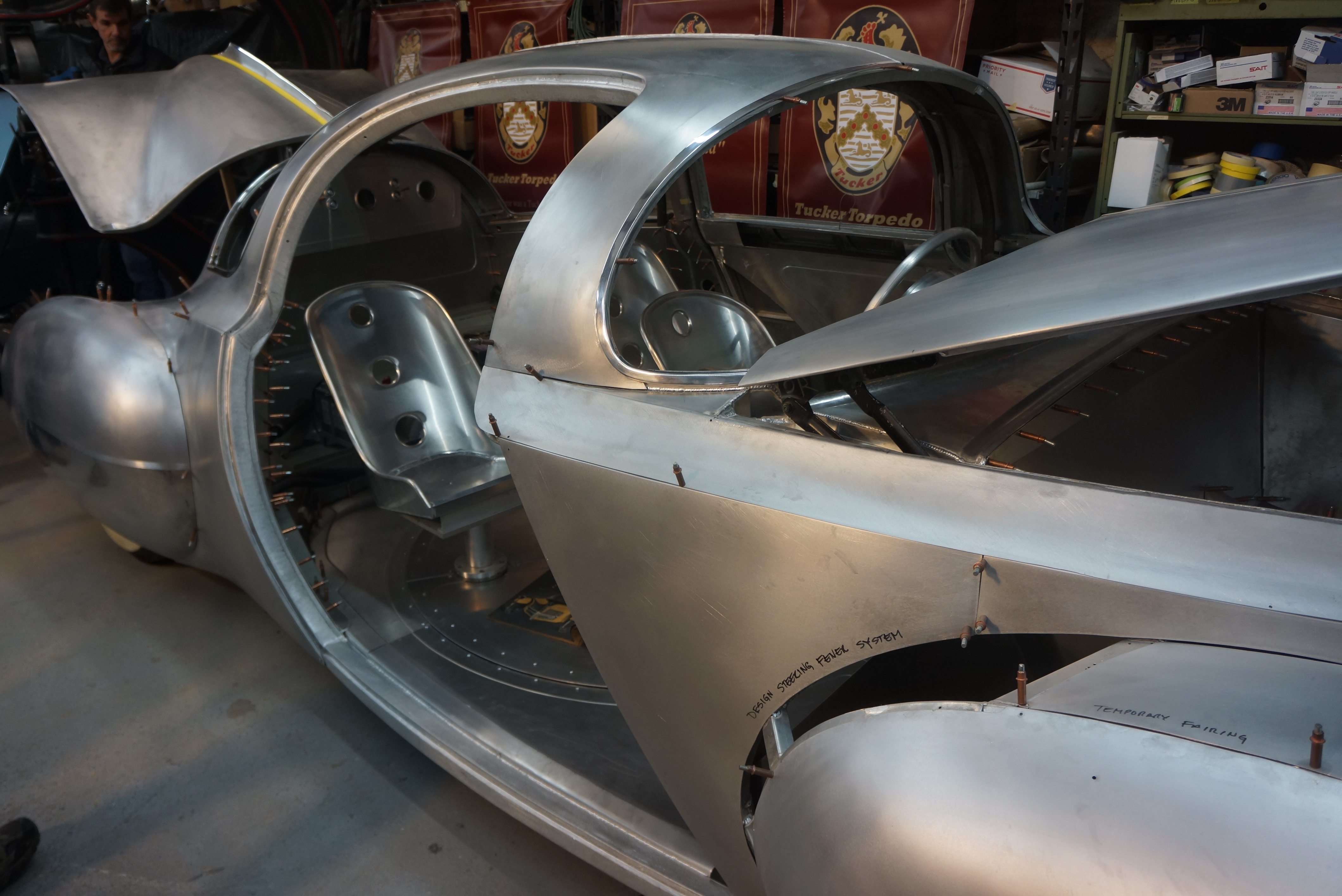
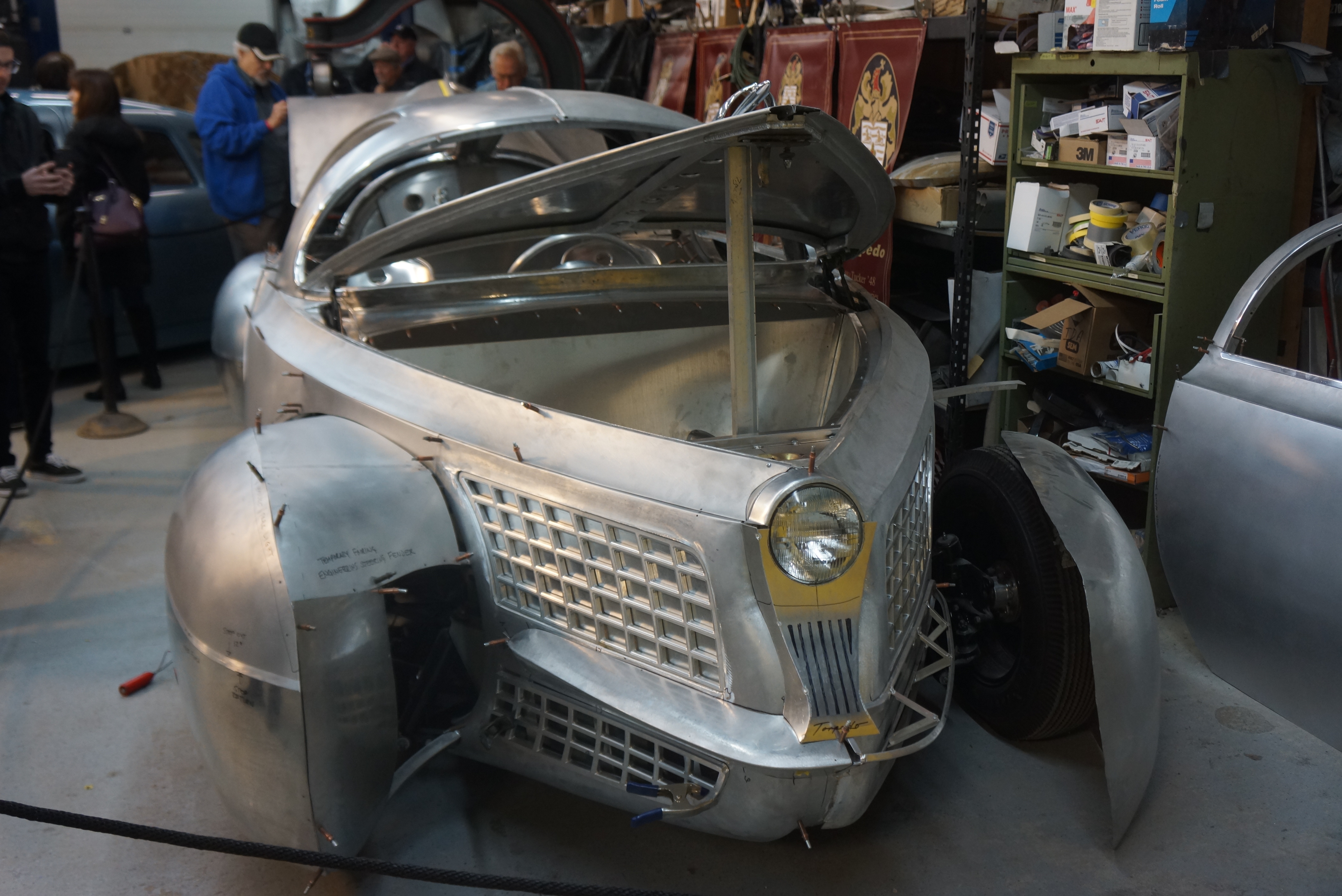
Moving into the next room, the shiny object in front of me was some sort of car, but what? Again, the word “Tuckerish” came to mind. But there were enough hints lying around in the form of printed images to solve the riddle. Ida Automotive is in the process of recreating the original Tucker Torpedo, the design study shown to the public in two-dimensional form, but never built. It’s an odd-looking thing, especially without glass and doors installed, preventing you from seeing the whole shape. But the more one stared, the more one could see the familial resemblance. Oh, and that buck behind it is for this Torpedo.


THE TUCKER TORPEDO
The “Torpedo” was the name given to the illustration of the prototype. Many mistakenly called the production car the “Torpedo ’48”, but that was not its name. The efforts by Ida Automotive to create a vehicle which never existed is fanatical.
Minus doors and glass, Torpedo looks awkward from this angle
Its most unique feature (so far) is the seating arrangement. There are 3 seats, arranged on an electrically-powered carousel disc. There is one seat in the front for the driver, who sits behind the centrally-mounted wheel; in the rear are two passengers. However, the carousel rotates, which means any one of the 3 seats can be the driver’s seat. This might also assist with ingress and egress. One can only hope that the carousel’s rotational ability is disabled while the Torpedo is in motion.
The Torpedo’s 3 seats, mounted on a carousel (note magazine illustration)

The final room held the star of the show, Tucker #1044 (its serial number). Interestingly, this very car was recently featured in Hemmings’ Classic Car magazine. The gentleman who owns it bought it last year, and must have decided that, although a decent driver, it deserved a complete do-over, and he concluded that Ida Automotive was the best place for it.

Spacious interior looks even more so here


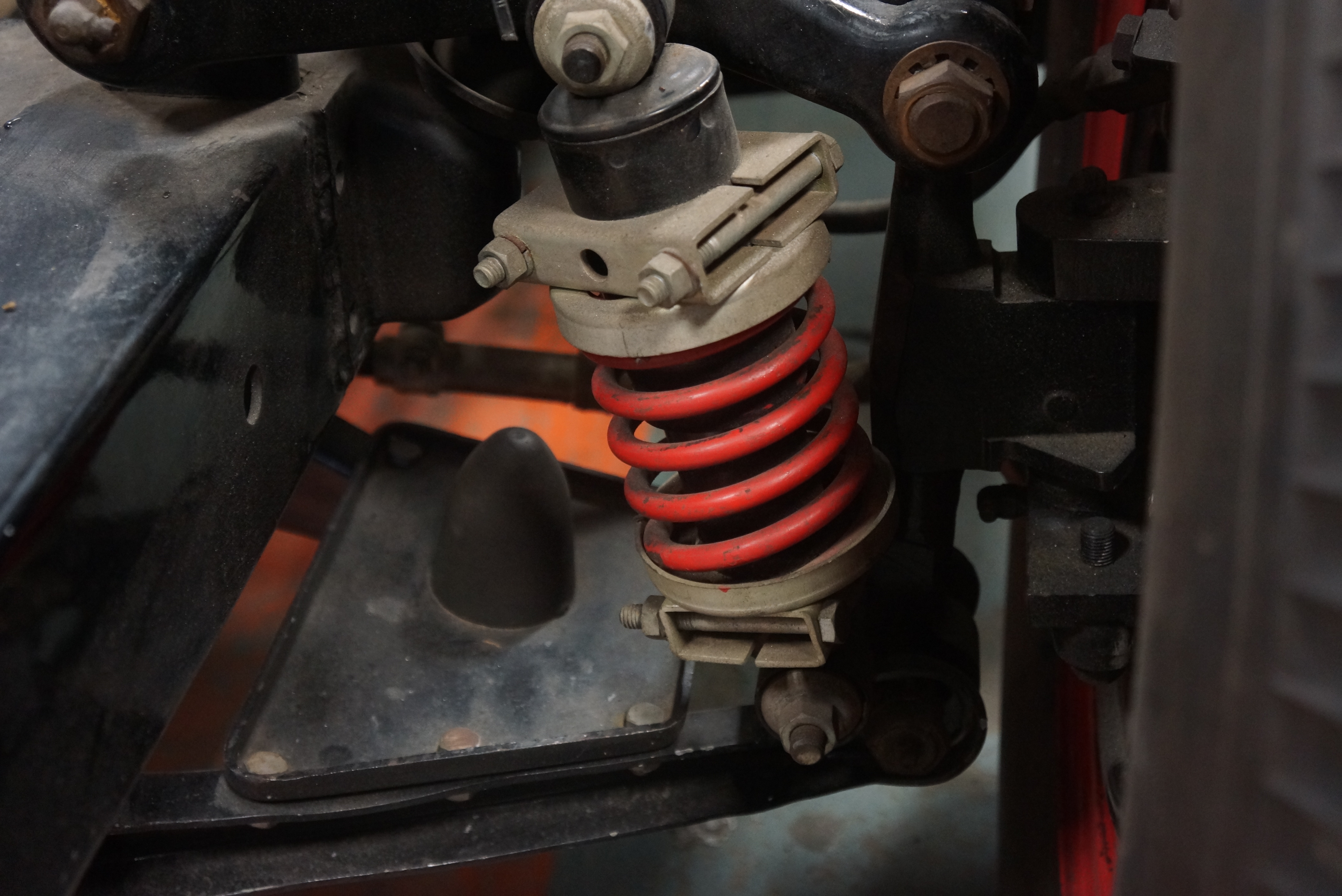
Front suspension detail. Originally car had rubber suspension.
There was always a crowd around #1044 (note wall posters)


It was very generous for the proprietors to open their doors on a Sunday to those of us interested in Tuckers. Our hosts went so far as to provide coffee, water, and breakfast treats. There were no formal presentations, so we were left to figure things out by snooping around the place.  A poster on the wall was a big giveaway: a man named Joseph Ida was the dealer principal of a Tucker dealership in New York, so it’s not a far stretch to conclude that a descendant owns Ida Automotive. Another poster proclaims: “Ida Automotive Est. 1959”, so they’ve been at it for a while.

Wall poster shows Joseph Ida in front of his Tucker dealership in NY

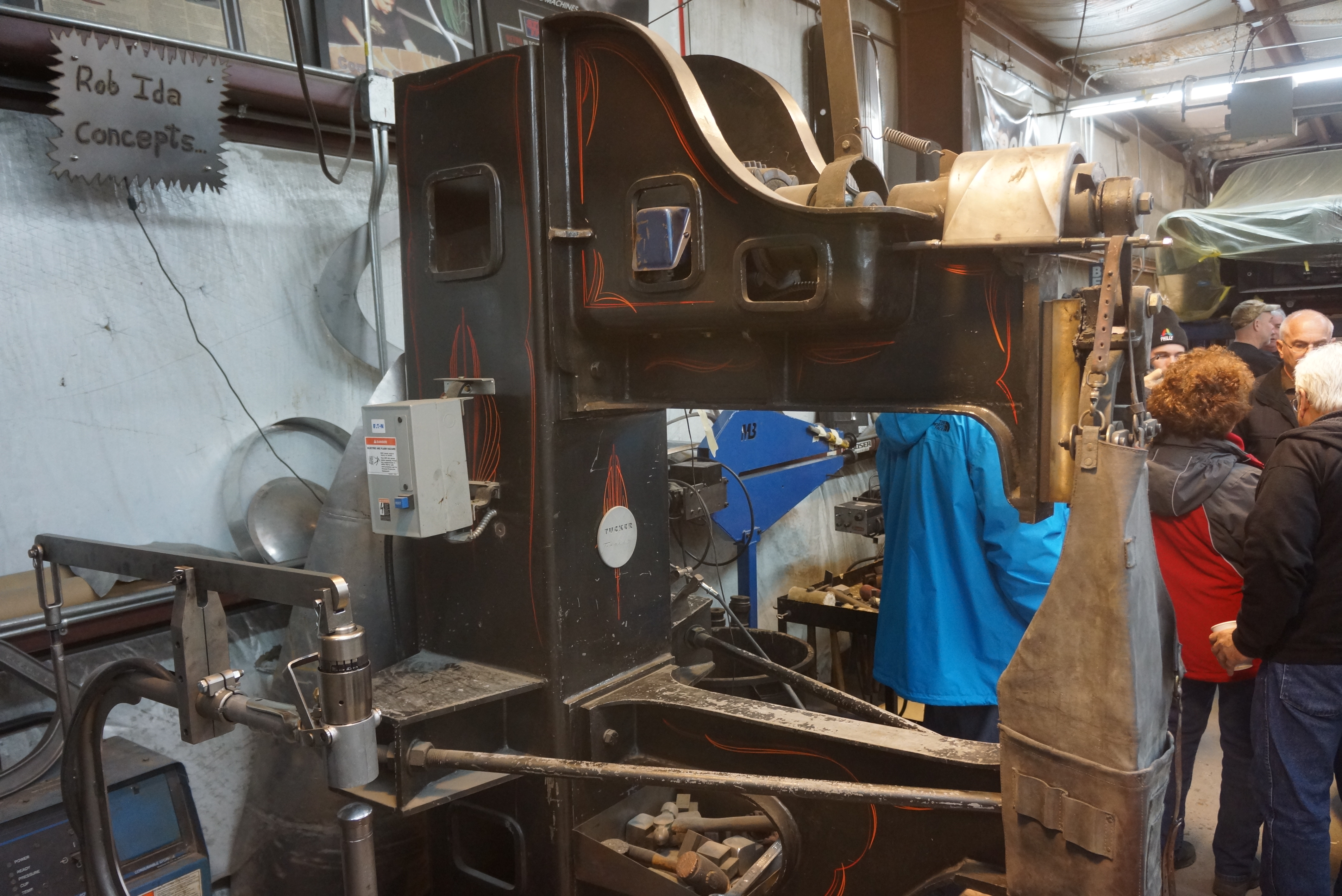
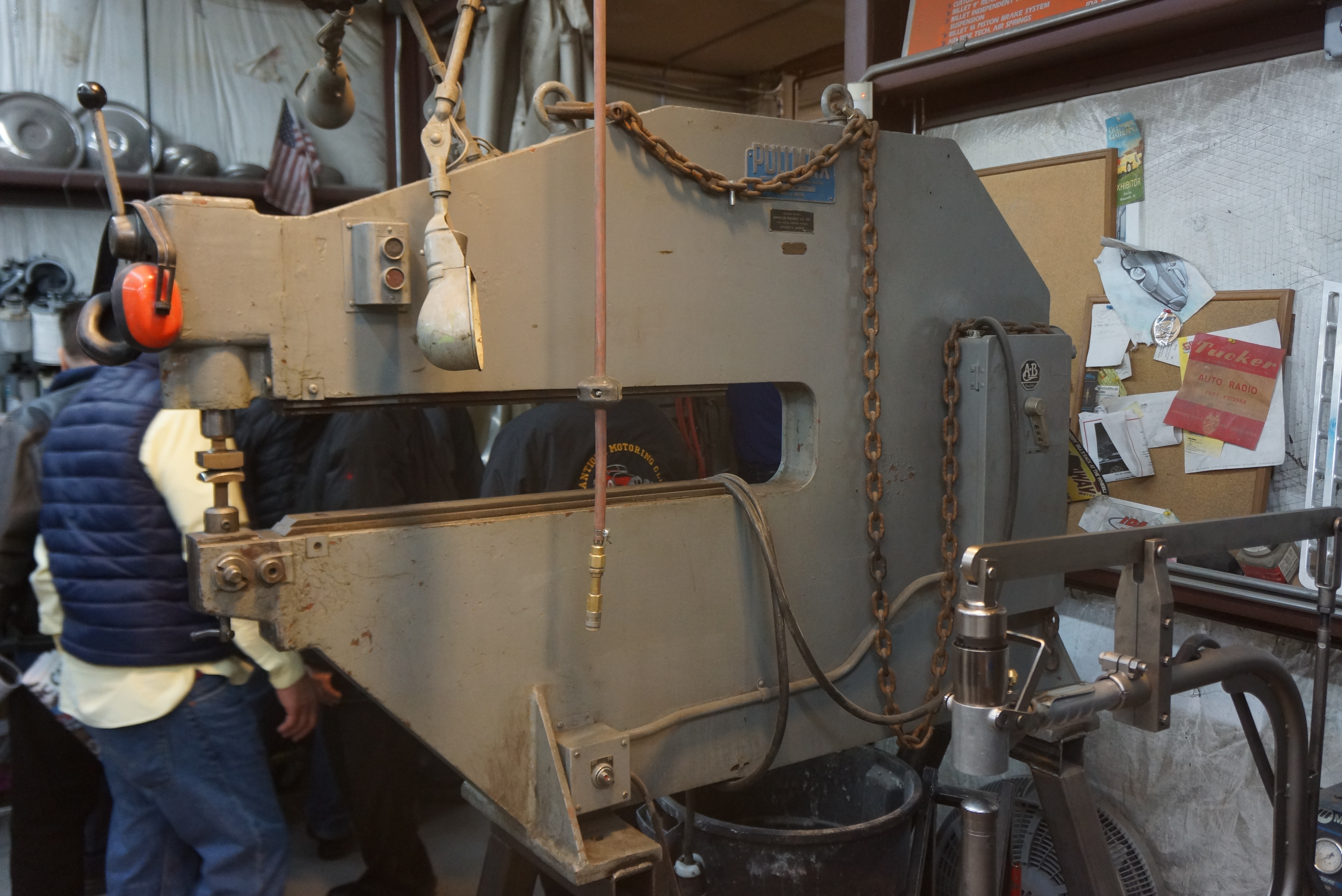
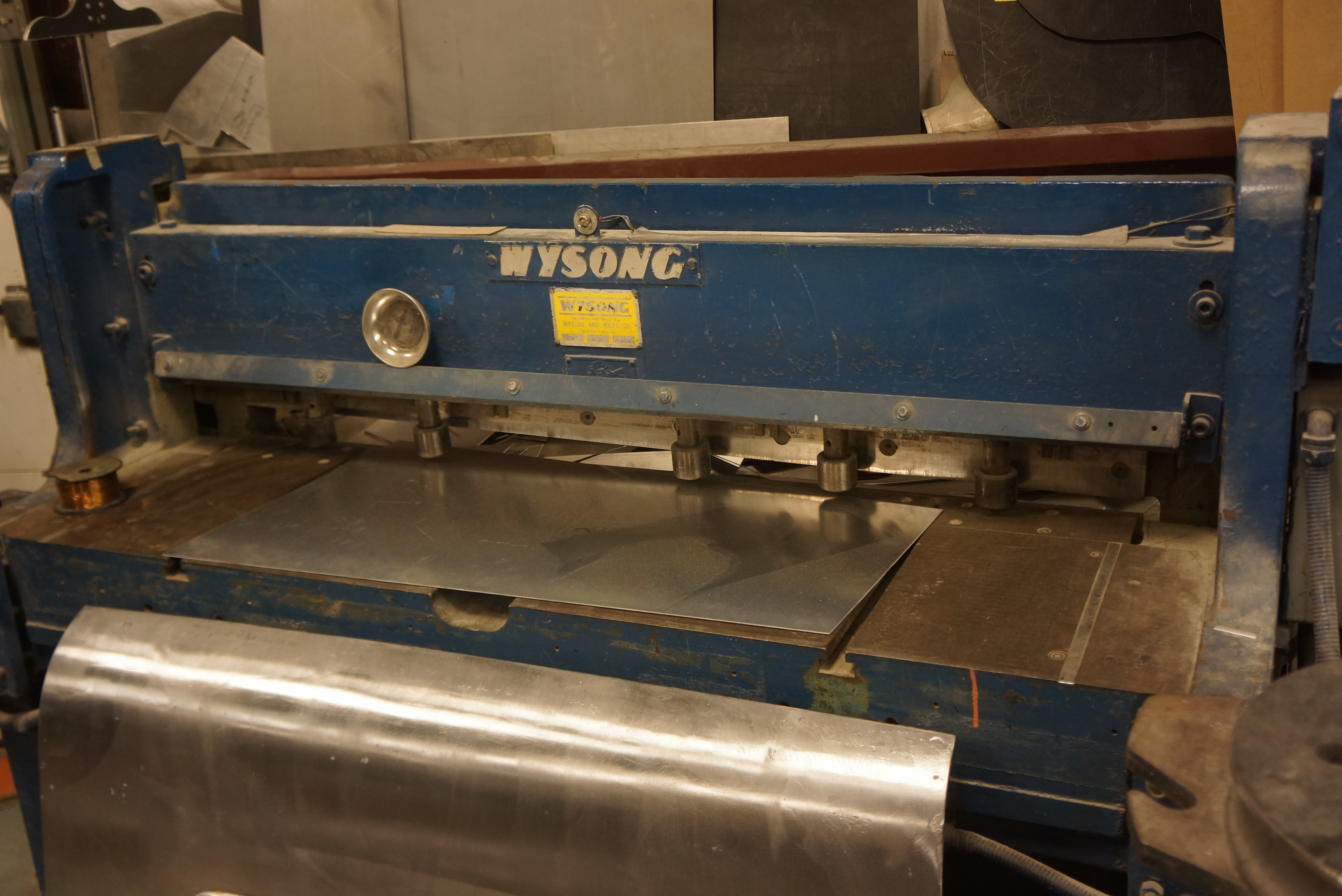
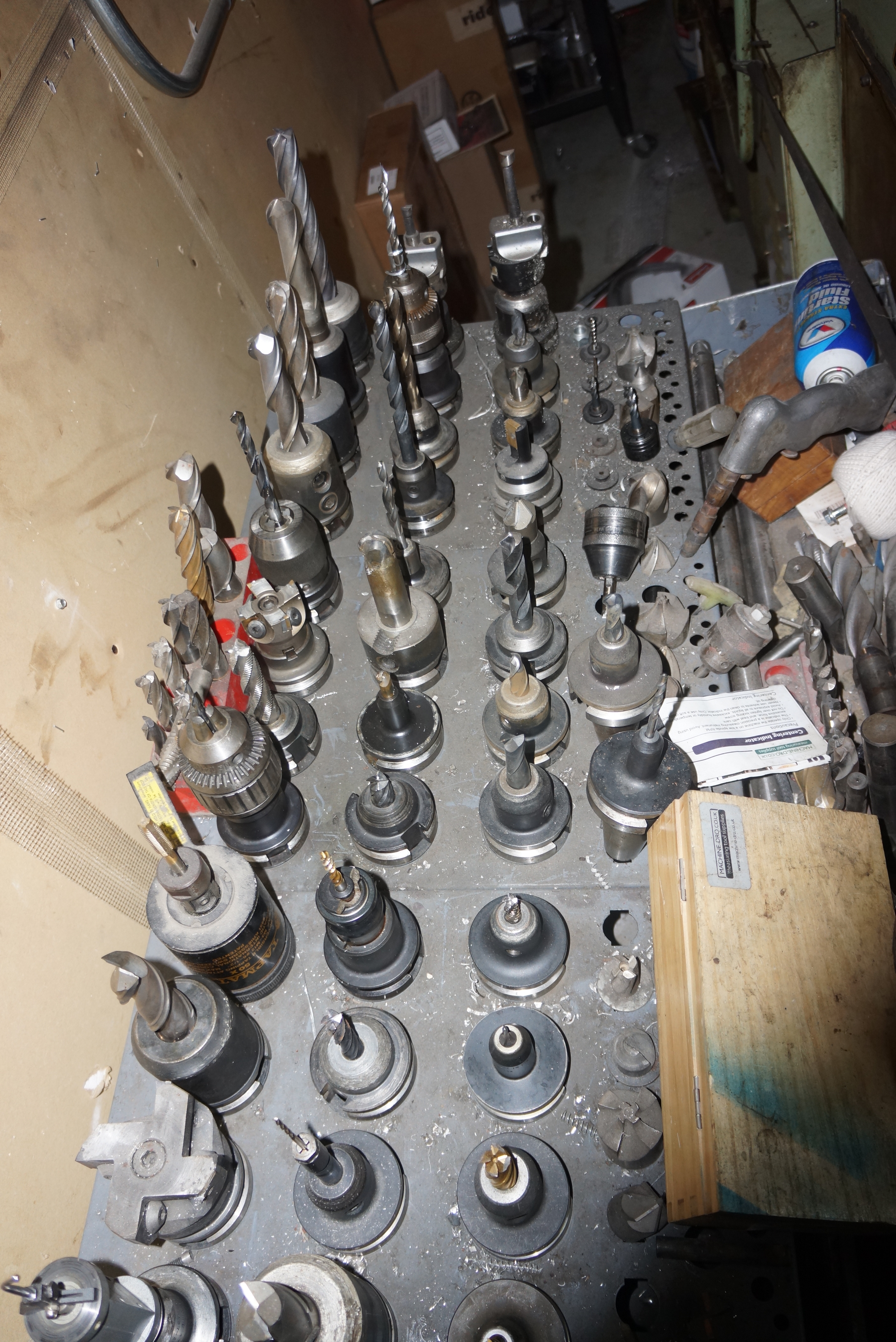
MACHINE  AND SHEET METAL TOOLS


The business’ associated websites offer little in the way of clues as to what actually transpires within these walls. Based on the quality of work I observed, it’s fair to say that Ida Automotive excels at what they do. It’s also refreshing for this collector to see some things still done the old-fashioned way. We in the hobby can only hope that workers with these skill sets continue to be around so that our automotive treasures can continue to be maintained and enjoyed.

Please don’t be alarmed: Chapter Four of the Isetta Saga will return next week, promise.  

All photographs copyright © 2018 Richard A. Reina. Photos may not be copied or reproduced without express written permission.


FUN FACT OF THE WEEK:

Tucker #1029, the car personally owned and driven by Preston Tucker, was sold by RM Sotheby’s at their January 2018 Arizona auction for $1,792,500.


The Isetta Saga, Chapter 3: Discovering You Are Not Alone Among the Bubble Cars

In Chapter Two, we voyaged with our intrepid travelers as they braved all manner of hardships to secure safe passage of their beloved bubble cars back to NJ.

Chapter Three brings us the exciting discovery that there are others who own and collect Isettas, and can even provide much-needed parts and technical knowledge. However, none of that solves the challenges of the need for time, space, and money.

CHAPTER 3: DISCOVERING YOU ARE NOT ALONE AMONG THE BUBBLE CARS

We came back from Vermont with more than just cars and parts.  Wes Turner had also given us a small pile of papers: a spare parts list, exploded diagrams, and other print material. Although we visually scanned the documents before heading home, the significance of what we had took some time to sink in.

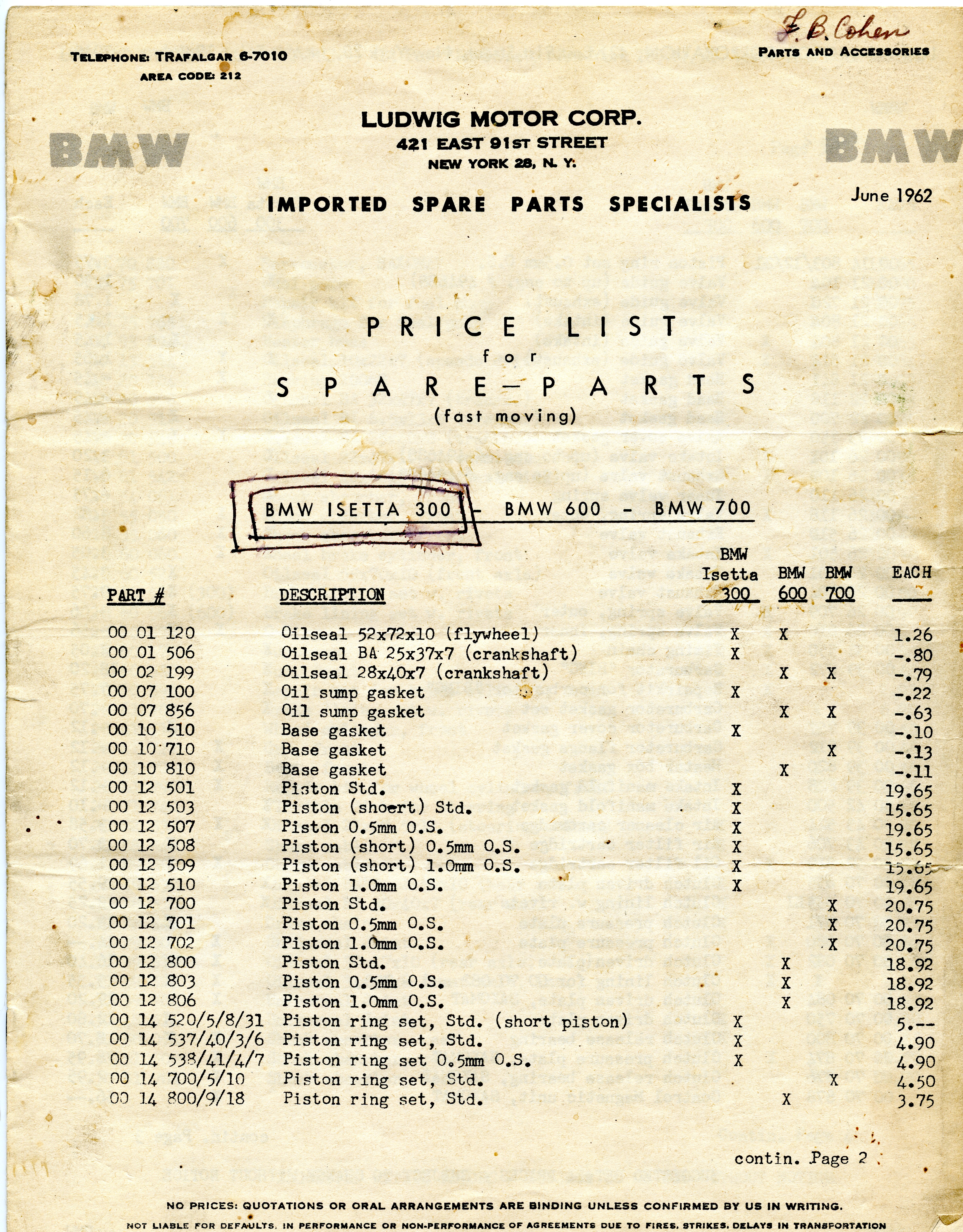
The spare parts price list was from the Ludwig Motor Corp., “imported spare parts specialists”. It was also dated June 1962, making it 17 years old. We surmised that it was more than likely that Herr Ludwig und Co. were no longer in operation.


The Ludwig Motor Corp. Isetta Spare Parts Price List


The exploded parts diagrams were fascinating in their detailed precision. (We didn’t know it at the time, but these drawings were from the factory BMW Isetta parts catalog.) In red, at the top of the page was an ink stamp: “Felling Enterprises” of Topanga, CA. We contacted said Enterprises to learn that it consisted of the husband & wife team of Carl and Marilyn Felling. Not only did they have Isetta spare parts to sell; they headed an organization called the HMI Club.


BMW’s official Isetta exploded parts diagrams. These would come in very handy down the road.


HMI stood for “Heinkel / Messerschmitt / Isetta”, the 3 most popular microcars at that time. (The Heinkel was conceptually similar to the Isetta. The ‘schmitt, with its tandem seating, yoke steering, 8″ wheels, 2-stroke engine, and side-hinged canopy, made an Isetta look normal.)

The club was for members interested in restoring, collecting, and showing their bubble cars (so called due to their rounded bubble-like shape). From their home in Topanga, the Fellings published a quarterly magazine, sold replacement parts, restored their own Isettas, and generally made themselves available to fellow bubble-nuts.


Marilyn sent out this letter in response to a recent Motor Trend article about her


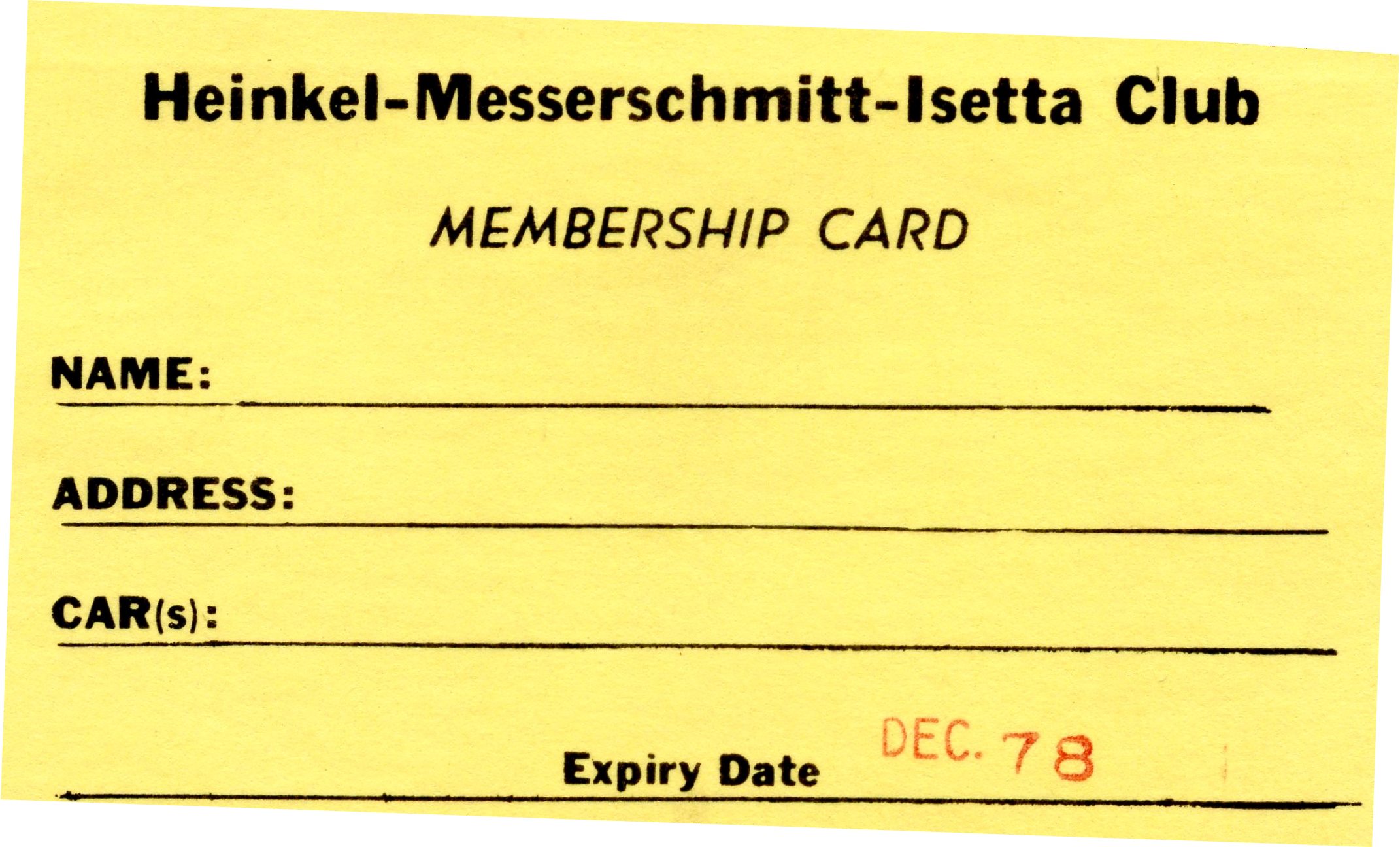
It was almost too much for me to take in that right here in the U.S. were others who were equally interested in Isettas, and were available with resources to support my vision of a restored final product. I signed up for HMI Club membership immediately.

My HMI Club membership card

If one looked hard enough, there were other sources to be found. At Carlisle in 1979 (a primarily domestic automotive flea market), I found a literature vendor with four pieces of BMW Isetta sales literature, in both English and German. I bought everything he had, and paid close to $50 for it. When I showed my dad, he thought I had really lost it.

While occupied with research on the Isetta, I still needed to remind myself that I also owned a 1957 Ford Skyliner retractable hardtop. My daily driver continued to be my 1977 VW Rabbit. At the age of 24, I owned 5 cars, never mind that three of them were disassembled microcars which were an unknown oddity to the automotive world at large. Given that the Ford ran and the BMWs didn’t, the Skyliner got some priority.

During the summer of ’79, I committed to rebuilding the very tired and worn Y-block V8 in the Ford. It had 140,000 miles on it, and pulling the valve covers revealed sludge so thick that I couldn’t see the head bolts. Having never rebuilt an engine before, I rented a cherry picker, borrowed an engine stand, disassembled the entire engine, had machine work done to the heads and block, and put it all back together. At one point, I even had the bare block in the back of the Rabbit.


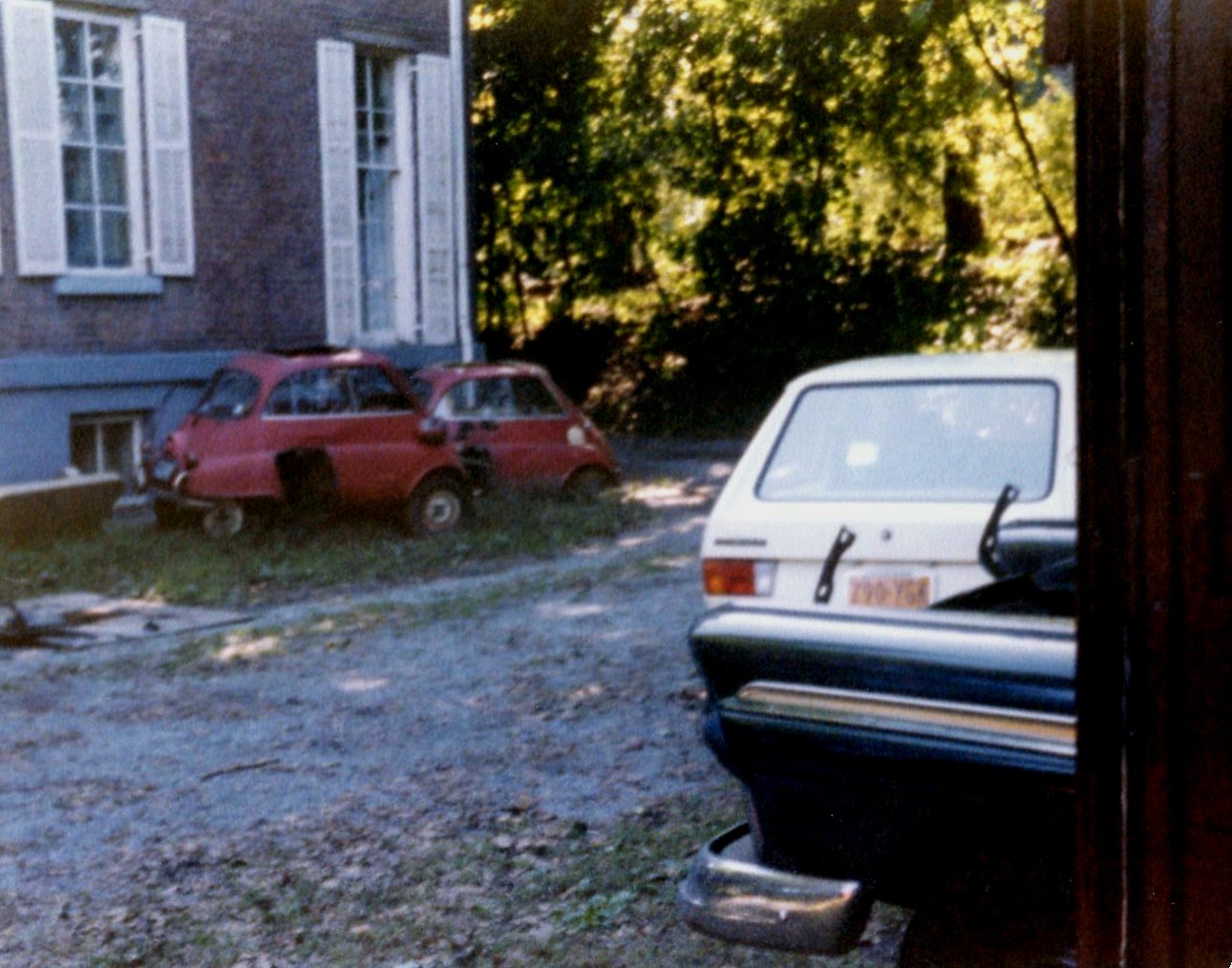
Summer of ’79: engineless Ford, Rabbit, and Isettas all crowd into my folks’ backyard


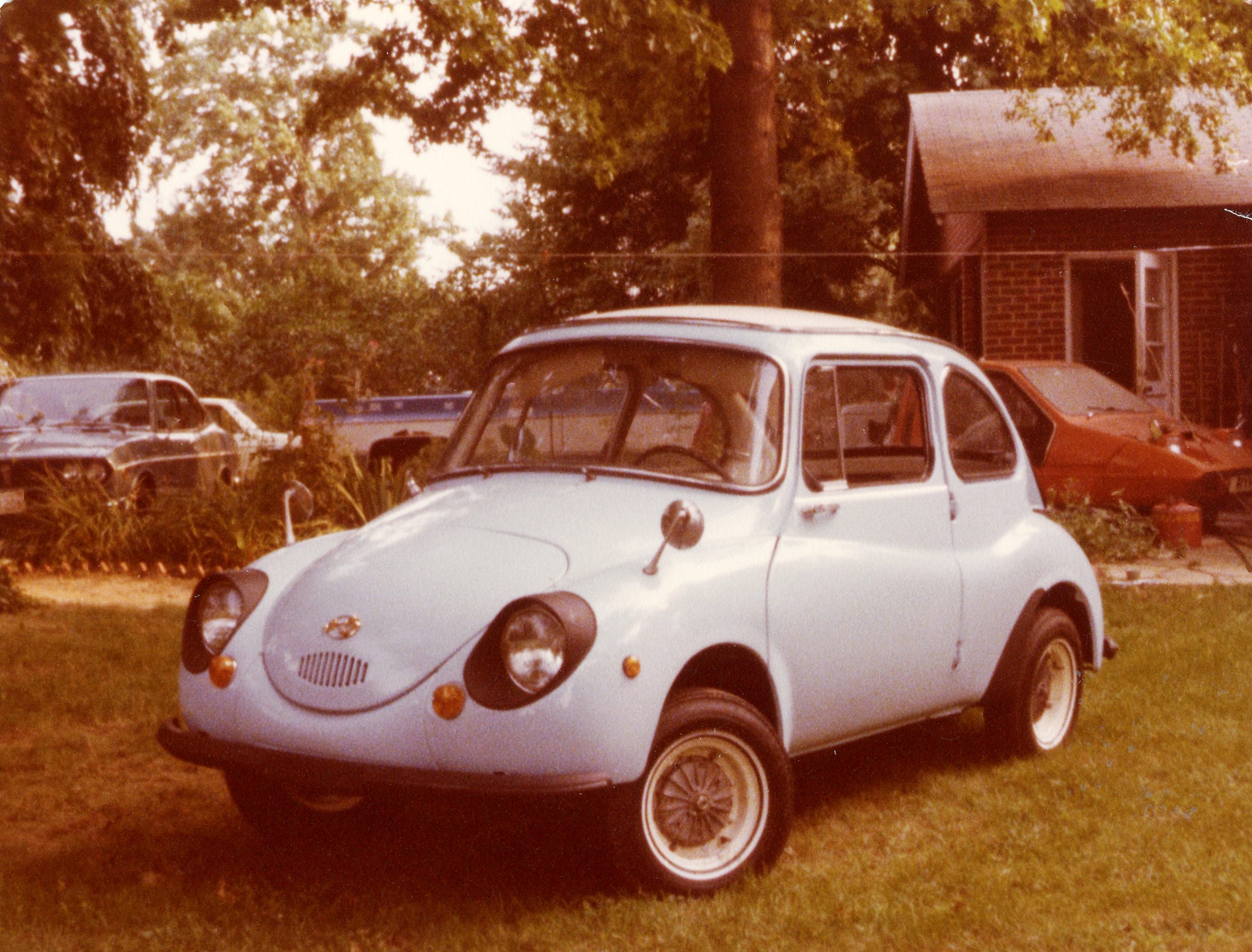
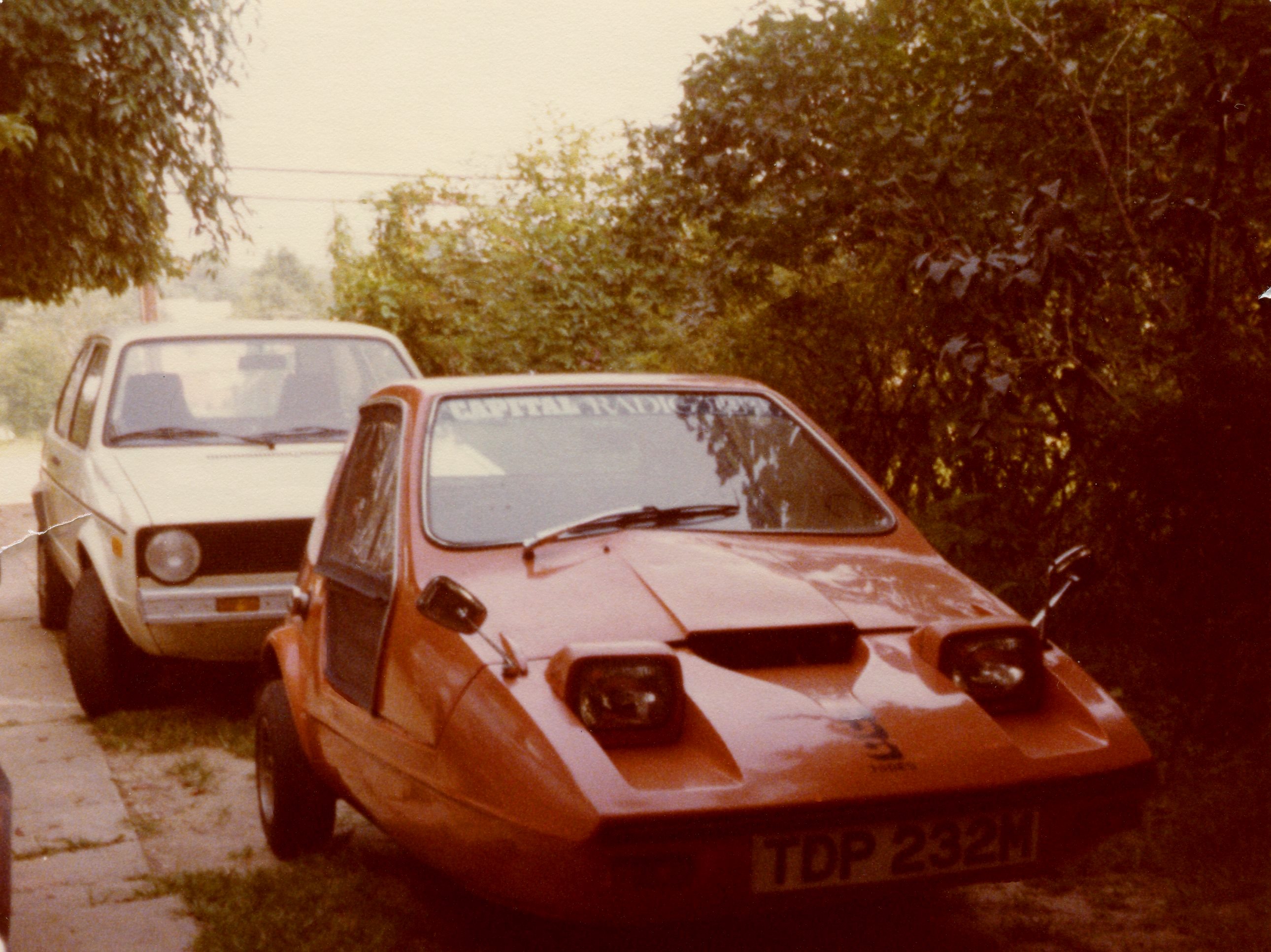
Later that summer, with a trip to the Washington DC area in the making, I took advantage of the HMI Club directory. I looked up a club member named John Malcolm who lived in Maryland, and invited myself to his house. John was more into Messerschmitts and Subaru 360s than he was Isettas, but he was technically brilliant (he had written several how-to articles for the club newsletter), so I picked his brain as much as possible. In addition to his various project cars strewn across his parents’ yard, he also showed me his ‘modern’ Bond Bug microcar.

The cars of John Malcolm:

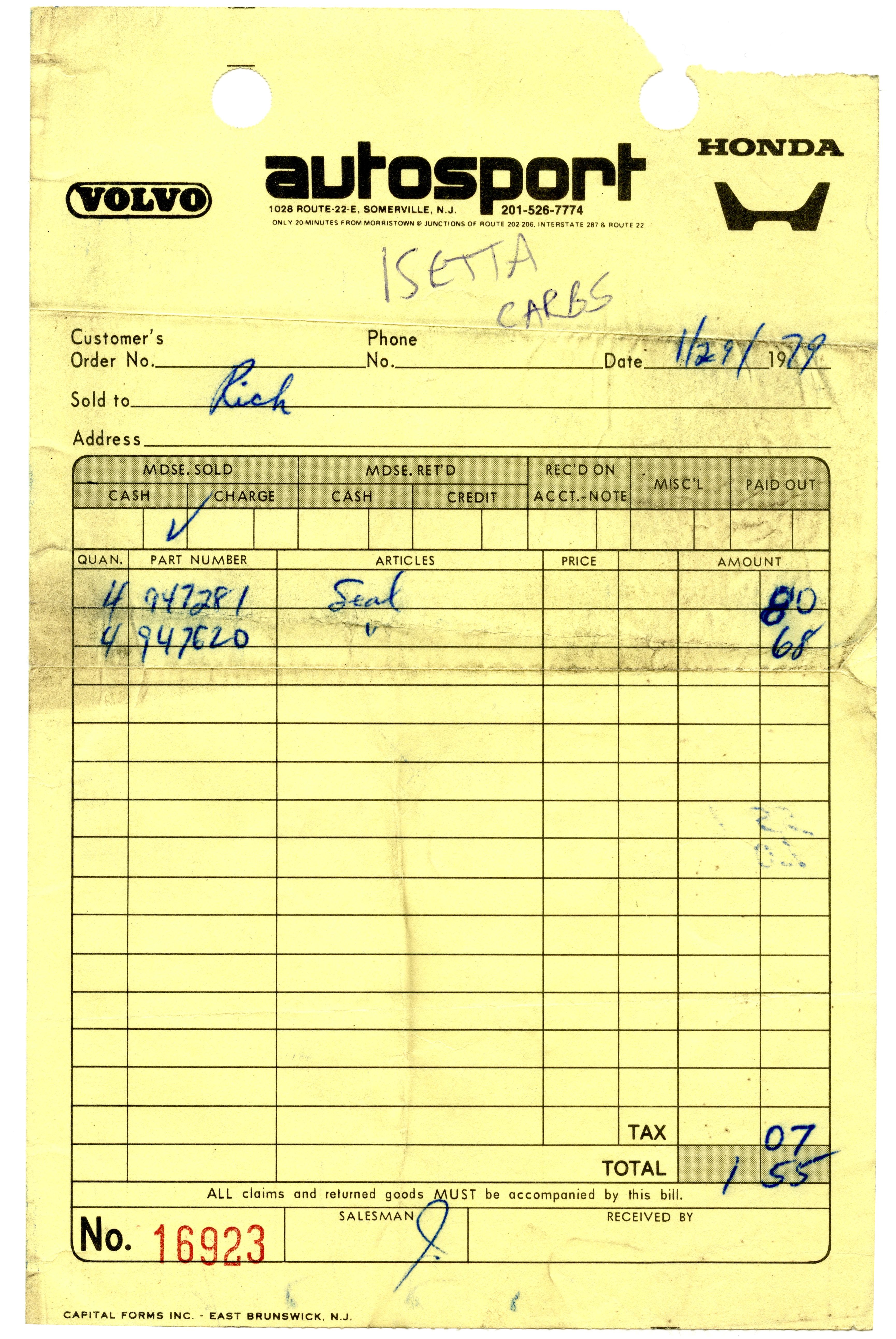
As 1979 drew to a close, the Skyliner was running but still needed significant body and interior work. There was no real progress to speak of with the Isettas. I had bought some carburetor parts from the Fellings (and even found some Volvo o-rings that would work), but the main stumbling block was that there was no plan. Access to my cars was about to get worse.


Any Volvo parts guys recognize those part numbers?


On January 1, 1980, I moved from my parents’ house on Staten Island to an apartment sans garage in Somerville NJ, which put me about a mile away from my job at Autosport. All the collector cars stayed with my folks, meaning, there was no regular opportunity to work on them.

In 1981, my father retired, and my parents decided to sell their Staten Island home and move to a retirement village in southern New Jersey. This meant that I could no longer rely on free storage for my rolling pipe dreams. My mechanic’s career was not exactly making me rich, and rather than selling off the collection, which would have been the mature decision, I spent what little extra funds I had on rental storage for all the cars.

The Isettas were moved into one half of a two-car detached garage in Maplewood NJ. Mike Adams, a salesman at Smythe Volvo in Summit NJ, where I went to work in August of 1980, had a Volvo PV 544. He was storing the Volvo in one half of a garage he was renting from a friend of his, Sue Stetson. He told me that the other half was available for $20/month. So I rented a truck, moved the 3 Isettas into this dirt floor garage, and told myself that at least they had a roof over their heads. As noted in greater detail here, the Skyliner was moved to Van’s Storage in western Jersey.

The decade of the 1980s began with me owning four collector cars, none of them stored anywhere within the proximity of my living quarters. Nine long years would pass before any further progress would transpire for my “rolling eggs”, as the Germans called the Isettas.


Stay tuned for Chapter Four, when we’ll discover how a clandestine rescue mission brought the Isettas home to a garage to call their own. 

All photographs copyright © 2018 Richard A. Reina. Photos may not be copied or reproduced without express written permission.


FUN FACT OF THE WEEK:

Ford’s flip-top Skyliner was not the world’s first retractable hardtop/convertible brought to market, but was certainly the first mass-produced one. The engineering was initially intended for the Continental Mark II, but when the bean-counters realized that the projected low volume of the Continental would never amortize the costs, the entire project was moved over to the full-size Ford platform. First introduced in 1957, Skyliner sales reached 20,000. But in 1958, volume dropped to 14,000, and for its third and final year, 1959 sales only hit 12,000 units. While Ford gave up on the retractable hardtop, the decklid and package shelf mechanisms lived on in the soft-top Thunderbird and Lincoln Continental convertibles of the 1960s.


Winter Storage, and the Start of the Miata’s Next To-Do List

As happens every winter, the collector cars (loosely defined as the cars that don’t get driven in snow) are put away for the winter. The ritual is one that has evolved over the years and is now consistent: fill the tanks with fresh fuel, add Sta-Bil, pump up the tires at least 10 p.s.i. over normal to avoid flat-spotting, put a trickle charger on the batteries, and cover the cars with a dedicated car cover. It’s easy, takes little time, and doesn’t cost very much.

Before going further, let’s take a moment to say a few words about the brands I use, and have continued to use. (I’m a firm believer in finding good products and sticking with them, even if they cost a trifle more. As the cliché goes, ‘you get what you pay for’.)

The Sta-Bil brand of fuel stabilizer, made by Gold Eagle, has been in use in my garage since I’ve owned powered lawn and garden equipment. Many moons ago, I heard stories about lawn mowers and snow throwers, two examples of gas-engine devices which see seasonal use, failing to run because the old gummed-up gas gummed up the works. As soon as I got my first lawn mower, Sta-Bil went into its tank.  The gumming has never happened to me, and I’ve stuck with the brand ever since.

Sta-Bil STORAGE is your basic fuel additive if fuel is going to sit

Yes, I had my doubts about their ethanol treatment after it seemingly made the Alfa run worse (a conclusion which I now doubt since discovering my carbs are running rich and fouling the plugs a bit), but your basic ‘storage’ version of Sta-Bil is the way to go for any fuel tank in which fuel may sit more than 6 weeks or so.

It’s a similar story with battery chargers. I still have my dad’s Sears charger, which looks like it was made in the 1960s. It works great to jump-start a dead battery, but it ain’t no trickle charger. Long-term battery storage requires both a slow charge (the “trickle”) and a volt-sensing cut-out that won’t overcharge the thing and boil it to death.

You know it’s an old charger when there’s a switch for “6V” and “12V”

The Deltran Battery Tender brand came onto the market several decades ago, and they found their niche for the car collectors whose vehicles are stored in the off-season. While many competing brands have since been introduced, I’ve stayed with what I know works. I think I’m up to 3 of these Battery Tenders in the garage.

Green is good! Battery Tender keeps battery charged without overcharging

Car covers are a relatively new accessory to my winter arsenal. Up until a few years ago, frankly, I didn’t believe in them. It was a combination of fear of paint damage from moisture trapped beneath the cover, and frustration with my inability to find a custom-fit cover for the BMW Isetta (my expectations were a bit high with that one).

Since working at CARiD, I’ve learned a lot about the usefulness of good quality car covers, and one thing I learned is that the Covercraft brand is my favorite. The fit is perfect, and the variety of material choices will satisfy any indoor or outdoor cover needs at any price point.

The indoor-rated Dustop from Covercraft fits the Alfa perfectly

The Alfa has a Covercraft Block-It Dustop (yes, they had the ’67 Alfa pattern in stock), and the Miata wears the Covercraft Evolution indoor-outdoor cover. In the garage, both covers do more than keep dust off the paint; they also protect the interiors from sunlight, and provide some protection from wayward nuts and bolts spinning out of control off my workbench. I would never again think of storing a car without a cover. Even in the nice weather, if it’s going to be more than a week or two before one of the cars gets driven again, the cover goes on.

The Covercraft Evolution cover on the Miata is rated for indoor and outdoor use

All this is a prelude to an announcement about my Mazda Miata: after giving some thought to selling it, I’ve now decided to keep the car. What’s more, next year, in 2018, this 1993 automobile will be 25 years old, making it eligible for AACA events. So I’m going to turn it into a show car.

The plan is to spend the winter tending to some mechanical maintenance, but also attending to some detail work in order to display the car at shows next year as a 25-year-old original unrestored car.

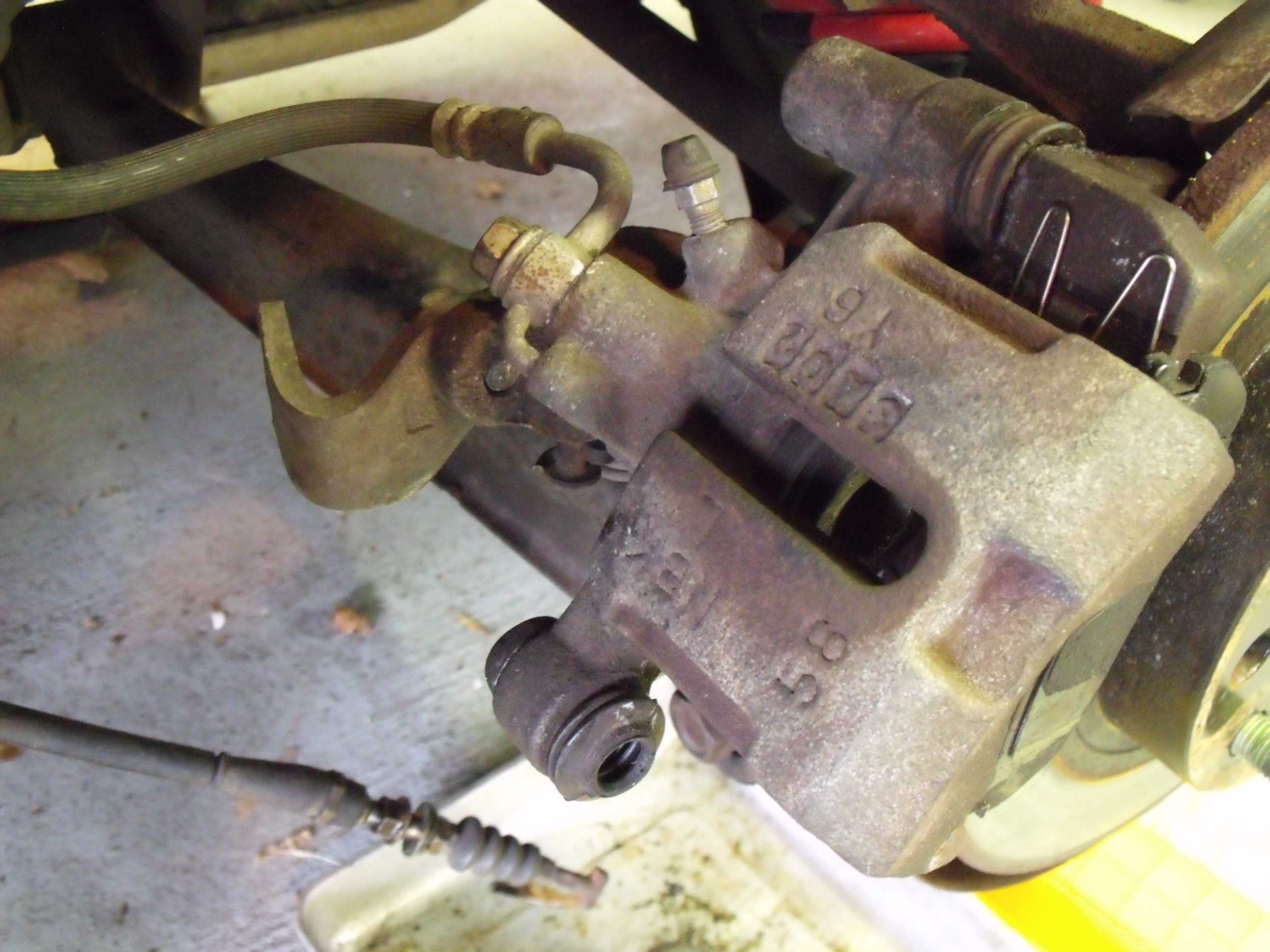
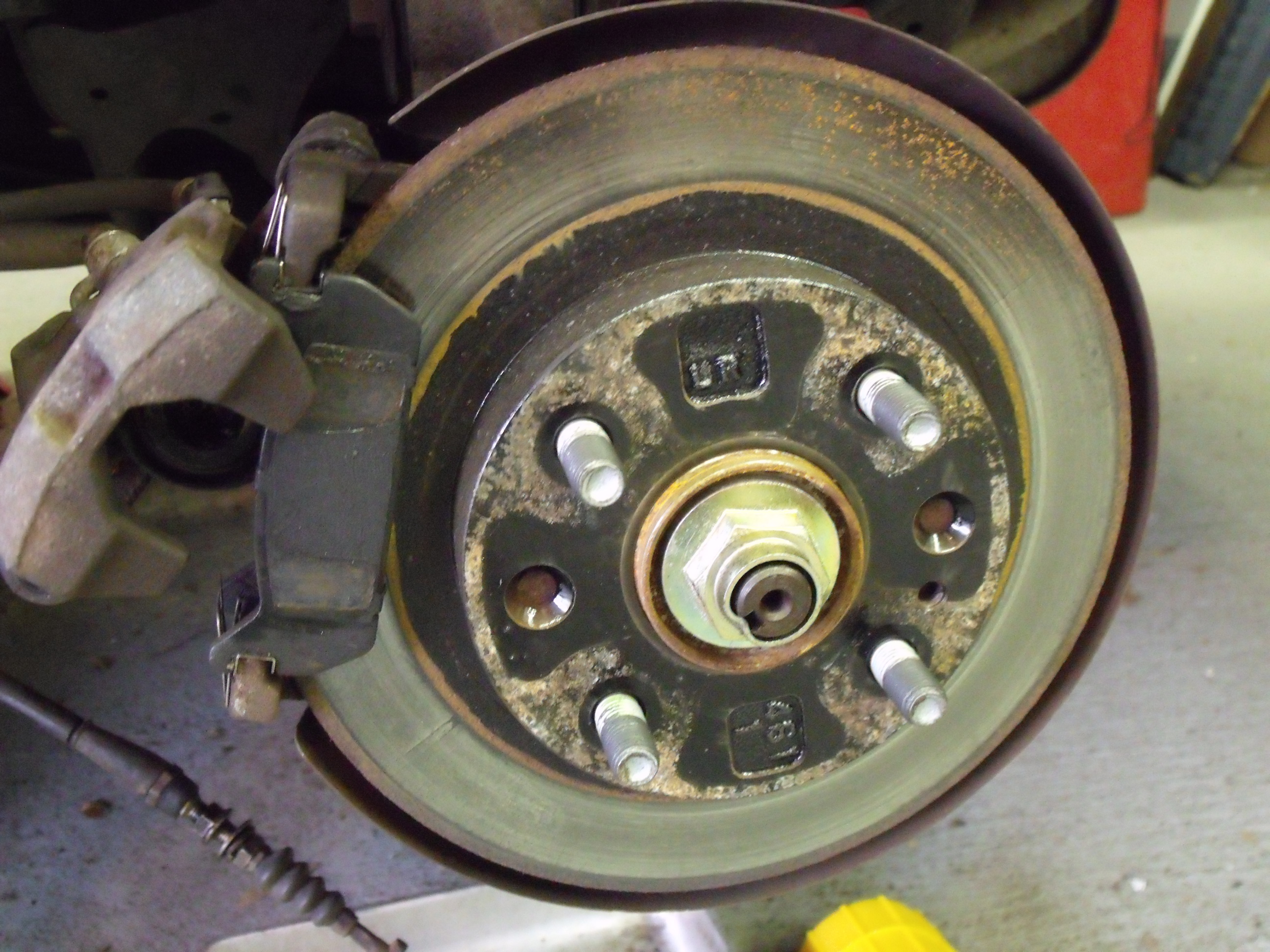
The mechanical list includes new rear brake calipers (one of the parking brake adjusters is stuck), new tires (tread is good, but they’re 10 years old), and a continuation of the LED bulb upgrade. The detail work involves a new convertible top (worn and dirty), an engine compartment detail, Paintless Dent Removal work on some small dings, and a complete polish and wax.

Here’s hoping for a mild winter, which will encourage me to get out to the garage! As long as the temperature is above freezing, I can spend a few hours out there. Watch this blog for updates on my progress with the Miata.


Is it spring yet?


All photographs copyright © 2017 Richard A. Reina. Photos may not be copied or reproduced without express written permission.


Automotive Fuses: A Somewhat Brief Tutorial (with Illustrations)

Have you replaced a fuse on one of your modern daily-driver automobiles recently? It’s likely you have not. Today’s motor vehicles have much more sophisticated electrical systems, and while your typical 2017 four-wheeled 2.5 ton behemoth still uses fuses, the days of fuses just “wearing out” are behind us.

If you have needed to replace a fuse, the first trick may have been to locate the fuse boxes. My wife’s 2017 Honda Odyssey has FIVE fuse boxes: two in the engine compartment, two under the dash, and one at the rear, containing a total of 107 fuses. It makes me pity the shop tech who needs to fault-trace an intermittent electrical problem.

My 1967 Alfa Romeo GT 1300 Junior, by contrast, has one fuse box, located in the engine compartment. Access to it is easy, as it’s mounted high up, on the right-side inner fender. There are a total of 10 fuses: one for ignition, five for exterior lighting, and three which are helpfully marked “other electric devices” (of which there are few; my Alfa lacks the power sliding doors, climate control, and ‘Lane Departure Warning’ of my wife’s minivan).

Ten little fuses, all in a row. Note bi-lingual fuse box cover.

Italian cars get a bad rap for their supposed temperamental electrics. But there’s not been a lick of an issue with mine, save for a battery which died shortly after I got the car (because it was 10 years old at that point). Preventative maintenance goes a long way toward keeping the electrons flowing in the proper direction and in a complete circuit.

With any old car, I will gladly get on my soapbox and preach the ’12-Volt Gospel’: 99% of electrical gremlins are caused by poor connections. Terminals must be clean and tight; ground wires must be securely connected to clean ground; and fuses and their terminals must be clean, tight, and protected with dielectric grease. In no case should an electrical component be replaced without first ensuring that all connections, hold-downs, and crimped or soldered terminals are in the best shape they can be.

Soon after acquiring the Alfa, I removed all 10 of the European-style ceramic fuses, cleaned the spring-tensioned holders with a brass brush, and bent the holders inward to make them tighter. Next, I applied a light coating of dielectric grease. Upon reinstalling the fuses, I ran continuity tests with my multimeter to check that there was minimal (ideally, close to zero) resistance in the connections.

This dielectric grease is magical stuff. It seems counter-intuitive to grease electrical connections, but it prevents corrosion from forming. You still need to have a strong mechanical connection. It should be used on battery terminals and spark plug boots as well as fuses. Don’t waste your $1.99 buying the point-of-purchase 0.001 oz. packet at the retail store checkout counter. I bought a 5-ounce tube about four years ago, and even after multiple applications on multiple cars, I’ve only used about 25% of it.

Dynatex brand dielectric grease – I use it frequently on electrical work

While on the subject of fuses: I recently cleaned out an old shoe box full of automotive miscellany which had belonged to my dad. In it were several tins of glass-style fuses. While none of the cars I own today use this style, my ’68 Mustang did, and I recall how difficult it was to reach the fuse box on that car, as it was mounted above the gas pedal.

Buss brand glass fuses – note old & new style packaging

Some people refer to these as Buss fuses, however, that is a brand name. According to Wikipedia, these fuses were also known as “SFE” fuses because they were developed by the Society of Fuse Engineers.  They varied in ratings between 4 and 30 amps, and in corresponding lengths between 5/8” and 1&7/16”. This was done by design in order to help prevent a fuse of incorrect amperage from being inserted.

Automotive glass fuses


Red Line brand fuses – box states that company is from N.Y.


Opening these is like going on an archeological dig

If you have a newer car, here’s hoping that you never need to replace a fuse (much less find the fuse box). If you have an older car, here’s hoping that you invest in a tube of dielectric grease, and in a half-hour of preventative maintenance. Let me know how it works out.


All photographs copyright © 2017 Richard A. Reina. Photos may not be copied or reproduced without express written permission.
Special photographic note: the 4 photos of the glass fuses were taken with a FILM camera, specifically, my Nikon EM, using Kodak Gold ISO 200 film.


FUN FACT OF THE WEEK

On January 14, 1885, Thomas A. Edison of Menlo Park NJ, applied for a U.S. Patent for his invention of a “fuse-block”, to act as an electrical protection device.


Installing LED lights in my Miata

In the 21 years since I purchased my 1993 Mazda Miata, and during the 70,000 miles of driving enjoyment I’ve had behind the wheel, there is one peculiarity that has come to my attention.

The car has shrunk.

Not really. However, the automotive landscape has gone through tremendous upheavals since 1996. When I bought the Miata, from a young woman in her 30s who had purchased it new, I asked her “what will you be replacing it with?” She replied “a Chevy Blazer”. At that point in time, the concept of voluntarily moving from a two-seat sports car to a Sport Utility Vehicle was a foreign one. But no longer. In 2017, the majority of daily-driven vehicles are classified as “light trucks”: minivans, SUVs, and pickup trucks.

The Miata is small even next to the Alfa

It is in that sense that my Miata has gotten smaller, as without exaggeration, every four-wheel contraption sharing pavement with me towers over my windshield. Pulling up next to a late-model Accord or Camry at a stop light is a lesson in relativity, as I observe that those mid-sized sedans’ beltlines are higher than my roof.

As the title of this blog post is “Installing LED lights in my Miata”, you may wonder what the foregoing has to do with LEDs. Plenty, in fact, and it’s summed up in the word conspicuity.

There are two aspects to vehicular lighting, as I was taught in Automotive Safety 101: being able to see, and being seen. Other than headlights, and perhaps reversing lights, a vehicle’s exterior illumination is designed to help other drivers see you. A few weeks ago, it occurred to me that there was a super simple way for me to make the Miata more conspicuous to other drivers, and that would be by installing some LED lights.

To the automotive purists, aftermarket LED lighting may have a bad rap. Your first thought may be of glare-producing headlights (more likely caused by HID lighting). Perhaps you’ve seen some tricked-out show cars with blue/green/violet LED lighting in front and rear lamp assemblies, even under the car, pulsing along with a 120-decibel sound system.

The upgrade I pursued is much more straightforward than that. The aftermarket has made LED light bulbs available, in standard sizes, as “plug-and-play” direct replacements for incandescent bulbs. With the Miata, I wanted to start small, and at the rear, by replacing the combo tail/brake light bulbs (#1157) and reverse bulbs (#1156).

I obtained several sets of bulbs from CARiD.com (and in full disclosure, this is the company where I’m employed). The LED bulbs are available in different colors. I got the 1157 bulbs in both white and red, and the 1156 bulbs in white.

When replacing incandescents with LEDs, it is extremely important that the LED bulb is the same length, or shorter than, the bulb it is replacing. LEDs are available from different companies, and most companies offer them in different lengths. An LED bulb which is too long may not fit at all, or may press against the plastic lens, causing that lens to melt, or worse.

New Lumen LED bulb (right) is slightly shorter than incandescent (left) it’s replacing

My bulbs are the Lumen brand, available in 3 different lengths. Generally speaking, the larger the bulb, the more light it emits. It therefore becomes tempting to decide on the largest bulb; again, make sure that it’s going to fit inside the assembly!

Today’s LEDs are direct replacements, emit lots more light and less heat

In my case, to be on the safe side, I selected the shortest bulbs. With pieces in hand, I opened the Miata’s trunk and was pleasantly surprised to see the covers behind the tail lamp assemblies were easily accessed.

(Sidenote: in 21 years of ownership, I have never removed one of these covers before this LED bulb swap. The ONLY exterior bulb I’ve replaced on this car since 1996 is one sealed-beam headlight bulb. Darn those Japanese, not giving the bulb makers a chance to sell their wares!)

Tail lamp assembly cover easily accessed from trunk


Push in two clips, and flip cover (no tools needed)

Once the cover was removed (no need to disconnect the harness plugs), I flipped it over, and both bulbs were right there. I did note that the tail/brake light glass (“envelope” in bulb-speak) was darkened, probably dimming its output; however, the bulbs still worked. Wanting to make changes one step at a time, I swapped out the 1157s first, using the Lumen white LED bulb (the tail lamp housing has a red lens).

To document the changes, I took photos, figuring that the camera doesn’t lie (but it might try to make the car look thinner). I put my Sony digital camera on a tripod, and set the controls to full manual. In this way, the camera’s light sensor would not automatically adjust the exposure, which could artificially make the light look either brighter or darker.

With new tail light bulbs in place, I subjectively thought that the light output was brighter. The big improvement, however, was in the amount of illumination: now, the entire lens assembly was lit, compared to prior, when the upper corners remained dark. So far, so good.

Next to be installed were the reverse lights. This was a great improvement, as the light is not only markedly brighter, the color is a pure white, compared to the hazy yellow of the incandescents.

Lastly, I went back and replaced the 1157 LED white bulbs with the same size in red. My expectations were low, as I had run this same experiment at work several years ago with an older Honda Civic, and the red tail lamp bulbs behind a red lens were not as bright as white bulbs.

The Miata yielded a much better result: the light was slightly brighter, and it was redder too. If conspicuity was my goal, the red 1157s and white 1156s allowed me to achieve it.

(For those who want to make the same upgrades, I would suggest trying both red AND white LED bulbs in the tail lamp assembly – provided that the tail lamp lens is red. Vehicles with WHITE lenses for tail/brake lamps MUST use a red bulb.)

Tail AND brakes lamps both on

What’s next for the Miata’s lighting? I had considered upgrading the front and rear turn signals, but LED bulbs introduce a small hiccup: their low resistance causes the flasher relay in many cars to “hyperflash”, or, flash too rapidly. There is a fix in the way of a resistor, but that costs extra, and must be permanently mounted to the car, a modification that I’m not willing to make.

The front and rear side marker lights would be a likely next step for LEDs. On the interior, the footwell courtesy lighting could really stand to get LEDs (the poor passenger compartment illumination is partly caused by lack of any overhead lights).

Was I surprised by the improvement in the Miata’s rear lighting? Not at all. The biggest surprise may only be that I waited this long to make the upgrades. Oh, and the Alfa will definitely be getting similar LED bulbs. Just don’t tell the AACA judges.


All photographs copyright © 2017 Richard A. Reina. Photos may not be copied or reproduced without express written permission.

FUN FACT OF THE WEEK

“Reverse” lights, also known as “back-up” lamps, are wired to illuminate whenever (and only when) the vehicle’s transmission is in reverse. They are designed to both help light the way for the driver, AND, serve as a signal to others of the driver’s intention to move in that direction.
In the U.S., reverse lights became required by law with the passage of the initial Federal Motor Vehicle Safety Standards (FMVSS) in 1968. Before that, back-up lamps were optional equipment for many vehicles, if they were even available. As a boy, I can recall seeing lower-line American cars with steel “blanking plates” in place of reverse lights.