BACK TO PRINT: Selections from the 1958 “International Auto Parade” Book

I’ve long enjoyed collecting automotive print publications, although perhaps I should switch to making that statement in the past tense, as I’ve reached critical mass on the shelves of my home library. First, there is the collection of Car & Driver magazines going back to the 1950s through the present. Then there are the hardcovers; much of my time at Hershey over the last 20 years has been spent scouring the flea market for titles to add to the collection. My wife often asks what I do with all these publications, and the truth is, I frequently pull one off its shelf and breeze through it. So it was with the book I am presenting here.

The book I am featuring this week, though, was not purchased by me, instead, it was gifted to me after it was uncovered by someone who thought I would enjoy it. The aptly titled “International Auto Parade, Vol. II”, was published in Zurich, Switzerland (interesting because that country does not have a native auto industry). It does an admirable job covering all the new vehicles available around the world. All the U.S. makes are there, as are cars from unexpected countries such as Czechoslovakia and Russia. To top it off, the text is in 6 languages: English, German, French, Italian, Spanish, and Portuguese.

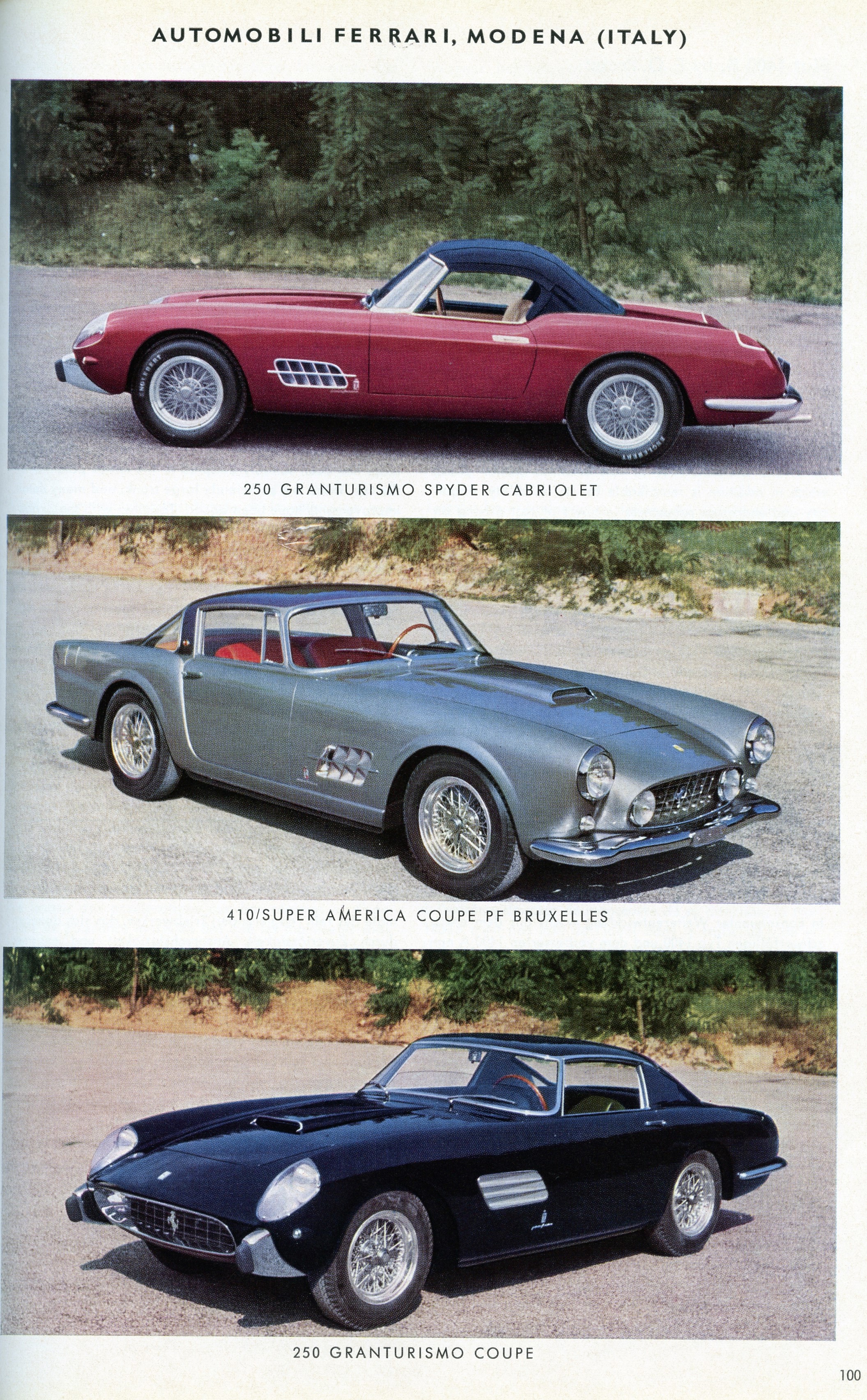
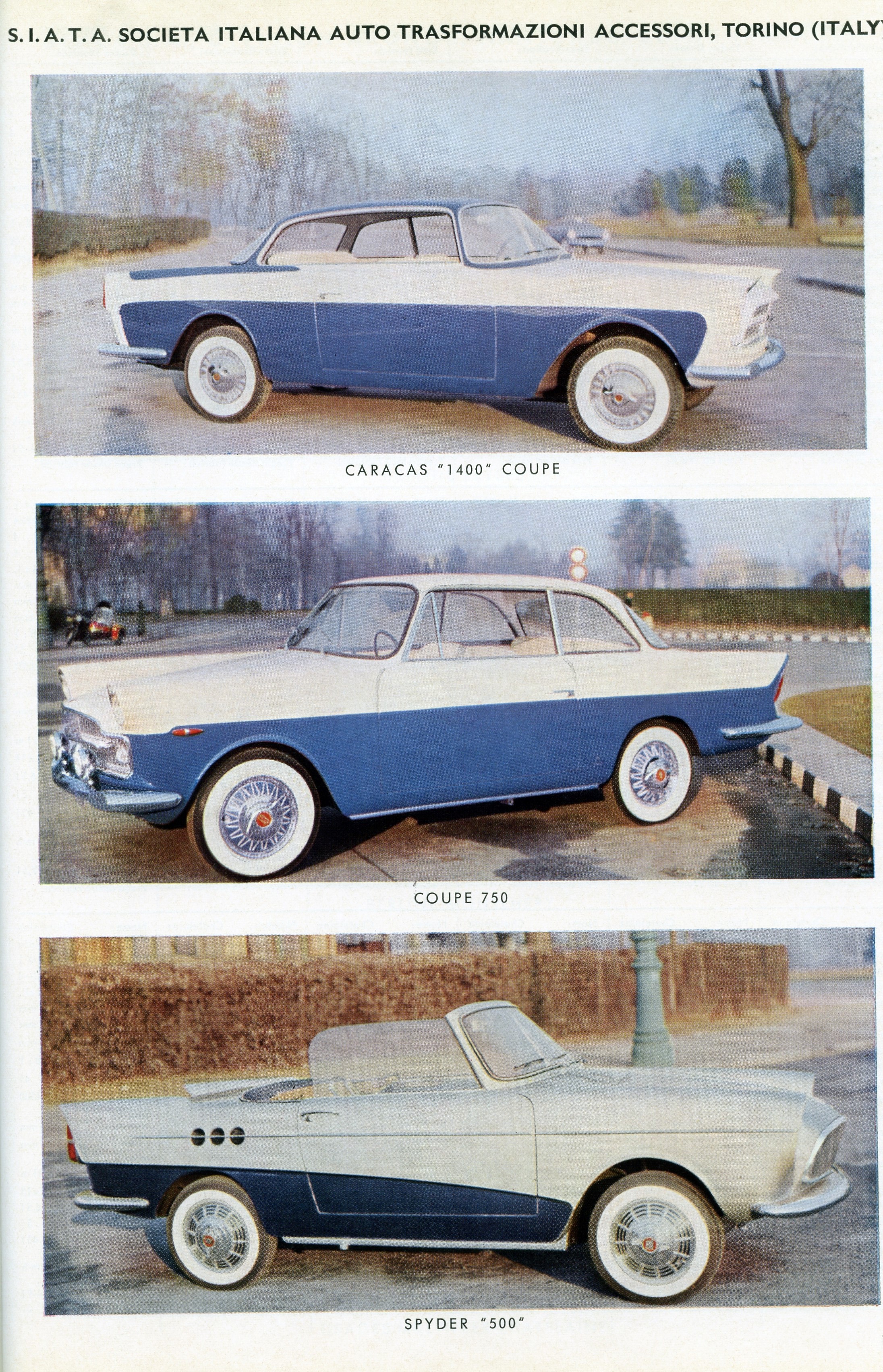
The book’s best feature are its sharp color photos. My favorites are of cars I’ve heard of but have never seen. Then there are the ones to drool over, such as the Ferraris. I’ve chosen 3 pages to highlight simply because the photography was especially striking. My Italian preferences really come through here, although there is one Japanese car to admire….


In my mind, Ferrari didn’t start to build tremendously sleek looking cars until the mid-1960s, but this trio of Modena sports cars from 1958 proves me wrong. The two 250 models had V-12 engines displacing 3.0 liters and putting out 240 HP. The 410 had a 4.9 V12 making 340 HP. I think I’ll take the Spyder.


The two Morettis look identical except for their roofs. The cars were based on Fiat mechanicals, and were at the opposite end of the scale from the Ferraris. Their 1200 cc engines put out 55 HP. Although I’ve read about them for years, I don’t believe I have ever seen one. However, if I came across one for the right price, I’d be interested!

At the bottom of the page is the Datsun 1100 Saloon, manufactured by the Nissan Motor Company of Yokohama Japan. Stare at this picture and remind yourself that in 12 short years they would introduce the 240Z sports car to the world.


Unlike the Moretti, I have seen a Siata: I featured one which was on display at the AACA Museum at the same time my Alfa was there. These 3 Siatas are among the best-looking cars in the book. They might be a bit underpowered for American roads, though. The 1400 at the top of the page produced 58 HP, but the 750 Coupe managed only 30 HP; the Spyder 500 made do with 18, only 5 more than my Isetta. (But it is better-looking.)


All photos are from the author’s private collection.


Automotive Art & Architecture in Washington D.C.

My wife and I drove to Washington D.C. earlier this week to visit her brother, who has lived there for over 30 years. It had been a few years since we visited, and I was looking forward to a few relaxing days, taking in a couple of museums and strolling around his neighborhood. The last thing I expected was to find material for a blog post, but that is exactly what happened.

My wife wanted to see a quilt exhibit at the Smithsonian Museum of American History. However, before we got near any quilts, a full-size Ford grabbed my attention. A highly-modified 1969 Ford LTD, billed as “Dave’s Dream”, was featured on the main floor. It was cordoned off so that you couldn’t not get too close. It was the only car on display, and I can only surmise that the theme, in its own way, represents some slice of American History.

On an upper floor was a Richard Avedon photography exhibit. His black & white portraiture is stunning and striking, and part of the exhibit highlighted his start as a photographer for Life, Look, the Saturday Evening Post, and other long-gone weeklies. A nearby sitting area had actual magazines from the ‘40s and ‘50s available for browsing. I selected one at random and opened it, only to find a Willys Jeep ad, one I had never seen before. It was news to me that as early as the late 1940s, Willys-Overland was advertising the purported superior traction advantages of its Jeep.

The next day we strolled around a nearby residential area. A road was closed for construction work. A crew was using a gas-powered saw to slice through the asphalt, then using a backhoe to dig. To my surprise, they were doing this directly alongside a Chevrolet Malibu which had ignored the “don’t park here because we’re going to start work soon” signage. The crew was so far along that even if the owner wanted to relocate the car, it would necessitate driving on the sidewalk.

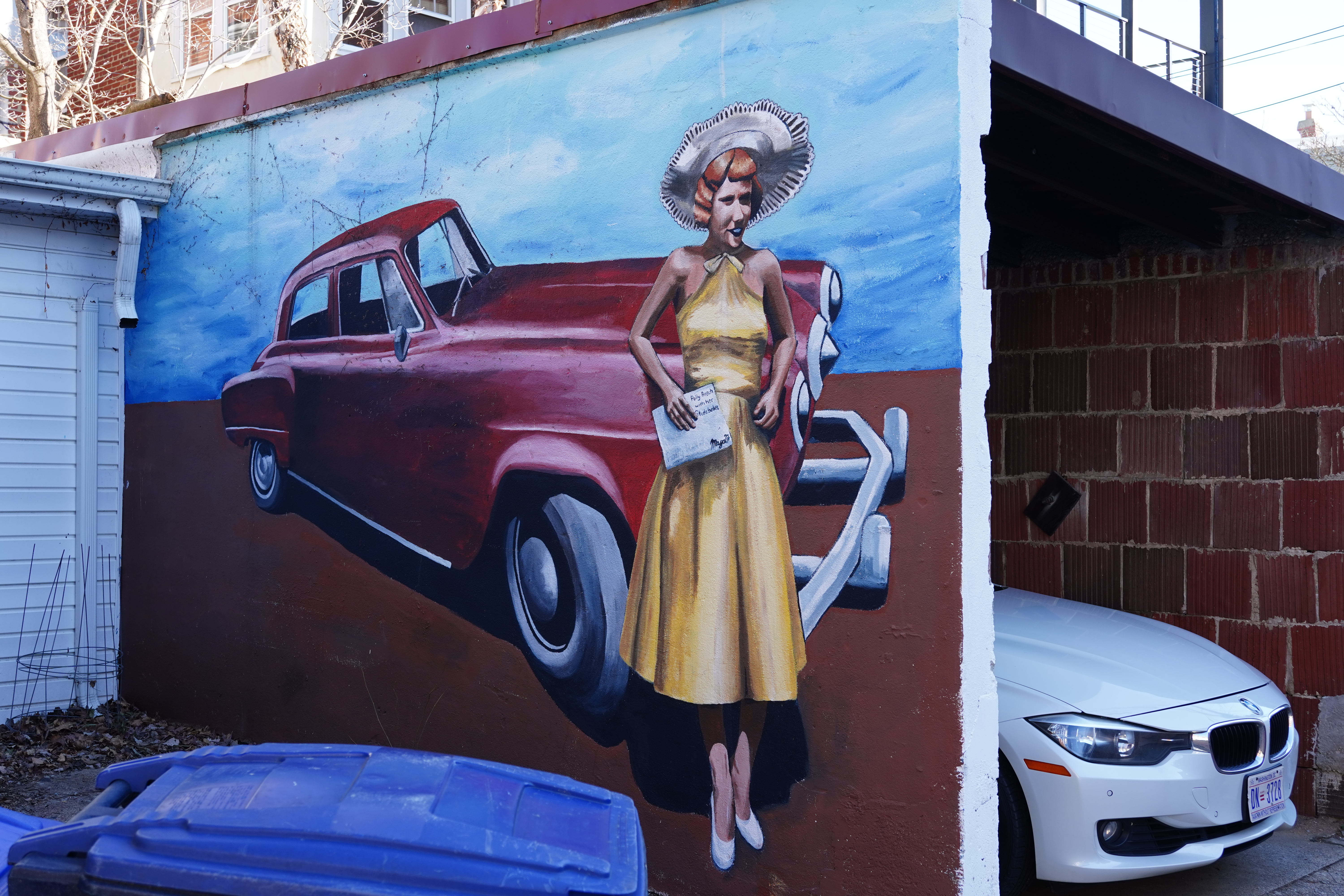
The garage for this BMW had this lovely mural painted on its side. Can we presume that the owner would rather be behind the wheel of the bullet-nose Studebaker?

In the same neighborhood as the marooned Malibu and the post-war poster car was this ancient Dodge Caravan, its paint long-lost to the elements. The roof rack was supporting sawn-off tree branches. (Also make note of the steering wheel lock, as if this thing is a likely target for thieves.) My brother-in-law said that the townhomes on this block sell in the $2 million+ range. I am beyond creating any rationale for the existence of this minivan.


All photographs copyright © 2023 Richard A. Reina. Photos may not be copied or reproduced without express written permission.3

The 2014 Lime Rock Vintage Race Weekend

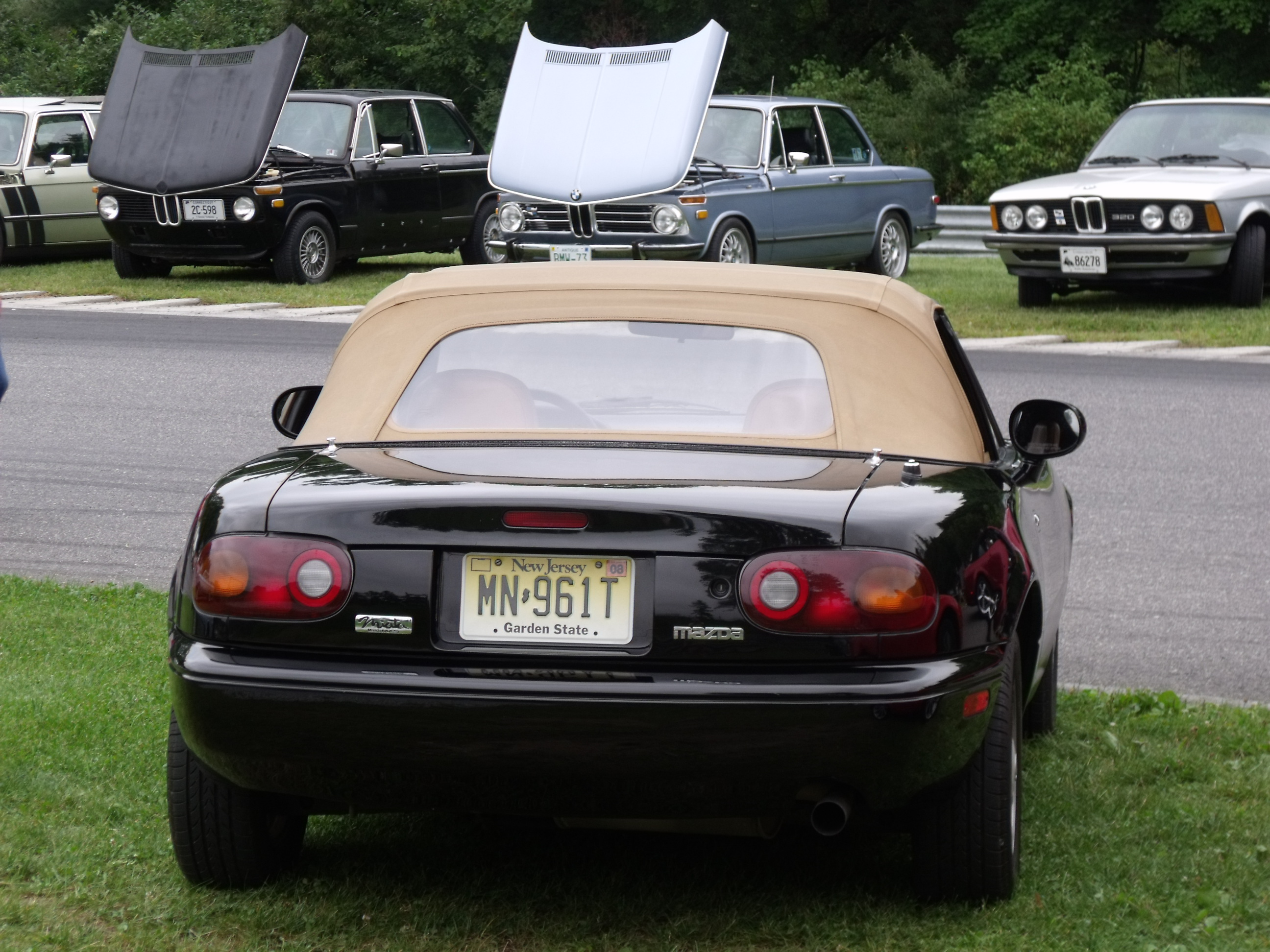
In 2014, for the first and (so far) only time, I traveled up to Lime Rock for their Labor Day Vintage Race Weekend and took advantage of the ‘Gathering of the Marques’, which allows owners of certain automobiles to put their cars on display. That year, I drove my Mazda Miata to the show, and although I still had to pay full price to enter, I was allowed to circle the track, find the Miata group, and park with them.

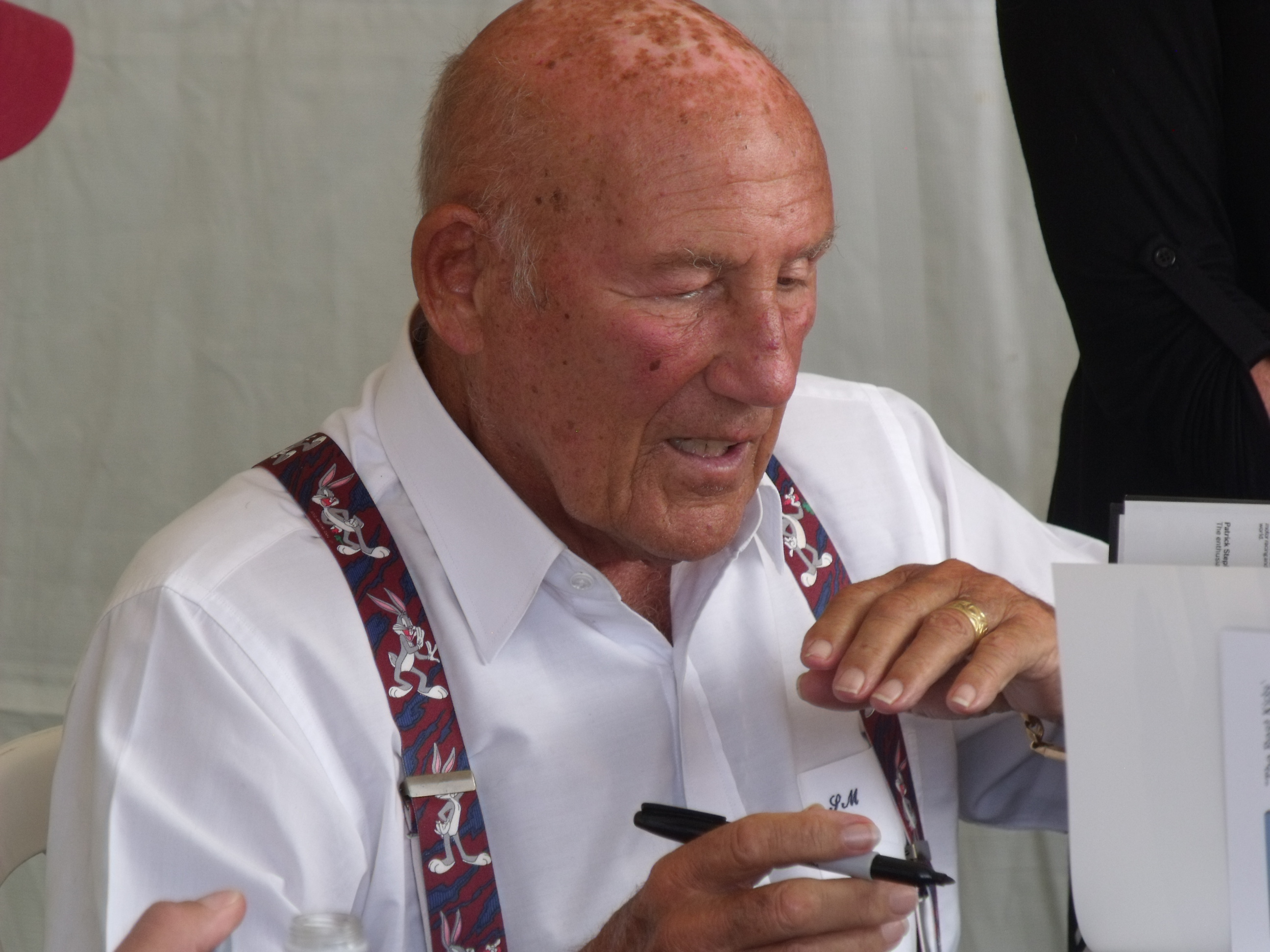
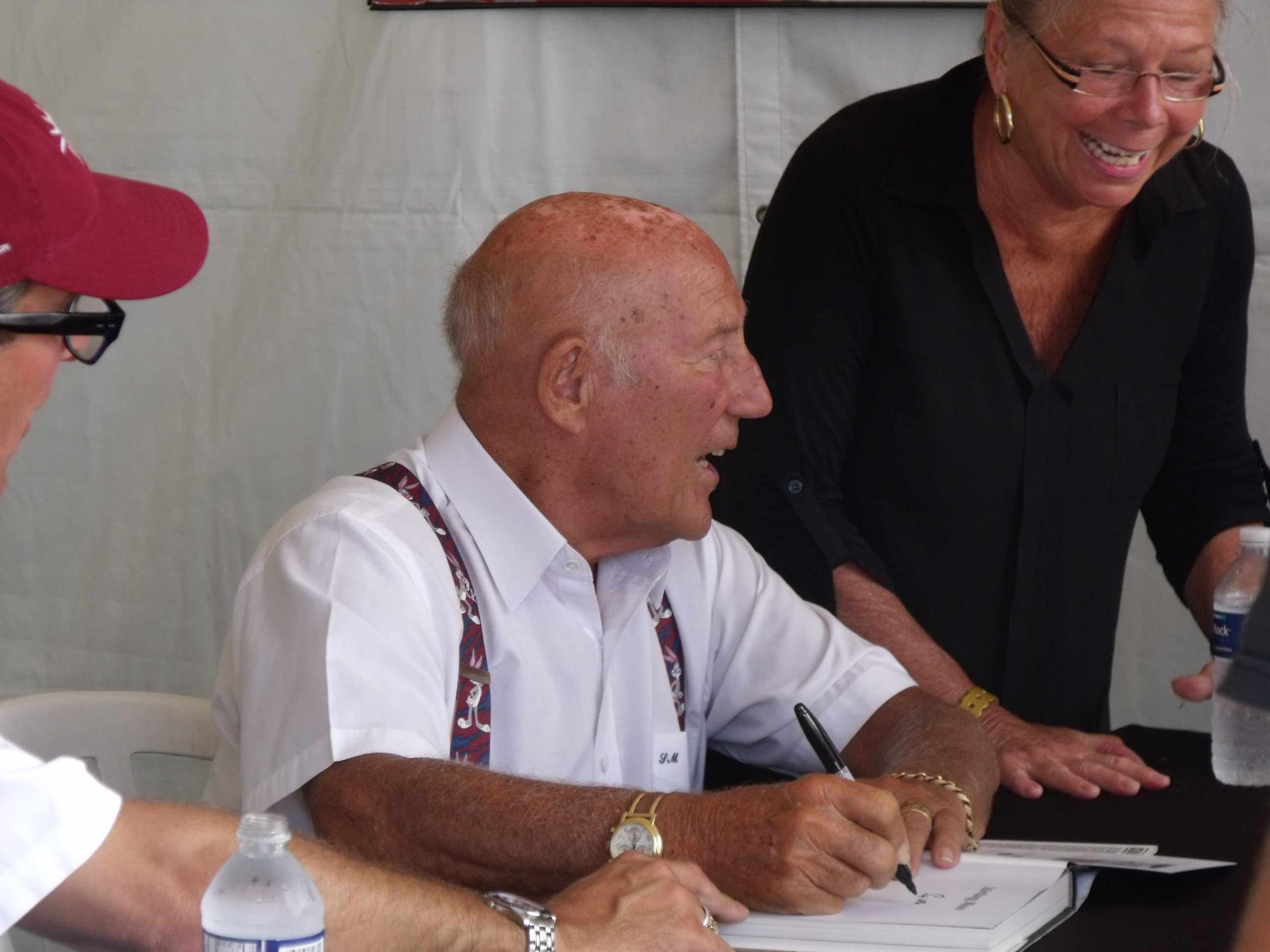
There were several special treats this year, including displays of Fiat 500s, Fiat Abarths, and a personal appearance from famed race car driver Sir Stirling Moss. As is typical for Lime Rock, some of the cars in the parking lot are just as interesting as the ones in the show, and the paddocks are open to allow spectators to roam freely (but no touching!).

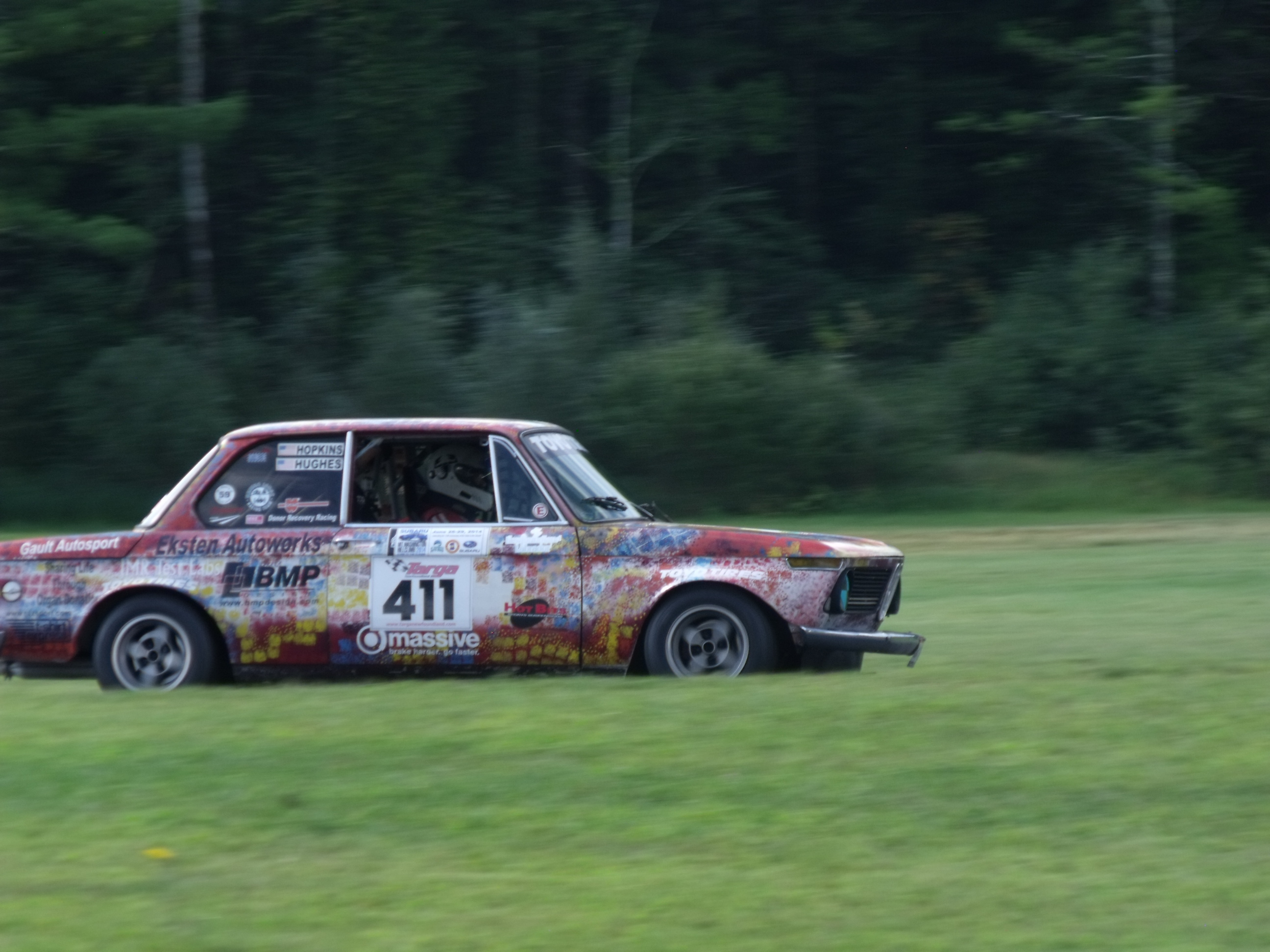
Another unique element to my visit is that I stayed overnight locally, which enabled me to take in some racing action. Photographing speeding vehicles is an art unto itself, and one that I need to practice more. Nevertheless, I was able to fire off a few shots of cars at speed that I trust my readers will find of interest.


ITALIAN
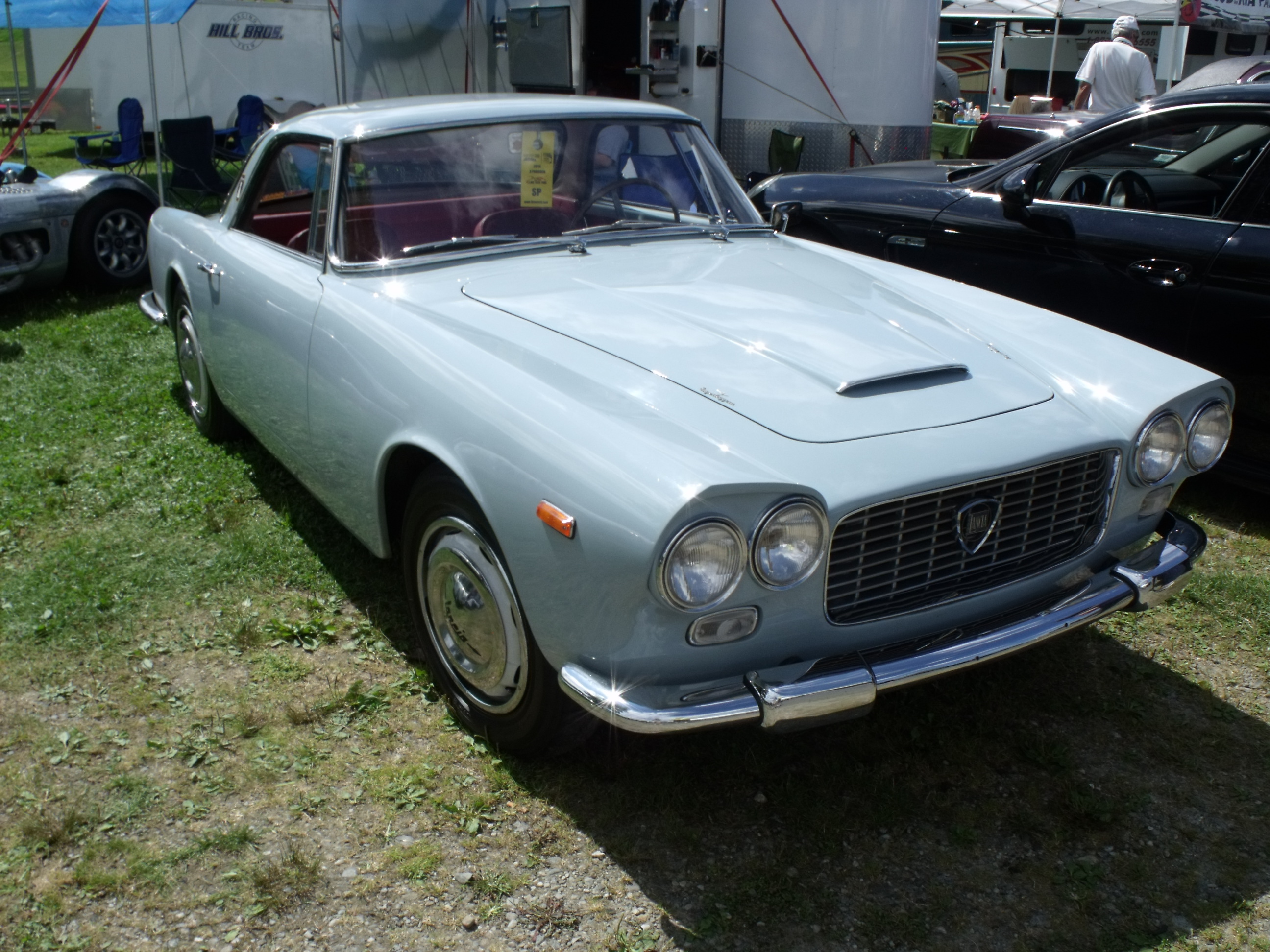
Lancia Flaminia


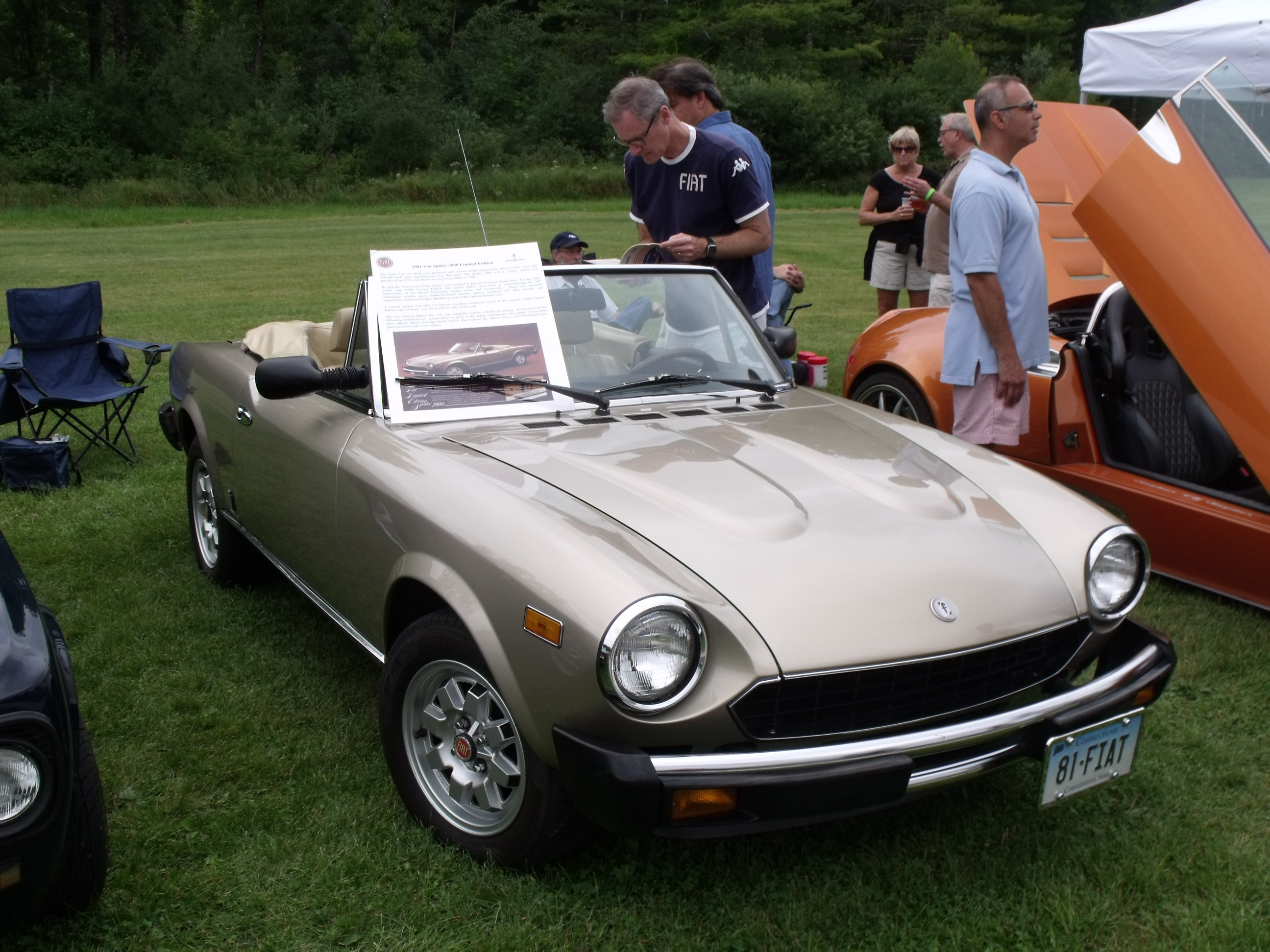
Fiat 2000 Spider Anniversary model


A pair of Alfas


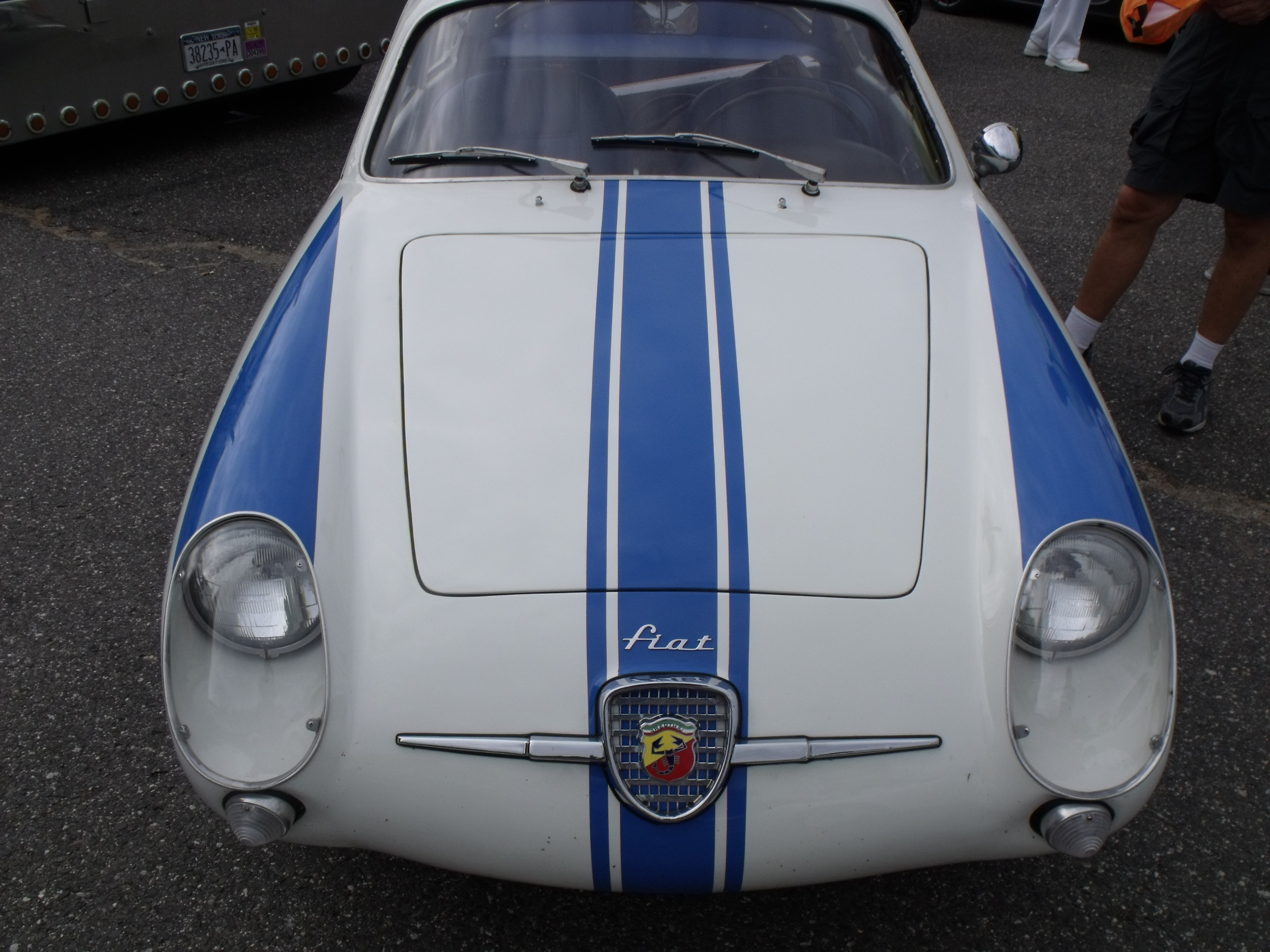
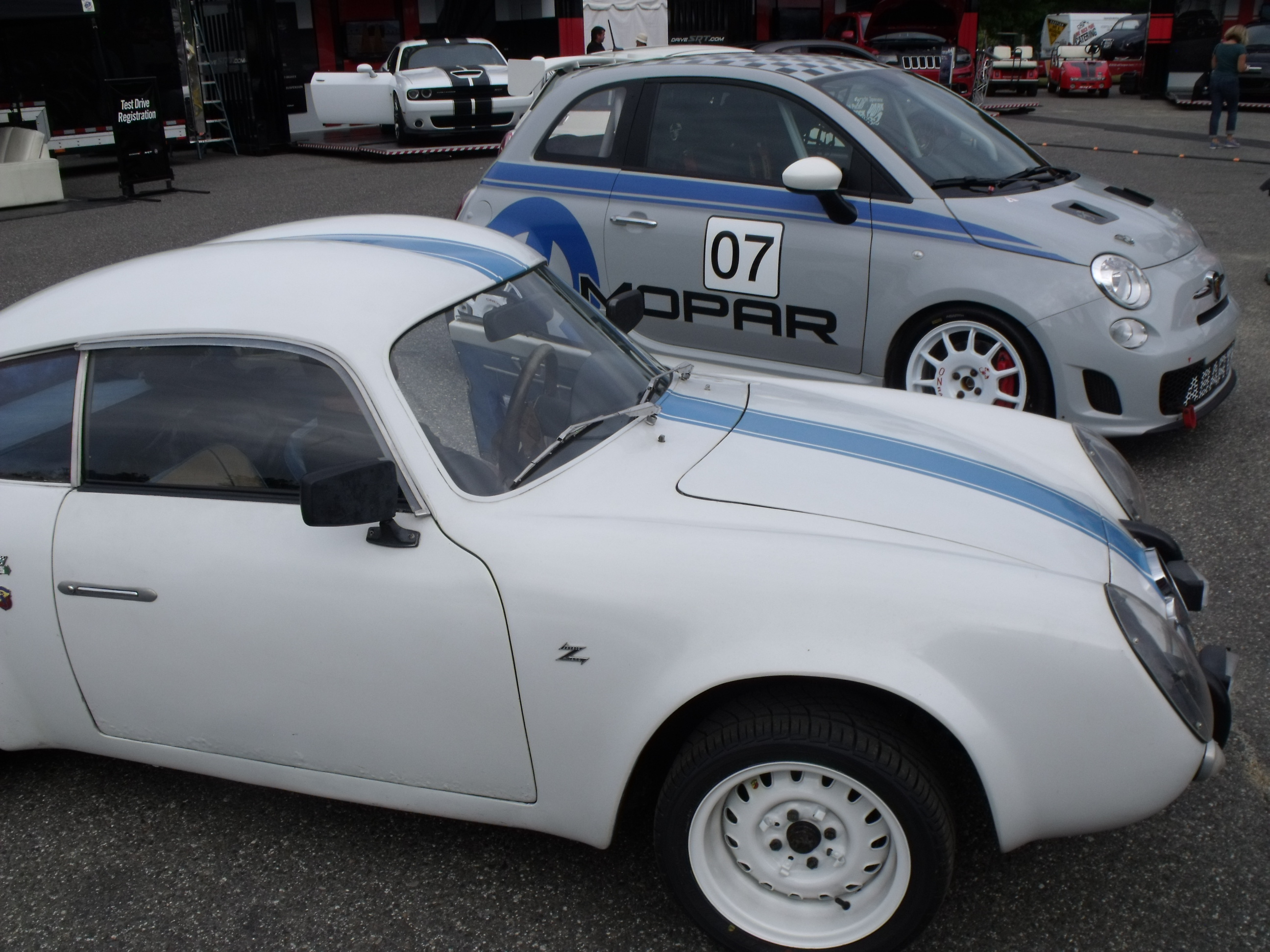
Abarth!


MY MIATA


BRITISH
Triumph TR-3


MGB


Blower Bentley


My dear friends Ann Marie and Dennis Nash, with their Bentley. They both have passed on.


Spitfires at salute!


GERMAN
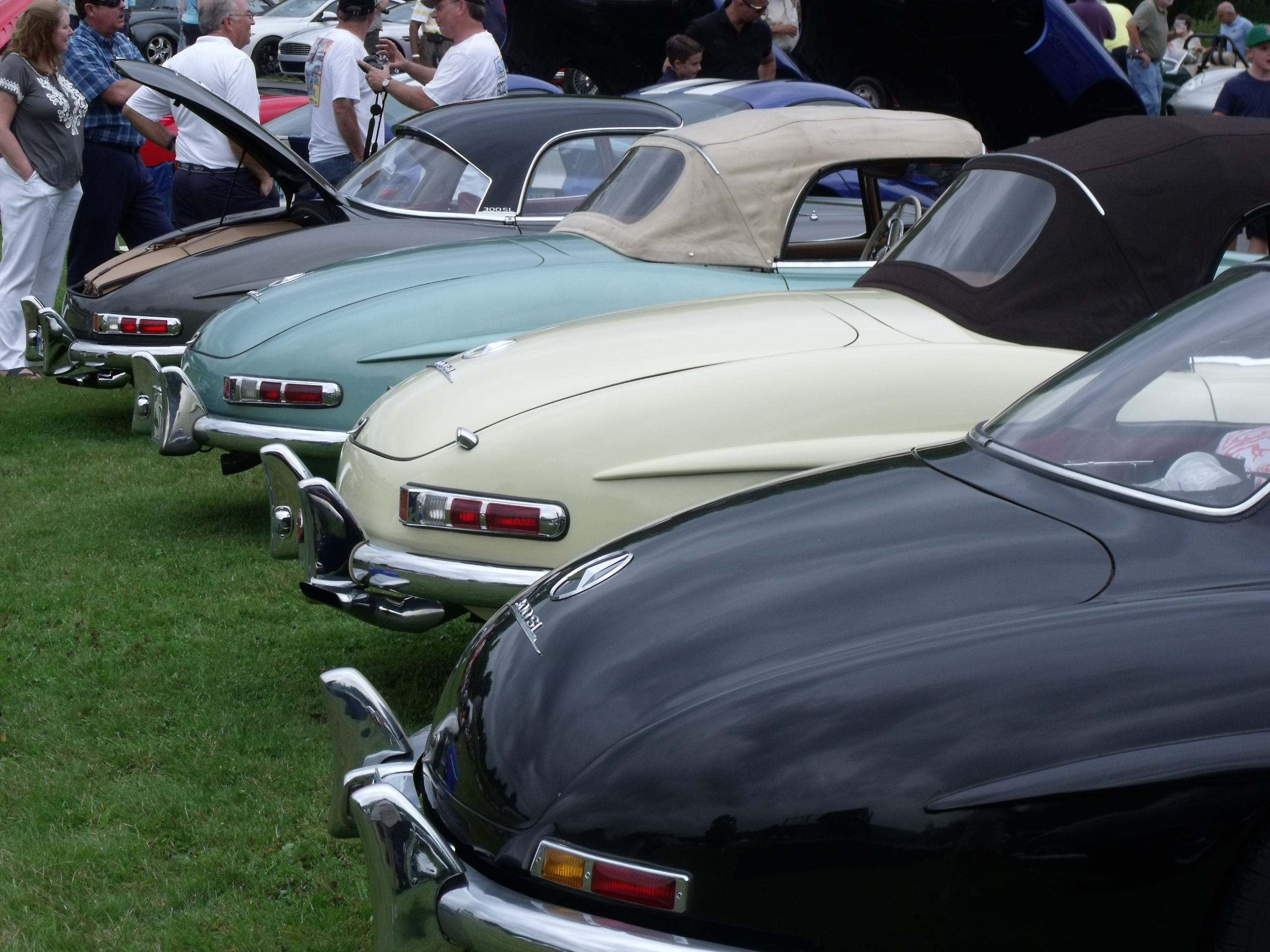
Mercedes-Benz 300SLs; note tail light differences between coupe and roadster


SIR STIRLING MOSS


RACING!


All photographs copyright © 2022 Richard A. Reina. Photos may not be copied or reproduced without express written permission.

The Auburn, Cord, Duesenberg Club Annual Reunion, 2002

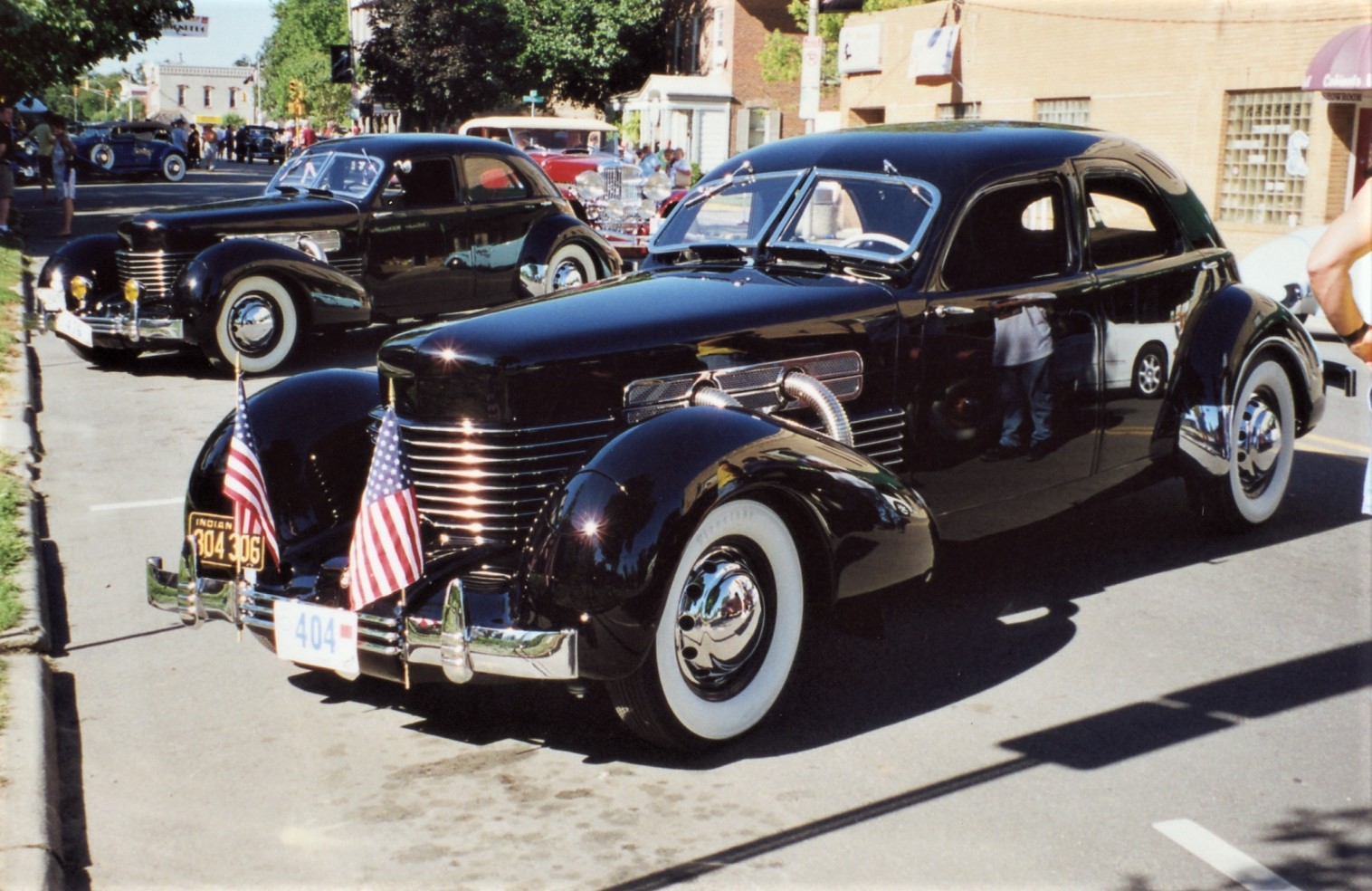
The ACD (Auburn, Cord, Duesenberg) Club supports all 3 long-expired car makes with a series of shows and events throughout the year. The Club’s Annual Reunion is traditionally held each Labor Day weekend in Auburn, IN. I’ve long known about this Reunion from articles in the car magazines I regularly devour, and in 2002, I somehow convinced my wife that we should take a vacation including stops in Corning, NY at the Corning Glass Museum, Cleveland, OH for a visit to the Rock & Roll Hall of Fame Museum, and “since we’re so close”, a stayover in Auburn that just happened to land us there on Labor Day.

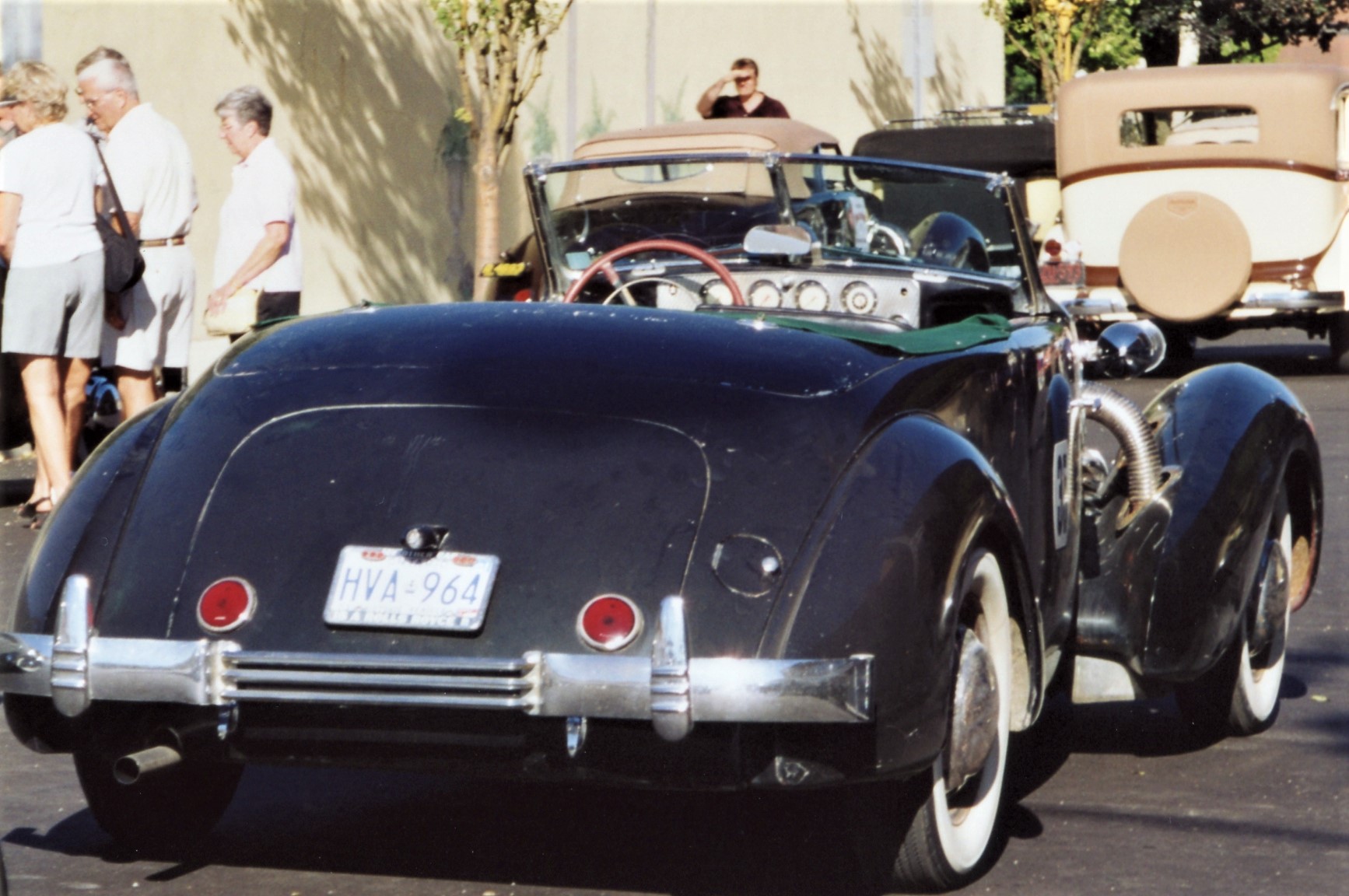
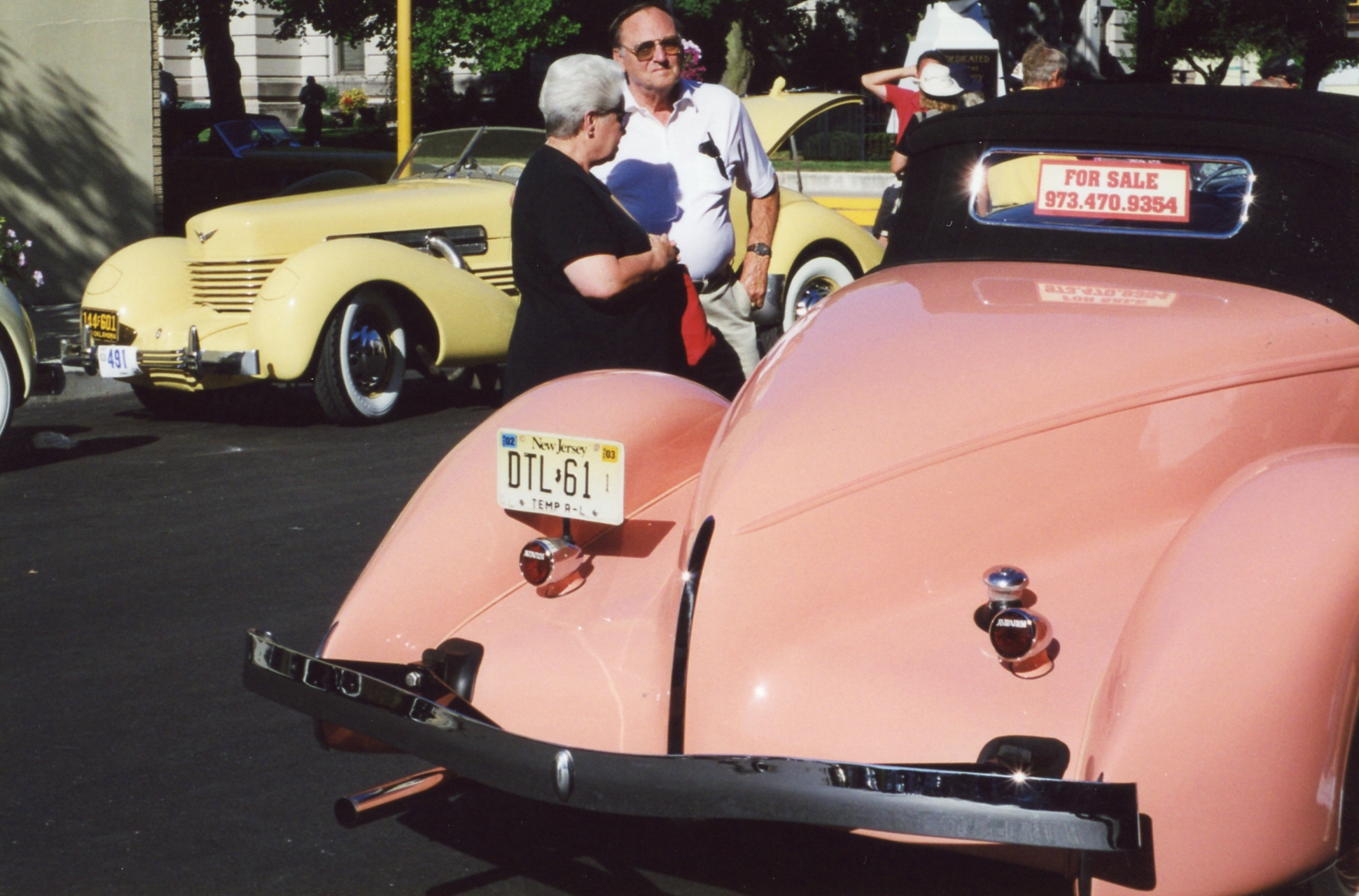
I had forgotten that I had these photos (taken with a film camera) and so I’m now sharing them on my blog for the first time. We were not registered for any events, so our participation involved entering the ACD Museum (an original ACD sales dealership) and wandering the nearby streets which were quite literally jammed with old cars.

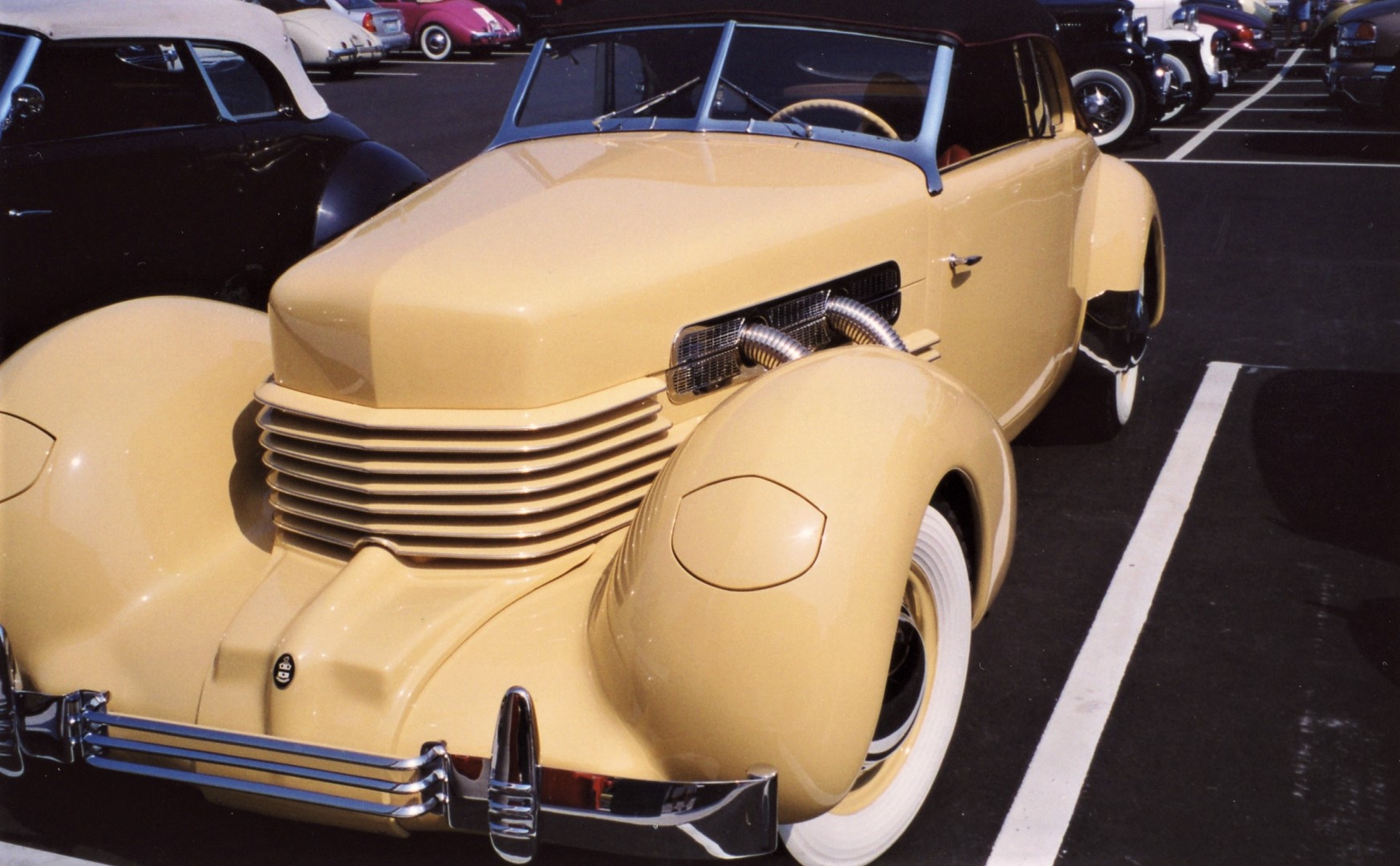
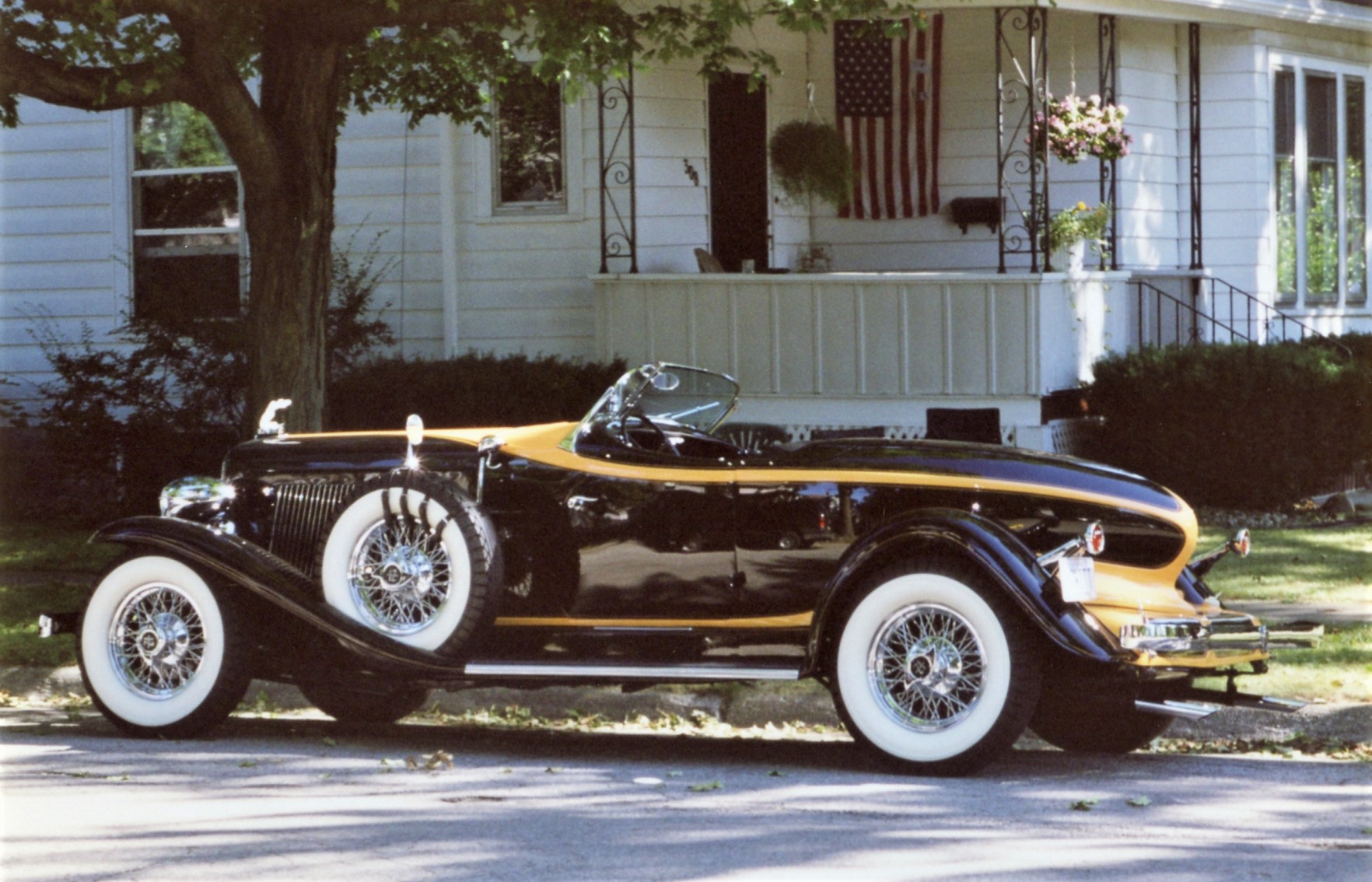
Adding to the crowds was a Kruse auction running at the same time, so the automotive eye candy was not limited to the three featured marques. Nevertheless, my long fascination with Cords, combined with their abundance at the show, meant that most shots included them, with a few Auburns here and there (Duesenbergs were thin on the ground).

According to Wikipedia, the Cord L-29, introduced in 1929, was the first front wheel drive vehicle offered for sale to the American public. (However, a recent article in Hemmings Classic Car would seem to dispute that. The ‘splitting of the hair’ may come down to what is considered mass-produced. It’s also well-known that many racing cars which predated Cords were FWD.) The L-29 was somewhat traditionally styled so that its FWD underpinnings were not obvious. The succeeding model, the 810/812, was designed by Gordon Buehrig and was truly revolutionary, looking like nothing else on the road with its hidden headlamps, ‘coffin’ hood, and deleted running boards. These 2nd generation cars were built in convertible, phaeton, and sedan body styles for only two model years (1936-1937) before Cord went under. They are some of the most distinctive pre-war cars produced, and remain highly collectible among hobbyists today.


THE MUSEUM

The stunning Art Deco design has been almost completely preserved compared to its original 1930s construction. A variety of vehicles are packed rather tightly within, including some non-ACD models (note the green ’56 T-Bird). A mezzanine afforded me the opportunity to take the overhead shots.


THE STREETS

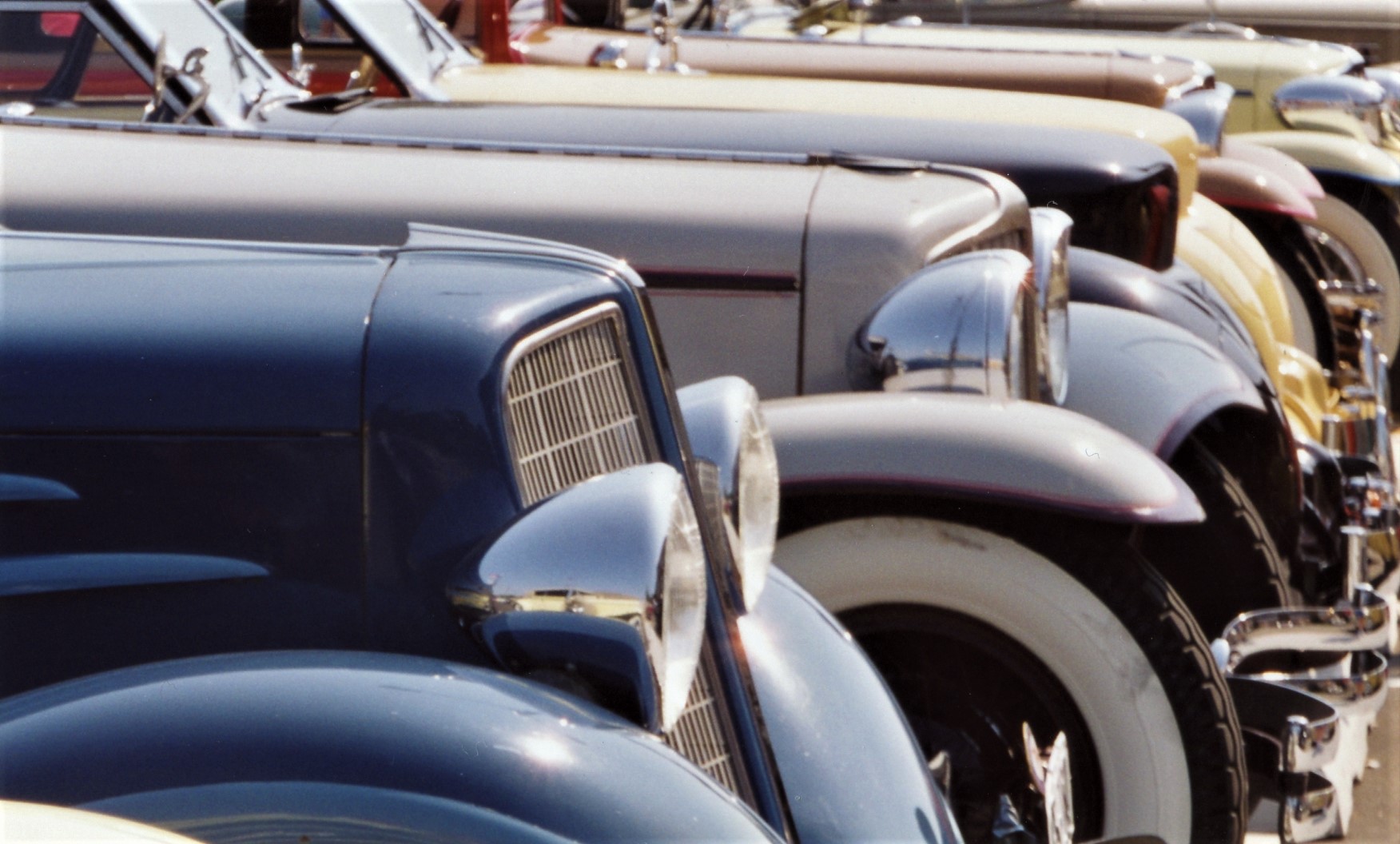
Vehicles were parked everywhere, and it was easy enough to take photographs. One got the sense that, like Bentley or Alfa Romeo owners, Cord owners are not reticent about driving their cars. If you reflect back to the vehicles seen in my post about the recent Glidden Tour, imagine driving a new Ford or Buick in 1936 and having a new Cord pull up next to you; the effect must have been paralyzing!


All photographs copyright © 2022 Richard A. Reina. Photos may not be copied or reproduced without express written permission.
 

Lime Rock Park Vintage Race Weekend, 1990

I’m almost certain that 1990 was my first visit to Lime Rock Park in Salisbury CT for its Labor Day Fall Festival weekend. The tip likely came from a fellow employee at Volvo Cars North America. The racing photos prove that this visit was either the Saturday or the Monday of that weekend, as by local ordinance, there is no racing allowed on Sunday. My recollection is that I “took a ride” just to see what I might see, and I did indeed stumble upon something wonderful.

Judging by information on the www.limerock.com website, the Vintage Racing weekend would have been in its eighth year in 1990, meaning we were there near the beginning of it all. Paying guests are allowed to wander throughout the paddocks, and my photos reflect an interesting variety of classic machinery, some of it quite valuable in 2022. For instance, the red Jaguar XK-120 would have been worth around $50,000 in #2 condition (according to my 1990 copy of Krause’s Standard Catalog of Imported Cars). My most recent copy of the CPI (Cars of Particular Interest) Value Guide shows that same car valued today at $165,000.  That Maserati 3500 GT Coupe is pinned at $15,000 by Krause in 1990; CPI says today’s value is closer to $225,000. Want to take a guess on the BMW 507? According to the respective value books, in 1990: $105,000. In 2022: $2.3 million. Among these 3, the 507 wins the ‘percentage increase’ contest. If only we had a crystal ball….

This initial visit lit a flame in me that burns to this day. Especially in more recent years, I’ve almost never missed a visit to Lime Rock during Labor Day weekend, although, as I’m not a big racing fan, my visits are almost always to attend the “Sunday in the Park” static car show, about which I’ve posted numerous times (2022, 2020, 2019, 2018, 2017). While Lime Rock is not on the beaten path, it’s worth going out of your way for it if you have not been there.

Jaguar XK-120


Maserati 3500 GT


Fiat Abarths head for the track


Messerschmitt on trailer, probably in the car corral


Taking the checkered flag!


All photographs copyright © 2022 Richard A. Reina. Photos may not be copied or reproduced without express written permission.


The 1990 Carlisle Import Car Show

It was shortly after entering the automobile industry in 1978 that I learned about “Carlisle”. It’s the name of a town in Pennsylvania, but to car buffs, “Carlisle” more specifically refers to the hobbyist flea market/car corral events which have been conducted at the Carlisle Fairgrounds since 1974.

At first there was Fall Carlisle in October, followed shortly by Spring Carlisle in April. Then came the additions: GM, Ford, Chrysler, Corvette, Import/Tuner, Truck. Auctions were added, as were winter shows held in Florida but still under the Carlisle name. You can read about Carlisle’s beginnings at this link here.

I attended my first Carlisle event in 1979, observing that the flea market offerings were about 90% in support of domestic cars, understandably so. When the Import Show was added sometime in the late 1980s, I was excited at the prospect of what might be there. Some photos from the 1990 Carlisle Import Show were included in my blog post about attending the 2008 Carlisle Import Show with my Isetta, the one and only time I brought the Isetta there. Going through my pictures, I decided that the 1990 show deserved a post of its own.

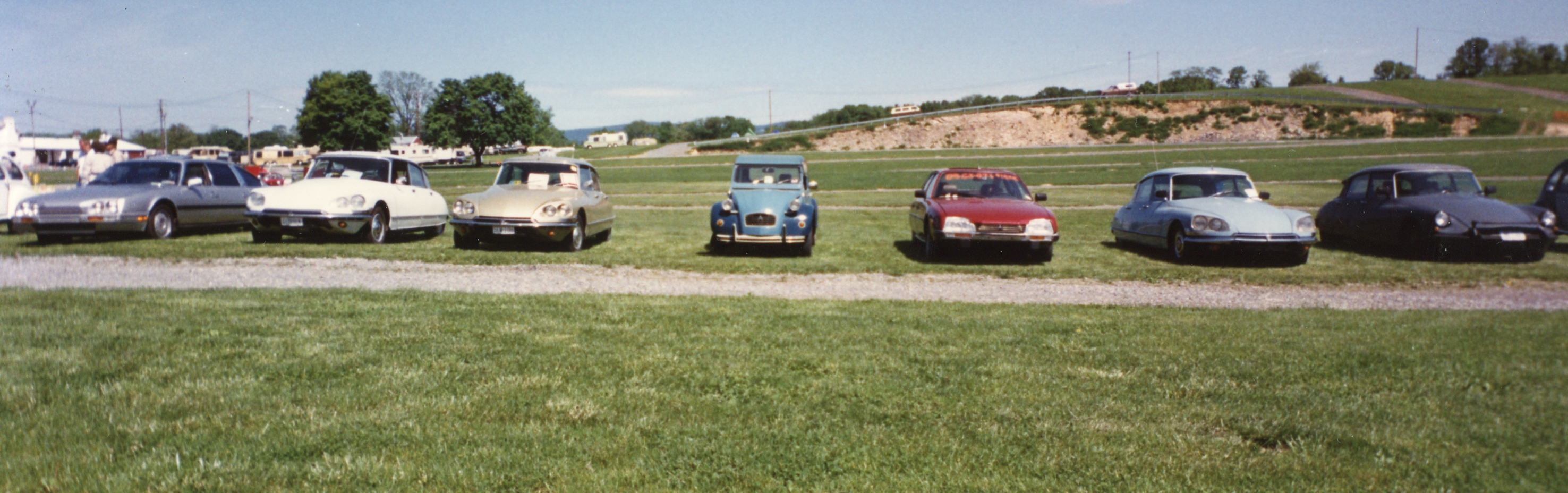
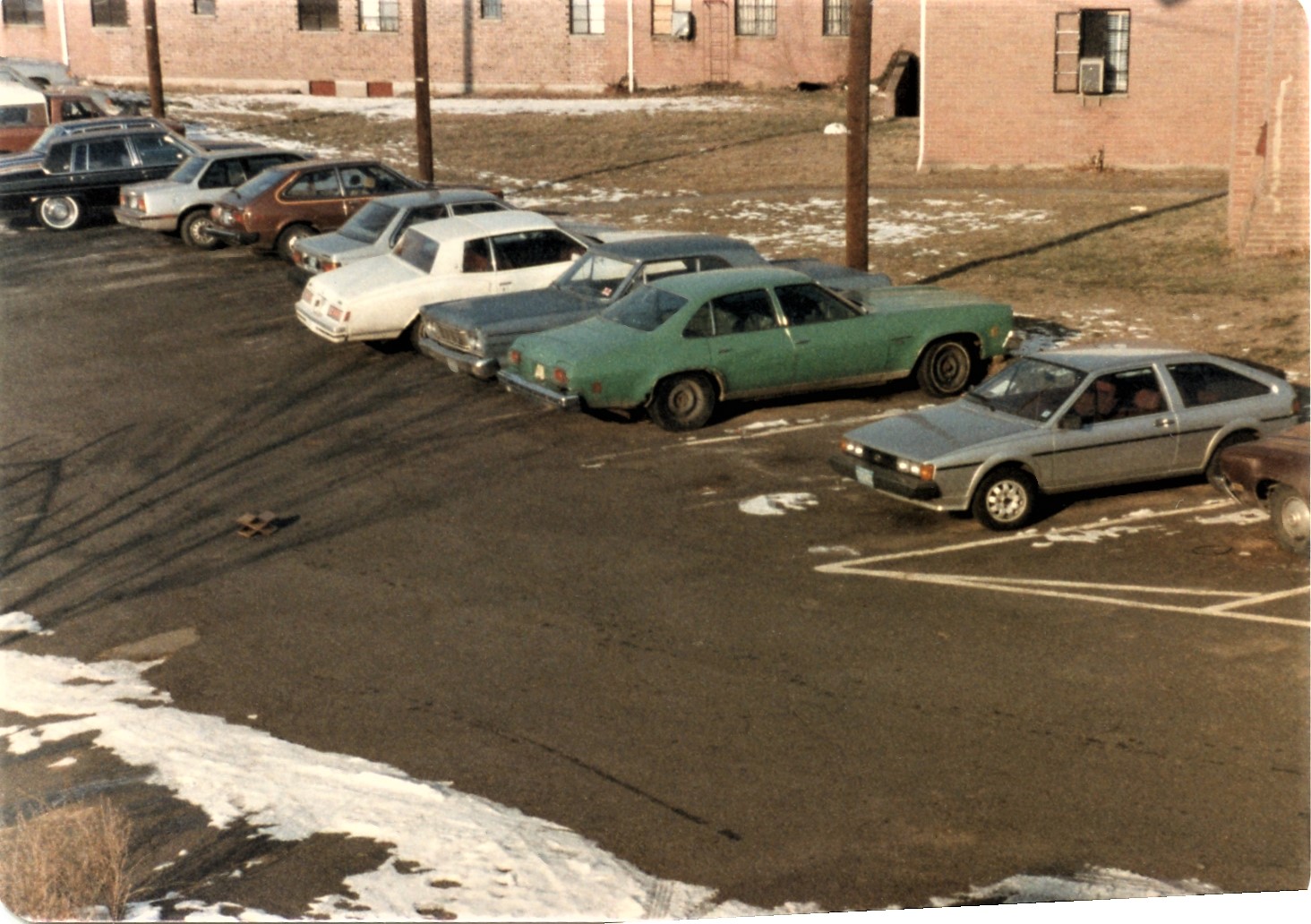
These snaps are of a decidedly different quality, and my faint recollection is that they were taken with a Kodak disposable camera, which were in vogue at that time. A deluxe version had a switch allowing panoramic photos, which was put to good use here as a way to capture a vehicular lineup. Note how spread out the cars are parked, and how much empty space is behind them. Compared to Spring or Fall Carlisle, this Import show was a much more lightly-attended event.


Those of you who think that my Alfa obsession is a recent phenomenon would be mistaken; here is a photo of a late ‘50s/early ‘60s Alfa Giulietta Spider, taken as it sat in a row of Italian cars. Note the Fiat 124 Spider on the right, and note all the empty rows in the background! I believe that hill is the beginning of what is known as the North Field.

What have we here, an Isetta?? In 1990, I had not yet begun my restoration in earnest, so I’m sure that I was thrilled to stumble across this. From this photo the car appears to be all there, although the red engine paint is incorrect. The sign in the window reads “Warning Health Hazard”.

A large part of the success of these early Import shows must be credited to club support, as this photo of Volvo P1800/1800S models makes clear. I count 8 of them here, but am unsure if Irv Gordon’s car was among them.

A potpourri of German and British cars, including Mercedes-Benz, BMW, Porsche, Morris, and Jaguar.

Qu’avons-nous ici, des voitures françaises, toutes des Citroën

More Volvos, this time, mostly 122s.

This is the only known photo in my collection of a Volvo 1800 convertible. It’s a bit ungainly with the top up. As you may know, this is not a factory convertible. Most, perhaps all, such conversions were done by a Long Island dealer, Volvoville. They ran ads for the cars in the back of many of the car magazines of the day. It is also interesting to note the 700-series wagons in the back, which in 1990 would have been no more than about 5 years old.

Three very different Triumph sports cars, from left to right: TR4, TR3, and Spitfire.

Jaguar E-Types (also known as XKEs) have always been desirable and worth preserving, going back to their launch in 1961. This is a Series I model (1961-1967), as evidenced by its covered headlights and above-bumper front turn signals. Note the VW bus lacking side windows behind it, most likely originally intended for commercial use.

It looks like a downsized two-seat Thunderbird, but its official name is DKW Auto Union 1000 Special Coupe. My copy of the Standard Catalog of Imported Cars 1946-1990 states that this model DKW (Das Kleine Wagen, German for The Little Car) was introduced on our shores in 1958, with a 2-stroke 3-cylinder engine, displacing 980 cc and producing 50 HP. List price was $2,495, which may sound pricey when many full-size American cars were starting around the $2,000 mark. However, if one wanted something with sporting pretensions, T-Birds and Corvettes were $1,000 more. Perhaps the closest competitor to this car would have been the VW Karmann Ghia coupe, priced at $2,445. DKW and Auto Union eventually became Audi.

All photographs copyright © 2022 Richard A. Reina. Photos may not be copied or reproduced without express written permission.
 

My Grandfather’s First Car

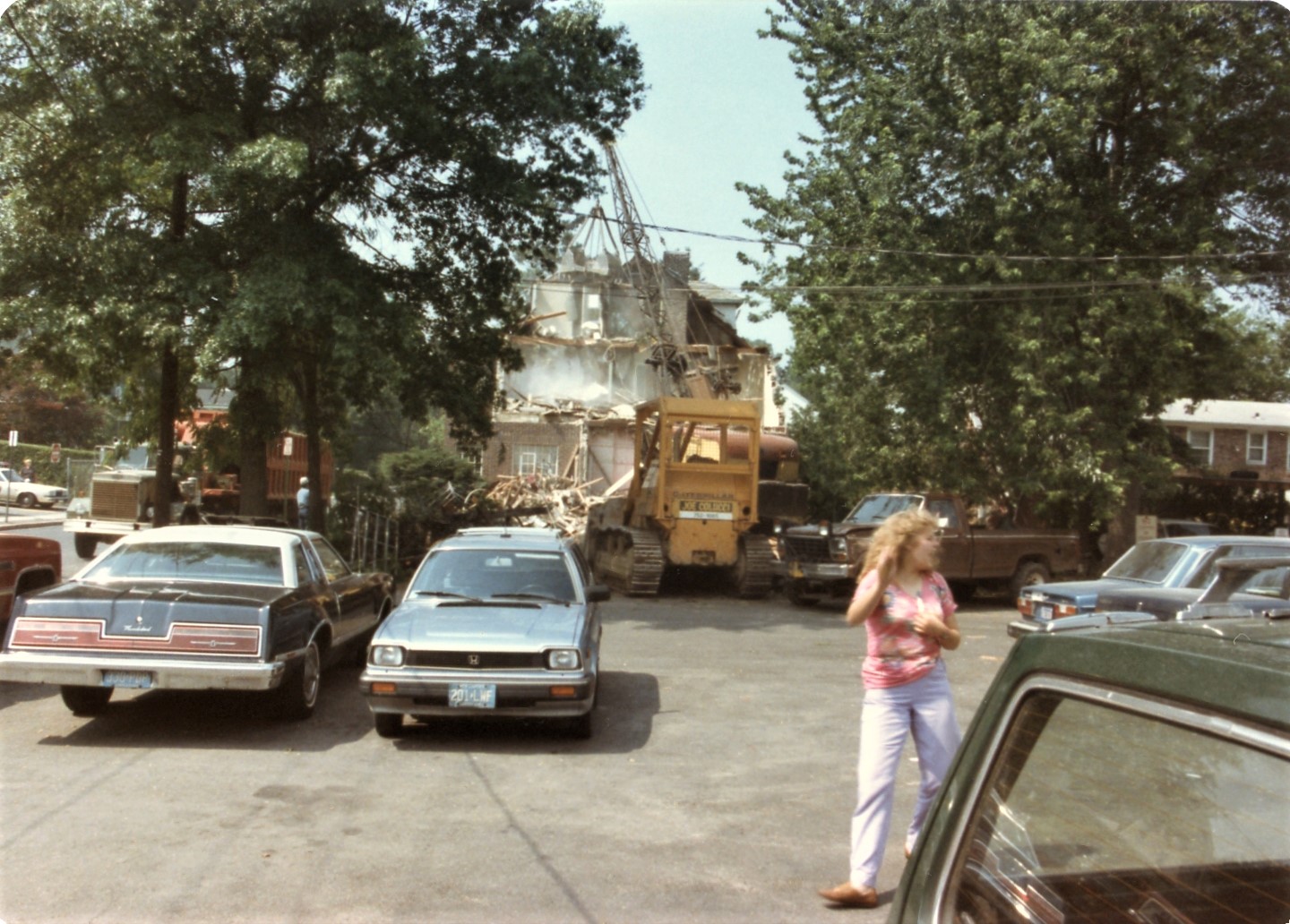
Angelo DiLella was my maternal grandfather, and I knew him well, at least as well as one could know a grandparent who spoke almost no English and didn’t talk much anyway. From researching my ancestral history, this I do know: he was born in Italy in 1894 and immigrated to the U.S. in 1911. Consider the timeframe for a moment: There were no automobiles in 1894, and when he arrived here at the age of 17, self-propelled cars and trucks were just starting to take over from the horse (possibly to his detriment at first, as upon arrival, he was employed as a blacksmith making horseshoes!).

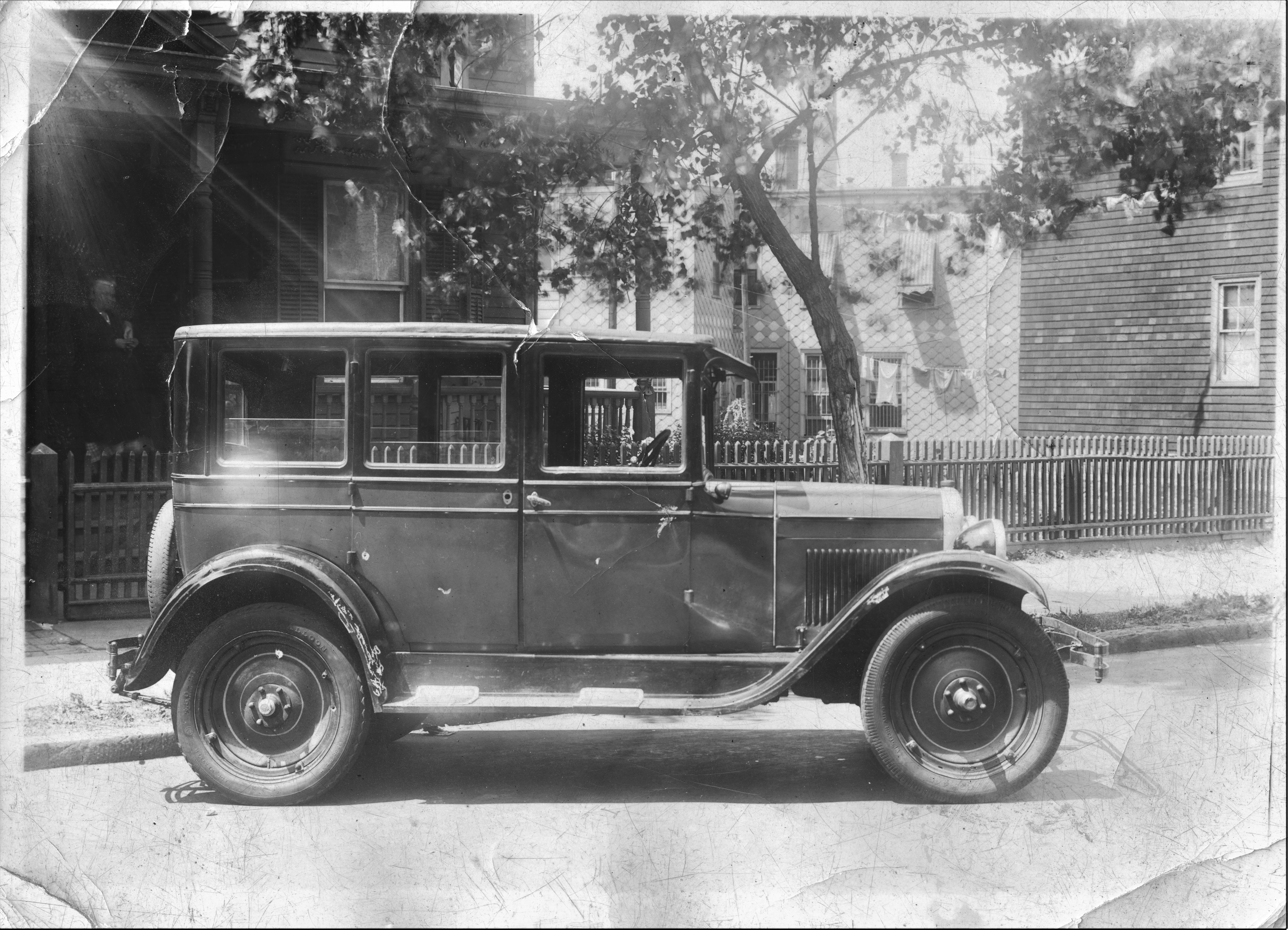
He got married in 1921, and by 1930, was living with his wife and four children in Hoboken, N.J. Whatever the public transportation options, at some point he decided that the family needed its own set of wheels. And so he became owner of the 4-door sedan pictured here, a fact passed on to me by my Aunt Rita who gifted me this photograph a few years ago.

My grandfather died in 1969 when I was 15; I never spoke to him about this car, or any car. I never saw him drive. By this time, my Aunt Rita did all the driving for her parents (my grandmother never had a driver’s license). Had I the opportunity, I would have loved to know where he got it, what he paid for it, and what it was like to drive. Of course, that imagined conversation would have started with: “hey Grandpa, what year, make, and model was it?”

Today, I’m left to my own devices to find the answer. After several hours of working the Google machine, here is my overarching conclusion: most 4-door sedans of the 1920s look remarkably similar. The upright grille, separate headlights, double-level bumpers, louvered hood, running boards with step plates, and suicide-hinged rear doors are features of almost every car I found. The decade of the ‘20’s was a transition from 4-doors with folding tops to metal tops; from wooden spoke wheels to metal disc wheels; and from rectangular side glass to the introduction of some curvature to the forms.

This last point brings me to the D-pillar on Grandpa’s car: note how thin it appears from the side, and how that rear quarter-glass has square corners. By the late ‘20s, many sedans incorporated a slope where the roof came down to meet the top of the D-pillar. The one other distinguishing characteristic on this car is the 2nd (lower) horizontal side molding, below the door handle. In the online photos I found, very few cars had two moldings like this one does. Finally, an extreme blowup of the photo, focused on that rear tire, shows what looks like the Chevrolet bow tie on the wheel hub. I think this car is a 1927 Chevrolet, and if anyone has supporting or contradicting evidence, I’d love to hear from you.

What else can we see in this photo? The car is not in great shape. Both front and rear fenders show body damage; the right rear outer door handle is missing; and if these are 6-bolt wheels, each wheel has a lug missing. It amuses me to imagine my mother as a 10-year-old girl riding in this ‘jalopy’ with her parents, quite likely her first-ever automotive experience.

How long did my grandfather keep this car, and did he replace it with something else? My Aunt Rita lived with her parents her entire life; if she got her license at the age of 18, she would have started driving in 1946. Around 1950, the family moved from Union City, N.J. to Staten Island, N.Y. I was born in 1954, and I have good memories of my Aunt’s Ford sedan, a ’52-’54 vintage she bought used. Maybe the old Chevy lasted until she got that Ford. It’s all speculation from here, as we lost Aunt Rita in 2015. But she was the ‘car enthusiast’ in the family, owning a succession of Oldsmobiles and then Volvos. I have a few photos of her and her cars, so I think I will write an article about her in a future post.


All photographs copyright © 2022 Richard A. Reina. Photos may not be copied or reproduced without express written permission.
Alfa Romeo Club Dealer Visit & Tour, Oct. 30, 2022

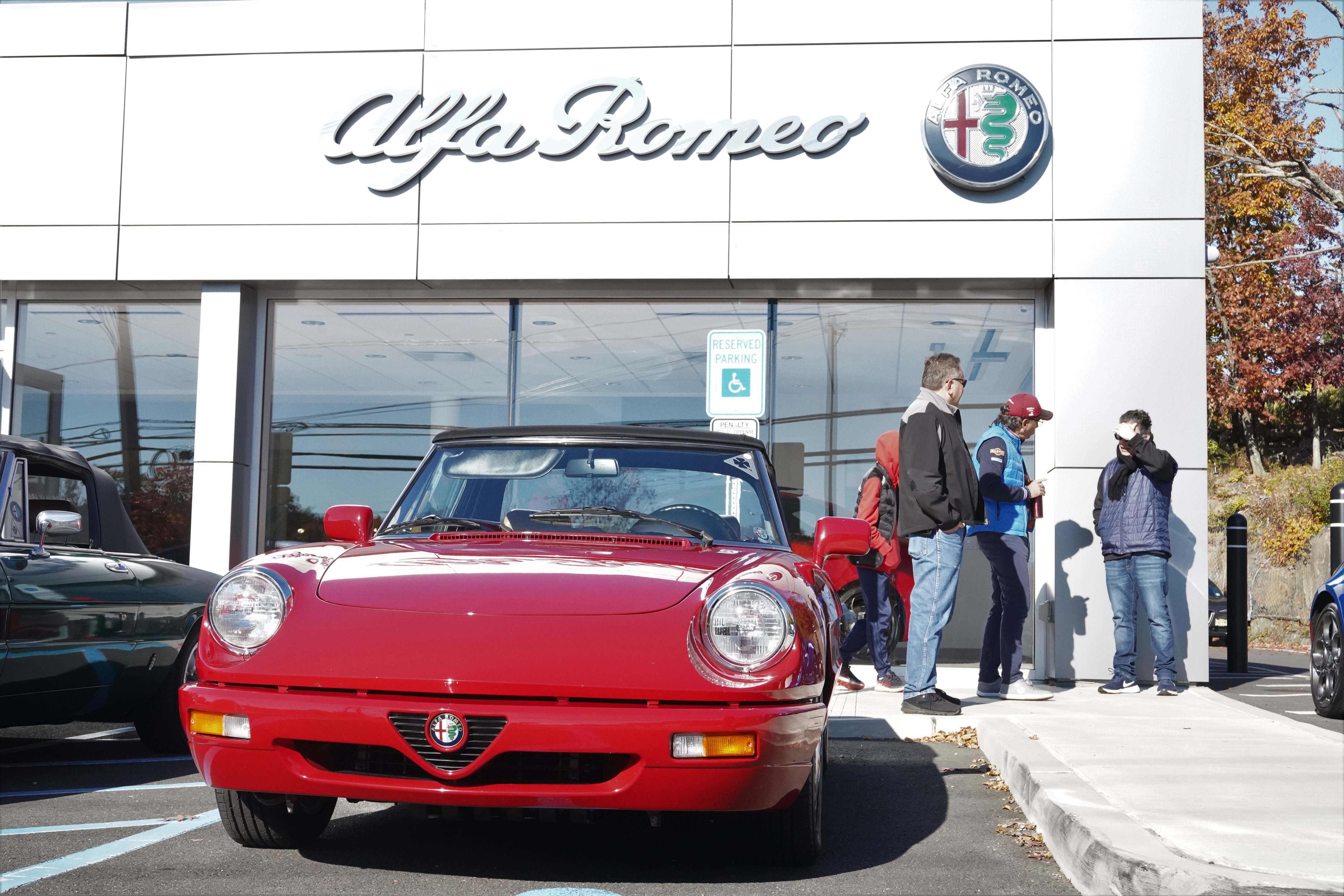
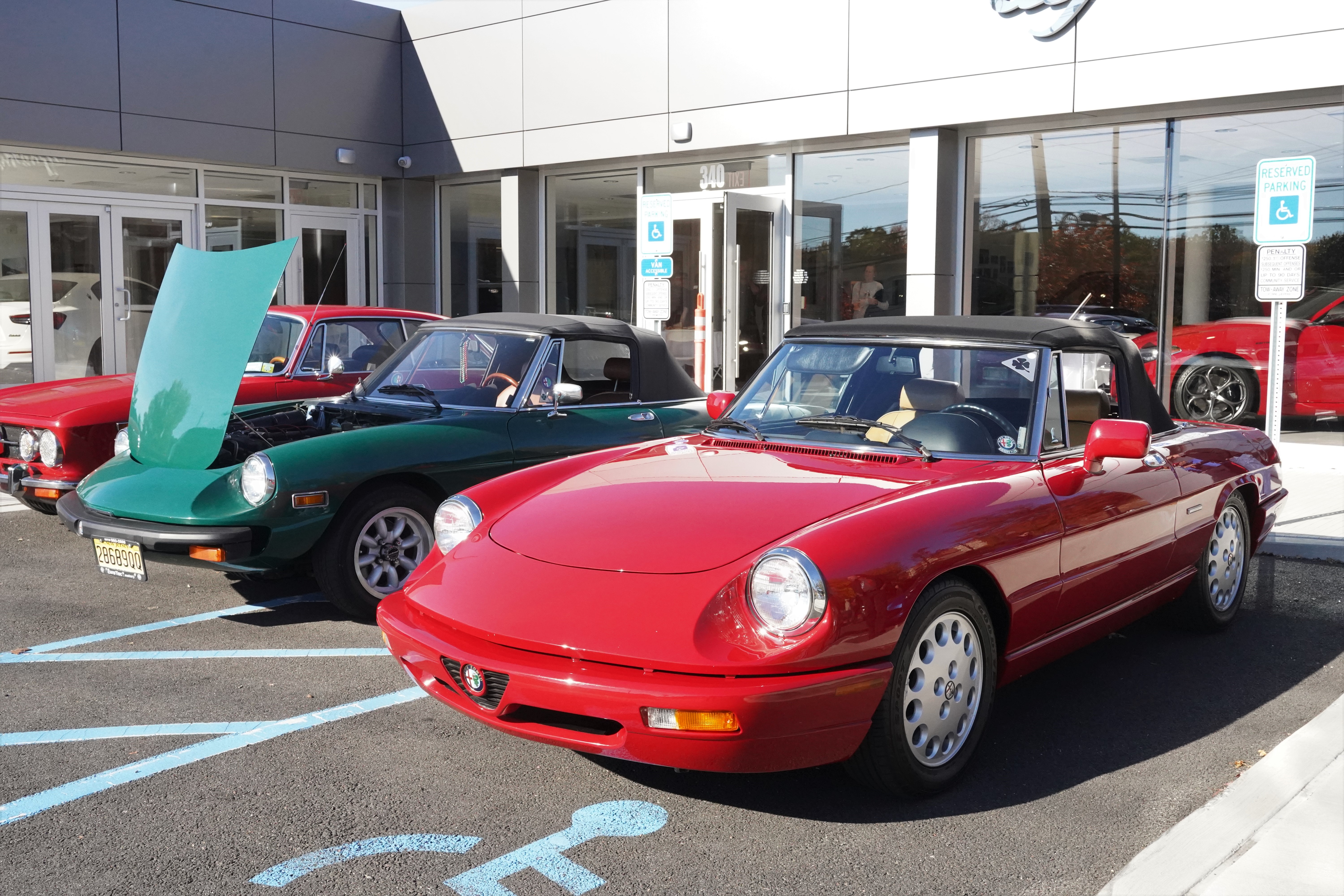
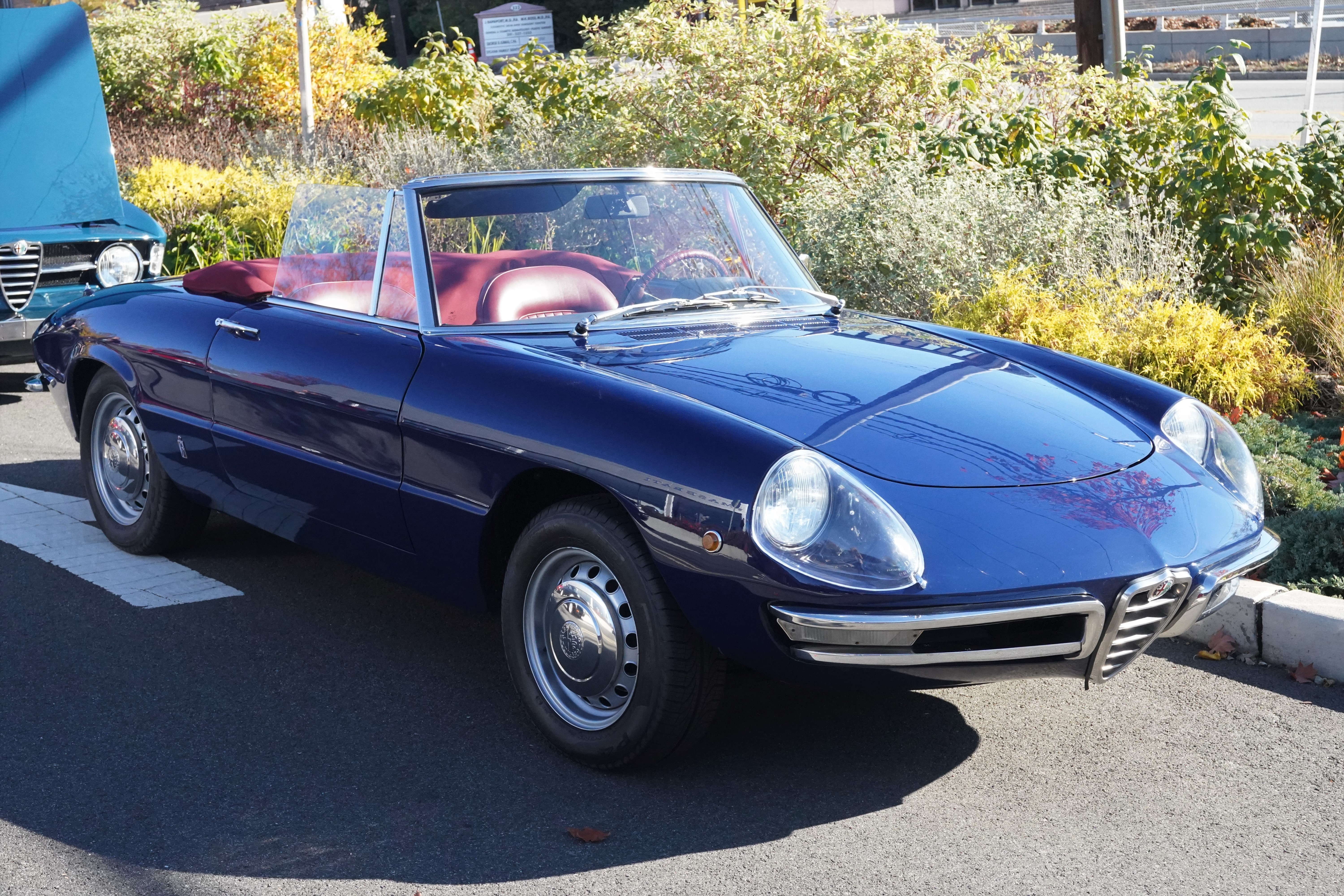
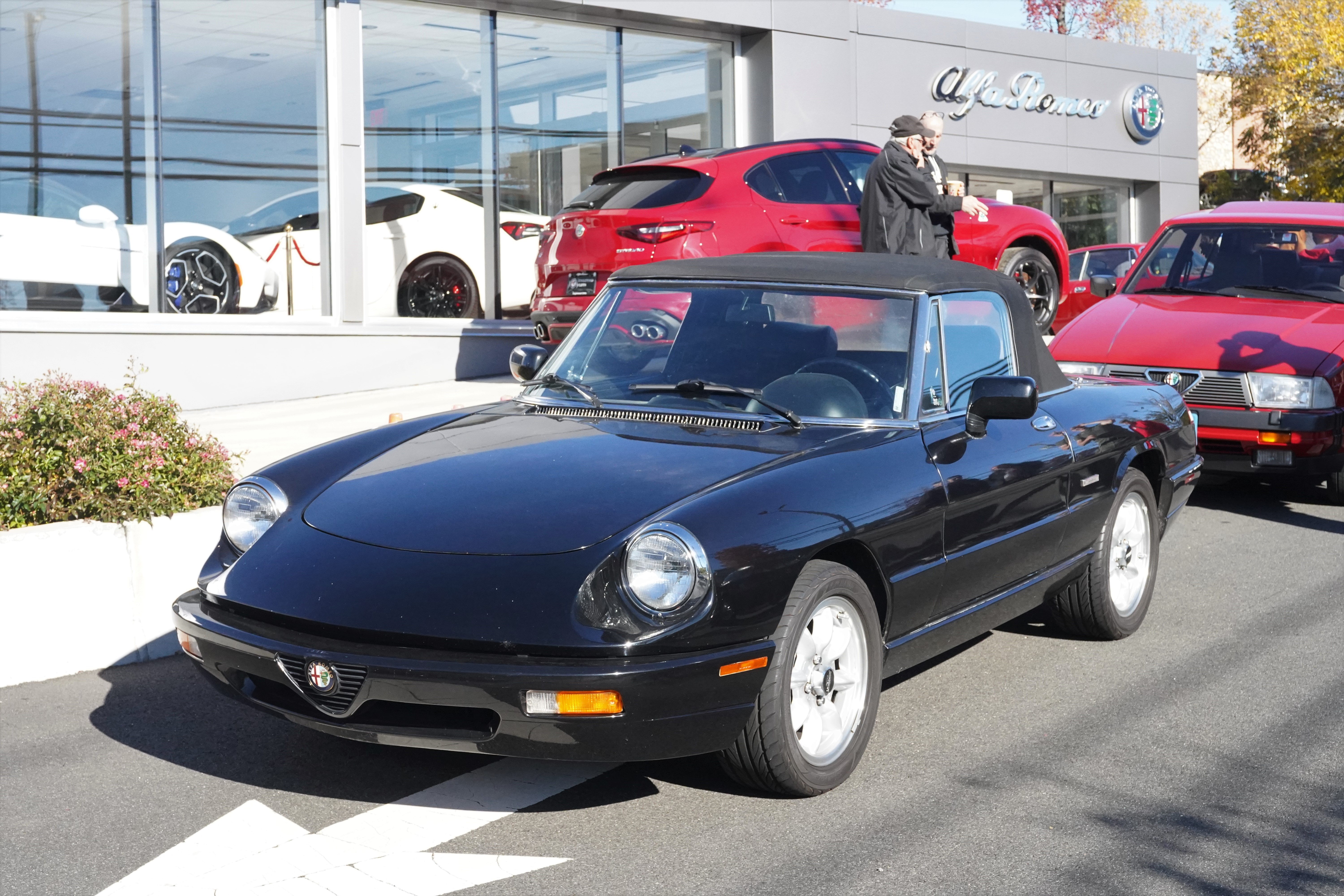
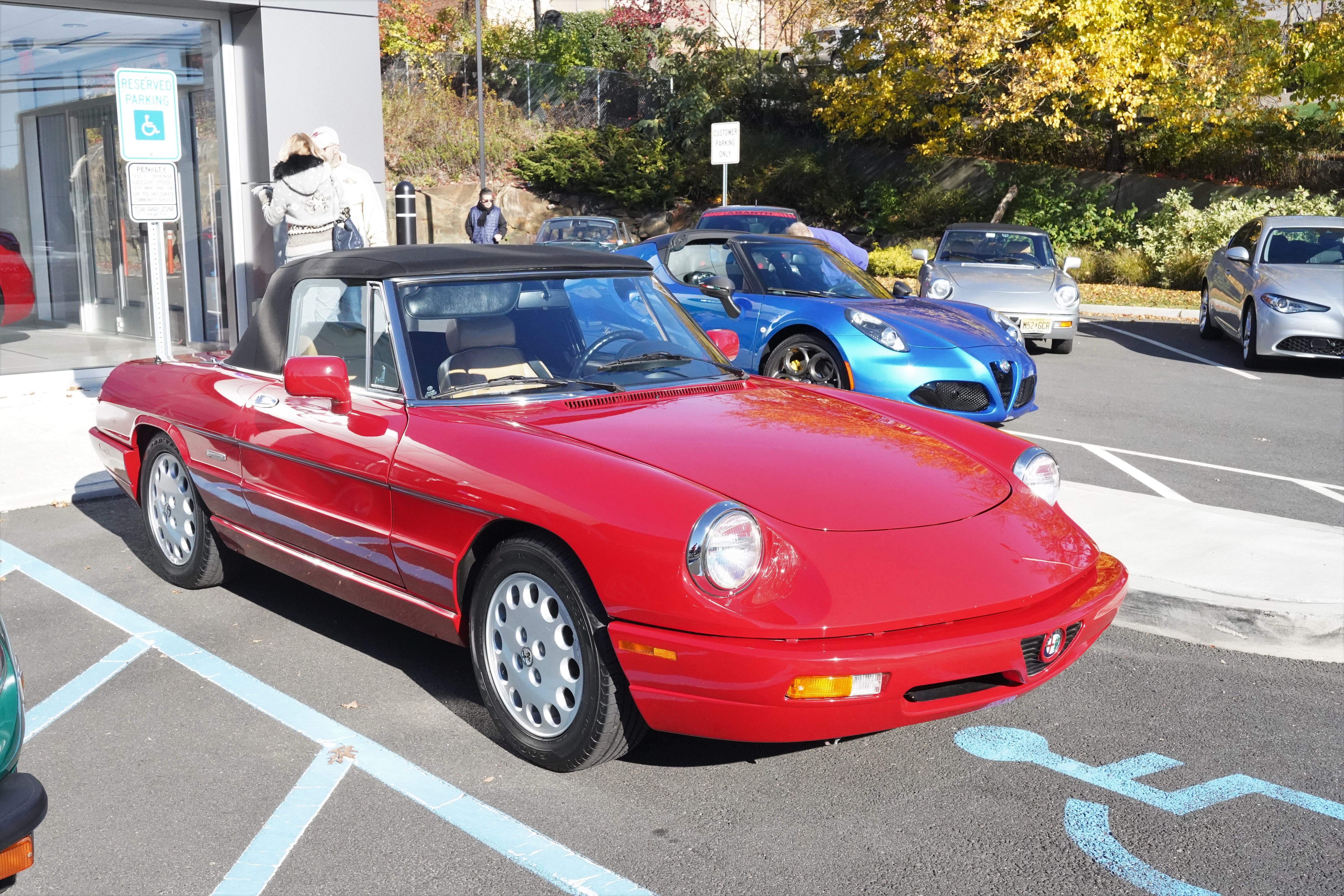
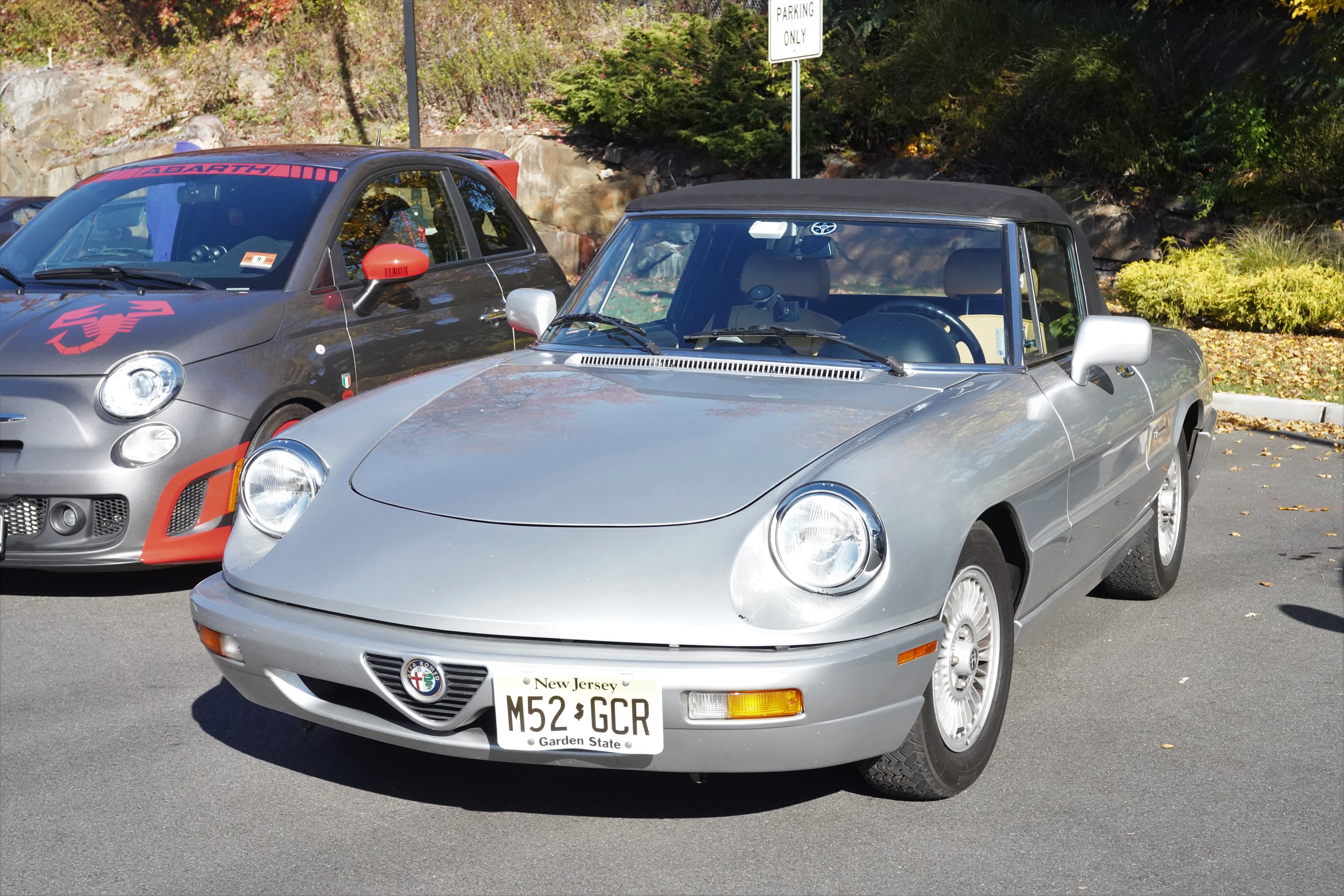
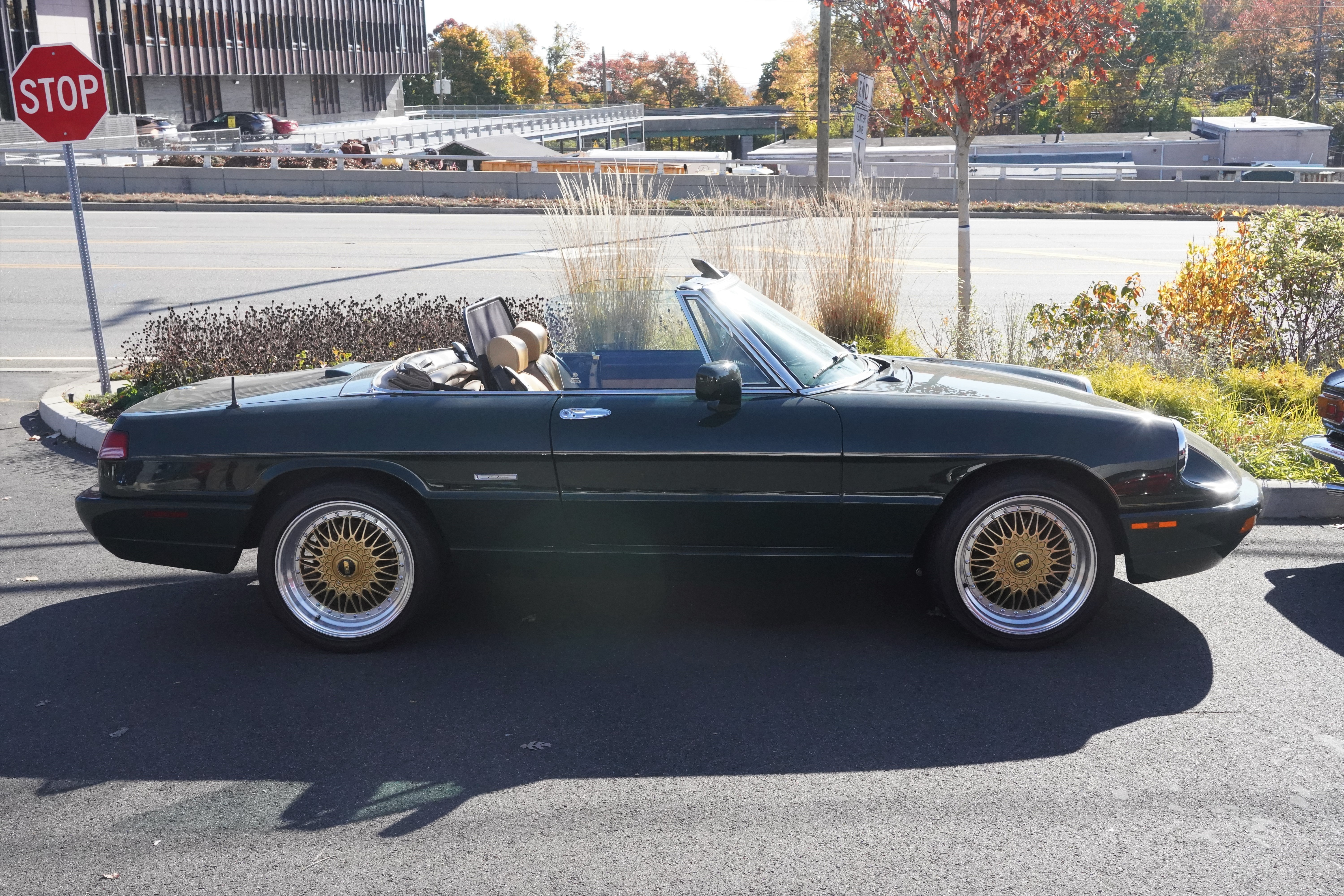
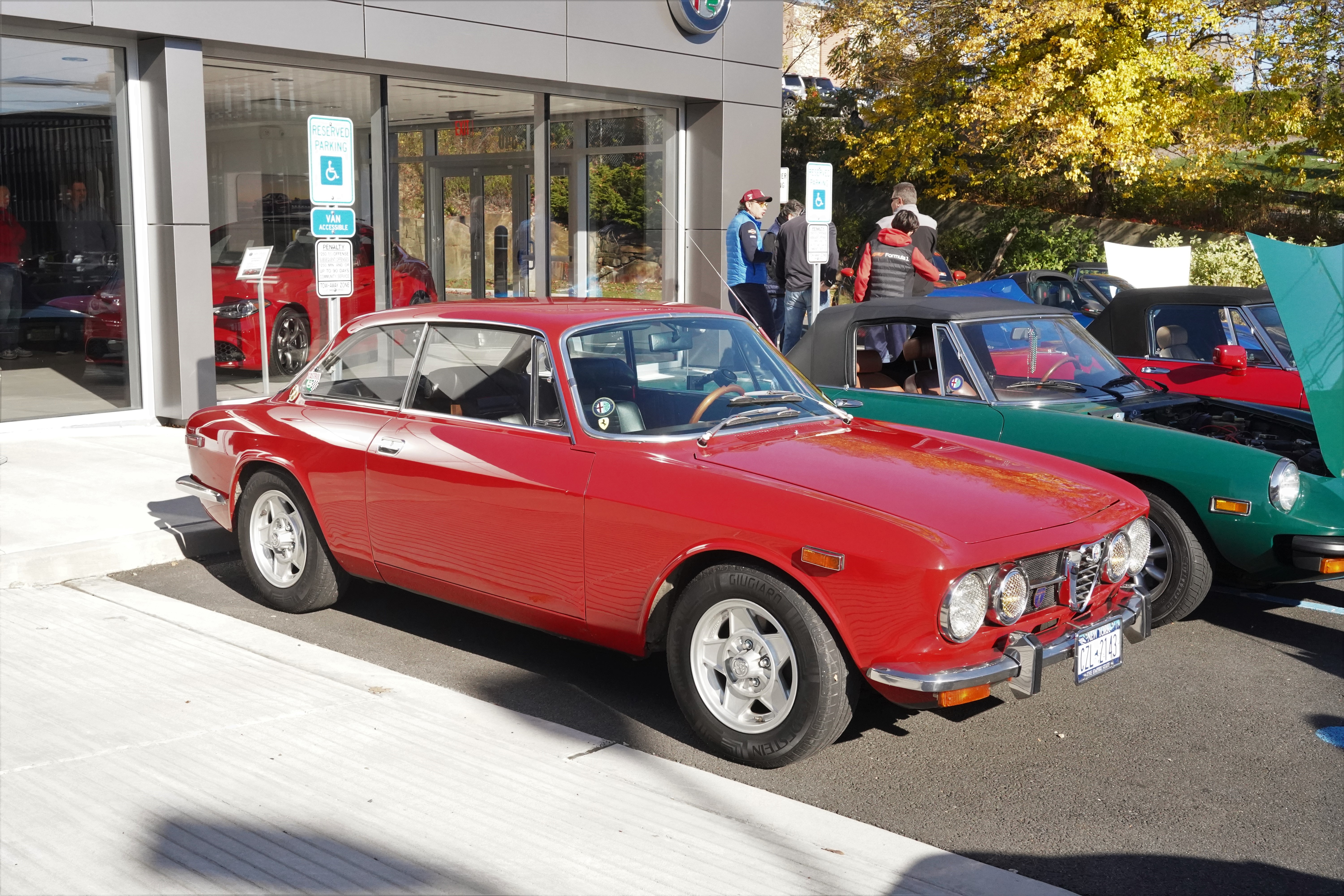
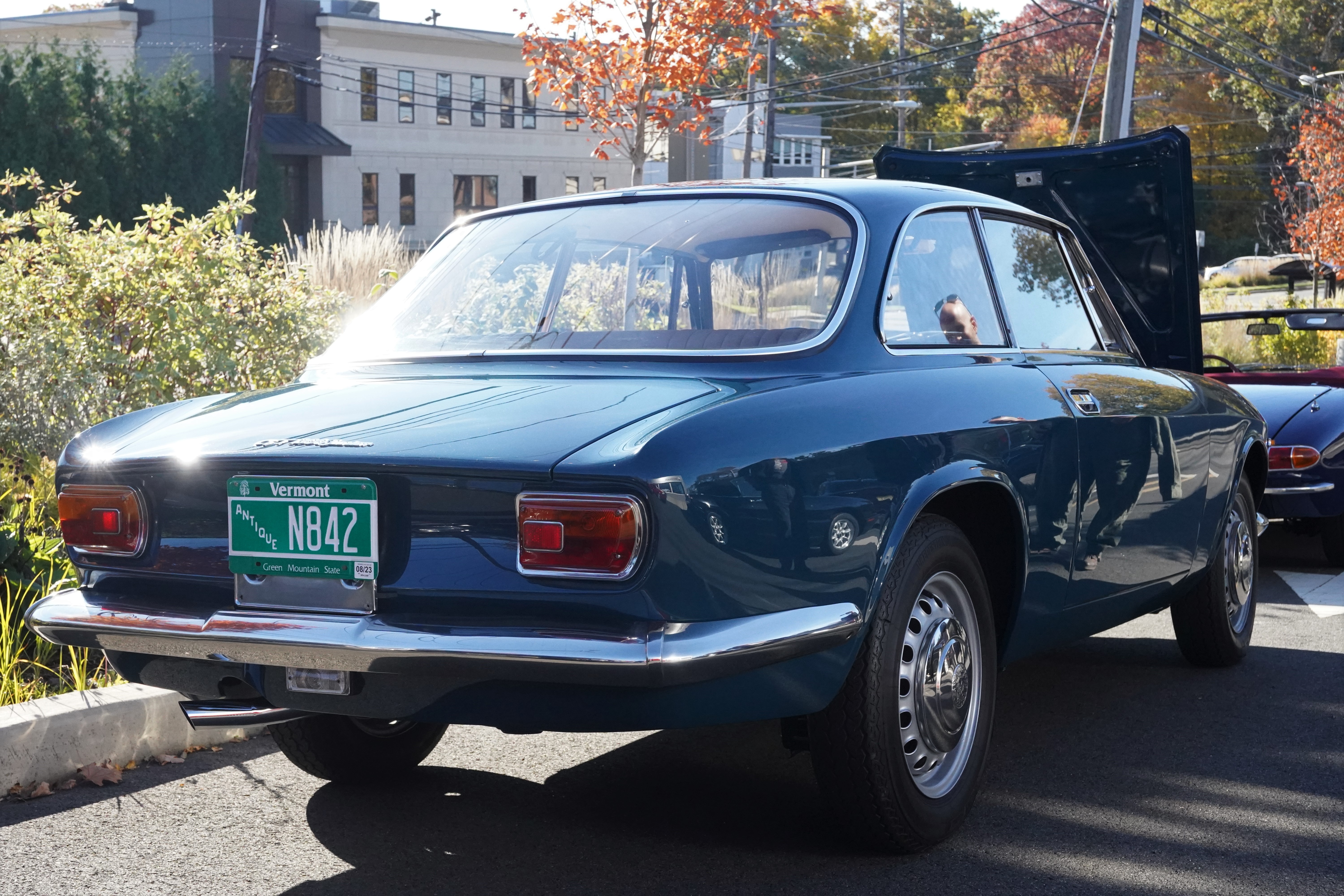
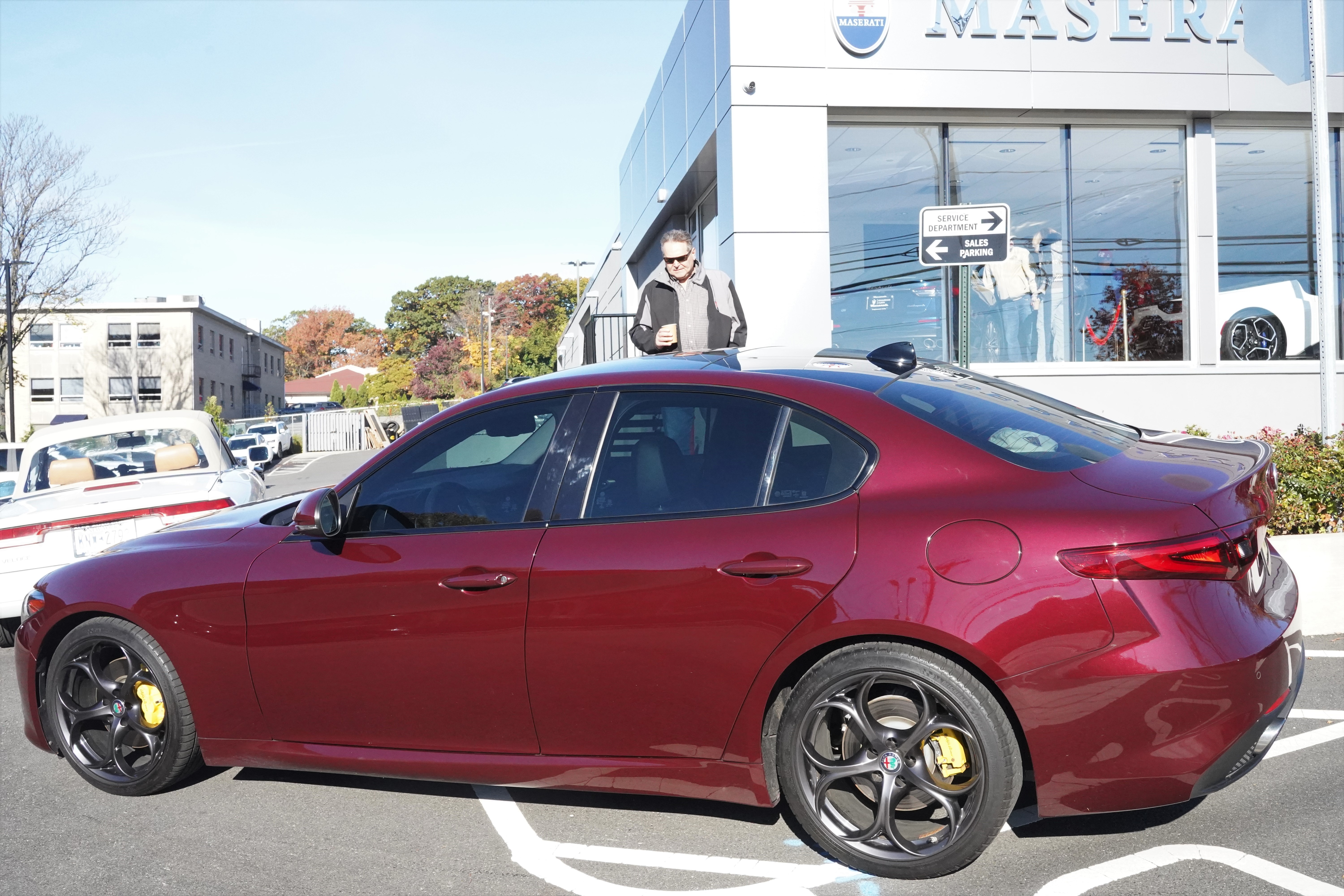
The New Jersey Chapter of the Alfa Romeo Owners Club (AROC) sponsored a combination dealer visit/drive event on Sunday October 30, 2022, which saw a significant turnout of older Alfas along with some newer vehicles. The dealership, Alfa Romeo of Englewood Cliffs (NJ), located on Route 9W, graciously opened its doors to us on a Sunday morning, providing coffee and breakfast treats while we owners took advantage of the opportunity to mingle under sunny and unusually warm late October skies.


The size of the group was impressive; aside from six Spiders, there were five Bertone Giulia Coupes, a Milano, a 4C, and modern Giulias and Stelvios. A Fiat 500 Abarth rounded out the Italian entries. As the owner of a GT 1300 Junior, it was most interesting to me that there were four 1300 Juniors present, 3 Coupes and a Spider, incredible given that the model was never officially imported to the U.S.


After our morning soiree, some of us joined our tour leader Scott Klion and followed him in his red Giulia on a scenic ride up the Palisades Parkway and around Storm King Highway in NY, ending with a lunch at the charming Painter’s Tavern in Cornwall-on-Hudson. I’ve always admired how Alfa owners love to drive their cars in a spirited fashion, even if I in my 90-HP Junior struggled to keep up! My wife and I had a long ride back home from the restaurant, but it was good to get out, put some miles on ‘Junior’, and see some of my old Alfa friends again.


1300 Junior Spider


Spider in nero


Series 4 Spider in rosso


Argento Spider


Spider in Inglese Verde


Hard to tell, but this Spider is dark green


’73 GTV, with GT 1300 Junior in nero behind it


GTV in rosso


Your scribe’s GT 1300 Junior in Muschio Verde (musk green) next to a Spider


This ’68 GT 1300 Junior in Bluette was recently restored


Rosso Milano, the only Busso V6 there


A 4C in a shade of blue I’ve not seen before


A current-generation Giulia


Fiat Abarth


All photographs copyright © 2022 Richard A. Reina. Photos may not be copied or reproduced without express written permission.


Sunday Morning Cars & Coffee, Oct. 23, 2022

On Sunday, October 23, 2022, we once again took advantage of a spacious parking lot adjacent to a Dunkin’ Donuts facility to host our own Cars & Coffee event. No driving was included in the plans, and we had a small but enthusiastic group of eight people (plus two VCNA retirees who were surprise guests) willing to mill about on what turned out to be a beautiful autumn morning.

The Dunkin’ Donuts on MacArthur Blvd. in Mahwah did its usual fine job in serving us bagels and coffee, and plenty of Sunday morning visitors were distracted enough by our vehicular lineup to break their routines and come over for a chat.

Cars in attendance included two Corvettes, a Chevy Nova, two Porsche 911s, a Mercedes-Benz turbodiesel, a well-preserved and rarely-seen Volvo S70, and your author’s Alfa Romeo. Interestingly, the imports outnumbered the domestic entries (3 Chevys versus 3 Germans, 1 Swedish, and 1 Italian), something we normally don’t see at our gatherings.

We may try to squeeze in one more driving event before the weather turns inhospitable for the winter. If not, we shall see what 2023 will bring!

1961 Corvette (C1)


1967 Corvette (C2)


1967 Alfa Romeo


1972 Nova


’80s Mercedes-Benz 300D


’80s Porsche 911


21st century 911


Volvo S70 sedan


Nothing but nothing looks like the back end of a C2 coupe


All photographs copyright © 2022 Richard A. Reina. Photos may not be copied or reproduced without express written permission.


RM Sotheby’s Auction, Hershey, PA, Oct. 2022

A fixture for many years as an element of the AACA Fall Hershey, PA car show, RM Sotheby’s Hershey auction is conducted at the Hershey Lodge, a few miles away from Hersheypark. There, they have ample room to erect several tents, and the vehicles can relatively easily be driven (or pushed) in and out of the building as each one’s turn comes up to cross the block.

In recent years, RM has specialized in offering American cars at Hershey, and a large percentage of those have been pre-war (before World War 2). Since concluding my week with the Glidden tour last month, I can’t seem to shake this exciting notion of pre-war machinery being used for touring purposes. I’ve also been keenly interested in taking some measure of the supply and demand (that is, selling prices) of these older vehicles.

Some in the hobby continue to cling to the notion that collectors’ interest in any particular era of cars directly correlates to the age of the collector. Put another way, there are those who believe that there is greatly diminished collector interest in vehicles over 70 years old, as those who would remember them as new vehicles from their youth are all but gone from this earth. (This is also why some believe that automobiles from the ‘50s and ‘60s have diminished in value, as the oldest of the Baby Boomers who remember them from their own youth have begun to pass.)

My own observations discount this theory. I’ve rambled on before about the possibility that collectors are starting to view cars from the earliest days of the automobile as similar to paintings and furniture, meaning that they are being collected as much for their intrinsic and historic value as they are for their value as driving machines.

This year’s RM auction was a two-day affair, as has been the custom. As I was in town for only one day, I was witness only to Day Two at the Hershey Lodge. The vehicles on the ground were all due to be auctioned that evening; it appeared that the Day One auction cars had already been moved elsewhere. Of the ten cars mentioned below which caught my attention, six are pre-war, and five of those six sold, some for hefty amounts. (Vehicles which were offered at No Reserve are noted below.) Full results from Hershey can be found at www.rmsothebys.com. Prices shown below include buyer’s premium of 10%. I have sorted the lots this time in model year order (except for the Fiat which did not sell, covered at the end).


Lot 340, 1902 Oldsmobile Model R curved dash runabout

Black with red trim, black upholstery, wire wheels, blackwall tires. Website claims half-century with current owner’s family. Car was pushed into and out of the building for the auction.

SOLD for $38,500

I had incorrectly presumed that this was a re-creation, as every “curved dash” Olds I’ve ever come across has been such. If this is truly a 1902 automobile, then it’s 120 years old, and that alone is remarkable. Given its historical significance, I’d say that under $40,000 sounds like a bargain.

Lot 353, 1903 DeDion-Bouton

Yellow body and wheels, wood fenders, black upholstery. One year newer than the Olds, yet has a steering wheel as opposed to the Olds’ tiller. Car is smaller than it might appear in photos. Website claims that DeDion-Bouton was the world’s largest car manufacturer in 1900.

SOLD for $46,750 (no reserve sale)

“Only” 119 years old, but looks to be in great shape. What is it worth? On this day, it was worth just under $50,000. I’d fathom a guess that it would fetch more at a European auction.
 

Lot 385, 1914 Thomas K-6-90 Flyabout

Red paint, wheels, and upholstery, black folding top. Brass trim in and out, wicker basket out back. Dual unmounted tires on right side. Big car on 140-inch wheelbase. Website states that “6-90” in model name indicates 6-cylinder, 90 horsepower engine, also claims that car was rebuilt with custom coachwork in the 1980s.

SOLD for $594,000

Who says no one will pony up for a 1914 Whatever? Not I. Of course, Thomas is a brand with a significant early history. Six-hundred large bought this one, which, compared to modern supercars which sell in the 7-figure range, might make this one understandable. Everything’s relative.

Lot 352, 1921 Napier T75 Speedster

Green paint, yellow wire wheels, black upholstery. Swoopy open body with two rows of seats. Website states that this is one of only 120 cars built between 1919 and 1924.

SOLD for $52,250

I can’t say that I’ve ever heard of this brand before. In researching the car, it should come as no surprise that I have not. It’s a British marque which only built cars for six years, and only churned out 120 units at that. Like the DeDion-Bouton, I would imagine that the Brits would have paid more had it been auctioned across the pond.


Lot 408, 1934 Ford

Dark green body, black fenders, light green wire wheels, wide whitewall tires, tan interior. Rear-mounted spare tire. Website claims upgraded to 12V electrics, and same owner since 1984.

SOLD for $36,500 (no reserve sale)

A very attractive closed-body Ford which appears to have been restored close to its original appearance. This was the second-to-last car to cross the block on Thursday, which may have depressed the price a little.


Lot 364, 1956 Continental Mark II

Green metallic paint, full wheel covers, wide whitewall tires, green and white interior. Green steering wheel is a shade which clashes with the rest of the interior. Immaculate engine compartment. Difficult to find fault.

SOLD for $96,250

Compare this to the Mark II I spotted in the Hershey Car Corral just a few short miles away, and you begin to understand the difference in value based on the costs associated with doing a complete and correct restoration on one of these. Price paid was fair for the condition, but driving it will devalue it.

Lot 401, 1956 VW Beetle convertible

Brown paint (sign on car calls it “Sepia Silver”), VW wheel covers, whitewall tires, dark brown top, tan interior. An old Bug, as distinguished by the low-mounted front signal lights and small rear window. Website claims 23,666 miles shown are original.

SOLD for $71,500

This was one of those over-the-top restorations that looked better than new. I was around plenty of new Beetles in the ‘60s and ‘70s and none of them ever looked this sharp. In today’s market, there are plenty of deep-pocketed individuals willing to spend this kind of money for an example of the People’s Car.


Lot 384, 1959 Chrysler 300E convertible

White paint, wire wheels, wide whitewall tires, tan top, tan leather interior. Sign on car claims that of 140 built, this is 1 of only 27 which survive.

SOLD for $75,000

Some call the 300 Letter cars the original muscle cars. I disagree, because I think the definition of “muscle car” encompasses a smaller (intermediate) body with a big engine. Rather, these 300s are often called big brutes. By 1959, the Chrysler styling had gotten a little fussy, but there was a lot to like here. It’s difficult to refer to 75 grand as a good deal, but for the Mopar enthusiast, this was.


Lot 391, 1970 Mercedes-Benz 280 SE 3.5 Coupe

Blue metallic, M-B wheel covers, blackwall tires, light brown interior. 3.5L V8, automatic, factory sunroof. Sharp looking Benz with prominent grille, wraparound rear glass, vestigial fins.

SOLD for $88,000

A beautiful and rare Mercedes, for about the same amount of money as a mid-sized Mercedes-Benz SUV would cost new today. The difference is that this one will hold its value.


Lot 377, 1912 Fiat Type 56 Touring

Dark blue, blue wooden wheels, brass radiator and headlights, wood windshield surround, black leather interior. Website claims this car was built by American Fiat, a subsidiary of the Italian parent company, and was actually manufactured in Poughkeepsie, NY! The website further claims that the car was restored in the 1990s, including an upgrade to hydraulic brakes.

NOT SOLD (high bid not recorded; pre-sale estimate was $700,000 to $900,000)

Photographs cannot convey the impression that this vehicle had on me. It’s huge, and so full of small details that one could spend an hour just constantly circling it, taking it all in. I was smitten with it, maybe because it’s a Fiat, maybe because I’ve never seen such a large Fiat! Whatever one’s interest is in collector cars, this one could easily serve as a centerpiece, whether the collection’s focus is pre-war, American-built, or European-branded. I loved it, but even if I could afford it, it wouldn’t fit in my garage!
All photographs copyright © 2022 Richard A. Reina. Photos may not be copied or reproduced without express written permission.