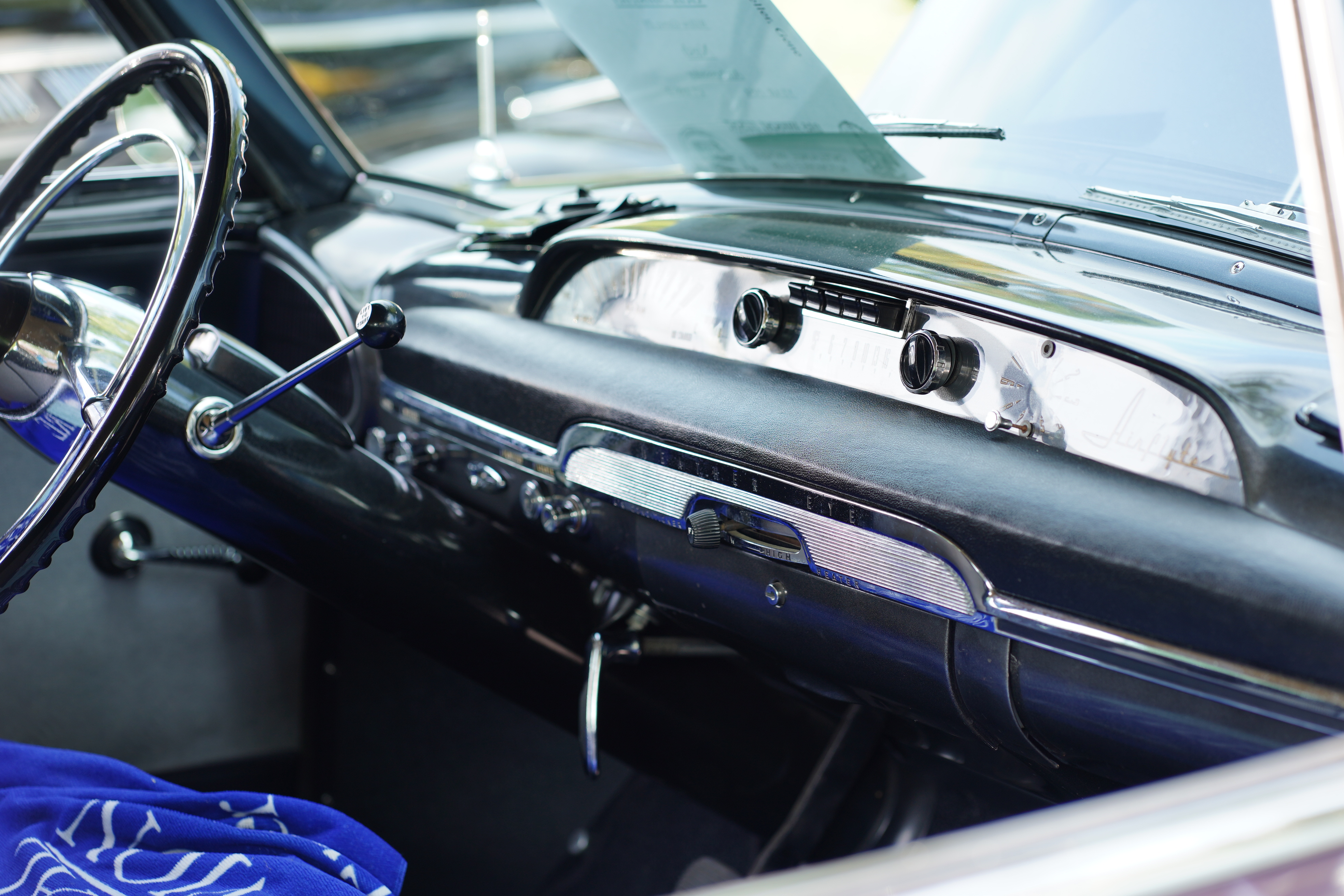
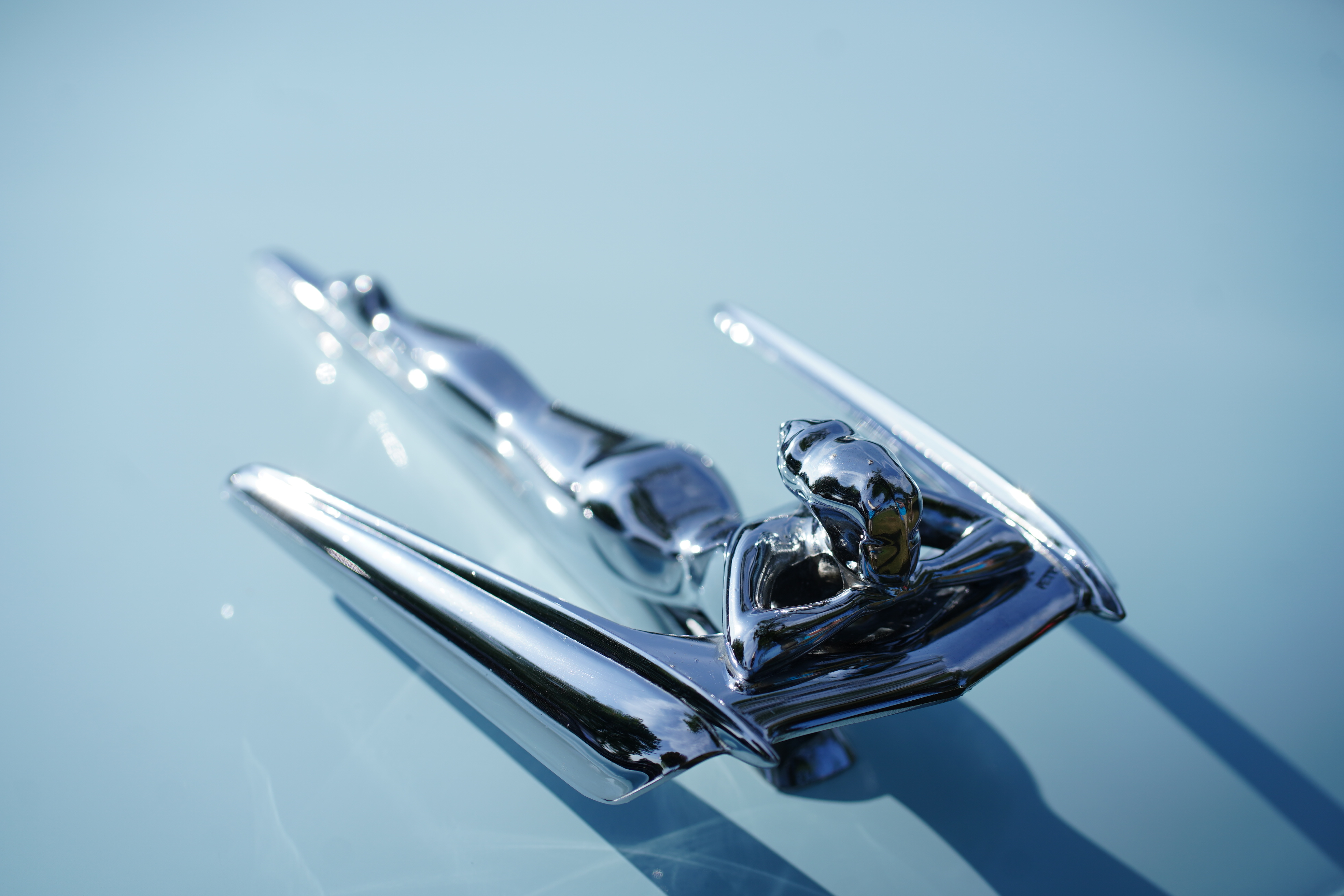
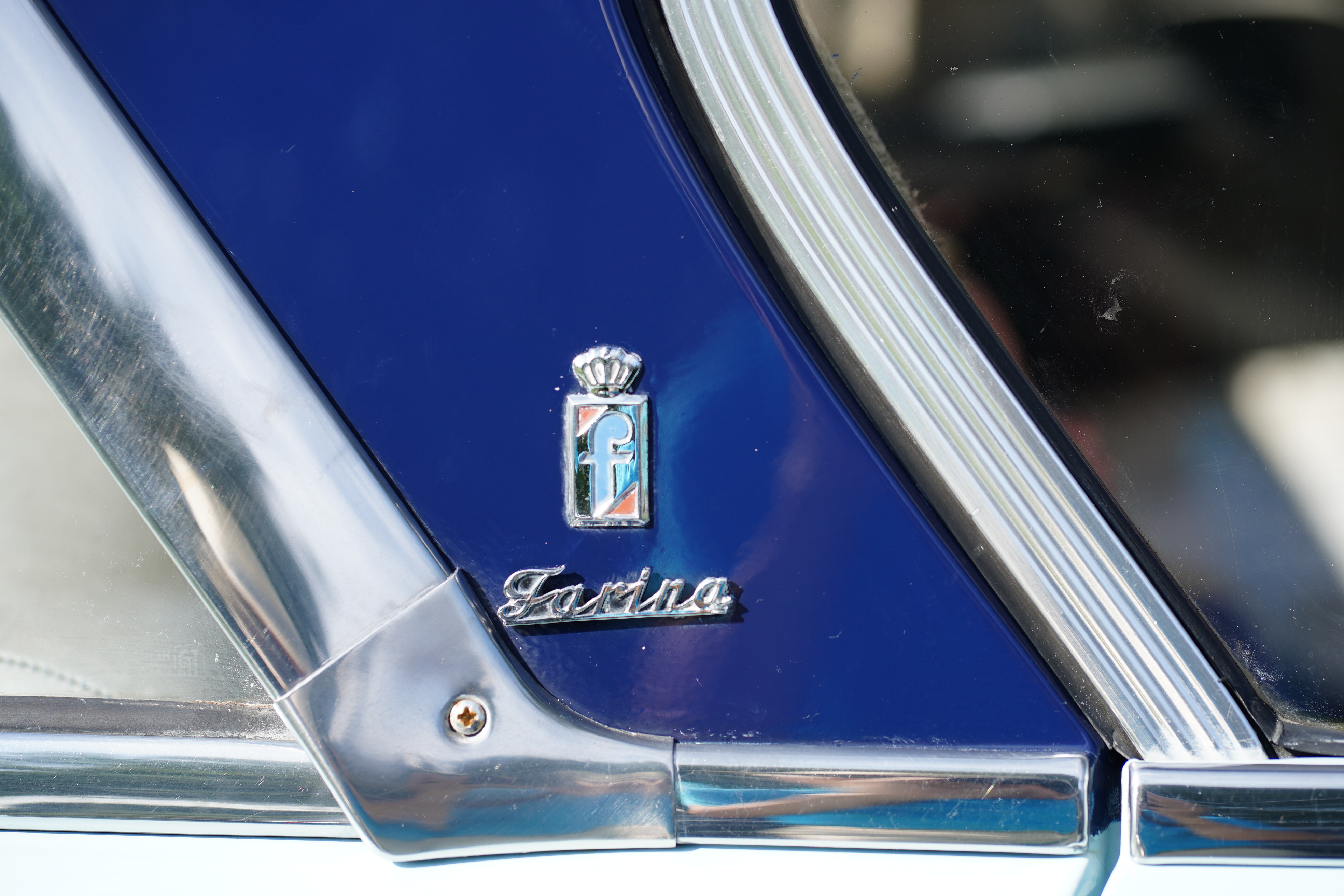
My first-ever bid on Bring a Trailer

While I cannot recall the exact date that I was introduced to the Bring a Trailer website (www.bringatrailer, from hereon referred to as BaT), I can recall the person and the setting. I had been transferred back into HQ at Volvo Cars North America (VCNA), where I finished my career, working there from 2006 to 2009. My boss’s boss, Chris Dauerer, asked me if I had heard of BaT and when I replied in the negative, he suggested that I needed to visit their site immediately. At that time, BaT did nothing more than republish links to interesting cars found for sale on other sites, like eBay and Craigslist. Since then, BaT has grown into one of the largest online collector car auctions, with gross sales numbers placing it at or near the top among competing auctions.

Since that introduction by Mr. Dauerer, I’ve had a daily addiction to the site, and have used it as a barometer of car values. (Compared to “for sale” ads which only tell you asking prices, completed BaT sales give you up-to-date transaction prices.) But BaT has perhaps become too big: the website now closes between 100 and 150 auctions a day! So I’ve pulled back, and have chosen to follow only a handful of makes and models which interest me.

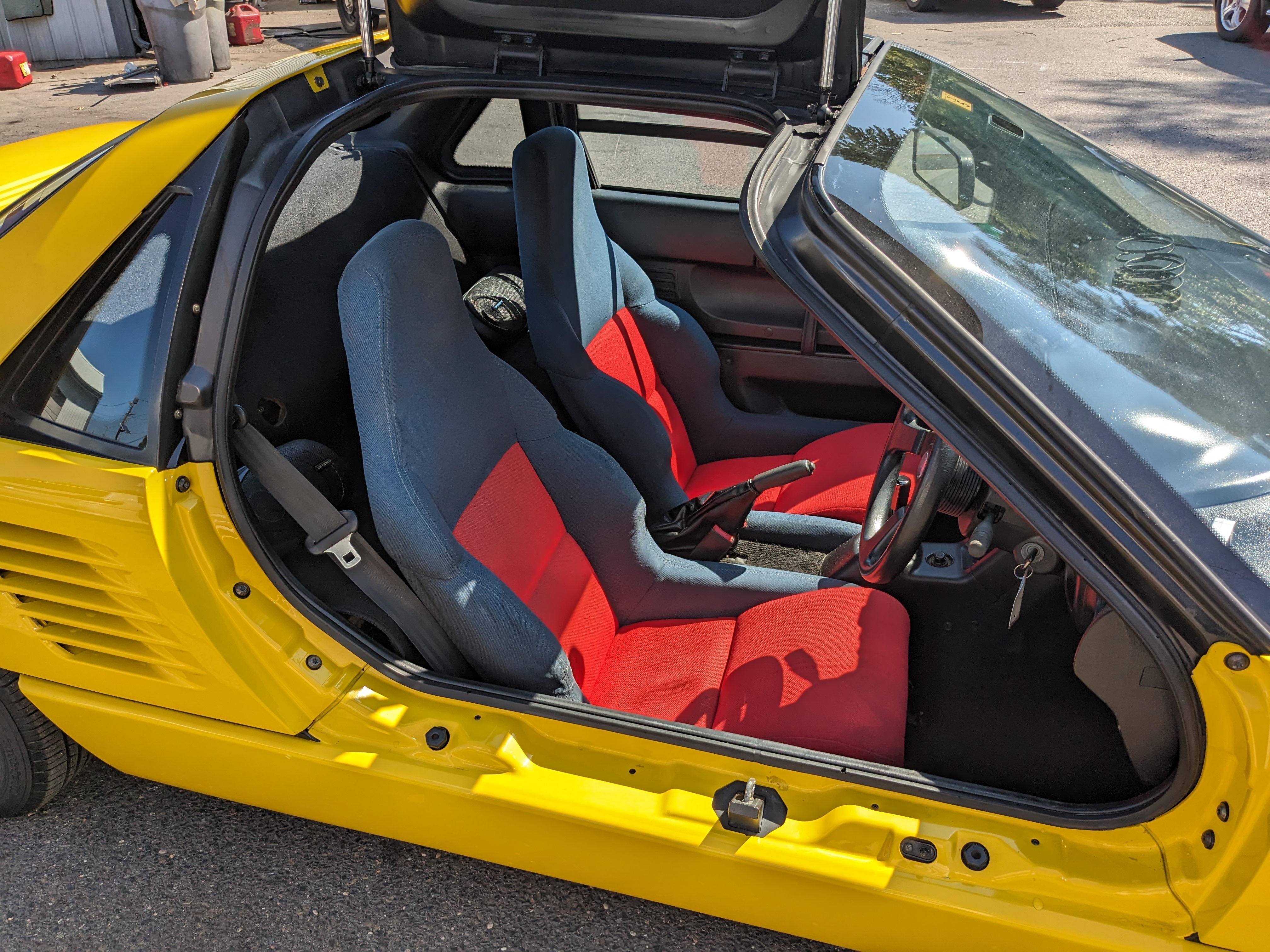
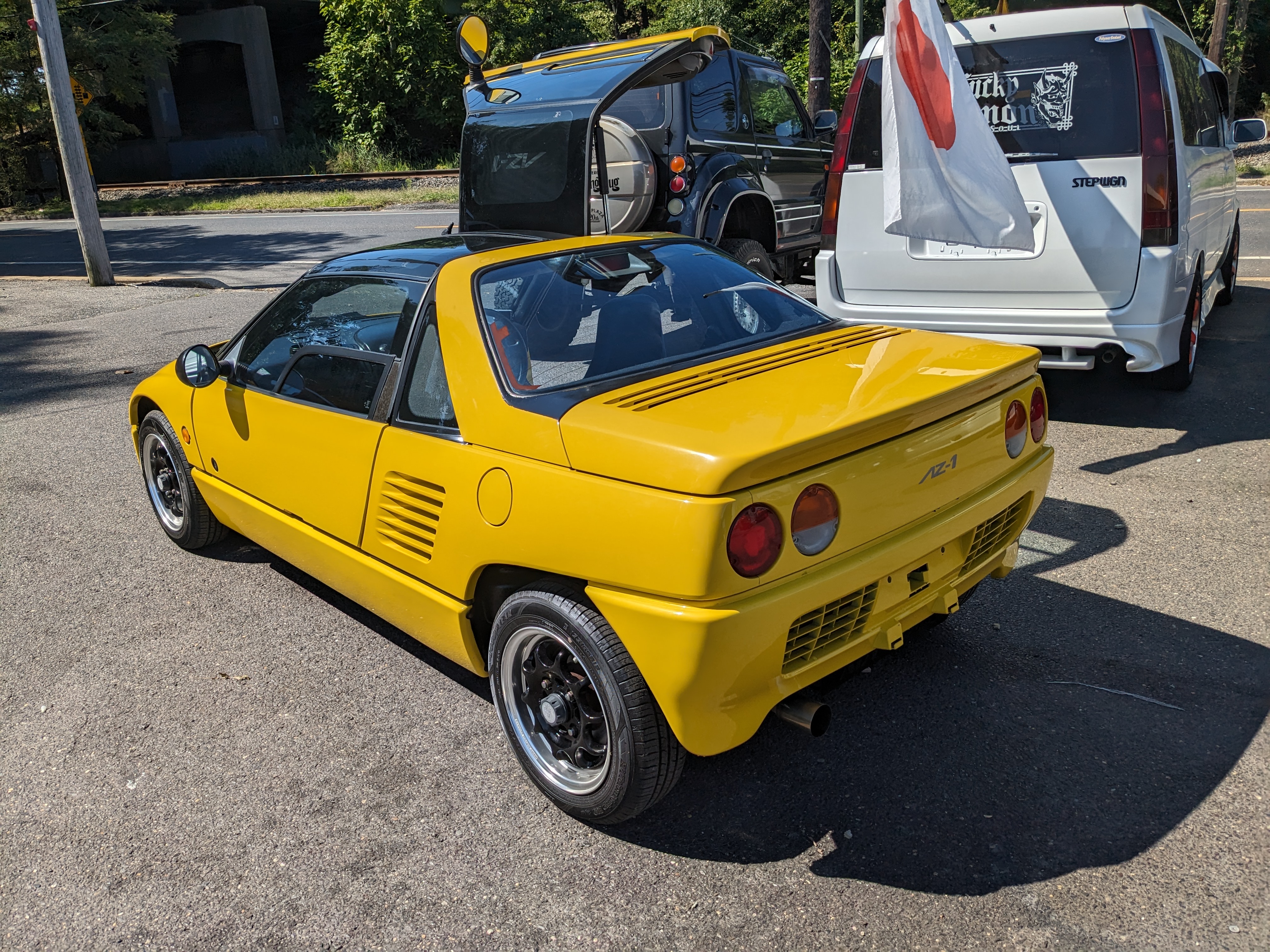
One of those cars I follow is quite unique: the Autozam AZ-1, a Japanese kei car (limited in size and engine displacement by national regulation). While there are other kei cars and trucks, the AZ-1 distinguishes itself further with its mid-engine placement and gullwing doors. These turbocharged 3-cylinder marvels show up on BaT several times a year, and when one appeared a few weeks ago located in NJ, I decided to join the fun. Previous auction results pinned these Autozams in the low-to-mid 20s, but the NJ car had been repainted a non-factory yellow, which I thought might hold the price back. With the current market a little soft, I fantasized that this one might sell in the mid-teens. So now it can be told: for the first time ever, I placed a bid on BaT, throwing my hat into the ring at $7,500. I was quickly outbid, and I raised my bid to $8,100. When that bid held for over 24 hours, a minor panic came over me, as I wondered if I’d remain the high bidder! It was time to see the car in person.

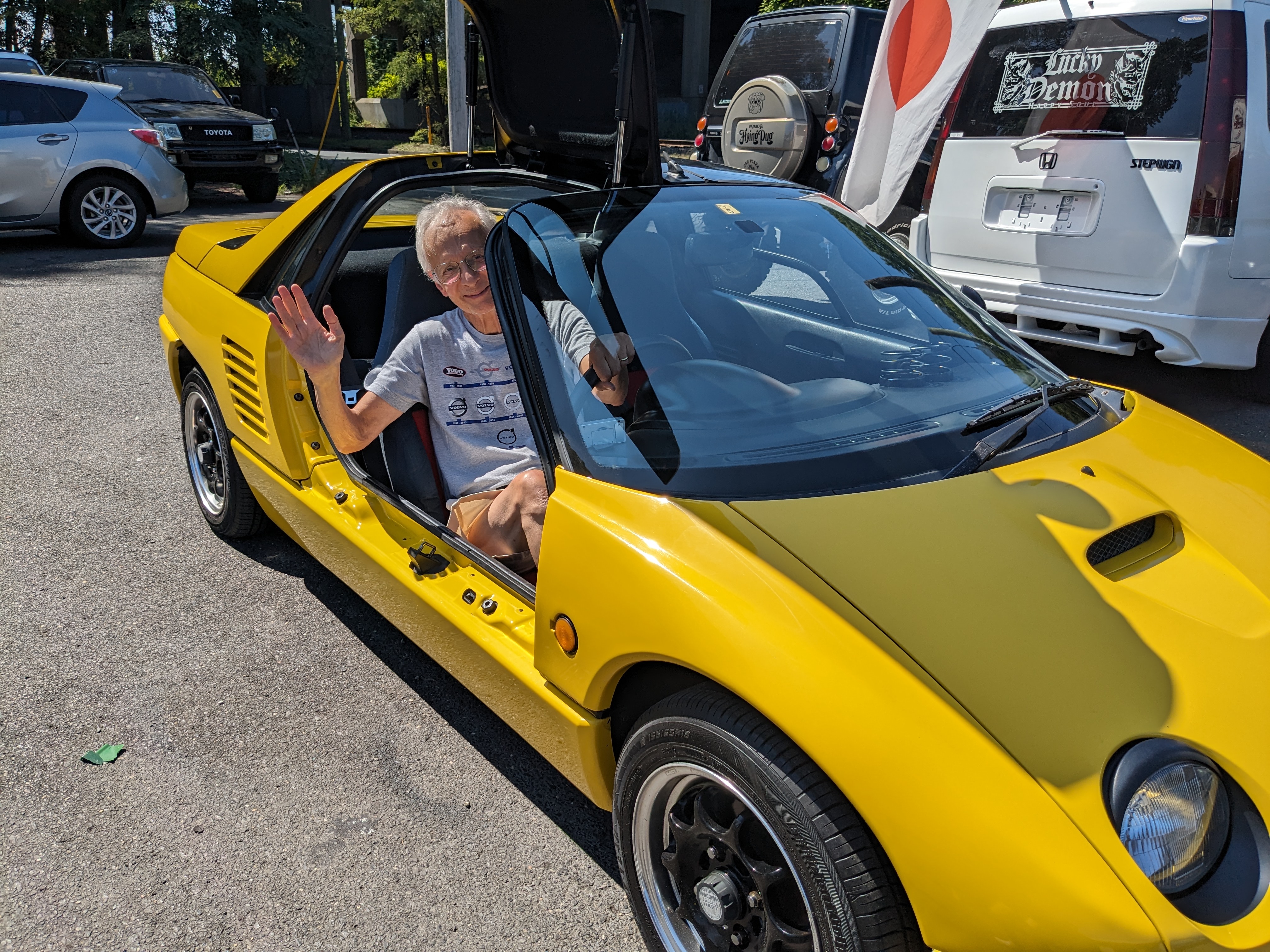
Luck was on my side here. The family was vacationing in Cape May, and I was headed home for several days just to check into things at home. The car was located near Cherry Hill, about halfway between Cape May and home. I made an appointment with the dealer, and arrived at his place about 11 a.m. on a Friday. There was the car, even smaller than I imagined. The dealer, a friendly and accommodating young man named Eli, invited me to look over the car. The size was not an issue (you’re looking at a guy who used to drive a BMW Isetta on the street), but the gullwing doors were something else. While incredible to look at, the high sills made ingress and egress most awkward. Once in the car, room was limited. From the driver’s seat (RHD), the non-adjustable steering wheel was offset to the left. The seats slid back and forth but the seat backs were fixed.

Eli offered to let me drive, but I demurred, and suggested that I would ride while he drove. He had many JDM (Japanese Domestic Market) vehicles on his lot and seemed completely at ease with the RHD. Off we sent, with the cold A/C cranking the entire time. We went onto the highway where I saw 120 kph (75 mph). The car ran well, but there was a loud clunk with every shift, possibly normal for a remote shifter. Aside from the interior access (my wife would never put up with it!), the biggest issue was the driver-quality paint job. I liked the yellow, but didn’t care for the application of it.

I thanked Eli for his time, and concluded that my automotive lust for an Autozam AZ-1 had now been satisfied. I had no reason to worry about the bidding as the car sold for $20,151, five grand higher than I predicted but five grand below other recent sales. It was fun to be a bidder on BaT, as they make the process almost too easy. For me, the real bottom line is that online auctions give you great exposure to a wide variety of vehicles, but I would still greatly hesitate to purchase any vehicle sight unseen.

 

ADDENDUM

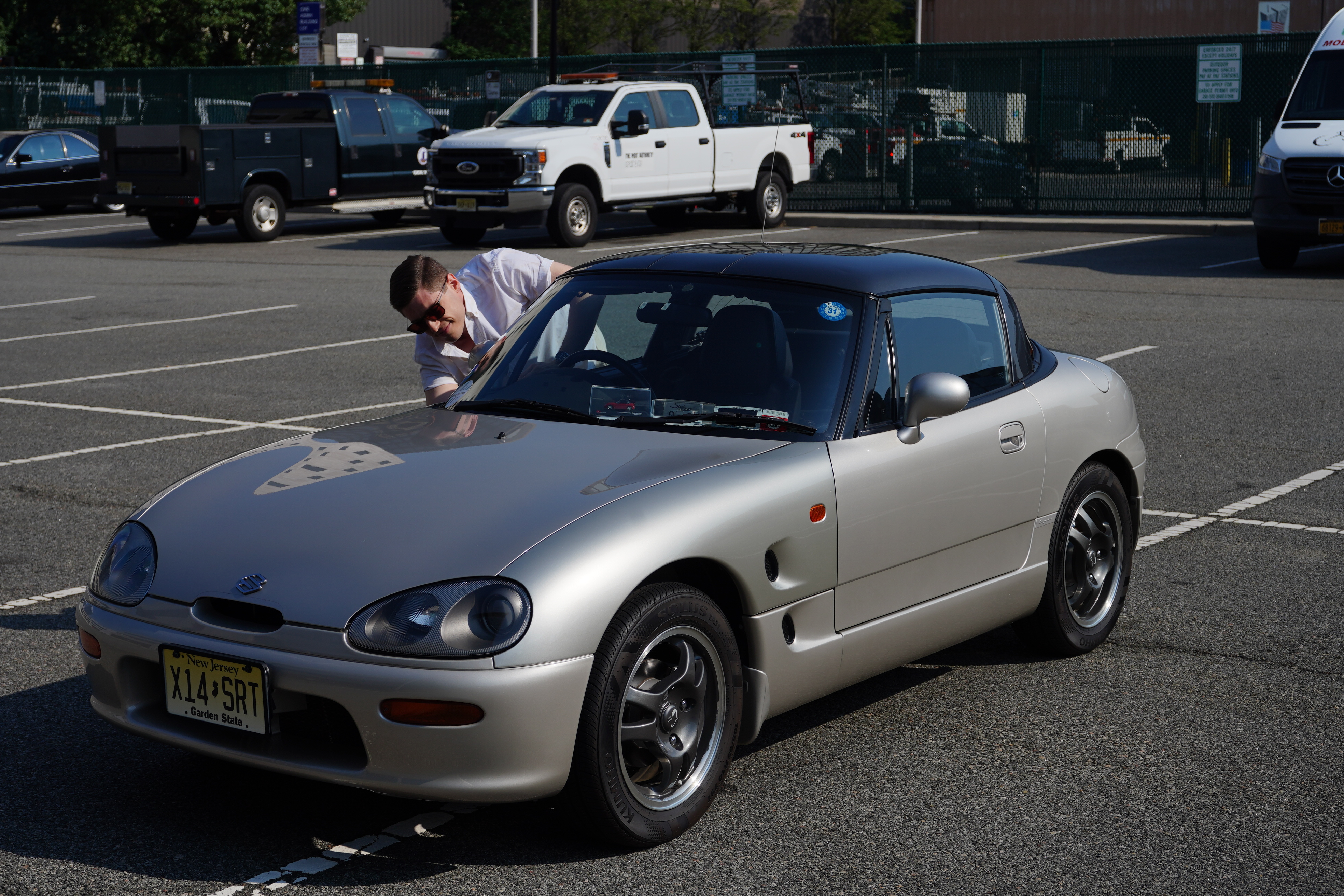
Although I didn’t identify it by make, model, or size class, I did include a different kei car in my blog post from July of this year about the Concours on the Palisades in Fort Lee, NJ. In the Japanese class was a Suzuki Cappuccino, a kei car which happens to use the same 3-cylinder engine as the Autozam.
Entire blog post content copyright © 2024 Richard A. Reina. Text and photos may not be copied or reproduced without express written permission.
 

The Lime Rock “Sunday in the Park” Car Show, Sep. 2024

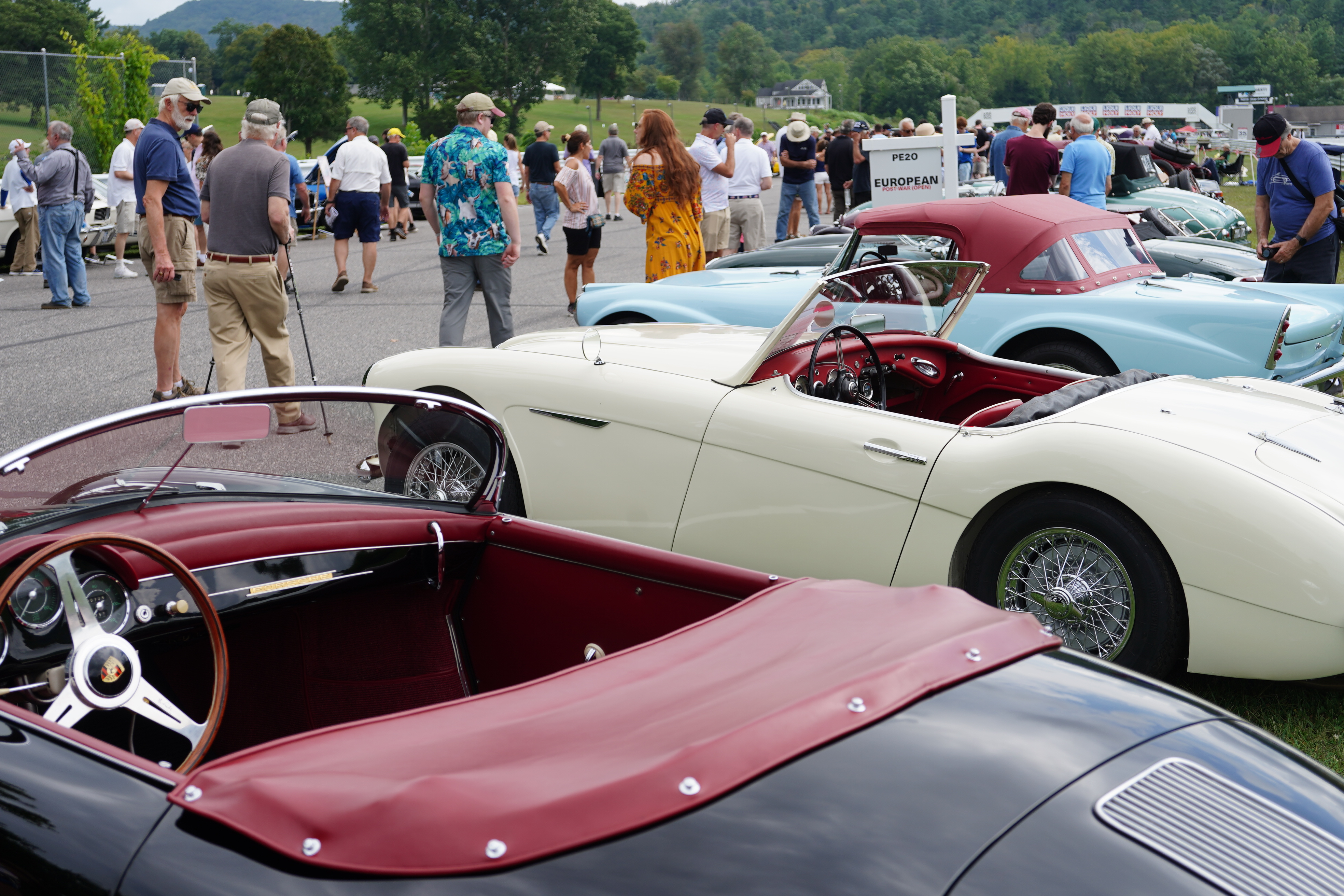
While Labor Day weekend marks the unofficial end to the summer season, there are still plenty of classic car shows to attend before things shut down for the winter. And what better way to kick off this segment of the year than by attending Lime Rock Park and its Historic Festival 42 (as in “now in its 42nd year”). As I did last year, I rode up to the event with my friend and fellow Alfa-owner Tony, and we were rewarded with great weather and a great display of cars. To my eyes, compared to last year’s slightly disappointing turnout, this year’s vehicles were more numerous and more varied.

As always, the vehicles arranged on the track can be broken into two large groups: the Featured Classes, and the Gathering of the Marques. The Featured Classes are pre-arranged, and one must apply to have one’s vehicle accepted. The Gathering of the Marques is open to any spectator with paid admission, provided that their car’s marque is one on display.

No one featured class stood out for me; rather, it was a nice assortment of pre-war, post-war, domestic, and import vehicles. For the Gathering of the Marques, I found the Italian brands, especially Fiat and Alfa Romeo, to exhibit stronger than usual showings.


AMERICAN
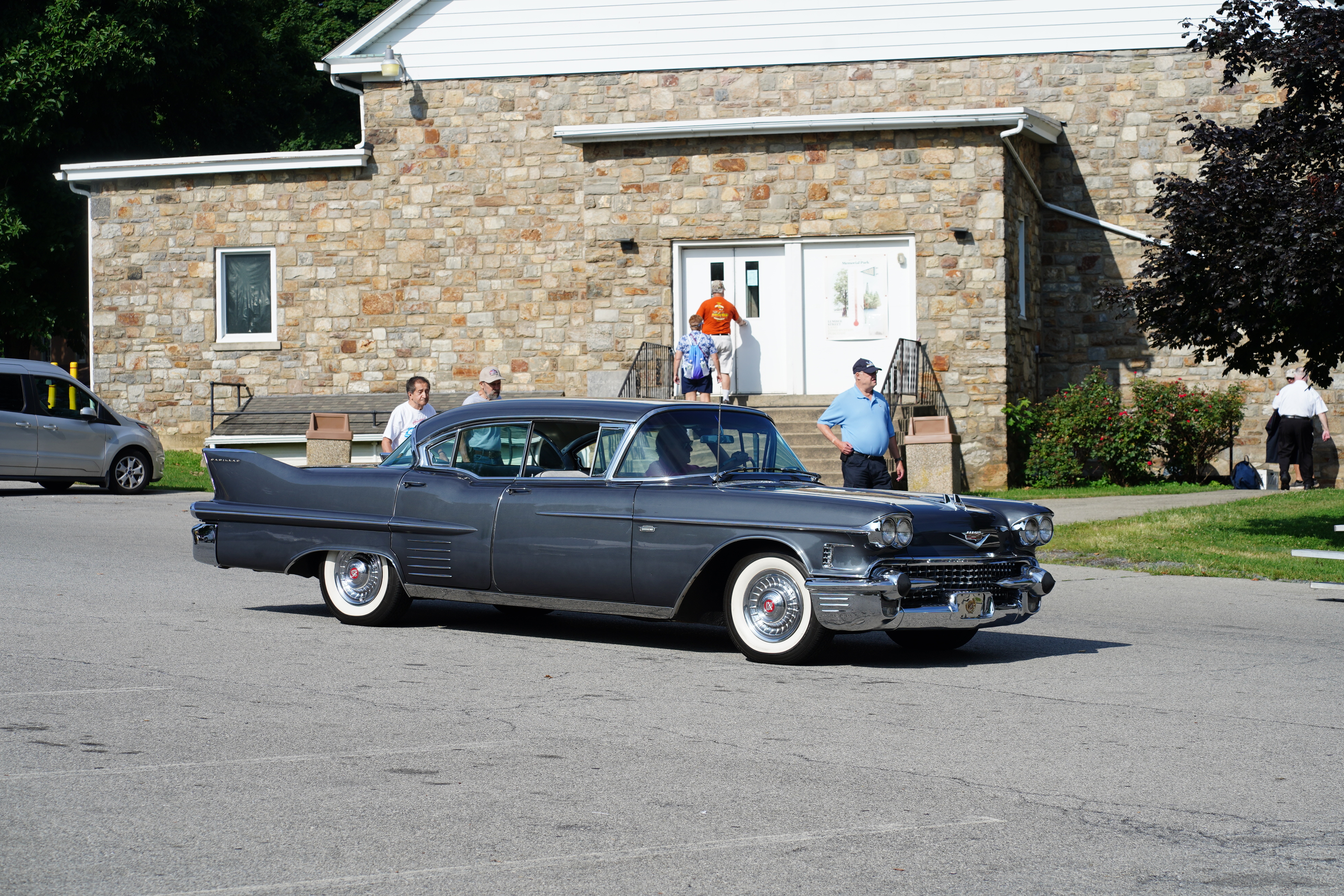
Pre-war Cadillac
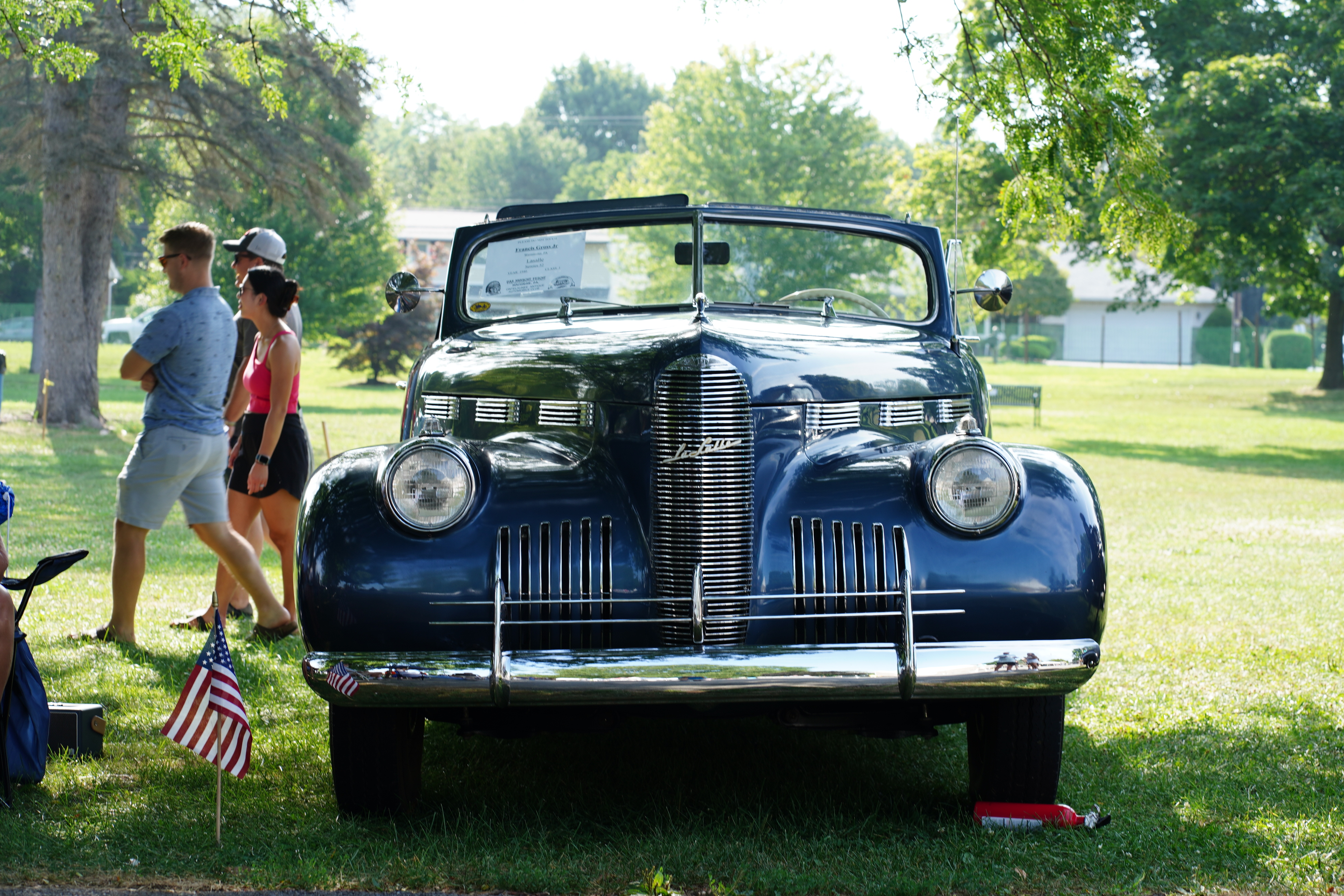
1940 LaSalle
1964.5 Mustang, claimed to be wearing all-original paint

1935 Chrysler Airflow

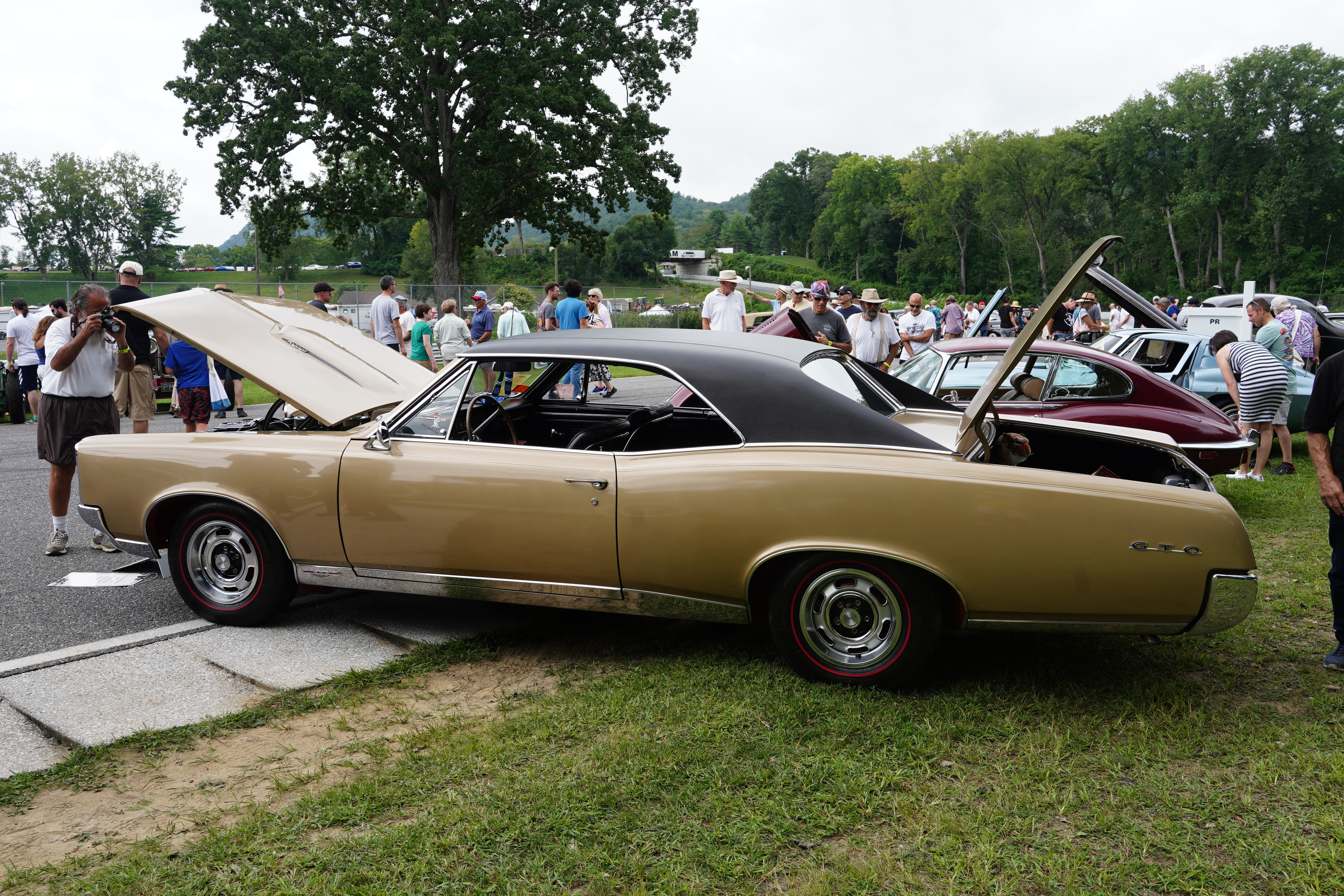
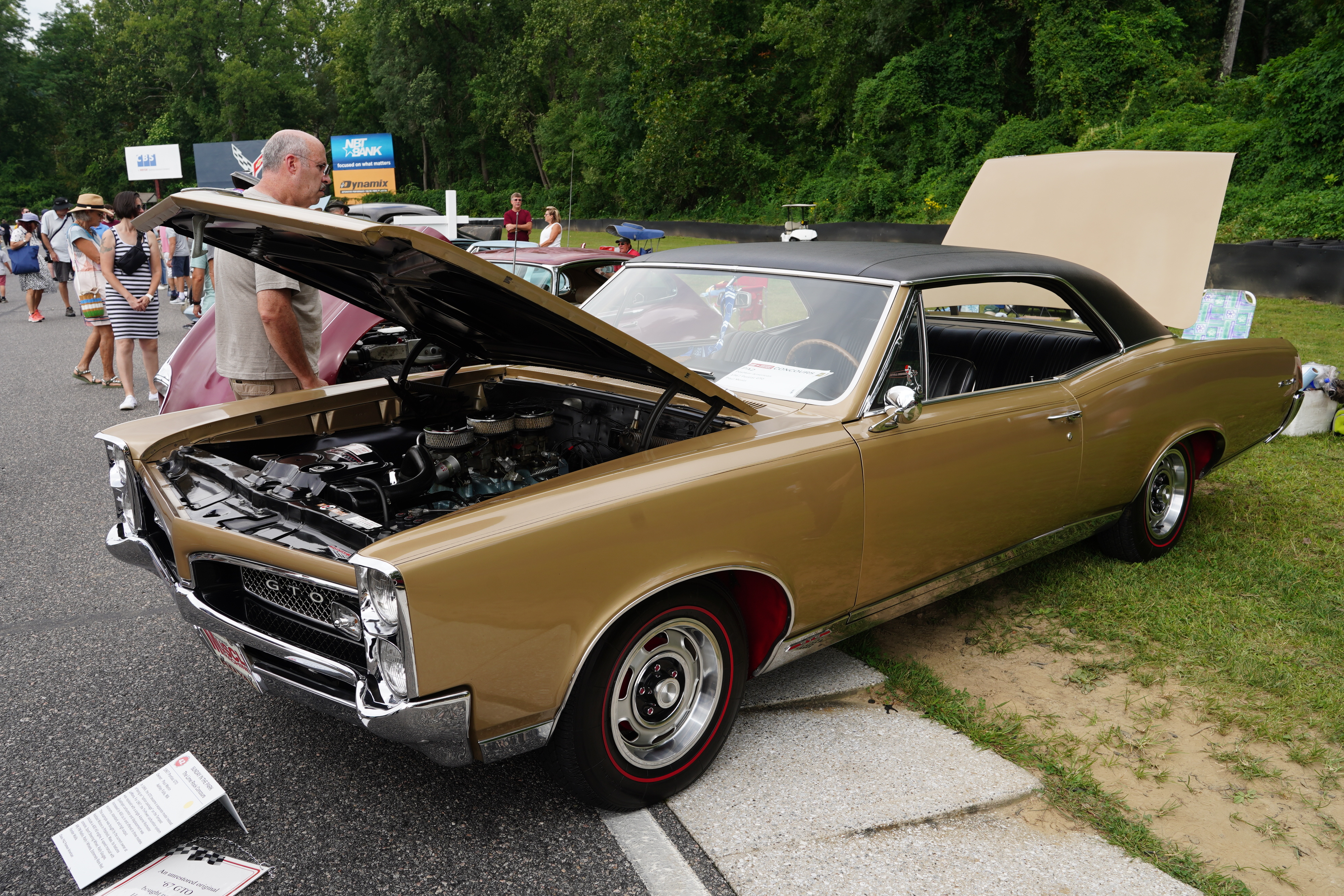
A ONE-OWNER ’67 GTO

The gentleman representing this car claimed that he bought it brand new in 1967 when he was 22 years old. The car has 7x,000 miles on it, and he further claimed that it was 100% original: paint, chrome, upholstery. The car looked stunning. He special ordered it with Tri-Power and without PS, PB, or A/C. On top of all this, he owns 15 other GTOs!


BRITISH


1930 MG


GERMAN


FRENCH
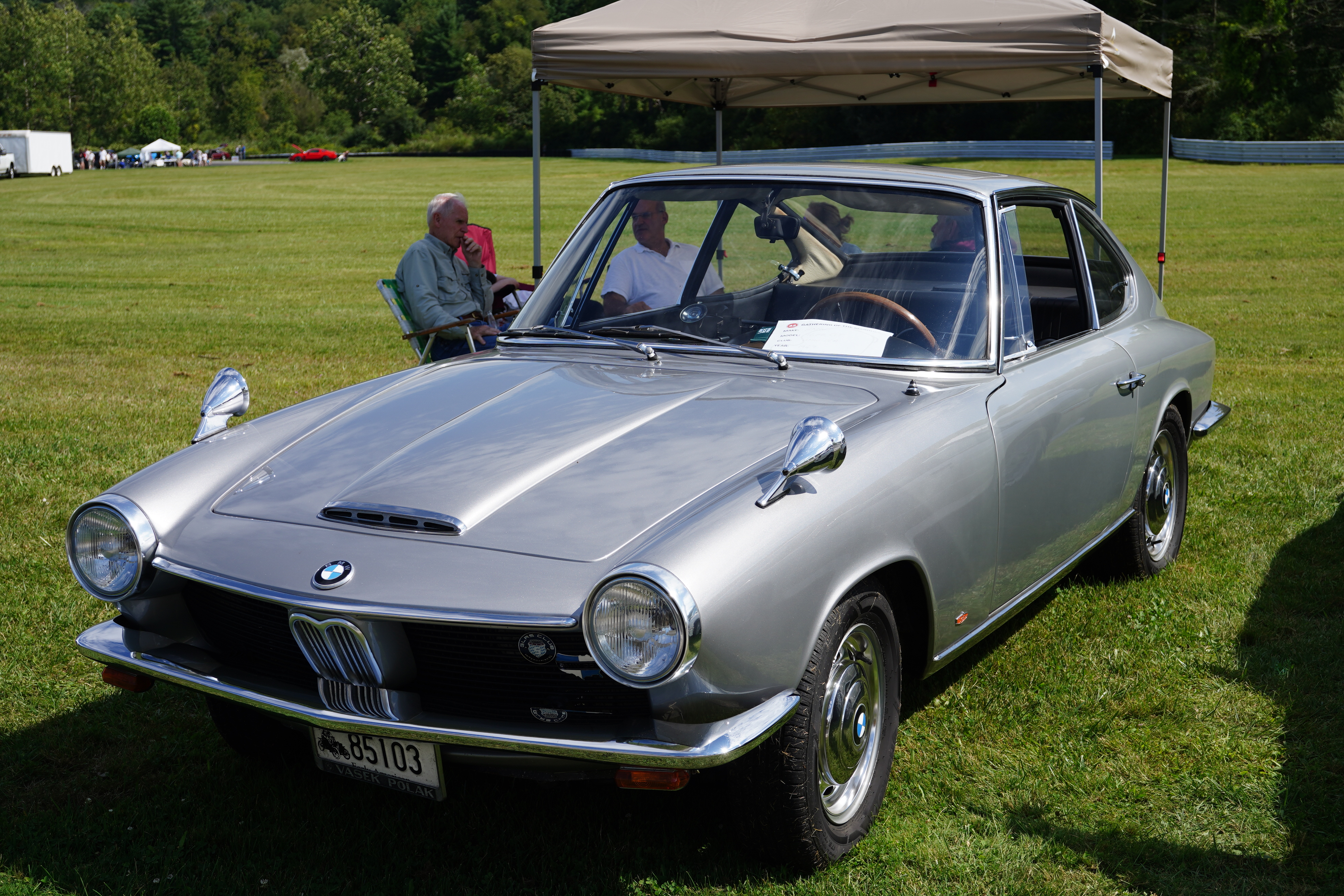
If this French Simca looks Italian, it’s because it was designed by Bertone

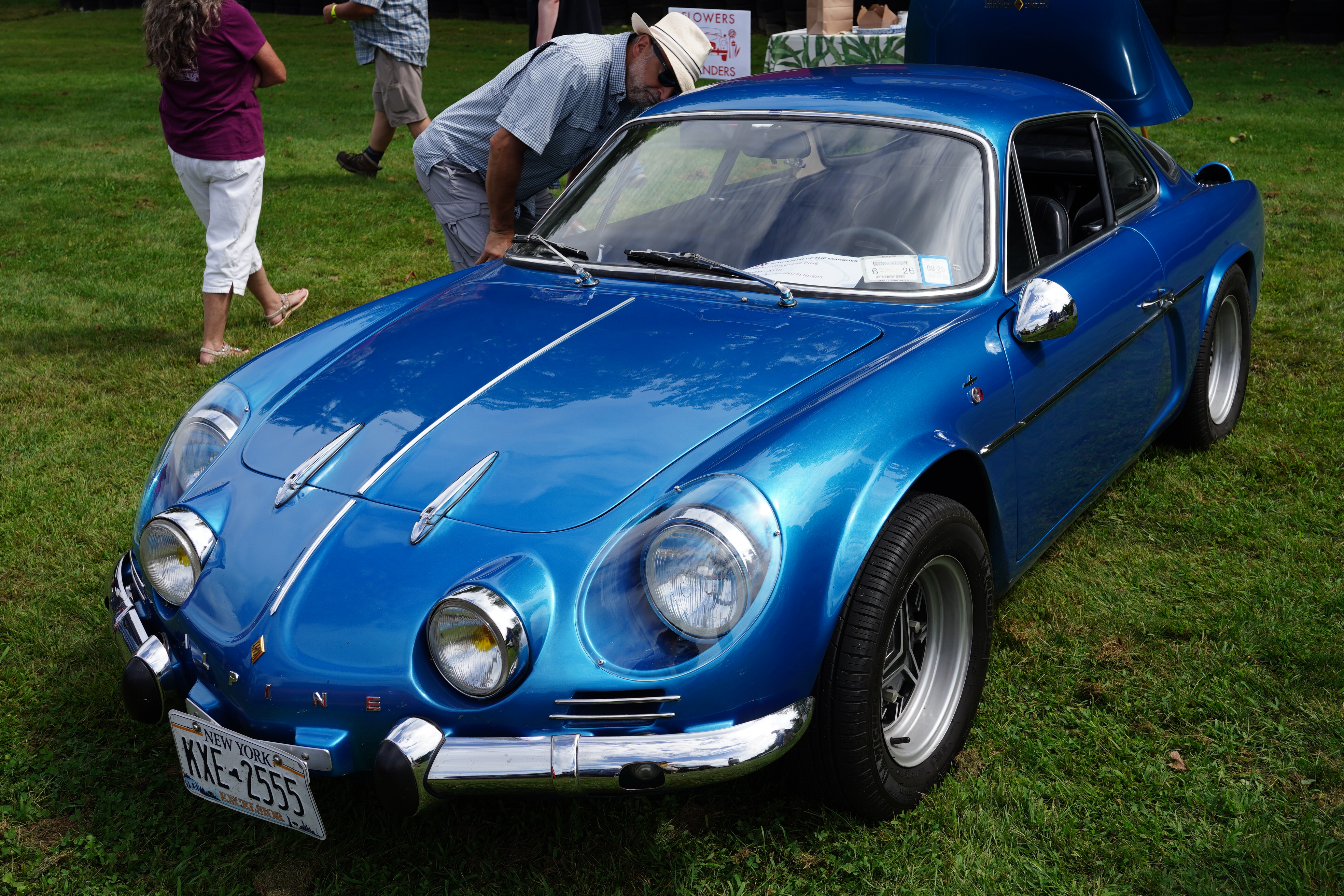
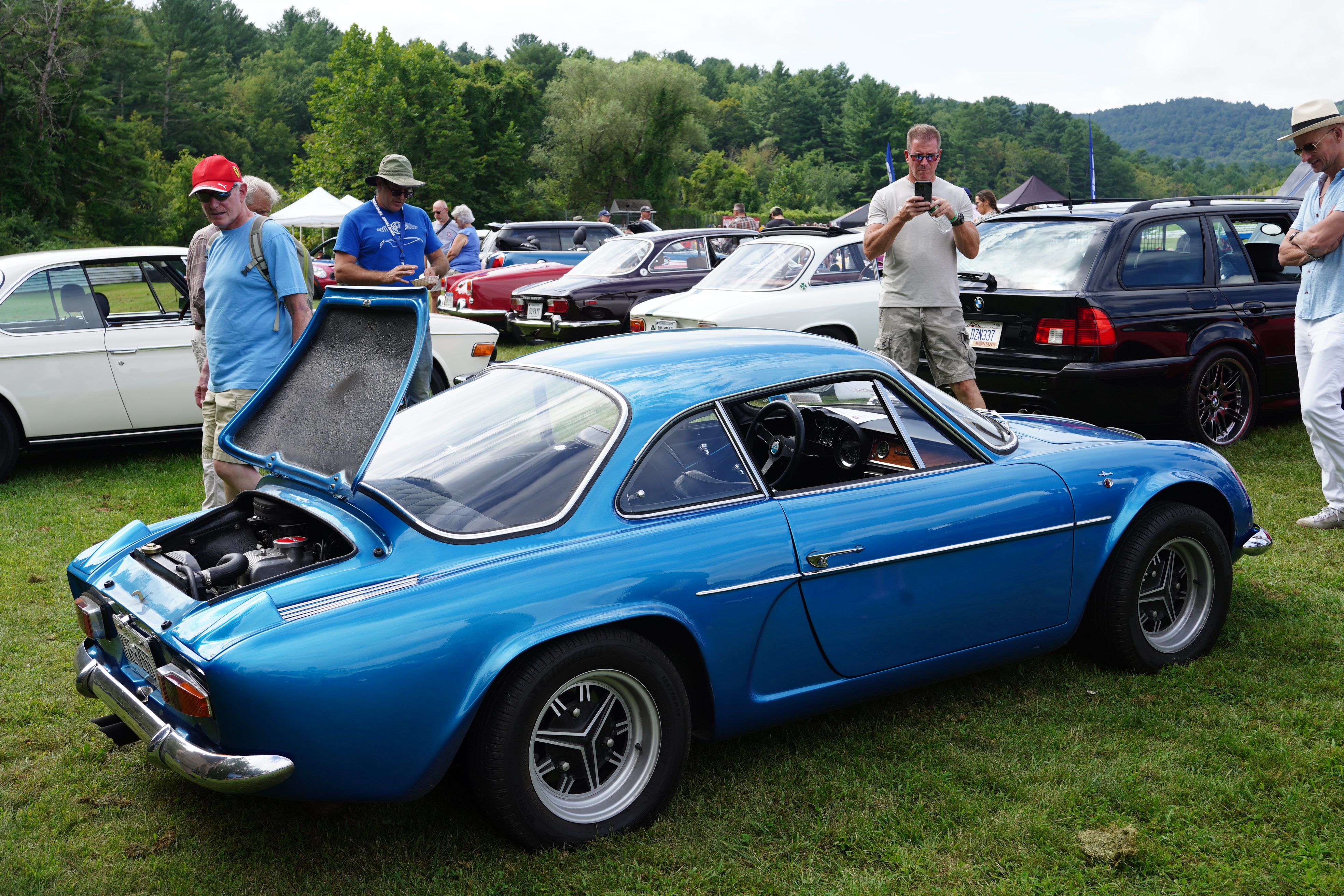
Renault Alpine


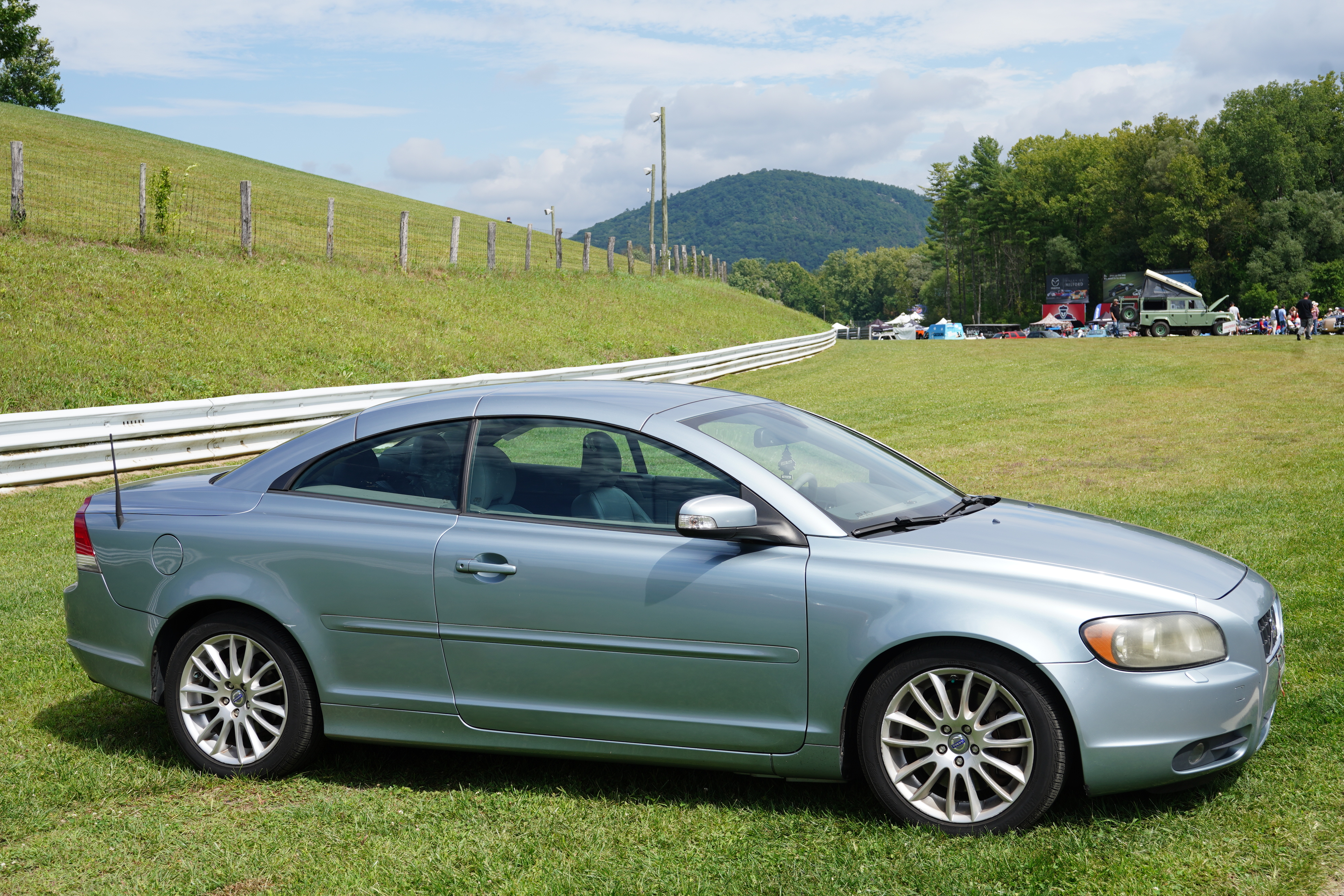
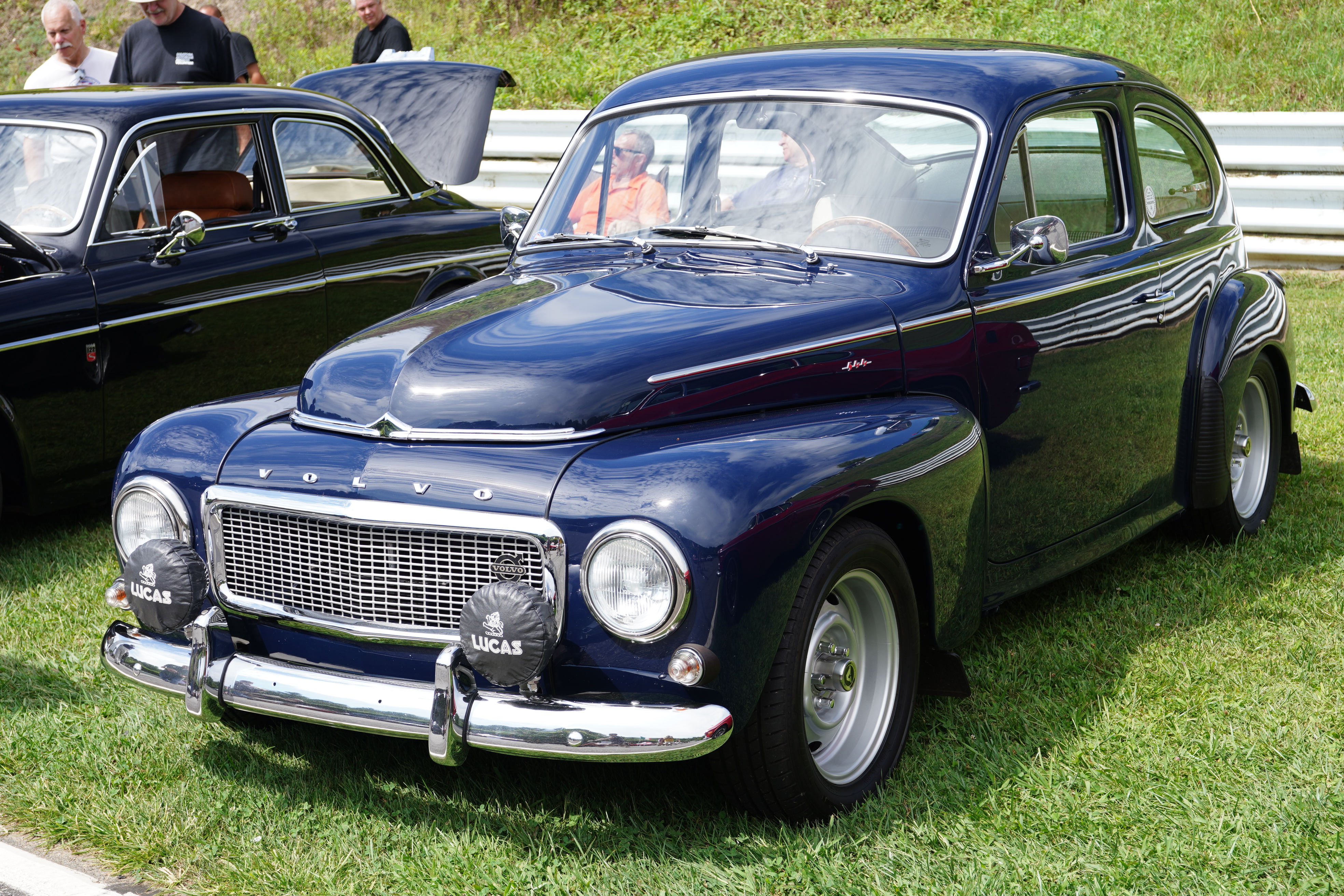
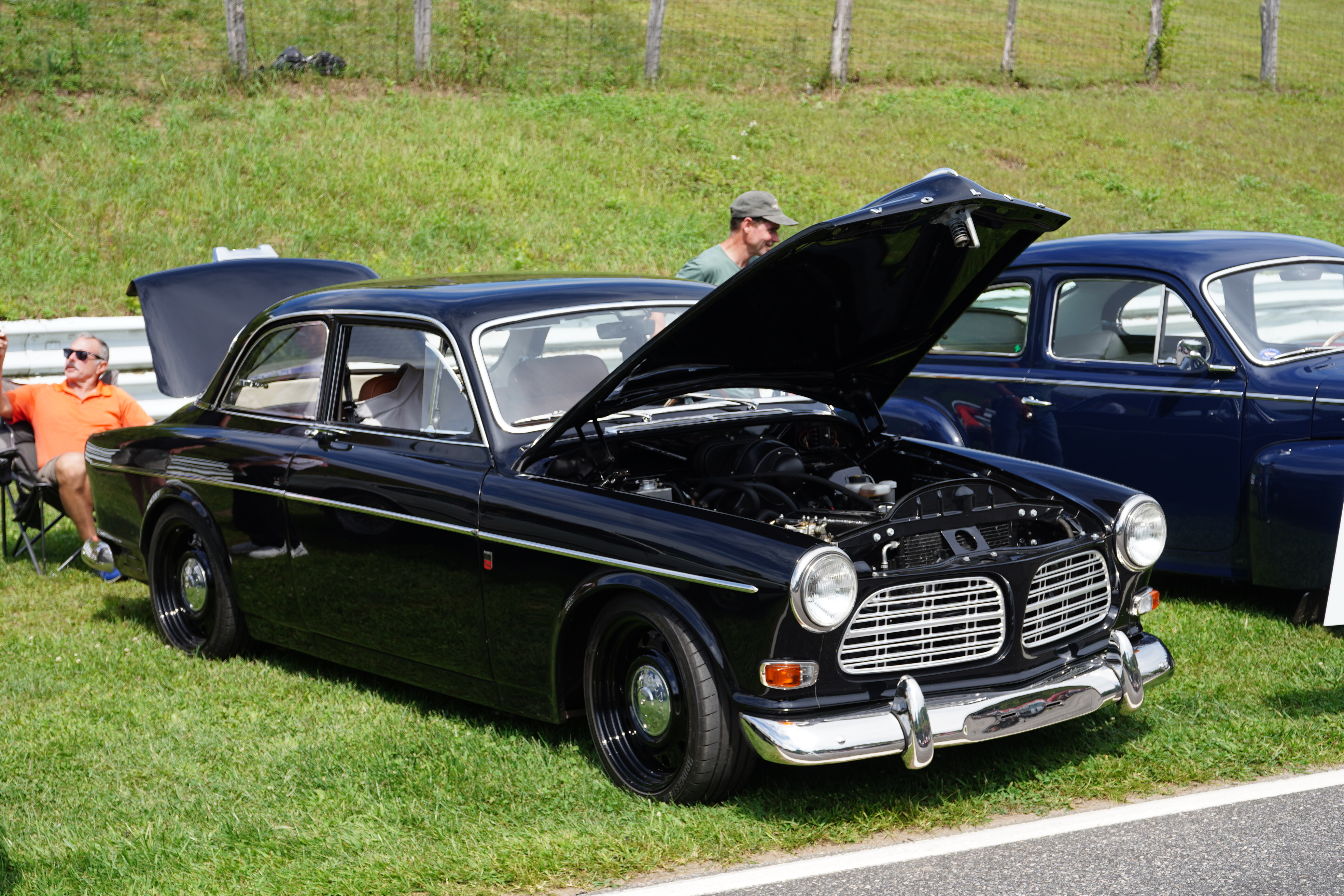
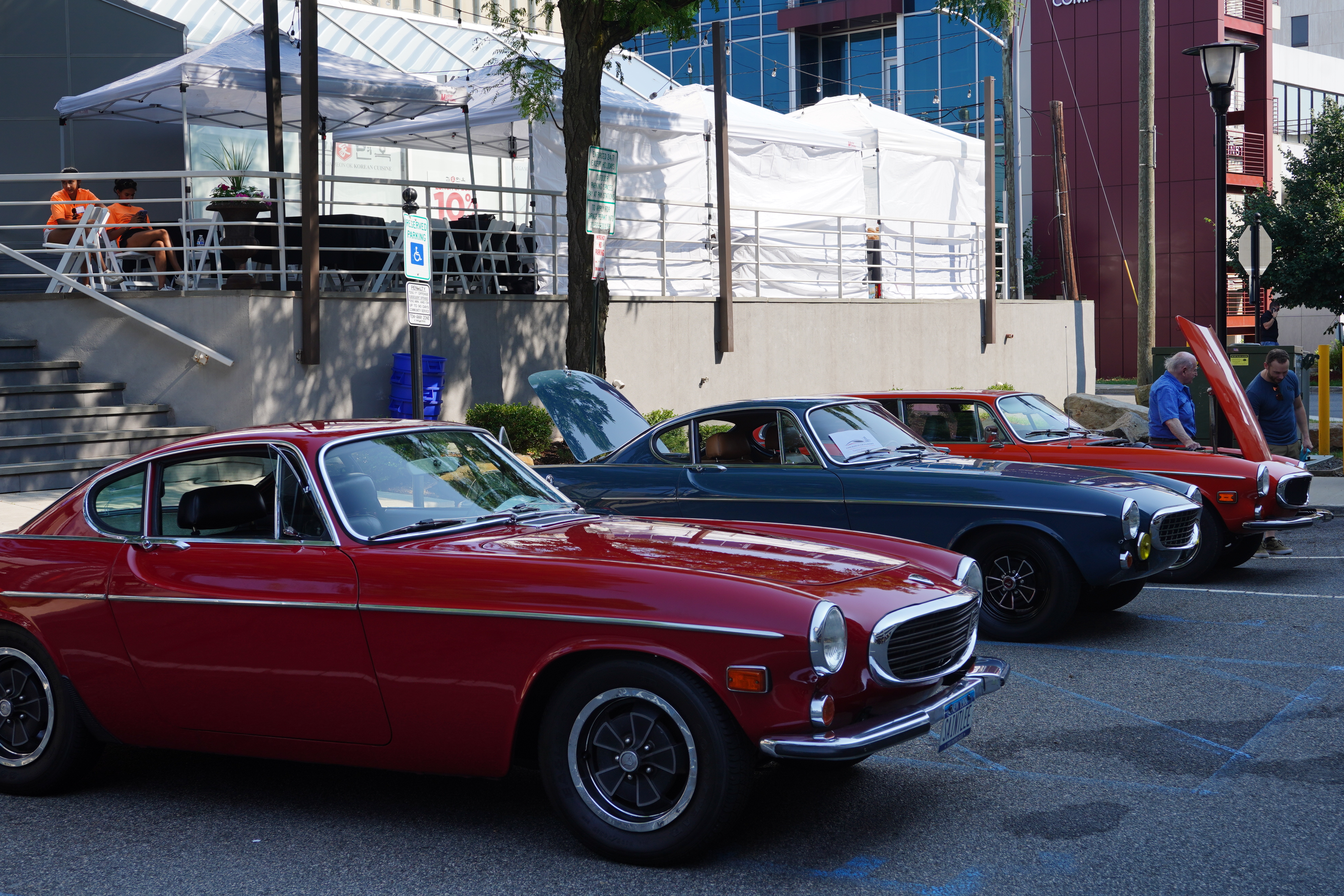
VOLVO


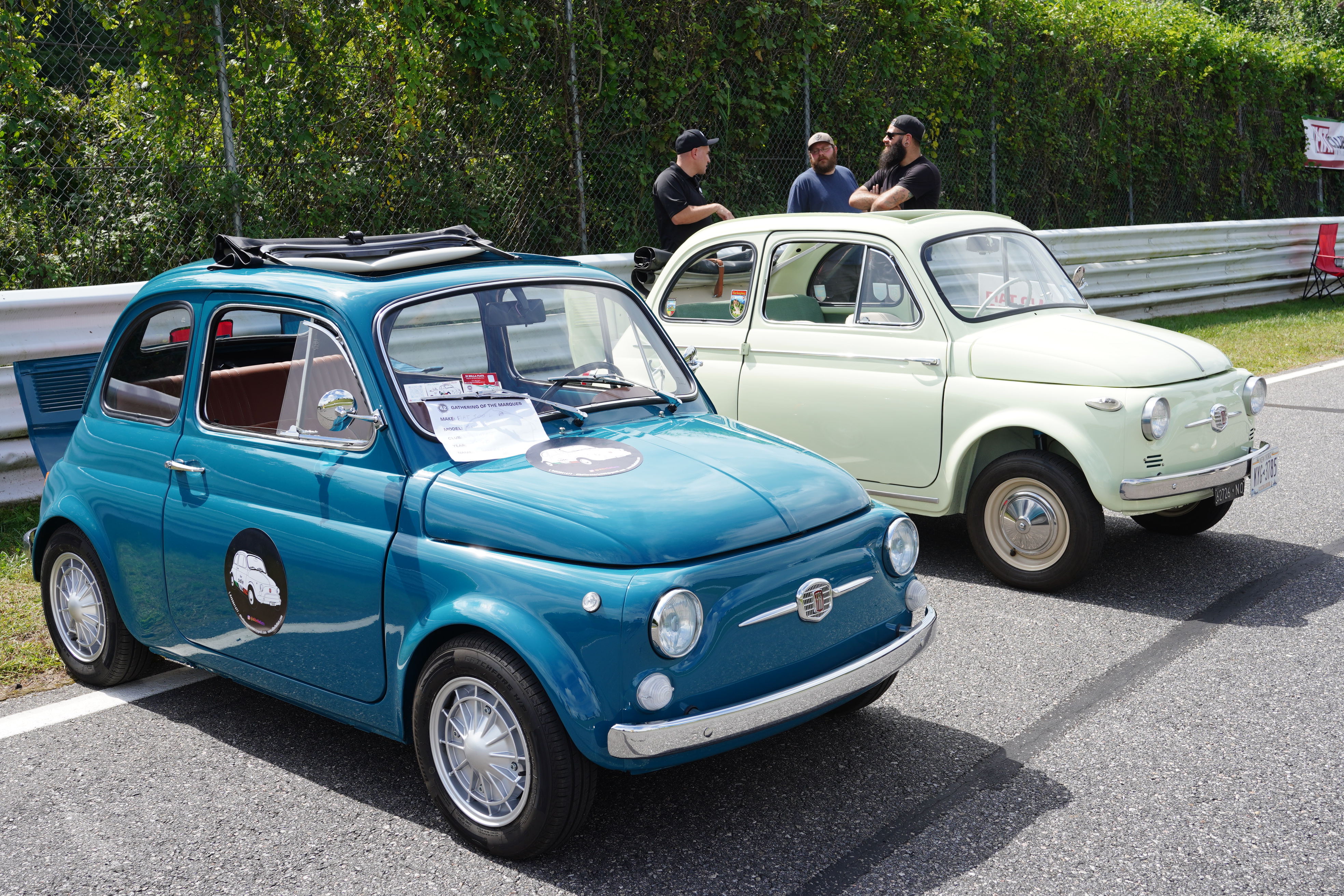
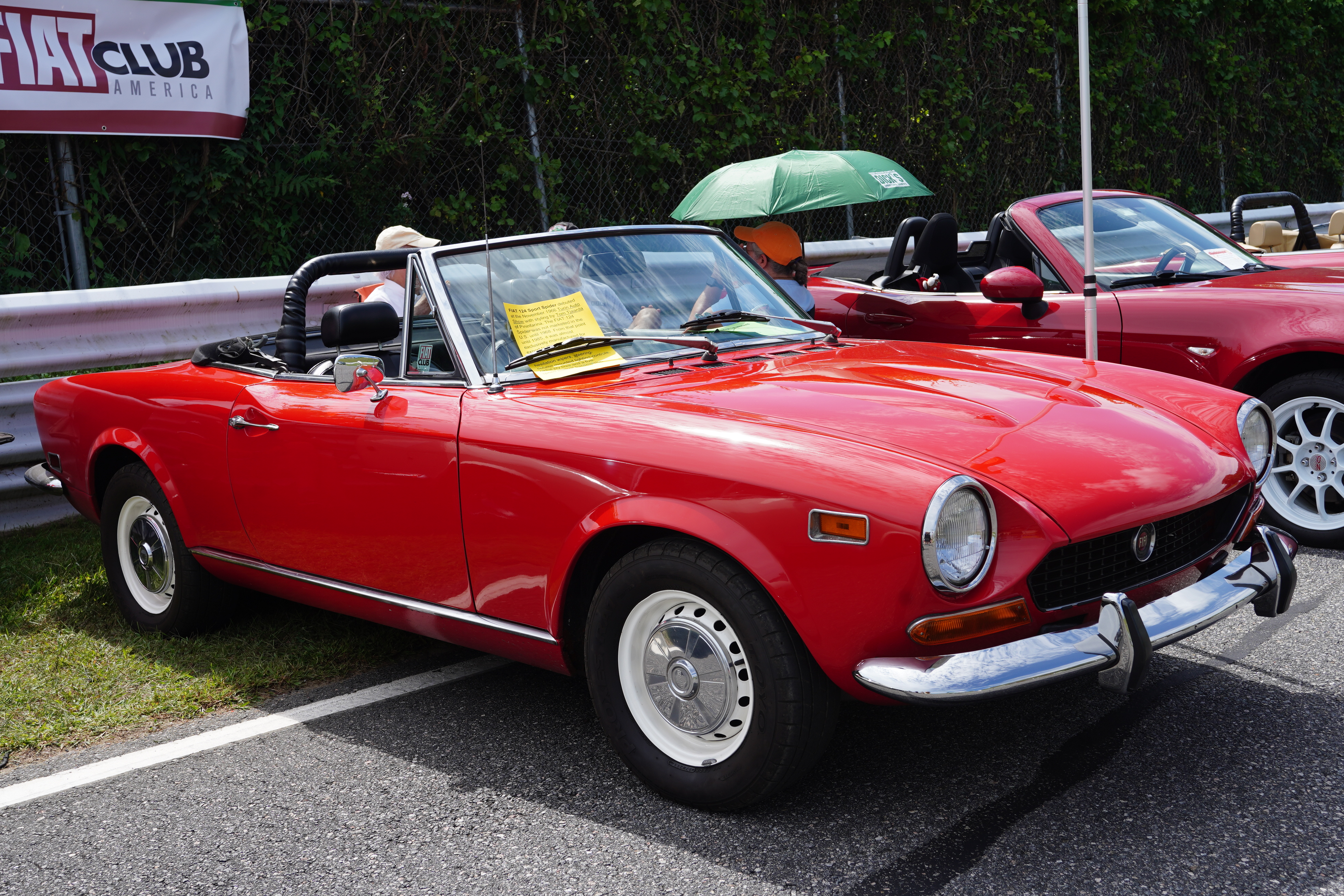
FIAT

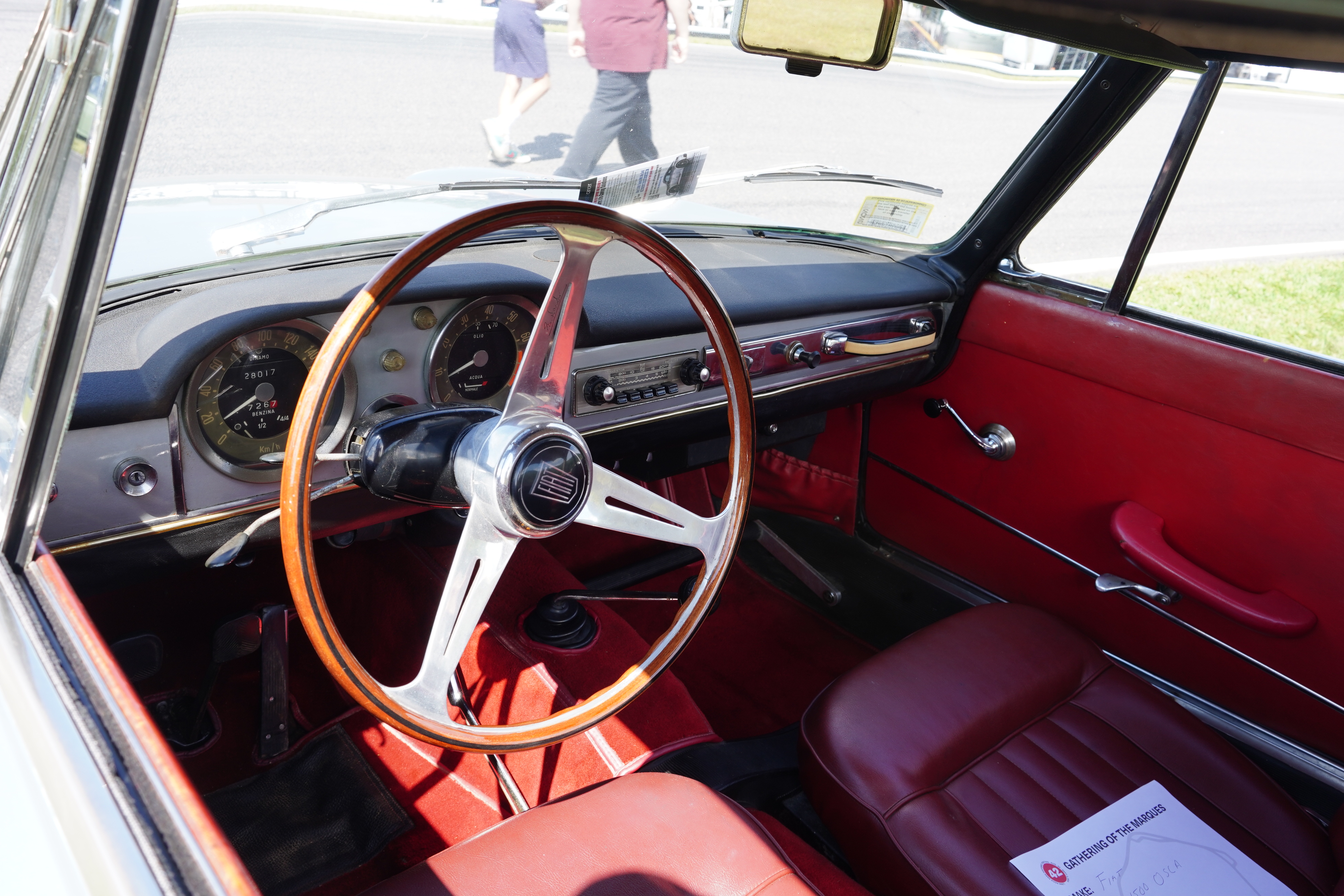
Fiat 1500 OCSA

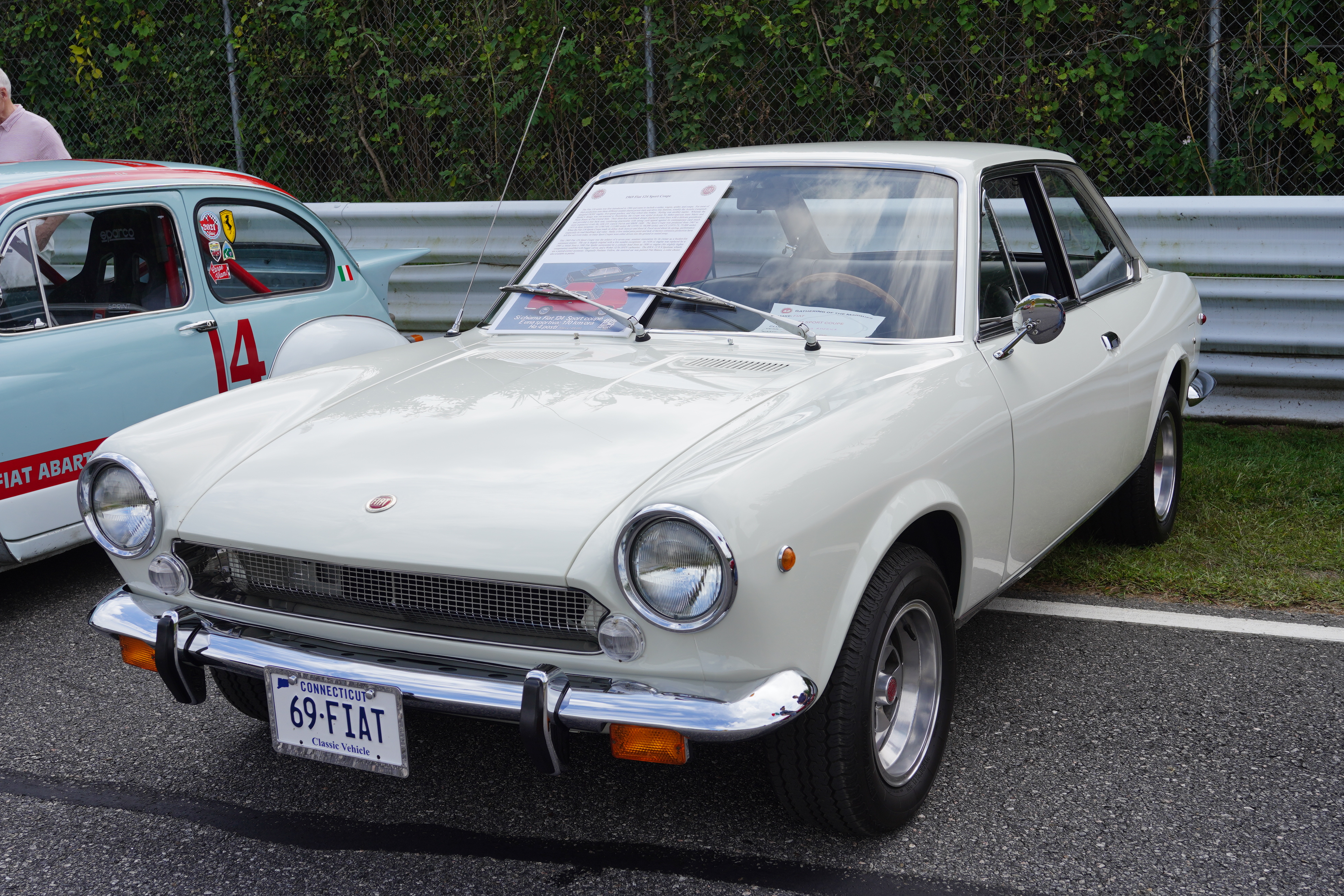
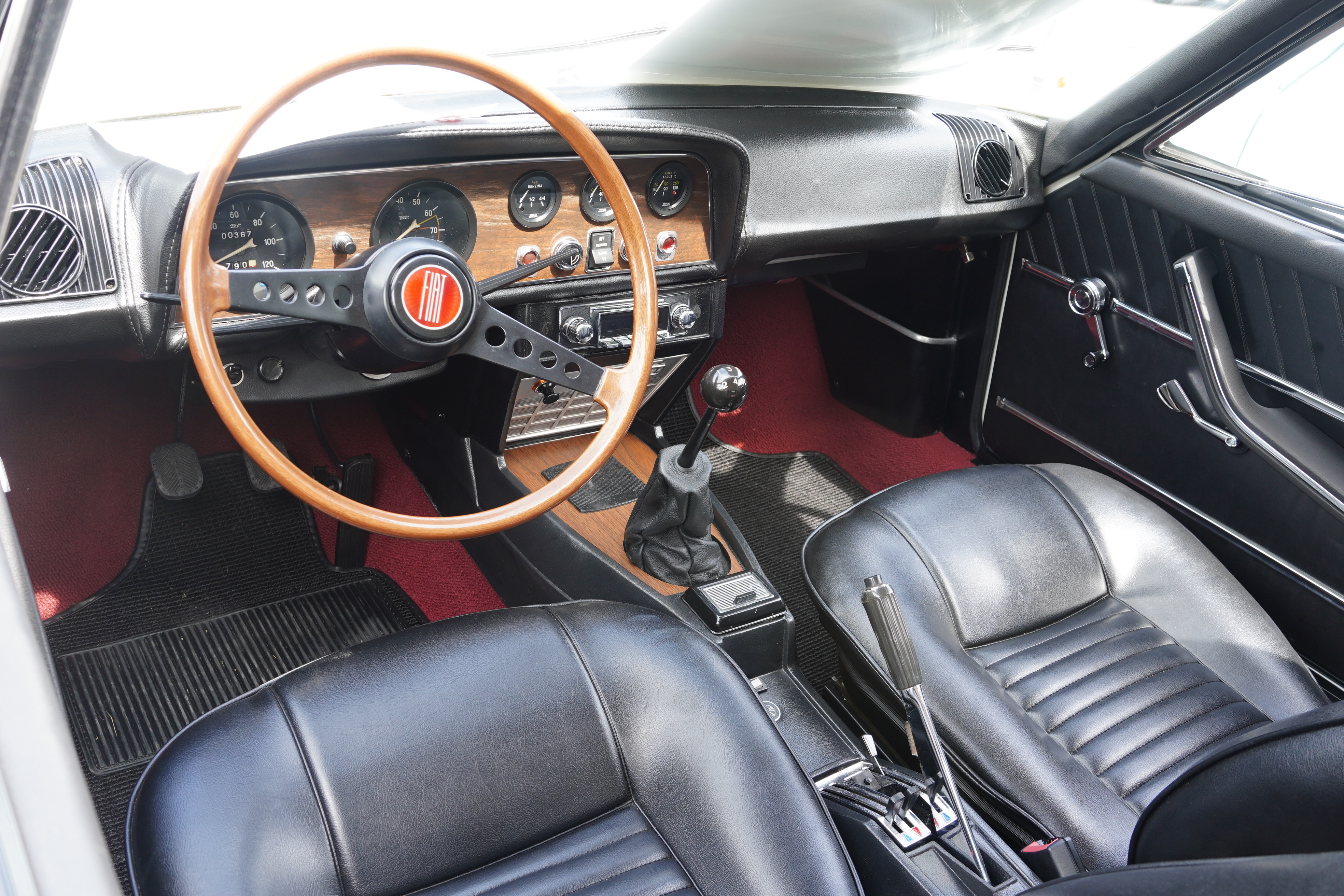
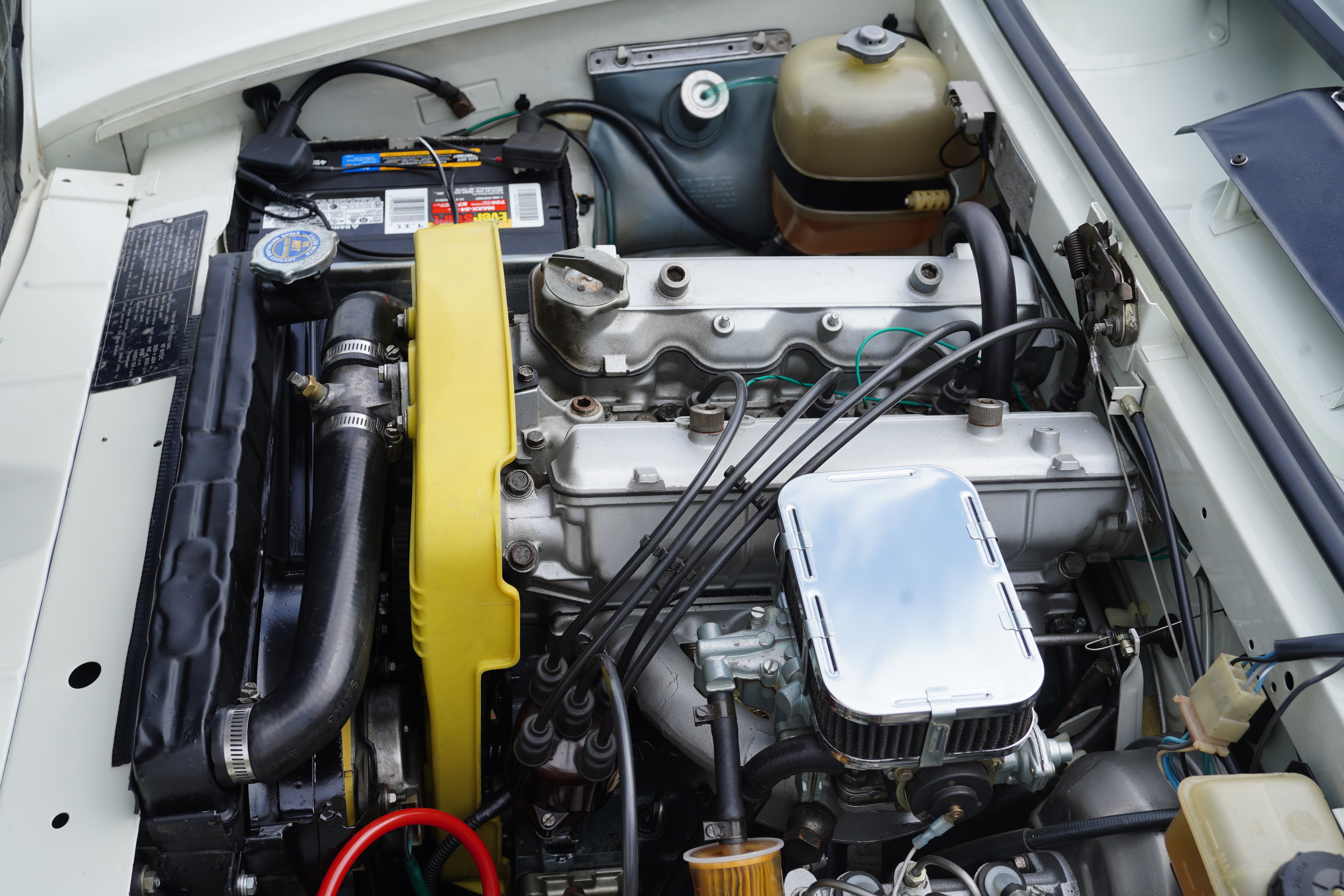
A BEAUTIFULLY RESTORED ’69 FIAT 124 SPORT COUPE

Ever since buying one as a 20-year-old, I have had a soft spot for the Fiat 124 Sport Coupe. Terminal rust has killed 90%+ of them, and it’s an incredible treat when one pops up at a show. This ’69 (first-gen car with the single headlamps) stopped me in my tracks, as it looked almost perfect. I spoke at length with the owner who told me he bought it 8 years ago, then spent 7 years restoring it, so it’s been finished for only about a year. He had two cars and took the best parts of each to create one car. All mechanical work was performed by him, with only the body and paint work farmed out, although the body shop had the shell for 3 years. I asked about sheet metal availability, and he said that this car needed a complete floorpan. Doing some research, he discovered that the 124 4-door sedan and the 124 coupe had the same wheelbase. The 124 sedan was built in large numbers under license as a Lada in both Poland and Russia, so parts availability in these former Soviet-bloc countries was good. He found an aftermarket floorpan for the sedan offered by a Ukrainian company, and with some trepidation, ordered it. It arrived, and to everyone’s glorious surprise and relief, it dropped right into place!


ALFA ROMEO

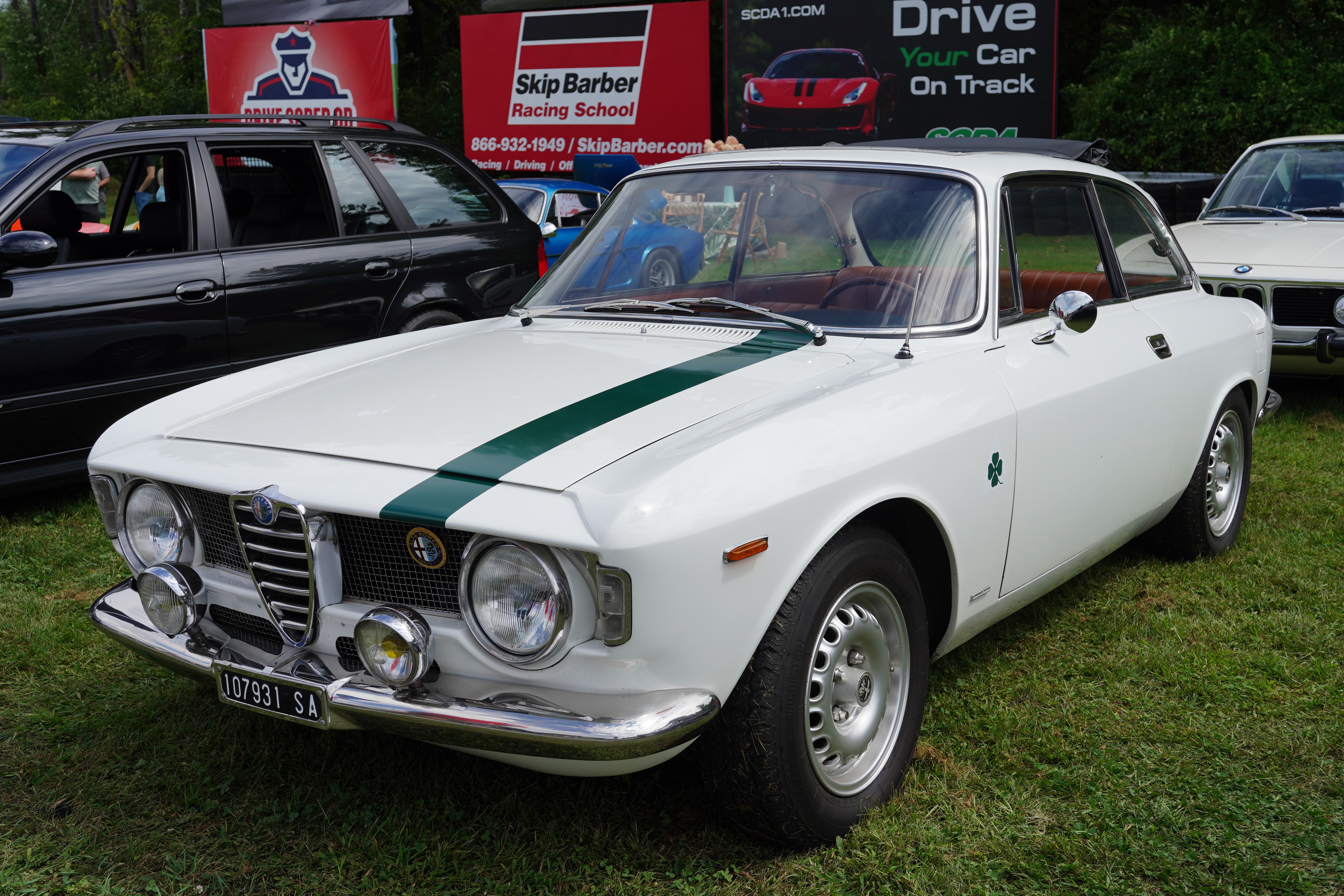
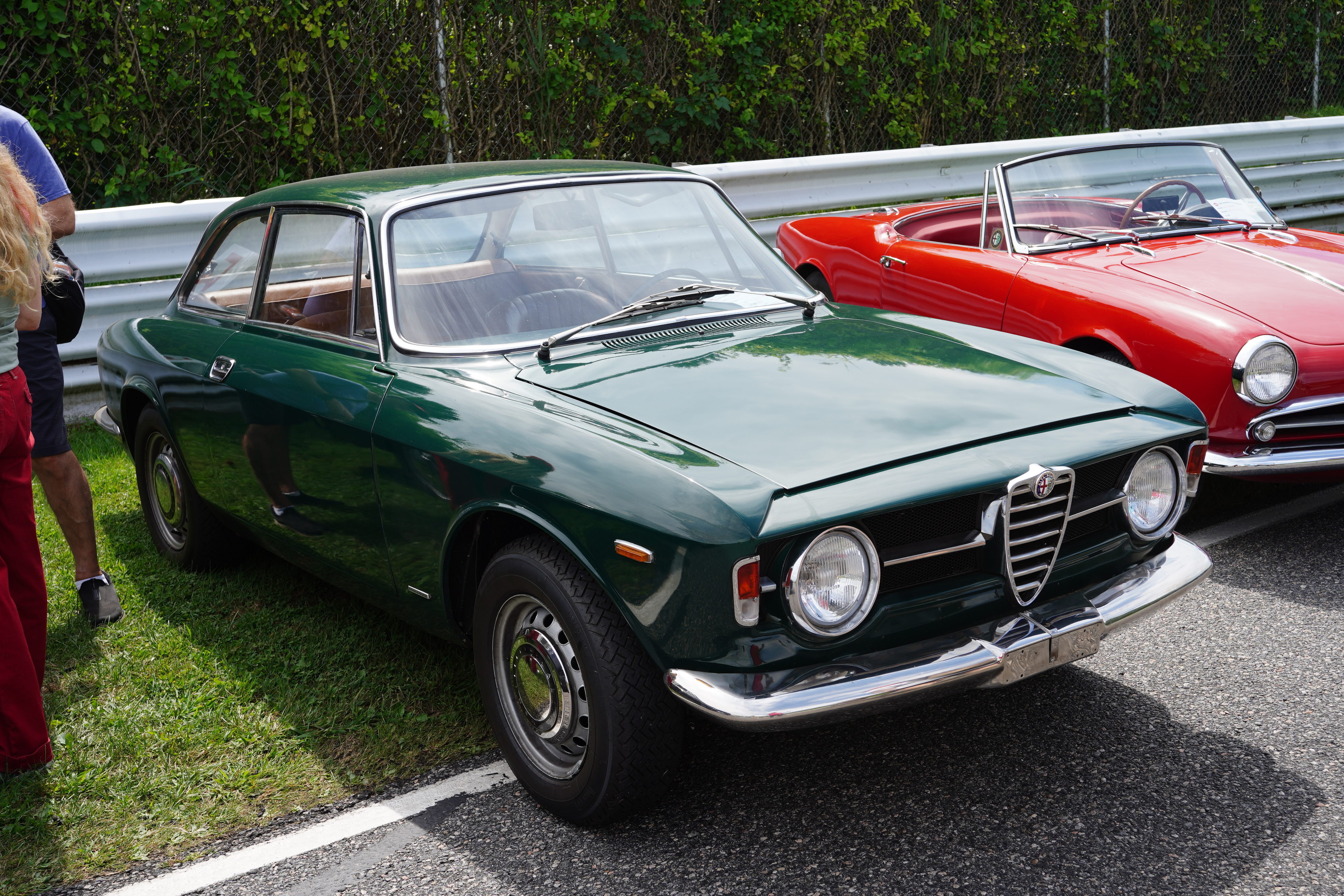
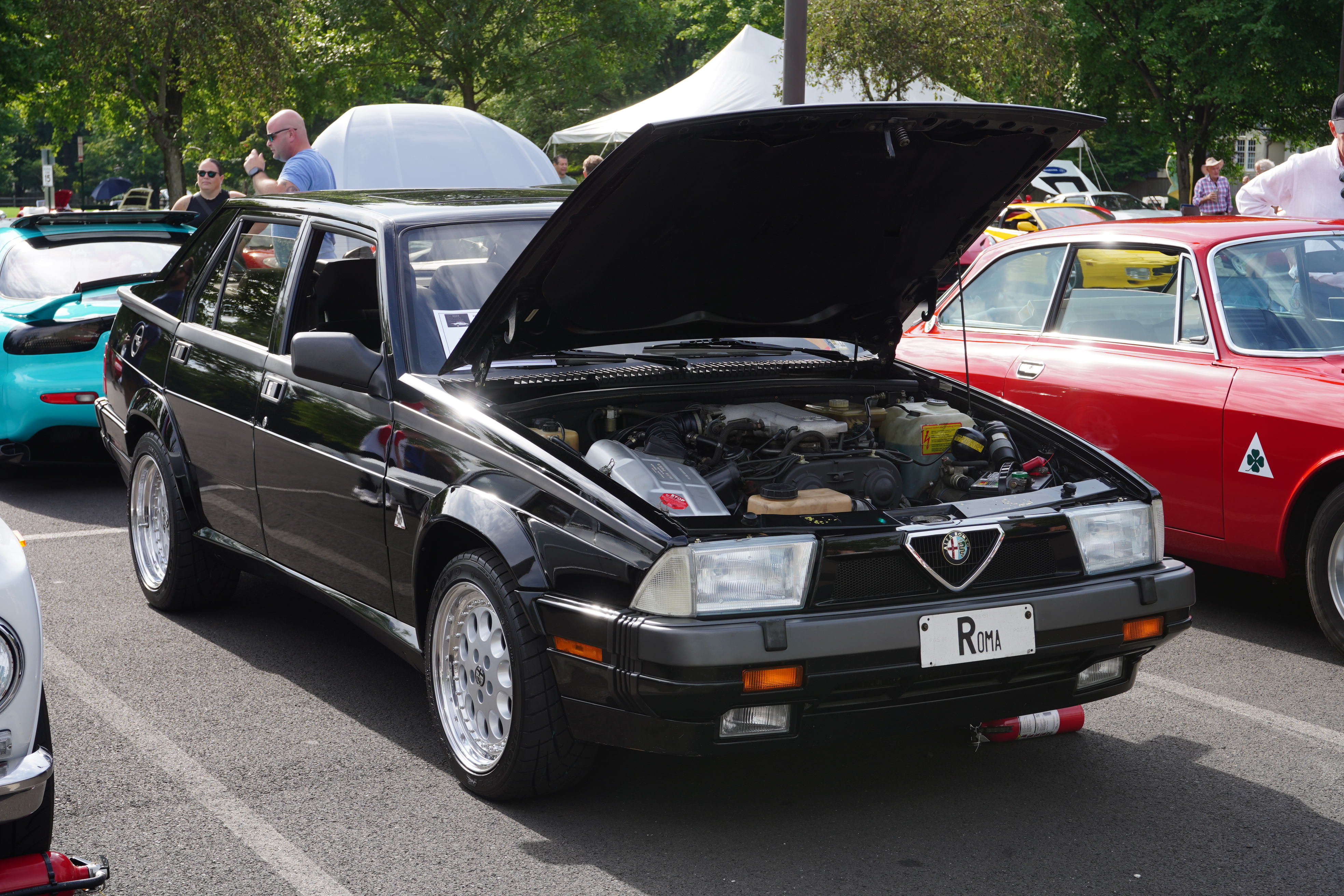
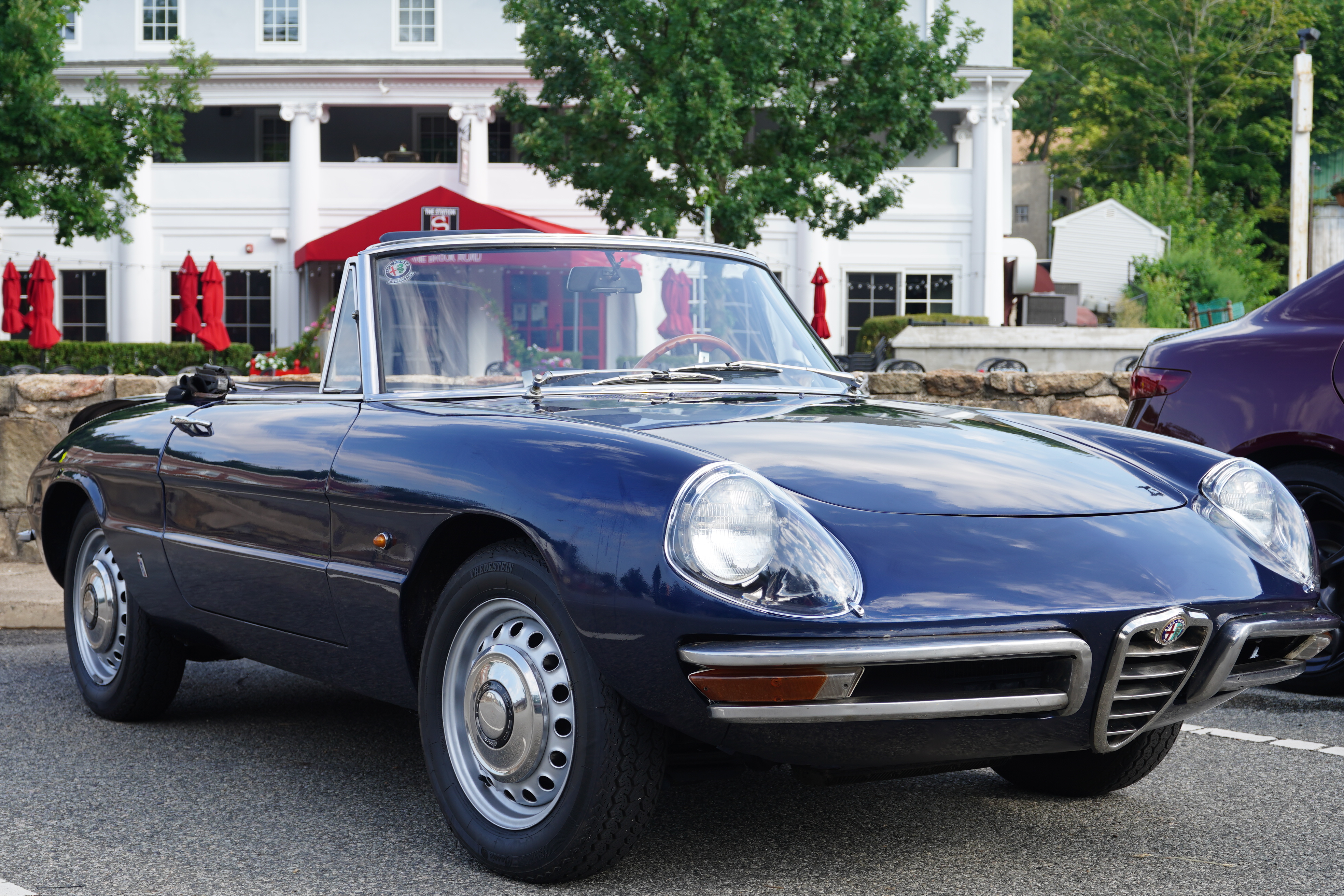
The “Juniors” (smaller engines, fewer features) were never officially imported into the U.S., so seeing one is a rare treat, although they are around. My ‘67 of course, is a Junior, privately imported in 1967. While I’ve seen a small handful of other Juniors at Alfa shows, I’ve never seen one in the same colors as mine, that is until I saw this 1968 model, one year newer. Other Junior owners have challenged certain features on my car, claiming that all Juniors have two-spoke wheels (mine is a three-spoke), and only one “Designed by Bertone” badge on the front fenders (I have two, one on each side). This Lime Rock Junior had the same steering wheel as my car but only one “Bertone” badge. Most interestingly, it had a grey dash without the vinyl “wood” applique which my car has. I’ve only seen the grey dash on pre-1967 coupes. I think, as others have hinted at, that the factory assembly process was simply not always that precise.


GRILLE EVOLUTION


ADDENDA

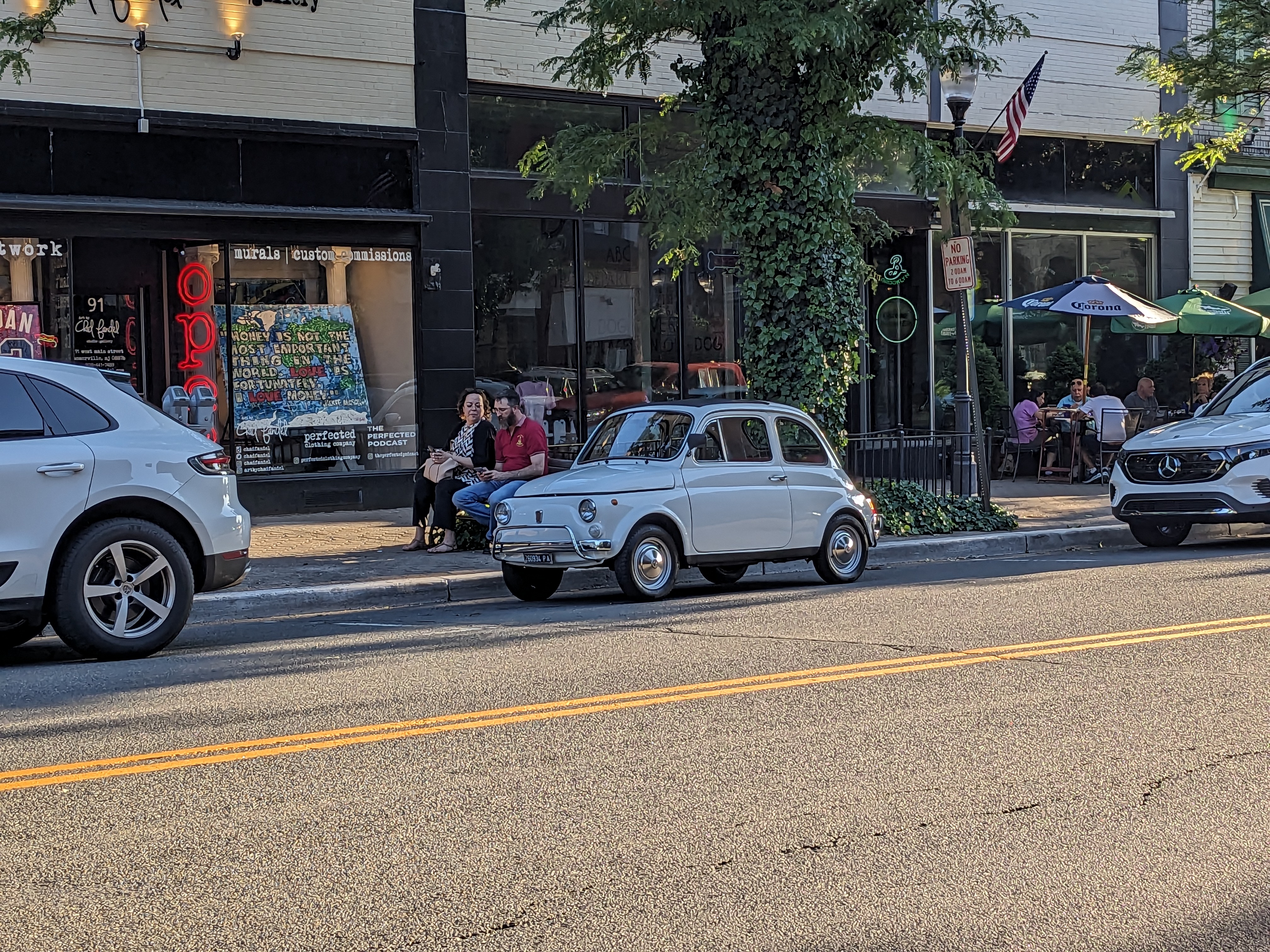
This Fiat 500 was spotted on Main St. in Somerville NJ parked between a Porsche and a Mercedes-Benz. You could fit THREE 500s into that parking spot!


Entire blog post content copyright © 2024 Richard A. Reina. Text and photos may not be copied or reproduced without express written permission.

The NJ Alfa Club Returns to the Somerville Cruise Night

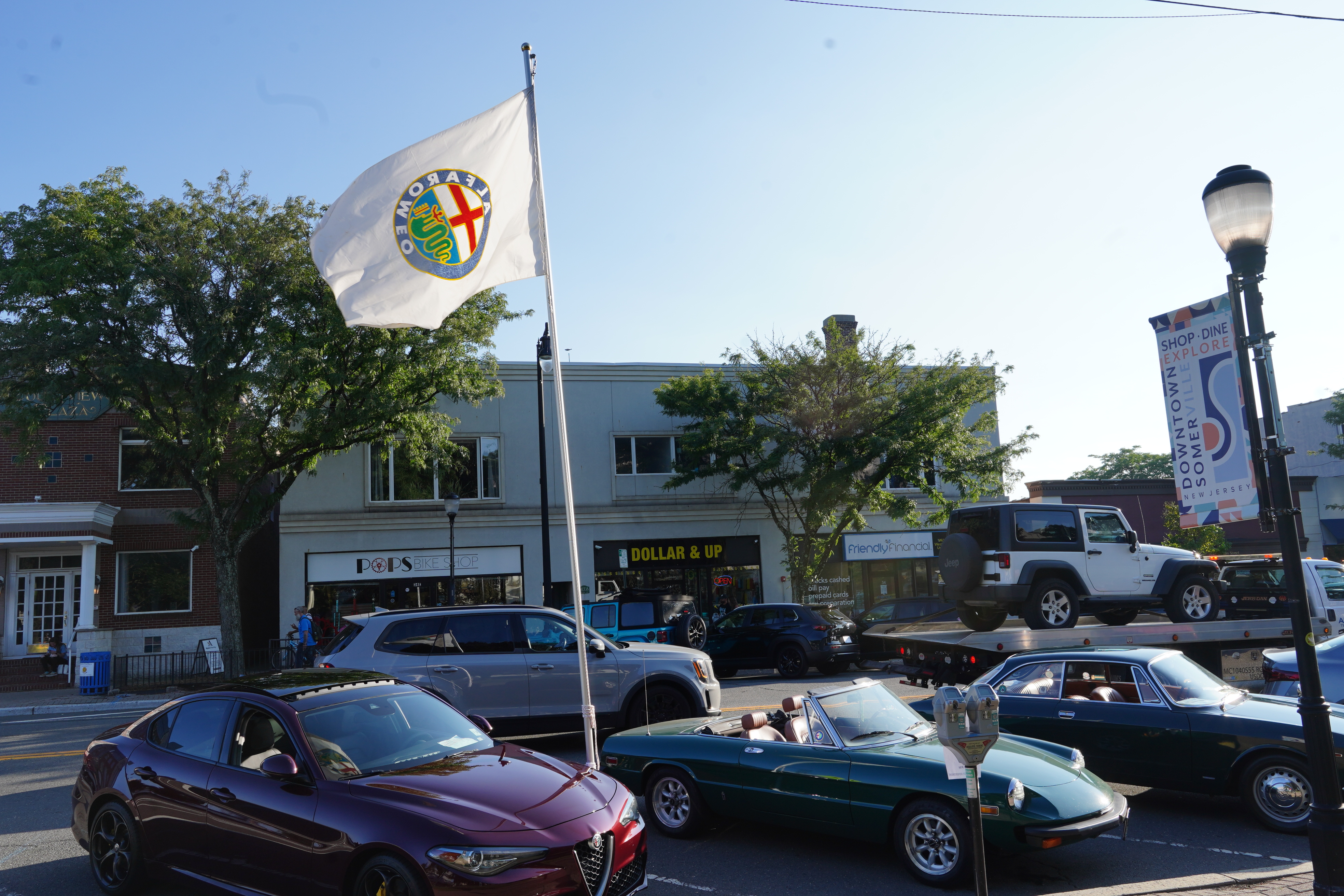
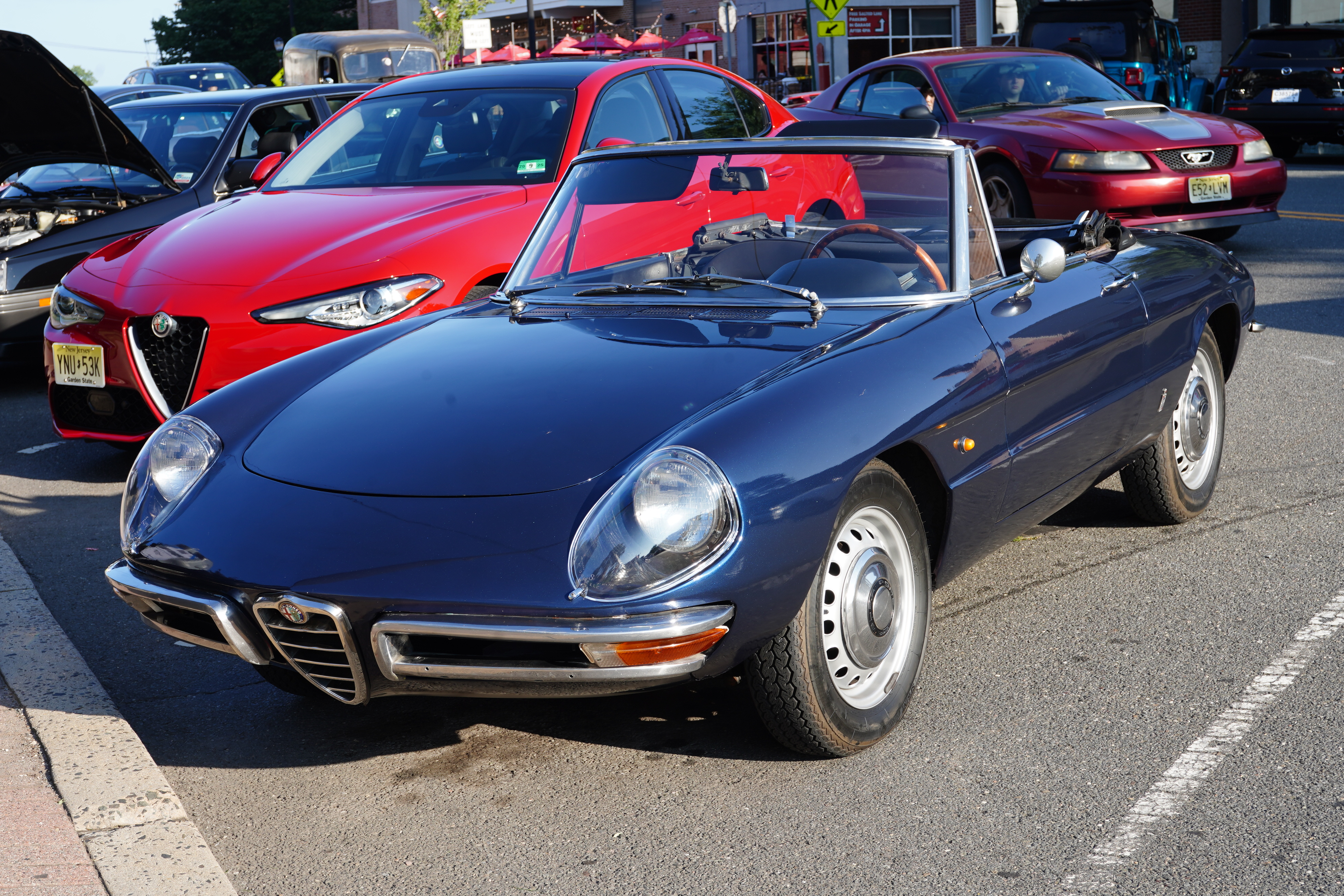
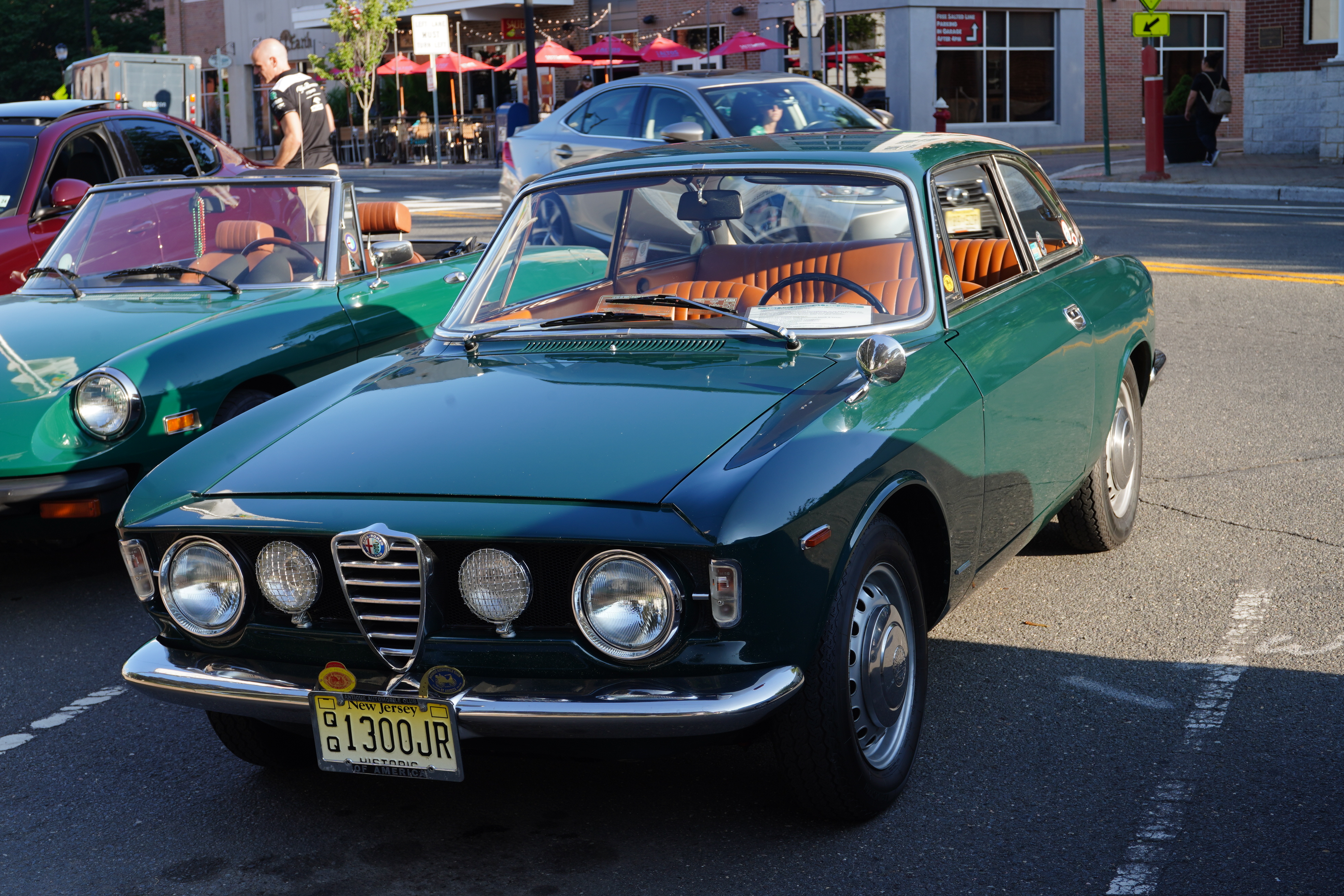
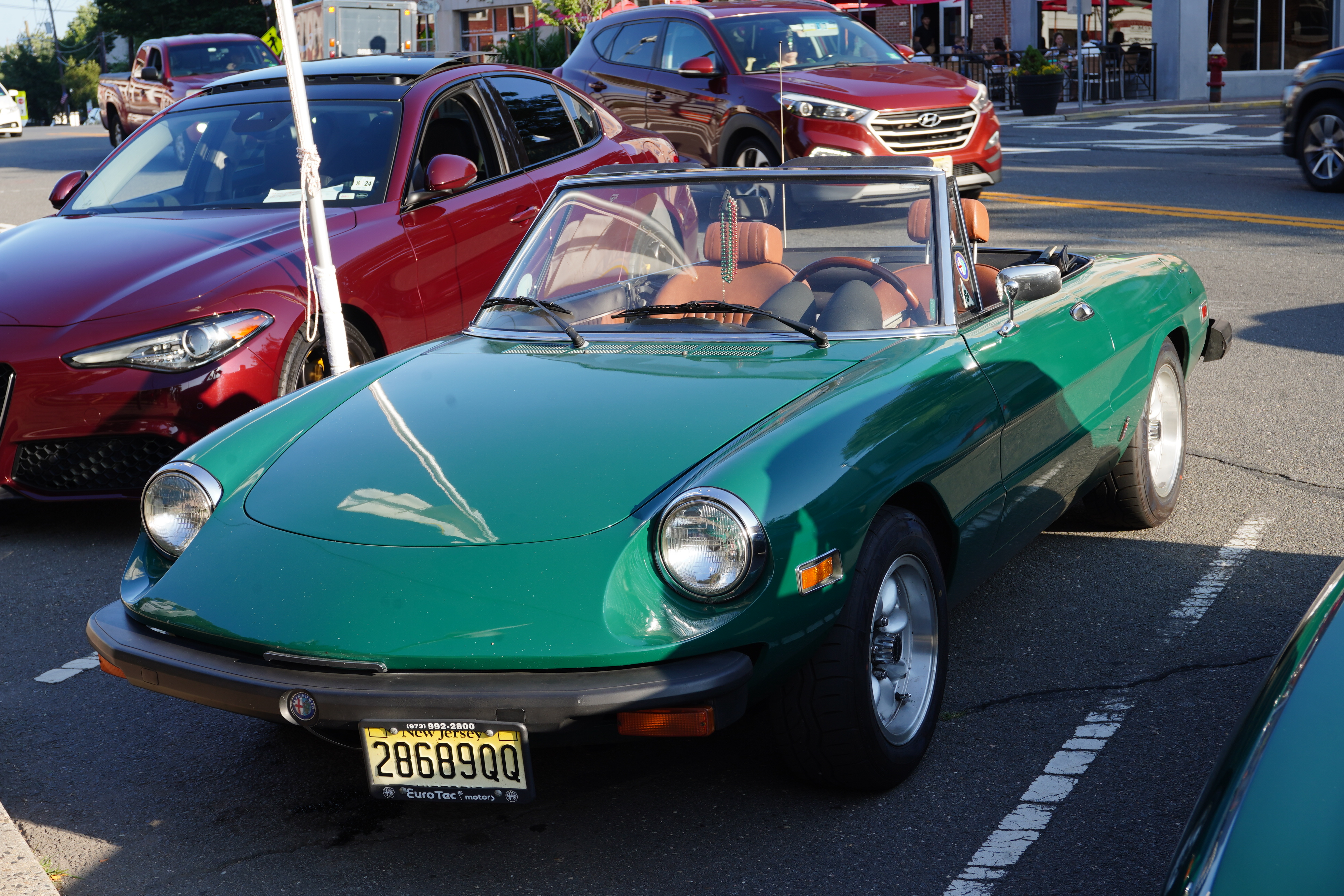
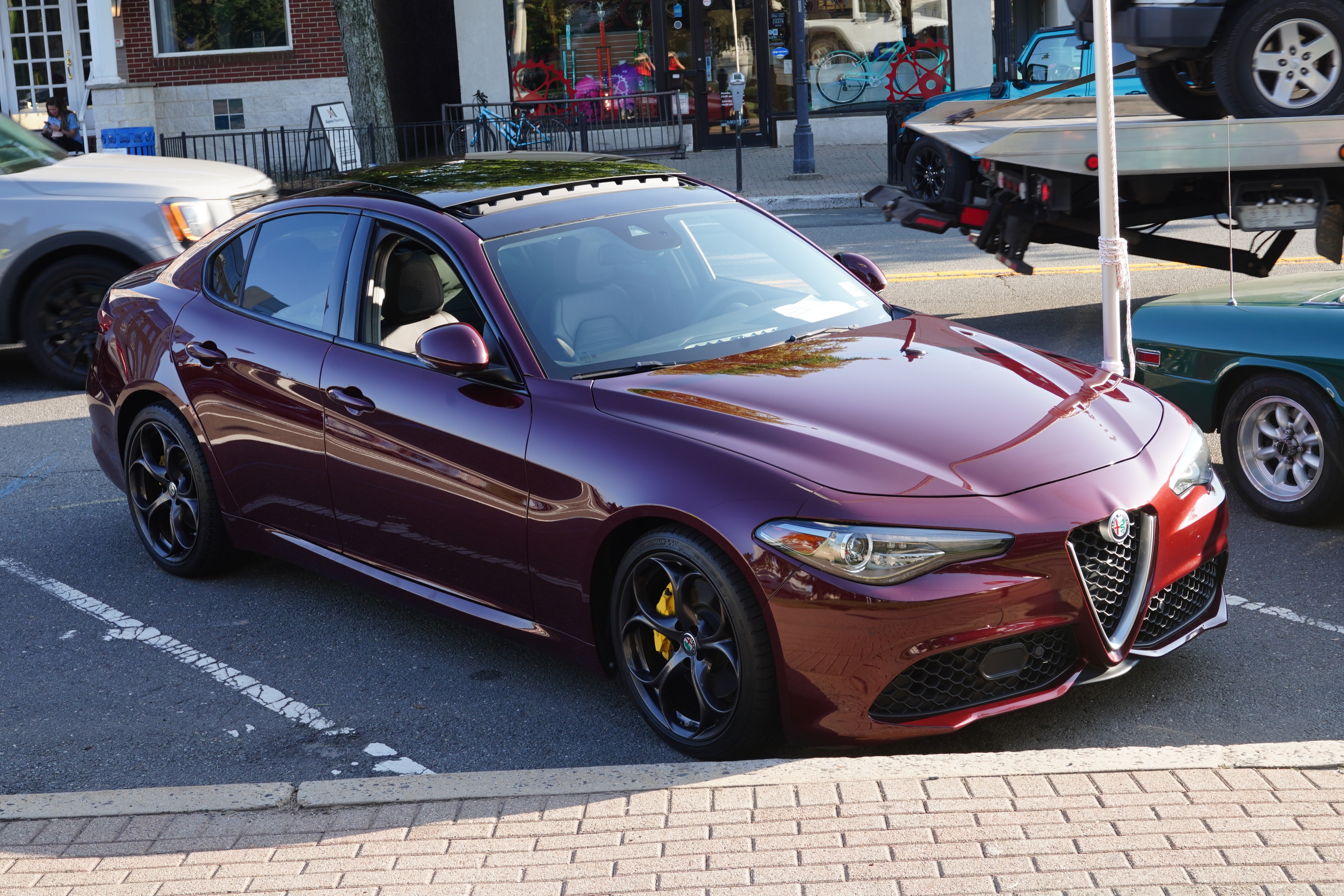
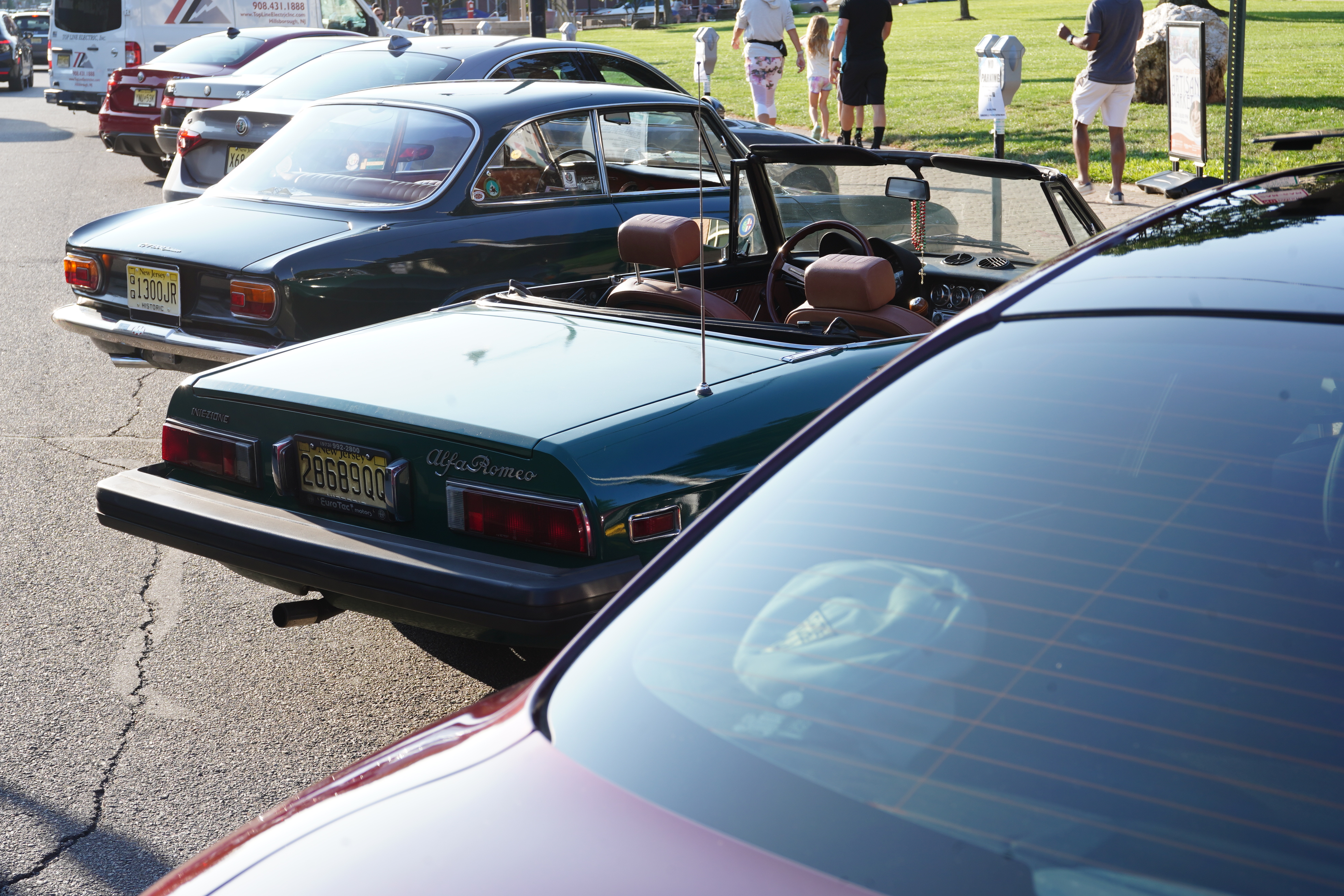
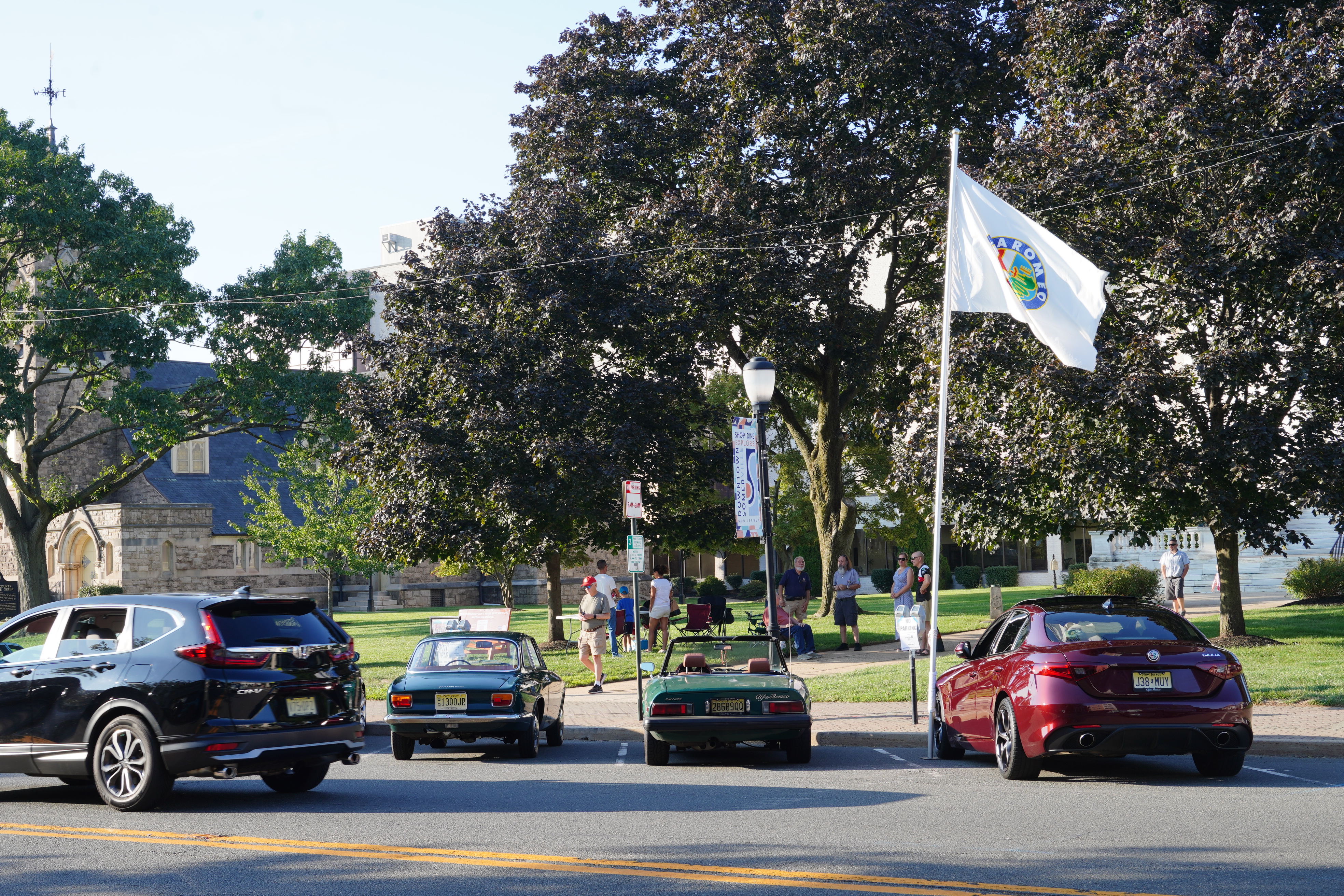
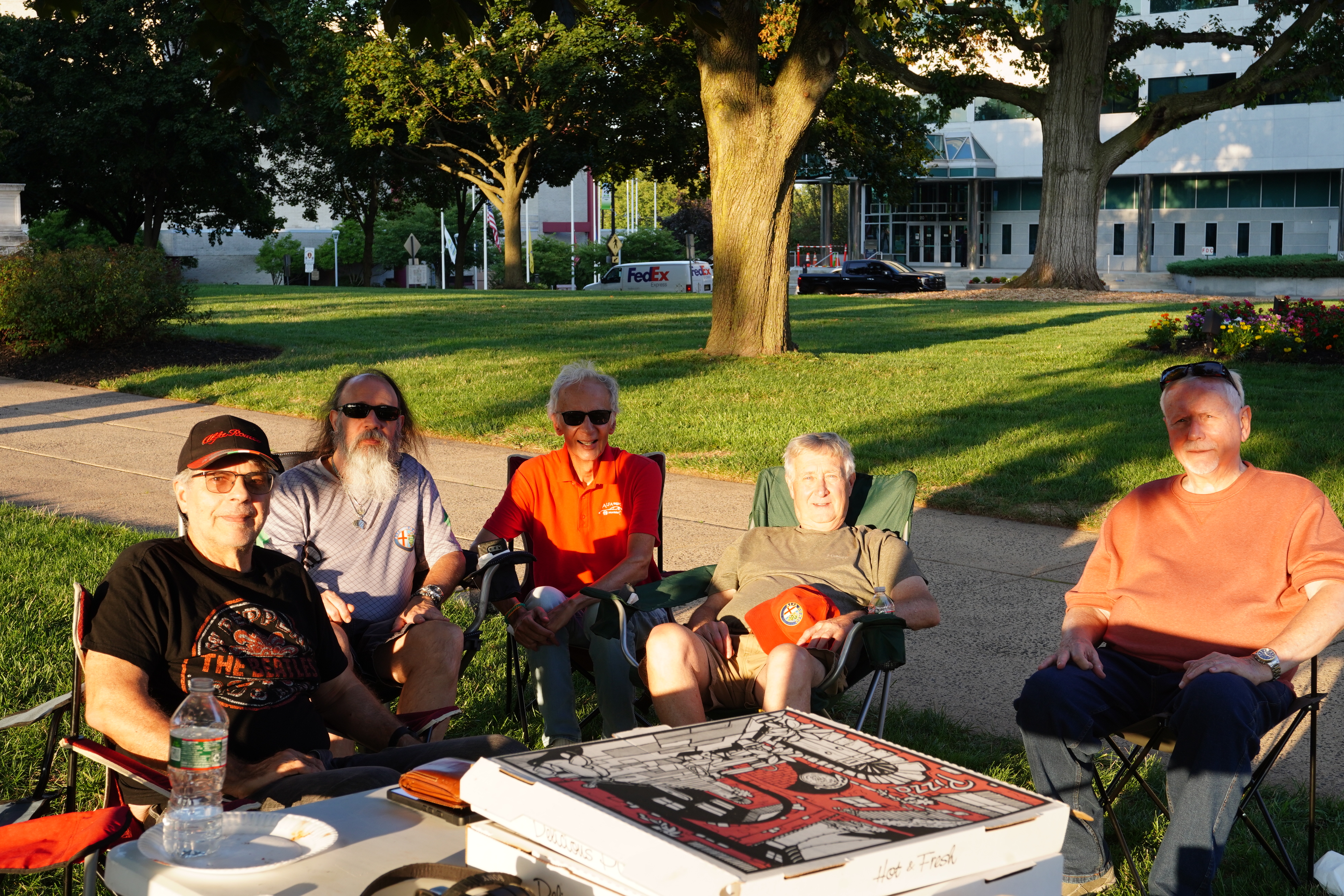
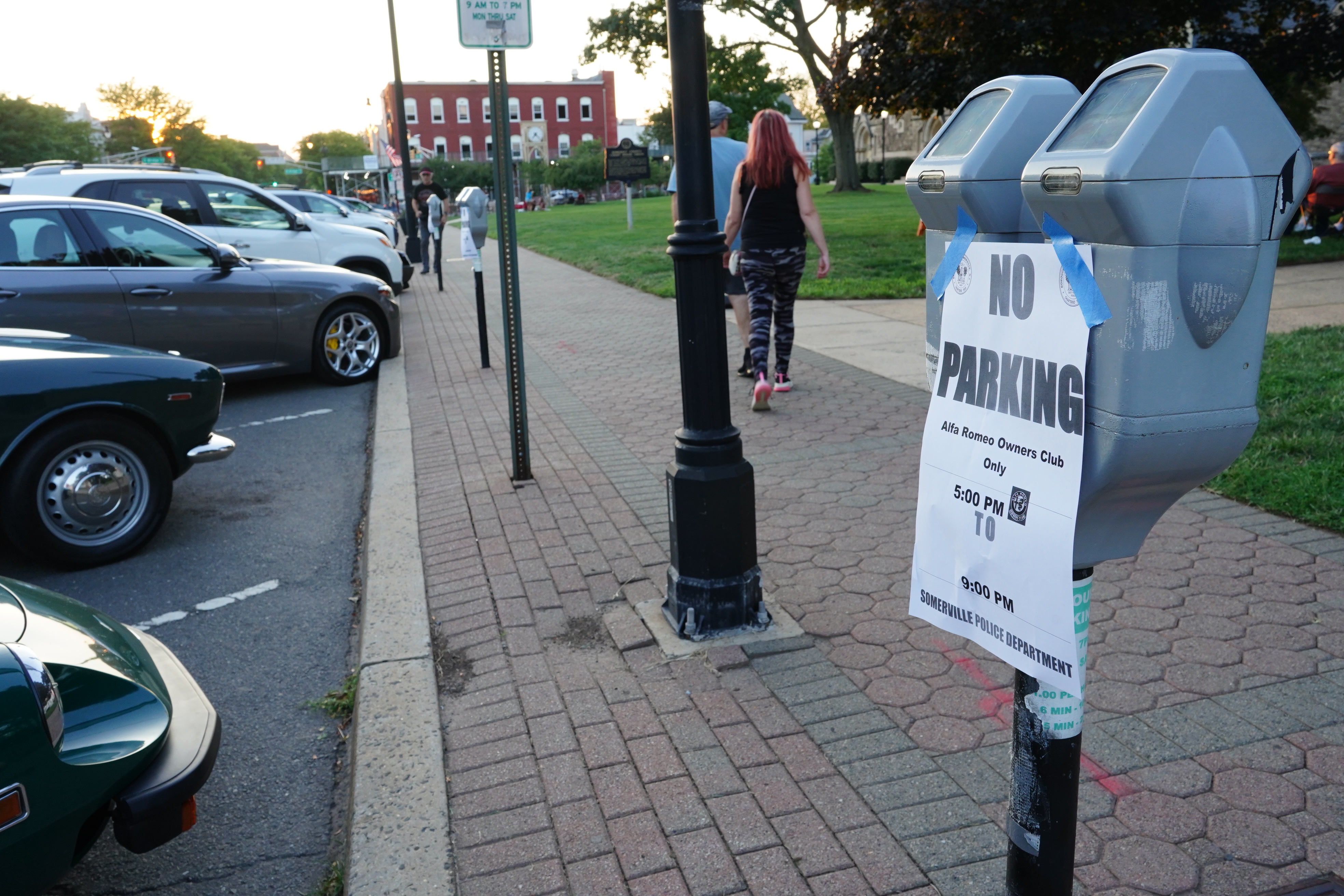
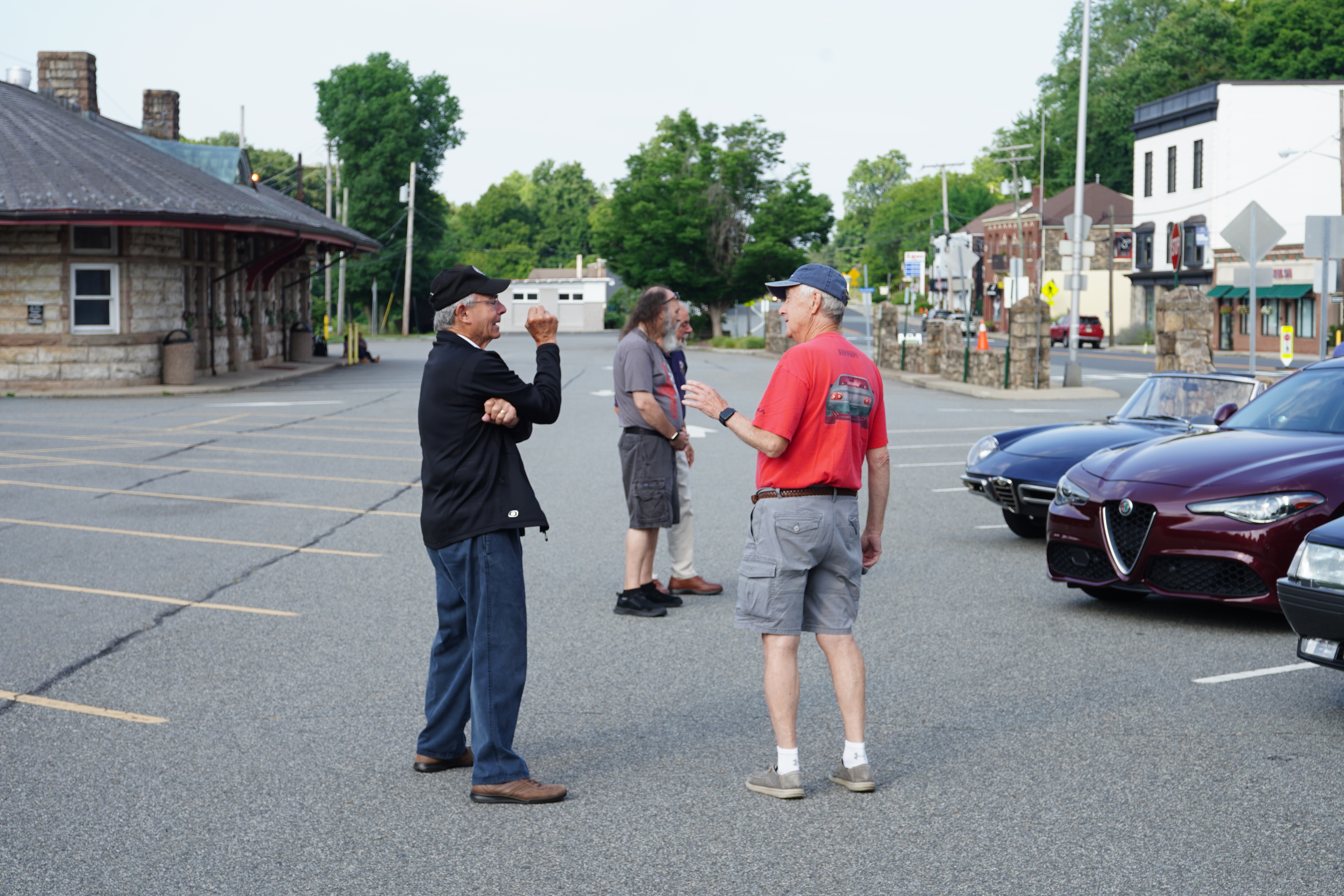
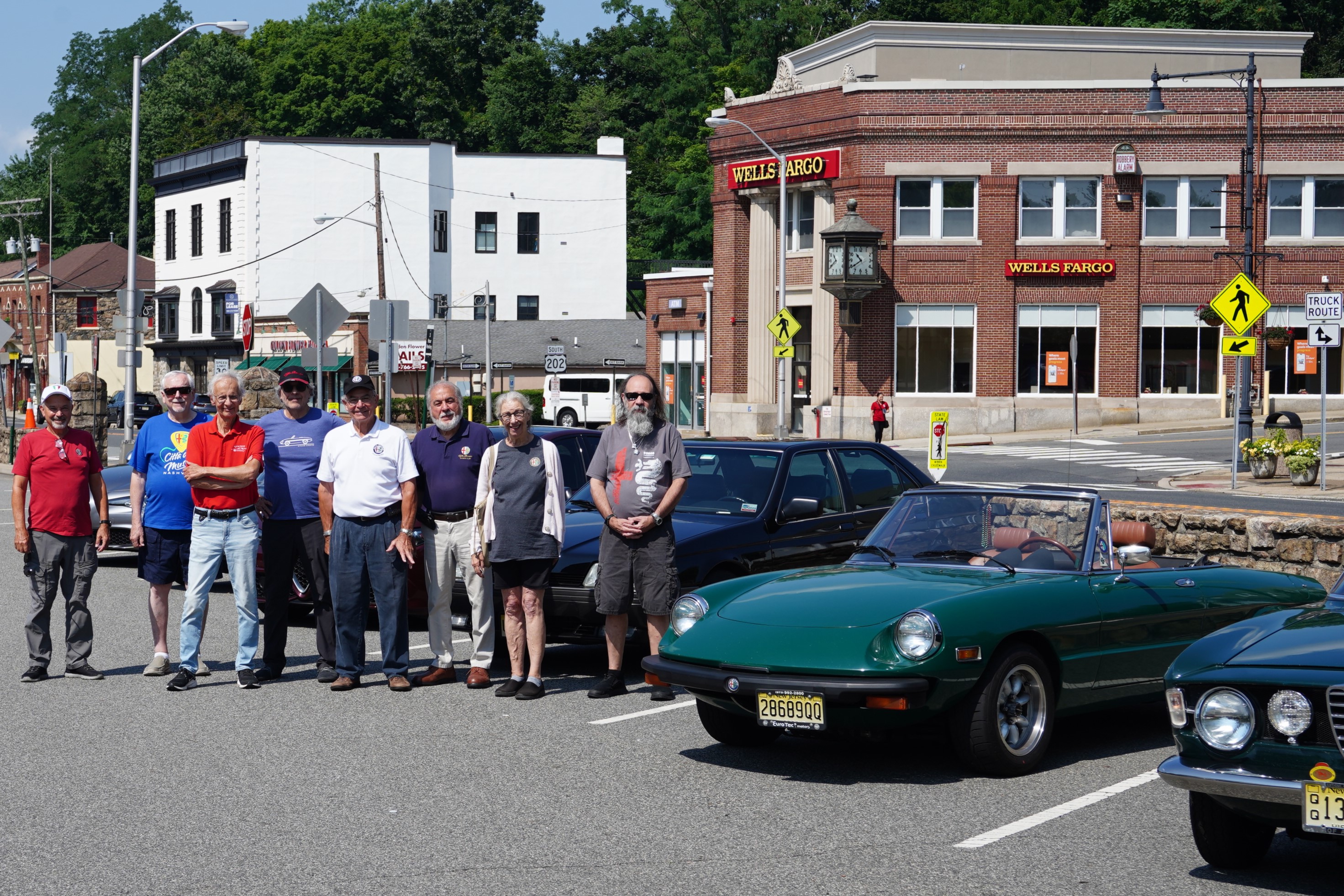
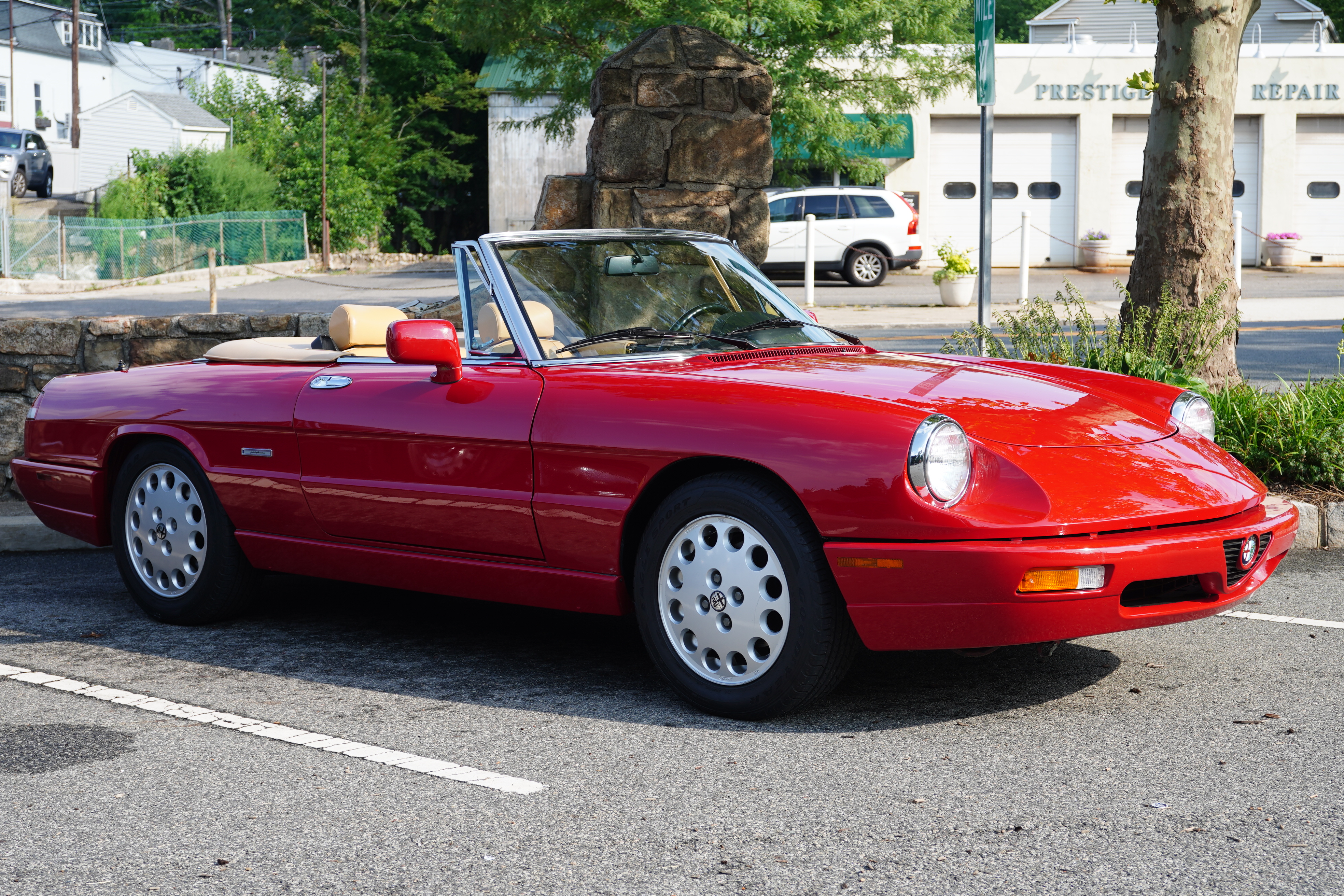
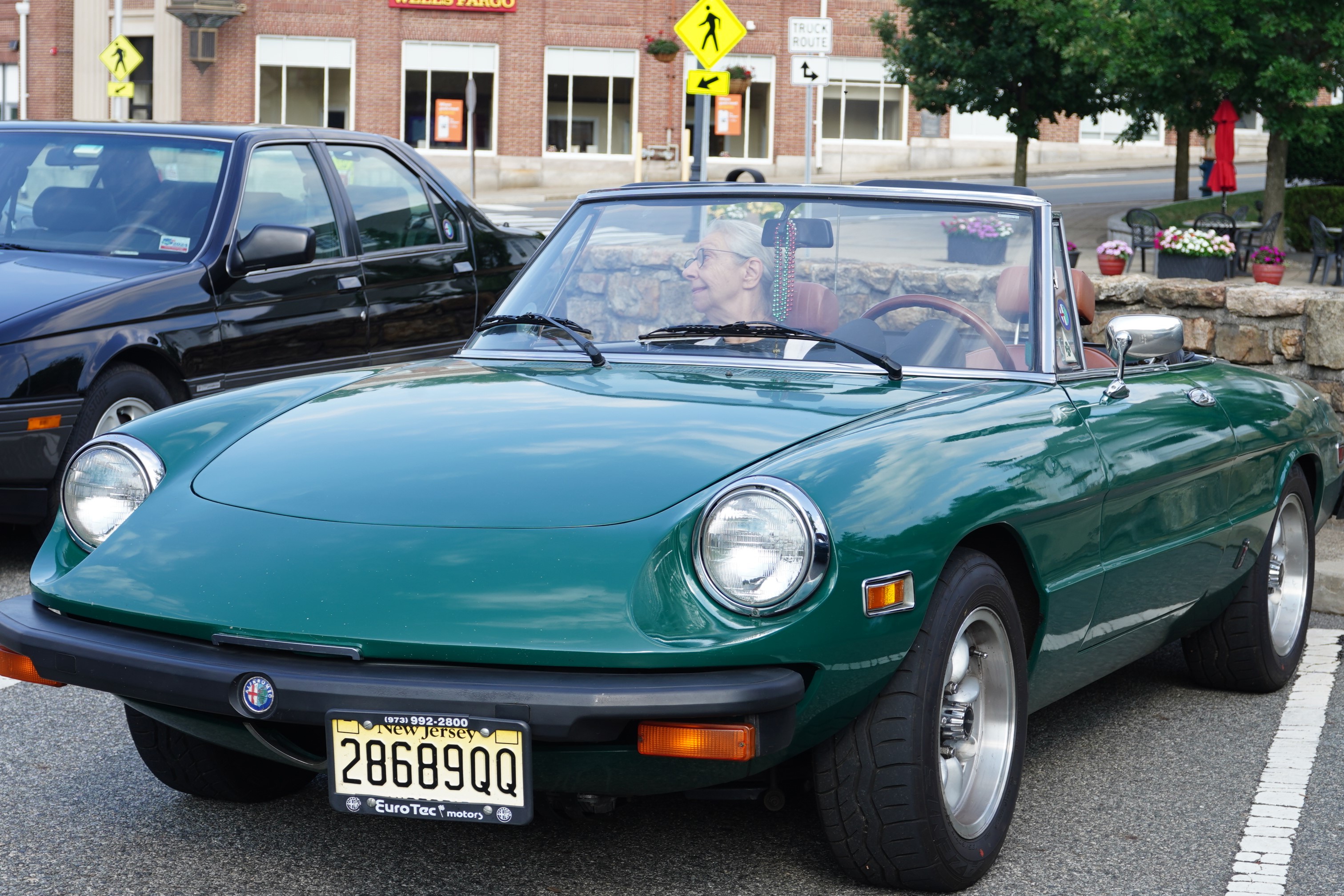
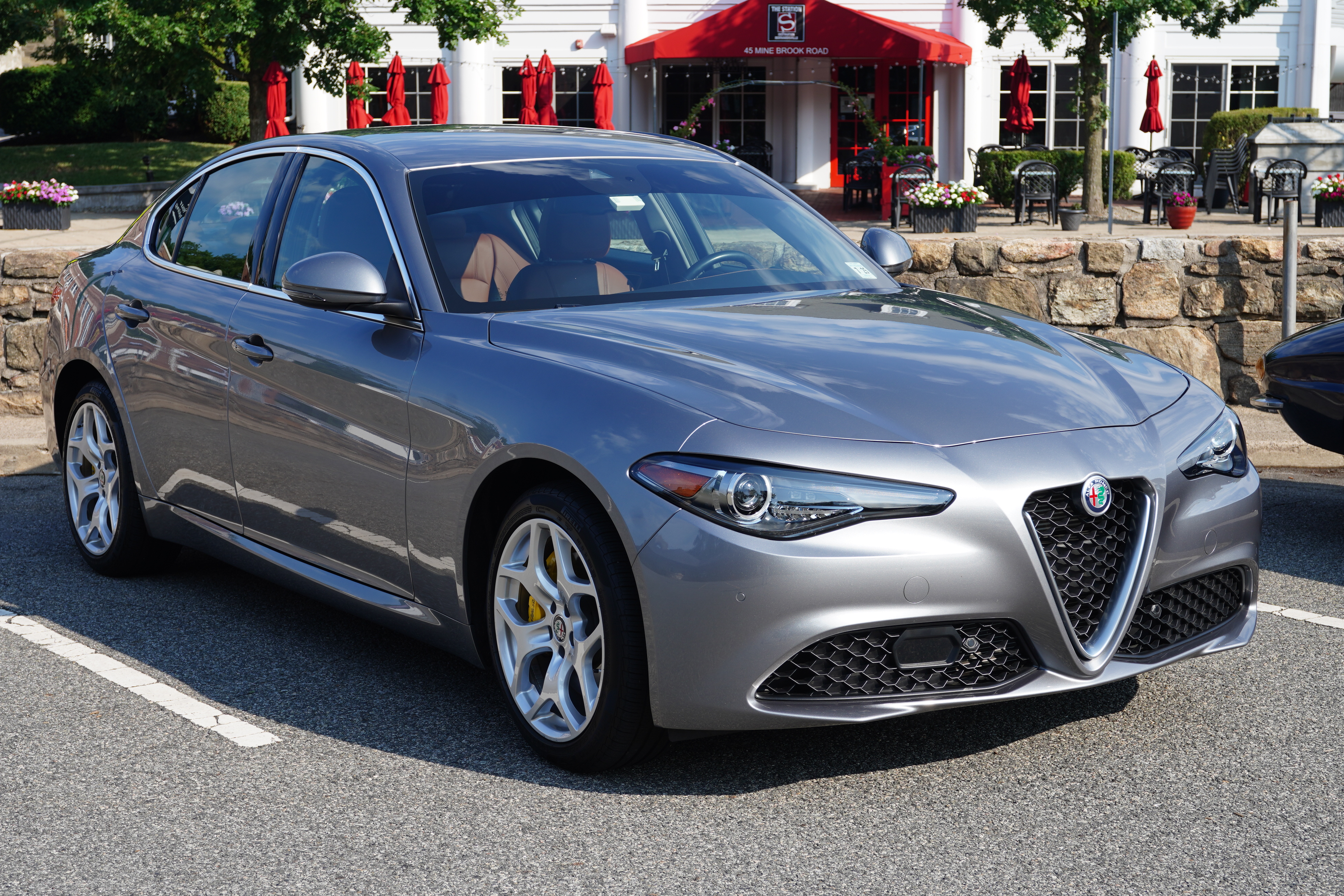
For the second time this year, the NJ Chapter of the Alfa Romeo Owners Club (AROC) gathered at the Somerville NJ Friday night Cruise-In. A total of eight Alfas (a nice mix of old and new) showed up and parked in the area which can be reserved for clubs. (A big thanks to Bill D. for making these arrangements for us!) As was the case during our previous visit to Somerville in May, the weather was near-perfect, with none of the high heat and humidity which we’ve been forced to endure for much of the summer.

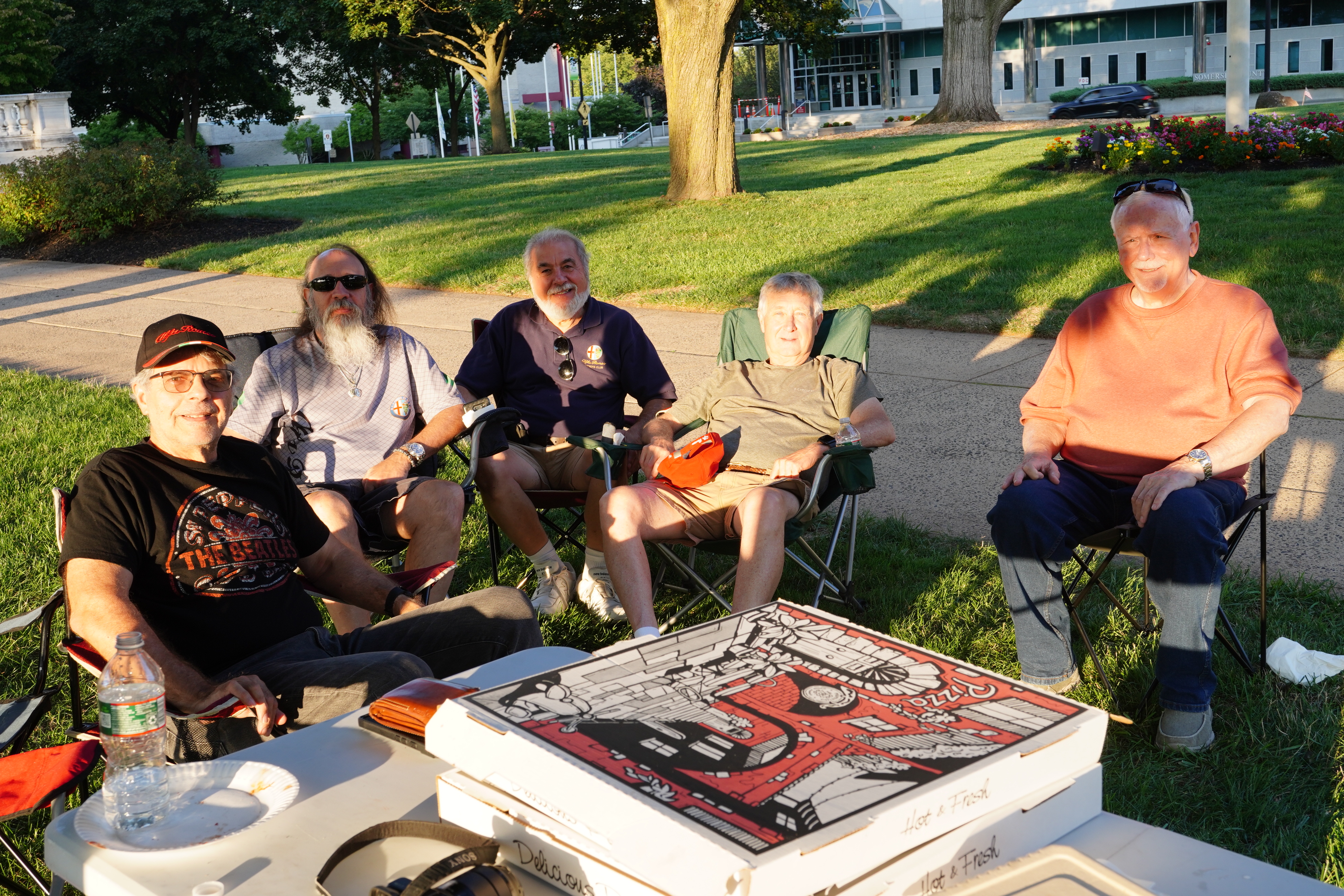
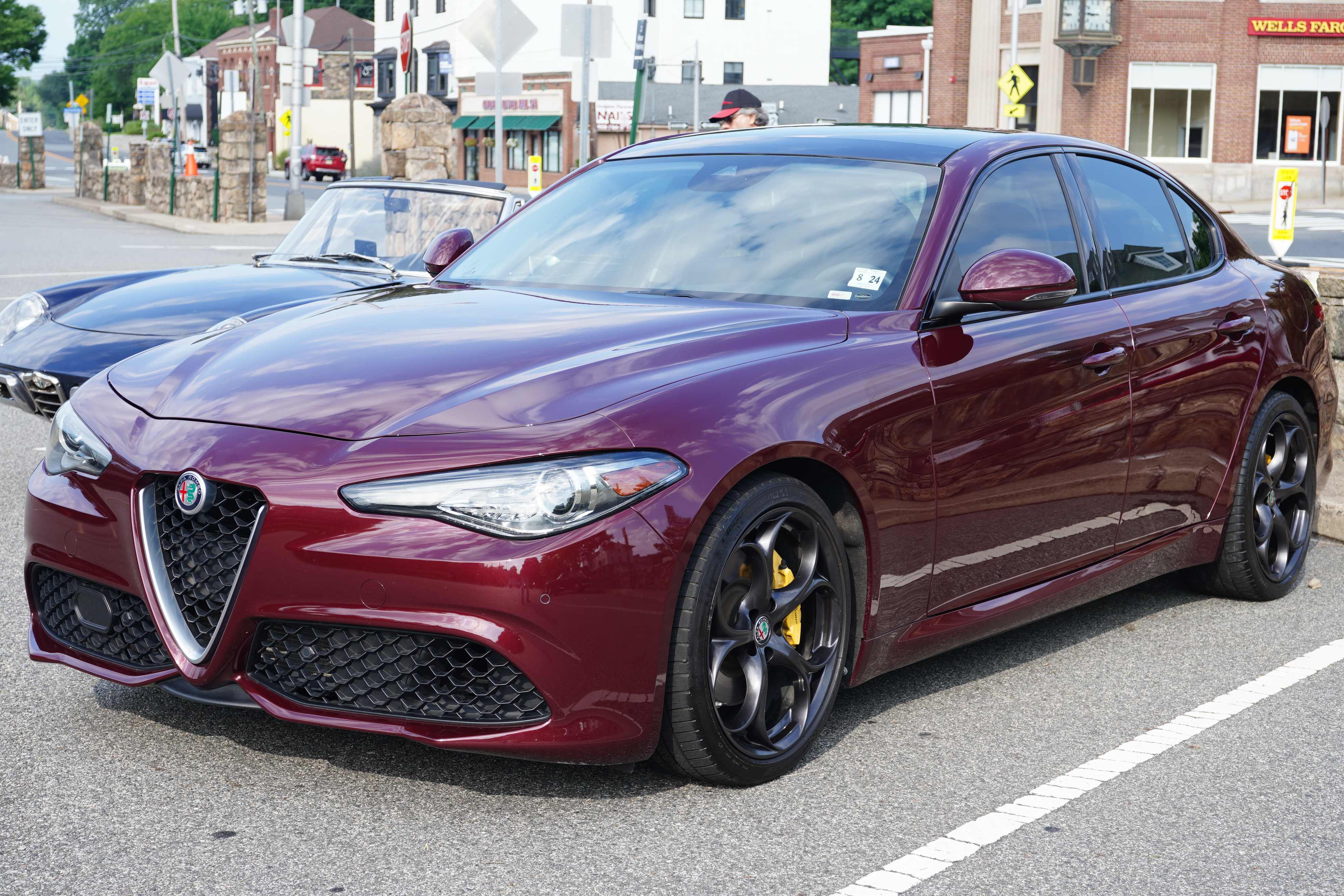
A new club feature, first seen at the recent New Hope show, made a repeat appearance: Paul’s flagpole, hoisted high above his Giulia and flying the Alfa Romeo flag. It certainly helped draw attention to our display, in case there was any doubt about the brand of vehicles in the lineup. We also treated ourselves again to an al fresco dinner courtesy of the local Italian restaurant, including pizza, calamari, and spicy wings.

With Labor Day approaching, the collector car hobby will scramble to fit in as many activities as possible during the next two months, before the driving season ends for our older cars. AROC’s NJ Chapter will continue to host monthly breakfasts, so I’m hoping to get my Alfa out to one or two of those before it goes into hibernation for the winter.


ADDENDA

Last Saturday we were on our way to the Jersey shore and stopped for a break at a Wawa somewhere along Route 539. In pulled this 1960 Chevy bubble top right behind our Volvo XC40. The contrast between the two cars, 64 years apart, is incredible. And I can’t help but think that maybe, just maybe, the Impala’s trunk holds more than the Volvo’s (with the 2nd row seats up).


Entire blog post content copyright © 2024 Richard A. Reina. Text and photos may not be copied or reproduced without express written permission.


The 2024 New Hope Auto Show

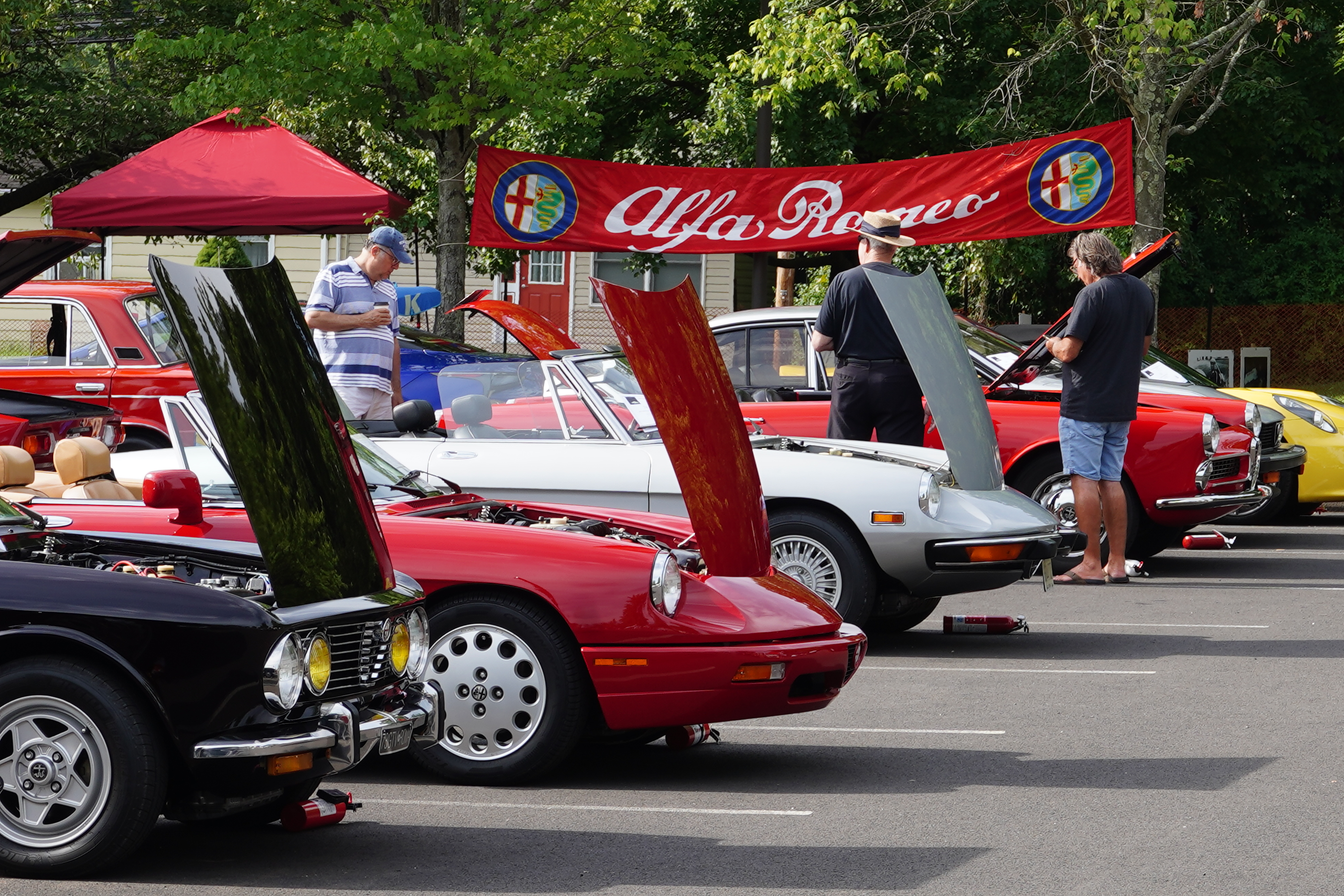
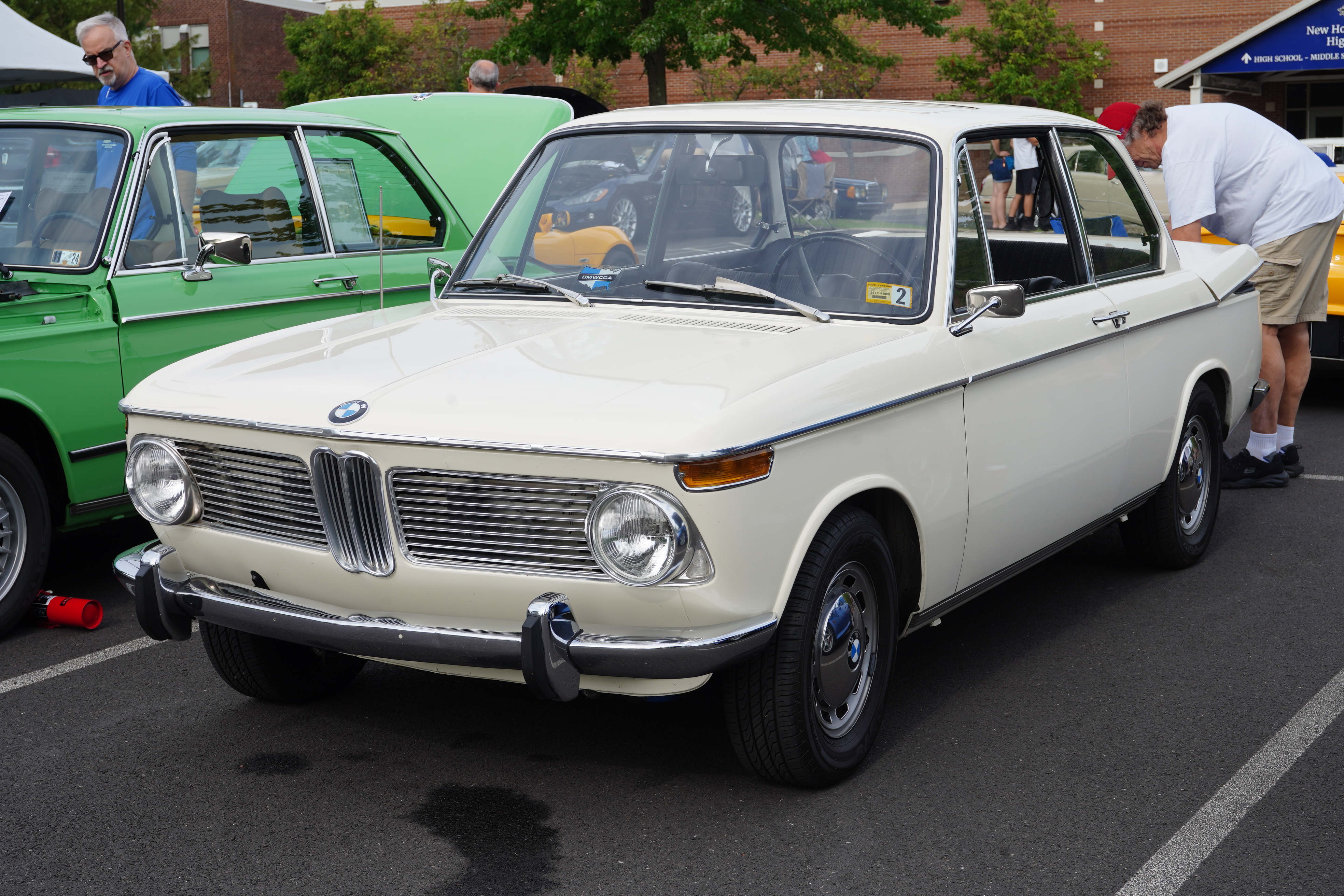
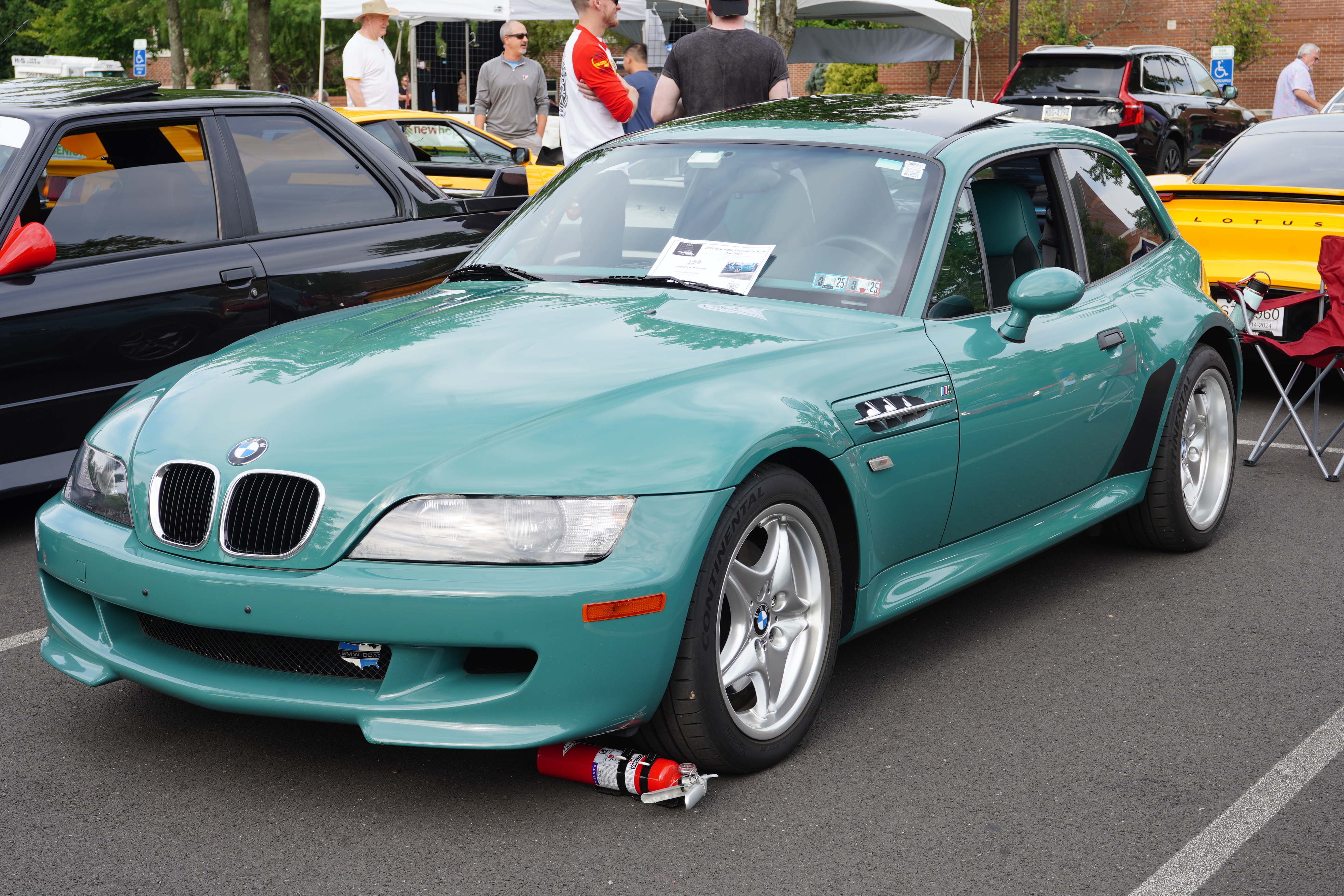
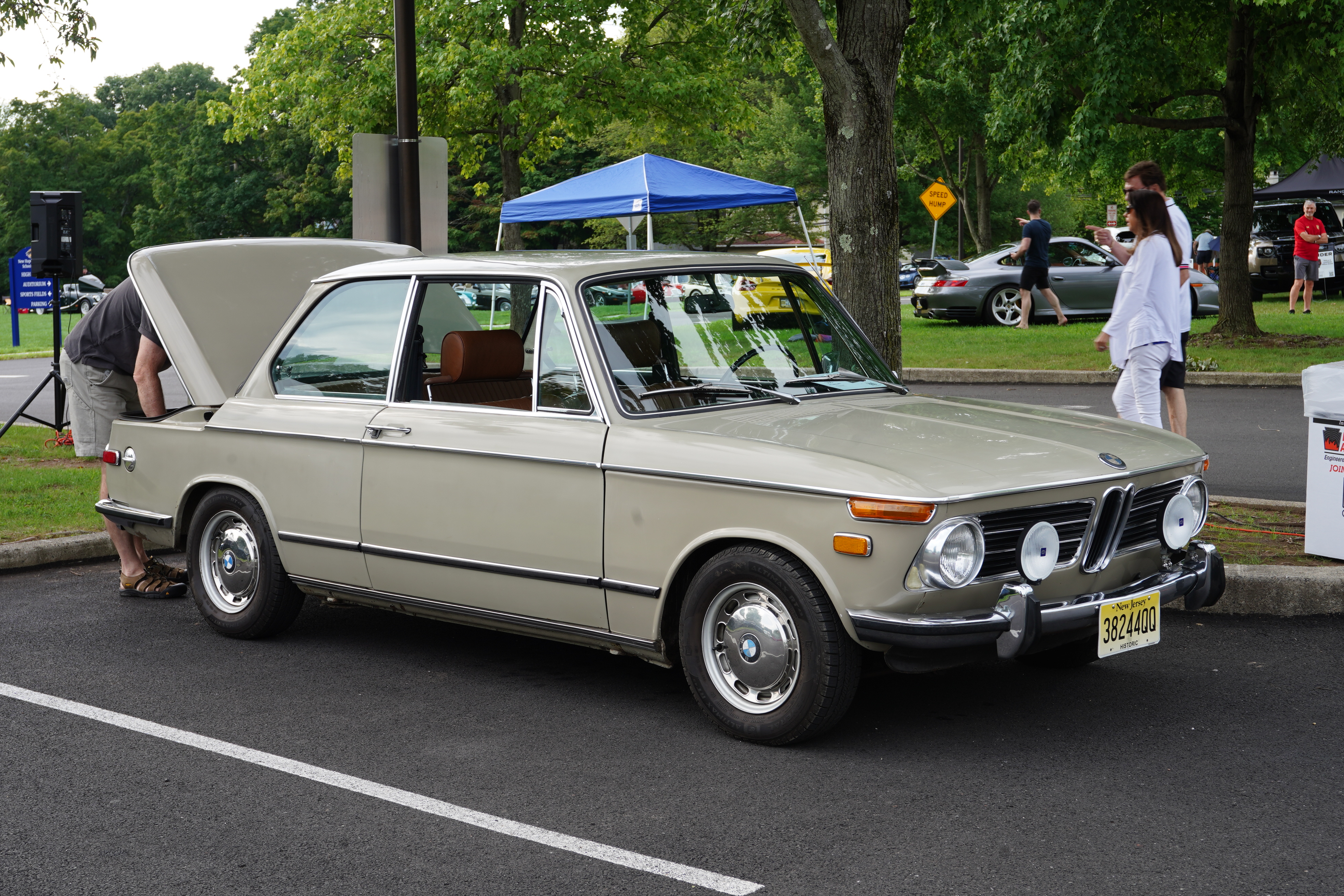
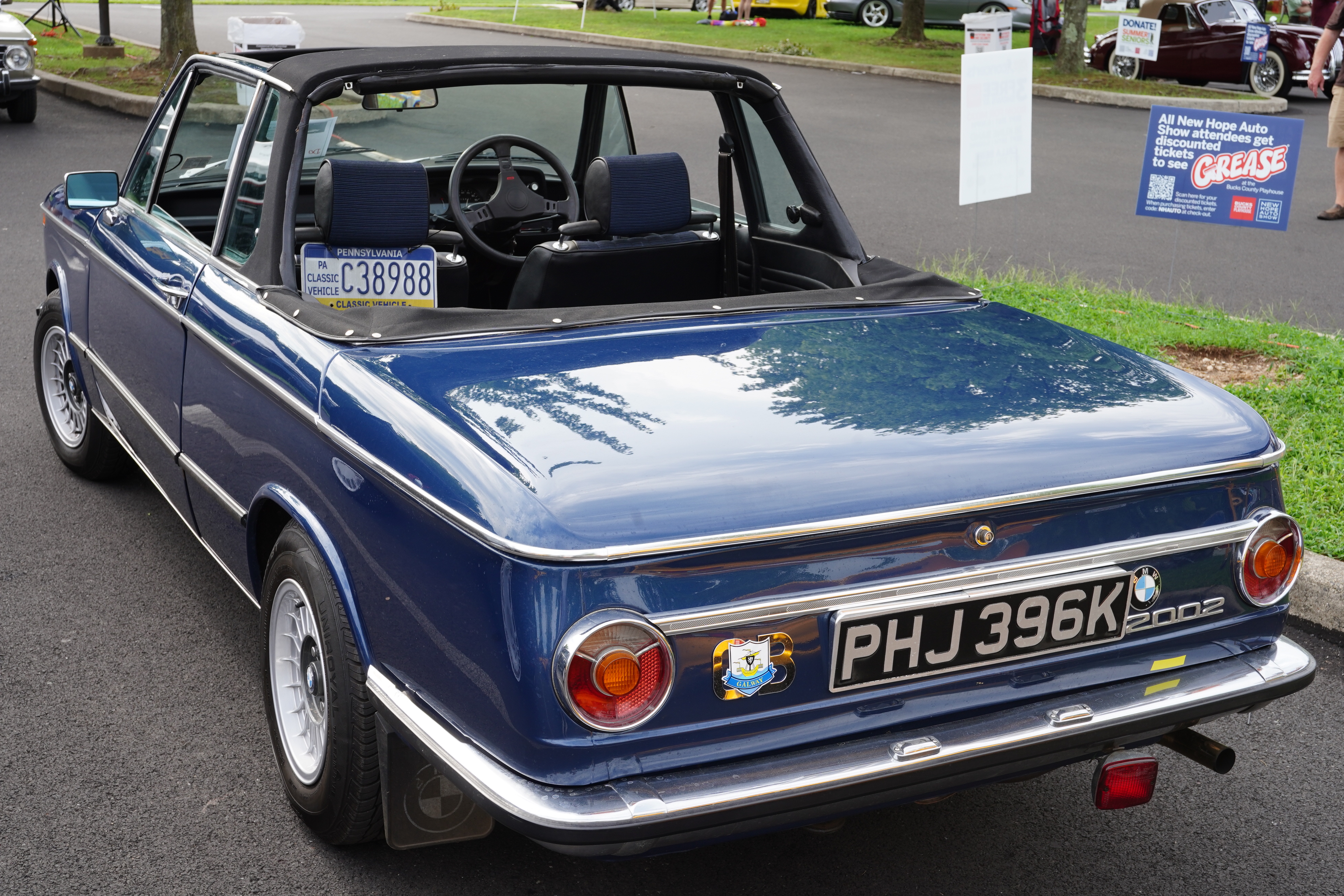
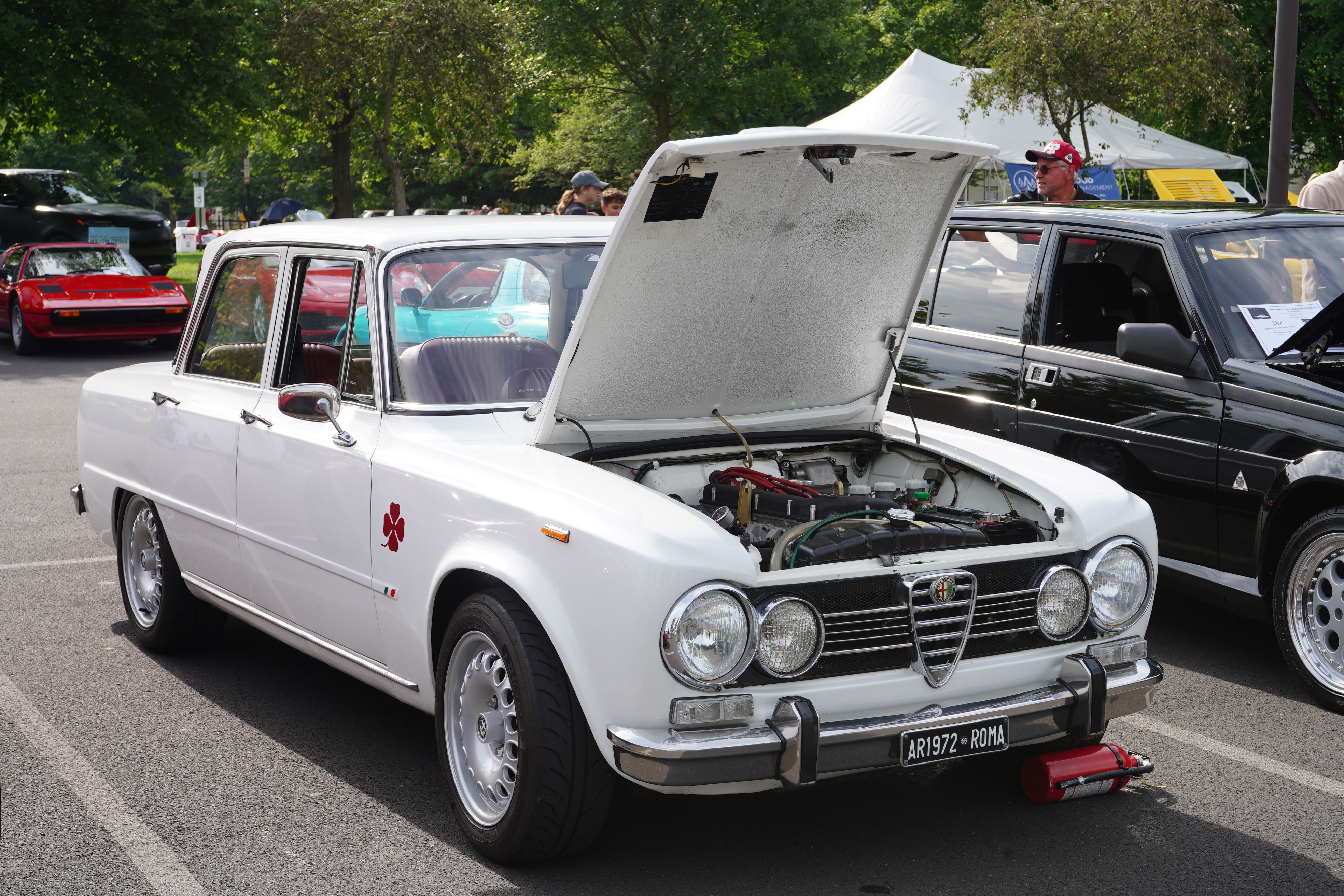
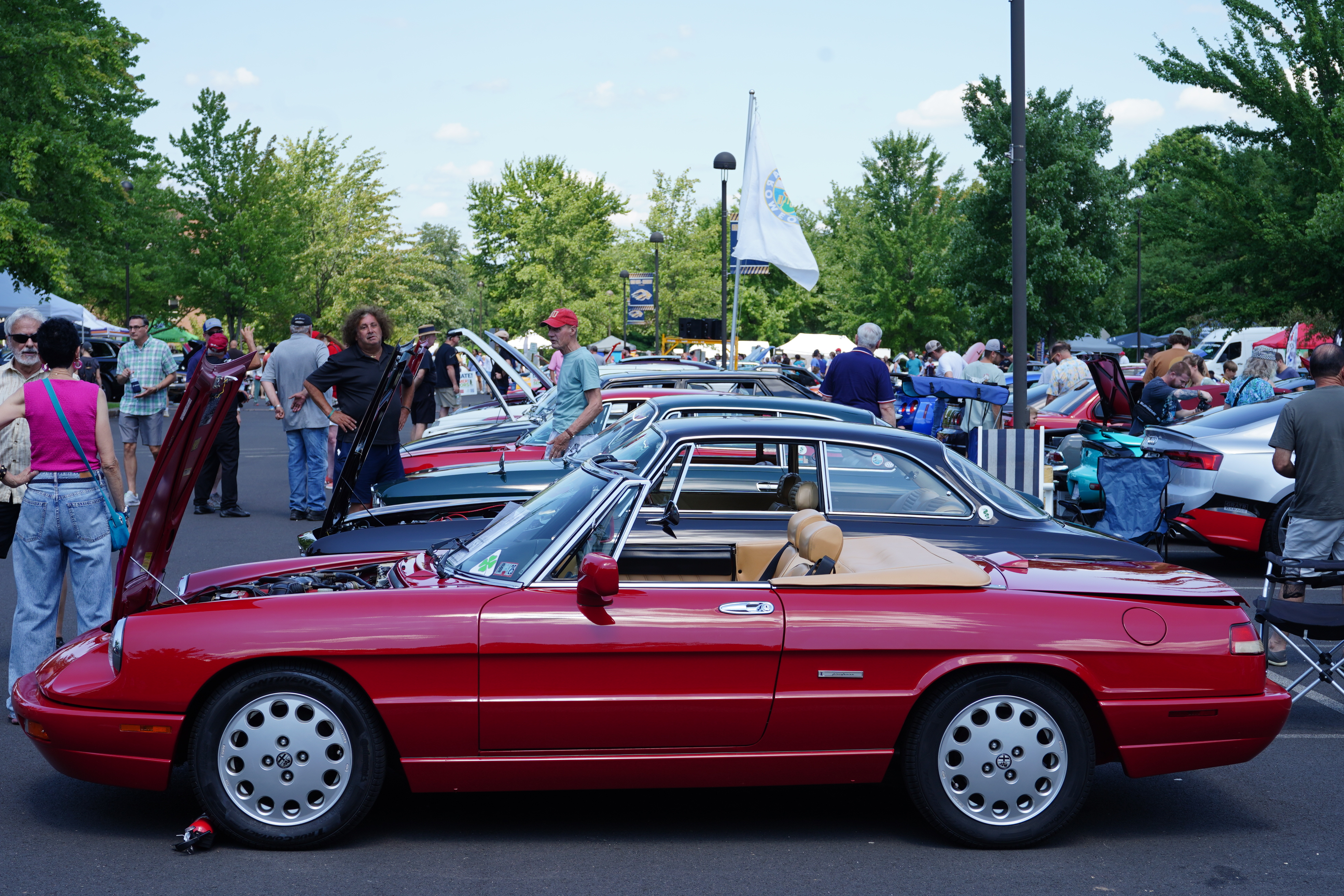
The New Hope (PA) Auto Show, now in its 67th year, was held during the weekend of August 10 & 11, 2024. After a stormy week concluding with a tornado watch (!) on Friday for most of the eastern PA/central NJ area, the weekend weather was some of the best of the summer: sunny, low humidity, and not too hot! The New Hope show organizers did their usual thing, with American cars on Saturday and “foreign cars” (I thought the hobby dropped that phrase in favor of “import cars”) on Sunday. I was there yet again with my Alfa, as the NJ and Delaware Valley Chapters of the AROC (Alfa Romeo Owners Club) turn out in reasonably big numbers for the show. This year, 13 Alfas were in attendance, and for the first time, thanks to the lobbying efforts of our NJ President Enrico, ALL Alfas were parked and judged together, including modern models such as the Giulia and 4C.

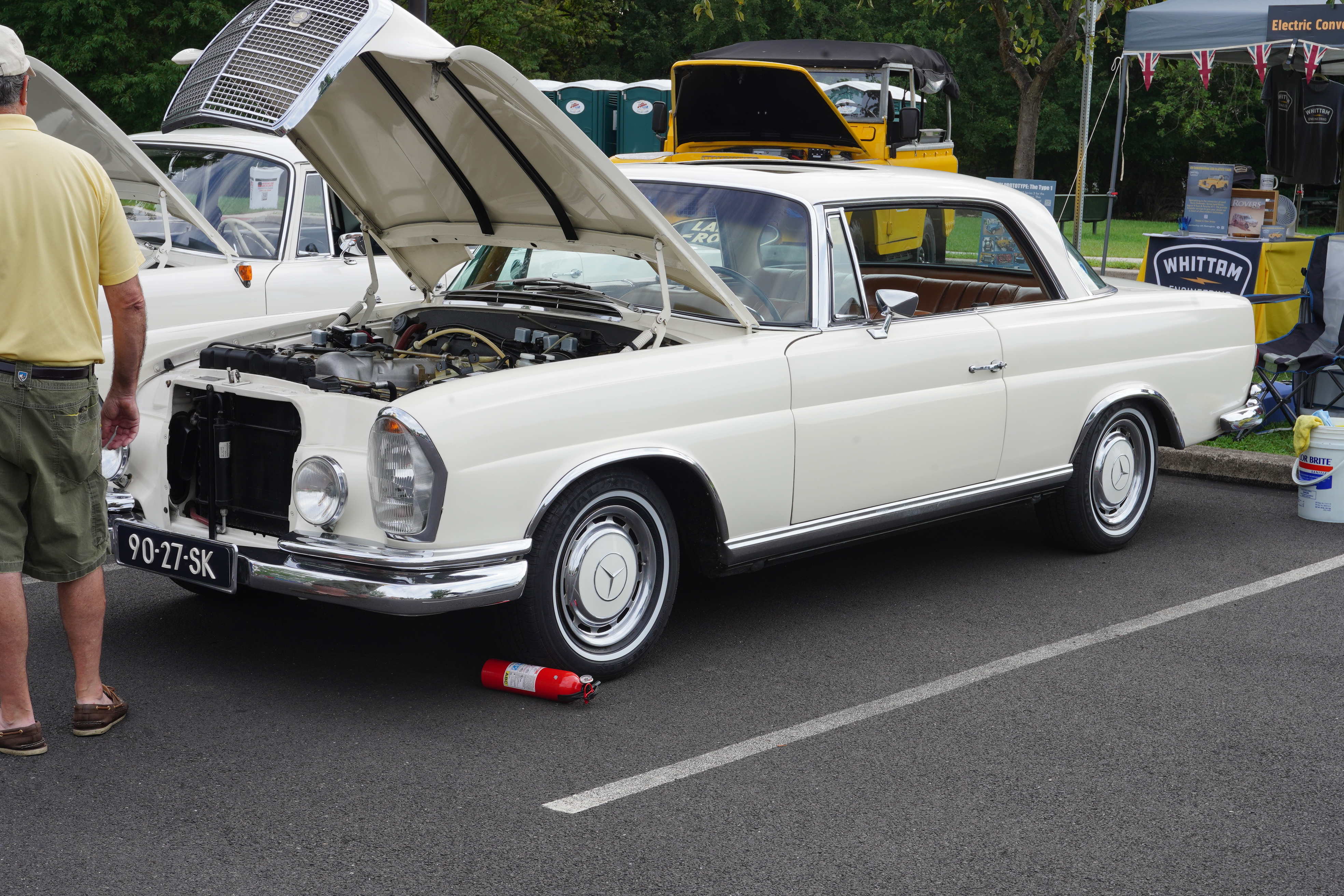
While not as populated as it’s been in prior years, I was informed that over 200 cars had registered for Sunday, and it appeared as though that many cars were indeed on the ground. Vehicles are organized by marque and/or country of origin, making it easy to scout for your faves. The show continues to attract some of the highest quality cars in the area, with the only downside coming from some jerks in the “modern exotics” (I’m looking at you, Lamborghini owner) who think it’s entertaining to rev their open-exhaust engines at 6,000 rpm.

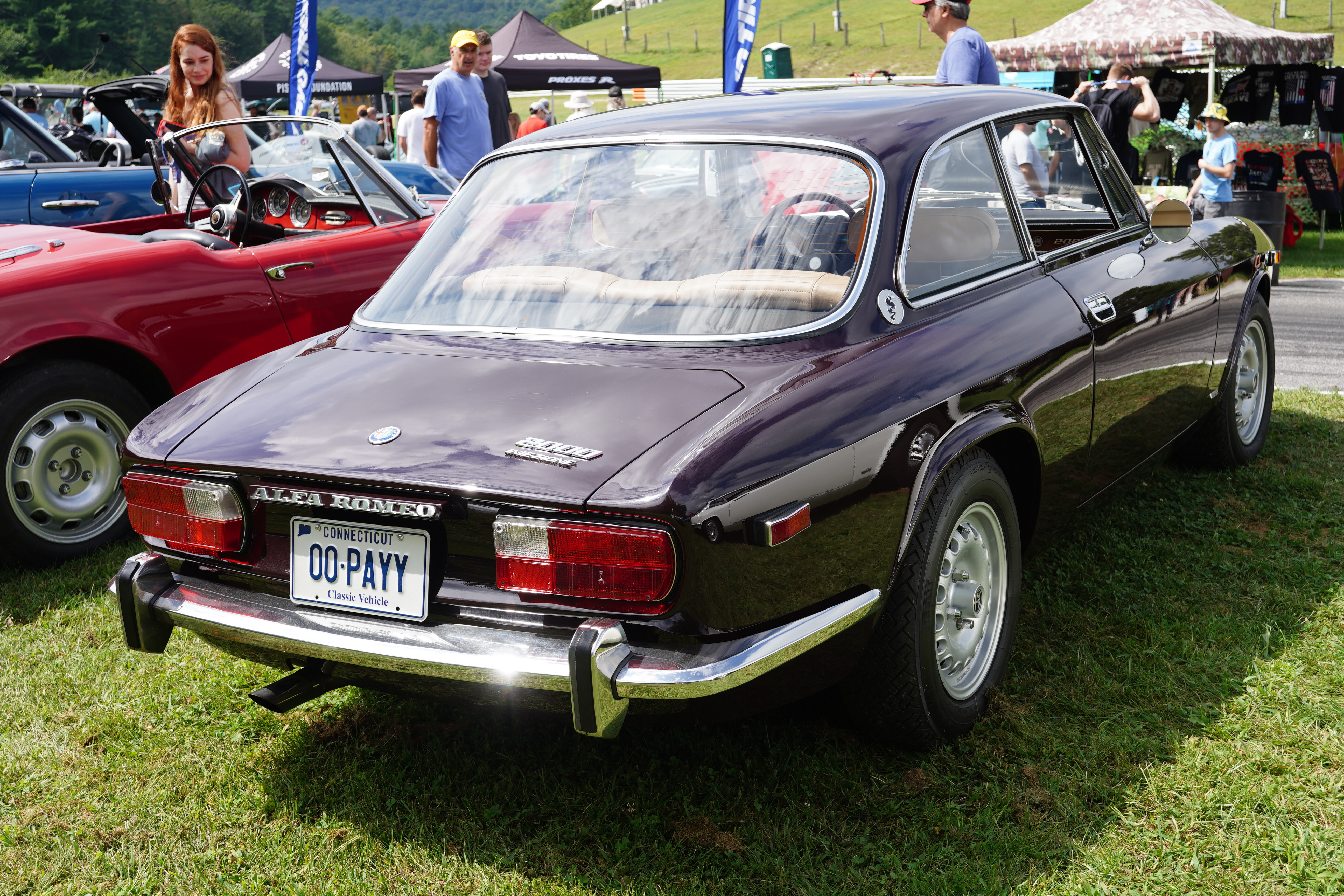
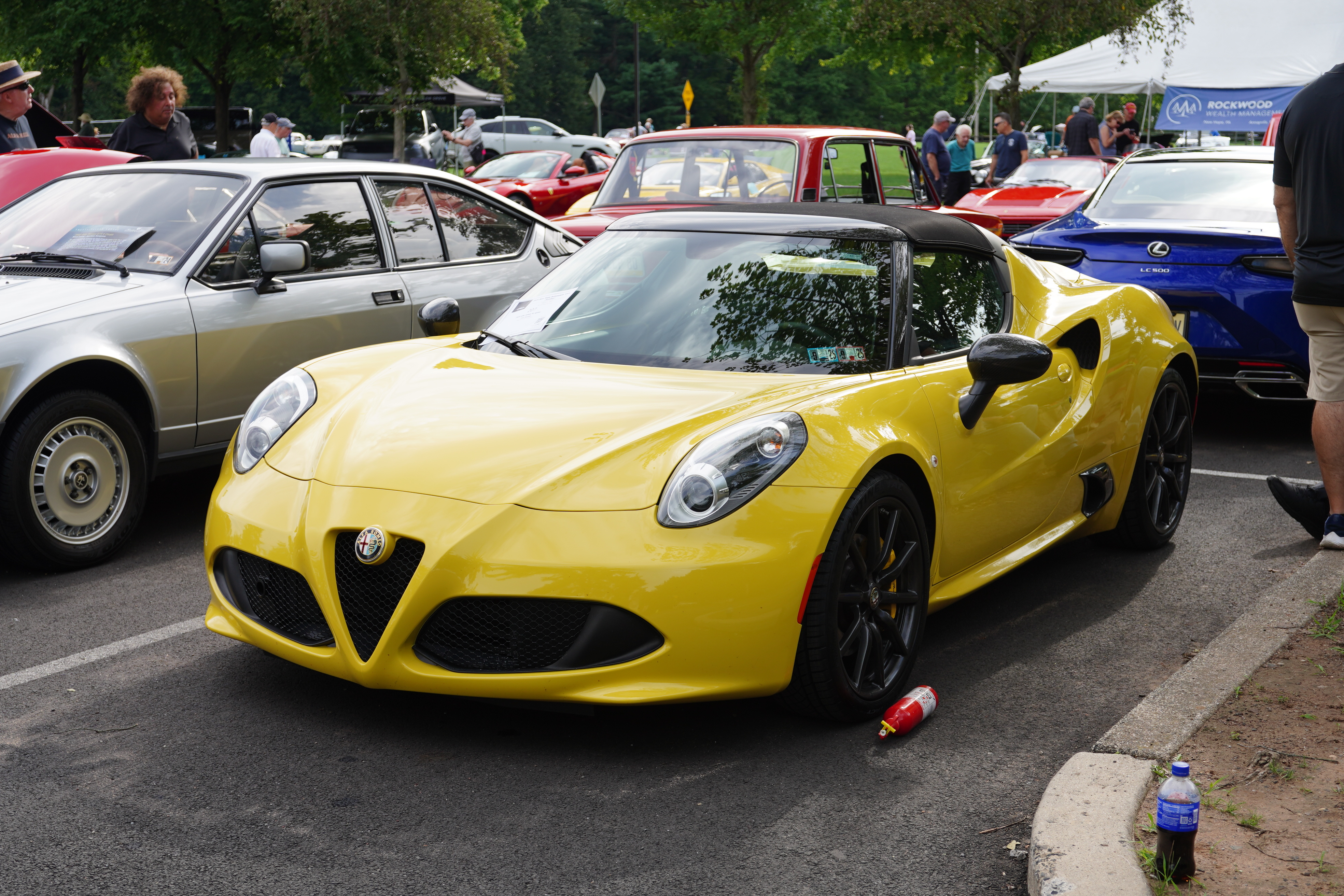
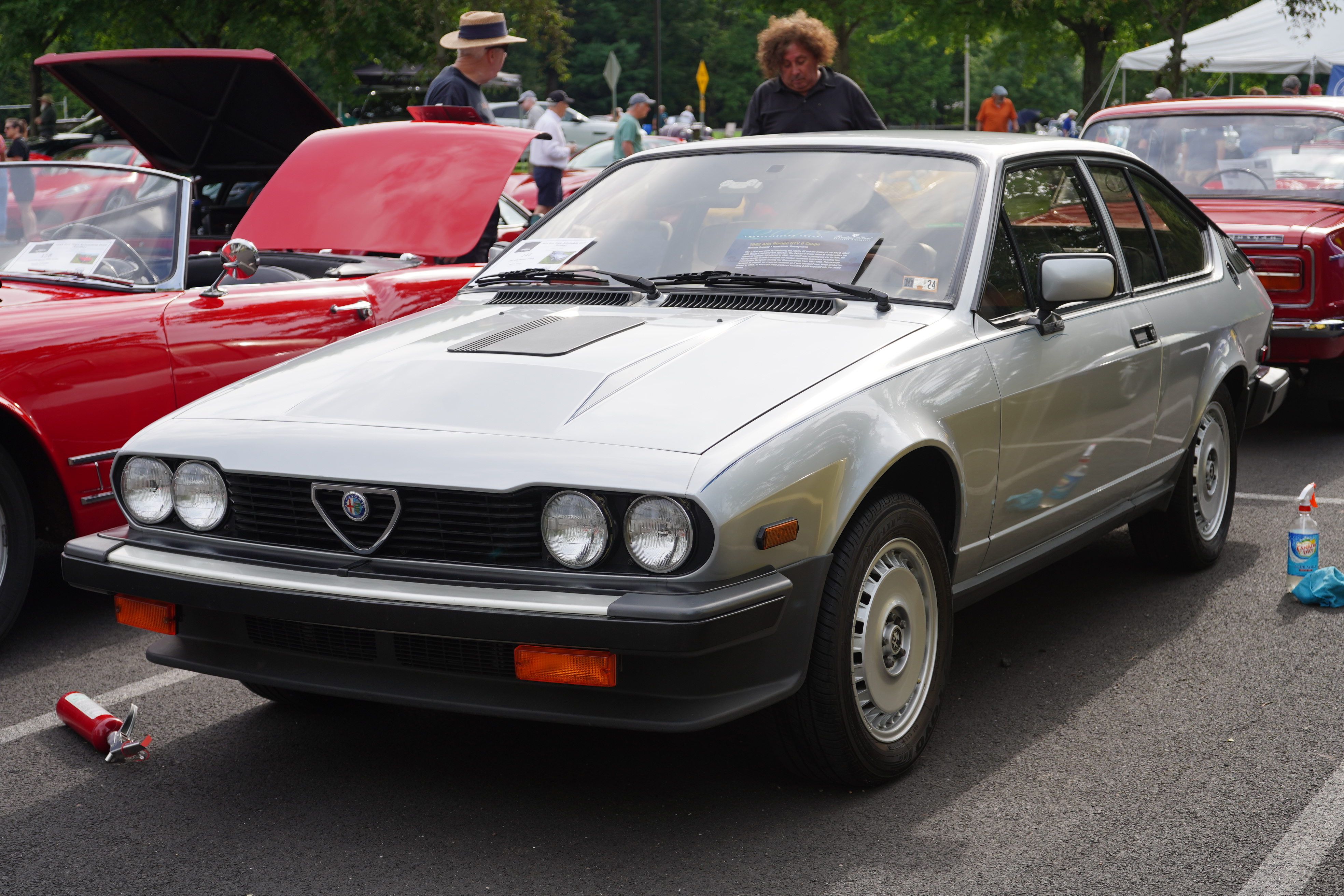
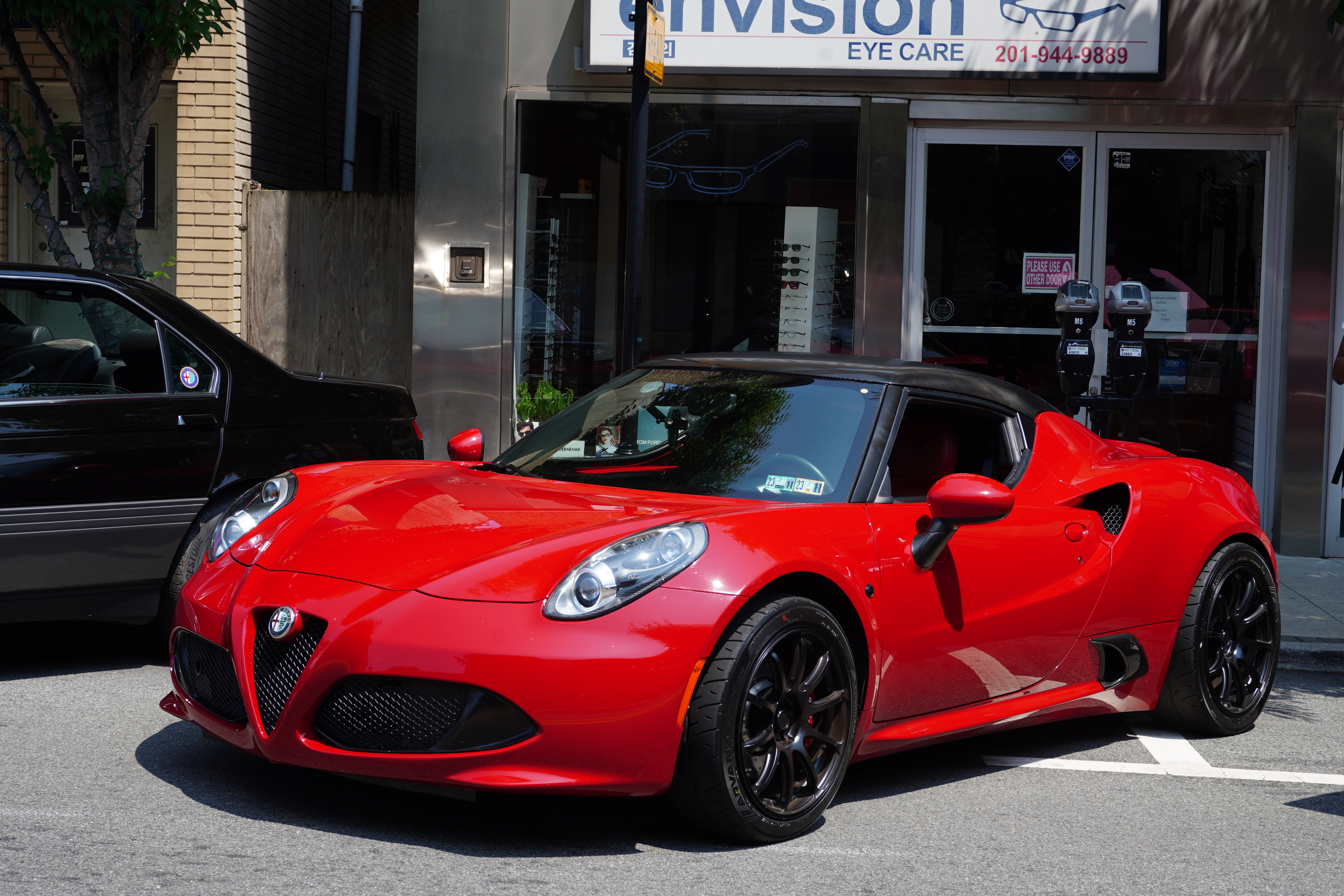
When it was time to begin judging the Alfas, I was volunteered by Enrico, as his call for volunteer judges during the weeks leading up to the day resulted in zero response. Paul, another NJ Chapter member, also joined us, so our team of 3 set out to judge the row of 13. Traditionally, the Alfa group is simply divided into ‘open cars’ and ‘closed cars’. But with one modern Giulia and two 4C’s in the mix, Enrico came up with “pre-1980” and “1980 and newer” as the sub-classes, and that worked out beautifully. It was an almost even split of 6 and 7, and so we proceeded. In the Pre-1980 class, a stunning plum-colored GTV Coupe won 1st place; in the Post-1980 class, the red 4C took home top honors.

New Hope rings the bell for me for many reasons, including the short (under 30 minutes) and easy (no interstates) drive. But this is it for big shows this year. In 2024, I’ve had the Alfa to East Hanover NJ, Saratoga Springs NY, Fort Lee NJ, and Macungie PA, all highway drives, and all during less-than-ideal weather. Nevertheless, I will continue to drive the car, which was my intention when purchasing it 11 years ago. I’ve now put over 14,000 almost trouble-free miles on it, and I look forward to keeping it on the road.

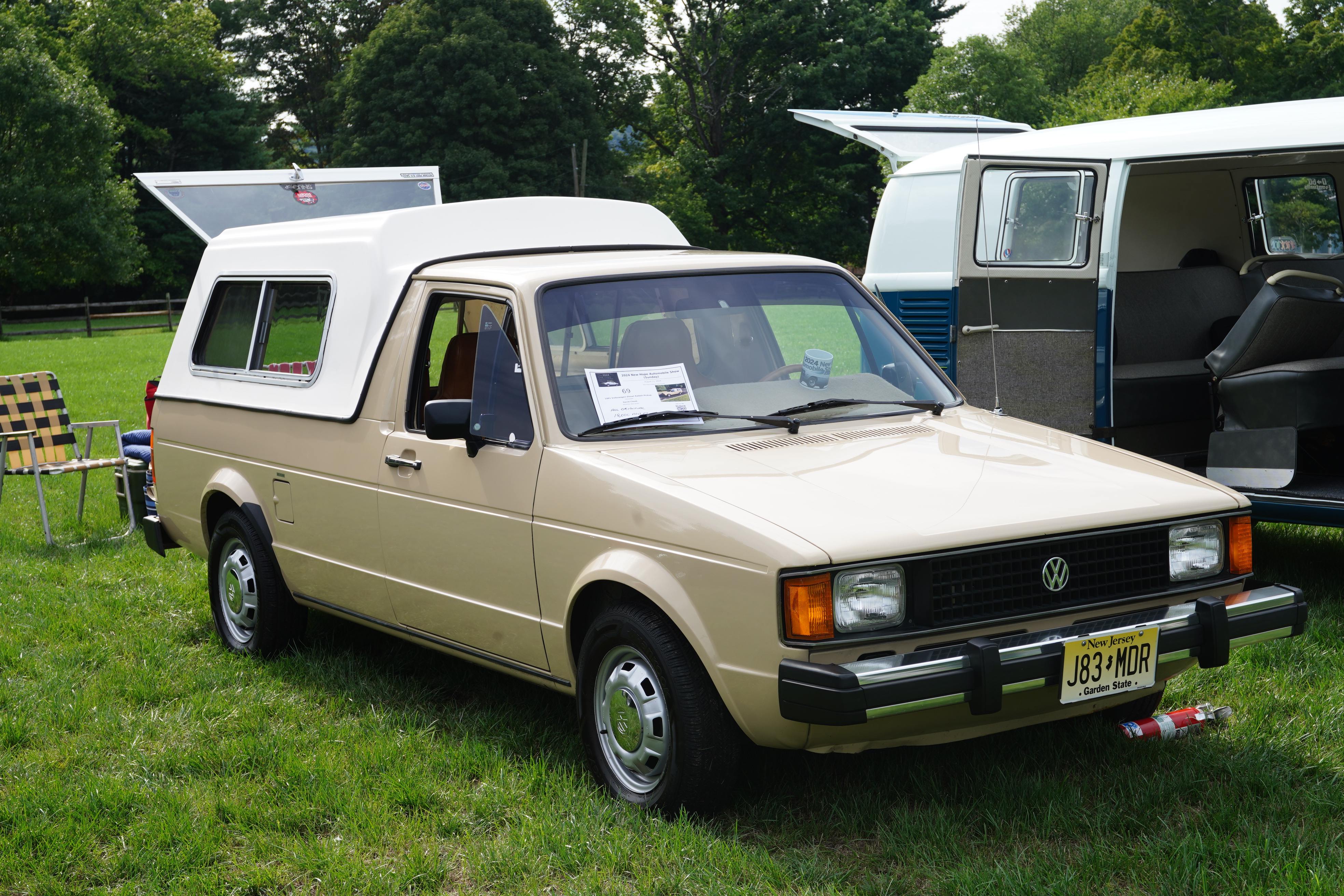
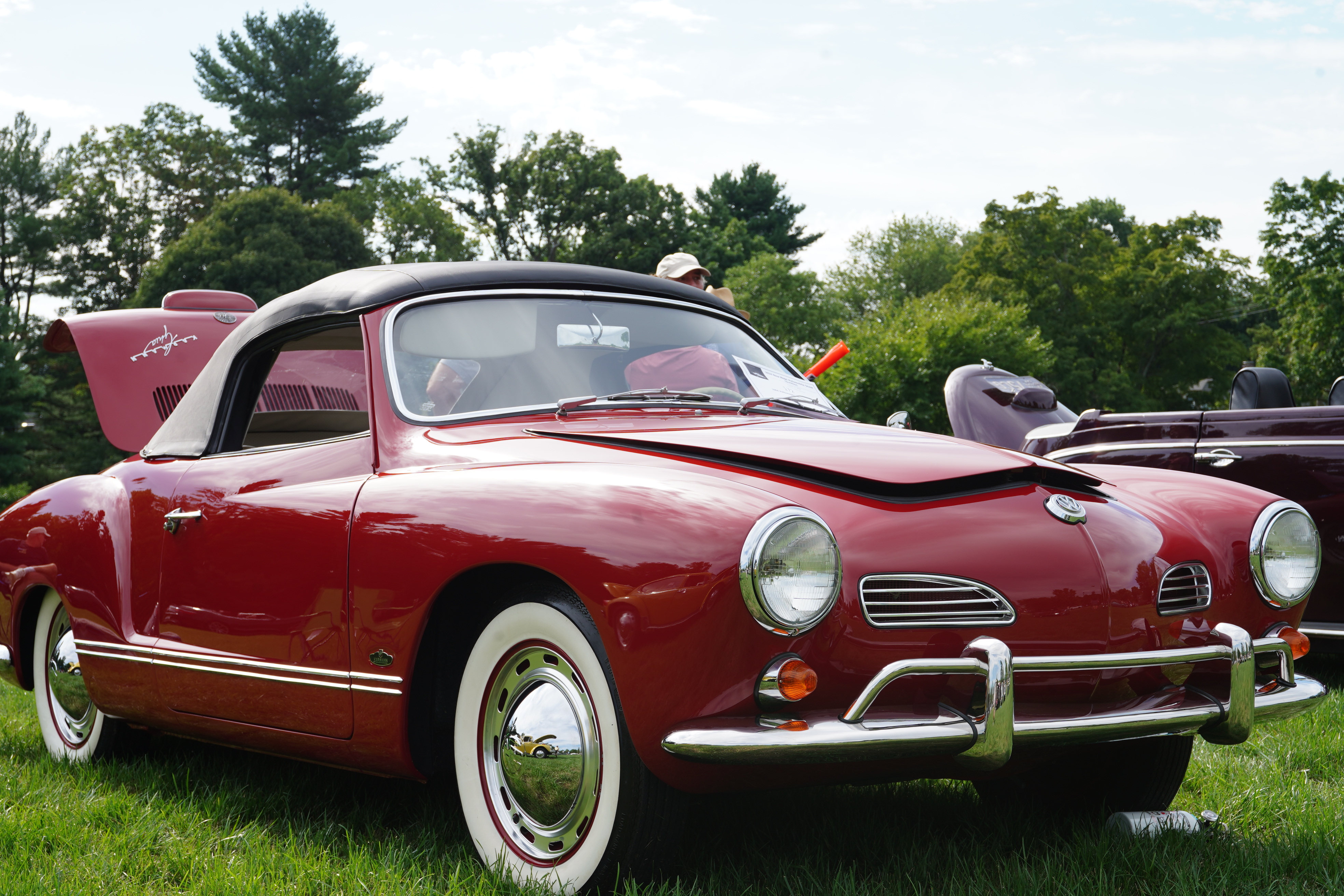
GERMAN

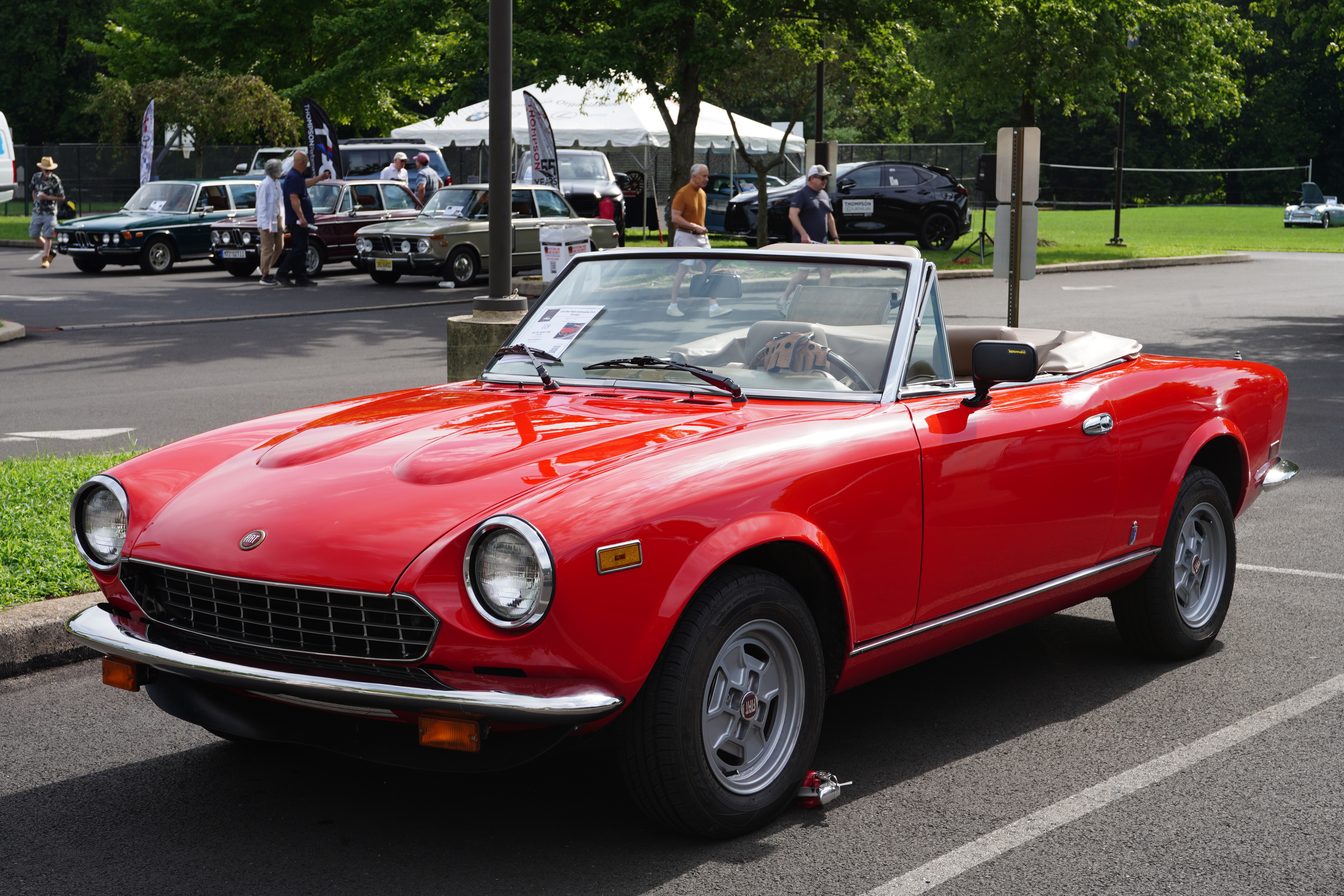
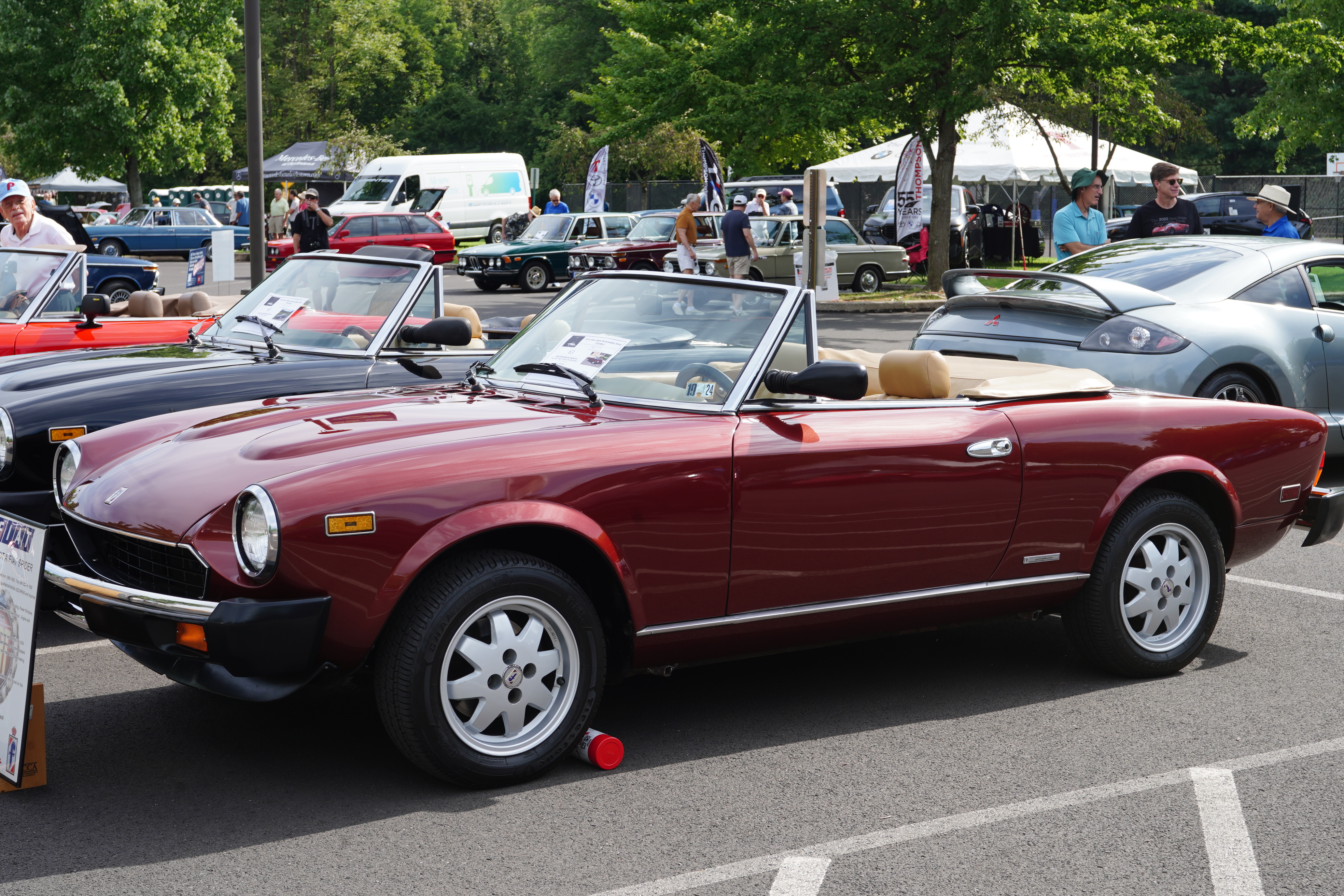
ITALIAN (OTHER THAN ALFA ROMEO)

BRITISH


Bristols are very rare in the U.S.; I cannot recall the last time I saw one.


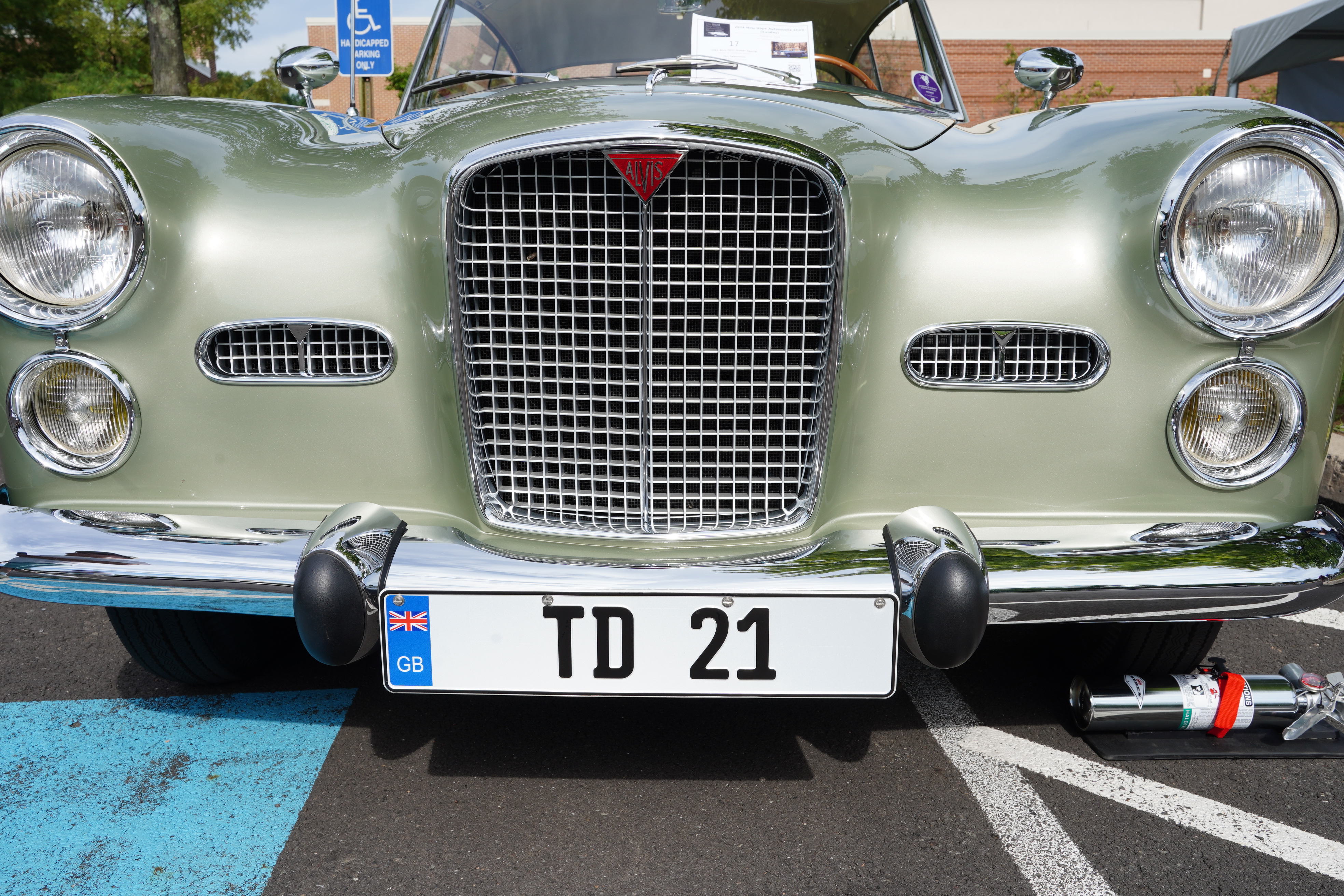
This Alvis was a “Senior” car (previous 1st place winner), and it was impeccable.


VOLVO

ALFA ROMEO
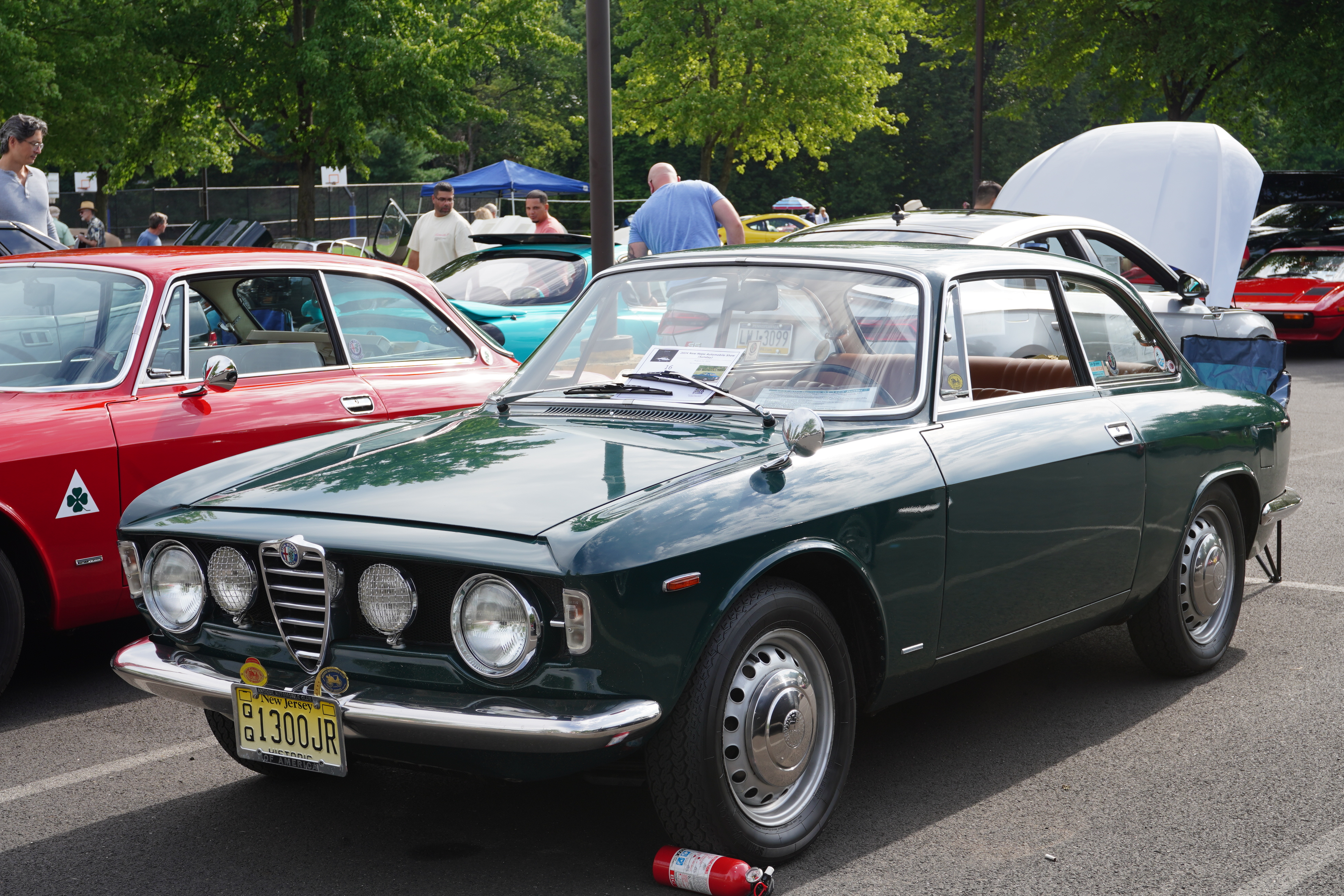
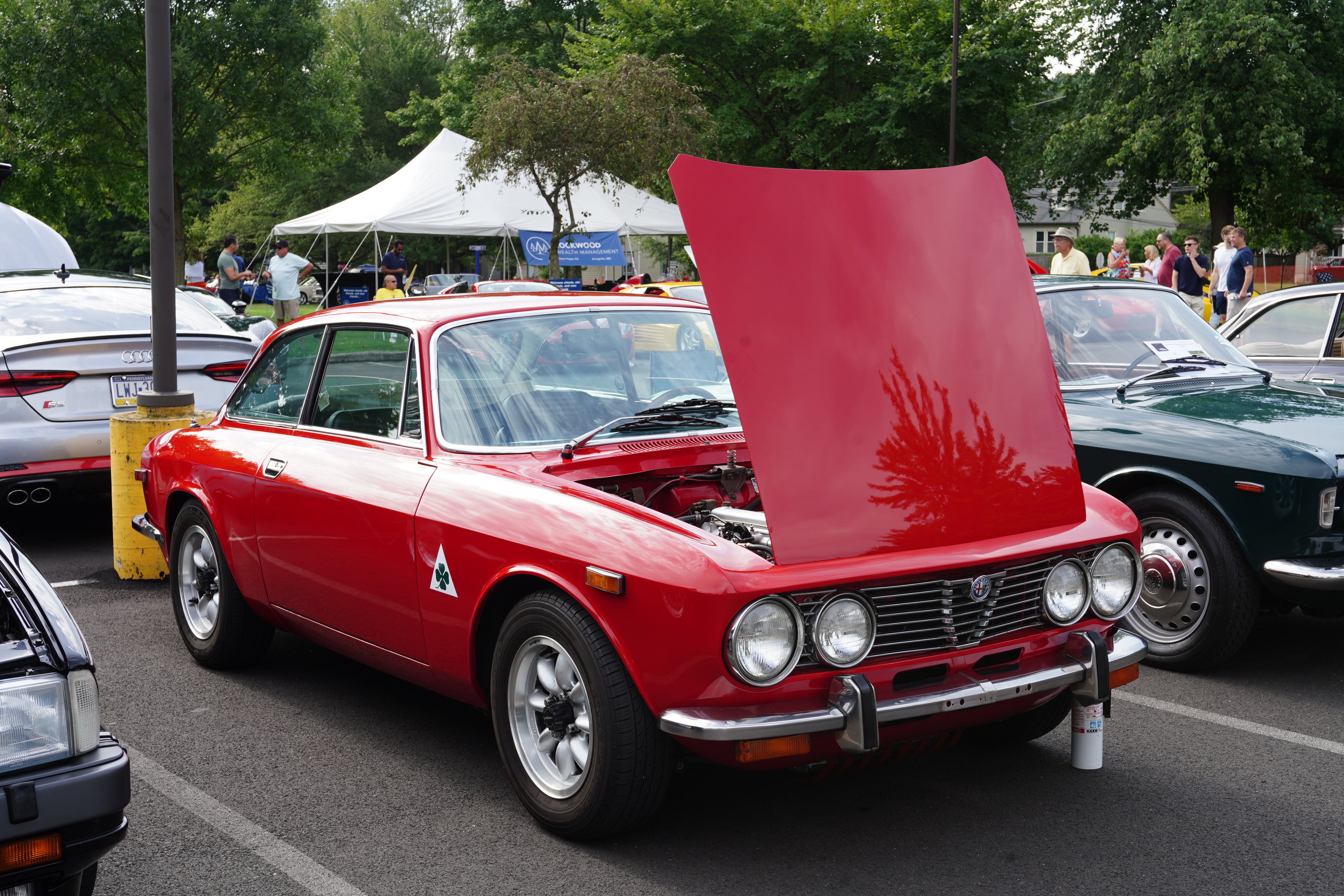
It was nice to be in this trio of Bertone coupes. Note that my car is a ‘step-nose’ while the other two have the ‘smooth nose’.


ADDENDA

Someday I’m going to devote an entire blog post to “My Aunt Rita’s Cars”. She had exquisite taste in automobiles and treated herself to some fine machinery. As a preview, here is a photo which I had presumed “lost”: it’s a film photo which was greatly underexposed. But with some modern technology, I was able to bring it back enough to identify it as her 1976 Oldsmobile Cutlass, her third new Cutlass in a row. The shot was taken in her driveway on Staten Island, probably in the late 1970’s.


Entire blog post content copyright © 2024 Richard A. Reina. Text and photos may not be copied or reproduced without express written permission.


Das Awkscht Fescht, Macungie, PA, Aug. 3, 2024

Das Awkscht Fescht, better known as (and more easily pronounced as) “Macungie”, was held this year on August 2, 3, and 4, 2024. This was the show’s 61st year, and since I have blogged about this show in the past (click here for stories about the 2010, 2013, 2017, 2021, and 2022 editions), I will refrain from repetition.

However, this was the first time since trailering the Isetta here in 2010 that I entered a show vehicle. Early Saturday morning, I fired up the Alfa Romeo and made the one-hour drive to Macungie Memorial Park, located in beautiful downtown Macungie, PA. While the town and the park are indeed beautiful, the summer weather continued to be slightly less so. It was a hot ride out, and even though the grass and trees provided a much more verdant setting compared to asphalt, it only got hotter as the morning continued.

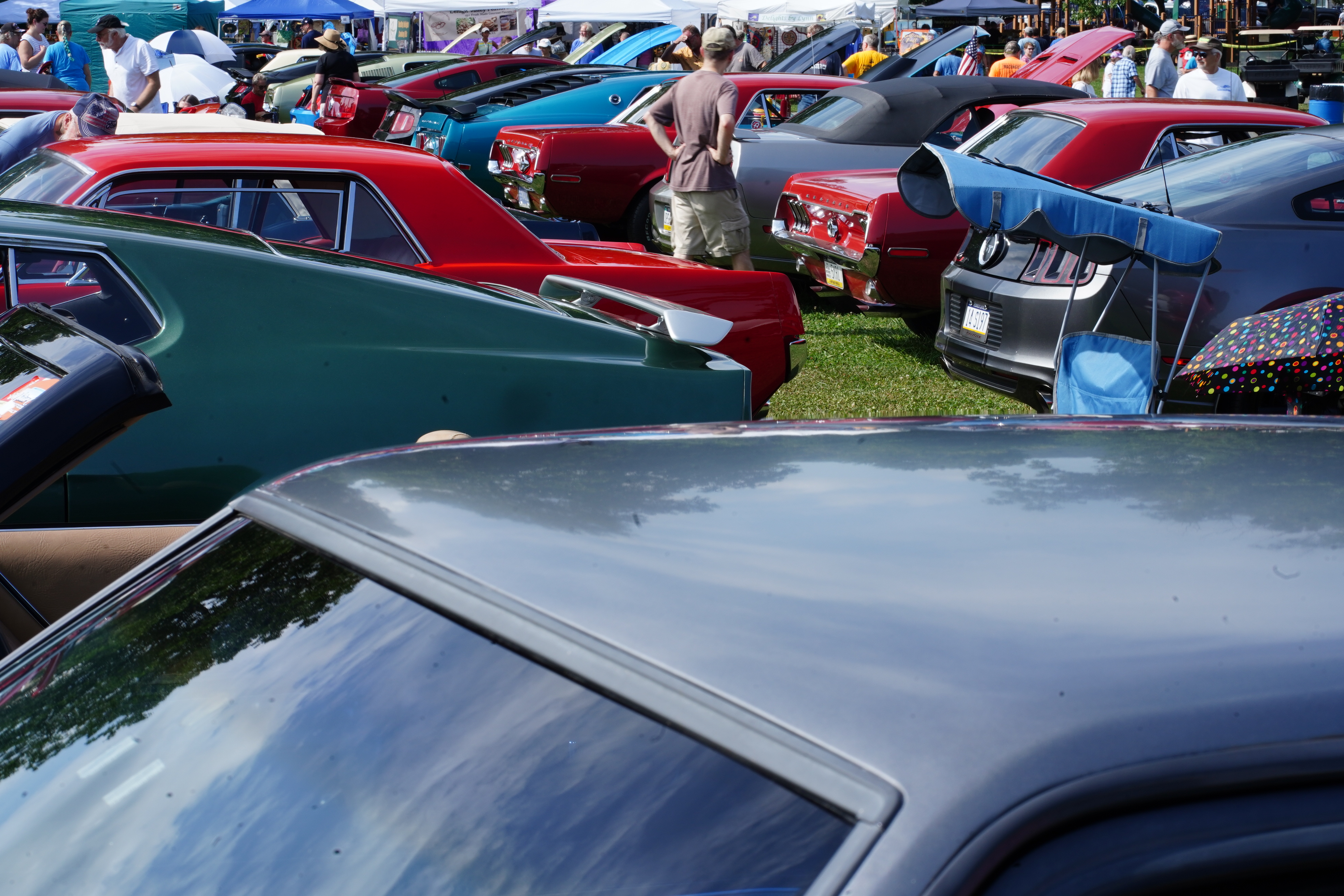
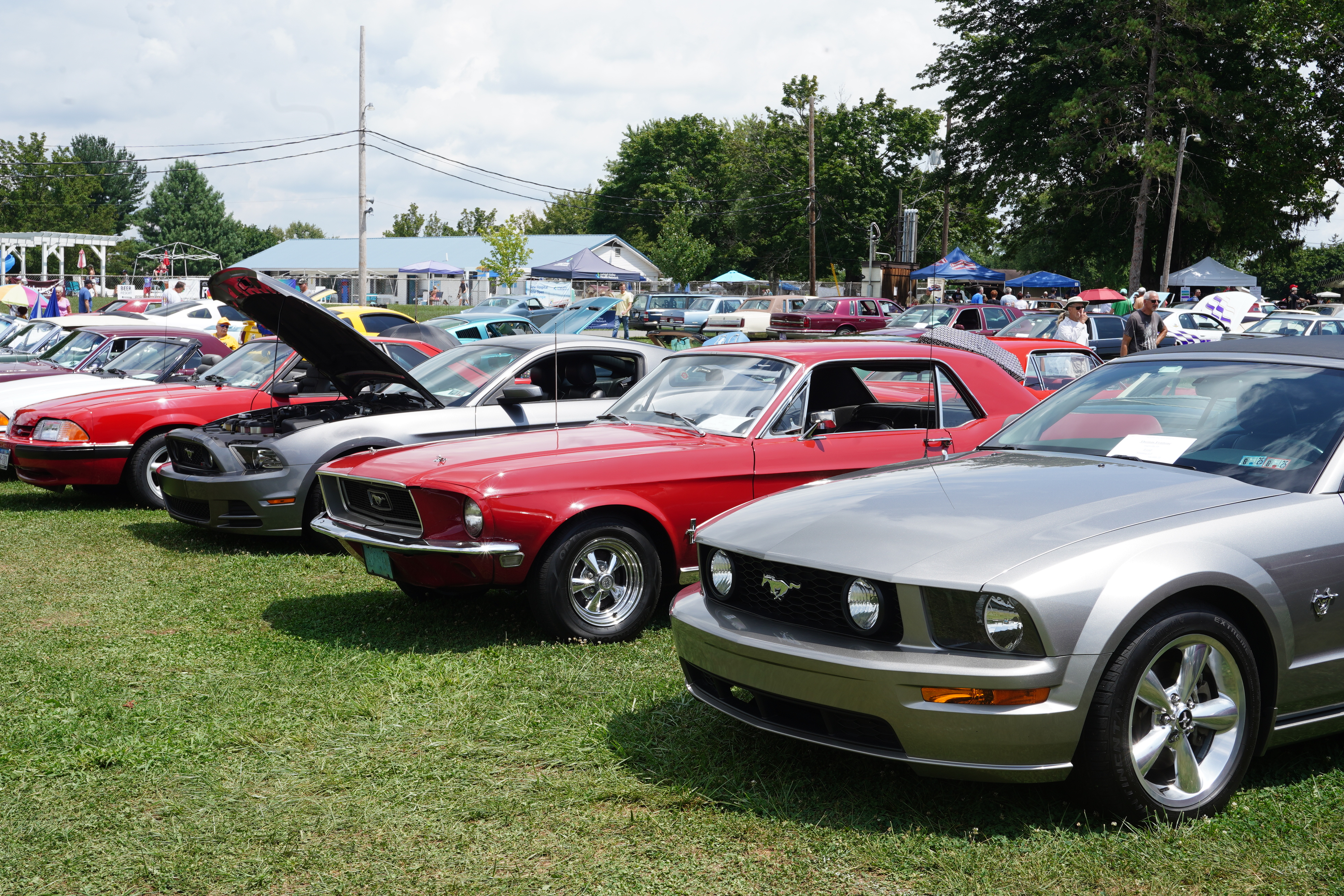
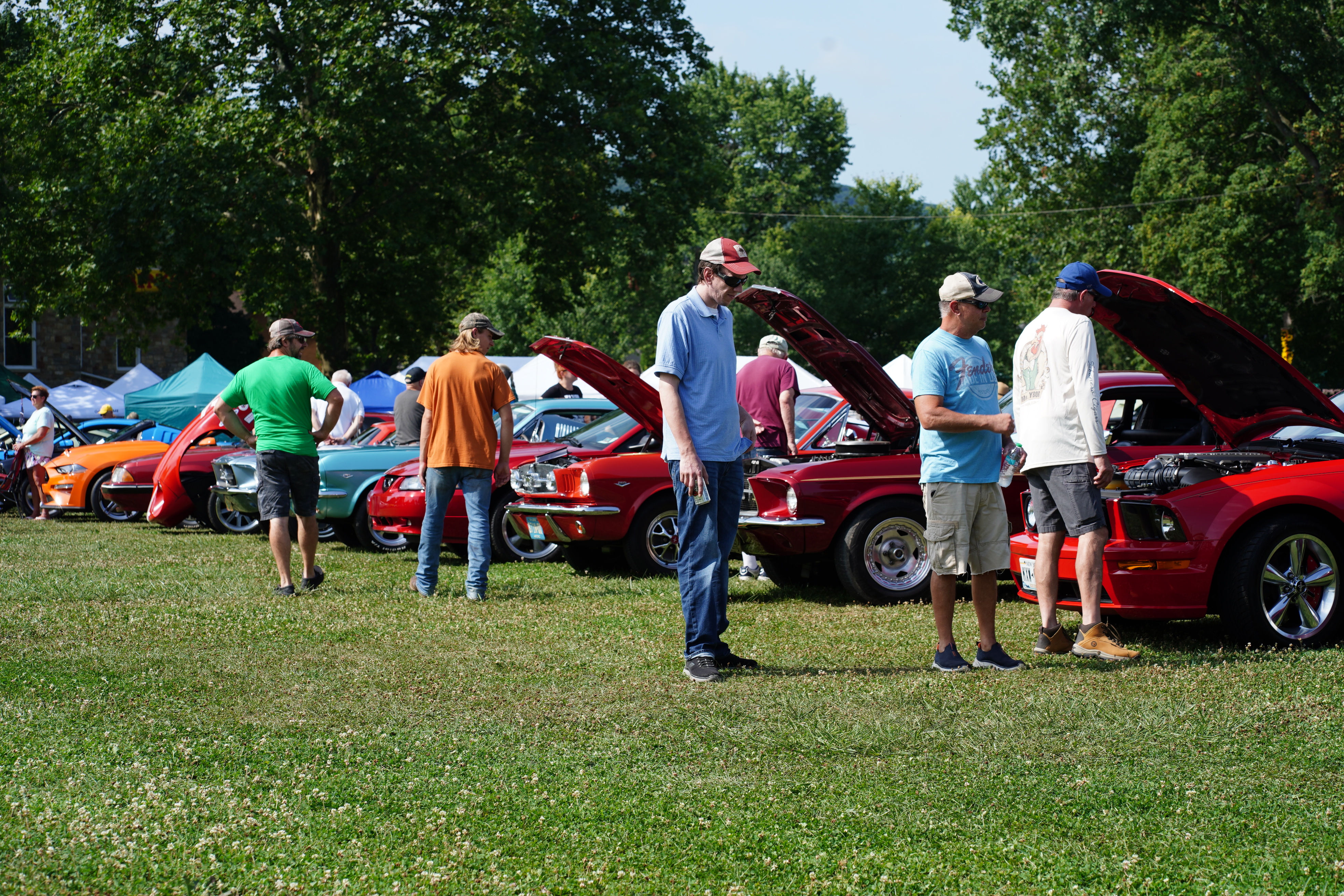
I registered for Saturday’s show because that day was AACA day. After parking with the other vehicles in Class 7 (“sports cars”), I grabbed the camera and covered as much of the field as I could. As usual, the variety and quality of cars on display were impressive. It was no surprise that American iron ruled the day, but there were plenty of imports to keep my interest as well. The featured model for the weekend was the Ford Mustang, celebrating its 60th anniversary, and there were dozens on hand, from the 64.5 introductory model right up to the newest ponies.

I met up with several friends who made the trip, and after walking the show with them for a bit, we decided to grab an early lunch to beat the crowds. By this time, I could no longer remain in the sun, as I felt it was wearing me out. Doing my best to stay hydrated, I made the somewhat intelligent decision to hit the road by 1:30 p.m. The skies were darkening as well, and although Google weather indicated that the rain would not arrive in Macungie until 4 p.m., it felt prudent to get a jump start. The car (57 years old) started right up, but my Android phone (1 year old) did not – for the first time ever, I saw this message: “PHONE IS OVERHEATED, ALLOW COOL DOWN”. We (me, the car, and the phone) made it home just fine, enduring a 5-minute heavy shower which felt like it may have dropped the outside temp by 10 degrees. Entering my house, I downed two iced teas, and enjoyed a cold brew with my takeout Chinese. Overall, it was a good day, but I will need to accept that July/August car shows are going to be steamy.

Hanging out in the shade
AMERICAN CARS

IMPORT CARS

MUSTANGS

THE 1955 NASH

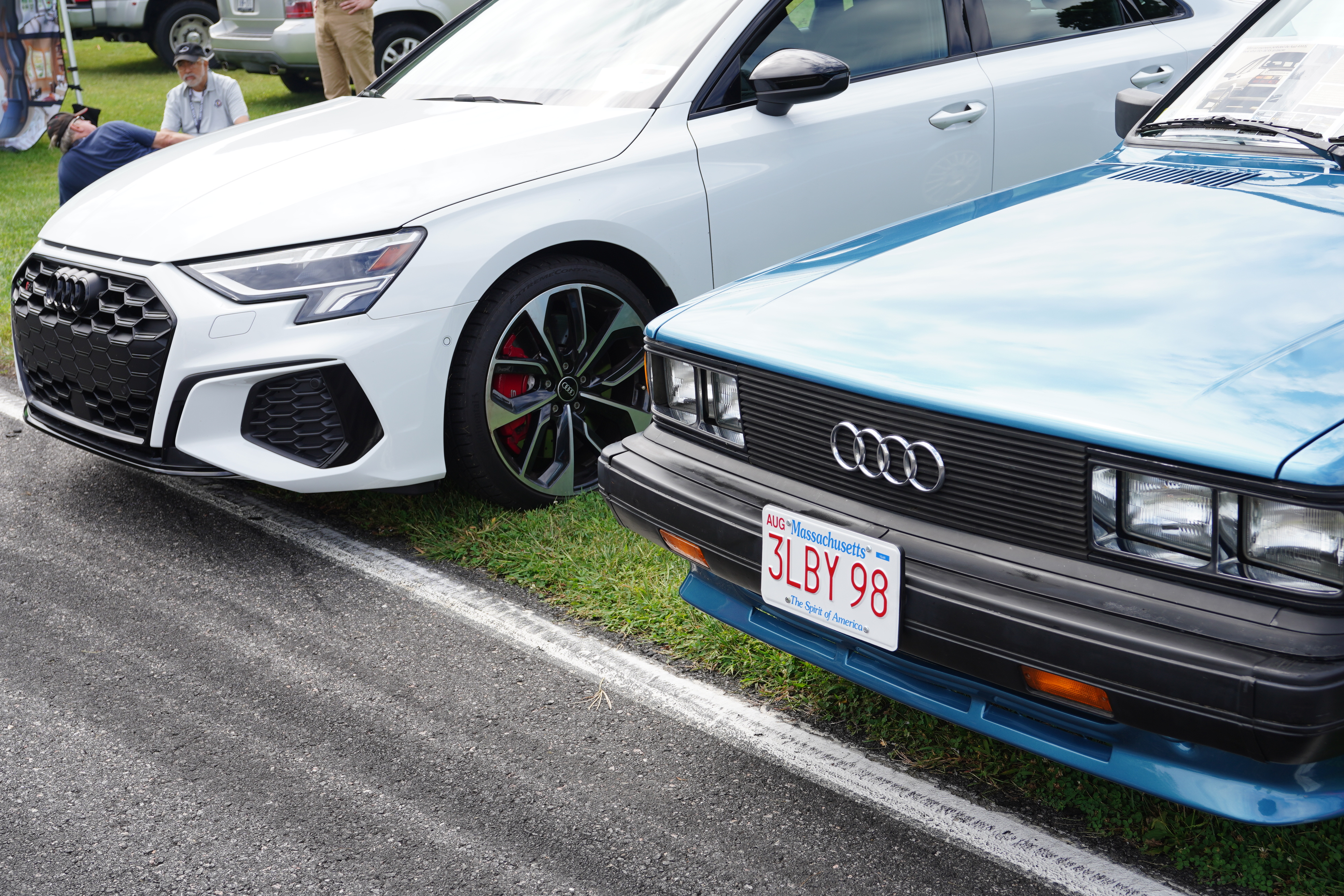
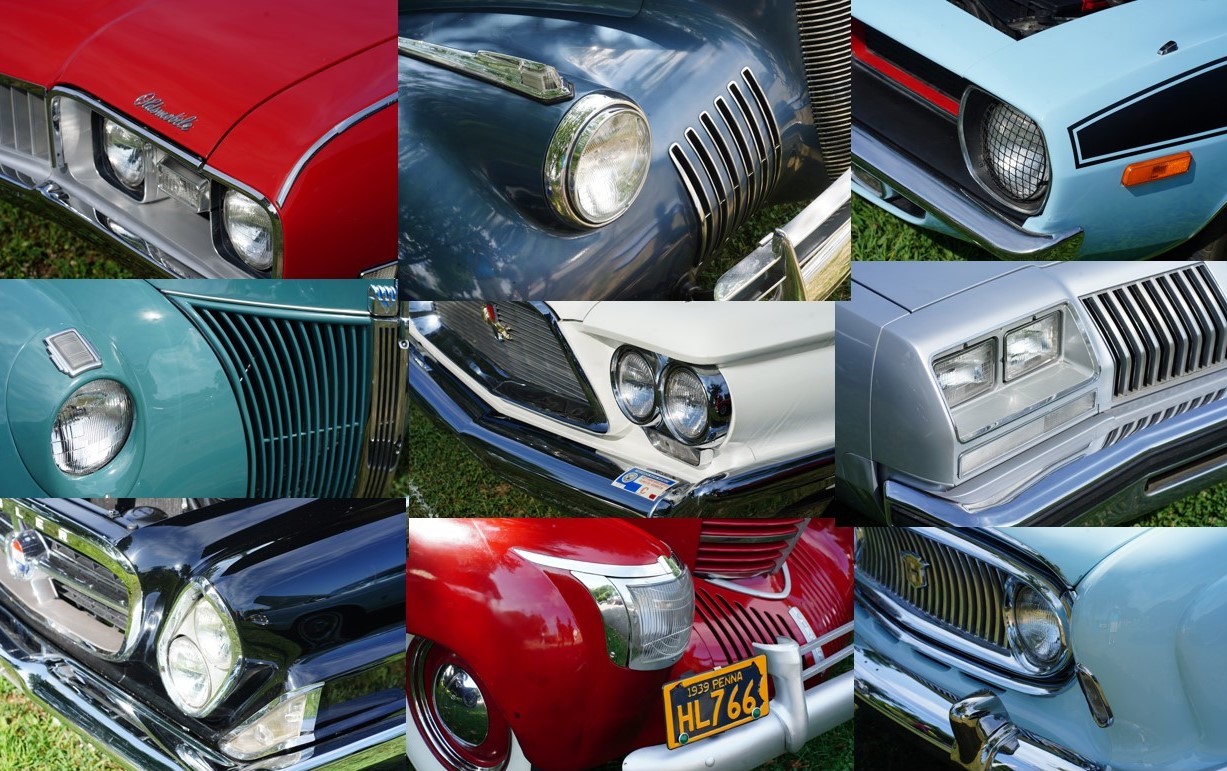
DESIGN STUDY: HEADLIGHTS AND GRILLES THROUGH THE AGES


ADDENDA

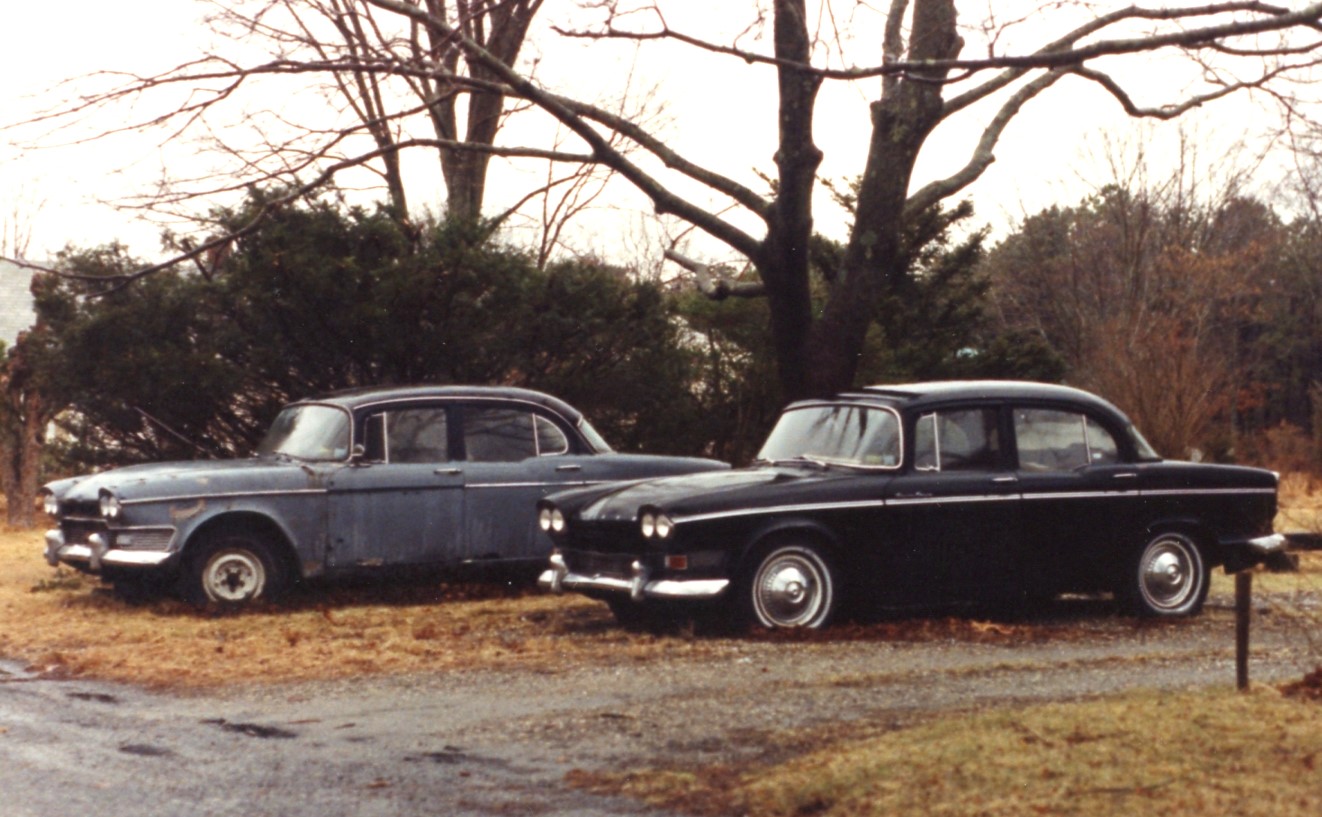
One of the oddest (and most oddly named) of the British imports is the Humber Super Snipe. I believe that I first learned of this model name in a 1960s Car & Driver magazine, and it’s likely that they used it in a sarcastically humorous way. I recently rediscovered this film photo, taken in 1990 while on a weekend jaunt on Long Island. I mean, what are the chances of spotting ONE Humber Super Snipe, much less TWO? According to Wikipedia, the quad headlights identify these as 1960-or-newer models. One looks like it might run, while the other appears to have already begun to shed its parts to keep the better one alive and running. This was 34 years ago; I wonder where these cars are today?

Entire blog post content copyright © 2024 Richard A. Reina. Text and photos may not be copied or reproduced without express written permission.


The Alfa Gets a New Exhaust System

The gearbox and rear axle fluids in my Alfa Romeo had not been replaced in a few years, and with this car, I try to adhere to a “mileage and/or time” type of maintenance schedule, so I decided to tackle the job. It’s not difficult other than getting the car high enough off the ground for me to slide under. In typical Italian fashion, though, the fill plugs require Allen wrenches (also known as hex wrenches), and somehow, I no longer had the correct sizes in my arsenal (12 & 14 mm, not available in Home Depot). Had I loaned them to a fellow Alfa owner and forgot? Perhaps, but no matter. An online order was placed with Grainger (great tools and sometimes high prices, but the quality is worth it) and I was ready to get this maintenance task done.

All the Alfa service manuals issue the same warning: remove the FILL plug before removing the DRAIN plug, because if you drain the component and then find that you are unable to remove the fill plug, you are in a jam. (Or is it pickle? Where did these food references come from?) The fill plugs loosened without extraordinary effort, and the gearbox and differential were treated to fresh fills of 75W-90.

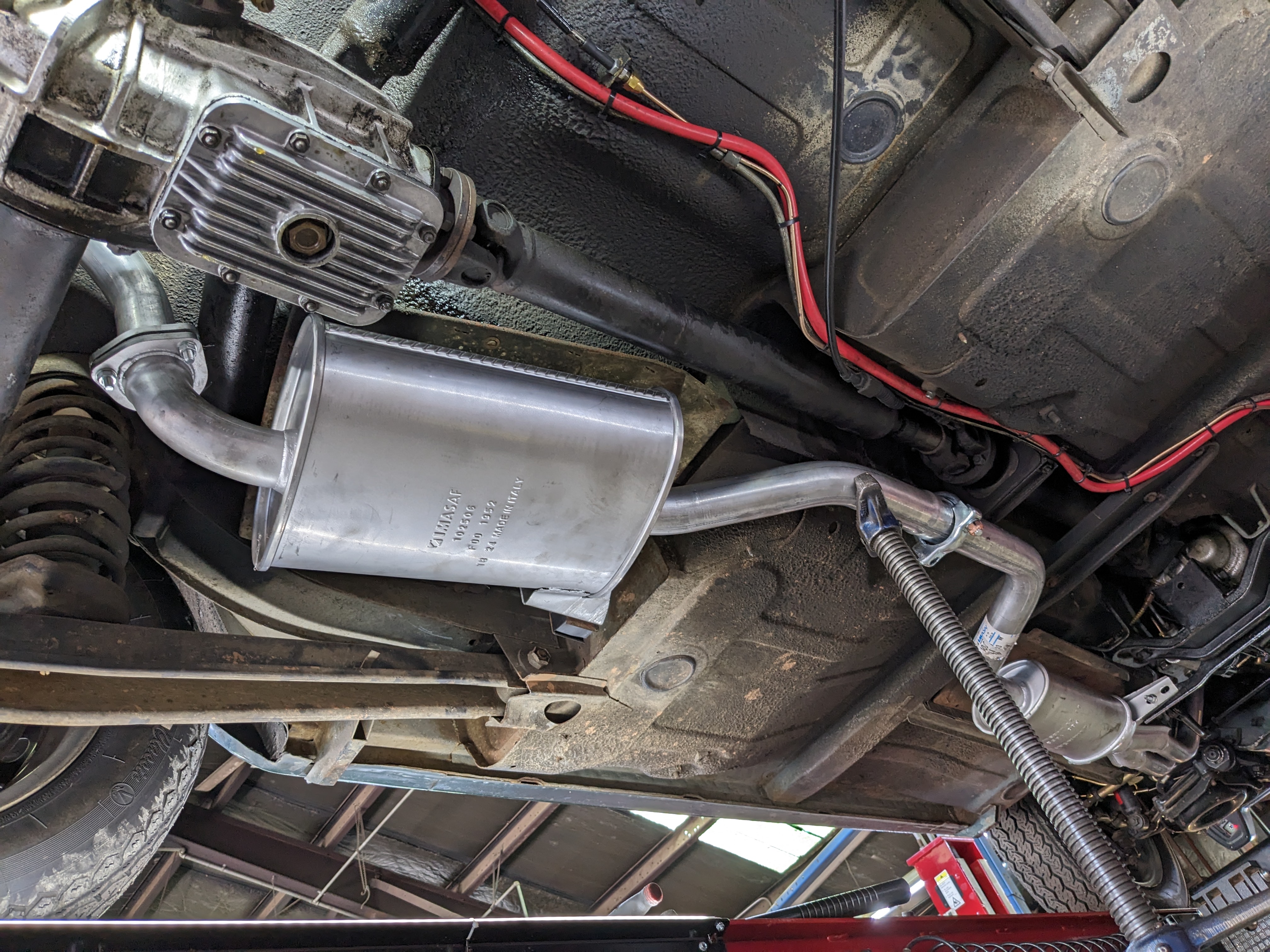
But I digress (if two paragraphs count as a digression). While on my back staring at objects inches from my nose, I noticed that several exhaust components showed serious signs of rust-through. The corrosion was mainly confined to the mufflers; I saw no damage at any pipes or hangers that might indicate a potential loss of the system while driving. I have no idea how old the system was. Pete had never indicated that he had replaced it, and I’ve put 14,000 miles on this exhaust through 11 years of ownership, so I had been contemplating its replacement anyway. An order was placed with my #1 parts supplier, Classic Alfa, which had a complete exhaust system (including an installation kit with gaskets, hangers, and clamps) in stock for under $300 (and made in Italy to boot). The shipping, however, was an additional $150, but I decided it was worthwhile. As is typical for Classic Alfa, I had the parts within days.

Exhaust work is not difficult provided that you have working room under the car, which I didn’t, so I spoke to the owner of the Shell station a quarter mile from my home. His shop has worked on my Alfa and my other cars before, and he told me to drop it off any day during the week. I delivered the parts the night before, and Brian, his most experienced tech, did the job at my request. When I picked up the car, Brian assured me that everything fit very well, and a quick test drive confirmed that, as there were no untoward noises from under the car. I paid $350 in labor, worth every cent to me to get it done expeditiously and locally. All in, the exhaust system replacement cost me a little under $800, a not-unreasonable sum for a 57-year-old Italian sports car. I’m expecting that it should last for as long as I own the car.


ADDENDA

The Mercedes-Benz 1968 Model & Price Chart

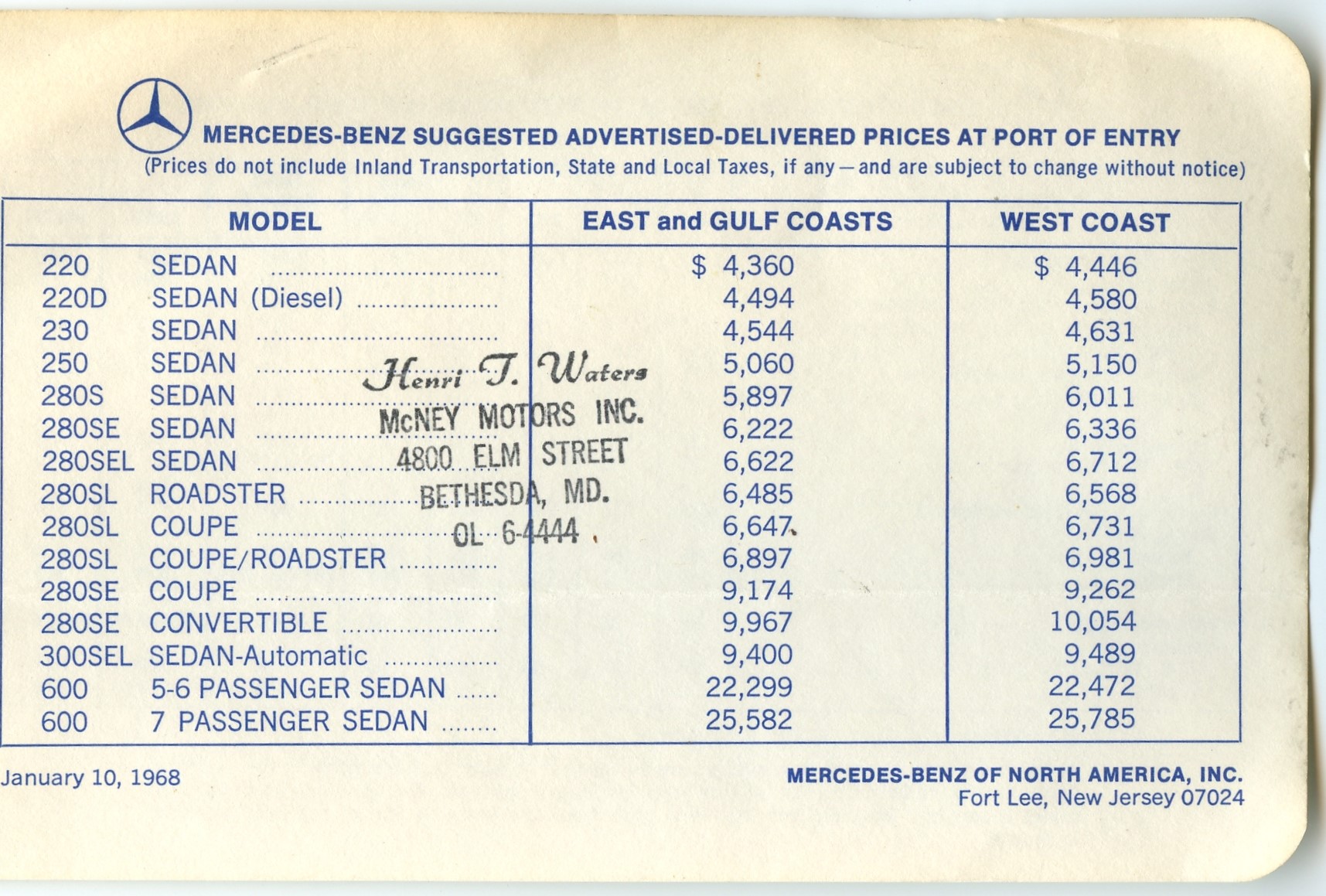
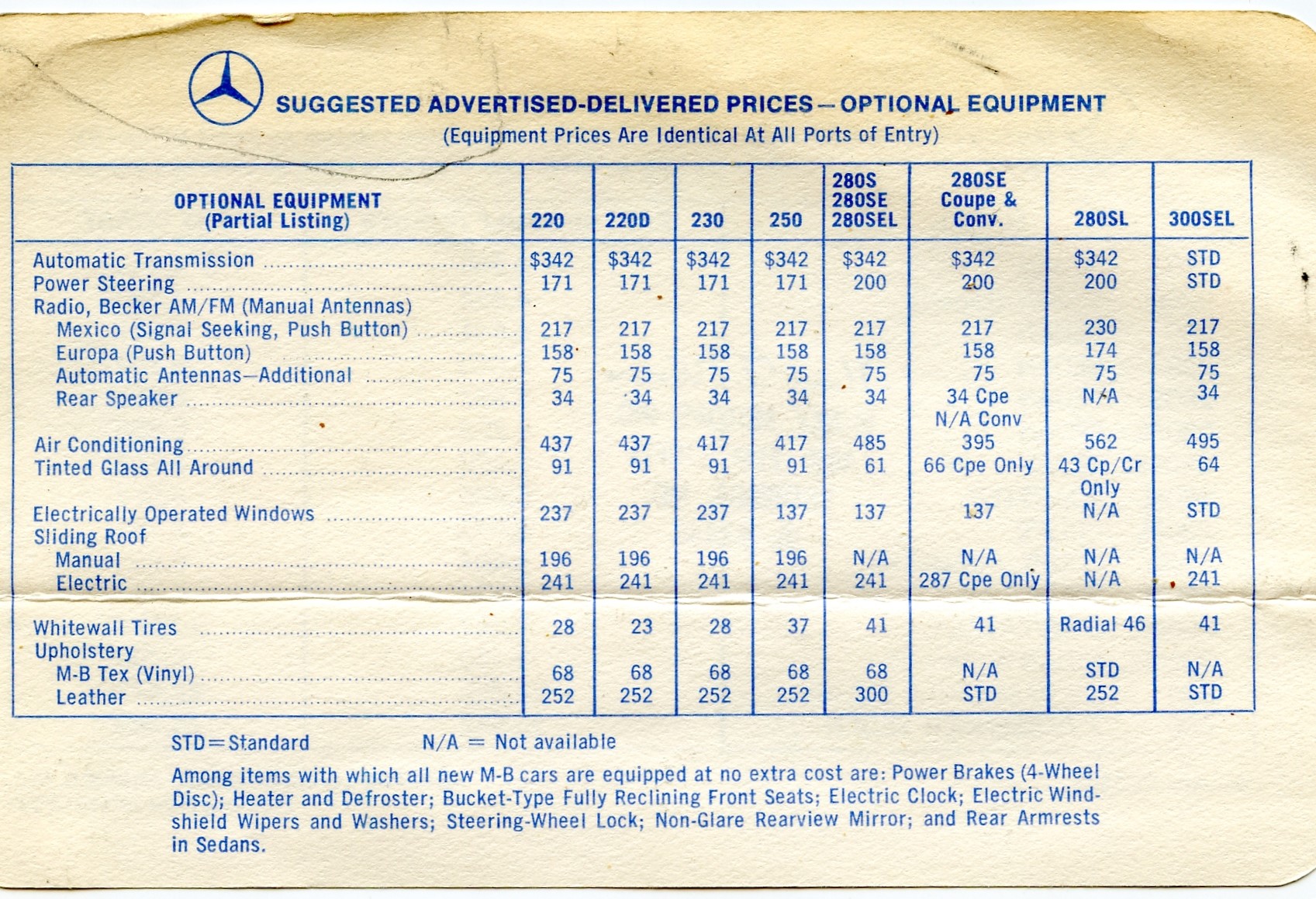
While rummaging through some older file folders containing printed into about my Alfa, I stumbled across this postcard-sized 1968 model and price chart from Mercedes-Benz of North America, Inc. (headquartered in Fort Lee, NJ, at that time). This had to have come from Pete, and I don’t recall seeing it before. When I bought the Alfa from him in 2013, he had emailed me to provide the briefest of backgrounds about his purchase of the car in 1968. He admitted that among other choices, he was considering the least-expensive of the new Mercedes-Benz models. In that case, it would have been the 220 sedan, with an MSRP of $4,360. The optional equipment list highlights that even at that somewhat lofty price, an automatic transmission and power steering were extra. (For one comparison, a 1968 Oldsmobile 98 4-door Holiday sedan started at $4,422, which included an automatic transmission and power steering.) Also note the dealer stamp, complete with salesperson’s name and phone number sans area code.

Entire blog post content copyright © 2024 Richard A. Reina. Text and photos may not be copied or reproduced without express written permission.


NJ Alfa Club Breakfast Meet, July 21, 2024

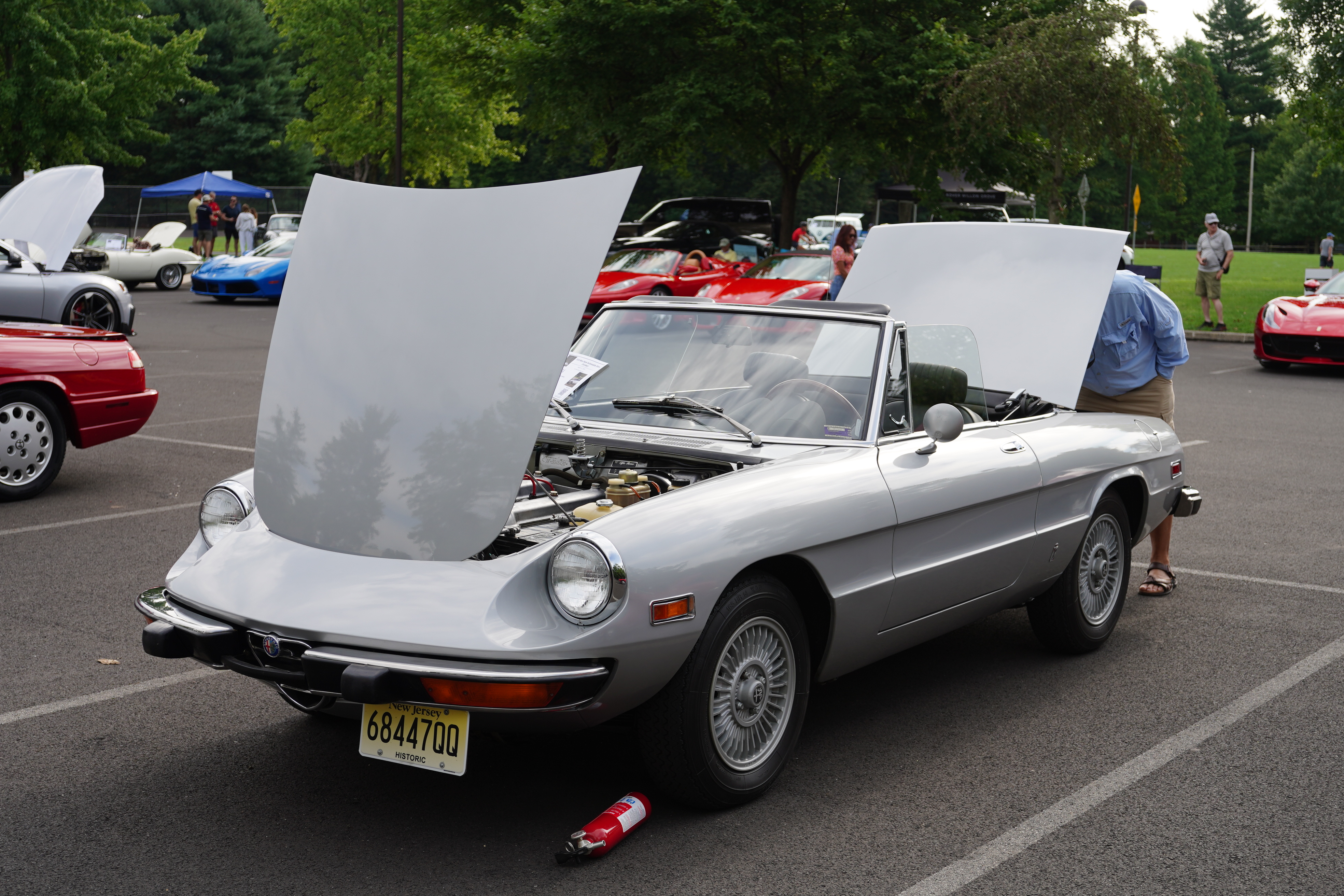
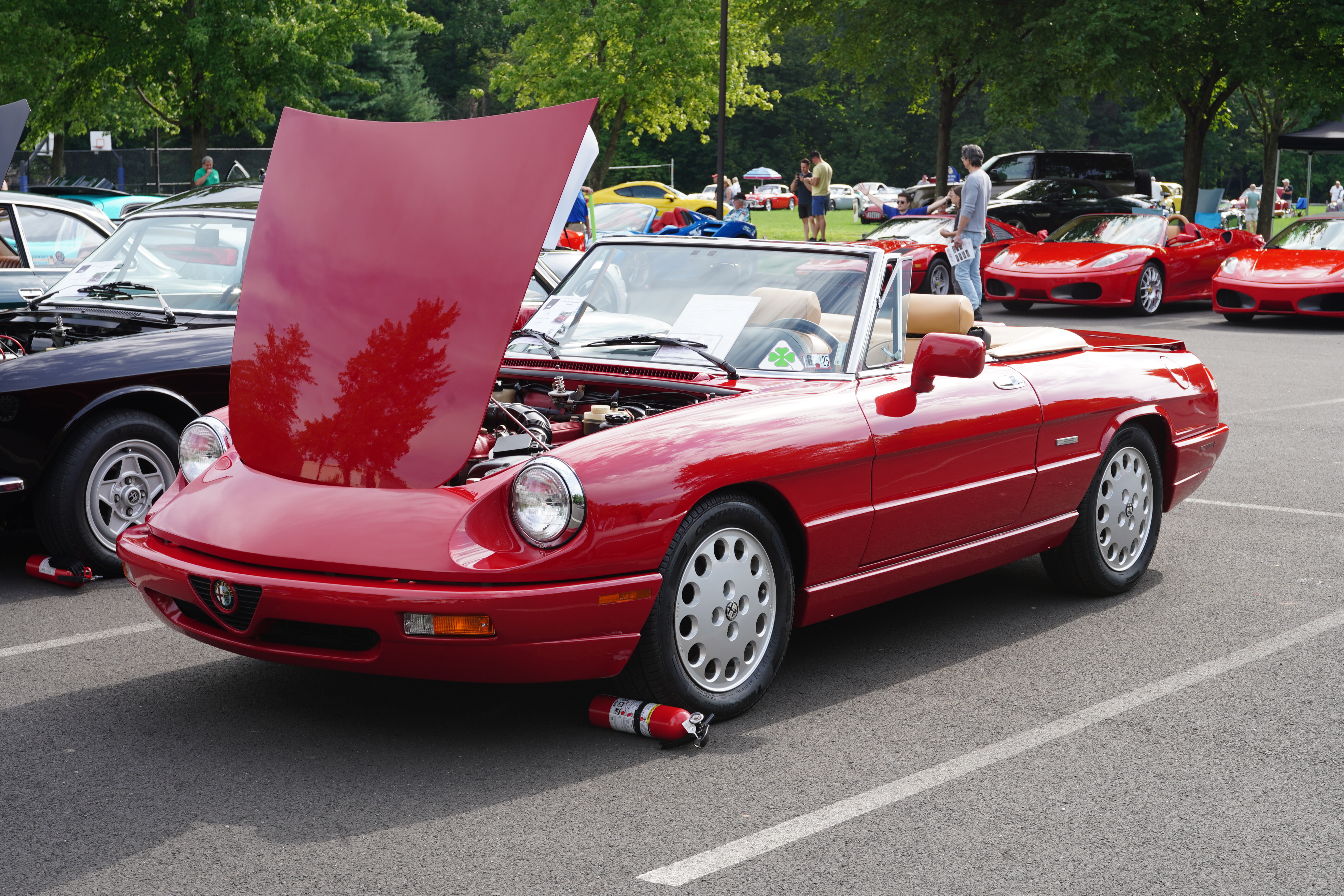
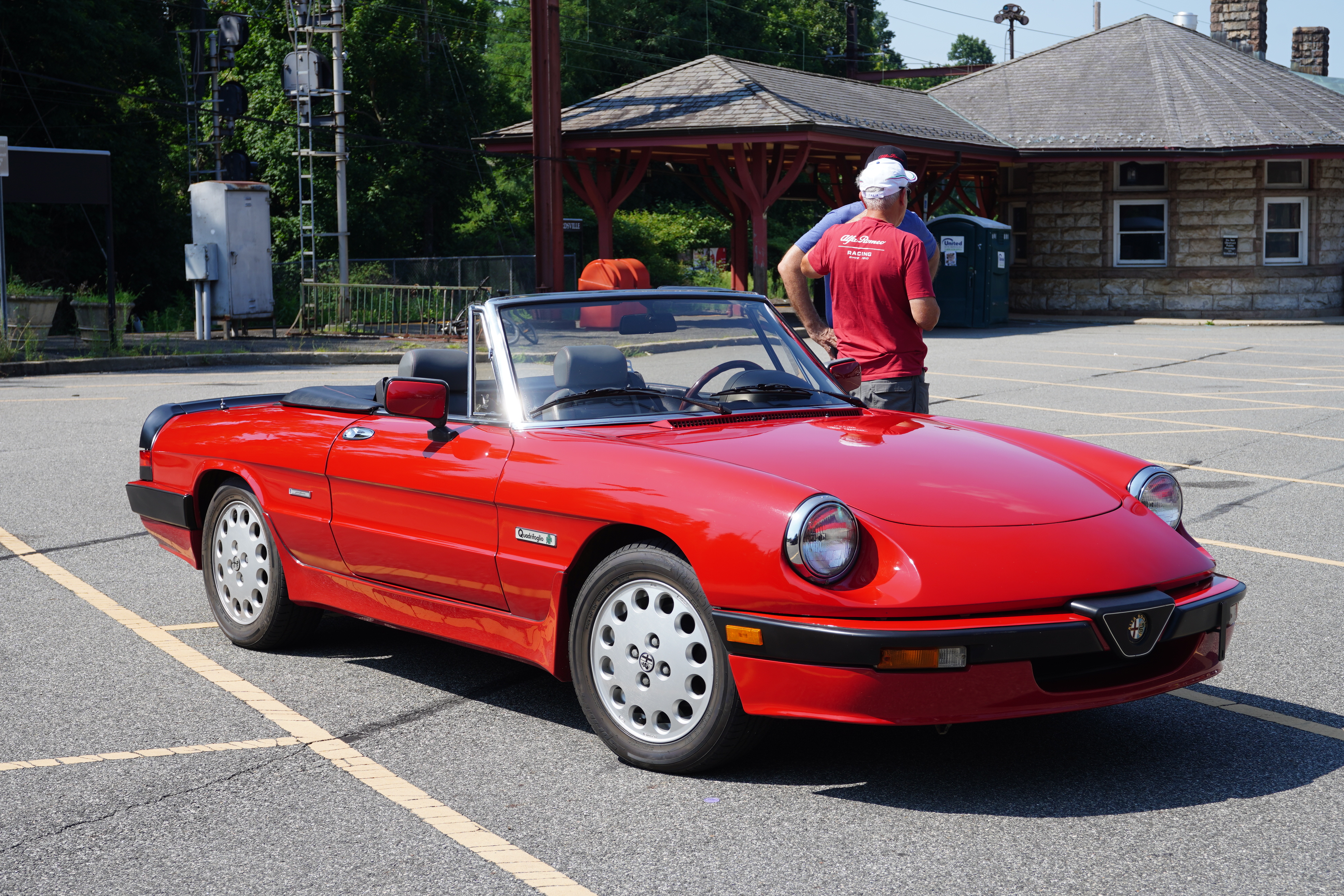
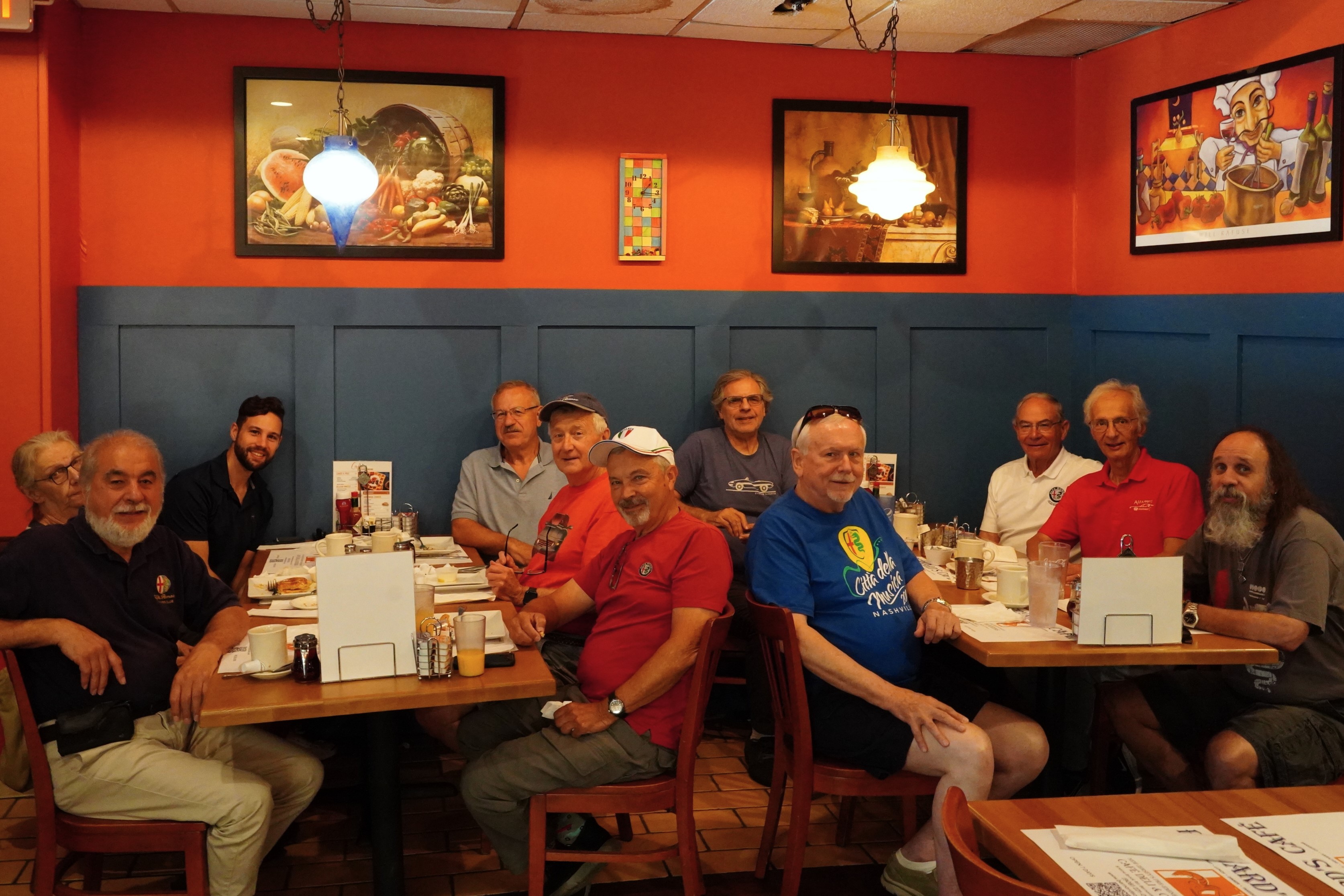
Make that seven in a row! The New Jersey Chapter of the Alfa Romeo Owners Club (AROC-NJ) held its 7th consecutive breakfast meet on Sunday, July 21, 2024, returning to the charming Bernards Café in charming downtown Bernardsville, NJ. Eleven Chapter members made it to breakfast, arriving in a nice mix of older and newer Alfas. In addition to the two modern Giulias were a 164 sedan, your author’s GT Junior, and 5 Spiders.

We were at the Bernards Café for our Chapter breakfast in May, and we thought highly enough of the food and service to make a return visit. Street parking can be tight, so we parked in the NJ Transit parking lot, a 3-minute stroll. The lot is empty on Sundays, allowing us lots of room to park our Alfas, while also giving us a place to hang out and gab, both before and after the meal.

Chapter member Bill DiPrima, who’s been doing much of the event organizing for us this year, made arrangements for a country drive immediately after breakfast. About 5 drivers took him up on his offer. I needed to head home so I missed the tour this time. If there’s another opportunity later this year, I’ll do my best to join the caravan.

ADDENDA

From Merriam-Webster’s Dictionary:

addendum n, pl -da [L] : something added, esp a supplement to a book

This word, taken directly from the Latin (note the [L]), is neutral (neither masculine nor feminine) with its singular form ending in in -um and plural form ending in -a.  I’m using the plural form to name this new blog feature because I intend it to be a recurring item.

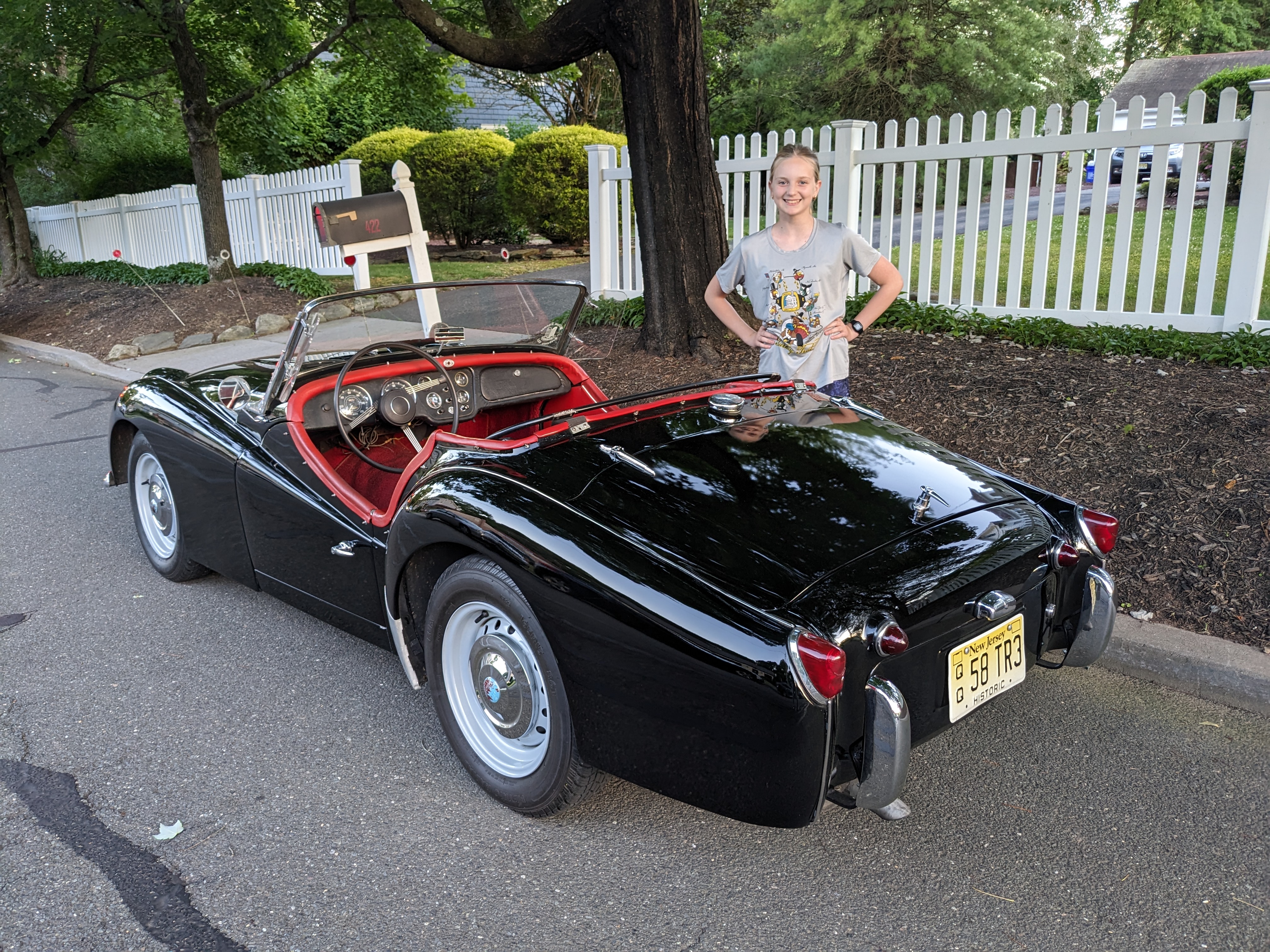
Our oldest granddaughter was at our house last month when we decided to visit the local pizzeria. And what did we spot as we left but this gorgeous Triumph TR-3. My granddaughter, who has not expressed any interest at all in Pop’s old cars, jumped out to take a closer look, and I snapped these pics to memorialize the event. Look at that smile!

Entire blog post content copyright © 2024 Richard A. Reina. Text and photos may not be copied or reproduced without express written permission.

Concours on the Palisades, Fort Lee NJ, July 14, 2024

On Sunday July 14, the town of Fort Lee hosted its 3rd annual “Concours on the Palisades”, a celebration featuring a variety of older and newer classic and exotic cars. I posted about last year’s event, when I worked as a judge. This year, my judging duties were again requested, and I also entered my ’67 Alfa into the show, as there was a special class of Alfa Romeos to honor the 70th anniversary of the Giulietta and the 50th anniversary of the Alfetta.

Last year’s show was good but could have been better organized. We provided feedback that not all cars were parked in their correct classes, which added a layer of complexity to our jobs. This year, the Chief Judge (Bob Austin, a former Volvo colleague and dear friend) decided that the judges would assist in parking the cars for the classes they would be judging. I was on a team of 4 judges, and our assigned classes were “Italian” and “Japanese” cars. So there we were, at 8 a.m., directing traffic. Aside from the early hour (not really an inconvenience) I thought this was a brilliant move, as it gave us early insight into the cars in our classes. As was suggested to us, watching the cars move under their own power and providing an initial “welcome” to the owners meant we had greater familiarity with the cars and owners once formal judging commenced.

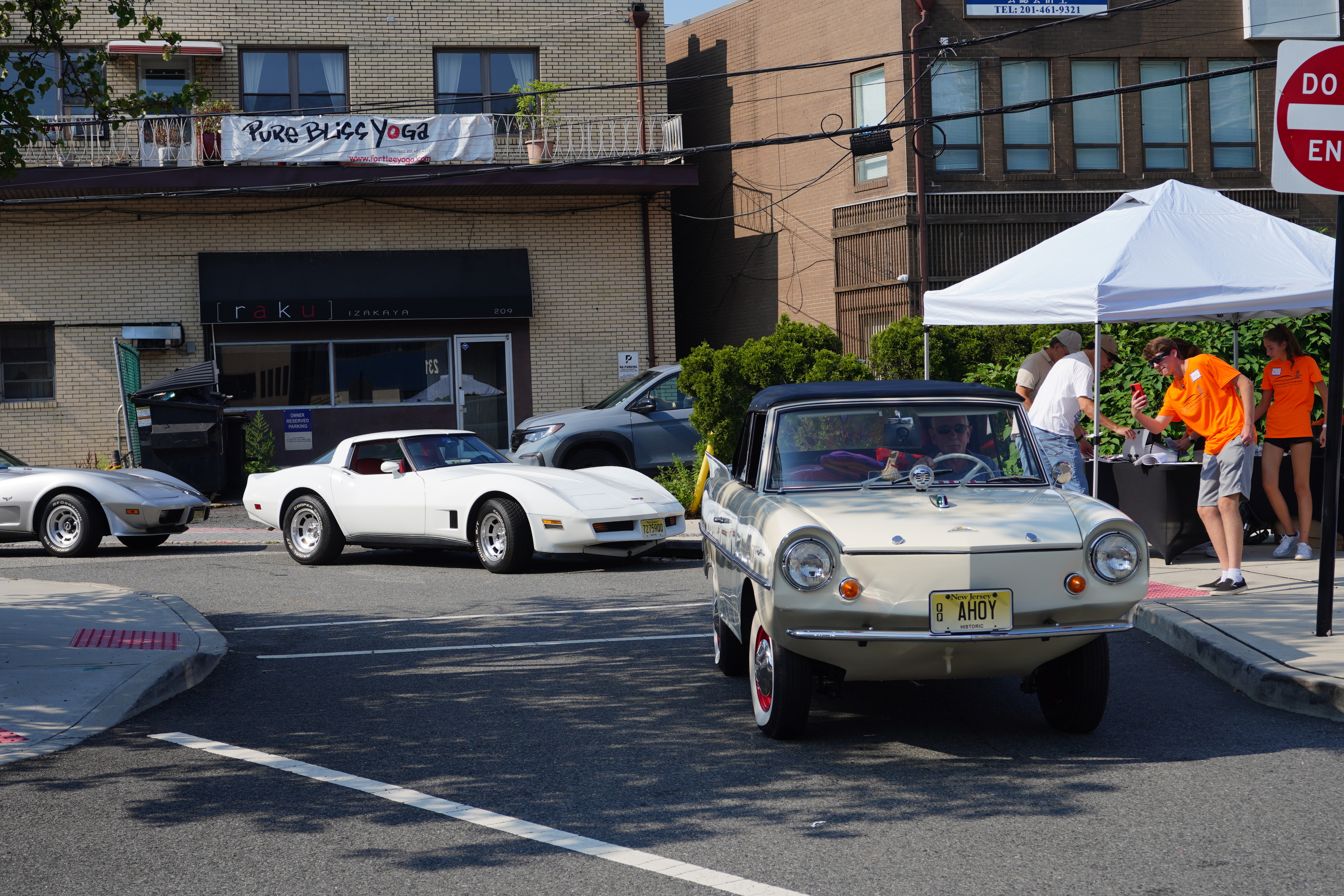
An Amphicar at the check-in tent

Our scoresheets showed 10 cars in the Italian class and 11 in the Japanese class. However, only 6 Italian cars showed up, and only 7 Japanese cars. We were tasked with selecting the Top Four so in reality, we didn’t have a heavy workload. The most difficult part of the judging process was dealing with the 90 degree-plus heat. Thankfully, we were done with our field review by 11 a.m. and headed to an air-conditioned conference room to make our final tallies.

The Concours on the Palisades uses “French Rules”: judges need to answer only one question, which is, “what kind of visual impact does this motor vehicle present to me?” Yes, condition, workmanship, personal histories, etc., do play a part. But ultimately, it’s the overall visual statement made by the car which decides the winners.

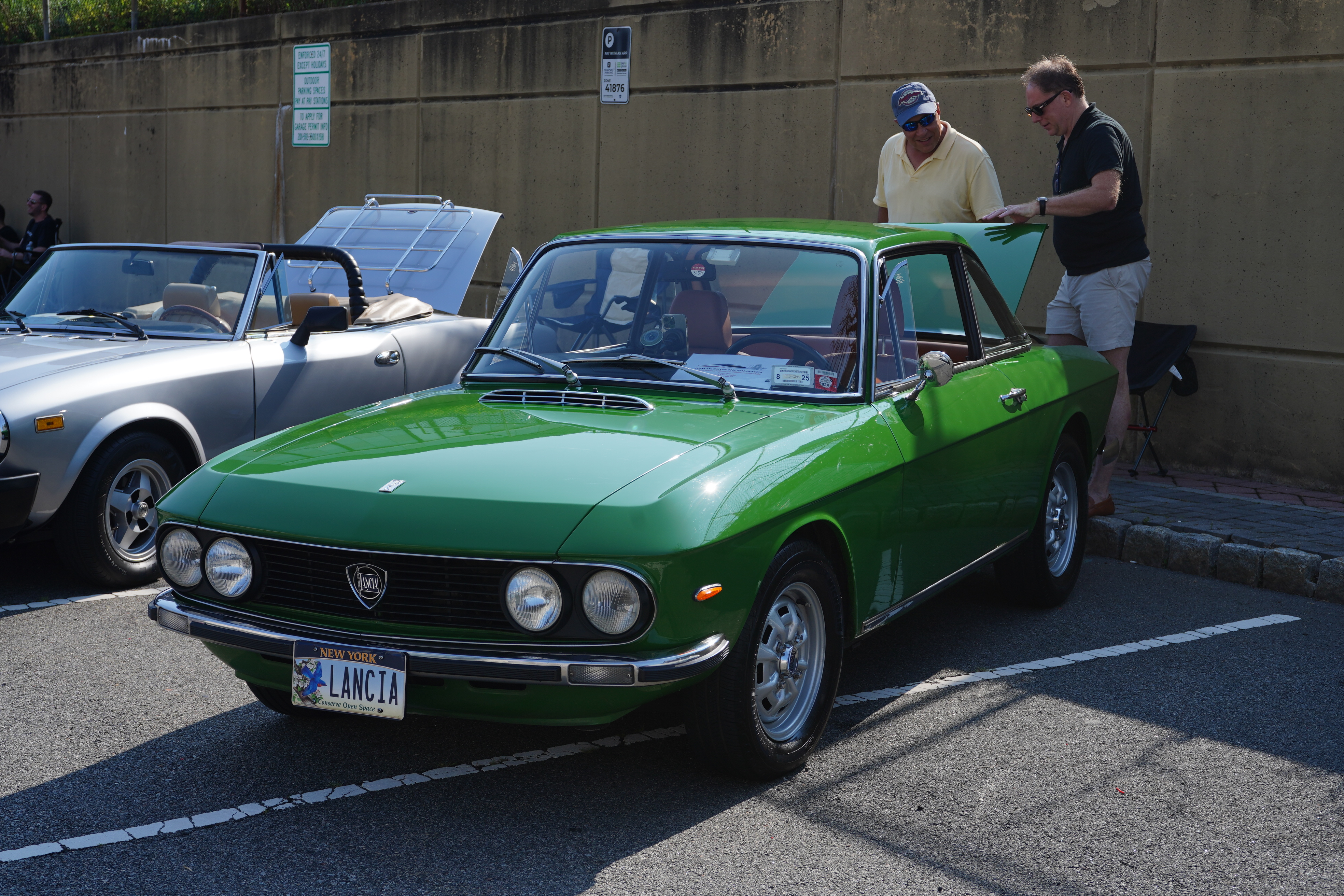
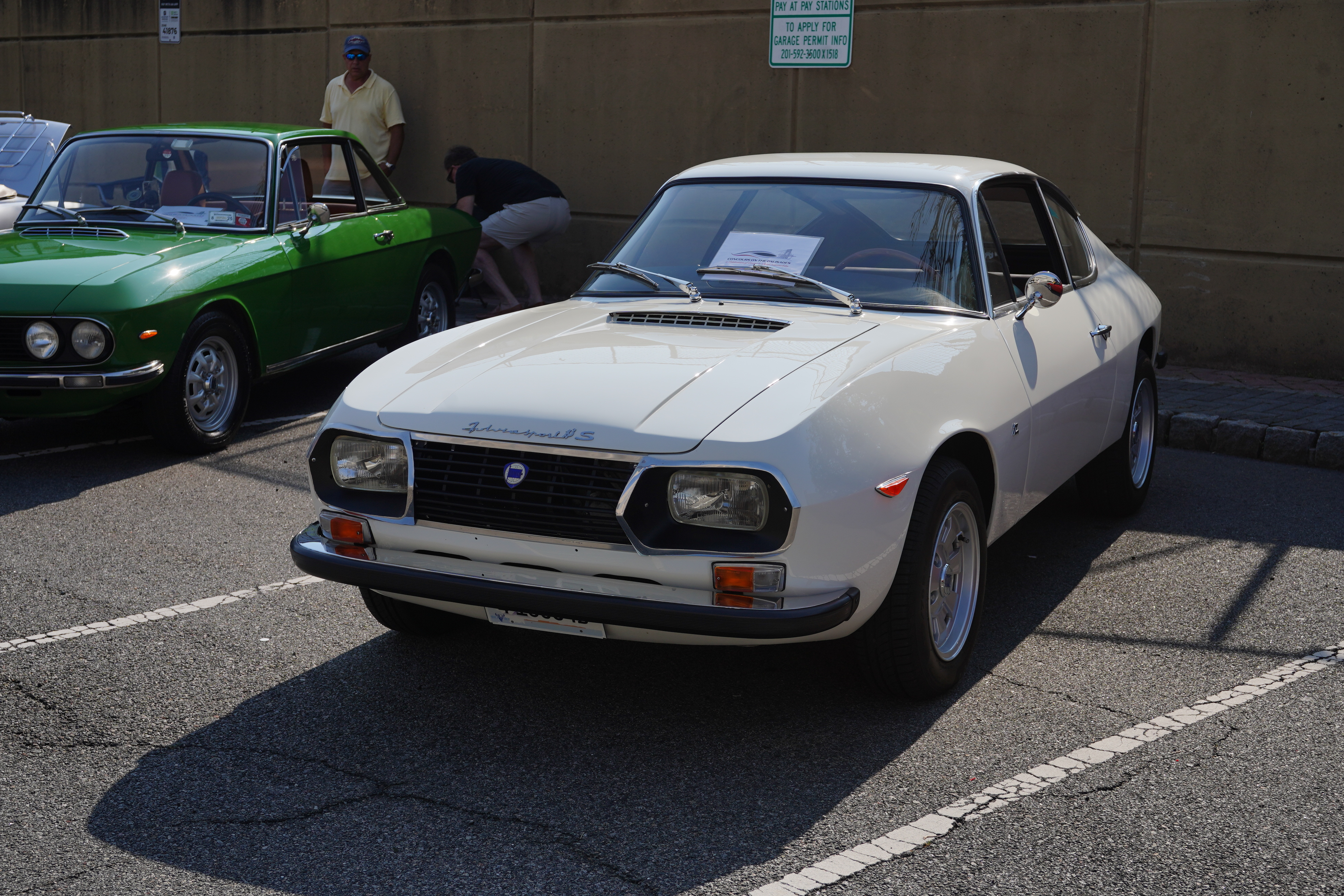
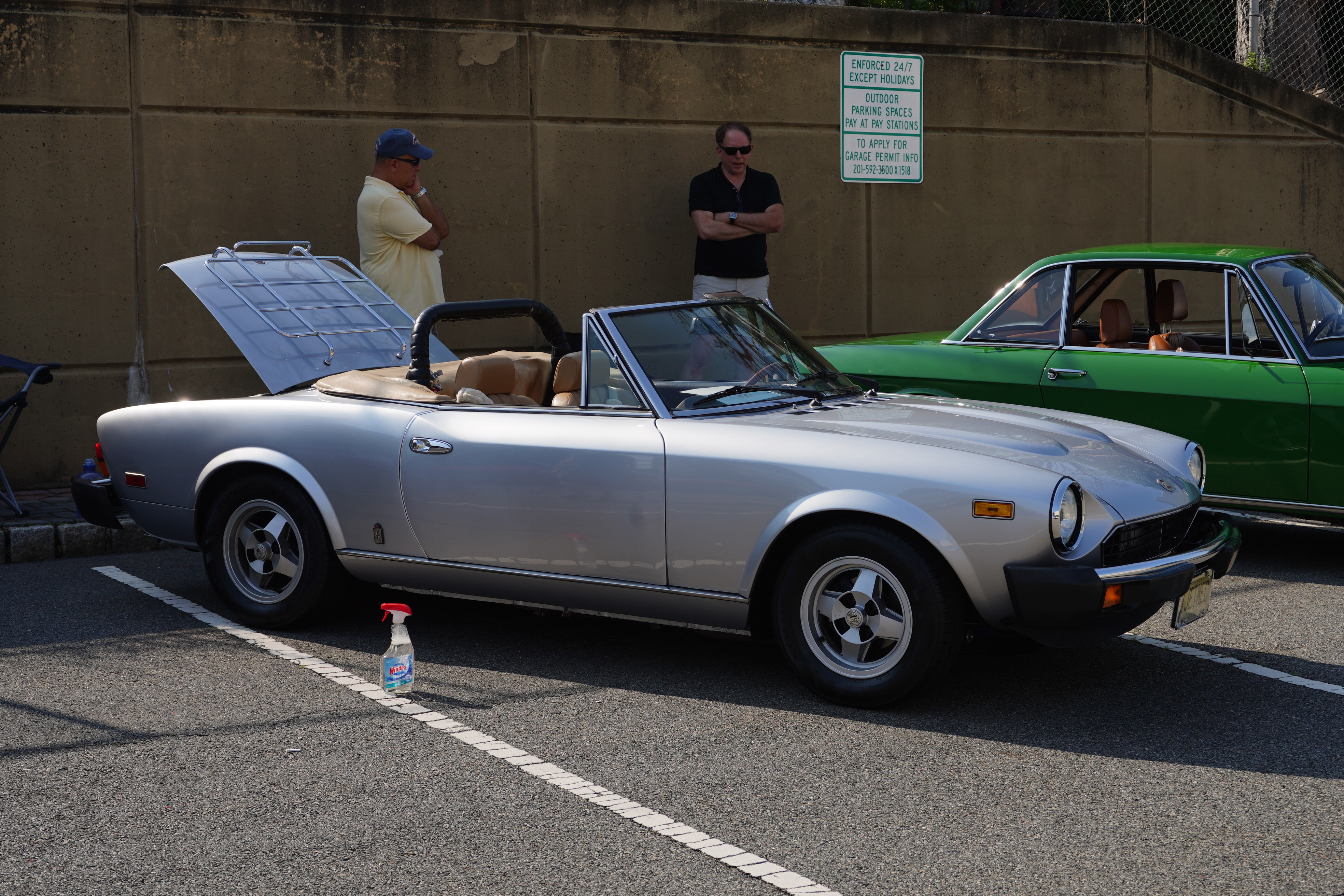
In the Italian class, we gave 3rd place to a green Lancia Fulvia, 2nd place to an orange DeTomaso Pantera, and 1st place to a white Lancia Fulvia Zagato. The Zagato emerged on top due to its uniqueness, color combination, and overall condition. Among the Japanese cars, 3rd went to a black 1989 Nissan 240SX track car, 2nd to a Suzuki Cappuccino “kei car”, and 1st to a near-bone-stock orange 1974 Toyota Corolla. For our entire judging team, the Toyota was an emotional choice. The car was a survivor, in what appeared to be unrestored condition, in a period color combo one doesn’t see today. We agreed that had it had a manual gearbox it would have been perfect.

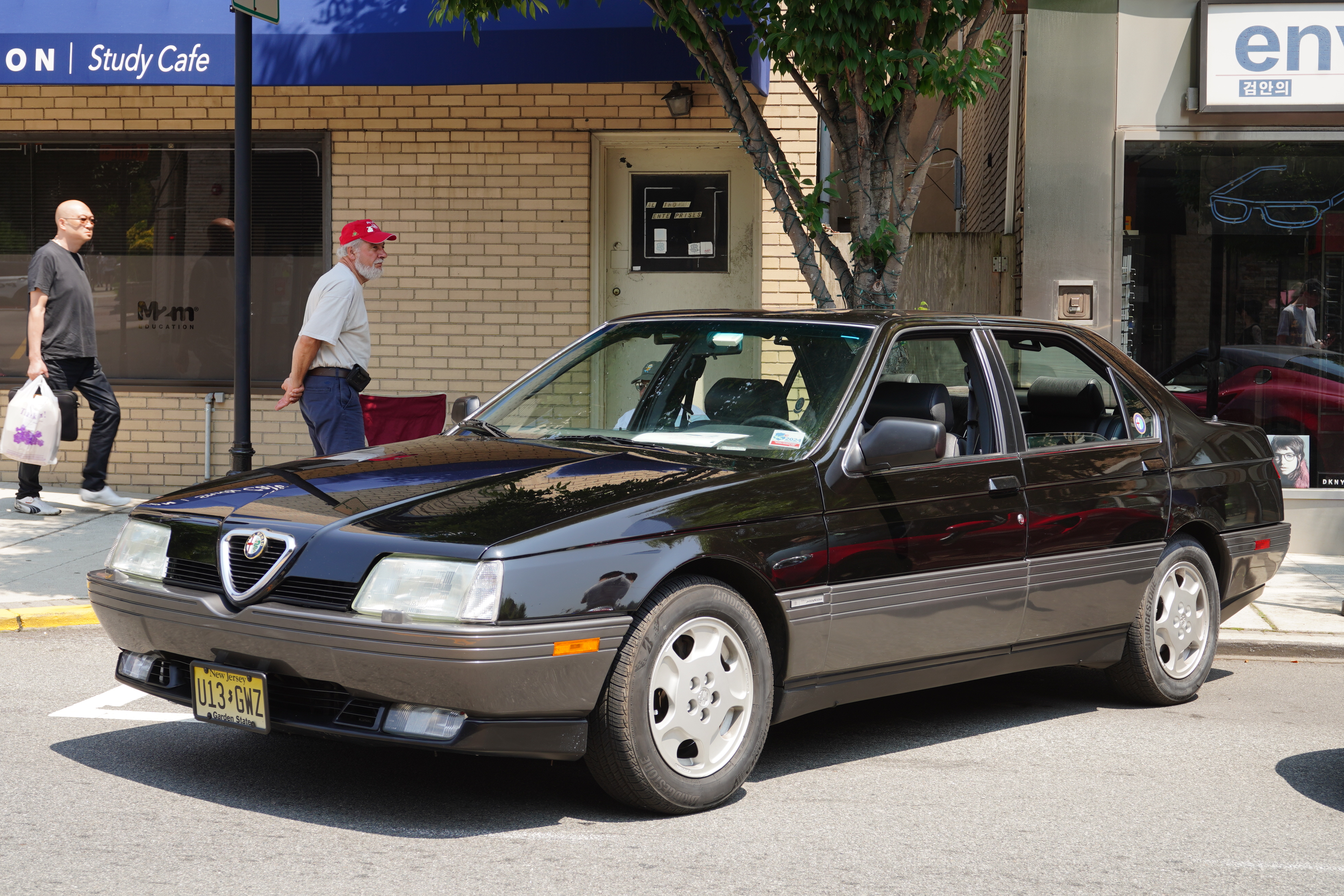
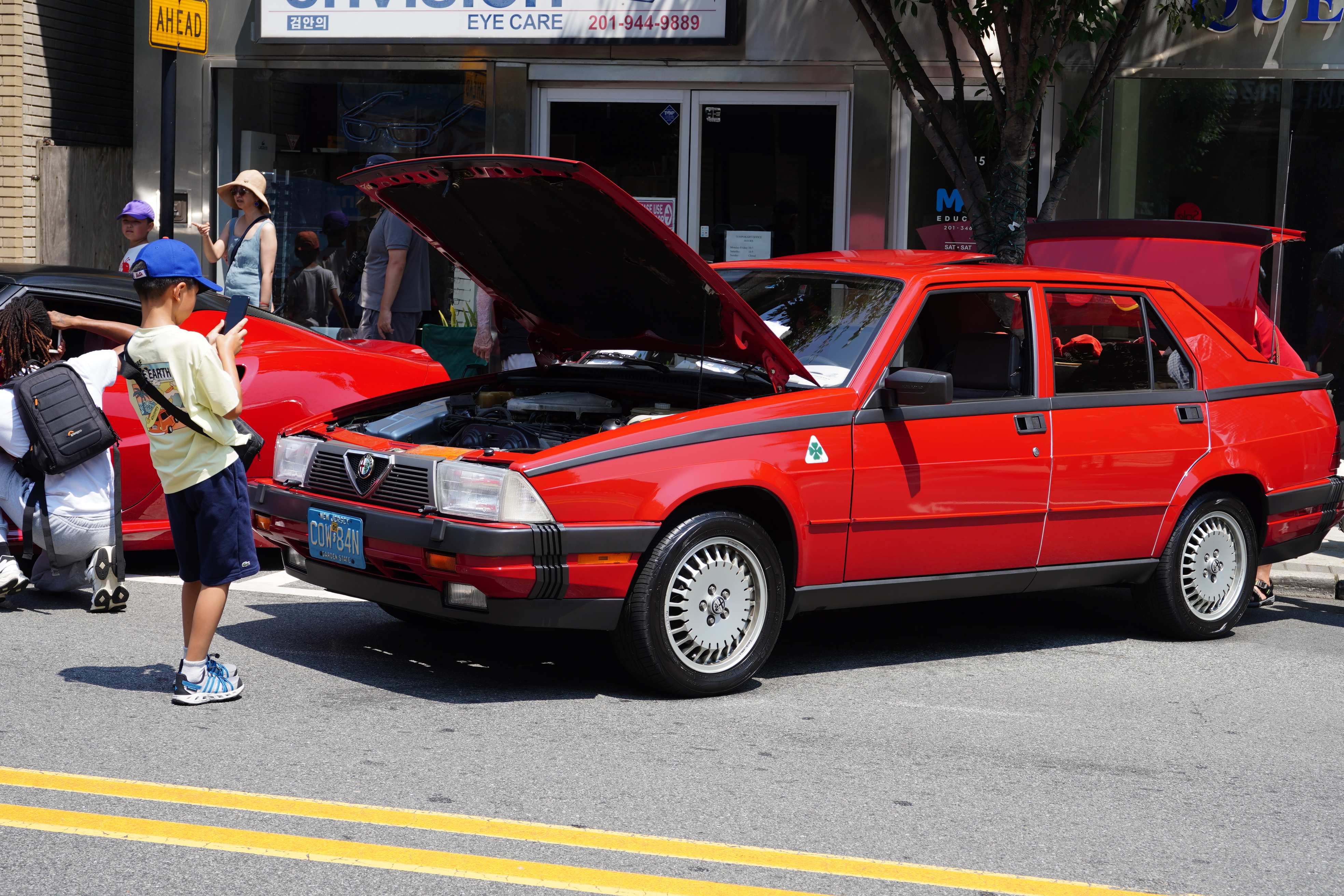
The Alfa Romeos (separate from the other Italian cars) were parked on Main St. in a position of honor, along with the other Special Class this year, the Mercedes-Benz SLs (all years). Nine Alfas were registered, in itself a low number, yet only 6 showed up, a very disappointing turnout. Was it the heat? Competition with other shows? We’ll never know. Still, it was nice to see our Alfas so recognized. Third place went to a black Alfa 164 sedan, second to a red Alfa Milano sedan, and first to a white Giulietta Spider. (I believe that my car, as one entered by a judge, was “display only”.)

The awards ceremony got underway a few minutes after 1 p.m. and was over before 2 p.m. The timing was good because rain clouds quickly moved in, and sprinkles started a few minutes after the final “see you next year!” was proclaimed. My Alfa completed the 120-mile round trip without a problem, even as the temp gauge registered slightly higher in the hot and humid air. I walked into my house a little after 3 p.m. and that air conditioning felt great!


ITALIAN CLASS


JAPANESE CLASS


AMERICAN CLASS
SWEDISH CLASS
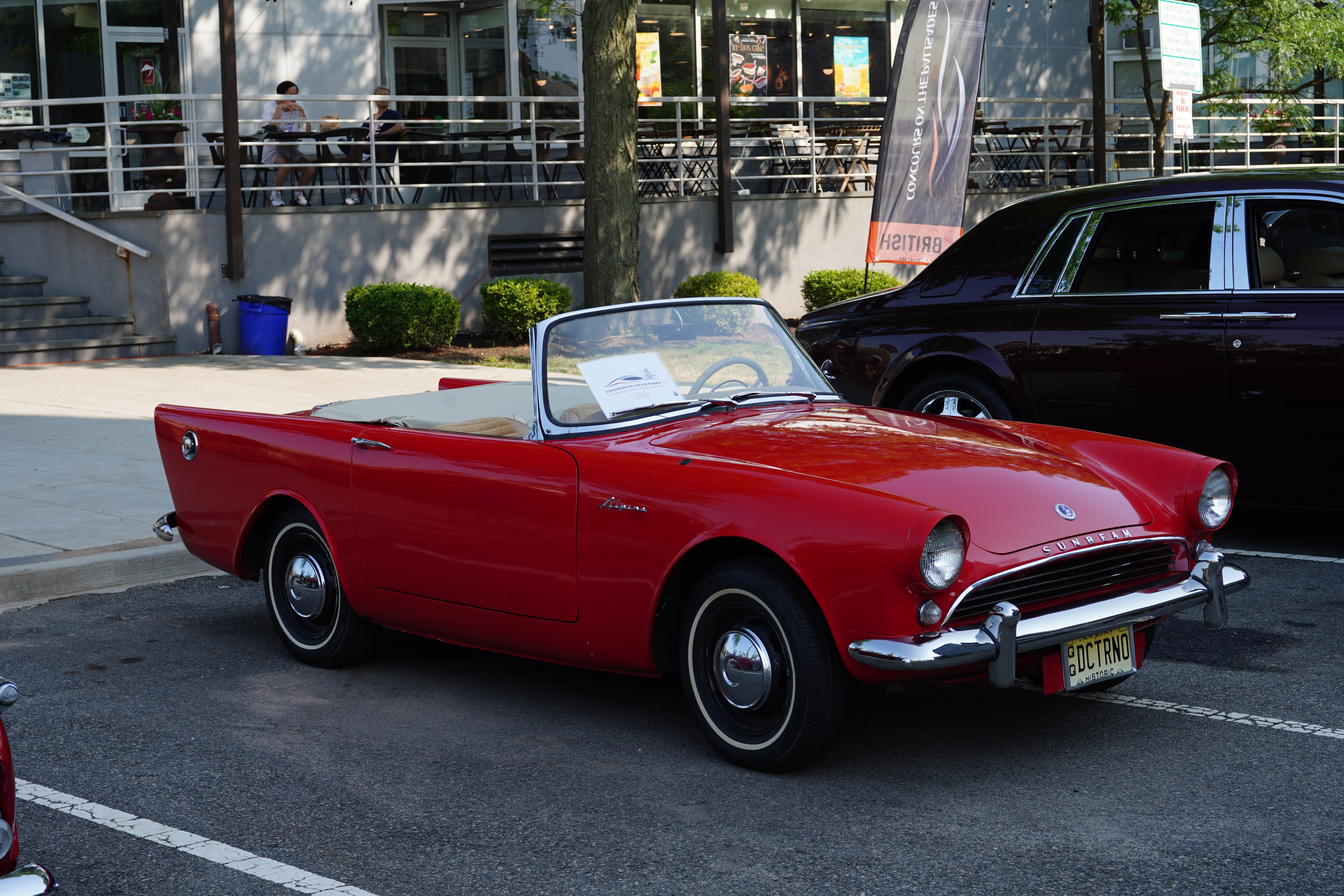
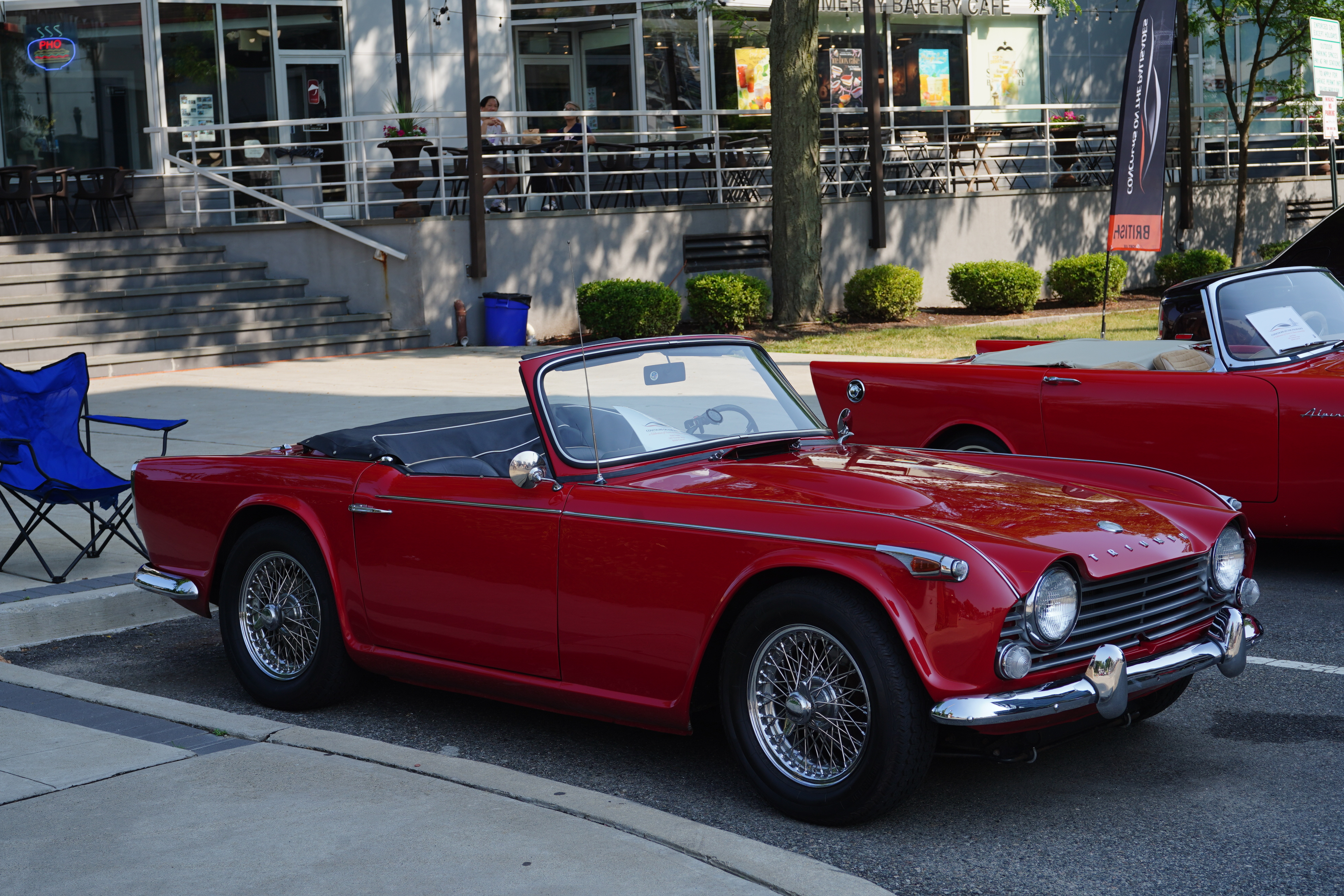
BRITISH CLASS


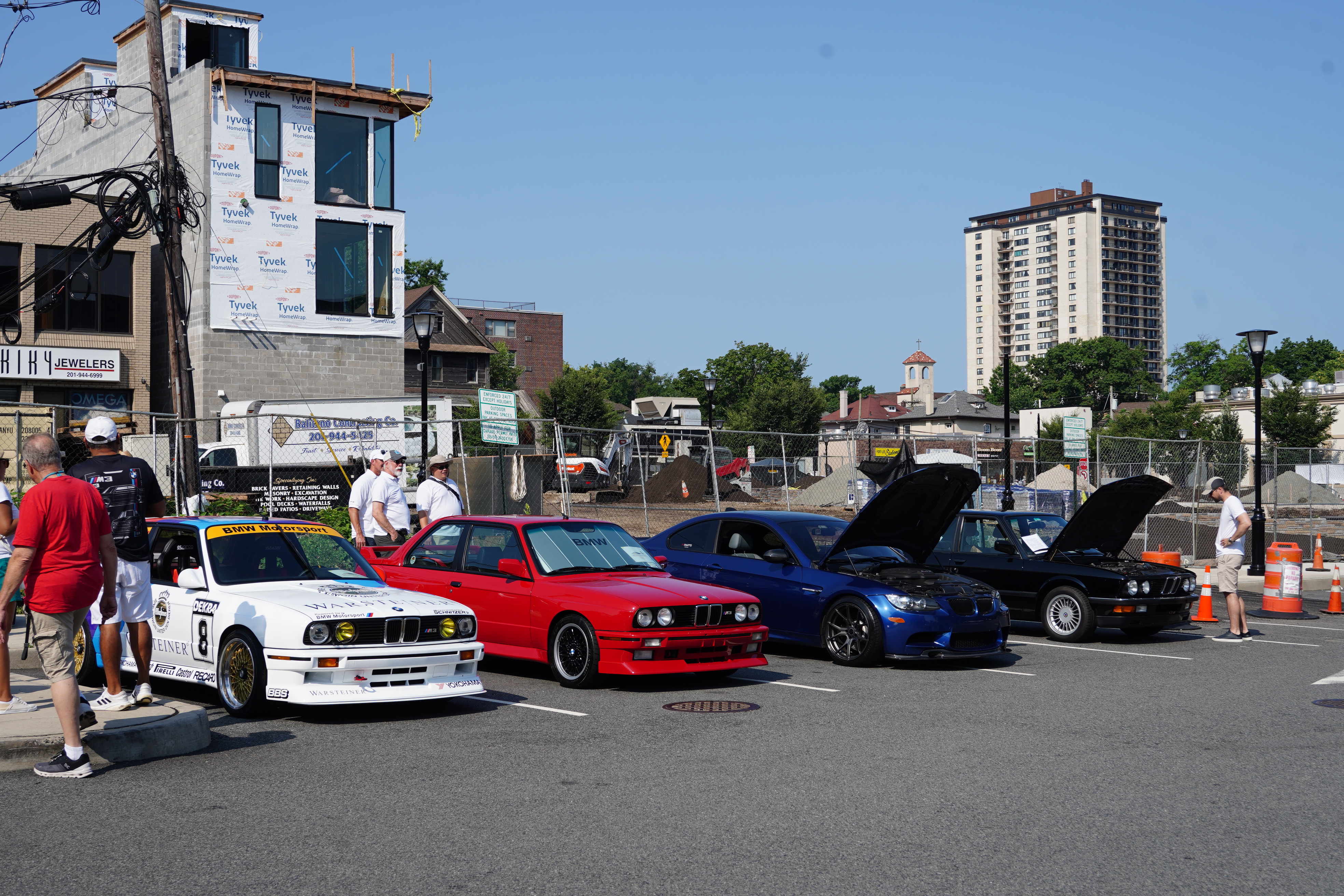
GERMAN CLASS
MERCEDES-BENZ SL CLASS
ALFA ROMEO CLASS


Entire blog post content copyright © 2024 Richard A. Reina. Text and photos may not be copied or reproduced without express written permission.
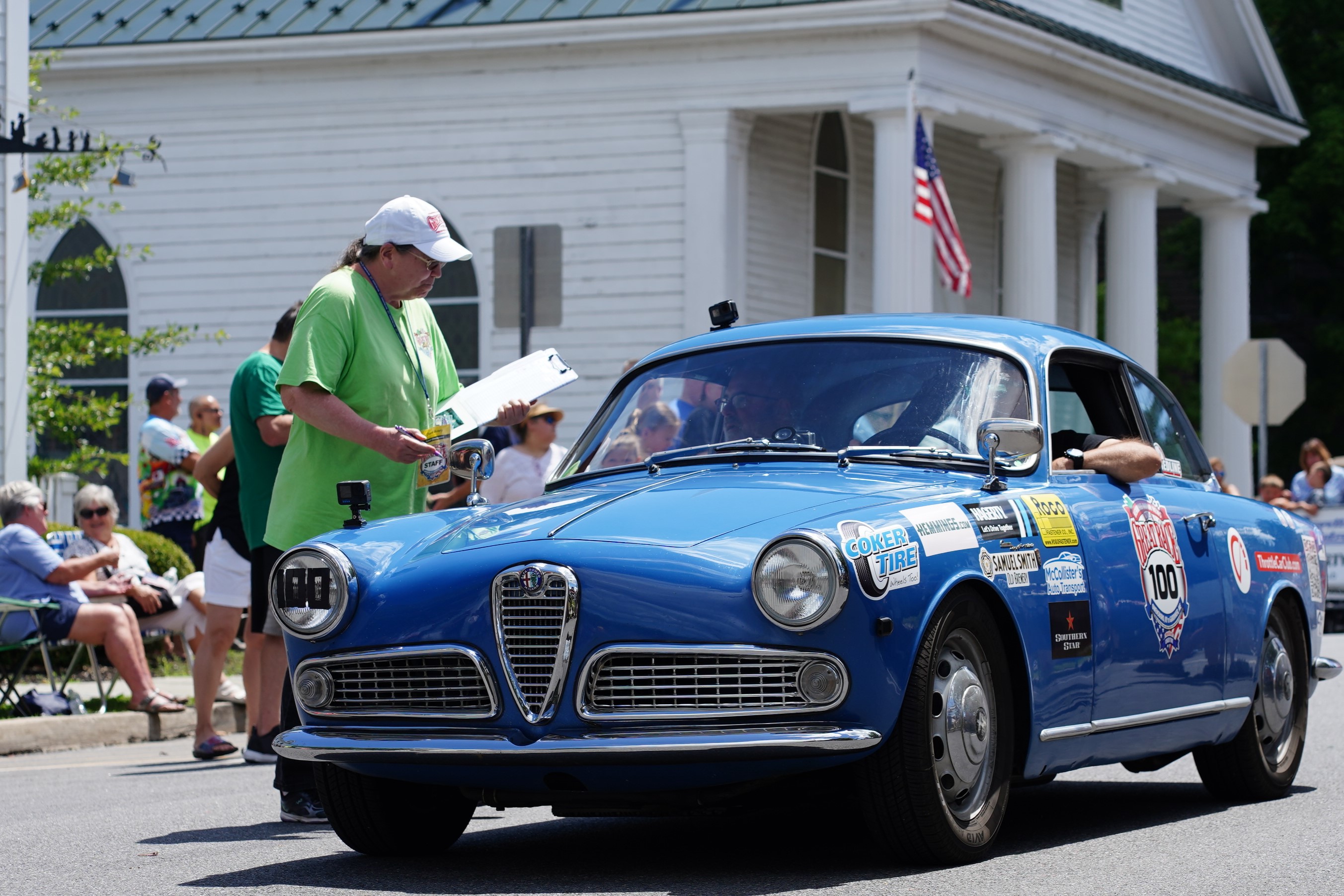
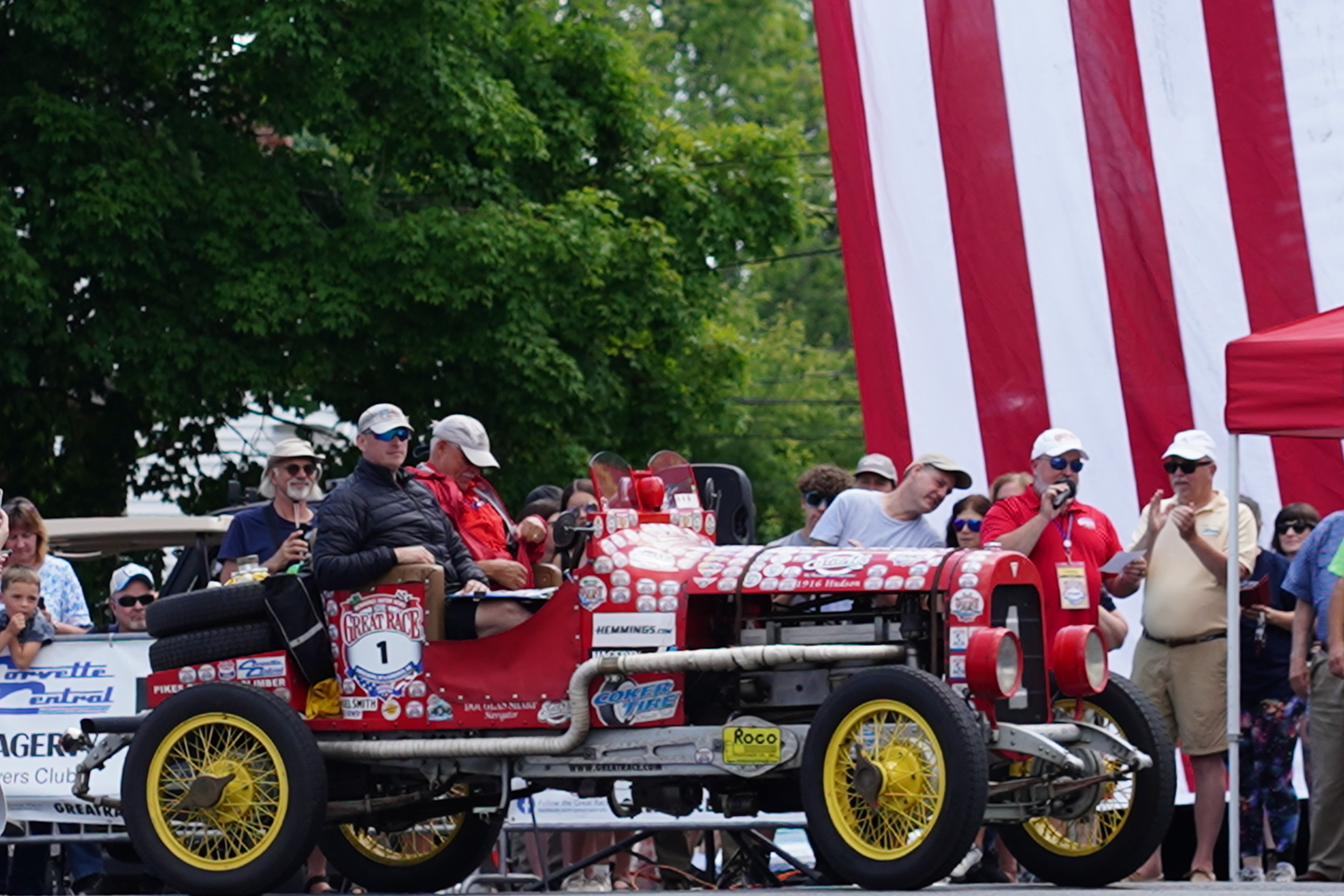
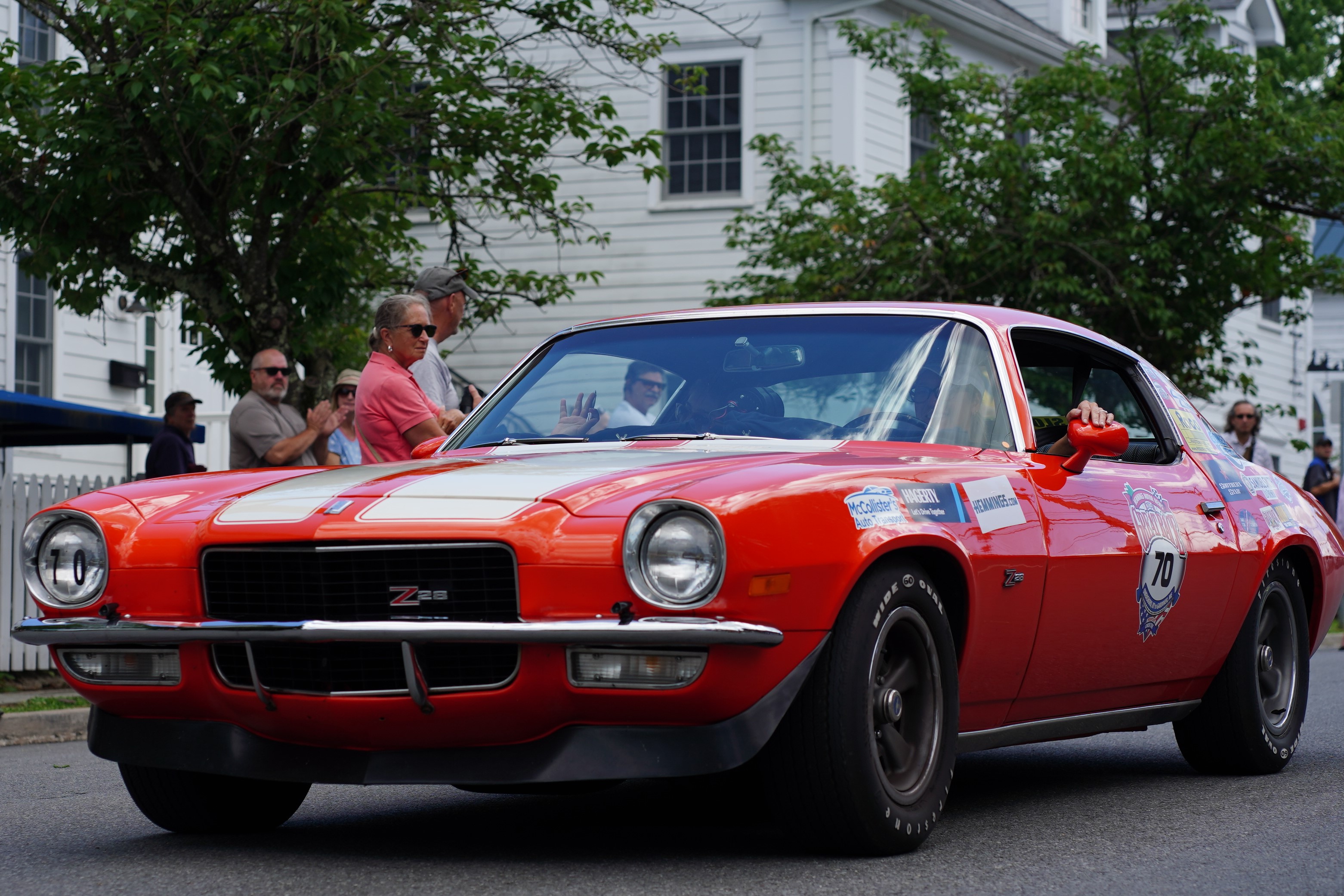
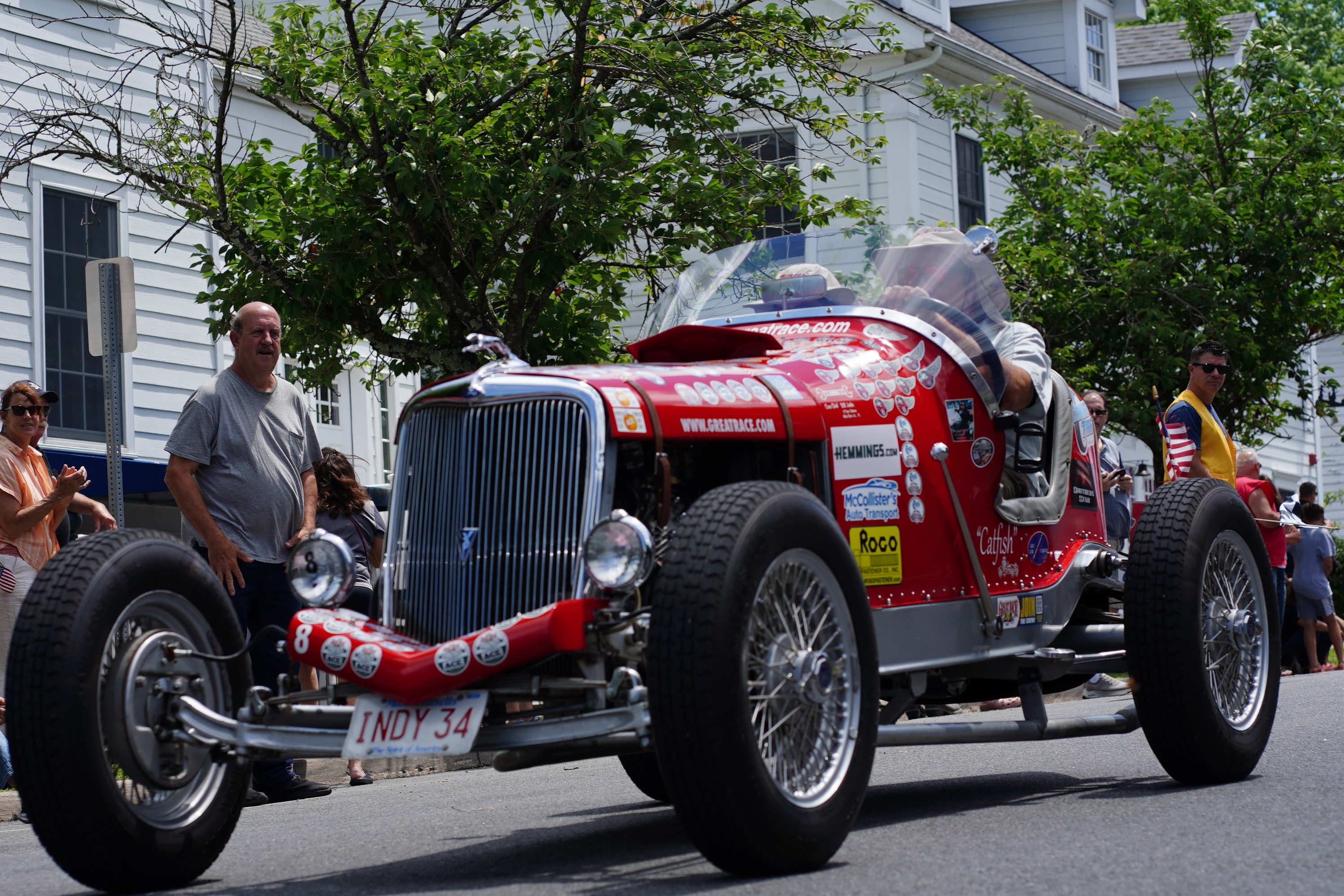
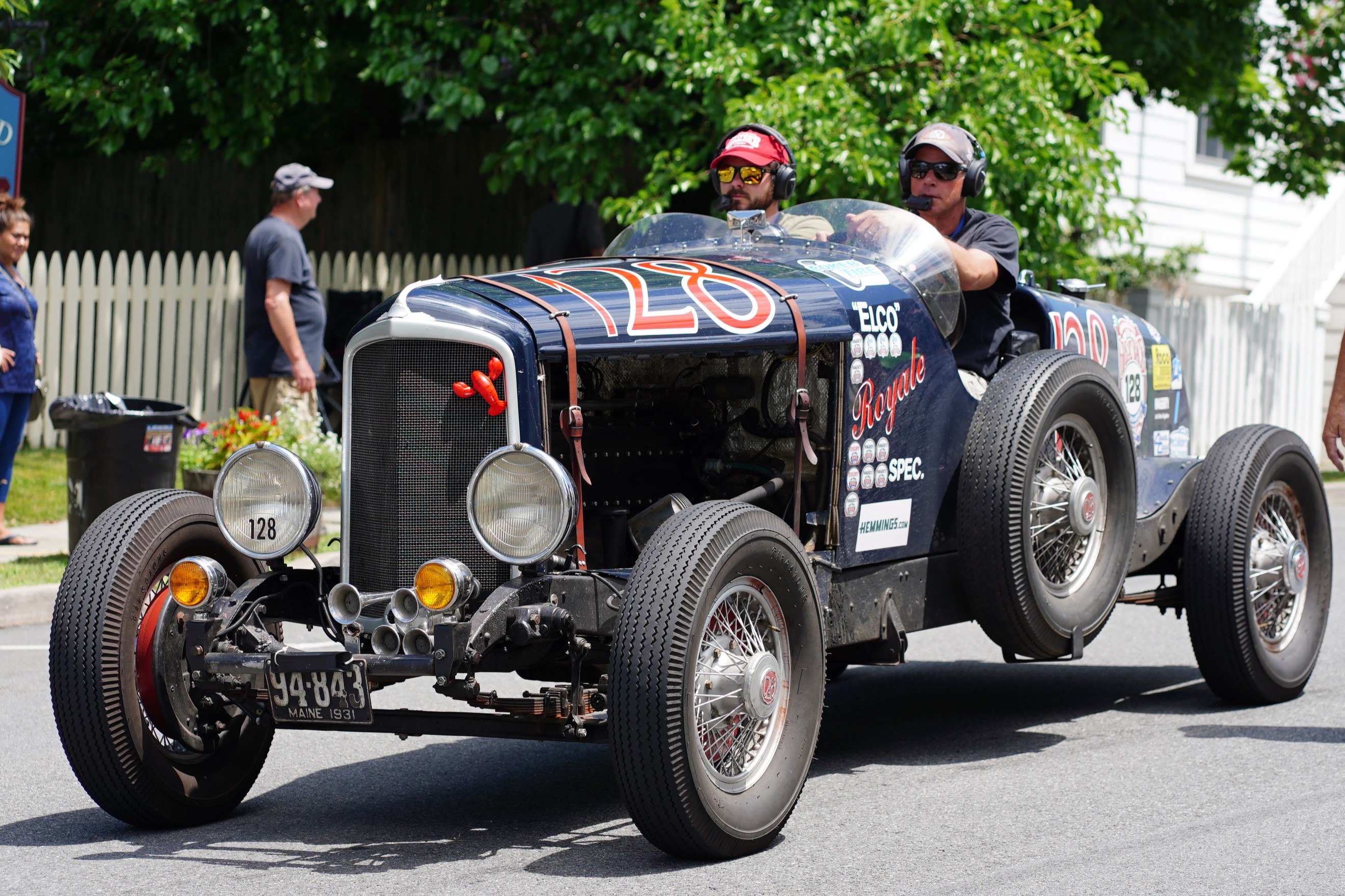
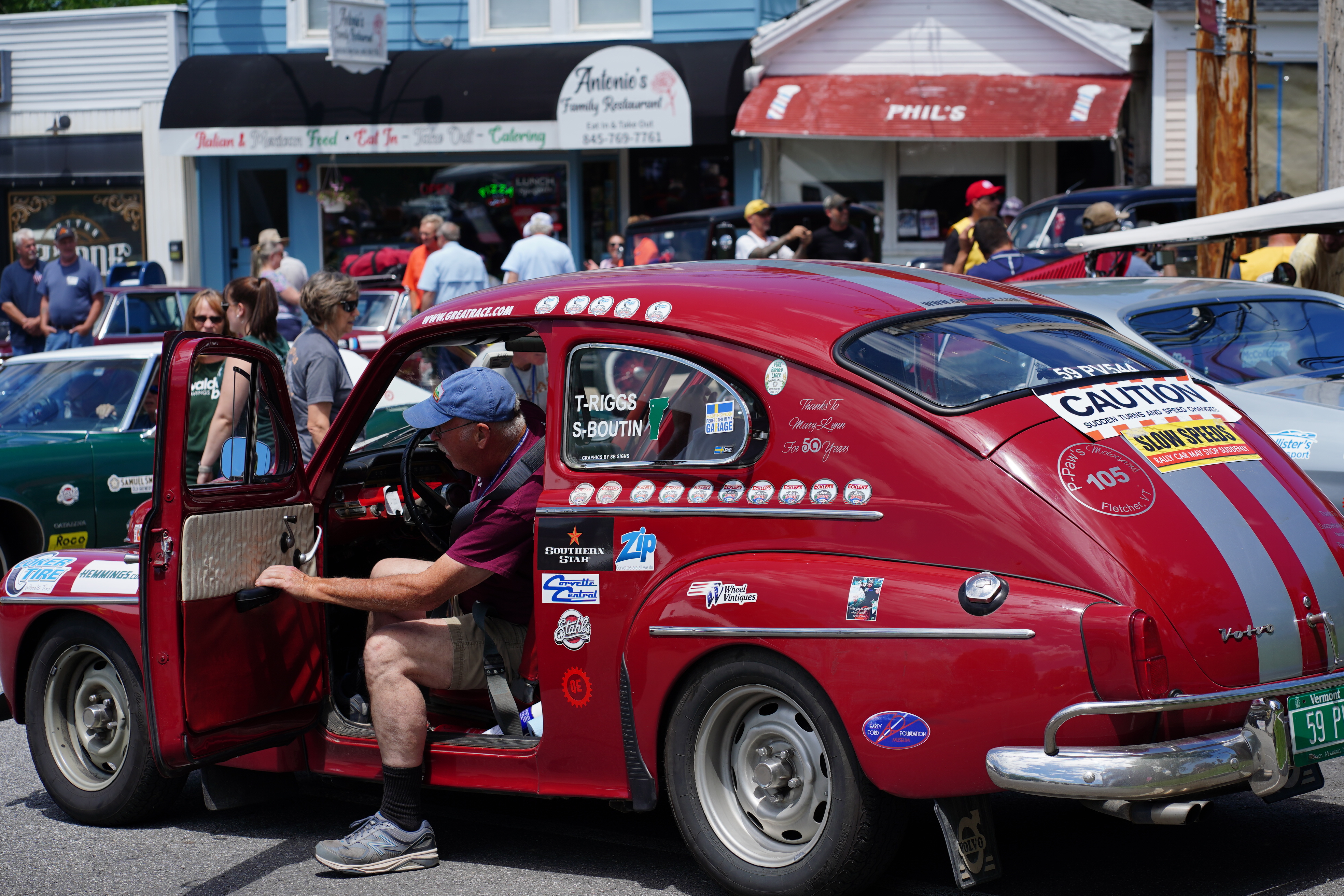
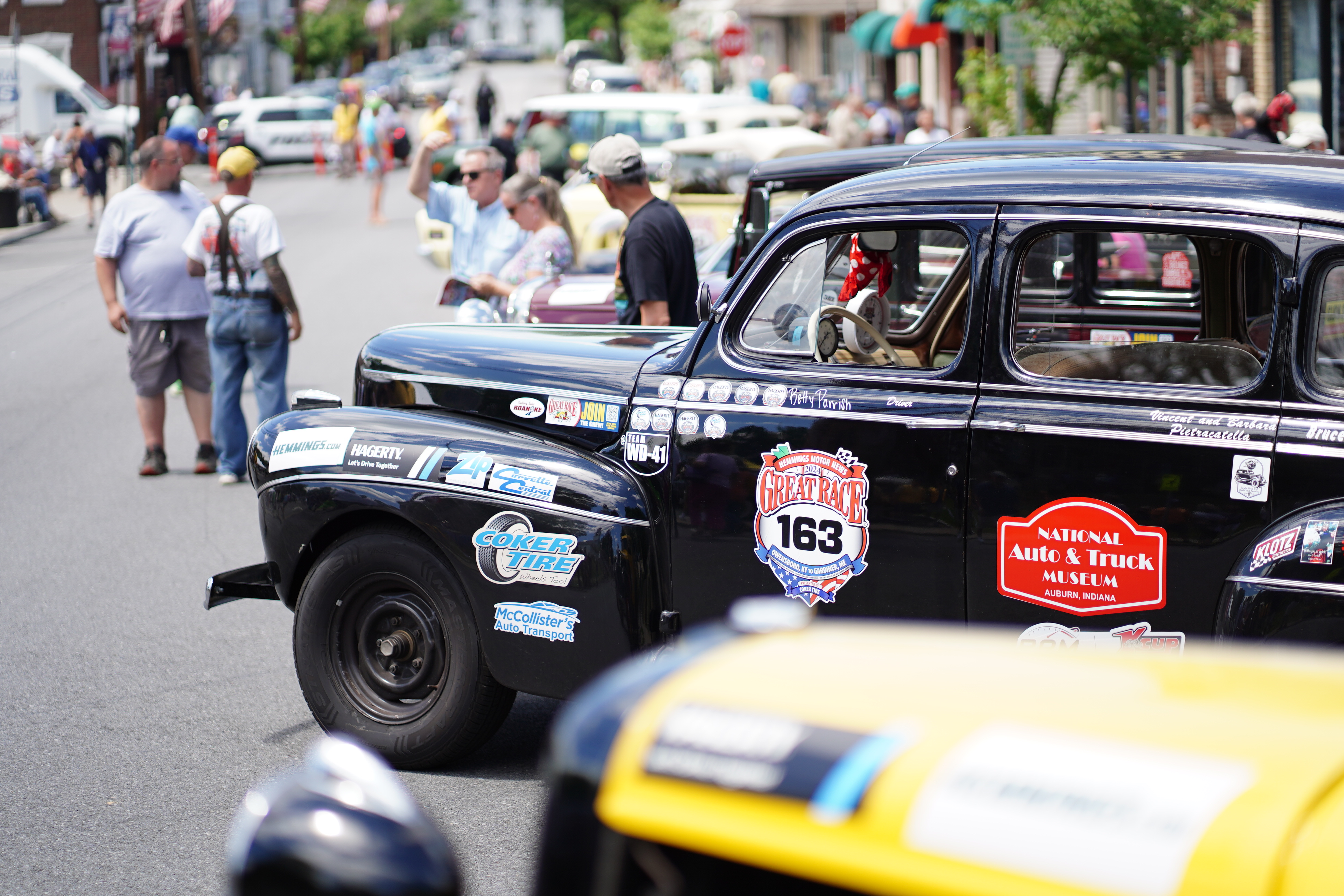
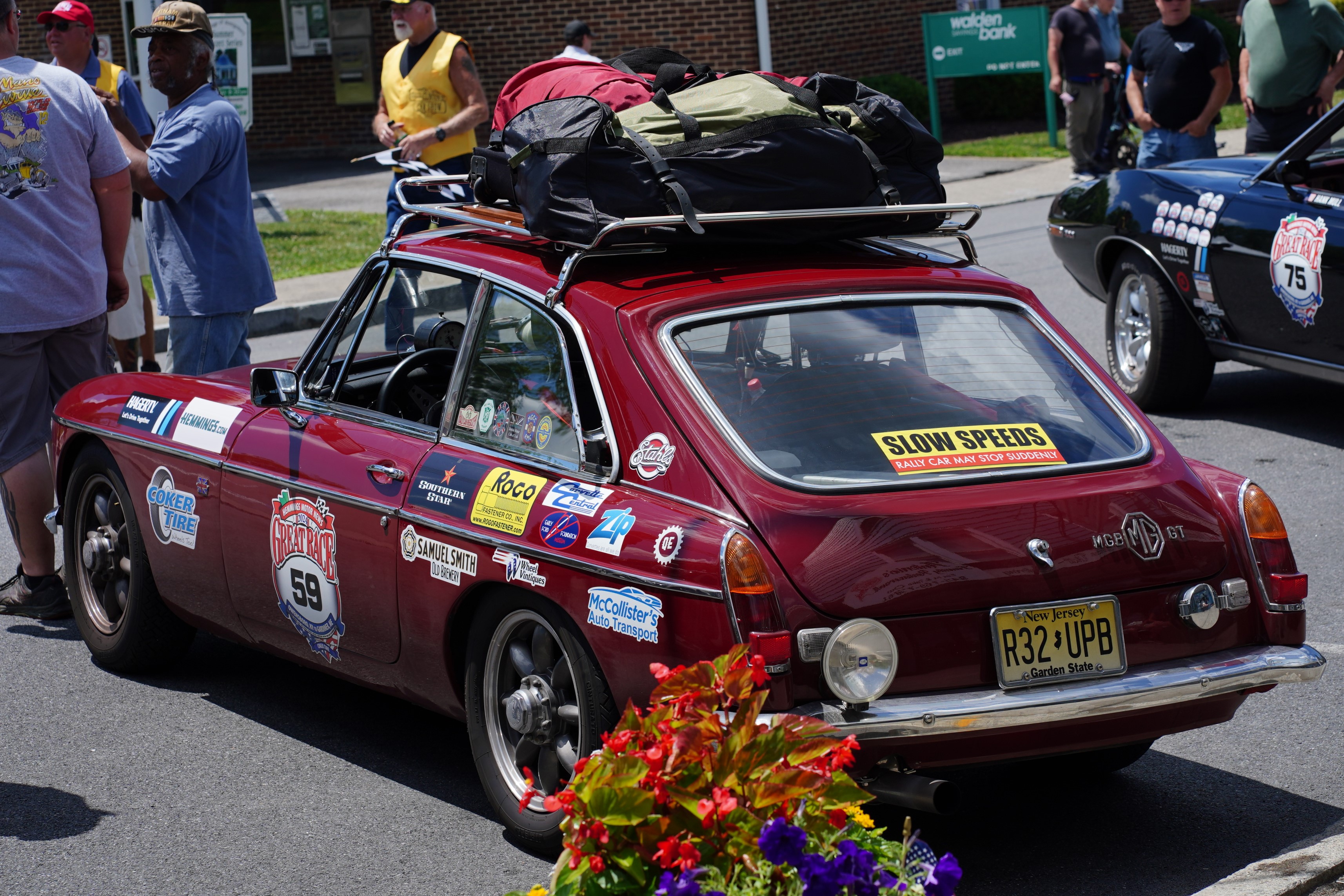
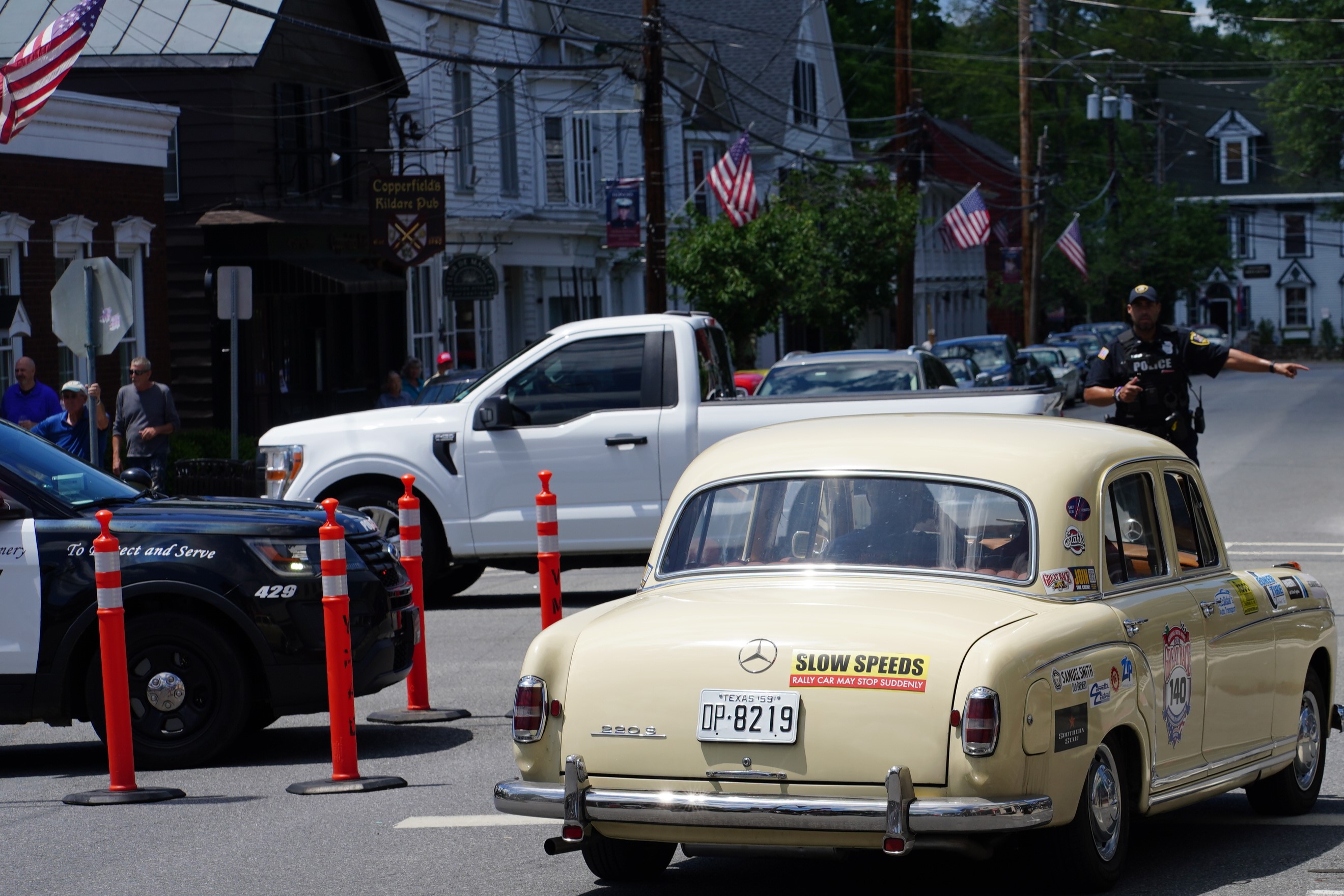
We Visit the 2024 Great Race in Montgomery, NY

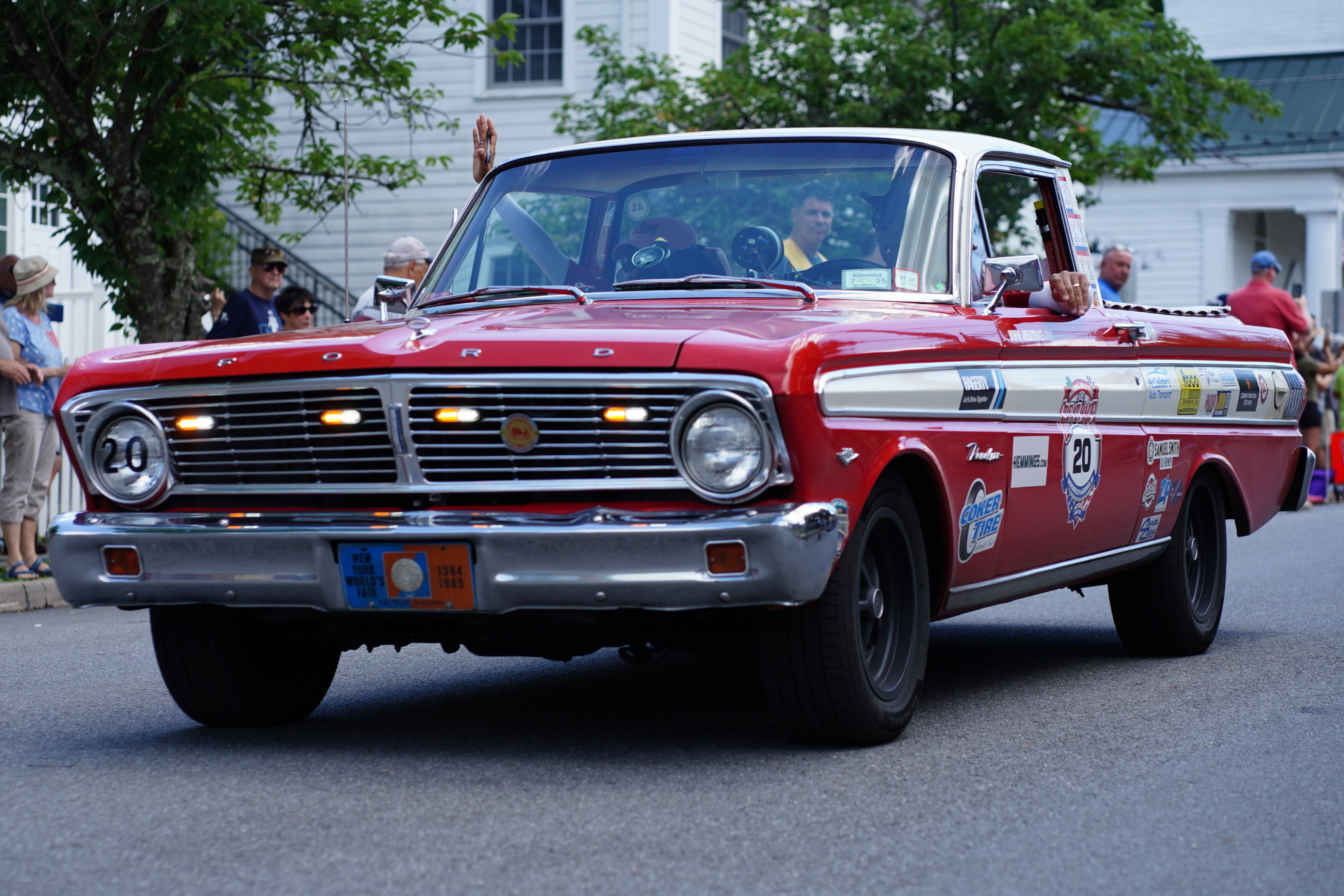
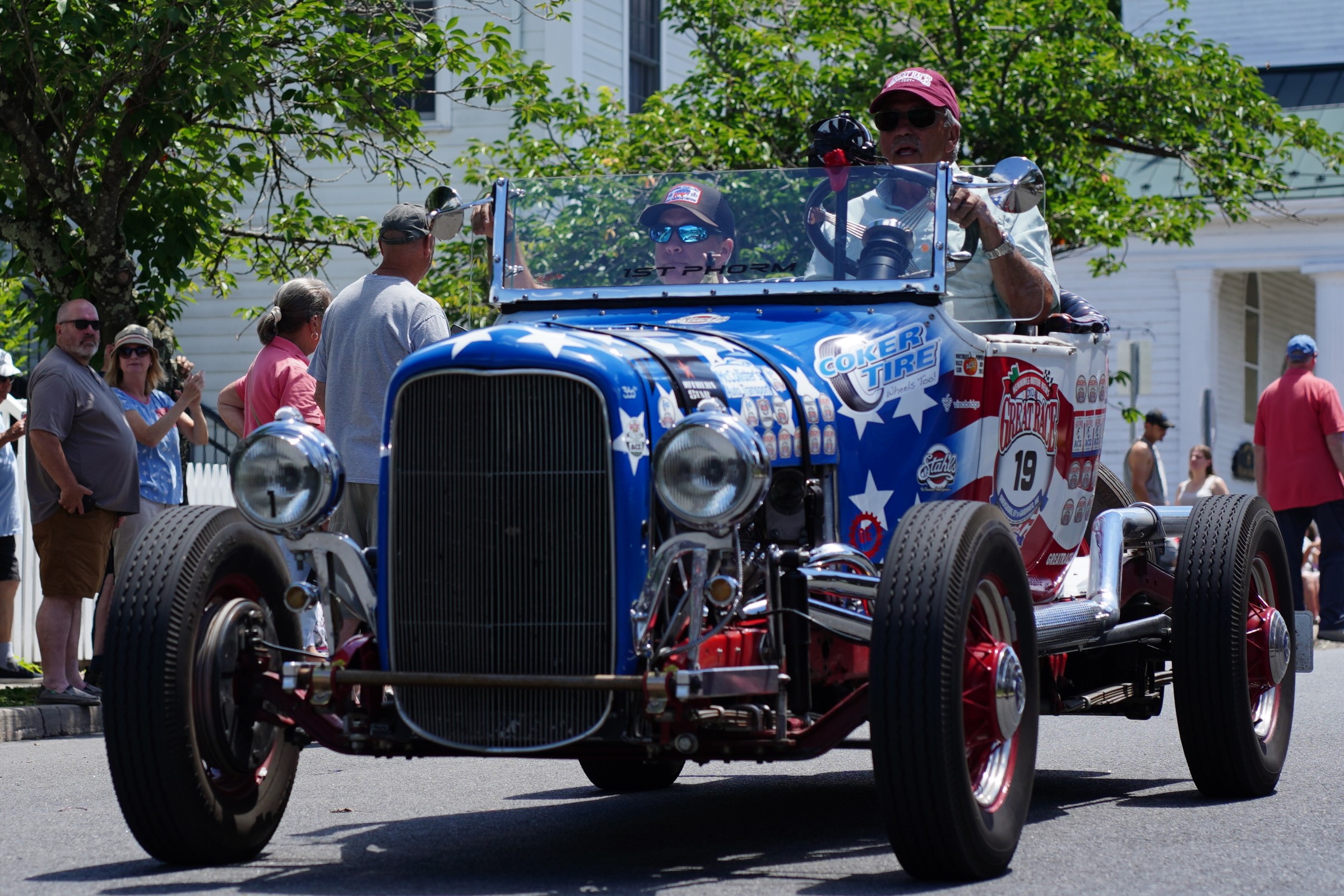
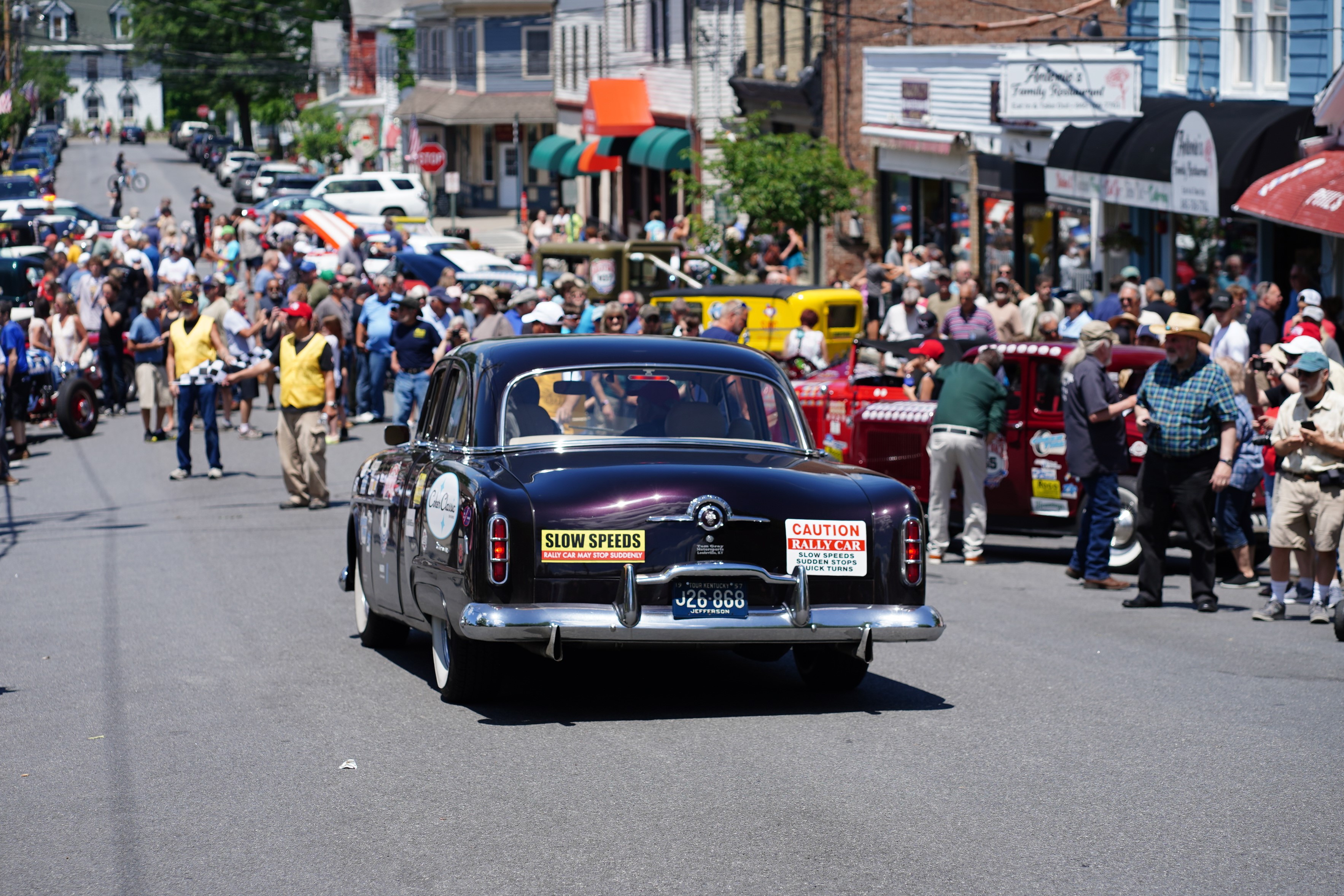
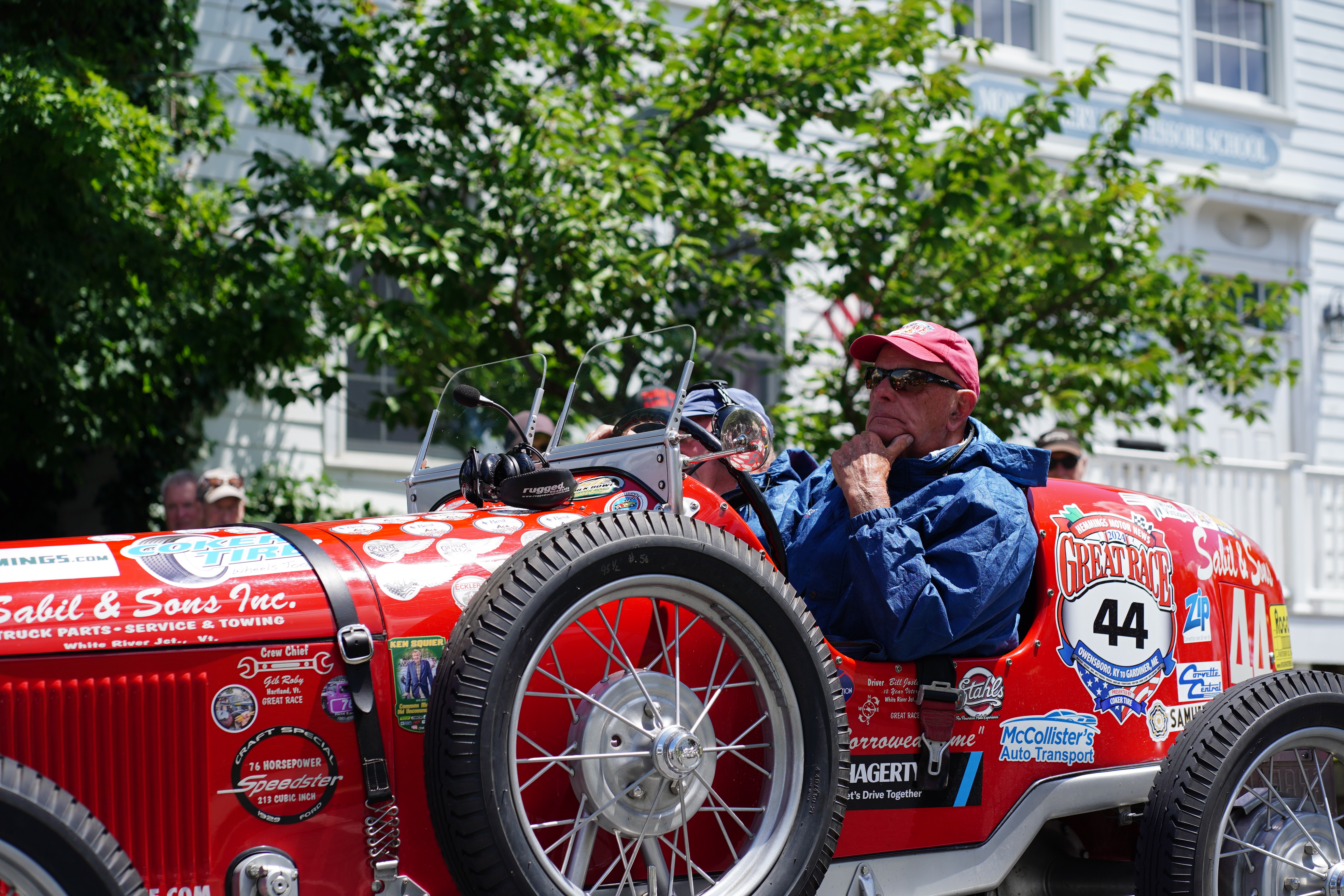
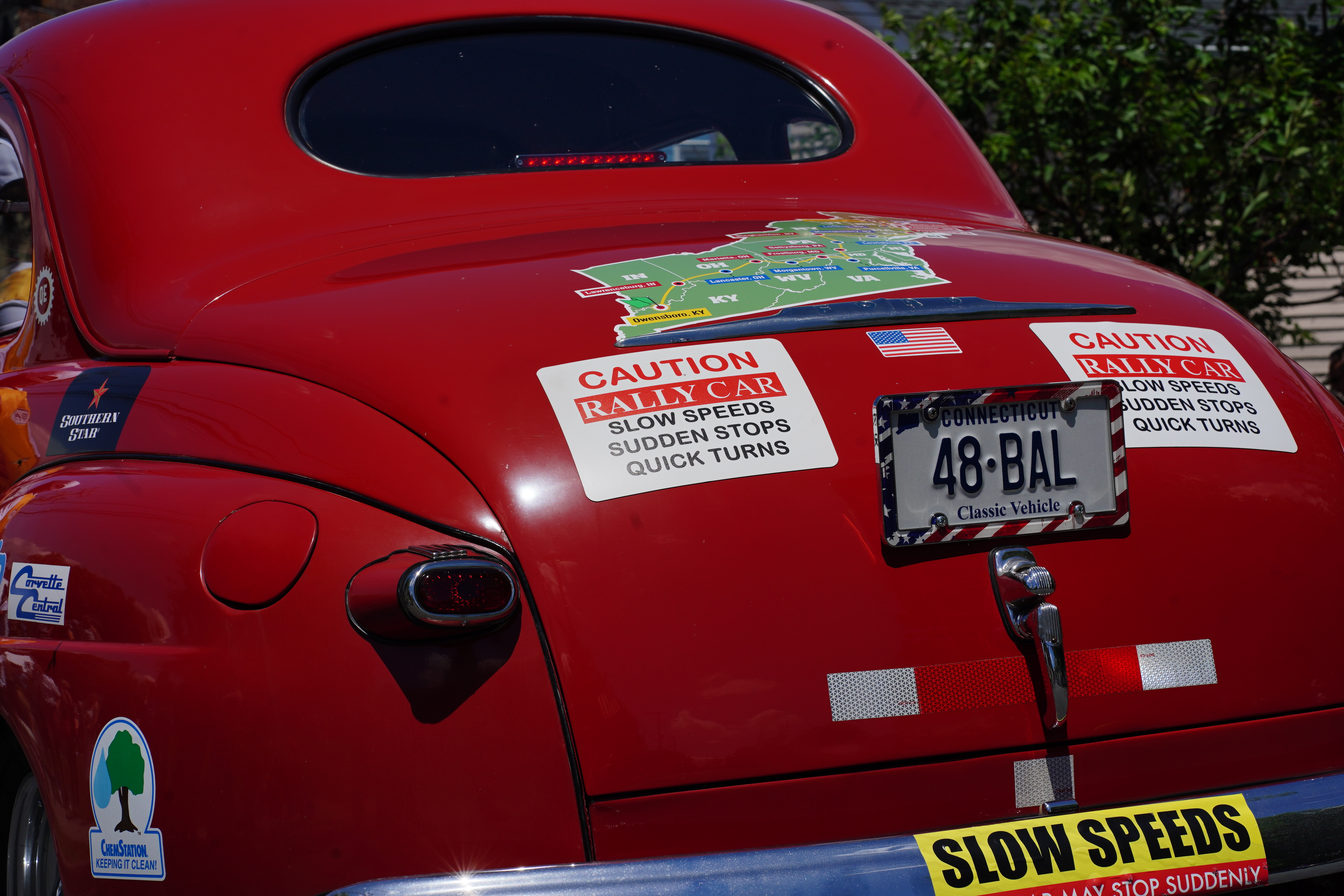
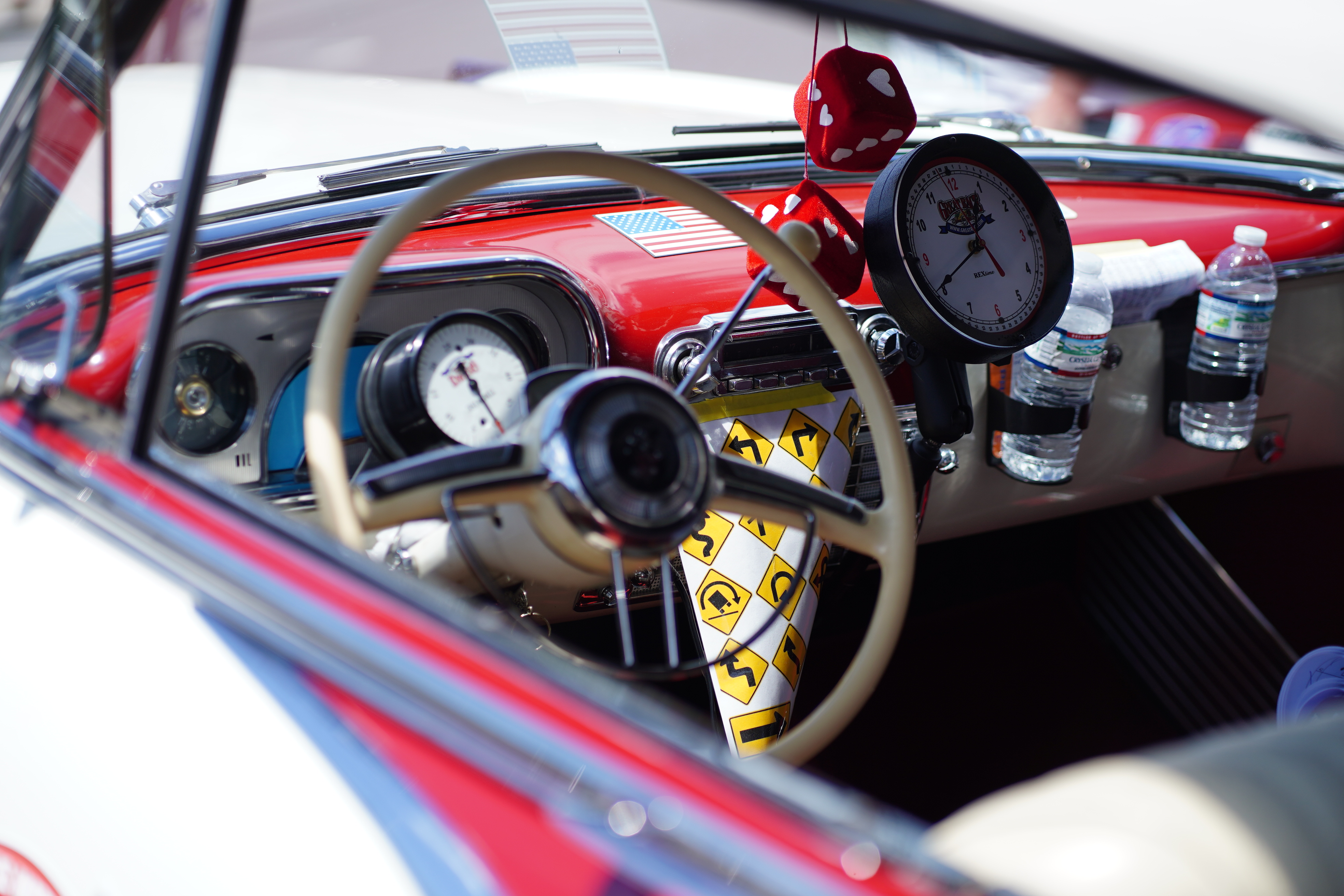
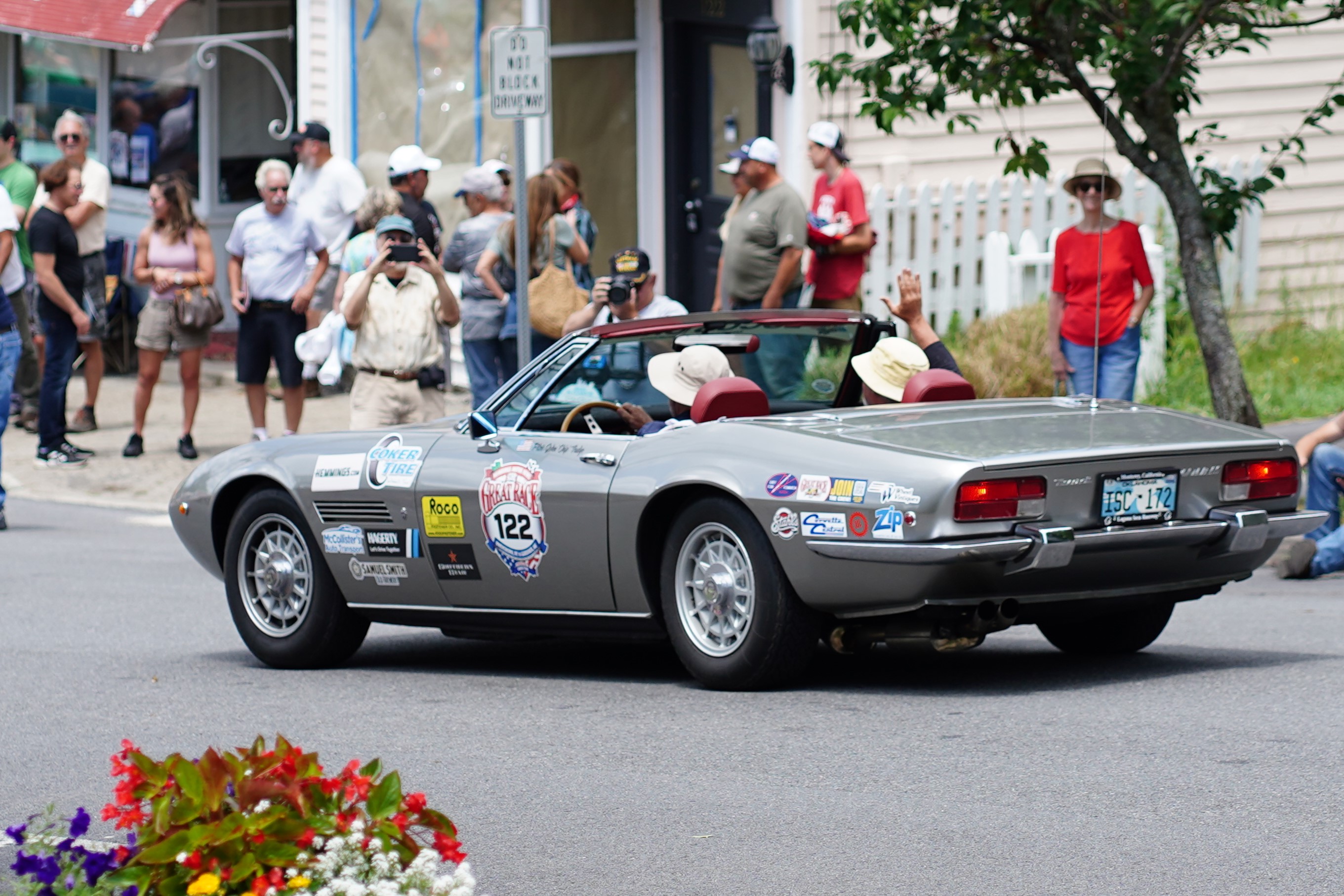
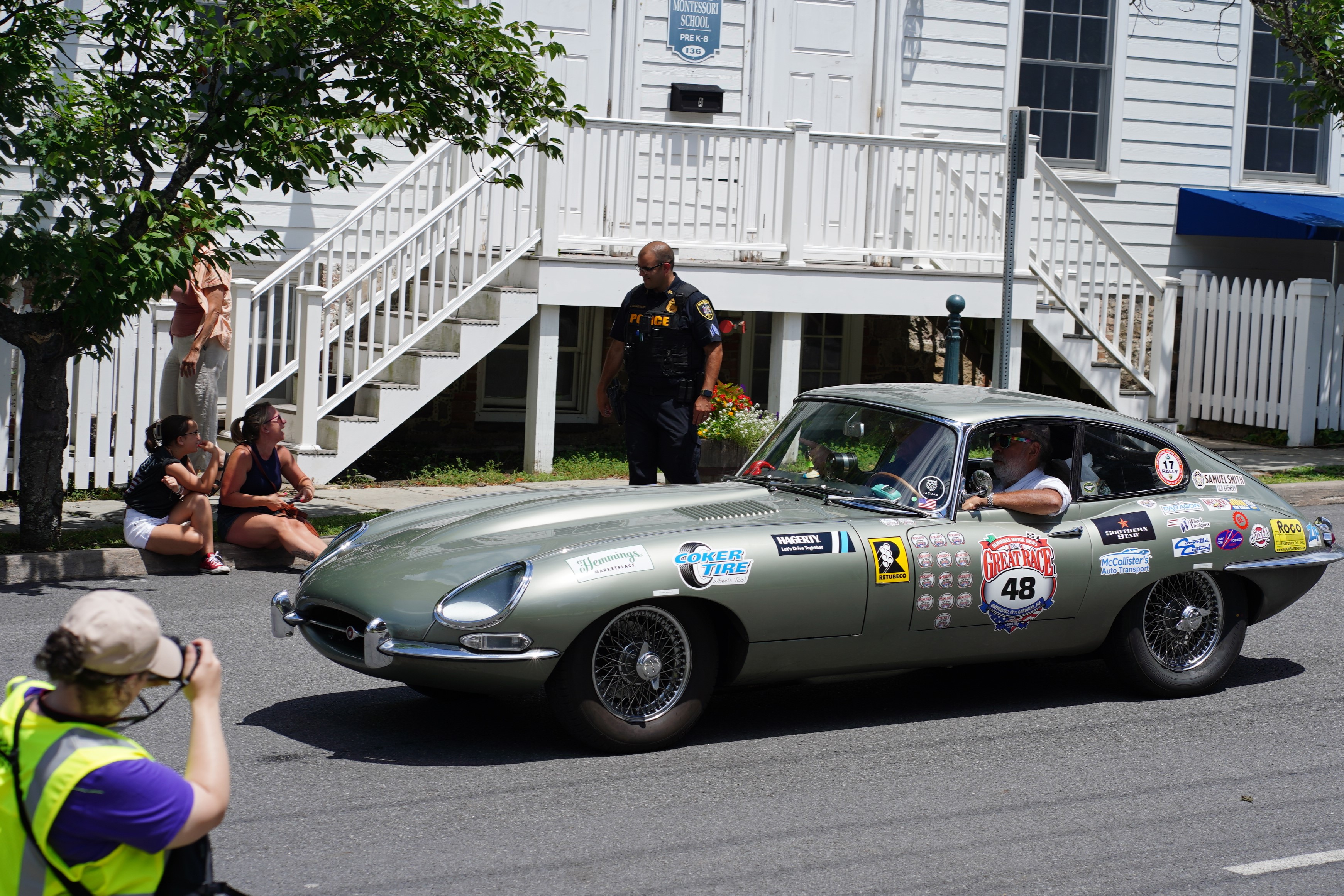
The Great Race is an annual, multi-day, time-speed-distance rally run on public roads. Its inaugural event was in 1983, and much has changed since then, but the race has endured all these decades. The 2024 edition was a nine-day, 2300-mile affair, which started in Kentucky and ended in Maine. This is serious competition: its official title is “The 2024 Hemmings Motor News Great Race presented by Coker Tire”, so you see that big names in the hobby are behind it. Competitors are in it for more than guts and glory: this year’s winners, who motored along in a 1916 Hudson (!), were presented with a check for $50,000. Vehicles are required to be from 1974 or earlier, with “handicaps” given based on a vehicle’s age. That sums up what I know. You can read more at www.greatrace.com.

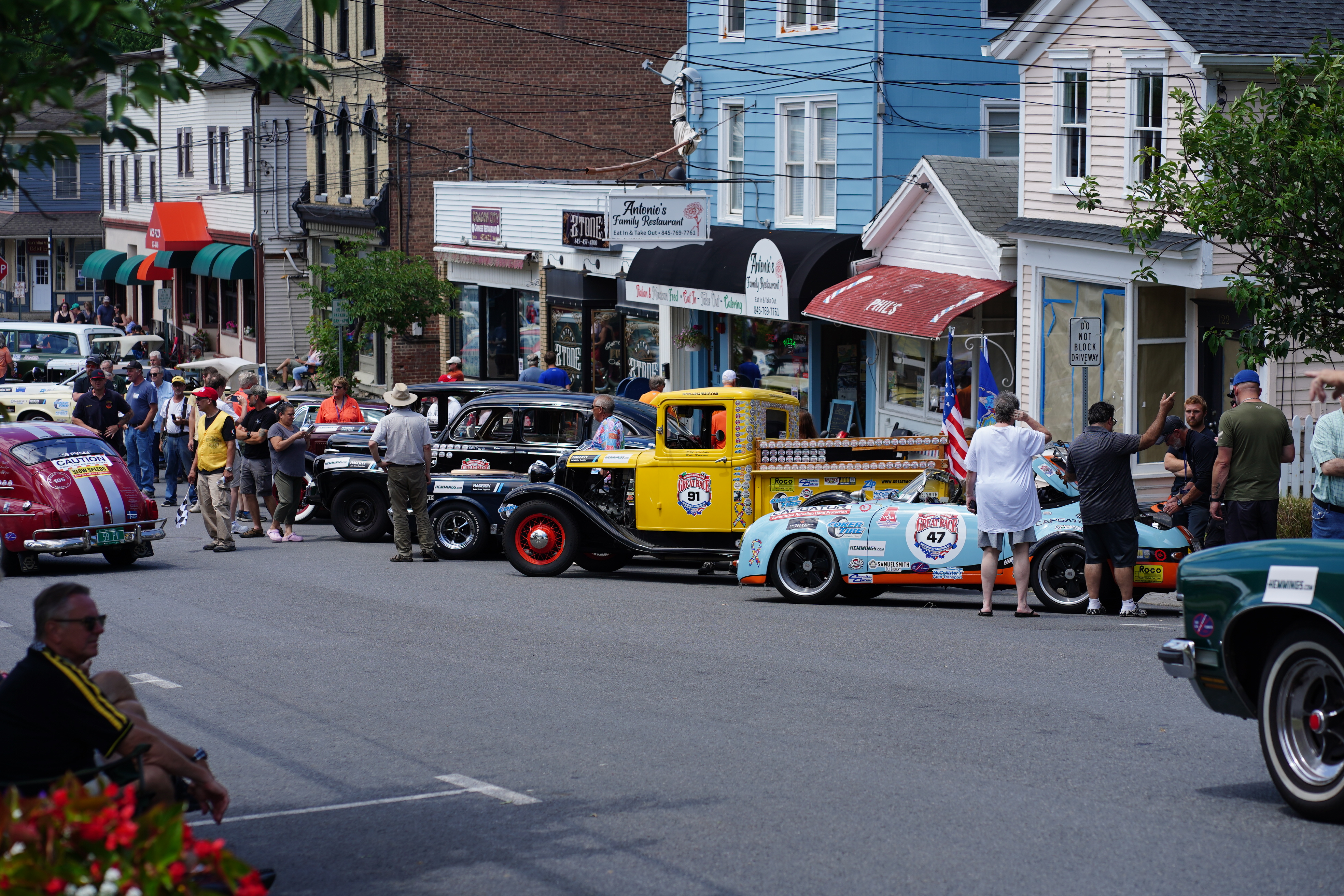
When I learned a while back that this year’s Great Race fleet (136 cars strong) would be making a lunch stop on Thursday, June 27, in Montgomery, NY, and that the public was invited to view the arriving spectacle, I contacted a friend who lives not too far from there, and we joined the throng of several hundred other spectators. Race cars began arriving around 11:30 a.m. and continued to arrive until close to 2 p.m. It was all extremely organized, with dozens of Great Race team workers controlling everything from check-in to traffic flow to parking. Lunch for the vehicle teams was provided under a big tent, and there’s no time to hang out when you’re trying to cover 2,300 miles: participants were given exactly 30 minutes to eat (and presumably use a restroom) before they were expected to be back on the road.

I saw this as a great photo op, but wasn’t expecting the challenge of a crowd lined up along the curb, vying to snap their own pictures. The answer(s) was to use my telephoto lens and get down low, which seemed to be the only way to keep strays (people, not pets) out of my photos. This gave many of my pictures a similar “head on” perspective, a little different than my usual shots. Enjoy scrolling through them; it’s a bit of a photo dump with 50 pics included, and I’ve made no attempt to identify vehicles, but most of the post-war cars should be recognizable. If the 2025 edition of the Great Race comes anywhere near your location, I suggest that you check it out!


All photographs copyright © 2024 Richard A. Reina. Photos may not be copied or reproduced without express written permission.


The Alfa Earns Its AACA “HPOF Original” Certification

When I bought my ’67 Alfa Romeo GT 1300 Jr. from my friend Pete in 2013, it was already wearing its HPOF badge from the Antique Automobile Club of America (AACA). Pete had prepared the car for judging and was solely responsible for taking the car through the certification process. (We must also remember that he owned the car for 45 years, preserving it in its outstanding condition all that time.) Although I’ve been very involved in AACA activities over the last 2 decades, including showing both the BMW Isetta and the Mazda Miata at Hershey, up until now I had never entered the Alfa in an AACA National Show. It’s been in NJ Regional shows, but National judging is stricter.

The Saratoga Springs National which was held last week seemed to be the ideal place to enter the car for continued HPOF certification. I spent many hours during the spring detailing the car as well as attending to its maintenance needs to ensure a confident and reliable 400+-mile round trip. As you may have read in my most recent post, the car performed flawlessly in getting me there and back. Now, here’s the rest of the story.
HPOF, which stands for Historical Preservation of Original Features, is a judging class which rewards originality. Cars in this class are not restored. In fact, a car which has been restored would be deemed ineligible. Once a vehicle is certified HPOF, it is eligible for the next level of certification which is “HPOF Original”. The difference is in the number of allowable points which can be deducted. Put simply, an “HPOF” car may have X number of non-original components and still be certified, while an “HPOF Original” car will need to have a fewer number of non-original components.

Owners are required to complete a sheet, indicating exactly what on the car is not original. That sheet is then handed to the judging team. For me, I noted that the front fog lights, replacement alternator (generator was factory original), battery relocation from engine compartment to trunk, and added ammeter gauge were the non-original items. The judges only spent a few minutes examining the cars (the steady showers kept them moving quickly from car to car), and at the Saturday banquet, I was honored to be presented with an HPOF Original badge for the Alfa! I admit I got a bit emotional because my mind went back to my friend Pete, who passed away last October. He would have been thrilled to know this, and as I told my fellow hobbyists at the dinner table, Pete gets most of the credit for this achievement.

ABOVE: The HPOF badge on the left was awarded to Pete, probably around 2003. The “AACA Original” badge on the right was given to me last week, and mounts behind the existing HPOF badge.

HPOF cars are always eligible to the shown at subsequent National meets, where they will either continue to be certified at their current level of achievement, or have the certification reduced or removed. For example, if I were to repaint my Alfa and replace its 1300 cc original engine with a larger and more powerful Alfa engine, I would completely lose its HPOF rating. (And of course I have no intention of doing anything of the sort.) The plan, both short-term and long-term, is to keep driving the car, keep up its maintenance, and keep it as original as it is today!

All photographs copyright © 2024 Richard A. Reina. Photos may not be copied or reproduced without express written permission.