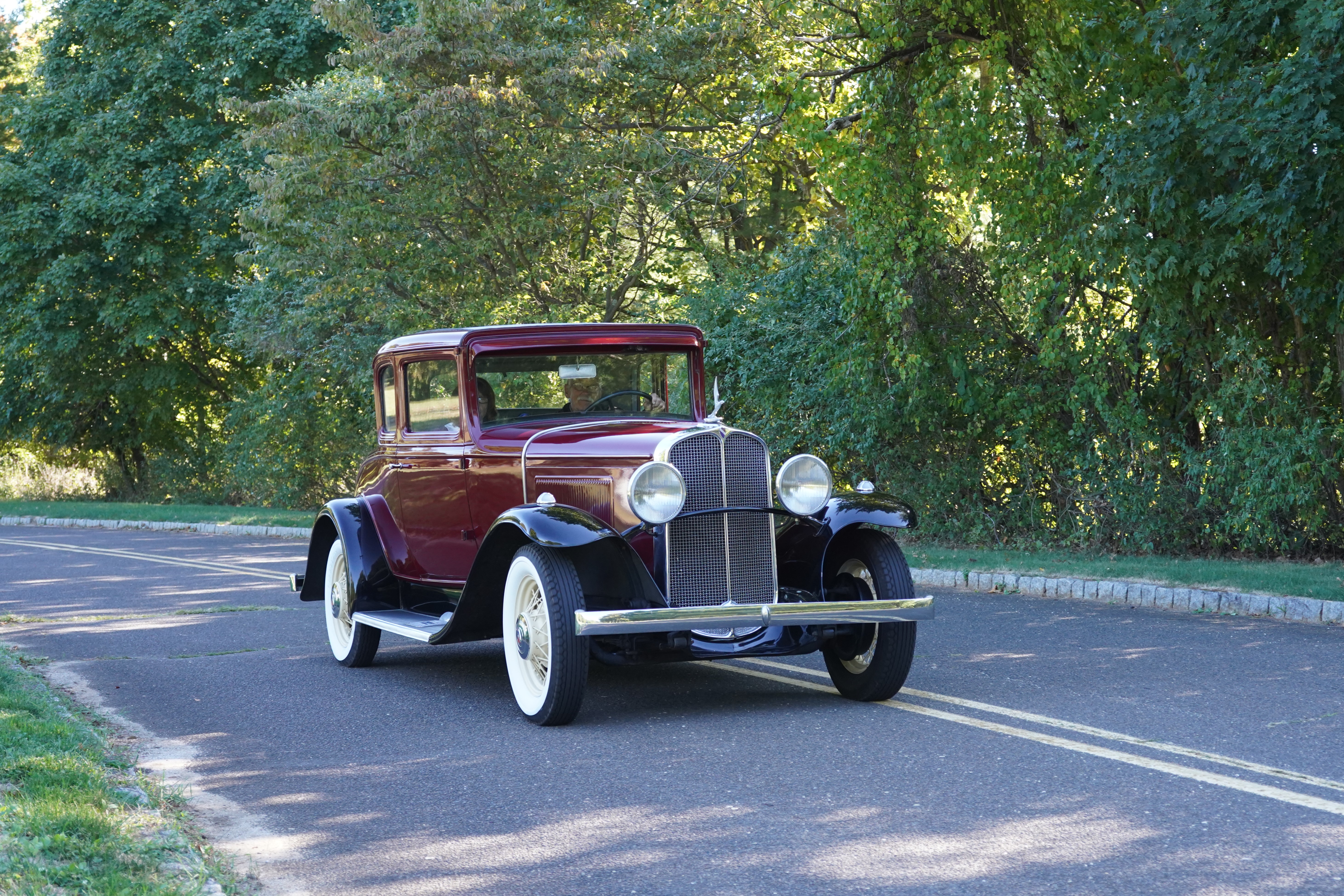
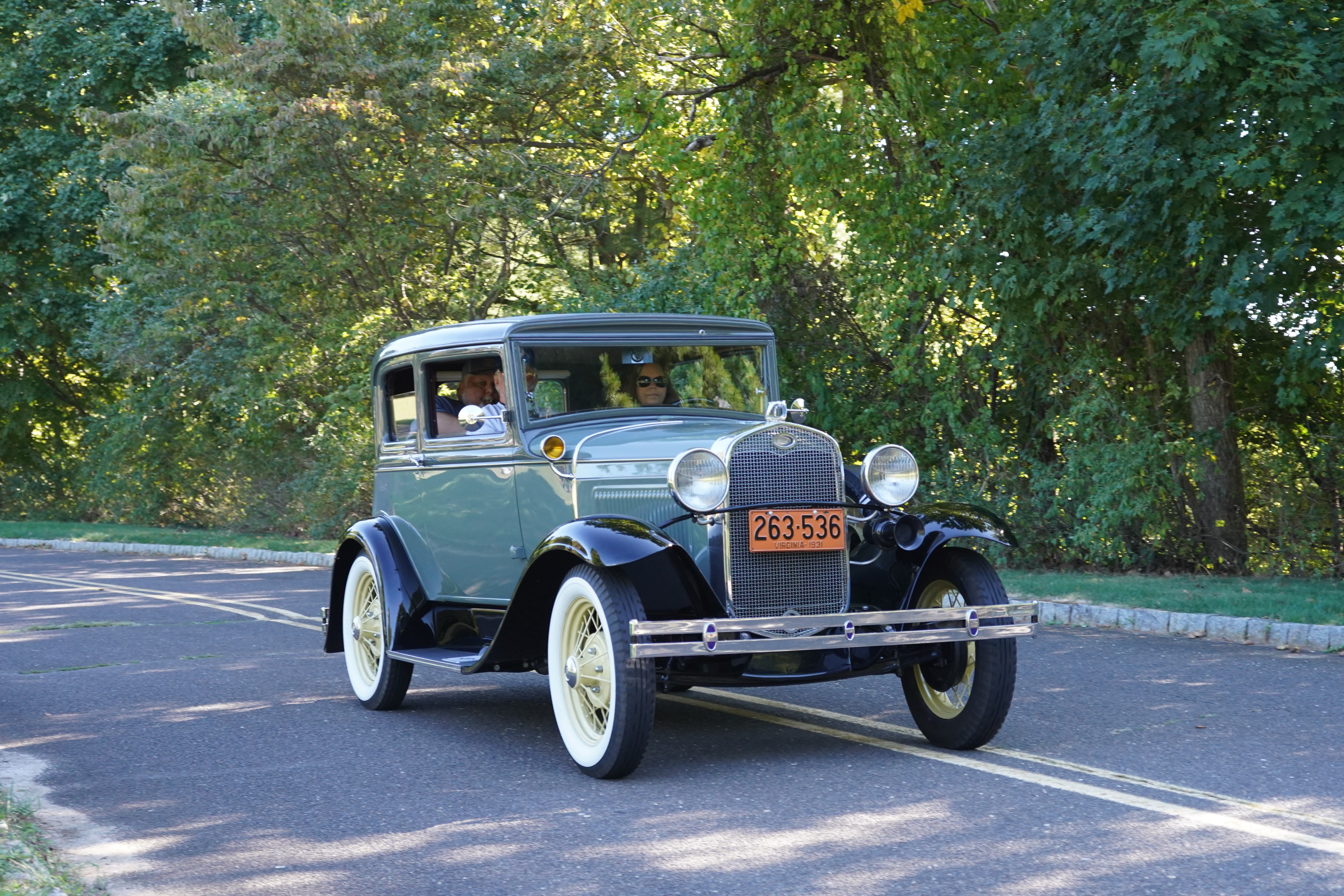
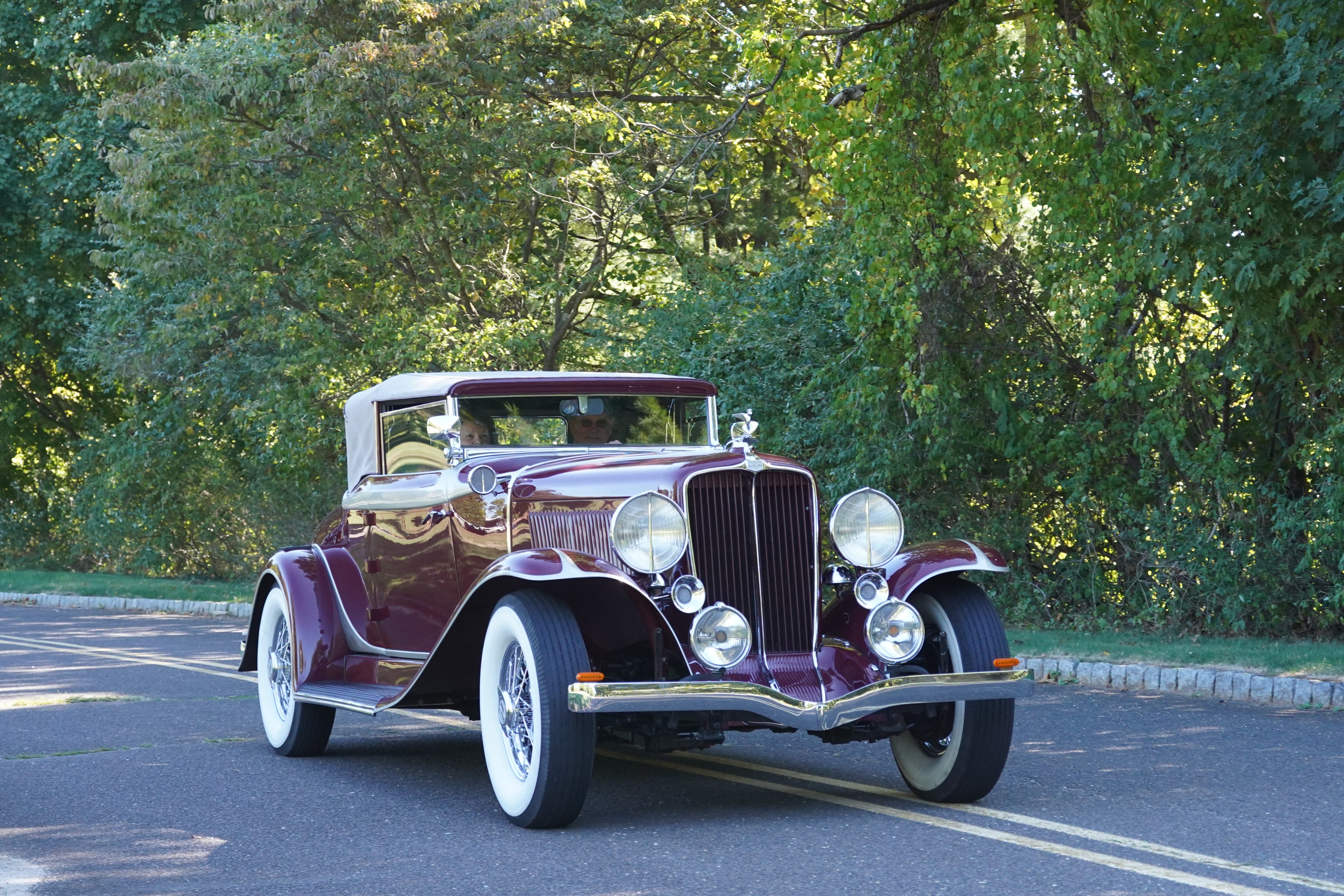
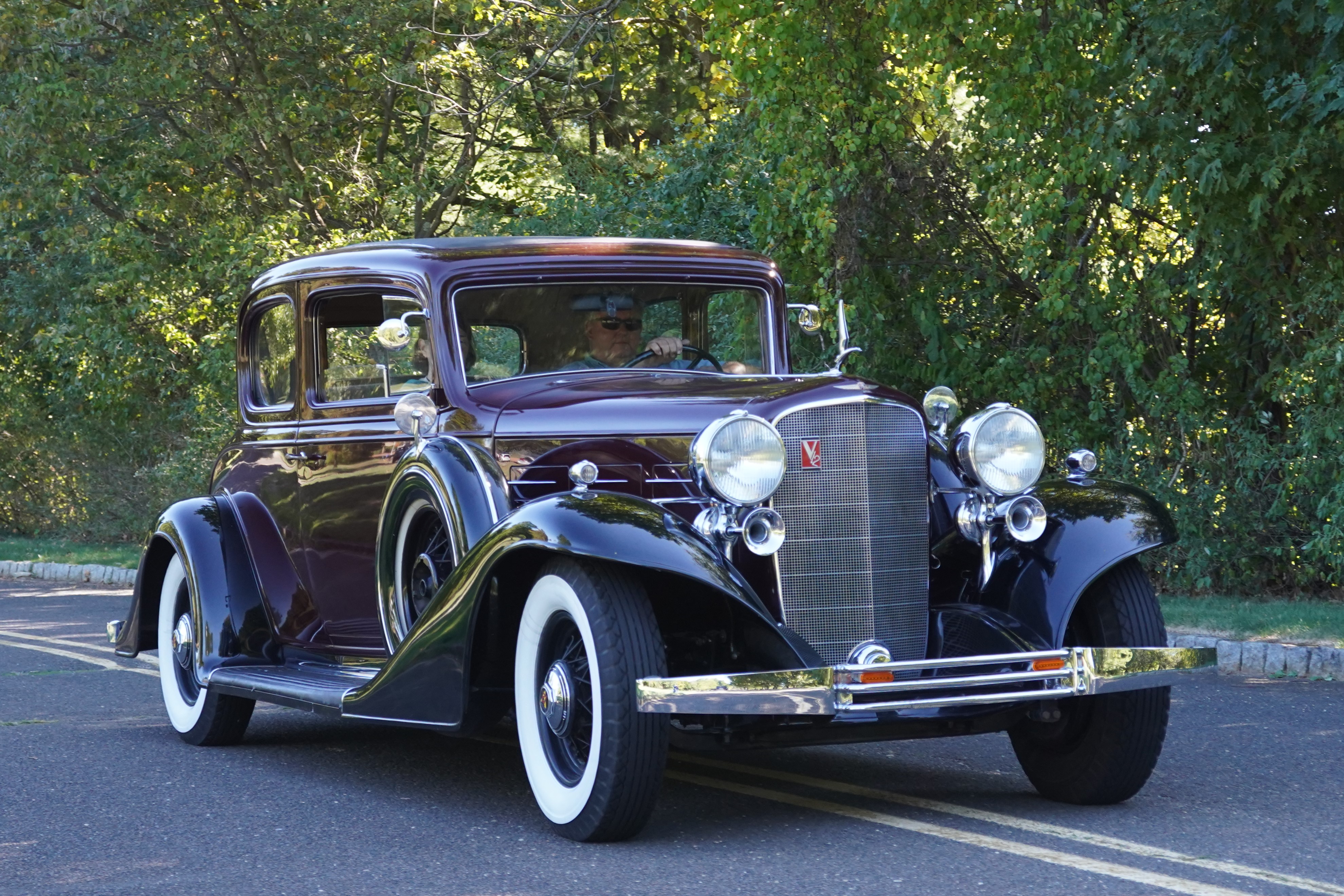
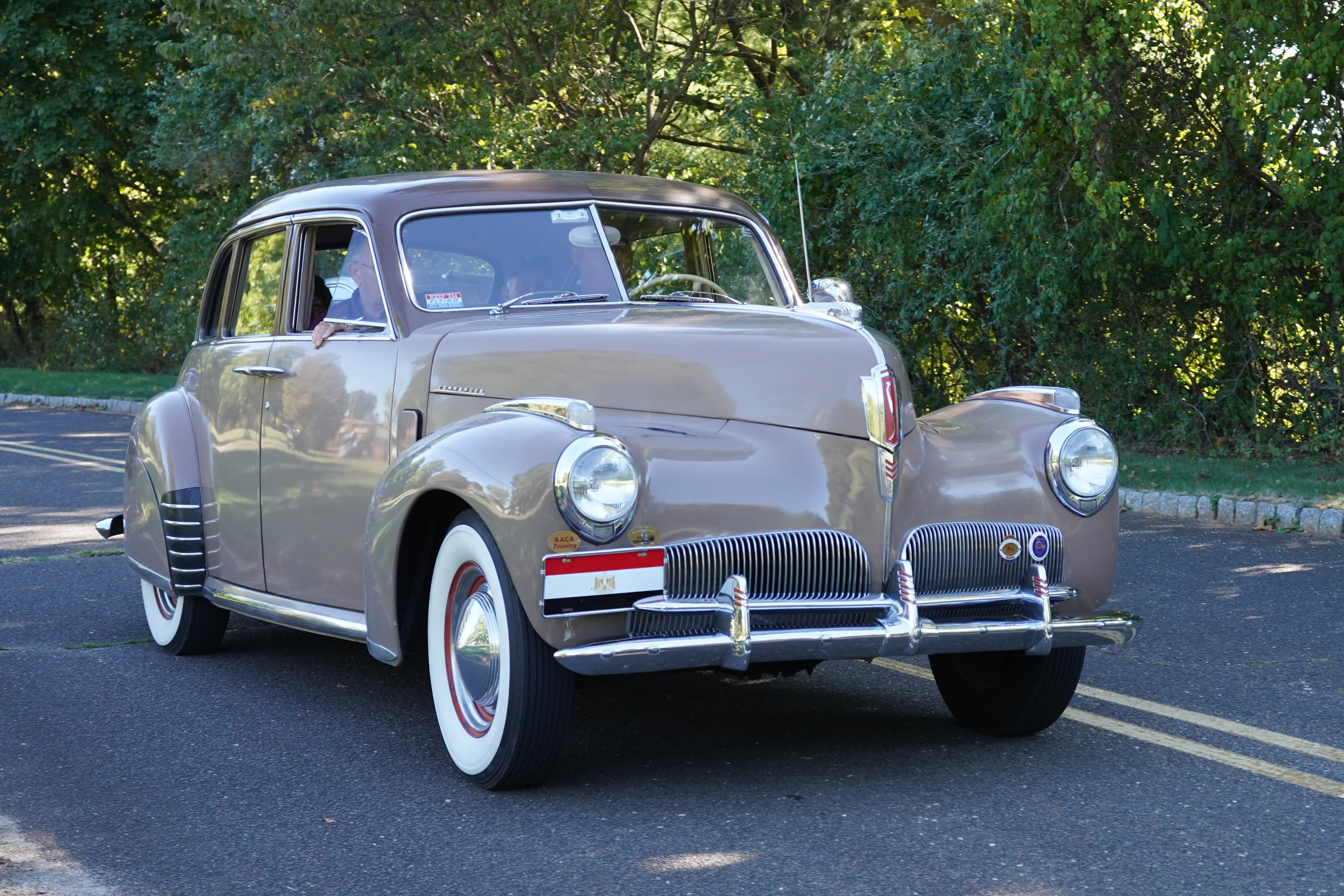
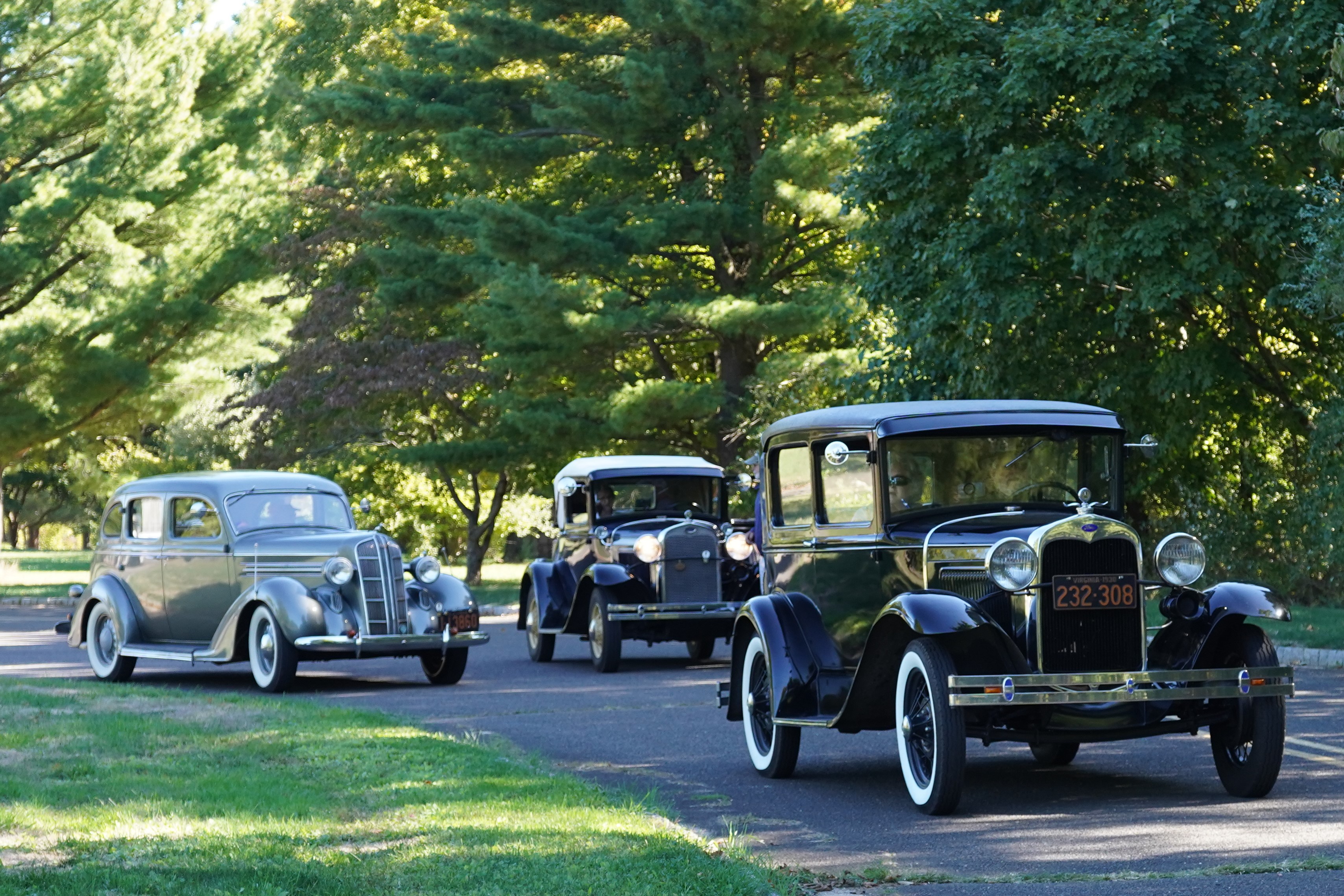
AACA Hershey, October 2022

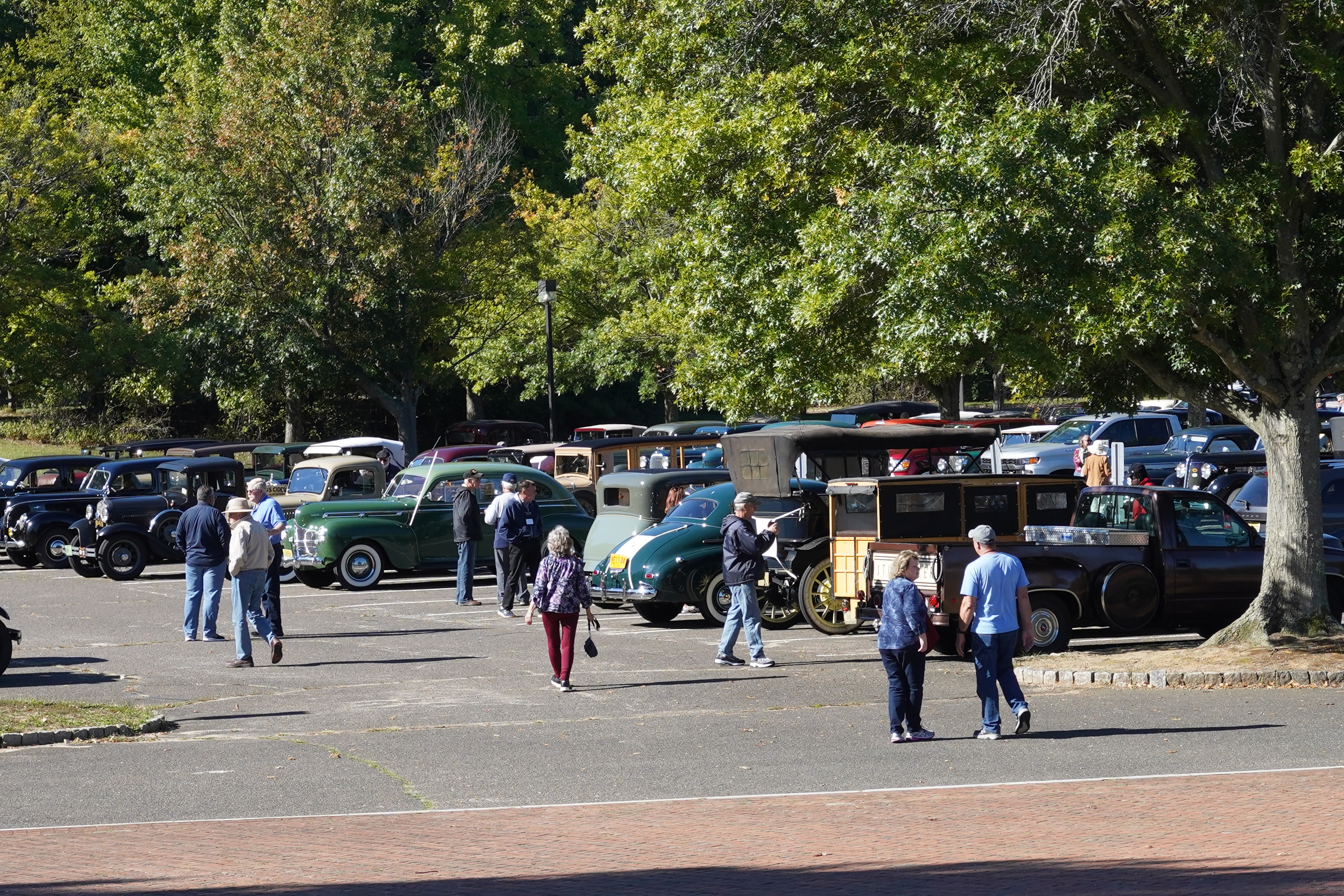
Hershey this year was a one-day visit for me, so I spent most of the morning canvassing the car corral, had lunch, then headed over to the RM Sotheby’s auction at the Hershey Lodge. I was there on Thursday October 6th, and the weather was great for an outdoor car show. The hobby continues to evolve and change, and we have observed the ups and downs at Hershey over the years. This year’s car corral was approximately 50% full, and that’s a guess of course. But for those who have visited in the recent past, I can inform you that the parking lot alongside the Giant Center was completely empty this year. As recently as 2018 (based on my own blog report) it was completely full. To my thinking, websites like Bring A Trailer have shifted many collector car transactions to online formats.

Nevertheless, even with the smaller number of vehicles in the corral, there were a few that were of more than passing interest to me. I’ve listed those vehicles below in model year order. (I will have a report on the RM Sotheby auction as a separate blog post.)


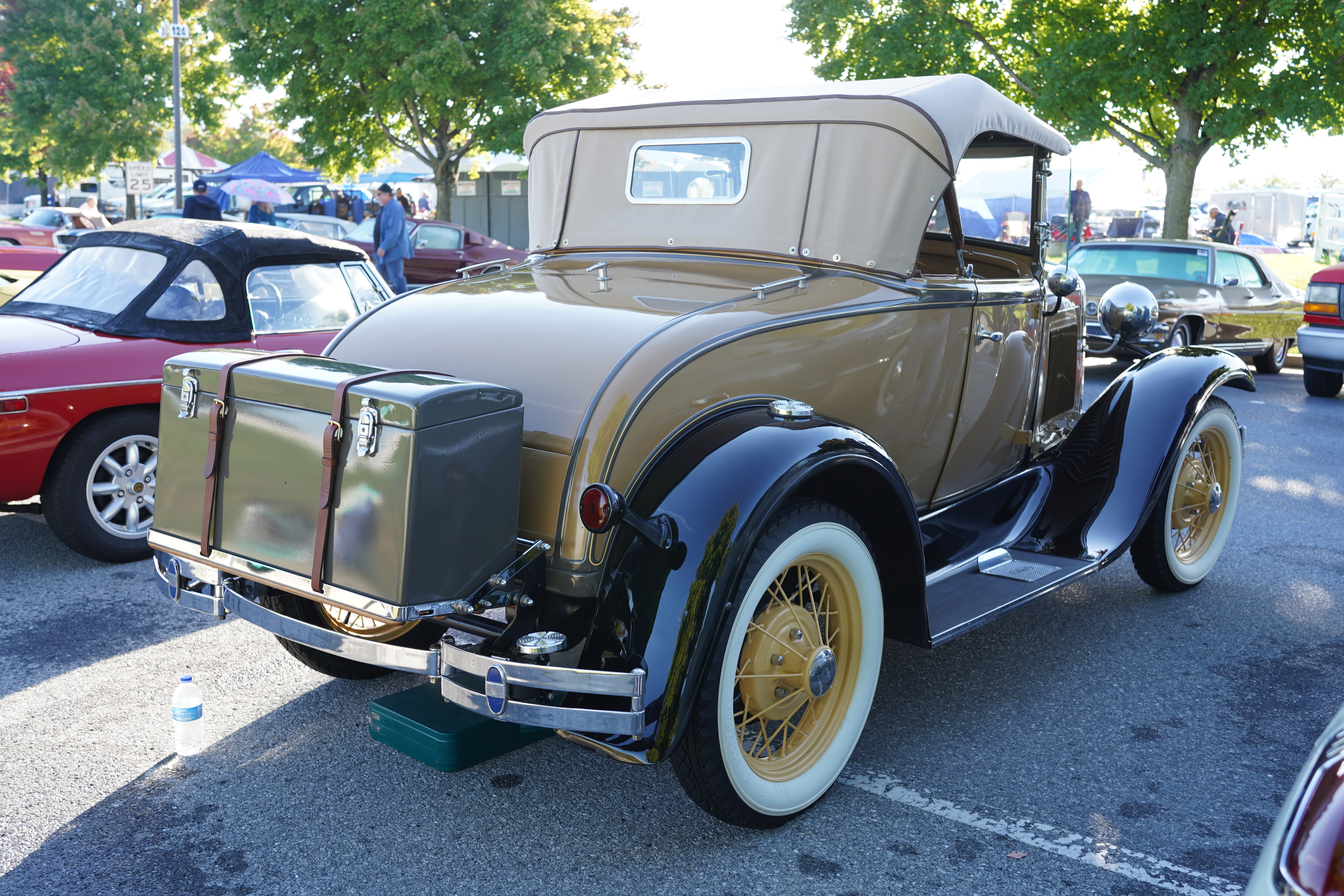
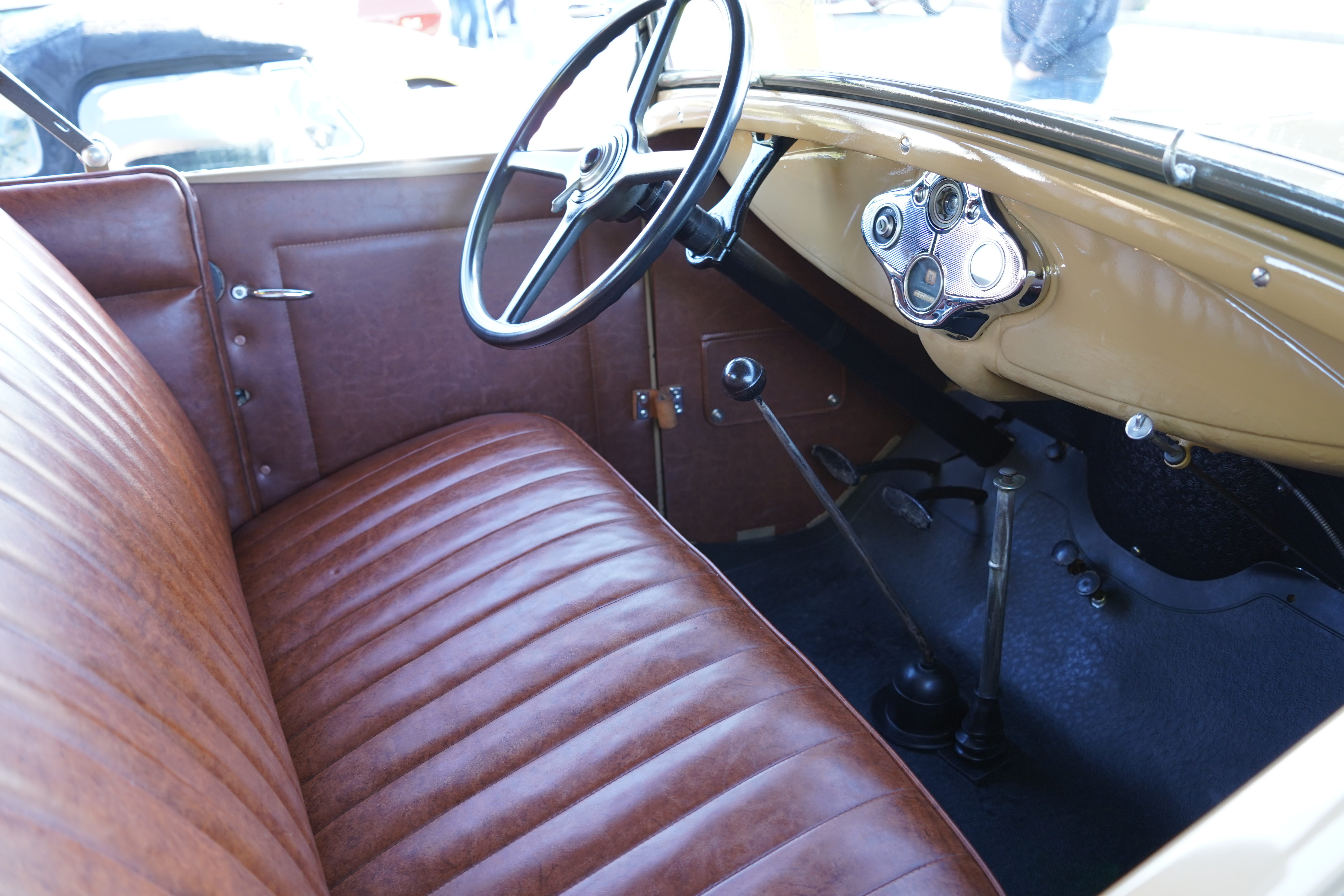
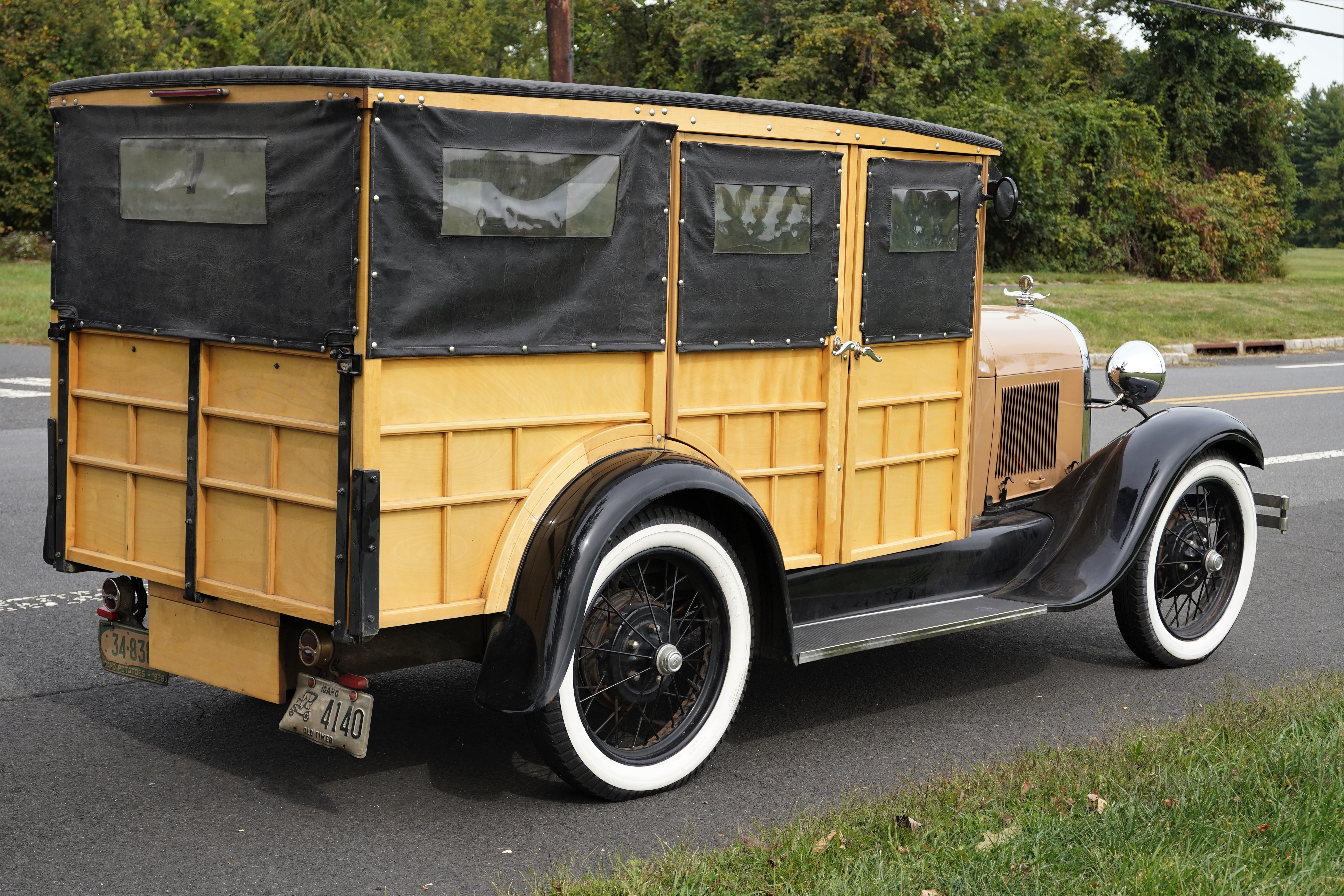
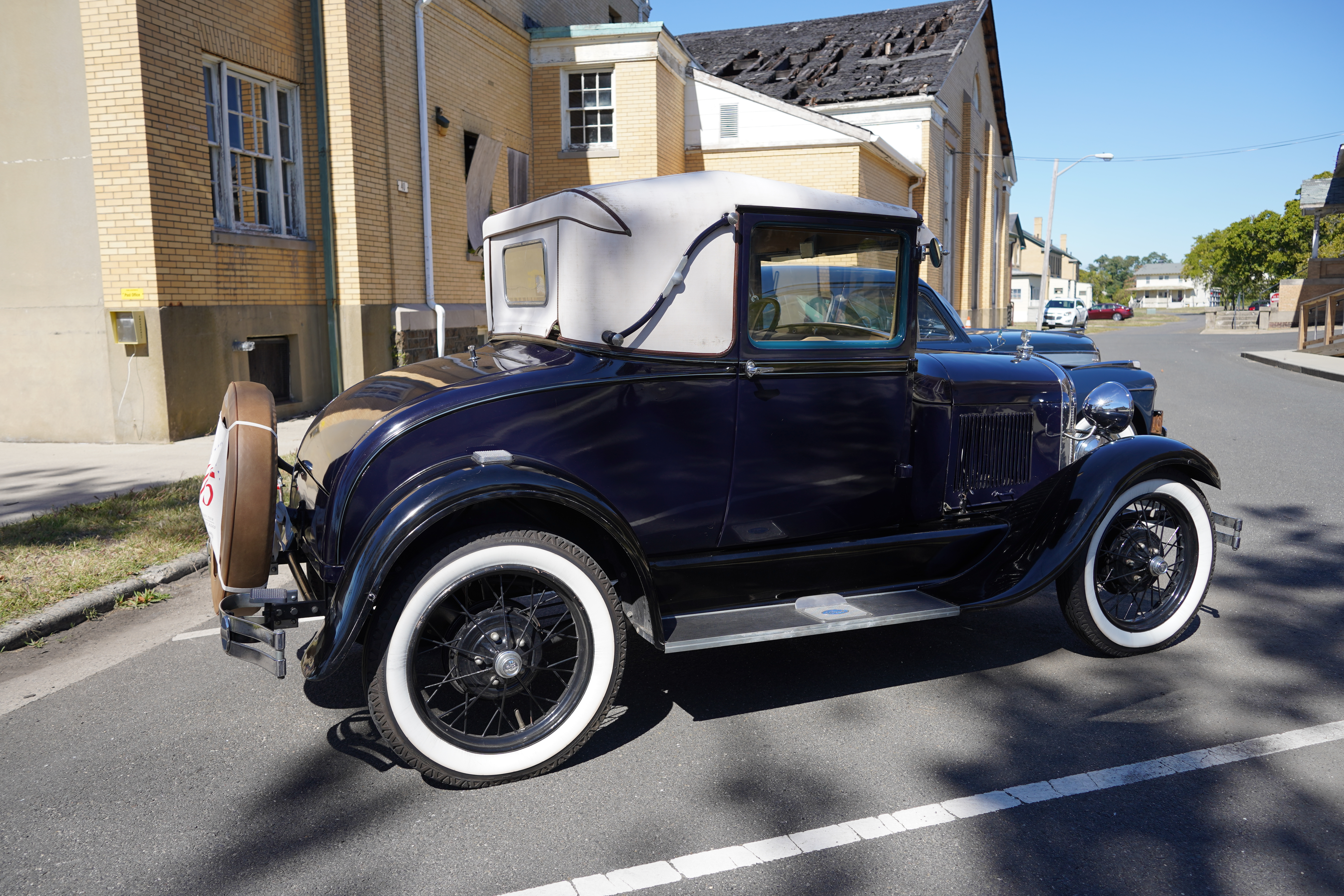
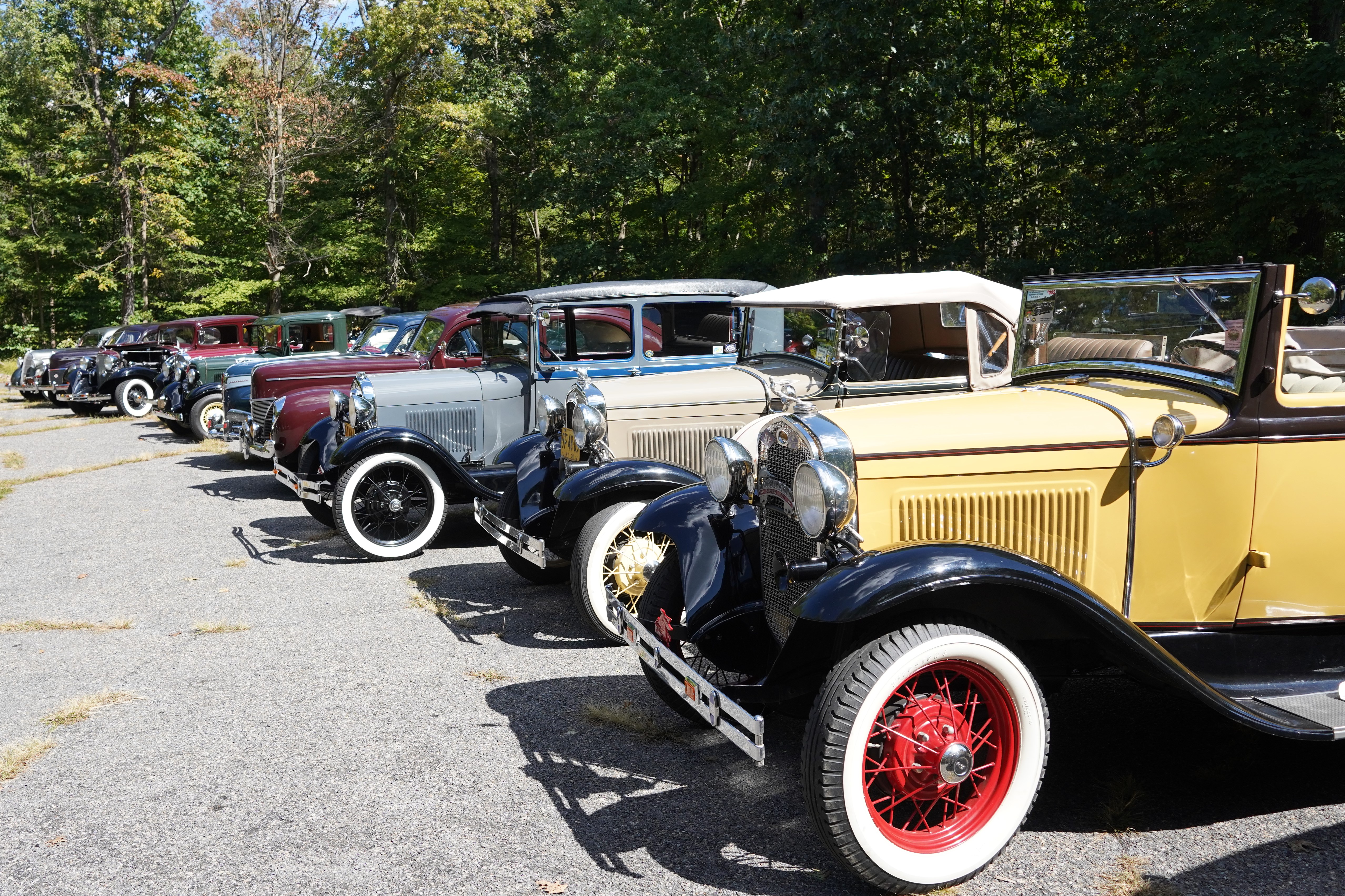
1931 Ford Model A Roadster. Tan body, wheels, and top, black fenders, whitewall tires on wire wheels. Darker tan vinyl interior. Single side-mount spare, rumble seat, separate trunk out back. Sharp looking all round.

Asking: $22,500

One of the least-expensive ways to enter a Glidden Tour, and the top goes down to boot.

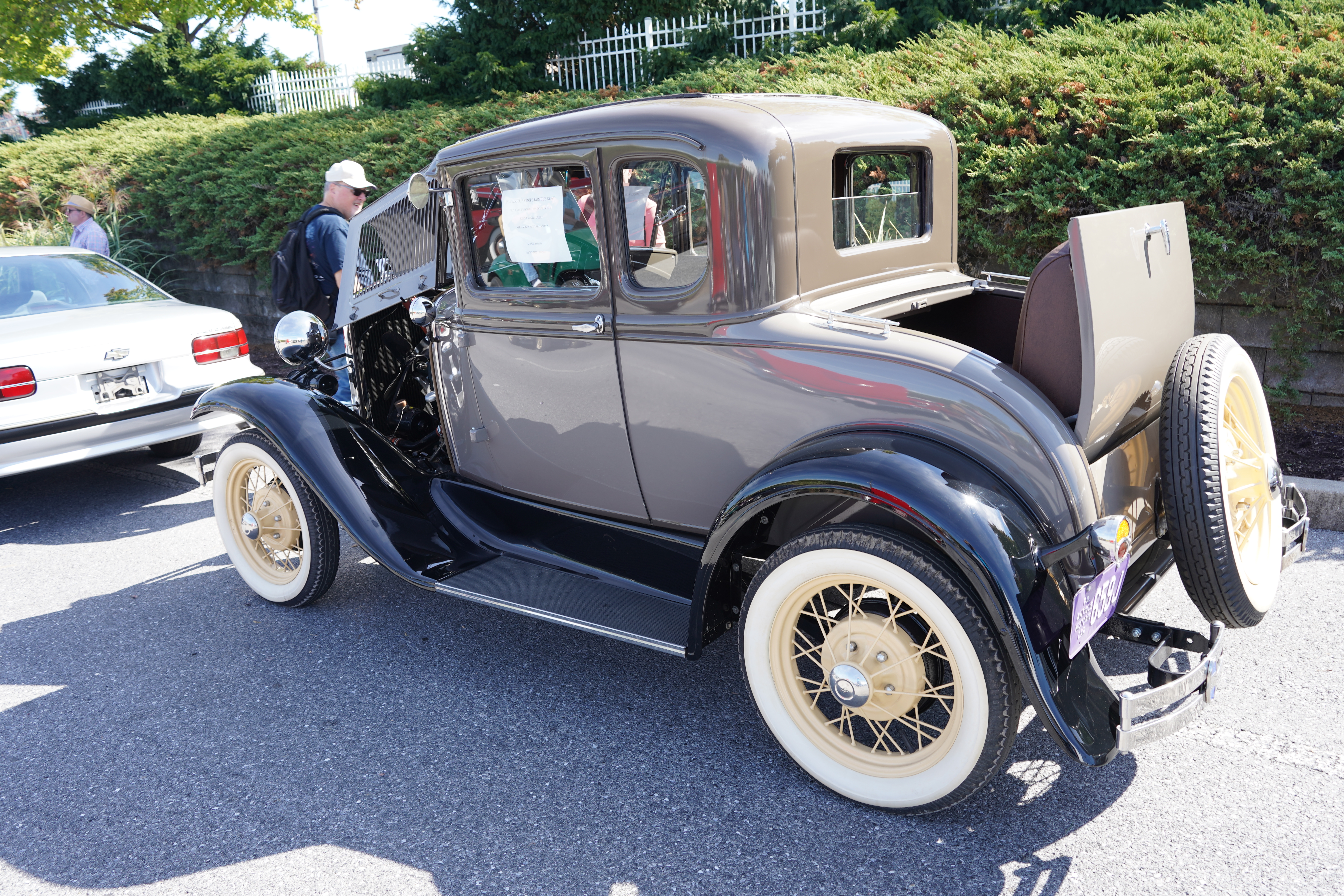
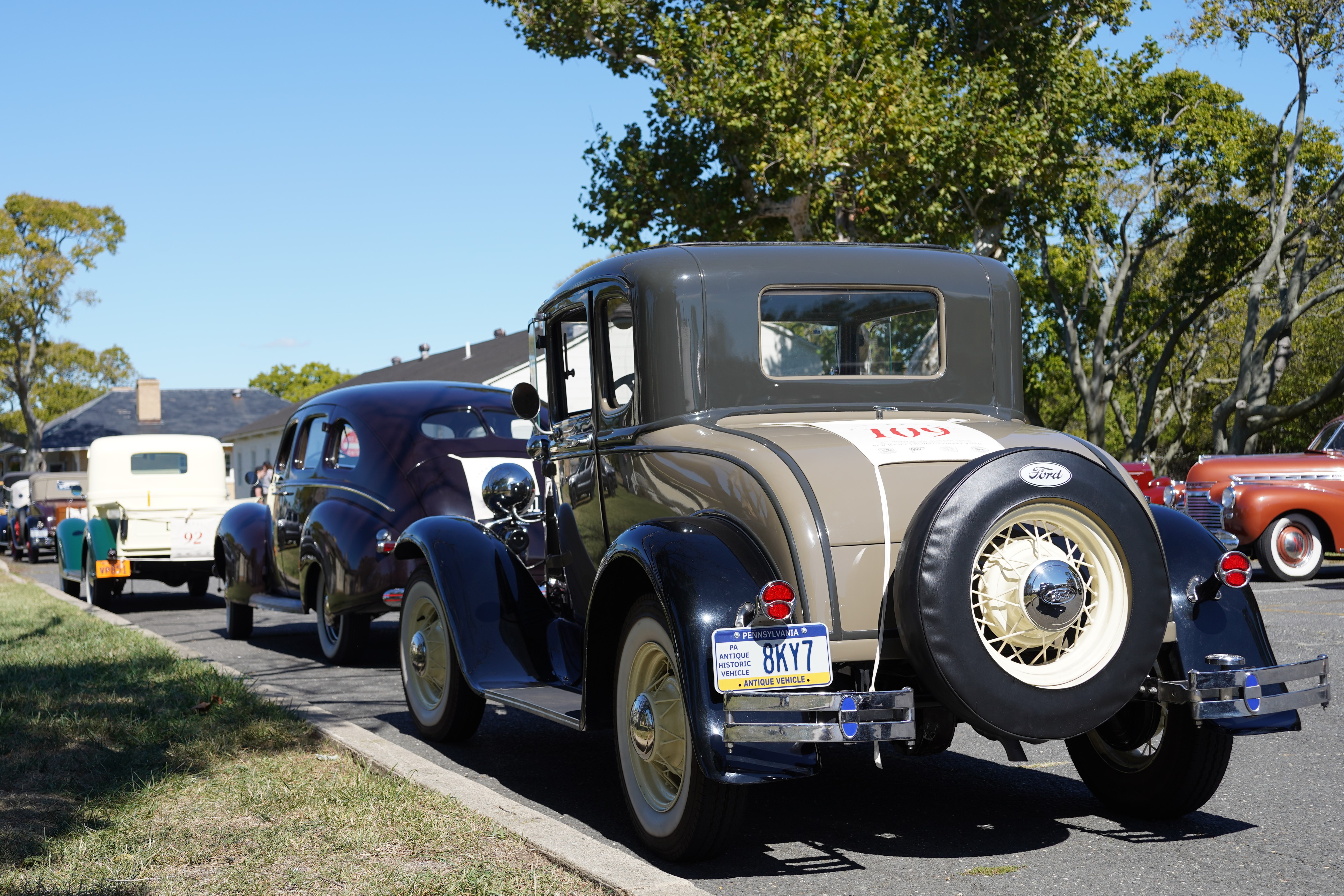
1931 Ford Model A rumble seat coupe. Taupe body, black fenders, yellow wire wheels, whitewall tires. Single spare mounted out back.

Asking: $19,500

This one makes the ’31 Roadster at $22,500 look like the better deal.


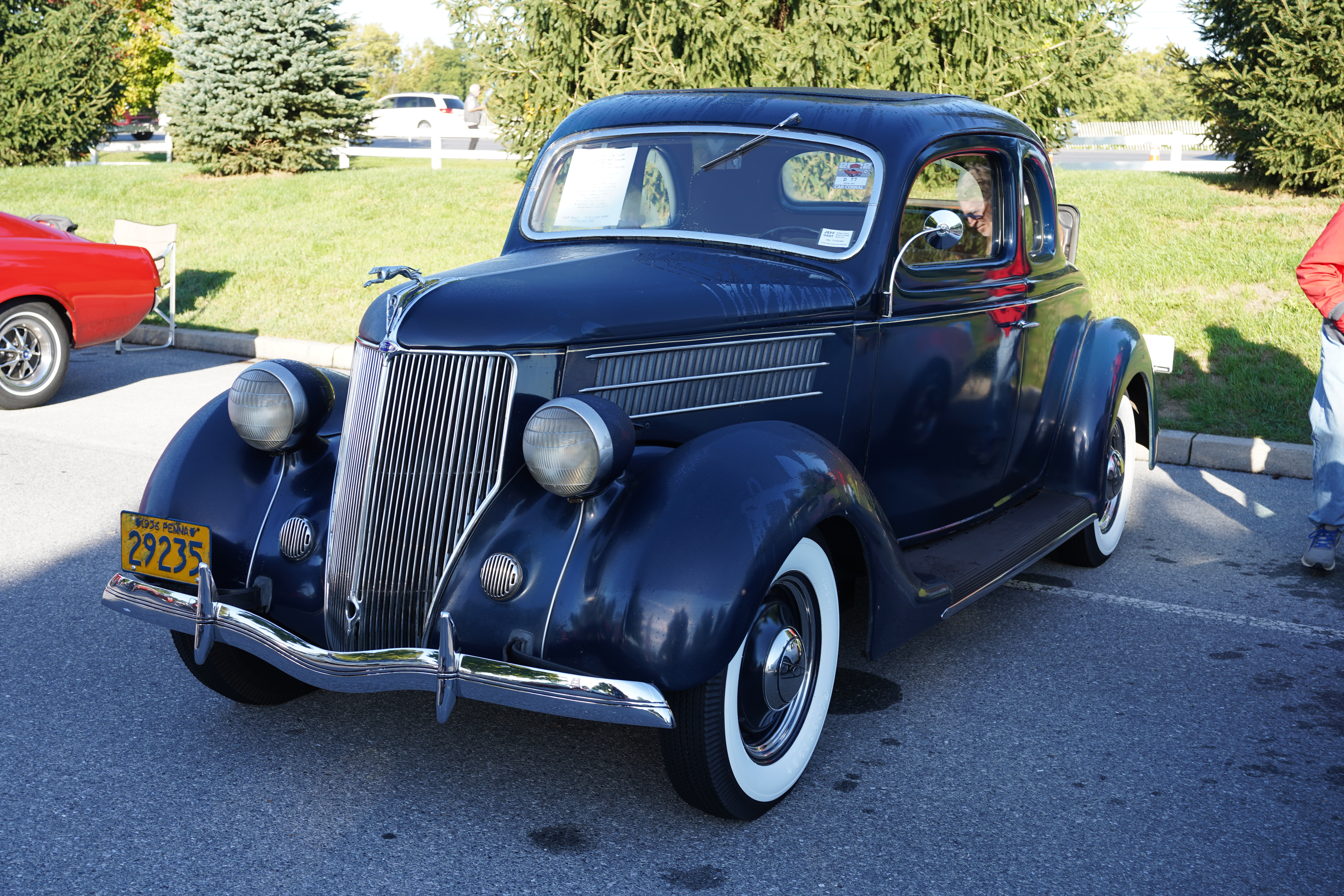
1936 Ford DeLuxe 5-window rumble seat coupe, black, tan cloth interior. Wide whitewalls, appears original and unmolested. Sign on car claims just removed from 30-year storage (that can be good and bad) and no rust ever.

Asking: $34,900

Smart-looking coupe, V8 is nice upgrade from a Model A, rumble seat a fun option to have.
 

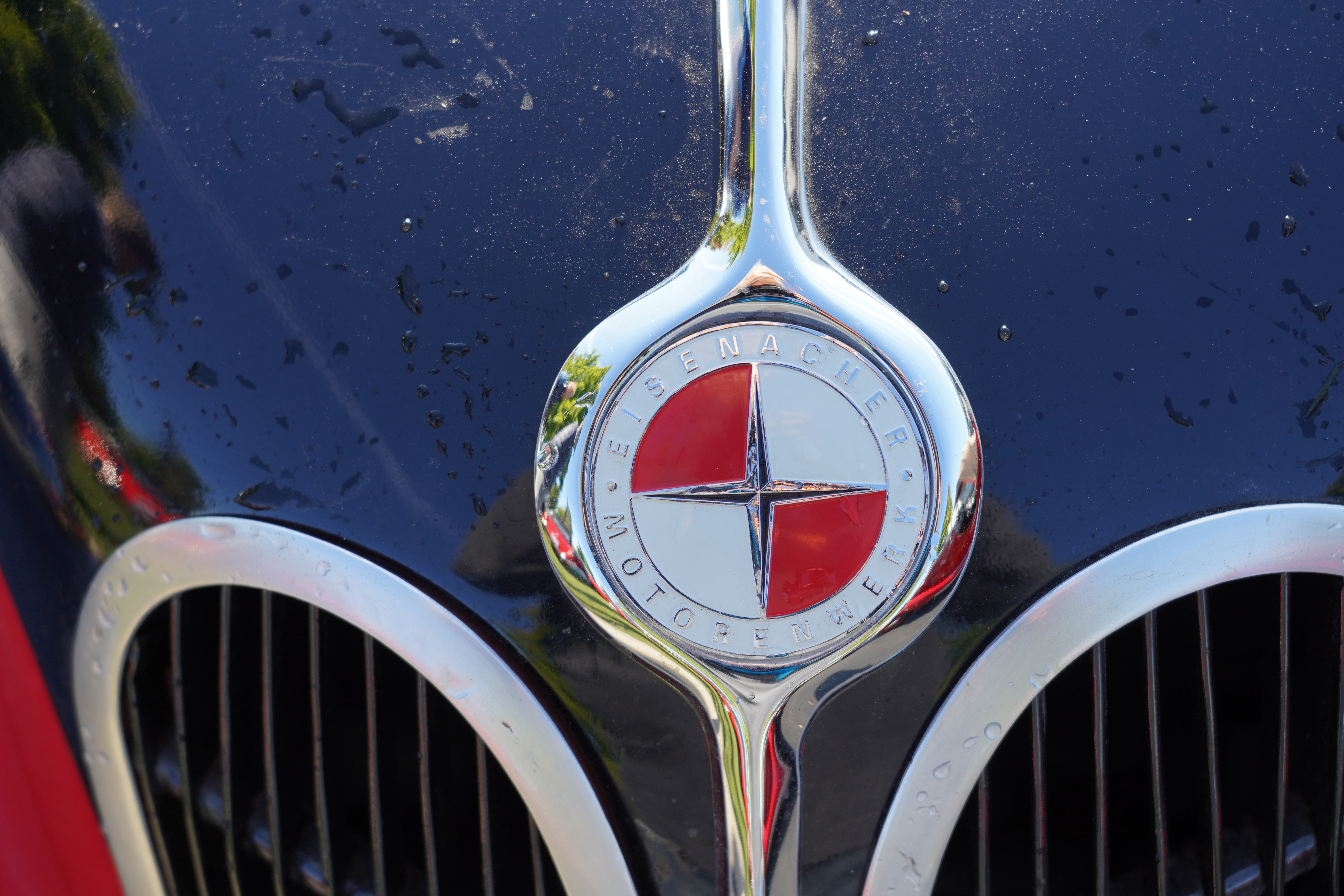
1953 EMW 327 Cabriolet. That is not a typo. After WW2, one of BMWs factories ended up on the wrong side of the West Germany/East Germany dividing line, and they continued production of cars now badged “EMW”, with the blue/white roundel now red/white. Black and red paint, blue and white interior, convertible top MIA. Interior needs a lot of work, no indication that it runs or drives.

Asking: $85,000

This was on offer from a large dealer. Lots of scratch for what might be a project, but for the BMW collector who’s looking for something different, this is bound to be a hit at the next BMWCCA convention.


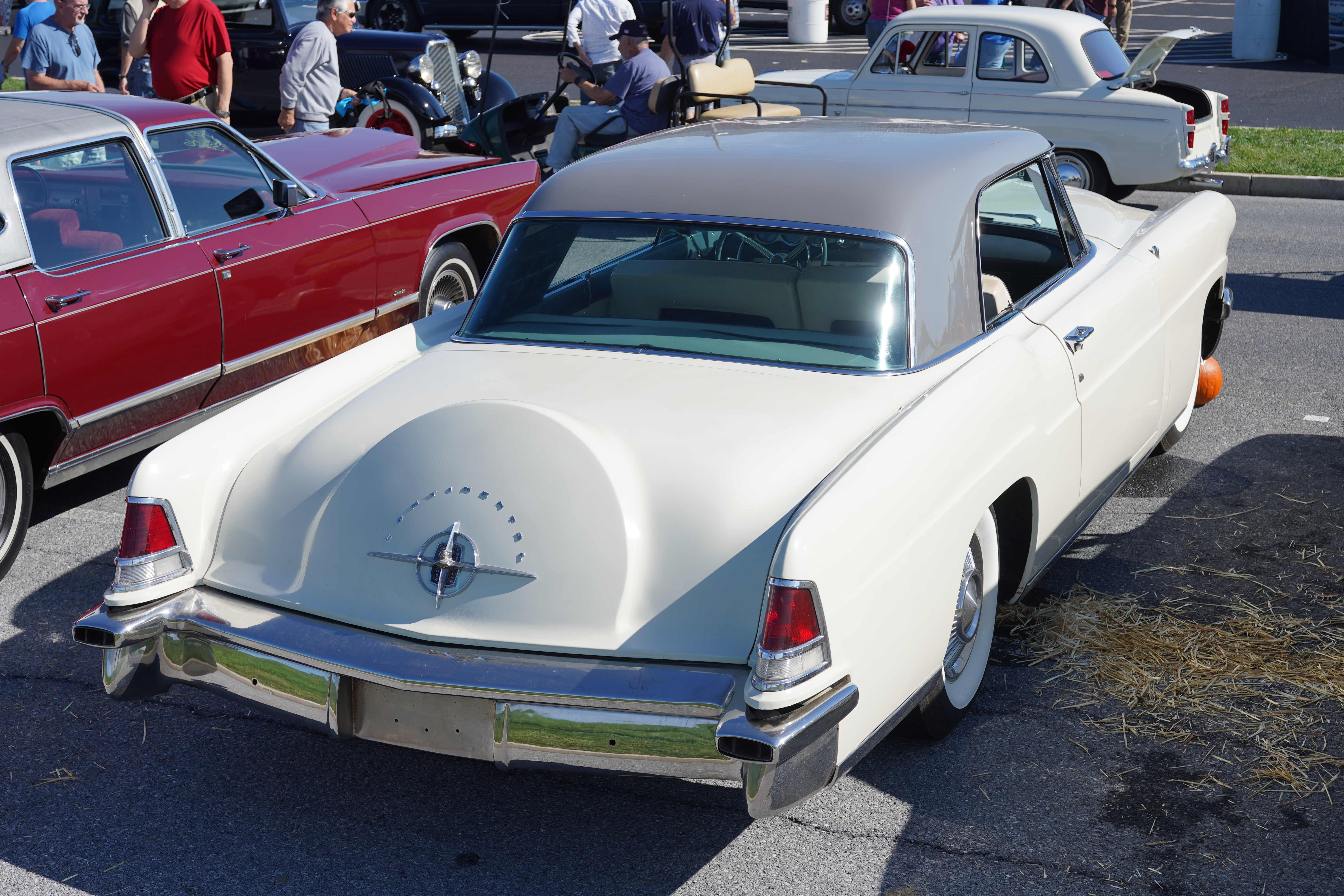
1956 Continental Mark II, pale beige body with taupe roof, black and white interior. Full wheel covers and wide whites. Sign on car claims “runs and drives well”.

Asking: $28,500.

This car was one of FOUR Continental Mark IIs on the grounds (including the RM auction). Don’t call them Lincolns! They were badged as “Continentals”. Everything I’ve read about them has stated that they are an expensive nightmare to restore, which rings true given that they were essentially hand-built cars. This was cheap for a Mark II, but as they say about cheap Ferraris and Jaguars, that initial purchase price is only the first of many checks to be written.

 

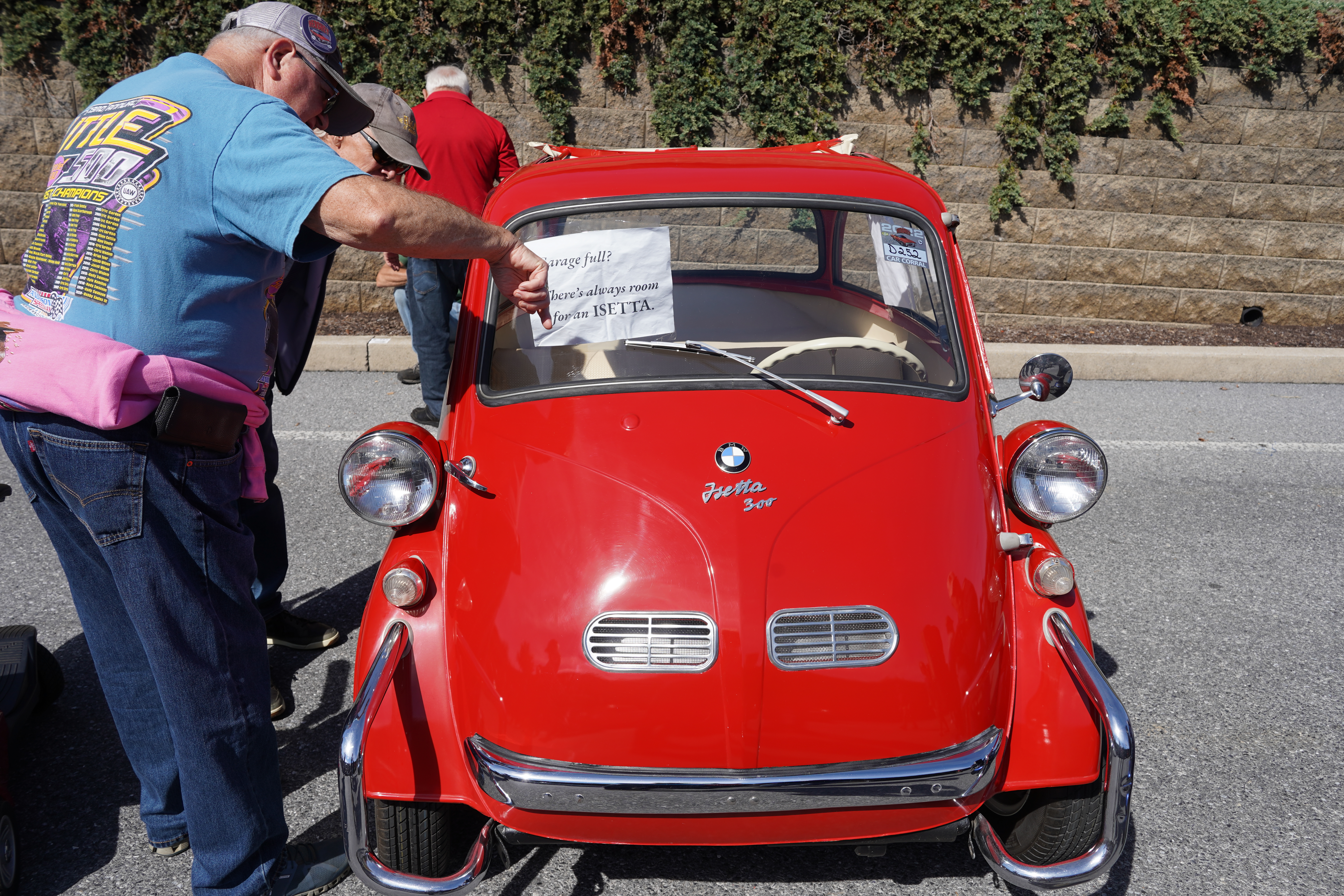
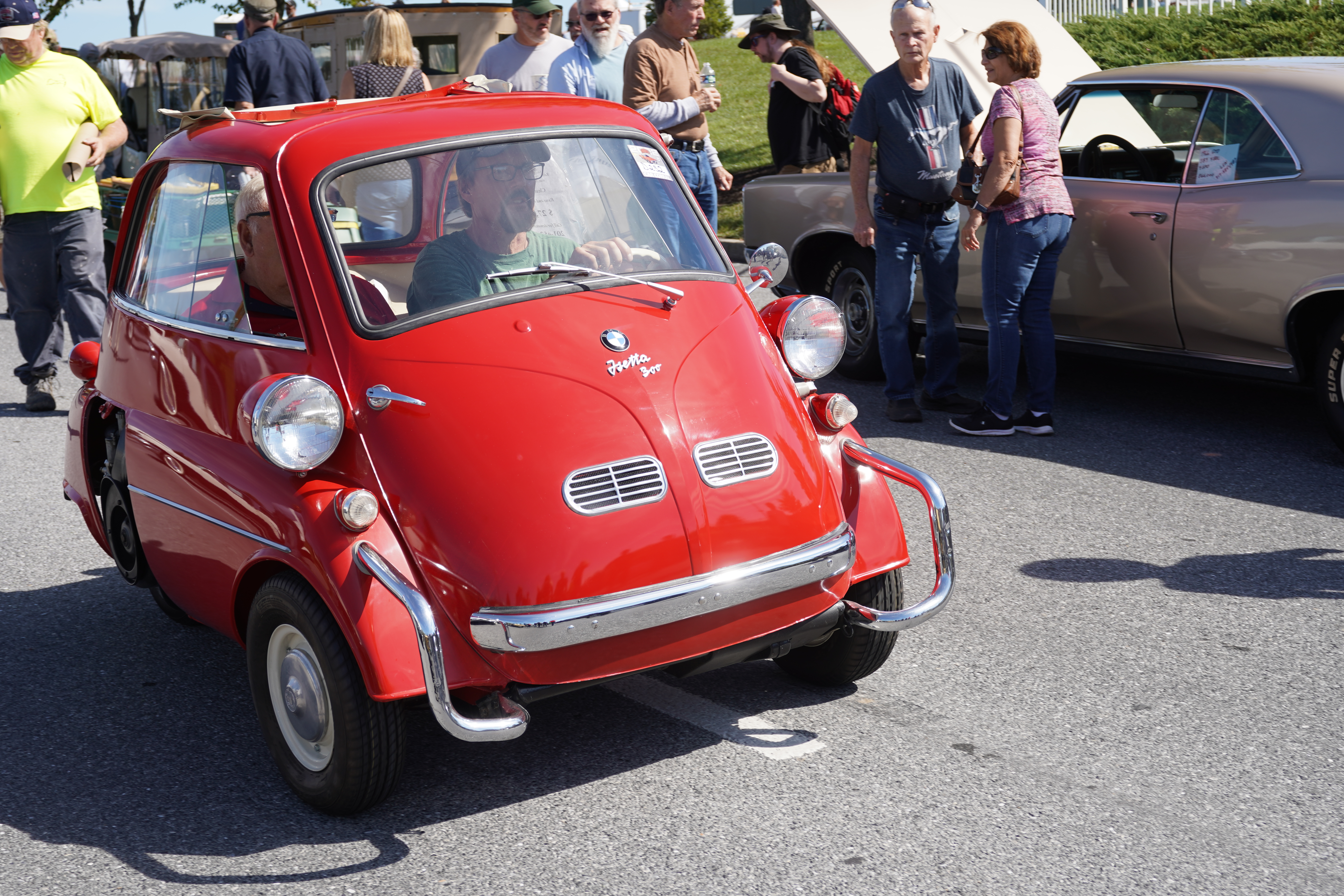
1957 BMW Isetta, red, beige interior, BMW hub caps, blackwall tires on white wheels. Door has deluxe vents but single wiper. Was seen running and driving in the car corral.

Asking $27,000

Sign on car claims complete restoration. A quick lookover by me didn’t find anything glaringly wrong with the correctness of the job. Isettas are way off their highs of 10 years ago. This was priced fairly.


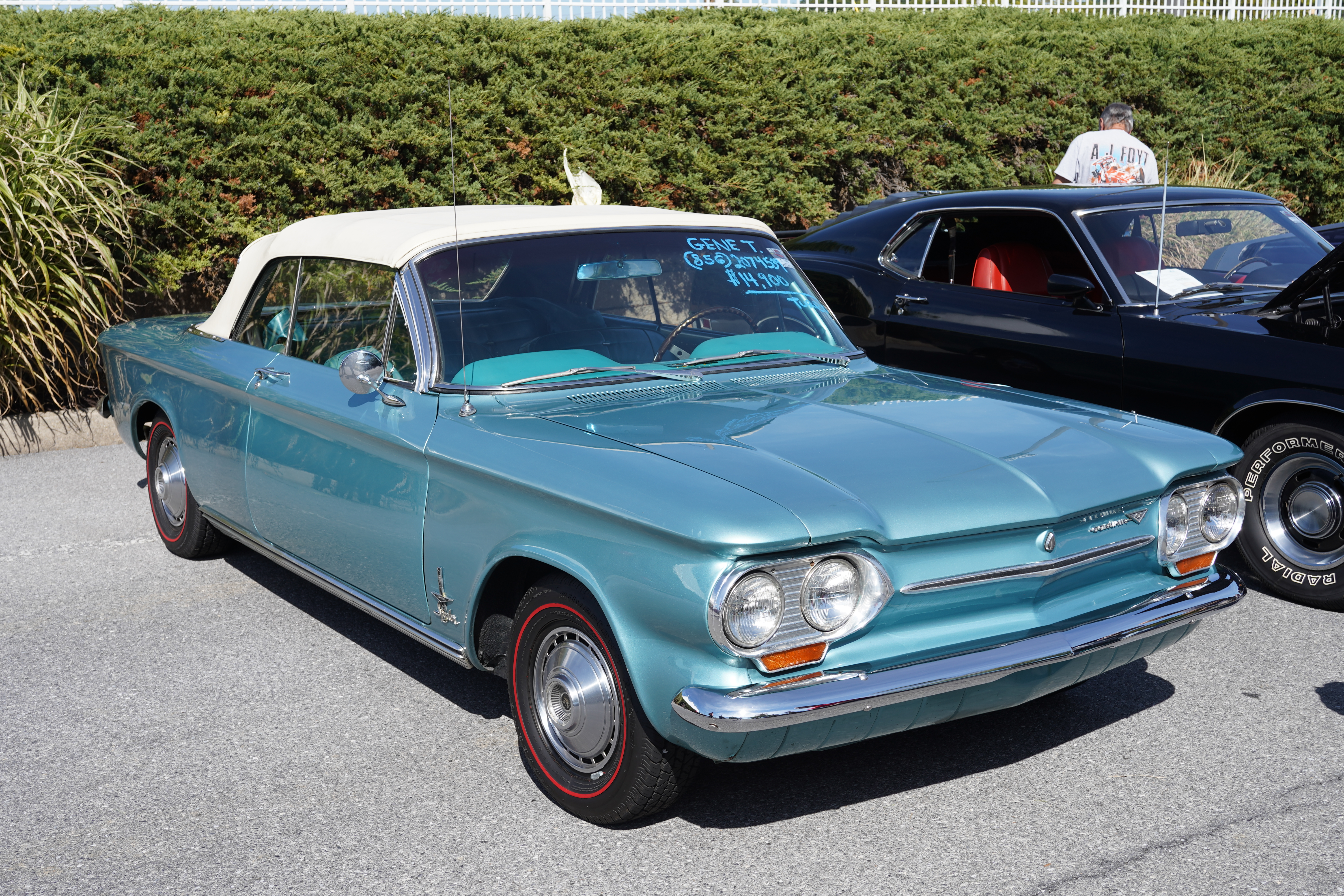
1963 Chevrolet Corvair convertible, teal, matching interior, white top. Sign on car only states “turbo”. Transmission was not noted. Full wheel covers, redline tires. Not all body panels appear to match.

Asking: $14,900

There are better 1st gen Corvairs for this kind of money.
 

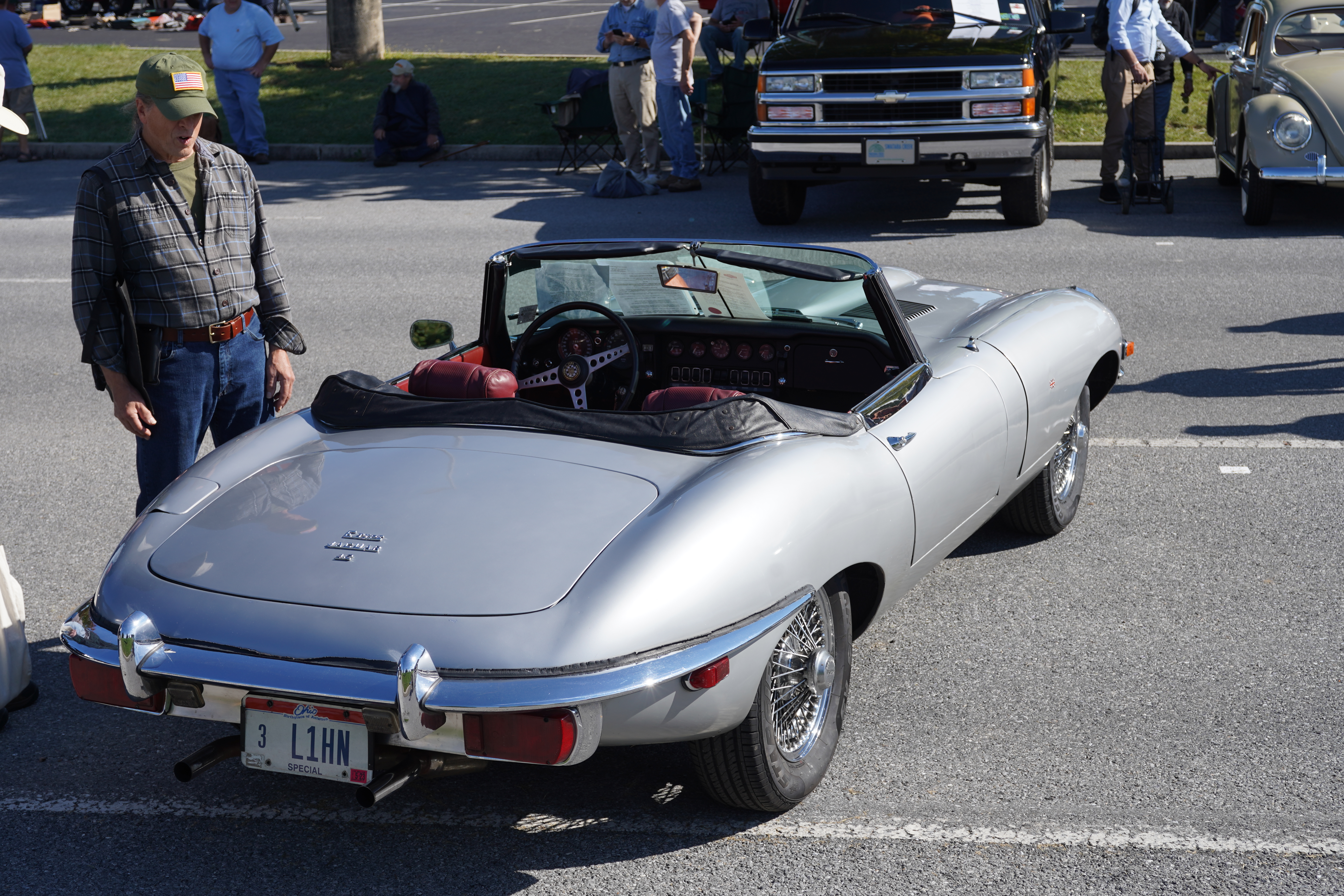
1970 Jaguar E-Type roadster, silver, black top, red interior. As a Series II car, has the 4.2L 6 cylinder and 4-speed transmission. Blackwall tires on chrome wires. Look great in this color combo from 20 feet. Sign on car states: “usual rust in rockers, old paint with dings and flaws, body rubber dry”.

Asking: $69,000

Worth it only if you’re willing to drive it as is.


1971 Alfa Romeo Spider, red, black top and interior. Headlight covers, Campagnolo wheels; steel wheels also included. Sign on car claims total engine rebuild and new clutch in March 2022.

Asking: $21,500

Saw this car very early in the a.m.; there was so much dew on it that it was not possible to judge its exterior cosmetics. These early S2 cars which still had small bumpers are gaining in popularity, now that S1 Duettos are priced at two to three times the asking price of this one.


1977 Leyland Mini Cooper. Teal metallic, patterned cloth interior. Multiple driving lights, flared fenders over Minilite-looking alloys. Sign on car claims 1.3L 4-cylinder engine with fuel injection, 4-speed manual, big brake kit, performance exhaust, upgraded suspension, new tires.

Asking $19,995

This tiny thing looked like an absolute blast to drive, especially given the improved power-to-weight ratio. Might be a challenge to find this much fun these days for under 20 grand.


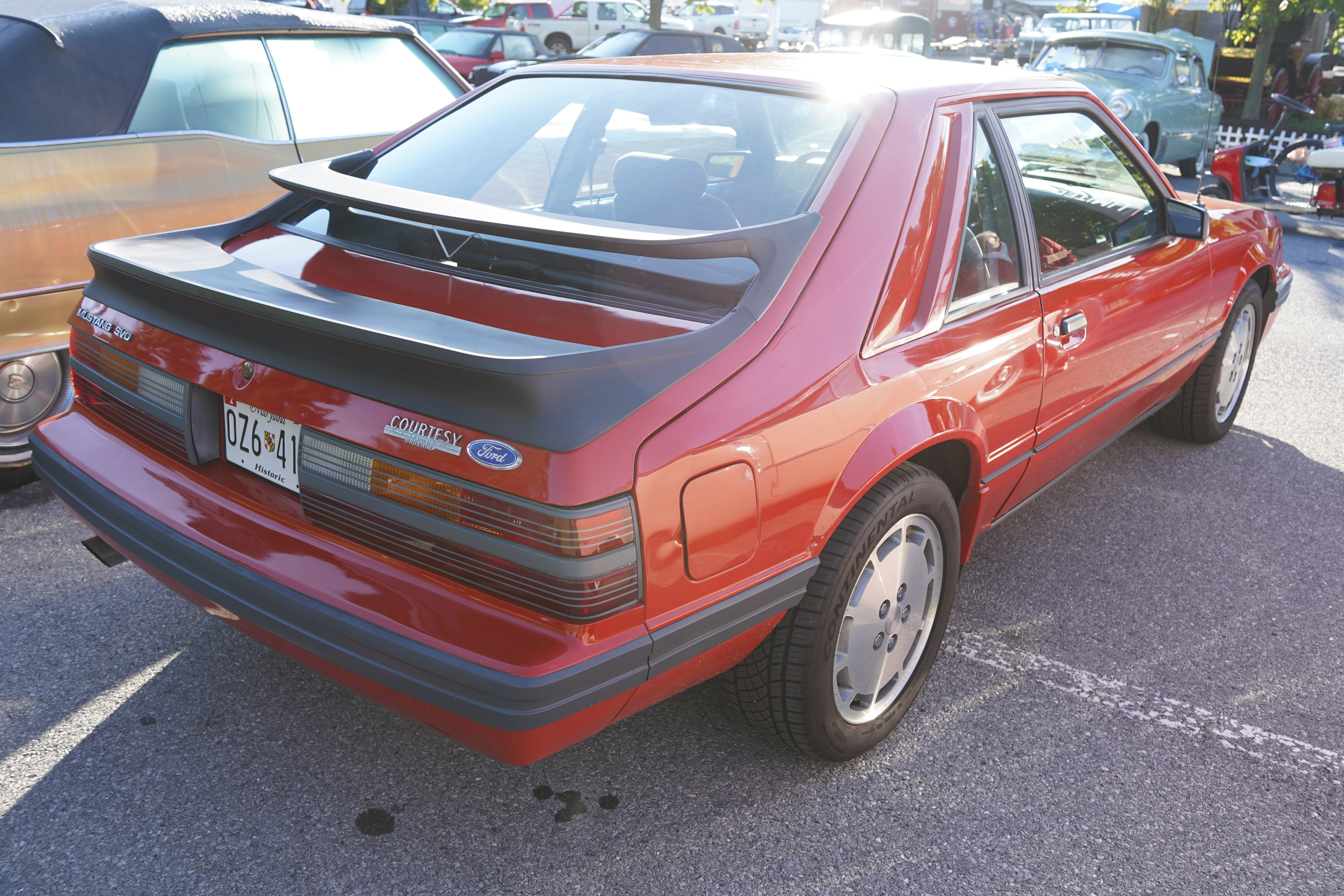
1985 Ford Mustang SVO, red, grey cloth interior. All SVOs had the 2.3L turbo 4 and 5-speed stick. Sign on car claims 66k original miles and no rust.

Asking: $14,250

I have had my eye on these for a while; they are an interesting, Euro-flavored alternative to a 5.0 Mustang. This one looked very clean, but the asking price is still higher than some recent auction sales which have been around $10k.

 

All photographs copyright © 2022 Richard A. Reina. Photos may not be copied or reproduced without express written permission.


The 2022 Glidden Tour Summary

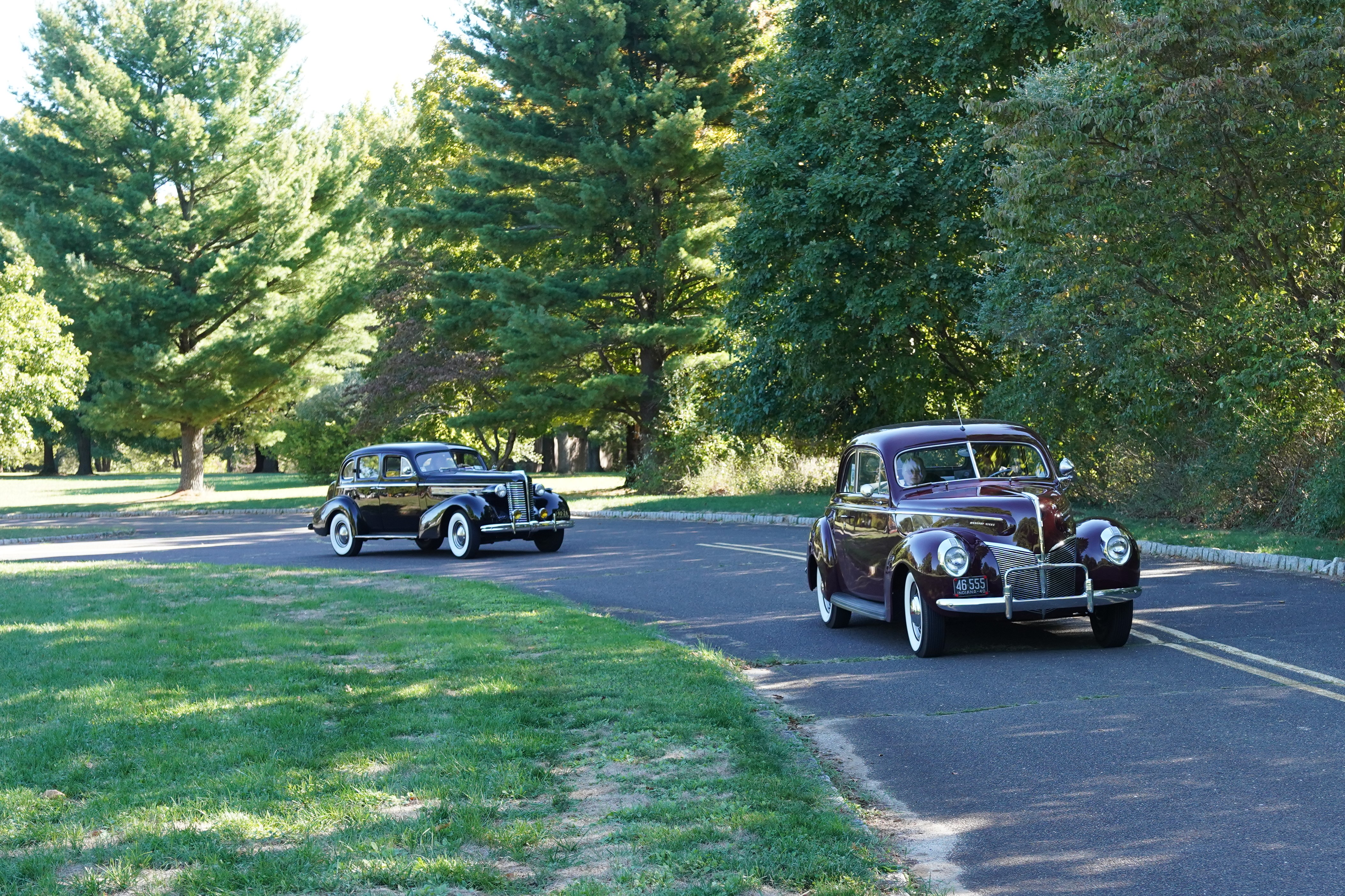
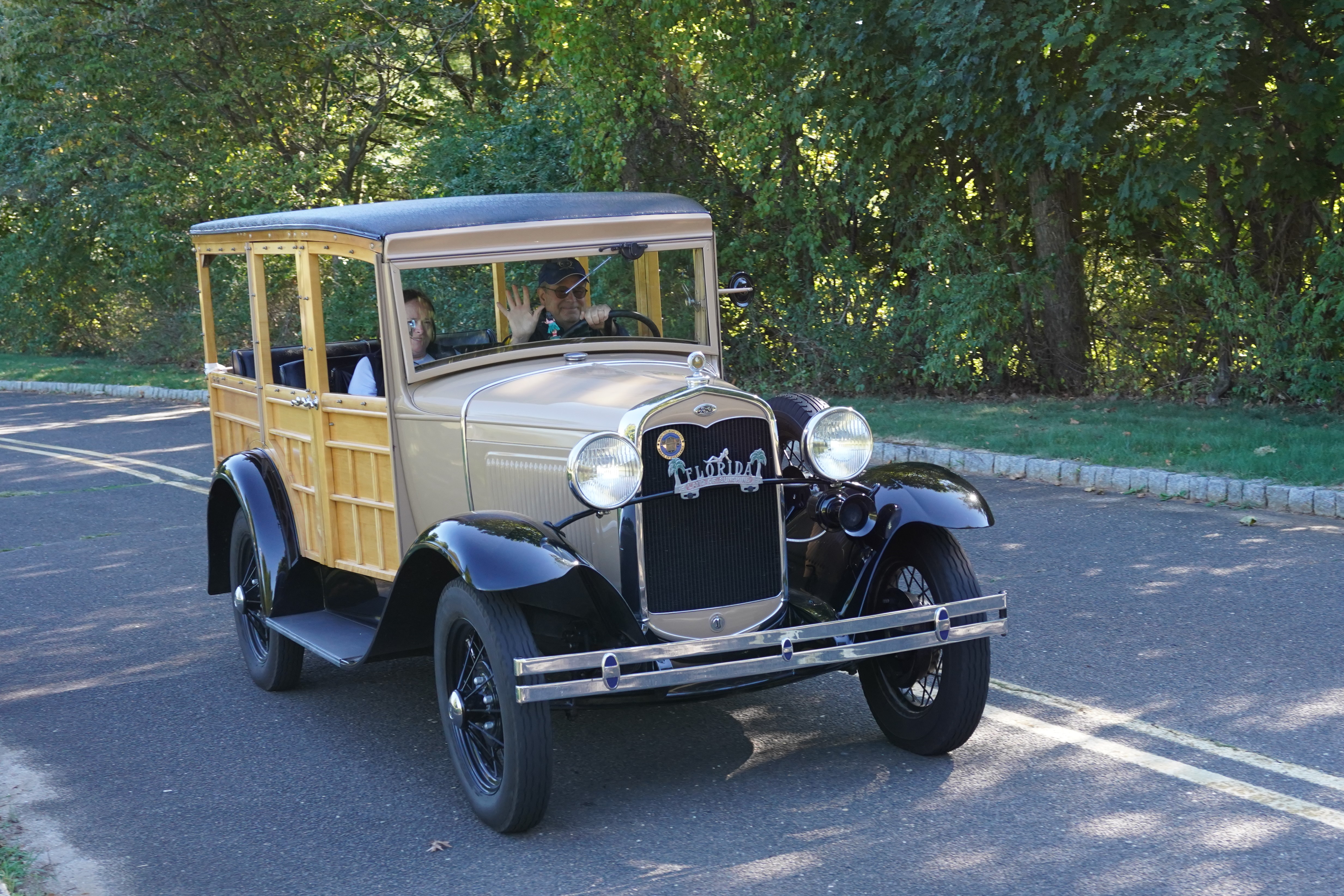
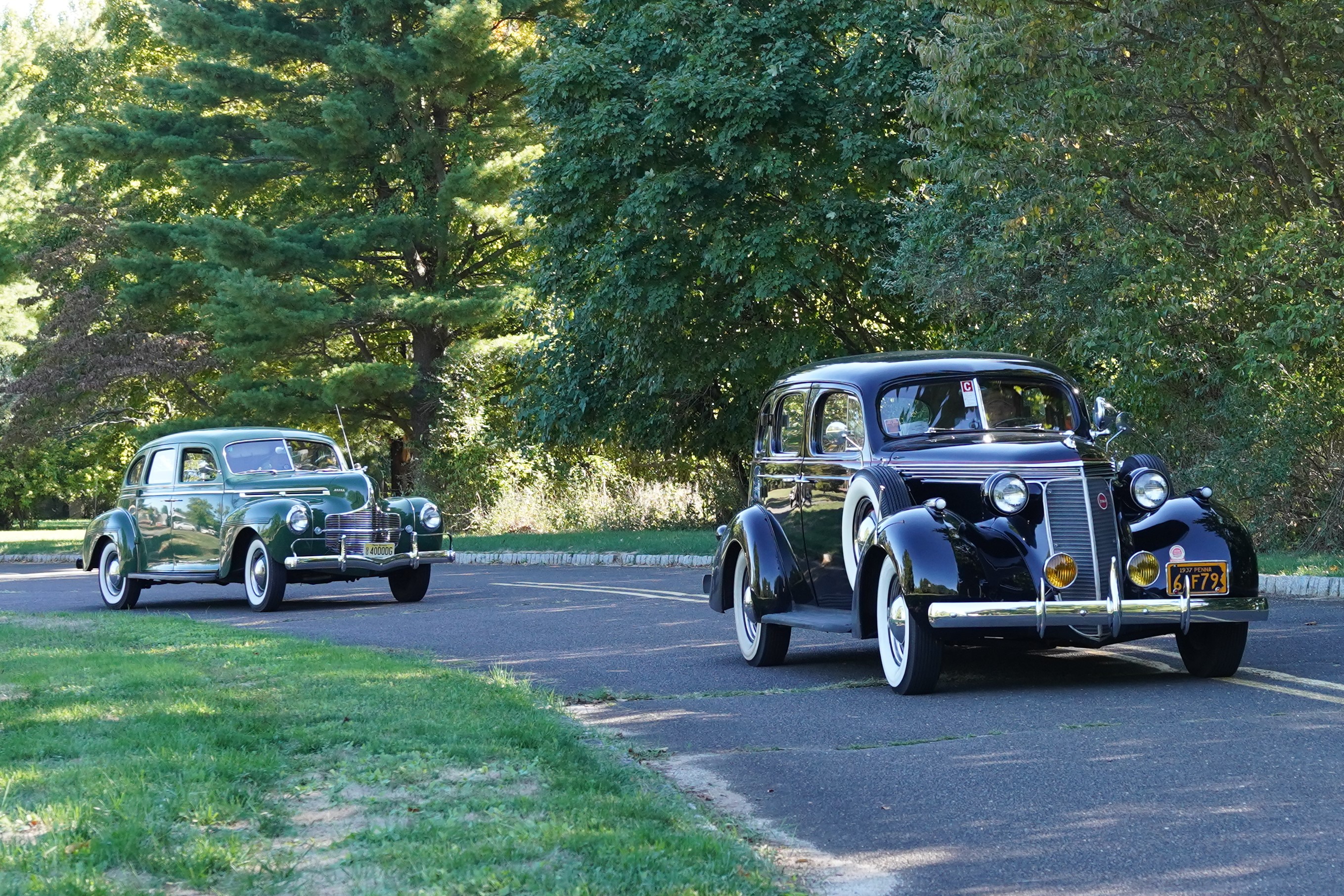
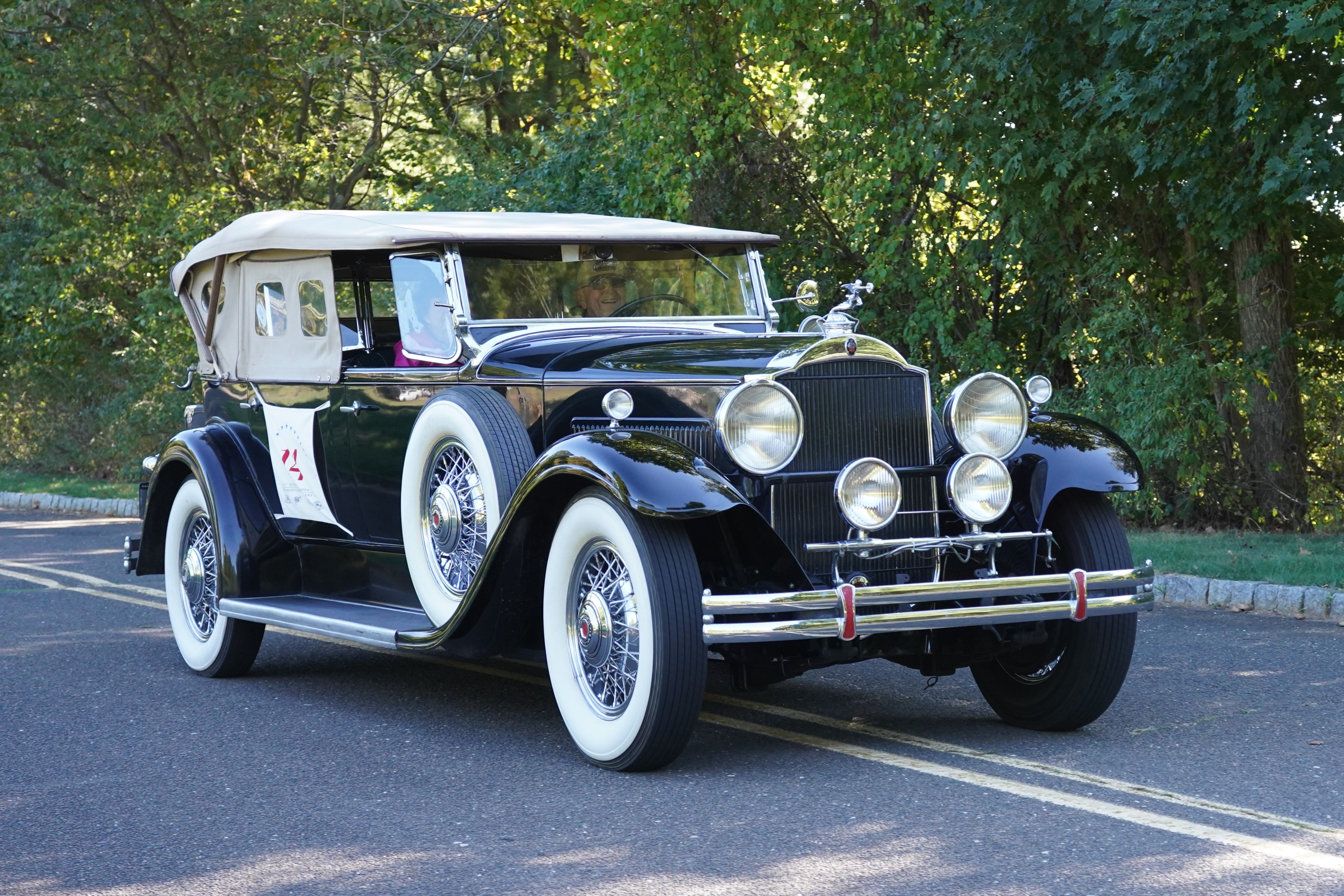
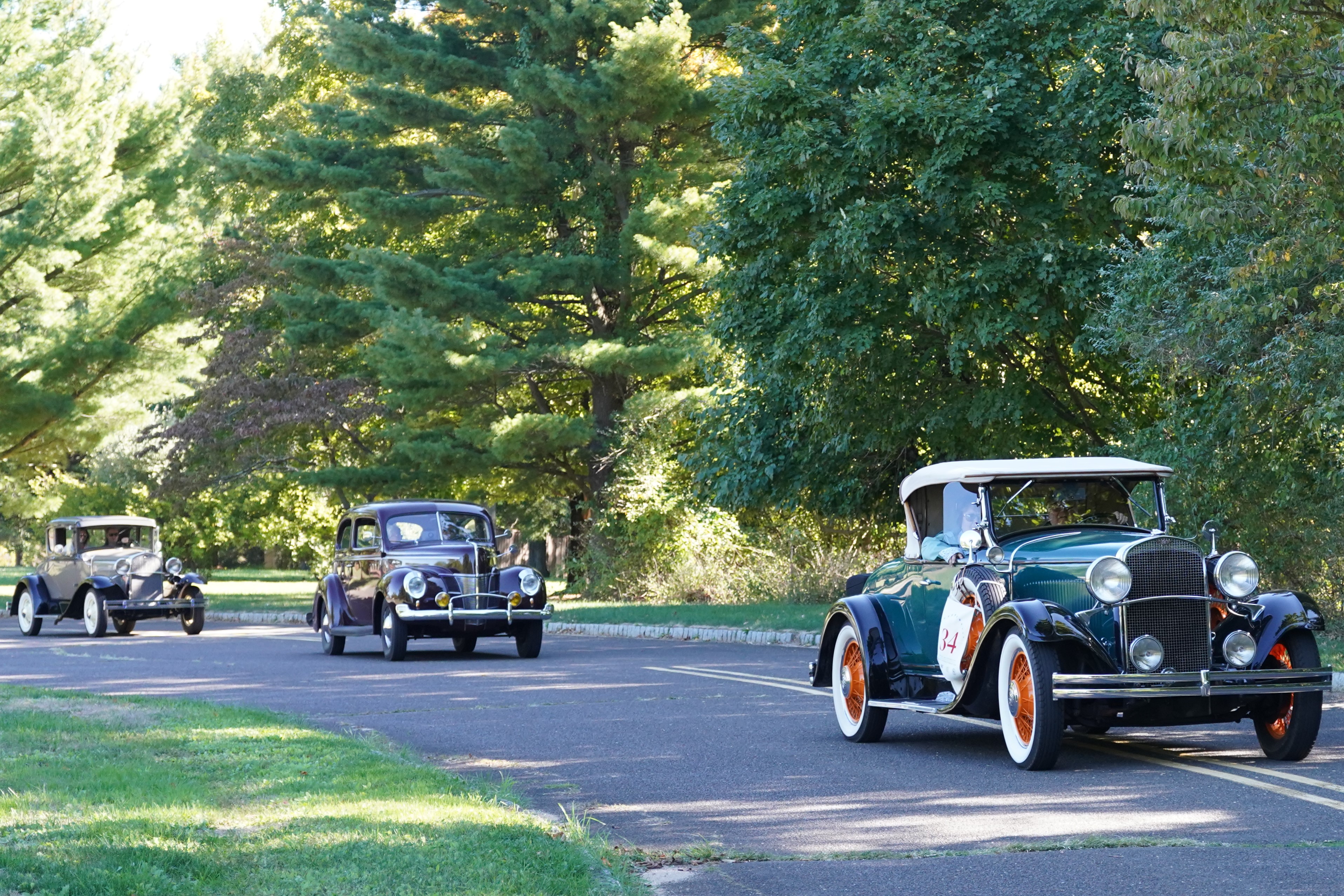
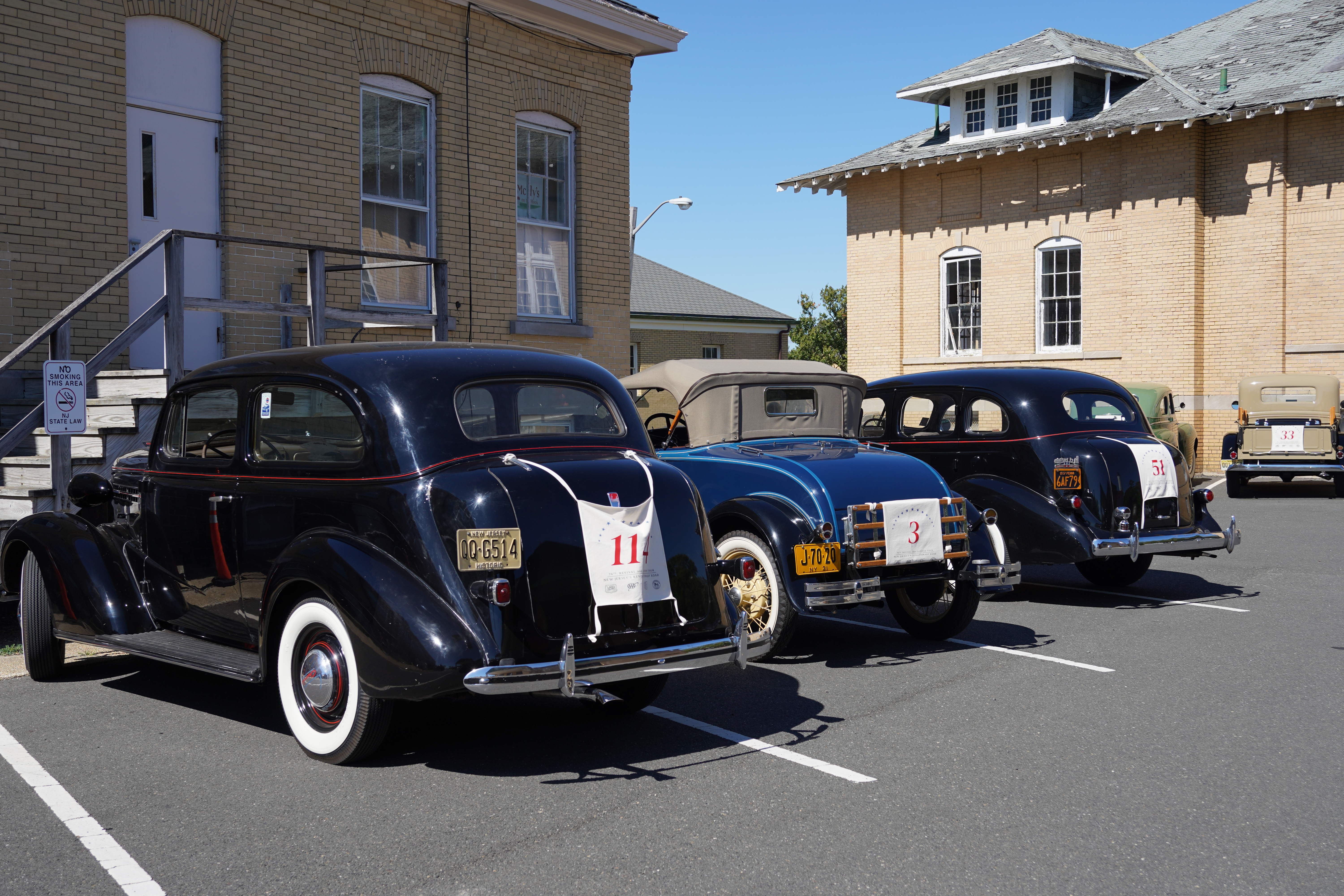
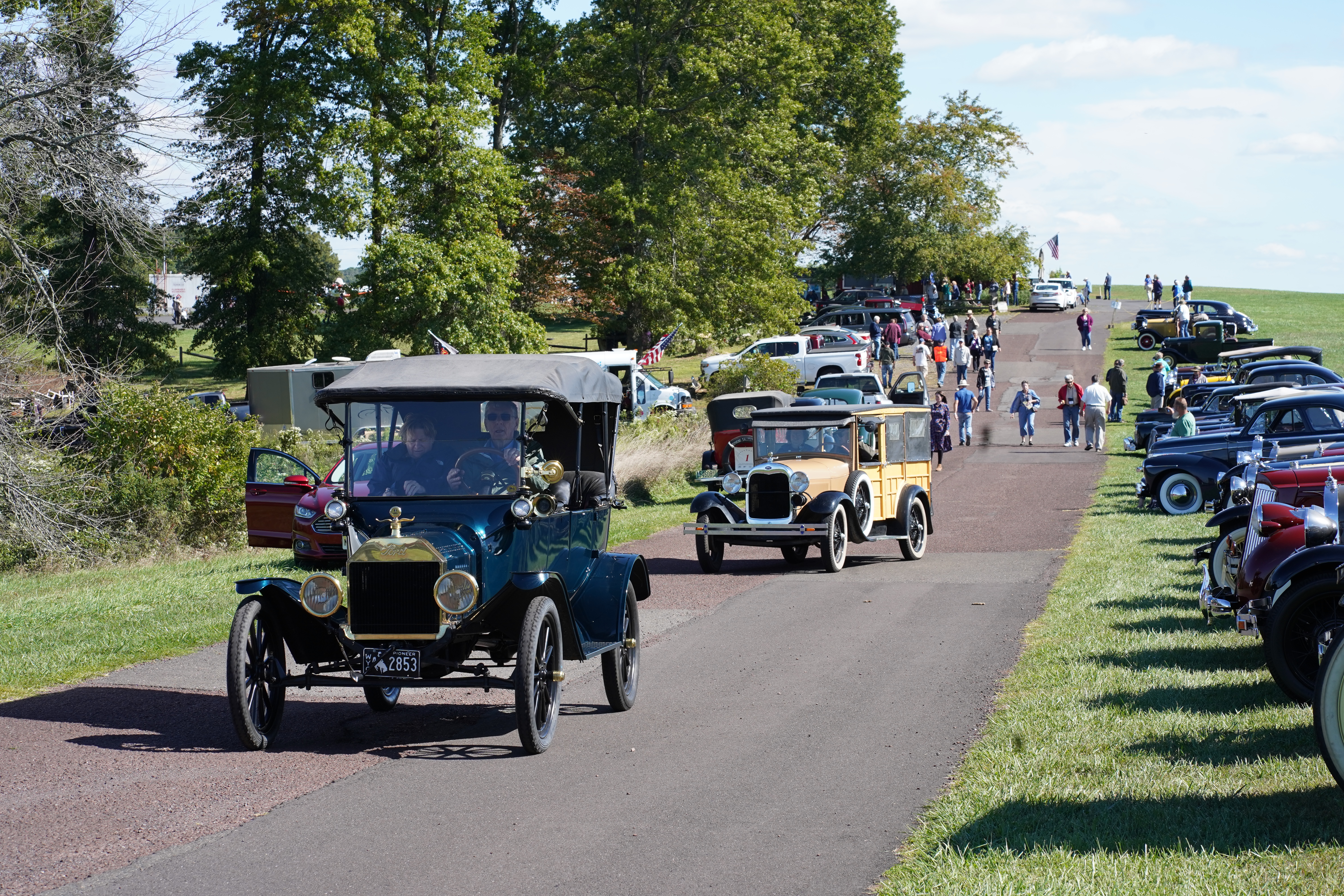
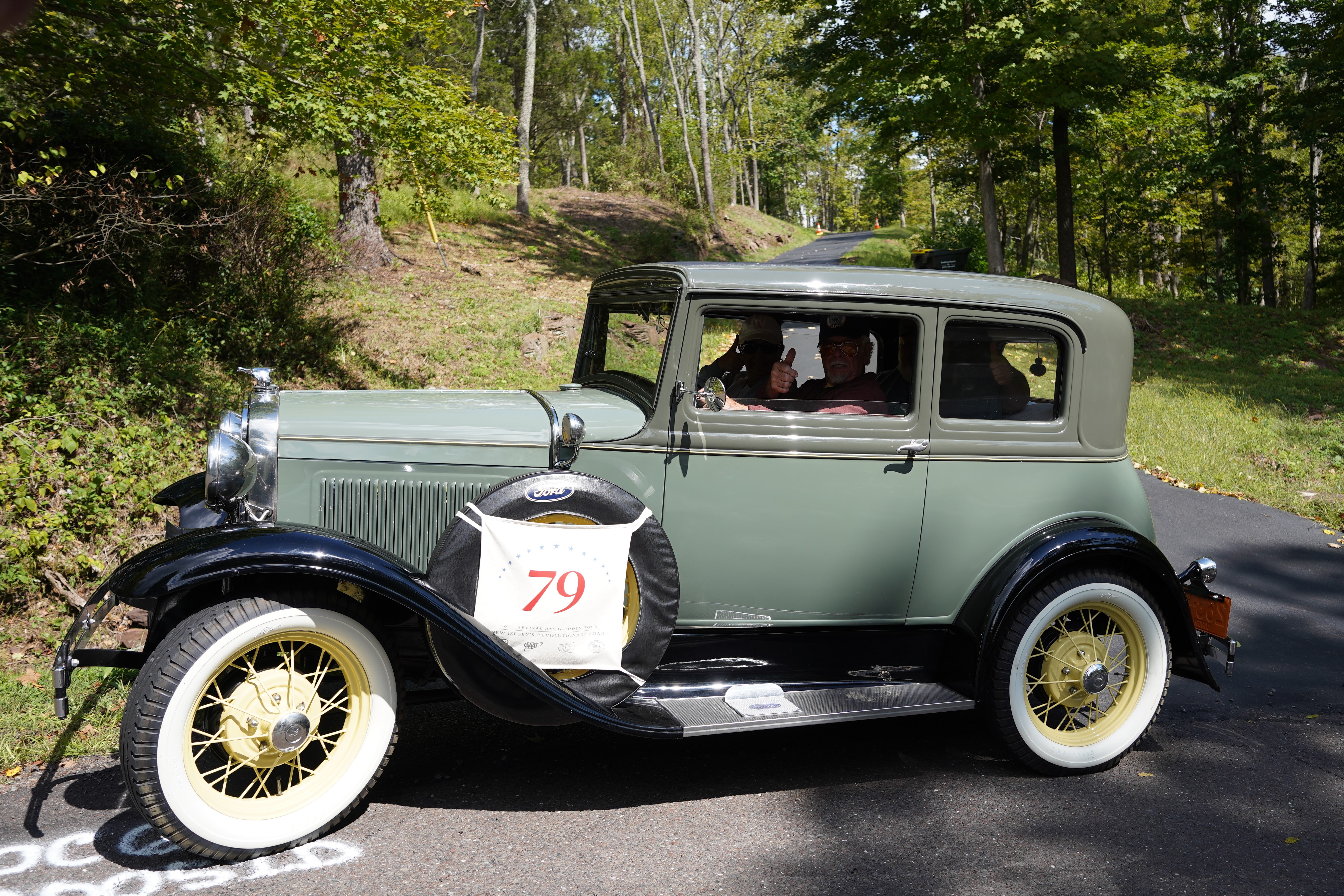
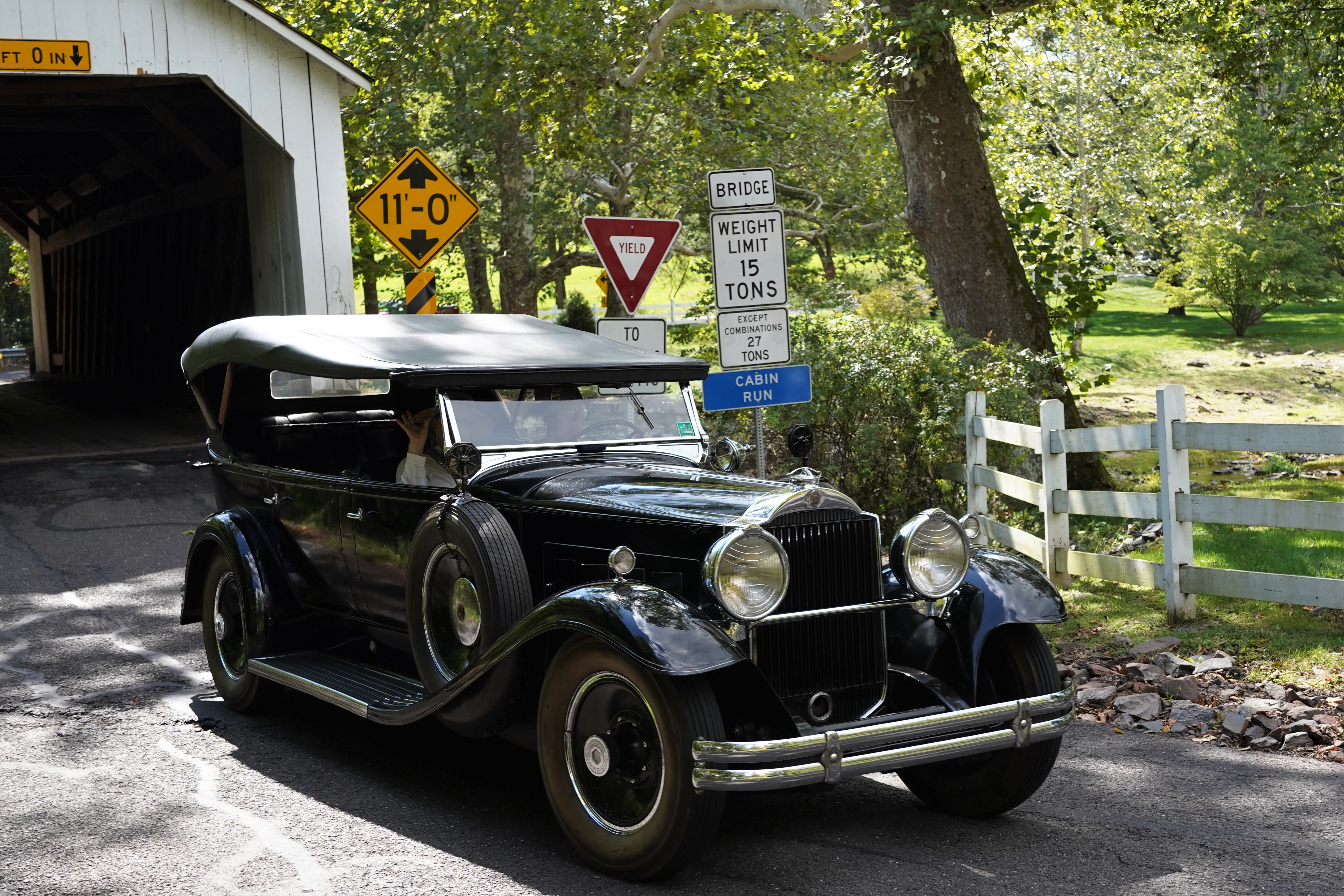
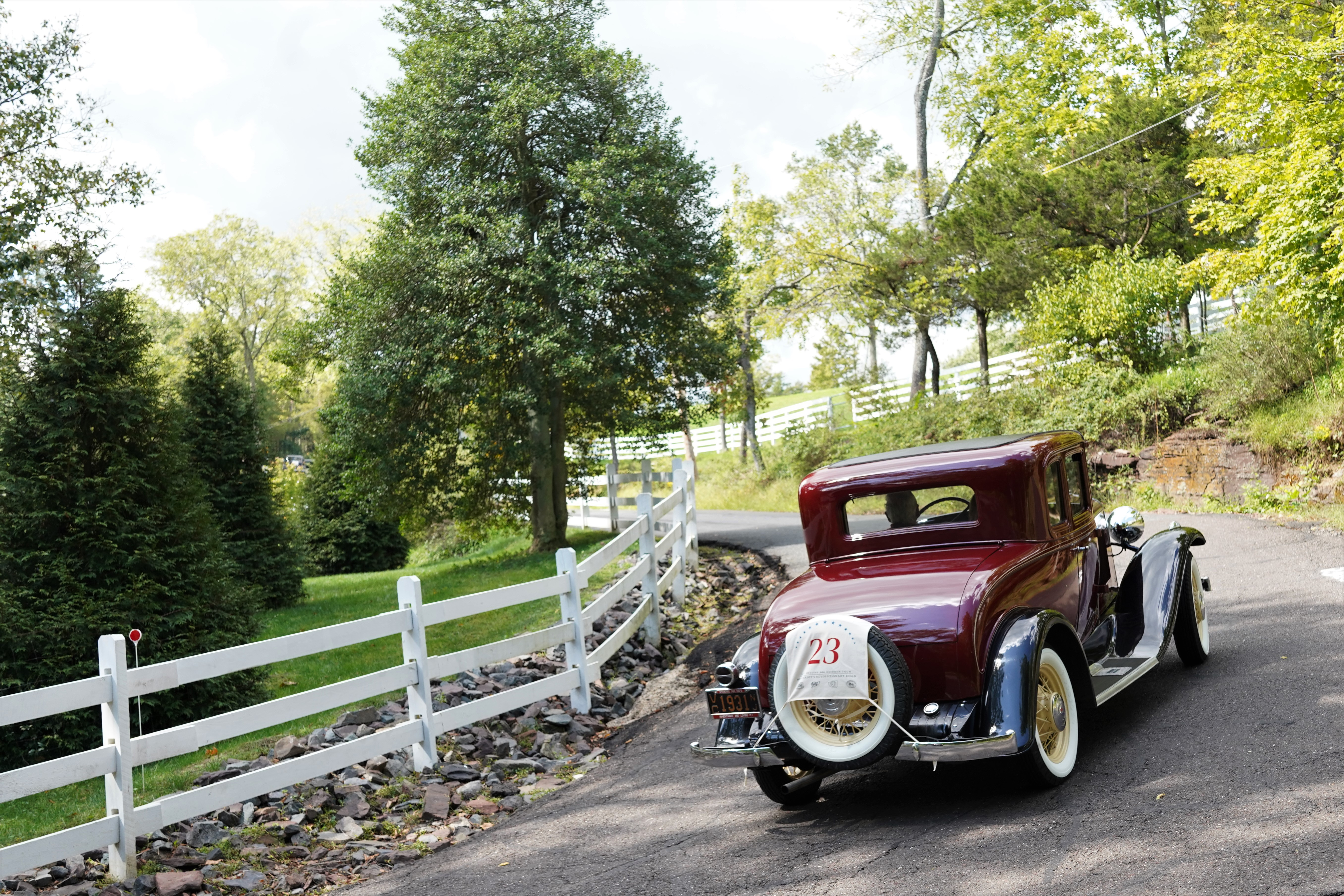
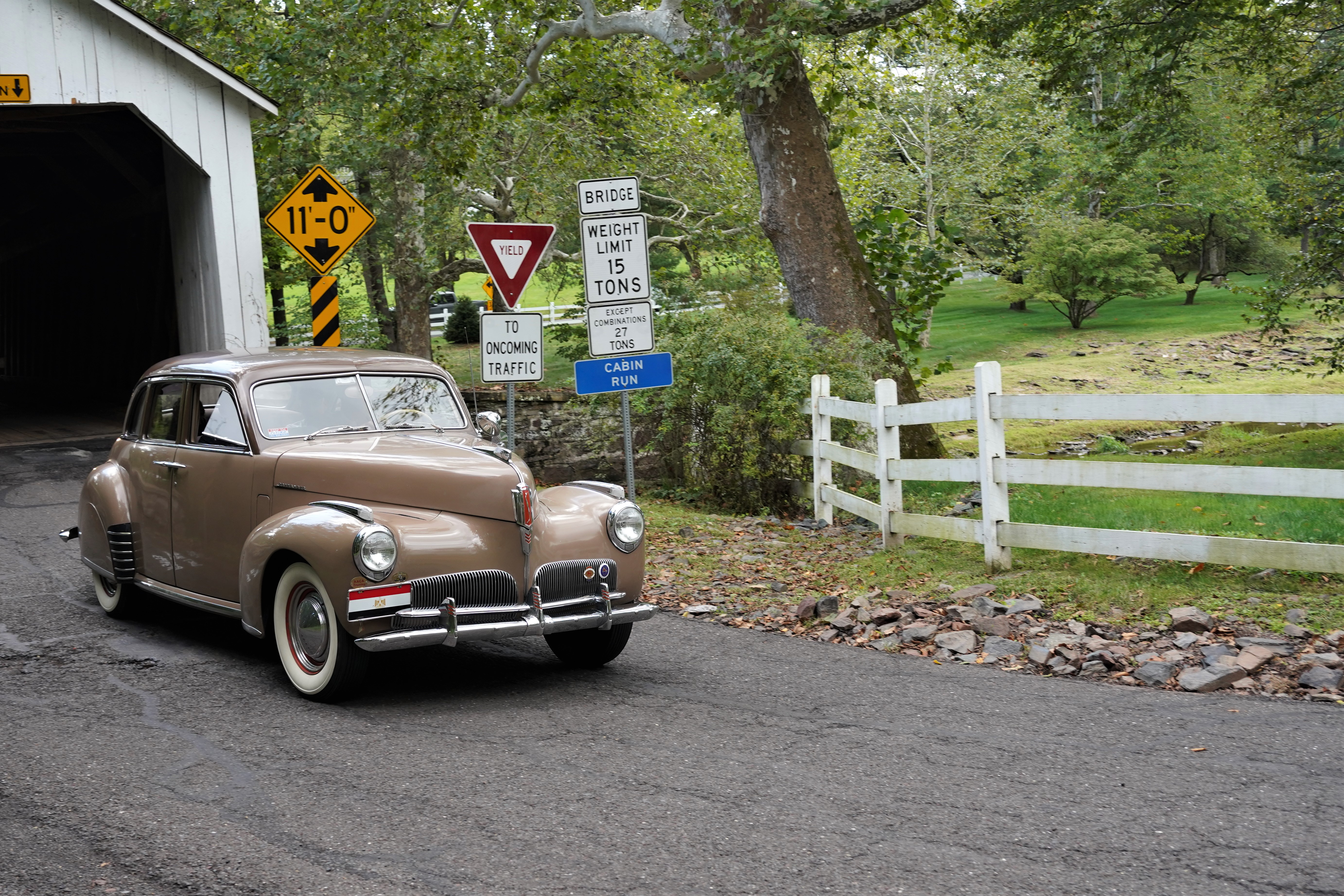
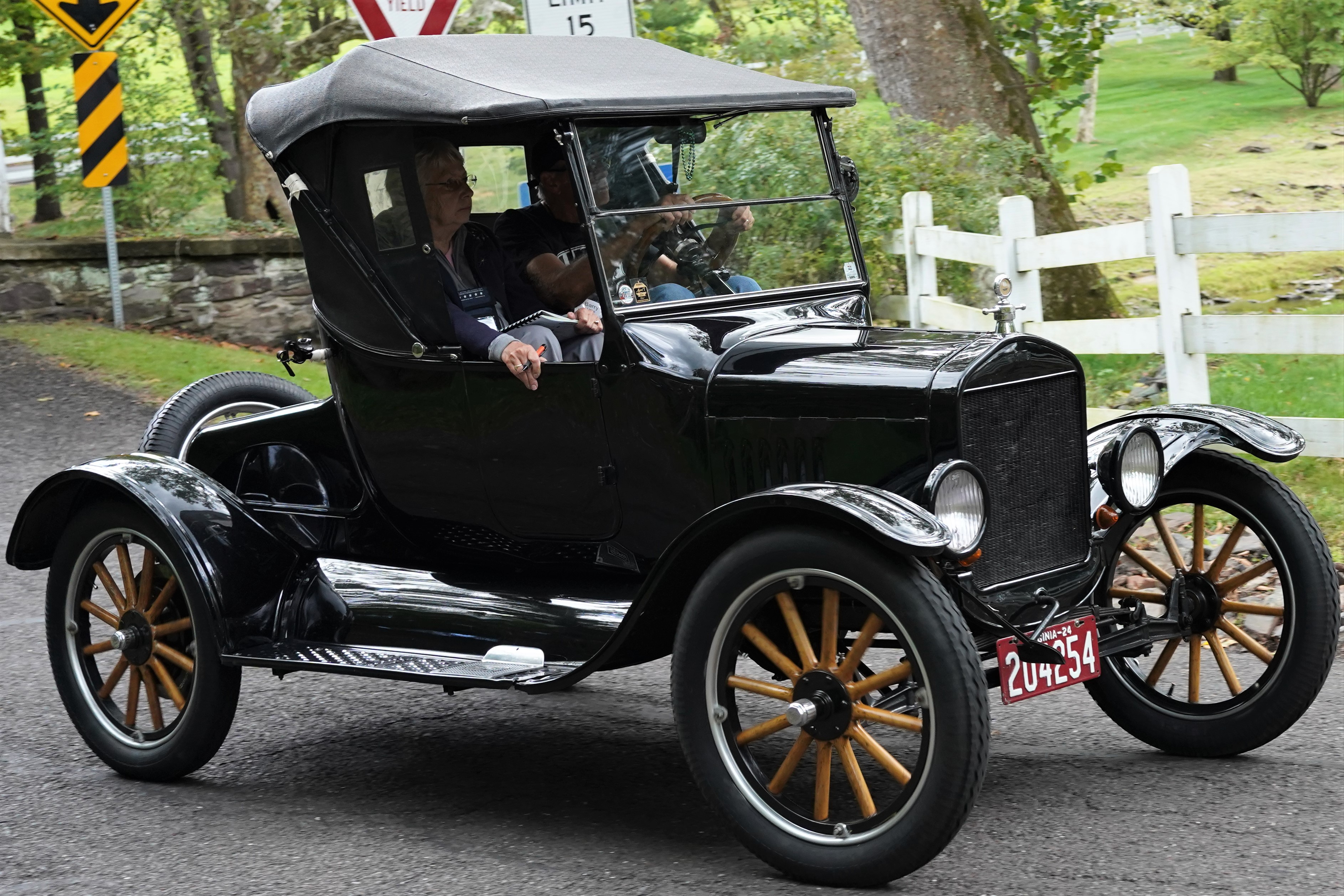
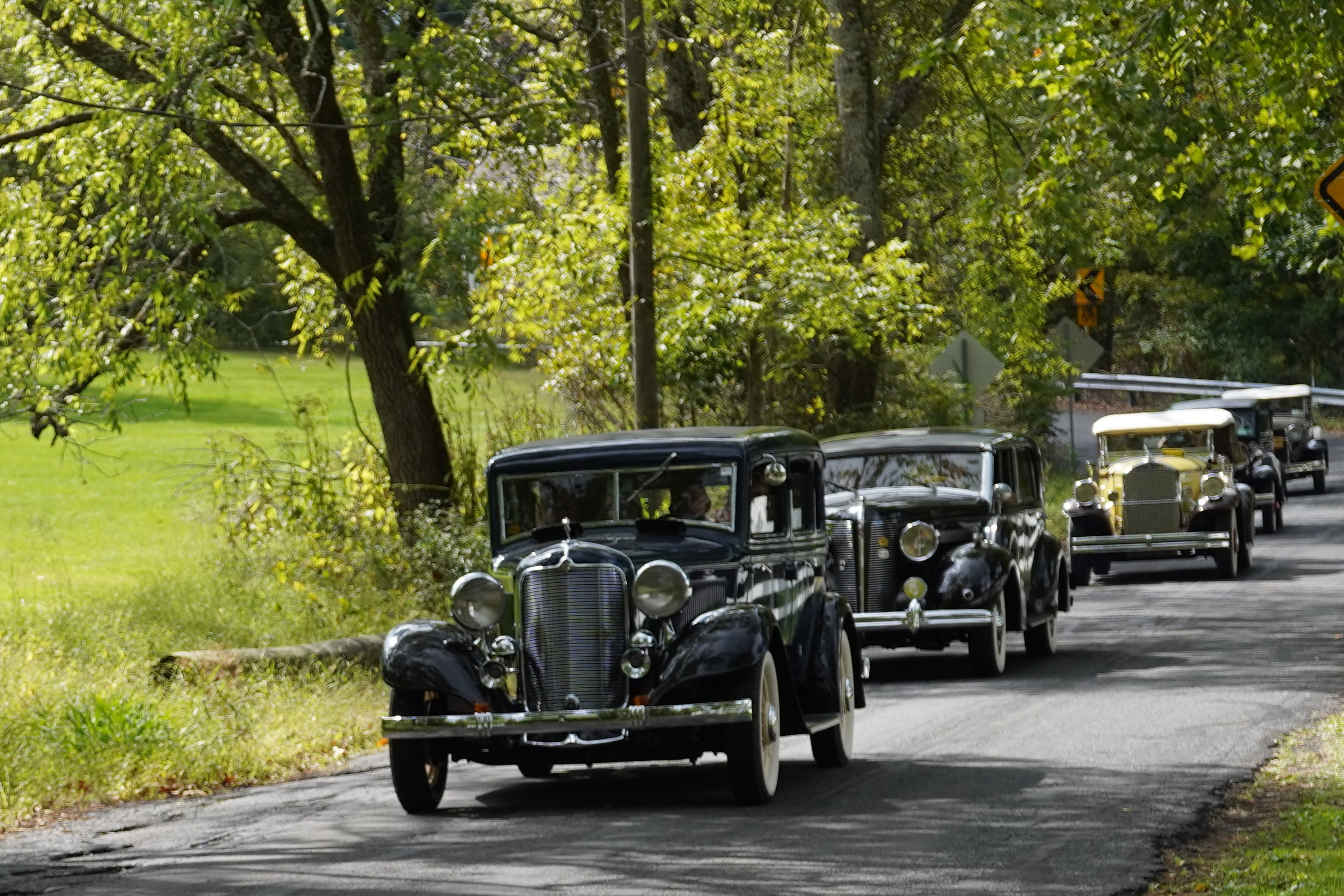
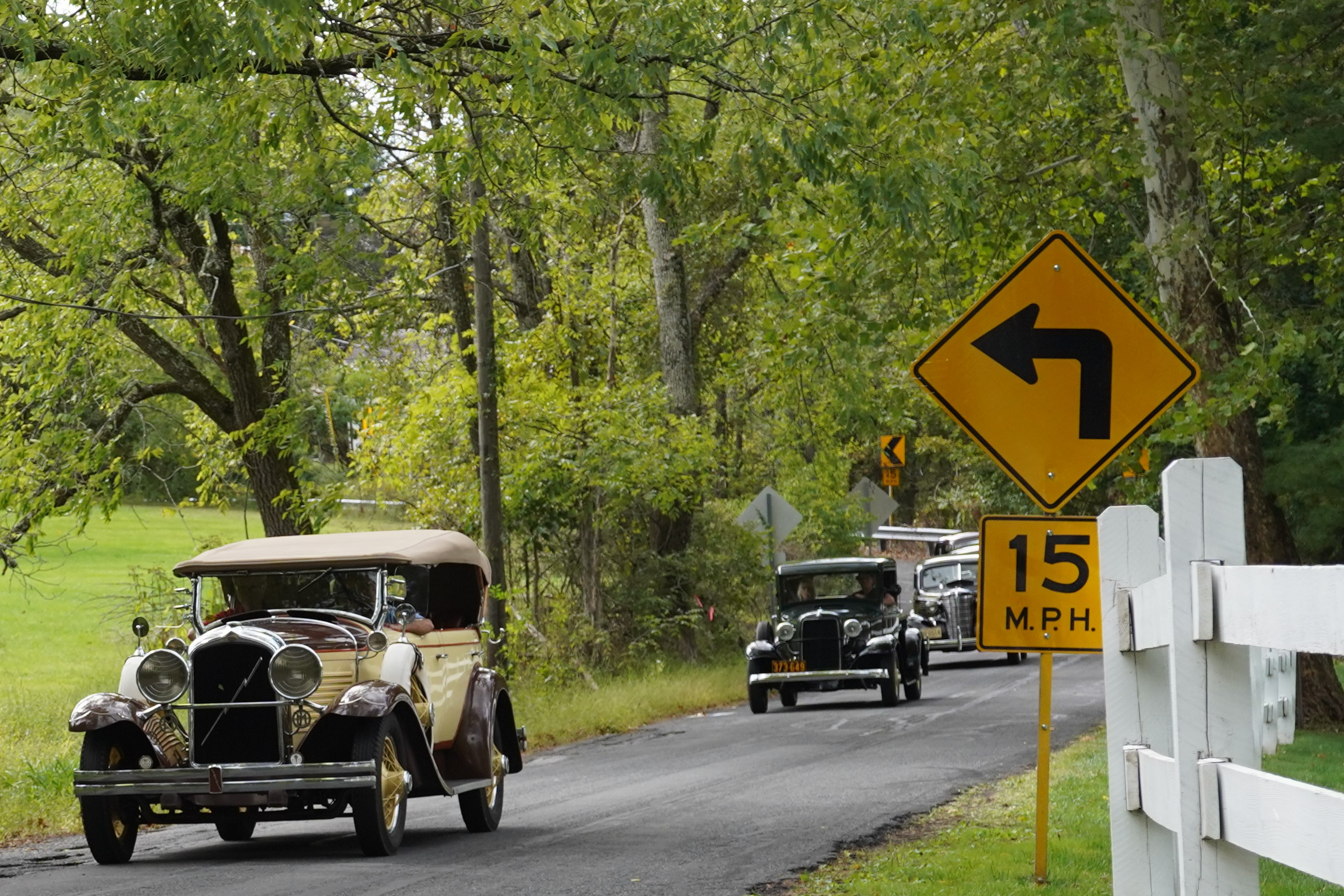
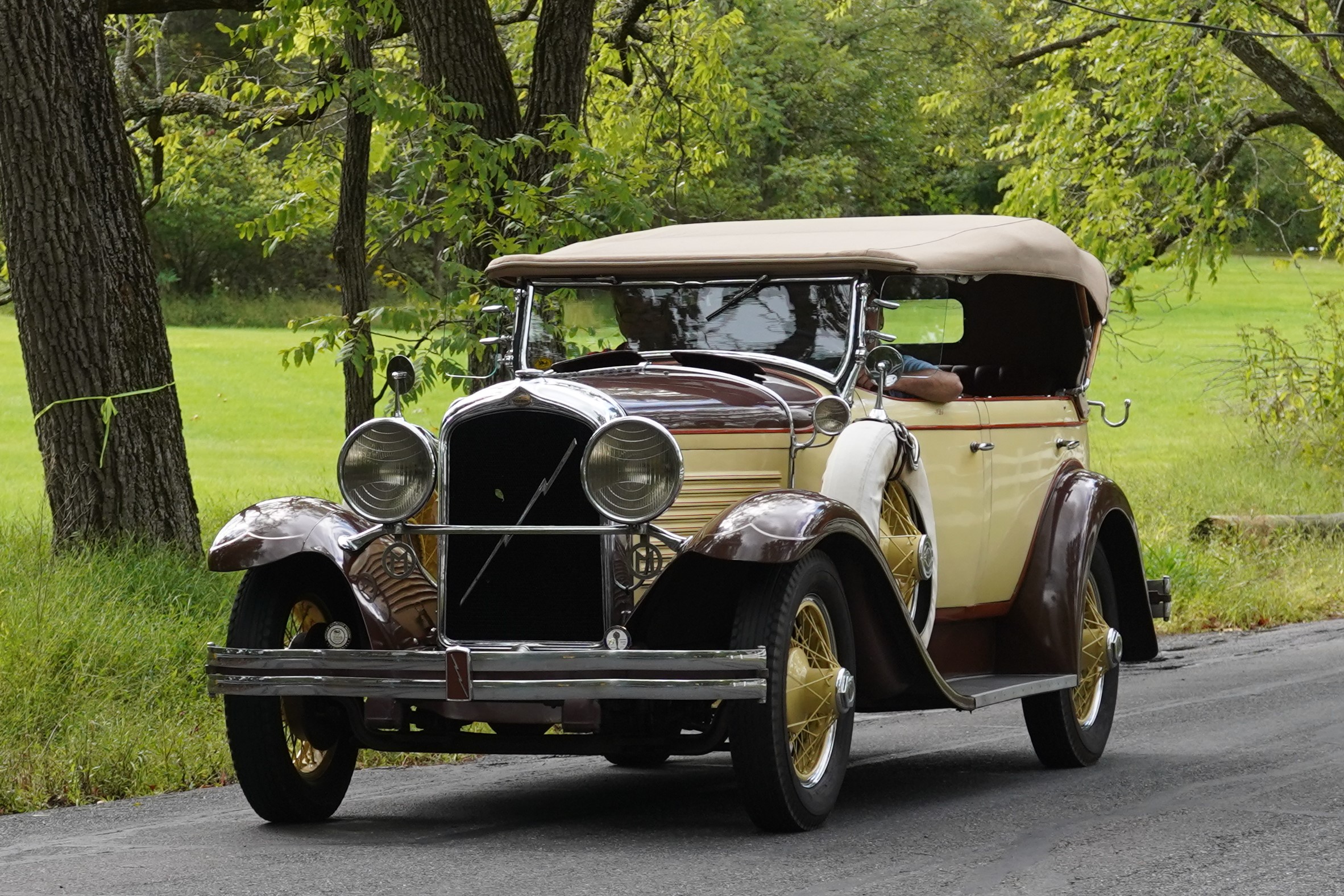
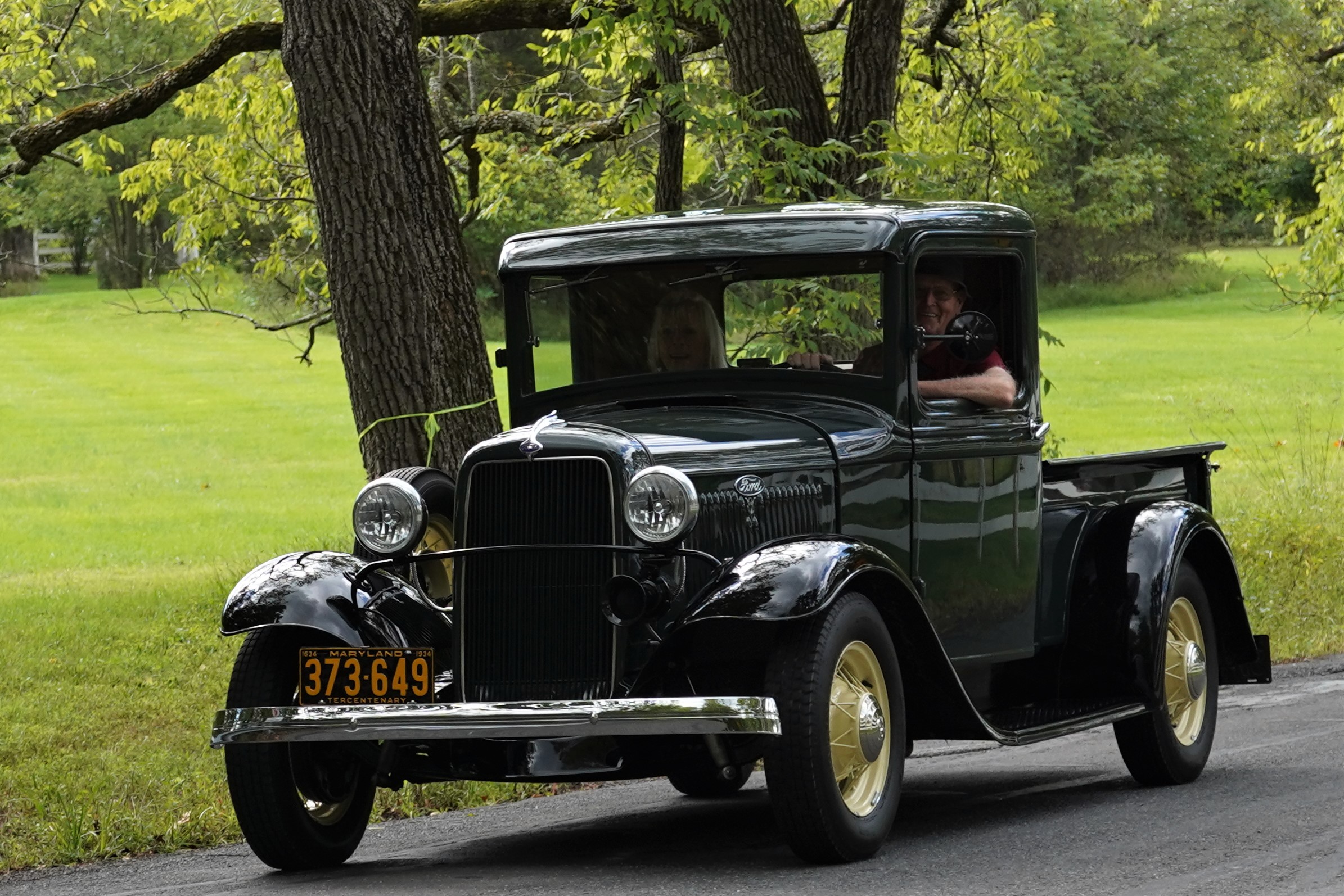
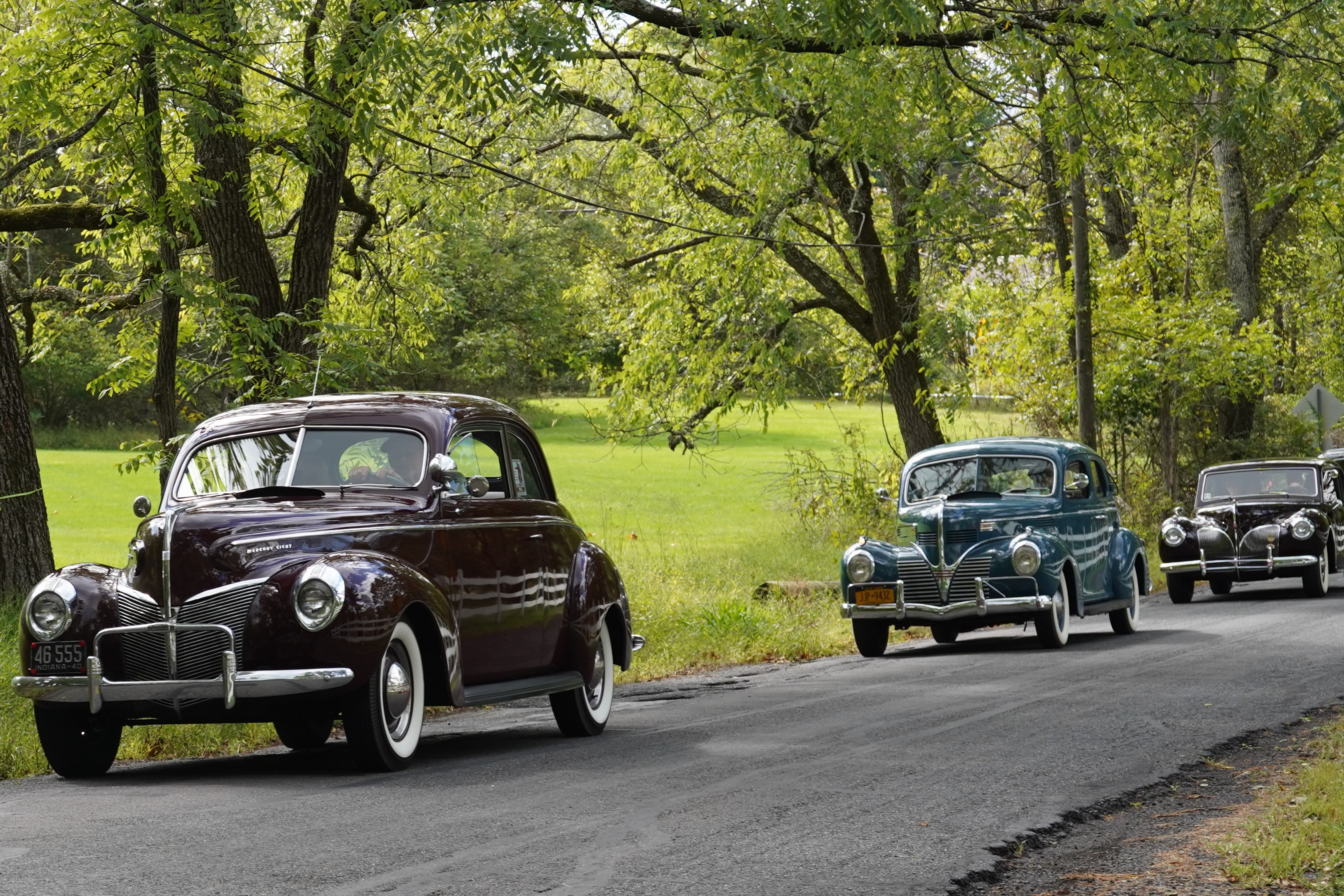
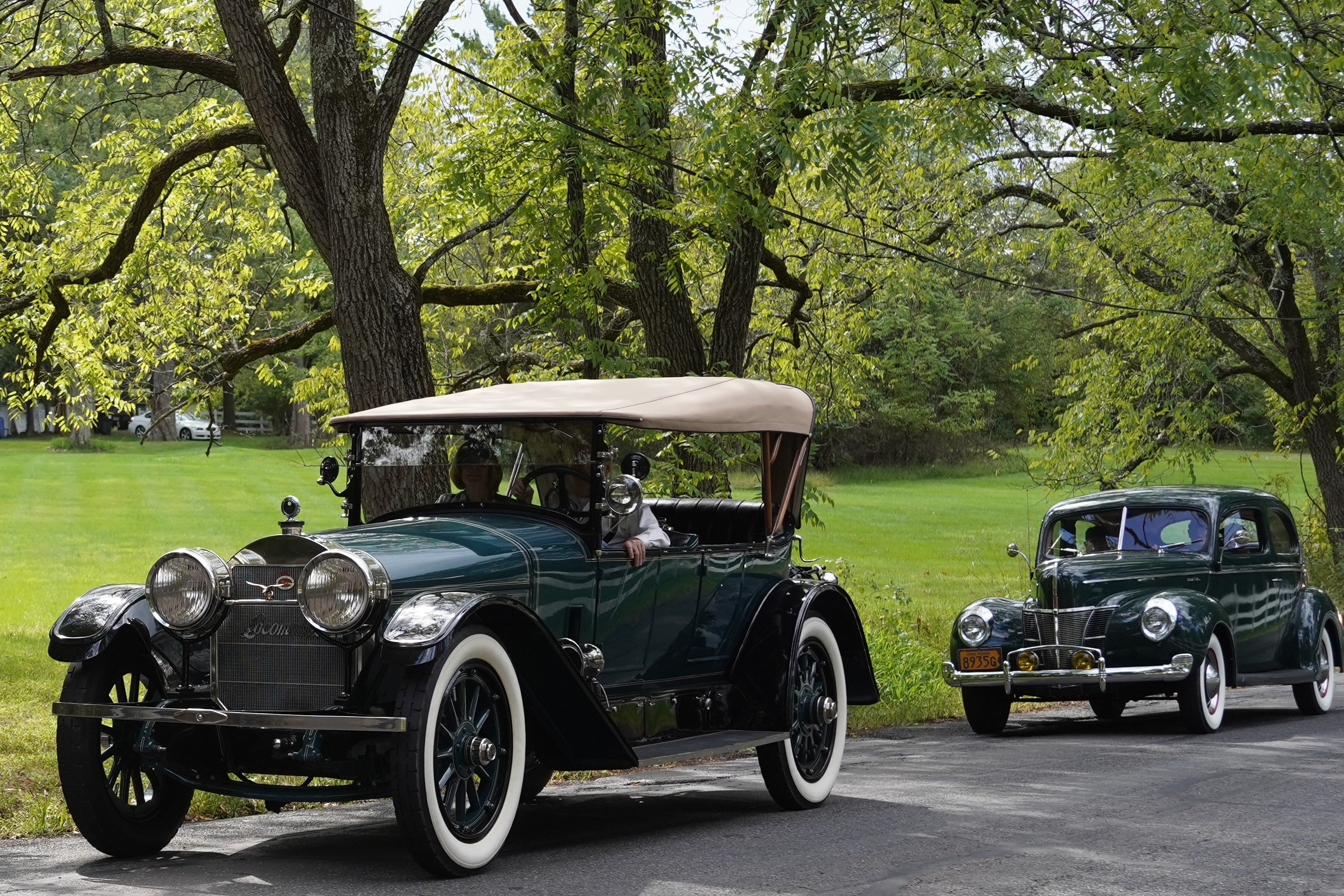
The 2022 edition of the annual Revival Glidden Tour is in the books. It wrapped up last Friday, September 30, 2022, with a closing banquet at the host hotel outside of Princeton, NJ. In all, 115 pre-1943 cars were registered; an unofficial count states that 7 cars did not finish the tour due to various mechanical issues; a small number were unable to attend; and that leaves me estimating that approximately 100 vehicles completed the tour, driving a total of 450 miles over the course of 5 days.

Starting with the purchase of my first collector car right after college graduation, a 1957 Ford Skyliner, my interest in this hobby has been in the cars of the ‘50s, ‘60s, and ‘70s, no surprise coming from a card-carrying Baby Boomer. However, participating in this year’s Glidden tour as a boots-on-the-ground photographer, present at almost every planned stop over the entire week, has turned my head around. Now I’ve seen proof that pre-war cars can be as reliable and as enjoyable as post-war cars for touring purposes.

Here are some general observations about Glidden drivers and their Glidden cars:

  • Driving 60 to 100 miles a day, no matter the weather, is not only NOT an obstacle; it is THE enjoyment. (The places of interest and the meal stops are only a means to an end.) A casual observer, stumbling upon these cars gathered together, might think this was a car show. To the owners, however, these cars are “Touring Cars” (NOT “drivers”). The difference is this: a “driver” will likely show at least some cosmetic wear, and not all its mechanical features may operate to 100% effectiveness. A Touring Car, by contrast, is both cosmetically and mechanically exceptional. A touring car leaves the owner with no doubt that the car will start, accelerate, handle, and stop. One friend commented to me that “these cars look like they just left the restoration shop”, which misses a major point. These touring cars are driven enough that they have proven their roadworthiness. A fresh restoration may need 200 to 500 shakedown miles before it could be trusted to do what a Glidden Touring car can do.
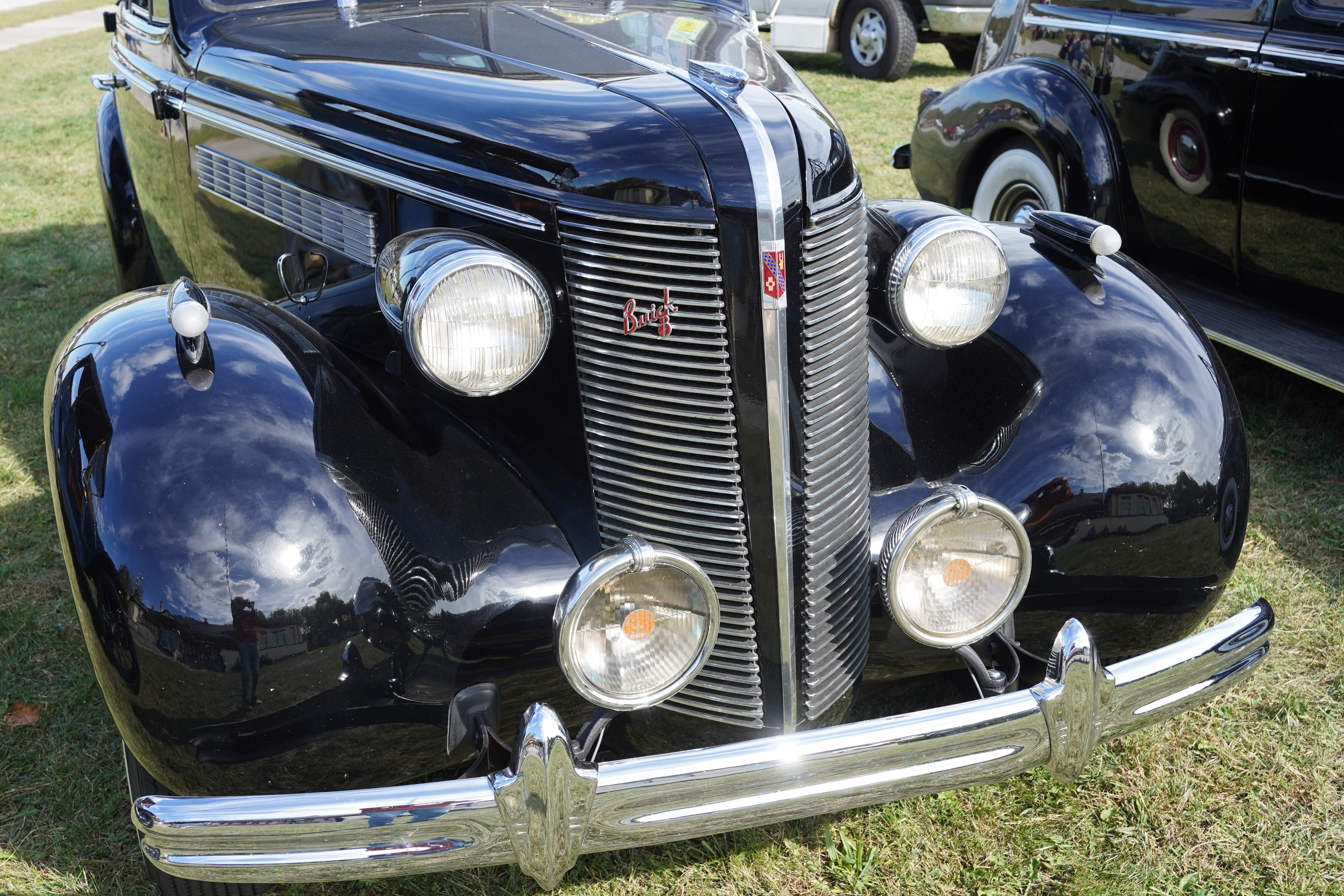
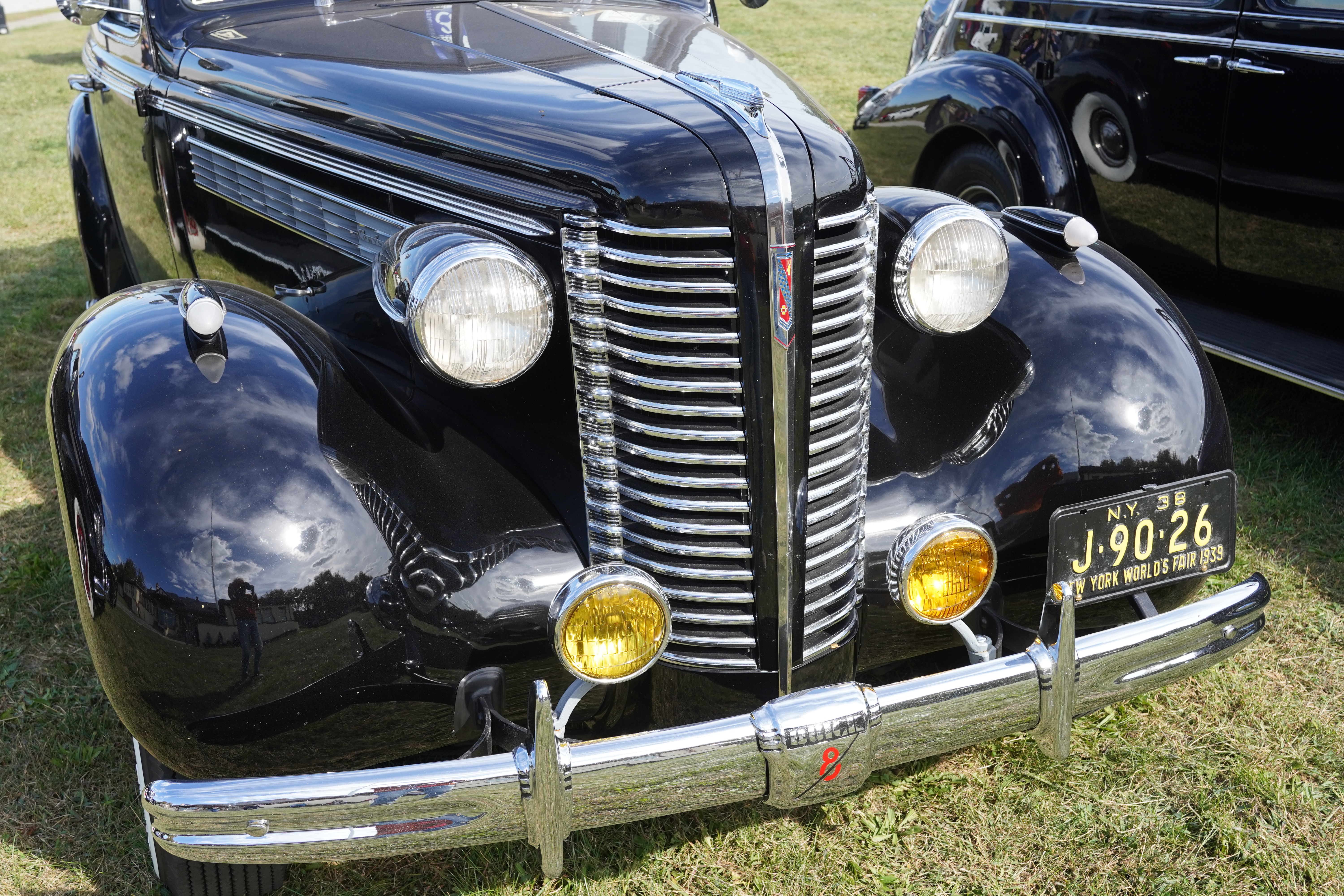
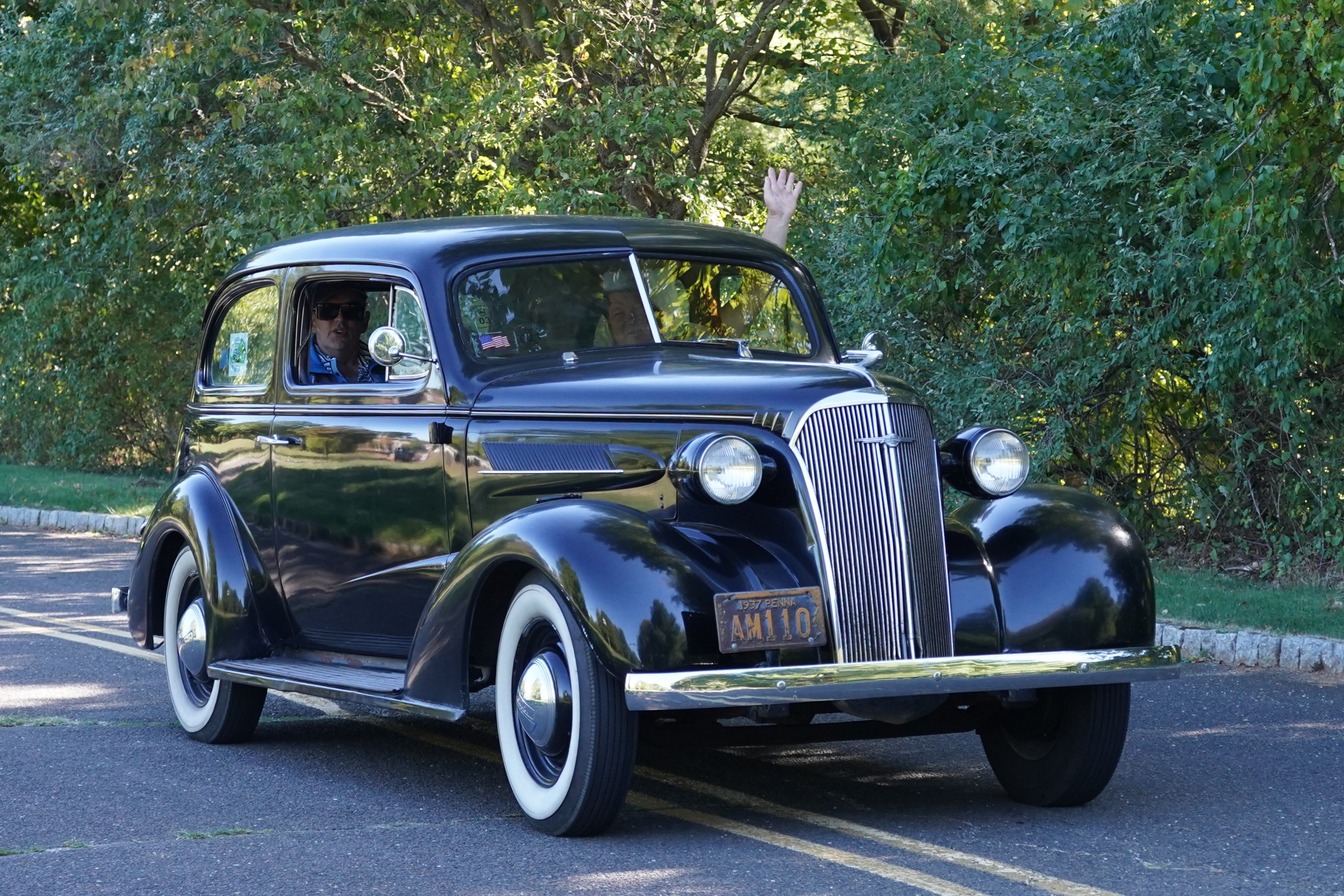
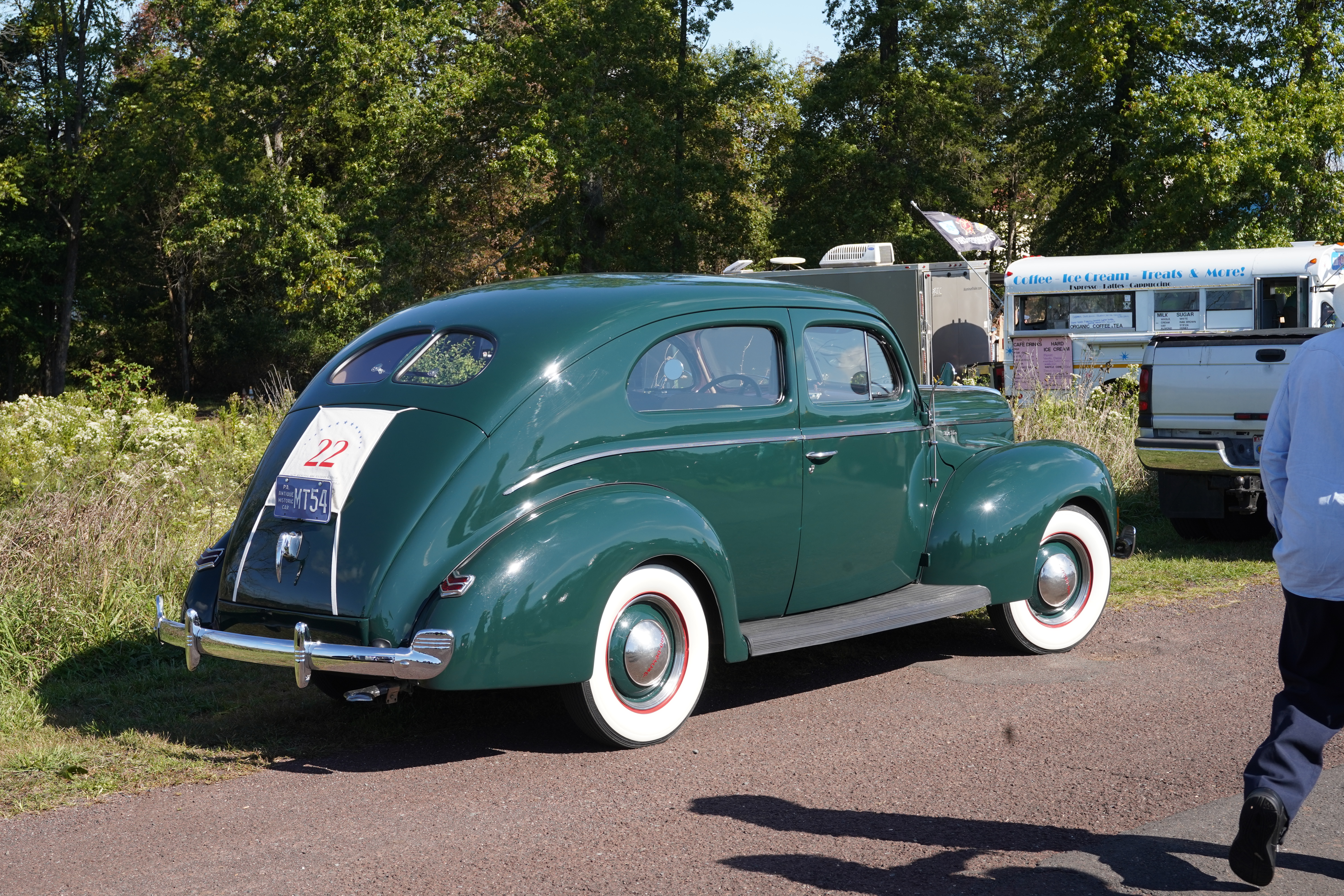
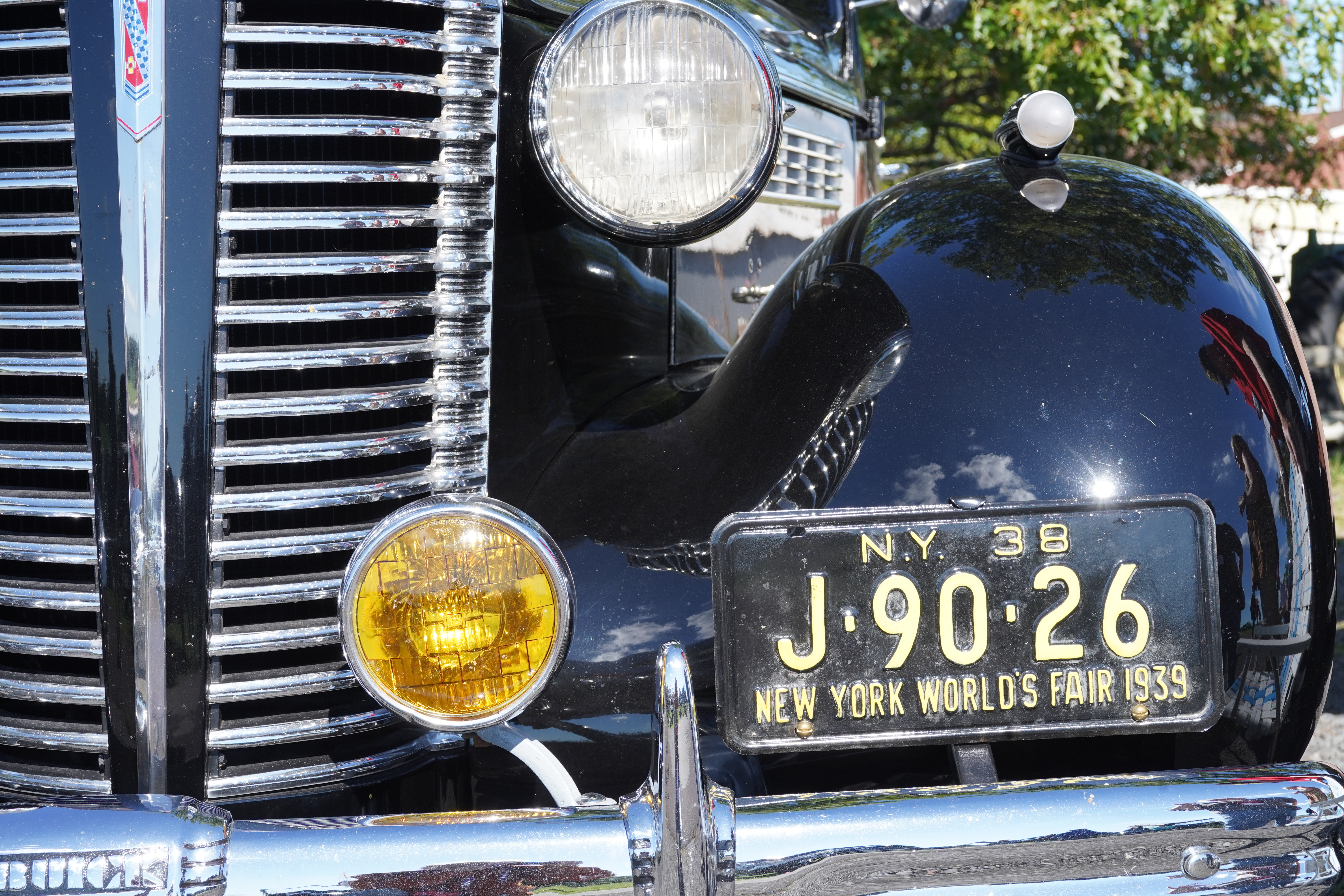
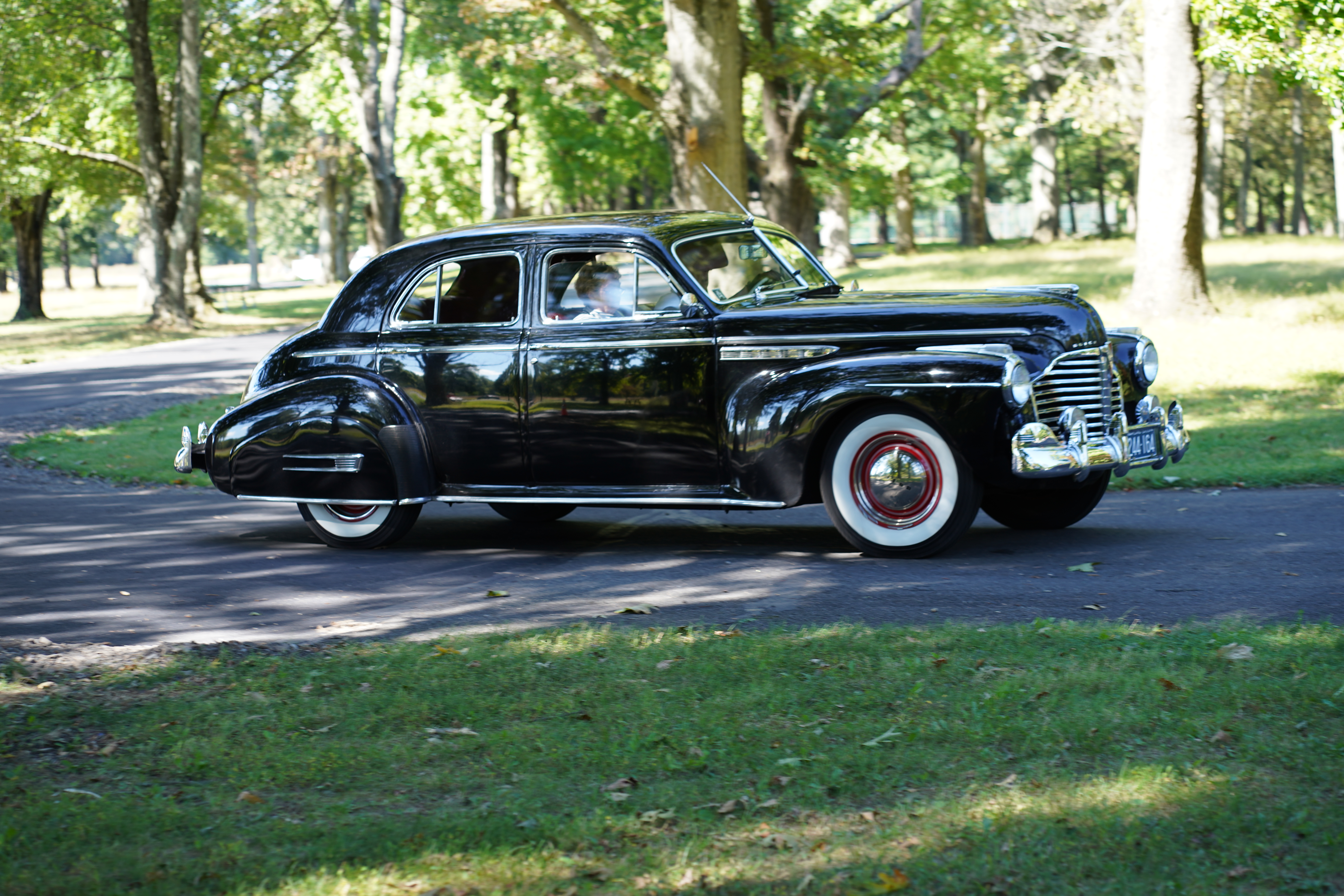
  • The typical Glidden owner is devoted to their marque. I met two Studebaker drivers, both of whom have a collection of Studebakers at home (one man said he had “10 more”[!]). A Ford Model A owner told me this car was one of four A’s. A delightful woman in a 1937 Buick said that this was just one of a handful of Buicks she and her husband had, at which point she rattled off the year and model of each of the other Buicks. A man with a 1940 Ford stated that he has a small collection of flathead Fords at home. One takeaway for me is that the owners know the ins and outs of their cars very well.
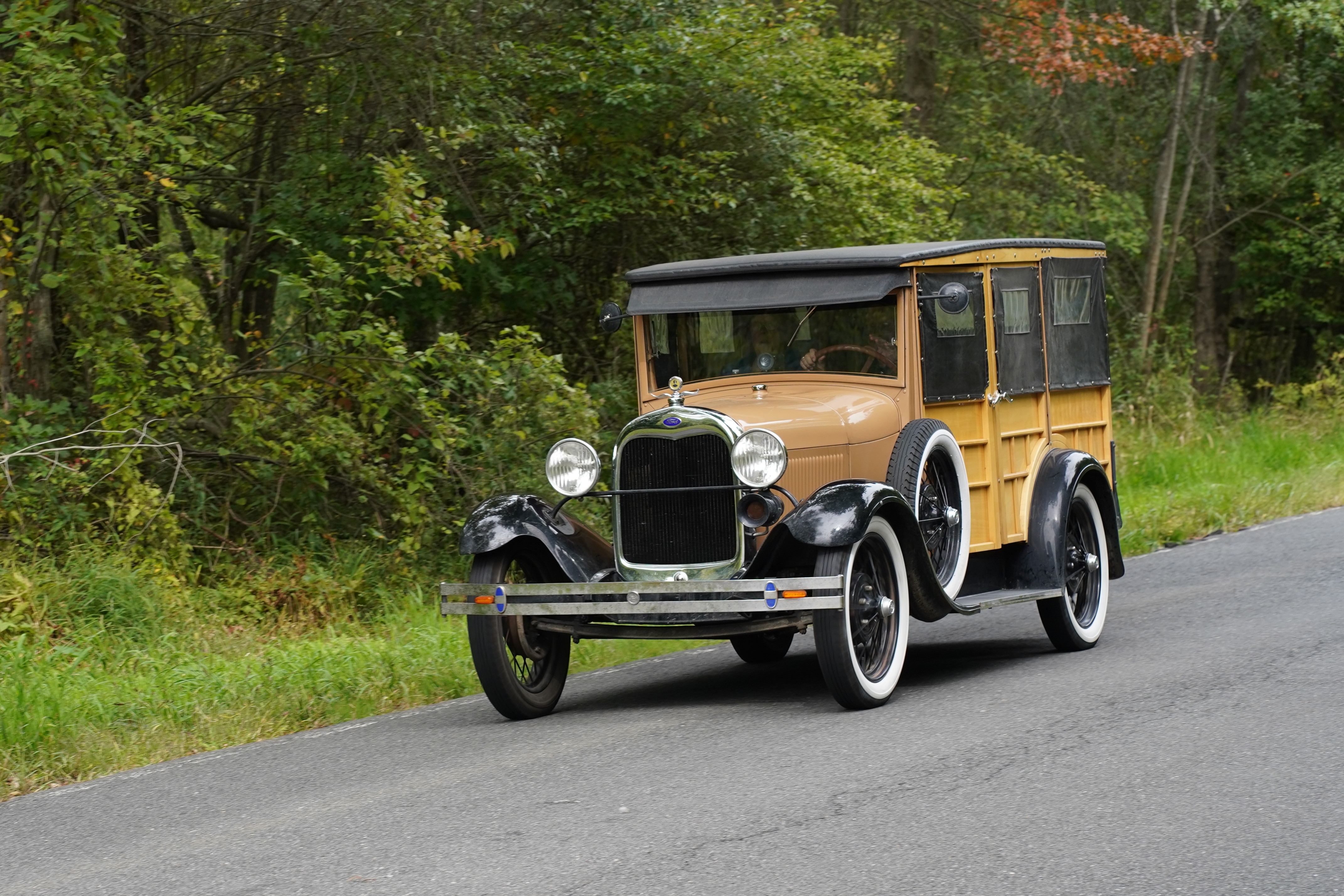
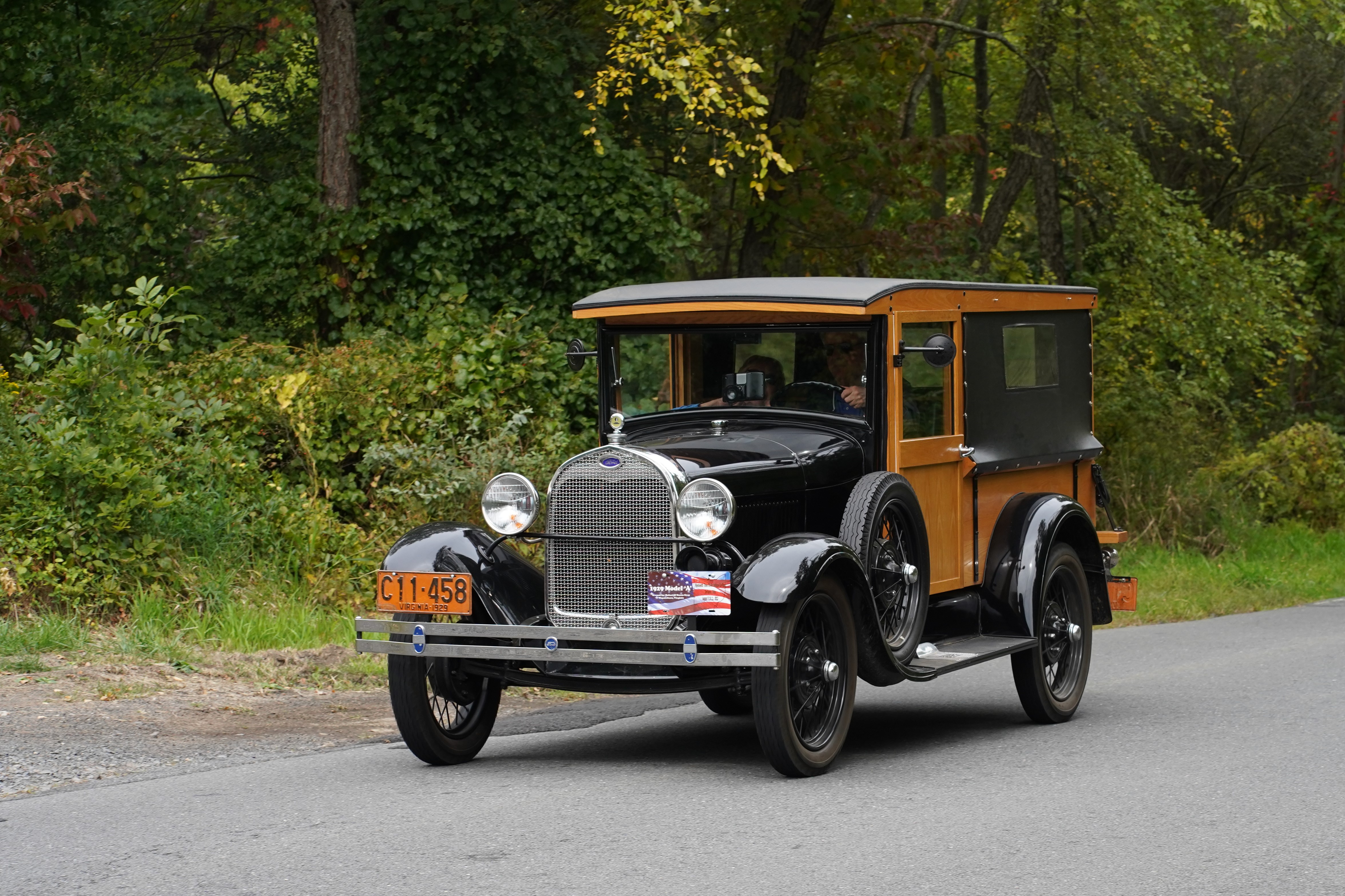
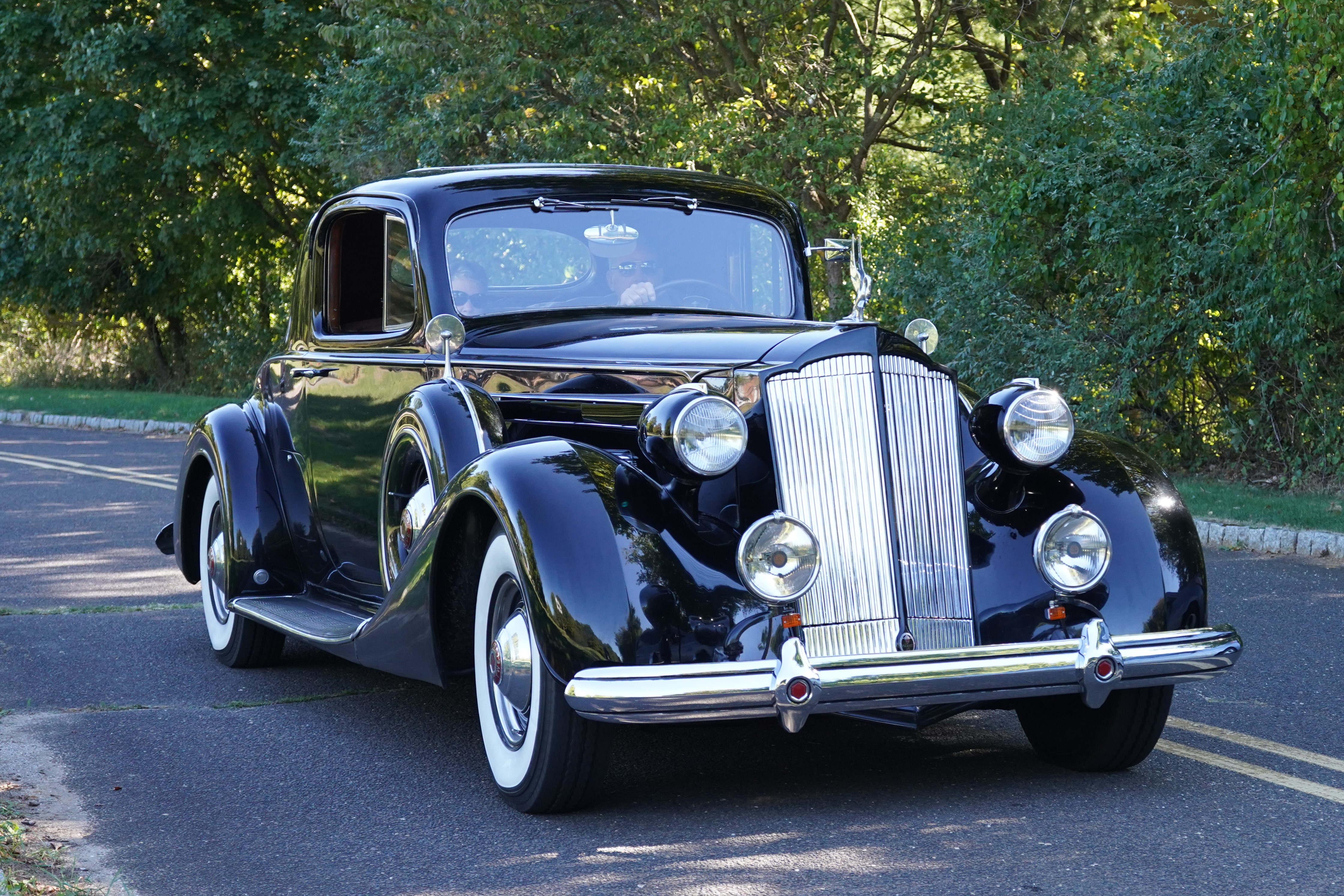
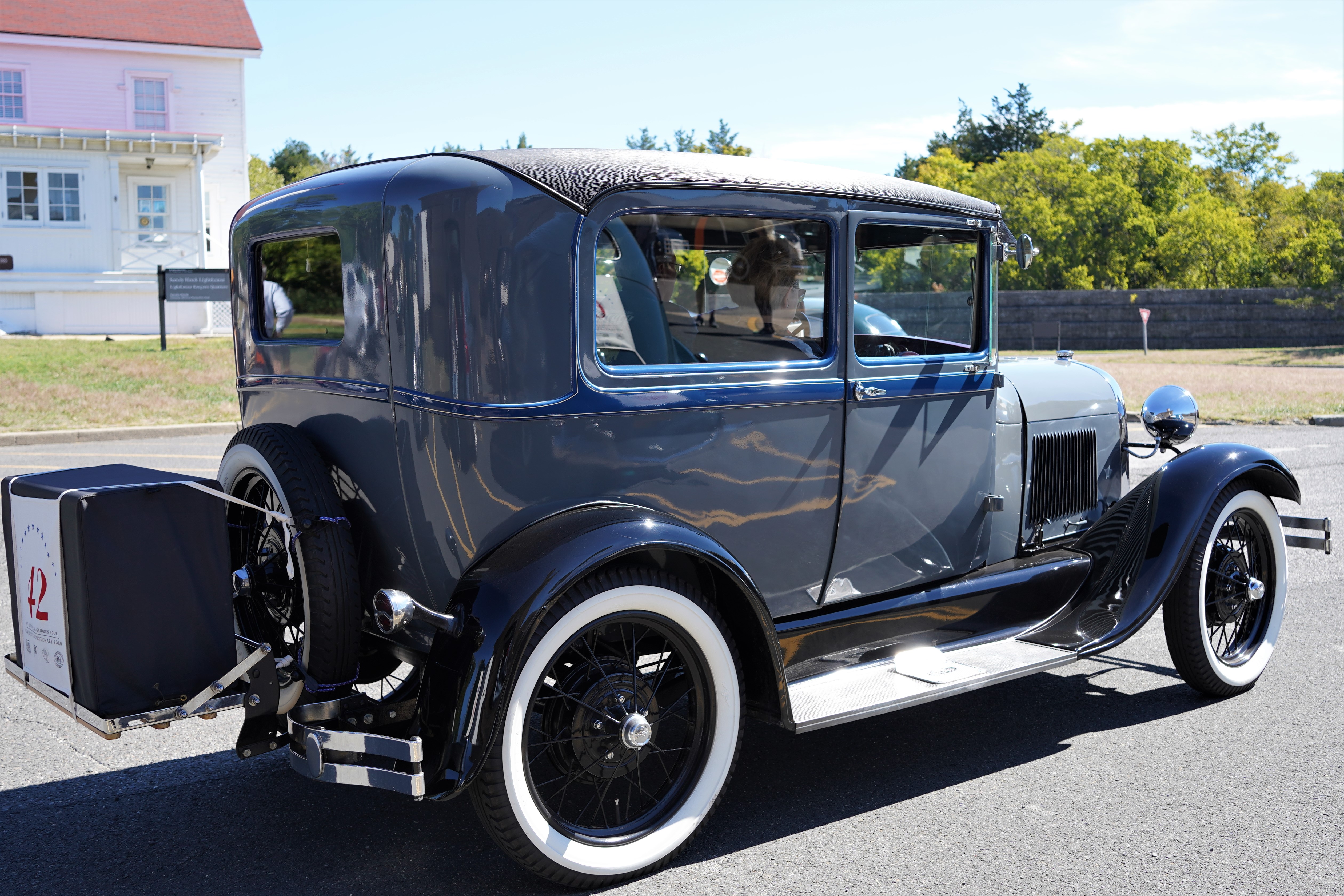
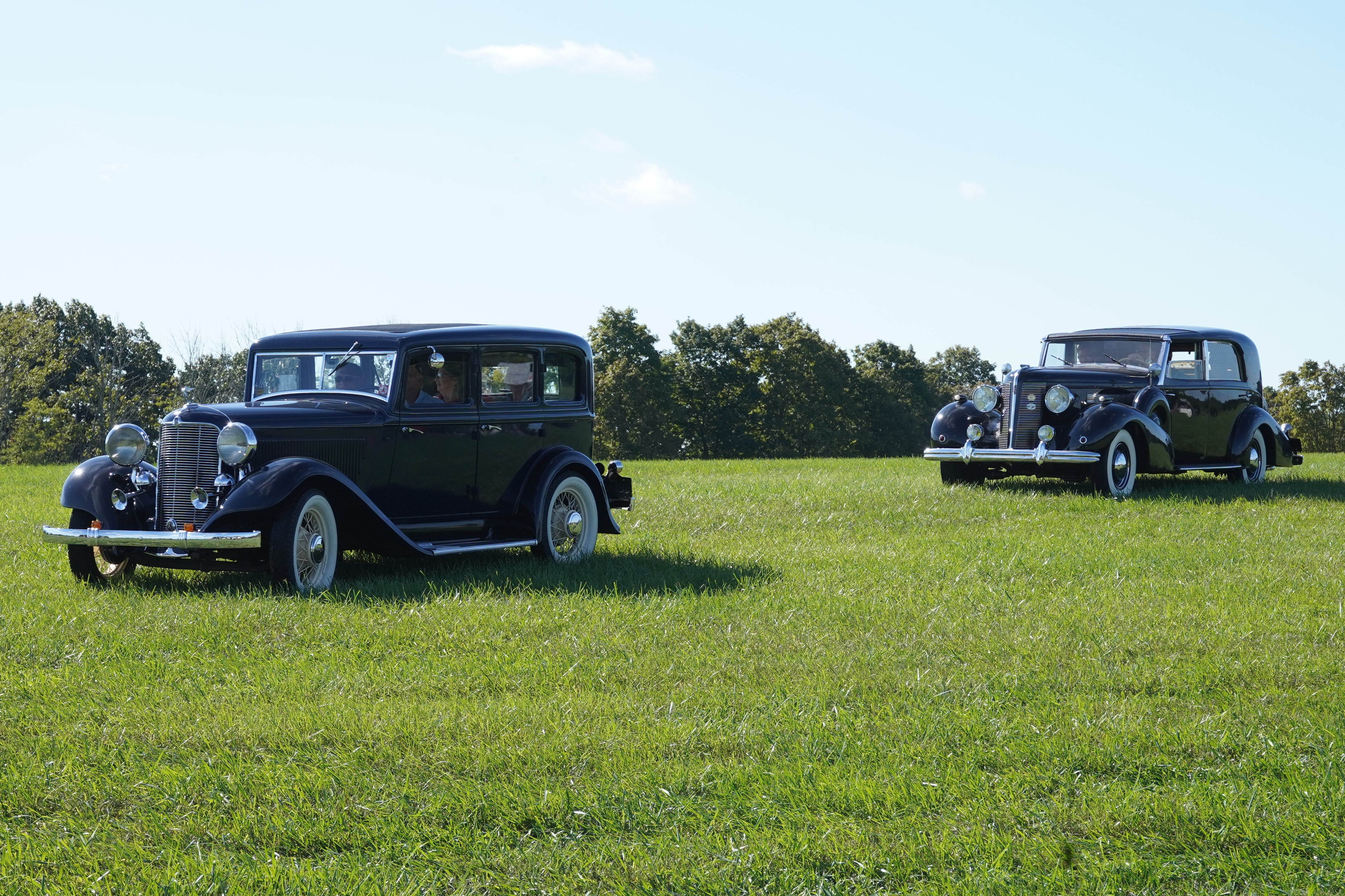
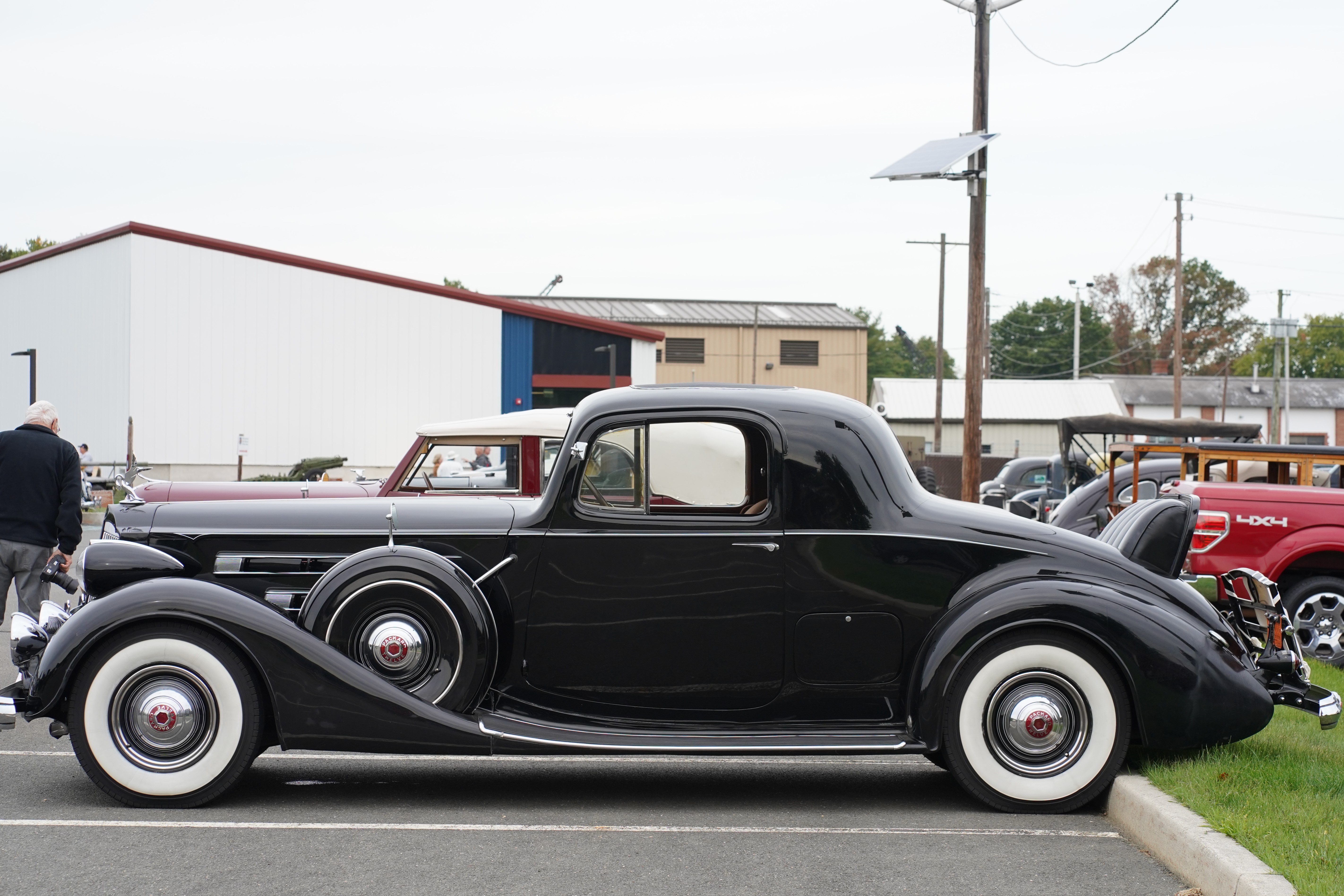
  • Horsepower is nice to have, but the experienced touring driver makes do with what’s under the hood. The Model T probably had the lowest HP rating of the tour cars, and 1/3 of the tour vehicles were Ford Model As, making 40 HP to push a car weighing over 2,000 pounds. At the other end of the spectrum were a Cadillac V12, a Packard V12, and the two Continental V12s. The Glidden tour is not a race, and again, the ability of all these cars to drive the crowded roads of NJ and get to their destinations in reasonable time speaks to the professionalism and experience of these tour drivers.
  • Glidden participants travel throughout the country to participate each year. The Tour Guidebook listed all 115 registrants, and also tallied the number of Glidden tours previously completed. For thirteen, this was their first (and they are referred to as “freshmen”). The remaining 102 have completed at least one other tour. Twenty-nine have driven in 10 or more such events; two people have done 30; one 34, one 39, one 43, and in the top spot is someone who has completed 54 Gliddens!!! Cars were trailered to this year’s event from states as far away as Florida, Colorado, Texas, Nevada, and Arizona.
  • The Tour Guidebook lists 14 cars which carried an additional set of passengers, meaning, 4 in a car. Many of the cars from this era have spacious back seats, and this concept also goes back to the idea of “touring” as something which can be enjoyed with a greater number of people provided your vehicle has the room for them.


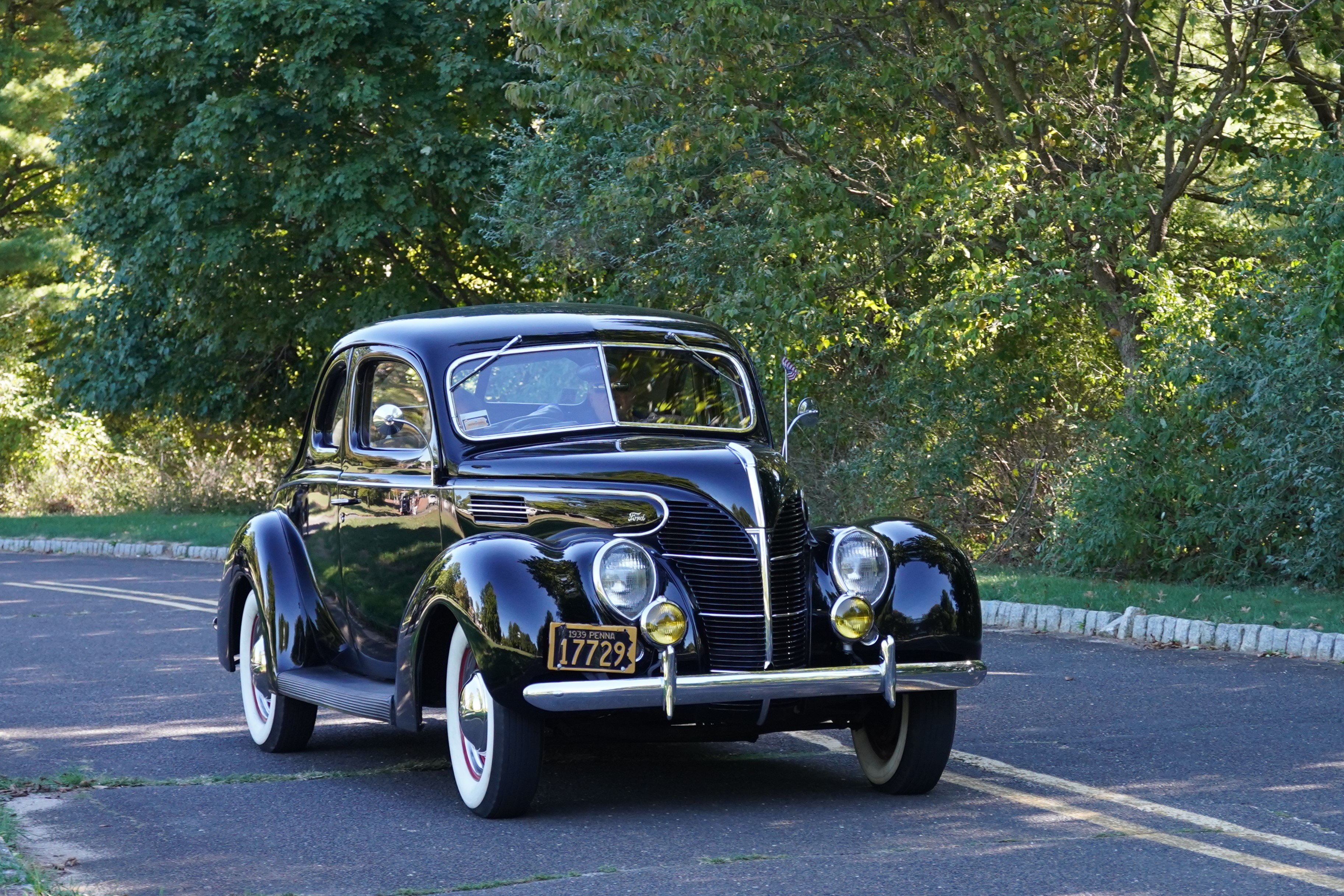
Last week, I posted a daily photographic account (which you can find here for Monday, Tuesday, Wednesday, Thursday, and Friday). However, I did not identify any of the vehicles. Some cars stood out for me more than others, and here is a brief write-up about a few of my favorites:


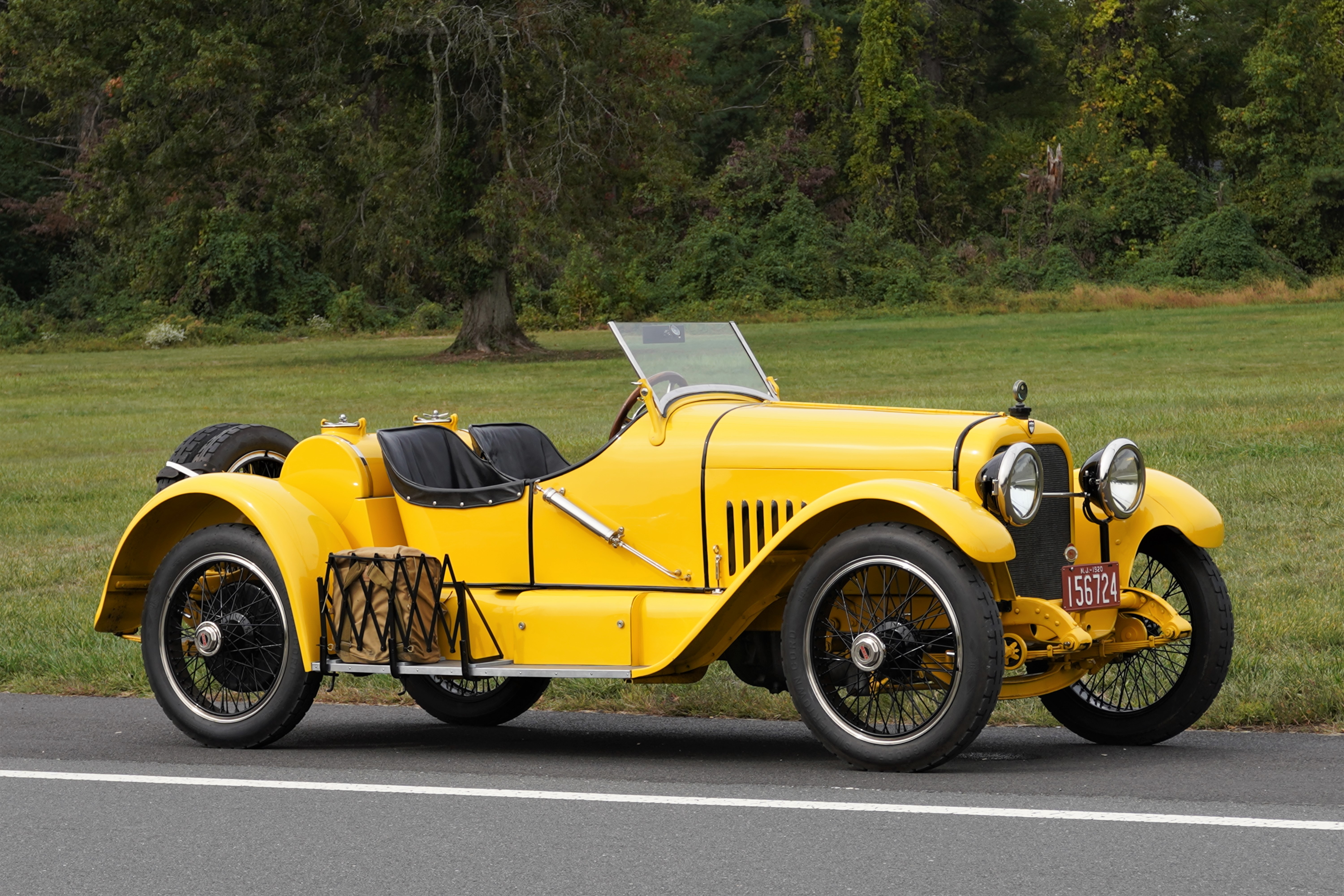
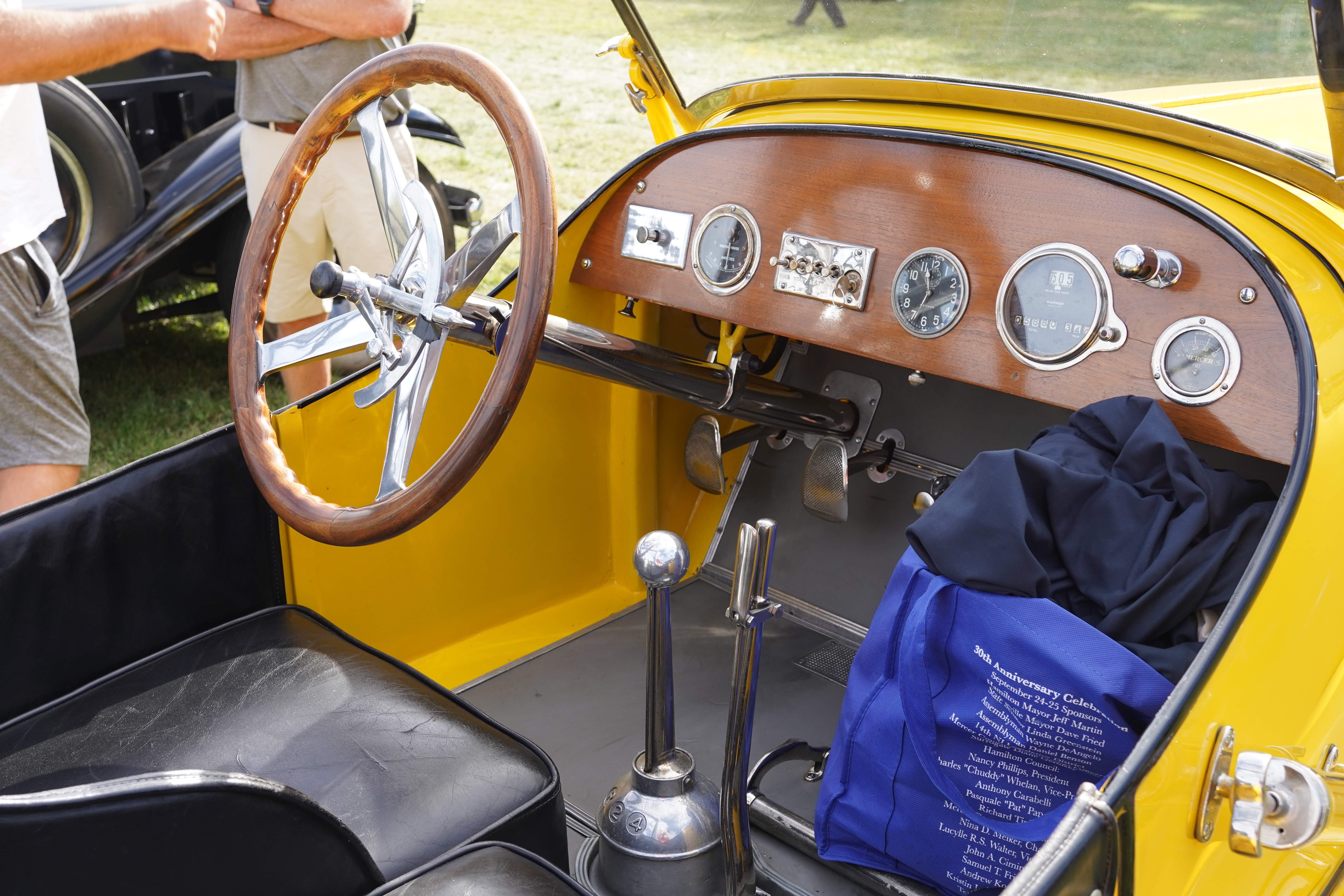
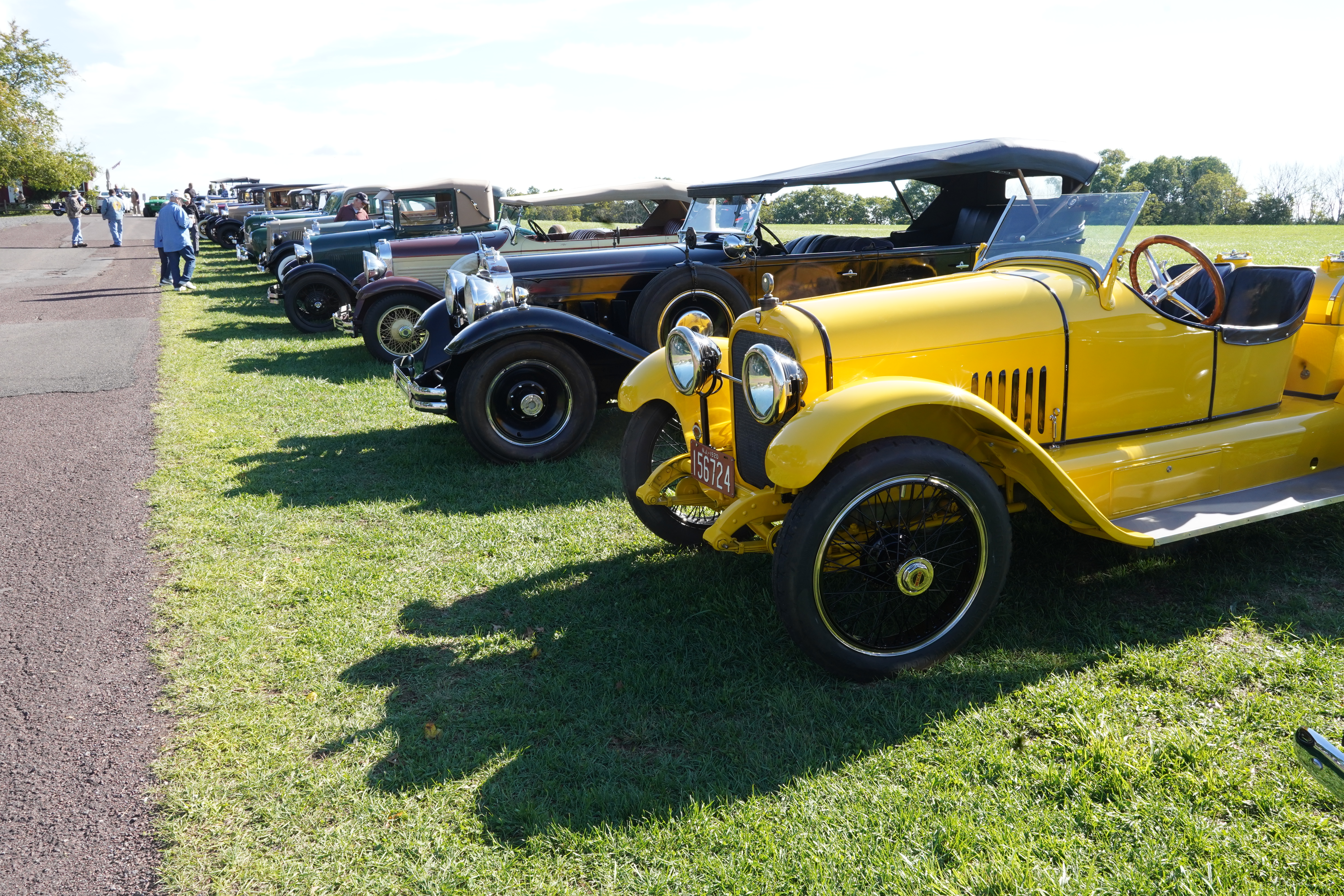
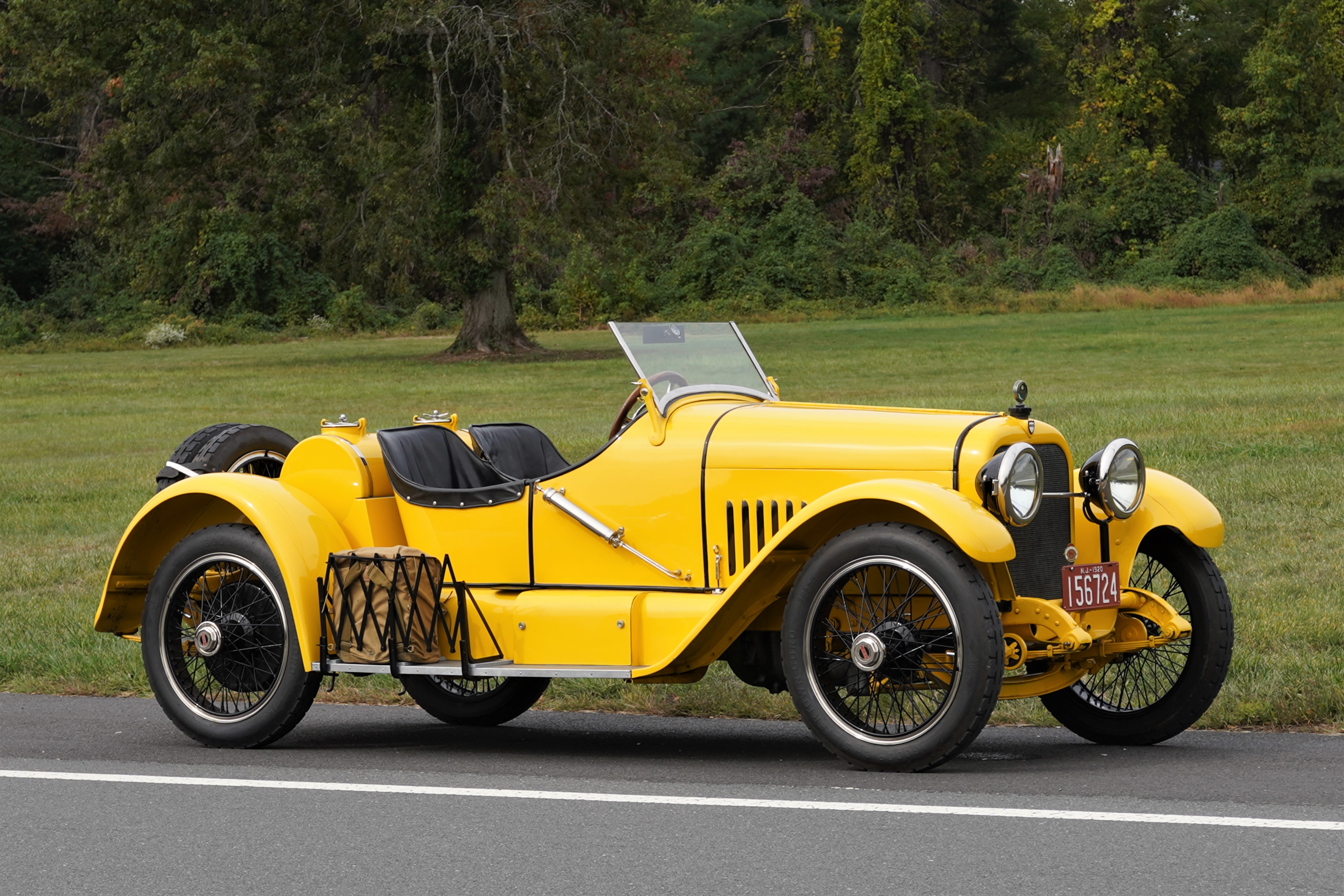
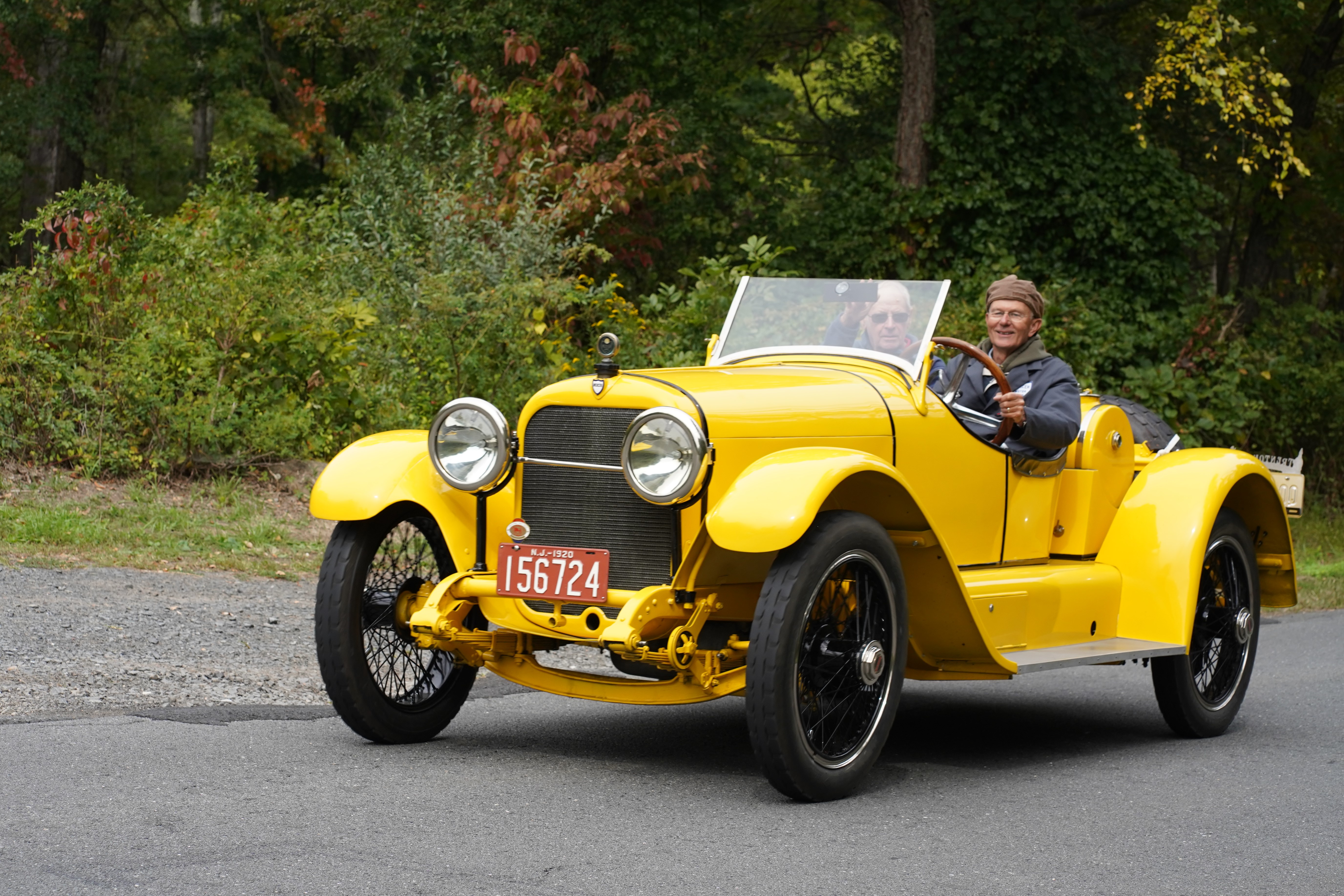
  • 1920 Mercer Raceabout: If the searing yellow paint didn’t catch your attention, then the barely-muffled exhaust would! The Mercer’s driver was having no problem keeping up with traffic, and the wide grin on his face verified that he was having as much of a blast as you’d expect. I caught up with him at one stop to ask about the cubic inch displacement of the Mercer’s 4-cylinder engine. He said that it’s “about 300 c.i.” which helps explain his ability to run with the 8- and 12-cylinder jobs. I found myself photographing his car repeatedly during the week.

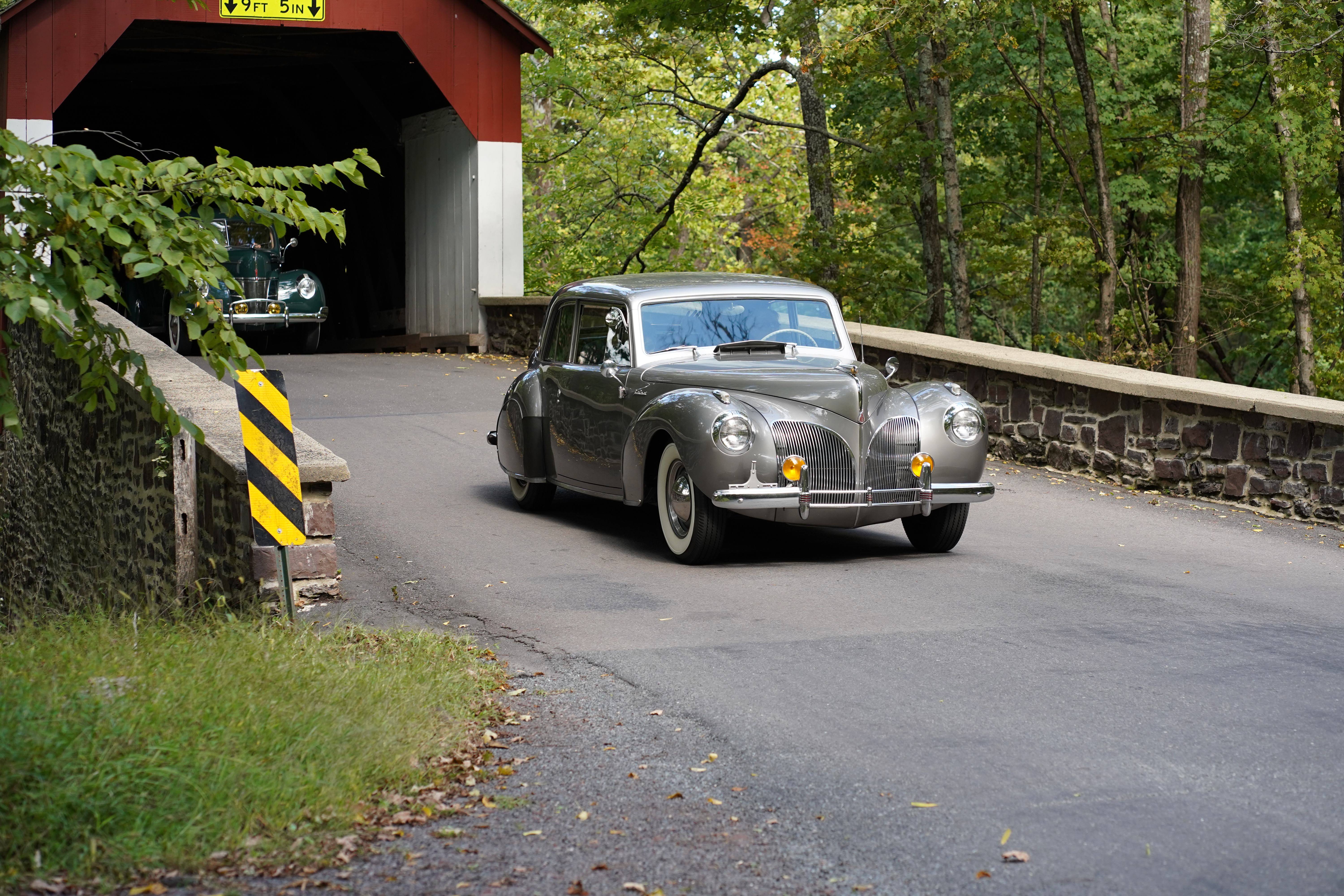
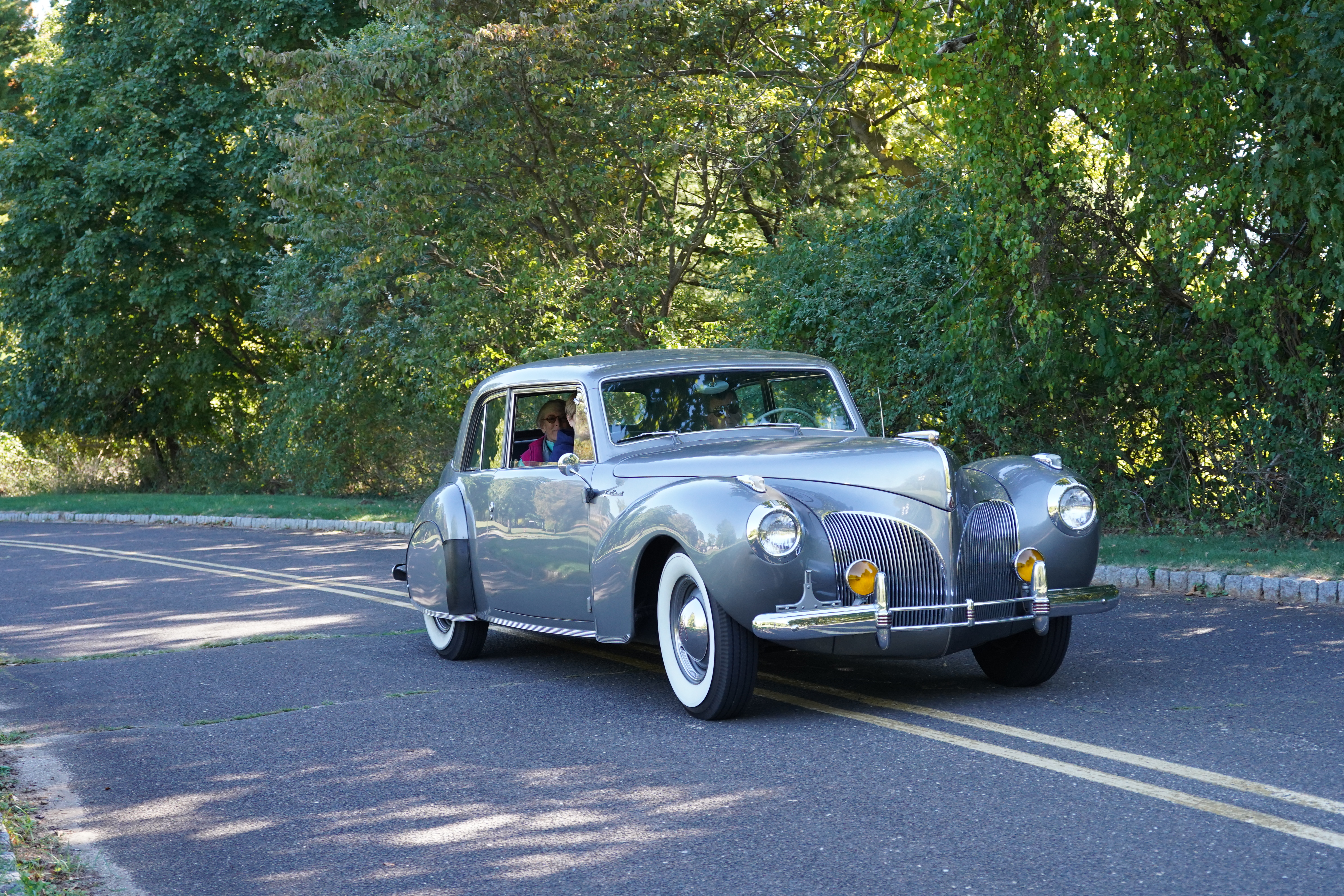
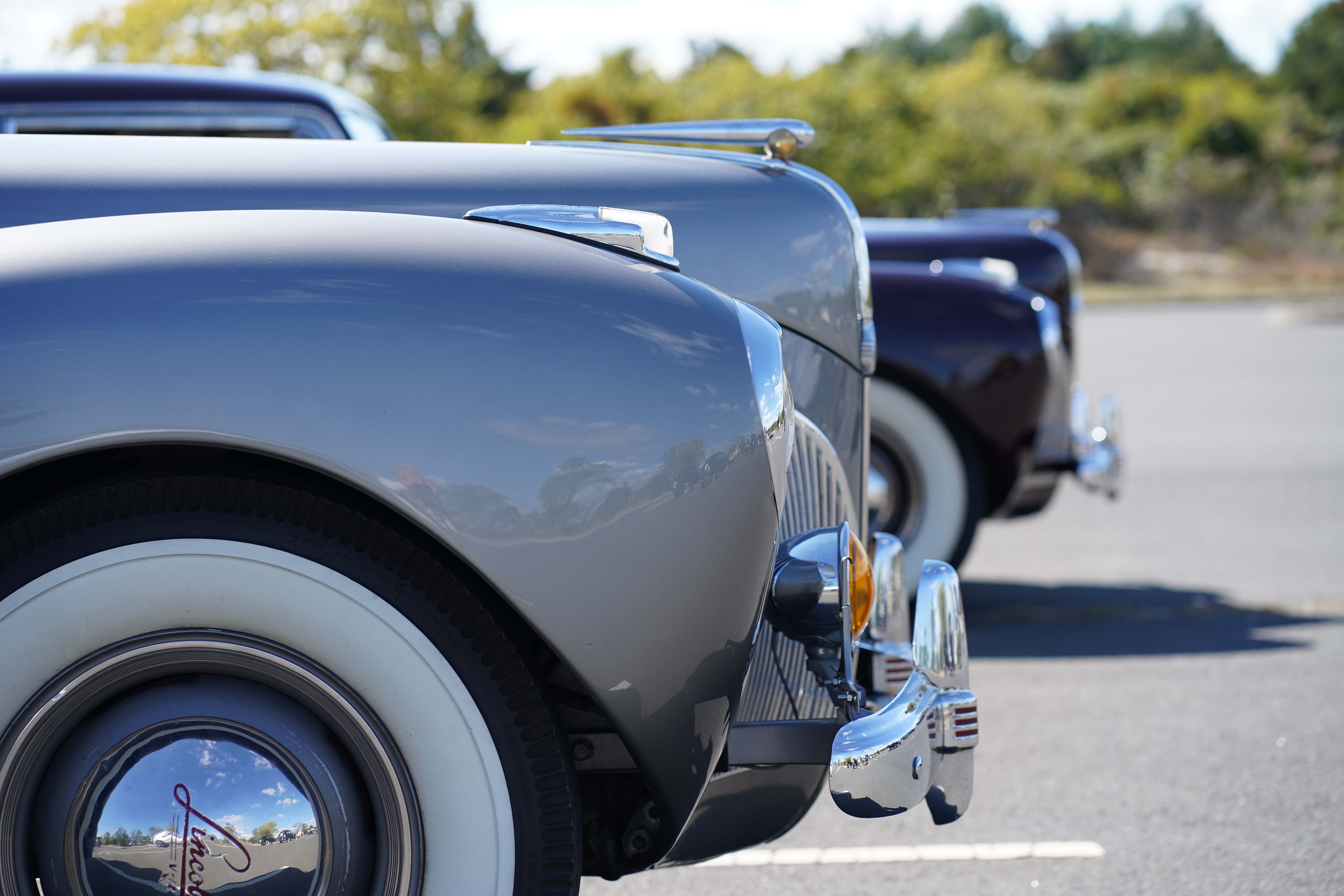
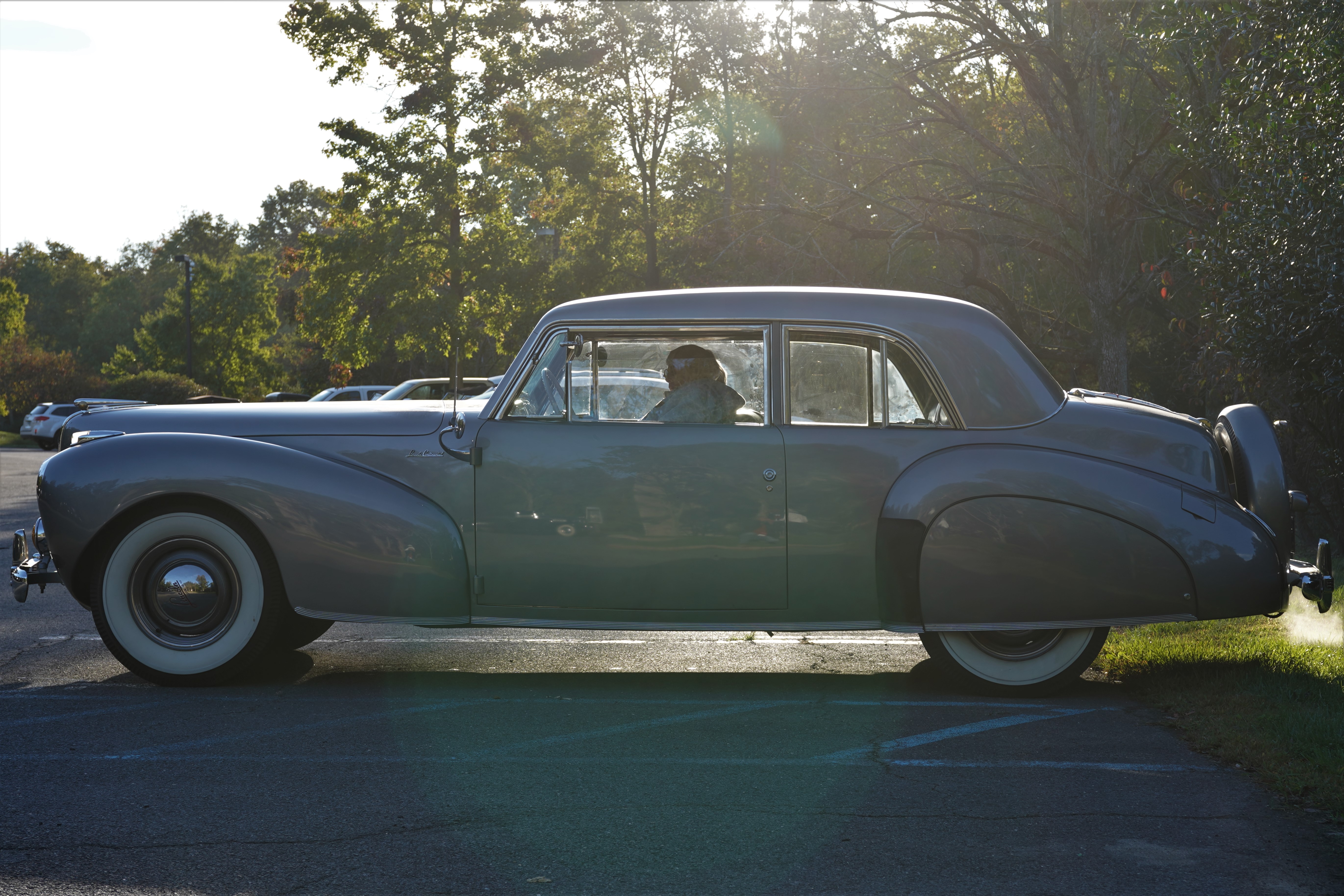
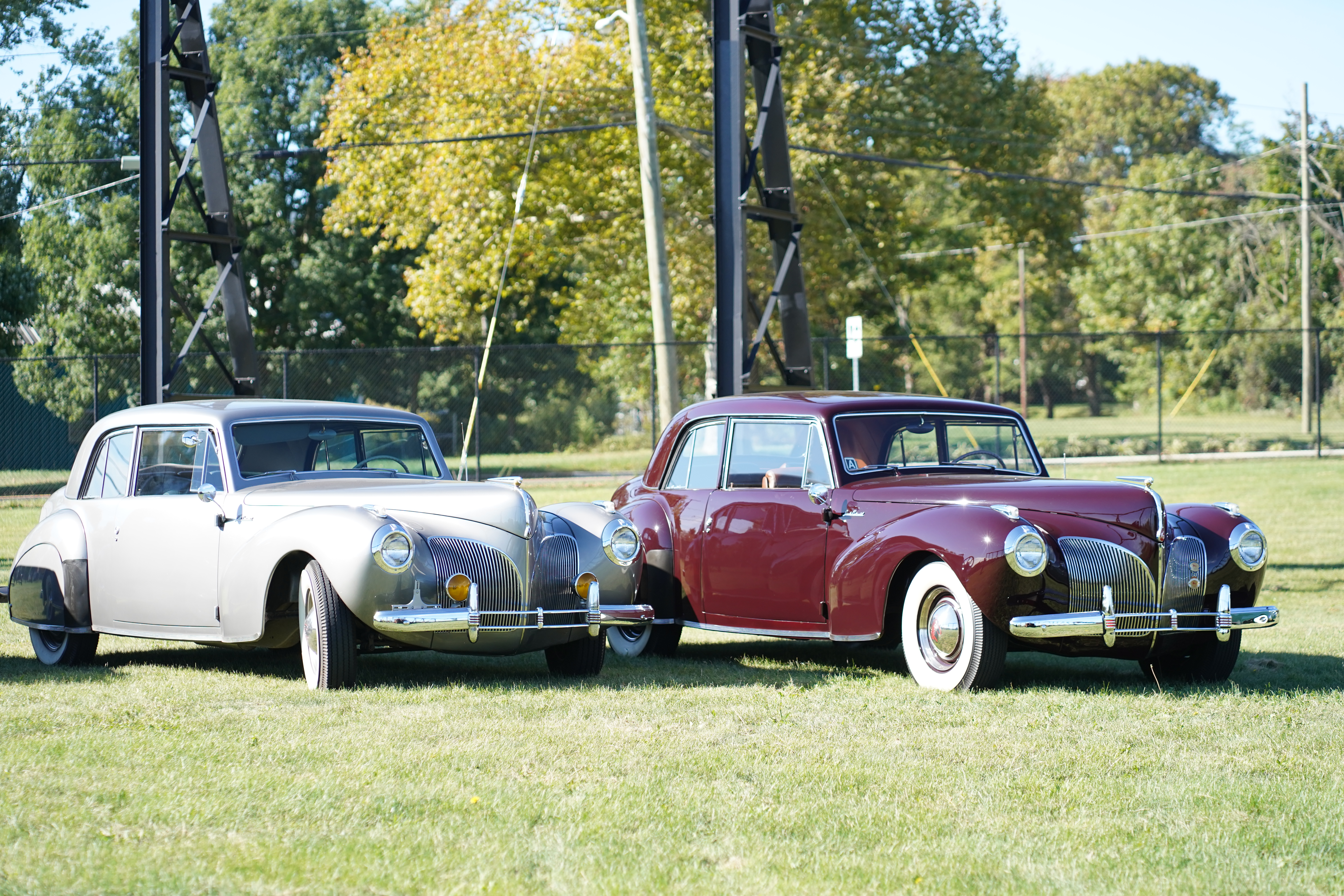
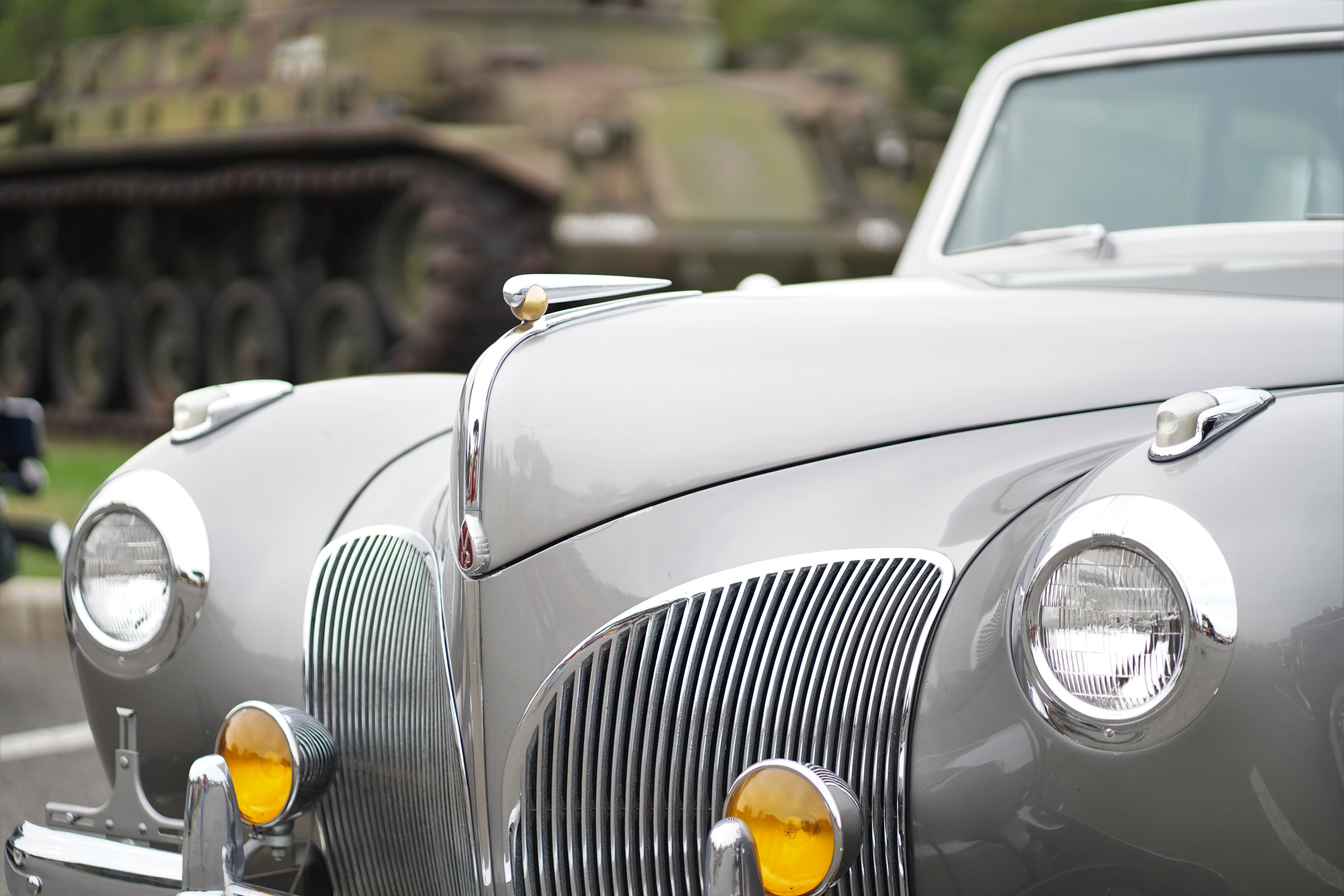
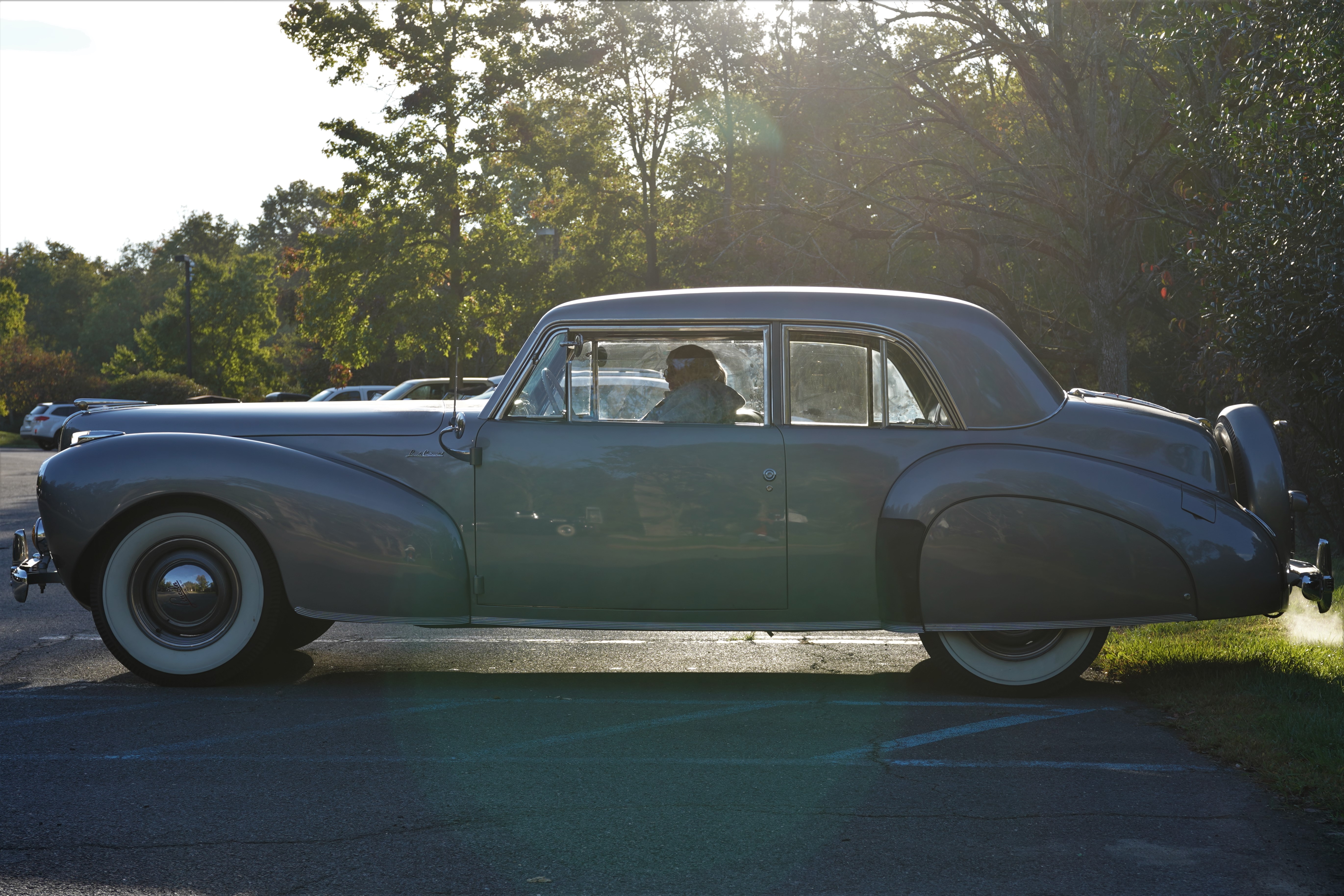
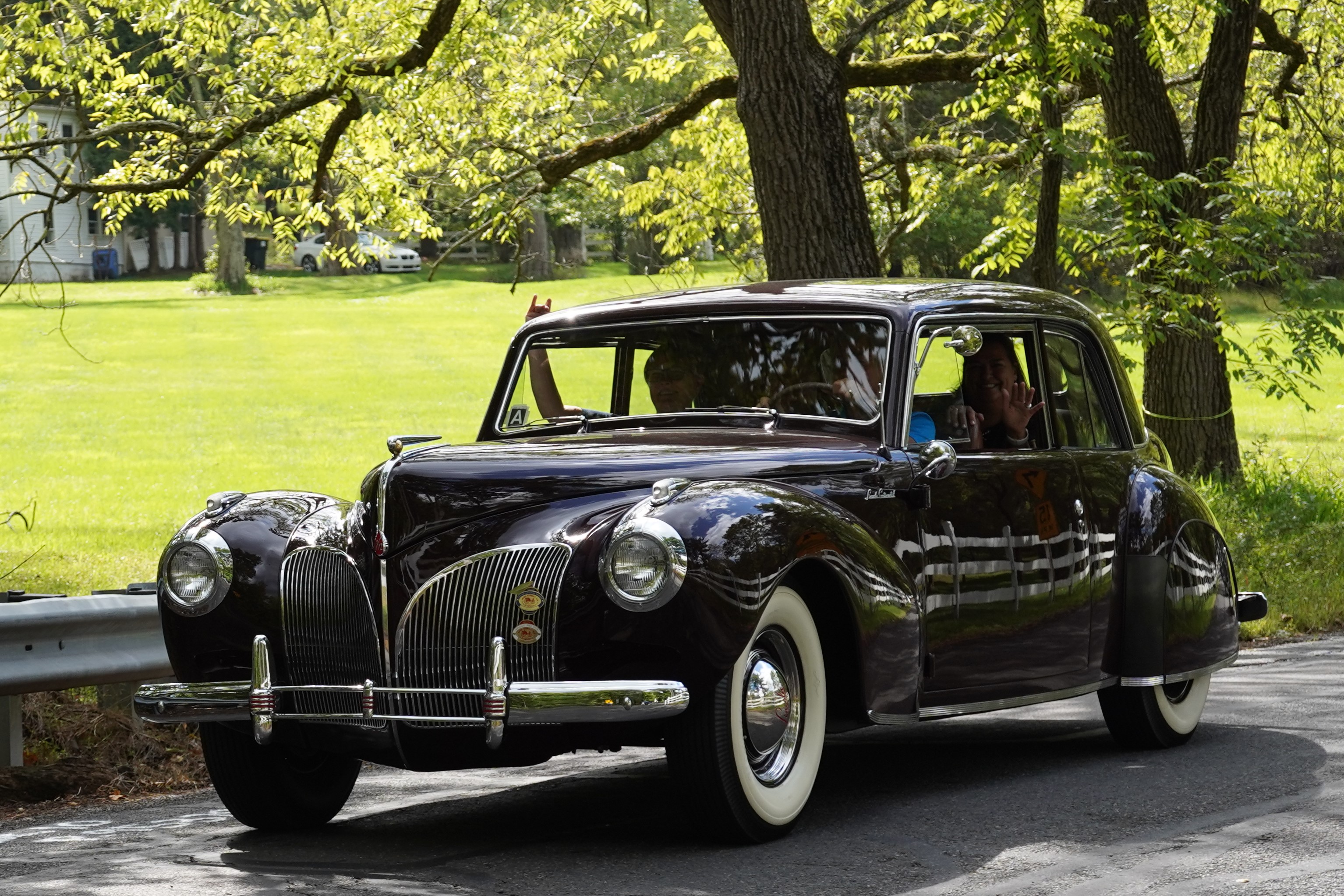
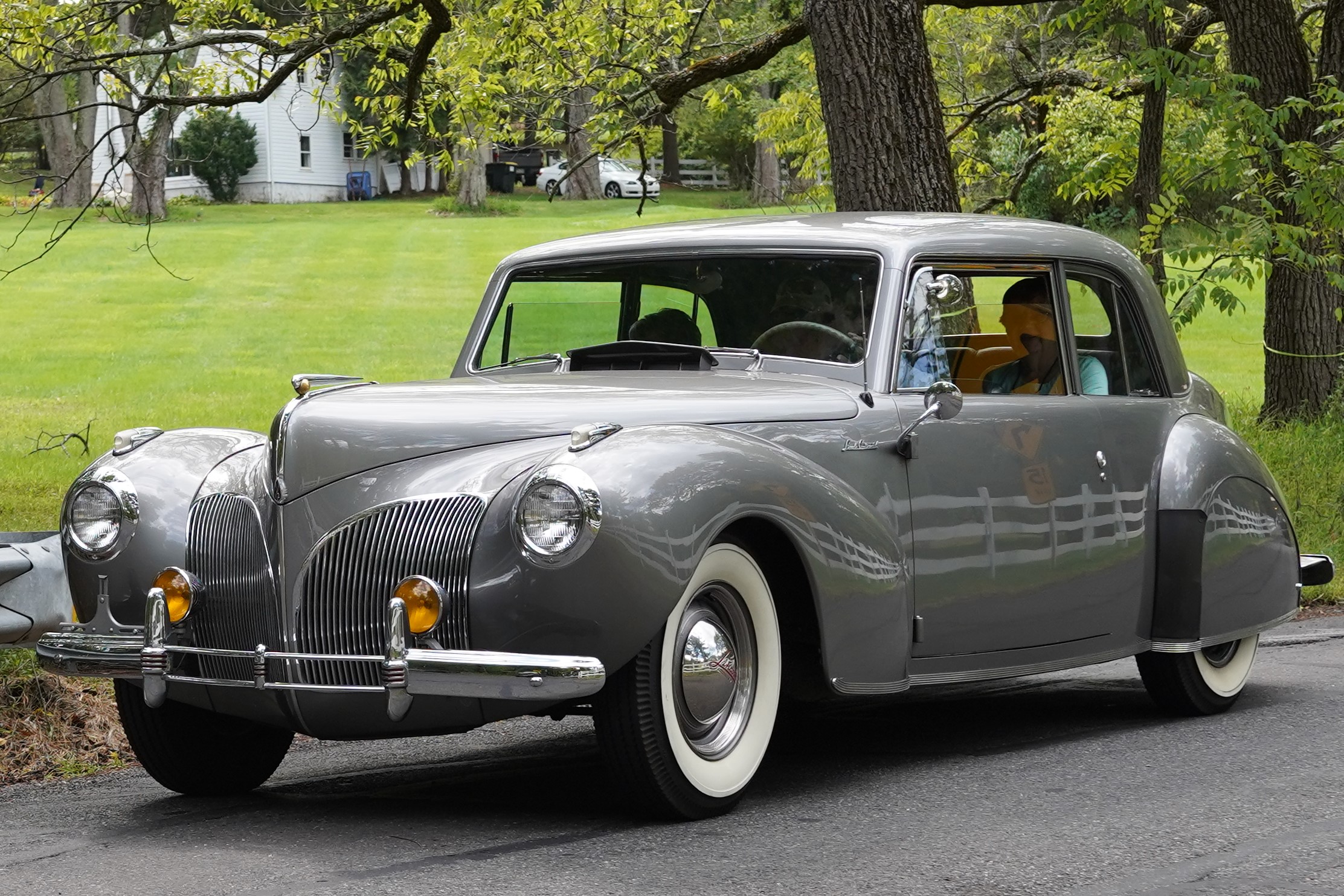
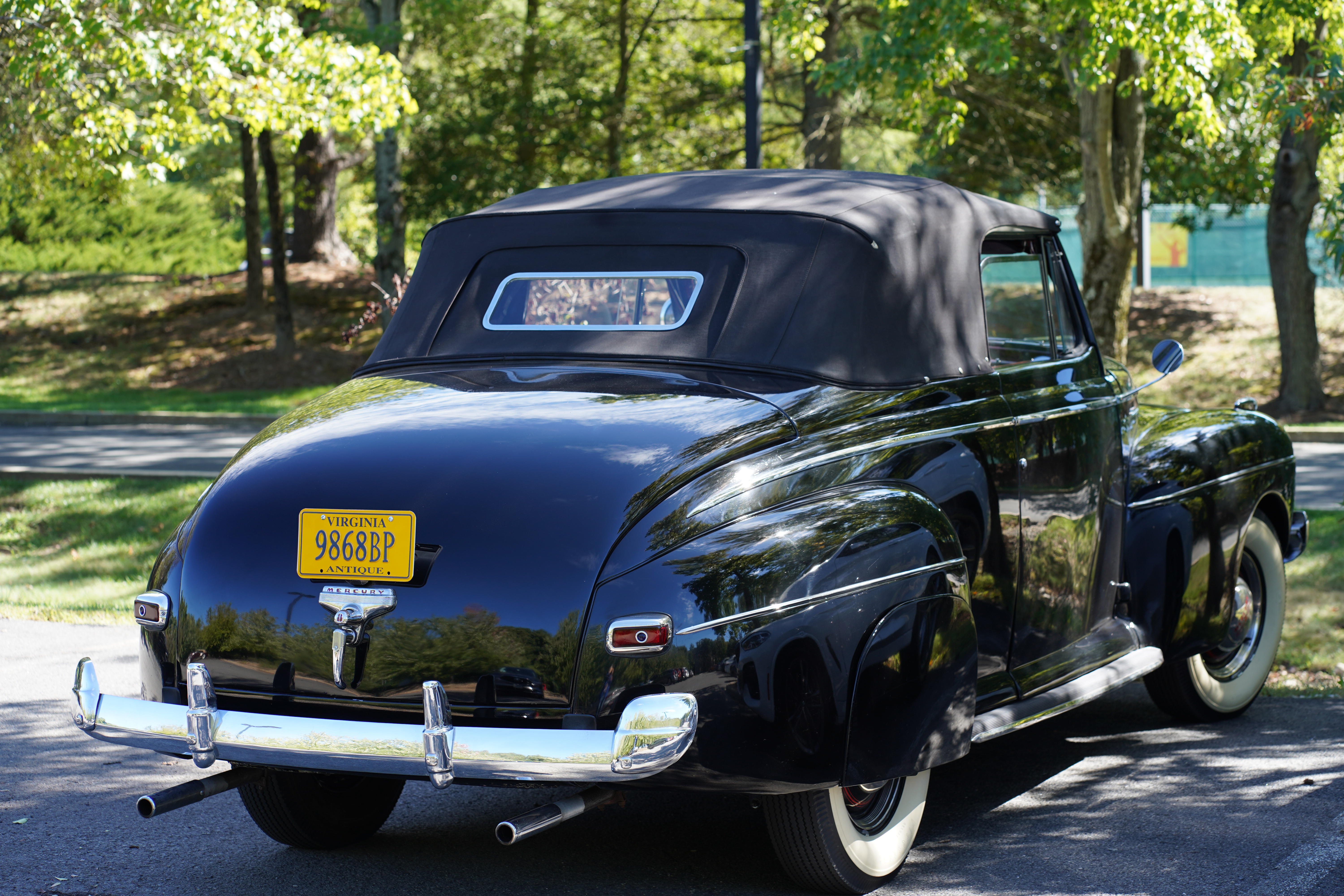
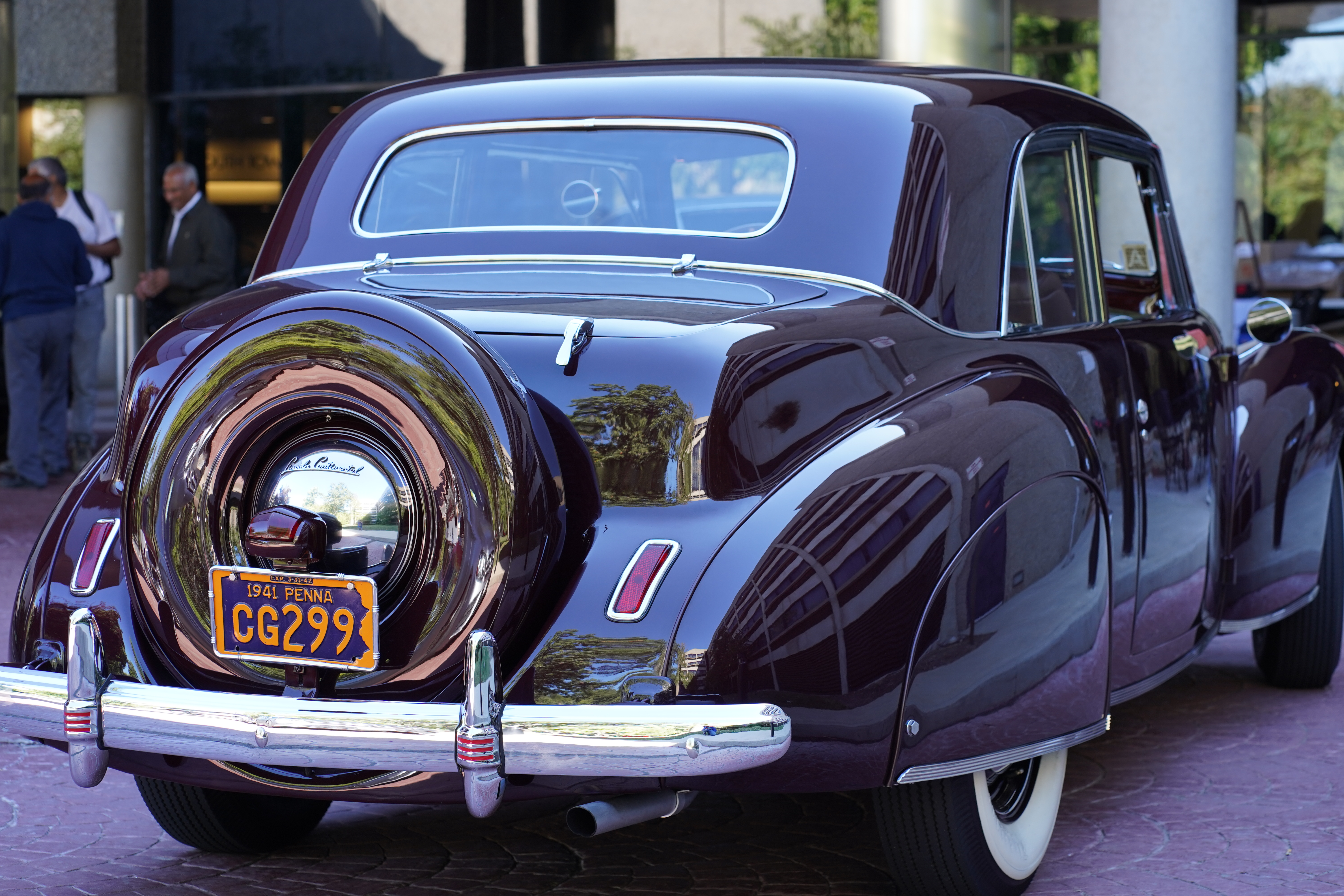
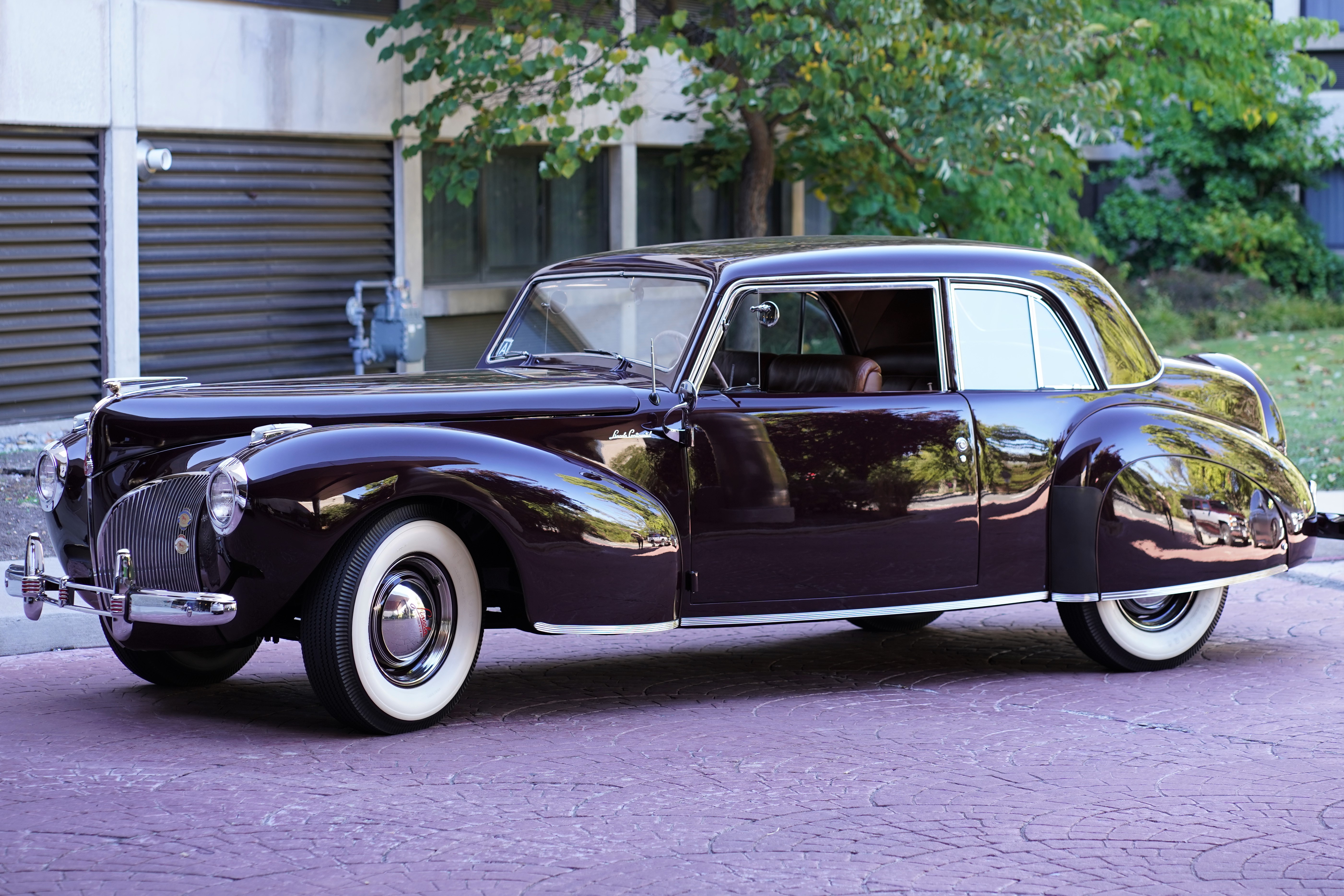
  • 1941 Lincoln Continental: We were treated to TWO beautiful Mark I Continentals on this tour, and while Tour Chair Vince made it clear to me that he preferred the maroon one, I fell in love with this warm silver one. The female owner/driver caught me continuously taking pictures of it, and said to me “it’s not a show car, you know!” I told her it was just as beautiful as any show car. In a self-deprecating way, she complained that her car was photographed at an event and ended up on the cover of the Lincoln Owner’s Club magazine, which to her “was just a shame as there were so many other nicer cars there!” Her car ran as well as it looked. This was my overall favorite car on the Tour.


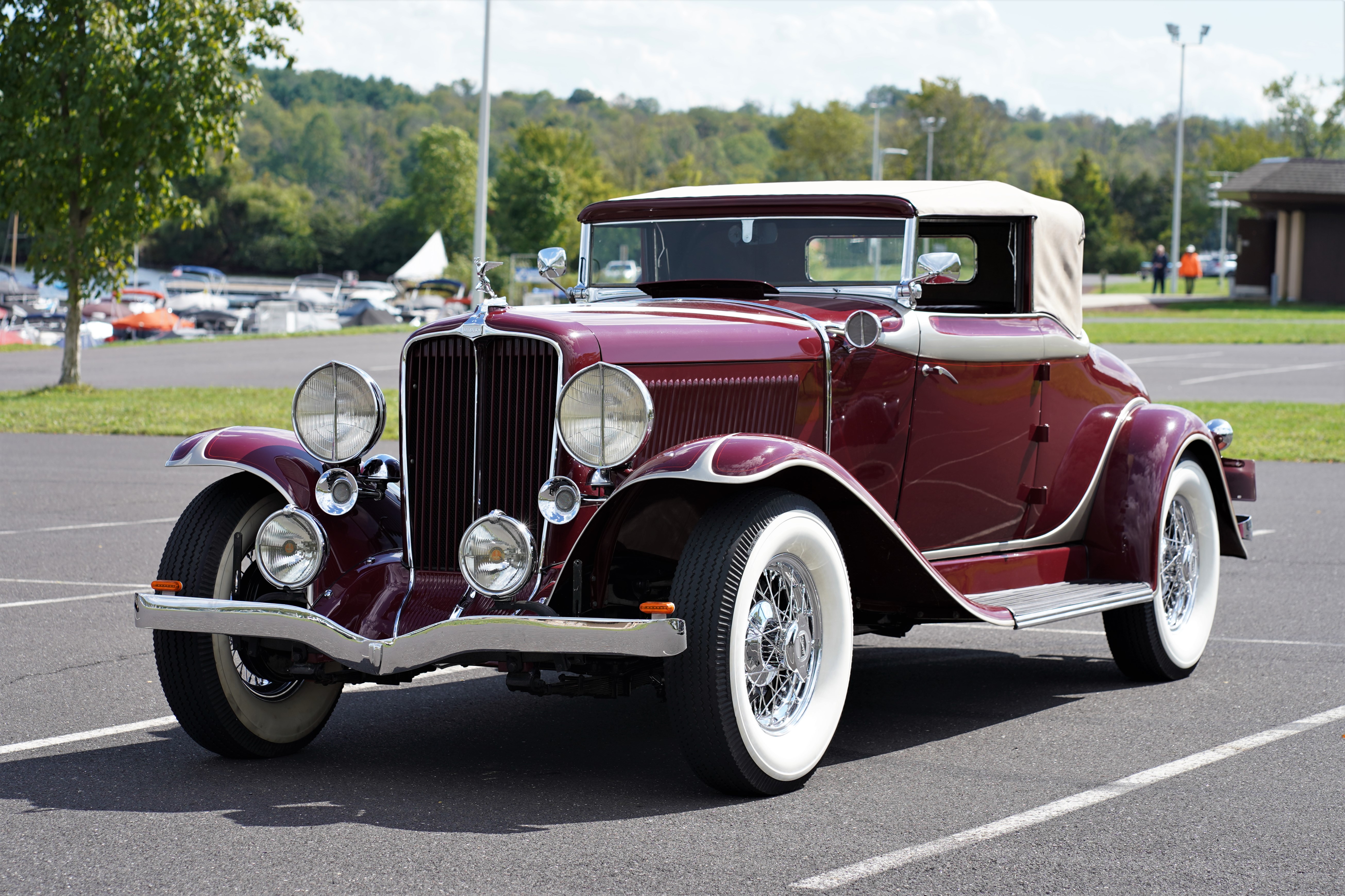
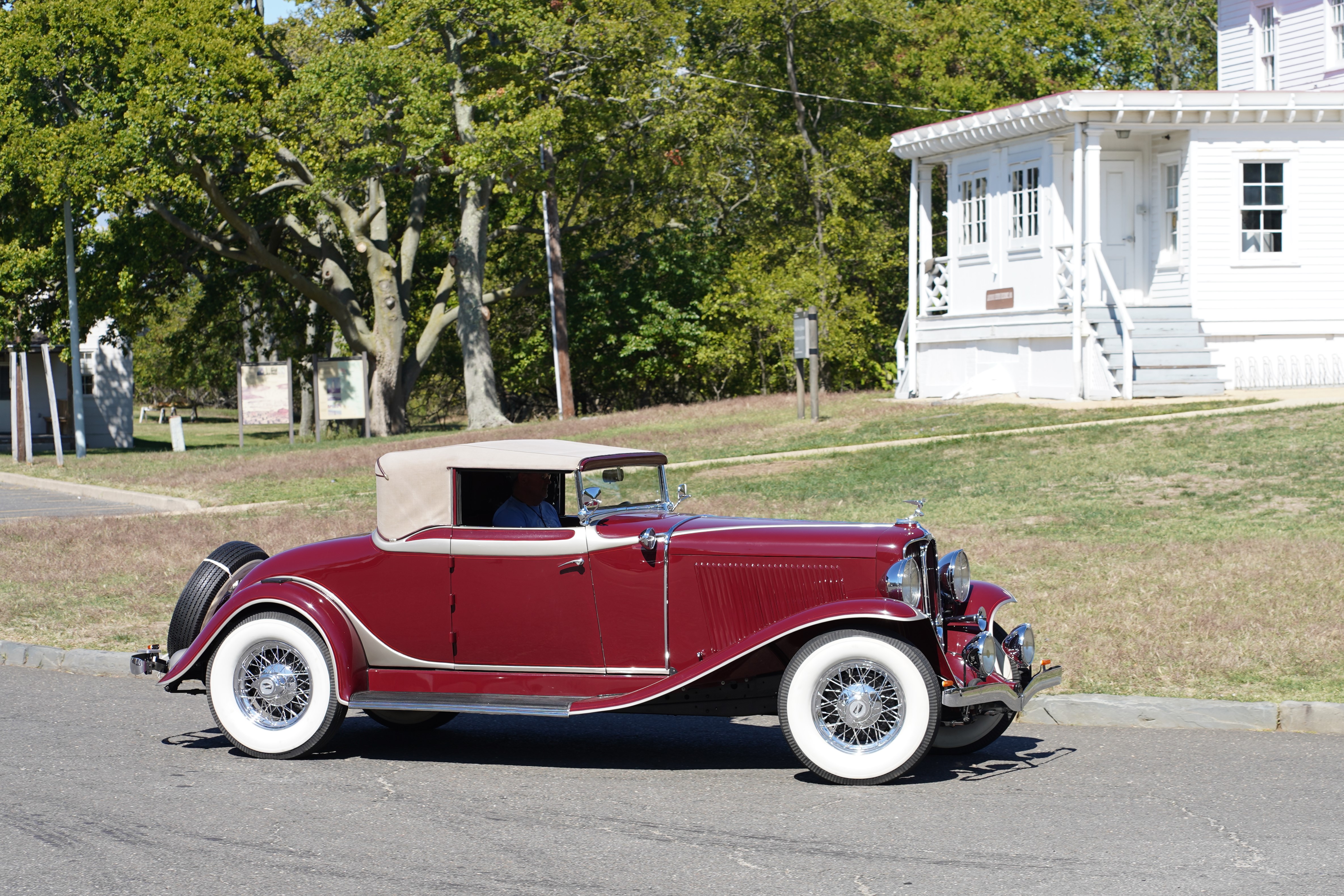
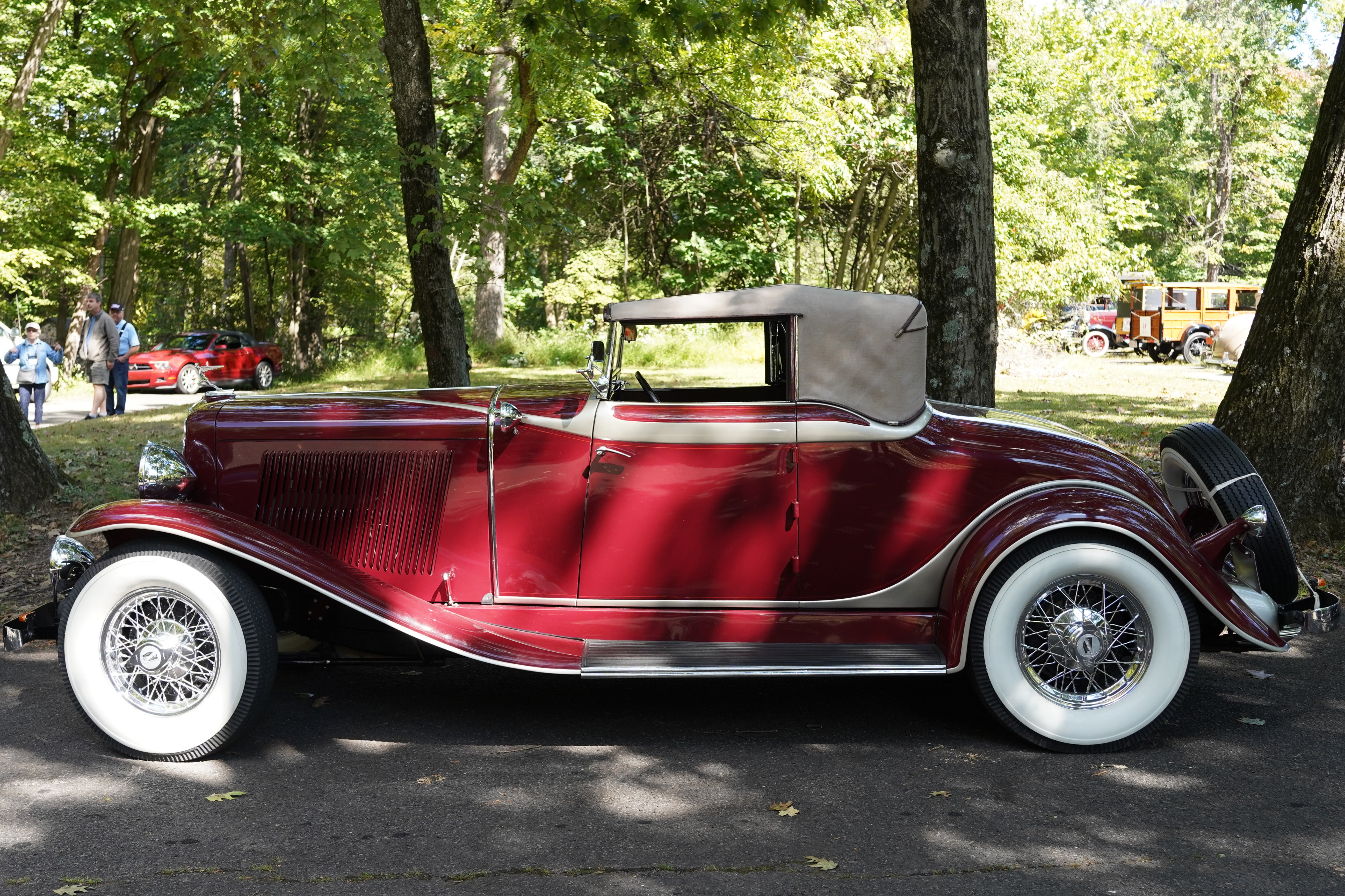
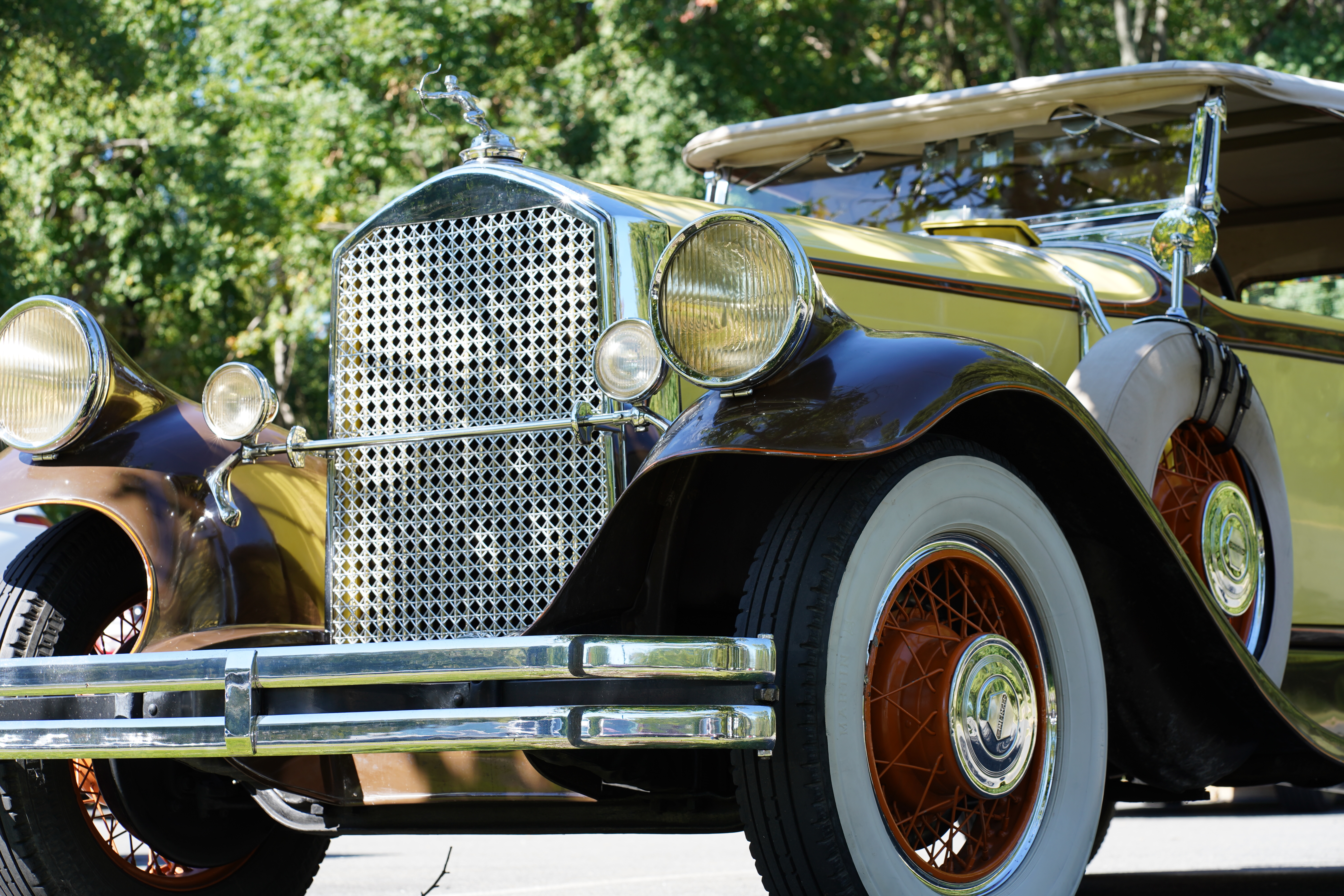
  • 1931 Auburn 8: This car was in the running against the Continental for favorite car. From certain angles, it was stately, powerful, and streamlined. Yet from other angles, the car appeared bulky and less graceful. Nevertheless, it was an imposing automobile to see cruising down the road. I didn’t speak to the driver, but he was out and about every day with no apparent issues.


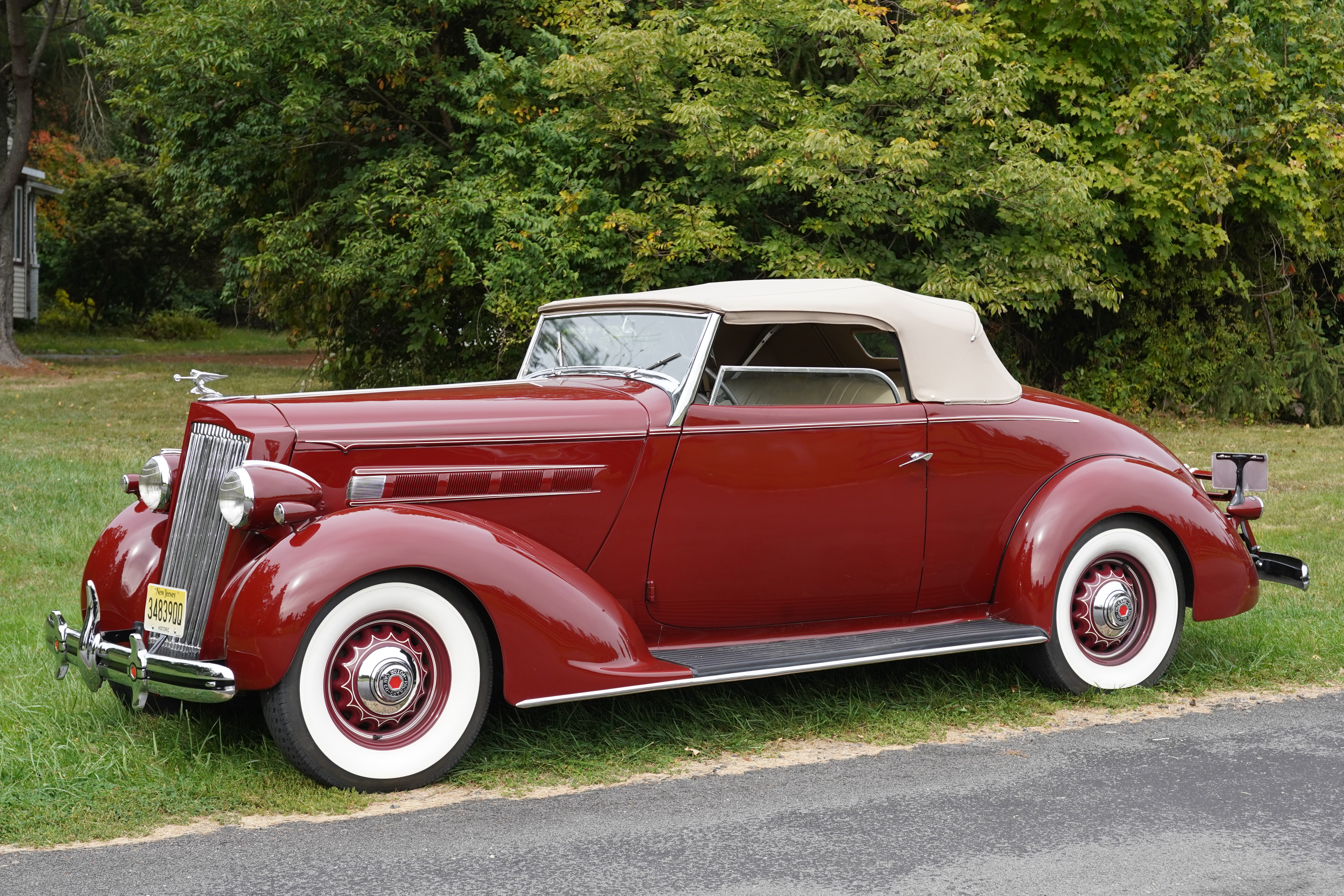
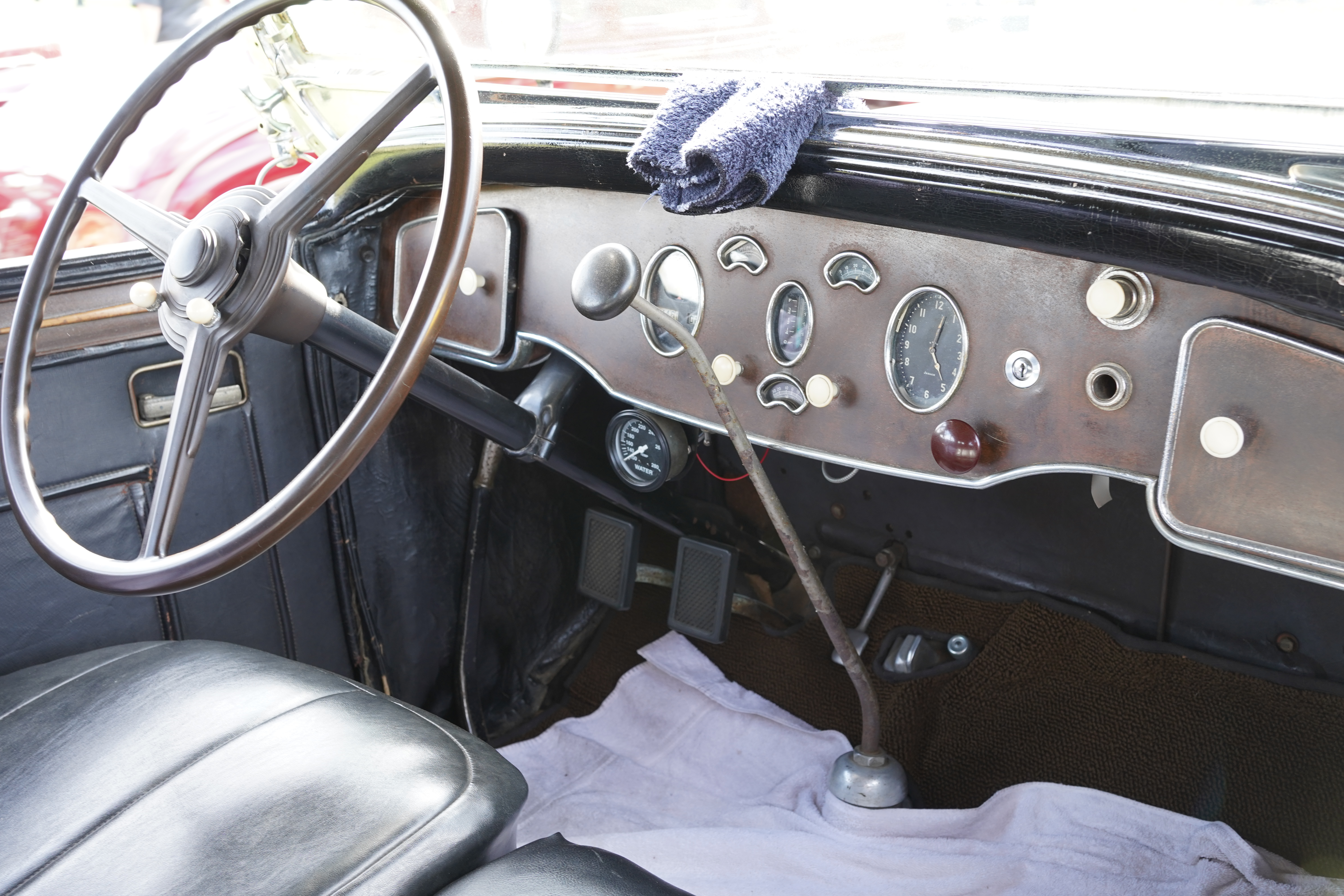
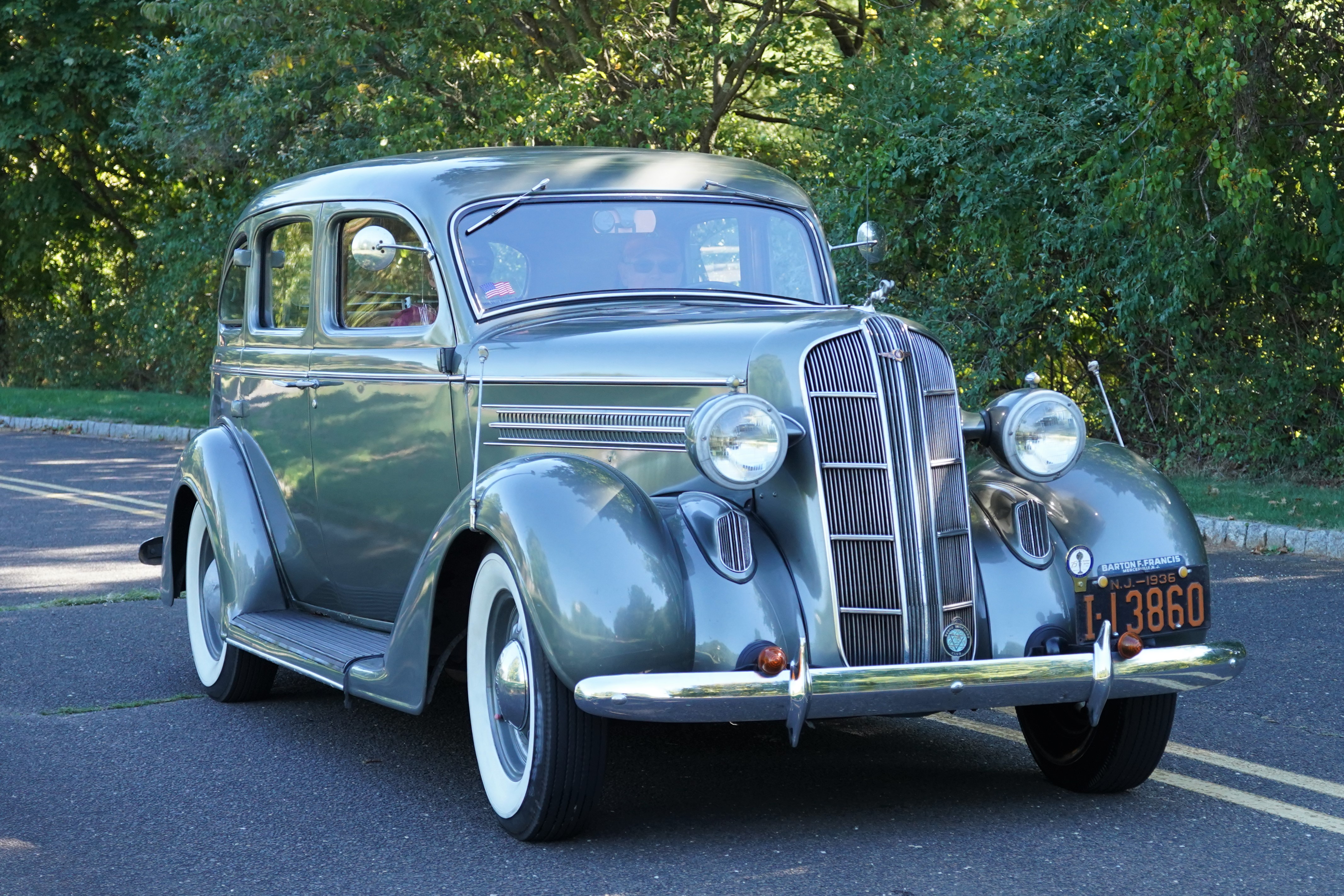
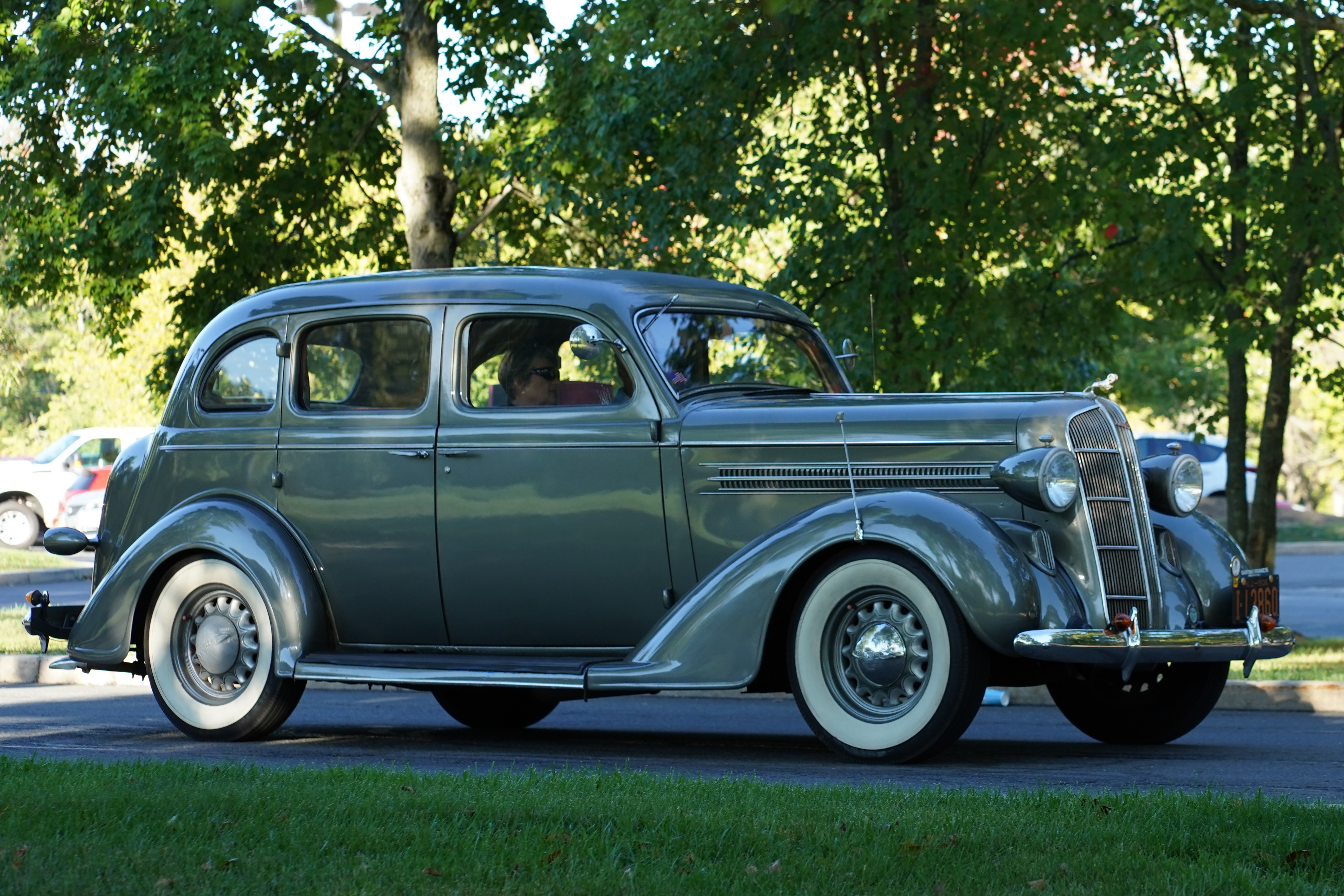
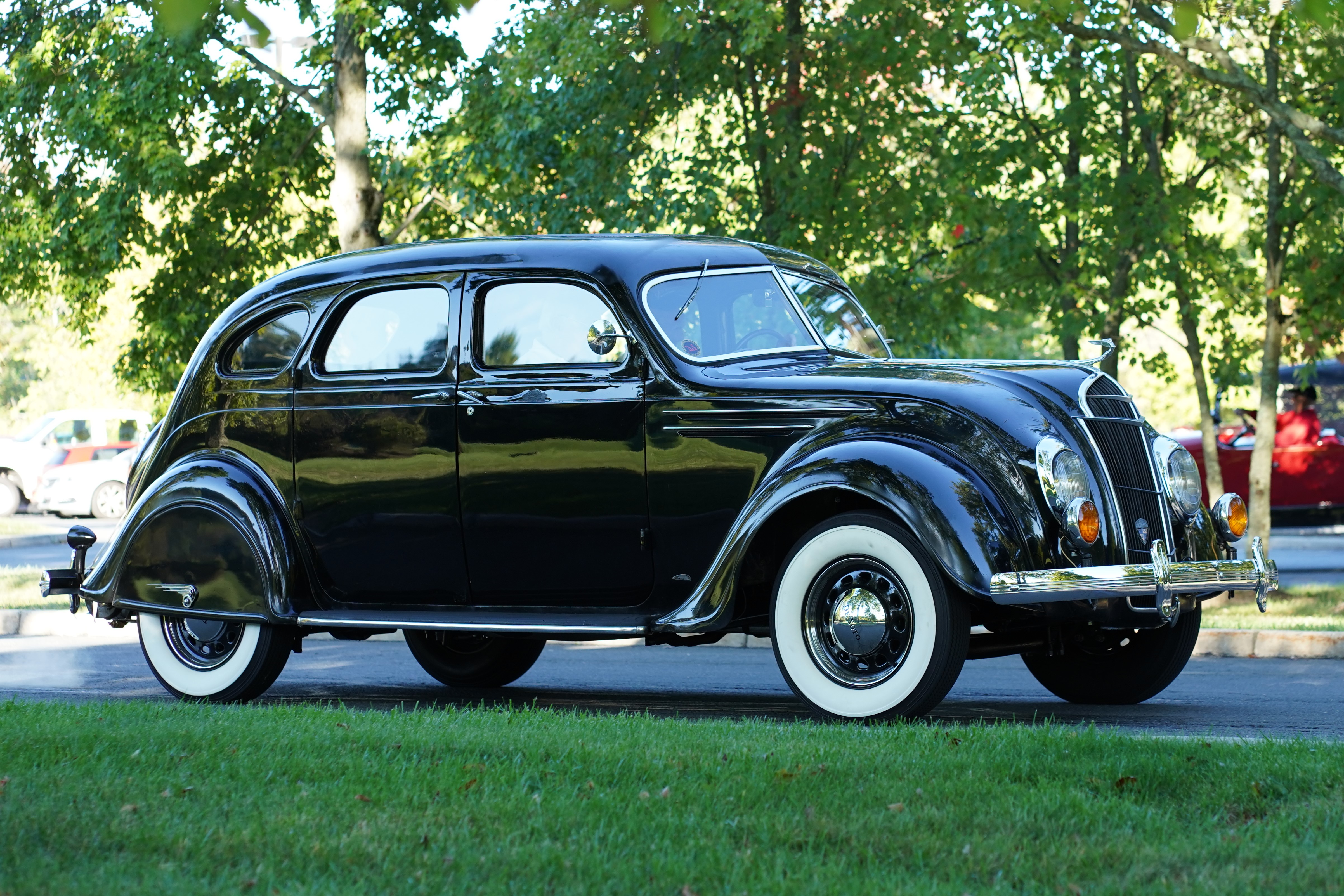
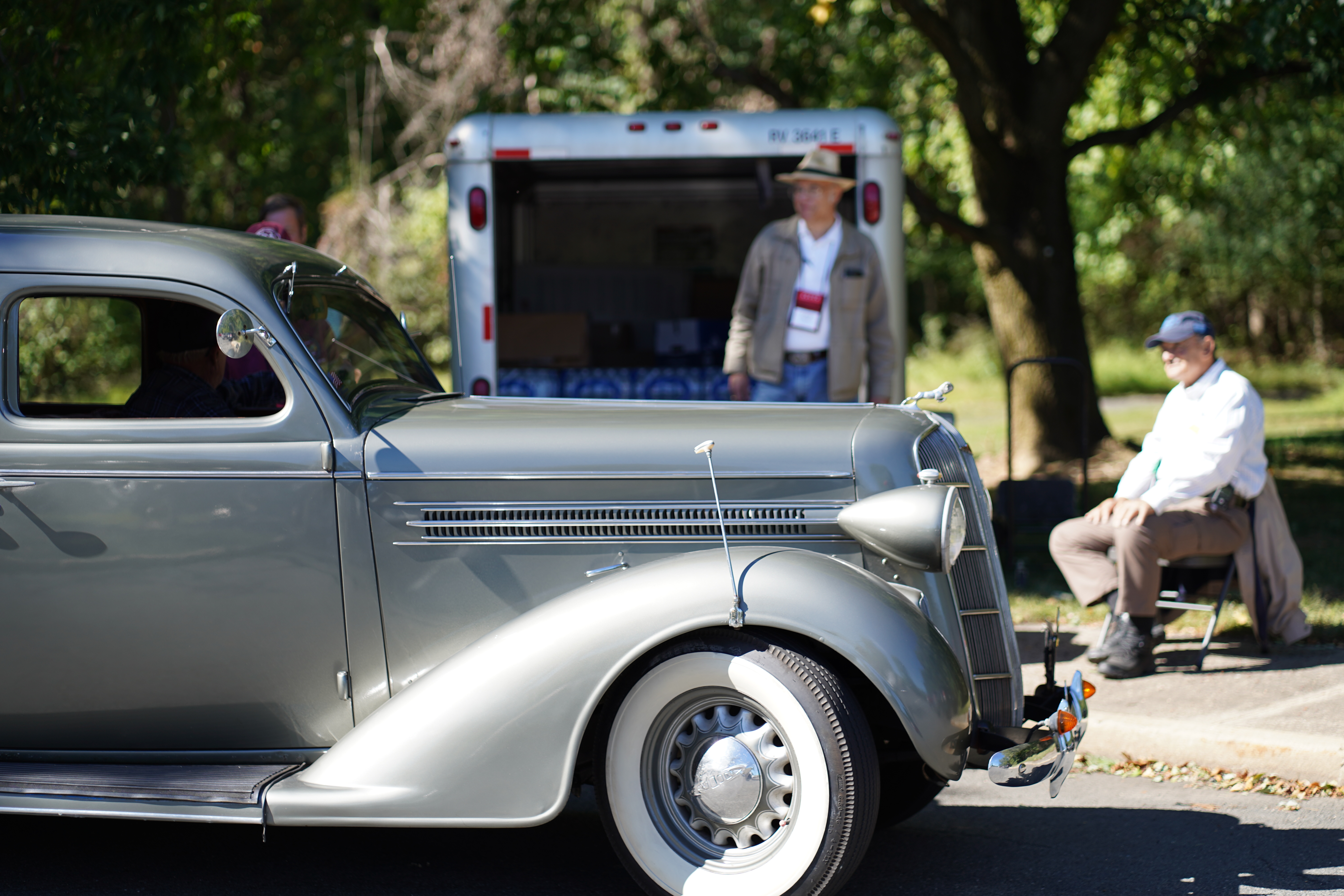
  • 1936 DeSoto 4-door convertible: I had a long chat with the owner’s wife, who told me that this had been her father-in-law’s car, so it’s been in the family for a long time. She said the car is very comfortable and has been extremely reliable. She and her husband also have done The Great Race twice, for which they purchased a 1971 GTO! But it sounded like they both enjoyed that experience less, as she described the tremendous pressure to compete, as it’s a TSD rally. It’s interesting to compare the styling of this ’36 to the 1935 DeSoto Airflow which was also on the tour.


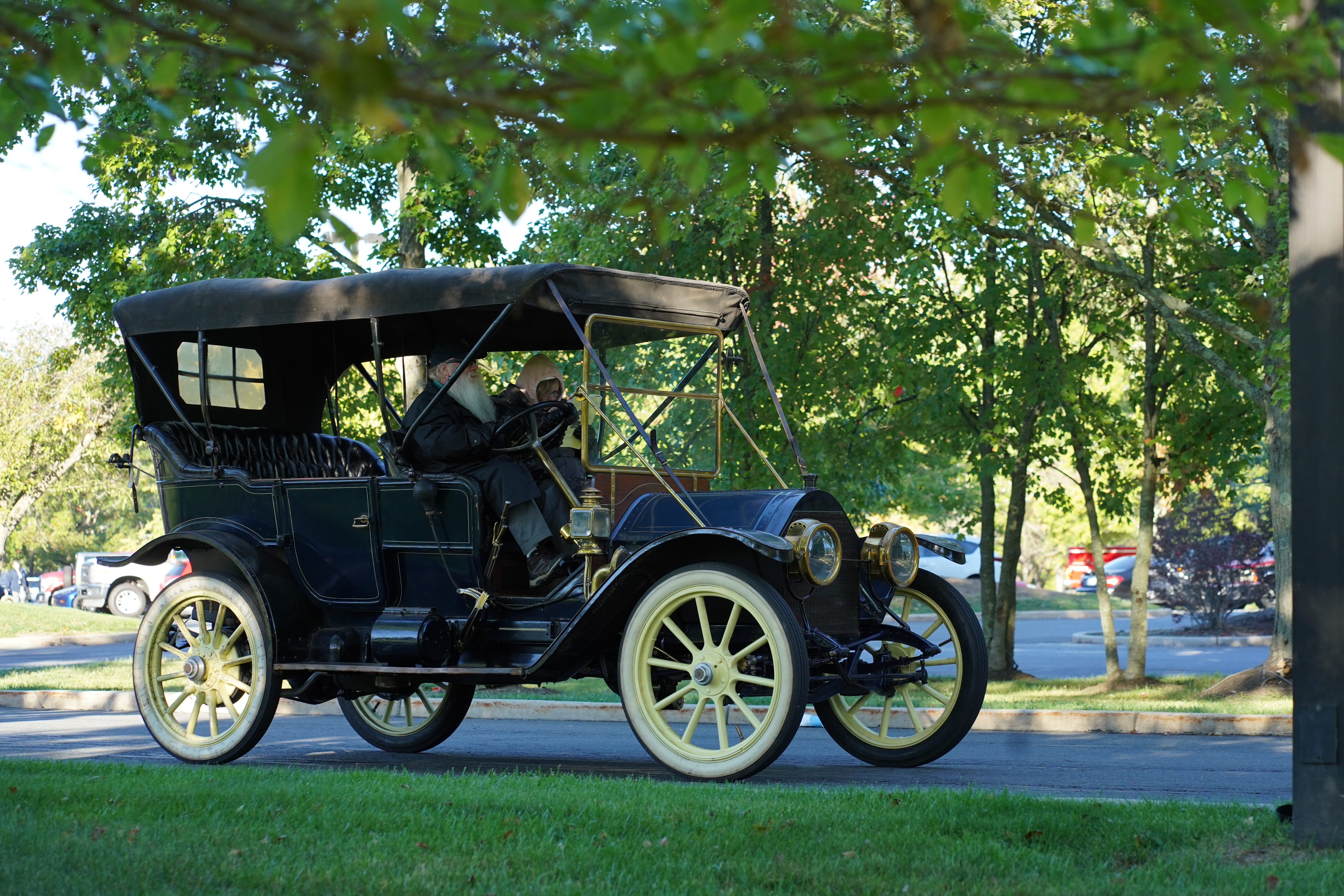
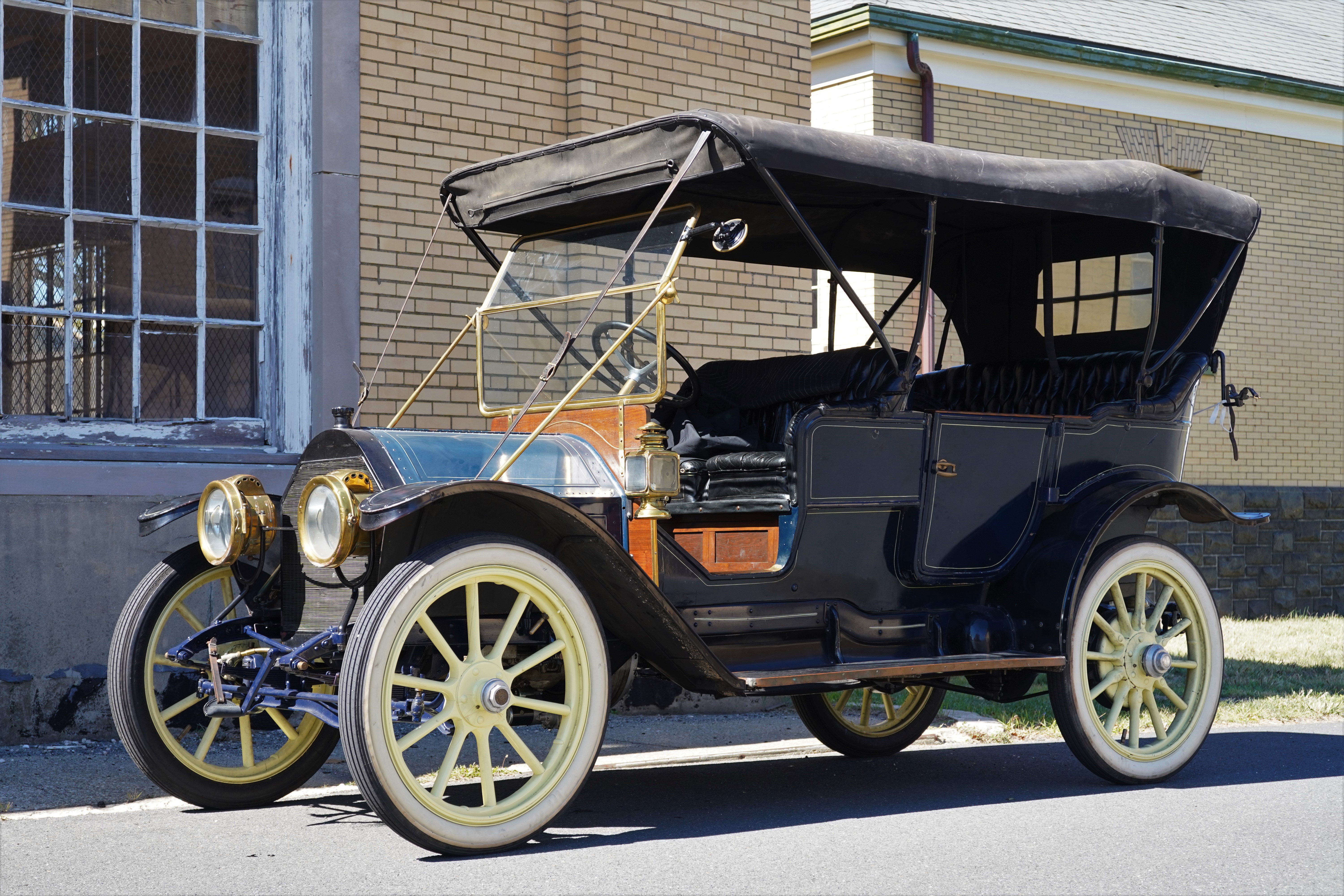
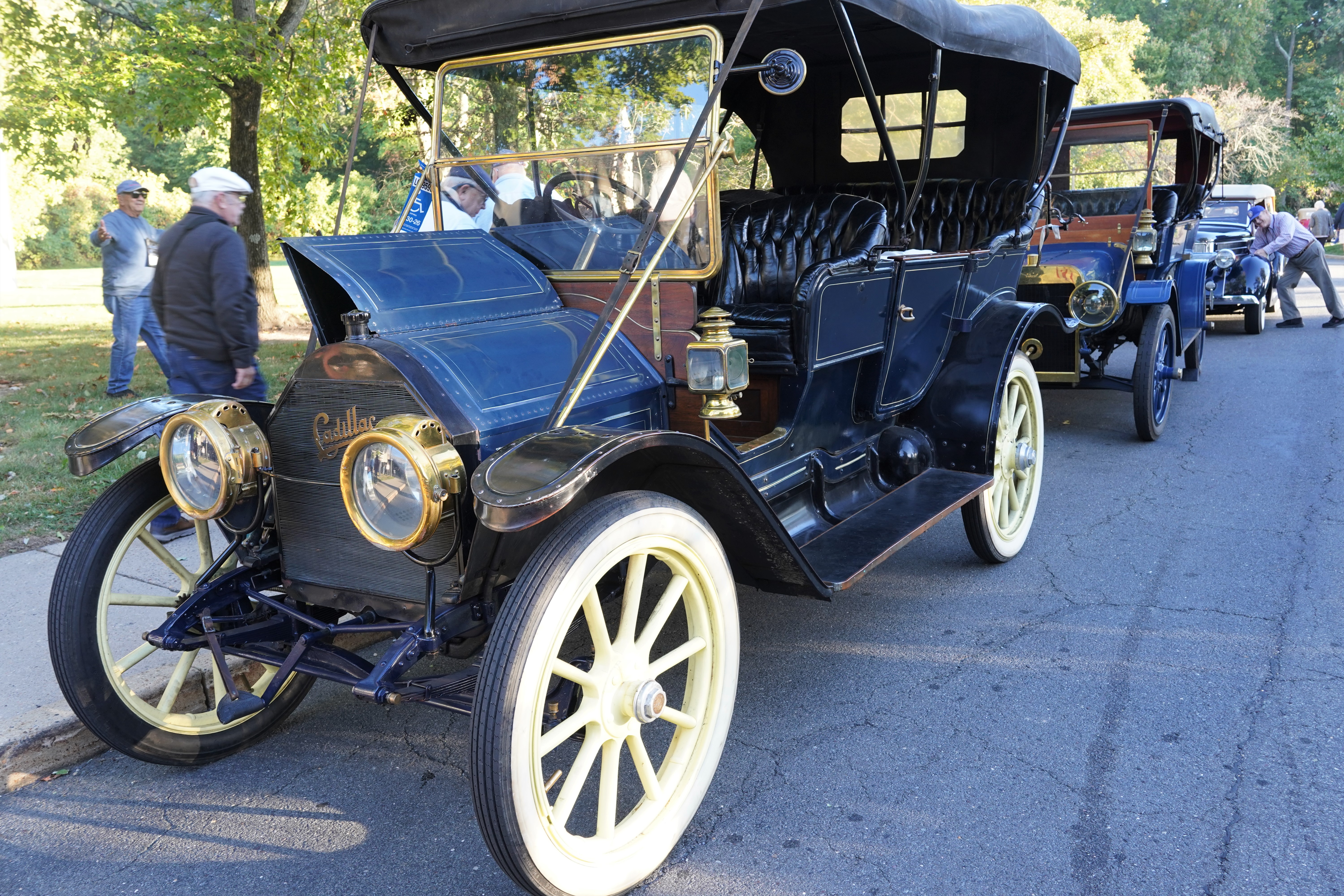
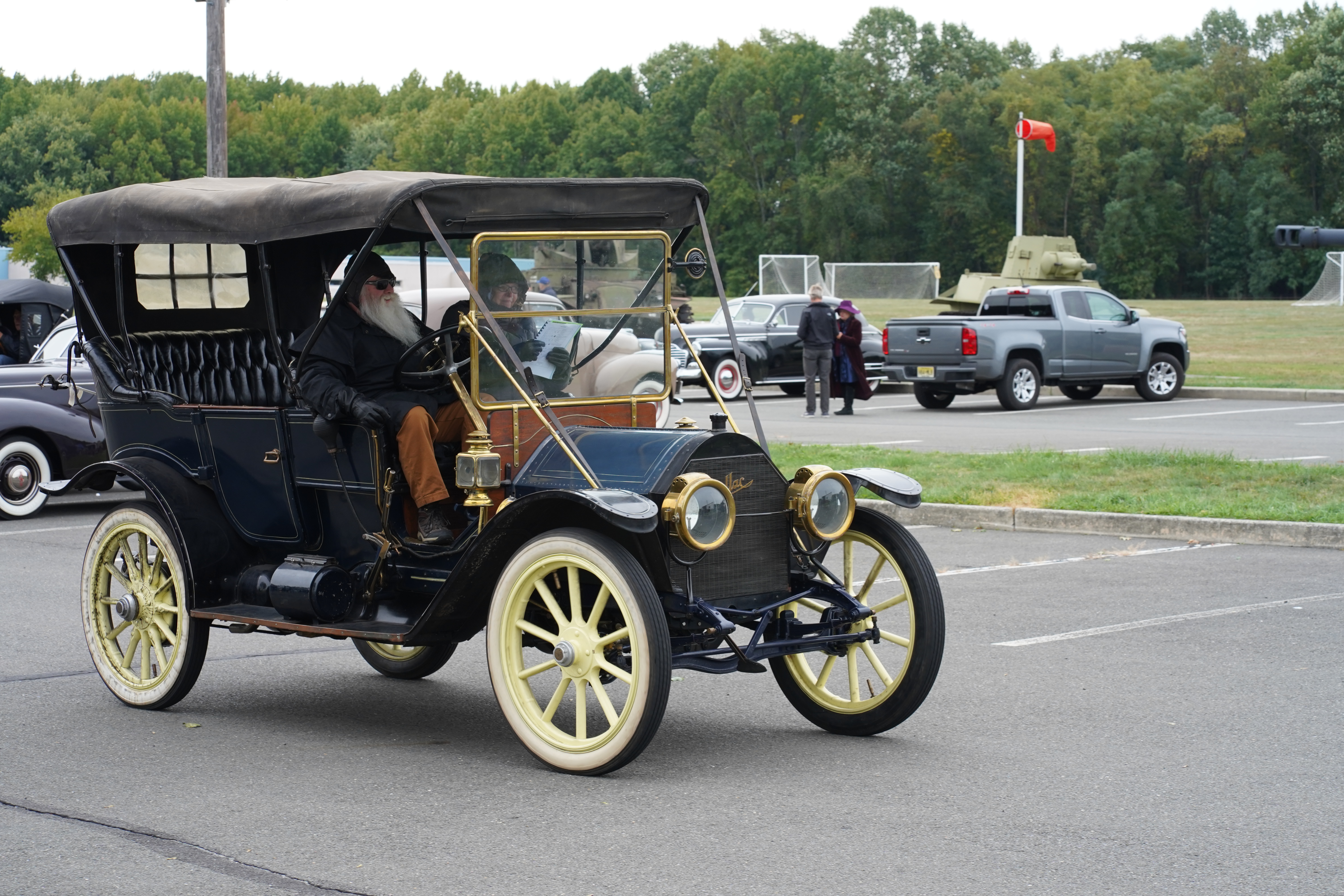
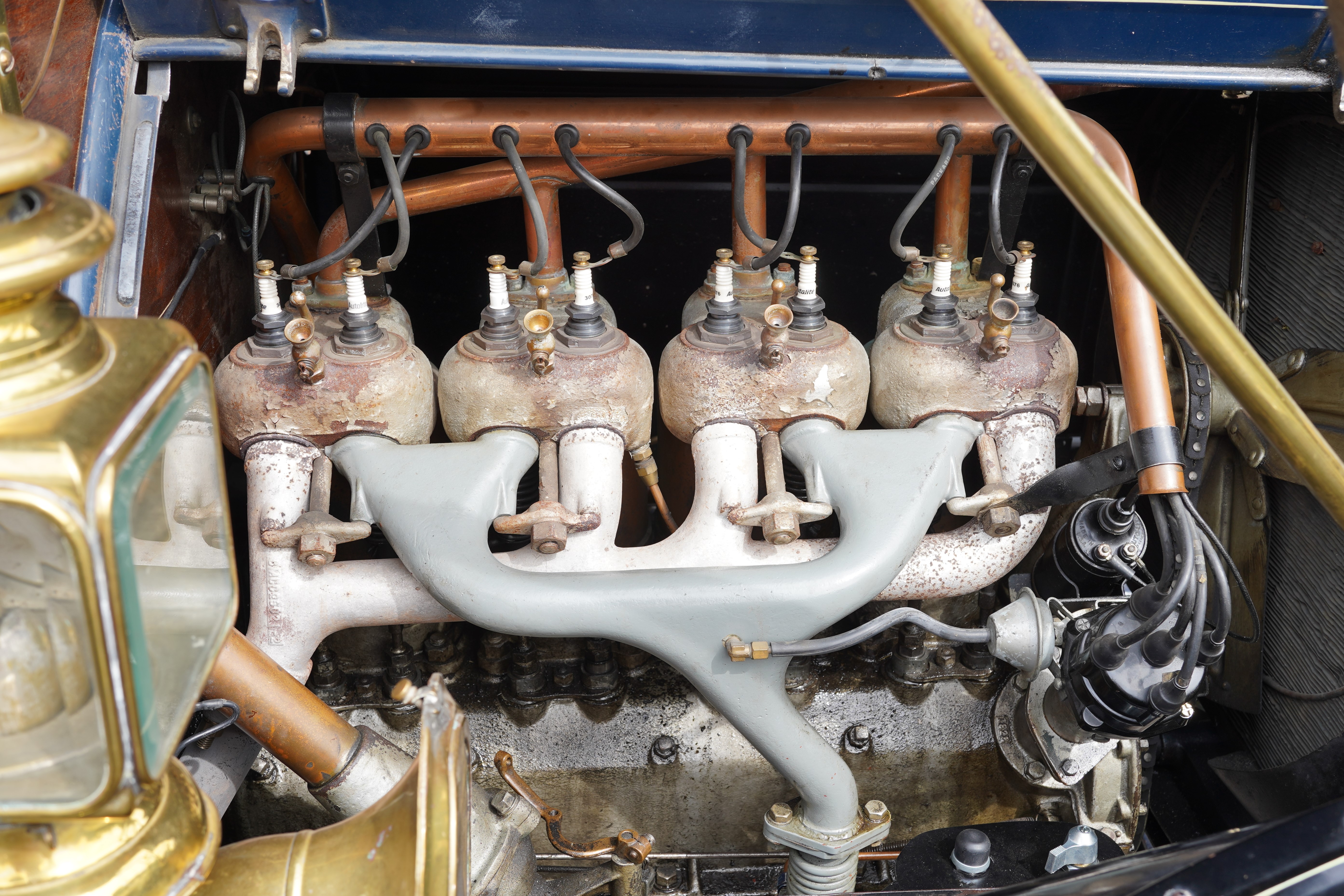
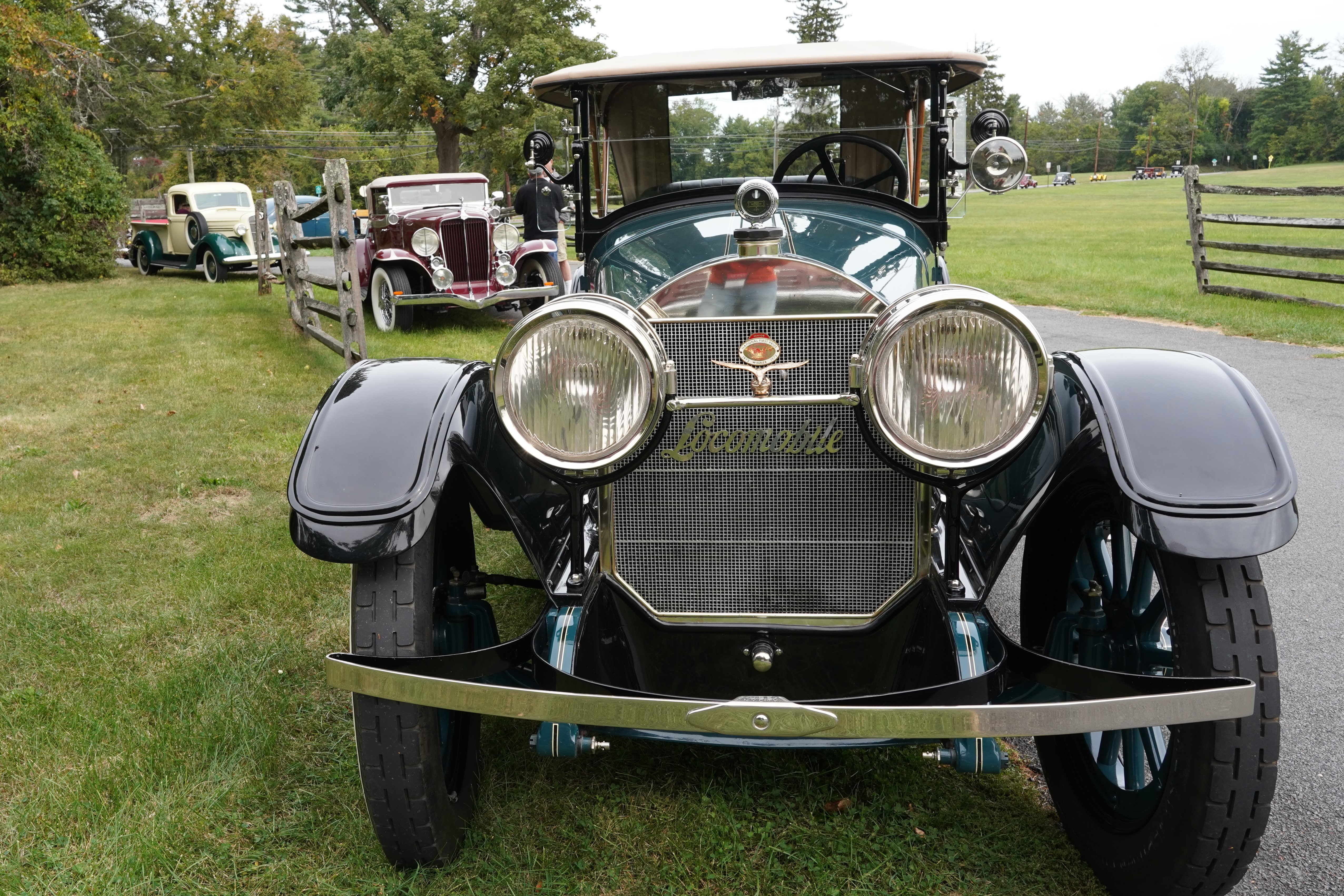
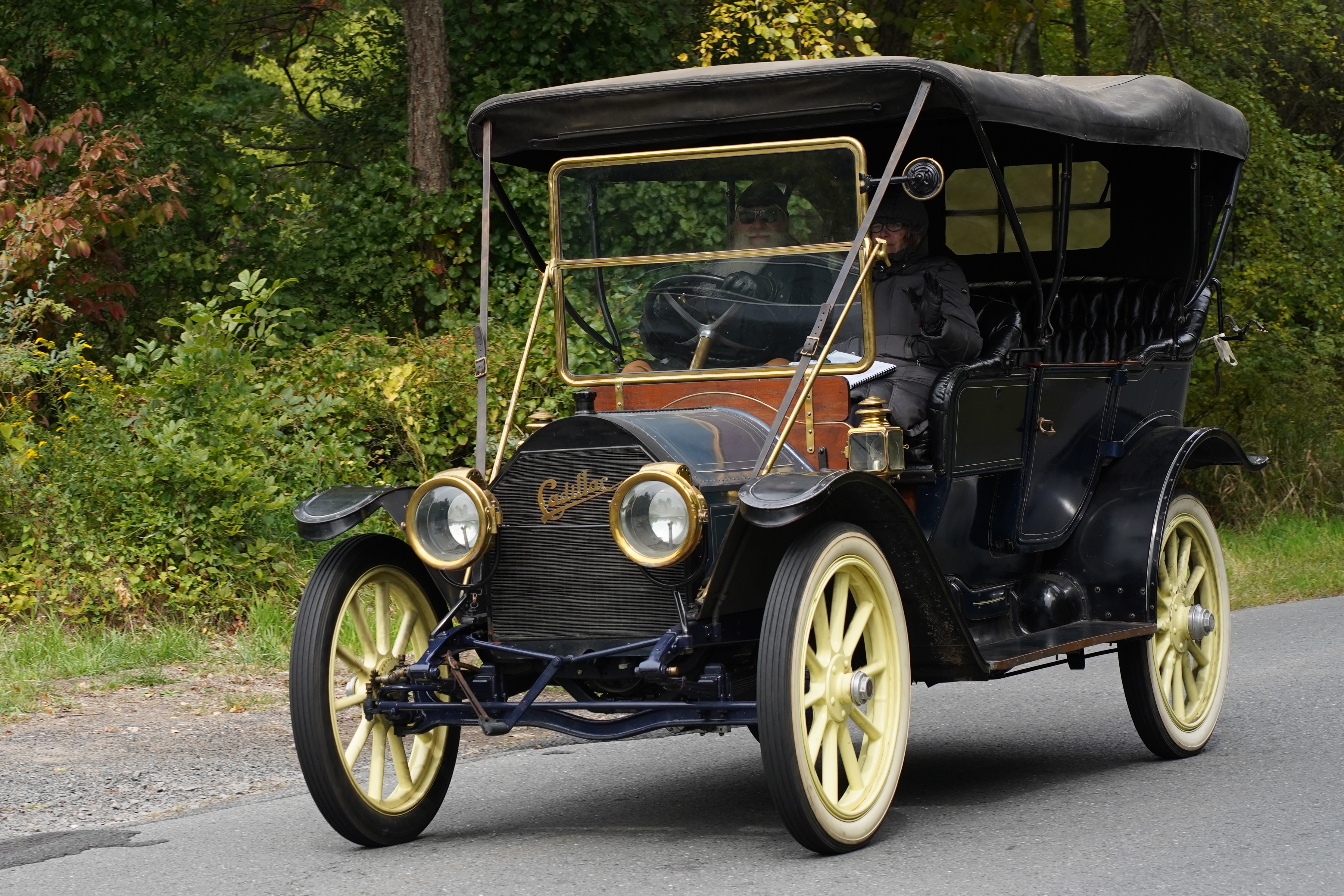
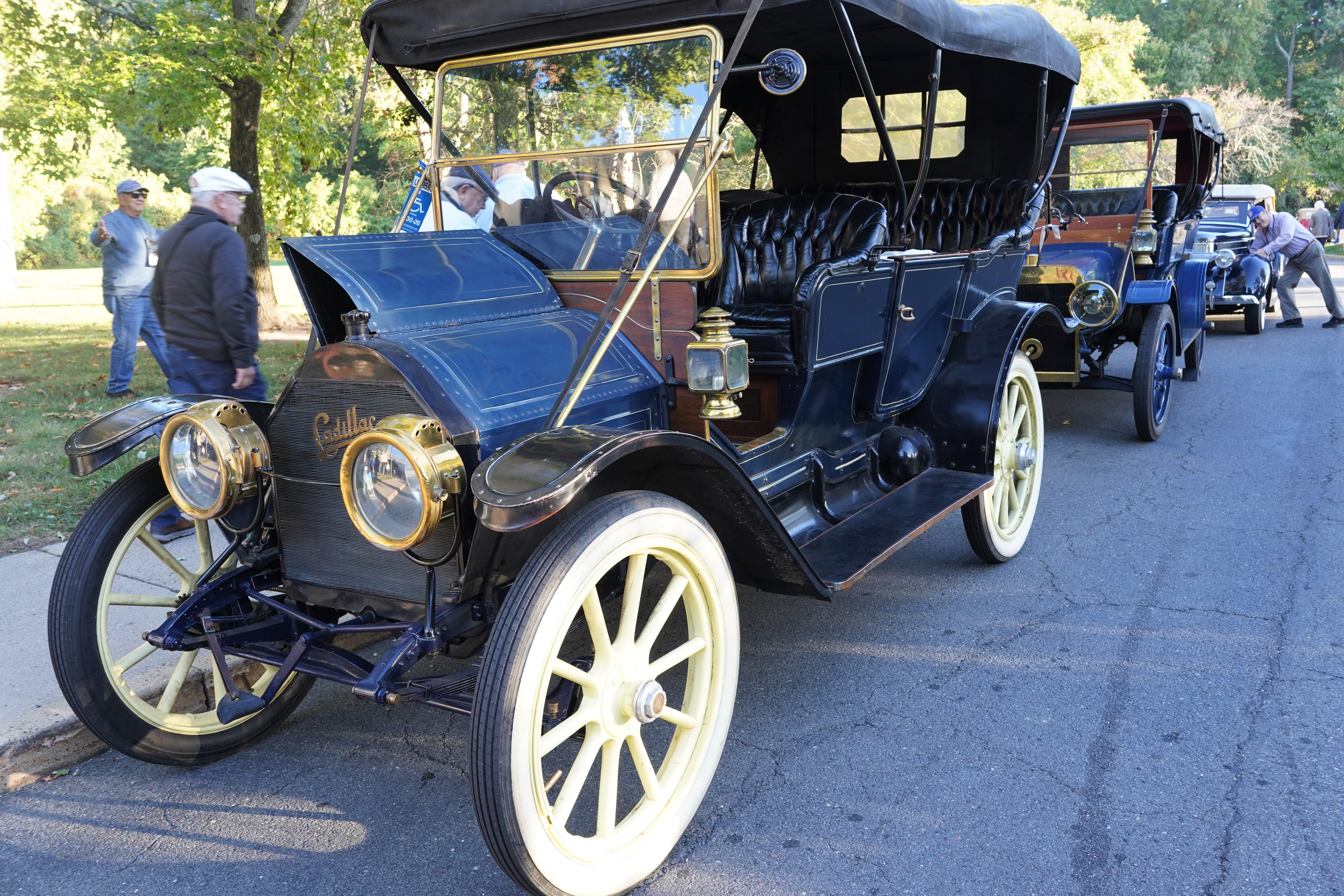
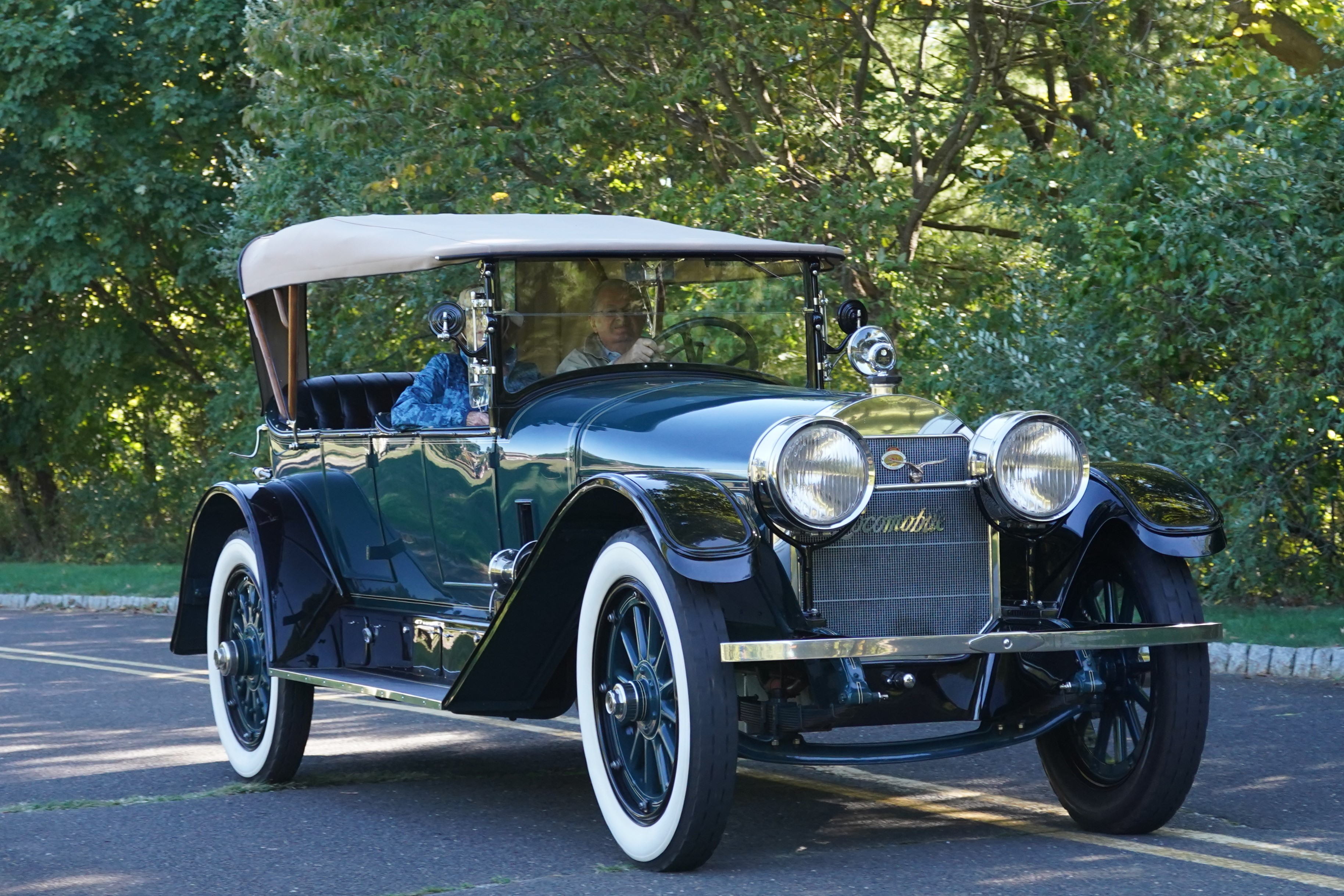
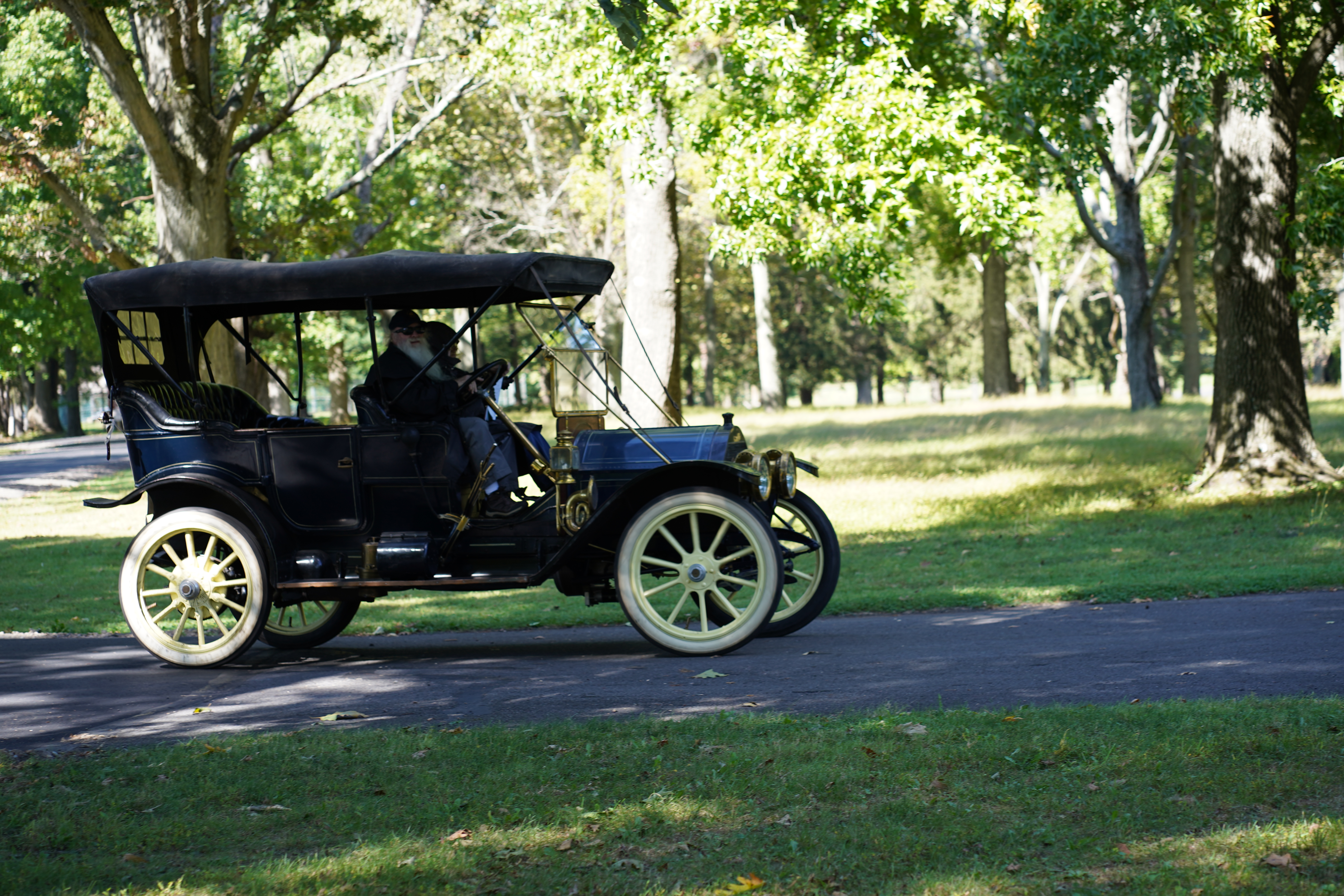
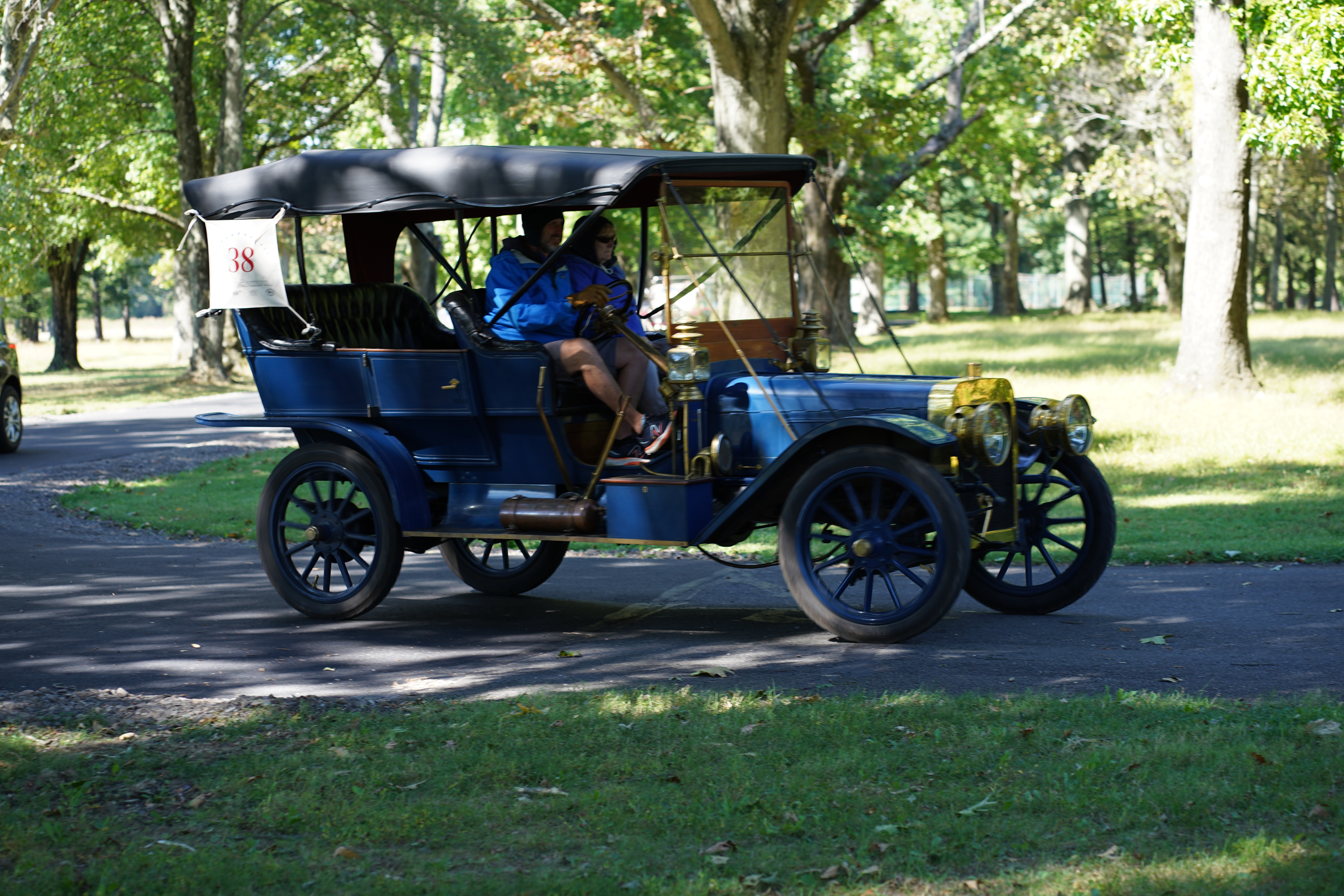
  • 1911 Cadillac Model 30 Touring: All credit goes to the driver and passenger of this 4-door open car, both of whom brought adequate clothing for the conditions, which thankfully remained mostly warm and dry. This was one of the oldest cars on the tour, yet they were out there, often leading the pack! When the driver finally opened the hood for me to peek, I saw that the car was running a 4-cylinder engine with twin spark plugs per cylinder. As per Wikipedia, this engine displaced 3.7L, quite large for a 4-banger. Wiki also states that the 1911 Cadillac was the first car to have an electric starter.


My immersion among 100+ cars from the first 4 decades of the 20th century was rewarding beyond words. It was an in-your-face education about the early years of autmotive engineering and styling. Now of course, I want to find a pre-war car to call my own, and go touring in it!


All photographs copyright © 2022 Richard A. Reina. Photos may not be copied or reproduced without express written permission.
The NJ Glidden Tour for Friday, Sep 30, 2022

Friday’s tour, the final driving day of the week, began with a stop at the NJ National Guard Militia Museum, followed by a visit to the Princeton Battlefield. After lunch in Colonial Park, the group headed back to the hotel via the Millstone Valley Scenic Byway.


All photographs copyright © 2022 Richard A. Reina. Photos may not be copied or reproduced without express written permission.

NJ hosts the 2022 Glidden Tour

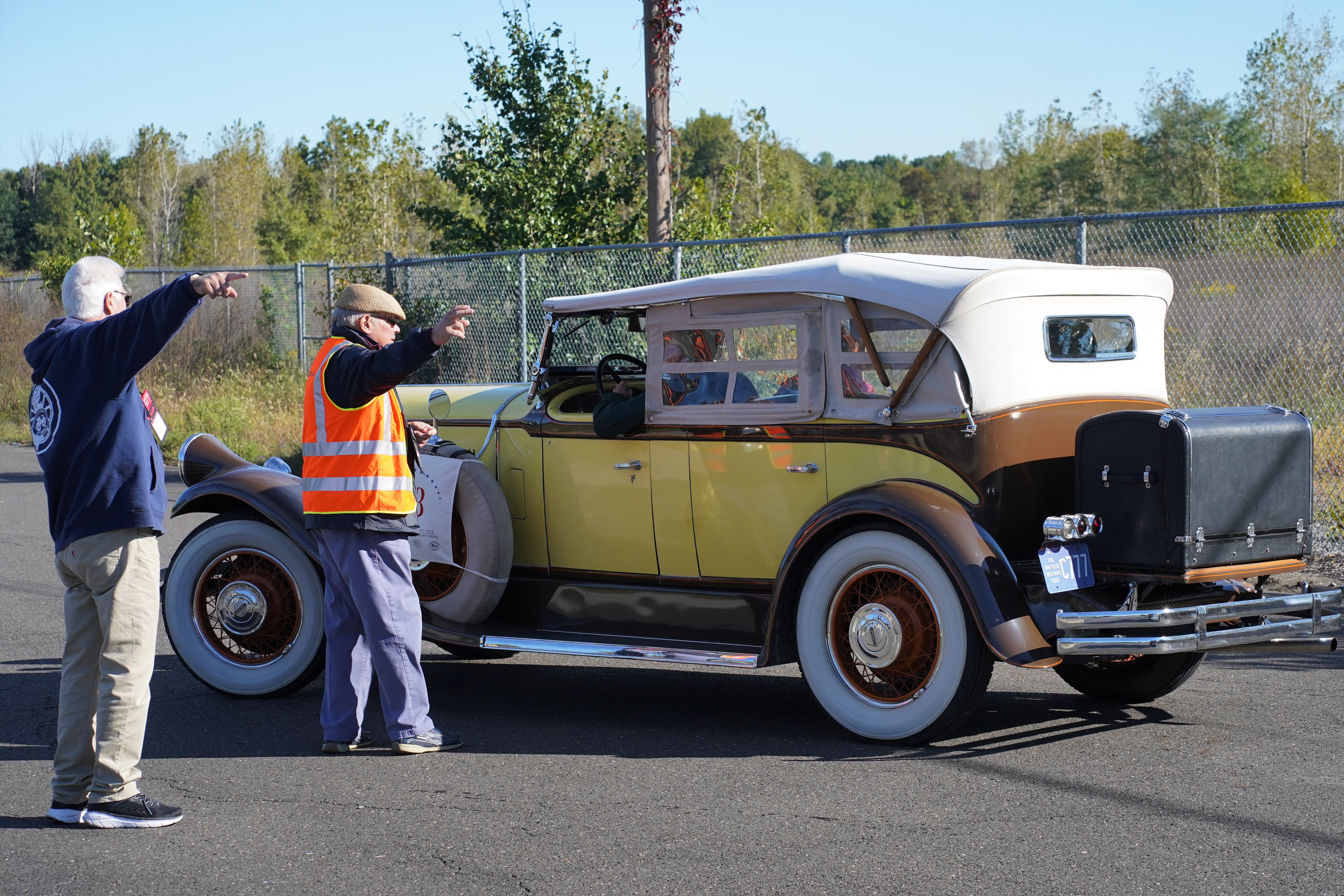
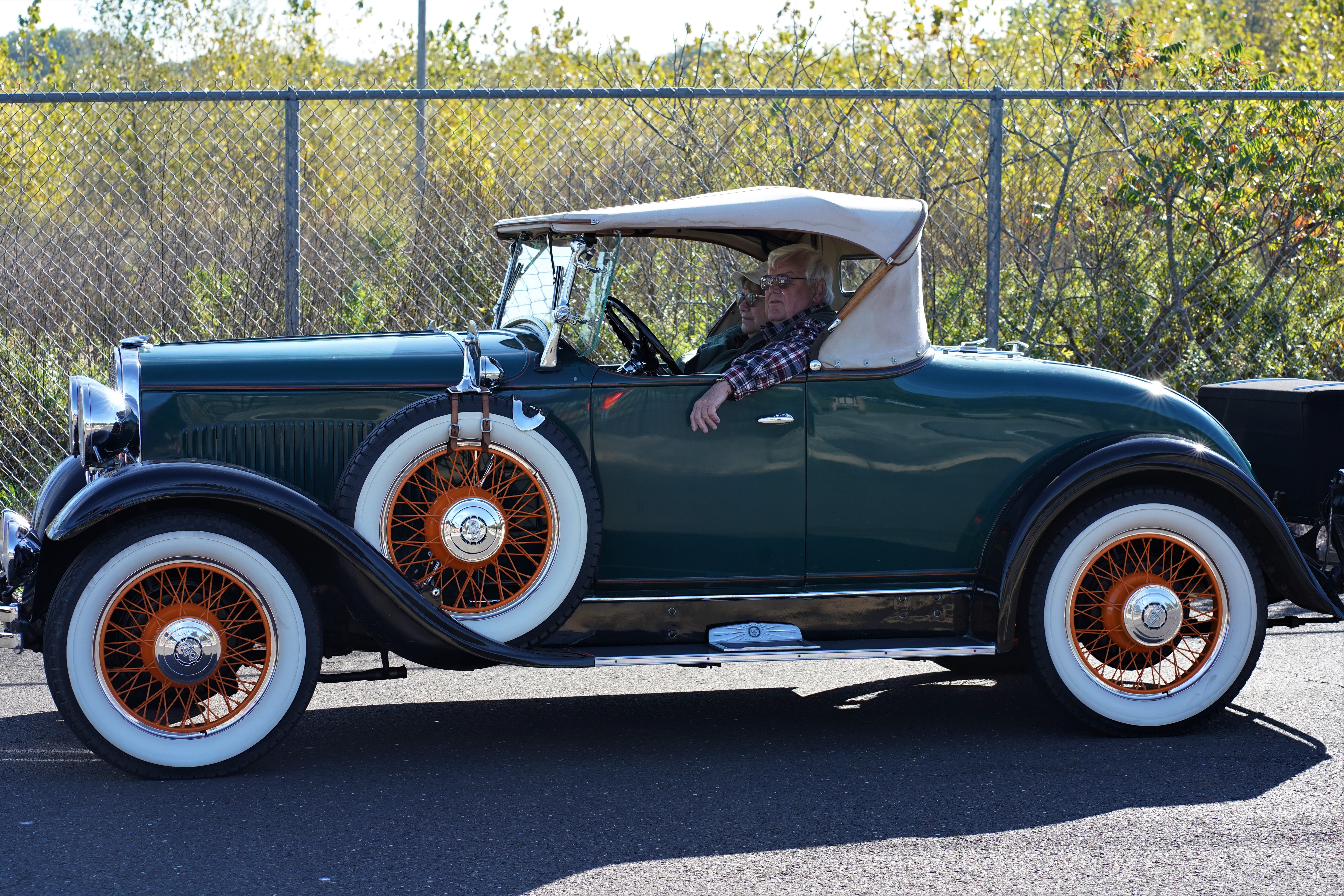
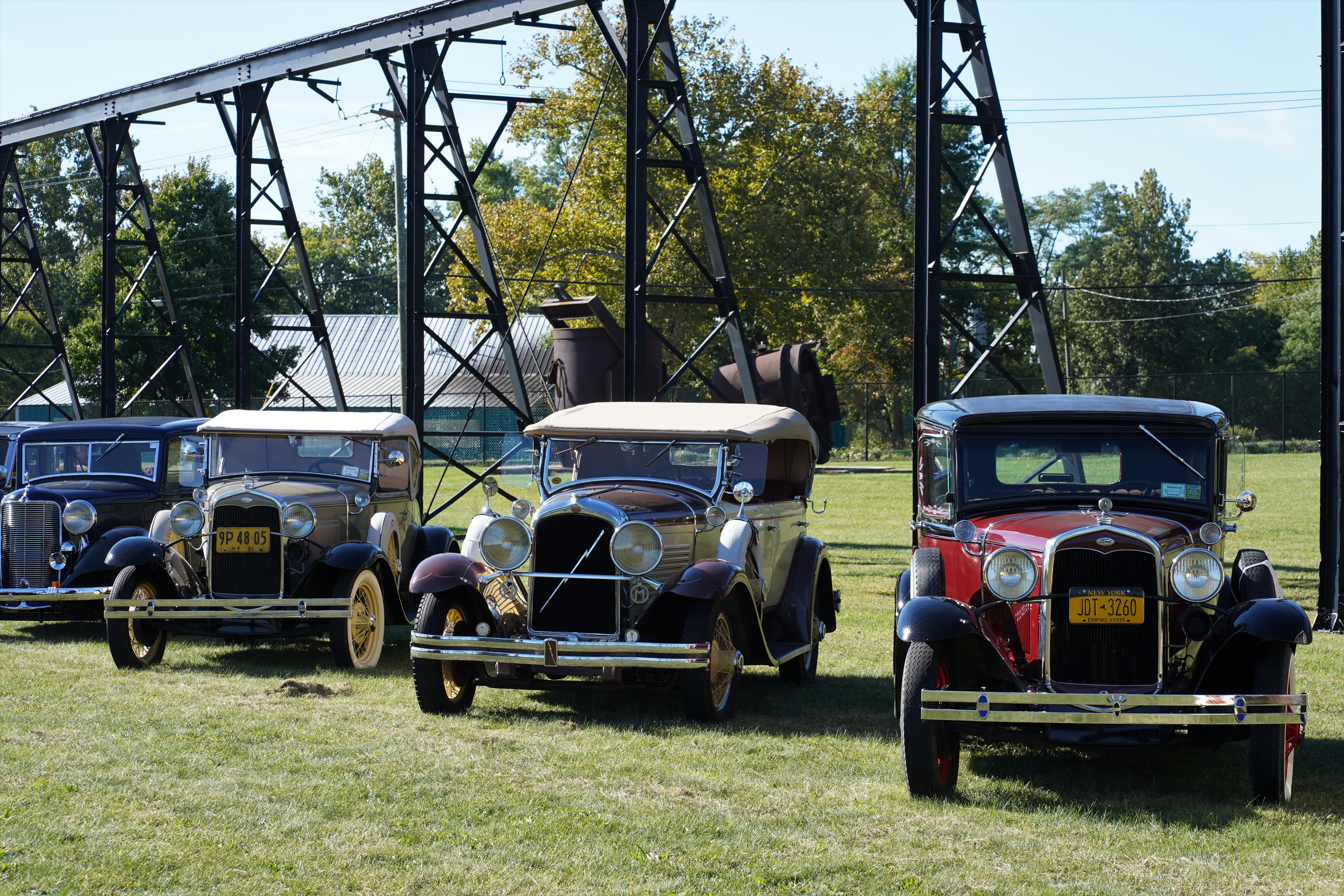
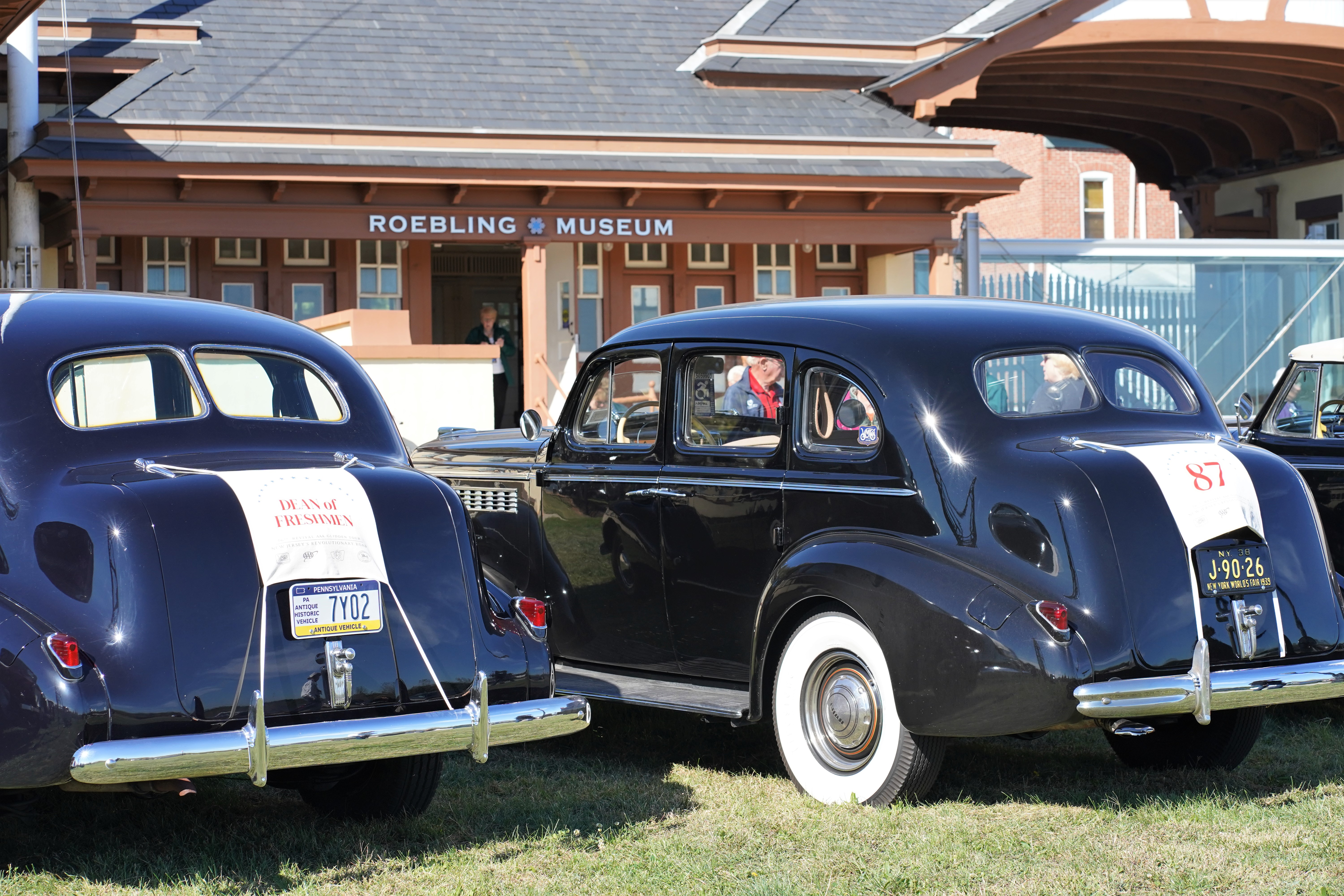
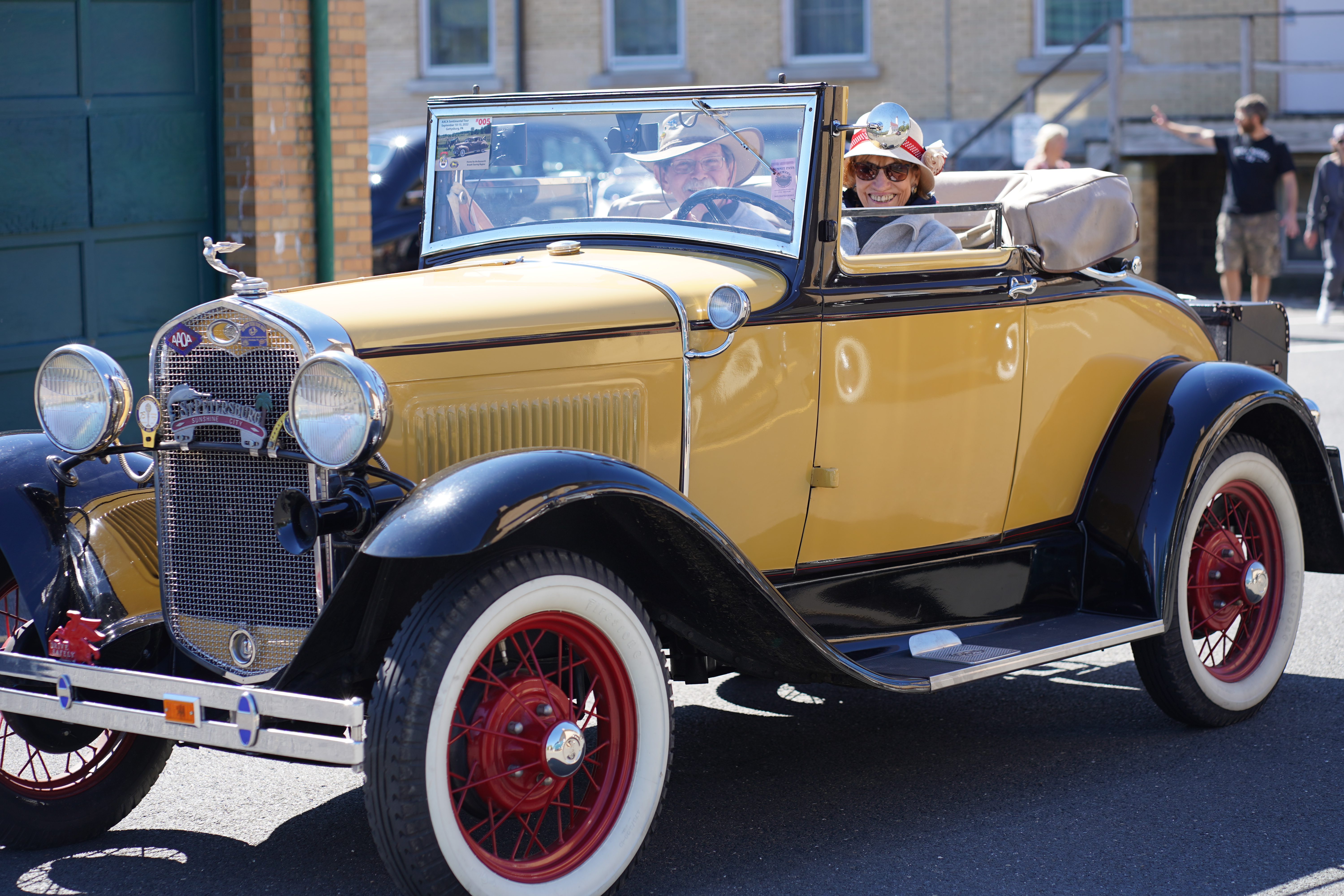
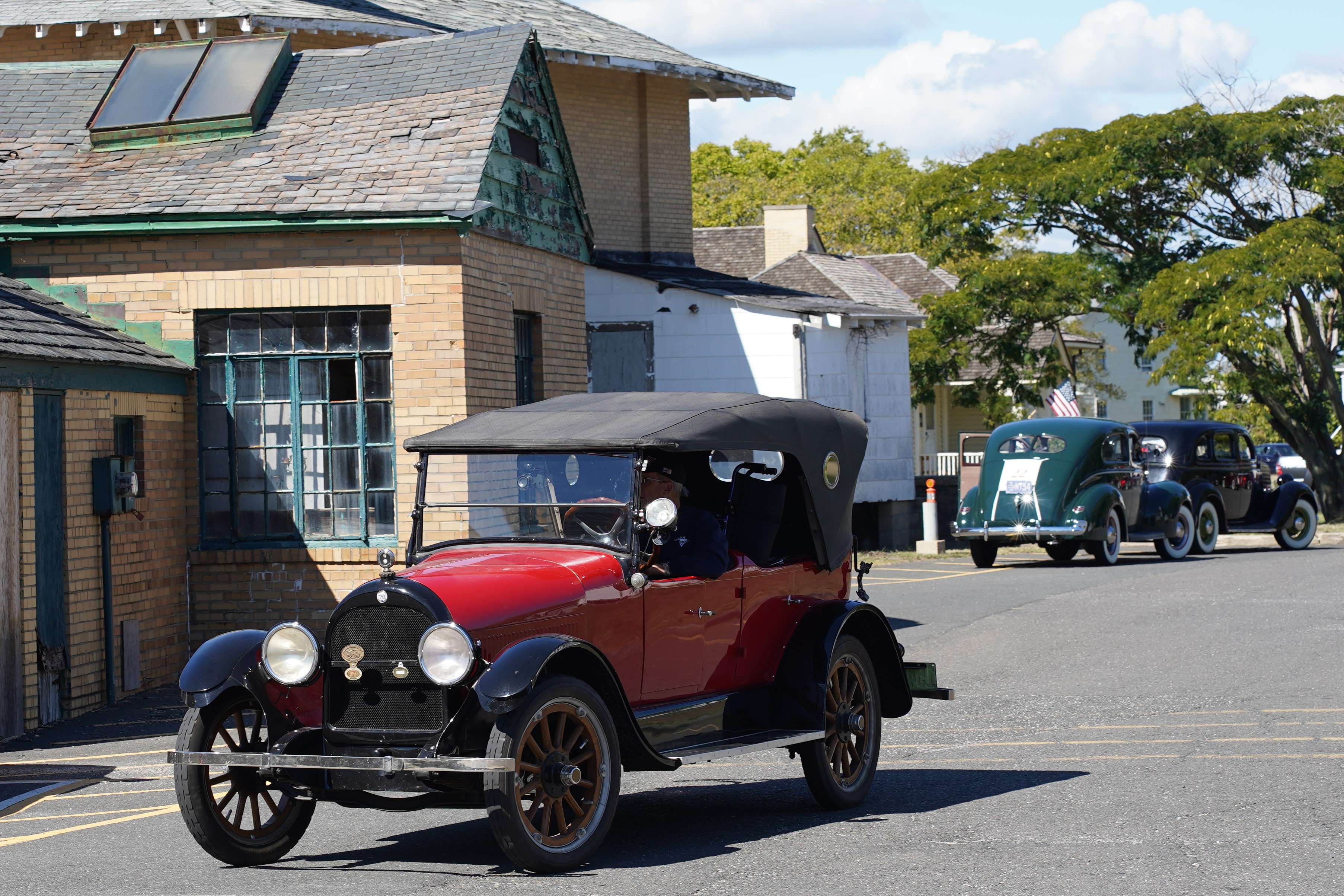
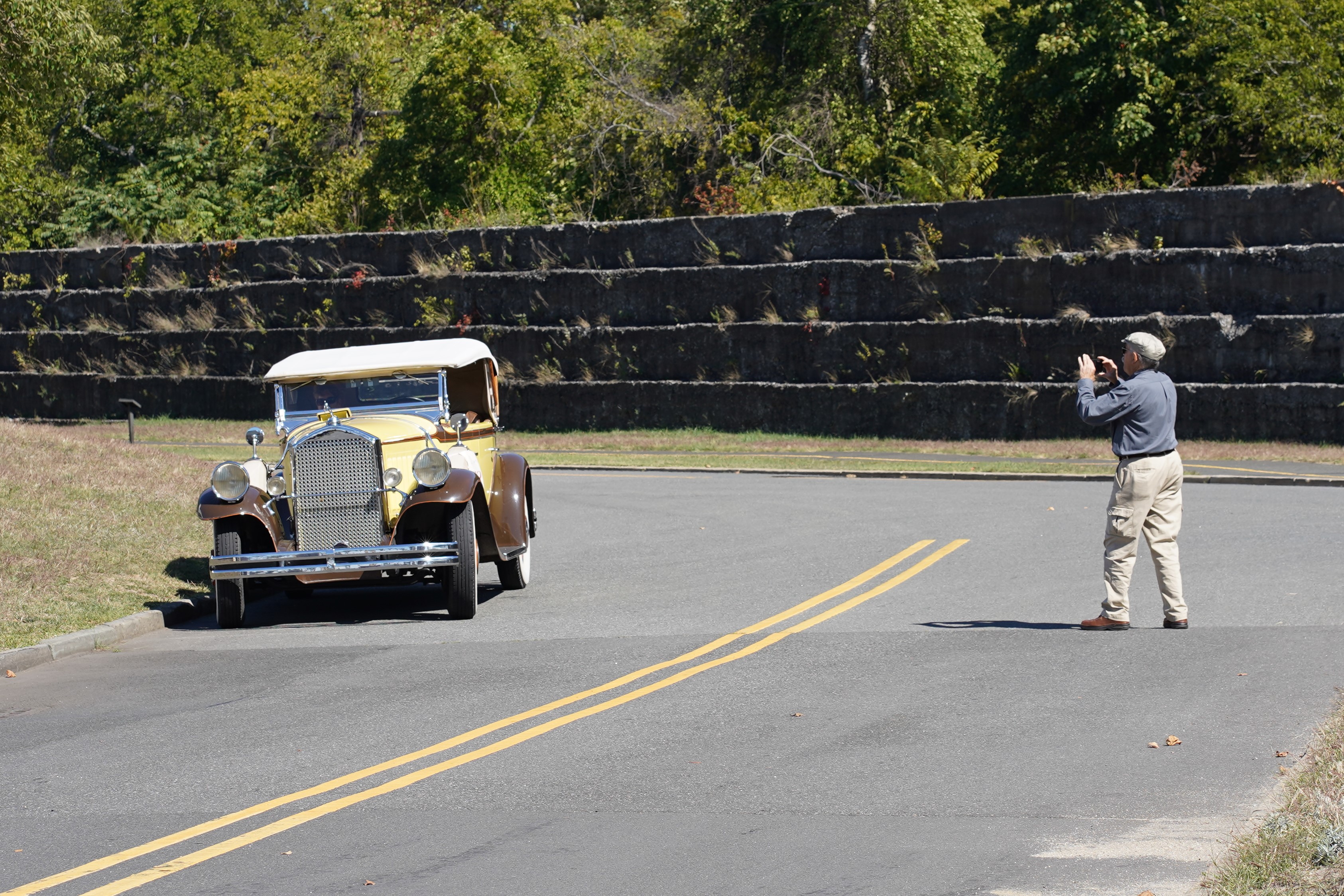
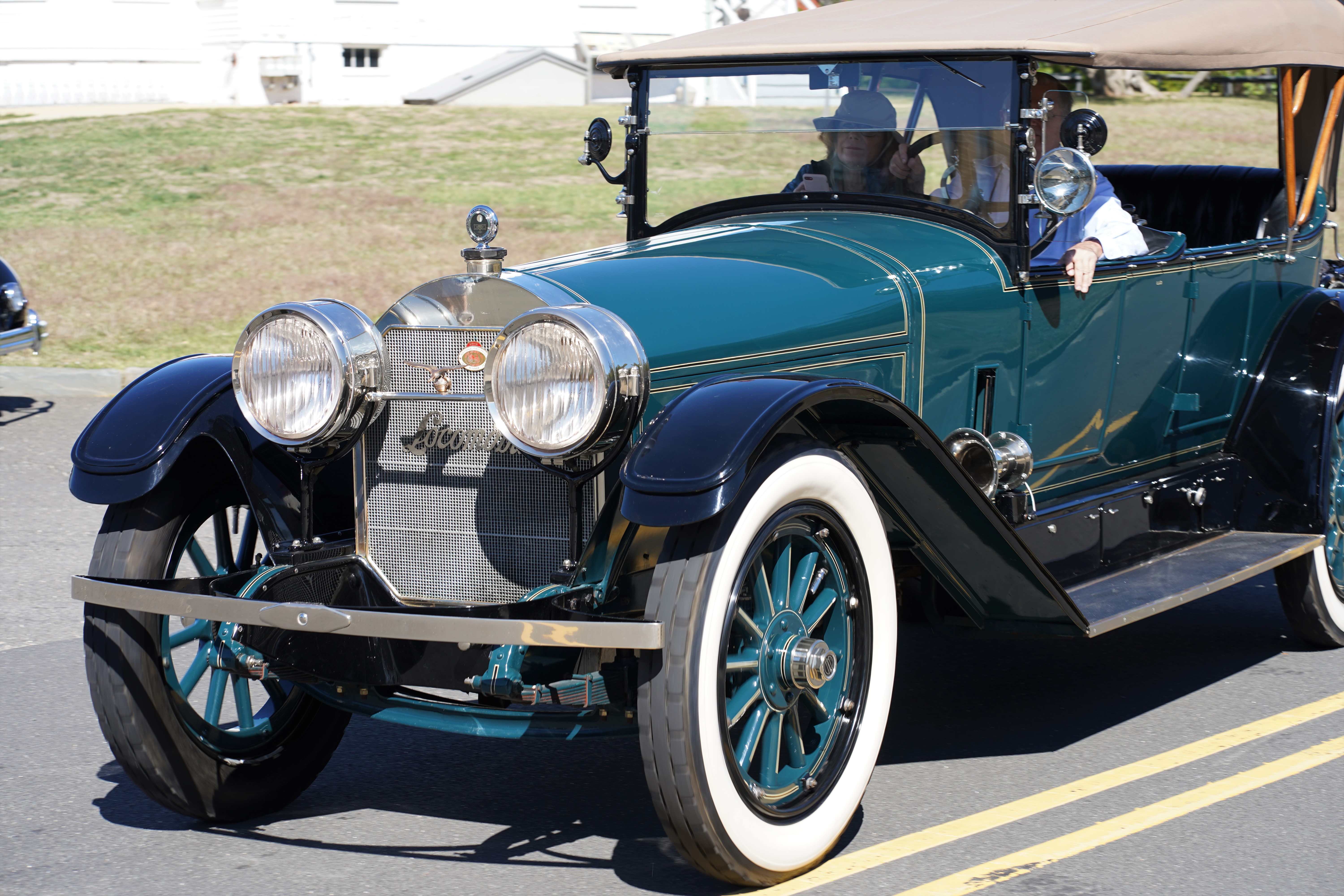
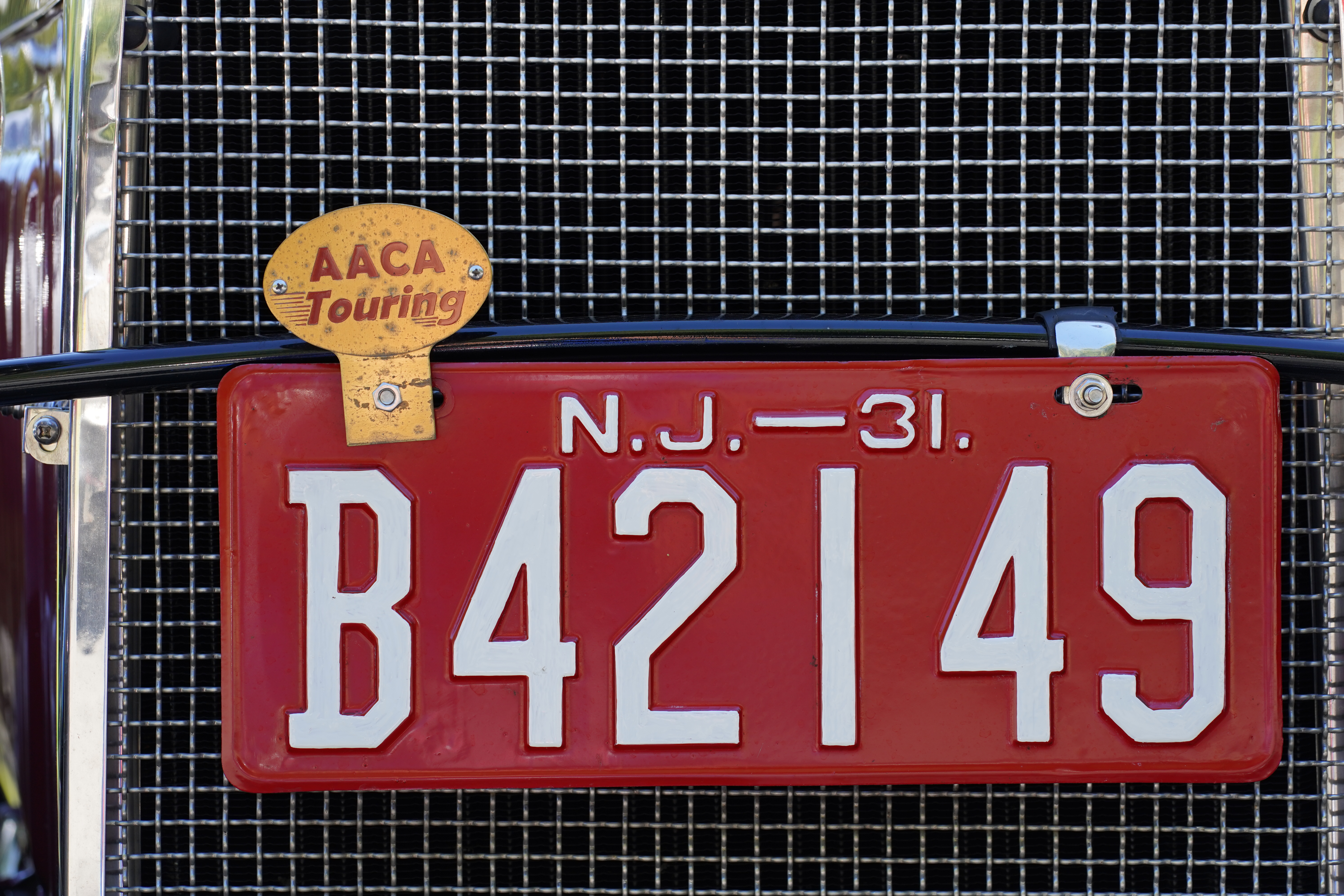
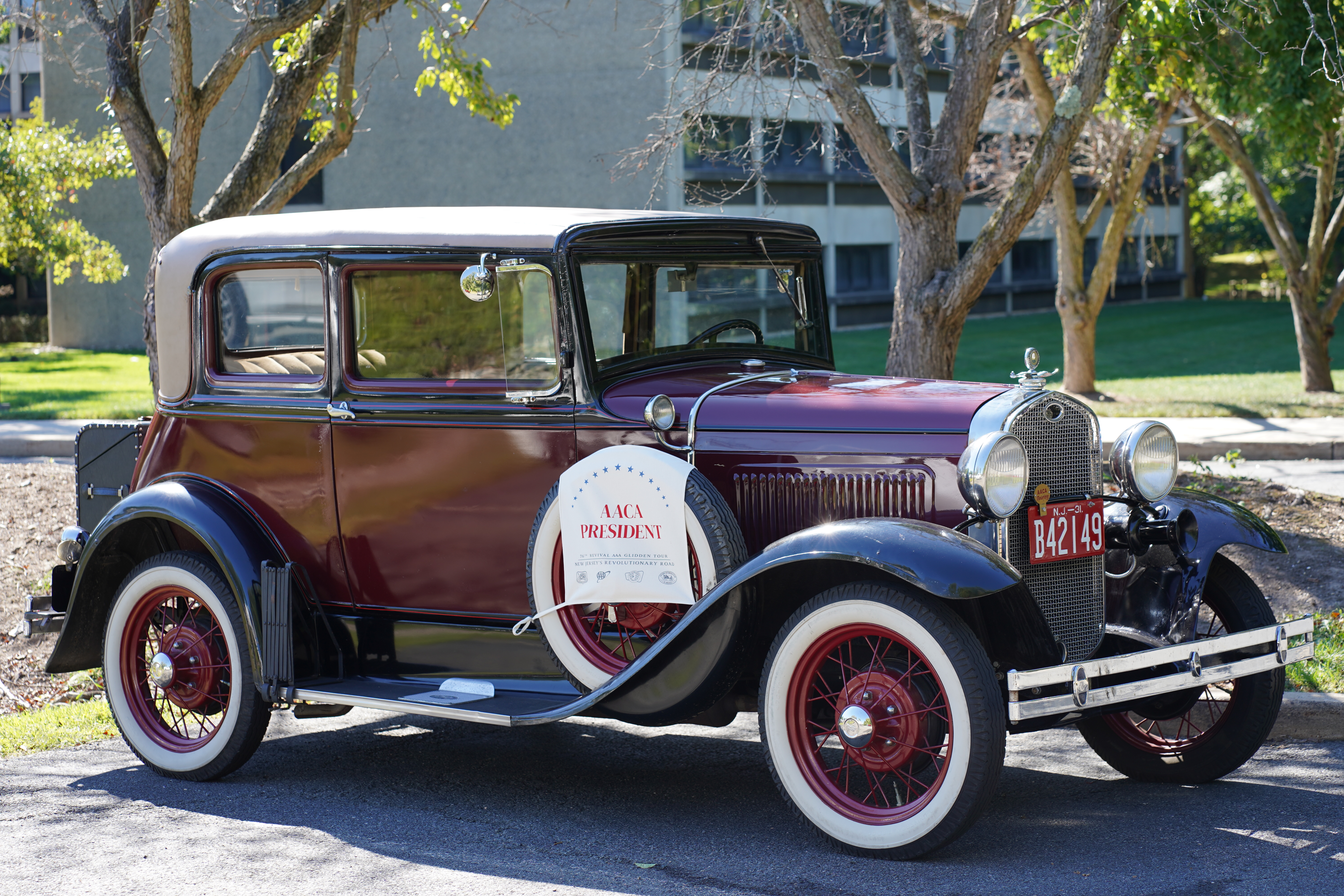
The 2022 edition of the Glidden Tour is being held in New Jersey, and officially begins today, Sunday, September 25, 2022. As has been the case in recent years, the tour is co-sponsored by the AACA (Antique Automobile Club of America), the AAA (American Automobile Association) and the VMCCA (Vintage Motor Car Club of America).  The NJ Region of the AACA, of which I am a member, has been most active in planning this tour which is centered in and around Princeton, NJ, and features tours of local sites which played a role in the American Revolution.

There is a long history to the Glidden Tours which you can read about here. I will not take up space to reiterate that history, however, the tours started in the very early part of the 20th century as a way to demonstrate the reliability of the then-new horseless carriages. In 1946, the tours were started up again and have been run as annual “revival” events. This year, about 115 cars, all model year 1942 or older, are registered to drive a different route each day from Sunday through Friday of this week. Total mileage for the week will be in the hundreds, and many (if not most) participants have driven in many previous Glidden Tours.

I am honored to have been asked to be one of four official photographers for the event. I stopped at the host hotel yesterday to take some photos of the first cars as they arrived, and I have a specific schedule to follow starting Monday. My plan is to post some photos each day (no text) and conclude the week with a wrap-up story. In the meantime, enjoy the pix!


All photographs copyright © 2022 Richard A. Reina. Photos may not be copied or reproduced without express written permission.


Thursday Lunch Drive, Sep. 15, 2022

My inexact science points to the year 2008 when I, along with my driving cohort Larry, took over the planning for our “Sunday morning breakfast drives”. With only a few exceptions, we have stayed with this tried-and-true formula in the ensuing 14 years (I cannot believe that number as I type it). At the same time, L. and I are also always discussing ways to mix it up, and credit goes to him for the combination idea of a weekday drive followed by a midday food stop.

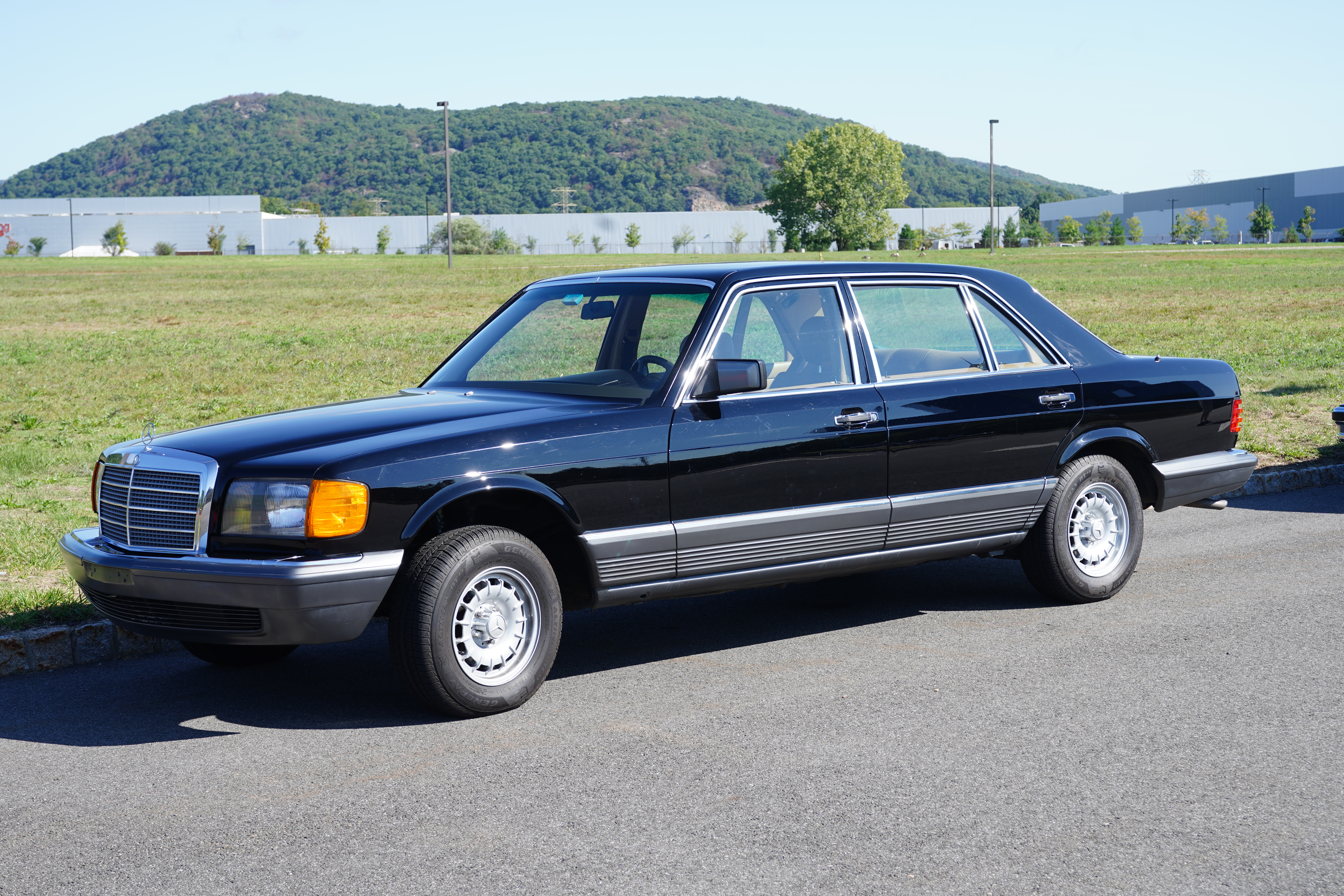
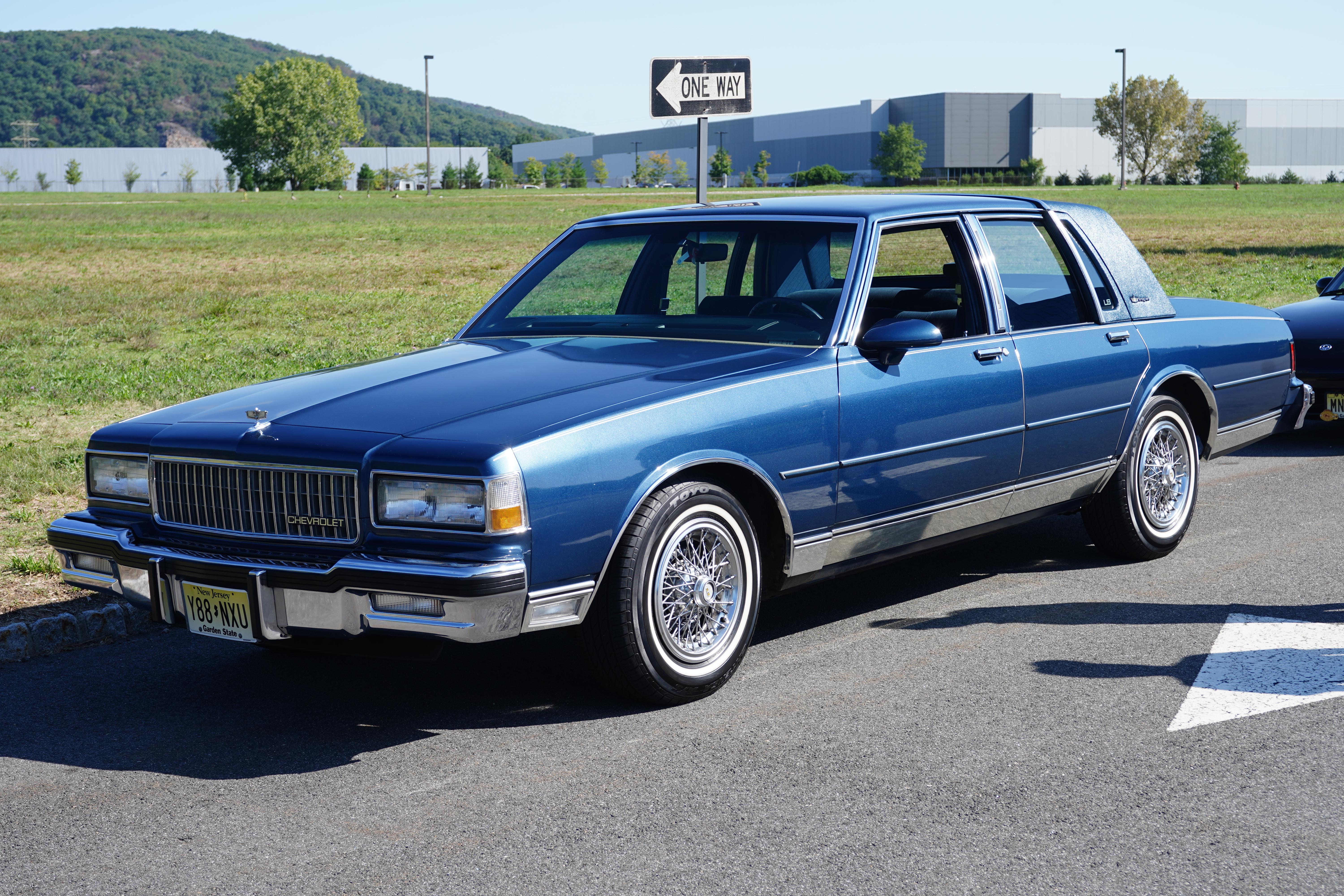
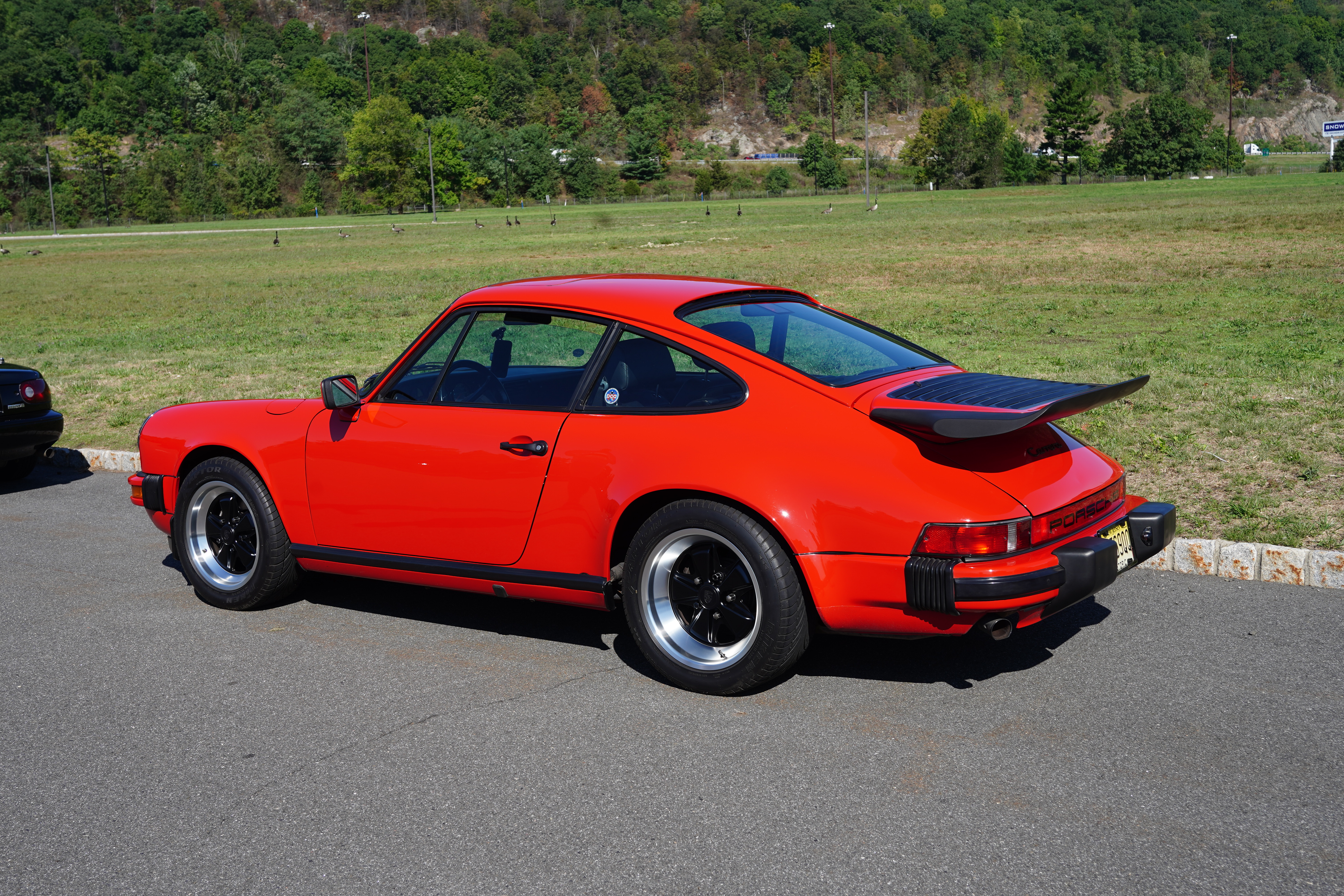
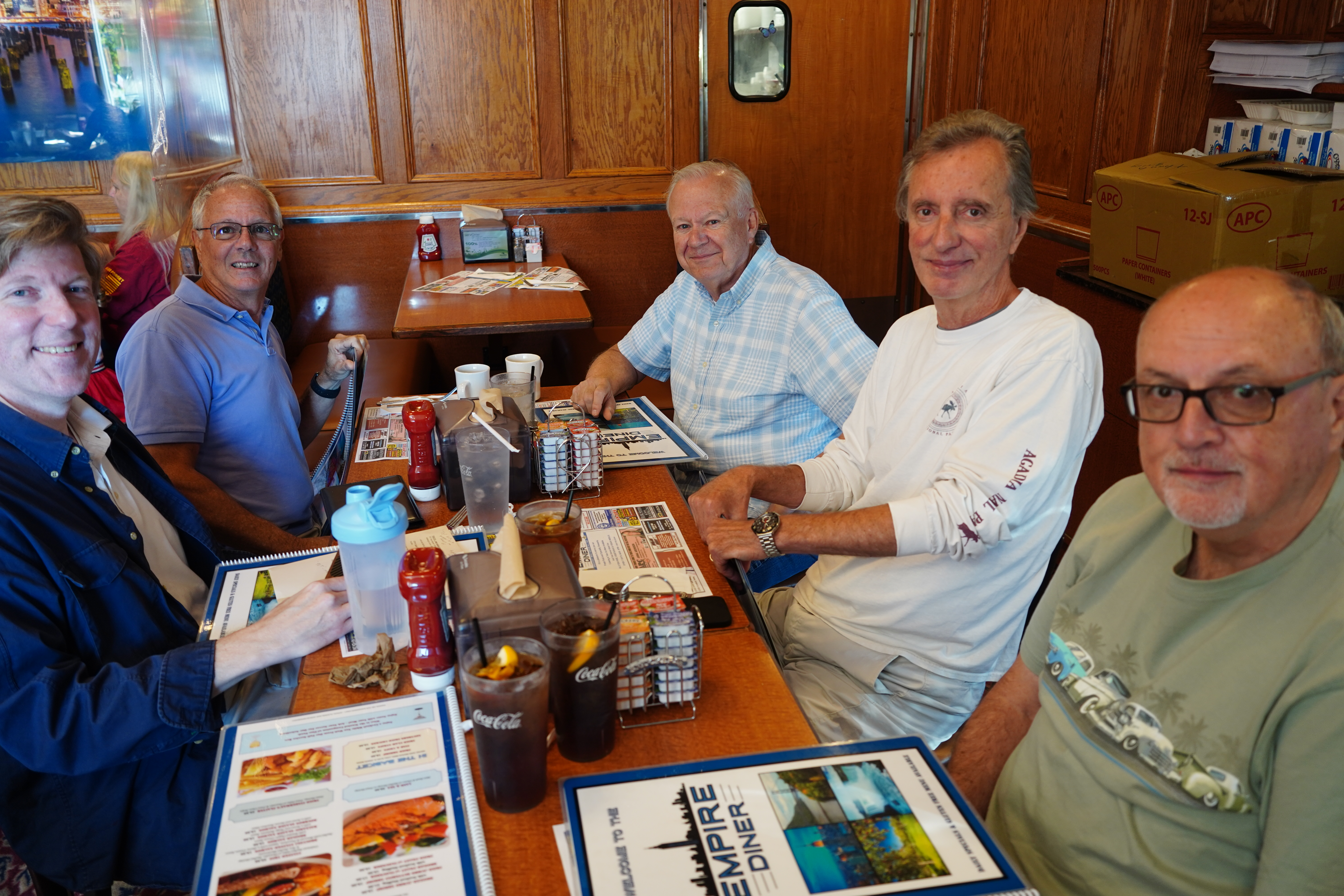
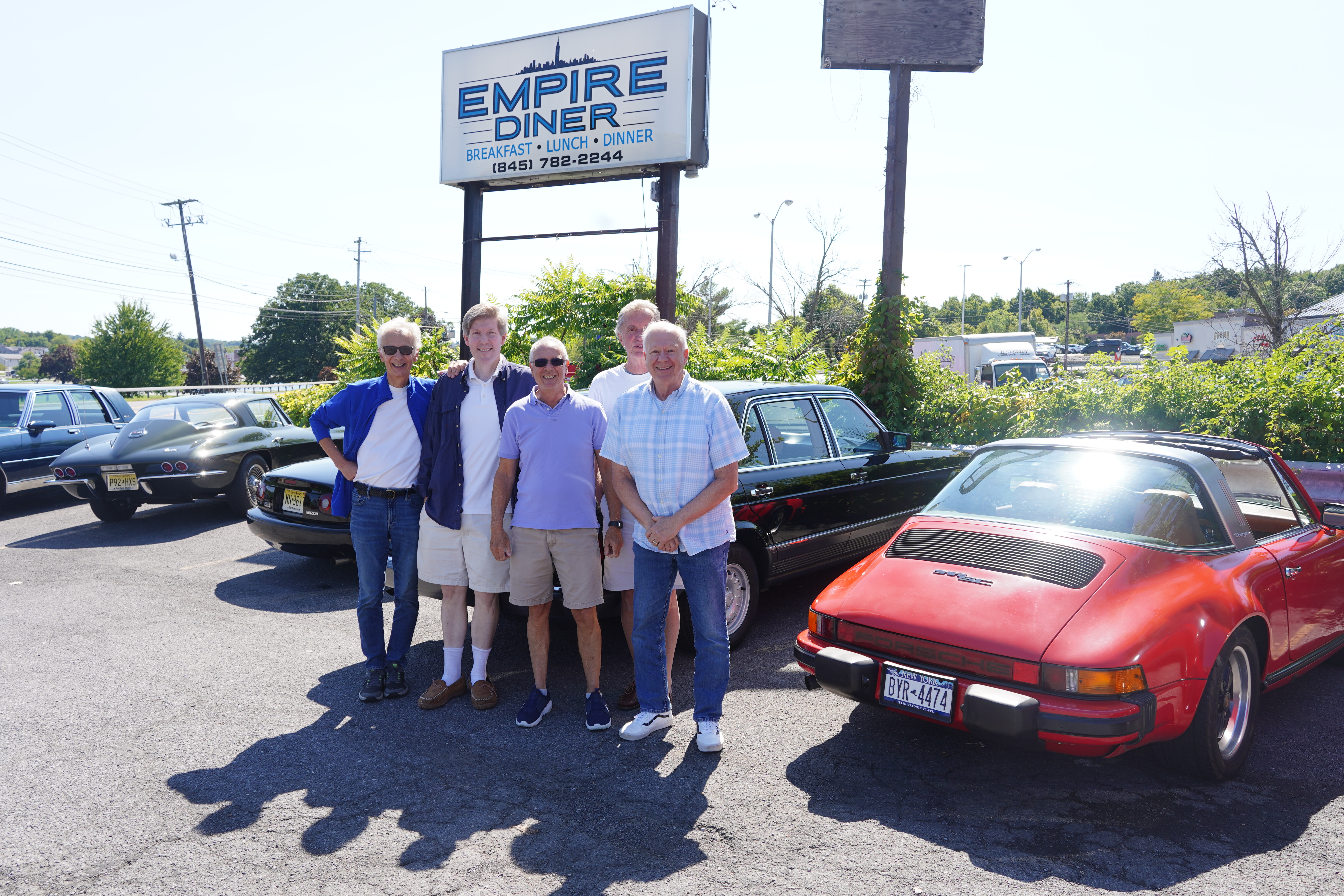
And so we selected Thursday Sep. 15, 2022, for our first-ever such event. Six brave souls (which can also be read as “six guys who are retired or are otherwise available”) showed up. Although the number was small, 3 of the 6 vehicles were new to us. Our destination was the Empire Diner in Monroe, NY, a previous breakfast destination, where we were able to be immediately seated up our noon arrival. The food was great, the service even better, and after our usual kick-the-tires parking lot session (including someone offering cash on-the-spot for Larry’s Chevy), we were headed back home.

Was it a success? It was, yet at the same time, we both recognize that there are still a number of our car buddies for whom any such gathering needs to be on a Saturday or Sunday. As I see it, we can add the weekday lunch idea to our arsenal for occasional deployment as we see fit.


Ken’s Porsche 911
Sean’s Mercedes-Benz sedan
Larry’s Chevy Caprice sedan
Pete’s Porsche 911
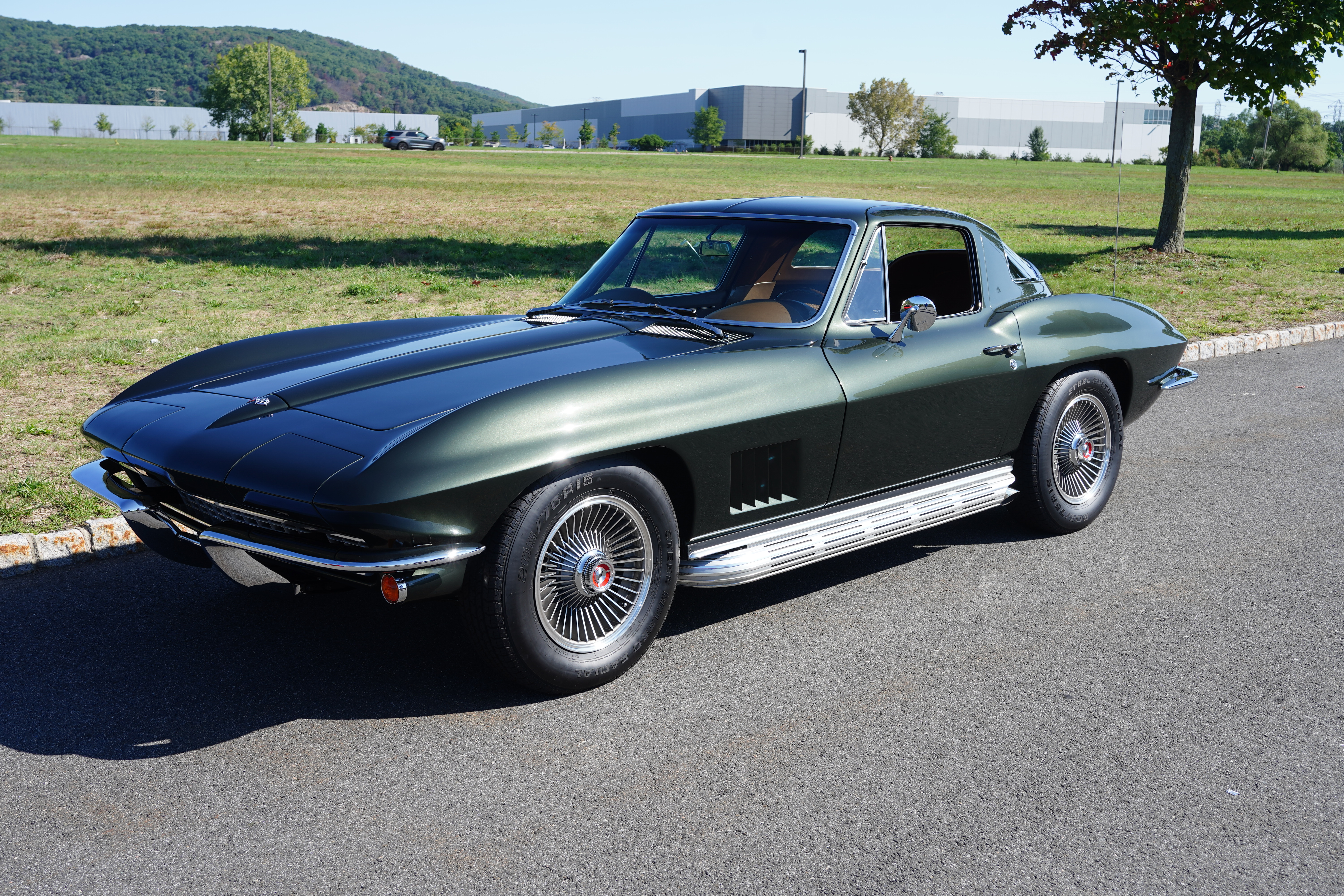
Bill’s ’67 Corvette
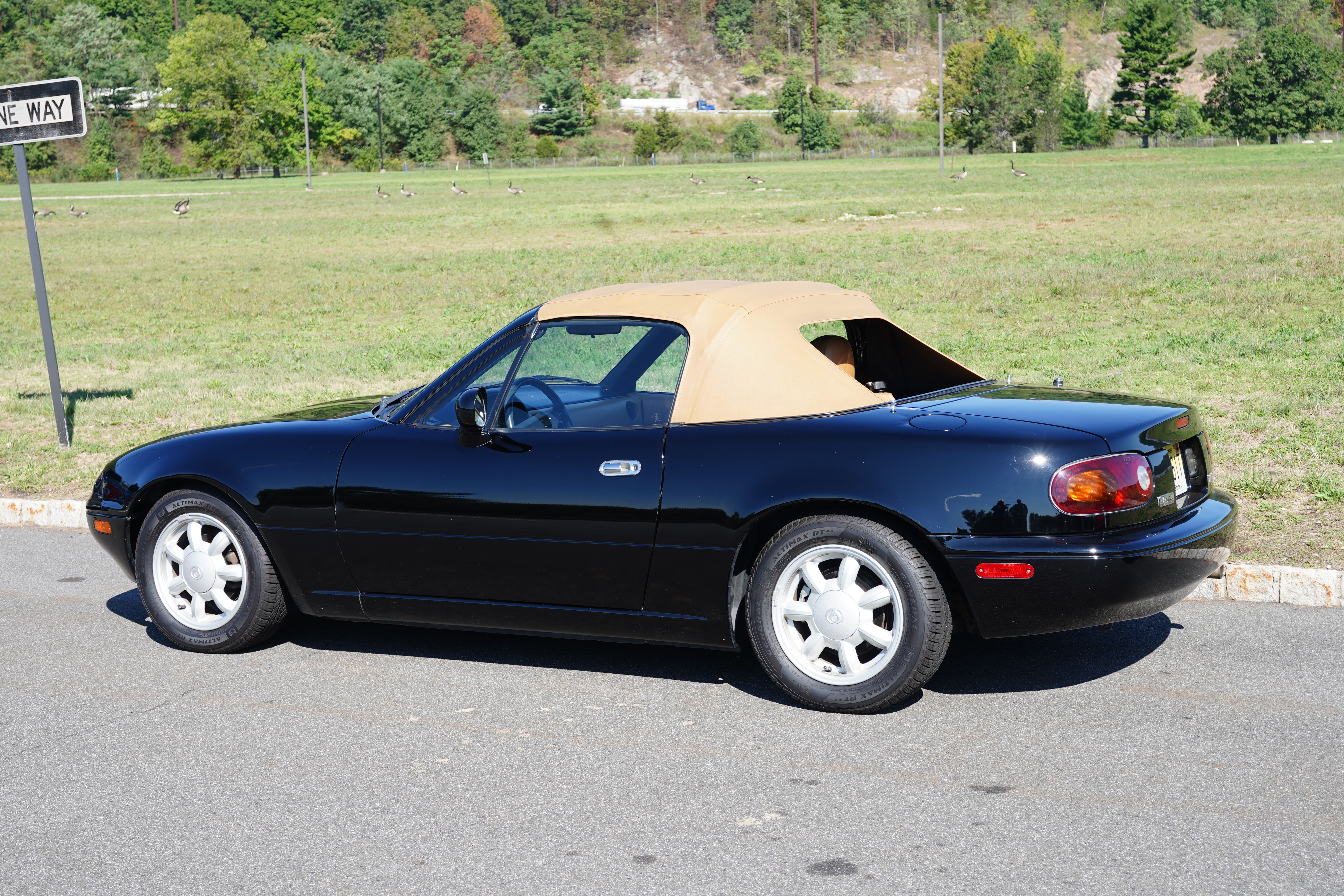
Richard’s Miata


Departing the Sheraton parking lot


What a beautiful rear end to follow!


Most guys ordered omelettes, thinking it was Sunday 😉


All photographs copyright © 2022 Richard A. Reina. Photos may not be copied or reproduced without express written permission.
 

Alfa Romeo Interior Mirror Repair

It had been happening for a while. Every time I touched the Alfa’s inside rear-view mirror to adjust it, the next road disturbance would knock it back out of adjustment. It had gotten to the point where it didn’t take a bump in the road – I’d fix the position, and the weight of the mirror itself would cause it to slump like a wilted flower stem. Given that my car has only a driver’s side outside mirror, and poorly located at that (it’s halfway up the fender, out of my reach from the driver’s seat), I rely on the inside mirror a lot. It was time to perform a proper repair.

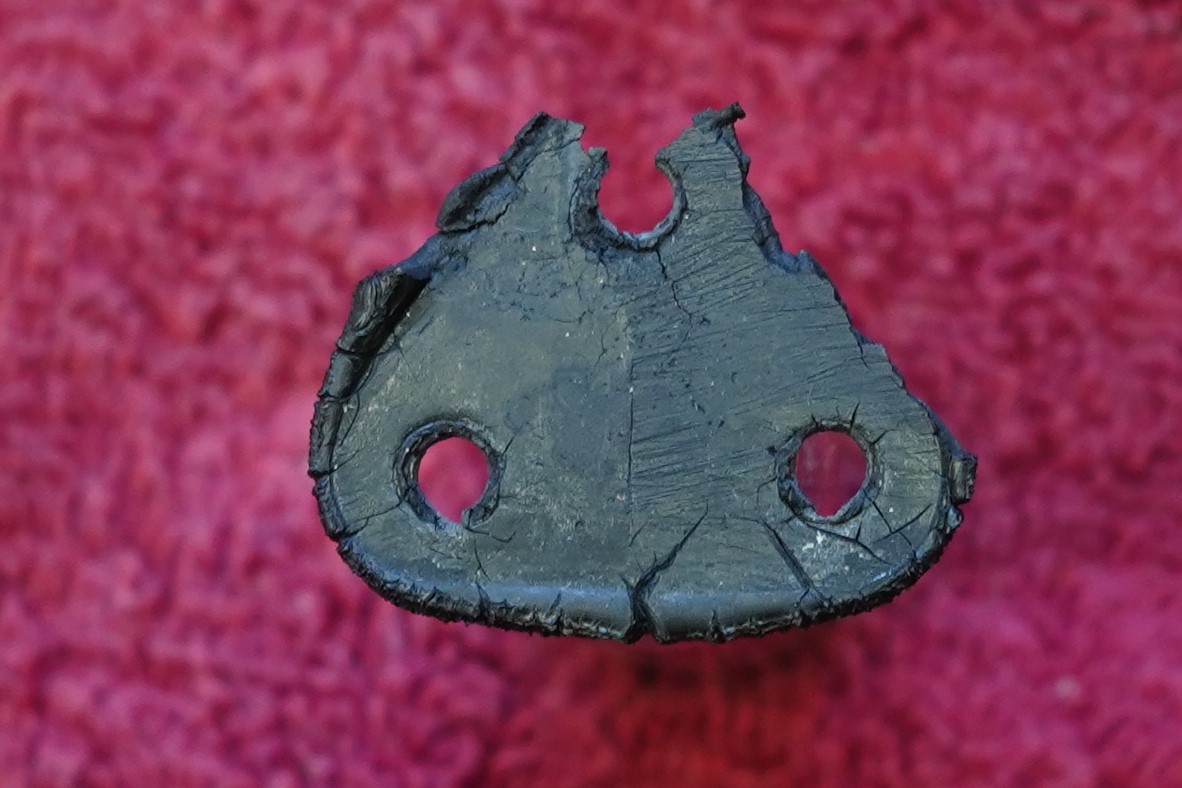
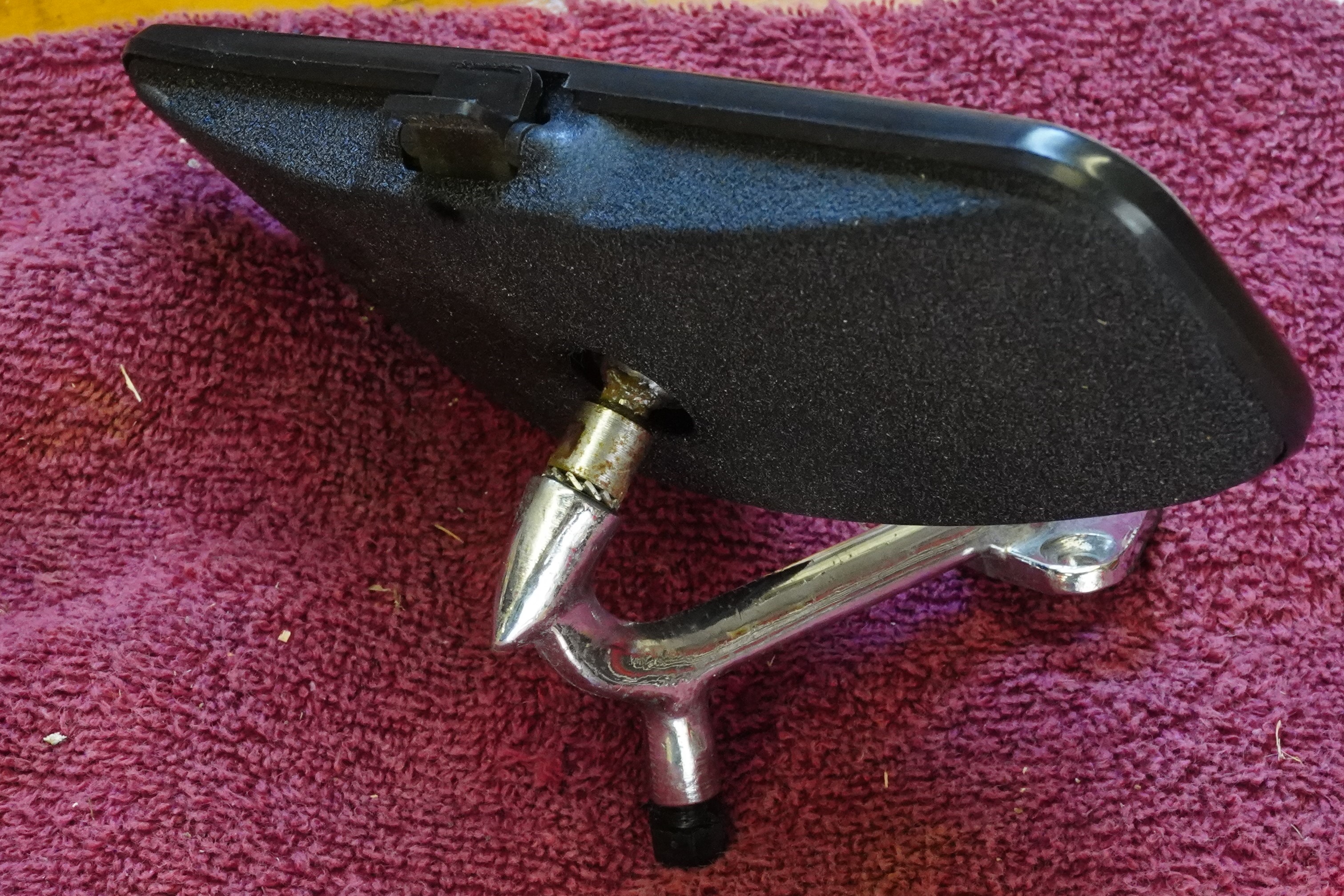
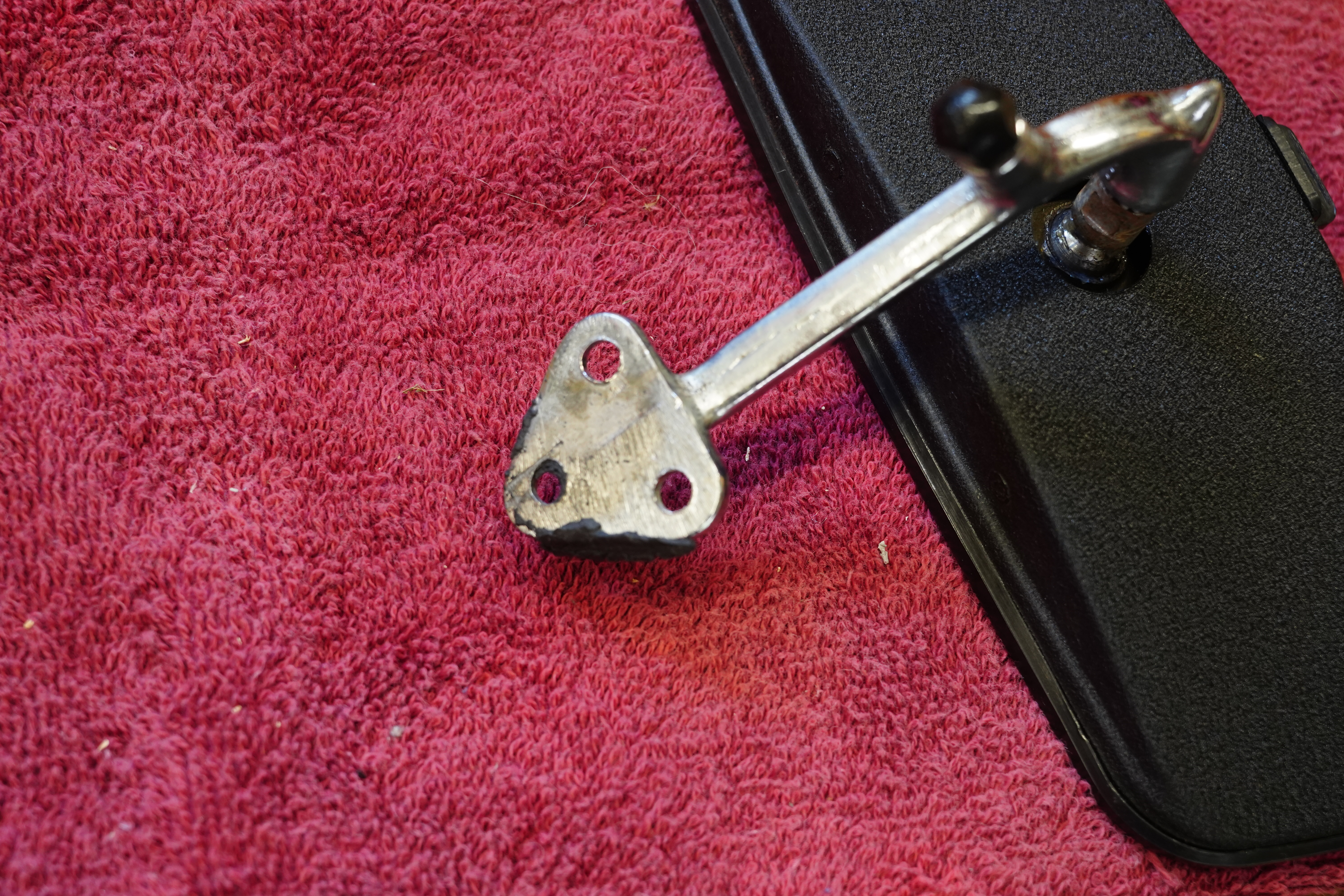
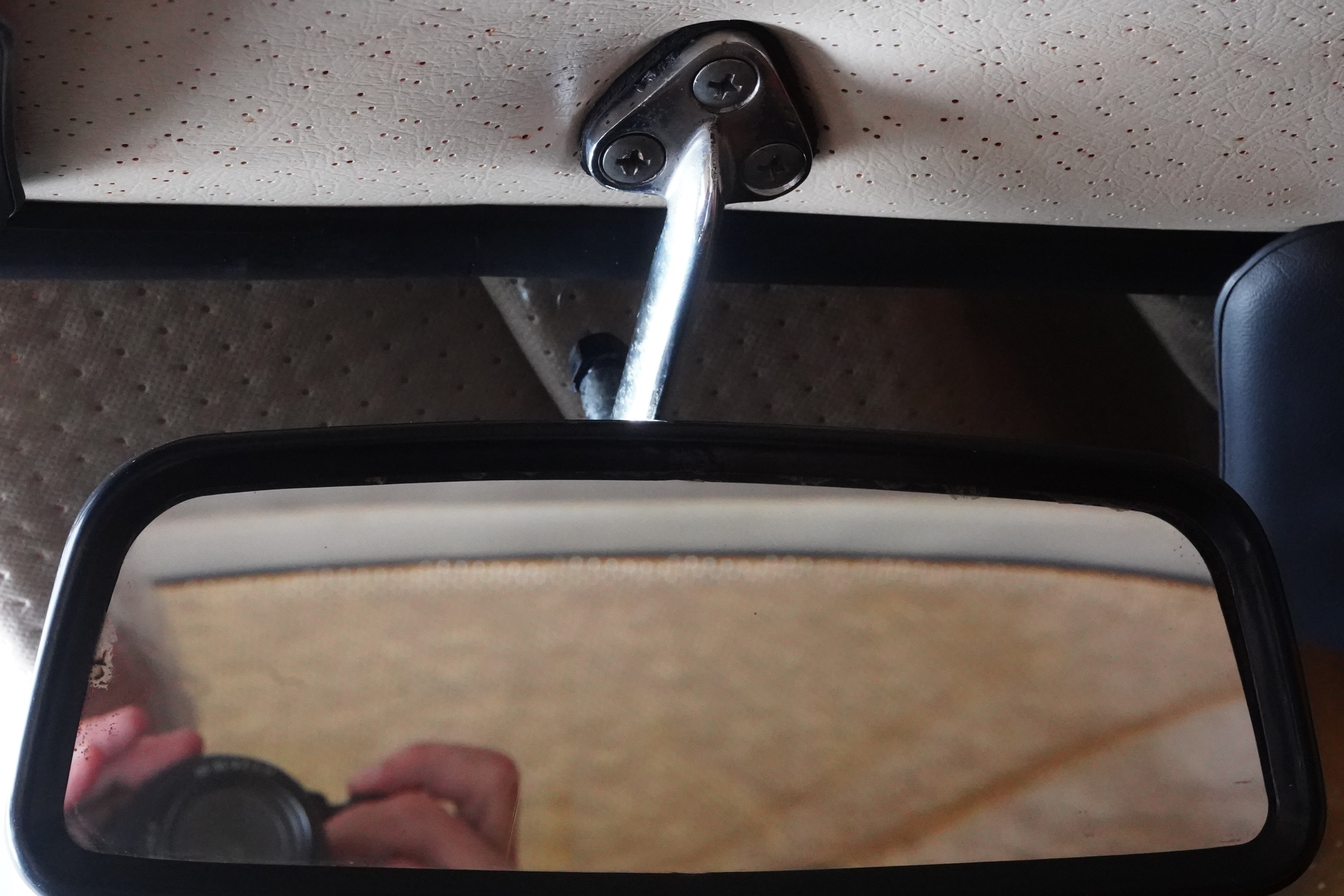
Peering behind the mirror, I could see a threaded shaft, but putting a wrench on it would have been a blind operation. There were only 3 Philips head screws holding the assembly above the windshield, so down it came. As soon as I pulled it away, the rubber gasket revealed itself to be completely deteriorated, so I was already in the well-known “might as well” mode, aka Mission Creep.
Putting the mirror on my workbench gave me much better access to the shaft and nut. This sub-assembly served two purposes: it allowed some adjustment of the total length of the shaft between the mirror and the glass, and it also allowed some adjustment in the amount of effort needed to move the mirror.

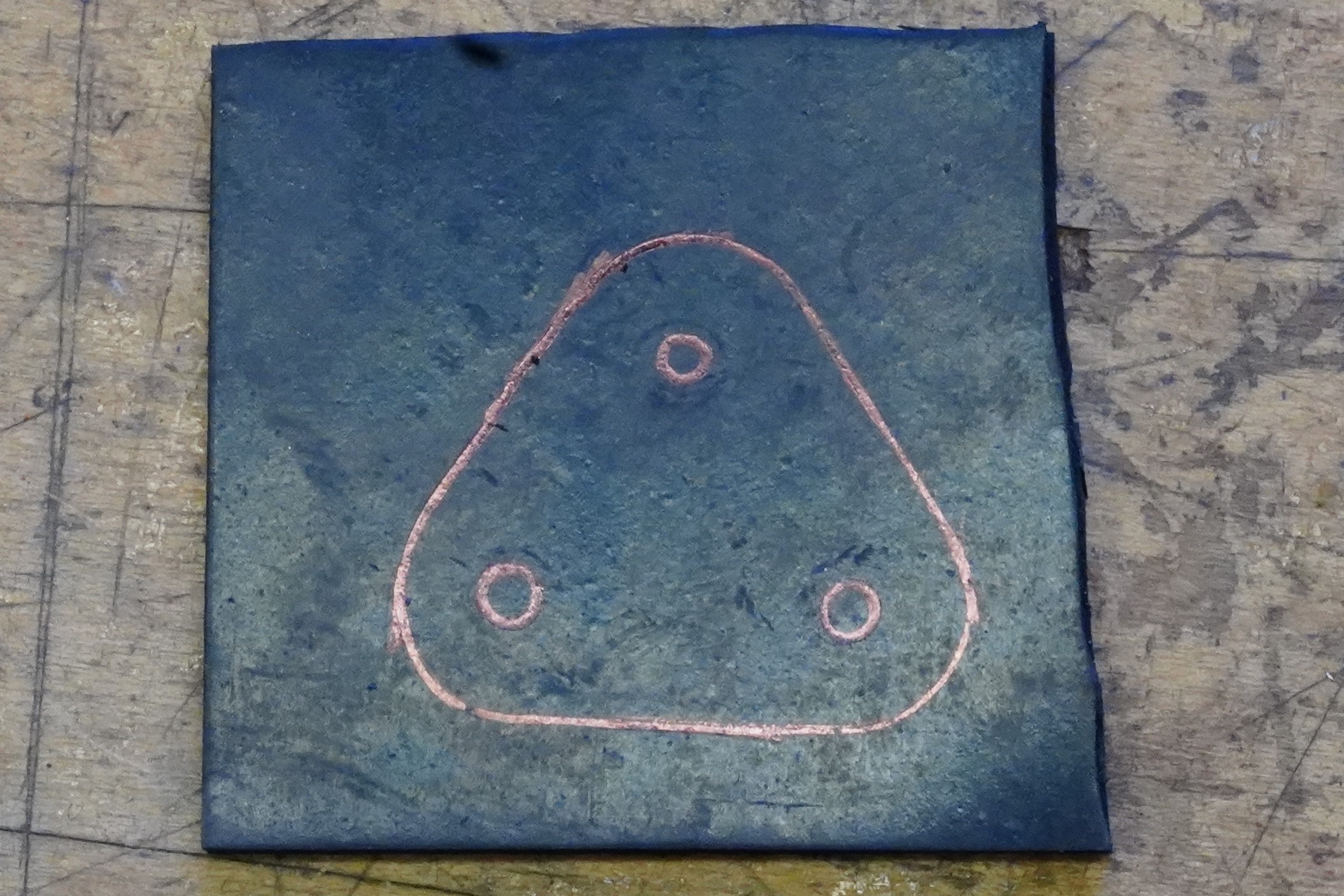
I played with the adjustment a bit, alternately tightening and loosening it to get to the right “feel”. While doing this, I seem to have noticed for the first time (after 9 years of ownership!) that the interior mirror has “day” and “night” settings, only of course in my case they read “giorno” and “notte”. With the work on the actual mirror quickly accomplished, it was time to turn my attention to the gasket. The original gasket measured about ¼” thick. I found nothing similar in any of my local hardware or auto parts stores, so to Amazon I turned to order up some ¼” thick black rubber sheeting. Tracing and cutting the gasket was simple enough. To make the screw holes, I first considered punching them with an awl. However, I experimented on an extra piece of rubber and tried drilling the holes. To my happy surprise, the material was thick and strong enough to allow clean holes to be drilled.

As they say in the repair manuals, “reassembly is the reverse of disassembly”. Everything went back together smoothly, and I used my newly-secured mirror as an excuse to take a 12-mile shakedown run. It held! Now I’ll have a crystal-clear view of that F-250 Super Duty six inches from my rear bumper while I’m cruising at 50 in a 45.

Newly exposed headliner looks good


Old gasket at 55 years of age


Shaft and threaded nut now accessible


Mounting plate needed nothing more than a cleaning


Tracing on new black rubber sheet


Holes drilled at low speed; material held steady


Back home; mirror catches photo guy in action


All photographs copyright © 2022 Richard A. Reina. Photos may not be copied or reproduced without express written permission.