Hershey 2024 Part 2: The Car Corral

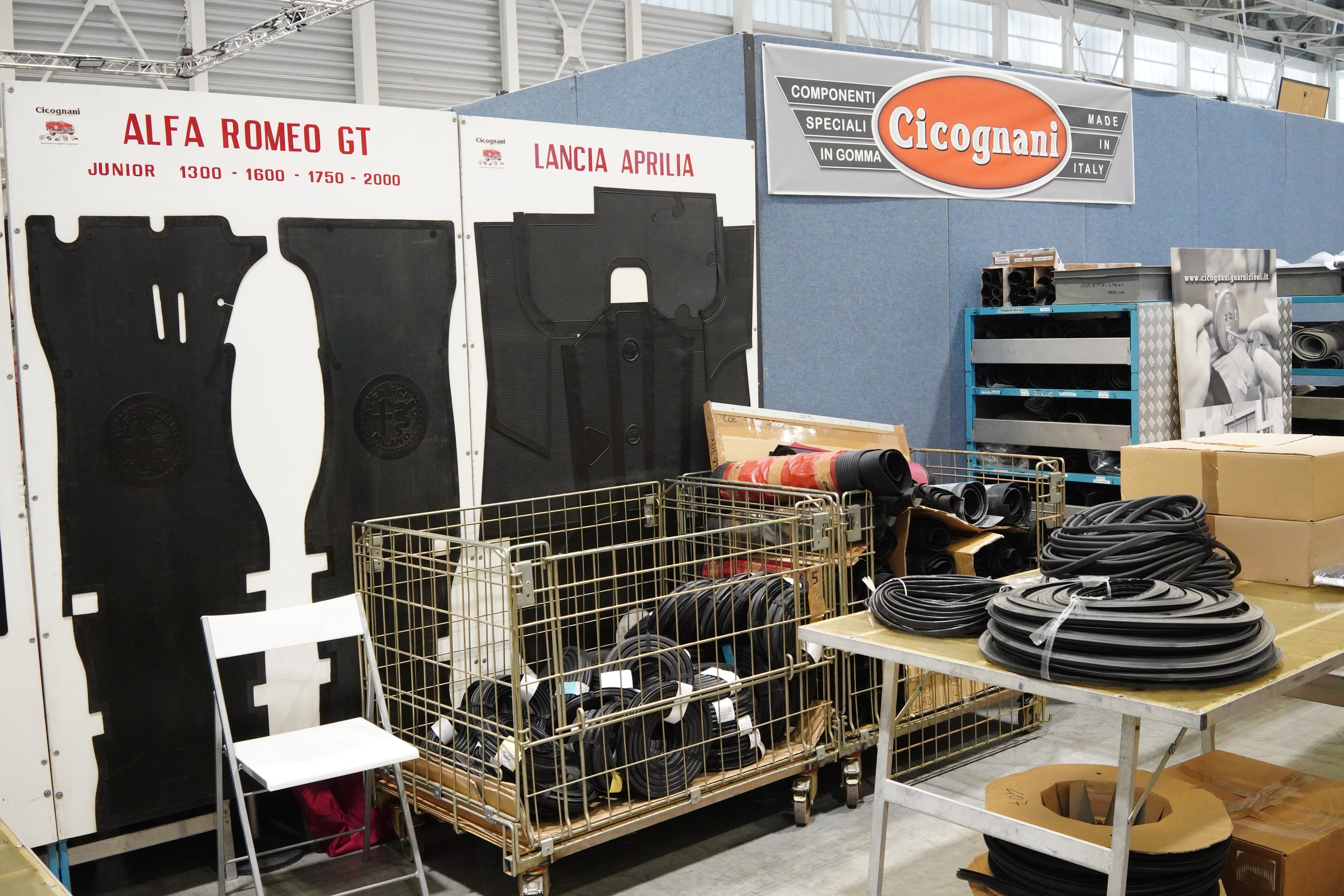
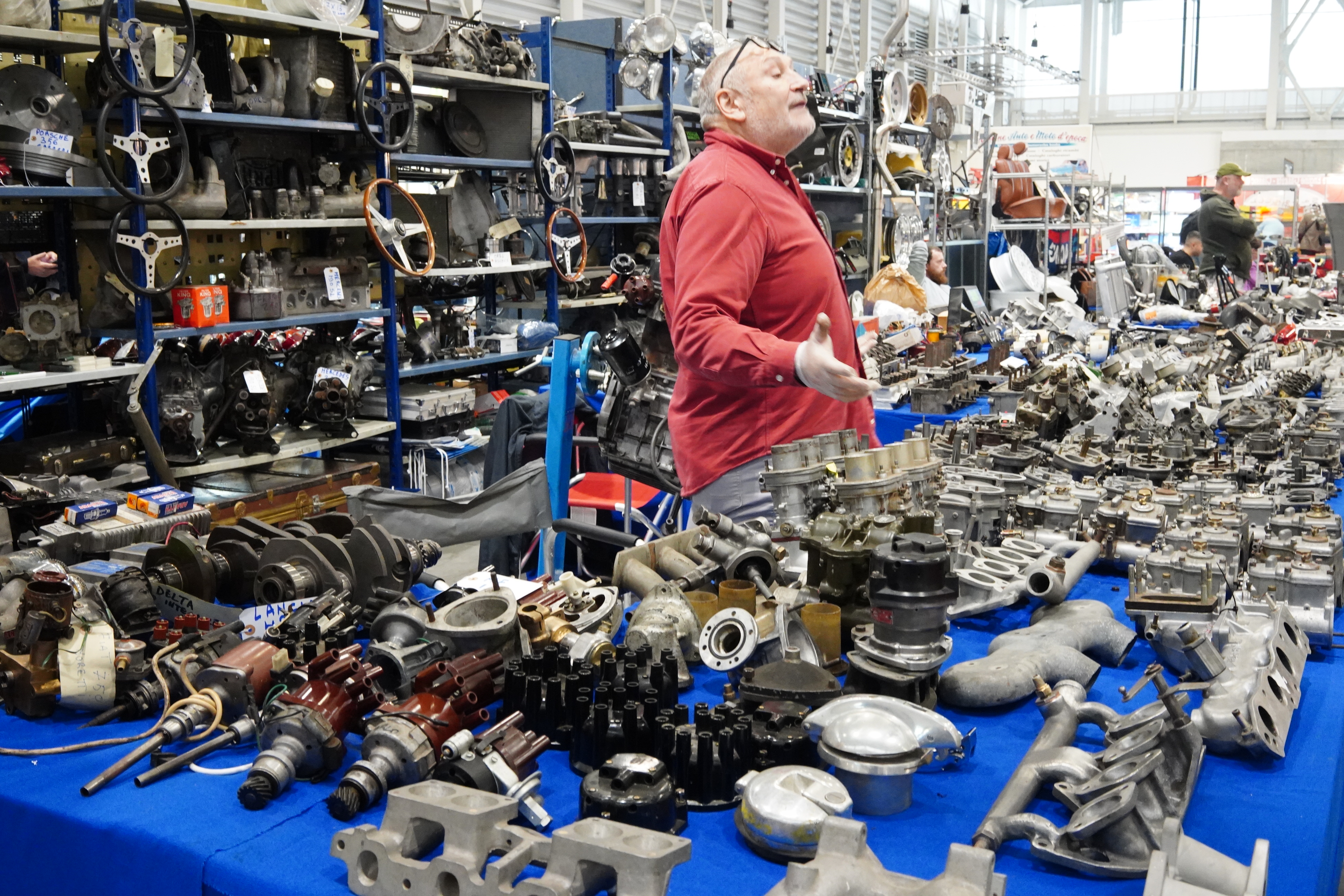
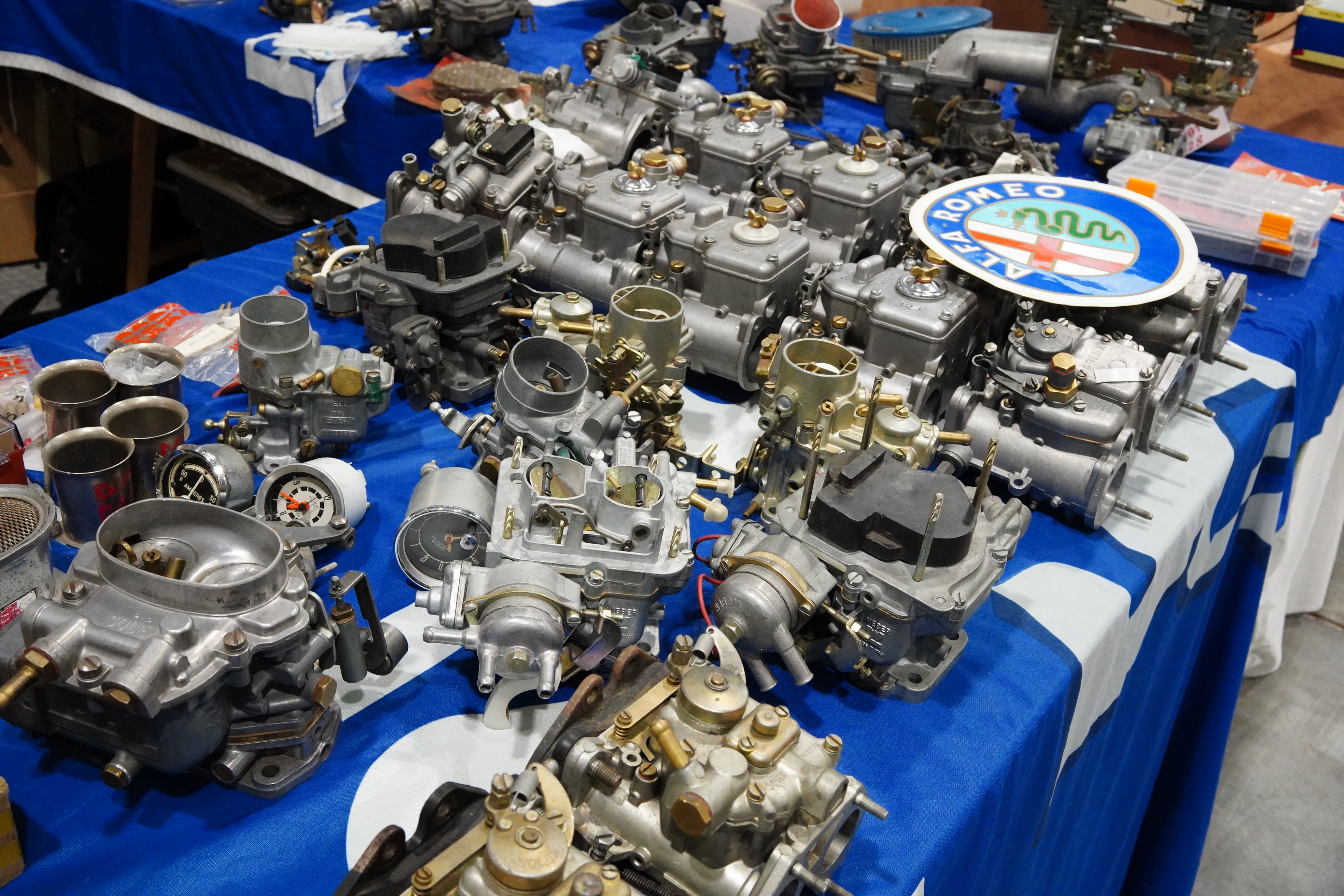
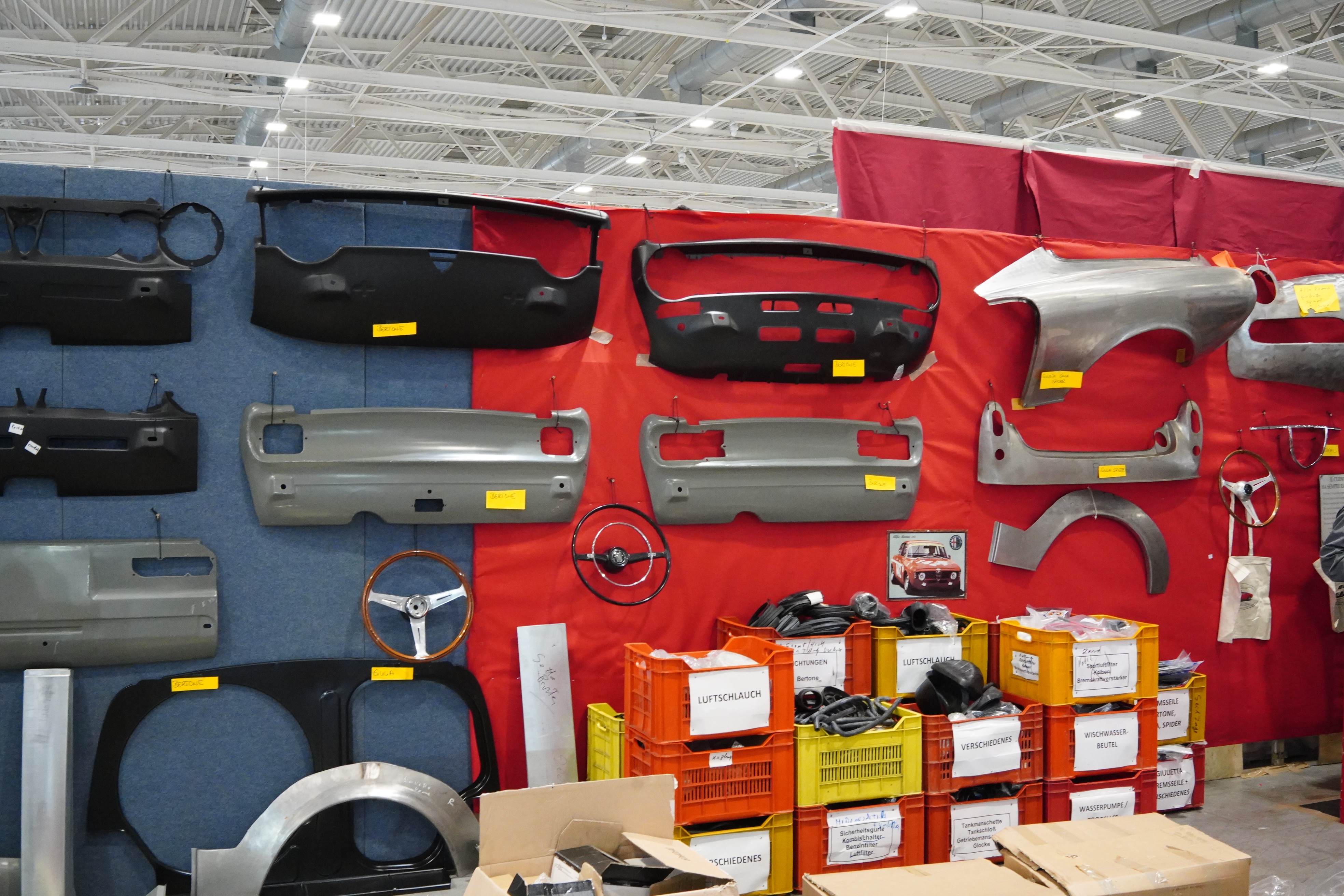
The Hershey Car Corral is where entire vehicles are bought and sold (as opposed to the parts sold throughout the Flea Market). It has become one of my favorite parts of Hershey week, because cars in the Corral must adhere to AACA rules, meaning 25 years old or older, and basically in stock condition. This means no hot rod projects and no late model Escalades 😉 .

When I first started attending Hershey decades ago, almost all the cars in the Corral were privately owned. But the hobby has changed, and independent “collector car dealers” have sprung up from coast to coast. They see Hershey as a ripe opportunity to show their goods and appeal to a built-in hobbyist audience. However, dealers generally tend to ask more for their cars (and to be fair, dealers may have conducted some reconditioning of their vehicles). But I continue to maintain that the best deals reside with the individuals who seem to price their cars more fairly, and may be more willing to negotiate a final number that makes everyone happy.

My friends and I have observed a thinning of the ranks in the Car Corral in recent years, and 2024 was no exception. Yet there were plenty of cars for sale, and a nice variety at that. Below, I have highlighted some of cars which attracted me the most. That’s not to say that I thought they were great deals, only that I found them to be among the more interesting offerings. The cars are arranged in asking price order from low to high.


1963 Buick Wildcat 4-door hardtop, beige paint, off-white interior, Buick nailhead V8, automatic, front bucket seats with center console and floor shifter. Odometer shows 35,354 miles, likely has rolled over.

ASKING: $6,900

Here’s a rare bird: a full-size American 4-door pillarless hardtop sedan with front bucket seats and center console. But that’s what you got if you bought a Buick Wildcat, like this ’63. And with a price well under 10 grand, this could be a great first hobby car.


1997 Mercedes-Benz 320SL convertible, detachable hardtop, red over tan, 6-digit odometer shows 78,000 miles, automatic transmission.

ASKING: $8,900

This is the 6-cylinder version of Benz’s evergreen SL. The car looked neat and tidy, and could be a fun first collector car for under $10k.


1995 Chevrolet Corvette Coupe, white over black, automatic, sign claimed 70,000 miles

ASKING: $11,500

C4 (4th generation) Corvettes continue to be performance bargains as exemplified by this example.


1962 Studebaker Hawk GT, tan paint, turquoise cloth upholstery, automatic on column

ASKING: $12,500

This body style has always appealed to me, but the odd color combo was off-putting. I didn’t spend but a few moments on it, but was unable to determine which finish might have been replaced. It’s hard to believe that this car came from the factory this way.


1968 Dodge Monaco 2-door hardtop, blue, white vinyl roof, white interior, 383/automatic, sign claims 75k, “very original”.

ASKING: $20,000

The 1967 Plymouth and Dodge full-size cars, introduced when I was 13 years old, were thought of by me as some of the best-looking full-size American cars of the decade. The styling hardly changed for 1968. Stumbling upon this rarely-seen ’68 Monaco brought back a rush of memories. I think that the overall design, especially in a 2-door like this, has aged well.


1976 Triumph TR6, white over tan, sign claimed all-original condition at 43,000 miles

ASKING: $27,000

I normally would not highlight a TR6 as there are always dozens for sale, but the overall condition made this one attractive. To my eye, the car looked almost new.


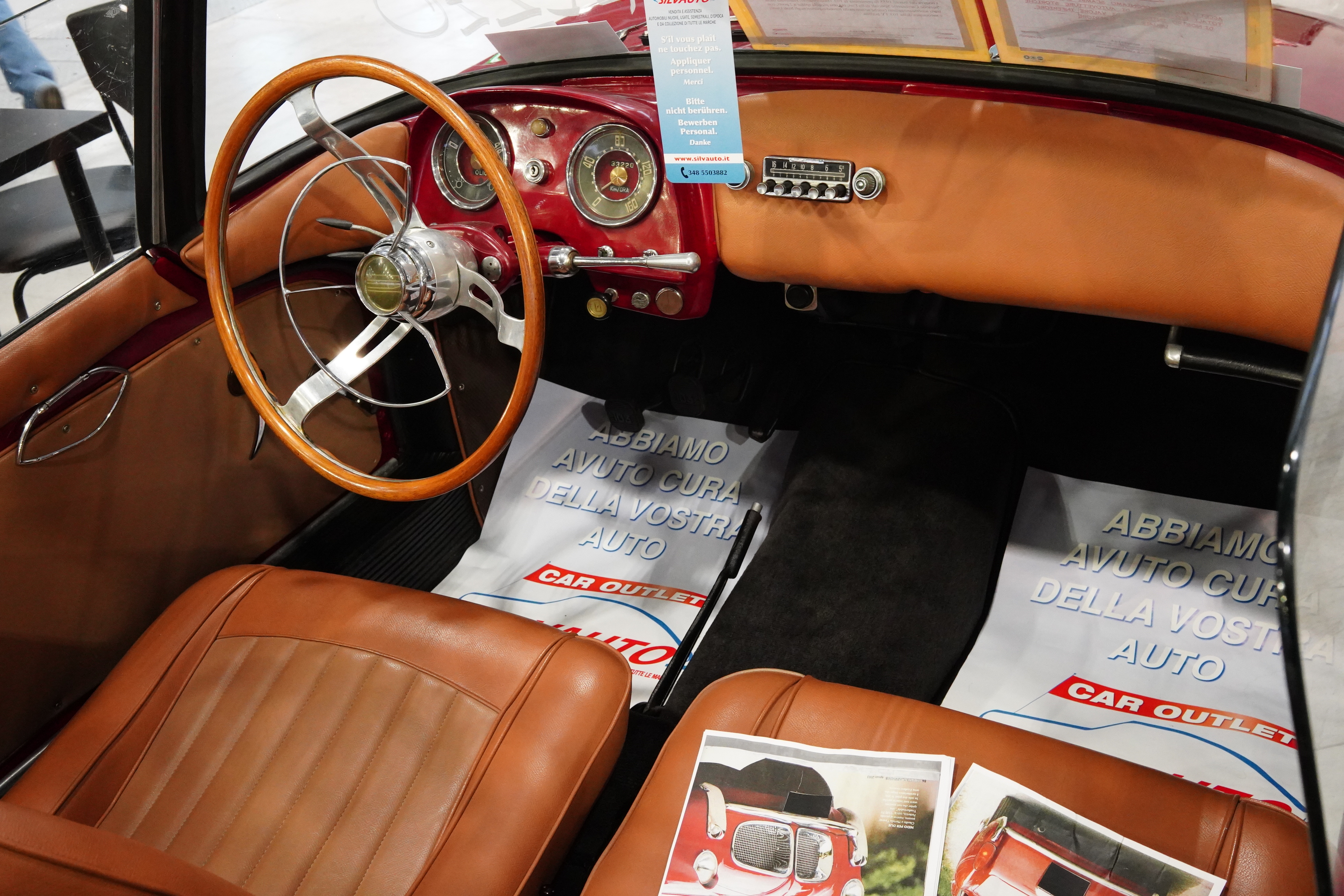
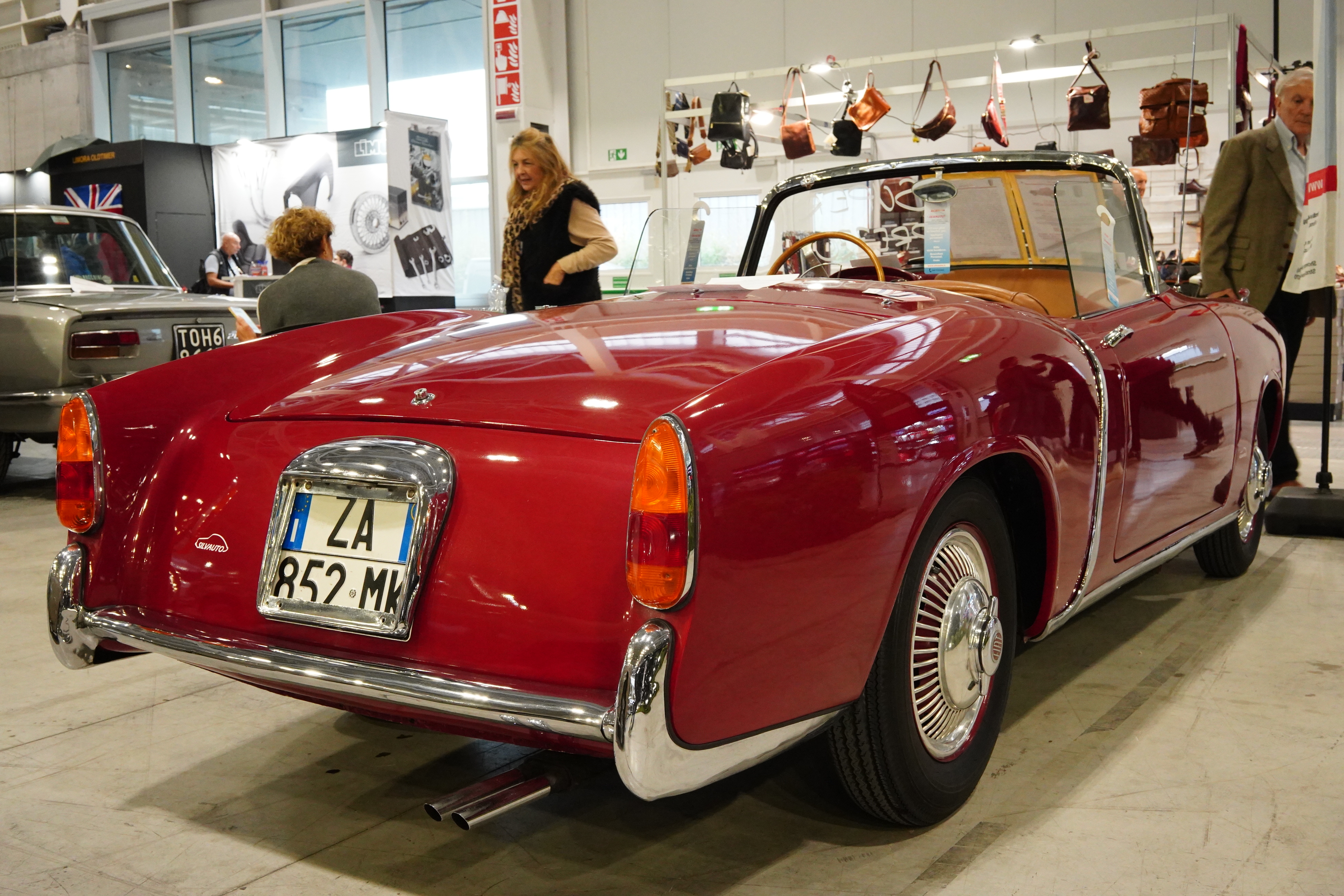
1948 Fiat 500B Topolino Giardiniera, red, beige sunroof, wood side paneling, 569cc flat-four.

ASKING: $35,000

These Topolino (“Little Mouse”) models are rare enough; I’ve never seen a woody version. The sign claims that it’s 1 of 15 survivors. I’d bet it’s the only one of its kind in the States.


1968 Jaguar E-Type, Series 1.5, 2+2 coupe (on longer wheelbase than 2-seat coupe), red over beige, 4.2L inline 6/automatic, sign claims functioning A/C.

ASKING: $44,900

Clearly a “Series 1.5” with its exposed headlights and above-bumper tail lights, most collectors would issue two demerits to this clean E-Type for its 2+2 body style and its automatic gearbox. On the positive side of the ledger, its asking price makes it one of the most affordable ways to add an E-Type to your collection.

.


1957 Cadillac Eldorado Brougham, blue paint, stainless steel roof, blue cloth interior. Sign claims it’s #13 or 400 built.

ASKING: $79,995

Would you check out those suicide doors and interior upholstery! This was a GM highlight from the 1950s, and with low production numbers, a rare car to boot.


1956 Jaguar XK140 FHC, black over red, 3.4L six, manual gearbox

ASKING $89,900

The black and red looked stunning (and I’ve always fallen for that color combo). Ironically, Dennis Nash’s XK (see my coverage of it in Part 1) was born in these colors before a restorer changed the car to white over beige. Given that Dennis’s car is an XK120 and sold for $65k, I’d say that this XK140 is a little overpriced (but everything is negotiable, right?)


Entire blog post content copyright © 2024 Richard A. Reina. Text and photos may not be copied or reproduced without express written permission.


Hershey 2024 Part 1: The RM Sotheby’s Auction

The RM Sotheby’s auction is an integral component of the Hershey experience, and RM’s own website lists it as “The Official Auction of the Eastern Division AACA National Fall Meet”. It’s always held at the Hershey Lodge, which is where I stayed this year, making my access to the cars super convenient.

The two-day auction was conducted on Wednesday and Thursday, October 9 and 10, and 100% of the vehicles were arranged on the hotel’s grounds, allowing free access to the public during the preview. By my estimation, at least half of the lots were pre-war American classics, a category in which RM specializes. Perusing the information labels on each lot also showed that many of the cars were to be offered without reserve, guaranteeing an exciting auction.

Two collections were of special interest to me. A fellow AACA member informed me that his brother-in-law was selling his collection of FoMoCo woodies, all at no reserve. (It was from this friend that I was able to procure passes to attend the auction.) There were 10 vehicles, 9 Fords and 1 Mercury, ranging in model years from 1933 through 1951. In this post I’m covering 8 of the 10, omitting the 2 resto-modded models.

The second, more modest collection was the final 3 vehicles from the estate of Dennis Nash. Dennis and his wife Ann Marie were long-term colleagues of mine from Volvo Cars of North America, and because of their deep interest in the hobby, were also dear friends. (It was Dennis who recommended me to the body shop which restored my Isetta.) Both Dennis and Ann Marie have passed on, and their 3 daughters were in attendance to watch their dad’s Jaguar, Morgan, and Volvo cross the block at no reserve. (The Jag and Volvo are discussed in more detail below.)

I sometimes forget how civilized and “professional” a so-called catalog auction as run by RM can be, compared to the 3-ring circus which is Mecum or Carlisle. The auctioneer enunciates every word, and there is never any doubt where the current bid is and what bid he seeks to acquire next. I recorded results for 86 cars on Wednesday and 50 on Thursday. Each day’s event took about two and a half hours to complete, and the time flew by. By contrast, at Mecum I’ve sometimes waited over 3 hours just to see a car of interest to me reach the block. Of course, Mecum is pushing quantity while one could argue that RM is pushing quality. Each has its place in the hobby.

As stated earlier, most of the lots sold at no reserve. Of the cars I watched, only two failed to sell, which speaks highly to the talents of the team at RM Sotheby’s to bring together the vehicles, owners, and prospective bidders to make this happen. Below are some details of the cars which I found interesting. The 8 woodies (in model year order) are listed first, followed by the remaining cars, again in model year order. All sold prices shown are hammer prices, which exclude the 10% buyer’s premium.


Lot 315, 1933 Ford V8 station wagon

SOLD at $33k, below pre-sale estimate of $40-60k

It’s interesting to look at this ’33, with its wire wheels and side curtains, and take in how quickly vehicles continued to evolve through the decade of the ‘30s.


Lot 308, 1937 Ford Deluxe station wagon

SOLD for $38k, within pre-sale estimate of $30-40k

The auction write-up claimed that this was a well-preserved original vehicle.


Lot 316, 1939 Ford Deluxe station wagon

SOLD for $65k, below pre-sale estimate of $120-140k

I liked this wagon a lot, with its front-end styling “almost” as nice as the 1940 models. Was this a steal? If the pre-sale estimates were anywhere near accurately based on recent sales, then yes.


Lot 314, 1940 Ford Deluxe station wagon

SOLD for $45k, within pre-sale estimate of $45-55k

Many hobbyists, myself included, consider the front-end styling of the 1940 Fords to be a highlight of the entire pre-war era. This wagon looked sharp yet just squeaked up to its low estimate.


Lot 310, 1942 Ford Super Deluxe station wagon

SOLD for $77k, above pre-sale estimate of $50-65k

A 1942 anything is a rare car. This was the only woody to exceed its pre-sale estimate.


Lot 313, 1946 Mercury station wagon

SOLD for $$33k, below pre-sale estimate of $40-60k

The only non-Ford in the collection, and undoubtedly a rare car. I’d surmise that a hard-core woody collector would be thrilled to have this in their collection.


Lot 317, 1947 Ford Super Deluxe Sportsman convertible

SOLD for $92.5k, below the pre-sale estimate of $130-150k

The highest-priced sale of this collection still missed the lower mark by almost forty grand.


Lot 311, 1951 Ford V8 Custom Deluxe Country Squire station wagon

SOLD for $32k, below pre-sale estimate of $40-50k

It was announced that this was Ford’s last year for woody wagons, and this was the first Ford to wear the “Country Squire” model name. I’d say that the combination of the two makes this a bargain at $32k.


Lot 160, 1934 Ford “Edsel Ford Speedster Recreation”, copy of one-off styling study done by Henry Ford’s son Edsel. Mechanicals are from a 1934 Ford.

SOLD for $80k, below pre-sale estimate of $100-120k.

I overheard comments along the lines of “this is a lot of money for a kit car”, but it wasn’t a kit car. Someone put significant effort into recreating this iconic vehicle (although I did not perform a side-by-side photographic comparison to verify its accuracy). It’s an interesting piece of history, and owning it means that you’ll never be able to stop explaining what it is (and isn’t).


Lot 335, 1936 Cord 810 Phaeton.

SOLD for $112.5k, below pre-sale estimate of $150-200k.

This Cord, a non-supercharged model, was a Phaeton, with a small rear seat. This one hammered quite a bit below its pre-sale estimate, and in my opinion, was a bargain deal for someone looking for a Cord drop-top.


Lot 173, 1936 Ford Model 68 Cabriolet, with rumble seat.

SOLD for $39k, within pre-sale estimate of $30-40k.

This one almost reached the top estimate, and I thought it was a good buy; however, checking recent sales on Bring a Trailer, these ‘30s flat head Ford convertibles do sell in this range, so the price here was fair to both buyer and seller.


Lot 129, 1937 Cord 812 Supercharged Phaeton.

SOLD for $145k, within pre-sale estimate of $100-175k.

Compared to Lot 335 above, this car was supercharged, which attributes somewhat to its higher price.


Lot 131, 1937 Cord 812 Supercharged Cabriolet RECREATION

SOLD for $56k, within pre-sale estimate of $50-70k.

Typically, RM Sotheby’s is 100% forthcoming in its lot descriptions. However, in this case, I give them 2 demerits by failing to make it obvious that this car was a recreation, done in South Africa by a builder who formed a new body to fit over Cord mechanicals. The less-than-authentic nature of the car was not lost on the bidders, yet the sale price still reached within the pre-sale estimates.


Lot 378, 1940 Lincoln Continental Cabriolet

SOLD for $52.5k, over pre-sale estimate of $30-40k.

The car looked stunning in black, and its V12 sounded smooth and quiet, at least at auction block speeds. This was one of the few cars in the two-day auction to exceed its estimates.


Lot 180, 1949 Allard L Type, car appeared to be original, unrestored, and complete

SOLD for $45k, over pre-sale estimate of $30-40k.

This one charmed me with its original patina bursting out at every seam. Allard is a relatively unknown marque here in the States. They were built in Britain with locally-sourced parts for the chassis, but the engines were always American-sourced. I know that they were raced in period. Given that there are new Allards being built again today, starting around $200k, I think that this one would be a blast to have at $45k.


Lot 379, 1953 Jaguar XK-120 Fixed Head Coupe.

SOLD for $65k, within pre-sale estimate of $60-80k.

This was one of three cars being sold from the estate of the late Dennis Nash. Dennis was a long-term colleague of mine from Volvo Cars of North America, and I’m proud to say, was also a very dear friend. His wife Ann Marie, who predeceased him, also worked for the company and they were known to many of us Volvo employees. Dennis was a true Car Guy, and his taste in cars ran toward British makes, although I knew him to have a few American cars (as well as the Volvo which is covered a little later here). I was not aware that he owned this XK120, which looked very clean and straight (with the possible funny exception of its dash-mounted Volvo radio). I thought the car might hammer closer to $80k, but I think the final price was fair.


Lot 178, 1954 BMW 501-6 four-door sedan

SOLD for $25k, below pre-sale estimate of $30-40k.

These are so rare in the States that I can recall only ever seeing one other of these rather unattractive cars. The short history that after the Allies had bombed BMW’s factories in WW2, the company struggled to get back to its feet. This overweight and underpowered design was their unsuccessful attempt to compete with Mercedes-Benz’s luxury sedans. In 1955, the Isetta brought in the revenue to fund the engineering of modern cars (the “Neue Klasse”), while these “Baroque Angels” as they were called languished in the showrooms. This car would be desirable only to a fanatical BMW collector.


Lot 161, 1954 Nash-Healey LeMans Coupe

SOLD for $40k, within pre-sale estimate of $40-50k.

The convertible version of this model is seen regularly enough (there was one at this auction), but the coupe is rarely spotted. Perhaps surprisingly, I find the coupe slightly more attractive than the drop-top. This one sold right at the bottom of its estimate, and it’s a handsome, usable, and unusual car for $40k.


Lot 332, 1956 Jaguar XK140 roadster

SOLD for $135, within pre-sale estimate of $130-160k.

My photos do not do justice to the quality of this restoration, which struck me as one of the stars of the auction. It’s a beautiful design in any color, but the red over beige was particularly appealing. Another $20-30k added to its hammer price would not have surprised me, so I’ll call this one well-bought.


Lot 181, 1957 BMW Isetta 300 Sliding Window Coupe

SOLD for $25k, within its pre-sale estimate of $15-25k.

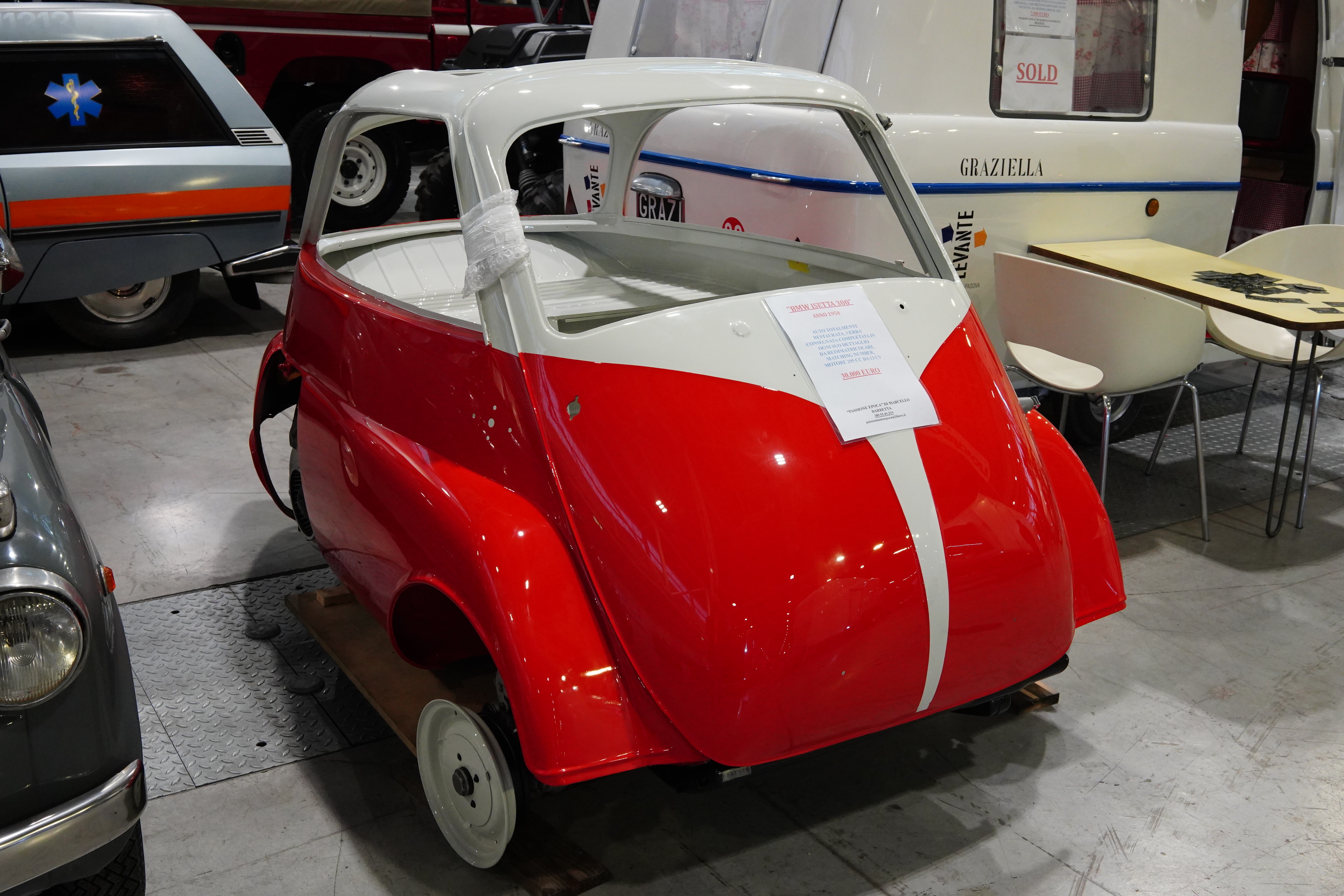
Let’s face it: ALL BMW Isettas are “cute”, and that’s been a big factor in their enduring appeal. But prices are way off their highs of a dozen years ago, as more Isettas came onto the market. This one must have looked great to the casual observer, but wow, there were so many incorrect details. Look at those ridiculous hub caps! The front turn signals were incorrect, the interior was ghastly (the biggest boo-boo was covering the VIN plate with carpeting), and the colors were not the best choices. Frankly, I’m surprised at the sales result; I expected it to struggle to get out of the teens.


Lot 374, 1958 Aston-Martin DB2/4 Mk III

SOLD for $160, withing pre-sale estimate of $100-175k.

While the DB2’s and DB2/4’s never did much for me, I really liked this one in white over red. It also sounded incredible when driven across the block. You can’t touch a running, driving DB4 or DB5 for much under half a million, so getting a 6-cylinder DB for well under 2 looked like robbery to me. In fact, checking recent BaT sales, other DB2/4 Mk IIIs have sold in the $200k range, making this sale all the sweeter.


Lot 184, 1963 Lincoln Continental sedan

SOLD for $30k, below its pre-sale estimate of $45-60k

That pre-sale range looks more appropriate for the 4-door convertible, not the fixed-roof sedan. This was a smart-looking car, and for $30k, one got a “Kennedy-era Lincoln” while avoiding the complexity of that convertible top.


Lot 152, 1963 Alfa Romeo Giulia Spider

SOLD for $37.5k, below its pre-sale estimate of $50-70k.

Even I, a card-carrying Alfa owner, get confused about the switch from the Giulietta to the Giulia, as it occurred on a rolling basis in the early sixties. This convertible body style was introduced around 1955 as the Giulietta. When the completely redesigned Giulia sedans and coupes came out, the mechanicals were upgraded. But the new Spider (the Duetto) was still a few years away, so the Giulietta Spider was renamed the Giulia Spider. It was announced on the block that this car was born a “Normale” (Normal, or low-spec engine) but had been upgraded to Veloce (“fast”) mechanicals. This is what is known in Alfa circles as an “Abnormale”. In spite of the faster engine bits, this was a sloppy presentation, with the car looking worn and unkempt. Its cosmetic appearance did not inspire at all, so someone bought a ‘60s Giulia Spider at a bargain price, presuming that it will respond to some elbow grease.


Lot 205, 1981 Volvo 262C

SOLD for $11k, within pre-sale estimate of $10-15k

This is the second of the two Dennis Nash cars included in my report. (The third car, a Morgan, was not covered by me.) About 20 years ago, Dennis called me about this car, and asked me, as a favor to him, to check it out, so I did. The owner, a widow, told me it had been her husband’s car, but she didn’t drive it. It was stored indoors and had seen very little recent use. Aside from some dust, the cosmetics appeared ok. I was not crazy about the aftermarket sunroof, but once one of those is installed, removing it is a big job. The big news was the replacement of its PRV (Peugeot/Renault/Volvo) aluminum V6 engine with a Volvo B21F 4-cylinder job. This can be construed as either this car’s biggest positive, or biggest negative. I reported my findings back to Dennis, and he bought the car. It seemed to get a lot of attention in the tent outside, and I think the final price was fair to both parties.


ADDENDA: The Cord 810/812 cars

Three of the seven Cords which sold at Hershey this year are covered above. To many, the most desirable Cords are the final models, which were produced only for two model years: 1936 and 1937. There were four body styles: the Winchester 5-seat sedan; the Beverly 4-seat sedan; the 2-seat Cabriolet; and the 4-seat Phaeton convertible. All ’36s were model 810, and all ‘37s were model 812. In 1937, a supercharged engine was available as an option. From the outside, these are clearly identified by the stainless-steel exhaust pipes exiting through the hood on either side.

I’ve followed the Cord market in a peripheral way through the years, and at least up until recently, I’ve noted that the four-door cars have tended to sell in the $60-80k range, while the convertibles fetched much higher prices, closer to $125-175k.

In 2002, I attended the annual Auburn/Cord/Duesenberg reunion in Auburn IN, and posted about it here.

Entire blog post content copyright © 2024 Richard A. Reina. Text and photos may not be copied or reproduced without express written permission.


NJ AROC, Breakfast & Bocce, Sep. 22, 2024

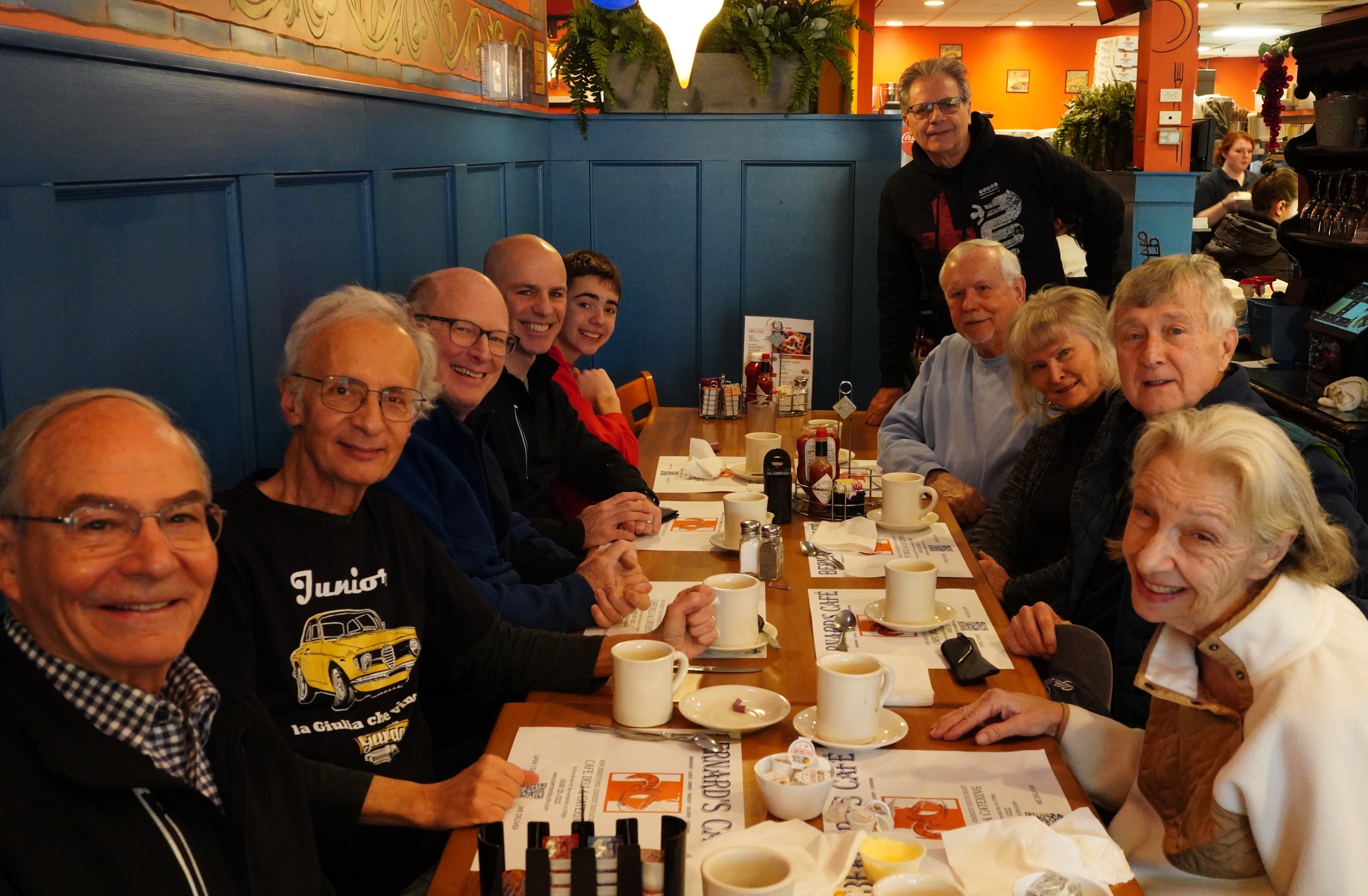
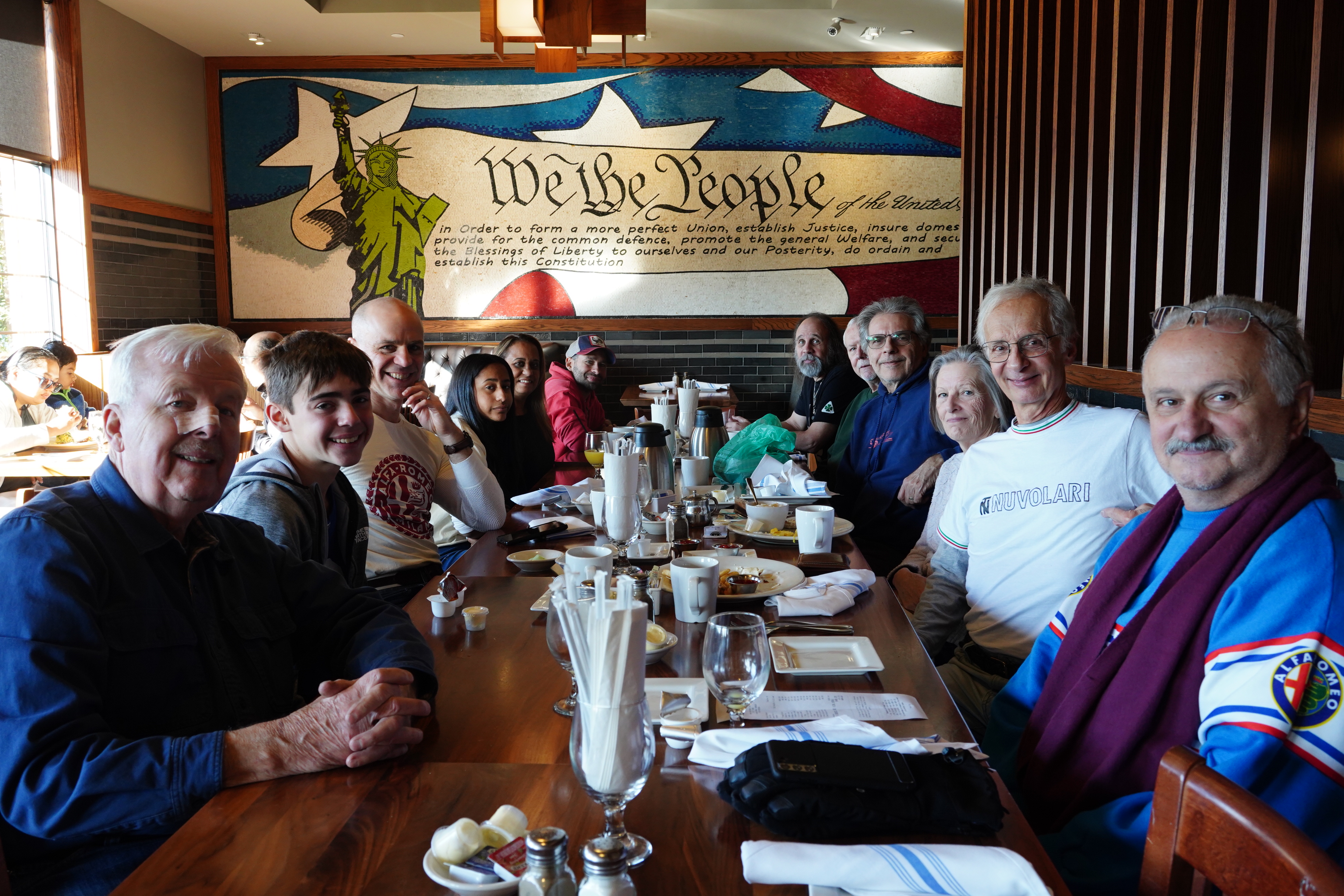
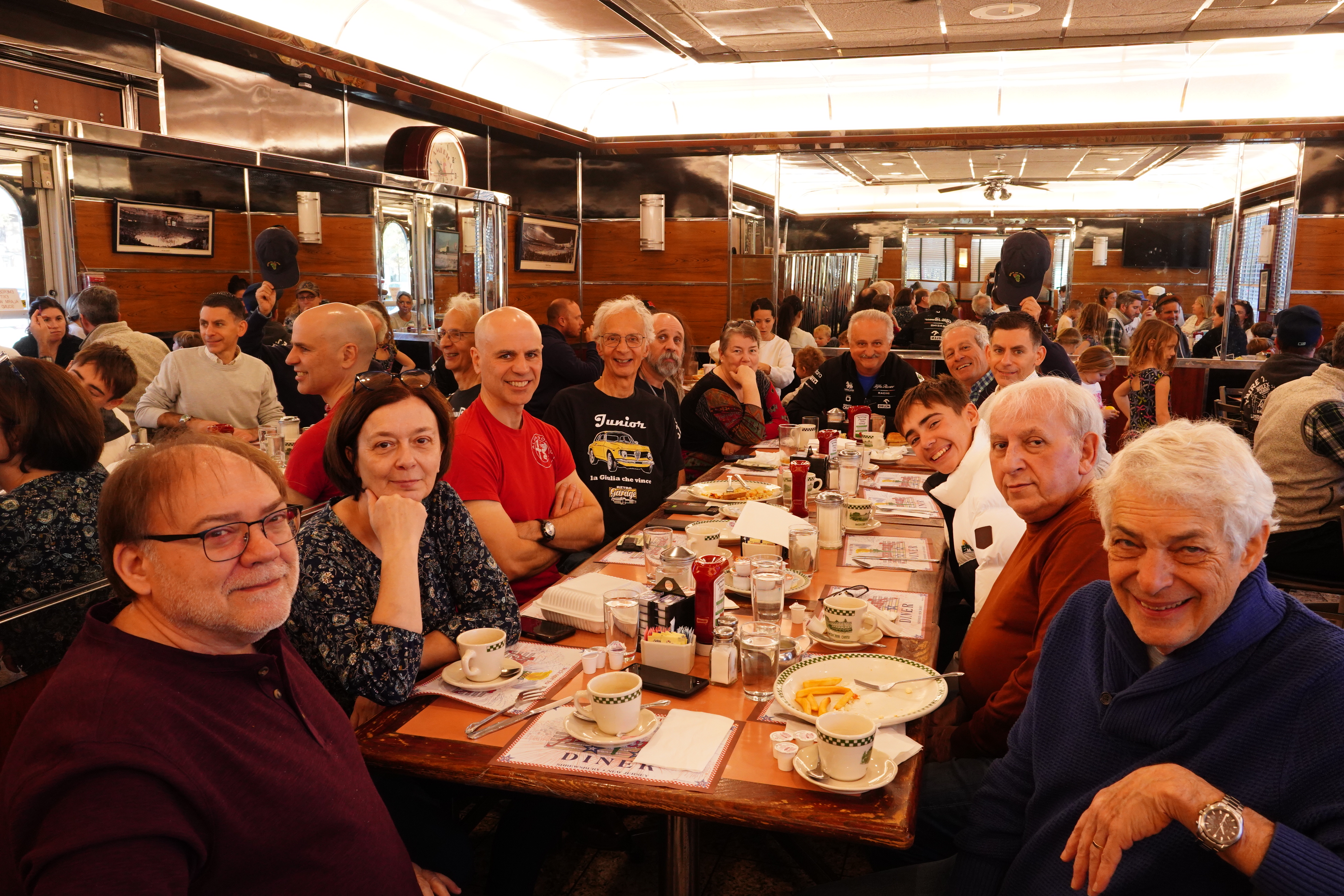
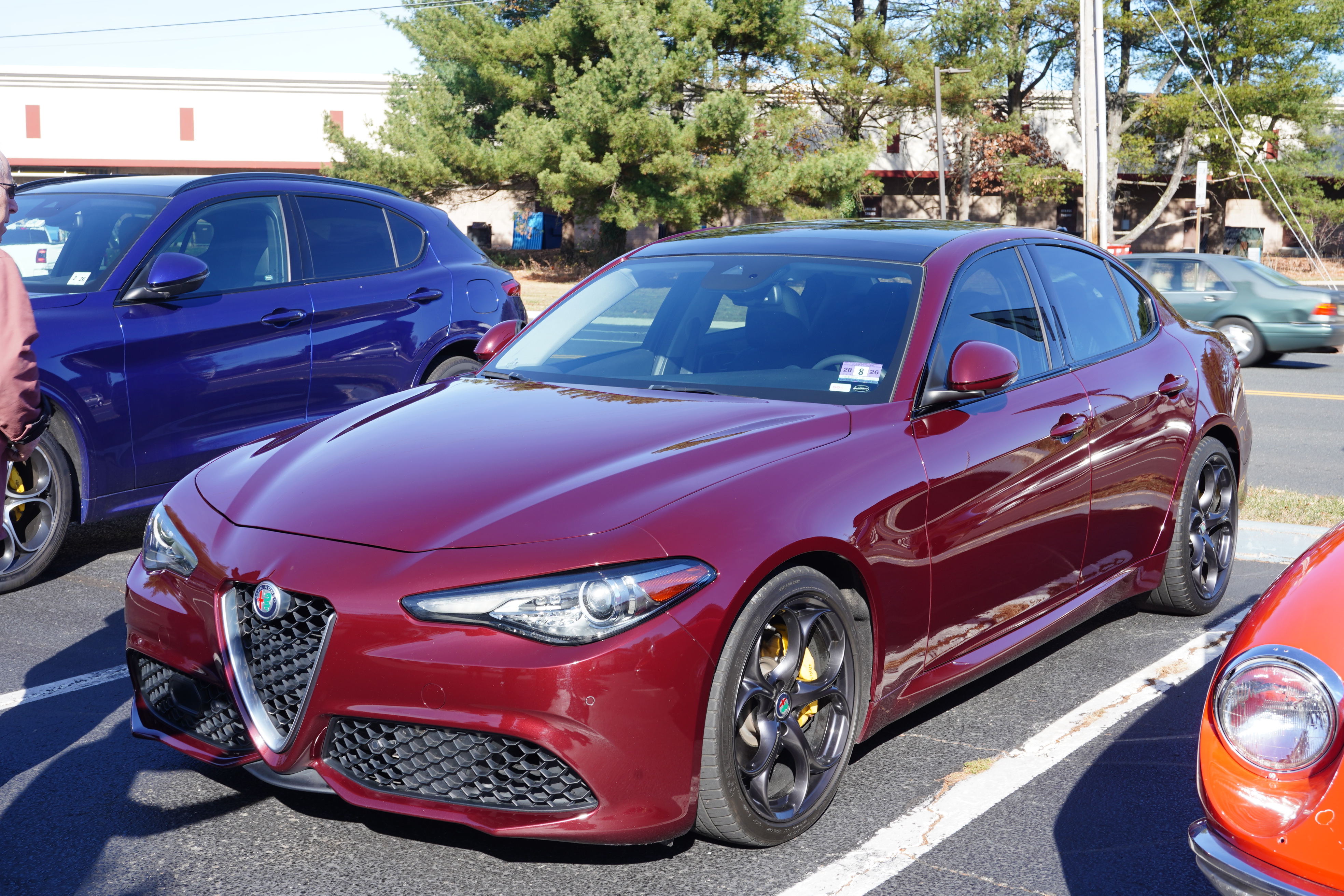
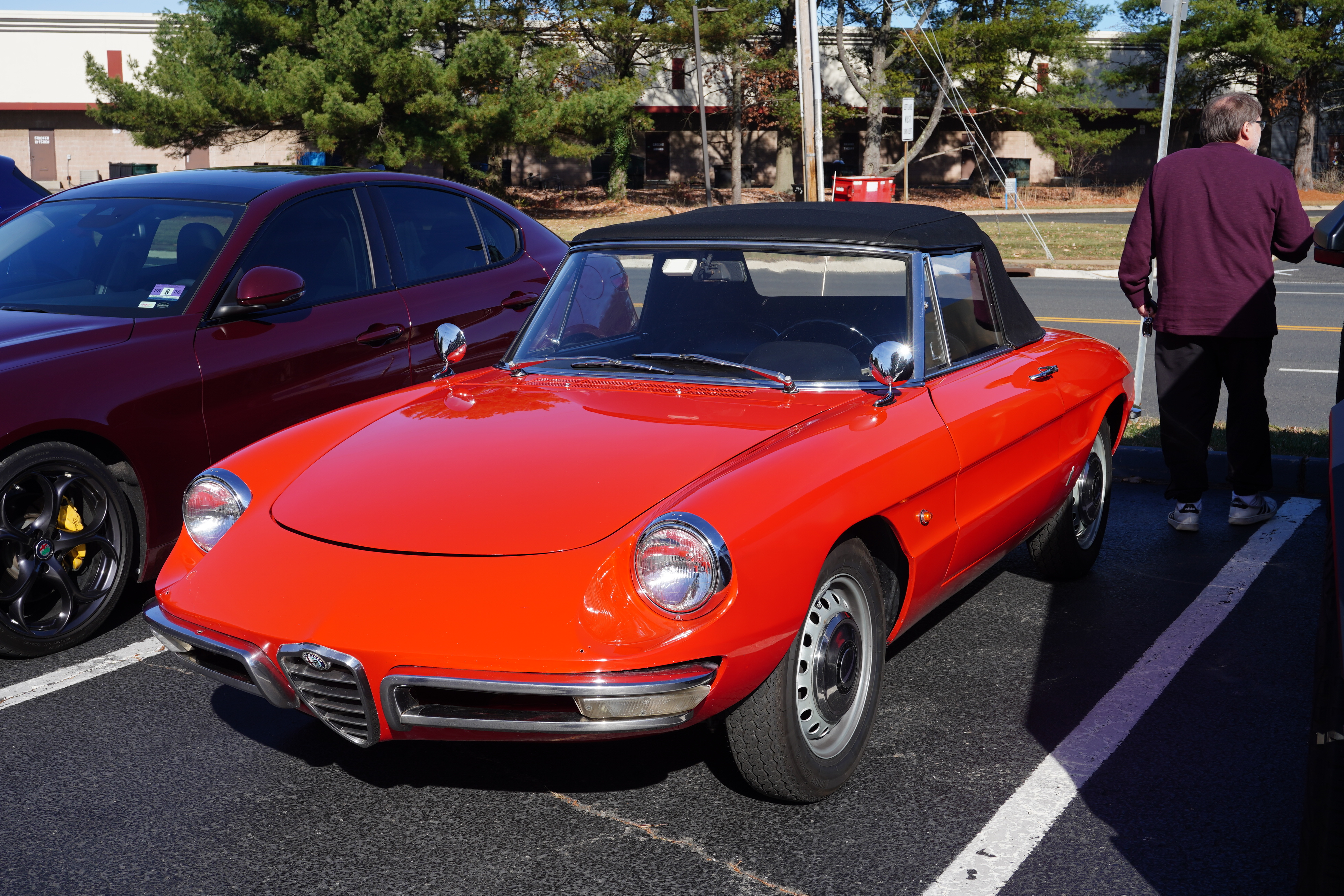
The NJ Chapter of the Alfa Romeo Owners Club is on a roll! September marks nine consecutive months of monthly breakfast meets. For this month’s meet-up, we skipped the Jersey diner experience and ate alfresco, combining our bagels and coffee with several games of bocce (for the uninitiated, it’s the Italian version of lawn bowls. You can read Wikipedia’s page on bocce here).

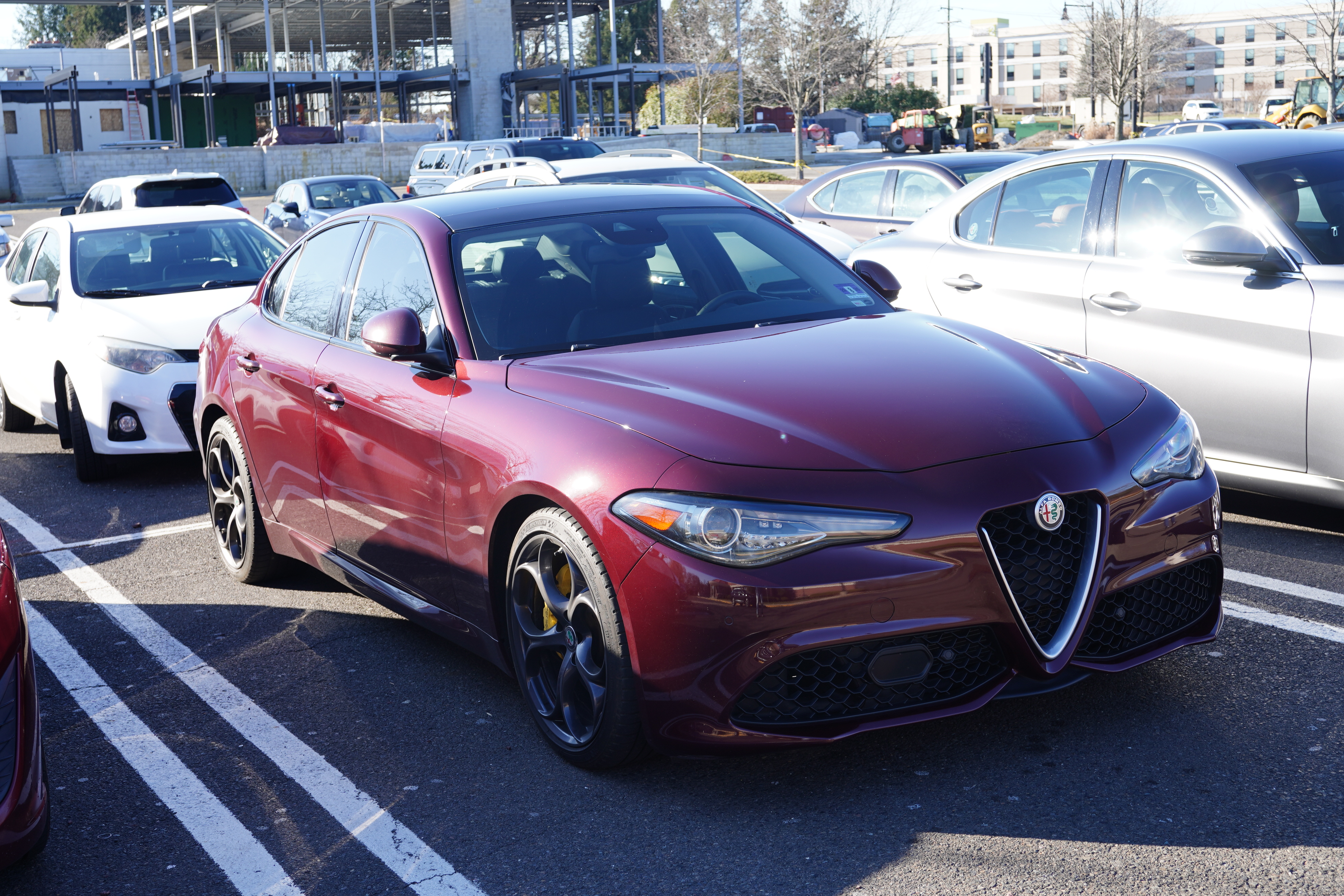
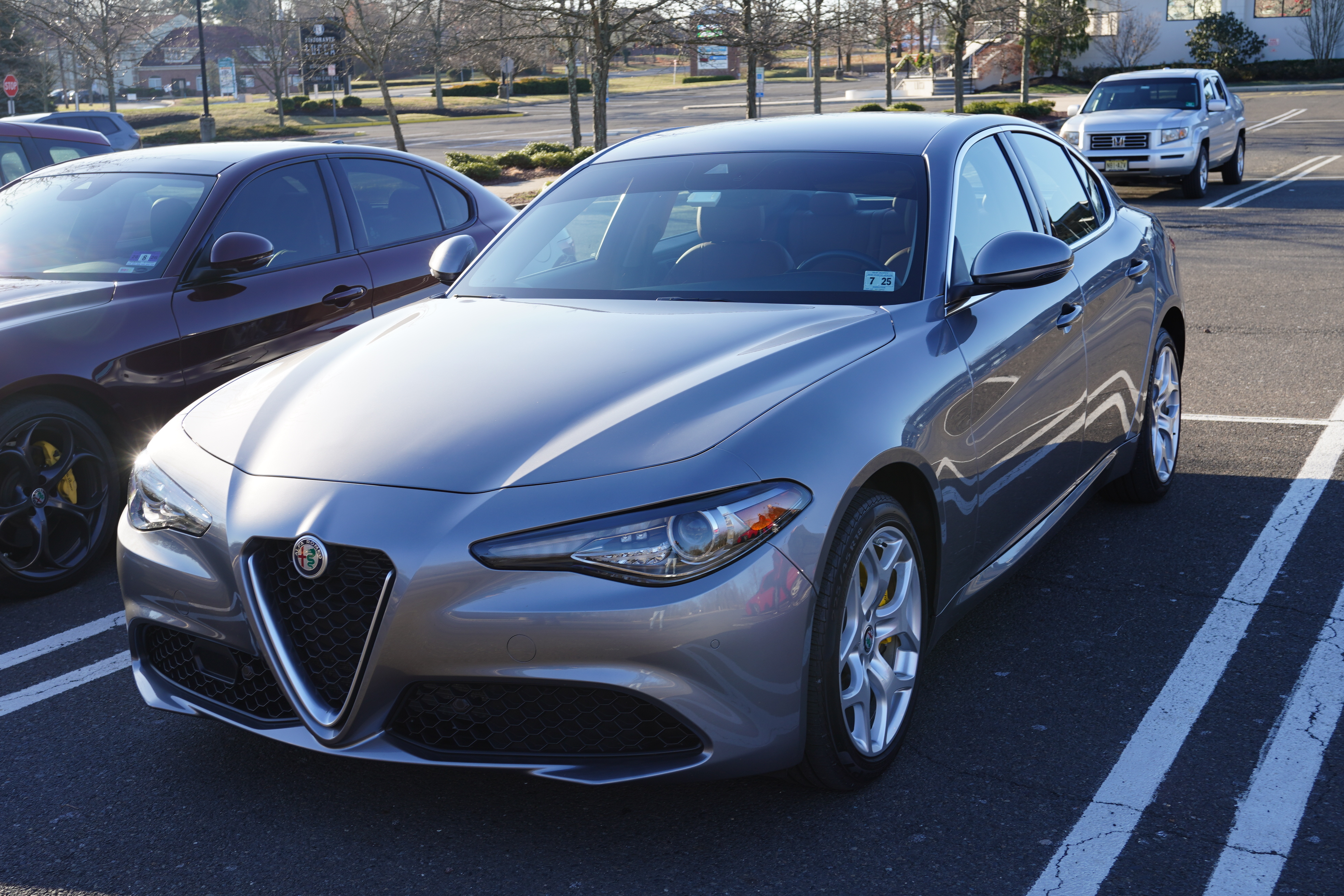
We had an excellent turnout, with 13 Alfas, one other Italian car of some other brand, and close to 20 participants. Colonial Park in Somerset County hosted us, and NJ AROC member Bill DiPrima, our Event Coordinator, did an outstanding job of organizing the entire festa. Beautiful first-day-of-autumn weather kept us outside until noon when we finally packed it in, but not before a group photo was taken (thanks to me finally remembering to bring a tripod). I was particularly pleased with the turnout, given that the changing weather will likely make next month the last chance for the classic Alfas to make an appearance at a Chapter event.

In addition to the photos below, you can watch our expert bocce players in action on these two videos:

https://www.youtube.com/watch?v=aNaetr2mVY4

https://www.youtube.com/watch?v=KNcbjCa33Do

THE CARS
Milano


1967 GTV


Stelvio


1991 Spider


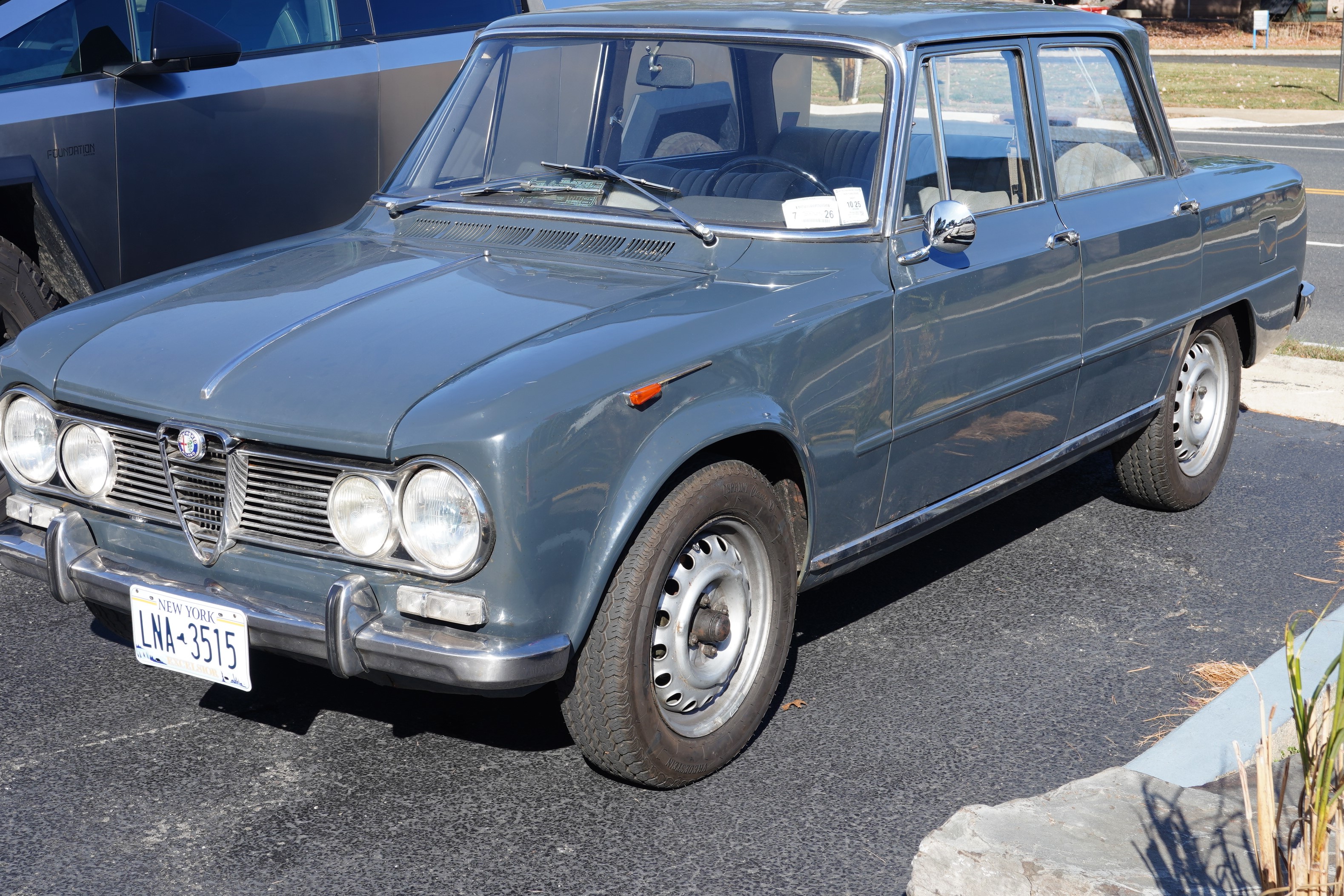
Giulia sedan


Giulia sedan


Giulia sedan


1967 GT 1300 Jr.


1979 Spider


1967 Duetto


1991 Spider


Stelvio


THE PEOPLE


ADDENDA

A day trip on Friday to the town of Jim Thorpe, PA yielded this find: a 1949 Packard for sale, only $4,995! A cursory glance revealed a car that looked mostly original, save for a very bad black repaint likely done decades ago. The front seat was hidden by a seat cover, with original upholstery (matching the back) underneath. Sign claimed it ran well, but didn’t say if it would continue to do so for 5 blocks or 5 hours.


Entire blog post content copyright © 2024 Richard A. Reina. Text and photos may not be copied or reproduced without express written permission.
Depreciation, 1950s Style

In 1953, three of General Motors’ five divisions launched exclusive, high-end convertibles: the Buick Skylark, Oldsmobile Fiesta, and Cadillac Eldorado. All three cars featured futuristic styling trends including dipped beltlines, wraparound windshields, and custom interiors. These halos cars were in addition to, and not replacements for, the divisions’ other convertibles. The look was sky-high and so was the pricing. While a Buick Roadmaster convertible cost $3,506, moving up to the Skylark would set you back an even $5,000 (43% more). Over at Olds, a 98 convertible listed at $3,229 while the Fiesta started at $5,715, a 77% jump. But the big money was at Cadillac. A “regular” Series 62 convertible was pricey enough at $4,144. You needed really deep pockets for the Eldorado, which cost $7,750 (an increase of 87%). At these prices, it’s no surprise that all three of these dreamboat models sold in very low numbers.

Then as now, depreciation takes a big chunk out of a car’s value, especially during the first few years. I happen to have a copy of the January 1958 edition of the NADA (National Automobile Dealers Association) Official Used Car Guide, and seeing the retail values of the Skylark, Fiesta, and Eldorado at five years of age may bring a tear to your eye. Starting with our $5,000 Skylark, its value after five years was $945, a drop of 81%! The story at Olds is similar. The $ 5,715 Fiesta was now worth $1,075, the same 81% loss of value. The Eldorado actually fared a little better, losing “only” 76.5% of its value with a retail worth of $1,825. (In the pages reprinted here, you’ll find the new car prices in the column marked “Fact. A.D.P.”, which stands for “Factory As Delivered Price”.)

Not surprisingly, all the other models in the lineups also suffered significant depreciation, although the three regular convertibles (Roadmaster, 98, and Series 62) kept a higher percentage of value. Here, the Cadillac again came out on top. The 1953 Caddy Series 62 convertible was worth $1470 retail in 1958, losing 65% of its value.

Imagine that it’s 1958, and your ’53 Eldorado, now five years old with about 50,000 miles on it, is looking a bit shabby, but worse, its styling looks downright outdated compared to the chrome-laden ‘58s which have just been introduced. You drive it down to your local Caddy dealer and check out your choices. There’s the beautiful Series 62 convertible starting at $5,454. But what really catches your eye is the Eldorado Biarritz convertible, at $7,500 (actually less than you paid for your ’53!). While you prefer the Series 62, your wife is smitten with the Biarritz. During the test drive, the dealer appraises your car, and upon your return, offers you $1,500 for your ’53. Your choices are, cough up $4,000 for the Series 62, or $6,000 for the Biarritz (which also keeps the spouse happy). If you did spring for the Biarritz, you were one of only 815 people who did! Which would you choose?

ADDENDA

My automotive literature collection includes a wide range of price guide books. For many years I subscribed to CPI (Cars of Particular Interest), and it is often enlightening as well as entertaining to go back in time and revisit the value of collector cars. For instance, 30 years ago, in 1994, CPI listed the “average” value of a Mercedes-Benz 300 SL Roadster as $165,000. To purchase such a car today, you would need to add a zero to the end of that number. That’s an investment! And while most collector cars have appreciated over the last 3 decades (driven by inflation along with a general across-the-board rise in the hobby), not every car has appreciated. In 1994, CPI stated that a late 1940’s Studebaker convertible was worth $13,500. A 2023 edition listed the same vehicle at $16,300, making it not the best place to have parked one’s money.

Entire blog post content copyright © 2024 Richard A. Reina. Text and photos may not be copied or reproduced without express written permission.
My first-ever bid on Bring a Trailer

While I cannot recall the exact date that I was introduced to the Bring a Trailer website (www.bringatrailer, from hereon referred to as BaT), I can recall the person and the setting. I had been transferred back into HQ at Volvo Cars North America (VCNA), where I finished my career, working there from 2006 to 2009. My boss’s boss, Chris Dauerer, asked me if I had heard of BaT and when I replied in the negative, he suggested that I needed to visit their site immediately. At that time, BaT did nothing more than republish links to interesting cars found for sale on other sites, like eBay and Craigslist. Since then, BaT has grown into one of the largest online collector car auctions, with gross sales numbers placing it at or near the top among competing auctions.

Since that introduction by Mr. Dauerer, I’ve had a daily addiction to the site, and have used it as a barometer of car values. (Compared to “for sale” ads which only tell you asking prices, completed BaT sales give you up-to-date transaction prices.) But BaT has perhaps become too big: the website now closes between 100 and 150 auctions a day! So I’ve pulled back, and have chosen to follow only a handful of makes and models which interest me.

One of those cars I follow is quite unique: the Autozam AZ-1, a Japanese kei car (limited in size and engine displacement by national regulation). While there are other kei cars and trucks, the AZ-1 distinguishes itself further with its mid-engine placement and gullwing doors. These turbocharged 3-cylinder marvels show up on BaT several times a year, and when one appeared a few weeks ago located in NJ, I decided to join the fun. Previous auction results pinned these Autozams in the low-to-mid 20s, but the NJ car had been repainted a non-factory yellow, which I thought might hold the price back. With the current market a little soft, I fantasized that this one might sell in the mid-teens. So now it can be told: for the first time ever, I placed a bid on BaT, throwing my hat into the ring at $7,500. I was quickly outbid, and I raised my bid to $8,100. When that bid held for over 24 hours, a minor panic came over me, as I wondered if I’d remain the high bidder! It was time to see the car in person.

Luck was on my side here. The family was vacationing in Cape May, and I was headed home for several days just to check into things at home. The car was located near Cherry Hill, about halfway between Cape May and home. I made an appointment with the dealer, and arrived at his place about 11 a.m. on a Friday. There was the car, even smaller than I imagined. The dealer, a friendly and accommodating young man named Eli, invited me to look over the car. The size was not an issue (you’re looking at a guy who used to drive a BMW Isetta on the street), but the gullwing doors were something else. While incredible to look at, the high sills made ingress and egress most awkward. Once in the car, room was limited. From the driver’s seat (RHD), the non-adjustable steering wheel was offset to the left. The seats slid back and forth but the seat backs were fixed.

Eli offered to let me drive, but I demurred, and suggested that I would ride while he drove. He had many JDM (Japanese Domestic Market) vehicles on his lot and seemed completely at ease with the RHD. Off we sent, with the cold A/C cranking the entire time. We went onto the highway where I saw 120 kph (75 mph). The car ran well, but there was a loud clunk with every shift, possibly normal for a remote shifter. Aside from the interior access (my wife would never put up with it!), the biggest issue was the driver-quality paint job. I liked the yellow, but didn’t care for the application of it.

I thanked Eli for his time, and concluded that my automotive lust for an Autozam AZ-1 had now been satisfied. I had no reason to worry about the bidding as the car sold for $20,151, five grand higher than I predicted but five grand below other recent sales. It was fun to be a bidder on BaT, as they make the process almost too easy. For me, the real bottom line is that online auctions give you great exposure to a wide variety of vehicles, but I would still greatly hesitate to purchase any vehicle sight unseen.


ADDENDUM

Although I didn’t identify it by make, model, or size class, I did include a different kei car in my blog post from July of this year about the Concours on the Palisades in Fort Lee, NJ. In the Japanese class was a Suzuki Cappuccino, a kei car which happens to use the same 3-cylinder engine as the Autozam.

Entire blog post content copyright © 2024 Richard A. Reina. Text and photos may not be copied or reproduced without express written permission.
 

The Lime Rock “Sunday in the Park” Car Show, Sep. 2024

While Labor Day weekend marks the unofficial end to the summer season, there are still plenty of classic car shows to attend before things shut down for the winter. And what better way to kick off this segment of the year than by attending Lime Rock Park and its Historic Festival 42 (as in “now in its 42nd year”). As I did last year, I rode up to the event with my friend and fellow Alfa-owner Tony, and we were rewarded with great weather and a great display of cars. To my eyes, compared to last year’s slightly disappointing turnout, this year’s vehicles were more numerous and more varied.

As always, the vehicles arranged on the track can be broken into two large groups: the Featured Classes, and the Gathering of the Marques. The Featured Classes are pre-arranged, and one must apply to have one’s vehicle accepted. The Gathering of the Marques is open to any spectator with paid admission, provided that their car’s marque is one on display.

No one featured class stood out for me; rather, it was a nice assortment of pre-war, post-war, domestic, and import vehicles. For the Gathering of the Marques, I found the Italian brands, especially Fiat and Alfa Romeo, to exhibit stronger than usual showings.


AMERICAN
Pre-war Cadillac
1940 LaSalle
1964.5 Mustang, claimed to be wearing all-original paint

1935 Chrysler Airflow

A ONE-OWNER ’67 GTO

The gentleman representing this car claimed that he bought it brand new in 1967 when he was 22 years old. The car has 7x,000 miles on it, and he further claimed that it was 100% original: paint, chrome, upholstery. The car looked stunning. He special ordered it with Tri-Power and without PS, PB, or A/C. On top of all this, he owns 15 other GTOs!


BRITISH


1930 MG


GERMAN


FRENCH
If this French Simca looks Italian, it’s because it was designed by Bertone

Renault Alpine


VOLVO


FIAT

Fiat 1500 OCSA

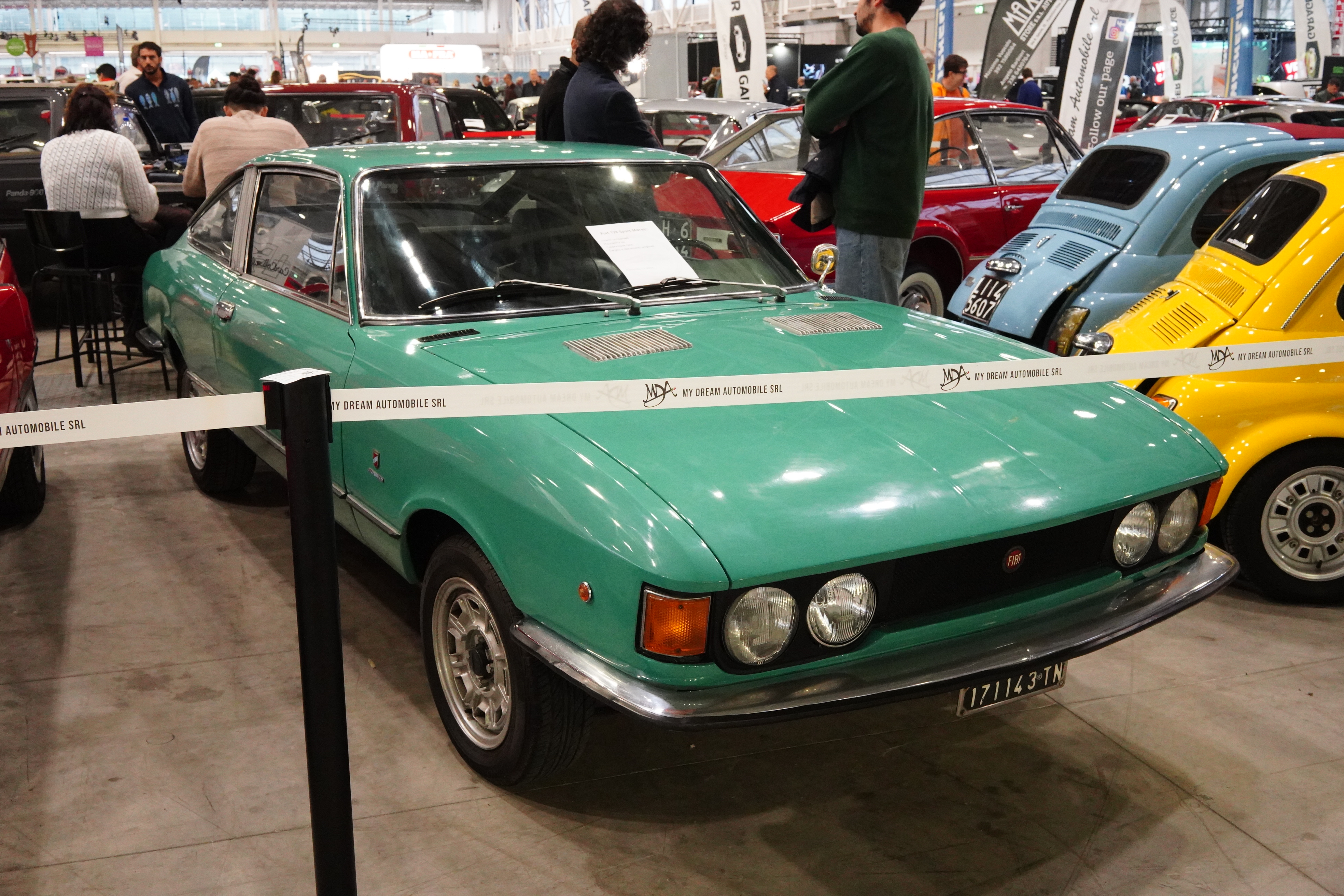
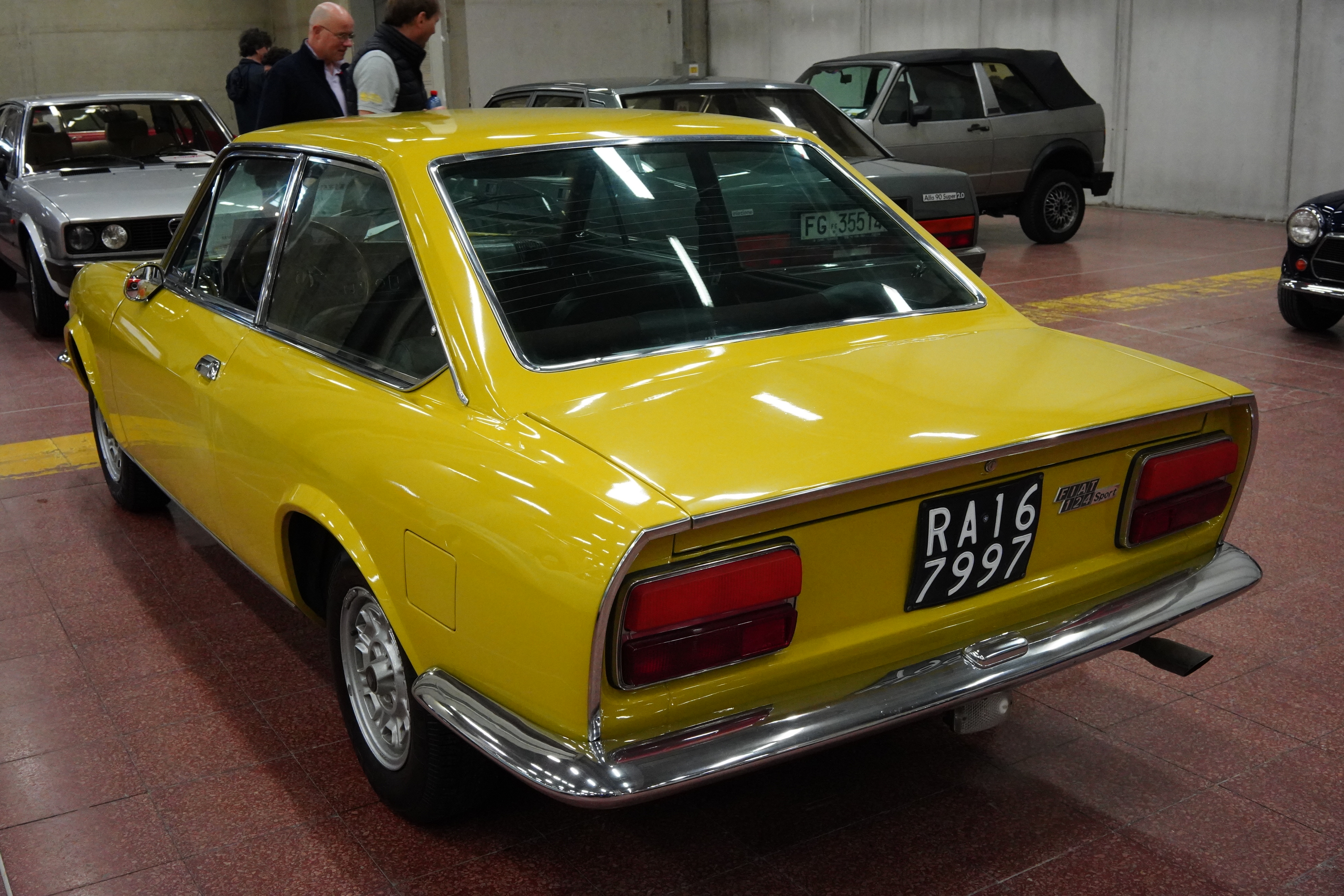
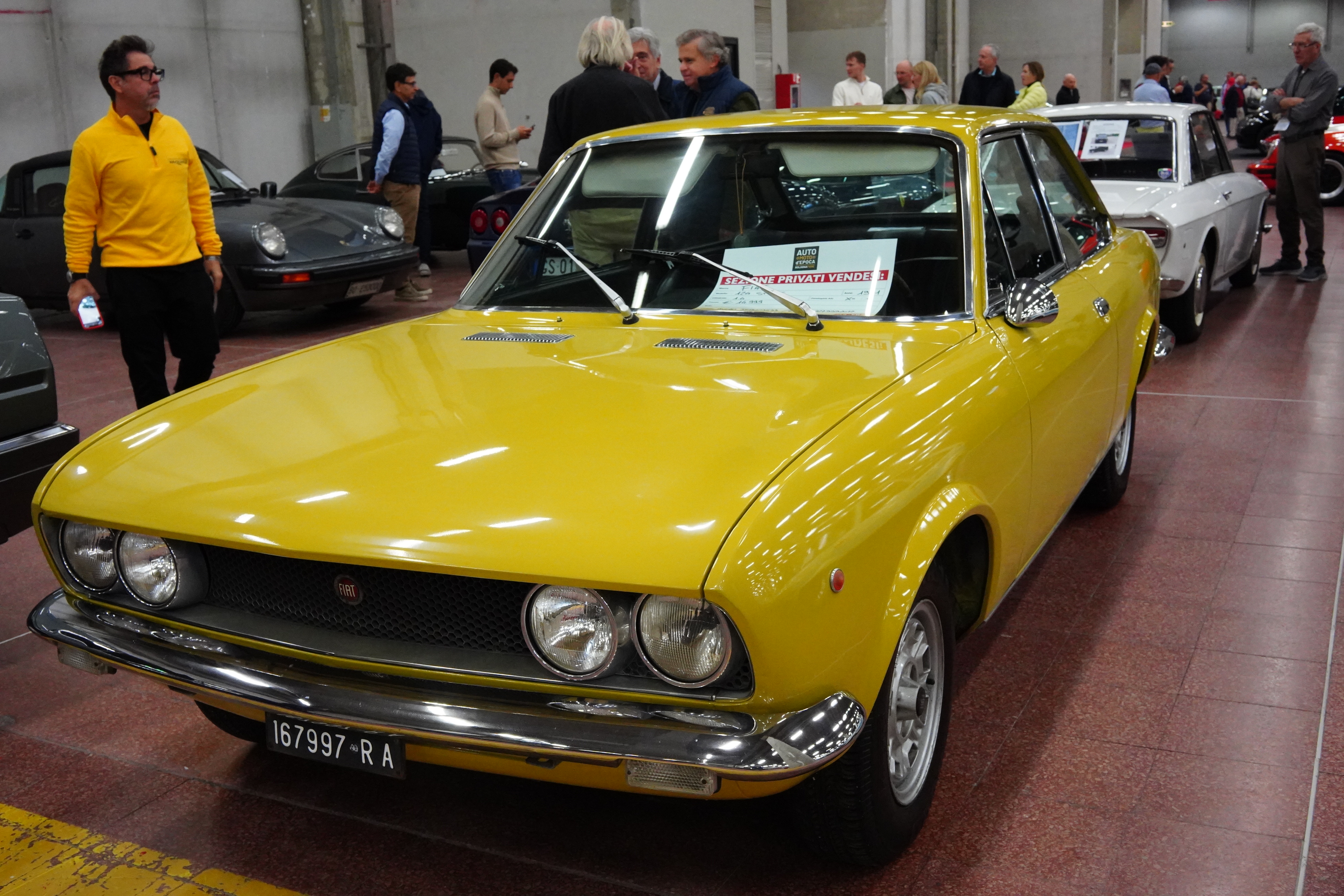
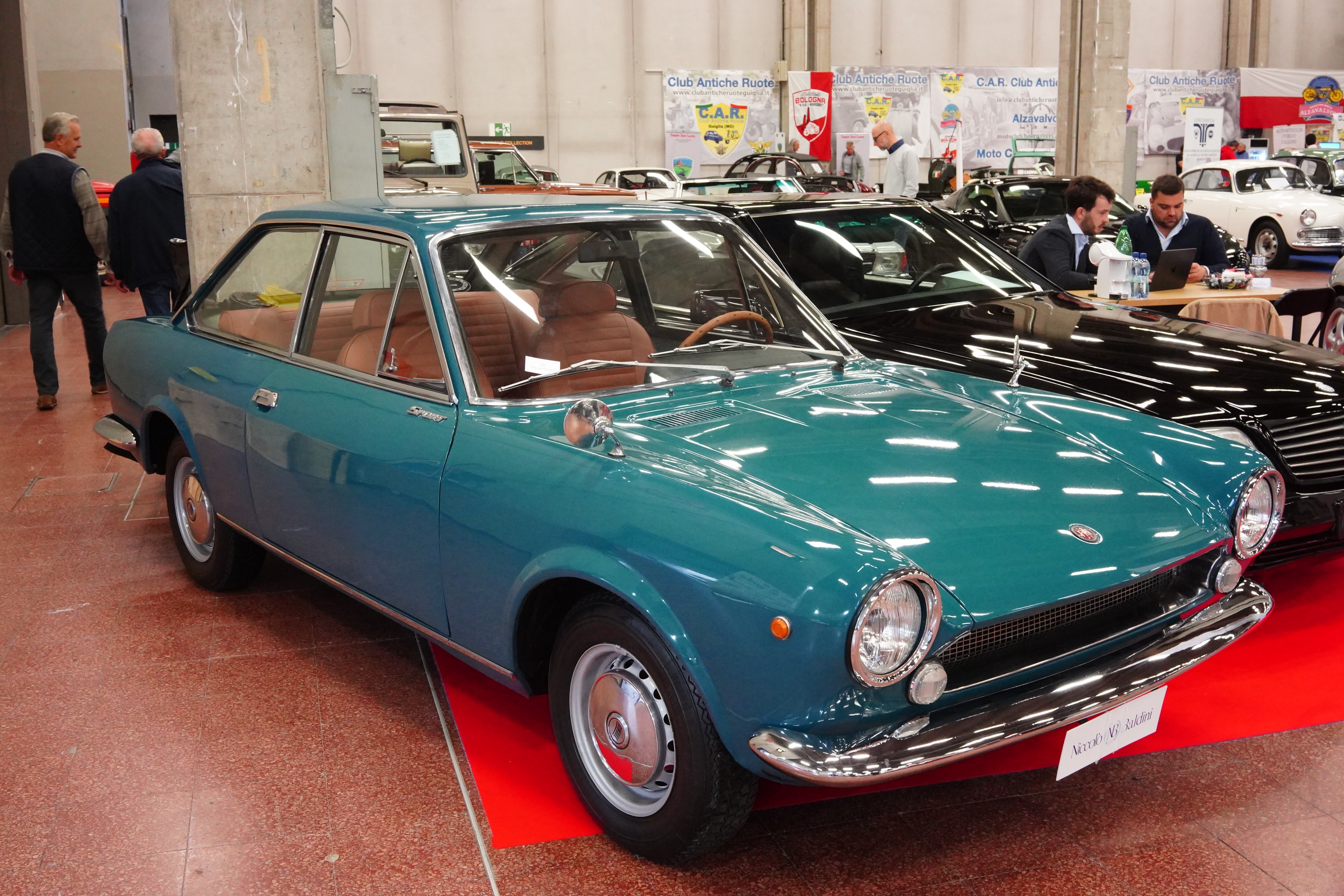
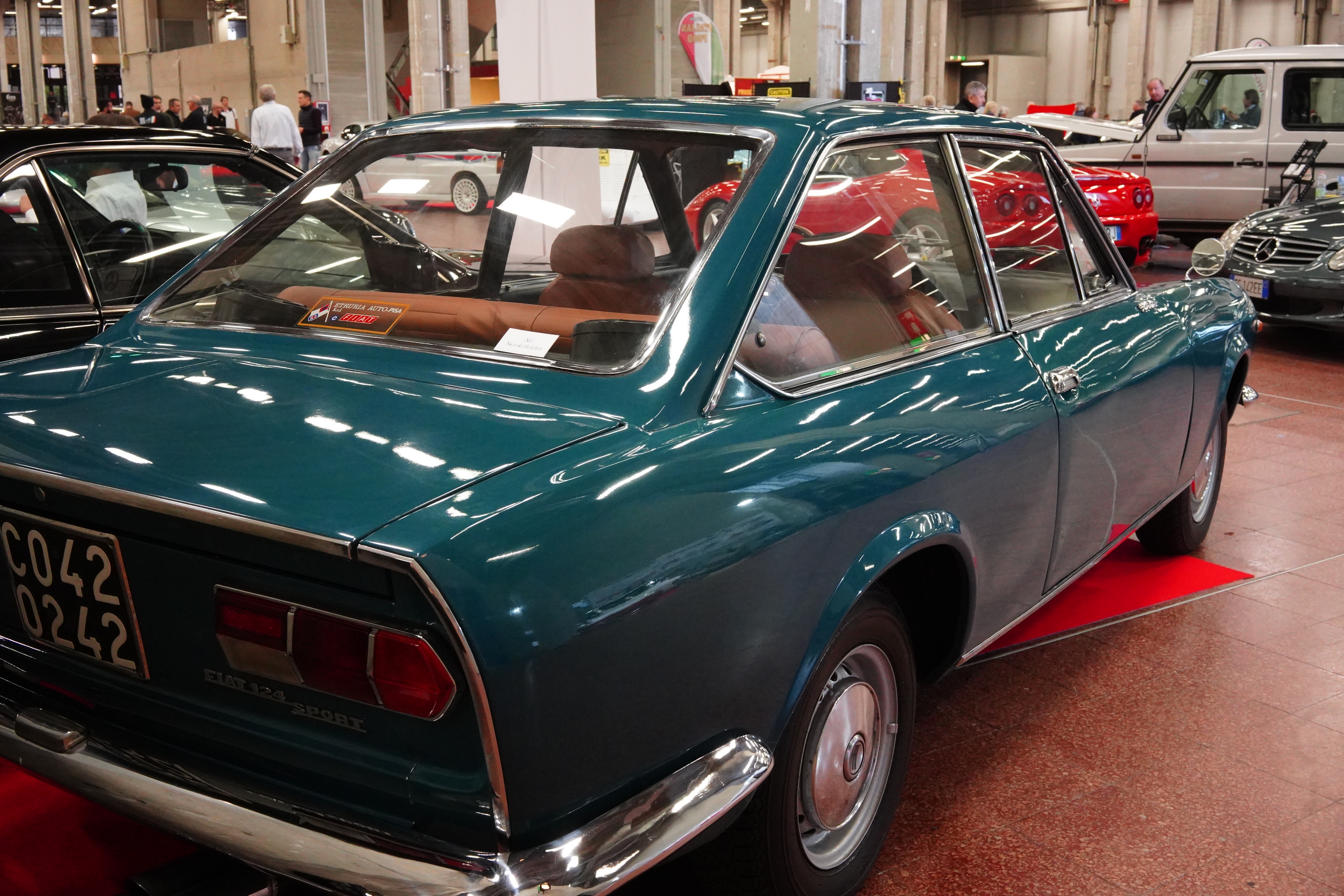
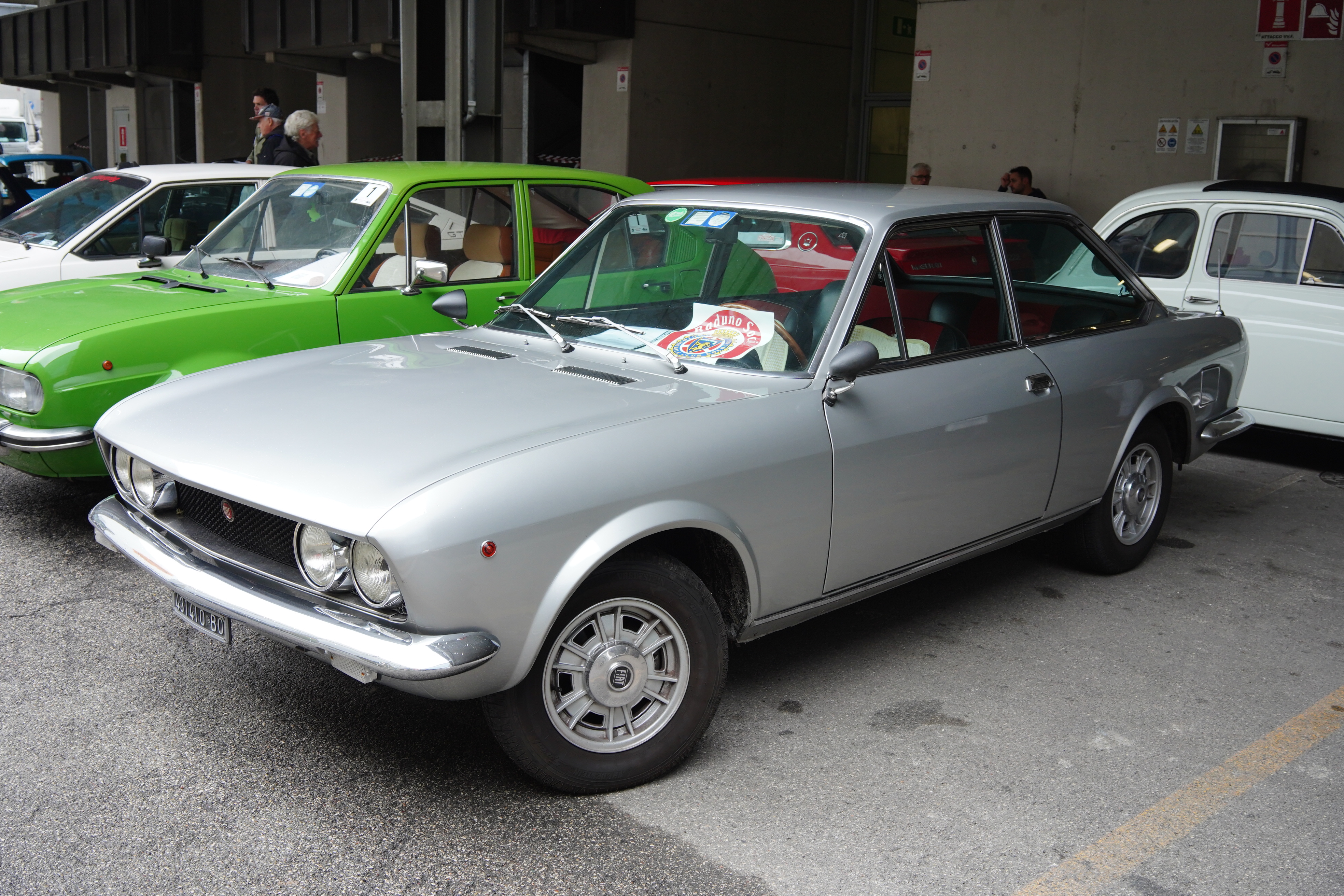
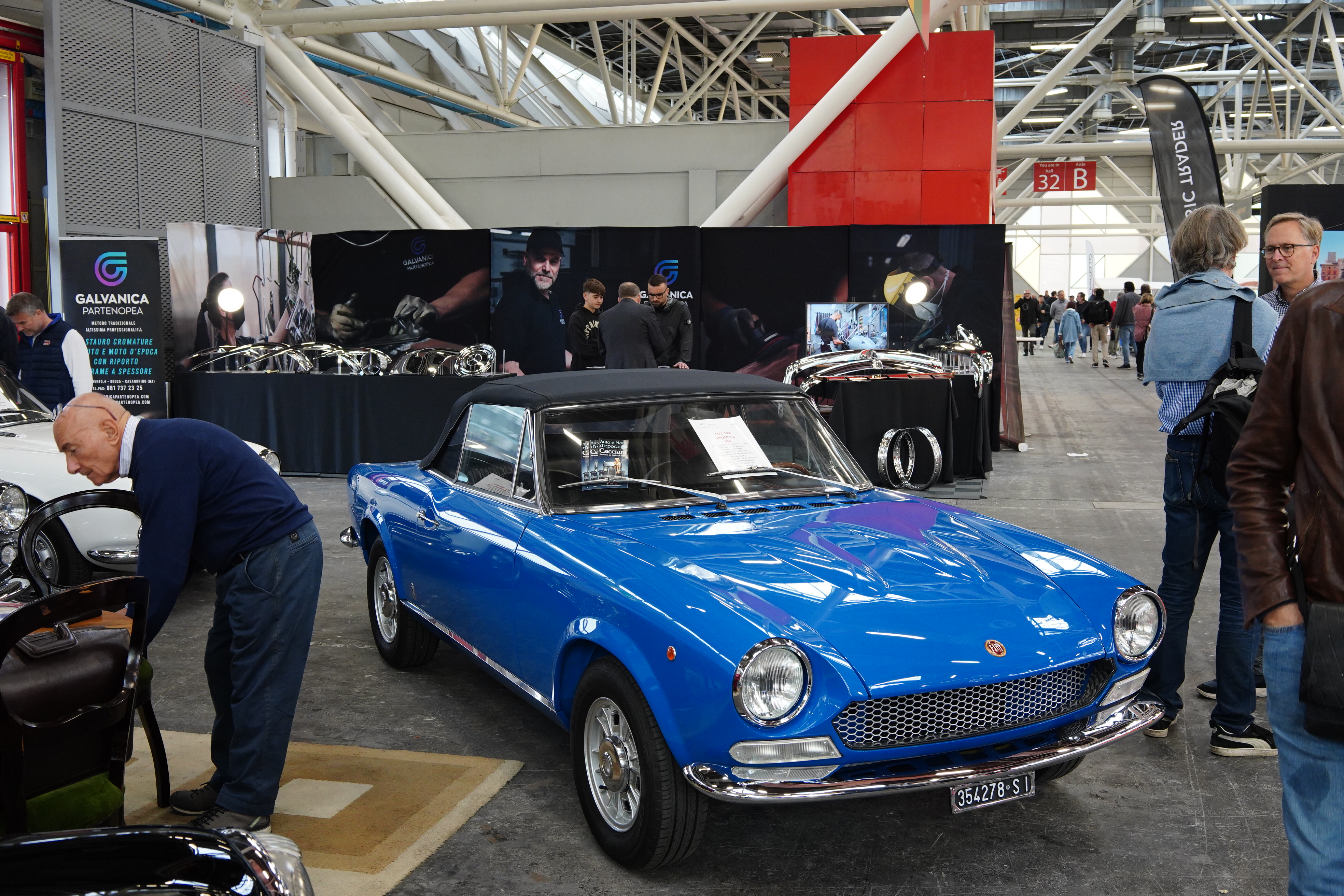
A BEAUTIFULLY RESTORED ’69 FIAT 124 SPORT COUPE

Ever since buying one as a 20-year-old, I have had a soft spot for the Fiat 124 Sport Coupe. Terminal rust has killed 90%+ of them, and it’s an incredible treat when one pops up at a show. This ’69 (first-gen car with the single headlamps) stopped me in my tracks, as it looked almost perfect. I spoke at length with the owner who told me he bought it 8 years ago, then spent 7 years restoring it, so it’s been finished for only about a year. He had two cars and took the best parts of each to create one car. All mechanical work was performed by him, with only the body and paint work farmed out, although the body shop had the shell for 3 years. I asked about sheet metal availability, and he said that this car needed a complete floorpan. Doing some research, he discovered that the 124 4-door sedan and the 124 coupe had the same wheelbase. The 124 sedan was built in large numbers under license as a Lada in both Poland and Russia, so parts availability in these former Soviet-bloc countries was good. He found an aftermarket floorpan for the sedan offered by a Ukrainian company, and with some trepidation, ordered it. It arrived, and to everyone’s glorious surprise and relief, it dropped right into place!


ALFA ROMEO

The “Juniors” (smaller engines, fewer features) were never officially imported into the U.S., so seeing one is a rare treat, although they are around. My ‘67 of course, is a Junior, privately imported in 1967. While I’ve seen a small handful of other Juniors at Alfa shows, I’ve never seen one in the same colors as mine, that is until I saw this 1968 model, one year newer. Other Junior owners have challenged certain features on my car, claiming that all Juniors have two-spoke wheels (mine is a three-spoke), and only one “Designed by Bertone” badge on the front fenders (I have two, one on each side). This Lime Rock Junior had the same steering wheel as my car but only one “Bertone” badge. Most interestingly, it had a grey dash without the vinyl “wood” applique which my car has. I’ve only seen the grey dash on pre-1967 coupes. I think, as others have hinted at, that the factory assembly process was simply not always that precise.


GRILLE EVOLUTION


ADDENDA

This Fiat 500 was spotted on Main St. in Somerville NJ parked between a Porsche and a Mercedes-Benz. You could fit THREE 500s into that parking spot!


Entire blog post content copyright © 2024 Richard A. Reina. Text and photos may not be copied or reproduced without express written permission.

The NJ Alfa Club Returns to the Somerville Cruise Night

For the second time this year, the NJ Chapter of the Alfa Romeo Owners Club (AROC) gathered at the Somerville NJ Friday night Cruise-In. A total of eight Alfas (a nice mix of old and new) showed up and parked in the area which can be reserved for clubs. (A big thanks to Bill D. for making these arrangements for us!) As was the case during our previous visit to Somerville in May, the weather was near-perfect, with none of the high heat and humidity which we’ve been forced to endure for much of the summer.

A new club feature, first seen at the recent New Hope show, made a repeat appearance: Paul’s flagpole, hoisted high above his Giulia and flying the Alfa Romeo flag. It certainly helped draw attention to our display, in case there was any doubt about the brand of vehicles in the lineup. We also treated ourselves again to an al fresco dinner courtesy of the local Italian restaurant, including pizza, calamari, and spicy wings.

With Labor Day approaching, the collector car hobby will scramble to fit in as many activities as possible during the next two months, before the driving season ends for our older cars. AROC’s NJ Chapter will continue to host monthly breakfasts, so I’m hoping to get my Alfa out to one or two of those before it goes into hibernation for the winter.


ADDENDA

Last Saturday we were on our way to the Jersey shore and stopped for a break at a Wawa somewhere along Route 539. In pulled this 1960 Chevy bubble top right behind our Volvo XC40. The contrast between the two cars, 64 years apart, is incredible. And I can’t help but think that maybe, just maybe, the Impala’s trunk holds more than the Volvo’s (with the 2nd row seats up).


Entire blog post content copyright © 2024 Richard A. Reina. Text and photos may not be copied or reproduced without express written permission.


The 2024 New Hope Auto Show

The New Hope (PA) Auto Show, now in its 67th year, was held during the weekend of August 10 & 11, 2024. After a stormy week concluding with a tornado watch (!) on Friday for most of the eastern PA/central NJ area, the weekend weather was some of the best of the summer: sunny, low humidity, and not too hot! The New Hope show organizers did their usual thing, with American cars on Saturday and “foreign cars” (I thought the hobby dropped that phrase in favor of “import cars”) on Sunday. I was there yet again with my Alfa, as the NJ and Delaware Valley Chapters of the AROC (Alfa Romeo Owners Club) turn out in reasonably big numbers for the show. This year, 13 Alfas were in attendance, and for the first time, thanks to the lobbying efforts of our NJ President Enrico, ALL Alfas were parked and judged together, including modern models such as the Giulia and 4C.

While not as populated as it’s been in prior years, I was informed that over 200 cars had registered for Sunday, and it appeared as though that many cars were indeed on the ground. Vehicles are organized by marque and/or country of origin, making it easy to scout for your faves. The show continues to attract some of the highest quality cars in the area, with the only downside coming from some jerks in the “modern exotics” (I’m looking at you, Lamborghini owner) who think it’s entertaining to rev their open-exhaust engines at 6,000 rpm.

When it was time to begin judging the Alfas, I was volunteered by Enrico, as his call for volunteer judges during the weeks leading up to the day resulted in zero response. Paul, another NJ Chapter member, also joined us, so our team of 3 set out to judge the row of 13. Traditionally, the Alfa group is simply divided into ‘open cars’ and ‘closed cars’. But with one modern Giulia and two 4C’s in the mix, Enrico came up with “pre-1980” and “1980 and newer” as the sub-classes, and that worked out beautifully. It was an almost even split of 6 and 7, and so we proceeded. In the Pre-1980 class, a stunning plum-colored GTV Coupe won 1st place; in the Post-1980 class, the red 4C took home top honors.

New Hope rings the bell for me for many reasons, including the short (under 30 minutes) and easy (no interstates) drive. But this is it for big shows this year. In 2024, I’ve had the Alfa to East Hanover NJ, Saratoga Springs NY, Fort Lee NJ, and Macungie PA, all highway drives, and all during less-than-ideal weather. Nevertheless, I will continue to drive the car, which was my intention when purchasing it 11 years ago. I’ve now put over 14,000 almost trouble-free miles on it, and I look forward to keeping it on the road.

GERMAN

ITALIAN (OTHER THAN ALFA ROMEO)

BRITISH


Bristols are very rare in the U.S.; I cannot recall the last time I saw one.


This Alvis was a “Senior” car (previous 1st place winner), and it was impeccable.


VOLVO

ALFA ROMEO
It was nice to be in this trio of Bertone coupes. Note that my car is a ‘step-nose’ while the other two have the ‘smooth nose’.


ADDENDA

Someday I’m going to devote an entire blog post to “My Aunt Rita’s Cars”. She had exquisite taste in automobiles and treated herself to some fine machinery. As a preview, here is a photo which I had presumed “lost”: it’s a film photo which was greatly underexposed. But with some modern technology, I was able to bring it back enough to identify it as her 1976 Oldsmobile Cutlass, her third new Cutlass in a row. The shot was taken in her driveway on Staten Island, probably in the late 1970’s.


Entire blog post content copyright © 2024 Richard A. Reina. Text and photos may not be copied or reproduced without express written permission.


Das Awkscht Fescht, Macungie, PA, Aug. 3, 2024

Das Awkscht Fescht, better known as (and more easily pronounced as) “Macungie”, was held this year on August 2, 3, and 4, 2024. This was the show’s 61st year, and since I have blogged about this show in the past (click here for stories about the 2010, 2013, 2017, 2021, and 2022 editions), I will refrain from repetition.

However, this was the first time since trailering the Isetta here in 2010 that I entered a show vehicle. Early Saturday morning, I fired up the Alfa Romeo and made the one-hour drive to Macungie Memorial Park, located in beautiful downtown Macungie, PA. While the town and the park are indeed beautiful, the summer weather continued to be slightly less so. It was a hot ride out, and even though the grass and trees provided a much more verdant setting compared to asphalt, it only got hotter as the morning continued.

I registered for Saturday’s show because that day was AACA day. After parking with the other vehicles in Class 7 (“sports cars”), I grabbed the camera and covered as much of the field as I could. As usual, the variety and quality of cars on display were impressive. It was no surprise that American iron ruled the day, but there were plenty of imports to keep my interest as well. The featured model for the weekend was the Ford Mustang, celebrating its 60th anniversary, and there were dozens on hand, from the 64.5 introductory model right up to the newest ponies.

I met up with several friends who made the trip, and after walking the show with them for a bit, we decided to grab an early lunch to beat the crowds. By this time, I could no longer remain in the sun, as I felt it was wearing me out. Doing my best to stay hydrated, I made the somewhat intelligent decision to hit the road by 1:30 p.m. The skies were darkening as well, and although Google weather indicated that the rain would not arrive in Macungie until 4 p.m., it felt prudent to get a jump start. The car (57 years old) started right up, but my Android phone (1 year old) did not – for the first time ever, I saw this message: “PHONE IS OVERHEATED, ALLOW COOL DOWN”. We (me, the car, and the phone) made it home just fine, enduring a 5-minute heavy shower which felt like it may have dropped the outside temp by 10 degrees. Entering my house, I downed two iced teas, and enjoyed a cold brew with my takeout Chinese. Overall, it was a good day, but I will need to accept that July/August car shows are going to be steamy.

Hanging out in the shade
AMERICAN CARS

IMPORT CARS

MUSTANGS

THE 1955 NASH

DESIGN STUDY: HEADLIGHTS AND GRILLES THROUGH THE AGES


ADDENDA

One of the oddest (and most oddly named) of the British imports is the Humber Super Snipe. I believe that I first learned of this model name in a 1960s Car & Driver magazine, and it’s likely that they used it in a sarcastically humorous way. I recently rediscovered this film photo, taken in 1990 while on a weekend jaunt on Long Island. I mean, what are the chances of spotting ONE Humber Super Snipe, much less TWO? According to Wikipedia, the quad headlights identify these as 1960-or-newer models. One looks like it might run, while the other appears to have already begun to shed its parts to keep the better one alive and running. This was 34 years ago; I wonder where these cars are today?

Entire blog post content copyright © 2024 Richard A. Reina. Text and photos may not be copied or reproduced without express written permission.


The Alfa Gets a New Exhaust System

The gearbox and rear axle fluids in my Alfa Romeo had not been replaced in a few years, and with this car, I try to adhere to a “mileage and/or time” type of maintenance schedule, so I decided to tackle the job. It’s not difficult other than getting the car high enough off the ground for me to slide under. In typical Italian fashion, though, the fill plugs require Allen wrenches (also known as hex wrenches), and somehow, I no longer had the correct sizes in my arsenal (12 & 14 mm, not available in Home Depot). Had I loaned them to a fellow Alfa owner and forgot? Perhaps, but no matter. An online order was placed with Grainger (great tools and sometimes high prices, but the quality is worth it) and I was ready to get this maintenance task done.
All the Alfa service manuals issue the same warning: remove the FILL plug before removing the DRAIN plug, because if you drain the component and then find that you are unable to remove the fill plug, you are in a jam. (Or is it pickle? Where did these food references come from?) The fill plugs loosened without extraordinary effort, and the gearbox and differential were treated to fresh fills of 75W-90.

But I digress (if two paragraphs count as a digression). While on my back staring at objects inches from my nose, I noticed that several exhaust components showed serious signs of rust-through. The corrosion was mainly confined to the mufflers; I saw no damage at any pipes or hangers that might indicate a potential loss of the system while driving. I have no idea how old the system was. Pete had never indicated that he had replaced it, and I’ve put 14,000 miles on this exhaust through 11 years of ownership, so I had been contemplating its replacement anyway. An order was placed with my #1 parts supplier, Classic Alfa, which had a complete exhaust system (including an installation kit with gaskets, hangers, and clamps) in stock for under $300 (and made in Italy to boot). The shipping, however, was an additional $150, but I decided it was worthwhile. As is typical for Classic Alfa, I had the parts within days.

Exhaust work is not difficult provided that you have working room under the car, which I didn’t, so I spoke to the owner of the Shell station a quarter mile from my home. His shop has worked on my Alfa and my other cars before, and he told me to drop it off any day during the week. I delivered the parts the night before, and Brian, his most experienced tech, did the job at my request. When I picked up the car, Brian assured me that everything fit very well, and a quick test drive confirmed that, as there were no untoward noises from under the car. I paid $350 in labor, worth every cent to me to get it done expeditiously and locally. All in, the exhaust system replacement cost me a little under $800, a not-unreasonable sum for a 57-year-old Italian sports car. I’m expecting that it should last for as long as I own the car.


ADDENDA

The Mercedes-Benz 1968 Model & Price Chart

While rummaging through some older file folders containing printed into about my Alfa, I stumbled across this postcard-sized 1968 model and price chart from Mercedes-Benz of North America, Inc. (headquartered in Fort Lee, NJ, at that time). This had to have come from Pete, and I don’t recall seeing it before. When I bought the Alfa from him in 2013, he had emailed me to provide the briefest of backgrounds about his purchase of the car in 1968. He admitted that among other choices, he was considering the least-expensive of the new Mercedes-Benz models. In that case, it would have been the 220 sedan, with an MSRP of $4,360. The optional equipment list highlights that even at that somewhat lofty price, an automatic transmission and power steering were extra. (For one comparison, a 1968 Oldsmobile 98 4-door Holiday sedan started at $4,422, which included an automatic transmission and power steering.) Also note the dealer stamp, complete with salesperson’s name and phone number sans area code.

Entire blog post content copyright © 2024 Richard A. Reina. Text and photos may not be copied or reproduced without express written permission.