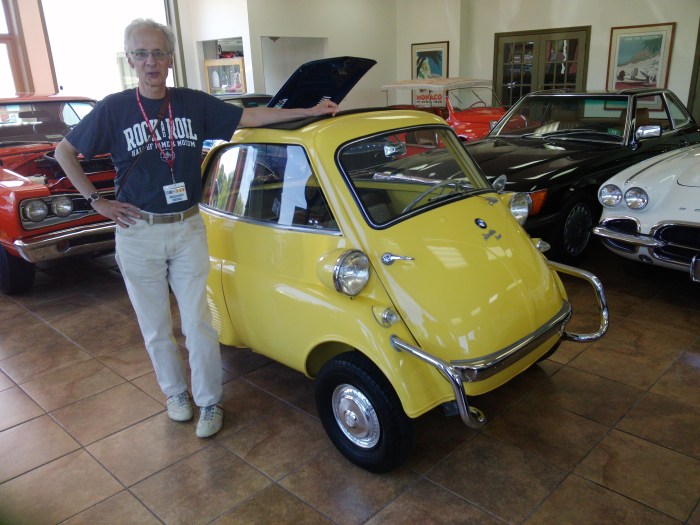
As I mentioned in Part 1 of this blog series, the Greenwich Concours is an invitation-only event, so it is an honor to show a car there. My Alfa was there in 2013 and again in 2017; however, the Wennerstrom family was still running the show in those years. Bruce Wennerstrom knew of me because I had shown the BMW Isetta at Greenwich 4 times (2001, 2004, 2007, and 2010), and he had always been gracious and welcoming to me and my little bubble car, surrounded as it was by machinery worth 5 or 10 times its value. Hagerty bought the Greenwich Concours a few years ago (and I will elaborate on my impressions of Hagerty in a later post). For 2023, Greenwich was not necessarily on my radar until an email arrived in March from Rich Taylor.
I know Rich from the New England 1000 rallies. He knows of my Alfa because I drove it in 4 of those rallies (2013, 2014, 2015, and 2018). He wrote to tell me that Alfa Romeo would be a featured marque at Greenwich this year, and he was “in charge” of assembling both pre-war and post-war classes. He continued “I would like to include your rare GT Junior”. Of course, I replied in the affirmative. (There’s lots more to the Rich Taylor story from Sunday. Stay tuned.)
A few weeks later, an email arrived from Hagerty confirming my acceptance at the show. That set off a slew of follow-up emails from the show sponsors about what was expected of me. My wife decided to accompany me, and although we had originally planned to depart very early Sunday morning (show cars were required to be on the field no later than 8 a.m., and it’s a one hour, forty-five minute drive from our house), we made a very late decision on Friday to head up during the day on Saturday. I’m glad we did because we got to the hotel early Saturday evening, had a relaxing dinner, and had a simple 3.5 mile drive on Sunday morning.
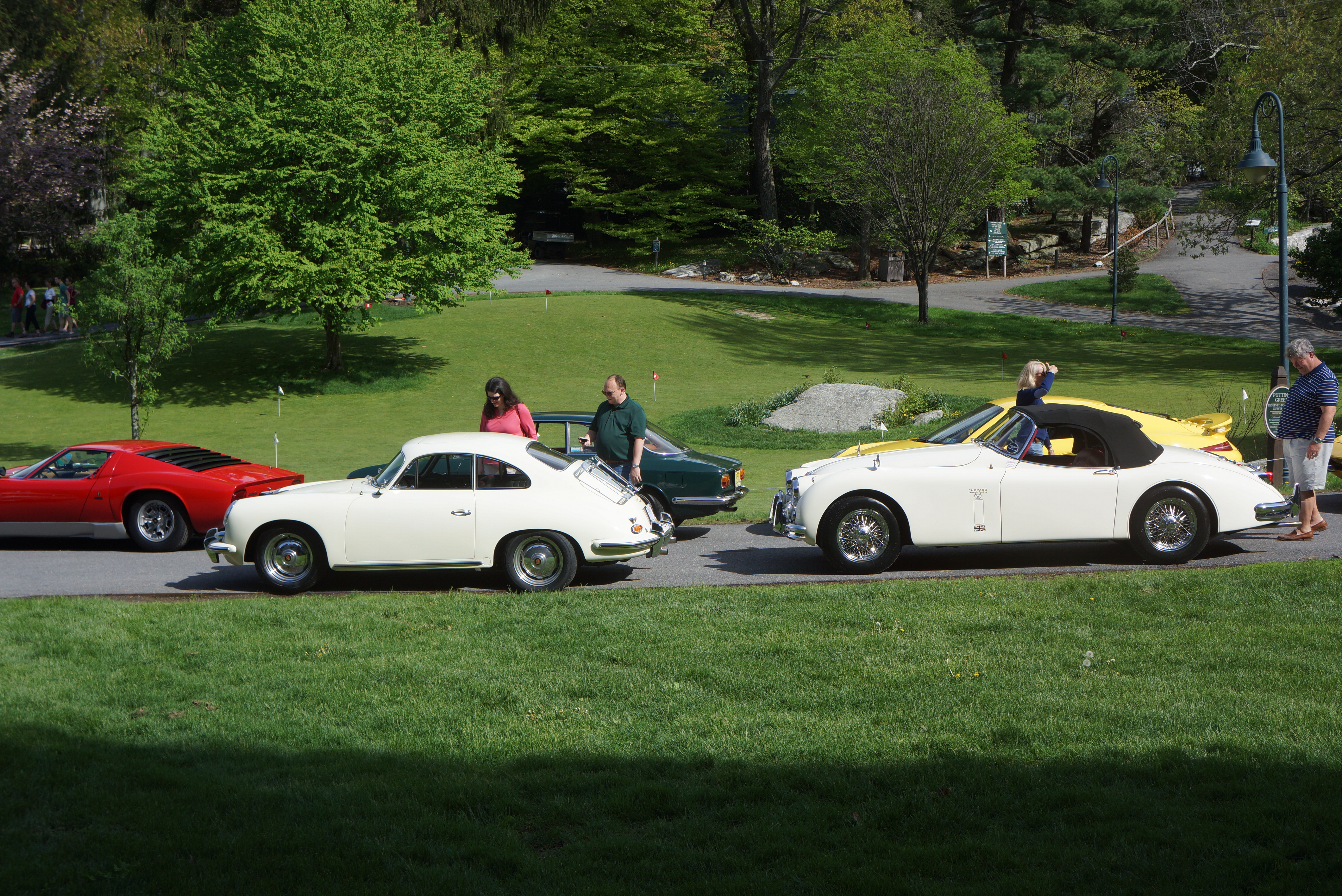
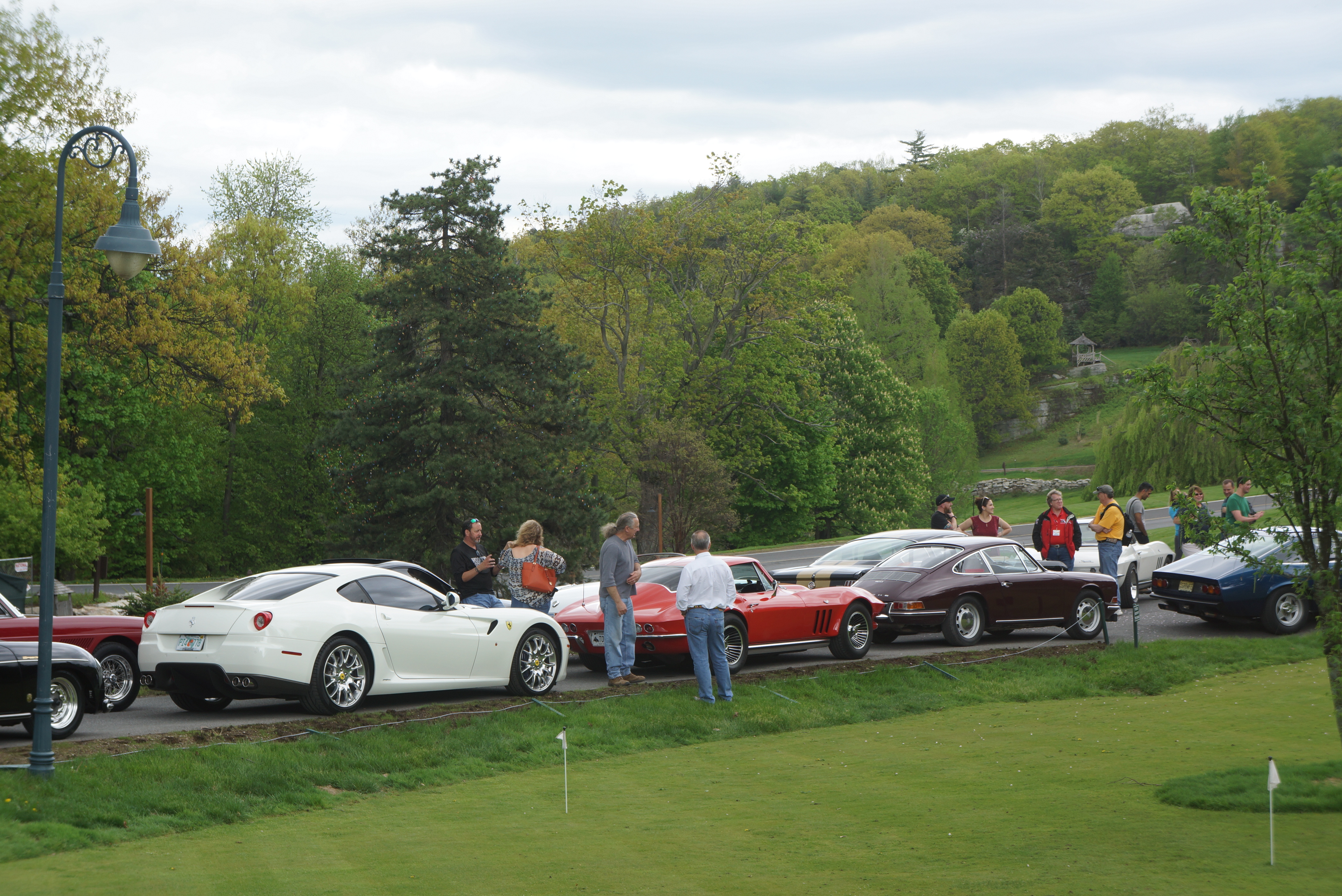
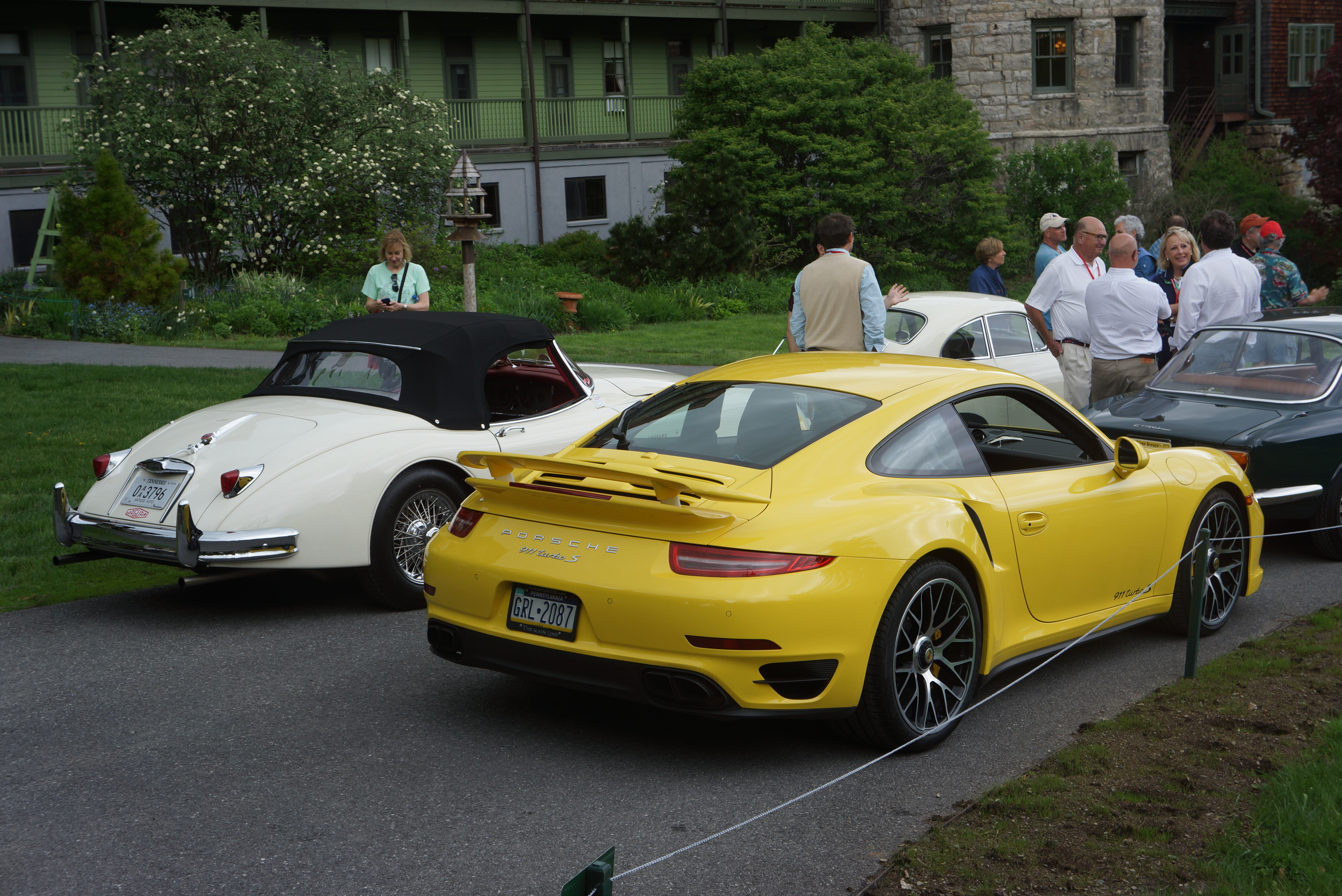
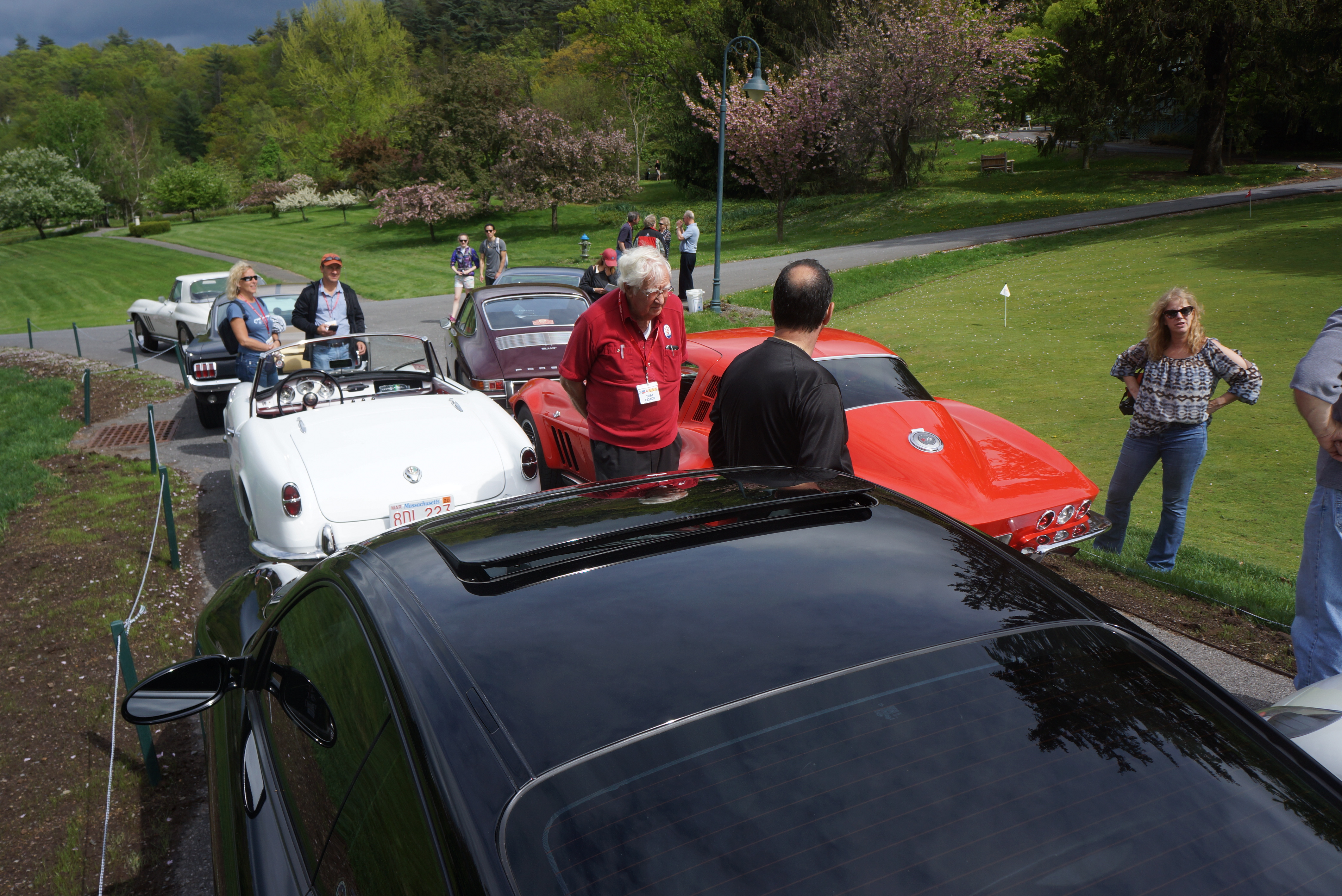
When I wasn’t busy hanging around my car to field questions (there is certainly something about the “Giulia coupe” which draws people; let’s acknowledge that it is a near-universally-loved design), I managed to walk the field several times to photograph the rest of the show. It was a wildly varied mix, with plenty of domestic and European brands (but no Asian brands), pre-war and post-war generations, and production and concept cars. For this post, I will feature 3 classes: The Ghia concept cars; the Woodies; and the “Class of 1963”.
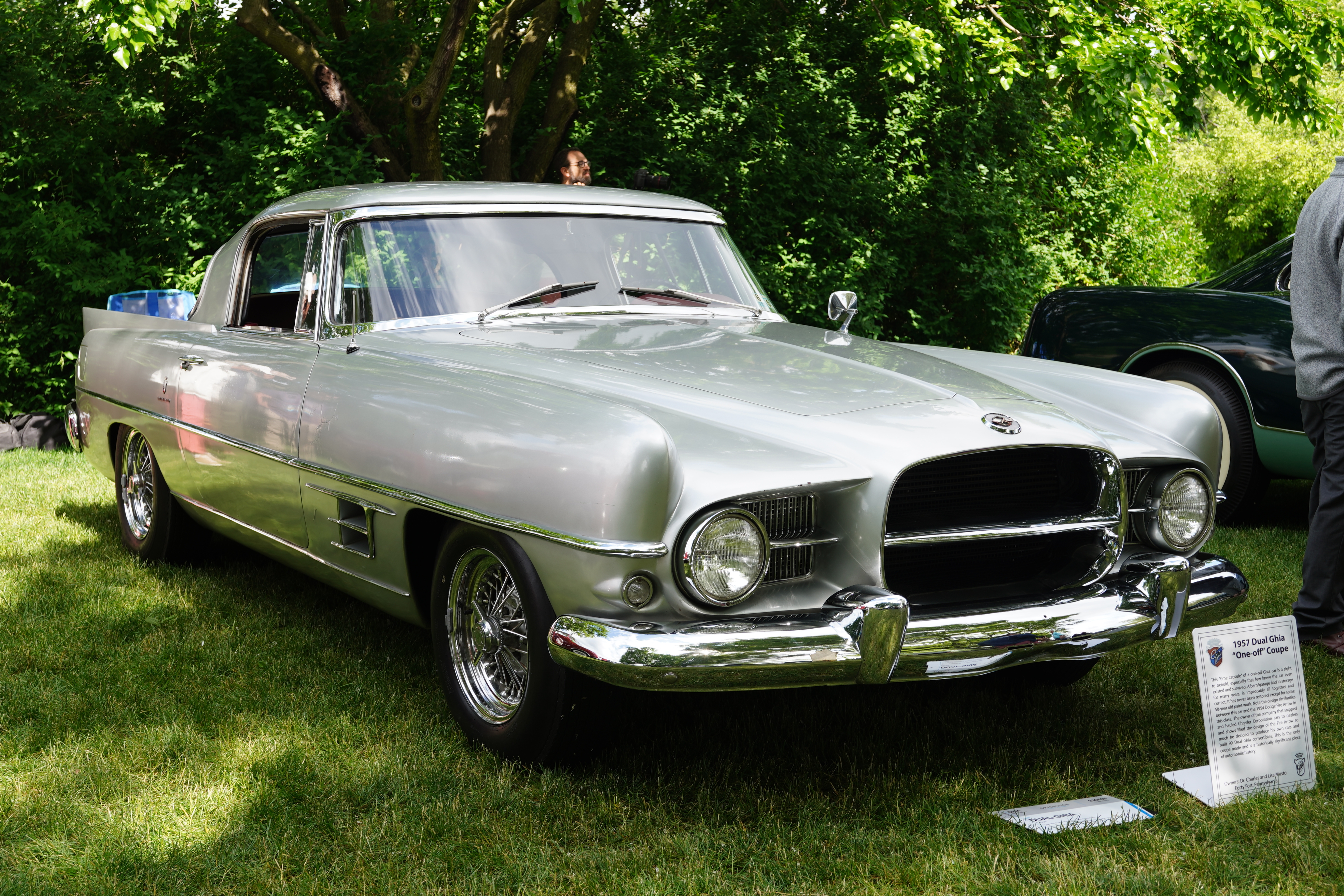
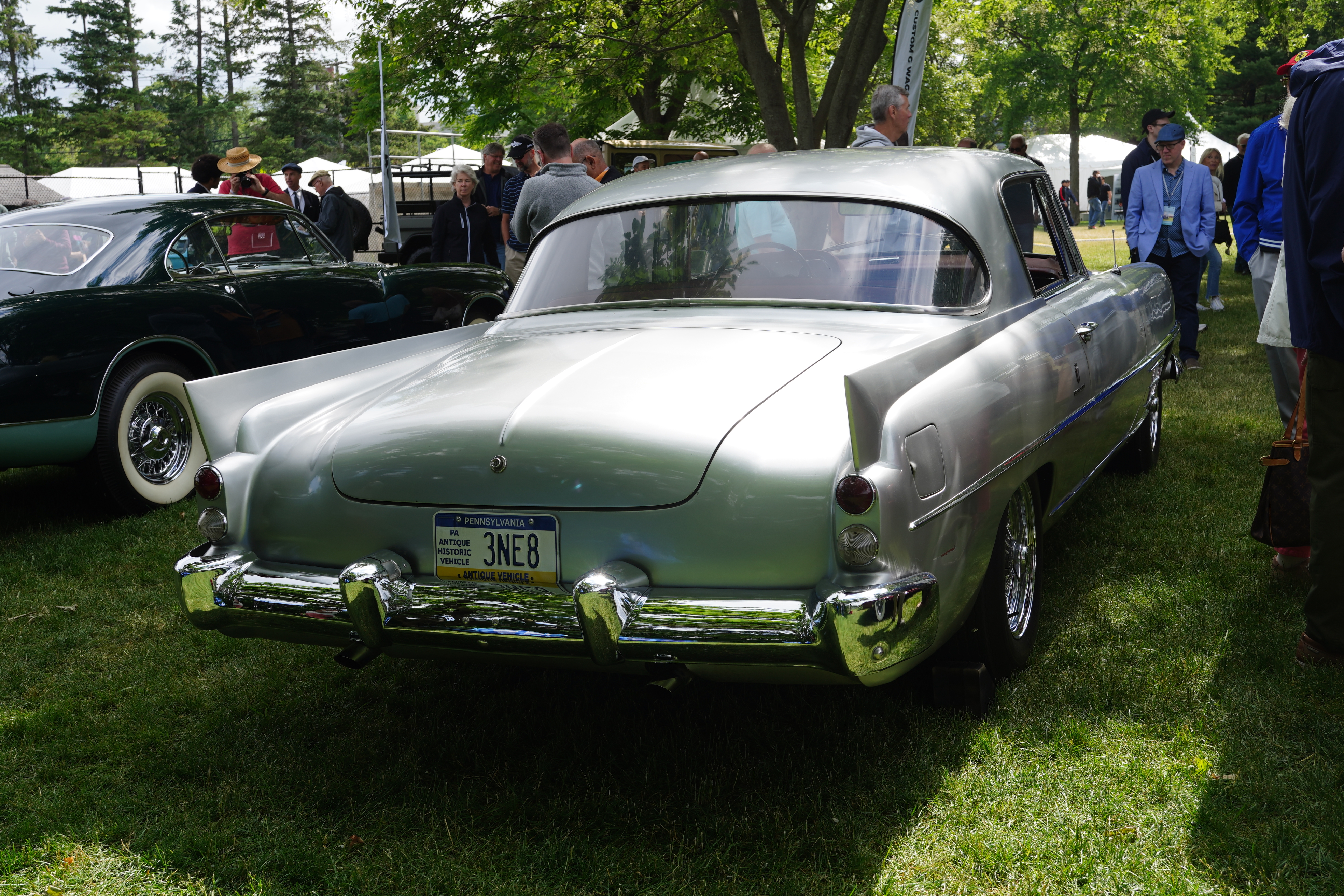
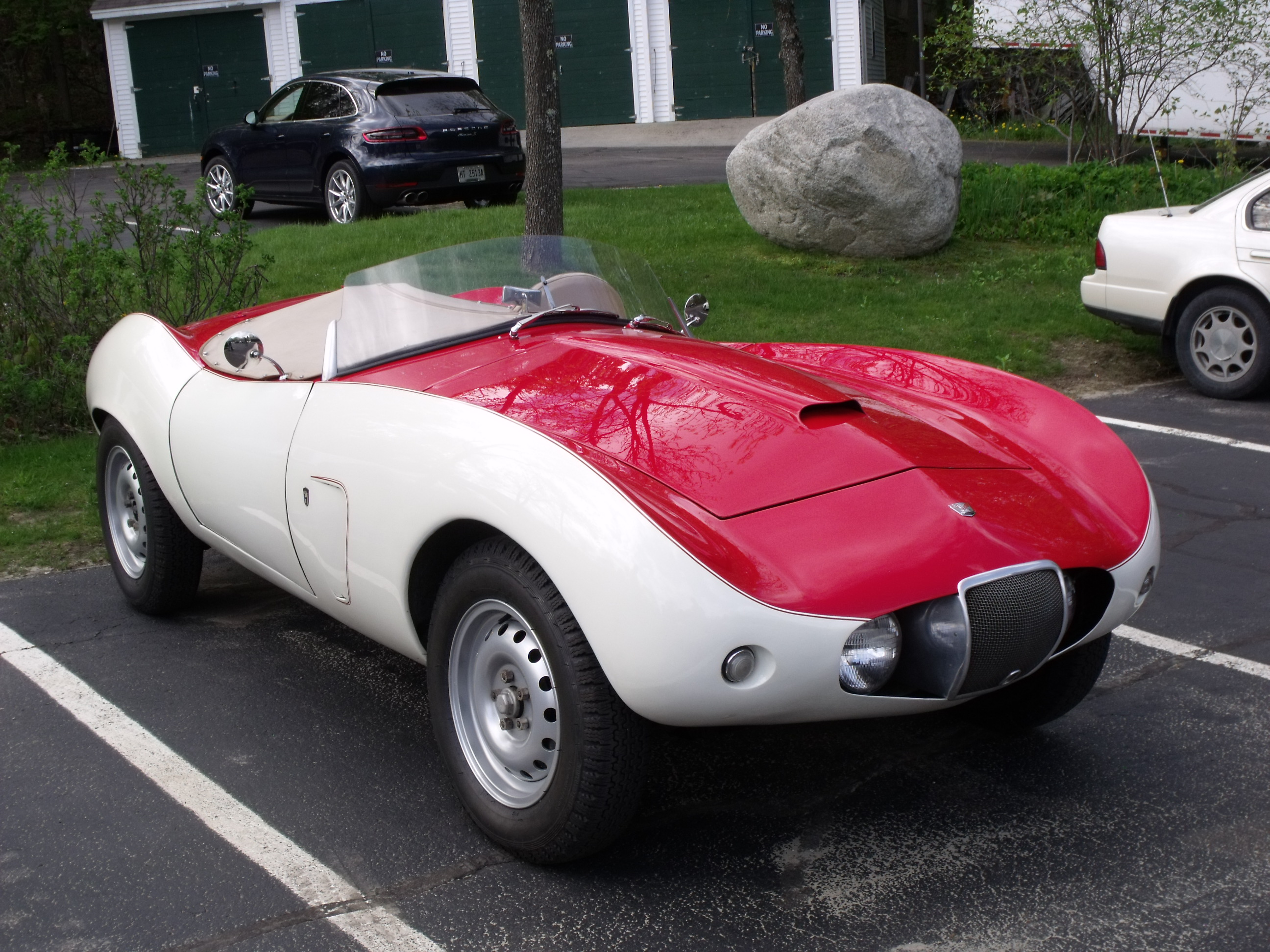
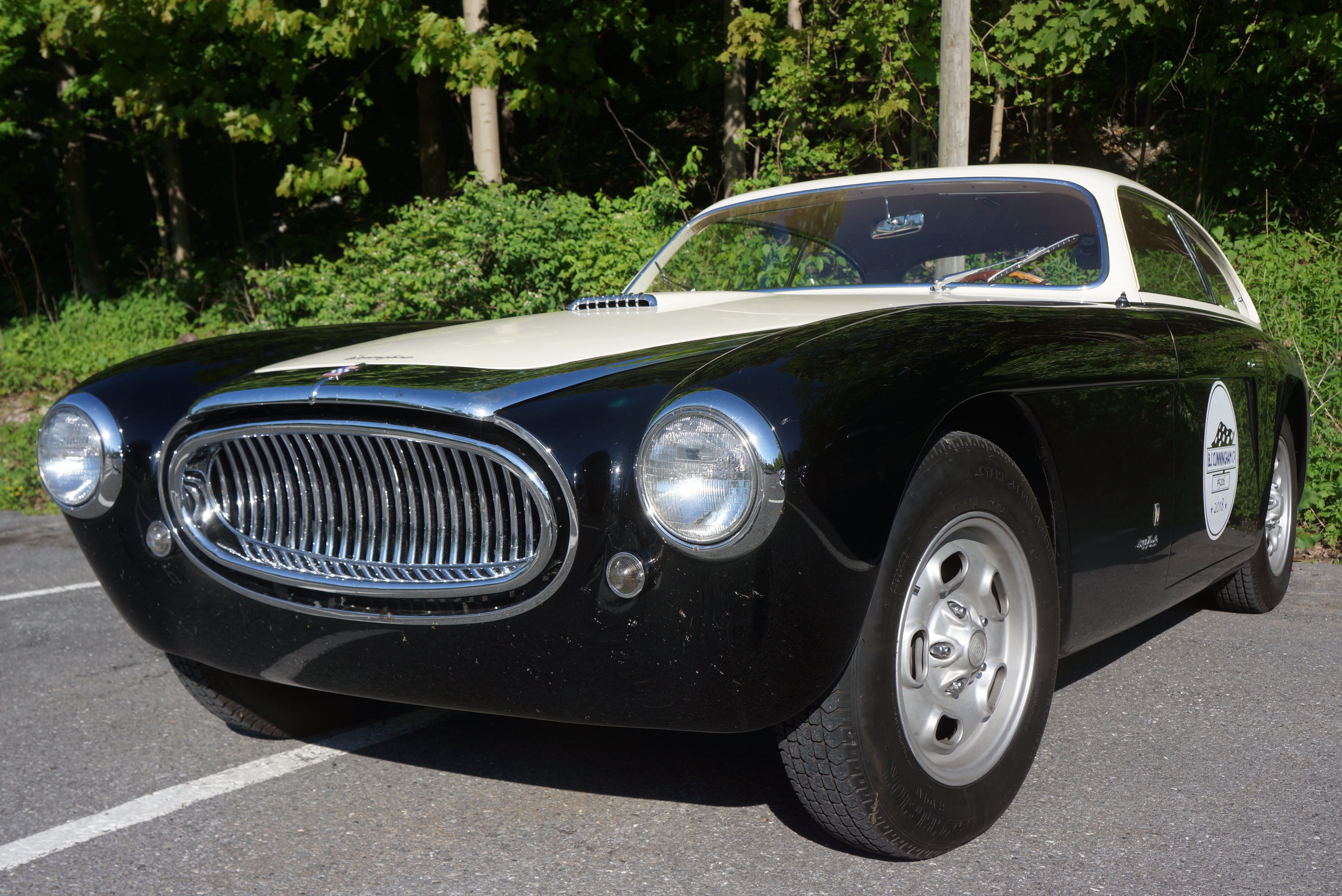
THE GHIA CONCEPT CARS
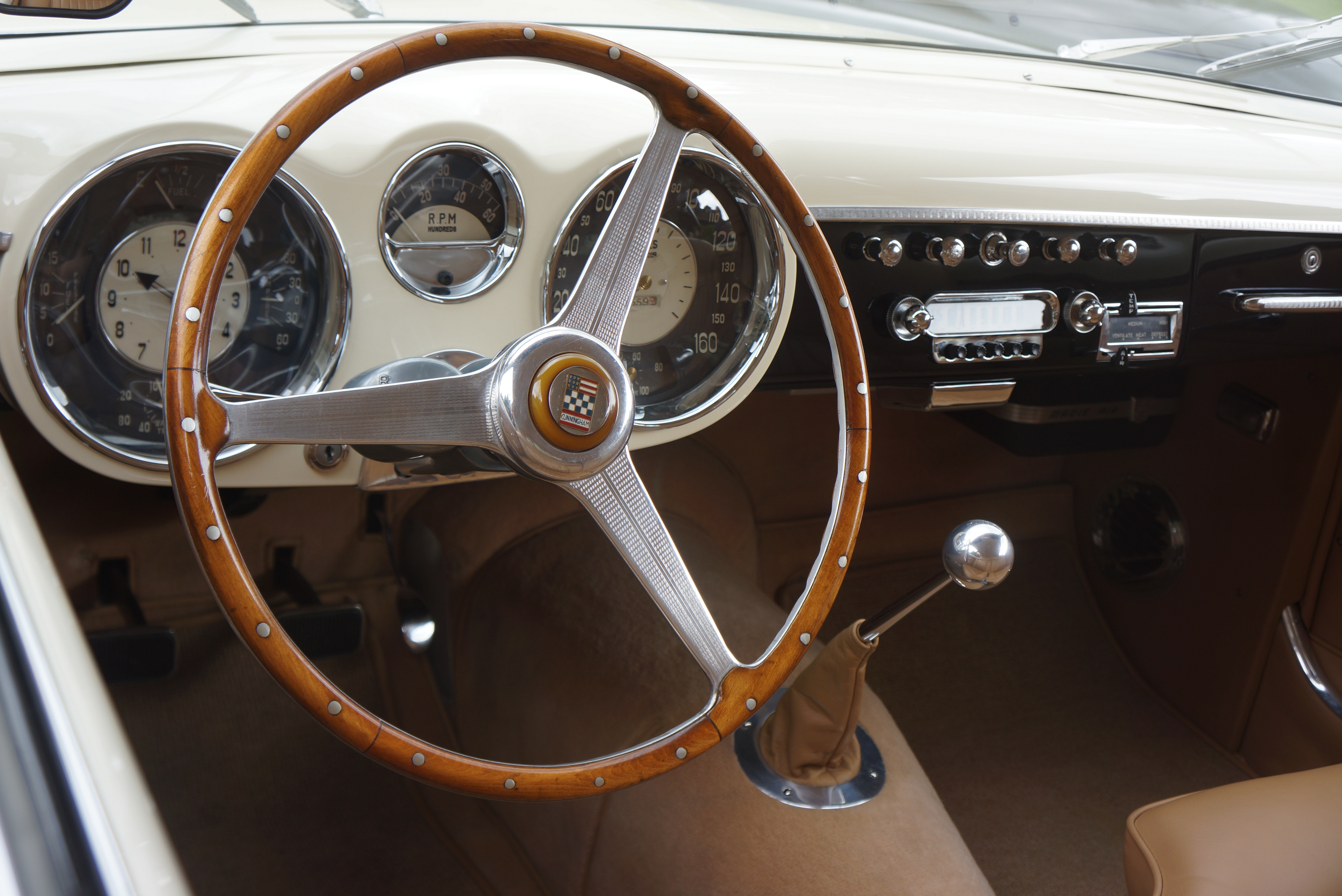
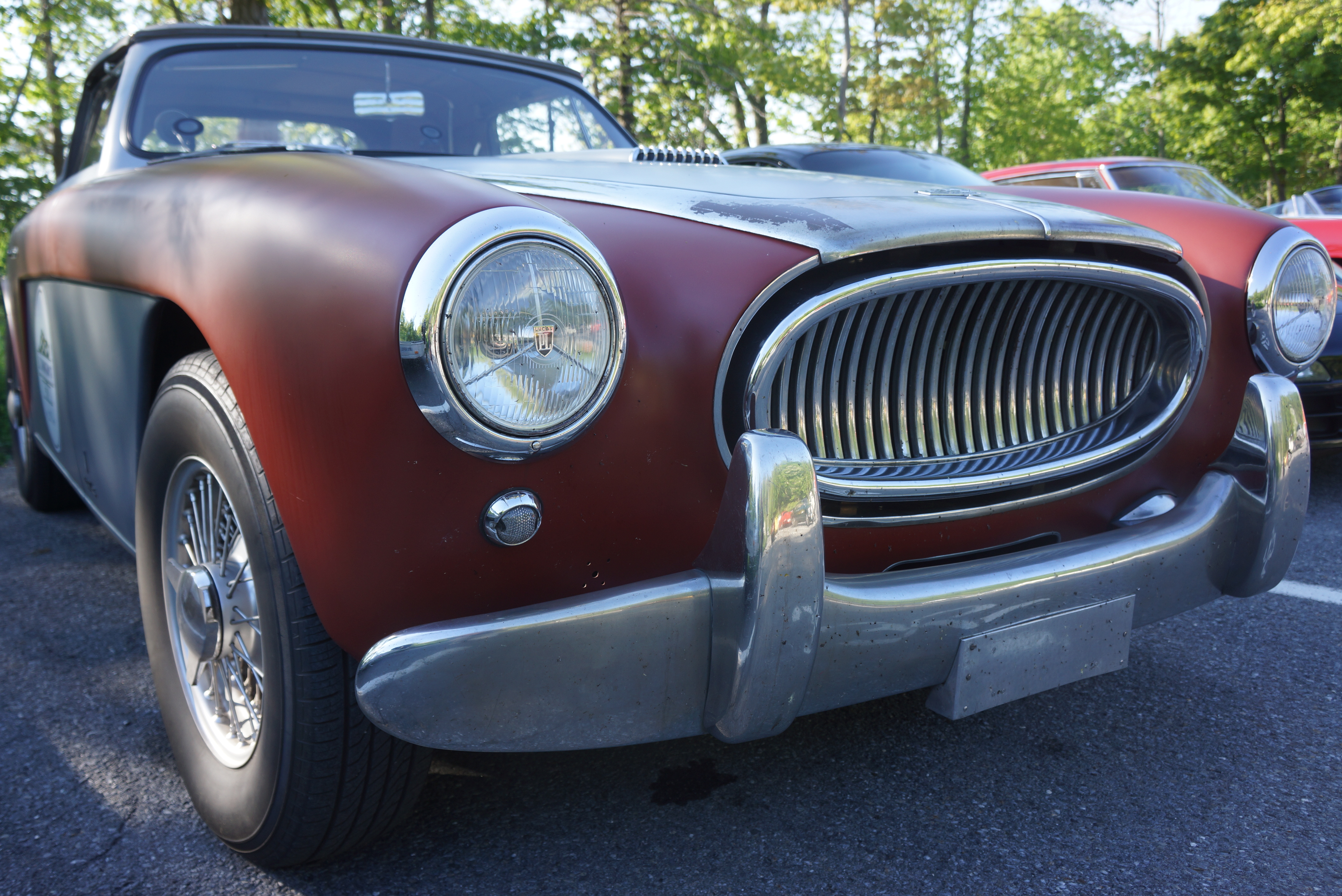
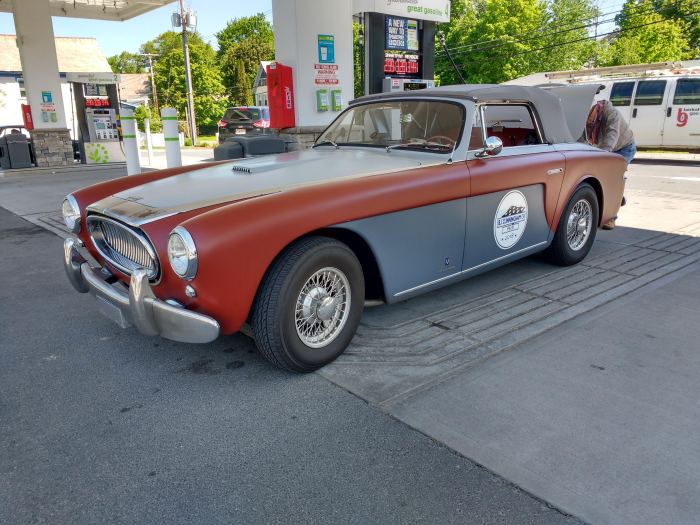
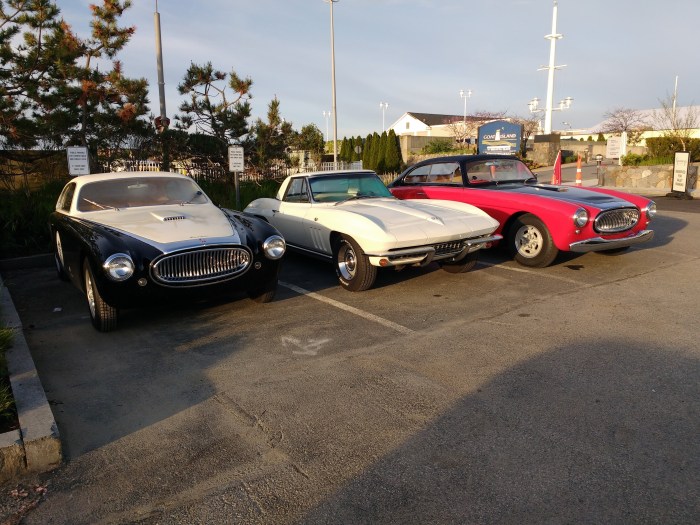
I didn’t have time to read all the explanatory signs around these gorgeous concept cars which Ghia built for Chrysler in the early-to-mid ‘50s. One or two I’ve seen before, and others I’ve only seen in photographs. To see them in person was breathtaking.




THE WOODIES
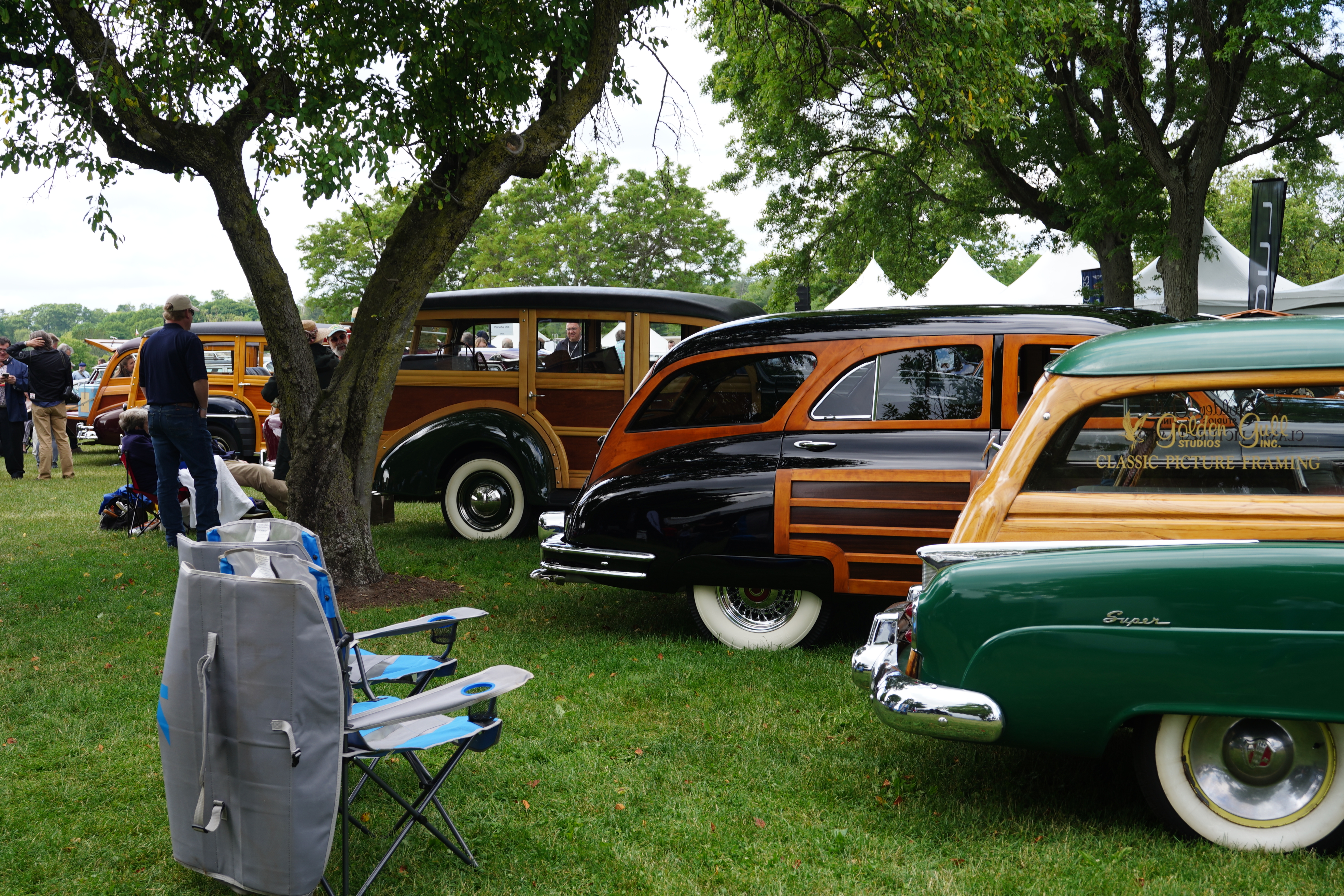
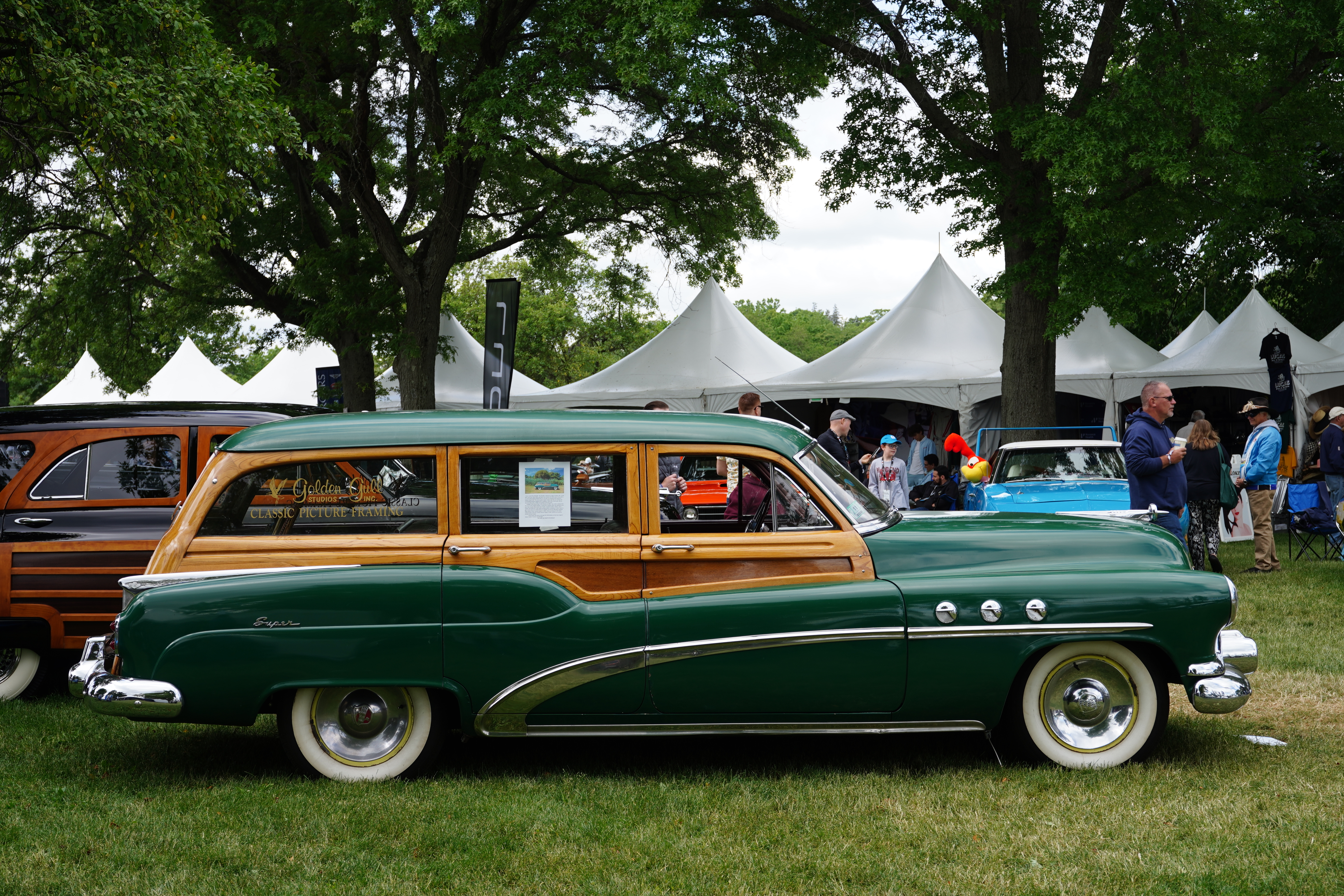
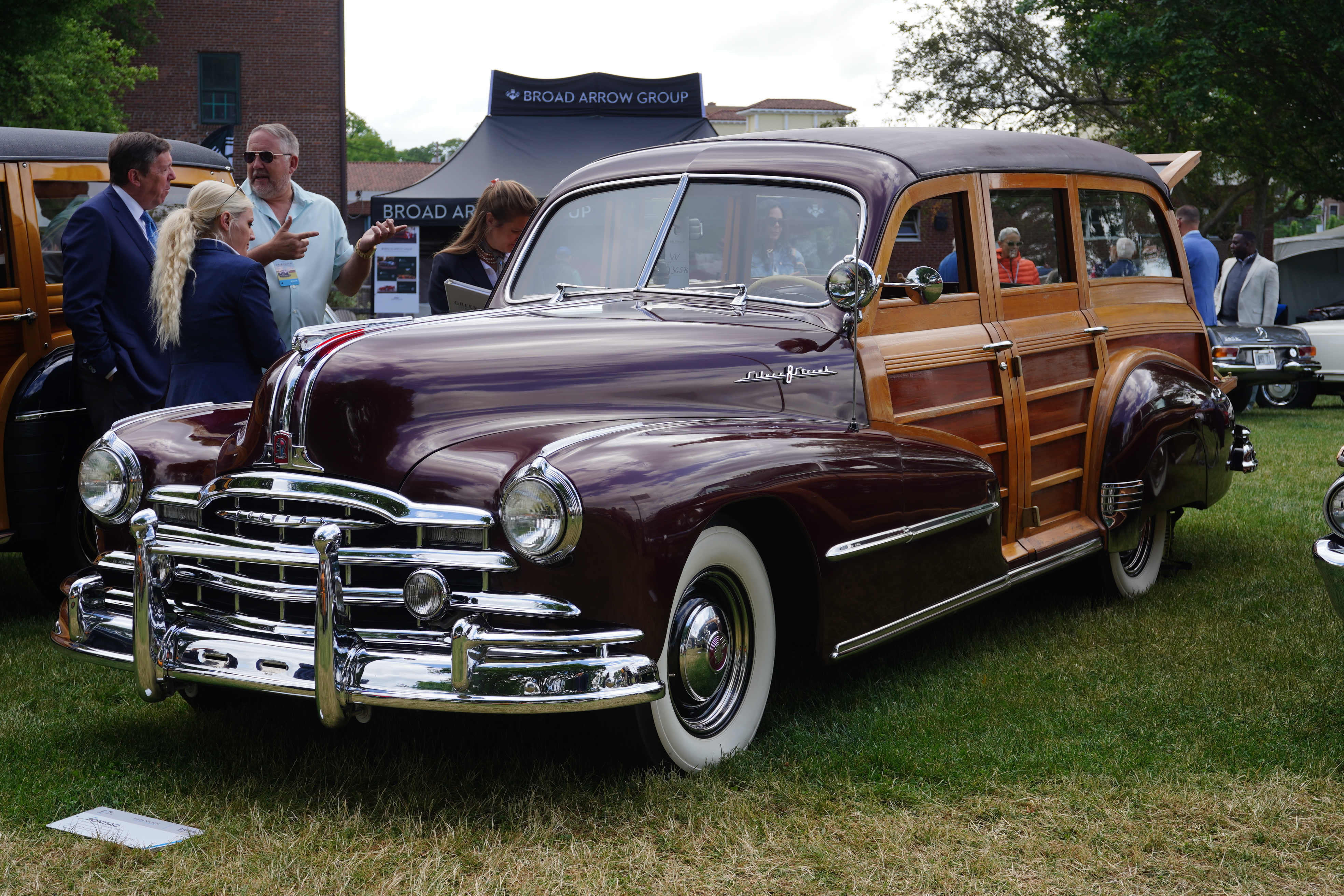
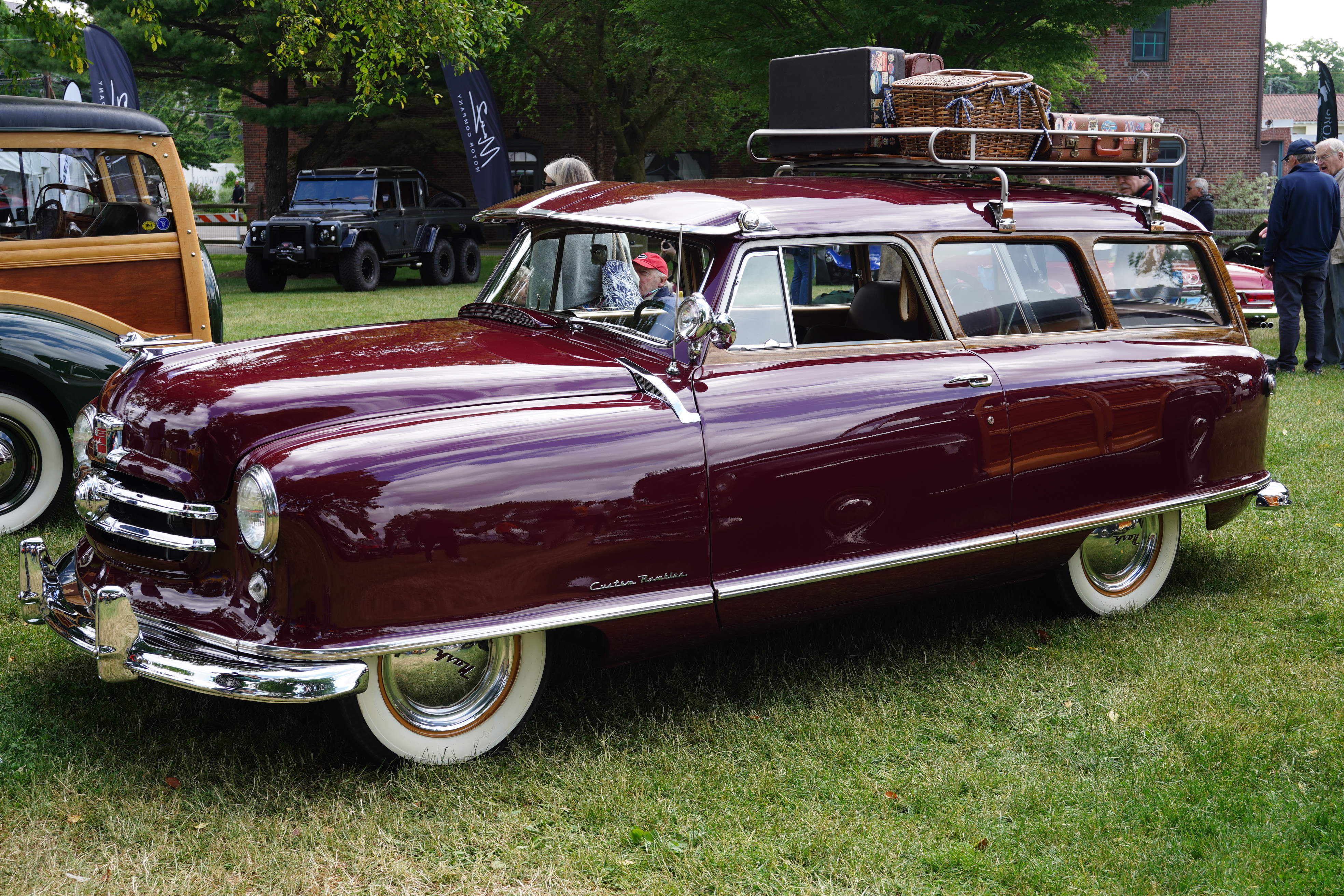
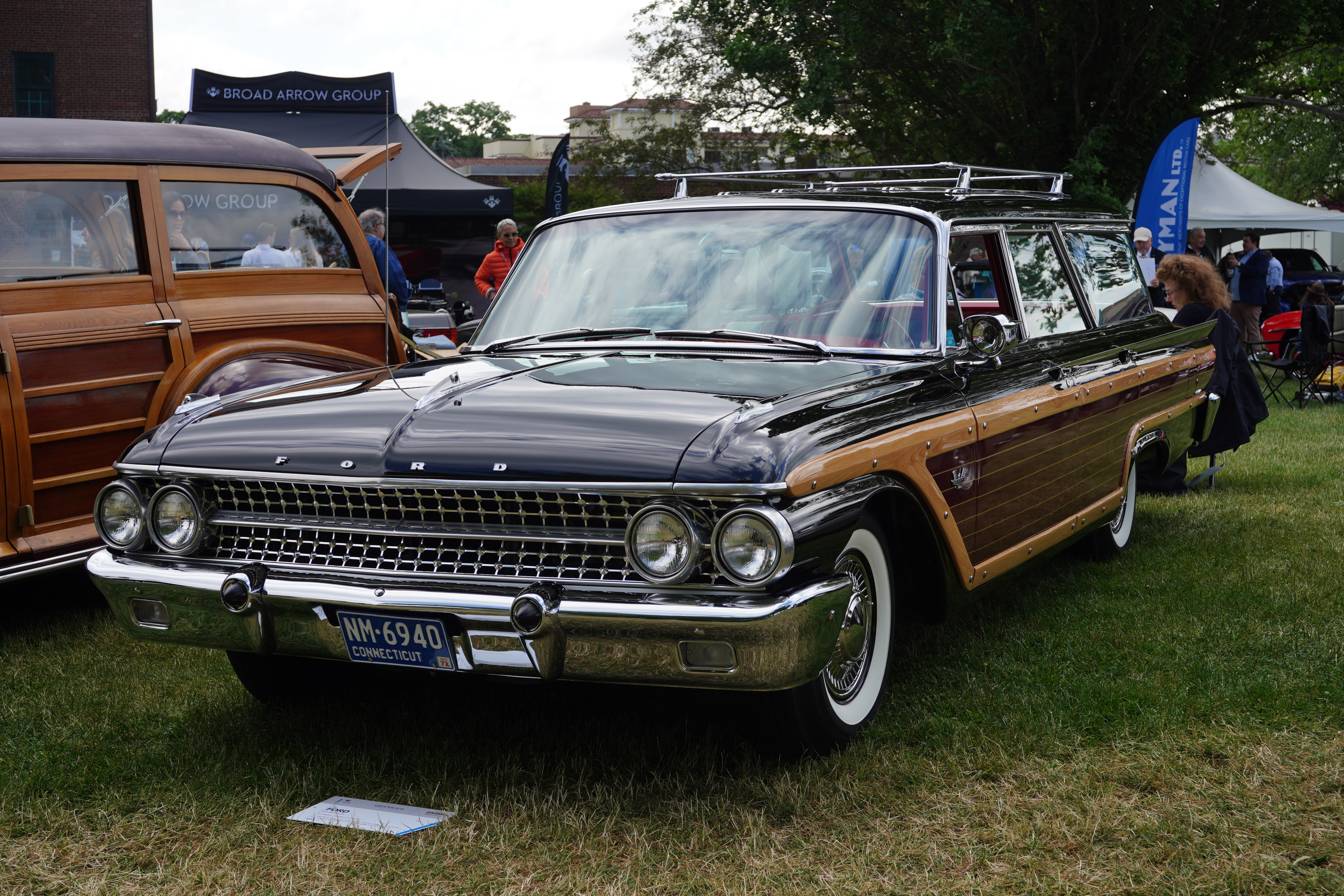
Wood was originally used as a vehicle body material out of necessity. Station wagons up through the first half of the 20th century used wood because there weren’t yet presses large enough to stamp the big sheets of steel needed for the wagon’s body panels. Once domestic station wagons switched to all-steel, which happened by the end of the 1940s, there was some nostalgia for woodies, so Detroit continued to trim their wagons with wood. Eventually, as a cost savings, vinyl sheets with woodgrain patterns were used. The 1961 Ford was the newest woody wagon on display. The Nash Rambler, with its minimal fake wood treatment, was a vehicle I can’t recall ever seeing before.


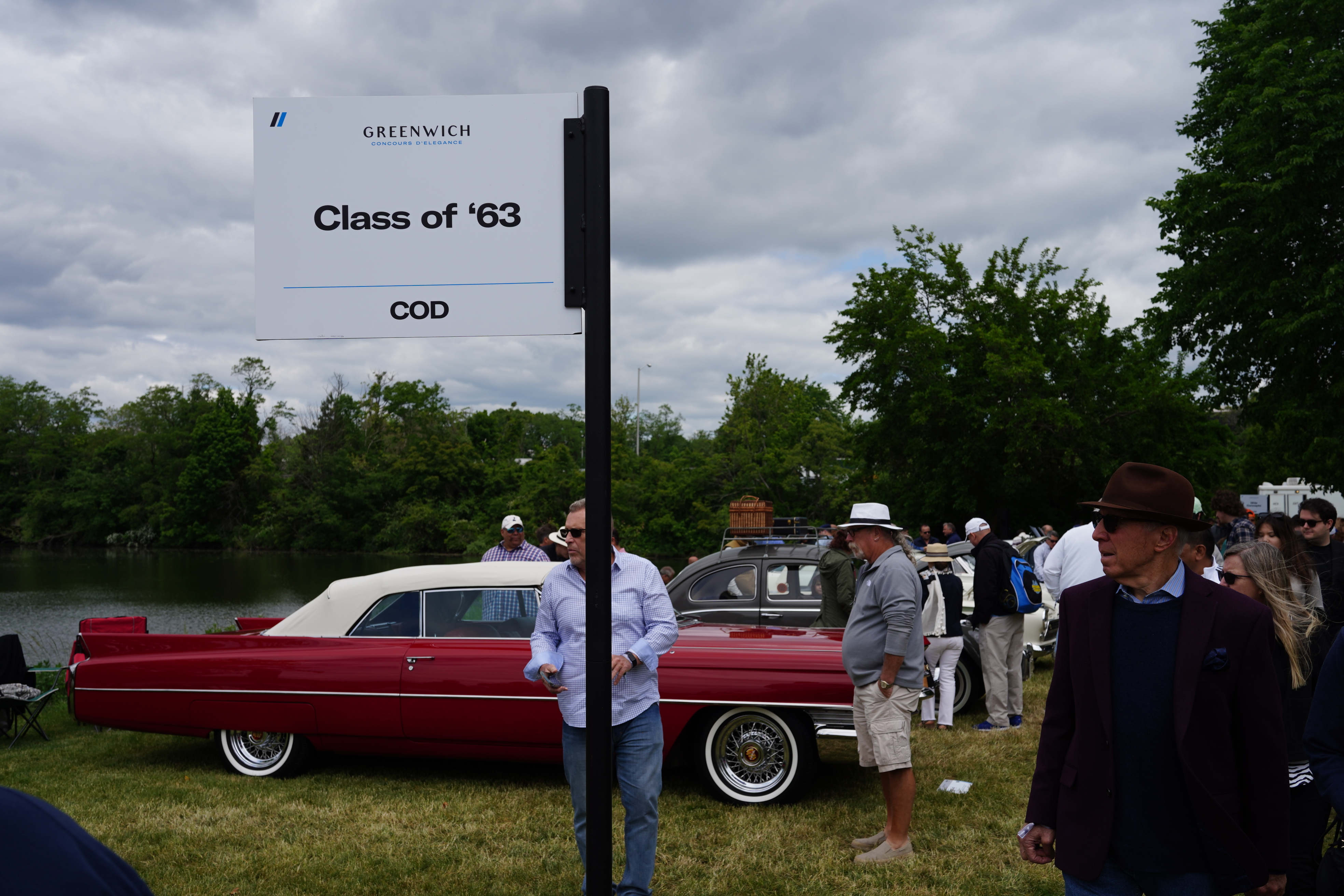
THE CLASS OF 1963
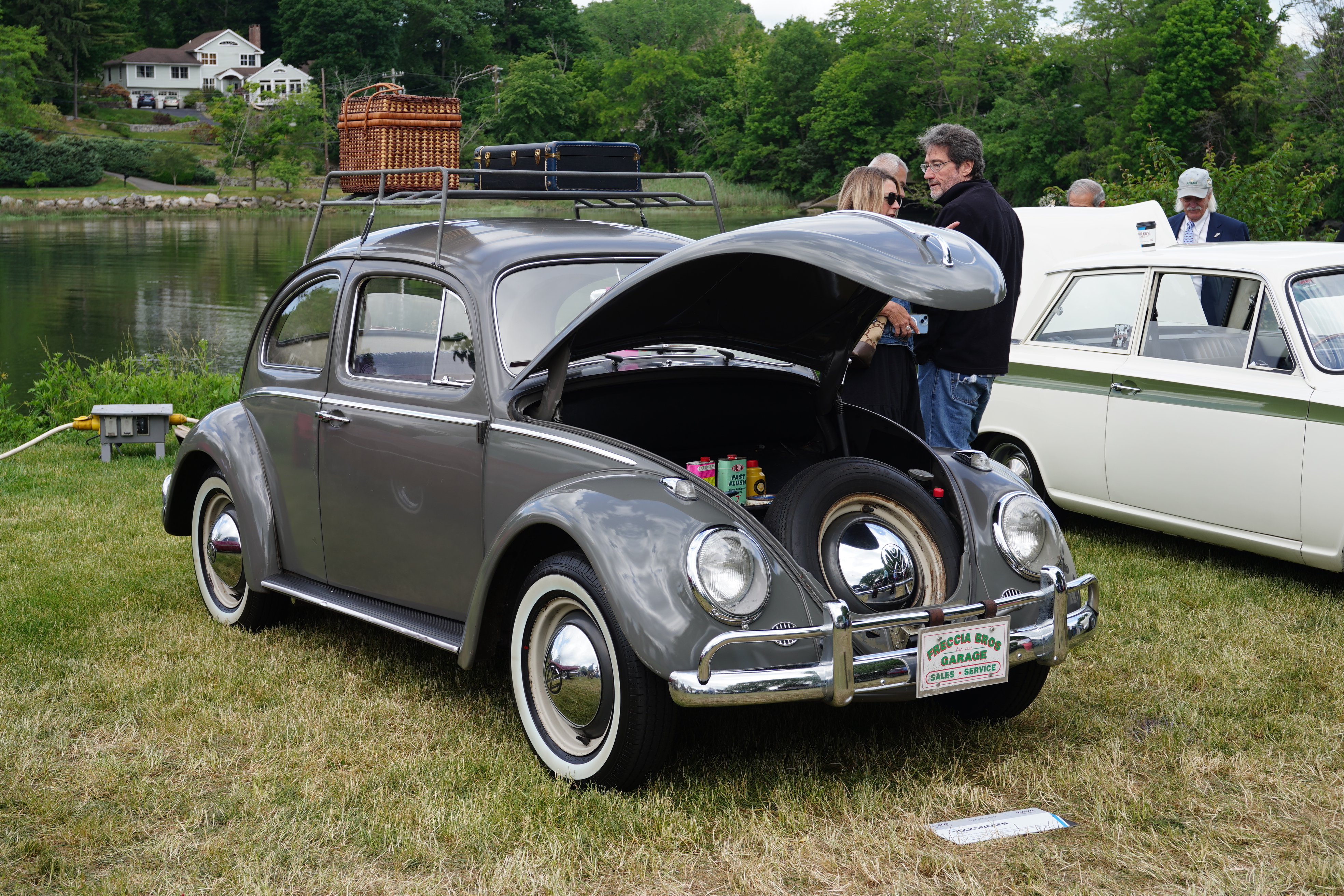
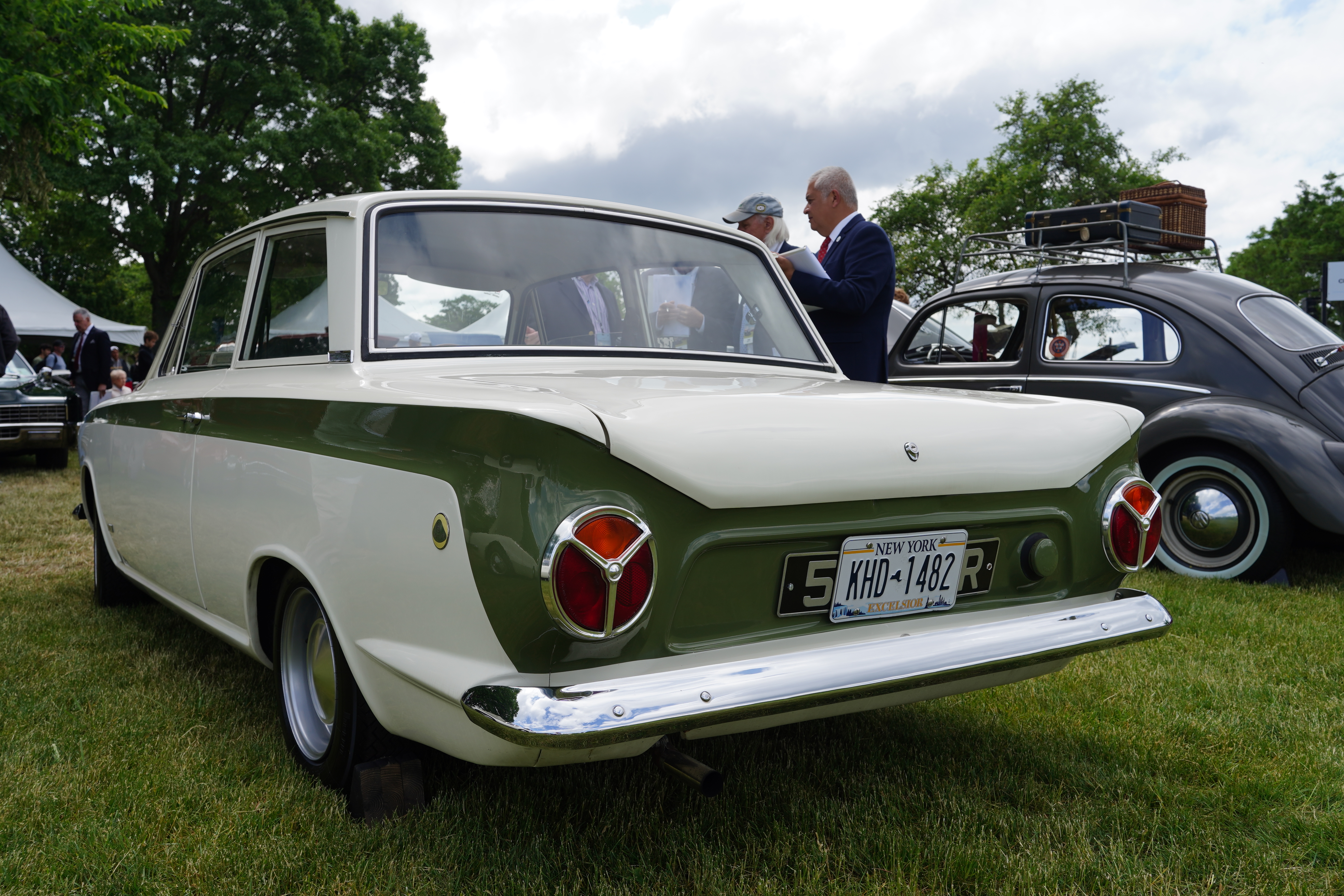
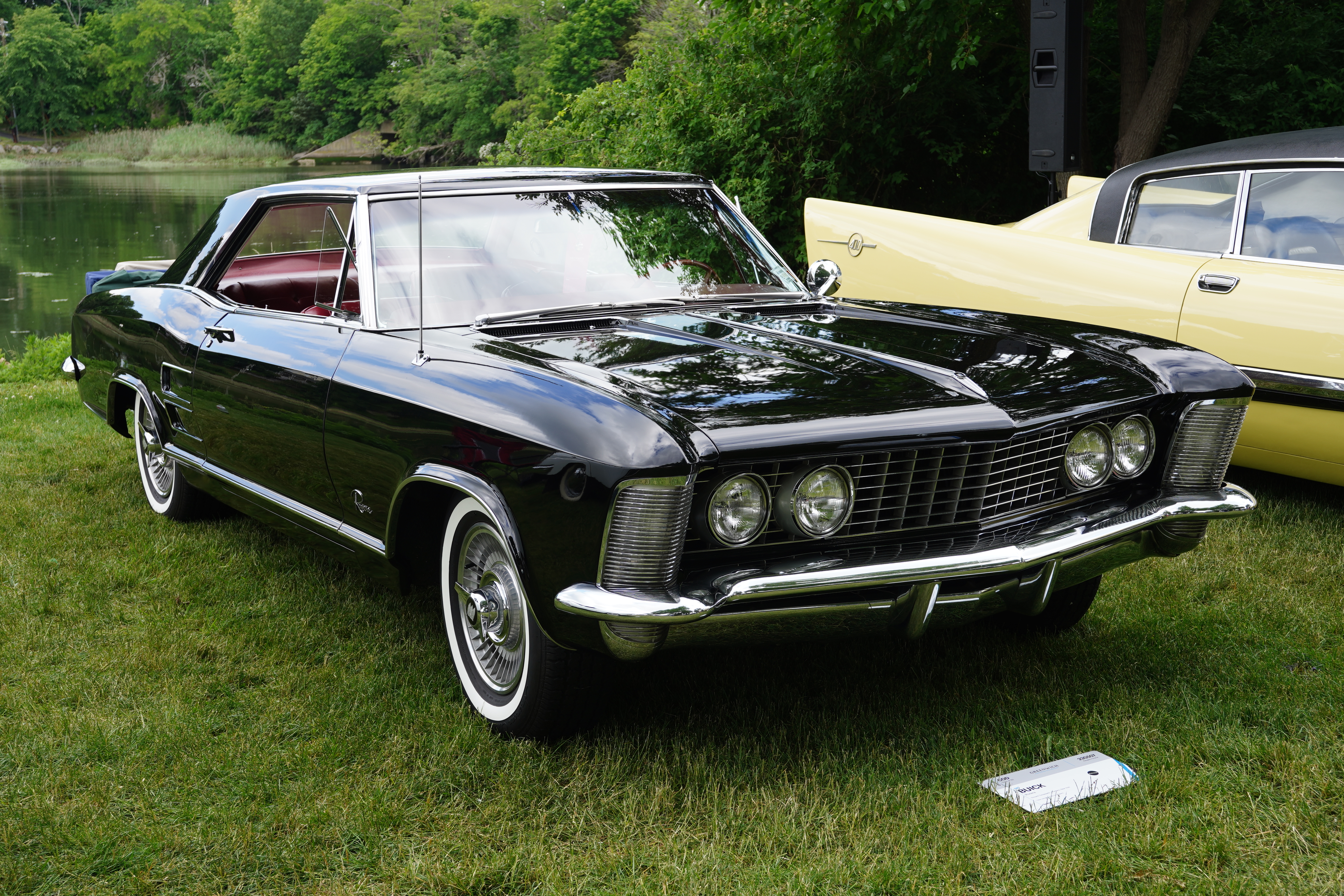
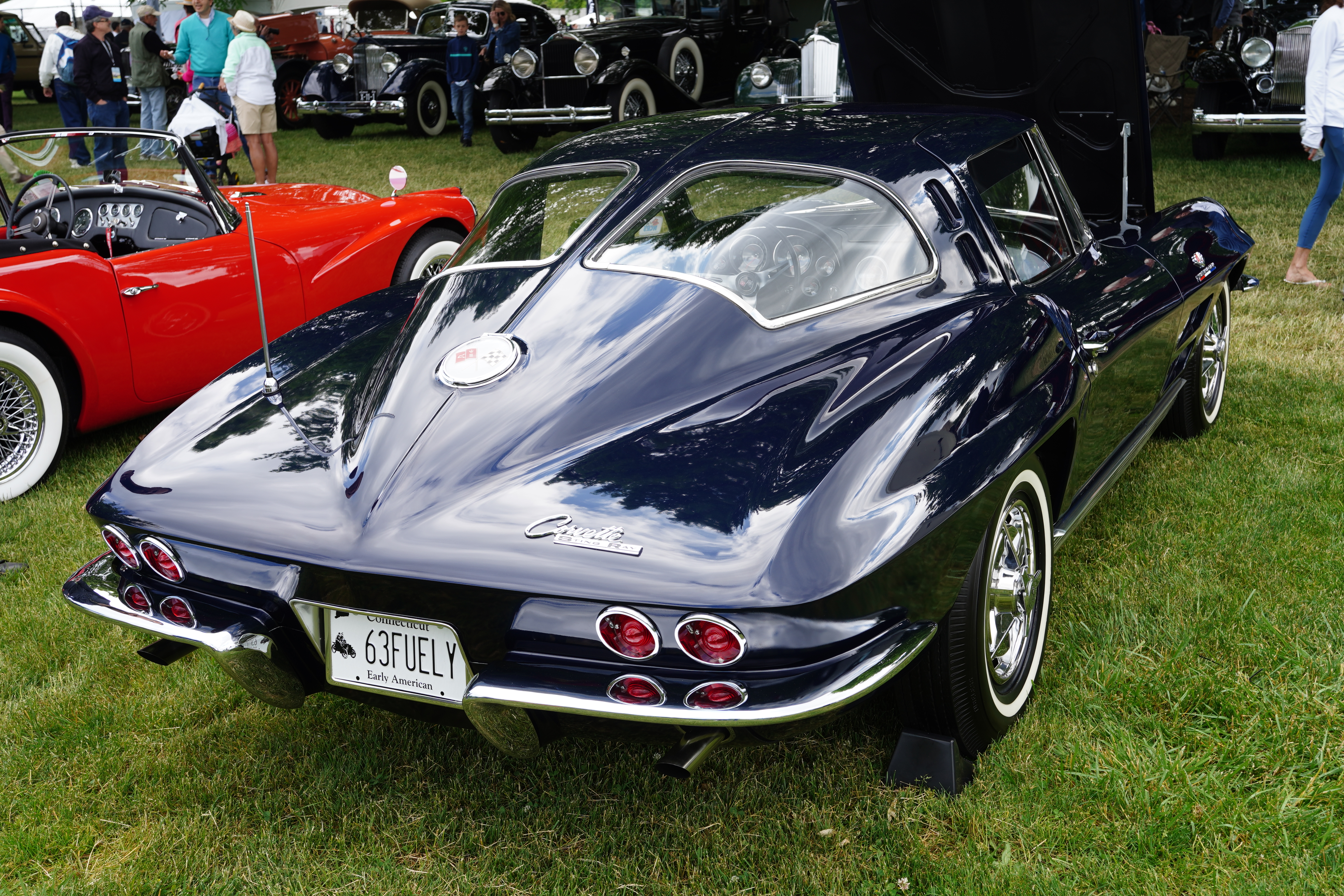
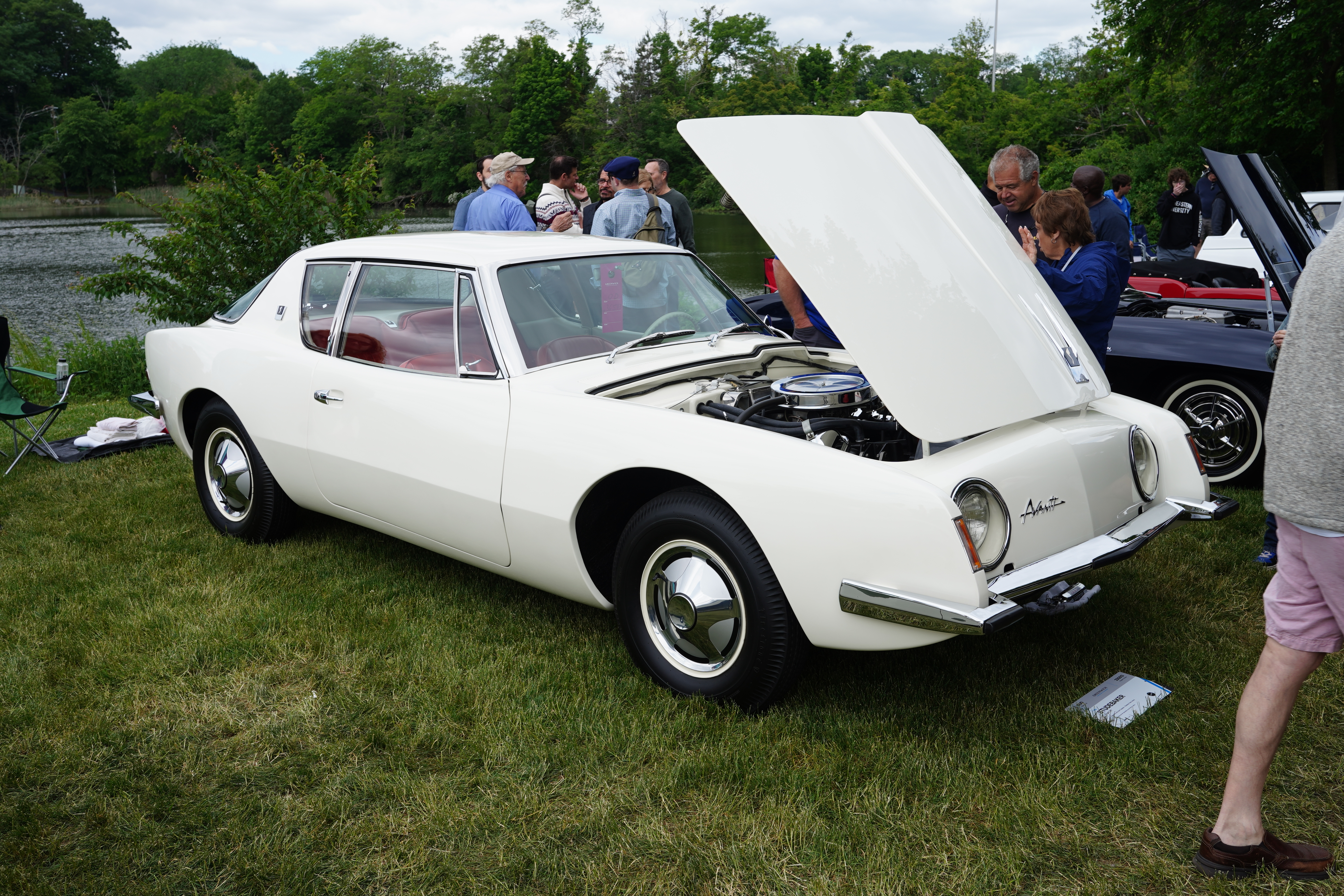
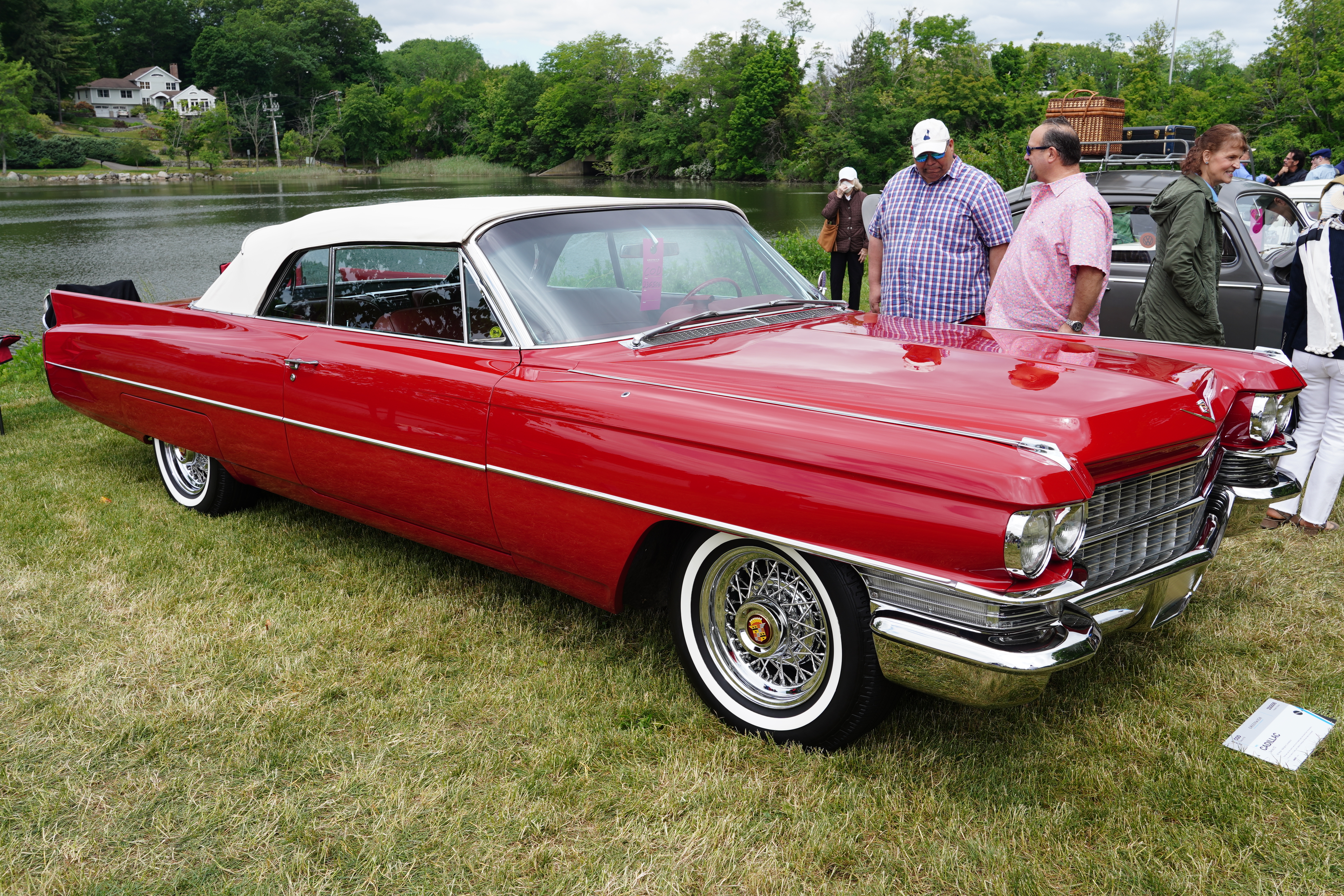
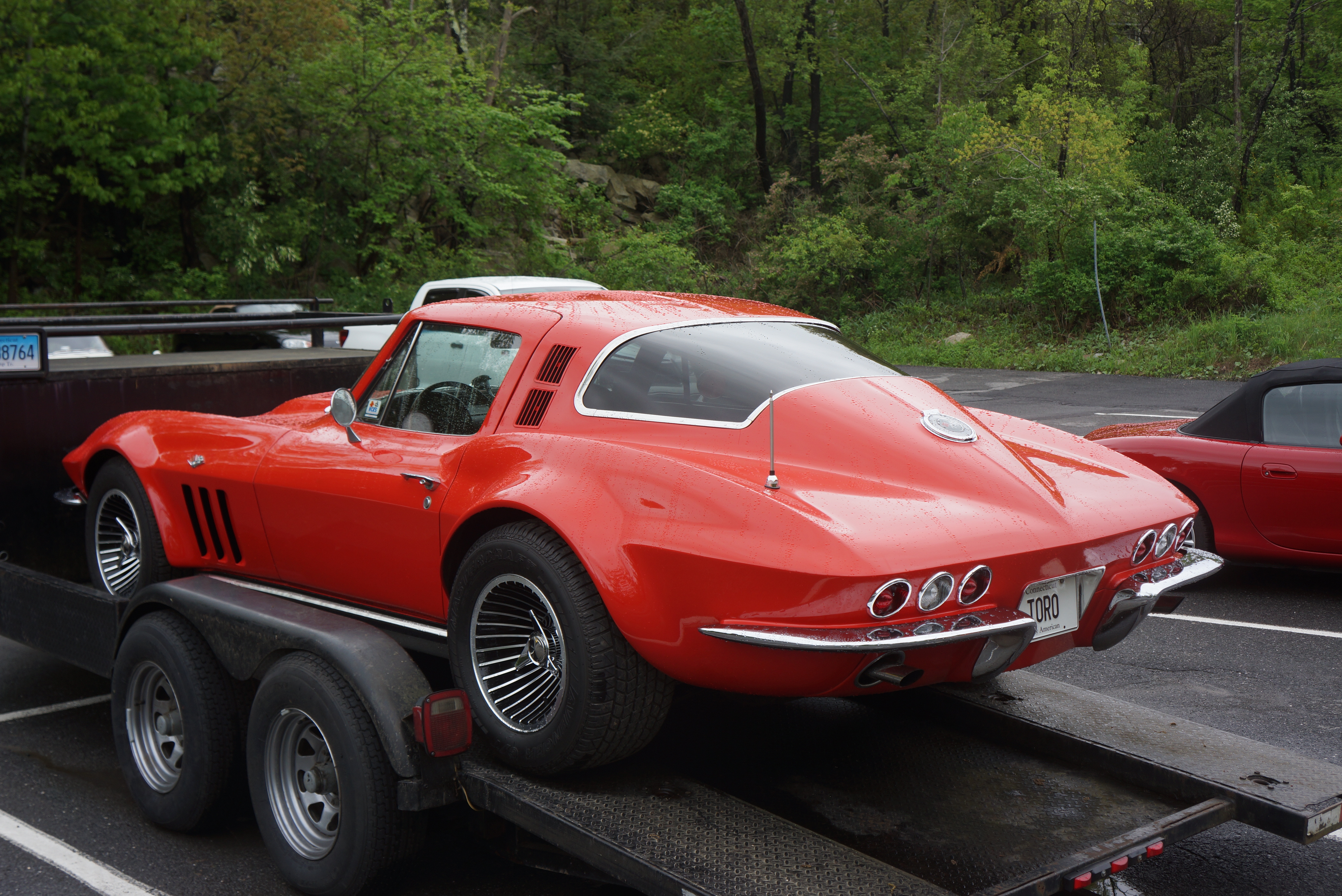
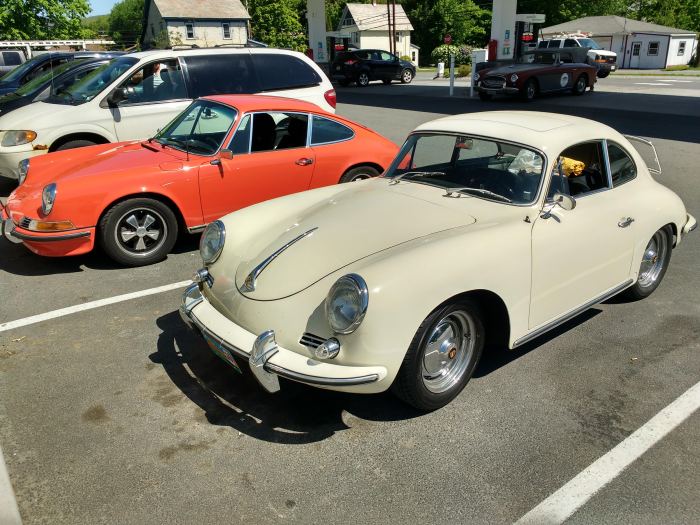
I’ve often fantasized what it must have been like to have been a young person of driving age in 1963, with money in one’s pocket to buy almost any new car available. It was a banner year for new vehicle introductions, which included the Chevrolet Corvette Sting Ray in both split-window coupe and roadster forms; the Buick Riviera, GM’s first real competition against the Ford Thunderbird in the personal luxury coupe class; and the Studebaker Avanti, an all-fiberglass coupe which, in a last-ditch effort by Studebaker to stay alive, was radically designed by Raymond Loewy. Other choice offerings included the Chrysler 300J, the Lincoln Continental 4-door convertible, and the Pontiac Grand Prix. If you were willing to consider “foreign cars”, you could check out the Jaguar XKE, the Austin-Healey 3000, the Fiat 1200 Spider, the Iso Rivolta, the MGB, the Porsche 356, the Triumph TR4, and the Volvo P1800, among others.
I don’t know if Hagerty chose “The Class of 1963” because it was an iconic year or because it was 60 years ago. Either way, there was a delightful and eclectic variety of 1963 model year vehicles lined up, ranging from Volkswagen to Cadillac, and some interesting things in between. .

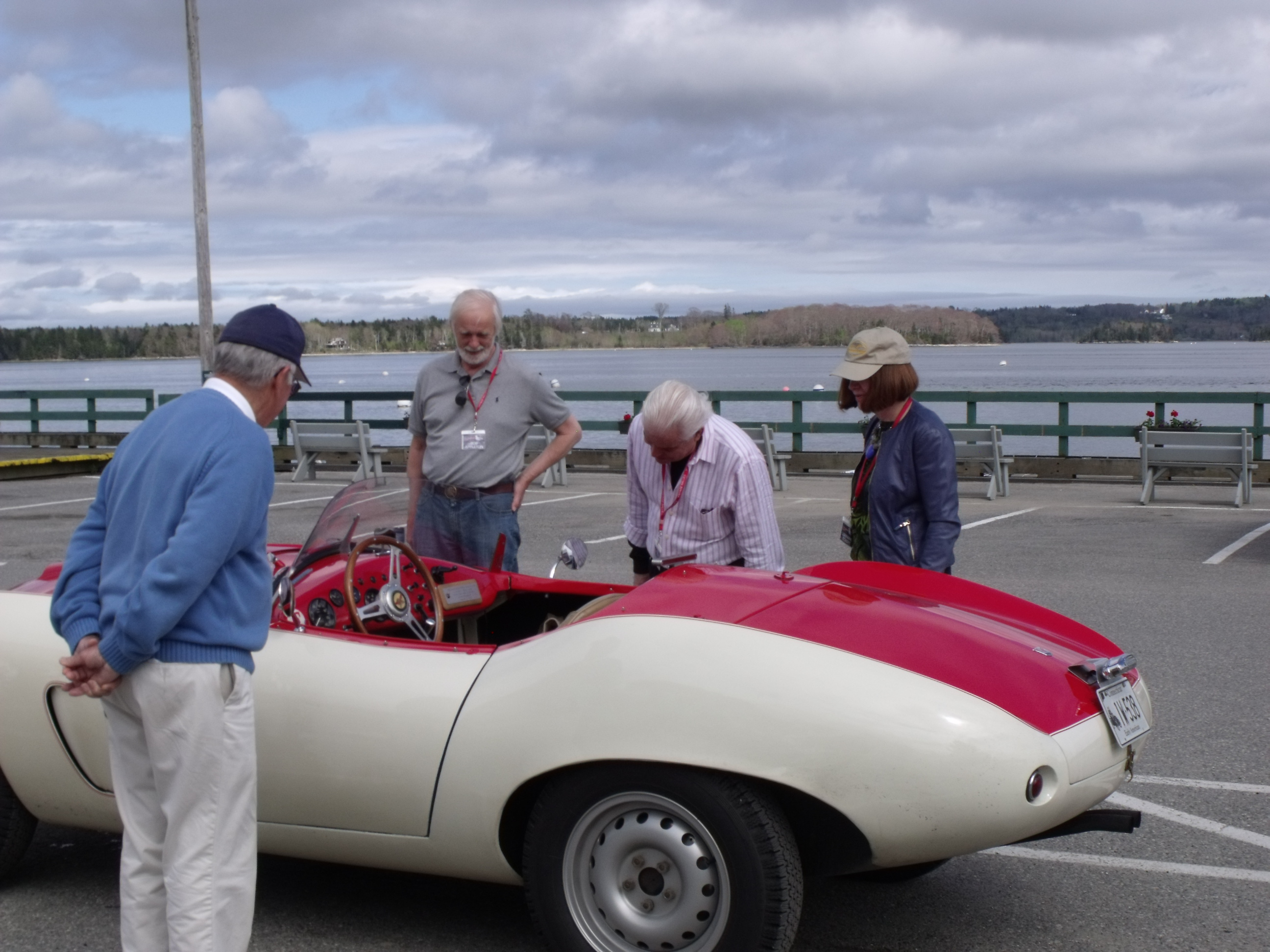
AN ALFA ADDENDUM
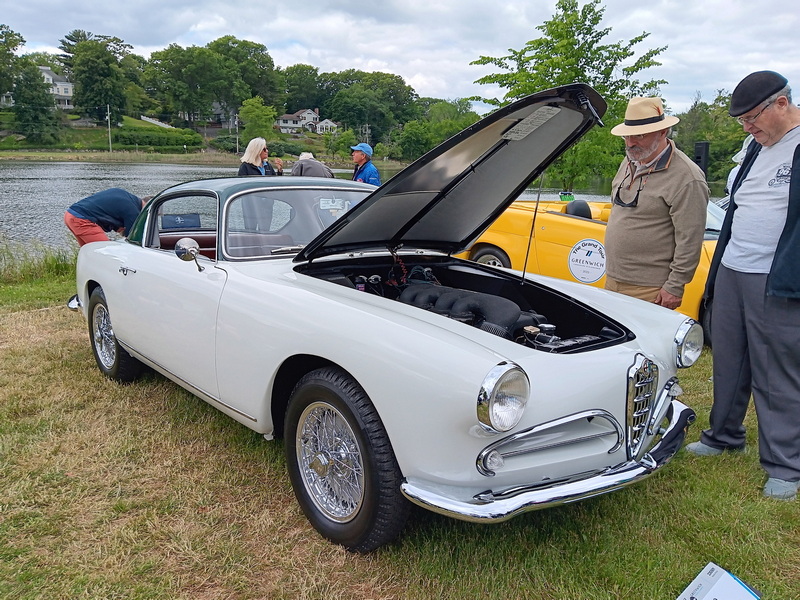
Thanks to my new buddy Lambert from the NJ Alfa Club who took this shot and gave me permission to use it, here is that class-winning 1900:
For Part 3 I will have plenty more photos plus more stories about some of the personalities I met.
All photographs copyright © 2023 Richard A. Reina. Photos may not be copied or reproduced without express written permission.



























































 richardscarblog